

Pretty much everyone has a picture of Portugal in their head: sun-baked cobblestones, the smell of grilled sardines, the ocean crashing into the cliffs and a glass of port to go with it. But before the dream turns into an actual trip, the practical doubts kick in – when’s the best time to go, how much will the whole thing cost and can you manage on your own, or are you better off booking a package? These are exactly the questions we wrestle with every single time, so we get it. ☺️
That’s why we’ve pulled together three things in one place that you’ll find genuinely useful: up-to-date tour and flight prices, which we refresh every morning; our tips from our own trips and articles, where we’re honest about what isn’t worth your time too; and a simple plan for when and what to book so you don’t overpay for nothing.

What to see and do in Portugal
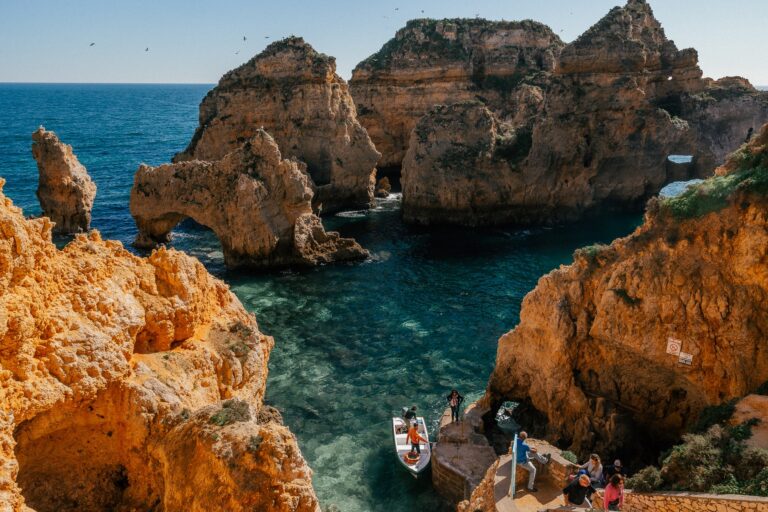
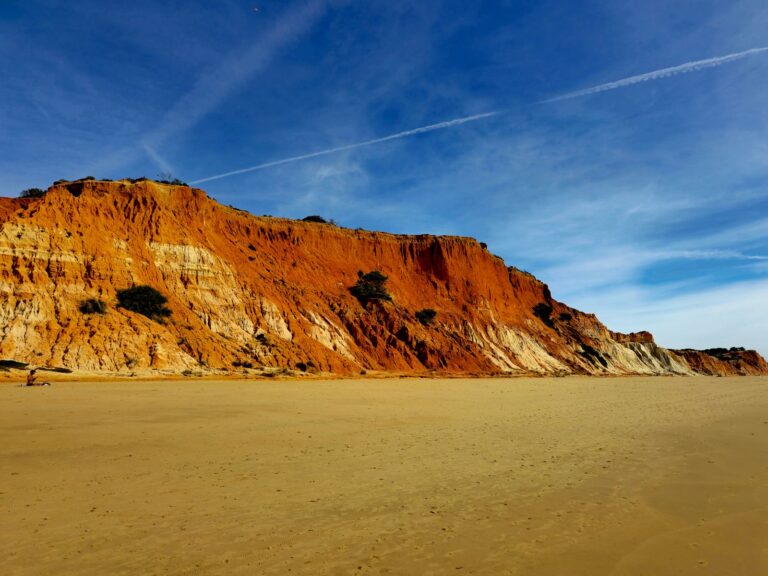
Portugal is small on the map but incredibly varied. Down south you’ll find sunny Albufeira and the Algarve region with the iconic Benagil cave, the romantic cliffs around Lagos and the quieter fishing town of Olhão. Surfers head for Ericeira or Carrapateira, while big-wave fans make for Nazaré.
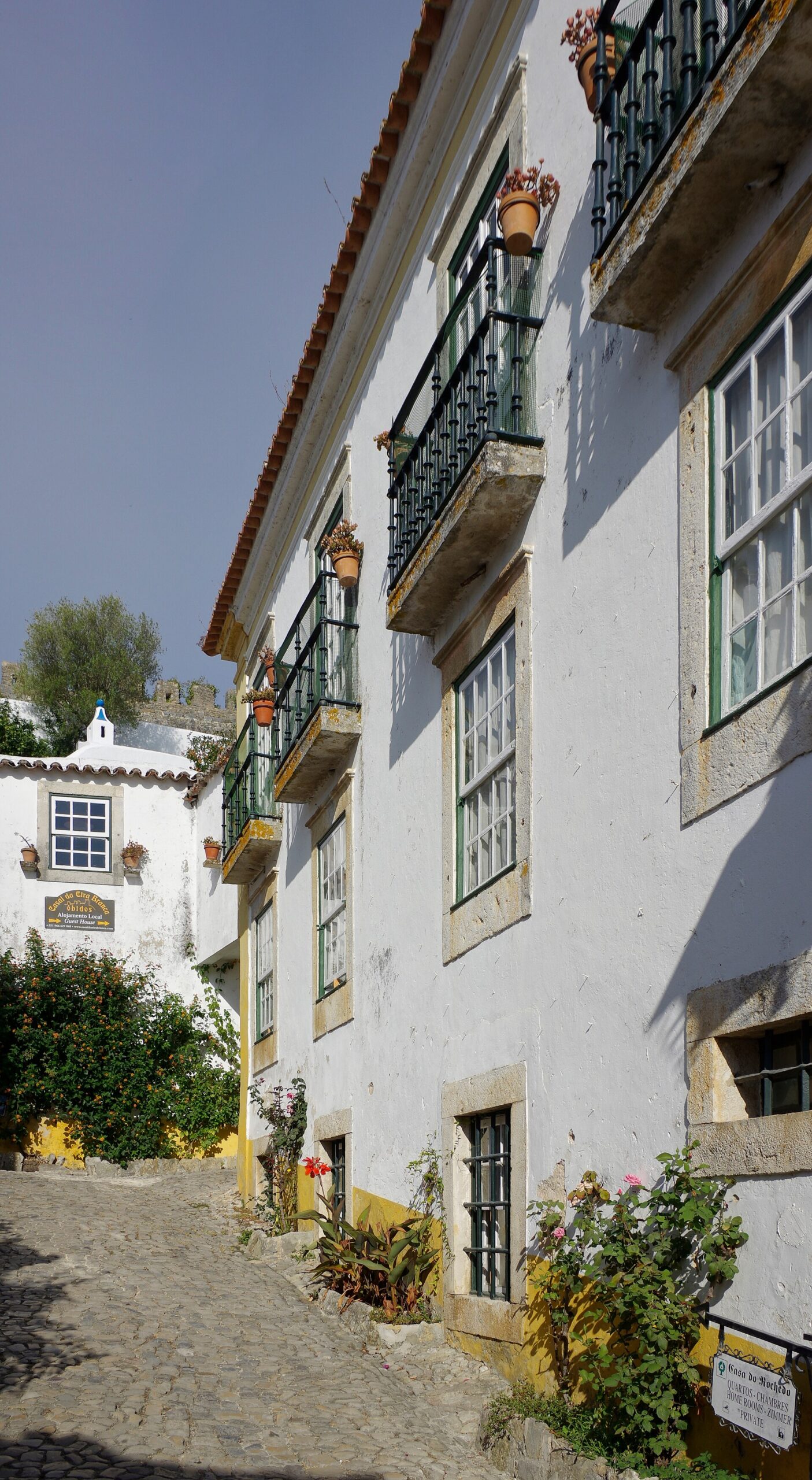
Around Lisbon, don’t miss fairy-tale Sintra or elegant coastal Cascais, and a little further out, medieval Óbidos and the pilgrimage town of Fátima. North of Lisbon you’ll discover the university city of Coimbra, baroque Braga and Guimarães, the cradle of the nation.
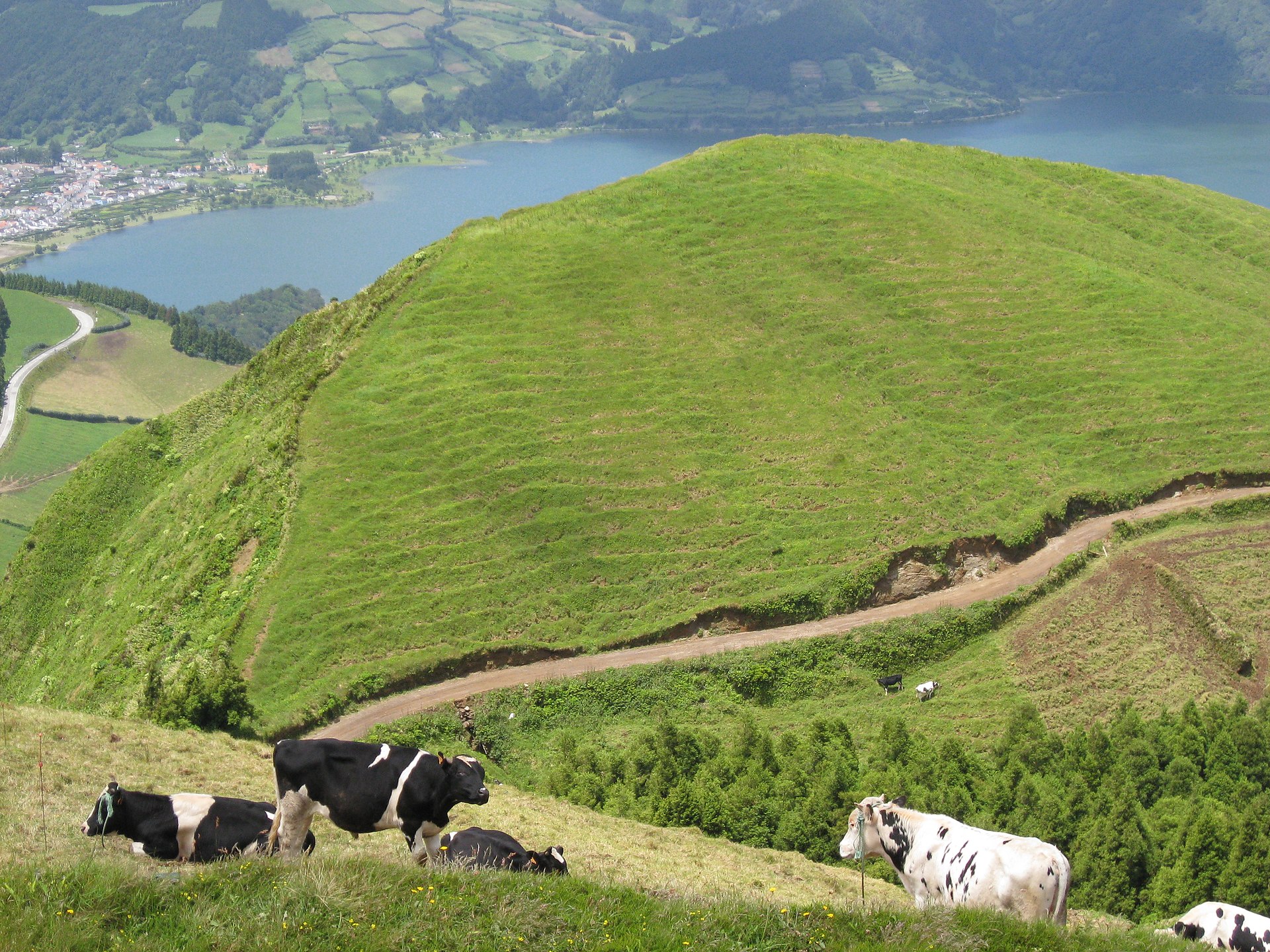
For wine lovers, the Douro Valley is paradise, with its terraced vineyards, river cruises and the little town of Lamego – and of course port wine straight from the source. For wild scenery, head to the Serra da Estrela mountains, the Peneda-Gerês national park or the rugged, beautiful Costa Vicentina in the Alentejo with historic Évora. And when you fancy islands, there’s ever-green Madeira with its capital Funchal, and the volcanic Azores.
When to visit Portugal
You can visit Portugal pretty much year-round, but the ideal window for most trips is April to October. Spring and early autumn (April–June and September–October) are our favourites – it’s warm but not punishingly hot, accommodation prices are more reasonable and you’re not battling crowds at the sights. Package deals offer departures in April, June, July, August, September, October, November and December, so you can pick based on what you want from the trip.
The peak summer months of July and August belong to the Algarve beaches – the sea is at its warmest, but prices and crowds shoot up too. If you’re mainly after swimming and sunshine, bear that in mind. For exploring cities like Lisbon, Porto or Évora, on the other hand, summer is needlessly hot and we much prefer the shoulder season.
Don’t write off winter, either – on the mainland it can be a pleasant 15–18 °C in the south, but it rains and gets windy, the Serra da Estrela mountains are often under snow and Madeira stays mild all year. Madeira and the Azores are your best bet outside summer, when the mainland turns chilly and damp.
Portugal is all about experiences on the water, in the vineyards and in the cities. These are the things we’d recommend adding from our own experience:
- A boat trip to the Benagil cave in the Algarve – that iconic shot with the hole in the ceiling, best done early before the crowds.
- A port wine tasting in the cellars of Vila Nova de Gaia in Porto, or right at a vineyard in the Douro Valley.
- The fairy-tale palaces of Sintra – the colourful Pena and the mysterious well at Quinta da Regaleira.
- Surfing in Ericeira or Carrapateira – paradise for beginners and pros alike.
- Giant waves in Nazaré – in winter, watch the record-breaking waves from the cliff by the lighthouse.
- Treks and levadas on Madeira and whale watching in the Azores.




How to get to Portugal
The easiest way to get there is by air. The main gateway is Lisbon, which you can reach with a direct flight or a single connection. For the north of the country, Porto is handy, while for the south and the Algarve there’s Faro airport. For the islands you fly into Funchal (Madeira) and Ponta Delgada (São Miguel, Azores), usually via Lisbon. The flight to the mainland itself takes around 3.5–4 hours in the air.
By car it’s roughly 2,700 km one way via France and Spain – that’s a two-to-three-day drive and only makes sense in special cases (say, for a longer round trip). For an ordinary holiday, flying is both cheaper and faster, and your best move is to rent a car once you’re there. There’s no ferry to worry about from home; you’ll only use domestic ferries between the Azores islands.
Renting a car
A car makes sense in Portugal if you want to explore the Algarve, the Douro Valley, the Alentejo or Madeira – the villages, vineyards and beaches are hard to link up without one and public transport there is sparse. For a purely city break in Lisbon or Porto, though, you don’t need a car – it’ll actually be a hassle on the narrow streets with expensive parking; there, public transport and the train are all you need.
- Where to book: ideally in advance via a rental comparison site – in season a car booked on the spot tends to be pricier or sold out.
- Insurance: check the excess amount and any add-on cover; the basic insurance often isn’t enough.
- Deposit: the rental company will block a refundable deposit on your card, so allow for it on your account.
- Tolls and ferries: take the electronic device for the portagem to avoid fines; on the Azores, factor in ferries between the islands.
Where to stay in Portugal
Accommodation in Portugal is fairly affordable and there’s plenty to choose from. How you decide largely comes down to whether you’re going for the cities or the beach:
- Cities (Lisbon, Porto, Coimbra) – guesthouses and apartments in the centre are a safe bet, so you can get everywhere on foot. Lisbon and Porto tend to be pricey, so it pays to book early.
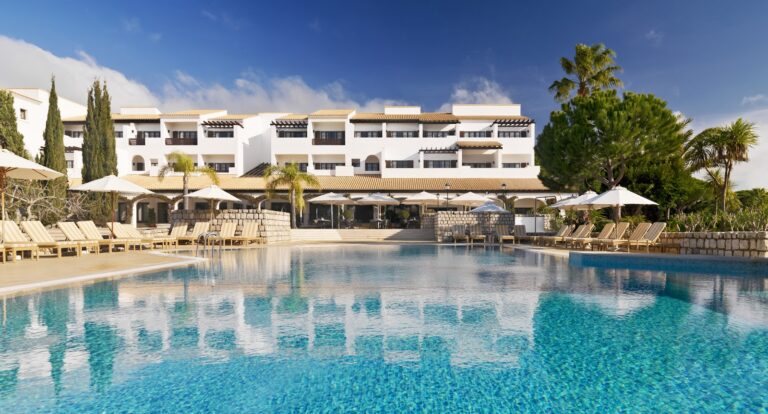
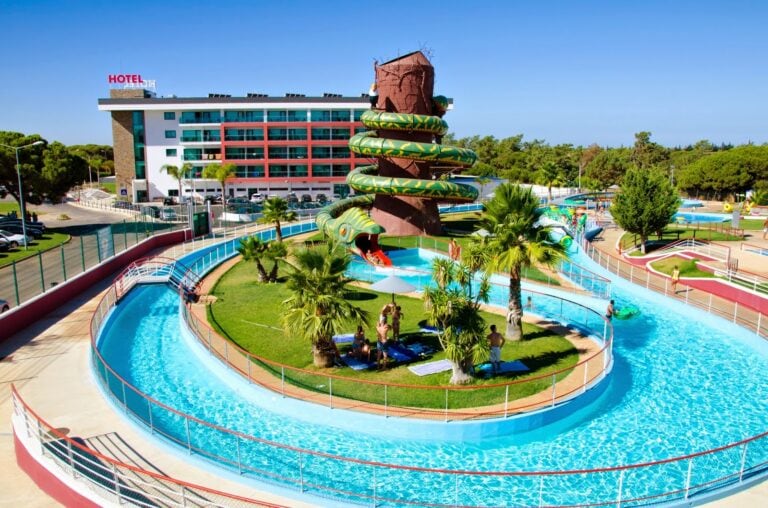
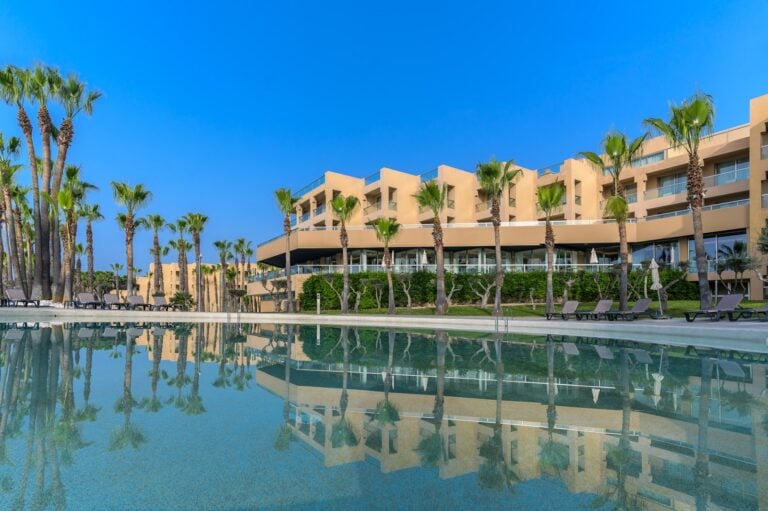
- The Algarve and beaches – everything from hotel resorts in Albufeira to quieter apartments in Lagos or Olhão. Book well ahead in summer.
- Countryside, the Douro and the mountains – wine estates (quintas), farm stays and small guesthouses; lovely and peaceful, often with great value for money.
- Madeira and the Azores – from Funchal to smaller villages; island stays tend to feel pleasantly personal.
You’ll find our specific tips for specific places in the individual articles and in the our accommodation tips section right here on this page. The general rule: book early in season, and wait for the discounts off-season.
Package tour or independent travel?
The honest answer is: it depends on the kind of trip. Here’s our comparison.
A package tour pays off when:
- you mainly want beach and relaxation in the Algarve and have no interest in sorting out the logistics;
- you’d appreciate flight, transfer and hotel in one price with no hassle;
- you snag a last-minute discount of up to 39% and it works out cheaper than going it alone;
- it’s your first time flying there and you want the reassurance.
Go independently when:
- you want to combine cities, mountains and wine and move around at your own pace;
- you love a road trip by car through the Douro, the Alentejo or Madeira;
- you’re after specific experiences (surfing, tastings, treks) away from the resorts;
- you’re travelling off-season, when flights and accommodation are cheap.
The two of us love a combination best – for cities and a road tour we go independently with a rental car, while for a pure beach holiday in the Algarve we’re happy to grab a good package deal. If you’re torn, price up both scenarios – sometimes the package surprisingly wins, other times the free-and-easy trip does.
Budget: daily costs in Portugal
A rough daily budget per person (excluding flights/travel to the country). These are ballpark figures — by Western European standards Portugal is on the more affordable side, though Lisbon, Porto and the Algarve in summer can get pricier.
| Level | Accommodation | Food | Transport & activities | Total/day |
|---|---|---|---|---|
| Backpacker | 16 €–30 € (hostel, shared room) | 12 €–18 € (markets, menu del dia) | 8 €–16 € (public transport, walking) | approx. 35 €–60 € |
| Standard | 40 €–70 € (guesthouse, apartment) | 20 €–30 € (restaurant once a day) | 20 €–35 € (car, entry fees) | approx. 80 €–140 € |
| Comfort | 100 €–180 € (4* hotel, quinta) | 35 €–60 € (quality restaurants) | 40 €–80 € (excursions, tastings) | approx. 175 €–320 € |
How to save when planning
You can do Portugal smartly if you keep an eye on the booking windows. Here are our tried-and-tested rules:
- Flights are best bought 2–4 months ahead for the summer season; off-season you can wait for the deals. Keep an eye on cheaper midweek departures too. Search for flights in our finder.
- Package tours have two sweet spots: early bird (buy in autumn for winter and early spring) and last minute a few weeks before departure, where the discount can easily reach up to 39%. Have a look at the current tours.
- Accommodation in Lisbon, Porto and the summer Algarve should be booked early – leave it to the last minute and only the expensive stuff is left. In the countryside and off-season, on the other hand, it pays to wait for discounts. Our accommodation tips are above.
- Activities like the boat trip to the Benagil cave or a Douro tasting tend to sell out fast in season – book ahead and check what to book early.
Where do people overpay most? On food in the tourist zones right by the sights (walk two streets further) and on taxis from the airport – use public transport or an app instead. Small things, but over a week they add up to a tidy saving.
Practical information
- Language: the official language is Portuguese, but in tourist areas you’ll get by in English with no trouble. A few words like “obrigado/a” (thank you) always go down well.
- Payments: you can pay by card almost everywhere, but keep a little cash in euros for small markets, rural taverns and parking machines (Portugal is in the eurozone).
- Connectivity: the most convenient option is an eSIM – activate it before you fly and you’ll have data the moment you land, with no hunting for a local SIM. Coverage in Portugal is very good.
- Safety: Portugal is one of the safest countries in Europe. Just watch out for pickpockets in the tourist hotspots of Lisbon and Porto and on tram 28.
One last practical tip: if you’re driving, watch out for the electronic toll (portagem) on the motorways – some stretches are pay-by-camera only, and without registering you can be hit with a fine. Rental companies usually offer an electronic toll device for the car, and we’d recommend taking it.


