Picture an island born from a violent volcanic eruption, rising so dramatically from the depths of the Atlantic that many call it the Hawaii of Europe. Even landing here is an experience — the airport runway is held above the ocean by 180 massive concrete pillars. The moment you step off the plane, you’re hit by humid, salty air laced with the scent of flowers. Funchal Madeira is an incredibly intense destination, with the island’s capital forming a natural amphitheatre that climbs from the deep blue ocean high into lush green hills. It’s not your typical week-on-the-beach kind of holiday, but if you’re after an active getaway packed with jaw-dropping views, exotic botany, and outstanding food, you’ve come to the right place.
In this article, we’ll walk you through 15 top things to see and do in Funchal. You’ll find out which alleyways to explore for street art, how the famous wicker toboggan ride works, and what to watch out for at the island’s notorious market. We’ve also included practical tips on the best time to visit and which neighbourhoods make the most strategic base for exploring the entire island.
TL;DR
- Don’t trust global weather apps: Phone apps are useless here — always check live webcams via NetMadeira instead, because the island has extreme microclimates.
- Beware of the famous Mercado dos Lavradores: Vendors will offer you sugar-coated exotic fruit samples, then cheerfully charge up to €30 per kilo.
- You need a powerful car for the hills: If you’re hiring a car, pay extra for a stronger engine (ideally 1.2 TSI or above) or an automatic gearbox — you’ll be grateful on the steep hairpin bends.
- Take the cable car up and the toboggans down: Head up Monte hill on the modern Funchal cable car and ride back down in the historic wicker toboggans steered by men in white.
- Madeira has no natural sandy beaches: The coastline is all cliffs and pebbles. For swimming, head to the imported sand beach in Calheta or the stunning natural volcanic pools on the island’s north coast.
- Funchal is the perfect base: Thanks to a network of modern tunnels, you can reach almost anywhere on the island from the capital within an hour.
The full destination guide: Portugal — guide and what to see
When to Visit Funchal Madeira
Madeira has rightfully earned the nickname “island of eternal spring,” but that doesn’t mean the weather is predictable. The island has dramatic microclimates, and Funchal sits in what’s known as the “banana line” — meaning that at elevations below 200 metres above sea level, it’s warm and sunny year-round. However, as soon as you start climbing into the mountains behind the city, the temperature drops roughly one degree for every hundred metres of altitude. During the spring months from April to June, the island is gloriously in bloom and temperatures in Funchal hover around a pleasant 22°C — absolutely perfect conditions for exploring the city and the mountain levada walks.
If you visit during the peak summer season from July to September, you can expect temperatures around 26°C in Funchal and the ocean warms up nicely for swimming. Bear in mind, though, that the city will be packed with tourists and accommodation prices rise noticeably. On the flip side, winter months offer cheaper flights and a welcome escape from the British cold. Funchal still enjoys a balmy 20°C, although up in the mountains on Pico Ruivo it can easily snow in January. The golden rule of Madeira weather is simple, no matter when you visit: never rely on standard weather apps. Instead, check the NetMadeira app with live webcams every morning and head wherever the sky is blue.
Where to Stay in Funchal
💡 Tip for accommodation and experiences: We usually search for places to stay on Booking.com, which tends to have the best cancellation policies. For tickets, tours, and activities, it’s worth comparing options on GetYourGuide.
Choosing the right area in Funchal can make or break your holiday. The city is built on a seriously steep hillside, and if you pick accommodation too high up, you’ll face a gruelling uphill trek every day or constantly fork out for taxis. By far the most popular area for tourists is the São Martinho neighbourhood, specifically the zone known as Lido. Here you’ll find lovely promenades, modern Funchal Madeira hotels, plenty of excellent cafés, and — most importantly — great access to the ocean via managed bathing complexes. This part of town is flatter, making evening strolls a real pleasure.
Another excellent option is staying right in the historic centre near the Sé district or on the edge of the Funchal Madeira old town, Zona Velha. Here you’ll have all the sights, restaurants, and the cable car within walking distance, though you should expect a bit more noise from the busy streets. I always recommend booking well in advance on Booking.com, where you can easily filter for hotels with parking. A parking space is a huge advantage in Funchal, as the narrow streets and lack of spots can be a real headache for drivers. The Pestana hotel chain offers particularly comfortable options, along with smaller boutique guesthouses tucked away in historic buildings.
15 Best Things to See and Do in Funchal Madeira
1. Old Town (Zona Velha) and the Painted Doors
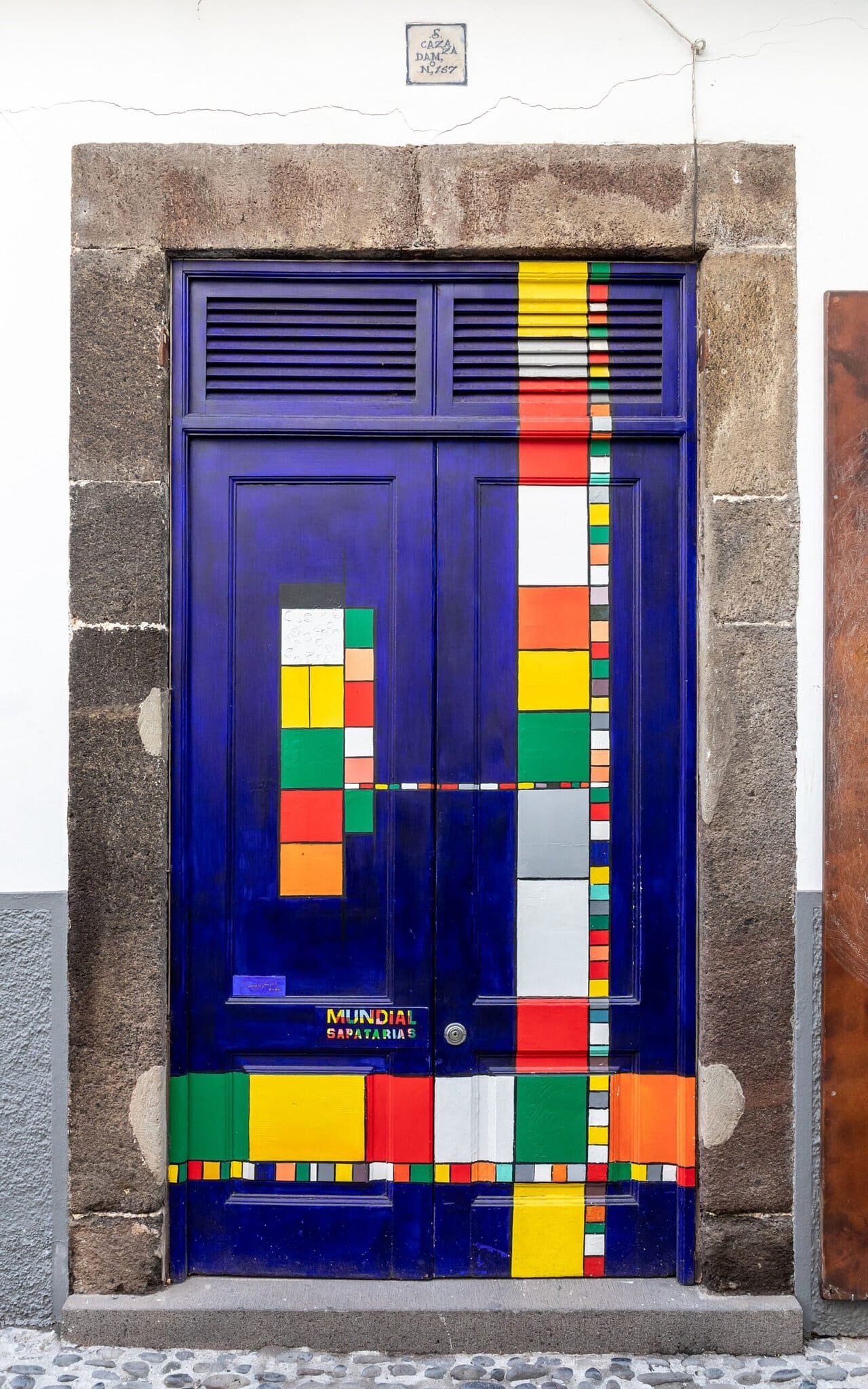
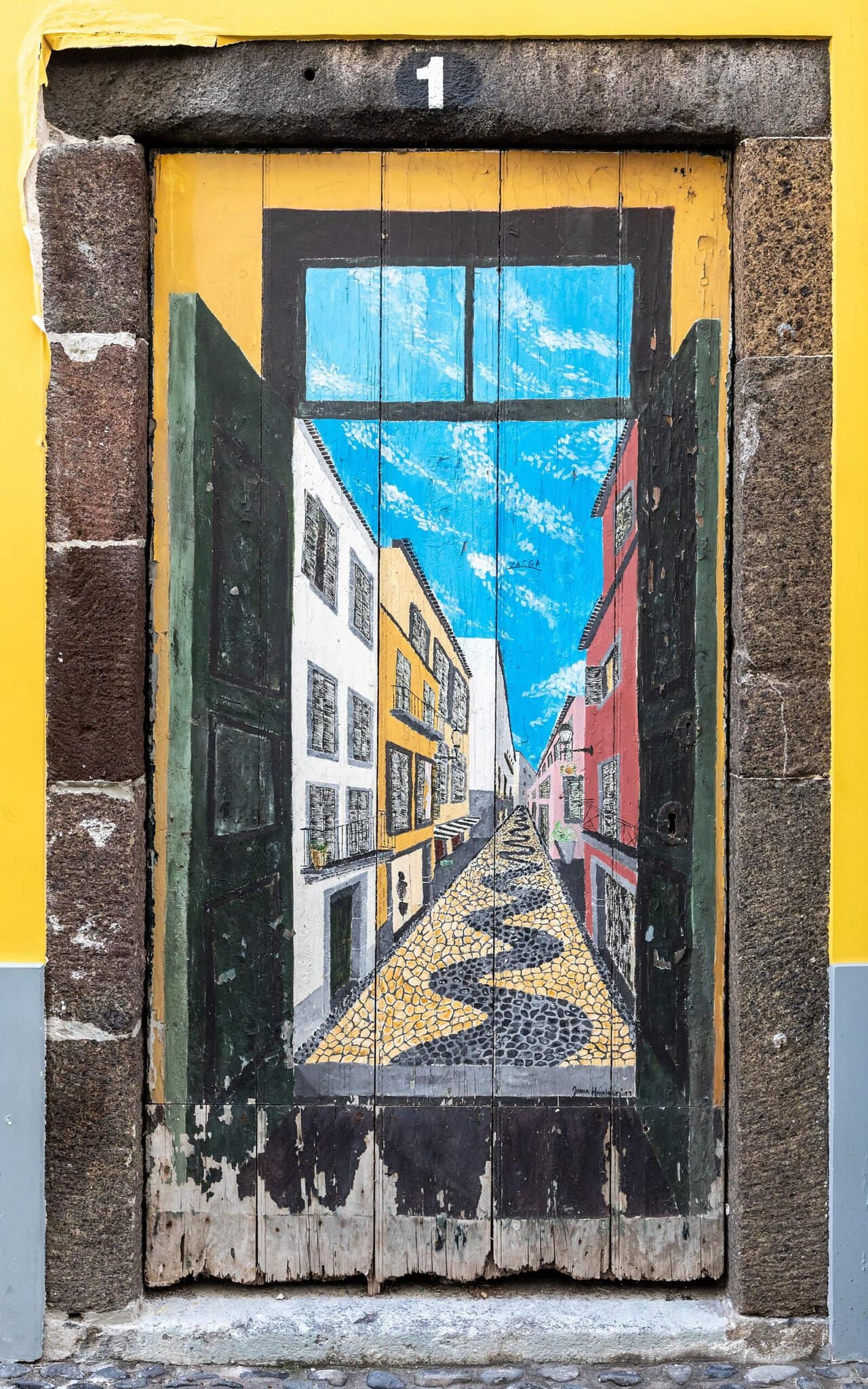
The oldest part of Funchal, known as Zona Velha, was a neglected neighbourhood just a few decades ago — one that tourists tended to avoid. Today, it’s the most vibrant and colourful spot on the entire island, buzzing with life from morning until late at night. Narrow cobblestone lanes lined with historic houses create an incredibly romantic backdrop for evening strolls.
The main draw is the Arte das Portas Abertas project, through which local artists have painted dozens of old, peeling doors with stunning murals. Rua de Santa Maria has essentially become an open-air gallery, where every door tells a different story. Just be prepared — this is also the main strip for restaurant touts trying to lure you in.
💡 Local tip: If you want to eat in peace without being constantly hassled by someone waving a picture menu at you, head two or three streets away from the main Rua de Santa Maria. You’ll find more authentic — and often cheaper — places to eat.
2. Mercado dos Lavradores Market and Its Secrets
Funchal’s farmers’ market is an architectural gem bursting with incredible colours and aromas, operating since 1940. On the ground floor, you’ll find a noisy fish market where you can watch fishmongers deftly filleting the fearsome-looking black scabbardfish — Madeira’s national fish, with enormous eyes and razor-sharp teeth.
The real visual spectacle, though, happens on the first floor at the exotic fruit stalls. Vendors in traditional costumes will eagerly push samples of every imaginable passion fruit hybrid — crossed with banana, lemon, and even strawberry. It sounds wonderful and smells even better, but this is the island’s most notorious tourist trap.
The fruit they offer as samples is often sprinkled with sugar to make it taste utterly irresistible. Once you pick a few pieces and pop them into a paper bag, they weigh it up and cheerfully ask for something like €30 per kilo. My advice? Walk through the market, soak up the atmosphere, take your photos — and then buy your fruit at a regular supermarket for a fraction of the price.
3. Funchal Madeira Cable Car to Monte
One of the most iconic attractions in the capital is the modern Teleférico do Funchal cable car. The lower station is right on the waterfront near the old town, and during the fifteen-minute ride, you’ll ascend an impressive 600 metres in altitude. The journey is remarkably smooth and quiet.
From the glass cabin, you’ll be treated to breathtaking views over the entire Funchal amphitheatre — the red rooftops, terraced hillside plots, and the endless blue ocean beyond. A one-way ticket costs around €13, and it’s well worth going first thing in the morning to avoid the long queues that form after the big cruise ships dock in the harbour.
Up in the Monte neighbourhood, the atmosphere is completely different from down in the city. The air is noticeably cooler and more humid, and everything is enveloped in lush greenery. You’ll also find the beautiful church of Nossa Senhora do Monte, where the last Austro-Hungarian Emperor, Charles I, is buried.
4. Monte Palace Tropical Garden
Once you’ve taken the cable car up, your first stop should be the Monte Palace Tropical Garden. This isn’t just an ordinary park — it’s more of a fascinating emerald labyrinth filled with exotic plants from around the world. The entire complex sprawls over several hectares, blending wild nature with carefully designed architecture.
As you wander through, you’ll stumble upon oriental gardens with red Japanese bridges, Buddha statues, ponds full of colourful koi carp, and peacocks strolling freely. The garden boasts an enormous collection of rare cycads — plants that date back to the age of the dinosaurs. It’s a place where time seems to slow down and you feel like an explorer in the jungle.
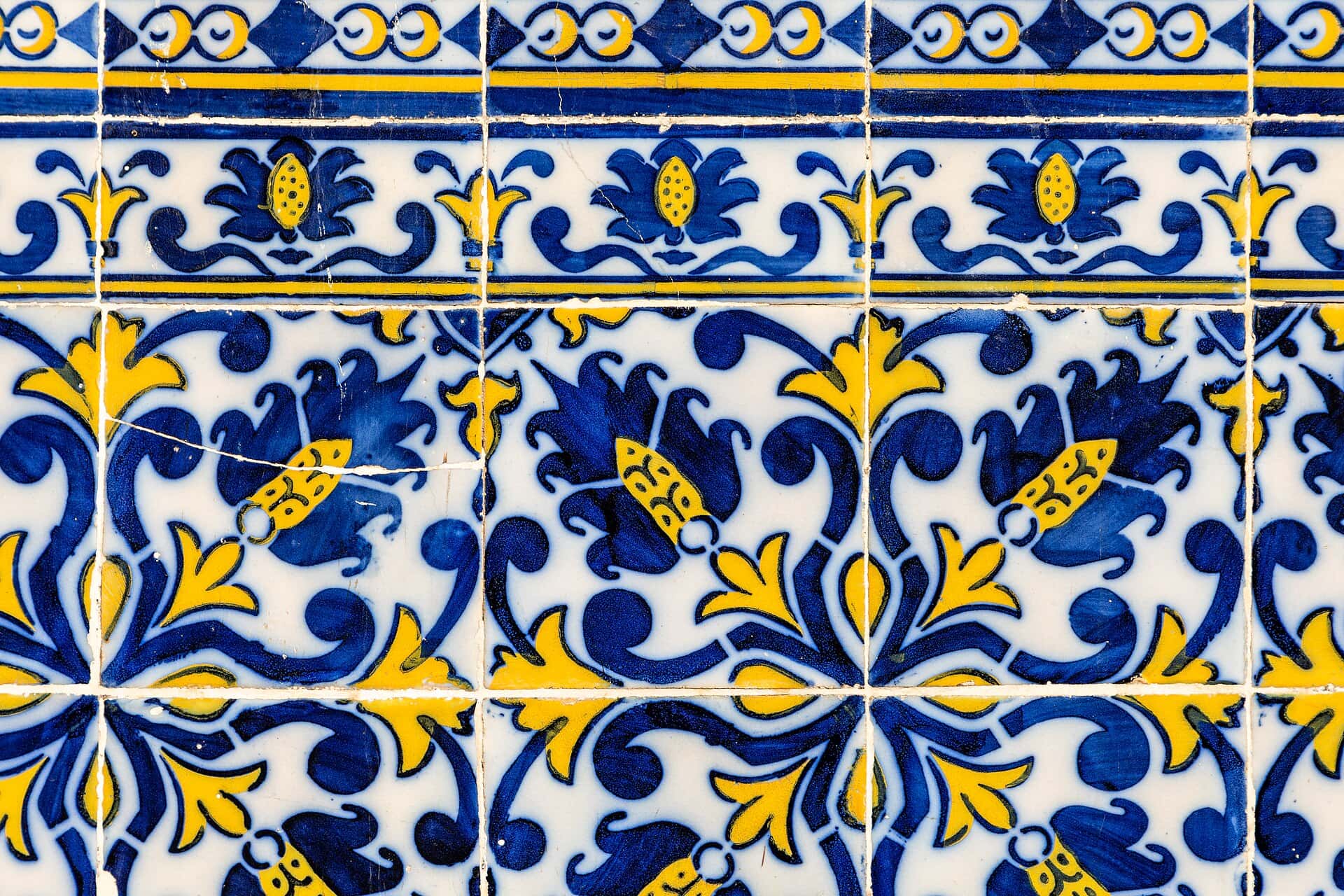
The grounds also house one of the most significant collections of Portuguese azulejo tiles in the country, lining the main walkways and telling the story of Portugal’s history. Set aside at least two to three hours for your visit, as the grounds are truly vast and full of hidden corners, benches, and viewpoints overlooking the city.
5. The Thrill of the Wicker Toboggan Ride
Getting back down from Monte to Funchal offers an experience that’s truly unique in the world. Since the 19th century, the so-called Carreiros do Monte have been operating here. It’s a tradition where two sturdy men dressed in white with straw hats seat you in a large wicker basket mounted on wooden runners.
They then push you down the steep hill over smooth tarmac, steering and braking using only their special boots with thick rubber soles made from old tyres. The ride lasts roughly ten minutes; the basket occasionally reaches surprising speeds, and it’s pure, old-fashioned adrenaline that’ll set you back around €35 for two people.
💡 Local tip: The wicker toboggans don’t take you all the way to Funchal’s centre — the ride ends in the Livramento neighbourhood. From there, you’ll either need to walk steeply downhill for about thirty minutes or grab a taxi. Local taxi drivers here can be quite pushy, so always agree on a price before you get in.
6. Sé Cathedral and the Historic Centre
Right in the heart of modern Funchal stands the understated but historically significant Sé Cathedral. Built at the end of the 15th century, it’s one of the few buildings to have survived devastating earthquakes and French pirate attacks completely intact. From the outside, it looks austere, combining dark volcanic stone with white plaster.
Step inside, however, and you’ll be amazed by the stunning ceiling carved from local cedar wood. It’s adorned with ivory inlays and represented the pinnacle of craftsmanship in its day. Entry to the cathedral is free, and it offers a welcome cool escape from the midday sun.
Around the cathedral stretches a network of elegant pedestrian zones paved with traditional black-and-white Portuguese calçada tiles. You’ll find renowned cafés with outdoor seating, upmarket boutiques, and historic pharmacies with their original wooden fittings. It’s the perfect spot for an afternoon coffee while watching the world go by.
7. Forte de São Tiago Fortress
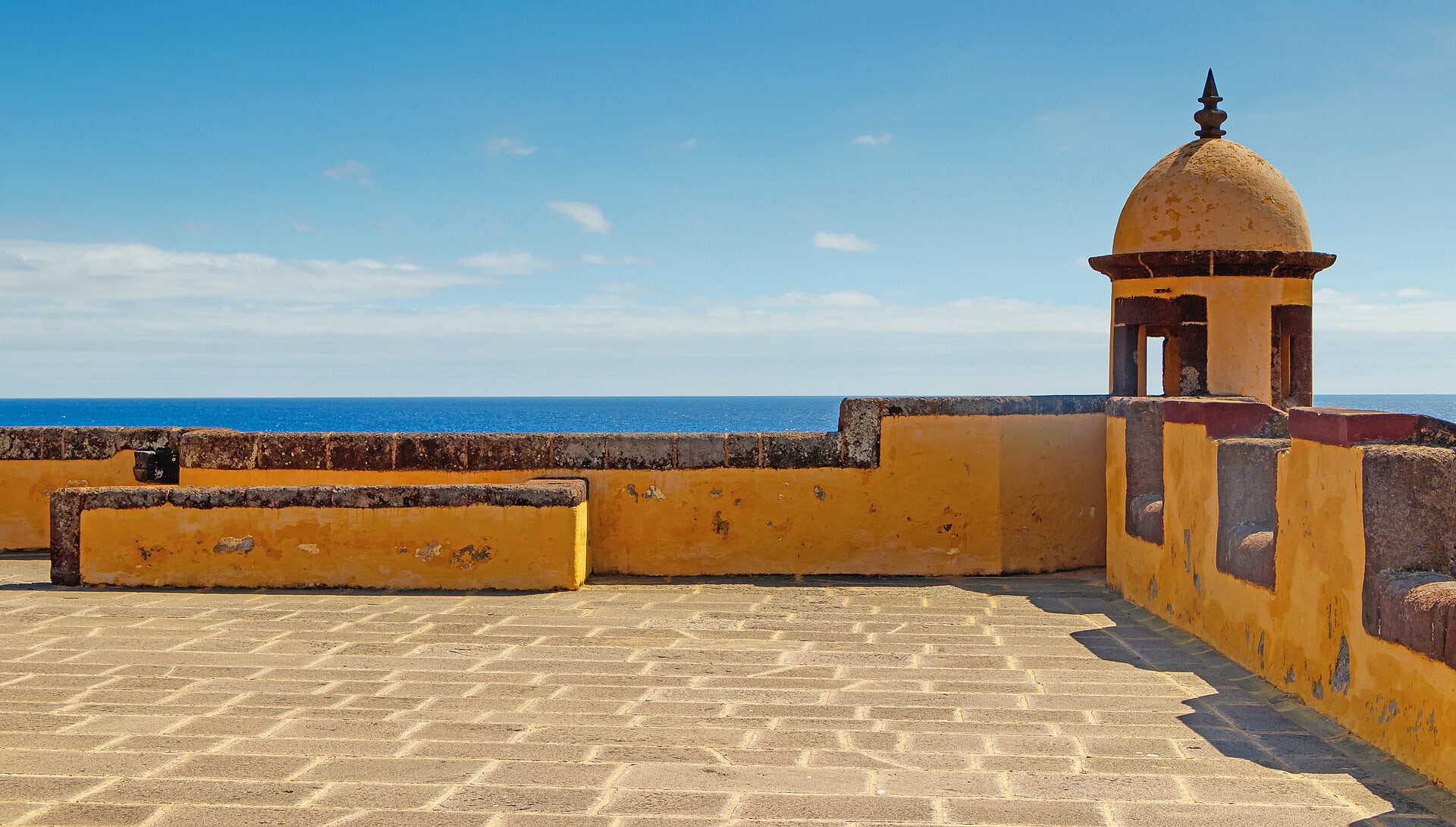
At the very end of Zona Velha, you can’t miss the striking yellow-and-red Forte de São Tiago. Built in the 17th century, this fortress was designed to protect the harbour from the relentless raids of corsairs and pirates who terrorised the North Atlantic at the time. Its vivid yellow walls create a gorgeous contrast against the deep blue ocean.
Today, you can wander freely through the fortress, explore the old watchtowers, and enjoy sweeping coastal views through the historic cannons. It once housed a contemporary art museum, but even without it, the architecture and views alone make it well worth a brief stop.
Just below the fortress lies the small rocky beach of Praia do Almirante Reis. It’s not the best spot for a full day of swimming, but locals love coming here for an evening dip — and it’s a brilliant place to watch the sunset with colourful fishing boats bobbing on the waves.

8. Madeira Wine Tasting
Visiting Madeira without tasting its famous wine would be a crime. This unique fortified wine has a fascinating history stretching back to the Age of Discovery. To stop the barrels from spoiling on long voyages to India, sailors added sugarcane spirit to the wine. The wine then heated up and oxidised in the ship’s hold as it passed through the tropics, developing its unmistakable caramel flavour.
Funchal is home to several historic wine lodges where you can go for a tasting. Among the most renowned is Blandy’s Wine Lodge, right in the city centre. During the tour, you’ll see dark cellars filled with old oak barrels and learn everything about the ageing process — a method that’s truly unique in the world of winemaking.
The tour culminates in the tasting itself. Madeira wine comes in four main styles based on sweetness — from the dry Sercial, through medium-dry Verdelho and medium-sweet Bual, to the very sweet Malmsey. It’s a rich, concentrated experience best savoured in small glasses alongside a piece of quality cheese.
9. The Harbour and Waterfront Promenade
Funchal is a city that lives and breathes the ocean, and the harbour is living proof. This is where the sprawling waterfront promenade begins, stretching several kilometres all the way to the Lido area. In the morning, you’ll see joggers and locals walking their dogs; by afternoon, the promenade fills with tourists and street performers.
In the harbour itself, enormous cruise ships often dock — up close, they look like floating tower blocks. But you’ll also find a replica of Columbus’s ship the Santa Maria, which you can board for a trip along the coast and, with a bit of luck, spot dolphins and whales — the local waters are teeming with them.
While strolling, don’t miss the Pontinha pier, which juts far out into the sea and offers the best view of Funchal’s amphitheatre from a distance. This is exactly the spot where all those iconic postcard photos of Funchal nestled into green mountains are taken from.
10. Culinary Highlights: Bolo do Caco and Poncha
Madeiran cuisine is wonderfully rustic and distinctive. While Funchal Madeira restaurants tempt you with beef skewers called espetada or the fearsome-looking peixe-espada preto fish, if you’re after a superb vegetarian treat, you absolutely must try traditional bolo do caco bread. It’s a round, slightly sweet bread made from sweet potatoes, baked on a hot stone. It’s served still warm, sliced in half, and generously slathered with garlic-herb butter.
To wash it down, order a poncha. This traditional alcoholic drink will warm you right up after a long day hiking the levadas. It’s made from local sugarcane rum, honey, and fresh lemon juice, mixed with a special wooden stick called a caralhinho.
💡 Local tip: Never — and I mean never buy pre-mixed poncha in a bottle from the supermarket. The real thing must always be freshly prepared right in front of you. The very best ponchas are made in the small bars of the neighbouring fishing village of Câmara de Lobos, just a few minutes’ drive from Funchal.
11. Day Trip to the Glass Cliff at Cabo Girão
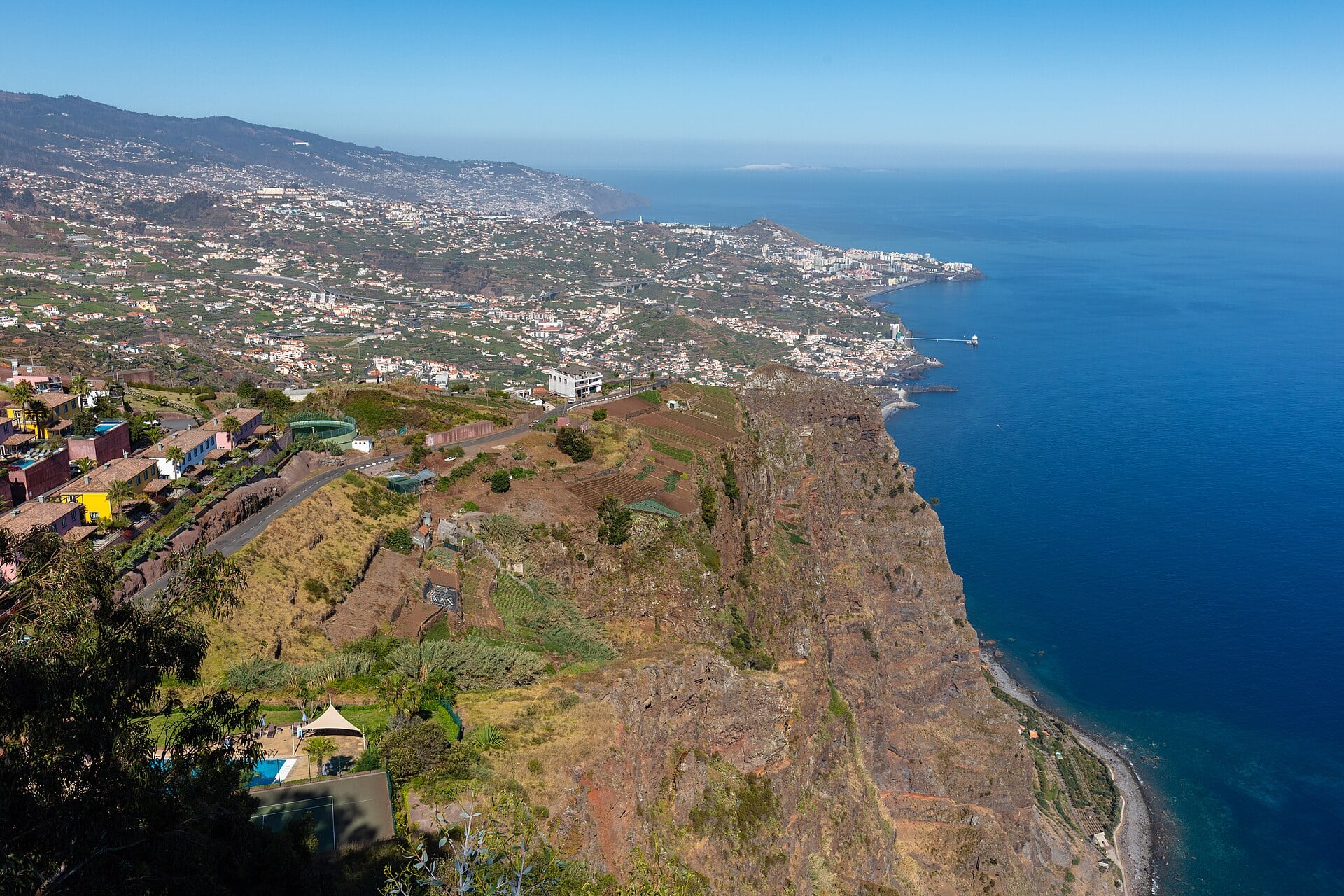
Just a short drive west of Funchal lies one of the highest sea cliffs in Europe. Cabo Girão plunges straight down into the ocean from an incredible height of 580 metres. It’s a spot that’s guaranteed to get your heart racing — especially if you don’t suffer from vertigo.
The main attraction is a viewing platform with a glass floor that juts out directly over the cliff edge. When you stand on the glass and look down, you’ll see waves crashing against the shoreline far below and tiny terraced plots called fajãs — which local farmers could once only reach by boat.
You can easily get here by hire car or local bus from central Funchal. There’s a small entrance fee for the viewpoint, and I’d recommend visiting in the later afternoon, when the sun beautifully lights up the coastline and you avoid the biggest crowds that pour in from tour buses during the morning.
12. Jardim Botânico — The Botanical Garden
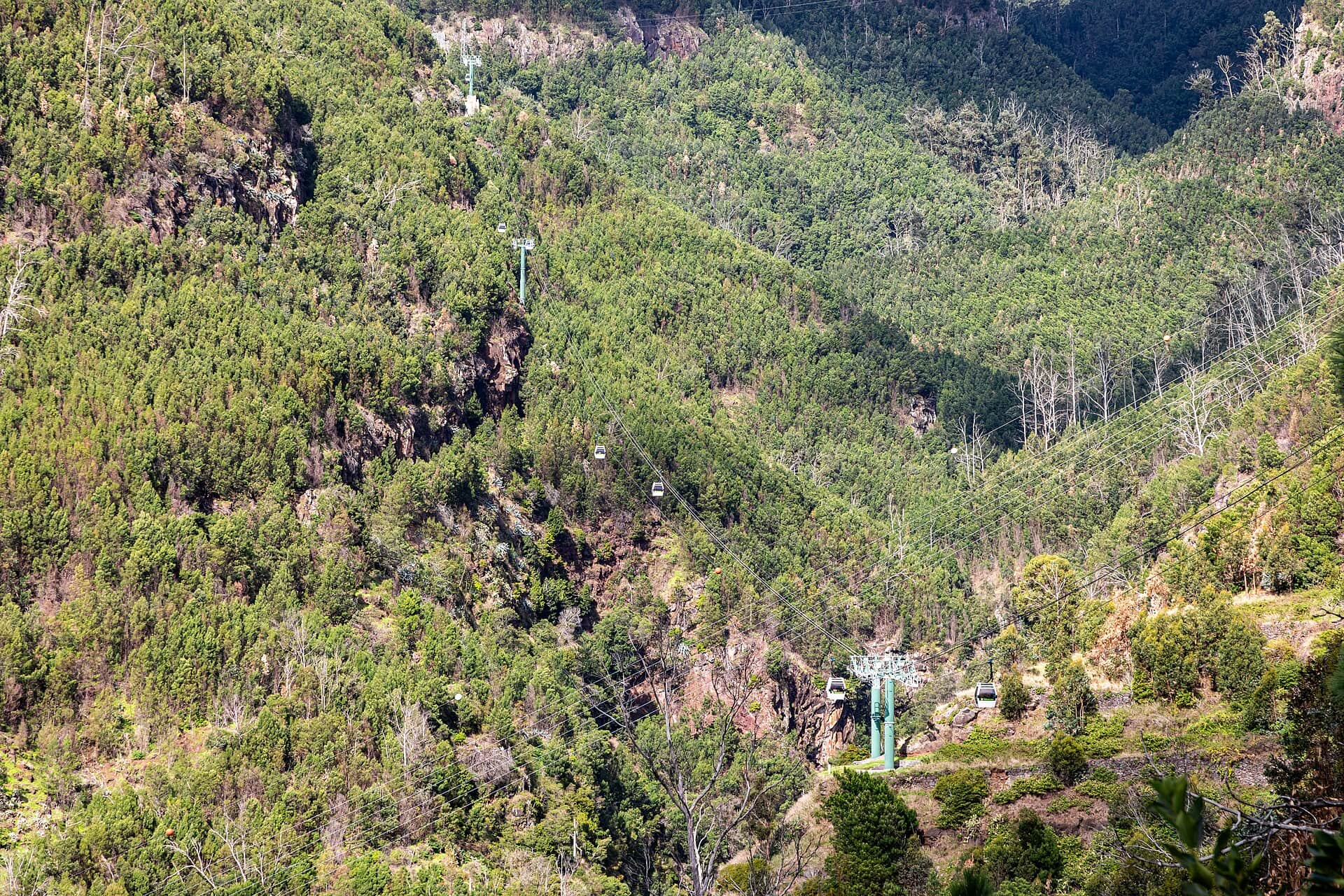
If one garden wasn’t enough and you’re a nature lover, Jardim Botânico da Madeira will blow you away. Perched on yet another steep hillside above the city, you can reach it via a second, smaller cable car that connects directly from the Monte area. It’s a more scientific and systematic garden compared to Monte Palace.
Across an area of 80,000 square metres, more than 2,000 species of exotic plants from every continent thrive here. Thanks to Madeira’s climate, almost anything can grow on the island — so desert cacti sit happily alongside rainforest orchids and Himalayan rhododendrons.
The most famous section is the celebrated flower carpet, planted in precise geometric patterns, offering a fantastic view of the city far below. You’ll also find an exotic bird park and a small natural history museum.
13. Relaxing in Parque de Santa Catarina
When you feel like you’ve had enough of climbing hills, head to Parque de Santa Catarina. This large, beautifully maintained public park sits on a gentle slope right above Funchal’s harbour. It’s an absolute oasis of calm in the middle of the bustling city.
Locals come here for picnics, families with children spend time by the large pond with swans and ducks, and you can simply sit on a bench in the shade of enormous trees and just unwind. The park is filled with sculptures, gorgeous flower beds, and even a small chapel.
The park’s greatest asset, though, is its views. From here, you get a stunning panorama of all of Funchal and the bay. Particularly when tall ships are moored in the harbour, you’ll feel as though you’ve been transported back to the Age of Discovery.
14. CR7 Museum for Football Fans
Funchal is the birthplace of one of the most famous footballers of all time — Cristiano Ronaldo. His presence is felt everywhere on the island; even the international airport bears his name. For football fans, a visit to the CR7 Museum on the harbour promenade is an absolute must.
The museum houses the complete collection of his trophies, including the famous Ballon d’Or and Golden Boot awards, thousands of fan letters, shirts, and interactive exhibits tracing his career from humble beginnings on Madeira to global stardom.
Outside the museum stands the iconic — and much-debated — bronze statue of the player himself, which practically every tourist wants a photo with. Even if you’re not a football fan, it’s fascinating to see just how much influence one person can have on an entire island’s identity and pride.
15. Funchal as a Base for Mountain Adventures
This final tip isn’t about a specific sight in the city, but about Funchal’s strategic location. The capital is the perfect base for exploring the entire island. Madeira is threaded with an incredible network of over 150 tunnels (the so-called Via Rápida), which have cut cross-island journey times from hours to mere minutes.
From Funchal, you can easily drive to famous levada walks like the dark, jungle-like PR9 Levada do Caldeirão Verde, or tackle more demanding high-altitude treks. A classic example is the drive up to Pico do Arieiro, the third-highest peak, for sunrise — you can reach it from the city centre on a paved road in about 40 minutes.
Just remember that once you leave the main motorways for the old rural roads (marked ER), you’ll face climbs with jaw-dropping gradients and blind corners. A more powerful car (at least a 1.2 TSI) is essential for mountain trips from Funchal — otherwise you’ll be stuck in first gear on the hills, praying you don’t have to stop.
Map of points of interest for your phone
Where to Go from Funchal
If you’re keen to explore more of Portugal and wondering what to combine with a Madeira trip, the mainland offers endless possibilities. Flights from Funchal Madeira airport to the mainland are frequent and affordable.
- Mainland cities: Direct flights connect Madeira to the capital, so be sure to read our comprehensive Lisbon guide, or head north to discover the enchanting city of Porto.
- Romance and waves: Near Lisbon lies the fairy-tale town of Sintra, packed with palaces, and the coastal resort of Cascais. If you’re fascinated by giant waves, don’t miss Nazaré.
- Algarve gems: For sun-seekers and cliff lovers, there’s Portugal’s south. Check out our tips for Lagos, the wild western tip of Sagres, or the picturesque town of Carvoeiro.
- More southern treasures: In the Algarve, we also recommend exploring historic Silves, romantic Tavira, and finding out what to do in Loulé. Don’t forget the regional capital Faro and the fishing town of Olhão.
- The Venice of Portugal: On your way north, stop at the canal-laced city of Aveiro.
Frequently Asked Questions
Are there sandy beaches in Madeira?
You won’t find natural beaches with fine golden sand in Madeira—the coastline is made up of cliffs and pebbles. However, there are two artificial beaches (Calheta and Machico) with sand imported from the Sahara, plus stunning natural lava pools in the north of the island, such as in Porto Moniz or Seixal, where you’ll also find black volcanic sand.
How much does the cable car and toboggan ride in Funchal cost?
A one-way trip on the modern cable car from Funchal up to Monte costs around €13. If you want to ride back down in the traditional wicker toboggans, expect to pay approximately €35 for one basket that seats two people.
Is it better to visit Madeira or the Azores?
If you’re looking for dramatic views, guaranteed excellent food, well-developed infrastructure, and more reliable warmth on the south side of the island, choose Madeira. The Azores (such as São Miguel island) are much wilder, greener, less touristy, and offer thermal springs, but the weather there is extremely changeable and it rains frequently.
Do I need a car in Madeira?
To explore the entire island and especially to reach the trailheads for the mountain levadas, a car is pretty much essential. Public transport only works reasonably well along the coast. When renting a car, definitely pay extra for a more powerful engine—the hills here are extremely steep.
Are the levadas dangerous?
Some sections of the levadas run along narrow ledges above deep ravines with no safety railings. If you suffer from vertigo, carefully choose flatter and safer routes (such as Vereda dos Balcões). Always wear sturdy hiking boots, as the paths can be very slippery after rain.
How can I tell what the weather will be like?
Global weather forecast apps don’t work well for Madeira due to the dramatic microclimates. Your best bet is to download the NetMadeira app, which has live webcam feeds from all over the island, and head out in the morning to wherever the cameras are showing sunshine.
What is Bolo do caco?
Bolo do caco is a delicious traditional Madeiran round bread made from flour and sweet potatoes. It’s baked on a hot stone and usually served warm, split open and generously slathered with garlic and herb butter. It’s an excellent vegetarian option.
Tips and Tricks for Your Vacation
Don’t Overpay for Flights
Search for flights on Kayak. It’s our favorite search engine because it scans the websites of all airlines and always finds the cheapest connection.
Book Your Accommodation Smartly
The best experiences we’ve had when looking for accommodation (from Alaska to Morocco) are with Booking.com, where hotels, apartments, and entire houses are usually the cheapest and most widely available.
 🚗 Car rental on the roadVerified car rentals in Portugal
Search with the DiscoverCars comparison engine — it compares prices from dozens of local and international rental companies, and most bookings come with free cancellation.
Compare car prices in Portugal →Don’t Forget Travel Insurance
Good travel insurance will protect you against illness, accidents, theft, or flight cancellations. We’ve had a few hospital visits abroad, so we know how important it is to have proper insurance arranged.
Where we insure ourselves: SafetyWing (simple monthly subscription) and TrueTraveller (for extra-long trips).
Find the Best Experiences
Get Your Guide is a huge online marketplace where you can book guided walks, trips, skip-the-line tickets, tours, and much more. We always find some extra fun there!