

Montenegro is a country where you can leave an Adriatic beach and, in an hour and a half, be up in the canyons and mountains with the last of the snow still lingering — and right now you might be wrestling with the same questions we had before our first trip: it sounds gorgeous, but what does it actually cost, when’s the best time to go, and is a package tour worth it or should you do it yourself?
Here in one place you’ll find three things: up-to-date package and flight prices that we refresh every morning; our tips from our own travels and articles on specific places; and a plan for when and what to book so you don’t end up overpaying.

What to see and do in Montenegro
Montenegro is small but packed with things to do — in a week you can comfortably combine the sea, the mountains and the old ports. Here’s our top route of places we’ve also written detailed articles about:
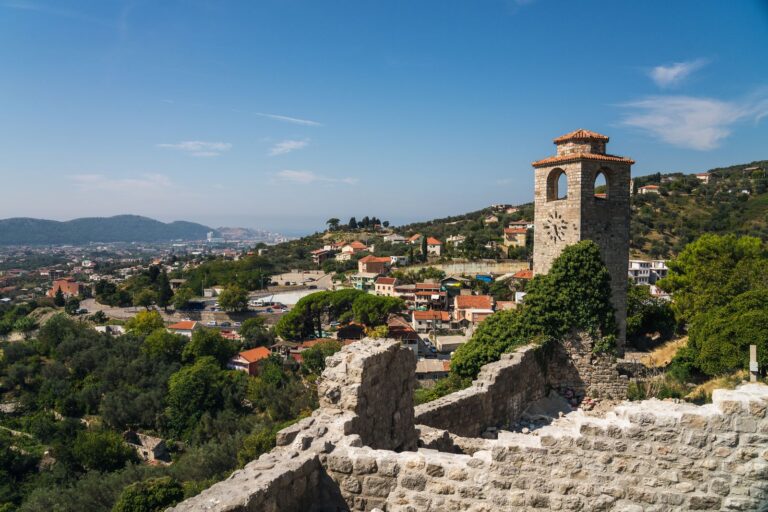
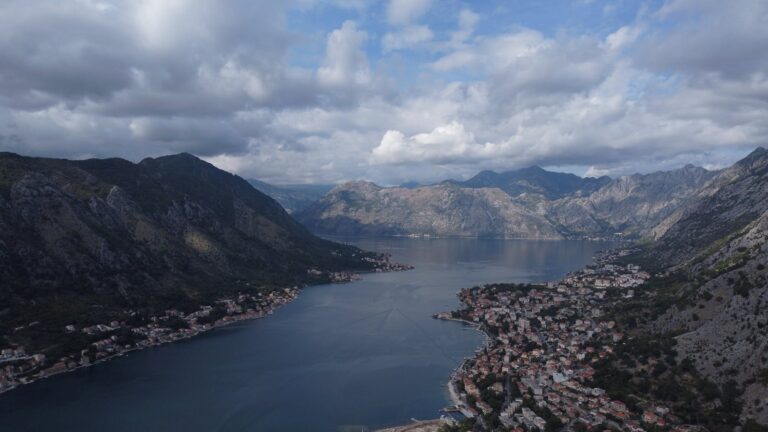
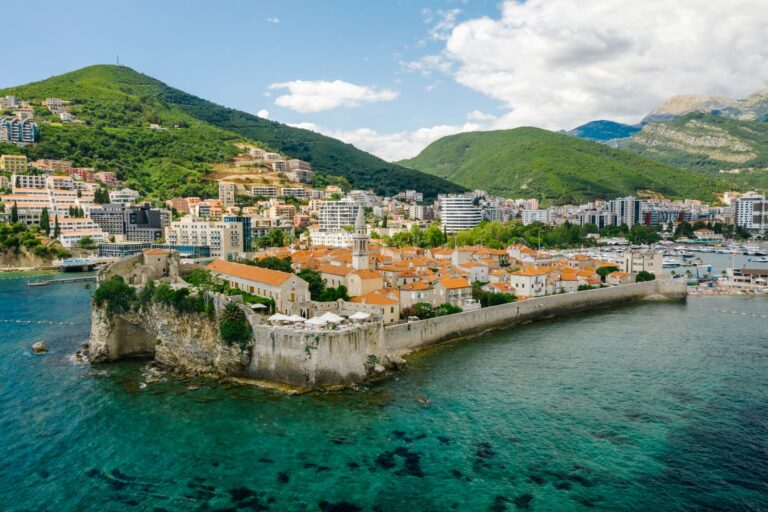
- Kotor — a walled old town at the head of the fjord, the climb up to St John’s Fortress and the loveliest early-morning stroll through the lanes before the cruise-ship crowds arrive.
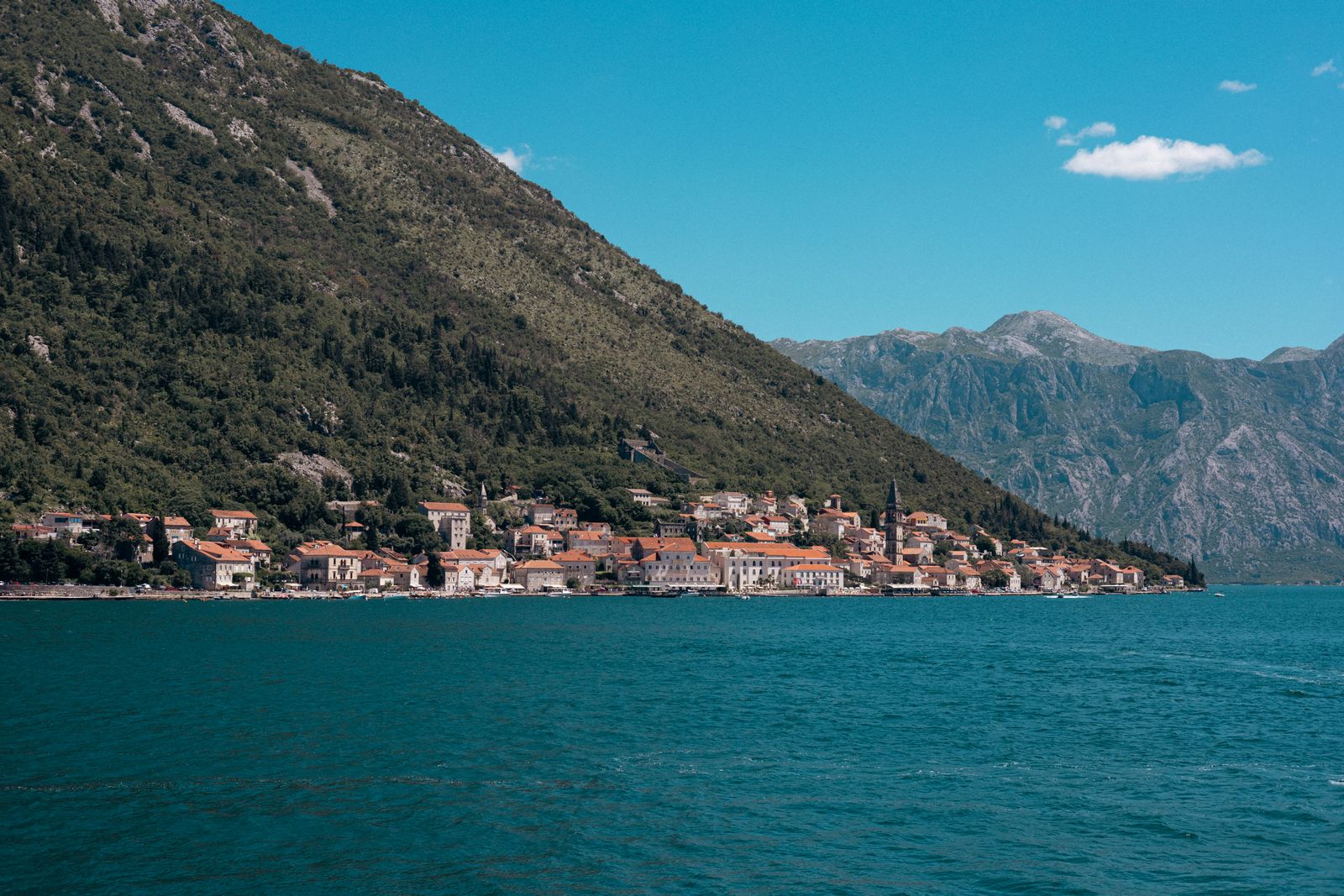
- Bay of Kotor and Perast — the most photogenic bay on the Adriatic and a boat trip out to the islet of Our Lady of the Rocks.
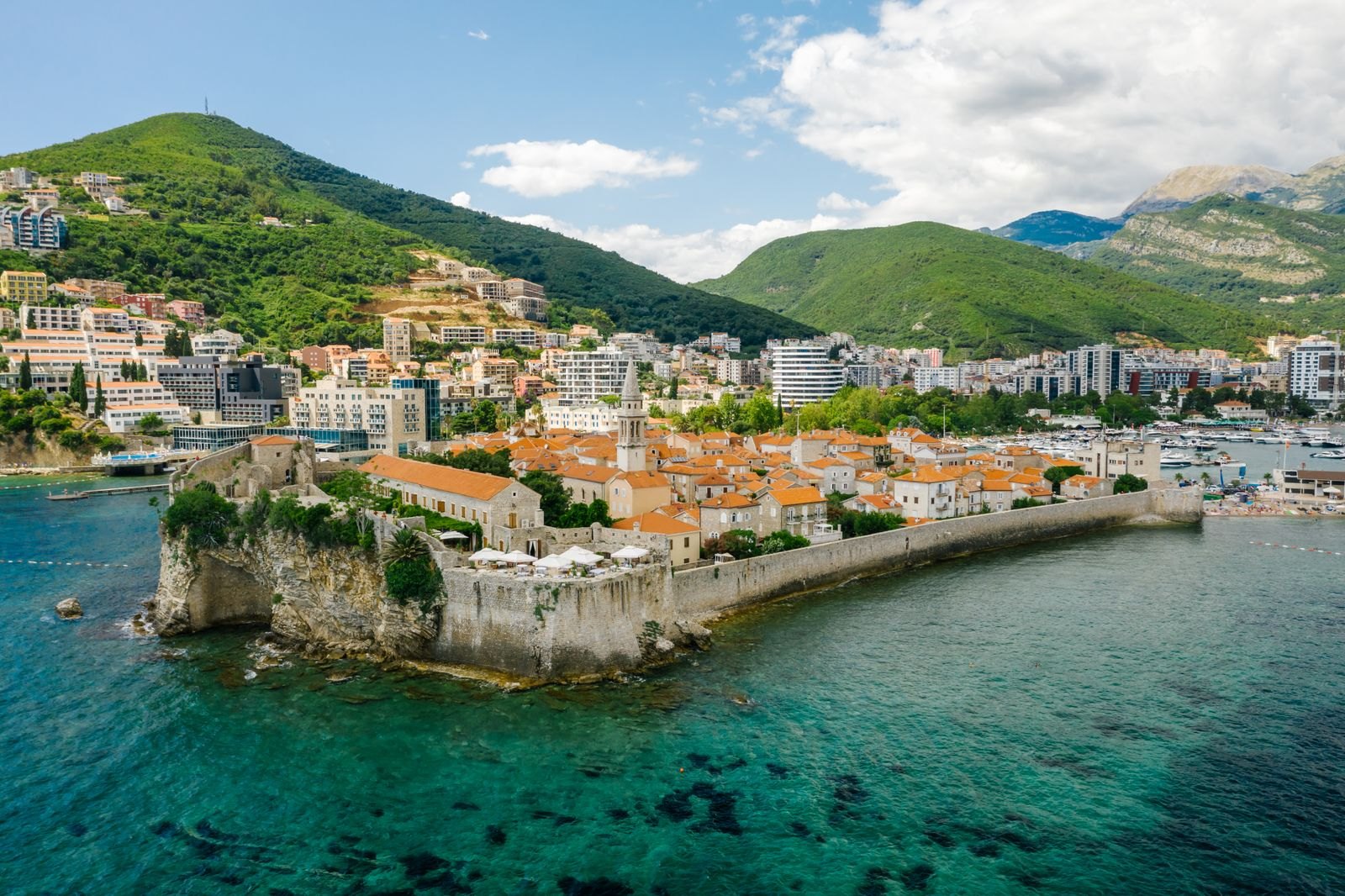
- Budva — the lively heart of the riviera with beaches, nightlife and an old town; a great base for the coast.
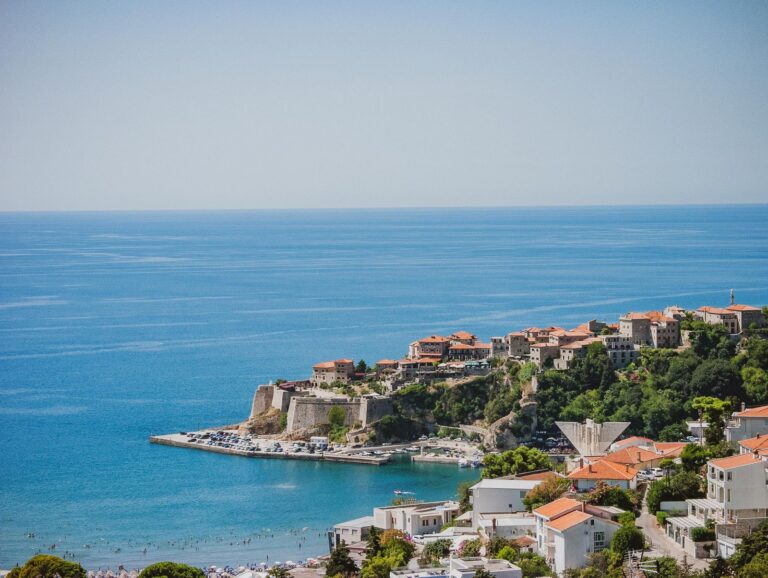
- Ulcinj, Velika Plaža and Ada Bojana — the southernmost, warmest corner of the country, home to Montenegro’s longest sandy beach.
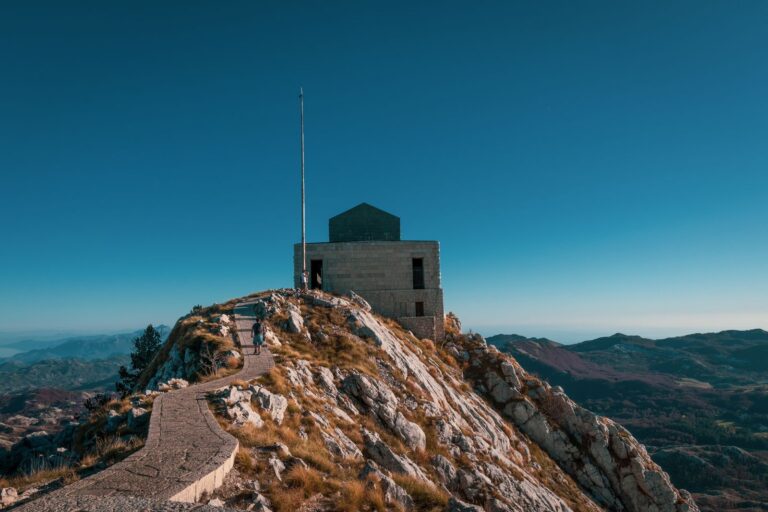
- Lovćen National Park and Cetinje — the Njegoš Mausoleum with views over half the country, and the old royal capital.
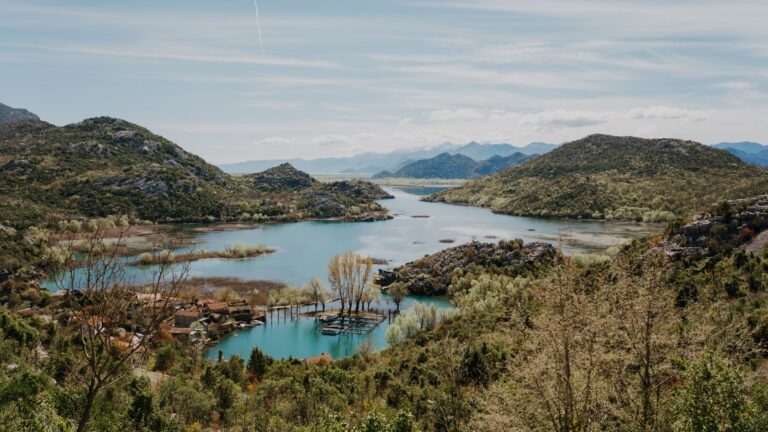
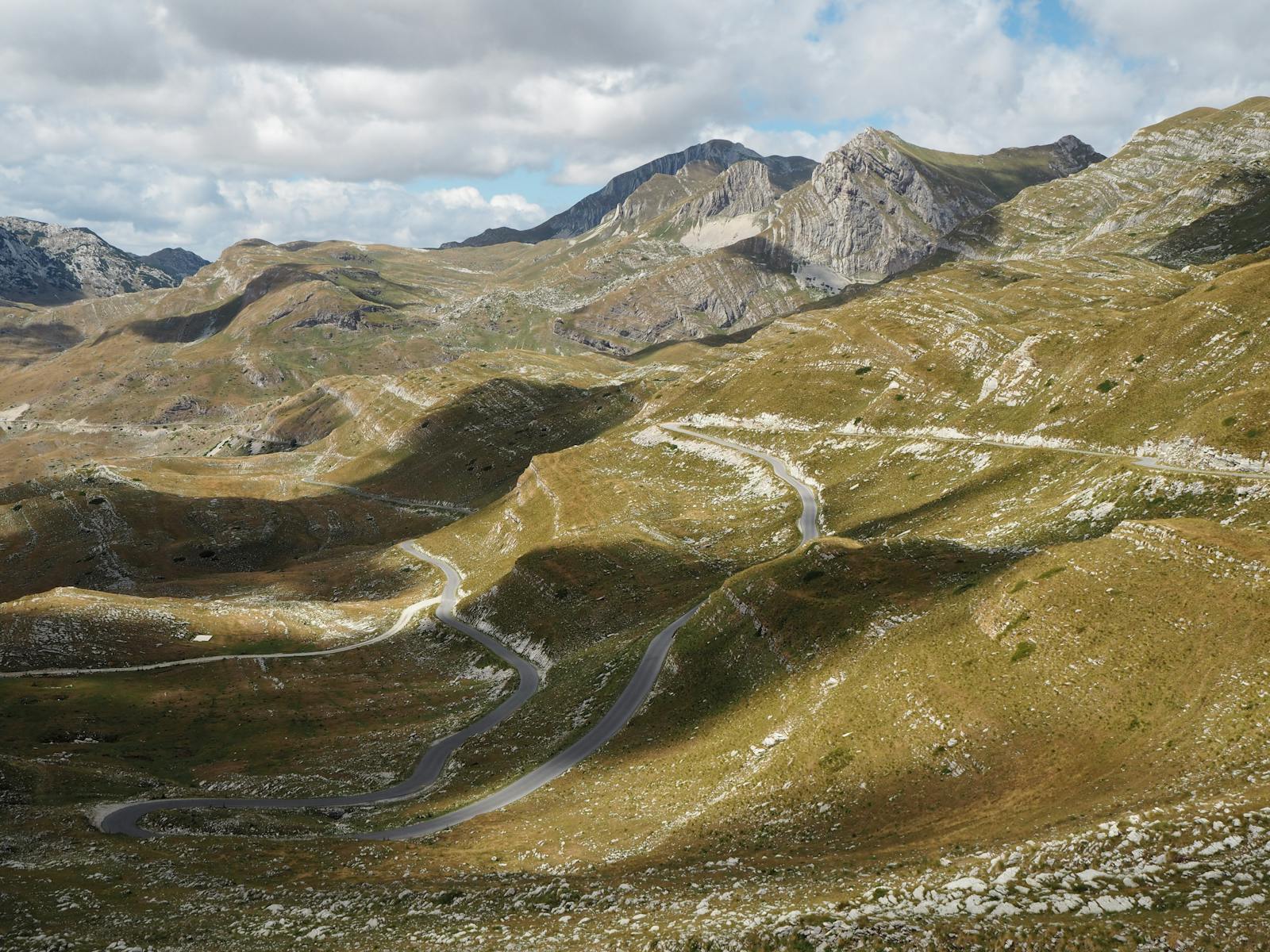
- Durmitor National Park and Žabljak — mountains, the glacial Black Lake (Crno jezero) and the hike up the highest peak, Bobotov Kuk.
If you’re still deciding whether to head for the sea or the mountains, take a look at our overview of a holiday in Montenegro — it’ll help you put together a route based on what you want from your trip.
When to visit Montenegro
On the coast the main season runs from June to September, when the sea is warm and everything’s open. The peak — with the priciest accommodation and the most crowded beaches — is July and August: beautiful, but hot and expensive. The sea is usually at its nicest from mid-July to mid-September.
Our favourite months are May, June and September: warm enough for swimming and sightseeing, but without the crowds and at more reasonable prices. In September you can photograph Kotor and Perast in peace, and you can still swim into early October.
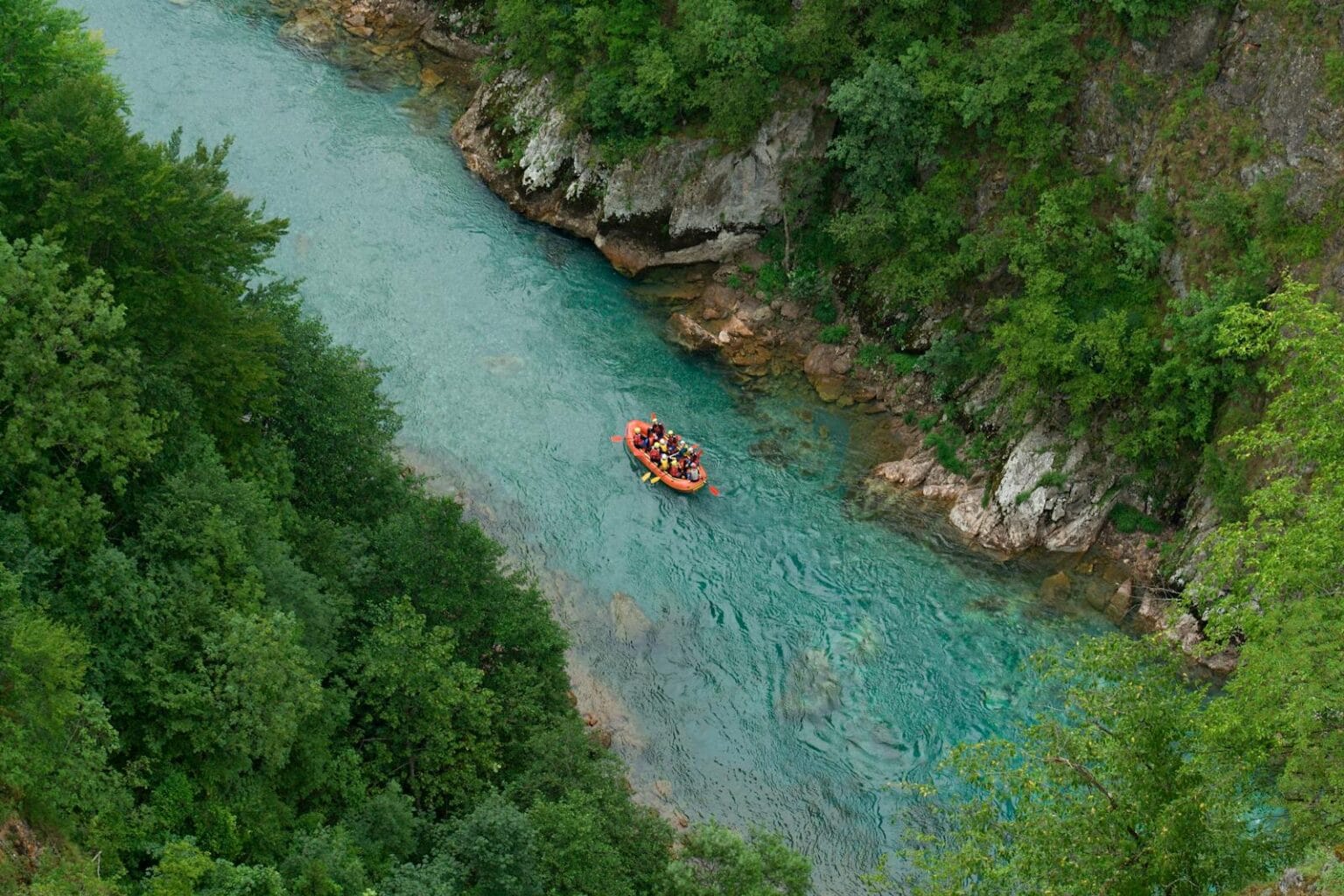
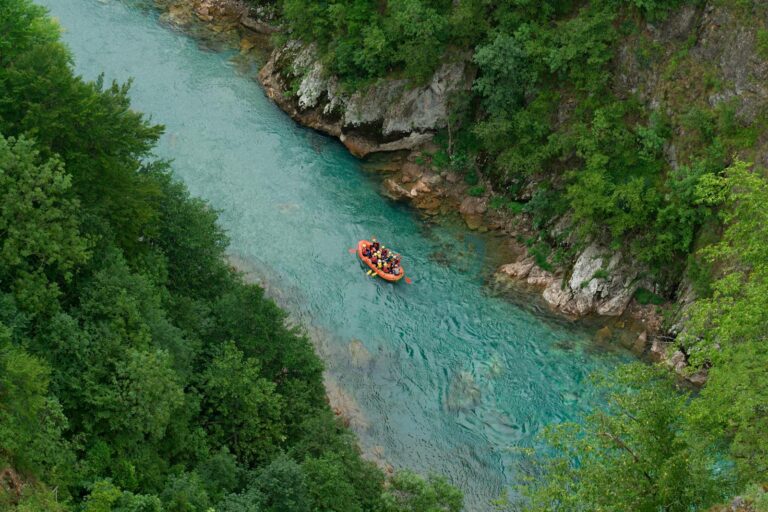
The mountains run to a different rhythm. For Durmitor and hiking, June to September is ideal — in April and May there can still be snow higher up and the mountain passes tend to be cold. You can ski in Žabljak in winter, but that’s a completely different kind of holiday.
If you want to get the most out of Montenegro, here are the experiences we wouldn’t miss — we’ve tried them all and we write about them in our articles too:
- The climb up to the fortress above Kotor — head up in the cool of the morning and come back down with the best view over the bay.
- A boat out to the islet by Perast — Our Lady of the Rocks is one of the loveliest corners of the whole bay.
- The walk around the Black Lake in Durmitor — an easy loop for everyone, or a full-day ascent of Bobotov Kuk for the fitter ones.
- The Njegoš Mausoleum on Lovćen — 461 steps, rewarded with a view over half of Montenegro.
- A day on Velika Plaža beach near Ulcinj — miles of sand and warm water in the south.
- An evening in the old town of Budva — swimming by day, lanes and restaurants by night.
How to get to Montenegro
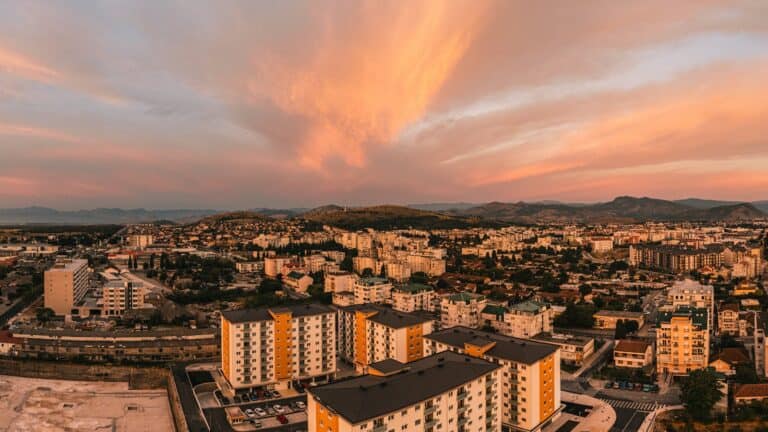
Flying is the quickest way. The main gateways are Tivat airport (close to Kotor and Budva, ideal for the coast) and Podgorica (the capital, nearer the mountains). In season there are even direct flights from Czechia; otherwise you’ll change planes, and even with a connection you’ll make it in a single afternoon. Alternatively, you can fly cheaply to Dubrovnik in Croatia and continue into Montenegro by car or transfer across the border.
Driving from Prague it’s roughly 1,500 km and 16–18 hours of actual driving through Austria, Slovenia and Croatia — most people split it over two days. Bringing your own car pays off if you want to tour both the mountains and the coast and carry plenty of luggage; on the flip side, factor in motorway vignettes along the way and the fatigue. You don’t need to worry about a ferry — you can reach Montenegro entirely overland.
Renting a car
A car pays off for almost anyone who wants to combine the sea and the mountains in Montenegro — getting to Durmitor, up to Lovćen or into the smaller coves by public transport is slow and complicated. But if you’re only planning a stay in one place by the beach, a car is more of a needless expense and a parking headache in season.
- Book ahead through a rental comparison site — demand is high in summer, and on the spot you’ll pay more or find nothing left.
- Watch the insurance and deposit — without full cover they block a hefty deposit on your card; paying extra for zero excess is usually worth it.
- Tolls: the Sozina tunnel between Podgorica and the coast is tolled, otherwise charges are rare. The ferry across the bay (Kamenari–Lepetane) shortens the journey and costs a few euros.
Where to stay in Montenegro
Where to stay depends on what you want to see. For swimming and nightlife the area around Budva is ideal; for atmosphere and boat trips it’s Kotor and the Bay of Kotor; for a quieter, warmer holiday with the longest beach, head to Ulcinj. If you want to mix in the mountains, find a base in Žabljak near Durmitor.
- Apartments and private rooms — the most common and cheapest option, with great value for money especially outside the main season.
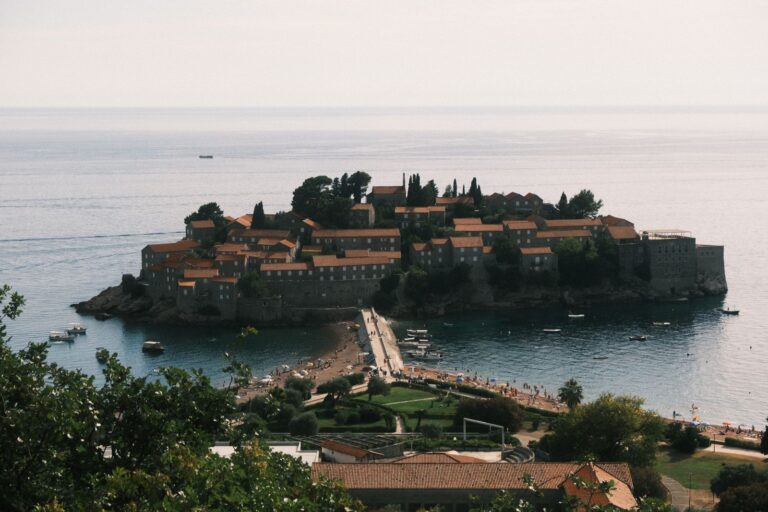
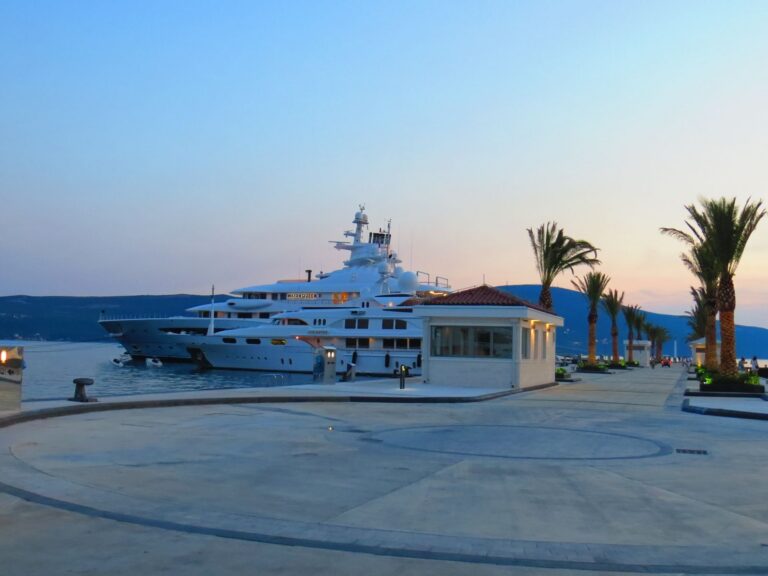
- Hotels and resorts — around Budva and Tivat there are even luxury options (Sveti Stefan, Porto Montenegro), but at higher prices.
- Mountain guesthouses — simple and cosy in Žabljak, an ideal base for hiking.
Our tip: on the coast in July and August, book a few months ahead — otherwise you’ll pay more and be left with the lesser places. You’ll find the specific places we’ve tried in our accommodation tips below.
Package tour or independent travel?
A package tour pays off when…
- you want flights, transfer and hotel sorted in one go without dealing with the logistics;
- you’re mainly heading to the coast for the sea and don’t need to travel around every day;
- you prefer the certainty of a fixed price and the support of a rep.
Go it alone when…
- you want to combine the sea, Kotor, Lovćen and Durmitor and set your own pace;
- you don’t mind booking flights, accommodation and a car separately;
- you’re travelling outside the main season, when everything is cheaper and quieter.
The two of us travel to Montenegro independently with a car — it’s small, easy to drive around, and the best experiences are precisely outside the tourist centres. A package tour makes most sense for anyone who just wants the sea and some peace and quiet without the planning.
Budget: daily costs in Montenegro
| Level | Accommodation | Food | Transport & activities | Total/day |
|---|---|---|---|---|
| Backpacker | 20 €–30 € (private room, hostel) | 12 €–18 € (bakeries, self-catering) | 8 €–16 € (buses, entry fees) | approx. 40 €–65 € |
| Standard | 45 €–80 € (apartment, 3* hotel) | 25 €–35 € (restaurants) | 20 €–35 € (car, boat trip) | approx. 90 €–150 € |
| Comfort | 120 €+ (4* hotel, resort) | 45 €+ (better restaurants, wine) | 45 €+ (taxis, private tours) | approx. 210 €+ |
The prices are a rough guide per person per day, excluding flights or transport to the country. Montenegro is a touch cheaper than the western Mediterranean, but in the top spots (Kotor, Sveti Stefan) prices shoot up in season — go in May or September and you can easily save a third.
How to save when planning
- Buy flights 2–4 months ahead for the main season; last-minute bookings in July and August are the most expensive. Search for flights in our flight finder.
- Sort out coastal accommodation early — good apartments in Kotor and Budva for summer disappear as early as spring, and what’s left gets pricier. Take a look at our accommodation tips.
- Go in May or September instead of peak season — you’ll save on both accommodation and flights and dodge the crowds.
- A package pays off as a first-minute deal if you have firm dates; only watch for last-minute offers outside the peak. Current deals are in the latest packages section.
- Book boat trips and activities online in advance — you’ll often overpay buying them on the spot at the jetty. We sum up what to book early in what to book in good time.
Practical information
- Currency and payments: the country uses the euro, even though Montenegro isn’t in the EU. You can pay by card in hotels and larger restaurants, but keep cash for markets, private rooms and smaller establishments.
- Language: Montenegrin; Czech and Slovak get you a long way (the languages are closely related), and English works in tourist areas.
- Connectivity: the easiest option is an eSIM — activate it before you leave home and you’ll have data the moment you land, with no hunting for a local SIM. EU roaming from Czechia doesn’t apply here.
- Safety: the country is calm and safe for tourists; just keep an eye on the usual things on beaches and in the crowds around the boats.
- Documents: a national ID card is enough, but bring your passport too, just in case, when travelling through Croatia.
Our practical tip: the mountain roads are narrow and winding, so allow plenty of time for the hairpins up to Lovćen and into the canyons, and don’t drive after dark if you can help it.


