

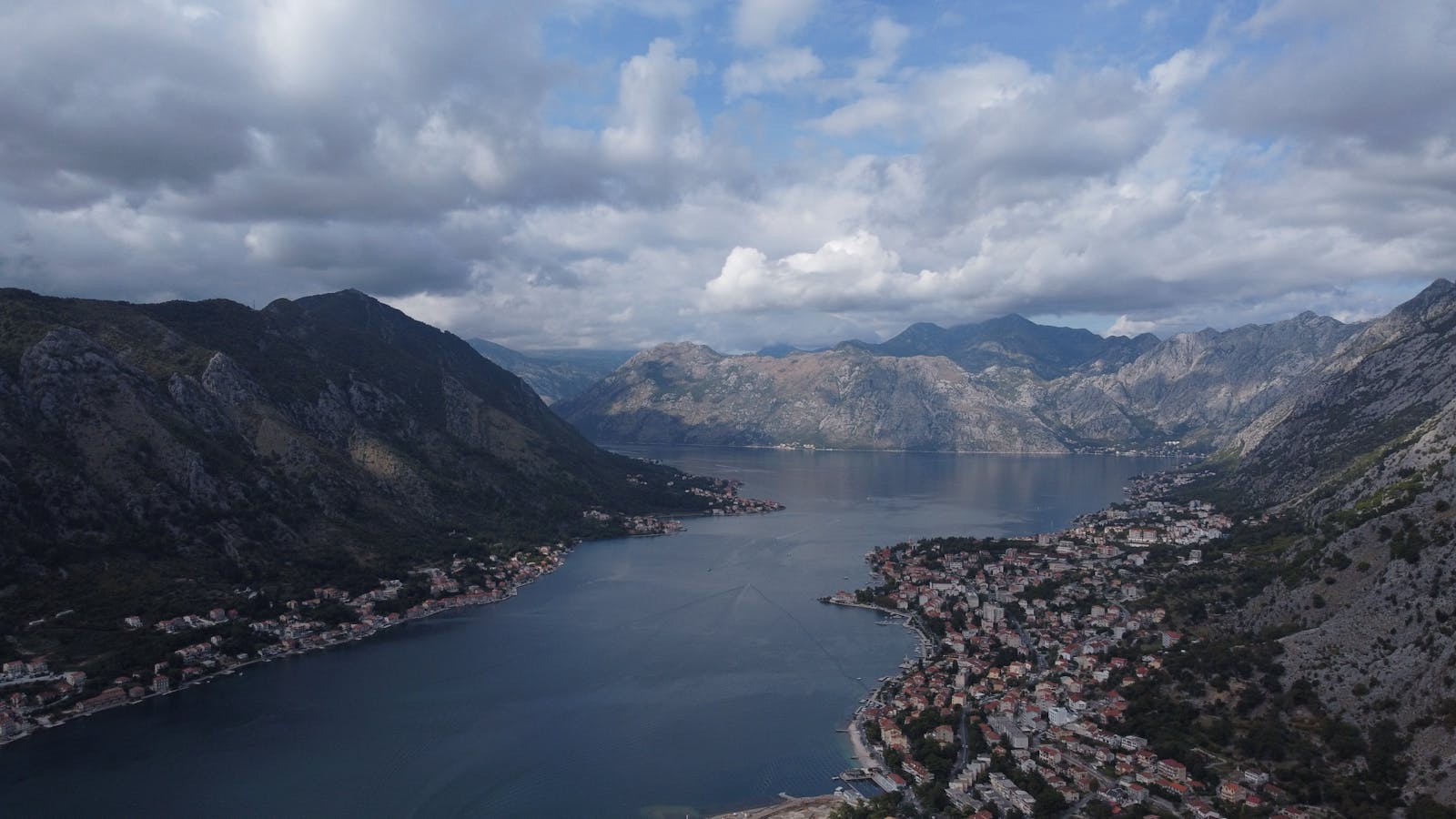
The Bay of Kotor in Montenegro is one of those places that absolutely disarms you in photos, yet in reality is even more majestic than you could ever imagine. Picture steep limestone peaks plunging straight into the deep blue waters of the sea, with tiny stone towns of flawless Venetian architecture nestled between them. Although this bay is fondly nicknamed the southernmost fjord in Europe, geologically it’s actually a flooded river canyon, or ria. That takes nothing away from its dramatic beauty, though, and you’ll feel like you’ve stepped onto the set of a romantic period film.
The shining pearl of the entire bay is undoubtedly Perast, a miniature Baroque town that has preserved its ancient maritime atmosphere and the charm of bygone days to this very day. In this article I’ll walk you through the bay, its little islands and the legendary Our Lady of the Rocks, so you can make the most of your holiday in Montenegro. I’ll show you where to catch the best view, how to dodge the summer crowds, and where to find that genuine local atmosphere without the tourist gloss.
Beyond the sights and day trips, we’ll also cover purely practical matters like transport and accommodation, because parking in Perast can be quite a headache in high season. Pack a comfortable pair of shoes for exploring the old donkey trails and don’t forget your swimwear, though I’ll be honest with you up front: don’t expect classic sandy beaches here. The Bay of Kotor is simply its own thing, utterly unique, and guaranteed to stay etched in your memory.
TL;DR
- The man-made island of Our Lady of the Rocks is the area’s main draw; a boat ride from Perast costs around €5 return.
- Parking in Perast is paid in season (around €8 to €15) and spaces vanish fast, so aim to arrive before 8 a.m.
- The best view of the town and the bay is from the bell tower of St Nicholas’ Church, which you can climb for a symbolic €2.
- Swimming in the Bay of Kotor happens mostly off concrete jetties and small pebbles, and the water tends to be cooler thanks to underwater springs.
- The historic town of Risan hides unique ancient Roman mosaics that the cruise-ship crowds rarely stumble upon.
- Adrenaline and the most spectacular panoramas await on the old serpentine P1 road that climbs from Kotor up to Lovćen.
The full destination guide: Montenegro — guide and what to see
When to visit the Bay of Kotor and Perast
If you want to experience the bay at its very best, come in June or mid-September, when the sea has warmed beautifully to 22 to 25 degrees. In these months you’ll enjoy gorgeous summer weather while still dodging the worst price spikes and the unmanageable crowds. May and October, meanwhile, I’d recommend to anyone coming mainly for photography and hiking, because pleasant temperatures without the scorching heat are absolutely ideal for climbing into the hills.
During the peak season in July and August, expect the Bay of Kotor to be bursting at the seams under the influx of passengers from giant cruise ships, which mostly dock in nearby Kotor. This is when long tailbacks form on the coastal road and accommodation prices climb to their annual highs. One intriguing exception worth a summer visit is the traditional Fašinada festival, held every year on 22 July, which offers a truly unique glimpse of local culture in action.
Perast itself is at its most magical early in the morning or in the early evening after 5 p.m., when the day-trippers have left and the town sinks into calm. A morning visit also has one huge advantage: the availability of parking near the entrances to town, because after nine you often won’t find a single free space. Out of season from November to April the parking barriers are usually open and parking is free, but plenty of businesses are closed during this time.
Where to stay in Perast and around
💡 Accommodation and experiences tip: We love searching for places to stay on Booking.com, which usually has the best cancellation terms. For tickets, tours and activities, it pays to compare and book through GetYourGuide.
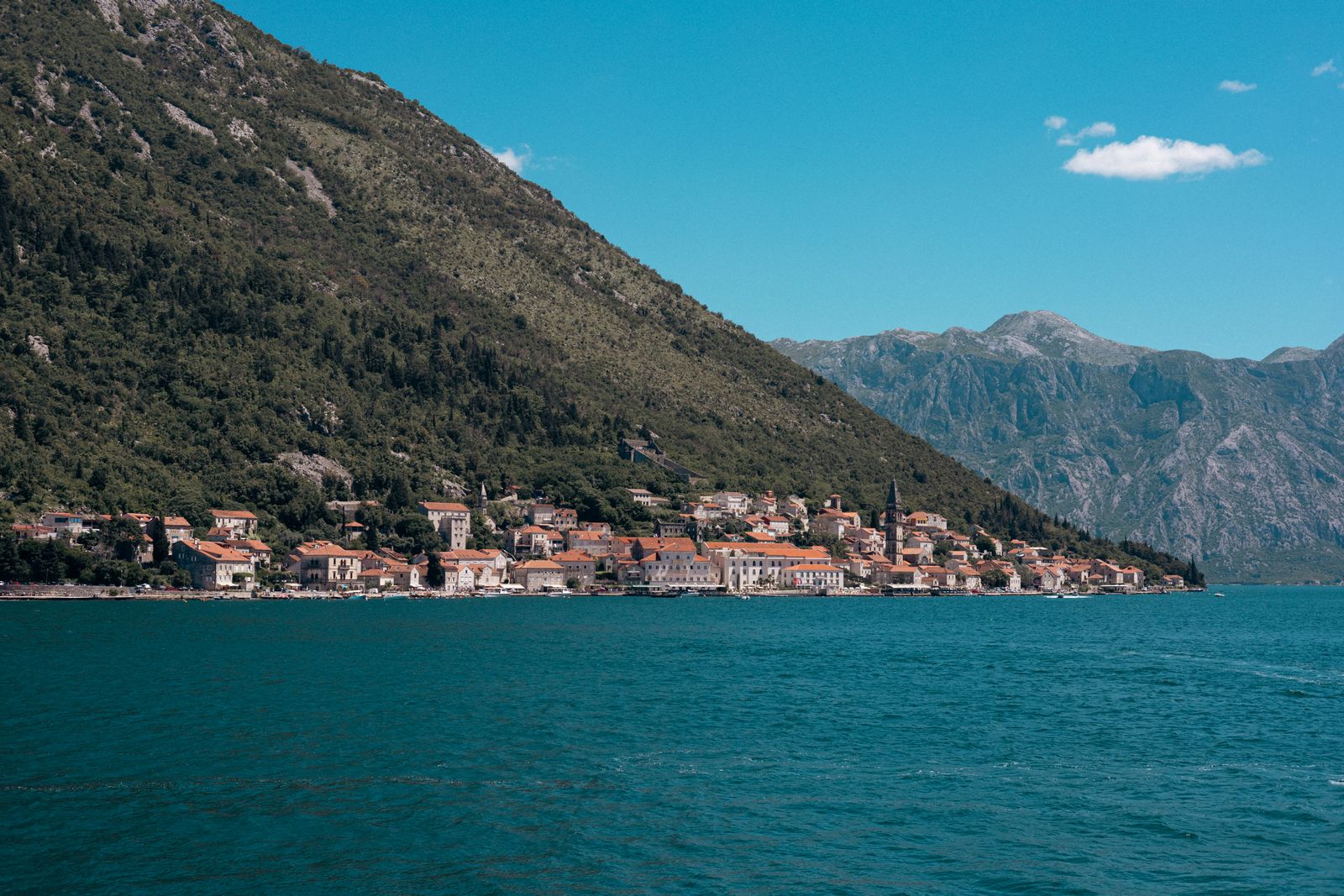
Perast really is a tiny town, so the choice of quality accommodation is limited, but all the more boutique and romantic for it. The absolute top of the range is Heritage Grand Perast, a sprawling five-star hotel set in the carefully restored 18th-century Smekja Palace right on the water. If you’re after perfect romance with a view of the islands and top-class spa facilities, this historic gem is the best possible choice you can book through Booking.
Another excellent option right in the heart of town is Hotel Conte, which has racked up hundreds of glowing reviews and offers apartments scattered across historic buildings throughout Perast. This four-star hotel has its own restaurant right on the water, where you can enjoy superb pasta or vegetable salads with an unforgettable view. A touch more affordable but still beautifully stylish is Vila Perast Boutique Hotel, located close to the Orthodox church and offering excellent value for money and a great location.
If you’d rather have more peace and quiet and don’t mind a five-to-fifteen-minute drive, look for accommodation in the wider Dobrota area near Kotor. The luxurious boutique Forza Mare is gorgeous, with a private beach and an intimate atmosphere away from the busiest hustle. History buffs will surely appreciate Palazzo Radomiri Heritage Boutique Hotel, a Baroque palace with its own jetty, or the stunning stone-built Casa del Mare Pietra, known for its very personal approach to guests.
12 things to see and do in the Bay of Kotor
The Bay of Kotor offers a huge range of experiences, from exploring old palaces to demanding mountain treks. I’ve put together twelve specific tips to help you plan the perfect itinerary and discover even those spots the average cruise-ship tourist usually never reaches.
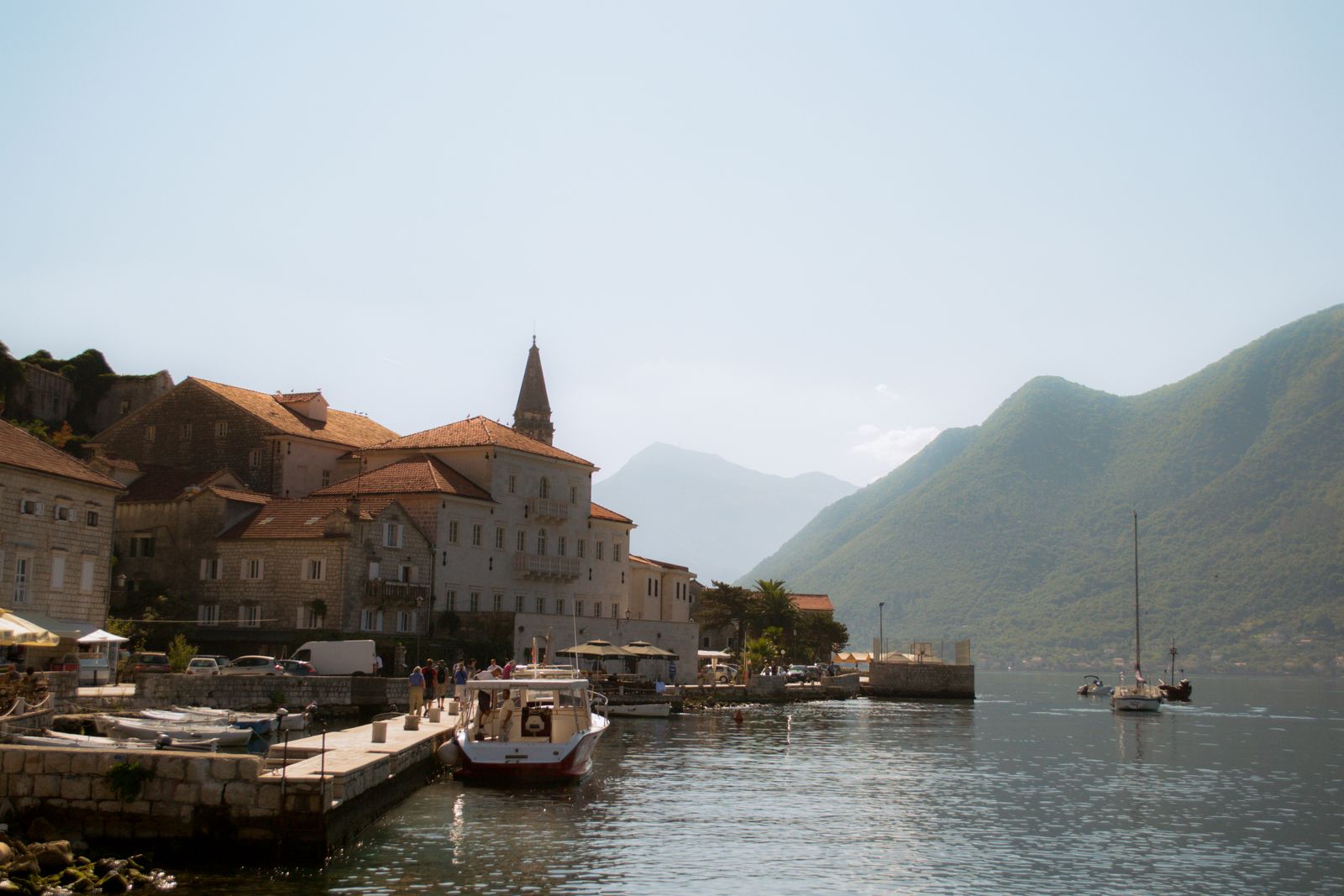
1. Perast: a car-free town and Baroque palaces
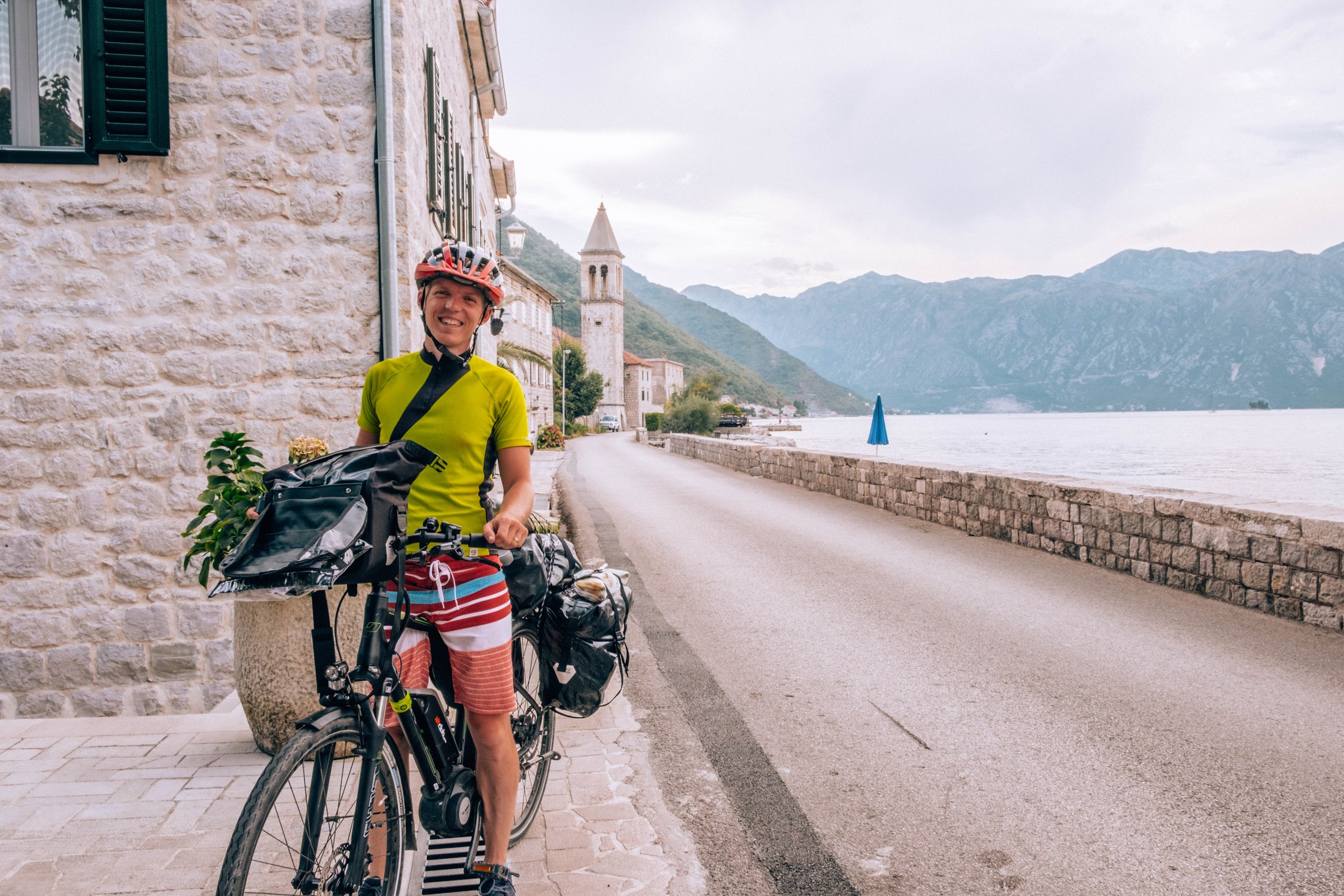
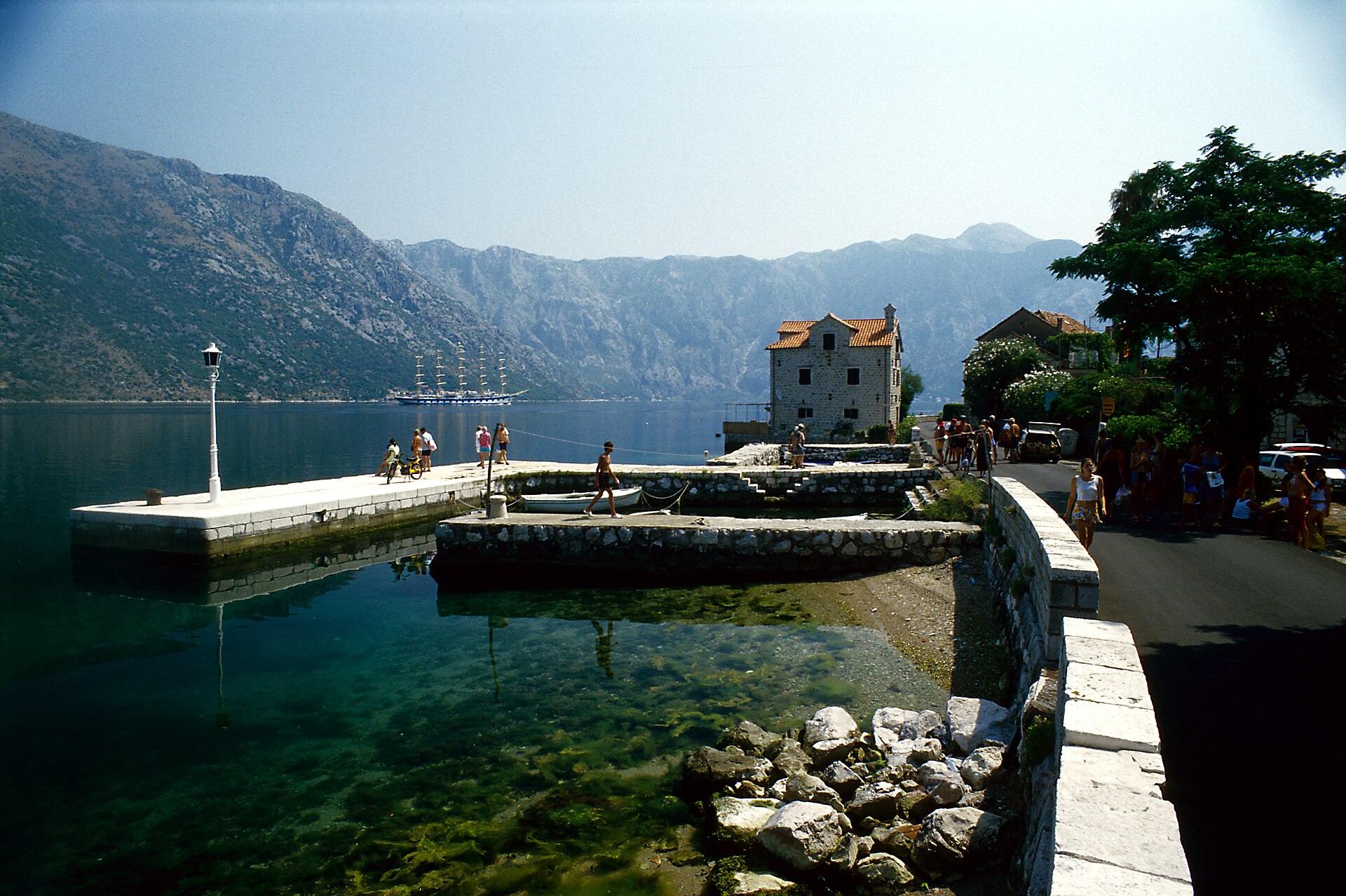
Perast was once a significant maritime power, and legend has it that even Russian Tsar Peter the Great sent his cadets here to train at the local naval academy. Crammed onto just four hundred metres of seafront promenade are 16 churches and 17 grand palaces, which make the whole place feel like a scaled-down version of famous Venice. A key advantage is that the main road doesn’t run through the centre – cars stay in the car parks at the edge, so the core keeps its wonderfully calm, pedestrian feel.
As you stroll around, you can’t miss the majestic Smekja Palace, built from white stone from the Croatian island of Korčula, or the Zmajević Palace with its rare octagonal bell tower beside a private chapel. Sadly, most of these buildings can’t be entered, but one exception is the beautiful Bujović Palace, which today houses the Perast Museum, with admission around €2 to €3. Inside you’ll find fascinating collections recalling the rich maritime history of this unassuming Montenegrin gem.
💡 Tip: When you get hungry while exploring the lanes, stop in at one of the waterfront restaurants. Although the local konobas are famous mainly for their fish specialities, vegetarians will happily tuck into excellent pizza margherita, cheesy pasta or fresh grilled vegetables with local cheeses.
2. St Nicholas’ bell tower: the best view
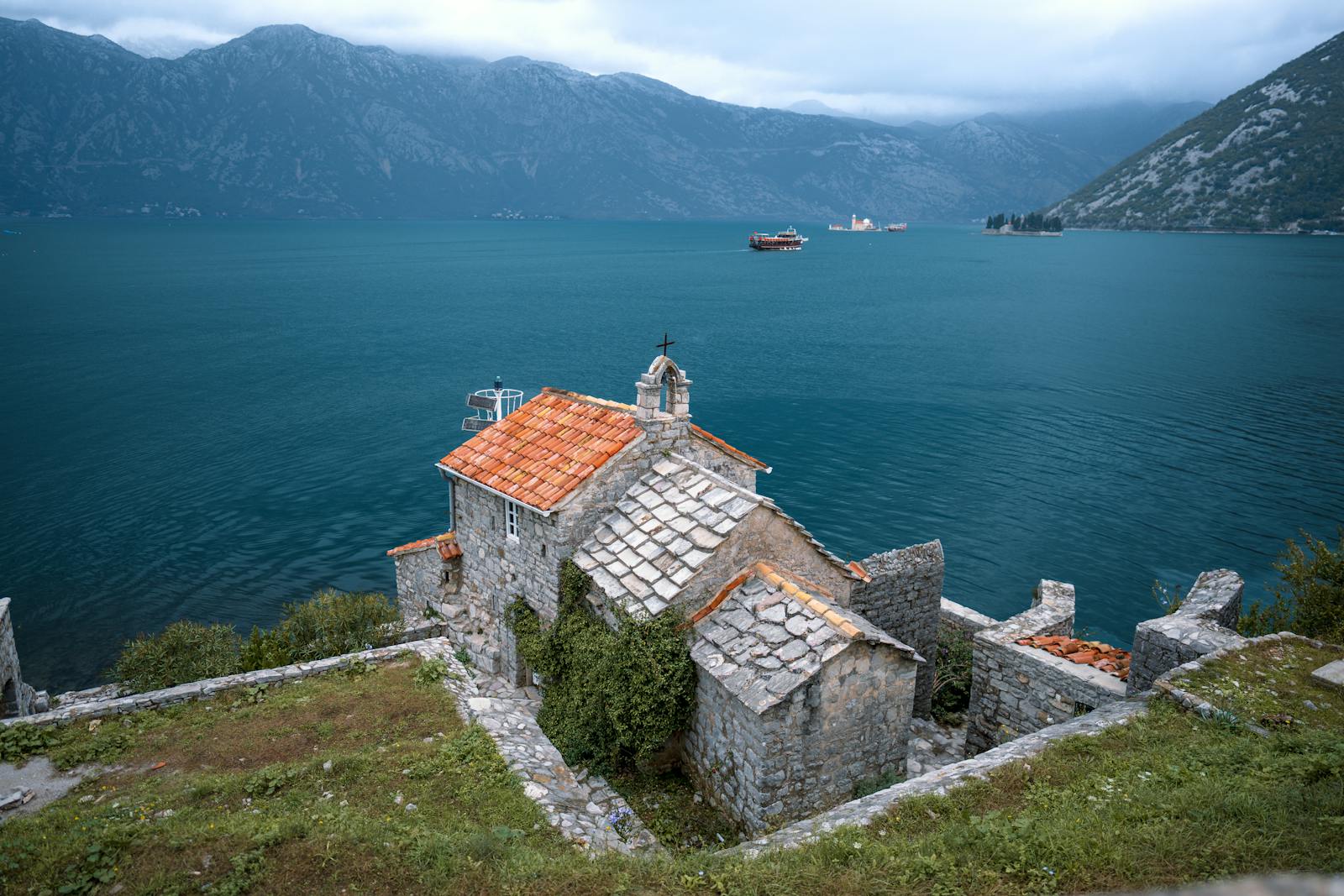
On Perast’s main square stands St Nicholas’ Church, which was historically never completed but boasts a magnificent 55-metre-high bell tower. While the crowds of tourists parade along the promenade below, you can climb the narrow spiral stairs all the way to the very top of this landmark for a symbolic €2. The way up is a little cramped, but the view that opens out at the top is absolutely worth the effort.
From the tower’s gallery a perfect 360-degree panorama unfolds before you, taking in the whole inner Bay of Kotor, the Verige Strait and the forested slopes of the surrounding mountains. Most importantly, you’ll get the best bird’s-eye view of both of Perast’s famous islands – something the people on the cruise-ship deck never see. The vivid blue dome of the church on Our Lady of the Rocks, set against the dark surface of the sea, looks utterly fantastic from this height.
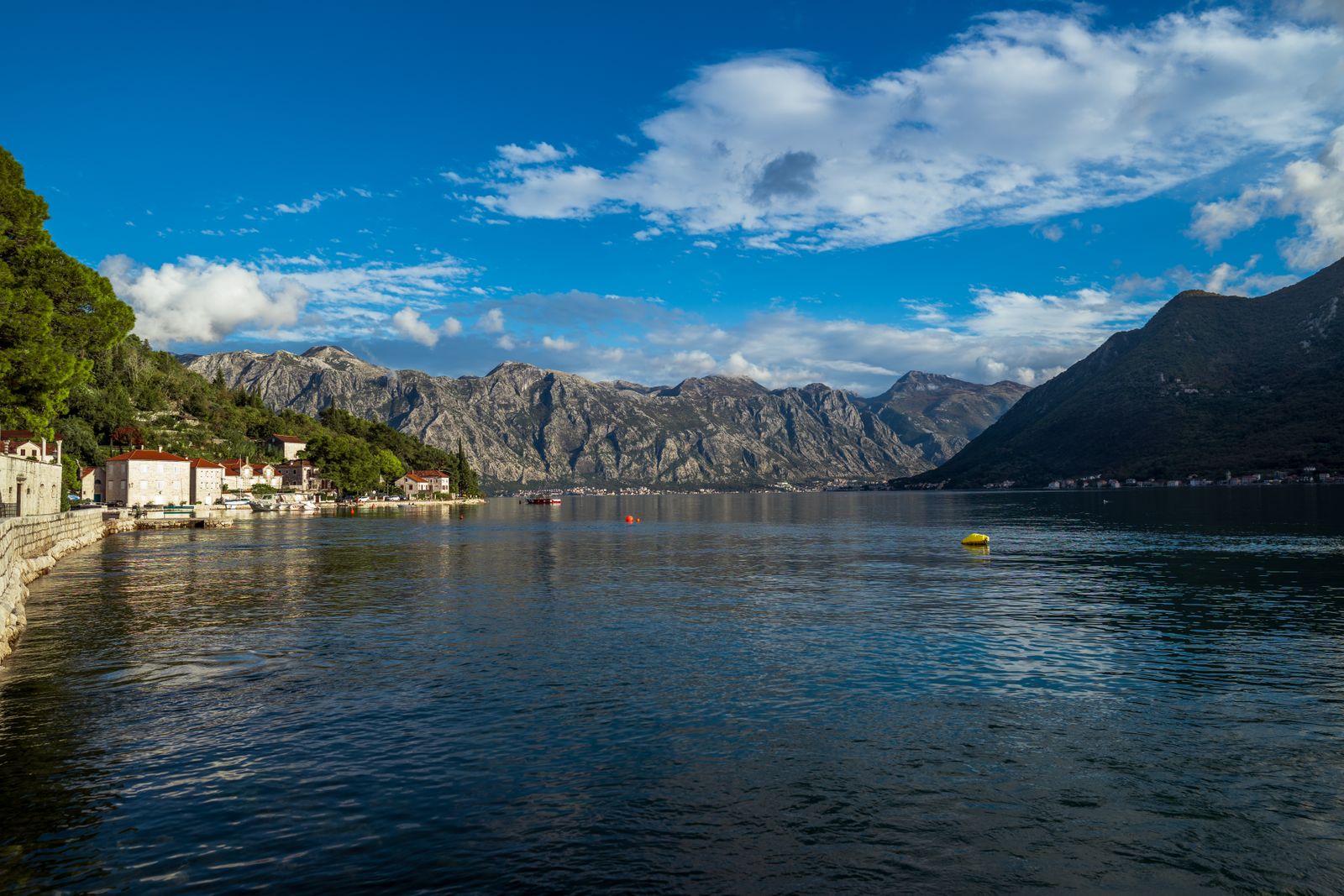
3. Our Lady of the Rocks: a man-made island with a legend
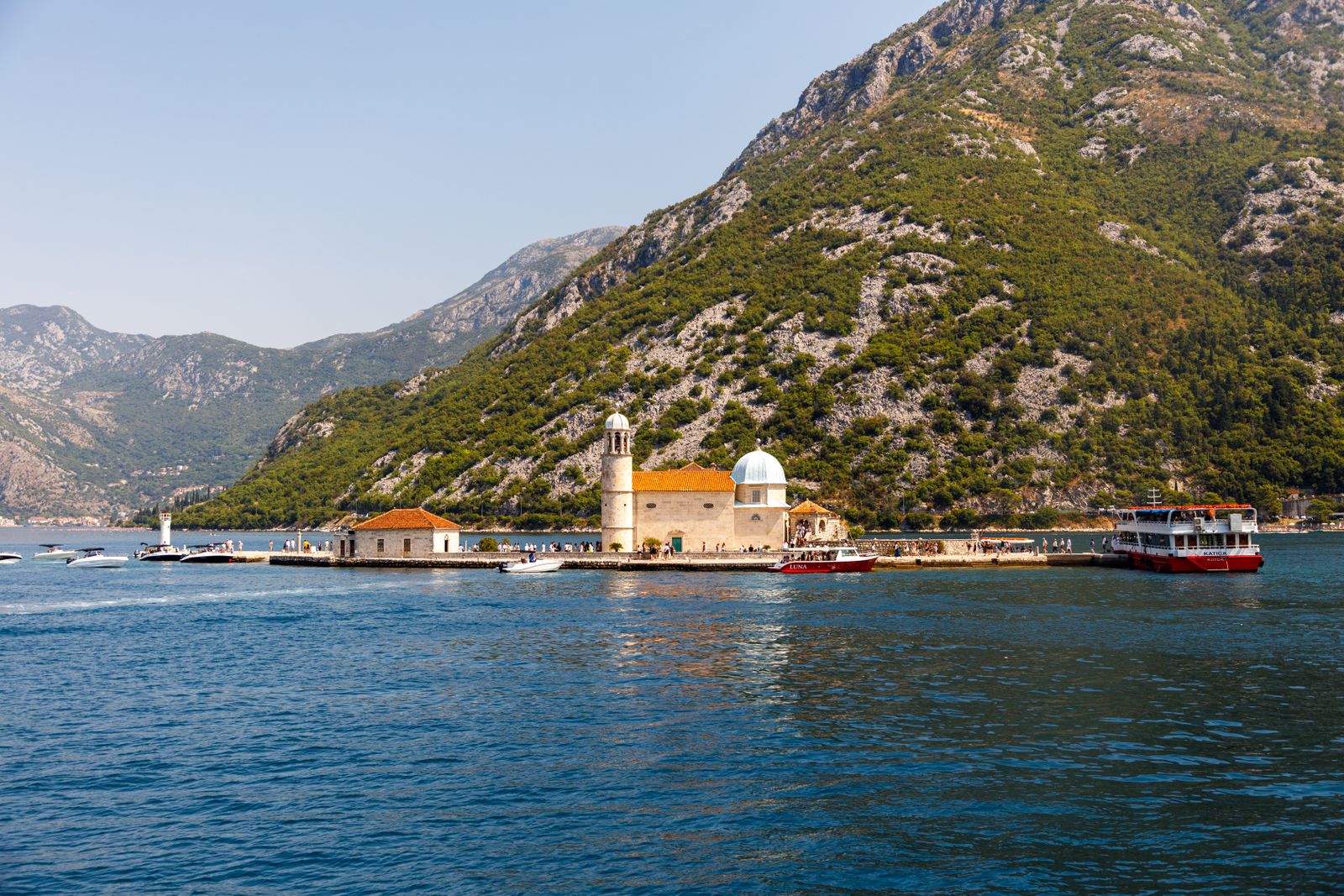
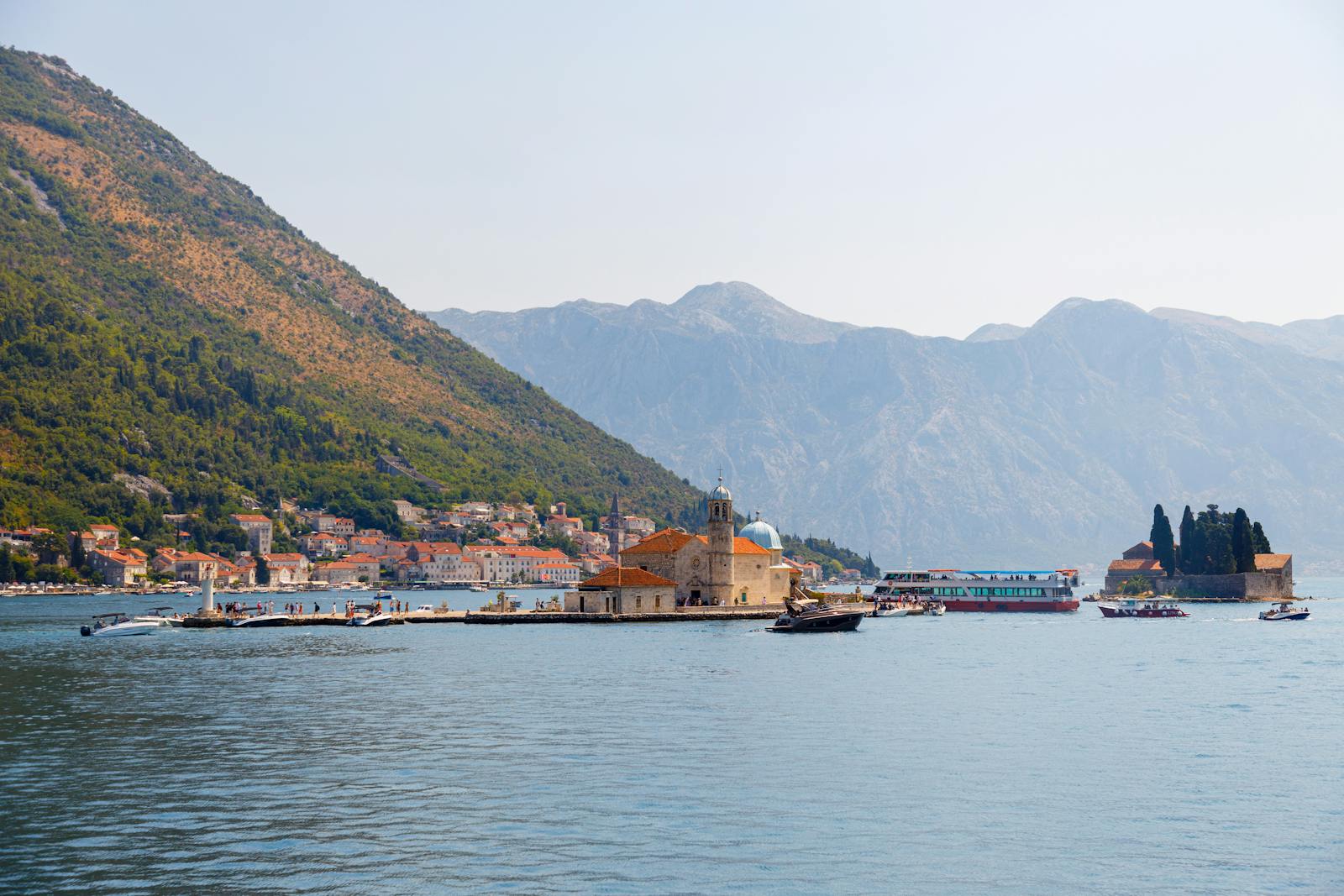
Our Lady of the Rocks (Gospa od Škrpjela) is a genuine global rarity, because it’s the only artificially created island in the entire Adriatic Sea. According to an old legend, local sailors found an icon of the Virgin Mary on a lonely reef here on 22 July 1452, and after one of them was miraculously healed they began, out of gratitude, to throw stones onto the spot. Building the island took centuries, and over the years the locals sank not only stones but old retired ships filled with gravel.
Today’s Baroque church with its iconic blue dome hides an enormously rich interior, dominated by nearly seventy canvases by the painter Tripo Kokolja. Absolutely breathtaking is the collection of more than 2,500 silver votive plaques, which sailors brought here in thanks for being saved from storms and pirates. Entry to the church and the small adjoining museum costs around €2 to €3, and it’s usually open daily from nine in the morning until six in the evening.
💡 Tip: In the museum, don’t miss the famous embroidered icon, which one local woman, according to legend, worked on for a full 25 years while waiting for her husband to return from the sea, gradually weaving in her own greying hair as she went.
4. Boat trip to the island: tickets and prices
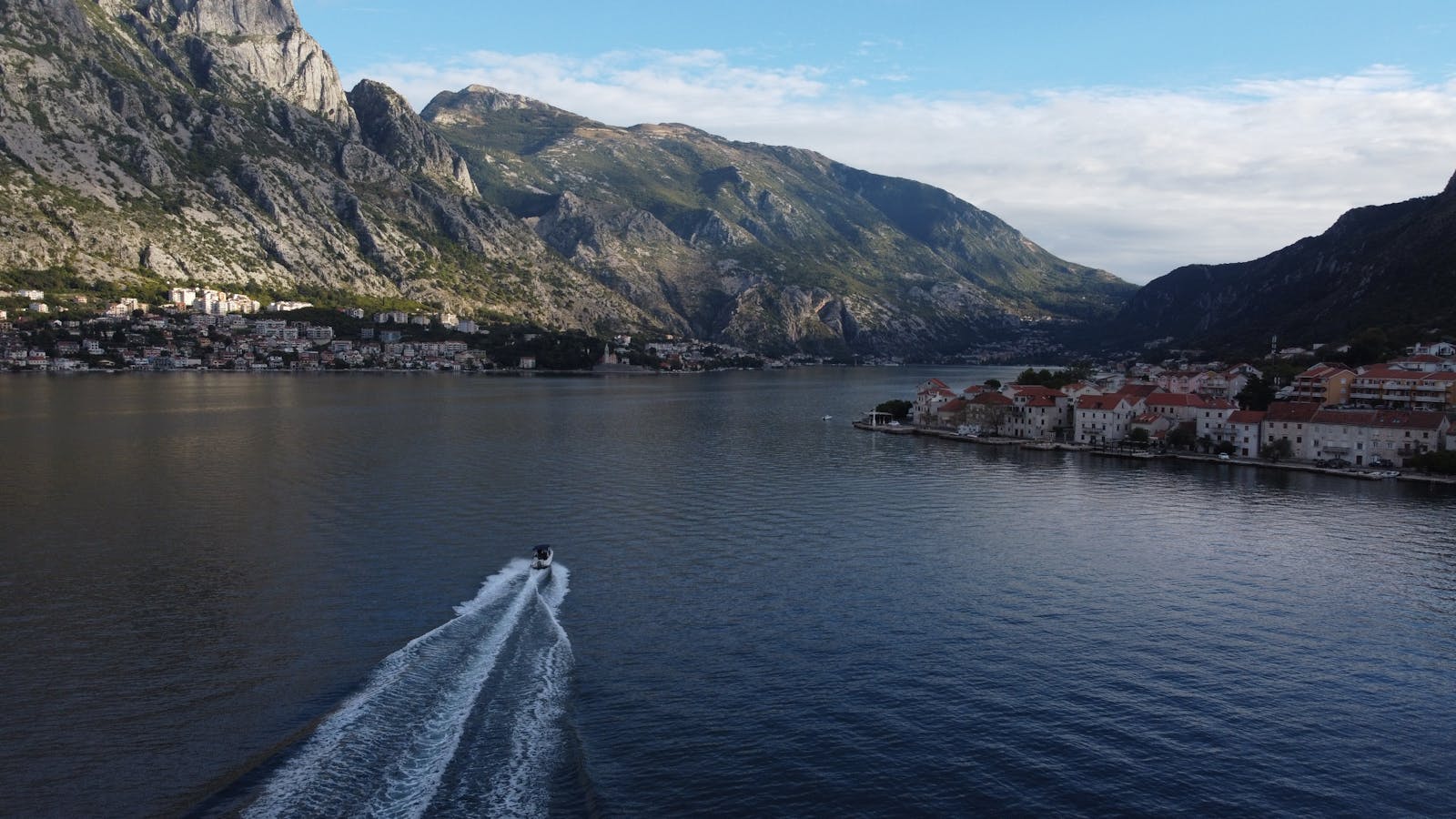
Getting to Our Lady of the Rocks is very easy, and from Perast it costs far less than the overpriced trips organised out of Kotor. Right by the main promenade, small taxi boats shuttle back and forth constantly, taking you there and back for an indicative price of €5 per person. The ride itself takes about five minutes, and you simply buy tickets in cash from the boatmen on the jetty, so there’s no need to bother with any complicated online bookings.
Seasoned travellers recommend not being lured into all-in packages and instead using these local ferrymen, as they’ll happily wait while you explore the whole island at your own pace. With some operators the price can creep up to around €10 at the height of summer, but it’s still a very affordable experience. Don’t forget to bring plenty of small coins, as card payment usually isn’t possible on these little boats.
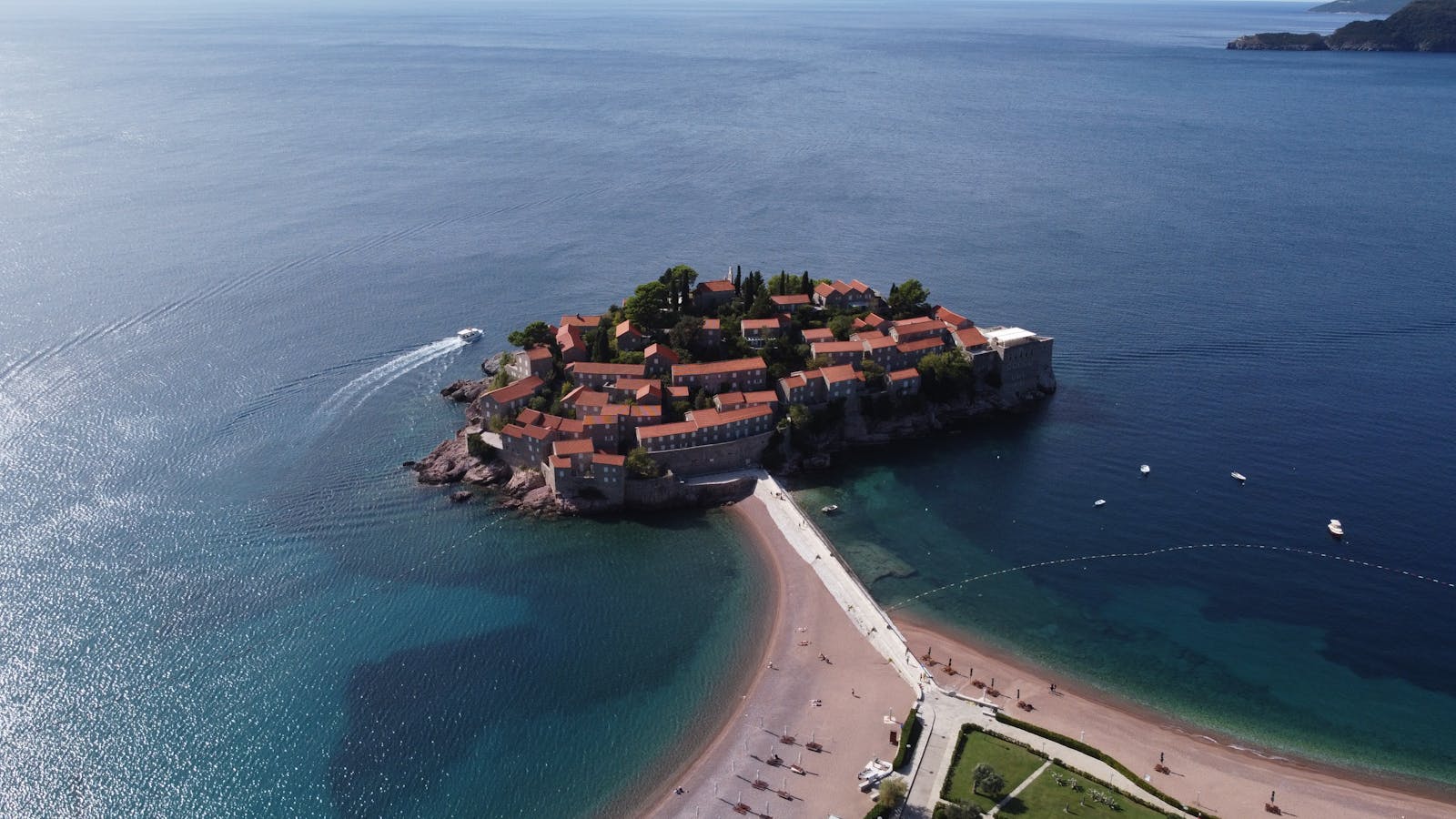
5. Sveti Đorđe: the natural island of the dead
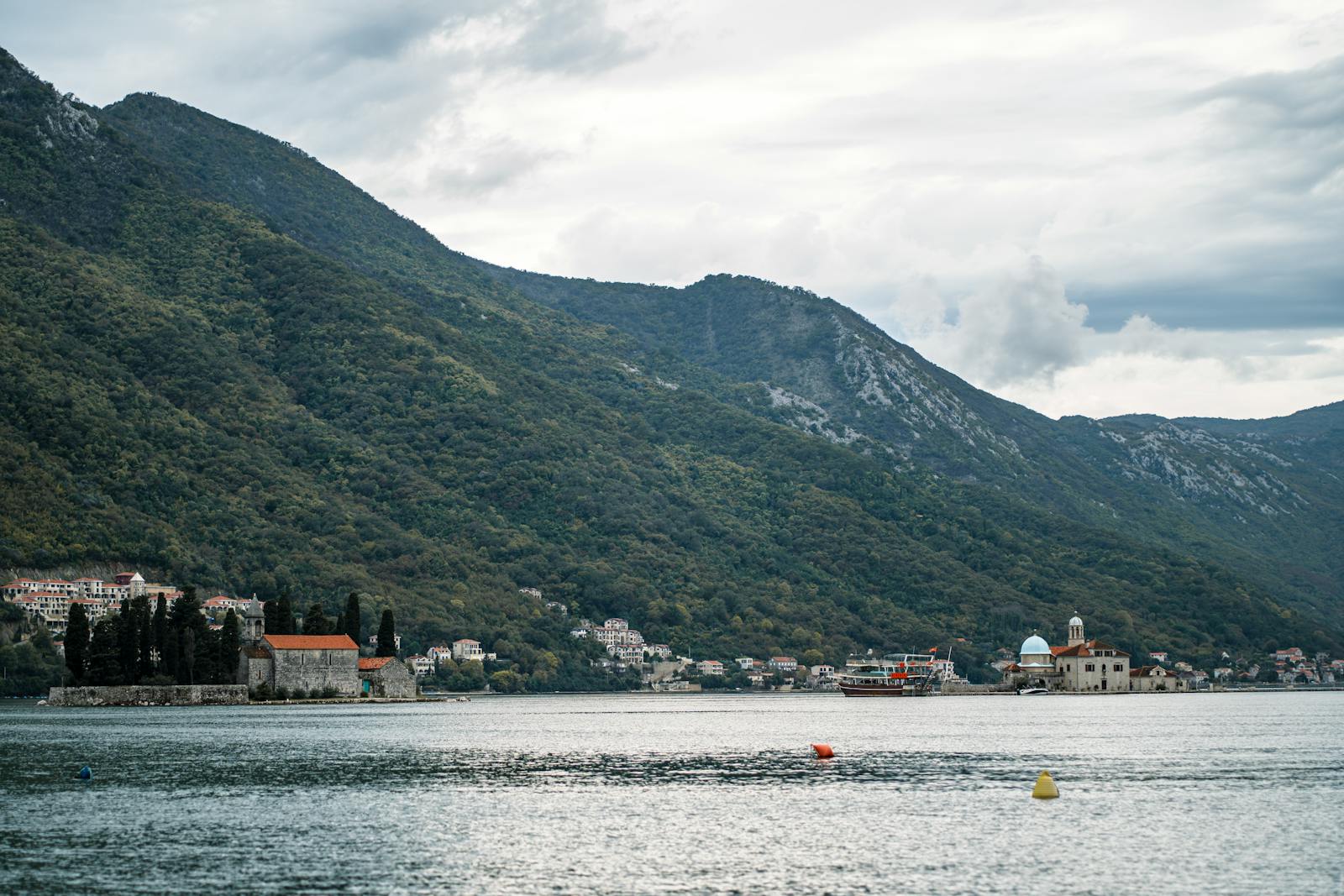
Right next to the artificial Our Lady of the Rocks lies its natural counterpart, the mysterious island of Sveti Đorđe (St George), recognisable at a glance by its tall cypress trees. On the island stands an old Benedictine monastery whose origins reach back to the early Middle Ages, along with an ancient cemetery where Perast’s nobility were buried for centuries. It’s tied to a melancholy tale of a French soldier named Anto and a local girl called Katica from the harsh days of the Napoleonic Wars.
Unlike its neighbour, Sveti Đorđe is strictly off-limits to the general public, as it’s a working monastery complex and a place of remembrance. You can therefore only admire it from the outside – from the deck of a passing boat or from the height of Perast’s bell tower. The contrast between the dark green, silent island of the dead and the bright blue island of Our Lady, lively with tourists, makes for an utterly fascinating visual and emotional experience.
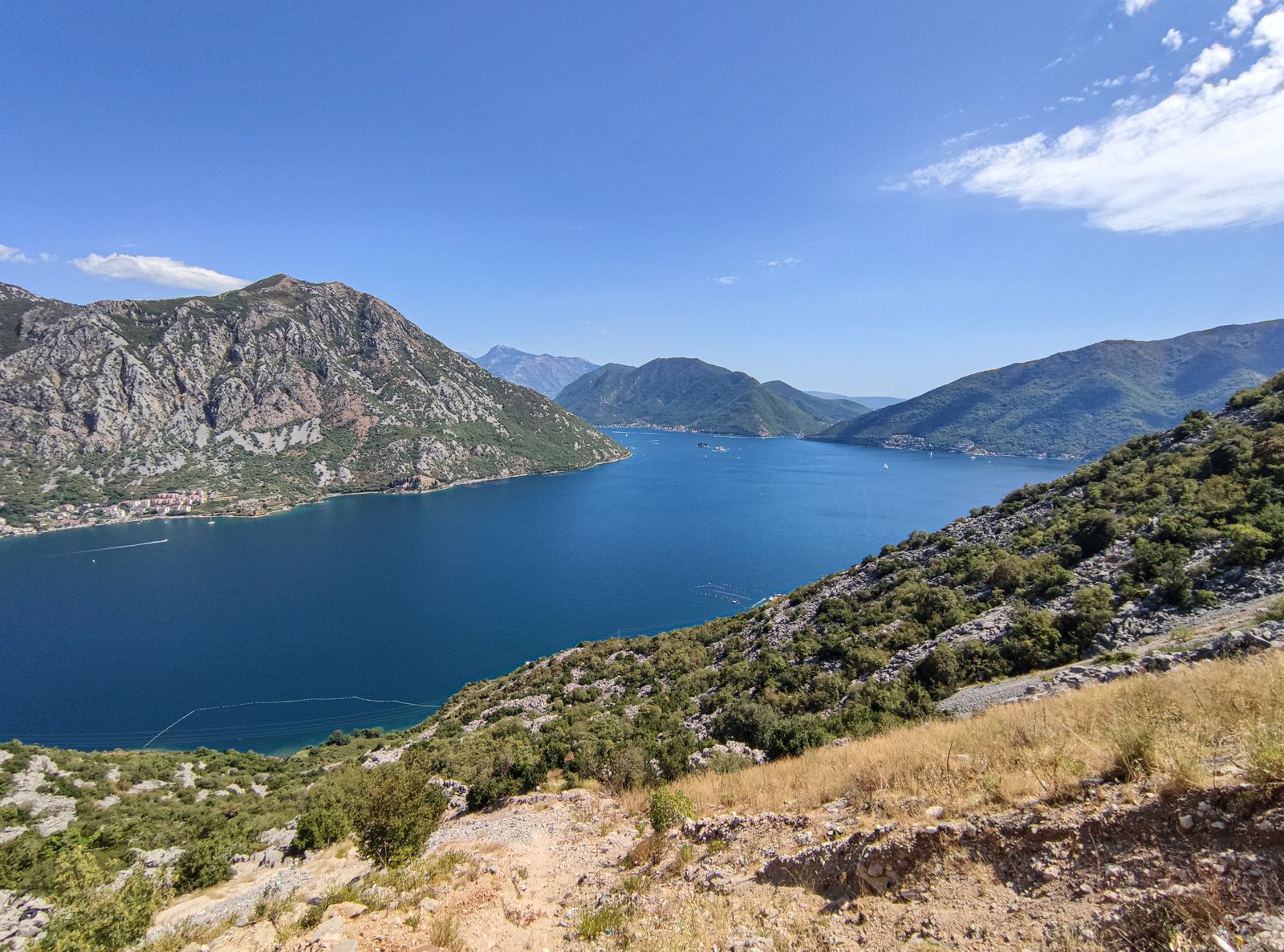
6. A boat tour of the whole bay and the Blue Cave
If you want to grasp the sheer scale and beauty of the entire bay, the best way is to take a boat tour around the whole Bay of Kotor. Group trips start at around €25 to €30 per person, while a private speedboat for a smaller group can be hired from roughly €80 to €90 per boat. These cruises usually last two to three hours, and most depart conveniently from the large marina in Kotor, though you can find shorter versions in Perast too.
On a classic tour you’ll see Our Lady of the Rocks, pass the old submarine tunnels from Yugoslav times and view the island fortress of Mamula, now a luxury hotel. The highlight of the programme is usually a visit to the gorgeous Blue Cave (Plava špilja) on the Luštica peninsula, where sunbeams underwater create an incredibly luminous blue glow, and where there’s often time set aside for a short and very refreshing swim.
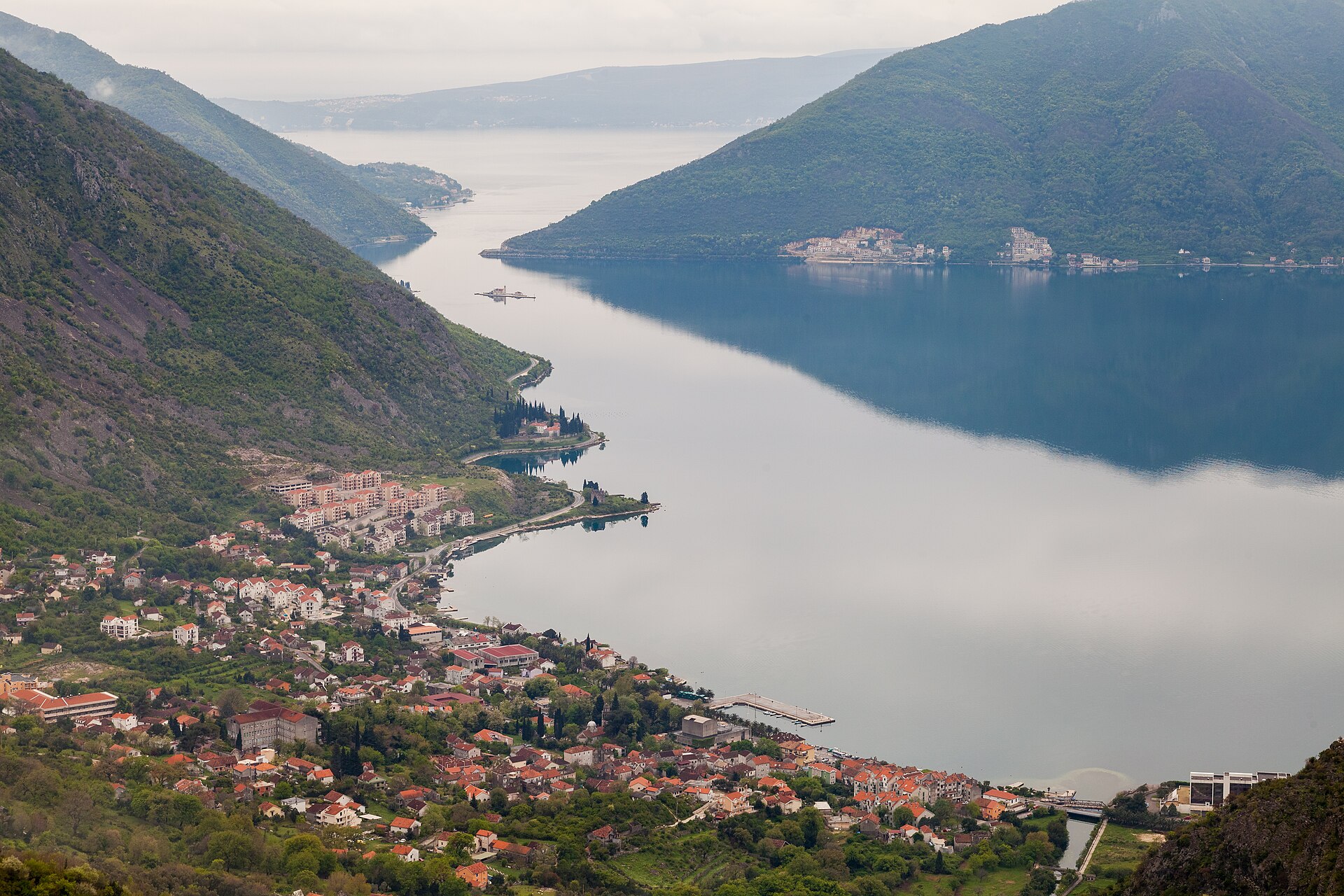

7. Risan: the oldest settlement and Roman mosaics
Just a five-minute drive from Perast lies the unassuming town of Risan, demonstrably the oldest settlement in the entire Bay of Kotor. The famous Illyrian Queen Teuta once resided here, but the main reason to come today is the fantastically preserved floor mosaics from the ancient Roman Villa Urbana, dating to the 2nd century AD. It’s the only surviving Roman monument of its kind in all of Montenegro, and the crowds of tourists often have no idea it exists.
The greatest treasure of the whole site is a unique colourful mosaic of Hypnos, the god of sleep, one of the world’s true rarities, as only a tiny handful of similar depictions have survived. Admission to the grounds is a very pleasant €5 for adults, while children under twelve get in completely free. Bear in mind, though, that the site is usually open from around April to October, and watch out for the fact that it’s closed on Mondays and throughout January.
8. Morinj: Little Venice and cold springs
Halfway between Kotor and Herceg Novi hides the picturesque village of Morinj, famous for its dense network of karst springs, streams and historic water mills. This green, shady area is often nicknamed Mala Venecija, or Little Venice, and thanks to its tall chestnut woods it offers a perfect refuge from the summer heat. It’s an oasis of calm in the midst of an otherwise quite busy and hot tourist destination.
The local pebble beach in the Donji Morinj area is partly shaded by mature chestnut trees, but be aware that the water here is unusually cold even in the height of August, precisely because of all the underwater freshwater springs. If you come in spring or after heavier rains, you can also admire the cascading Sopot waterfall above the village, though it often dries up completely after a hot, dry summer.
💡 Tip: Morinj is home to the famous Ćatovića Mlini restaurant, set in an old olive mill. The place is renowned above all for its fish specialities, but the setting itself, with its little ponds and old architecture, is worth a short stroll even if you’re not planning to go in for a lavish lunch.
9. Gornji Stoliv: a trek to an abandoned village
While coastal Donji Stoliv with its Baroque church sits right by the water, the real adventure begins with the climb up to the old abandoned village of Gornji Stoliv, perched high in the hills above the bay. The way up takes roughly 30 to 45 minutes along an old stone donkey trail that winds through terraced gardens and ancient chestnut forest. The route is technically easy and well marked, but be prepared for a steady, steep climb the whole way.
When you reach an altitude of 260 metres, you’re greeted by the stone ruins of abandoned houses and the beautiful, still-maintained Church of St Elijah, whose origins reach back to the 14th century. Locals say it’s one of the loveliest churches in the bay, and on top of that an absolutely breathtaking panoramic view of the whole bay opens up from here. Don’t forget to bring plenty of drinking water and sturdy footwear, as the trail can get quite slippery after rain.
10. The Verige Strait: the narrowest point of the bay
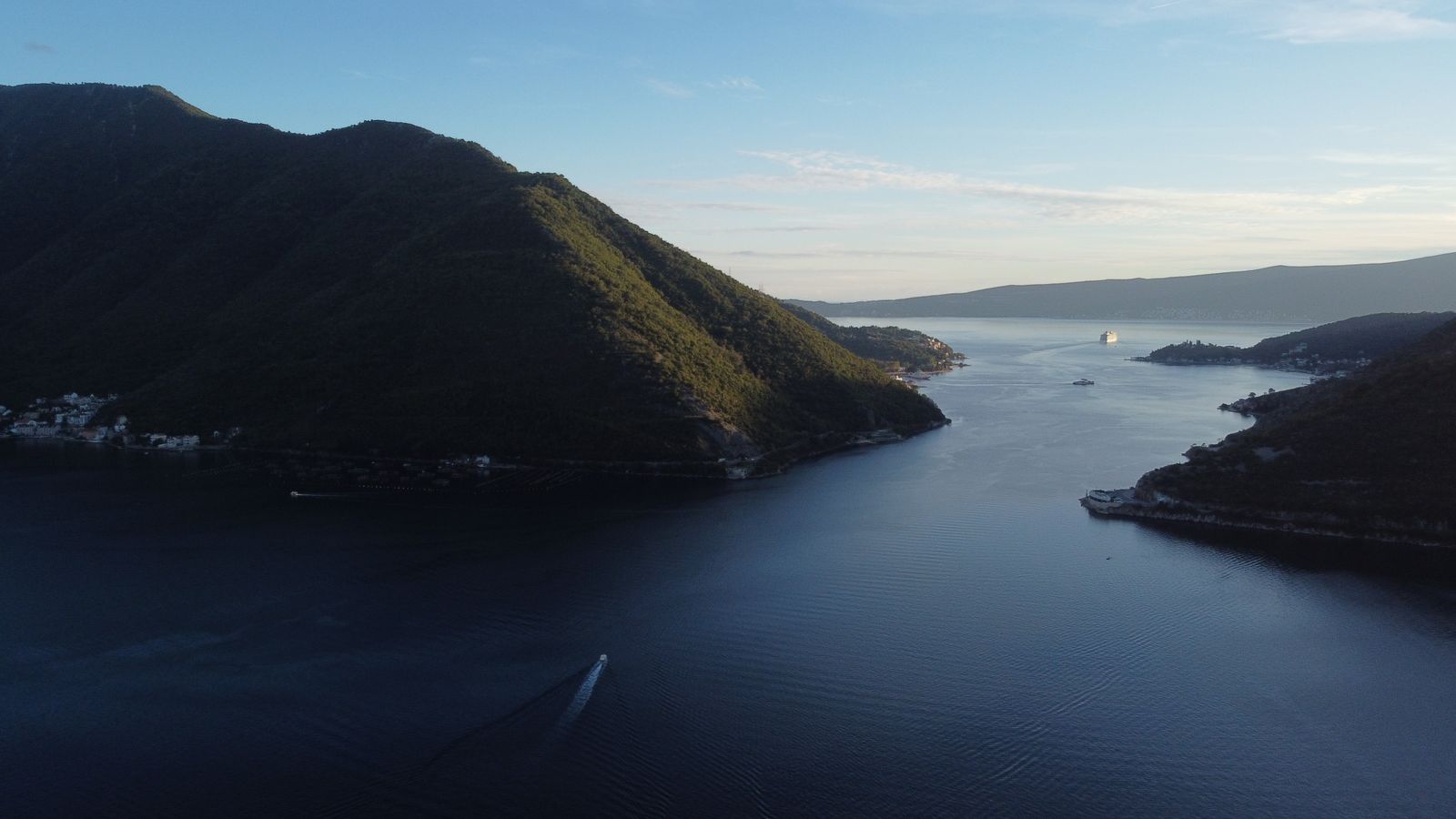
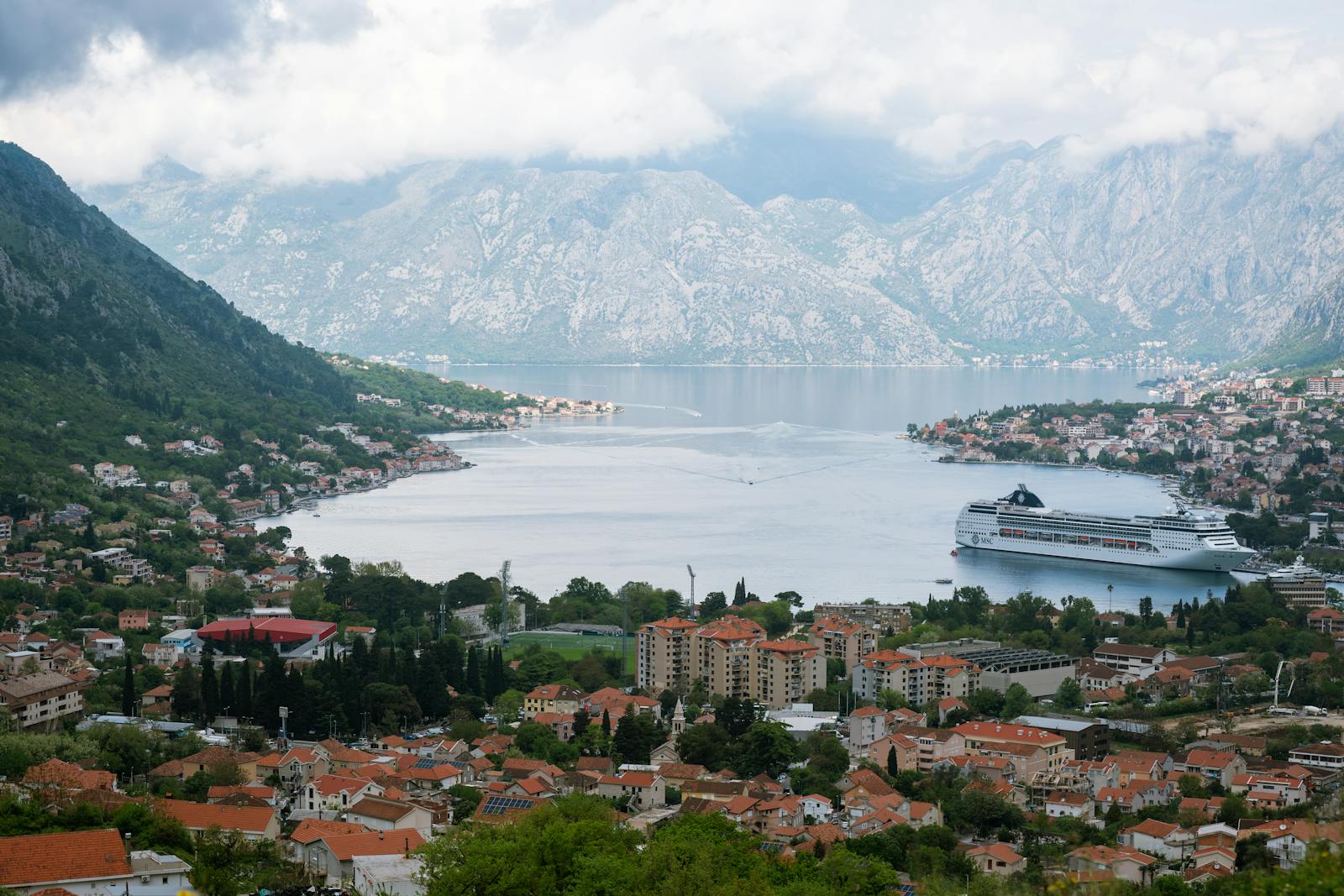
As you travel around the bay you’ll surely notice the spot where it dramatically narrows and the shores draw together to just around 350 metres apart. This strait is called Verige, an old word for the massive iron chains that were once stretched from shore to shore here in times of greatest danger. Their main purpose was to seal off the rich inner bay at night and protect towns like Kotor and Perast from sudden raids by feared pirates and enemy fleets.
Historically this spot also served as a tense border between the Christian towns of the inner bay and Ottoman territory around Herceg Novi. Today it’s above all a fantastic photo spot that beautifully explains why the bay so strongly resembles a Nordic fjord – it’s right here that the body of water pinches in and then opens out wide again into another hidden cove. The best views of the strait are right from the main road connecting Kotor and Risan.
11. The P1 serpentines to Lovćen: epic views
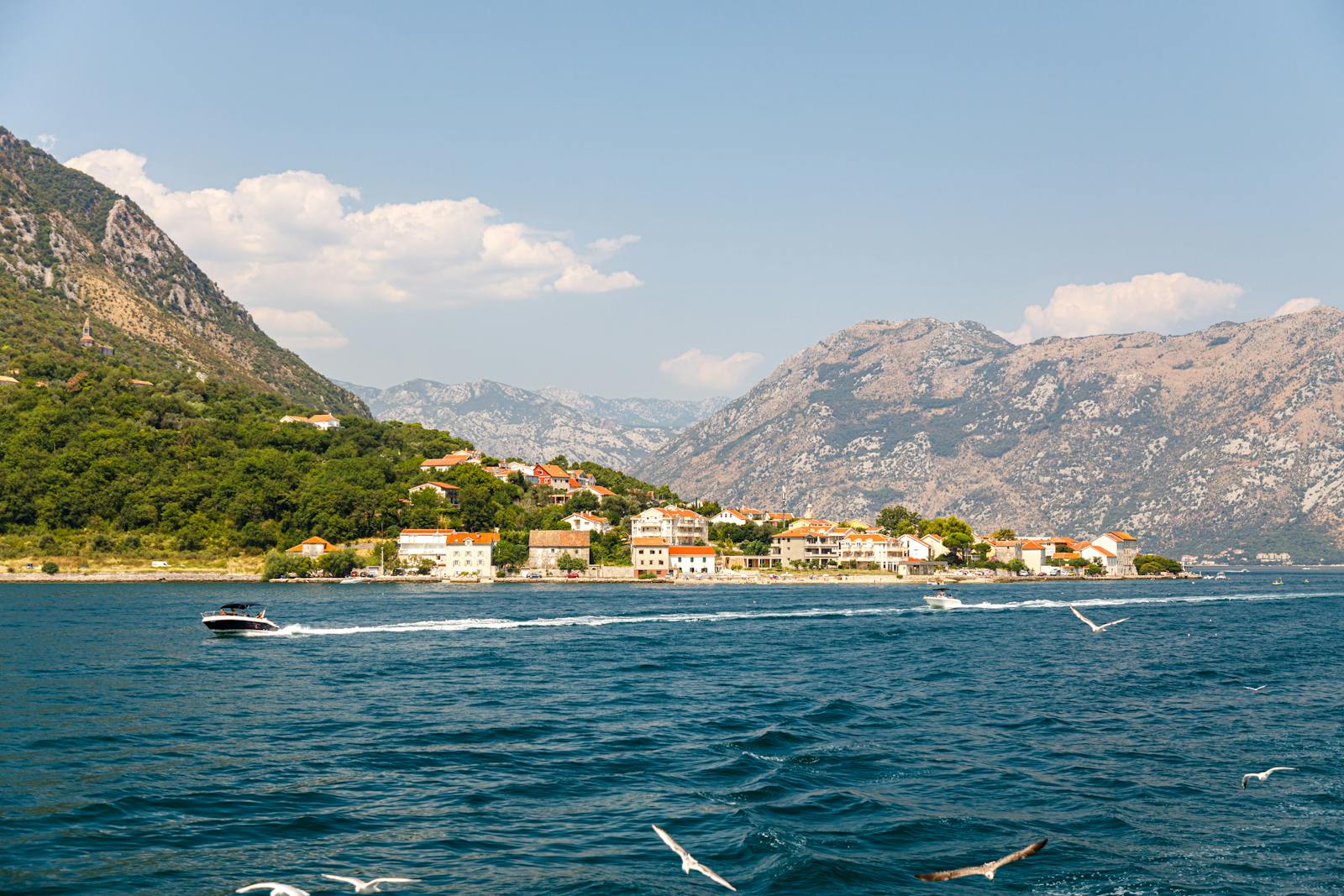
If you’ve got nerves of steel and don’t suffer from vertigo, head up from Kotor along the old historic P1 road, which climbs the steep slopes towards Lovćen National Park. This engineering oddity overcomes a huge elevation gain in under eight kilometres and consists of 25 sharply angled, numbered hairpin bends. Driving here demands great care, as the road is narrow and you frequently have to squeeze past oncoming tour buses.
But that little dose of adrenaline at the wheel pays off a hundredfold, because the best viewpoints begin roughly above the twentieth bend, where you’ll also find official observation spots. From this bird’s-eye perspective you’ll see the whole inner Bay of Kotor laid out before you, make out both of Perast’s islands, and glimpse the glittering open Adriatic in the distance. I’d recommend coming early in the morning or in the early evening, when the light is at its loveliest and traffic on the narrow road is far more bearable.
12. Swimming in the bay: concrete jetties and pebbles
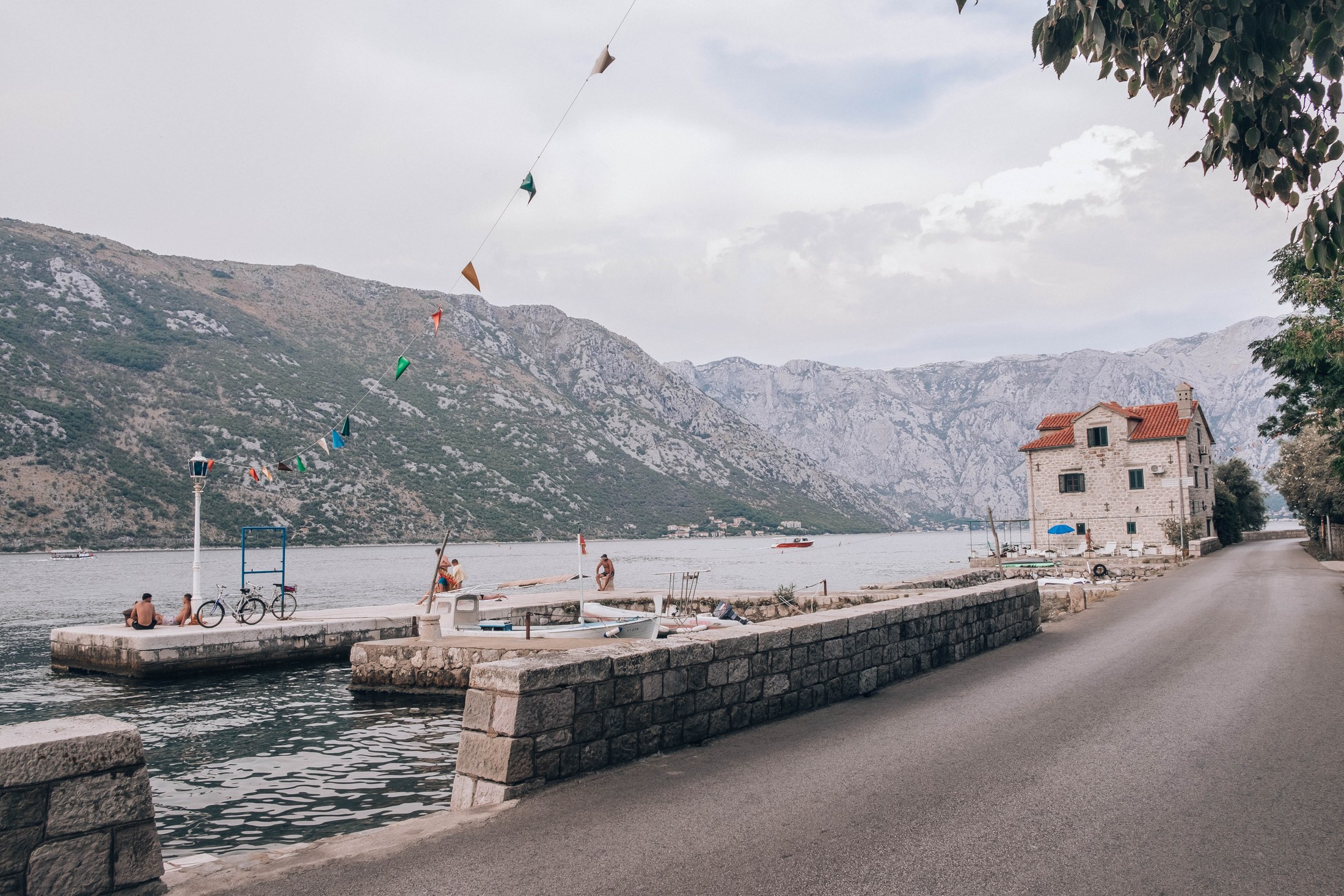
When planning a holiday in the Bay of Kotor, you need realistic expectations about swimming here. You simply won’t find the classic endless sandy beaches – the bay is lined with steep mountains, and access to the water is mostly via purpose-built concrete jetties you jump from, or narrow strips of coarser pebbles. What’s more, the water in the inner parts of the bay doesn’t circulate as much and, thanks to those underwater springs, tends to be noticeably cooler than out on the open sea.
If you want to enjoy a really lovely swim in natural surroundings, head to shady Morinj or go all the way to the very mouth of the bay, where the more open pebble beaches of Žanjice and Mirište lie. For anyone craving fine sand and long beach promenades with sun loungers, the best bet is to leave the Bay of Kotor entirely and head, for example, to the Luštica peninsula, south towards Budva, or as far as the famous Velika Plaža near Ulcinj.
Map of points of interest for your phone
Where to go next from the Bay of Kotor
The Bay of Kotor has an absolutely ideal location for exploring more of Montenegro, sitting as it does on the border between high mountains and the open Adriatic Sea. If you have a car, definitely keep climbing into the hills after the serpentine drive and discover the old mountain village of Njeguši, or pop over to see the breathtaking mausoleum in Lovćen National Park. If you’re more drawn to swimming and nightlife, head south to nearby Budva, considered the hub of summer fun.
For more detailed inspiration on what else to see in this beautiful country, be sure to check out our big article Holiday in Montenegro: 15 tips for the coast and the mountains, where you’ll find plenty of tried-and-tested practical advice for more wonderful trips. You can use the bay as a great base for day trips out to national parks, canyons and other coastal gems.
 🚗 Car rental on the road
Verified rental cars in Montenegro
🚗 Car rental on the road
Verified rental cars in Montenegro
Search with the DiscoverCars comparison engine — it compares prices from dozens of local and international rental companies, and most bookings come with free cancellation.
Compare car prices in Montenegro →Frequently asked questions
How much does a boat to Gospa od Škrpjela cost and where to buy it?
Small taxi boats shuttling from the pier in Perast cost approximately €5 per person for a return trip, with the journey itself taking about five minutes. Tickets are purchased exclusively in cash directly from the boatmen at the pier, which is much more advantageous than paying for large online tours. Entrance to the church and museum on the island is paid separately and costs around €2 to €3.
Can you also visit the second island, Sveti Đorđe?
No, the island of Sveti Đorđe is completely closed to the general public, as it’s a functioning Benedictine monastery with an ancient and protected cemetery of Perast’s nobility. You can only admire its ancient walls and characteristic tall cypresses from the outside—from a passing boat or from above at St. Nicholas’ bell tower. Only the neighboring artificial island of Gospa od Škrpjela can be visited.
Where and how much does parking cost in Perast?
During the main summer season, the center is closed to passing cars and you park at two paid parking lots at both entrances to the town, for which you’ll pay approximately €8 per day or €15 for a full 24 hours, cash only. Outside the season these zones are usually free, but in summer I strongly recommend arriving before 8:00 AM, otherwise you almost certainly won’t find a free spot.
4. Is Boka Kotorská Really a Fjord?
Although the bay is fondly nicknamed “Europe’s southernmost fjord”, from a geological perspective it’s not a fjord at all. A classic fjord is always carved out by a massive moving glacier, whereas the Bay of Kotor is what’s called a ria—a submerged mouth of an ancient river canyon that was flooded by the rising sea. Visually, though, it really does strongly resemble a Nordic fjord thanks to the steep mountains plunging straight into the water.
5. When is the best time to visit Perast and Boka?
The best value for experiences is offered in the months of June and late September, when the sea is beautifully warm and summer weather prevails, but without extreme price peaks and tourist crowds. During July and August you need to prepare for the onslaught of cruise ships and frequent traffic jams, while May and October are absolutely ideal for photography and mountain hiking treks without the scorching heat.
6. What is Fašinada and when does it take place?
Fašinada is a beautiful traditional celebration that takes place every year on July 22nd in the evening hours, usually around half past six. Local men on festively decorated boats collectively throw stones into the sea around the island of Gospa od Škrpjela, symbolically continuing the construction of the island exactly as it has been done for centuries since 1452.
7. Is a boat tour around the entire Bay of Kotor worth it?
Definitely yes, if you want to see the bay from a completely different perspective and understand its enormous scale. Group tours start from approximately 25 to 30 € per person, last two to three hours and include Gospa, Perast, the old submarine tunnels and the popular Blue Cave. Most of these cruises conveniently depart from the large marina in nearby Kotor.
Tips and Tricks for Your Vacation
Don’t Overpay for Flights
Search for flights on Kayak. It’s our favorite search engine because it scans the websites of all airlines and always finds the cheapest connection.
Book Your Accommodation Smartly
The best experiences we’ve had when looking for accommodation (from Alaska to Morocco) are with Booking.com, where hotels, apartments, and entire houses are usually the cheapest and most widely available.
Don’t Forget Travel Insurance
Good travel insurance will protect you against illness, accidents, theft, or flight cancellations. We’ve had a few hospital visits abroad, so we know how important it is to have proper insurance arranged.
Where we insure ourselves: SafetyWing (simple monthly subscription) and TrueTraveller (for extra-long trips).
Find the Best Experiences
Get Your Guide is a huge online marketplace where you can book guided walks, trips, skip-the-line tickets, tours, and much more. We always find some extra fun there!
More from Montenegro
Full guide →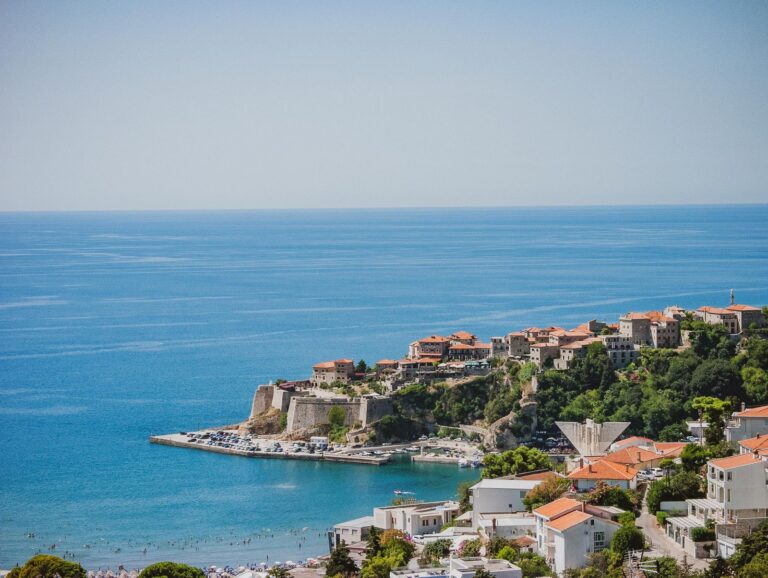 Beaches · most readUlcinj, Velika Plaža & Ada Bojana: 11 Tips for Montenegro’s Southernmost Coast
 Day tripsTivat & Porto Montenegro: 10 Tips for the Luxury Marina and Beyond
 When to goMontenegro Weather: When to Visit the Coast and the Mountains (Month by Month)
 ActivitiesTara River Canyon & Đurđevića Bridge: Rafting, Zip-Line and Europe’s Deepest Canyon 2026
 What to seeDurmitor National Park & Žabljak: 12 Hikes, Crno Jezero and Bobotov Kuk


