

You’ve been dreaming about Thailand for ages – palm trees, warm seas, fiery food for next to nothing, and the temples you’ve seen all over your friends’ photos. But then come the practical questions that send your plans straight back into the drawer: how much does the whole thing actually cost, when’s the best time to fly so the monsoon doesn’t soak you, and should you book a package or risk going it alone? The two of us have been through it all, and we know just how much a few concrete numbers can quiet a busy mind.
This page is our hub, where you’ll find three things together: up-to-date tour and flight prices that we refresh every morning, our tips from our own trips and articles, and a plan for when and what to book so you don’t overpay for no reason.

What to see and do in Thailand
There are a hundred ways to do Thailand, but in our book there are a few spots you really shouldn’t skip. If you want to see as much as possible without chaotic dashing around, take a look at our 2-week itinerary – we’ve tried and tested it, and it works just as well for families as it does for couples.
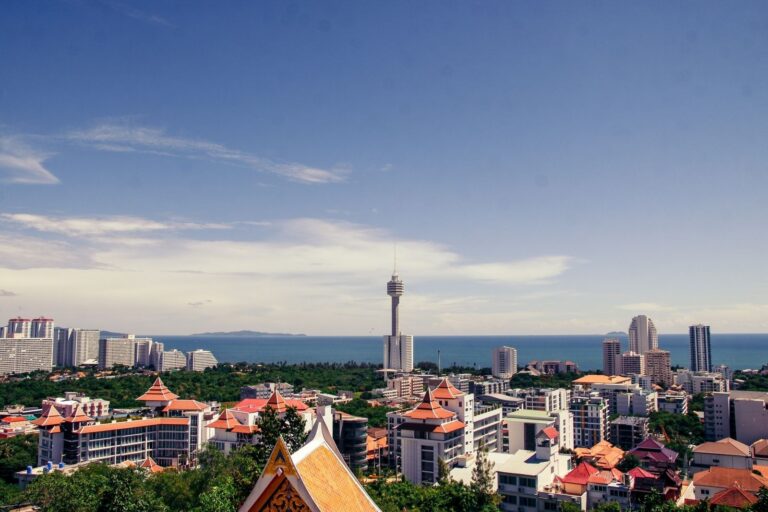
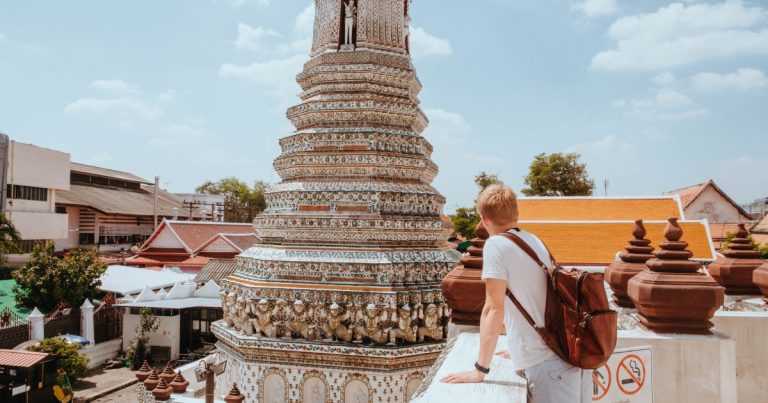
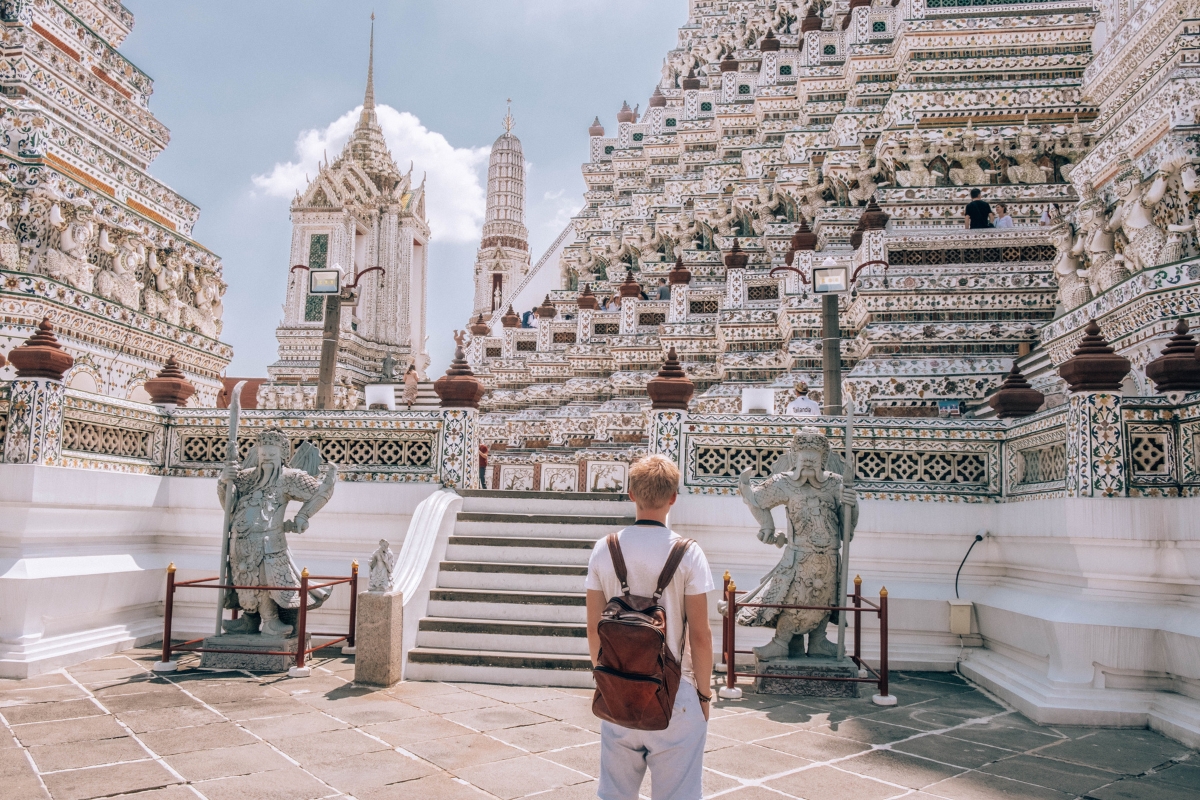
- Bangkok – hectic, noisy and wonderful. Grand temples, floating markets and street food you’ll remember for years. Most trips start here anyway.
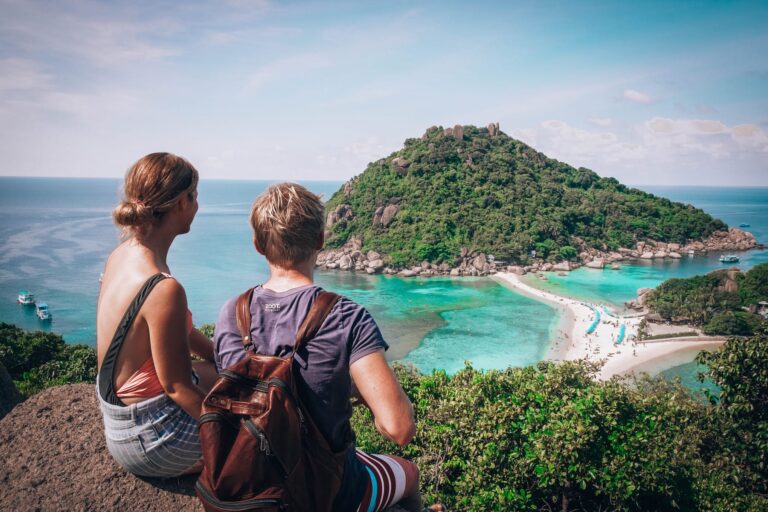
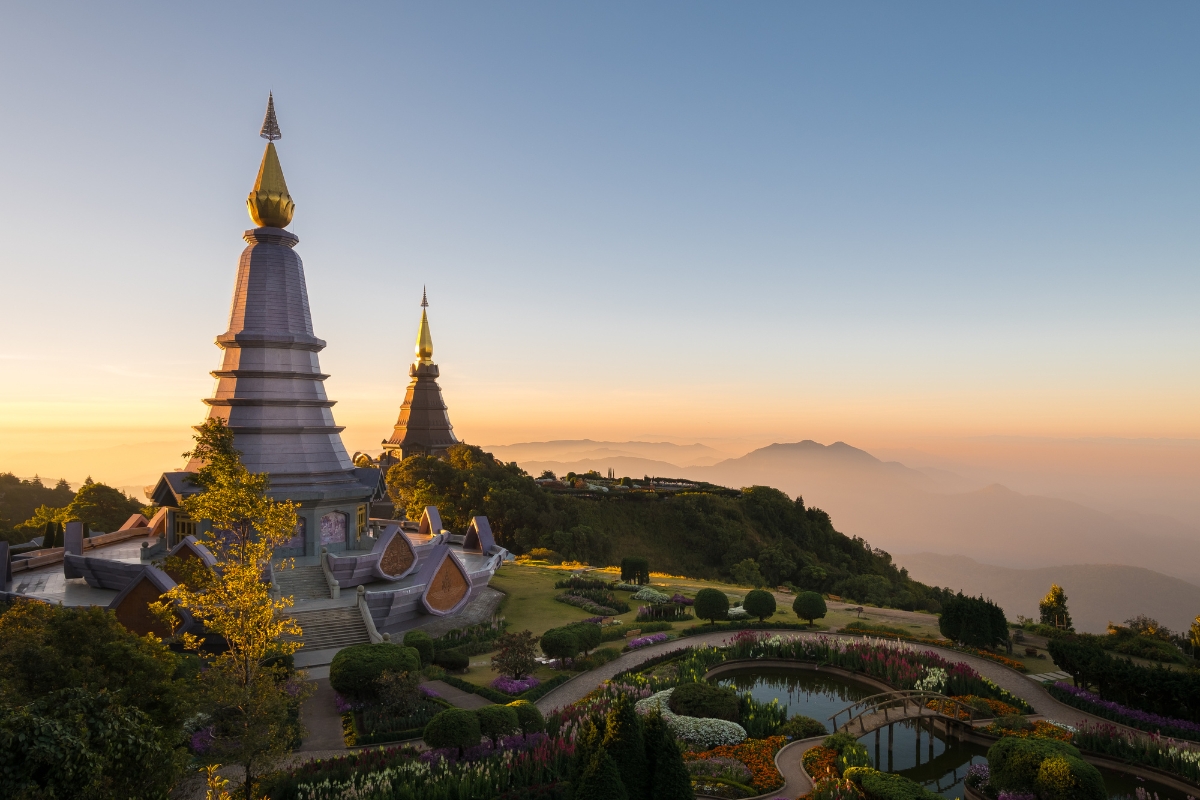
- The most beautiful places in Thailand – from the temples up north to the limestone cliffs in the gulf, we’ve put together 20 tips you can build almost any route around.
- Koh Samui – our favourite island for a slower pace: beaches, waterfalls and easy access by plane.
- Riding a scooter – the cheapest and most freeing way to explore an island or its surroundings. Even if you’ve never sat on one, we’ll show you how.
When to visit Thailand
The most pleasant weather across much of Thailand runs from November to April – dry, sunny and with bearable humidity. This is high season, and flight and accommodation prices reflect it. By contrast, May to October brings the monsoon with short but heavy downpours; it’s rarely an all-day deluge, so you can travel then for lower prices too.
Just bear in mind that the weather differs between the west and east coasts. While Phuket, for instance, gets rain from May, the islands in the Gulf of Thailand (Koh Samui, Koh Phangan) have their worst spell more in October and November. In the tour listings we mostly see departures in January, February, March, April, June, July, August and September – a mix of the dry season and European holidays.
Our tip: if you can handle the heat and want to save, aim for the shoulder months (April, September). In April you’ll also catch the Songkran water festival – the Thai New Year, when the whole country turns into one giant water-pistol battle. ☺️
When friends ask us what they absolutely mustn’t miss in Thailand, we always pull out this list. These are the experiences that wowed us the most and that we remember best:
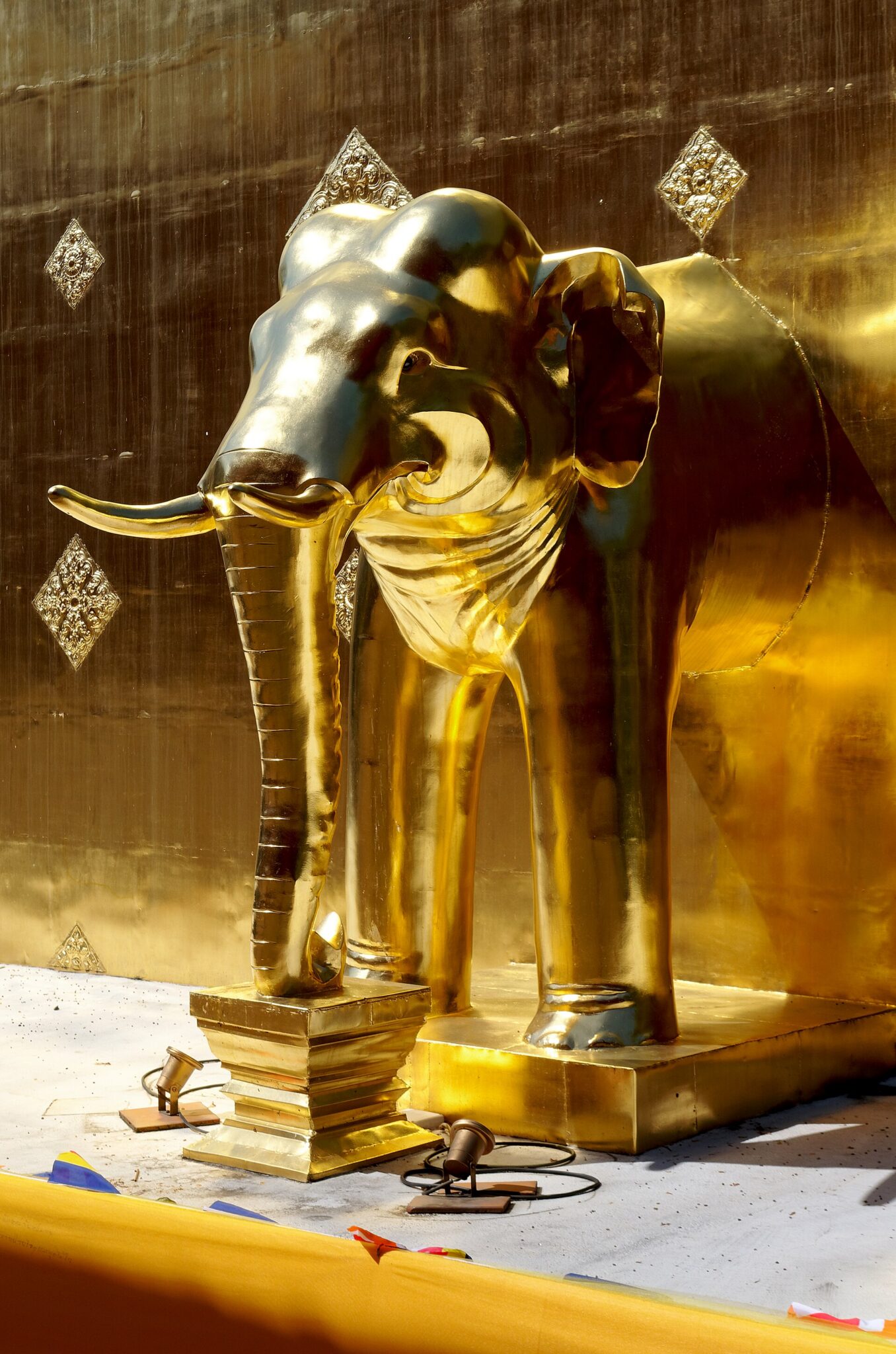
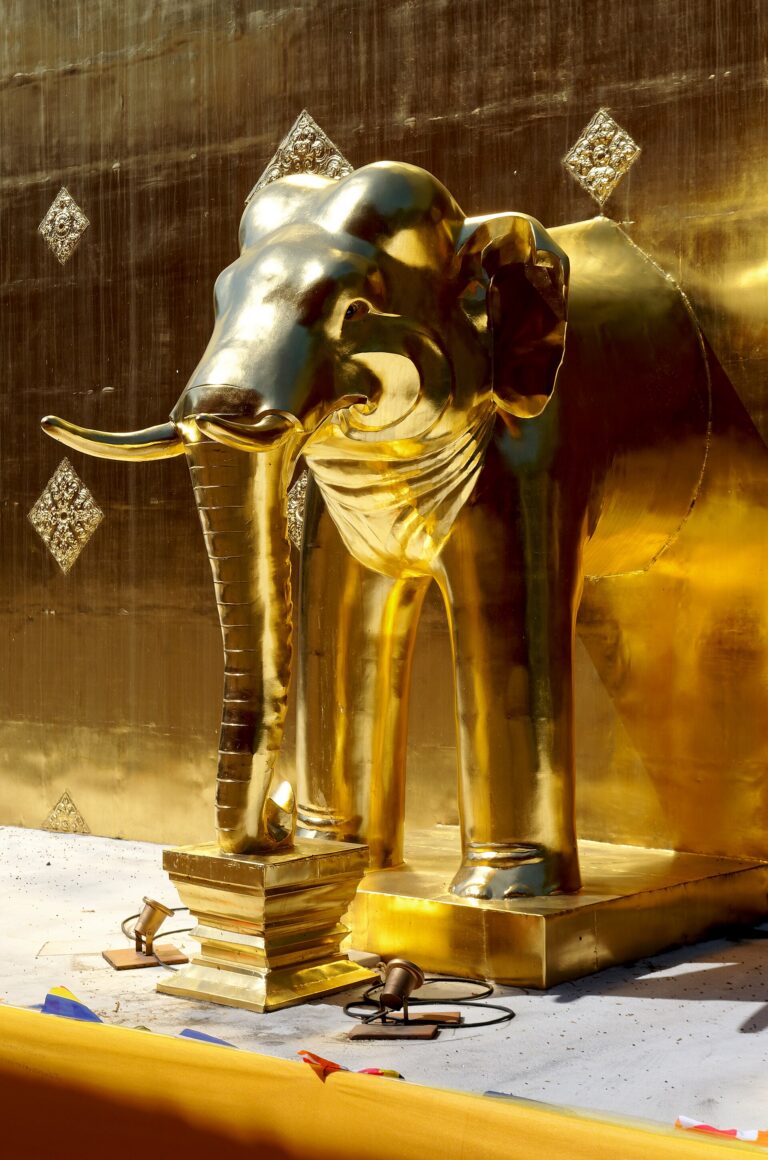
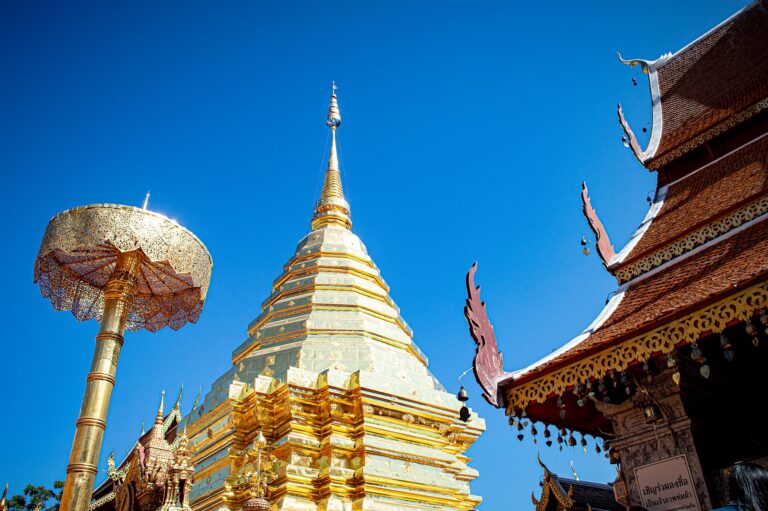
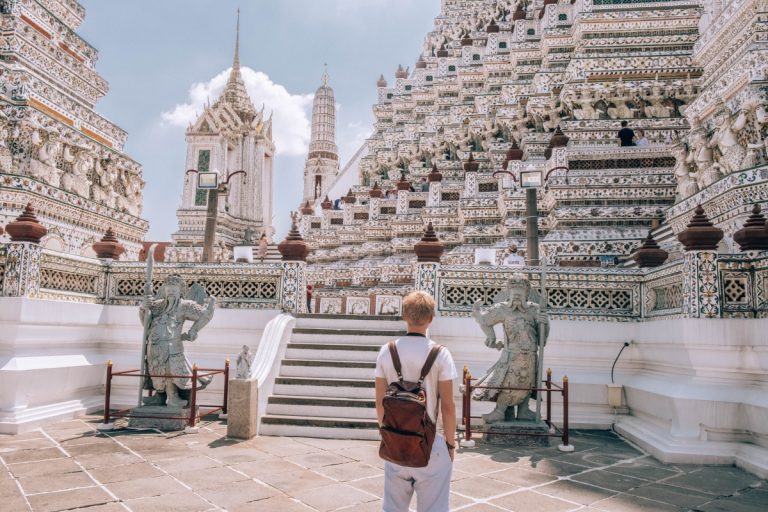
- Floating markets and temples in Bangkok – taste street food straight from a boat and visit the Grand Palace.
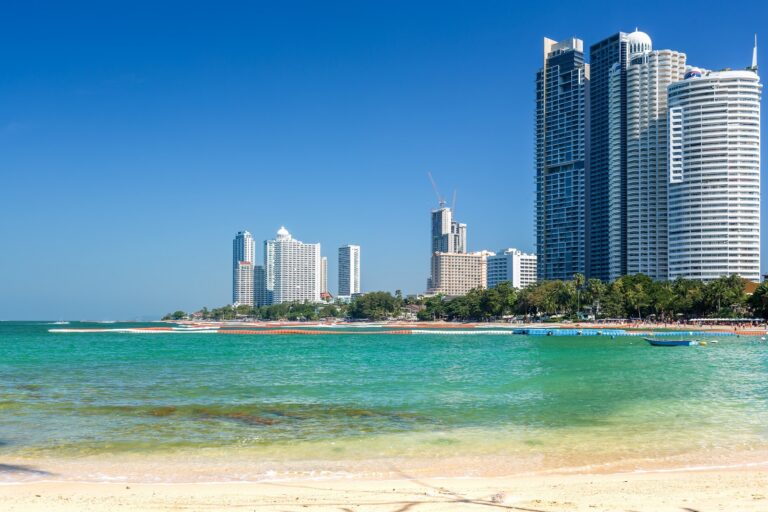
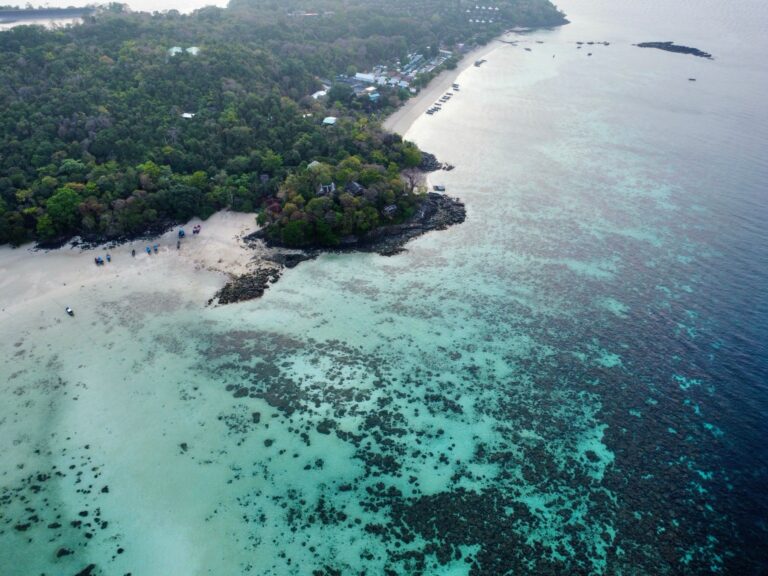
- A boat trip to the limestone islands – bays, lagoons and snorkelling in emerald water are among the most beautiful things Thailand has to offer.
- A ride on a scooter – your own pace, hidden beaches and waterfalls you can’t reach by bus.
- Ethical elephant encounters – choose only sanctuaries where you don’t ride the elephants and where they’re genuinely cared for.
- Waterfalls and viewpoints on Koh Samui – a beautiful blend of beaches and inland scenery on one island.
- A Thai massage and a cooking class – you’ll learn to make pad thai and bring home more than just photos.



How to get to Thailand
Getting from the Czech Republic to Thailand always means one stopover – there’s no direct flight. The most common connections are through the Persian Gulf (Dubai, Abu Dhabi, Doha) or Istanbul, or via the big European airports. The total journey including the layover comes to roughly 13–16 hours, depending on how long you wait. You fly either from Prague or from nearby airports like Vienna and Wrocław, where prices are sometimes better.
The country’s main gateway is Bangkok (both BKK and DMK), from where you carry on either by a domestic flight (to Koh Samui or Phuket, say) or a combination of bus and ferry. If you’re planning several stops, it pays to book domestic flights in advance – they’re cheap and save you whole days of travel. You’ll find specific connections and tips in our article Thailand without a tour operator.
Renting a car
A car is worth it in Thailand mainly for longer trips on the mainland or on the larger islands, where you want comfort and you’re carrying kids or plenty of luggage. For most travellers, though, a combination of domestic flights, ferries and a scooter is more than enough – Bangkok traffic is tough and parking is a hassle. If you’re not used to driving on the left, it’s better to consider a driver with a car (Grab), which tends to be cheap.
- Where to book: booking through rental comparison sites in advance gets you a better price and a guaranteed car; on the spot you risk higher rates and limited choice.
- Insurance: pay extra for full coverage (CDW) with no excess – minor damage is common here and a pain to deal with.
- Deposit and documents: you’ll need an international driving permit and a card hold; without it, your insurance may not pay out in an accident.
- Tolls and ferries: budget for charges on the expressways and bear in mind that a ferry to an island makes a car significantly more expensive.
Where to stay in Thailand
Accommodation in Thailand is one of the most delightful things about the whole trip – you get a lot of bang for your buck. In Bangkok we recommend staying near a BTS Skytrain or MRT metro station so you can zip right across the city. On the islands, focus mainly on how far you are from the beach and the evening buzz.
- Hostels and guesthouses – from just a few hundred crowns a night, ideal for backpackers and solo travellers.
- Boutique hotels and resorts – fantastic value for money, often with a pool on the islands for a reasonable price.
- Beachfront bungalows – on Koh Samui or Koh Phangan you’ll get a slice of romance for a fraction of European prices.
Our tip: book your first 2–3 nights after landing in advance (you’ll arrive tired), then sort out the rest on the spot or just a few days ahead. In high season, though, the good spots vanish fast – in December and January, book ahead to be safe.

Package tour or independent travel?
This one question shapes your whole holiday, so let’s talk it through honestly. Both options make sense in Thailand – it comes down to what you want from the trip.
A package is worth it when…
- you want your flight, transfer and hotel sorted with one click and no fuss;
- it’s your first time in Asia and you’ll value the reassurance and support of a tour operator;
- you’re travelling with kids or for a shorter time and don’t want to deal with logistics;
- you come across a discount of up to 60% or a price from 1 820 ฿ that beats booking everything separately.
Go it alone when…
- you want your own pace, more stops and the flexibility to change plans as you go;
- you enjoy hunting down accommodation and transport and want to save as much as possible;
- you’re planning a road trip across several islands and regions – see our 2-week itinerary.
The two of us love Thailand best on our own – it gives us freedom and is an adventure in itself. But for first-time travellers and families with small children, we honestly recommend starting with a package; the confidence for future trips will come on its own. ☺️ Our guide to going solo is in the article Thailand without a tour operator.
Budget: daily costs in Thailand
| Level | Accommodation | Food | Transport & activities | Total/day |
|---|---|---|---|---|
| Backpacker | 380 ฿–680 ฿ | 230 ฿–380 ฿ | 230 ฿–450 ฿ | approx. 910 ฿–1 520 ฿ |
| Standard | 1 060 ฿–2 100 ฿ | 530 ฿–910 ฿ | 610 ฿–1 060 ฿ | approx. 2 300 ฿–4 100 ฿ |
| Comfort | 3 800 ฿+ | 1 210 ฿–2 300 ฿ | 1 520 ฿+ | approx. 6 800 ฿+ |
These prices are indicative and based on Thailand’s cost of living, where you can get by very cheaply. Street food and local transport keep costs low; you’ll spend the most on island trips, diving and domestic flights. Flights and accommodation aren’t included in this table — budget for them separately.
How to save when planning
- Buy flights 2–4 months ahead for high season (November–February); in the shoulder months, last-minute buys can bring prices down too. Search for flights in our search tool.
- Book winter tours as first-minute deals (buying in autumn) or go the other way with last-minute if you’re flexible and want a discount of over 60%. Take a look at the current tours.
- Accommodation – only book ahead for your first nights and for capacity in December/January; you can sort out the rest more cheaply on the spot. Our accommodation tips will help.
- Domestic flights and popular trips (diving, islands) – book early, as they tend to be pricier and sold out on the spot. See what to book early.
- Where you’ll overpay most: taxis without a meter, airport currency exchanges and trips from beach hawkers. Haggle and compare.
Practical information
- Language: the official language is Thai, but in tourist areas you’ll get by just fine with English.
- Payments: you can pay by card in hotels and larger shops, but street food, markets and tuk-tuks want cash (baht). ATMs charge a fee of around 220 baht per withdrawal – take out larger amounts at once.
- Connectivity: the easiest option is an eSIM, which you activate before you fly so you’re online the moment you land. Wi-Fi is common, but you’ll appreciate your own data for maps and a translator.
- Safety: Thailand is one of the safer destinations. Keep an eye on your things in crowds, watch the traffic (they drive on the left) and don’t underestimate the strength of the sun.
One extra little tip from us: always carry travel insurance – treatment for tourists isn’t free in Thailand, and a scooter accident can cost serious money. Also check the current visa-free entry conditions before you travel, as they do change.


