

Bali has probably been on your bucket list for ages – rice terraces, surf, clifftop temples and morning coffee in the jungle. But the moment you start planning, the practical doubts kick in: how much does the whole thing actually cost, when is it worth flying, and above all – do you book a package or piece it together yourself? These are exactly the questions we asked ourselves before we first set off.
This page is our hub for all of Bali. You’ll find three things here: live tour and flight prices that we refresh every morning, our hands-on tips from our own travels, and a plan for when and what to book so you don’t overpay for nothing.

What to see and do in Bali
Bali is smaller than people think – in two weeks you can comfortably cover the best of it. If you want to see the island in a wider context, start with our 10–14 day itinerary, which you can build your whole trip around. And here are the places we reckon you simply can’t miss:
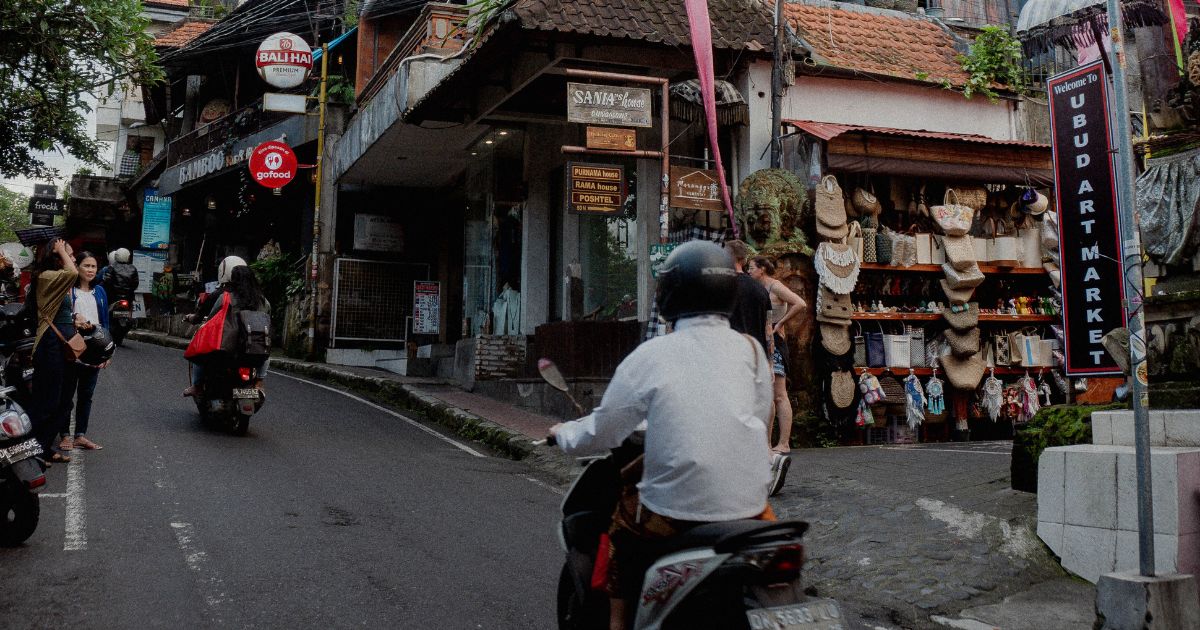
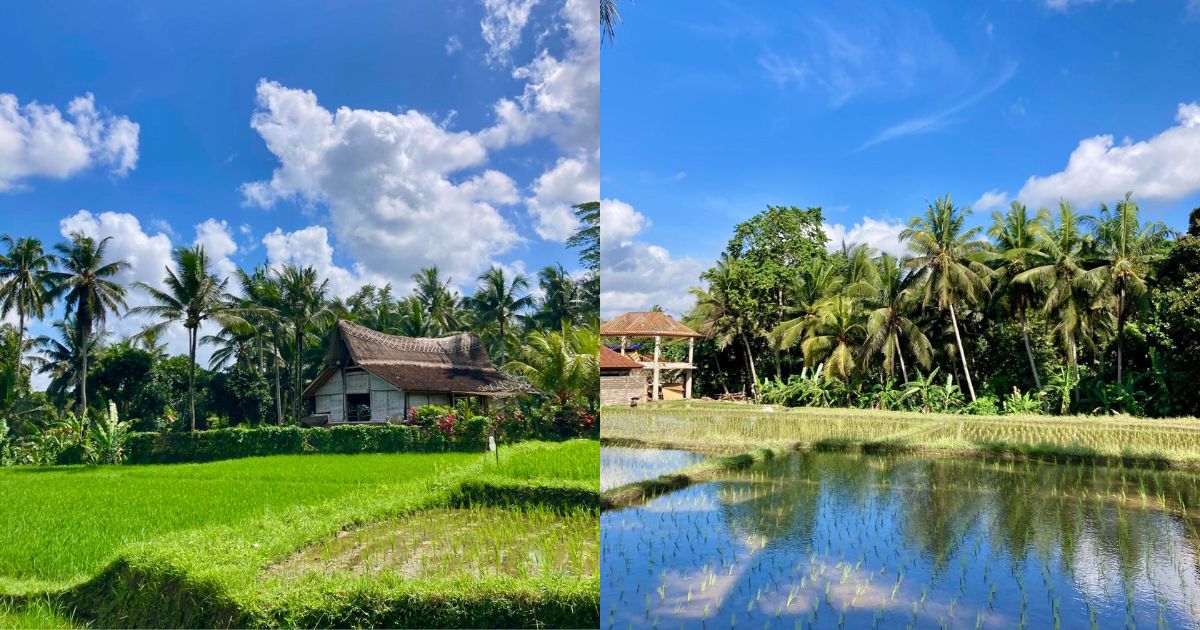
- Ubud – the island’s cultural heart: the Tegallalang rice terraces, the monkey forest, and temples and waterfalls all around. The perfect base for the quieter part of your trip.
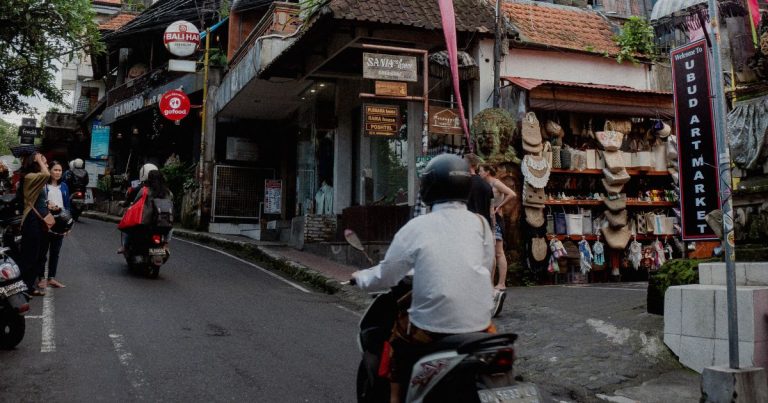
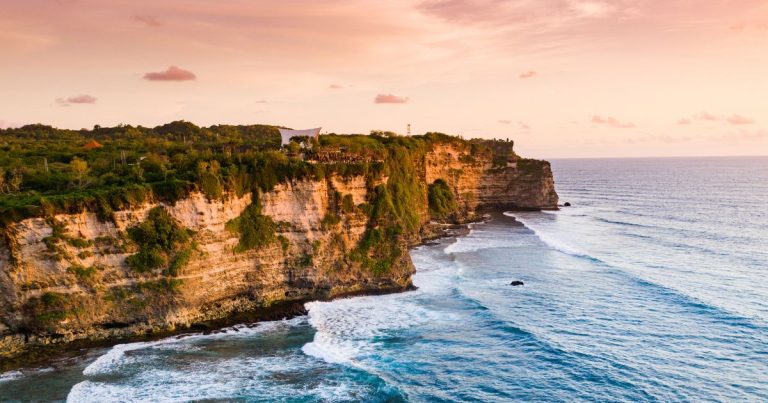
- Uluwatu – clifftops above the ocean, the famous temple at sunset and the kecak dance, plus the best surf beaches in the south.
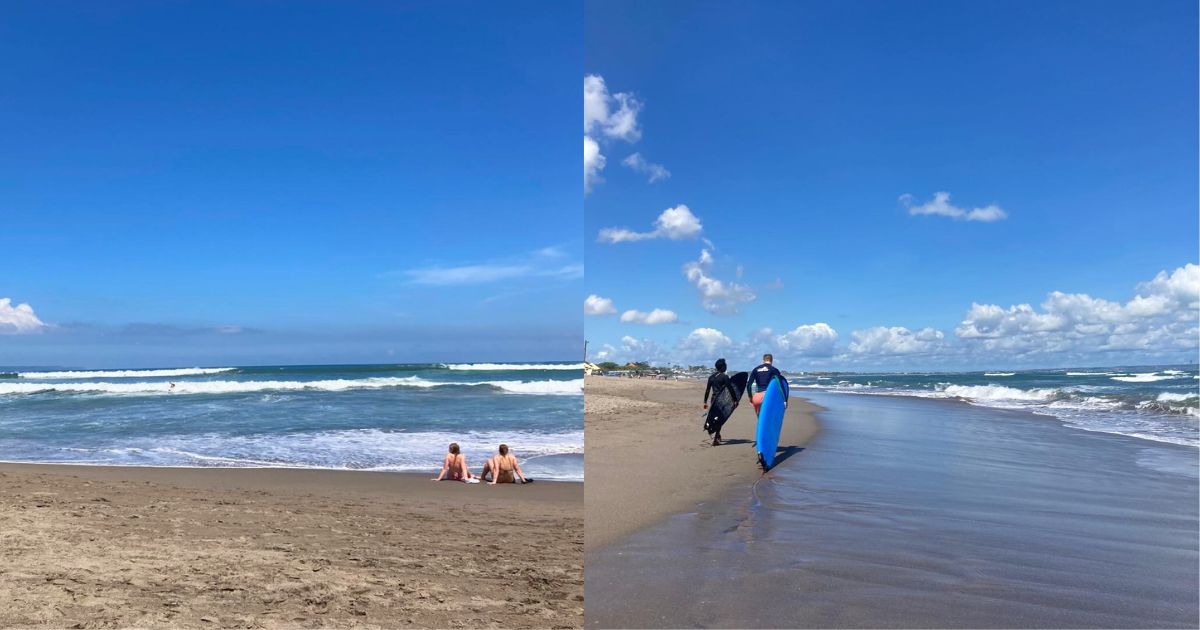
- Canggu – the liveliest spot for digital nomads: cafés, beach clubs and surf for beginners and pros alike.
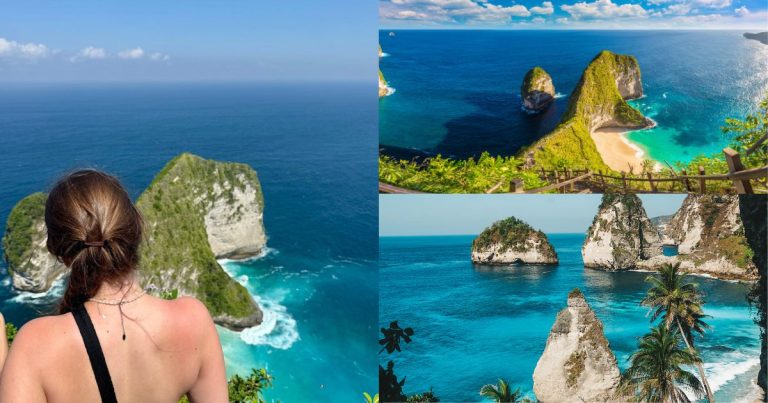
- Nusa Penida – a wild island with the iconic Kelingking beach, snorkelling with manta rays and cliffs straight off a postcard.
If you want one big overview of absolutely everything, we’ve put together 57 things to see and do in Bali – from temples to waterfalls to the best food.
When to visit Bali
Bali has two seasons: dry and wet. The dry season from April to October is clearly the best time – less rain, pleasant humidity and stable conditions for both surfing and day trips. Peak season falls in July and August, when it’s gorgeous but pricey and packed.
The wet season from November to March doesn’t mean it rains all day – usually a heavy downpour rolls in during the afternoon and then it clears up again. On the plus side, everything is lush green, cheaper and less crowded. Our favourite is the shoulder season – April, May and September – when the weather is lovely and you’re not yet squeezed in among the crowds.
Looking at the offers, package tours to Bali most often depart in January, February, March, April, June, July, August and September – so you can choose either the dry season or the cheaper part of the year.
Here’s a pick of the experiences we look back on most fondly – drawn from our own travels around the island:
- Sunrise over the rice terraces in Ubud – Tegallalang early in the morning, before the crowds arrive.
- Sunset and the kecak dance at Uluwatu temple – clifftops above the ocean and a sky ablaze with colour.
- A trip to Nusa Penida – Kelingking beach and snorkelling with manta rays and sea turtles.
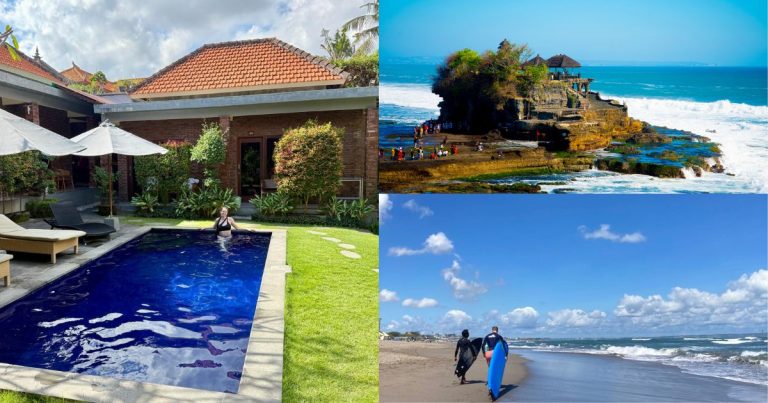
- A surf and beach club day in Canggu – surf lessons for beginners and pros alike.
- Waterfalls and temples inland – a dip in the pool beneath a waterfall and photos at the water temples.
- Tasting the local cuisine at a warung – nasi goreng and babi guling where the locals eat.



How to get to Bali
Getting to Bali from Czechia always involves a layover – there’s no direct flight. The most common transfer points are Doha, Dubai, Istanbul, Singapore or Kuala Lumpur, and your destination is Ngurah Rai International Airport near Denpasar (code DPS), which sits right on the island. From Prague or Vienna, expect a total travel time of around 16–22 hours, including the layover.
You won’t be reaching Bali from Czechia by car or ferry, for obvious reasons – it’s an island on the other side of the world. You only deal with ferries once you’re there, when you want to hop over to neighbouring islands (for example the fast boats to Nusa Penida). We recommend tracking flights well in advance, as prices swing a lot.
Renting a car
A car in Bali makes sense mainly if you’re a family or a group, you’re planning longer drives between areas and you’d rather not deal with a scooter in heavy traffic. For everyday getting around within one area, though, a driver for the day or a ride-hailing app is often the better deal – the traffic is chaotic and parking is limited. A scooter is the cheapest option, but only if you’ve got the experience and an international driving licence.
- Book through a rental comparison site, ideally ahead of time in season – on the spot it tends to be pricier with less choice.
- Watch the insurance and deposit – pay extra for full coverage so you’re not fretting over every scratch.
- Factor in ferries and fees when heading to neighbouring islands, and always keep some spare for fuel and parking.
Where to stay in Bali
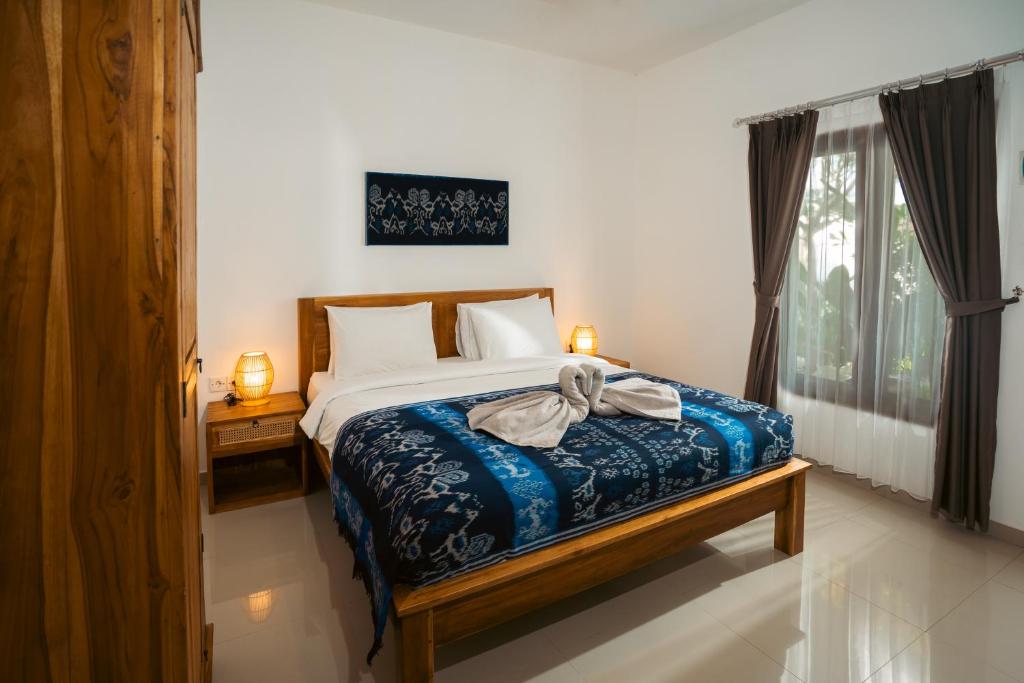
Where you stay in Bali depends on what you want from the trip – and it pays to split your stay between two or three areas, so you’re not commuting everywhere. We usually combine the south or Canggu for surf beaches with Ubud for peace and nature. You’ll find specific tried-and-tested tips in our article 10 best hotels and resorts in Bali.
- Ubud – villas in the rice fields and cosy jungle resorts, ideal for the slow part of your trip.
- Canggu – guesthouses, coworking spaces and hotels for nomads and surfers, all close to the beaches.
- Uluwatu and the south – from backpacker hostels to luxury cliff resorts with ocean views.
- Sanur and Seminyak – quieter, family-friendly options and classic beach resorts.
Package tour or independent travel?
You can do Bali either way – it just comes down to how much time and energy you want to put into planning.
A package tour pays off when…
- you want flights, transfers and hotel sorted in one go, with no logistics to worry about;
- it’s your first time flying this far and you want the security and support of a tour operator;
- you’re going for a shorter stay and don’t want to lose time planning;
- you snag a good first minute deal (in Bali they go up to −43%).
Go it on your own when…
- you want to combine several areas and change plans on the fly;
- you enjoy hunting down accommodation and local warungs off the tourist trail;
- you’re going for two weeks or more and want to explore the island your own way;
- you want to keep the cost under control and book everything directly.
The two of us love travelling independently, following our road trip itinerary – Bali is welcoming for solo travel and the flexibility is well worth it. But if it’s your first time flying out, you’re short on time, or you simply want a stress-free trip, a package is a perfectly fine choice – and often cheaper than you’d expect.
Budget: daily costs in Bali
Bali is one of the cheaper destinations out there — for the same money as in Europe you’ll get a whole lot more here. Below are rough daily budgets per person (excluding flights):
| Level | Accommodation | Food | Transport & activities | Total/day |
|---|---|---|---|---|
| Backpacker | 206 900 Rp–344 800 Rp | 103 400 Rp–206 900 Rp | 137 900 Rp–275 900 Rp | approx. 482 800 Rp–827 600 Rp |
| Standard | 551 700 Rp–1 034 500 Rp | 275 900 Rp–482 800 Rp | 344 800 Rp–620 700 Rp | approx. 1 241 400 Rp–2 069 000 Rp |
| Comfort | 1 724 100 Rp and up | 551 700 Rp–1 034 500 Rp | 689 700 Rp and up | approx. 3 103 400 Rp and up |
How to save when planning
- Book flights 2–4 months ahead – for long-haul flights this is the sweet spot; book at the last minute and the price usually shoots up. Search for flights in our finder.
- Tours pay off as first minute deals – the best prices and choice of dates come when you book well ahead; discounts go up to −43%. Keep an eye on the current tours section on this page.
- Split accommodation by season – in high season (July, August) book as early as you can; off-season you can happily wait for discounts. We’ve got tried-and-tested tips in our accommodation section.
- Book popular activities in advance – trips to Nusa Penida or tickets to the famous temples sell out in season. Check out what to book early.
Where you overpay most is on currency exchange and airport transfers – steer clear of bad-value exchange offices and pre-arrange a transfer or use an app. Drinks and food in tourist bars tend to be pricier than at the excellent warungs just around the corner.
Practical information
- Language and communication – the official language is Indonesian, but in tourist areas you’ll get by in English with no trouble.
- Payments – you can pay by card in hotels, cafés and larger restaurants, but always keep cash (Indonesian rupiah) for markets, warungs and transport. ATMs are everywhere – withdraw larger amounts to save on fees.
- Connectivity – the most convenient option is an eSIM, which you activate before departure so you have data the moment you land. Coverage in the tourist areas is good.
- Safety and health – Bali is relatively safe; the biggest risk is the scooter traffic. Drink bottled water, be careful with food from dubious sources, and don’t forget travel insurance.
Keep an eye on details too, like the visa on arrival and temple etiquette – covered shoulders and knees are a must. We cover more practical bits in the individual articles for each area.


