

Switzerland is probably the kind of dream you’ve been picturing for years – turquoise lakes, snow-capped peaks, chocolate and little trains that run to the minute. But then reality kicks in, and with it the questions that are hard to answer quickly: how much will the whole thing cost, when is it actually worth going, and can you plan the trip yourselves or are you better off booking a tour.
This page is our hub, where you’ll find three things: up-to-date tour and flight prices that we refresh every morning; our tips from our own trips and the articles we’ve written here; and a plan for when and what to book so you don’t overpay. No fluff – just what you actually need to make up your mind. ☺️

What to see and do in Switzerland
Switzerland fits into a medium-sized country, but it offers enough experiences for three holidays. We split it into cities and mountains – and both are well worth it.
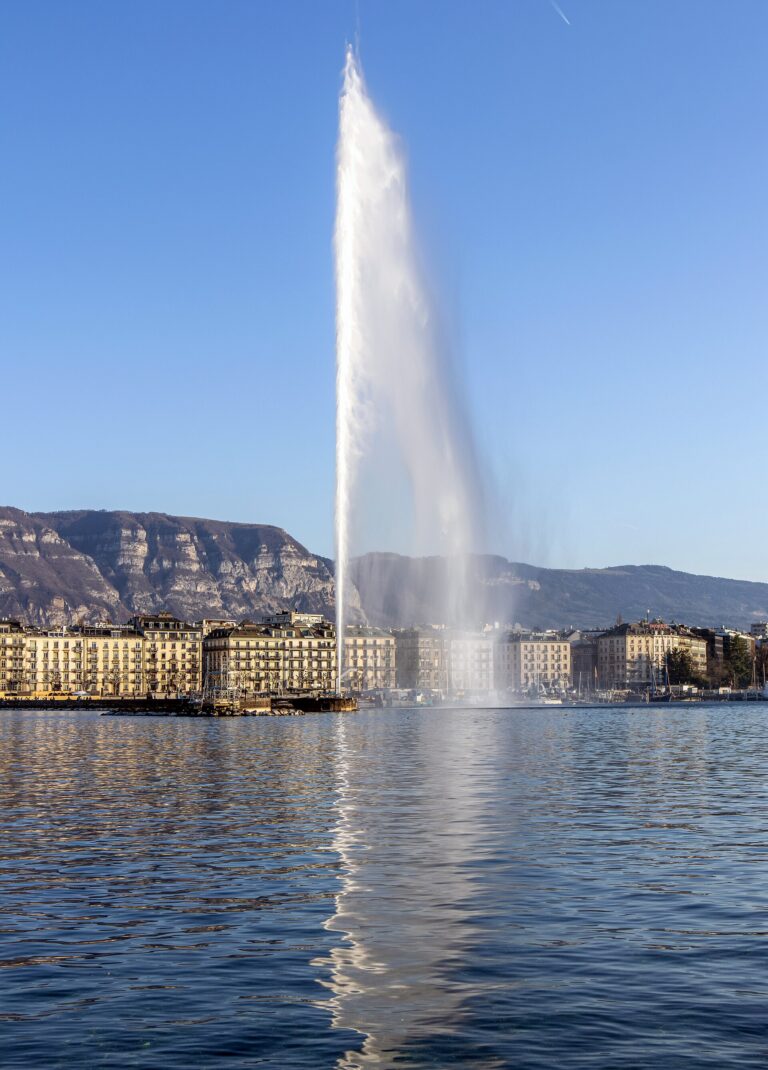
- Geneva on the largest Alpine lake – the Jet d’Eau fountain, the old town and a great gateway to the French-speaking part of the country.
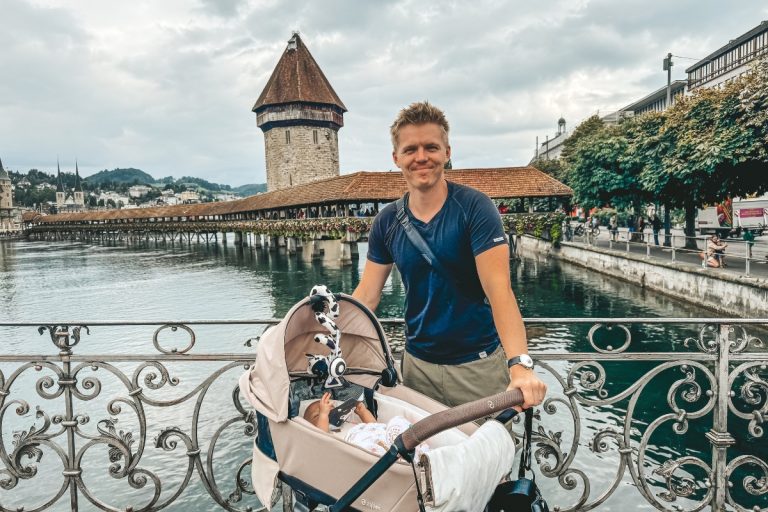
- Lucerne with its wooden Kapellbrücke bridge and Mount Pilatus behind it – for us the prettiest Swiss city for a first visit.
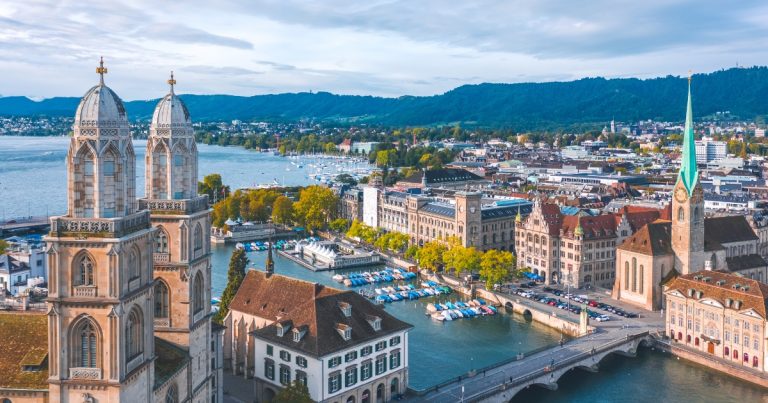
- Zurich as the best gateway by air and a modern city on a lake where you can wander surprisingly well even without a luxury budget.
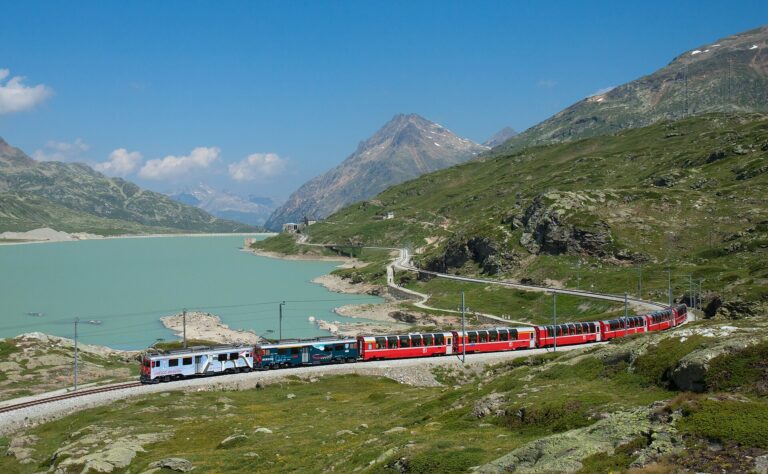
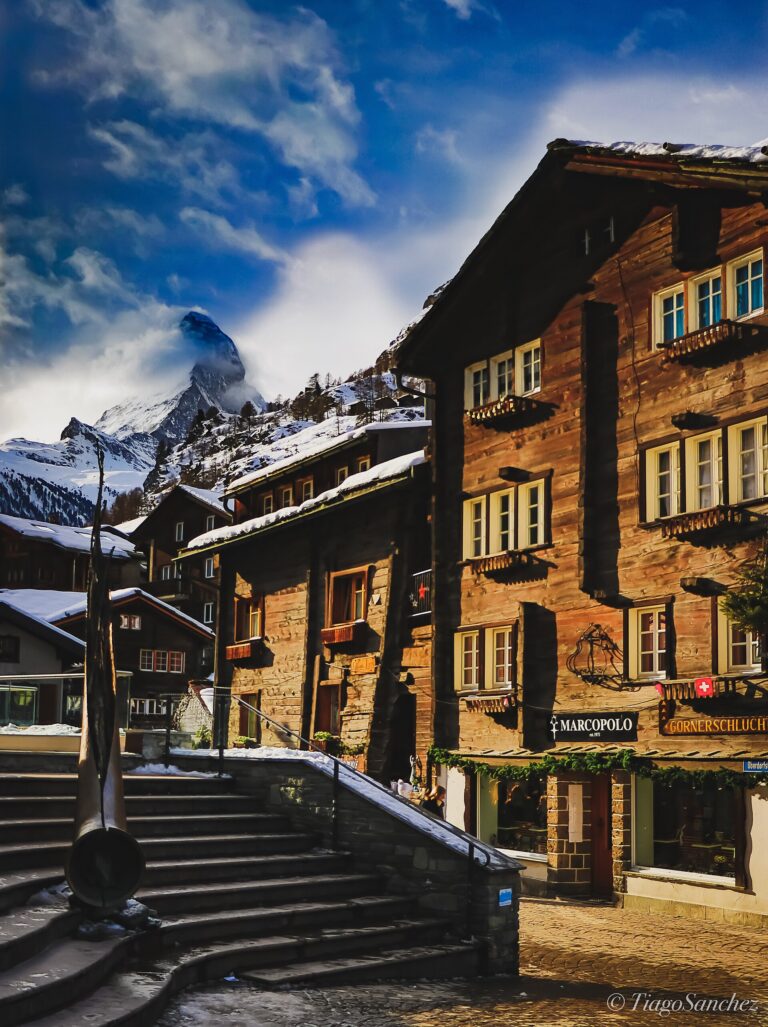
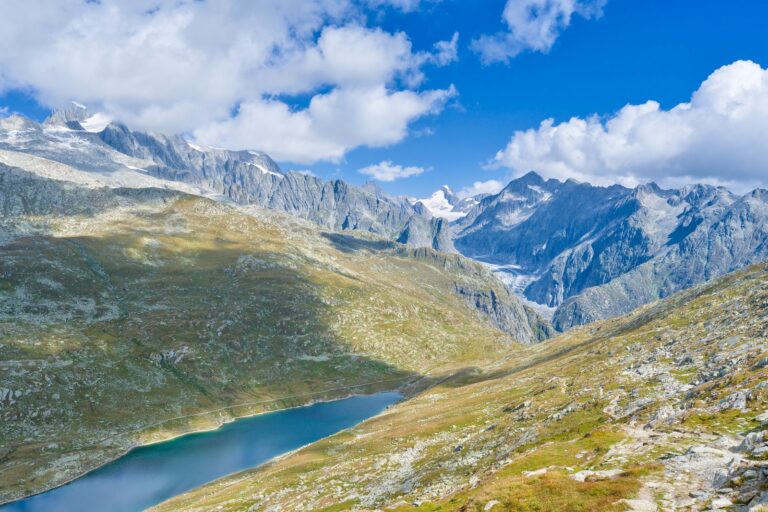
- The Alpine classics – Jungfraujoch, the Matterhorn above Zermatt and panoramic trains like the Glacier Express, where the journey is the destination.
If you’re still gathering ideas on where to head, we also have a big roundup of 19 tips on where to go and what to see – with full itineraries and lesser-known spots.
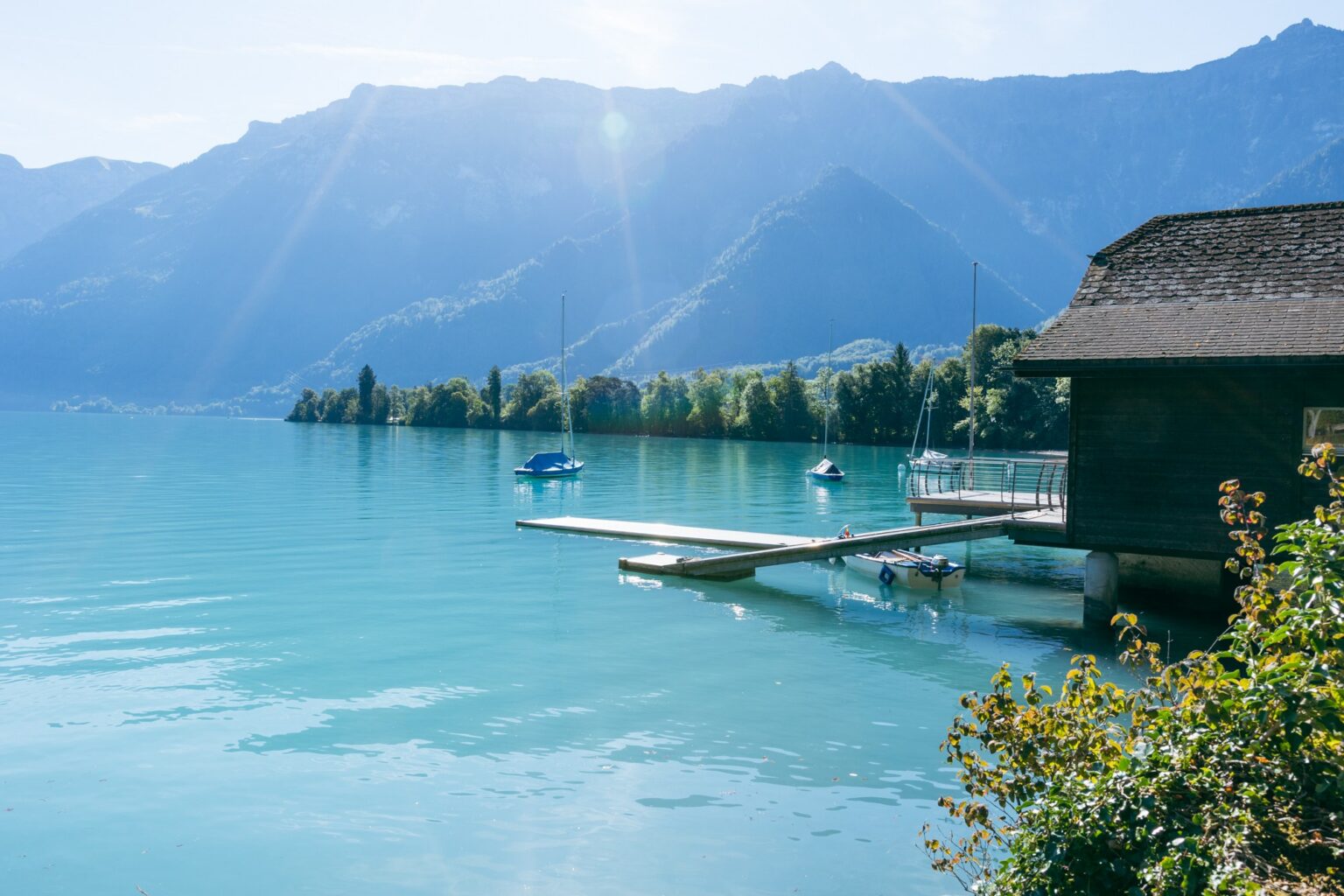
When to visit Switzerland
Switzerland has two main seasons, and each is about something different. For cities and snow-free mountains, June to September is best – long days, mountain railways running and hikes in full swing. But summer (July, August) is also the priciest and most crowded, so if you can, go for June or September, when the weather is still great but the crowds and prices are more pleasant.
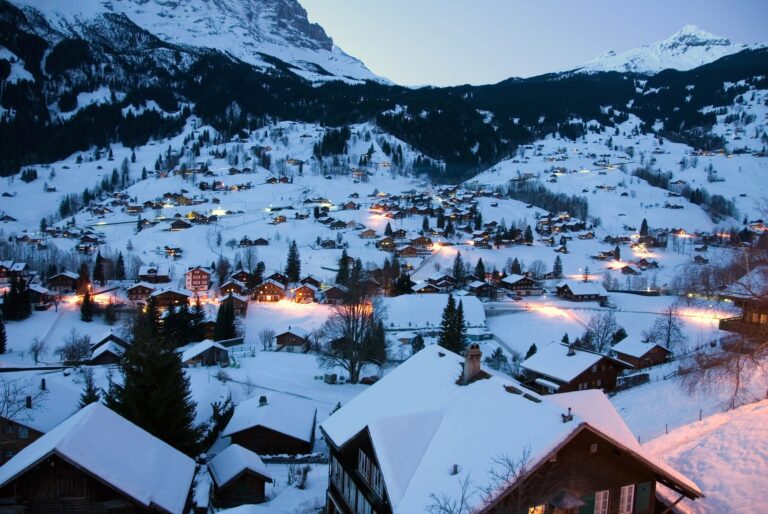
For skiing and a winter fairy tale, head over between January and March, when the resorts are in full operation. May and November tend to be transitional months – some cable cars and mountain railways are closed, so always check the operating status of a specific attraction.
By the way, the tours to Switzerland in our offer depart in January, February, March, June, July, August, September and October – that’ll give you a hint about when people travel most.
These are the experiences that bring even people who’ve “already seen it” back to Switzerland. We’re picking from what we’ve done ourselves:
- Heading up Pilatus or Rigi from Lucerne – a panorama of the Alps and the lake that’s hard to find a match for.
- A boat ride on Lake Geneva from Geneva – the prettiest view of the Jet d’Eau fountain and the surrounding vineyards.
- Wandering the old town and lakefront in Zurich – a surprisingly easygoing day even without a big budget.
- The Glacier Express panoramic train – an all-day ride between Zermatt and St. Moritz, where the journey really is the destination.
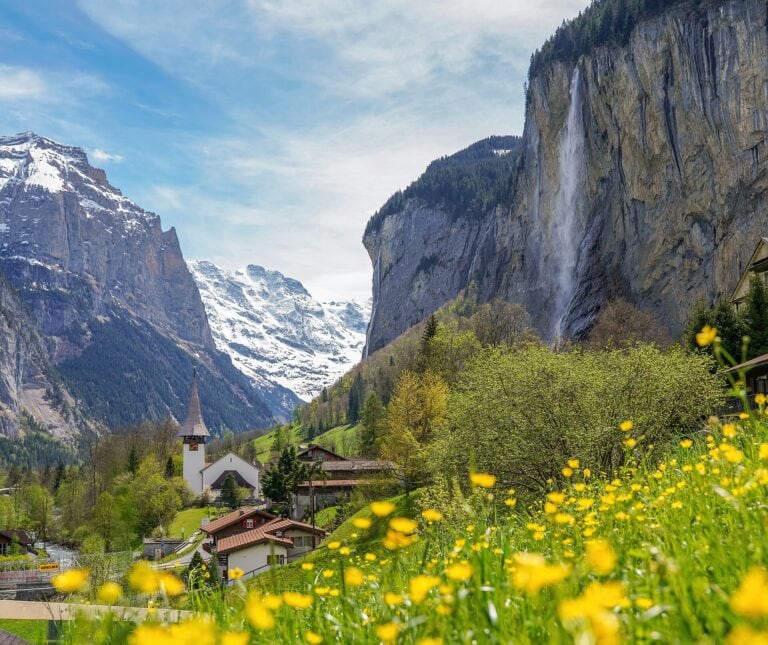
- A hike in the Lauterbrunnen valley beneath the waterfalls – the iconic Swiss valley that looks like something out of a fairy tale.
- A trip to the Matterhorn above Zermatt – the country’s symbol, worth every minute of the journey.
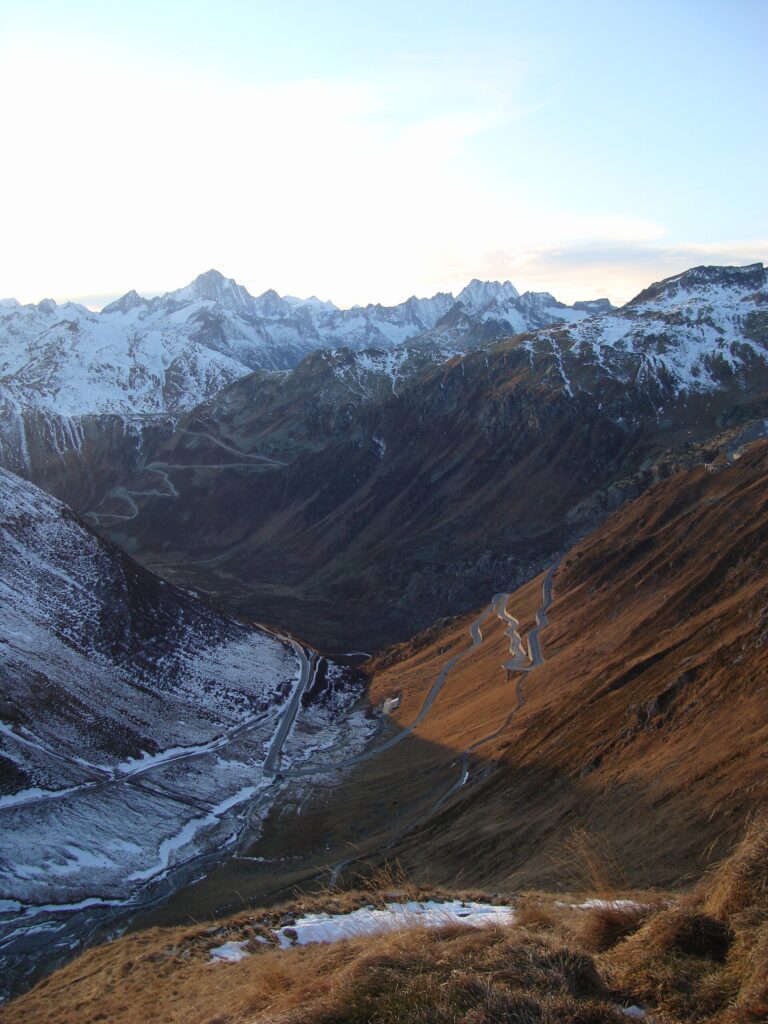
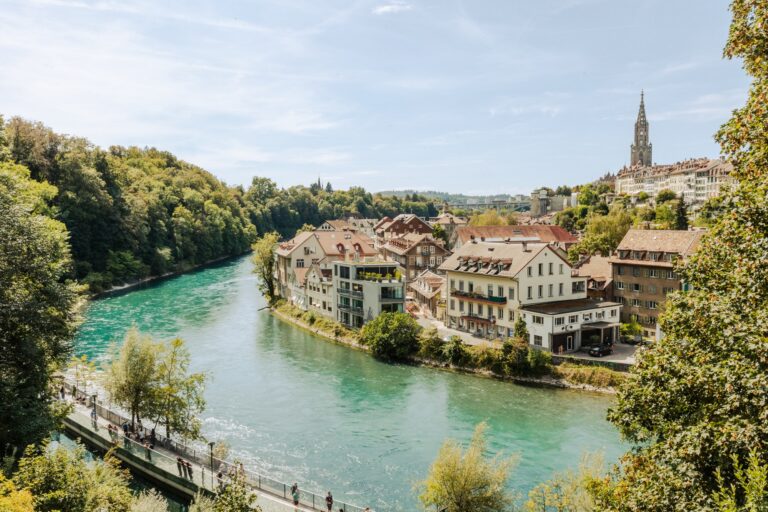
How to get to Switzerland
By air, it’s fastest from Prague – you can fly direct to both Zurich and Geneva in about 1.5 hours. Zurich is the main gateway to the German-speaking part and to the mountains of the Bernese Oberland; Geneva sits in the west by the lake and is handy for French-speaking Switzerland and Montreux. Basel is a third, regional option in the north of the country.
By car from the Czech Republic, it’s roughly 800–900 km via Germany and Austria – realistically a full day behind the wheel. Bear in mind that to use the motorways in Switzerland you need an annual motorway sticker (vignette) for 40 CHF – you buy it at the border, and there’s no shorter alternative. You can get there by train too, but with several changes and without much saving compared to a flight.
Renting a car
In Switzerland you honestly need a car less than you’d expect – the trains and mountain railways run flawlessly and take you up to places you couldn’t drive to anyway. A car makes sense when you want to drive over mountain passes, head into side valleys off the public transport routes, or you’re travelling with family and a lot of luggage. But for a classic loop around the cities and main attractions you don’t need one, and you’ll often just end up dealing with expensive parking.
- Book in advance through a rental comparison site – on the spot in season it tends to be pricier with less choice.
- Watch out for insurance and the deposit – basic cover usually comes with a high excess; pay extra for full insurance with no excess.
- The motorway sticker is mandatory – the annual vignette costs 40 CHF and you buy it at the border; there’s no other option.
Where to stay in Switzerland
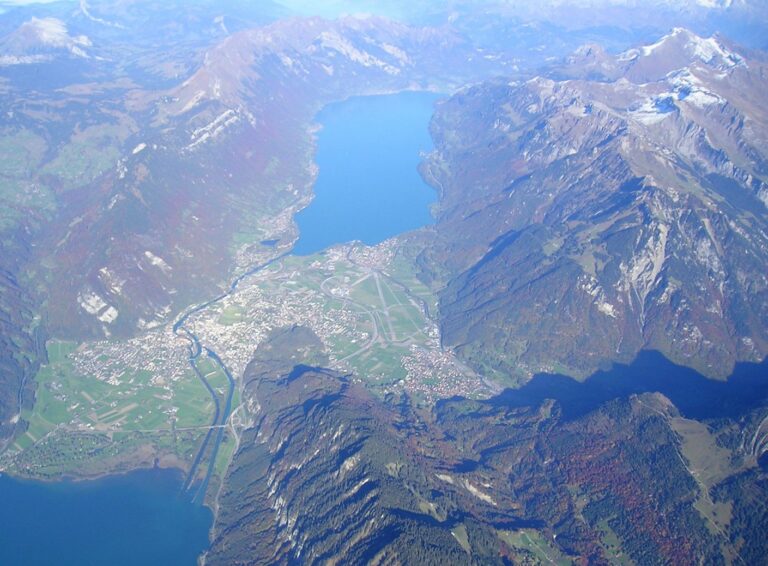
Switzerland has the most expensive accommodation of any European country, so choose your base smartly. If you’re going for the cities, stay a little outside the centre or in a neighbouring town and commute by train – the service runs reliably and you’ll save thousands. For the mountains, pick one base (e.g. Interlaken or Lauterbrunnen) and set out on day trips from there.
- Hostels and B&Bs – pricey here too, but they’re the cheapest safe bet; book well in advance.
- Apartments – the best value for money for couples and families, and you’ll save on food thanks to your own kitchen.
- Mountain guesthouses and chalets – for hiking and peace and quiet; prices climb in high season.
Package tour or independent travel?
Switzerland is a destination where both options make sense – it mainly comes down to how much you want to handle yourselves and how much you want to fuss over prices.
A tour pays off when…
- you want a set programme and don’t want to deal with transport between places;
- you’re going for the first time and you’ll appreciate a guide and pre-arranged accommodation;
- you’re tempted by deal prices from 90 CHF and discounts of up to −55% that you couldn’t easily put together yourself.
Go independently when…
- you want to travel at your own pace and choose your own hikes and views;
- you’re travelling as a couple or family and can book flights and accommodation yourselves;
- fixed dates bother you and you want to spend more days in one place.
The two of us love travelling independently – thanks to its flawless trains, Switzerland practically takes care of itself. But if you’re going for the first time and want peace of mind and a good price, a tour is a perfectly legitimate choice. ☺️
Budget: daily costs in Switzerland
Switzerland is one of the most expensive countries in Europe, so don’t let the prices catch you off guard. These are rough daily costs per person (not counting transport to the country):
| Level | Accommodation | Food | Transport and activities | Total/day |
|---|---|---|---|---|
| Backpacker | 35 CHF (hostel) | 25 CHF (self-catering, supermarket) | 25 CHF | approx. 85 CHF |
| Standard | 85 CHF (apartment/3*) | 45 CHF (lunch out) | 60 CHF (mountain railways) | approx. 190 CHF |
| Comfort | 170 CHF (4*+) | 95 CHF (restaurants) | 115 CHF | approx. 380 CHF |
Treat the numbers as rough estimates — the biggest item tends to be mountain railways and cable cars, where a single ride can easily climb over 75 CHF.
How to save when planning
Switzerland can be done without emptying your account, but it takes planning ahead. Here are our specific windows and the spots where people overpay the most:
- Buy flights 2–3 months ahead – direct flights to Zurich and Geneva aren’t expensive, but they drop sharply outside summer. Search for flights in our finder.
- Book accommodation as early as possible – in high season, the available apartments are the first to go. You’ll find our accommodation tips on this page.
- Book a tour first-minute style – discounts of up to −55% and prices from 90 CHF apply mainly to earlier purchases; last-minute doesn’t help as much with a pricey destination. Take a look at the current tours.
- Book mountain railways and cable cars in advance – this is the biggest budget eater, and online tends to be cheaper. Check out what to book in time.
- Save on food – cook in your apartment or shop at the supermarket; restaurants in Switzerland are among the most expensive in Europe.
Practical information
- Language: German, French and Italian depending on the region, but you’ll get by in English almost everywhere.
- Currency and payments: you pay in Swiss francs (CHF), and you can pay by card practically everywhere, including cable cars; you’ll hardly need cash.
- Connectivity: as a non-EU country, Switzerland runs on its own tariffs – the easiest option is an eSIM with a data package, which you activate at home and you’re online the moment you land.
- Safety: one of the safest countries in the world – you’ll be dealing with mountain weather rather than anything else.
- Tip: if you’re planning lots of trains and mountain railways, work out whether a Swiss Travel Pass pays off – for shorter city trips it often doesn’t.


