Geneva often gets labelled as an impossibly expensive and slightly dull bureaucratic city you only visit for business meetings. The truth, though, is that Geneva in Switzerland is a genuinely fascinating place set on the shores of Europe’s largest alpine lake — one that will surprise you with its relaxed atmosphere and a whole heap of things to do.
I’ve put together 16 tips on what to see and do in Geneva — whether you’re heading there for a long weekend or just a quick day stop. I’ll show you that even though this is a city of luxury and pricey watches, there are plenty of things you can experience completely free of charge.
I’ve prepared a complete guide on how to save money thanks to free public transport, where to tuck into the best cheese fondue, and how to get into the heavily guarded underground world of CERN. So let’s take a look together at how to make the most of the Swiss city without bankrupting yourself in the process.
TL;DR
- Free transport: Anyone staying in the canton of Geneva automatically receives a Geneva Transport Card. It’s valid on public transport, trains and the yellow Mouettes water taxis.
- The city’s symbol: The most famous attraction is the 140-metre-high Jet d’Eau fountain. Visiting it is free, but it’s scheduled to be switched off in November 2026.
- Palace of Nations (UN): Tours cost 25 CHF (around €27) and tickets vanish at lightning speed. They’re released on the 20th of each month.
- Science for everyone: Entry to the new CERN Science Gateway visitor centre is completely free — you just need to register online in advance.
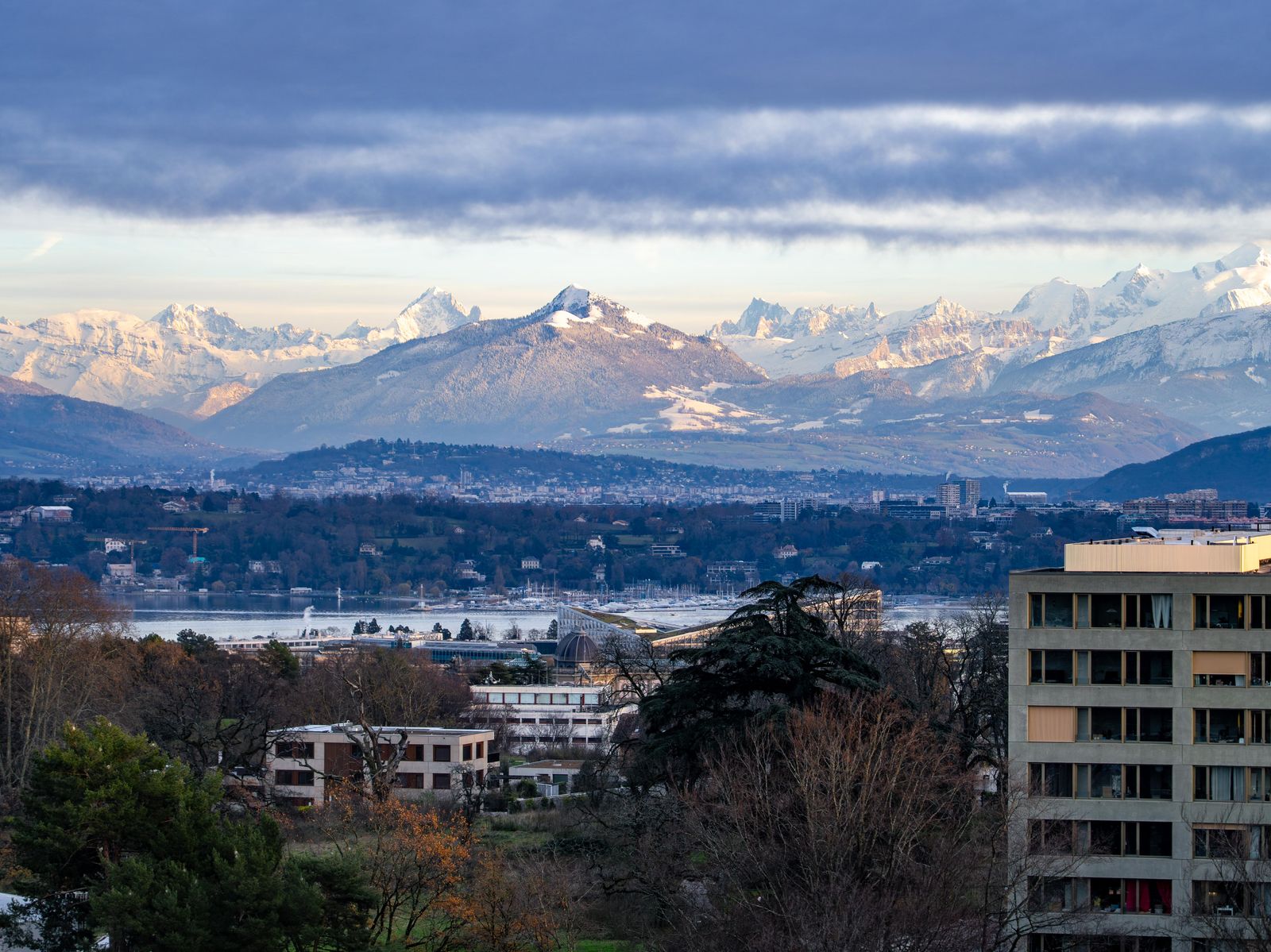
- The best view: Don’t miss the cable car up Mont Salève. Heads up — the mountain is already in France, so you’ll need euros and your ID.
- Budget saver: If you’d rather not pay 40 CHF (around €43) for dinner, the Migros and Coop supermarkets or the lunchtime menu (plat du jour) will come to the rescue.
The full destination guide: Switzerland — guide and what to see
When to Visit Geneva
Geneva works brilliantly all year round. Thanks to its alpine setting and the enormous lake, every season has a completely different character, so it really just comes down to what you’re after. If you want to swim and enjoy lake cruises, summer is without a doubt your best bet. The water sits at a pleasant 20 to 24 degrees and the whole waterfront comes alive with a typical seaside atmosphere. Just be wary of older guidebooks tempting you with the summer Fêtes de Genève festival. That event was permanently cancelled back in 2018 and replaced by smaller open-air concerts and the huge electronic music festival Lake Parade, where thousands of people dance along the lakeshore.
Spring and autumn are absolutely ideal for exploring landmarks, museums and visiting CERN. The Geneva weather is also perfect for long strolls through the local parks, and the cobbled lanes of the historic centre aren’t nearly as clogged with tourists. Temperatures stay comfortable, the trees around the lake put on a colourful show, and the famous Flower Clock in the Jardin Anglais dresses itself in the freshest, most beautiful blooms in spring.
Winter has a charm all of its own, especially if you arrive in magical December. From 11 to 13 December 2026, the city celebrates Geneva’s biggest festival, L’Escalade, marking with enormous enthusiasm the repulsion of the Savoyard attack in 1602. People wander the streets in historic costume and chocolate cauldrons filled with marzipan are smashed everywhere with great ceremony. The Christmas markets have also moved right onto the Quai du Mont-Blanc waterfront under the name Noël au Quai, so you can enjoy a cracking Swiss mulled wine with a view of the majestically lit fountain.
Where to Stay in Geneva
💡 Tip for accommodation and experiences: We love searching for places to stay on Booking.com, where the cancellation terms tend to be the best. For tickets, tours and activities, it’s worth comparing and booking through GetYourGuide.
Right off the bat, I’ve got one absolutely crucial piece of information about how the city works. Every guest who officially checks into a hotel, hostel or even a campsite in the canton of Geneva gets a free Geneva Transport Card. This handy digital card arrives in your inbox via a dedicated app a few days before you arrive, and it’s valid on all public transport including trains and the yellow water taxis. You can even use it from the airport, which saves you a load of money and hassle right from the start.
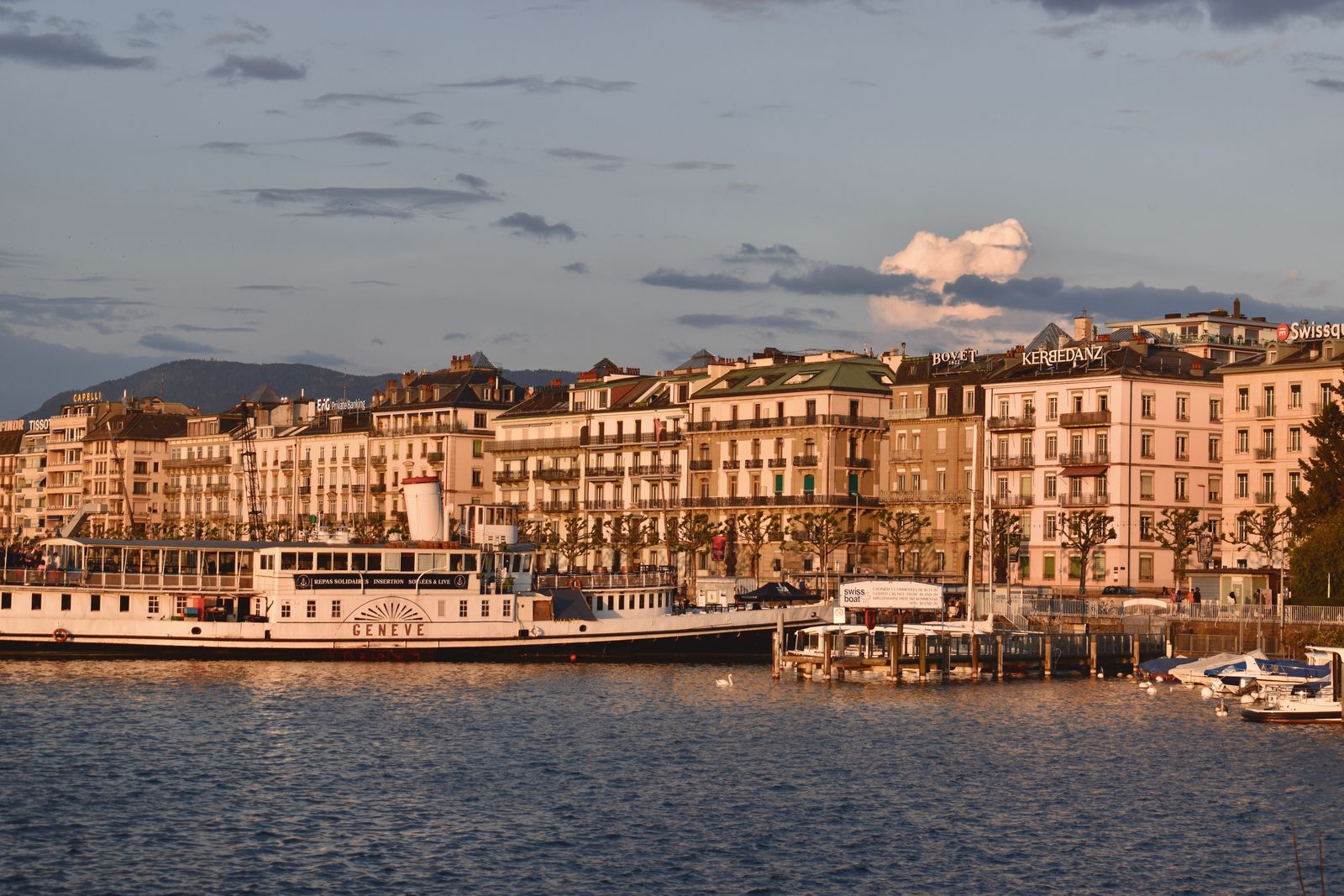
Accommodation in Geneva really isn’t cheap, so it pays to choose carefully. The zone right by the lake offers the best of luxury with views of the fountain, while the district near Cornavin station scores big on sheer practicality and easy transport connections.
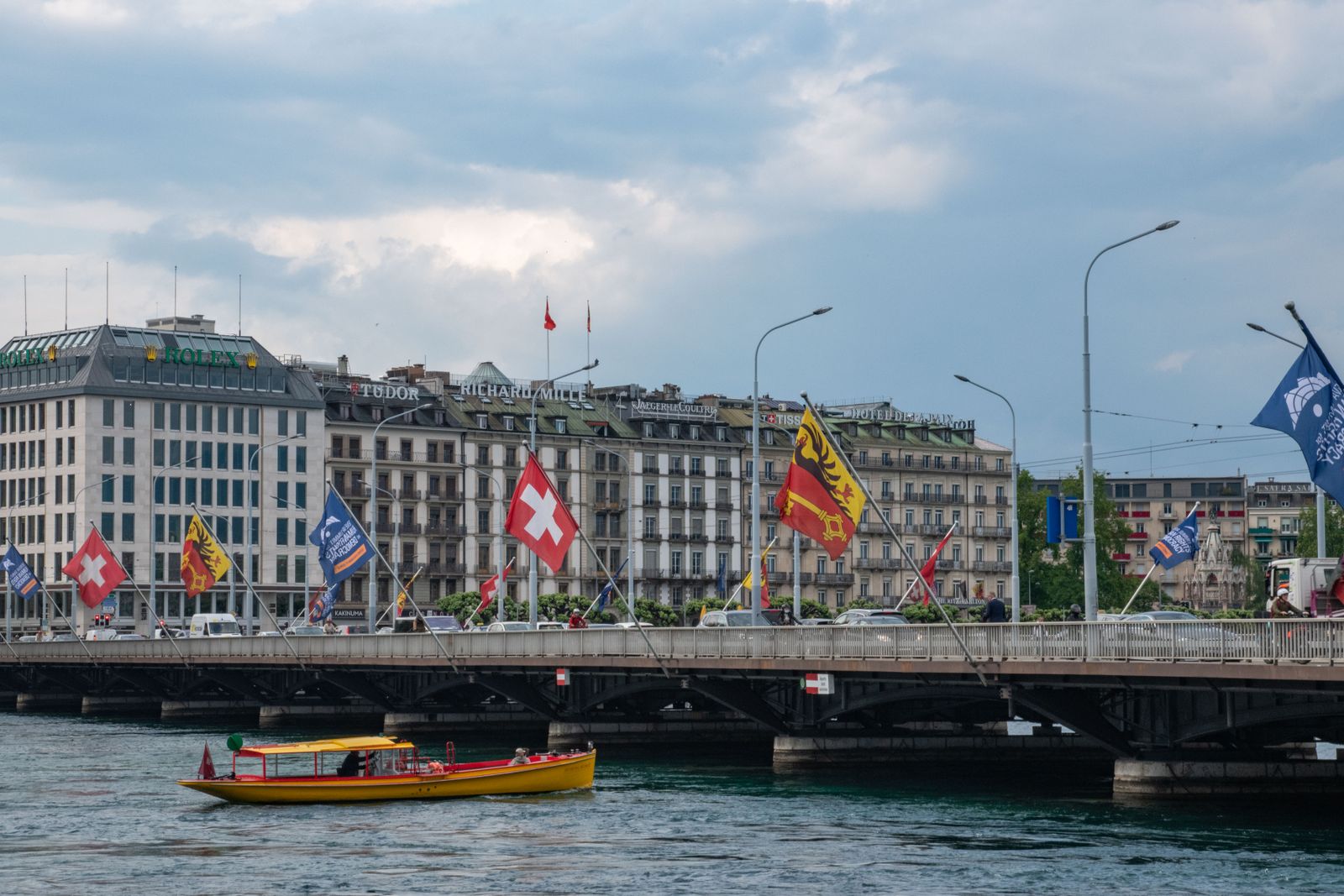
If you’re after absolute luxury and budget isn’t an issue, take a look at Beau-Rivage Genève. This legendary five-star palace from 1865 stands right on the promenade, has a breathtaking panoramic view of the Jet d’Eau and, of course, throws in that public transport card with your stay. Another icon right by the bridge across the lake is the famous Four Seasons Hôtel des Bergues, the oldest operating hotel in the city.
For those wanting great value for money right in the centre, an excellent choice is the Hôtel Bristol. You’ll find it on a perfectly quiet street a short walk from the main station, and the price includes both faultless service and access to the hotel spa. Comic-book fans, meanwhile, will absolutely love the Hôtel Cornavin right by the main station. It’s known as Tintin’s hotel, and in the glass-walled lobby you’ll find the longest working pendulum clock in the world.
When you need to save money, the highly rated Geneva Hostel is just a few steps from the lake, and a night there will set you back a reasonable sum, including a hearty breakfast and the transport card. The cheapest sensible bed in the city is the ibis budget Genève Petit-Lancy. It sits a bit further out in the suburbs, but a quick tram ride gets you to the lake in 25 minutes, and thanks to the city card you’ll pick up at reception, the journey won’t cost you a single franc.
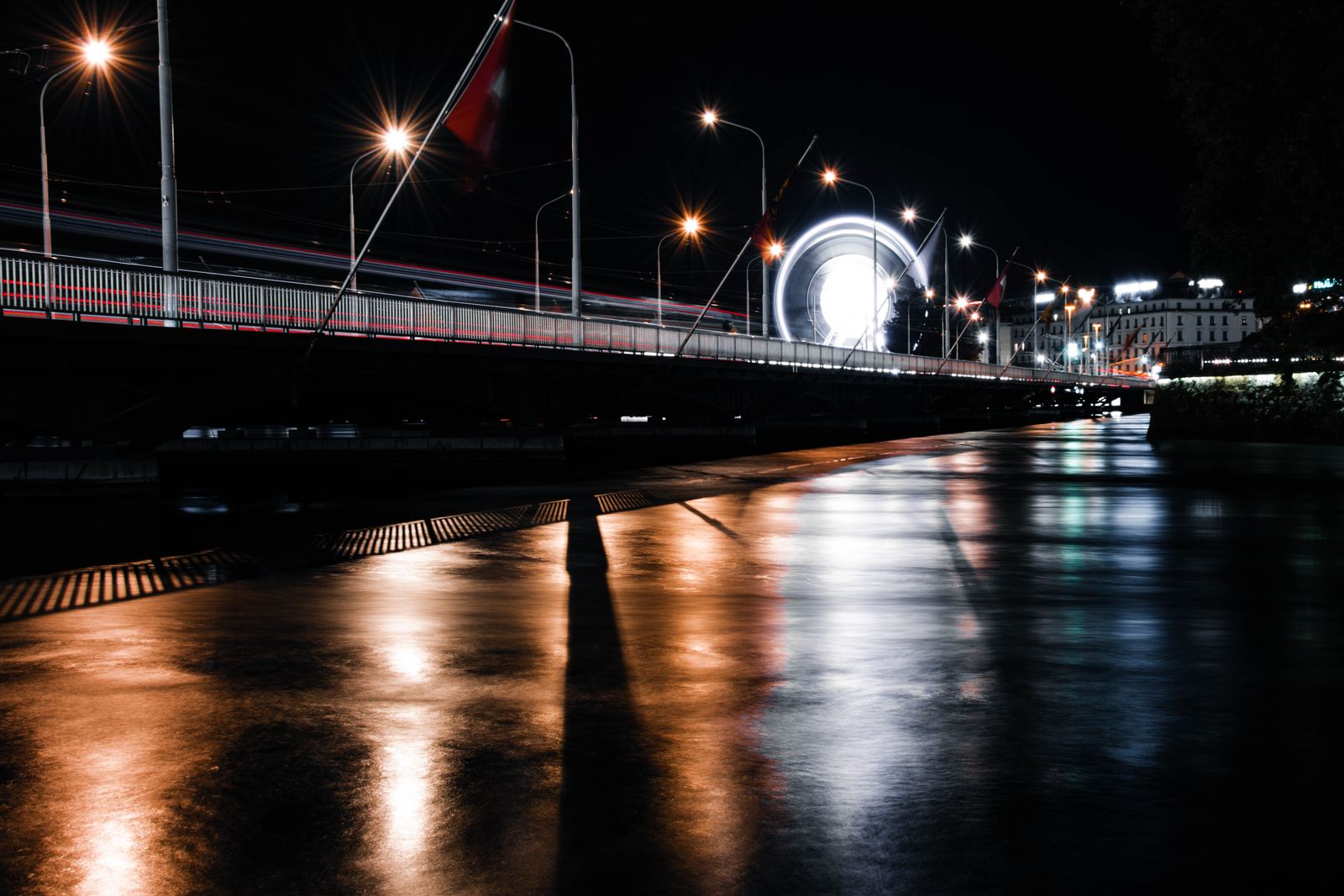
16 Things to See and Do in Geneva
And now for the specific tips. Geneva will surprise you with just how much you can fit in, from science and diplomacy to the best fondue of your life. Set aside two full days for the city itself — you definitely won’t regret it. Everything is spotlessly clean and safe, too, so you can enjoy your exploring completely worry-free.
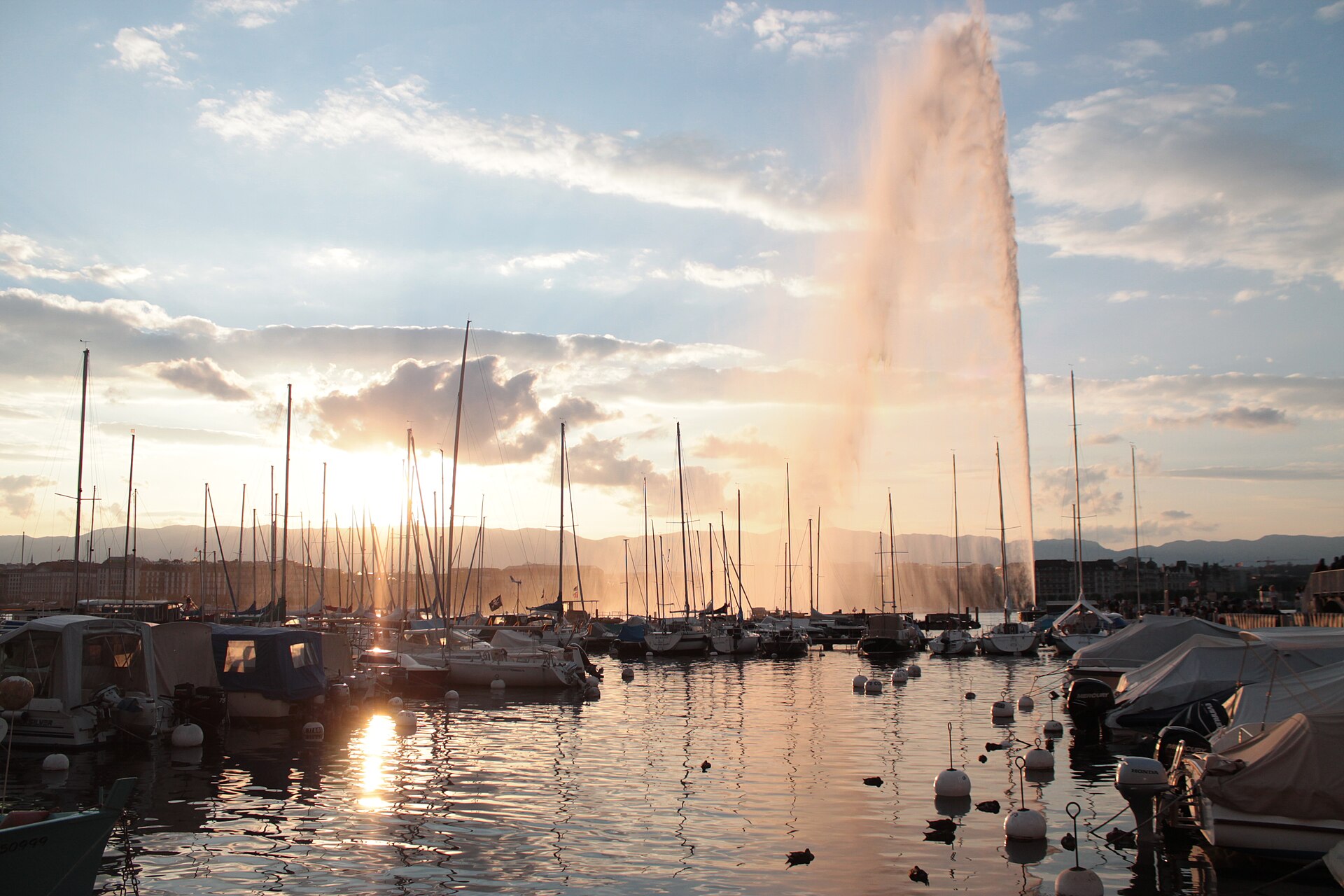
1. The Jet d’Eau Fountain: 140 Metres of Pure Beauty
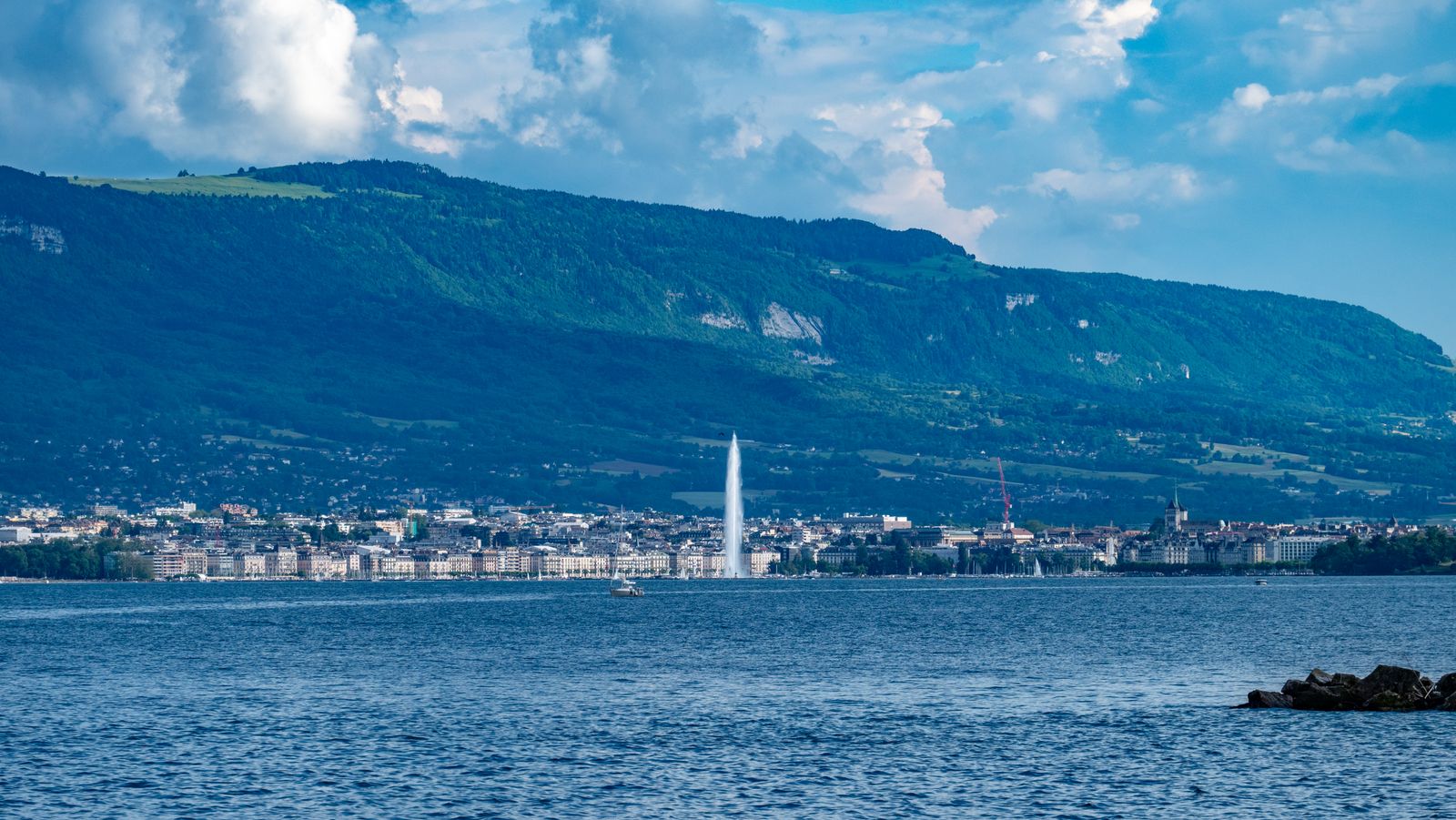
The absolute symbol of the city and a jaw-dropping sight you’ll spot from just about every angle along the promenade. The Jet d’Eau fountain shoots water 140 metres into the air at an incredible rate of 500 litres per second, with the water leaving the nozzle at 200 kilometres per hour. Back in 1886 it started out as a simple pressure-relief valve for the local water network, serving the city’s jewellers and watchmakers, but people loved it so much that the city soon turned it into a star attraction. You can walk right up to the fountain along the Jetée des Eaux-Vives pier completely free of charge — just be ready for an unexpected soaking if there’s even a slight breeze.
From spring through to autumn the fountain runs reliably from morning until sunset, and in summer it’s beautifully lit up in colour. I do have one important warning for you, though. In autumn 2026, specifically from 2 November to 3 December, essential major maintenance will take place and the whole attraction will be switched off completely. It’s also turned off as a precaution during very strong winds or extreme frost, so if you’re heading to the lake in deep winter, it’s best to check its current status in advance.
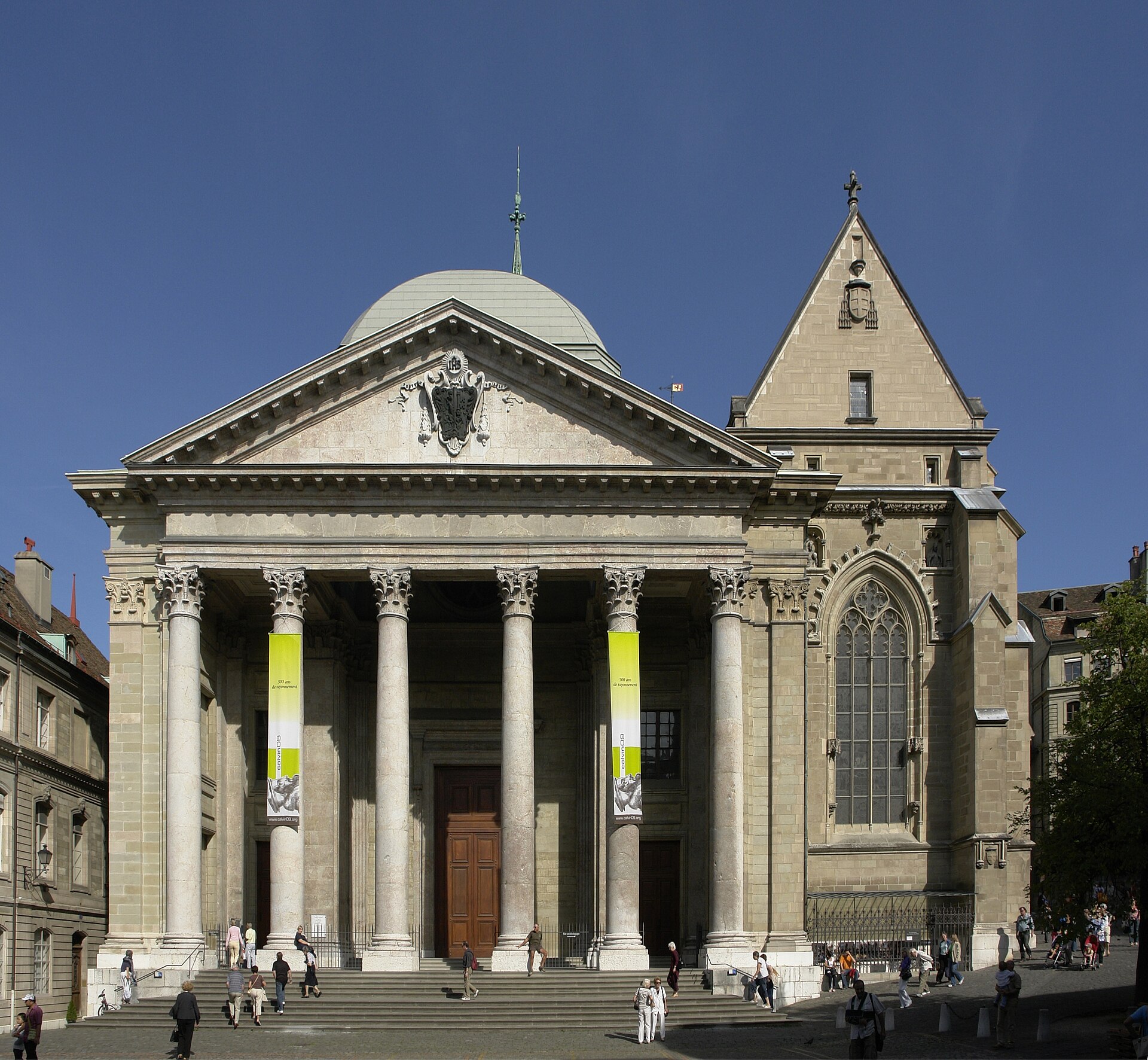
2. St-Pierre Cathedral and the View from the Towers
Right in the heart of the old town towers the majestic St-Pierre Cathedral, best known as the long-standing home base of the famous reformer John Calvin. Entry to the stunning main nave is free, and you can take a quiet look at the unassuming, simple wooden chair from which Calvin used to preach. The cathedral is a fascinating mix of Romanesque, Gothic and Neoclassical architectural styles, and its fascinating history stretches all the way back to the 12th century.
I’d definitely recommend paying the small fee of 7 CHF (around €7.50) to climb the north tower. You’ll have to tackle 157 narrow, twisting steps, but you’ll be rewarded with the most beautiful panoramic view over the entire old town, the shimmering lake and, on a clear day, even the nearby Mont Blanc massif. Opening hours vary by season; in the summer months it’s usually open until early evening. And if you’re curious about what lies beneath your feet, there’s a fascinating archaeological site below the cathedral — pick up a combined ticket at the desk.
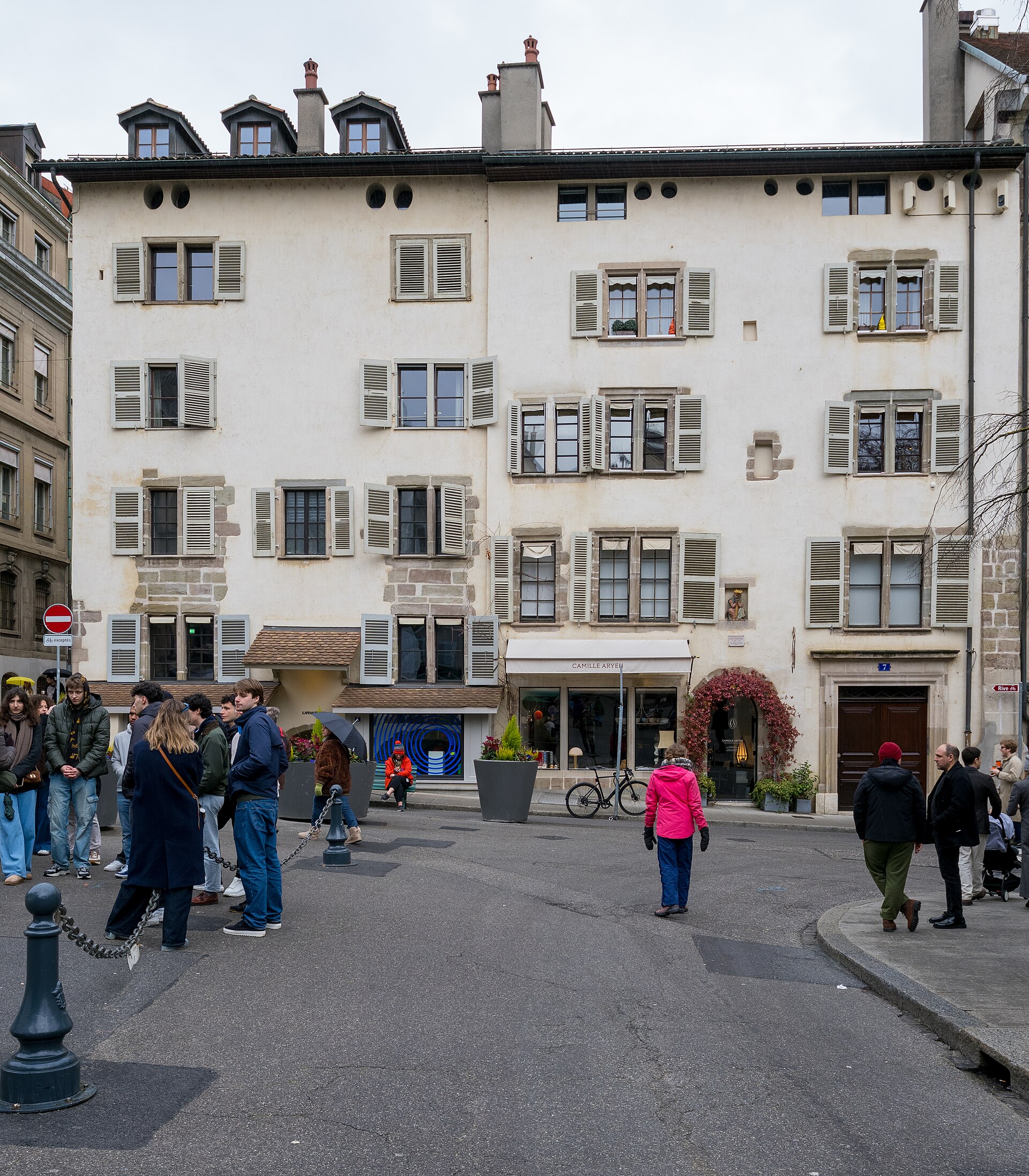
3. The Old Town and the Historic Place du Bourg-de-Four
Geneva’s old town (Vieille Ville) is an incredibly romantic labyrinth of cobbled lanes, hidden passageways and perfectly preserved historic buildings. Its beating heart is the Place du Bourg-de-Four, which once served as an important ancient Roman forum. Today it’s the locals’ favourite spot for a leisurely afternoon coffee and a natter. The houses from the 16th to 18th centuries are charmingly squeezed up against one another, and the whole square has a wonderfully relaxed, almost Mediterranean atmosphere.
As you wander through the old town, you’re bound to stumble sooner or later upon the historic town hall, the Hôtel de Ville, and the lovely green Promenade de la Treille. There’s one genuinely big and fun curiosity here, too. You’ll find the officially longest wooden bench in the world, measuring an impressive 120 metres. If you’d like to learn even more about the city’s tangled history, pop into the nearby Maison Tavel. It’s the oldest private house in all of Geneva, and the permanent exhibition charting local life is open to visit completely free of charge.
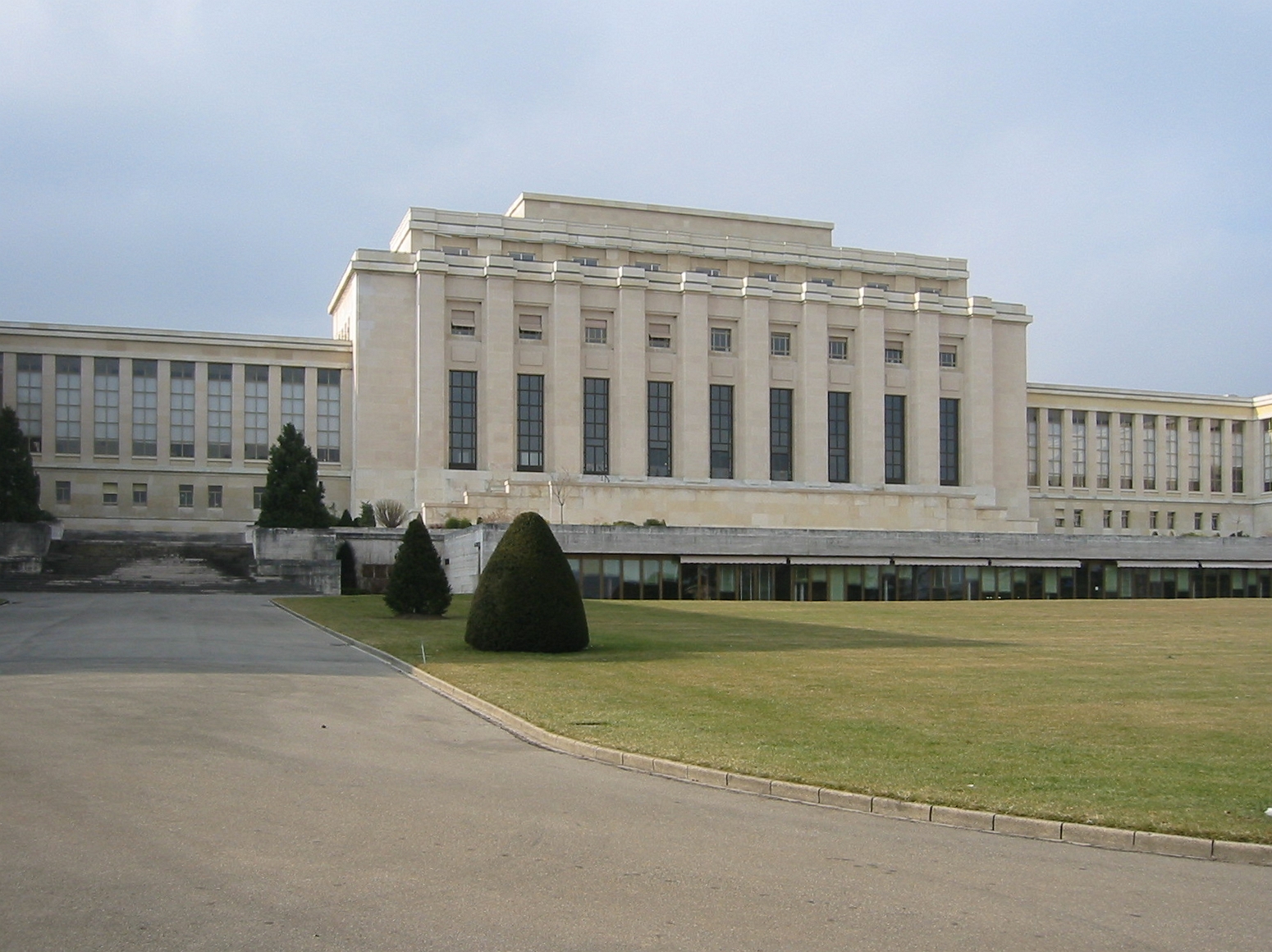
4. The Palace of Nations (UN): Into the Heart of World Diplomacy
Geneva is a major European headquarters of the United Nations, and a visit to the sprawling Palace of Nations is a truly enormous experience. During the roughly hour-long guided tour you’ll get a glimpse of the famous Human Rights Room with its fascinating colourful ceiling by artist Miquel Barceló, and walk along endless corridors where modern world history is written every day. Tours run in several languages, but English and French are the standard go-to options.
Pay close attention here, though, because the logistics of a visit are fairly complicated and strict. Tickets cost 25 CHF (around €27) and can only be bought online in advance on the official UN website. Slots for the following month open up on exactly the 20th of each month and disappear incredibly quickly. You must arrive at least 30 minutes early for an airport-style security check, and you absolutely need a valid passport or ID card. While you wait, you can watch the free-roaming peacocks that call the adjacent Ariana Park home.
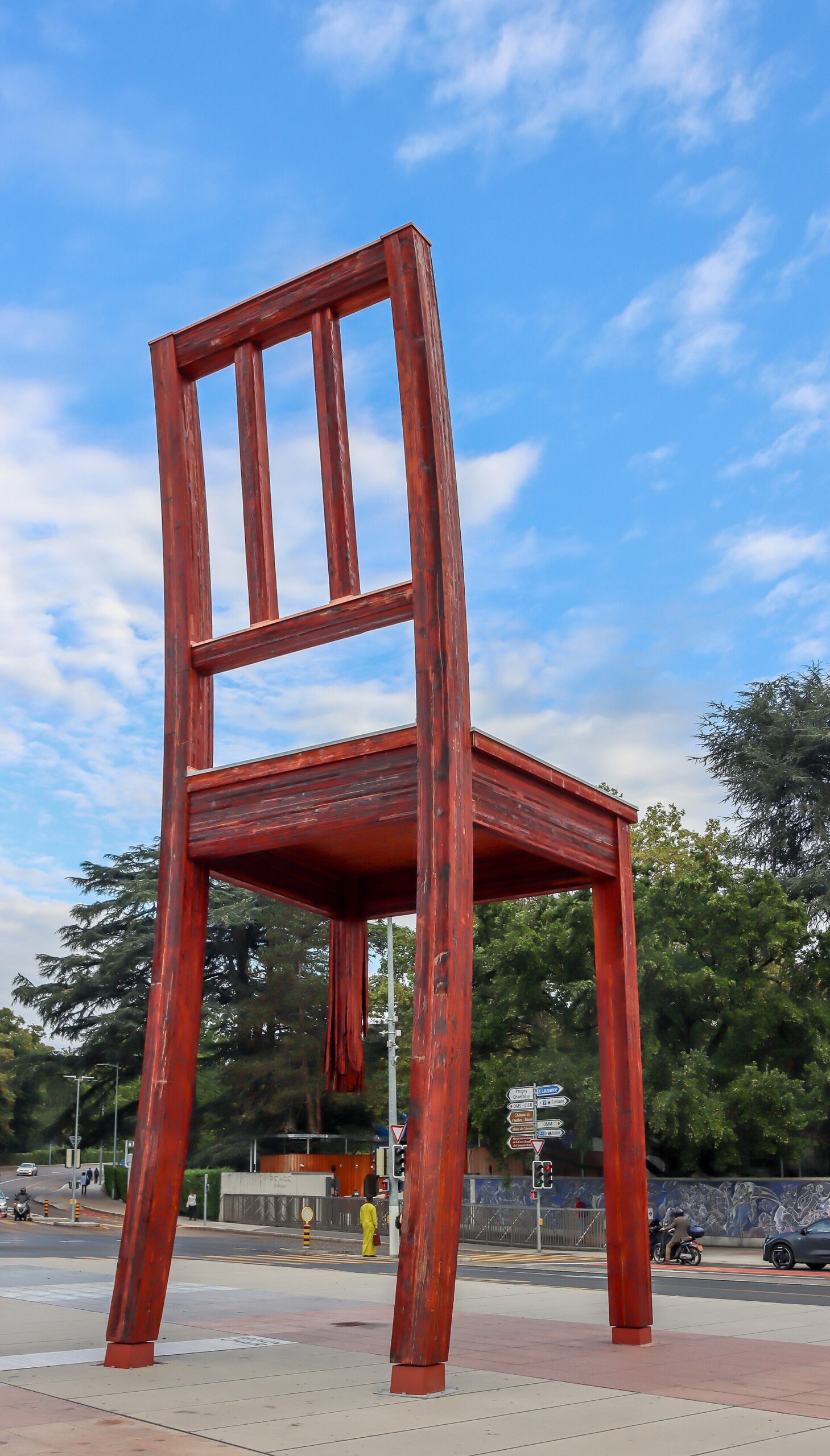
5. The Broken Chair: A Chair with a Message
Directly opposite the heavily guarded main entrance to the Palace of Nations, on the vast Place des Nations, stands a giant wooden chair. This twelve-metre sculpture weighs over an impressive five tonnes and is conspicuously missing one leg. It’s not just some random artistic whim, but rather a very powerful political message. The organisation Handicap International placed the sculpture here back in 1997 as a loud protest against the use of insidious landmines and cluster munitions.
It was originally only meant to stand here for a few months during the signing of the Ottawa Treaty, but it became so popular that it stayed on the square permanently, and today it constantly reminds the diplomats entering the UN of their obligations towards civilians. And the best part? Stopping here to snap a photo of the giant wobbly chair won’t cost you a penny. Right next to it, playful water jets spurt up from the ground too, reliably cooling weary travellers down on a hot summer’s day.
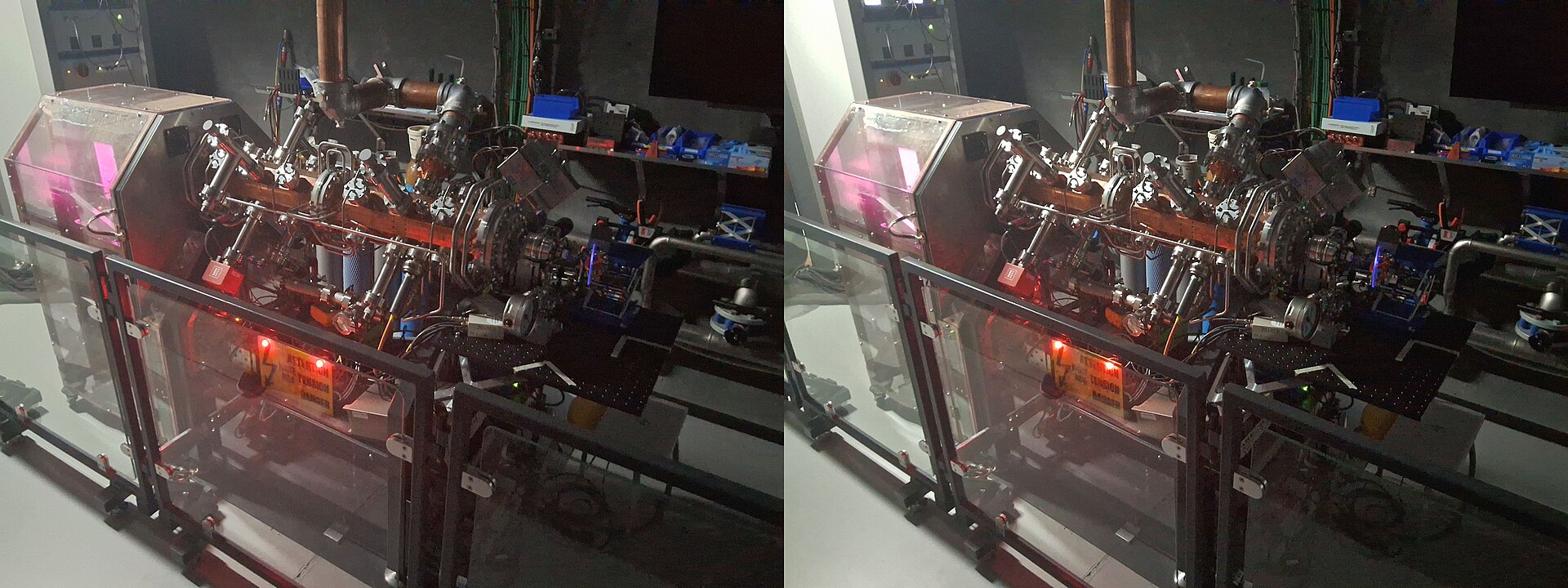
6. CERN Science Gateway: Science Accessible to All (For Free!)
This is an absolute sensation for all you keen lovers of science, space and modern technology. At the very last stop of tram number 18, a brand-new, futuristic visitor centre, the CERN Science Gateway, has recently sprung up from the studio of the renowned architect Renzo Piano. Entry to the fantastic interactive exhibitions is completely free — you just need to complete the mandatory registration in advance on the CERN website. You can comfortably book up to a month ahead, which guarantees you a hassle-free entry.
If you’d like to go even deeper, though, onto the celebrated guided tour into the labs and test facilities, it’s a bit trickier logistically. These tours are also free, but spots are released in a special web app exactly two hours before the tour begins, on site. The system works on a first-come, first-served basis, and since only about 10 per cent of all visitors manage to get on a tour, I’d recommend arriving right at opening time at nine in the morning.
7. The International Red Cross and Red Crescent Museum
Geneva is the proud birthplace of the Red Cross movement, and this particular museum is among the most powerful experiences in all of Europe. It’s just a short walk from the Palace of Nations, and its permanent exhibition bears the fitting name The Humanitarian Adventure. The sprawling exhibition is cleverly divided into three thematic sections, designed by three different acclaimed architects, and it thoroughly explores defending human dignity, the difficult restoration of family ties, and reducing natural risks across the world.
Admission is 15 CHF (around €16) for adults, while students and seniors get a discounted rate of 10 CHF. The museum is designed to genuinely move you — not as a dry display of cabinets, but as a powerful story that stops you in your tracks and makes you think. Allow a good two hours. If you pick up the Geneva City Pass tourist card, entry to this museum (along with dozens of other landmarks) is completely free. It’s best to check the opening hours in advance on the museum’s official website.
8. A Lake Cruise and the Yellow Mouettes Water Taxis
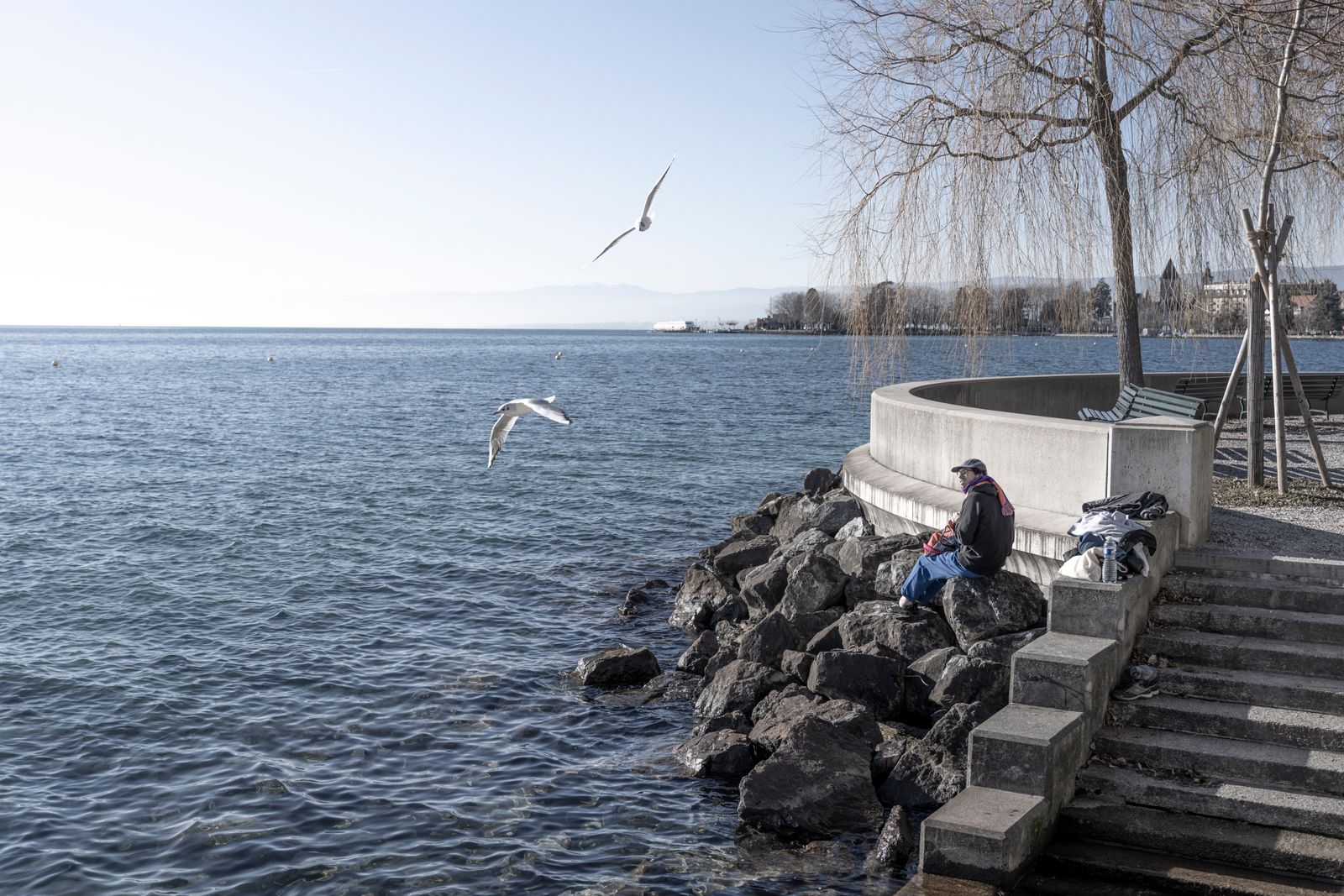
One of the absolute best tricks for saving money in pricey Geneva is making regular use of the network of small water taxis charmingly called Mouettes (meaning seagulls). These unmissable little yellow boats have been criss-crossing the harbour from one shore to the other since 1897, connecting the banks where there are no bridges. They function as regular public transport, which means you ride them completely free with your Geneva Transport Card. The boats also run all year round at roughly ten-minute intervals.
If you’re craving a much longer and suitably romantic experience, though, you can head out on a cruise aboard a historic paddle steamer operated by CGN. The gorgeous two-hour loops around Lake Geneva with views of the Alps start at around 33 CHF (around €35). In the peak summer season, the beautifully restored historic steamer Savoie from 1914 sails daily from the harbour, gracefully whisking you off to the picturesque French towns on the far side of the enormous expanse of water.
9. Bains des Pâquis: Baths on the Pier and Legendary Fondue
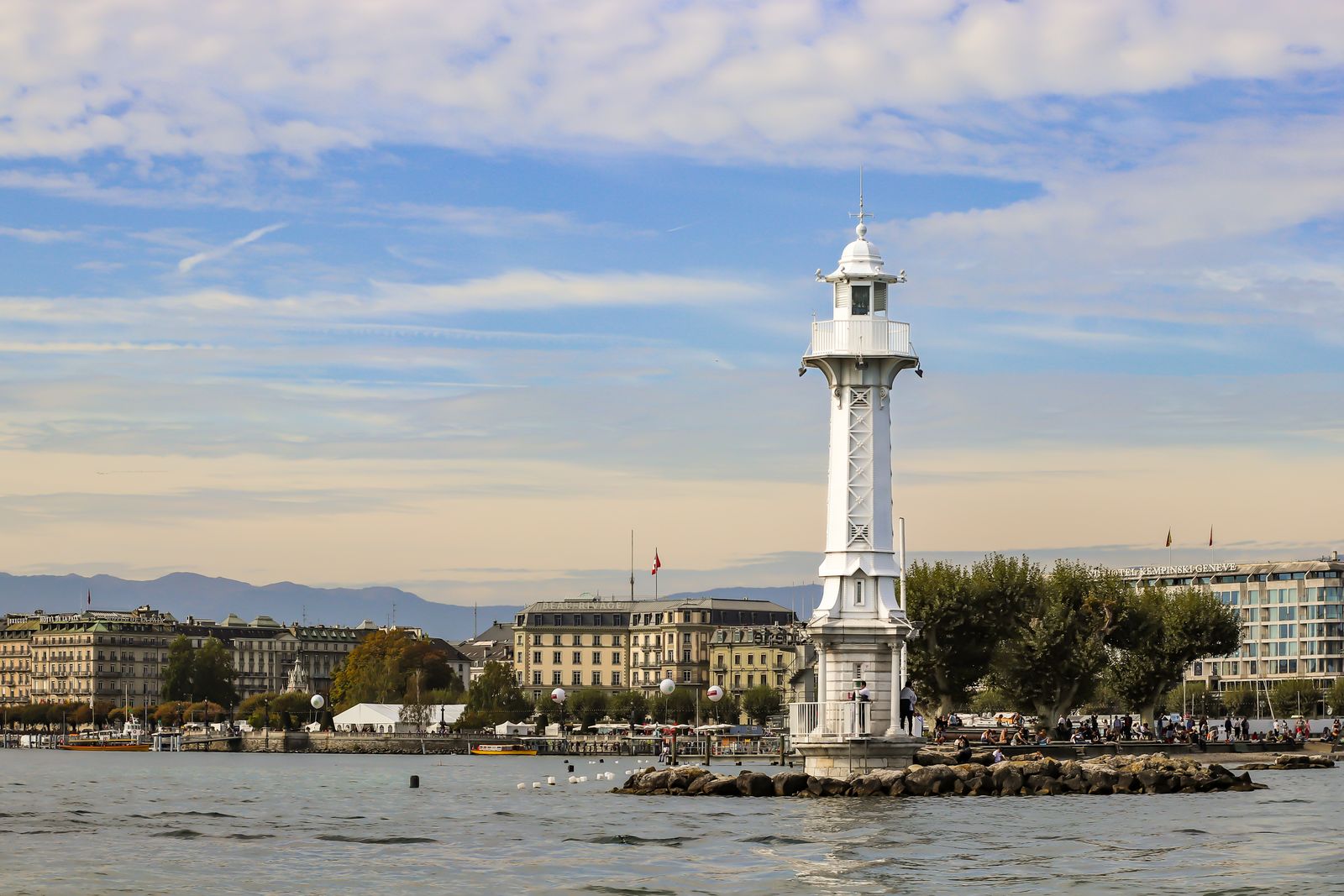
This iconic spot is an absolute favourite among all the locals. The much-loved concrete pier with its baths was built back in 1932, and in the early nineties the city even had to fight hard to save it in a referendum. In summer, what feels like the whole of Geneva comes here to swim and sunbathe, and entry to the beach costs a mere 2 CHF (around €2). From September to April the whole complex cleverly transforms into a warming sauna and Turkish hammam with an entry fee of 20 CHF. It’s open every day from early morning until late at night.
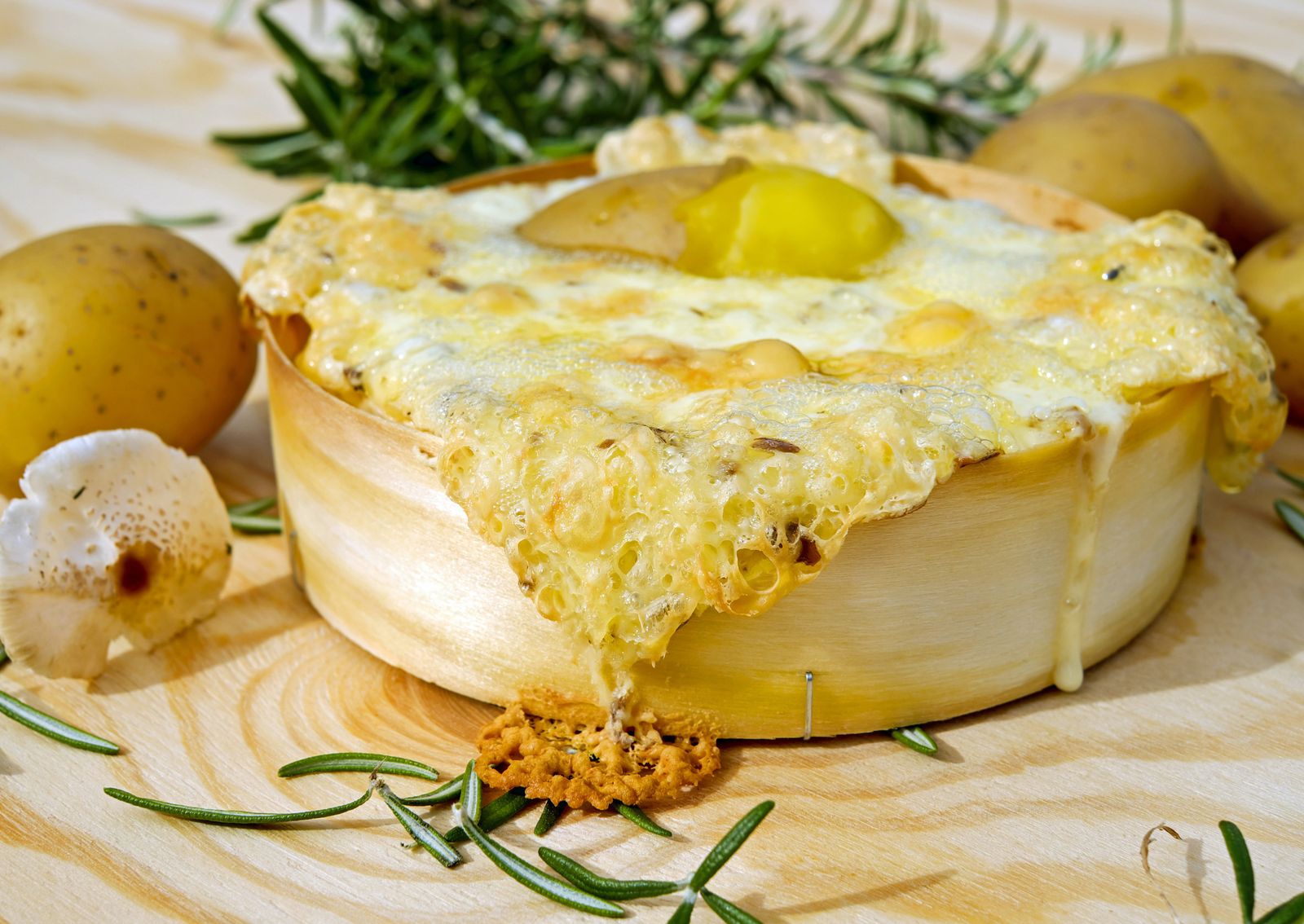
The biggest draw, though, is without a doubt the local informal restaurant Buvette des Bains. If you love good cheese, you simply must book a spot for the legendary cheese fondue well in advance. This quintessential vegetarian Swiss classic (quality melted cheese, a splash of wine and lots of bread for dipping) will set you back around 25 to 27 CHF. Eating fragrant, bubbling fondue out on the pier in the middle of winter, with a breathtaking view of the lit-up Jet d’Eau, is simply the best local experience you can have here. You need to book a table by phone or online by six in the evening at the latest via their website.
10. The Jardin Anglais and the Giant Flower Clock
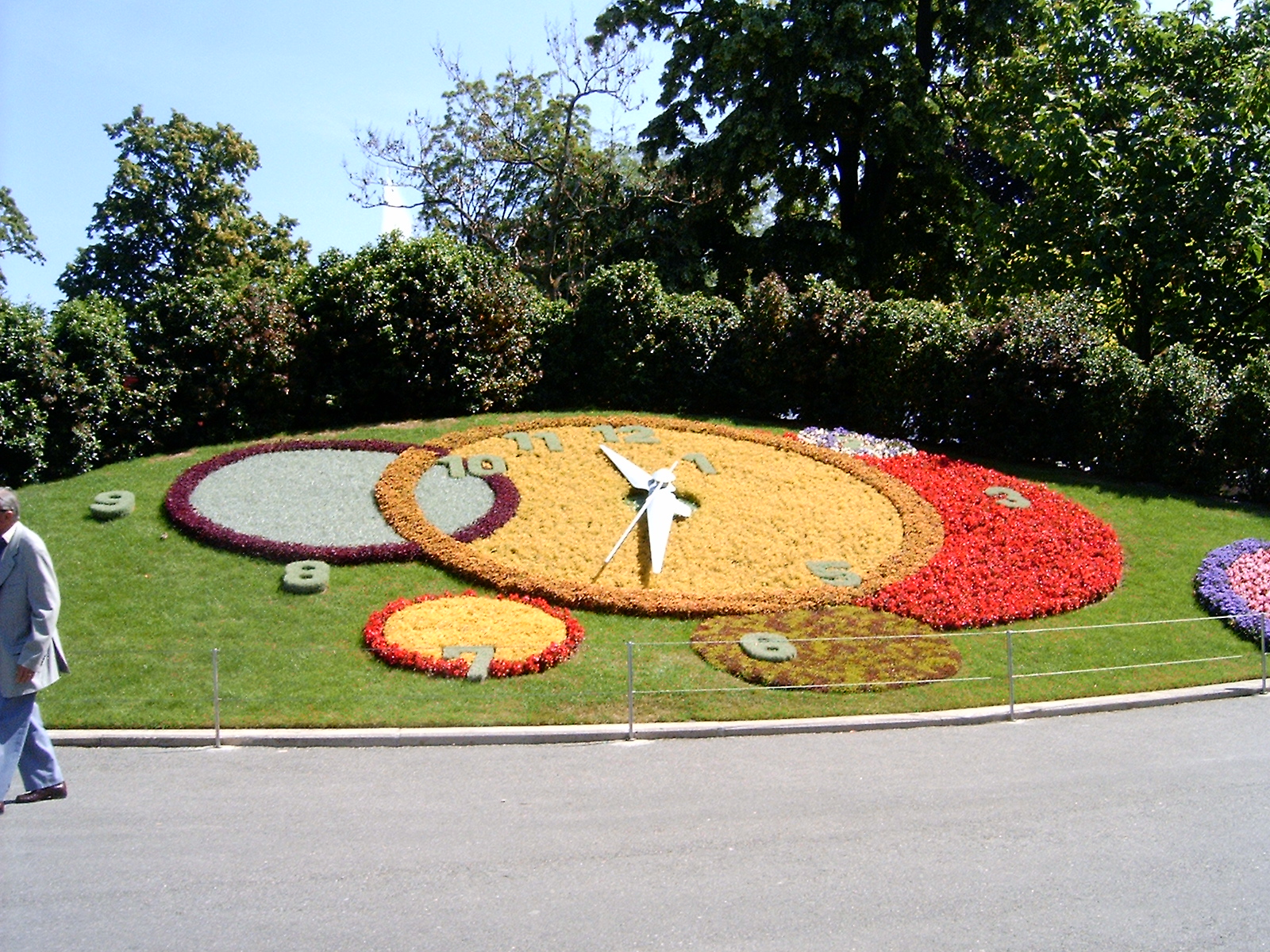
Right on the bustling lakeside promenade lies the popular Jardin Anglais, which in 1854 became the first public park in the English style in all of Geneva. Entry is completely free, and on a hot summer’s day it’s a great spot to relax on the lawn in the shade of the old trees. The main draw for most visitors, though, is the famous L’horloge fleurie, or Flower Clock. It was created in 1955 as a beautiful and fragrant tribute to the celebrated Swiss watchmaking tradition.
The clock is made up of around 6,500 flowers and plants, which the gardeners change several times a year, and it’s different every time — so you can never come twice and see the exact same thing. The second hand measures 2.5 metres (reportedly the longest in the world) and the whole mechanism is linked to a satellite. The Swiss simply don’t mess about, not even when it comes to maintaining flower beds. Besides the clock, you’ll also find the gorgeous monumental Quatre-Saisons fountain in the park, where crowds of tourists are forever snapping photos.
11. Parc des Bastions and the Reformation Wall
Just below the old town you’ll find another wonderful green oasis of calm, the Parc des Bastions. This was once the site of the city’s first botanical garden, but these days people come here for a slightly different kind of fun: six giant outdoor chessboards, where local pensioners and students passionately play their carefully plotted games all year round. Feel free to join in, or just sit on a bench and quietly watch their look of fierce concentration.
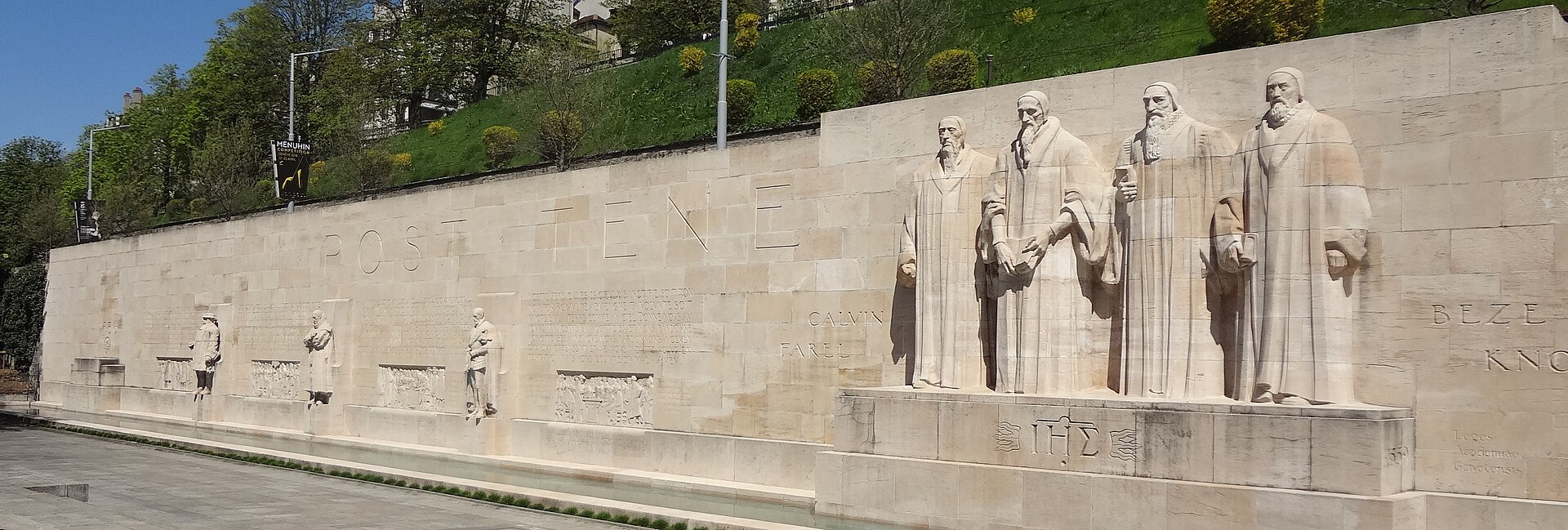
At the very edge of the park rises the imposing Mur des Réformateurs, or Reformation Wall. This venerable monument from 1909, over a hundred metres long, grandly celebrates the leading historical figures of Calvinism. In striking larger-than-life proportions, master craftsmen carved into the hard stone the statues of John Calvin, Guillaume Farel, Theodore Beza and John Knox. Entry to both the park and the monument is completely free, and in the winter months a beautiful public ice rink with a magical atmosphere is set up right in front of the wall.
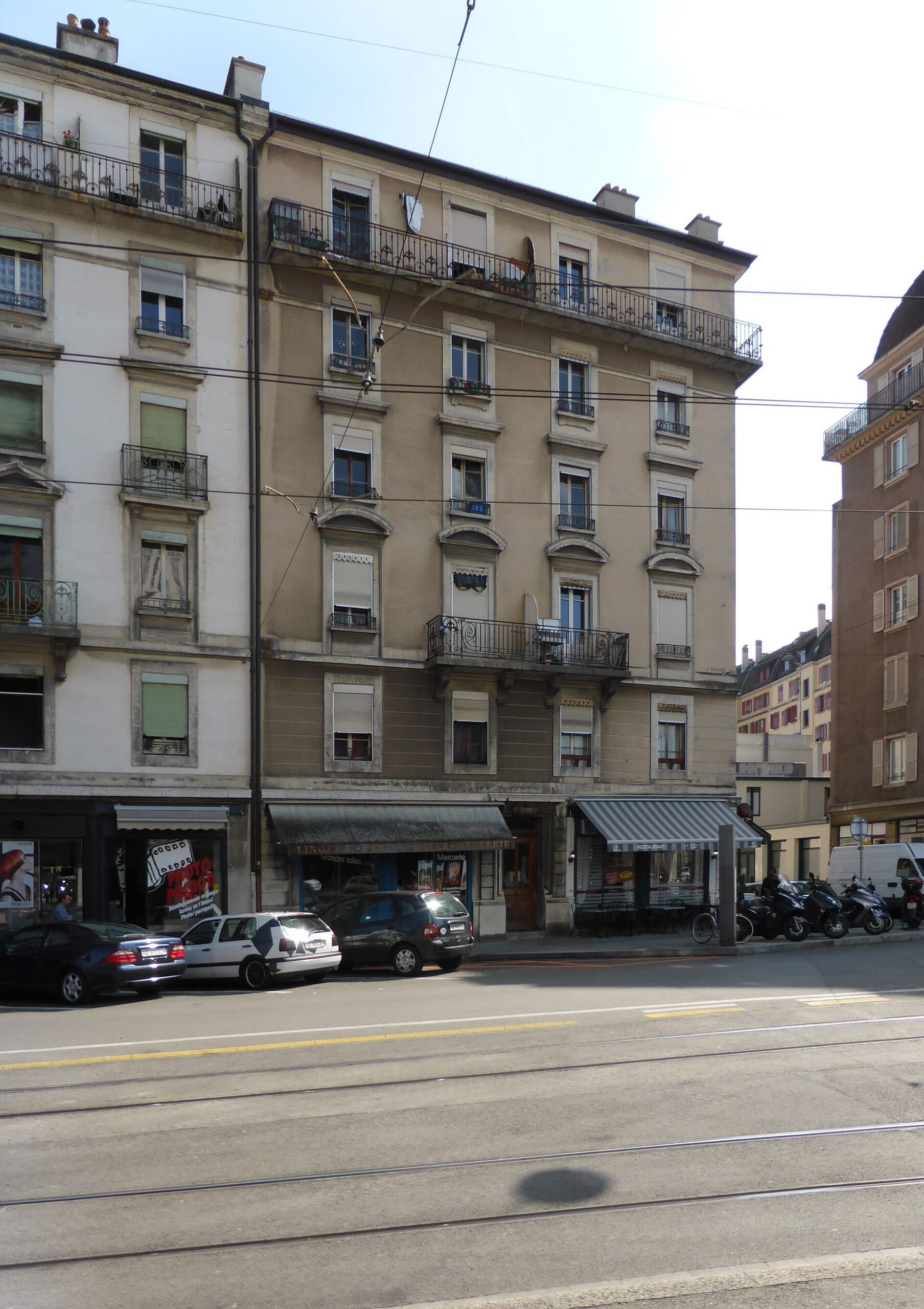

12. Carouge: A Sardinian District with a Bohemian Soul
Hop on tram number 12 or 18 right in the centre and within a few minutes you’ll cross the river Arve and find yourself in a completely different, surprisingly southern world. Carouge is actually a separate little town that the Kingdom of Sardinia built from scratch in the 18th century as a direct rival to wealthy Geneva. The architecture here is reminiscent of sunny Italy or the Mediterranean at every turn. Low houses with colourful wooden shutters hide gorgeous green courtyards and small romantic gardens.
Today Carouge is fondly nicknamed Geneva’s Greenwich Village. Around the main street, Rue Saint-Joseph, you’ll find dozens of small artisan studios, jewellers, cafés and stylish vintage boutiques. Every Wednesday and Saturday morning, traditional markets selling local produce take place on the picturesque Place du Marché, with a history stretching back an impressive 300 years. If you’re looking for a great laid-back drink or an intimate jazz concert in the evening, head to Rue Vautier, where things buzz with life late into the night.
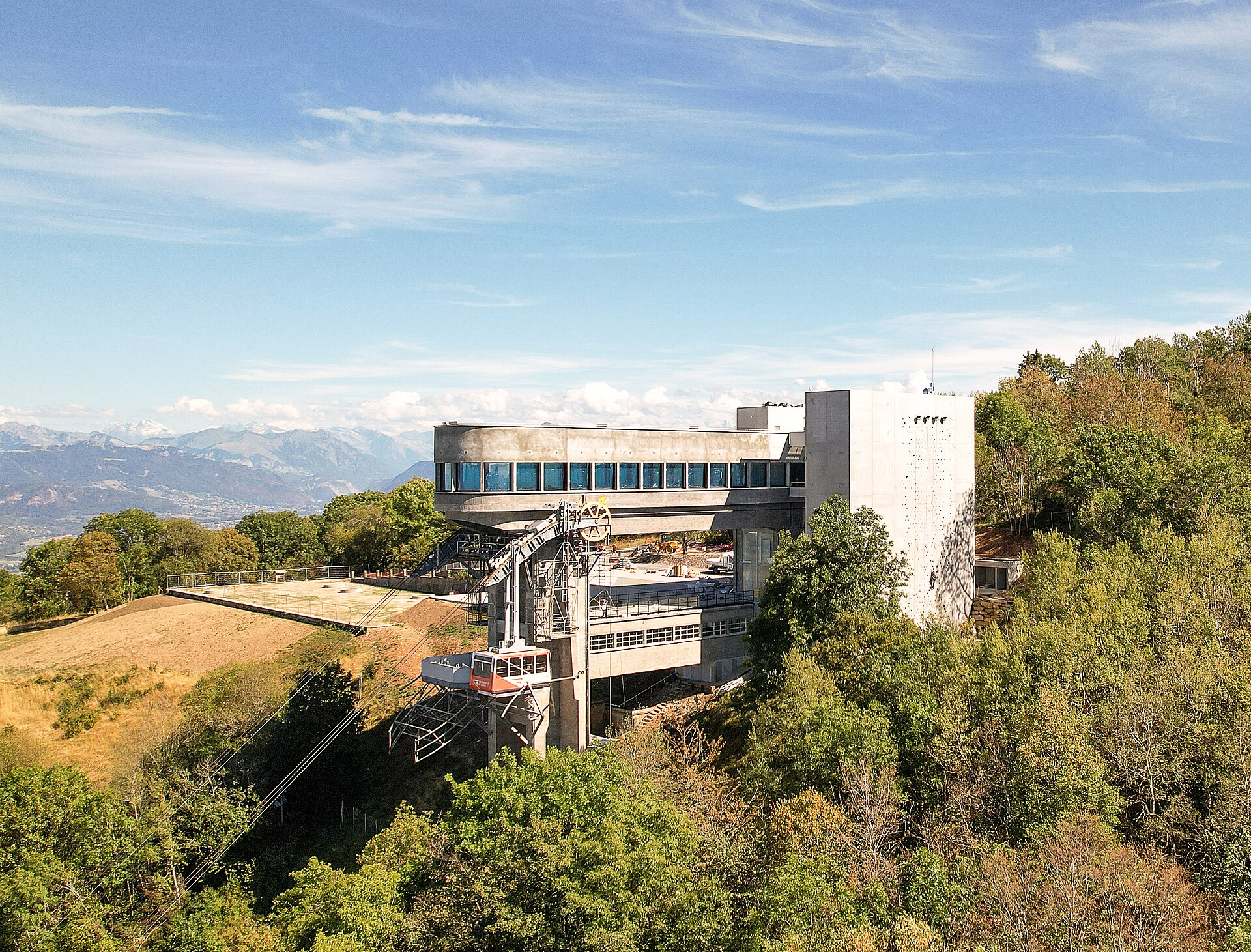
13. The Cable Car up Mont Salève (Careful, You’re in France!)
Although the Mont Salève massif is affectionately nicknamed Geneva’s home mountain, geographically this ridge already lies just across the border. The comfortable bus number 8 will take you to the Veyrier-Douane stop, from where it’s only a feeble ten-minute walk to the lower station of the older cable car. But here’s where one absolutely crucial warning awaits you. You’re crossing a closely watched national border into France, so you must carry a valid ID document (national ID card or passport), and payment here is exclusively in euros, not francs.
A return ticket for an adult costs €18 (one-way €13) and within a few minutes it whisks you up to an altitude of 1,100 metres — and the view from the top is genuinely worth it. You’ll see the whole glittering city of Geneva laid out before you, the enormous lake far below, and on the other side the breathtaking white Mont Blanc massif rising up. At the top you’ll find a rich network of well-marked hiking trails, excellent mountain restaurants, and you’ll often spot paragliders circling overhead. The cable car runs reliably every day in summer, but in winter its operation is limited to just a few selected days a week, so it’s best to check the times online.
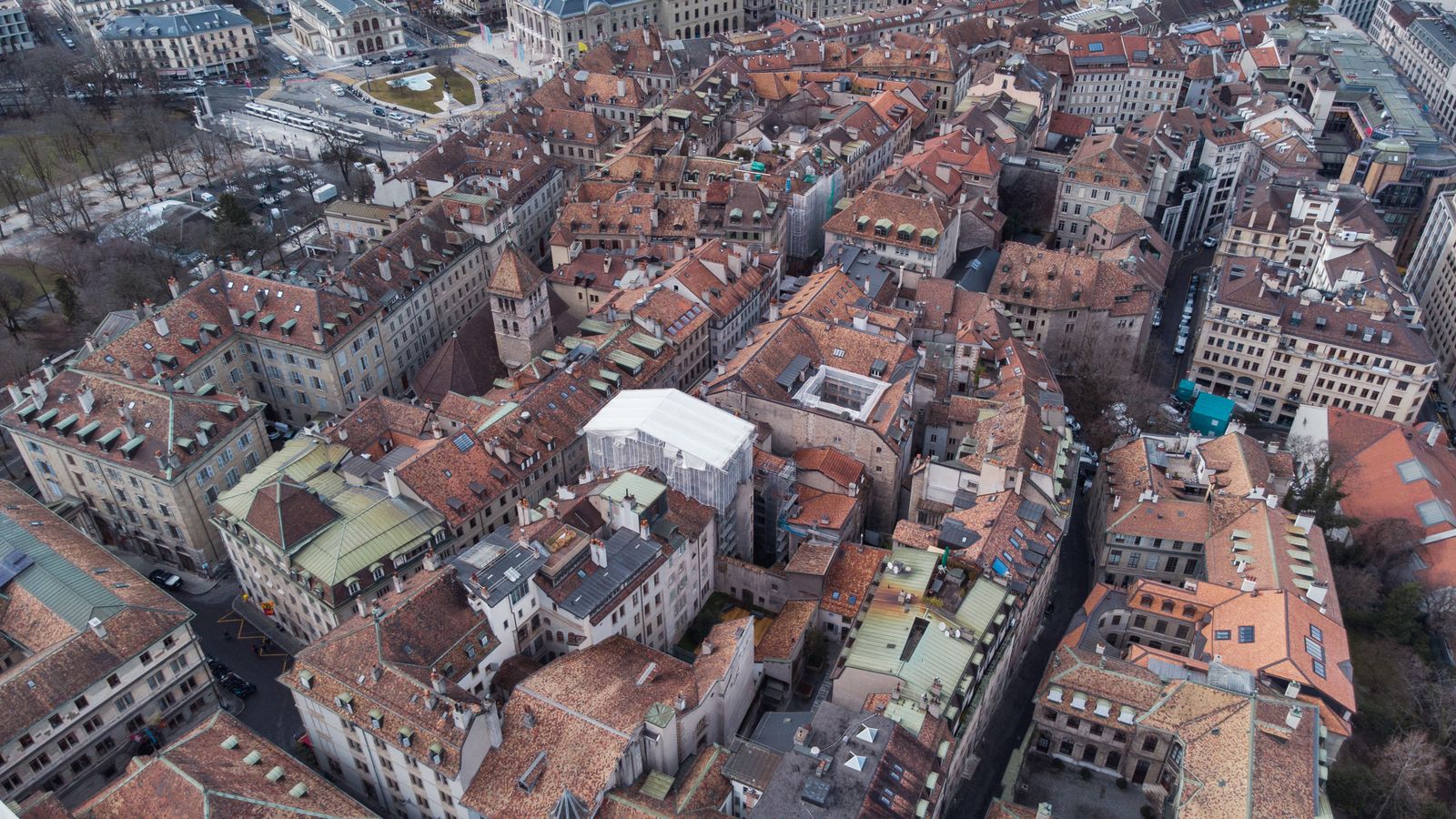
14. Chocolate Heaven: Favarger and Stettler
What would a proper trip to wealthy Switzerland be without a hearty dose of quality chocolate? Geneva itself is home to several world-famous family chocolatiers with long histories. One of the very oldest is Favarger, which has been making the finest sweets since 1826. Their big factory is in nearby Versoix, but you’ll find a beautifully fragrant boutique right in the city centre by the lake. Another absolute legend is the chocolatier Stettler & Castrischer, which in the past became famous for producing pavés de Genève, or traditional Geneva cobblestones. These are incredibly delicate chocolate cubes made from the finest ganache, dusted with cocoa, which melt away on your tongue.
If you want to take your chocolate discovery seriously and do it justice, I’d recommend buying a special Choco Pass through the main tourist information centre. For 40 CHF you get a tasting pass that lets you visit five partner chocolatiers within 24 hours, with a generous tasting of their best products at each one. Honestly, 40 CHF for an all-day chocolate marathon? That’s practically free in Geneva. 😁
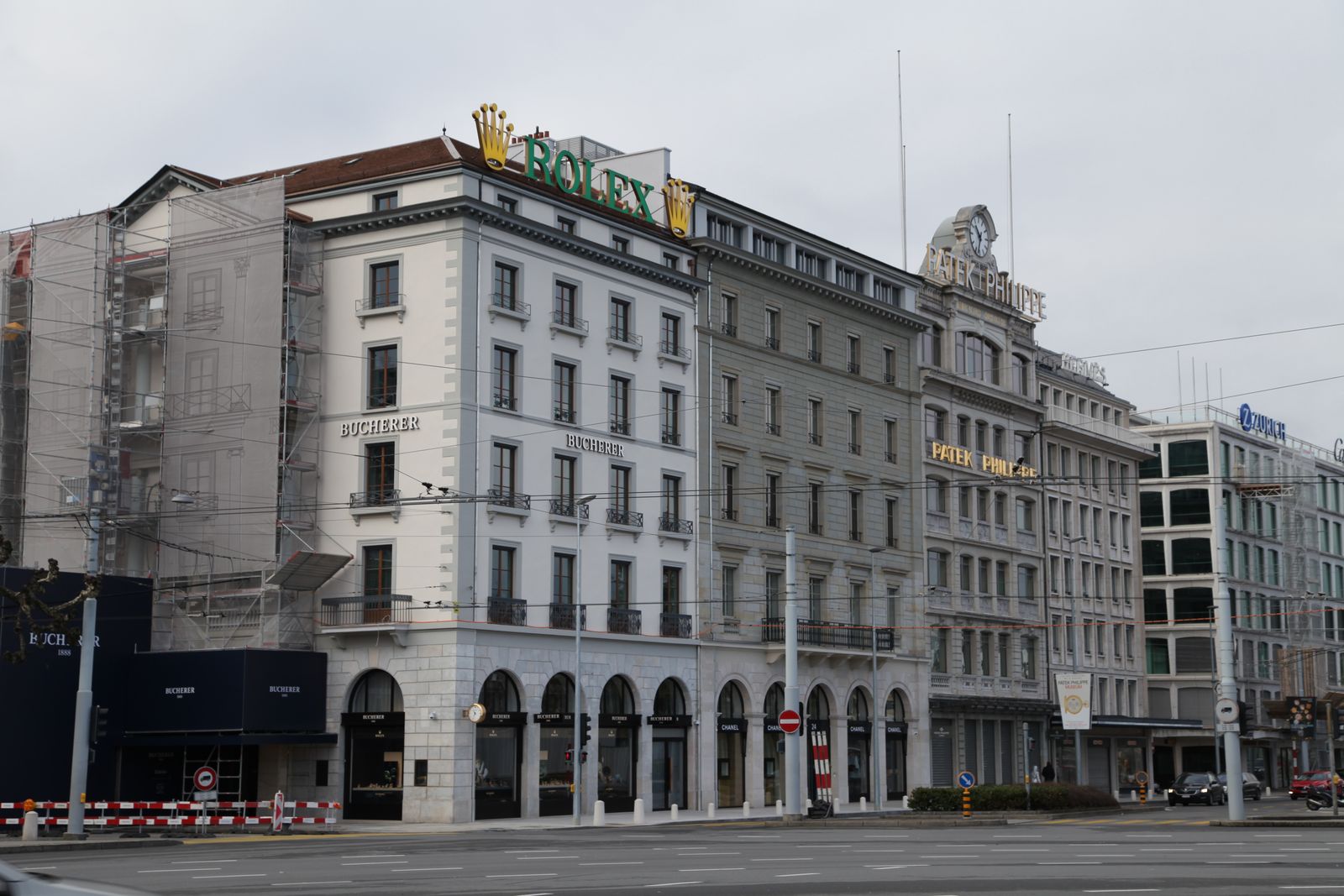
15. Patek Philippe Museum: A Temple of Luxury Watches
Even if you’re not exactly planning to buy a luxury watch worth a small fortune on your trip, you definitely shouldn’t miss a visit to this gorgeous museum. The elegant four-storey building in the Plainpalais district holds one of the very largest and historically most valuable watch collections in the entire world. During the tour you’ll delve into the intricate history of Swiss watchmaking from the 16th century right up to the absolute cutting edge of the present day, and you’ll see with your own eyes the most complicated pocket watch in the world, the famous Calibre 89.
Admission for an adult visitor is, by local standards, a very reasonable 10 CHF (around €11), while children and young people under 18 even get in completely free, which makes the museum a great family destination. Watch out for the very unusual opening hours, though. The museum is open to the general public from Tuesday to Friday, but surprisingly only in the afternoon, from 14:00 to 18:00. On Saturday it’s open all day, but on Sunday and Monday the building is firmly closed.
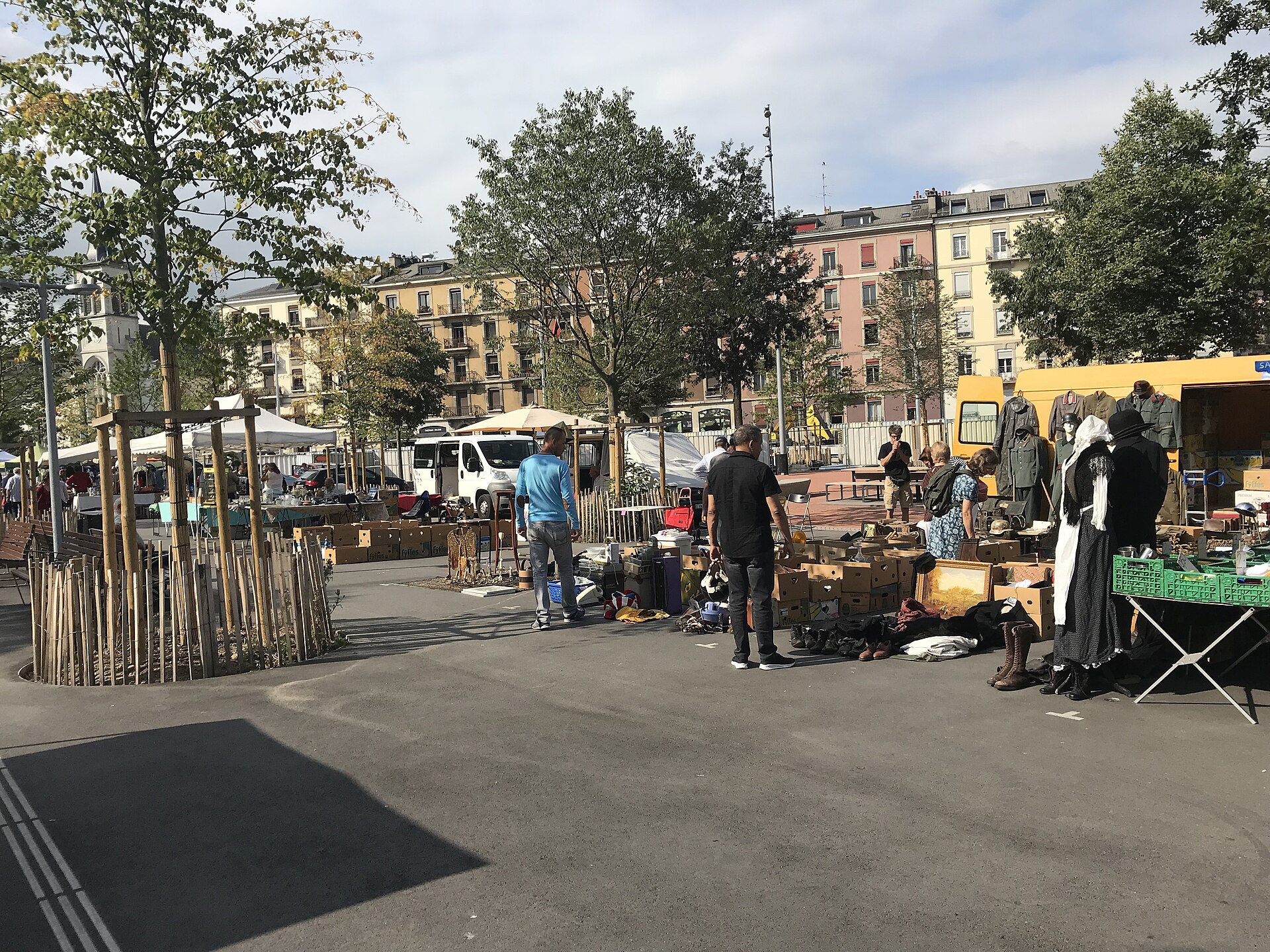
16. Markets on Plainpalais: A Paradise for Collectors and Foodies Alike
The huge, irregular diamond-shaped expanse of the Plaine de Plainpalais transforms several times a week, as if by magic, into a buzzing and very lively marketplace. Every Wednesday, Saturday and the first Sunday of the month, the biggest flea market in all of Geneva takes place here, and indeed one of the largest and most celebrated in Switzerland. Almost three hundred crammed stalls sell everything from valuable antique furniture and luxury vintage clothing to second-hand old bikes and gorgeous leather-bound books. Haggling over prices isn’t as aggressive or commonplace as somewhere in southern Europe, but it’s certainly worth giving it a friendly go.
On Tuesdays and Fridays, the plain instead turns into a giant fragrant farmers’ market full of fresh cheeses, crunchy vegetables and renowned local produce. All around the square you’ll also find great, modern vegan and vegetarian spots packed with students. If you get hungry while exploring, pop into the popular trendy café Ou Bien Encore for its famous gluten-free pastries, or try the excellent lunchtime menu at the friendly Café Mutin with a clear conscience.
Map of points of interest for your phone
Where to Eat in Geneva
Geneva and cheap dining? At first glance, that might sound like the perfect oxymoron. Restaurants here really are among the most expensive in Europe, and for a perfectly ordinary dinner at an average place you can easily drop around 40 CHF (around €43) per person. Even so, there are some very pleasant ways to enjoy the city’s superb food scene without bankrupting yourself. You just need to know exactly where to head and what to watch out for.
What’s more, the city is incredibly cosmopolitan, so you’ll find practically the whole world on your plate. From traditional hearty Swiss cheese specialities and authentic Italian pizza made by immigrants to modern vegan bistros, there really is something for everyone here, even demanding gourmands.
Legendary Cheese Fondue and Markets
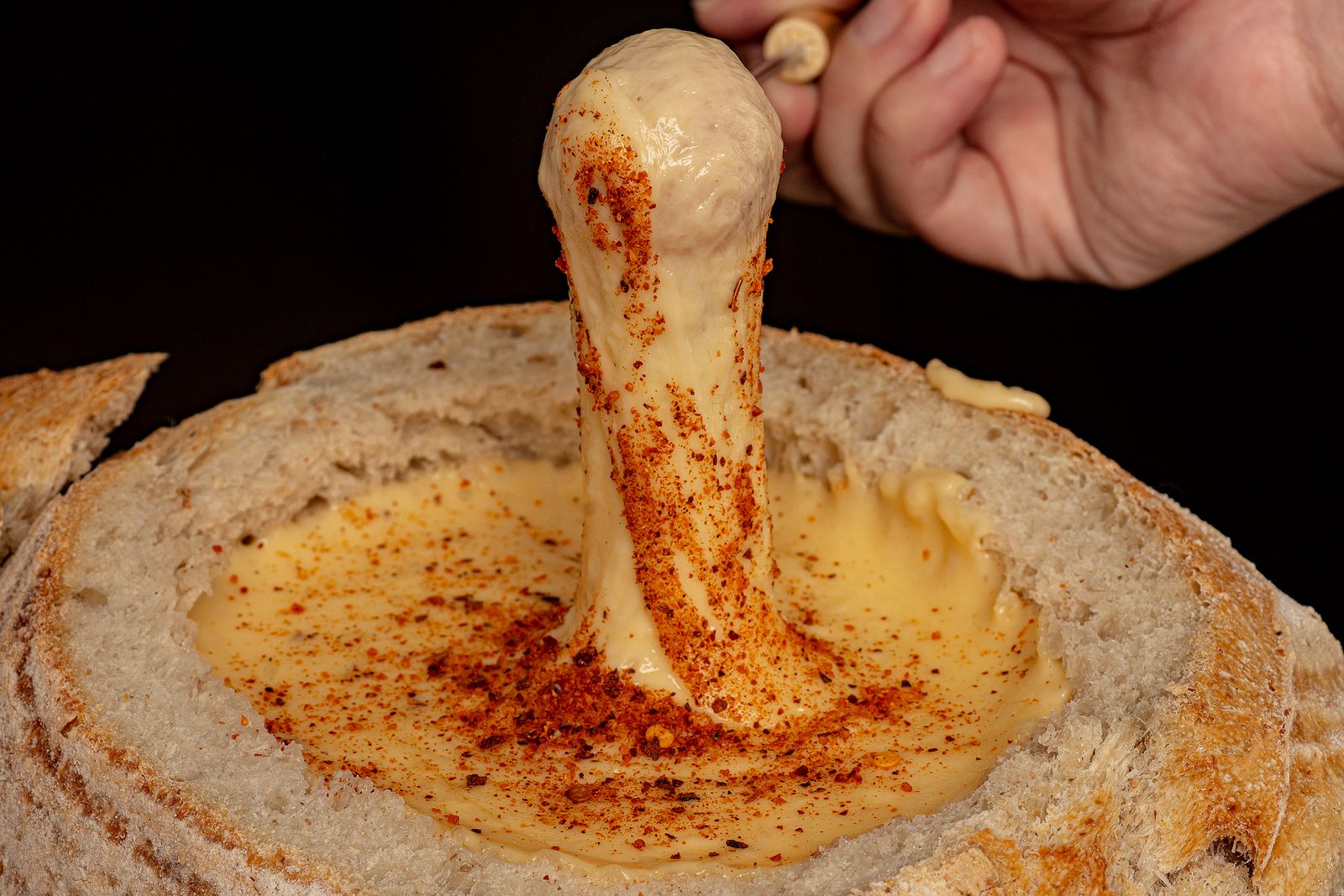
As I mentioned in more detail in the tip about the city baths, an absolute culinary must is a visit to Buvette des Bains right on the Bains des Pâquis pier. If you’re after the best ratio of price to a genuinely authentic local experience, head straight here. Their famous cheese fondue will set you back around 25 CHF, which by Geneva standards is a small miracle. Bubbling quality cheese, lots of fresh bread for dipping and a beautiful view of the evening lake make for a perfect combination you won’t forget in a hurry.
Bear in mind, though, that this place is enormously popular not only with curious tourists but also with local bankers and students who flock here by the hundred after work. Without a reservation in advance you simply won’t get a table in the evening, so secure your spot in good time. Another great rescue option is the street farmers’ markets on Plainpalais, where on Tuesdays and Fridays you can grab fantastic fresh filled baguettes and slices of quiche right in your hand.
Saviours by the Name of Supermarkets and the Daily Menu
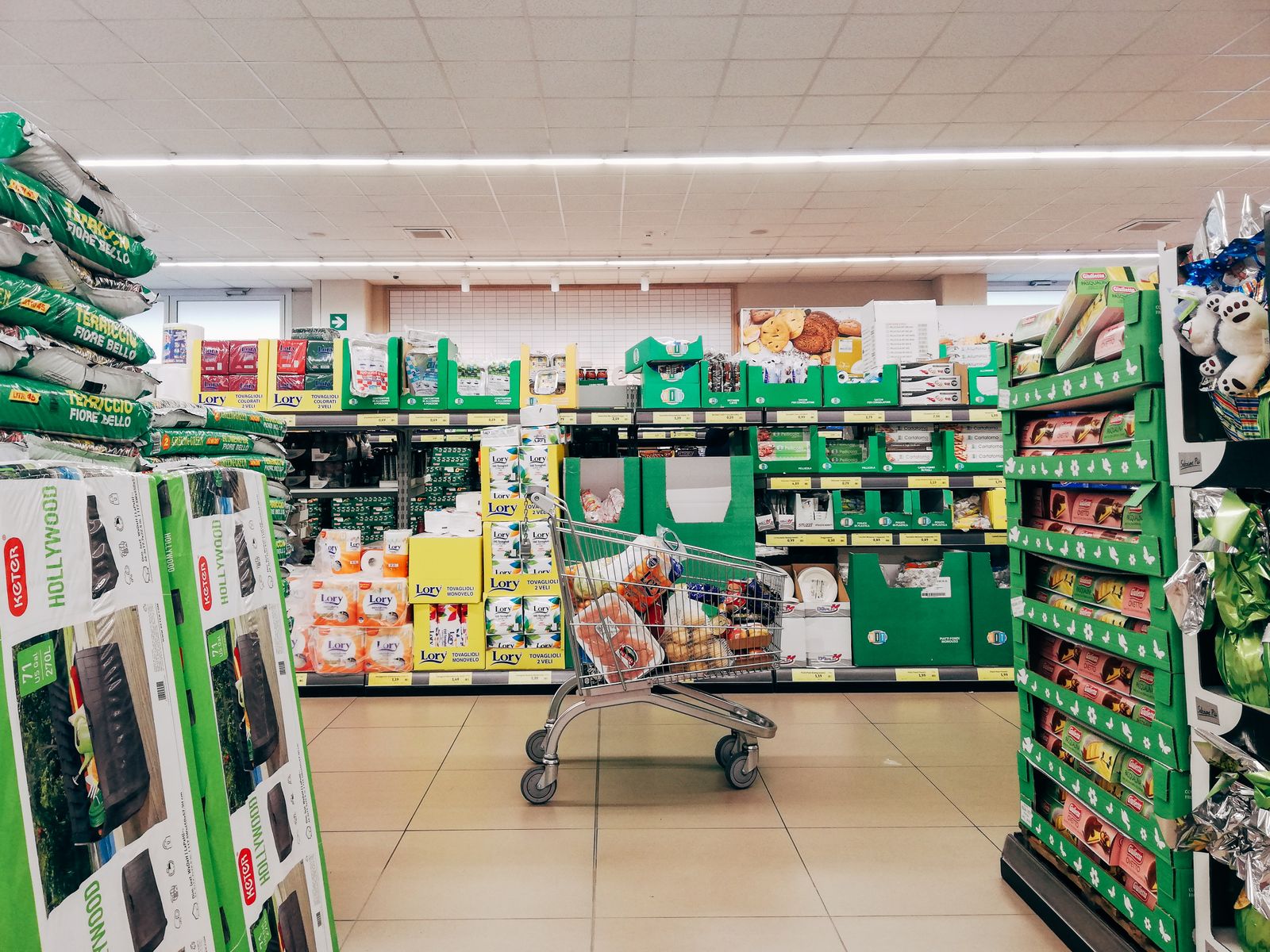
When you need to grab a quick and relatively cheap bite right in the middle of exploring the city, modern supermarkets like Migros and Coop will be your best friends throughout your stay. Their larger branches in particular, which you’ll typically find near the station or in the lower floors of shopping centres, have huge hot-food sections, generous salad bars and excellent fresh sandwiches made on the spot. Just buy your lunch in a paper box and head out to eat it on a bench in the nearest park, exactly the way the locals love to do.
If you do want to sit down at a nice restaurant and enjoy proper table service, though, always look for an offer in the window with the words plat du jour, meaning the daily or lunchtime menu. Most popular spots, including those around the bohemian Carouge district, offer specially discounted dishes at lunchtime that are usually delicious and very generously portioned. In the evening, sadly, prices everywhere shoot up uncompromisingly to standard high Swiss rates.
Where to Go from Geneva and Day Trip Ideas
Geneva has the huge strategic advantage of sitting right on the border between Switzerland and France, so it makes for a perfect base for further day trips. About 40 minutes away by comfortable direct bus lies the gorgeous, historic French town of Annecy. It’s rightly called the Venice of the Alps, and a long romantic stroll along its winding canals with their crystal-clear turquoise water is straight out of a fairy tale. Another huge nearby draw is the famous mountain resort of Chamonix and the majestic snow-capped Mont Blanc.
You can easily book a trip to both of these spots through GetYourGuide — just be aware that the often-offered combined tours that squeeze both towns into a single day tend to be very rushed, leaving you without enough time to properly soak up the beauty on the spot. If you have the chance, it’s better to set aside a proper full day for each place.
If you’d like to stick strictly to Switzerland and you’re interested in more places worth exploring, definitely take a peek at our other guides that we’ve prepared on the blog:
- Switzerland Holiday: 19 Tips on Where to Go and What to See
- Bern: What to See in the Swiss Capital
- Zermatt and the Matterhorn: What to See and Do
- Annecy: What to See in the Venice of the Alps
 🚗 Car rental on the road
Verified rental cars in Switzerland
🚗 Car rental on the road
Verified rental cars in Switzerland
Search with the DiscoverCars comparison engine — it compares prices from dozens of local and international rental companies, and most bookings come with free cancellation.
Compare car prices in Switzerland →Frequently Asked Questions
Here you’ll find answers to the most common questions I get about planning a visit to Geneva. These are the most important practical bits and pieces that will reliably save you a load of time, nerves and money on your budget once you’re there.
What to see in Geneva in 1 day?
Start early in the morning at the iconic Jet d’Eau fountain, from where you can smoothly move along the shore to the cobbled old town to the St-Pierre Cathedral and climb its tower for the best morning view. Then run downhill to see the famous Flower Clock and as a reward, take a yellow Mouettes boat across the sparkling lake to the Bains des Pâquis city baths, where you can have a great lunch. In the afternoon, head out by tram either to the diplomatic quarter to the Palais des Nations and the Broken Chair statue, or dive into the mysteries of the universe at the modern CERN centre. However, both of these afternoon stops absolutely require advance online booking, so you need to plan your itinerary ahead of time.
Is Geneva expensive and how to save money there?
Yes, it’s consistently one of the most expensive cities in the world, and a regular dinner at an average restaurant will easily cost you 35 to 50 CHF (€36 to €52) per person. A trip here can get quite pricey if you don’t prepare and take advantage of the local perks offered by the city itself. You’ll save most reliably with the free Geneva Transport Card, which means you won’t pay a single franc for any public transport throughout your entire stay. Instead of sitting in restaurants, it’s better to buy fresh and much cheaper food at Migros and Coop supermarkets, and always carry your own water bottle with you. There are drinking fountains with the purest quality mountain water everywhere.
Can you visit CERN and how much does it cost?
The great news is that the new and super-modern CERN Science Gateway visitor centre is completely free for all visitors from around the world. You just need to complete a simple online registration on their website, which is available up to a month in advance, and you can explore the interactive exhibitions. Guided tours directly underground and into the actual testing laboratories are also free, but only about 10 percent of all visitors get access to them through a special digital application that only works on-site. Those who arrive early in the morning right at opening time have by far the best chance of getting on a tour with a scientist.
How does the free Geneva Transport Card work?
The rules are very generous. Anyone who legally stays in an official hotel, hostel or even a campsite anywhere in the Canton of Geneva is fully entitled to this card. It simply arrives electronically to your email a few days before arrival and you download it to your phone. It’s then valid for unlimited travel on all buses, trams, trains in zone 10 and on the cute yellow Mouettes boats. Additionally, a fast train runs from the airport to the centre, for which you can print a free one-time 80-minute ticket from a machine right in the hall where you wait for your luggage.
How many days to set aside for Geneva?
The historic city center, lakeside parks, and main sights will easily take you one to two days of walking. The city is quite compact and thanks to excellent public transport you can get everywhere very quickly. However, Geneva is an absolutely brilliant strategic base for exploring the surrounding area, so I warmly recommend setting aside three days total for your trip and dedicating the third day to a beautiful excursion. You could head to historic French Annecy, take the cable car up Mont Blanc, or visit the gorgeous sun-drenched Swiss wine terraces of Lavaux near Lausanne.
Can you swim in Geneva and in the lake?
Absolutely yes, and the locals do it with enormous enthusiasm! During the summer months, the crystal-clear Lake Geneva has a pleasant 20 to 24 degrees and the beaches are bursting at the seams. The absolute best spot for swimming and sunbathing is the iconic city baths Bains des Pâquis, where you’ll pay only a symbolic 2 CHF for all-day entry. In winter, there’s a popular outdoor sauna and steam-scented hammam for cold water swimmers and heat lovers, with the option of a bracing icy plunge directly into the lake waters – an incredibly cleansing experience that I highly recommend.
Do they accept euros in Geneva?
The official state currency here is the classic Swiss franc (CHF), even though you’re just a few kilometers from the French border. Some larger multinational stores and the busiest tourist spots will eventually accept euros, but they’ll give you change in francs and often at a very unfavorable exchange rate. Nowadays, though, you can pay absolutely without problems everywhere with a contactless card or phone, even for a small coffee at the markets. You’ll really only necessarily need physical euros in cash when you head across the border to the Mont Salève cable car, which is situated purely on French territory.
What language are the UN tours conducted in?
Regular individual and group tours of the sprawling Palais des Nations run as standard under the guidance of experienced guides, always in English or French. You choose your times directly when booking. The requested tickets for 22 EUR need to be booked online immediately, as soon as available slots are released on the 20th of each month for the following month. Latecomers are usually out of luck. And most importantly, don’t forget to bring your valid passport or ID card on the day of the tour – without them, you won’t be allowed into the building past the strict airport-style security check.
Tips and Tricks for Your Vacation
Don’t Overpay for Flights
Search for flights on Kayak. It’s our favorite search engine because it scans the websites of all airlines and always finds the cheapest connection.
Book Your Accommodation Smartly
The best experiences we’ve had when looking for accommodation (from Alaska to Morocco) are with Booking.com, where hotels, apartments, and entire houses are usually the cheapest and most widely available.
Don’t Forget Travel Insurance
Good travel insurance will protect you against illness, accidents, theft, or flight cancellations. We’ve had a few hospital visits abroad, so we know how important it is to have proper insurance arranged.
Where we insure ourselves: SafetyWing (simple monthly subscription) and TrueTraveller (for extra-long trips).
Find the Best Experiences
Get Your Guide is a huge online marketplace where you can book guided walks, trips, skip-the-line tickets, tours, and much more. We always find some extra fun there!