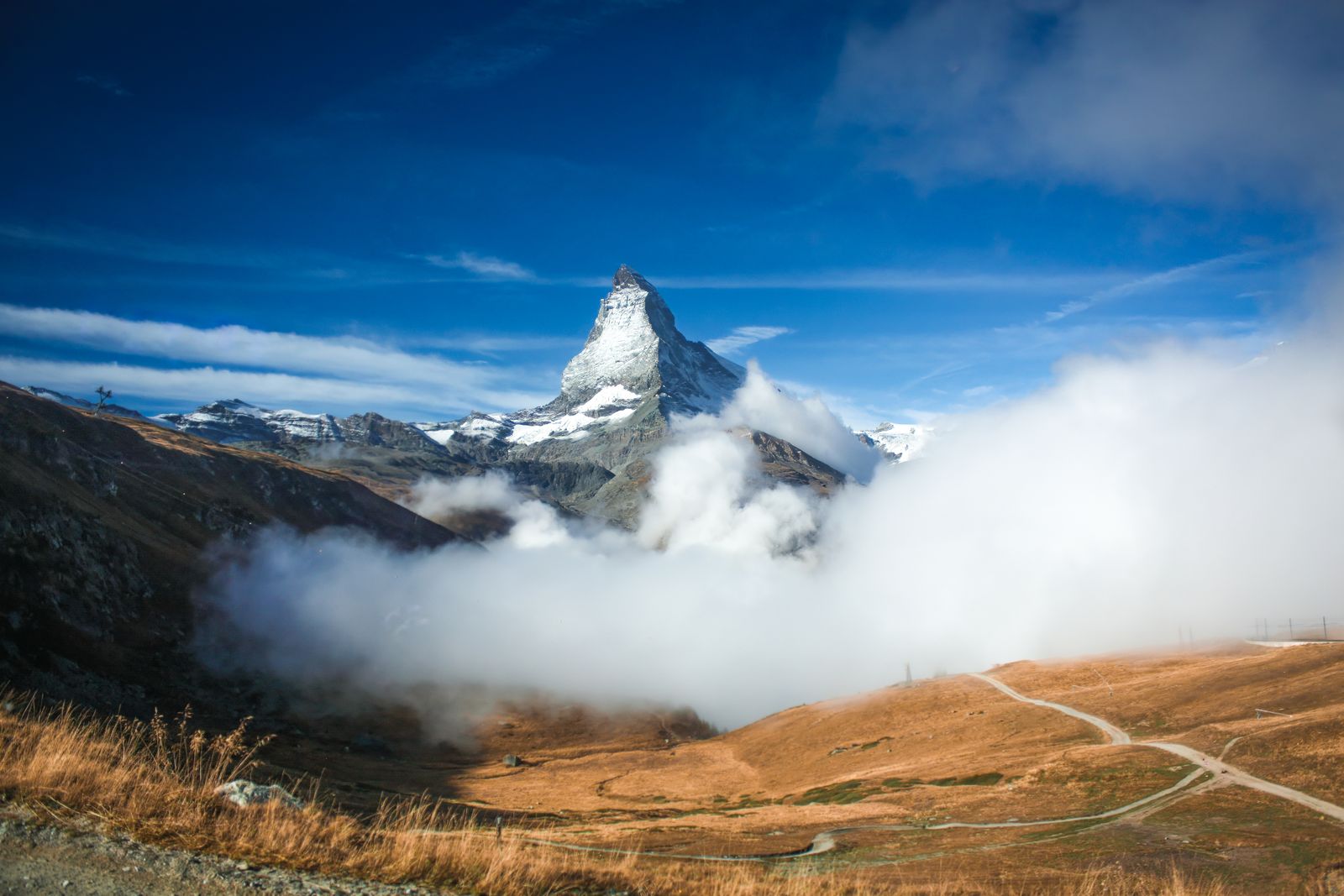
That iconic mountain from the Toblerone chocolate bar is probably the first thing most of us picture when someone mentions Switzerland. Zermatt, Switzerland and its majestic Matterhorn are one of those places that look completely unreal in photos, yet in reality they’re even more breathtaking and monumental.
What’s fascinating is that you aren’t allowed to drive into this famous Alpine village at all, which gives it a wonderfully unique and beautifully calm atmosphere. The trains and cable cars run so precisely that you almost feel like you’re dreaming, or simply like you’re in Switzerland. 😁 And instead of cars, little electric taxis weave quietly between the wooden chalets.
I’ve put together seventeen tips for you, from the highest cable cars in Europe to hidden little lakes that most tourists never even reach from the main path. You’ll also find all the practical info on ticket prices, advice on choosing a strategically located place to stay, and plenty of tips on how not to blow your entire paycheck on this high-mountain holiday.
The full destination guide: Switzerland — guide and what to see
TL;DR
- Zermatt is a car-free zone: You have to leave your car in the huge parking terminal in Täsch and take the shuttle train the rest of the way, which runs every twenty minutes. The terminal is easy to reach via well-signed roads.
- The early bird catches the views: Clouds very often start forming around the Matterhorn’s summit as early as 10 a.m., so head out to all the main viewpoints on the very first morning service.
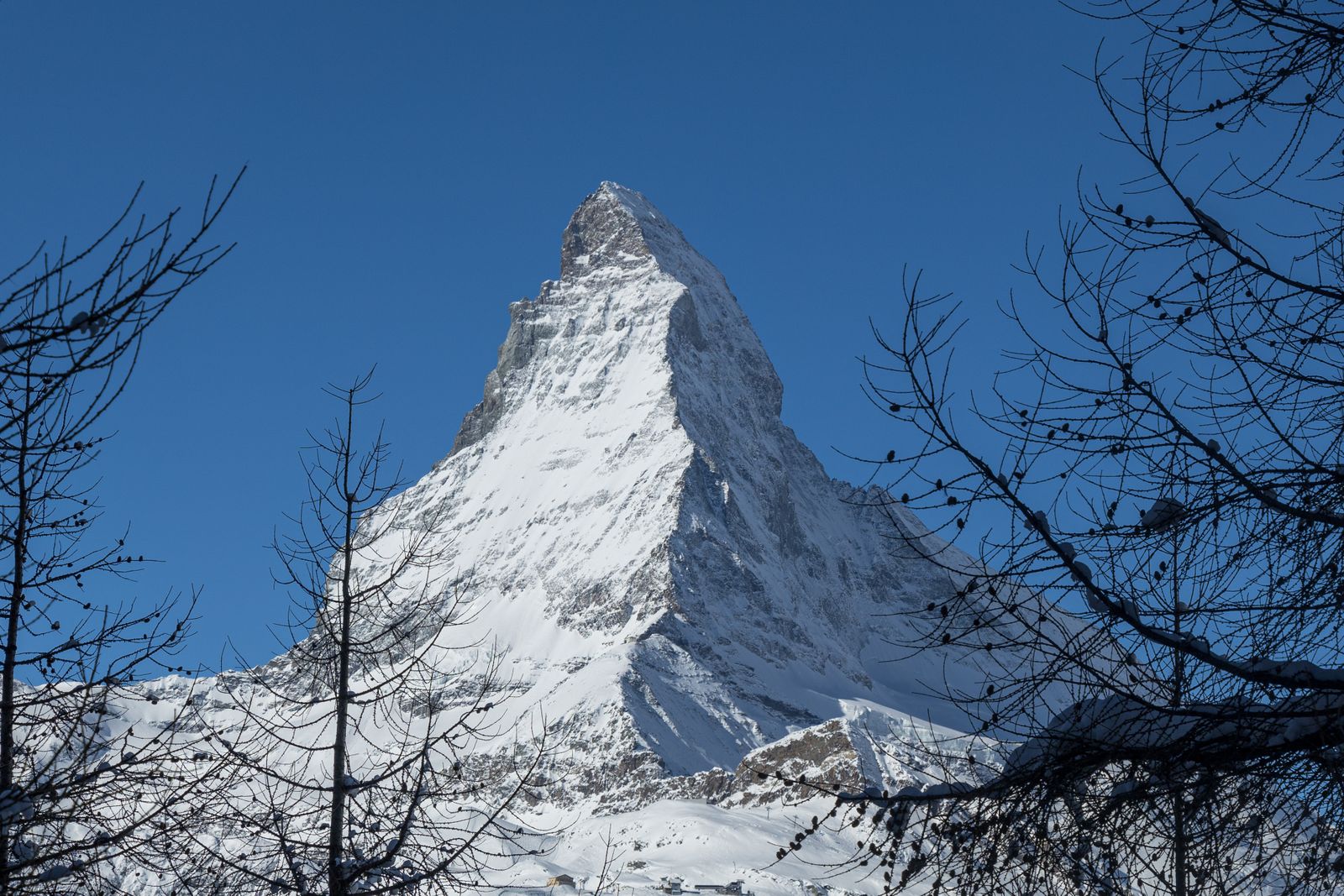
- The best views of the mountain: You’ll capture the prettiest postcard shots from the Gornergrat viewpoint, the Riffelsee lake, or the summit of Rothorn, where you can see the entire mountain.
- Europe’s highest cable car: Matterhorn Glacier Paradise takes you up to 3,883 metres above sea level, where you can stroll through an ice palace or even go skiing in the middle of a hot summer.
- Save with passes: If you’re planning to stay several days and ride the cable cars, definitely work out whether the summer Peak Pass or the year-round Half Fare Card pays off for you.
- Food from Coop: The biggest item in your budget will probably be eating out, but luckily there are Coop and Migros supermarkets here with excellent ready-made meals.
- Book accommodation early: Zermatt is one of the most sought-after destinations in the world and the best hotels tend to sell out months in advance.
When to visit Zermatt and what to expect from the weather
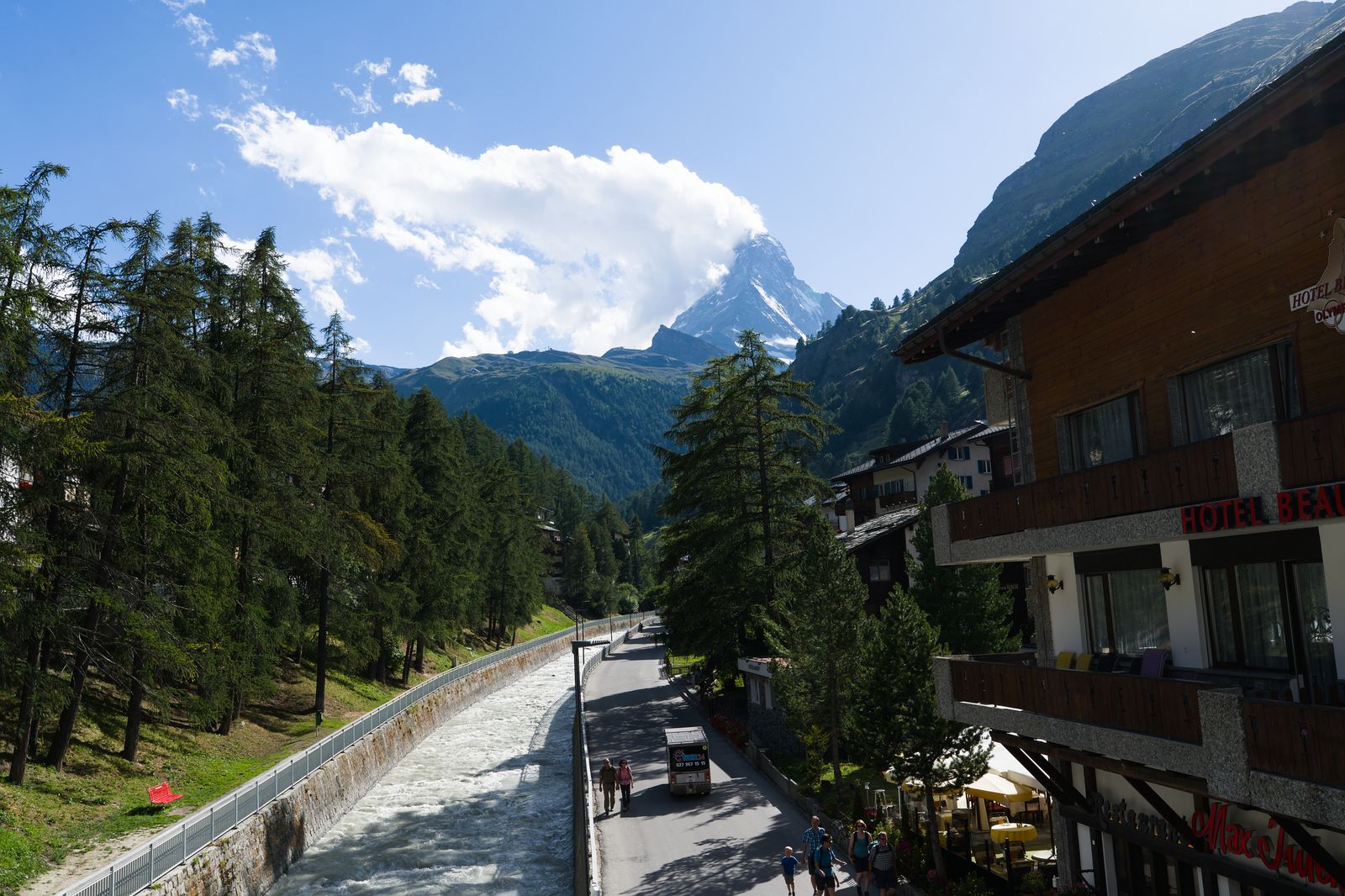
The weather in the Alps can be seriously unpredictable, and for Zermatt that goes double. Your best shot at clear skies is early in the morning, because according to local statistics, clouds start gathering around the Matterhorn’s peak right around 10 a.m. In the summer months, fast-moving mountain storms often roll in during the afternoon, so plan all your important outdoor activities exclusively for the first half of the day. The local webcams are a brilliant helper here, showing you first thing in the morning whether it’s worth buying tickets to go up.
If you’re coming primarily for the high-mountain hiking, the ideal time to visit is summer, from late June to September, when there’s no longer any snow on the trails above 2,500 metres. Just be prepared that July and August are the absolute peak of the season, which means the biggest crowds and the highest dynamic cable car ticket prices.
For those who love peace and quiet, the turn of September into October is an absolutely fantastic choice, when the surrounding larch forests turn unbelievable shades of gold. Winter, from December to April, is a paradise for skiers, but bear in mind that some cable cars have regular maintenance closures in November and in spring. So if you’re travelling off-season, check everything carefully before you go.
Where to stay in Zermatt village
💡 Tip for accommodation and experiences: We like to look for places to stay on Booking.com, which usually has the best cancellation terms. For tickets, tours and activities, it pays to compare and book through GetYourGuide.
Zermatt is famous for selling out well in advance, so definitely don’t leave your Booking reservation until the last minute. The accommodation here ranges from absolute five-star luxury all the way down to simple backpacker hostels, and my advice is to choose mainly based on how close you want to be to the station or the cable cars.
If you’re after something for a truly special occasion and budget isn’t an issue, take a look at The Omnia. It’s a top-tier five-star design hotel rated 9.7, built on a rock right above the centre, with a private lift inside the rock to take you up.
Lovers of beautiful wellness and skiing will definitely appreciate CERVO Mountain Resort, scoring 9.1, which sits right at the bottom of the slope and offers the very best in modern Alpine style. For a happy middle ground, Hotel Pollux is great, a very popular hotel right on the main shopping street, Bahnhofstrasse, with everything just a few steps away.
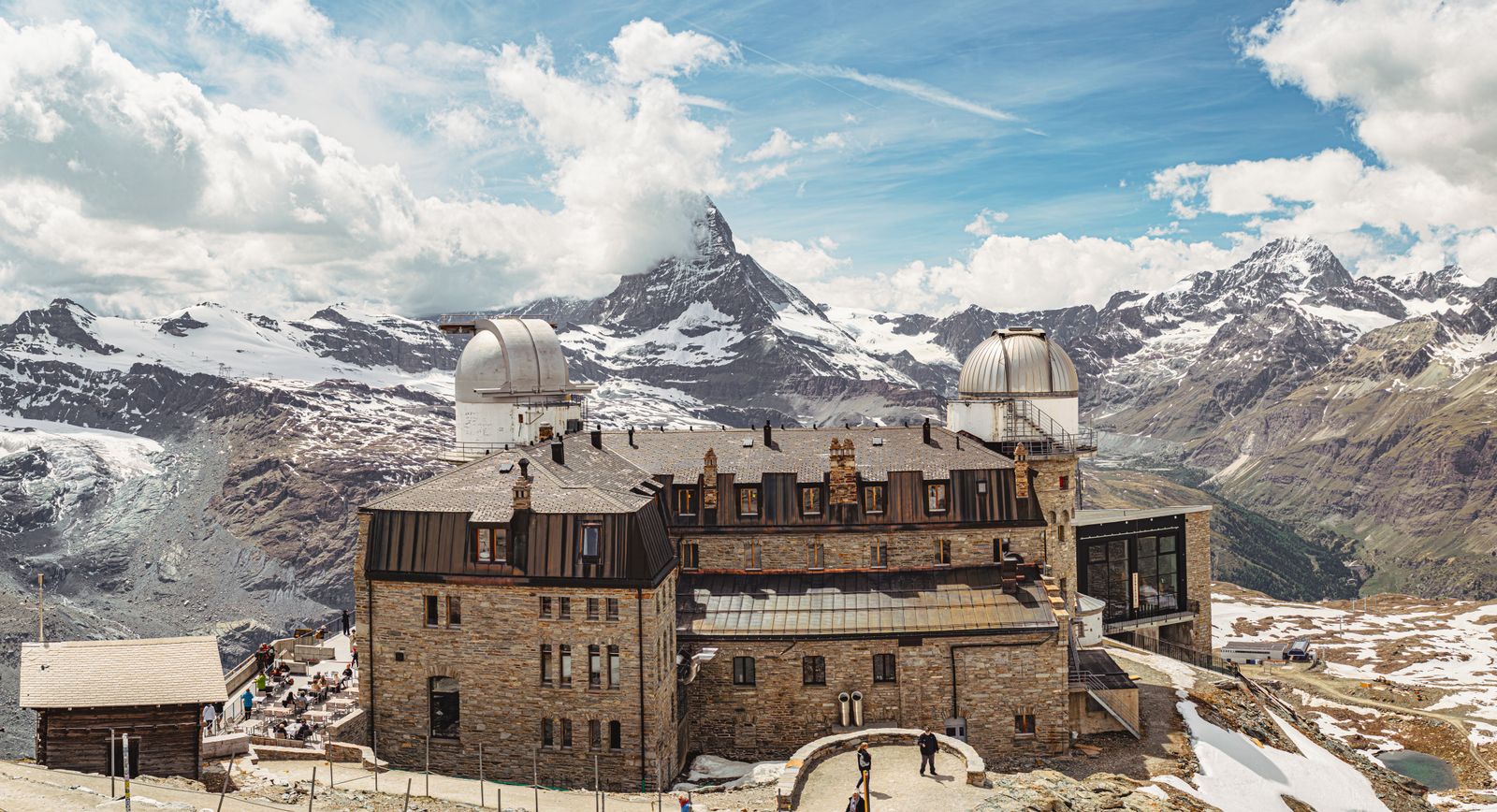
And then there’s 3100 Kulmhotel Gornergrat, the highest-altitude hotel in all of Switzerland. Spending a night at this elevation and stepping outside in the morning for a private sunrise over the Matterhorn while the tourists are still asleep? I rest my case. ☺️
Travellers on a tighter budget, on the other hand, give a lot of praise to Hotel Bahnhof, which offers perfect value for money right across from the main station. And if you’re just looking for the absolute cheapest bed in a shared room, you can try the no-frills Matterhorn Hostel, which does the job purely for a quick overnight stay.
17 things to see and do in Zermatt, Switzerland
There are seventeen tips in total here, but feel free to pick only the ones that suit your pace and your wallet. 😉
1. The Gornergrat cog railway and its breathtaking viewpoint
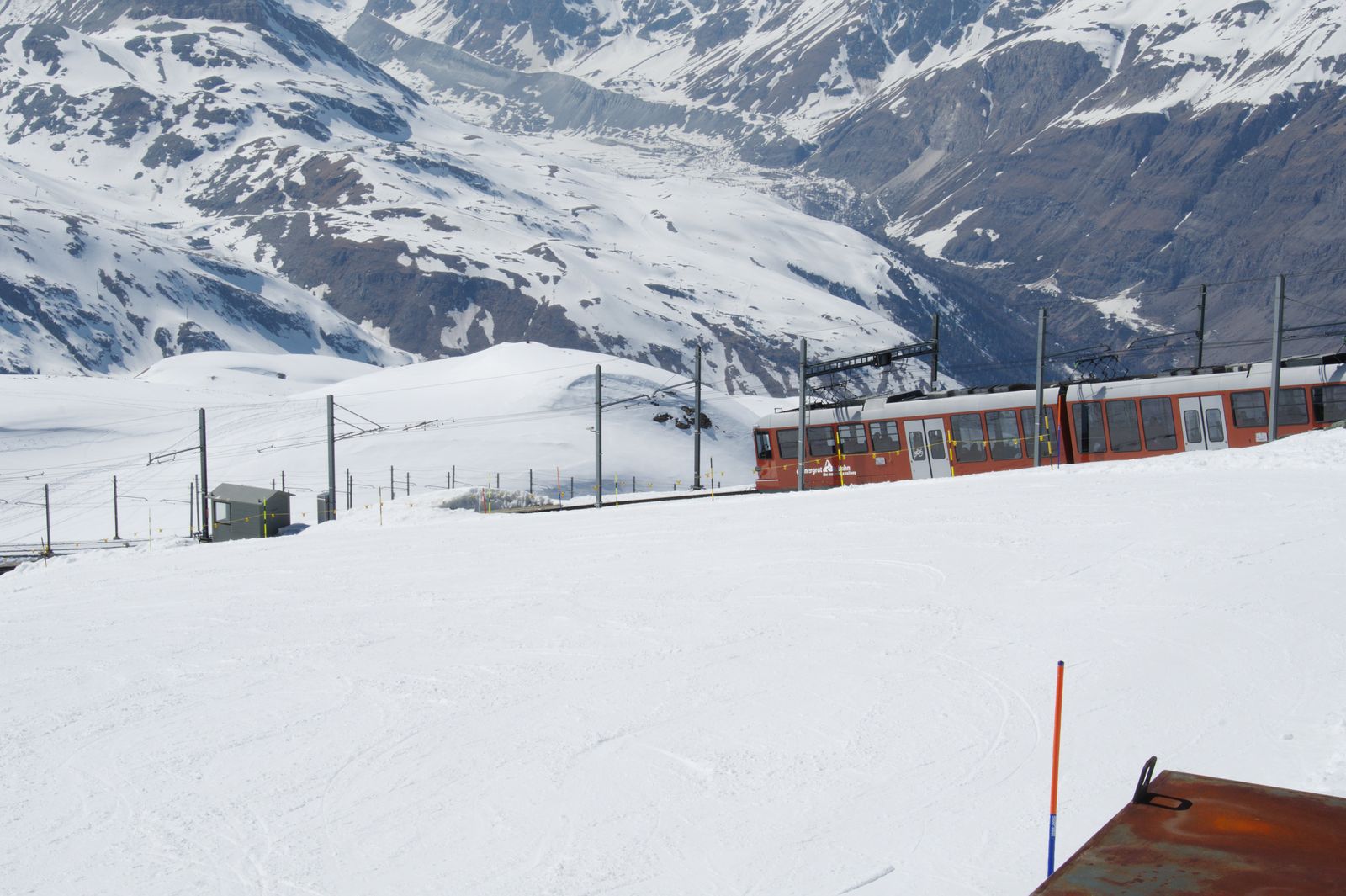
This is an absolute classic that would be a sin to skip on your visit. The historic Gornergratbahn cog railway is the oldest electric rack railway in Switzerland and has been carrying excited travellers from the centre of Zermatt up to 3,089 metres above sea level since 1898. The ride itself takes a little over half an hour, and the whole way up you get absolutely fantastic views of the surrounding Alpine giants. For the best views along the way, try sitting on the right-hand side of the train in the direction of travel, and you’ll have the Matterhorn right in front of you the entire time.
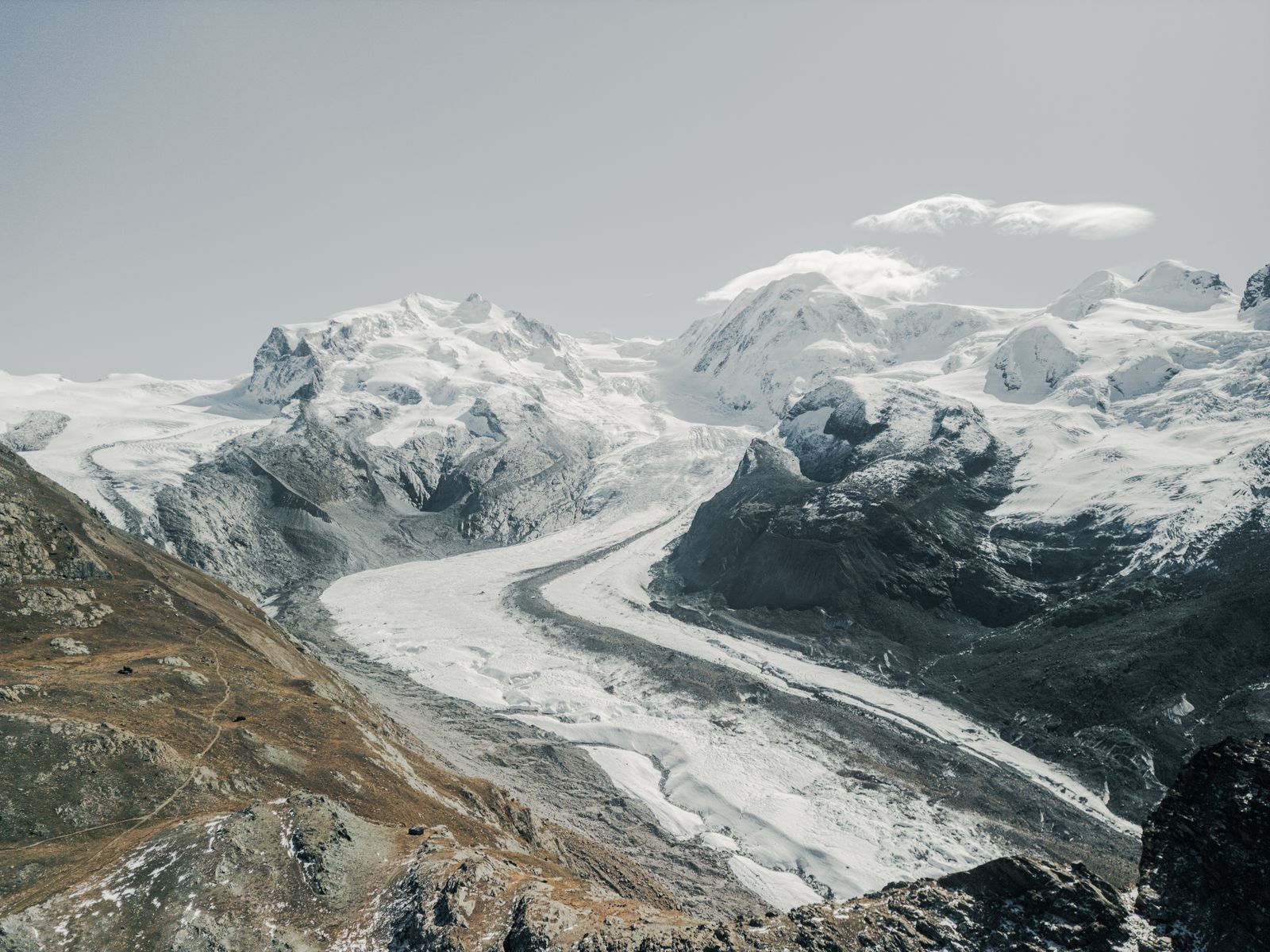
From the upper viewing platform you’ll see no fewer than 29 four-thousand-metre peaks, including the Monte Rosa massif, where Switzerland’s highest mountain, the Dufourspitze, also rises. A return ticket costs 132 CHF (about £120) in the summer season and 96 CHF in winter, but if you hold a Half Fare Card discount card, you’ll pay half that.
💡 Tip: If you want something extra and to avoid the crowds, buy a ticket for the very first morning service, which departs around 7 a.m. It’s best to sort out your tickets in advance on the official gornergrat.ch website, and if you enjoy organised guided tours, you can also check out the packages on GetYourGuide.
2. Riffelsee and the Matterhorn reflection
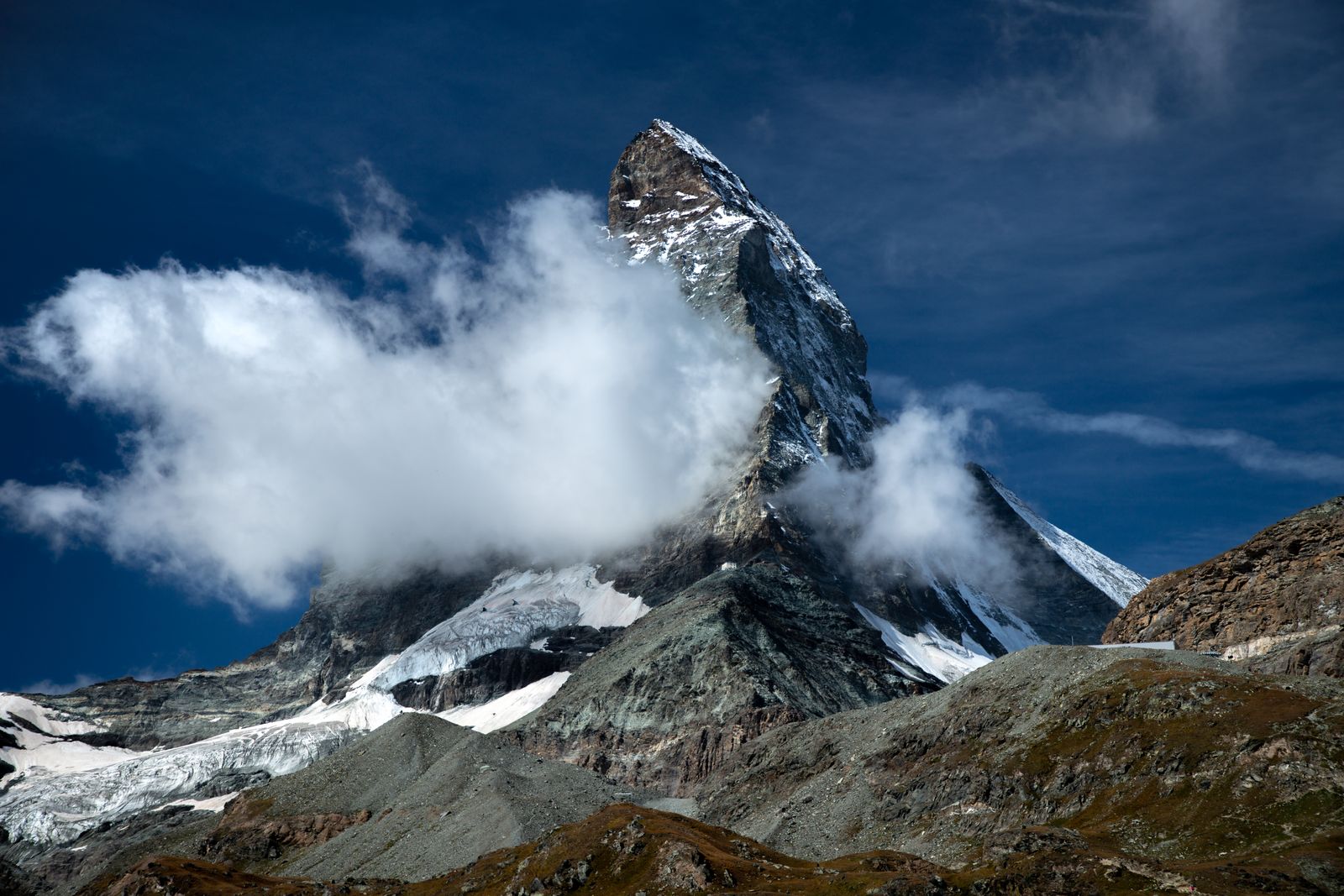
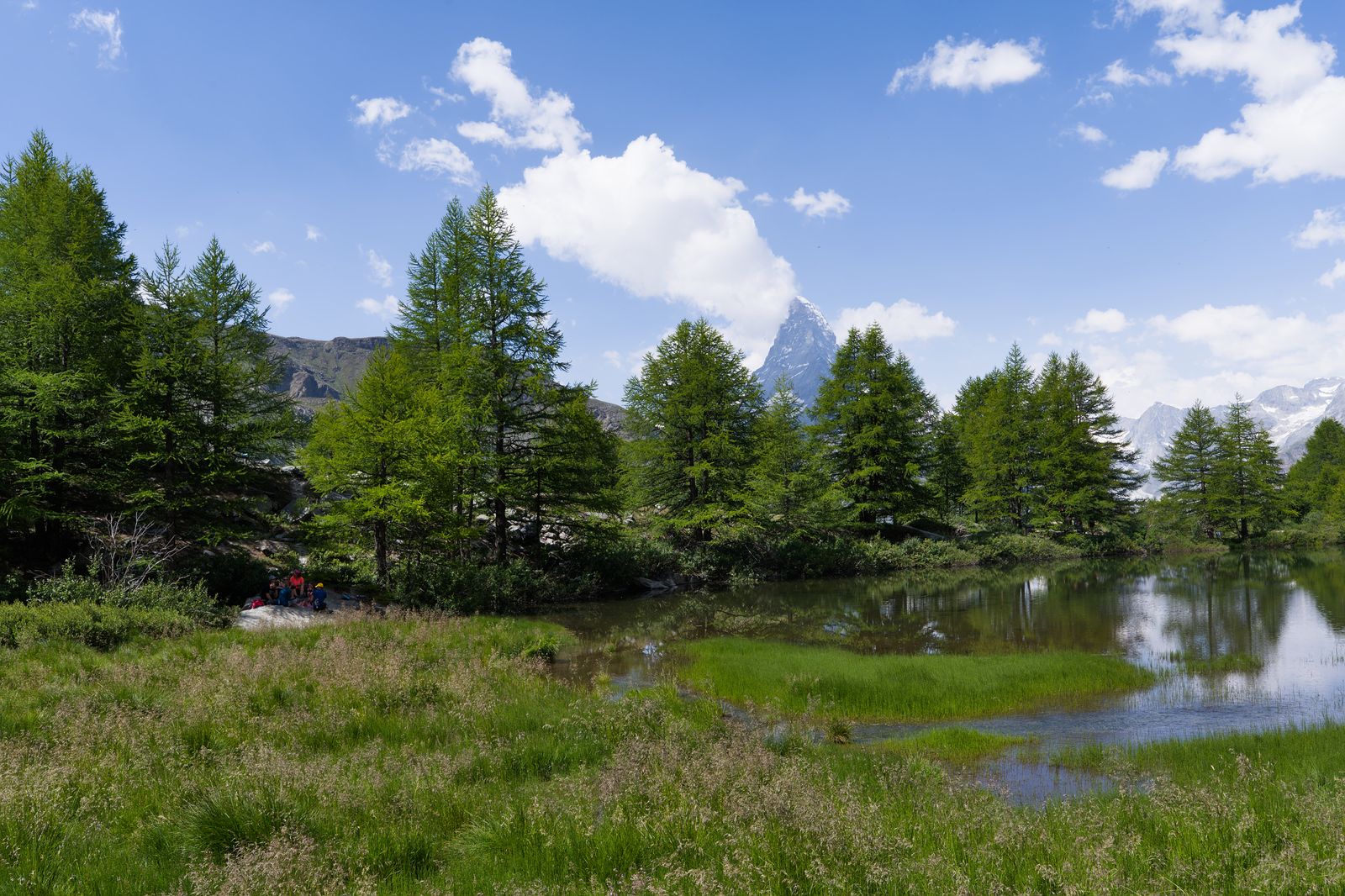
If you’ve ever seen that perfect photo of the Matterhorn mirrored on the calm surface of a mountain lake, it was most likely taken right here. The Riffelsee lake is just a five-minute walk from the Rotenboden train stop, which is the second-to-last station on the cog railway up to Gornergrat.
The best strategy is to head up really early in the morning, get off at Rotenboden station and walk to the lake while there’s no wind and the surface is perfectly still. The mountain’s reflection in the water looks incredibly crisp, and you’ll come away with photos everyone will envy.
After that, you can either continue by train all the way to the Gornergrat summit, or do a roughly forty-minute walk uphill, which offers plenty more beautiful photo spots. The path leads gently uphill and is fairly easy, so even less experienced hikers can manage it.
3. Matterhorn Glacier Paradise
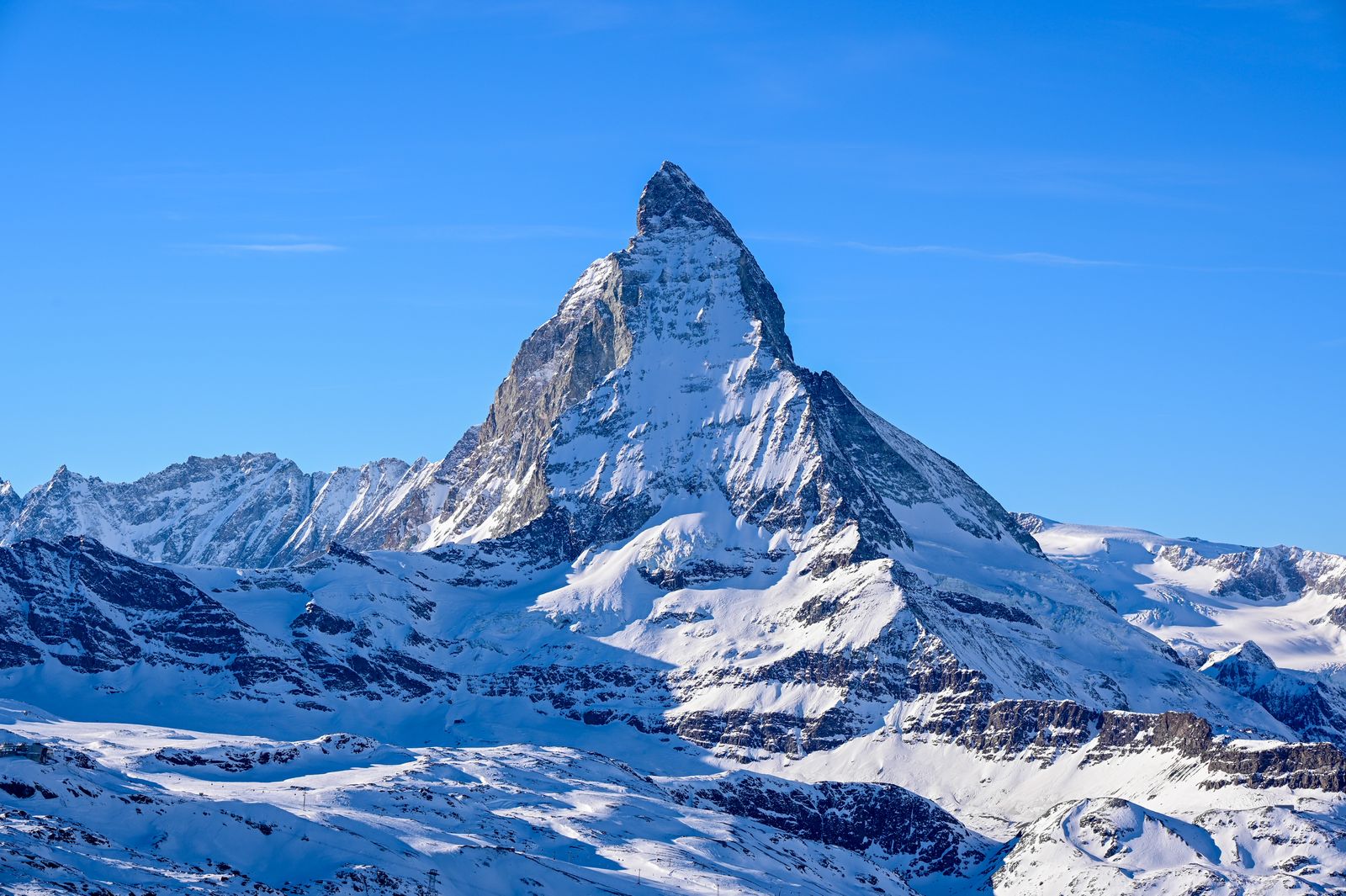
Get ready to find yourself really high up, because Matterhorn Glacier Paradise is the highest cable car station in Europe. It sits at 3,883 metres above sea level, and even just the journey up in the luxurious Crystal Ride cabin with its glass floor is a huge, breathtaking experience.
Ticket prices here are dynamic and change with the season, with a return ticket costing from 207 CHF at the summer peak, while in winter prices start at 143 CHF. At the top there’s a fantastic viewing platform from which, on a clear day, you can see all the way to France’s Mont Blanc, plus an amazing ice palace with sculptures carved directly into the ice.
Just a word of caution: at nearly four thousand metres the air is already significantly thinner, so move very slowly, keep yourself hydrated, and if you feel dizzy, head one station down by cable car. Even though it might be twenty-five degrees down in Zermatt and you’re walking around in a T-shirt, up on the glacier it can easily be below zero, so make sure to pack a proper winter jacket and a hat. Always check current prices and opening hours on the matterhornparadise.ch website.
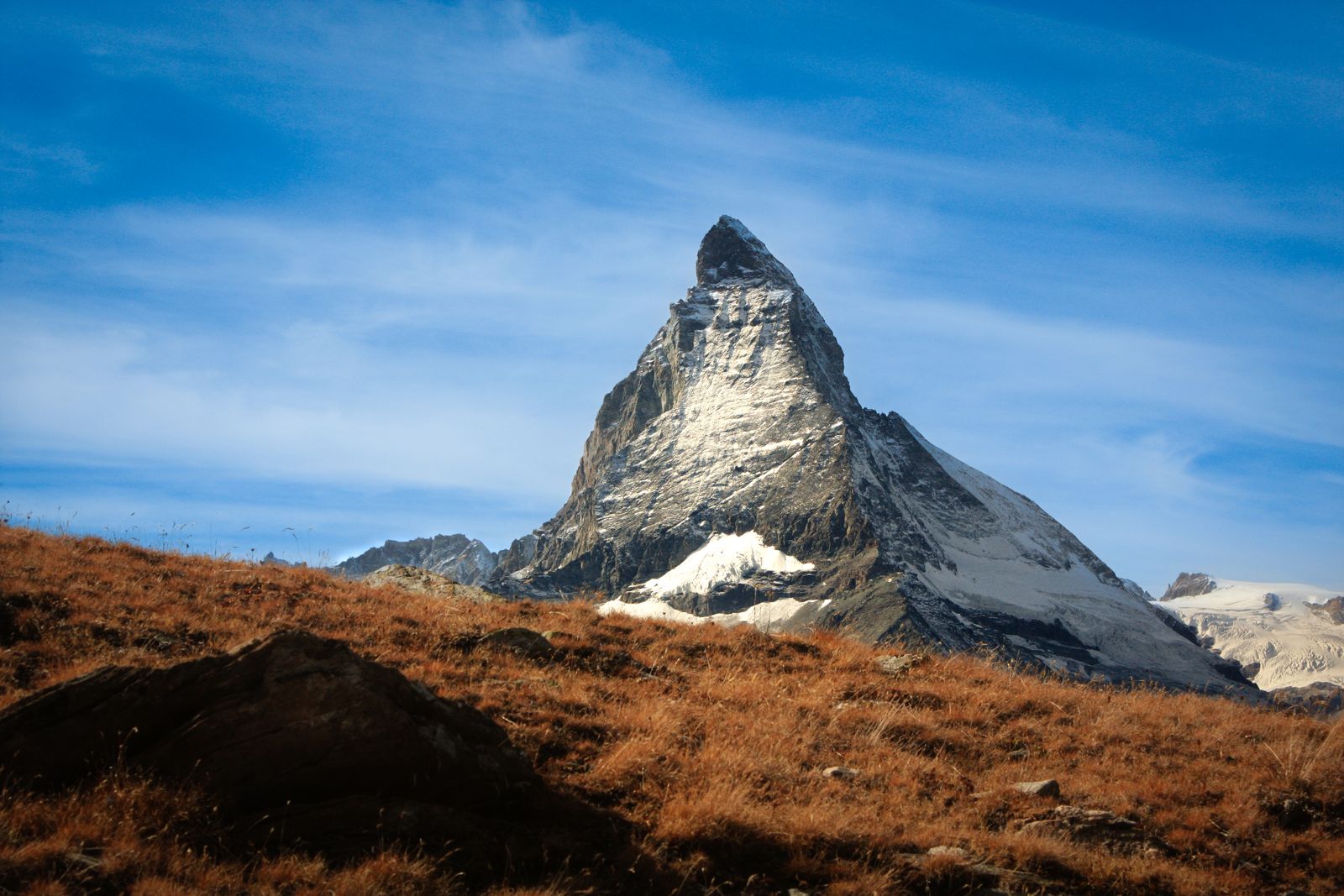
4. The Matterhorn Alpine Crossing to Italy
Did you know you can cross the Alps from one country to another using nothing but cable cars? The Matterhorn Alpine Crossing project was fully launched in 2023 and lets travellers continue from the highest Swiss station over the Testa Grigia peak straight into the Italian ski resort of Cervinia.
Crossing from one country to another in just a cable car cabin is honestly one of those experiences that’s hard to explain, you simply have to try it. From the cabin you’ll see glacier crevasses up close, and on the Italian side a completely different atmosphere and great coffee await. Make sure you don’t forget your passport, since you’re physically crossing a national border, and check the current opening times in advance, because this section runs primarily during the season.
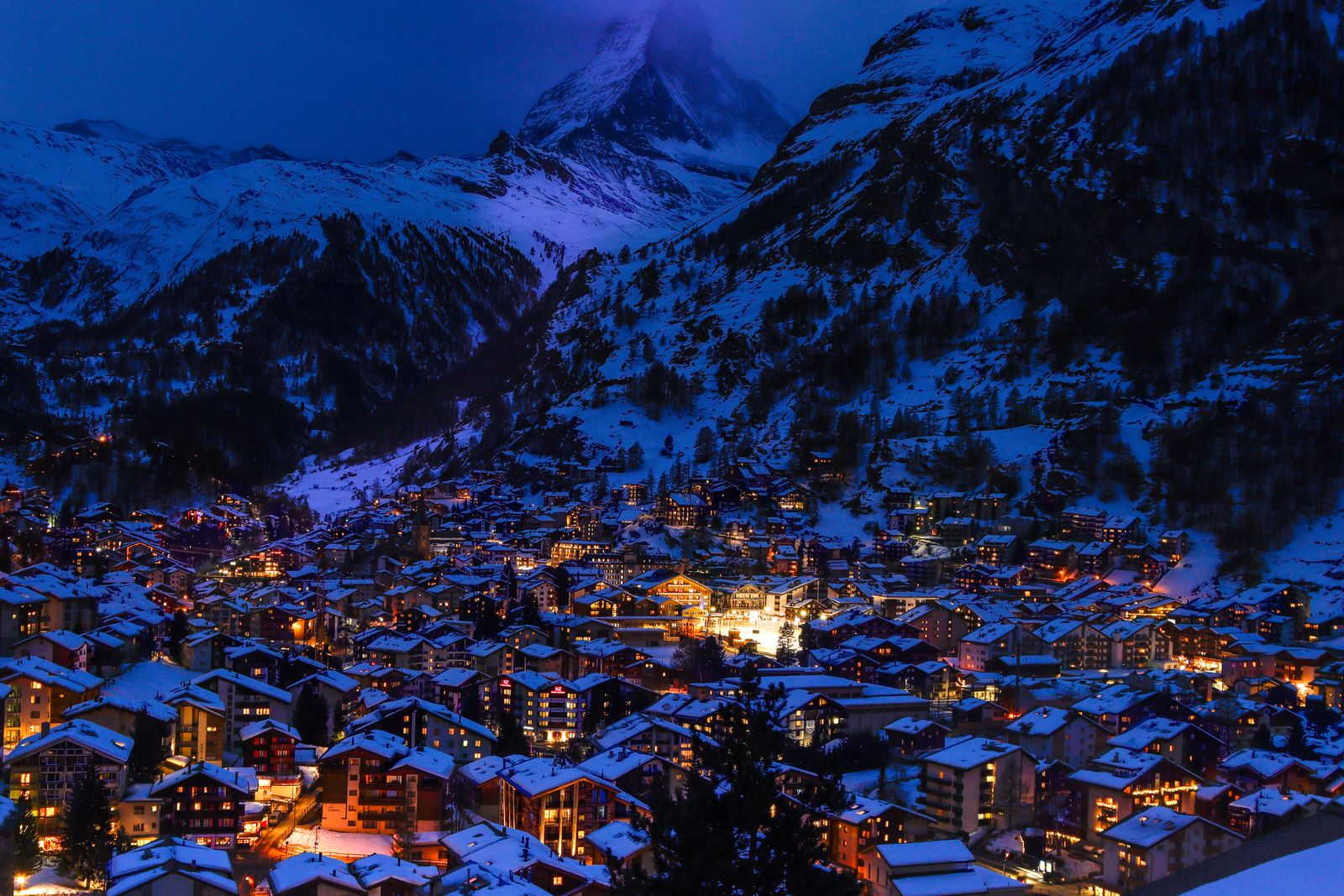
5. The 5-Seenweg, or Five Lakes Walk
If you only have time for one proper full-day trip into nature in Zermatt, I’d definitely recommend taking on the 5-Seenweg route. It’s a wonderful loop just under ten kilometres long that takes you past five gorgeous high-mountain lakes and takes roughly three hours of easy walking.
The route traditionally starts at Blauherd station at 2,571 metres and descends down to the Sunnegga stop. The undisputed star of the whole trek is Lake Stellisee, in which, in good weather, the Matterhorn is reflected just as perfectly as in the better-known Riffelsee, but there are usually a few fewer people here.
An interesting fact is that you’ll see the famous mountain reflected in three of the five lakes, and in two of them, namely Grünsee and Leisee, you can even go for a swim on hot summer days. So definitely throw your swimsuit in your backpack, because a cool-off after a more demanding stretch feels incredibly good.
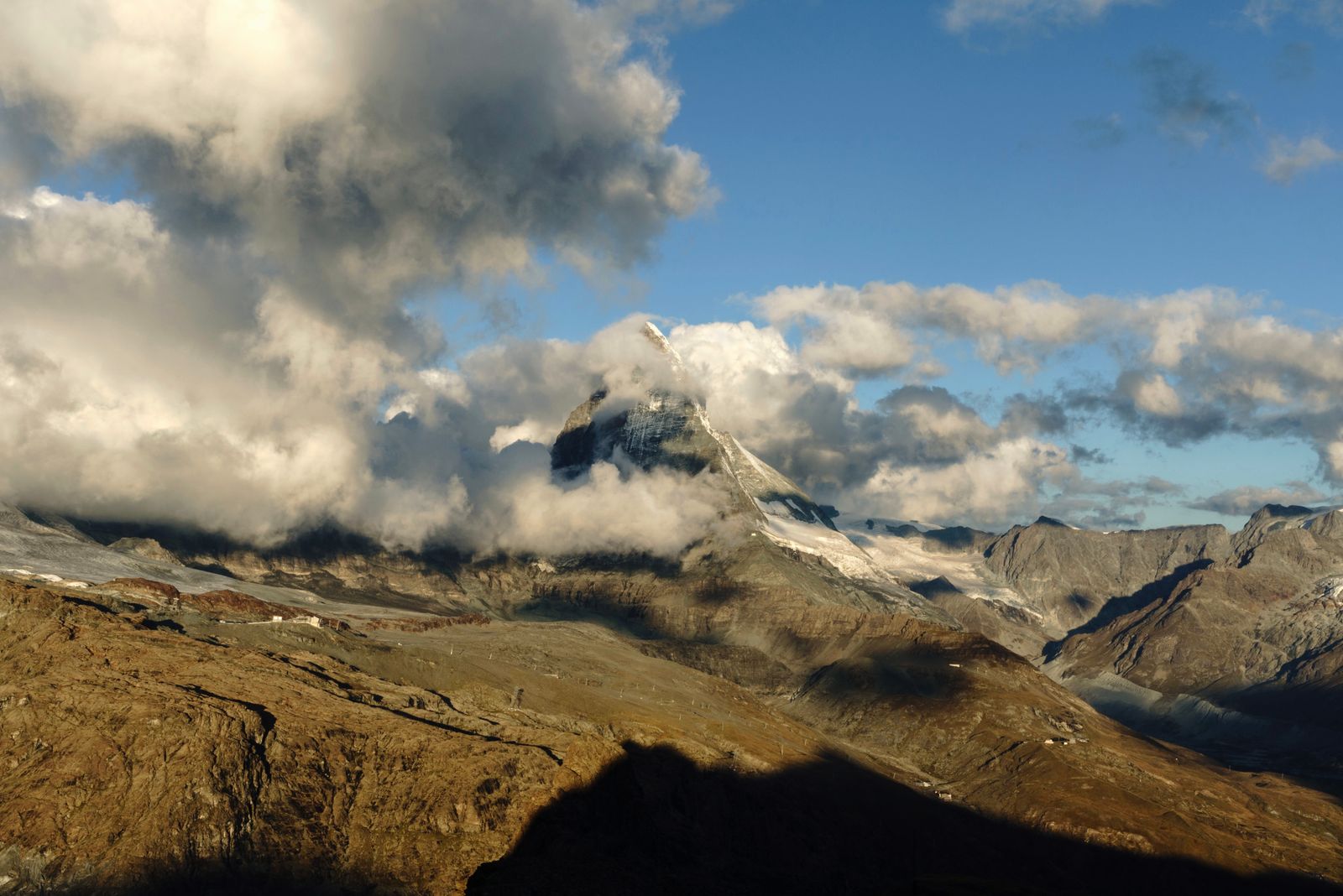
6. Sunnegga for families and easy days
The Sunnegga station is a little paradise for anyone who wants to see the Matterhorn quickly and without any complicated travel. You get here on a unique underground funicular straight from the centre of Zermatt, which covers the whole route in just four minutes, with a return ticket costing roughly 26 CHF.
For families with smaller children, this is probably the most laid-back spot in all of Zermatt: the kids play by the water, you sip a coffee with a view of the Matterhorn, and nobody is rushing anybody anywhere. 😅 In the morning you can occasionally spot marmots scurrying about, which is usually the single biggest highlight of the day for kids. The place is beautifully maintained, and you’ll find more about it on the official Zermatt website.
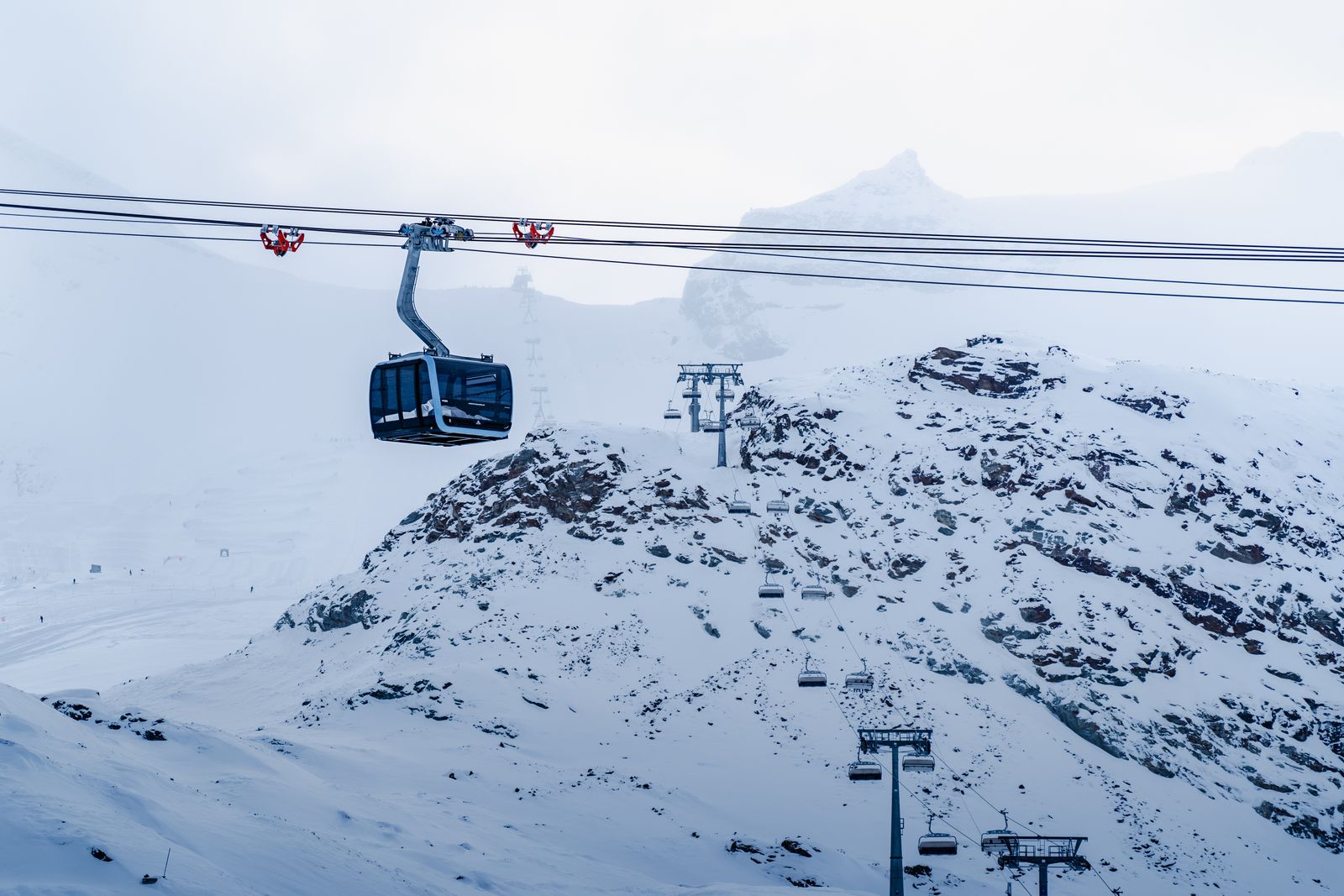
7. Rothorn with a view of the entire mountain
While from Gornergrat you see the Matterhorn somewhat nestled into the surrounding landscape, from the Rothorn viewpoint at 3,103 metres you’ll see the whole mountain, from its rocky base right up to that famous needle towering into the sky. The journey here is a little longer, because you have to change at Sunnegga and then again at Blauherd station.
At the height of summer you’ll pay around 89 CHF for a return ticket from Zermatt up to Rothorn, but your reward will be a far calmer atmosphere than on the main tourist arteries. The great thing is that you can easily combine this viewpoint with a subsequent hike down via the Five Lakes Walk mentioned above.
8. Hörnlihütte as a base camp
The Hörnlihütte mountain hut, sitting at 3,260 metres, is a legendary spot from which experienced climbers set off at night for the Matterhorn summit itself. For the rest of us, who leave the rock climbing to the pros, this is the closest you can get to the mountain.
The climb to the hut starts at the Schwarzsee cable car station and it’s a demanding four-kilometre trek with over 700 metres of elevation gain, taking roughly two hours of steep ascent. The route also includes sections secured with metal chains and steps, so only set out here with very sturdy footwear, plenty of water and good physical fitness. The weather here changes unbelievably fast.
The hut is open from late June to mid-September, and booking in advance is an absolute must. And one more thing: bring cash in coins, because even a shower here costs around 6 CHF and cards are practically non-existent.
9. The Schwarzsee stop and chapel
The cable car heading up to Glacier Paradise has a very strategic stop called Schwarzsee, which sits right beneath the menacing-looking north face of the Matterhorn. Here you’ll find a picturesque black lake and the small Maria zum Schnee chapel, which adds to the already dramatic atmosphere of the whole place.
Besides being the starting point for the Hörnlihütte, it’s also a great location for anyone looking for less crowded views. You can just take a short stroll around the water, photograph the mountain’s reflection, and then smoothly continue by cable car to higher elevations.
10. The mysterious Gorner Gorge
When the mountain weather turns bad or you have a free afternoon after coming back down from the high altitudes, definitely visit the amazing Gorner Gorge (Gornerschlucht). It lies just about fifteen minutes’ walk from the southern edge of Zermatt and is an absolutely fantastic and, on top of that, very cheap activity.
You’ll walk along wooden walkways fixed directly to the rock, high above the rushing turquoise Gornervispa river. Entry costs 5 CHF for an adult, payable in cash only (bring change!), and the gorge is usually accessible from roughly late May to mid-October.
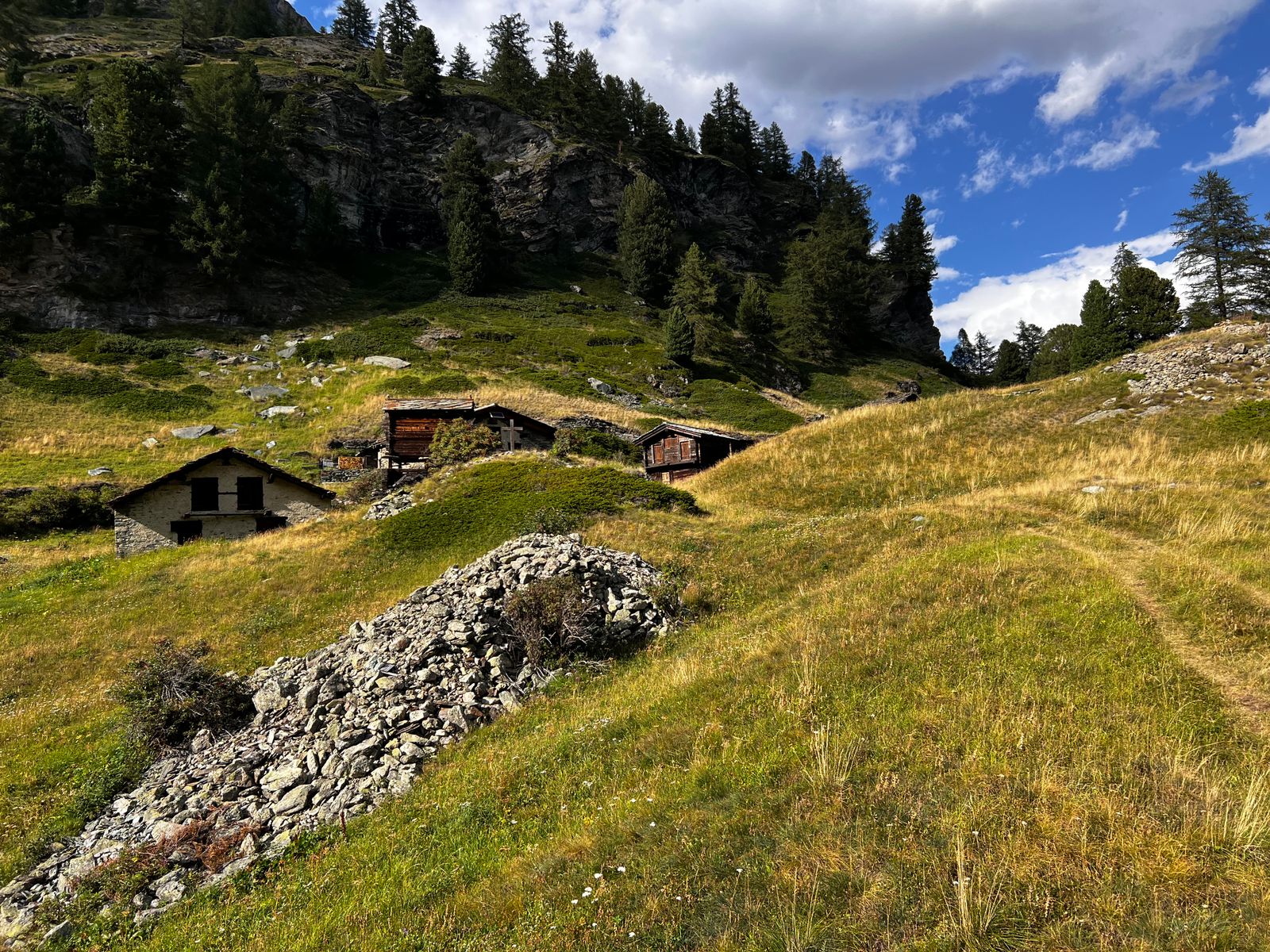
11. Zmutt and its ancient atmosphere
Travellers often admire only the high peaks, but the walk to the traditional hamlet of Zmutt is one of my favourite relaxing routes. This tiny village consists of about twenty wooden houses, tanned completely black by the mountain sun, that have stood here for nearly five hundred years.
You can reach it from Zermatt at a comfortable pace in a mere couple of hours, covering just under three kilometres with very gentle elevation gain. The path leads you through beautiful flowering meadows and shady larch forests, and once you arrive, you can reward yourself with a coffee at the small local restaurant.
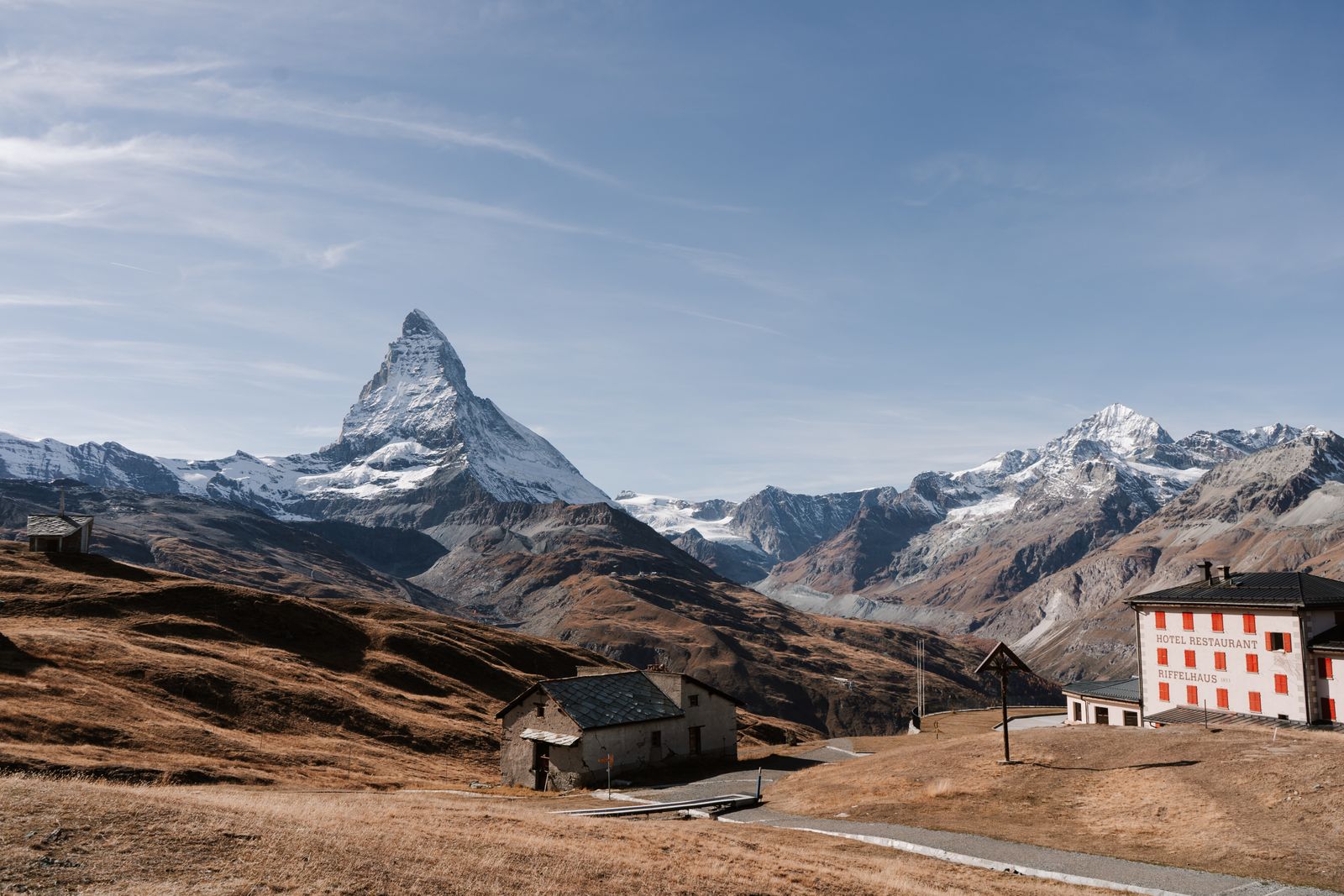
12. The Hinterdorf lanes and excellent food
Zermatt’s old centre, known as Hinterdorf, is a place where real history breathes from the days when there were no cable cars here yet. You’ll find original Valais wooden cabins and old granaries, built on strange stone mushrooms, which was a clever defence the inhabitants of the time used against mice.
Wandering through these ancient lanes is likely to make you hungry. Vegetarians and vegans won’t be lost in Zermatt either, and I warmly recommend Vegistube and the Bazaar restaurant, both with fully plant-based menus that travellers sing nothing but praise for in their reviews.
If, on the other hand, you’re after traditional Swiss mountain classics, definitely go for an honest cheese fondue or raclette. Among the absolute legends in Zermatt is the famous Whymper-Stube or the slightly more welcoming restaurant Du Pont, where the cheese melts exactly the way you know from the adverts.
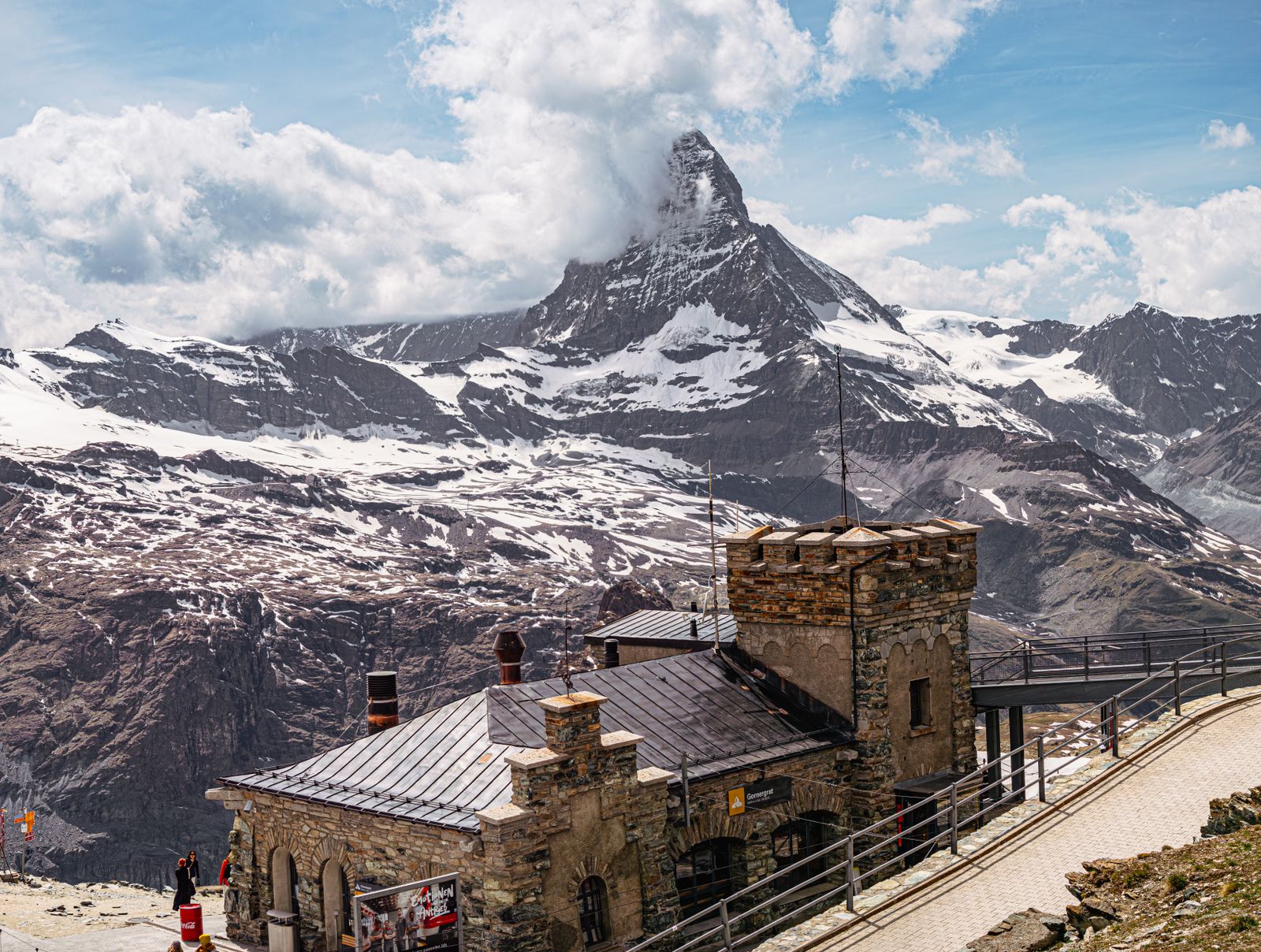
13. The iconic Kirchbrücke bridge
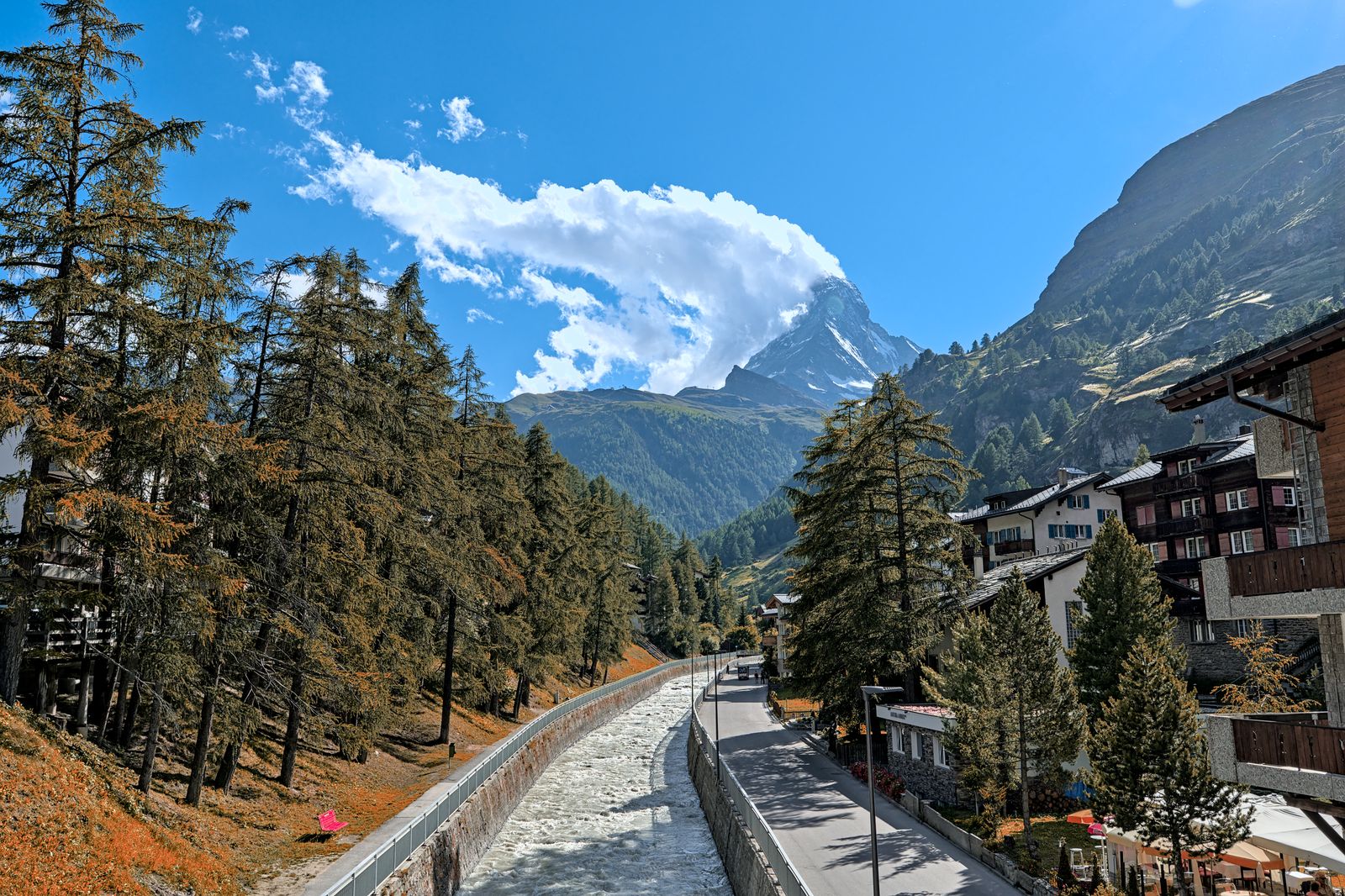
Most of the photos you see on social media with a view of the Matterhorn right from the middle of town are taken right here. The Kirchbrücke bridge arches over the rushing Vispa river near the local church and offers the most classic postcard composition, and what’s more, completely free of charge.
I recommend coming here early in the morning or in the early evening, when the light is softest, and you also won’t have to fight for a spot with dozens of other photographers with big tripods. It’s one of those little details that’s guaranteed to lift your mood on every walk through town.
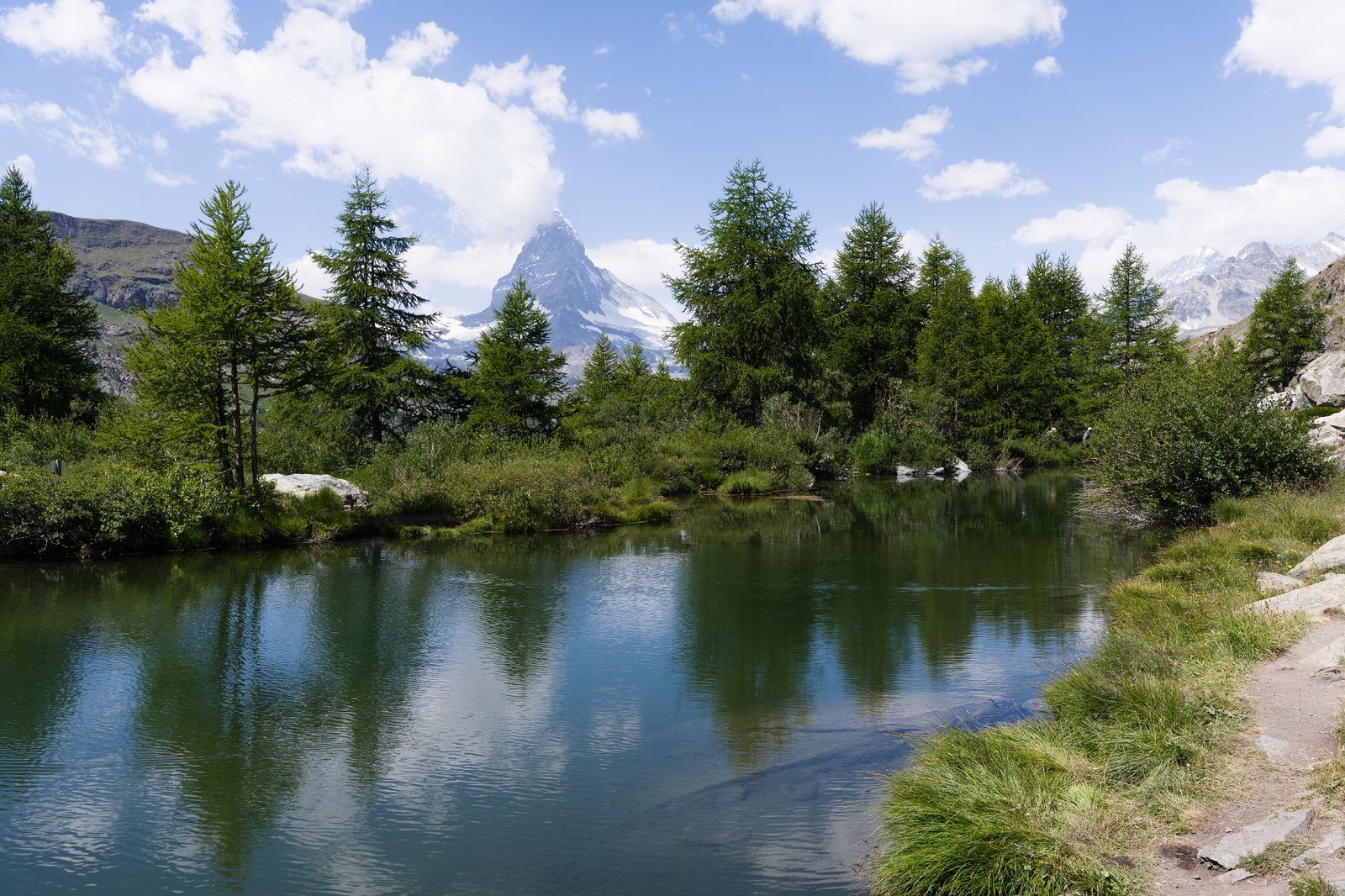
14. The Matterhorn Museum full of history
The underground Zermatlantis museum, which you’ll find right next to the church on a small square, offers a fascinating look into the harsh history of conquering Alpine peaks. The biggest draw of the exhibition is the original snapped rope from 1865, from the very first ascent by Edward Whymper’s expedition, which ended in enormous tragedy.
Besides that, you can walk through faithful replicas of old mountain houses and watch interesting multimedia presentations. Admission for an adult comes to 12 CHF and it’s an absolutely perfect programme rescue the moment heavy, persistent rain hits Zermatt.
15. Year-round skiing in Zermatt on the glacier
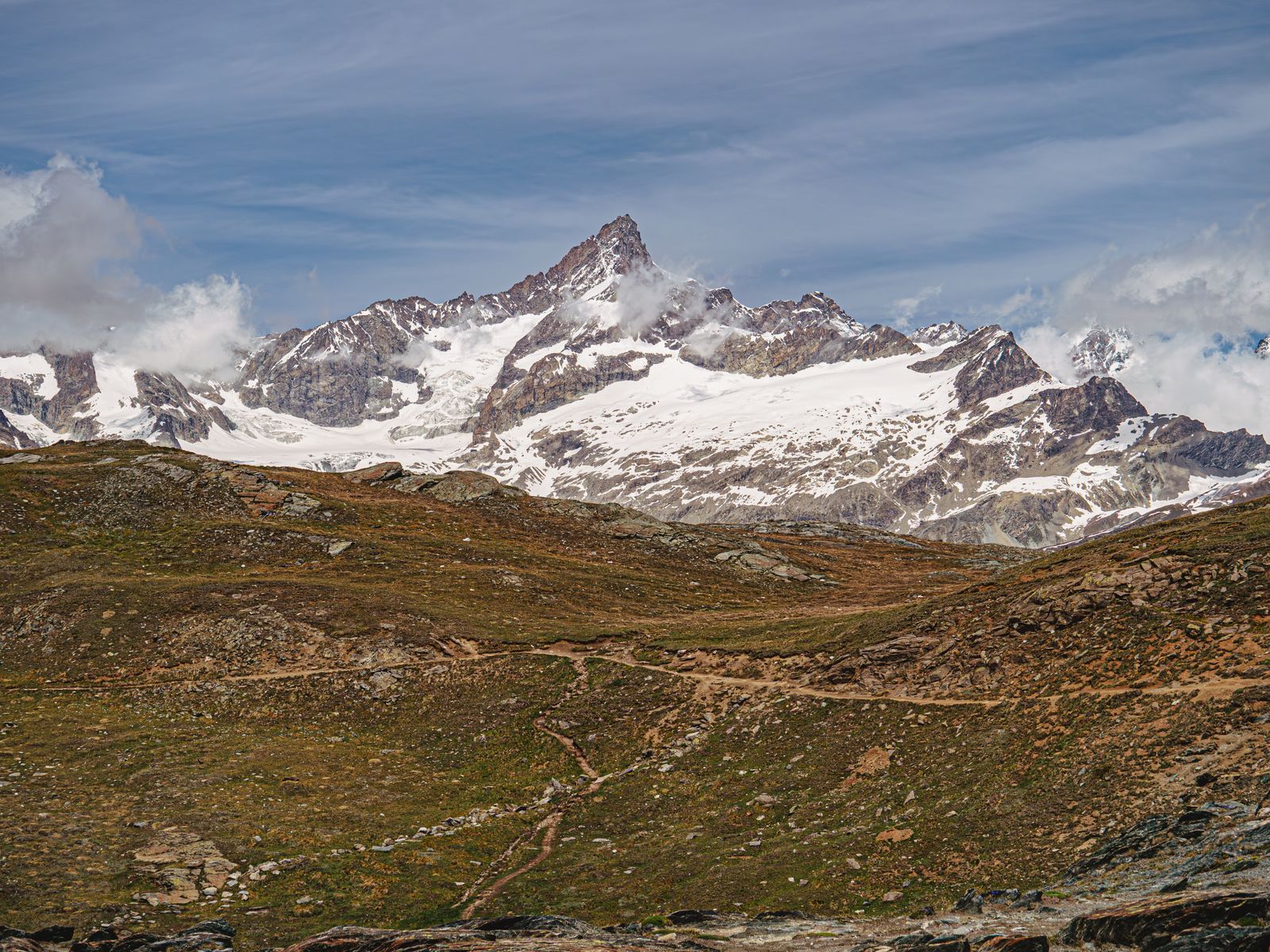
Zermatt is a paradise for all winter sports fanatics, thanks to the huge Matterhorn Ski Paradise here. Together with the Italian side, it offers an impressive 360 kilometres of slopes, and most importantly, thanks to the glacier’s high altitude, the ski season here never ends and you can ski even in July.
Ski pass prices here are very variable depending on how far in advance you buy them, but reckon on around 96 CHF for a single day of skiing in winter. If you’re coming in summer and want to ski, you’ll have to pay roughly an extra 38 CHF on top of the summer Peak Pass, but for most people the experience of skiing in a T-shirt is absolutely worth it.
16. A ride on the Glacier Express train
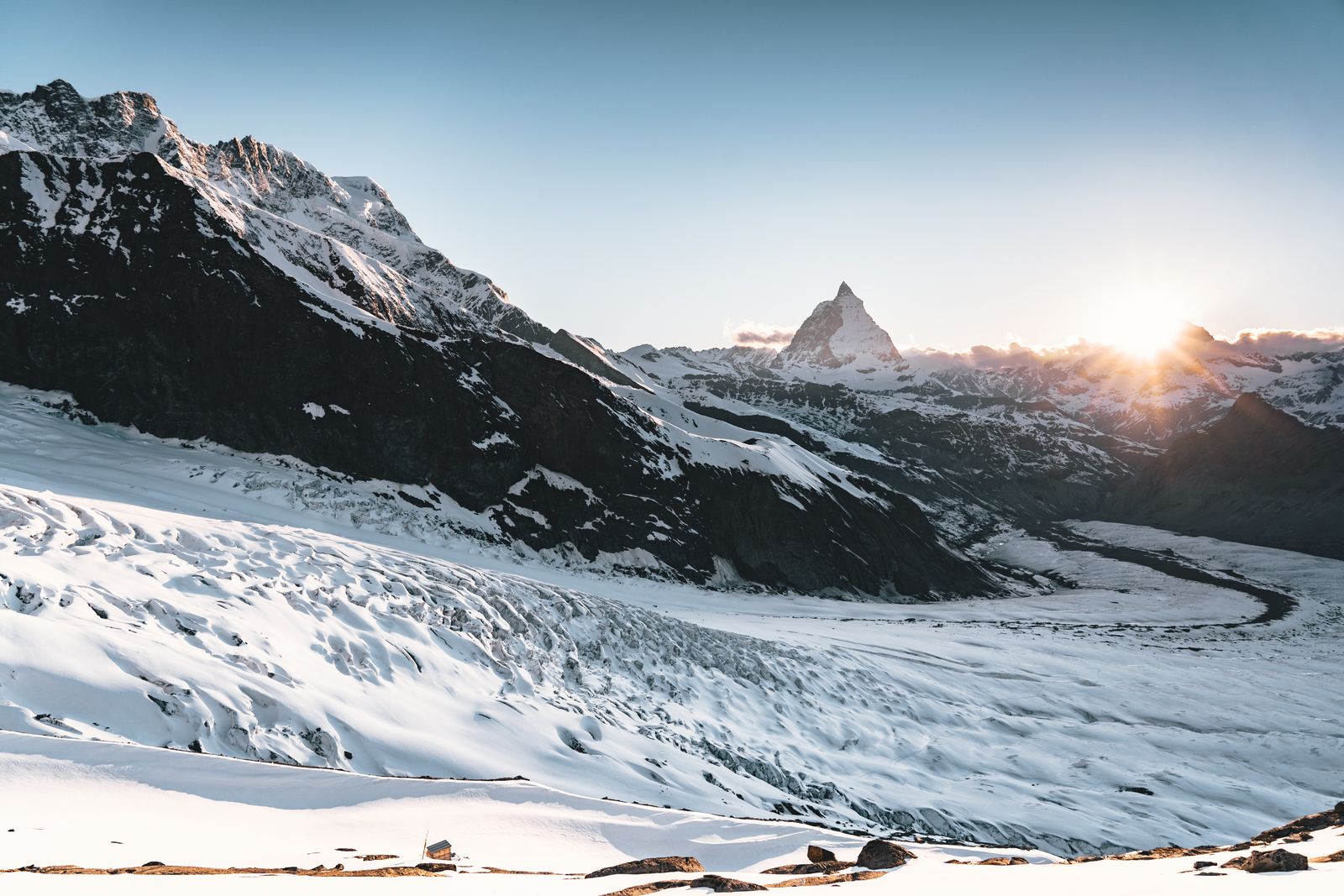
You’ll remember a journey on this legendary glass-roofed train for the rest of your life. The Glacier Express (nicknamed the slowest express train in the world) takes you on a fascinating eight-hour journey from Zermatt all the way to the luxurious St. Moritz, over 291 bridges and viaducts.
A second-class ticket costs around 153 CHF, but watch out, on top of the fare itself you must also pay a mandatory seat reservation of 54 CHF. Given the enormous popularity, the booking system opens exactly 93 days in advance and seats vanish at lightning speed. So keep an eye on the date and book through the official sbb.ch website. The ride on this panoramic-windowed train offers the most amazing views of deep valleys and snow-capped peaks, so those eight hours fly by in no time.
17. How to survive Zermatt and save money
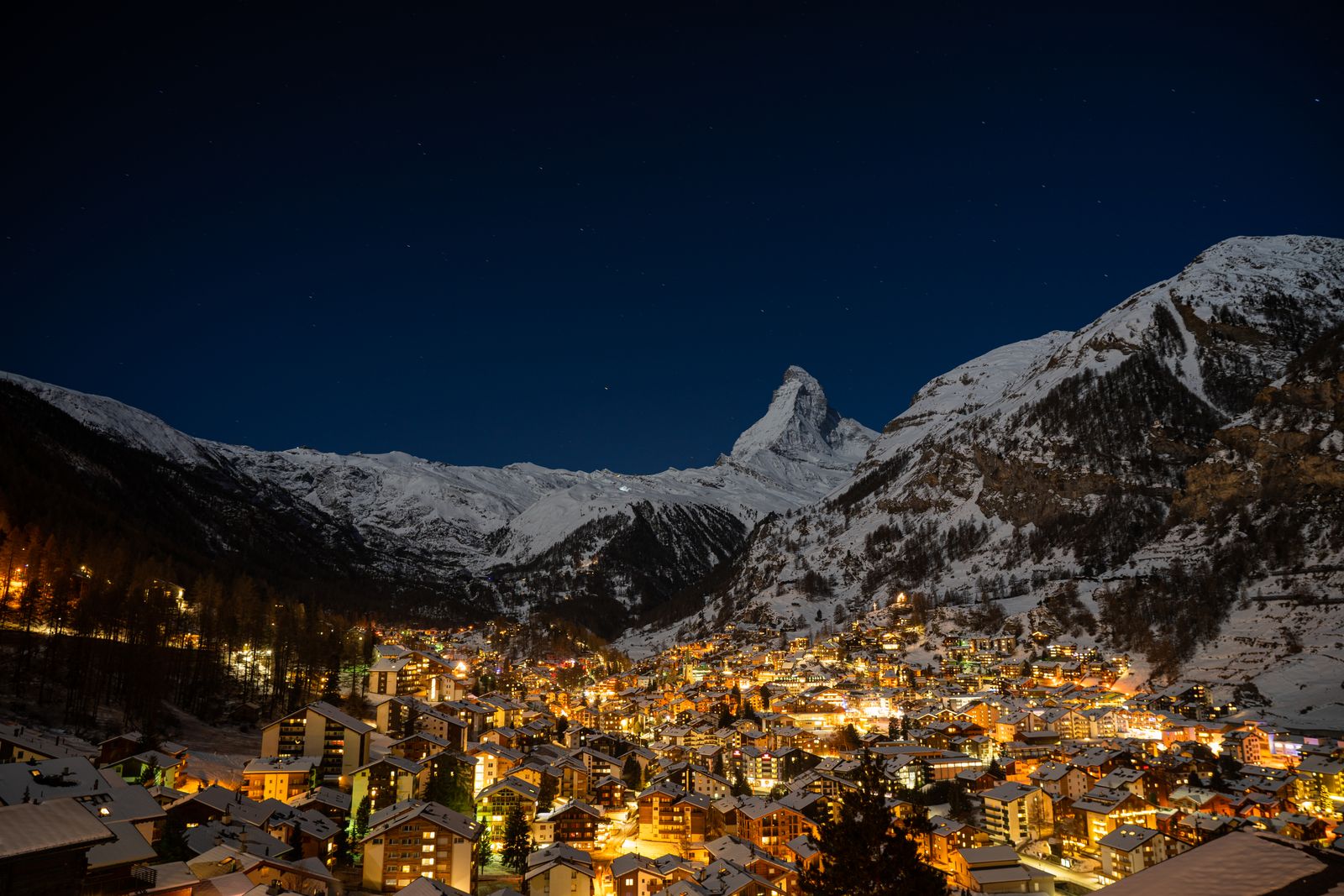
Let’s be honest, Switzerland is expensive and Zermatt is one of its priciest corners, but even so you can save money very cleverly here. The key is to leave your car in the big car park in Täsch for 17 CHF a day and take the comfortable shuttle train into Zermatt, which runs every twenty minutes and costs 16.40 CHF for a return ticket.
If you know you’ll be riding the cable cars in the mountains for several days in a row, investing in the summer Peak Pass will pay off enormously; it costs roughly 320 CHF for four days and covers absolutely all the lines and cable cars in the area. An alternative for a longer stay in Switzerland is getting the Half Fare Card for 150 CHF, which gives you all your tickets at half price.
But you’ll spend the most money on food, which is why the local Coop supermarket, located right across from the station, is an absolute lifesaver. You can buy excellent ready meals and fresh sandwiches here for anywhere between three and seven francs, which is an unbelievable difference compared to fifty francs in a regular restaurant. And don’t forget that the tap water and the water from all the fountains in town is crystal clear and drinkable.
Map of points of interest for your phone
Where to go next from Zermatt
Once you’ve had your fill of Matterhorn views and walked all the beautiful trails, Switzerland has plenty more absolutely unique places up its sleeve that are worth a visit. The train connections here are so brilliant that you can easily move on to other magical Alpine valleys or to huge, crystal-clear lakes.
I’ve picked out a few of our other articles to help you plan your next route:
- Holiday in Switzerland: where to go, what to see and when
- Grindelwald: what to see and do
- Lauterbrunnen: the valley of waterfalls
- Lucerne: 14 things to see
Frequently asked questions
I’ve put together answers to the most common questions that come up when planning a trip to Zermatt. I hope they make your preparations easier.
How much does the cable car to the Matterhorn cost?
No cable car goes all the way to the very summit of the Matterhorn. You can ride up to the highest station, Matterhorn Glacier Paradise, at an altitude of 3,883 metres, with a return ticket costing roughly from 143 CHF in winter to 207 CHF at the peak of summer, depending on the season (approx. €155 to €225).
Can you drive directly to Zermatt by car?
No, Zermatt is a strict car-free zone and entry by regular cars is prohibited. You must park your vehicle in the enormous terminal in the village of Täsch (parking costs 17 CHF per day) and cover the last few kilometres by shuttle train, which runs very reliably every twenty minutes.
When is the Matterhorn best seen without clouds?
Set out for the viewpoints as early in the morning as possible is rule number one. After ten o’clock in the morning, clouds very often start to form around the summit and in the afternoon the mountain is frequently completely shrouded, with regular afternoon thunderstorms also threatening in summer.
Is the Swiss Travel Pass worth it for Zermatt?
If you’re planning to spend your holiday only in Zermatt and the surrounding area, the Swiss Travel Pass probably won’t be worth it, as it only provides a 50% discount on the expensive mountain cable cars. In that case, it’s much better to get the summer Peak Pass or the cheaper Half Fare Card.
Can you climb the Matterhorn at a regular tourist pace?
No, the ascent to the summit itself at 4,478 meters is a serious and very difficult mountaineering expedition that can only be undertaken with an experienced mountain guide. The furthest you can get as regular and physically fit hikers is to the Hörnlihütte hut at an elevation of 3,260 meters.
How many days should I plan for Zermatt?
To make your visit more than just a stressful race between cable cars, two to three full days is ideal. On the first day you can head to Gornergrat and Riffelsee, on the second day explore the Matterhorn Glacier Paradise, and save the third day for the amazing Five Lakes hike 5-Seenweg.
Can you really ski in Zermatt even in summer?
Yes, and it’s a huge experience. The glacier slopes in the Matterhorn Glacier Paradise area are open year-round, which makes this resort absolutely unique in the entire Alps, although you’ll pay a bit extra on top of the regular pass for summer skiing.
Tips and Tricks for Your Vacation
Don’t Overpay for Flights
Search for flights on Kayak. It’s our favorite search engine because it scans the websites of all airlines and always finds the cheapest connection.
Book Your Accommodation Smartly
The best experiences we’ve had when looking for accommodation (from Alaska to Morocco) are with Booking.com, where hotels, apartments, and entire houses are usually the cheapest and most widely available.
 🚗 Car rental on the roadVerified car rentals in Switzerland
Search with the DiscoverCars comparison engine — it compares prices from dozens of local and international rental companies, and most bookings come with free cancellation.
Compare car prices in Switzerland →Don’t Forget Travel Insurance
Good travel insurance will protect you against illness, accidents, theft, or flight cancellations. We’ve had a few hospital visits abroad, so we know how important it is to have proper insurance arranged.
Where we insure ourselves: SafetyWing (simple monthly subscription) and TrueTraveller (for extra-long trips).
Find the Best Experiences
Get Your Guide is a huge online marketplace where you can book guided walks, trips, skip-the-line tickets, tours, and much more. We always find some extra fun there!