

Norway looks like an absolute paradise for sleeping anywhere in nature, and plenty of travellers assume that with a Norway motorhome they can stop absolutely anywhere. But it doesn’t quite work that way, and the famous right of allemannsretten doesn’t apply to cars or motorhomes at all. So where can you legally spend the night, and where do you risk a hefty fine and the wrath of the locals? I’ve put together a detailed guide with all the camping rules and tips on sleeping in your vehicle in 2026. You’ll find everything here, from tolls and campsite prices to the latest bans, so you can enjoy the Nordic wilderness in complete peace.
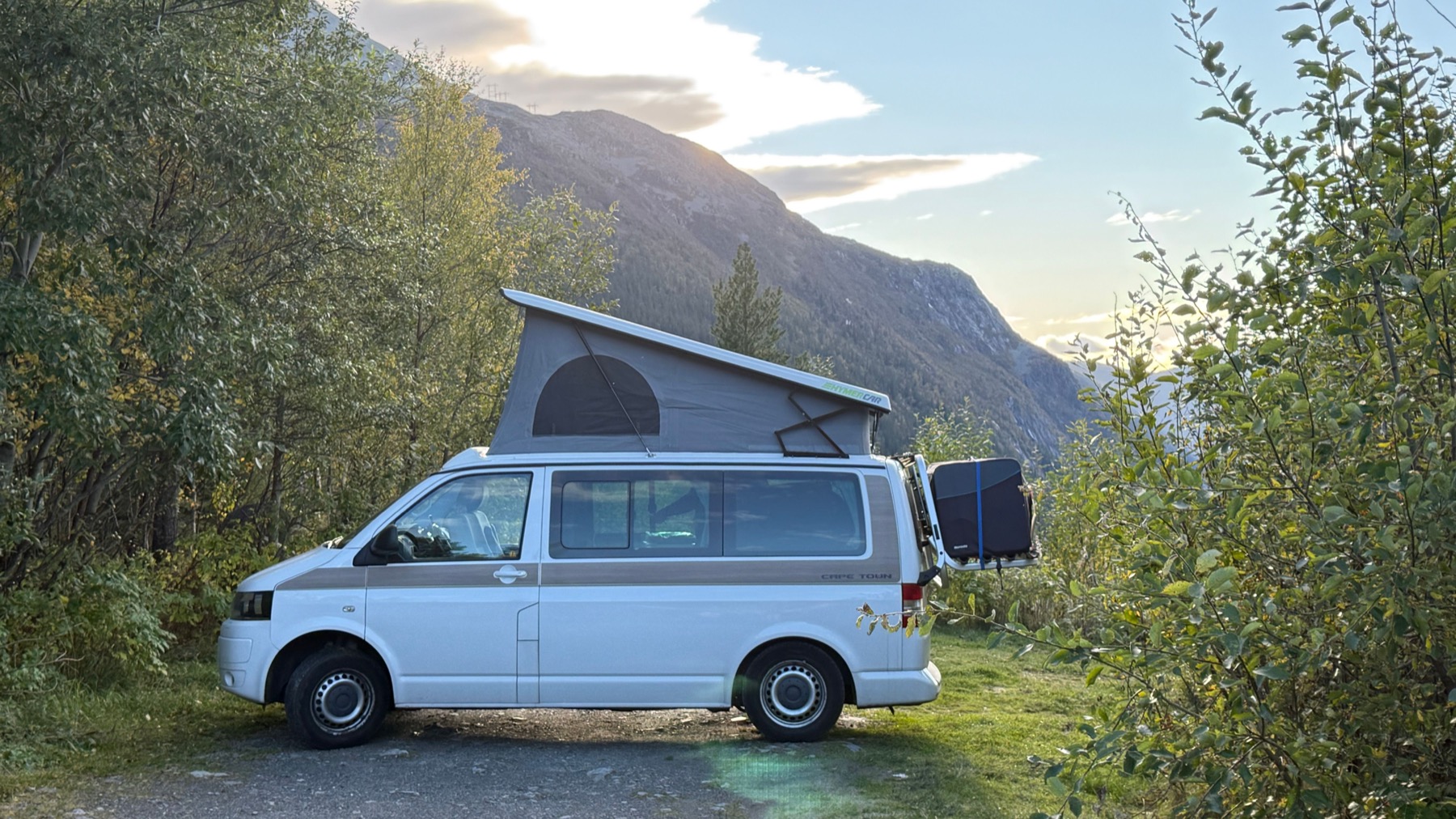
TL;DR
If you’re already packing your bags and don’t have time to read through every detail, I’ve prepared a quick summary of the most important points. These are things you should definitely know before heading north.
- Allemannsretten applies only to tents and hikers, not to motor vehicles. You can’t drive a car or motorhome off paved roads into the terrain.
- Bans at popular tourist spots are getting stricter. In the Lofoten Islands, many places now have overnight parking bans, and the plateau at the North Cape cut parking to just five hours after a fire.
- In 2026 you’ll pay roughly 350 to 550 NOK per night at a campsite for a motorhome with two people and electricity. The Camping Key Europe discount card is not mandatory.
- Motorhomes over 3.5 tonnes must have an AutoPASS chip. Without it, even if you’re registered as an M1 category vehicle, the system will slot you into the expensive freight group and you could pay triple the toll.
- Ferries are charged strictly by vehicle length. The six-metre threshold is key: longer vehicles pay significantly more, and with an AutoPASS-ferje account you get a 50% discount.
- Norwegian gas cylinders use a different system. No one up north will refill a standard European cylinder, so you either need to bring your own supply or buy a GOK D2 adapter for the local AGA bottles.
- A new tourist tax applies from 2026. Selected Norwegian municipalities are introducing a three percent accommodation levy, but campsites and overnight stays in a motorhome are exempt for now.
The full destination guide: Norway — guide and what to see
12 Things to Know for Norway Motorhome Camping
You might be used to pulling over anywhere in the woods, brewing your morning coffee and enjoying absolute freedom. Up north, though, things work a little differently, and the rules tighten every year. Don’t get caught out unprepared.
I’ve written up twelve of the most important points that will save you not only plenty of money on needless fines, but above all a lot of stress. Let’s take a look at everything that might surprise you on Norway’s roads and rest areas.
1. Allemannsretten and the Harsh Truth About Sleeping in Your Vehicle
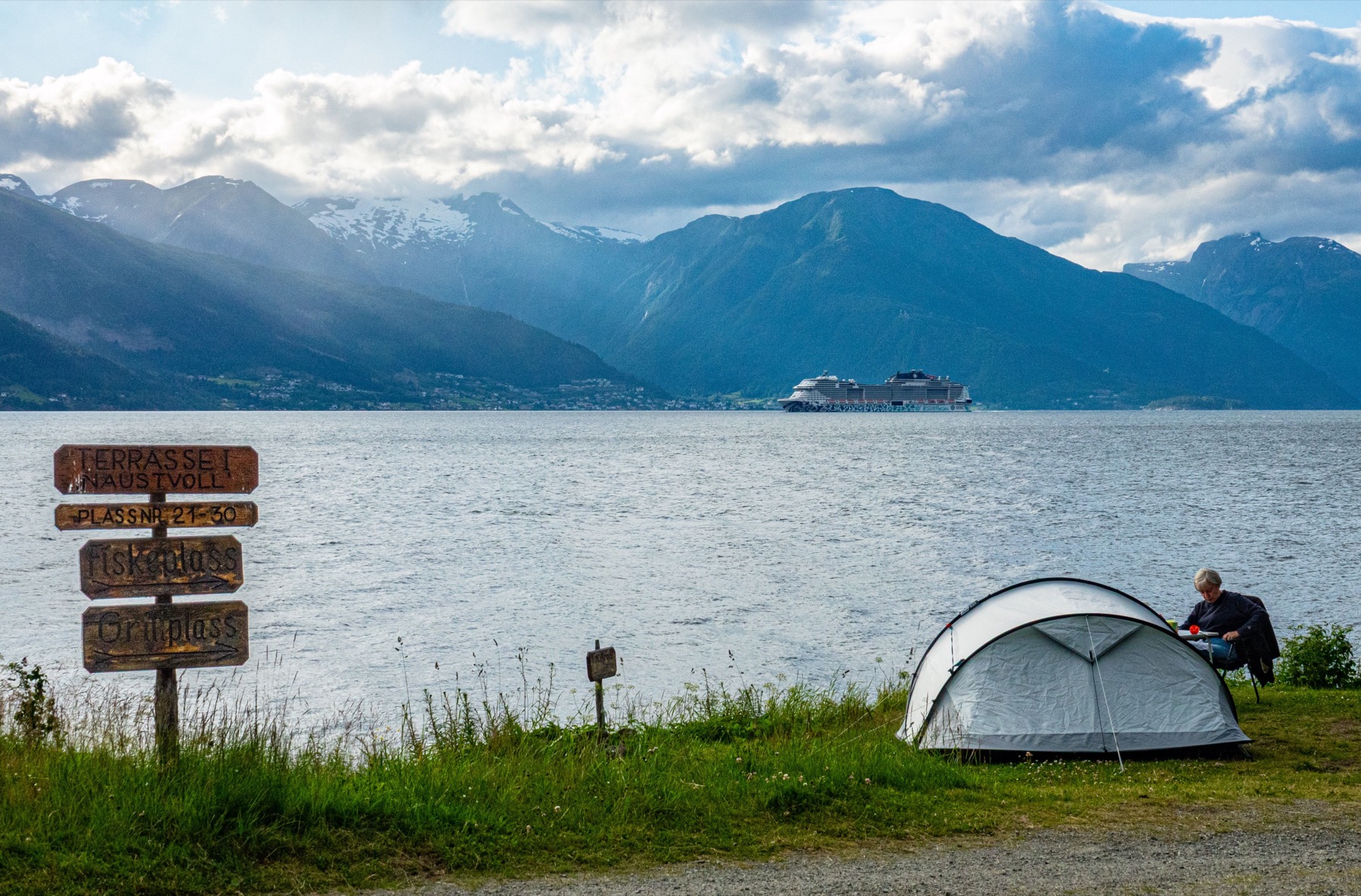
The most common misconception among nearly all visitors is the belief that Norway’s right to roam allows you to park a motorhome on any meadow with a fjord view. The allemannsretten law of 1957 applies exclusively to hikers and tents, guaranteeing them the right to spend the night in so-called uncultivated land. Motor vehicles fall under completely different rules based on the Motor Traffic Act, under which driving off official roads into the terrain is strictly forbidden.
In practice, this means you can’t pull even slightly off the verge onto heathland, a beach or a forest clearing. Sleeping in a car or motorhome in the wild is not your legal right — it’s merely a tolerated practice in places where parking is legal. As a rule, you should keep a minimum distance of 150 metres from the nearest inhabited house or holiday cabin, which locals consider basic courtesy.
The key is learning to tell cultivated land from uncultivated land. Cultivated land also includes unmown pastures and yards around houses, where you’re not allowed even on foot, let alone driving in with a vehicle. If you see any prohibition sign or barrier, it always takes precedence over general customs. Remember, too, the strict ban on open fires in and near forests, which applies nationwide from 15 April to 15 September.
💡 Tip: Don’t rely on the absence of a fence. In Norway a lot of land is private and residents are very sensitive about tourists camping right outside their living room windows.
2. So Where Can You Legally Spend the Night?
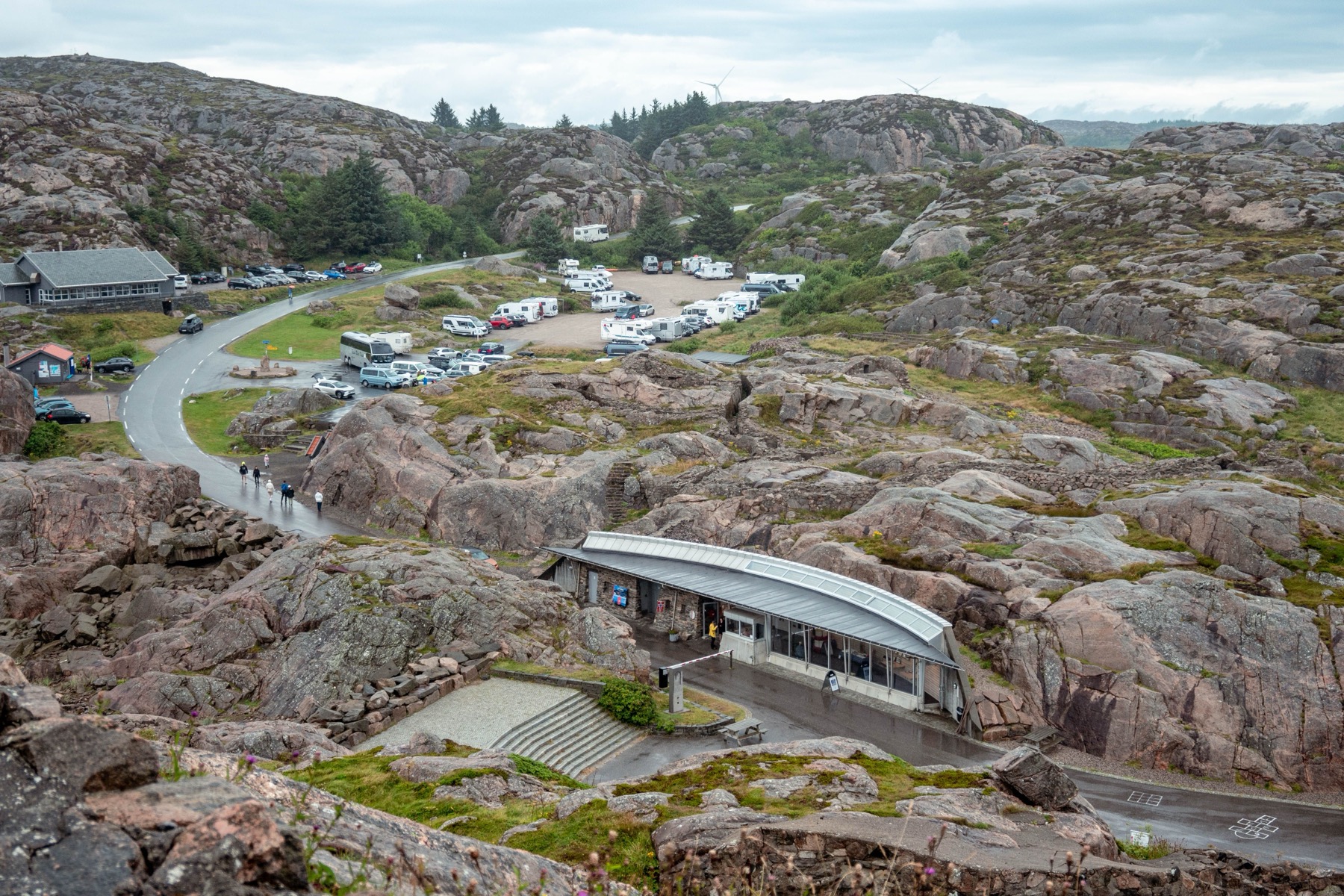
Beyond the classic paid campsites, Norway offers several legal options where you can safely rest your head in a motorhome. Official roadside rest areas are designed primarily for a short break, and the road authority tolerates a stay of up to 48 hours, but they’re meant purely for drivers to rest — so forget the camping chairs, the extended awning or an evening barbecue in front of your vehicle.
A much better and more comfortable option are the so-called bobilplasser. These are official parking areas designed specifically for motorhomes, most often found near smaller harbours, marinas or sports halls. Prices in 2026 typically range from 100 to 250 NOK per night, and they very often offer an electric hook-up for a small extra charge. You’ll easily find these spots via Norwegian directories or well-known travel apps.
A great alternative for lovers of local experiences is the Nortrip scheme. This Norwegian version of France Passion lets you stay for free for 24 hours at more than a hundred farms, family cheese dairies and microbreweries for an annual fee of 449 NOK. All that’s expected is that you buy some local products from your hosts — a perfectly fair deal for a safe, quiet place to spend the night.
💡 Tip: Download the park4night app, but take it with a big pinch of salt. The community often reports that the app shows a spot as allowed when in reality a no-overnight-parking sign has been up there for ages. Always follow the physical signs on the ground.
3. Bans and Fines in Lofoten, the North Cape and Other Hotspots
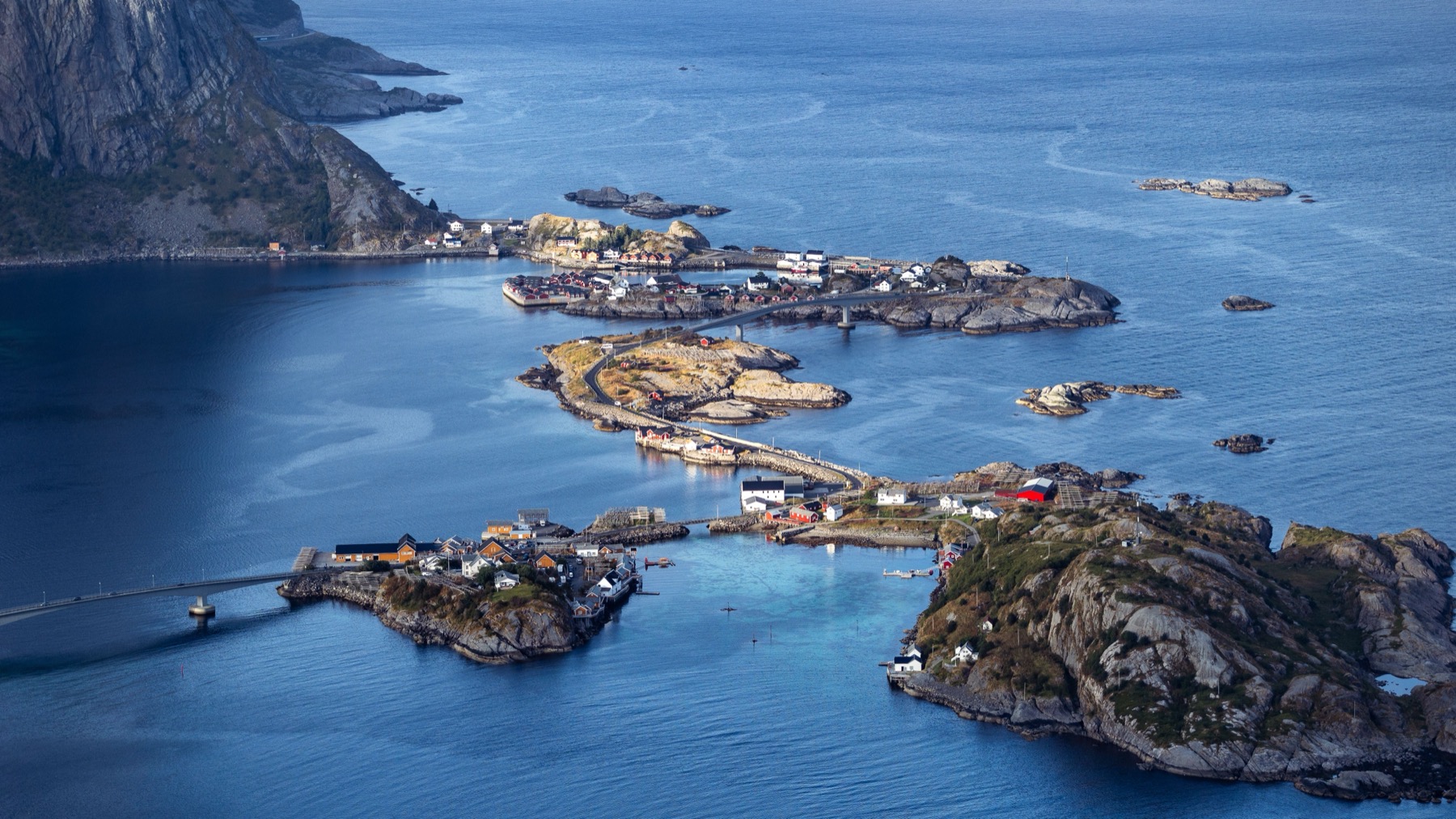
The tourism boom of recent years has forced Norwegian municipalities to act and introduce strict local ordinances that push motorhomes out of the most exposed spots. The most heavily regulated area today is without doubt the Lofoten Islands, where five of the six municipalities have issued tough bans against wild camping. Along the main Lofoten road E10, for example, after last year’s chaos there’s now a permanent overnight ban on motorhome stays at all large rest areas, and in the municipality of Vågan you can’t park in many car parks between midnight and six in the morning.
Big changes have also hit the far north at the North Cape. After a major motorhome fire in July 2025, the local municipality introduced an immediate safety measure and limited parking on the plateau to just five hours. So you’d best forget about a romantic overnight stay right on the cliff — inspections are regularly carried out there — and head instead to the nearby Kirkeporten campsite in Skarsvåg.
Similar restrictions await you at other famous spots across the country. The car parks at Preikestolen and in Geiranger explicitly ban overnight stays in vehicles, with the daytime parking fee at Pulpit Rock coming to 250 NOK in 2026. Watch out, too, for the Tverrfjellet viewpoint in the Dovre mountains, where parking is banned from eleven at night until eight in the morning. Fines for illegal camping range from 600 to 1,000 NOK, and the police enforce them fairly uncompromisingly.
💡 Tip: If you’re planning a trip to the Lofoten Islands in July or August, expect that you won’t be able to wild camp with a motorhome pretty much anywhere. Book campsites and official parking spots well in advance.
4. Norwegian Campsites: 2026 Prices and the Need to Book
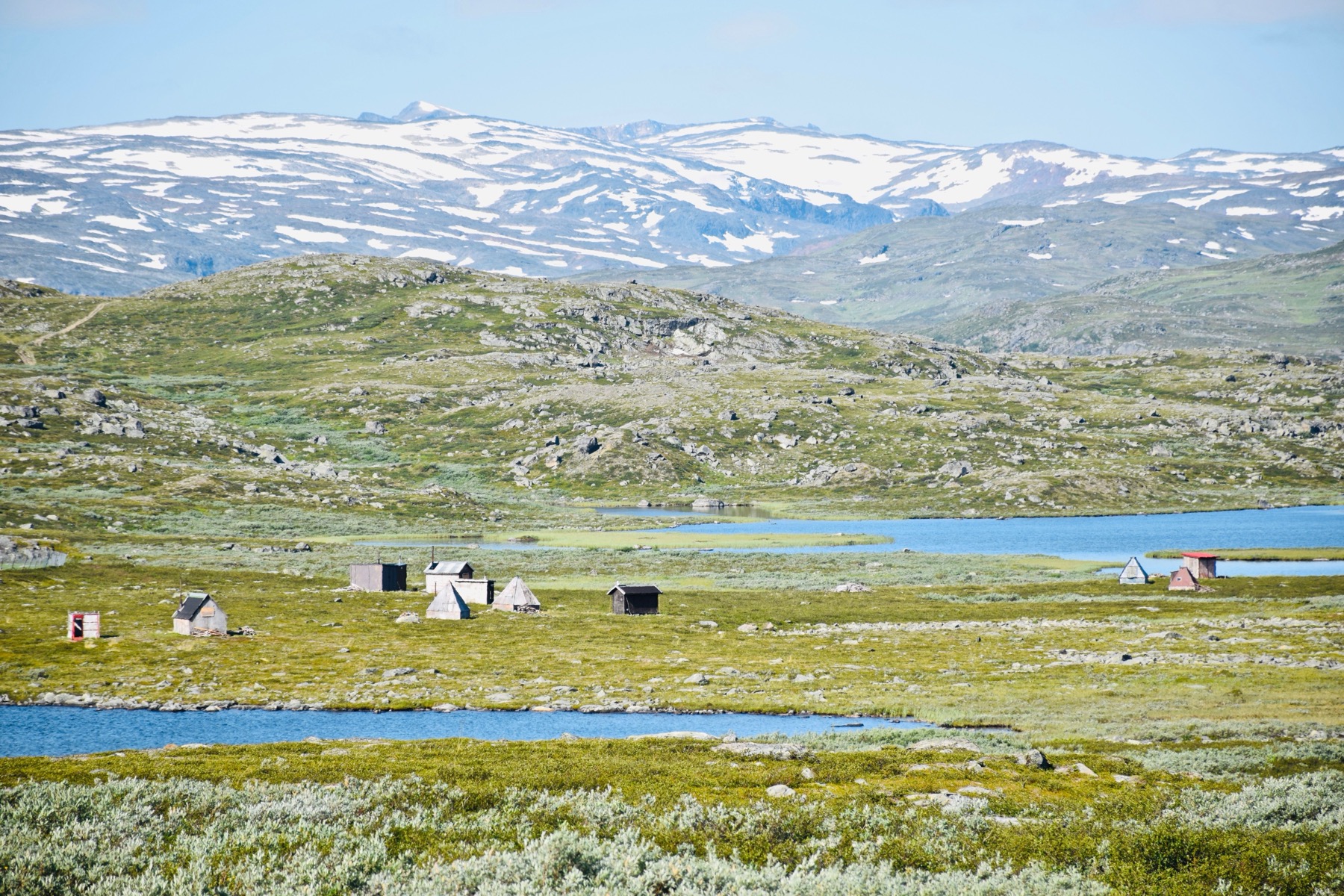
Norway has over a thousand official campsites, and honestly, even the most modest of them tend to be surprisingly clean with views you’d pay five-star hotel prices for back home. For a motorhome with two people and an electric hook-up you’ll typically pay 350 to 550 NOK per night. The popular Sløvika Camping, for instance, charges 510 NOK in the peak summer season, while down south at Vøra Camping a pitch costs 475 NOK. Surprisingly, staying at Norwegian campsites statistically works out a little cheaper than in Germany or Sweden.
Norwegian campsites don’t go in for over-the-top luxury like giant water parks, but you’ll find everything essential for a comfortable stay. Showers are often coin- or code-operated, so have 10 to 20 NOK ready for roughly five minutes of hot water. Shared kitchens are absolutely standard, but you usually won’t find any pots or plates in them, so you’ll need to bring your own gear from the vehicle.
The Camping Key Europe discount card comes up a lot in discussions. This card, at 179 NOK for the digital version, is not mandatory in Norway, though it can save you time at check-in and bring minor accommodation discounts. It’s mainly worth it if you plan to spend more than two weeks straight in paid campsites — otherwise you’ll get by perfectly fine without it.
💡 Tip: High season runs roughly from 20 June to mid-August, when Norwegians take their collective holidays. During this period, be sure to book campsites along the main routes, such as Trollveggen Camping, the campsites in Geiranger, or Moskenes Camping in Lofoten.
5. Dump Stations, Grey Water and the App That Will Save You
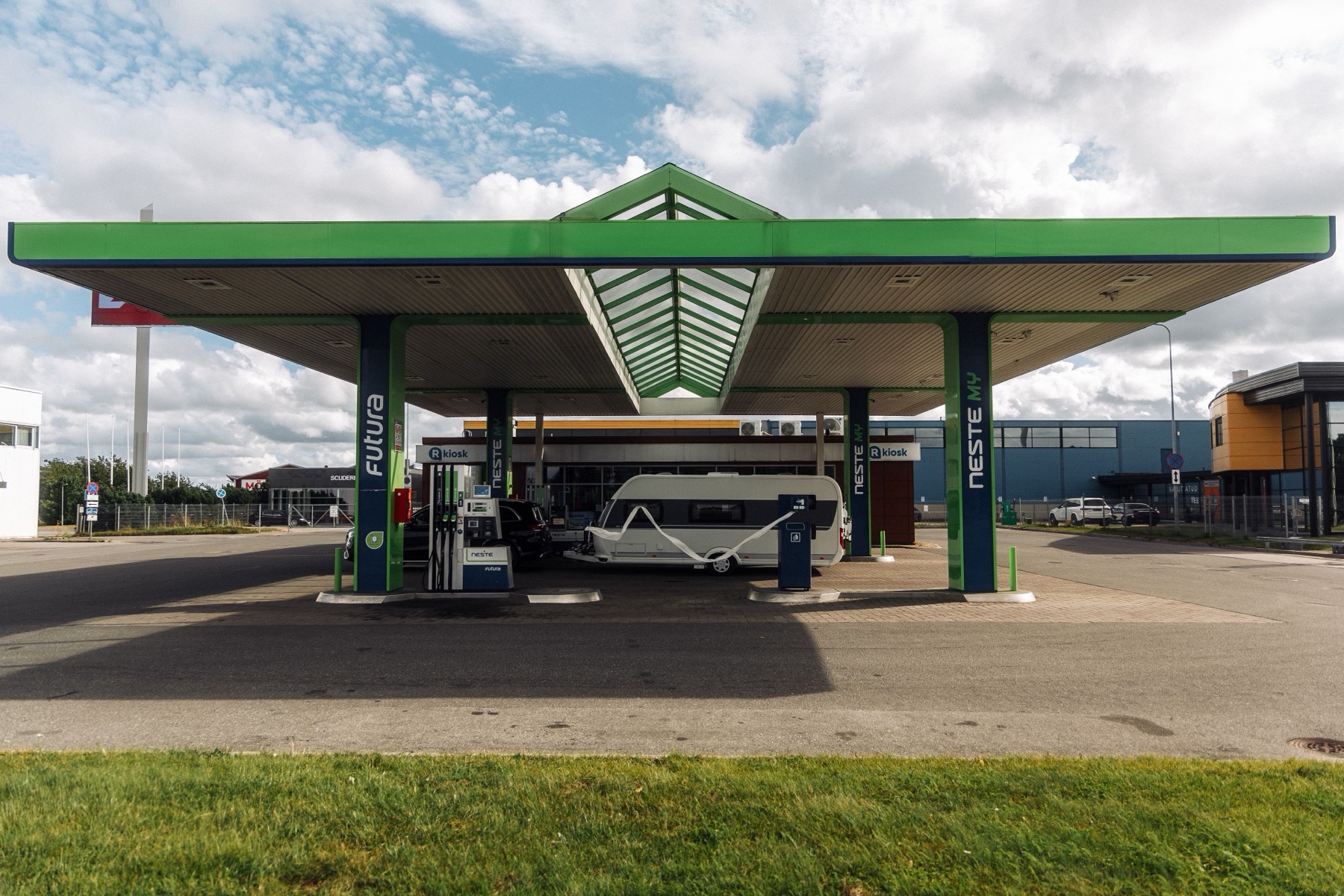
Emptying waste water into nature is an absolute taboo in Norway and is by far the most common cause of heated conflicts between tourists and locals. Grey water and chemical toilets must be emptied only at official points, of which there are around four hundred dotted across the country. You’ll typically find them at large petrol stations, in every campsite or at municipal wastewater treatment plants, where they’re clearly marked with a motorhome pictogram.
Emptying chemical toilets into ordinary drains at rest areas is strictly forbidden and carries hefty fines, because these drains often flow straight into rivers. For hassle-free dump-station hunting, download the Norwegian app Tømmestasjoner i Norge, which is free on both iOS and Android and, better still, free of annoying ads. It offers a clear map of all working stations plus reliable navigation right to the dump point.
Drinking water is usually available for free at most of these dump stations and petrol stations. The once-popular practice of scooping water straight from mountain streams is now strongly discouraged in tourist areas, because in Lofotodden National Park, for example, the high concentration of people led to serious problems with E. coli bacteria and several tourists fell ill after drinking it.
💡 Tip: Don’t leave emptying the toilet until the last minute. In the more remote areas of northern Norway, the distances between official dump stations can be quite large, and a full cassette will only make your trip unnecessarily complicated.
6. Gas in Norway: Why Your Home Cylinder Won’t Help
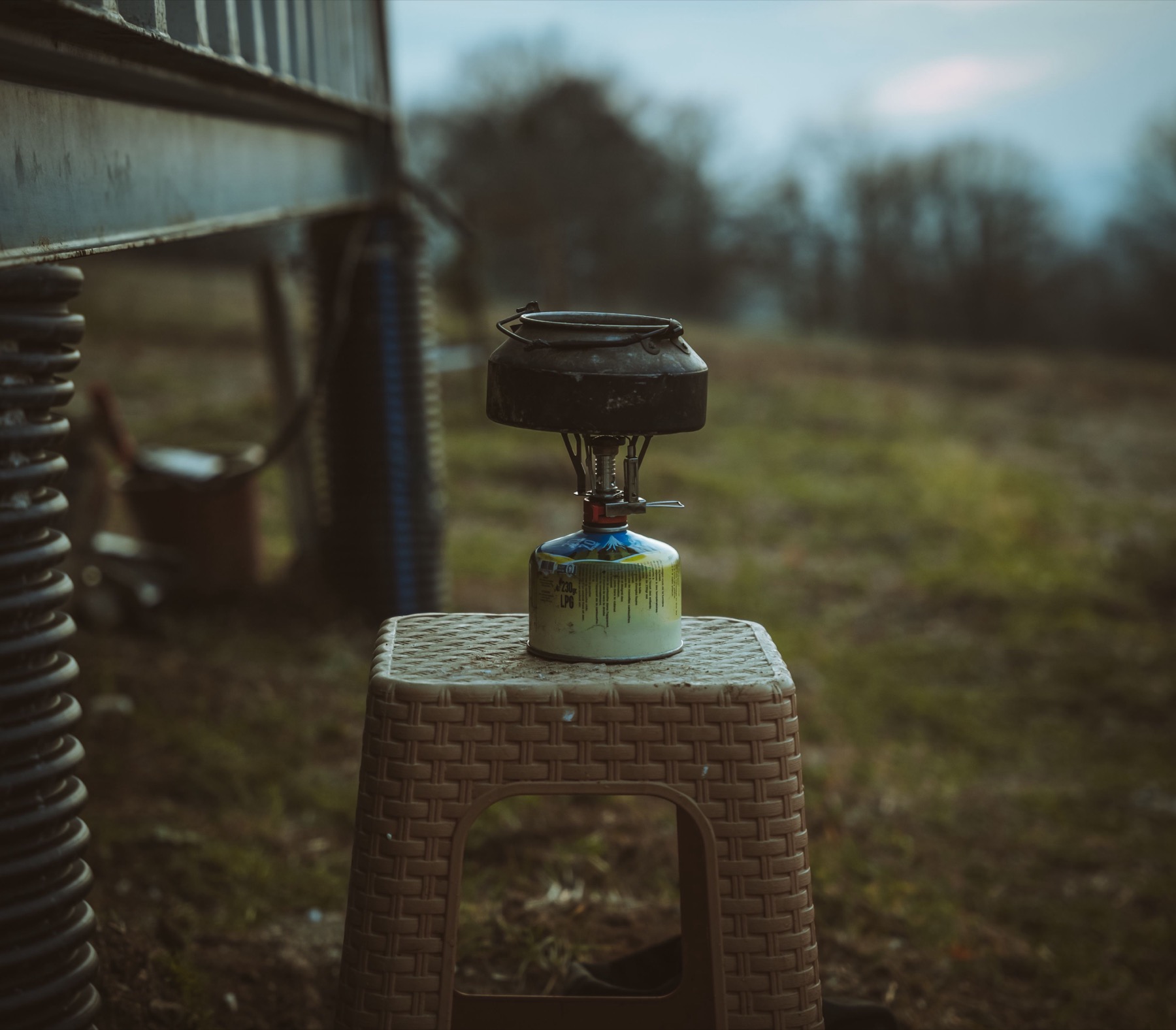
Sourcing gas is a fairly annoying puzzle for motorhomers in Norway, and it’s better to prepare for it before you set off. While most of Europe uses a propane-butane mix, Norway runs exclusively on pure propane, because butane loses pressure and burns poorly in Nordic temperatures. The exchange-cylinder system is run by the local brands AGA and Linde, and no one at a station up there will swap a standard European cylinder for you.
If you’re going on a regular two-week summer holiday, the simplest thing is to bring two full cylinders from home — that’s more than enough for cooking and the occasional bit of heating. The problem only arises on longer trips, or if you heat the whole vehicle with gas and power an absorption fridge, which uses surprisingly a lot.
In that case you have two workable options. You can use the specialised LPG Norge network, which has over forty branches and, thanks to special adapters, can even refill foreign cylinders. The other option is to buy a Norwegian cylinder on the spot for around 1,200 NOK and to pick up a special GOK D2 adapter at home beforehand, which connects the Nordic valve to your regulator.
💡 Tip: Refilling a standard exchange cylinder yourself at an ordinary LPG pump at a petrol station is strictly forbidden throughout Norway. It’s really not worth trying, both for your personal safety and because of the penalties involved.
7. Ferries: How Not to Pay a Fortune for Every Metre of Length
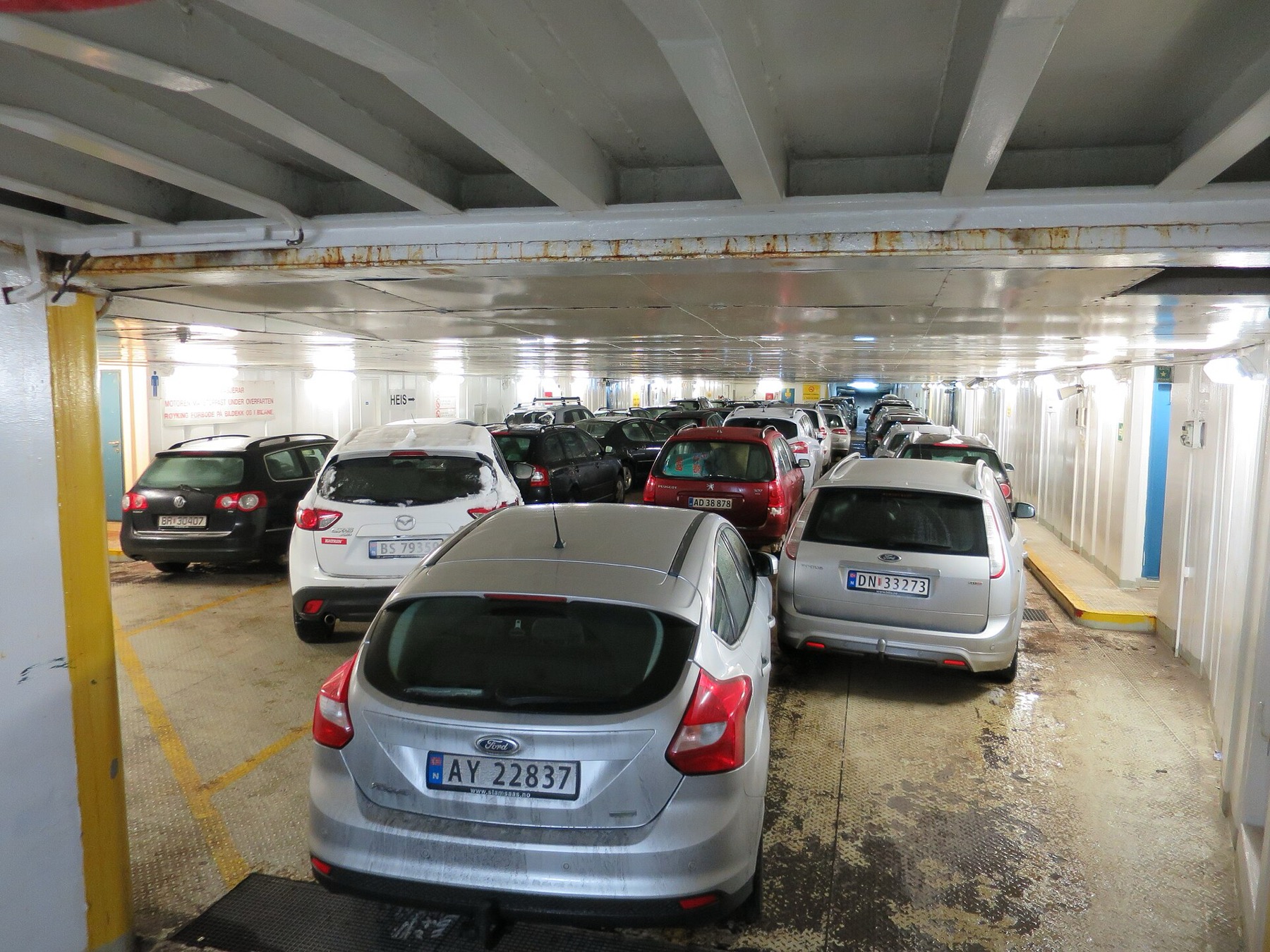
Domestic fjord ferries are an integral part of Norway’s road network, and soon after crossing the border you’ll realise there’s simply no avoiding them. The crossing fare is determined strictly by the total length of the vehicle, which is absolutely crucial information for motorhome owners. The tipping point is the six-metre threshold, above which prices jump to astronomical heights.
For a clearer picture, let’s look at the popular route from Bodø to Moskenes in Lofoten, based on the official 2026 price list. While a smaller vehicle under six metres pays 605 NOK, a longer one between six and eight metres comes to a whopping 1,302 NOK. Passengers and foot travellers are luckily carried entirely free on these domestic ferries, so you only pay for the metal box itself.
If you plan to use more than four or five ferries during your holiday, be sure to set up a prepaid AutoPASS-ferjekonto account in advance. After paying a 2,200 NOK deposit, you get an automatic 50% discount on all crossings throughout Norway. Most ferries read your number plate or electronic chip fully automatically, and no one has stopped at a cash booth for years.
💡 Tip: When booking a large ferry from Denmark to Norway, be absolutely precise about your vehicle’s dimensions, including a bike rack. Staff measure vehicles before boarding, and an understated length means a hefty surcharge (a one-way ticket from Hirtshals to Kristiansand costs roughly €170).
8. Tolls for Motorhomes: Beware the 3.5-Tonne Limit
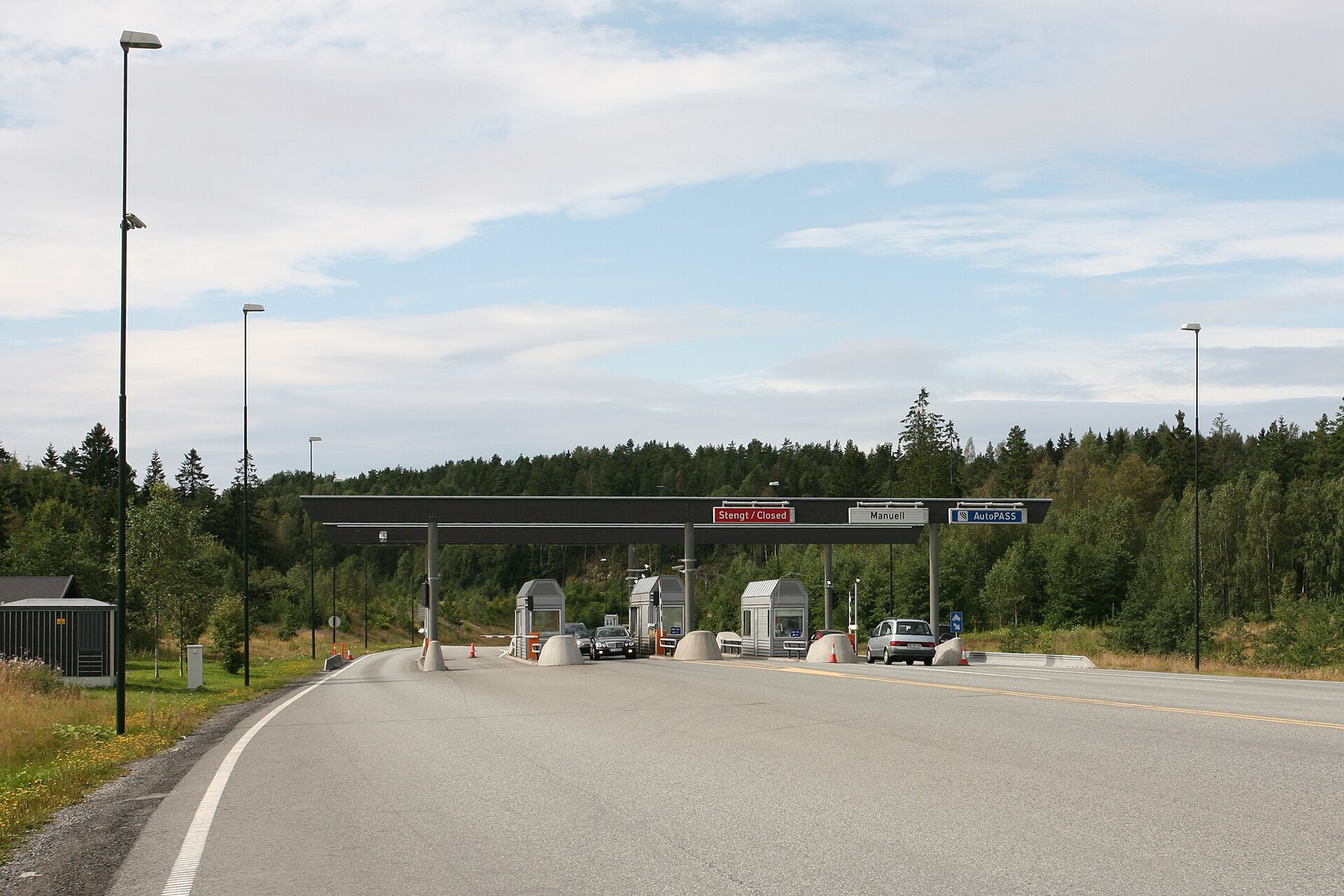
Norway has no motorway vignettes (unlike the toll stickers in Austria or Switzerland); tolls are paid as charges for driving through specific sections, bridges or undersea tunnels. The system is fully automated, with no barriers or booths, so you drive through smoothly while smart cameras read your number plate. For ordinary cars under 3.5 tonnes, a simple registration via the Epass24 portal is enough — an invoice arrives later by email, and you avoid the fee for the lengthy process of tracing the owner via foreign vehicle registers.
For owners of large motorhomes over 3.5 tonnes, however, the rules hide a huge and very expensive trap. Heavy vehicles fall into the pricey freight category and normally pay double or triple the toll. Fortunately, there’s an exception for M1-category motorhomes, which can pay the same friendly rates as ordinary passenger cars.
The condition for getting this passenger rate on a vehicle over 3.5 tonnes is a valid contract and a physically mounted AutoPASS chip behind the windscreen, which you order from companies like SkyttelPASS or Fremtind. Without the chip, the system will mercilessly charge you the full freight rate, and you also risk a fine of 8,000 NOK. On top of that, for all vehicles without exception, having the chip earns you a blanket 20% discount on every passage.
💡 Tip: You need to order the toll chip well in advance, because delivery by post abroad can easily take two to four weeks. Unfortunately, you can’t just buy one at a Norwegian petrol station the way you’d grab an Austrian motorway vignette.

9. Narrow Roads, Trollstigen and Driving a Large Vehicle
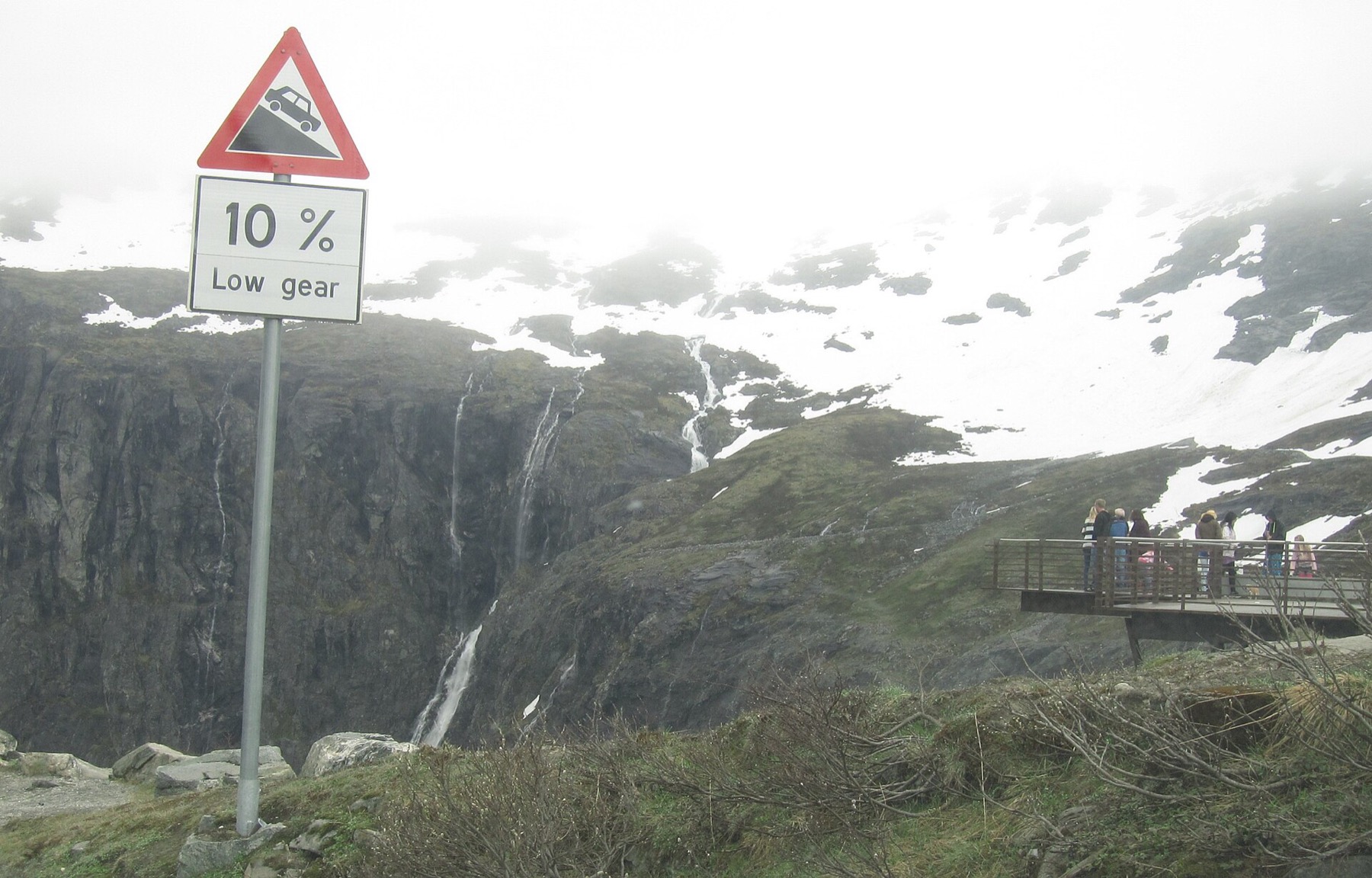
Driving on Norway’s back roads takes steady nerves, consideration and a very good sense of your own vehicle’s size. The roads hugging the deep fjords tend to be extremely narrow, winding and slow, so with a bigger motorhome your realistic average speed rarely exceeds fifty kilometres an hour. Passing happens at special widened spots clearly marked with a blue sign bearing a large letter M, and larger vehicles are reluctant to reverse on them.
A chapter of its own for experienced drivers is the famous mountain road Trollstigen. After a long closure due to falling rocks, it reopened in record time in 2026, as early as late April, but driving a long motorhome around its sharp hairpins can genuinely make your hands sweat on the wheel. It’s often far more sensible to leave the vehicle down below at a campsite near the town of Åndalsnes and tackle the dramatic stretch on a rented bike or a sightseeing bus.
Speed limits are taken deadly seriously in Norway, and speed-camera tolerance is a mere three kilometres an hour. Fines reach astronomical sums: doing 130 km/h in a 110 zone, for example, will cost you 10,100 NOK. Watch out, too, for older tunnels on secondary roads, which are often much lower than the modern ones — check your route carefully with a tall vehicle.
💡 Tip: In the winter months from mid-November to the end of March, vehicles over 3.5 tonnes are required to have winter tyres with a tread of at least five millimetres and to carry snow chains, because mountain passes are often under snow.
10. Motorhome Hire in Norway or Drive Your Own?
When planning a Norway holiday, you’ll definitely face the basic dilemma of whether to drive your own vehicle all the way from home or conveniently opt for motorhome hire in Norway after flying into Oslo. Norwegian rental prices are fairly high, and in the 2026 summer season a large motorhome costs around 2,800 NOK per day. On top of that you have to add one-off service fees of around two thousand Norwegian kroner and often a very high blocked deposit of around 15,000 NOK.
If you carefully tot up the total cost for two weeks, the rental alone climbs to well over €2,500. In contrast, the drive from Central Europe to Oslo via Germany and Denmark is roughly 1,400 kilometres, and the ferry from Hirtshals costs about €170 one way. But you’ll have to sacrifice at least four days of pure time just on the tedious transit across Europe there and back.
The numbers speak fairly clearly. For a trip shorter than ten to twelve days it’s usually worth flying and renting a vehicle on the spot, whereas for a three-week or longer expedition, driving your own vehicle from home is the clear winner. The savings on Norway’s overpriced rentals reliably outweigh the cost of the diesel you burn and the ferries across the sea.
💡 Tip: If you rent a vehicle in Norway, check whether the rental includes a toll package and unlimited kilometres. It often happens that a month after you get back, they’ll dock further thousands in extra charges from your card.
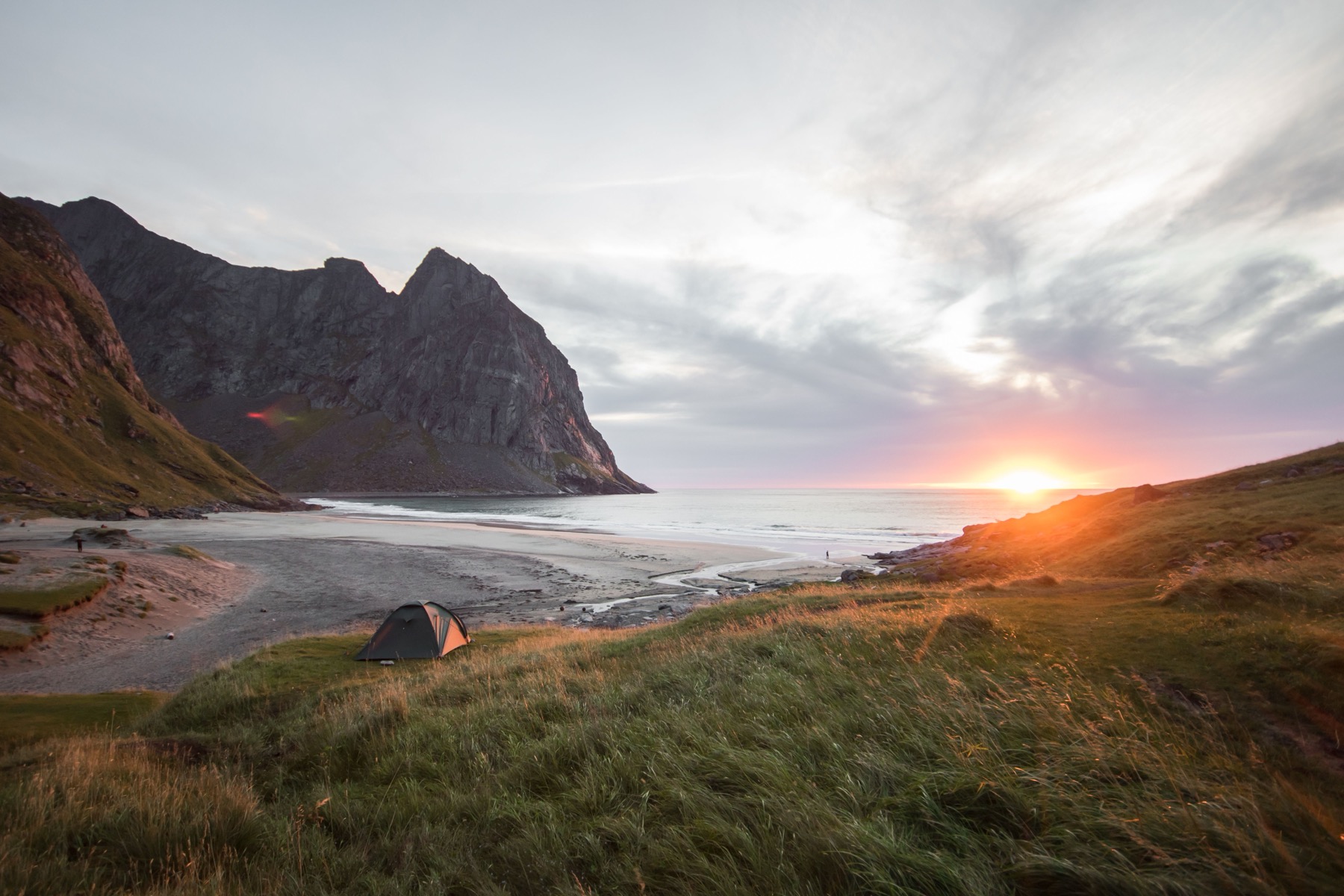
11. Etiquette, Human Waste and the New 2026 Tourist Tax
The tourism boom has its downside, and locals are finding it harder and harder to bear. The most glaring scandal of recent years is human waste along roads and hiking trails, which in Lofotodden National Park, for example, led to water contamination with E. coli bacteria. The park administration even trialled handing out special waste bags, modelled on dog bags, for a while, but the project ended in 2025 for lack of funding.
Another very common transgression is inconsiderately hogging public space. Settling into a public rest area with camping furniture and an extended awning for the whole day is exactly the behaviour that triggers new waves of bans. Try to behave like invisible guests, always buy local produce from farmers, and fully respect residents’ privacy.
An important novelty from July 2026 is the introduction of a so-called visitor contribution. Hard-hit municipalities can now levy a three percent tourist tax on the price of accommodation, which they’ll use to fund new toilets, car parks and trail maintenance. Campsites and overnight stays in a motorhome are exempt from this law for now, but the debate about charging motorhomers rages on at the authorities.
💡 Tip: Do your bit and carry your own trowel or sturdy bags into the mountains. If you need to answer nature’s call in the wild, bury everything carefully and carry used toilet paper back in a bag to the nearest bin.
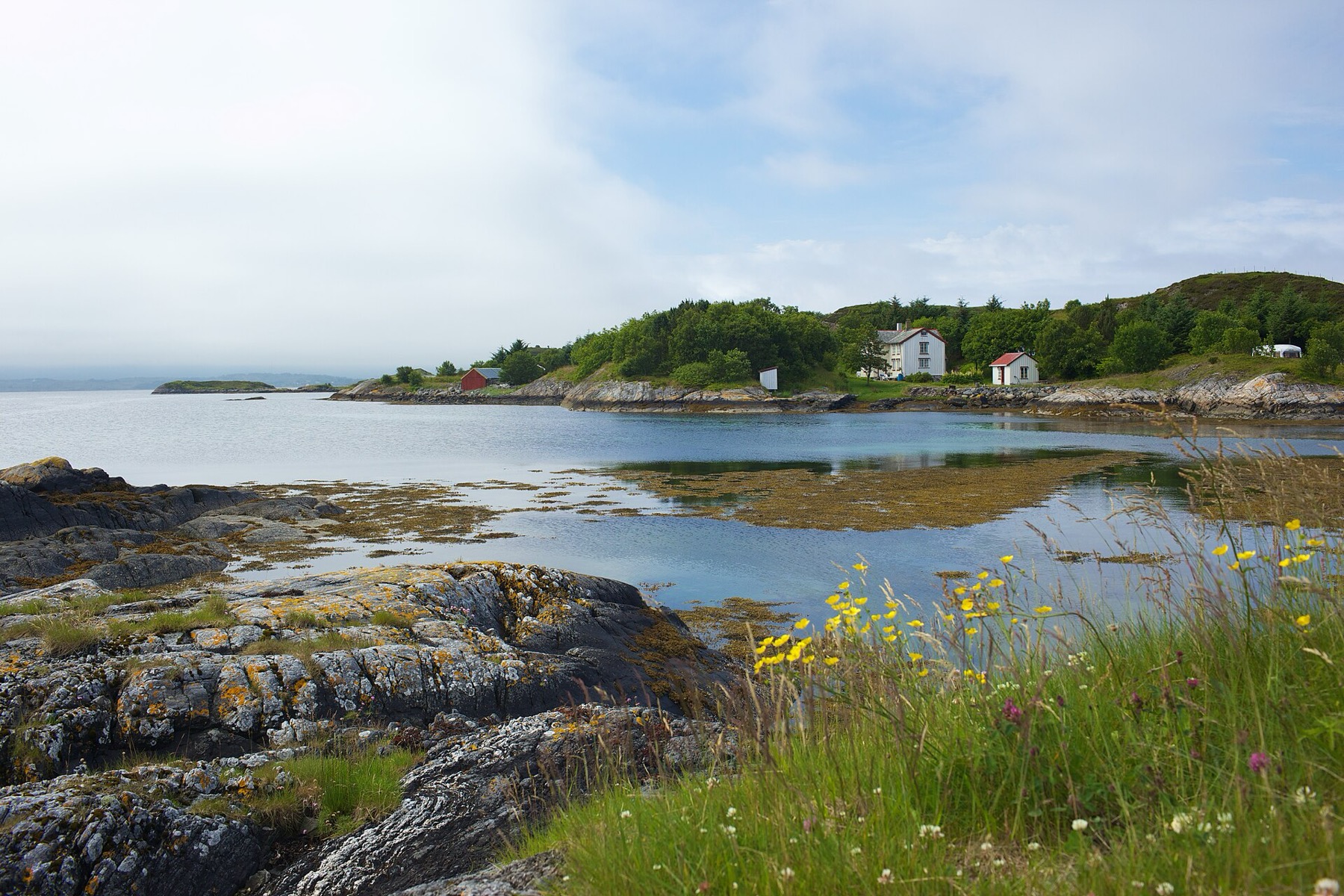
12. A 2–3 Week Itinerary: The Golden Southern Loop
For a first visit to Norway by motorhome, I recommend the classic southern loop, roughly 2,500 kilometres in total, which takes in the best of the country. Devote the first week to the southwest and the magnificent Lysefjord, where you can set off on the famous hike to Preikestolen. Remember that you can’t stay overnight at the starting car park, so secure a spot at nearby Preikestolen Camping in good time.
In the second week you’ll be reliably captivated by the region of great fjords around Bergen. I recommend leaving the vehicle on the edge of town at Bratland Camping or an official bobilplass and heading into the historic centre by public transport. Then move on to the enormous Sognefjord, explore the picturesque surroundings of Flåm, the stunning Stegastein viewpoint and the breathtaking Jostedalsbreen glacier.
Save the third week for Norway’s most famous icons. The descent into Geiranger, with the mirror-like fjord below you, is one of those places where you’ll reach for your camera before you’ve even switched off the engine, and the drive along the reopened Trollstigen with its hairpins full of open-mouthed tourists is also not to be missed.
💡 Tip: The pace of driving in Norway is much slower than you might be used to, and the roads demand your full attention. Plan daily drives in a motorhome of no more than 150 to 200 kilometres, so you have time to savour the views and aren’t utterly wiped out by evening.
Where to Stay: Campsites, Rorbu and a Proper Bed
💡 Accommodation and experiences tip: We prefer to look for accommodation on Booking.com, which tends to have the best cancellation terms. For tickets, tours and activities, it’s worth comparing and booking through GetYourGuide.
If you want to take a break from the cramped space of a motorhome and enjoy a proper bed, Norway offers great options beyond wild camping too. I’ve picked out a few tips that definitely won’t disappoint.
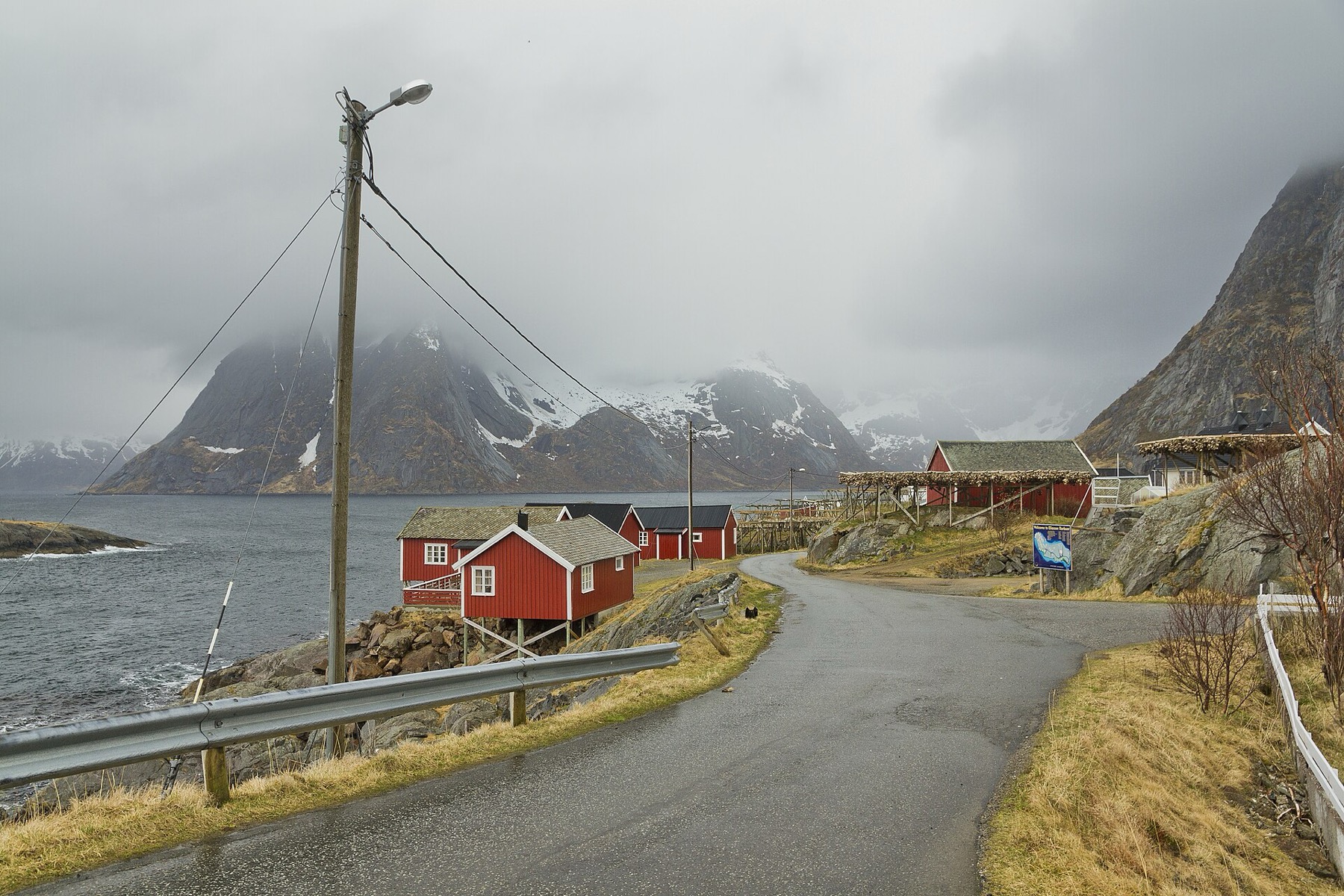
In the popular Geiranger area, be sure to check out Geiranger Camping, which sits right by the fjord and offers luxurious views. If you’re heading to Lofoten and want a solid roof over your head, try the classic red fishermen’s cabins known as rorbu. You’ll find gorgeous accommodation at Eliassen Rorbuer in the little village of Hamnøy, home to the most famous photos of the whole of Norway. For a visit to the capital, Topcamp Bogstad on the edge of Oslo is ideal — surrounded by nature yet just a fifteen-minute bus ride from the centre. All these places tend to be hopelessly full in summer, so really don’t hesitate to book.
Where to Eat
Eating out in Norwegian restaurants can really shake up your travel budget. A main course commonly costs 300 to 500 NOK, so most motorhomers logically rely more on their own supplies.
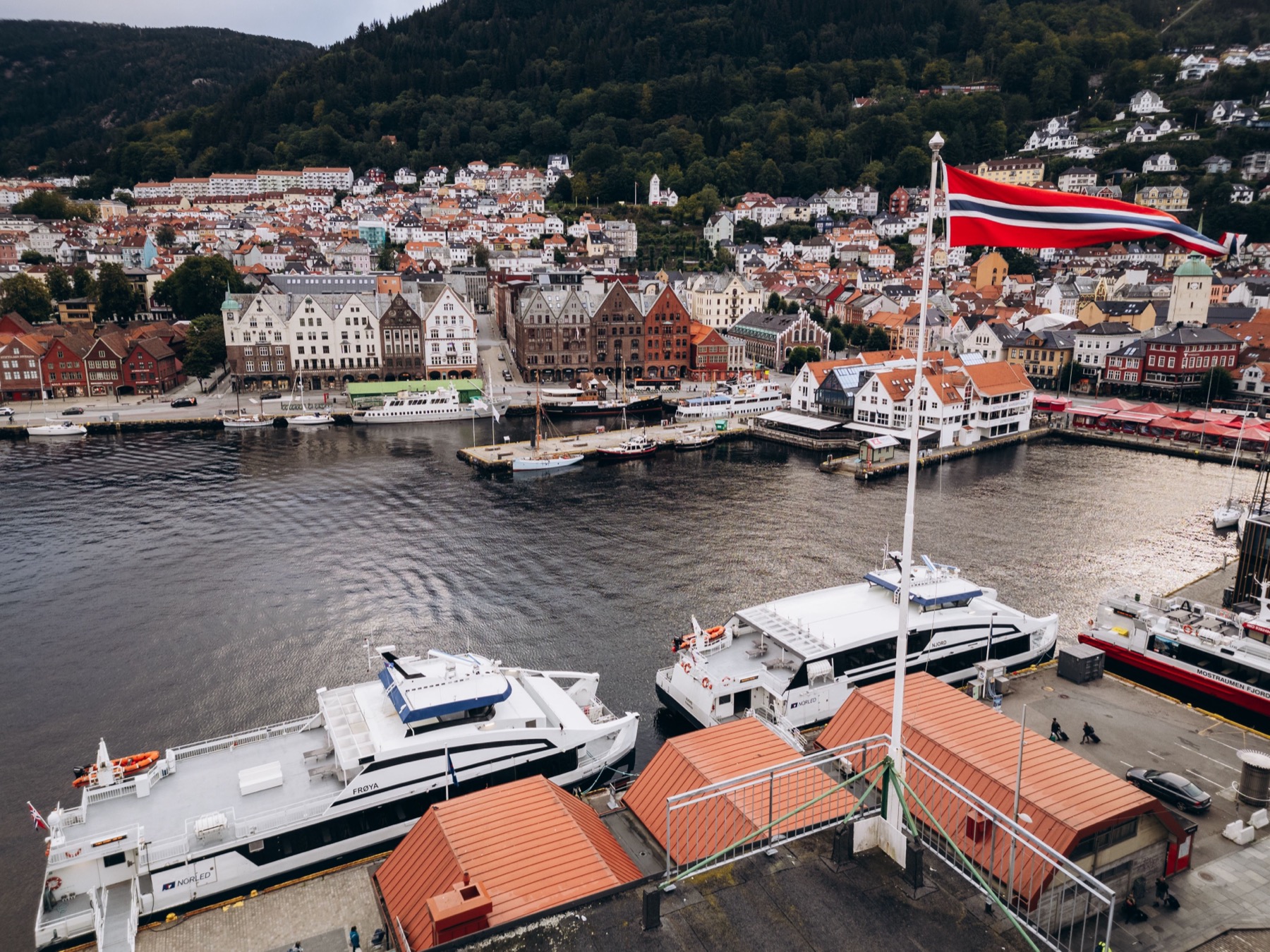
Traditional fish restaurants operate along the coast: in Bergen there’s the well-known Fisketorget market, where the catch is prepared right before your eyes, and in Lofoten the restaurant Anita’s Sjømat on the island of Sakrisøy is famous for its fish burgers. Vegetarians will do best in the supermarkets and cafés of the larger towns. And for everyday restocking, count on chains like REMA 1000 or Kiwi, where you’ll find the best value for money.
Practical Summary and Rough Prices
To give you a better idea of your budget, I’ve put together an overview of the main costs you need to factor in for a motorhome trip in 2026. The Norwegian krone is worth roughly €0.085.
- Standard campsite with electricity (2 people + vehicle): 350 to 550 NOK per night.
- Official bobilplass parking: 100 to 250 NOK per night (electricity often for an extra fee).
- Campsite shower (hot water): 10 to 20 NOK for five minutes.
- New AGA gas cylinder and refill: around 1,000 NOK to buy, 350 to 400 NOK to swap.
- Tolls for a two-week loop (car, no discounts): roughly 700 to 1,500 NOK.
- Ferry to Norway from Denmark: from €170 one way for a motorhome, depending on dimensions.
- Daytime parking at busy spots (Preikestolen): 250 NOK.
- Fine for speeding by 11–15 km/h: 5,350 NOK on a highway.
Where to Next
If Norway is calling and you want to fine-tune the rest of your trip, take a look at these further articles that will help with your planning.
- For a basic overview of all Norway’s wonders, read the extensive guide Norway: 50 Things to See.
- If you’re after a detailed route breakdown for a smaller vehicle, Norway by Car: Road Trip and Itinerary will help.
- The specifics of travelling to the far north are covered in Lofoten by Motorhome.
- To help decide when to go, check out the practical overview When to Visit Norway: Norwegian Weather.
- Prices and routes of the ferry companies are in Ferry to Norway: Routes and Prices.
- For hassle-free road payments, study Tolls in Norway: AutoPASS and Epass24.
- And don’t forget the iconic roads in The Atlantic Road and Trollstigen.
Frequently Asked Questions
Can I sleep in my car for free in Norway?
Yes, but only in places where parking is legal and there is no explicit ban on camping or overnight stays. Sleeping at rest areas along main roads is generally tolerated, as long as you don’t set up camping furniture on site. However, in popular tourist areas, bans are becoming increasingly common.
What exactly does the right of allemannsretten mean?
It’s a law on access to nature from 1957, which guarantees everyone the right to free movement and overnight stays in uncultivated land. However, it applies exclusively to hikers on foot and tents. This right does not apply to motor vehicles, and driving off-road is strictly prohibited.
How much do Norwegian campsites cost and do I need to book them?
In 2026, you’ll pay between 350 and 550 NOK for a motorhome with two people and electricity hookup. In July and August, advance booking is practically essential in popular locations such as the Lofoten Islands or Geiranger, otherwise you risk finding no available spots at popular sites.
Where can I empty wastewater from my caravan?
Emptying chemical toilets and grey water is only permitted at official dump stations, called tømmestasjon. You’ll find them at campsites, at larger petrol stations, or at municipal wastewater treatment plants. For easy searching, I recommend downloading the free app Tømmestasjoner i Norge.
Does a caravan pay higher tolls than a regular car?
Motorhomes weighing up to 3.5 tonnes pay the same rate as regular passenger cars. If you have a heavier vehicle registered in category M1, you can also pay the passenger rate, but you have a strict obligation to obtain an electronic AutoPASS chip. Without it, the system will automatically place you in the very expensive commercial vehicle group.
How does it work with exchanging gas bottles in Norway?
Norway uses gas bottles from AGA or Linde brands filled with pure propane, and no one there will exchange your standard bottle from abroad. If you’re going for a longer period, you’ll need to use specialized LPG Norge refill stations or buy a Norwegian bottle and purchase a special GOK D2 adapter for it in advance back home.
When is the best time to head to Norway with a motorhome?
The most stable weather and all open mountain roads can be found from the end of June to mid-August. However, this period is also the high season, when campsites are most expensive and busiest. Late May to early June or September offer fewer crowds, but you need to expect colder weather.
Tips and Tricks for Your Vacation
Don’t Overpay for Flights
Search for flights on Kayak. It’s our favorite search engine because it scans the websites of all airlines and always finds the cheapest connection.
Book Your Accommodation Smartly
The best experiences we’ve had when looking for accommodation (from Alaska to Morocco) are with Booking.com, where hotels, apartments, and entire houses are usually the cheapest and most widely available.
 🚗 Car rental on the roadVerified rental cars in Norway
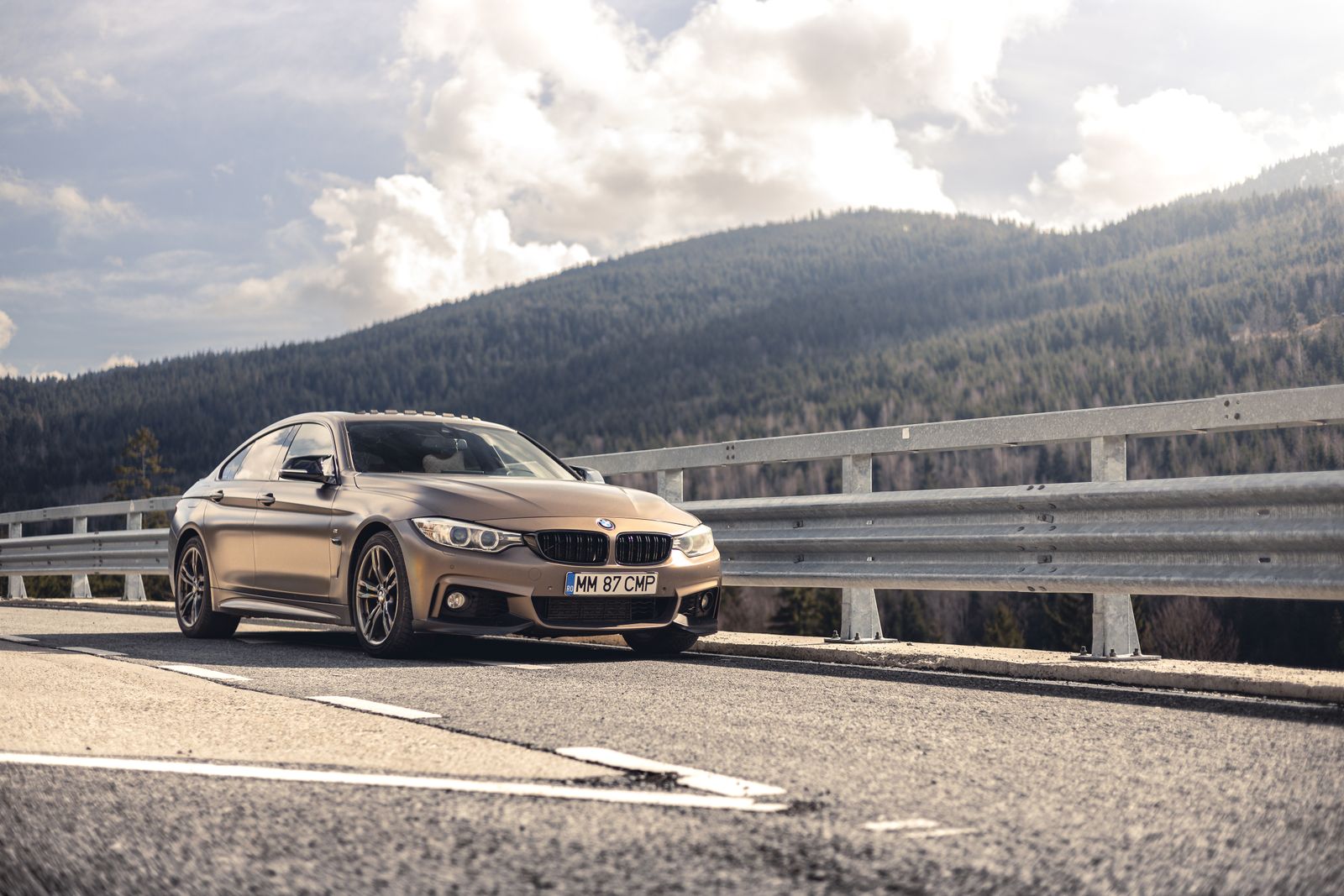
Search with the DiscoverCars comparison engine — it compares prices from dozens of local and international rental companies, and most bookings come with free cancellation.
Compare car prices in Norway →Don’t Forget Travel Insurance
Good travel insurance will protect you against illness, accidents, theft, or flight cancellations. We’ve had a few hospital visits abroad, so we know how important it is to have proper insurance arranged.
Where we insure ourselves: SafetyWing (simple monthly subscription) and TrueTraveller (for extra-long trips).
Find the Best Experiences
Get Your Guide is a huge online marketplace where you can book guided walks, trips, skip-the-line tickets, tours, and much more. We always find some extra fun there!
More from Norway
Full guide → What to see · most readSouthern Norway: 11 Best Things to See in the South & Southwest in 2026
 Day tripsSvalbard, Norway: 12 Things to Know About Tours & Cruises
 What to seeSvalbard, Norway: 15 Things to See and Do at the End of the World in 2026
 PricesFerry to Norway: Routes from Denmark & Germany, Prices and Booking in 2026
 What to seeMidnight Sun in Norway: 10 Tips on Where and When to See It


