

If you’re planning a trip up to the far north, you’re probably wondering where to make a strategic stopover. Trondheim is the historic heart of Norway, a city that many travellers unfairly overlook in their chase for the fjords. Yet this is exactly where you’ll find a fascinating mix of deep history, gorgeous Nordic architecture and the incredibly laid-back atmosphere that the local students bring to the place.
Although it once served as the capital and Norwegian kings are still crowned here to this day, it feels more like a very cosy and friendly little town. The colourful wooden warehouses along the River Nidelva contrast beautifully with the majestic towers of the enormous cathedral, while the ever-present little cafés tempt you to sit down over an excellent coffee. It’s no wonder this place regularly ranks among the very best cities to live in across Scandinavia.
Let’s take a look together at 12 things to do in Trondheim, Norway, so you get the absolute best out of your visit. I’ll tell you where to find the most unique bicycle lift in the world, which neighbourhoods to head to for great vegetarian food, and how to cleverly plan the train journey from Oslo.
TL;DR
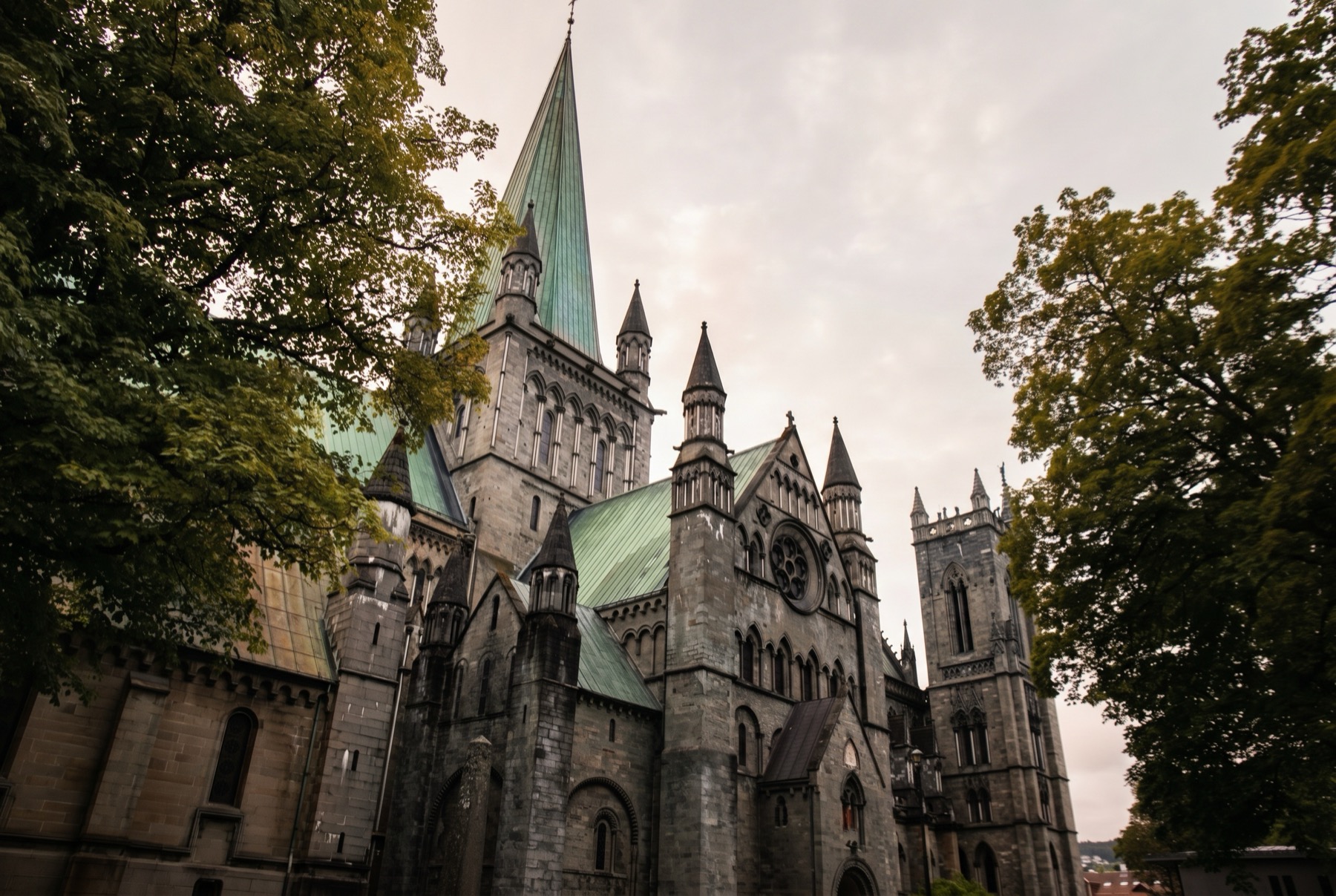
- The biggest landmark: Nidaros Cathedral is the largest medieval building in Scandinavia and an absolute must when visiting the city.
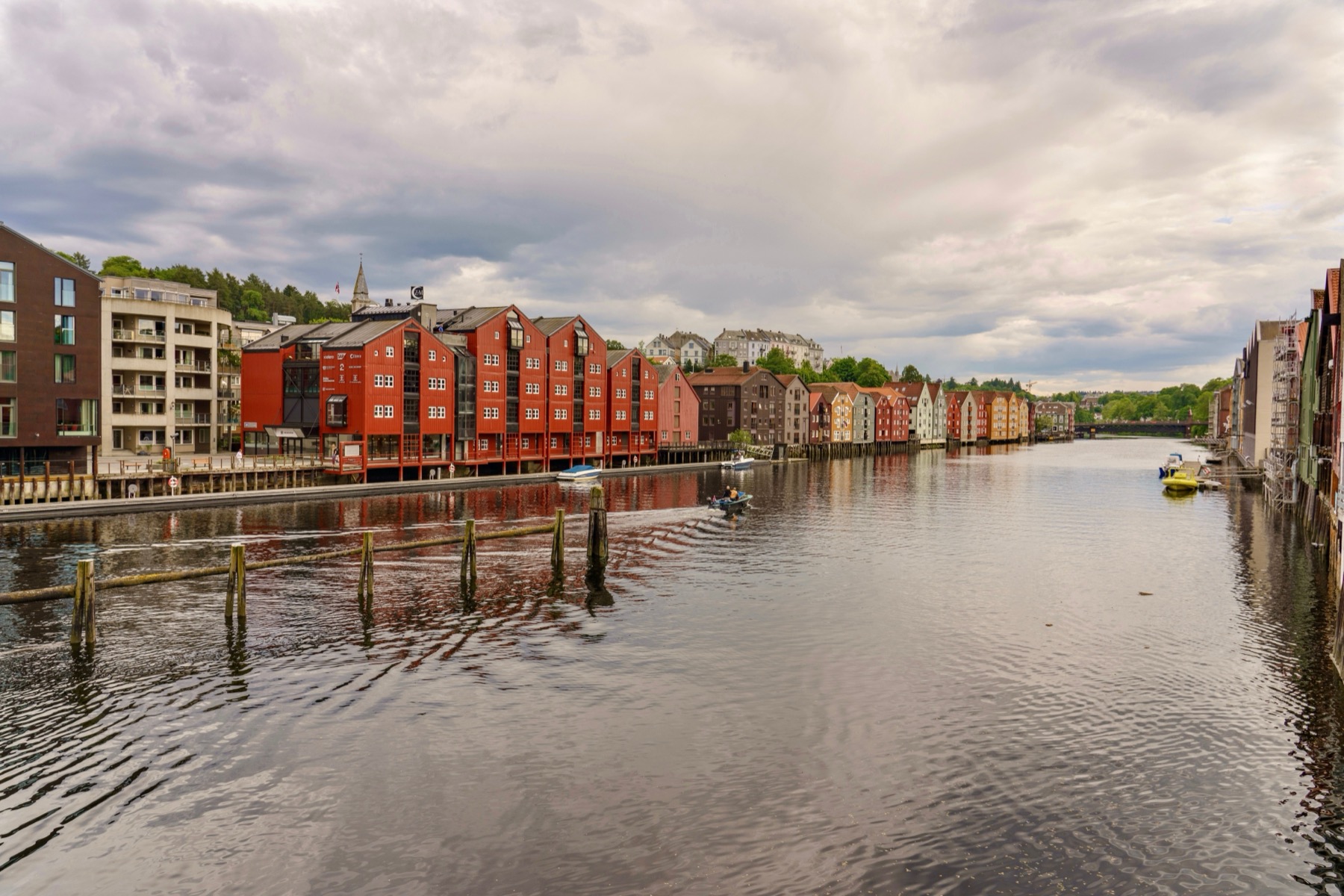
- The most photogenic district: Bakklandet will charm you with its colourful wooden houses on stilts and the old Gamle Bybro bridge.
- A unique experience: On the steep hill up to Kristiansten you can ride the only bicycle lift in the world, known as Trampe.
- Where to eat: The former docks in the Solsiden district are now home to a hub of excellent restaurants and bistros.
- A boat trip: In summer, be sure to head out to the islet of Munkholmen, where you can swim and have a picnic.
- Getting there: The most beautiful way is by train from Oslo along the Dovrebanen line, or you can use Værnes international airport.
The full destination guide: Norway — guide and what to see
When to visit Trondheim
Norwegian weather can be unpredictable, but if you want to enjoy the city to the fullest, summer is definitely your best bet. From May to August the days grow incredibly long, the sun sets late into the night, and you’ll have plenty of time to explore the streets. Locals come alive during this season, filling the outdoor café terraces, and the riverside radiates an unbeatable sense of ease.
Summer is also the only time you can easily catch a boat to the popular islet of Munkholmen, a favourite spot for swimming and relaxing. In July and August, temperatures usually hover around a pleasant 18 to 22 degrees Celsius, which is absolutely ideal for hiking without exhausting heat. Just don’t forget to pack a light waterproof jacket, because a shower can appear at literally any moment.
Winter, on the other hand, has its own very different, darker but deeply romantic charm. The Christmas markets in front of the illuminated Nidaros Cathedral are among the most beautiful in the entire country. The days are very short and temperatures drop below freezing, but if you dress well, you’ll be rewarded with a magical winter atmosphere free of tourist crowds. Spring and autumn are quieter transitional seasons, when you should expect more frequent rain and wind.
Where to stay in Trondheim
💡 Tip for accommodation and experiences: We like to look for places to stay on Booking.com, which usually has the best cancellation terms. Tickets, tours and activities are then worth comparing and buying through GetYourGuide.
Choosing the right hotel can take your city experience to a whole new level, especially in Norway, where accommodation standards are very high. Expect prices of roughly 1,400 to 2,600 NOK (about 120 to 225 €) per night for a double room. Most of the best hotels are within walking distance of the main sights, so you won’t have to worry about complicated commutes on public transport at all.
If you want to treat yourself to some genuine historic luxury, book a room at the iconic Britannia Hotel. This stunning five-star palace right in the centre offers first-class service, a beautiful spa and incredibly lavish breakfasts. It’s the perfect choice for special occasions or a romantic weekend you’ll remember for a long time.
For food lovers, an absolute legend is the Scandic Nidelven, which sits right by the river. This hotel regularly boasts the title of best hotel breakfast in all of Norway, which in a country with such high culinary standards is an enormous honour. A great and slightly more affordable option is the Clarion Collection Hotel Bakeriet, housed in the historic building of a former bakery and often including a light dinner in the room rate, which will save you a fair bit of money in Norway.
How to get to Trondheim
The journey to this Nordic city can be a huge experience in itself. The most beautiful option is the train from Oslo along the famous line known as Dovrebanen. The journey takes around six and a half hours and offers absolutely breathtaking views of Norway’s mountains, deep valleys and the wild scenery of Dovrefjell National Park. It pays to buy tickets well in advance through the Norwegian railways, as prices rise sharply as the departure date approaches.
If you’re in a hurry or travelling from further afield, the fastest option is flying into Værnes international airport. From the UK, you’ll typically get here with one connection, usually via Oslo or Copenhagen — direct flights to Trondheim, Norway are rare, so check routes from London or Manchester with carriers like SAS, Norwegian or KLM. The airport itself lies about 35 kilometres east of the centre, from where regular airport buses or local trains will whisk you comfortably and quickly into town.
Trondheim also works as an absolutely ideal gateway for further travel to the far north. This is where another famous railway line, the Nordlandsbanen, begins, taking you all the way past the Arctic Circle to the town of Bodø. From there it’s just a short ferry hop to the magical Lofoten Islands, which makes the city a perfect multi-day stop on a longer Scandinavian road trip.
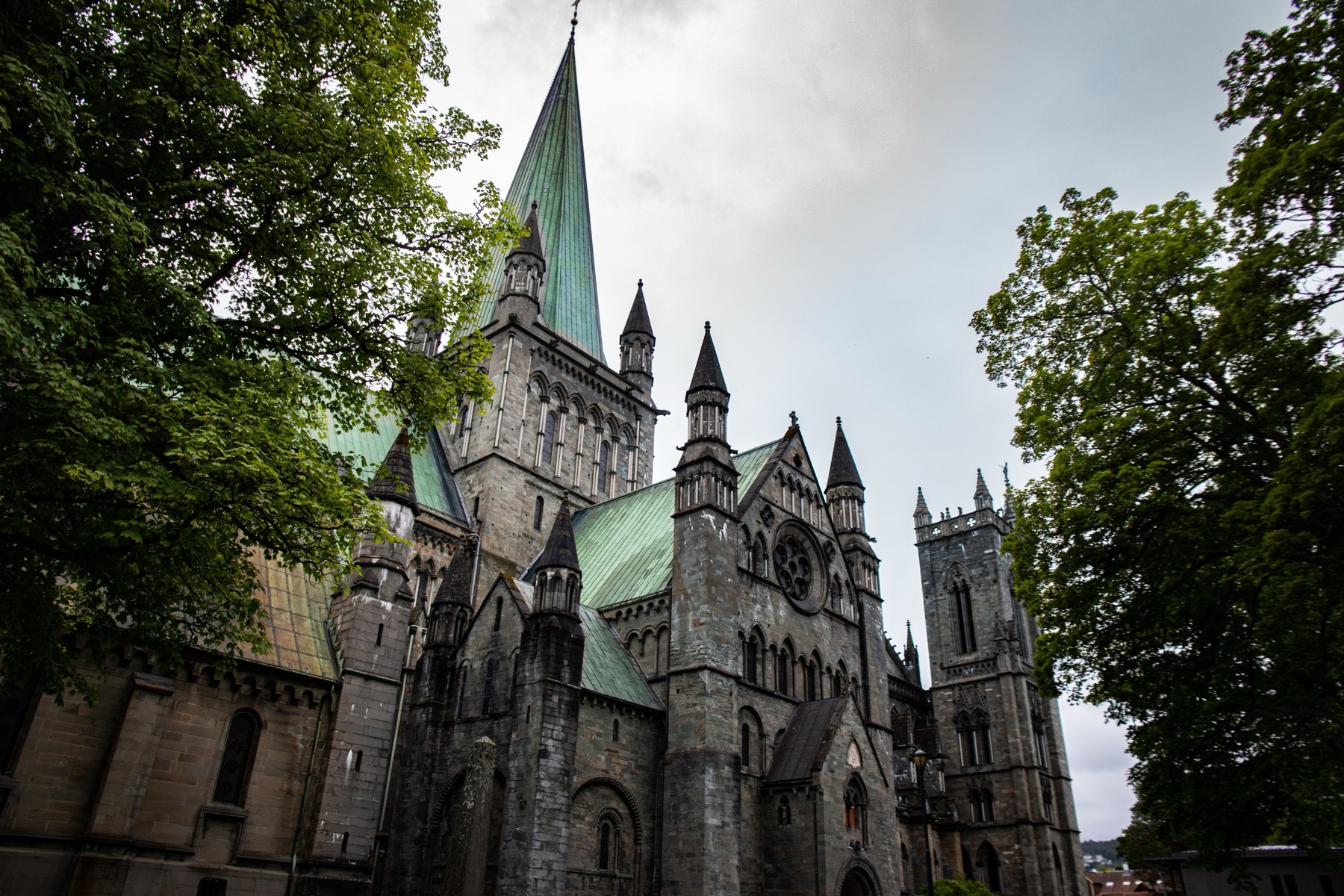
The historic centre and royal landmarks
The city centre is fairly compact and you can easily walk to all the main historic gems. This is where you’ll feel that majestic legacy of the past most strongly, from the days when the city served as the main seat of power for the whole country. The architecture flows seamlessly here, from medieval stone walls to gorgeous wooden palaces that still serve their original purpose to this day.
As you stroll through the cobbled streets around the main square, Torvet, be sure to notice the statue of the city’s founder, the Viking king Olav Tryggvason. From this central point, it’s easy to find your way to all three of the most significant landmarks that form the very soul of Norway’s royal and spiritual history.
1. Nidaros Cathedral (Nidarosdomen)
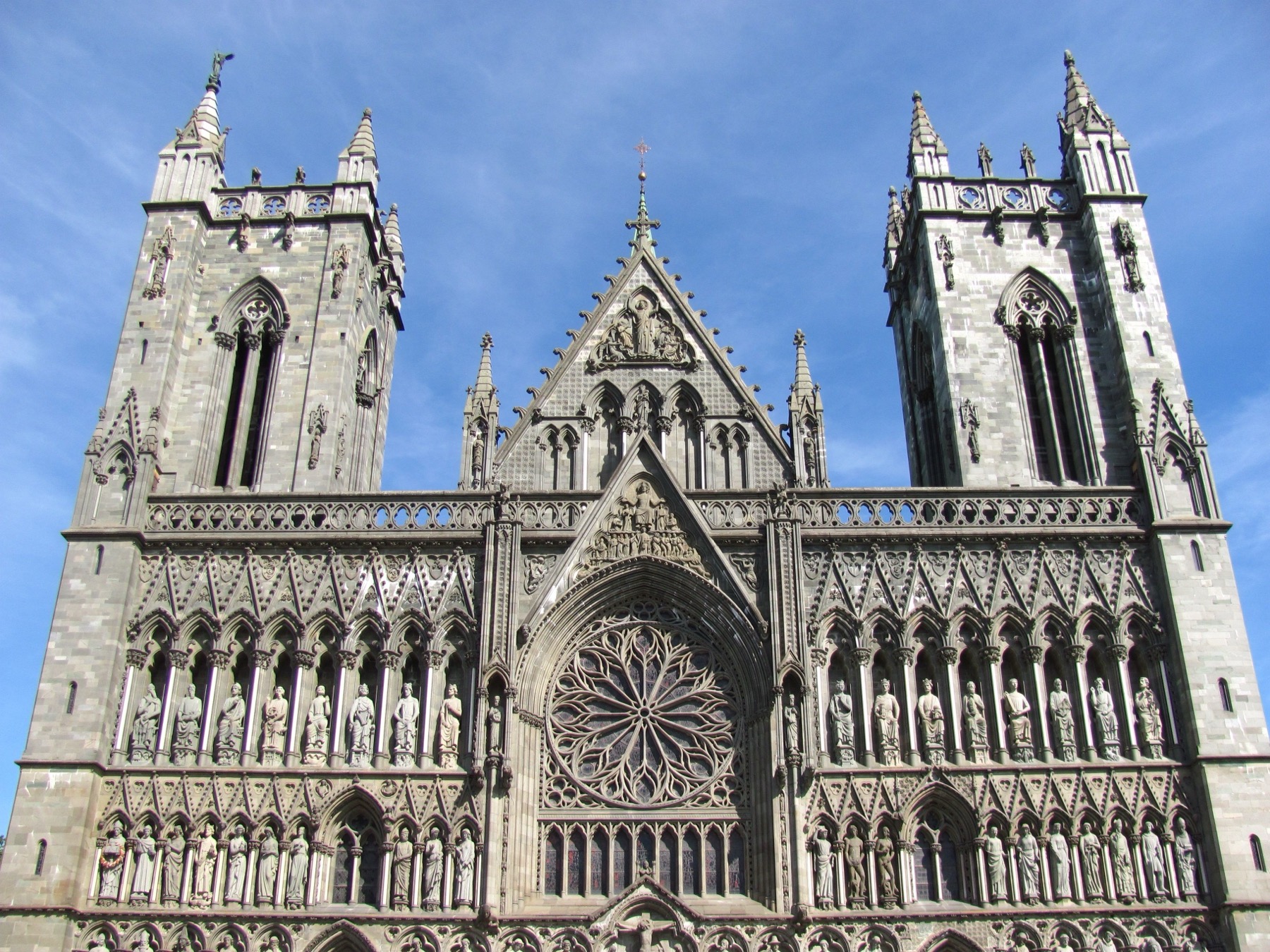
This enormous structure is an absolute jewel and the largest medieval cathedral in all of Scandinavia. It was built over the grave of Saint Olav, the patron saint of Norway, and its west front, adorned with dozens of meticulously carved statues, will simply take your breath away. By tradition, the coronations and blessings of Norwegian monarchs still take place within these very walls, which lends the place enormous gravity.
While a walk around the exterior of the majestic building is completely free, there is an entrance fee to access the interior and to climb the tower. Inside, you’ll be captivated by the beautiful stained-glass windows and the darkly Gothic atmosphere, which contrasts with the typical Nordic restraint. If you love a good view, definitely climb the narrow steps up to the main tower, where you’ll get a stunning panorama of the whole city and the bay.
💡 Tip: You can easily book tickets for the cathedral tour in advance, as well as various fjord cruises or guided city walks, through platforms like GetYourGuide, so you have peace of mind on the spot and can skip the queues.
2. The wooden palace of Stiftsgården
Right in the bustling centre you’ll come across an enormous yellow building that looks at first glance like a set from a historical film. Stiftsgården is the largest wooden palace structure in Scandinavia and still serves as the official royal residence when the royal family visits the city. It was built at the end of the 18th century, originally for a wealthy and ambitious merchant woman, which in itself shows the riches of the local elite at the time.
During the summer months, the gorgeous period interiors are open to visitors, accessible as part of guided tours. You can admire the lavish furniture and intricate wallpapers, and learn plenty of interesting facts about how people once lived and heated such an enormous wooden building. Even if you only decide to walk past, be sure to make time for a stroll through the lovely adjacent park, which is freely accessible.
3. The pilgrimage route of Saint Olav
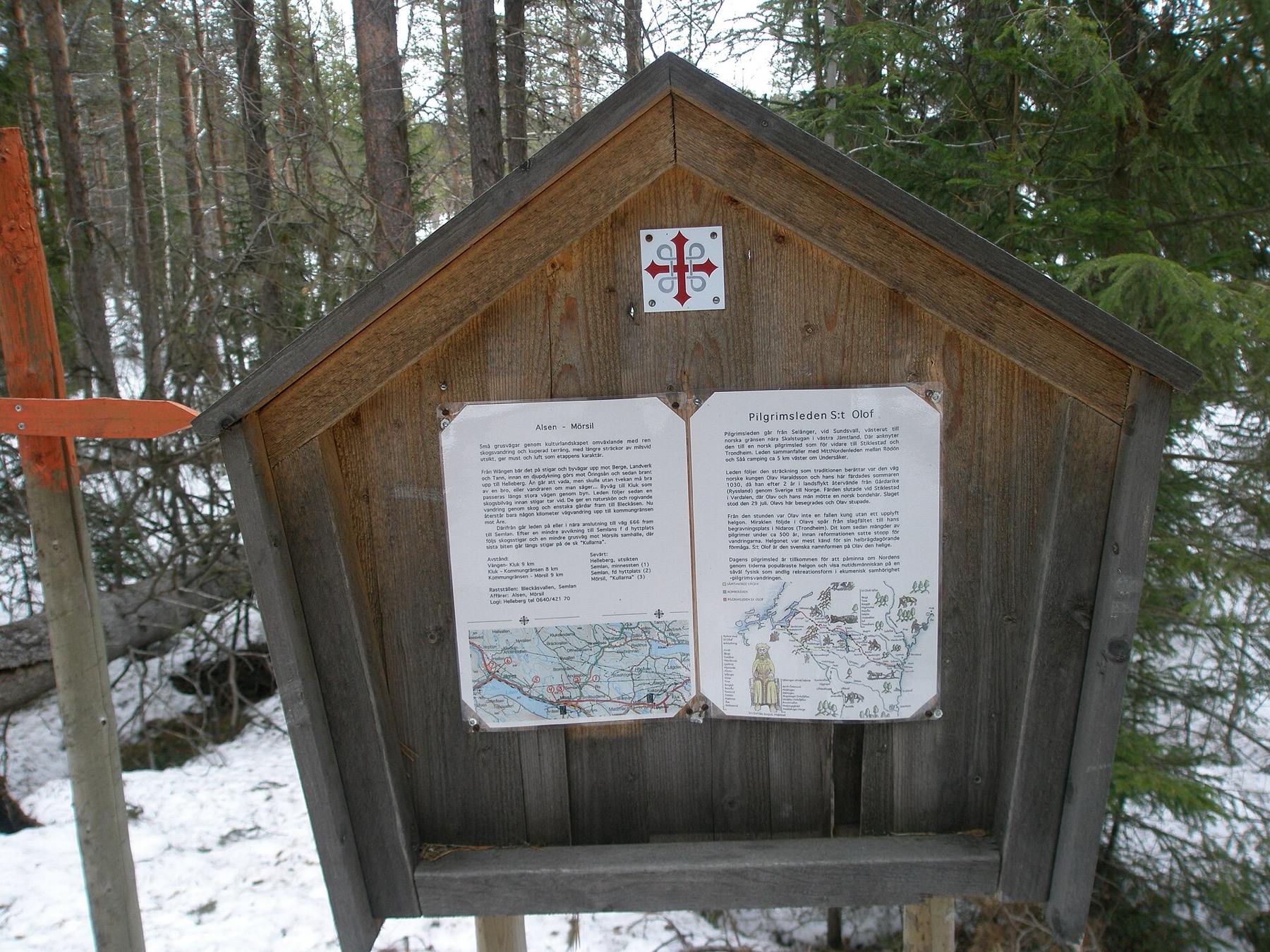
This might surprise you, but Trondheim has for centuries been the destination of hundreds of thousands of pilgrims and adventurers from all over Europe. The St. Olav’s Way pilgrimage route is a kind of Nordic counterpart to the famous Camino de Santiago de Compostela. The trails lead through wild mountains, quiet forests and picturesque valleys, all symbolically converging at the grave of Saint Olav in Nidaros Cathedral.
Today, this route is used by far more than just the faithful — it increasingly attracts lovers of hiking and slow travel. Even if you have no plans to walk hundreds of kilometres, you can at least cover the final few kilometres before the city gates and soak up that distinctive atmosphere of a path trodden for millennia by generations of pilgrims. At the information centre near the cathedral, you’ll discover fascinating stories about the history of this Nordic journey.
Iconic districts and city views
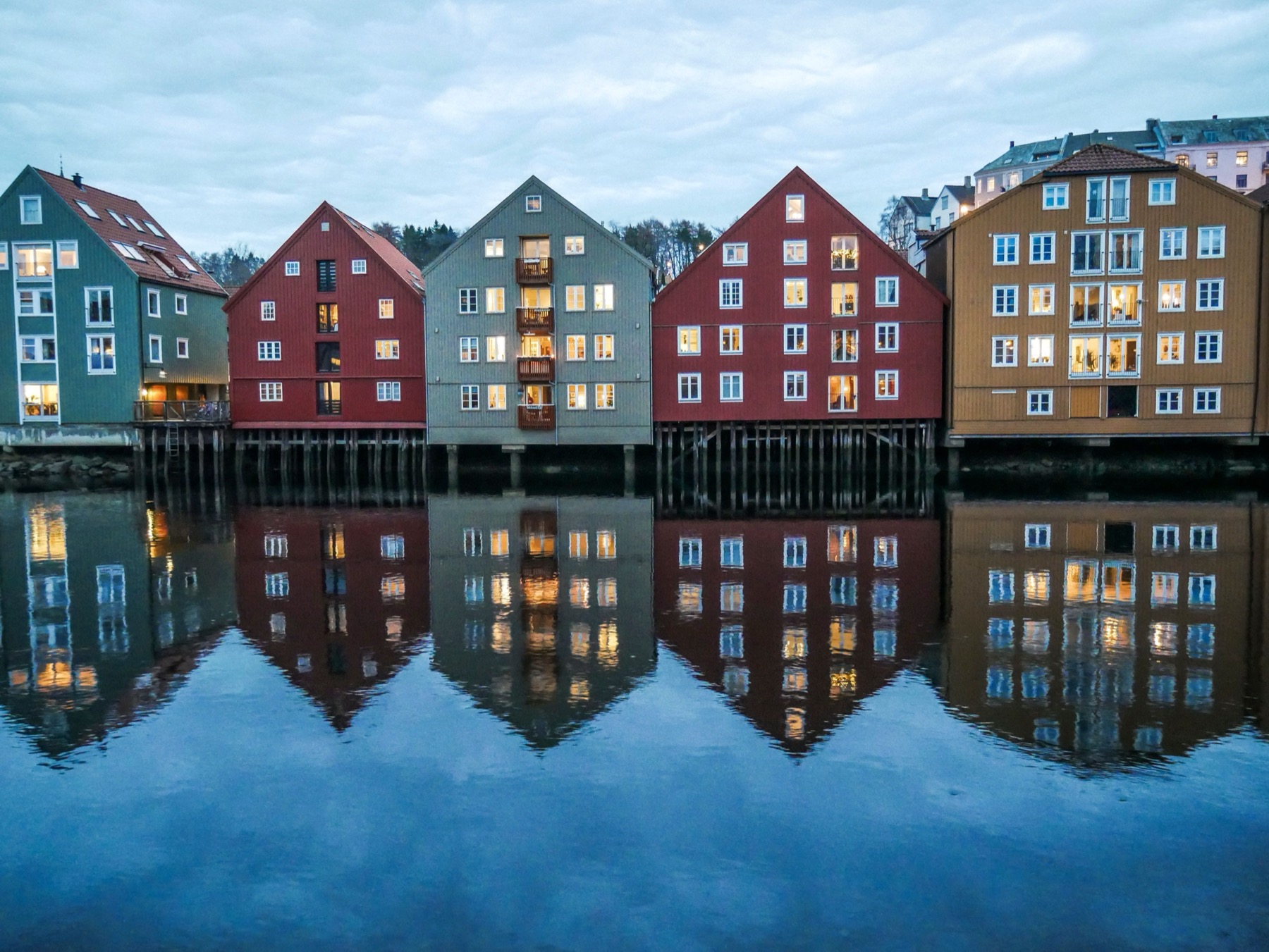
As soon as you leave the shadows of the medieval walls, a much more colourful and playful face of the city opens up before you. The wooden architecture and steep little hills create amazing photographic potential, which you’ll appreciate at every step. The city is brilliantly set up for walking, so you can gather all these iconic views over the course of a single afternoon.
Water plays the leading role here, as the River Nidelva winds lazily right through the middle of the city, creating gorgeous mirrors for the surrounding houses. Crossing the old bridges into the outlying districts will transport you back in time to the days when, instead of tourists, it was sailors, merchants and dock workers loading dried fish who strolled along here.
4. The magical Bakklandet district
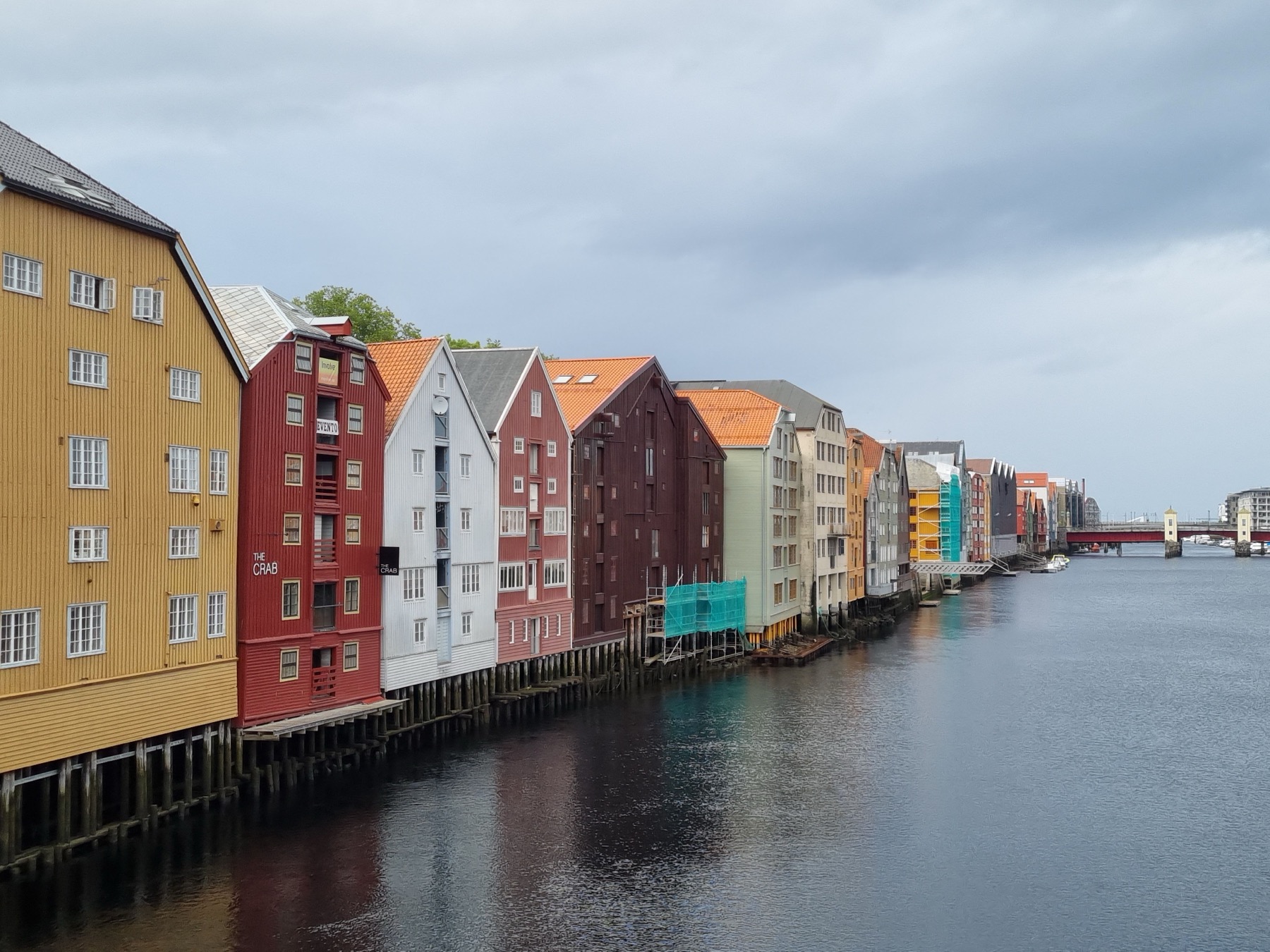
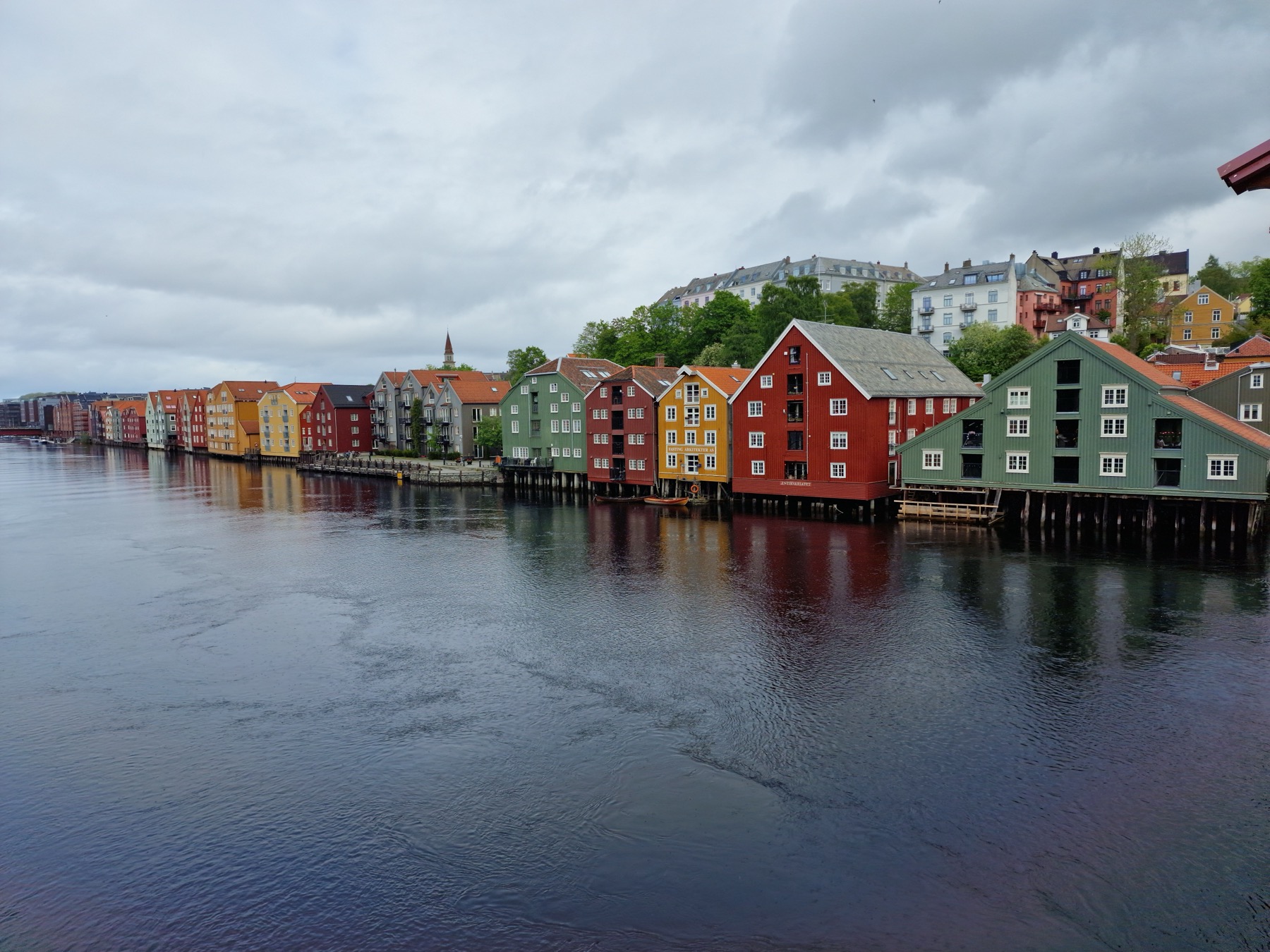
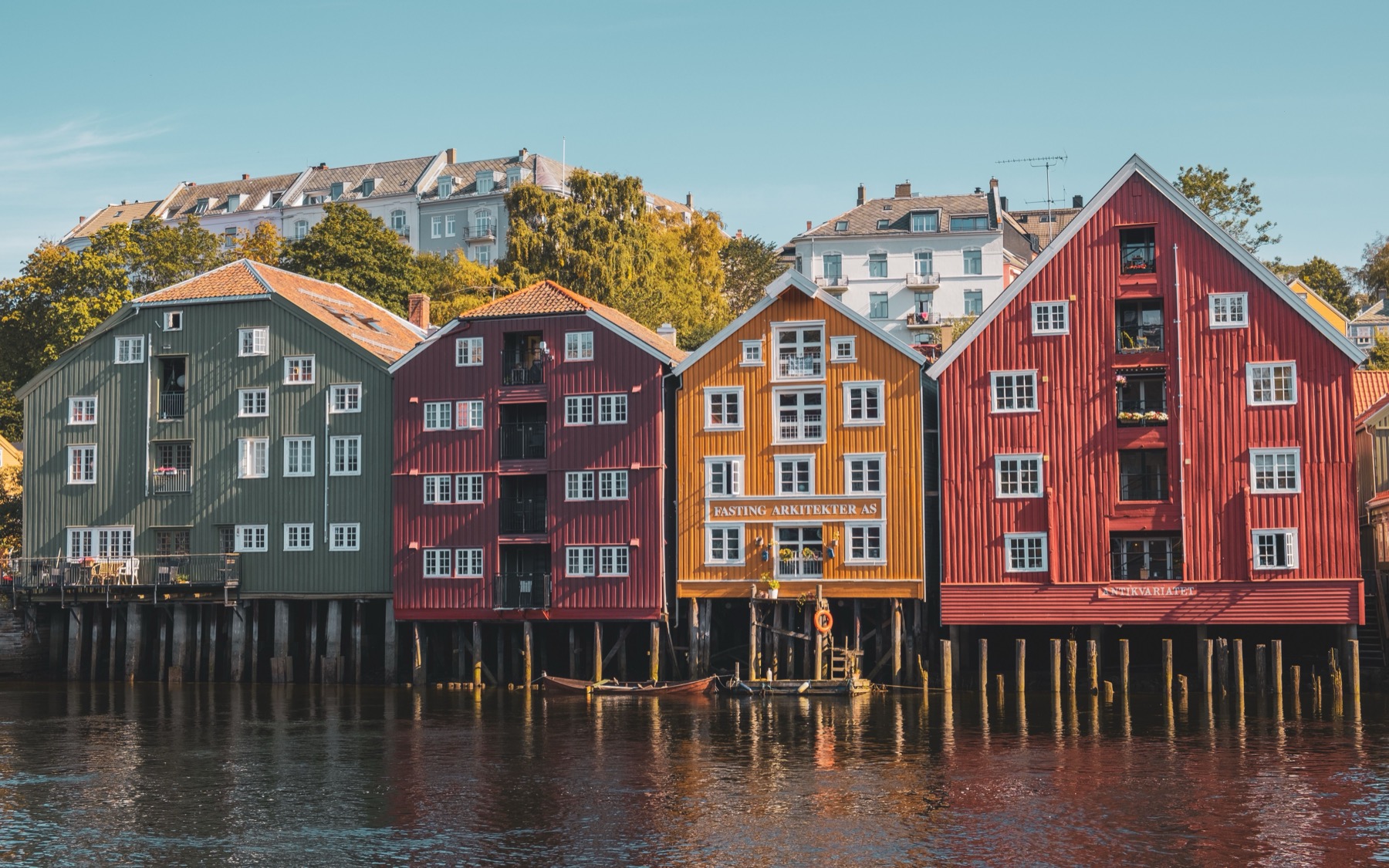
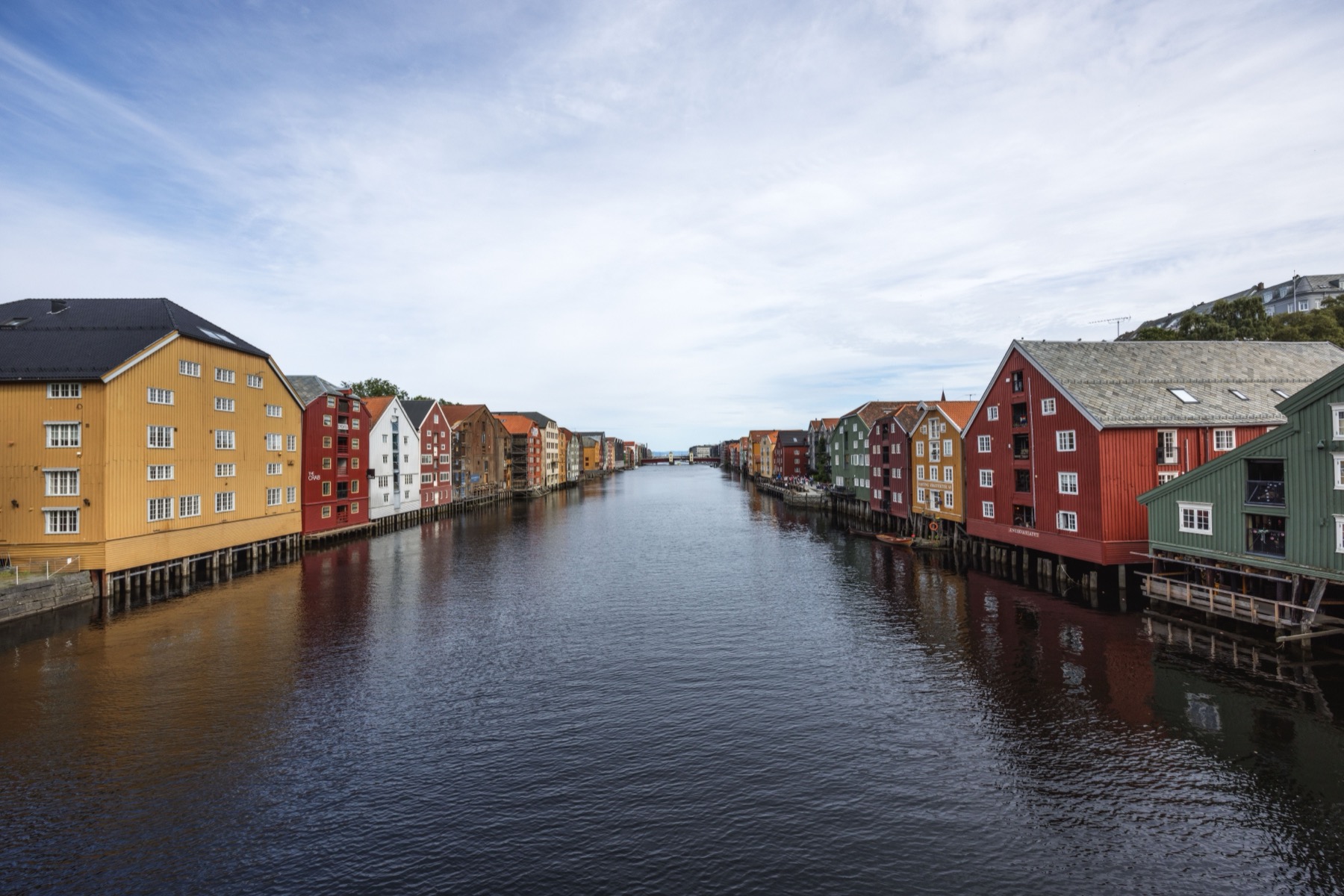
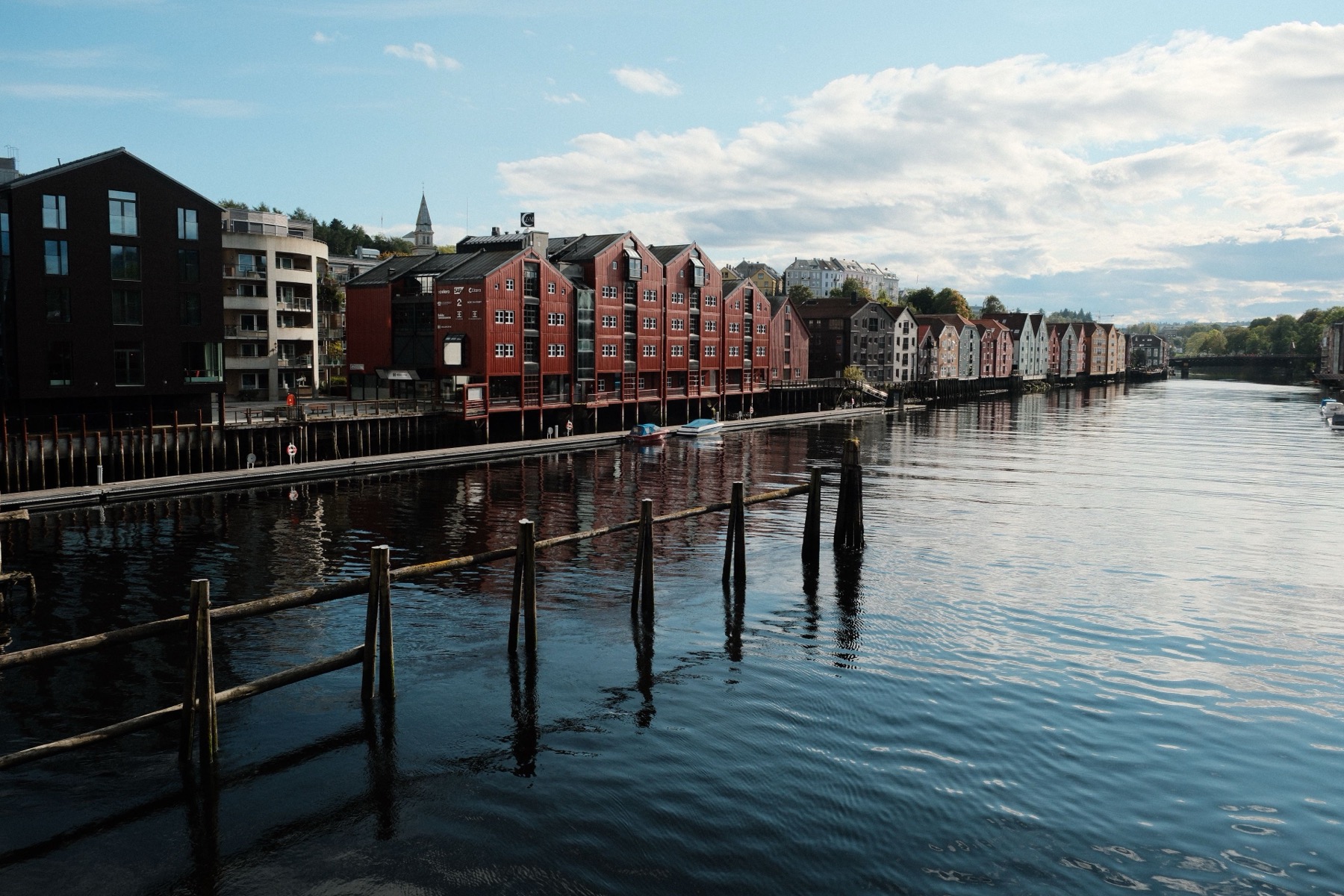
If there’s one place you’ll fall in love with instantly, it’s Bakklandet. This district is famous for its old wooden warehouses on stilts, which line the riverbanks and glow in every colour from rich ochre to traditional Falun red. It was originally a poor working-class neighbourhood, but today it has transformed into the most charming and bohemian spot in the whole area.
The narrow cobbled streets are full of independent boutiques, small galleries and cosy cafés, where locals gather over a cup of filter coffee and fresh cinnamon buns. Don’t forget to photograph the whole scene from the opposite bank near the cathedral, because from there the stilt houses reflected on the river’s surface stand out absolutely perfectly. It’s a scene straight off a postcard.

5. The old Gamle Bybro bridge
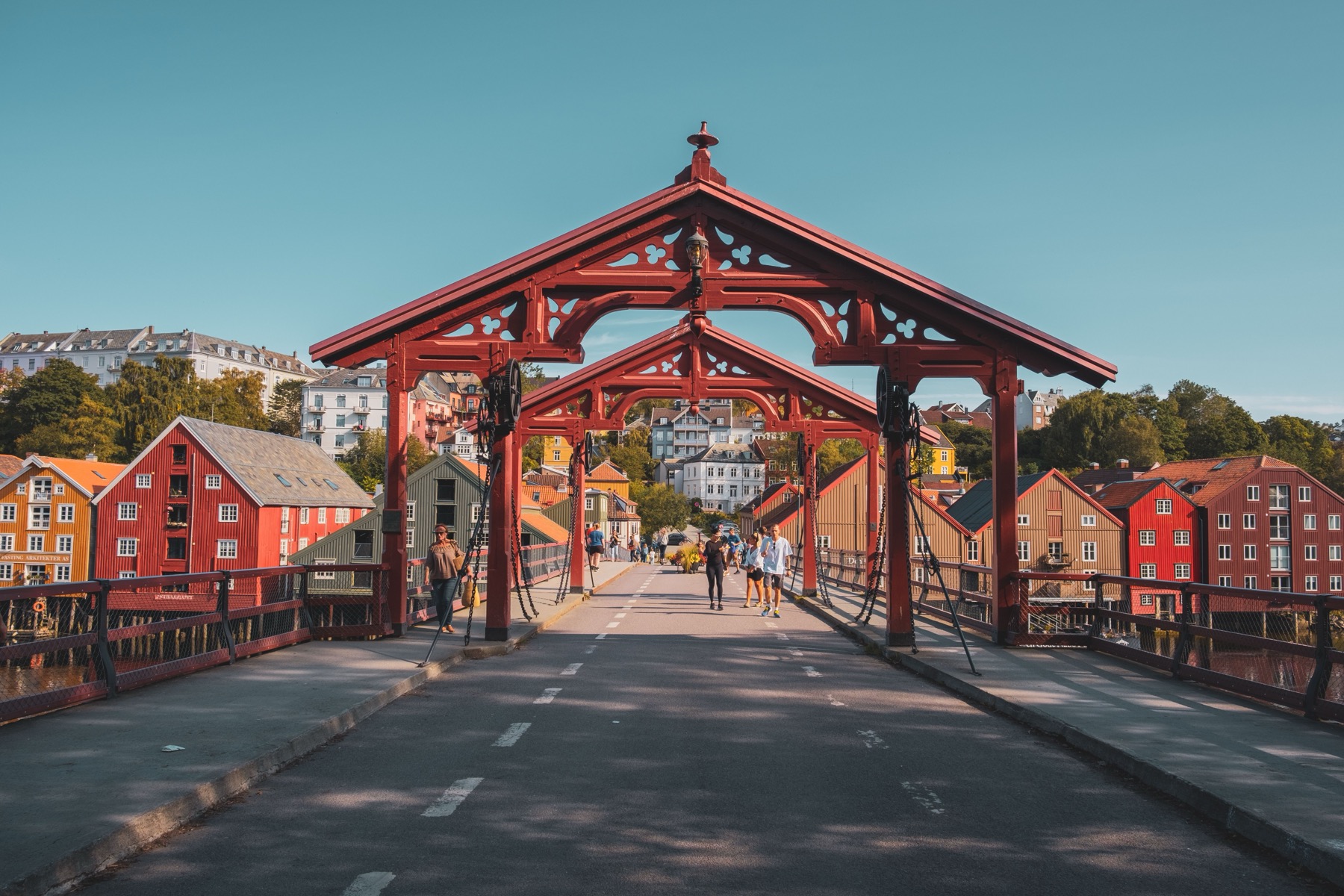
To make your crossing into the Bakklandet district stylish, you’ll need to use the most famous bridge in the city. Gamle Bybro dates back to the seventeenth century and, thanks to its iconic red carved portals, has earned the lovely nickname of the Gate of Happiness. Locals reputedly believe that if you make a wish beneath its arches, there’s a good chance it’ll soon come true.
The bridge itself is reserved exclusively for pedestrians and cyclists, so you can stop here calmly and take in the views on both sides of the river. This is exactly where you’ll capture the most beautiful photos of the colourful warehouses, and if you’re lucky with calm weather, the reflection of the houses on the water’s surface will be utterly flawless. The bridge is gorgeous not only by day but also in the evening, when it’s sensitively and romantically lit up.
6. The Trampe bicycle lift
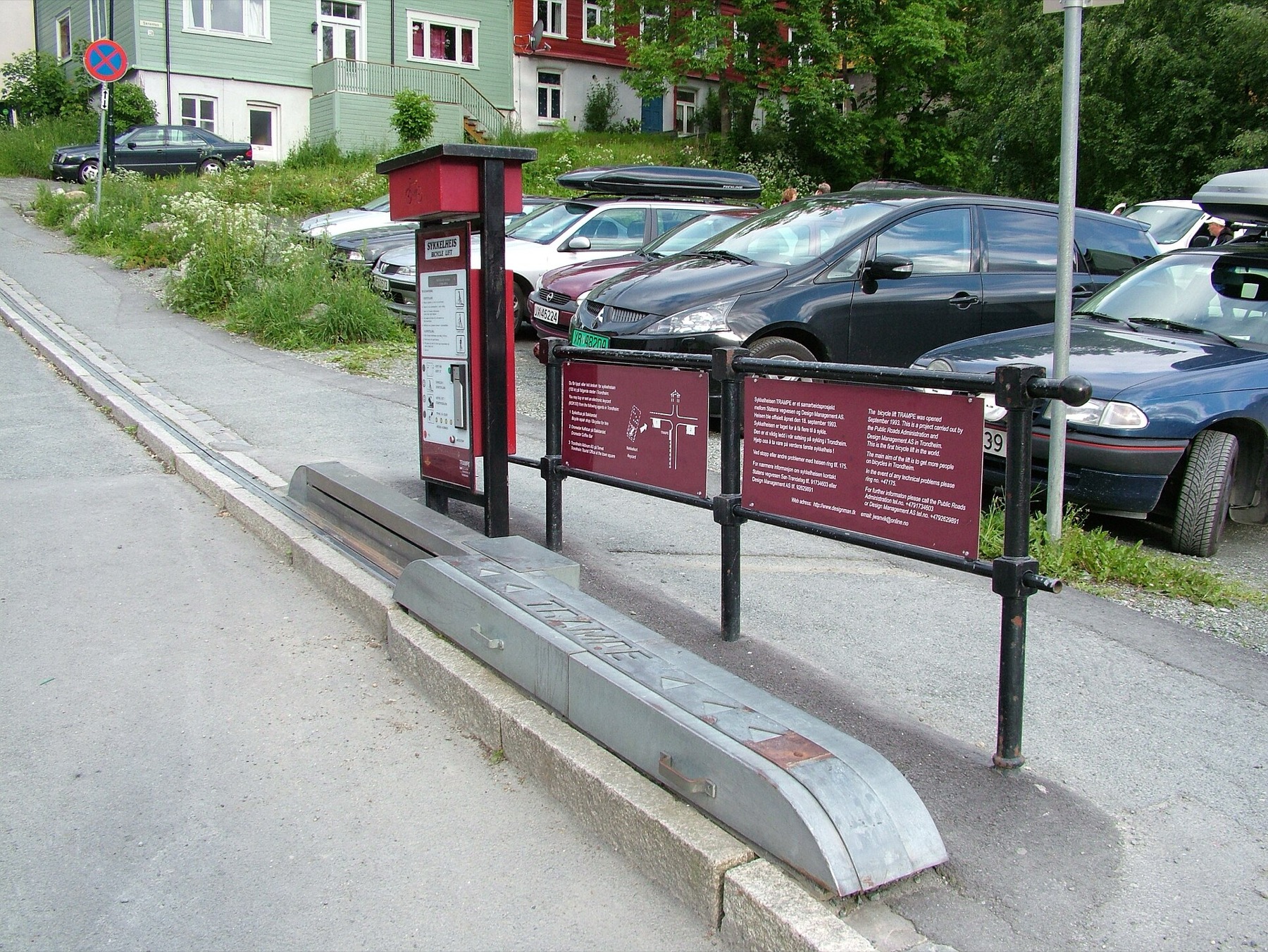
Cycling is hugely popular in Norway, but the steep hills can be a serious challenge even for trained riders. That’s why an absolute world first was created here, called Trampe — a special lift for cyclists built straight into the pavement. You’ll find it just past the Gamle Bybro bridge, and it’s designed to make the demanding climb up the steep Brubakken hill easier.
It works surprisingly simply, though it takes a little practice the first time. The cyclist braces their right foot against a small metal footplate that emerges from the rail, and it pushes them and their bike up to the top at a brisk walking pace. Even if you’re not on a bike yourself, definitely stop here for a moment and watch the locals conquer this otherwise brutal incline with total elegance and zero effort.

7. The baroque Kristiansten Fortress
Once you’ve made it up the hill above the Bakklandet district somehow, your steps should head towards the white ramparts. Kristiansten Fortress was built after the great fire in the 17th century to protect the city against raids from the east, primarily from the Swedish army. Its massive walls and old cannons still recall the turbulent military history of the entire region.
Today it’s mainly a popular relaxation spot with a sprawling park, where families head out for weekend picnics. The main draw, though, is the fantastic panoramic view of the city, the whole Bakklandet district, the mighty cathedral and the deep blue waters of the nearby fjord. Entry to the outer grounds of the fortress is free all year round, which makes it an ideal destination for an afternoon walk.
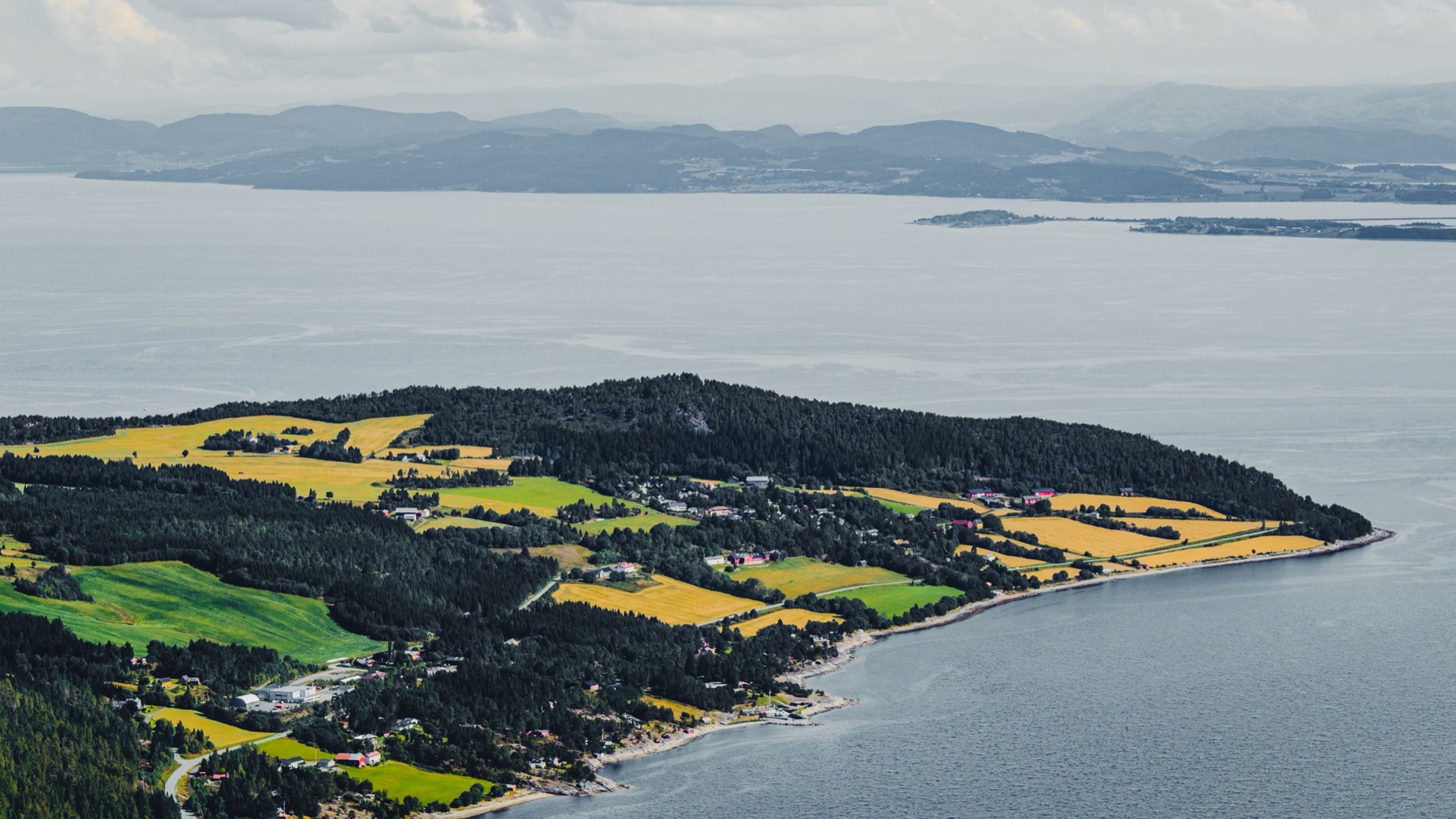
Map of points of interest for your phone
Music, islands and modern life
Trondheim certainly doesn’t live off its famous past alone — quite the opposite, huge doses of youthful energy pulse through its veins. Thanks to the presence of Norway’s largest university, the city is full of students who set the tone for the contemporary culture, café scene and nightlife. The old industrial zones here are constantly being transformed into modern cultural hubs.
If you love art and music, you’ll be absolutely thrilled. You’ll find world-class museums here, dedicated both to classical instruments and to modern pop and rock. The combination of industrial architecture, the seaside and an innovative approach to public space makes this part of the city an immensely inspiring place to explore.
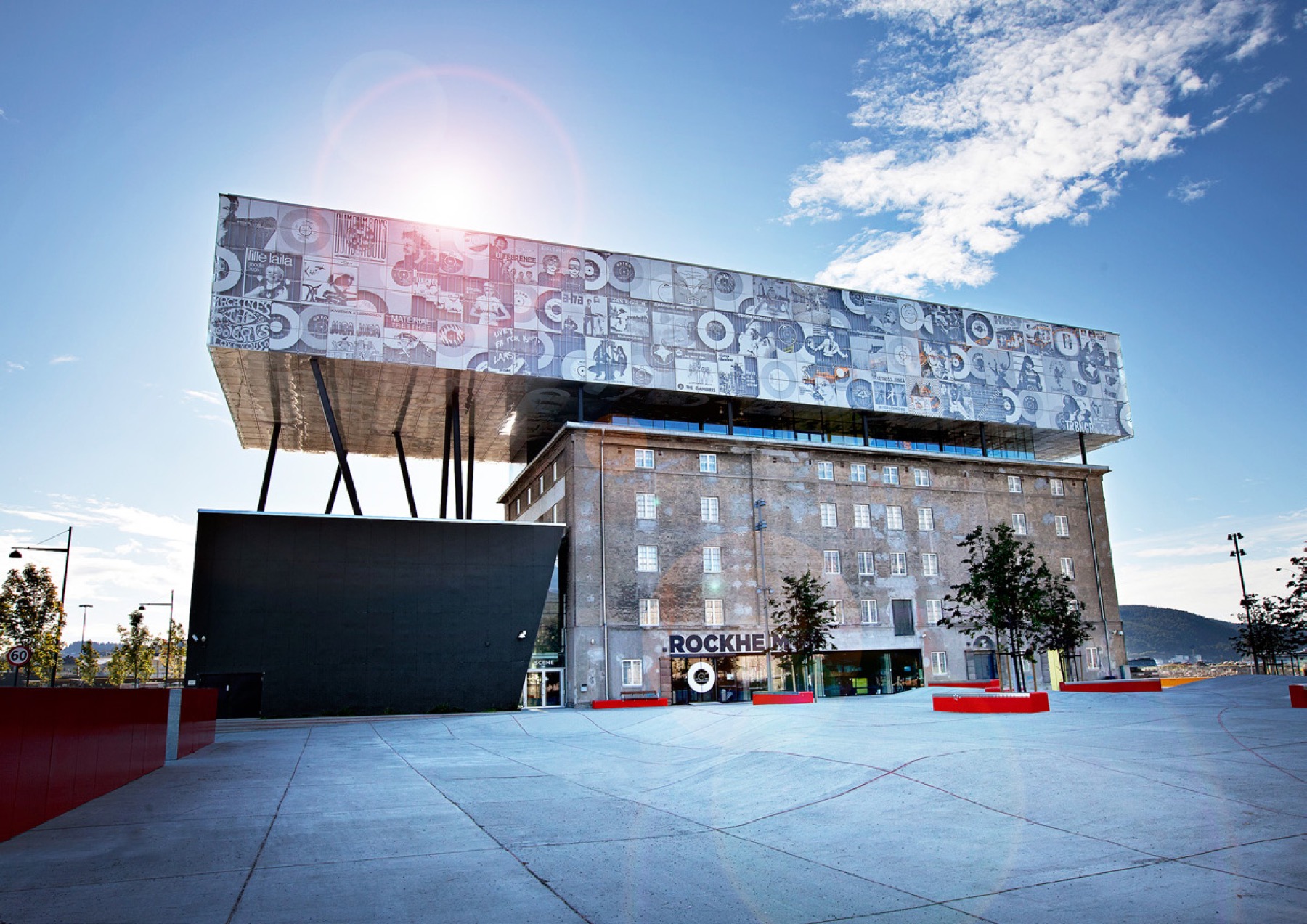
8. The Rockheim national museum of music
Right by the harbour, you’ll be drawn to a building with a peculiar glowing cube on its roof, which lures visitors from afar. Rockheim is a fantastic interactive museum of popular music, mapping the Norwegian music scene from the 1950s right up to the cutting-edge present. Forget boring display cases — here everything is about the experience and trying things out hands-on.
You can try mixing your own hip-hop track, learn the basics of the electric guitar in soundproofed practice rooms, or wander through faithful replicas of teenagers’ bedrooms from different decades. It’s huge fun for adults and families with kids alike, where you can easily spend half a day. From the top floor and the restaurant, there’s also a cracking view of the harbour and the surrounding sea.
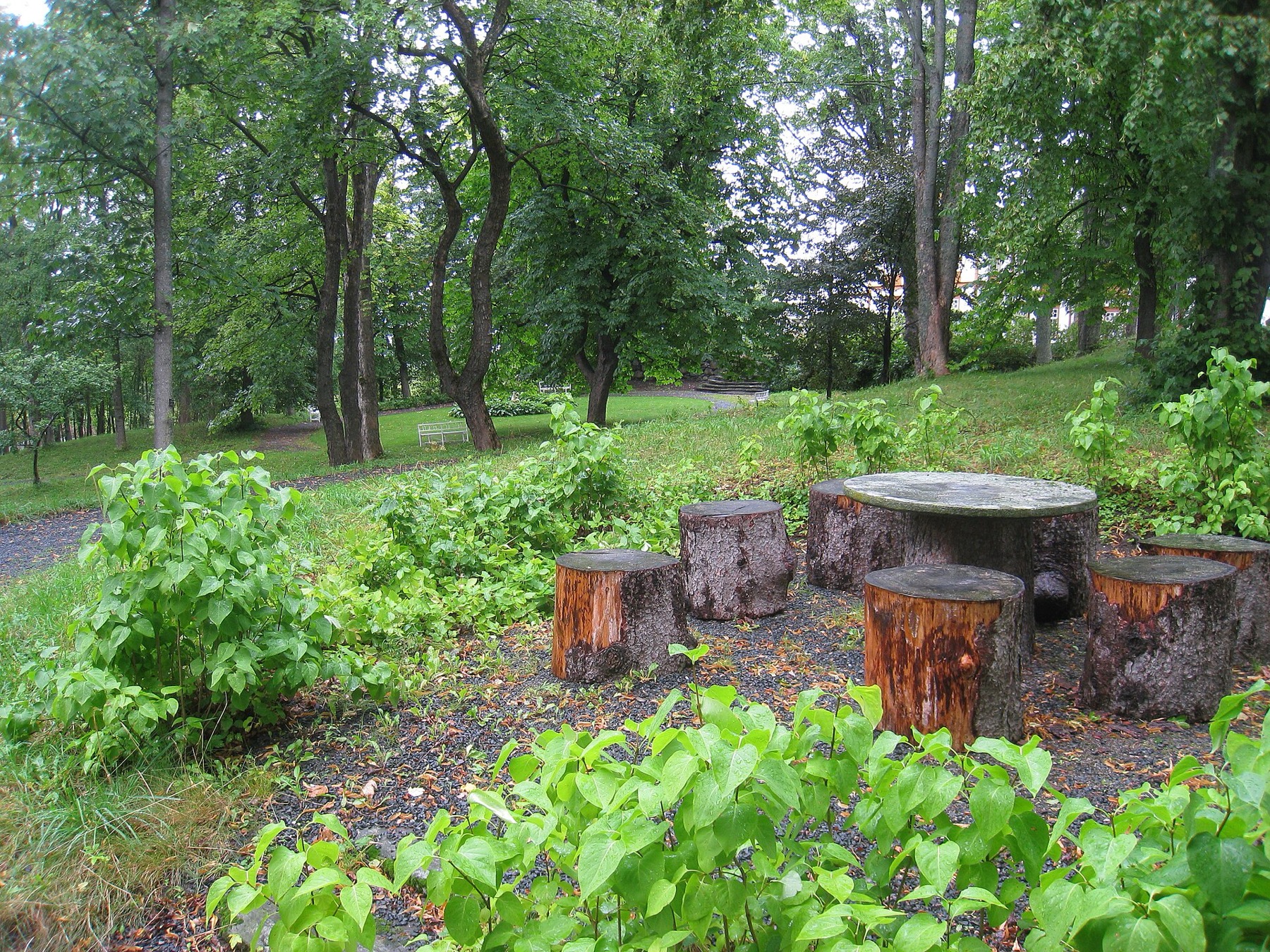
9. The Ringve music museum
If you prefer more classical tones and a quieter setting, you’ll need to head a little out of town to a beautiful old manor. The Ringve museum holds an enormous collection of rare musical instruments from all over the world, housed in gorgeous historic interiors. Unlike the modern Rockheim, here you’ll be met with the calm atmosphere of bygone days and aristocratic salons.
The great added value of this place is also its surroundings. The building is in fact encircled by a sprawling, carefully tended botanical garden, which is ideal for long romantic walks among blooming flowers and rare trees. The combination of history, music and beautiful nature makes Ringve one of the most enchanting secret tips in the entire region.

10. The islet of Munkholmen
When you look out from the harbour towards the fjord, you’ll surely notice a small piece of land jutting out of the water not far from the shore. The islet of Munkholmen has an incredibly varied and dark history behind it, having served as an execution site, a monastery, a military fortress and a guarded prison. Today, thankfully, no horrors await here, and the place has transformed into a popular recreation zone.
During the summer season, small passenger boats full of locals and tourists sail out here regularly from the central harbour. It’s one of the best spots in the area for summer swimming and picnics on the grassy areas behind the old ramparts. You’ll also find a pleasant little café here, and you can pay for a guided tour of the remains of the old fortress and monastery, which will walk you through the island’s tangled history.
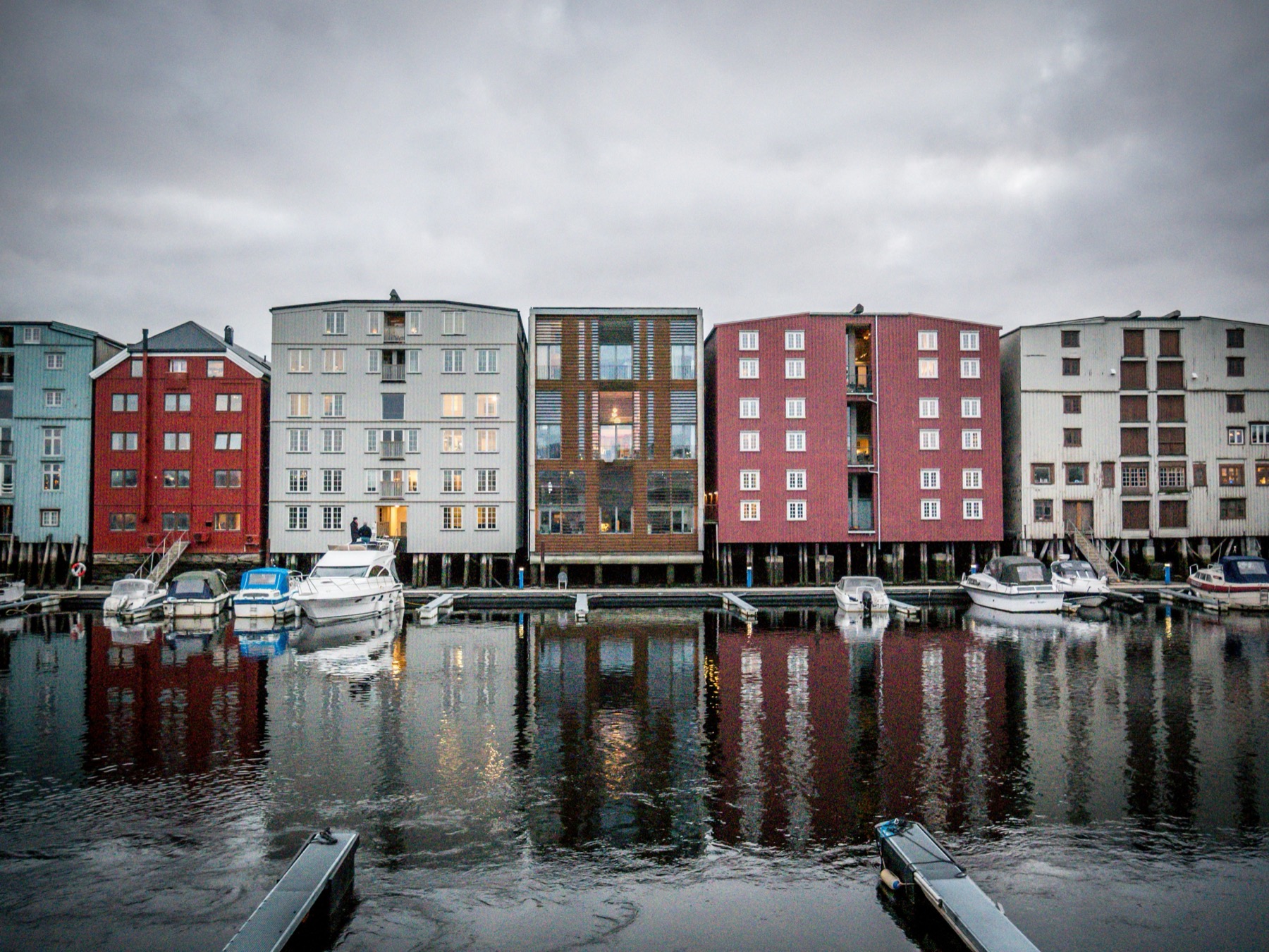
11. The student vibe and the Solsiden district
Thanks to the Norwegian University of Science and Technology (NTNU), students make up almost a fifth of the city’s entire population, and it shows enormously on the streets. This young energy is most concentrated in the Solsiden district, which translates as the Sunny Side. It’s a former area of old docks and shipyards that has undergone an amazing revitalisation and is now one of the most modern and liveliest addresses around.
The brick walls of the old factories and the preserved rusty cranes create a striking industrial contrast with the modern design and glass-fronted shops. The waterfront is lined with a huge number of bars, restaurants and clubs, where life buzzes from early afternoon until the late hours of the night. It’s the perfect place to head for an evening drink and soak up the relaxed Nordic atmosphere after a demanding day full of sightseeing.
12. Street food, cafés and vegetarian dining
Norwegian gastronomy has long since stopped being just about dried fish — on the contrary, modern Nordic cuisine places enormous emphasis on local ingredients and innovation. If you’re looking for great vegetarian options, head to the Bakklandet and Solsiden districts, where you’ll find plenty of progressive bistros offering delicious plant-based dishes, homemade hummus and inventive vegetable soups. For those who want to try local meaty specialities, traditional spots serve reindeer stew or fresh salmon as a taste of the local heritage.
Lovers of good coffee will feel like they’re in a genuine paradise here, because the culture of speciality coffee in Norway is honed to perfection. Be sure not to skip a traditional Norwegian pastry with your coffee, such as cinnamon buns or cardamom knots, which they bake here incredibly soft and fragrant. Around the market in particular, you can hunt down some cracking street-food bites that’ll fill you up for a fraction of the price of the classic high-end restaurants.
Where to go next from Trondheim
Once you’ve enjoyed the historic streets and cafés to your heart’s content, the city will serve as the perfect springboard for further adventures. Norway is vast and offers countless places worth discovering. If you want to carry on exploring the breathtaking nature beyond the Arctic Circle, be sure to read our detailed guide on What to See in Lofoten (the big guide).
If, on the other hand, you’re heading more south or west and longing for the most famous natural scenery, our article on The Norwegian Fjords — a guide will help. For a comprehensive overview of the whole country and for planning bigger road trips, don’t miss our roundup of Norway: 50 Things to See. And if you’re returning via the capital or flying in from there, you’ll find plenty of inspiration in our guide to Oslo: What to See.
Frequently asked questions
How many days are enough for Trondheim?
For exploring the historical center itself, visiting the massive Nidaros Cathedral, and wandering through the streets of Bakklandet, one to two full days will easily suffice. However, if you’re planning to take a boat trip to the island of Munkholmen or visit more museums, it’s definitely worth adding an extra day.
Do you pay to enter Nidaros Cathedral?
Yes, while strolling through the beautiful outdoor grounds is free, there’s an admission fee for entering the interior of the cathedral itself and for climbing the tall viewing tower. It’s often better to buy tickets online in advance to avoid the long queues at the ticket office during the peak summer season.
How to get to Trondheim?
The most comfortable and visually stunning way to get there is by train from Oslo on the famous Dovrebanen railway line, which takes roughly six and a half hours through breathtaking scenery. The city also has an international airport, Værnes, which you can reach easily and relatively cheaply by air from Oslo or other European capitals.
When is the best time to visit?
The ideal time to visit is between May and August, when you can enjoy incredibly long days full of light and take a boat trip to the popular little island of Munkholmen. Winters here tend to be very dark and quite cold, but on the other hand, they reward you with the magical atmosphere of beautiful Christmas markets without the crowds of tourists.
Is Trondheim a good stop on the way north?
Absolutely yes, the city works as a completely perfect and strategic gateway for journeys deeper north to the Arctic Circle. The popular Nordlandsbanen railway line starts here, which will comfortably take you to the city of Bodø, and from there it’s just a short ferry ride to the magical Lofoten Islands.
Where to eat vegetarian in Trondheim?
The best options for plant-based food can be found in the student quarter Solsiden and in the cozy cafés around Bakklandet. You’ll find plenty of modern bistros focused on healthy street food, excellent coffee shops offering vegan desserts, and restaurants with quality vegetarian versions of Nordic dishes.
What to see in Trondheim with kids?
For families with children, the interactive popular music museum Rockheim is an absolute hit, where they can try playing various instruments. In summer, a boat trip to Munkholmen island combined with swimming is a great experience, and kids will definitely be entertained by watching the unique Trampe bicycle lift on the steep hill.
Tips and Tricks for Your Vacation
Don’t Overpay for Flights
Search for flights on Kayak. It’s our favorite search engine because it scans the websites of all airlines and always finds the cheapest connection.
Book Your Accommodation Smartly
The best experiences we’ve had when looking for accommodation (from Alaska to Morocco) are with Booking.com, where hotels, apartments, and entire houses are usually the cheapest and most widely available.
 🚗 Car rental on the roadVerified rental cars in Norway
Search with the DiscoverCars comparison engine — it compares prices from dozens of local and international rental companies, and most bookings come with free cancellation.
Compare car prices in Norway →Don’t Forget Travel Insurance
Good travel insurance will protect you against illness, accidents, theft, or flight cancellations. We’ve had a few hospital visits abroad, so we know how important it is to have proper insurance arranged.
Where we insure ourselves: SafetyWing (simple monthly subscription) and TrueTraveller (for extra-long trips).
Find the Best Experiences
Get Your Guide is a huge online marketplace where you can book guided walks, trips, skip-the-line tickets, tours, and much more. We always find some extra fun there!
More from Norway
Full guide → PricesAlcohol in Norway: 10 Things to Know – Prices, Vinmonopolet and How Much You Can Import in 2026
 ItineraryThe Atlantic Road and Trollstigen: 8 Things to Know About Norway’s Dream Roads in 2026
 What to seeNorway: 50 Best Places to See — Fjords & Highlights in 2026
 ActivitiesPreikestolen Norway: The Pulpit Rock Hike Step by Step in 2026
 What to seeHardangerfjord, Norway: 8 Tips on What to See at the Fruit Fjord in 2026


