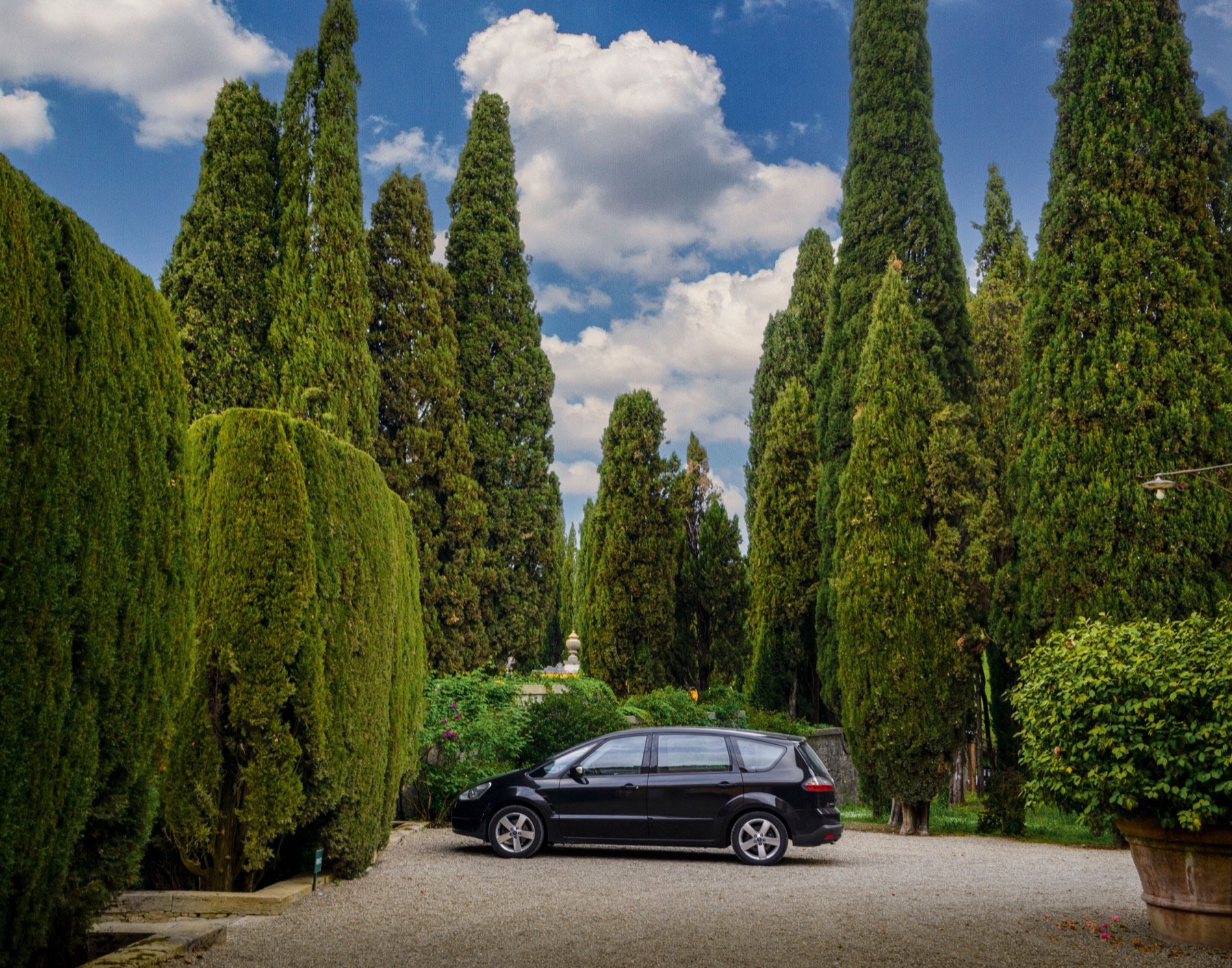
You take a gorgeous holiday, set off on your dream road trip through Tuscany, Italy by car, sip wine under the cypress trees, eat the best pasta of your life, and come home full of impressions. A few months later, though, an unassuming envelope with an Italian postmark lands in your mailbox. Inside is a fine for €80 to €130, on top of which the rental company adds another hefty admin fee. The reason? Nobody warned you about the ZTL zones in advance.
Lukáš and I actually explored Tuscany back in August 2018 on e-bikes, which was absolutely fantastic and let us dodge all the parking stress. But if you’re planning to discover this picturesque region by car, you need to be ready for specific Italian rules that can trip up even experienced drivers. Italy is made for a road trip, you just have to know exactly where you’re allowed to drive and where you’re not.
Here you’ll learn everything I wish I’d known before my first trip: how to avoid paying a ZTL fine, when to bother taking a car at all, and how to plan your seven days so you still have time for wine. You’ll also find out why you shouldn’t pick up a car straight at the airport, where to base yourself strategically, and what to watch out for when driving the famous white gravel roads, because wandering the vineyards with a flat tyre isn’t exactly romantic.
TL;DR
- ZTL zones can cost you hundreds of euros: Historic city centres are protected by restricted-traffic zones. There are no barriers, just discreet cameras that photograph your plate, and the fine arrives by post.
- December 2024 reform: Repeated passes through the same ZTL on the same day now count as a single offence, a huge relief for confused tourists.
- When to take a car: You don’t need a car to see Florence, you’d only pay for expensive parking. Pick one up only when you head out into the countryside.
- Motorway vs. superstrada: Green-signed motorways (autostrada) are tolled, blue-signed expressways (superstrada) are free but have no petrol stations.
- Parking by colour: White lines mean free parking, blue lines are paid, and never park on yellow, those are for residents only.
- Strade bianche: White gravel roads lead to Tuscany’s most beautiful estates. Check with your rental company that your insurance covers the undercarriage.
- The right pace: Don’t try to cram all of Tuscany plus the coast into 7 days. Focus on Florence, Siena, the Val d’Orcia and San Gimignano.
The full destination guide: Tuscany — guide and what to see
ZTL: the most expensive mistake you’ll make in Tuscany
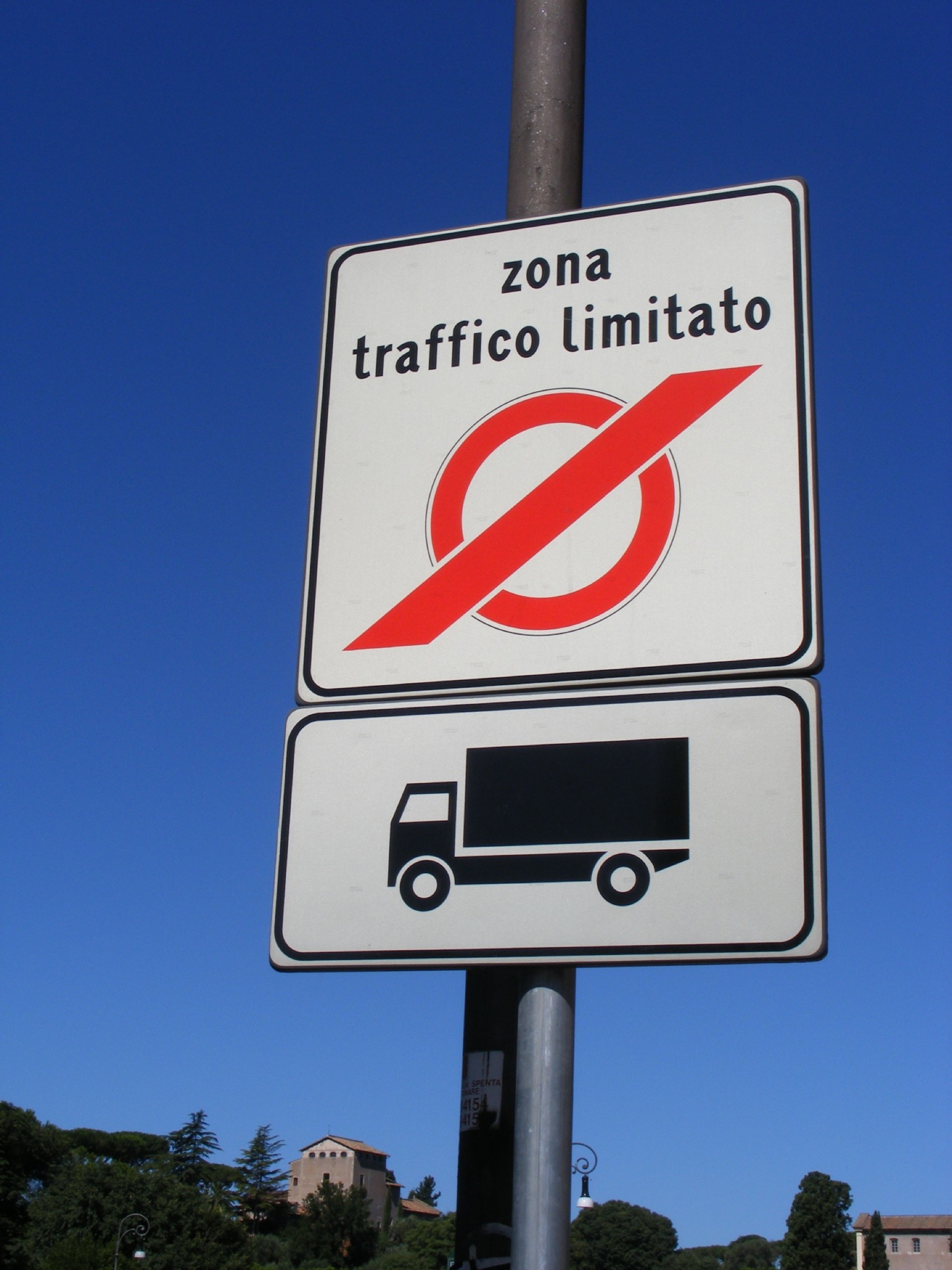
ZTL (or Zona a Traffico Limitato, as it’s elegantly put in Italian) is the acronym that ruins the otherwise perfect holidays of tourists in the Tuscany region of Italy. And unfortunately in the fullest sense of the word. These restrictions protect historic centres from smog and noise. You won’t find any barriers or booths with a guard. The restriction is enforced by a so-called varco, a camera gate with an automatic plate reader. Drive through without authorisation and the camera photographs you without mercy.
Tourists often think that if nobody stopped them, nothing happened. But a fine of €80 to €130 per pass reliably arrives by post, easily months after you get home. If you have a rental car, the fine goes to the rental company first. They pass your details to the police, but immediately charge an admin fee to your credit card, usually around €40 to €60. And you then still have to pay the fine itself to the Italian authorities.
These zones aren’t only in big cities like Florence, Siena, Pisa and Lucca. You’ll find them in small historic centres too, such as Monteriggioni, San Gimignano, San Miniato and a whole string of Chianti villages. The restriction usually starts right at the old walls or on the edge of the historic quarter. To be safe, you can check the full overview on the Italian ZTL portal, where you’ll find precise maps for individual towns.
For years the rule was that if you circled a centre in a panic and passed a camera five times in an afternoon, you got five fines. The good news is the reform of December 2024. It finally established that repeated passes through the same ZTL on the same day count as a single offence. But if you enter different ZTL zones or on multiple days, they still, unfortunately, add up as separate fines.
So how do you avoid all this and enjoy your holiday in peace? Here are four concrete ways to outsmart the ZTL:
1. Park in the park-and-ride lots outside the centre. It’s the safest and often the cheapest solution. From the larger lots, shuttle minibuses frequently run right up to the sights. 2. Register your plate with a hotel inside the ZTL. If you’re staying right in the centre, contact the hotel before you arrive. The staff routinely register your plate in the police system, and driving to the hotel then becomes completely legal. 3. Don’t blindly trust your sat nav. Apps like Google Maps or Waze will happily send you into a ZTL unless you tell them otherwise. Always follow the actual road signs on the street. 4. Look for illuminated signs and boards. A ZTL is marked by a round sign with a red rim and a white centre. It’s accompanied by an illuminated board reading ZTL ATTIVA (the zone is active, do not enter) or ZTL NON ATTIVA (the zone is not active, you may drive in).
The ZTL is often marked only by a discreet sign that’s easy to miss in dense Italian traffic. The round sign with a red rim is frequently the only warning before the camera, and by the time you reach it there’s usually nowhere to turn around. So always study the parking map in advance and don’t count on somehow miraculously figuring it out on the spot. In Tuscany’s narrow lanes, reversing with an angry local driver behind you is the stuff of nightmares.
Many tourists think it won’t happen to them, but the ZTL is exactly why forums are full of desperate questions from travellers all over the world. If the red ZTL ATTIVA sign is lit, don’t try to squeeze through even for a second, because the system is fully automated and shows no mercy. If green ZTL NON ATTIVA is showing, you can drive into the centre with peace of mind, but always double-check it anyway.
Just so you know, the rental company will never pay the actual fine to the Italian authorities for you. They only take their own admin fee from your card for passing your details to the police in time. Actually settling the amount with the authorities is then entirely up to you, and ignoring Italian payment demands definitely doesn’t pay off down the line.
Roads, tolls and speed cameras
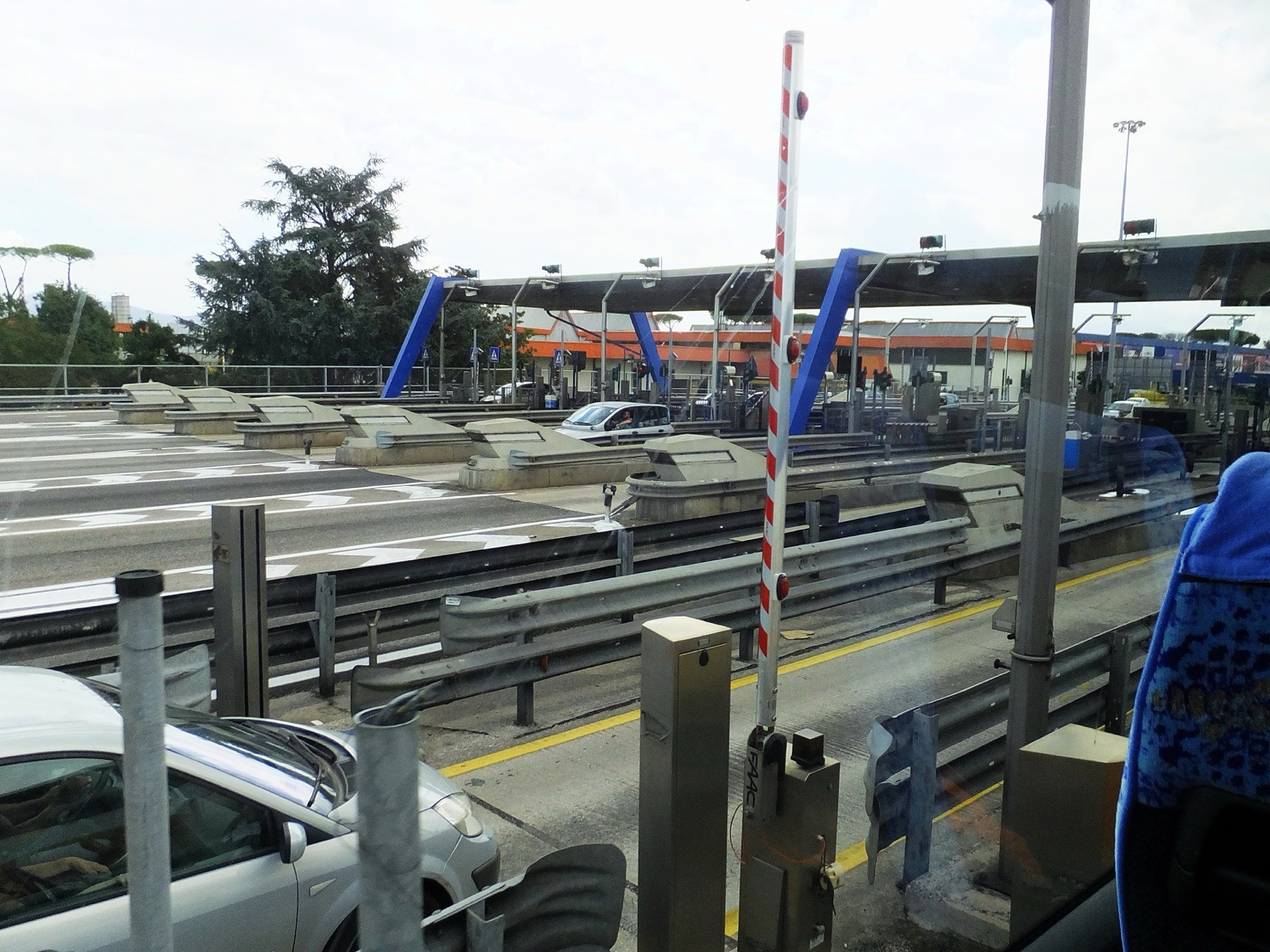
The Italian motorway network is excellent, but you need to learn to tell apart two basic types of fast roads. The autostrada is the classic motorway, signed in green, and it’s tolled. You stop at the toll gate, take a ticket, and pay on exit according to the distance you’ve driven. You can pay by cash, card or the prepaid Viacard. On the autostrada you’ll find large rest areas and petrol stations. If you want to work out the toll in advance, the calculator on the official Autostrade website does the job nicely.
By contrast, the superstrada is an expressway, signed in blue, and completely free. An example is the busy Firenze–Siena route (known as the RA3), which is mostly dual-carriageway but narrows in places. Watch out especially for the fact that the superstrada has no petrol stations. If you’re facing a longer drive, I’d recommend filling up before you get on.
A chapter all of its own is Italian speed cameras, known here as autovelox. They’re both fixed and mobile, and in Tuscany they’re simply everywhere, on main roads, in a sleepy little village, around a bend where you’d never expect one. I’m not sure whether it’s diligence or Italian sense of humour. 😅 As soon as you enter a small village, the limit often drops to 50 km/h and the camera measures unerringly. The system really doesn’t care that you’ve almost cleared the village and started to speed up, so stick to the limits with maximum care.
Parking in Italian towns works on a single colour code that’s worth learning quickly. Here’s a simple overview of what each colour on the ground means:
| Line colour on the road | What it means for you as a driver |
|---|---|
| White line | Parking is free, but check the signs (often limited to max. 2 hours with a parking disc). |
| Blue line | Parking is paid. You need to find a parking machine or use a local phone app. |
| Yellow line | No parking. Spaces are strictly reserved for residents, taxis or deliveries. |
Besides the coloured lines, watch the upright signage too. A blue square with a white letter P marks a standard car park. But if you see a blue circle with a red rim and a diagonal red line, it means no parking, even if there are no lines on the ground. Locals sometimes park where you wouldn’t dare stop even on a bike, but with a foreign plate (and a rental at that) don’t risk it.
On Italian roads you may also be surprised by the behaviour of local drivers, who can be quite spirited. Even so, try to keep a cool head and don’t let yourself be provoked into driving faster, because speeding fines here are genuinely steep. On rural roads especially, watch the speed limits at village entrances, where cameras often measure right after the sign and the system forgives nothing.
On tolled motorways paying is very simple and you don’t need any motorway vignette (toll sticker, e.g. Austria/Switzerland). On entry you just take a ticket from the machine and pay on exit, either by cash, a regular card or the prepaid Viacard. The system is clear, just be careful not to accidentally get into the yellow lane reserved for the Telepass electronic toll, where you’d have no way to pay.
But I have to stress again how treacherous the free superstrade are, because the lack of petrol stations can catch you out very unpleasantly. If the fuel light comes on mid-drive, you’ll have to leave the expressway for the nearest town and hunt down a local petrol station. That can cost you needless time and nerves.
Strade bianche: unpaved roads to the loveliest spots
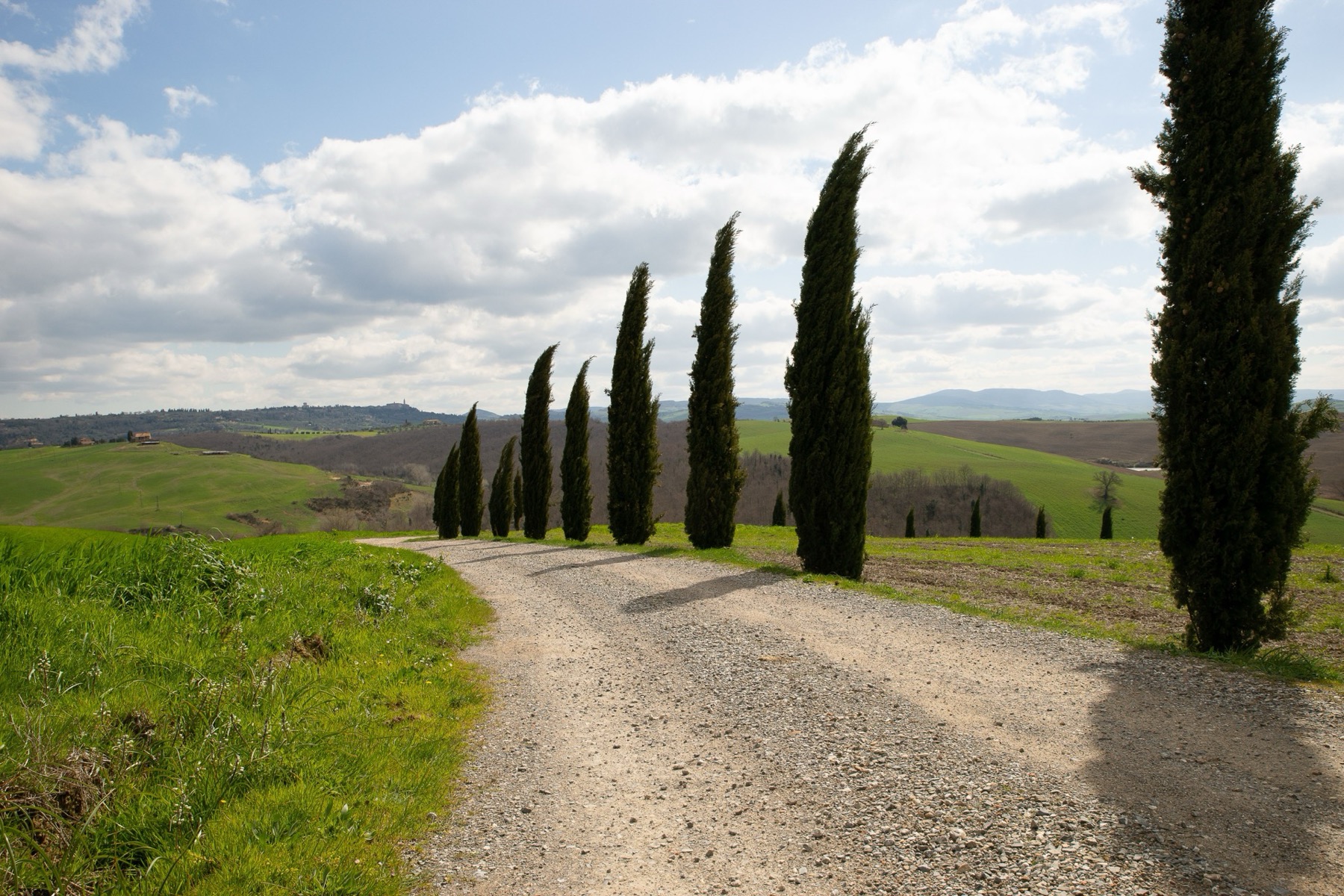
Tuscany is famous for its strade bianche, which translates as white roads. They’re unpaved, dusty gravel roads that wind across the most picturesque hills. They’re especially typical of the Val d’Orcia and Crete Senesi areas. It’s these roads that take you to the most iconic viewpoints and to traditional country estates.
As romantic as it sounds, driving the strade bianche calls for a little caution. It’s recommended to rent a car with higher ground clearance, ideally at least 130 mm. An ordinary small city car will manage it too, but you have to go really slowly and avoid larger rocks and potholes. After rain especially, these roads can get very treacherous.
The crucial thing to sort out at the booking stage is insurance. Explicitly confirm with the rental company that you’re even allowed to drive on unpaved roads. Many basic contracts exclude off-tarmac driving. Even more important is to check whether your insurance covers any damage to the undercarriage or a punctured tyre, which are fairly common mishaps on the strade bianche.
These roads are often the only way to reach the most authentic accommodation and celebrated wineries tucked deep in the Tuscan landscape. Sure, you’ll only crawl along them and the car will soon be coated in fine dust, but the views are absolutely worth it. Just take real care when passing oncoming tractors or locals who know these stretches by heart and drive them noticeably faster. More than once we had to pull right over to the edge when a dusty Fiat Panda came flying round a bend at a speed we’d never have expected off-road.
Most owners of remote country estates will happily confirm that this very minor inconvenience is exactly what keeps the crowds away and guarantees absolute calm. Once you conquer that last gravel stretch and park at your agriturismo, the view over the rolling Tuscan hills instantly makes up for every driving hardship.
Where to start and when to take the car
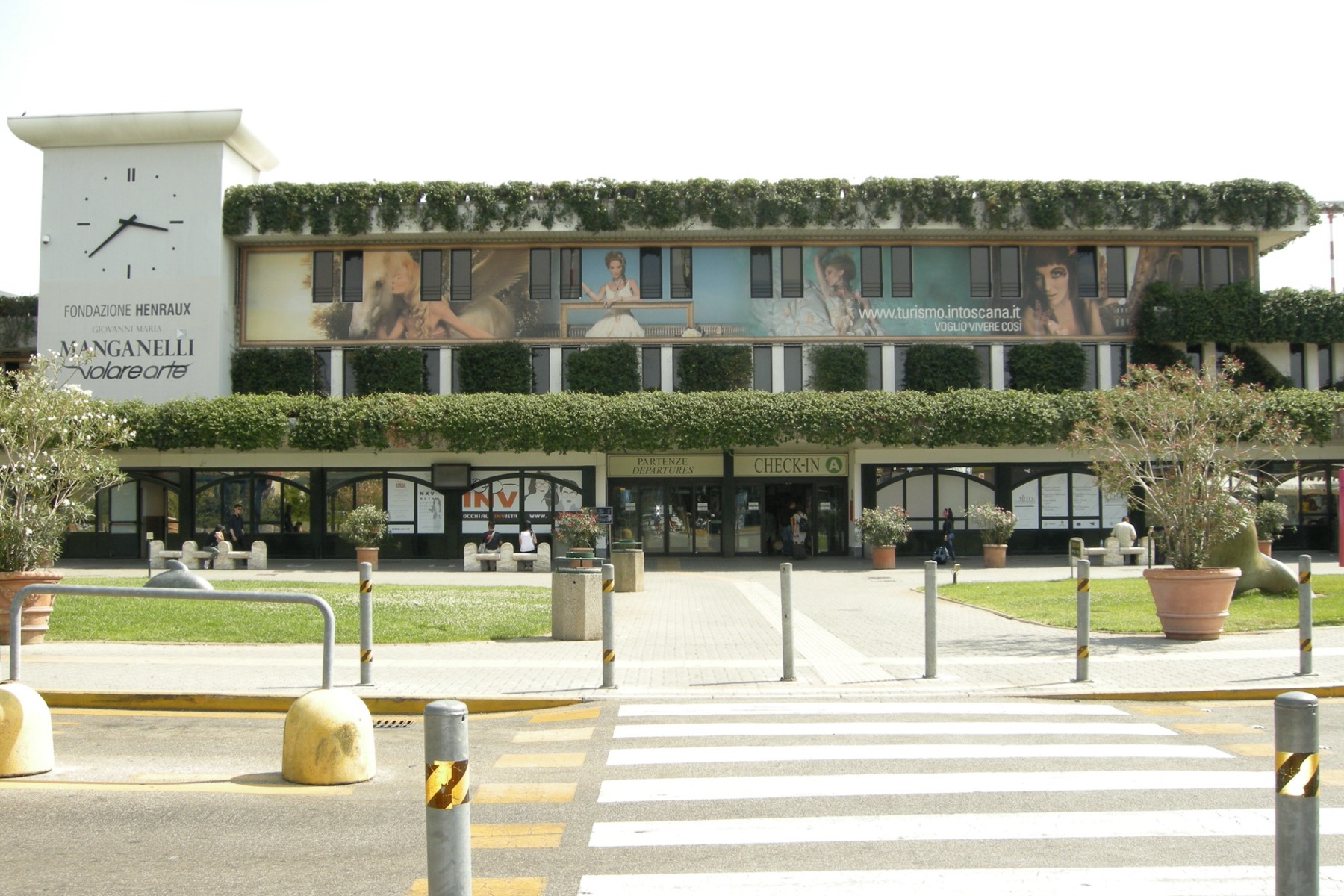
When planning your trip, you’ll probably be weighing up which airport to book flights into. Pisa airport is ideal if you’re heading to northern Tuscany or want to spend time by the sea on the coast. For the classic inland loop that our itinerary follows, though, the airport right in Florence is far more practical.
The biggest mistake you can make is picking up a car straight after landing. In Florence and Pisa alike you won’t use a car in the first few days at all. You’ll explore the historic centres exclusively on foot, and the car would just sit in an expensive garage where you could easily pay €25 a day. Not to mention the stress of navigating a big foreign city right after your flight.
The smart traveller does it differently. Pick up the car only when you’re leaving the city for good. Many people collect the rental on the third morning, once they’ve walked all of Florence and are ready to set off towards the countryside and vineyards. That way you save two days of rental plus expensive parking, and spare yourself a lot of pointless frustration. Lukáš and I usually look for cars well in advance through RentalCars.com, where you can easily compare offers from both local and international firms.
The choice of airport also depends a lot on which country you’re actually flying from and where you can get cheaper flights. While Pisa is a great gateway to the north and the coast, it’s worth flying into Florence if you want to focus purely on the famous triangle of Chianti and Siena. Sometimes it pays to fly into Florence and out of Pisa, which gains you an extra day and saves you one long motorway drive back.
7-day itinerary for Tuscany, Italy by car
This classic loop takes you through the best of central Tuscany. The route starts in Florence, continues through the wine country of Chianti to Siena, drops down into the gorgeous Val d’Orcia, and returns north via San Gimignano.
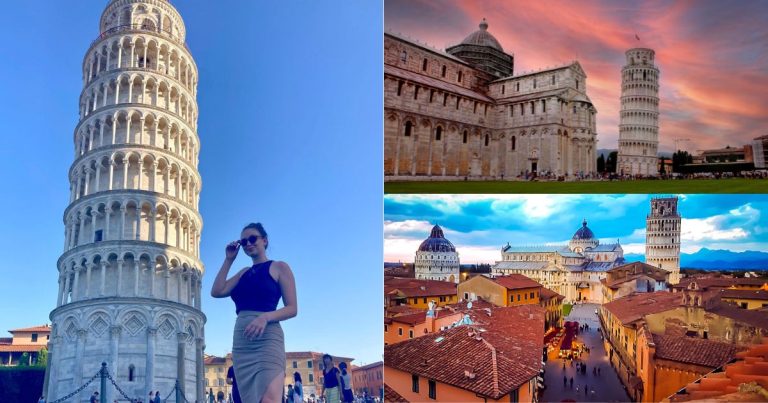
At least in our view, this plan is really well balanced, more towns would wear you out, more countryside and you’d probably just stare dreamily into the vineyards and get nothing done. 😁 Trying to squeeze in the coast or the famous Leaning Tower of Pisa within one week means you’ll spend most of your time behind the wheel and exhaust yourself. We arranged the route so you don’t sit in the car pointlessly right after breakfast, because that’s not what you go to Italy for. 😅
To make it easier to picture, I’ve put together a clear table breaking down the days:
| Day | Area | What’s in store |
|---|---|---|
| Days 1 & 2 | Florence | Exploring the city on foot, galleries and markets, you don’t need a car yet. |
| Day 3 | Chianti | Pick up the car, rolling hills, vineyards, tastings and a night at an agriturismo. |
| Day 4 | Siena | Drive to Siena, exploring Piazza del Campo and the majestic cathedral. |
| Days 5 & 6 | Val d’Orcia | Cinematic scenery, the towns of Montepulciano, Pienza, Montalcino and Bagno Vignoni. |
| Day 7 | San Gimignano | Stop at the medieval towers, detour to Volterra and return the car in Florence. |
Honestly, the biggest mistake people make is trying to see absolutely everything. Tuscany isn’t a region you’d want to just tick off a list in a hurry. If you stick to our pace, you’ll get to savour slow mornings and won’t fall apart every day from long drives. You’ll stop at a café, browse a ceramics shop, and if you like somewhere, you’ll happily linger an hour longer.
Days 1 & 2: Magical Florence
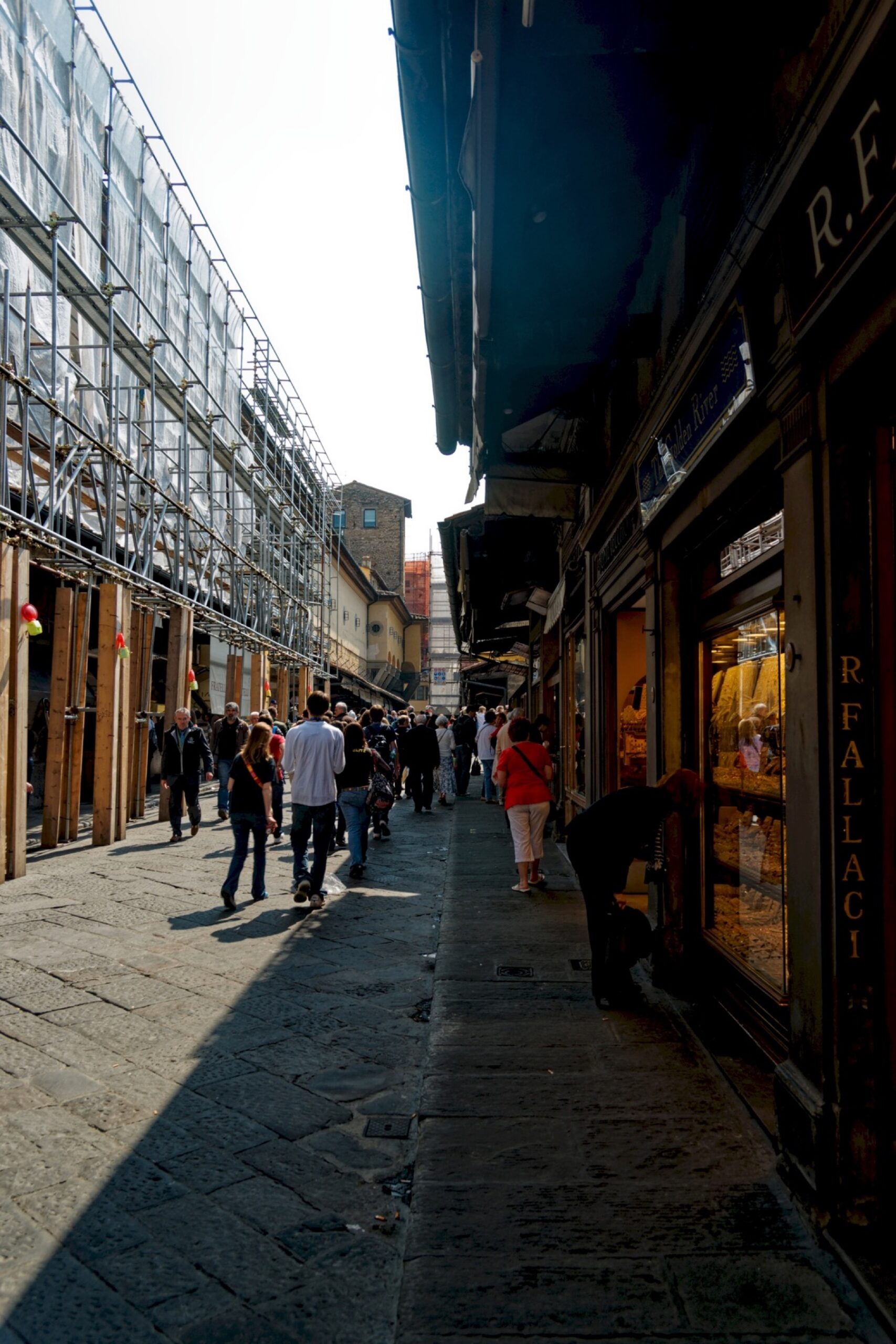
Devote the first two days fully to the cradle of the Renaissance. Florence is breathtaking but also very busy, so getting around on foot is the best possible option. Stay somewhere near the centre and set off to discover the Duomo of Santa Maria del Fiore with its iconic dome. In the evening, stroll across the Ponte Vecchio and soak up that wonderful southern atmosphere. I’d recommend buying tickets for the main attractions online in advance, for example on the official Uffizi Gallery website.
On the second day, get lost in the lanes of the Oltrarno, where time flows quite differently among the artisan workshops and little cafés, and in the evening don’t miss the view from Piazzale Michelangelo, especially at sunset it’s incredibly romantic. If you’re after the details, check out our separate article with tips on what to see in Florence.
Day 3: Up into the Chianti hills
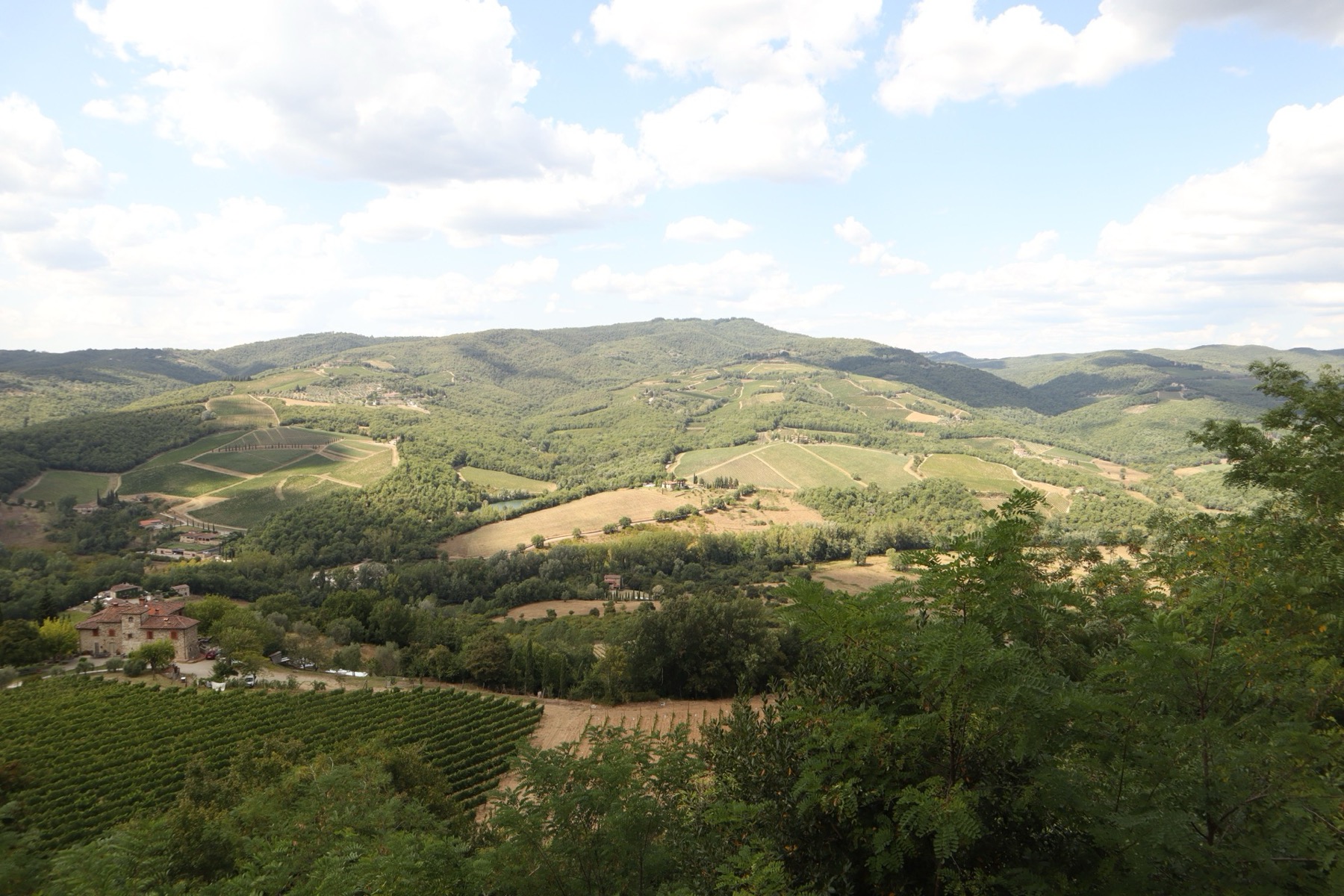
The morning of the third day is the right time to head to the rental office. Collect the car and drive straight south into the Chianti area, which stretches between Florence and Siena. It’s a landscape straight out of a catalogue, full of green hills, cypress avenues and endless rows of vines. Nobody’s in a rush here. Just drift a little off the main route and you’ll find yourself surrounded by absolute silence.
Stop in little villages like Greve in Chianti or Castellina in Chianti. The area is famous for Chianti Classico wine, so a visit to one of the local wineries is almost obligatory. Ideally stay at an agriturismo somewhere off on its own, where after a day of wandering you settle by the pool with a glass in hand and marvel at how lovely it all is. ☺️

Day 4: Medieval Siena
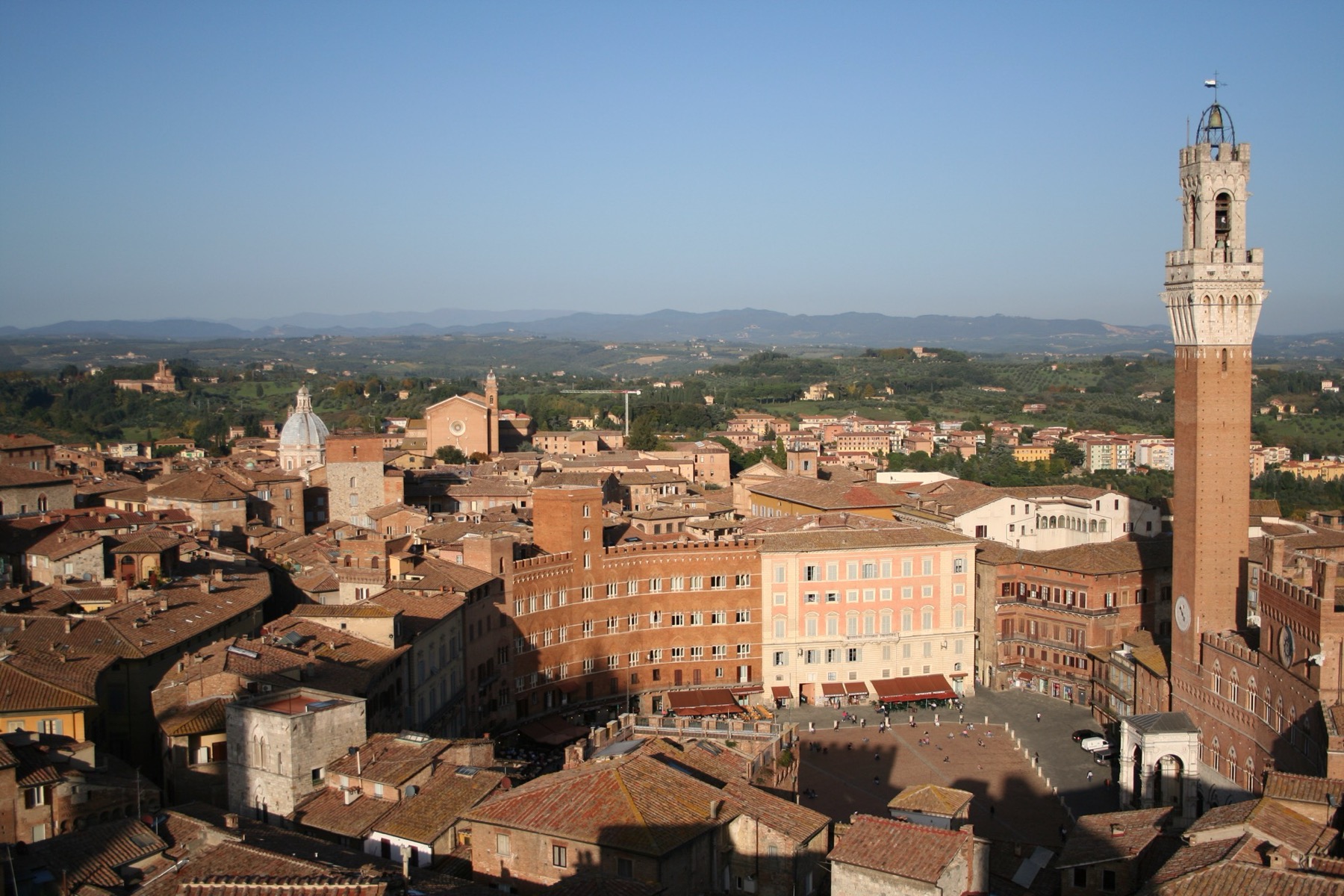
After a quiet morning in the countryside, you move on to Siena. From Florence to Siena it’s about 78 kilometres on the RA3 superstrada and takes roughly an hour and a quarter. As you now know, this stretch is toll-free, but expect it to narrow in places. We consider Siena one of the most beautiful cities in Italy, and its brick architecture will utterly charm you.
Before driving into the city, keep a close eye on the ZTL signs and park in one of the big park-and-ride lots outside the walls. In the centre itself don’t miss the unique shell-shaped Piazza del Campo and the breathtaking Siena cathedral. You’ll find more details in our guide to Siena and San Gimignano.
Days 5 & 6: Cinematic Val d’Orcia
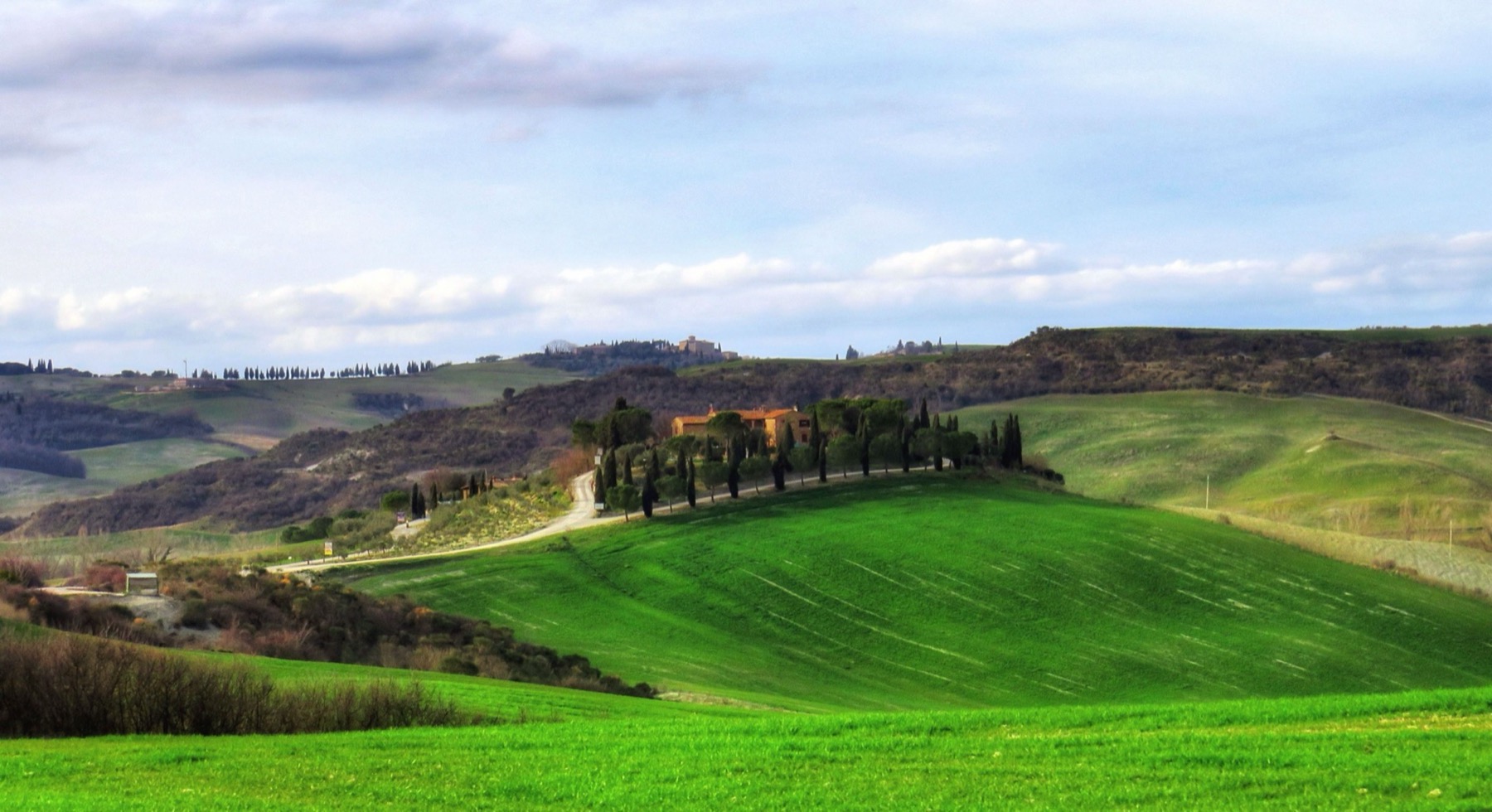
You’ll spend the next two days in a landscape inscribed on the UNESCO list. The Val d’Orcia is exactly the Tuscany you know from the film Gladiator. Here you’ll find the most photogenic cypress avenues and rolling hills that change colour with the seasons. The drives between the individual towns are short here, usually just a few dozen minutes.
Over these two days, explore Montepulciano and Montalcino, both famous for outstanding wine. Be sure to stop in Pienza, a paradise for cheese lovers, and in the thermal town of Bagno Vignoni. Here you’ll drive a lot on the dusty strade bianche, so go carefully and enjoy the unbelievable views around every bend. These are exactly the places where you’ll want to stop every five minutes to take another photo.
Day 7: San Gimignano and Volterra
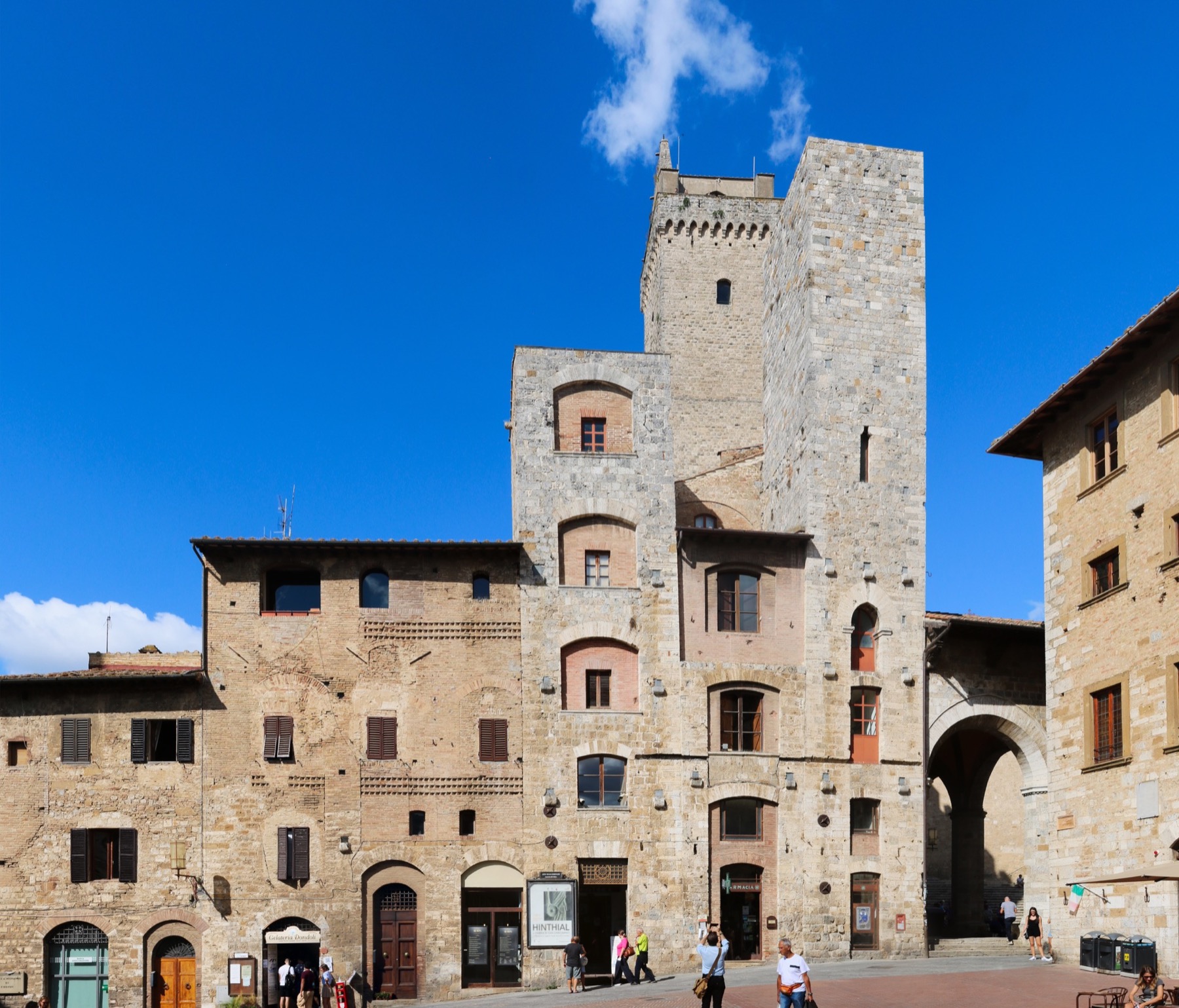
The last day is a return north. From Siena to San Gimignano it’s about 45 minutes by car if you take the fastest route. But if you decide to weave through Poggibonsi and the picturesque hills, the drive will stretch by another 30 to 45 minutes. San Gimignano is known as the medieval Manhattan thanks to its family towers rising high into the sky.
If you have the time and energy, I’d recommend adding a detour to mysterious Volterra. It’ll take you just under an hour of extra driving, but the Etruscan history and alabaster workshops are worth it (more in the article about Volterra). Then in the afternoon all that’s left is the drive back to Florence, returning the car at the rental office and flying home.
Shorter and longer variations
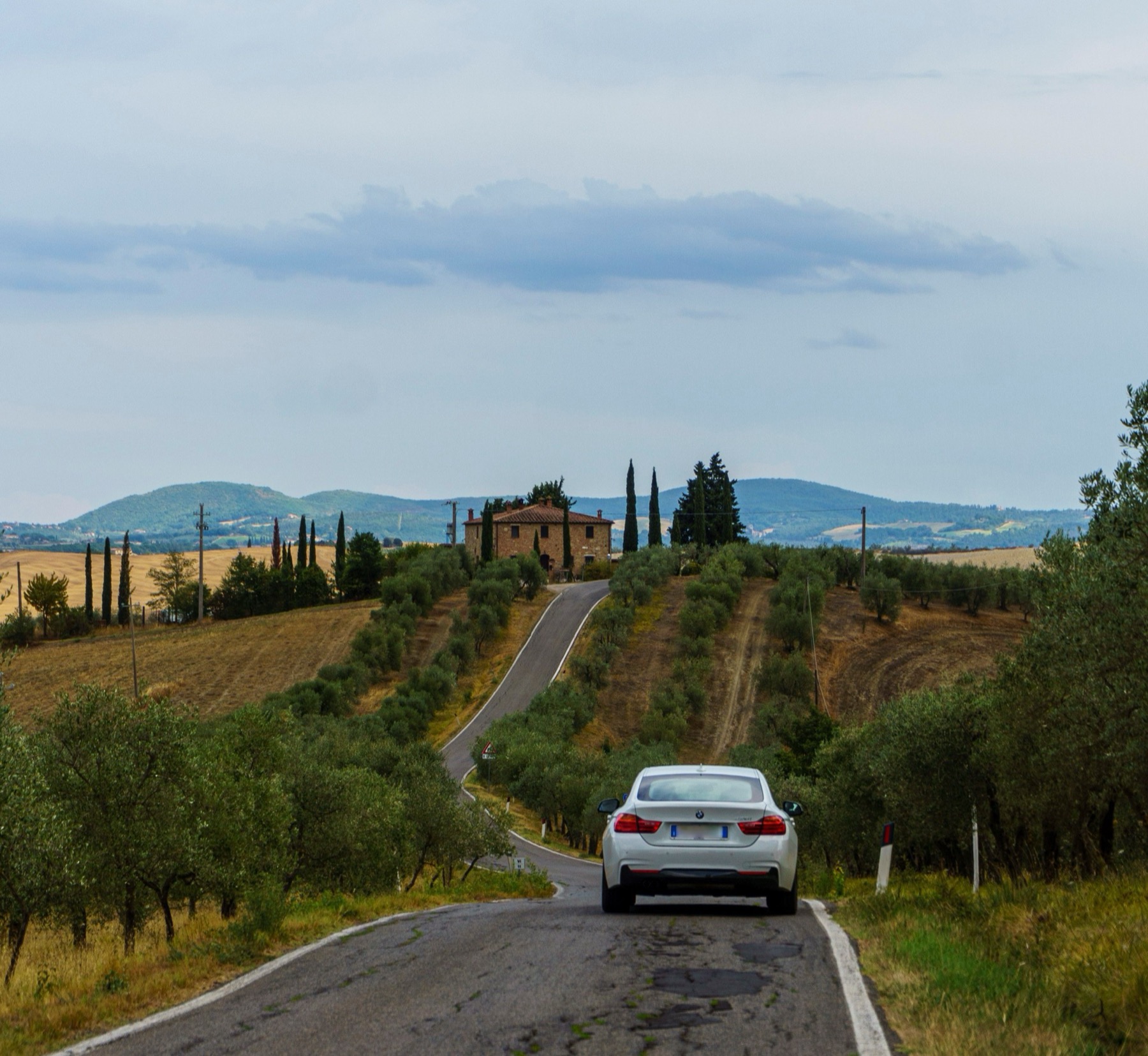
What if you don’t have exactly a week? If you’re pressed for time and have only 5 days, I’d advise skipping San Gimignano and Volterra. Split your time into two days in Florence, one day in Siena and two days purely in the countryside in the Val d’Orcia. You’ll see less, but you won’t feel like you’re just sitting behind the wheel rushing somewhere.
Conversely, if you have a luxurious 10 days at your disposal, you can nicely extend the itinerary. Add a trip north to Lucca and famous Pisa to the classic loop. Another option is to extend it from the Val d’Orcia towards the coast and combine the road trip with a few relaxing days by the sea, or even a ferry to the island of Elba.
If you’re travelling with kids, change strategy completely. Constant packing and switching hotels is hell with a family. Find one strategic base, ideally an agriturismo with a big pool somewhere in Chianti, and take only shorter day trips around the area. And if you don’t drive at all? Tuscany without a car is doable if you limit yourself to the big cities connected by train (Florence, Siena, Pisa, Lucca), but sadly you won’t reach the remote rural valleys.
Where to stay
💡 Accommodation tip and experiences: We prefer to look for accommodation on Booking.com, where the cancellation terms tend to be the best. Tickets, tours and activities are then worth comparing and booking through GetYourGuide.
The basic rule for a Tuscany road trip is: don’t sleep somewhere different every night. Moving suitcases around eats up a lot of precious time and energy. For a seven-day itinerary, two or three bases are absolutely ideal. Start in Florence, then move to the countryside in Chianti or around Siena, and make your third base deeper south in the Val d’Orcia. If you want to spare yourself the stress of searching and be sure of free cancellation, booking through Booking always works great for us, especially when planning longer road trips in advance.
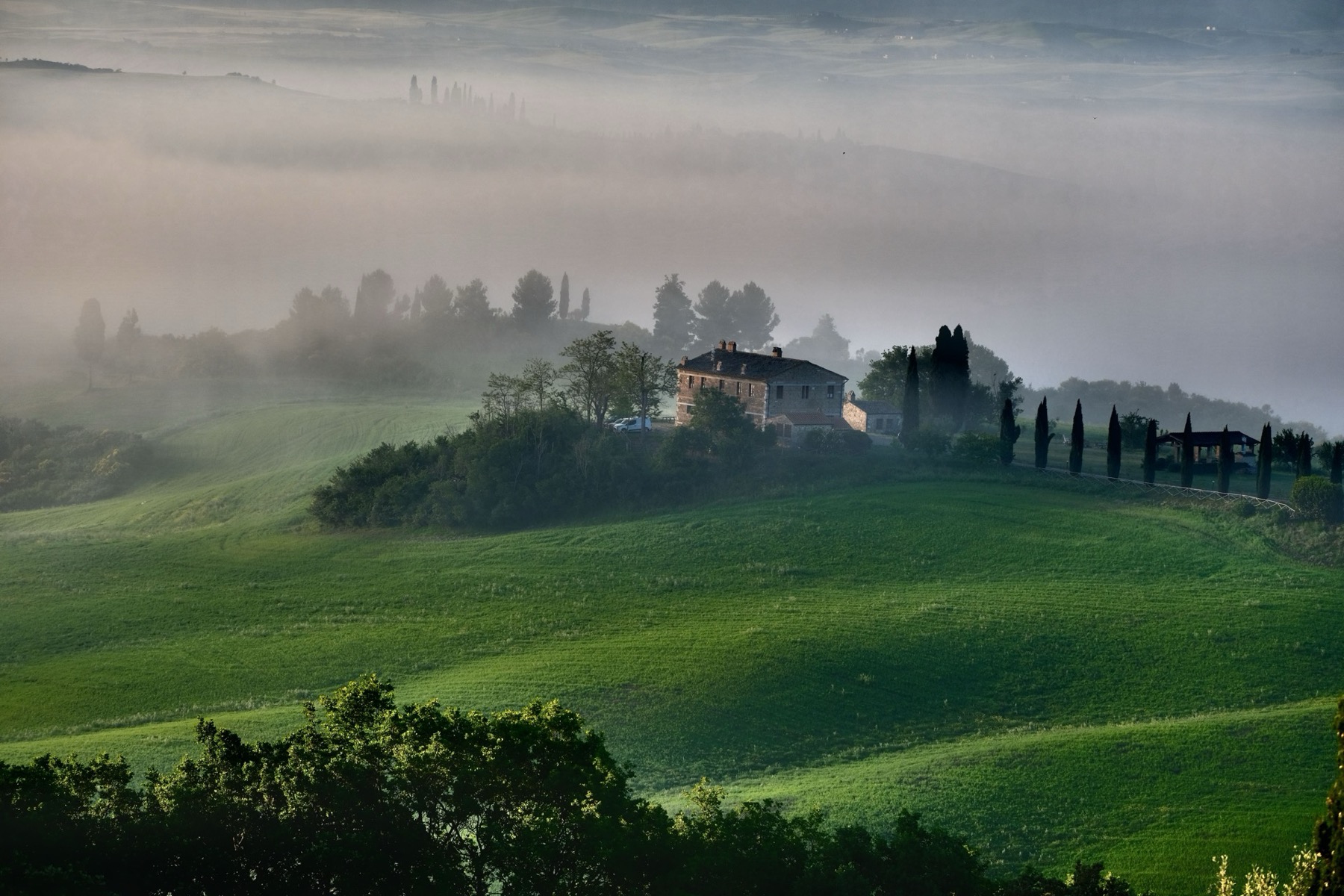
For a driving itinerary, the absolute best type of accommodation is an agriturismo. These are traditional Tuscan farms or country estates offering accommodation. The advantage is that you get free parking, complete quiet, often a gorgeous pool and great home cooking. Personally I’d recommend a look at the charming Agriturismo Il Rigo in the middle of the rolling Val d’Orcia hills, or the beautifully restored Castello di Spaltenna in the Chianti area if you want a touch more romantic luxury. The choice is huge in any case, so I’d also suggest a look at our article with 20 agriturismo tips in Tuscany, where you’ll find specific prices and advice on how to pick the best one.
If you’ll be sleeping in the cities, choose accommodation very carefully. Always look for hotels with their own parking, or find out in advance where the nearest paid garage is (reckon on €15 to €25 a night). Let me repeat the most important thing: if the hotel has an address inside a ZTL, you must send them your plate number in advance, otherwise the only souvenir from your holiday will be expensive fines.
Take particular care if you’re planning to travel around mid-August, when Italians celebrate Ferragosto. During this period hotels and agriturismi are bursting at the seams and accommodation prices soar, so you have to sort your booking many months ahead. In the winter months, by contrast, the roads are beautifully empty, but a lot of country estates and seasonal restaurants are closed.
So you don’t have to go hunting, here are specific tips by stage, all outside the ZTL or with their own parking:
| Stage | Accommodation | Rating | Why this one |
|---|---|---|---|
| Days 1–2 · Florence | iQ Hotel Firenze | ★ 4.8 (504) | modern, near Via Cavour, on-site parking |
| Days 1–2 · Florence | Ambasciatori Hotel Florence | ★ 4.3 (6,844) | by S. M. Novella station, easy to reach by car |
| Day 3 · Chianti | Agriturismo San Sano | ★ 4.9 (357) | agriturismo among the vineyards, free parking |
| Day 4 · Siena | Hotel Italia Siena | ★ 4.6 (832) | a short walk from the walls, own car park |
| Day 4 · Siena | Hotel Arcobaleno | ★ 4.5 (737) | outside the ZTL, good value for money |
| Days 5–6 · Val d’Orcia | Agriturismo il Rigo | ★ 4.8 (320) | classic agriturismo in the heart of the Val d’Orcia |
| Days 5–6 · Val d’Orcia | Vento d’Orcia | ★ 5.0 (166) | small and superbly rated, near Pienza |
Practical little things that save your nerves
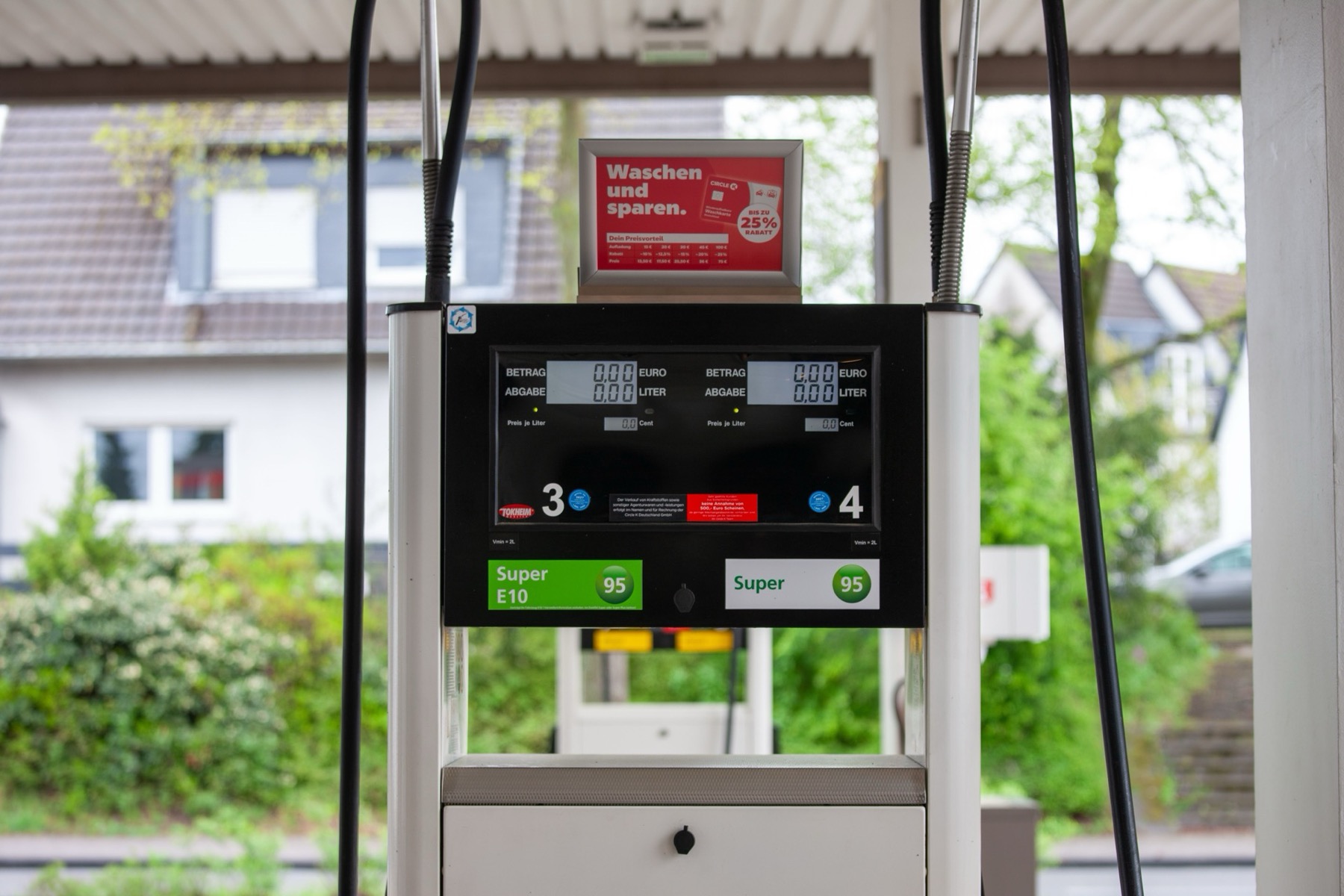
Refuelling in Italy has its quirks. At petrol stations you’ll come across two types of pumps. A pump marked servito means an attendant fills the tank for you, but the fuel is significantly more expensive here. If you want to save money, head to the pump marked fai da te, which is classic self-service where you pay by card at the terminal. Off-season especially, bear in mind that rural petrol stations take a lunch break and there’s simply no attendant.
Another lifesaver for your nerves is navigation. Definitely download offline maps to your phone. In the hilly terrain of the Val d’Orcia or the forests up north, mobile signal drops out very often, and getting lost among the vineyards in the dark isn’t exactly the dream experience. Plenty of farms sit at the end of those famous white roads, and the moment your signal dies in the middle of a Y-shaped junction between two fields, you’d trade gold for an offline map.
When planning your drives, try to avoid driving on Sunday afternoons. This is when Italians return en masse from weekend trips to the sea or the countryside, and the main routes to the big cities, especially those towards Florence, get hopelessly clogged. As for parking in smaller hilltop towns like Volterra or Siena, the paid lots below the walls are often cheaper than the garages in the centre, and a system of escalators conveniently carries you up to the sights.
As for the timing of your road trip itself, the best conditions for both driving and sightseeing are from April to June and then in September and early October. In these months you’ll avoid the biggest crowds and the exhausting summer heat, which can heat up the tarmac and cars to unbearable temperatures.
What to taste along the way
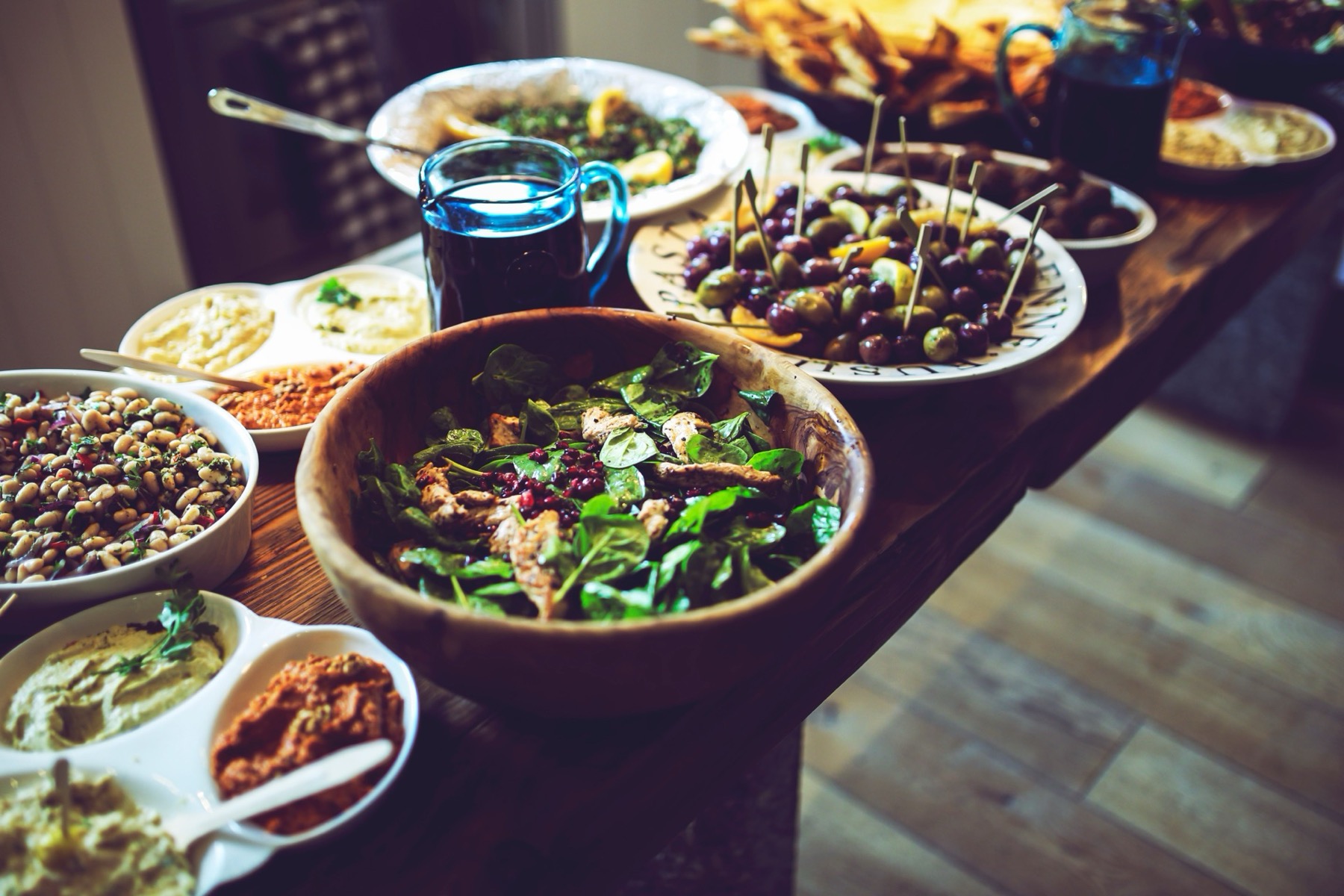
In Italy, food is always a joy, and Tuscany is no exception. Lukáš and I absolutely love this food, because the local cuisine offers fantastic vegetarian options. Definitely try pappa al pomodoro or panzanella, brilliant bread-and-tomato dishes. The hearty ribollita soup is great too (just ask in the restaurant whether it’s purely vegetable-based), or the typical thick pici pasta with a good dose of garlic.
Use your stops in the towns for tasting local specialities. In Pienza you simply have to buy the aged pecorino cheese, for a snack on the road I’d recommend the fluffy focaccia called schiacciata (definitely queue for it at the iconic All’Antico Vinaio in Florence), and with your coffee the hard almond biscuits cantucci, traditionally dipped in sweet wine. If you’re not among the vegetarians, the number one local speciality is the huge beef steak bistecca alla fiorentina (you’ll get a great, honest one at the family-run Trattoria Mario) or various salumi and wild boar sauces (cinghiale).
Tuscany is of course about wine, whether it’s Chianti Classico or the famous Brunello di Montalcino. But here comes the most practical piece of advice for drivers: if you drive, you don’t drink, even in the land of wine. In Italy the drink-driving limit is 0.5 per mille, which is roughly one small glass of wine with a meal. But if you’ve held your licence for less than 3 years, an absolute zero applies to you, and any alcohol behind the wheel means huge trouble with the police.
Stopping for lunch in a tucked-away Tuscan village, like the rustic Osteria Acquacheta in Montepulciano, is often the best gastronomic experience of the whole holiday. The vegetables here ripen under the hot southern sun, and even the most ordinary bread drizzled with local olive oil tastes utterly divine, so vegetarians will feel like they’re in a real paradise. Try to sit down occasionally somewhere without an English menu too, the immediate atmosphere is genuinely worth a little effort with a translation app.
For Lukáš and me, Italy is an absolute favourite precisely because of the incredible quality of the basic ingredients. Even plain country tomatoes with basil and fresh olive oil taste like a real miracle here, so you needn’t worry at all that you’d miss out on anything essential in the Tuscan countryside without meat specialities.
Where to next
If planning your Tuscan adventure has grabbed you, we’ve prepared more detailed articles to help you with the details:
- Tuscany: 30 most beautiful places and a 7-day itinerary
- Weather in Tuscany: temperatures by month and when to go
- Agriturismo in Tuscany: 20 tips, prices and how to choose
- Pisa: 37 tips on what to see and do
Frequently asked questions
You should have a rough plan in your head by now, but I understand that Italian roads can raise plenty of extra questions. Before my first trip I too trawled through dozens of forums looking for concrete answers to practical things that can really complicate a road trip.
So I’ve gathered the very most common questions you regularly send me in one place. Whether you’re wondering if you’ll manage with a fresh licence, or where’s best to park, here you’ll find clear and concise answers.
Do I need a car in Tuscany?
To explore the countryside, vineyards and the Val d’Orcia valley, you definitely need a car. However, if you’re only planning to visit major cities like Florence, Siena, Pisa and Lucca, you can easily get by with the excellent train network and a car would just be a hassle.
What is a ZTL and how do I avoid a fine?
ZTL is a limited traffic zone in historic city centres. You cannot enter without a permit, otherwise a camera will photograph you and you’ll receive a fine. You can avoid it by carefully watching for signs with a red circle, parking outside the centre, or having your hotel register your license plate.
How much does a fine for driving through a ZTL cost?
The fine itself ranges between €80 and €130. However, if you have a rental car, the rental company will charge an additional administrative fee for processing your details for the police, which is usually another €40 to €60.
How many days are enough for Tuscany by car?
For a classic circuit through Florence, Chianti, Siena and Val d’Orcia, 7 days is ideal. The absolute minimum for at least a quick glimpse of the region is 5 days, but in that case you’ll have to skip some places.
Are motorways in Italy toll roads?
Yes, the main motorways (autostrada) marked in green are toll roads. Expressways (superstrada), which you can recognize by their blue signs, are free for all drivers.
Where’s the best place to rent a car?
You’ll find the biggest choice of rental companies at the airports in Pisa or Florence. However, pick up the car only when you’re leaving the city, so you don’t pay for days when it will just sit in an overpriced garage.
Can a regular car handle Tuscan roads?
Yes, regular roads can be handled by any car. However, if you’re planning to drive on dusty strade bianche to remote farmhouses, I recommend a vehicle with higher ground clearance and careful driving.
Where should I park in cities?
In major cities, look for large park-and-ride car parks outside the historic walls. On streets, park only in spaces marked with a blue line (paid) or white line (free). Avoid yellow lines.
Tips and Tricks for Your Vacation
Don’t Overpay for Flights
Search for flights on Kayak. It’s our favorite search engine because it scans the websites of all airlines and always finds the cheapest connection.
Book Your Accommodation Smartly
The best experiences we’ve had when looking for accommodation (from Alaska to Morocco) are with Booking.com, where hotels, apartments, and entire houses are usually the cheapest and most widely available.
 🚗 Car rental on the roadVerified car rentals in Tuscany
Search with the DiscoverCars comparison engine — it compares prices from dozens of local and international rental companies, and most bookings come with free cancellation.
Compare car prices in Tuscany →Don’t Forget Travel Insurance
Good travel insurance will protect you against illness, accidents, theft, or flight cancellations. We’ve had a few hospital visits abroad, so we know how important it is to have proper insurance arranged.
Where we insure ourselves: SafetyWing (simple monthly subscription) and TrueTraveller (for extra-long trips).
Find the Best Experiences
Get Your Guide is a huge online marketplace where you can book guided walks, trips, skip-the-line tickets, tours, and much more. We always find some extra fun there!