In photos, Tuscany, Italy looks like the absolutely perfect destination for a family holiday, but the reality can be a lot more demanding. Hilly cobbled towns, blistering summer heat, long drives between sights, and endless church-gazing can tire out and frustrate little travellers pretty quickly.
Ever since we started travelling with little Jonáš, we think a lot more about logistics and overall comfort. Lukáš and I were last in Tuscany on e-bikes, back before he was born, but I know all too well how having a child changes your priorities and that you can no longer just aimlessly wander the alleys from morning till night 😅.
So I’ve put together 18 things that really work with kids in Tuscany, plus a few honest warnings so nothing catches you off guard once you’re there. We’ll go over the tricky rules for the Leaning Tower in Pisa, the best local water parks, I’ll help you pick a strategic base for your stay, and we’ll talk about how to keep the parents’ nerves intact.
TL;DR
- Children under 8 are not allowed up the Leaning Tower in Pisa. This is a completely non-negotiable rule and younger kids simply won’t get to the top.
- The key to success is an agriturismo with a pool. Having one fixed base out in nature is a thousand times better with kids than moving from hotel to hotel every couple of days.
- Tuscany has fantastic water parks. When the kids get fed up with historic towns, the huge Acqua Village water worlds in Cecina or Follonica will save the day.
- May, June and September are the best months. July and August bring extreme heat inland that really doesn’t agree with little ones.
- Leave the stroller at home and bring a baby carrier. Tuscan cobblestones and endless hills turn pushing a stroller into a proper extreme sport.
- Watch out for the ZTL zones in town centres. With a car full of kids you have to park in the lots outside the walls — you’re not allowed to drive into the historic centres.
- Cycling the city walls in Lucca is a top activity. Completely flat and car-free, and you can easily rent a bike with a child seat.
The full destination guide: Tuscany — guide and what to see
The Leaning Tower of Pisa: why you won’t get up with a small child
If you’re planning an idyllic family trip to Pisa where everyone climbs the famous Leaning Tower together, I have to stop you right away. The tower has a very strict age limit and the minimum age for entry is set at 8 years. Children aged 8 to 17 must also be accompanied by an adult for the entire climb.
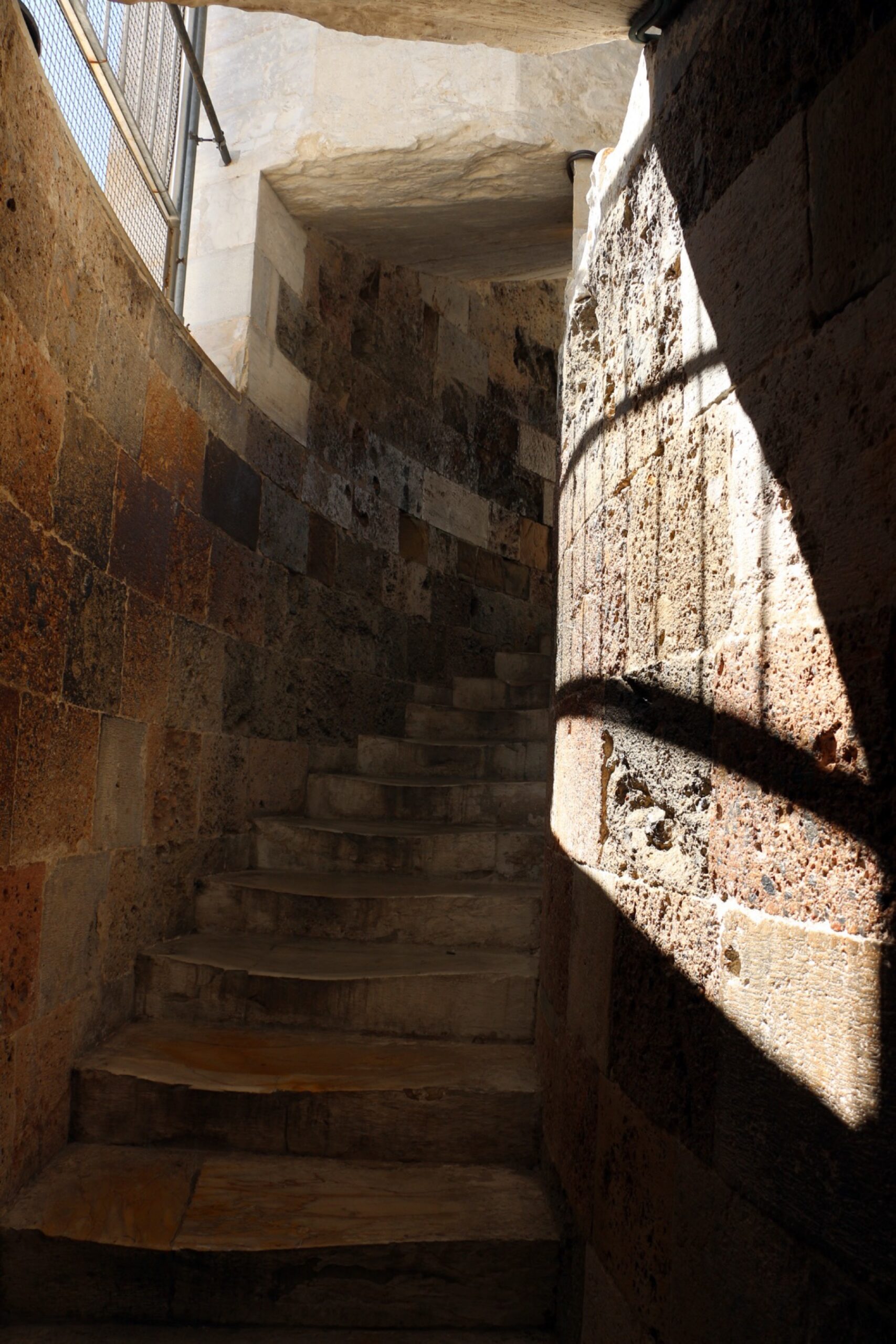
The climb really isn’t a walk in the park — there are 251 steps up a very narrow marble staircase worn down over the centuries. There’s absolutely no lift, no spots to rest, and in summer there’s no air conditioning whatsoever, so it gets pretty stuffy inside.
The entrance fee is €20 per person and the time limit for the whole visit is just 30 minutes. Entries are split into precise half-hour slots that the Italian attendants keep to with surprising accuracy. If you turn up late, they won’t let you in and you won’t get a refund for a missed ticket. With younger kids you can happily spend the time down on the lawns of Piazza dei Miracoli — you just have to plan around that restriction in advance.
18 tips on what to do in Tuscany, Italy with kids
I’ve put together a list of eighteen specific places and activities that are guaranteed to keep kids entertained once they’ve had their fill of Renaissance art. Pick according to the age and energy levels of your little ones.
1. Acqua Village Follonica
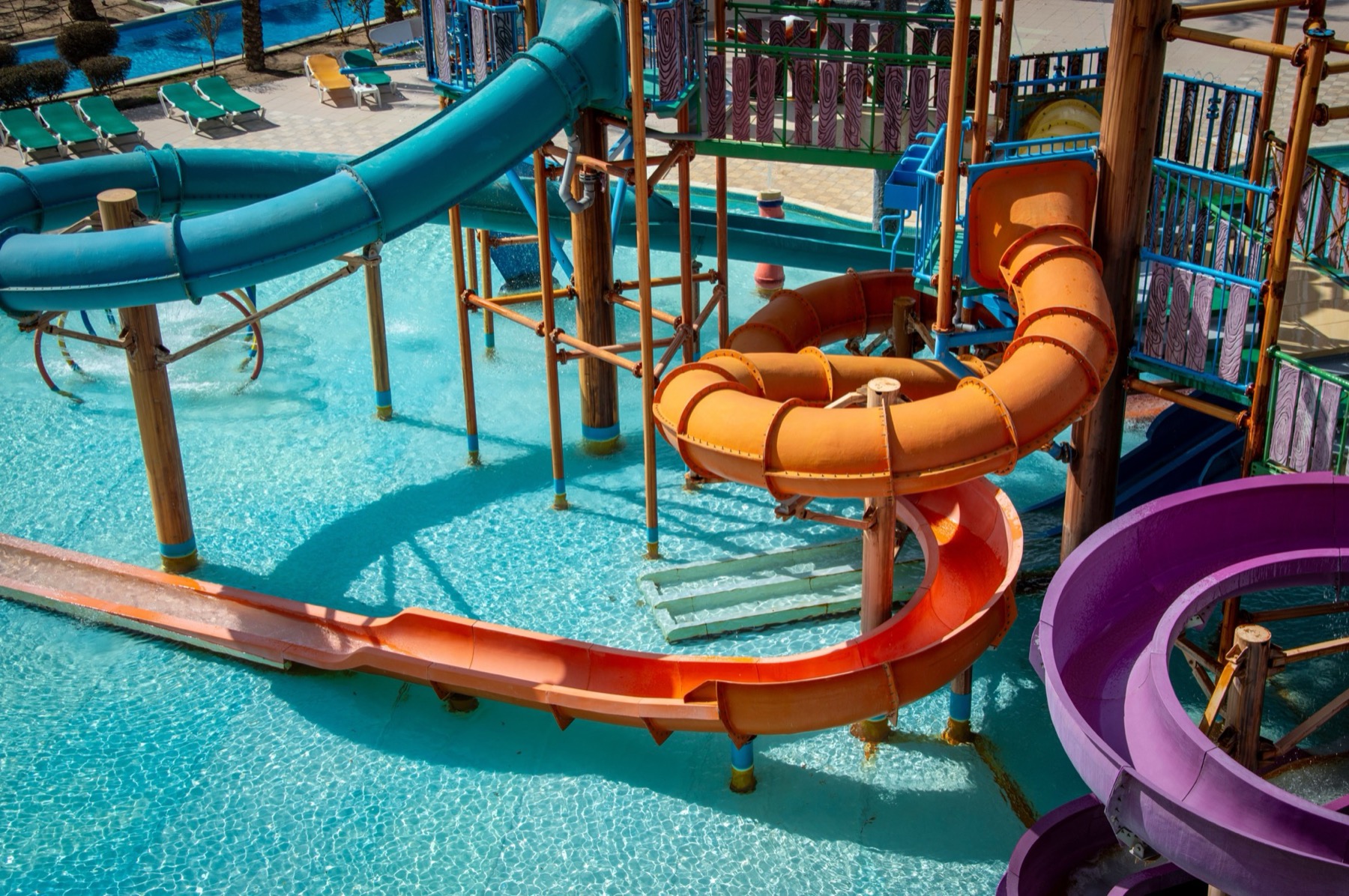
This is an absolute lifesaver for hot summer days, because it’s the largest water park in Tuscany. Follonica covers 75,000 square metres and has repeatedly won the title of best water park in all of Italy at the Parksmania Awards. If you feel your kids can’t handle one more church, this is where you’ll more than make it up to them.
The whole complex has a gorgeous Hawaiian theme and you’ll find over 10 giant slides plus plenty of shallow lagoons for smaller swimmers. An all-day adult ticket costs €28, children under 140 cm pay €22, and afternoon entry after 2:30 pm is a bit cheaper, with adults paying €22 and children €17. Great news is that children under 100 cm get in completely free.
For the very youngest there’s a special Moku lagoon with mini slides and safe water play. Older kids will love new additions like the Kupua lost island or the Kona temple slide, while worn-out parents can finally relax in the themed Makai pool with its lovely waterfalls and hot tubs.
2. Acqua Village Cecina
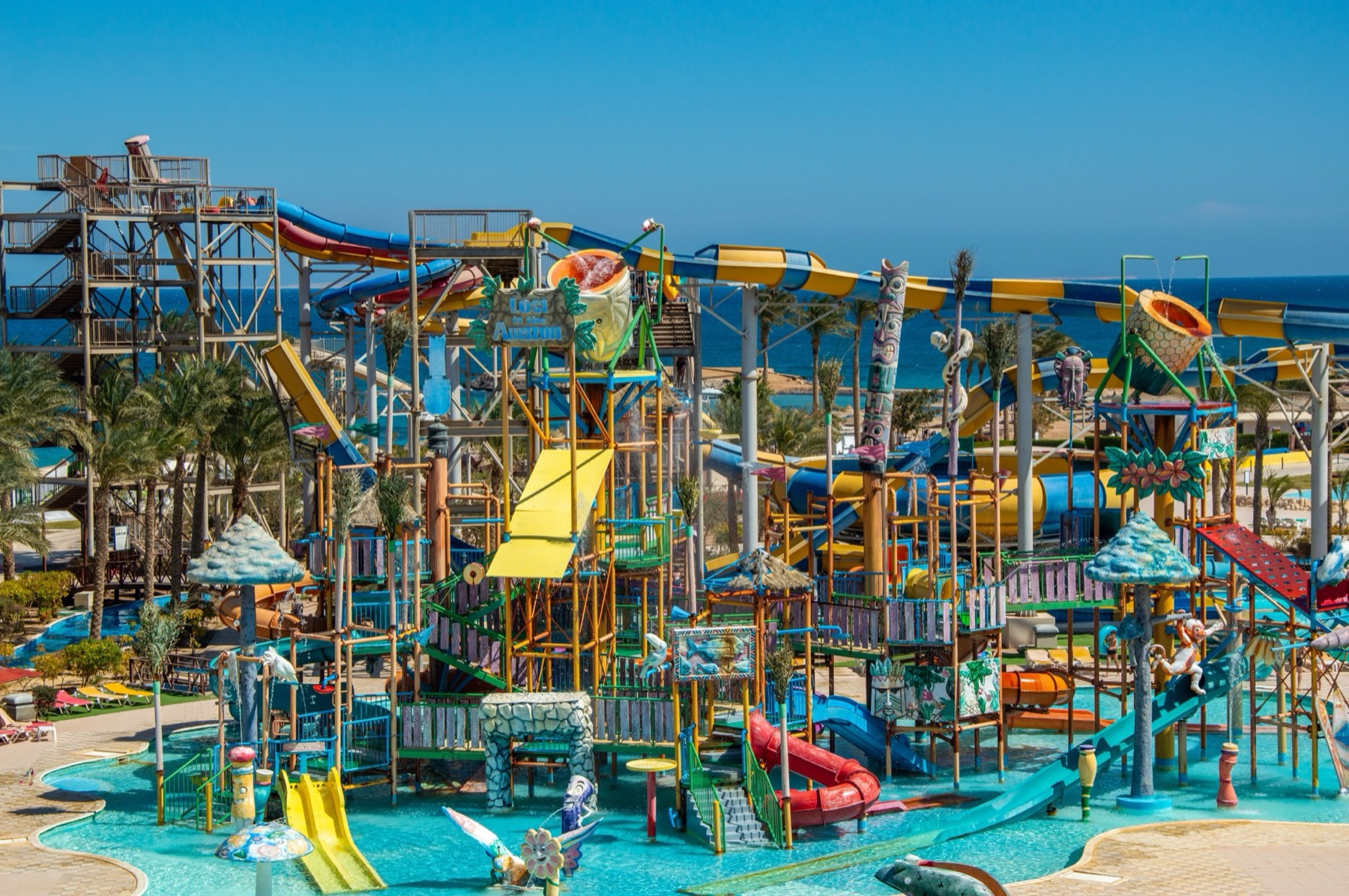
The second of the Hawaiian water park family sits a little further north and is a great alternative if you’re staying in the central part of the Tuscan coast. It’s laid out very similarly to Follonica and offers a huge amount of water fun for all ages, so toddlers and grumpy teenagers alike will be reliably entertained.
An all-day adult ticket costs €27, children under 140 cm pay €22, and afternoon entry runs €22 for adults and €17 for smaller visitors. Great news for families with toddlers is that children under 100 cm get in completely free, and seniors over 70 don’t pay either, which is handy if you’re travelling with grandparents too.
Here too you’ll find amazing tropical decorations, a pile of thrill slides for older kids and calmer shallow zones for the little ones. It’s an ideal place to spend the whole day, and the kids will guaranteed drop into bed exhausted in the evening 😅. Just bear in mind that it gets really busy on summer weekends, so if you can, come on a weekday right at opening time.
3. Cavallino Matto
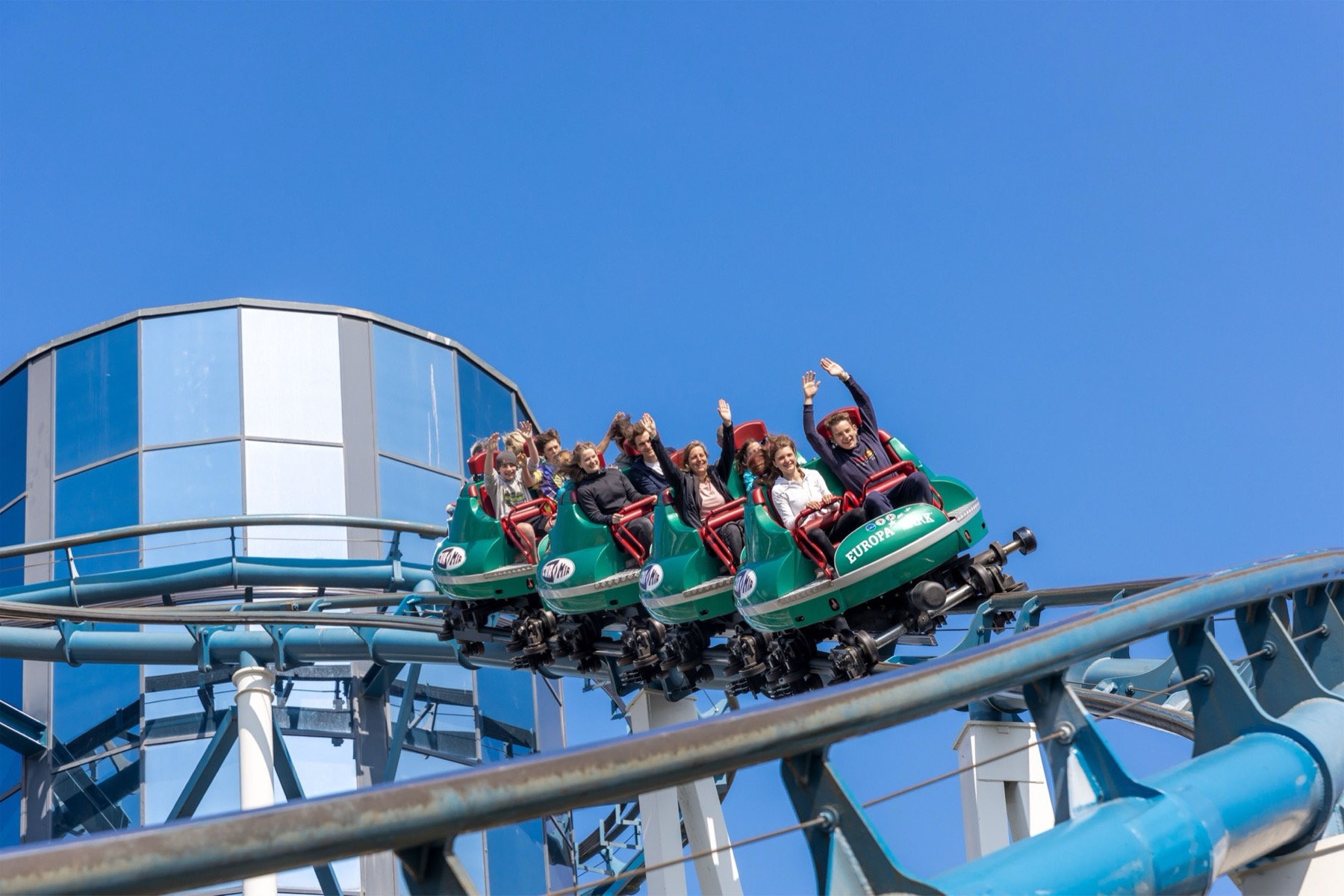
If your kids prefer land-based fun and slides aren’t really their thing, head to Marina di Castagneto Carducci, home to the largest amusement park in all of Tuscany. This huge complex sits in the middle of a centuries-old pine grove, which is an absolute blessing in the Italian summer, as the trees provide lovely shade even in the fiercest heat.
Waiting for you here are over 25 different attractions plus 4 regular shows. You’ll find absolutely everything from classic thrilling roller coasters through fun water rides where everyone is guaranteed to get soaked, to live performances and a modern 4D cinema that entertains the whole family regardless of age.
Always double-check the current ticket prices and exact opening hours directly on the official cavallinomatto.it website, as they can change quite dramatically depending on the season and the specific day of the week. Buying tickets online in advance also very often pays off thanks to attractive discounts, and you’ll save yourself queuing at the ticket booths.
4. Parco di Pinocchio in Collodi
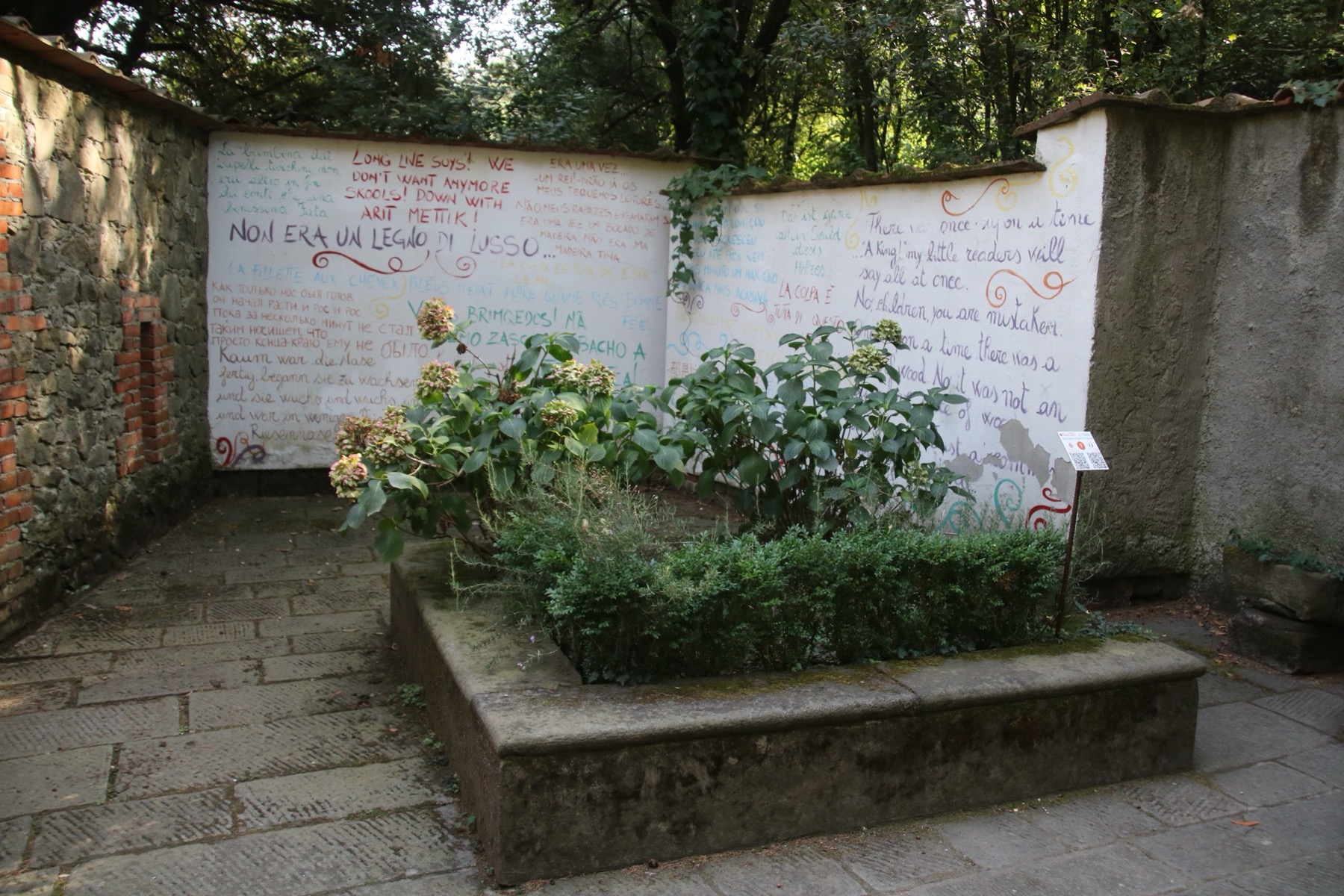
Did you know the famous little wooden puppet with the long nose was kind of “born” right here in Tuscany? You’ll find the experience park dedicated to Pinocchio in the charming town of Collodi, and it’s a lovely return to classic fairy tales without flashing screens and blaring speakers. Don’t expect any wild roller coasters here — the atmosphere is beautifully peaceful.
The park is full of gorgeous mosaics, bronze statues and art installations set in lush greenery. Kids will find an interactive museum, creative workshops, fun theatre performances and plenty of space to run around safely. It’s a place where imagination truly comes to life.
Great news is that entry for children under 2 is completely free, with only older visitors paying. Opening hours change a lot with the season, so while from April to September it’s usually open daily from ten in the morning, in the winter months you can only get in on weekends or public holidays. Definitely check their website before you go.
5. The historic Garzoni garden
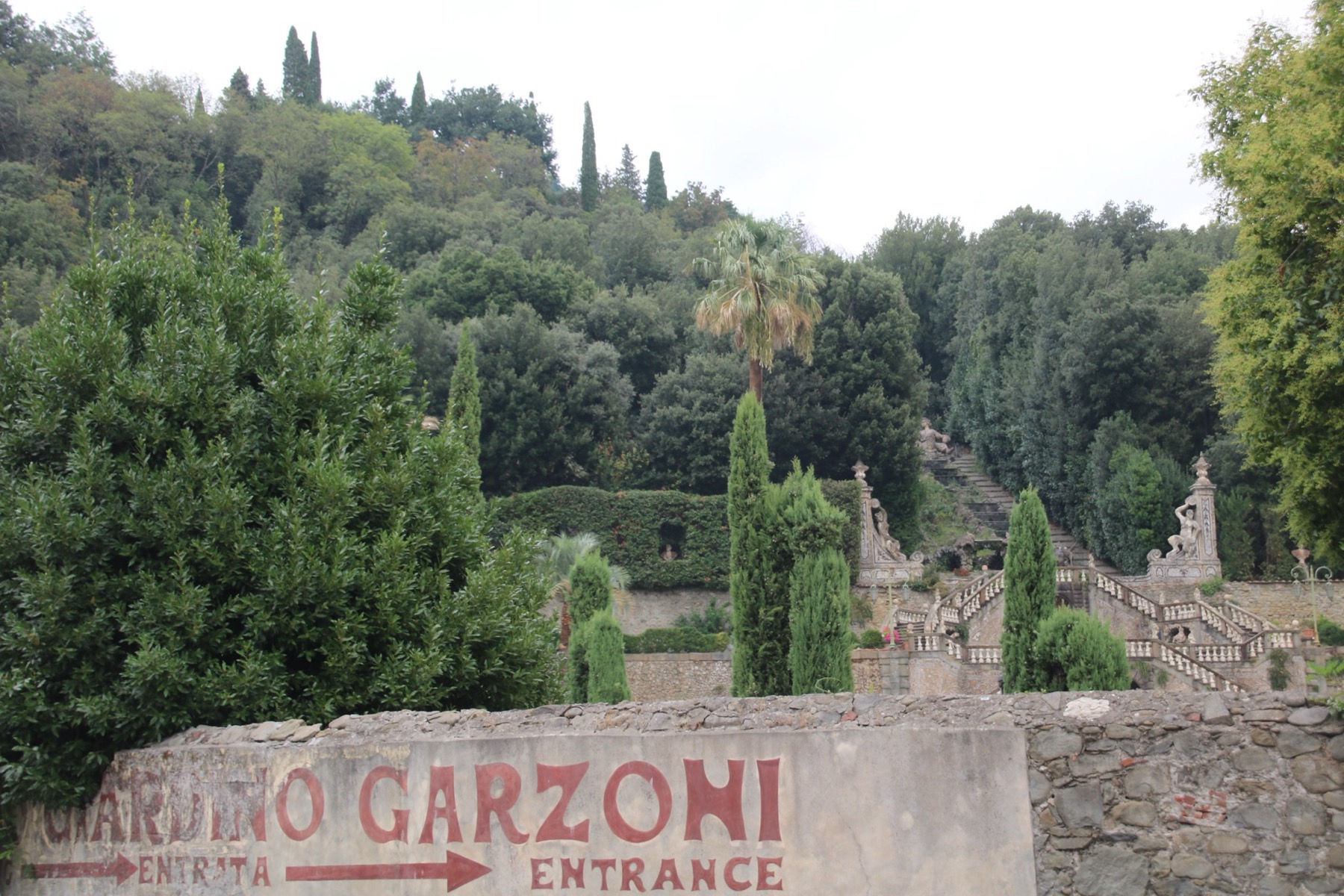
Right next to the Pinocchio park you’ll find the gorgeous historic Garzoni garden, which is definitely worth adding to your trip. It’s a classic example of stunning Italian garden art, full of cascades, romantic fountains and perfectly symmetrical flower beds. For parents it’s balm for the nerves, and for kids a rather intriguing maze.
For families it really pays to buy a combined ticket, which lets you visit both places at a better price and fills a pleasant morning. The walk through the garden is beautifully calming and kids absolutely love discovering hidden corners or watching the peacocks that stroll freely and show off their feathers.
Here too prices vary with the current season and the ticket combination you choose. So check all the details on the official website before you go, so there are no surprises when you arrive. The garden is also quite hilly, so swap the stroller for a comfy baby carrier.
6. Giardino dei Tarocchi in Capalbio
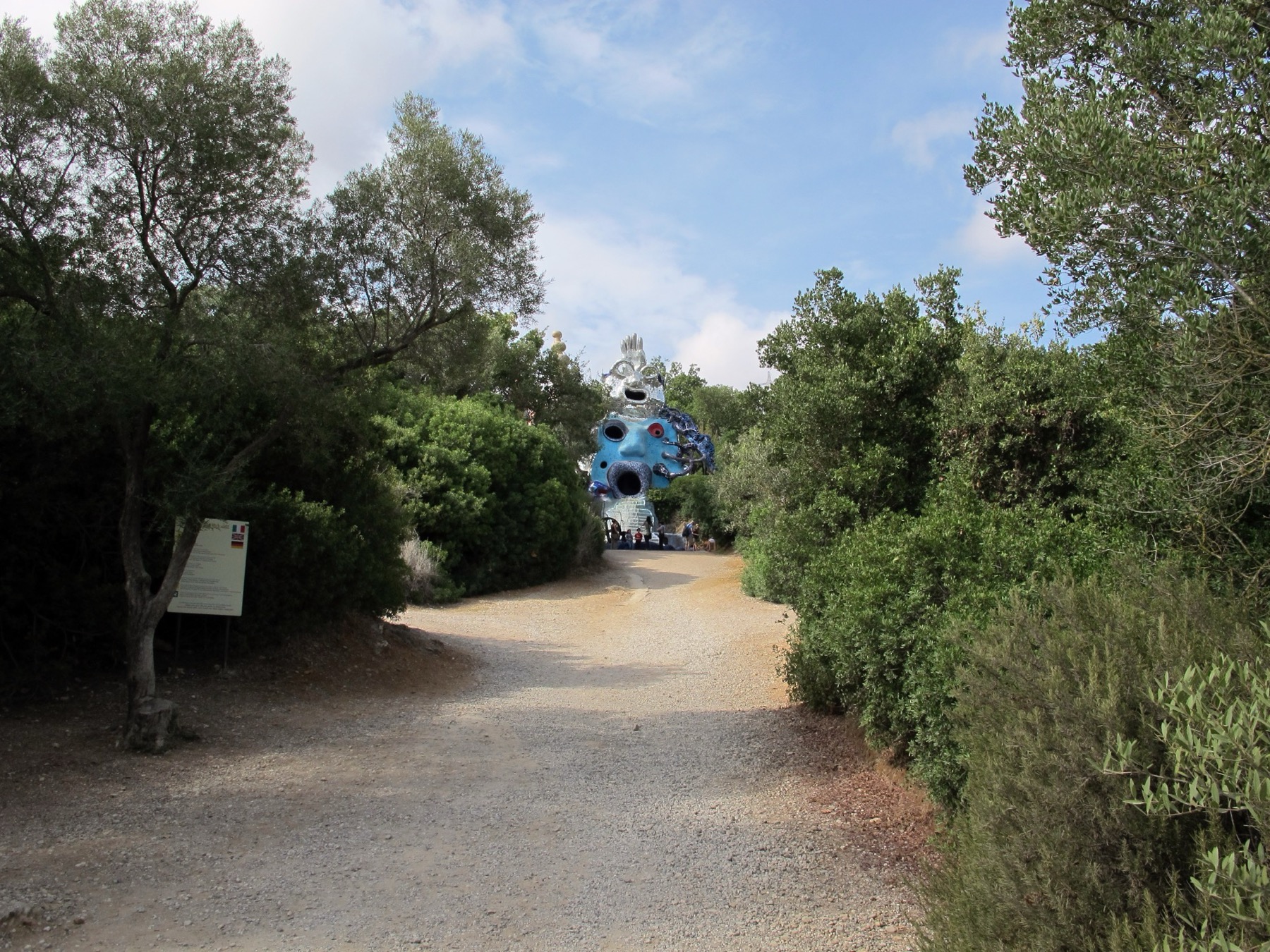
This place looks like it fell out of some incredible psychedelic dream, and kids absolutely love it. The sculpture garden by artist Niki de Saint Phalle is full of enormous, brightly coloured tarot-card sculptures clad in shiny mirrors and ceramics. Photos from here look simply fantastic.
While for adults it’s a major, respected work of modern art, for kids it’s a proper fairy-tale world where they can crawl through the innards of giant sculptures and admire glittering mosaics reflecting the sun. The 2026 entrance fee is €15 for an adult, discounted tickets for youths aged 7 to 22 and seniors over 65 cost €10, and children under 6 get in completely free.
But watch out for one crucial thing: tickets are sold ONLINE ONLY through the Ticketlandia system. You’ll find the link on their official website ilgiardinodeitarocchi.it. You simply can’t buy tickets at the gate, and it would be a huge shame to arrive with excited kids and not get in at all.
7. Cycling the city walls in Lucca
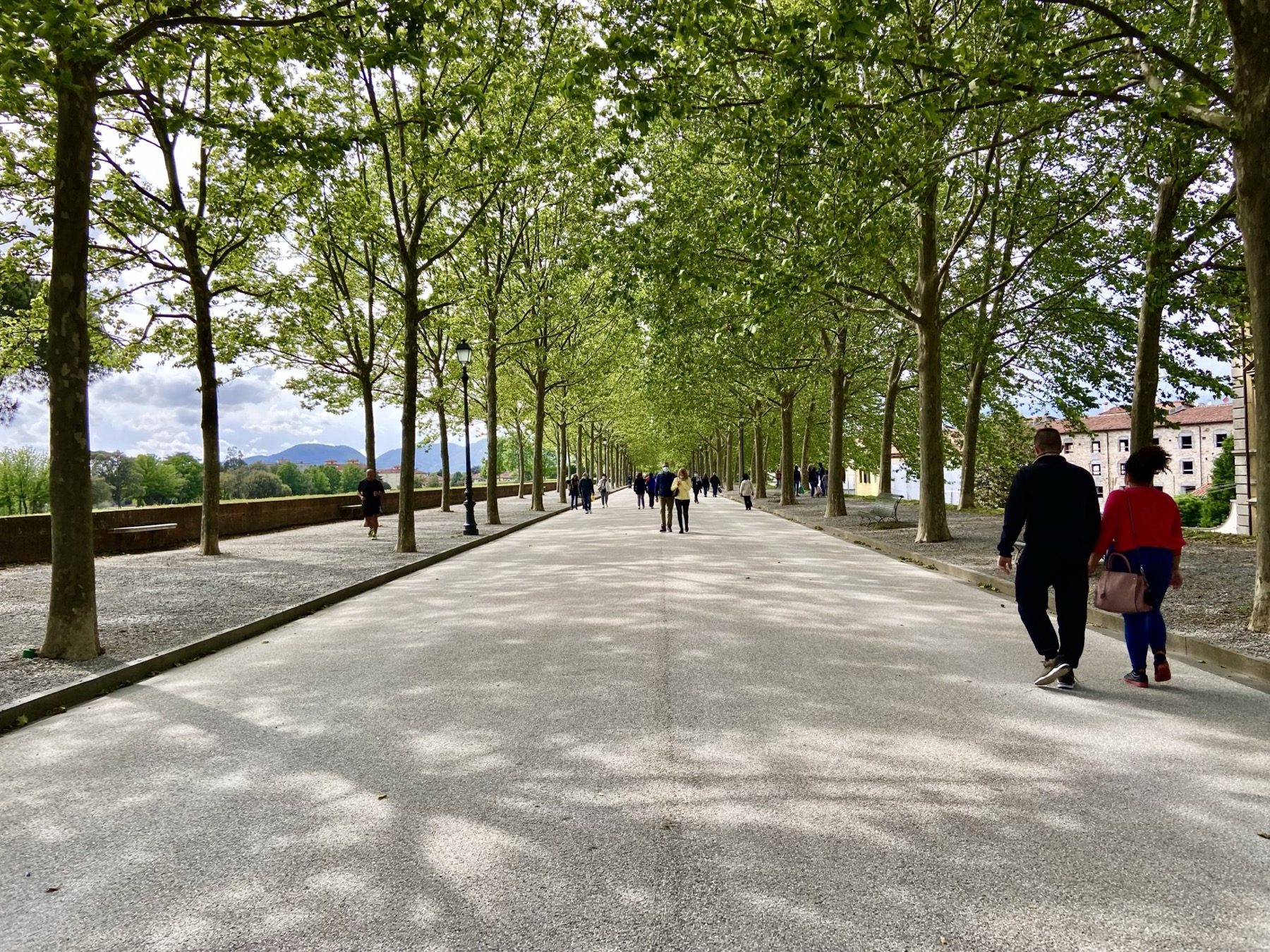
The historic town of Lucca is ringed by mighty Renaissance walls that the locals have turned into one of the best city parks in Italy. The top of the walls is wide, beautifully wooded and offers a perfectly flat, completely car-free surface, which is a huge rarity in otherwise hilly Tuscany.
Renting a bike and riding all the way around the town is probably the very best family activity you can do in Tuscany. All over town you’ll find plenty of rental shops that are brilliantly set up for families and routinely offer kids’ bikes, child seats and perfectly safe trailers for the little ones.
As you ride you’re constantly in the shade of huge trees, you can stop for a picnic on the grass at any time or take in the view down into the winding alleys of the historic centre. It’s safe, fun and incredibly relaxed. The whole loop is about four kilometres, so even smaller cyclists can manage it comfortably.
8. The beaches of Versilia
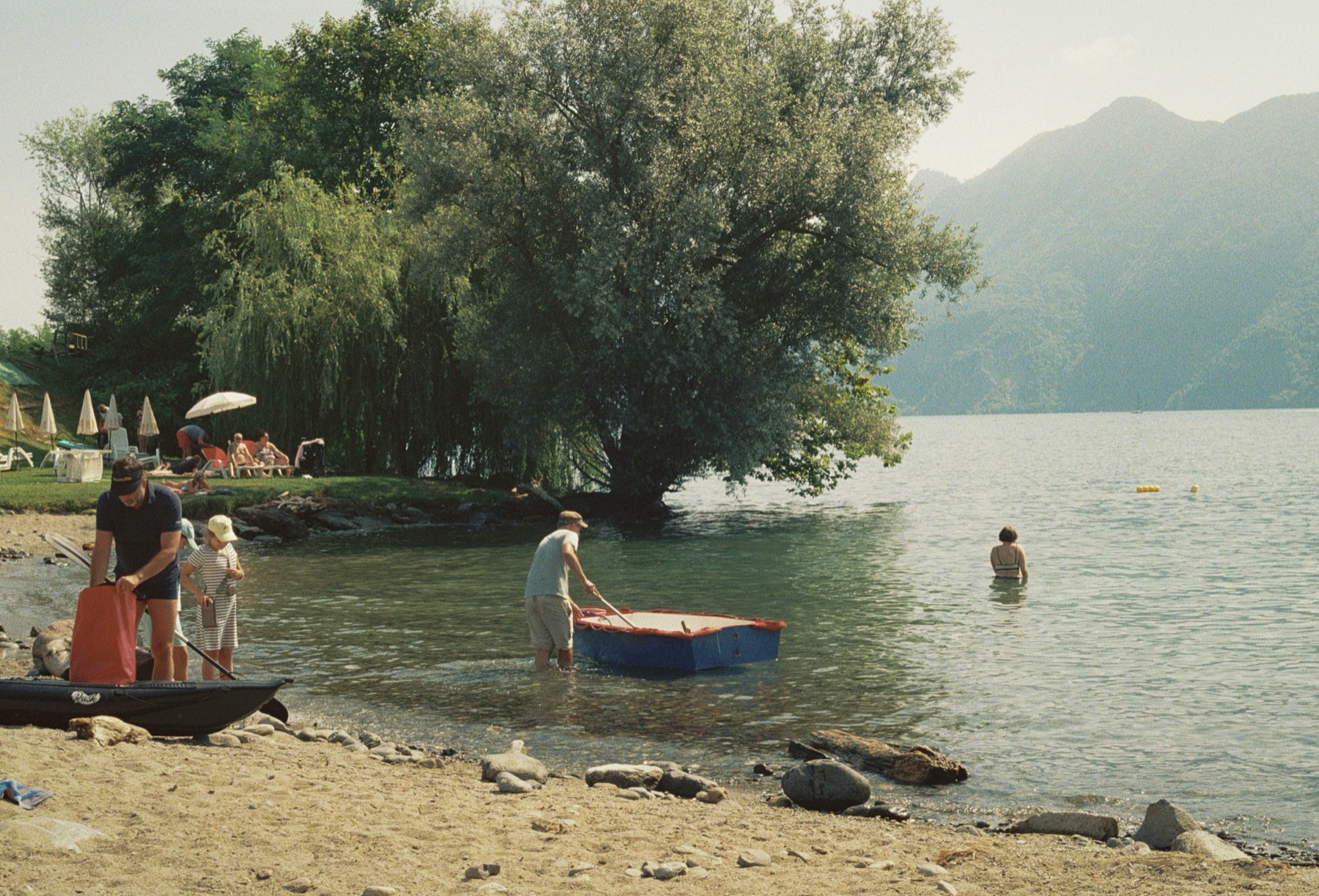
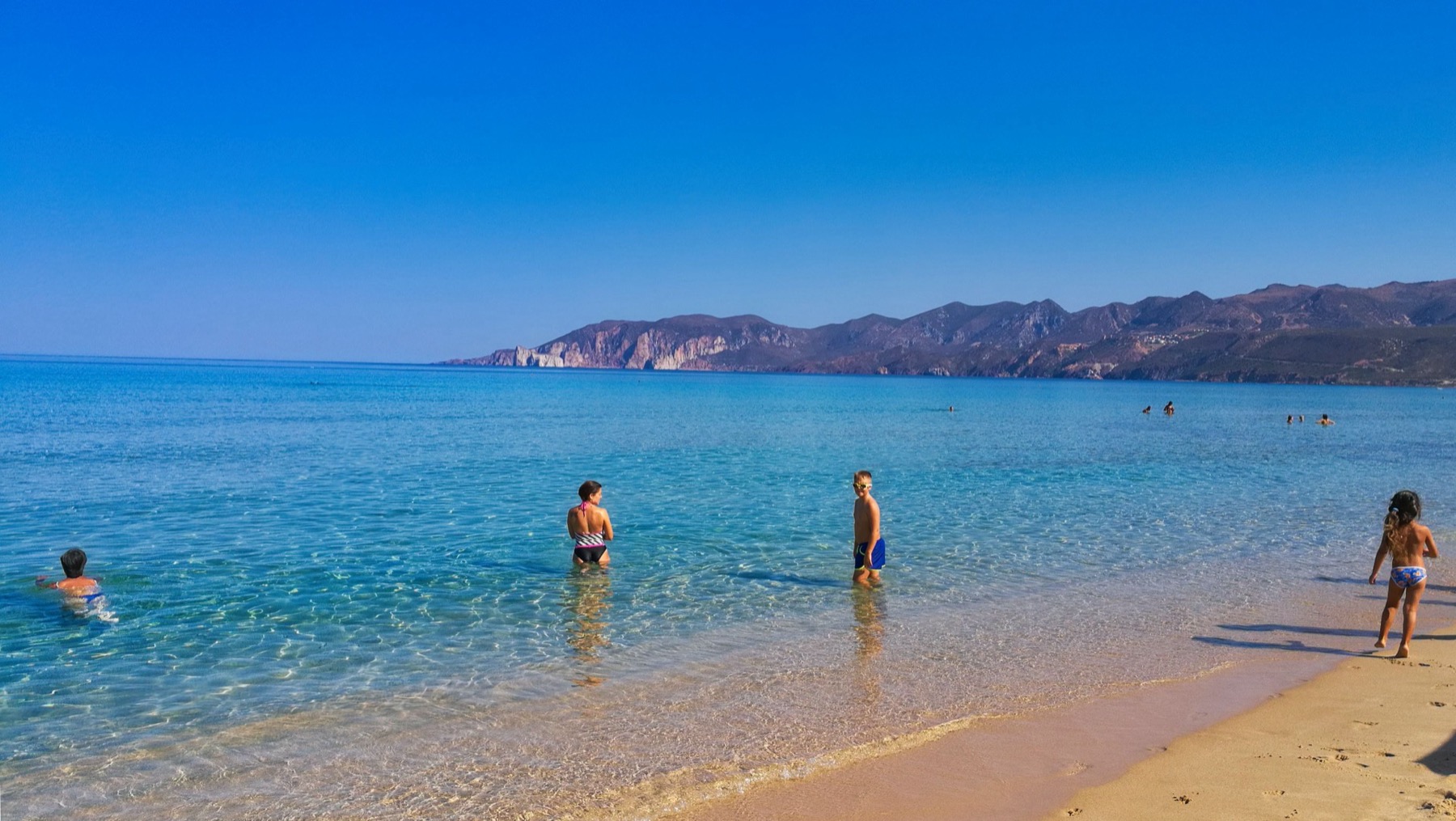
If you’re after the best spot for swimming with small children, head to the northern coast, to the Versilia area. The beaches here are incredibly wide and sandy, and the water only deepens very gradually, so it’s completely safe for little swimmers and you don’t have to constantly worry that they’ll take one step and lose their footing.
Most of the beaches here are also organised and you’ll find full beach service, from clean toilets and showers to restaurants and playgrounds built right in the sand. That saves you the hassle of lugging parasols, towels and food supplies in enormous bags out to a wild beach.
Kids can spend hours building sandcastles and splashing in the shallow, pleasantly warm water. It’s exactly the kind of carefree seaside day the whole family needs after a demanding round of sightseeing. 💡 Tip: it’s worth renting a set of sun loungers with a parasol for the whole day, so you’re guaranteed shade and a comfortable base.
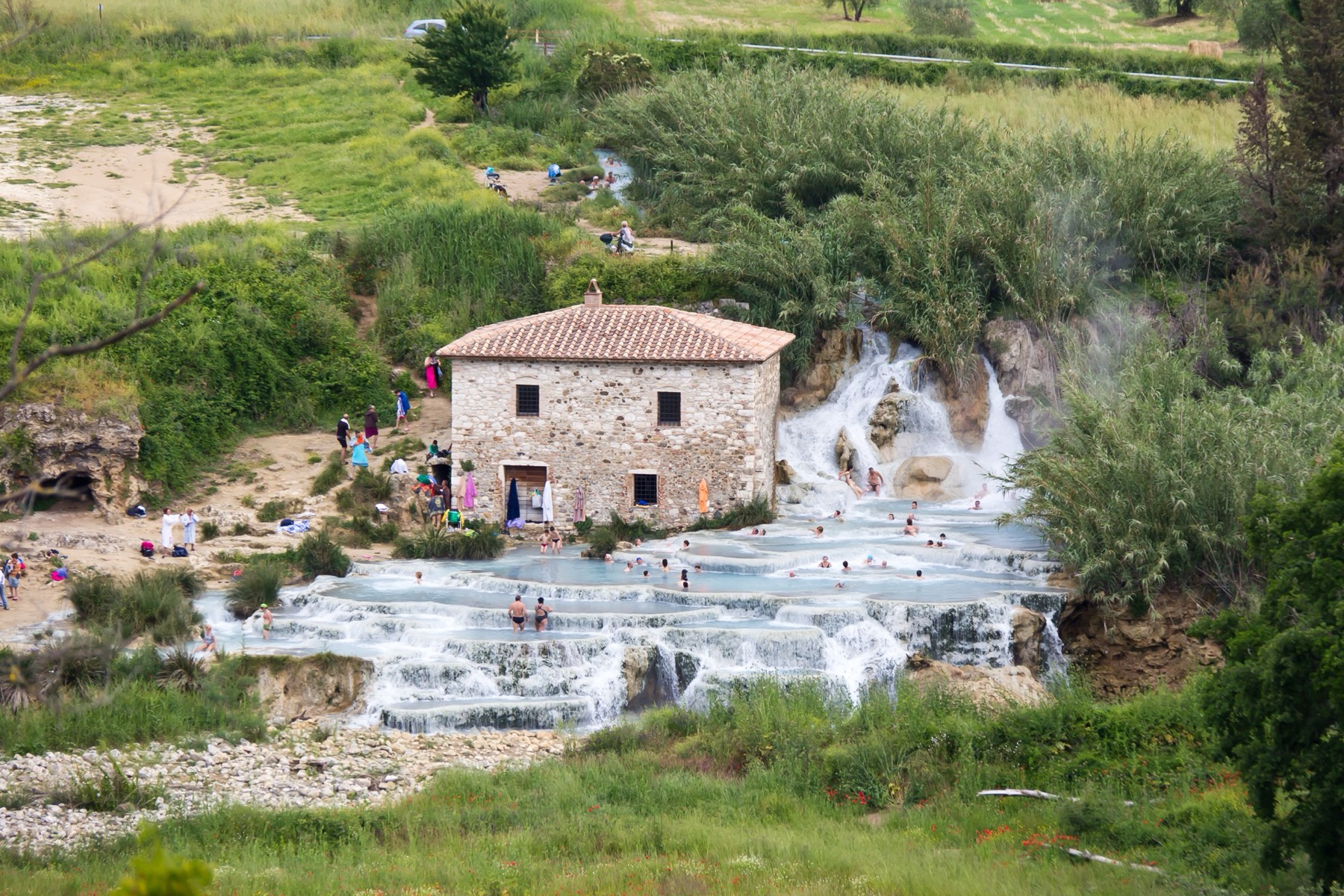
9. The Saturnia hot springs
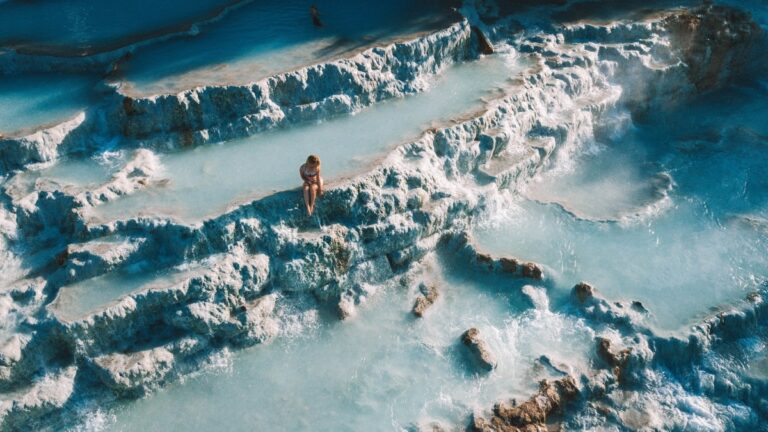
The cascading natural pools with their incredibly turquoise water look divine in photos, and bathing in the warm water is a huge experience. Saturnia is one of the best-known spots in Tuscany, and kids are sure to love the feeling of bathing in a real wild river surrounded by steaming vapour.
But there are a few things to be prepared for that Instagram photos usually don’t show. The bottom of the pools is quite rocky and unpleasantly slippery, so definitely pack sturdy water shoes for the kids to avoid needless injuries. Really don’t try this with small children barefoot.
The water is a lovely 37 degrees, but the high sulphur content means it smells quite strongly of rotten eggs, which more sensitive kids may find a bit off-putting at first and turn their noses up at. I recommend coming early in the morning, so you avoid the crowds and the worst of the midday heat.
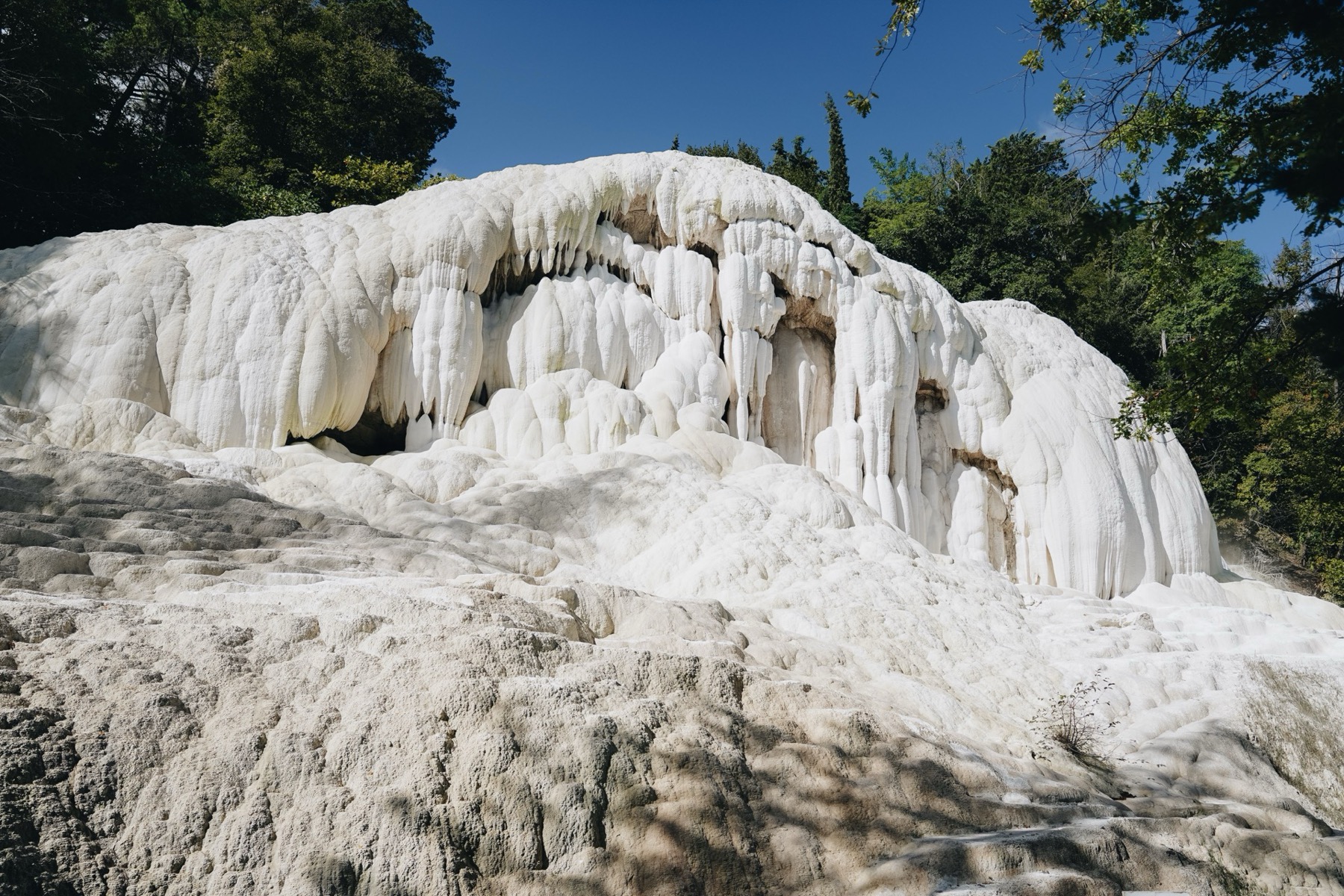
10. Bagni San Filippo
If you’re after a calmer and slightly shadier alternative to Saturnia, try the Bagni San Filippo hot springs, tucked deep in the woods. The main attraction here is the huge white limestone formation known as the White Whale (Balena Bianca), over which hot water flows straight into small natural pools.
The setting here is much wilder and shadier, which is a huge advantage in the hot Tuscan summer. Kids feel like real jungle explorers here, and the warm water lovely soothes tired little feet after a whole day of walking around the sights. A trip here pairs beautifully with a visit to the Val d’Orcia valley.
As with the other natural hot springs, here too you need to watch out for slippery rocks and not let kids run around unsupervised. The water isn’t deep, but you can never be too careful, and here too it definitely pays to have water shoes packed for the whole family.
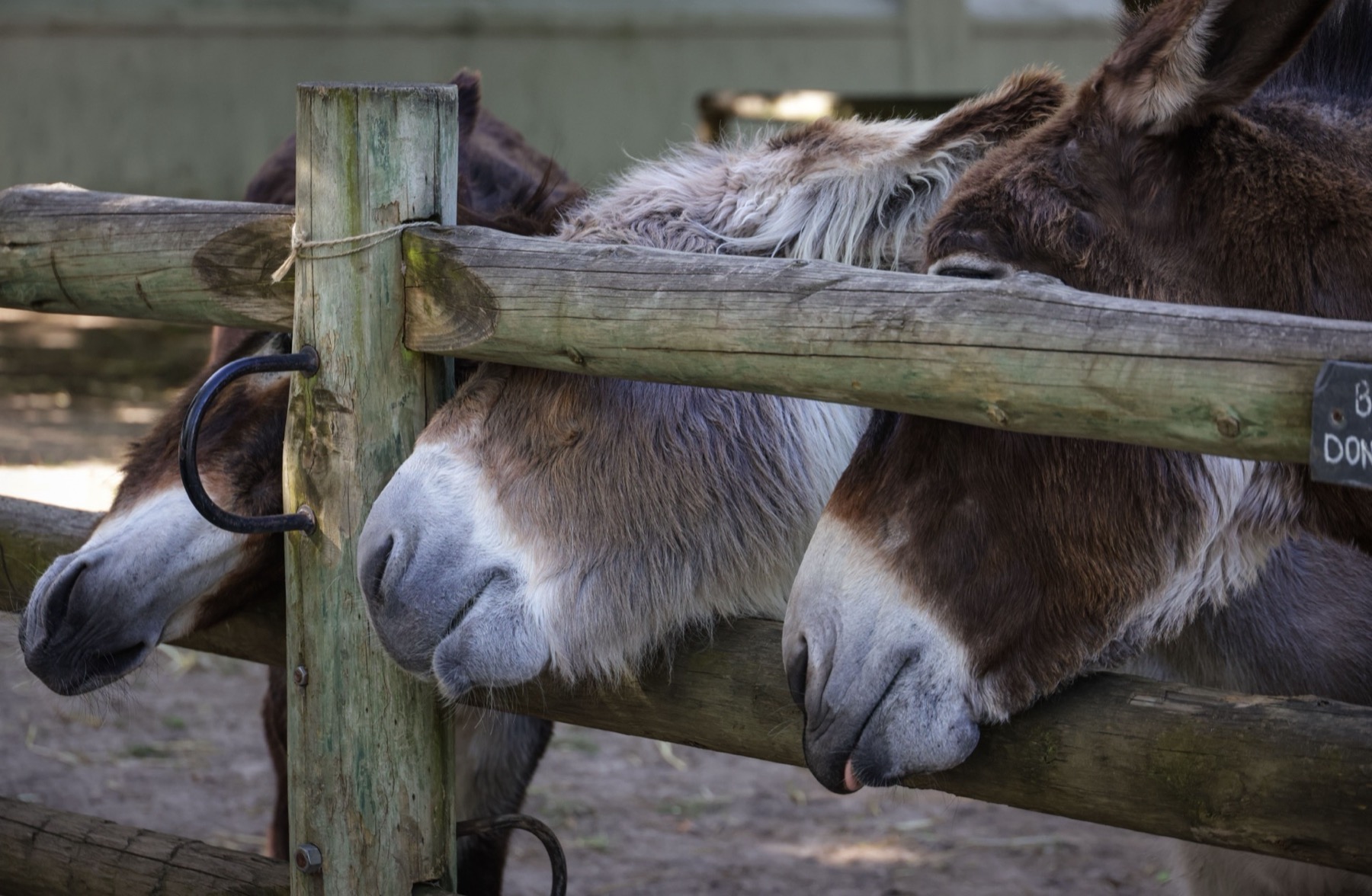
11. An agriturismo with animals
The Tuscan countryside is dotted with traditional stone farmsteads, and staying on a farm like this is a thousand times better for kids than the fanciest hotel in the middle of a city. An agriturismo offers loads of space to run around, fresh air, perfect peace and, above all, a safe environment far from busy Italian roads.
Many of these estates work as real farms, so kids can watch horses and sheep or even join in feeding the poultry. For city kids it’s often the very best experience of the whole holiday, and they won’t even remember all the churches. When booking, definitely check whether the estate has a pool — in summer it’s an absolute must.
While the little ones run around the lawn or happily pet the resident dog, parents can enjoy a quiet glass of local wine with a view of the rolling, cypress-studded hills. It’s exactly the balance a family holiday needs so everyone comes home rested.
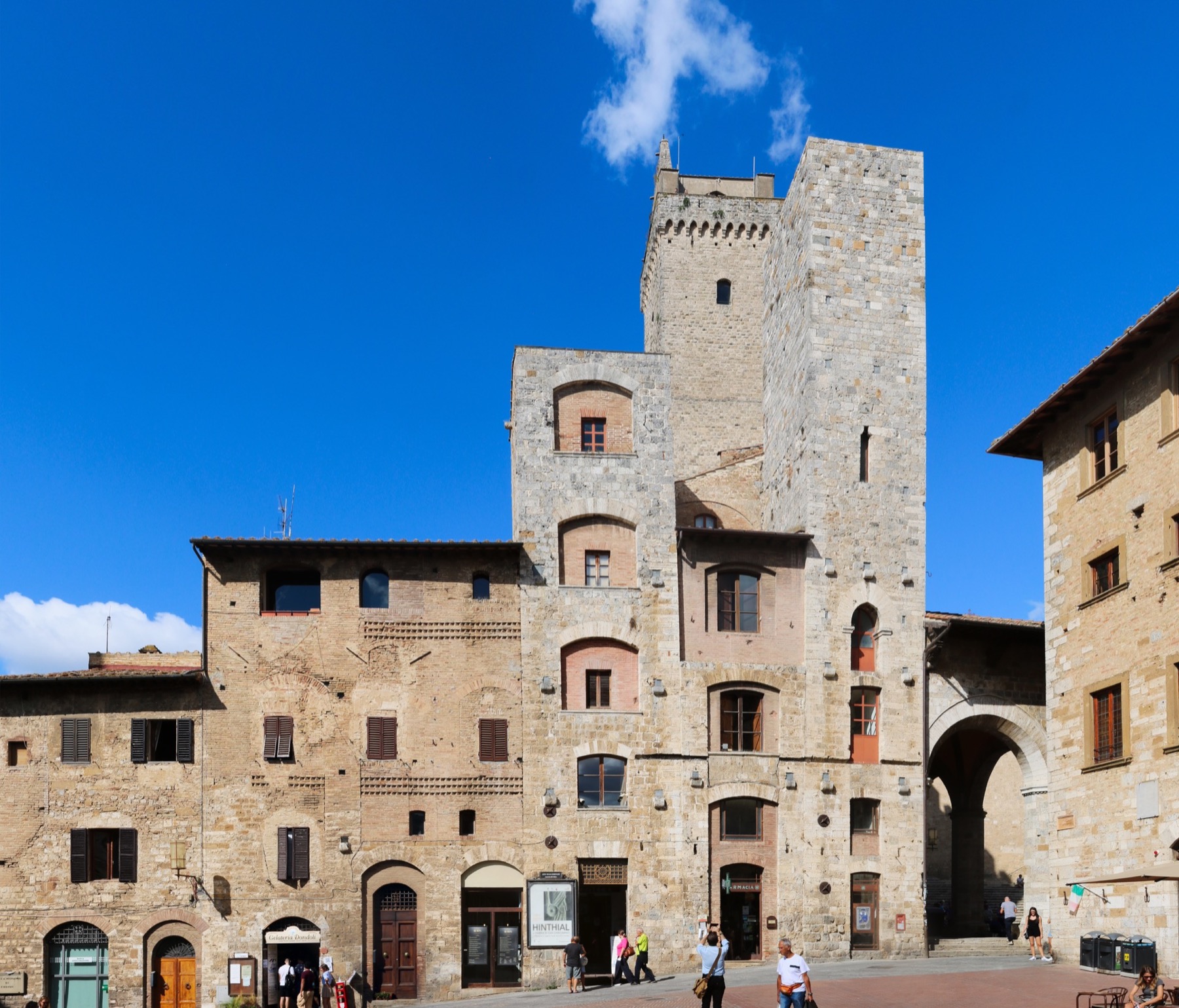
12. The towers of San Gimignano in Tuscany, Italy
Marching around quiet art galleries usually bores small children to death, but climbing medieval skyscrapers is a whole different league. The town of San Gimignano is famous for its tall family towers and from a distance looks a bit like a historic Manhattan.
The climb up the tallest tower, Torre Grossa, is an adventure that even a preschooler can manage with a little help, and the view from the top over the distant countryside is absolutely breathtaking. Kids love the narrow spiral stairs and the feeling of storming an ancient castle like real knights. 💡 Tip: come as early in the morning as you can, before the huge coaches with organised tours arrive.
Down on the central square you can then promise the best ice cream as a reward for the climb, because this is home to the renowned Gelateria Dondoli, a repeat world champion. With that kind of sweet motivation, kids will race up the stairs in no time 😁.
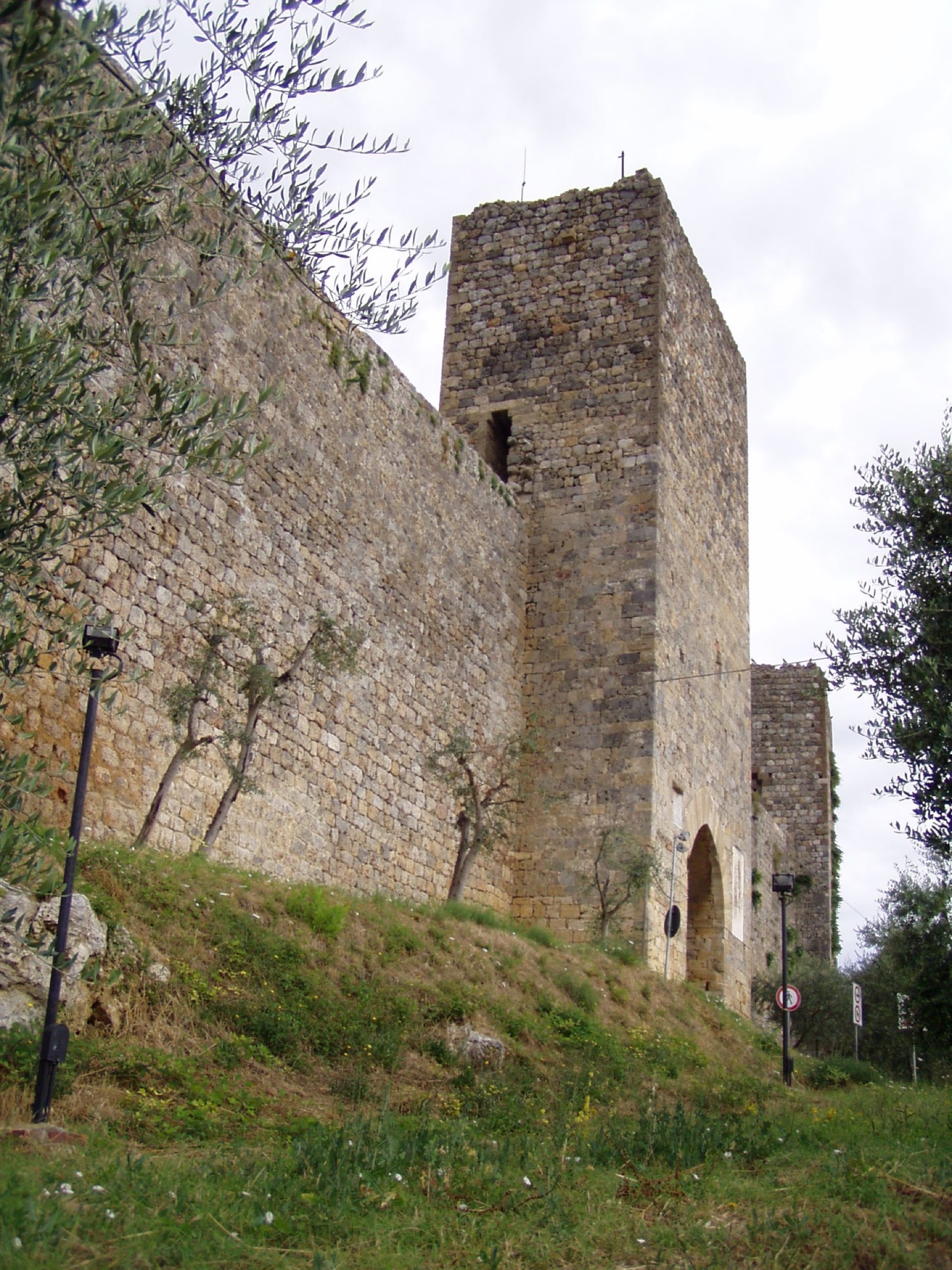
13. The walls of Monteriggioni
From a distance this tiny town looks like an enormous stone crown set atop a green hill. Monteriggioni is completely ringed by perfectly preserved walls with massive defensive towers, and it feels incredibly picturesque and fairy-tale-like. A walk here doesn’t take much time, but it is worth it.
For kids it’s an absolutely ideal place to spark the imagination — they can play at being knights defending the fortress from enemies in the surrounding valleys. On a large part of the walls you can also safely walk along wooden walkways with a beautiful view over the surrounding vineyards and olive groves.
The town is tiny inside and nicely enclosed, so kids can’t get lost anywhere or run out in front of a car. You can let them run around the little central square by the well while you enjoy a well-earned espresso in one of the cafés.
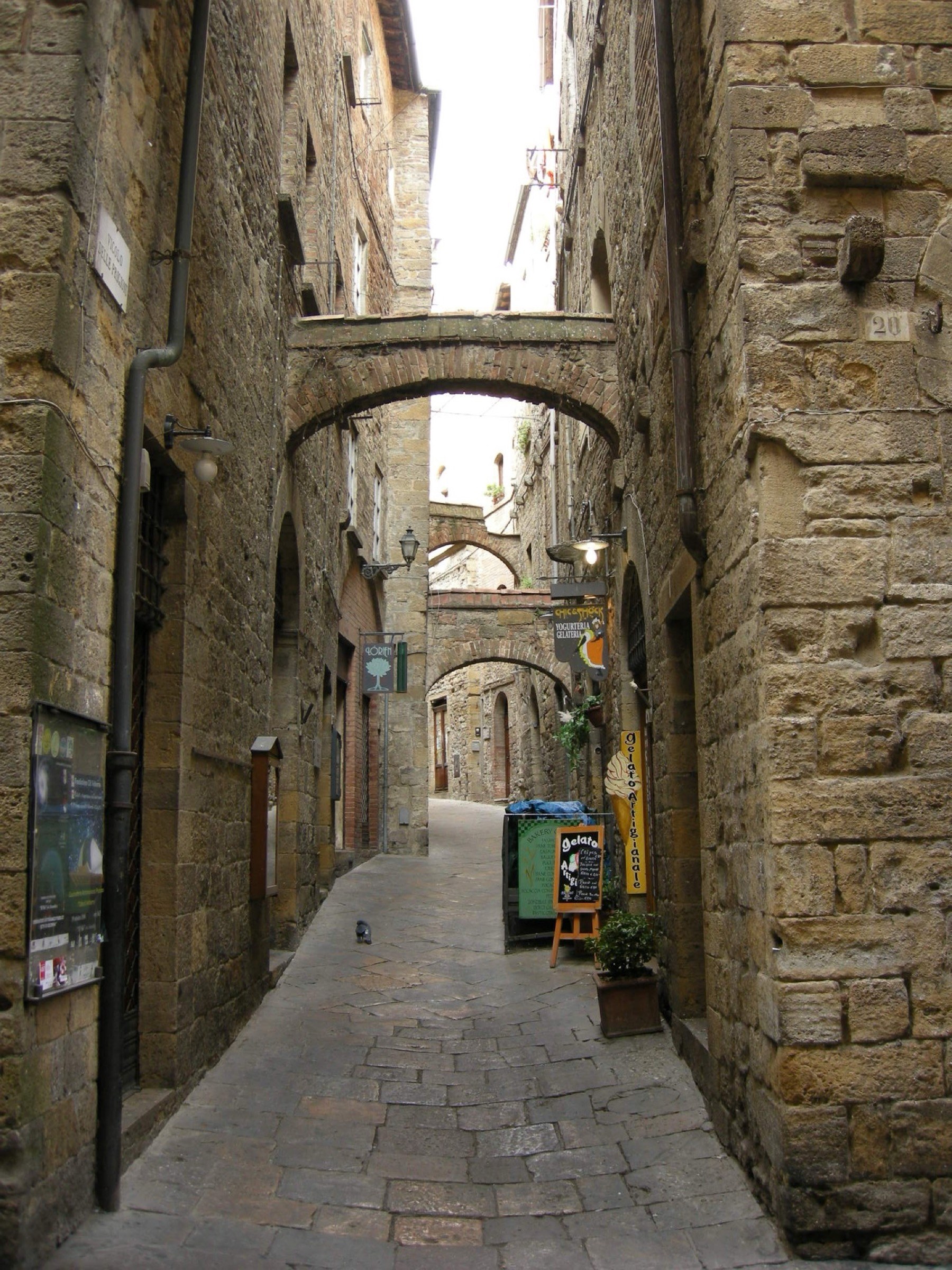
14. Volterra and its mysterious alleys
The town of Volterra, perched high on a windy hill, has an amazing, almost mystical atmosphere that differs sharply from the more polished and crowded Florence or Siena. The town is famous for its traditional alabaster work, and kids will enjoy peeking into the small craft workshops where they can see the masters at work.
The historic centre is full of narrow stone alleys that feel like something out of a fantasy film and practically invite you to wander and discover hidden little squares. And right below the town there are well-preserved remains of an ancient Roman theatre, where you can tell fascinating stories about gladiators.
For older kids and teenagers, Volterra has one more big bonus: scenes from the popular vampire saga Twilight were filmed here, which can be a huge motivation for them to actually visit this hilltop town. Just watch out — the ZTL zones apply here too, so you have to park in the lots outside the walls.
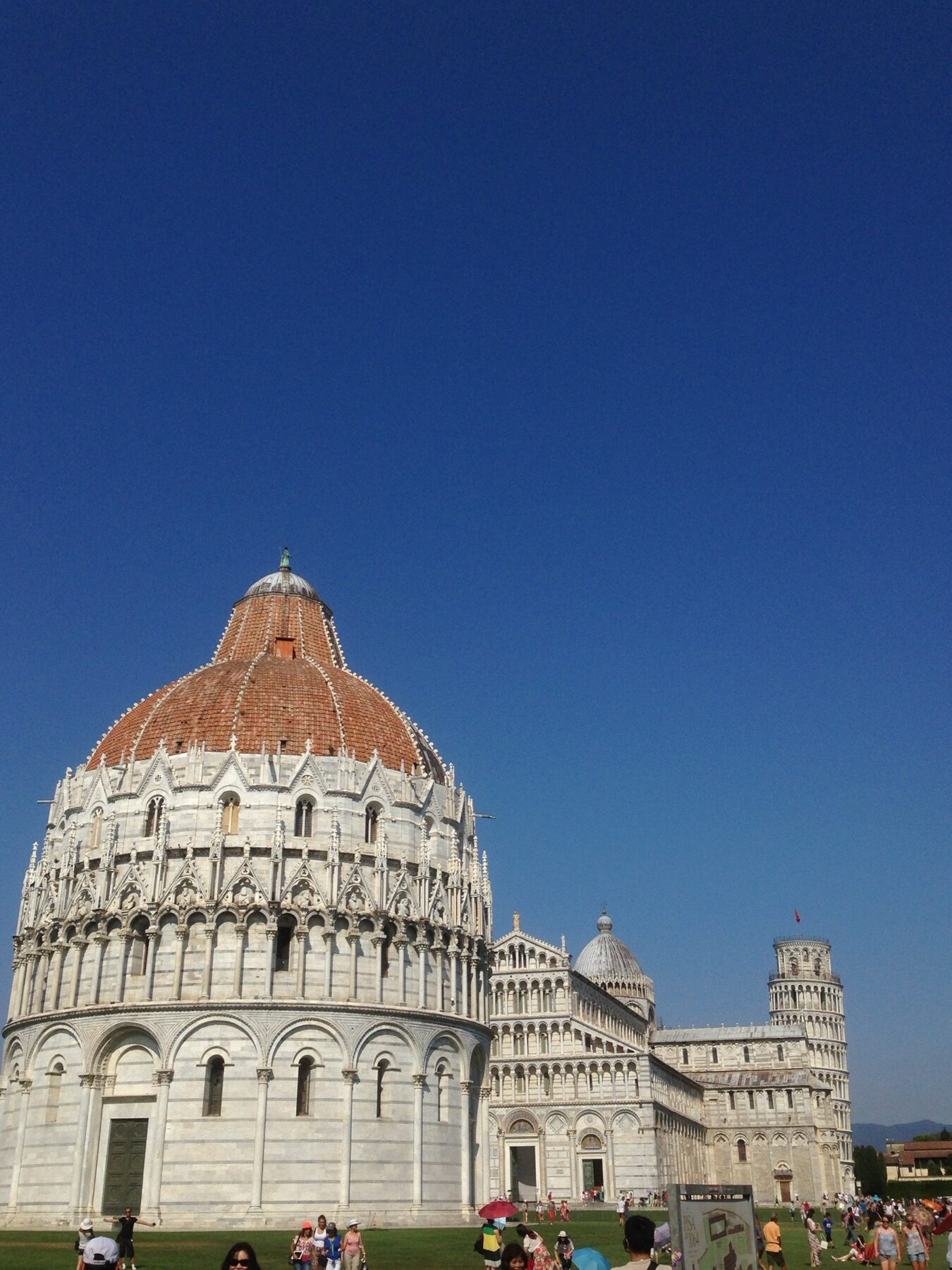

15. The lawn on Piazza dei Miracoli
As we said right at the start, children under eight can’t go up the famous Leaning Tower in Pisa for safety reasons, but that doesn’t mean you have to avoid this square with the family altogether. The huge green lawns around the monuments are made for relaxing and family picnics.
While one parent tackles the tower climb with an older sibling, the other can run around the safe grass with the little ones and admire the snow-white marble of the cathedral and baptistery from below. The square is truly enormous, offers plenty of space, and even a visit to the cathedral itself is worth it.
And you can endlessly try to nail that classic funny photo of holding up the falling tower, an activity that usually gets kids laughing and keeps them entertained. Trust me, coming up with the best poses takes more time than the interior visit itself.
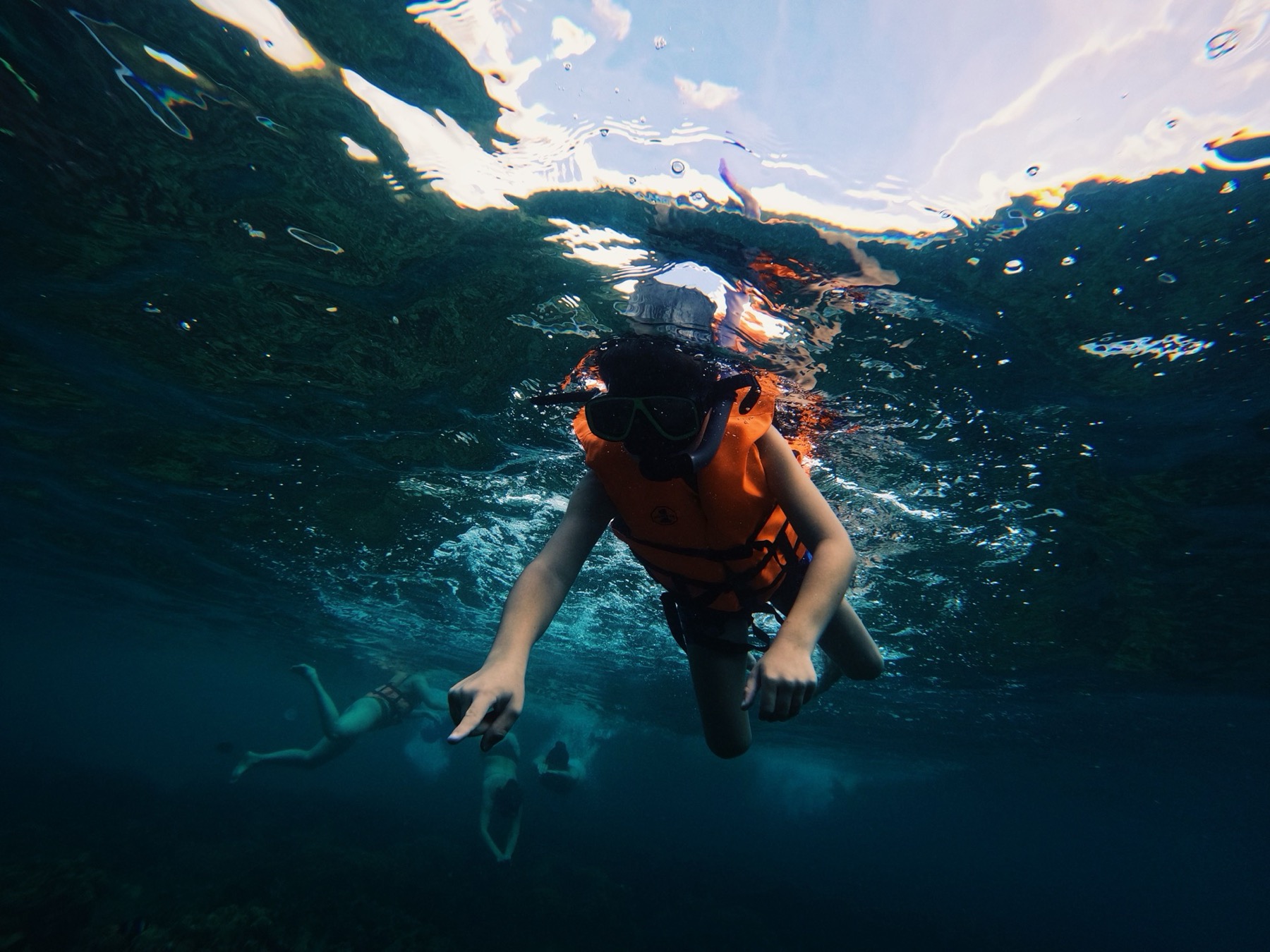
16. Snorkelling on the island of Elba
If you have older kids or teenagers at home who’ve long outgrown just building sandcastles on the beach, hop on a ferry to the amazing island of Elba. Even the journey by big boat from the port in Piombino is a great adventure for younger travellers and a nice change of pace on the holiday.
The island offers plenty of gorgeous rocky and pebbly coves where the water is as clear as somewhere in the Caribbean and absolutely ideal for snorkelling. With their diving masks, kids can explore the rich underwater life and hunt for colourful fish among the reefs.
Elba also has beautifully wild nature, and you can even visit Napoleon Bonaparte’s summer residence, sneaking a little bit of school history into the holiday. 💡 Tip: in high summer season, definitely book your ferry tickets well in advance online.
17. Florence, only in small pieces
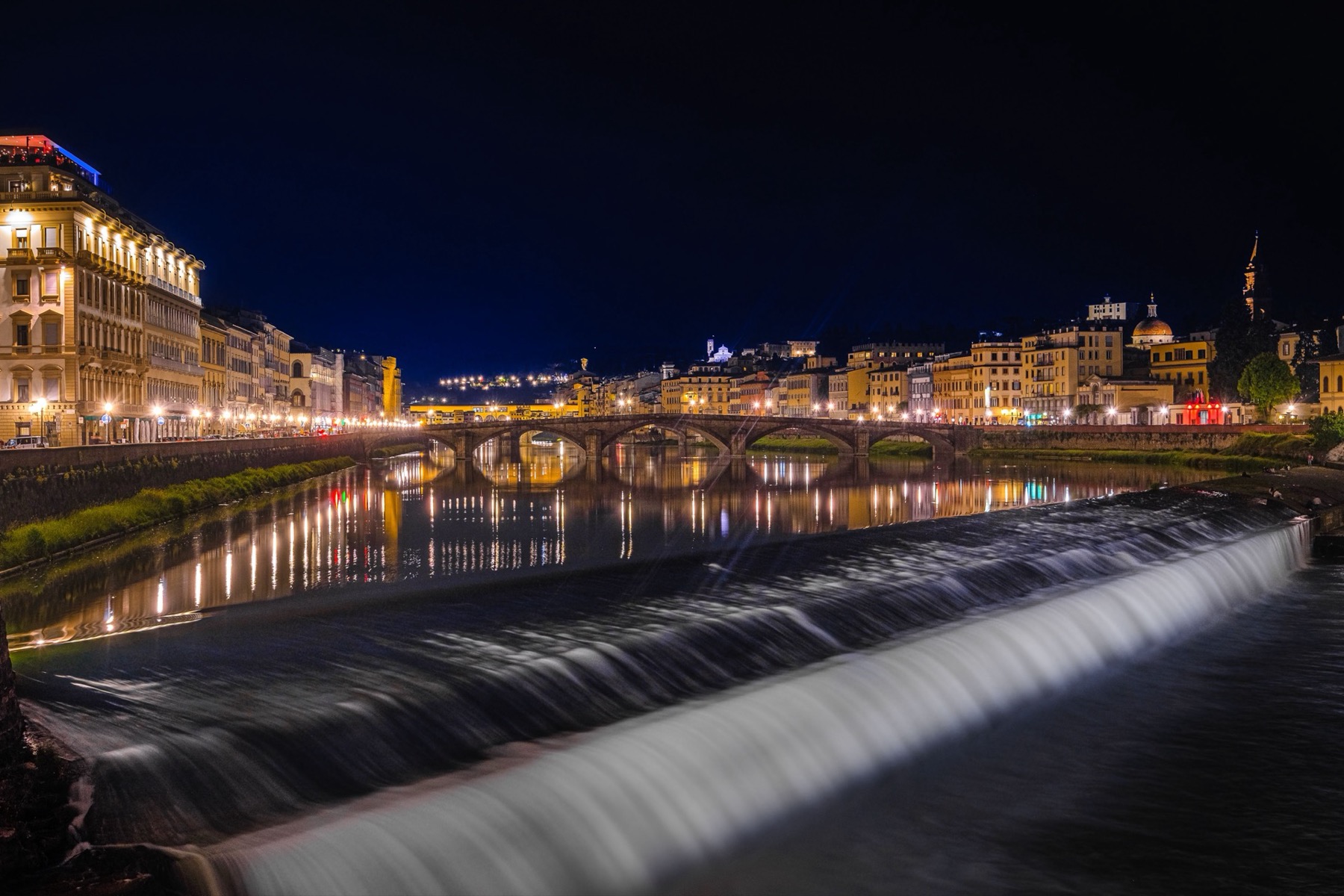
The regional capital is objectively gorgeous, but for small children it can be an incredibly overwhelming and tiring city. If you do come here with the family, definitely don’t try to fit in all the famous sights from the guidebook in a single day — that would only end in tears and tantrums.
Dole out Florence in small, manageable pieces, alternating moments at the sights with ice cream or a rest by the Arno river. Stroll across the famous Ponte Vecchio bridge and let the kids admire the shop windows full of glittering jewellery, which they usually really enjoy. Save the sprawling galleries like the Uffizi with toddlers for another visit.
Instead of a whole day of trudging around museums, head up to the Piazzale Michelangelo viewpoint, where you have the whole city laid out before you and there’s plenty of space and fresh air. If older kids do insist on the Uffizi, buy your tickets well in advance online so you don’t queue for hours.
18. A pool day to the rescue
This might be the single most important tip of all, and it’ll save you more than one argument. Don’t try to pack the programme for every single day of your holiday, because kids (and honestly, us parents too) sometimes just need to switch off completely and do absolutely nothing.
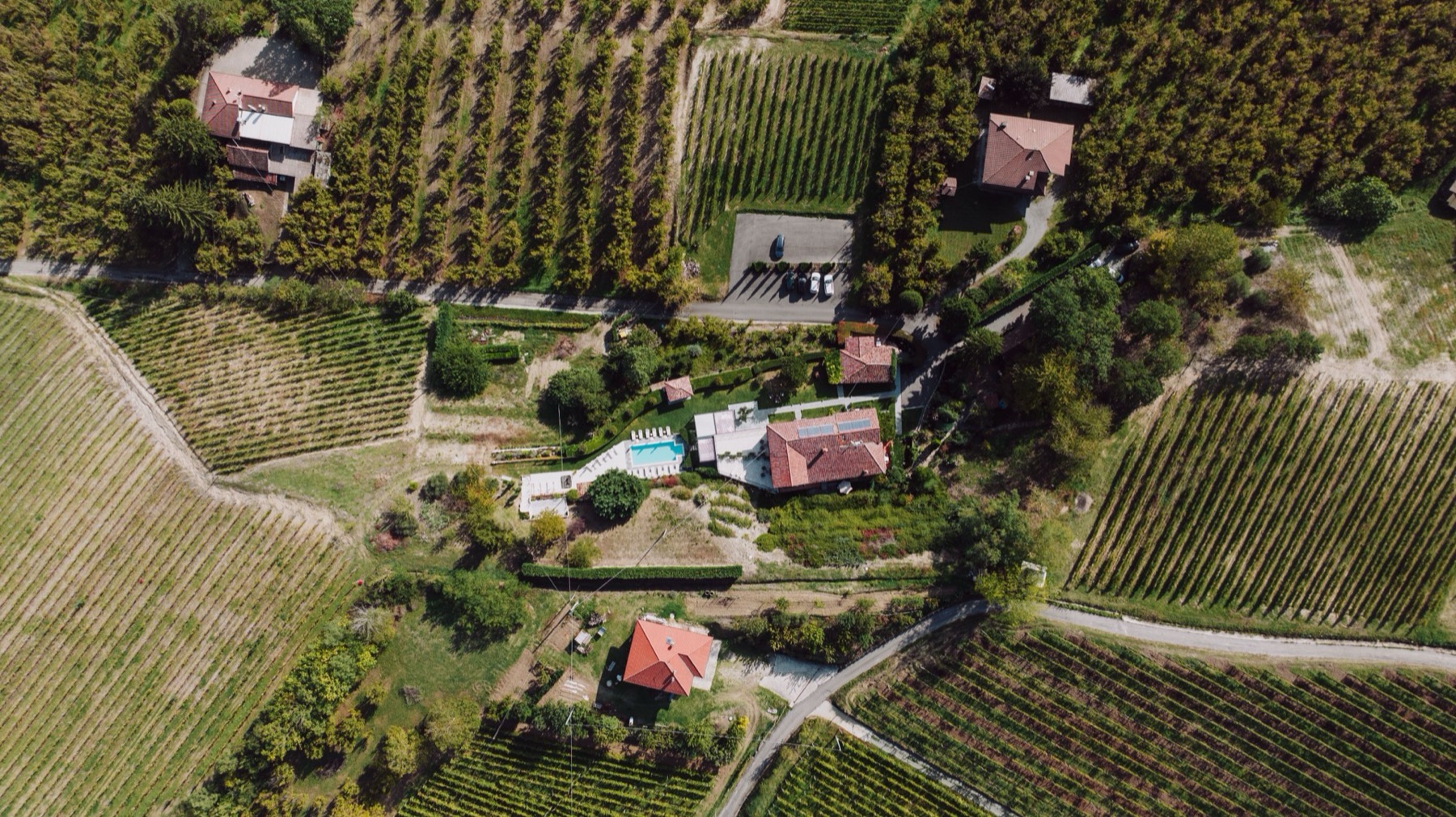
Declare an official rest day where you go nowhere, don’t get into a scorching car, and the whole family just lounges by the pool at the agriturismo. Kids love days when no one demands good behaviour in quiet churches and they can just splash around carefree and play.
These lazy days, where you spend the afternoon reading a book in the shade and eating fresh Italian watermelon, are often among the very best and most bonding moments of the whole Italian trip. Don’t be afraid to slow down a little.
What doesn’t work with kids
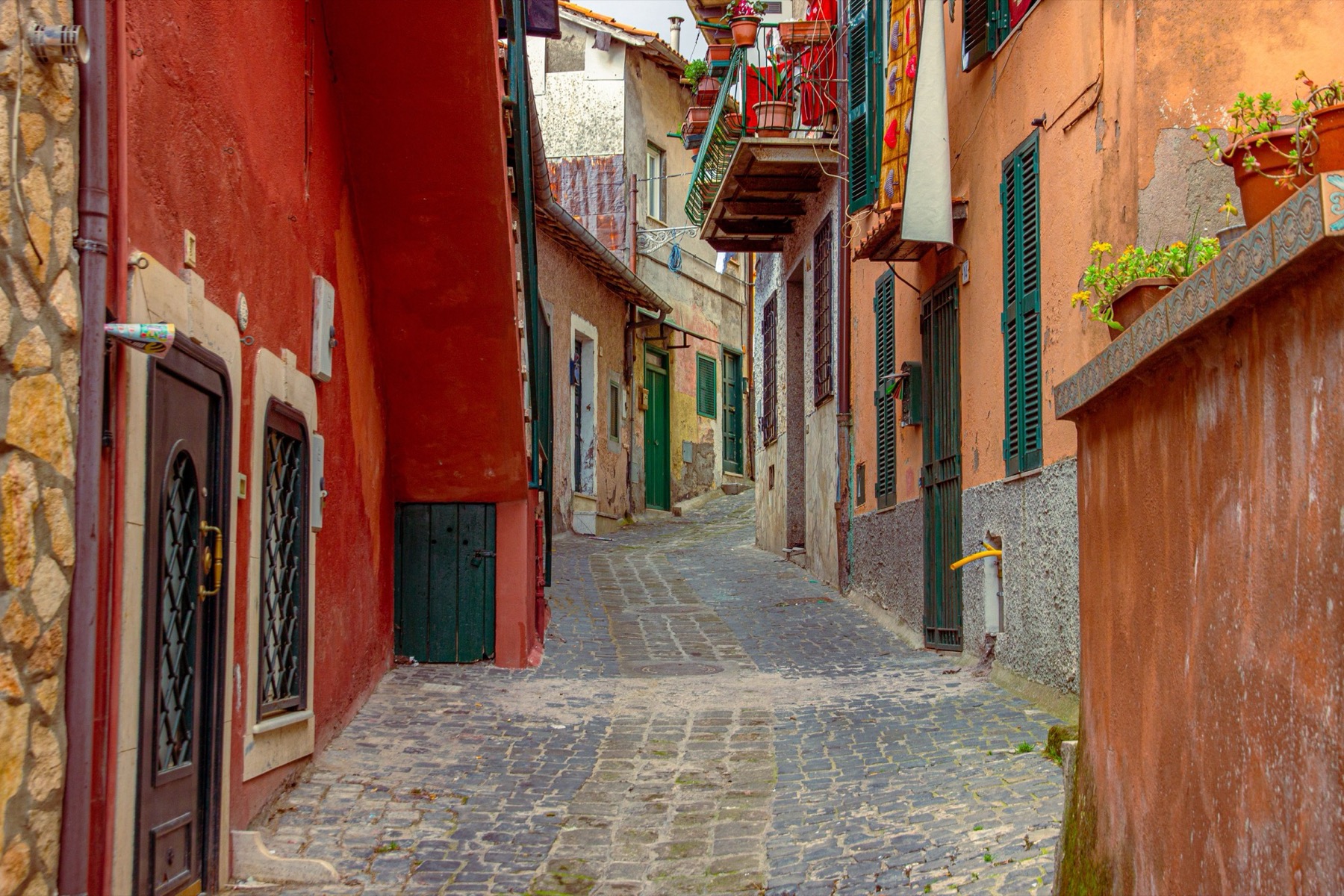
But to be upfront about the essentials: a few things in Tuscany really don’t work with kids and can be a proper pain. Tuscan cobblestones and endless hills are the arch-enemy of strollers. Historic centres are full of uneven stones, steps and steep alleys, so a baby carrier or a comfy backpack carrier is often a much more practical choice.
Absolutely brutal is the summer heat in July and August, when inland stone towns become literally unbearable during the day. We strongly recommend planning town visits for early morning and spending the afternoon by the pool. Another mood-killer is long car journeys, so really don’t put more than one or two places a day on your plan.
And honestly, big galleries and museums like the Uffizi are a real test of character with a small child. Kids get bored looking at paintings, they can’t run around, and it’s horribly packed. Also watch out for the ZTL traffic zones (Zona Traffico Limitato) — you can’t drive into the centres by car, so expect a fairly long walk with the kids from the parking lot.
Where to go depending on your child’s age
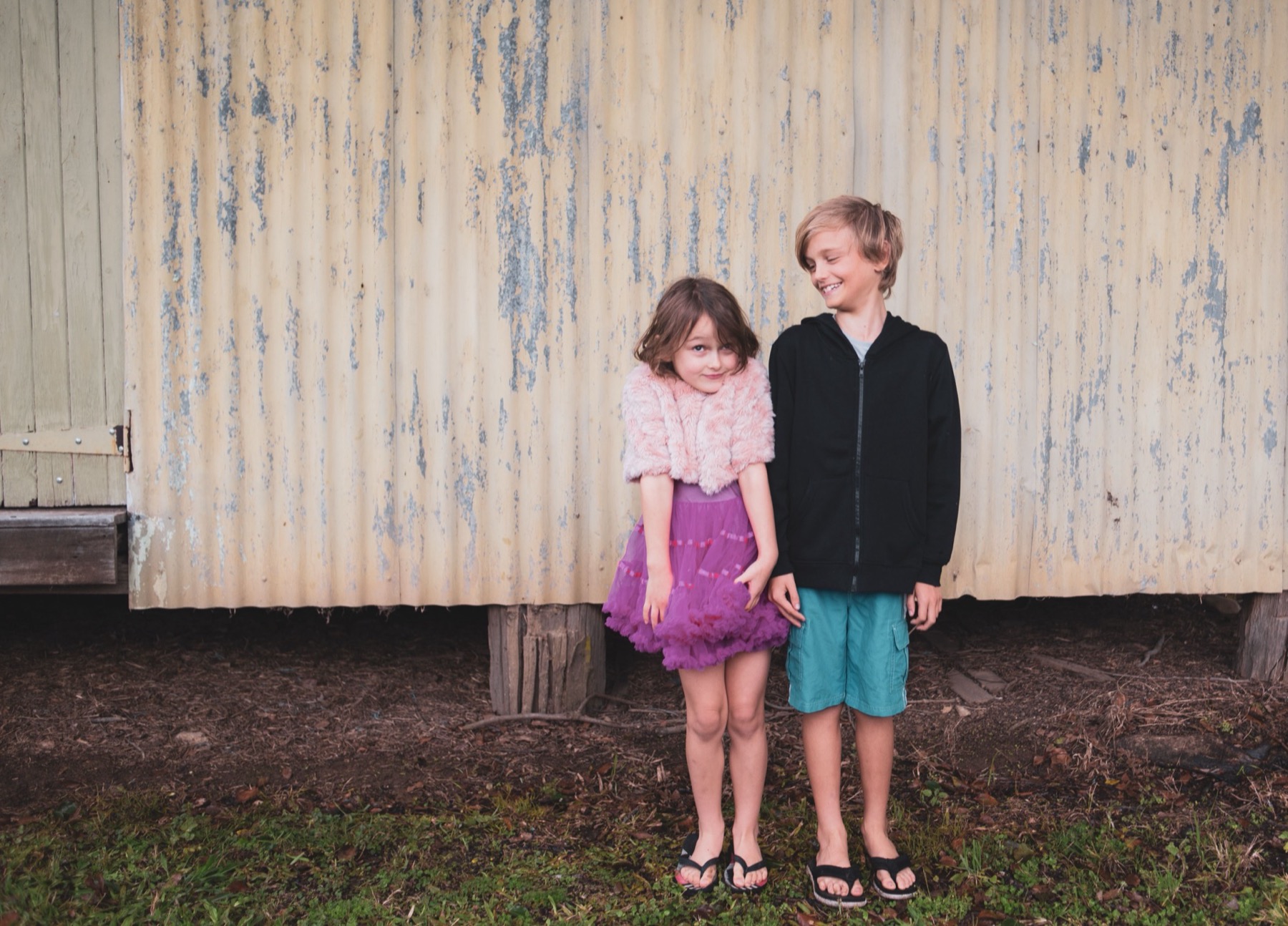
To give you a better idea of what to plan, I’ve put together a simple table showing what’s a great fit for each age and what to steer well clear of.
| Age | What to recommend | What to avoid |
|---|---|---|
| :— | :— | :— |
| under 3 | agriturismo with a pool, beaches, short walks | long drives, galleries, towers |
| 4–7 | Parco di Pinocchio, Giardino dei Tarocchi, water parks, farm animals | ⚠️ the Leaning Tower (they won’t be allowed up), long tours |
| 8–12 | the Leaning Tower (now they can), the towers of San Gimignano, Cavallino Matto, cycling the walls in Lucca | midday inland in summer |
| teenagers | Elba and snorkelling, the walls, Florence in pieces | “just one more church” |
Practical tips that save your nerves
From general parenting experience I know that with a small child it pays to have one fixed base and make day trips out from it — constantly packing bags every other day drains you incredibly fast. Also check the air conditioning in advance, because air conditioning is not a given in Italy, especially in the most romantic old stone farmhouses.
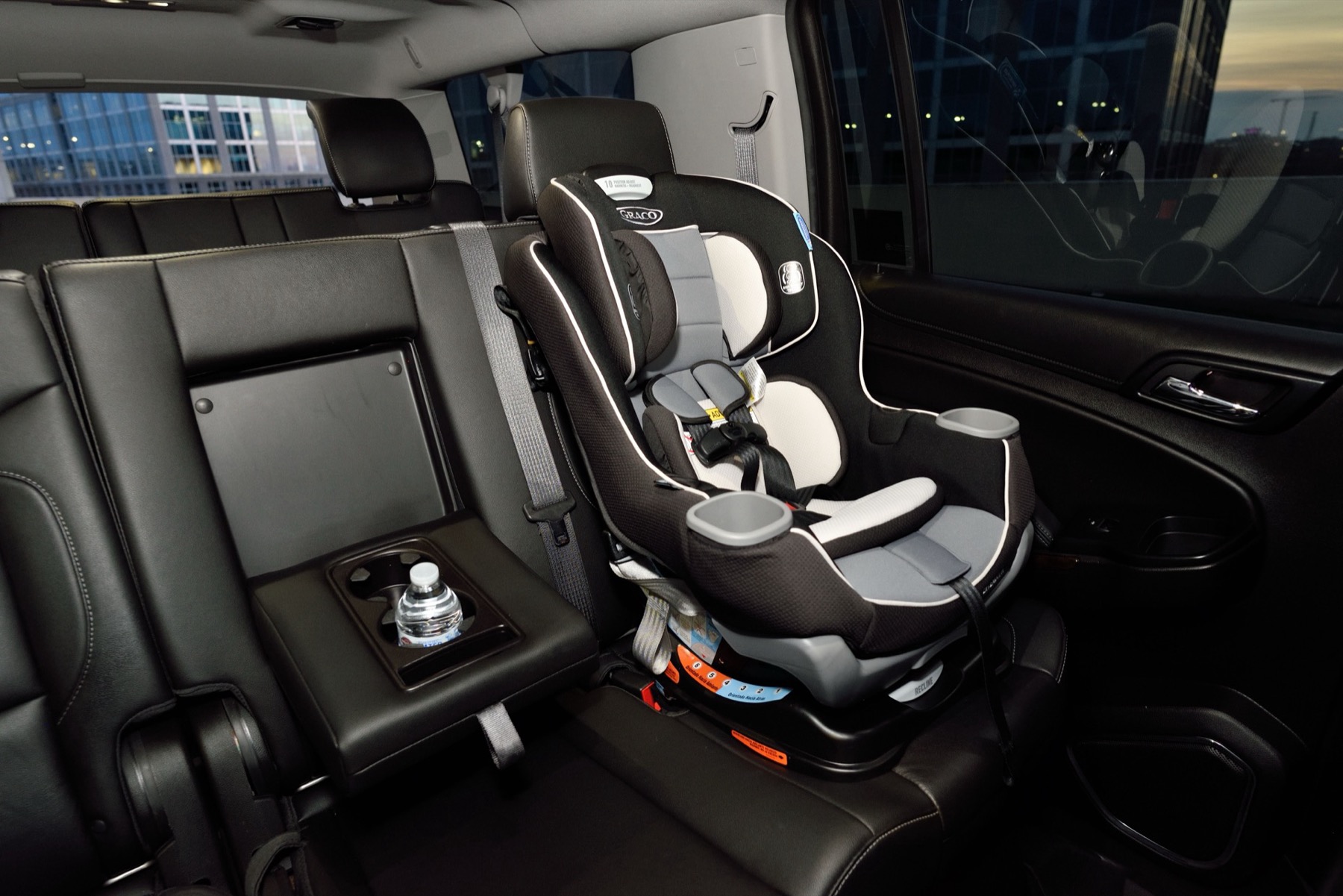
If you plan to rent a car, keep in mind that a child car seat is booked separately and tends to be quite expensive, so it often pays to bring your own on the plane. Italian restaurants open very late for dinner, commonly not until around eight in the evening, which is why with a small child we found it best to make lunch the main meal of the day, when everyone still has relative energy.
Don’t forget to bring a reusable bottle — drinking fountains with good tap water are completely normal in the towns, and in the summer heat constant hydration is key. And one more little thing: they won’t let you into churches in shorts and with bare shoulders, which is strictly enforced even for older kids, so always keep a scarf handy in your backpack to throw over.
When to go with kids
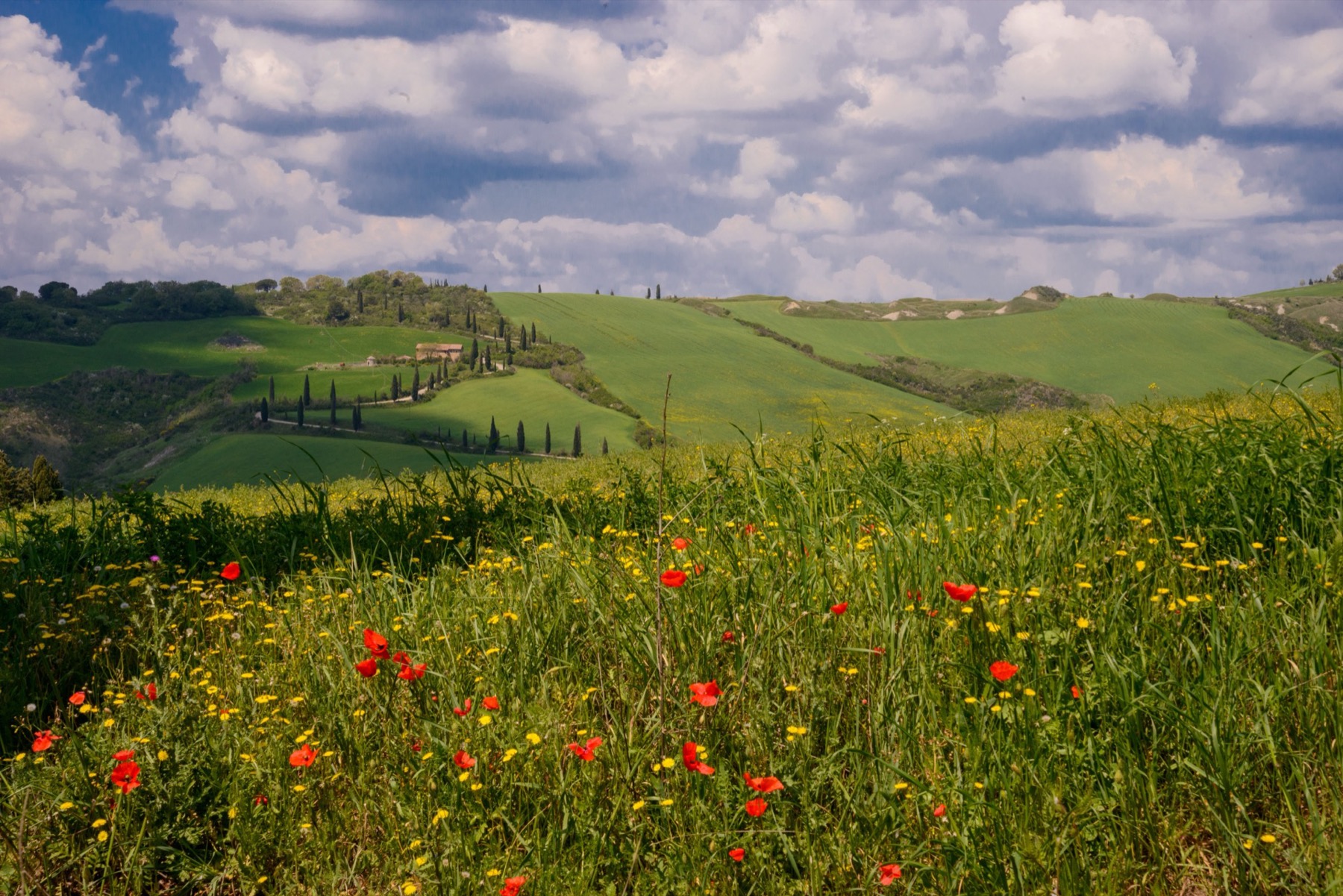
If you’re not tied to older kids’ school holidays, May, June and September are by far the best choice for a family visit. These months offer the perfect combination of bearable temperatures for wandering around the sights, while the sea is already (or still) pleasantly warm for swimming. There are also noticeably fewer people everywhere and you’ll find family accommodation at far better prices than in peak season.
What I must warn you about very firmly is the summer holidays. July and August mean gruelling heat commonly over 35 °C, and inland the thermometers can climb close to forty in the afternoon, which is devastating for kids. Stone towns act like huge ovens and walking through them during the day is more of a punishment. On top of that, around the big Italian holiday of Ferragosto (15 August), everywhere is packed to bursting, Italians take mass holidays, and the price of everything skyrockets. It’s better to avoid Italy entirely at that time.
If you have preschoolers and you’re not too fussed about swimming, April and October are great for touring the towns. Temperatures are ideal for trips and there are minimal tourists. You just have to accept that the water in the pools and the sea will be cold, and a large share of amusement parks and outdoor attractions are already closed or only run on weekends. 💡 Tip: spring and autumn dates are increasingly popular with families with preschoolers, so even off-season it’s best to book accommodation well in advance.
Where to stay with kids
💡 Tip for accommodation and experiences: We prefer to look for accommodation on Booking.com, which tends to have the best cancellation terms. For tickets, tours and activities, it’s worth comparing and booking through GetYourGuide.
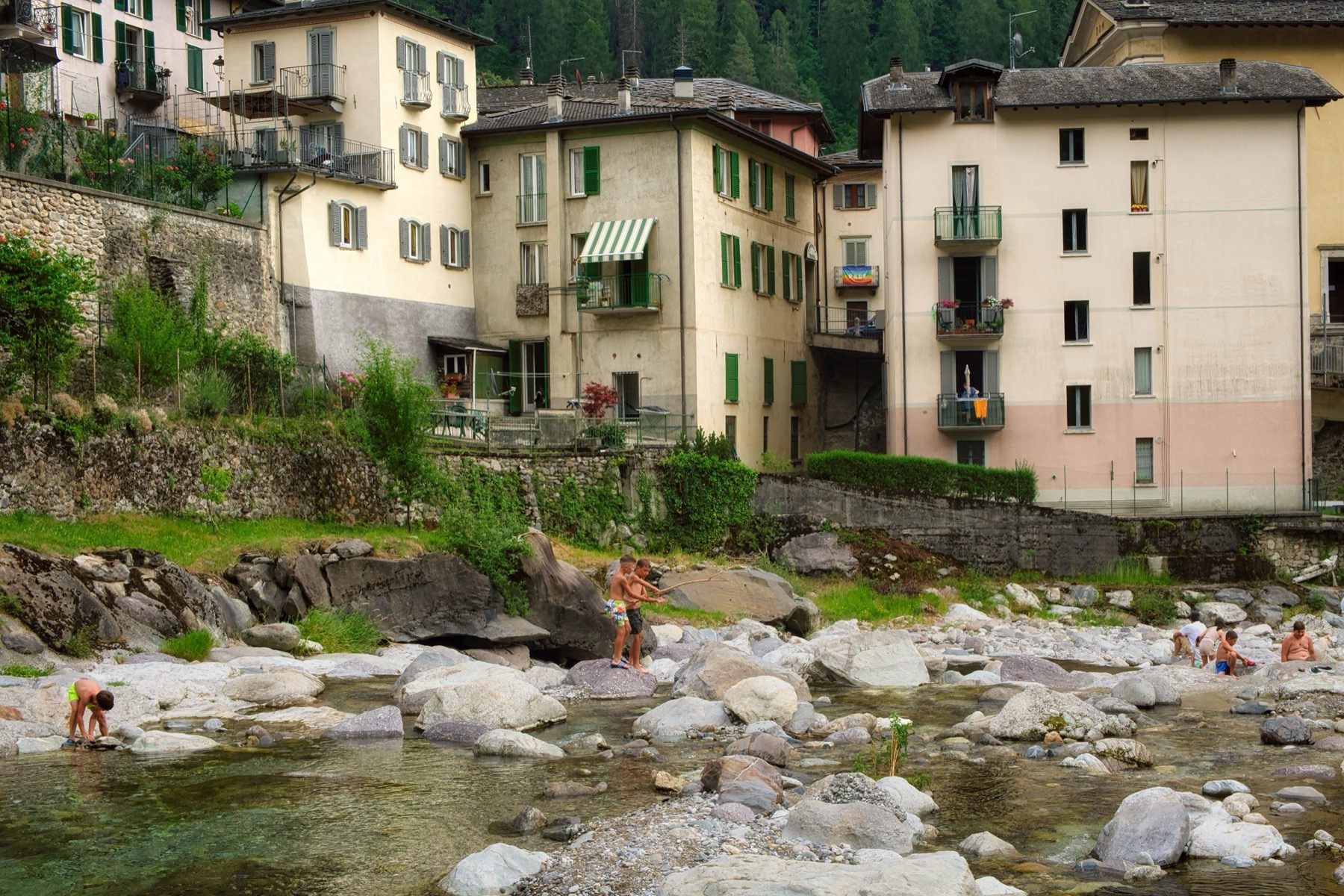
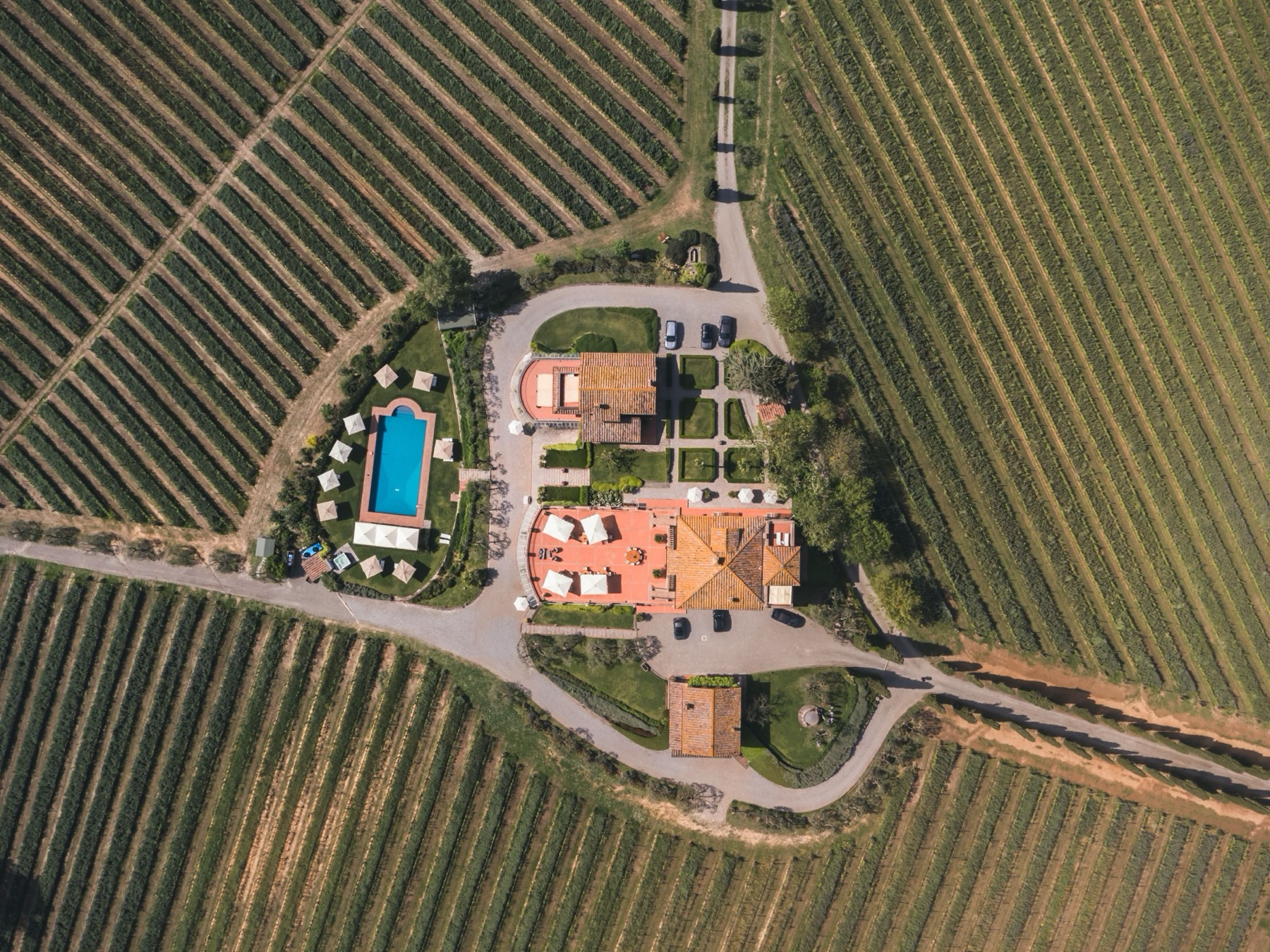
As I mentioned, a classic hotel in the city centre isn’t really a win with kids, a traditional agriturismo with a pool is a far better choice, and you’ll find them scattered all across the Tuscan countryside. Kids have loads of safe space to run around far from cars, there are often farm animals to see, and in the evening parents appreciate the total peace with a view of nature. For summer dates a pool is an absolute necessity — without one you won’t survive with kids in the heat.
A huge advantage of agriturismi and apartments is having your own kitchen. Being able to whip up quick pasta or make breakfast the way you like it is priceless with small and often picky eaters. Plus you don’t have to wait until eight every evening for the Italian restaurants to even open. If you want absolute privacy and you’re travelling as two families of friends together, renting your own villa with a pool is a genuinely brilliant idea, because you split the cost and the kids won’t disturb anyone at the pool.
When choosing a location, try to find a strategic spot. We’ve had good luck looking for accommodation in the Val d’Orcia area or a bit closer to the coast, so you have both beautiful historic towns and the sea or water parks within reach. Ideally you want interesting day-trip destinations within an hour’s drive. You’ll find all the practical tips on how farm stays work and where to look for the most beautiful houses in our article Agriturismo in Tuscany: 20 tips, prices and how to choose or in our guide Villa with a pool in Tuscany: 20 tips. When booking old stone houses, don’t forget to check for air conditioning.
Specific accommodation tips for families
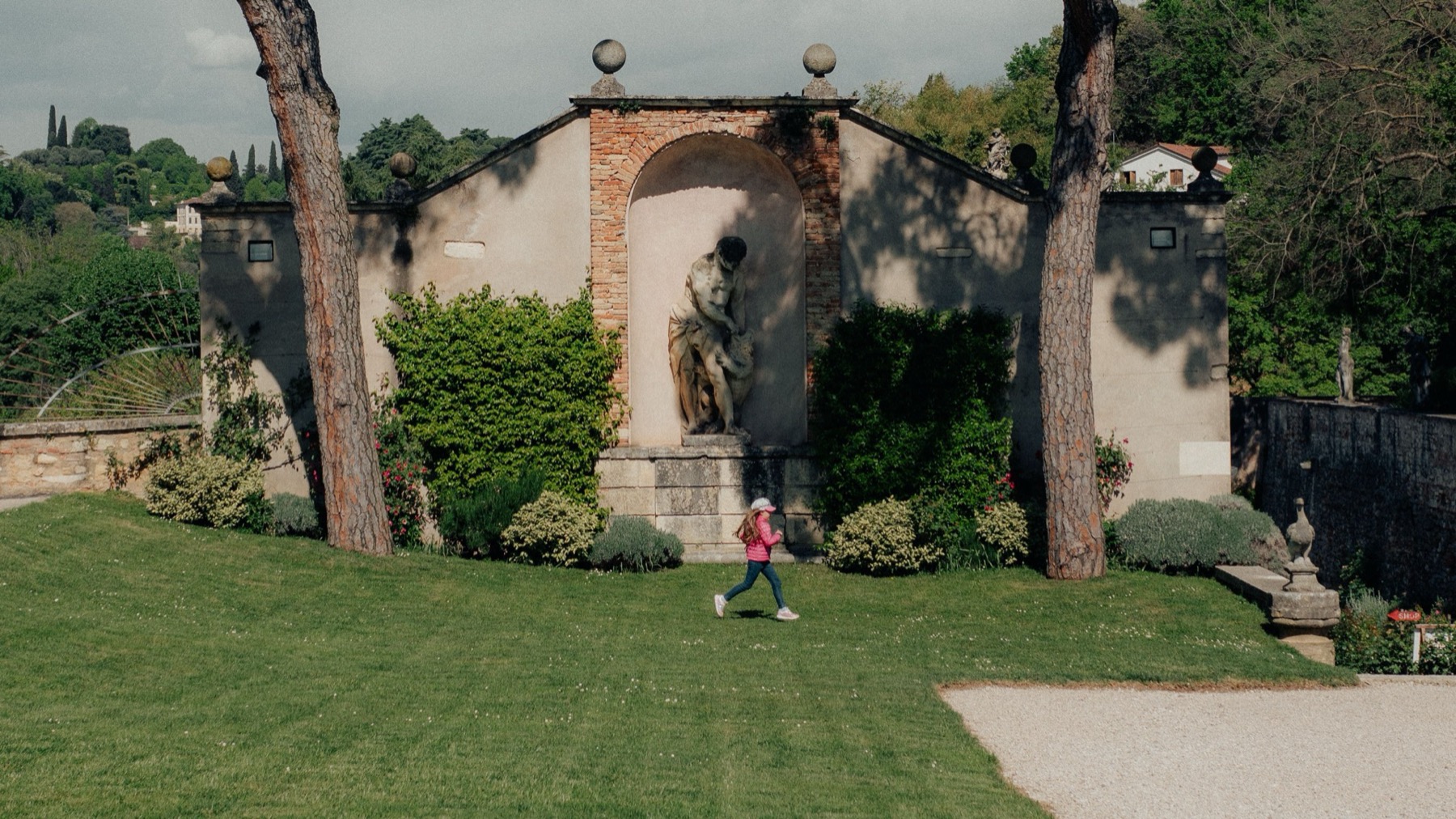
I’ve picked a few places with good ratings and the kind of facilities you’ll appreciate with kids:
- Villa Fonte all’Oppio con area piscina recintata (Pienza) — the only one in our roundup with a fenced pool, which is an absolute win with toddlers.
- Agriturismo Casanova (Asciano) — guests in the reviews praise the pool, the swing and the garden; rated 4.9 out of 5.
- Agriturismo San Giovanni (Monteroni d’Arbia) — a quiet location and a family atmosphere, rated 4.9 out of 5.
- Podere Il Poggiolo (Pontassieve near Florence) — a working farm with a vineyard where kids can see how life in the countryside really goes.
- Agriturismo Il Giogo (Rosignano Marittimo) — a family-run place close to the coast, home-cooked dinners around €25.
- Ortano Mare Holiday Village (Rio Marina, Elba) — a resort with three pools and its own cove, if you want to combine the countryside with the sea.
You’ll find a more detailed overview in our articles on agriturismi and villas with pools.
What the kids will eat
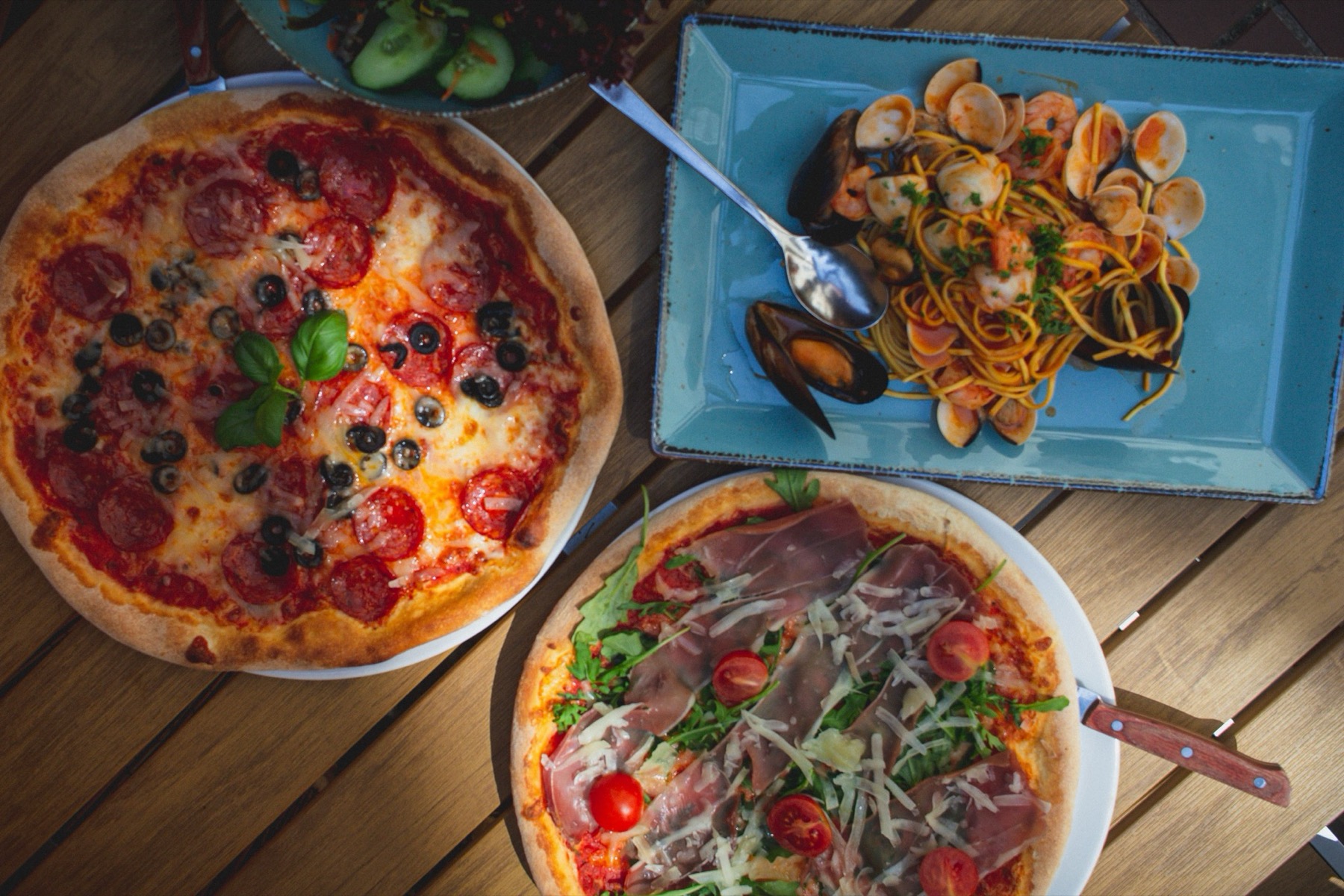
Lukáš and I love Italian cuisine, because as vegetarians we have endless options here, and Italian food is incredibly kid-friendly too. Classic pizza, simple pasta with tomato, caprese, or fresh focaccia and schiacciata are dishes even the pickiest little one in the world will happily eat, not to mention the fantastic Italian ice cream.
Definitely don’t miss one great local speciality: cecina (also known as torta di ceci) is a delicious chickpea flatbread that’s naturally vegan and gluten-free, so it works as the perfect grab-and-go food, say, for the beach. The local pecorino cheese and the hard cantucci biscuits are also delicious, and it’s worth heading to the local markets full of fresh fruit for them.
The locals may love heavier dishes and die-hard meat lovers rave about local specialities like bistecca alla fiorentina or wild boar (cinghiale) salami, but Italian restaurants are brilliantly set up for families. They routinely offer a scaled-down menu bambini or will very happily make you a half portion of pasta even if it isn’t officially on the menu — just smile and ask nicely.
Where to go next
- Tuscany: 30 most beautiful places and a 7-day itinerary
- Lucca: 22 tips on what to see and why to cycle the walls
- The Leaning Tower of Pisa: entrance fee and how to buy tickets
- Tuscany’s beaches: the 20 most beautiful and how they work
- Tuscany by car: a 7-day itinerary
- Weather in Tuscany: temperatures month by month and when to go
Frequently asked questions
Here are answers to what parents most often wonder about before a trip to Tuscany. You’ll find most of them explained above, but if you need a quick answer, start here.
Can children go up the Leaning Tower?
For strict safety reasons, only children aged 8 and over are allowed on the Leaning Tower of Pisa, and children aged 8 to 17 must be accompanied by an adult at all times. Unfortunately, younger children cannot go up at all, and tickets are non-refundable in such cases.
Is Tuscany suitable for young children?
Yes, but it requires a slightly different approach to planning. It’s definitely worth having one base in the countryside, ideally an agriturismo with a pool, and not trying to visit every historic town. A relaxed pace, minimal long drives, and alternating sightseeing with swimming is the key to success.
What water parks are there in Tuscany?
The best water fun is offered by the huge Acqua Village parks in Follonica and Cecina. They’re themed in Hawaiian style with lots of slides and shallow lagoons for the little ones. An all-day ticket for an adult costs around €27 to €28, and children under 100 cm usually get free entry.
How much does Giardino dei Tarocchi cost?
Standard admission to this fairytale sculpture garden costs €15 for adults, reduced tickets for youth and seniors are €10, and children under 6 get in free. However, tickets can only be purchased online through the Ticketlandia system – you can’t buy them at the gate at all.
Stroller or baby carrier?
In Tuscany’s historic towns, a baby carrier or comfortable backpack carrier is much more practical with a small child. The towns are often very hilly and the surfaces are old, uneven cobblestones. Plus, because of the ZTL zones, you often have to park far from the center, so you’ll really struggle with a stroller.
When to go with children?
For families with children, the absolutely ideal months are May, June, and September, when it’s pleasantly warm for excursions and there are fewer people. Definitely avoid July and August, when extreme heat of around 40 °C prevails inland and crowds of tourists are everywhere around the Ferragosto holiday (August 15).
Where to stay?
The best choice for families is a traditional agriturismo with a pool set in the countryside, ideally with its own kitchenette. Children have plenty of space to run around safely, parents can relax away from the city bustle, and there are often farm animals to see at these farms.
What to do when it’s scorching hot?
On hot summer days, plan visits to historic stone towns for early morning, when it’s still relatively cool and you can manage the sights. At midday and in the afternoon, it’s better to stay by the pool, head to the sea, or visit the large water parks where the kids can cool off.
Tips and Tricks for Your Vacation
Don’t Overpay for Flights
Search for flights on Kayak. It’s our favorite search engine because it scans the websites of all airlines and always finds the cheapest connection.
Book Your Accommodation Smartly
The best experiences we’ve had when looking for accommodation (from Alaska to Morocco) are with Booking.com, where hotels, apartments, and entire houses are usually the cheapest and most widely available.
 🚗 Car rental on the roadVerified car rentals in Tuscany
Search with the DiscoverCars comparison engine — it compares prices from dozens of local and international rental companies, and most bookings come with free cancellation.
Compare car prices in Tuscany →Don’t Forget Travel Insurance
Good travel insurance will protect you against illness, accidents, theft, or flight cancellations. We’ve had a few hospital visits abroad, so we know how important it is to have proper insurance arranged.
Where we insure ourselves: SafetyWing (simple monthly subscription) and TrueTraveller (for extra-long trips).
Find the Best Experiences
Get Your Guide is a huge online marketplace where you can book guided walks, trips, skip-the-line tickets, tours, and much more. We always find some extra fun there!