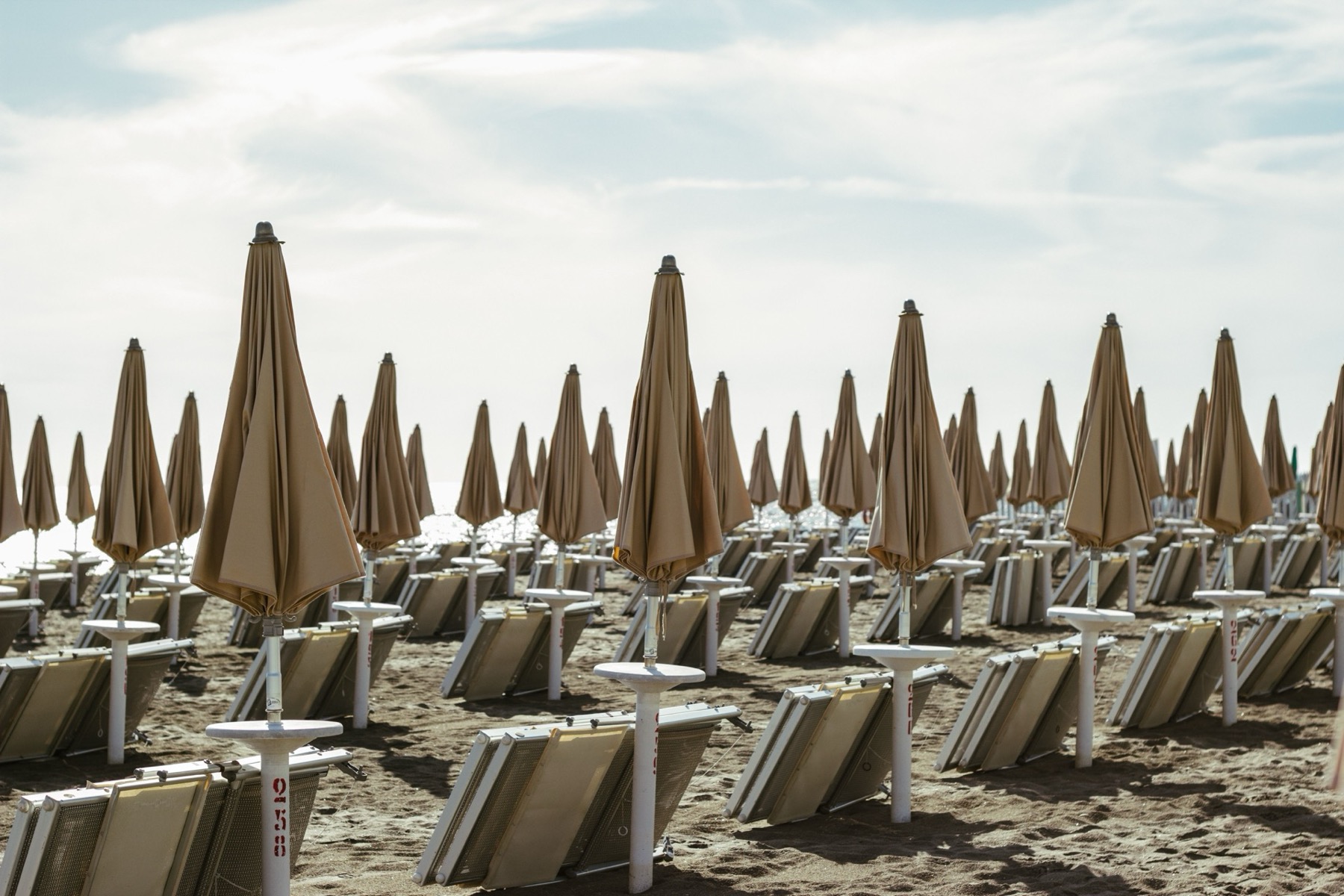
You arrive on your dream holiday in Italy, excited to explore the most beautiful beaches in Tuscany, but the moment you reach the shore, a small shock awaits. You see endless rows of neatly lined-up paid sunbeds topped with umbrellas, and suddenly you have no idea where you’re actually allowed to lay down your own towel. The Italian beach system can be a little confusing for a first-timer, but trust me — it follows clear rules.
Luckily, Tuscany doesn’t only offer paid full-service clubs. It also hides gorgeous wild coves, pine groves and dramatic cliffs. You just need to know exactly where to head, what to expect from each area and how to read the discreet local signs. I’ve put together a detailed guide that will walk you through the very best of the Tuscan coast.
The rules of Italian beaches are clearer than they look, and once you learn where the softest sand for kids lies and where you simply won’t get a spot without a reservation, you’ll be far better prepared than most travellers who show up blind every year.
TL;DR
- Paid vs. free beaches: Beach clubs take up plenty of space, but Italian law guarantees that at least 50% of the coast must remain freely accessible for free (look for the “spiaggia libera” signs).
- Sunbed prices: In the north, in Versilia, you’ll typically pay €20 to €40 per day; in the south, in Maremma, around €30 for a set. Extreme VIP tents can cost over €600.
- Three different coastlines: The northern Versilia is busy and sandy, the central stretch near Livorno offers wild rocks, and the southern Maremma hides untouched nature.
- Cala Violina by reservation only: You’ll only be let onto this famous beach with an online booking for €1 (max 700 people per day), which you have to make exactly 72 hours in advance.
- Swimming season: The water in Tuscany is pleasant from June to October, with the warmest sea (around 25 °C) waiting for you in August.
- Blue Flags: This year Tuscany once again earned 20 Blue Flags for water cleanliness and services, with most of them along the coast of the Livorno province.
- Top tip: Avoid the Italian holiday of Ferragosto (15 August), when the beaches and car parks are utterly, hopelessly packed.
The full destination guide: Tuscany — guide and what to see
How Italian beaches work: stabilimento balneare vs. spiaggia libera
Understanding the Italian beach system is absolutely essential to enjoying your holiday stress-free. The coast is split into two distinct worlds. The first is the stabilimento balneare, which is a paid beach club. Here you’ll find neat rows of umbrellas, showers, changing rooms, bars and lifeguards — but for all that comfort you have to pay to rent a set.
The second world is the spiaggia libera, or free beach. Here you can lay down absolutely anywhere with your own towel and umbrella without paying a single euro. Italian law clearly states that at least 50% of the coast must remain freely accessible. The catch is that these stretches are often pushed to the edges of the resorts or squeezed into narrow strips between the big clubs.
If you want to save money, your main task will be to look for the discreet “spiaggia libera” signs. Sometimes you’ll come across the variant “spiaggia libera attrezzata”, which is a compromise. Entry is free, but you have the option to voluntarily rent a sunbed on the spot or use a public shower.
Prices at the paid clubs vary by location and season. This year’s average for an umbrella and two sunbeds in the first to fourth row works out to roughly €225 per week in the peak August season. The luxurious northern Versilia easily charges €20 to €40 per day. The southern Maremma, by contrast, is a bit cheaper and you can get an umbrella there for around €10. A completely separate category is the VIP tents in Forte dei Marmi, which can cost an incredible €600 to €1,500 for a single day.
The three coasts of Tuscany: where to swim based on what you’re after
The Tuscan coast stretches for hundreds of kilometres, and it isn’t the same everywhere. While the north offers endless ribbons of fine sand lined with hotels, the central section drops into the sea in dramatic cliffs. Choosing the right area is crucial — the north and the south are almost different planets. I’ve put together a clear table so you can get your bearings easily.
| Coastal area | Landscape and beach character | Ideal for |
|---|---|---|
| :— | :— | :— |
| Versilia (north) | Wide fine sand, a dense network of beach clubs, promenades, shallow water. | Families with kids and those looking for full service and facilities. |
| Livorno coast | Rocks, cliffs, hardly any sand, very clear and deep water. | Younger travellers, snorkelling fans and cliff jumpers. |
| Costa degli Etruschi | A mix of sand and dense pine groves, historic sights. | Nature lovers who want a compromise between service and calm. |
| Maremma (south) | Wild beaches in nature parks, sand dunes, driftwood. | Adventurers who don’t need bars and are after complete peace. |
| Elba and the islands | Romantic coves, pebbles and sand, Caribbean-coloured water. | More demanding travellers focused on swimming and diving. |
20 most beautiful beaches in Tuscany
This year Tuscany holds a solid twenty Blue Flags. That’s an award for water cleanliness, good facilities and an eco-friendly approach to the coast. In other words: where the flag flies, you can swim with a clear conscience. Let’s take a detailed look at the most beautiful beaches, grouped by area from north to south.
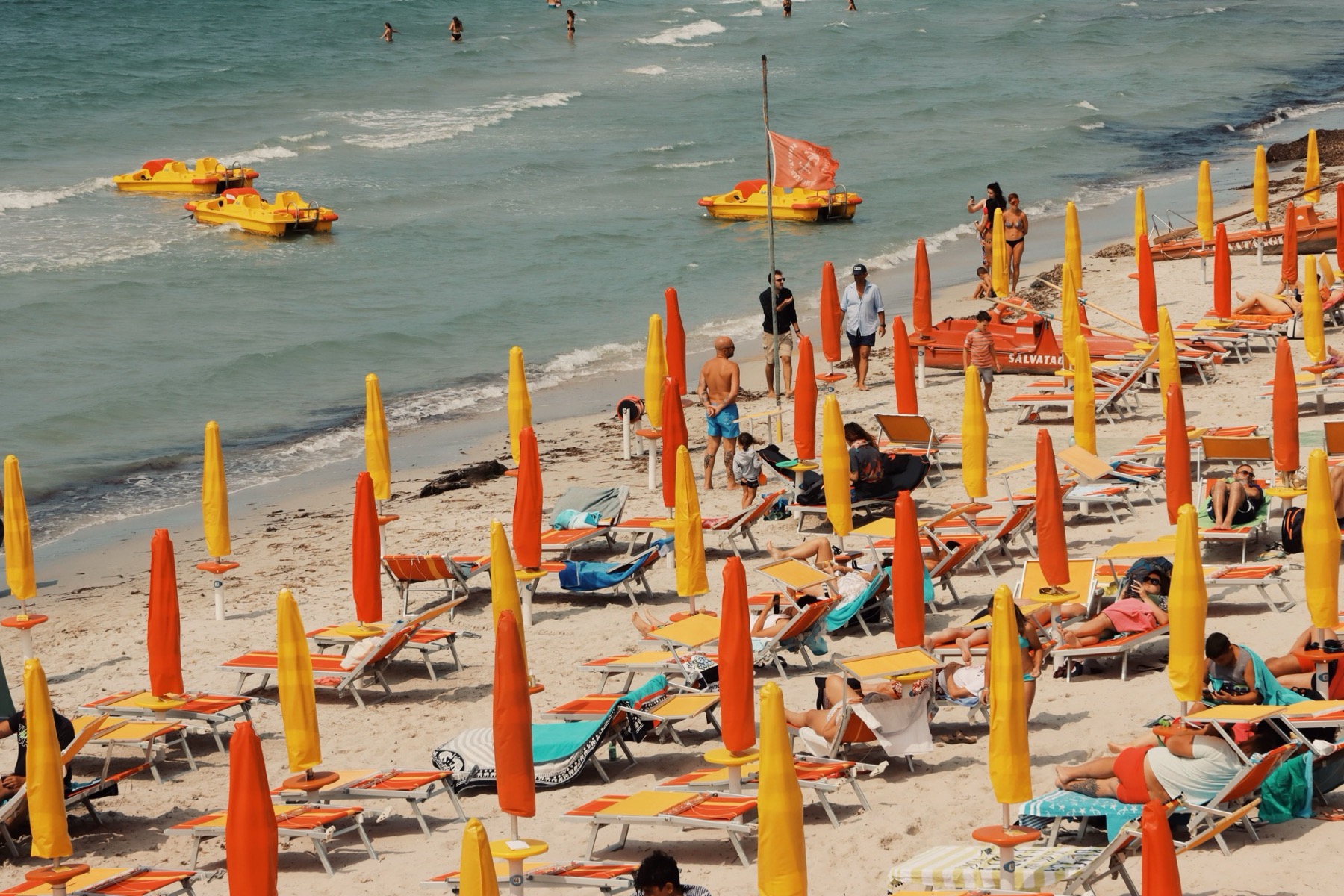
Versilia: golden sand and endless service
Versilia is the symbol of the classic Italian summer holiday. Here you’ll find kilometres of wide sandy beaches with a very gentle slope into the sea, which makes the area a total paradise for families with small children. Just bear in mind that it’s the most expensive and most organised part of Tuscany.
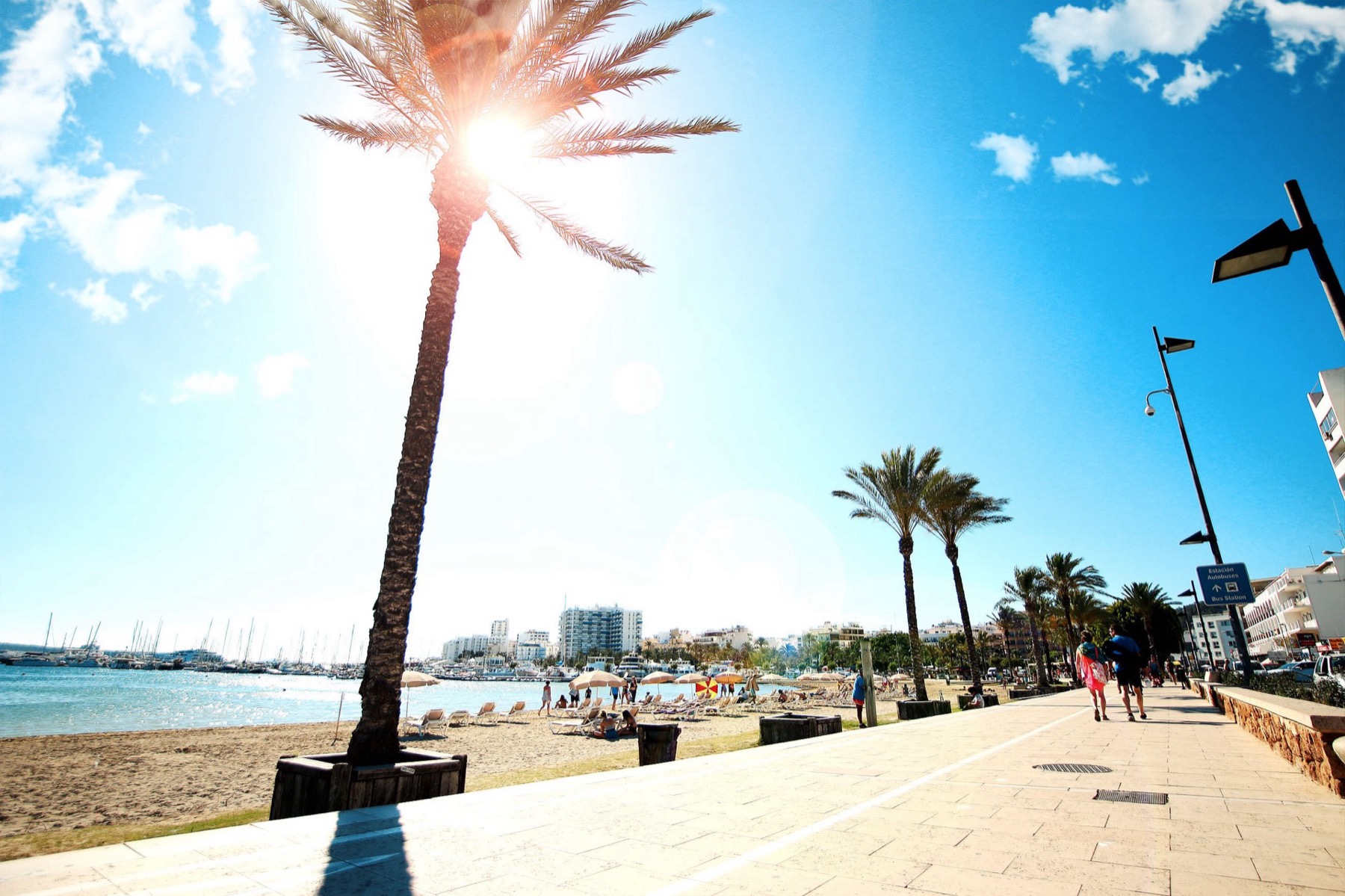
1. Viareggio and its Art Nouveau promenade
Viareggio is the main resort of all of Versilia, and its beaches are lined with gorgeous historic buildings in the Art Nouveau style. The sand here is incredibly fine and the sea near the shore is pleasantly shallow, so you can head here with even the tiniest swimmers without worry. The beach clubs run like a perfectly oiled machine and compete with one another on services. You’ll typically pay between €20 and €40 per day to rent an umbrella and two sunbeds, depending on how close to the water you want to be.
But if you’d rather not splash out on pricey beach service, just head to the south of town. That’s where you’ll find the huge and very popular Spiaggia libera Viareggio. Travellers rate it with a superb 4.2 stars on Google from more than thirteen hundred reviews, which is a huge success for a free public beach. The local free beach is incredibly spacious and offers plenty of room for a towel even in the busiest August peak.
💡 TIP: Be prepared for parking across Viareggio to be quite the puzzle in summer. The town car parks fill up fast and are paid, so it’s definitely worth heading to the water ideally right after breakfast to snag the best spot. In the afternoon you can then spend your free time strolling along the famous seaside promenade full of excellent gelaterias and cafés.
2. Forte dei Marmi for luxury lovers
This is the absolute most upscale address on the Tuscan coast, where Italy’s high society and famous celebrities regularly come to relax. Prices at the local beach clubs reach astronomical heights, which makes this place more of an exclusive experience for the chosen few. Luxury VIP tents for families can cost an unbelievable €600 to €1,500 for a single day in peak summer season. For that money, though, you get perfectly maintained beaches where the sand is practically sieved, and staff who’ll bring you the moon.
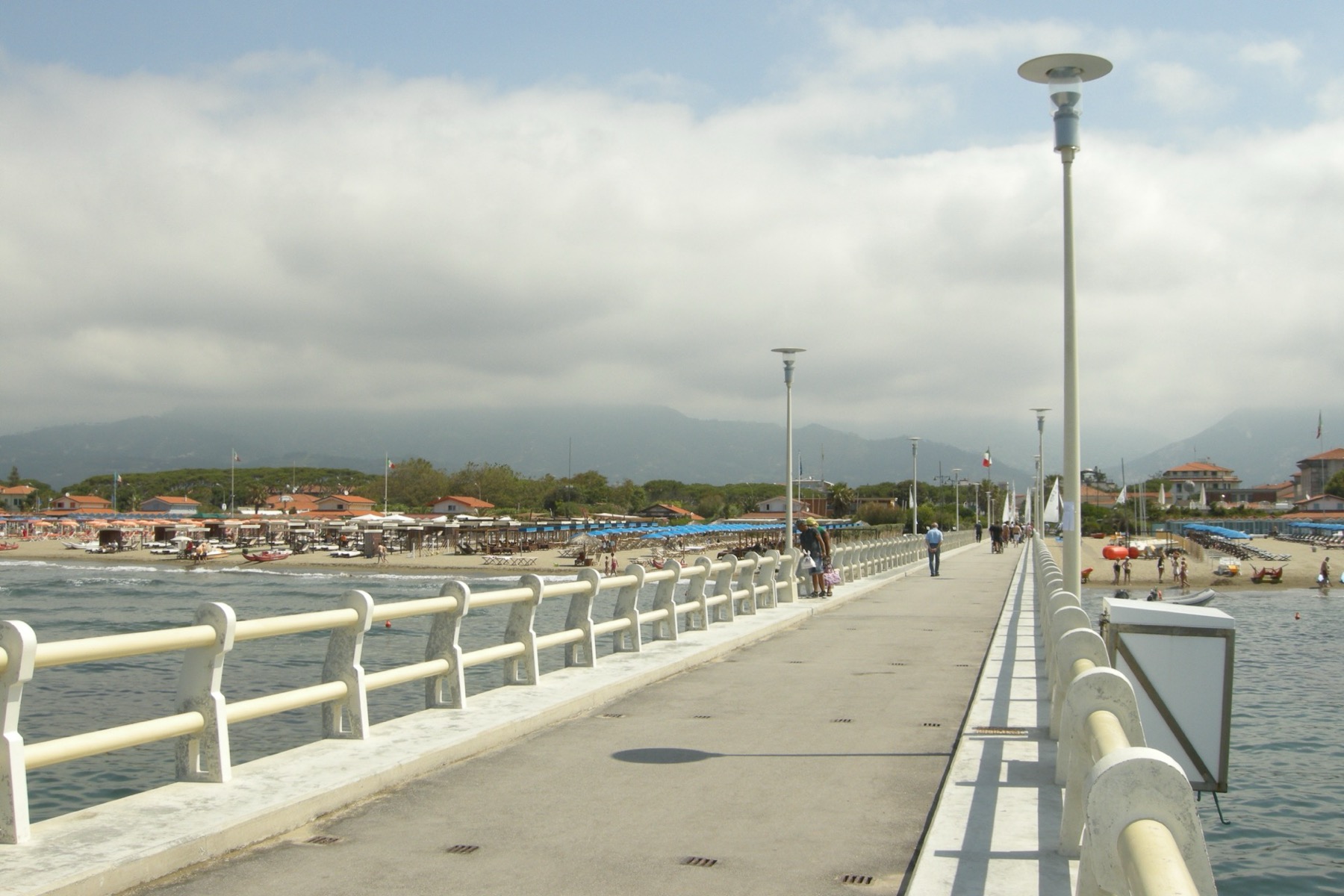
Even if you don’t plan to spend the whole day on an overpriced sunbed, the little town is definitely worth a visit just for its inimitable, elegant atmosphere. Shop windows of luxury brands line the beautifully kept streets, and strolling here is an experience even for someone with no plans to shop (and you don’t, right? 😄). I’d definitely recommend an early-evening walk out onto the iconic Forte dei Marmi Pier, which has an excellent rating on the maps and draws plenty of people.
A sunset over the sea with the dramatic peaks of the Apuan Alps at your back is simply a sight you won’t easily forget. The cafés around the pier are a great stop for an early-evening aperitivo, over which you can calmly soak up that luxurious Italian holiday atmosphere.
3. Lido di Camaiore for a calmer family holiday
If the price tags in Forte dei Marmi scare you a little but you love the endlessly wide sandy beaches of the north, Lido di Camaiore is an absolutely great choice. The atmosphere here is much more relaxed and family-friendly, so you’ll feel really comfortable. The beach clubs have noticeably more reasonable prices, and the water is beautifully shallow for many metres out to sea — something you’ll appreciate especially when building sandcastles with little ones.
A big bonus of this spot is the excellent infrastructure and connection to the surroundings. A perfect cycle path runs along the whole beach, stretching the entire length of the Versilia coast. That means you can easily and safely get here by bike from the nearby inland towns, without having to deal with that eternal summer headache of complicated and expensive car parking.
Just rent a bicycle in the morning, toss your towel in the basket, and within a few minutes you can be jumping into the waves of the Tuscan sea. After a swim, you can then take a walk along the modern Pontile Bellavista Vittoria pier, which offers a beautiful view of the whole beach line and the majestic mountains in the distance.
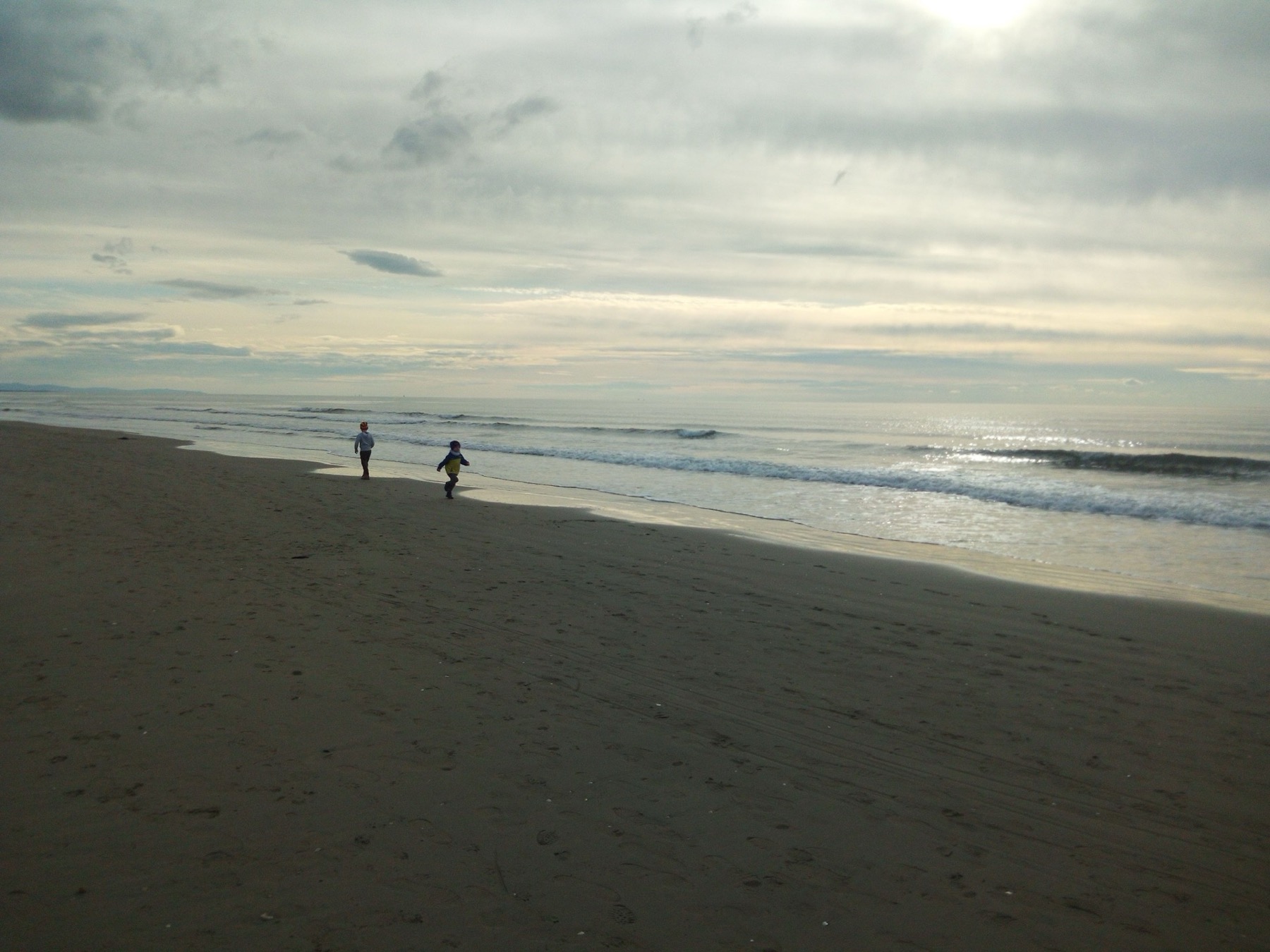
4. Marina di Pietrasanta and its artistic vibe
This beach cleverly benefits from its proximity to the gorgeous inland town of Pietrasanta, which is full of sculpture workshops, boutiques and small independent galleries. The beach here is extremely wide and open, so even when it’s full of colourful umbrellas in season, it never feels unpleasantly cramped. The water is very clean and the beach service — from lifeguards to clean showers — works flawlessly.
A big advantage of Marina di Pietrasanta is that even in this fairly organised and pricey area you’ll find designated free-beach sections that are clean and very well maintained by the locals. For example, the local public beach holds a lovely four-star Google rating from more than a thousand happy visitors.
For me, it’s probably the best possible compromise for everyone who wants to use Versilia’s top-notch facilities and have good restaurants at hand, while still looking for slightly more acceptable prices than in the neighbouring luxury resorts. The historic centre of Pietrasanta itself is just a few minutes away by car, making it an ideal plan for the late afternoon.
Livorno coast: a paradise for jumpers and divers
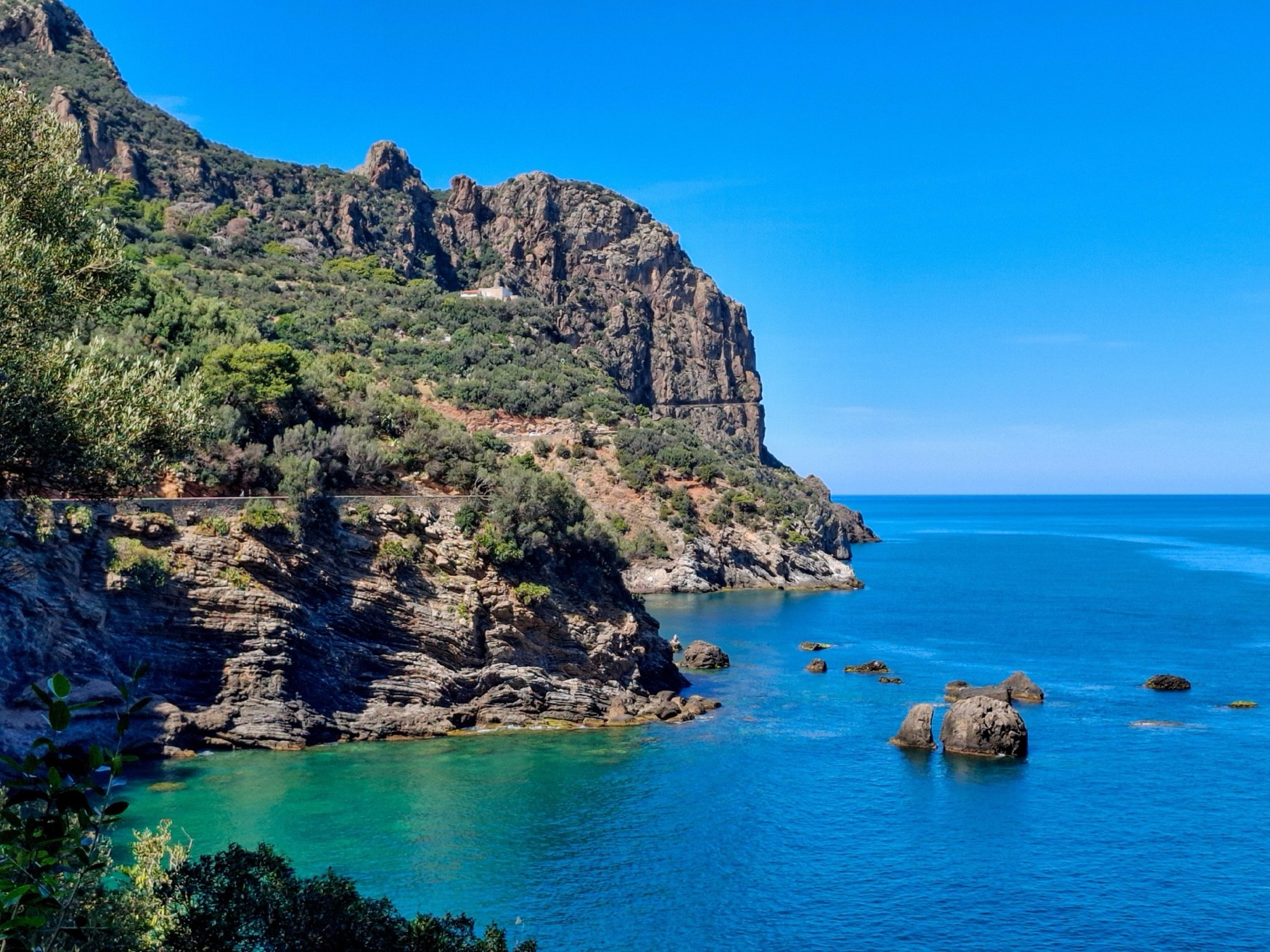
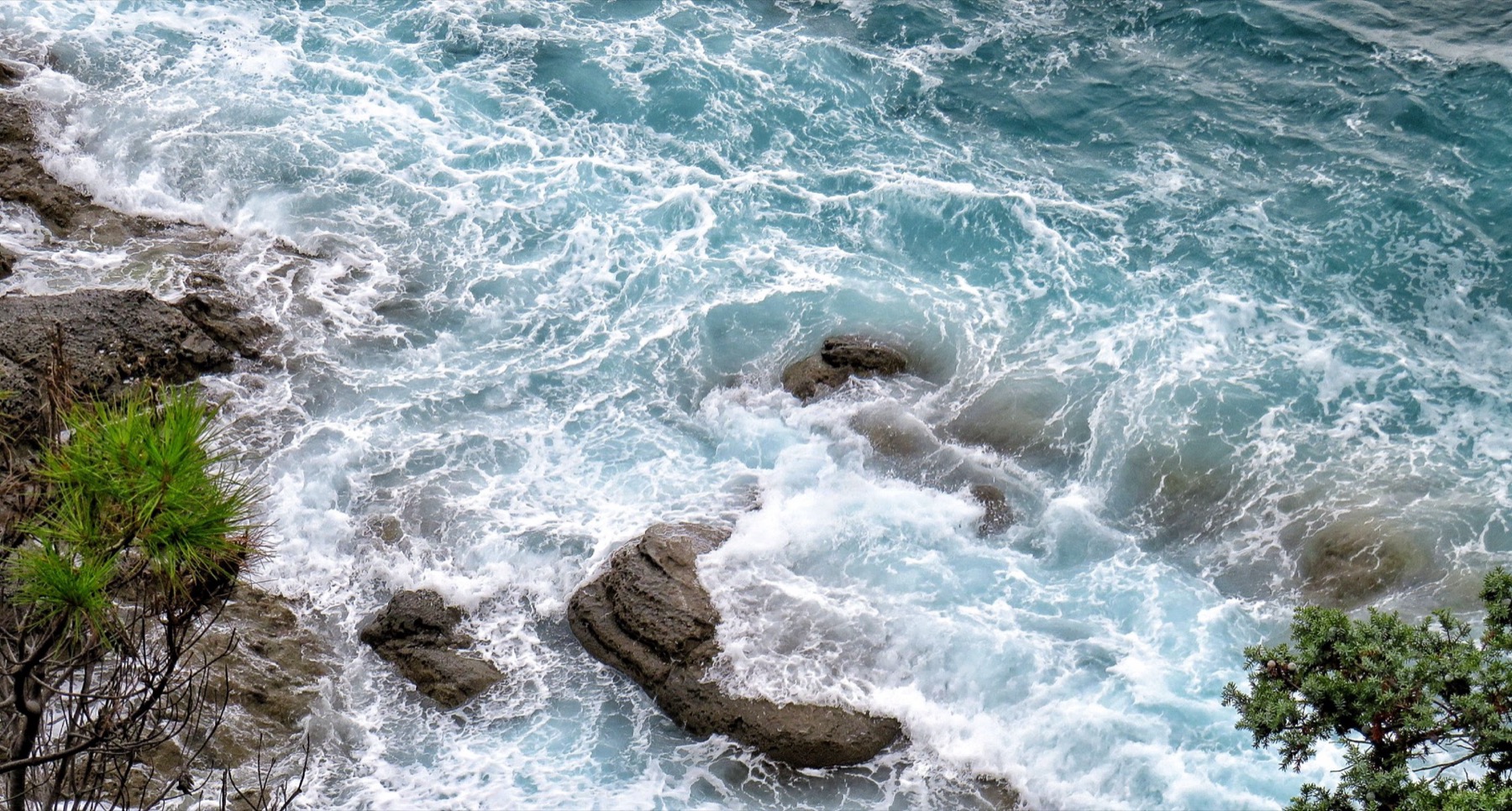
The area around the port city of Livorno is completely different from the rest of Tuscany. You’ll find practically no sand here — it’s been replaced by dramatic rocky cliffs and deep, crystal-clear water. It’s an absolutely ideal area for snorkelling and for those who can’t stand getting sand everywhere.
5. Calafuria and its sandstone cliffs
The several-kilometre rocky drop that stretches just south of Livorno looks like something from another planet. The cliffs are pierced with thousands of tiny hollows from the seawater and constant wind. You won’t find a single grain of sand here — you simply lie directly on the warm flat rocks and sandstone terraces. If you hate having sand stick to your suncream, you’ll absolutely fall in love with this place.
Thanks to the absence of sand, the water here is incredibly clear, deep and full of little fish, so don’t forget to pack a good pair of snorkelling goggles in your backpack. The local youth regularly come here to practise cliff jumping and spend long summer afternoons with a guitar. The result is exactly the energy young Italians come back here for again and again.
💡 TIP: Travellers advise coming here outside weekends, because there isn’t an endless supply of flat rocks comfortable for lying on and they fill up fast. On top of that, cars are often just parked along the coastal road here, which can be quite a stressful experience in peak season.
6. Quercianella in the embrace of pines
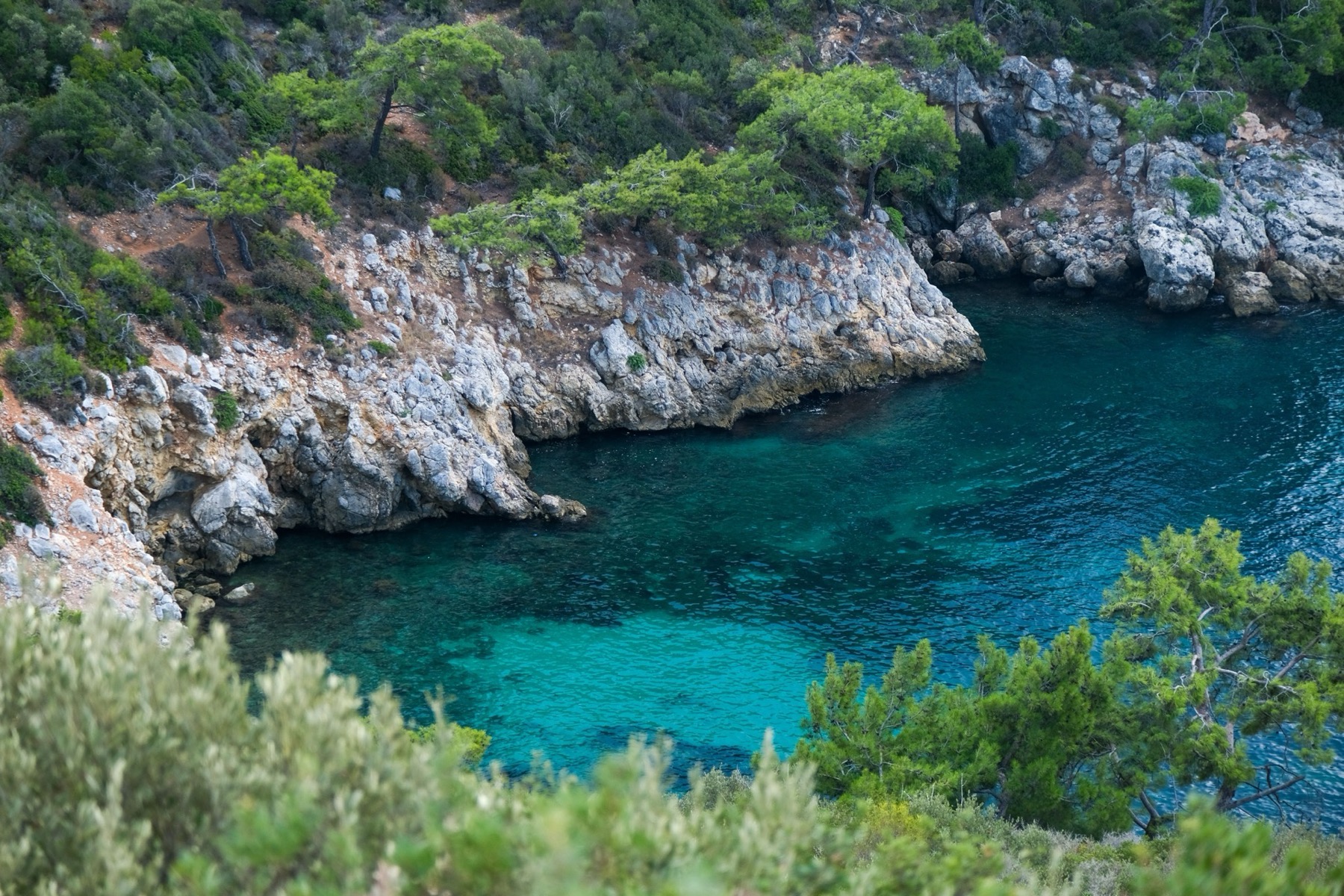
This small and immensely peaceful village lies about 10 kilometres south of bustling Livorno and offers a completely different, much slower world. It has proudly held a Blue Flag continuously since 2007, which speaks for itself and guarantees the highest possible water quality and cleanliness in the wider area. The beaches here aren’t classic sand but small pebbles and smooth rocks that dip into the brilliantly turquoise sea.
While you swim, the mainland surrounds you with beautifully fragrant pine forests that provide pleasant shade on hot summer days and wonderfully scent the whole air. It’s a wonderful and very romantic spot for couples looking for an escape from the noise of the big resorts and who don’t mind slightly trickier access to the water over the rocks.
But definitely bring some good water shoes, because the rocks can be pretty slippery in the morning and walking barefoot could needlessly spoil your swim. The local restaurants above the beach then offer superb views of the evening sea.
7. Castiglioncello, straight out of an Italian film
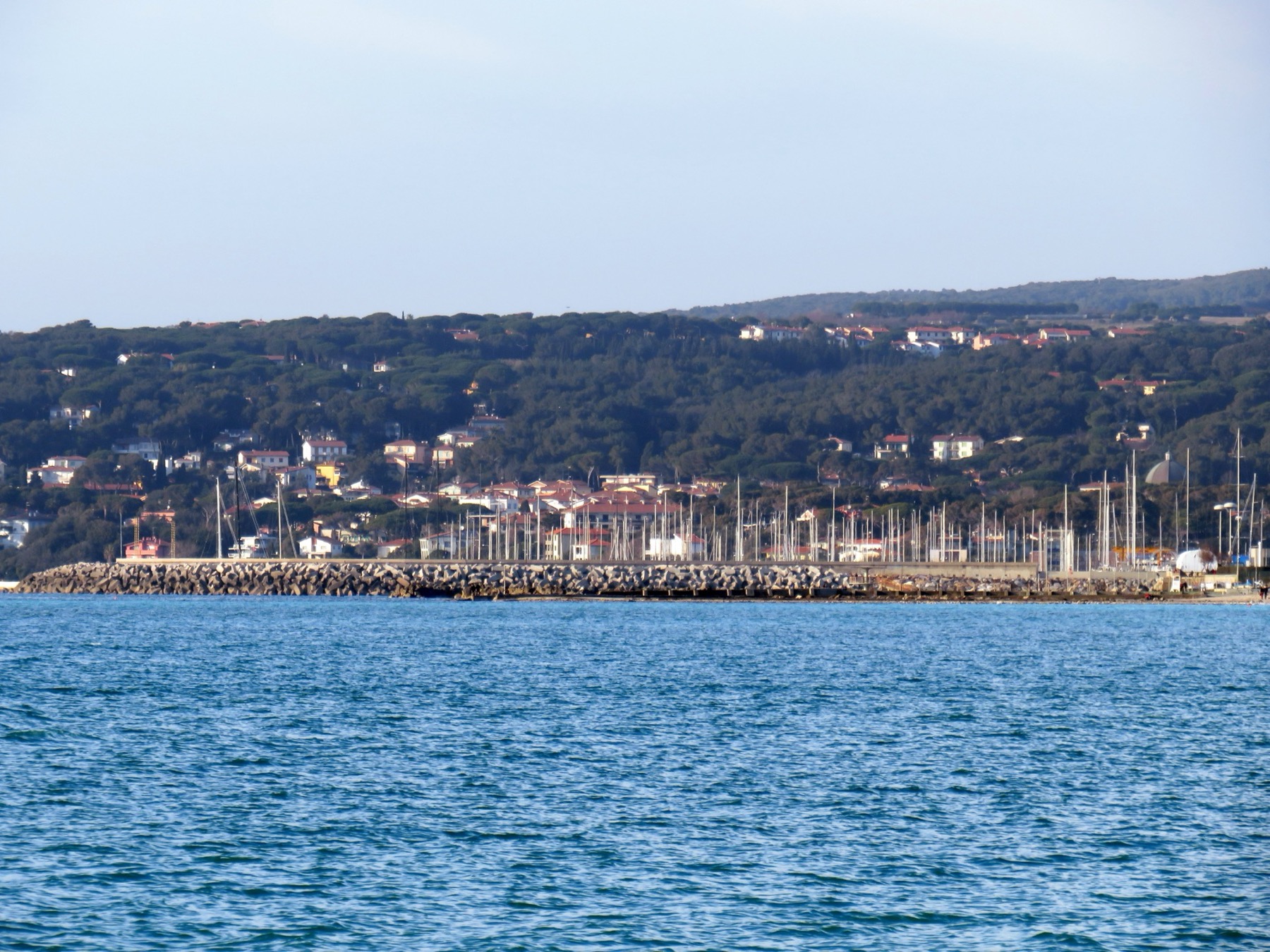
This exceptionally elegant resort, built on a small wooded peninsula, has a very famous past. Back in the 1960s it was a favourite retreat for the stars of the Italian silver screen, and to this day its streets have kept their unmistakable, refined charm. Picturesque rocky coves await you here, with crystal-clear water and plenty of natural shade from the surrounding pines, which grow almost right down to the shore.
Even this prestigious spot comfortably retained its international Blue Flag award for a clean environment this year. Swimming here has enormous style and atmosphere; you just have to bear in mind that the beaches are rather small and get very busy with tourists from all over the world in the August season.
Just like everywhere around Livorno, I’d recommend packing water shoes here too. Entering the waves over the rocks and pebbles is extremely photogenic, but for sensitive feet it can be a bit tough without shoes. After a swim, be sure to take a stroll along the coastal Pineta Marradi promenade, which is shaded by pine canopies.
8. Antignano and Boccale for a local experience
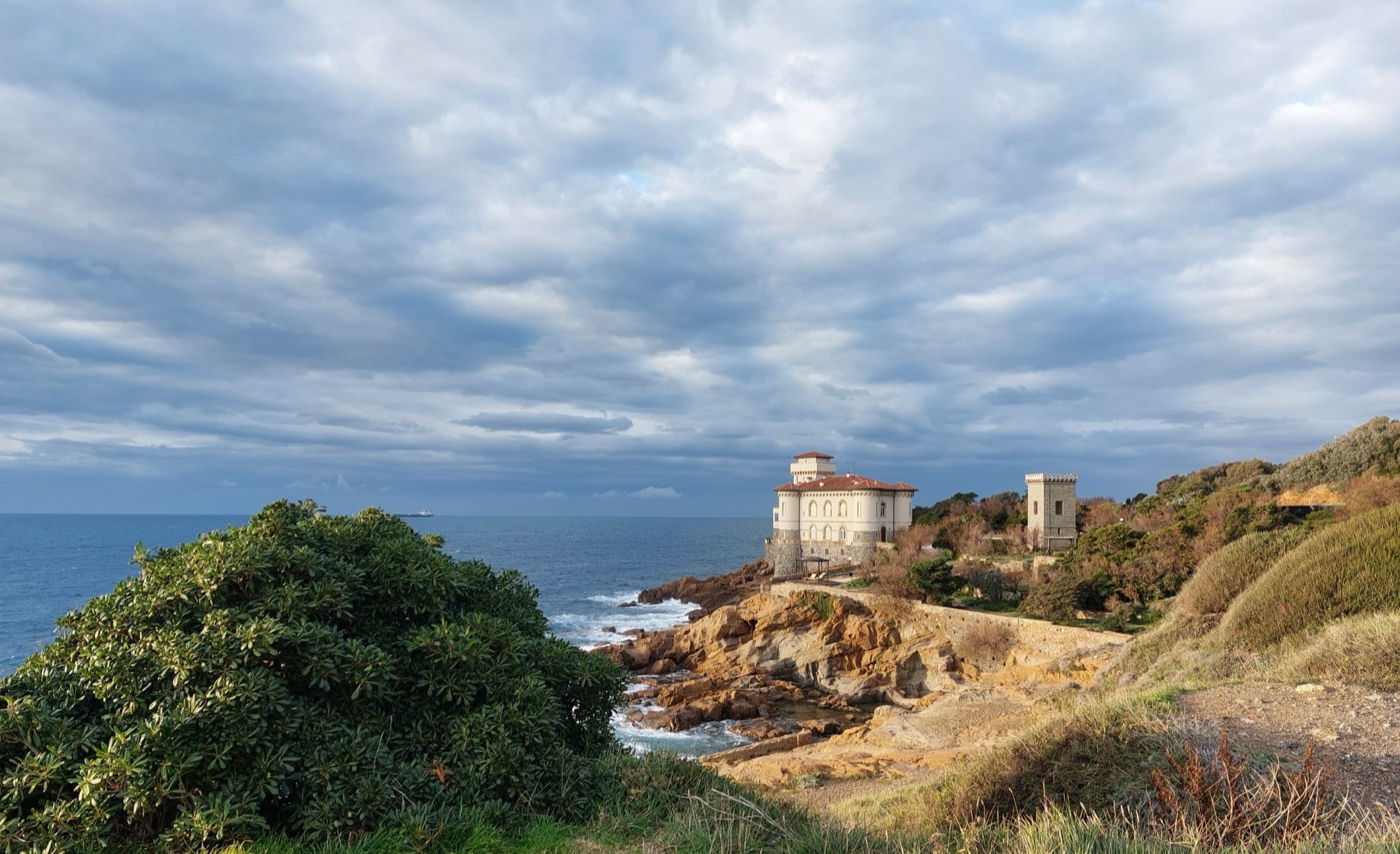
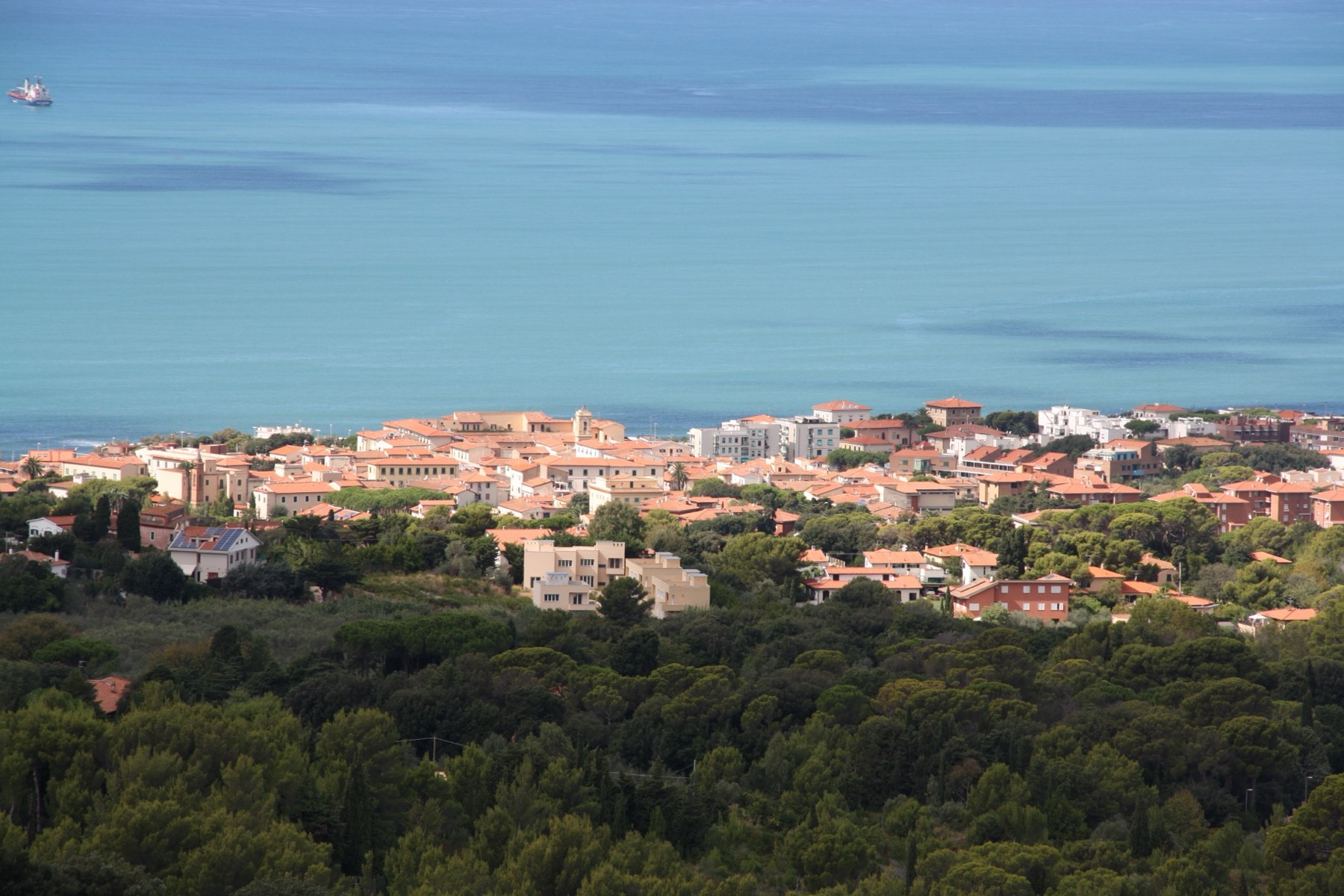
Just past the southern edge of the port city of Livorno lies the quiet residential district of Antignano, which flows smoothly into a dramatic bay with the stunning Castello del Boccale. These are very small, photogenic rocky coves that don’t attract crowds of foreign tourists — mostly just locals come here for a quick refresh after work. Thanks to that, you’ll experience the real Italy here without any artificial gloss.
You’ll find practically no tourist service here — don’t expect tidy showers, lifeguards or rows of paid sunbeds. Your reward, though, will be a completely authentic Tuscan atmosphere and breathtaking views that look exactly like expensive postcards. The castle itself isn’t open to the public, but it makes the perfect backdrop for your holiday photos.
The best way to explore these coves is with your own towel, a good book and a small snack — find your own bit of flat rock and just soak up the unique energy of this rugged but beautiful stretch of coast.
Costa degli Etruschi: where history meets the sea
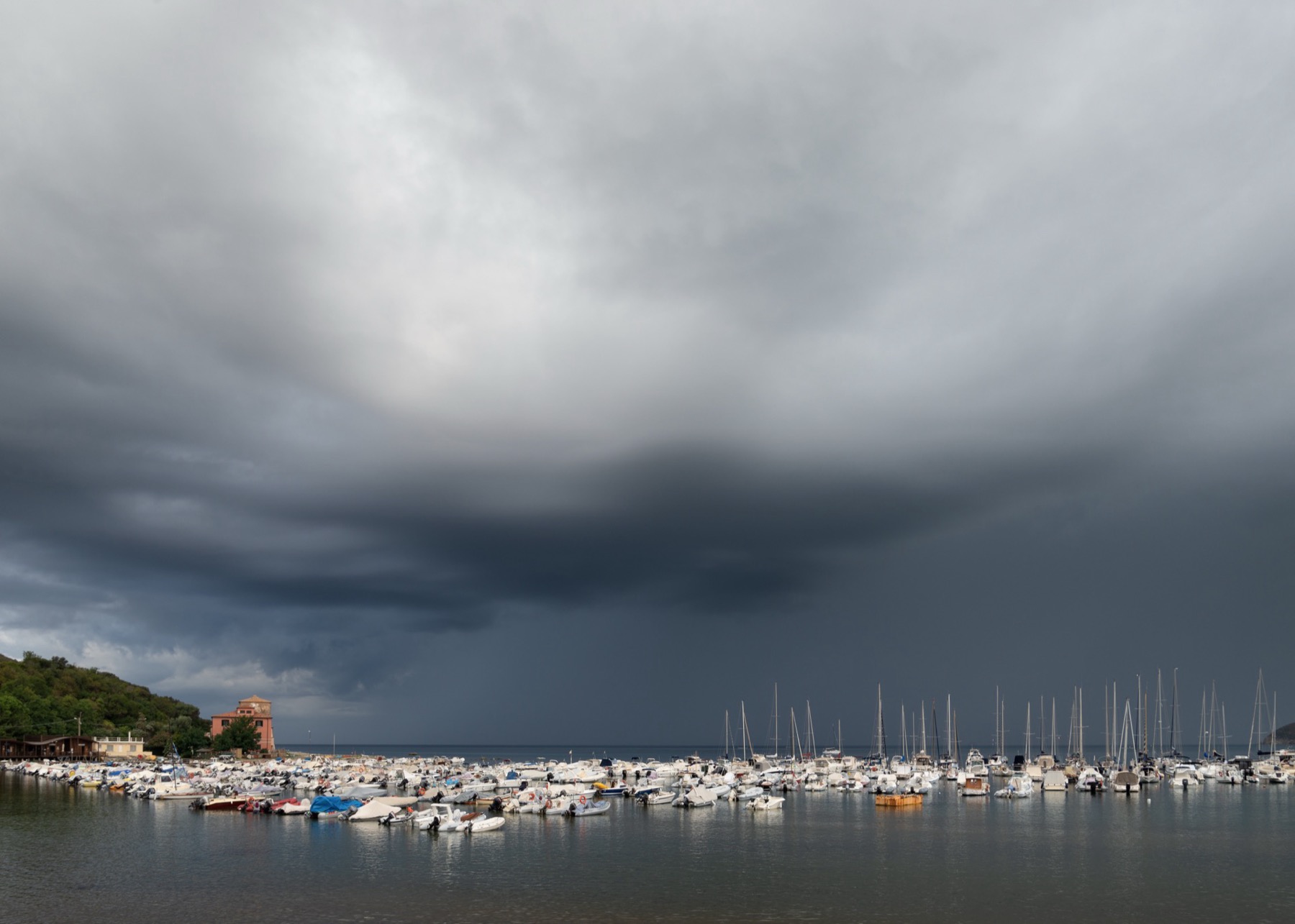
The Etruscan coast stretches from Livorno down to Piombino. It offers an amazing mix of sandy beaches, protected pine groves and ancient history. It’s a perfect choice for those who want to spend part of the day by the water and part of it exploring the surroundings.
9. Baratti with its shimmering black sand
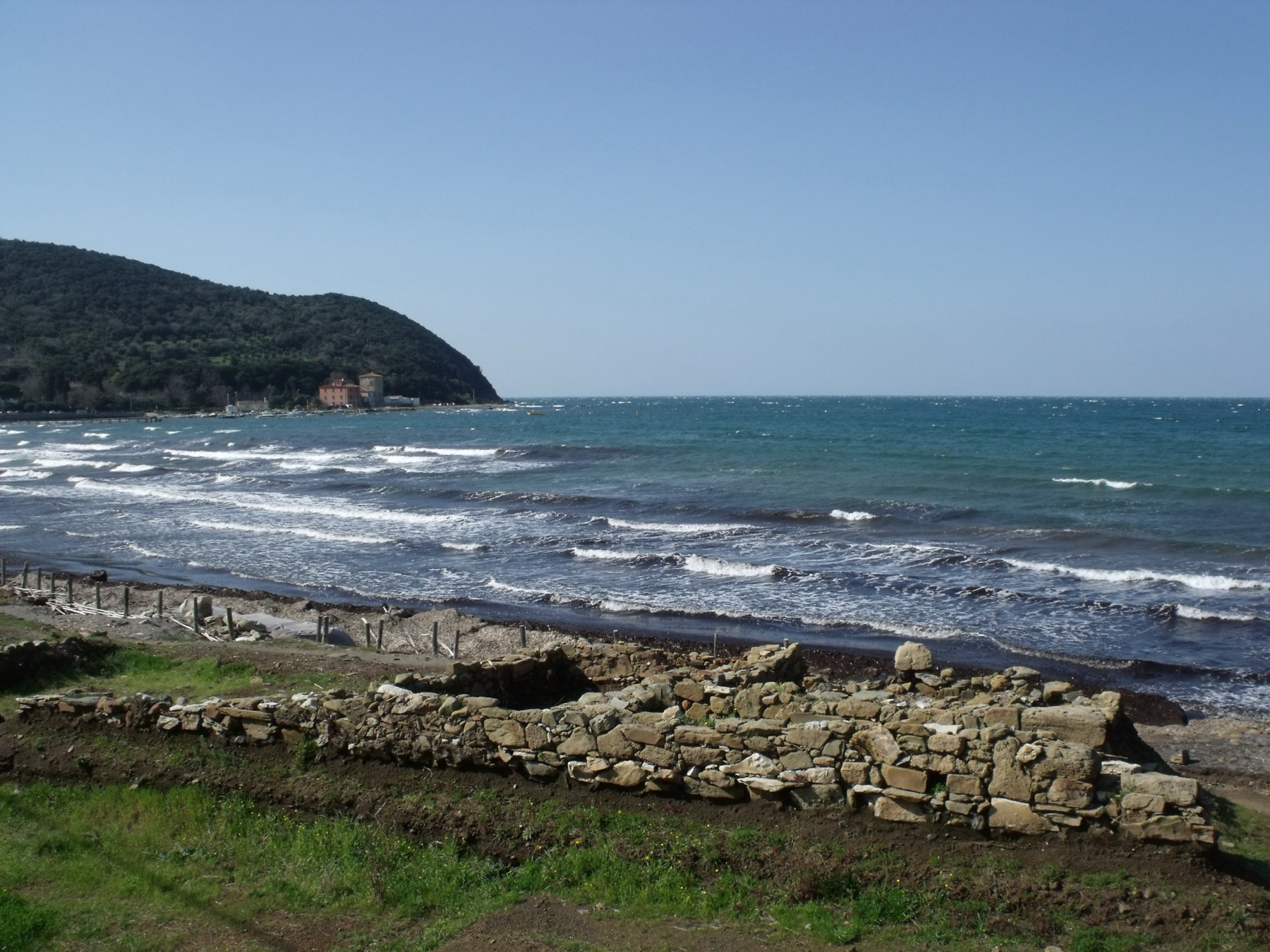
Baratti bay is one of the most fascinating and unique places in all of sunny Italy. The sand here has an unusual dark colour and shimmers beautifully in direct sunlight. This is down to a high content of iron and slag residues, which skilled Etruscans processed here in their furnaces on a large scale back in ancient times. When you lie down on your towel here, you’re lying on a real piece of fascinating ancient history.
Right behind the beach lies the huge Baratti and Populonia archaeological park, so you can easily combine a morning swim with an afternoon tour of ancient tombs and excavations. Most of the beautifully curved bay works as a spacious free beach, lined on one side by the calm sea and on the other by a huge pine forest.
The trees provide fantastic natural shade, so local families love coming here to have long summer picnics under the branches and rest before the scorching afternoon sun. Parking by the bay is paid, so I recommend keeping some coins on hand for the machines.
10. San Vincenzo for family bliss
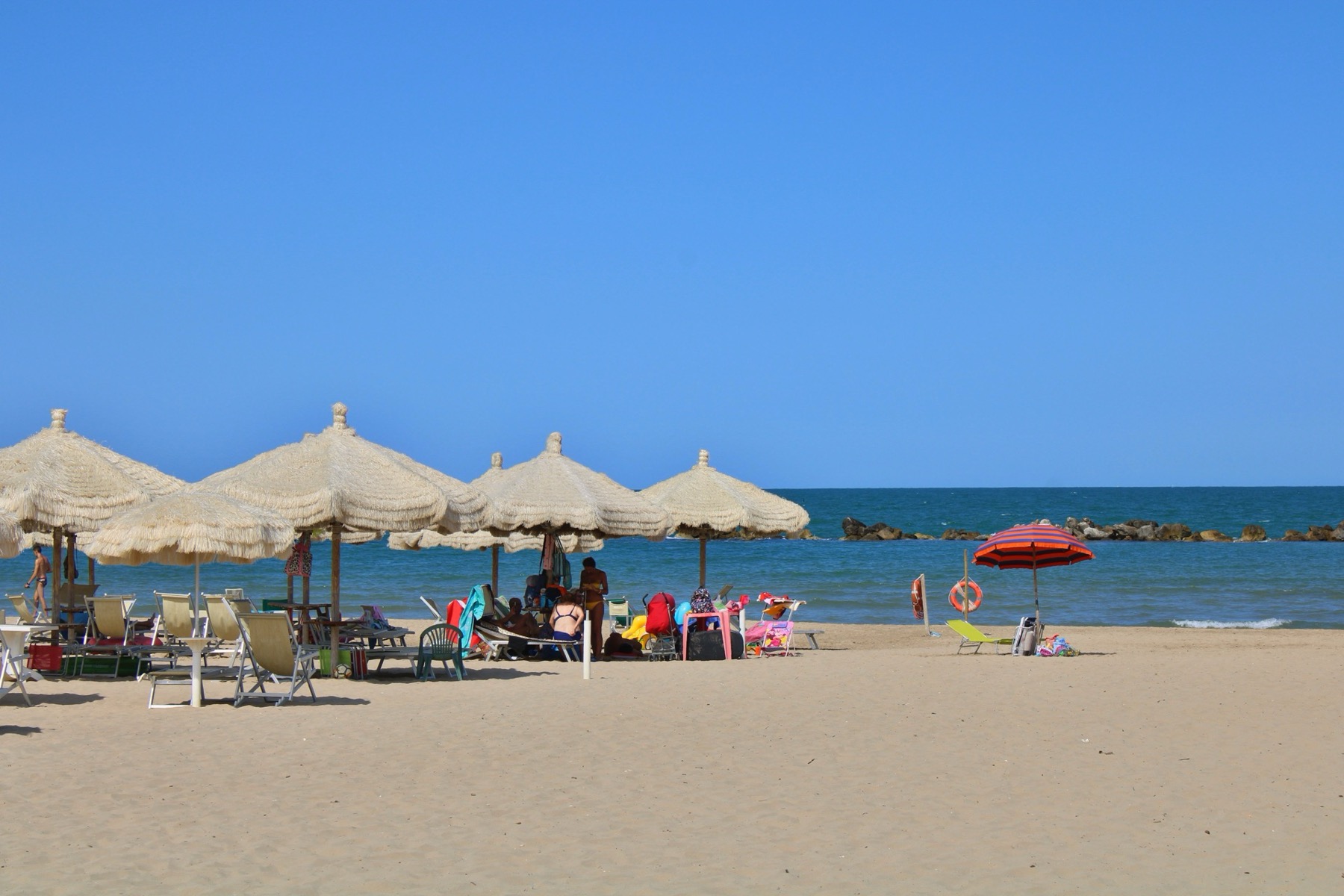
This exceptionally popular seaside resort is an absolute safe bet if you’re travelling with smaller kids and need perfect beach services with no compromises. Kilometres of fine, very pale sand are deservedly awarded a Blue Flag for cleanliness, and the entry into the water is beautifully gentle, so children can splash around safely for hours. The water in these shallow spots also tends to be pleasantly warm right from the start of summer.
Besides the traditional paid clubs full of colourful umbrellas, there’s one big natural surprise here too. Just south of town lies the sprawling Parco Naturale di Rimigliano nature park, which offers long stretches of free sandy beach surrounded by completely untouched nature and protected sand dunes.
It’s a great spot if you want to be close to town for a good evening pizza, but during the day you’d rather have wilder swimming with your own umbrella far from the noisy beach bars.
11. Marina di Cecina and its shady groves
The biggest advantage of this sought-after beach is the mighty pine forest called Riserva Naturale Tombolo di Cecina, which stretches right behind the sand dunes for an incredible 15 kilometres. When the beach gets too hot around midday, you only need to take a few steps to hide in the blissful, cooling shade of the fragrant trees. In the protected forest you’ll also find plenty of well-kept trails ideal for morning runs or safe off-road cycling.
The beach itself is also a proud holder of the prestigious Blue Flag this year, which in the Livorno province is a clear guarantee of quality. It’s made of slightly coarser sand with the occasional scattering of small pebbles, so it doesn’t stick to your body as much after a swim.
Thanks to the excellent sea currents, the water here tends to be beautifully clean and refreshing. The spot is very popular both with local Italian families and with foreign tourists who love coming back every year for that perfect calm and the scent of pine.
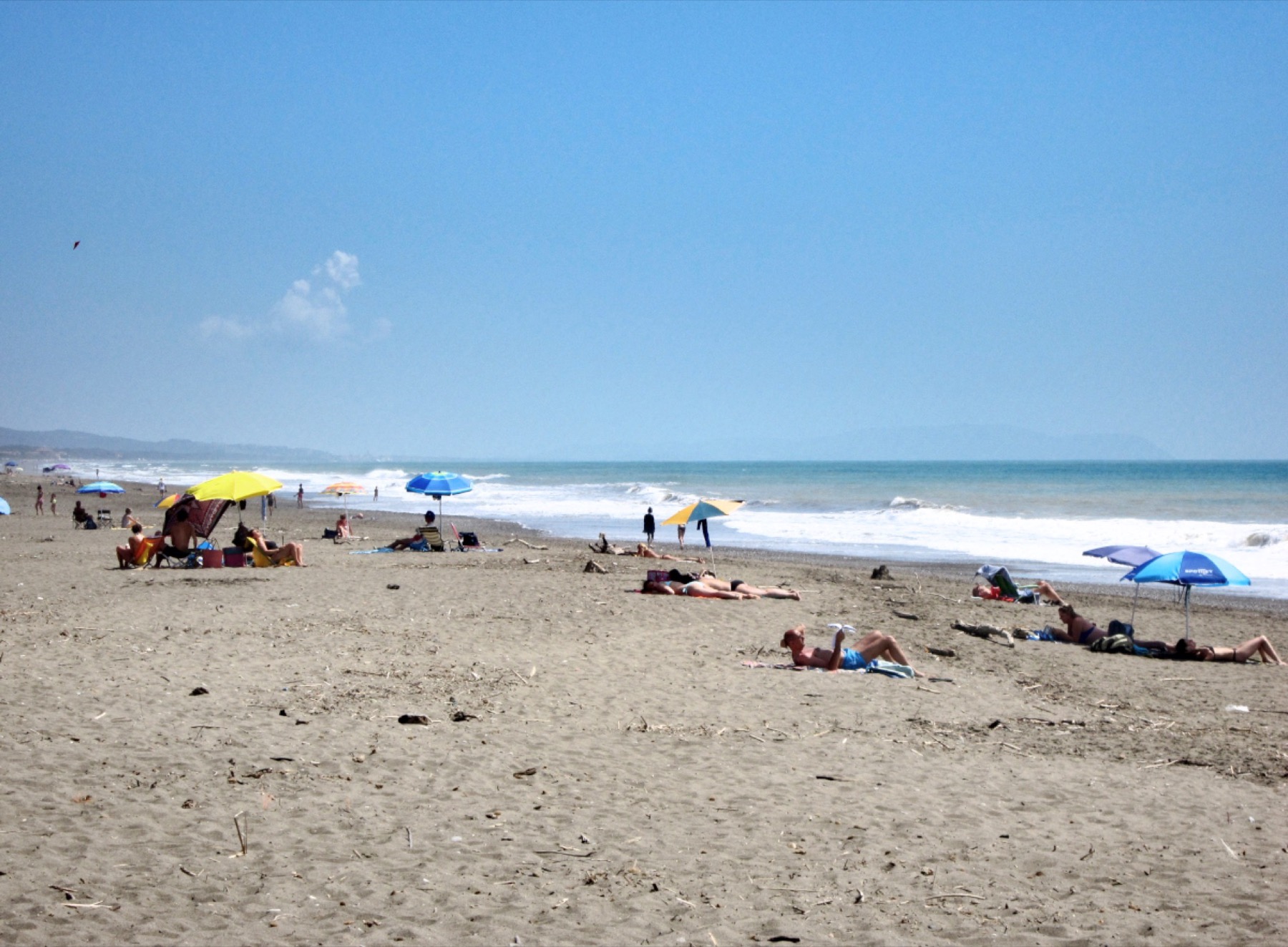
12. Marina di Bibbona around the old fort
This next in a long line of proud holders of the prestigious Blue Flag is defined by endlessly wide beaches naturally lined with sand dunes and typical Mediterranean scrub. The standout landmark of this stretch of coast is the historic Forte di Macchia fort, which gives the whole place a special historic charm and serves as a great point of reference when you set out on a longer walk along the water.
You’ll find a truly excellent balance between well-equipped beach clubs and extensive stretches of free natural beach. So each day you can choose whether to pay for a comfortable sunbed with bar service, or bring your own gear and lay down a towel a little further from the crowds on the sand.
Thanks to the generous vastness of the whole beach, even in the peak August season you won’t get that unpleasant crowded feeling like on the narrow beaches of northern Versilia. The water here is also wonderfully clean and full of little fish.
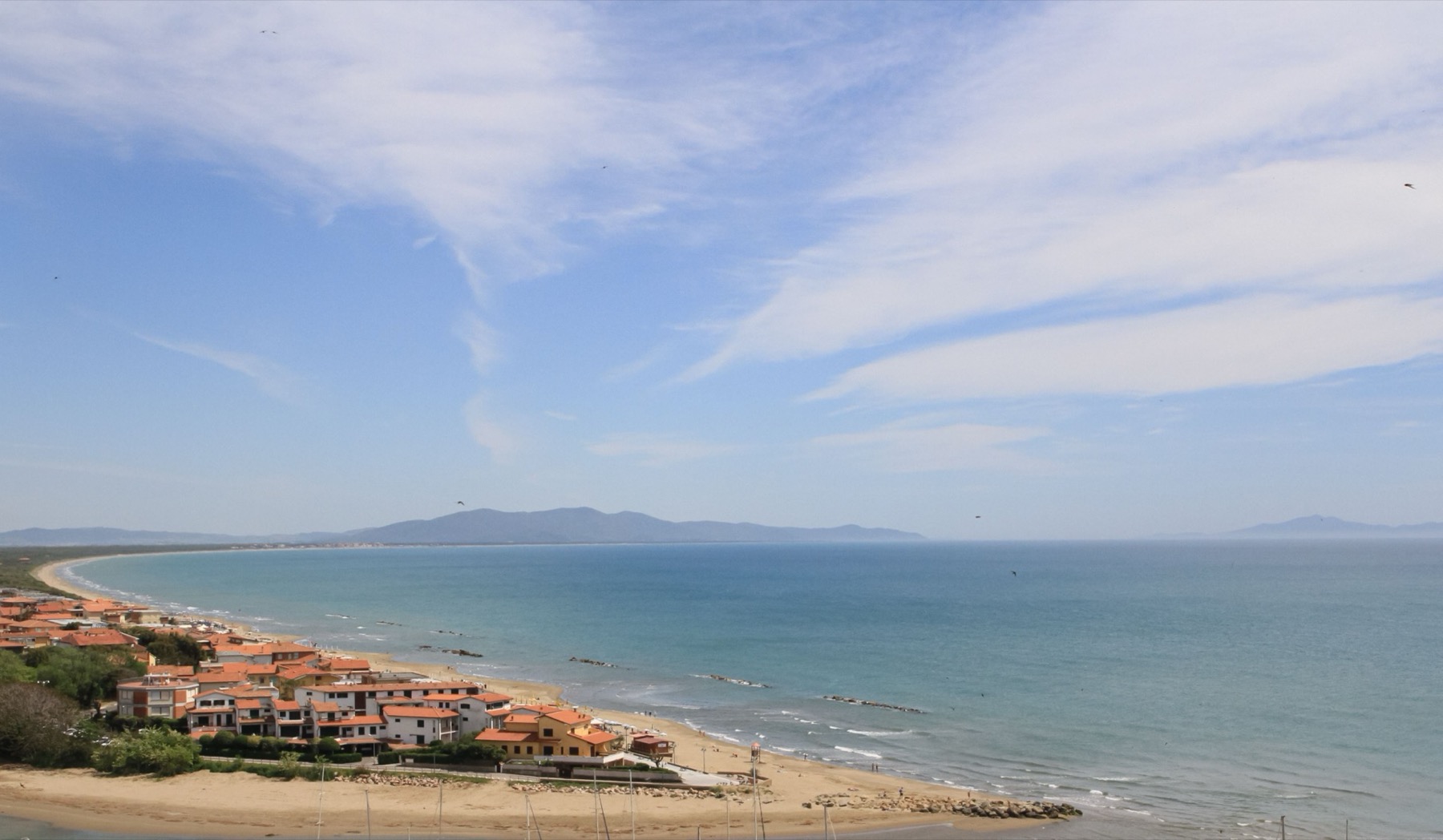
Maremma: the wild south for adventurers
The Maremma area at the very south of Tuscany is the least urbanised part of the coast. Here you’ll find vast nature parks, driftwood and beaches without a scrap of concrete. If you love nature and don’t mind a short walk to the sea, you’ll fall for Maremma.
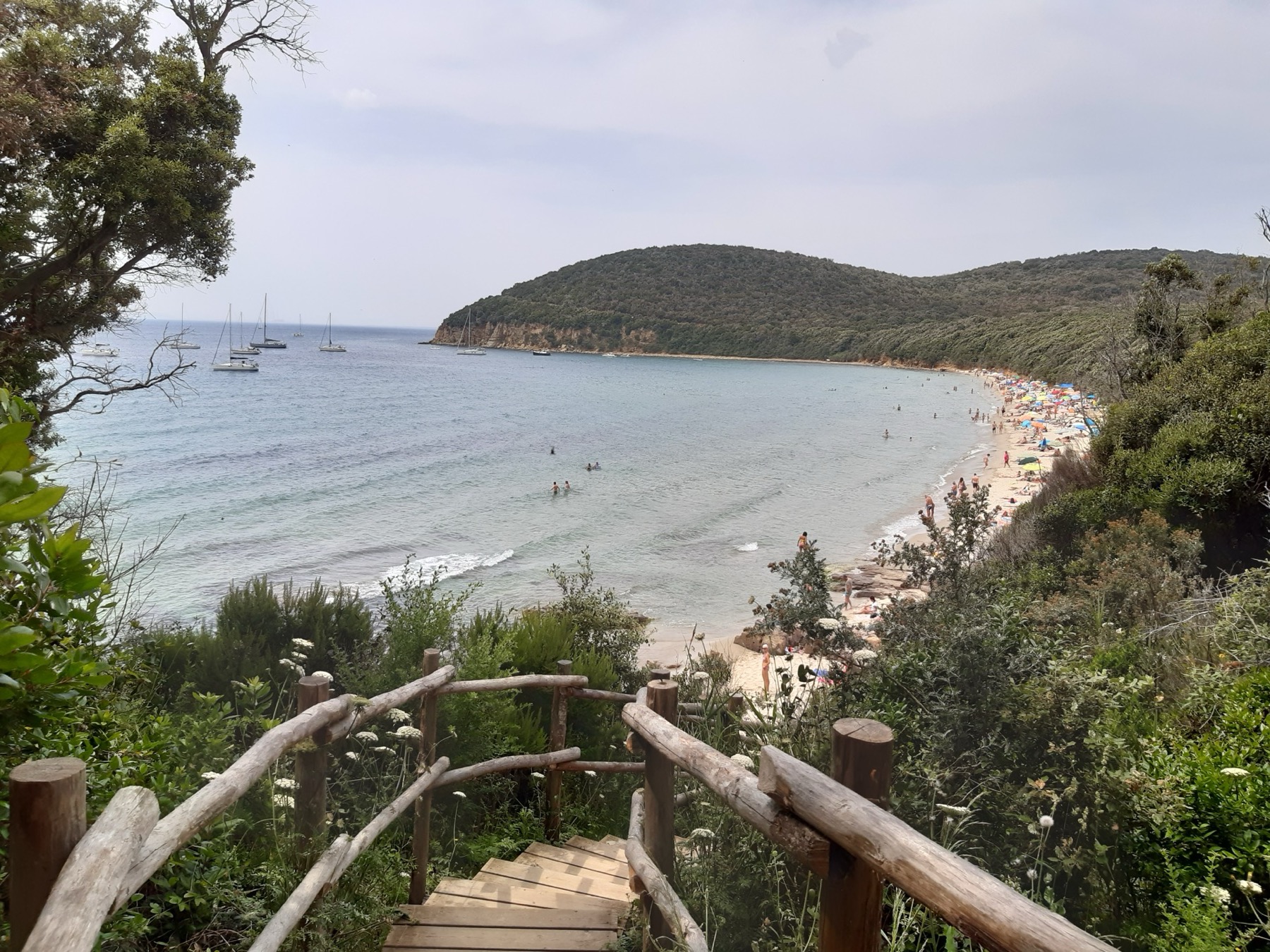

13. Cala Violina and its strict reservation system
This is absolutely crucial information you need to know before heading south. Cala Violina is widely considered the single most beautiful beach in all of Tuscany, but without a prior online reservation you simply won’t get onto it at all. To protect the fragile nature, a so-called numero chiuso operates here, meaning a strict limit of a maximum of 700 visitors per day. The beach is open from 8:30 to 18:30 and the guards at the entrance are absolutely uncompromising.
You have to make your reservation through the official website calaviolinascarlino.it for a symbolic fee of €1 per person. The catch, though, is that the booking system opens exactly 72 hours before your planned visit day, so you have to be quite quick at the computer — in summer, spots disappear in a flash.
Children aged 1 to 12 don’t pay a single euro, but they absolutely must have a reservation in the system to count towards the daily limit (children under 1 don’t need a reservation). The beach’s name otherwise refers to the wonderfully fine silica sand that makes a fascinating sound resembling a violin as you walk on it. Travellers give this magical spot a fantastic rating of 4.6 from more than 7 thousand reviews, so that little bit of effort with the reservation is definitely worth it.
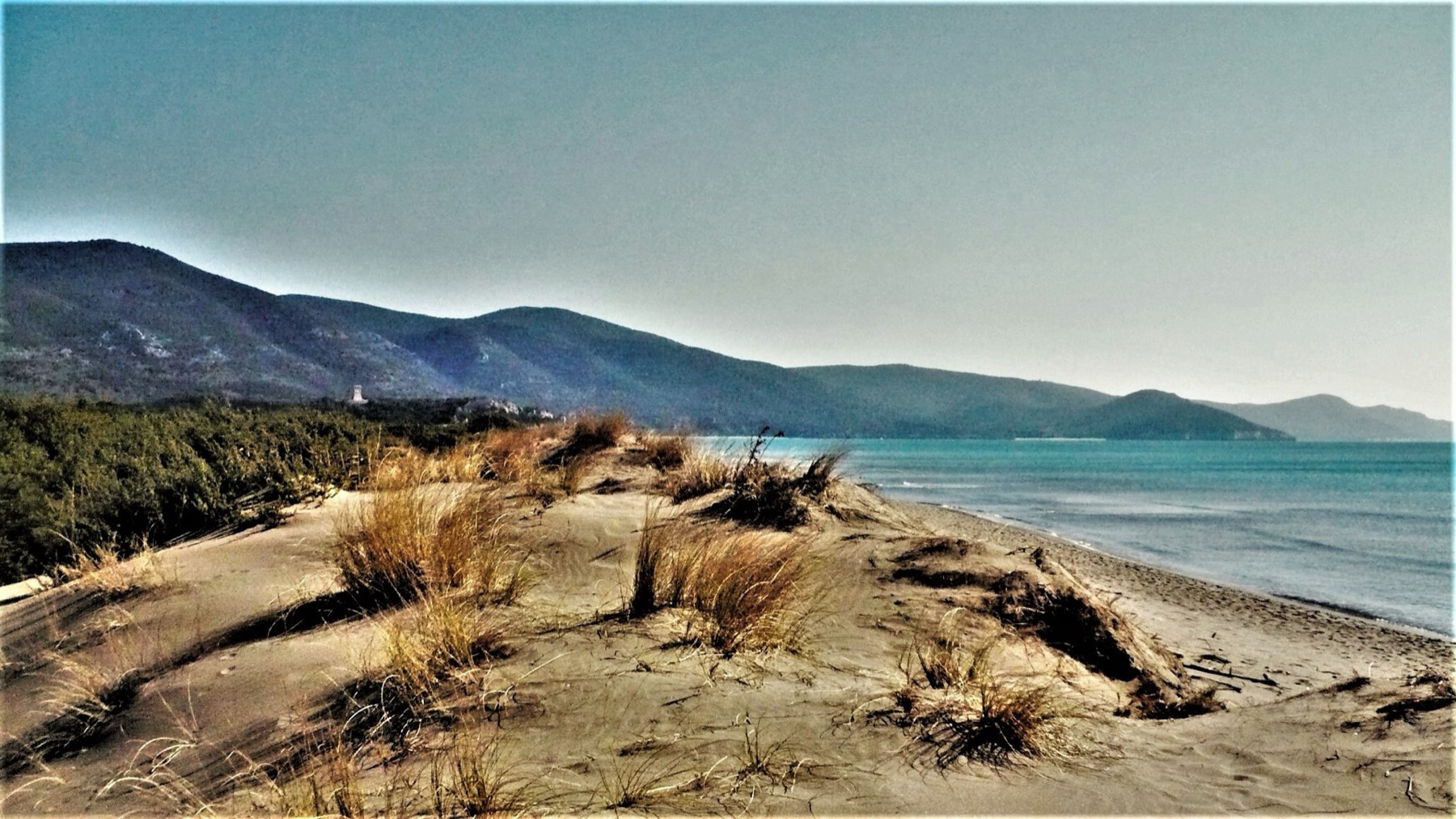
14. Marina di Alberese with regulated traffic
This gorgeous and utterly wild beach lies right in the heart of the Parco Regionale della Maremma national park, directly beneath the dramatic peaks of the Monti dell’Uccellina range. In the peak summer season, though, you can’t drive here in your own car — entry into the strictly protected area is carefully regulated. You have to leave your car at a large park-and-ride lot inland and reach the sea by an alternative route, which turns the visit into a little adventure.
You can use the park shuttle or rent a bike and ride through the fragrant pine forests. And then suddenly you find yourself on a beach welcomed by giant driftwood logs, as if someone had deliberately arranged them. The winter sea and swollen rivers bring them here, and visitors build amazing improvised huts and shelters from these dry logs against the scorching sun, giving the beach a completely unique, almost castaway atmosphere you won’t easily see anywhere else in Italy. The spot holds an incredible rating of 4.7 stars from more than 3 thousand people.
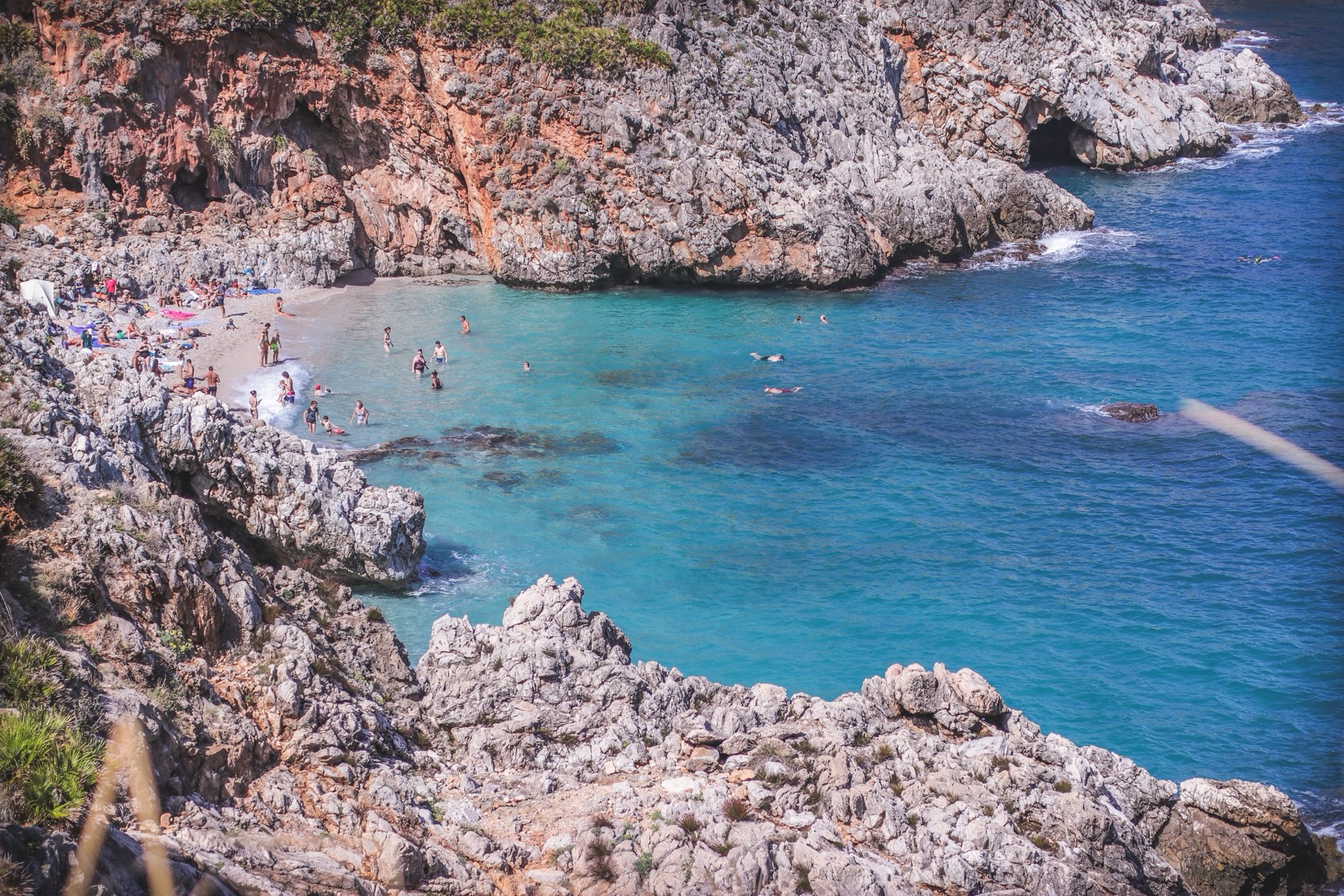
15. Cala Civette, the wild neighbour
If you happen not to grab a reservation in time for the famous Cala Violina, definitely don’t despair or give up. In the very next cove lies its sister Cala Civette, which is according to locals just as gorgeous, but luckily no reservation system applies here. Travellers rate it a superb 4.6 stars in reviews and often call it the best-hidden gem of all Maremma.
You do have to walk here on foot along a dusty and slightly rougher path from the car park, but your reward will be wonderfully crystal water and a romantic view of the medieval Torre Civette watchtower, which rises on a cliff right above the beach.
You won’t find any bars, restaurants or toilets here at all, so you have to bring absolutely all your own gear, plenty of drinking water and food for the whole day. A trip here is simply for those who love raw, unglossed nature and don’t mind giving up standard tourist comfort for one afternoon.
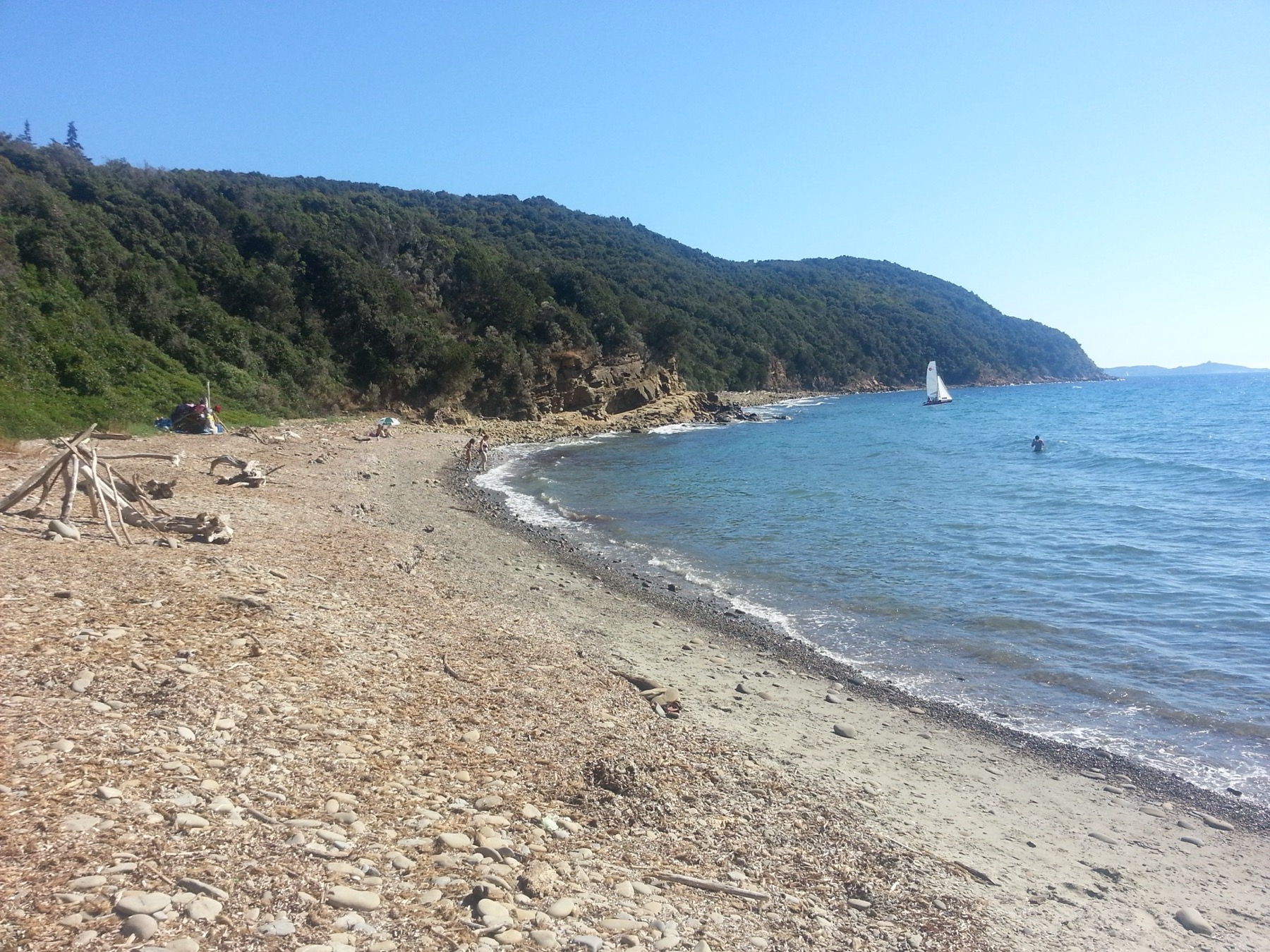
16. Cala Martina full of history
The third in the trio within the gorgeous protected bay near the town of Scarlino is the Cala Martina cove. Unlike its two sandy neighbours, it doesn’t have fine sand — its surface is mostly made of pebbles and stones, so water shoes are an absolute must here if you don’t want to painfully scrape your feet. But thanks to those very stones, the water here is incredibly clean and ideal for a full day of snorkelling around the rocks.
It’s a very peaceful, almost isolated spot that, besides its natural beauty, was also made famous by the great Italian unifier Giuseppe Garibaldi. It was from this hidden cove that he dramatically fled in 1849 from his pursuers on a fishing boat to safety.
This important historic event is commemorated to this day by a large memorial stone placed along the access path. Locals love coming here to read a book and enjoy the absolute silence far from the tourist bustle, because the average tourist usually doesn’t want to walk here on foot.
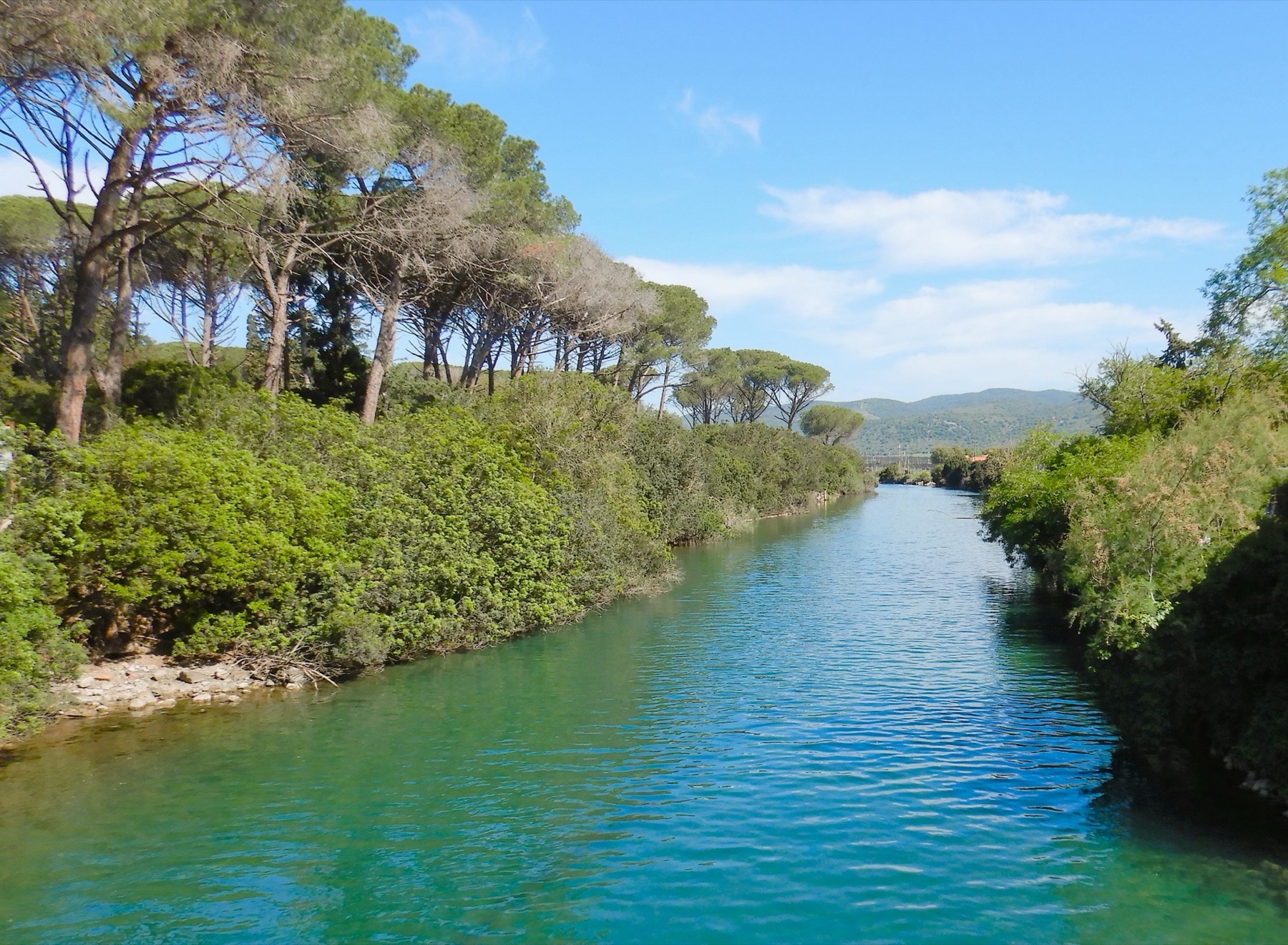
17. Feniglia and the deer trails in the dunes
Feniglia is a fascinating narrow sand spit, technically called a tombolo, which naturally connects the Tuscan mainland with the stunning rocky Monte Argentario peninsula. This six-kilometre nature reserve is completely closed to any car traffic, so you can only move around here on foot or on a rented bike. The path runs the whole way in the blissful shade of a dense, dark-green pine forest.
The beach is immensely wide along its entire length, works largely as a free beach and offers an endless view of the open sea. If you walk quietly through the forest behind the beach, with a bit of luck you’ll come across wild deer, which are quite used to the presence of people and occasionally wander right to the edge of the sand dunes.
If you’re the kind of person who always leaves a beach with pockets full of shells and stones, Feniglia will stock you up for years to come. If you want a bit of comfort, at both ends of the beach you’ll find small beach clubs where you can rent sunbeds.
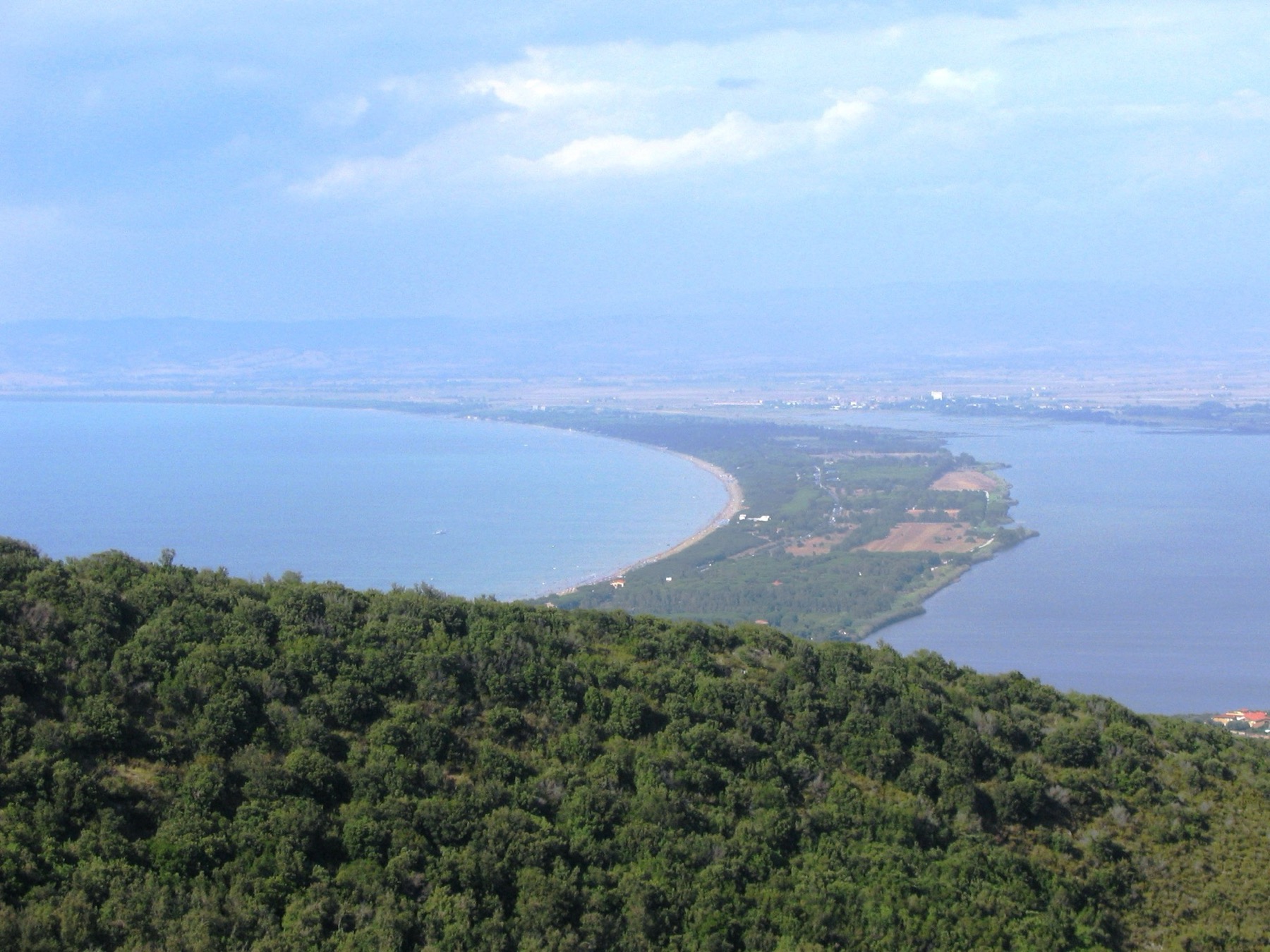
18. Giannella, a paradise for surfers
Giannella is the second large sand spit that forms the northern approach to the majestic Monte Argentario peninsula. Compared with its southern neighbour Feniglia, it’s a bit windier and more exposed to the weather, which makes it an immensely popular and sought-after destination for windsurfing and kitesurfing lovers. When the right wind picks up here, the sky over the sea instantly fills with dozens of colourful kites and sails.
The beach is lined on one side by popular campsites and smaller resorts, so unlike the wild Feniglia it offers far more beach services, equipment rentals and pleasant seaside restaurants. So you can easily pop away from the water straight to a great lunch.
It’s definitely worth coming here for a stroll in the early evening, because thanks to its strategic western orientation, Giannella offers some of the very best and most photogenic sunsets on the entire southern coast of Tuscany. Watching the sun slowly disappear beyond the horizon with a glass of wine in hand is an unforgettable experience here.
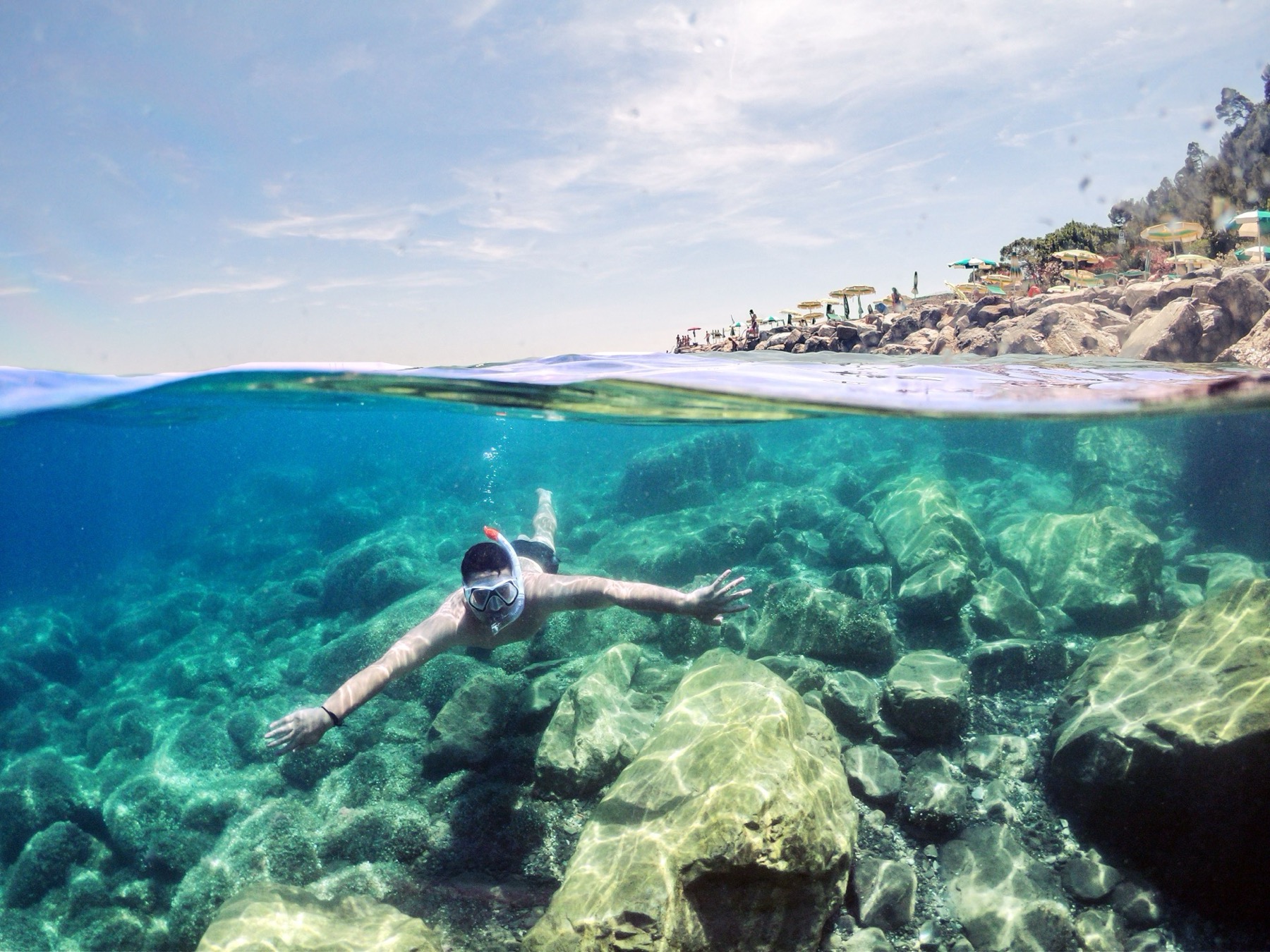
The islands: turquoise sea and snorkelling
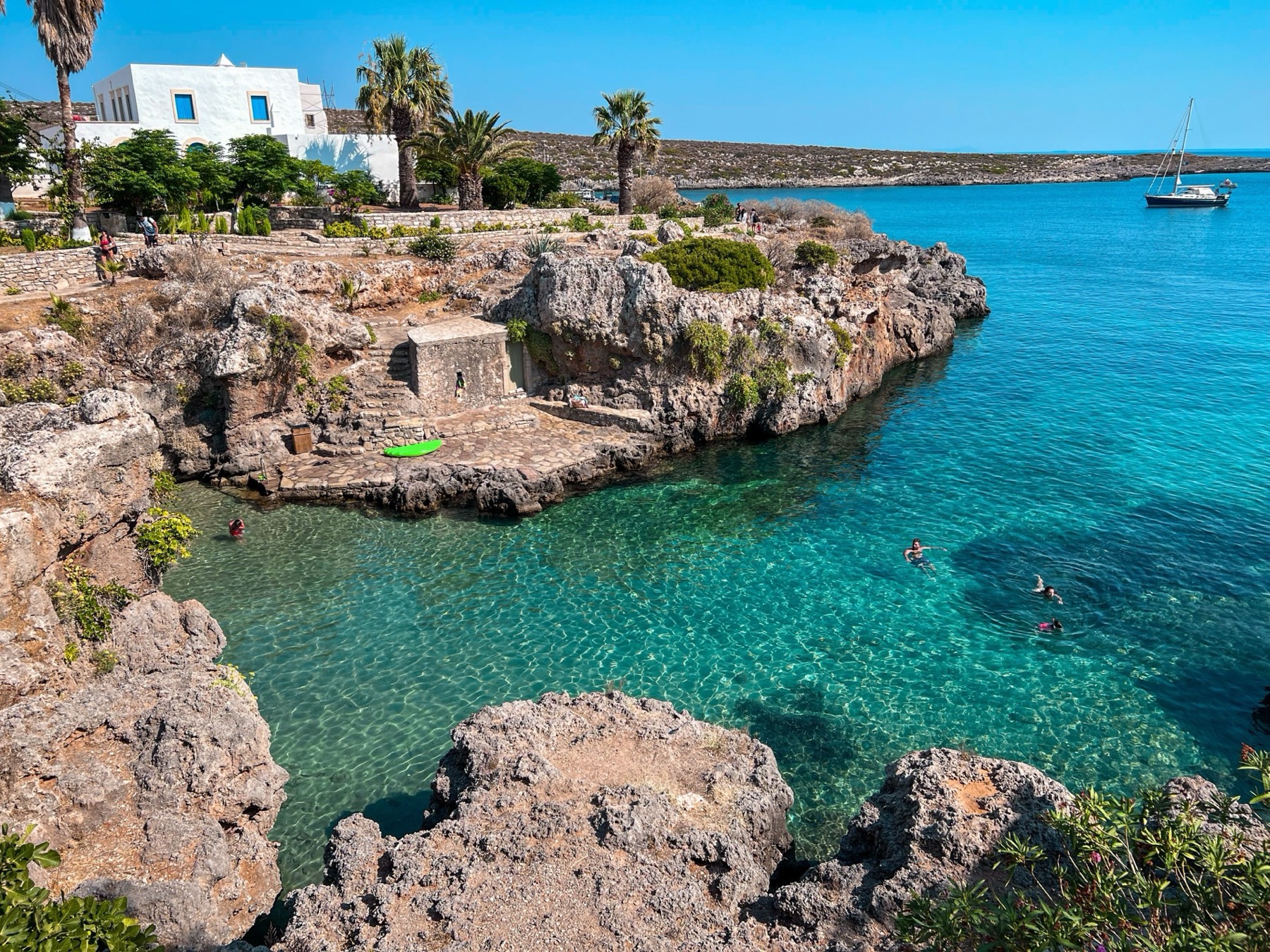
The Tuscan Archipelago, led by Elba, hides water so clear that phone photos simply can’t capture it — and yet thousands of travellers try in vain every year. If you’re after the absolute clearest water in the whole region, you’ll have to hop on a ferry.
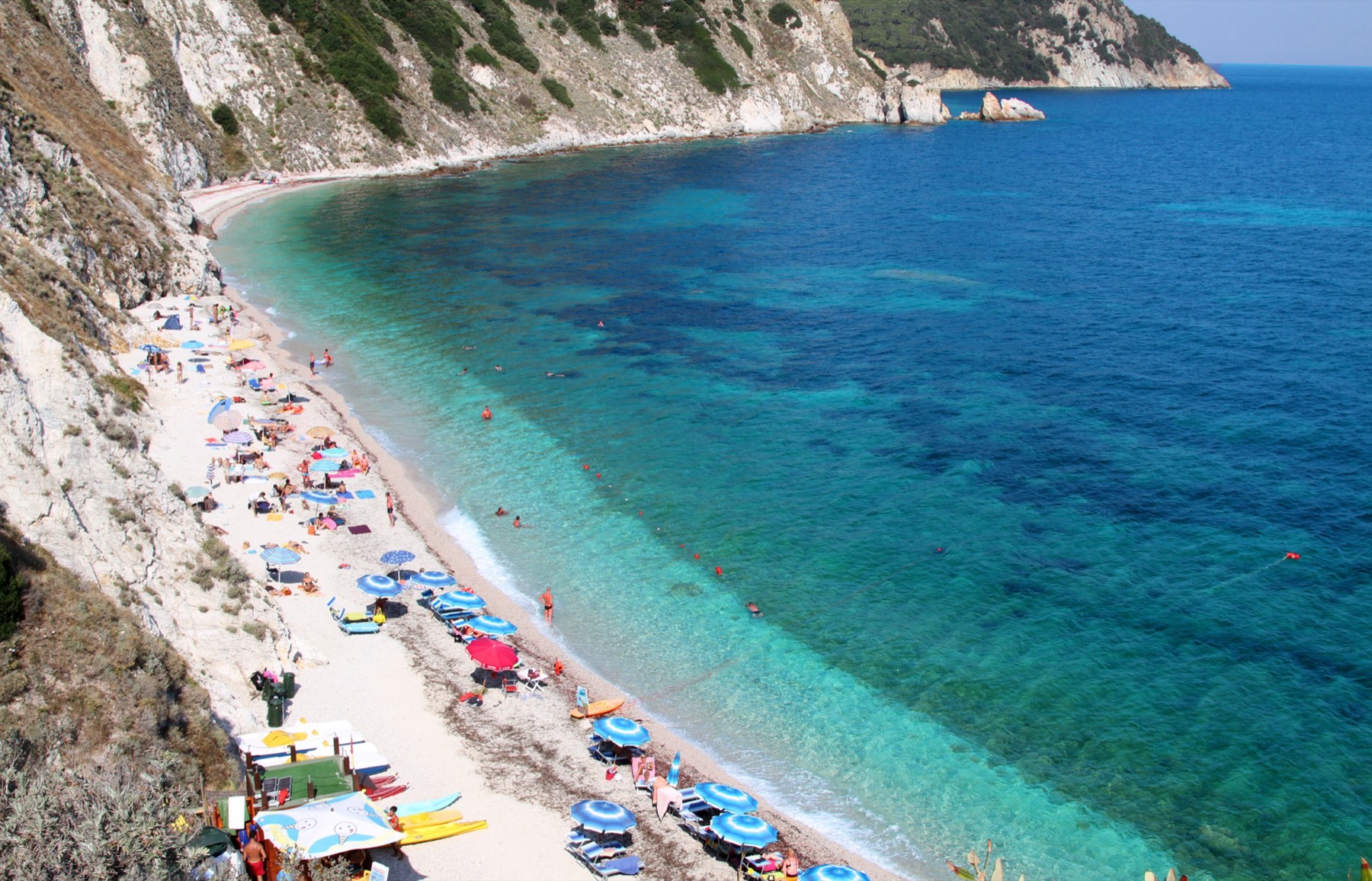
19. Spiaggia di Sansone on Elba
This amazing spot is, without any exaggeration, the absolute visual gem of all of Elba island — and perhaps of all Tuscany. The beach is made of brilliant white, perfectly smoothed pebbles, which give the water near the shore an incredible, pale turquoise colour you probably won’t see anywhere else on mainland Tuscany. Travellers from all over the world shower it with praise in their reviews, and it boasts a phenomenal rating of 4.7 stars from more than 7,400 people.
You have to climb down from the car park to the beach along a fairly steep and narrow cliff path, but that first view from above will reliably take your breath away and force you to reach for your camera. Definitely don’t forget to bring your full snorkelling kit here, because underwater visibility is absolutely fantastic and the white seabed beautifully reflects the sun’s rays.
Given its huge popularity and smaller size, I strongly recommend arriving at Sansone early in the morning, before the little cove fills up completely with people and umbrellas.
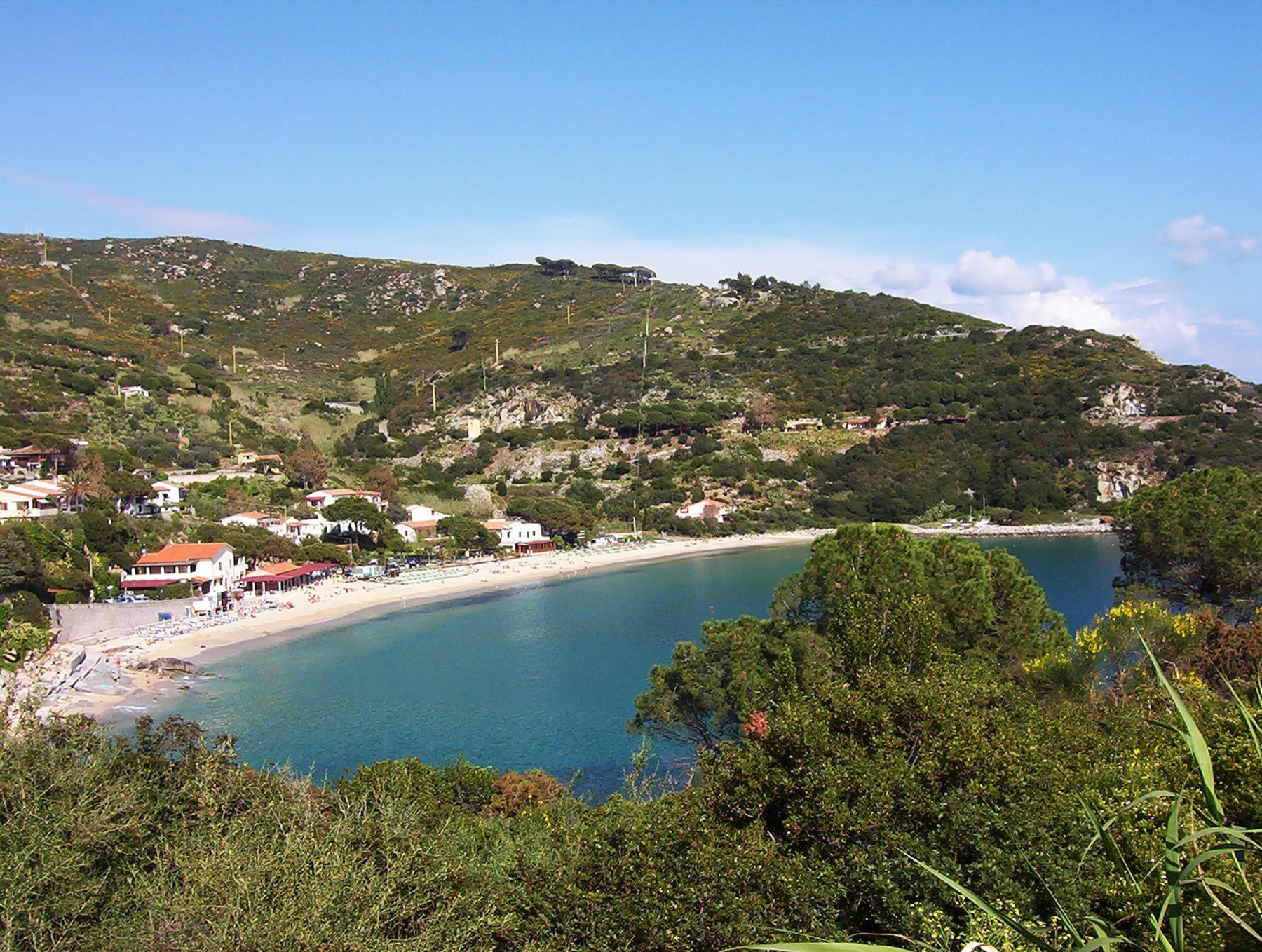
20. Cavoli, Elba’s sandy magnet
While the famous Sansone is purely pebbly, the Cavoli cove on the protected southern coast of Elba offers perfectly golden silica sand and a very specific, extremely warm microclimate. The cove is perfectly shielded from the north from colder winds by massive mountains, so the warmth lingers here like in an oven and you can comfortably swim from the beginning of May all the way to late October.
Thanks to its fine sand and shallow water, it’s probably the most popular family beach on the whole island. But bear in mind that in August it gets truly, extremely crowded here and you’ll struggle to find a free spot to spread out your own towel on the sand.
If you like a lively atmosphere, beach bars with music and don’t mind the crowds around you, you’ll love it here. But if you’re after peace and quiet, save your Cavoli visit for the sunny September days, when most Italian families head back home.
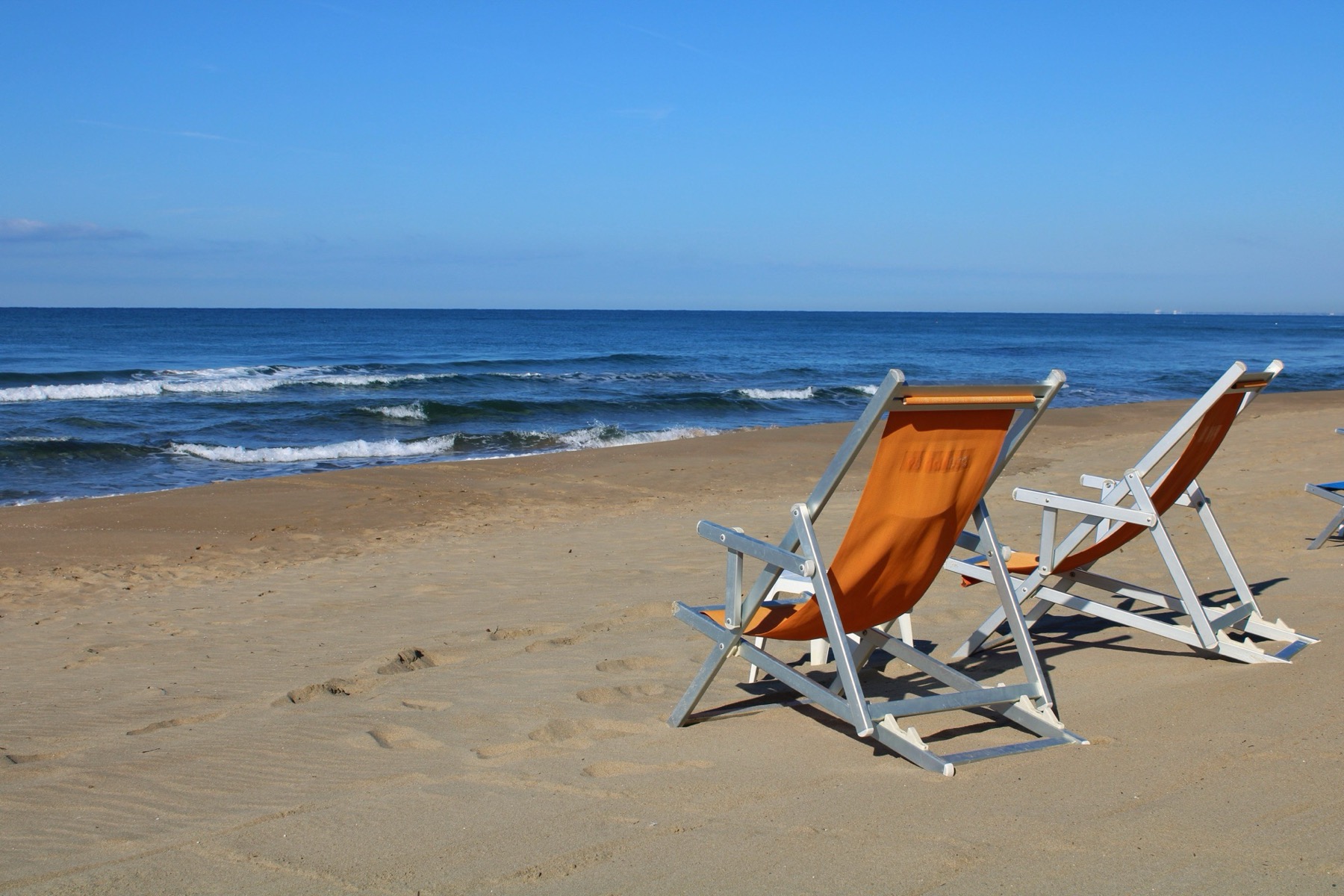
When to go to the Tuscan beaches
The swimming season in Tuscany lasts quite a while — you can comfortably swim here from June to October. The sea warms up quickly at the start of summer, and in Livorno by late June the water temperature usually doesn’t drop below 20 °C. The warmest water naturally awaits you in August, when the sea reaches a very pleasant 24 to 25 °C. In the winter months, by contrast, the sea cools and the temperature drops to around 13 °C, so swimming in December is really only for the hardy.
If you want to experience emptier beaches and smarter prices, the absolutely ideal month to visit is September. After the hot summer the water still holds a great temperature, but sunbed prices at the beach clubs are slowly dropping and the biggest madness of endlessly hunting for parking is gradually fading. Another great local trick is to visit off-season, in late autumn or early spring. When the beach clubs officially close for winter, they’re required by law to remove all their paid sunbeds, leaving the areas freely accessible. So you can walk along the most expensive beaches completely for free and enjoy the calm murmur of the sea.
One absolutely crucial warning, though, concerns mid-August. Around the giant Italian holiday of Ferragosto (15 August), the beaches experience the absolute peak of the rush. Traffic jams on the coastal roads are endless and popular beach clubs report being sold out weeks in advance. At this time practically all of Italy takes its collective holiday and moves en masse to the sea. If you possibly can, definitely give this period a wide berth for a beach holiday — you’ll spare yourself a lot of needless stress.
Practical tips worth knowing
Before you head to the Tuscan sea, go through a few local specifics — it’ll save you a lot of nerves and money, I promise:
1. Parking is the biggest problem: At popular beaches in summer, you park far away and quite expensively. If you don’t want to circle for half an hour, you have to head to the beach early in the morning, ideally before nine. 2. Bring water shoes: A huge part of the Tuscan coast (especially near Livorno and on Elba) is rocky or pebbly. Without water shoes you’ll needlessly spoil the experience. 3. Your own umbrella pays for itself fast: If you plan to explore free beaches, buy a simple umbrella at the supermarket for a few euros on your very first day. The summer sun here is relentless and shade is scarce. 4. Keep an eye on your Cala Violina reservation: Turning up at this beach blind means you’ll be turned away at the barrier. Reserve your tickets exactly 72 hours in advance — the system won’t let you in earlier. 5. Count on shuttle transport: At Marina di Alberese you park your car kilometres away and have to take a park bus to the sea. Don’t bring more than you can carry in your hands. 6. The wind decides the waves: On Elba and the peninsulas, the golden rule applies. When a strong south wind blows, head to north-facing beaches, and vice versa. The sea there will be like a mirror. 7. Off-season the clubs are free: When the beach clubs close in autumn, they remove the sunbeds and the areas stay freely accessible. So you can walk along the best beaches completely for free.
What to eat at the beach (and save money)
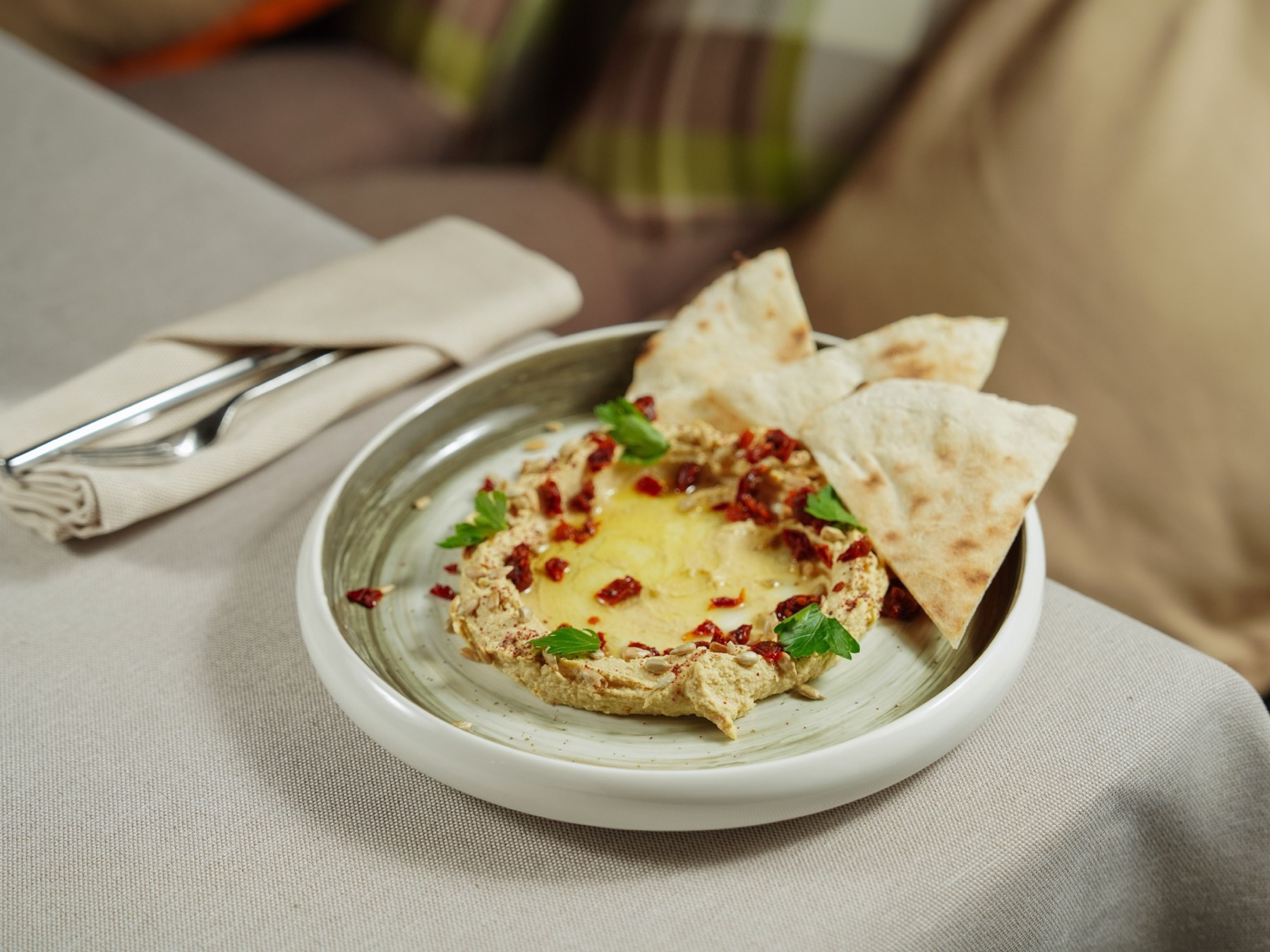
A classic beach restaurant can give your wallet quite a workout, but the locals know how to eat fantastically and cheaply. I absolutely recommend trying the Livorno street food called torta di ceci — a great one is made, for example, at Antica Torteria da Gagarin right in Livorno. It’s a thin, crisp-baked flatbread made of chickpea flour, water and olive oil. It’s naturally vegan and gluten-free and tastes incredibly good, especially when lightly sprinkled with black pepper.
Locals often buy this flatbread in a form called “5 e 5” (cinque e cinque). It means they tuck the hot chickpea flatbread into a sliced bread roll, often with pieces of marinated aubergine. It’s hearty, cheap and absolutely ideal for the beach. On the menus of coastal restaurants you’ll also often see the local speciality Cacciucco, a traditional and very thick fish stew with seafood served with toasted bread.
Where to stay by the sea
💡 Accommodation tip and experiences: We prefer to look for accommodation on Booking.com, where the cancellation terms tend to be the best. Tickets, tours and activities are then worth comparing and buying through GetYourGuide.
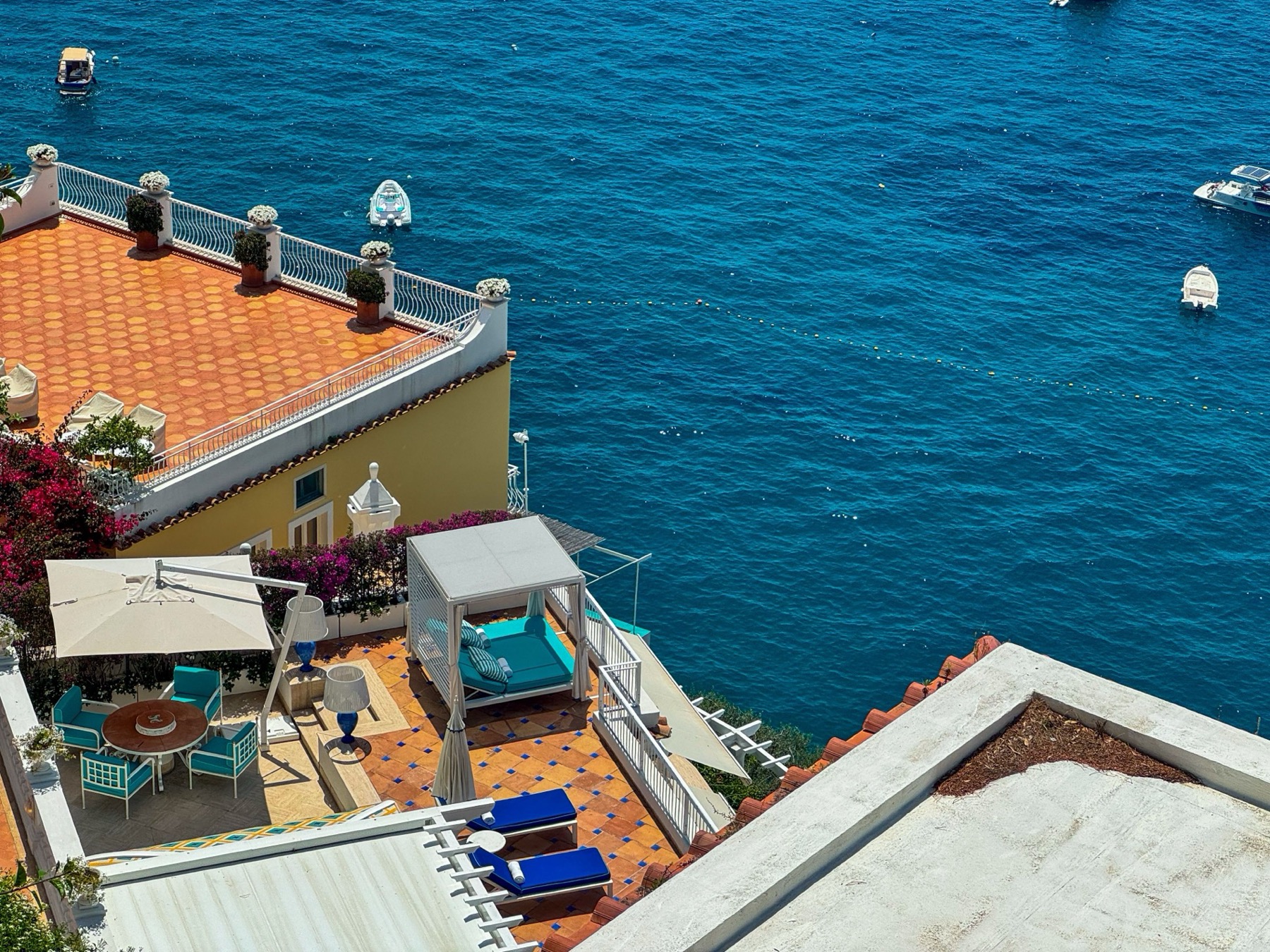
Choosing accommodation depends mainly on the type of holiday you actually prefer. Tuscany is huge, and it pays to pick a base strategically close to the beaches that appeal to you most from the descriptions. Staying in the north and commuting south would cost you a lot of nerves and time stuck in summer traffic.
If you’re travelling with smaller kids and want mainly sand and full service: Definitely look for accommodation in the north in the Versilia area, ideally in towns like Viareggio or Lido di Camaiore. You’ll find plenty of classic hotels with pools here, just a few steps from the long beach promenade. It’s incredibly convenient, with lots of restaurants and gelaterias nearby. Try, for instance, the popular Grand Hotel Principe di Piemonte in Viareggio, but bear in mind you’ll pay extra in season for this comfort and luxury location.
For romance for two and endless snorkelling: Choose the rocky area south of Livorno, especially the towns of Castiglioncello or the calmer Quercianella. Accommodation here consists more of small family guesthouses and stylish boutique hotels, such as Hotel Atlantico, cleverly tucked away in the pine forests high above the cliffs. It’s much more intimate here, but it’s harder to get around without a car, as the terrain is quite hilly.
For complete peace and a connection with nature: Focus on the wilder Costa degli Etruschi area or head straight for the southern Maremma. An absolutely ideal choice here is to try agriturismo accommodation — beautifully renovated rural estates and working farms. You’ll sleep in the middle of untouched nature, drink local wine and in many cases cool your feet in a pool right by the house. You do have to drive to the sea along quieter country roads, but it usually takes no more than 10 to 15 minutes, and the evening calm is definitely worth it.
And if you don’t want to spend ages choosing, here are five specific seaside hotels that consistently have good ratings:
- Versilia Lido | UNA Esperienze — right by the beach in Versilia, a good choice for families, ★ 4.7 from 1,886 reviews.
- Grand Hotel Royal Viareggio — a classic on the Viareggio promenade, ★ 4.6 from 818 reviews.
- Hotel Plaza e de Russie — a historic hotel in the centre of Viareggio with a rooftop terrace, ★ 4.3 from 375 reviews.
- Hotel Sabrina — a quiet option in Maremma a short walk from the sea, ★ 4.6 from 276 reviews.
- Hotel Miramare — by the beach in Castiglione della Pescaia, ★ 4.5 from 525 reviews.
Where to go next
- Tuscany: 30 most beautiful places and a 7-day itinerary
- Elba island: what to see, the most beautiful beaches and the ferry
- Weather in Tuscany: temperatures by month and when to go
- Agriturismo in Tuscany: 20 tips, prices and how to choose
- Where to go on holiday in Italy: 20 best places
Frequently asked questions
The Italian beach system can be a little confusing at first. To save you time hunting for information, I’ve put together answers to the most common questions you’re likely to have before heading to the Tuscan sea.
Are beaches in Tuscany paid?
A large portion of the most accessible beaches is occupied by paid beach clubs (stabilimenti), but Italian law guarantees that at least 50% of the coastline must remain freely accessible for free. Always look for discreet signs reading “spiaggia libera” that will guide you to the free sections.
How much does it cost to rent a sunbed and umbrella?
Prices vary significantly depending on the location. In the expensive north in Versilia, you’ll commonly pay €20 to €40 per day. In the south in Maremma, you can get a set of two sunbeds and an umbrella for around €30. This year’s average in the high summer season is approximately €225 for a whole week.
Which beaches are the most beautiful in Tuscany?
It depends very much on your personal taste, but among the absolute top are the strictly protected wild Cala Violina, the historic bay of Baratti with dark sand, the dramatic cliffs at Castiglioncello, and the dazzlingly white pebble beach Sansone on the island of Elba.
Does Tuscany even have sandy beaches?
Yes, and very extensive and beautiful ones. The very best and finest sand can be found in the north in the Versilia area (around Viareggio) and in the south in Maremma. The central part of the coast around Livorno, on the other hand, is mostly rocky and full of stones.
Can you still swim in Tuscany in October?
Yes, the sea retains the warmth from summer for quite a long time, and at the beginning of October the water still has a pleasant 20 to 21 °C. It depends more on the current autumn weather and wind, but sunny October days are absolutely great for swimming and, above all, completely crowd-free.
Do I need a reservation for Tuscan beaches?
For the vast majority of beaches, not at all, but there is one major exception. The famous beach Cala Violina has a strict limit of 700 people per day and requires an online reservation (for €1) exactly 72 hours in advance, otherwise the guards simply won’t let you to the water.
Where to go to the sea in Tuscany with children?
For families with small children, the northern Versilia coast or the quieter San Vincenzo area is ideal. The beaches there have very fine sand, a beautifully gradual entry into the water without big waves, and complete amenities including showers and lifeguard services.
Which Tuscan beaches have the Blue Flag?
In 2024, Tuscany defended a total of 20 locations with the Blue Flag for cleanliness and services. Most of them can be found on the coast of the Livorno province (e.g. Quercianella, Castiglioncello, Marina di Cecina), and newly, Monte Argentario is also covered by this award.
Tips and Tricks for Your Vacation
Don’t Overpay for Flights
Search for flights on Kayak. It’s our favorite search engine because it scans the websites of all airlines and always finds the cheapest connection.
Book Your Accommodation Smartly
The best experiences we’ve had when looking for accommodation (from Alaska to Morocco) are with Booking.com, where hotels, apartments, and entire houses are usually the cheapest and most widely available.
 🚗 Car rental on the roadVerified car rentals in Tuscany
Search with the DiscoverCars comparison engine — it compares prices from dozens of local and international rental companies, and most bookings come with free cancellation.
Compare car prices in Tuscany →Don’t Forget Travel Insurance
Good travel insurance will protect you against illness, accidents, theft, or flight cancellations. We’ve had a few hospital visits abroad, so we know how important it is to have proper insurance arranged.
Where we insure ourselves: SafetyWing (simple monthly subscription) and TrueTraveller (for extra-long trips).
Find the Best Experiences
Get Your Guide is a huge online marketplace where you can book guided walks, trips, skip-the-line tickets, tours, and much more. We always find some extra fun there!