

Tuscany sits near the top of almost everyone’s list – cypress-lined hills, a glass of Chianti at sunset, Renaissance cities. But then reality kicks in: when should you actually go to avoid the heat and the crowds, how much will the whole thing cost, and should you book a tour or sort it out yourself? We’ve been right there too, in that “I want to go but have no idea where to start” phase.
On this page you’ll find three things: up-to-date tour and flight prices that we refresh every morning; our tips from our own trips and articles, so you know what’s really worth your time; and a plan for when and what to book so you don’t overpay.

What to see and do in Tuscany
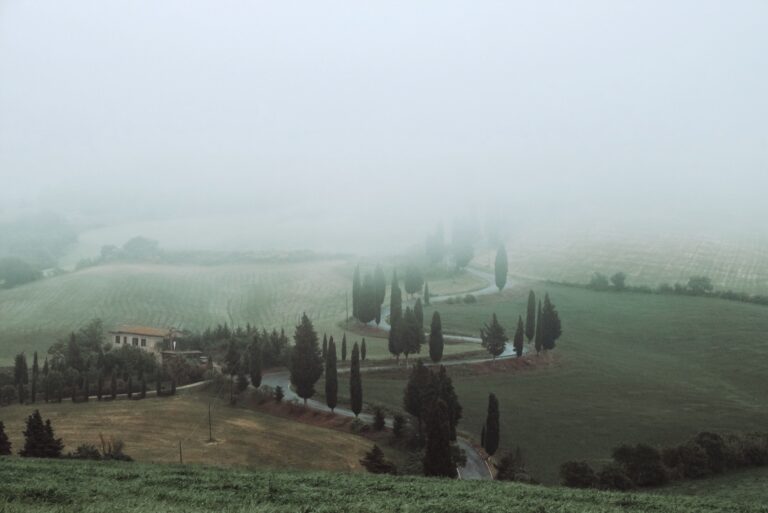
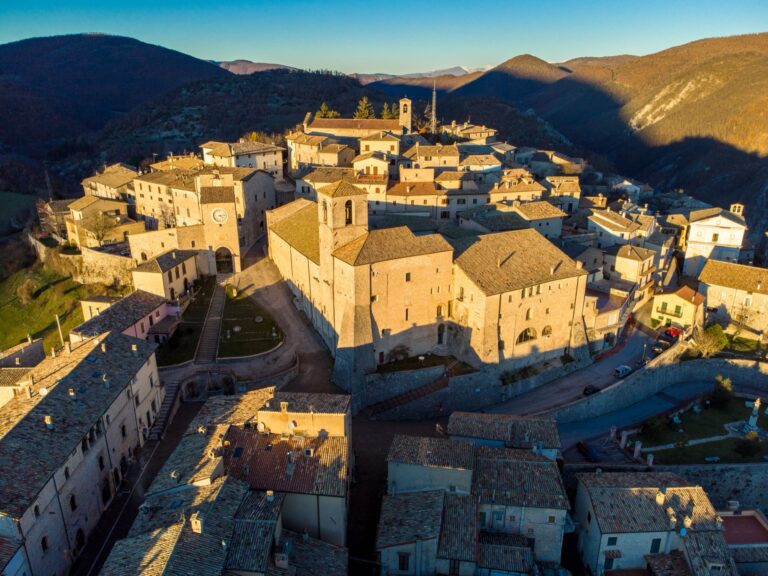
Tuscany isn’t just one city – it’s a whole region where you could easily spend two weeks and still keep discovering. We’d suggest starting with the big names and then heading out to the smaller towns, where things are noticeably calmer. If you want a complete route, we’ve put together a 7-day itinerary with a map and the 30 most beautiful spots.
- Florence – the cradle of the Renaissance, home to David, the Duomo and the Uffizi gallery; give it a full two days.
- Pisa and, of course, its Leaning Tower – buy tickets in advance, as the number of visitors allowed inside is limited.
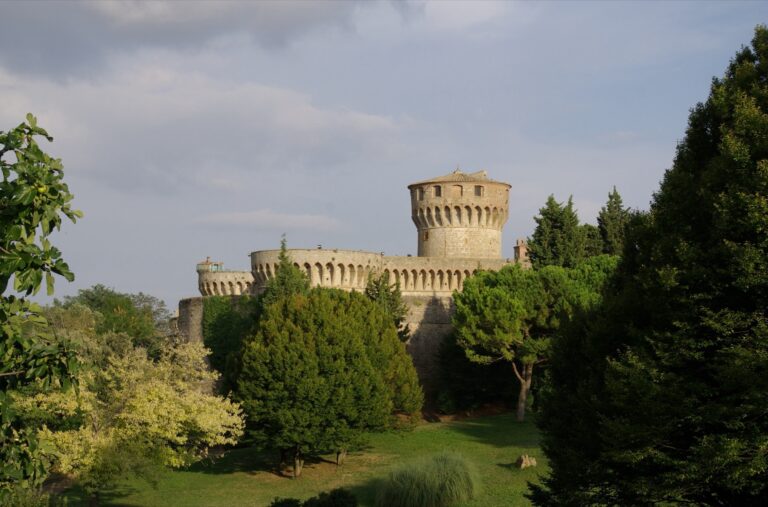
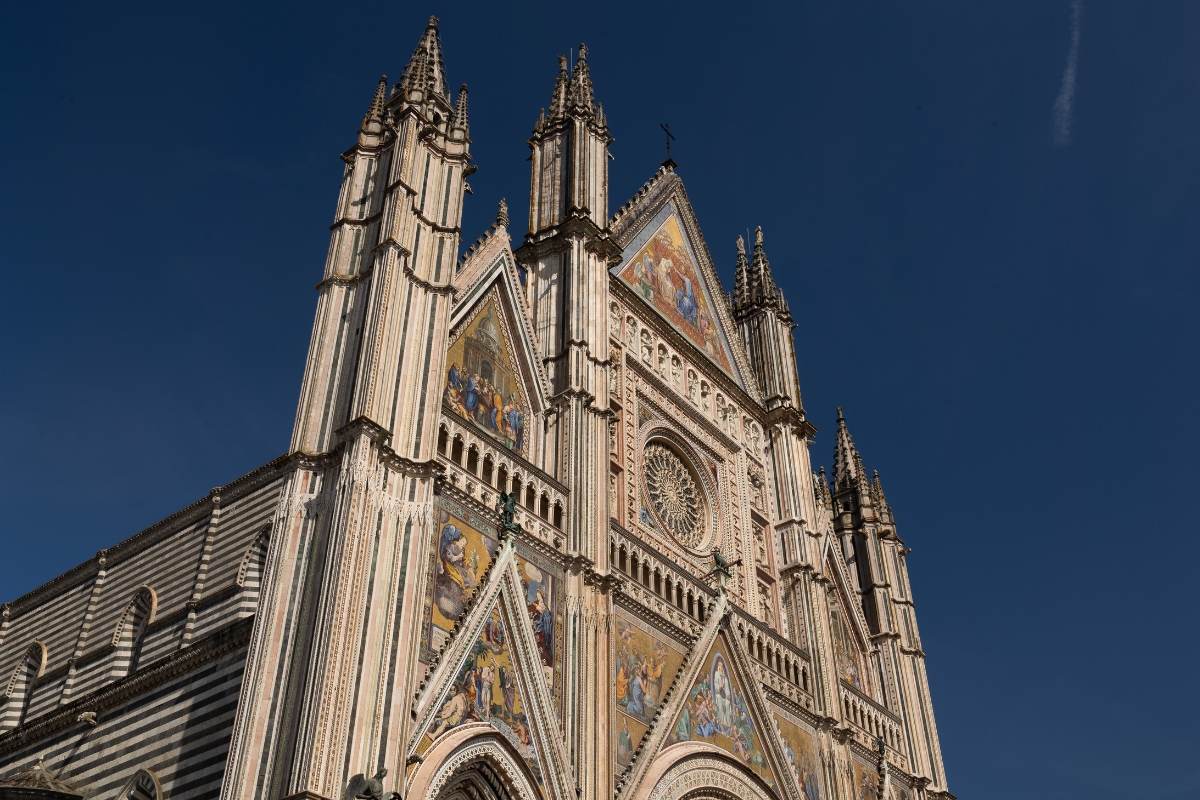
- Orvieto – a little town perched on a tuff cliff just over the Tuscan border, an ideal stop on the way to or from Rome.
- Tuscan thermal baths – relaxation the Romans already knew about; we’ve picked out 12 wellness hotels with thermal springs.
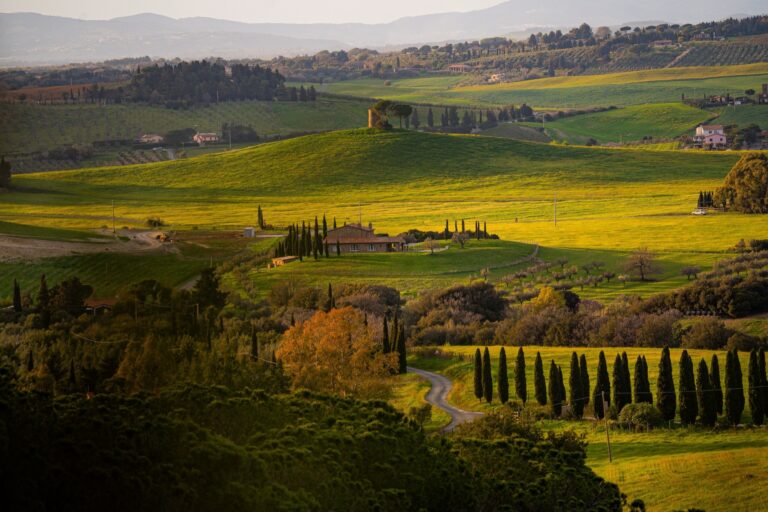
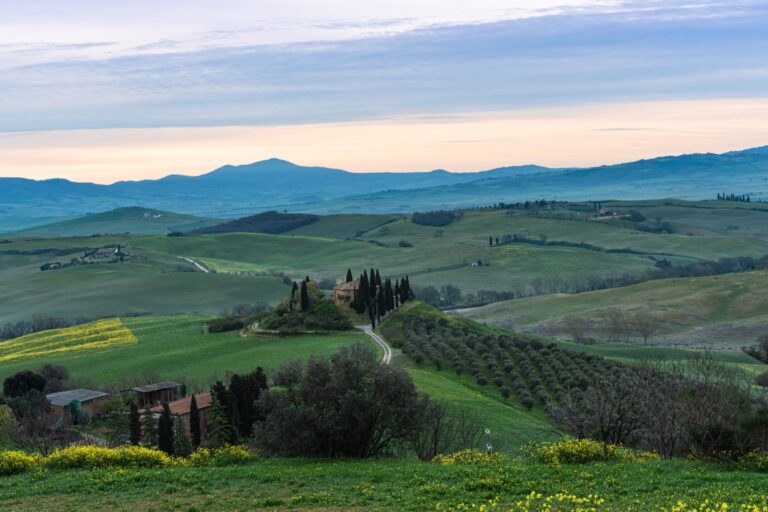
- The wine hills of Chianti between Florence and Siena – driving through the vineyards is an experience in itself.
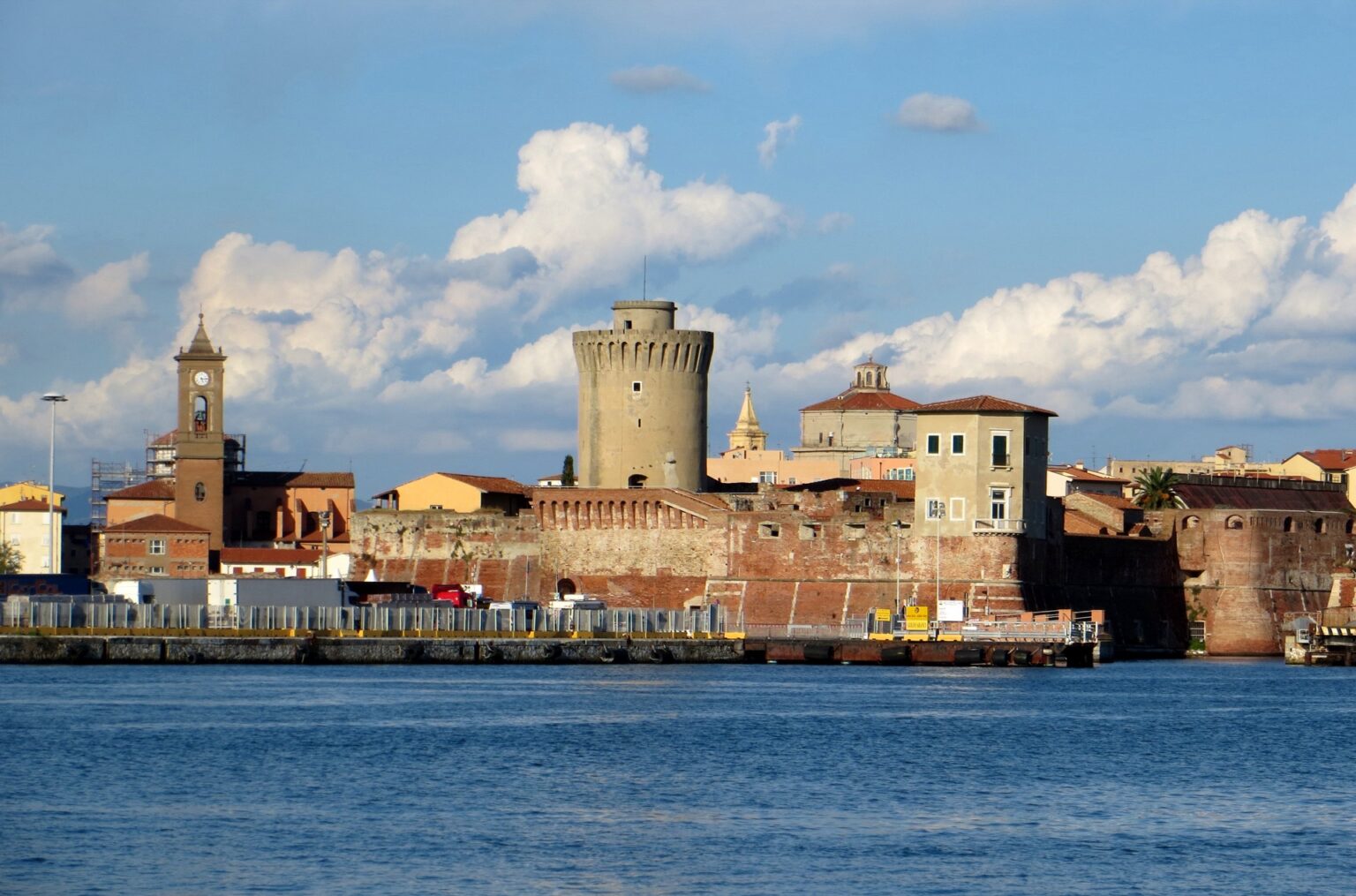
When to visit Tuscany
The best time for Tuscany, in our view, is May, June and September. The weather is pleasantly warm (often 22–28 °C), the cities aren’t yet bursting at the seams, and the landscape is either lush green (spring) or golden after the harvest (early autumn). If you’re after the grape harvest and a quieter atmosphere, aim for September to early October.
July and August are scorching (regularly over 35 °C) and, above all, packed with people and higher prices – unless you’re tied to the school holidays, skip them. Winter, by contrast, is calm and cheap: the cities are half-empty, but expect shorter opening hours and chilly weather. The thermal baths, incidentally, are at their best in the cooler months.
Our tip: travel outside the Italian holidays (the crowds peak around 15 August / Ferragosto) and save weekdays for the busiest cities like Florence.
How to get to Tuscany
From the Czech Republic, the most common way to reach Tuscany is by air – the main gateway is Florence (FLR) airport, or the often cheaper airport in Pisa (PSA). From Prague there are either seasonal direct flights or a connection via one of the European hubs; an alternative is to fly into Milan or Bologna and continue by train. By air you’ll make it from Czechia in half a day.
By car from Prague, Florence is roughly 1,000 km and 10–11 hours of driving via Austria and the Brenner Pass (budget for the Austrian and Italian motorway vignette/tolls). A car is worth it if you want to roam between the smaller towns and vineyards; just don’t drive into the big city centres because of the ZTL zones. The train via Munich or Verona is an option too, but with several changes.
Renting a car
A car is worth it in Tuscany if you want to roam the countryside – Chianti, the Val d’Orcia, the small towns and the vineyards are practically impossible to explore comfortably without one. On the other hand, if you’re only planning the big cities (Florence, Pisa, Siena), a car is more of a burden: parking is expensive and you can’t drive into the centres anyway because of the ZTL zones. In that case the train works out better.
- Book online in advance through a rental comparison site – on the spot it tends to be pricey in season, and the small cars run out fast.
- Insurance and deposit: watch your excess; on a longer trip, supplementary zero-excess insurance often pays off. Expect a deposit hold on your credit card.
- Tolls and ZTL: motorways charge tolls (take a ticket at the barrier), and don’t drive into the city centres because of ZTL-zone fines.
- Pick the car up away from the airport (in town) and you’ll often save on airport fees.
Where to stay in Tuscany
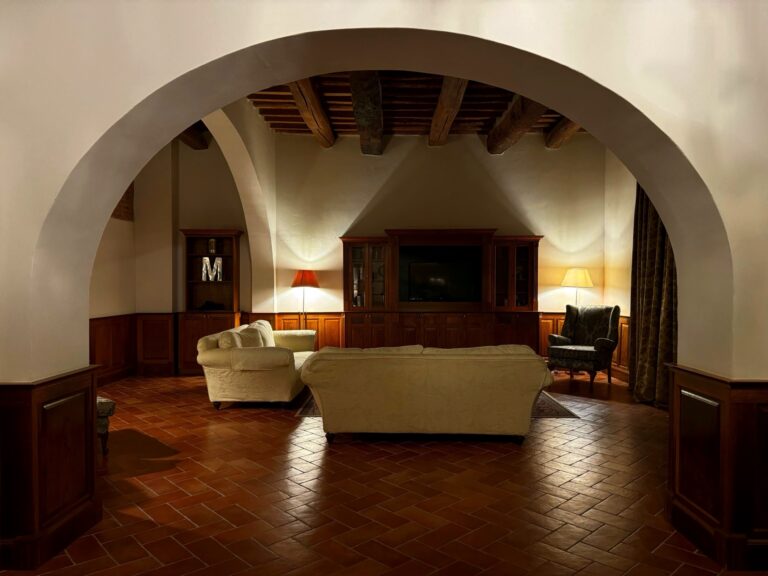
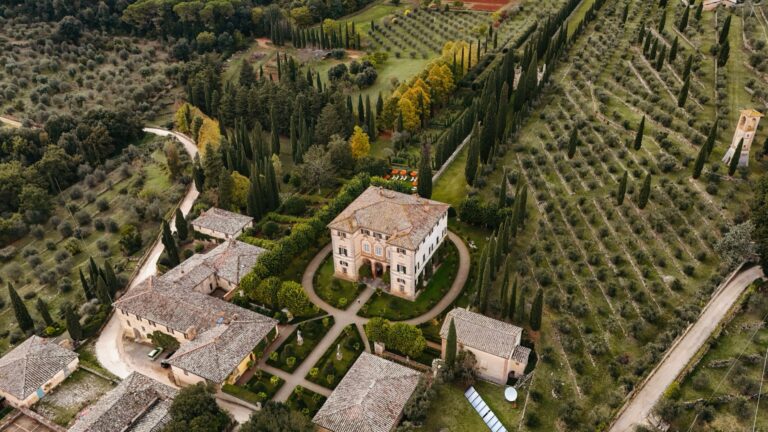
Where to stay depends a lot on your travel style. If you’re focused on the cities and travelling without a car, base yourself right in Florence or Siena – you’ll have everything within walking distance. If you want peace and countryside, go for an agriturismo (a farm with accommodation) in Chianti or the Val d’Orcia; there, though, you’ll need a car.
- Cities (Florence, Siena, Lucca) – ideal without a car, everything on foot or by train; book well ahead.
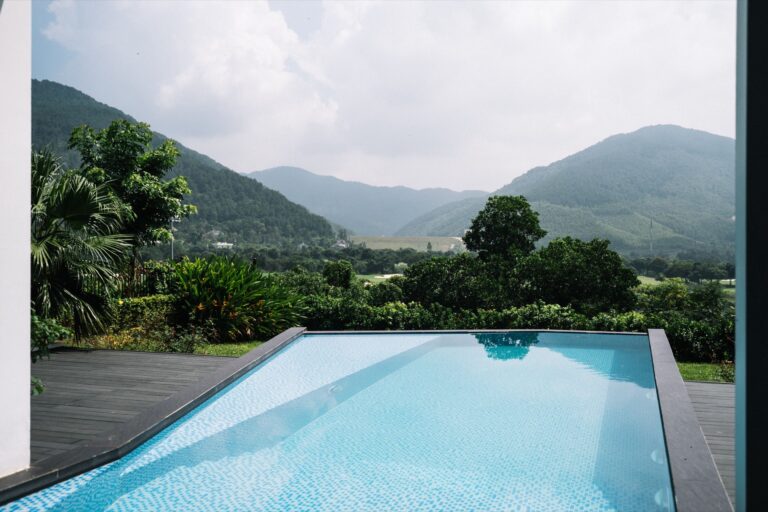
- Countryside agriturismo – a pool, views, homemade wine and olive oil; you’ll need a car, but it’s the best experience.
- Thermal resorts – for a wellness stay; you’ll find our picks in our article on wellness hotels in Tuscany.
- Apartments – great value for families and longer stays, and you’ll save on food thanks to having a kitchen.

Package tour or independent travel?
Tuscany can be done either way – it mostly comes down to how much you want to handle yourself.
A tour pays off when…
- you want to see several cities for one price without planning or driving;
- you don’t want to deal with transport, accommodation and entry tickets;
- it’s your first time and you value a guide and peace of mind;
- you’re travelling with your parents or in a larger group.
Go it on your own when…
- you want your own pace and to stop wherever you fancy;
- you’re drawn to the countryside, vineyards and agriturismo rather than a bus between cities;
- you don’t mind planning the route and bookings (we’ve got a ready-made itinerary for that);
- you want to tailor the trip to your budget.
The two of us love Tuscany best by car, on our own – the freedom to pull over by a cypress avenue is priceless. But if it’s your first time and you don’t want to drive or plan, feel free to go for a tour; it’ll save you a lot of hassle.
Budget: daily costs in Tuscany
A rough daily budget per person (excluding flights/transport to the destination). The prices are indicative and reflect current Italian price levels.
| Level | Accommodation | Food | Transport & activities | Total/day |
|---|---|---|---|---|
| Backpacker | 30 €–40 € (hostel, cheap apartment) | 16 €–25 € (street food, supermarket) | 12 €–20 € (trains, walking, a few entries) | 55 €–85 € |
| Standard | 60 €–100 € (3* hotel, agriturismo) | 30 €–45 € (trattoria, lunch and dinner) | 25 €–40 € (car, entries, vineyards) | 115 €–185 € |
| Comfort | 140 €+ (4* hotel, design apartment) | 60 €+ (quality restaurants, wine) | 60 €+ (car, tastings, wellness) | 260 €+ |
How to save when planning
- Buy flights 2–4 months ahead – for high season (May, September) it pays to book early, as prices only climb from there. Search for flights with our tool.
- Book city accommodation early – good apartments and agriturismi in Chianti vanish months in advance; take a look at our accommodation tips.
- Tours: first-minute deals (for winter/spring) tend to be the cheapest, while last-minute only pays off outside the summer peak – keep an eye on the current tours on this page.
- Tickets for the busiest sights (the Uffizi, the Leaning Tower) should be bought online in advance – you’ll save time and the frustration of queuing; for what to book, see the what to book in advance section.
- Where you overpay: food right next to the sights, and coffee sitting down on the main squares – walk two streets away and you might pay half as much.
Practical information
- Language and currency: Italian and the euro; you’ll get by in English in tourist areas, but a few Italian words open doors.
- Card payments: you can pay by card almost everywhere, but keep some cash on hand in small villages and at markets.
- Connectivity: the easiest option is an eSIM with an EU data package – you activate it in moments and don’t have to worry about roaming or buying a local SIM.
- Safety: Tuscany is safe; just watch out for pickpockets in crowds (Florence, trains, queues at the sights).
- Driving and ZTL: don’t drive into the city centres – the ZTL zones are watched by cameras and the fine will reach you back home.


