

Norway is a country that completely disarms you, and its fjords are exactly why travellers from all over the world long to come here. They represent the absolute pinnacle of European nature, where steep rock walls plunge into deep, dark blue waters. If you’re planning a trip up north, the Norwegian fjords should be the priority of your itinerary, because no photographs can ever capture that monumental grandeur the way it feels in person.
In this article we’ll take a look together at the 12 most beautiful Norwegian fjords you definitely shouldn’t miss this year. You’ll find out how to reach them, how much the popular fjord cruises cost, and why you should consider a quiet electric boat tour instead of the classic noisy ferry. I’ll share the most practical information so you bring home perfect memories of Norway and avoid unnecessary mistakes.
Whether you decide to rent a car and enjoy the freedom of the viewpoints, or choose epic scenic cruises right beneath massive waterfalls, I’ll advise you on where to strategically rest your head. Let’s dive into planning your dream Nordic holiday, so you know exactly which deep fjord to fall in love with first.
TL;DR
- Geirangerfjord and Nærøyfjord are absolute classics on the UNESCO list and form the backbone of most Norwegian itineraries.
- The best time to visit is from June to August, when all boat lines run reliably and the days are endlessly long.
- Sognefjord is the longest and deepest, nicknamed the king of the fjords, offering countless side arms to explore.
- Always buy boat tickets well in advance — in the summer season the best cruise times sell out weeks ahead.
- Sort out your accommodation early — capacity in small villages like Flåm or Geiranger is very limited and last-minute prices skyrocket.
- Combine car and boat, because only that way do you get the view from the breathtaking viewpoints above as well as the feeling of smallness right from the water’s surface.
The full destination guide: Norway — guide and what to see
What exactly is a fjord and how did it form
Before you set off, it’s good to know what exactly awaits you and how these natural wonders came to be. A fjord is a deep, very narrow arm of the sea that cuts far inland. Norway has over a thousand of them, but the most famous and dramatic ones are scattered along the country’s western coast.
Their existence is down to the harsh ice age, when enormous glaciers carved deep U-shaped valleys into the land. When the glaciers melted and retreated after thousands of years, sea levels rose and salt seawater flooded these valleys. The result is a landscape that still leaves us in awe today.
Norwegian fjords are characterised by extremely steep rock walls, from which thundering waterfalls drop straight into the sea. You might be surprised that the water depth often exceeds 1,300 metres, which allows even the largest ocean liners to sail surprisingly deep inland.
When to visit the Norwegian fjords
Planning the right timing is absolutely crucial for Nordic destinations, because the weather here can be very unpredictable. Most travellers agree that the main summer season from June to August is the safest and most beautiful choice for a first visit to the fjords. The days are incredibly long, temperatures pleasant, and all services run at full capacity.
During summer you can be sure that all fjord cruises and ferries run on a full timetable. What’s more, even the highest mountain roads and viewpoints are open, which can stay closed due to snow until late May or June. You do have to bear in mind, though, that you won’t be alone at the most famous spots.
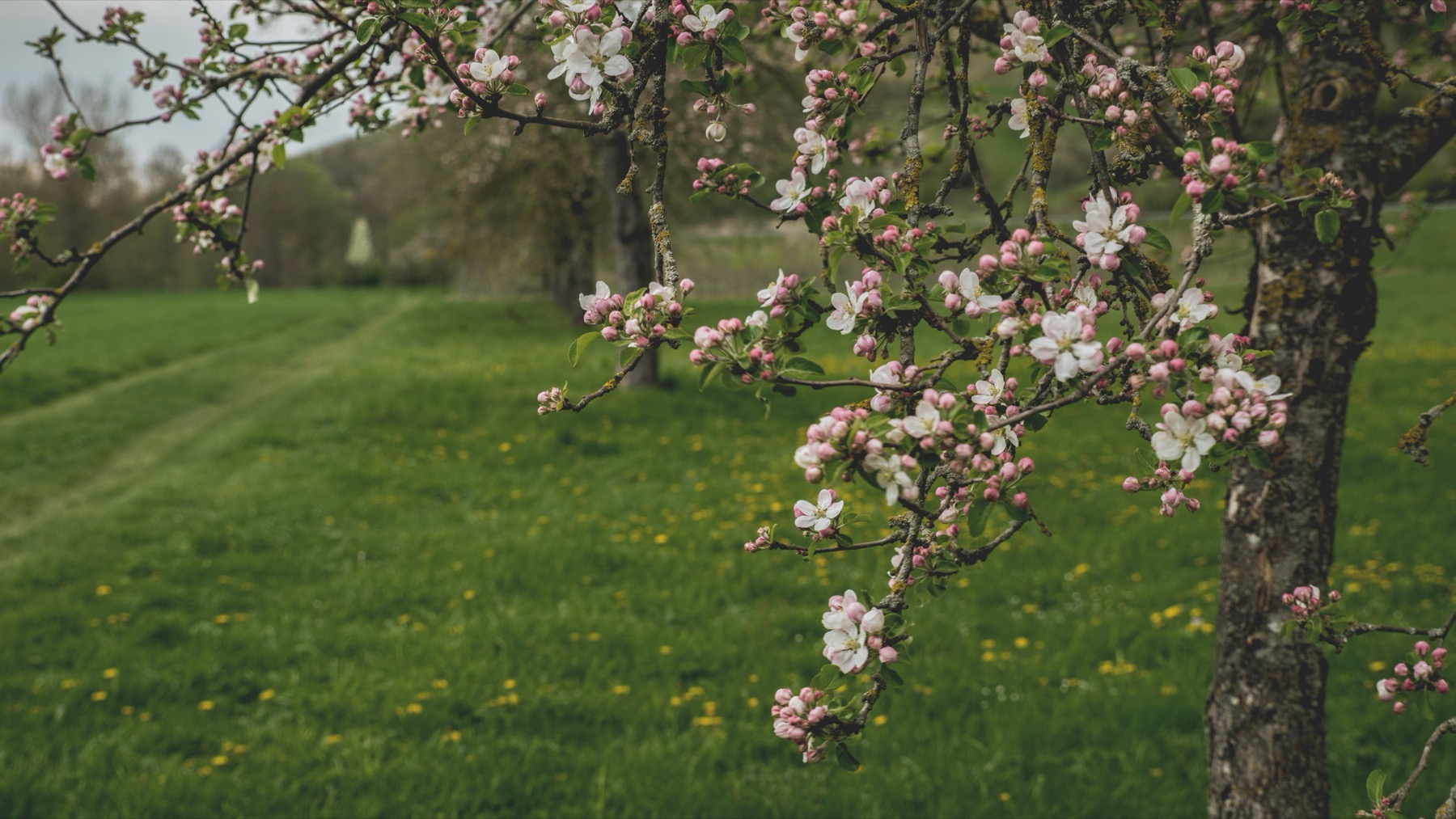
If you long for something truly special and don’t mind cooler weather, consider the spring months around late April and May. This is precisely when the entire Hardangerfjord region bursts into bloom with thousands of fruit trees. The contrast of white blossoms, blue water and snow-capped mountain peaks is said to be utterly unforgettable.
Autumn brings gorgeous golden and red colours to the fjords, but the days shorten quickly and rainy days become more frequent. If you travel outside the summer season, always carefully check the ferry timetables in advance, because many services switch to a very limited winter schedule.
Where to stay near the Norwegian fjords
💡 Tip for accommodation and experiences: We love searching for places to stay on Booking.com, which usually has the best cancellation conditions. Tickets, tours and activities are then worth comparing and booking through GetYourGuide.
Choosing the right base is very important for exploring the western coast, because distances between individual fjords are deceptive and journeys along mountain roads take longer than they look on a map. It’s recommended to split your stay across several spots and move gradually. Capacity in small villages disappears at a dizzying pace, so secure your rooms well in advance.
Prices per night in a double room usually range between 1,500 and 2,800 NOK (roughly 130 to 240 €), and in the peak summer season they can climb even higher. Booking through Booking.com is completely common and reliable. Here are some specific tips for proven hotels in strategic locations from which you can run most excursions.
In historic Bergen, which is an ideal gateway to the region, stay at the Thon Hotel Orion. It lies right next to the famous Bryggen wharf and offers great breakfasts and comfortable rooms. From here you can easily set off on cruises or hop on the train heading into the mountains.
If you want to sleep right in the heart of the action by Sognefjord, choose the iconic Fretheim Hotel in the village of Flåm. This historic hotel stands just a few steps from the fjord and the platform of the famous railway, so you’ll have all the main attractions right outside your window. For visiting more northern areas, the Hotel Union Geiranger is perfect, offering not only fantastic views of the Geirangerfjord itself but also an excellent wellness zone. And in the beautiful Art Nouveau town of Ålesund, travellers swear by the Hotel Brosundet, which stands right on the water canal and exudes an incredible atmosphere.
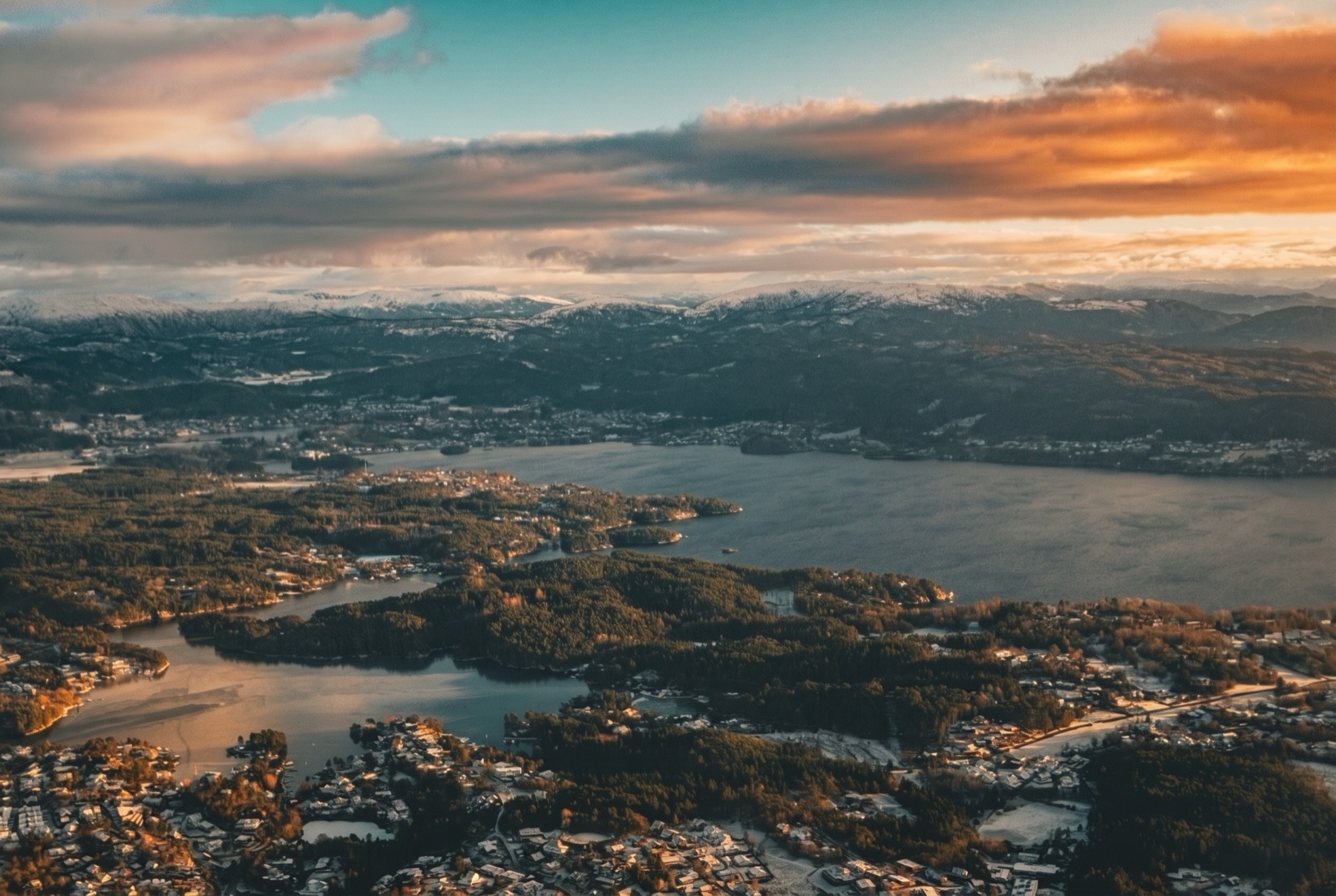
The most famous fjords of western Norway
Norway’s western coast is home to the best-known names that fill the pages of every travel magazine. These fjords are an absolute must for every visitor heading to the country for the first time. Be prepared that this is where you’ll meet the most tourists, but the beauty of these places is well worth a little of the crowd madness.
1. Geirangerfjord
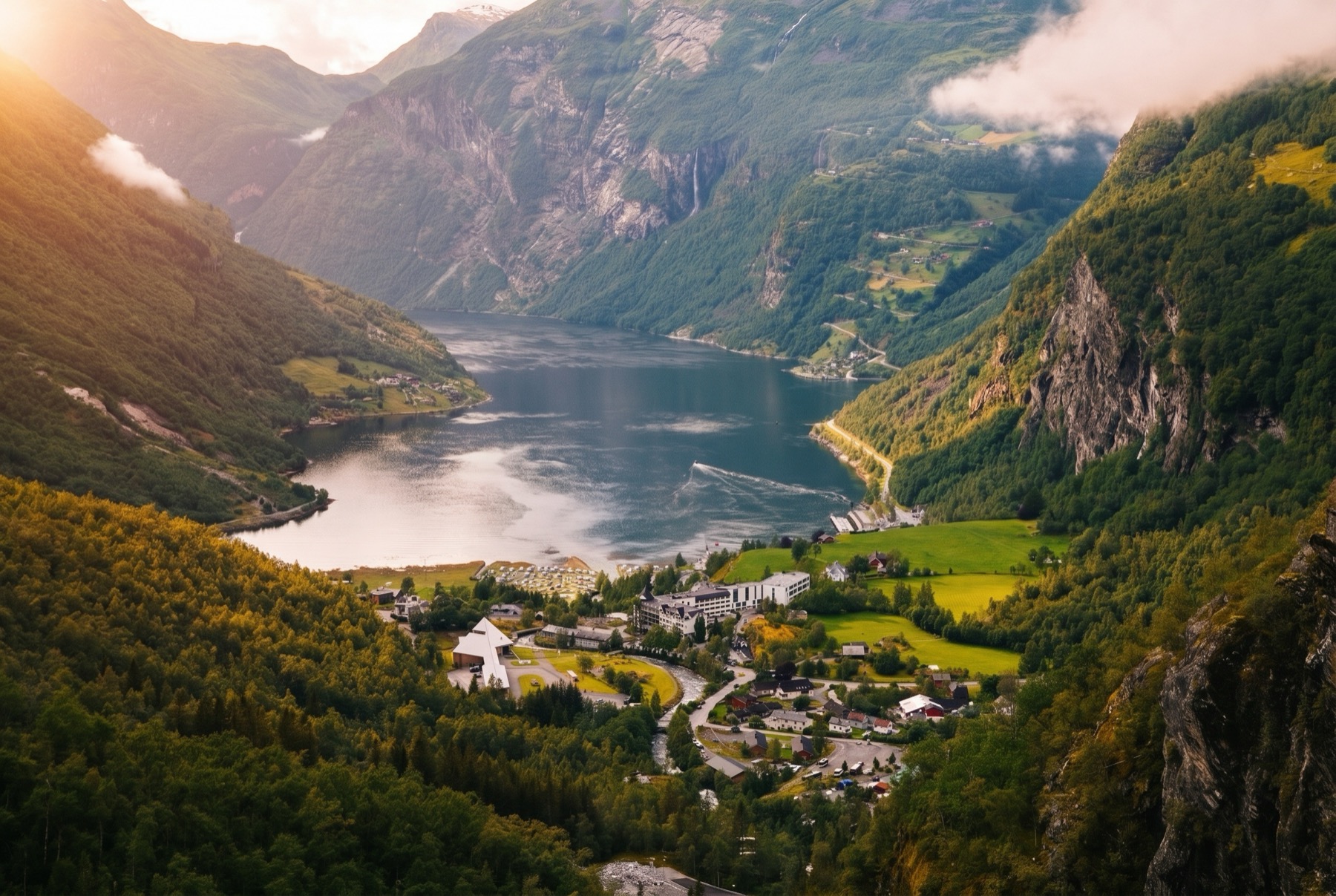
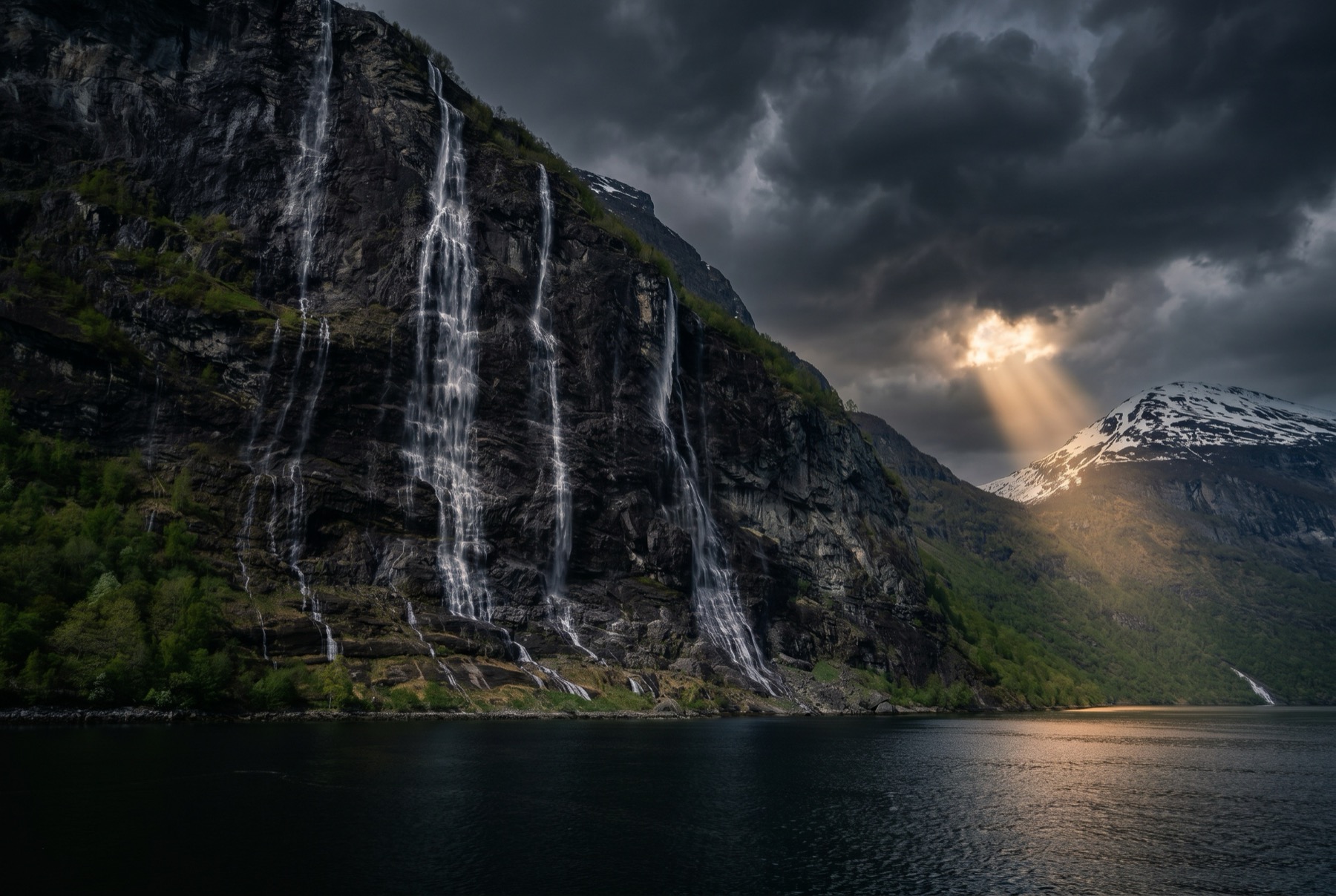
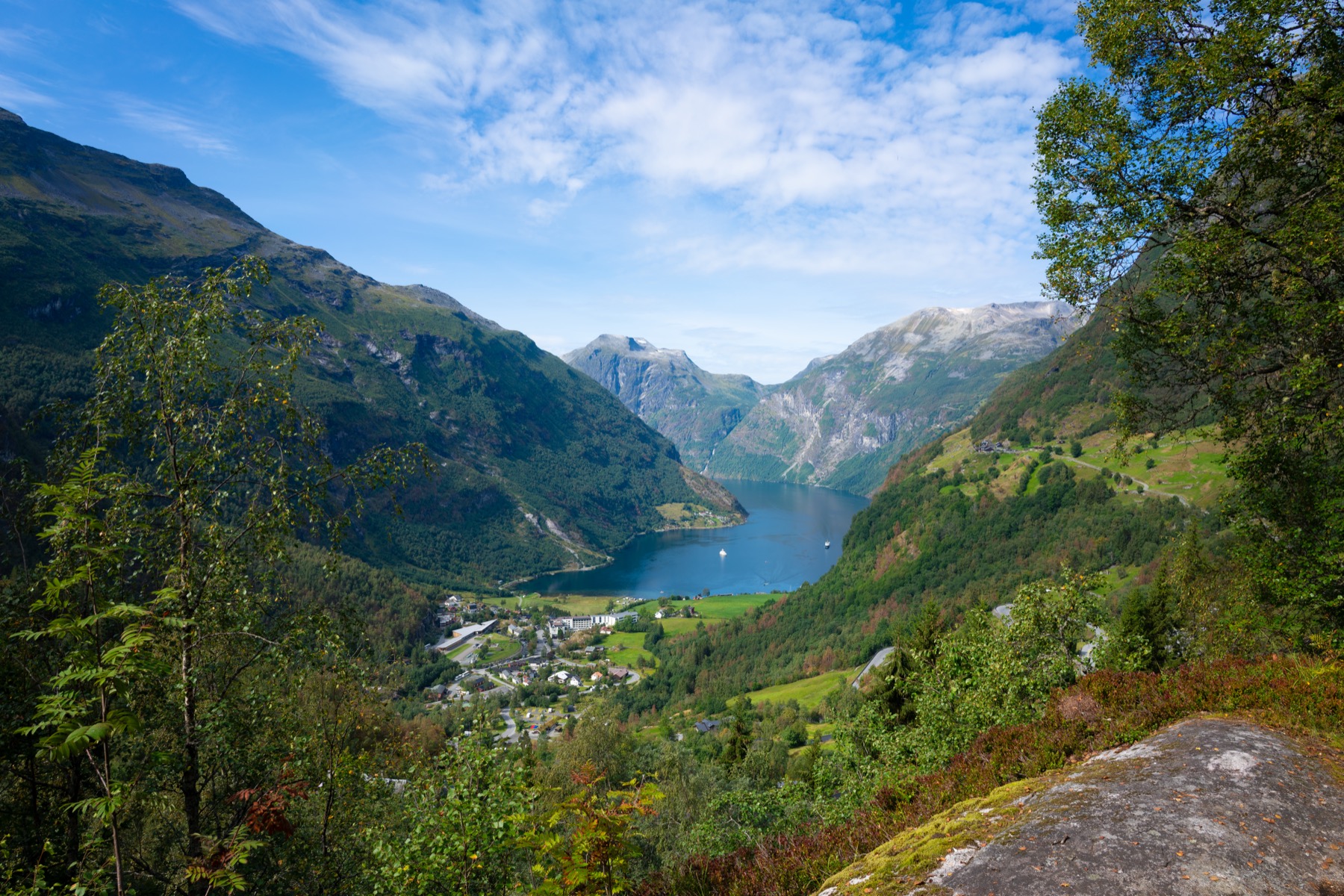
This fjord is probably the most photographed place in all of Norway, and its entry on the UNESCO list is entirely justified. The dark blue surface winds between steep mountains here, creating scenery that will guaranteed take your breath away. Boat cruises departing right from the village of Geiranger are among the best experiences you can treat yourself to.
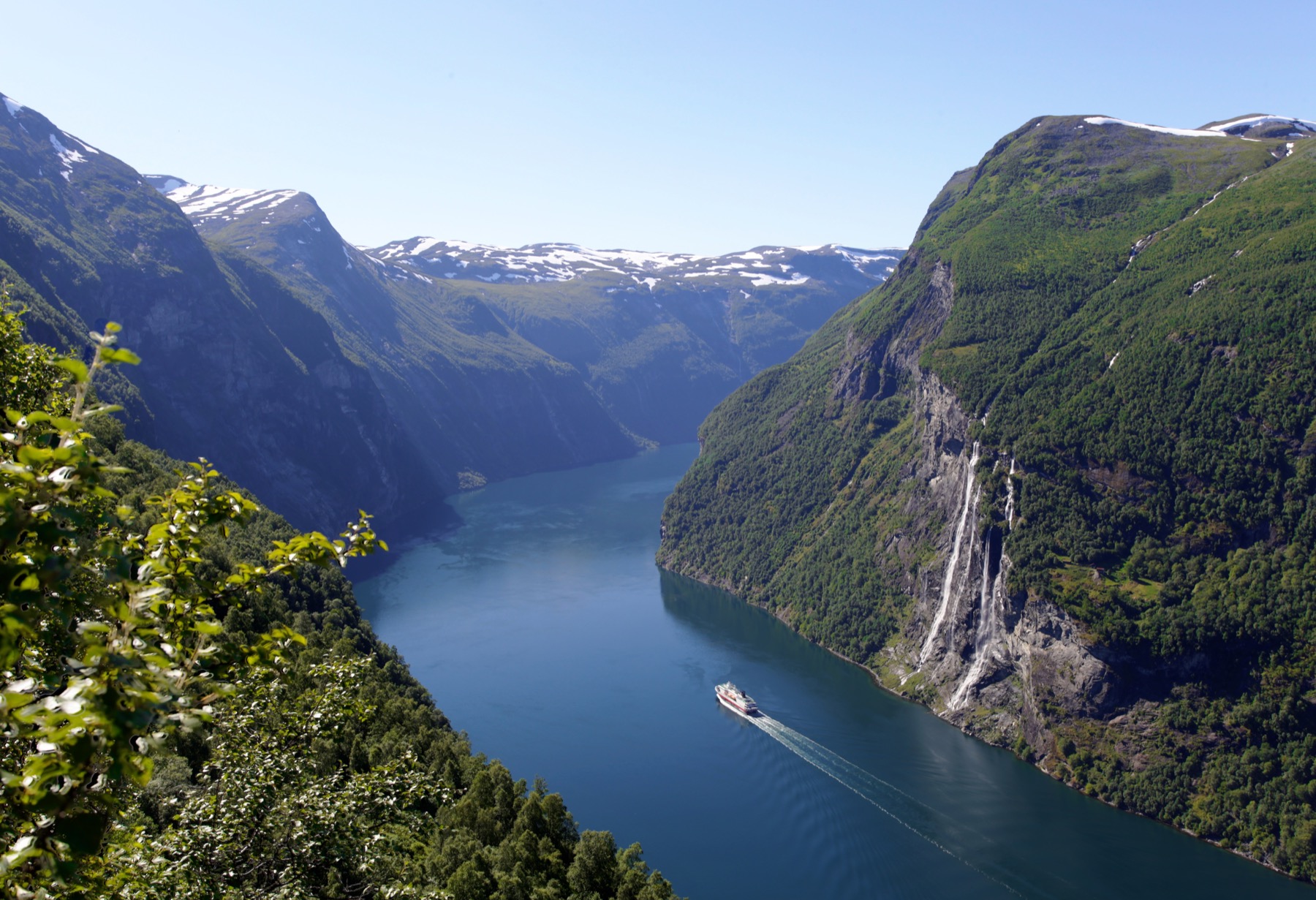
During the cruise you’ll definitely see the famous Seven Sisters waterfall, whose streams fall freely down a smooth rock wall. A little further along, the Suitor waterfall figuratively competes with it, lending the place a touch of old Nordic legends. From the deck of the boat you get the best perspective on abandoned farms perched precariously high on the cliffs.
Don’t forget to look at the fjord from above too. Local roads lead you to the breathtaking Ørnesvingen viewpoint, or even higher to the snowy Dalsnibba plateau at an altitude of 1,500 metres above sea level. If you want to learn more about this jewel, read our detailed article Geirangerfjord.
2. Nærøyfjord
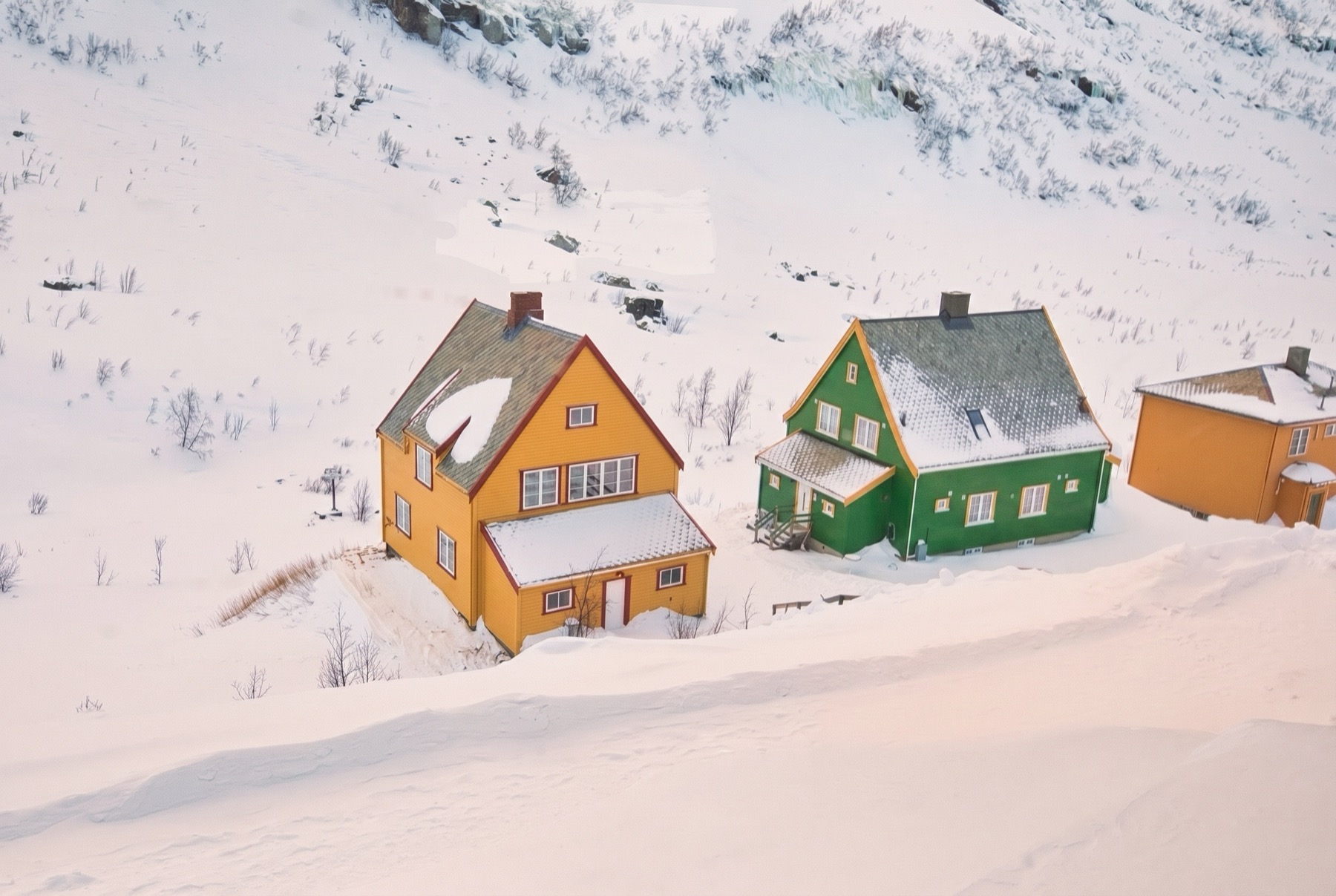
If you’re looking for a place where you’ll feel utterly tiny, head to Nærøyfjord. It’s the most dramatic and narrowest arm in all of Norway, measuring just 250 metres at its narrowest point. The high rock walls rise so close together here that sunlight only reaches in for a few hours a day.
The best way to soak up this wild nature is a cruise between the villages of Gudvangen and Flåm. The water here is often so calm that it works as a perfect mirror reflecting the surrounding snow-capped peaks. Thanks to its unique profile it’s also on the UNESCO list.
In Gudvangen, at the very end of the fjord, you’ll find the authentic Viking village of Njardarheimr. Here you can stroll among wooden huts, watch craftsmen at work and soak up the atmosphere of the era when Viking ships full of bold seafarers sailed through these narrow waters.
3. Sognefjord
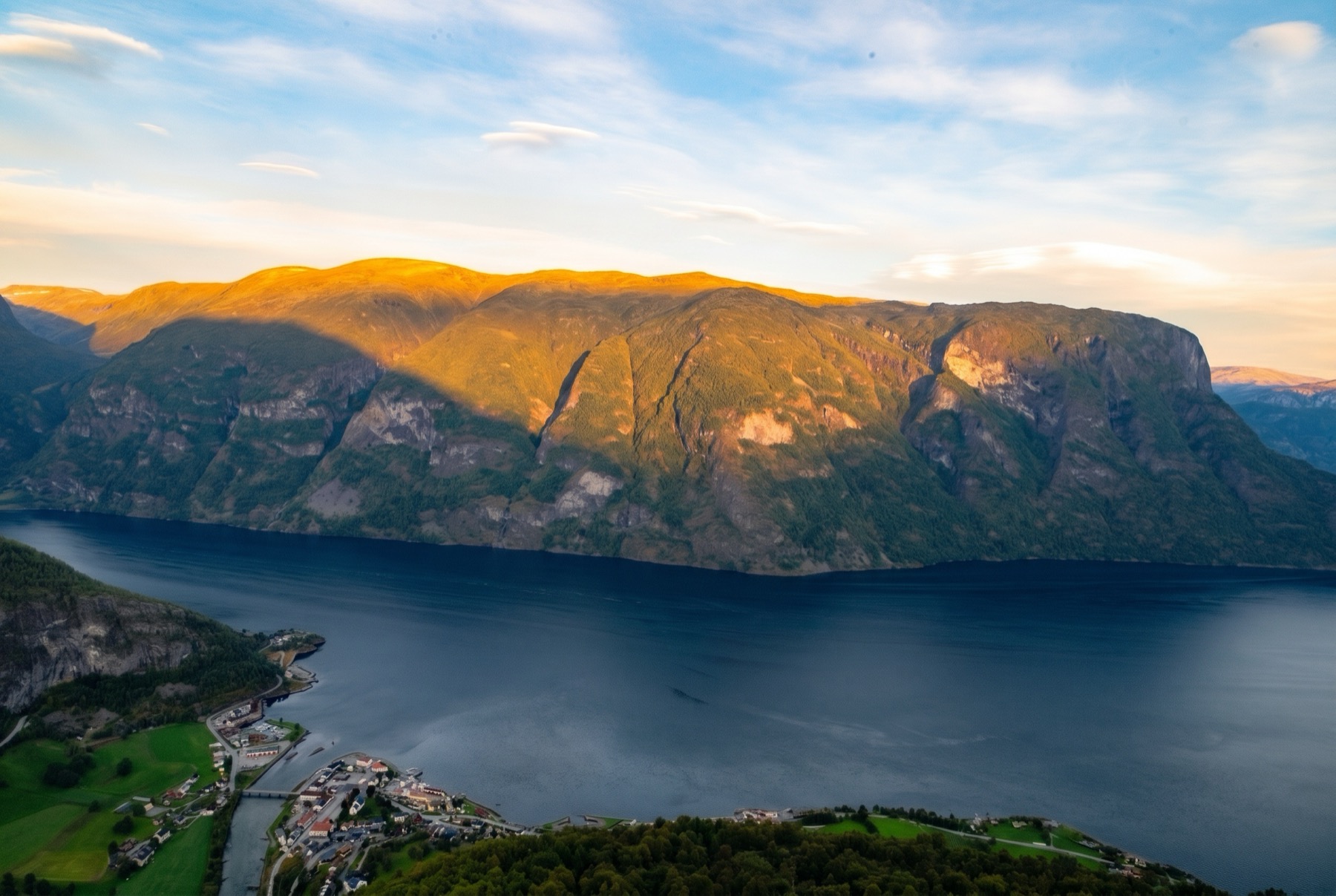
Sognefjord doesn’t carry its “king of the fjords” nickname for nothing. It’s the longest and deepest fjord in all of Norway, stretching an incredible 204 kilometres from the ocean all the way deep to the national parks. At its deepest points you’d measure over 1,300 metres below the surface.
Thanks to its enormous size, it serves as the main transport artery and gateway to many smaller, more picturesque arms. Its shores are lined with magical villages like Lærdal or Aurland, where time seems to stand still. It’s an area full of history, old wooden stave churches and endless hiking trails.
If you’re tempted to explore this vast watery kingdom in more detail, we’ve prepared a separate guide for you. Check out our detailed article Sognefjord and Nærøyfjord, where you’ll find plenty more tips.
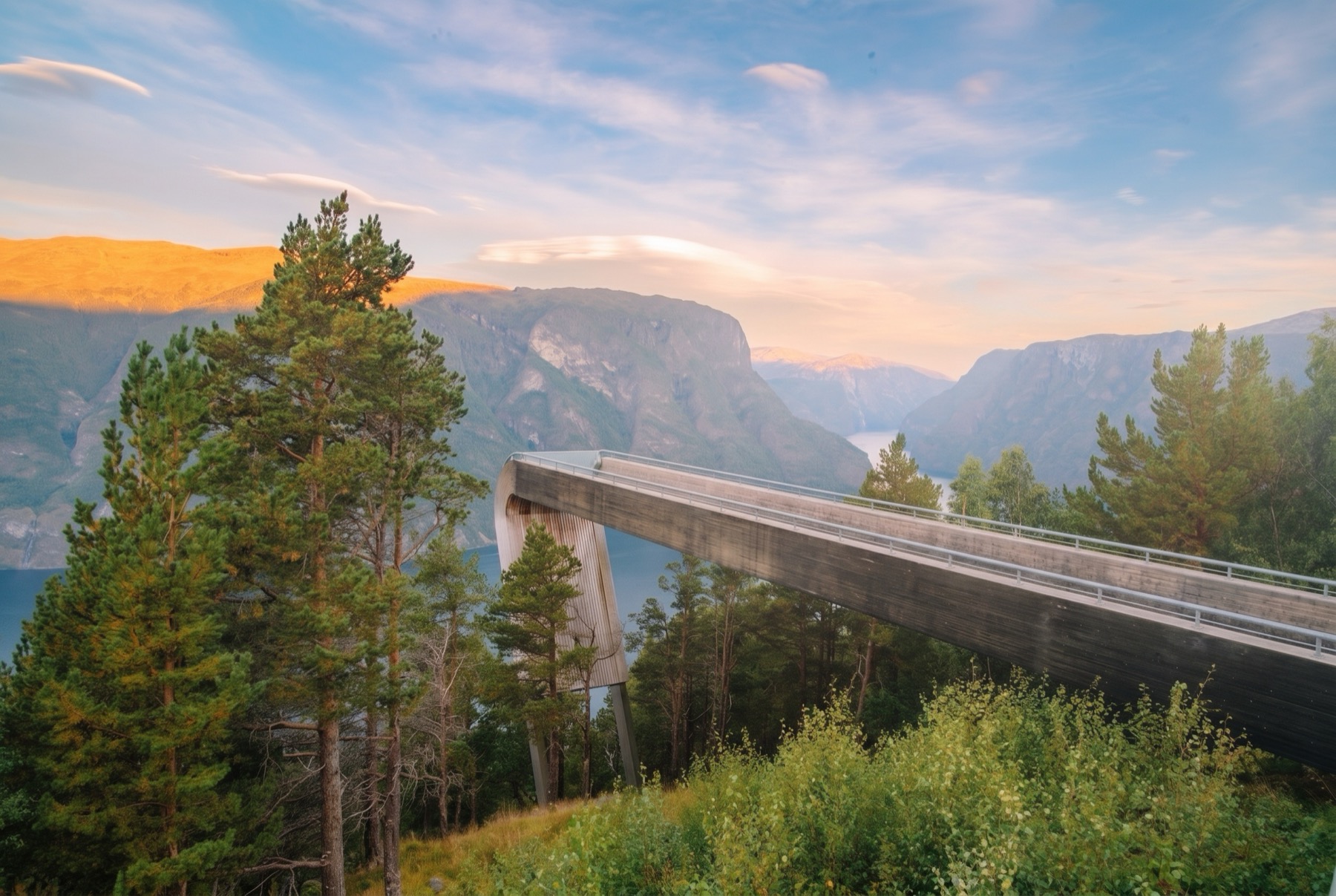
4. Aurlandsfjord and Stegastein
Aurlandsfjord is one of the most picturesque arms of Sognefjord and offers a combination of calm water and stunning architecture. Steep hills rise straight from the water, dotted with small farms and grazing sheep. This area is ideal for those who love slow travel and beautiful views.
The most famous stop is undoubtedly the futuristic Stegastein viewing platform. The wooden structure juts 30 metres into the void and hangs an incredible 650 metres directly above the fjord’s surface. The feeling when you stand at the glass railing and look down into the depths will definitely get your blood pumping.
You reach Stegastein via the famous Snow Road, or Aurlandsvegen. This national scenic route leads high over the mountains and is often lined with snow walls even in the middle of summer. It’s a wonderful alternative to the long Lærdal Tunnel, and the road itself is an enormous experience.
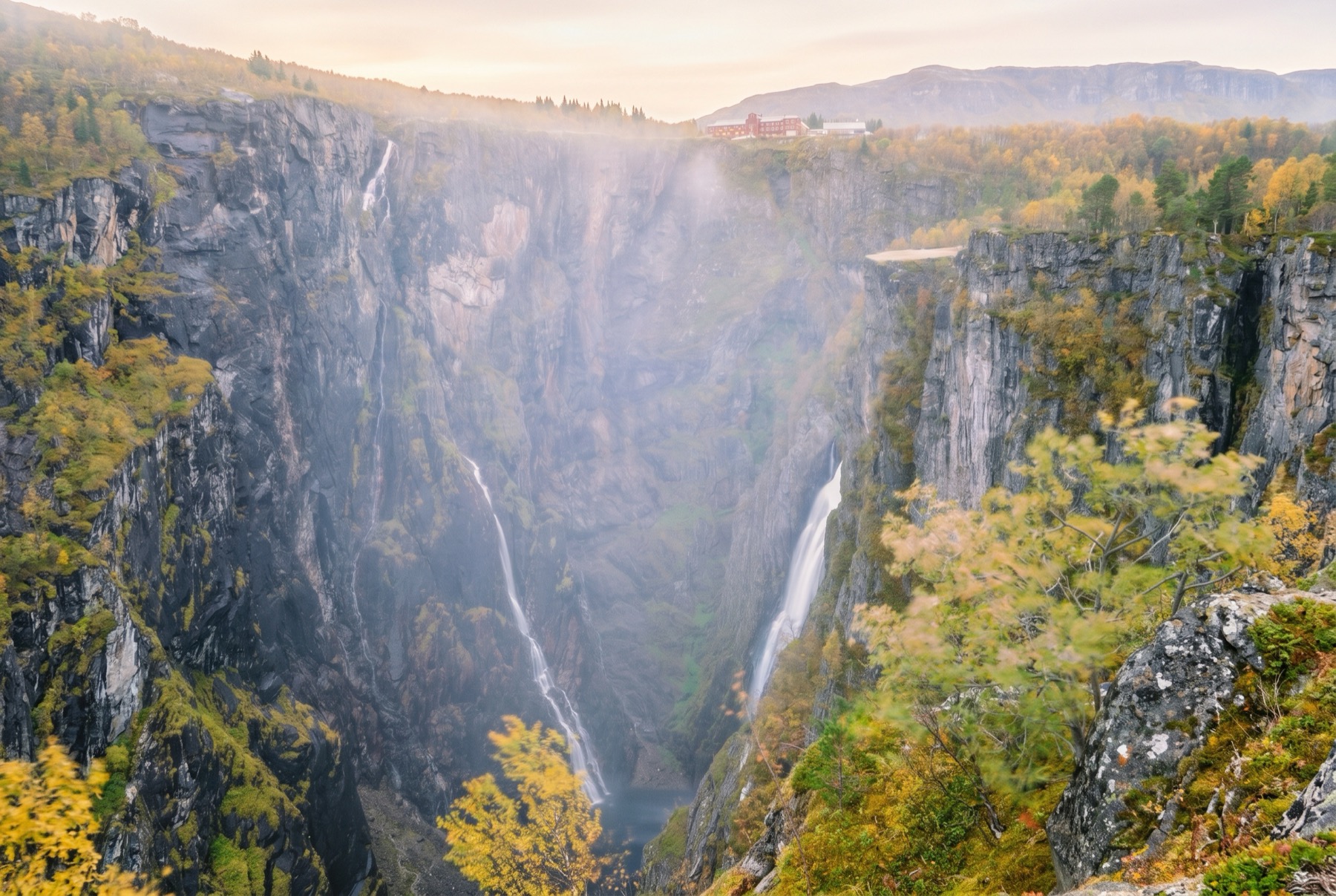
The kingdom of waterfalls and steep cliffs
Some fjords are famous for their flowering orchards, while others hide the most insane rock cliffs in the world. This part of Norway is made for lovers of hiking and people who enjoy pushing themselves on climbs to breathtaking viewpoints.
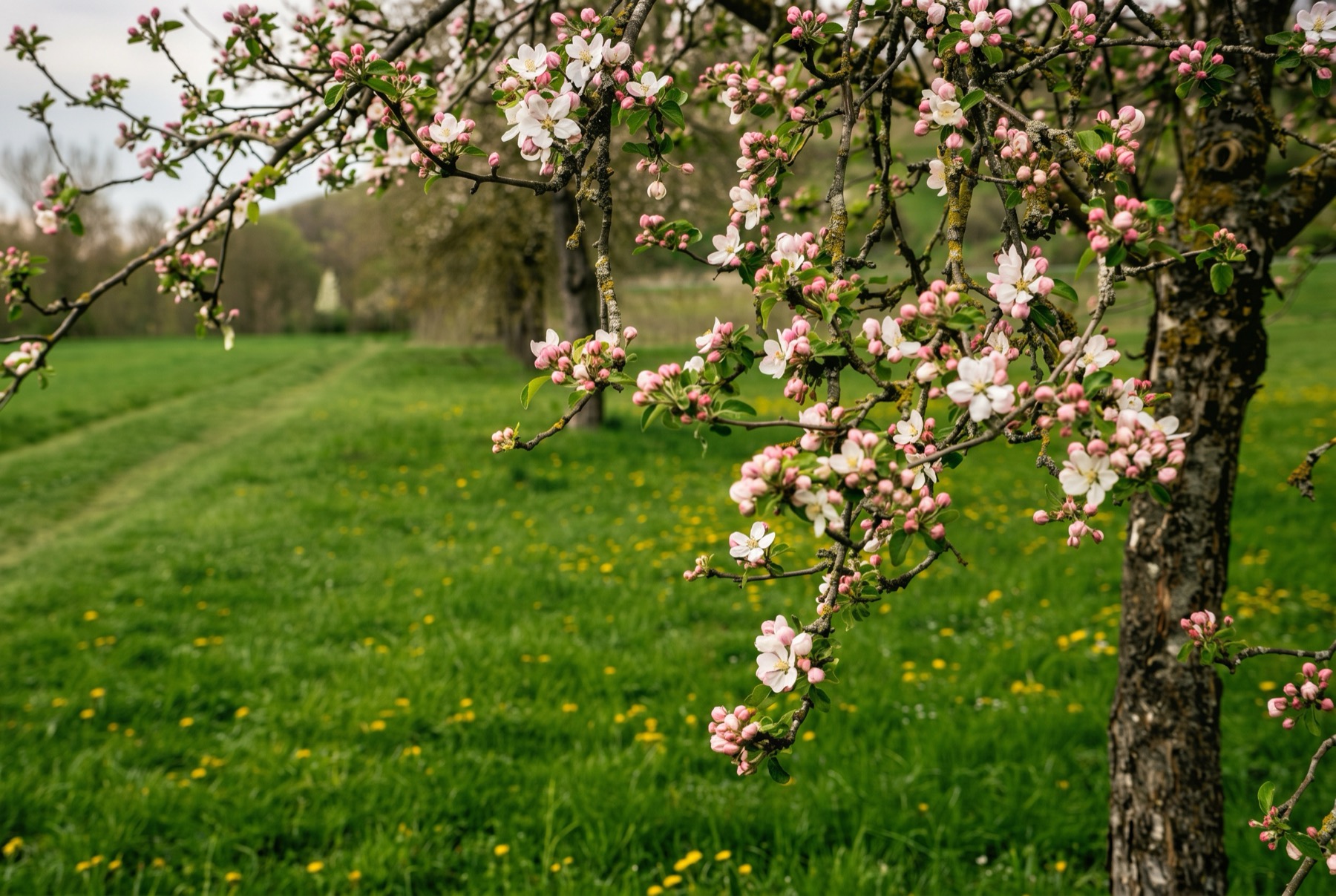
5. Hardangerfjord
Locals lovingly nickname Hardangerfjord “the orchard of Norway”, and if you come here in spring you’ll instantly understand why. The whole area is dotted with vast apple and cherry orchards that bloom beautifully around late April and May. The combination of white blossoms and blue water is a feast for the eyes.
Besides fruit, this region is renowned for its majestic waterfalls, the most famous of which is the thundering Vøringsfossen. The water plunges into a deep canyon here and you can safely admire this natural wonder from modern walkways. In the distance, the enormous Folgefonna glacier rises, lending the landscape a true Nordic character.
For more demanding walkers there’s the famous Dronningstien trek, or the Queen’s Trail, which even the Norwegian Queen Sonja took a liking to. You can read more about this stunning area in our article Hardangerfjord.
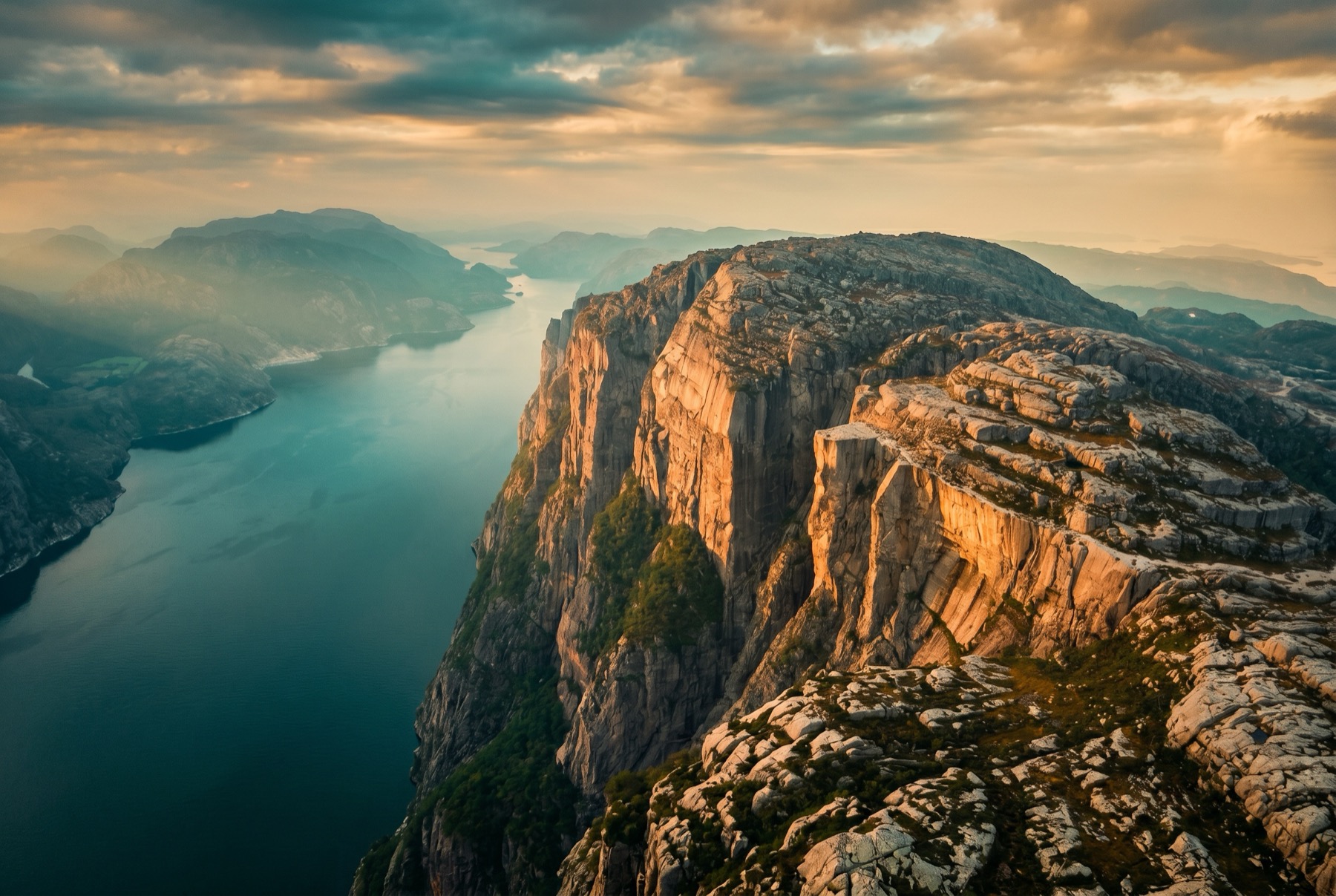
6. Lysefjord
In the south near the city of Stavanger, Lysefjord cuts into the land — it’s synonymous with adrenaline-fuelled viewpoints. The cruise along the fjord itself is gorgeous, but the main attraction towers hundreds of metres above your heads. This is precisely where daredevils set off on Norway’s most famous treks.
You’ve surely already heard of Preikestolen (Pulpit Rock), a huge square cliff that rises 604 metres vertically above the water. The view from here is absolutely iconic. For the even braver, there’s Kjeragbolten, a round boulder wedged in a rock crevice, which with a bit of courage you can stand on.
If you love a challenge, you can try conquering the wooden staircase in the village of Flørli. An incredible 4,444 steps await you, leading steeply uphill alongside an old pipeline. You’ll find everything about the climb to Norway’s most famous cliff in our article Preikestolen — the climb above Lysefjord.
Gems away from the biggest crowds
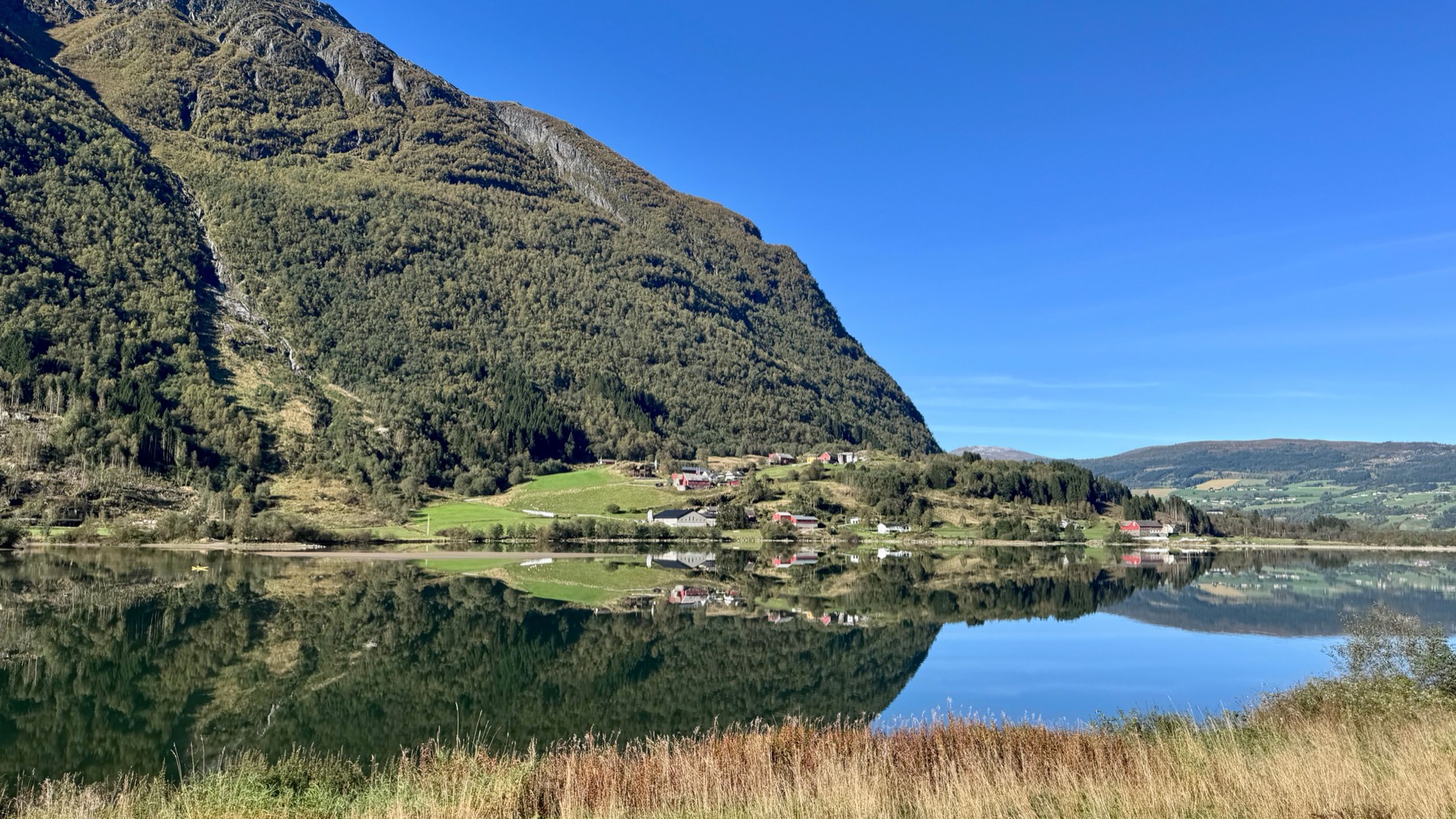
Even in Norway you can find places where you won’t be tripping over crowds with cameras. Just leave the main routes and you’ll discover fjords that have kept their wild, untouched face. These spots are loved above all by Norwegians themselves, who come here for absolute peace.
7. Hjørundfjord
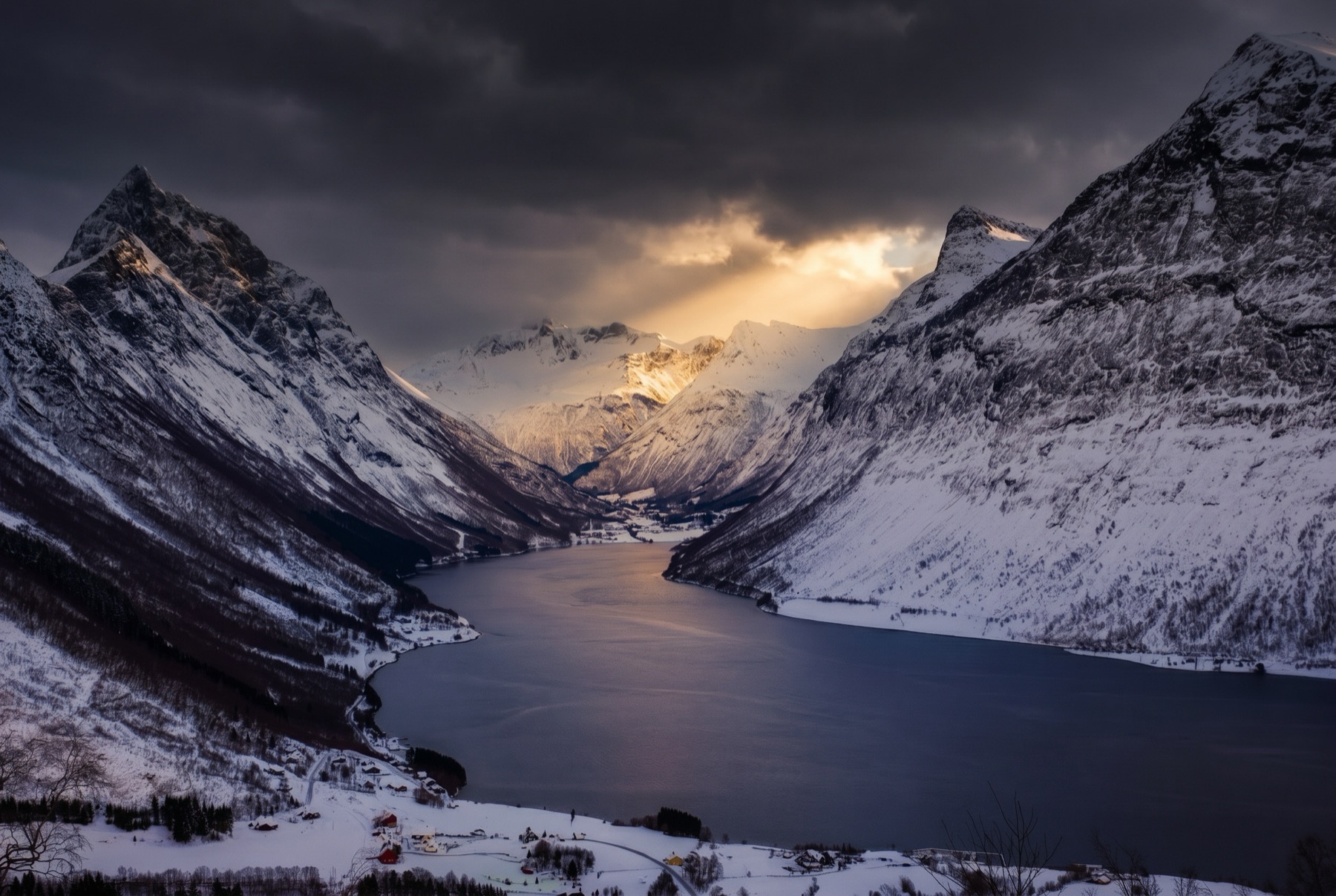
Near the town of Ålesund lies Hjørundfjord, which many travellers sadly pass without noticing. And that’s a huge shame! This fjord is surrounded by the jagged peaks of the Sunnmøre Alps and offers some of the best conditions for mountain hiking without crowds.
The most striking landmark is the sharp mountain peak of Slogen, which rises straight from the water like a giant pyramid. The climb up is fairly demanding, but the views from the summit are among the most beautiful in the country. The whole area feels very wild and melancholic.
On the shore of the fjord you’ll discover the legendary historic Hotel Union Øye, where European monarchs and famous writers once spent the night. Stop here at least for a coffee — you’ll be hit by the genuine atmosphere of the nineteenth century.

8. Nordfjord and Loen
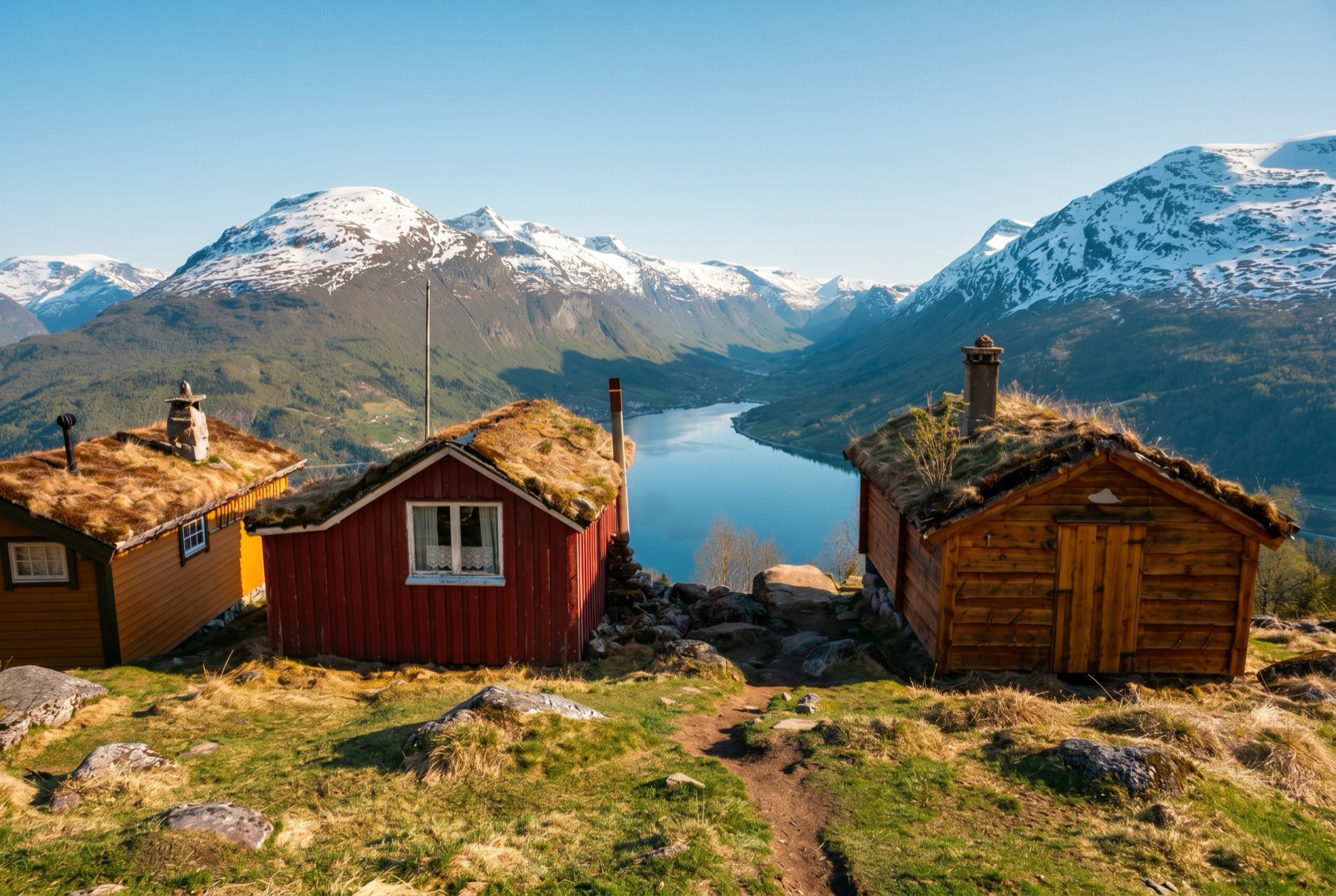
The Nordfjord area is an absolute paradise for lovers of colours and contrasts. The greatest gem is the turquoise lake Lovatnet, whose colour looks almost unnaturally vivid. The water gets its shade thanks to minerals carried into the lake by a melting glacier.
If you don’t suffer from vertigo, head to the village of Loen and hop on the modern Loen Skylift cable car. In just five minutes it whisks you to the top of Mount Hoven at an altitude of 1,011 metres, from where you’ll have the whole fjord and surrounding glaciers laid out before you.
The glaciers are another big draw of this area. An easy walk leads you to an arm of the Briksdalsbreen glacier, where you can admire bluish cracks in the ancient ice. It’s an ideal excursion even for families with children — the path to the glacier is very comfortable.
9. Lustrafjord
Lustrafjord is actually the innermost arm of the enormous Sognefjord and reaches deep into the heart of the Norwegian mountains. The water here has a wonderful emerald colour and the atmosphere is noticeably calmer and sleepier than in bustling Flåm.
The area’s biggest historical draw is the unique Urnes stave church. This wooden structure is the oldest of its kind in Norway and rightly features on the UNESCO list. The fascinating carved decoration combines Christian motifs with old Viking traditions.
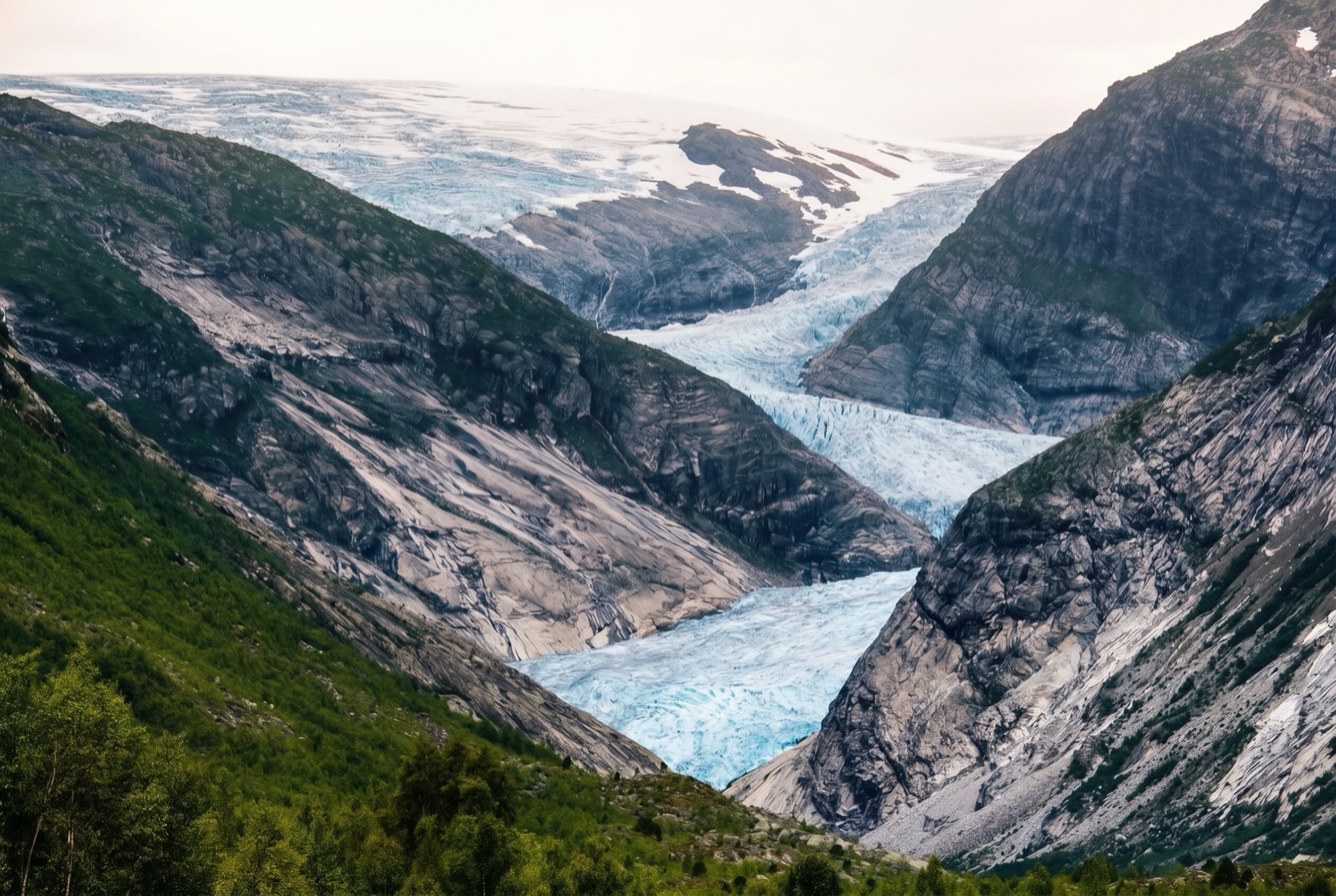
From Lustrafjord it’s also just a short hop to the monumental Nigardsbreen glacier. Here you can pay for a guide and set off on a safe trek right across the glacier mass, kitted out with crampons and ice axes. It’s an experience you won’t forget.
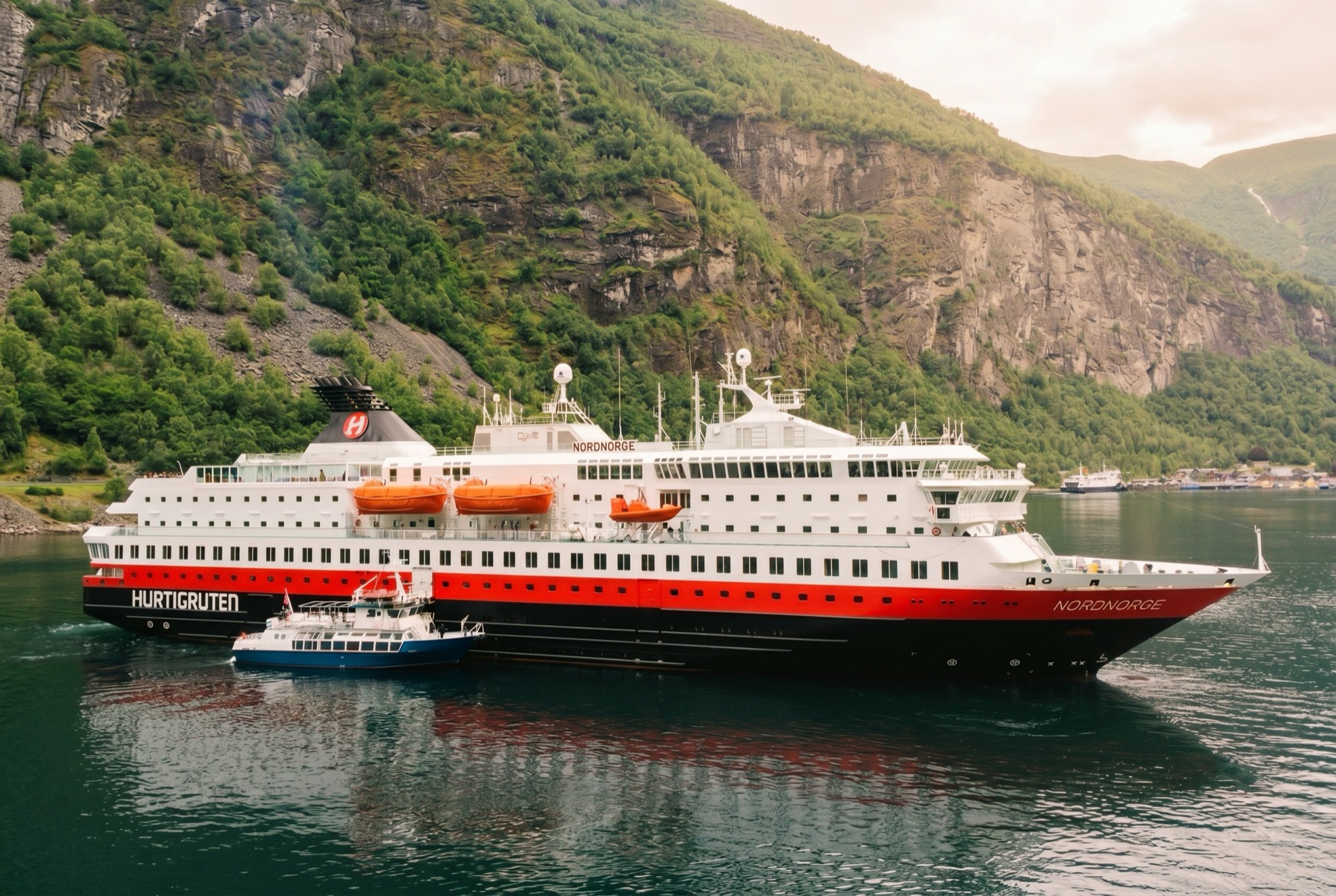
Dramatic fjords of the north and wild mountains
Once you head further north, the landscape becomes harsher and wilder. The mountains are sharper, the weather more capricious, and nature shows its untamed power. The fjords here have an entirely different character and promise the best adventures.
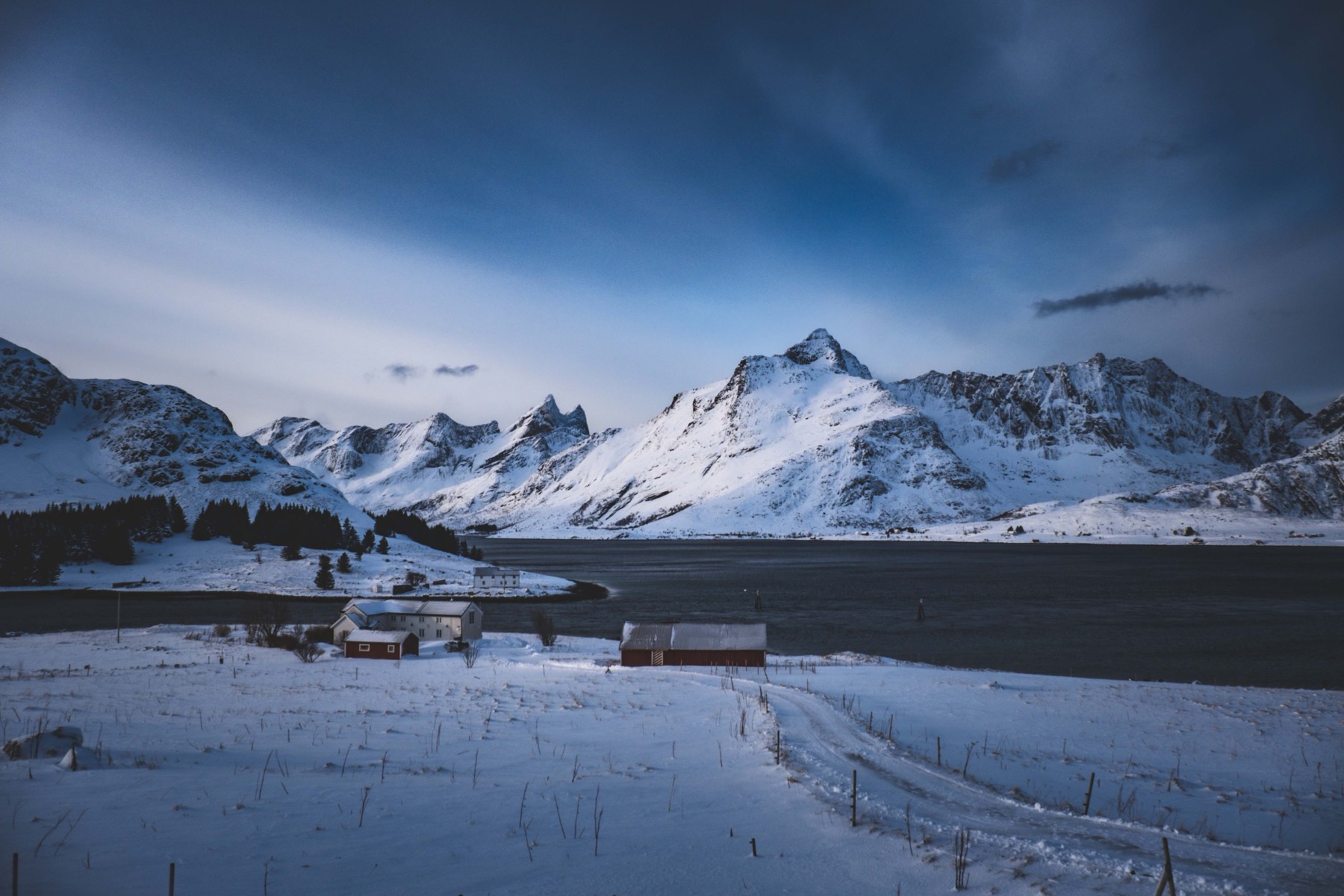
10. Trollfjord
This extraordinarily narrow fjord lies far to the north near the magical Lofoten Islands. It’s just over two kilometres long, but its entrance is a mere 100 metres wide. When large ships sail into it, it looks as though their sides might scrape the surrounding rocks at any moment.
Trollfjord is completely inaccessible by car — the only option is a boat tour. The ships of the Hurtigruten coastal express line often call here, but you’ll get a far better experience on the small excursion boats. The area is also home to majestic white-tailed eagles, which you’ll very likely spot circling overhead during the cruise.
For exploring this mystical place, there are the quiet electric Brim Explorer boats, which don’t startle the wildlife, or, on the other hand, the fast, adrenaline-packed RIB boats, where you can really let loose.
11. Romsdalsfjord and Åndalsnes
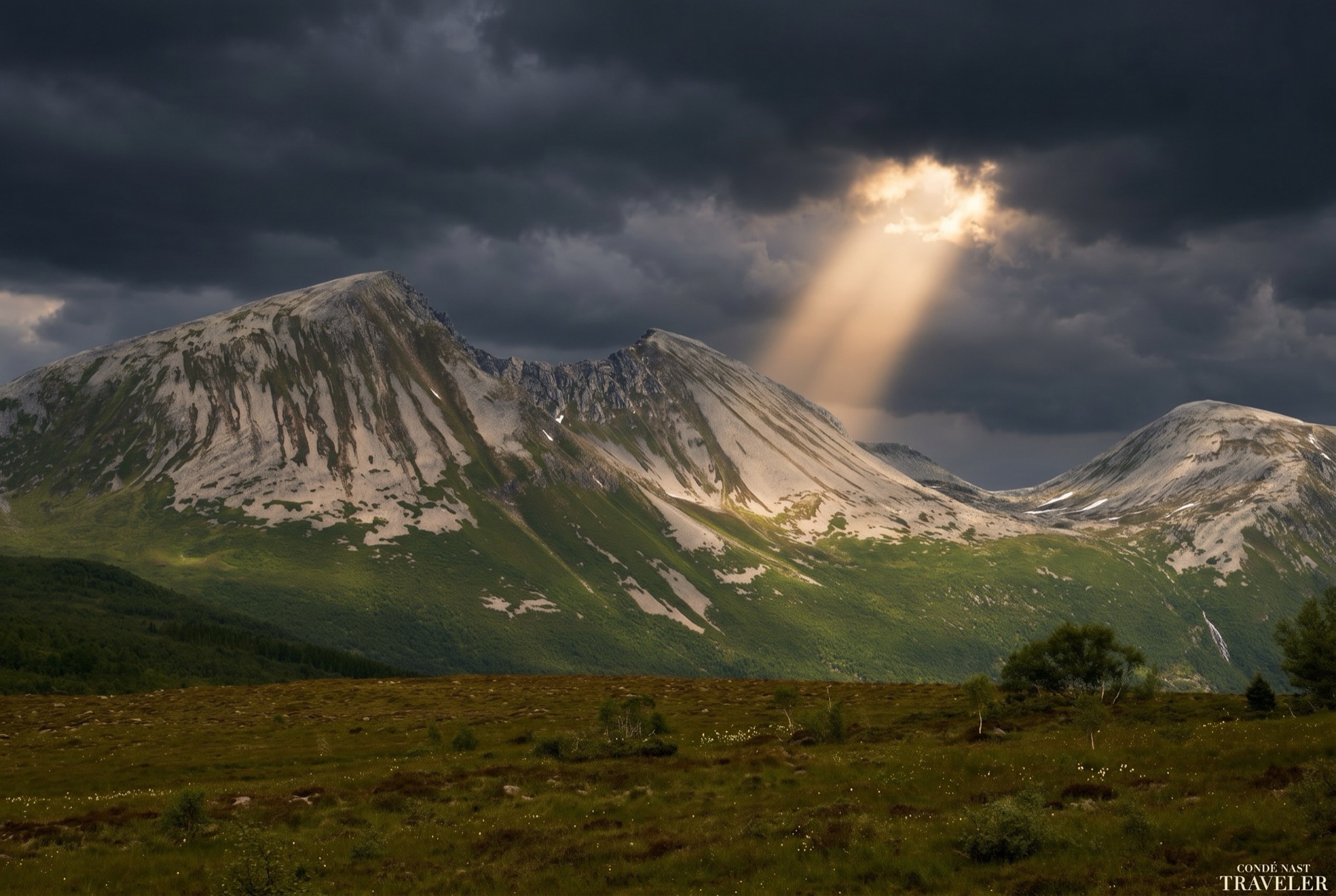
Romsdalsfjord is surrounded by the steepest mountains in the country, and the town of Åndalsnes is considered the capital of Norwegian mountaineering. The water here contrasts with the dark, vertical walls that attract adrenaline enthusiasts from all over the world.
The greatest awe is inspired by the terrifying Trollveggen (Troll Wall). It’s the highest vertical rock face in Europe, measuring over a thousand metres and overhanging in many places. Just the sight of it from the valley will reliably send shivers down your spine.
If you prefer hiking to climbing, set off on the famous Romsdalseggen ridge trek. It’s a demanding full-day hike, but the views of the fjord and the surrounding sea of jagged mountains will make the effort one hundred percent worth it. The famous Trollstigen road also begins here.
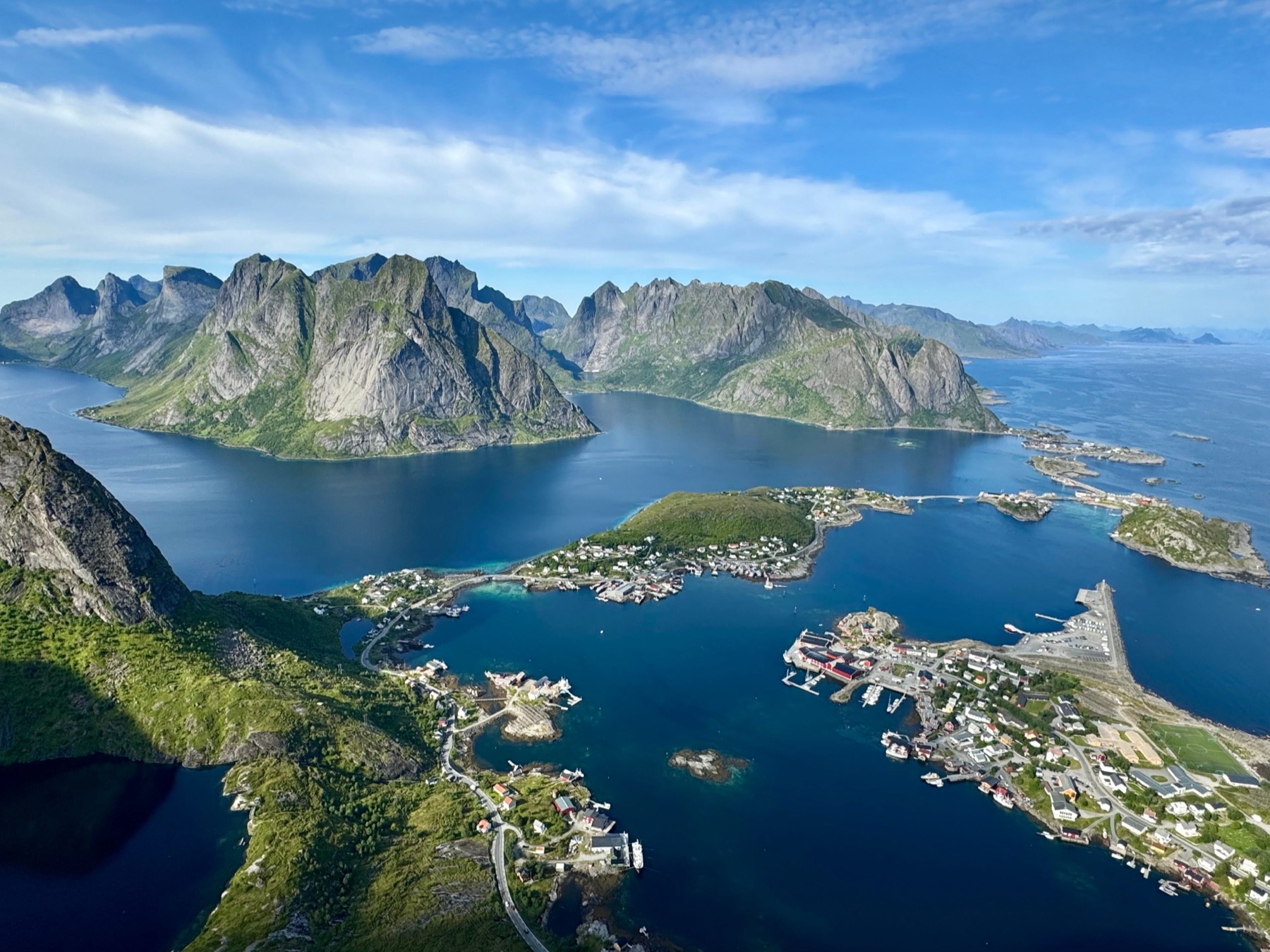
Why the Norwegian fjords are a world phenomenon
To close out our list, it’s fitting to explain why two specific places hold such exceptional status. Not all fjords came under international protection, and those that did represent the very best of Norwegian nature.
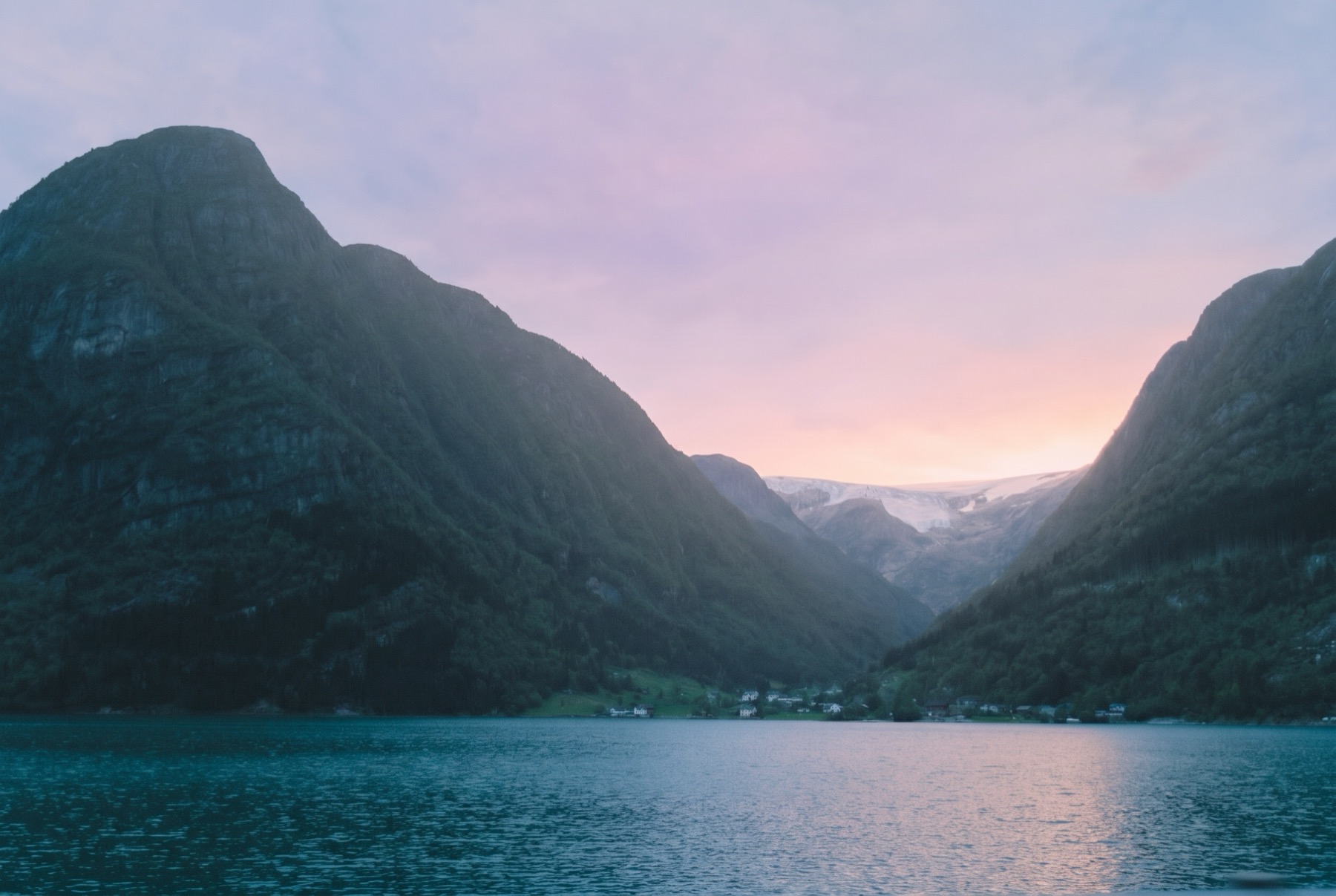
12. Geirangerfjord and Nærøyfjord as UNESCO heritage
In 2005, these two fjords were jointly inscribed on the prestigious UNESCO list under the shared name “Western Norwegian Fjords”. You ask why these two in particular? The answer is their untouched nature and enormous geological uniqueness. They represent the most classic and purest example of what the western Norwegian fjords look like.
While Geirangerfjord dazzles with its perfect waterfalls and symmetrical shape, Nærøyfjord fascinates with its extreme narrowness and feeling of complete isolation. Together they form the perfect picture of a landscape shaped by the ice age.
UNESCO inscription also means that both areas are strictly protected from massive development and commercialisation. That’s also why strict rules for boat traffic are being introduced here, so that this natural jewel remains preserved in its original state for future generations too.
Quick overview of the most famous fjords
| Fjord | Region | How to explore | What it’s most famous for |
|---|---|---|---|
| :— | :— | :— | :— |
| Geirangerfjord | Møre og Romsdal | Boat, car (viewpoints) | Seven Sisters waterfall, UNESCO |
| Nærøyfjord | Vestland | Boat, kayak | Narrowest arm, Viking village |
| Sognefjord | Vestland | Car, boat | Longest and deepest, “king of fjords” |
| Hardangerfjord | Vestland | Car, walking | Spring blossoming orchards, Vøringsfossen |
| Lysefjord | Rogaland | Boat, walking | Preikestolen and Kjerag cliffs |
| Trollfjord | Nordland | Boat only | Extremely narrow entrance, sea eagles |
How to best explore the Norwegian fjords
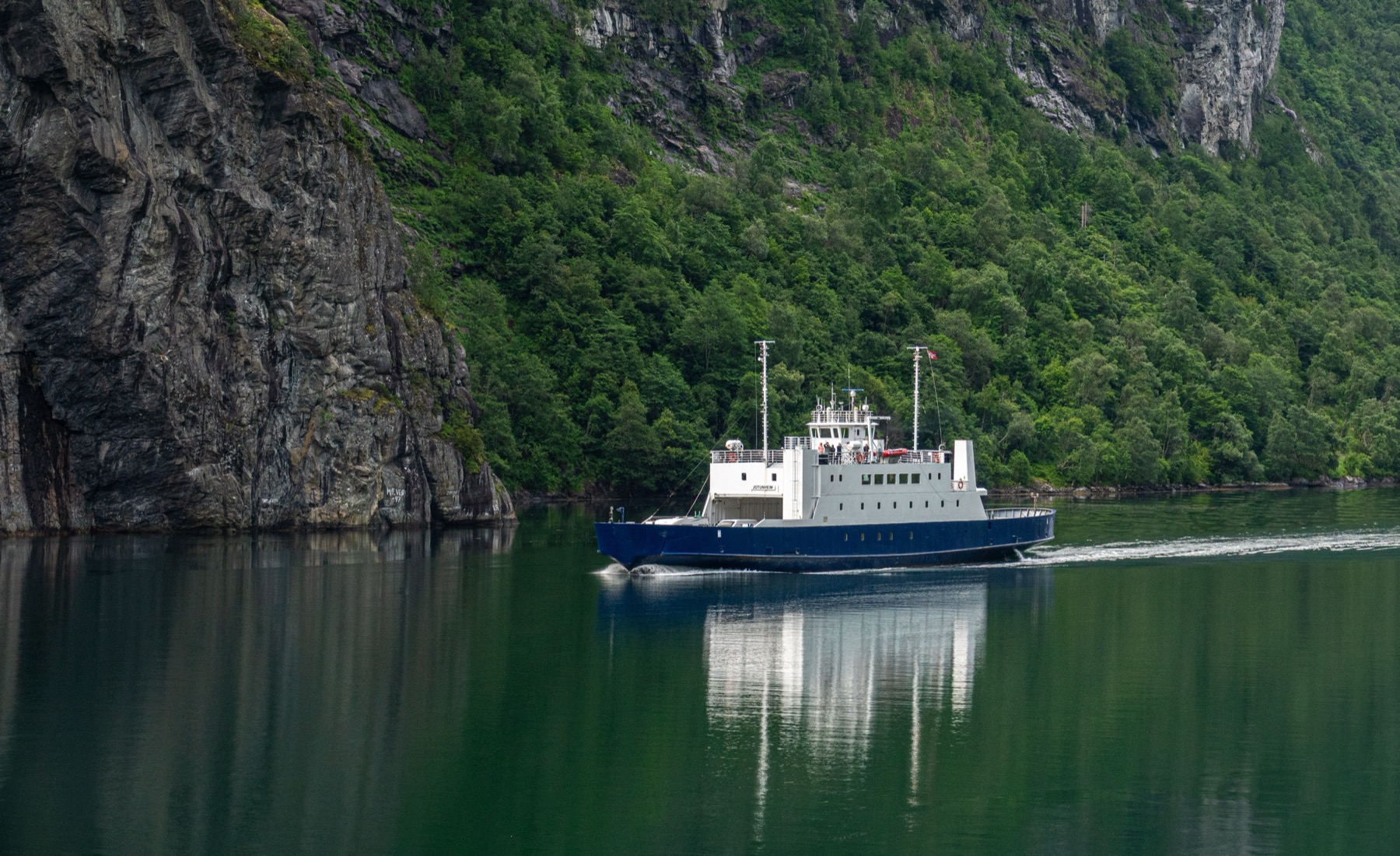
Seeing photos on the internet is one thing, but experiencing the fjords first-hand takes a bit of planning. The way you move around them will fundamentally shape your overall impression. The ideal approach is to combine several modes of transport to get the complete experience.
Norwegian fjords cruises: the fjords from the water’s perspective
The view from below is utterly irreplaceable. Only when you sail across the surface do you realise the true monumentality of the surrounding mountains. You’ll find the best cruises in Geiranger, where a roughly 90-minute loop will cost you about 300 to 400 NOK (around 26 to 35 €). Another fantastic route is the Nærøyfjord cruise between Gudvangen and Flåm, with a price tag of around 400 to 500 NOK (around 35 to 44 €). 💡 Tip: These experiences tend to sell out early, so I recommend booking boat tours online well in advance through platforms like GetYourGuide.
If you don’t mind paying a little extra, choose the quiet electric Brim Explorer boat. With no noisy engine, the cruise is incredibly calm, which provides much better conditions for photography and wildlife watching. The complete opposite extreme is the fast, noisy RIB boats, which lovers of adrenaline and wind in their hair will appreciate.
In the south, a cruise along Lysefjord from Stavanger is definitely worth it, where you’ll pay around 500 NOK and up (around 44 € and more) for a ticket. During this journey you’ll see the iconic Preikestolen from an angle that walkers never experience.
By car to the best viewpoints
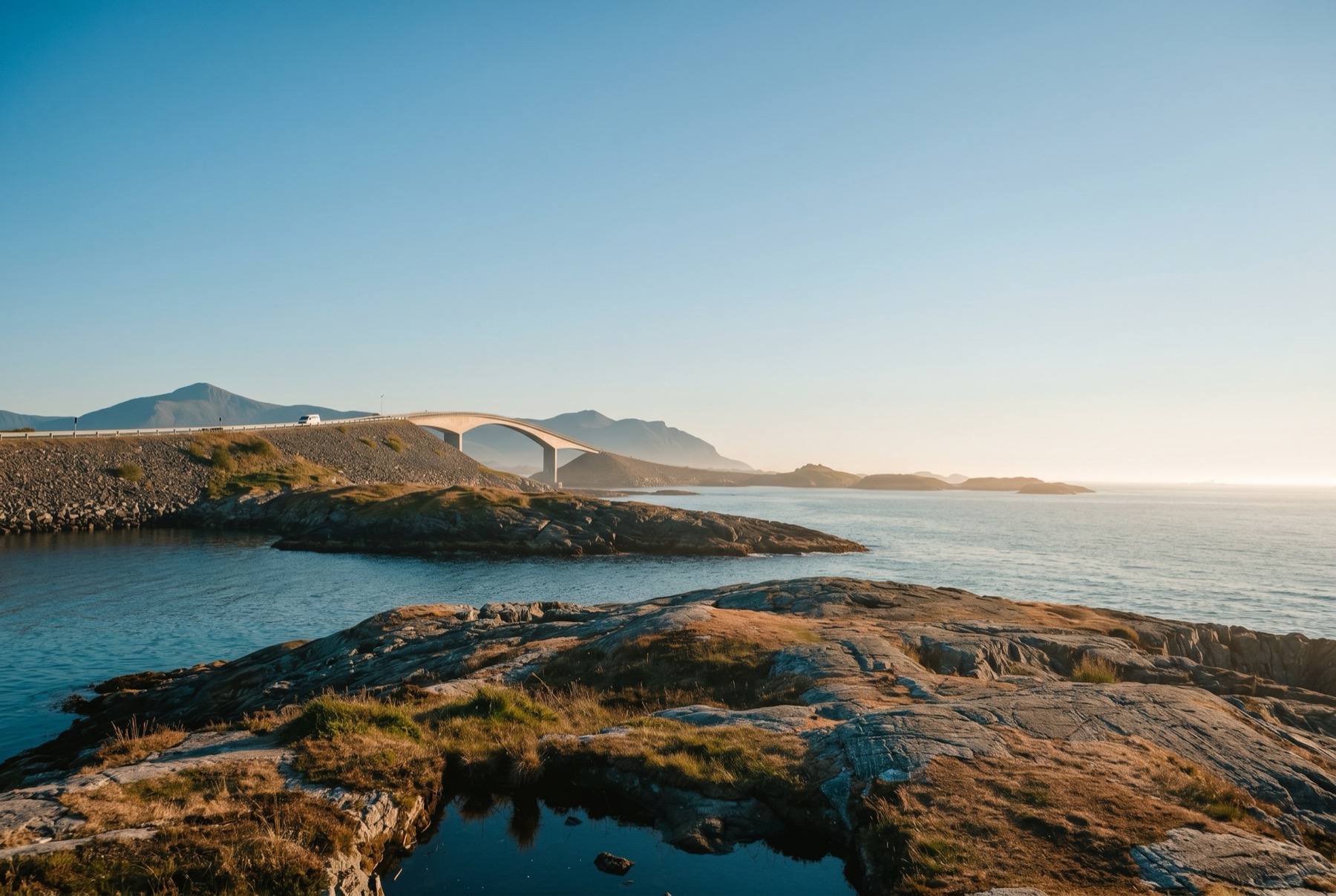
Travelling by your own or a rented car gives you complete freedom and flexibility. You can stop at viewpoints like Stegastein or Dalsnibba at exactly the moment the best light falls there. Norway’s scenic roads are themselves a masterpiece, and driving here is pure joy.
You do have to bear in mind, though, that fjords represent an enormous natural obstacle. Be prepared for very frequent use of local ferries that connect the individual shores. Most of these ferries work on the principle of automatic licence-plate scanning, so you don’t have to waste time digging for coins in your wallet.
By kayak for the adventurous
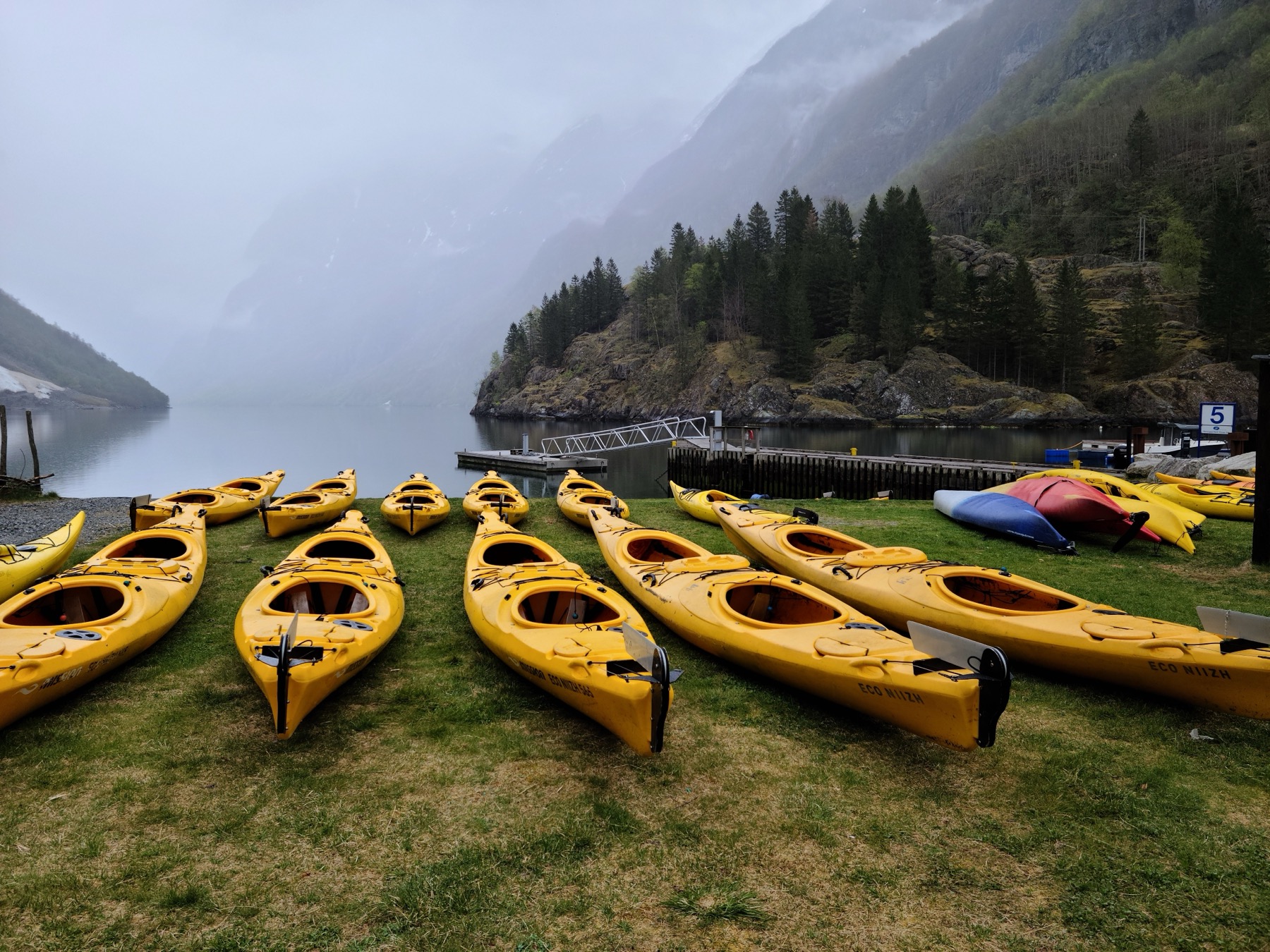
If you’re after the most intimate experience, rent a sea kayak. Paddling just above the water’s surface, where you hear only the lapping of the water and the cries of gulls, is simply magic. You’ll find great rental shops, even with guides, in places like Flåm or Geiranger.
The kayaking experience is heightened by the fact that you reach places the large cruise ships can’t fit into. Although it might sound physically demanding, the water in the fjords tends to be very calm and basic trips can be handled even by complete beginners.
Norway in a Nutshell: the best in a single day
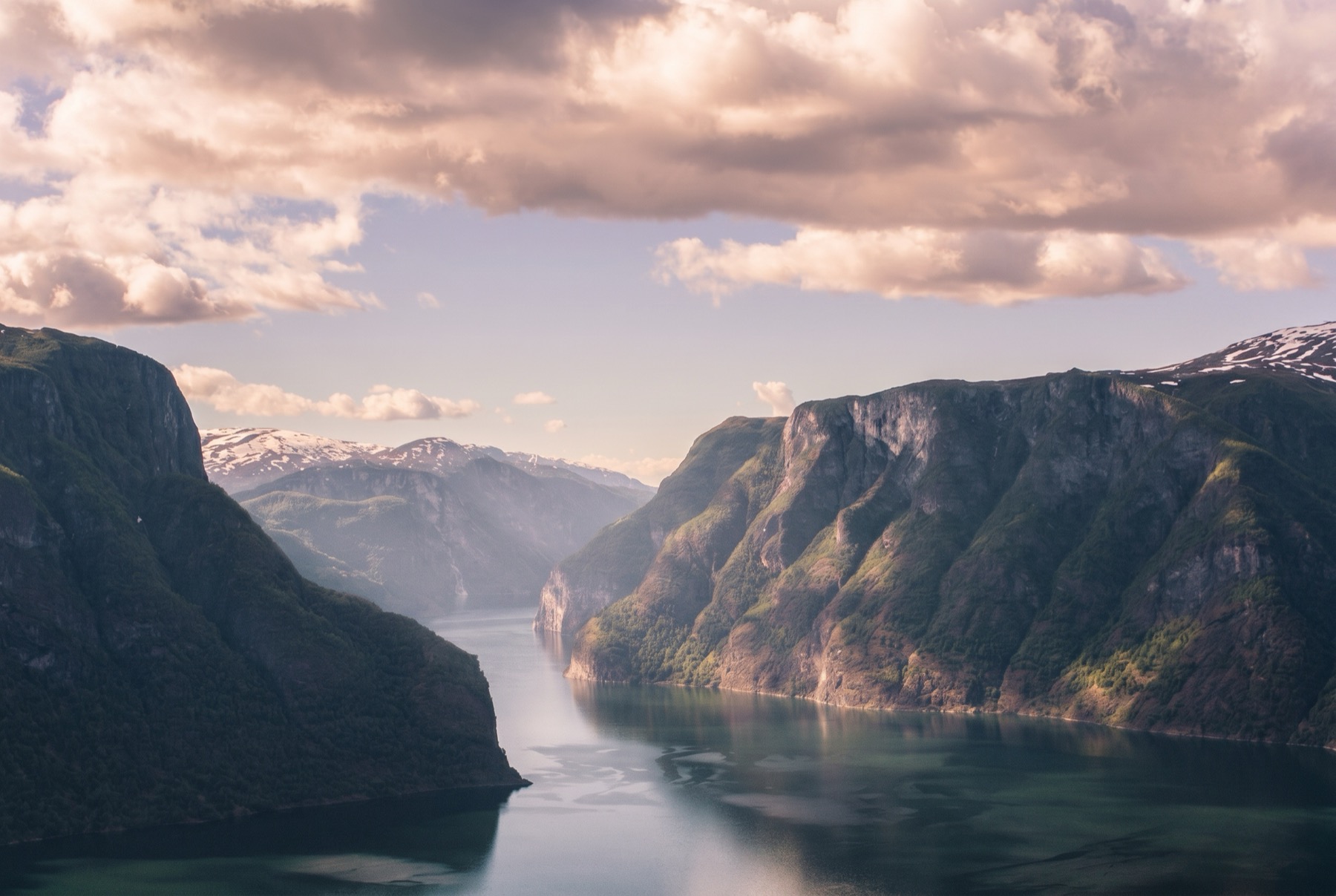
Short on time but still want to see the maximum? The brilliant solution is the package called Norway in a Nutshell. It’s a clever loop that combines a ride on the Bergensbanen scenic train, the famous Flåmsbana mountain railway and a cruise along Nærøyfjord.
You can complete this loop in a single day, departing from Oslo or Bergen, so it’s ideal for travellers with a packed schedule. All the connections fit together perfectly and you don’t have to worry about any logistics — you just soak up the views from the window.
Where to go next from the Norwegian fjords
If you have time left after exploring the deep valleys, Norway offers plenty of other options for where to point your steps. Coastal towns and mountain railways are an ideal contrast to the wild nature. Here are some more tips on where to go and what to read.
Definitely don’t miss Bergen: what to see, because this rainy yet incredibly photogenic UNESCO-listed city is the cultural heart of the western coast. Its old wooden Hanseatic houses and famous fish market have an unforgettable atmosphere where history mixes wonderfully with modern Nordic life.
For a comprehensive overview of the whole country, be sure to study our big article Norway: 50 tips on what to see. And if the idea of travelling by train through steep valleys excited you, check out the details on the Flåm Railway, which is one of the steepest and most beautiful lines in the entire world.
Frequently asked questions
Which Norwegian fjord is the most beautiful?
It’s hard to pick just one. Geirangerfjord is considered the most famous thanks to its waterfalls and viewpoints. Nærøyfjord is the most dramatic due to its narrow walls and Sognefjord impresses with its enormous length. Each of them offers a completely different experience and atmosphere.
Should you choose Geirangerfjord or Nærøyfjord?
Both are on the UNESCO list and both are breathtaking. Geirangerfjord attracts visitors with its famous waterfalls and high-altitude viewpoints like Dalsnibba. Nærøyfjord, on the other hand, is extremely narrow and creates a much more mystical, enclosed atmosphere. If you can, definitely visit both.
How to get to a fjord boat trip?
Boat trips depart from the main tourist hubs. Most commonly, departures are from Geiranger, Flåm, Gudvangen, or Stavanger. I definitely recommend buying your tickets in advance online, as the best times tend to sell out quickly during the summer months.
How much does a fjord cruise cost?
Prices vary depending on the length and type of boat. A regular sightseeing cruise costs approximately 300 to 500 NOK per person (roughly €27 to €45). More expensive are adrenaline-filled RIB boats or quiet electric cruises, where you’ll pay extra for a premium experience.
When is the best time for the Norwegian fjords?
Definitely summer, meaning the period from June to August, when all services and ferries are running and the long days are perfect for excursions. However, if you want to see the colorful spring orchards, head to Hardangerfjord in April or May, when the entire area blooms incredibly beautifully.
Is it better to explore the fjords by car or by boat?
The ideal is a combination of both. A car will give you complete freedom and take you to the best panoramic viewpoints high in the mountains. A boat, on the other hand, will show you the majesty of the steep cliffs right from the water level, which is a view you won’t see from the road.
What exactly is Norway in a Nutshell?
It’s a popular full-day tour package that combines a regular train journey, mountain railway, and boat cruise. It allows you to see the best of Western Norway in a single day without complicated transfer planning, with departures from Oslo or Bergen.
Tips and Tricks for Your Vacation
Don’t Overpay for Flights
Search for flights on Kayak. It’s our favorite search engine because it scans the websites of all airlines and always finds the cheapest connection.
Book Your Accommodation Smartly
The best experiences we’ve had when looking for accommodation (from Alaska to Morocco) are with Booking.com, where hotels, apartments, and entire houses are usually the cheapest and most widely available.
 🚗 Car rental on the roadVerified rental cars in Norway
Search with the DiscoverCars comparison engine — it compares prices from dozens of local and international rental companies, and most bookings come with free cancellation.
Compare car prices in Norway →Don’t Forget Travel Insurance
Good travel insurance will protect you against illness, accidents, theft, or flight cancellations. We’ve had a few hospital visits abroad, so we know how important it is to have proper insurance arranged.
Where we insure ourselves: SafetyWing (simple monthly subscription) and TrueTraveller (for extra-long trips).
Find the Best Experiences
Get Your Guide is a huge online marketplace where you can book guided walks, trips, skip-the-line tickets, tours, and much more. We always find some extra fun there!
More from Norway
Full guide → PricesAlcohol in Norway: 10 Things to Know – Prices, Vinmonopolet and How Much You Can Import in 2026
 What to seeTromsø, Norway: 8 Things to See and Do in the Gateway to the Arctic
 ActivitiesTrolltunga: The Troll’s Tongue Hike in Norway Step by Step (2026)
 What to seeÅlesund, Norway: 12 Things to See in the Art Nouveau City by the Sea 2026
 ActivitiesDrones in Norway: Rules, Registration & No-Fly Zones in 2026


