Plenty of travellers picture Estonia the country as a grey, post-Soviet corner of Europe full of crumbling concrete apartment blocks. The reality will completely disarm you, because this is the wealthiest and greenest slice of the Baltics, a place that feels — mentally and technologically — right up there with Scandinavia. The historical ties to Denmark and Sweden are visible at every turn, and even the name Tallinn translates as “Danish town”. Locals like to say they feel much closer to Helsinki than to neighbouring Riga.
The numbers speak for themselves: half of Estonia’s territory is covered in deep forest, yet you can drive across the whole country in a single afternoon. In the morning you can sip specialty coffee in medieval Tallinn, and by evening you’ll be sitting in a wooden cabin watching bears in the wild taiga. And thanks to all-pervasive digitalisation, everything — from ferry tickets to forest parking — is handled elegantly on your phone.
I’ve put together a complete guide with 25 tips on places and experiences that would be a huge shame to miss, plus everything you need to know about transport, accommodation and prices — so you can pack your bags and go.
Summary
- How long to go for: The ideal time to explore the whole country is 7 to 10 days, but you can do Tallinn itself over a long weekend.
- Four faces of the country: Estonia offers medieval towns in the north, wild national parks with bogs, islands with lighthouses in the west, and a hilly south with a strong sauna tradition.
- Budget: Estonia hasn’t been a cheap destination for a long time — prices are closer to Berlin — so reckon on roughly €50 to €60 a day excluding accommodation.
- When to go: The most beautiful month is September (no mosquitoes), or June with its white nights — but avoid November because of the darkness and rain.
- Transport: Direct summer flights operate seasonally, but year-round you can get here via a connection in Riga or by ferry from Helsinki.
- Scandinavian vibe: The local culture breathes Nordic calm, excellent English, sauna culture everywhere and a huge respect for nature.
The full destination guide: Estonia — guide and what to see
When to Visit Estonia
Planning a trip to the Baltics revolves mainly around light and the ever-present nature. If you long for endless days, June serves up the phenomenon of the white nights, when the sun doesn’t set until around eleven at night and true darkness never really falls. The biggest celebration here is Midsummer’s Eve, when the cities empty out and everyone heads to the countryside to light bonfires.
Peak summer arrives in July and August. Temperatures usually hover around a pleasant 22 degrees, which makes Estonia the perfect escape from Central European heatwaves. You’ll need patience when booking ferries to the islands, though, and pack a really strong insect repellent, because mosquito activity in the bogs hits its absolute peak in July.
The holy grail for travellers is undoubtedly September. The forests turn incredible shades of colour, the annoying mosquitoes and the tourist crowds both vanish, and you can even fill baskets with mushrooms or blueberries out in nature. The weather is cooler and calls for a light jacket, but you won’t find a better season for hiking in the national parks.
October and especially November, on the other hand, are the months when Estonia wraps itself in grey, rain and very short days. Unless you’re specifically after Nordic melancholy, it’s best to avoid these autumn months, since much of the service on the islands shuts down anyway. Winter finds its form again in December thanks to the famous Advent markets, followed in January and February by crisp frosts ideal for cross-country skiing and sauna sessions.
Where to Stay in Estonia
💡 Tip for accommodation and experiences: We prefer to look for accommodation on Booking.com, where the cancellation terms tend to be the best. It’s worth comparing and buying tickets, tours and activities through GetYourGuide.
Accommodation in Estonia can pleasantly surprise you — or seriously dent your wallet if you choose badly. To make things easier, I’ve sorted it by region, so you know where it’s worth paying extra and where a comfy hostel does the job.
The biggest choice is naturally in the capital Tallinn, where it pays to stay either right in the historic core or in the modern Rotermanni district. On the islands and in the south, the reigning phenomenon is the spa hotel, drawing visitors from all over Scandinavia. You can easily book your stay through Booking.com, but in the summer months definitely don’t leave your reservation to the last minute.
- Nunne Boutique Hotel (Tallinn): A truly luxurious experience right by the old city walls. The hotel offers gorgeous design, a calm atmosphere and top-notch breakfasts that guests can’t stop raving about in reviews.
- Fat Margaret’s (Tallinn): A great choice for travellers on a tighter budget. This clean, modern hostel sits a short walk from the port and has its own sauna — priceless after a day on your feet.
- Hedon Spa & Hotel (Pärnu): A historic mud-bath building right on the beach, transformed into an oasis of calm. Its adults-only Silent Spa zone is the absolute pinnacle of Estonian wellness.
- GOSPA Georg Ots Spa (Saaremaa): A favourite for families and couples alike in the island capital of Kuressaare. Travellers love the outdoor pools with sea views and the acclaimed hotel restaurant built on local ingredients.
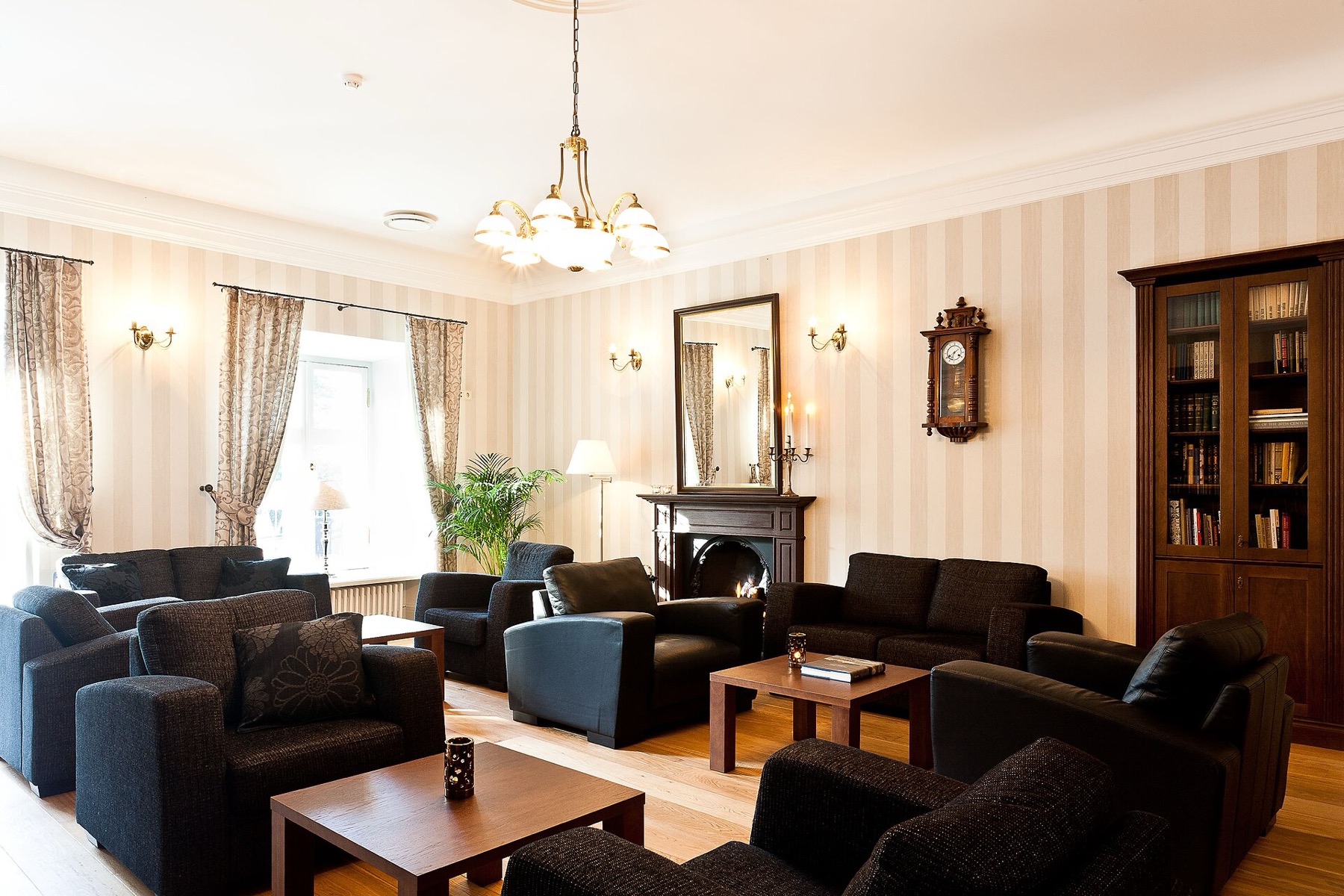
- Hotel Lydia (Tartu): An elegant, very smart hotel right in the centre of the university town. You’ll love its beautiful indoor pool and superb location just behind the town hall, from where you can walk everywhere.
- Pädaste Manor (Muhu): If money is no object and you want the very best in the country, this restored manor will blow you away. It offers its own Michelin restaurant and hay baths, which is why it belongs to the Small Luxury Hotels of the World network.
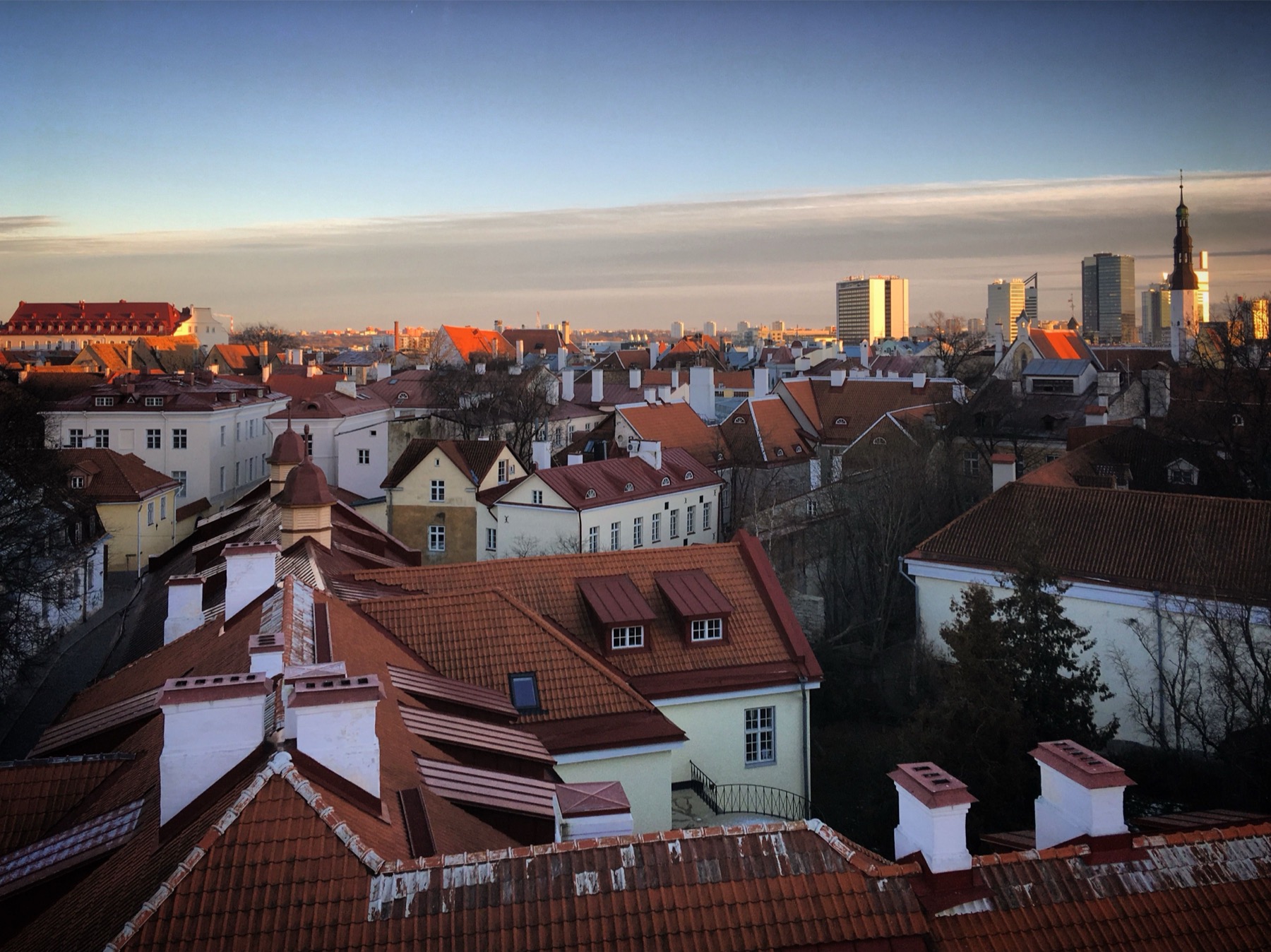
⭐ Tallinn: Medieval, But Not Afraid of the 21st Century
Estonia’s capital is a textbook example of how you can sensitively weave deep history together with technological progress. To fall in love with it, though, you have to learn to dodge the crowds from the giant cruise ships that reliably clog the centre during the day. Head into the lanes early in the morning or in the early evening, when the old walls take on the right melancholic magic.
Tallinn is also the showcase of a digital state, where people vote online and where — thanks to the e-Residency programme — you can set up a company from your sofa halfway across the world. That’s exactly why the Estonian capital has become one of Europe’s hubs for digital nomads, who find fast Wi-Fi on literally every corner.
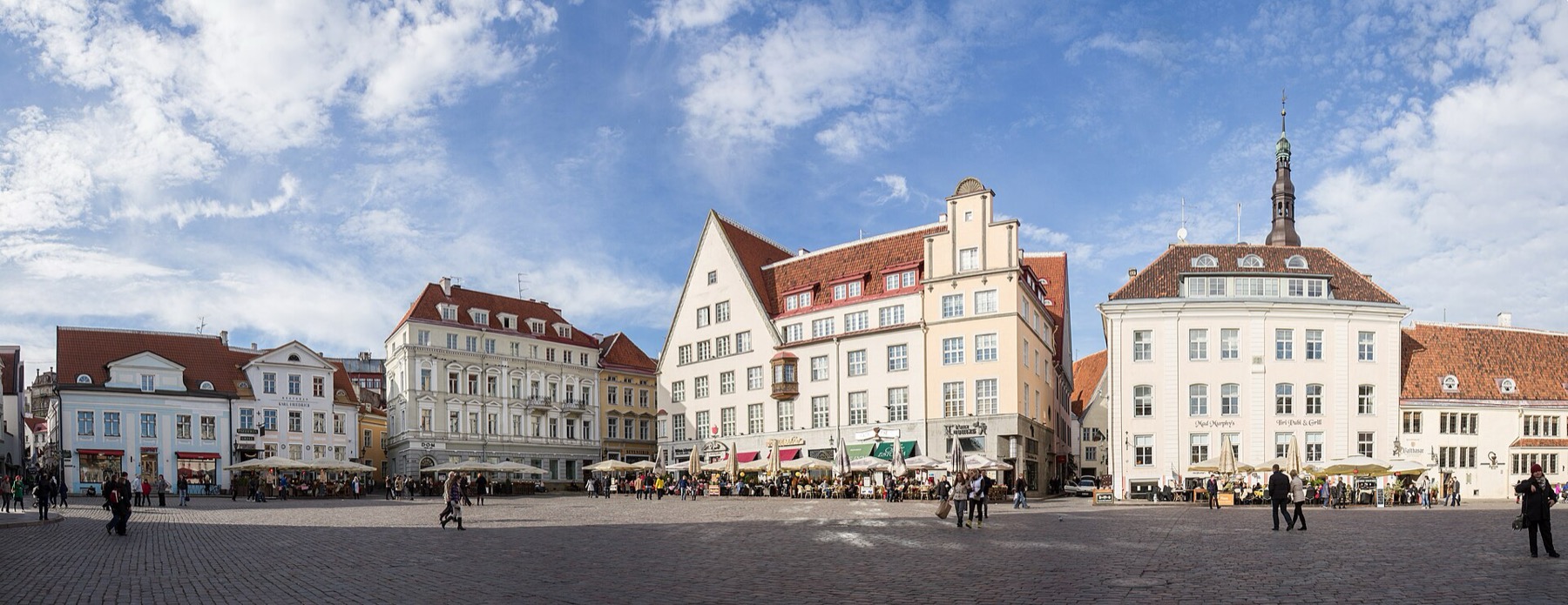
1. Town Hall Square and St Catherine’s Passage
The heart of the Lower Town is Town Hall Square (Raekoja plats), dominated by the mighty Gothic town hall topped by the city’s symbol, the Old Thomas weathervane. Tucked into one corner of the square is Raeapteek, the oldest continuously operating pharmacy in Europe, standing here since 1422. People once bought marzipan here as a cure for a broken heart, along with dried toads or powdered bat wings, said to heal all sorts of ailments.
Just a few blocks away you’ll find St Catherine’s Passage (Katariina käik). This narrow, half-covered alley, lined with massive medieval tombstones, looks like a perfect film set. During the day it’s jammed with tourists, but if you turn up at eight o’clock sharp in the morning, you’ll have all that stone beauty to yourself and your camera.
💡 Tip: The cobbles in the Old Town are made of very rough, uneven stones, so it’s best to leave the stroller — and definitely the heels — at home.
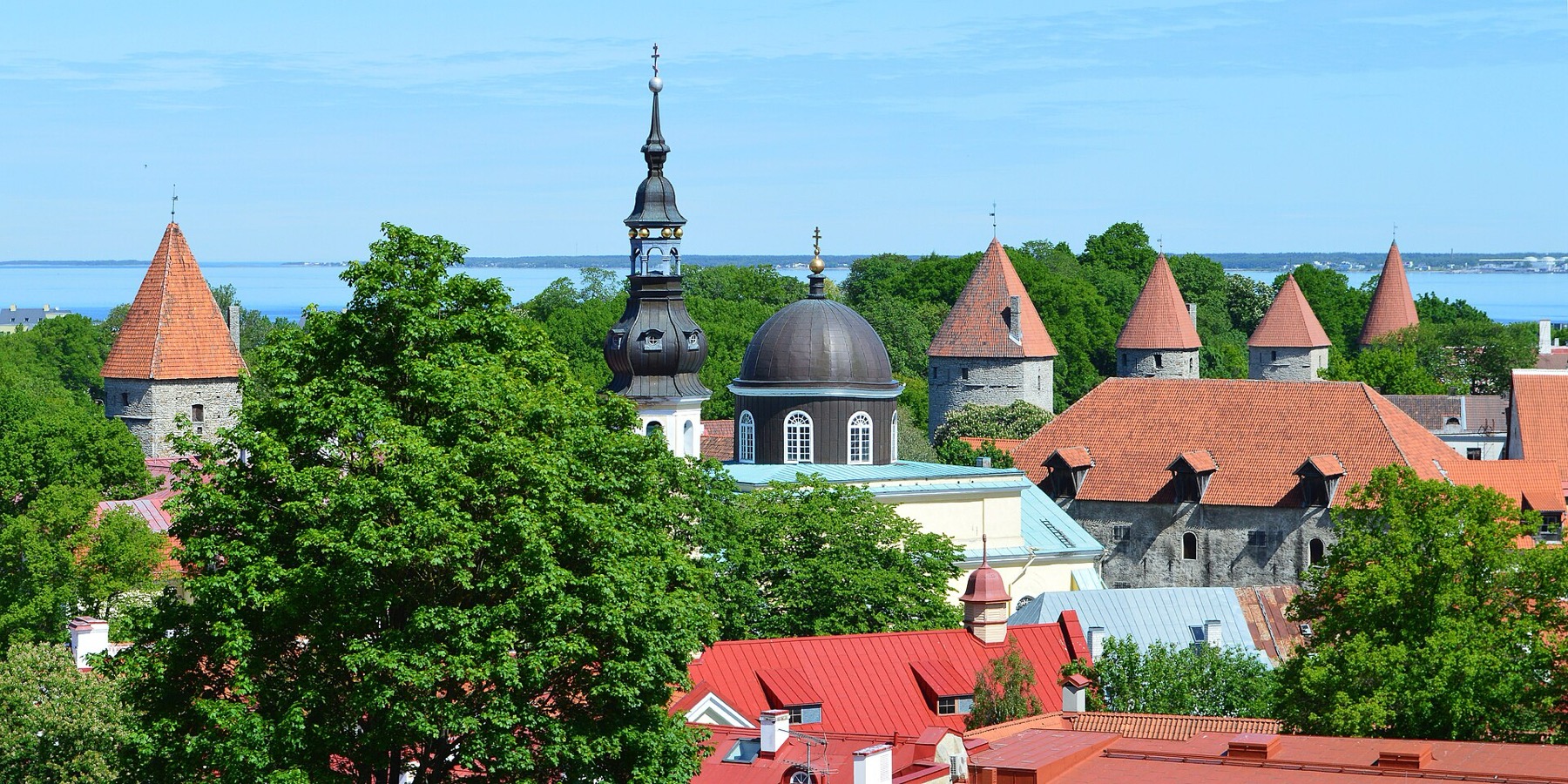
2. Toompea Hill and the Views Over the Red Rooftops
While the merchants lived below, Toompea Hill was historically home to the nobility and the powerful. As soon as you climb the steep Lühike jalg lane, the mighty Orthodox Alexander Nevsky Cathedral hits you in the eye with its onion domes — a slightly jarring sight up here. Right opposite the cathedral stands an unassuming but all-important pink palace, home today to the Estonian parliament, the Riigikogu.
But most people come to Toompea for the best views over the whole city. The Kohtuotsa viewpoint, with its “The Times We Had” sign on the wall, is an absolute social-media hit, while the neighbouring Patkuli terrace offers an unbeatable look at the well-preserved city walls and the blue waters of the Gulf of Finland.
💡 Tip: To avoid the queues at the photo spot by the sign, come right after sunset, when the cruise passengers are already having dinner on board their ships.
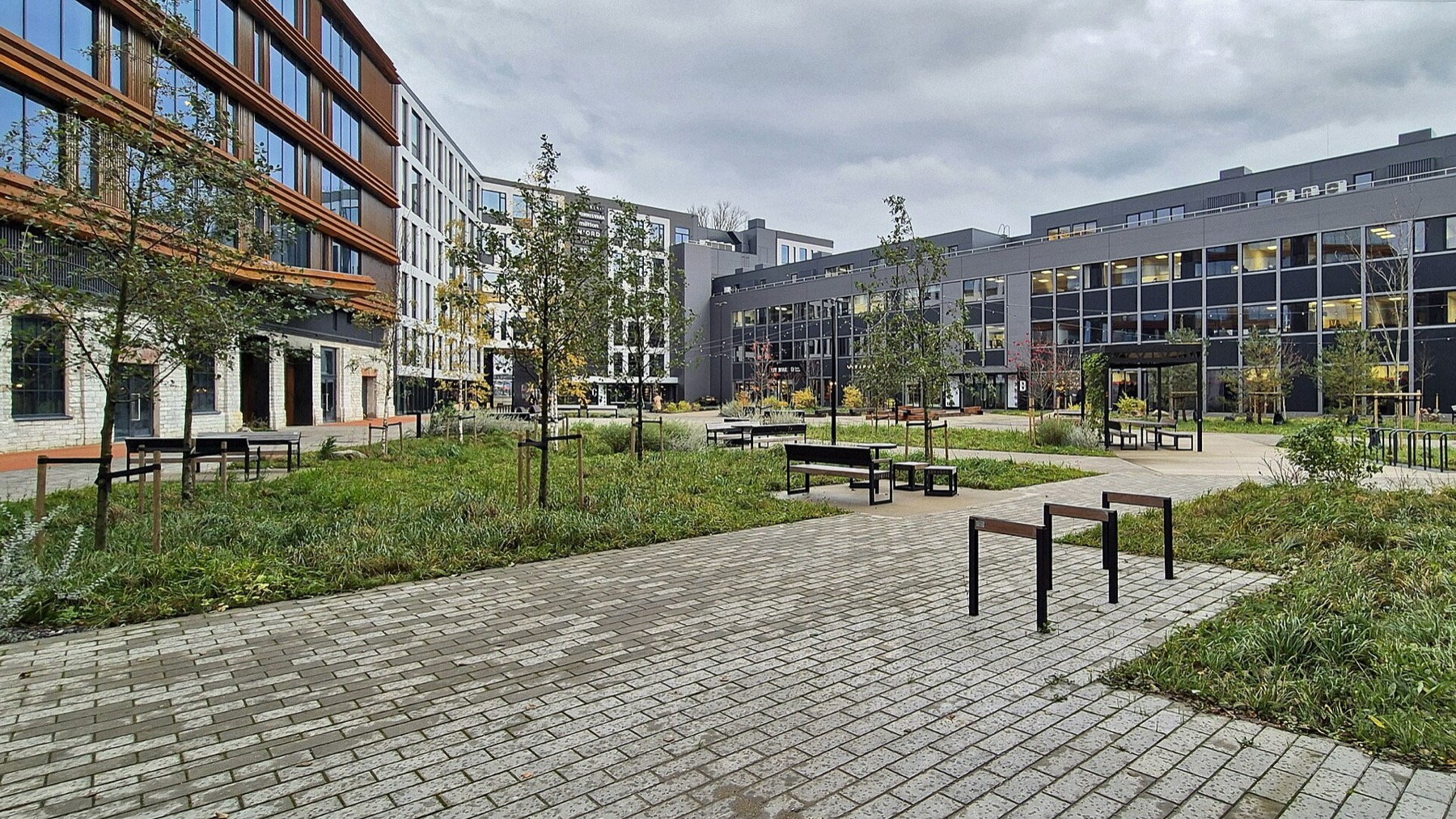
3. Telliskivi and the Balti Jaama Turg Market
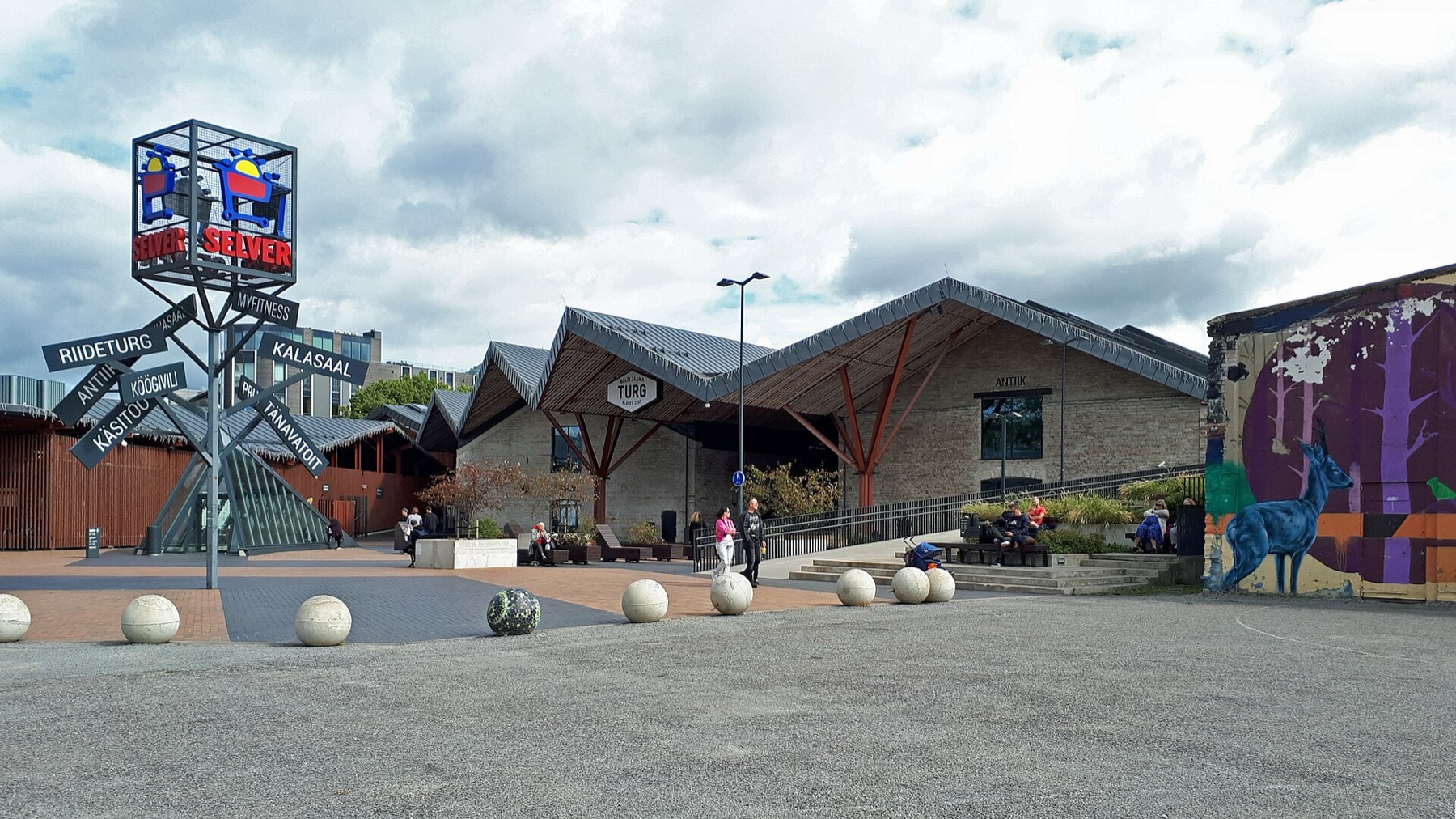
Once the Middle Ages start to wear you out, all it takes is a walk through the underpass beneath the train station to leave the historic centre and step into a completely different world. The Balti Jaama Turg market is a fantastic paradise for food lovers, where the ground floor offers excellent street food and the basement, for a change, a bizarre Soviet flea market full of old badges and porcelain deer.
Right next to the market sits Telliskivi Creative City, a huge former factory complex turned into the beating heart of the local hipster scene. The old brick walls are covered with enormous legal murals, and the industrial halls house dozens of cafés, design boutiques and the famous Stockholm gallery Fotografiska, which stays open late into the evening.
💡 Tip: For lunch at the market I recommend the excellent vegan burger or the traditional mushroom pelmeni dumplings, which will set you back a pleasant €7 to €10.
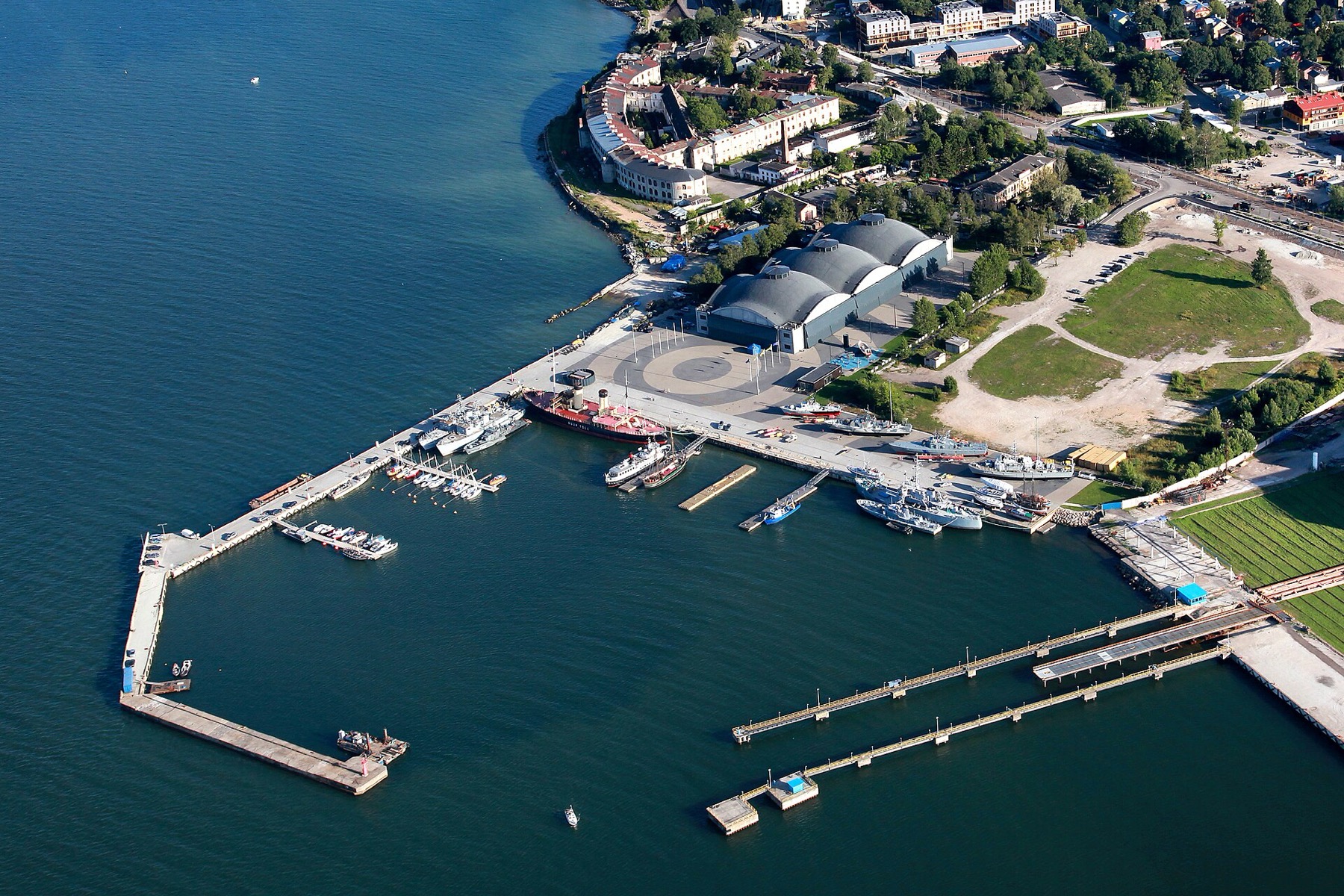
4. Noblessner and the Lennusadam Maritime Museum
The waterfront district of Noblessner grew up on the site of a former tsarist shipyard, where submarines were secretly built a century ago. Today it boasts an award for the best urban project, since luxury flats, top restaurants and breweries have risen out of the derelict halls. Right on the waterfront you can rent the designer Iglupark sauna and jump straight from the hot wood into the cold waves of the sea.
The neighbouring Lennusadam (Seaplane Harbour) museum is an absolute must (especially if you’re travelling with family) and is housed in enormous concrete seaplane hangars. Its star attraction is the real submarine Lembit from the 1930s, whose cramped belly you can climb straight into and touch everything.
💡 Tip: Nearby lies the notorious Patarei sea fortress and former prison, but bear in mind the whole complex is currently closed for renovation, with full reopening planned only for 2027.
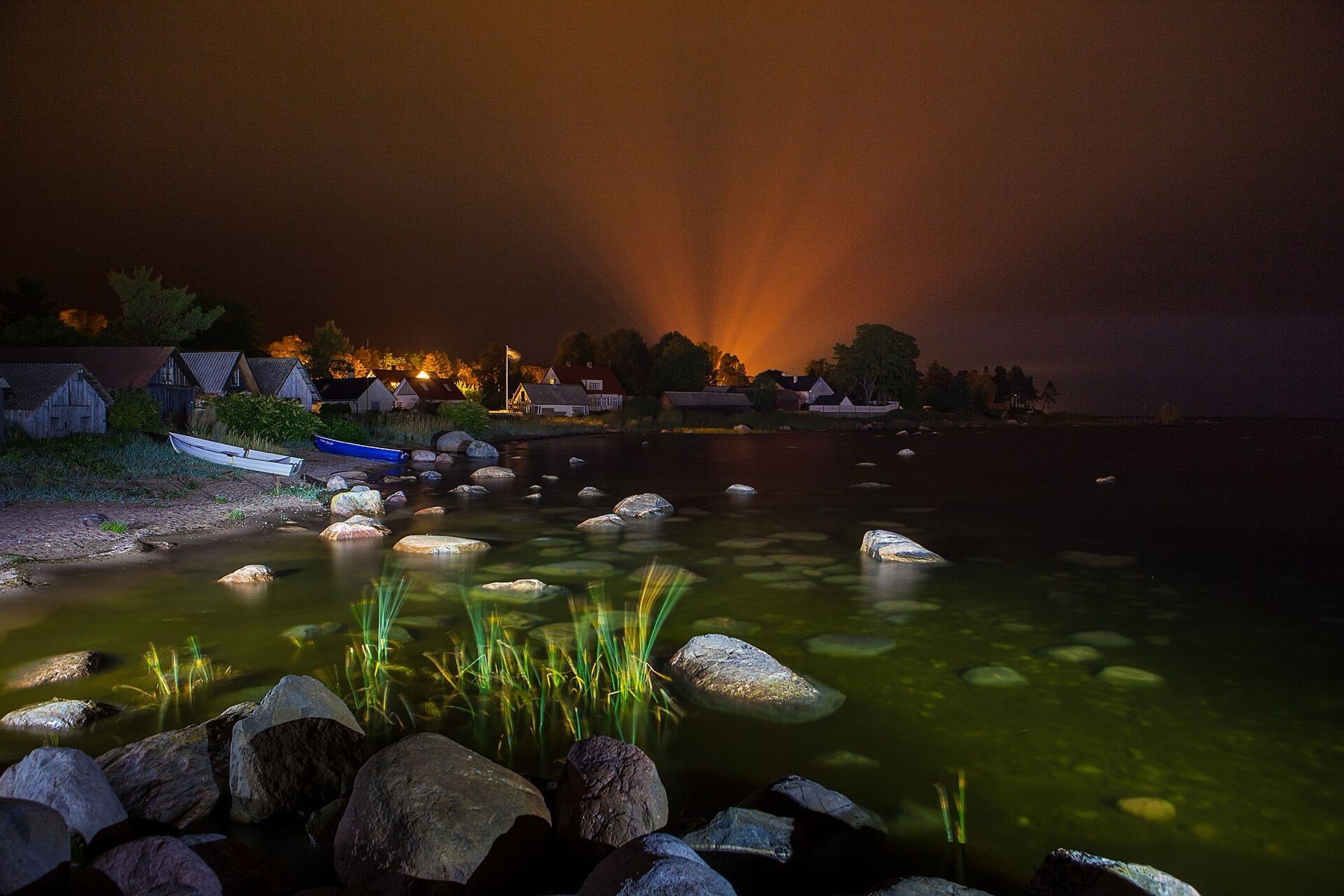
The North and Lahemaa: Captains, Waterfalls and Bogs
Just under an hour’s drive east of the capital lies Estonia’s oldest national park, Lahemaa. This corner of the country works as a perfect showcase of the local untouched nature, where you can breathe in the scent of pines, stroll across springy peat bogs and discover old fishing settlements balancing on the cliffs.
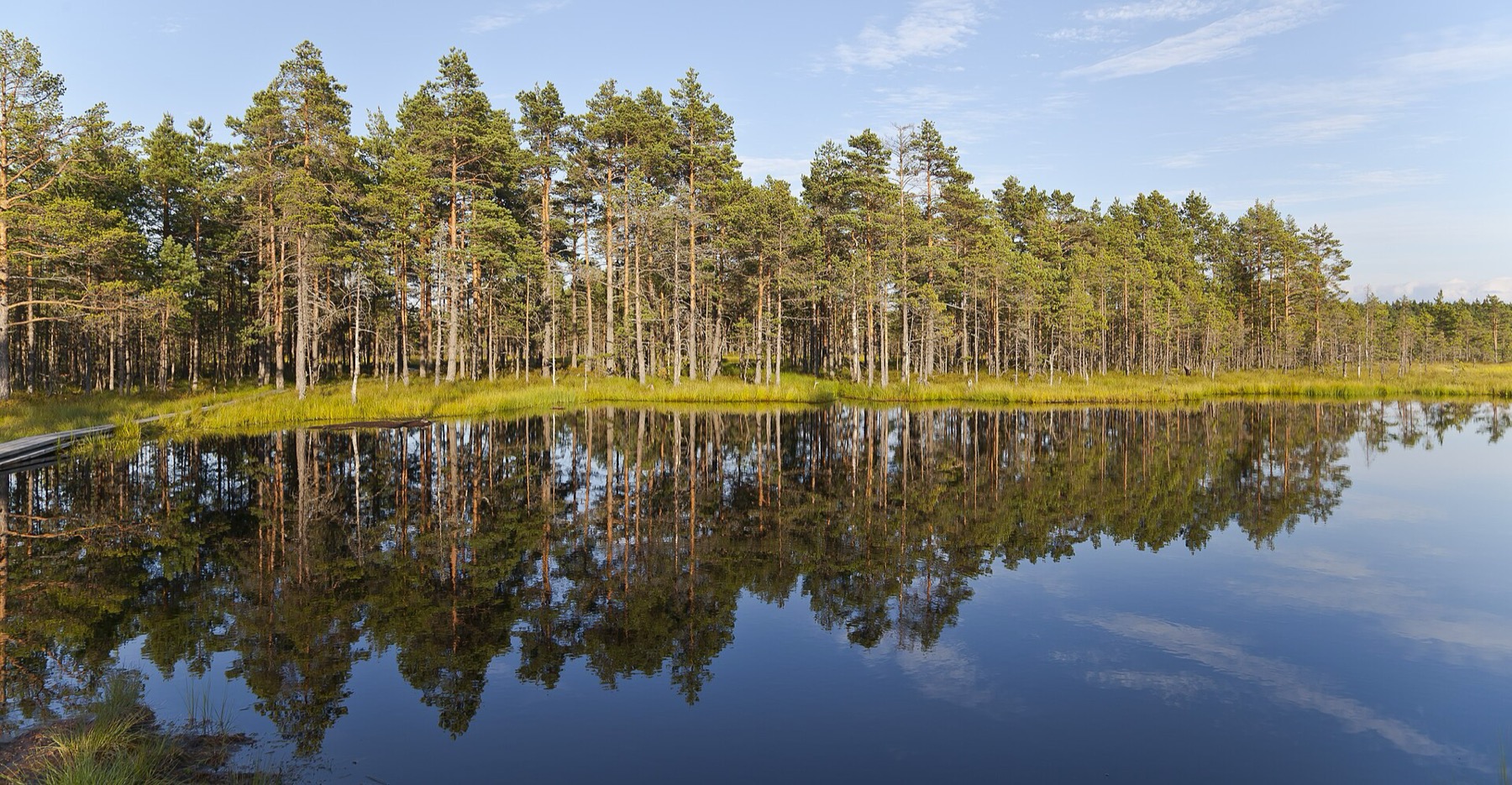
5. Viru raba: Estonia’s Most Famous Bog
Bogs (raba in Estonian) are a genuine national treasure, and Viru raba is by far the most accessible of them. Don’t expect a stinking swamp — instead, a gorgeous landscape full of dwarf pines and dark-blue pools, crossed by a safe wooden boardwalk. These peat bogs have formed over thousands of years and hold an incredible amount of water, working like a giant natural sponge.
The whole loop is a pleasant 3.5 kilometres, and roughly halfway around you’ll come across a tall wooden observation tower, from where you can photograph this alien plain in all its glory. In summer the rare cloudberry grows along the path, and in autumn the whole plain turns rich shades of red and rust.
💡 Tip: If you come in July, I strongly recommend long trousers and a strong DEET repellent, because the local mosquitoes show no mercy.
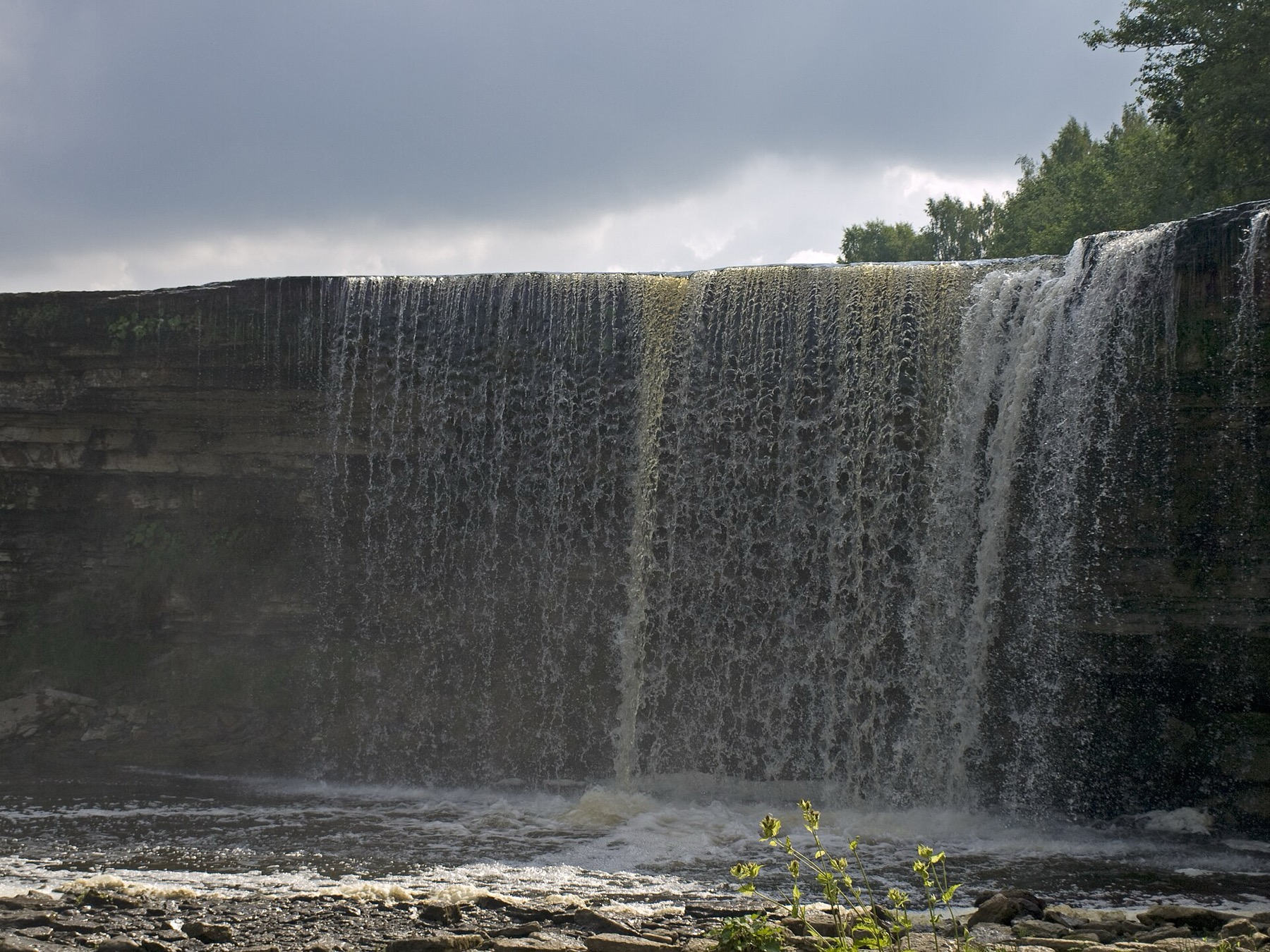
6. Jägala: The Waterfall That Freezes in Winter
On the way to the national park, be sure to stop at the Jägala waterfall, which locals half-jokingly nickname Estonia’s Niagara. At eight metres high and over fifty metres wide, it’s one of the most powerful natural waterfalls in the whole country, its water stained brown by peat as it tumbles over a limestone ledge.
While in summer it offers pleasant cooling in the shade of the forest, the waterfall puts on its greatest show during a hard winter. When the thermometers plunge well below freezing, the mass of water freezes into a gigantic wall of icicles, behind which you can even carefully walk.
💡 Tip: Parking at the waterfall is free and it’s barely two hundred metres from the car to the viewpoint, so it makes an ideal quick stop to stretch your legs.
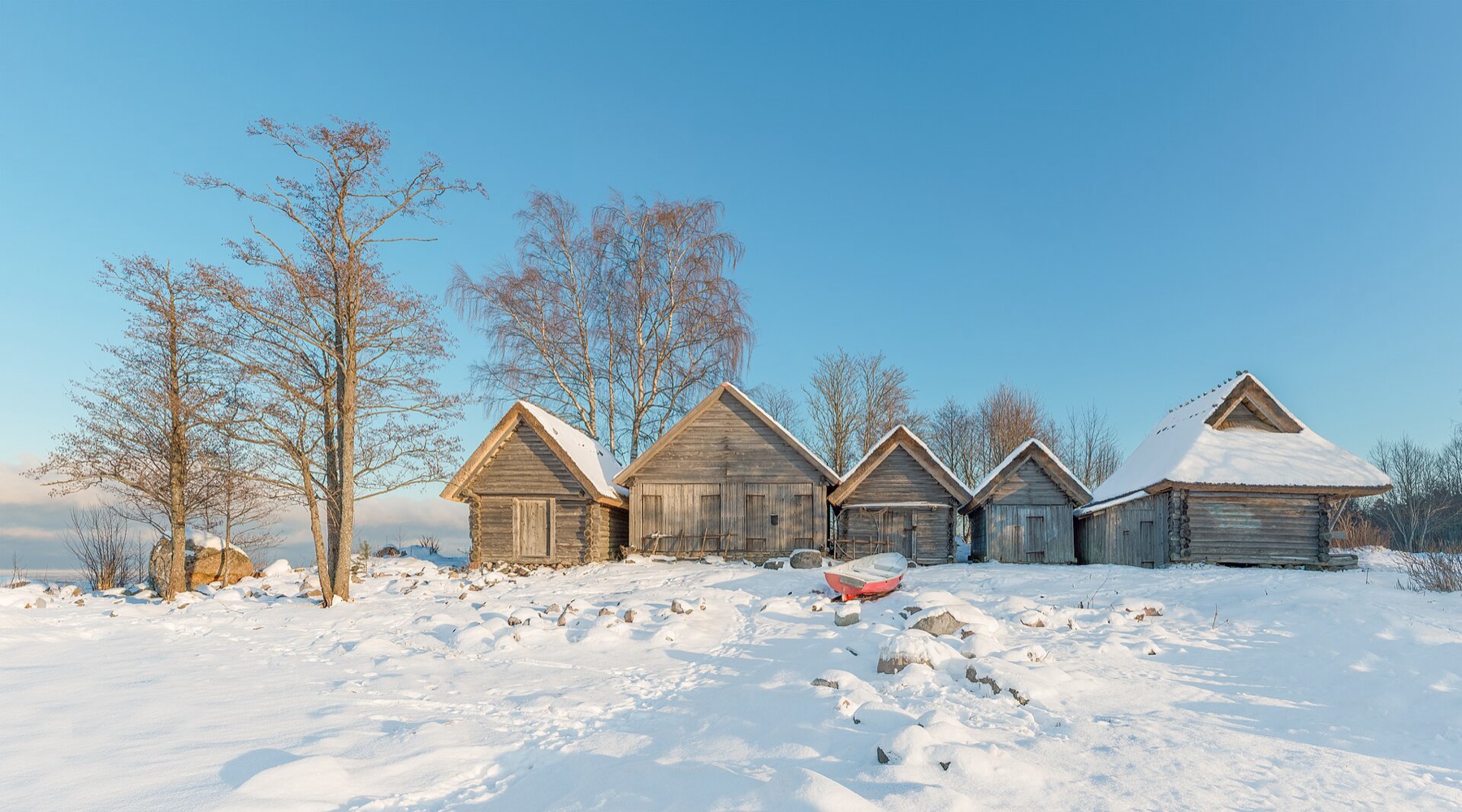
7. Käsmu and Altja: Villages That Smell of the Sea
The coast of Lahemaa National Park is dotted with small settlements, and Käsmu has earned the proud nickname “the captains’ village”. A prestigious maritime school stood here in the nineteenth century, and almost every one of the local white cottages produced some famous ship’s captain — a legacy the wonderful maritime museum still recalls today.
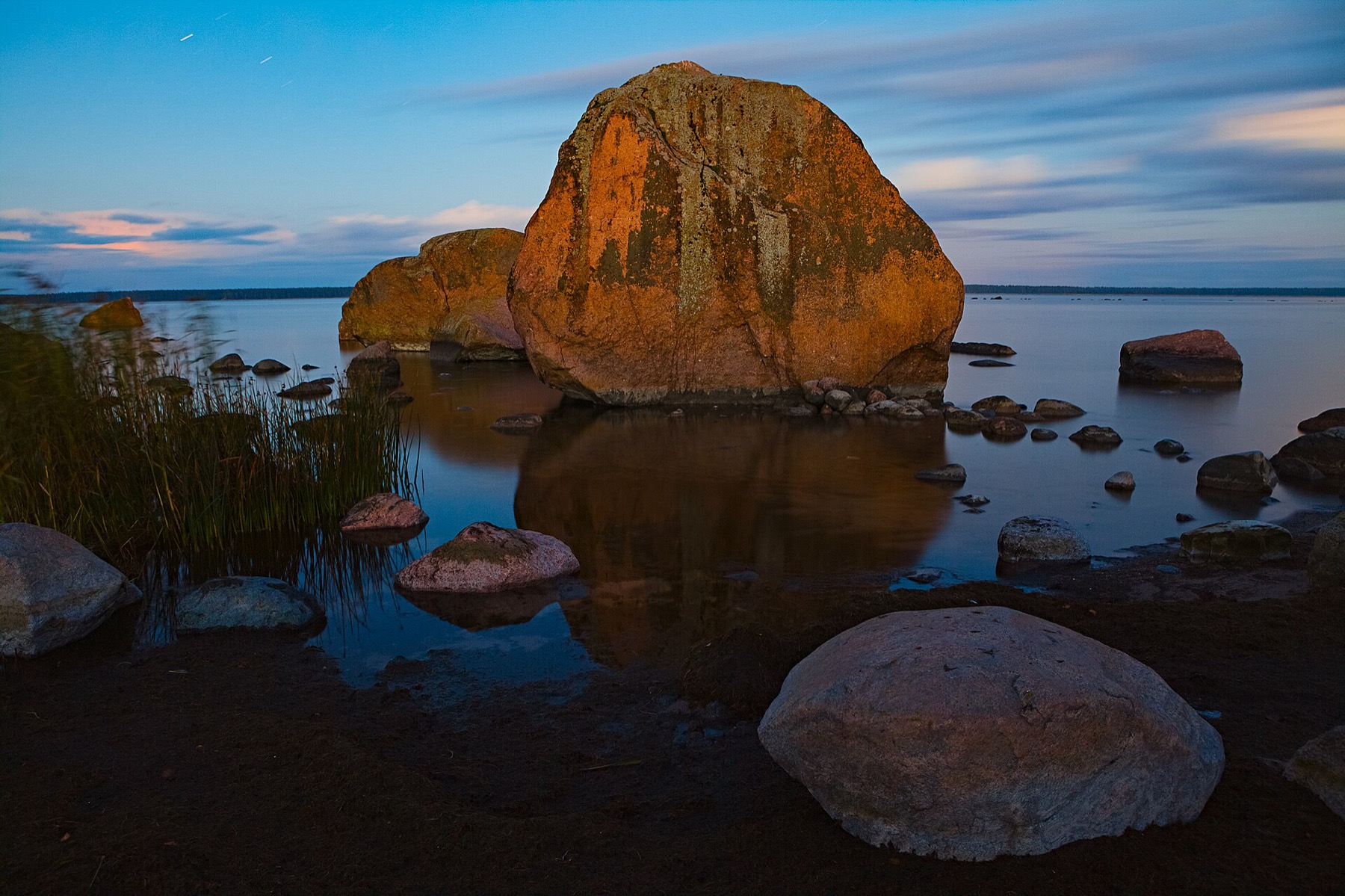
The neighbouring village of Altja, for a change, transports you back to the old fishing days. You’ll find traditional wooden farmsteads with thatched roofs here, and reconstructed nets for drying the catch stand right on the beach. The local coast is also strewn with enormous erratic boulders, pushed here long ago by a glacier from Scandinavia.
💡 Tip: Altja has a great traditional tavern, Altja Kõrts, where you can order an honest bowl of hot vegetable soup or a delicious kama dessert at very reasonable prices.
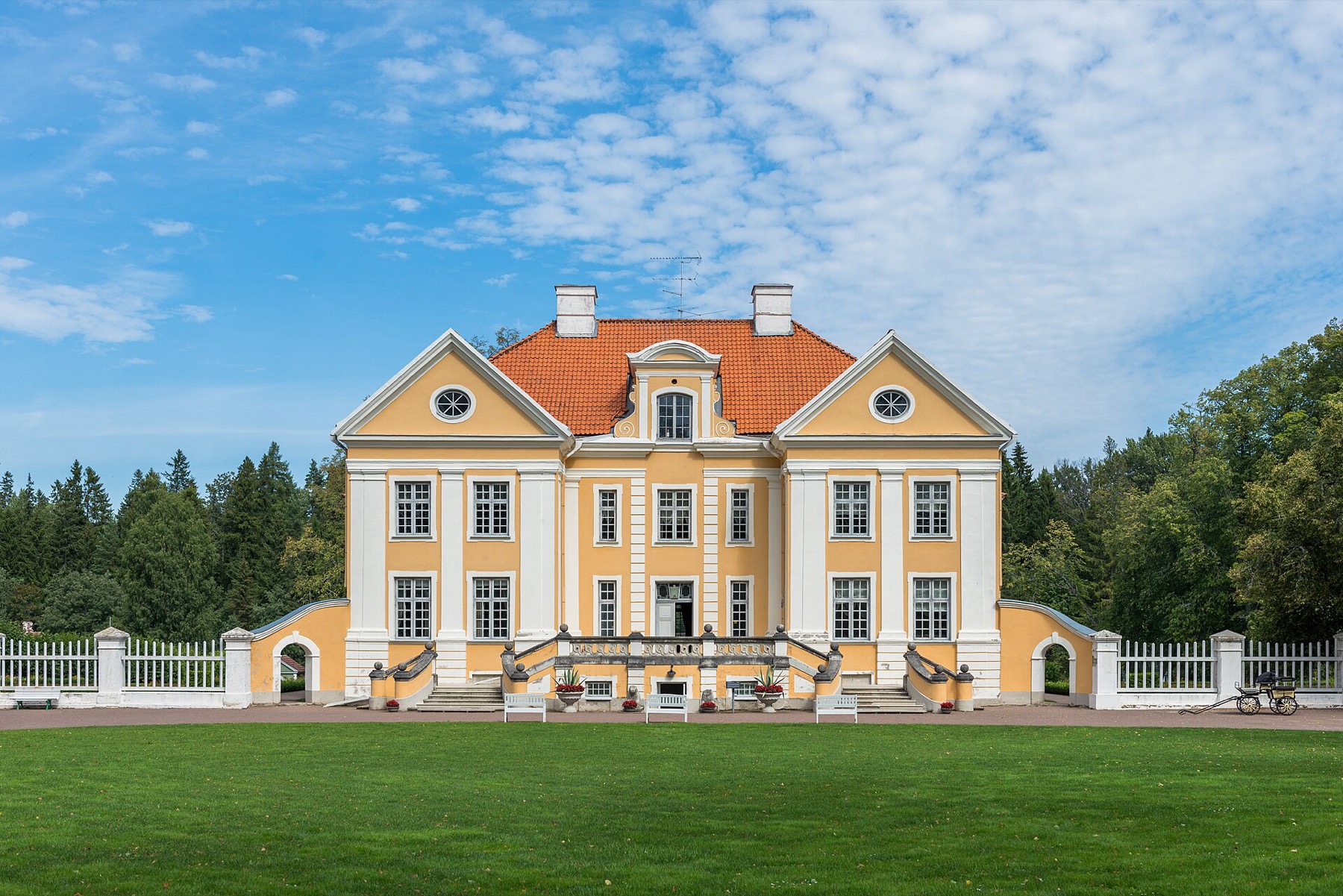
8. Palmse and Sagadi: Manor Houses in the Forests
Lahemaa wasn’t just home to fishermen — for centuries it was ruled by the wealthy Baltic German nobility. They left behind gorgeous manor houses (mõis in Estonian) that gleam like new today and form a surprisingly elegant contrast to the wild taiga all around.
Palmse is a grand Baroque complex with a sprawling French park and a glass orangery, while the neighbouring Sagadi manor will instantly charm you with its striking pink façade. If you’re after perfect peace and quiet, you can often even stay at the manors, or at least have a coffee in their historic gardens.
💡 Tip: Entry to the manor interiors and gardens costs around €9 to €12, but if a view from outside is enough for you, a stroll around the main courtyard is often freely accessible.
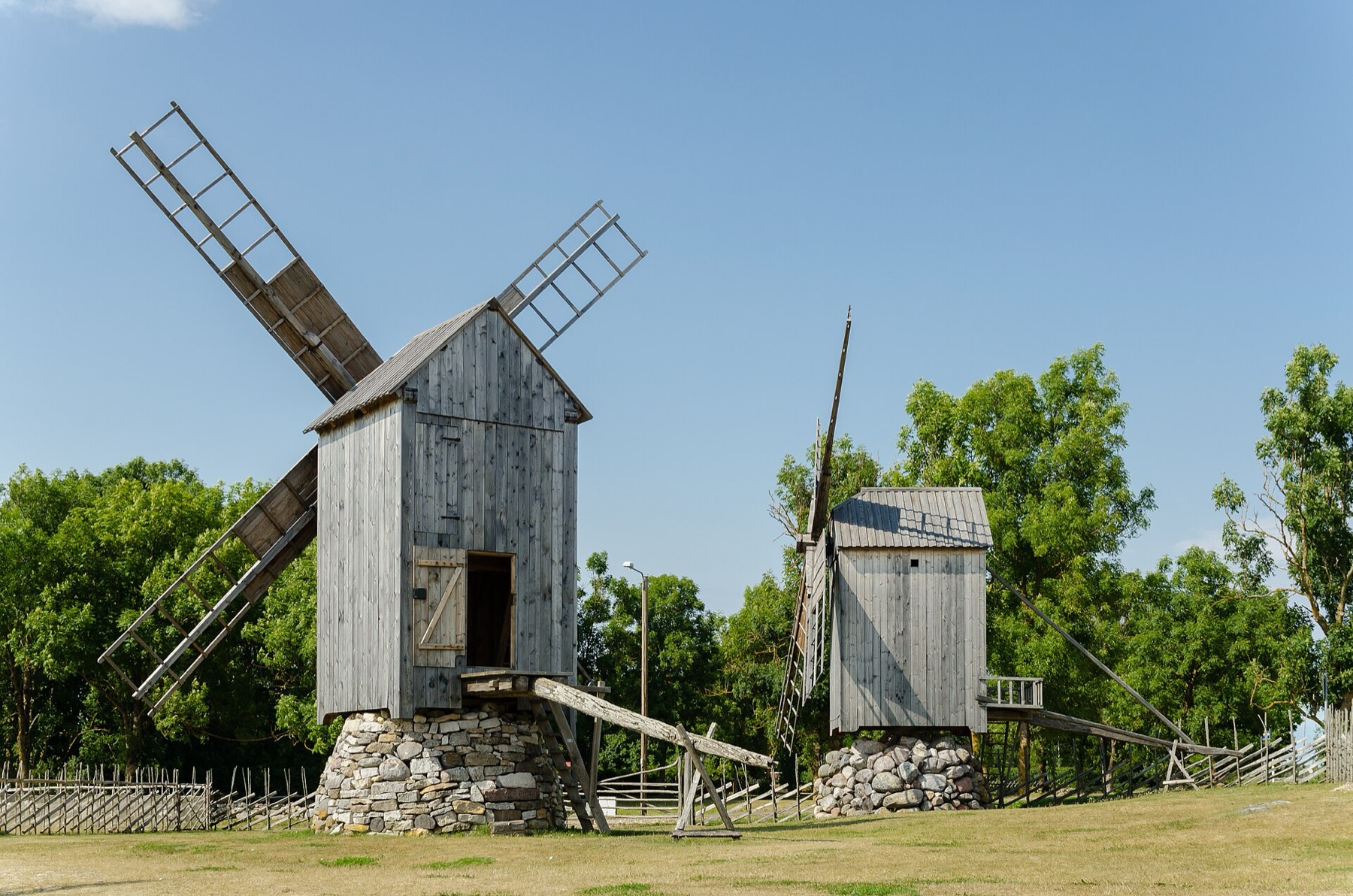
The Islands: Saaremaa, Hiiumaa and Kihnu
For Estonians, heading to the islands is like escaping to a summer cottage in the woods. Time moves noticeably slower here, the air smells of ever-present juniper and the mobile signal occasionally gives way to the murmur of the sea. To enjoy this magic to the full, you’ll definitely need a car and a ferry ticket.
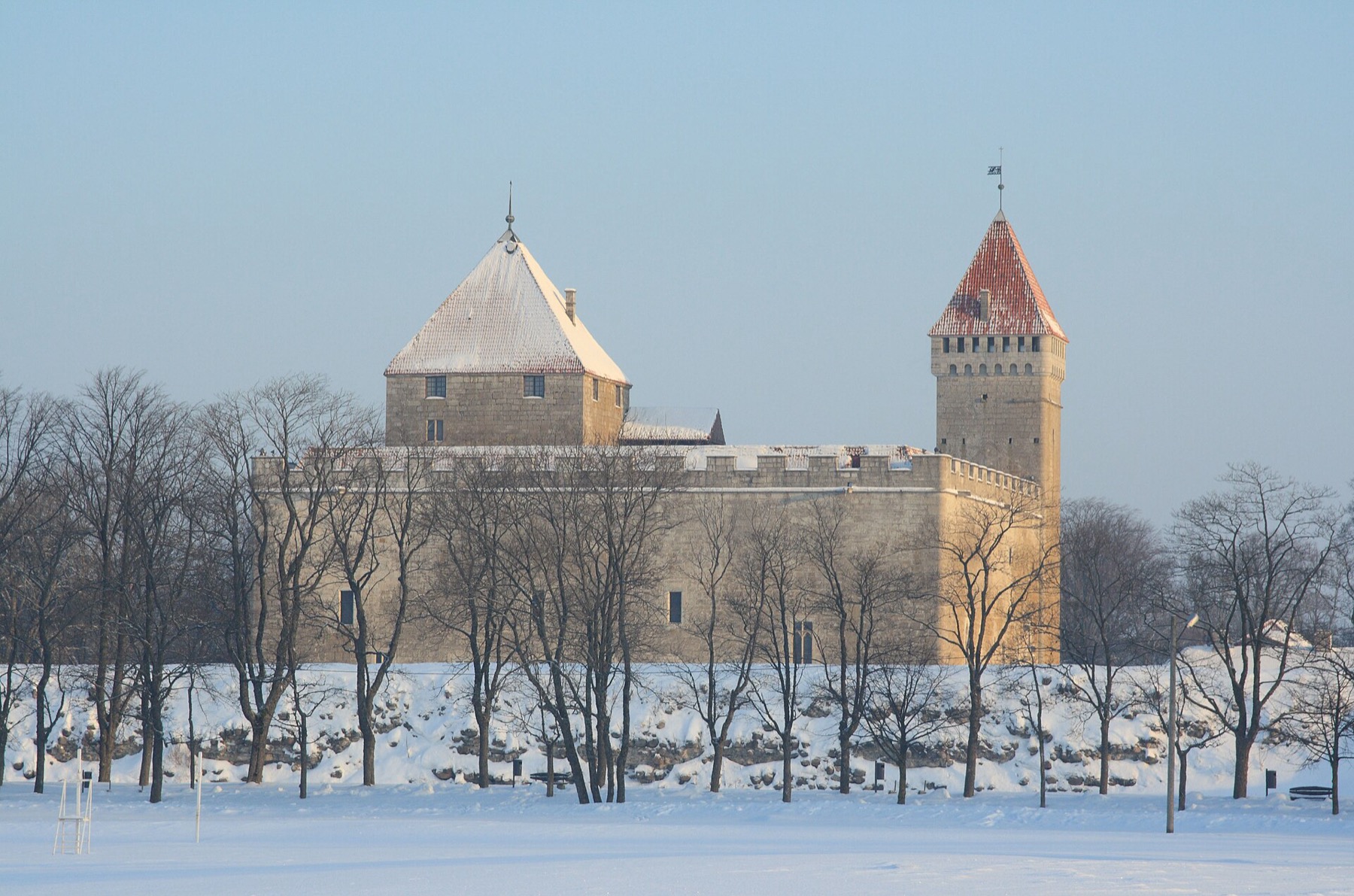
9. Saaremaa and Kuressaare Castle
Saaremaa is without doubt Estonia’s largest and most popular island, reached comfortably by ferry and then along a long causeway from the island of Muhu. The main town, Kuressaare, boasts a perfectly preserved fourteenth-century bishop’s castle, surrounded by a mighty moat and a sprawling park.
But the town lives mainly for its spas. The tradition of mud baths here dates back to 1824, and today you’ll find a huge concentration of top spa hotels that draw guests from all over Finland. Treatments with the local dolomite mud are said to work wonders on aching backs.
💡 Tip: If you’re taking a car to the island in July or August, buy your ferry ticket via praamid.ee a good week in advance, otherwise you risk hours of waiting at the port.
10. The Kaali Crater and the Panga Cliffs
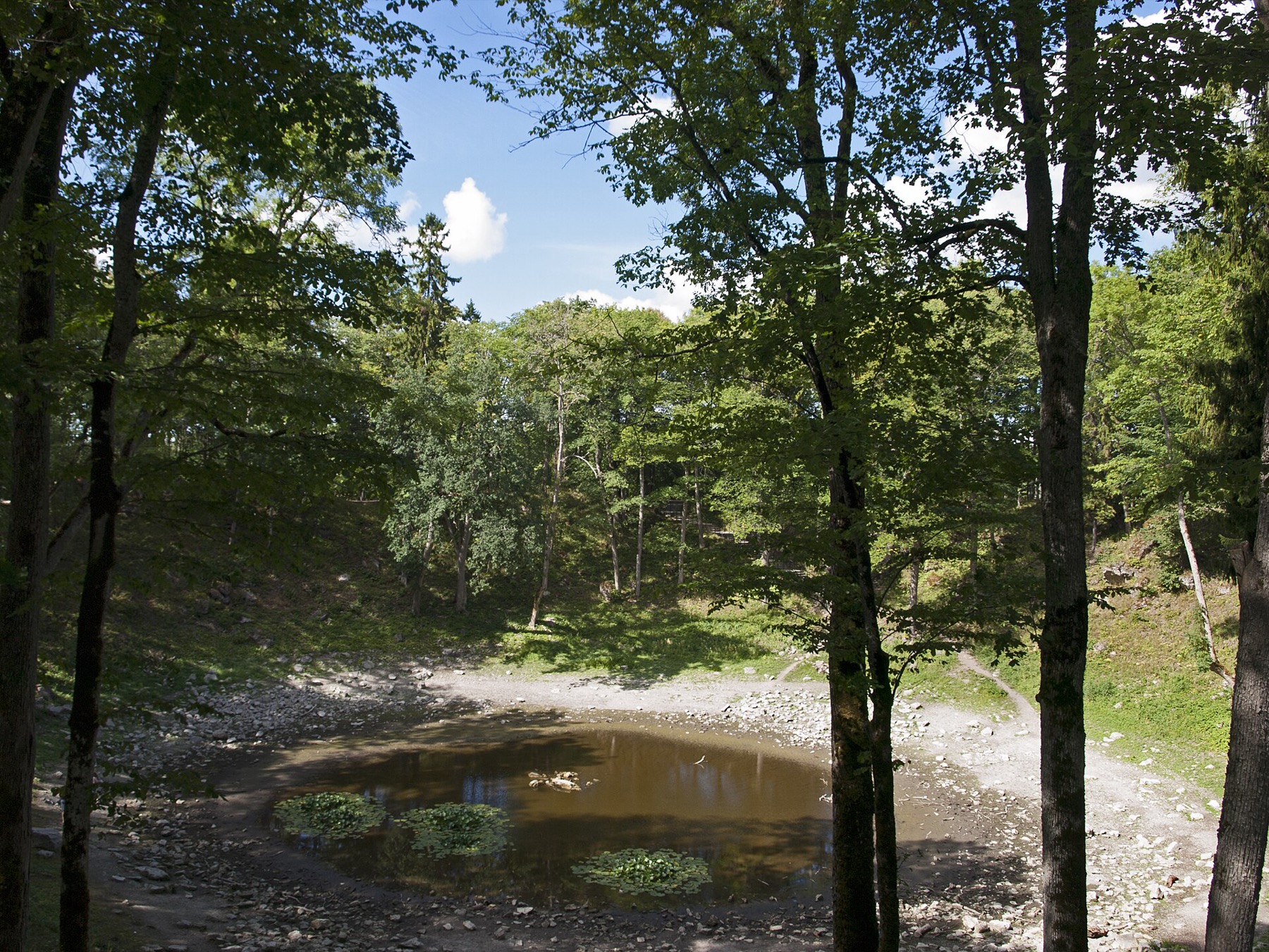
About twenty kilometres from the spa town of Kuressaare you’ll come across a spot often nicknamed the Estonian Tunguska. More than three thousand years ago, a giant meteorite struck here and left a crater 110 metres across, at the bottom of which a dark green pool now nestles. The place radiates an incredibly strong pagan atmosphere, and history claims it once served as a ritual sacrificial site.
Another natural landmark of the island is the Panga cliffs on the northern coast. The limestone walls here plunge steeply into the sea from over twenty metres up and make a truly fantastic spot for watching the sunset over the restless Baltic.
💡 Tip: There’s no entry fee at the crater, and right next to the car park there’s a great little museum with samples of meteorite fragments.
11. Hiiumaa and the World’s Third-Oldest Lighthouse
The neighbouring island of Hiiumaa is much wilder, more forested and considerably calmer than well-groomed Saaremaa. The locals are also famous for their distinctive island humour, constantly poking fun at themselves and their neighbours. In winter, when the sea freezes solidly enough, you can even drive here from the mainland along an official ice road — a completely unique adrenaline experience.
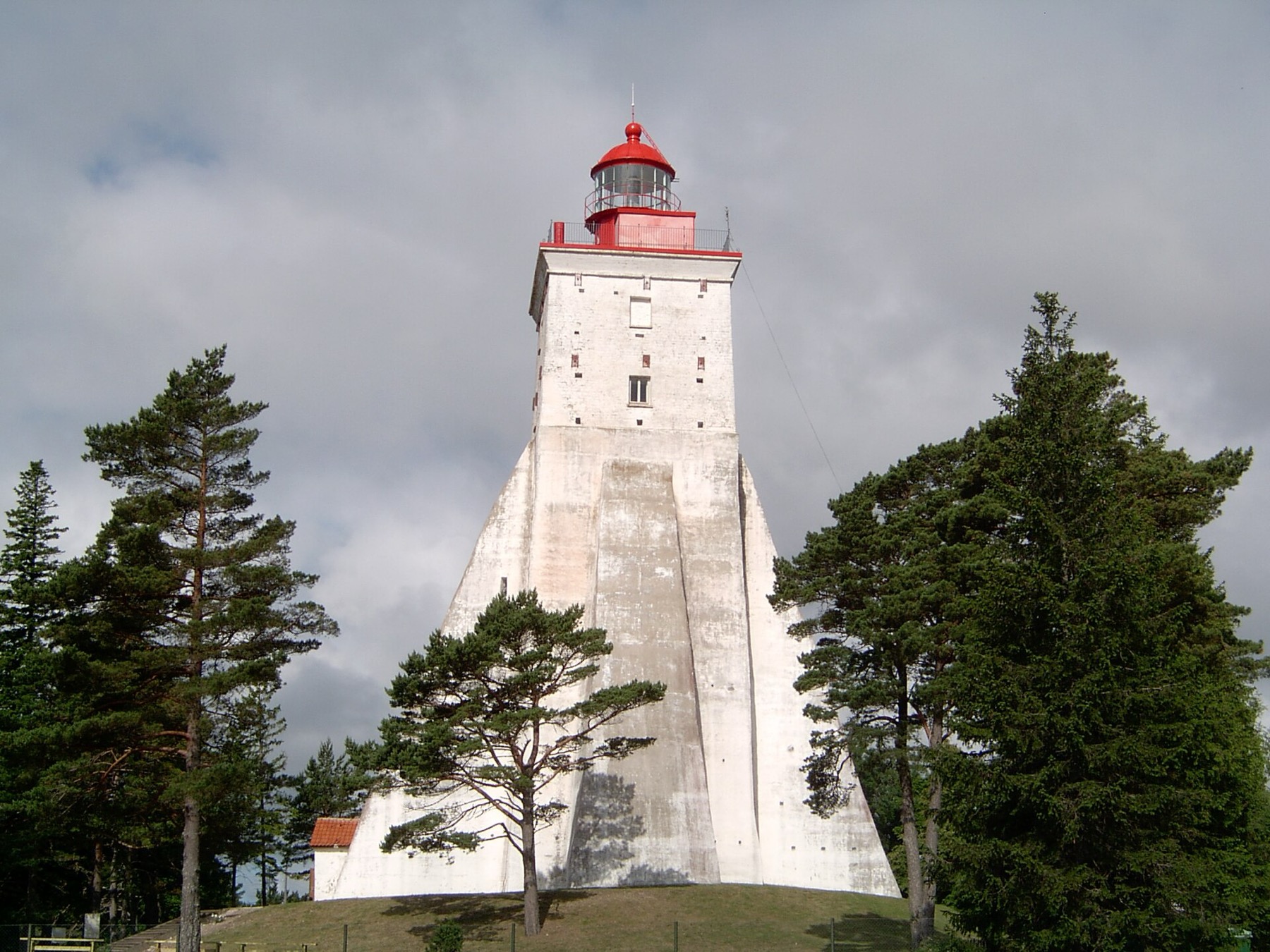
The island’s main draw is clearly the Kõpu lighthouse. It stands on a hill deep in the forest and has guided sailors continuously since 1531, making it the third-oldest working lighthouse in the world. It’s shaped like a massive square fortress with huge buttresses, and the hike up its extremely steep, narrow stairs will test your fitness.
💡 Tip: A local ferry line (Triigi–Sõru) runs between Saaremaa and Hiiumaa, so you can easily combine the two into one grand, wonderful road trip.
12. Kihnu: A UNESCO-Protected Island
This small patch of land near Pärnu is a European oddity, often talked about as the continent’s last matriarchy. Because the local men historically spent most of the year at sea, the women had to take absolute control over how the island ran, from managing the farms to keeping the folk rituals alive.
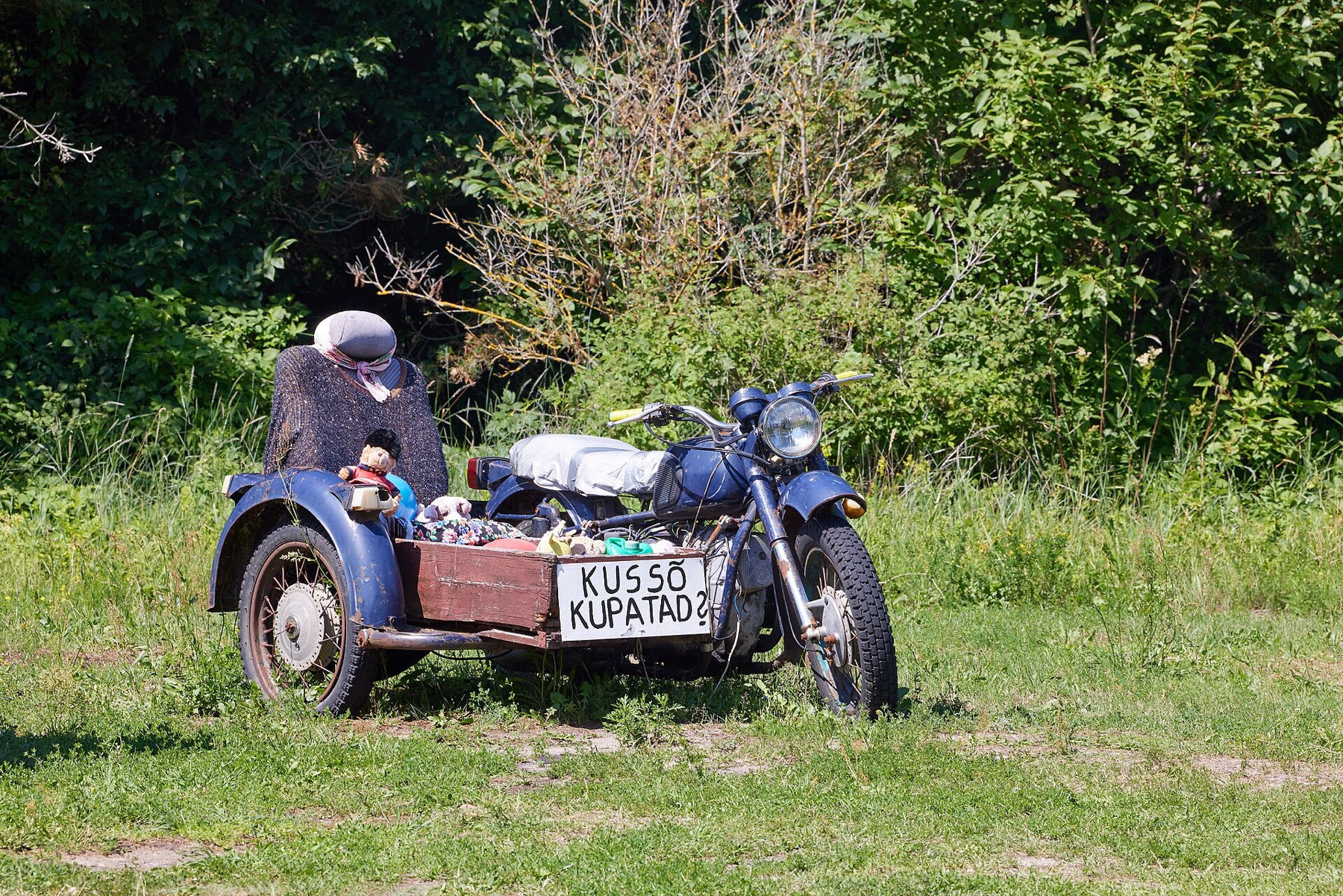
The entire cultural space of Kihnu has earned a place on the UNESCO list, and to this day you’ll routinely see women riding sidecar motorbikes dressed in traditional striped skirts. The colour of their stripes clearly signals whether the family is in mourning or celebrating.
💡 Tip: Leave the car on the mainland, hop on the passenger ferry and rent a plain bicycle on the island — from the saddle you’ll soak up its flat landscape far better than any other way.
The South: Tartu, Peipus and Hills They Call Mountains
While the north rules with business and tourism, southern Estonia hides the soul of the whole country. The landscape starts to gently roll, forests give way to blue lakes and people’s mentality is noticeably earthier and more laid-back. It’s here that you’ll discover Russian villages with onion fields, or proud minorities keeping ancient sauna rituals alive.
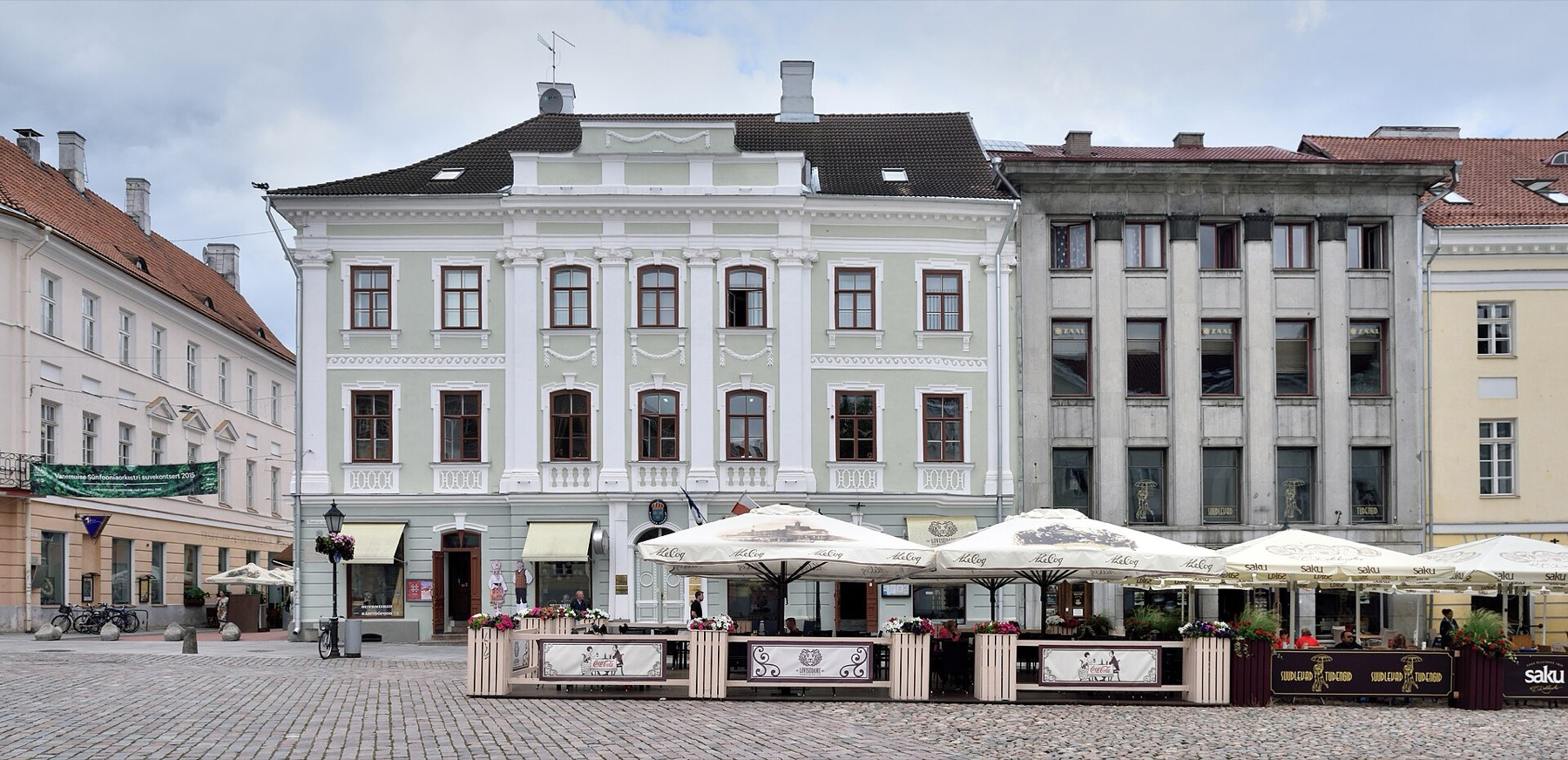
13. Tartu: Estonia’s University Heart
Tartu is the second-largest city, and thanks to its ancient university, founded in 1632, it has an incredibly young, buzzing atmosphere. The university was founded by the Swedish king Gustav II Adolf and remains the most important intellectual centre in the whole country, producing most of Estonia’s national revivalists and presidents. In 2024 the city proudly held the title of European Capital of Culture, and that huge success left behind plenty of new cafés, restored parks and creative hubs in old factories.
Your first stop should be the iconic fountain with the kissing students in front of the town hall. From there, head up Toomemägi hill, where the majestic red-brick ruins of a Gothic cathedral rise among old trees, serving today as a giant open-air reading room for students cramming for exams — the atmosphere here is simply one of a kind.
💡 Tip: If it rains, take shelter in the interactive AHHAA science centre, reportedly the largest in the Baltics, or in the stunning modern building of the Estonian National Museum (ERM).
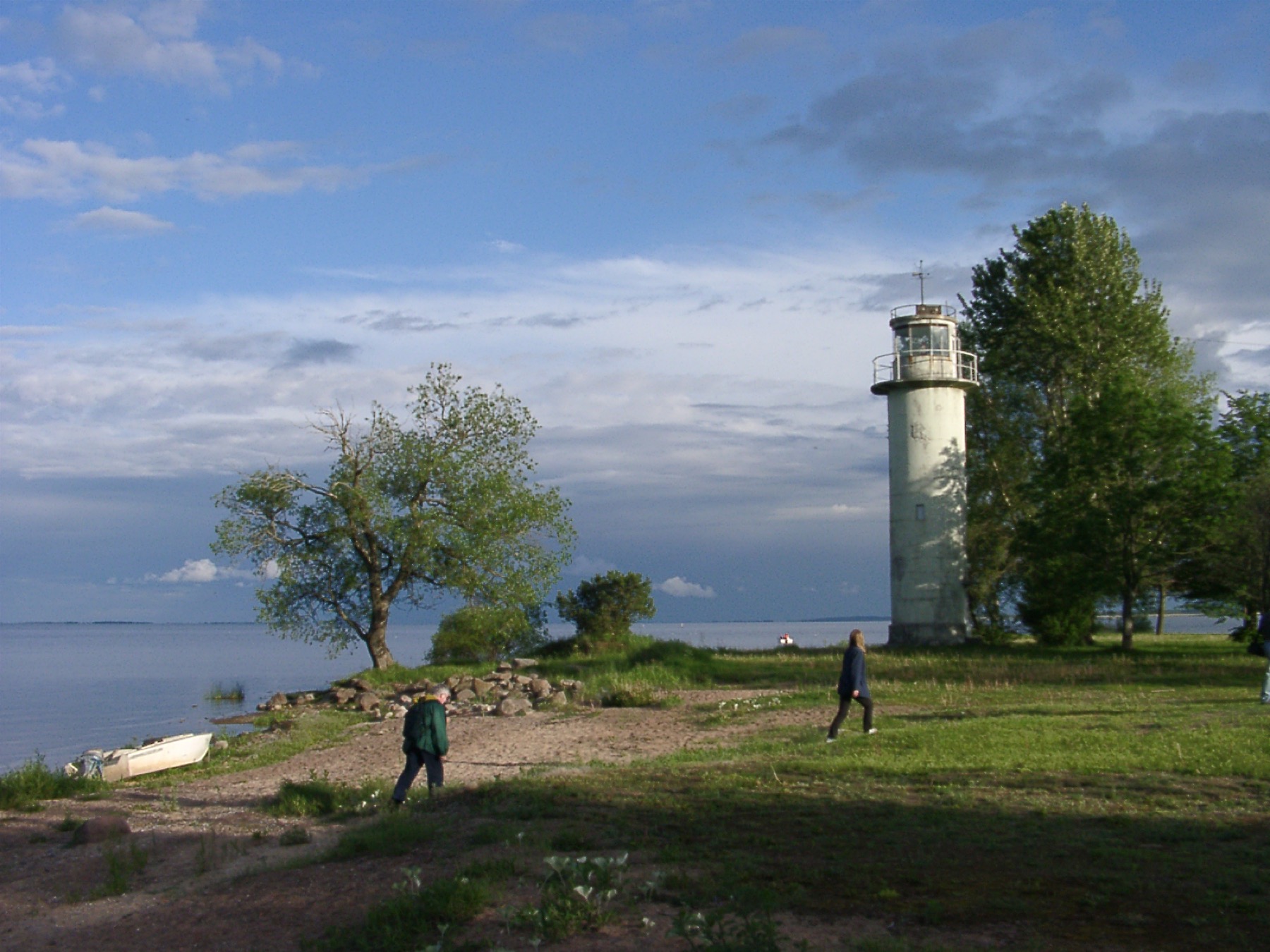

14. Peipus and the Onion Route
Head east from Tartu and you’ll hit the gigantic Lake Peipus, which forms the natural border with Russia and is so vast that you can’t even see the Russian shore across the mist. You stand at the water’s edge and your brain refuses for a moment to accept that it isn’t the sea.
The coast is home to a community of Old Believers, who fled here in the 17th century to escape religious reforms. Their villages are nicknamed the Onion Route, because they grow their famous onions on raised beds and then sell them in long braids right by the road. Be sure to stop at a local tea house and try strong black tea brewed in a traditional samovar.
💡 Tip: Fish and meat dishes are the celebrated local specialty here, but every little pub will happily prepare you excellent potato pancakes with thick sour cream too.
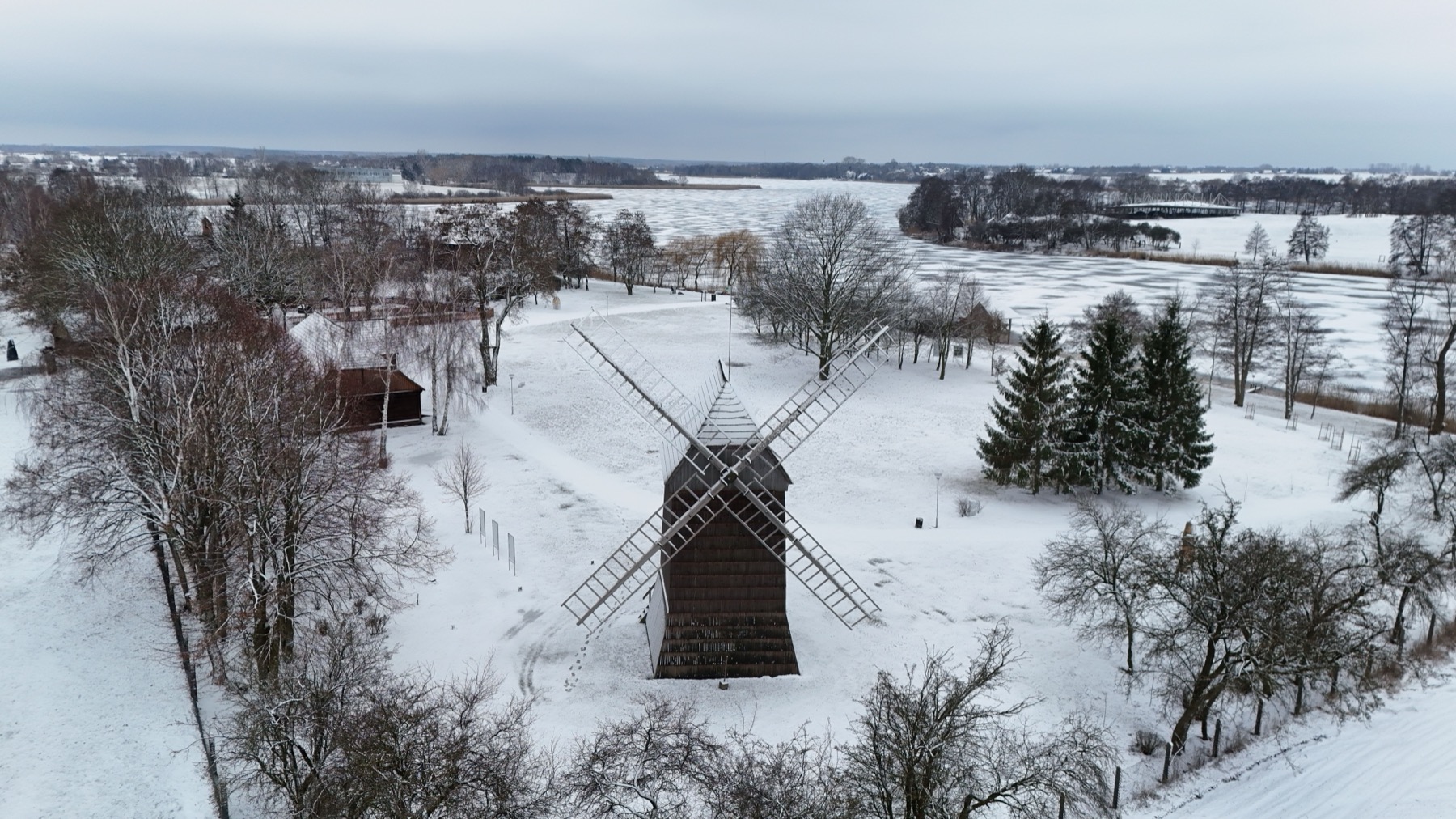
15. Otepää: The Winter Capital
Estonians have a habit of calling every bigger bump a mountain, so when you arrive in the gently hilly region of Otepää, it’ll feel more like rolling countryside. Yet every year this area proudly takes on the role of the country’s winter capital, as all the passionate cross-country skiers head here.
The local Tehvandi sports centre offers top-class floodlit trails and a huge ski jump, which even hosts European Cup events. In February it also hosts the legendary sauna marathon, where hundreds of crazy teams run through the frost between twenty different saunas and bathe in holes cut into the ice.
💡 Tip: You won’t find snow in summer, but the hilly surroundings of Lake Pühajärv are an absolute paradise for easy cycling and scenic hikes.
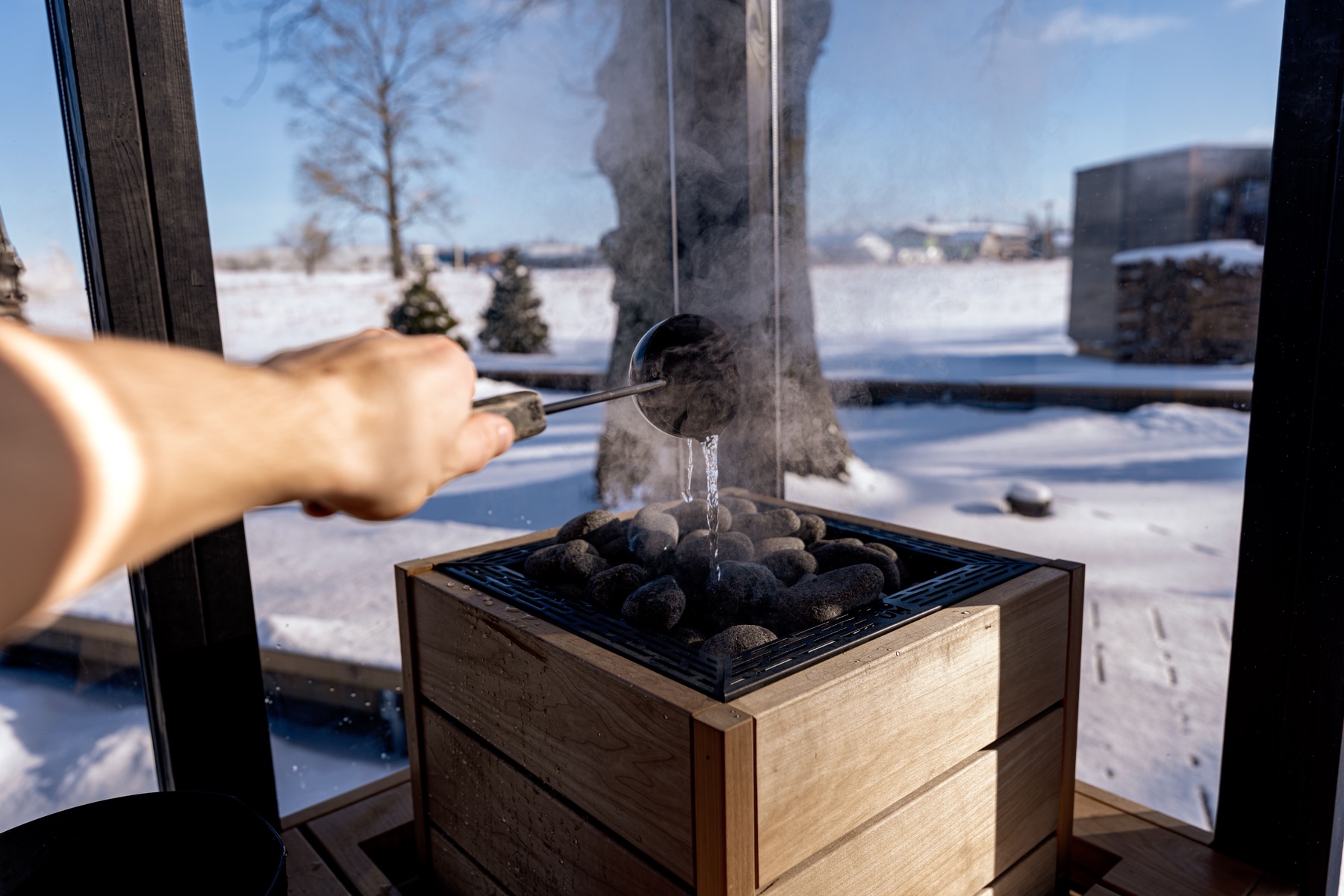
16. Võromaa and Setomaa: The Kingdom of Saunas
Right in the south you’ll find regions living by their own ancient rules. Võromaa is the home of the Estonian smoke sauna (suitsusaun), so unique that UNESCO added it to the list of intangible heritage. Don’t expect a quick sweat — it’s a multi-hour meditative ritual in a black, soot-covered log room.
Neighbouring Setomaa, in turn, is home to the Seto people, a proud minority with their own language and Orthodox faith. The local women sing protected polyphonic songs and wear stunning folk costumes with massive silver jewellery. The Seto even elect their own king every August, and a visit to their quirky museum in Värska will reliably take your breath away.
💡 Tip: You can book an experience in a traditional smoke sauna, for example at the famous Mooska farm, but reckon on around €250 for the whole group and sort out your slot months ahead.
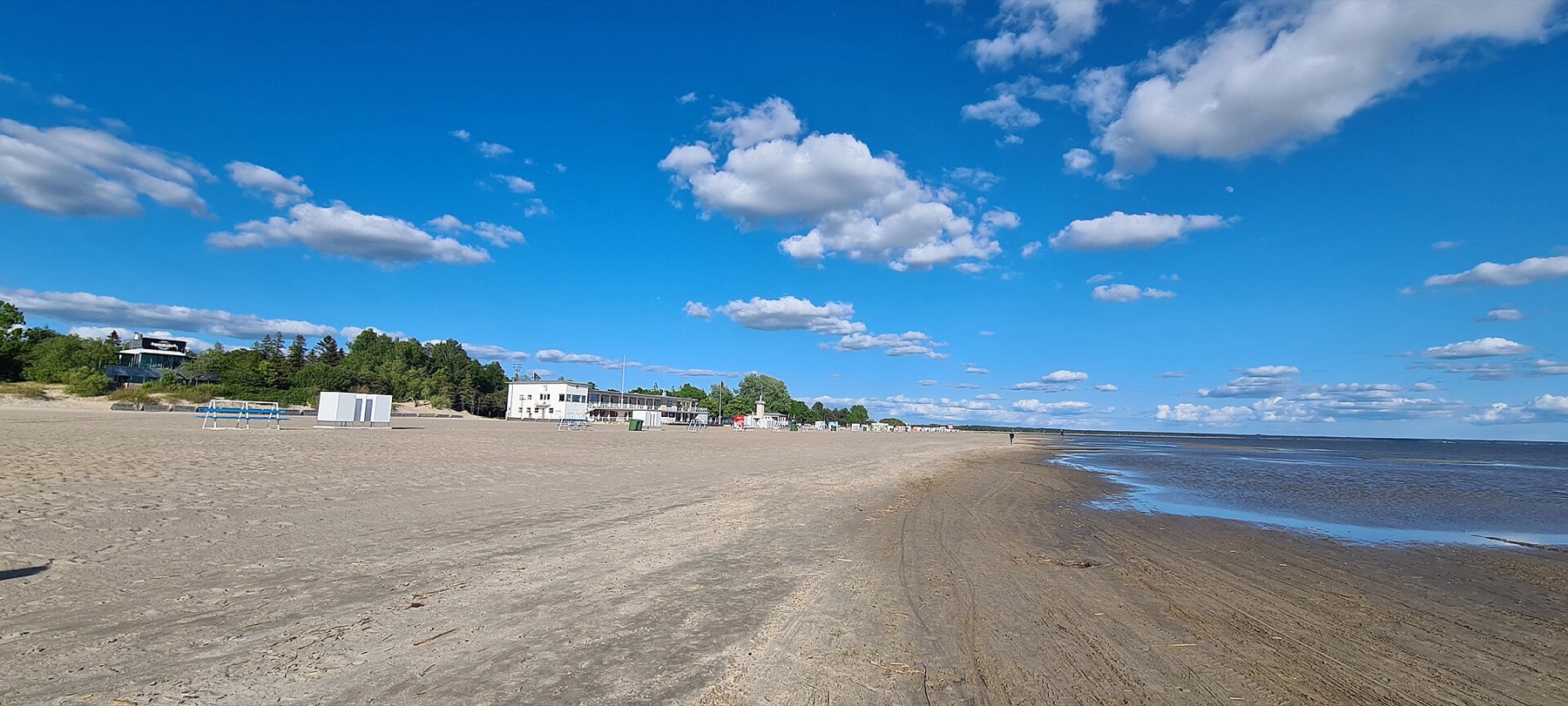
The West, Beaches and Spas: Pärnu and Haapsalu
If you think you can’t go to the Baltics for a beach holiday, western Estonia will quickly set you straight. Long kilometres of white sand, shallow warm water and promenades lined with nineteenth-century wooden villas draw tens of thousands of Scandinavians here each summer in search of a peaceful break.
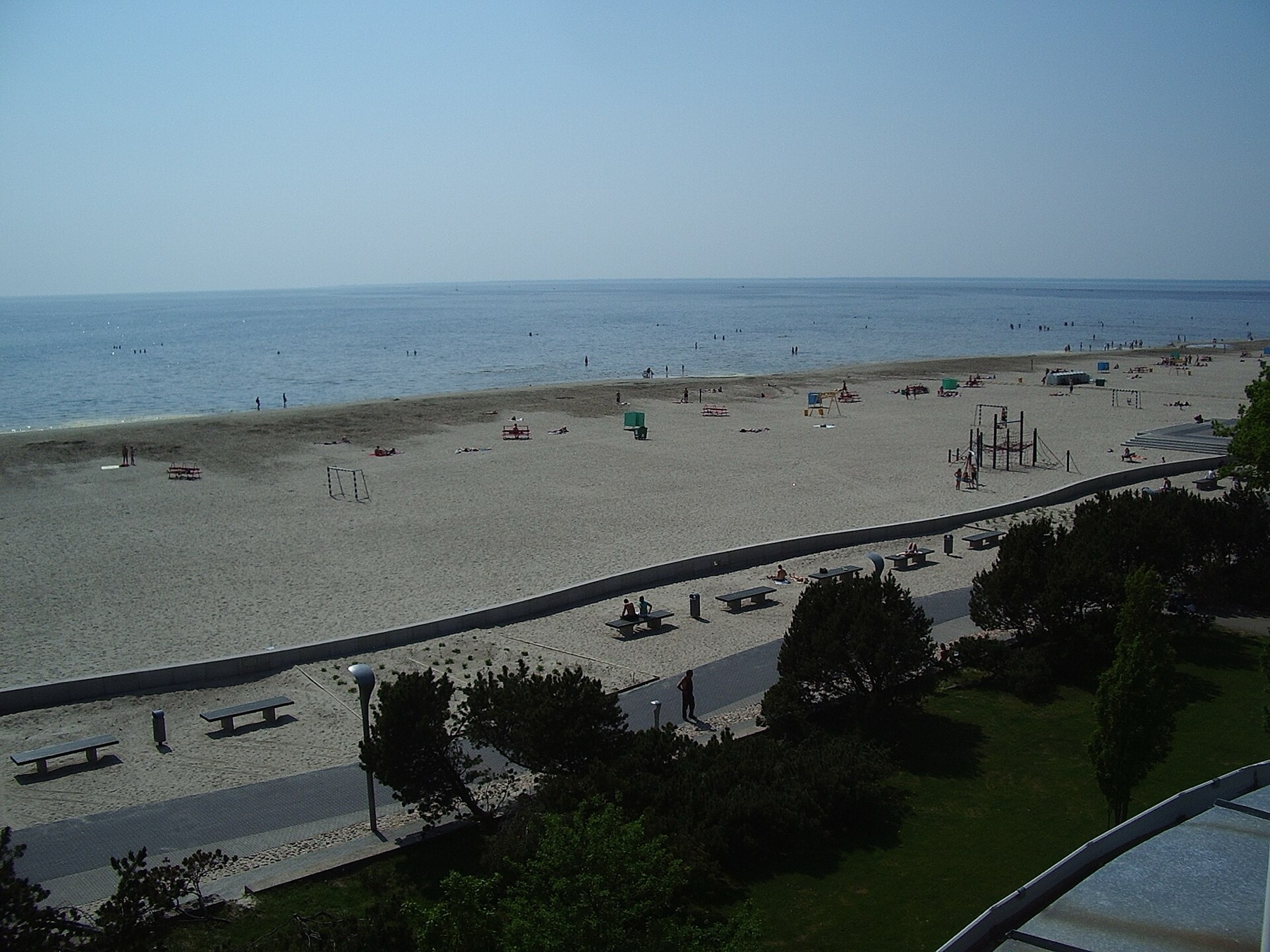
17. Pärnu: Two Kilometres of White Sand
The town of Pärnu holds the official title of “summer capital”, and Estonians swear by it. The main magnet is the luxurious two-kilometre beach, lined by a well-kept promenade full of cafés and cyclists. The bay here is extremely shallow, so in summer the water routinely warms to an incredible 24 degrees, making it the warmest sea in the country.
For families with kids it’s an absolute paradise, because you can wade dozens of metres out and the water still only reaches your knees. The town centre itself charms with the pedestrian zone on Rüütli street, remnants of the medieval fortifications and beautifully ornate wooden houses that give Pärnu just the right summery, slightly nostalgic flair.
💡 Tip: If you really want to submerge and swim, arm yourself with patience — you’ll realistically only be waist-deep after several long minutes of walking from the shore.
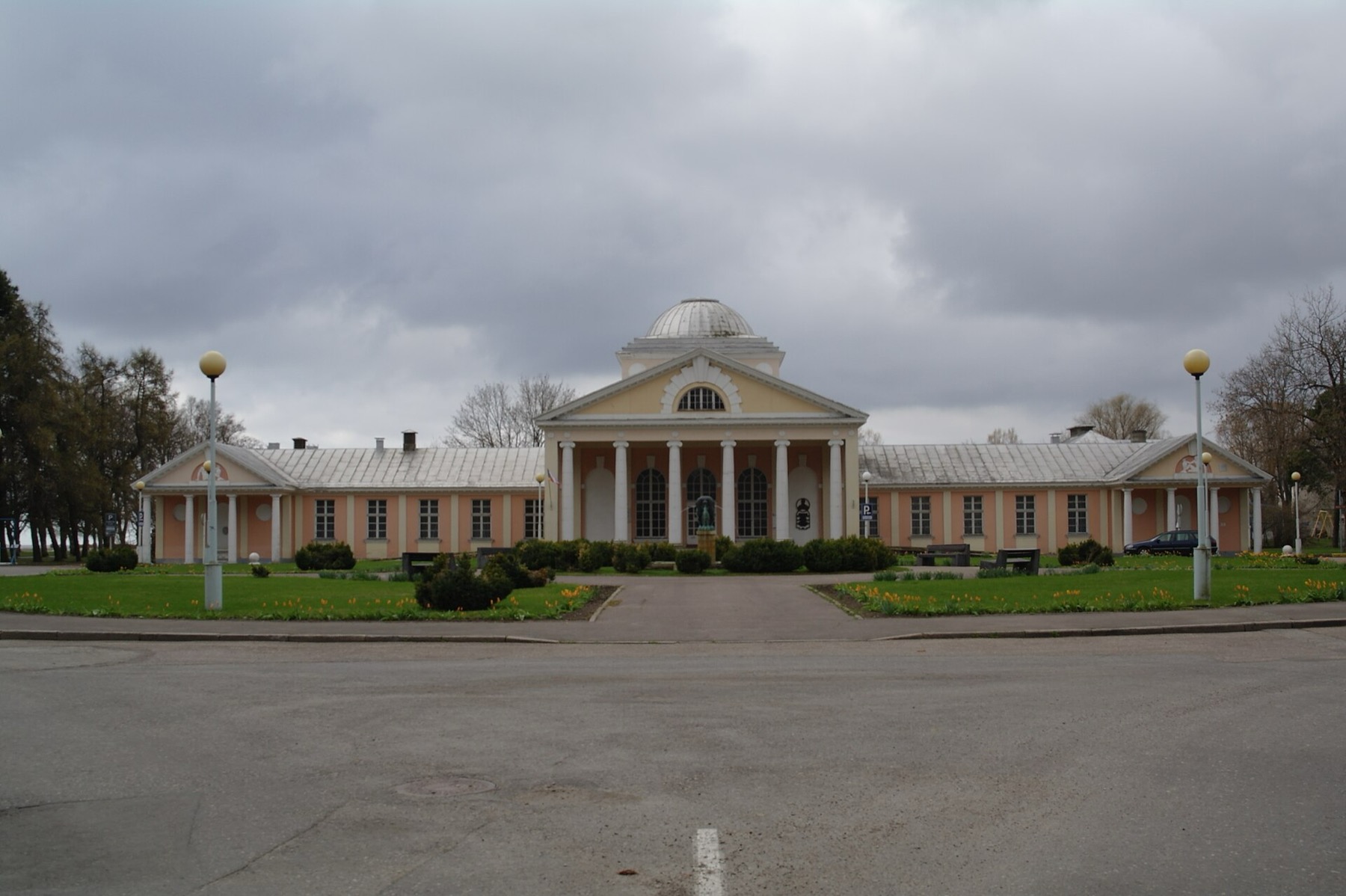
18. Mud Baths and Luxury Spas
But Pärnu isn’t just about swimming in the sea — its fame rests on two hundred years of healing mud. The symbol of this tradition is the grand neoclassical bath building from 1927 with its majestic columns, now home to one of the best resorts in the country, the Hedon Spa & Hotel.
Estonian wellness doesn’t work on the principle of sipping mineral water from a little cup — here you have to sink into the hot water. The spa hotels skilfully combine modern water worlds with dozens of kinds of Nordic saunas, so even if you come in drizzly November, you’ll leave completely rested and warmed to the bone.
💡 Tip: Luxury costs in summer, so a night in a better spa hotel in Pärnu during August can easily top €250, though in winter prices drop by half.
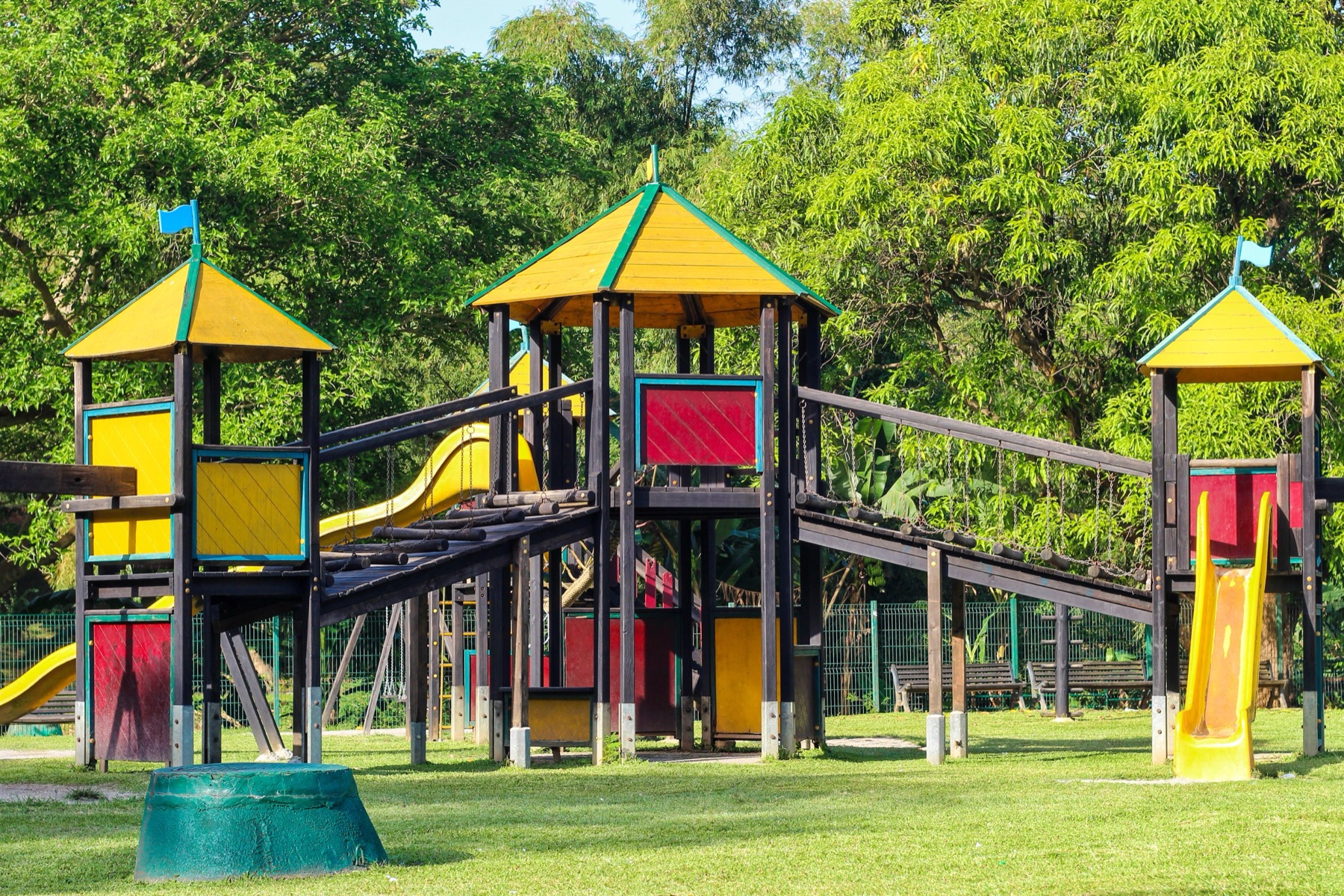
19. Lottemaa: A Fairy Tale for Families
If you’re travelling with children up to about ten years old, be sure to head just outside Pärnu to the Lottemaa theme park. It’s the largest theme park in the Baltics, set in a beautiful pine forest and built around the Estonian animated character Lotte, a little dog girl.
Don’t expect a noisy fairground — it’s more like a huge village full of inventions, theatre shows and wooden houses to clamber over, which kids will instantly fall for thanks to its visual playfulness even if they’ve never heard of Lotte, and you can easily spend a whole day here.
💡 Tip: The park is open purely in the summer season, specifically from 13 June to 30 August, and a basic ticket will set you back €28.
20. Haapsalu: Wooden Lace and Tchaikovsky
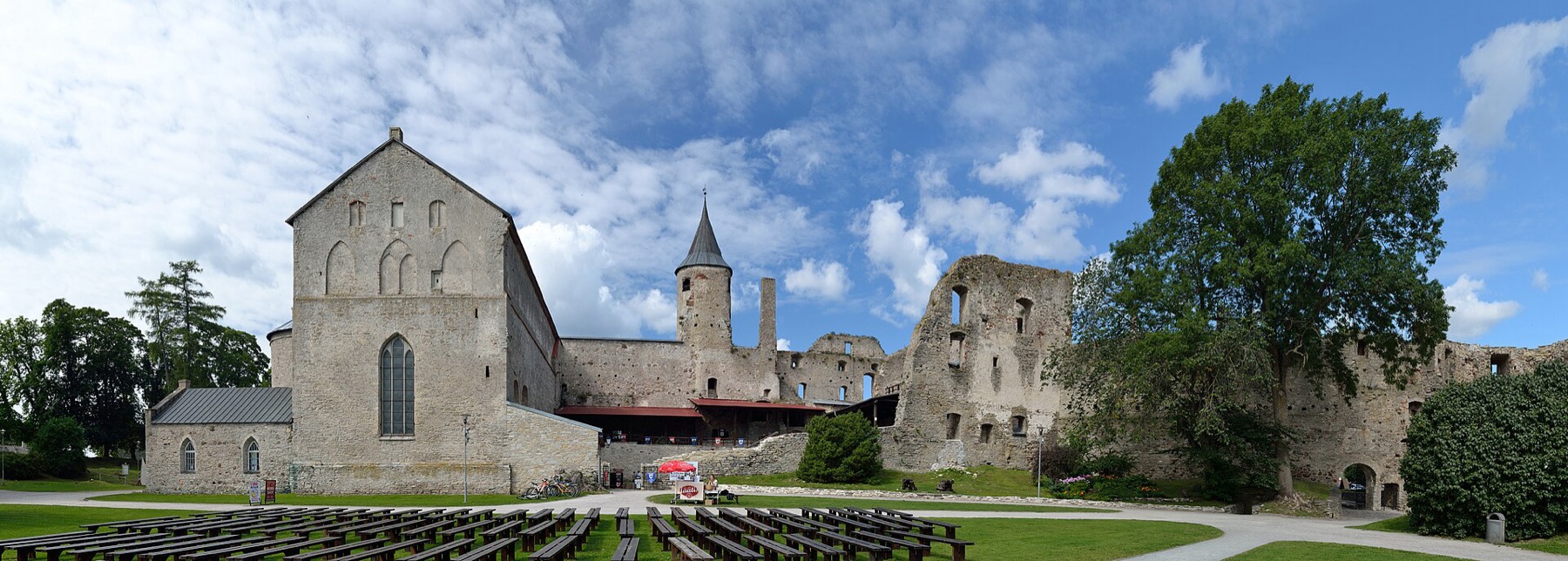
A little further north lies Haapsalu, even quieter and more romantic than bustling Pärnu. The little town is famous for its gorgeous villas with carved wooden “lace” and for some of the oldest mud baths, founded in 1825 by Dr Hunnius. The local healing mud reportedly contains unique minerals from the sea bay, and whole generations of Russian tsars were once treated with it.
The atmosphere here once captivated the Russian composer Pyotr Ilyich Tchaikovsky so much that he spent a summer here and composed several works. Today you can sit on his memorial bench right on the seaside promenade, from which the melodies of his pieces quietly drift while you watch the swans on the surface of the bay. Above the town rises an impressive bishop’s castle, where — legend has it — a White Lady haunts the walls.
💡 Tip: Don’t miss the beautiful historic building of Haapsalu’s old railway station, whose covered wooden platform stretches a full 216 metres.
The Soviet Layer: Narva, Rummu and the KGB
Forty-five years of Soviet occupation left deep scars on the country — scars Estonians don’t turn a blind eye to, but instead show the world with cool Nordic logic. These places offer a raw, slightly chilling look at history, and precisely because that history is so recent in this corner of Europe, the chill runs a little deeper.
21. Narva: On the Edge of an Empire
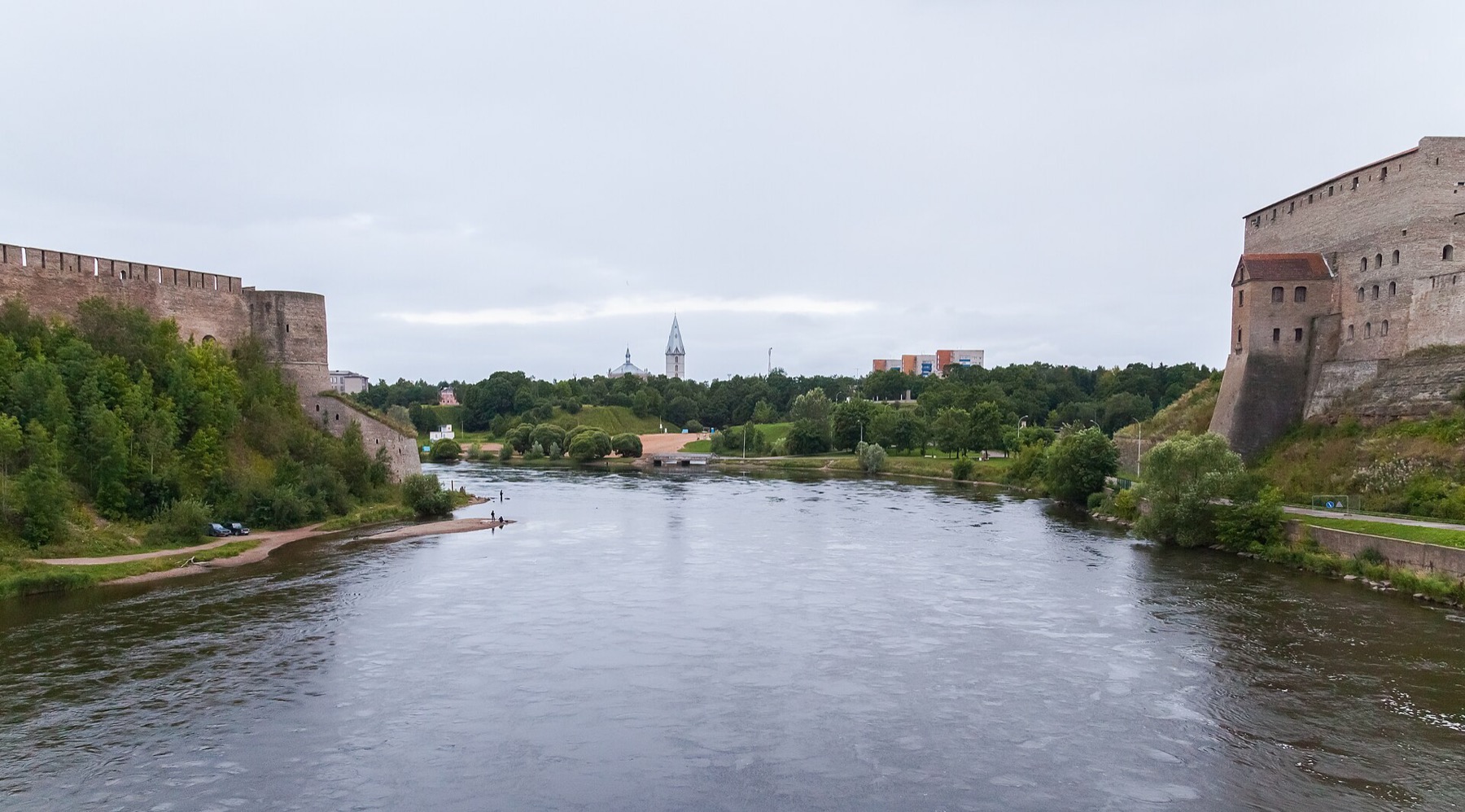
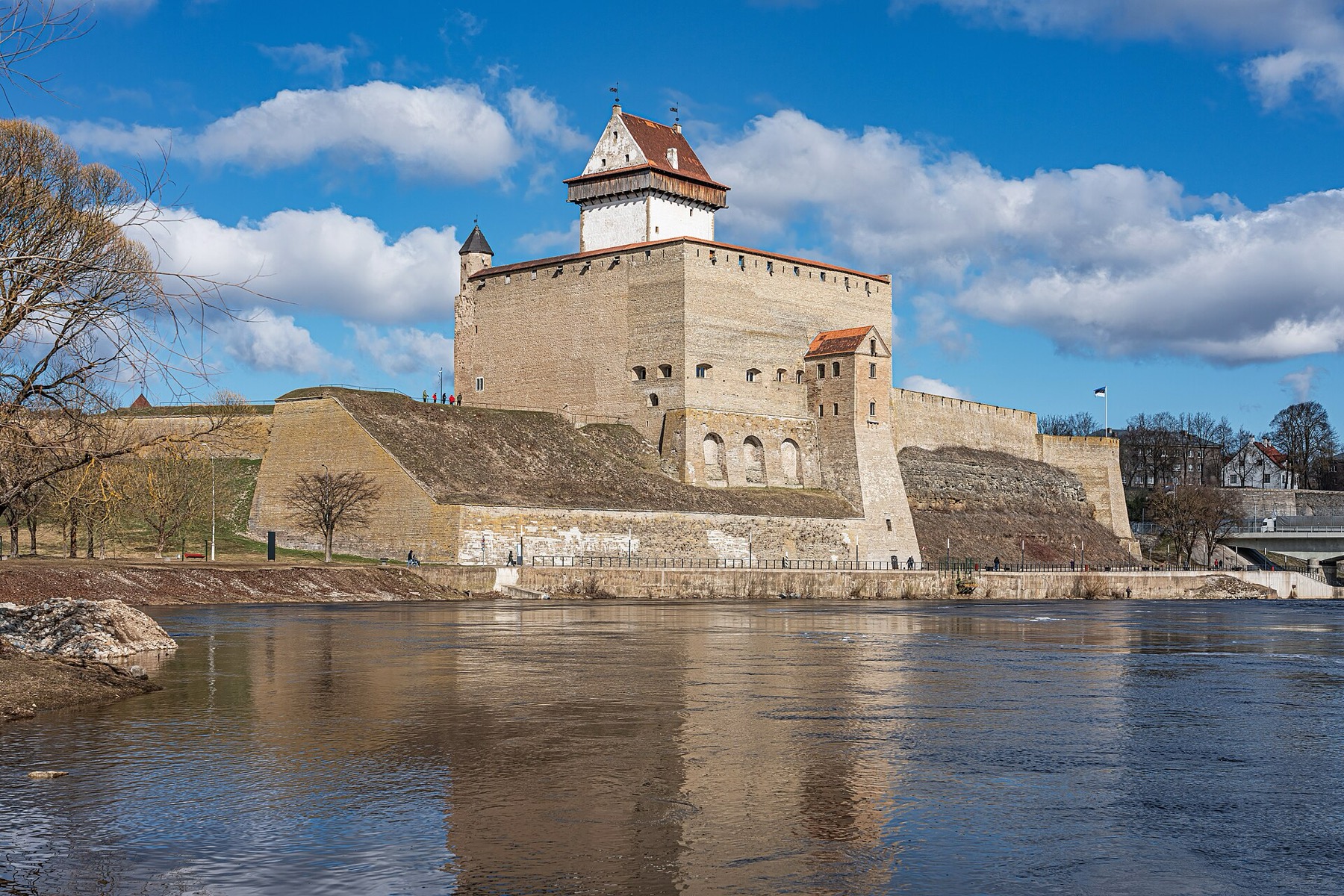
If you want to experience the raw geopolitical reality of Europe, travel to the far east, to the town of Narva. Up to 95% of the locals here speak Russian, and right in the town centre, two giant fortresses face each other across a narrow river. On the Estonian bank stands the medieval Hermann Castle, and barely 150 metres away the massive Russian Ivangorod.
Nowhere else in the European Union will you see such a physical, close-up border between two utterly different worlds. Although the atmosphere in Narva is distinctive and slightly cool, the town is perfectly safe, and the view from the Estonian promenade across to the Russian empire beyond the water is an experience you’ll never forget.
💡 Tip: The border bridge has long been closed to cars and the pedestrian crossing is heavily regulated by the government, so stick to the Estonian bank and don’t try to photograph the Russian fortress with an overly large lens.
22. Rummu: Estonia’s Turquoise Lagoon
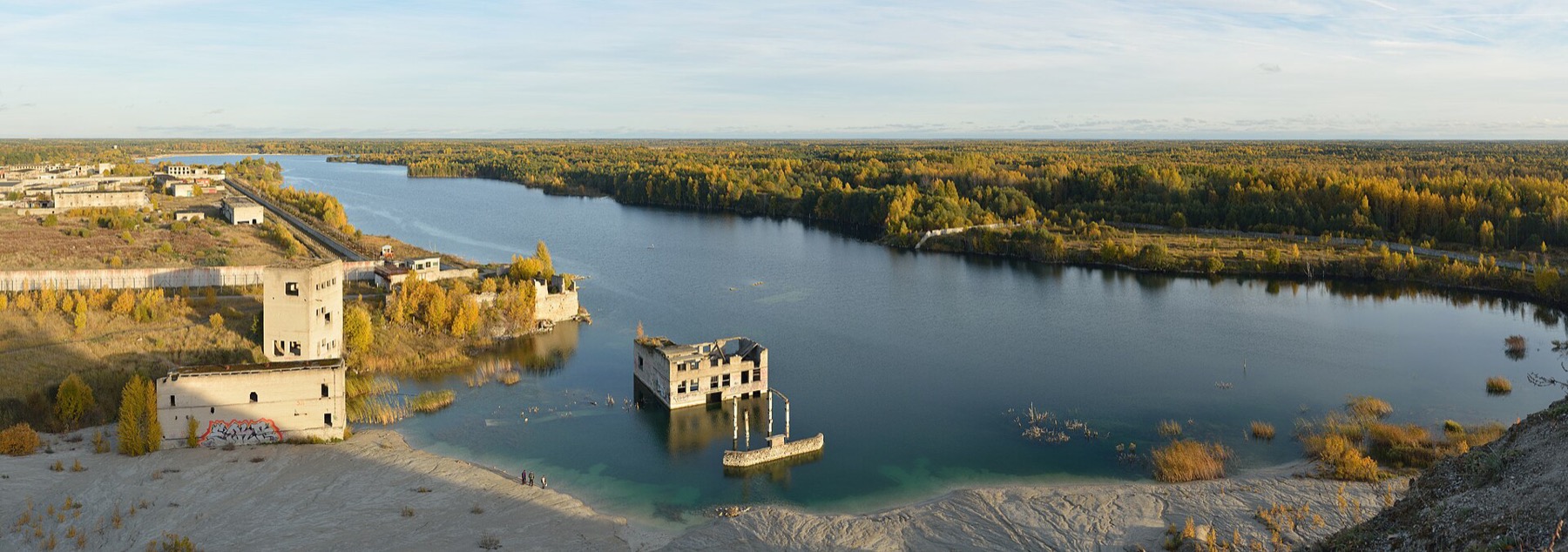
About 40 minutes’ drive from Tallinn lies a place that looks straight out of a post-apocalyptic film. During the Soviet era, a limestone quarry and a prison operated here, where convicts toiled in brutal conditions, until the pumps stopped working in the 1990s and the whole complex was rapidly flooded with water.
Today, half-collapsed brick buildings and barbed wire jut out of the turquoise-blue surface of the lake. The place is jokingly nicknamed the Estonian Croatia, because in summer crowds of people flock here, rent paddleboards and swim right over the sunken cells and mining machines.
💡 Tip: Entry to the site is paid and managed by the local summer centre, but be sure to carefully climb the giant white spoil heap, from where you’ll get the most perfect photographs.
23. Paldiski and the Secret Museum in a Hotel
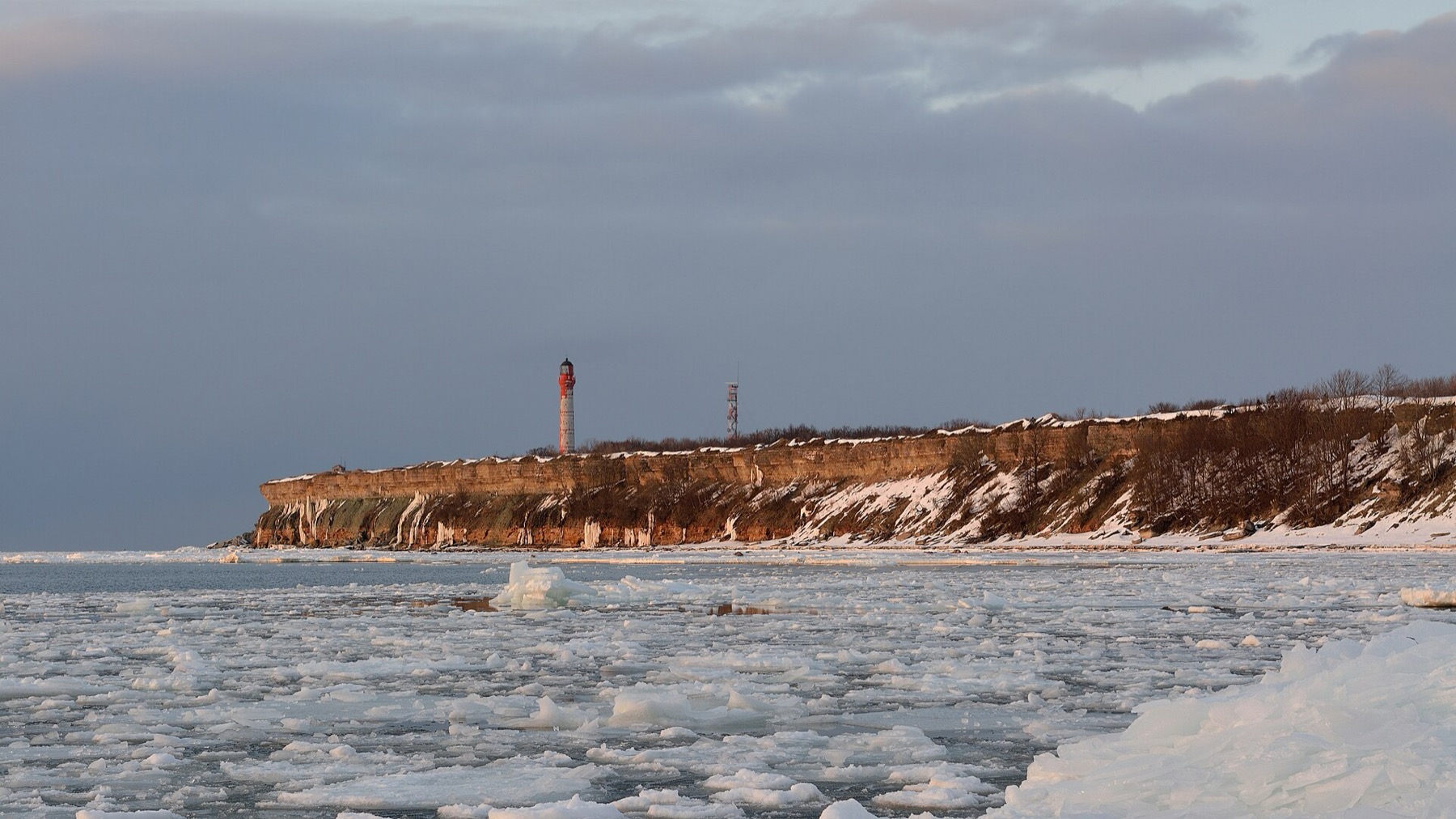
Not far from the Rummu quarry you’ll find the port town of Paldiski, which didn’t exist on ordinary maps until 1994, since it functioned as a top-secret training base for the crews of Soviet nuclear submarines. Today tourists mainly come for the nearby Pakri lighthouse, where stunning twenty-five-metre limestone cliffs break into the sea.
Once you’re back in Tallinn, be sure to book a tour of the 23rd floor of the iconic Hotel Viru. In Communist times this floor officially didn’t exist at all and housed a secret KGB surveillance centre, which is now turned into a chilling and authentic museum.
💡 Tip: You can only enter the KGB museum with a guide, and the small groups often sell out, so buy your tickets — around €12 — on the hotel’s website a good week in advance.
Experiences You Won’t Find Anywhere Else
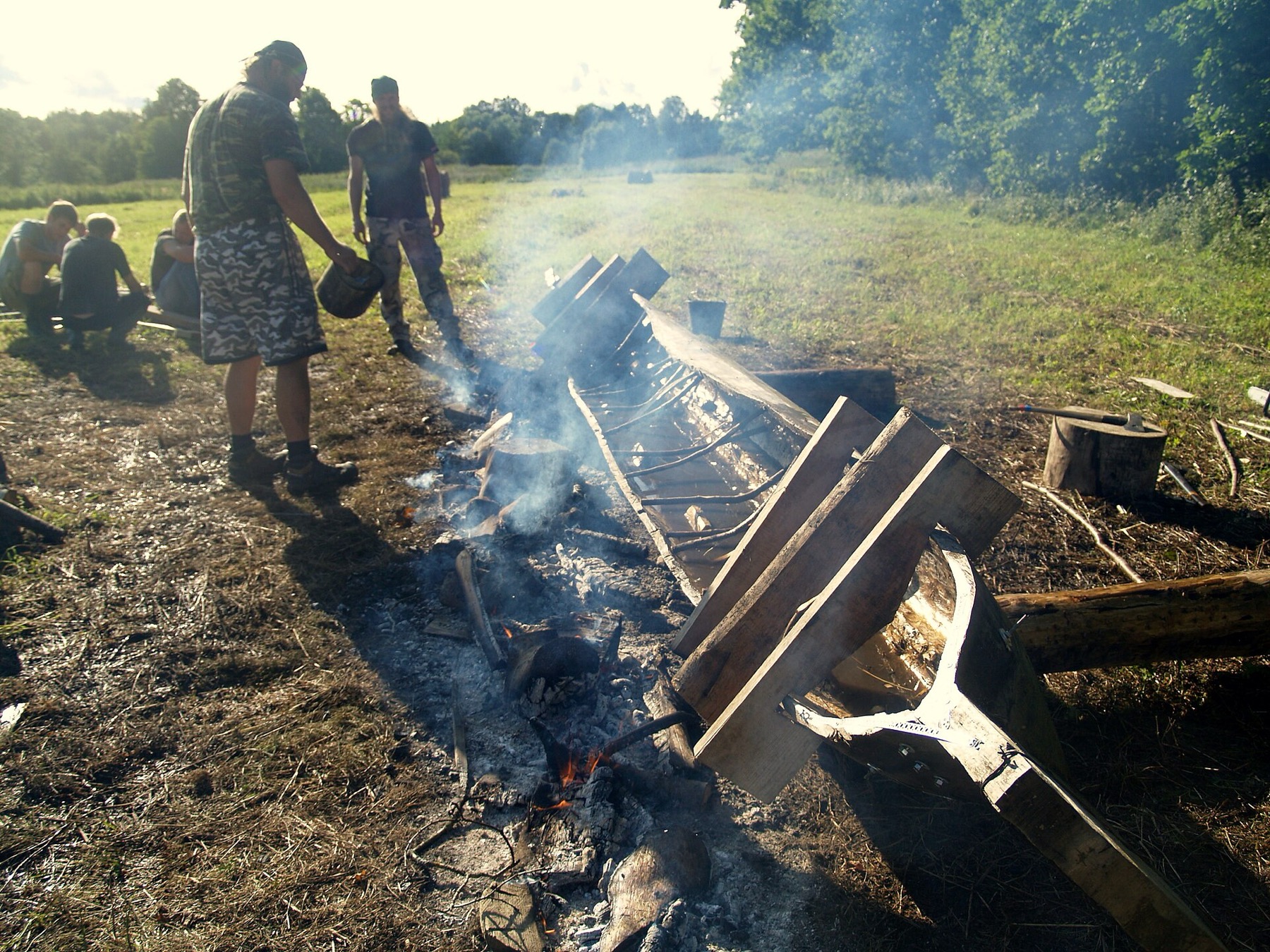
I’ve saved two things for last that draw connoisseurs from all over the world. Estonian nature is so well preserved that it lets you experience phenomena we’ve long forgotten in Central Europe — or simply never had.
24. The Fifth Season in Soomaa
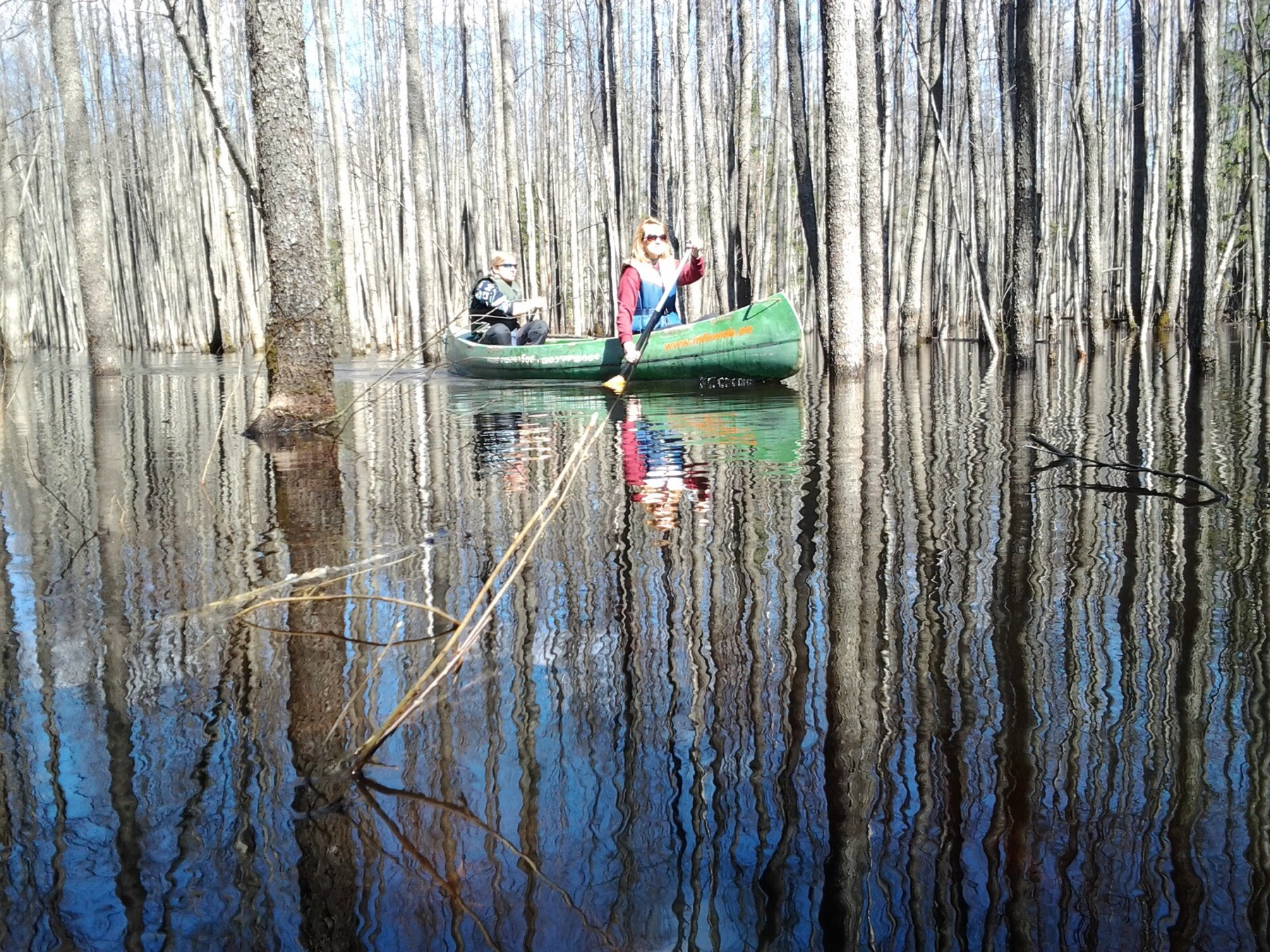
Soomaa National Park in the southwest boasts a world-unique phenomenon that locals call viies aastaaeg (the fifth season). It typically happens at the turn of March and April, when a huge amount of melting snow can’t drain away fast enough and the rivers spill out far and wide, flooding meadows, roads and deep forests.
At that moment the local residents pull out their canoes — and you can rent one too. Paddling in total silence right among the trunks of old trees, gliding high above the summer hiking trail markers is a completely surreal experience with no equal in Europe.
💡 Tip: If you come in summer, once the water recedes, Soomaa turns into a fantastic spot for hiking across the bogs or evening canoeing paired with beaver watching.
25. A Night with the Bears in Alutaguse
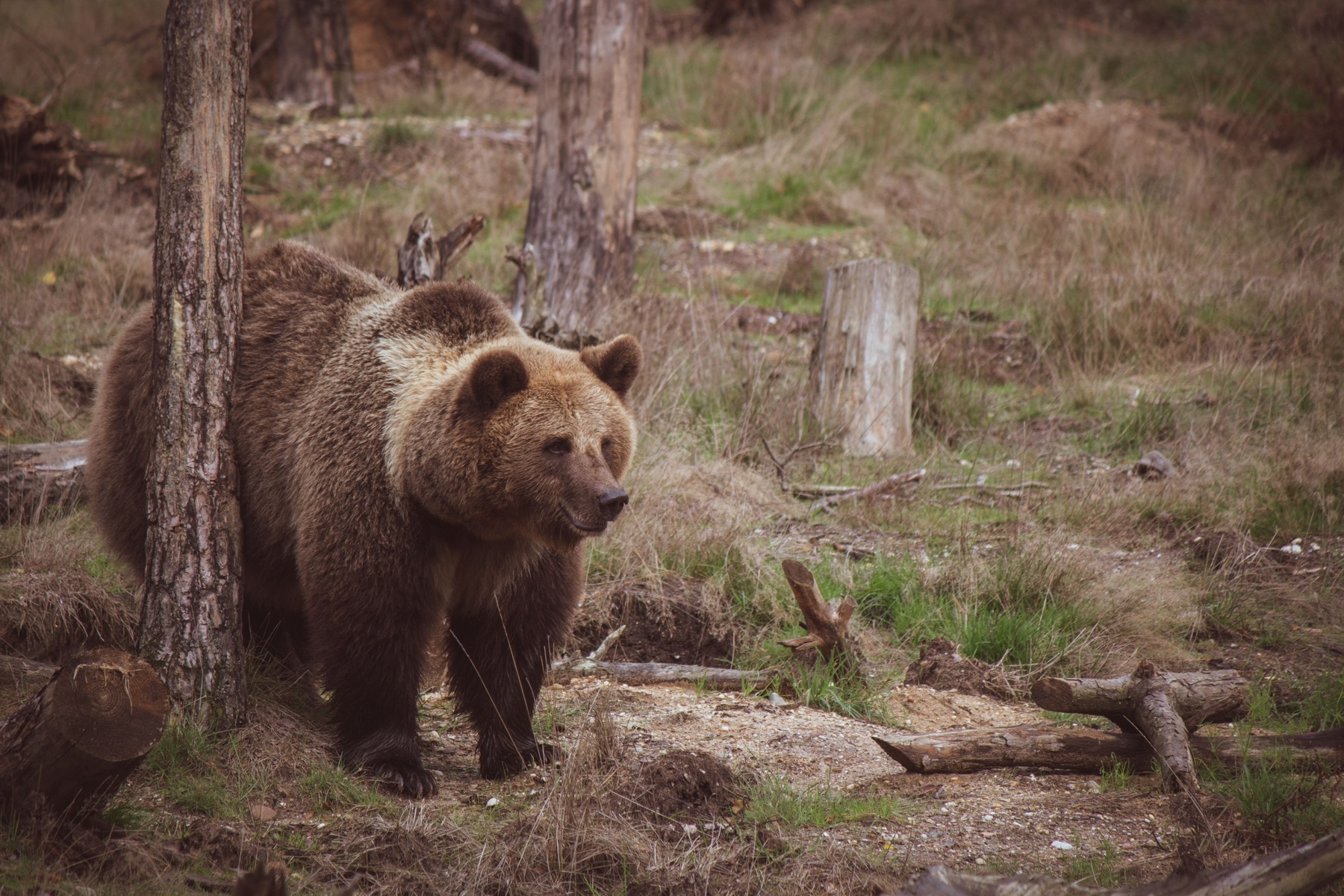
Around a thousand brown bears live in Estonia’s forests, and you have a completely realistic chance of safely seeing them with your own eyes. The heart of this wilderness is the dense taiga in the Alutaguse region in the country’s northeast, where local agencies have built special wooden bear hides fitted with bunks and photo slits.
The guide takes you to the hide in the afternoon, locks you in, and in absolute silence you wait for a shaggy beast, lured by the scent of bait, to appear on the clearing. Your best chance of success is in May and June, when the bears wake up hungry, and then again in October before hibernation.
💡 Tip: A night in such a hide costs €80 to €120 per person, and even though no one can guarantee a hundred percent success, the tension and awe of the nighttime forest are absolutely worth it.
Where to Eat in Estonia
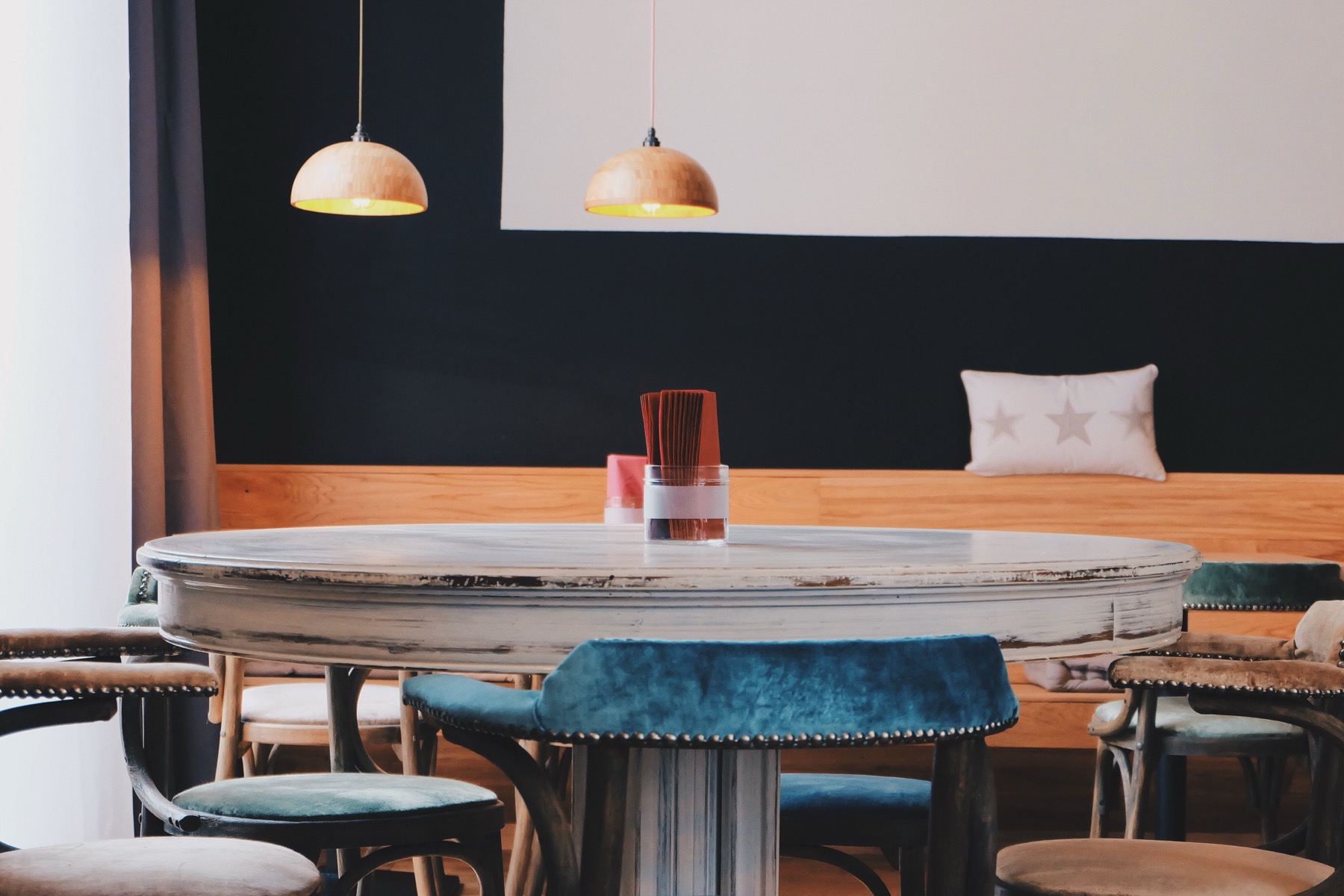
Estonian gastronomy has been going through a huge revolution in recent years. It’s long been untrue that all you’ll get here is heavy dishes inspired by Russian or German cuisine. Modern Estonian chefs proudly embrace the New Nordic movement, which puts maximum emphasis on local ingredients, seasonality and clean flavours. So it’s common to see forest pine needles, wild herbs and the ever-present dark rye bread all on one plate.
Whether you head into a luxury restaurant in the heart of the capital or stop at an unassuming pub somewhere in the countryside, the quality of the ingredients will probably delight you. In the tourist centres you’ll pay a fair bit more, but just walk two streets further and you’ll find fantastic food at very reasonable prices.
From Michelin Stars to a €6 Lunch Menu
The top of the scene is held by Tallinn’s 180° by Matthias Diether, with two Michelin stars, and NOA Chef’s Hall, with views over the bay — places you go for a tasting menu and where reservations need to be made weeks ahead. A notch below, but still excellent, is Fotografiska in Telliskivi, where the restaurant on the gallery’s rooftop runs on a zero-waste basis and the vegetarian part of the menu isn’t a throwaway side dish but an equal offering.
An Old Town classic is Rataskaevu 16, where you won’t get a table without a reservation, along with its sister venue Pegasus, with a Nordic interior and fair prices. If you’re after an experience rather than fine dining, head to the medieval III Draakon right by the town hall, where you eat without cutlery and without candles. The local specialty here is elk soup for around €4.
In the countryside and on the islands, look for the traditional pubs known as kõrts. There, and in urban bistros, the magic word is päevapraad — the lunch menu for €5 to €8. You’ll also eat superbly at the Balti Jaama Turg market in Tallinn, where stalls of fresh vegetables, cheeses and street food from all over the world stand side by side.
Among the local specialties, be sure to try must leib, a dense dark rye bread, the sweet curd bars kohuke and the festive braided kringel. Smoked fish and meat from the smoke sauna are famous too, though that’s more a badge of local tradition than dinner for vegetarians. To drink there’s the kvass-style beverage kali or beer from the Põhjala brewery, whose Tap Room in Noblessner is one of the best addresses in the city.
How to Get to Estonia and Get Around
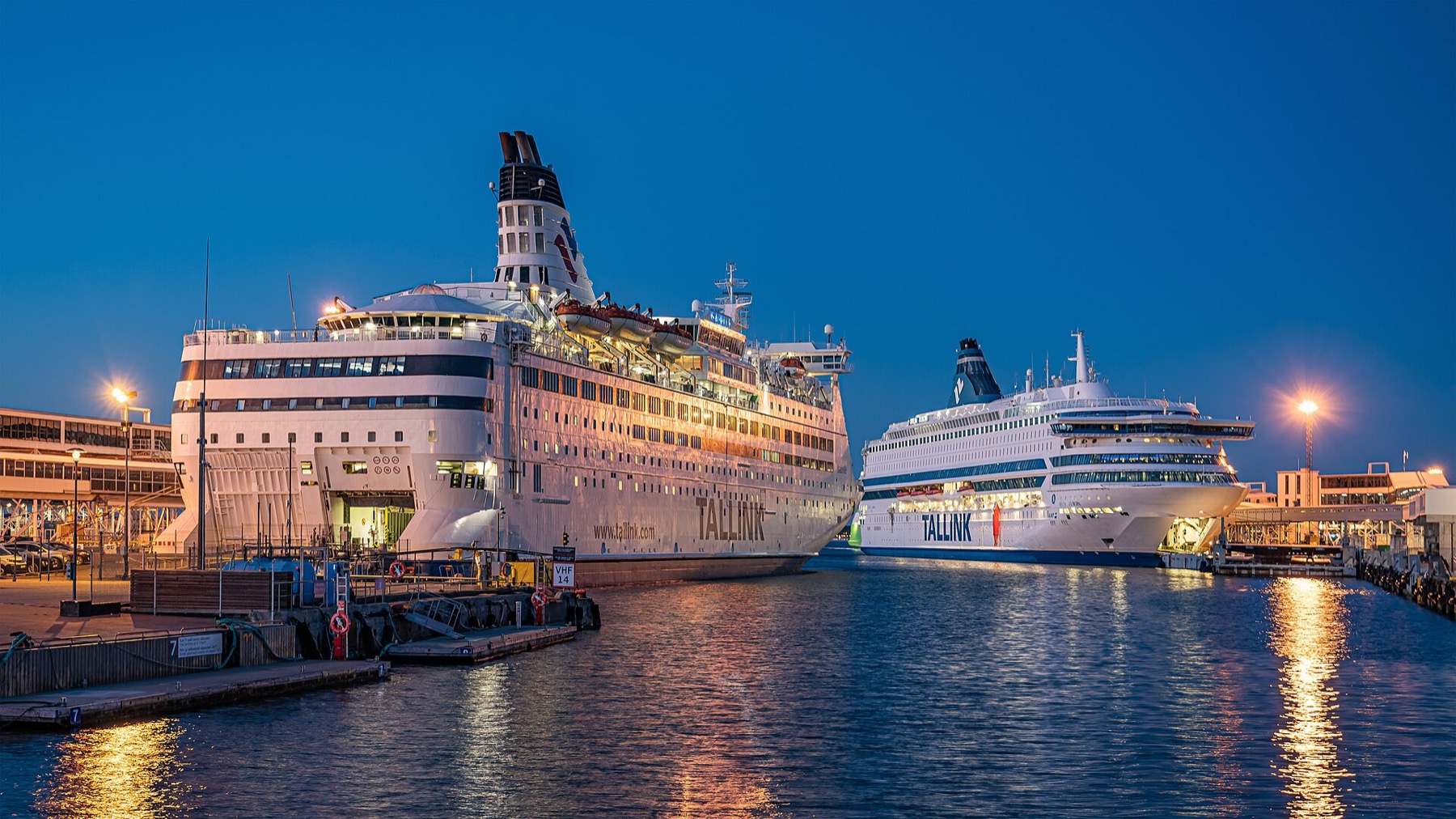
Although Tallinn sits quite high up on the map, getting here is surprisingly easy. In the summer season (April to October) several airlines run direct flights that put you on the ground in under two hours. For the rest of the year you can get here with a quick connection in Latvia’s Riga, or you can fly into Helsinki and cross the gulf to Tallinn on one of the giant ferries. Low-cost and full-service carriers such as Ryanair, easyJet and Lufthansa serve the region from major European hubs.
If you love road trips, consider driving your own car up through Poland, Lithuania and Latvia. It’s roughly 1,600 kilometres, the roads are good and you don’t pay a cent for motorways anywhere in the Baltics — no motorway vignette (toll sticker, as you’d need in Austria or Switzerland) required. And the bonus is great stops in Warsaw or Vilnius along the way. Once you’re here, a car is an absolute must for exploring the remote national parks and islands, so if you fly in, a rental at the airport is unavoidable.
Between the bigger Estonian cities (Tallinn, Tartu, Pärnu) there’s absolutely first-class public transport. The orange Elron trains are clean, punctual and full of legroom, while the Lux Express buses offer leather seats, films on screens and a free coffee machine — often for around just €10.
How Much a Holiday in Estonia Costs
Be prepared: Estonia has long stopped being a cheap destination, so don’t come here looking for that famous cheap “East”. In July 2025 the standard VAT rate rose to 24% and the accommodation tax jumped to 13%, which naturally fed through into every menu and hotel price list. Prices today are closer to Berlin and noticeably higher than in much of Central Europe.
For a normal daily budget (excluding accommodation), set aside roughly €50 to €60 per person if you want to eat well and visit a museum or two. A pint of draught beer in central Tallinn costs between €4 and €7, a coffee runs to €3, and dinner in an average restaurant is around €20 to €30.
The golden rule for saving money is the magic Estonian word “päevapraad” (the daily lunch menu). Most cafés and bistros offer it every weekday, and it lets you get an honest portion of soup and a main for a lovely €5 to €8. You’ll also save on water, which you can have brought to your table for free in a carafe from the tap (kraanivett), since it’s perfectly clean and safe across the whole country.
Where to Go Next from Estonia
Estonia works as a perfect crossroads for further Nordic and Baltic adventures. From Tallinn all you have to do is hop on a ferry and within two hours you’re drinking coffee at the market in the Finnish capital — read all about it in our article Helsinki: 15 tips on what to see and do in the Finnish capital. And if you’d like to explore the Estonian capital in even more detail, take a look at Tallinn: 20 tips on what to see and do in the Estonian capital.
If you’re driving from abroad or planning a grand Baltic loop, you absolutely can’t miss the Latvian capital, full of Art Nouveau and amazing markets. You’ll find everything essential in the piece 10 interesting and practical things about Riga. And if you plan this northern trip for December, remember that Tallinn’s Advent ranks among the best Christmas markets in Europe.
Estonia tastes of the north, so once this corner of Europe catches you, you’ll probably want to push even further. In the winter months it pays to watch the sky here too, because during strong solar activity you can catch the northern lights over the northern coast. Anyone who wants to see them with far greater certainty should head to Finnish Lapland. And if you’re still deciding where to go this year, browse our overview A holiday in Europe: 17 of the most beautiful places.
Frequently Asked Questions
Planning your trip and still turning a few practical questions over in your head? I’ve put together answers to the most common queries people send me about travelling to this Baltic country, so you can set off with a clear mind.
How many days do I need for Estonia?
If you only want to see Tallinn, a long weekend (3 to 4 days) will suffice. To explore the entire country, including the western islands, marshlands in the national parks, and the university city of Tartu in the south, ideally set aside 7 to 10 days. Fortunately, the country is small and distances are short.
Is Estonia expensive?
Unfortunately yes, Estonia is no longer among the budget-friendly countries. Prices for groceries in supermarkets and meals in restaurants are noticeably higher than in many European countries, and following a recent VAT increase to 24%, the price level is closer to cities like Berlin. You can save significantly by looking for lunch specials (päevapraad).
Is it safe there given the proximity to Russia?
Absolutely safe. Estonia is a solid member of NATO and the EU, allied fighter jets patrol the skies, and the level of ordinary street crime is lower than in most of Western Europe. The only tangible consequence of geopolitics is that the border crossing in Narva is completely closed to vehicles.
Do I need a rental car for traveling?
You can reach Tallinn, Tartu, or Pärnu very comfortably and affordably by excellent buses or trains. However, if you want to explore remote national parks, secluded beaches, and islands, you’ll find it very difficult to manage without your own or a rental car, as rural public transport runs infrequently.
When is the best time to visit?
September is the most beautiful, when the forests start to turn colorful, tourist crowds thin out, and the annoying mosquitoes have already disappeared from the marshes. June is also excellent thanks to the magical white nights. On the other hand, November is very rainy, it gets dark early, and much of the tourist infrastructure outside the cities closes.
How do I get there from abroad?
During the summer season (April to October), Eurowings operates direct flights to Tallinn, getting you there in two hours. Outside this period, you’ll need to connect, most commonly via Riga with airBaltic or via Helsinki with Finnair. Major carriers like Ryanair, Lufthansa, and LOT also serve Tallinn from various European hubs. By car from Central Europe, expect around 1,600 kilometers through Poland and Lithuania.
Is English commonly spoken in Estonia?
Yes, and at an excellent level. Younger and middle-aged Estonians speak English fluently and with perfect accents, so you’ll communicate much more easily here than in southern Europe. You’ll only hear Russian among older people or in the eastern border region around the city of Narva.
What currency is used and do I need cash?
The currency is the euro, but you practically don’t need cash. Estonia is an extremely digitalized country and you can pay by card (or mobile) absolutely everywhere, even for a tram ticket, coffee at a forest parking lot, or an apple at a rural market.
Can Estonia be combined with Latvia and Lithuania?
Definitely yes, a grand Baltic road trip is very popular among travelers. Motorways in these three countries are completely free for passenger cars. However, keep in mind that all three states require at least 12 to 14 days so you don’t spend your entire holiday just behind the wheel.
What must I try from the local cuisine?
The foundation of everything is hearty black sourdough bread (must leib), which is served with almost every meal. Also try the sweet braided kringel with cinnamon, local craft beers (for example from Põhjala brewery), and the famous herbal liqueur Vana Tallinn. The vegan and vegetarian scene here is also very rich.
Tips and Tricks for Your Vacation
Don’t Overpay for Flights
Search for flights on Kayak. It’s our favorite search engine because it scans the websites of all airlines and always finds the cheapest connection.
Book Your Accommodation Smartly
The best experiences we’ve had when looking for accommodation (from Alaska to Morocco) are with Booking.com, where hotels, apartments, and entire houses are usually the cheapest and most widely available.
Don’t Forget Travel Insurance
Good travel insurance will protect you against illness, accidents, theft, or flight cancellations. We’ve had a few hospital visits abroad, so we know how important it is to have proper insurance arranged.
Where we insure ourselves: SafetyWing (simple monthly subscription) and TrueTraveller (for extra-long trips).
Find the Best Experiences
Get Your Guide is a huge online marketplace where you can book guided walks, trips, skip-the-line tickets, tours, and much more. We always find some extra fun there!