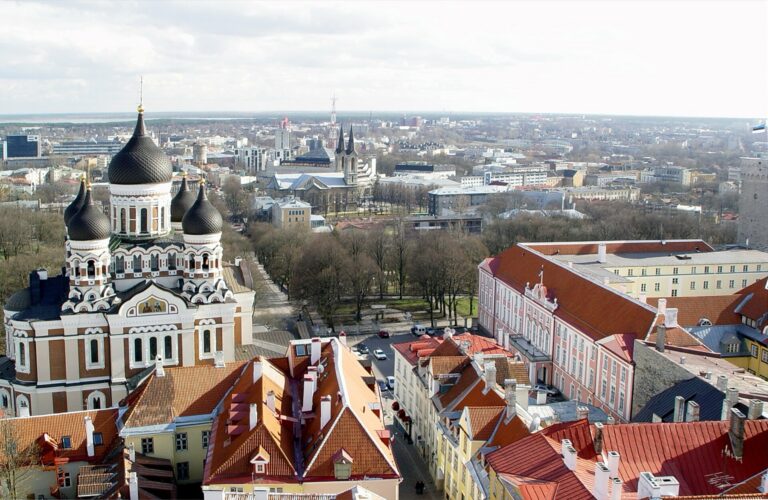
Tallinn serves up a fascinating culinary contrast that will keep you entertained from day one. In a single city you can grab lunch for six euros alongside local workers, yet also treat yourself to a top-tier tasting menu that confidently collects Michelin stars. When it comes to restaurants in Tallinn, Estonia, this is no longer the cheap East you once visited for cut-price beer — it’s a modern Nordic destination full of creative chefs.
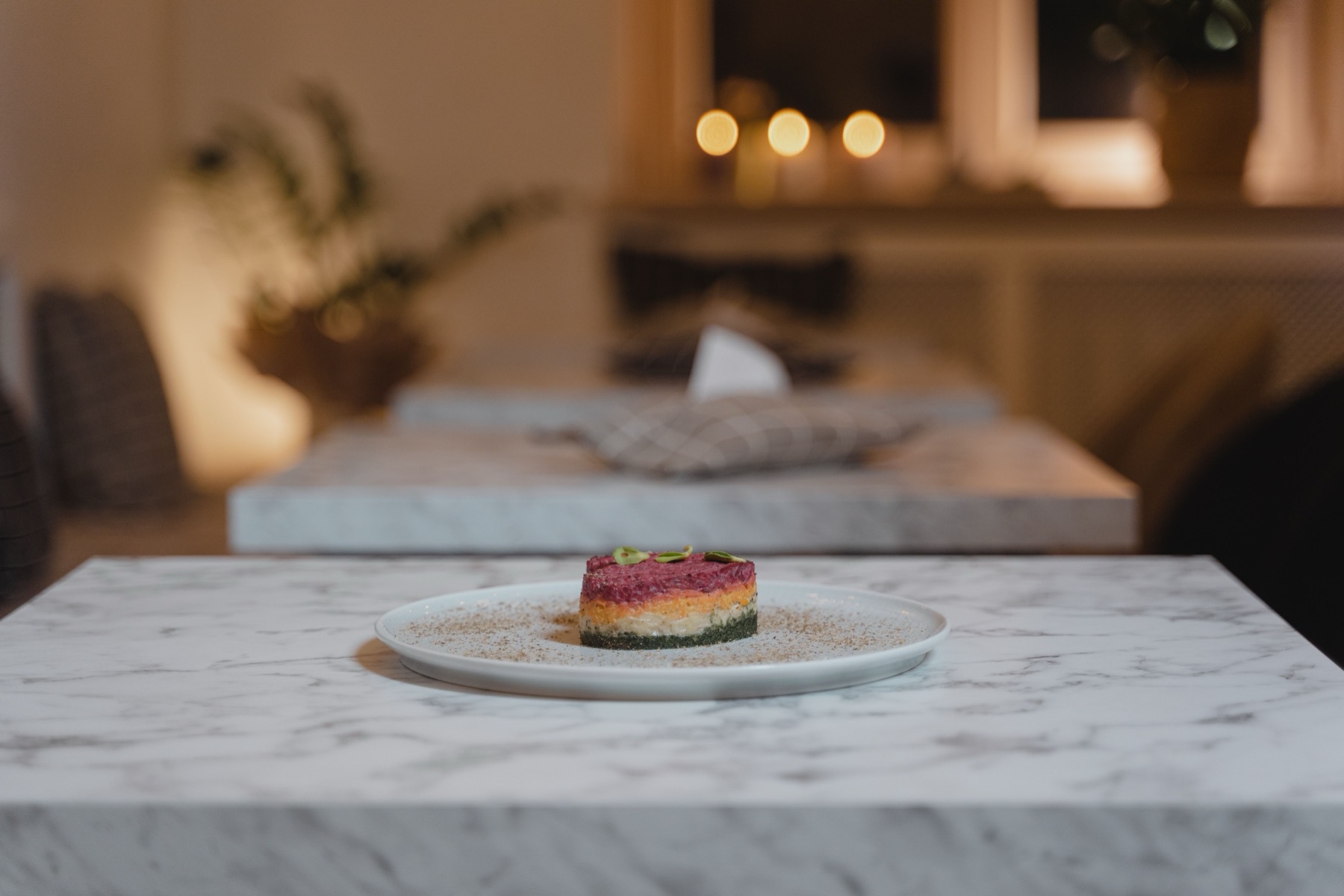
The local food scene has undergone an enormous transformation in recent years and today proudly builds on the New Nordic movement, which puts the spotlight on local ingredients. At the same time, Estonians carefully guard their earthy traditions, so the ever-present dense black bread and fragrant cinnamon buns haven’t disappeared from bakery counters. You’ll also discover that the vegetarian scene here is surprisingly rich, so if you don’t eat meat, a real culinary feast awaits.
Let’s dive straight into the streets: from Michelin stars through cheap lunches for locals to what happened to prices after July’s VAT hike.
TL;DR
- How much food costs: Lunch in an ordinary restaurant will run you €10–20, while dinner will set you back roughly €18–30 per person.
- How to save: The best choice for a cheap lunch is päevapraad, the daily set menu, which you can grab for around €5–8.
- What you must try: Don’t miss must leib (black bread), sweet curd bars called kohuke, and the cinnamon kringel.
- Where the best street food is: Balti Jaama Turg is a huge market by the station with dozens of food stalls serving dishes from all over the world at very friendly prices.
- Vegetarians welcome: Tallinn is very friendly to plant-based eaters, and the vast majority of modern spots offer a full meat-free menu.
- Reservations are a must: For popular restaurants in the Old Town, such as the legendary Rataskaevu 16, you need to book a table several weeks in advance.
The full destination guide: Estonia — guide and what to see
How people eat in Tallinn
If you’ve read older travel guides, you might still believe the Baltics are a budget destination, but the reality of 2026 is unfortunately a little different. In July 2025 Estonia’s standard VAT rate rose to 24%, which of course immediately trickled down into every menu and café price list. Be prepared for a price level closer to Berlin these days — you’ll simply pay a little more for your culinary experiences.
The daily rhythm of Tallinn’s restaurants revolves around lunch, usually served from eleven in the morning until around three in the afternoon. This is exactly when you’ll encounter the phenomenon called päevapraad, an affordable lunch menu favoured by local office workers and students alike. Dinner then starts coming to life around six in the evening, and the most celebrated spots stay busy well into the late hours.
Paying in Estonia is an absolute joy, because the country can safely be called a cashless paradise. You can pay by card or phone absolutely everywhere, from a luxury Michelin restaurant to the smallest coffee stall at the market. As for tipping, it isn’t strictly required, but if you were happy with the service, it’s customary to leave roughly five to ten percent of the bill.
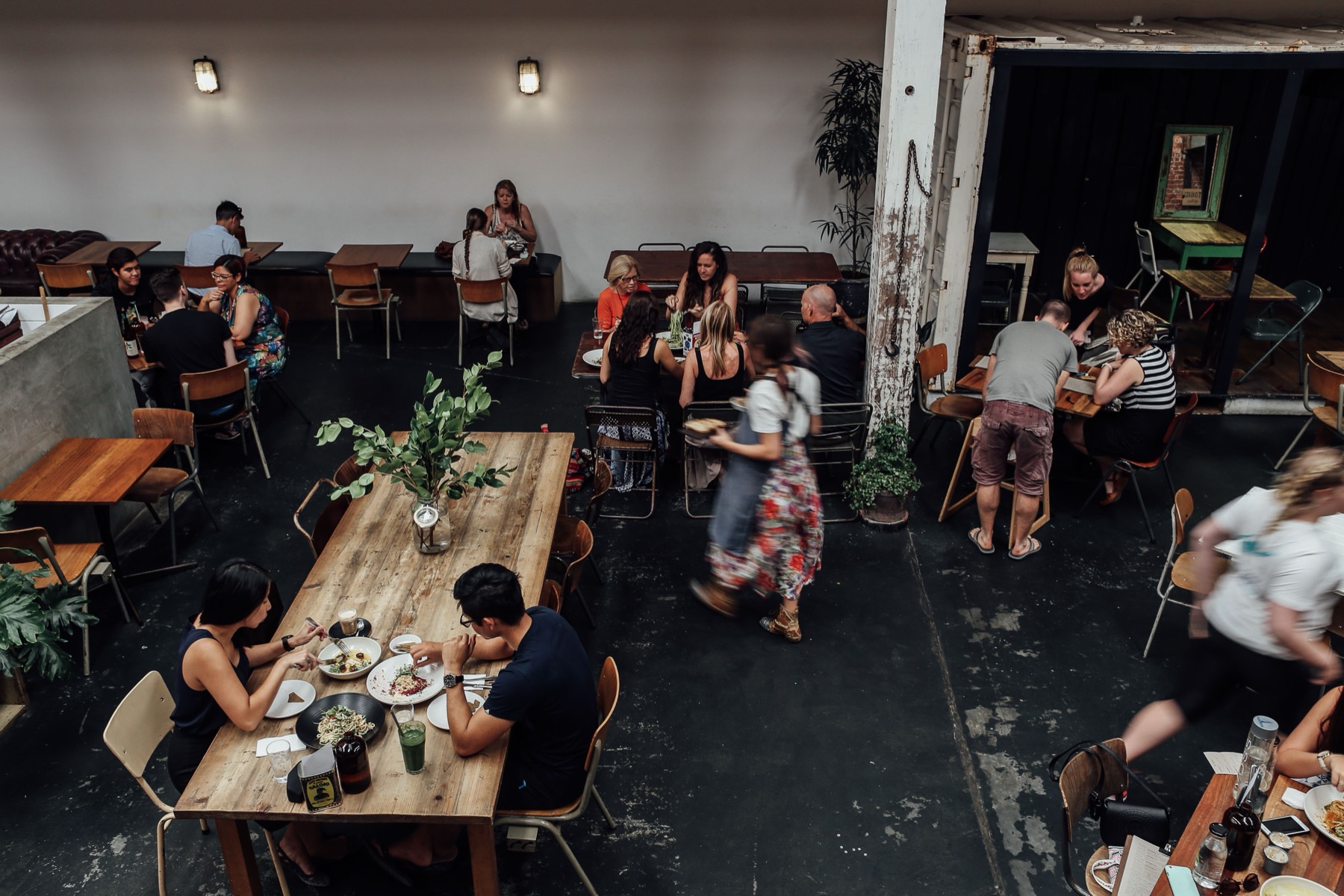
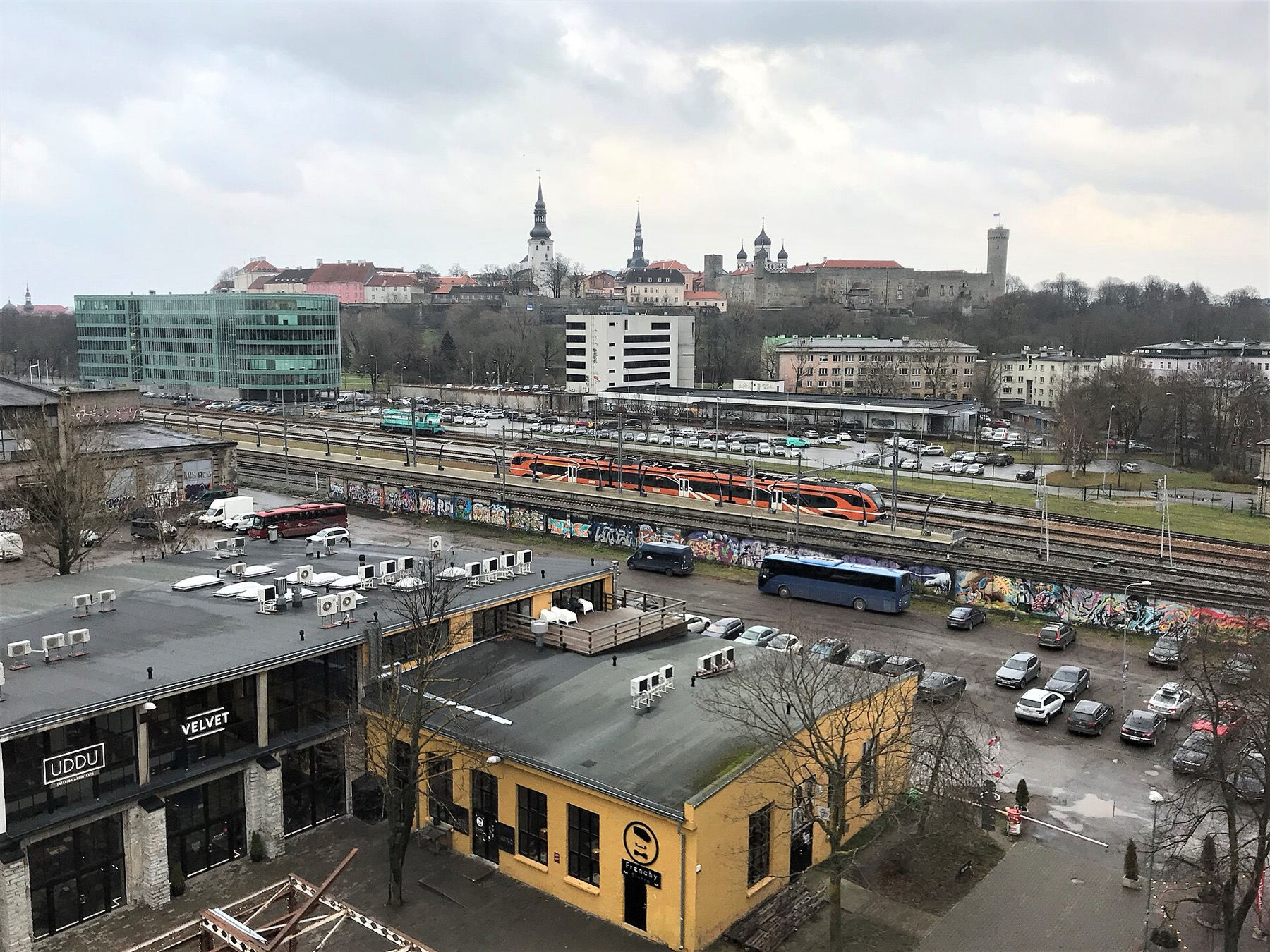
To avoid the classic tourist traps, I’d advise you to leave the main Town Hall Square and get lost in the side streets. Even better, head beyond the city walls into modern neighbourhoods like Telliskivi or Noblessner, where Estonians themselves go to eat. That’s exactly where you’ll find the best value for money without having to elbow your way through crowds of cruise-ship day-trippers.
The 12 best restaurants in Tallinn, Estonia
Picking just twelve of the best restaurants in Tallinn, Estonia in such a diverse city isn’t easy, but these spots definitely deserve your attention. Whether you’re after an unforgettable Michelin experience, honest Estonian food in a historic setting, or quick street food among the locals, you’re sure to find your kind of place in this selection.
Just keep in mind that especially during the summer months and on weekends, Tallinn’s restaurants get seriously packed. So if you’ve set your heart on one of the celebrated spots, it’s best to book a table even a few weeks ahead so you don’t end up wandering the city with an empty stomach.
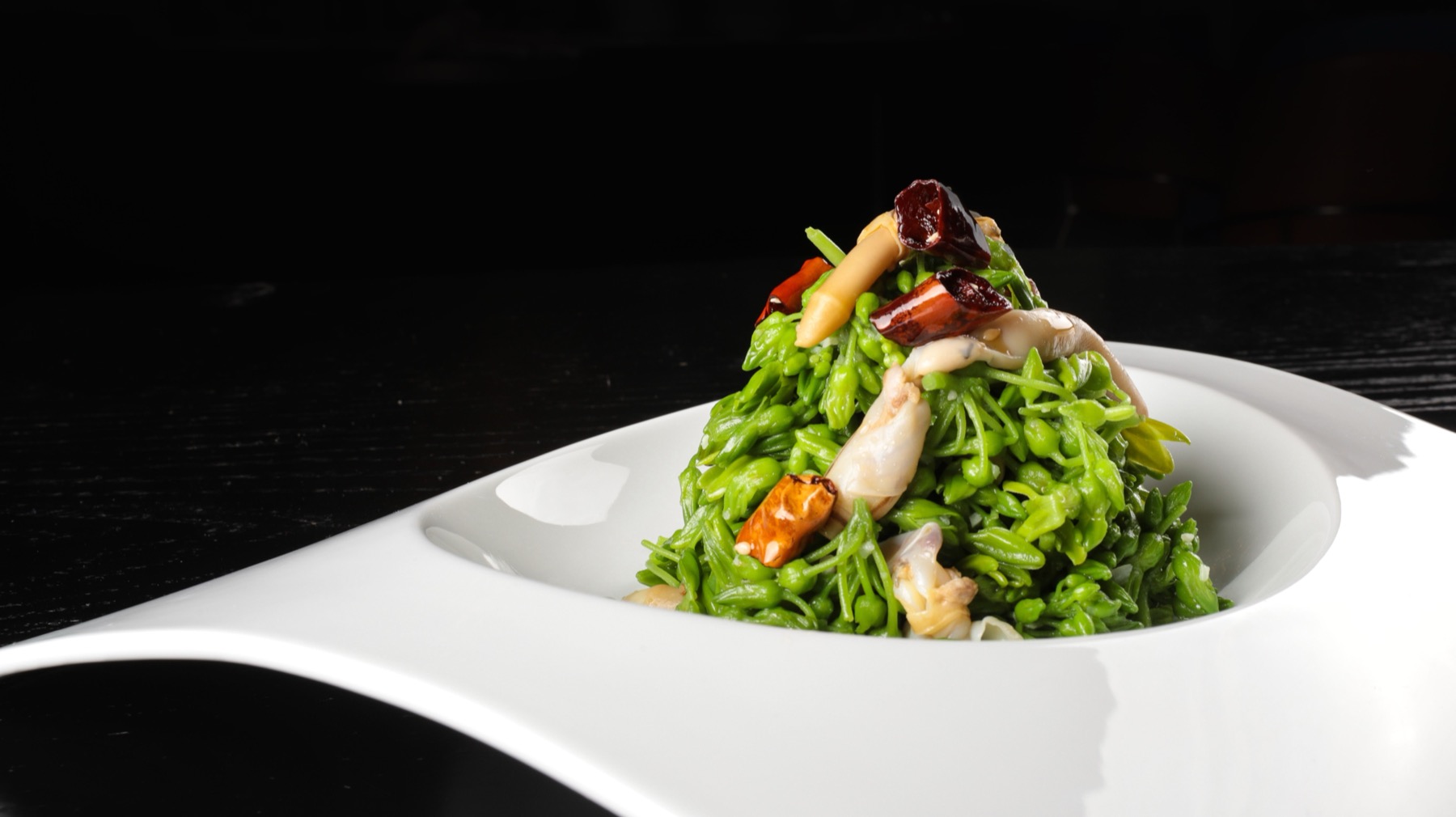
1. 180° by Matthias Diether
If you’re looking for the very peak of Tallinn’s gastronomic pyramid, this is it: a luxury spot in the seaside Noblessner district with two Michelin stars. The German head chef serves a precise tasting menu with a panoramic sea view that adds an incredible atmosphere to the whole experience.
Prices here are, of course, high, and the main signature menu will set you back roughly €325 per person. Although the offering is fixed and very exclusive, the restaurant caters to all its guests and has a full vegetarian version. Just mention this request when booking, which is an absolute must here even months in advance.
💡 Tip: If you want to experience Michelin quality at a slightly friendlier price, try booking a table for lunch, when shorter special menus are often on offer.
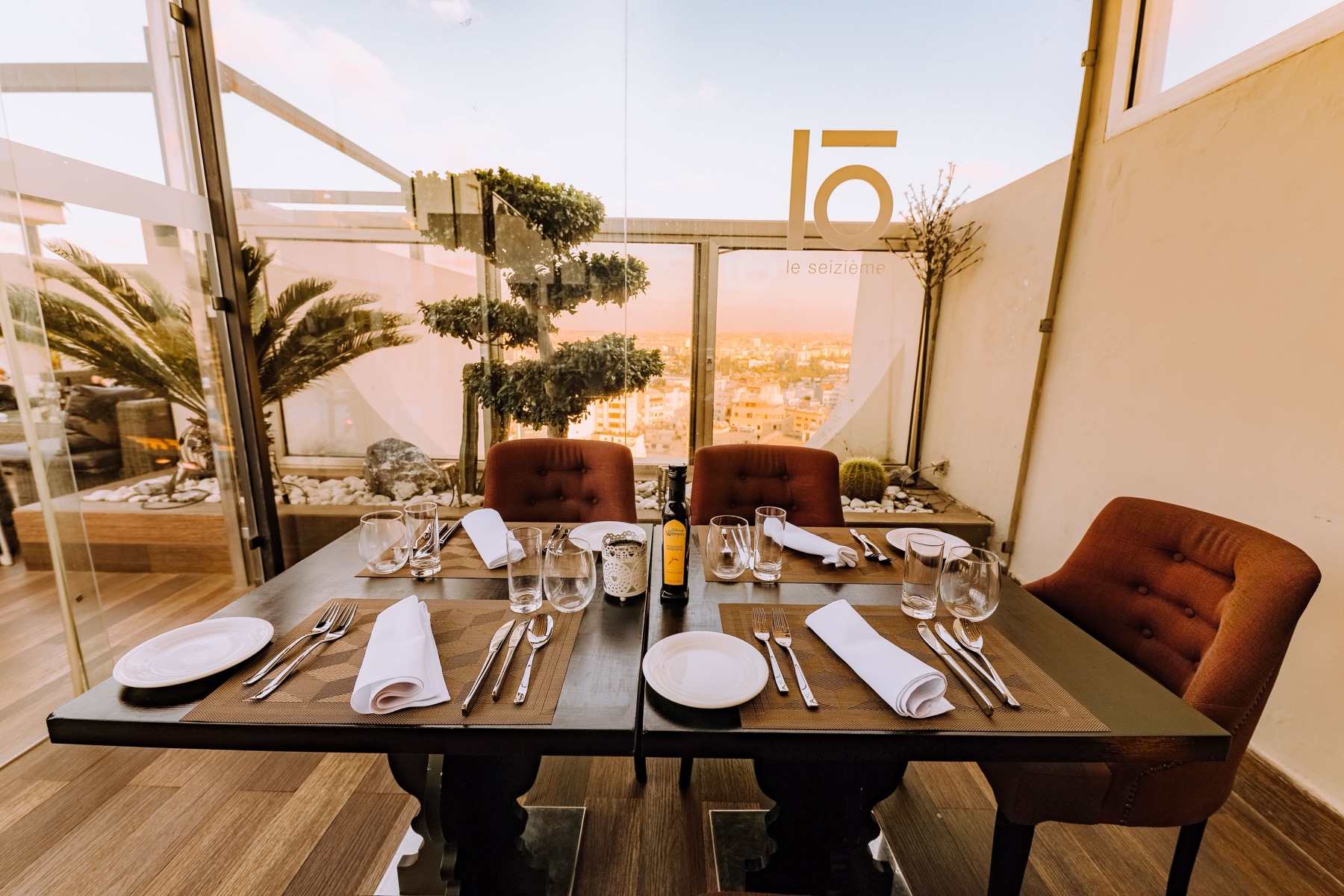
2. NOA Chef’s Hall
If you’re after a single Michelin star and a breathtaking location, you definitely can’t miss this architectural gem on the coast just outside the city centre. The glass dining room offers a gorgeous view across the bay straight onto the Old Town skyline, which you’ll appreciate most at sunset. The chefs here prepare a very creative seven-course menu that will cost you roughly €169.
Even at this prestigious spot they take great pride in their personal approach, so a vegetarian diet is no problem at all with prior arrangement. Each course comes with a little story about where the ingredient comes from — and honestly, that storytelling is more fun than you’d expect. Despite the high-end gastronomy, the atmosphere is very relaxed and Nordic-friendly.
💡 Tip: I’d recommend getting here by taxi or Estonia’s Bolt, since the restaurant lies a bit off the usual public-transport routes.
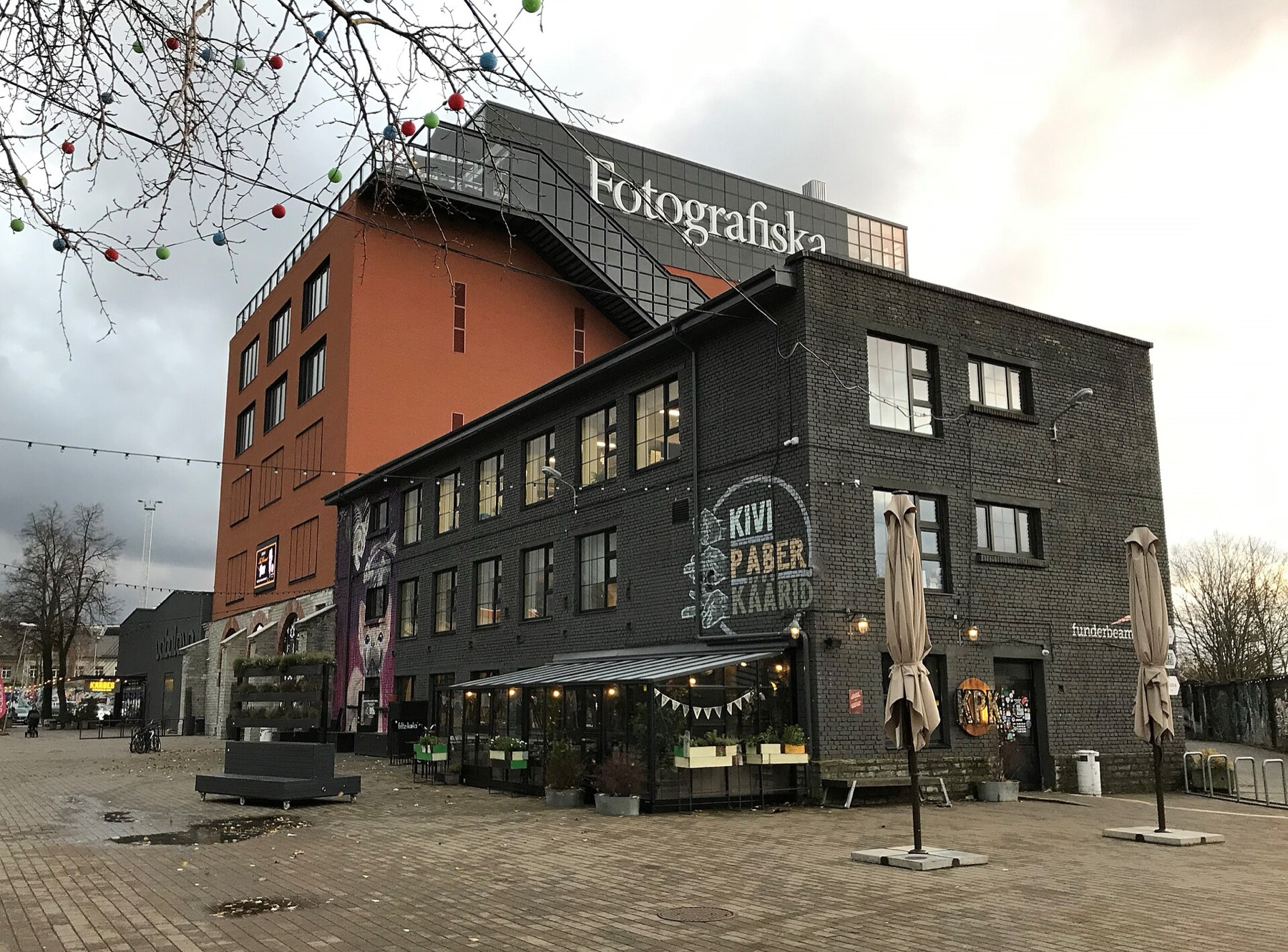
3. Fotografiska
In the heart of the creative Telliskivi district sits a branch of the famous photography gallery, and on its rooftop hides a real culinary treasure. This restaurant boasts a Michelin Green Star for sustainability and runs on a strict zero-waste principle, where absolutely every part of an ingredient is used. For vegetarians it’s an absolute paradise, because fresh vegetables from local farms take centre stage and meat is treated more as a small add-on.
The interior is incredibly stylish and the glass walls offer one of the best views of the Old Town’s spires. Dinner here will cost you roughly €30–50 per person, which is very fair for this level of quality. And after a great meal, you can head down a floor to check out the current exhibitions of world photography.
💡 Tip: The gallery exhibitions are open until 11 p.m., so you can enjoy a fantastic dinner first and save the culture for later in the evening.
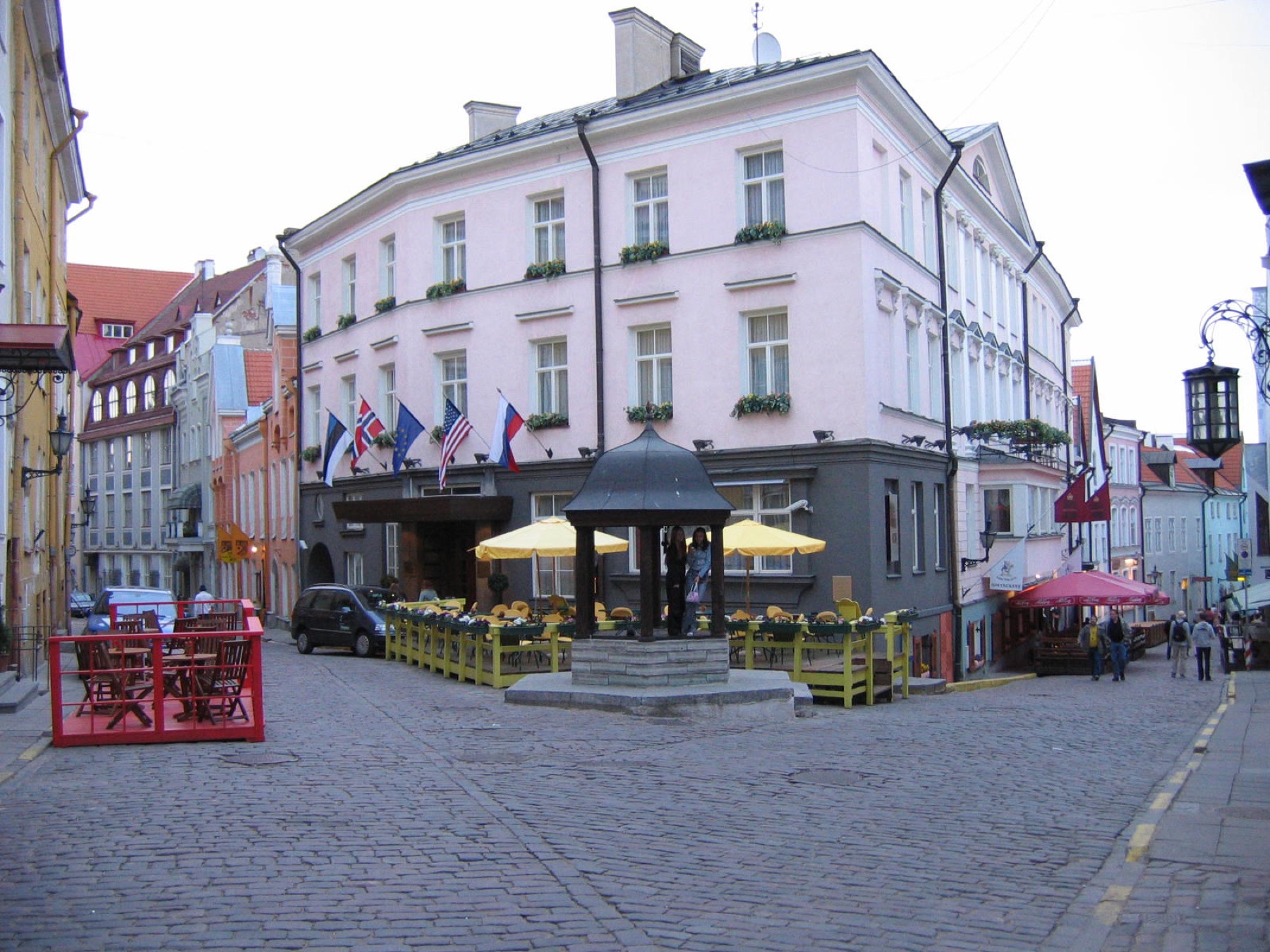
4. Rataskaevu 16
This spot is an absolute legend of Tallinn’s Old Town and has long held the top of countless popularity rankings. You’ll find it in a historic Hanseatic house, and the moment you step in you’ll be charmed by the incredibly warm staff, who bring freshly baked black bread to your table. Main courses here run between €15 and €22, which is absolutely brilliant for such a prestigious location.
Although the restaurant is famous for its traditional cuisine, vegetarians certainly don’t go hungry here — the meat-free dishes are full of flavour and local ingredients. The only complication is its enormous popularity, so you have to secure a table well in advance online; random walk-ins don’t stand a chance.
💡 Tip: Don’t forget to order their famous dessert after your meal — reviewers often mention they’ve never had a better sweet finish in Tallinn.
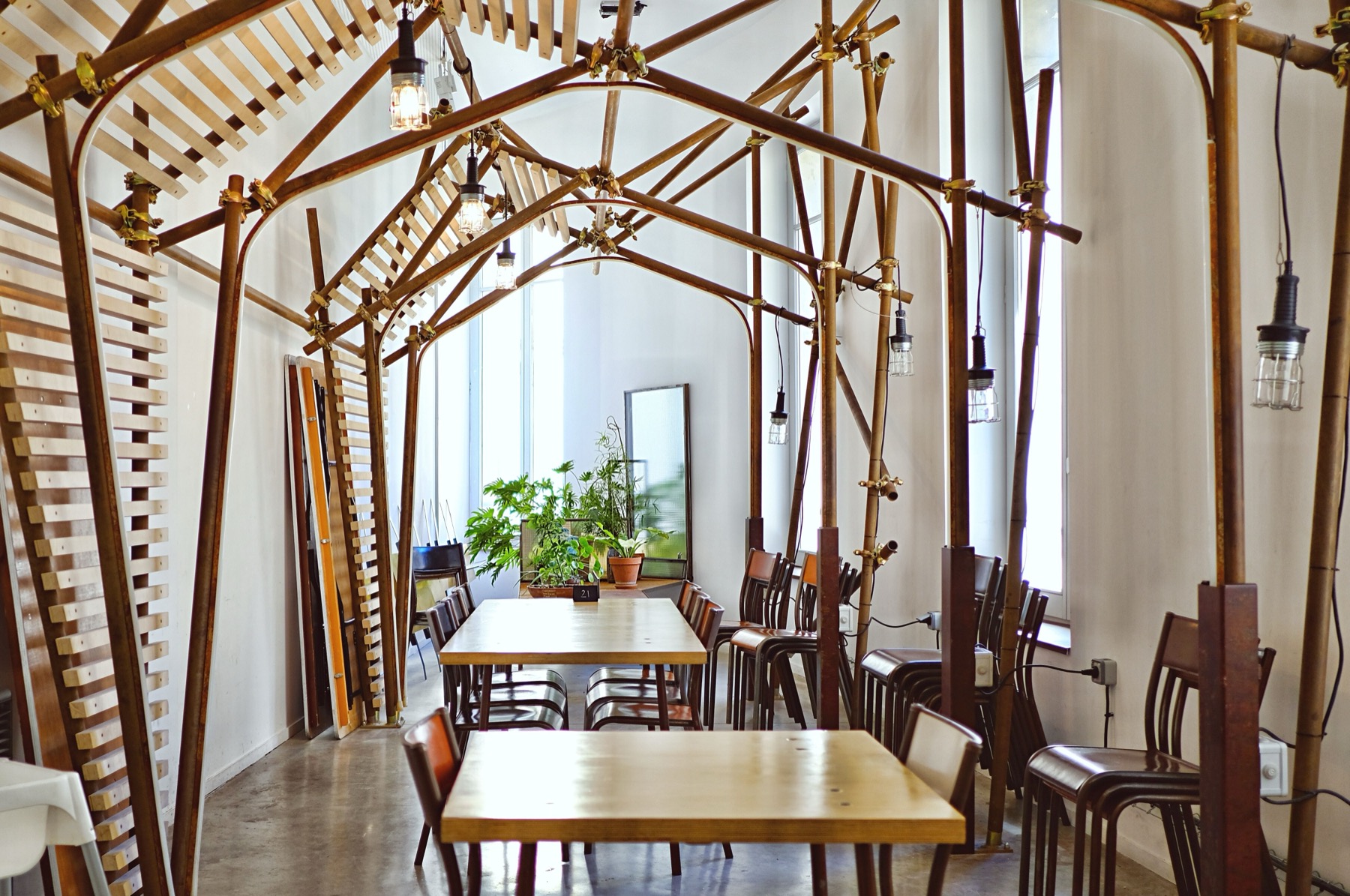
5. Pegasus
If you don’t manage to snag a table at Rataskaevu 16, don’t despair — head to its sister spot just a short walk away. Pegasus will win you over at first glance with its modern Nordic interior, dominated by large windows and minimalist design. Prices here are very fair and the atmosphere noticeably more relaxed, so it’s a great place to drop in for a long, leisurely lunch too.
The restaurant prides itself on fresh ingredients, and the vegetarian offering is a firm part of the menu, so you’ll easily pick from several excellent meat-free options. Besides the great food, this spot also boasts outstanding coffee, which draws local café loungers from all over.
💡 Tip: When booking, try asking for a table on the upper floor by the window — you’ll have a lovely view of the goings-on in the historic streets below.

6. III Draakon
This place is a pure-blooded medieval experience, tucked right inside the historic town hall building on the main square. Forget modern comfort: inside there’s only candlelight, staff in period costumes will deliberately be cheeky with you, and there are simply no cutlery — because medieval is medieval. The house specialty is elk soup for around four euros, but if you don’t eat meat, you should definitely go too.
As a vegetarian, you can order excellent savoury pastry stuffed with cheese and mushrooms, or fish a famous pickle out of a giant wooden barrel. It’s a huge tourist attraction, of course, but it has such incredible charm that it would be a shame to skip it while wandering the city. They only take cash here, so don’t forget to have some small coins ready.
💡 Tip: Don’t be afraid to play along with the brisk staff — their witty, cheeky banter is a key part of the whole medieval experience.
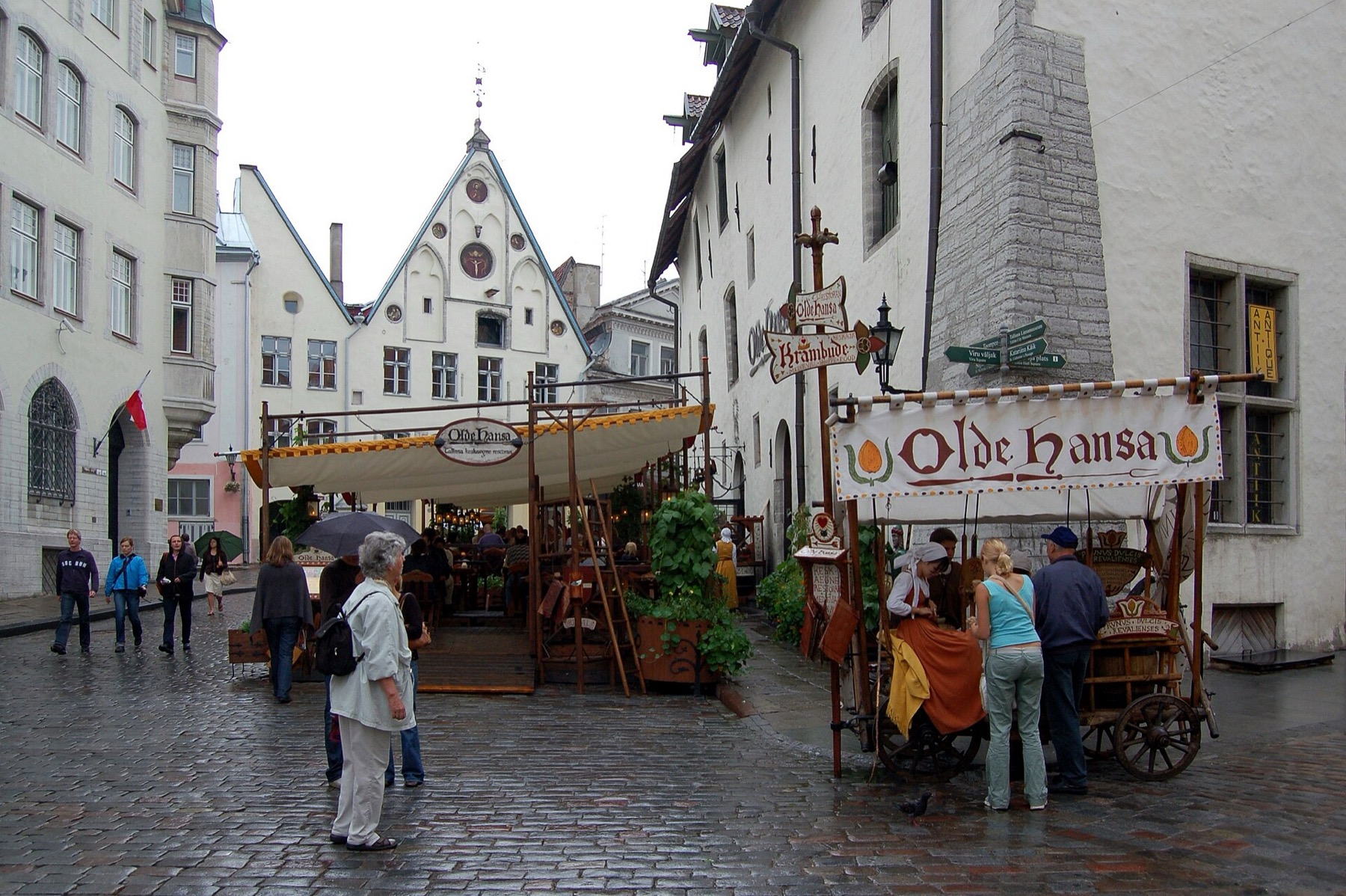
7. Olde Hansa
While we’re on the subject of the Middle Ages, we can’t leave out this enormous merchant’s house, which has elevated historic gastronomy into a perfect show. Inside, everything is exactly as it should have been in the fifteenth century: period music, massive wooden tables, and an atmosphere that makes you sit up a little straighter. Menus commonly feature game and meaty feasts, yet the place is very welcoming to plant-based lovers too.
As a vegetarian, you can order excellent roasted root vegetables, mushroom dishes, or traditional nut pastry. Prices here are a little higher due to the tourist popularity, but you’re mainly paying for the complete theatrical experience that reliably transports you back several centuries.
💡 Tip: Be sure to try their famous honey beer, served in heavy clay jugs — it tastes absolutely great.
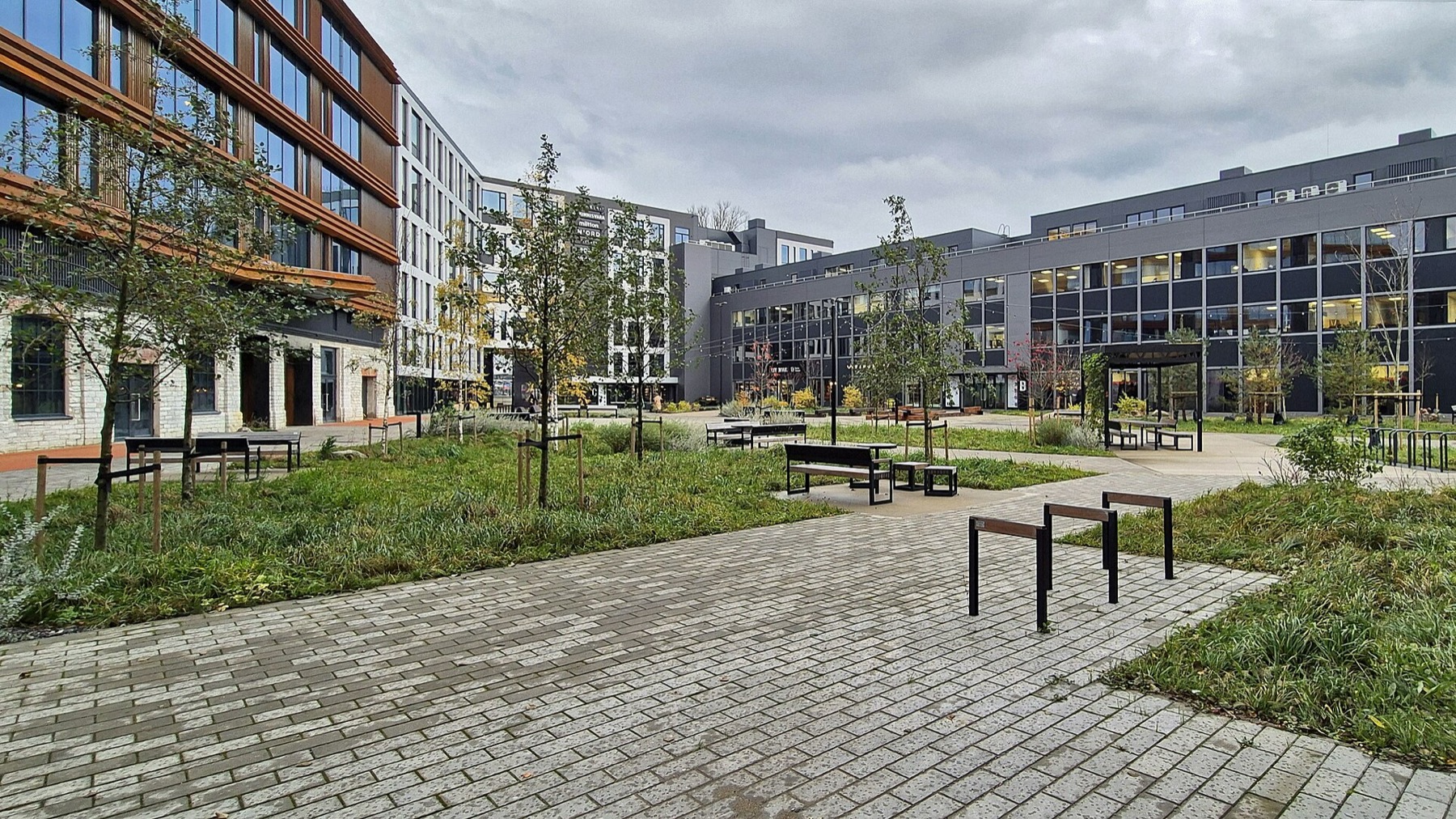
8. F-Hoone
If you want to experience Tallinn’s true hipster vibe, you have to head to an industrial hall in the heart of the Telliskivi district. This spot was one of the first to turn an old factory into a trendy restaurant, and it still holds huge popularity among locals to this day. The portions here are really generous and the prices very reasonable for the location, so you’ll eat your fill without any guilt.
For vegetarians and vegans it’s one of the best places in the city, with a huge and immensely creative selection of meat-free dishes. F-Hoone is famous above all for its weekend brunches, which draw the whole neighbourhood, so on a weekend morning expect it to be really busy and lively.
💡 Tip: It’s the ideal spot for lunch after exploring the surrounding street art, or before visiting the nearby market.
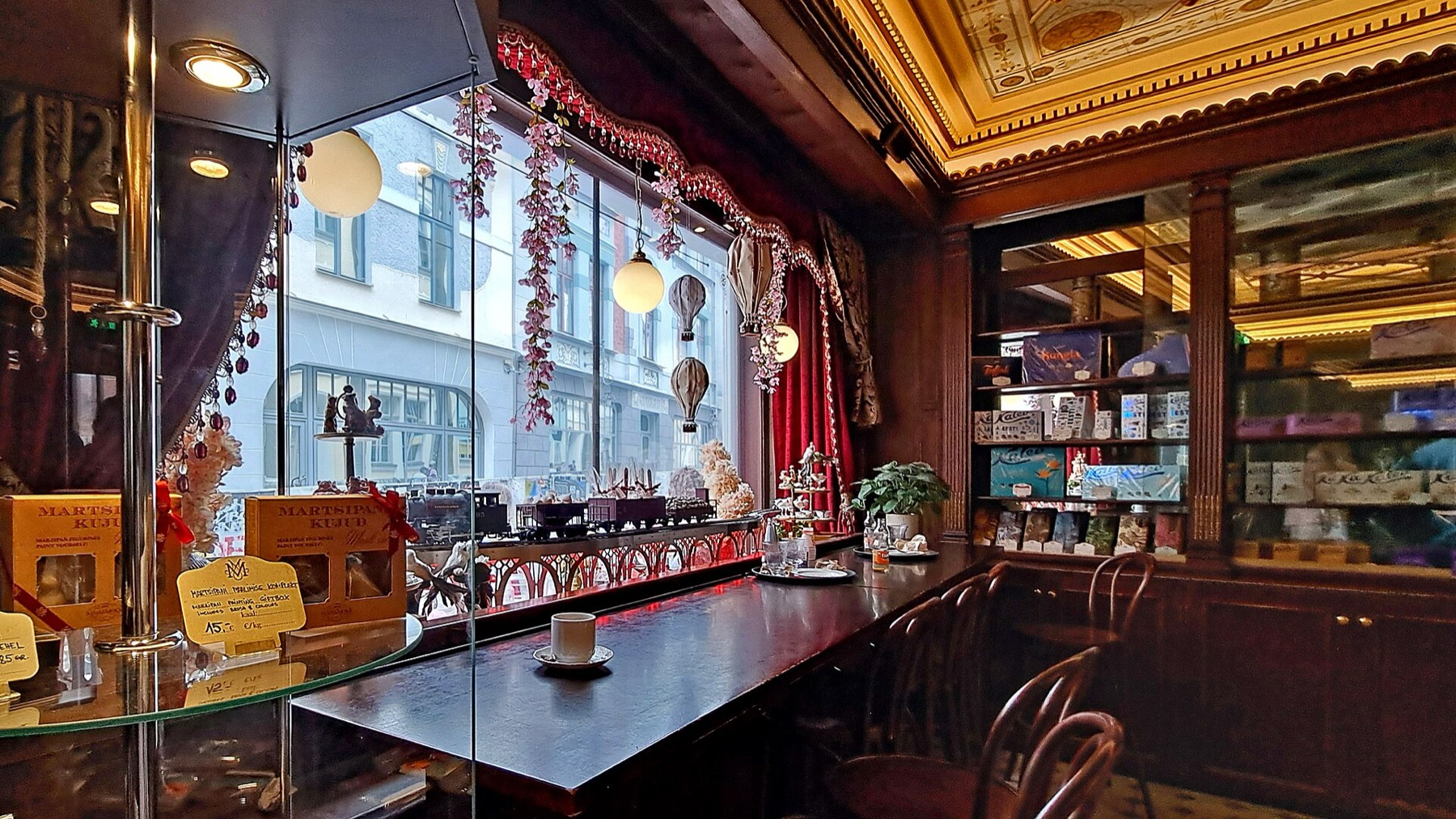
9. Maiasmokk
When a craving for something sweet strikes, your steps should lead to the oldest continuously operating café in Tallinn, which has smelled of coffee since 1864. Its name translates as “sweet tooth”, and the interior with wood panelling and mirrors will instantly transport you to the days of good old elegance. The café is famous for making marzipan, which they hand-paint right in front of fascinated visitors.
Since it’s a café, vegetarians will be in their element here among dozens of kinds of cakes, pralines and sweet pastries. It’s the perfect refuge for a dreary afternoon when you want a hot drink and simply want to watch the bustle in the surrounding Old Town streets.
💡 Tip: At the back of the café there’s a small marzipan museum, where you can admire incredible sculptures made from this sweet paste.
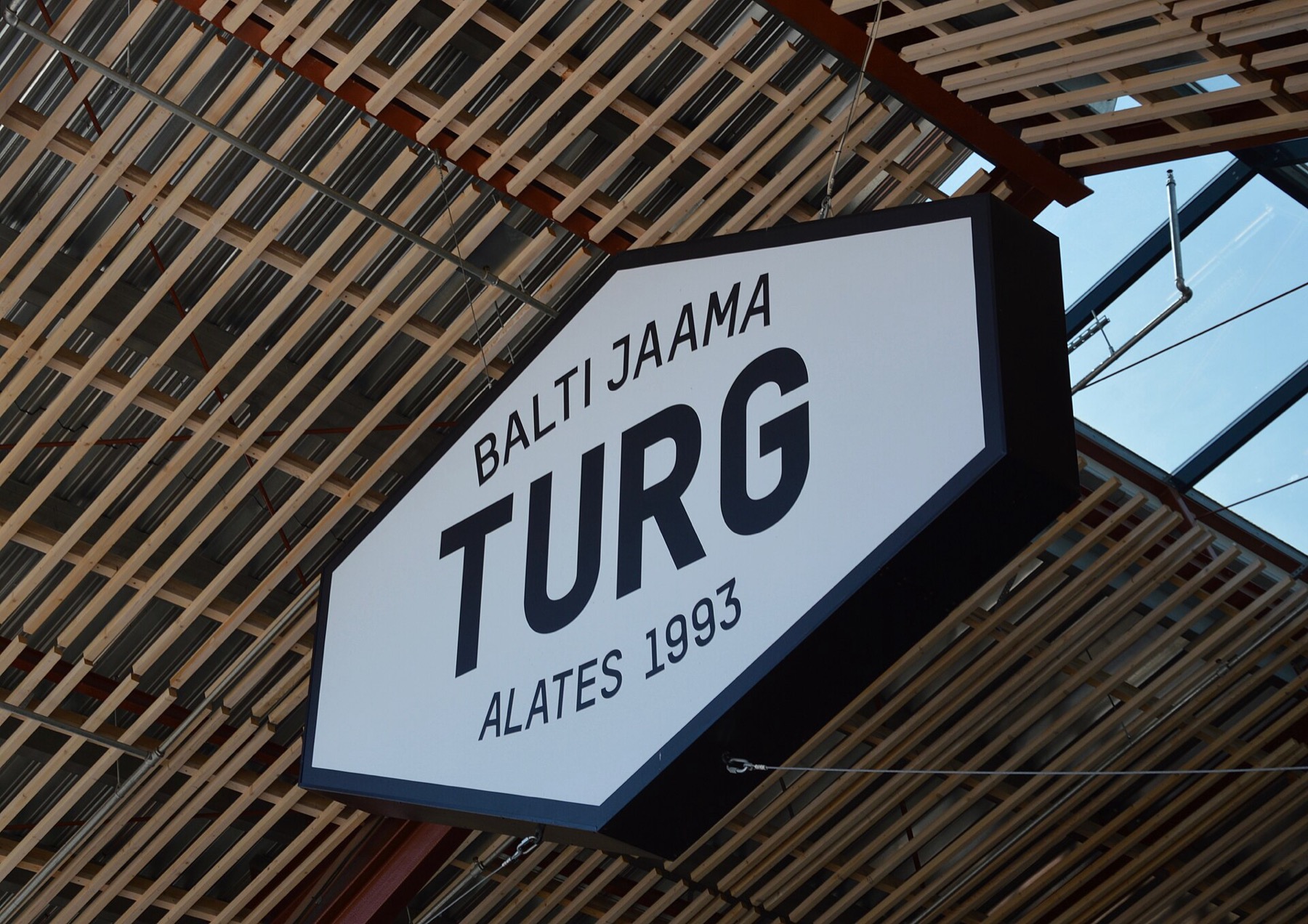

10. Balti Jaama Turg
This renovated three-storey market right next to the main train station is where modern Tallinn meets traditional farmers. The first floor belongs to sellers of fresh produce, so if you want to buy local cheeses or fresh berries, head straight here. It’s an absolutely authentic place where locals come for fresh black bread and other Estonian treats.
For vegetarians, a stroll among the stalls of fresh vegetables, fruit and fragrant pastries is a real treat. What’s more, the market is covered and beautifully lit, so you can spend plenty of time here even when the weather outside isn’t ideal for long walks.
💡 Tip: Don’t forget to explore the market’s basement too, where a huge flea market hides, full of fascinating Soviet nostalgia and antiques.
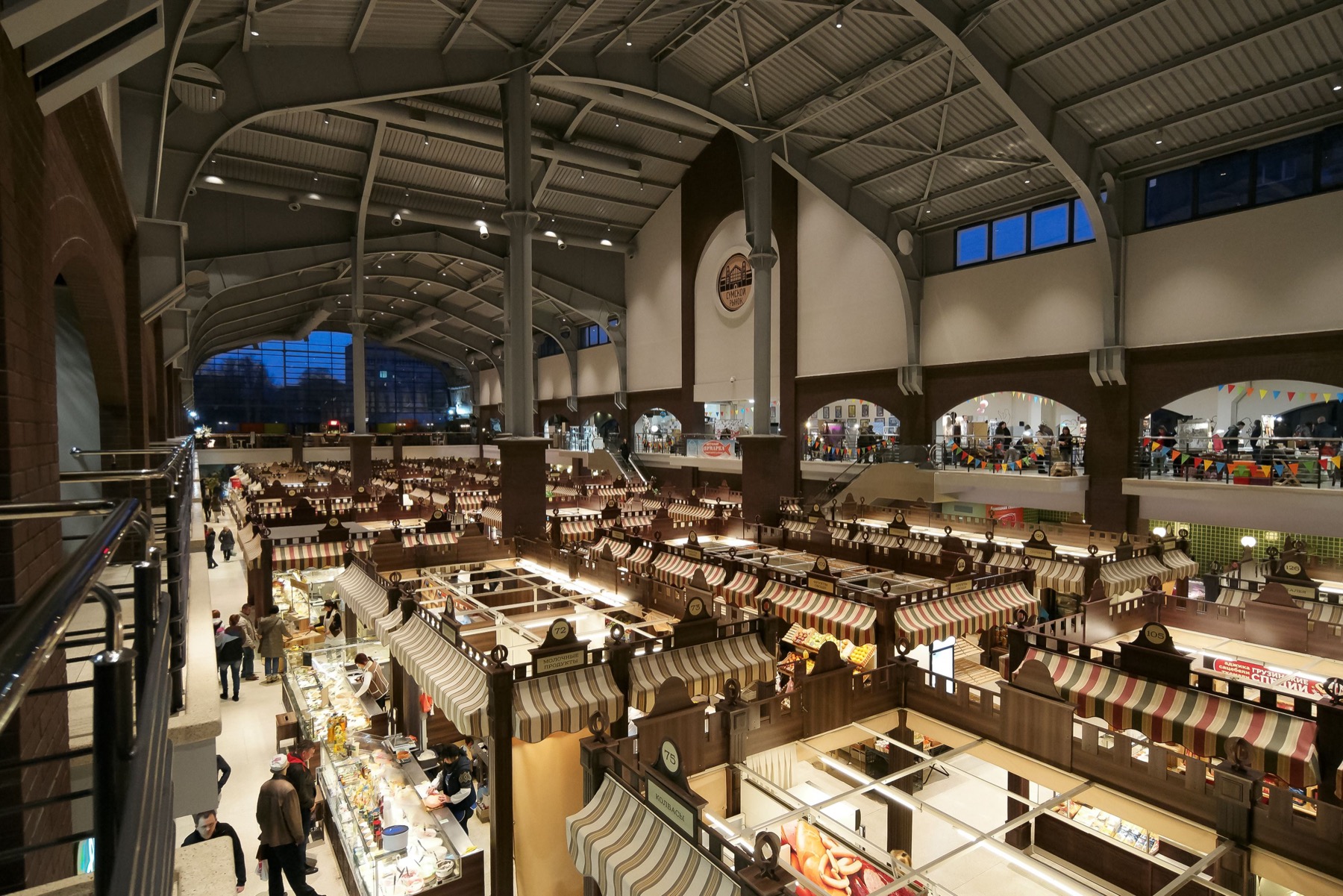
11. The food court at Balti Jaama Turg
While the market’s upper floor is for grocery shopping, the ground floor is dedicated to food and works as a huge, bustling food court. You’ll find dozens of street-food stalls serving dishes from all over the world that will reliably save you when hunger strikes and you don’t want to spend on pricey restaurants. Around lunchtime the whole city pulses here and the atmosphere is absolutely brilliant.
The vegetarian and vegan offering here is absolutely fantastic. In no time you’ll grab excellent vegan wraps, veggie bao buns or meat-free Asian noodles. You can then eat your food at shared wooden tables, where it’s easy to strike up a chat with local students or designers from the neighbouring Telliskivi district.
💡 Tip: Prices here are very low, so I’d recommend making the rounds of several stalls and buying lots of smaller portions to sample.
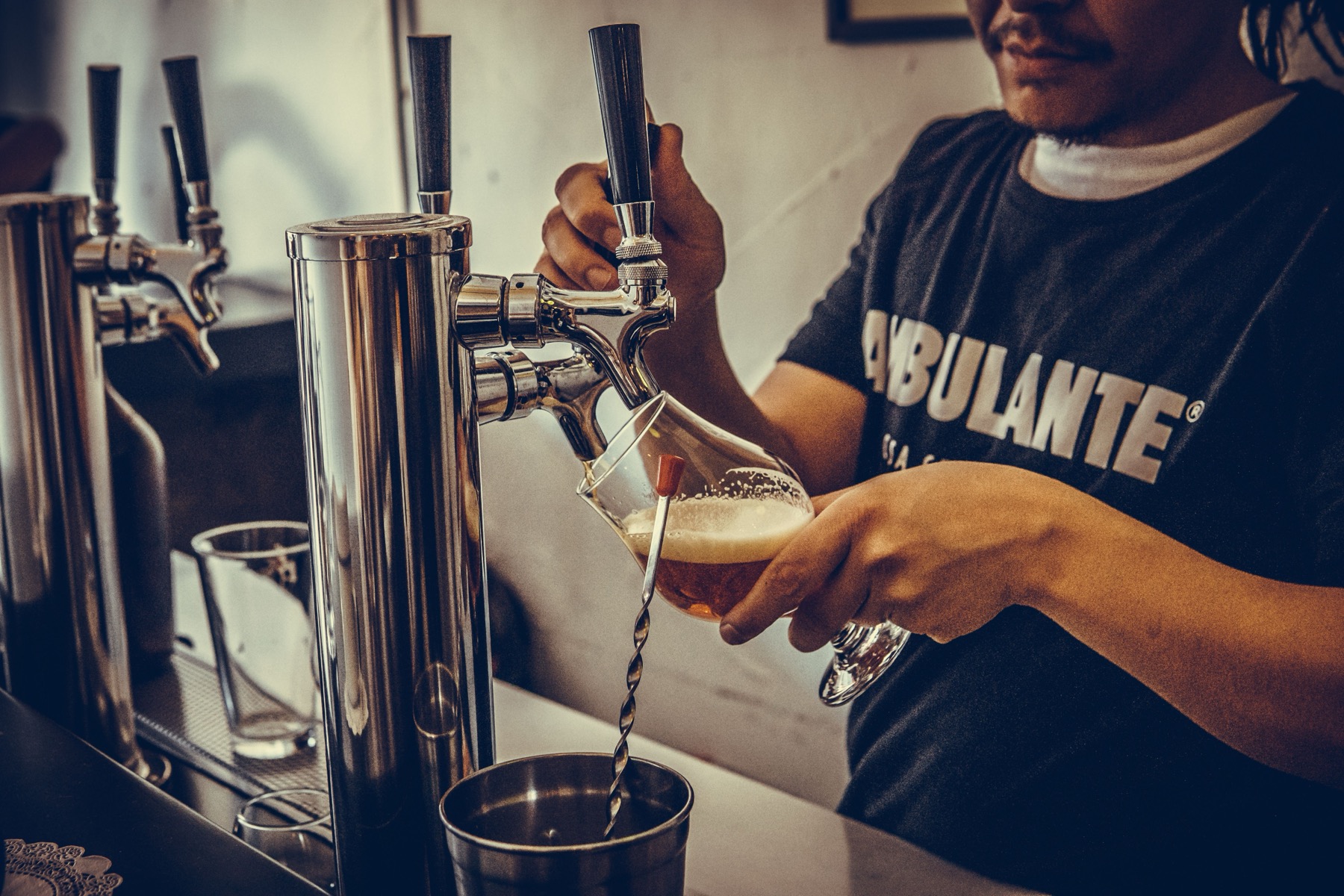
12. Põhjala Tap Room
Estonia has a fantastic craft-beer scene, and this brewery in the Noblessner district ranks among the absolute best in Europe. It sits in a beautifully renovated industrial hall, and the moment you arrive you’ll be blown away by the sight of twenty-four taps pouring the finest porters and fresh IPAs. The atmosphere here is wonderfully relaxed and the interior overlooking the brewhouse is very photogenic.
Traditionally, real Texas BBQ and various meat specialties are served alongside the drinks, but they cater to vegetarians too. With your craft beer you can easily have meat-free sides, salads or a well-made vegetarian burger. On top of that, they even have their own sauna, which you can book for the perfect Nordic evening.
💡 Tip: If you want to learn more about beer-making, the brewery regularly runs guided tours of its depths paired with a tasting.
What to try: Estonian specialties
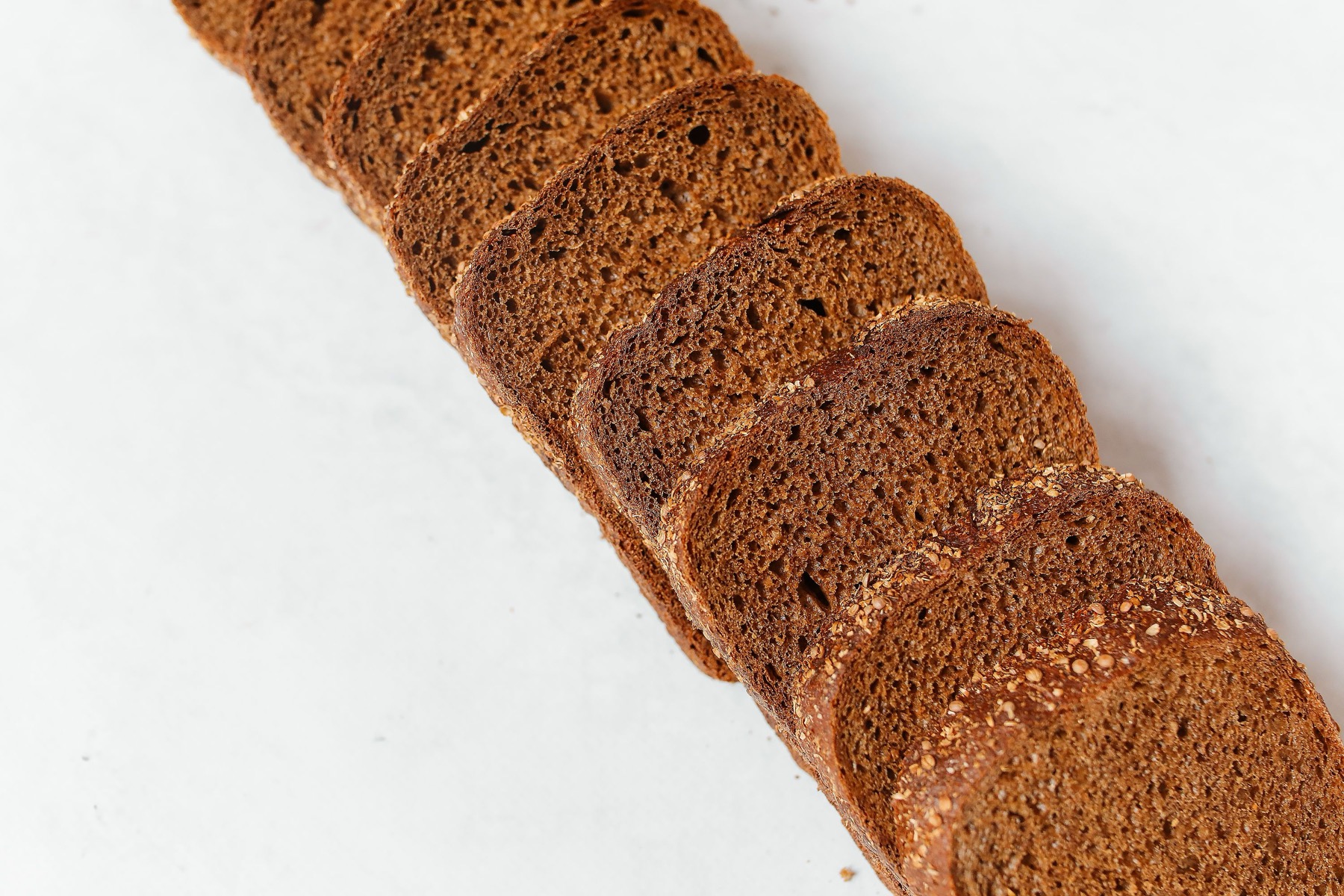
The cornerstone of local gastronomy is must leib, a dense black rye bread that counts as a national treasure in Estonia. This slightly sweet sourdough bread comes automatically with almost everything in restaurants, and it tastes best just as it is, spread with a proper layer of salted butter. You’ll take to it quickly, too — you’ll meet it at every turn, and it’s great without butter as well. A special chapter is kama, a unique roasted mix of ground rye, oats, barley and peas, which modern cafés love to sprinkle into yogurts and desserts.
When a craving for something sweet hits, head to the nearest supermarket and look for kohuke in the fridge. These are small curd bars in a chocolate coating that embody the Estonian childhood dream and taste absolutely fantastic. In classic bakeries, be sure to order a kringel, a richly braided sweet wreath usually filled with cinnamon, cardamom or delicious chocolate. Local cheeses and sweet pastries with forest berries are also well worth trying.
When it comes to meat and fish traditions, Estonians are very proud of their historic dishes. A local specialty they swear by is small silver fish called kilu, traditionally served marinated on a piece of black bread with a boiled egg. During the winter months, menus commonly feature verivorst, a blood sausage served with sauerkraut, and traditional taverns cook up hearty elk soup. On the coast and islands, smoked salmon or eel is an absolute classic.

What to drink
The most popular liquid souvenir from the Baltics is, without competition, Vana Tallinn, a dark herbal liqueur with pronounced notes of rum, citrus and vanilla. Estonians drink it neat over ice, love to add it to hot coffee, or use it in mixed cocktails. For teetotallers and drivers, a great choice is kali, a fermented bread drink similar to kvass, which is pleasantly sweet and perfectly refreshing in summer. Estonia is also a promised land for coffee lovers — on every corner you’ll find a top-notch roastery where an excellent espresso costs around three euros.
Beer is a chapter of its own in Estonia, with the local craft scene led by the Põhjala brewery hugely popular. Just be prepared that alcohol is fairly expensive here, and a pint of draught beer in a pub will commonly cost you four to seven euros. What you’ll be glad to hear, on the other hand, is that tap water, called kraanivett here, is perfectly drinkable and in the vast majority of restaurants they’ll gladly bring it to you free of charge in a carafe.
The best affordable restaurants in Tallinn
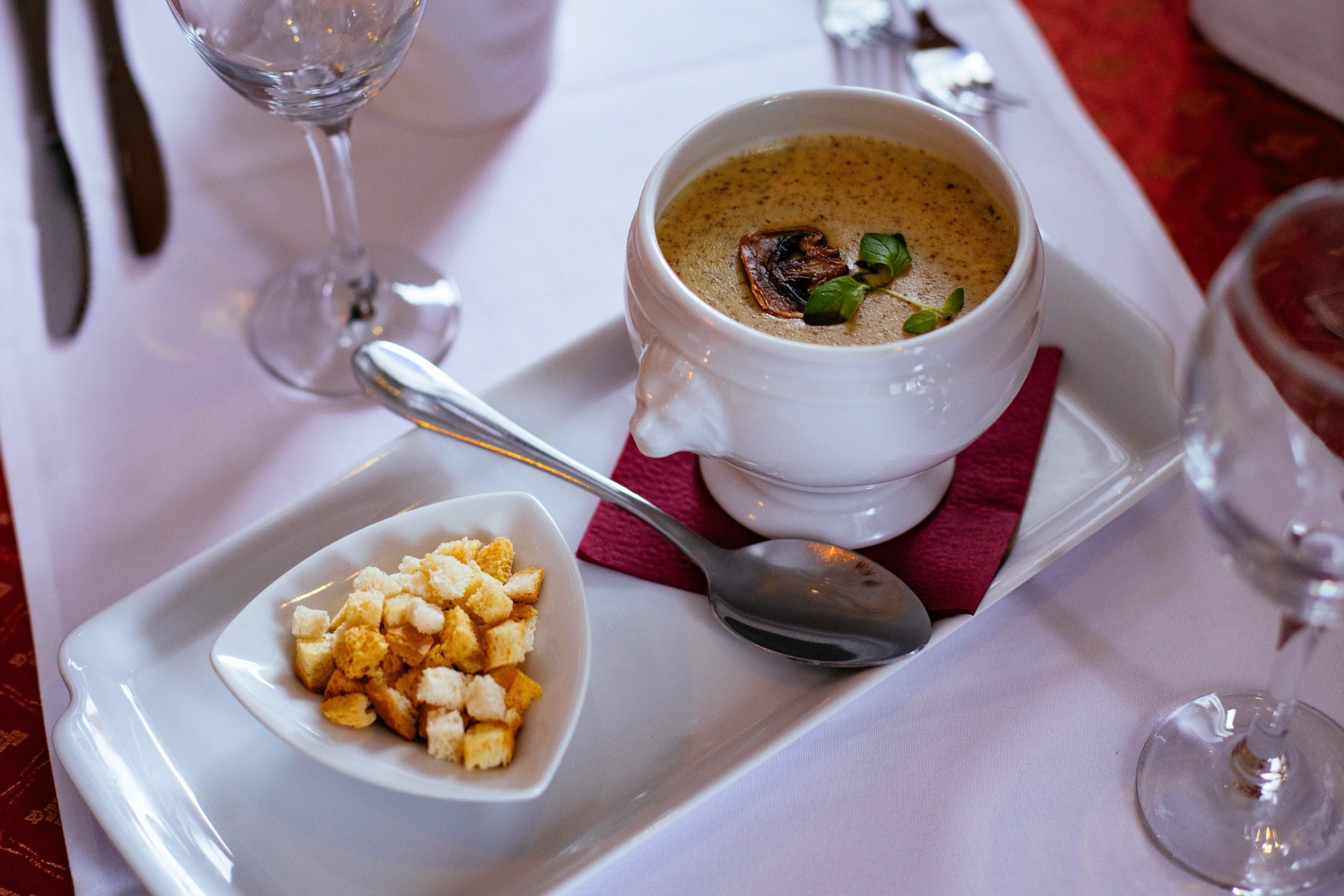
Although Tallinn has gotten pricier, there are still ways to eat here for a few coins and not go hungry. Your secret password becomes päevapraad, the lunch menu that bistros and smaller restaurants offer every weekday from roughly eleven to two in the afternoon. It’s usually a soup and a main course for just five to eight euros, which is a fantastic price by Estonian standards. Look for chalkboard signs outside the entrances, or simply ask the staff.
Another great place for cheap eats is the already-mentioned Balti Jaama Turg market, where you can eat well at the food court for under ten euros. If you want to save even more, Estonian supermarkets like Rimi or Selver have excellent ready-meal sections. You can buy fresh salads, great cheeses, pastries and the beloved kohuke curd bars, which easily make up a cheap picnic in one of the city’s many parks.
Vegetarians and vegans in Tallinn
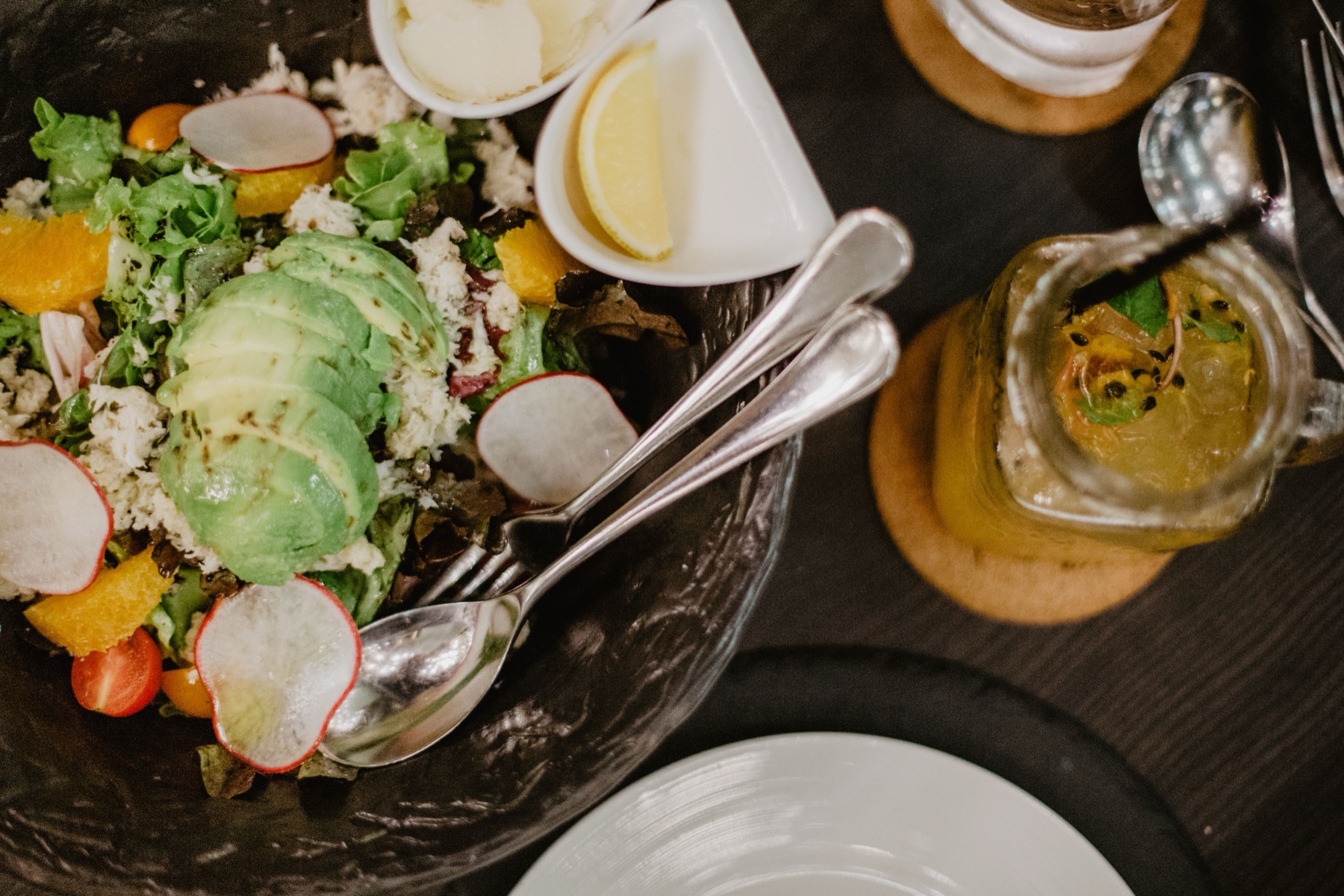
According to surveys and traveller reviews, the vegetarian and vegan scene in Tallinn is surprisingly varied and very friendly. The modern New Nordic movement genuinely loves vegetables, and chefs often put them centre stage, so you needn’t worry about ending up with just a dry salad. The vast majority of better restaurants have creative meat-free courses on the menu that are perfected in flavour and use the seasonal gifts of Estonian forests, such as mushrooms and berries.
If you venture outside the main tourist centres, it helps to know a few useful words. The key word for vegetarian in Estonian is taimetoit, which simply means plant-based food. In supermarkets you’ll find a huge range of vegan products, spreads and plant-based milks, so even if you stay in an apartment with its own kitchenette, you can cook exactly the way you like.
Where to stay
💡 Accommodation and activity tip: We prefer to look for accommodation on Booking.com, which usually has the best cancellation terms. For tickets, tours and activities, it’s worth comparing and booking through GetYourGuide.
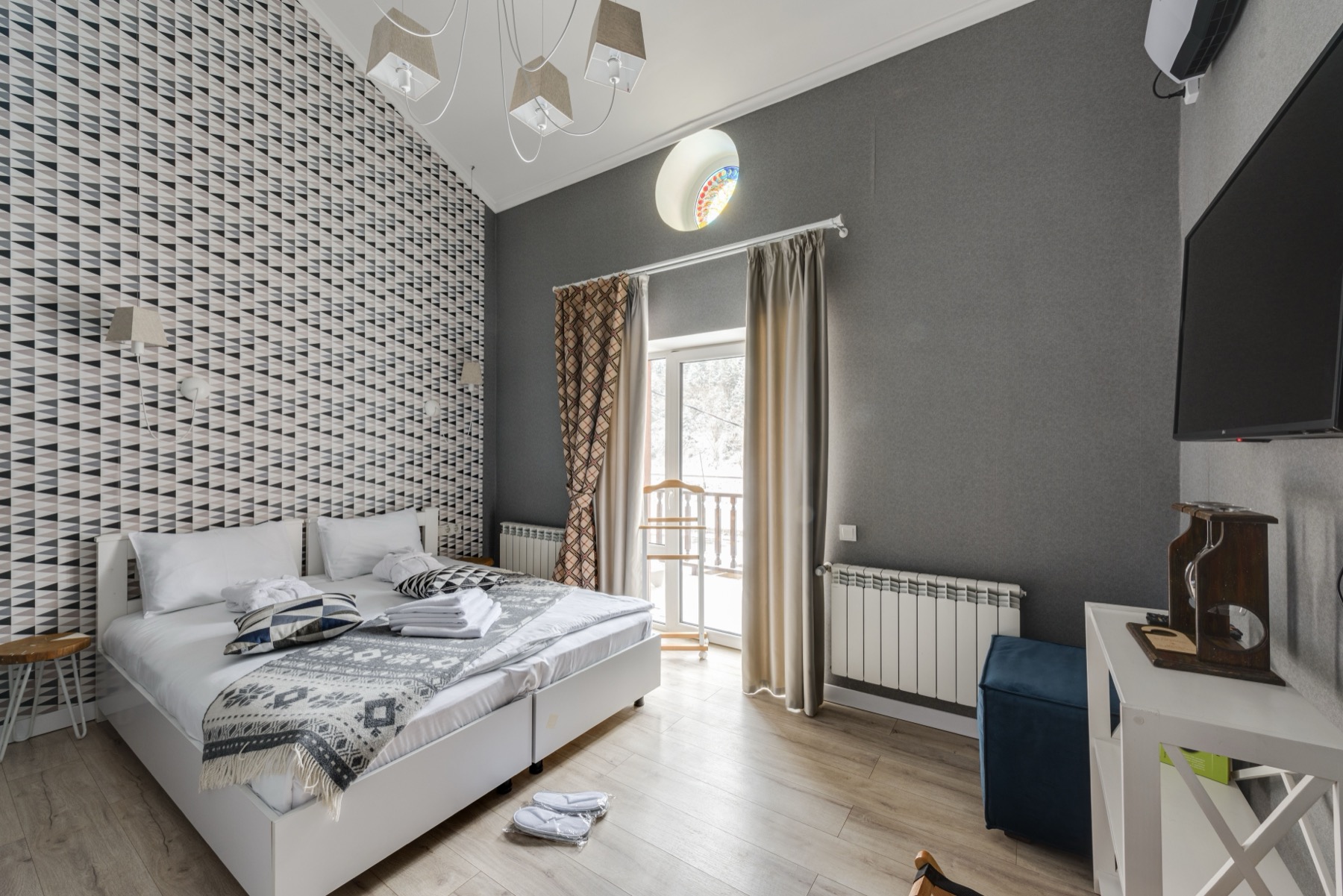
Finding good accommodation in Tallinn is thankfully not difficult at all, and the choice is really wide. Whether you want to sleep right in the historic centre with all those amazing restaurants just a few steps from your room, or you prefer modern neighbourhoods with an industrial edge, you’re sure to find something.
If you’re after luxury with a touch of that proper Estonian elegance, I’d recommend checking out the Hotel Telegraaf, right by Town Hall Square. It has a lovely spa and a perfect atmosphere. The golden middle path, offering great value for money, is the popular Nordic Hotel Forum a short walk from the centre. And if you’re travelling on a limited budget, take a look at Citybox Tallinn, a stylish and modern place right in the buzzing Rotermann district, where everything runs fully self-service.
Where to next
- Tallinn: 20 tips on what to see and do in Estonia’s capital
- Where to stay in Tallinn: the best neighbourhoods and hotels
- Christmas markets in Tallinn: when, where and what to taste
- Helsinki–Tallinn ferry: prices, connections and how to save
- Estonia: 25 tips on what to see and experience
- When to visit Estonia: weather month by month
Frequently asked questions
Feeling a little dizzy from all this information about Estonian gastronomy? I don’t blame you — there’s really a lot to discover, and Tallinn knows how to surprise you pleasantly ☺️.
So to wrap up, I’ve put together quick answers to the most common questions you’ll probably have before your trip. From prices through reservations to paying — here you have everything important nicely in one place.
How much does food cost in Tallinn?
Prices depend on the location, but after the recent VAT increase, expect an average lunch at a restaurant to cost 10 to 20 euros. For dinner at mid-range establishments, you’ll pay around 18 to 30 euros per person.
What does päevapraad mean?
It’s the Estonian term for daily special or lunch menu. Usually served on weekdays at lunchtime, it’s the best way to eat well for 5 to 8 euros.
Do I need to make reservations at restaurants?
At popular spots in the Old Town and Michelin-starred restaurants, reservations are absolutely essential, often several weeks in advance. For lunch menus at regular bistros, you won’t need a reservation.
Is Tallinn expensive for food?
Compared to Helsinki or Stockholm, it’s still cheaper, but compared to many other European destinations, you’ll pay more. After the tax increase, restaurant prices are comparable to, say, Berlin.
What should I definitely try in Tallinn?
Definitely try must leib (black sourdough bread), the sweet braided pastry kringel, and curd snack bars kohuke. For drinks, sample the liqueur Vana Tallinn or the fermented drink kali.
Where can you eat cheaply and quickly?
The best option is the Balti Jaama Turg market, where there’s a huge food court on the ground floor. You’ll find street food from all over the world with prices well below regular restaurant levels.
Does Tallinn have good vegetarian food?
Yes, the local scene is very friendly for vegetarians and vegans. Modern restaurants offer creative plant-based menus and supermarkets stock plenty of meat-free products.
Can you pay by card everywhere in Estonia?
Estonia is a cashless powerhouse, so you can pay by card, phone, or watch absolutely everywhere. You’ll probably only need cash when buying small souvenirs at medieval markets.
Tips and Tricks for Your Vacation
Don’t Overpay for Flights
Search for flights on Kayak. It’s our favorite search engine because it scans the websites of all airlines and always finds the cheapest connection.
Book Your Accommodation Smartly
The best experiences we’ve had when looking for accommodation (from Alaska to Morocco) are with Booking.com, where hotels, apartments, and entire houses are usually the cheapest and most widely available.
Don’t Forget Travel Insurance
Good travel insurance will protect you against illness, accidents, theft, or flight cancellations. We’ve had a few hospital visits abroad, so we know how important it is to have proper insurance arranged.
Where we insure ourselves: SafetyWing (simple monthly subscription) and TrueTraveller (for extra-long trips).
Find the Best Experiences
Get Your Guide is a huge online marketplace where you can book guided walks, trips, skip-the-line tickets, tours, and much more. We always find some extra fun there!