Looking for a Helsinki Tallinn ferry? The Gulf of Finland feels more like a busy motorway than a quiet stretch of sea, because a modern ship can cover the 80-kilometre distance between the two capitals in under two hours. An incredible eight to nine million passengers travel this route every year, making it one of the busiest ferry routes in the world.
Whether you are planning a quick day trip or arranging a year-round flight itinerary via Vantaa Airport, you will probably need to take the ferry. The vast majority of sailings operate during the summer peak, when around 86 crossings a week connect the two shores, but getting across is perfectly straightforward even in the depths of winter.
I have put together a detailed guide covering how to choose an operator, which terminals the ferries leave from and what to expect on board. Most importantly, I will show you how to save significantly on tickets so you do not pay more than necessary.

Summary
- Crossing time: The journey takes a very comfortable two to two and a half hours, depending on the operator and type of ship you choose.
- Ticket price: For a foot passenger, prices usually range from €10 to €35 for a one-way ticket, with dynamic pricing playing a major role.
- Who operates the route: Three major ferry companies compete here — Tallink, Viking Line and Eckerö Line — together providing 12 to 13 departures a day.
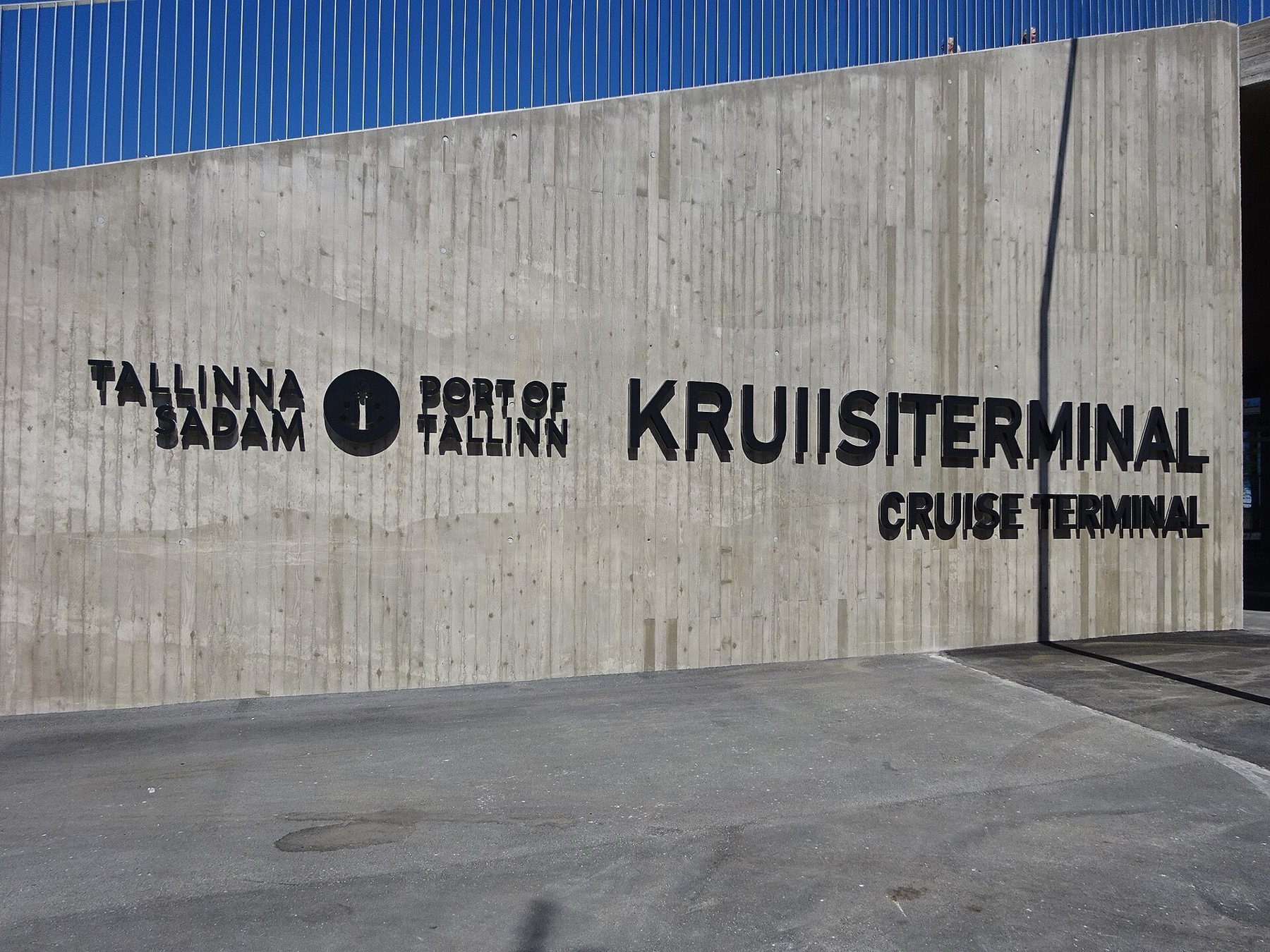
- Where ferries depart: In Helsinki, ships leave from the Länsisatama or Katajanokka terminals, while in Tallinn they all arrive at the main Vanasadam harbour near the city centre.
- When to buy your ticket: The ideal time to book is six or more weeks in advance; last-minute bookings during summer can become unpleasantly expensive.
- Day trips: Ferry companies offer special return fares for passengers returning the same day, which often works out cheaper than a standard one-way journey.
The full destination guide: Estonia — guide and what to see
Who operates the route and where ferries depart
This busy route is not served by tiny boats but by three huge ferry companies competing to offer the best service. Together they provide 12 to 13 departures a day, so you should have no trouble finding a sailing that fits your itinerary.
All three companies operate enormous modern vessels that resemble floating shopping centres. To make the options easier to understand, I have put the operators into a clear comparison table. I have also included official links so you can buy tickets directly from the source.
| Operator | Ships and crossing time | Terminals | Approx. foot passenger price | Approx. price with car | Note |
|---|---|---|---|---|---|
| :— | :— | :— | :— | :— | :— |
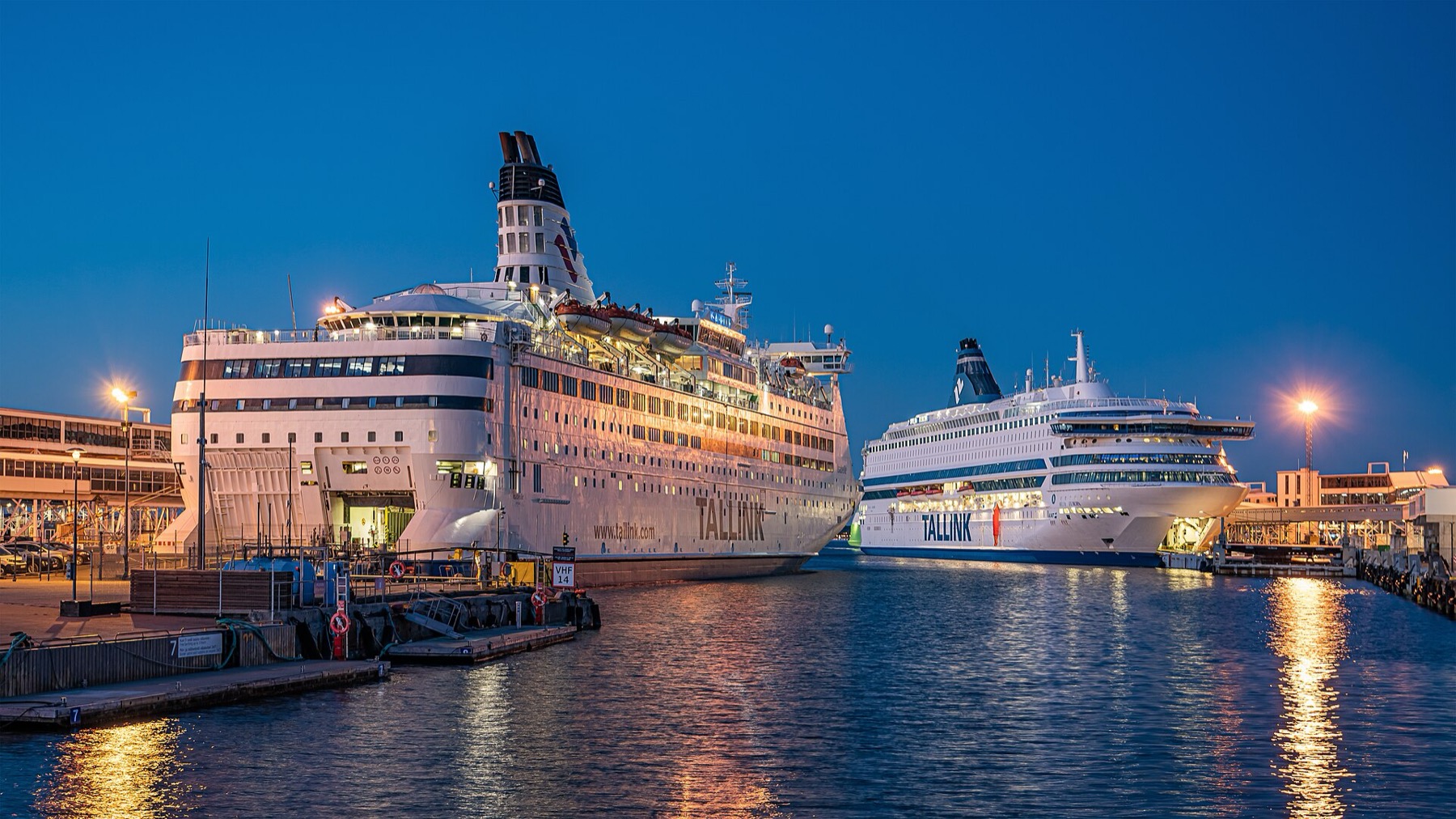
| Tallink | Megastar, MyStar (~2 h) | Länsisatama (T2) → D-terminal | €20–35 | from €48 | Most frequent service (up to 8 times a day). The newest LNG ships on the route. |
| Viking Line | Viking XPRS (~2–2.5 h) | Katajanokka → A-terminal | €11–30 | from €22 | 2–3 times a day. Frequent special offers for foot passengers. |
| Eckerö Line | Finlandia (~2.5 h) | Länsisatama (T2) → A-terminal | €10–20 | from €17 | 3 times a day. Consistently the cheapest option for cars and foot passengers. |
Please treat the prices in the table as estimates only, as they change constantly depending on the season and how far in advance you book. In particular, remember that Viking Line’s car prices use dynamic pricing, so expect to pay more during the summer peak.
How long is the crossing and what is the ship like?
The entire journey across the Gulf of Finland takes around two to two and a half hours, which passes more quickly than you might expect. Tallink’s Megastar and MyStar are the fastest, while the Eckerö Line crossing takes a little longer but tends to be calmer and cheaper.
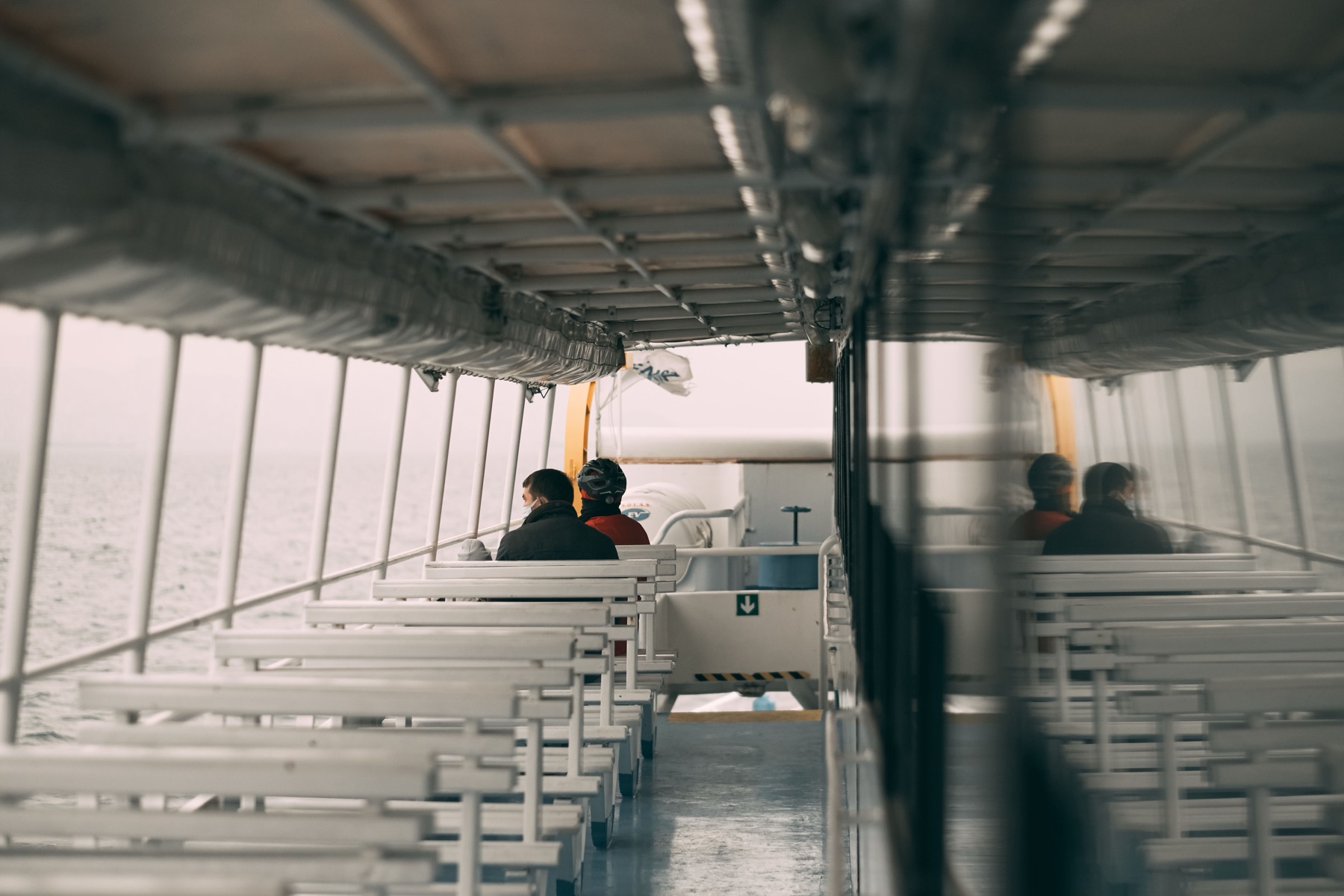
If you have never travelled on a ferry like this before, prepare for a huge floating complex spread over several decks. On board you will find everything from enormous supermarkets and restaurants to cafés, children’s play areas and lounges where you can settle down with a book. Tallink’s ships, for example, boast huge glass atriums where you can enjoy views of the Baltic Sea with a cup of hot tea in your hand. On Eckerö Line’s Finlandia, meanwhile, you will find a great bar with live music, where local Finnish bands often play to keep the atmosphere lively.
Before boarding, you will pass through spacious, modern terminals whose facilities are more reminiscent of small airports. They have plenty of seating, cafés and water vending machines, so even waiting for your sailing is easy. In both cities, the port buildings are also very well connected to public transport.
When the weather is good, I recommend heading straight to the open-air decks, which offer fantastic views of the Helsinki islands disappearing behind you. The onboard restaurants serve Nordic specialities as well as international classics, although keep in mind that food prices on the ship are set more according to Finnish standards.
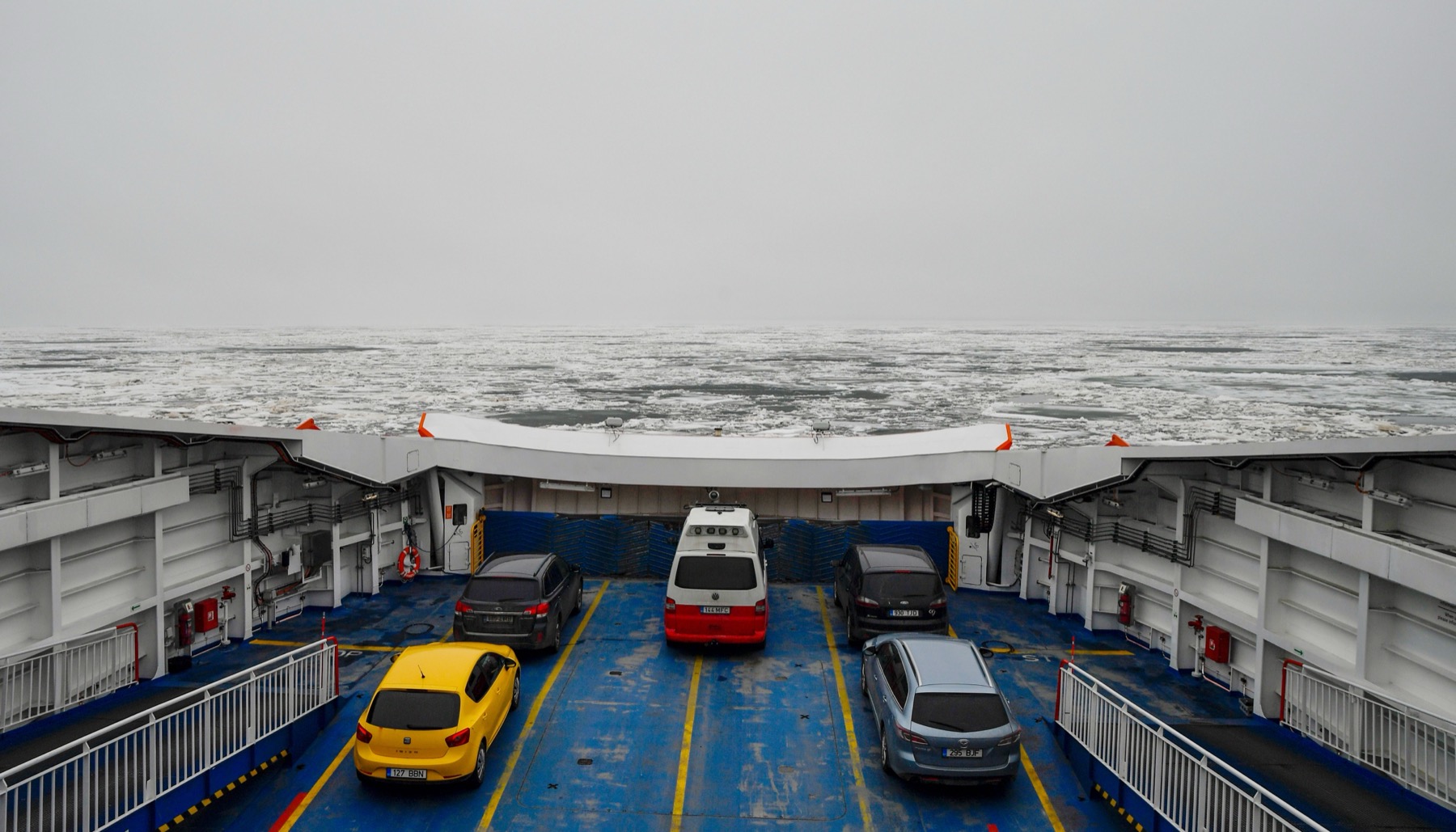
Crossing the Gulf in winter has a special kind of magic, as the sea is often partly frozen. The ships are perfectly built for these conditions and work like icebreakers, so inside you will find warmth and complete comfort even when a snowstorm is raging outside.
8 tips for saving money on the ferry
Travellers share plenty of tricks on forums that can bring the price down, leaving you with more euros to spend on Estonian craft liqueur or two portions of schnitzel with dumplings.

1. Book well in advance
💡 Tip: The golden rule is that the ideal booking window is six or more weeks before departure. At that point, a return ticket usually costs around €18–35, which is a very reasonable price.
If you leave it until the last minute, prepare for a shock. Especially on Saturday mornings during the summer season, prices can soar, and you may pay as much as €80 for a one-way ticket.
It always pays to plan ahead and reserve your sailing as soon as your travel dates are confirmed. Booking early also gives you the widest choice of departure times, which can sell out quickly during the season.
2. Take advantage of the Estonian domain
💡 Tip: When buying Tallink tickets, try switching from the global website to the Estonian version (tallink.ee). Experienced travellers on forums repeatedly confirm that local-market prices can be lower.
Sometimes the difference is only a few euros, but on selected days it can be as much as half the price shown on the international “.com” domain. The site will take you through an Estonian interface, but with your browser’s automatic translation, you can easily complete the booking.
This little trick works mainly because purchasing power in Estonia is still slightly lower than in Finland. Ferry companies therefore often offer local residents hidden special deals that are not available through the English-language version of the website.
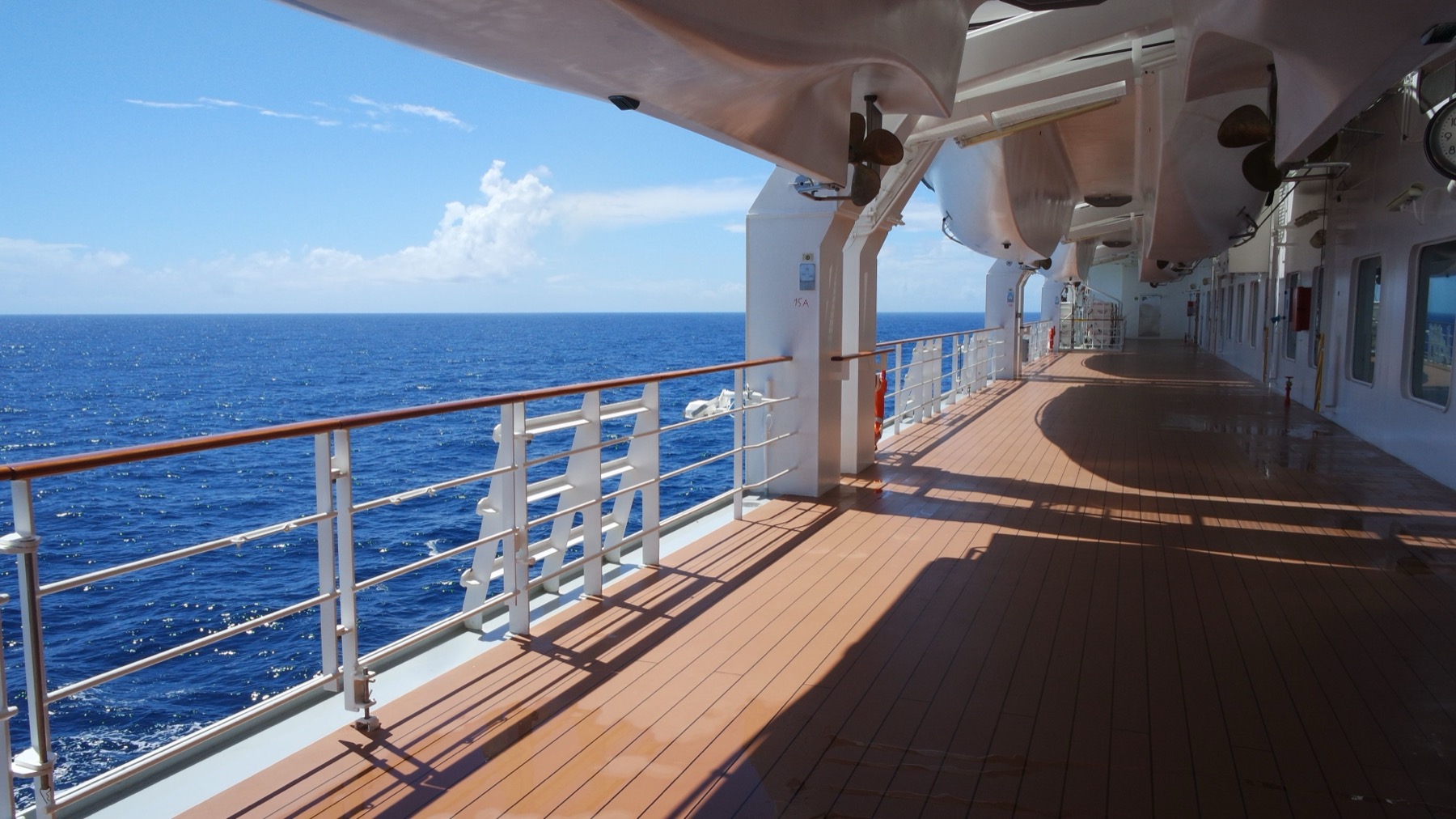
3. Try a special day cruise
💡 Tip: Planning a quick day trip and returning in the evening? Always look for a special “day cruise” fare (päiväristeily in Finnish), which is heavily subsidised.
Ferry companies know that passengers will spend money in the onboard duty-free shops or restaurants during the day. A same-day return ticket under this promotion often works out cheaper than a simple one-way ticket on the standard fare.
The condition, of course, is that you really must return on the same day, usually on an evening sailing. It is a great option if you want to get a taste of Tallinn before deciding whether to come back for an entire weekend.
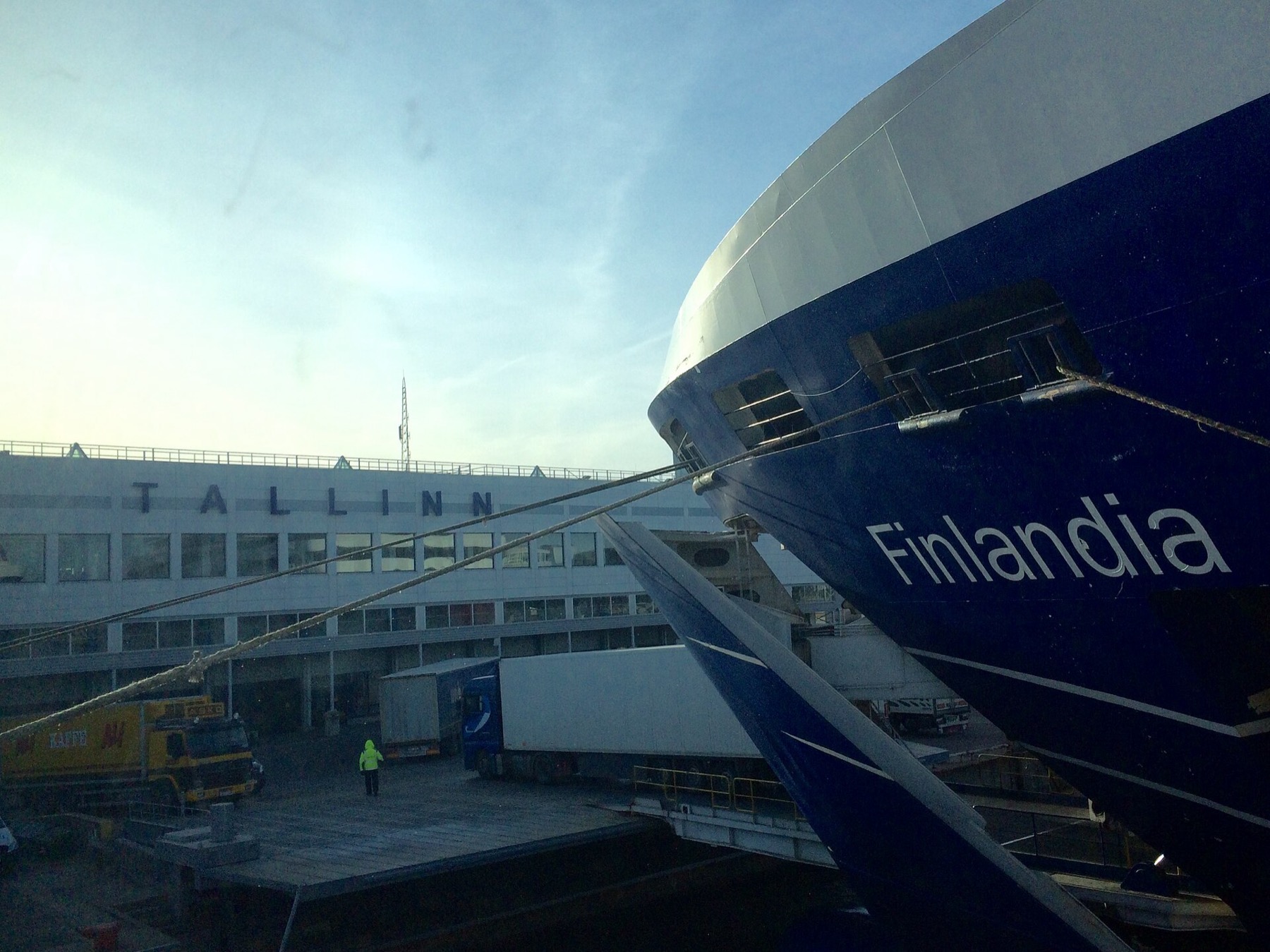
4. Choose Eckerö Line when travelling by car
💡 Tip: If you are planning a major road trip and need to take your car across, Eckerö Line is usually the cheapest option. Prices for a passenger car start at around €17.
With Tallink, by comparison, the starting price for a car is around €48. Always compare the current offers, of course, but if you are looking for a strictly budget-friendly option, Finlandia is the clear favourite.
Remember that the price for the car is accompanied by a charge for each passenger. Even so, Eckerö Line is considerably better value for families travelling with a car, especially outside the busiest summer weekends.
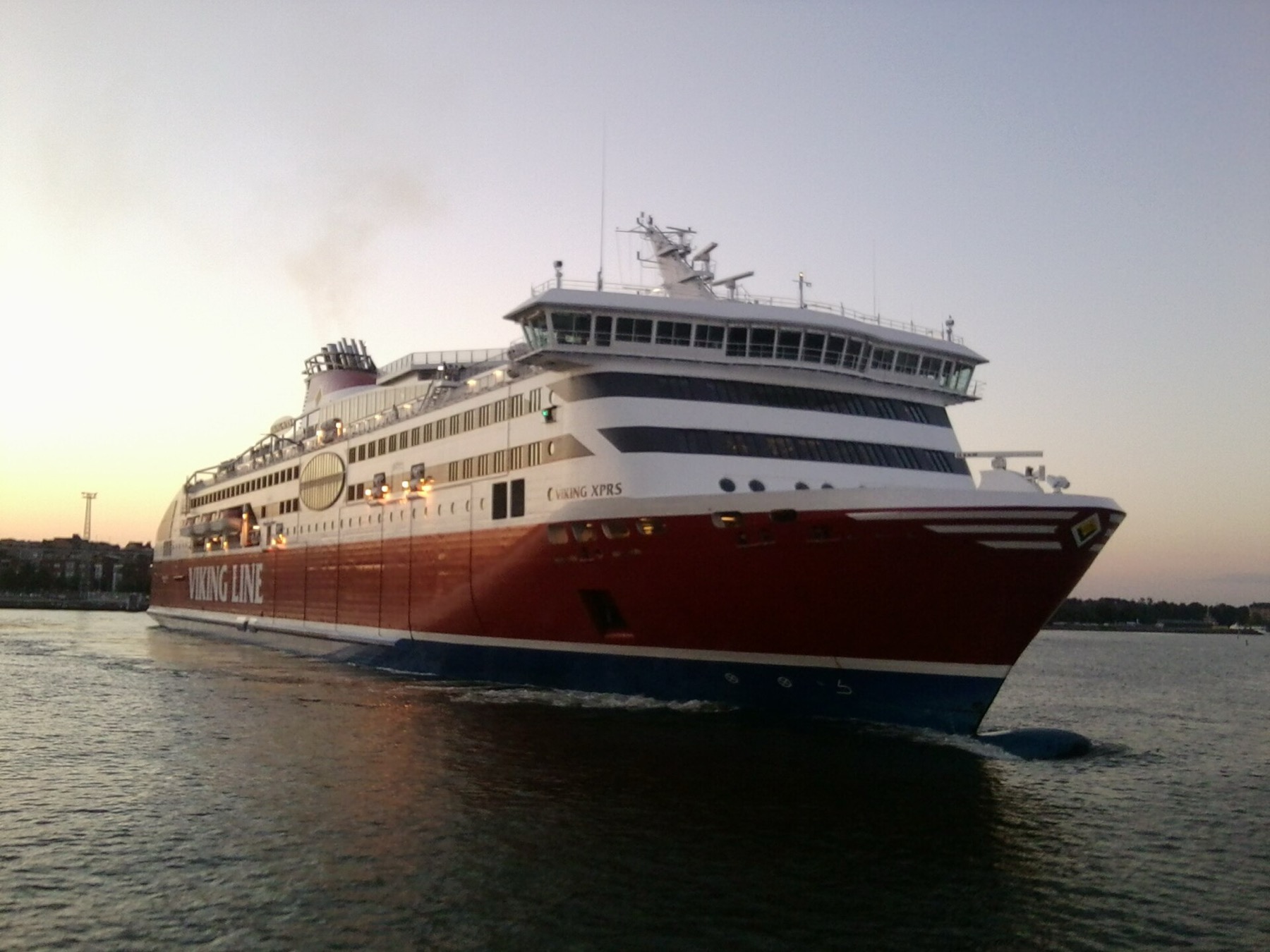
5. Watch for Viking Line promotions
💡 Tip: Viking Line operates just one ship on the route, the Viking XPRS, but it is known for very frequent discount campaigns for foot passengers.
It is quite common to find a one-way ticket in one of their promotions for around €11–15. It is worth signing up for their newsletter or following them on social media, where these flash sales are regularly announced.
Their ship also departs from Helsinki’s Katajanokka terminal, which is very close to the city centre. That saves you both time and money on travelling by tram from the port, a pleasant bonus on top of the cheap ticket.

6. Travel midweek
💡 Tip: Ferry prices closely follow the habits of Finnish and Estonian travellers. Friday afternoons and Saturday mornings are by far the most expensive departure times.
If you can shift your itinerary even slightly, travel on Tuesday or Wednesday. The ships are often half-empty, the atmosphere on board is much calmer and ticket prices drop to their absolute lowest.
The same applies to the time of day. Early-morning sailings (around 7:30) and late-evening departures are often considerably cheaper than the most popular crossings around 10 a.m.
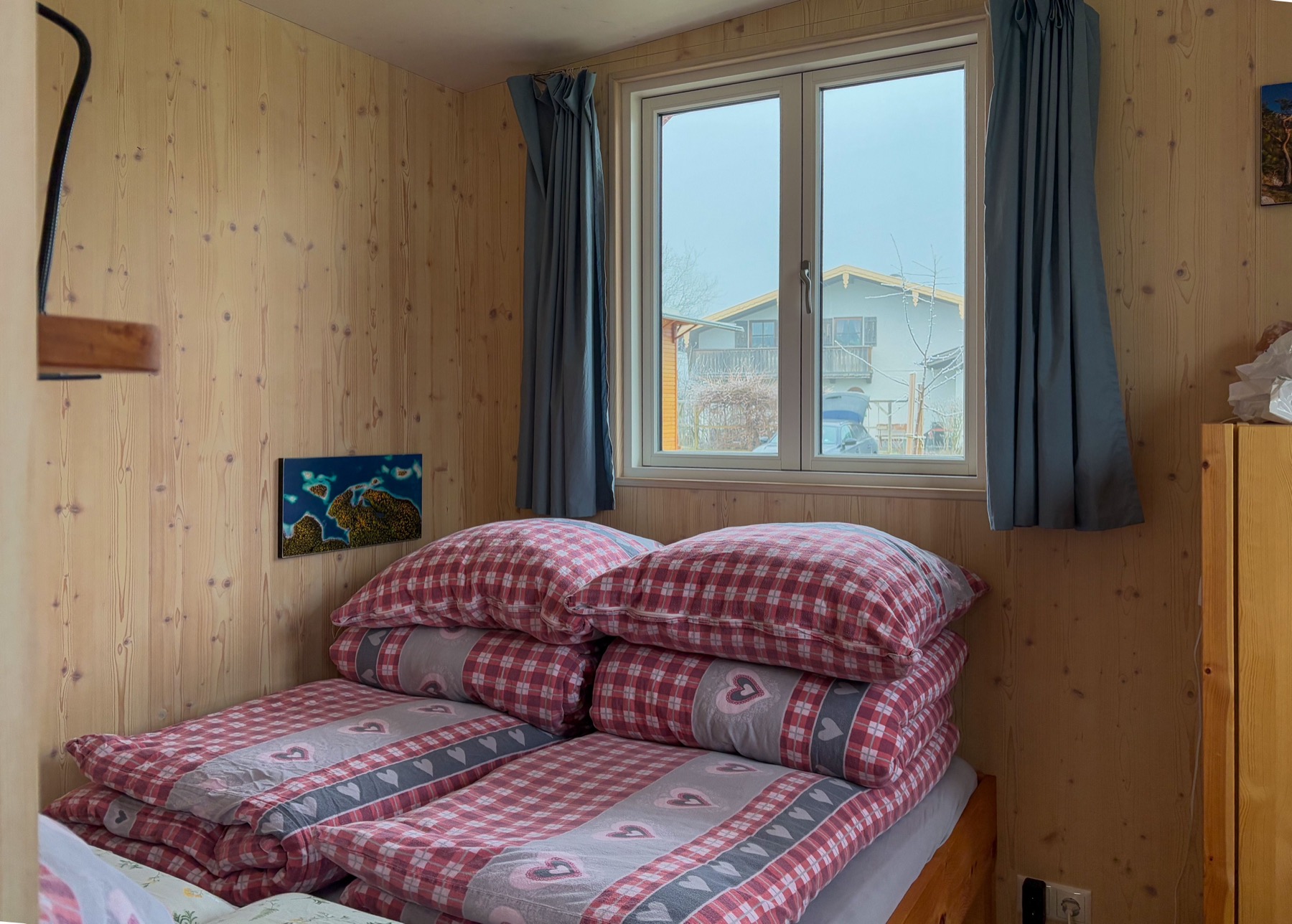
7. Use a cabin instead of a hotel
💡 Tip: For an overnight or very early sailing, consider booking your own cabin. The cheapest options start at €30, while a better standard costs an average of €119.
Although the crossing takes only two hours, a cabin gives you privacy, your own bathroom and peace and quiet for resting. If you choose a night sailing, you can sleep on board in the harbour and set off into the city refreshed in the morning.
This is a clever way to save the cost of one night in a regular hotel, and prices in both capitals are not exactly low. You will also avoid the stress of getting to the terminal early in the morning.
8. Do not forget family discounts
💡 Tip: If you are travelling with children, carefully check the family packages and child discounts offered by all three main operators on this route.
Children below a certain age (usually five or six) often travel completely free, while older children may be entitled to half-price fares. Some companies also offer good-value family tickets covering a car and four passengers for one fixed price.
There are also well-equipped play areas on board for younger travellers, so the two-hour crossing flies by. Always enter every child’s age accurately when booking so that the discounts are applied correctly in your basket.


Helsinki to Tallinn for one day
If you decide on a quick day trip, take an early-morning ferry at around eight. You will arrive in Tallinn shortly after ten, with the whole day ahead of you. Intense? Absolutely. But it is worth it.
There is, however, an important warning from experienced travellers. Between 9:30 a.m. and 6 p.m., thousands of people from large cruise ships pour into the Old Town’s lanes, making the centre tiringly crowded and full of guided groups.
At this time, I recommend escaping beyond the old walls to visit the modern Telliskivi district or beautiful Kadriorg Park. Return to the historic centre at around 6 p.m., when the cruise ships depart, the lanes empty out and the city takes on the right melancholic atmosphere.
Because of these crowds, it is well worth staying overnight in Tallinn. In the morning and evening, you will have the most photographed lanes almost entirely to yourself — a priceless experience that a day trip can never offer.
Taking a car on board
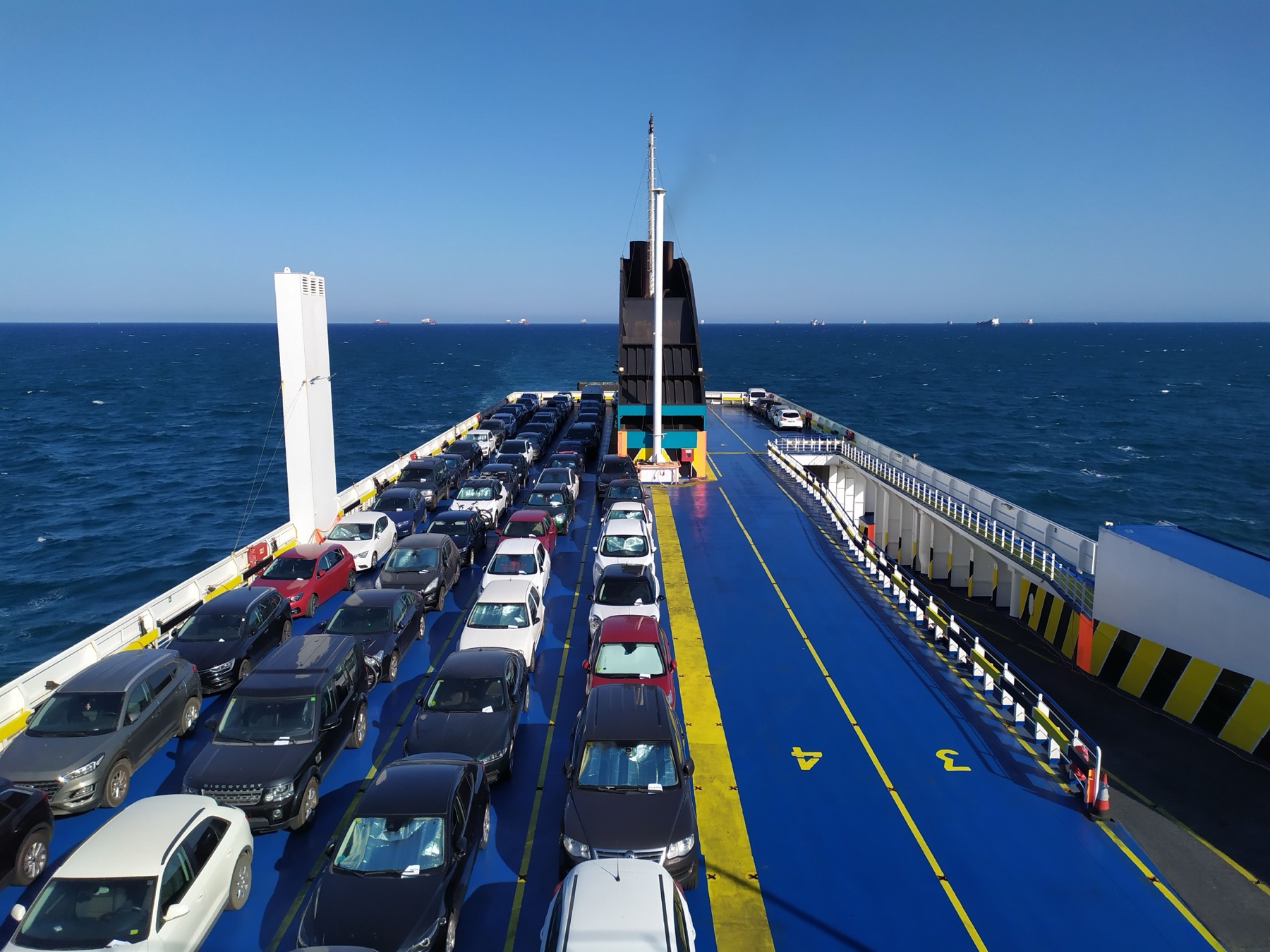
Travelling around the Baltic states by car is hugely popular, and the ferry is an ideal way to do it. The price for a car varies by operator, but as mentioned above, Eckerö Line is usually the cheapest, while Tallink charges more for its service.
If you are travelling with a car, you need to arrive at the terminal about an hour before departure to allow time for check-in and smooth boarding. Driving onto the ship itself is very well organised: the staff guide you into position with millimetre precision, and everything happens without any stress.
You cannot access your car during the crossing, so take your documents, medication and a jumper with you on board. Also bear in mind that parking in Tallinn’s historic centre is very expensive, so it is better to leave the car in a car park a short distance from the old walls.
You do not need any special documents to drive in either country beyond what you normally use at home. An EU driving licence is valid without any problem, but be very careful to obey the speed limits. Fines in Finland and Estonia can make a summer holiday considerably more expensive, and there are also a great many automated speed cameras along the roads.
Ferry from Stockholm and other connections
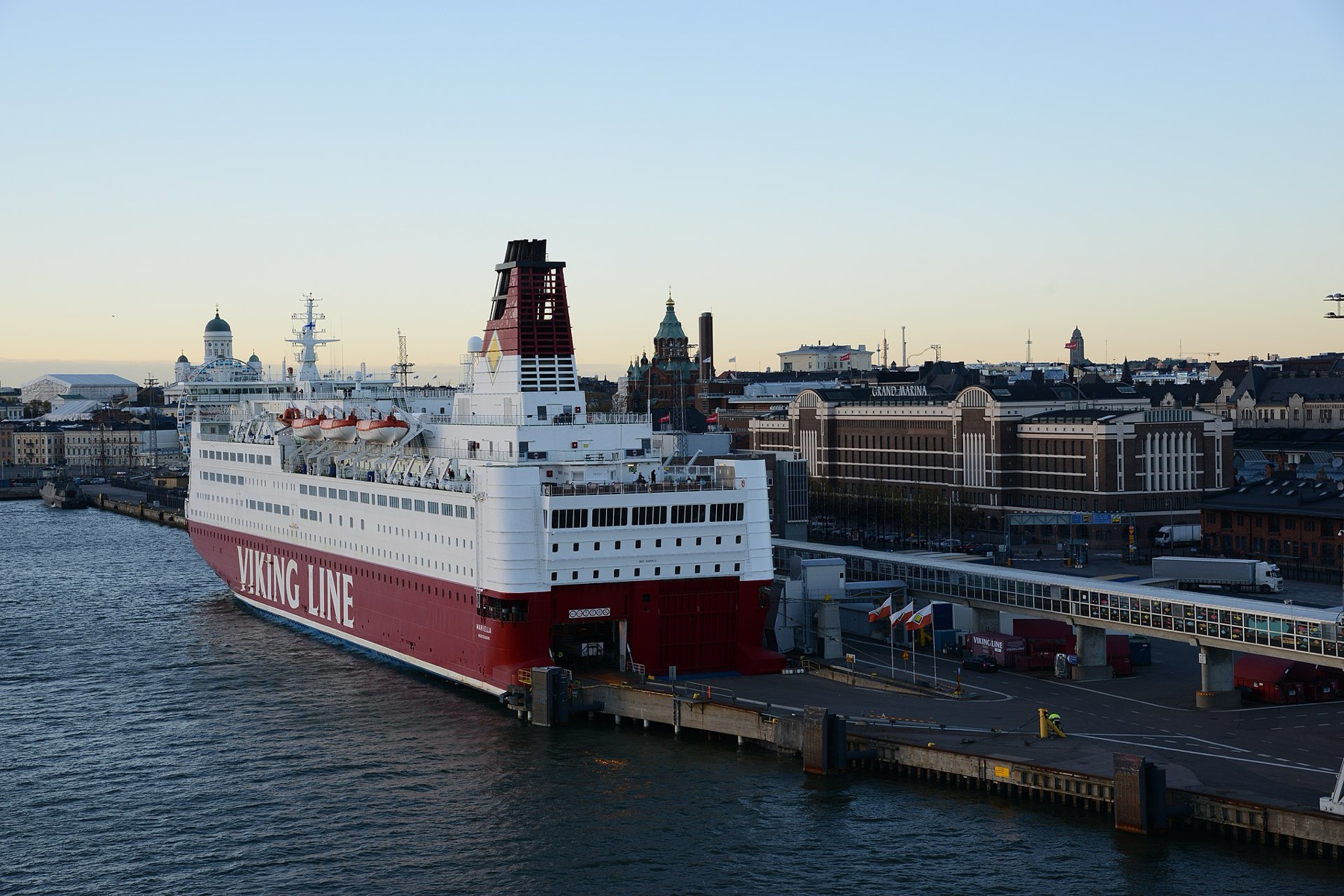
Ferries from Tallinn do not only travel north to Finland. The classic, though more time-consuming, alternative is the overnight route to Stockholm, dominated for years by Tallink and its Baltic Queen.
The crossing takes an impressive 17 hours, and unlike the quick hop across the gulf, every passenger must have a cabin. This is not so much transport as an experience in its own right — one for which Swedes have a special word, “kryssning”.
You board in the evening, enjoy the entertainment on board, sleep through the night and wake up as you sail through the magnificent Stockholm archipelago. If the sea does not appeal to you, another option is the new train route to Riga, which has connected the Baltic region by land since December 2024.

Where to eat
Whether you arrive in Helsinki or Tallinn, food is an essential part of any trip. The two cities offer completely different culinary experiences. Finland is dominated by Nordic simplicity, with plenty of fish and wild berries, while Estonian cuisine is earthier, heartier and often noticeably kinder to your wallet.
Either way, it is always worth walking a few extra steps and avoiding the biggest tourist traps directly opposite the ferry terminals. Turn into the side streets instead, where genuine culinary gems await without costing a fortune.

Reliable places to eat in Tallinn
While exploring the Estonian capital, do not miss Rataskaevu 16, a restaurant famous for excellent local food and incredibly friendly service. Make sure to try its traditional dark bread and excellent homemade cheeses. It is often very busy, so I recommend booking a table several days in advance.
If you are looking for something more relaxed, walk beyond the old walls to the previously mentioned hip Telliskivi district. Every corner brings food trucks, small coffee roasters and cosy cafés serving food from around the world. F-hoone, located in a renovated industrial hall, is an excellent choice, serving some of the best breakfasts and varied lunches at very reasonable prices.

From Tallinn harbour to the city centre
All three companies arrive at Vanasadam (Old City Harbour), less than 1.5 kilometres from the Old Town. You can reach the historic centre with an easy walk of about 15 minutes.
Be very careful about inaccurate information, though. Some automatically generated AI websites falsely claim that the affordable Eckerö Line docks at the Muuga cargo port, from where you supposedly need to take a connecting bus. This is nonsense: the passenger ship Finlandia docks normally at A-terminal, right in the city centre.
If you do not feel like walking, a brand-new number 2 tram line has run directly to both the A and D terminals since December 2024. It provides a convenient connection between the harbour and the centre. Alternatively, you can call the Estonian Bolt service, which will take you to your hotel for around €5.
What about getting around on the Finnish side? Länsisatama (West Terminal) is served by high-capacity trams 7 and 9, which take you to central Helsinki in around 15 minutes. Tallink and Eckerö Line ferries depart from here. Competitor Viking Line docks at Katajanokka terminal, which you can easily reach on the scenic number 4 tram.
Where to stay in Tallinn and Helsinki
💡 Accommodation and activities tip: We prefer to look for accommodation on Booking.com, where cancellation policies are often the most flexible. It is also worth comparing and booking tickets, excursions and activities through GetYourGuide.
To avoid the biggest crowds and enjoy both cities to the fullest, staying overnight is an absolute must. I recommend booking your accommodation well in advance, as good hotels are often sold out very quickly during the summer months.
If you want to stay right in the Old Town, Nunne Boutique Hotel has beautiful design and a location that is hard to beat. And Hotel Telegraaf? It is for anyone who enjoys genuine hotel luxury, including a sauna and wellness facilities.
For a great balance of price and quality with modern facilities, Citybox Tallinn City Center, a short distance from the harbour, is a fantastic choice. Fans of classic elegance will appreciate Palace Hotel Tallinn, right by the iconic Freedom Square. If you need to spend a night in Finland as well, booking a room in the centre is easiest through Booking.
Where to go next
- Helsinki: 15 things to see and do in the Finnish capital
- Tallinn: 20 things to see and do in the Estonian capital
- Where to stay in Tallinn: the best neighbourhoods and hotels
- Estonia: 25 things to see and experience
- When to visit Estonia: weather month by month
- Tallinn Christmas markets: when, where and what to taste
Frequently asked questions
Planning a journey on a large ferry can raise plenty of questions, especially if you are visiting Finland or Estonia for the first time and have never travelled on a ship like this before. I have therefore summarised the questions people ask most often before buying a ticket and planning their itinerary.
How long does the ferry take?
The crossing of the Gulf of Finland takes around two to two and a half hours, depending on the specific vessel and operator. The fastest are typically Tallink’s modern ships, while with Eckerö Line and Viking Line you should expect closer to the upper end.
How much does the ferry cost?
For foot passengers, prices range roughly from €10 to €35 for a one-way trip. Prices are highly dynamic, so booking six or more weeks in advance can easily save you half the cost compared to a last-minute reservation.
Which operator is the cheapest?
The consistently lowest prices for both foot passengers and travelers with a car are offered by Eckerö Line. On the other hand, it’s worth keeping an eye on Viking Line, which regularly runs flash sales with tickets starting just above ten euros.
Can you visit Tallinn as a day trip?
Yes, many travelers choose a morning departure and evening return, which is comfortably manageable. Keep in mind, though, that between 9 AM and 6 PM the city is completely overwhelmed with tourist crowds from large cruise ships.
Do I need to book in advance?
I definitely recommend buying your ticket well in advance online. While you can also purchase a ticket at the port, you risk the sailing being sold out, and you’ll also pay the highest possible fare.
Can I take a car on the ferry?
Of course, all three companies regularly transport both cars and campervans. You need to arrive at the terminal approximately one hour before departure, with Eckerö Line offering the cheapest vehicle transport.
How far is the port from the center?
Vanasadam Port is very close, you can reach the historic Old Town on foot in about 15 minutes. Since the end of 2024, you can also use the new tram line number 2, which stops directly at both main terminals.
Do ferries run in winter?
While the Gulf of Finland does freeze over in the depths of winter, the services operate year-round and are completely safe. Modern ships are built for icebreaking, so sailings are not restricted in any way and pleasant warmth awaits you inside.
What can you do on the ship in bad weather?
Even if it’s raining outside, you definitely won’t be bored on board. You can shop in huge supermarkets, grab a coffee, use the well-equipped children’s play areas, or sit in one of the many onboard restaurants.
Can you pay by card on the ship?
Both Estonia and Finland are highly cashless societies, and the same applies on board all ferries. You can pay for your purchases and food with a regular card or mobile phone, and you’ll really only need euro cash very rarely.
Tips and Tricks for Your Vacation
Don’t Overpay for Flights
Search for flights on Kayak. It’s our favorite search engine because it scans the websites of all airlines and always finds the cheapest connection.
Book Your Accommodation Smartly
The best experiences we’ve had when looking for accommodation (from Alaska to Morocco) are with Booking.com, where hotels, apartments, and entire houses are usually the cheapest and most widely available.
Don’t Forget Travel Insurance
Good travel insurance will protect you against illness, accidents, theft, or flight cancellations. We’ve had a few hospital visits abroad, so we know how important it is to have proper insurance arranged.
Where we insure ourselves: SafetyWing (simple monthly subscription) and TrueTraveller (for extra-long trips).
Find the Best Experiences
Get Your Guide is a huge online marketplace where you can book guided walks, trips, skip-the-line tickets, tours, and much more. We always find some extra fun there!