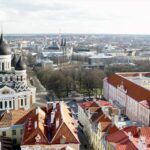
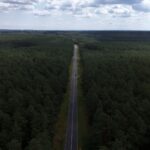
Planning a trip to Estonia is like choosing between two completely different worlds, because the weather and the light dictate absolutely everything here. Understanding Estonia’s weather is the key to a great trip: in June darkness practically never falls and you get nineteen hours of daylight, while in December the sun barely scrambles above the horizon for a moment and the whole country sinks into a magical haze of sauna smoke. Both have their own incredible charm — you just need to know exactly what you’re getting into.
In recent years travellers have discovered the Baltics as an ideal escape from the Central European heat, but you can just as easily get sunburnt here, or freeze miserably come November. I’ve put together a month-by-month overview for you — so you don’t end up on shuttered islands or get eaten alive by mosquitoes in the forest. ☺️
You’ll find a detailed month-by-month weather breakdown, learn when you can experience the real white nights, and I’ll tell you when the very best time for a road trip is. Estonia isn’t just about a summer holiday — it’s about picking the right month for the exact experience you’re dreaming of.
TL;DR
- Best month for sightseeing: September is the absolute sweet spot — the mosquitoes vanish, nature turns to autumn tones and flight prices drop.
- When to avoid it: November is a month of darkness and rain, and much of the service on the islands goes into hibernation.
- When it’s cheapest: During October and November you’ll find the cheapest accommodation and flights, but you’ll pay for it with dreary weather.
- When the white nights happen: In June the sun sets around eleven at night and true darkness never really falls at all.
- When to go for Advent: Tallinn’s Christmas markets start roughly in the second half of November and run until the end of December.
- What’s the deal with the islands: Saaremaa and Hiiumaa are amazing in summer, but from November to April much of the accommodation and attractions are closed.
- When you can swim: July and August offer the warmest sea, with the shallow bay near Pärnu reaching up to 24 °C.
The full destination guide: Estonia — guide and what to see
The Four Faces of the Estonian Year
Estonia isn’t a country you can just show up in at any time of year and hope for the best. Each season offers a completely different type of experience and calls for different packing and planning. So who does each part of the year suit, and how many days should you set aside for it?
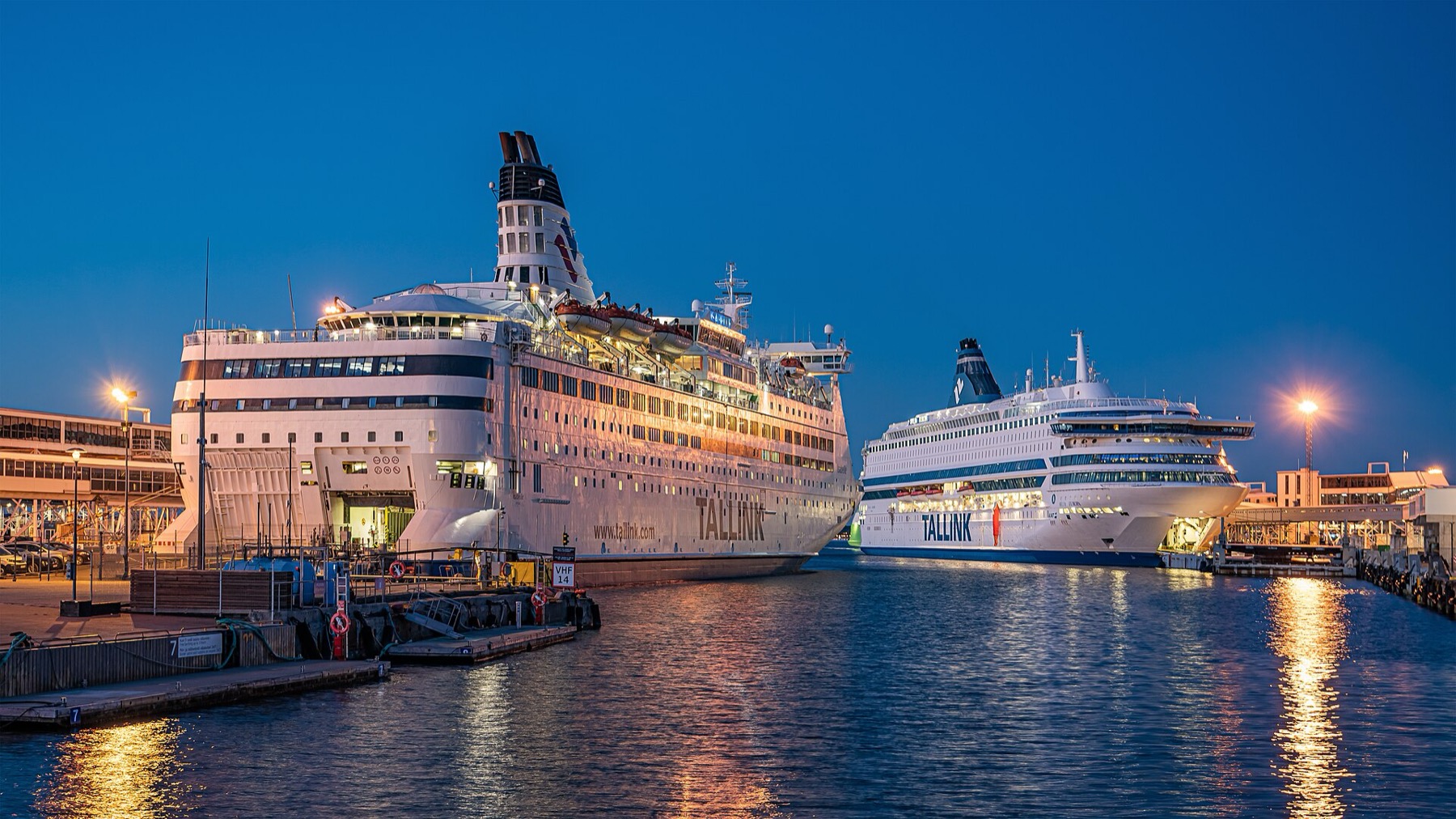
Summer from June to August is the season of white nights and endless festivals, when everything comes alive and temperatures stay pleasantly mild. Families with kids and road-trip fans will be in their element — just set aside at least a week, ideally ten days. You will, however, have to make peace with the crowds off the cruise ships in Tallinn and the need to book ferries to the islands well in advance.
Golden autumn in September and October brings perfect calm for nature lovers, when the forests smell of mushrooms and the empty bogs invite you on long walks. Four days will be plenty for an autumn long weekend in Tallinn combined with a trip to Lahemaa National Park. The melancholic atmosphere will pull you in before you even remember to pack a warmer sweater — which, by the way, will almost certainly happen.
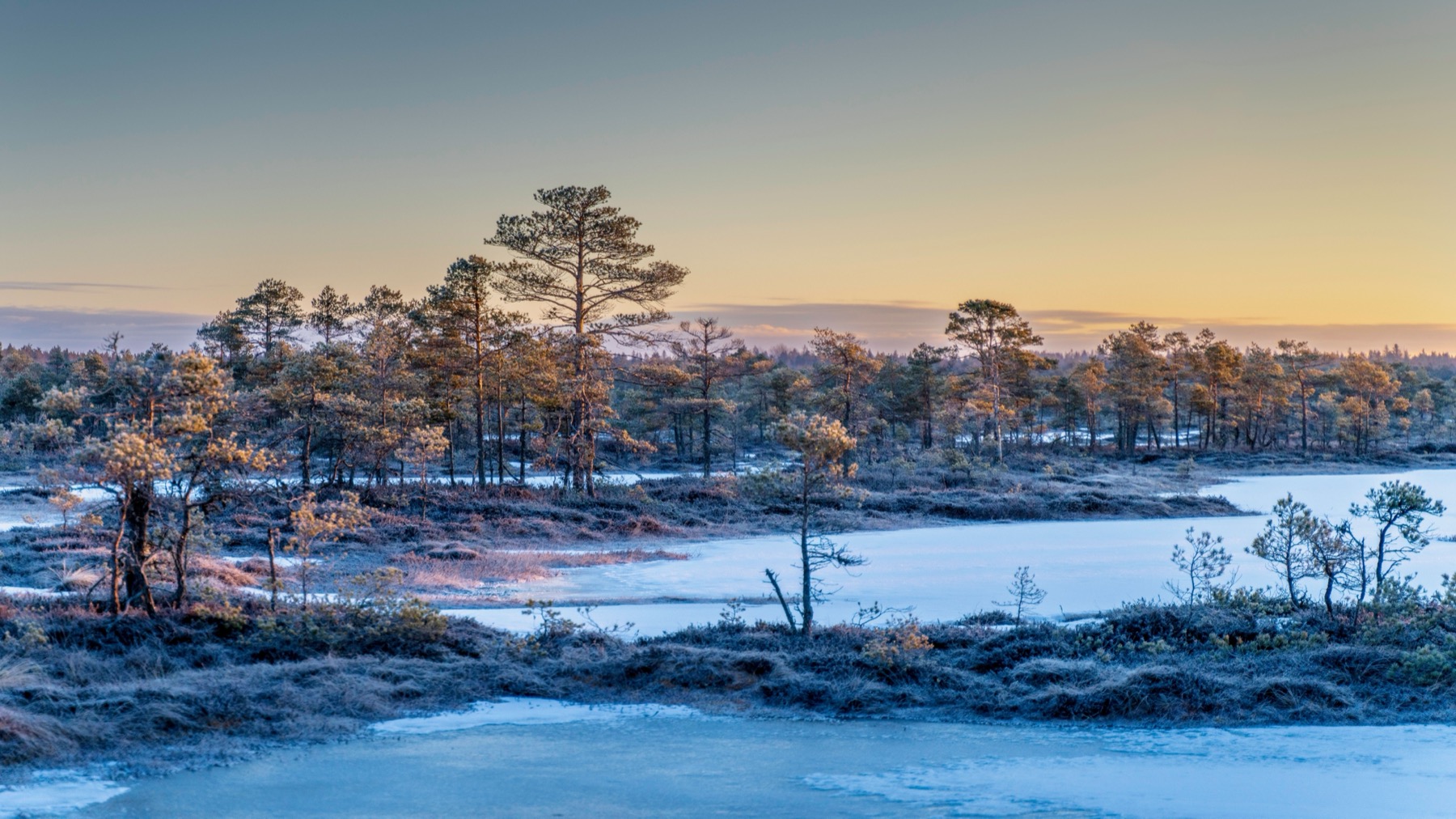
The Nordic winter from December to March shows a harsher but all the more romantic face, full of frozen lakes and hot saunas. If you’re longing for snowshoeing, cross-country skiing or a visit to the famous Christmas markets, set aside three to five days. Winter in Estonia is a challenge for the hardy who want to try a dip in a hole in the ice and their luck at hunting the Northern Lights.
Spring in April and May is a time of awakening and enormous contrasts, when the snow turns to mud and nature explodes with life. It’s a fantastic time for birdwatchers and wildlife lovers who want to spot bears or paddle through the spring floods by canoe. A week-long itinerary in May lets you explore the country without the summer crowds and at very friendly prices.
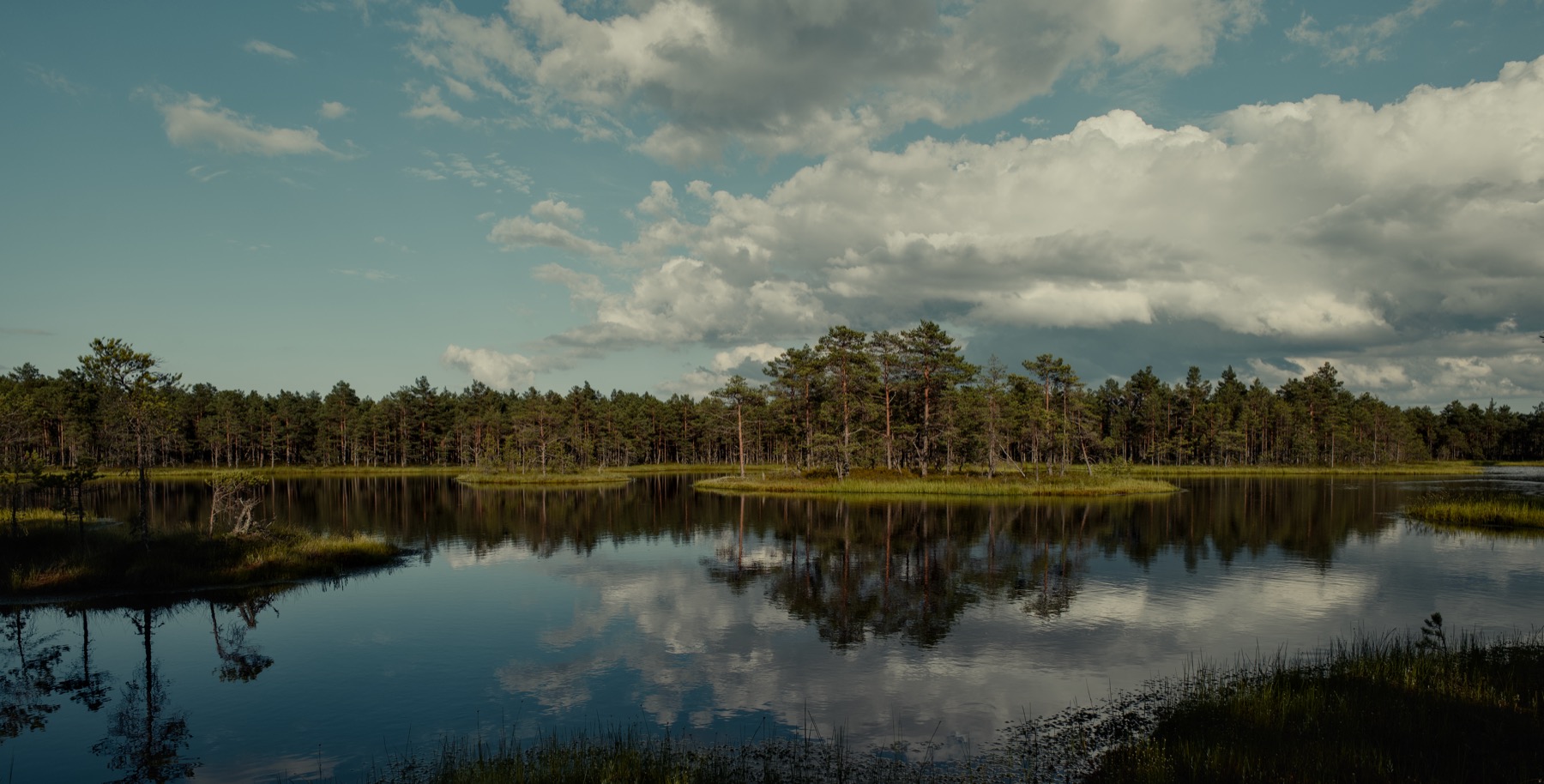
Estonia Weather Month by Month
Let’s take a detailed look at what awaits you in each month. Every period has its own quirks, upsides and hidden pitfalls that are worth knowing about in advance.
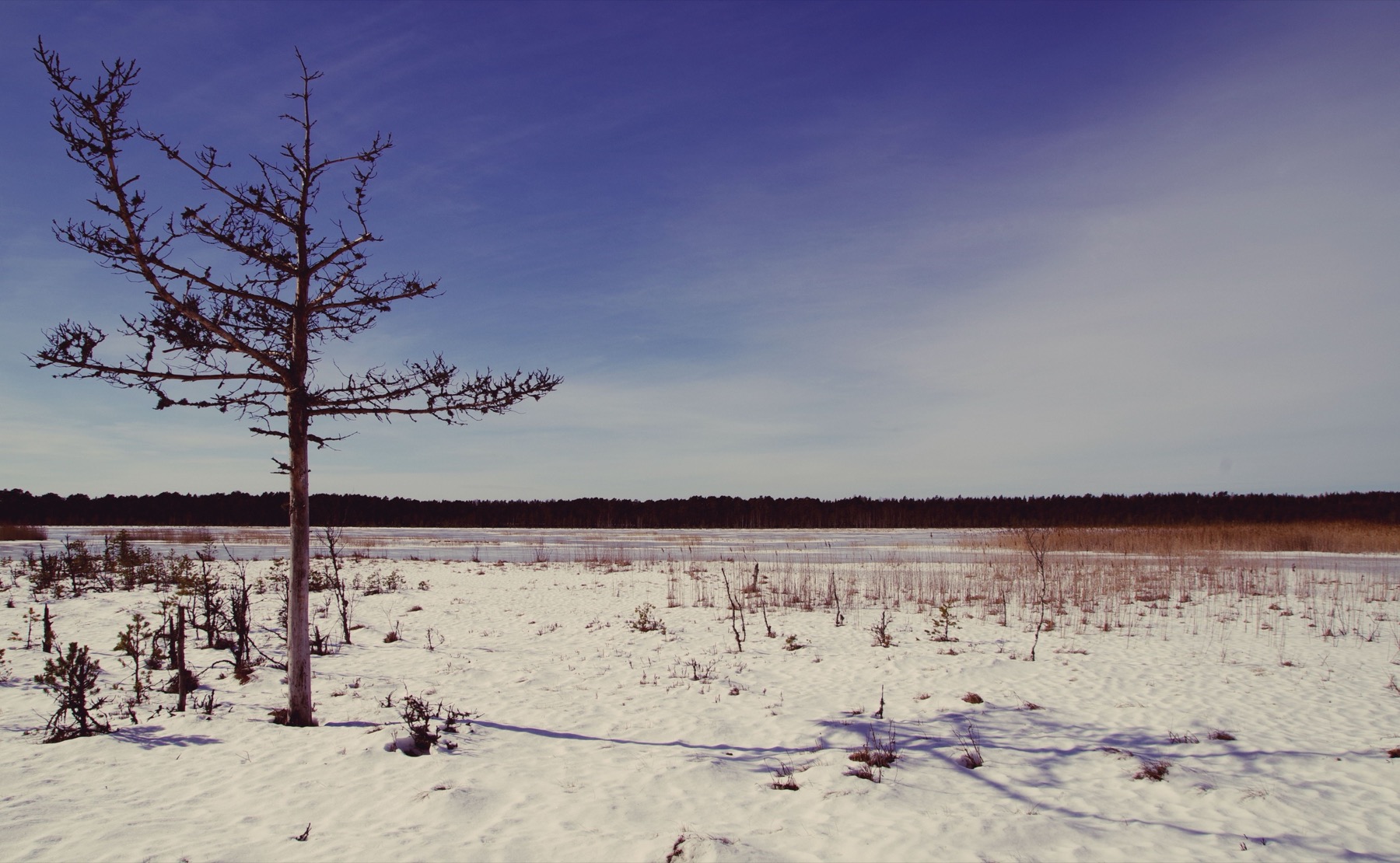
1. January
January brings a proper Nordic winter to Estonia, with temperatures usually hovering between -5 and 0 °C, though extremes can drop to twenty below. The days are very short, with only six to eight hours of daylight, so you have to squeeze all your outdoor activities into a narrow window around midday. Snow usually blankets the whole country, creating perfect conditions for cross-country skiers in the south around Otepää.
If the frost really bites and the sea freezes solid enough, the famous ice roads (jäätee) to the islands of Hiiumaa and Saaremaa open up. It’s a surreal experience where you’re not allowed to wear your seatbelt and have to follow specific speed rules. Bear in mind, though, that in milder winters these roads don’t open at all, and the only connection remaining is the ferries, which run all year round like little icebreakers.
Accommodation and flights are very cheap in January (once the New Year’s celebrations die down), which suits budget travellers. Most services on the islands and in the countryside are closed, though, so this month mainly suits fans of city spas and rugged winter romance.
💡 Tip: If you want to hunt the Northern Lights, January offers great conditions thanks to the long, dark nights — just head far away from the light pollution of the big cities.
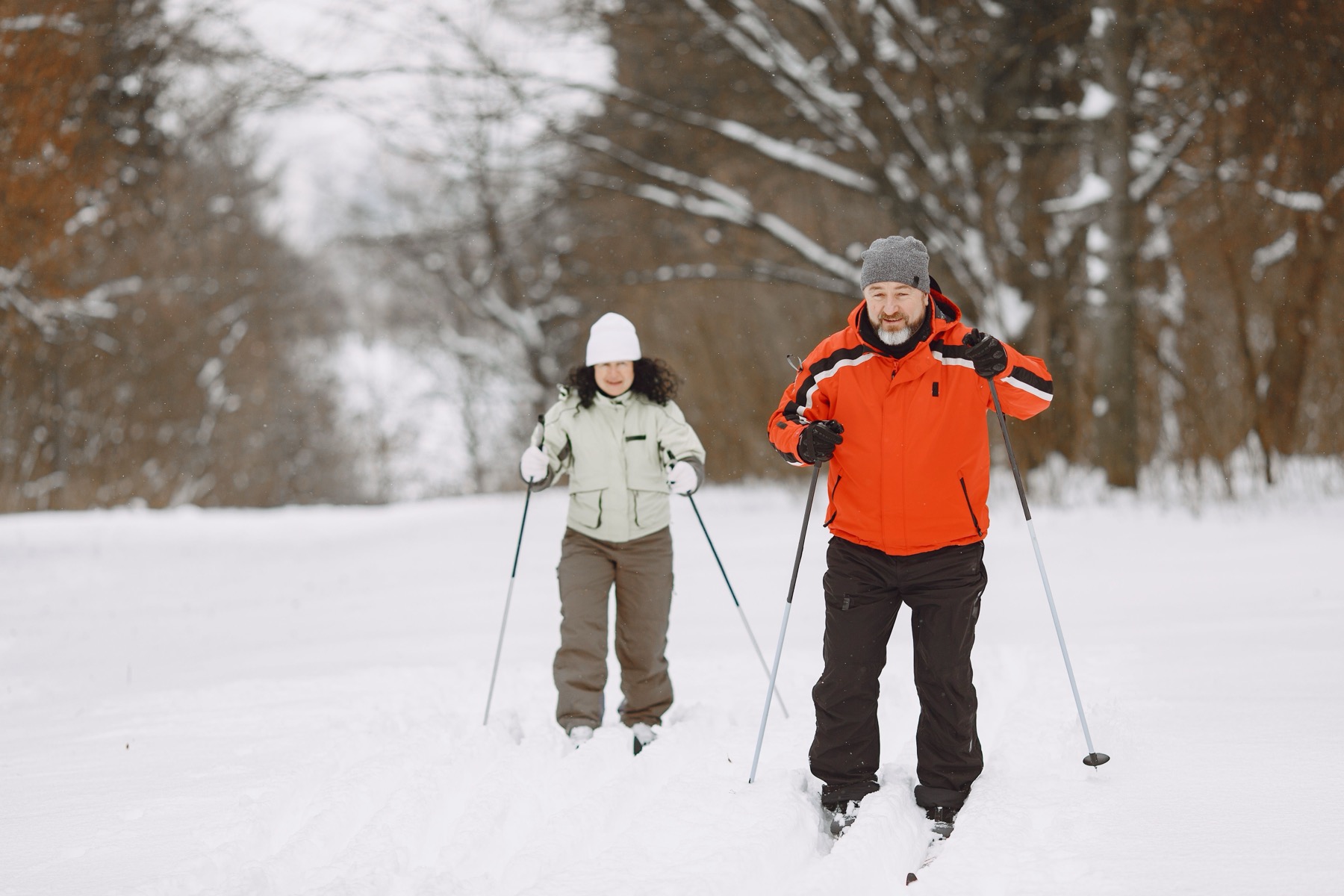
2. February
February is traditionally the month with the most reliable snow cover and slightly longer days, with the sun now shining nine to ten hours. Temperatures still stay just below zero, which makes it the peak of the winter sports season. The frozen bogs invite snowshoe trips, where you can safely step off the wooden boardwalks and explore otherwise inaccessible spots.
The month’s biggest event is the bizarre and utterly brilliant European Sauna Marathon, held in Estonia’s winter capital of Otepää. Hundreds of people in costumes dash through the frost between dozens of saunas and ice tubs, which perfectly captures the Estonian spirit. Accommodation throughout the wider area is usually hopelessly sold out during this event and the cross-country Tartu Marathon that follows.
For the ordinary tourist, February is still a very quiet month with minimal crowds and favourable prices in the cities. On the islands, however, deep hibernation still reigns and many rural guesthouses remain locked up.
💡 Tip: Try Tallinn’s Iglupark in the Noblessner district, where you can warm up in designer wooden saunas with sea views and then jump straight into the icy water.
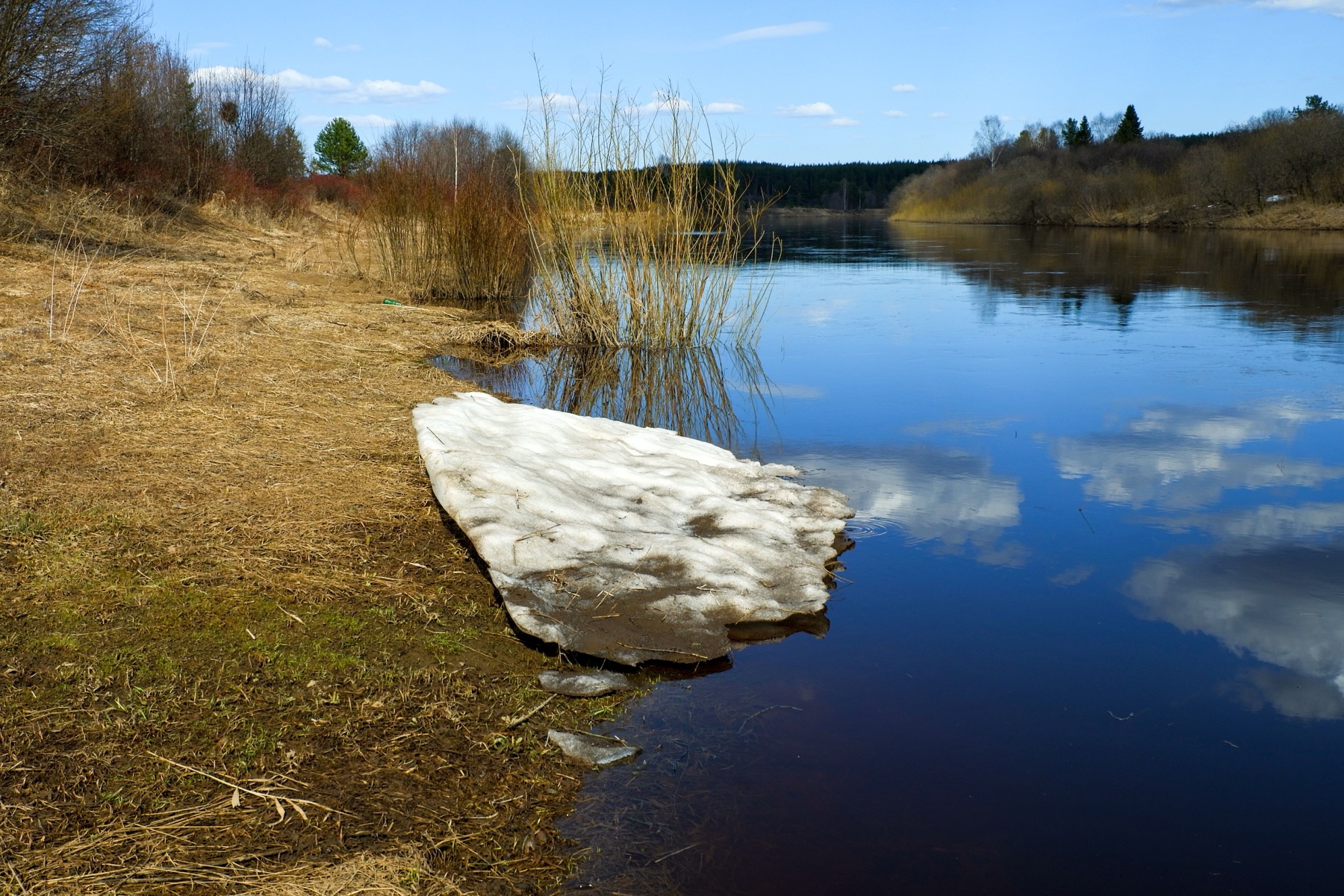
3. March
March is a transitional month, when temperatures slowly climb towards positive values (around 3 °C) and the days stretch to a splendid 11 to 13 hours. Nature is still very reluctant to wake up, though, and the country is often ruled by grey slush from the melting snow. For classic city strolls, it’s not exactly the most charming time.
What saves it all, though, is a unique phenomenon in Soomaa National Park that locals call the fifth season. The melting snow causes enormous floods, the water spreads into the forests and meadows, and you can paddle a canoe right between the tree trunks. This surreal experience lasts only a few weeks and ranks among the best things you can experience in Estonian nature.
Prices for connecting flights (there are no direct routes yet at this time of year) and accommodation stay very low in the off-season. March suits adventurers who don’t mind the mud and want to experience unique canoe trips — but it’s definitely not for beach relaxation.
💡 Tip: Canoe trips in Soomaa are very much in demand, so book a boat with local agencies well in advance as soon as the thaw begins.
4. April
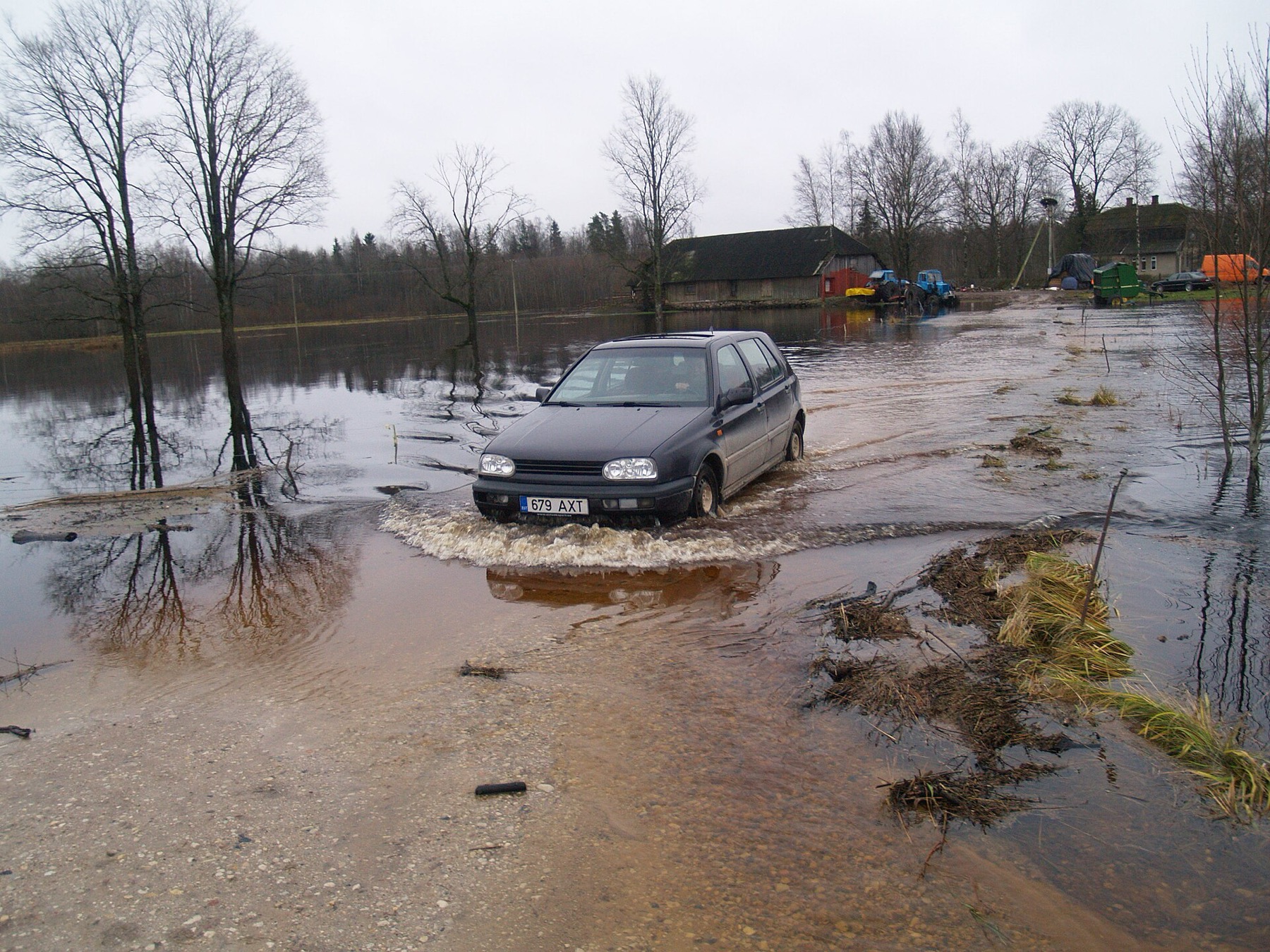
April is all about the final thaw, mud and a landscape gradually turning green, with temperatures reaching about 9 °C. There’s already plenty of light (14 to 15 hours), but the weather tends to be very moody and the cold wind off the sea can really get to you. By the end of the month, the seasonal direct routes to Tallinn typically start flying, which makes the journey significantly cheaper and faster.
This month is an absolute paradise for amateur ornithologists, because the huge spring bird migration begins. Matsalu National Park on the west coast serves as one of the most important stopovers for migratory birds in Europe, and the observation towers are bursting at the seams under the onslaught of photographers with long lenses. Seal safari season kicks off too.
The islands are slowly starting to come back to life, but many restaurants and attractions are still closed. I’d recommend April more for active travellers who come armed with a good waterproof jacket and don’t mind the occasional spring shower.
💡 Tip: Don’t forget to pack really good waterproof, insulated boots — you’ll absolutely need them on the muddy forest trails and waterlogged meadows.
5. May
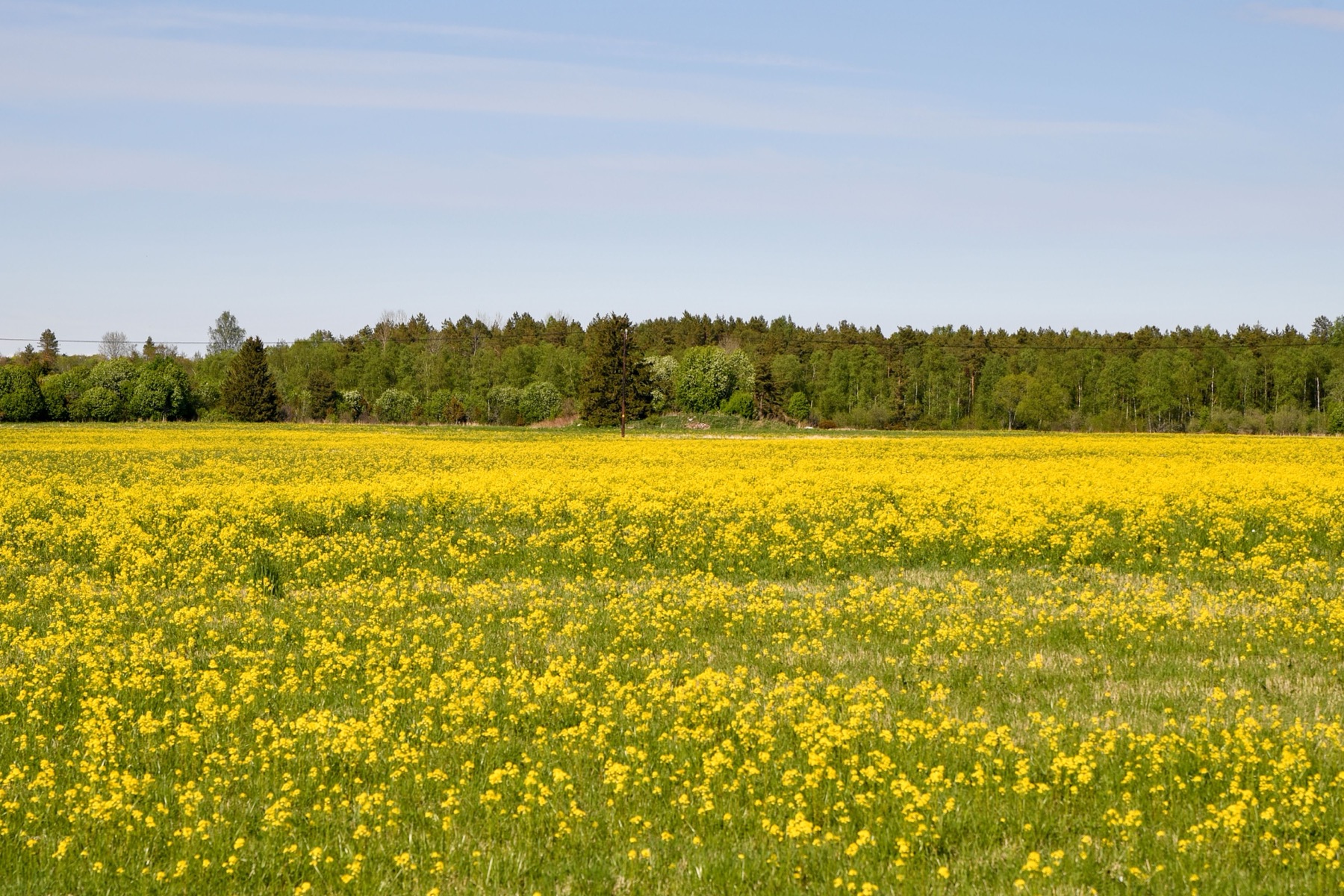
May is a lovely, fresh month when the parks are in bloom, temperatures hold around a very pleasant 15 °C and the days already last a long 16 to 18 hours. The crowds off the cruise ships haven’t hit in full force yet, so you can enjoy medieval Tallinn in relative peace. Accommodation prices stay at pre-season levels, which makes May a secret tip for savvy travellers.
Nature is in full bloom and in the forests of the northeast (the Alutaguse region) the main bear-watching season begins. The beasts have woken from their winter sleep, they’re hungry, and the chance of spotting them from the safety of special wooden hides is huge right now. The islands of Saaremaa and Hiiumaa come alive too, with ferries slowly starting to fill up with weekend day-trippers.
The only downside is that the sea is still freezing and it really isn’t swimming weather. May is simply a month for hiking, cycling and quiet road trips, when the air is clean and nature is full of energy.
💡 Tip: Even though it’s warm during the day, the evenings tend to be very chilly, so layering your clothes is an absolute must for May trips.
6. June
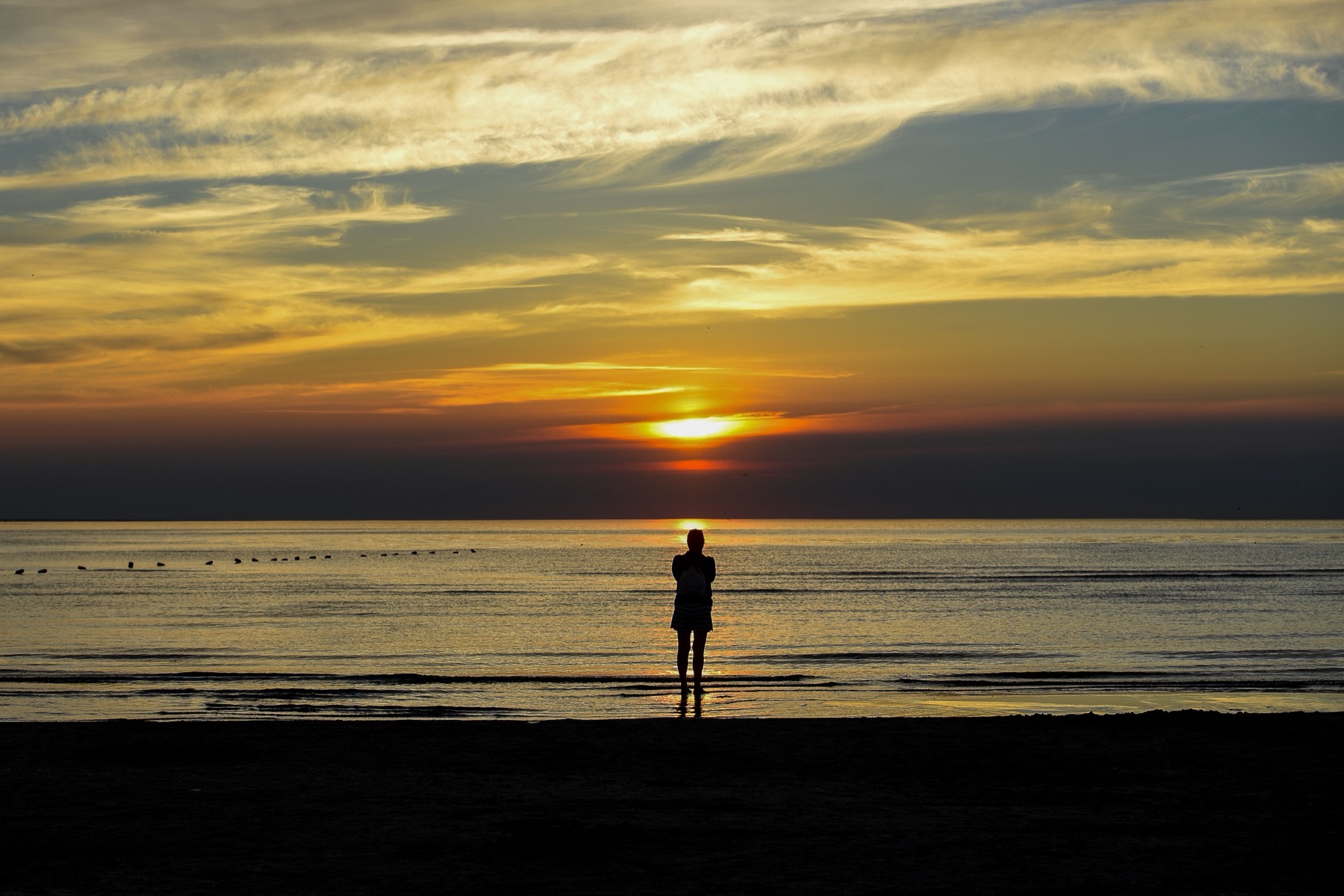
June brings a magical atmosphere to Estonia, because darkness practically ceases to exist. The sun sets around eleven at night and a strange bluish twilight lingers in the sky, which is fantastic for long evening barbecues and walks. Temperatures climb to 19 °C and everything is beautifully green.
The absolute highlight of the month is Jaanipäev, or Midsummer’s Night (from 23 to 24 June). Estonians take this holiday deadly seriously — the cities empty out completely and everyone flees to the countryside to light huge bonfires. If you’re in Tallinn at this time, you’ll come across plenty of closed shops and smaller businesses, so it’s better to join the locals somewhere in the countryside. In the middle of the month (from 13 June) the famous family amusement park Lottemaa near Pärnu also opens.
The main tourist season begins, which means higher prices and more people at the popular spots. But it’s a perfect time to rent a car and camp at the free forest campsites run by the state forestry (RMK).
💡 Tip: Pack a good sleep mask — cheaper guesthouses often lack blackout curtains, and during the white nights you’ll find it hard to fall asleep.
7. July
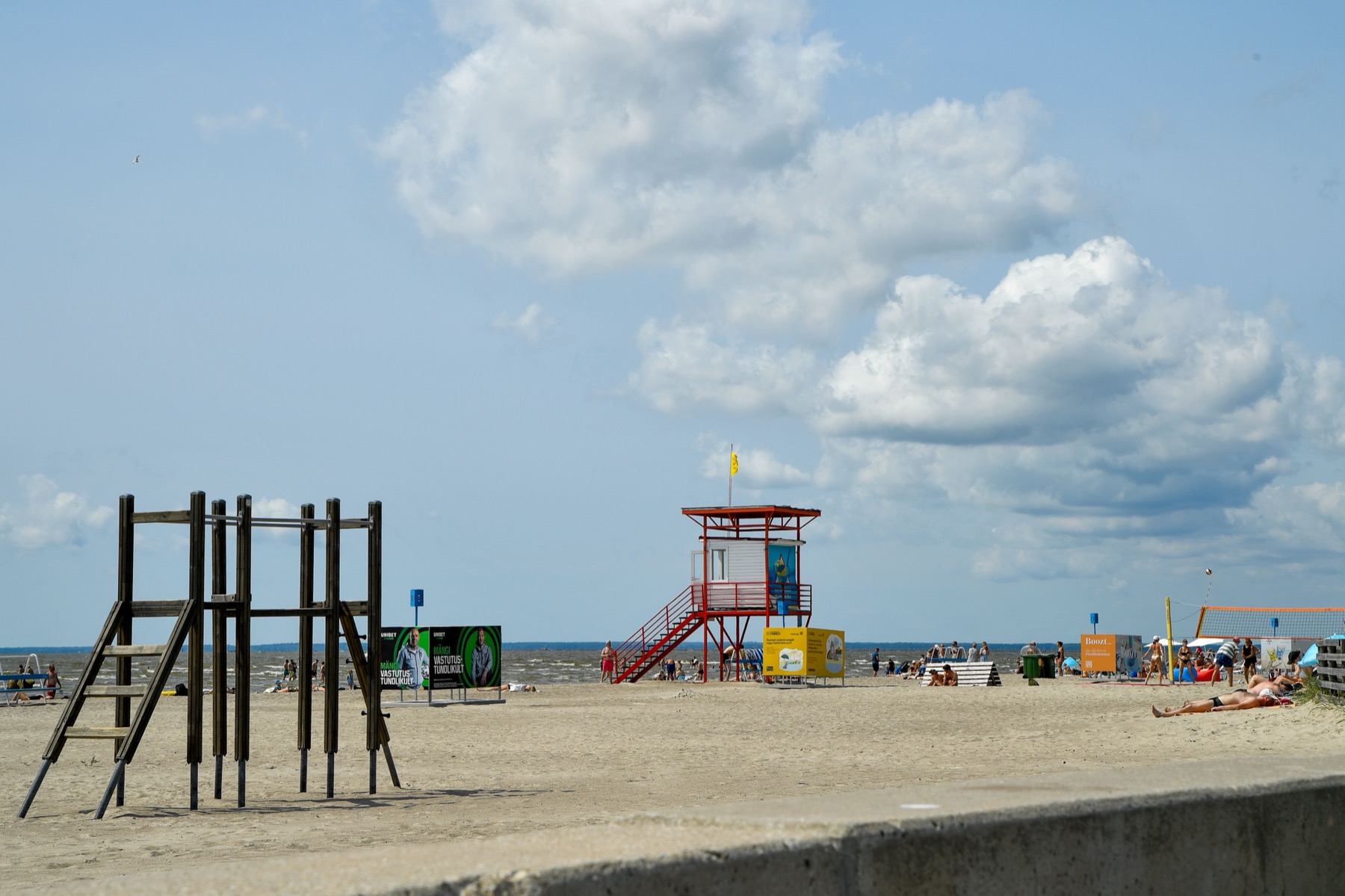
July is the absolute peak of the Estonian summer with temperatures around 22 to 25 °C, when crowds come here looking for an escape from the Central European heat. In the resort town of Pärnu, the shallow water in the bay warms up to an incredible 20 to 24 °C, the beaches are packed and the promenades stay alive late into the night.
The country pulses with festivals, the most famous being the opera festival at Kuressaare Castle, which reliably sells out every hotel on the island of Saaremaa. If you’re heading to the islands by car, booking ferries well in advance is absolutely essential, otherwise you’ll spend hours waiting at the port and pay a weekend surcharge.
Summer has its dark side too, and that’s the incredibly annoying mosquitoes and horseflies. In July their activity in the national parks and bogs reaches its absolute peak, so brace yourself for a fight for survival. Watch out for ticks as well, which are very active at this time.
💡 Tip: Don’t head into the bogs of Soomaa or Lahemaa National Park in July without a strong DEET-based repellent and long trousers, or you’ll flee the forest in tears.
8. August
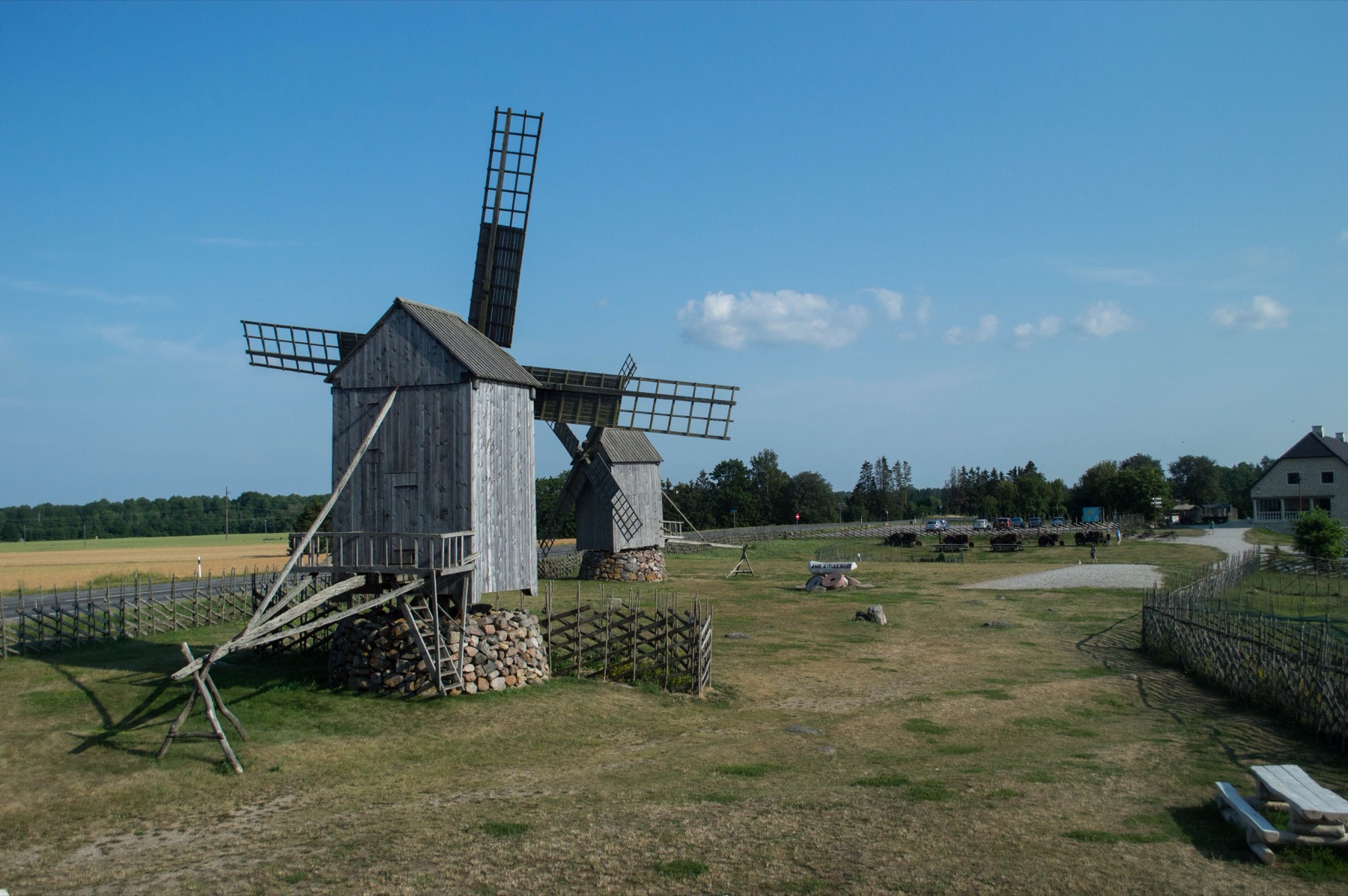
August keeps up the summer mode, temperatures hold around a pleasant 22 °C and the sea is at its warmest after the whole summer. The days are slowly getting shorter (15 to 16 hours of light), but the evenings stay warm and tempt you to sit out on the restaurant terraces in Tallinn and Tartu.
August also hosts plenty of events, such as the big IRONMAN race in Tallinn, which fills the city with athletes. The popular Lottemaa park runs until 30 August, so families with kids still have plenty of options for fun. The mosquitoes in the forests slowly start to thin out, but there are still enough of them to bother you during your evening barbecue.
Towards the end of August the crowds slowly thin and accommodation prices start to move down. It’s a great time for the islands, where the sea is still inviting for a swim and the pubs and ferries are running at full tilt.
💡 Tip: Try renting a paddleboard and heading out on the Pärnu River or cruising along the coast — August evenings with a view over the calm water are unforgettable.
9. September
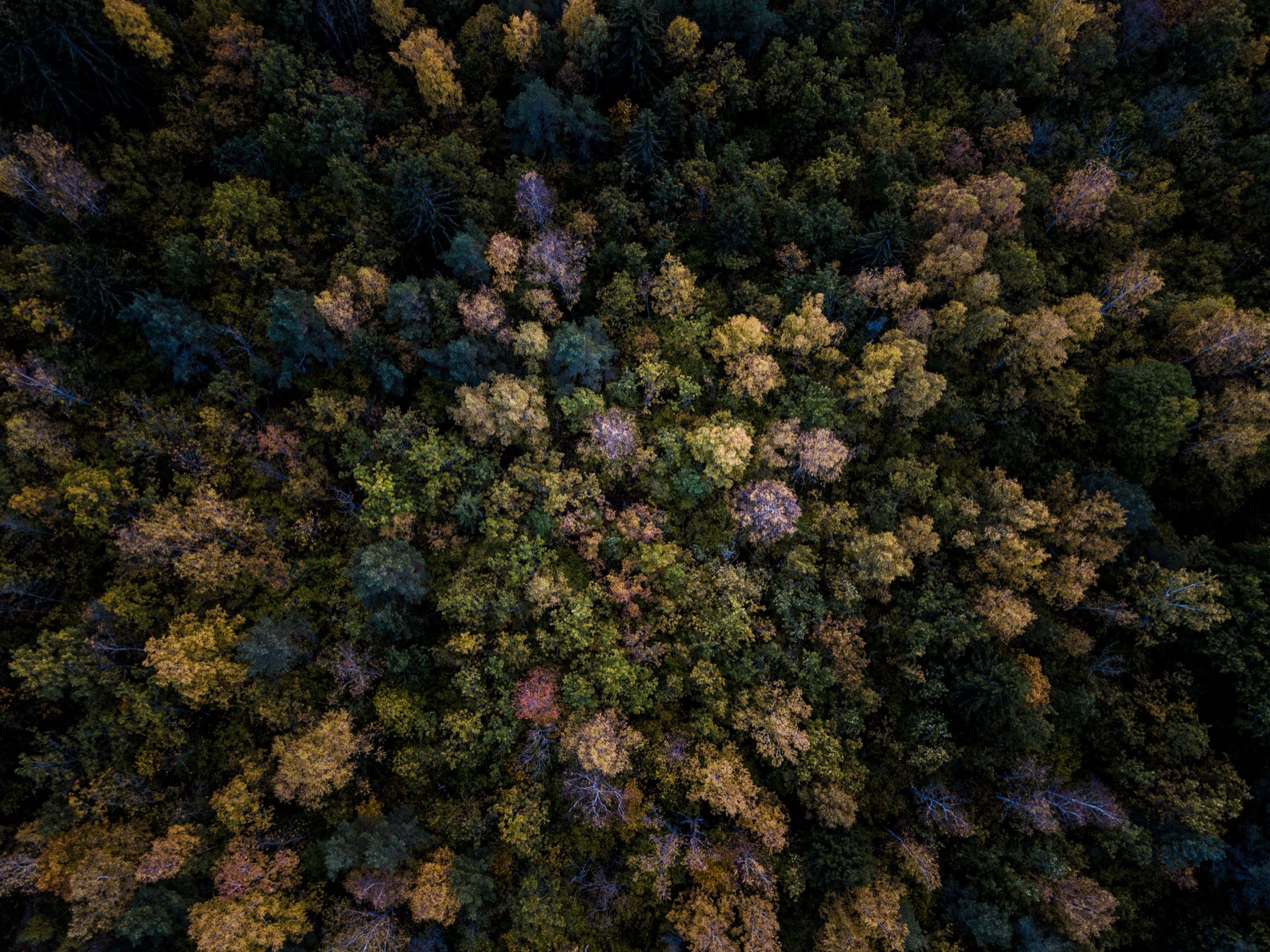
If you’re not tied to the school holidays, September is without a doubt the golden grail of travelling in Estonia. Temperatures do drop to around 15 °C, but the crowds off the cruise ships vanish and flight and accommodation prices fall pleasantly. Nature starts turning into amazing autumn tones.
September’s biggest win, though, is the fact that the mosquitoes and horseflies disappear for good. You can wander for hours along the wooden boardwalks in the bogs and not meet a soul, let alone a buzzing one. On top of that, Estonia’s forests fill with mushrooms and lingonberries, so with a bit of luck you can gather dinner right by the trail, since foraging is free here.
Ferries to the islands no longer require stressful bookings way in advance and everything flows at a much slower, more relaxed pace. A light jacket and a hoodie will do the job, but it’s usually no longer swimming weather.
💡 Tip: Head to Lahemaa National Park to forage for porcini and lingonberries — the local forests are huge, and with no insects around you’ll enjoy the autumn walk to the fullest.
10. October
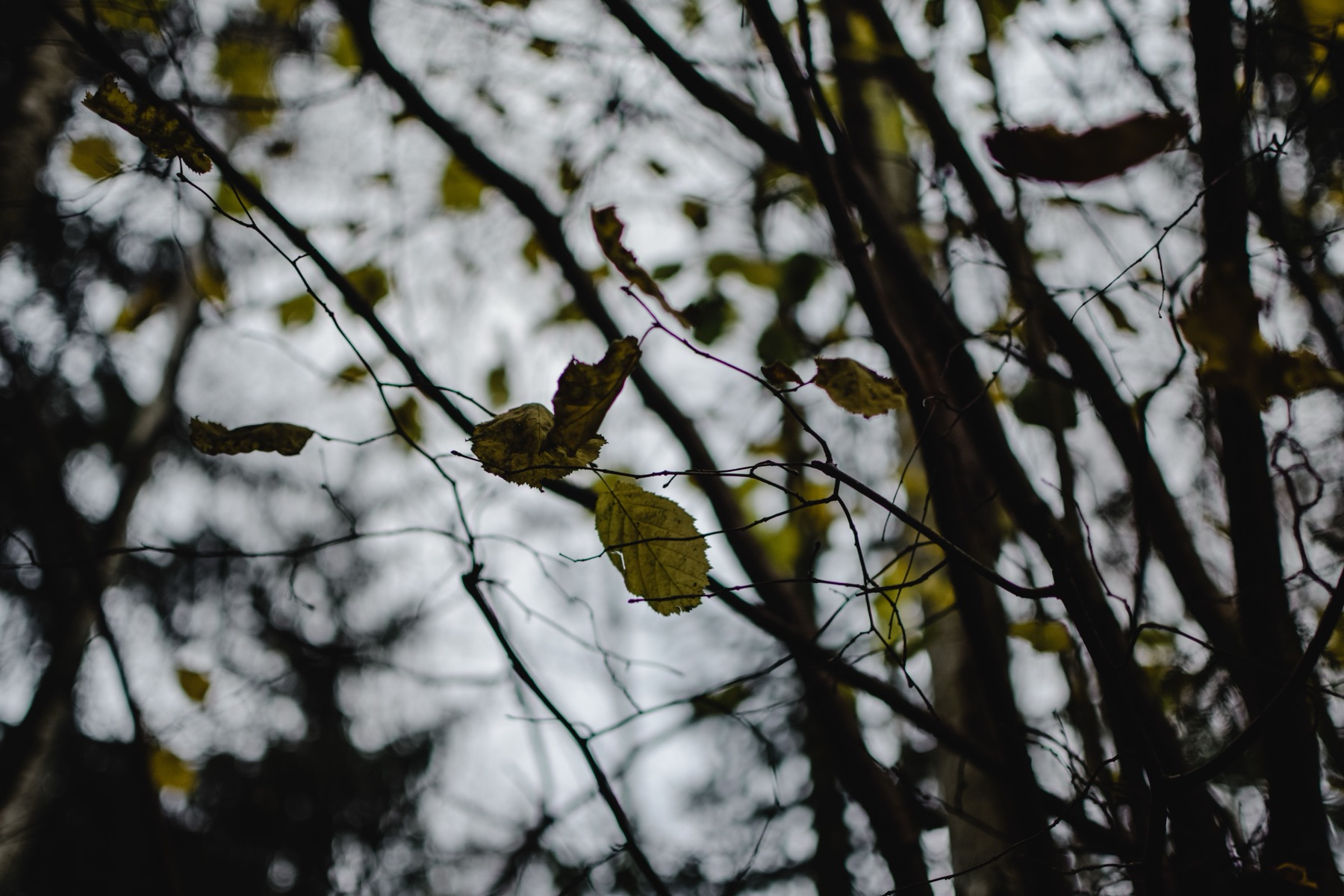
October is a month of ghosts — the days shorten fast (just 10 to 11 hours of light), temperatures fall to around 9 °C and the streets of Tallinn are simply deserted. No crowds, no noise, just you and that autumn gloom.
Nature is preparing for winter and most of the services on the islands of Saaremaa and Hiiumaa close for good. If you head to the countryside, expect restaurants and smaller guesthouses to be locked up. On the other hand, flights and hotels can be had for an absolute fraction of summer prices.
October is ideal for those who seek Nordic melancholy and want to spend time in spa hotels. There’s something to warming up in a sauna with a view of the stormy, grey sea — and it costs significantly less than in season.
💡 Tip: Take advantage of the low prices and book a stay in one of the luxury mud-spa hotels in Pärnu or Kuressaare — the dreary autumn weather practically calls for it.

11. November
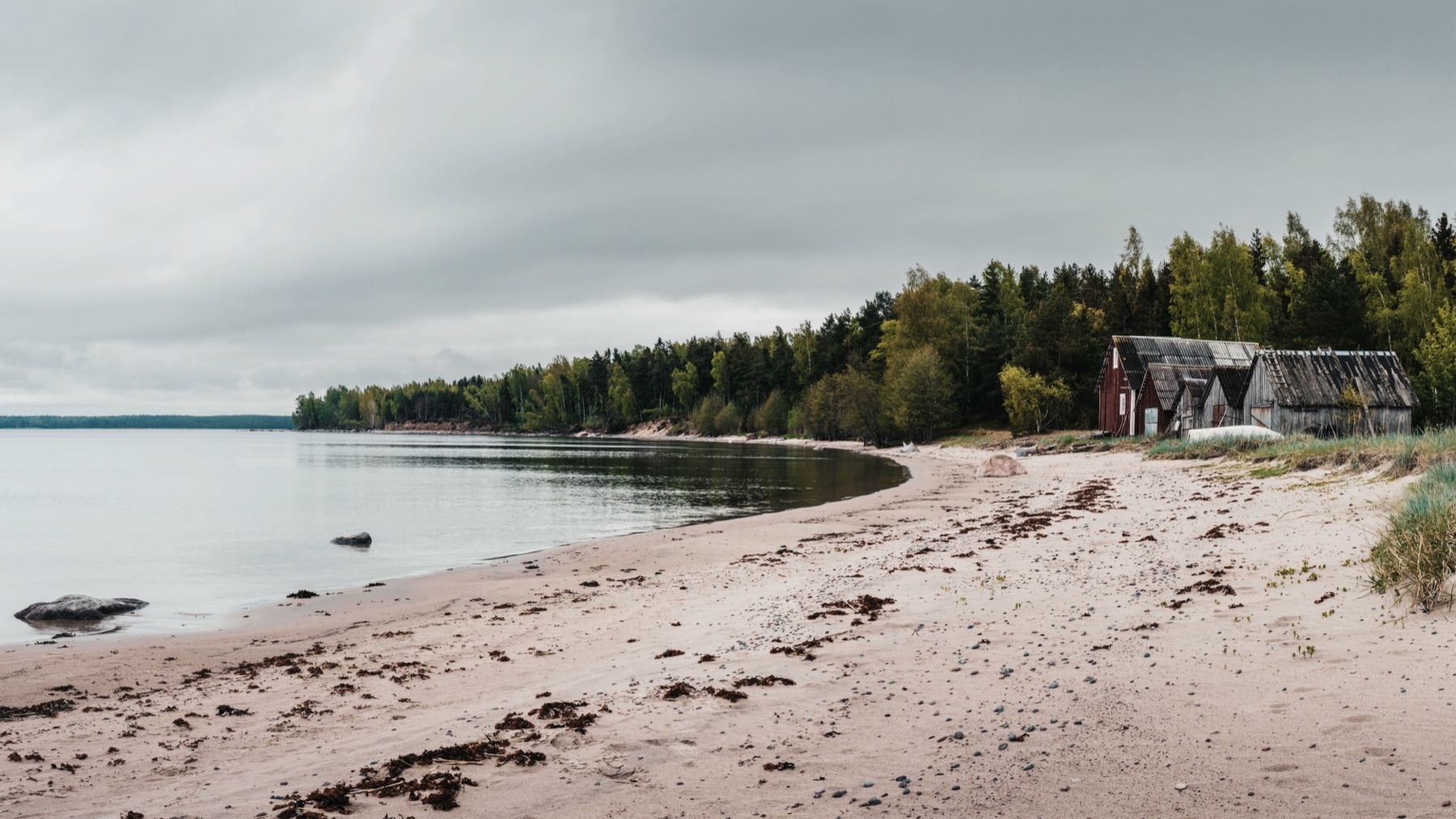
Let’s be honest with each other: November is probably the single worst month to visit Estonia. Darkness rules, it’s raw, an average of 14 to 16 rainy days fall and temperatures cower just above freezing. The islands are in deep hibernation and the days last only 7 to 8 hours.
If you absolutely have to go in November, treat it as a pure city break in Tallinn. Duck into the excellent museums, like the giant seaplane hangar Lennusadam, enjoy the empty cafés and warm up in a sauna in the evening. A ray of light in the darkness is also the excellent Black Nights Film Festival (PÖFF), which brings a wonderful atmosphere to the dreary city.
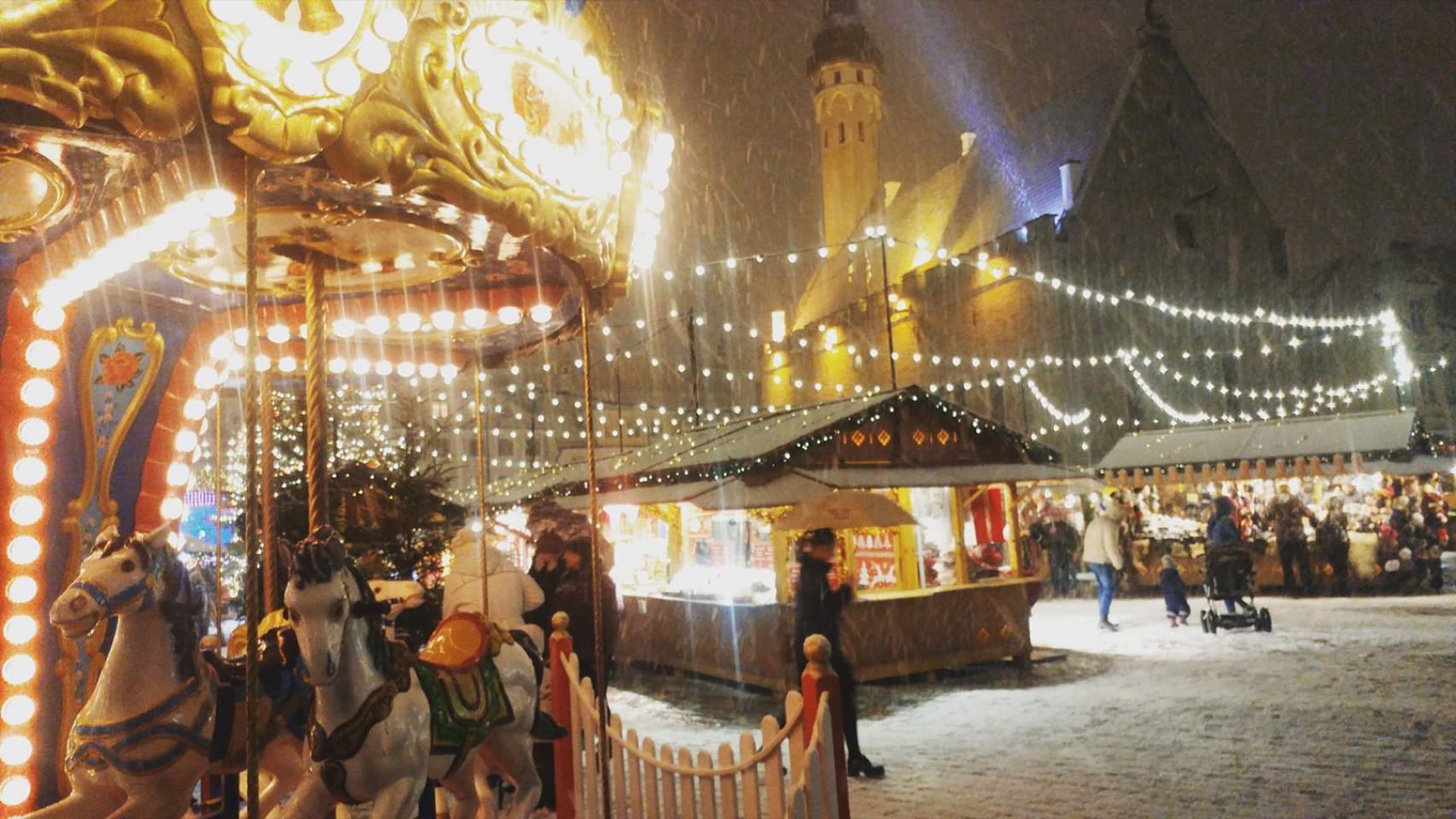
At least one bit of good news to finish: roughly in the second half of November, the famous Christmas markets already kick off on Tallinn’s Town Hall Square, so the city starts lighting up and smelling of mulled wine.
💡 Tip: Pack waterproof clothing and reflective items, because darkness falls very early and you’ll be hard to spot on Tallinn’s rainy streets.
12. December
December brings a turning point and Estonia transforms into a fairytale winter landscape. Darkness rules and the sun shines only about 6 hours a day, but it stays very low over the horizon. The soft light and long shadows create an all-day “golden hour” that’s absolutely perfect for photographing the medieval lanes.
The main draw is the gorgeous Christmas markets on Tallinn’s Town Hall Square, which, incidentally, won the poll for the best market in Europe back in 2019. The locals swear by hot glögi (mulled wine) and traditional verivorst (blood sausage with sauerkraut), which really hits the spot on a frosty evening.
Be prepared, though, for the fact that an icy wind can blow in off the sea and temperatures spin around freezing. Accommodation prices in Tallinn rise during the Advent weekends and over New Year, and hotels tend to sell out very early, so book ahead.
💡 Tip: Head to the outdoor ice rink on Harju Street next to St. Nicholas’ Church — skating with a view of the snow-covered medieval towers is pure romance.
When to Go Based on What You Want to Experience
To make planning your itinerary easier, I’ve split the Estonian year up by the best experiences. Just pick what appeals to you most and you’ll instantly know which month to aim for.
- Beaches and swimming: Late June, July and August. The shallow bay in Pärnu offers water as warm as 24 °C, but expect crowds and higher prices.
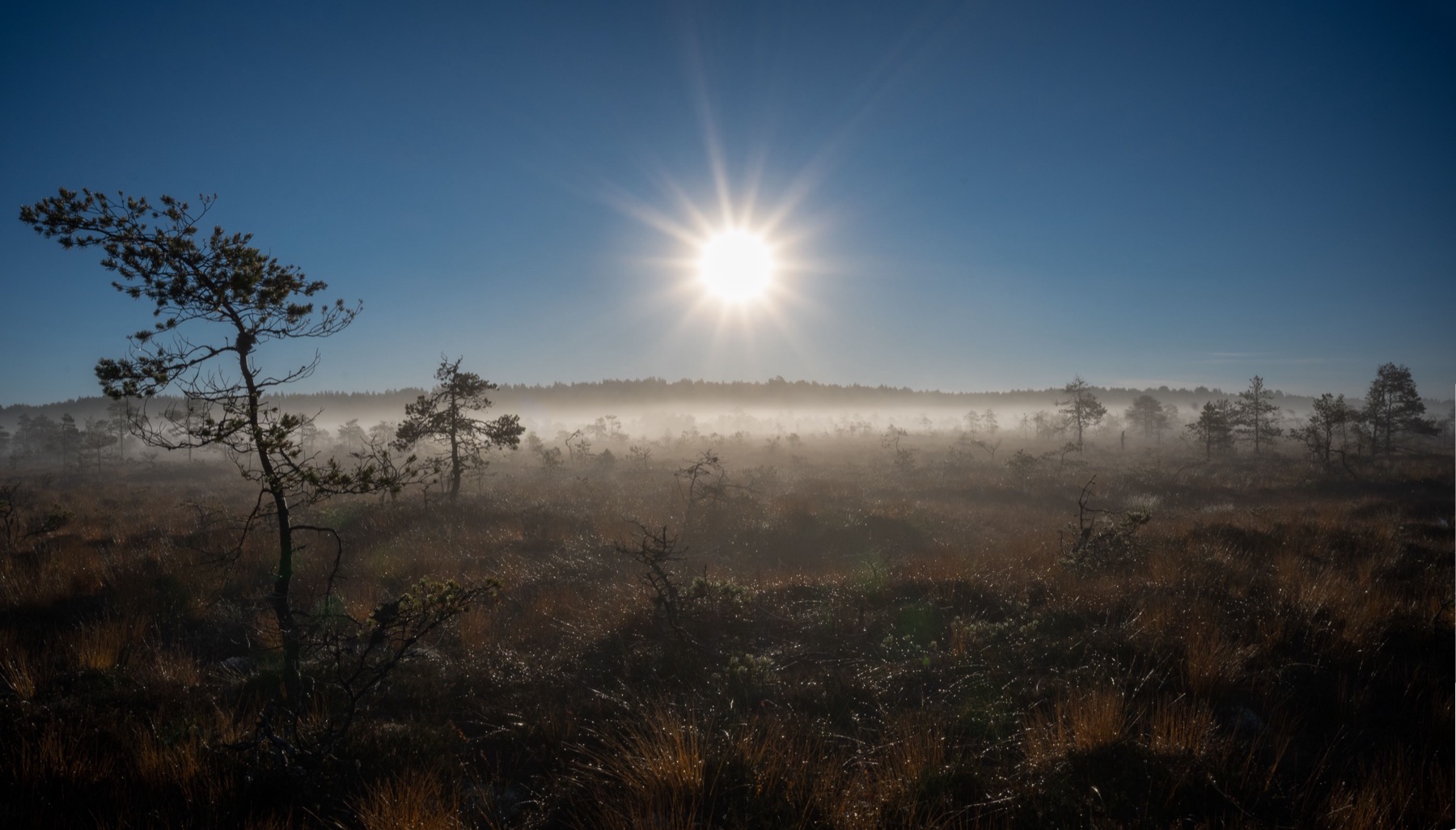
- Hiking and bogs: May or September. You’ll avoid the unbearable mosquitoes, nature is beautifully colourful and you won’t meet the crowds.
- The islands of Saaremaa and Hiiumaa: May to October. ⚠️ Remember that much of the accommodation, restaurants and sights on the islands are completely closed from November to April.
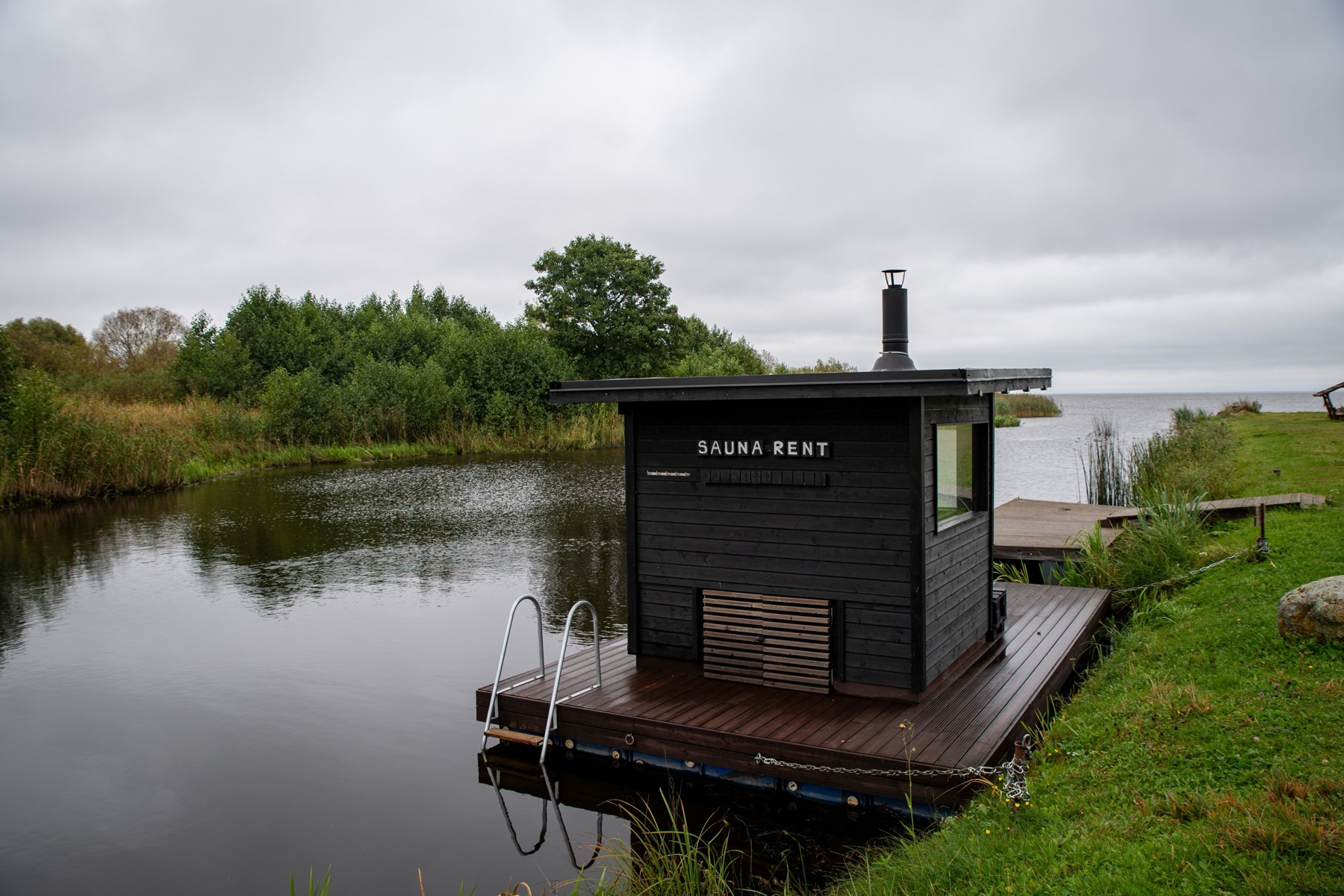
- Spas and saunas: Year-round, but they have the most charm in October, November or the depths of winter, when you’re looking out at a frozen sea from the warmth.
- Advent and Christmas markets: From late November to the end of December. Tallinn’s markets are compact, incredibly photogenic and full of Nordic atmosphere.
- Northern Lights: October to March. It’s a lottery, though — you need a clear sky and a spot with minimal light pollution (Lahemaa National Park, for example).
- Bird and wildlife watching: April and May (the spring bird migration and the bears waking up), or September and October.
- Lowest prices and budget: October, November and January to March. Flights and accommodation drop to their yearly lows.
What to Wear
Estonian weather is moody, and the humidity off the Baltic Sea means the cold creeps under your skin far more aggressively than you’d expect. Layering is the foundation. A light waterproof and windproof jacket shouldn’t be missing from your backpack even in the middle of August, because the showers roll in fast.
If you’re going in summer and heading into the bogs and forests, a strong repellent with a high DEET content is an absolute must. Pack long, lightweight trousers too, which will protect you from the mosquitoes and giant horseflies. Spring and autumn trips into the national parks, in turn, call for really good waterproof boots for the mud.
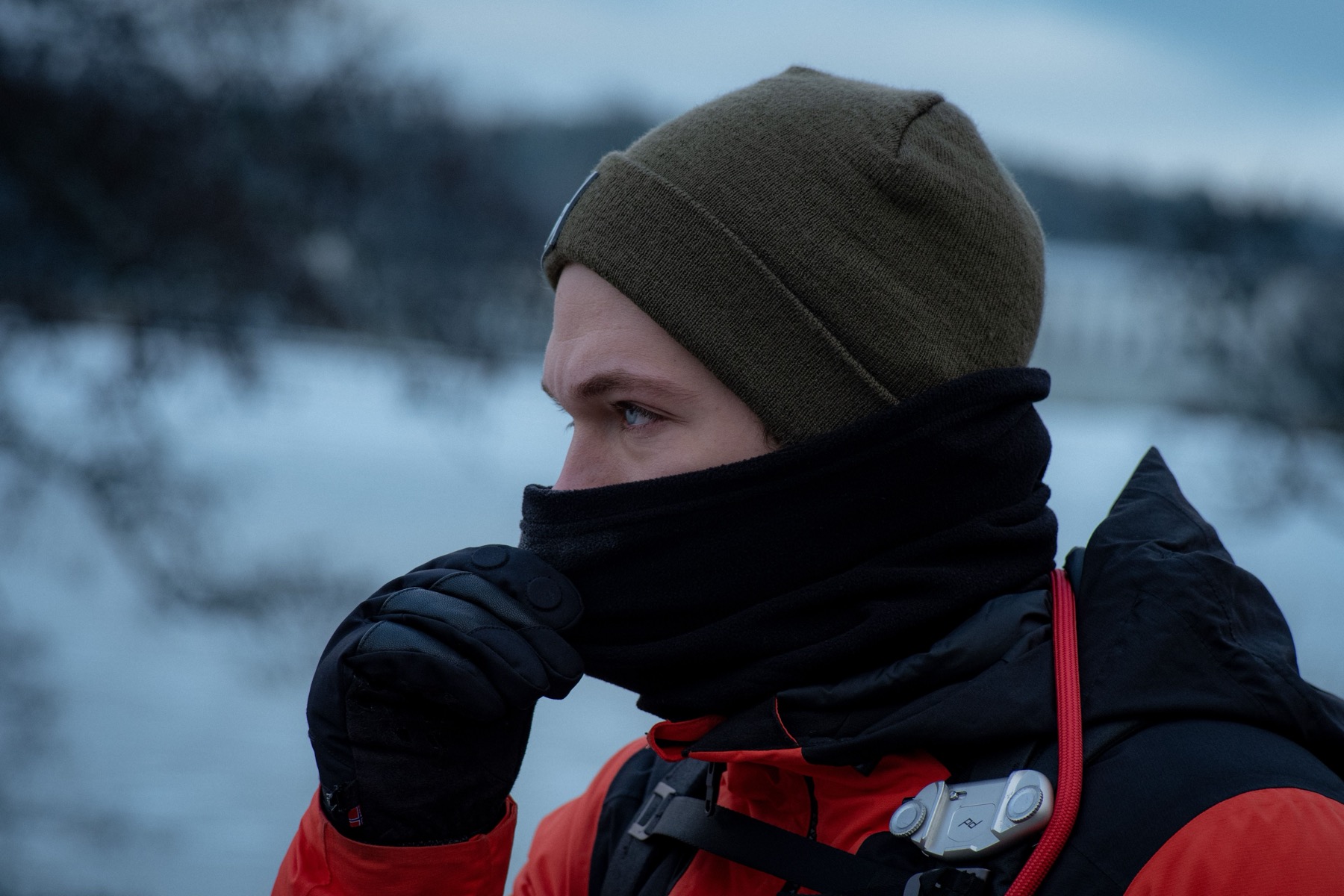
In winter you’ll appreciate good thermal underwear, a warm hat and above all anti-slip cleats for your boots — on the icy lanes of the Old Town they’re literally a lifesaver. 😅 For the sauna, pack rubber flip-flops for the walk to the lake and a special sauna hat, which protects your hair from the extreme heat (swimwear has no place in traditional Estonian saunas — it’s only worn in modern water parks).
⚠️ An honest warning: Estonia has a very high incidence of tick-borne encephalitis, and essentially the whole country is at risk from spring to autumn. Vaccination and thorough checks after every forest walk should be an absolute standard.
When to Book and How to Save
Even though Estonia is a very laid-back destination, a few things here don’t forgive improvisation. If you’re heading to the islands of Saaremaa or Hiiumaa by car in July or August, booking ferries in advance via the official website praamid.ee is a must. On summer weekends the best time slots tend to be hopelessly sold out, and without a ticket you’ll spend hours at the port.
As for flights, direct seasonal routes to Tallinn typically run roughly from April to October. If you fly outside that window, you’ll need to choose the year-round options with a connection (for example airBaltic via Riga or Finnair via Helsinki). A great detour for the thrifty is to fly to Riga in Latvia and cross to Tallinn from there on the very comfortable Lux Express bus, which often works out cheapest. Major carriers like Ryanair, easyJet and Lufthansa serve the wider Baltic region from many European hubs.
Accommodation prices rise dramatically during the summer holidays (especially in Pärnu) and around Christmas and New Year in Tallinn. It pays to book two or three months ahead. Off-season, on the other hand, prices are very friendly. If you want to slash costs to a minimum and you’re travelling by car, the state forests (RMK) offer dozens of campsites and simple forest cabins to spend the night in completely free of charge.
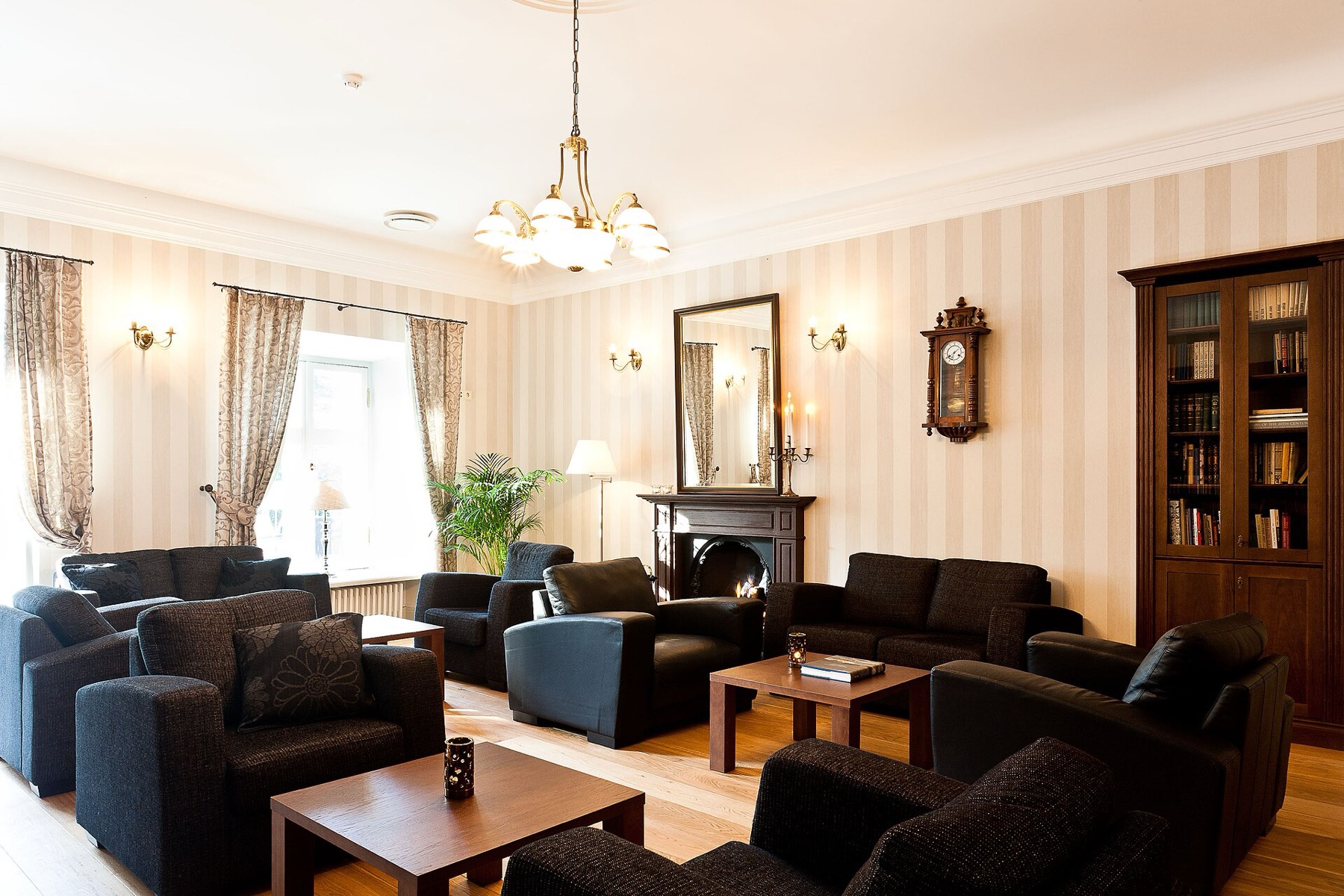
Where to Stay in Estonia
💡 Accommodation and experiences tip: We prefer to look for accommodation on Booking.com, which tends to have the best cancellation terms. Tickets, tours and activities are then worth comparing and buying through GetYourGuide.
You can save a really decent amount on accommodation in Estonia, or spend big instead — it depends on what appeals to you more. I’ve picked out tips for both groups.
Hotels and accommodation in Tallinn:
- Boutique Hotel Telegraaf, Autograph Collection: If you’re after absolute luxury right in the heart of the Old Town. A historic building with a gorgeous underground spa and a perfect location for exploring the Christmas markets in winter.
- Citybox Tallinn City Center: A modern, minimalist and very affordable hotel with smart check-in. A great choice for those who want a clean base close to the port and the old centre.
- Nunne Boutique Hotel (Old Town): A quiet address right by the city walls, which guests praise mainly for its design and breakfasts. A great choice when you want the market and the viewpoints just a few minutes’ walk away.
Hotels and accommodation in Pärnu and on the islands:
- Hedon Spa & Hotel (Pärnu): A historic mud-bath building transformed into a stunning luxury hotel. Their Silent Spa zone is fantastic for couples who want to escape all the bustle. Book well in advance in summer.
- Tervise Paradiis Spa Hotel & Water Park (Pärnu): An ideal choice if you’re travelling with kids. A big water park and comfortable rooms right by the beach.
- GOSPA – Georg Ots Spa Hotel (Kuressaare, Saaremaa island): A beautiful resort a short walk from the medieval castle. Travellers especially rave about the breakfasts and the dolomite-mud treatments.
- Grand Rose SPA Hotel (Kuressaare, Saaremaa island): A very romantic hotel in shades of rose with an extensive sauna centre, great for an autumn and winter escape on the island.
You can easily find and book all these places through the usual portals like Booking, where you can also check current availability for your season. The golden rule for Estonia is: the earlier you book, the better the price you’ll get, especially if you’re heading to the summer festivals. As a rough budget for a weekend for two in Tallinn (excluding flights), reckon on around €200 to €300 — in summer on the islands it can be even more.
Where to Eat
Estonian cuisine is a fantastic mix of Scandinavian influences, Russian heartiness and a modern approach to local ingredients. From the traditional stuff, definitely don’t skip the dark rye bread (must leib), which is served here with basically every meal, the sweet curd bars called kohuke, and the plaited kringel. Fish soup and smoked fish are local classics that Finns in particular come here for.
Seasonality carries over onto the plate too. In summer the markets are full of strawberries and forest berries, in autumn mushrooms, and in winter mulled hõõgvein rules. Year-round, you’ll be saved by the päevapraad, the lunch menu for €5 to €8, which most bistros offer even outside Tallinn.
In the capital, watch out for reservations. The famous Rataskaevu 16 in the Old Town tends to be full days in advance, its sister restaurant Pegasus has fairer prices and a Nordic interior, and the Fotografiska gallery in Telliskivi cooks in zero-waste mode with a large vegetarian section on the menu.
Where to Next
If you’re planning a trip up north, the other guides we’ve put together for you are sure to come in handy. Take a look at these articles:
- Want to put together a detailed itinerary? Read Estonia: 25 Tips on What to See and Do.
- Staying just in the city? Then Tallinn: 20 Tips on What to See and Do in Estonia’s Capital will come in handy.
- If you’re tempted to chase the lights in the sky, check out the guide Northern Lights: Where and When to See Them.
- Weighing up where to go for some winter romance? We’ve got The Best Christmas Markets in Europe for you.
- And if you want to take the route via Finland with a connection, don’t miss Helsinki: 15 Tips on What to See and Do in Finland’s Capital.
Frequently Asked Questions
When is the best time to visit Estonia?
The best month for a sightseeing road trip and nature is undoubtedly September. The annoying mosquitoes disappear, the forests turn golden, tourist numbers drop, and prices fall. For a beach holiday, July and August are ideal, while December attracts visitors with romantic Christmas markets.
What is the weather like in Estonia in summer?
Summers are pleasantly warm, with temperatures typically ranging between 20 and 25 °C. Occasionally, there can be heatwaves reaching 30 °C, but the humid sea air and quick showers can bring the perceived temperature down. The sea in the bay near Pärnu can warm up to 24 °C in summer.
Is Estonia cold in winter?
Yes, and quite so. From January to March, temperatures typically range between -5 and 0 °C, but extremes can drop to twenty below zero. There’s usually plenty of snow, and the sea along the coast often freezes, creating unique ice roads to the islands.
When can you swim in Estonia?
The best swimming is in July and August. If you’re looking for warm water and sand, head to the long beaches in the town of Pärnu, which is rightfully nicknamed Estonia’s summer capital.
When are the white nights in Estonia?
The most intense experience of white nights is in June, especially around the solstice (June 23rd–24th). The sun doesn’t set until around eleven in the evening, and true darkness never arrives—the sky is just tinged with a dark blue twilight.
When are the Christmas markets held in Tallinn?
The Christmas markets on Town Hall Square typically begin in the second half of November and last until the end of December. They’re considered among the most beautiful in Europe, so it’s worth booking your hotel well in advance.
Are the islands open in winter?
Ferries to the islands of Saaremaa and Hiiumaa run year-round, but the tourist infrastructure goes to sleep. From November to April, a large portion of restaurants, smaller guesthouses, and summer attractions are completely closed.
Will I see the northern lights there?
It’s possible, but more of a lottery. The highest chance of seeing the aurora is from October to March on clear nights. However, you need to get far away from city lights, for example to the northern coast in Lahemaa National Park.
When are flights cheapest?
The lowest prices for connecting flights are found in the autumn months (October, November) and at the beginning of the year (January, February). Direct flights to Tallinn with carriers like Eurowings are seasonal and typically operate from around April to October.
How many days are enough for a visit to Estonia?
For a long weekend in Tallinn combined with the Christmas markets, 3 to 4 days are enough. If you want to rent a car, explore Lahemaa and Soomaa national parks, and visit the island of Saaremaa, set aside at least 7 to 10 days.
Tips and Tricks for Your Vacation
Don’t Overpay for Flights
Search for flights on Kayak. It’s our favorite search engine because it scans the websites of all airlines and always finds the cheapest connection.
Book Your Accommodation Smartly
The best experiences we’ve had when looking for accommodation (from Alaska to Morocco) are with Booking.com, where hotels, apartments, and entire houses are usually the cheapest and most widely available.
Don’t Forget Travel Insurance
Good travel insurance will protect you against illness, accidents, theft, or flight cancellations. We’ve had a few hospital visits abroad, so we know how important it is to have proper insurance arranged.
Where we insure ourselves: SafetyWing (simple monthly subscription) and TrueTraveller (for extra-long trips).
Find the Best Experiences
Get Your Guide is a huge online marketplace where you can book guided walks, trips, skip-the-line tickets, tours, and much more. We always find some extra fun there!