

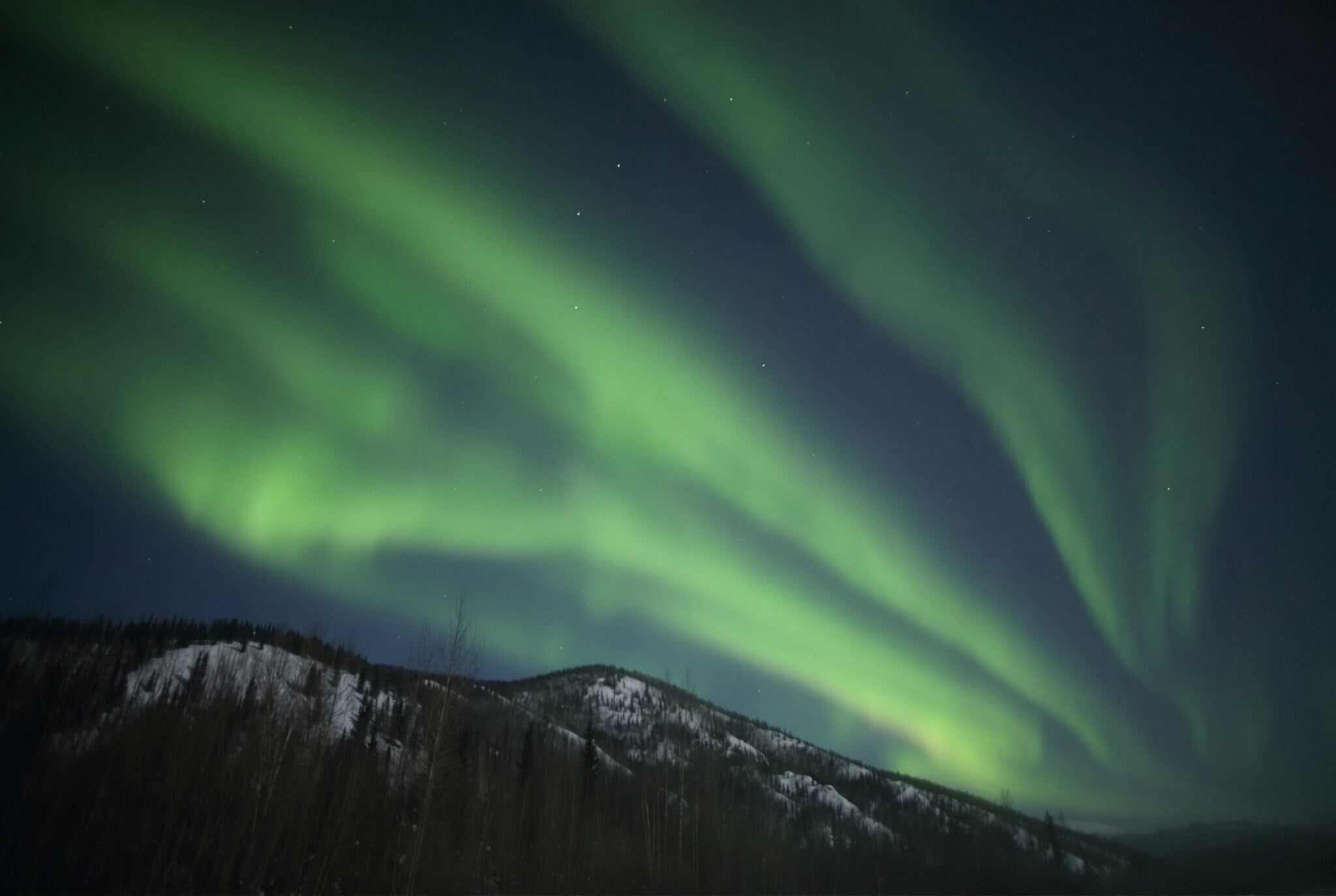
Standing in the bitter cold deep in the Alaskan wilderness, watching green light start to dance above you for the first time, is one of those moments you’ll never forget for the rest of your life. I still remember the absolute silence, the snow crunching under my feet, and the feeling of sheer wonder when the whole sky suddenly lit up. Chasing the northern lights is, quite simply, a natural spectacle that grabs you and won’t let go.
If you dream of hunting the aurora, I have to warn you up front, because honestly it’s not just about glancing out of your hotel window. It’s often a test of your patience, freezing in snowdrifts, and endlessly watching cloud-cover forecasts — but trust me, the huge reward is absolutely worth it. I’ve put together a detailed list of the places where you have the very best chance of seeing this celestial beauty.
So let’s get to it. I’ll show you twelve places where hunting the northern lights has the greatest chance of success, explain how this whole cosmic miracle actually works, and give you tips on how to photograph the aurora so you walk away with a memory for life.
TL;DR
You’ll see the northern lights most reliably from late September to mid-April in areas lying directly under the auroral oval, such as Tromsø in Norway, Abisko in Sweden, or Fairbanks in Alaska. The keys are complete darkness, the time around magnetic midnight, and above all a clear sky — because remember one golden rule: even the faintest aurora under a clear sky beats a massive solar storm hidden behind thick clouds.
Summary
- Best season: You can see the northern lights roughly from late September to mid-April, with ideal conditions usually around the spring and autumn equinoxes.
- The hunters’ golden rule: Low activity (KP 1) under a clear sky will always beat a massive geomagnetic storm (KP 8) if it happens to be overcast.
- Clearest skies in Europe: Abisko in Sweden benefits from a unique microclimate known as the “Blue Hole,” thanks to which the clouds disappear here even on days when it’s snowing everywhere else.
- Best accessibility: Tromsø in Norway sits right in the heart of the auroral oval and has great direct flights, even if you’ll often need to chase the clouds away here.
- An exceptional 2026: The Sun has reached its maximum in the current eleven-year cycle, which means the coming months and years offer the best conditions in over a decade.
- Shooting on a phone: Modern smartphones now capture the aurora with no problem, but an absolute must is a tripod and the longest possible night-mode exposure.
- The tricky summer: Even though the aurora physically appears in the sky in July too, thanks to a phenomenon called the polar day you simply won’t see it against the bright sky.
12 Best Places to See the Northern Lights in the World
I’ve ranked them roughly by how certain and at the same time how accessible the northern lights are. For each place you’ll find why it’s good, when to go, and what KP index you usually need.
1. Tromsø (Norway)
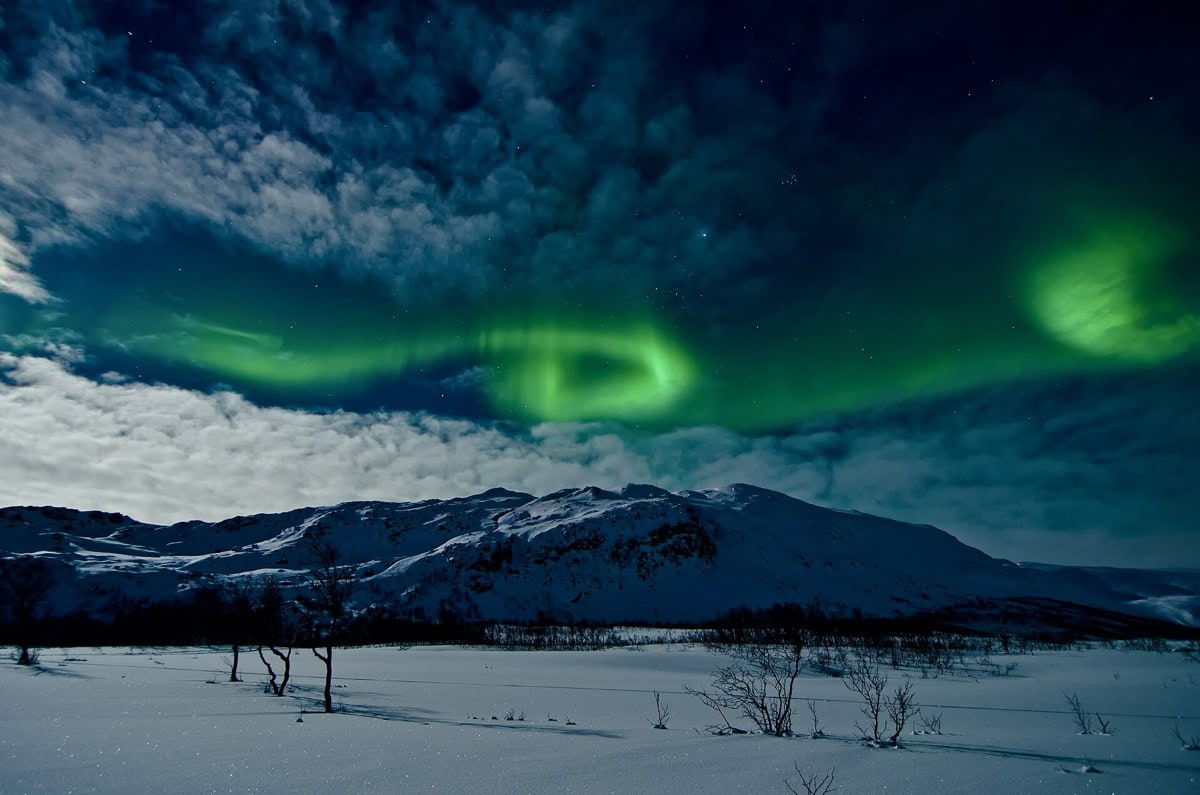
Tromsø in Norway lies roughly 350 kilometres north of the Arctic Circle and sits right in the heart of the auroral oval, which makes it probably the most popular base in Europe. The big advantage of this location is that, to witness the gorgeous show, a KP index of 1 or 2 is plenty. The city itself is fairly brightly lit, though, so seasoned hunters recommend driving a little further out into the dark.
Travellers really rate the nearby island of Kvaløya and especially the Sommarøy area, where you’ll find some of the darkest skies for miles around. The reflections of the green light on the surface of the dark fjords are beautiful here and give photos amazing depth. If there’s an impenetrable blanket of cloud directly over the city, it often pays to drive west, where the sky clears up surprisingly fast.
The best time to visit is from late September to early April, with plenty of photographers preferring February and March, when the spring equinox naturally boosts solar activity. Tromsø is very easy to reach thanks to direct flights from Oslo and other European cities — and from the UK you can usually fly via Oslo with SAS or Norwegian — making it the most accessible Arctic destination for ordinary travellers.
💡 Tip: Be genuinely flexible and don’t rely solely on organised tours. Renting a car gives you enormous freedom to chase the bad weather away to exactly where a clear window is forecast.
2. Lofoten Islands (Norway)
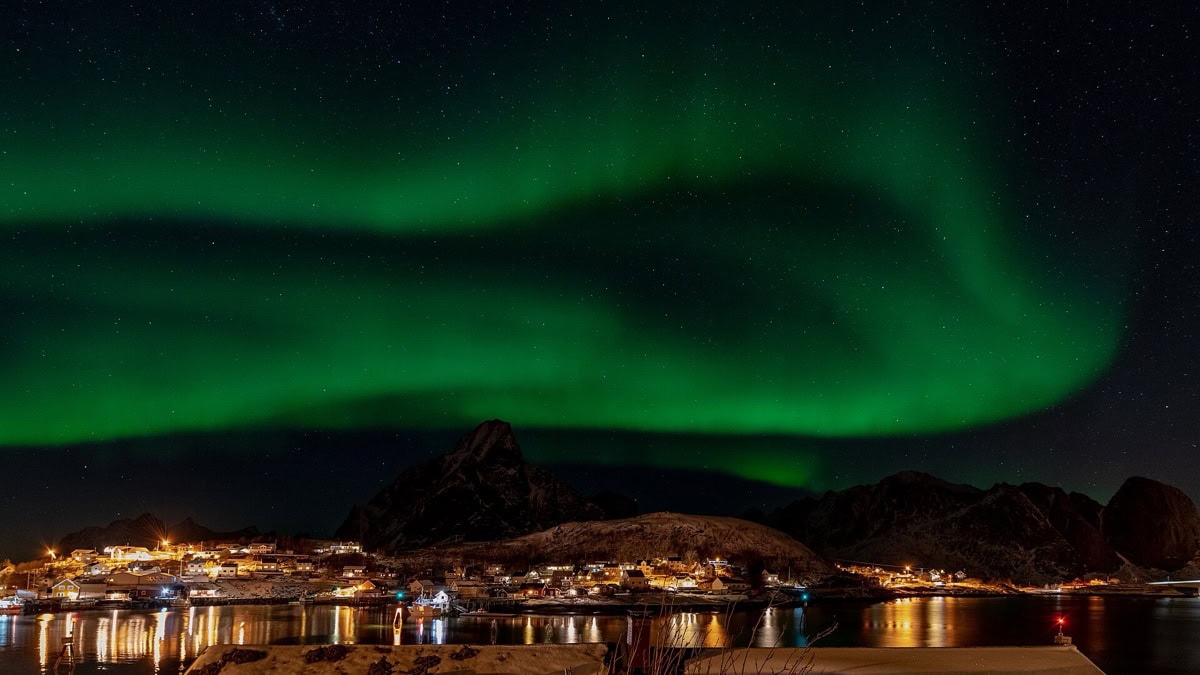
The Lofoten archipelago lies exactly under the auroral oval and offers probably the most dramatic natural backdrops you could wish for. Picture steep, snow-covered mountains plunging straight into the sea and iconic red fishermen’s cabins, with the green sky rippling overhead. Just like in Tromsø, here too minimal activity around KP 1 is enough for a successful hunt.
There’s one fairly big catch, though, and that’s the highly unpredictable Norwegian weather. Lofoten is one of the cloudiest spots in the region, so the clouds here can be really persistent and ruin even the best geomagnetic forecast. A typical trip here often means three nights of heavy snowfall and an endless wait for one single clear hour, for which you’ll find yourself driving at night from Flakstad beach all the way to the Eggum lighthouse.
Your best shot at success is during March, when the winter storms slowly start to settle, but the season runs from late August right through to April. You can get here either on a domestic flight to the small airports of Svolvær or Leknes, or by the scenic route by car and ferry from the mainland, which is an unforgettable experience in itself.
💡 Tip: If you’re heading here primarily for the northern lights, book at least five nights so you have enough buffer in case of bad weather. You’ll find more inspiration in our article about the northern lights in Lofoten and our tips on what to see in Lofoten.
3. Iceland
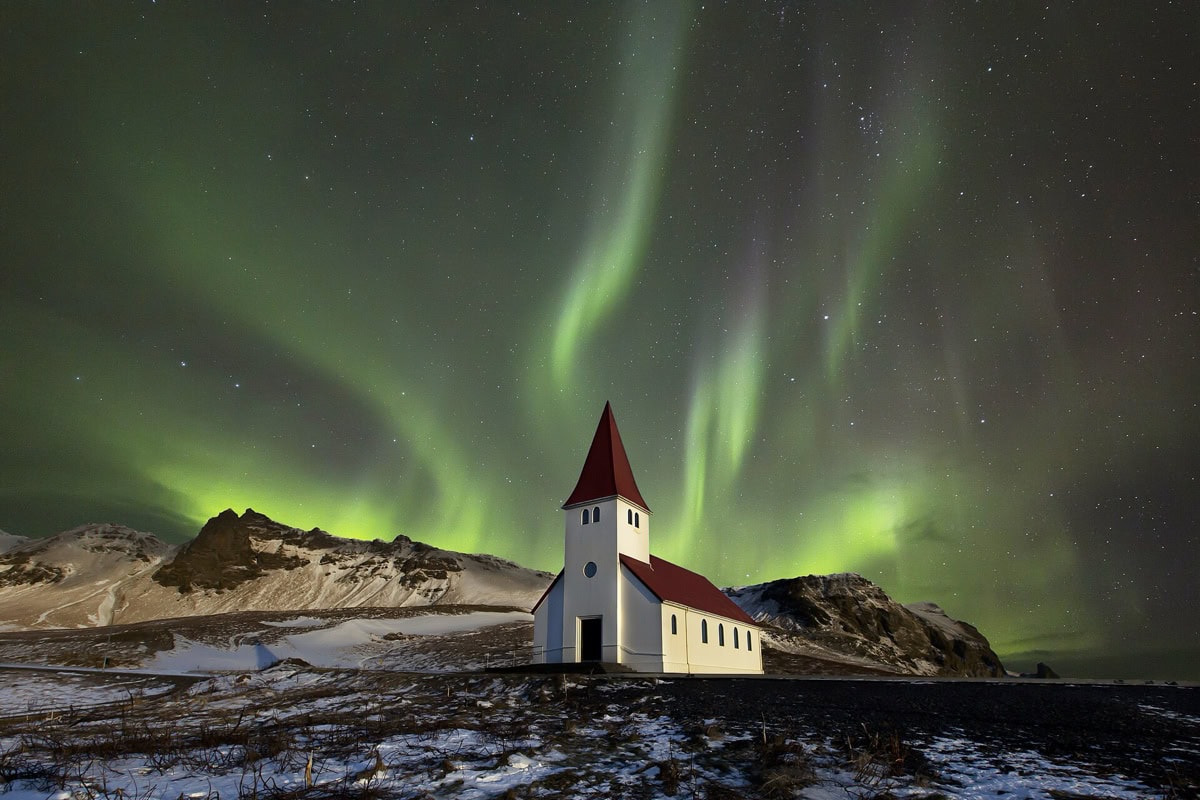
The whole of Iceland sits ideally under the auroral oval, so from a purely geographical standpoint your chances are excellent right across the island. Compared with brightly lit Reykjavík, where you need fairly strong activity around KP 3 to 4 for visibility, much lower values are enough in the dark countryside. The huge advantage of Iceland is the chance to combine aurora hunting with a classic road trip along the famous Ring Road.
A car gives you the single most important weapon in an aurora hunter’s arsenal — the ability to outrun the clouds. When it’s overcast in the south, you can move north or east. A hugely popular spot among photographers is Þingvellir National Park, where there’s minimal light pollution and, on windless nights, the green show reflects perfectly on the calm surface of the vast lake Þingvallavatn.
You’ll enjoy the longest and darkest nights here from October to February, but the equinoxes in late September and March tend to be statistically a bit more active. The journey here is also very easy: plenty of direct flights serve Keflavík airport from all over Europe, including several daily flights from London, and the car rental companies work flawlessly.
💡 Tip: Keep a close eye on the local cloud-cover forecast on the Vedur.is portal, which is far more accurate for the island than global apps. Before you go, be sure to read our article with tips on the northern lights in Iceland and our complete guide to Iceland.
4. Fairbanks and Alaska (USA)
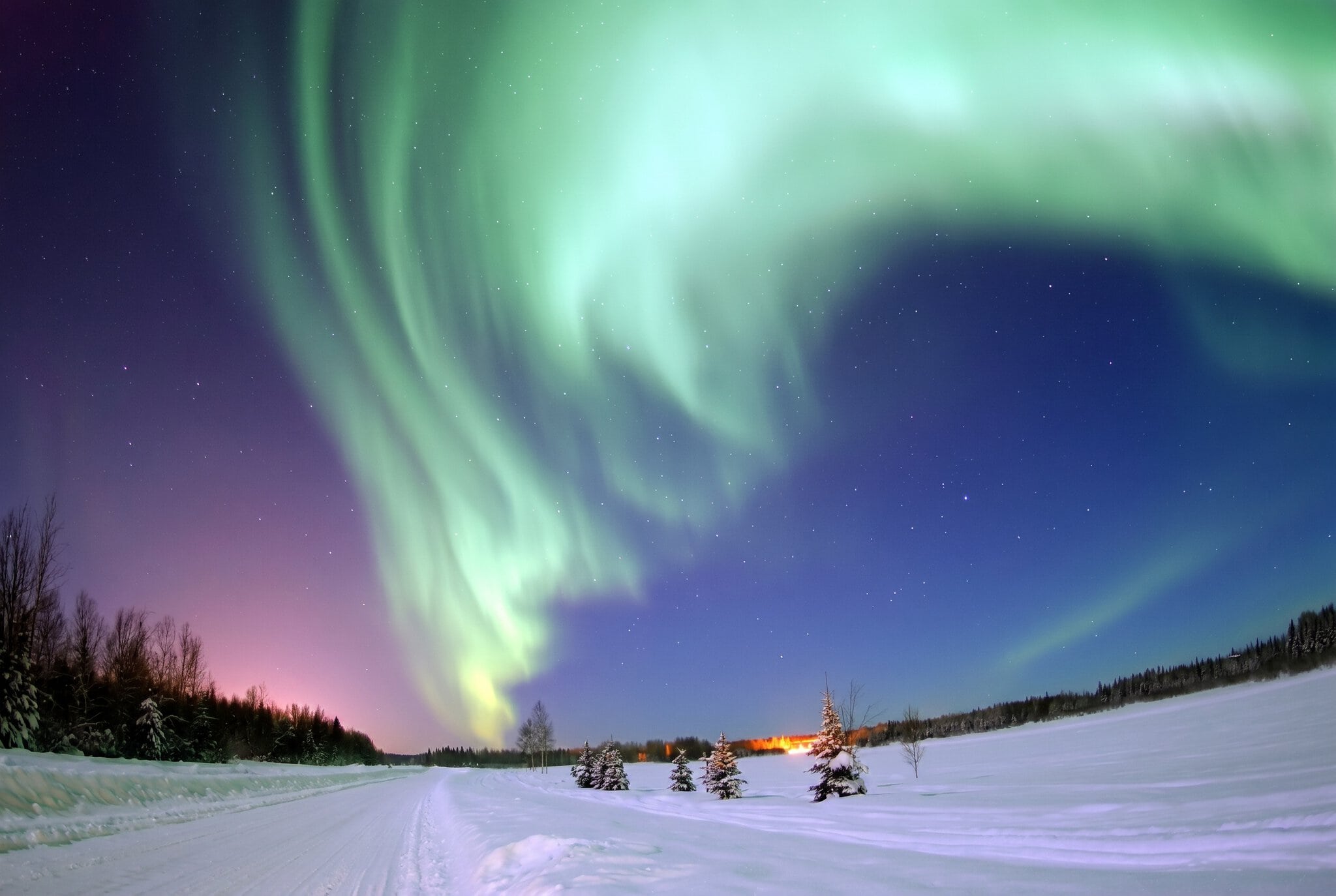
Lukáš and I spent some time in Alaska, and I have to say that watching the sky right here has an utterly unique magic to it. Fairbanks lies inland directly under the auroral oval and, thanks to its distance from the ocean, enjoys a beautifully dry continental climate. In practice that means far more clear nights than in the cloudy coastal regions of Europe, even if it comes at the price of truly brutal cold.
The local university states that the aurora is visible here on over 200 nights a year, and if you’ve got clear skies and darkness, your chances climb incredibly high. From our own experience we can hugely recommend the area around Murphy Dome, where we stood in absolute silence, gazing upward in fascination. A completely different but utterly luxurious experience is then offered by Chena Hot Springs, where at minus twenty you can sit in hot thermal water and watch green streaks right overhead 😅.
The best season here runs from December to March, even though the official season begins as early as August. If you’re after a truly exceptional experience, try staying in the glass igloos at Borealis Basecamp, where you can wait for the spectacle warm and snug from your bed.
💡 Tip: Be prepared for the cold to get genuinely extreme, draining the batteries in both your camera and your phone fast, so tuck them into the inner pockets of your jacket, close to your body. You can read more about our experiences in our pieces on the northern lights in Alaska and tips for Fairbanks.
5. Finnish Lapland and the Glass Igloos
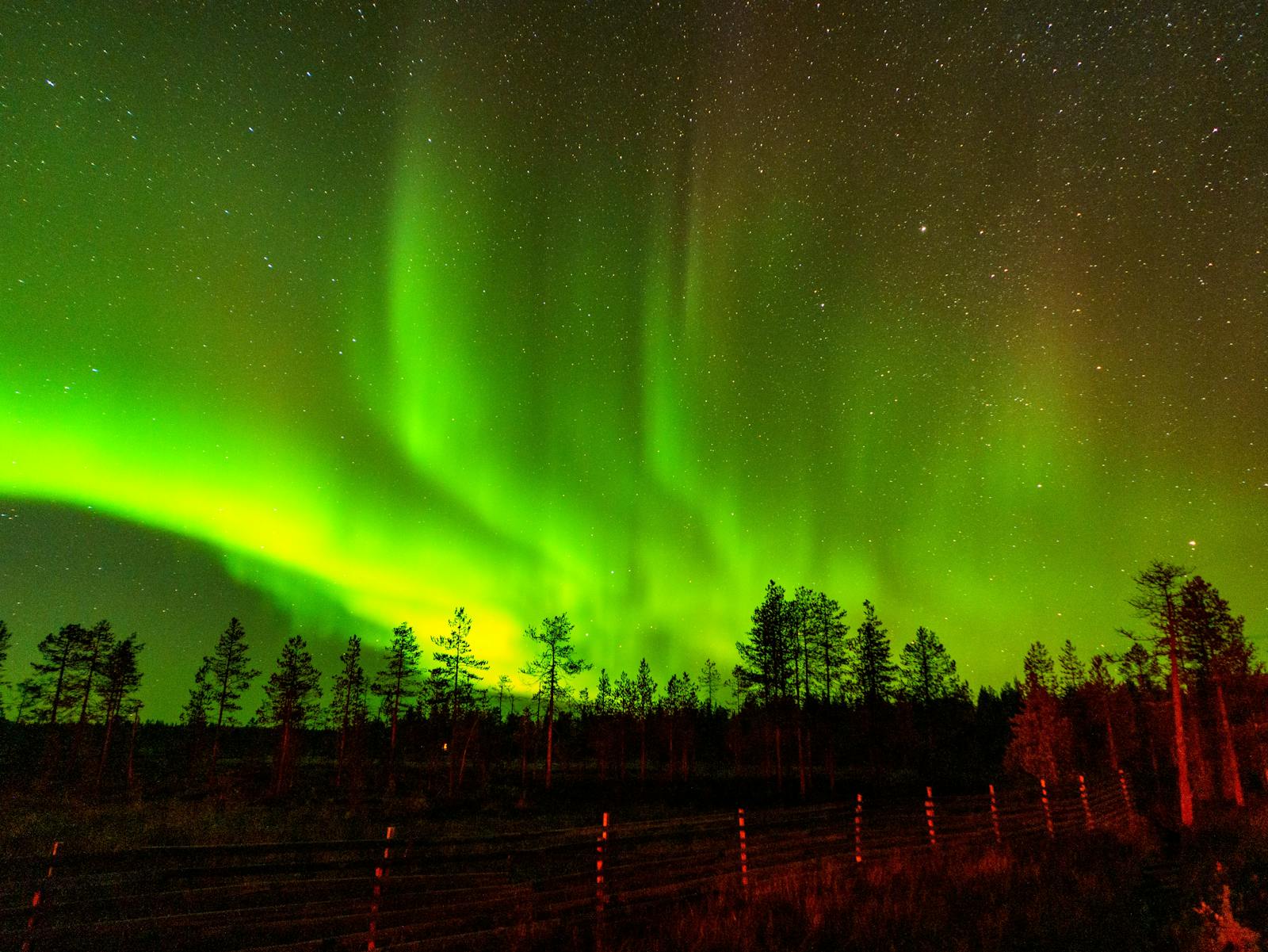
While Rovaniemi sits right on the Arctic Circle, the very best viewing conditions are found a bit further north, around Saariselkä or Ivalo. Finnish Lapland in particular became world-famous for its glass-igloo phenomenon, which offers the most luxurious possible way to wait for the celestial show. In peak season they say you can see the aurora roughly every other clear night, as long as cloud cover doesn’t spoil your plans.
The most iconic resort is undoubtedly Kakslauttanen, where you can rent a combination of a traditional log cabin with a fireplace and sauna, attached to a glass heated dome with a bed. It’s gorgeous, but I have to warn you to keep your expectations realistic. An igloo is simply an expensive bucket-list luxury, but it’s by no means a guarantee that you’ll see the aurora. If it snows heavily all night, you’ll just be staring at snowflakes.
The best time to travel here is from late August to April, ideally around the autumn or spring equinox. You usually fly here with a connection in Helsinki straight to the smaller airports in Rovaniemi or Ivalo, where you can easily pick up a car.
💡 Tip: If you decide to splash out on a pricier igloo resort, treat it mainly as an overall winter experience with sauna sessions and cosy relaxation — the northern lights will then just be the most beautiful cherry on top. Check out our tips for the northern lights in Lapland and Rovaniemi.
6. Abisko (Sweden)
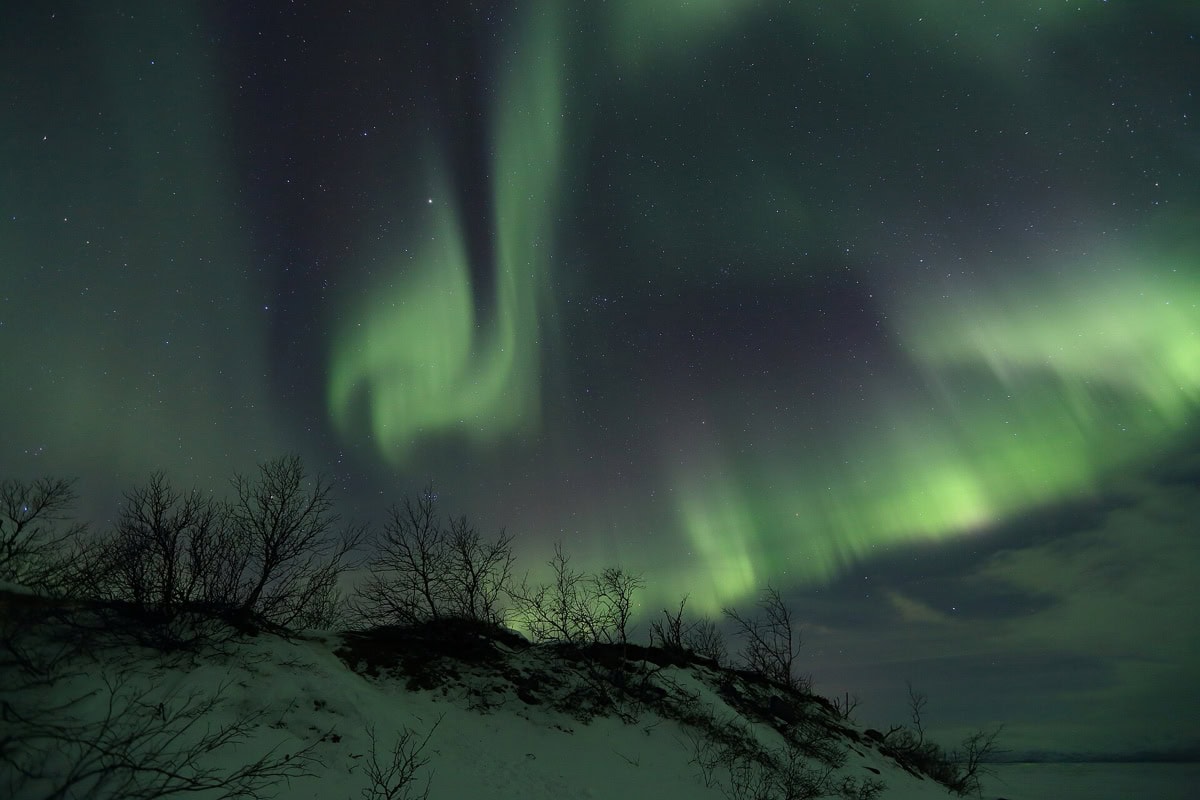
The little town of Abisko in Swedish Lapland boasts one of the greatest natural trump cards in all of Scandinavia. The local mountains on the border with Norway create a strong rain shadow that acts as a perfect shield against cloud coming in off the ocean. The result is a unique microclimate known as the “Blue Hole,” thanks to which the sky here tends to be clear even when snowstorms are raging all around.
Thanks to this blue hole, Abisko has statistically the clearest skies of all the Nordic destinations. It’s said that staying three or more nights gives you a huge chance of success. A massive draw is the local Aurora Sky Station, which sits at an altitude of 900 metres on top of Mount Nuolja. You get up here on a roughly twenty-minute chairlift ride straight through the pitch dark, which is apparently a fantastic experience in itself.
The main season here runs from December to March, when the chairlift operates regularly. The journey here usually goes via the airport in Kiruna, from where it’s just over an hour to Abisko by car or train.
💡 Tip: The night chairlift ride to the top of Nuolja is romantic, but it gets absolutely freezing up there, with temperatures commonly around minus twenty, so definitely don’t turn down the warm thermal suits they lend out here.
7. Yellowknife (Canada)
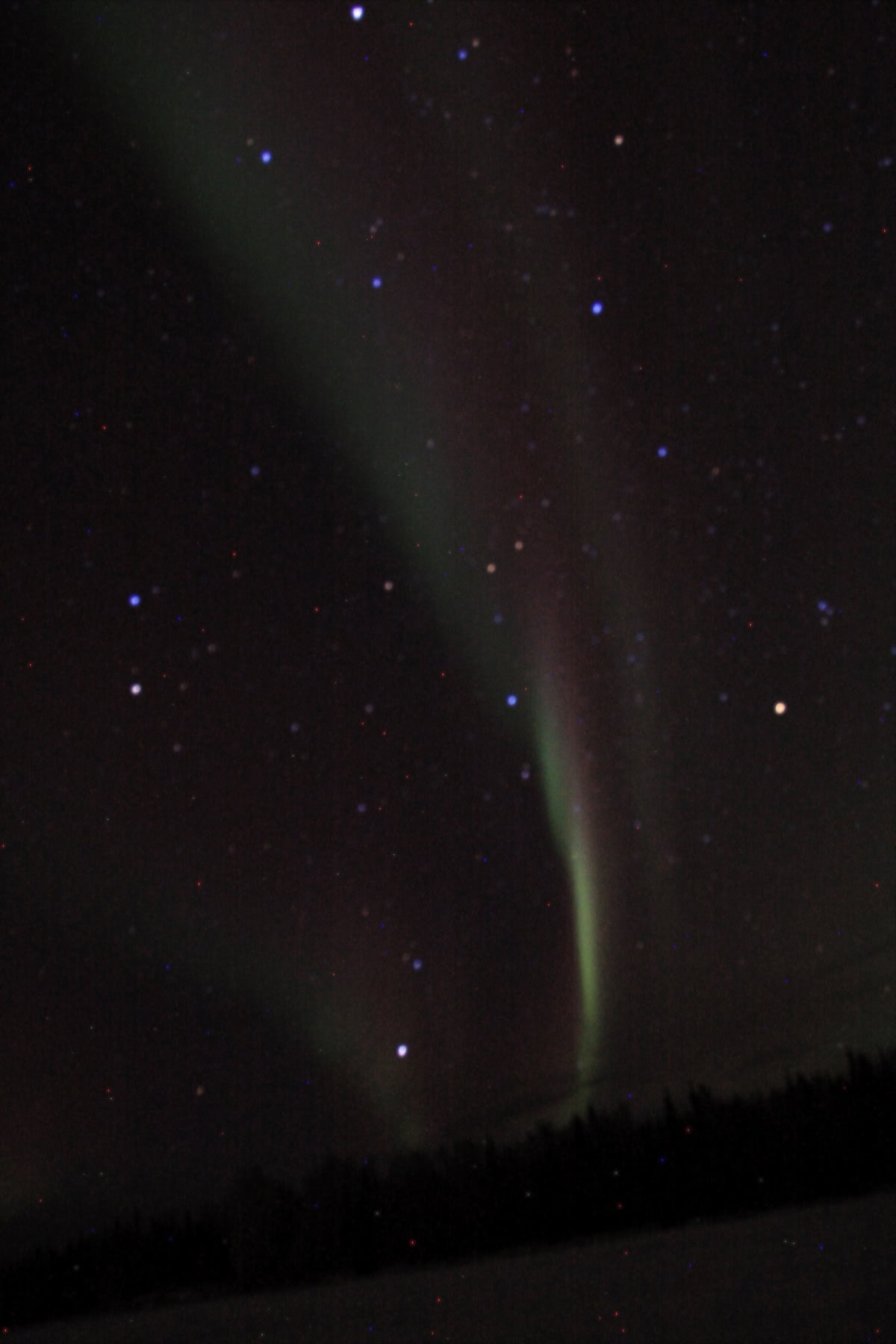
The capital of Canada’s Northwest Territories proudly calls itself the aurora capital of North America, and it has very good reasons to. Yellowknife lies directly under the auroral oval and benefits from a completely flat subarctic landscape with no high mountains, so you get a totally unobstructed horizon. The dry continental air here also means that during the brutal frosts below minus 30 degrees, clouds simply don’t form.
Thanks to this climate, the displays here are among the very brightest and most colourful on the entire continent. The operators of the famous local Aurora Village, where you can wait for the lights in traditional heated teepees set up on a frozen lake, claim up to a 95% success rate over a three-day stay. Take that statistic with a pinch of salt, but there really are over two hundred clear nights here a year.
The best time to head here is from mid-November to early April. Air connections usually run via Calgary or Edmonton in Canada, straight to the small airport in Yellowknife.
💡 Tip: Don’t get lulled into a false sense of comfort sitting in a heated teepee. As soon as the aurora starts, you’ll dash out onto the frozen lake into temperatures that commonly drop towards minus forty, so top-notch gear is essential.
8. Greenland
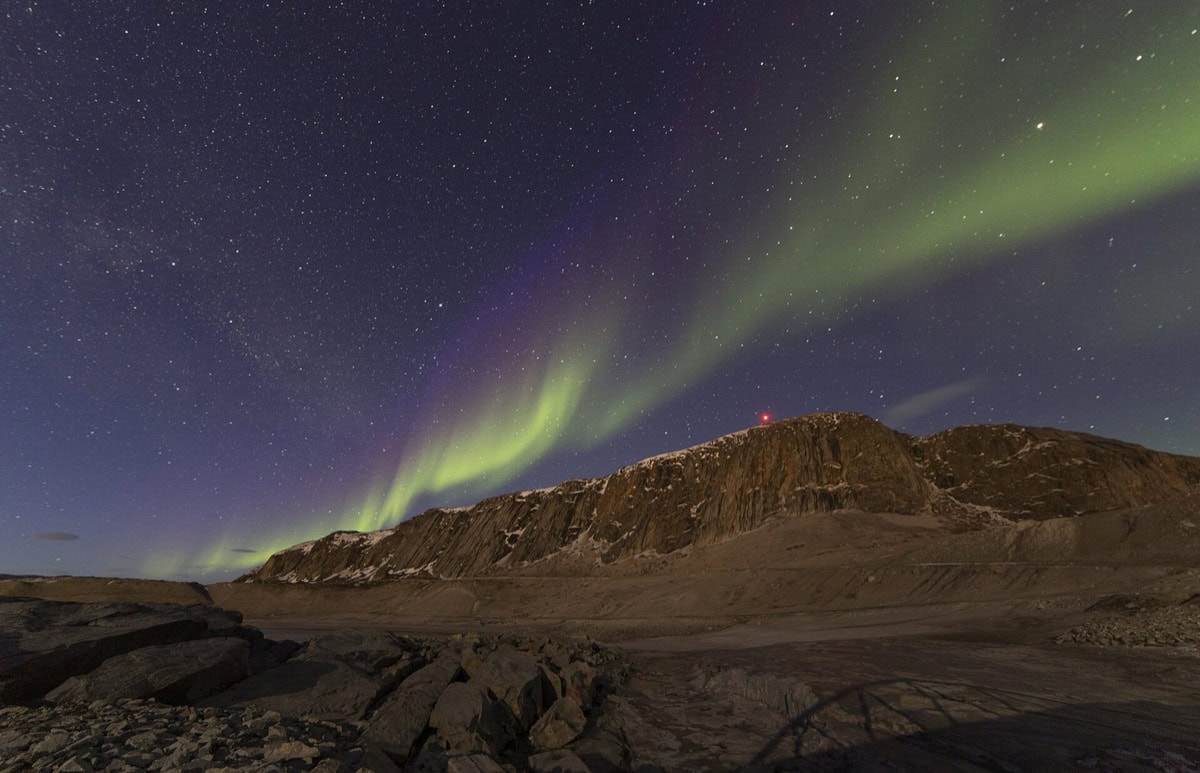
Greenland is a destination for true connoisseurs and travellers looking for something more than the usual northern Europe. The area around the town of Kangerlussuaq, for example, is renowned for a reported incredible 300 clear nights a year. The vast Greenland ice sheet creates a permanent high-pressure zone here that reliably pushes the cloud cover away.
An even more magical experience is offered by the famous Ilulissat with its UNESCO-listed icefjord. Just imagine the beauty when the giant floating icebergs light up in green and purple, reflecting the aurora from the sky. Even in the capital, Nuuk, which has minimal light pollution, you can routinely watch the aurora right from the streets — something utterly unique in the world.
The ideal time to visit is from November to mid-March. Air access to Greenland is constantly changing, though, due to the construction of new international airports, so be sure to check current connections via Copenhagen carefully in advance.
💡 Tip: Trips here are among the most expensive in the world, so Greenland makes more sense when you want to see monumental glaciers and Arctic nature, with the northern lights more of a giant added bonus.
9. Faroe Islands
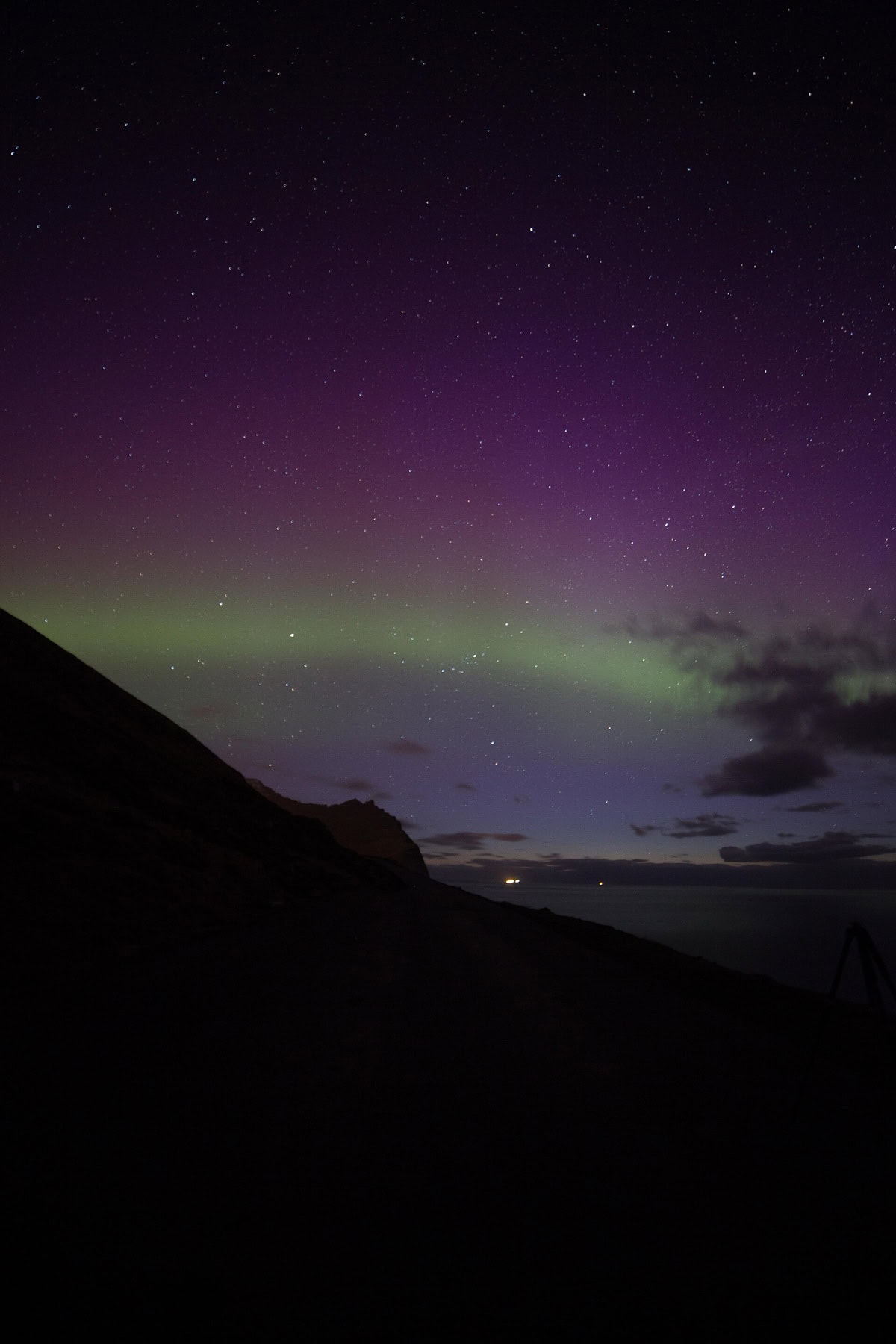
The Faroe Islands lie at 62 degrees north, which places them right on the southern edge of the auroral zone. The islands themselves offer absolutely breathtaking scenery, and since there’s almost no light pollution at all beyond a few larger villages, the conditions for dark skies are perfect. To see the aurora here you need somewhat stronger activity, around KP 3 and above.
Honestly, though, I have to say the main problem with the Faroe Islands is the extremely changeable and rainy weather. The chance that the clouds will part and the wind will drop during the long winter nights is fairly low. The official guides sum it up very tersely: the northern lights only come out when the sky is clear. And in winter, that’s a rarity here.
If you want to risk it, go between November and February, when the nights are longest. You can reach Vágar airport from Copenhagen, and you then get around the islands easily by car thanks to a system of undersea tunnels.
💡 Tip: On a clear winter night you’ll sometimes capture a faint green aurora through the camera aimed at the northern horizon, rather than experiencing a wild colour show directly overhead.

10. Northern Scotland
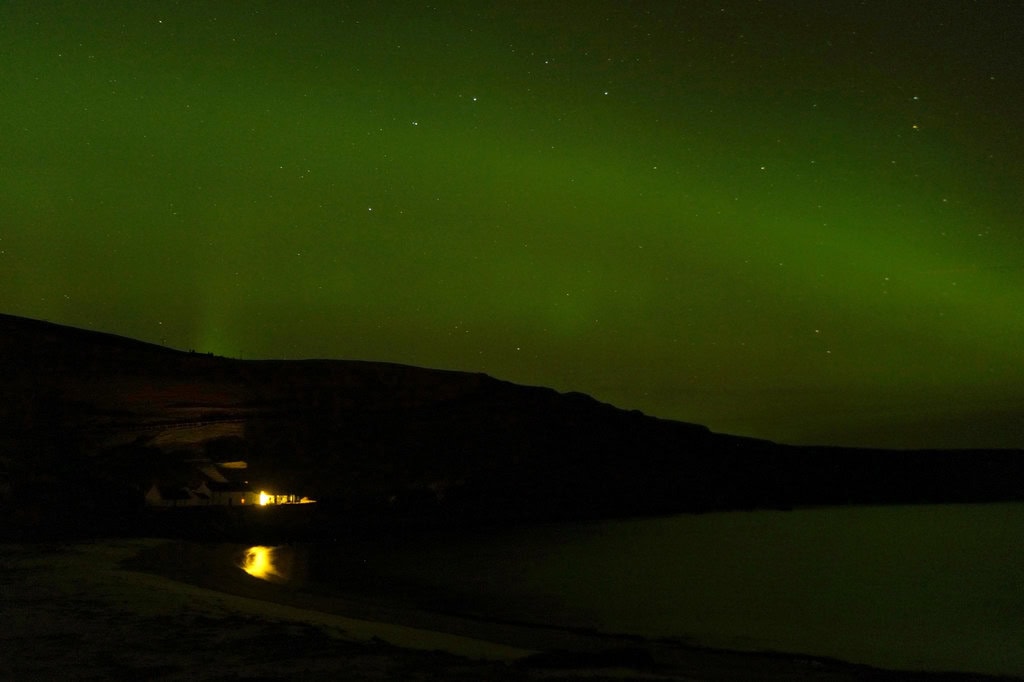
It probably wouldn’t occur to many people to look for the northern lights in the UK, but the far north of Scotland — and especially the Shetland or Orkney islands — has excellent credentials for it. They do lie south of the main oval, so for a proper show you need stronger activity, from KP 4 to KP 5, but the vast dark landscape with no artificial light plays right into the hunters’ hands. If you’re wondering whether the northern lights are visible in the UK tonight, the far north of Scotland is by far your best bet.
Locals use the lovely Shetland name “Mirrie Dancers” for this phenomenon, which translates as the shimmering dancers. The aurora-hunting community here is huge — the local Shetland Aurora Hunter Facebook group, for example, works as a great live activity feed. The vast majority of displays here are just green, but during really strong storms the sky can even turn a rare shade of red.
The best time for a Scottish hunt is from late September to March, ideally between 9 pm and 2 am. You can get here easily on flights from major UK airports to Inverness, or directly to Shetland.
💡 Tip: If you head out hunting here, find a spot with the lowest, most open northern horizon possible, because the aurora here very often plays out low above the horizon and rarely directly at the zenith. Check out our article on a holiday in Scotland too.
11. Estonia and the Baltics
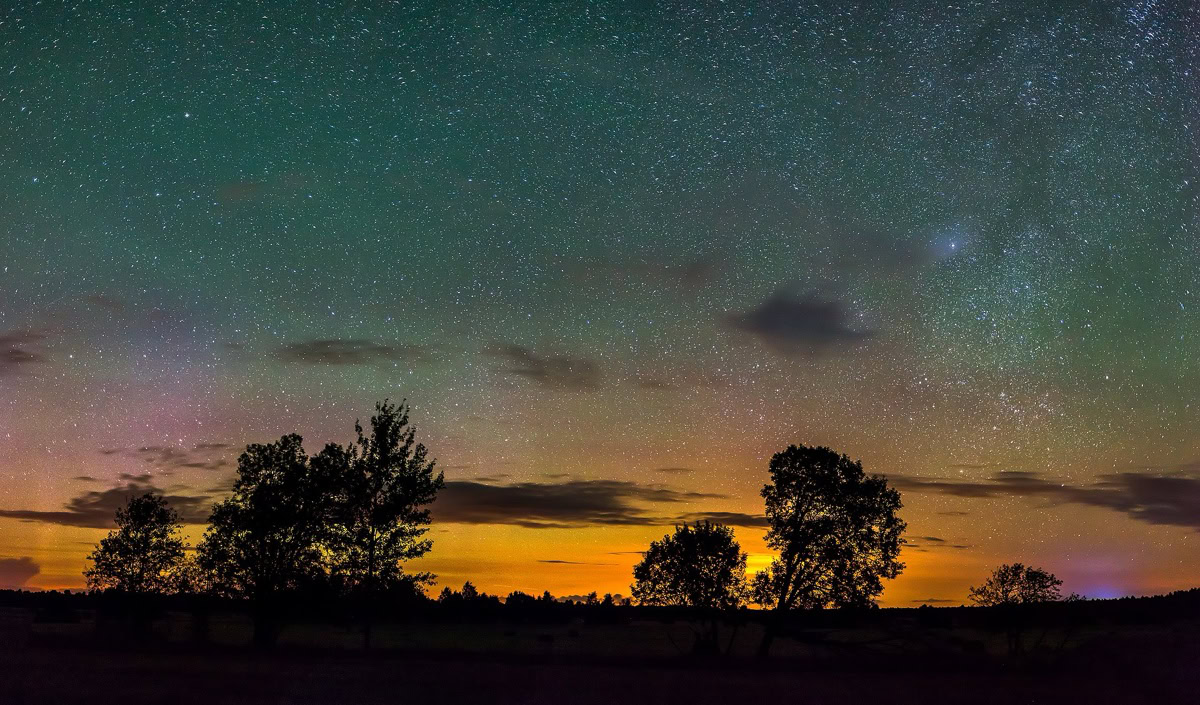
Estonia lies furthest north of all the Baltic states and occasionally pops up on aurora hunters’ radar as an interesting and very accessible alternative. Geographically it sits south of the main auroral belt, but during stronger geomagnetic storms from KP 5 and up, the sky here can light up beautifully. The current solar maximum is especially favourable for these more southerly observations.
Estonian media regularly report on these sightings, but I have to stress that seeing the aurora in the Baltics is more about one-off events than reliable certainty. If you head here between September and March and happen to catch a massive solar flare, all you need to do is drive a little north of Tallinn to the dark coast and you have a great chance of a beautiful experience.
💡 Tip: Travelling to Estonia purely for the northern lights doesn’t statistically pay off, but if you’re already on holiday here and your app warns of a big storm, definitely head out to the sea at night.
12. Yukon (Canada)
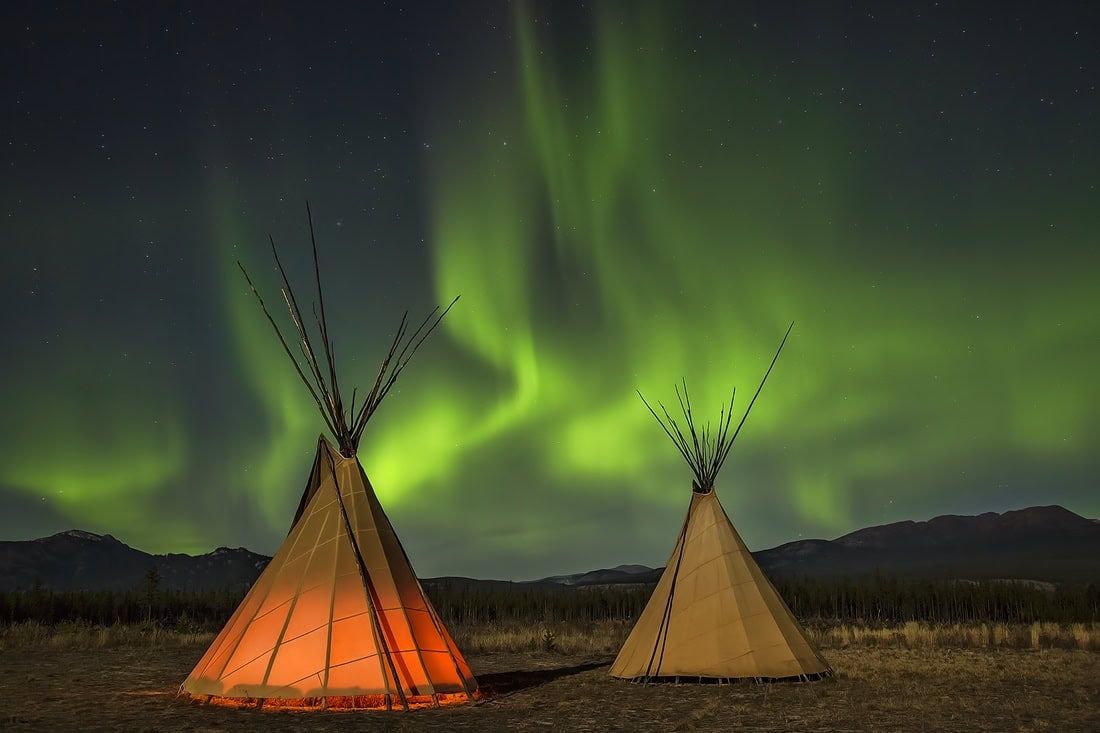
The Canadian territory of Yukon, with its capital Whitehorse, is a fantastic alternative for those who want to experience the Canadian wilderness but are put off by the extreme remoteness of the more northerly regions. Whitehorse lies slightly beyond the edge of the main oval, so you need average activity around KP 3 to 4 here, but the big advantage is the excellent accessibility and infrastructure.
Unlike the tiny Nordic settlements, Whitehorse is a proper town with great hotels, restaurants, and car rental offices. The Yukon’s continental climate also delivers a large number of clear, frosty nights. During the current solar maximum, the frequency of visible auroras here can comfortably exceed a hundred nights per season, which is an absolutely amazing figure.
The season here runs from mid-August to the end of April, with the most stable frosty weather usually from January to March. You can reach the local airport very easily from Vancouver or Calgary.
💡 Tip: If you’d rather not freeze in your car at night, local operators offer plenty of comfortable cabins outside town, where you can wait for the aurora with a hot cup of tea by the stove.
Comparison Table at a Glance
| Place | Country | Best season | KP needed |
|---|---|---|---|
| Tromsø | Norway | Late September – early April | KP 1+ |
| Lofoten | Norway | Late August – mid-April | KP 1+ |
| Iceland | Iceland | September – April | KP 2–4 |
| Fairbanks | USA (Alaska) | August – April | KP 1–2 |
| Rovaniemi/Ivalo | Finland | Late August – April | KP 2–3 |
| Abisko | Sweden | December – March | KP 1–2 |
| Yellowknife | Canada | Mid-November – early April | KP 2–3 |
| Kangerlussuaq | Greenland | September – early April | KP 1–2 |
| Faroe Islands | Kingdom of Denmark | November – February | KP 3+ |
| Northern Scotland | United Kingdom | Late September – March | KP 4–5+ |
| Baltics (Estonia) | Estonia | September – March | KP 5+ |
| Whitehorse (Yukon) | Canada | Mid-August – end of April | KP 3–4 |
What the Northern Lights Are and How They Form
To keep it from getting too scientific, it all starts with the solar wind. The Sun continuously sends a stream of charged particles — mostly electrons and protons — out into space. When this wind speeds up and its magnetic field twists the right way, it merges with Earth’s protective magnetic field. These particles then ride along the magnetic field lines as if down a giant funnel towards both poles, where they slam into the atmosphere at high speed.
The coloured light itself appears the moment these fast electrons collide with oxygen and nitrogen molecules in the upper layer of the atmosphere and give them energy. When these atoms then return to their original resting state, they release the excess energy in the form of a photon — that is, coloured light.
The colour of the aurora depends on which gas the particles hit and at what altitude it happens:
- Green: By far the most common colour, created by oxygen at an altitude of roughly 100 to 240 kilometres. On top of that, our human eye is most sensitive of all to green.
- Red: A very rare sight, also caused by oxygen, but at enormous altitudes above 200 to 300 kilometres. It only forms in thin air, because this excited state lasts a long time and in the denser air lower down it would lose its energy before it could glow.
- Purple and pink: These gorgeous colours are created by nitrogen much lower down, usually around 100 kilometres above the ground. They often form the beautiful purple lower fringe of the green curtains during very strong storms.
What’s more, this phenomenon doesn’t just happen in the north. Exactly the same physics works in the southern hemisphere, where the phenomenon is called the aurora australis. It appears at precisely the same time as the northern lights — it’s just much harder to observe, because the south magnetic pole lies mostly over empty ocean.
When You’ll See the Northern Lights
The best months for viewing in the northern hemisphere are from late September to mid-April. You might be wondering why it doesn’t work in summer, when it’s warm. Physically the aurora is of course there, but thanks to a phenomenon called the polar day, or midnight sun, at these high latitudes it simply never gets dark. And against a bright sky you logically won’t see the aurora. A handy northern lights forecast app — most of them pull data from NOAA — will tell you when activity is likely to peak.
Your best chance is around so-called magnetic midnight, which tends to be roughly between 10 pm and 2 am local time. The statistically best period then always comes around the autumn and spring equinoxes, because Earth’s position relative to the solar wind naturally amplifies geomagnetic activity.
The key indicator for hunters is the KP index, a scale from zero to nine that measures the strength of a geomagnetic storm. While in the far north in Tromsø KP 1 or 2 is plenty, the requirements rise steeply as you head south. In Scotland you already need roughly KP 5, and for visibility from central Europe you’d need a massive storm of KP 8 to 9.
The current period is also absolutely exceptional. In autumn 2024 the Sun reached its maximum within the eleven-year cycle. That heightened activity doesn’t drop off immediately, though, so 2025 and 2026 are still incredibly strong and offer the best aurora-viewing conditions in over a decade.
How to Photograph the Northern Lights (Phone and Camera)
In complete darkness, the human eye loses its ability to see colours and switches to black-and-white vision, so live you’ll see a fainter aurora more as a greyish or slightly greenish cloud. A camera lens, however, can take in light over a much longer period, which is why photos are always more colourful than reality.
How to Shoot on a Phone
Modern smartphones handle this brilliantly nowadays thanks to night mode, which stacks several frames together in low light. The absolute essential, though, is to keep the phone perfectly still. You need to put it on a small tripod, or prop it firmly against a backpack or rock.
Switch on night mode and manually drag the timer to the maximum, which on iPhones is usually 3 to 10 seconds. Always turn on the 2-second self-timer, because just tapping the screen with your finger would blur the shot. Try also locking the focus on the sky with your finger on the display and lowering the exposure slightly, so the green colour doesn’t blow out into a white blob.
How to Shoot on a DSLR or Mirrorless
Here you need full manual mode (M). Open the aperture all the way, ideally to f/2.8 or even lower. Set the exposure time to roughly 5 to 15 seconds depending on how fast the aurora is moving. If it’s dancing very quickly, you’ll need to shorten it to 3 seconds, otherwise you’ll just get a blurry smudge on the photo.
The upper exposure limit should never exceed 20 to 25 seconds. The reason is the rotation of the Earth, which would stretch the background stars into ugly streaks. Set the ISO somewhere between 800 and 3200, always shoot in RAW format for better editing, and most importantly focus manually to infinity, because autofocus simply doesn’t work in the dark. Watch out for your batteries — the cold literally devours them, so always carry spares in a pocket close to your body.
Where to Next
If aurora hunting has got you hooked and you’re wondering exactly where to book your flights, take a look at our detailed guides to the individual regions. For Norway we’ve written up tips for Tromsø and a dedicated guide to the northern lights in Lofoten.
If you’re more drawn to untamed wilderness across the ocean, don’t miss our piece on the northern lights in Alaska. And for lovers of toasty saunas, we’ve got an article focused on the northern lights in Lapland.
Frequently Asked Questions
Here are the answers to what people most often want to know about hunting the northern lights.
Is a full moon a problem for viewing the northern lights?
The full moon isn’t exactly an obstacle, because it’s very difficult for moonlight to overpower a strong aurora. It is true though that a dark sky around the new moon gives photos and the eye much better contrast, so you’ll see more subtle structures and colors. But you definitely don’t need to cancel your trip because of a full moon.
Do I need a guide, or can I manage on my own?
You can definitely manage it on your own with a rental car, the key is being able to escape the clouds and light pollution. Organised tours have tremendous value mainly in that guides monitor the weather in real time, know secret dark spots and you don’t have to stress about driving at night on icy roads.
Are there tours with aurora guarantee?
Some operators in Scandinavia offer a guarantee, but that usually just means they’ll give you a free repeat trip the next day if you don’t see the lights. There’s no money back and it only applies during your stay. Numbers like 99% success rate should be taken more as clever marketing from the operators.
Why is the aurora more colorful in photos than in real life?
In very dark environments, the human eye switches to rod cells, which don’t distinguish colors, so we often see the aurora in rather gray-white or faintly greenish tones. However, a camera can gather much more light thanks to long exposure and high ISO, which is why it captures vivid green even during very faint displays.
How many nights per year can you see the aurora in top locations?
It’s often stated that Canadian Yellowknife has up to 240 clear auroral nights, Alaskan Fairbanks over 200, and Norwegian Tromsø over a hundred. These impressive numbers mostly come from tourist materials, so take them with a slight grain of salt, but the fact remains that the chances are huge in these locations.
What KP index is actually needed?
In the high Arctic, such as Tromsø or Fairbanks, KP 1 to 2 is absolutely sufficient. Northern Scotland already requires around KP 4 to 5. For viewing from Central Europe and Czechia, you need a massive storm with a strength of KP 8 to 9. Generally speaking, the higher the KP, the further south the oval moves.
Can you see the northern lights in the Czech Republic?
Yes, but it’s extremely rare, as you need an extreme storm with a strength of KP 8 to 9. The last time this happened on a widespread scale was in May 2024 during the massive Gannon storm (G5), and then again in October of the same year. Such events typically occur only a few times during an entire eleven-year solar cycle, so it’s definitely not a yearly certainty.
How cold is it and what to wear?
In Lapland or Canada, temperatures during the season regularly drop between minus 5 and minus 30 degrees. The key is layering, where you put fleece over merino and a thick windproof jacket on top. When photographing, you’re just standing quietly in one place and not generating body heat, so warm mittens and insulated boots are an absolute necessity.
Can I photograph the aurora with just a regular phone?
Yes, modern flagship phones on a tripod in night or Pro mode with long exposure around 3 to 10 seconds will capture a really nice shot. However, a quality DSLR with a large sensor will always win in sharpness of details and the ability to freeze fast colorful curtains.
What colors will I see in the sky?
You’ll most commonly see green, which is created by oxygen at medium altitudes. During very strong geomagnetic storms, you can also spot red high up in the thin air and beautiful violet or pink, caused by nitrogen in the lower layers of the atmosphere.
Tips and Tricks for Your Vacation
Don’t Overpay for Flights
Search for flights on Kayak. It’s our favorite search engine because it scans the websites of all airlines and always finds the cheapest connection.
Book Your Accommodation Smartly
The best experiences we’ve had when looking for accommodation (from Alaska to Morocco) are with Booking.com, where hotels, apartments, and entire houses are usually the cheapest and most widely available.
Don’t Forget Travel Insurance
Good travel insurance will protect you against illness, accidents, theft, or flight cancellations. We’ve had a few hospital visits abroad, so we know how important it is to have proper insurance arranged.
Where we insure ourselves: SafetyWing (simple monthly subscription) and TrueTraveller (for extra-long trips).
Find the Best Experiences
Get Your Guide is a huge online marketplace where you can book guided walks, trips, skip-the-line tickets, tours, and much more. We always find some extra fun there!


