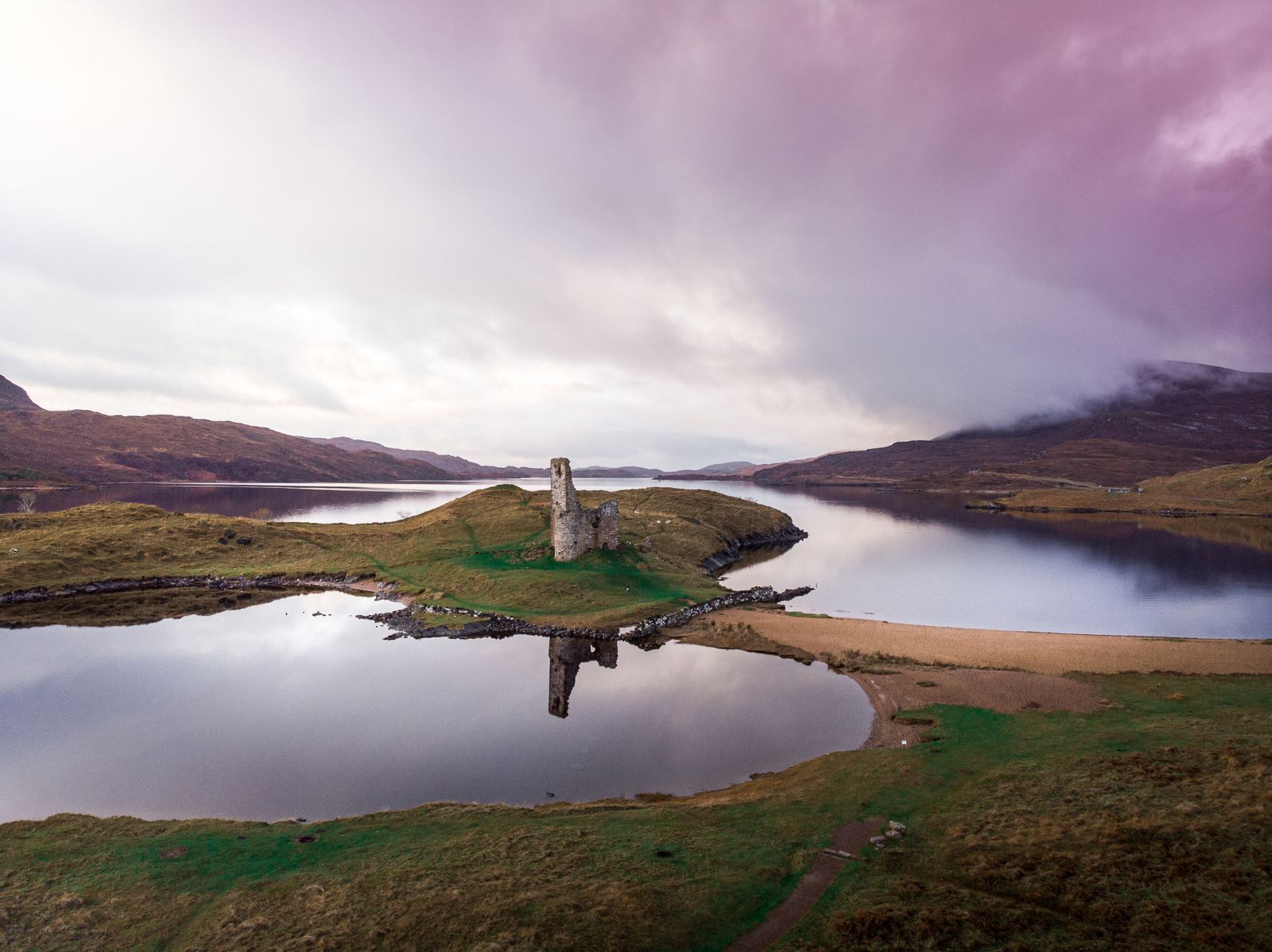
Scotland is exactly the kind of destination that looks absolutely unbelievable in photos, but the moment you start digging deeper, you realise reality is even a touch more dramatic. A land of rugged Highlands, deep lochs and ancient castles, it draws travellers from all over the world, and honestly, it’s not hard to see why. You’ll find everything here, from vibrant cities with an amazing food scene to deserted islands where your only company is sheep and seagulls.
If you’re thinking of heading up to the north of the United Kingdom, I have to flag one crucial thing right at the start, and that’s the weather. Be prepared to experience all four seasons in a single day, so a good waterproof jacket will become your best friend. Always keep a jumper, a t-shirt and ideally a warmer layer on hand, because the weather changes from one minute to the next. Your reward, though, will be views of mist-shrouded mountains and valleys that inspired the makers of films like Harry Potter and James Bond.
So I’ve put together a neat 30 tips on what to see and do, from Edinburgh through the wild Highlands all the way to the northernmost tips where the wind howls and the air smells of the sea. I’ll also throw in advice on how to survive the midges, how to cope with driving on the left, and where to stay so you don’t end up sleeping in a ditch.
TL;DR
- Entry requirement: Since 2 April 2025, EU and many other nationals need a UK ETA electronic travel authorisation to enter the UK; it costs £16 and you apply online via the official app.
- When to go: The best months are May and September, when the weather is pleasant and you’ll dodge the worst of the dreaded midges.
- Getting around: To explore the Highlands and the islands, hiring a car is practically essential — just remember you drive on the left and rural areas have narrow single-track roads.
- How long to stay: The minimum for Edinburgh plus a slice of nature is 5 to 7 days, but for a proper road trip set aside ideally 10 to 14 days.
- Book accommodation early: The Isle of Skye and the NC500 route in particular tend to sell out in summer half a year to a year in advance.
- Tickets in advance: Seats on the famous Jacobite Steam Train or Loch Ness cruises are worth booking well ahead, easily through GetYourGuide.
The full destination guide: United Kingdom — guide and what to see
When to Visit Scotland and How to Survive the Midges
The weather up north is unpredictable all year round, but if you want the best shot at fine days, the best months to travel are May and September. By then the days are pleasantly long, there are slightly fewer tourists than during the school holidays, and crucially you’ll dodge the worst onslaught of annoying insects. In summer, temperatures do climb to a comfortable 20 degrees and there’s daylight for a good 17 hours a day around late June, but the price you pay is full car parks and ever-present midges 😅.
Those tiny biting flies, the so-called midges, are a nightmare for many travellers. Their season starts in late May and runs into early September, with the absolute peak in July and August, mainly along the west coast and on the islands. They attack most at dawn and dusk, they love damp, still conditions, but fortunately they don’t fly at all once the wind picks up to more than 10 kilometres an hour.
If you travel in summer, you definitely won’t manage without a good local repellent. Standard sprays from home simply don’t work on them, so grab a bottle of Smidge as soon as you arrive, or go for the legendary local tip — Avon Skin So Soft body oil. If you plan to camp or spend most of your time outdoors near the lochs, consider buying a special head net too. It might sound a bit over the top, but pack some light, long-sleeved clothing just in case, because once you live through your first proper midge attack, you’ll be unbelievably grateful for that protection.
How to Get There and Getting Around
If you’re travelling from elsewhere in the UK, getting to Scotland couldn’t be simpler. Direct flights to Edinburgh or Glasgow run from cities like London, Manchester, Bristol and Birmingham with airlines such as British Airways, easyJet and Jet2, and from London the hop takes barely 90 minutes. Outside peak season you can grab return fares from as little as £40 to £90 if you keep an eye on a search engine like Kiwi.com. A handy trick is to book a so-called open-jaw ticket, flying into one city and out of the other, since they’re only about an hour apart by train. If you’d rather go by rail, the LNER and Avanti West Coast trains from London reach Edinburgh and Glasgow in around 4.5 to 5 hours.
You absolutely don’t need a car for getting around the cities, but for exploring the Highlands, the islands and remote beaches, hiring a car is practically essential. The easiest way is to compare all the rental deals and pick the car up right at the airport.
Rental prices for a smaller car hover around £16 to £25 a day, but bear in mind you drive on the left and petrol comes to roughly £1.59 a litre. Out in the countryside you’ll also hit so-called single-track roads, narrow lanes for one car with passing places, where it’s good manners to give way and always thank the other driver with a wave ☺️. Remember that passing places are strictly for letting vehicles past — never use them to park or to take photos of the scenery.
If you don’t fancy driving on the left, you can make use of Scotland’s rather decent ScotRail network, which will carry you through some of the most beautiful scenery. To reach the islands you’ll take the reliable CalMac ferries, though it’s essential to book a car space well in advance. Cheaper Citylink buses run between the cities too, you just need to accept the journey takes noticeably longer.
Key Update: The Mandatory UK ETA
If you’re a UK resident travelling within Britain, this section won’t apply to you, but it’s worth knowing if you’re inviting friends or family from abroad. Since 2 April 2025, a new requirement applies to all EU citizens and many other nationalities. To enter the United Kingdom, a valid passport is no longer enough — they must arrange an electronic travel authorisation called the UK ETA in advance. It’s not a classic visa, more of a security registration that you may already know from the United States or Canada.
The authorisation costs a fee of £16 and is valid for a full two years, or until the passport expires. During that time the holder can travel to Britain repeatedly, with each visit not exceeding six months. Apply ideally at least three working days before departure, and only through the official UK ETA app or on the gov.uk website.
Be very wary of the various scam sites that try to charge much higher amounts for so-called “processing”. The only correct place is the official UK government website or app. Every single traveller must hold the authorisation, including small children and infants, so don’t forget about this when planning a family trip. Approval itself usually comes through within a few minutes.
Where to Stay in Scotland
💡 Tip for accommodation and experiences: We love searching for places to stay on Booking.com, where the cancellation terms tend to be the best. For tickets, tours and activities, it’s worth comparing and booking through GetYourGuide.
The country is too vast to tour from a single hotel, so you’ll need to split your accommodation into several logical legs. I strongly recommend not leaving bookings to the last minute, because popular regions like the Isle of Skye, Glencoe valley or the NC500 route tend to sell out in the summer months half a year ahead. Book through Booking with free cancellation if you can, so you’ve got a back door if plans change.
If you head for the popular Isle of Skye, the harbour town of Portree makes a great base for day trips. For couples after gorgeous views, the Victorian The Cuillin Hills Hotel is ideal, while sauna and pretty-garden lovers will appreciate the more upmarket The Marmalade Hotel. If you’d rather sleep inland near the mountains, a legendary Highland base with its own brewery is the historic Sligachan Hotel.
In the dramatic Glencoe valley and around Fort William, you can treat yourself to real luxury at the special Glencoe House, which offers huge suites with breathtaking views. Another excellent choice is The Lime Tree in Fort William, home to an award-winning restaurant and gallery, or the conveniently located Highland Home, just a short hop from the famous steam train.
On the iconic Loch Lomond, a pampering night at Cameron House is on offer for special occasions — a vast Gothic mansion right on the shore with its own spa and golf course. Near Inverness you can try the traditional Loch Ness Country House Hotel, and if you set off on the northern NC500 loop, bag a room at the lovely The Castle Hotel in Dornoch or the intimate Mackay’s Rooms in the far north at Durness.
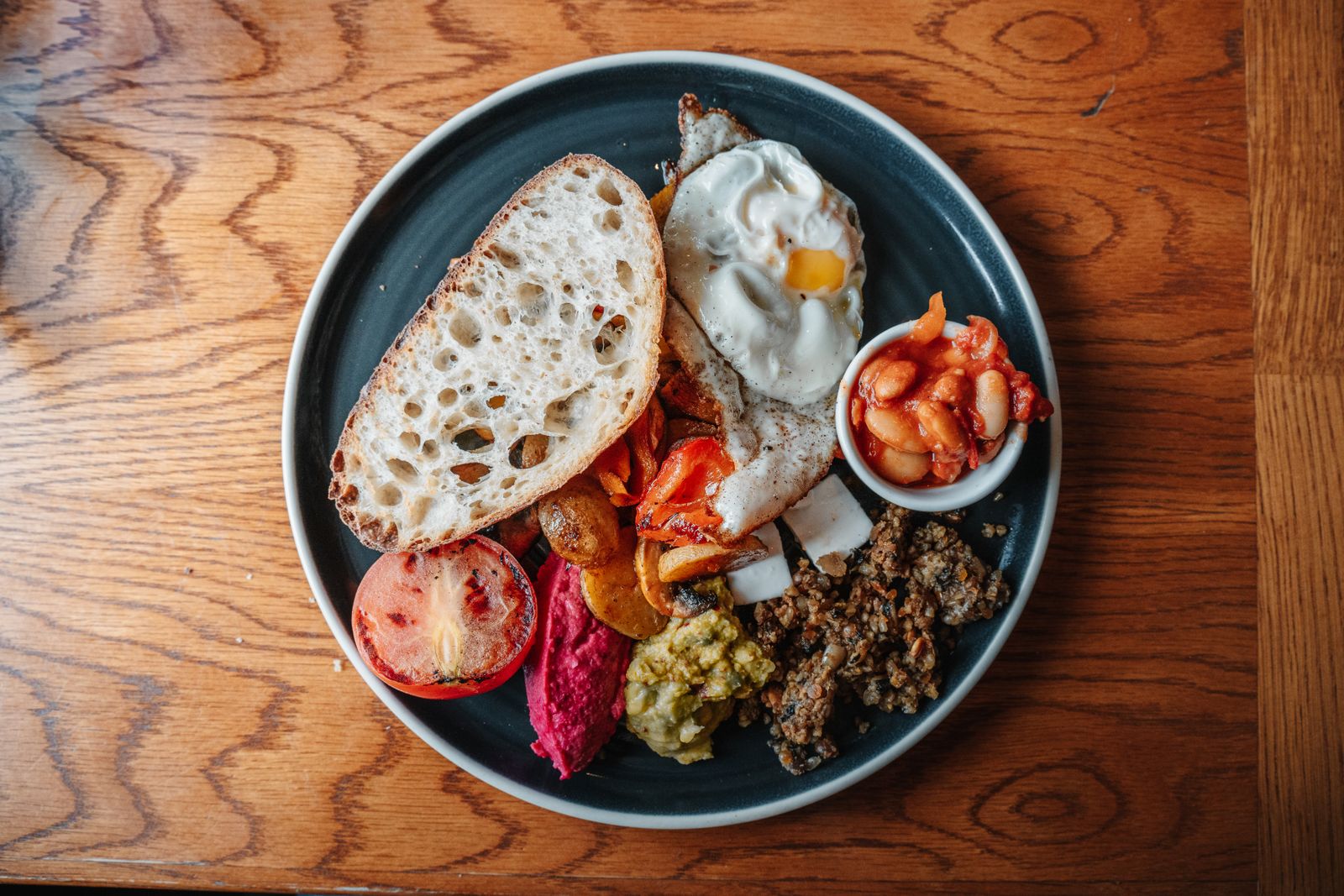
What to Eat in Scotland (Vegetarians Included)
Scottish cuisine doesn’t do much PR for itself and, honestly, at first glance it doesn’t look all that tempting. But then you tuck into a proper haggis with tatties and neeps and suddenly you understand how people survive the winter here. The absolute staple is, of course, the famous haggis — sheep’s offal cooked with oats inside a stomach lining — but if you don’t eat meat, there’s no need to despair. Vegetarian haggis is completely standard here, you can buy it in an ordinary supermarket, and restaurants serve it with traditional mashed neeps and tatties.
Glasgow is even often dubbed the vegan capital of all Britain, so plant-based food lovers are in for a treat here. Definitely try the cult vegan bar attached to a record shop, Mono, the brilliant gastropub Stereo, or the celebrated bistro Picnic. In Edinburgh, don’t miss the legendary Henderson’s, the more upscale David Bann, or the cosy Harmonium in the Leith district.
Among the classic specialities that contain meat or fish, menus often feature the smoked-fish soup Cullen skink, prized Scottish salmon or Aberdeen Angus steaks. On the meat-free sweet side, treats you can happily indulge in include shortbread butter biscuits, the unbelievably sweet confection tablet, or the traditional dessert cranachan, which blends cream, oats, raspberries and a good slug of whisky. And don’t forget to wash it all down with the luridly orange soft drink Irn-Bru 😁.
Cities and the Lowlands: 6 Tips on What to See and Do
Let’s take a look together at the southern part of the country, home to the biggest cities and plenty of historic sites. This area is ideal for those travelling without a car, because you can move between the various spots quickly and effortlessly by comfortable trains. The Lowlands are also generally friendlier when it comes to weather, and you’ll only run into pesky midges as a rare exception.
1. Edinburgh: the Capital Steeped in History
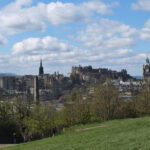
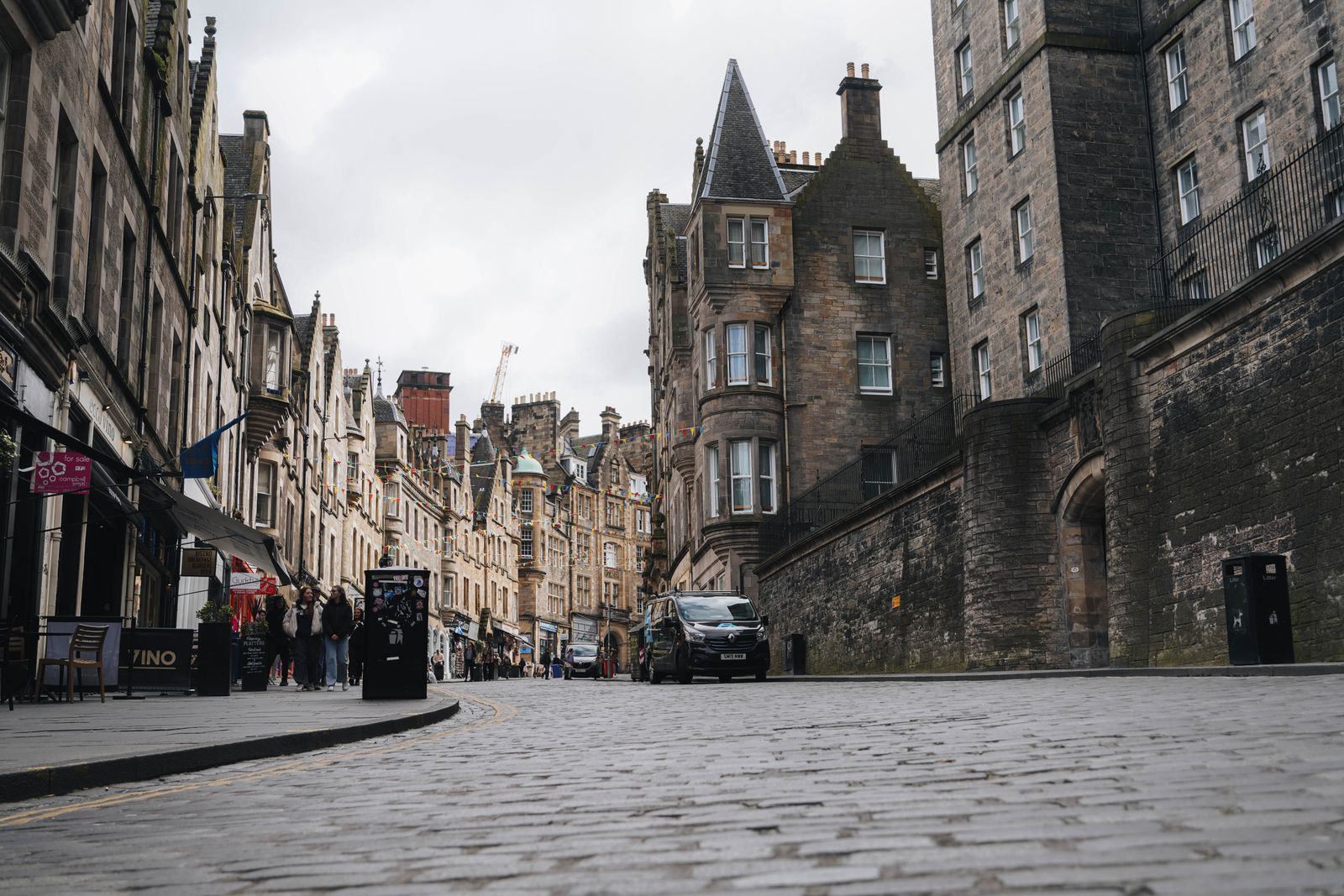
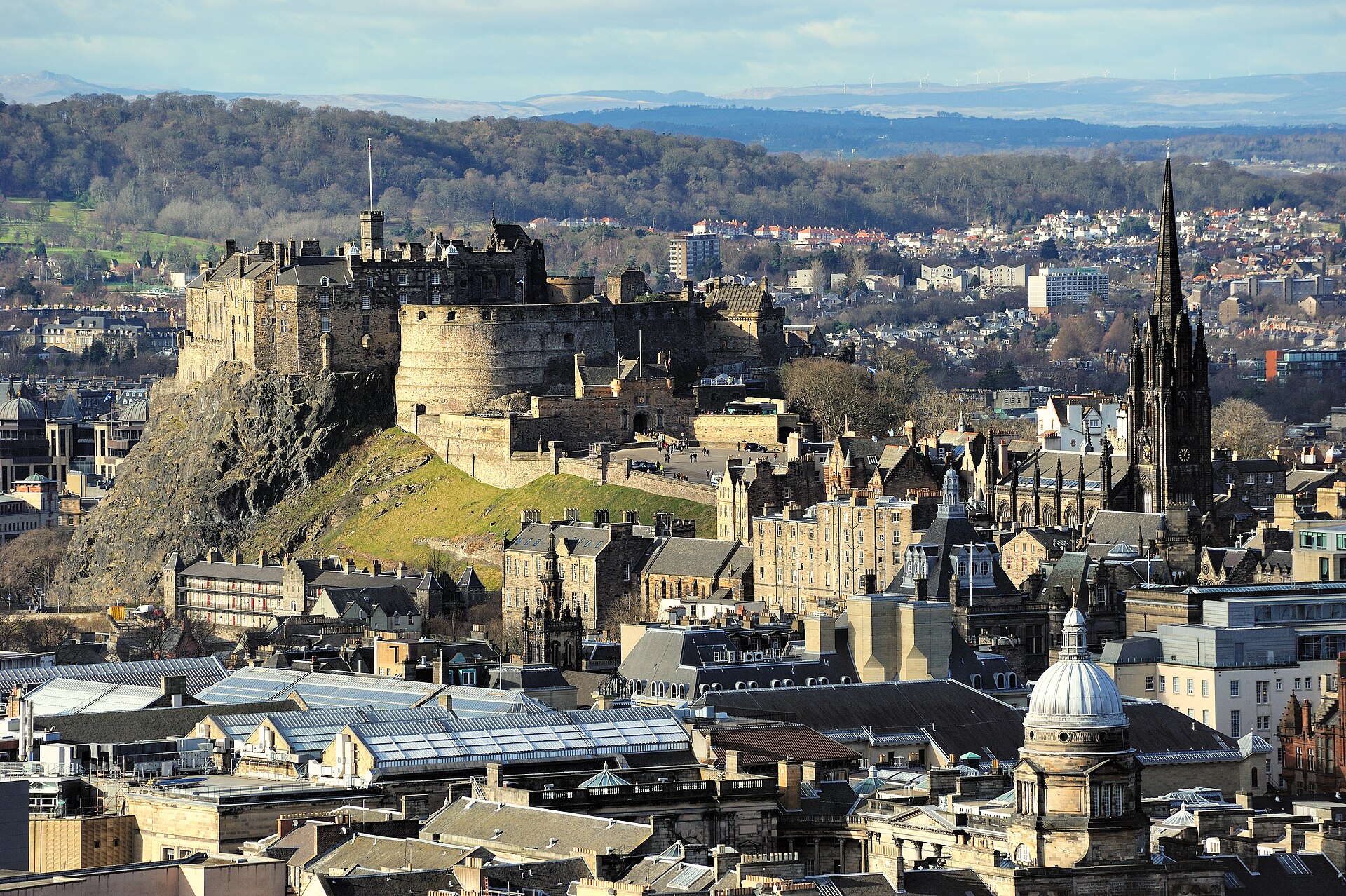
Edinburgh is one of the most beautiful cities in all of Europe, and its historic centre with the castle rock is a UNESCO World Heritage Site. Stroll along the famous Royal Mile, which links the majestic Edinburgh Castle with the royal palace, and don’t miss the hike up the extinct volcano Arthur’s Seat, where you’ll have the whole city laid out at your feet. Be sure to take a quick detour to photogenic Victoria Street, whose colourful shop fronts selling wizarding souvenirs reportedly inspired J. K. Rowling when she created the famous Diagon Alley.
💡 Tip: If you come in August, the city buzzes with the enormous Fringe festival, but expect accommodation to vanish at lightning speed. Definitely buy castle tickets online in advance. You’ll find more details in our article Edinburgh: 31 Tips on What to See and Do.
2. Glasgow: UNESCO City of Music and Design
Scotland’s biggest city has a completely different vibe from historic Edinburgh — far more industrial, and it boasts the title of UNESCO City of Music with more than 130 gigs a week. The famous architect Charles Rennie Mackintosh was born here, and you’ll spot his influence on many buildings, although the renowned Glasgow School of Art is sadly still under reconstruction after a devastating fire.
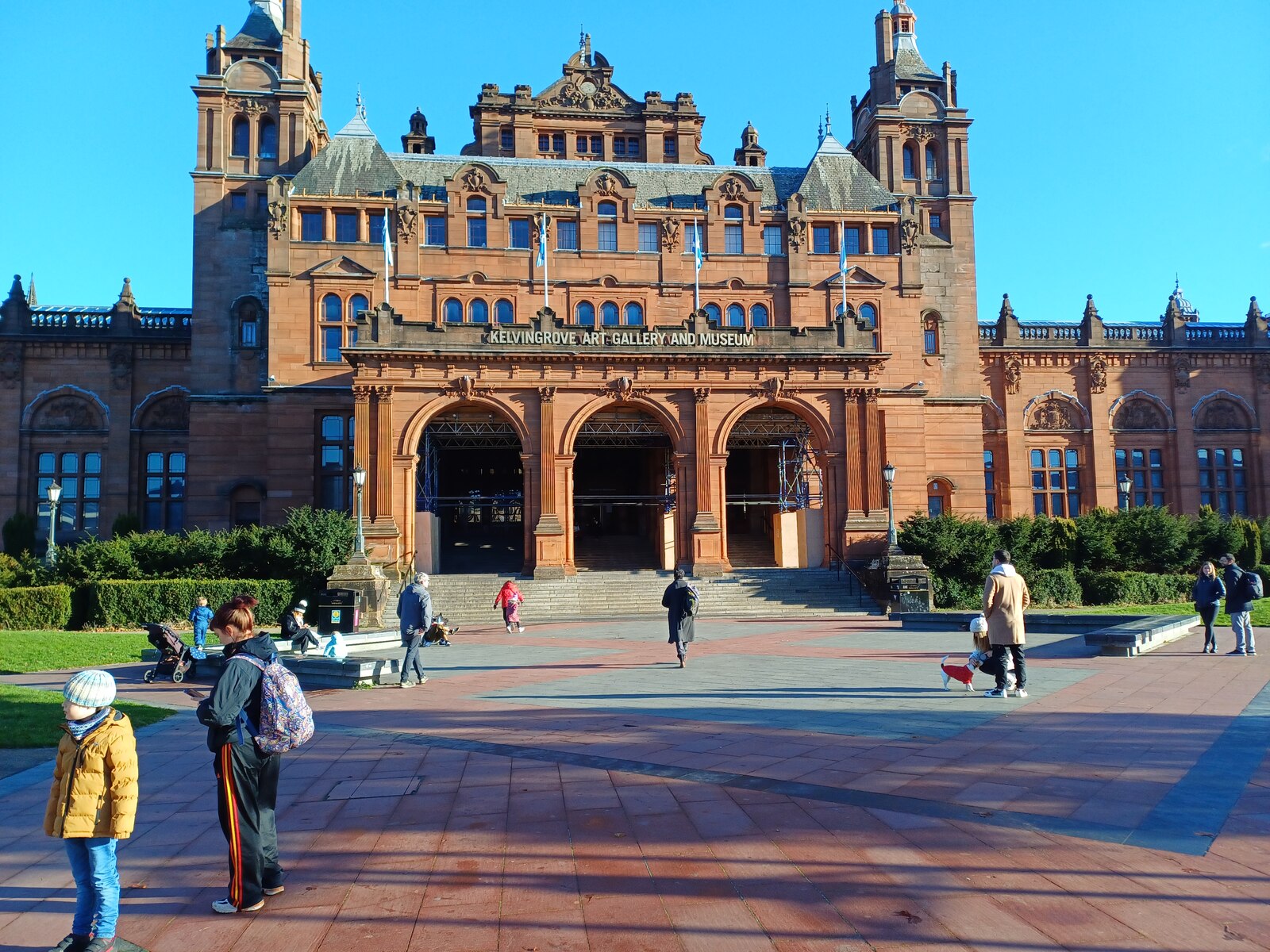
Don’t miss a visit to the Kelvingrove Art Gallery, the most-visited British museum outside London, with free entry. Inside this imposing Victorian building you’ll find, among other things, an original painting by Salvador Dalí. You can also visit the transport-themed Riverside Museum or the historic sailing ship Glenlee free of charge. In the evening I recommend dropping by the King Tut’s club, where the band Oasis signed their deal, or simply wandering the streets — the city is also easy to explore on the local subway.
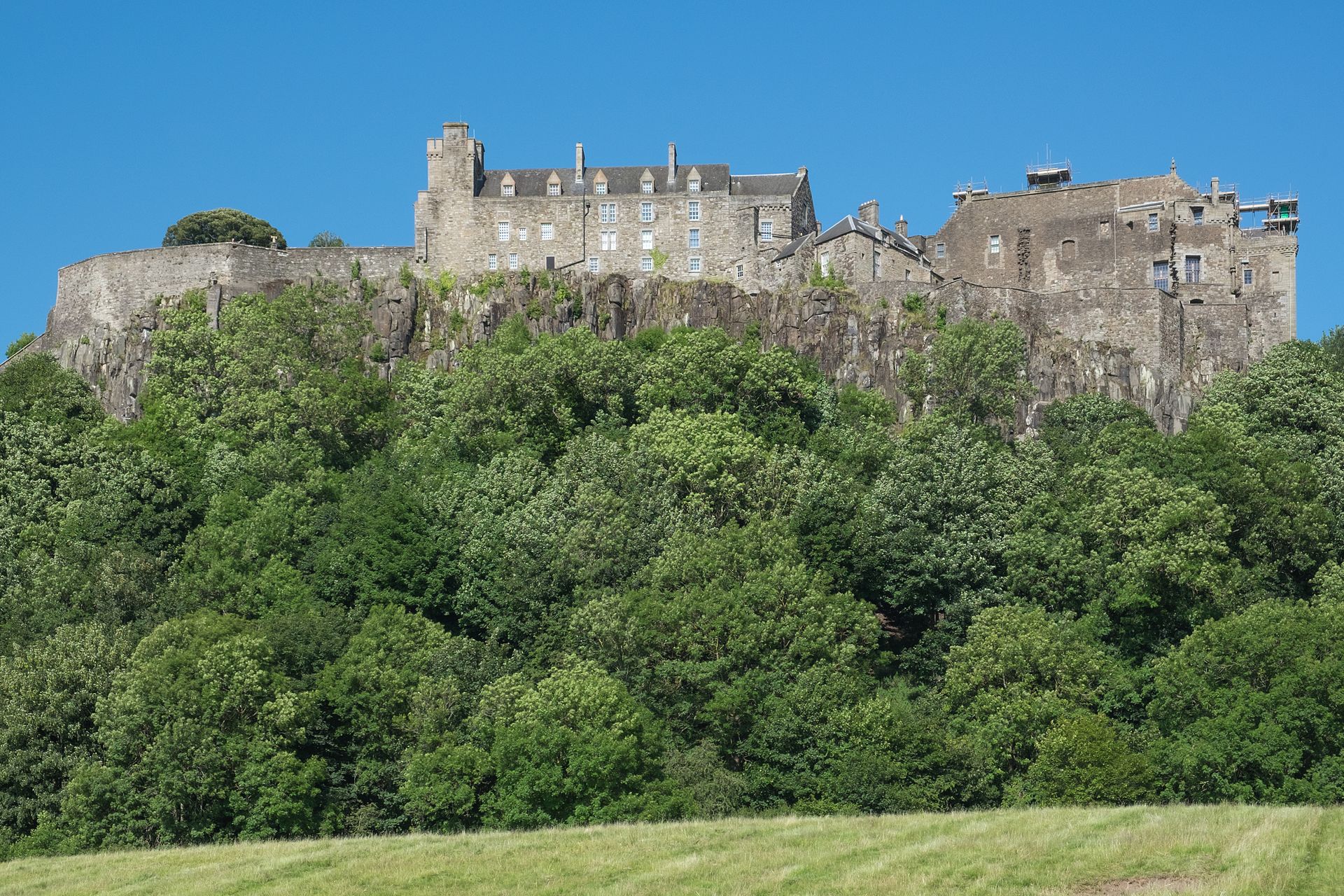
3. Stirling: Key Castles and Battlefields
Stirling is often nicknamed the “gateway to the Highlands”, and some of the most important battles in Scottish history played out here, including William Wallace’s famous victory in 1297. The landmark is the gorgeous Stirling Castle. A ticket costs £18.50, £11 for children, and in summer it opens at 9:30. But for the money, it’s genuinely worth it.
Another big highlight is the National Wallace Monument, a tall tower on a hill that you reach by climbing 246 steps. Entry costs £12.20 and on a clear day you can spot a full seven historic battlefields from the top. If you’re keen on history in depth, stop by the modern visitor centre at the Bannockburn battlefield too, where £11 buys you an interactive 3D recreation of the famous battle.
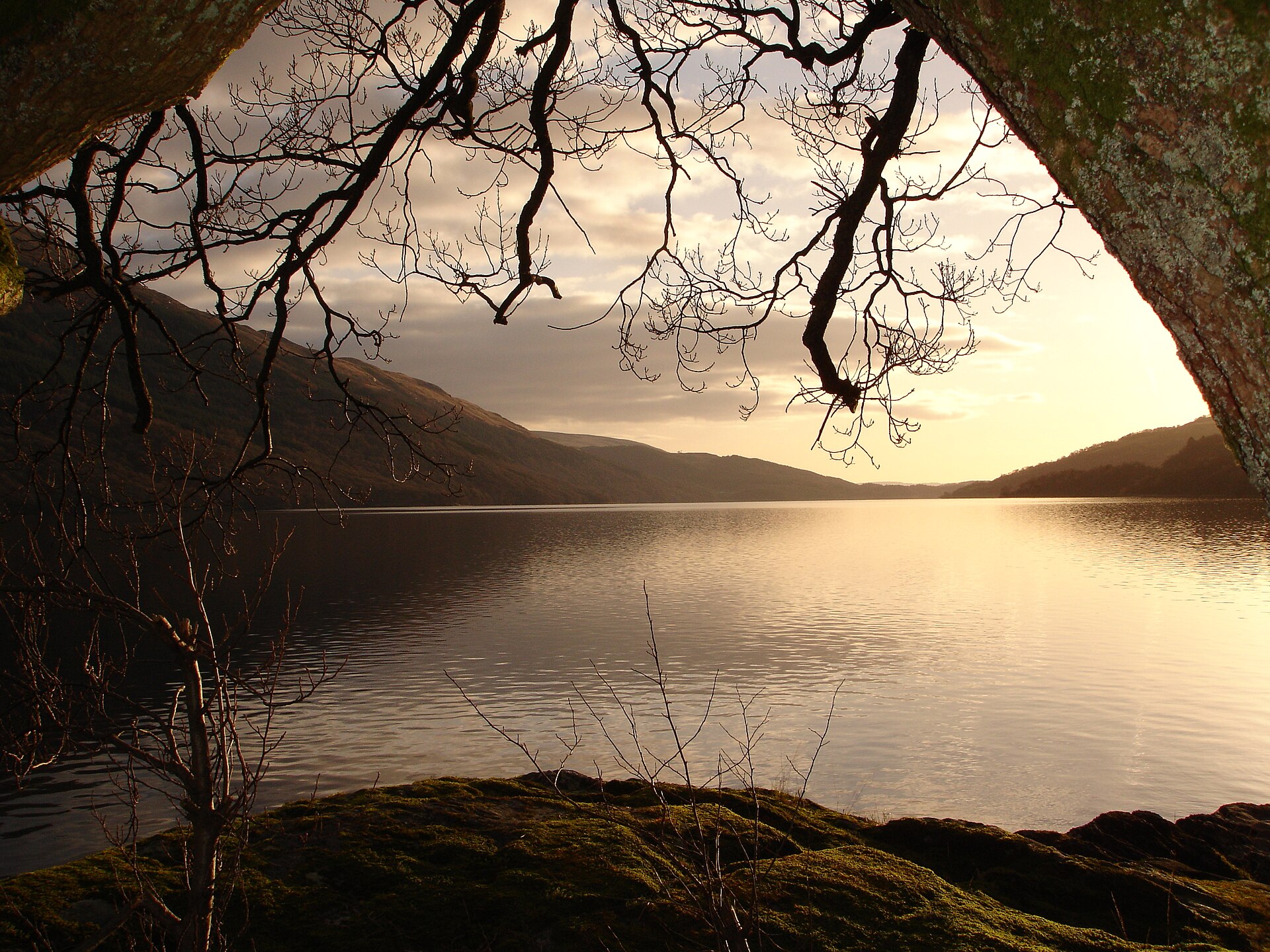
4. Loch Lomond & The Trossachs
Just beyond Glasgow lies Scotland’s first national park, founded in 2002, home to Loch Lomond, the largest loch by surface area in all of Britain. Entry to the whole national park is completely free; you only pay for any activities, such as the sightseeing cruises from the town of Balloch or a ride on a historic steamer on neighbouring Loch Katrine.
You can get here from Glasgow on a direct train to Balloch station in under 50 minutes, so you don’t even need your own car. 💡 Tip: If you enjoy hiking, definitely climb Conic Hill above the little village of Balmaha. The walk takes about two to three hours there and back and rewards you with possibly the best panoramic views of the entire loch, dotted with little islands.
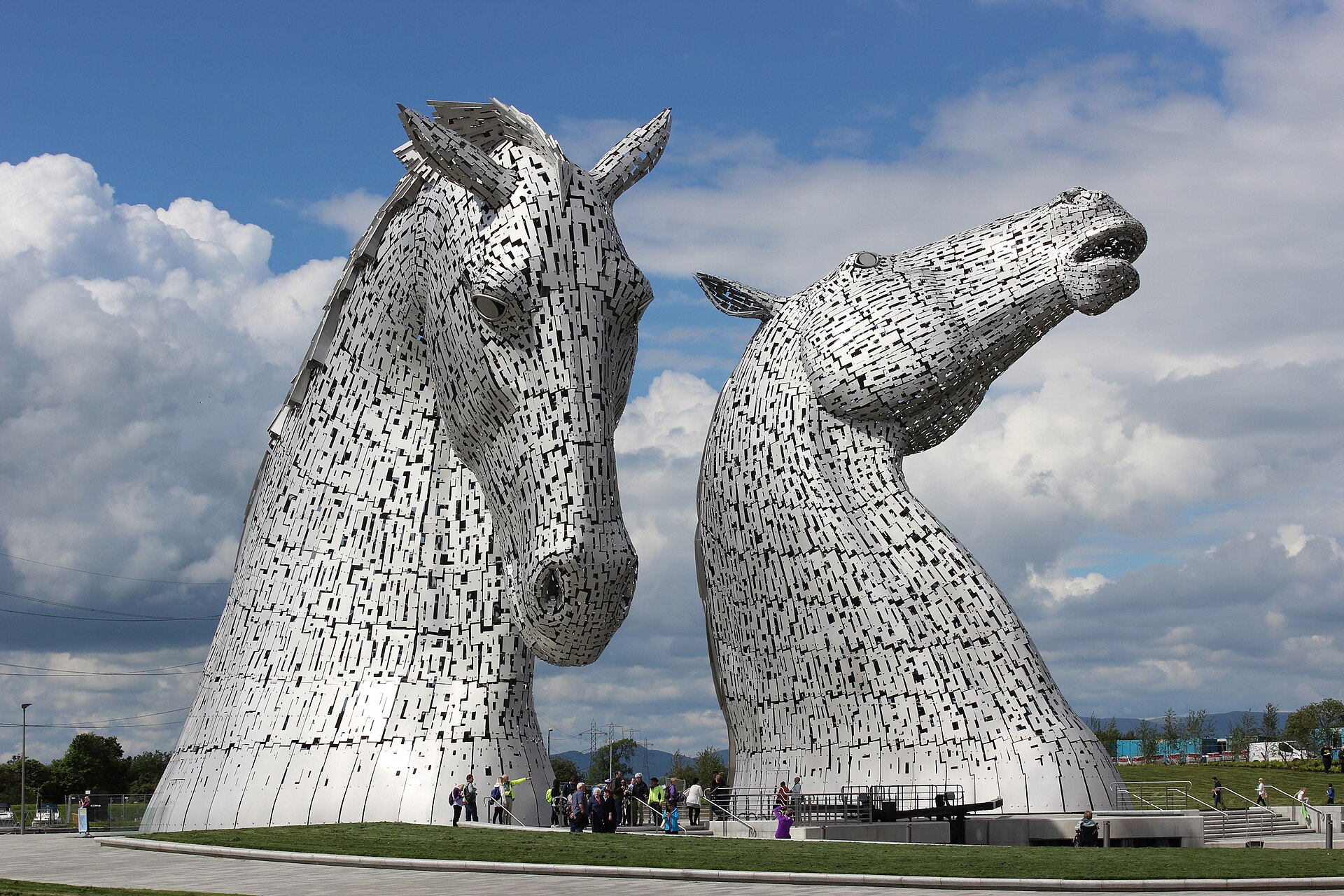
5. The Kelpies and the Falkirk Wheel
Just off the route between Edinburgh and Glasgow you’ll find two utterly unique modern structures that are well worth a quick stop. The Kelpies are two enormous, 30-metre-high steel horse heads that represent mythical water spirits and are the largest equine sculptures in the world. The Helix Park where they stand is free to enter; the only paid bit is a tour inside the sculptures for £8.50.
Just a few kilometres away sits the Falkirk Wheel, the only rotating boat lift in the world, elegantly connecting two canals with an enormous difference in height. You can walk around the site for free, but if you want to experience the rotation itself aboard a boat, a ticket for the roughly hour-long ride costs £17.95. Both spots are at their most photogenic in the early evening, when they’re beautifully lit.
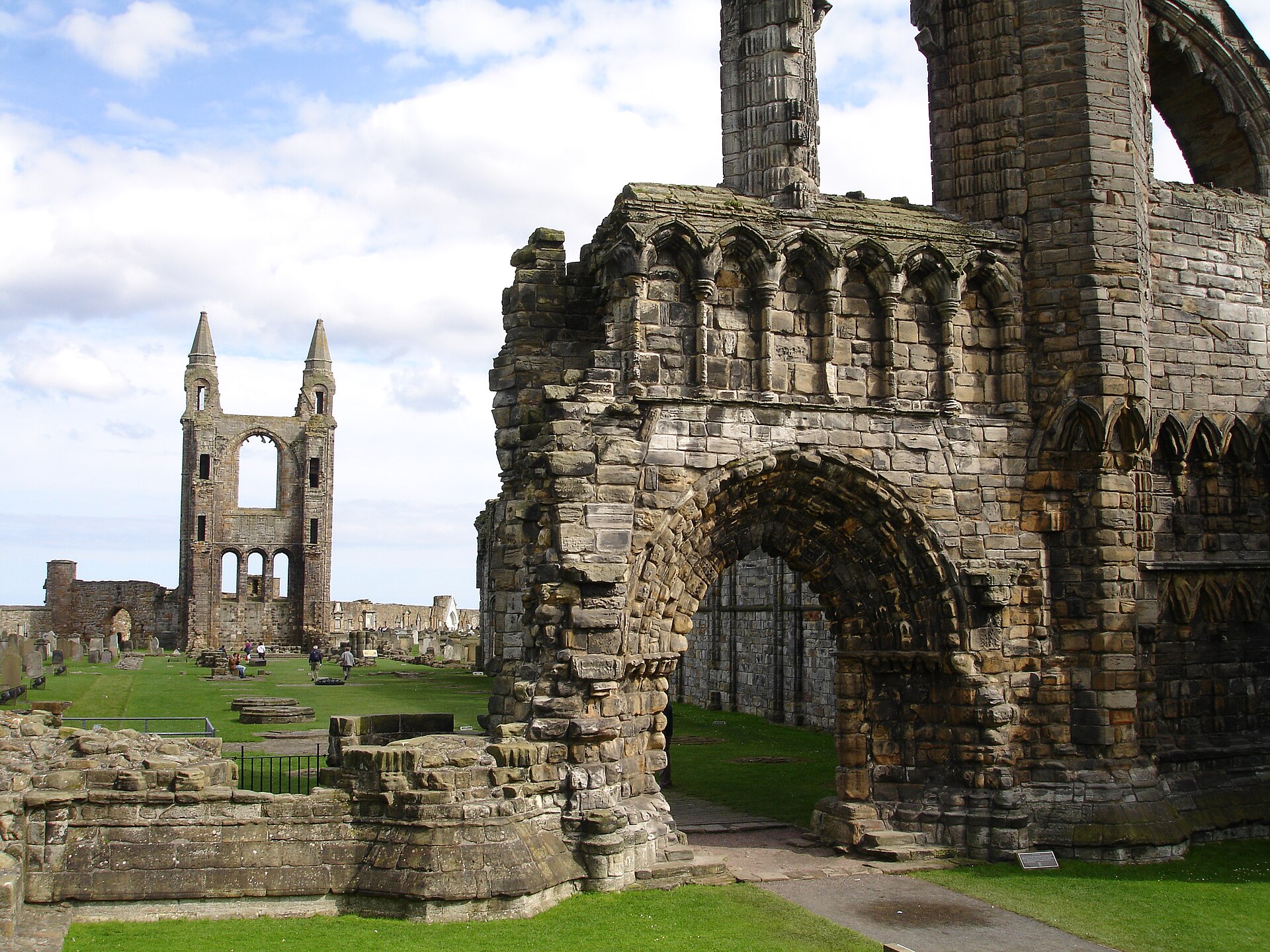
6. St Andrews: the Home of Golf and a University
The picturesque university town on the coast of the Fife bay is world-famous as the absolute home of golf. A round on the legendary Old Course costs £355 in peak season, but if you don’t play golf you can walk the course on a Sunday, when it’s closed to play and serves as a public park, completely free of charge — including the obligatory photo on the famous Swilcan Bridge.
Beyond golf, you’ll find Scotland’s oldest university, dating from 1413, where, incidentally, Prince William and Kate met, plus the ruins of St Andrews Castle with admission of £11. The castle sits right on a coastal cliff and conceals a unique historic mine tunnel you can even venture into. The lovely sandy West Sands beach, which you might recognise from the opening scene of the Oscar-winning film Chariots of Fire, is also worth a walk. From Edinburgh you can reach St Andrews by train to Leuchars station and a short bus ride after, taking about an hour and a half.
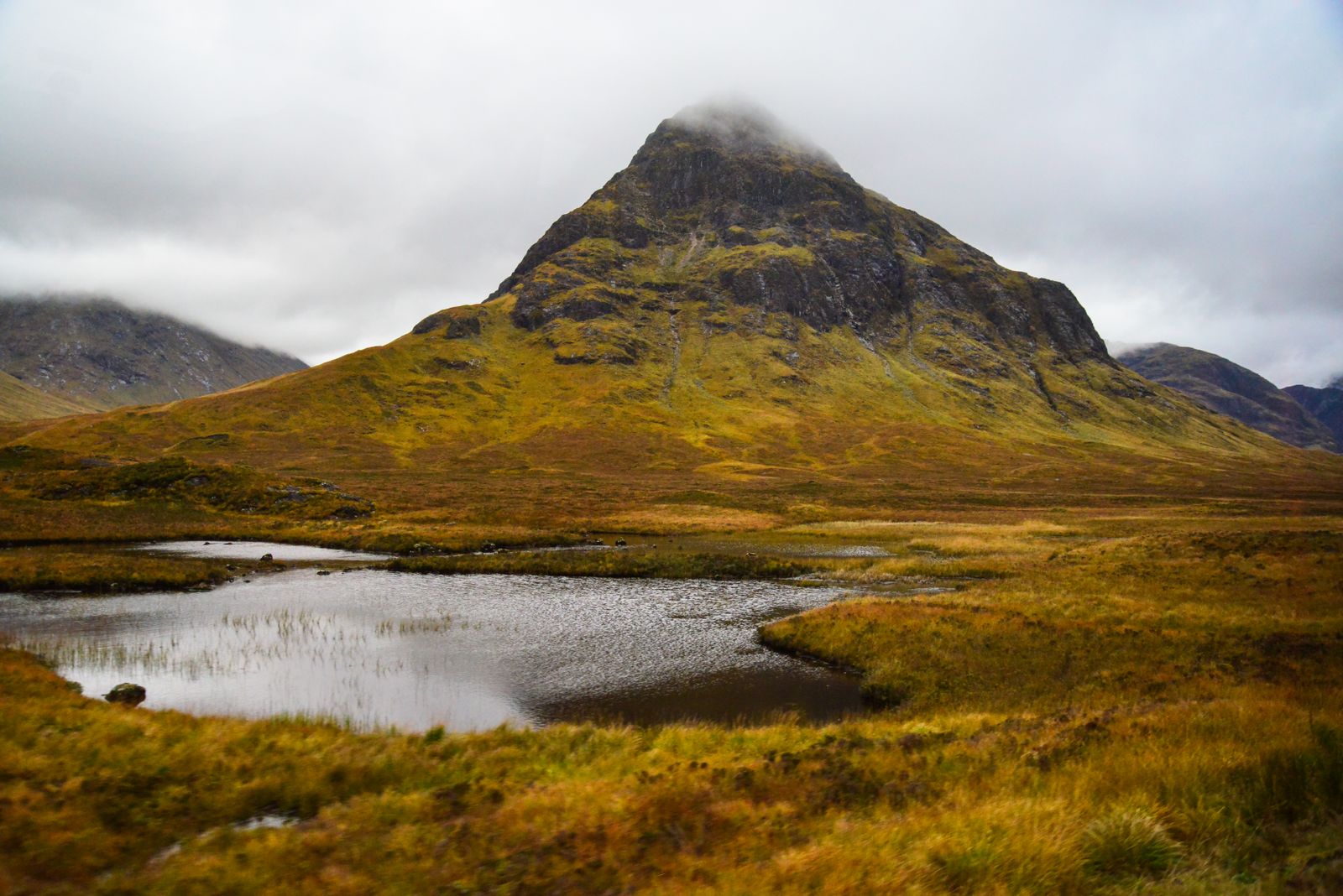
Highlands and Lochs: 11 Tips for Nature Lovers
Here you enter a landscape where the roads hug the water for so long you stop counting the miles, and where every bend reveals a view that forces you to stop and just stare. In this part you’ll find it pretty hard to get around without a car, but in return you’ll experience the real, untamed Scottish wilderness you’ve been looking forward to all along.
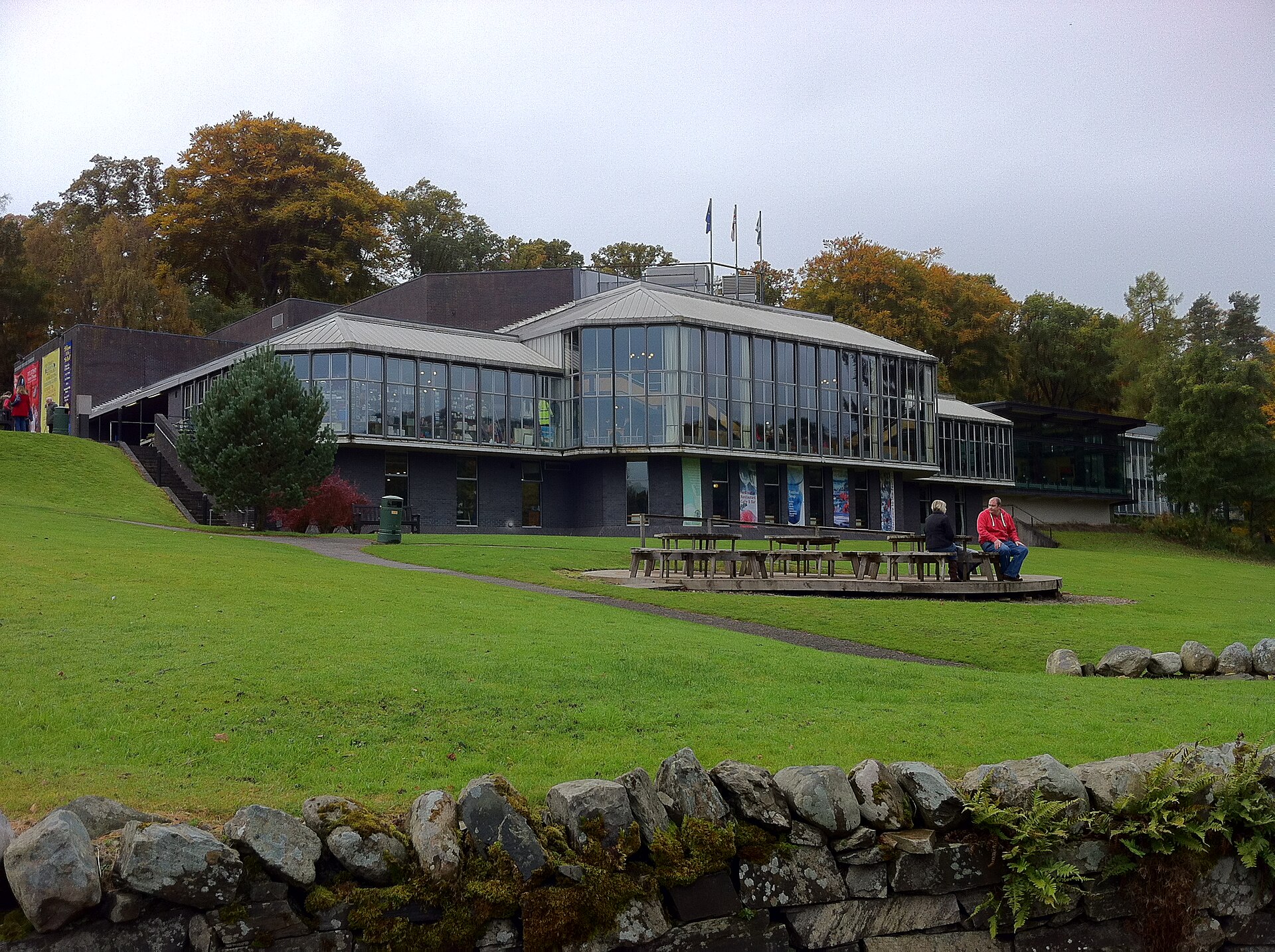
7. Pitlochry and Perthshire
The little town of Pitlochry serves as a popular gateway to the central Highlands and sits in the wooded region of Perthshire, known in autumn as Big Tree Country. Be sure to stop at the Queen’s View lookout for the iconic vista over Loch Tummel, and take a short walk along the dramatic Killiecrankie gorge, the scene of yet another bloody battle in the past.
This area is also a great place for your first introduction to whisky-making, because right around Pitlochry you’ll find the traditional Blair Athol distillery and also Edradour, which boasts the title of one of the smallest distilleries in all of Scotland. The town is also beautifully accessible by train on the main route from Edinburgh heading north, so you can make a stop here even when travelling without a car.
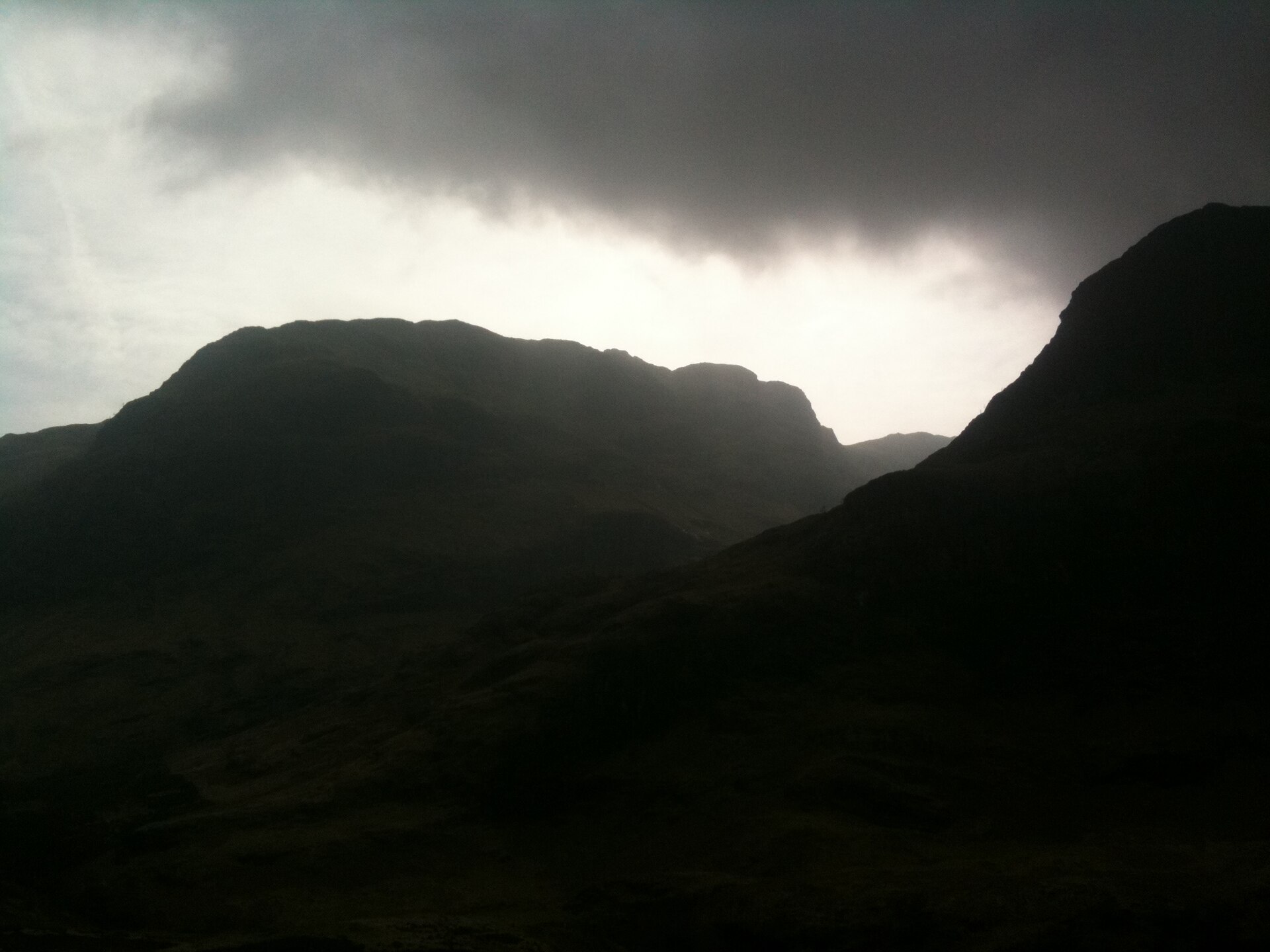
8. Glencoe — the Most Dramatic Valley
If you only had time to see one single spot in Scotland, the Glencoe valley would be a hot favourite, because the sheer majesty of the mountains along the A82 road simply blows you away. The best-known scene is the massif called the Three Sisters, beneath which lurks a dark history, because it was right here, in 1692, that the infamous massacre of the MacDonald clan took place. The entire valley, meanwhile, is completely free to access.
For hiking lovers, the roughly four-kilometre trek to the so-called Hidden Valley, or Lost Valley, is an absolute must — it was once a hiding place for stolen cattle. Expect the walk to take about three hours, with occasional scrambling using your hands and a small river crossing along the way. 💡 Tip: Arrive as early in the morning as you can, and you’ll dodge not only the crowds but often also catch that gorgeous morning mist that gives the place its proper atmosphere.
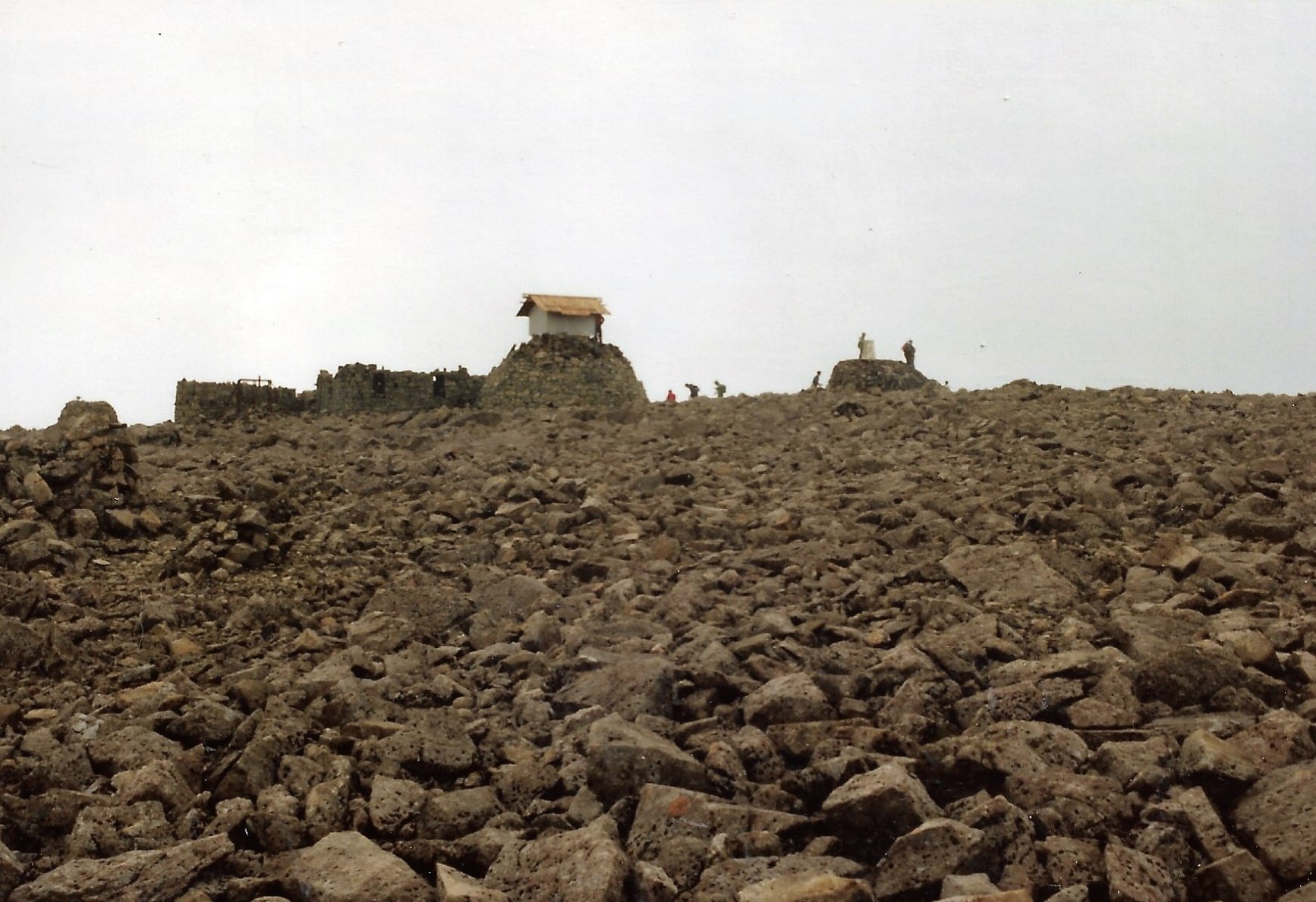
9. Fort William and Climbing Ben Nevis
The town of Fort William sits on the shore of a sea loch and rightly claims the title of the UK’s outdoor capital, serving as the starting point for the famous long-distance West Highland Way. The main draw, though, is the highest mountain in the whole kingdom, the majestic Ben Nevis, which rises to 1,345 metres above sea level and attracts thousands of eager walkers every year.
The ascent follows the so-called Mountain Track, a roughly 16.5-kilometre round trip with 1,300 metres of elevation gain that will take you a solid 8 to 9 hours. It’s a physically very demanding route, with freezing temperatures and mist common at the summit even in midsummer, so mountain gear is an absolute necessity. Stick to the path religiously, because the summit plateau is trickier than it looks in poor visibility.
10. Glenfinnan Viaduct and the Jacobite Steam Train
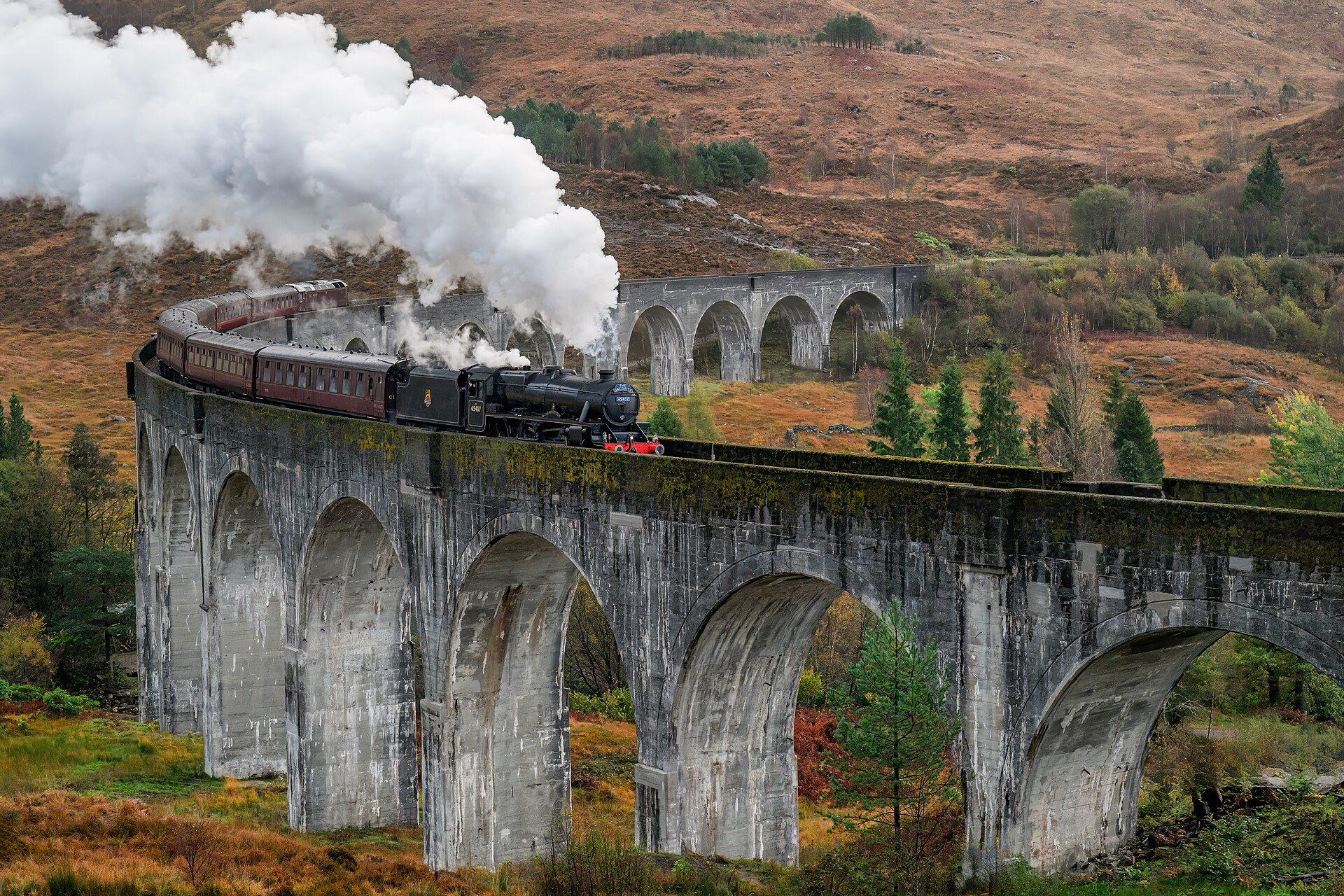
Who doesn’t know the famous bridge the Hogwarts Express thunders across every year in the Harry Potter films? This 21-arch viaduct from 1901 spans the valley above Loch Shiel, and in summer the historic Jacobite steam train crosses it twice a day, running the route from Fort William to the port of Mallaig. From the viewpoint below the bridge you can photograph the whole spectacle completely free — you only pay £3.50 for parking.
If you want to ride the historic train itself, a standard return ticket costs £76, with first class at £116 and a child ticket at £43. Only return tickets are sold and, thanks to the enormous demand, booking is essential as much as 12 weeks ahead, because the train sells out at lightning speed. 💡 Tip: Ordinary ScotRail trains run the exact same route with identical views for a fraction of the price — you just won’t get that stylish puff of steam from the chimney 😅.
11. West Highland Line: the Most Beautiful Rail Journey
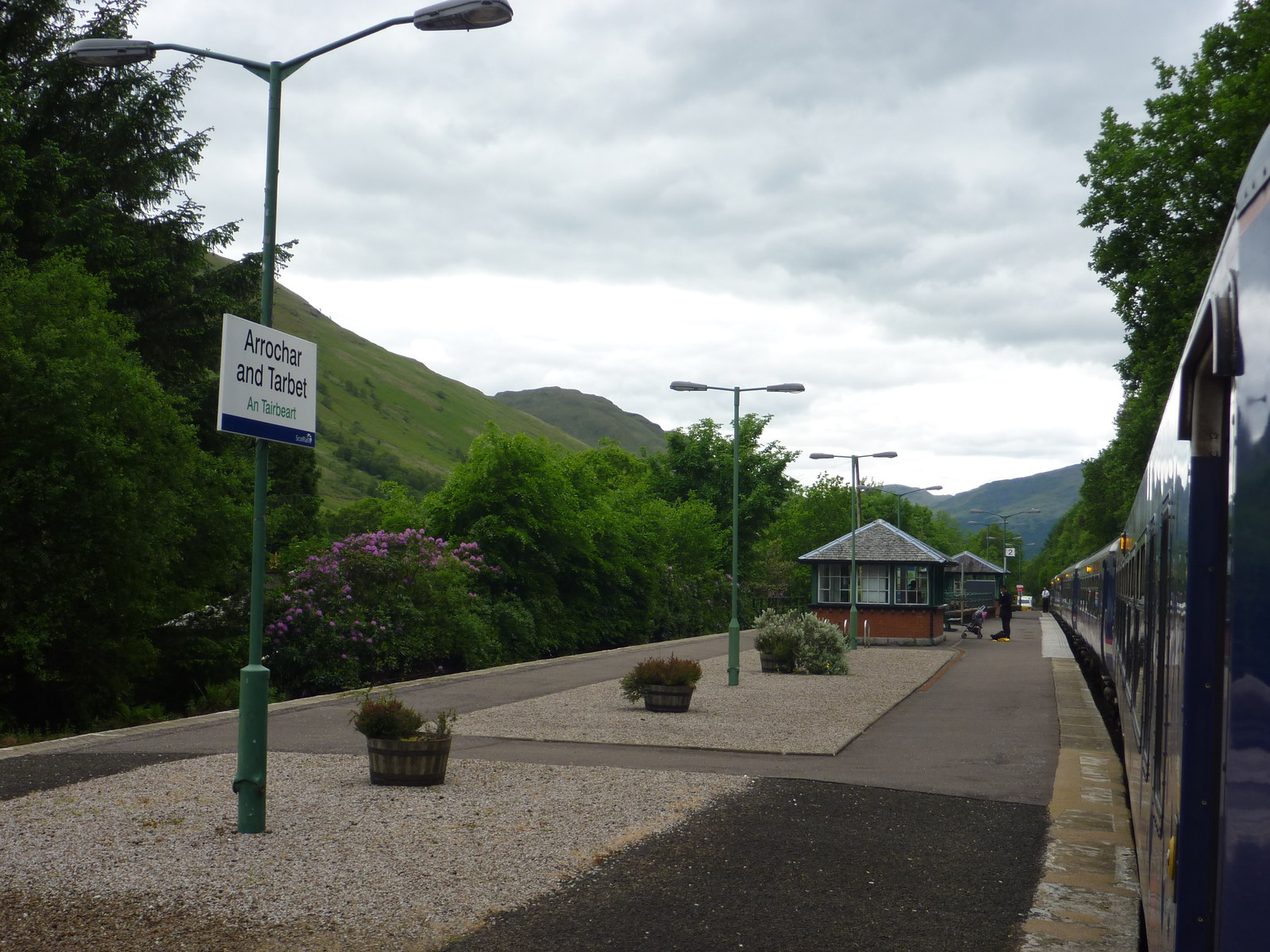
Since we’re on the subject of trains, the West Highland Line regularly ranks among the most beautiful railway lines in the entire world. This line begins in Glasgow and stretches across wild Rannoch Moor to the west coast, splitting at one point — one branch ends at the port of Oban, the other runs through the Glencoe valley and the Glenfinnan viaduct all the way to Mallaig.
It’s an absolutely fantastic alternative to hiring a car, letting you soak up the scenery without the stress of narrow lanes. The journey from Glasgow to coastal Mallaig takes about five and a half hours, and you can buy a ticket with ScotRail from £45.70, while the shorter option to Oban starts at £32.20. Along the way you can also feast your eyes on pristine nature that no road can reach.
12. Loch Ness and the Ruins of Urquhart Castle
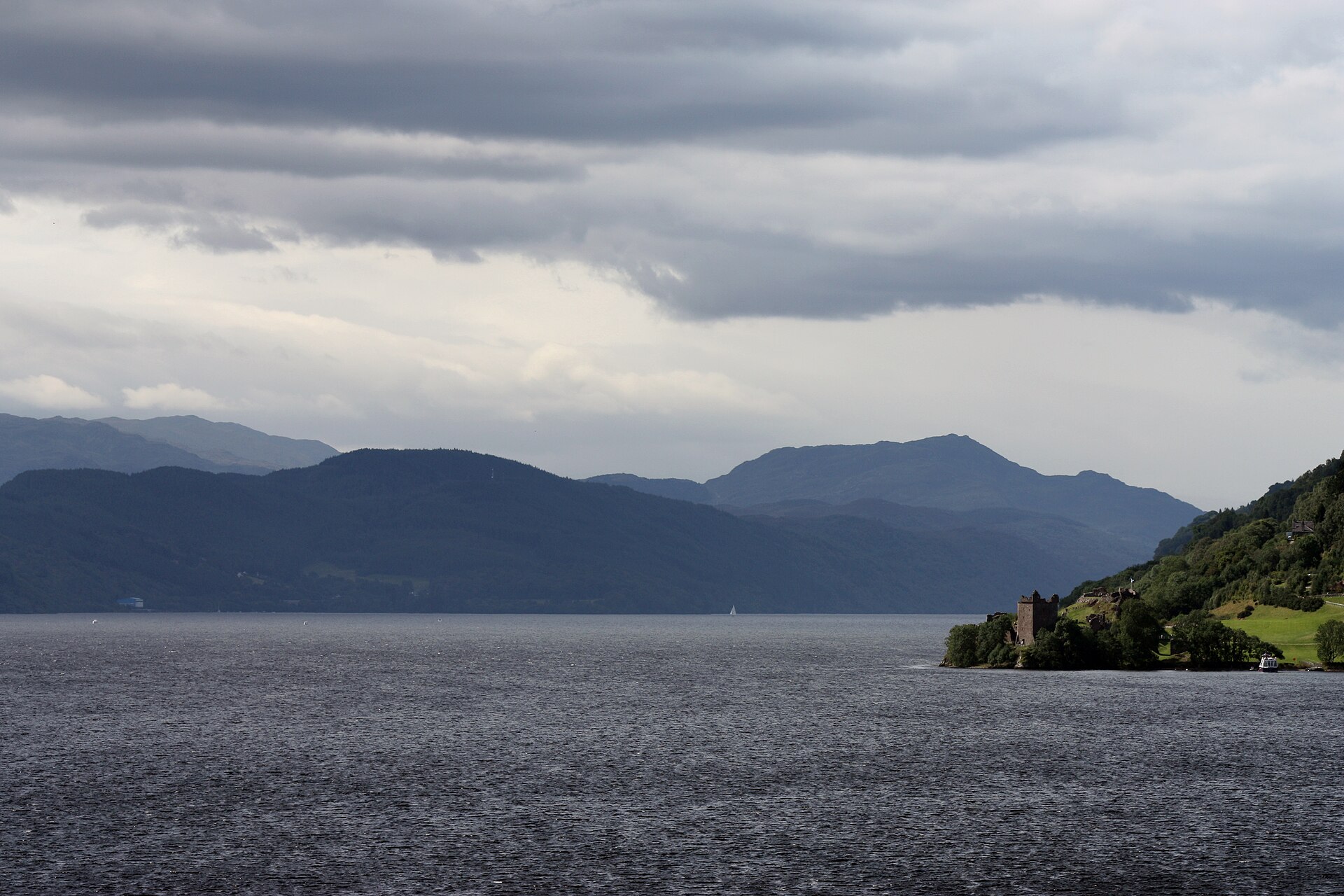
Scotland’s most famous loch, Loch Ness, may not be the most beautiful, but it holds by far the most water of any British loch — up to 230 metres deep — and was, of course, made famous by the legend of the mythical monster Nessie. Right on the shore stands the romantic ruin of Urquhart Castle, where a ticket bought online costs £14, while on the day you’ll pay two pounds more.
A very popular way to see the loch is on a boat trip, with the best-known being the Jacobite Freedom cruise at £33, which includes two hours on the water and entry to the castle itself. If you’re interested in the history of hunting for the monster, the nearby town of Drumnadrochit hosts the modern Loch Ness Centre exhibition, with admission at £17, where a gripping multimedia tour walks you through the history of the searches and mysteries. You can even see the equipment scientists used to scan the loch bed. 💡 Tip: Arrive at the castle right at opening time, because from eleven o’clock the place fills with coach tours from Edinburgh.

13. Inverness
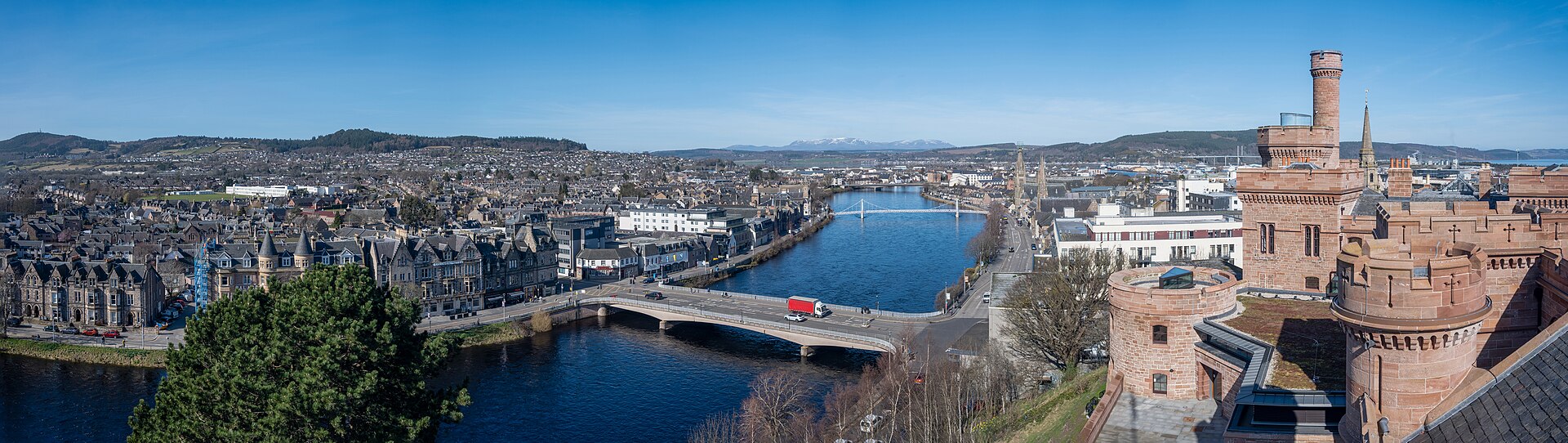
Inverness sits at the northern end of Loch Ness and serves as the cultural and administrative centre of the whole Highlands region. It’s a perfect, surprisingly calm base for exploring northern Scotland, and also the official start and finish point of the famous NC500 route. The River Ness flows through the city and you’ll find plenty of pleasant cafés, restaurants and souvenir shops.
A big draw will be the newly refurbished Inverness Castle, whose huge interior exhibition reopens to travellers on 10 December 2025 after a multi-year break. The city also has excellent transport links with the rest of the country — a direct train from Edinburgh gets you here in about three and a half hours, and roughly three from Glasgow.
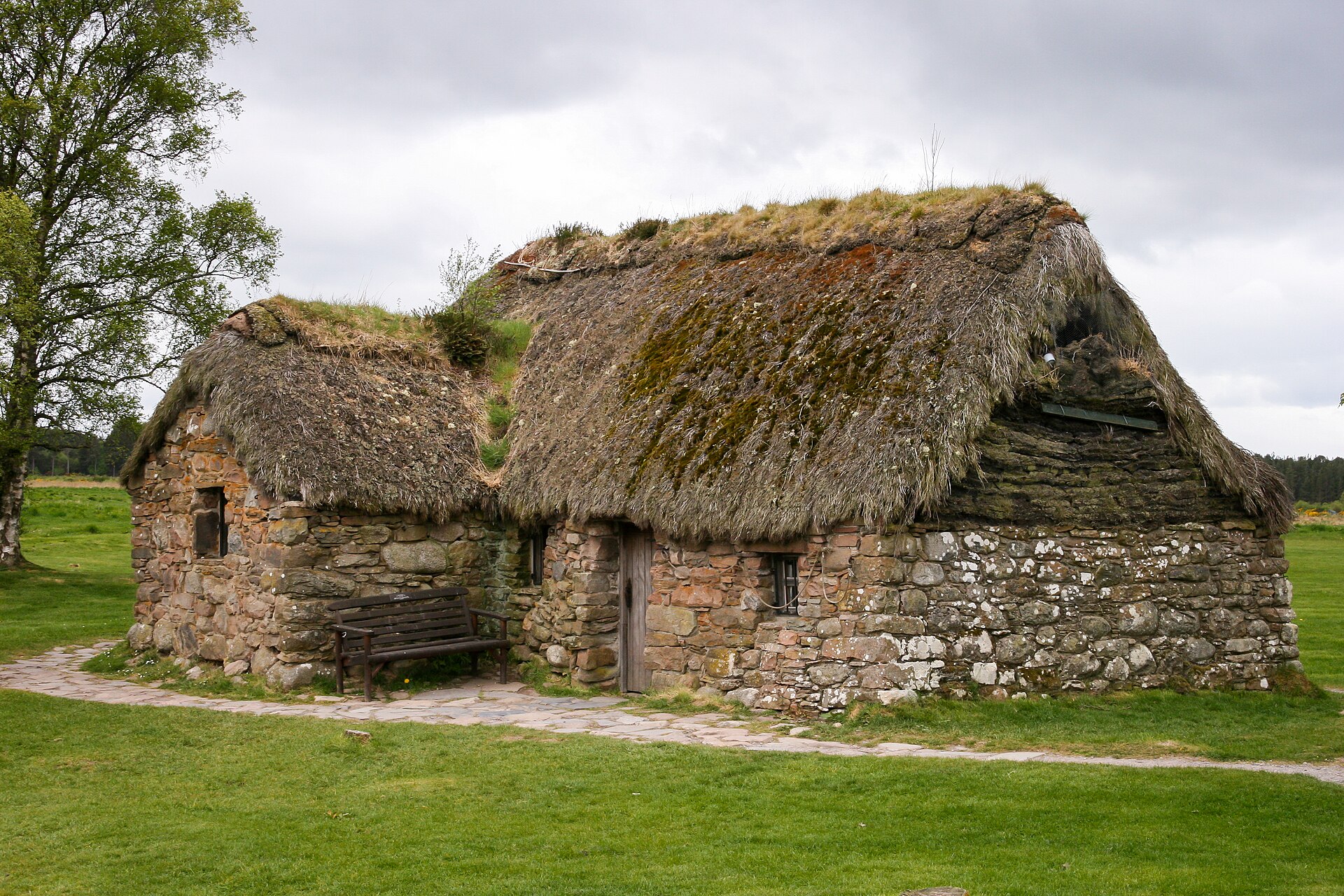
14. Culloden: a Battlefield Full of Emotion
Just beyond the edge of Inverness lies one of the most important and saddest places in Scottish history, the ominous Culloden moor. It was right here, in 1746, that the last battle on British soil took place, marking the definitive and bloody end of the entire Jacobite rising. For fans of the popular series Outlander, this place is an absolute must.
Today you’ll find a deeply atmospheric battlefield you can walk through, and a modern visitor centre run by the National Trust. The interactive exhibition tour helps you grasp the complex story of the clans and the politics of the time, while the place itself leaves you with a hard-to-describe but very powerful impression.
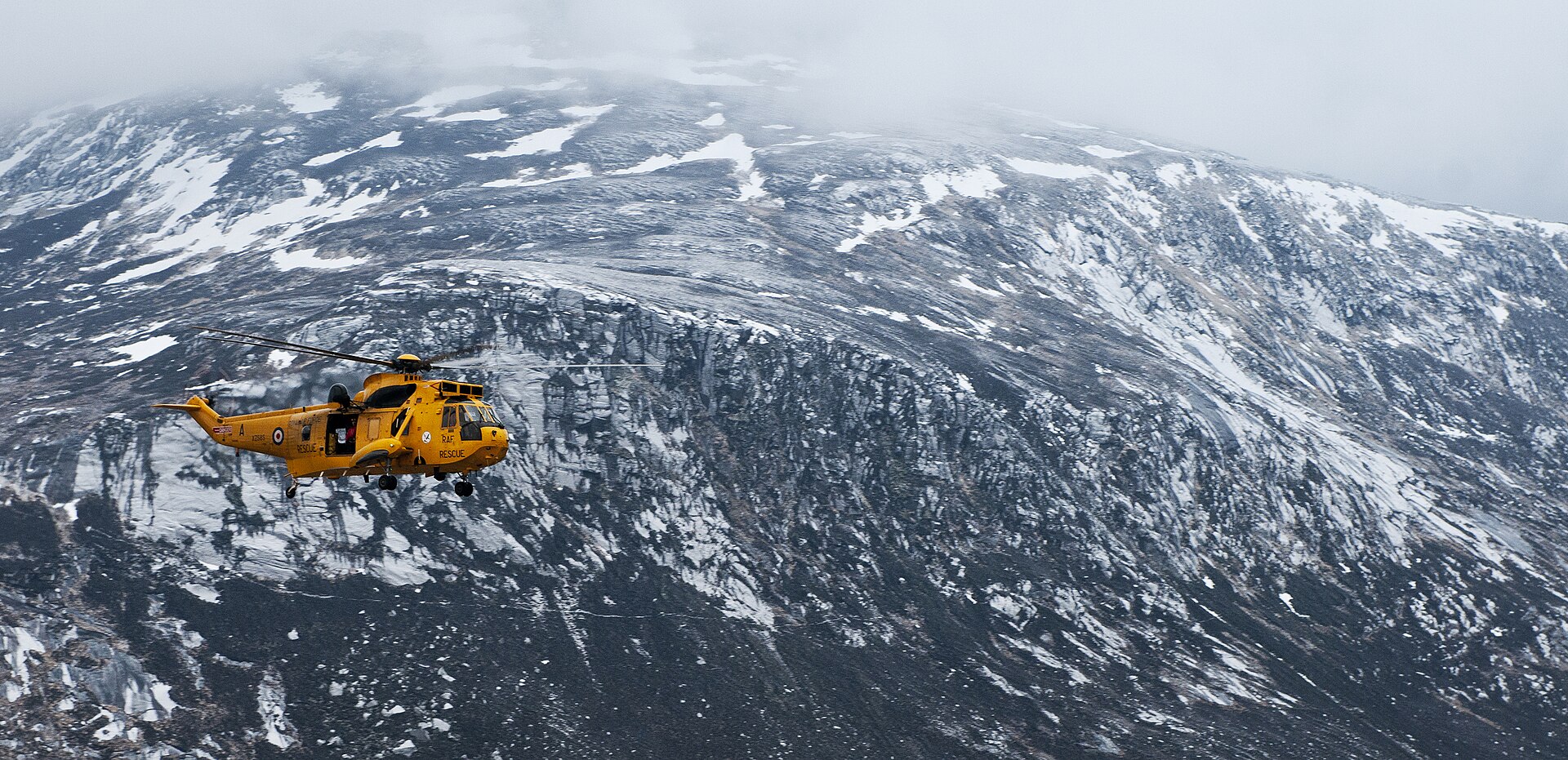
15. Cairngorms National Park and Wild Reindeer
While most tourists head for Loch Ness or the west coast, the enormous Cairngorms National Park offers a completely different type of landscape. It’s the largest national park in the entire United Kingdom, covering over 4,500 square kilometres, home to remnants of the ancient Caledonian Forest and dozens of mountains topping three thousand feet, the so-called Munros.
The great news is that since 27 February 2025 the Cairngorm Funicular mountain railway is running again after a long closure, whisking you up to Britain’s highest restaurant at an altitude of 1,097 metres for £17.95. Don’t miss a visit to the Cairngorm Reindeer Herd either, the only free-ranging herd of reindeer in the isles. A special expedition to see them costs £20, but you can’t book in advance, so you’ll need to arrive early enough in the morning.
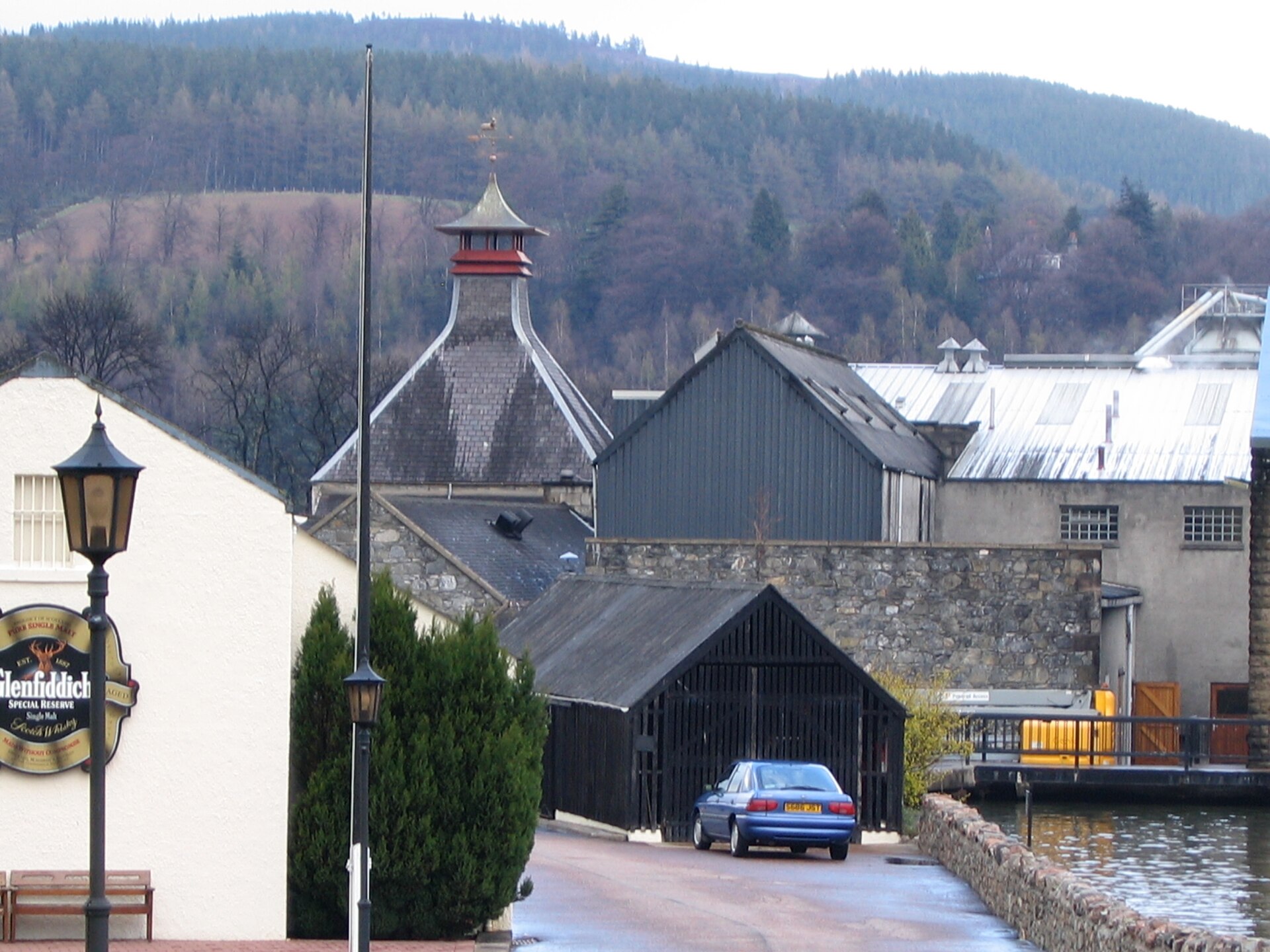
16. The Speyside Malt Whisky Trail
Scotland and whisky go hand in hand, and the Moray Speyside region east of Inverness is home to more than half of all the working distilleries in the country. You’ll find here the only signposted distillery trail in the world, the so-called Malt Whisky Trail, which runs for around 100 kilometres and links nine unique sites rich in history and fragrant warehouses full of casks.
Among the best known is a tour of the family-run Glenfiddich distillery, where the basic tour costs £30, while the visitor centre with its exhibition is free. If you’re after luxury, you can pre-book a tour of the architecturally stunning The Macallan building, where prices hover around £250. 💡 Tip: If you’re driving, never get behind the wheel after a tasting — distilleries are prepared for this and will happily pack drivers a so-called “driver’s pack” with samples to take away for the evening.
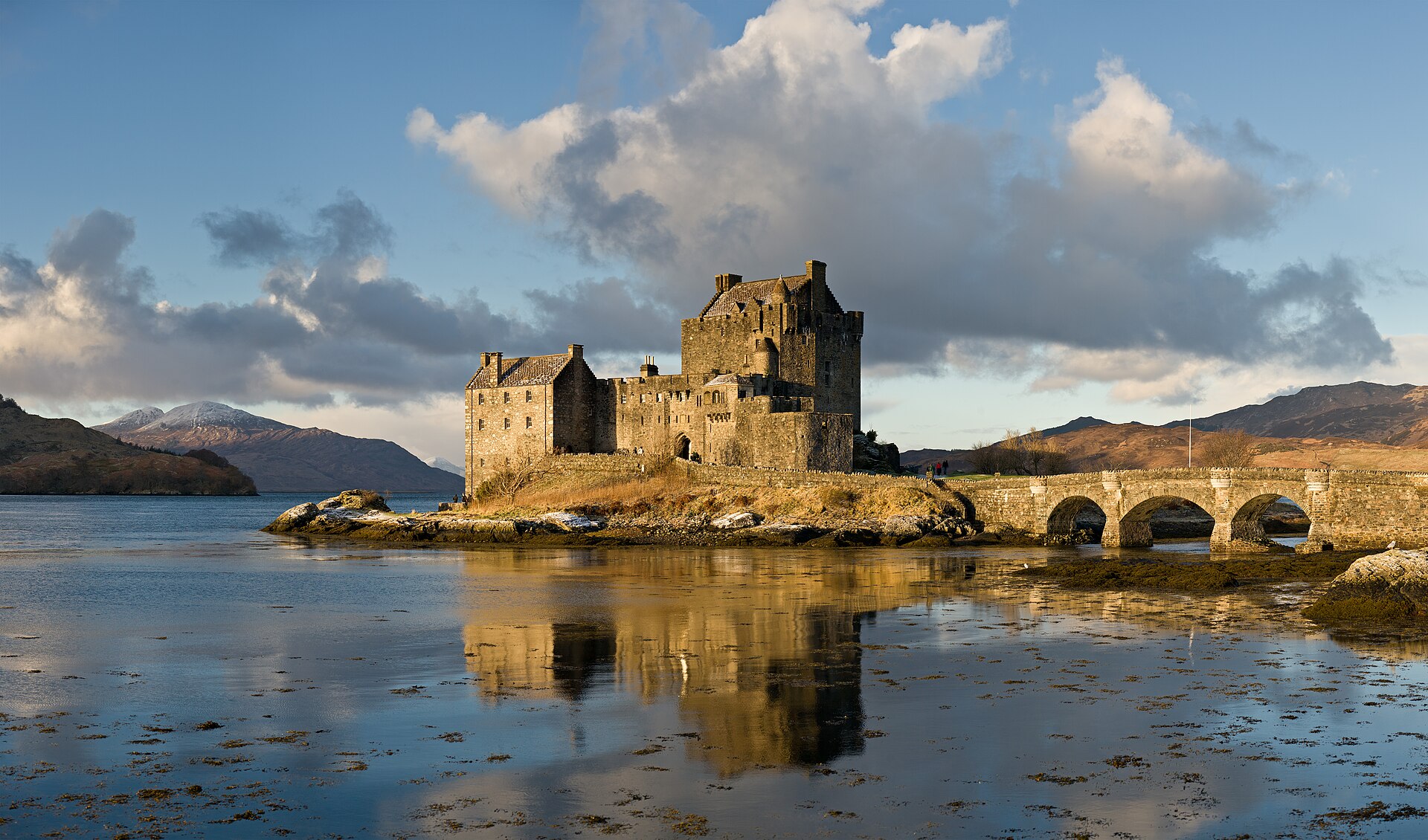
17. Eilean Donan Castle: the Fairytale Castle from the Films
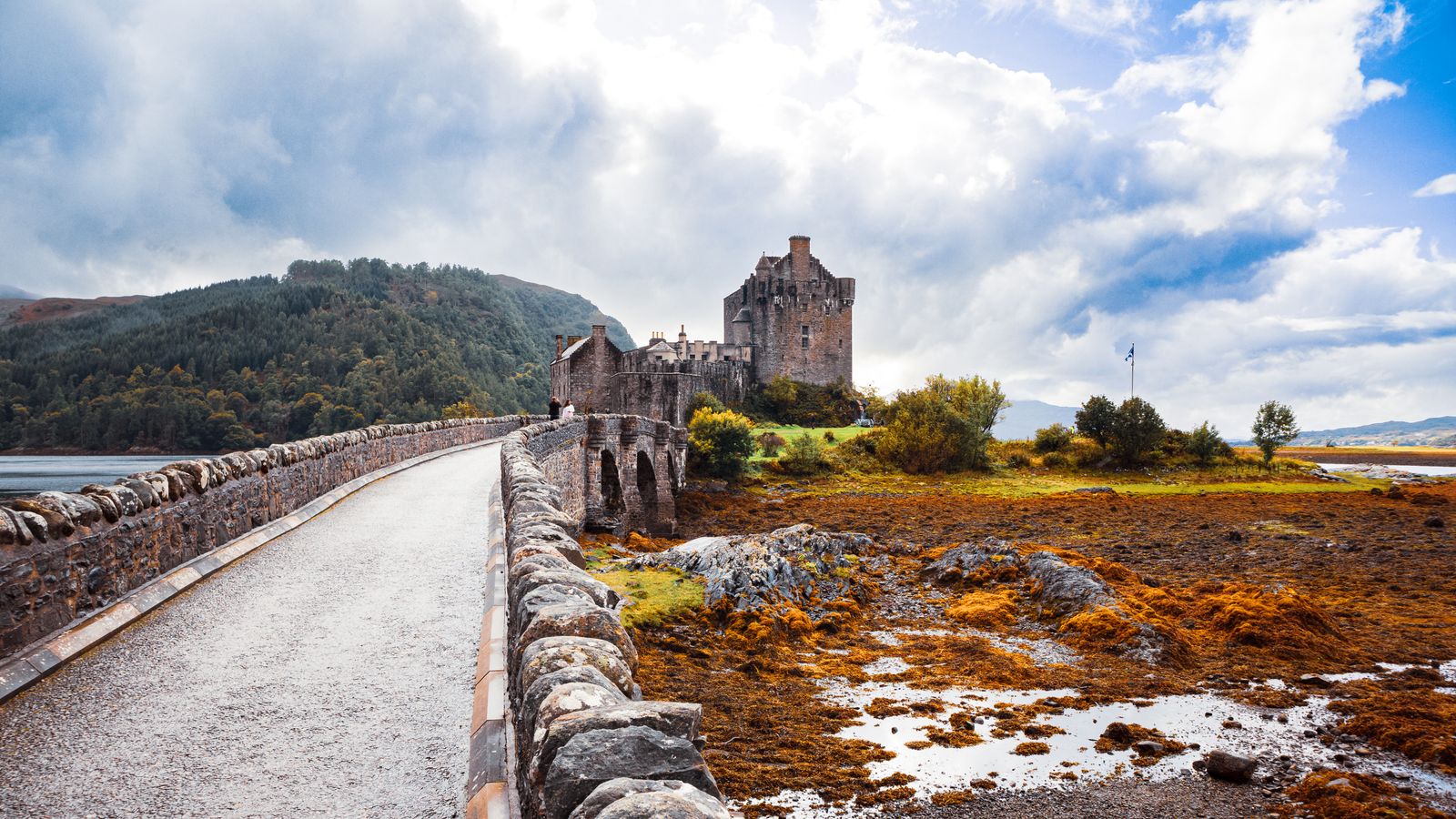
Travelling from central Scotland towards the Isle of Skye, about 15 minutes before the bridge you’ll hit a spot you simply can’t drive past. Eilean Donan is probably the castle you know from a thousand Pinterest photos, even if you don’t realise it. It sits on a tiny island in Loch Duich, linked to the mainland by a romantic stone bridge. It has starred in films like Highlander and the Bond film The World Is Not Enough.
Entry to the interior exhibitions costs £13 for an adult and tickets can only be bought on site, so there’s no online presale. If you want to save money and time, though, the most beautiful photos are taken from outside, from the shores of the loch — which is, of course, completely free. The best light tends to be at dusk, and at high tide the castle looks as though it’s floating right on the water.
Map of points of interest for your phone
Isle of Skye and Other Islands: 8 Day-Trip Tips
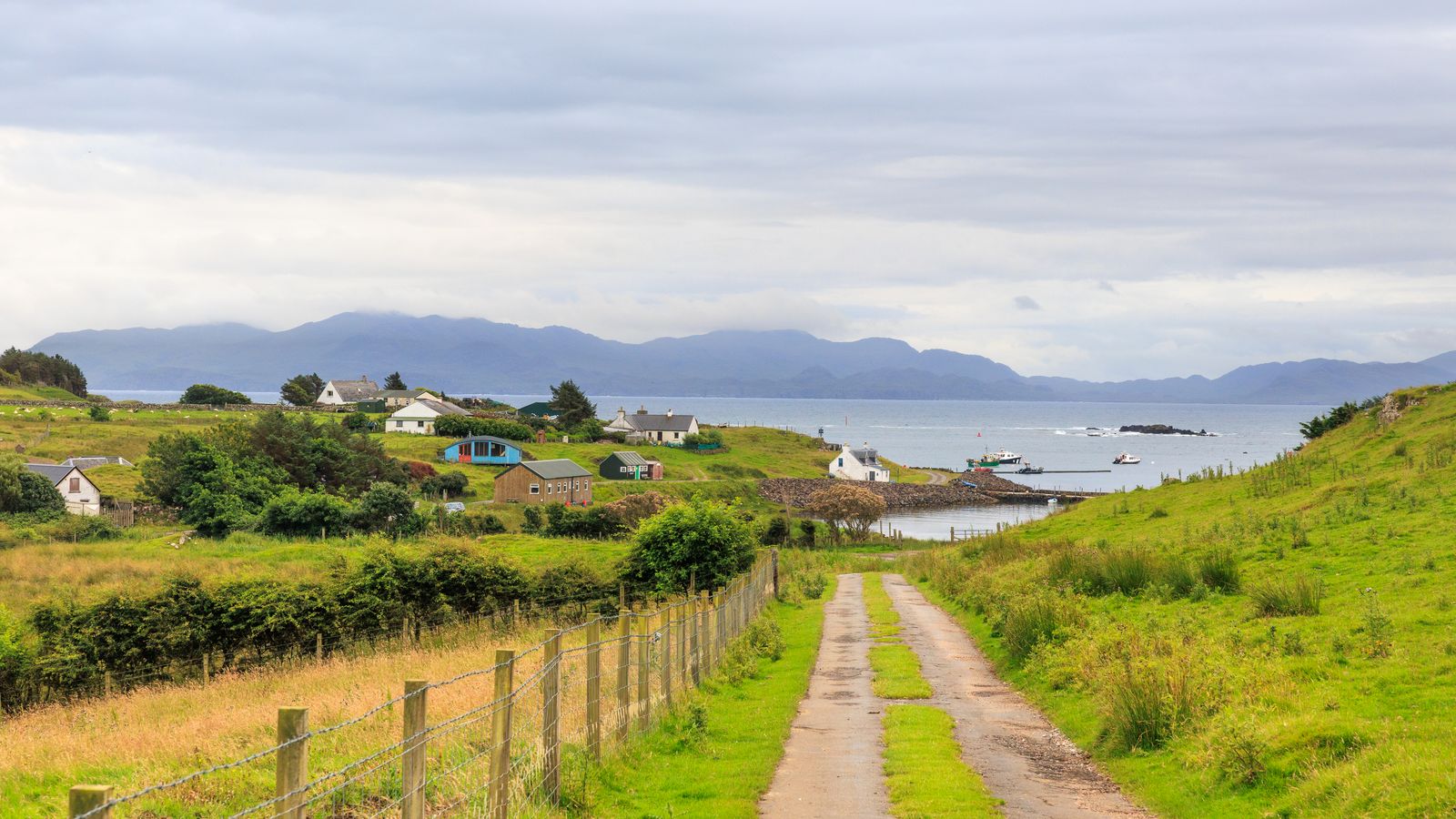
Scotland’s west coast is lined with hundreds of islands, some deserted, others offering the most iconic natural wonders in all of Europe. If you have the time, definitely build at least one of them into your itinerary. Just remember that apart from the Isle of Skye, reached by a free bridge, you have to hop between all the others by ferry, which tends to be very busy.
18. Isle of Skye: the Magical Old Man of Storr
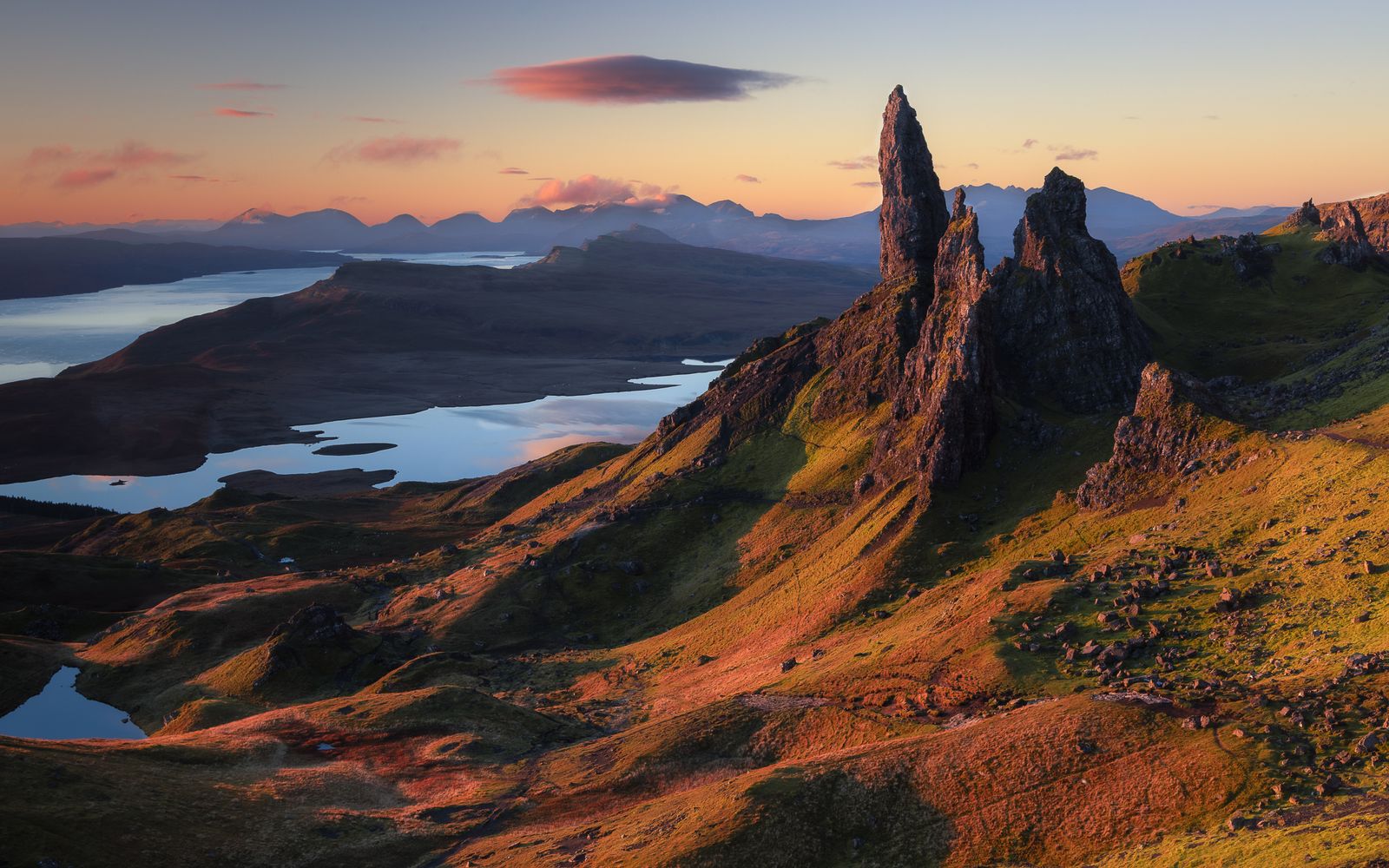
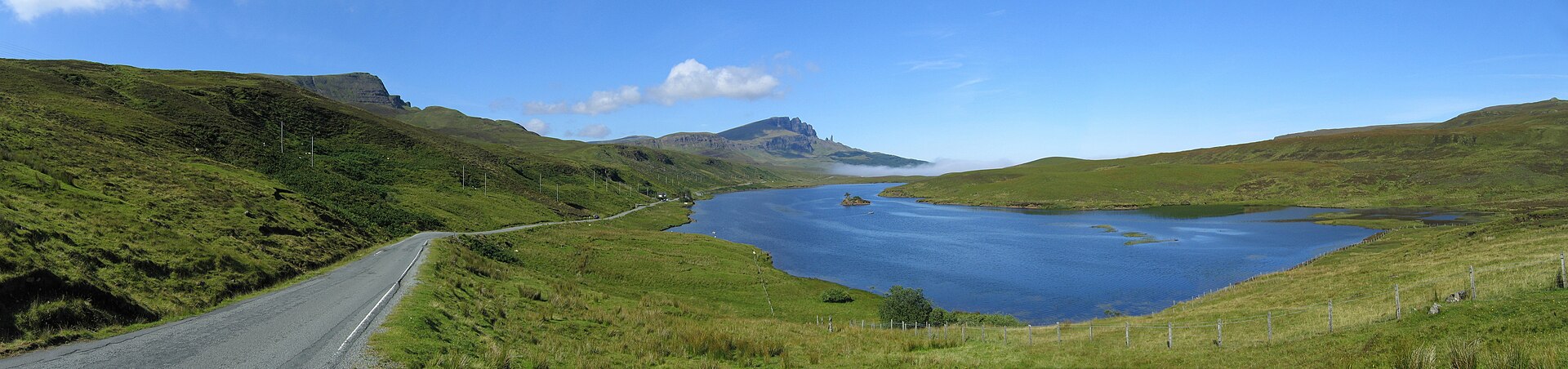
The Isle of Skye is without doubt the biggest star among Scotland’s islands, and a visit is simply a sure bet. Its absolute landmark is the Old Man of Storr, a roughly 50-metre-high rock pinnacle rising on the Trotternish peninsula and watching over the surrounding area. You reach the island, by the way, across the Skye Bridge completely free, since the old toll was scrapped back in 2004.
The walk to the rock and back is just under 4 kilometres, and the climb, including photos, will take you about two to three hours, so brace yourself for fairly steep steps and elevation gain. The car park beneath the hill is paid, costing £6 for six hours, and in peak season it fills up by around 9:30 in the morning, so be sure to get up early so you don’t have to park kilometres away on a narrow verge.
19. Isle of Skye: Quiraing, Neist Point and Portree
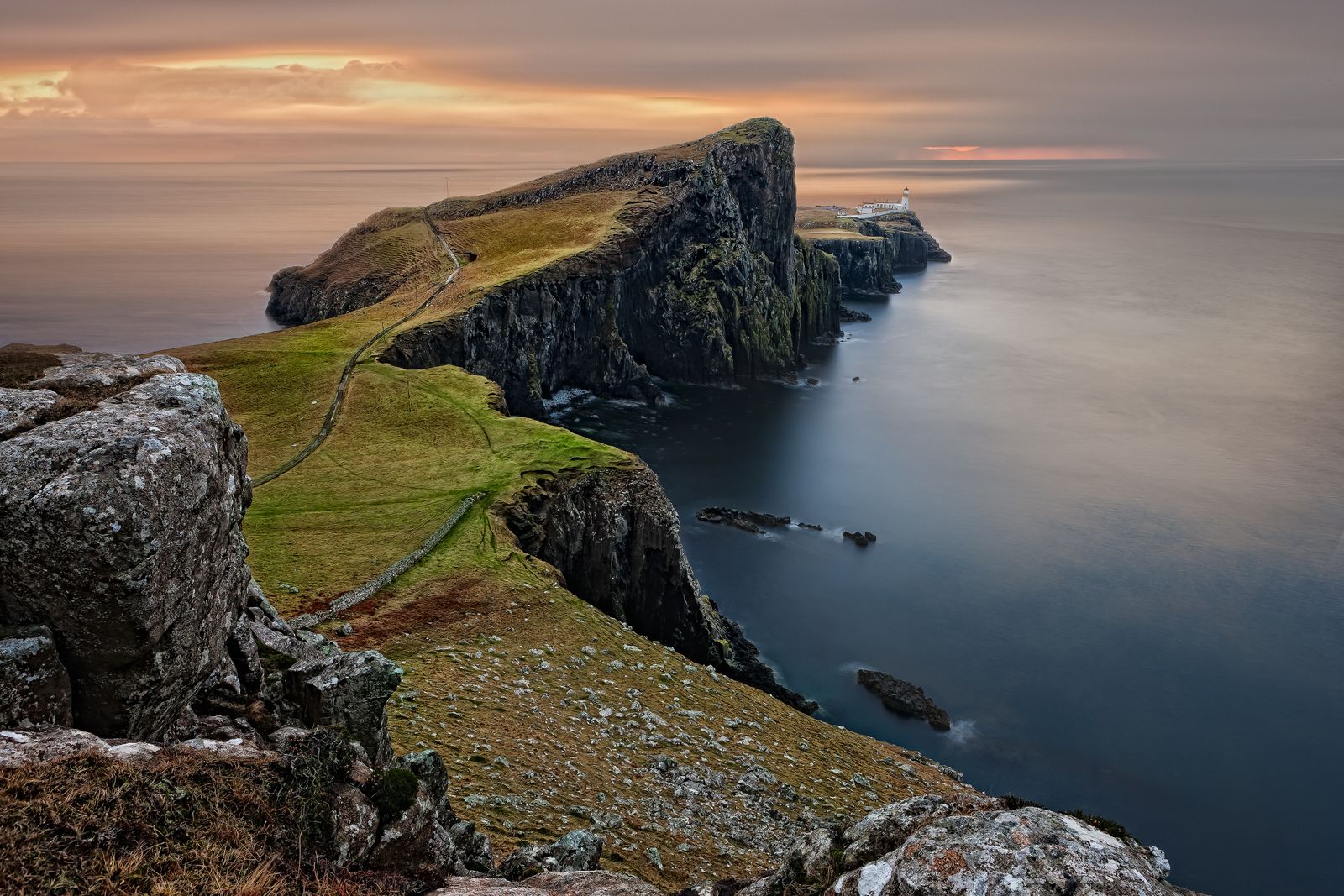
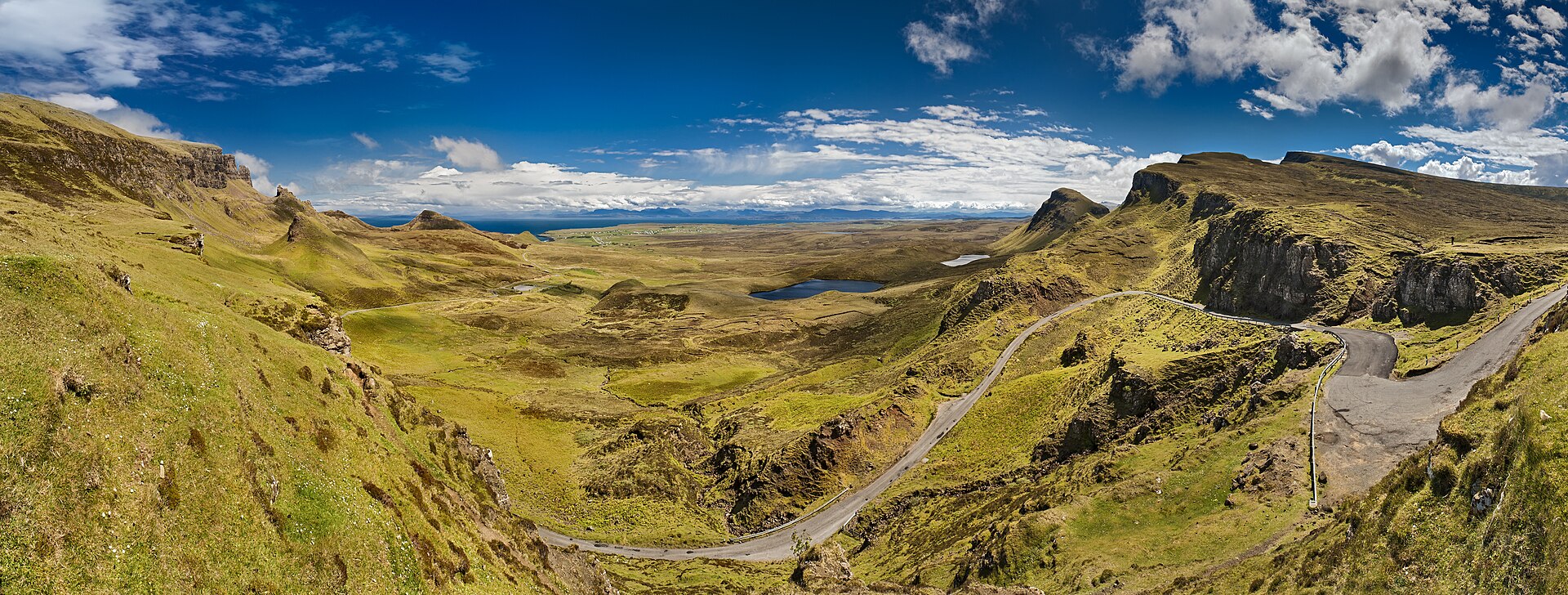
A little north of the Storr you’ll find the Quiraing, a spectacular landslip full of needles, cliffs and hidden plateaus. The full loop is almost 7 kilometres, takes up to four hours and involves some light scrambling, so only set off here in genuinely good, clear weather. At the opposite, westernmost tip of the island sits Neist Point with its lighthouse from 1909, hands down the best spot for watching the sunset.
The ideal base for all these excursions is the picturesque harbour of Portree, with just under 2,300 residents, recognisable by the row of colourful houses lining the bay. You’ll find a large supermarket, a petrol station and plenty of great cafés where you can warm up nicely after a demanding day on the windswept cliffs.
20. Isle of Skye: Swimming in the Fairy Pools
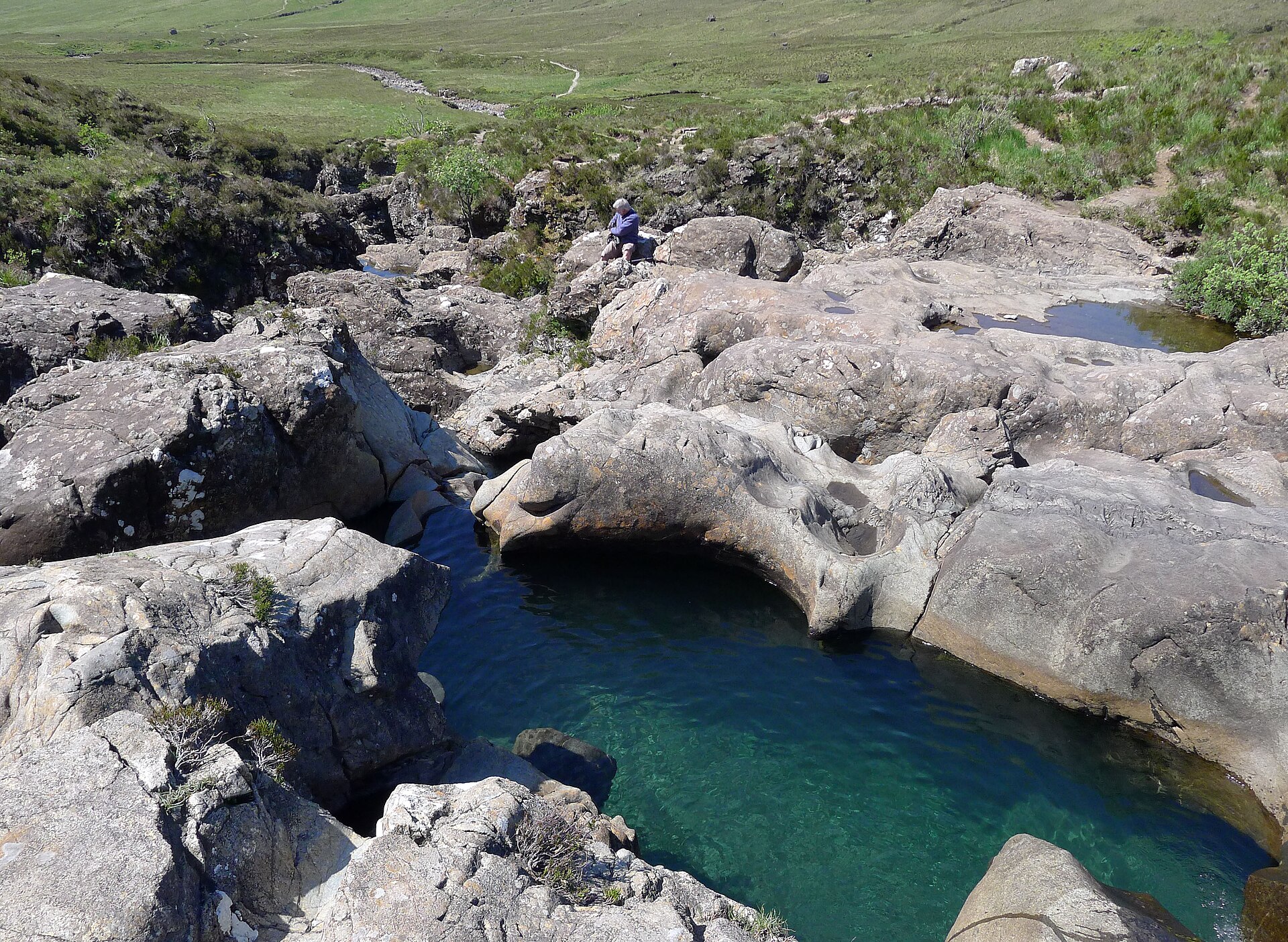
If you don’t mind a bit of icy water, head to the south of the island beneath the majestic Cuillins into Glen Brittle. The Fairy Pools are cascades of gorgeous blue-green pools and little waterfalls on a mountain stream, practically begging you to take a wild swim, which is very popular here and completely free. The route from the car park to the pools is about 2.4 kilometres and it’s an easy walk suitable even for families with kids.
Parking at the Fairy Pools costs £6 for the whole day, and overall, to explore all the island’s wonders, set aside ideally two to three full days. The attractions are scattered at opposite ends of the island and getting around on the local single-track roads is fairly slow. If you’d rather not take the bridge, you can also reach the island by ferry from Mallaig to the port of Armadale for £13.25 per car, but booking is an absolute must.
21. Oban: the Bustling Gateway to the Islands
The town of Oban on the mainland serves as the main transport hub for those heading to the Hebrides, and the atmosphere here is incredibly lively. The town’s landmark is the curious circular structure McCaig’s Tower, which looks a little like Rome’s Colosseum and offers wonderful views over the whole bay. Be sure to stroll along the harbour and soak up that typical seafaring bustle.
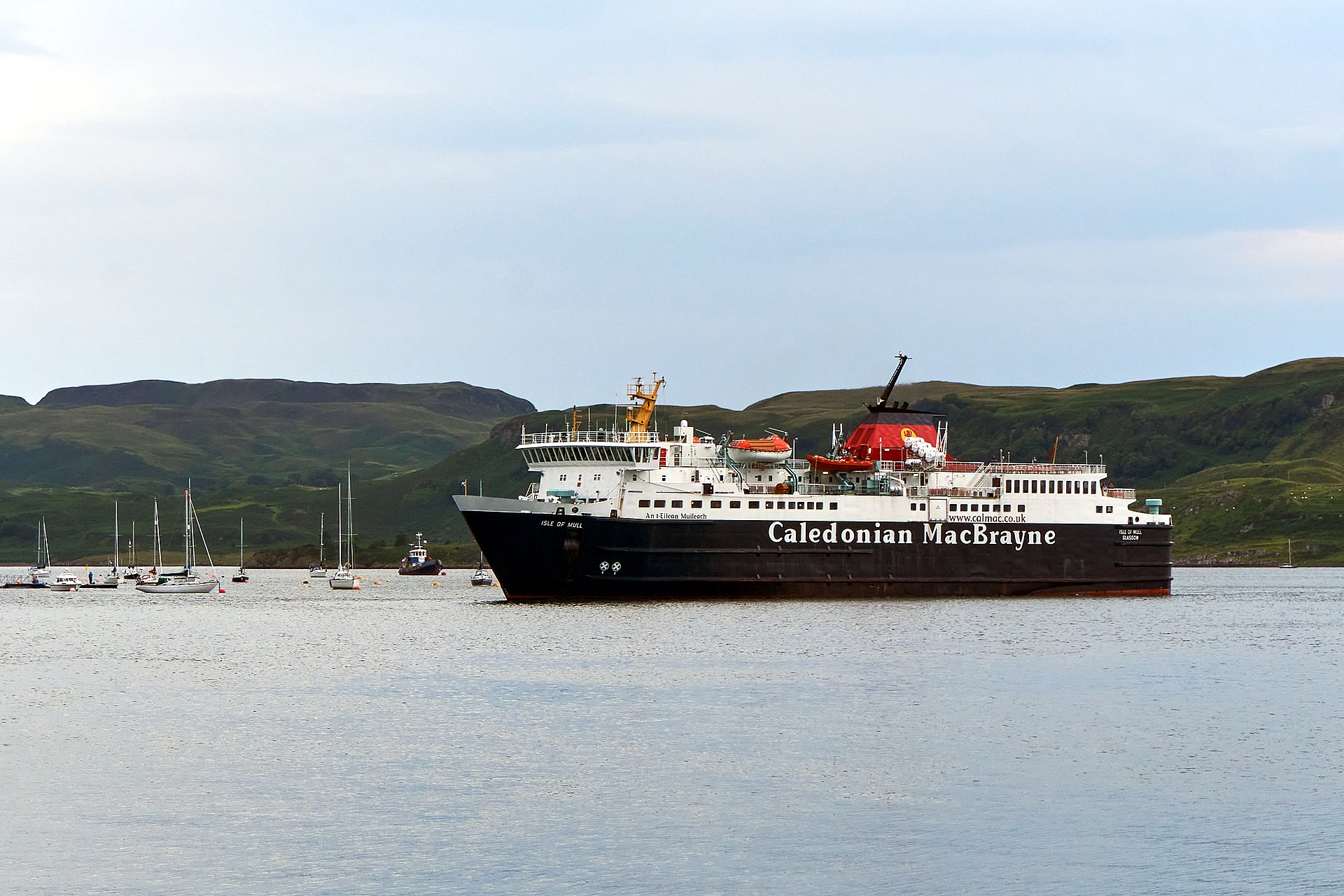
From the harbour, the large yellow-and-black CalMac ferries sail daily, carrying tourists and locals alike to the surrounding islands. Oban is a great overnight stop if you’ve got an early-morning ferry ticket for the next day, and it’s also easily reached on the gorgeous West Highland Line directly from Glasgow.
22. Isle of Mull, Sacred Iona and the Cave on Staffa
This trio of so-called Inner Hebrides makes for a fantastic full-day trip from Oban that you can manage even without a car. Mull welcomes you with the colourful harbour of Tobermory and wild nature, while tiny Iona is the cradle of Scottish Christianity, home to the famous Iona Abbey with admission of £10. What’s more, ordinary tourists’ cars aren’t allowed on Iona at all, so a perfect calm reigns there.
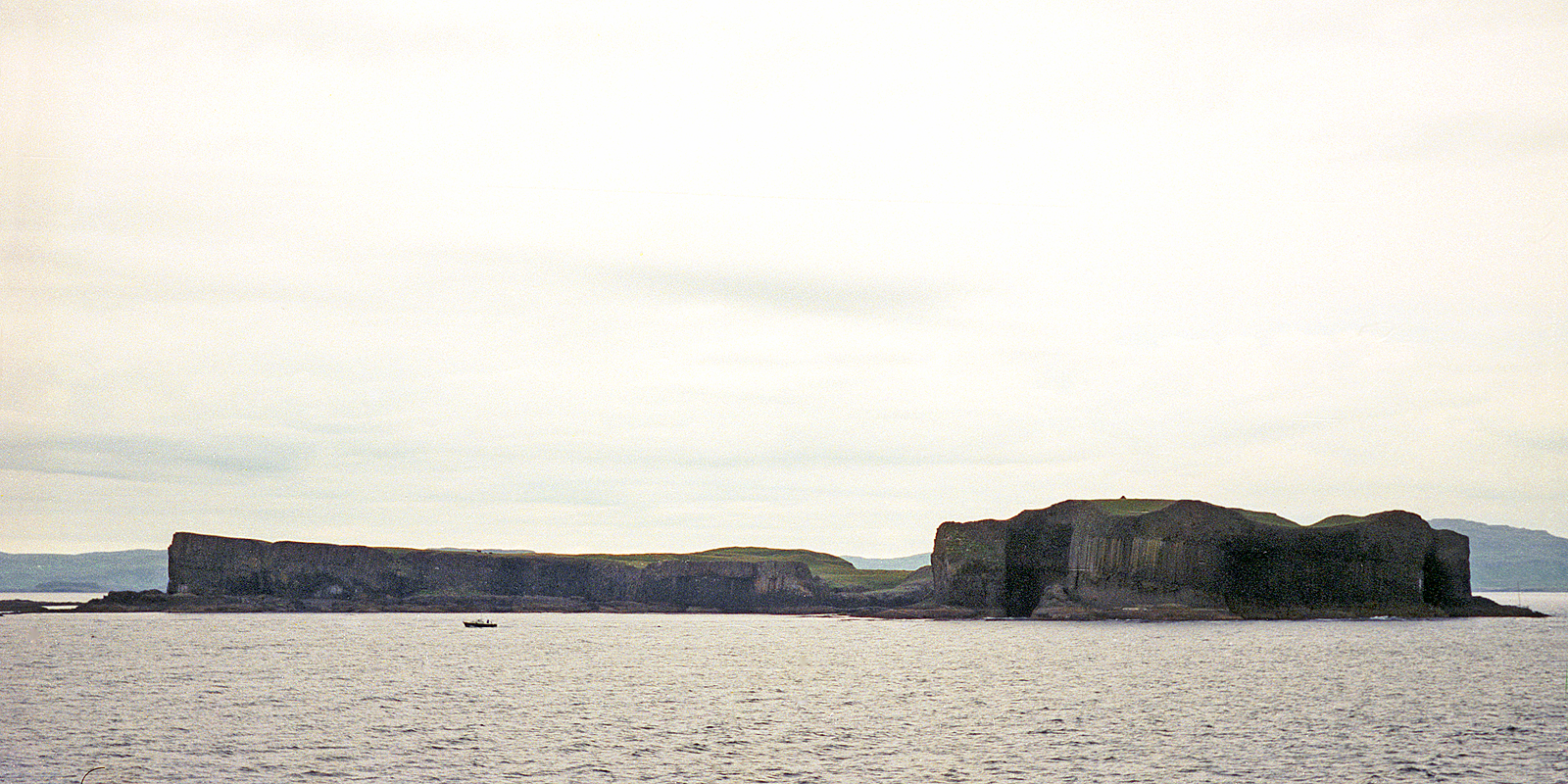
The real jewel, though, is the uninhabited island of Staffa with its iconic Fingal’s Cave, formed by perfect hexagonal basalt columns that once inspired the composer Mendelssohn. Boat trips from the port of Fionnphort cost around £45 and the whole season runs from roughly April to the end of October. 💡 Tip: If you can, don’t plan your Staffa trip for the very last day of your holiday, because the boats are often cancelled at the last minute due to high waves.
23. The Outer Hebrides and Luskentyre Beach
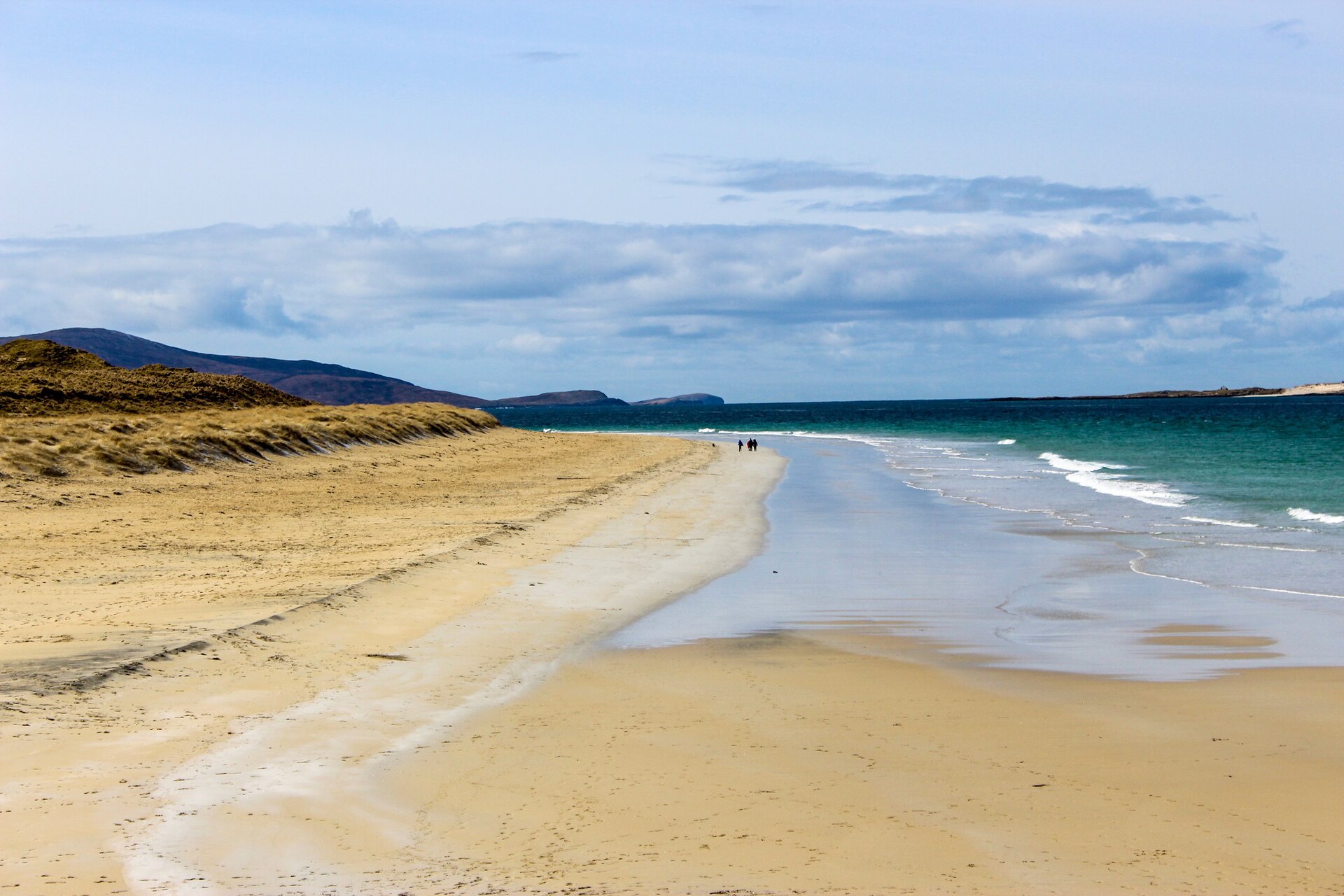
If you long for total isolation and beaches that look Caribbean — until the water temperature quickly reminds you that you’re still in Britain — head for the Outer Hebrides. The twin island of Lewis and Harris offers completely unspoilt nature and is home to Luskentyre beach, which regularly ranks among the most beautiful beaches in the world. The white sand and turquoise water are free.
This area is also the origin of the famous protected woollen cloth Harris Tweed, which you’ll recognise by its Orb trademark, and where you can pick up the very finest souvenir. You can reach the Outer Hebrides by ferry from Uig on the Isle of Skye or from Ullapool in the north, with the crossing taking from just under two to two and a half hours. A curiosity is the neighbouring island of Barra, home to the only commercial airport in the world where planes land directly on the beach.
24. Orkney: a Journey into the Neolithic
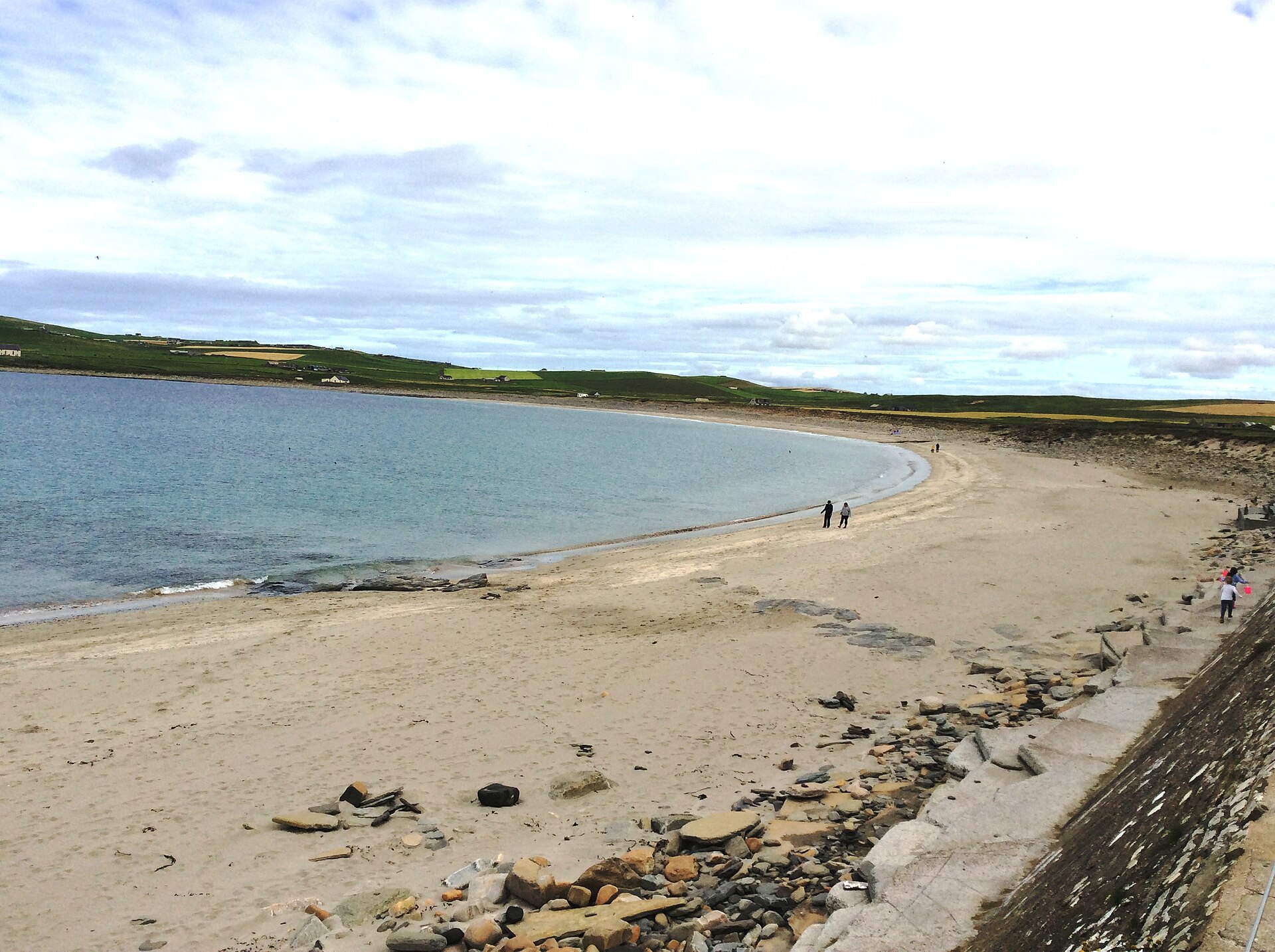
The Orkney archipelago at the very north of the country is a paradise for all lovers of ancient history, because you’ll find some of the oldest prehistoric monuments in all of Europe. The main draw is the UNESCO-listed group of sites known as the Heart of Neolithic Orkney, which includes the five-thousand-year-old village of Skara Brae, older than the Egyptian pyramids, with an online ticket costing £14.
A huge bonus is that the famous stone circles Ring of Brodgar and Stones of Stenness can be visited completely free and with no opening hours. From the mainland you can get here by ferry from Scrabster, or the cheaper option from Gills Bay, taking about an hour and a half. I recommend setting aside at least two days to explore the islands, and if you want perfect photos, head to the stone circles early in the morning at sunrise.
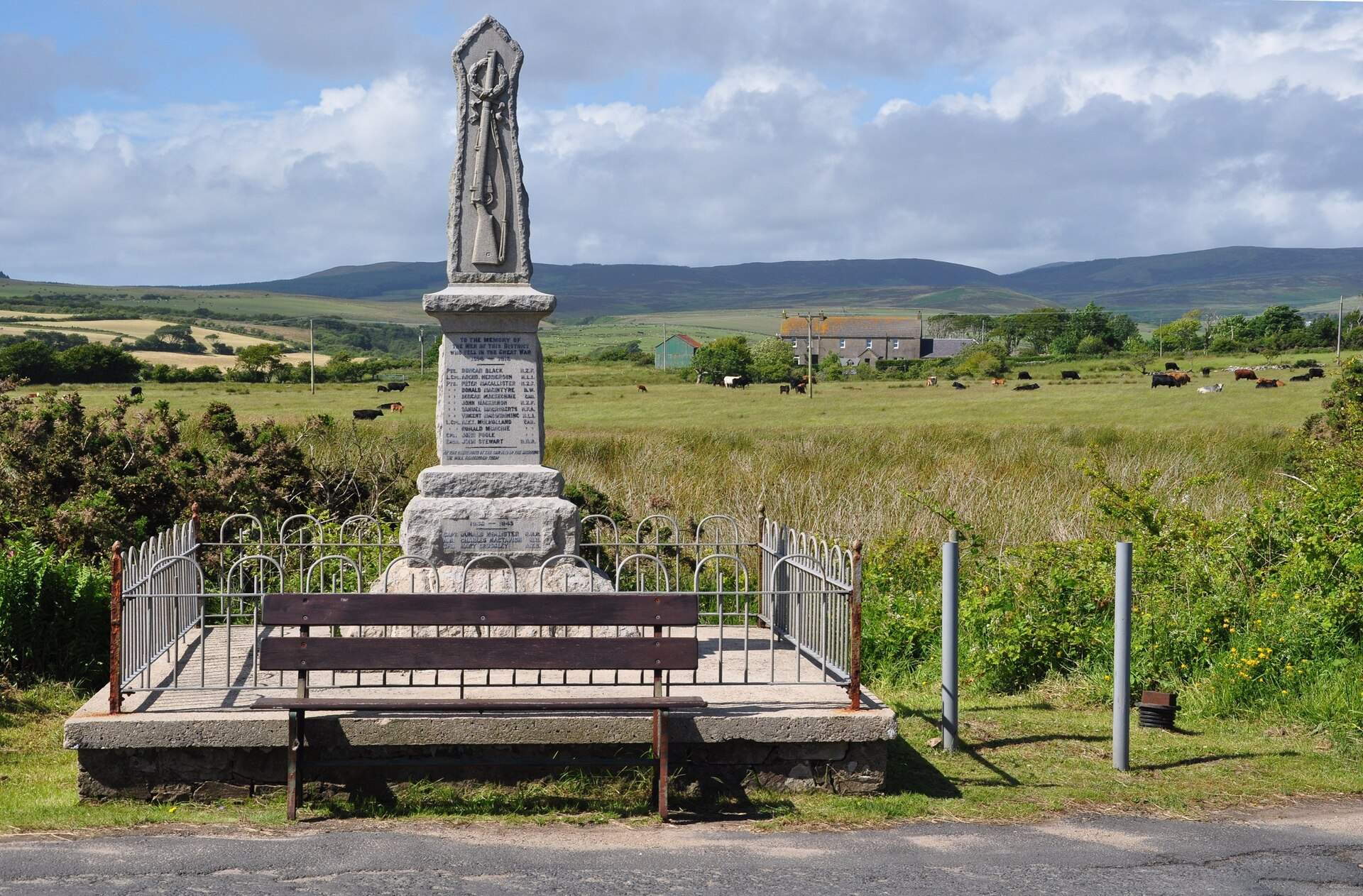
25. Isle of Arran: Scotland in Miniature
The Isle of Arran lies just off the west coast near Glasgow and is often nicknamed “Scotland in miniature”, because in a small area you’ll find absolutely everything. In the north rise rugged mountain peaks crowned by the highest summit, Goat Fell, while in the south you can stroll along quiet sandy beaches. It’s an ideal destination if you don’t have time to go all the way up to the far north but still want to experience an island vibe.
The main attractions include the beautiful Brodick Castle with its sprawling gardens and also the local Arran Distillery. Getting to the island is very easy — just travel to the port of Ardrossan (easily by direct train from Glasgow) and hop on the ferry, which carries you to the village of Brodick in under an hour.
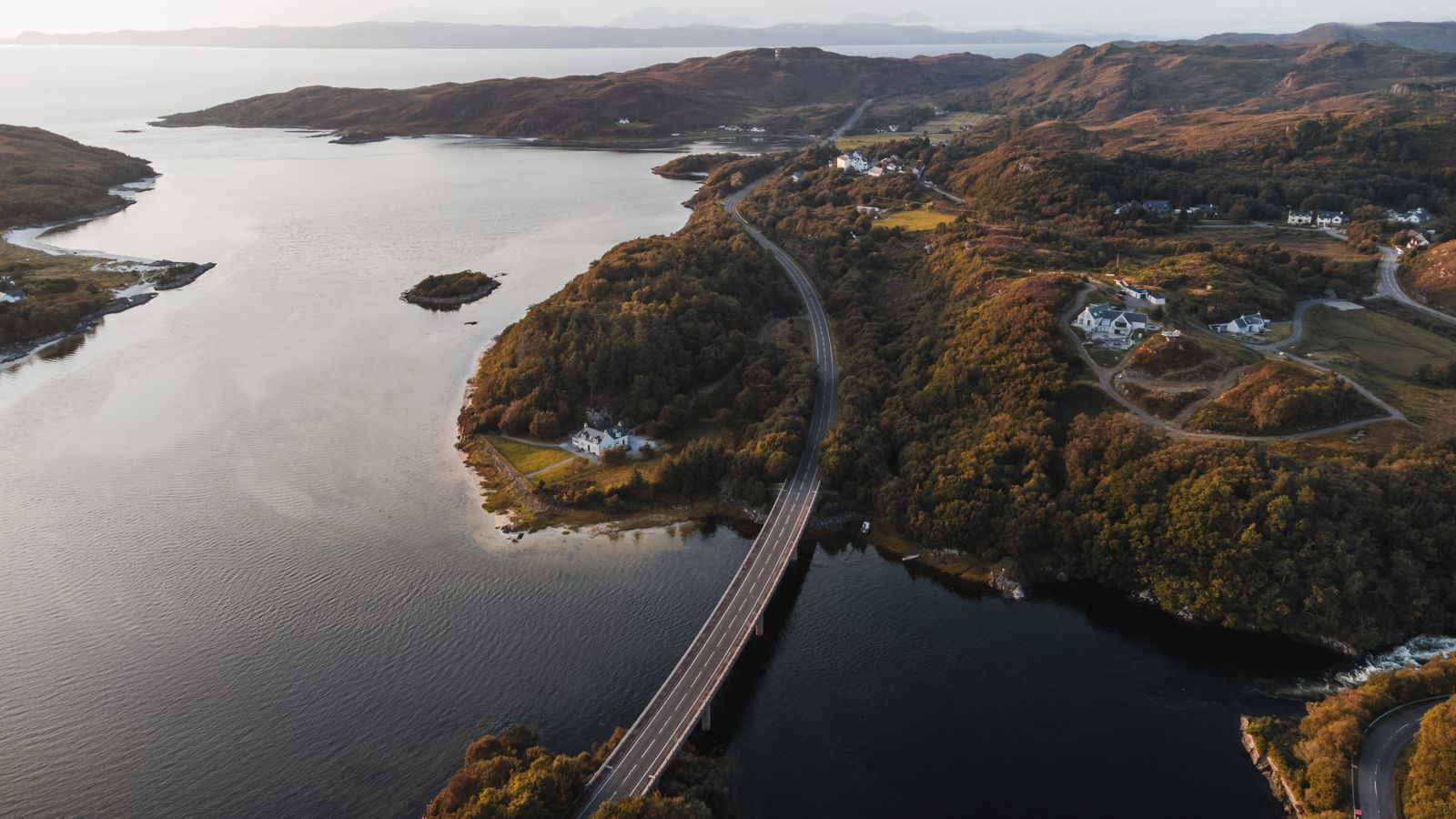
The North Coast and NC500: 5 Tips for an Epic Road Trip
The northern edge of Britain was overlooked for a long time, but with the arrival of the NC500 route it has become a massive hit. This area is wild, windy, almost treeless and unbelievably beautiful. Definitely don’t head up here, though, unless you’ve got enough time, because rushing along the narrow lanes without stopping would be a tremendous shame.
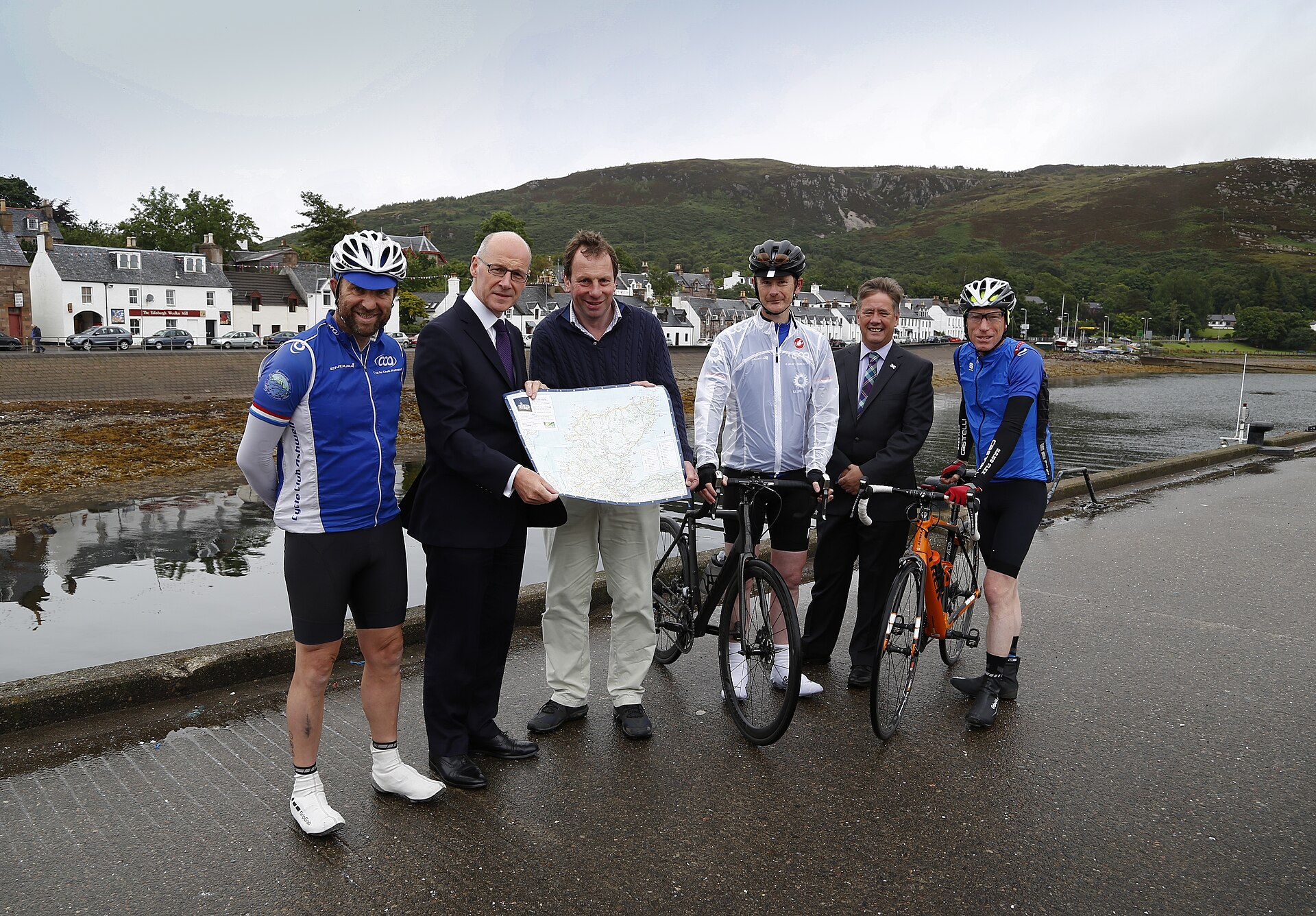
26. NC500 (North Coast 500): the Scottish Route 66
The official tourist route named the North Coast 500 measures exactly 516 miles, around 830 kilometres, and runs around the entire northern coast. This loop starts and finishes in the city of Inverness and takes you through the most remote regions like Wester Ross, Assynt and Sutherland. You’ll see enormous cliffs, the deep sea cave of Smoo Cave and the northernmost point of the mainland, John o’ Groats.
If you want to drive the route at a truly relaxed pace, I recommend setting aside at least 5 to 7 full days and not trying to break any speed records. The best months for this expedition are April, May or September, when there are fewer campervans on the narrow roads and the biting midges give you a miss. Locals recommend driving the whole loop clockwise.
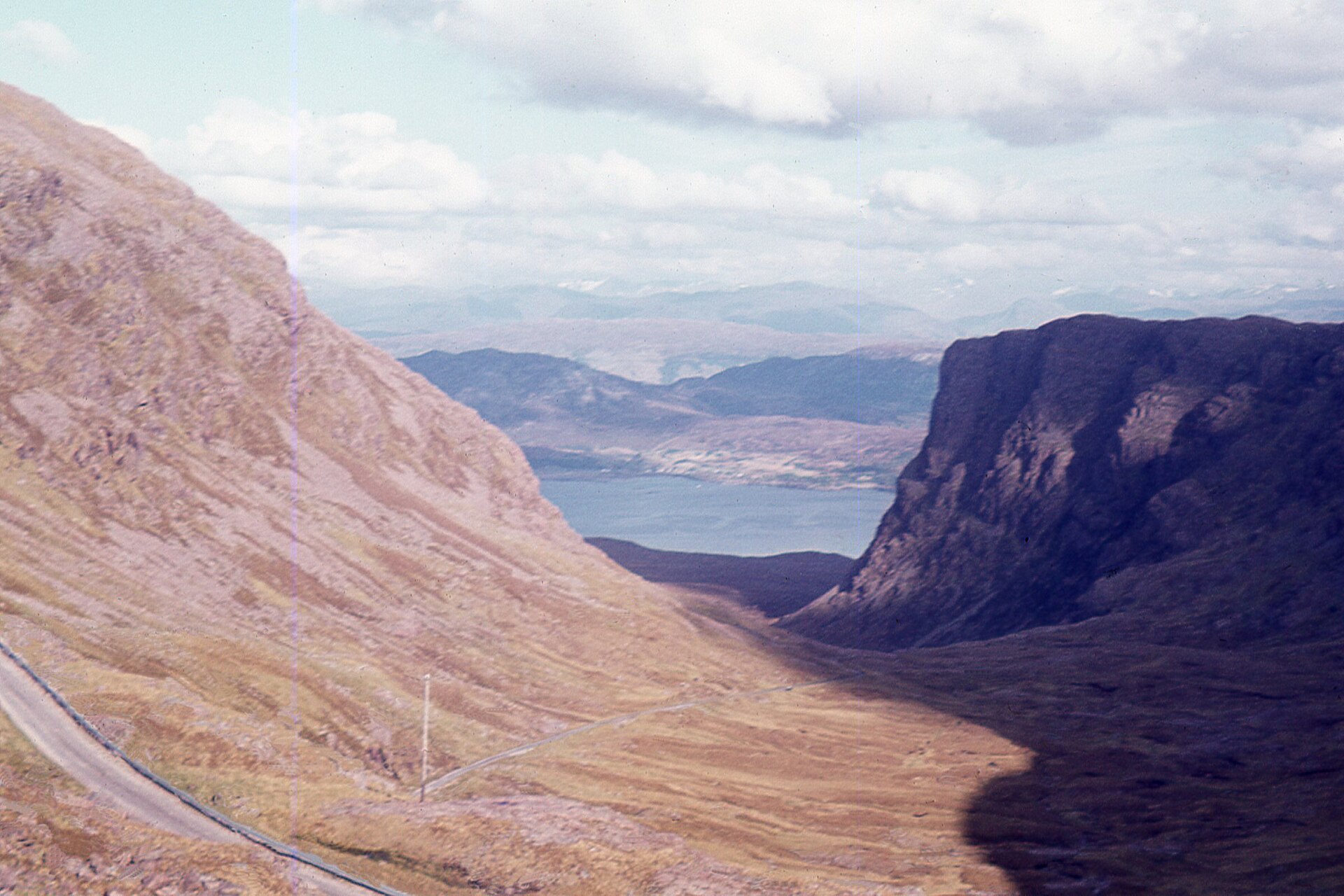
27. Bealach na Bà and Applecross
Right at the start of the NC500 route a genuine driving test awaits you, the mountain pass of Bealach na Bà. It’s the steepest road climb in all of Great Britain, rising from sea level to an altitude of 626 metres, via wild single-track hairpins that resemble Alpine roads more than British ones.
The road brings you to the remote Applecross peninsula, from where, on a clear day, there are gorgeous views all the way to the Isle of Skye. A stern warning applies to drivers of large motorhomes and caravans, for whom this road is officially not recommended, because they could easily get stuck in the sharp bends. If you want to enjoy the drive without the nerves, set off early in the morning before the convoy of other tourists hits the road.
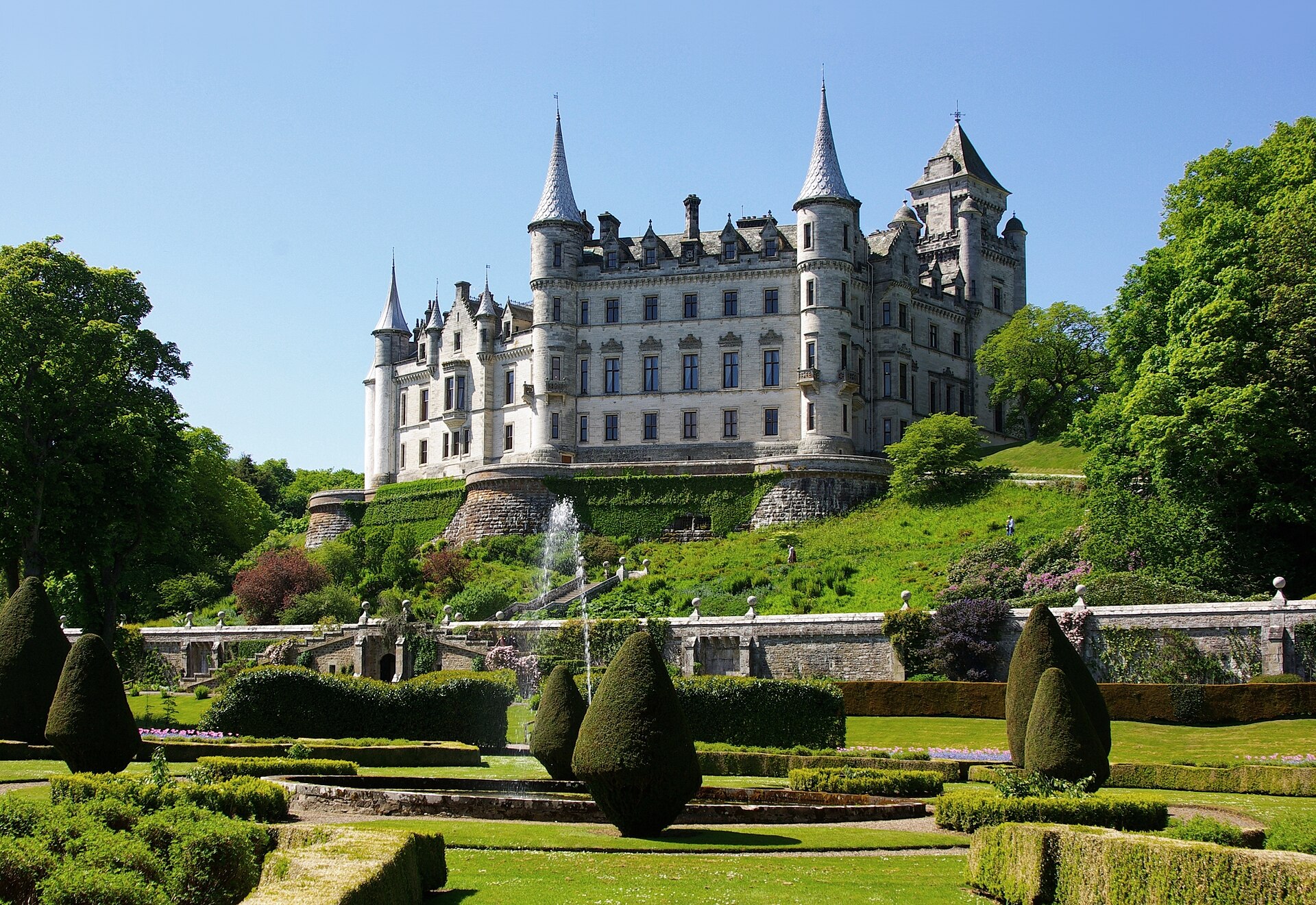
28. Dunrobin Castle: a Fairytale on the East Coast
While most castles in Scotland feel fairly rugged and defensive, Dunrobin Castle in the Sutherland region looks as though it dropped in straight from France. This incredibly photogenic castle boasts hundreds of rooms, white turrets and gorgeous symmetrical gardens inspired by Versailles, which slope right down to the sea coast.
The castle sits right on the NC500 route and besides a stroll through the interiors, it offers fantastic summer falconry displays on the lawns. It’s a pleasant and very elegant stop before you plunge back into the wild, untamed nature of the north coast.
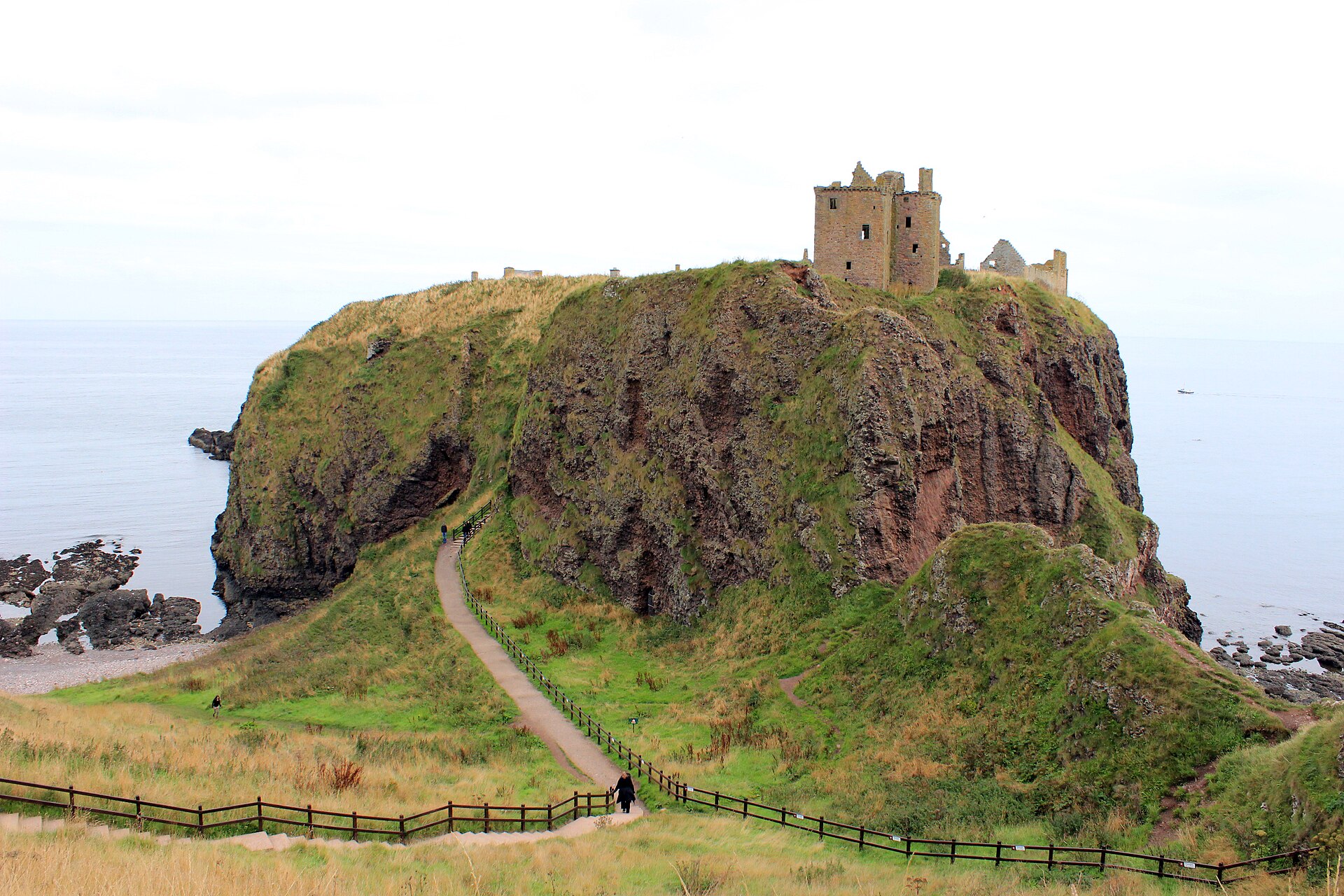
29. Dunnottar Castle and Dramatic Cliffs
If you travel along the east coast towards Aberdeen, definitely make a stop near the town of Stonehaven, home to one of the most striking ruins in the country. Dunnottar Castle is a dramatic fortress built on a rocky headland about 50 metres above the churning sea, where, incidentally, the Scottish crown jewels were hidden in the 17th century, and the castle also featured in the 1990 film Hamlet.
Entry to this private castle costs £13.50 and it’s open from April to the end of September, nine to six, but beware, in strong winds the site closes for safety reasons. From nearby Stonehaven you can walk here in about forty-five minutes along a gorgeous cliff path, from which, by the way, you’ll capture the best and most dramatic silhouette of the castle for your photos.
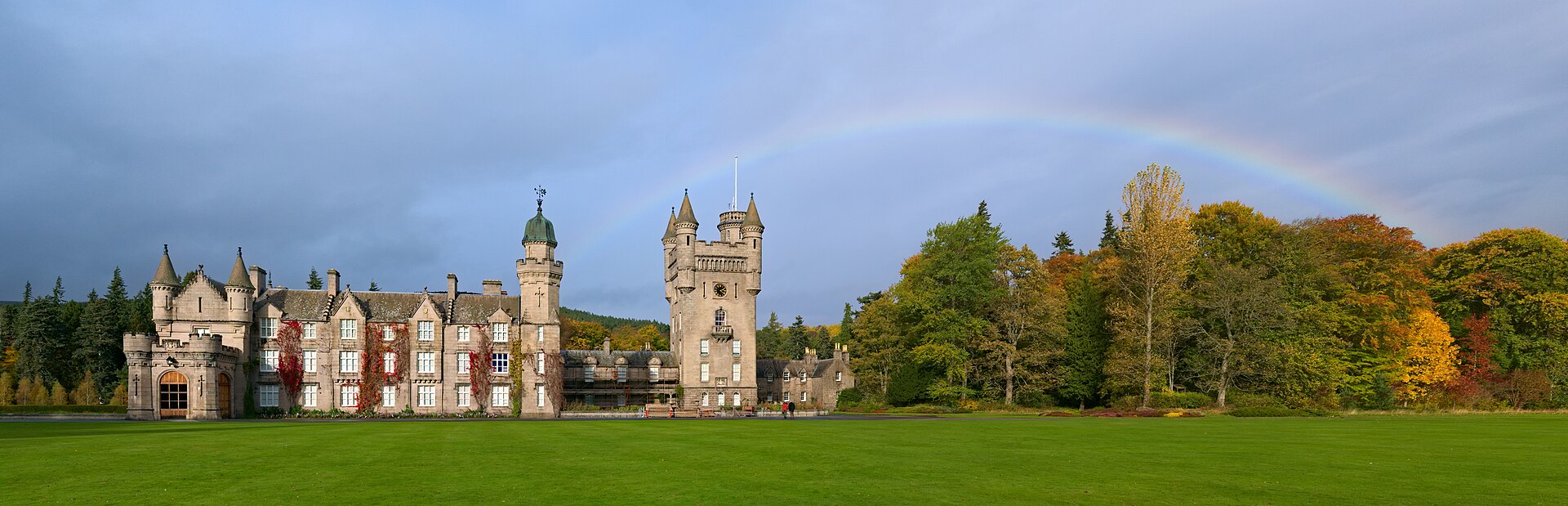
30. Aberdeen and Royal Balmoral in the Deeside Region
Scotland’s third-largest city, Aberdeen, is often called the “Granite City”, because most of its historic buildings are built from the typically grey stone that sparkles beautifully in the sun. Just outside the city begins the picturesque Royal Deeside valley, beloved by Queen Victoria and home to Balmoral Castle, which to this day serves as the summer residence of the British royal family and where Elizabeth II died in 2022.
The beautiful gardens are open to the public in season from 28 March to 9 August 2026, with admission at £18.50. An absolute novelty since last year are the limited tours of the castle’s interior rooms themselves, costing £110 per person, running in groups of no more than twelve people and selling out practically the moment they go on sale, so if you’re interested, you’ll have to be very quick.

Where to Go Next from Scotland
If you’re planning a wider trip around Great Britain and looking for inspiration for an exact schedule, definitely take a look at our detailed article Scotland Road Trip: a 7–10 Day Itinerary, where you’ll find the whole route laid out step by step. For the journey back south, I warmly recommend a stop in the capital, which the guide London: 56+ Tips on What to See and Do + Map will help you with.
And if you want to spend more time exploring the Scottish capital itself, which definitely deserves more than a single afternoon, you’ll uncover all the useful info and hidden corners in the article Edinburgh: 31 Tips on What to See and Do.
Frequently Asked Questions
Planning your trip and still puzzling over a few practical things? Here I’ve gathered answers to the most common questions, which will definitely help you prepare for your Scottish adventure.
What is a UK ETA and will I need one?
Yes, from April 2, 2025, all EU citizens need an electronic travel authorization called UK ETA to enter the UK. The application costs £20 (approximately €23), is processed exclusively through the official app, and the authorization is valid for two years for multiple entries. You must apply at least three working days in advance, and the requirement applies to small children as well. It’s therefore worth sorting everything out well in advance, even a few weeks before your planned departure, to avoid unnecessary stress.
When is the best time to visit in terms of midges?
Midges are most active from late May to early September, with the absolute peak in July and August on the west coast and islands. If you want to avoid them while still having a chance of nice weather, May or September are ideal months. Buy Smidge repellent or Avon Skin So Soft oil as soon as you arrive.
Do I absolutely need a car for traveling around Scotland?
Do big cities like Edinburgh, Glasgow, Stirling and even places like Pitlochry or Inverness you can comfortably get by reliable trains. But if you want to explore the wild nature, remote islands like Skye or drive the northern NC500 route, renting your own car is practically essential.
Is driving on the left side challenging in Scotland?
The first few hours require great concentration and ideally a navigator in the passenger seat, but you’ll get used to it surprisingly quickly. In the countryside, a special feature are the so-called single-track roads, meaning single-lane roads with passing places, where the courtesy rule is to give way and say thank you. Never park in passing places and don’t leave your car there overnight. Local police fine this very strictly and, most importantly, you’ll be blocking the way for farmers with tractors and ambulances. And remember that right of way is handled a bit differently here – at roundabouts you always give way to vehicles already on the roundabout coming from the right.
Do I need to book attractions and accommodation in advance?
During the main summer season, absolutely essential. Accommodation on the Isle of Skye or along the NC500 route tends to be sold out six to twelve months in advance. Similarly, tickets for the famous Jacobite steam train or cruises on Loch Ness disappear months ahead. I highly recommend buying popular tours online in advance and booking accommodation through Booking with free cancellation option.
What to pack for the trip?
The key is layering. Even in the middle of summer, you’ll appreciate quality functional underwear, a fleece jacket, and especially a waterproof jacket and trousers. Better leave your umbrella at home, as it’ll be useless in the strong Scottish wind. Don’t forget sturdy, ideally ankle-high waterproof boots for nature hikes and a British-type plug adapter so you can charge all your devices.
What should vegetarians eat in Scotland?
You definitely won’t go hungry, because even in the smallest villages they cater for meat-free options. Traditional haggis is nowadays quite commonly made in a vegetarian version and you’ll find it on many menus. Moreover, the city of Glasgow is considered the vegan capital of Britain with establishments like Mono or Stereo.
Do I need euros in Scotland, or do I have to exchange money?
The pound is what you’ll need in Scotland, as British pounds (£) are the official currency. Scottish banks also print their own banknotes, which are valid throughout the United Kingdom, though they’re sometimes accepted rather reluctantly in England. Fortunately, these days you can pay for the vast majority of things from petrol to coffee without any problems using a payment card or Apple Pay.
Tips and Tricks for Your Vacation
Don’t Overpay for Flights
Search for flights on Kayak. It’s our favorite search engine because it scans the websites of all airlines and always finds the cheapest connection.
Book Your Accommodation Smartly
The best experiences we’ve had when looking for accommodation (from Alaska to Morocco) are with Booking.com, where hotels, apartments, and entire houses are usually the cheapest and most widely available.
 🚗 Car rental on the roadVerified rental cars in Great Britain
Search with the DiscoverCars comparison engine — it compares prices from dozens of local and international rental companies, and most bookings come with free cancellation.
Compare car prices in Great Britain →Don’t Forget Travel Insurance
Good travel insurance will protect you against illness, accidents, theft, or flight cancellations. We’ve had a few hospital visits abroad, so we know how important it is to have proper insurance arranged.
Where we insure ourselves: SafetyWing (simple monthly subscription) and TrueTraveller (for extra-long trips).
Find the Best Experiences
Get Your Guide is a huge online marketplace where you can book guided walks, trips, skip-the-line tickets, tours, and much more. We always find some extra fun there!