We rolled into London, England at the end of a year spent in Canada, with a seriously thin wallet and a single plan: to see the city by bike. Looking back, it was the best idea of the whole trip. You can get from Millennium Bridge to the Tower in ten minutes, and you never have to worry about how much the Tube costs today.
But something else surprised us too. A lot of the best things London offers don’t cost a single pound. The British Museum, the National Gallery, Tate Modern, a stroll through the parks. We were even shown around the Harry Potter film locations by a guide you simply tipped at the end whatever you thought was fair.
We’ve put together 56 things to see and do in London — from Big Ben and Camden to corners tourists don’t usually reach. Plus a practical section: when to go, how to get there, how much transport really costs today, and where to stay so you don’t spend half your holiday riding the Tube.
TL;DR
- When to go: It’s nicest from May to September, but London works year-round — December for the decorations, January for the prices.
- Transport: Just pay with a contactless card or your phone — by far the easiest option. A bus is a flat £1.75, the Tube in the centre starts from £3, and thanks to the smart daily cap you’ll never be charged more than £8.90 a day.
- Free: The British Museum, the National Gallery, Tate Modern and most of the big museums have permanent collections with free entry.
- Don’t forget: From February 2026 international visitors need a UK ETA for £20. Sort it out well before your trip — without it you won’t even be allowed to board.
- For three days: Day one Westminster and Big Ben, day two the City and the Tower, day three museums or Camden. Don’t try to squeeze in more.
- Accommodation: It’s worth paying more for a spot close to the centre — the time you save on transport is priceless.
The full destination guide: United Kingdom — guide and what to see
Where to Stay in London – Close to the Centre
If you’re after the ideal compromise between price and proximity to the centre, take a look at The Z Hotel Trafalgar. Thanks to its great Tube and bus links, you can easily reach the more far-flung corners of the city from here too.
If you don’t have to count every pound, you might like The Cavendish London. And for an even more luxurious experience, we recommend the highly rated Middle Eight – Preferred Hotels and Resorts.
You might also like: Things to do in Ireland
Weather in London – When to Go
The rumours about it raining a lot in London are, sadly, true. From November to January you’ll run into pretty raw weather, and expect some attractions to be closed too. If you want the best possible weather, go in late spring or summer. July and August also see the fewest raindrops.
| Month | 1 | 2 | 3 | 4 | 5 | 6 | 7 | 8 | 9 | 10 | 11 | 12 |
| 6 °C | 6 °C | 8 °C | 10 °C | 13 °C | 16 °C | 19 °C | 19 °C | 16 °C | 12 °C | 9 °C | 7°C |
How to Get to London
UK ETA Travel Authorisation (required for international visitors from 2026)
Before you start packing, watch out for one crucial change. From 25 February 2026 most international travellers need an electronic ETA (Electronic Travel Authorisation) to enter the UK. Without this approval, the airline may not let you board, so make sure you sort it out in good time.
The permit costs £20, is valid for two years and allows repeated stays of up to six months. Bear in mind that every traveller needs one, including children. You can apply in a couple of minutes through the official “UK ETA” app or on gov.uk, but don’t leave it to the last minute — apply at least three working days before your trip. Watch out for unofficial websites so you don’t pay a hefty markup for nothing.
Driving to London
If you’re driving from mainland Europe, be ready for a long haul — from a hub like Prague it’s roughly 1,270 km and more than 13 hours on the road. Whichever route you choose, you always have to reach France first, from where the final leg into England is by ferry or the Eurotunnel.
- The northern route runs via Dresden, Dortmund and Antwerp to Calais or Dunkirk.
- The alternative heads via Nuremberg, Frankfurt am Main, Cologne, Brussels and again Calais or Dunkirk. This is the fastest possible route.
Wherever you set off from, the routes stay essentially the same — your main target on the continent is France either way.
From France you then have two options:
- The ferry from the ports of Calais or Dunkirk makes for a pretty pleasant change of pace. You’ll bob along the waves for about 1.5 to 2 hours depending on exactly where you set sail from. Trust us, it pays to book tickets well in advance so you’re not left waiting on the shore.
- The Eurotunnel runs from Calais in France to Folkestone in England. You’ll be on the other side in 35 minutes.
By Bus to London
You can also reach England by bus with companies like FlixBus. Bear in mind the journey takes around 20 hours, so it’s usually done overnight — we’d recommend bringing a comfy travel pillow. A return ticket from Central Europe typically costs from around €60 to €120, more in peak season. Coaches pick up passengers from a wide range of cities across the continent.
By Train to London
Coming from Central Europe by train takes more than 17 hours with plenty of changes. You can also use the Eurostar high-speed train, which runs through the Eurotunnel, but it only departs from Paris and Brussels.
By Plane to London
From our experience, London is most accessible by plane. If you prefer full-service airlines, look at British Airways, Lufthansa or Austrian Airlines. If you’d rather save with a budget carrier, Ryanair and easyJet serve London from all over Europe, and Wizz Air can drop you at Luton.
Flights typically cost around €60 to €120, but if you get lucky with the budget airlines you can grab them for as little as €20. Check out our blog, where we share tips on how to find cheap flights.
Driving in England
If you decide to drive, pack an international driving permit and valid insurance (a green card). Above all, don’t forget they drive on the left here, so it’s better to hire a British car with the steering wheel on the opposite side.
Getting Around London
The best way to get around London is public transport. Alongside the usual options, you can also use some uniquely London ways of travelling.
Double-Decker Buses
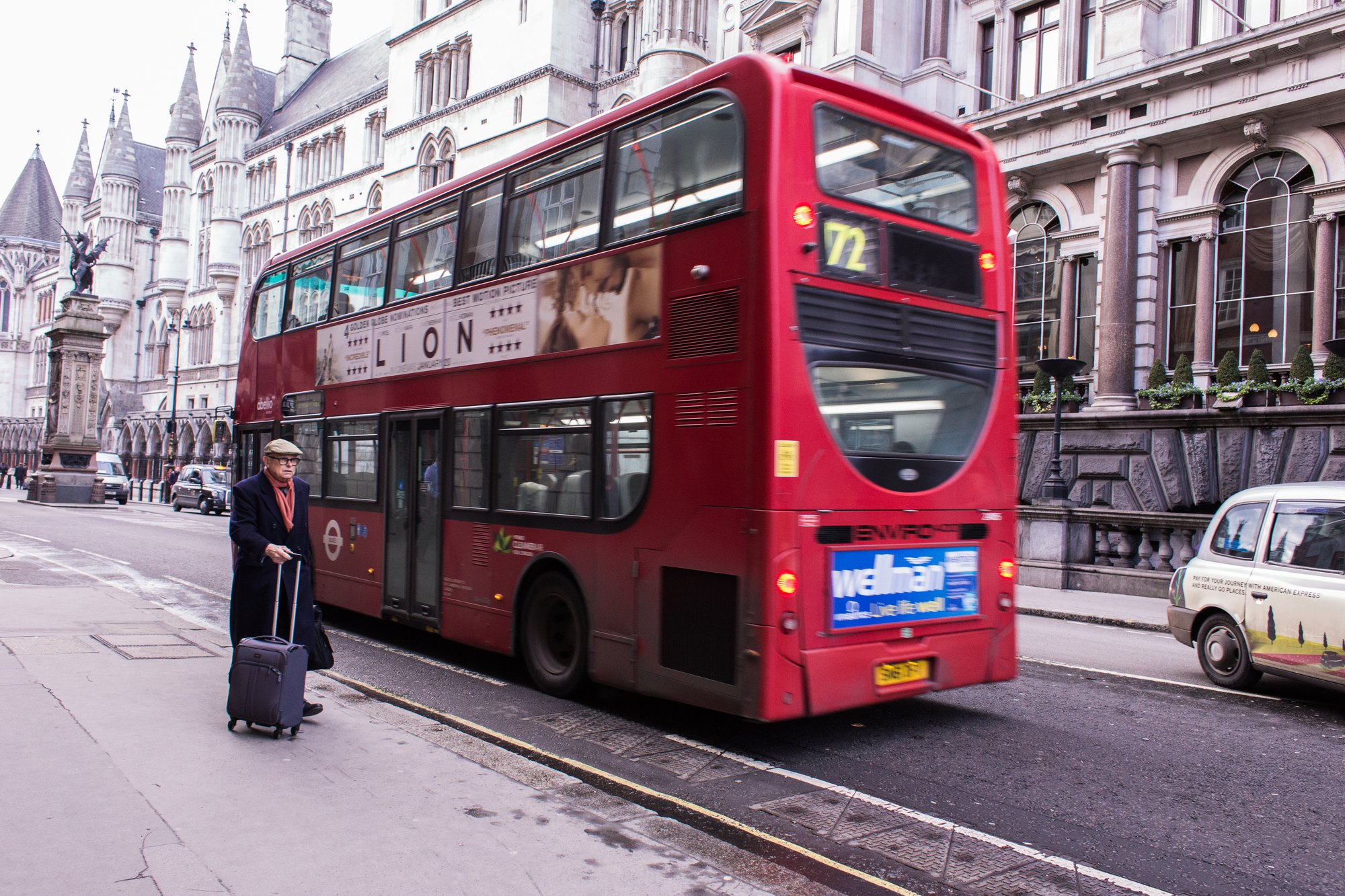
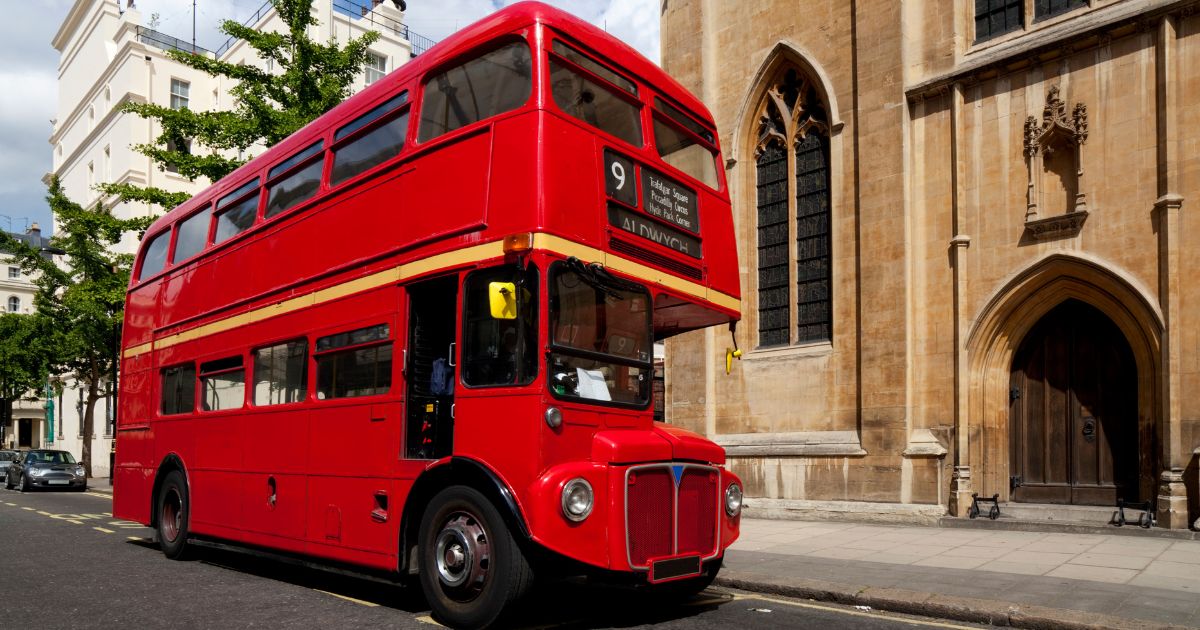
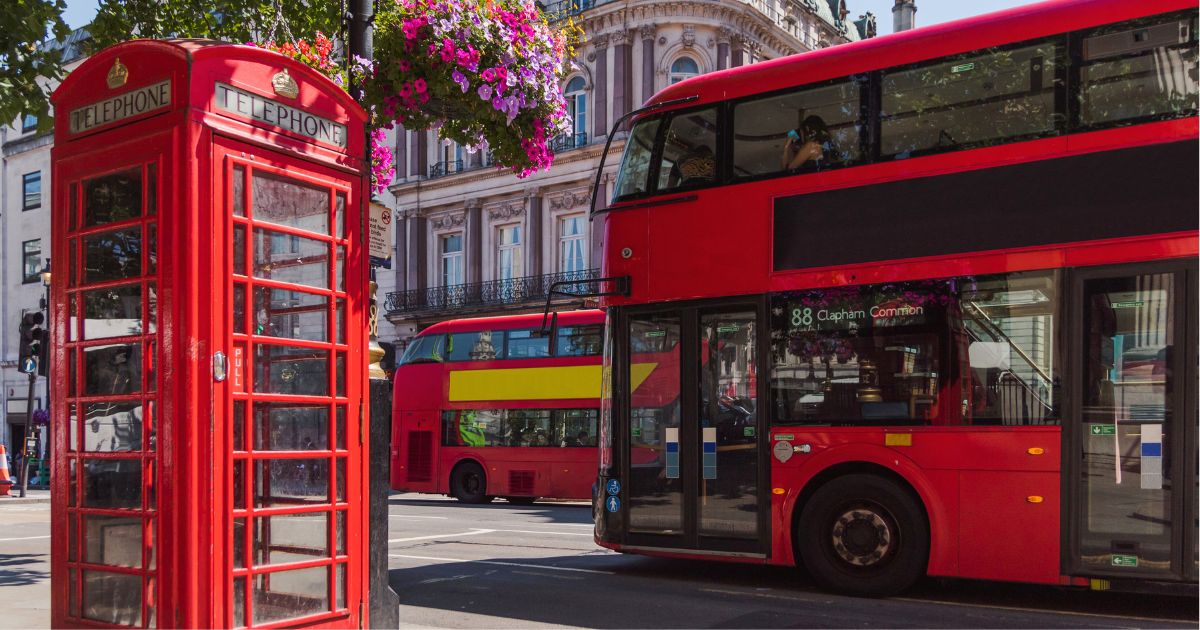
The classic red double-decker bus is one of London’s many symbols. They run very often and can take you absolutely everywhere, since they operate on the regular bus routes. Look out for routes 9, 12, 15, 49, 74 and 453. The fare is flat: £1.75 per ride, whether you go two stops or halfway across the city — there are no zones to worry about here. And if you change to another bus within the hour, the second ride is free thanks to the so-called Hopper fare. You’ll never pay more than £5.25 a day on the buses. The driver won’t take cash — you can only pay by card, phone or Oyster.
By Train Around London
Look for tickets and train connections on the National Rail website. Buy them in advance so you don’t end up stuck on the platform without a seat. Trains in England are a touch pricier than buses, so they’re better suited to longer trips between cities.
By Boat Around London
The boats here don’t work as a ferry from one bank to the other — they carry you along the river between different parts of London. These Thames riverboats are called the River Bus, and your regular public transport ticket won’t cover them. They set off every 20 minutes, and right from the deck you’ll take in views of Parliament, the Tower of London or Greenwich.
Taxi
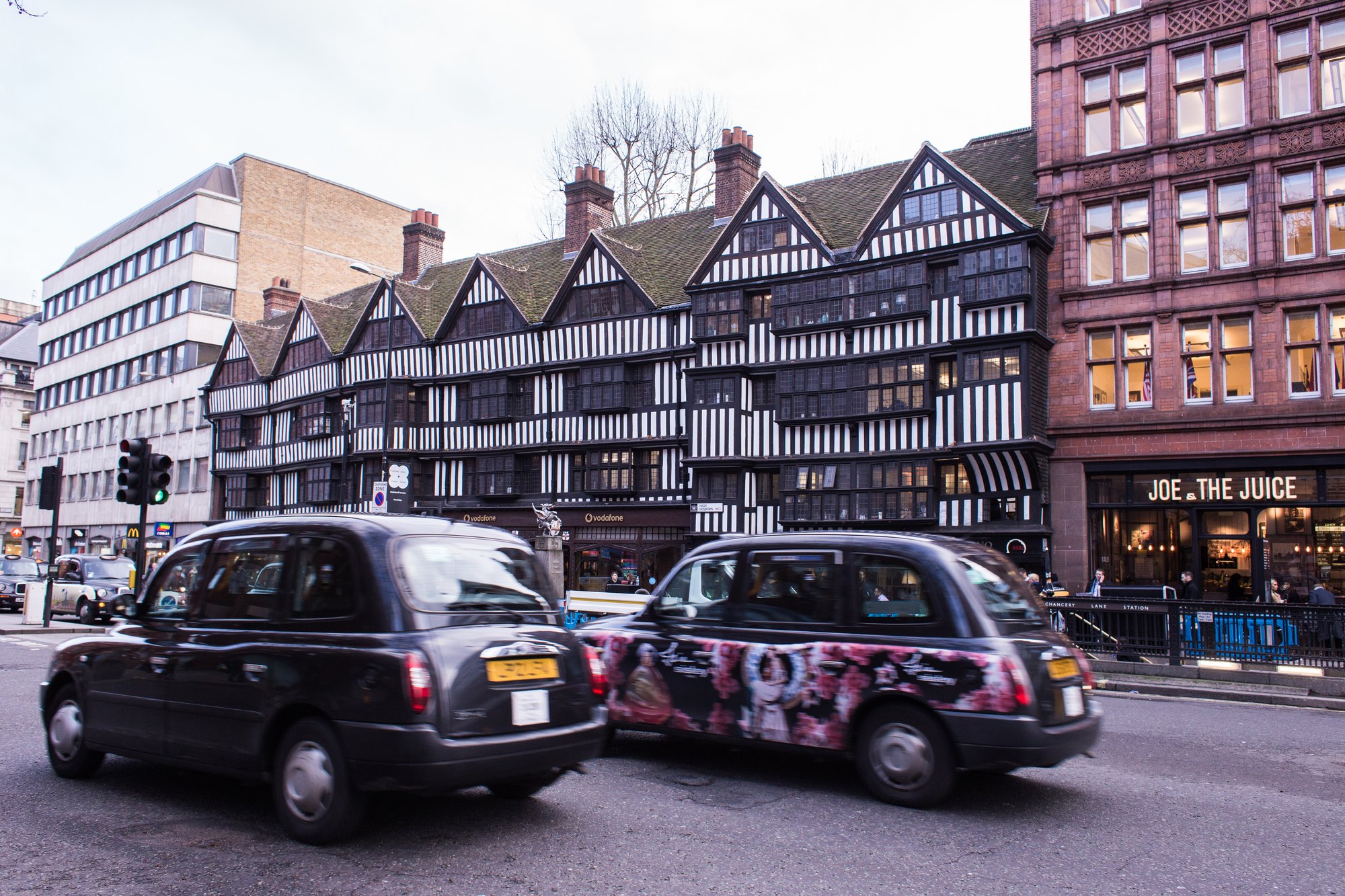
In London you can hail a classic black cab. Just wave at the driver and they’ll pull over. It’s not a cheap affair, though: the minimum fare is £4.40, and the meter then adds roughly £2.50 per kilometre, more in the evening and at night. A short hop across the centre will typically cost you £15 to £25.
How to Buy Public Transport Tickets
Contactless Card Payment
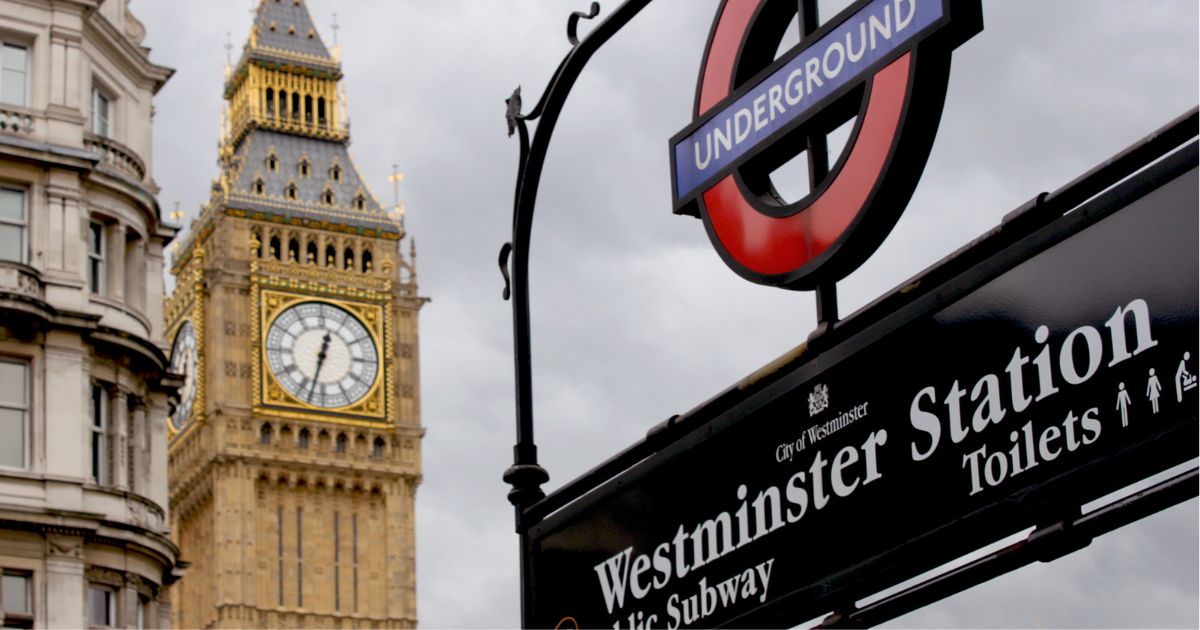
If you’ve got a contactless payment card in your wallet, you’re sorted — you can use it as your ticket on any form of public transport. Just tap it at the gate when you get on, and don’t forget to tap out again when you get off.
How much it costs: a Tube ride in central Zone 1 costs £3.10 at peak times and £3.00 off-peak; across Zones 1–2 you’ll pay £3.60 or £3.10 respectively. Peak times are weekdays from 6:30 to 9:30 am and in the afternoon from 4:00 to 7:00 pm. The best part is the daily cap of £8.90 — once you hit it, the rest of the day in those zones is free and you don’t have to keep track of anything.
Oyster Card
This famous “oyster card” works on a pay-as-you-go credit system that gets deducted at the yellow gates. A ride costs the same as with your payment card, but for the Oyster card itself you’ll pay a £10 fee you won’t see again. For us and most tourists it’s no longer worth it today: a plain card on your phone has the same fares and daily caps, and you avoid the non-refundable fee. It only really pays off if you’re travelling with children, who get cheaper fares on an Oyster Card, and it gets you a discount on the River Bus.
What to See in London: The Most Famous Landmarks
There really is a huge amount to see in London, and few people manage all of it in a single visit. So we’ve picked out the landmarks you shouldn’t miss — plus a few places the guidebooks don’t write about so much.
1. Buckingham Palace
Buckingham Palace is one of London’s greatest symbols and the official residence of the British monarch, where the most important state occasions take place. To picture its enormous scale: it holds a total of 775 rooms. It was originally built in 1703 as nothing more than a private residence for the Duke of Buckingham and Normanby.
It wasn’t until 1826 that the building was rebuilt into a palace, and it became the main royal residence in 1837 during the reign of Queen Victoria. During the Second World War, Buckingham Palace became a target of air raids — seven times, no less. You can’t normally go inside, so you’ll have to make do with the traditional Changing of the Guard at the gates. The exception is the period from August to September, when the palace’s west wing is open to the public and an army of around 200 guides will show you around.
2. Big Ben
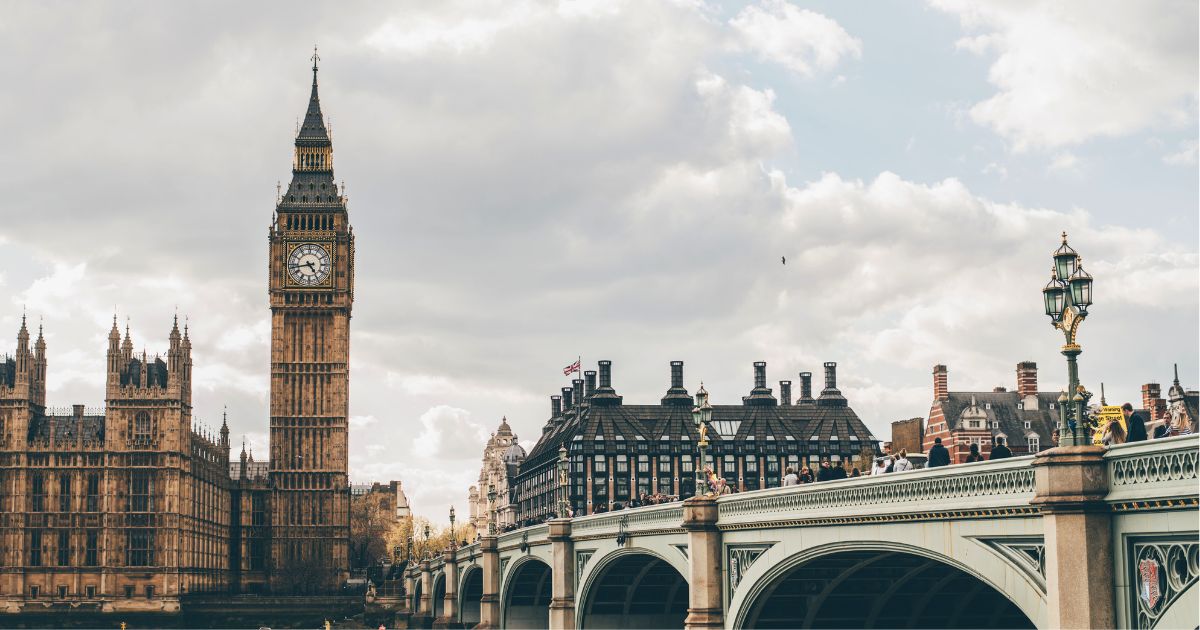
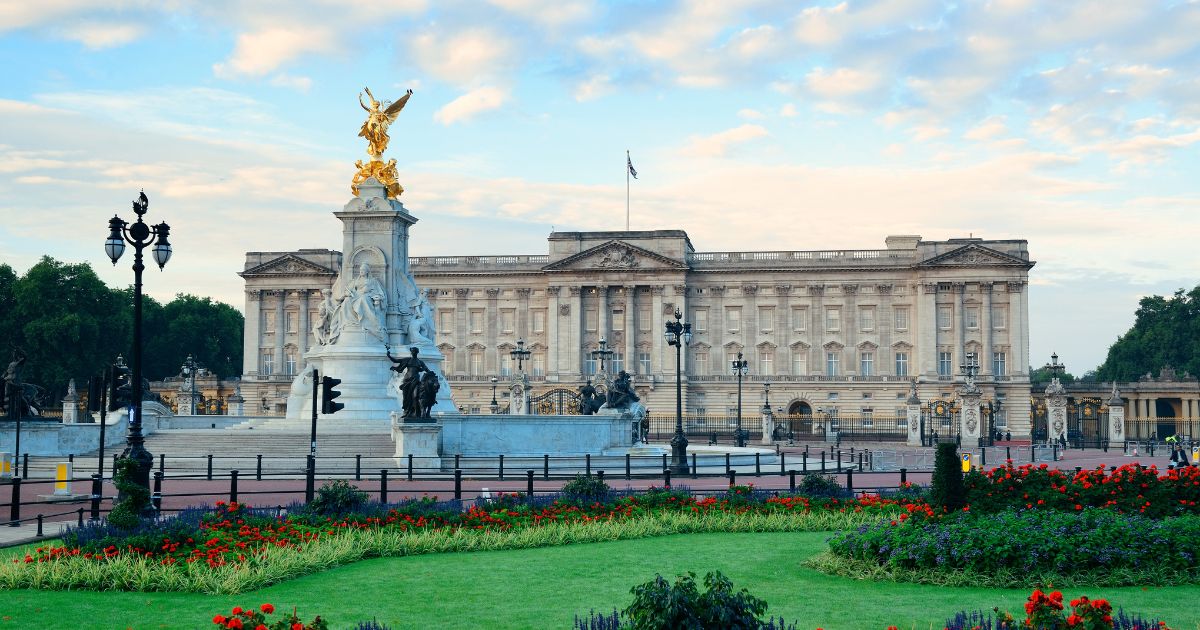
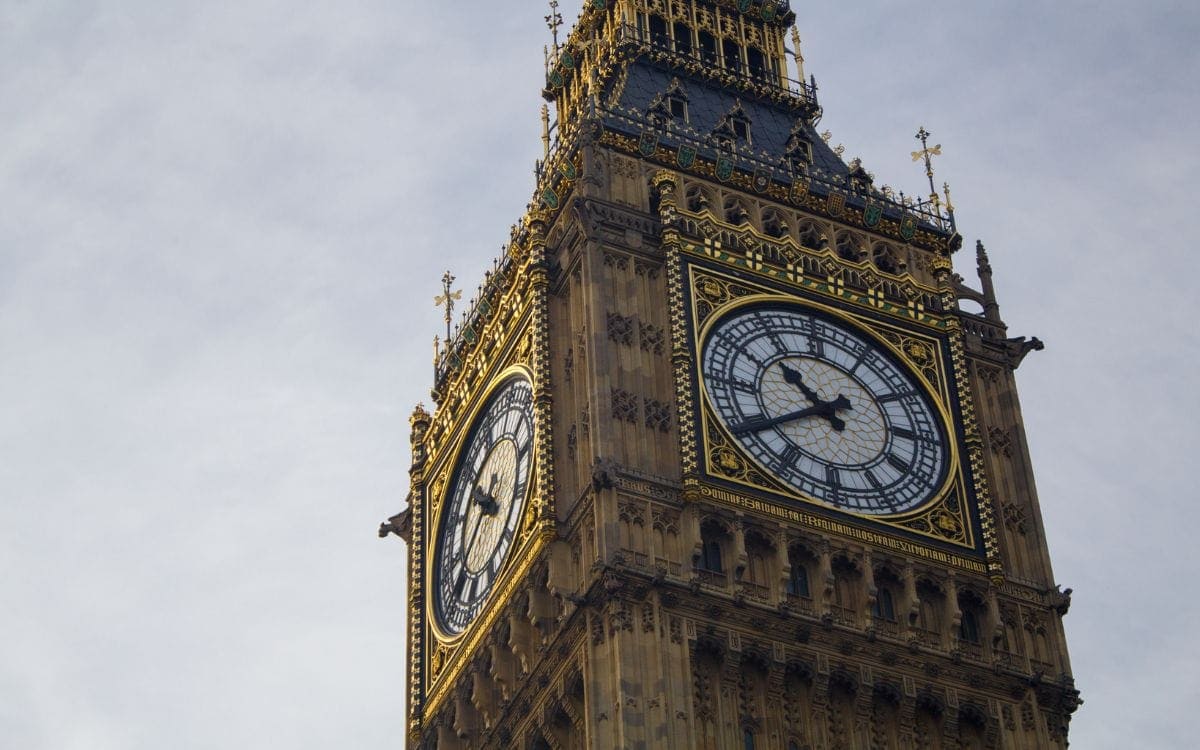
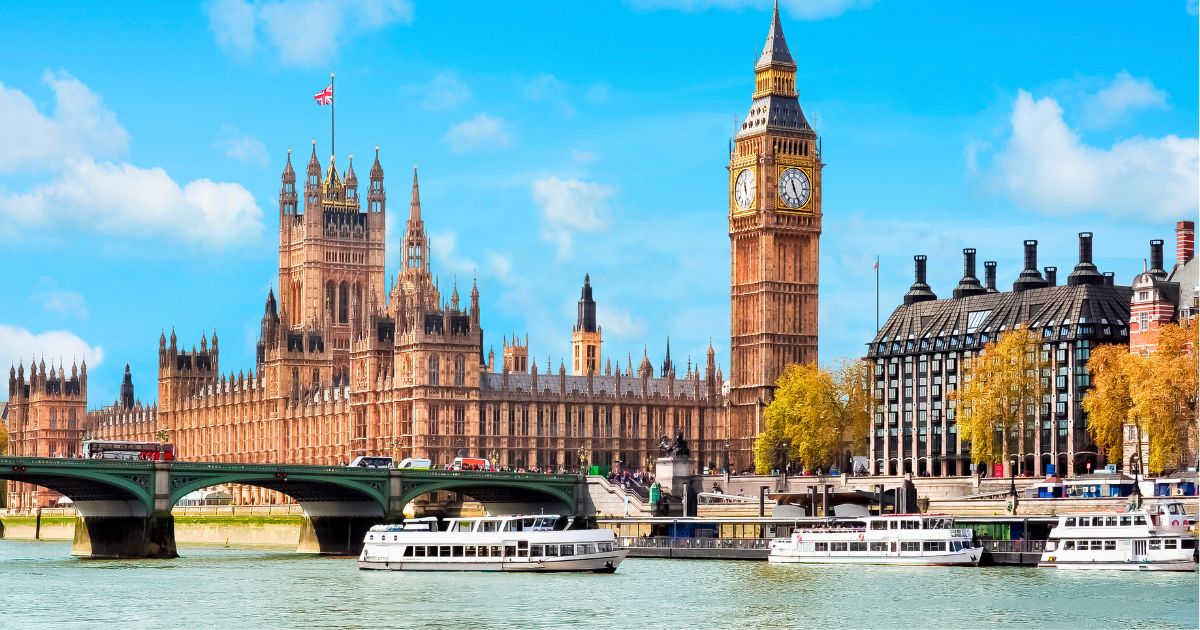
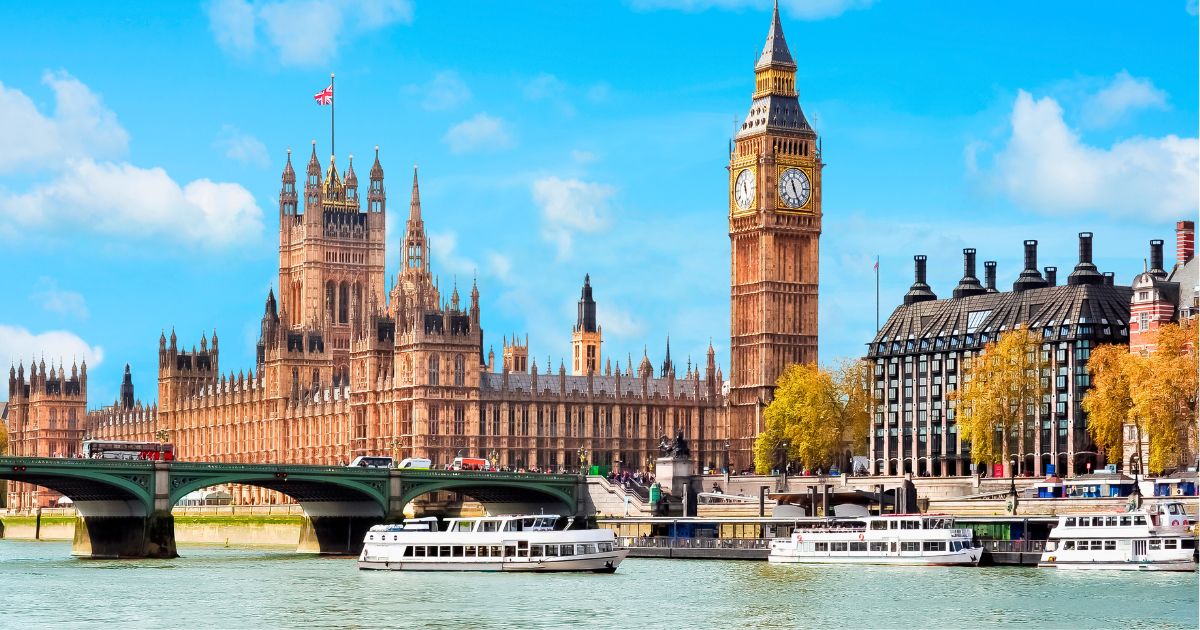
We all call the whole tower Big Ben, but it’s actually just the name of the Great Bell hidden inside Elizabeth Tower, which is part of the Palace of Westminster. It’s the very largest of the five bells hanging in this 96-metre-tall 19th-century tower by architect Augustus Pugin. It’s exactly 334 steps to the top, but don’t forget to look at the details of the façade from the outside too, where you’ll find the symbols of all four nations of the United Kingdom.
3. London Eye
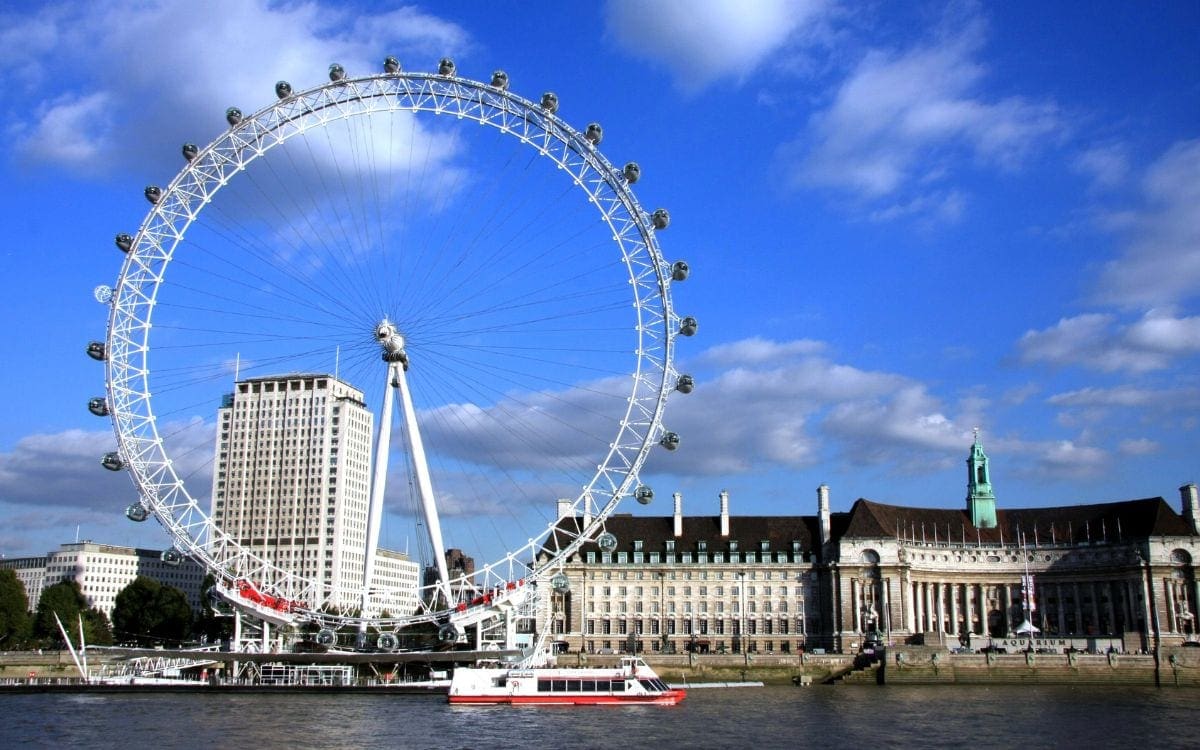
The London Eye, another of the city’s many iconic symbols, opened in 1999. Until 2006 it was the largest observation wheel in the world. It stands 135 metres tall, has a total of 32 capsules, and one rotation takes 30 minutes. From the top you’ll get a breathtaking view over the city. Tickets bought online start at around £29, while on the spot you’ll pay closer to £39 — and you’ll queue on top of that.
4. Tower Bridge
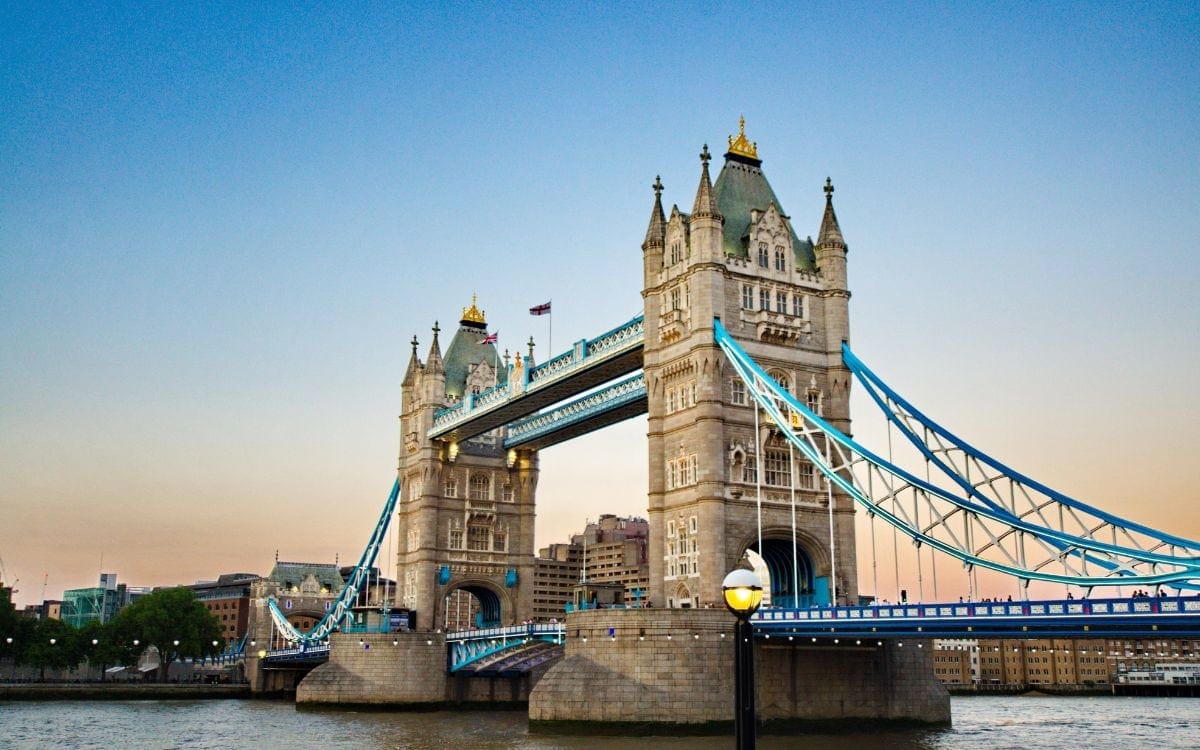
The iconic suspension bascule bridge Tower Bridge has spanned the River Thames since 1894, and more than 40,000 vehicles cross it every day. Inside its two massive towers you’ll find an exhibition with a permanent display that walks you through the history of this famous structure. If you’re also curious about the technical side, head to the tour of the old engine rooms — but you have to buy that ticket separately.
5. Palace of Westminster
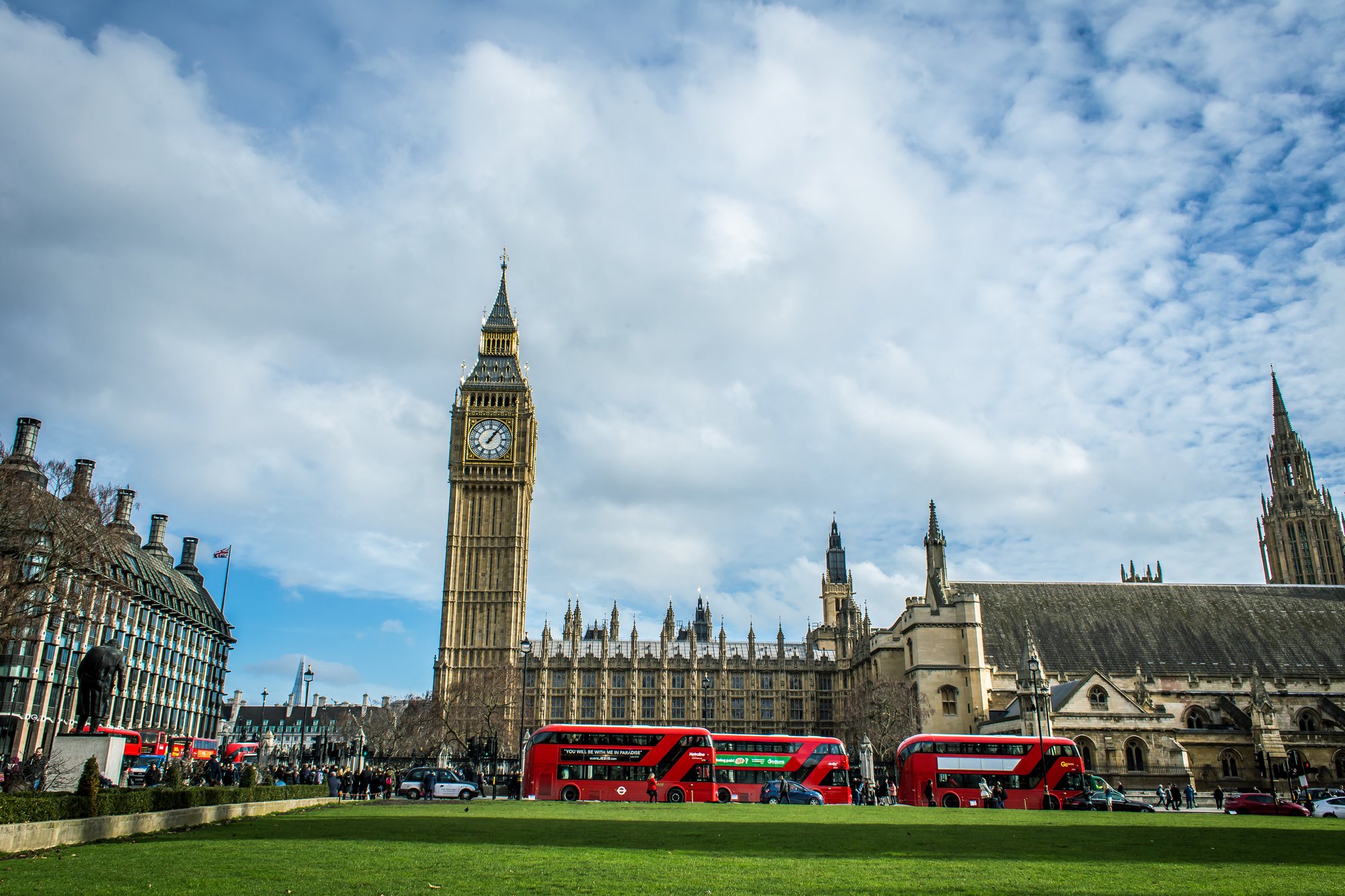
Rising majestically on the bank of the Thames is a historic palace that today houses the Parliament of the United Kingdom — the House of Lords and the House of Commons. Until the 16th century it served as a royal residence, but its oldest part dates all the way back to 1097. You can’t normally go inside, as the palace is only open to the public during the parliamentary recess.
6. Westminster Abbey
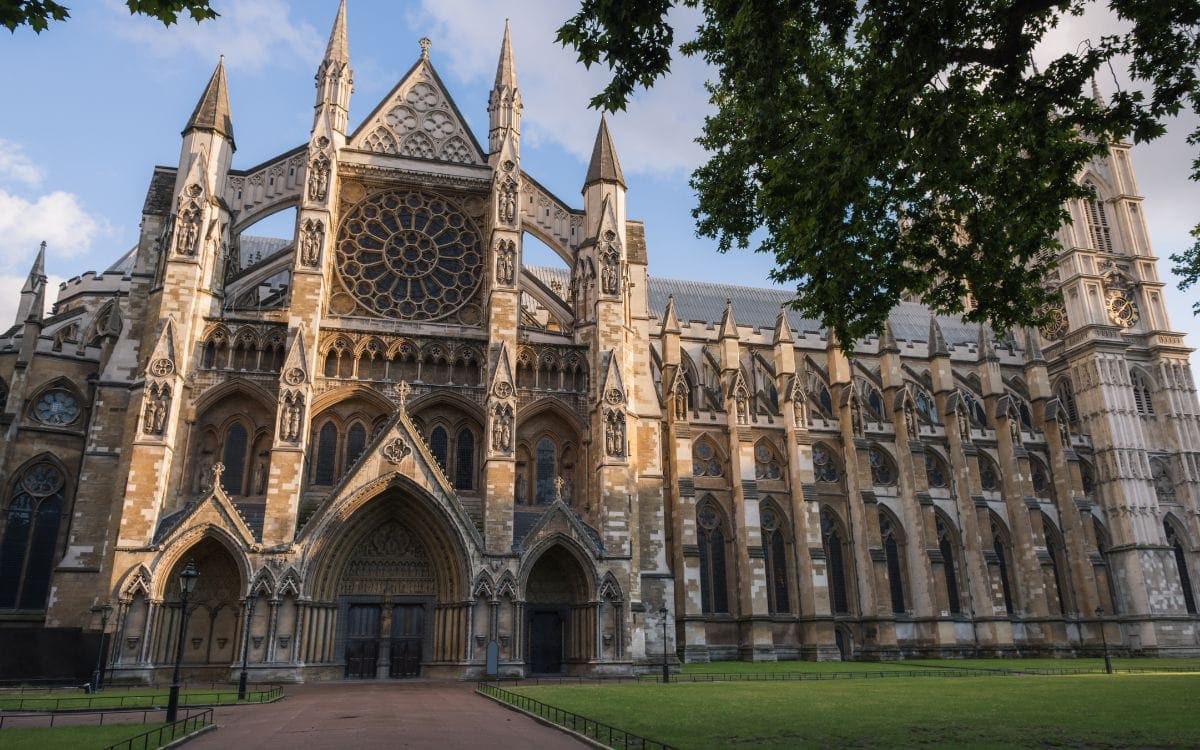
This imposing Gothic church, which belongs to the Church of England, serves as the final resting place of monarchs, and since 1066 it has hosted the coronations of every English king and queen. It was in these monumental surroundings that Queen Elizabeth II said her vows to the Duke of Edinburgh, Philip. As you admire the interior, look carefully around — you’ll even find a memorial dedicated to the Czechoslovak soldiers who fought during the Second World War.
7. Greenwich Observatory
The Royal Observatory in Greenwich, founded in 1675 on the orders of King Charles II, once served as home to the Royal Astronomer. Today you’ll find a fantastic museum inside, full of old astronomical and navigational instruments, and it offers a beautiful view over the surroundings too. Among the exhibits is a historic chronometer that once belonged to John Harrison.
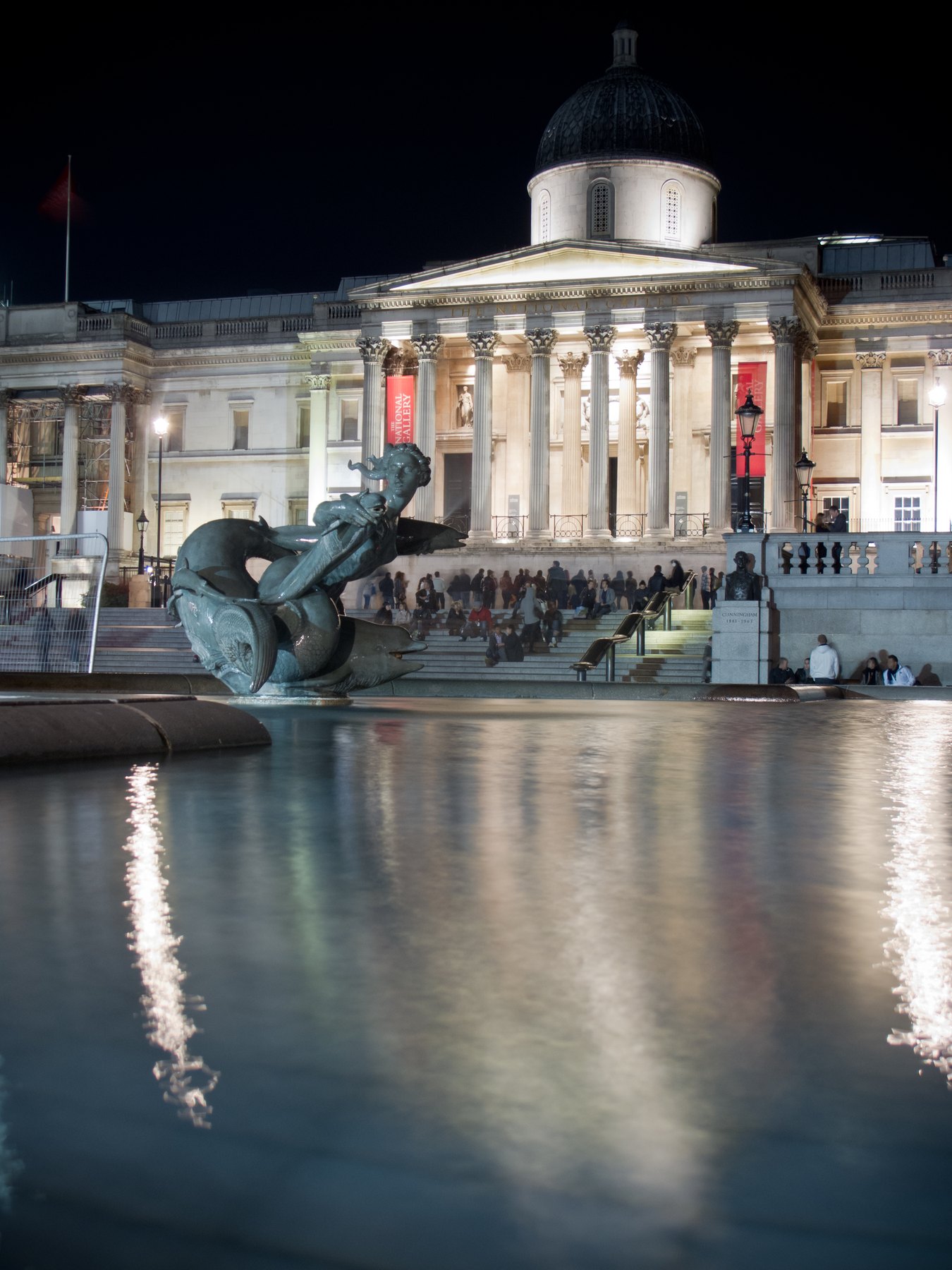
8. Trafalgar Square
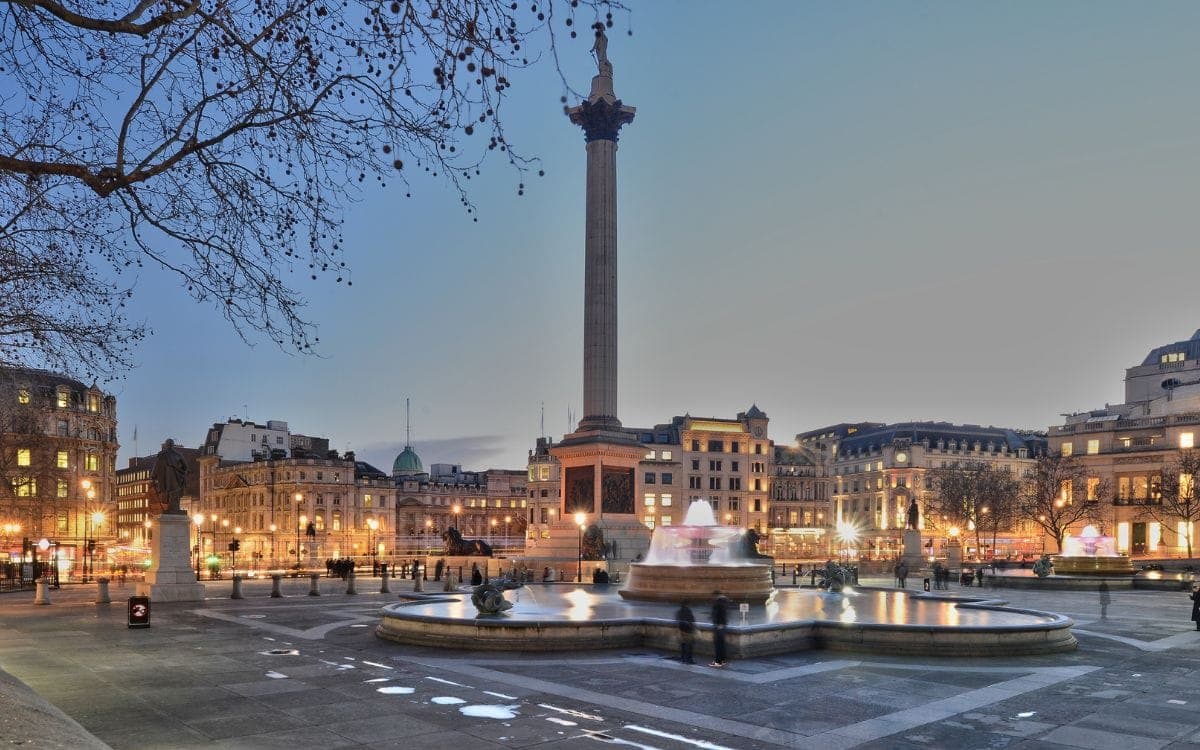
The square took its name from the famous Battle of Trafalgar in 1805, when the British navy triumphed in the Napoleonic Wars. Its current appearance dates from as far back as 1845, and trust us, it hasn’t changed much visually since then. Right in the middle rises Nelson’s Column, surrounded by fountains and four bronze lions. Once you’ve photographed it all, you can head straight into the National Gallery on the north side.
9. Downing Street
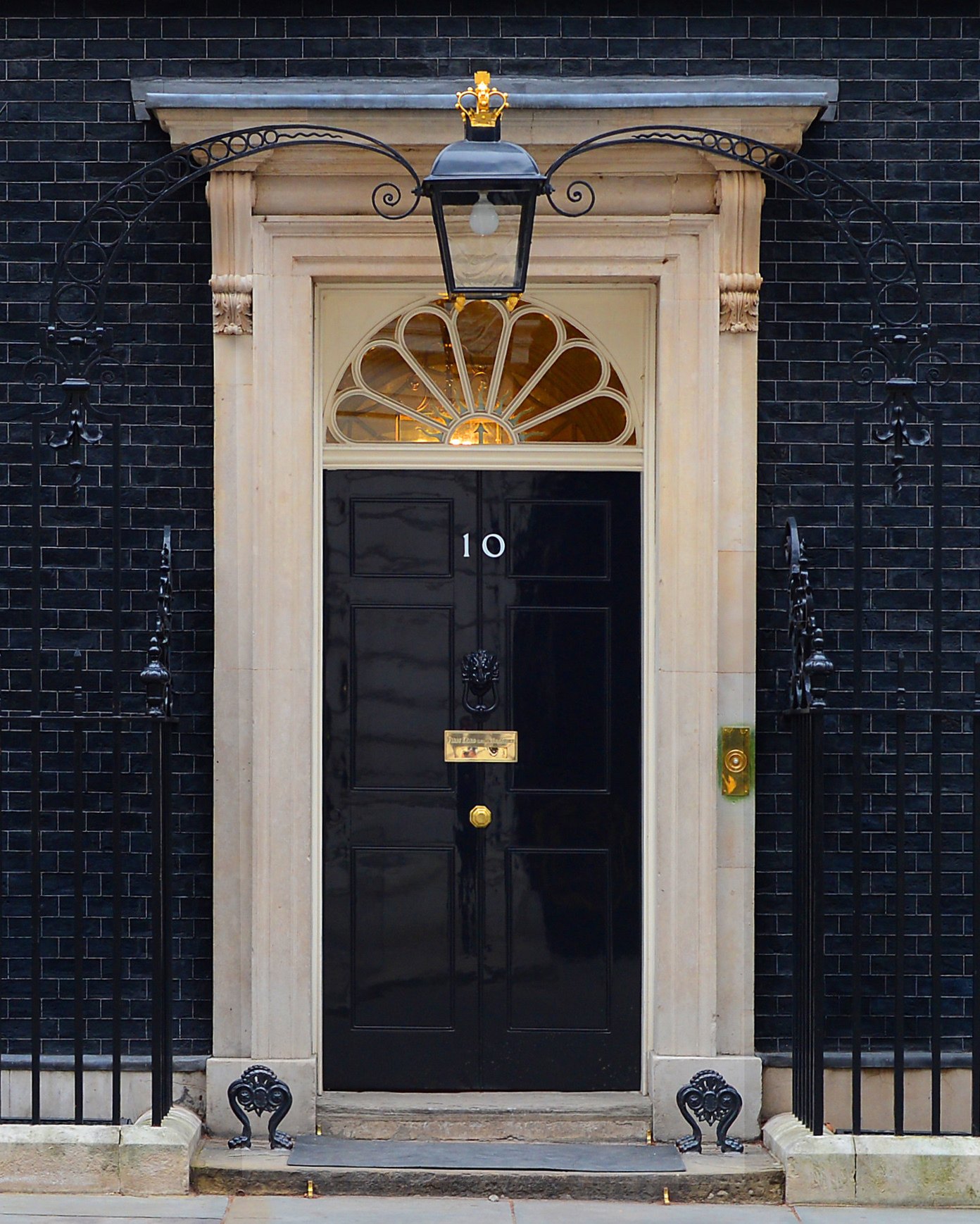
A short walk from the Palace of Westminster lies Downing Street, which is probably the single most famous little street in central London. Everyone knows the address 10 Downing Street as the official residence of the British Prime Minister, but other important institutions are based here too, such as the Cabinet Office and the Treasury.
10. Churchill War Rooms
These sprawling underground spaces were created in 1938 to provide a safe refuge for the deliberations of the British government. Although the bunker rooms were designed for maximum protection, today only part of the complex is open to the public. The heart of the whole complex remains the Cabinet Room, where the key deliberations of Churchill’s government took place behind closed doors.
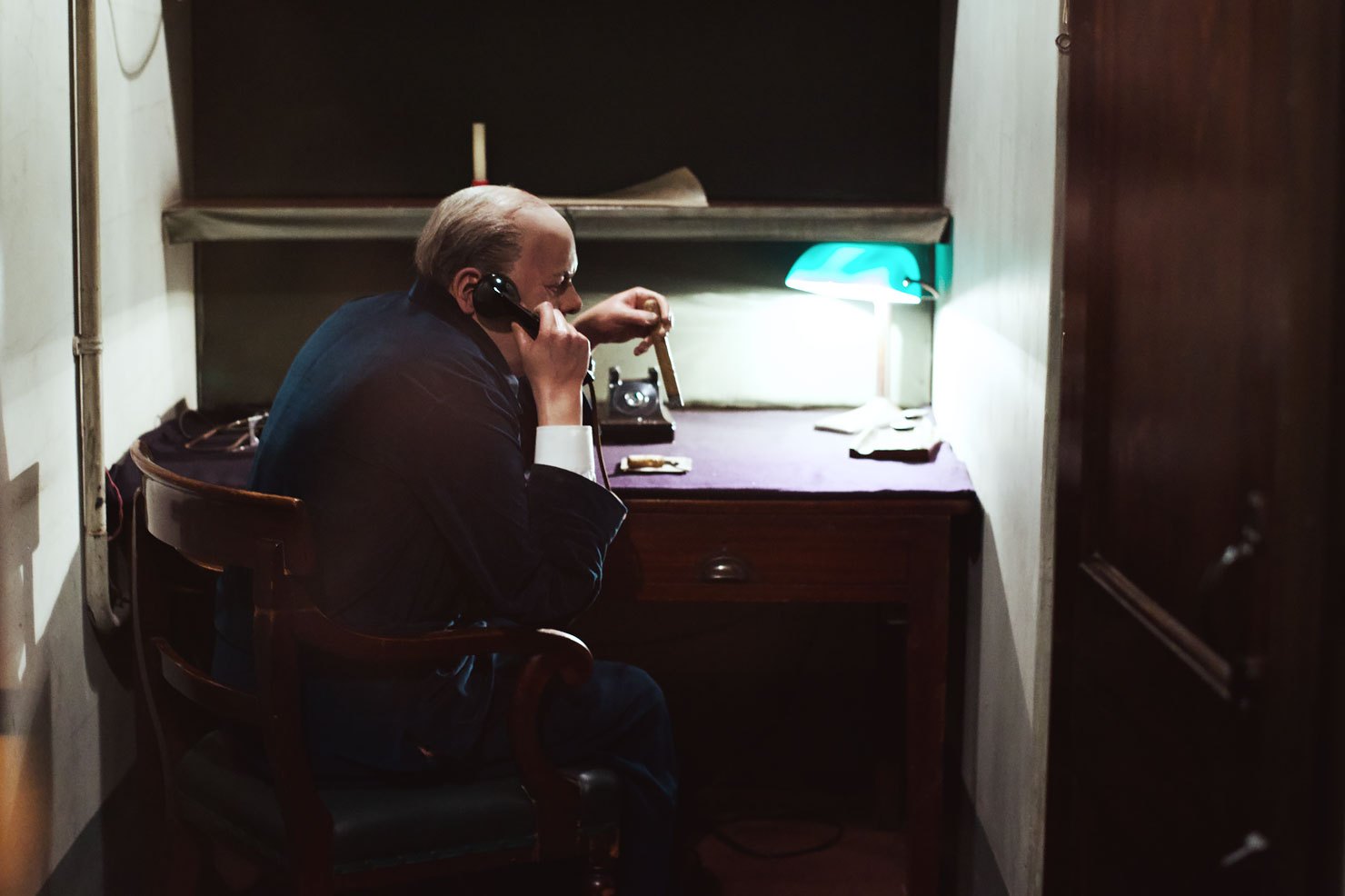
The whole museum is arranged so that an authentic period atmosphere washes over you, right down to the original maps hanging on the walls. The Churchill Museum itself then walks you through this statesman’s fascinating life. Entry costs £33 to £34 depending on the season, and children under five get in free. Remember that tickets are sold online only for a specific time slot — you won’t get anywhere at the box office on the spot.
11. The Monument to the Great Fire
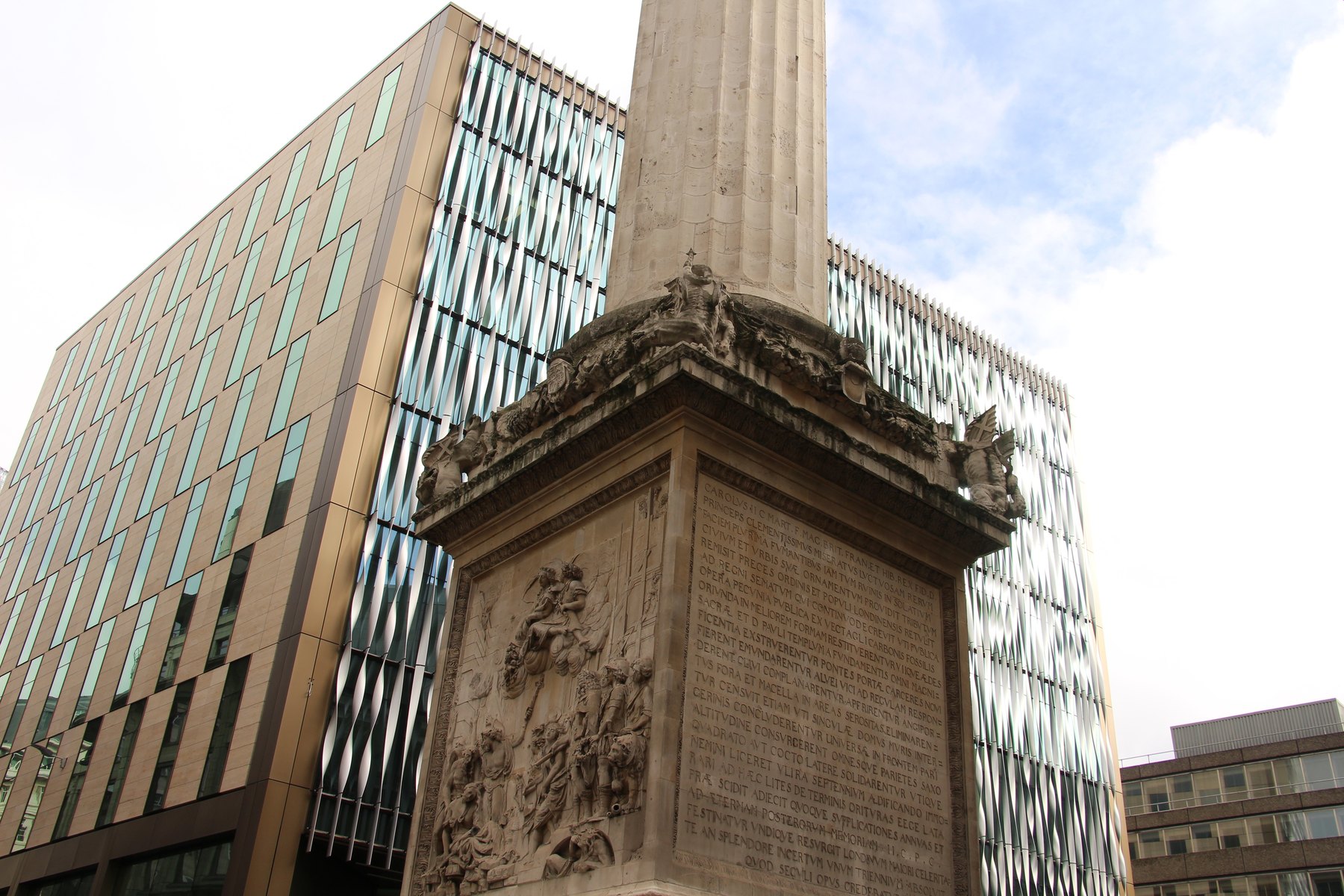
The Monument is a 62-metre-tall tower built as a reminder of the Great Fire, which in 1666 destroyed a significant part of London. You can climb the 311 steps to the top of the tower. It stands near London Bridge.
12. The Globe Theatre
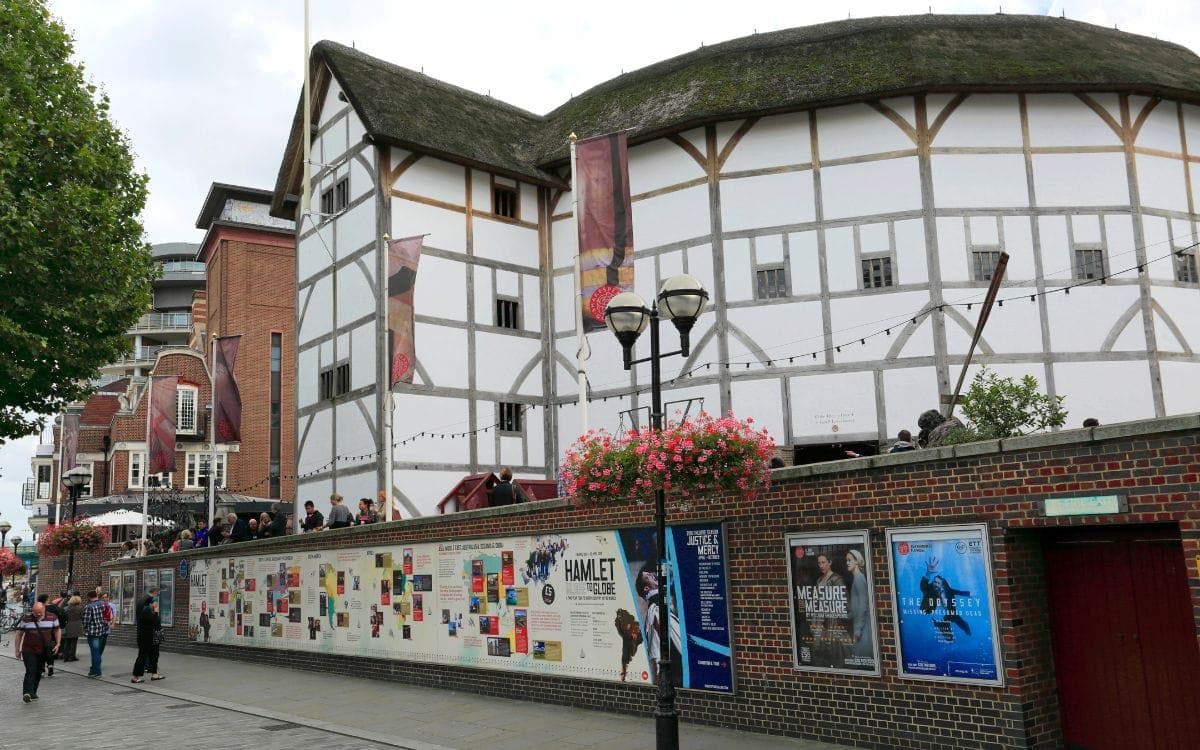
Today’s Globe Theatre is a fine reconstruction of the original, where the plays of William Shakespeare were once performed. You’ll find it right on the bank of the Thames, and if you come in summer you might catch the famous Shakespeare festivities. Besides the performances, the largest Shakespeare museum in the world awaits you here too.
13. Camden
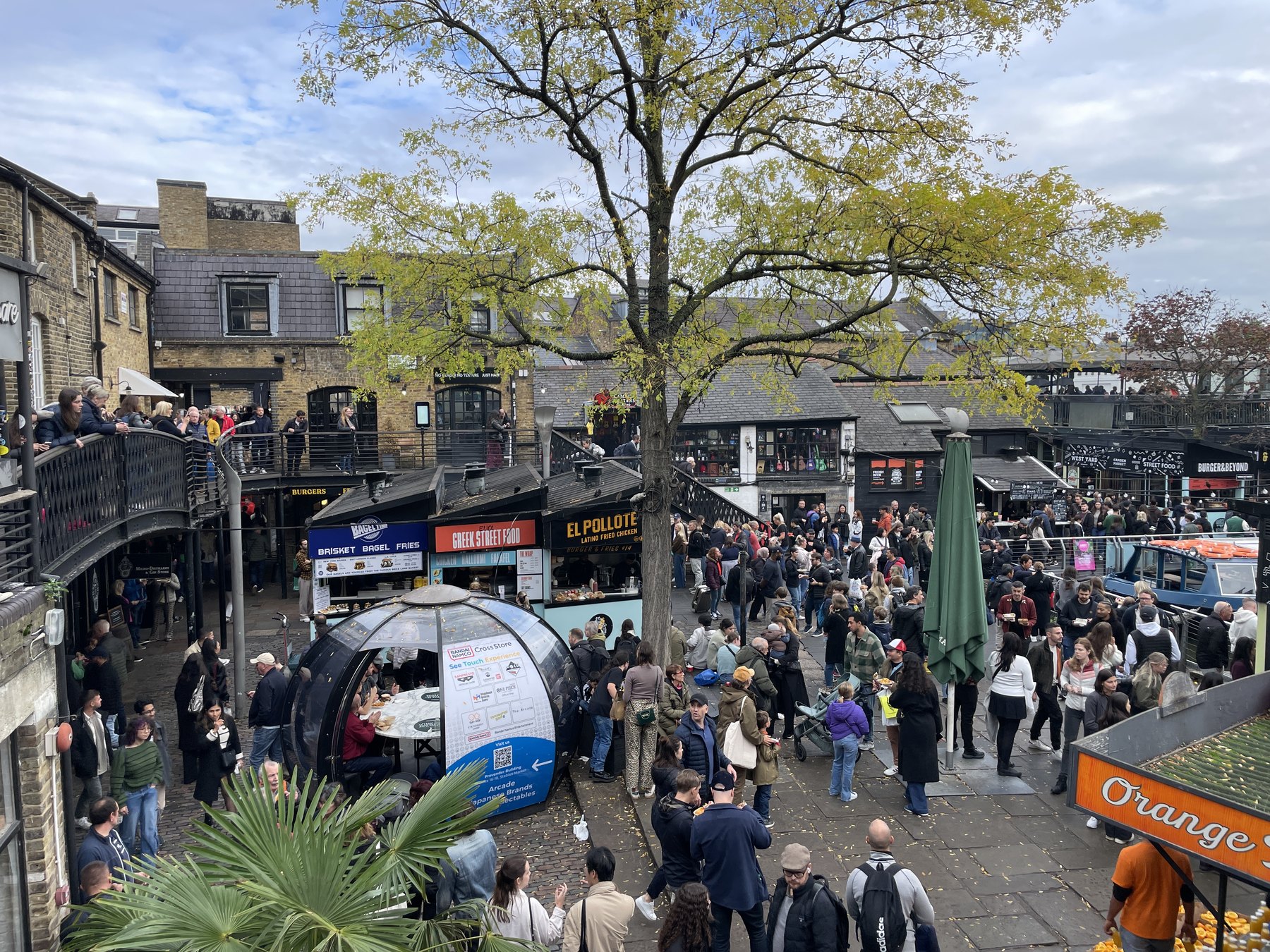
Camden Town is a district full of nightlife, jazz bars, old-world pubs and cheap restaurants. Above all it’s a haven of alternative culture, and if you’re after an unconventional experience, be sure to visit the local markets. We’ve written a separate guide with 12 tips on what to see and taste in Camden.
14. Baker Street
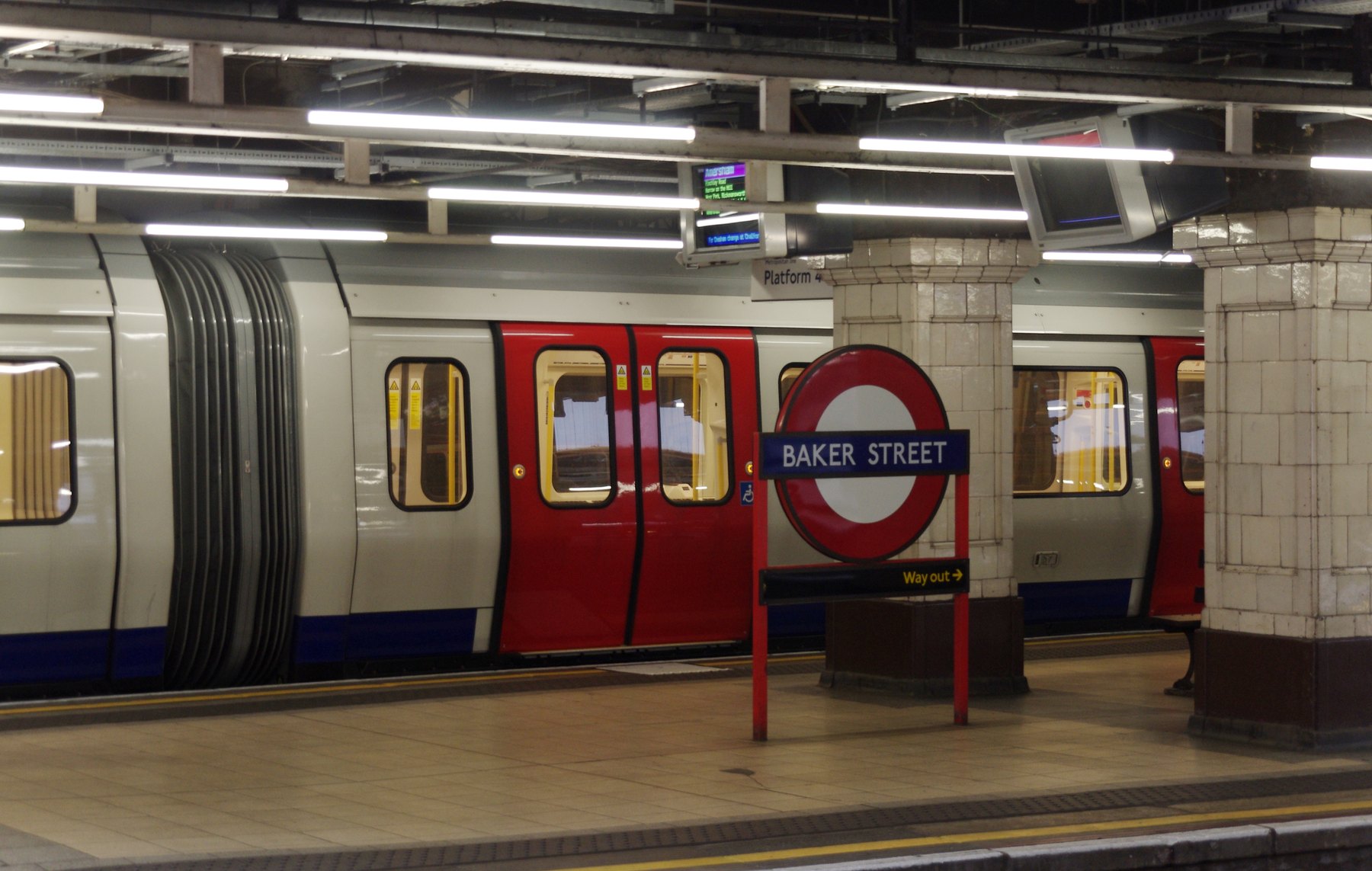
Just about all of us associate this famous street in Westminster with the character of Sherlock Holmes. According to the books, the brilliant detective lived here, specifically at the then non-existent number 221B. Today, of course, the address is home to the stylish Sherlock Holmes Museum, which delights every fan.
Modern Buildings and Neighbourhoods in London
15. The Shard
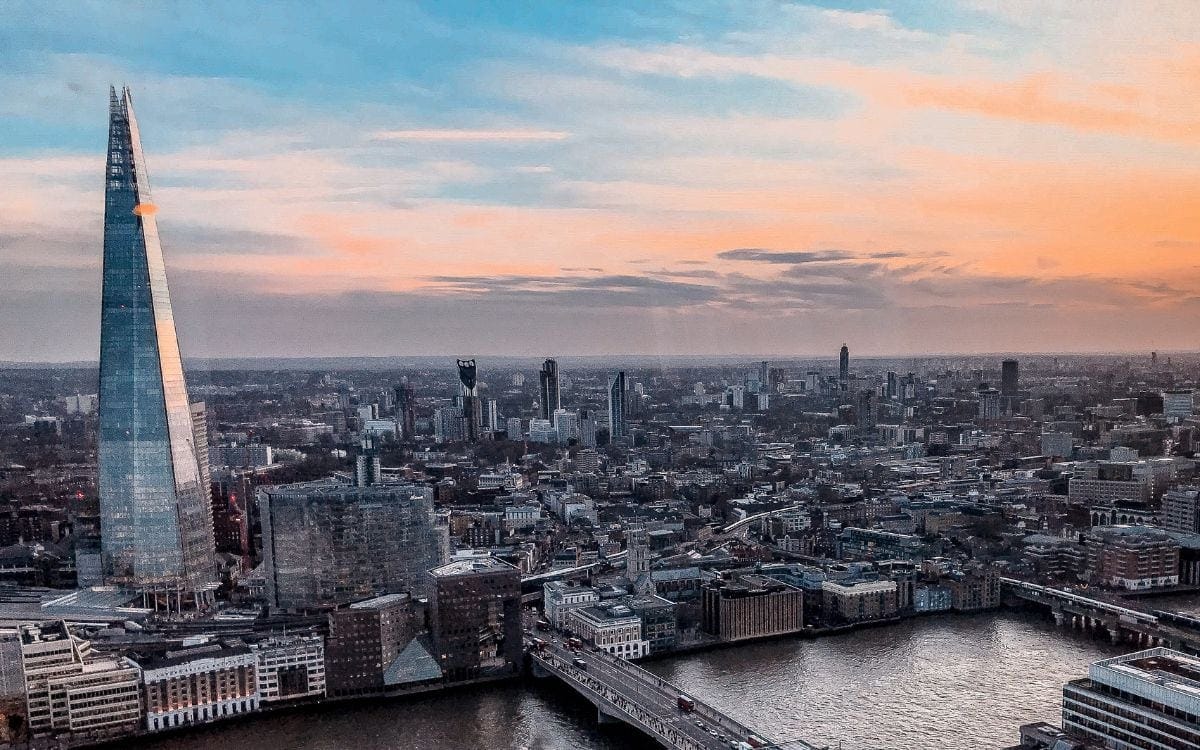
The name of this London skyscraper translates fittingly as “shard”, and at 310 metres it’s the tallest building in the United Kingdom, holding seventh place in the global rankings. Inside the structure by architect Renzo Piano are offices and apartments, but what will interest you most is the viewing gallery right at the top. Tickets start at around £22 and, depending on the time, can climb to £32. Our advice, though, is to save and head to Sky Garden instead — the view there is free, just don’t forget to grab your free booking in good time.
16. Piccadilly Circus
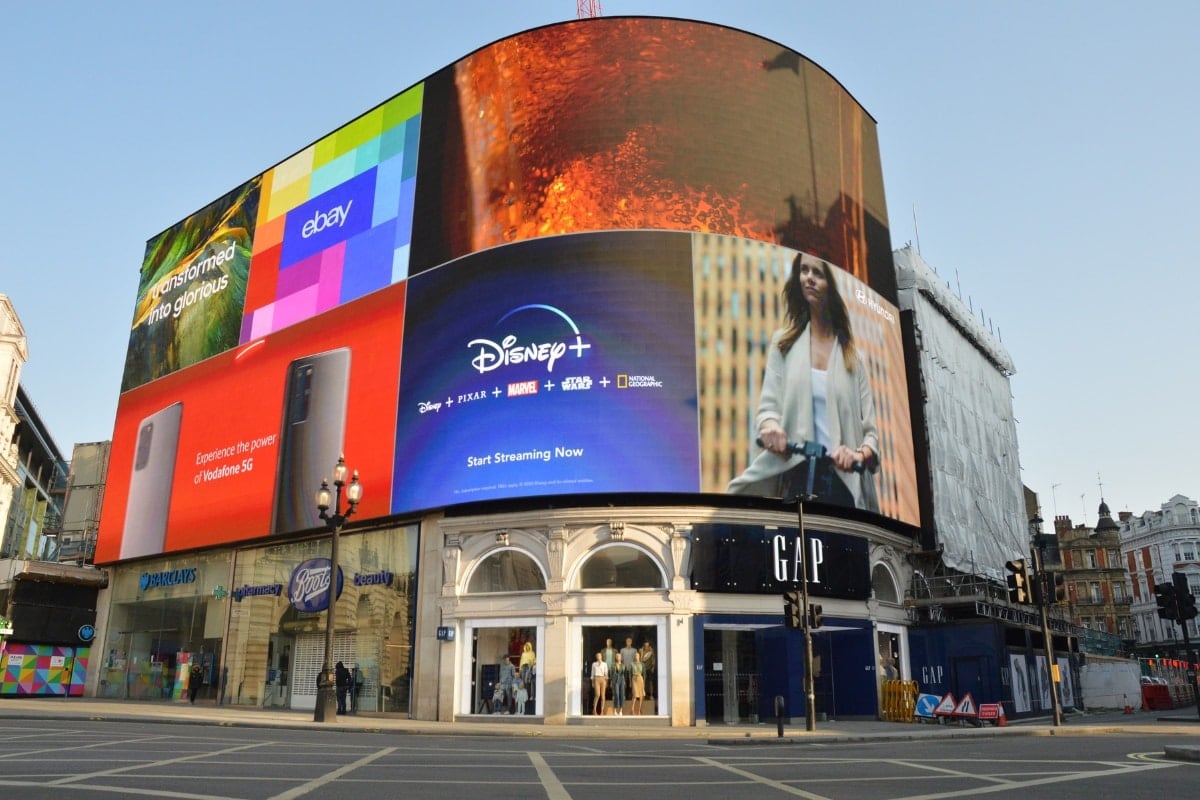
This popular square, named after its distinctive shape, elegantly links the busy shopping streets of Regent Street and Piccadilly. As you stroll around, the giant neon adverts will grab your eye, but the Shaftesbury Memorial Fountain and the London Pavilion are worth a look too.
17. Soho
Soho in Westminster is a name to know — a place where former pastures gave way to a multicultural district pulsing with colourful nightlife. You’ll find everything here from cosy little cafés and restaurants to cinemas and independent theatres. The area once became famous for its wild past linked to the adult industry, but these days things are firmly under control. Lovers of alternative culture and independent film will feel right at home.
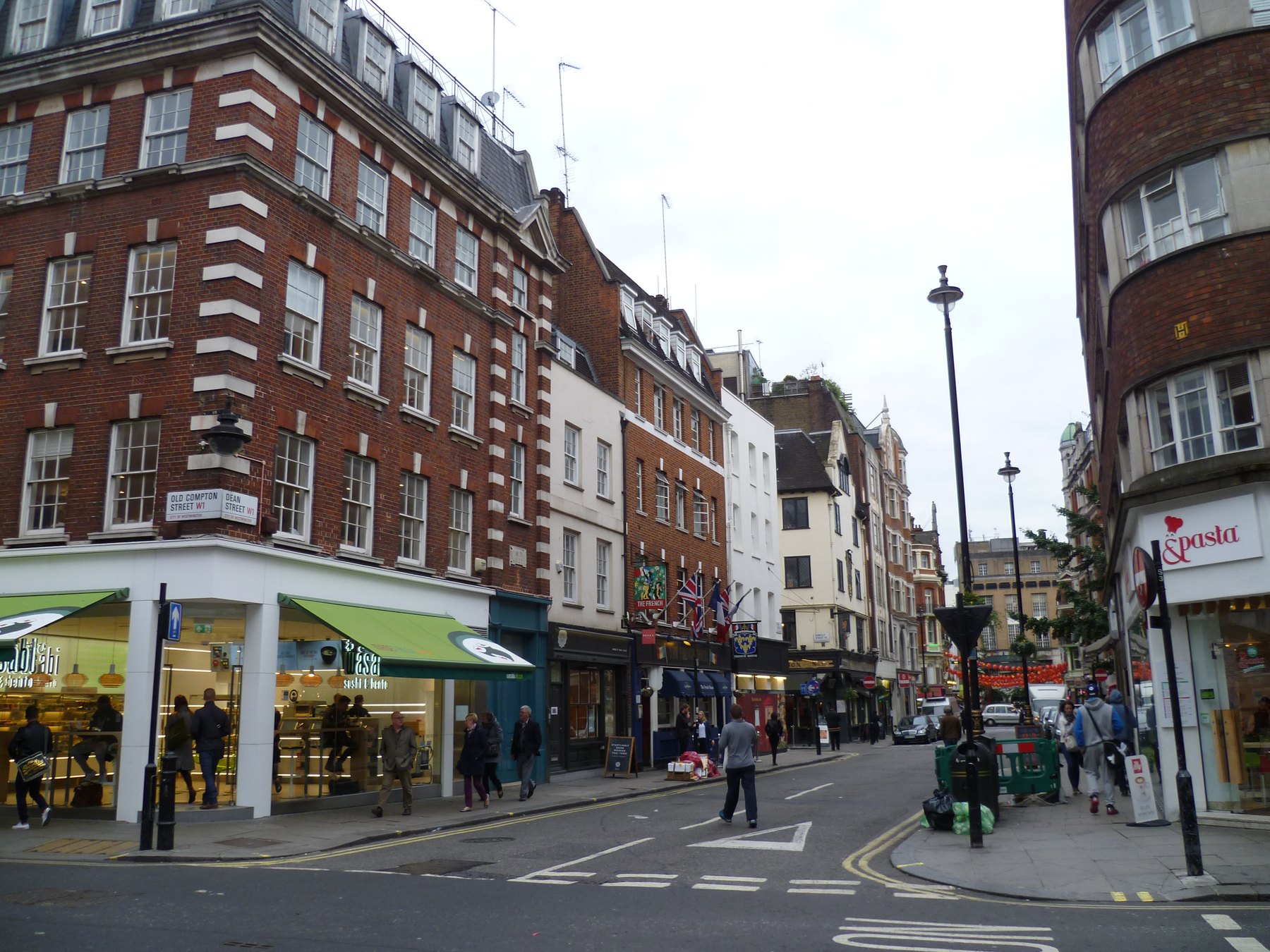
Part of the district is Chinatown, the centre of London’s Chinese community. Here you can visit plenty of Chinese restaurants and shops and admire the decorations. Every year the area hosts Chinese New Year celebrations.
18. Shoreditch
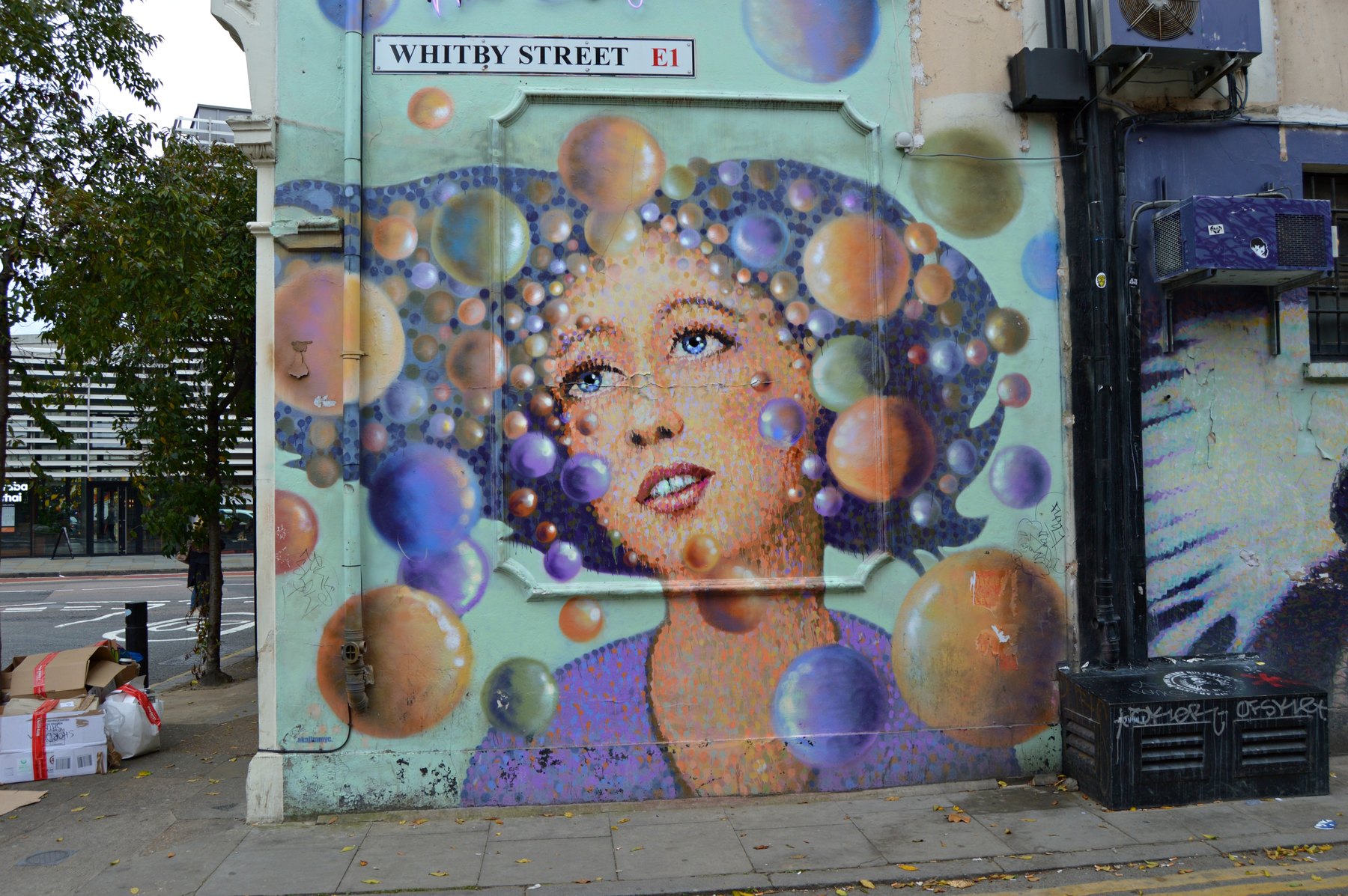
Shoreditch today is an incredibly lively area full of painted buildings, creative artists and designer restaurants. As far back as the 19th and 20th centuries it functioned as an artistic hub surrounded by theatres and concert halls. If you enjoy nightlife, culture and street art everywhere you look, put this place on your list — or better yet, stay here.
19. Harrods
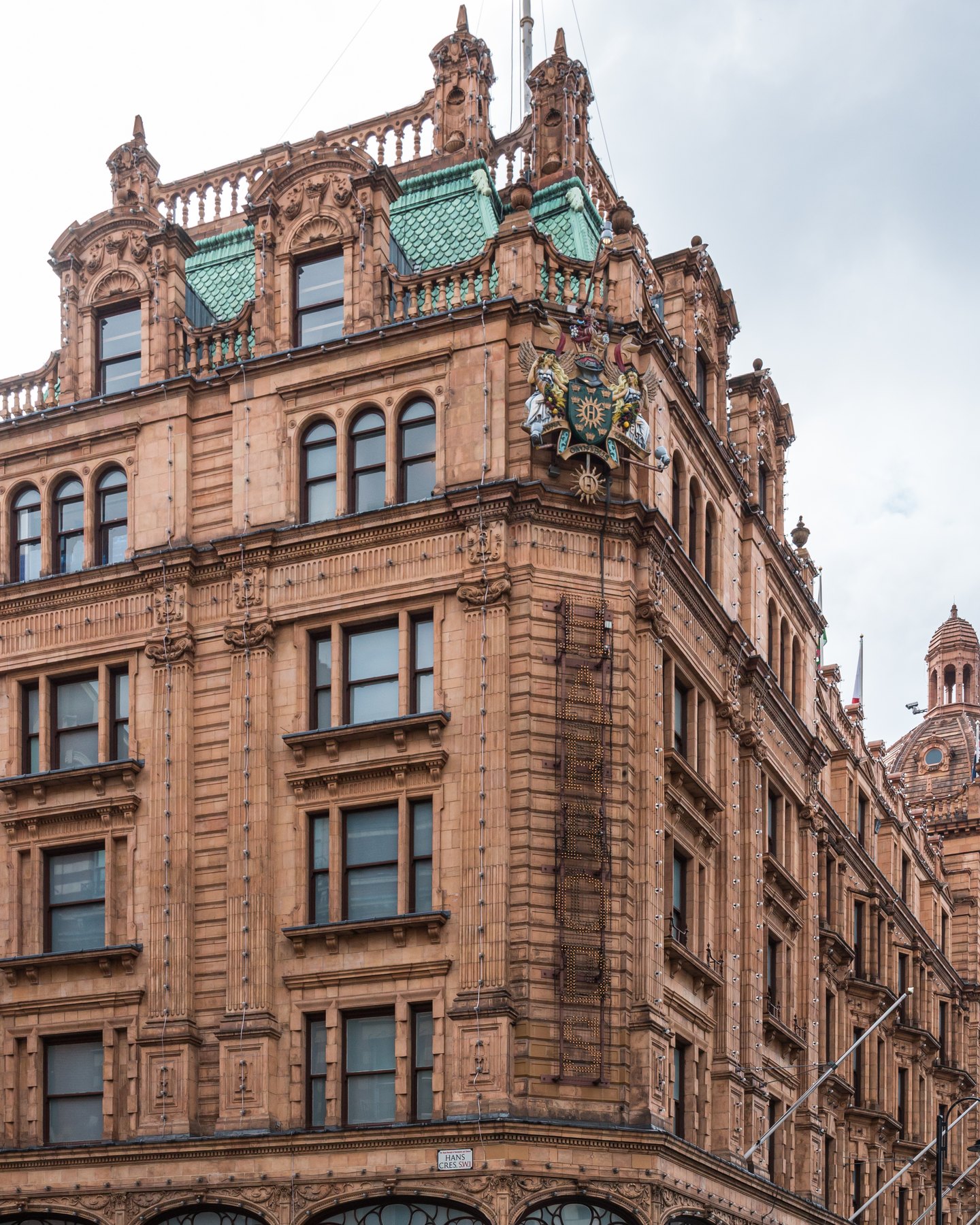
A short walk from Hyde Park in central London stands what is arguably the most famous and longest-running luxury department store in the world, with a shopping floor covering over a million square feet. You can find practically anything here, from perfumes and wedding dresses to a yacht, a plane, a medical clinic or even a funeral. Its history is fascinating — A. A. Milne bought the original Winnie the Pooh here, and President Ronald Reagan even bought a baby elephant. You simply have to see this opulent “city within a city” with your own eyes — and you can eat pretty well here too.
What to Visit in London: The Best Museums
20. The British Museum
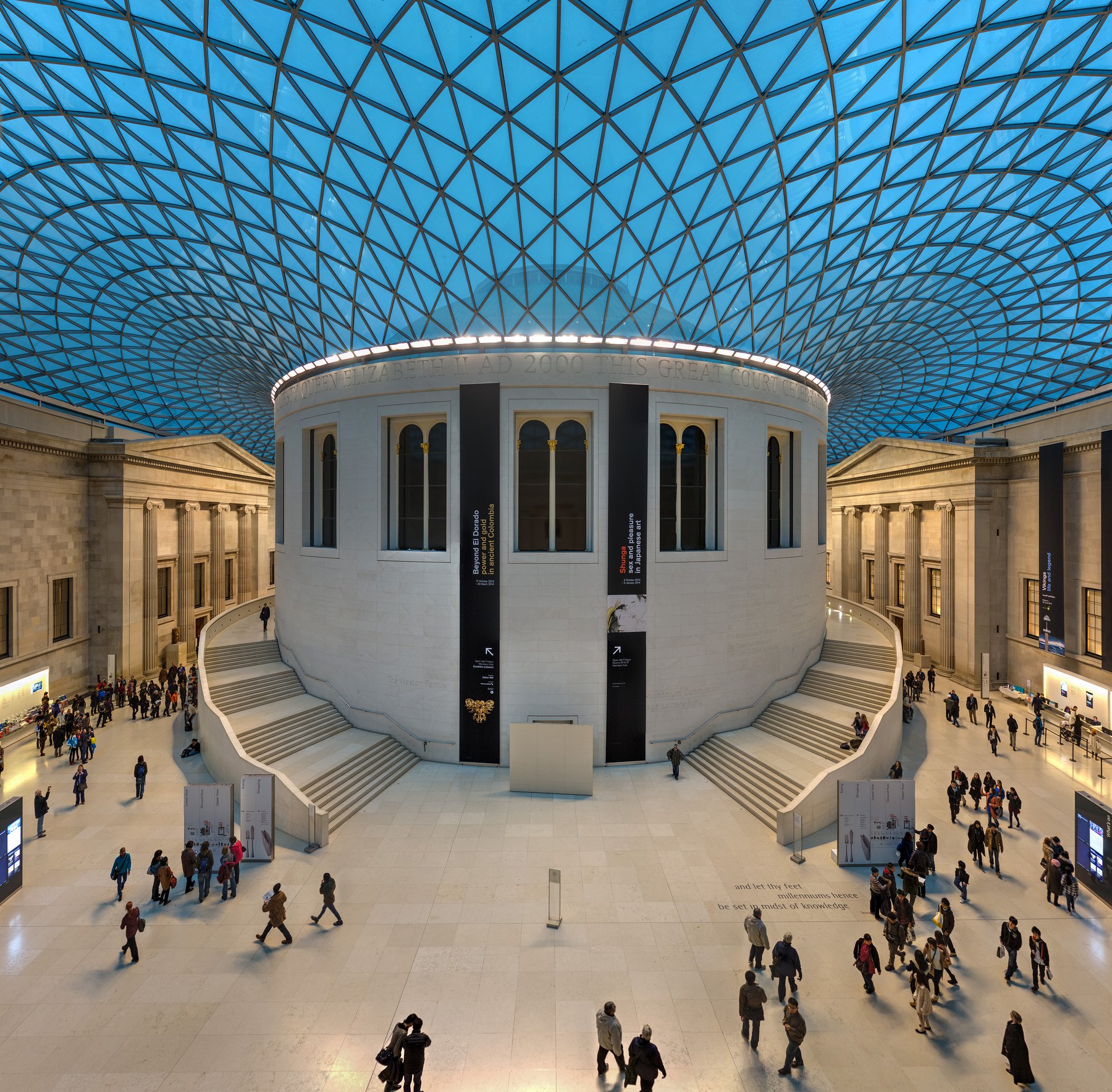
Located in Camden, it’s one of the most significant museums in the world, with a collection containing several million pieces. The exhibition maps the history of humanity, divided into several sections by period and place. Here you’ll find, for example, the mummy of Cleopatra, Michelangelo’s drawings or a Moai statue from Easter Island. Entry is free.
21. Tate Modern – Museum of Modern Art
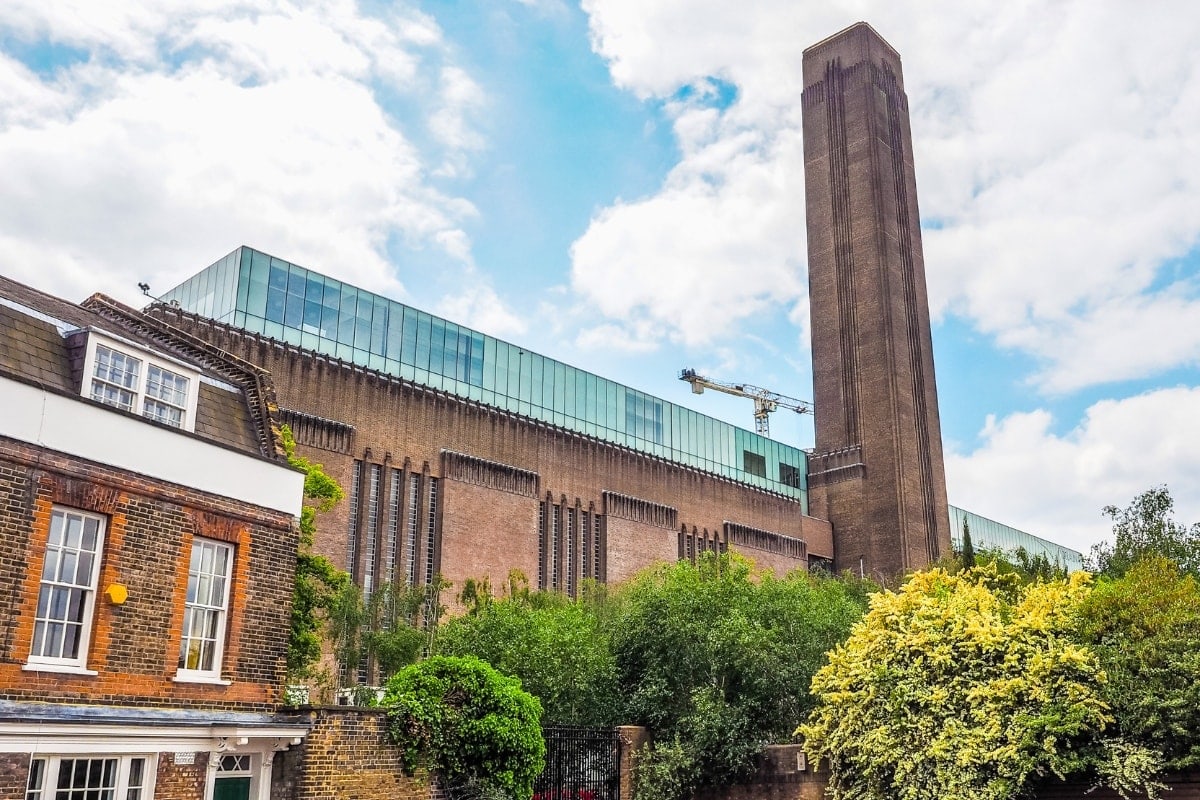
If you count yourself among fans of contemporary art, your steps will most likely lead to Tate Modern. The network of galleries was founded in 1897 by Henry Tate, and today it’s one of the most popular art stops in the world, with Tate Britain functioning as another branch. Here you’ll find works by masters such as Moore, Dalí, Picasso, Monet and Mondrian. What we love about it is the industrial setting itself, because this building once served as a power station.
22. Brixton Academy
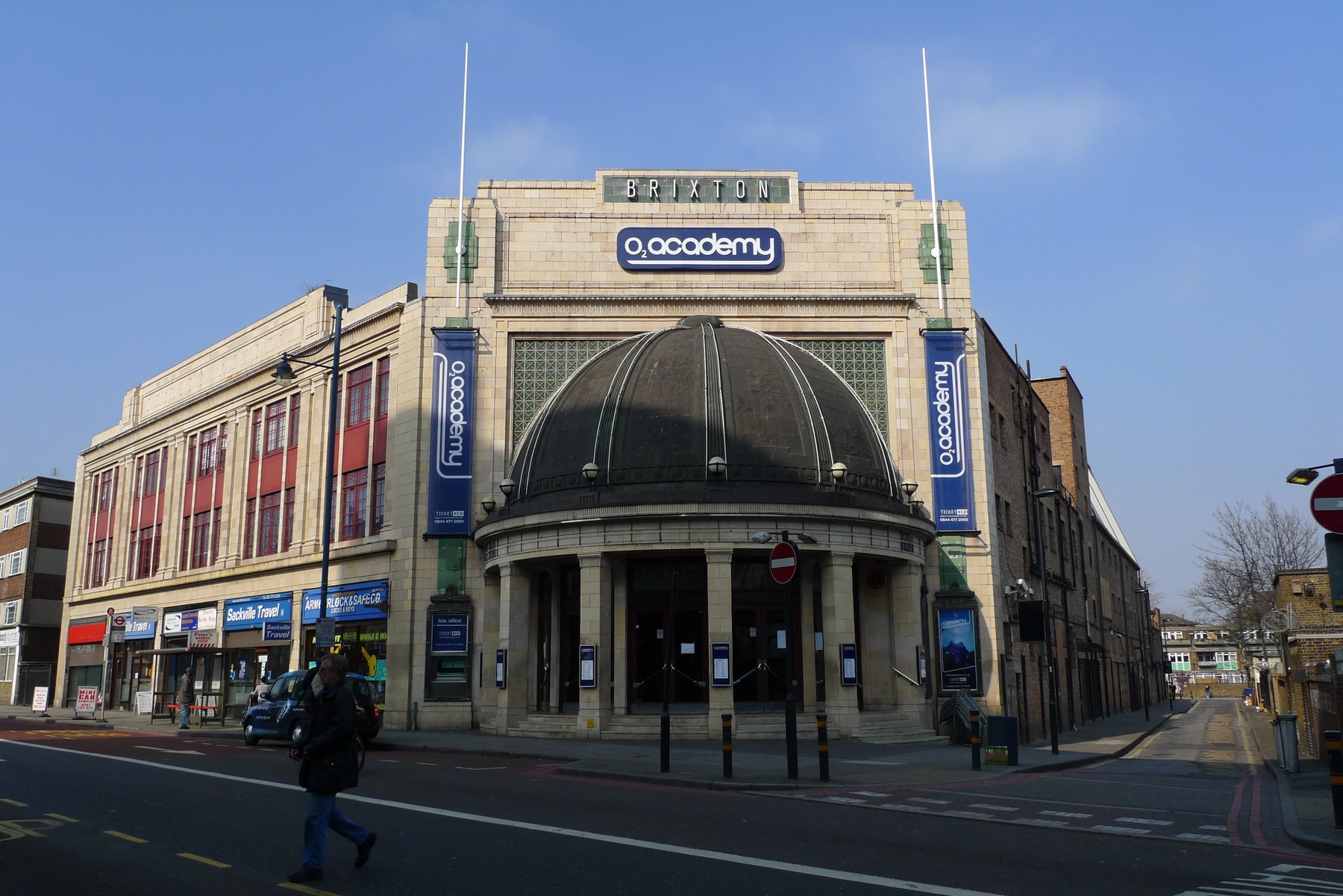
Wild concerts are still held to this day in this hall with a capacity of 5,000 people. In the past, the likes of Green Day and Madonna whipped the crowds into a frenzy here. Since 2009 this legendary building has borne the official name O2 Academy Brixton.
23. The National Gallery
The fifth most-visited museum in the world holds a collection of more than 2,000 paintings from 1250 to 1900. Completely free of charge, you can view canvases by Piero della Francesca, Leonardo da Vinci, Velázquez and Rembrandt. But the biggest draw is without doubt the Sunflowers by Vincent van Gogh, along with brilliant works by other Impressionists.
What to See in London: Parks and Nature
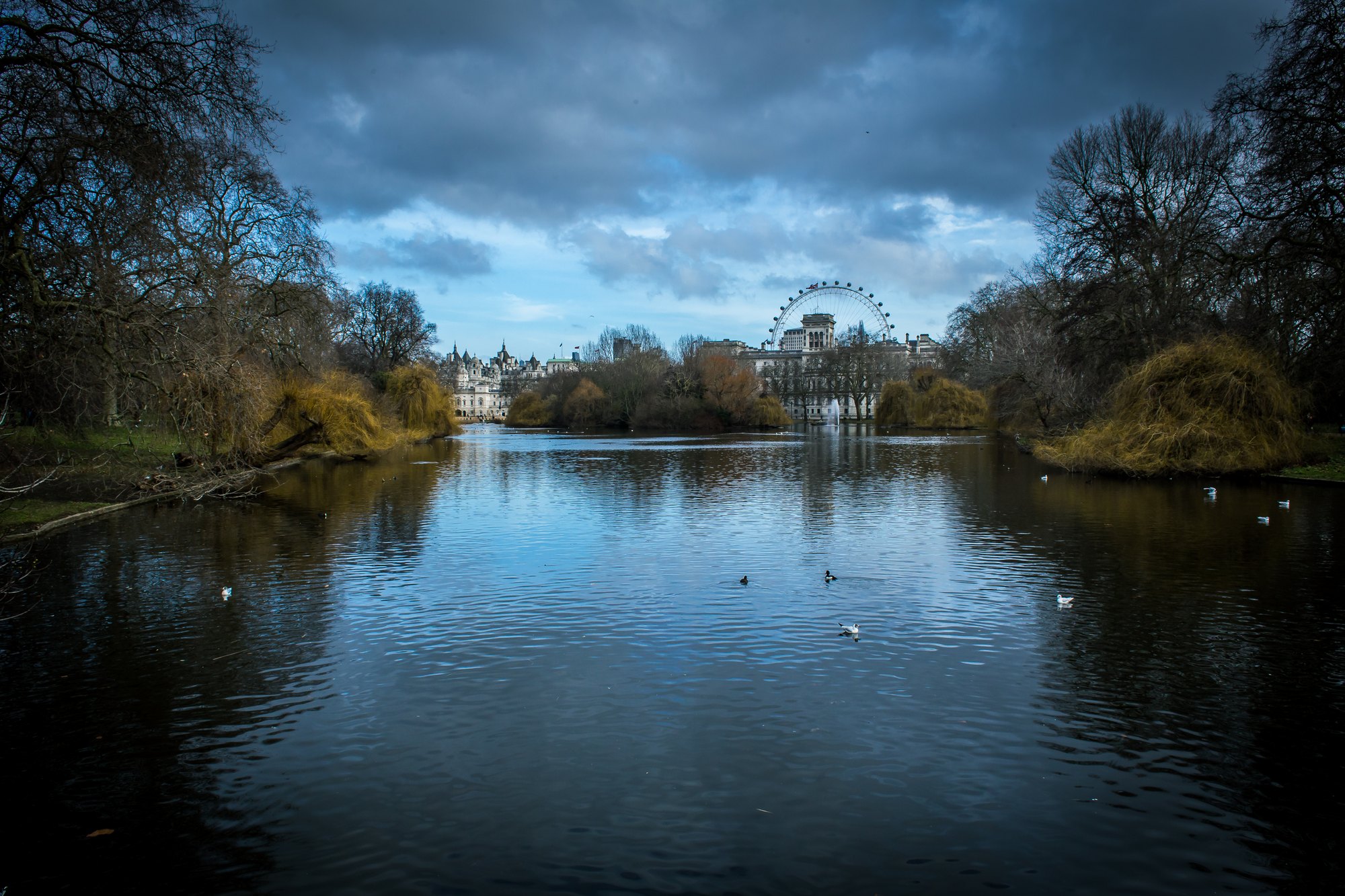
24. Hyde Park
This royal giant in central London is one of the biggest green oases in the city. Last century you could even hear free live concerts here from legends like The Rolling Stones and Queen. Today Hyde Park is above all a great place for a peaceful stroll and to stretch your legs, complete with the famous Marble Arch.
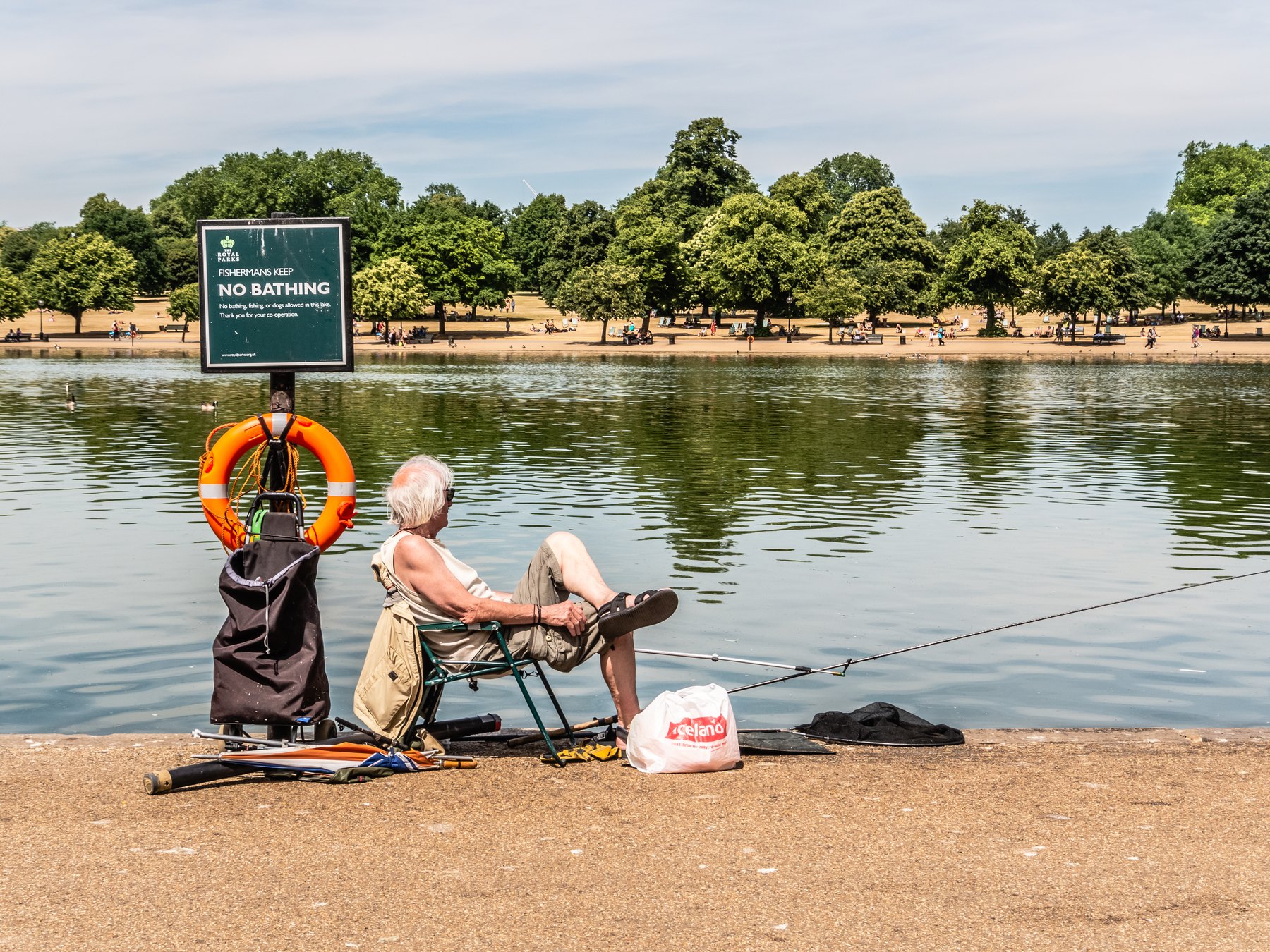
25. Regent’s Park
Regent’s Park is another of the royal parks, where you’ll find carefully manicured flower gardens, sports pitches, a lake and a zoo.
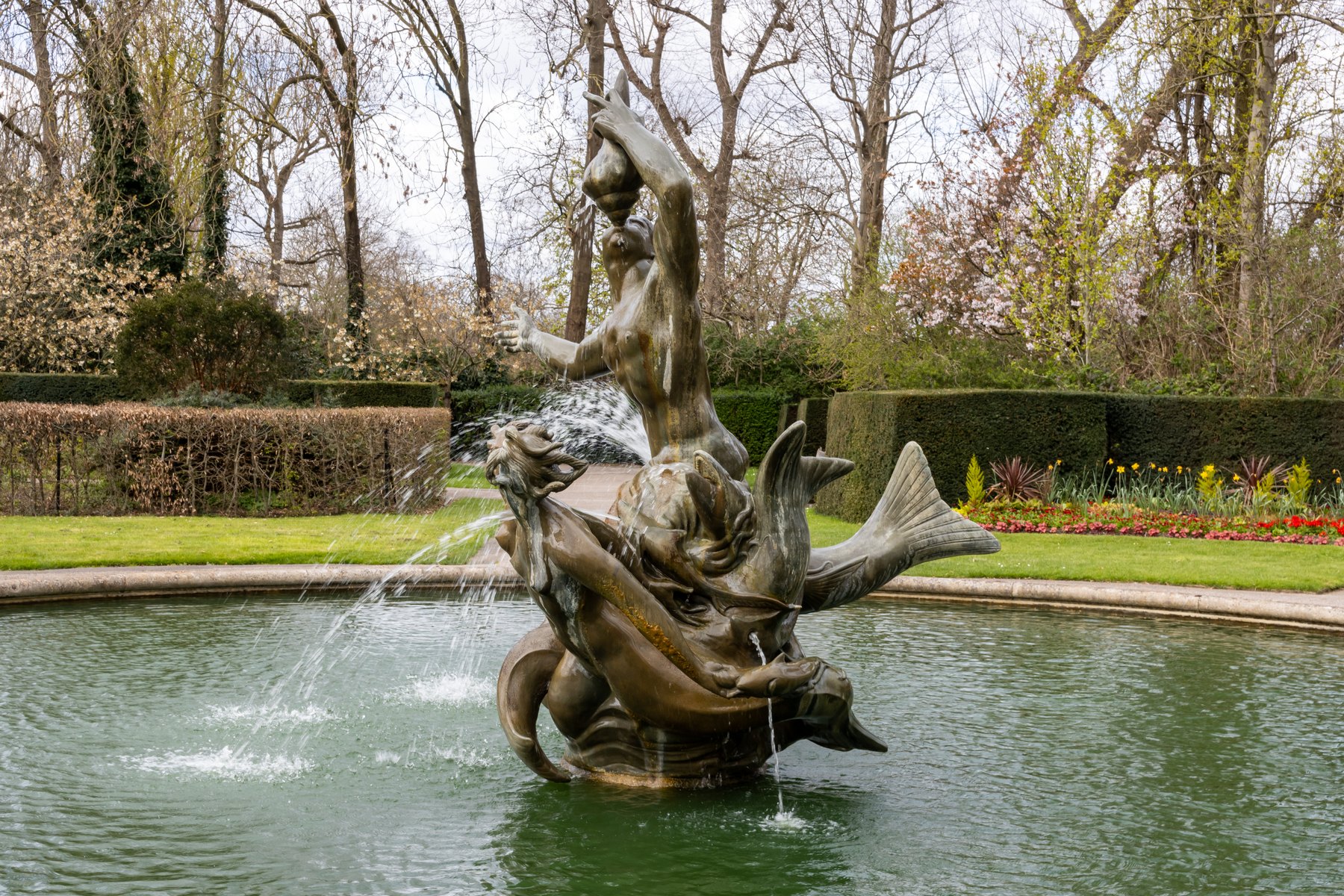
26. Sky Garden
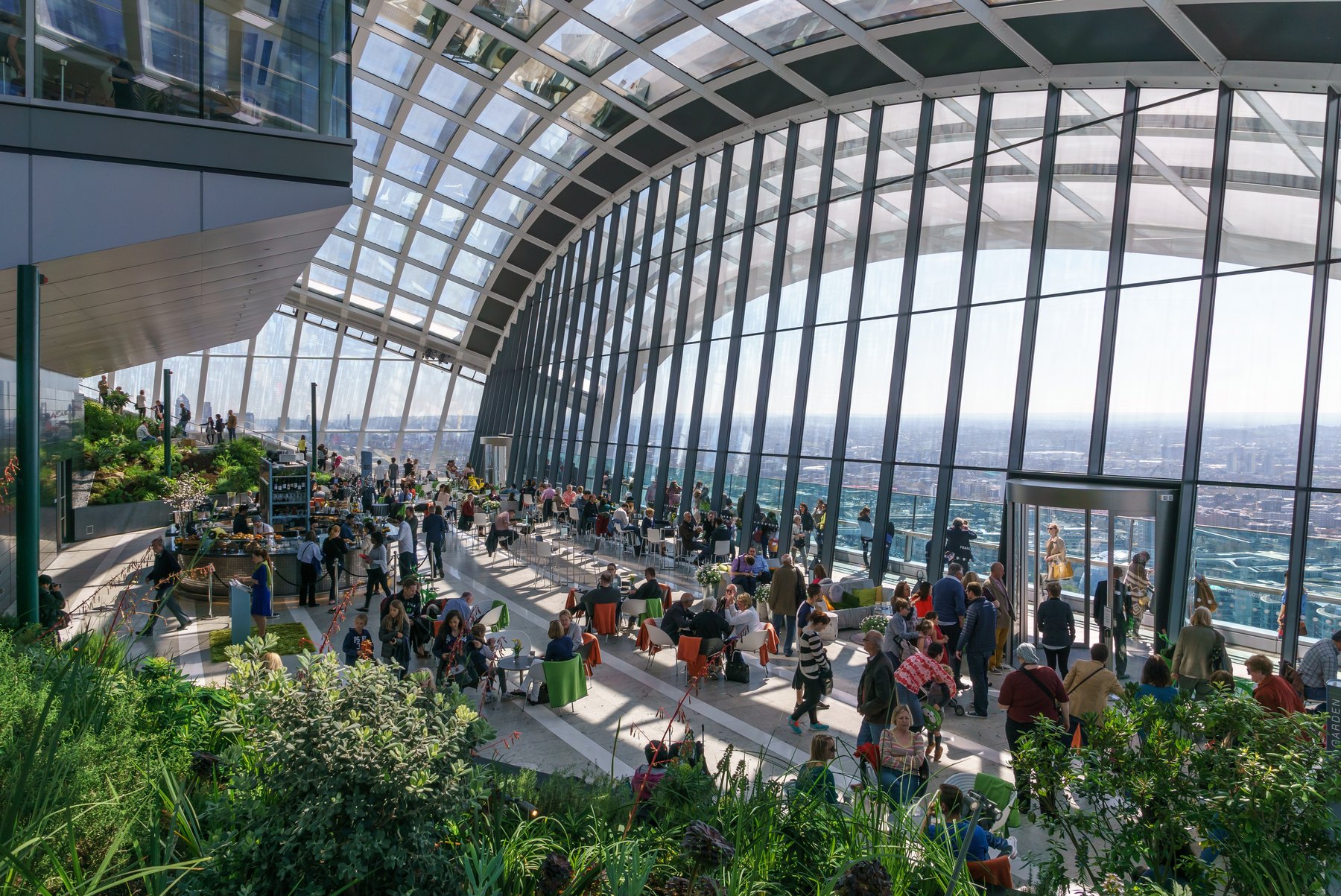
This garden in the clouds sits at a height of 140 metres, more precisely on the 36th floor of the Fenchurch Building skyscraper. Among the exotic plants you’ll find restaurants and cosy cafés, and thanks to the glass walls you’ll get one of the most beautiful views over the whole of London.
Things to Do in London: Viewpoints
Besides popular classics like the London Eye, The Shard, Sky Garden or the Observatory, you can enjoy plenty of other viewpoints in London:
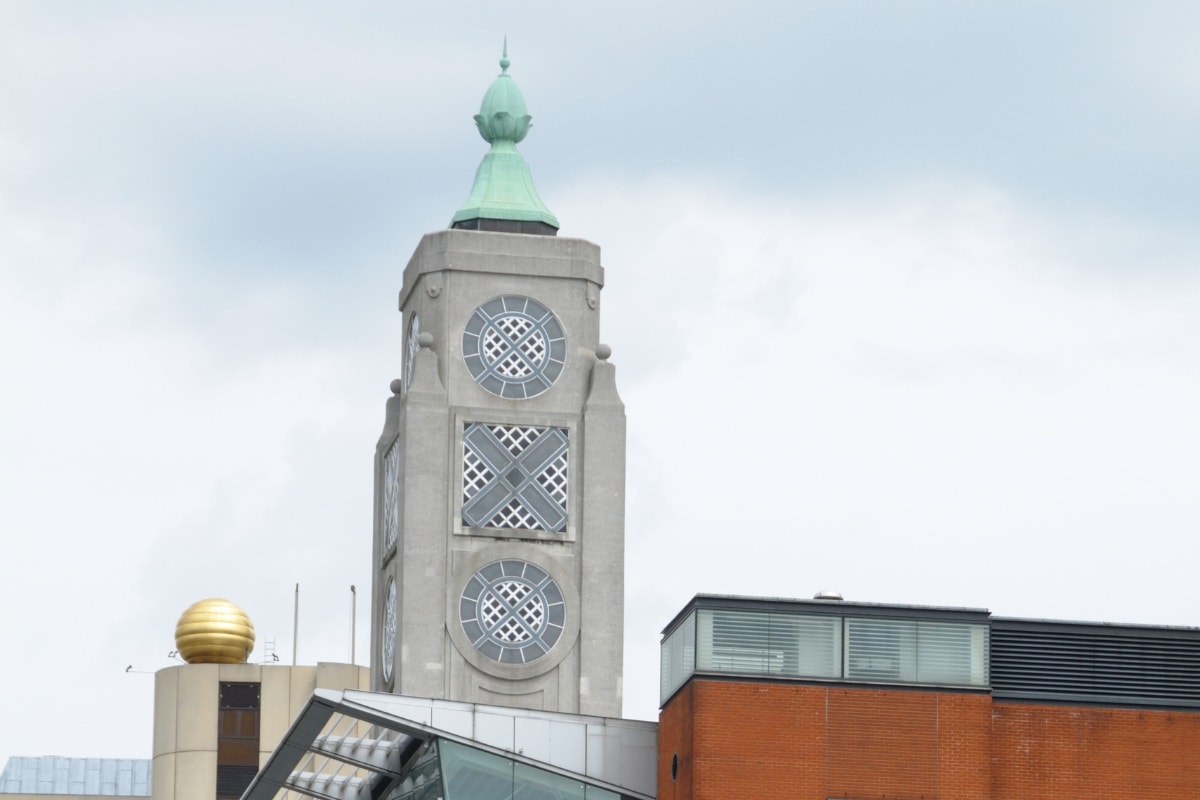
- Oxo Tower – a brilliant view over the city, waiting for you in the South Bank area.
- Parliament Hill – this 98-metre-high summit lies right in Hampstead Heath park and gives you London laid out like the palm of your hand, nicely from a distance.
- St Paul’s Cathedral – the celebrated panorama is hidden right up in its dome, but be warned you’ll have to earn it by climbing 530 steps.
- Primrose Hill hides a 64-metre-high summit right in the centre of the park. If you climb this little hill, you’ll be rewarded with more brilliant views over the city.
- Horizon 22 is the highest free viewpoint in London, tucked away on the 58th floor of a skyscraper on Bishopsgate. You won’t pay a single pound for entry, but keep an eye on booking ahead.
- At Lift 109 (Battersea Power Station) a glass lift takes you 109 metres up, right inside the chimney of the iconic former power station. Get ready for a fantastic 360-degree view over the whole city.
Harry Potter – Places to Visit in London
London and Harry Potter belong together — after all, the whole wizarding world was born right here. As a proper fan, you have to follow in its footsteps. If you speak English, we recommend one of the walking tours. Lukáš and I went on one for free and had an absolute blast.
Platform 9¾
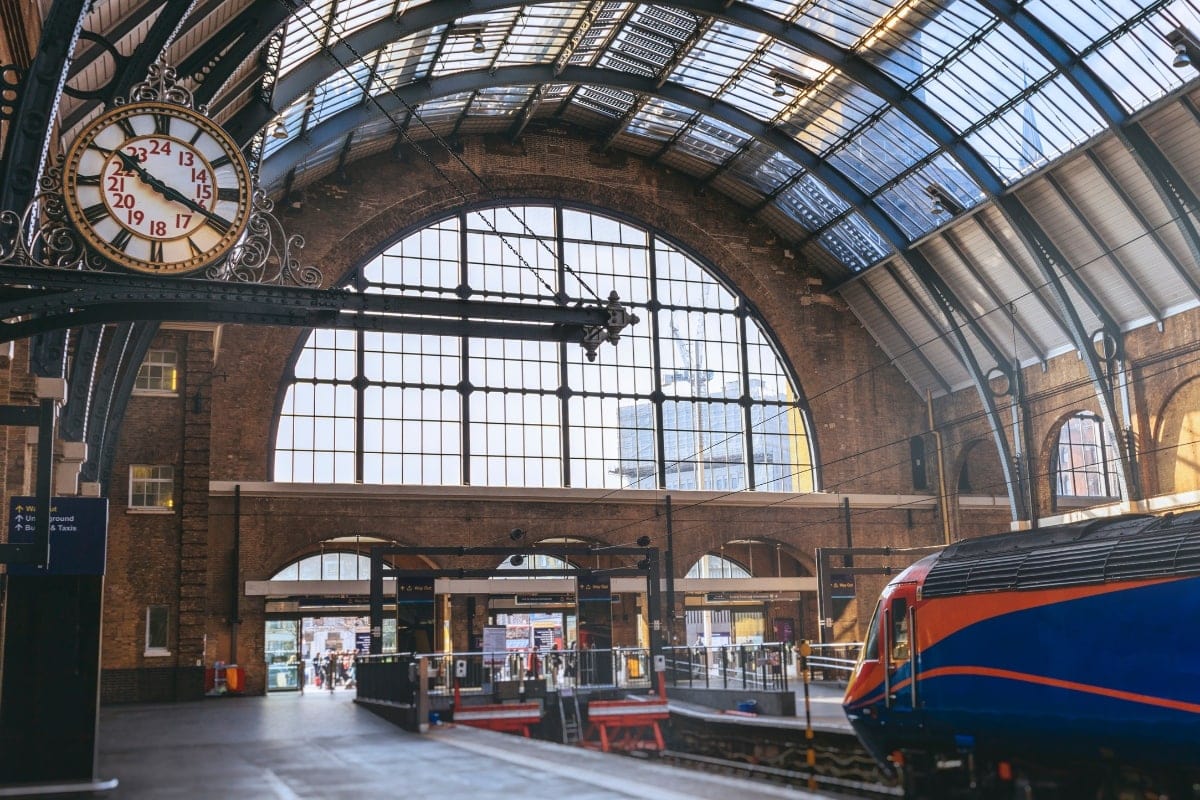
At London’s King’s Cross station, right between platforms 9 and 10, you’ll find the secret entrance to Platform 9¾. It was from here that Hogwarts students set off for school each year. Feel free to step up to the trolley sticking out of the stone wall and test whether you can pass through it, or whether you’ll stay just an ordinary Muggle.

Charing Cross Road
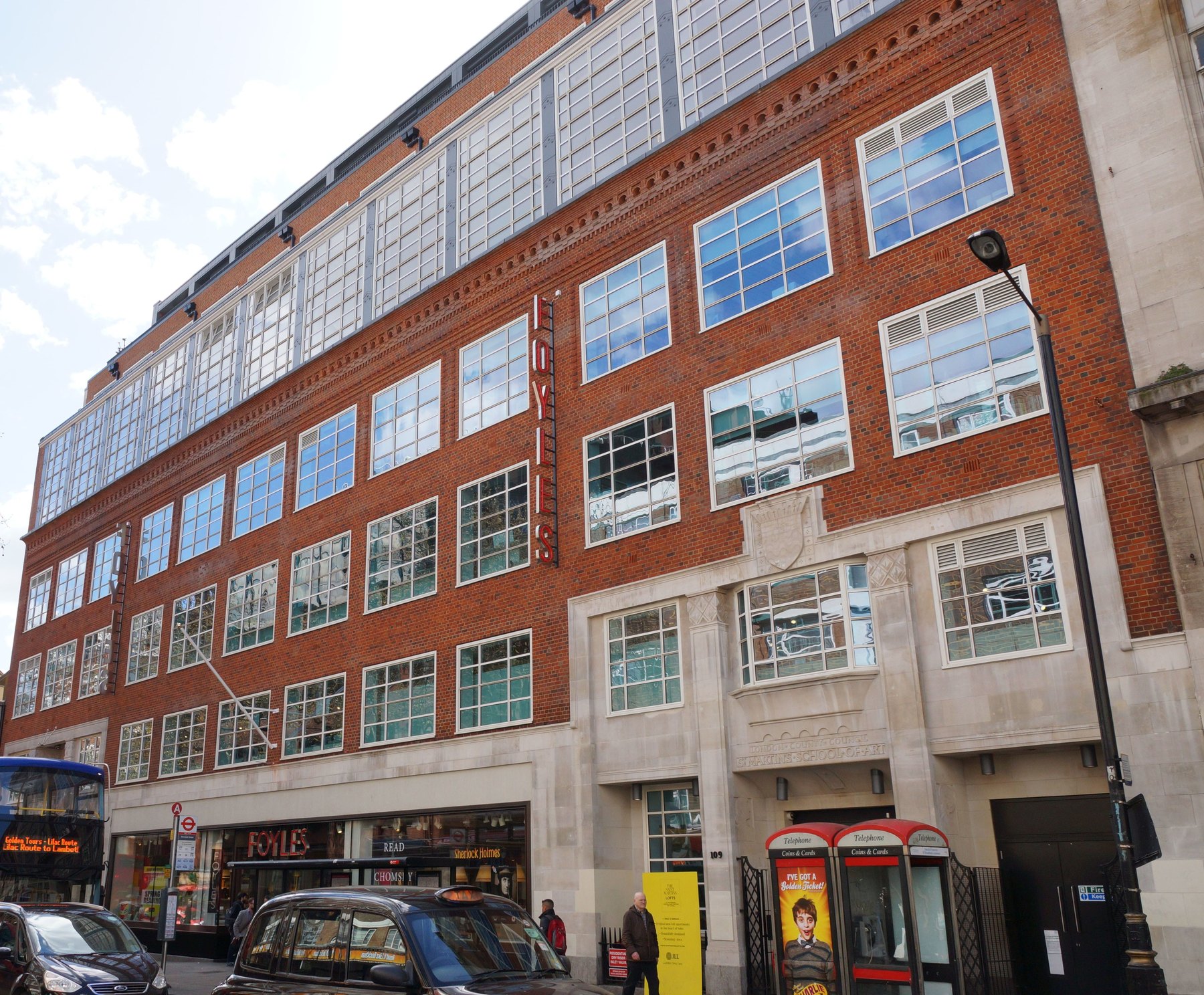
This street near Trafalgar Square served as the model for the Muggle street with the Leaky Cauldron. It was here that Hagrid first took Harry shopping in Diagon Alley. In the real world, though, instead of spells and magic you’ll mostly find plenty of bookshops and second-hand booksellers.
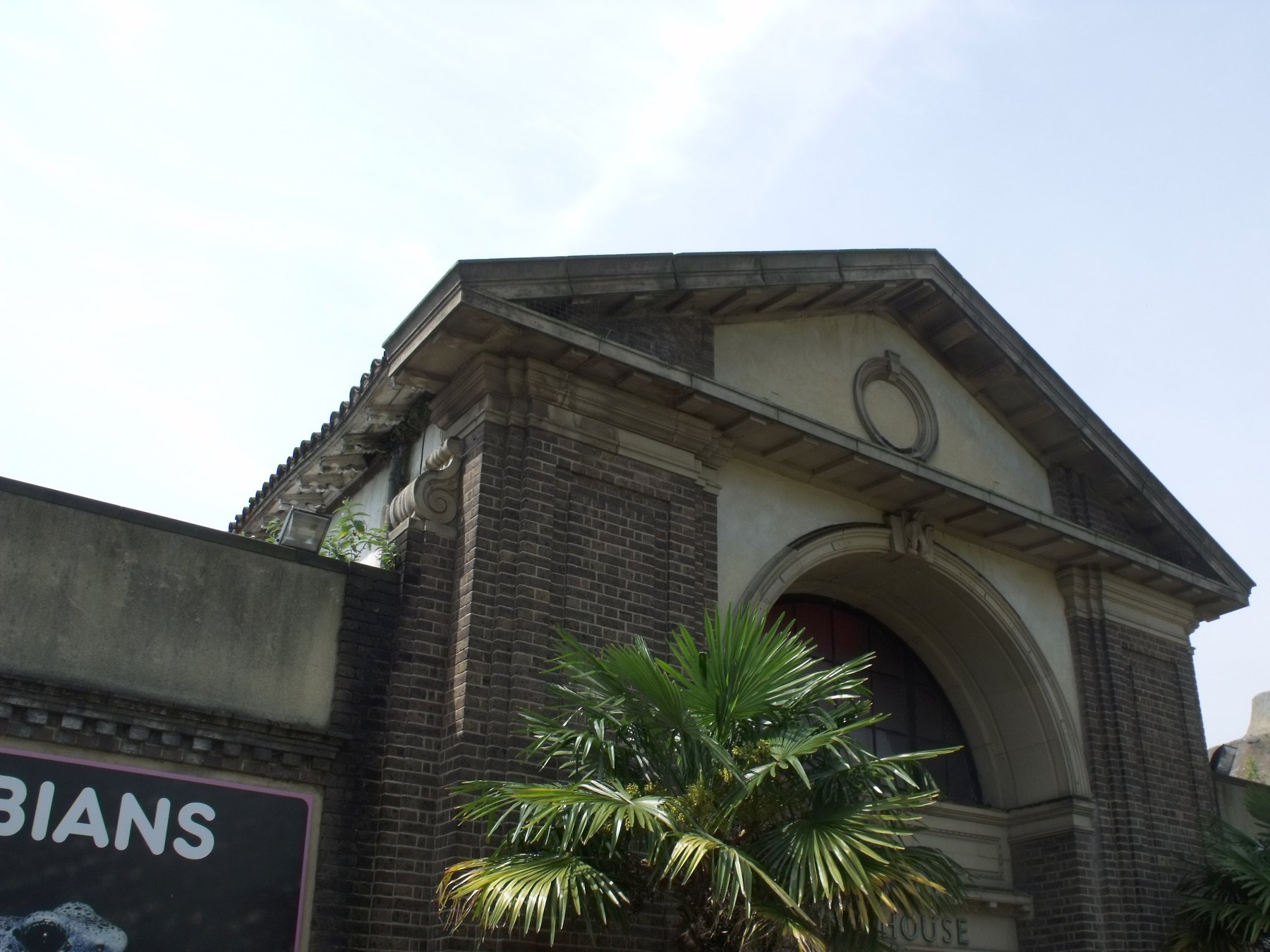
The Reptile House
Remember the start of the first film (Harry Potter and the Philosopher’s Stone), when Harry goes to the zoo with the Dursleys and gets chatting with a snake in the reptile house? That famous scene was filmed right at the zoo in Regent’s Park.
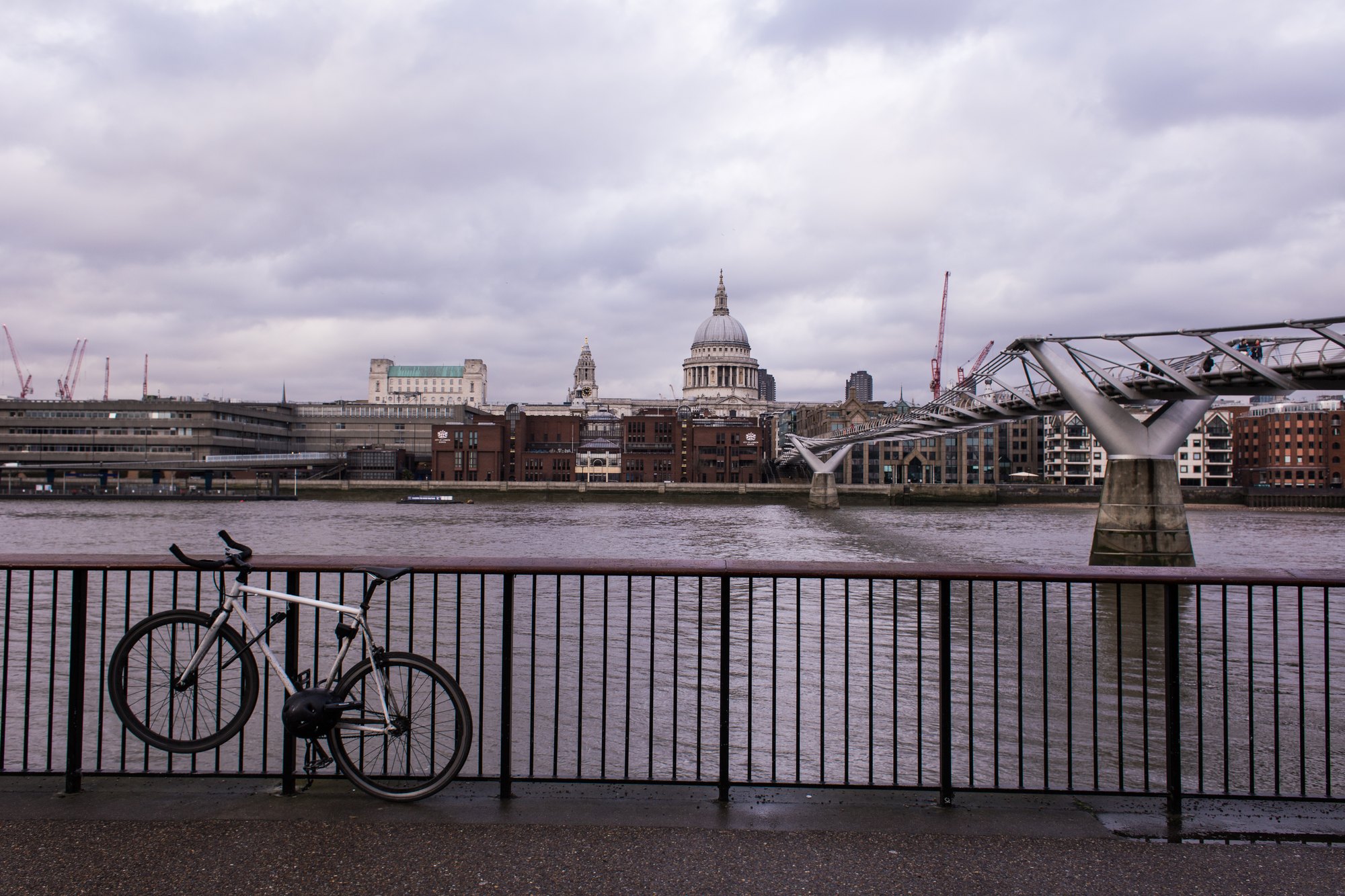
Millennium Bridge
This bridge was impossible to miss in the films. In Harry Potter and the Half-Blood Prince, Voldemort’s Death Eaters dramatically destroyed it. In reality it’s the Millennium Bridge across the River Thames, and despite its cinematic destruction, you can walk across it in peace.
12 Grimmauld Place
It’s at this very address that the ancient house of the Black family stands, where members of the Order of the Phoenix built their secret refuge. The building only reveals itself if you’ve been invited by a member of the Order, but it’s worth a walk all the same. You’ll find the film location at 23–29 Claremont Square.
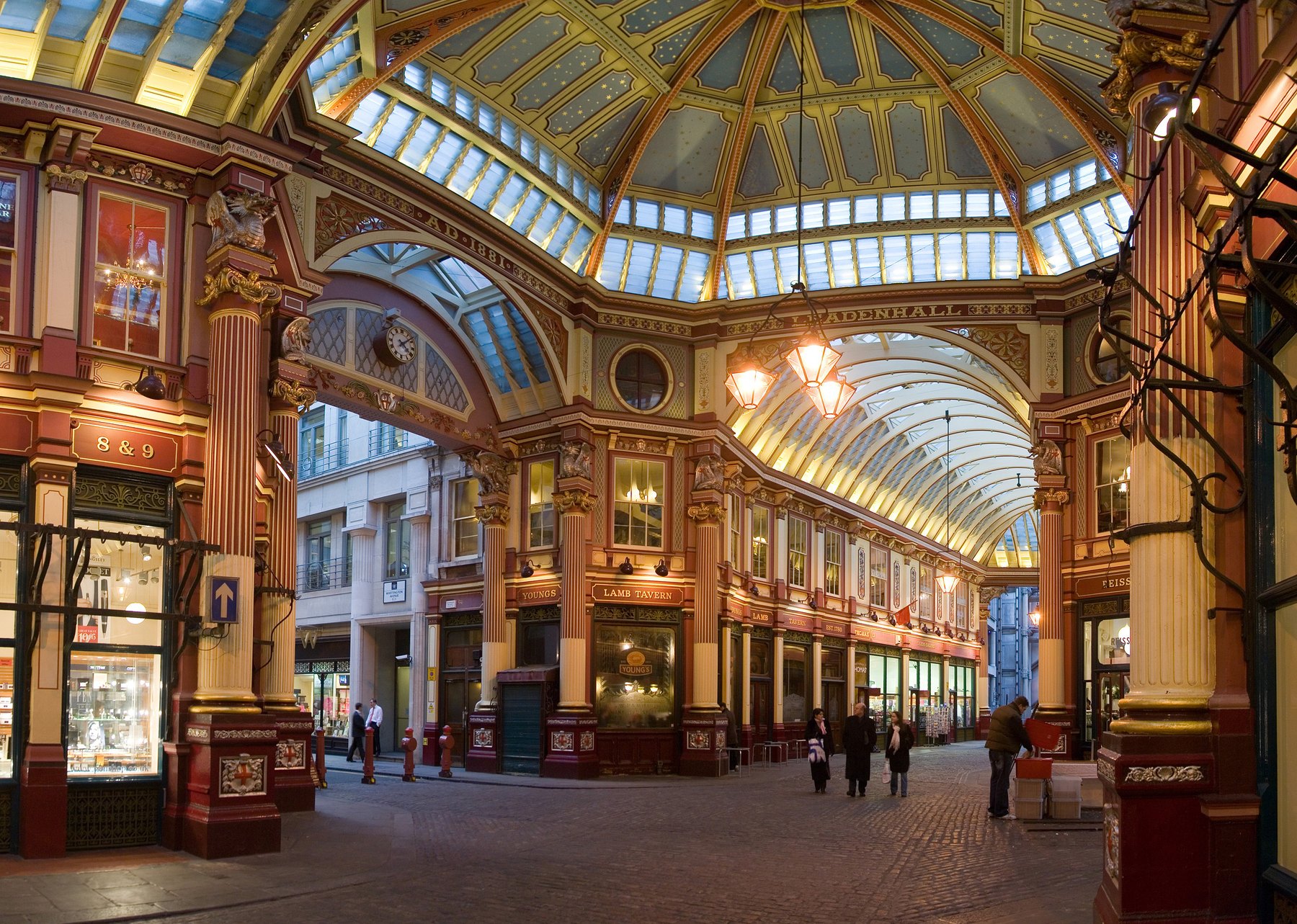
Diagon Alley
To ordinary mortals, Leadenhall Market is just a photogenic arcade, but wizards see in it Diagon Alley full of wands, cauldrons and books. Right here, at the entrance to the optician’s in Bull’s Head Passage, you’ll find that famous entrance to Diagon Alley from the Leaky Cauldron.
Piccadilly Circus
It was to this square that Harry, Ron and Hermione Apparated from Bill and Fleur’s wedding, fleeing the Death Eaters after the fall of the Ministry of Magic. The scene was originally meant to be filmed elsewhere, but in the end the filmmakers chose this location.
Privet Drive
4 Privet Drive in Little Whinging is the famous address of the Dursleys’ house, where Harry spent his childhood. In reality you’ll find this unremarkable little house at 12 Picket Post Cl, Winkfield Road.
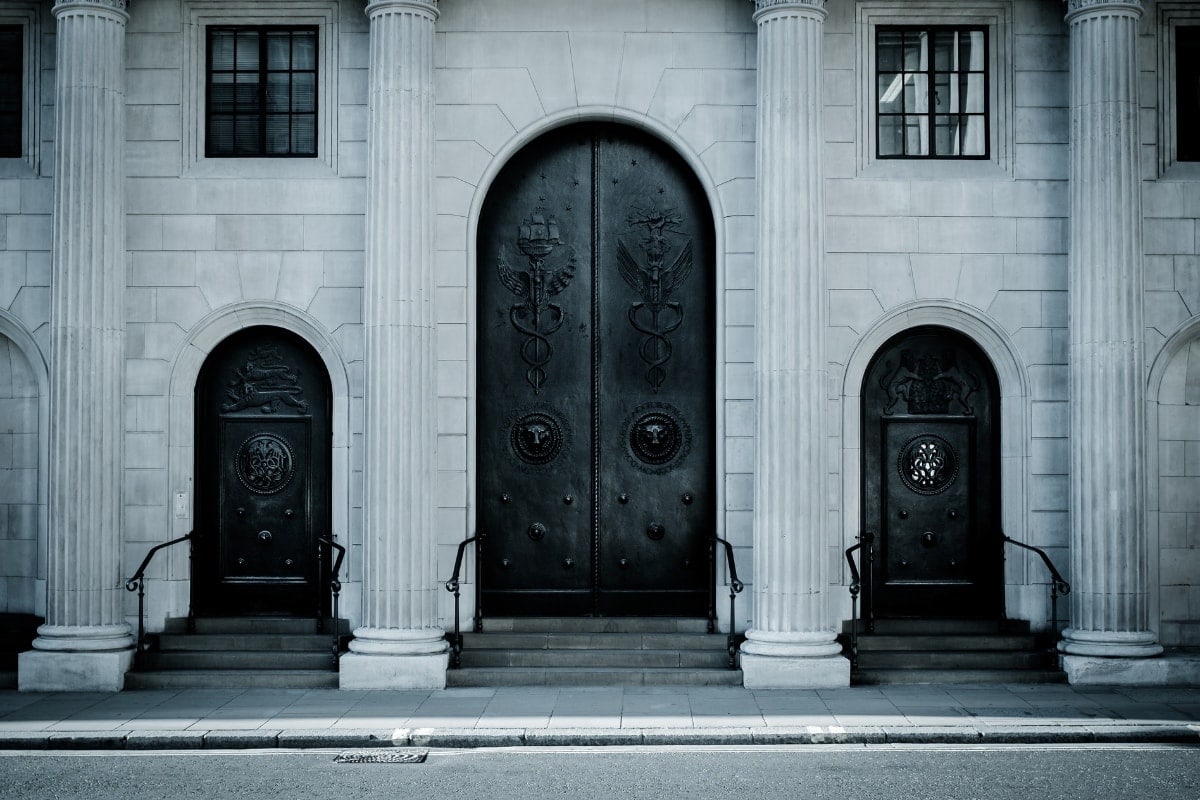
Gringotts Bank
When you run out of Galleons, head to Gringotts Bank. You can admire it from the outside at Australia House, right in the centre of London. But bear in mind that, as ordinary Muggles, they unfortunately won’t let you inside.
Warner Bros. Studio
This studio is entirely devoted to the world of Harry Potter, and as a fan you simply can’t miss it. You’ll walk down Diagon Alley, peek into the Great Hall and Dumbledore’s office (no secret password needed), then explore the house common rooms and get an up-close look at original props, including the actors’ costumes.

The Play Harry Potter and the Cursed Child
The play The Cursed Child was written by Jack Thorne and John Tiffany under the close watch of J. K. Rowling. If you speak English, catch it at The Palace Theatre. We do have to warn you honestly, though, that last-minute tickets without much notice can easily swallow more than £400.
Harry Potter “Tour”
Want to see all the wizarding locations, but dread the planning? Lukáš and I went on a free city walk, but you can also pay for an organised “Harry Potter tour”. It’s entirely up to you whether you choose the Warner Bros. studios, a Harry Potter tour for Muggles, or a private taxi tour around the elite Harry Potter spots.
Back then we went on a free tour — the guide walked us around the film locations and at the end we tipped whatever we thought was fair. That’s how the likes of Strawberry Tours or London with a Local work, meeting in front of the Palace Theatre by Leicester Square. Budget £5 to £15 per person as a tip — still a fraction of the price of paid tours.
A tip from us: once you get home, we bet you’ll get the urge to binge the whole film series again. Just check your usual streaming platforms to see where it’s available right now.
Things to Do Near London: Day Trips
London works as a great base for day trips around the region. Don’t fancy planning everything yourself? Check out GetYourGuide and let someone else handle the hassle. We’d especially recommend exploring these places:
- Windsor: Hop on a train and in just an hour you’re stepping off in a town dominated by the iconic Windsor Castle.
- Oxford: The famous university city is also just an hour from London by train. It’ll win you over with its beautiful historic architecture and famous colleges, led by Christ Church College, which is exactly where the Harry Potter filmmakers took their inspiration.
- Stonehenge and Salisbury: This famous prehistoric monument hardly needs an introduction. It lies roughly two hours from London, and it’s best combined with the nearby town of Salisbury. You’ll find all the practical info on admission and transport in our separate guide, Stonehenge: admission and tips for the area.
- Cambridge: About an hour’s journey from London you’ll come across this picturesque university city. Wander the historic colleges, led by the famous King’s College, and don’t miss punting along the River Cam on a traditional flat-bottomed boat.
- Brighton: As soon as you crave some sea air, hop on a train and in an hour you’re stepping off in Brighton. The town will charm you with its colourful Lanes and the iconic Brighton Pier.
- The Cotswolds: This gorgeous rural region lies about two hours’ drive from London and is famous for its enchanting villages with honey-coloured stone cottages. Take a trip to Castle Combe, say, or to Bibury, which is often said to be the most beautiful village in all of England.
- Harry Potter Studio (Warner Bros.): At the studios in Leavesden, where all eight films were made, the heart of every wizard will leap. Here you can walk through the Great Hall, peek into Diagon Alley and admire the detailed model of Hogwarts. We tell you more in our article Harry Potter Studio London.
- Edinburgh and Scotland: From London you also have the brilliant option of hopping on a train or plane and extending your trip all the way to Scotland. Our guides to Edinburgh and Scotland will help you plan such a trip.
London Itinerary: What to See in London in 3 Days
On a three-day trip to London you can comfortably tick off the most iconic sights and still soak up a bit of ordinary local life.
Day one should belong to the historic centre. In the morning head to Buckingham Palace for the Changing of the Guard, then walk through St James’s Park all the way to Westminster Abbey. History washes over you here, as coronations and royal funerals have been held here for centuries. On the way, don’t skip a stop at Big Ben and the Houses of Parliament.
In the afternoon, cross the river to the London Eye, from where you’ll have the city laid out before you. In the evening go and sit in Covent Garden, which is always buzzing thanks to the restaurants, bars and playful street performers.
Save day two for East London. Start at the Tower of London with the Crown Jewels, Tower Bridge, and take a walk along the South Bank, where you can grab a coffee with a view of the Thames. Along the way pop into the Tate Modern gallery with its world-class art, and take a look at Shakespeare’s Elizabethan-era Globe Theatre. In the afternoon, wander over to Borough Market for great food from all over the world, or hop on a boat trip along the Thames.
On day three, slip into the British Museum with its stunning collections from all over the world. An alternative is the Natural History Museum or the Victoria and Albert Museum, after which you can easily catch your breath on the grass in Hyde Park or Regent’s Park. If you love a bohemian atmosphere, head to the Notting Hill district to explore the colourful houses and tucked-away shops. In the evening, air out your wallet on Oxford Street, or drop into one of the restaurants and bars in lively Soho.
What to See in London in 4 Days
If you have 4 days in London, try our itinerary:
Day 1: Classic London
- Buckingham Palace and the Changing of the Guard (morning)
- A walk through St James’s Park
- Westminster Abbey and Big Ben
- A ride on the London Eye (view over the city)
- An evening stroll along the South Bank (e.g. to Tower Bridge)
Day 2: History and Culture
- Tower of London (tour of the Crown Jewels)
- Tower Bridge (visit the viewing gallery)
- Borough Market (lunch and market atmosphere)
- Tate Modern (modern art, free entry)
- St Paul’s Cathedral
Day 3: Royal Gardens and Museums
- Hyde Park and Kensington Gardens (visit Kensington Palace)
- Natural History Museum or Science Museum (free entry)
- Victoria and Albert Museum (art and design, free)
- A walk along Oxford Street or Regent Street (shopping)
- An evening in Covent Garden (theatres, street performers)
Day 4: Alternative London
- Camden Market (an unconventional market and street art)
- A walk along Regent’s Canal
- A visit to Primrose Hill (a beautiful view over the city)
- British Museum (history, free entry)
- Chinatown and Soho (dinner and evening entertainment)
What to See in London in 2 Days
If you only have 2 days in London, you can manage these sights:
Day 1: The Most Famous Landmarks
- Buckingham Palace and St James’s Park
- Westminster Abbey and Big Ben
- A ride on the London Eye
- Tower of London and Tower Bridge
- An evening walk along the South Bank
Day 2: Museums and the City’s Atmosphere
- Hyde Park and Kensington Gardens
- Natural History Museum or Victoria and Albert Museum
- A walk along Oxford Street or Regent Street
- Covent Garden and Soho
What to See in London in 1 Day
Only got one day in London? Don’t despair, you’ll still enjoy the city no end. Definitely visit:
- Buckingham Palace (from the outside)
- A walk through St James’s Park to Westminster Abbey and Big Ben
- A ride on the London Eye
- Tower of London and Tower Bridge (exteriors only)
- A short stop in Covent Garden or Soho for dinner
Free Things to See in London
London may rank as one of the most expensive cities on the planet, but luckily it hides plenty of places where you won’t spend a single pound. Start, say, with the world-famous museums with free entry. Among the biggest draws are the British Museum, the Natural History Museum and Tate Modern.
When you want a break from the buzz of the big city, slip into the famous parks like Hyde Park, Regent’s Park or Greenwich Park. In Hyde Park you’ll find the Serpentine Lake, while from Observatory Hill in Greenwich Park you’ll have the city laid out before you. The Sky Garden – a high-rise building with a beautiful view over London, which lets you in free with a booking in advance – also offers an amazing spectacle.
If you enjoy street art, head to the Shoreditch district, where you’ll find famous murals on the walls, including pieces by Banksy. You can then soak up a great bohemian atmosphere full of fashion and art stalls at nearby Camden Market. For live music, go to Covent Garden, where local street musicians take care of the entertainment.
London: Off-the-Beaten-Track Places
Most tourists often miss St Dunstan in the East – a romantic garden hidden in the ruins of a bombed-out church, where climbing plants creep up the walls and there’s no admission fee. A short walk from Covent Garden you’ll come across Neal’s Yard, a tiny photogenic courtyard bursting with all the colours of the rainbow. And for lovers of new things, in 2026 a brand-new London Museum opens in Smithfield (a former meat market, by the way), walking you through the city’s history.
When you want to escape the crowds with cameras, even London hides places with a far more authentic atmosphere. Start, say, in the Hackney district, which will charm you with its independent cafés, galleries and busy local markets, led by Broadway Market.
In the Walthamstow area hides God’s Own Junkyard, a crazy gallery of neon signs and lights you won’t forget in a hurry. Architecture enthusiasts, meanwhile, will be delighted by the Barbican Centre – a massive brutalist structure functioning as a cultural centre, where alongside concert halls and galleries you’ll even find a surprising conservatory.
If you’re missing some greenery, head to Epping Forest, an amazingly sprawling forest park in the north-east of London. For a slightly more mysterious atmosphere, visit the ancient Highgate Cemetery, where famous figures rest, including Karl Marx.
For a slightly unconventional London experience, visit Little Venice. In this picturesque area woven through with canals, you’ll take in colourful houseboats and enjoy an unexpectedly peaceful atmosphere.
If you’re looking for an unusual experience, try exploring London’s underground secrets in the form of abandoned Tube stations. The Old Operating Theatre Museum is also worth a visit, where the faintly chilling history of medicine washes over you.
Where to Watch Football in London
You can’t go to a game of Quidditch here, sadly, but England does have brilliant football teams. If sport is even a little bit your thing, don’t miss a local match and go and cheer from the stands! Which clubs can you support?
Films Shot in London
Many films and series have been shot in London, some of which are internationally famous and iconic. Here are a few examples:
- Harry Potter – the filmmakers used a whole host of London streets and buildings, with the biggest draw remaining King’s Cross Station and its famous Platform 9¾.
- Bridget Jones’s Diary – the main characters live right in London, and the filmmakers set plenty of iconic scenes at Borough Market or by Tower Bridge.
- Paddington – the story of the adorable bear is set in London, so on screen you’ll easily recognise Paddington Station or the colourful Portobello Road.
- James Bond – many scenes from various films were shot in London, including action scenes on Tower Bridge and at the MI6 building.
- Sherlock Holmes – the legendary detective roams the streets of London, and you’ll find plenty of film shots scattered right around the historic city centre.
- Notting Hill – the famous romantic comedy with Julia Roberts takes you to the colourful Portobello Road and the picturesque surroundings nearby.
- V for Vendetta – this gritty film was partly shot in London and offers gripping action scenes from Trafalgar Square and the dark setting of the Underground.
Where to Eat in London
London’s food scene is one of the most diverse in the world, and you can eat here from literally every corner of the planet. We’ll say one thing straight away, though: we don’t eat meat, so take the tips below in that spirit. With the vegetarian spots we speak from our own experience; with the meat ones we’re just summing up what Londoners themselves recommend.
London is also a European powerhouse of speciality coffee. If you want a really good flat white, we’ve put together a list of the best cafés in London — only those rated above 4.6 on Google.
Luxury Restaurants in London
- For modern European cuisine with 2 Michelin stars, head to The Ledbury.
- Top-notch modern British cuisine with 3 Michelin stars awaits you at Core by Clare Smyth.
- We’ll send carnivores to the Hawksmoor chain, which specialises in steaks and meat dishes in London.
- The Palomar – Israeli cuisine.
- For modern Chinese cuisine in an elegant setting, head to Hakkasan.
- St. John tempts with traditional British cuisine, where they take pride in seasonality and the quality of ingredients.
- The playful Sketch takes you through several colourful rooms, each with a different design and food offering.
- At The River Cafe you’ll have Italian cuisine along with a beautiful view of the Thames.
- Lovers of Indian cuisine will enjoy the luxurious setting at Gymkhana.
Cheap but Excellent Restaurants in London
You can eat cheaply in London, you just need to know where. The prices below are rough guides and are constantly rising, so take them with a pinch of salt.
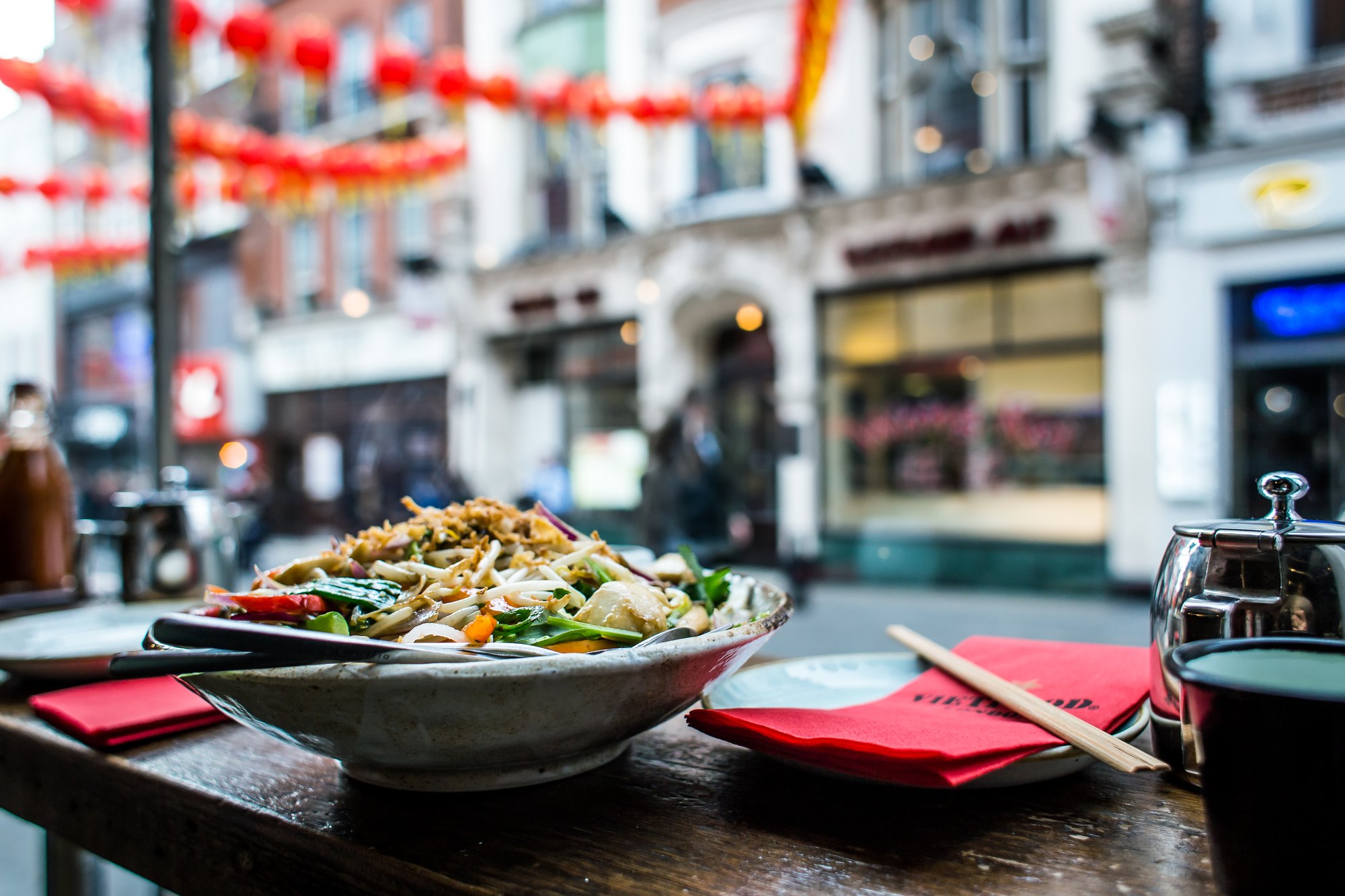
💡 Tip: The cheapest and best we ate was in Chinatown on Gerrard Street. A bowl of noodles with vegetables and tofu there costs a few pounds, and you sit under red lanterns right on the street. It also works brilliantly as an escape from the rain.
- Reasonable prices and brilliant Indian cuisine are on offer at Dishoom, with several branches across London.
- At the pizzeria Franco Manca prices start from as little as £5, and you’ll come across several of its branches around London.
- Bao – a Taiwanese bistro with several London branches, where you’ll find great vegetarian and meat dishes.
- Honest Burgers – specialises in burgers, with several branches in London.
- Homeslice – a decent pizzeria with several London branches, where one portion will cost you from just £4.
- Flat Iron – a place with several London branches that specialises in steaks priced around £10.
- Padella – honest Italian cuisine focused on pasta and risotto with very friendly prices starting from just £5.
- The Breakfast Club – for a traditional breakfast or a hearty brunch at around £10, drop into one of their many branches.
- The Regency Cafe – a traditional London café where people go for classic English breakfasts and other dishes with a price tag around £5.
- KaoSarn – if you fancy Thai cuisine, you can eat at their several London branches from just £7.
10 Things to Do in London with Kids
It always depends on how old the children with you are, but luckily London hides plenty of activities for everyone. If you’re raising little Harry Potter fans at home, the film locations mentioned above are simply not to be missed.
- London Zoo – plan a trip to Regent’s Park and explore one of the oldest and largest zoos in the world.
- Natural History Museum draws you into a world of fascinating exhibits, where you can explore giant dinosaur fossils and meteorites with your own eyes.
- Science Museum – a fun and interactive museum for all little science enthusiasts.
- Madame Tussauds – children love the waxwork museum; I remember it from my own first visit to London.
- From the London Eye, the tallest Ferris wheel in Europe, you’ll get an unforgettable panoramic view over the whole city.
- If you love the bespectacled wizard, don’t miss the Harry Potter Studio Tour, as the interactive tour of the famous film sets promises a magical experience.
- During the Warner Bros. Studio Tour London – The Making of Harry Potter, you’ll explore the actual studios where the Harry Potter films were made and take a close look at the original costumes, props and sets.
- As a famous historic fortress, the Tower of London hides plenty of dark and fascinating stories and legends that will reliably amaze the kids.
- Try popping into Hamleys with the children, the largest toy shop in Europe, where a whole heap of attractions and fun activities await.
- About an hour’s drive from the city lies the famous Legoland Windsor, where children can let loose on dozens of rides inspired by the legendary Lego bricks.
What to Do in London When It Rains
It drizzles now and then in London, so don’t let a bit of light rain throw you at all. But when it really pours, take cover in one of the museums mentioned — Lukáš and I swear by the British Museum, Tate Modern and the National Gallery. Anyone who’s comfortable with English can book tickets in the evening for a theatre performance at a West End show.
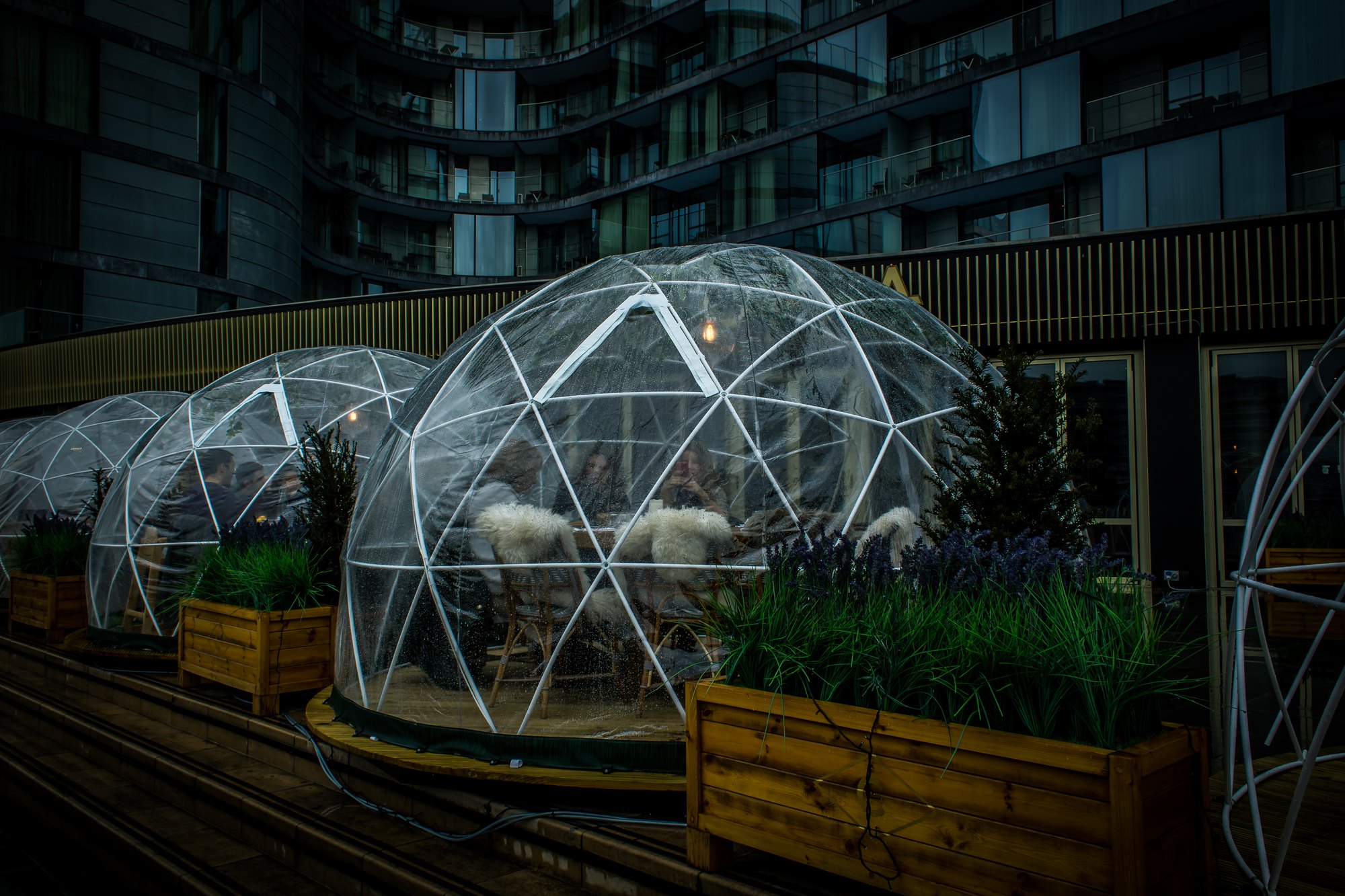
A rainy day is also ideal for Madame Tussauds. I was there as a child, and I mostly remember one thing: queues for hours. Today you can avoid that — you buy a ticket online from around £29 for a specific time slot, while on the spot you’ll pay around £39 to £42 and still queue. It’s the same with the British Museum: entry is free, but from April to August it’s better to reserve a free timed ticket, otherwise you can easily spend three-quarters of an hour in the queue.
Map of points of interest for your phone
London: Fun Facts
Beneath London Lies a Huge Network of Disused Tunnels
Beneath the busy streets hides an enormous network of abandoned tunnels, Tube stations and bunkers. During the Second World War people sheltered in them; at other times they served as secret escape routes or plain storage. If you love history, you’ll enjoy the Mail Rail, a secret underground railway that once carried post around London.
London Has More Indian Restaurants Than Delhi
British cuisine has soaked up influences from all over the world, but nothing is as popular here as Indian food. London even has more Indian restaurants than Delhi in India itself. Among Britons and tourists, chicken tikka masala is the undisputed leader — a dish that, according to some theories, was invented right in Britain.
The Famous Red Phone Boxes Have Their Own Scent
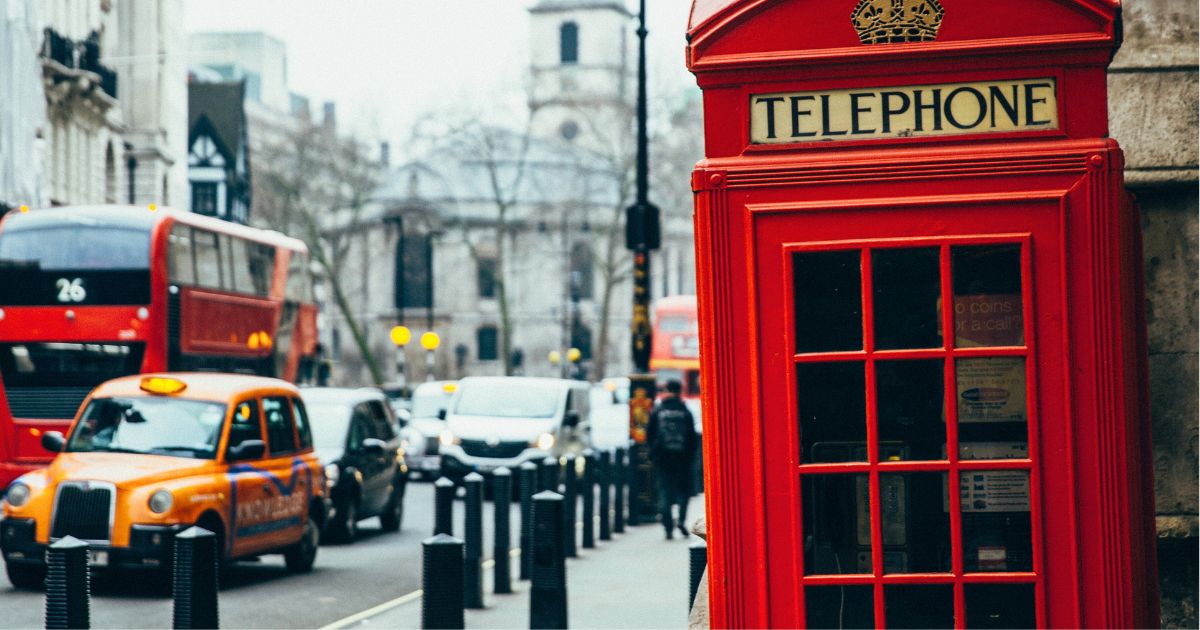
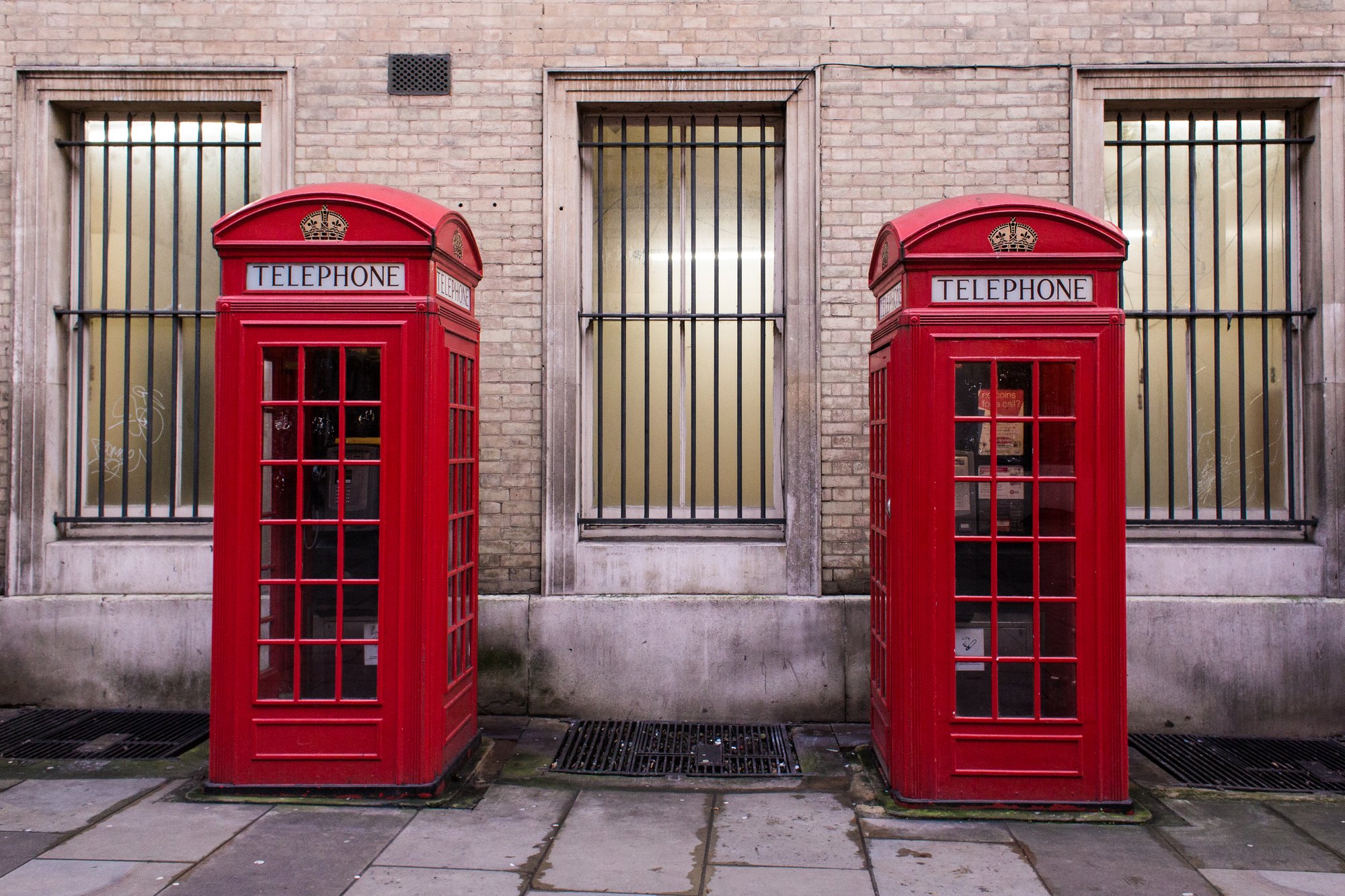
The classic red phone boxes look great in photos, but in reality they have a pretty distinctive odour. The mix of old metal, faded paper and ever-present damp is so strong here that they even created a perfume based on it for a British national gallery of scents. Lukáš and I wouldn’t want to wear it, but there’s something to it.
“Mudlarks” Appear on the Thames
One of the more bizarre London pastimes is so-called mudlarking, which is nothing other than digging around in the mud by the Thames and hunting for historic treasures. Whereas in the Victorian era it was a harsh means of survival, today people enthusiastically pull old coins, exposed bones or even centuries-old weapons from the riverbanks.
London Once Had Its Own Polar Bears
The Tower of London was once home to exotic animals given as gifts to English kings. In the 13th century the King of Norway gave England a polar bear, which was even allowed to swim in the Thames on a chain.
London Has Secret Bars You Can Only Find with a Password
The hidden culture of speakeasy bars from the days of American Prohibition lives on here and has a great atmosphere. Some places only let you in with a special password, or you have to know exactly which buzzer to press. If you like a mystery, try the bar Evans & Peel Detective Agency, which from the outside looks like an inconspicuous detective office.
Is London the Rainiest City? Not a Chance!
Despite its reputation as a rainy city, London gets less rainfall than, for example, Rome, Sydney or New York. The rain is frequent, sure, but more often in the form of gentle drizzle than heavy downpours.
London Has the Oldest Underground in the World, but Not the Deepest
The London Underground can boast of being the first in the world when it opened in 1863. Despite this distinction, though, it isn’t the deepest — its lowest-lying station, Hampstead, sits “only” 58 metres below the surface. For comparison, the metro in North Korea runs to an incredible depth of 110 metres.
London Has More Trees Than People
Even though it’s a huge city, London is full of greenery – it has more than 8 million trees, which is more than its number of inhabitants. As a result, it’s classified as a “forest city” by the UN.
Frequently Asked Questions
Where to Next: Our Detailed Guides to Britain
It doesn’t end with London. If you’re planning a longer trip or want to look at a particular place in real depth, check out our other guides.
- London Eye — admission, when to go for the sunset and whether it’s worth it, or better to head to Sky Garden for free.
- Buckingham Palace — admission to the State Rooms, where to stand for the Changing of the Guard, and the stories of the balcony and the secret garden.
- Tower of London — admission, the Crown Jewels, the ravens and 12 tips on what not to miss inside. The most-visited fortress in London.
- Harry Potter Studio London — tickets, prices and how to get to the studios. The best experience for fans of the saga.
- Stonehenge — check out our overview of admission, transport from London and tips on what else to see nearby.
- Edinburgh — head north with our 31 tips on what’s worth seeing in the Scottish capital.
- Holiday in Scotland — you’ll find 30 tips with us on what to see and where to go, from the Highlands to the islands.
- Camden Market and Camden Town: 12 tips for London’s most famous market — street food, the Amy Winehouse statue and a canal cruise.
When is the best time to visit London?
The ideal time to visit London is in spring or autumn, when the weather is pleasant and there are fewer tourists. The Christmas period is also popular thanks to the festive atmosphere and Christmas markets.
What type of travel card is best value?
The simplest option is to pay with an ordinary contactless card or phone — the fares and daily caps are the same as with Oyster, but it costs nothing extra. An Oyster card now costs £10 as a non-refundable fee and is no longer worth it for most tourists. It mainly makes sense for children aged 11 to 15.
What should I try in London?
Classics include fish and chips, a full English breakfast, and afternoon tea with scones. We’re vegetarians though, so from that trio we recommend from our own experience mainly afternoon tea — and along with that, Indian cuisine, which is exceptionally good and affordable in London.
Tips and Tricks for Your Vacation
Don’t Overpay for Flights
Search for flights on Kayak. It’s our favorite search engine because it scans the websites of all airlines and always finds the cheapest connection.
Book Your Accommodation Smartly
The best experiences we’ve had when looking for accommodation (from Alaska to Morocco) are with Booking.com, where hotels, apartments, and entire houses are usually the cheapest and most widely available.
 🚗 Car rental on the roadVerified rental cars in Great Britain
Search with the DiscoverCars comparison engine — it compares prices from dozens of local and international rental companies, and most bookings come with free cancellation.
Compare car prices in Great Britain →Don’t Forget Travel Insurance
Good travel insurance will protect you against illness, accidents, theft, or flight cancellations. We’ve had a few hospital visits abroad, so we know how important it is to have proper insurance arranged.
Where we insure ourselves: SafetyWing (simple monthly subscription) and TrueTraveller (for extra-long trips).
Find the Best Experiences
Get Your Guide is a huge online marketplace where you can book guided walks, trips, skip-the-line tickets, tours, and much more. We always find some extra fun there!