When we arrived in London after a year spent in Canada, Lukáš and I had wallets as thin as paper. We got around the whole city by bike back then and we saved money absolutely everywhere we possibly could.
So I completely understand if you catch your breath at the sight of a £37 ticket to the Tower of London. It’s not exactly cheap, and plenty of London museums are free, but this nearly thousand-year-old fortress is well worth the investment.
That’s why we put together 12 tips on what not to miss inside — plus a practical section you’d otherwise have to dig for across scattered websites. We’ll show you how to avoid the endless queue for the Crown Jewels, when to arrive so you don’t waste time waiting, and why to watch out for London’s tricky bridges.
TL;DR
- Adult tickets cost £37, there are no family tickets, and buying online isn’t cheaper — but it does guarantee you a time slot.
- No fast-track option exists here, not even with the popular London Pass (you’ll simply be given the next available time).
- Head to the Crown Jewels right at 9:00 — afternoon queues can reportedly stretch to an hour and a half.
- The Beefeater tour is free with your ticket and it’s the only way to get inside the St Peter ad Vincula chapel.
- You can take photos almost everywhere except the Jewel House, where it’s strictly forbidden.
- Leave your suitcases at the hotel or in a public storage locker — they won’t let you in with large luggage.
The full destination guide: United Kingdom — guide and what to see
Tower of London, Tower Bridge, or London Bridge?
Before we dive into the visit itself, we need to clear up one of the most common tourist mix-ups of all time. It’s estimated that most visitors to London confuse the names of these iconic landmarks.
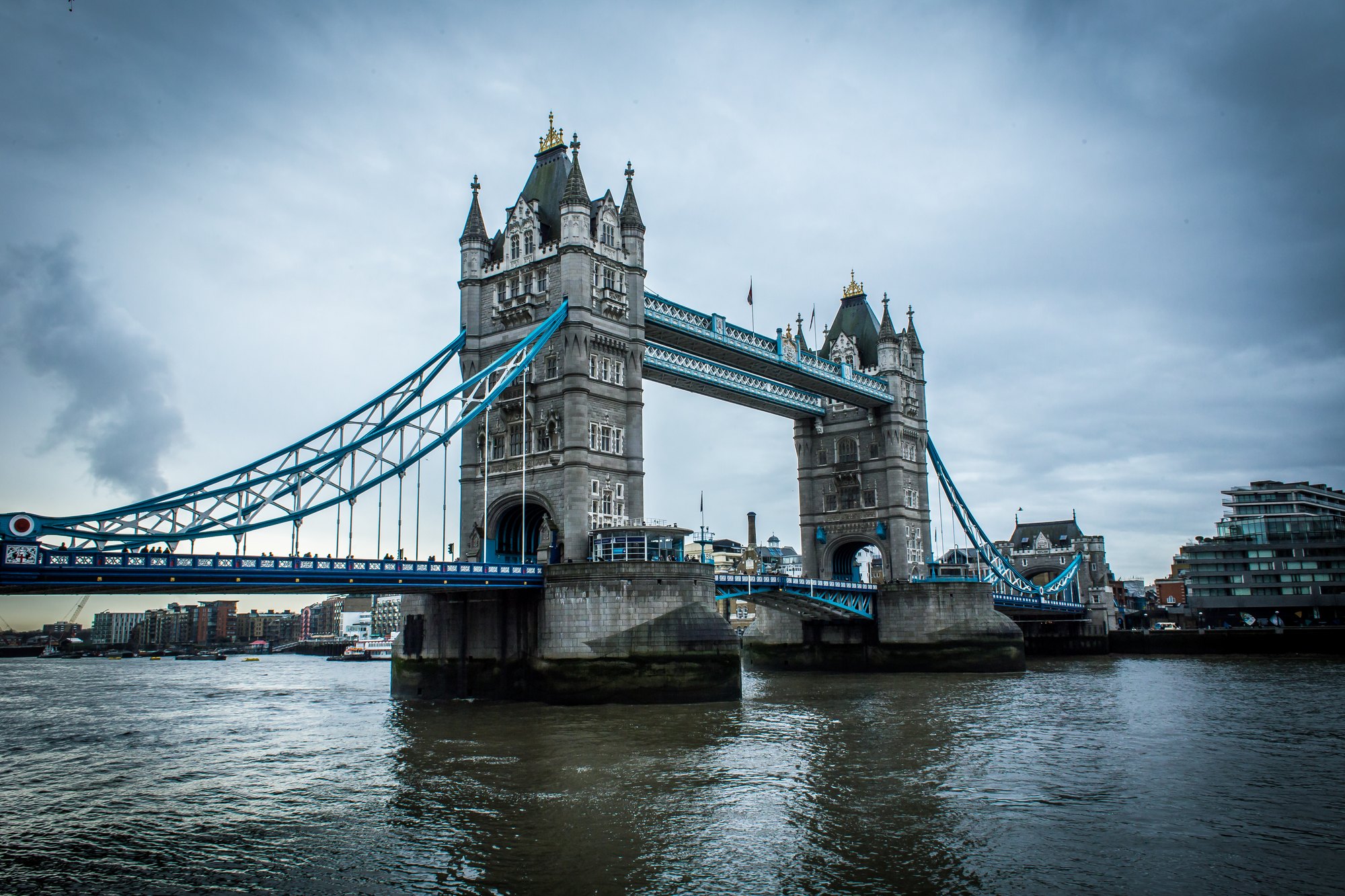
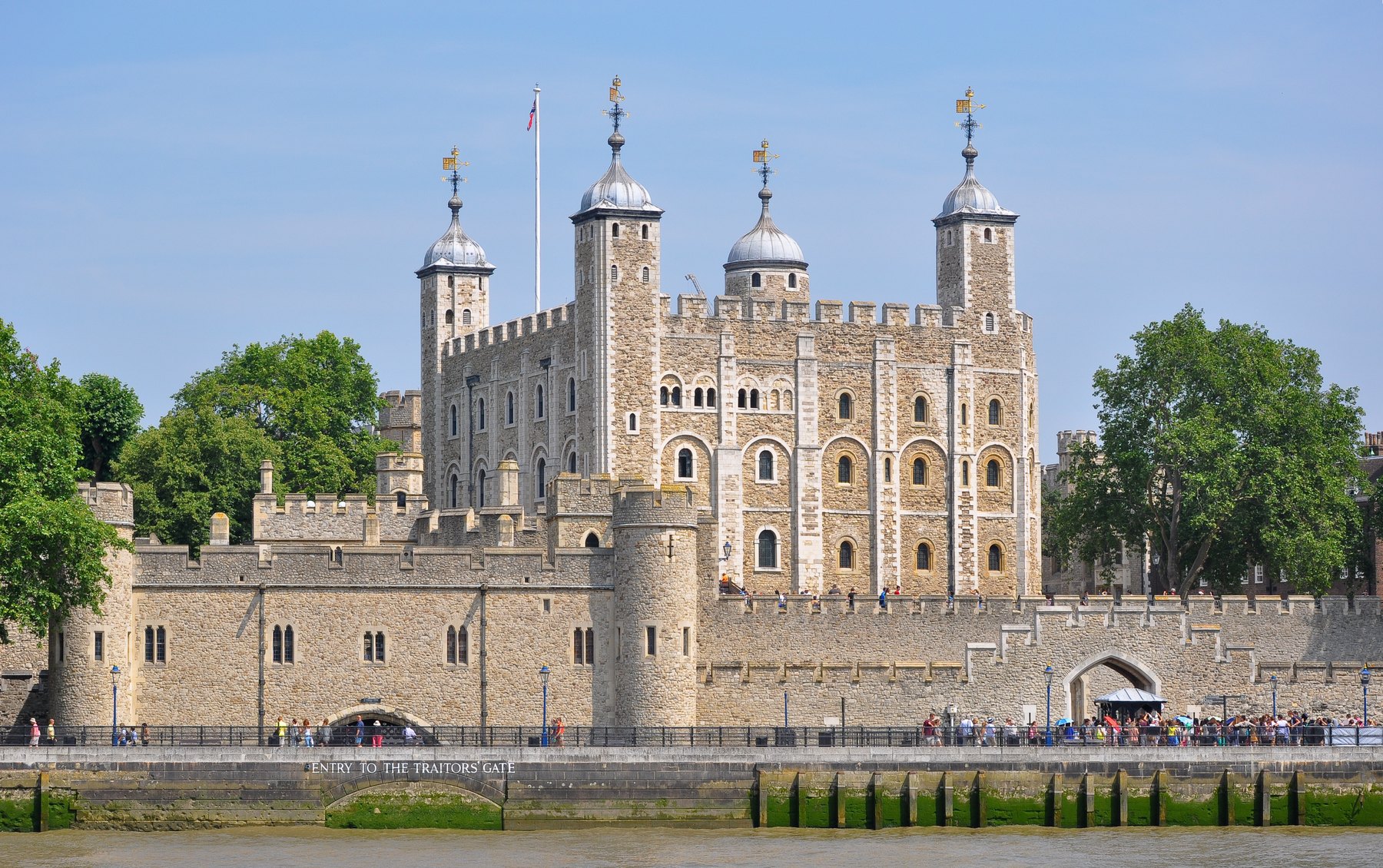
The Tower of London is a huge castle and fortress, and it’s what this whole article is about. Right next to it stands Tower Bridge, that famous bridge with two Gothic towers and the blue lifting mechanism from the late 19th century.
A little further upstream you’ll find London Bridge, which is honestly a rather dull concrete bridge these days. By the way, the story that an American businessman, Robert McCulloch, bought the old version of London Bridge in 1968 thinking he was getting the pretty Tower Bridge is a complete myth. McCulloch knew exactly what he was paying for, and he supposedly never bothered to correct the tale because it gave him fantastic free publicity.
Tower of London tickets and opening times in 2026
Tower of London tickets are among the priciest in the city, and the figure will take even seasoned travellers’ breath away. So plan your visit well — and don’t expect to find a cheaper option, because one basically doesn’t exist. Here are the current prices straight from the official site.
| Ticket type | Age / conditions | Price |
|---|---|---|
| Adult | 18–64 years | £37.00 |
| Child | 5–15 years (with an adult) | £18.50 |
| Young person | 16–17 years (with ID) | £18.50 |
| Student | 18+ (with a full-time student card) | £29.50 |
| Senior | 65+ | £29.50 |
| Children under 5 | 0–4 years | free |
| Carer | disabled visitor’s companion | free |
Sorry to disappoint you, but there’s no cheaper family ticket. Every family member pays separately, which adds up quickly. You might think about saving by buying in advance, but the online price is the same £37 as at the till. The main advantage of booking online is the guaranteed time slot, so you skip standing in an endless queue for tickets.
Keep in mind that your ticket is valid for a single entry only — there’s no re-admission to the grounds. You can grab tickets through GetYourGuide, but booking directly with Historic Royal Palaces (HRP) is usually cheaper, since resellers add their margins. HRP is a charity that receives no government funding, and at checkout it will offer you an optional 10% donation, which you can easily untick in your basket.
If you’re hunting for ways to save, unfortunately the Tower is never free for ordinary visitors. The £1 discounts only apply to residents of the Tower Hamlets borough or recipients of UK benefits. The only sensible saving is an HRP Membership, which starts at £75 a year. That pays for itself the moment you plan to tick off several royal palaces during your trip.
Before you set off, check the current opening times, which change with the season. The fortress is open almost year-round, but the gates stay shut over Christmas from 24 to 26 December and on New Year’s Day.
| Season | Days | Opening times | Last entry |
|---|---|---|---|
| Summer (approx. 1 Mar – 31 Oct) | Tue–Sat | 09:00 – 17:30 | 16:30 |
| Sun–Mon | 10:00 – 17:30 | 16:30 | |
| Winter (approx. 1 Nov – 28 Feb) | Tue–Sat | 09:00 – 16:30 | 16:00 |
| Sun–Mon | 10:00 – 16:30 | 16:00 |
💡 Tip: Set aside at least 3 hours for a proper visit. The site is enormous, and if you want to soak up the atmosphere without rushing, you could easily spend half a day here.
When to visit London and the Tower
British weather can be a nuisance in any season, but the most pleasant temperatures arrive between May and September. In the summer season (roughly March to October) the Tower is open Tuesday to Saturday from 9:00 to 17:30, opening at 10:00 on Sundays and Mondays.
In the winter months the grounds close as early as 16:30, so you’ll need to plan your visit a little earlier. The fortress is fully closed only during the Christmas holidays from 24 to 26 December, as well as on New Year’s Day.
Set aside at least three hours for the visit itself, but if you want to see absolutely everything at a relaxed pace, you could easily spend half a day here. Travellers recommend arriving right at opening time at 9:00, because by midday the site is usually packed to the rafters.
Definitely book tickets in advance for a specific time slot, which you can do either on the official Historic Royal Palaces website, or via the popular GetYourGuide platform, where booking is often more user-friendly. HRP is usually a touch cheaper, but GetYourGuide offers easy cancellation if your plans change.
How to get to the Tower of London
The easiest and quickest way to the fortress is the London Underground, better known as the Tube. Just hop off at Tower Hill, served by the District and Circle lines, and it’s about a five-minute walk to the main entrance. A nice bonus: this station has step-free access straight onto the street, so you won’t be lugging a pushchair up stairs. If it suits you better, within a fifteen-minute walk you’ll also find Monument, Bank, Aldgate, London Bridge and Fenchurch Street stations.
If you’d like to enjoy the views along the way, I recommend hopping on a boat and arriving by water. Tower Pier sits right by the entrance, and Uber Boat by Thames Clippers stop here. The approach from Westminster in particular offers an absolutely stunning panorama with the fortress and the bridge in a single shot. Plenty of red buses will also drop you nearby, specifically routes 15, 42, 78, 100 and 343.
Forget any idea of driving to the Tower in a hire car or your own — you’ll save yourself a lot of stress. The whole Tower Hill area is a strict traffic-free zone and there’s simply no parking near the monument. On top of that, the area falls within the Congestion Charge zone, so you’d pay a hefty fee to drive into the centre. To plan any journey by public transport, head straight to TfL.
We explored London mostly by bike and it was the cheapest way to get around we could find. You can hire the city’s shared Santander Cycles on almost every corner. A half-hour ride costs just £1.65 and a day pass is £3, which is absolutely ideal for a leisurely wander around the area.
Where to stay near the Tower
Staying within walking distance of the Tower and the Thames is a huge advantage, because it saves you the morning commute on a crammed Tube. Popular hotels in the area get snapped up really fast, so it pays to book as early as you can.
citizenM Tower of London is a wonderful modern hotel for lovers of design and smart technology. The rooms are controlled via a tablet, and from the upper floors or the rooftop bar you get an absolutely breathtaking view straight onto the fortress and the bridge.
The Tower Hotel sits literally on the bank of the Thames, and from your window you have Tower Bridge right in front of you. It’s a huge complex that may not look the most modern from the outside, but its location is absolutely unbeatable.
Leonardo Royal London City is a great choice for anyone who wants to unwind after a day on their feet. The hotel has its own 25-metre swimming pool and a wellness centre, which is a huge luxury in central London.
DoubleTree by Hilton Tower of London wins you over right at reception, where every guest gets a warm chocolate chip cookie. The rooms are very quiet, and just a short walk from the hotel you’ll find plenty of peaceful streets lined with cafés.
Novotel London Tower Bridge is probably the best choice for families with children, offering more spacious rooms and a very relaxed atmosphere. You can comfortably walk to both the fortress and the Tube in five minutes.
12 things to see and do at the Tower of London
The site is enormous and it’s easy to get lost without a plan. So we’ve picked out the places and stories you shouldn’t miss inside the walls. The grounds are vast, and a good plan will save you a lot of time and hassle.
1. The Crown Jewels and the moving walkway
The biggest magnet in the whole fortress is, of course, the Crown Jewels, which have been guarded here since the 1660s. You’ll see, for example, St Edward’s Crown, used to crown King Charles III in 2023, and the stunning Imperial State Crown.
Also on display is Cullinan I, the largest cut colourless diamond in the world, along with the famous Koh-i-Noor, whose return Britain still argues over with India and Pakistan. Remember that photography is strictly forbidden inside, watched over by tight security.
💡 Visitor tip: Come here first thing in the morning! You view the jewels from a slow moving walkway that won’t let you stop. Early in the day, though, you can step off the walkway or ride it several times, whereas in the afternoon the crowd relentlessly pushes you out.
An interesting footnote is the attempted theft of 1671, when Colonel Thomas Blood knocked out a guard and flattened the crown with a mallet to hide it under his coat. Surprisingly, King Charles II pardoned him and even granted him a generous lifelong pension.
2. The White Tower and the royal armoury
The iconic White Tower in the middle of the courtyard is the oldest part of the whole complex, dating to 1078, built by William the Conqueror himself. Today it houses part of the Royal Armouries exhibition, with a marvellous collection of historic weapons.
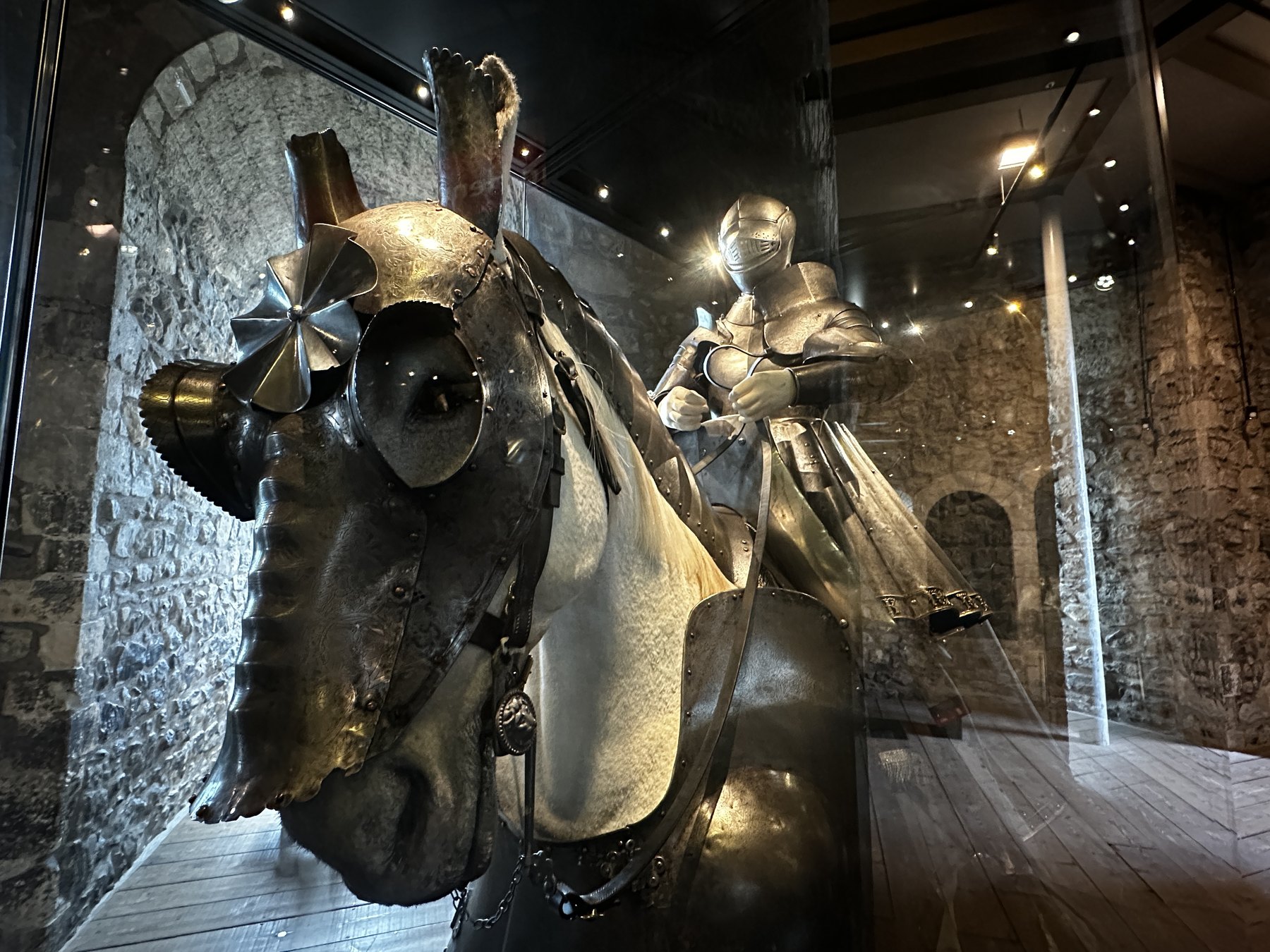
The crowd favourite is King Henry VIII’s personal armour, which clearly shows how the monarch’s figure expanded dramatically with age and weight. The weapons display known as the Line of Kings is also a venerable 350 years old.
3. The Yeoman Warder (Beefeater) tour
This is one thing you definitely shouldn’t miss, because the tour with the famous guards is completely free with your ticket. They set off every 45 minutes from the Bell Tower, and the guides deliver the grisly history with that trademark dry British humour.
To become a Beefeater, you must have completed at least 22 years of flawless military service. The guards also live inside the fortress with their families, and in the evening, after the tourists leave, they reportedly head to their own secret pub.
4. St Peter ad Vincula chapel and Tower Green
Thanks to the Beefeater tour, you can enter the chapel of St Peter ad Vincula, where independent visitors aren’t allowed at all. It’s right here, beneath the floor, that three executed English queens are buried.
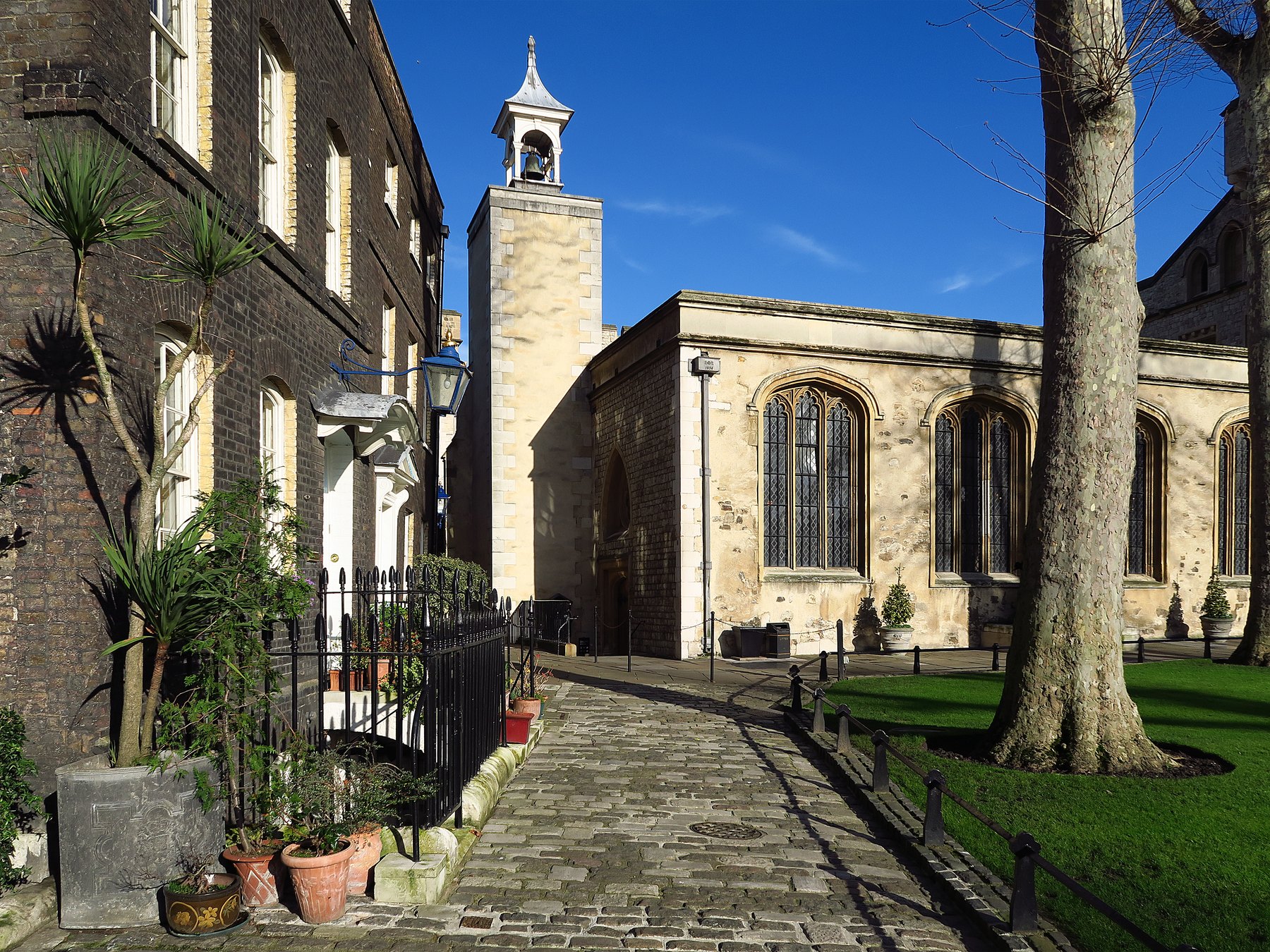
Right next to it lies the Tower Green lawn, where private executions of noble prisoners took place — only about ten people were executed inside the castle. Most ordinary convicts met their end at the public scaffold on Tower Hill, outside the walls, in front of huge crowds.
💡 History tip: In 1536, Anne Boleyn was beheaded here with a sword rather than an axe, at her own request. Far worse was the fate of 67-year-old Margaret Pole in 1541, whom an inexperienced executioner had to strike eleven times before he managed to finish the job.
5. The Bloody Tower and the mystery of the Princes in the Tower
The Bloody Tower earned its chilling name from one of the greatest unsolved cases in British history. In 1483, twelve-year-old Edward V and his younger brother Richard were placed here, and by the autumn of that same year they had vanished without a trace.
Their uncle, Richard III, is most often blamed for their murder, although in 2023 researcher Philippa Langley put forward a controversial theory that the boys may have survived and fled to Europe.
When workmen discovered children’s bones beneath a staircase in 1674, the king had them buried in Westminster Abbey. To this day, however, no one knows for certain whether the remains really belong to the missing princes, because DNA testing has never been permitted.
6. Traitors’ Gate
If you look towards the river, you’ll see a dark water tunnel through which prisoners were brought to the fortress by boat. Both Anne Boleyn and Sir Thomas More passed through here on the way to their cells.
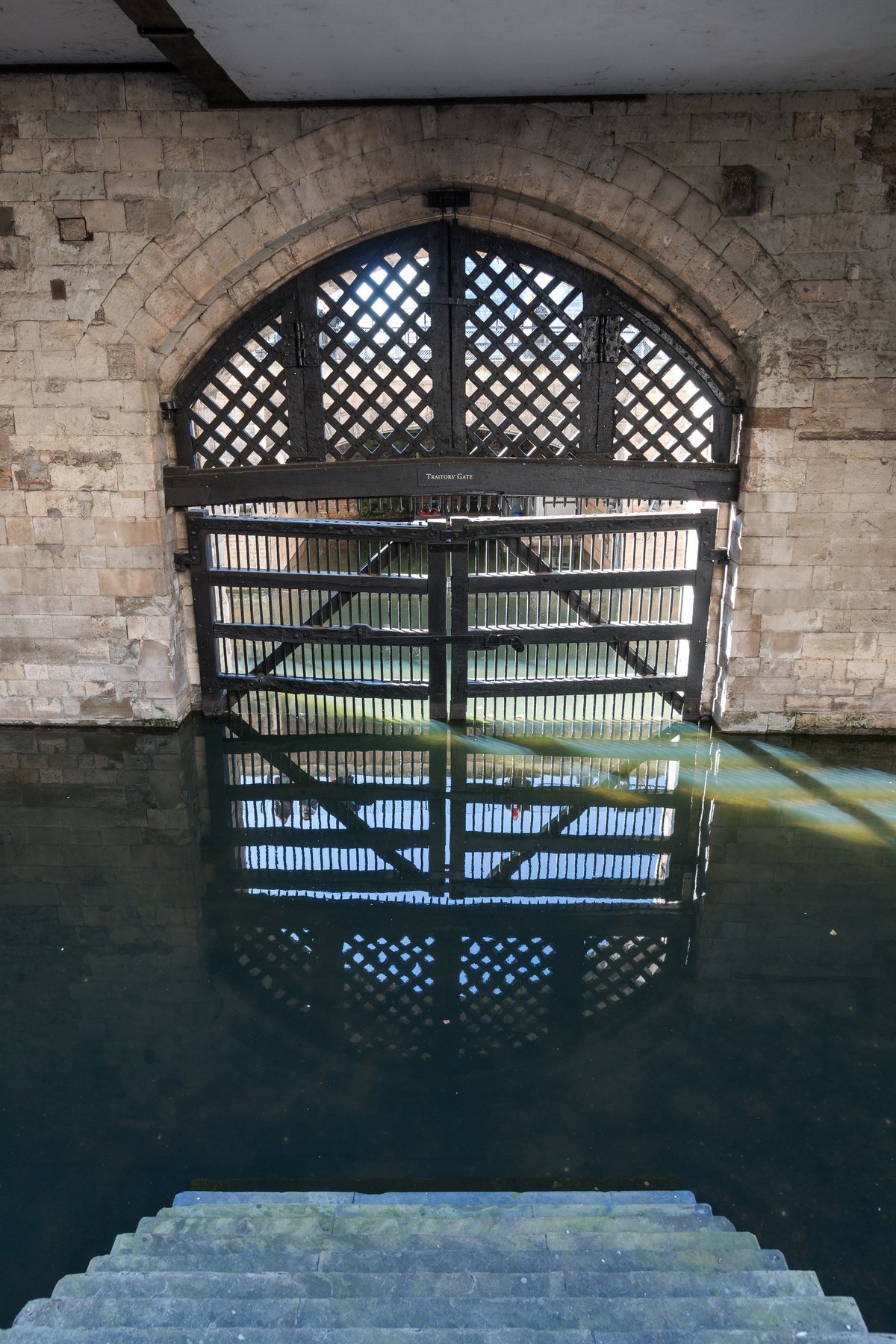
The sight of the gate is a deeply moving experience once you realise that for most people this was the last journey of their lives. Water from the Thames still laps against it today, adding to the grim atmosphere of the medieval dungeon.
7. The ravens and the debunked legend
Legend has it that if the ravens ever leave the Tower, the Crown and all of Britain will fall, which is why King Charles II supposedly ordered them to be kept. Historians recently found, however, that this legend is probably a Victorian invention, with the earliest records of the birds dating only to the late 19th century.
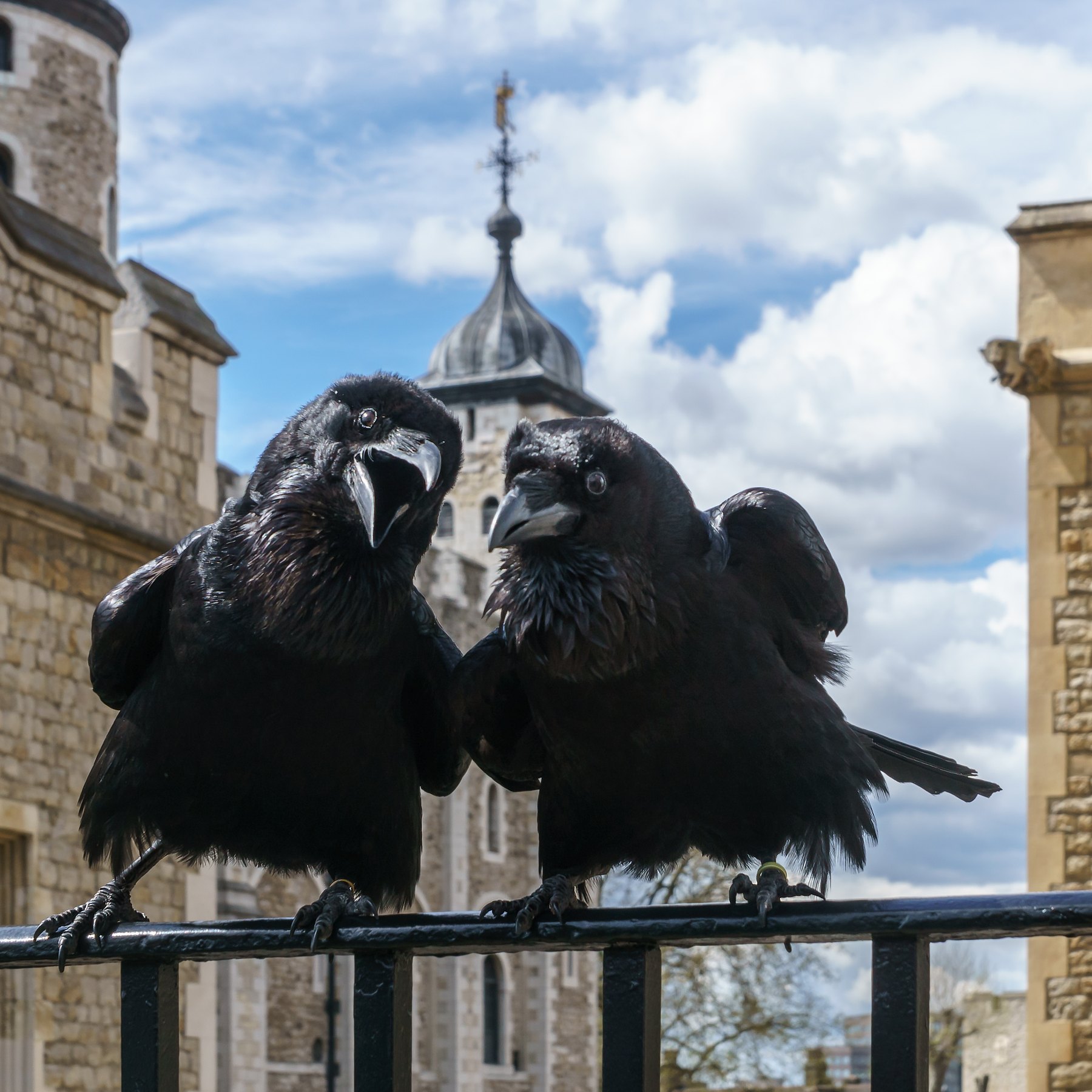
Today eight ravens live here permanently, cared for by the Ravenmaster, Mr Barney Chandler. The birds have slightly clipped wings, are fed premium meat and, reportedly, are occasionally spoilt with biscuits soaked in blood.

8. The royal menagerie full of exotic beasts
Few people know that for hundreds of years the Tower served as London’s first zoo. English monarchs kept exotic gifts from foreign diplomats here, so lions, leopards and even an elephant once lived within the walls.

The most bizarre resident was a polar bear, given to Henry III in 1252. The bear would swim in the Thames on a long chain, deftly catching fish to the delight of the watching Londoners. The menagerie was finally closed in 1835 for safety reasons.
9. The torture chamber, Guy Fawkes and famous 20th-century prisoners
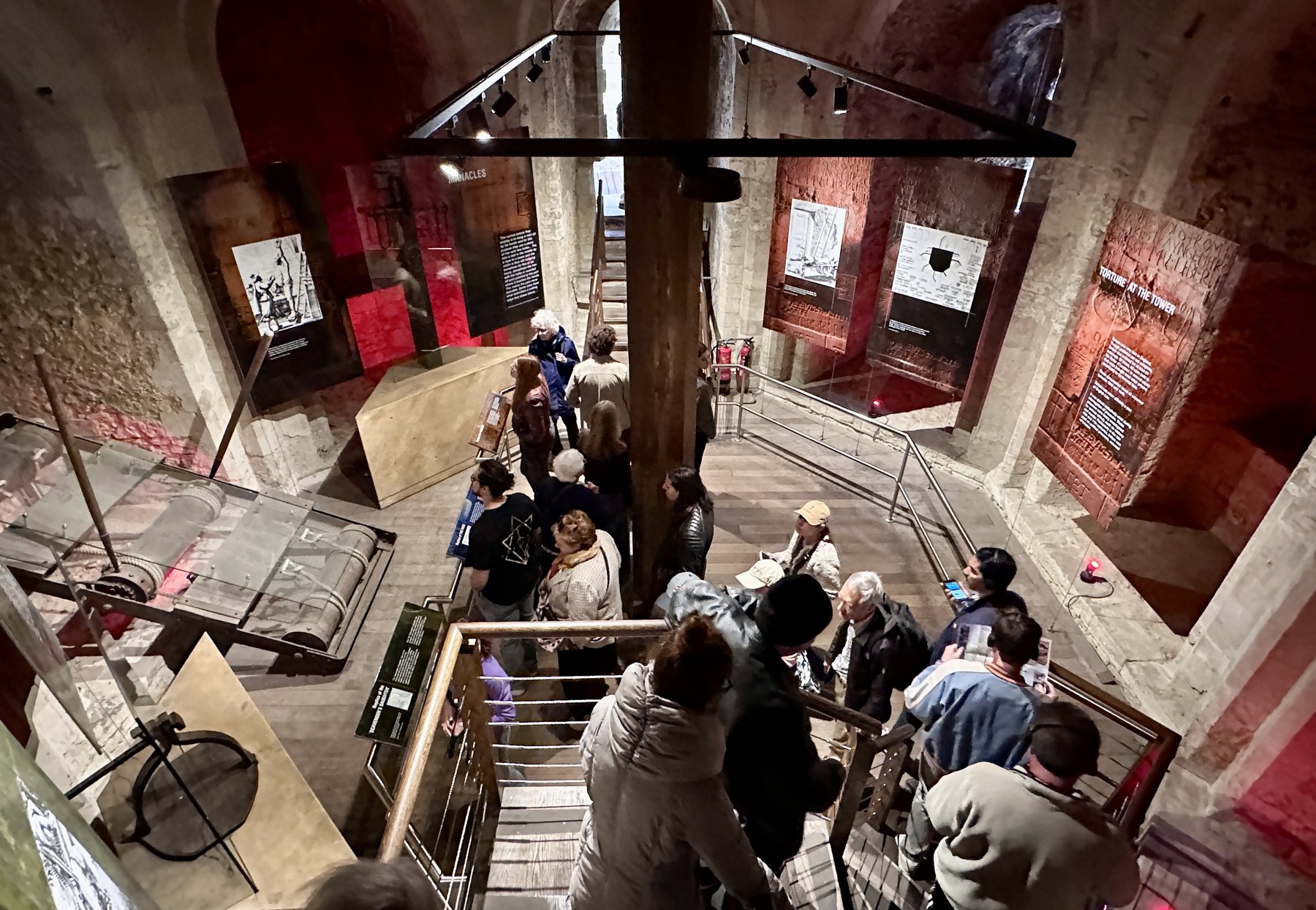
On the lower floors of the White Tower you’ll find a small exhibition of torture instruments — modest, but all the more chilling for it. It was on the local rack that Guy Fawkes was brutally interrogated in 1605, after the failed Gunpowder Plot.
His breaking is still clearly visible in period documents, where after the torture he could barely manage a shaky scrawl of a signature. But the fortress also served as a prison far more recently in modern history.
💡 Fun fact: During the Second World War, in 1941, German spy Josef Jakobs became the last person to be executed here. A few months earlier, Hitler’s deputy Rudolf Hess spent four days here, and the very last prisoners in its history were the notorious Kray twins in 1952.
10. The Medieval Palace
While most people think of the Tower only as a prison and a treasury, it was originally the luxurious home of English kings. In these restored chambers you can see what royal life looked like in the 13th century.
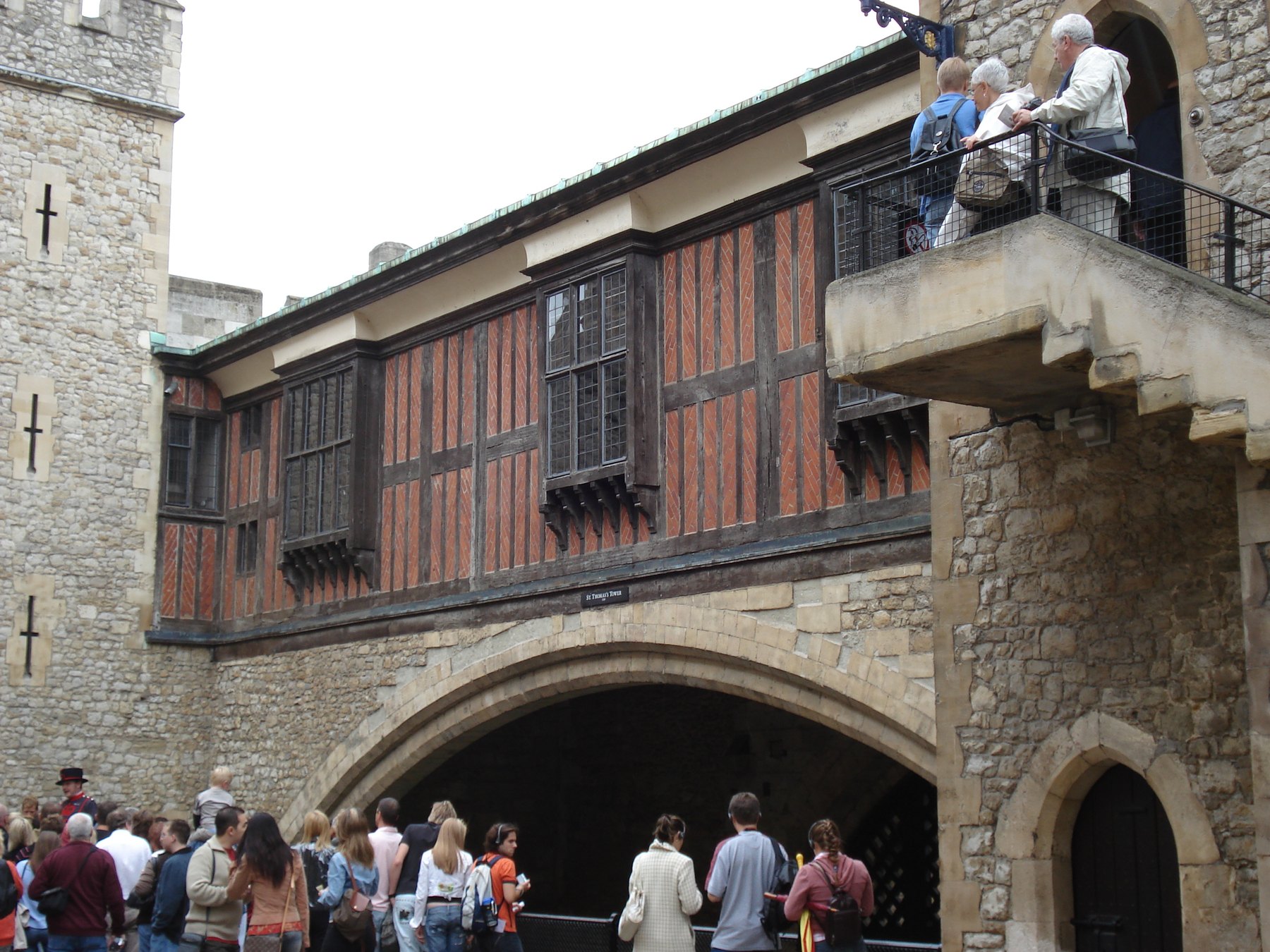
You’ll see richly decorated beds, huge fireplaces and colourful walls that contrast sharply with the grey stone outside. It’s a great spot to take a break from the crowds and the dark tales of executions.
11. The walls and river views (the Wall Walk)
Don’t forget to climb up onto the walls, which offer fantastic angles for photographing Tower Bridge and the modern skyscrapers in the background. The stroll along the battlements takes you through several smaller defensive towers.
Travellers point out that it can get pretty windy up there by the Thames, so even in summer it’s worth packing a light extra layer. It’s from the walls that you truly grasp how enormous the whole monument really is.
12. The evening Ceremony of the Keys
Every evening at exactly 21:30, a ceremonial locking of the fortress takes place — a tradition more than seven hundred years old. During the ceremony the guards exchange passwords and keys in complete silence, and photography is strictly forbidden.
Getting in is quite a challenge, though, because tickets costing £10 to £50 are released a month in advance and disappear within minutes. They can be booked exclusively online on the HRP website, and you really do need quick fingers.
The stories the Tower of London hides
The Tower of London isn’t just a pile of old stones with crowns inside. It’s a place where things have unfolded over nine hundred years that leave you utterly speechless today. That’s exactly why I buried myself in books and devoured the history of this place. These walls hide some genuinely chilling secrets.
The Princes in the Tower: a 500-year-old unsolved case
In 1483, twelve-year-old Edward V and his younger brother Richard were sent here. Their uncle, the future King Richard III, packed them off to the fortress, supposedly so they could safely await the coronation. But the boys suddenly vanished without a trace, and no one ever saw them alive again.
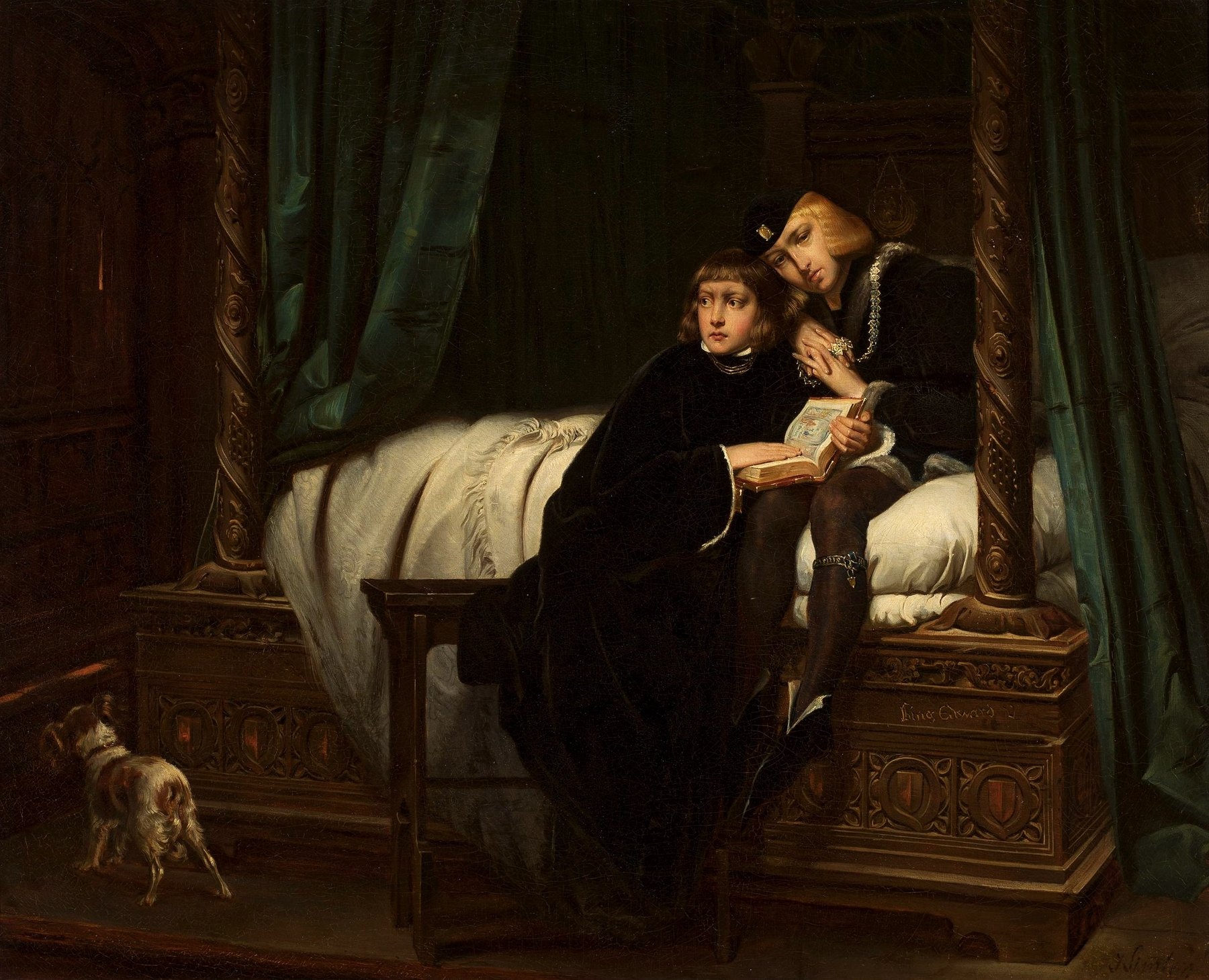
Almost two hundred years later, in 1674, workmen found children’s bones beneath a staircase. Everyone immediately concluded they belonged to the missing princes, and the remains were ceremonially moved to Westminster Abbey. With that, the case seemed closed for history for good.
Yet recent research turns everything on its head. New historical studies cast doubt on Richard III’s guilt and point the finger at entirely different suspects within the court clique of the time. Half a millennium on, this mystery is still very much alive and unsolved.
The Crown Jewels heist that went unpunished
If you think robbing England’s most heavily guarded fortress is impossible, Colonel Blood would beg to differ. In 1671 he actually managed to steal the royal regalia. To even get the crown under his coat, he unceremoniously flattened it with a wooden mallet.
Naturally he was eventually caught, and everyone expected the bloodiest of punishments. King Charles II, however, decided that Blood’s audacity was actually rather amusing, and, astonishingly, pardoned the criminal. As if that weren’t enough, he even paid him a hefty pension for the rest of his life.
The polar bear that fished in the Thames
The Tower served not only as a torture chamber but also as a decidedly bizarre royal menagerie. In 1252, Henry III received an utterly wild gift from the King of Norway in the form of a live polar bear. For the Londoners of the day it must have felt like the arrival of aliens.
The poor bear lived on a long chain that allowed it to catch fish directly in the River Thames. It shared the fortress with lions and even an elephant. This whole royal menagerie was ultimately closed only in 1835, and its animals formed the basis of today’s London Zoo.
The executions no one talks about
People often imagine that executions inside the castle happened like clockwork, but that’s a huge misconception. The Tower Green lawn saw only a handful of so-called private executions reserved for high-ranking nobles. Most of the bloody spectacle for the crowds took place outside on Tower Hill, where more than a hundred convicts lost their heads.
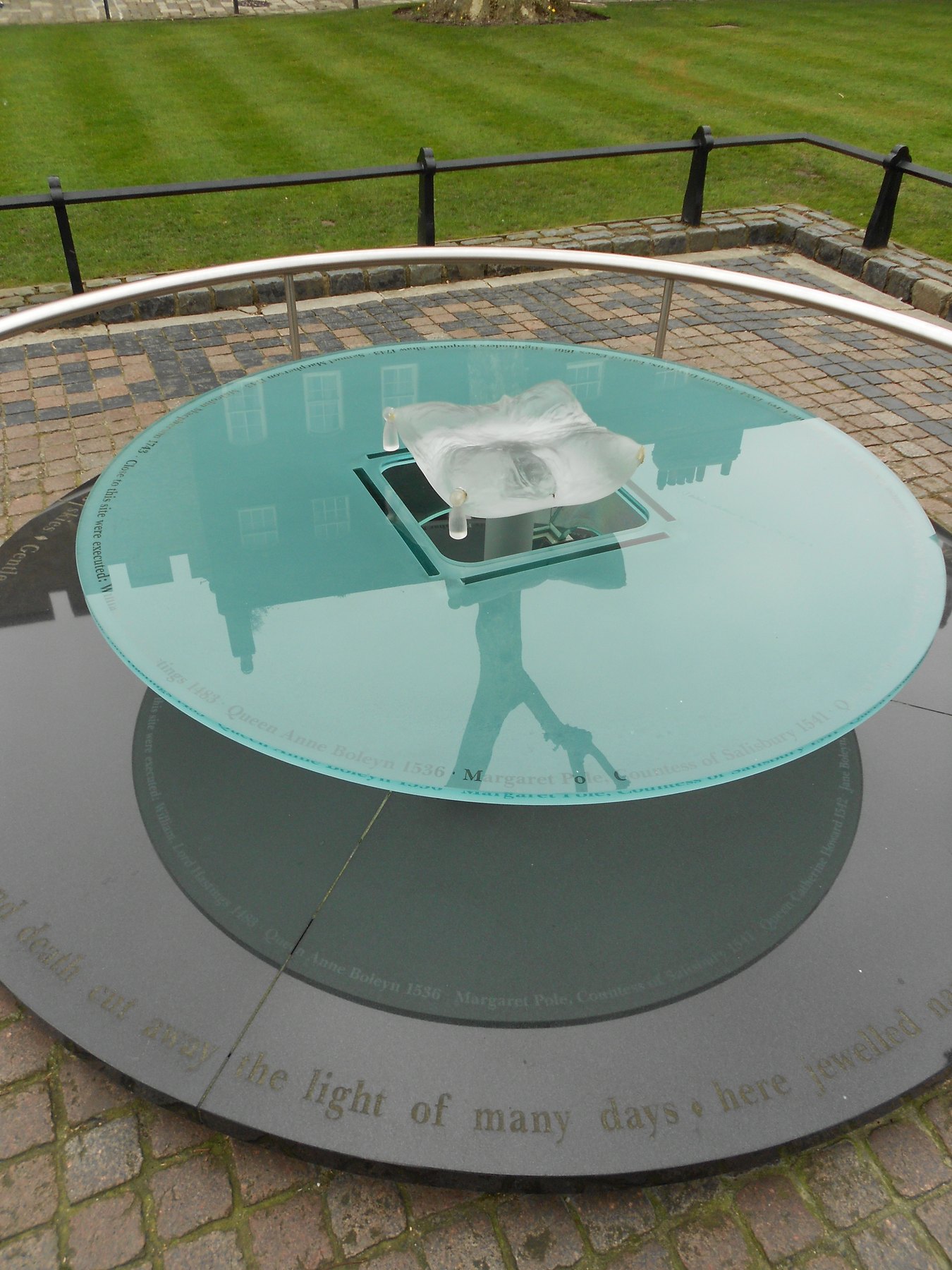
The most famous victim within the walls is undoubtedly Henry VIII’s second wife, Anne Boleyn. If you’re picturing a chopping block and an axe, think again — Anne was executed with a sharp sword in 1536. A cruel fate also befell her cousin Catherine Howard and the just sixteen-year-old Lady Jane Grey.
The most horrifying story, though, belongs to 67-year-old Margaret Pole in 1541. She was executed by an utterly inexperienced headsman who botched the job. Although it was long claimed that the terrified countess fled around the block, historians now strongly doubt this wild legend.
The last person executed and the last prisoner
The Tower wasn’t a prison only in the Middle Ages; its dark role stretches surprisingly far into modern history. The very last person executed here was German spy Josef Jakobs during the Second World War, in 1941. He’d broken his ankle parachuting in, so the firing squad had to shoot him sitting in a chair.
We mustn’t confuse him with the last state prisoner, who was Hitler’s deputy Rudolf Hess. He spent just four days in the fortress in May 1941.
But if we’re after the absolute last people to have the doors clang shut behind them here, we have to go to 1952. That’s when the famous London gangsters, the Kray twins, were locked up here for a few days, simply for dodging their compulsory military service.
Where to eat near the Tower
Here’s one thing worth knowing in advance: you can’t leave the Tower and come back. Your ticket is valid for a single entry, so you either eat inside, or wait until after your visit.
They have plenty of vegetarian and vegan options, which as committed herbivores is always a huge relief for us. The meat-free selection does change over time, but you certainly won’t go hungry. Meat-eaters are catered for too, of course, since the menu also features the usual meaty classics.
All of this really matters, because you can’t leave the Tower and re-enter, as your ticket is valid for one pass only. So decide in advance whether you’ll eat inside or hold out until after your visit. If you go for the latter, head a little further to the St Katharine Docks area.
There you’ll find plenty of quieter restaurants with a lovely view of the moored boats. An even better culinary experience is the famous Borough Market, which you can reach on a pleasant walk. There, absolutely everyone will find something to eat, from street-food lovers to demanding foodies.
Practical tips to save your nerves
- There simply IS NO luggage storage here, so don’t turn up with big backpacks. Suitcases, large luggage and even wheeled bags aren’t allowed inside. Palace staff will firmly send you away and point you to the nearby commercial Stasher storage.
- Photography is usually fine as long as you don’t use a flash, tripods or annoying selfie sticks. Photography is completely FORBIDDEN in the Jewel House, where the Crown Jewels are kept.
- Accessibility is quite limited — it is, after all, a medieval fortress full of stairs and uneven cobbles. The White Tower has a lift only to the basement, and the Beefeater tour involves 21 steps, which may be a major obstacle for some.
- Beefeater tours are in English only and don’t go anywhere near the Crown Jewels. On the other hand, they’re the only way to see inside the St Peter ad Vincula chapel.
- The last Yeoman Warder tour always begins at 15:15, so time it well. Morning tours start at 10:00 from Tuesday to Saturday, and at 10:45 on Sundays and Mondays. They set off every 45 minutes from the Bell Tower.
- Count on zero re-admission — you’ll simply scan your ticket at the gate once. Inside and out, there’s also a strict ban on smoking and vaping, and only assistance dogs are allowed in.
- Visitors report queues of up to 90 minutes for the jewels, while the walkthrough itself then took barely a few minutes. Those who got up early and arrived right at opening time usually didn’t wait at all.
- The torture chamber is often a letdown, so don’t expect any elaborate Hollywood sets. It’s essentially just one room with a rack, so don’t plan your whole visit around it.
Where to go next from the Tower
Since you’ll be by the river anyway, I recommend exploring the surroundings. Right next to the fortress is the picturesque St Katharine Docks harbour, where luxury yachts moor and you’ll find quieter cafés. If you’re hungry, just across the river near London Bridge you’ll find the excellent vegan restaurants Mildreds and Unity Diner, which serve superb meat-free burgers I can recommend with a clear conscience.
And if you’re a fan of good coffee, check out our guide to the best cafés in London — we’ve picked only spots rated above 4.6 on Google.
A short walk from Parliament stands Westminster Abbey — the place of coronations and royal tombs, which you can even visit for free at Evensong.
Love history and art? Then don’t miss the British Museum — entry is free, and in our guide you’ll find what not to skip in a couple of hours.
And right next to the fortress stands the famous Tower Bridge — in our guide you’ll find when the bridge lifts and whether the paid exhibition with the glass floor is worth it.
Monarchy lovers will also be drawn to Buckingham Palace — we’ll tell you where to stand for the Changing of the Guard so you don’t just see the backs of the crowd. And if you crave a view over the whole city, a short way upstream turns the London Eye, where our guide reveals when it’s worth it and when to head to the free Sky Garden instead.
If you’re planning more days in the capital, be sure to get inspired by our big guide on what to see and do in London. Film lovers, meanwhile, can’t miss the magical Harry Potter Studio Tour London.
And if, after all the city bustle, you long for nature or history beyond the capital, consider a trip to magical Stonehenge. People often head further north from here, too, so our article on what Edinburgh has to offer might come in handy, along with our tips for a holiday in Scotland.
Frequently asked questions
How much does a ticket to the Tower of London cost?
In 2026, an adult visitor will pay £37 (approximately €44). Children aged 5 to 15 pay £18.50, and younger children can enter completely free of charge. Unfortunately, there is no family ticket available, and students or seniors will pay a reduced price of £29.50.
Can you save money when shopping online?
The official website does not offer any discount for online purchases, the ticket costs £37 both online and at the ticket office. However, buying in advance guarantees that you’ll get inside at your chosen time and won’t have to stand in a long queue at the cash desk.
Is there any fast-track priority ticket available?
No, there is no official fast-track into the fortress. If various resellers promise you this, it’s not true – all visitors must go through the same security check at the main gate.
Is it worth visiting the Tower with a London Pass?
Tower of London is included in the London Pass, but it’s only worth it if you manage to visit more expensive attractions in one day. With the Pass, you can’t reserve a time slot in advance, and staff will simply let you in at the next available time.
Can I bring a suitcase or large backpack inside?
For security reasons, large luggage and wheeled suitcases are not allowed on the premises. Unfortunately, there’s no left-luggage facility inside, so you’ll need to leave your things at the hotel or use commercial lockers at nearby train stations.
How do I best get to the Tower?
The easiest way is to use the London Underground and get off at Tower Hill station, which is served by the yellow Circle line and the green District line. From there, it’s about a five-minute leisurely walk to the main entrance, and you can manage it even with a pushchair. You can easily plan your routes via the official TfL London transport website.
Can you bring dogs into the area?
Only registered assistance and guide dogs may enter the castle grounds and courtyards. Regular pets must stay outside, even if you’re carrying them in a bag or in your arms. You can walk dogs in the surrounding area along the river, for example with a view of the famous Tower Bridge. EXCERPT: Avoid the crowds and uncover the bloody history of the Tower of London. We bring you 12 tips on how to see the crown jewels without queuing and what not to miss in the fortress.
Tips and Tricks for Your Vacation
Don’t Overpay for Flights
Search for flights on Kayak. It’s our favorite search engine because it scans the websites of all airlines and always finds the cheapest connection.
Book Your Accommodation Smartly
The best experiences we’ve had when looking for accommodation (from Alaska to Morocco) are with Booking.com, where hotels, apartments, and entire houses are usually the cheapest and most widely available.
 🚗 Car rental on the roadVerified rental cars in Great Britain
Search with the DiscoverCars comparison engine — it compares prices from dozens of local and international rental companies, and most bookings come with free cancellation.
Compare car prices in Great Britain →Don’t Forget Travel Insurance
Good travel insurance will protect you against illness, accidents, theft, or flight cancellations. We’ve had a few hospital visits abroad, so we know how important it is to have proper insurance arranged.
Where we insure ourselves: SafetyWing (simple monthly subscription) and TrueTraveller (for extra-long trips).
Find the Best Experiences
Get Your Guide is a huge online marketplace where you can book guided walks, trips, skip-the-line tickets, tours, and much more. We always find some extra fun there!