When Lukáš and I arrived in London after a year in Canada, our pockets were pretty empty. Back then we rode around the city on old bikes, looking for ways to properly enjoy the British capital without ruining our already tight budget. That’s exactly why I still swear by London’s museums to this day, because so many of them offer free entry to their permanent collections.
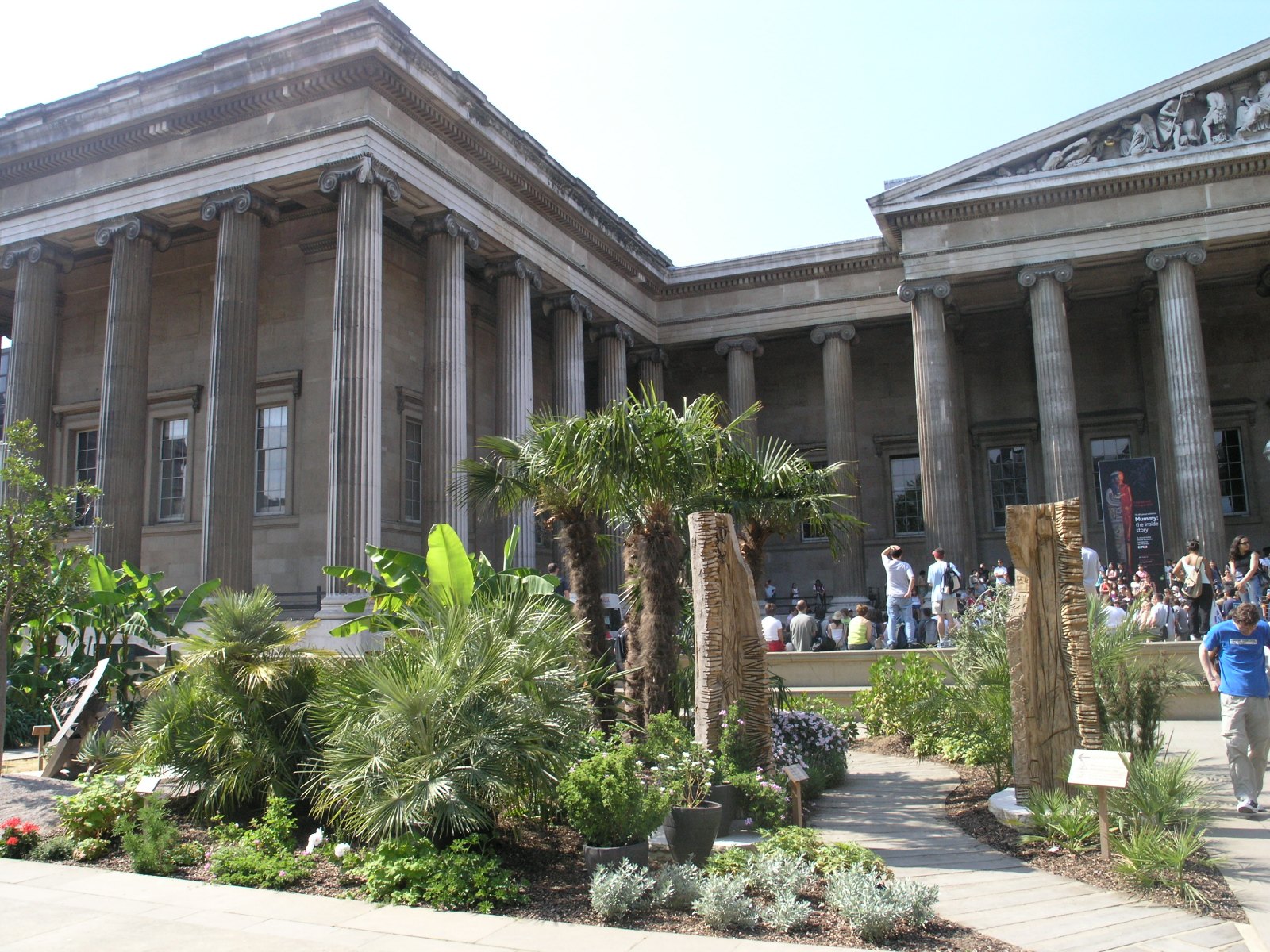
One of the very best is the famous British Museum, a breathtaking institution home to an incredible eight million objects from all over the world. Whether you’re into ancient Egypt, classical Greece or the fascinating history of the British Isles, this place will absolutely draw you in.
But don’t expect to get through it in one sleepy afternoon. Only about one percent of the collection is on display, yet even that means kilometres of corridors and dozens of huge halls. That’s why I’ve put together a detailed guide on how to squeeze the best out of your visit, how to cleverly dodge the worst crowds and, above all, how to avoid so-called museum fatigue.
A summary for those who don’t have time to read the whole article
- Entry is free: You pay nothing at all for the permanent exhibition — the museum only suggests a voluntary donation of around £5 (roughly €6).
- Booking is essential: Even though entry is free, I strongly advise reserving a timed ticket online in advance, or you risk long queues — or not being let in at all during peak times.
- The rear entrance is a lifesaver: Instead of the main entrance on Great Russell Street, use the rear entrance from Montague Place, where the security queue tends to be far shorter.
- Best time to visit: Try to arrive Tuesday to Thursday right at 10 a.m., or take advantage of the extended Friday opening hours until 8:30 p.m.
- Leave your luggage at the hotel: No wheeled suitcases are allowed inside, and backpacks must not exceed 40 × 40 × 50 centimetres.
- Big news for 2026: From September, the famous Bayeux Tapestry will be on display here, requiring a special timed ticket due to the huge demand.
The full destination guide: United Kingdom — guide and what to see
British Museum tickets, opening times and booking in 2026
Entry to the permanent collection of the British Museum is FREE. For usually pretty pricey London that’s an absolute gem and a massive relief for your travel budget. At the entrance the museum politely asks for a voluntary donation of around £5 (roughly €6). But nobody will judge you if you give nothing — you’ll really only reach for your wallet for the special temporary exhibitions.
Even though the ticket doesn’t cost a penny, be sure to book a timed entry in advance. You can do it easily on the official website and save yourself a load of unnecessary stress. Without a booking you could be standing outside in a queue for up to 45 minutes before a slot frees up. In high season or at the weekend, at peak times they may not even let you in without a booking at all.
Here are the opening times laid out clearly, so you know how to plan a whole day in Bloomsbury properly. Keep in mind that the galleries start to be cleared earlier, so don’t let the guards move you along halfway through reading a label. The museum is completely closed at Christmas (24–26 December) and, as always, on New Year’s Day.
| Day | Open | Last entry |
|---|---|---|
| :— | :— | :— |
| Sunday–Thursday | 10:00–17:00 | ~16:00 |
| Friday | 10:00–20:30 | 19:30 |
The British Museum was founded back in 1753 and holds the title of the first public national museum in the world. Today it houses an incredible 8 million historical objects from every corner of our planet. But only about 1% of that is on display — the rest of the treasures rest somewhere in dark storerooms. So don’t try to race through absolutely everything in one afternoon, because it simply isn’t physically possible.
💡 Practical tip: Since you’re saving on tickets, download the museum’s free app to your phone for easier navigation. If reading the labels isn’t enough for you, you can pay for a detailed themed tour with a live guide through GetYourGuide. On top of that, the halls sometimes host short “eye-opener” talks that are completely free and need no registration. Just join the little group and listen.
When to visit the British Museum and how to survive the crowds
British weather can be unpredictable, so hiding away among ancient sculptures sounds like the perfect plan for rainy days. The problem is that thousands of other tourists have the exact same brilliant idea at the exact same moment. If you want to avoid elbowing your way to the display cases, you’ll need to plan your visit a little strategically.
The museum is open daily from 10:00 to 17:00, but my secret tip is to come here on a Friday evening. On Fridays it stays open until 20:30, and the last hours before closing tend to be wonderfully calm. The school groups are long gone, families with small children are heading off for dinner, and you get to admire the Egyptian mummies in a far more intimate atmosphere.
Another huge trap is trying to see absolutely everything. This museum is a textbook example of a place where you risk so-called museum fatigue. That’s the state where, after two hours of reading labels, your brain simply switches off and a golden treasure starts to feel about as interesting as the fire extinguisher in the corner. So pick just a few sections and skip the rest with a clear conscience.
And don’t forget to download the museum’s official app beforehand. It offers an interactive map and 65 gallery introductions completely free. It won’t be in your own language, but for basic orientation in those endless corridors it’s an absolutely invaluable helper. If you’re after a deeper commentary, you can also grab paid themed tours with a live guide through GetYourGuide.
How to get to the British Museum
The museum itself sits in the Bloomsbury neighbourhood, so getting there from the centre is a total breeze. The nearest Tube stations are Tottenham Court Road, Holborn and Russell Square. From all of them you’re just a few minutes’ walk from the entrance, so you won’t even break a sweat. Plan the best connection before you set off directly on the TfL website.
There are two ways in, and here comes an absolutely essential trick. While the main entrance on Great Russell Street is bursting at the seams under the flood of tourists, the rear entrance from Montague Place is far quieter. The security queue here tends to be shorter, so you’ll save precious minutes and nerves. Definitely try to use it if you want to dodge the bottleneck right at the start.
Be careful about what you even bring into the museum. Large and wheeled luggage is strictly banned, and security will turn you away at the door without compromise. The limit for backpacks is roughly 40 × 40 × 50 centimetres, so don’t count on bringing a big rucksack. You can leave smaller items in the cloakroom at the Great Court, but they really won’t let you in there with a suitcase.
Once your feet start aching from wandering around the mummies, head out to explore the area around the museum. The Bloomsbury neighbourhood is full of cosy cafés and old English bookshops where you can relax beautifully. Famous Covent Garden is also a short walk away, so you’re all set for a laid-back programme for the rest of the afternoon.
The new star of 2026: the Bayeux Tapestry
From September 2026, an absolute sensation is coming to London that history lovers cannot miss. For the first time, the legendary Bayeux Tapestry will be on show here, lent exclusively to the museum by France. This stunning work is an almost 70-metre-long embroidered chronicle depicting the Battle of Hastings in 1066. It’s definitely not just some old rug — it’s a fantastically preserved medieval comic strip.
Because of this rarity, get ready for total madness and an enormous rush. You’ll definitely need your own timed ticket just for this specific exhibition, so it’s best to snag one well in advance. If you’re even a little into history, it’s the main reason to plan a trip for autumn 2026. It’ll be an event people talk about for years to come.
Where to stay near the British Museum
Bloomsbury, the neighbourhood where the museum sits, is in my view one of the very nicest parts of London. You’ll find lovely leafy squares, dozens of independent bookshops and great cafés. Staying right here means you can walk to the museum in five minutes and avoid the morning crush on the Tube.
Accommodation in central London isn’t the cheapest, but there’s a compromise to be found for every budget. I’ve picked out a few specific, highly rated hotels that are just a few steps from the main entrance.
- The Bloomsbury Hotel is a luxurious boutique choice with gorgeous design and fantastic breakfasts.
- Kimpton Fitzroy London is a breathtaking historic building on Russell Square, ideal for a special romantic stay.
- The Montague on the Gardens offers traditional British style and a wonderfully calm atmosphere just around the corner from the museum.
- Radisson Blu Edwardian Bloomsbury Street scores with modern rooms and a strategic location right by a Tube station.
- Premier Inn London Holborn is a reliable, more affordable classic that families with kids will especially appreciate.
- Generator London is a stylish, modern hostel for travellers who’d rather save their money for the sights.
8 tips on what to see and do in the British Museum
Let’s take a detailed look at the biggest treasures you definitely shouldn’t miss on your first visit. The following list covers exhibits from across all of human history, from ancient Egypt all the way to the Pacific islands.
1. The Great Court and the historic Reading Room
As soon as you pass through security, you find yourself in an absolutely stunning space called the Great Court. It’s the largest covered public square in all of Europe, designed in 2000 by the famous architect Norman Foster. The roof is made up of more than three thousand glass panes, and here’s a fun fact: no two of them are exactly the same shape.
In the middle of this light-filled space stands an iconic circular structure. It’s the original historic Reading Room, where in the past Karl Marx, Mahatma Gandhi and the writer Virginia Woolf once sat poring over books. Today it serves as a central orientation point.
💡 Tip: It’s here in the Great Court that you can pick up a printed map at the information desk or connect to the local Wi-Fi. If you have a smaller bag, you’ll also find a cloakroom straight to the left, but remember that queues form for dropping off your things.
2. The Rosetta Stone (Room 4)
If there’s one single object that draws people here from all over the world, it’s undoubtedly the Rosetta Stone. This unassuming black stone stela from 196 BC served as the key to deciphering Egyptian hieroglyphs. It contains one and the same text written in three different scripts.
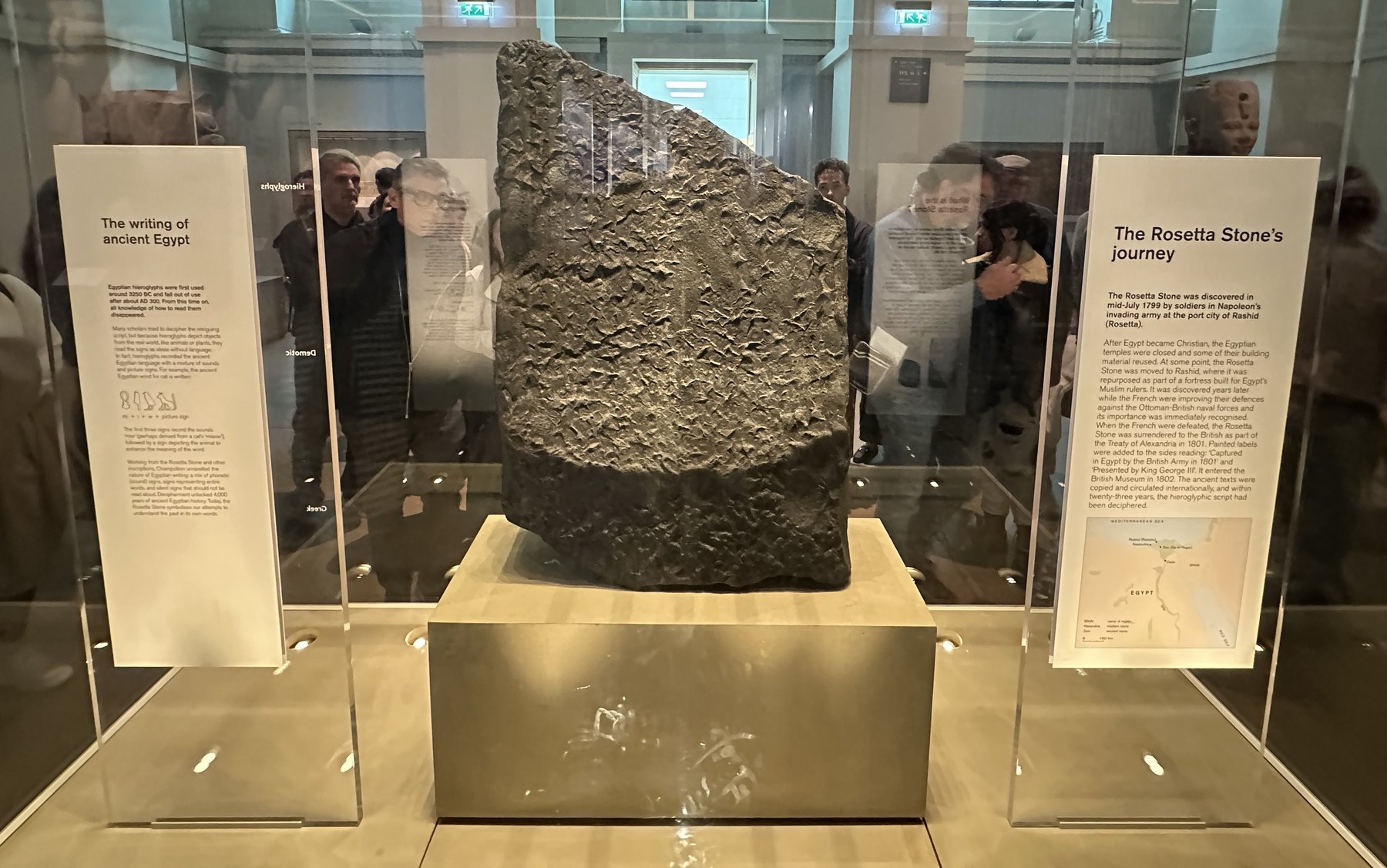
Because the bottom text is in Ancient Greek, in 1822 the French scholar Jean-François Champollion could finally crack the ancient Egyptian writing system. Today the stone is safely stored behind thick glass and is constantly surrounded by a cluster of tourists with phones in hand.
💡 Tip: Visitors agree that after half past eleven in the morning, you can barely reach the stone through the crowd. If you want to see it in relative peace, head to Room 4 right on the stroke of ten, the moment the museum opens its doors.
3. The Parthenon Sculptures (Room 18)
In the magnificent Room 18, marble friezes and sculptures from the Parthenon temple in Athens await you. They date from the fifth century BC and depict incredibly detailed scenes from Greek mythology, including the famous battle of the Lapiths and the Centaurs. Lord Elgin brought them to Britain at the start of the 19th century.
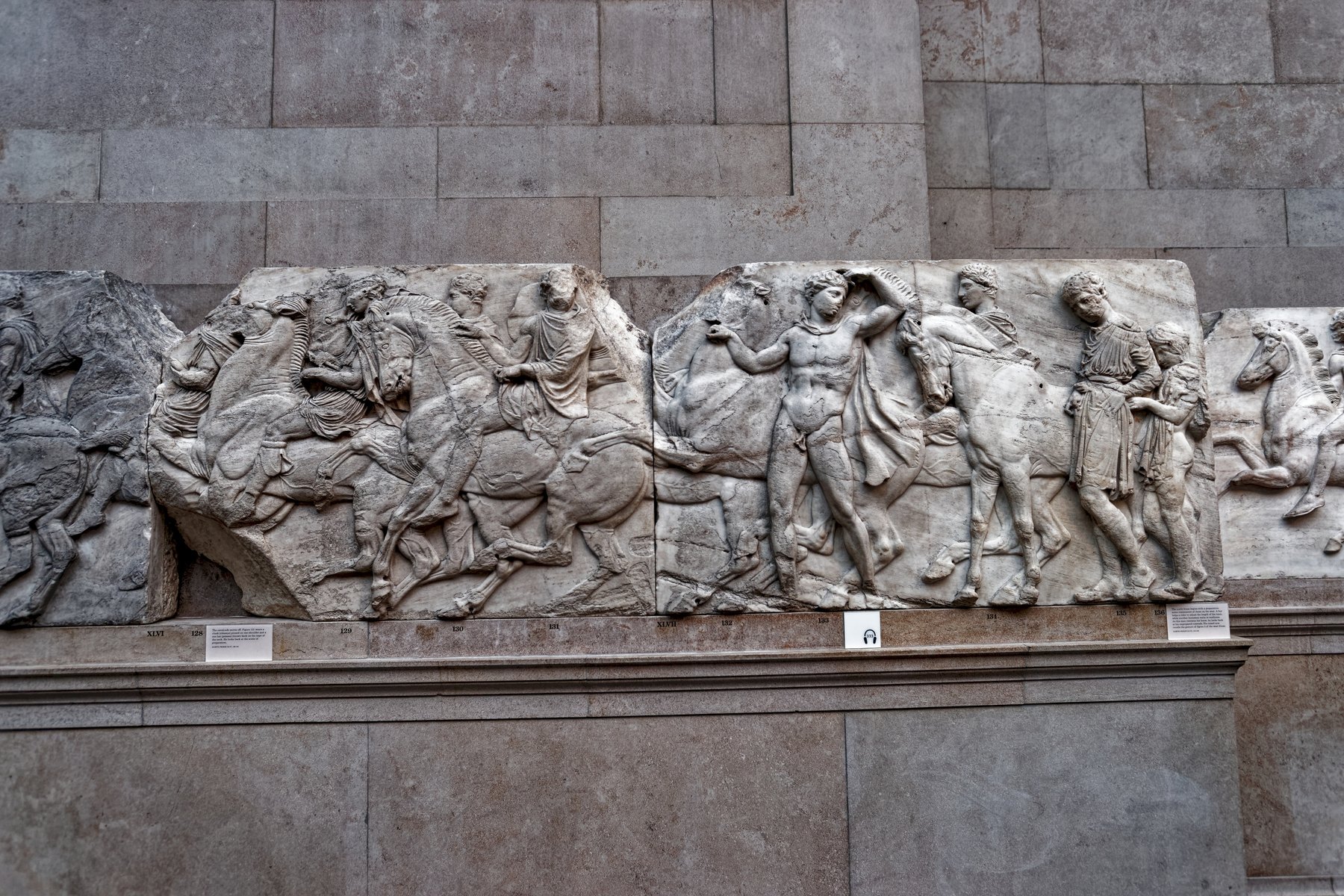
These sculptures are at the heart of a huge international dispute. For decades, Greece has been demanding their permanent return to Athens, while the British side argues that it saved them from destruction. Complex negotiations over a possible long-term loan are currently underway, since British law forbids the museum from permanently disposing of its collections.
The debate over the safety of the exhibits was further inflamed by a huge scandal in 2023. It emerged then that over fifteen hundred precious objects had gone missing or been damaged from the museum’s storerooms, including ancient jewellery. The museum has since hired a special investigator, and much of the stolen treasure has already been tracked down and returned.

4. The Assyrian lion hunts and winged bulls (Rooms 6–10)
Right behind the Egyptian section opens up the world of ancient Mesopotamia, which surprises a lot of people with its monumental scale. The entrance to this part is guarded by lamassu — enormous winged bulls with human heads. They originally stood at the gates of Assyrian palaces and were meant to ward off evil forces.
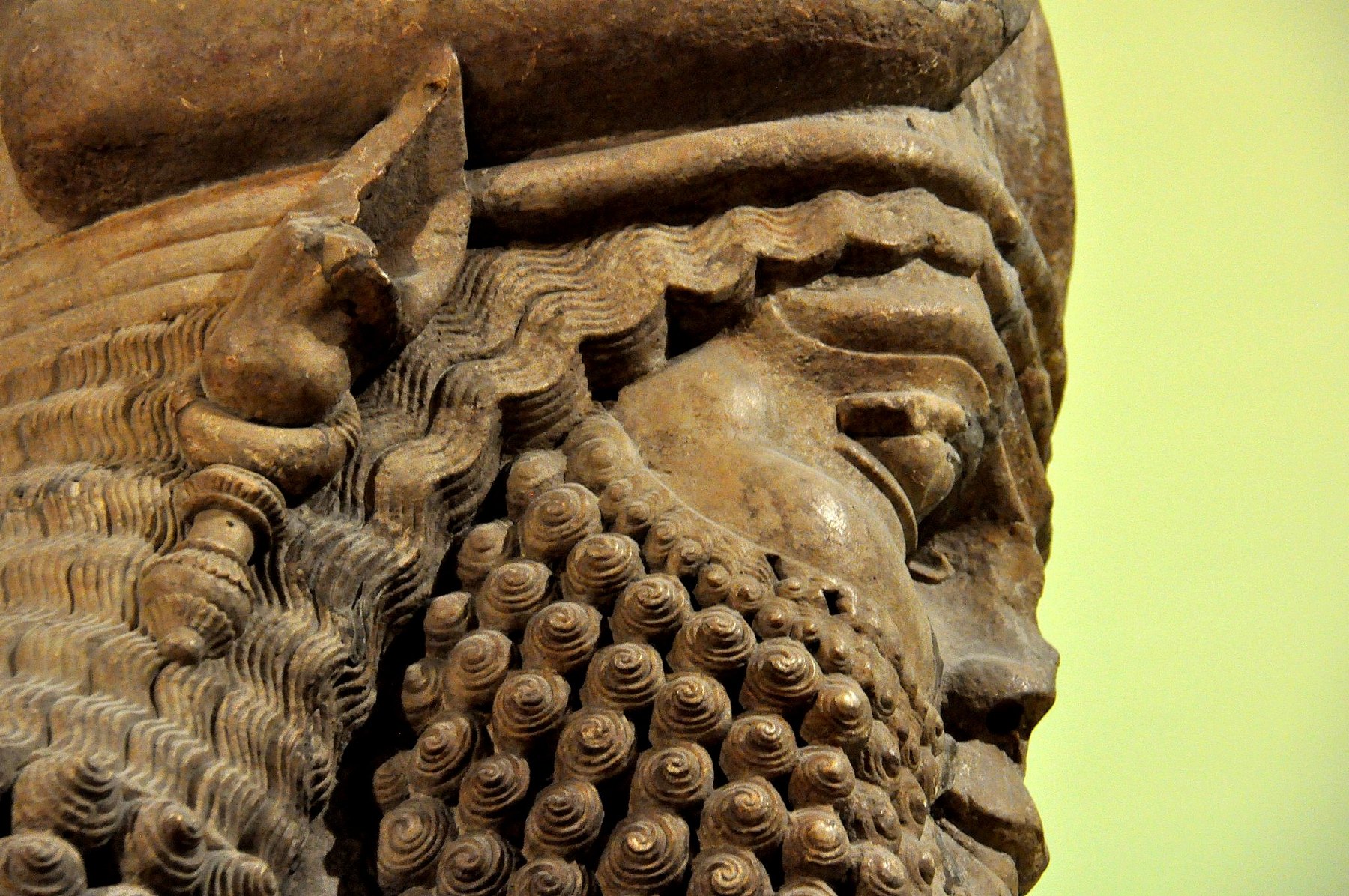
Even more astonishing is the hall with the reliefs of the Assyrian lion hunts from the seventh century BC. These stone slabs capture King Ashurbanipal on a ritual lion hunt with such brutality and realism that they’ll send a chill down your spine. The arrow-struck animals are carved with an incredible knowledge of anatomy.
According to the experience of many travellers, there’s usually far more breathing room in these halls than around the Rosetta Stone. You can calmly study the details on the stone panels and soak up the atmosphere of a long-vanished empire that once ruled the entire Near East.
5. The Moai from Easter Island (Room 24)
As you move into the galleries devoted to the Americas and Africa, you’ll come across a fascinating stone giant. The statue named Hoa Hakananai’a comes from Easter Island and is carved from hard basalt. Unlike most other moai, which are made of softer tuff, this one has survived in absolutely perfect condition.
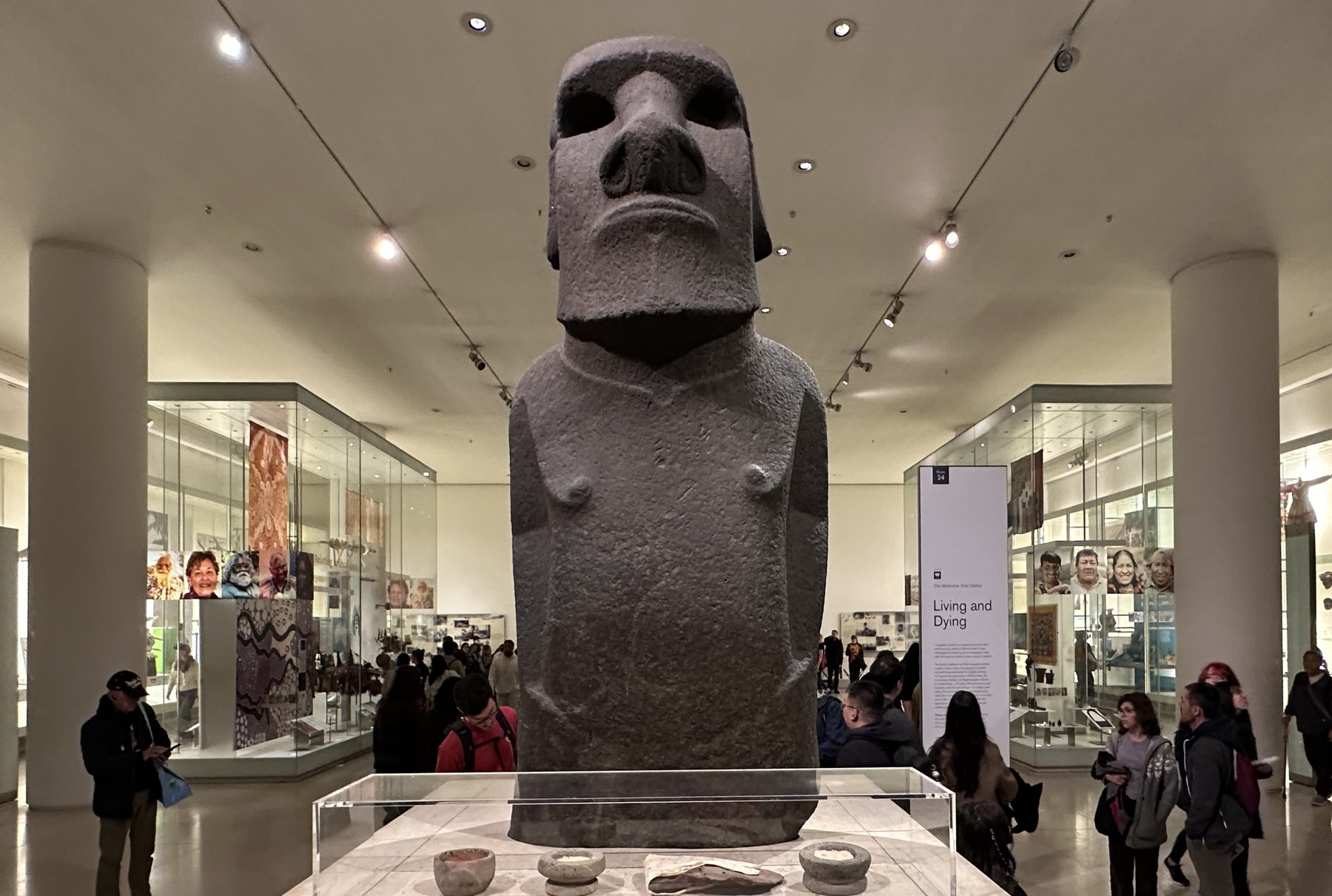
Its back is decorated with intricate carvings linked to the birdman cult, which makes it an absolute one-of-a-kind. In this case too, the indigenous people of Rapa Nui have long been asking the British government to return the statue home, because in their belief it houses the spirits of their ancestors.
6. Egyptian mummies and sarcophagi (Rooms 62–63)
If you’re travelling with kids, this section on the upper floor will guaranteed be their favourite. The British Museum owns the largest collection of Egyptian artefacts outside Egypt itself, and its galleries of death are literally packed with beautifully painted wooden sarcophagi.
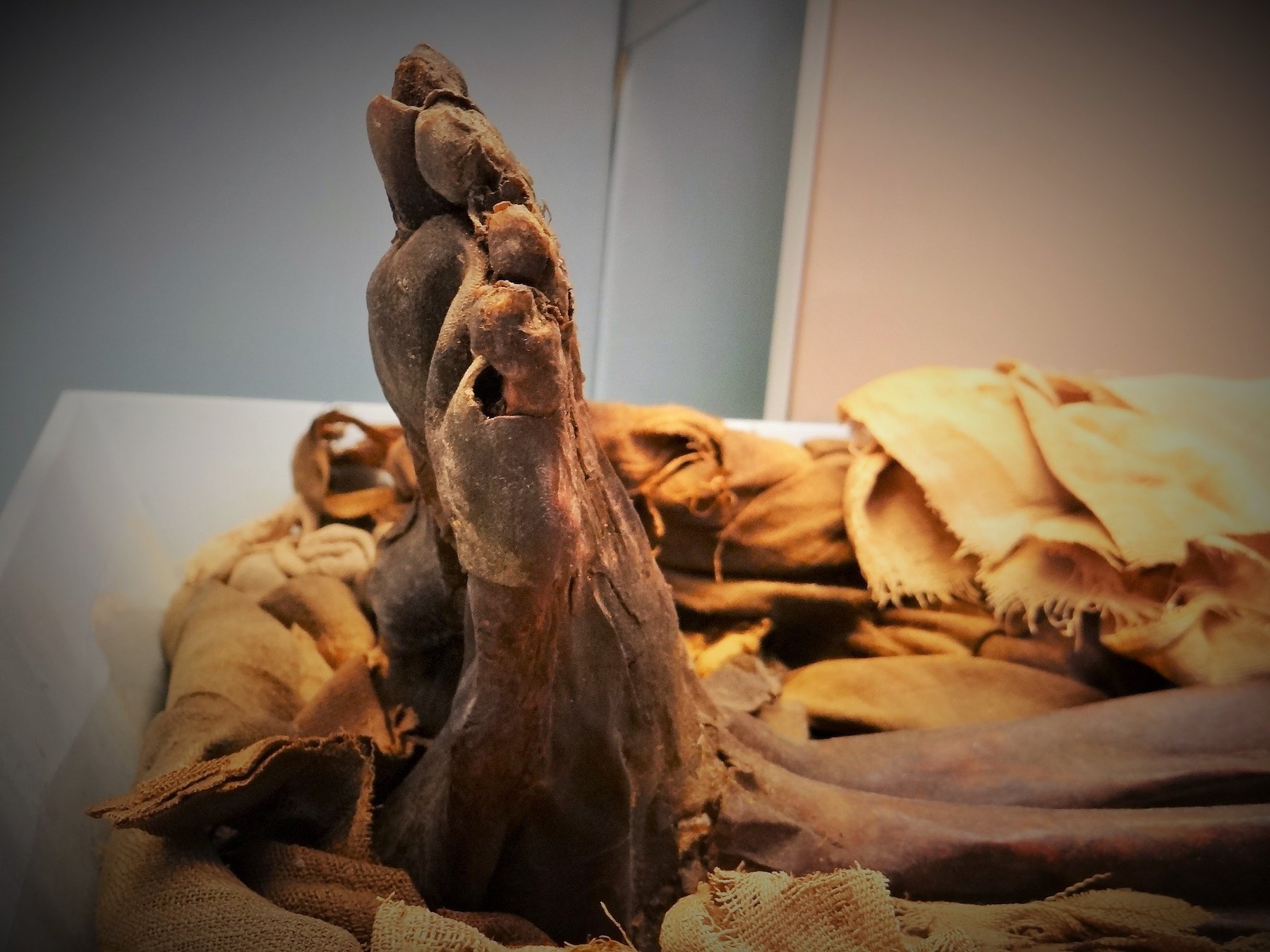
Besides the mummies of pharaohs and priests, you’ll also see mummified animals, from cats and crocodiles to falcons. The star of the show is the so-called Gebelein Man, a naturally mummified body of a man over five thousand years old, preserved thanks to the dry desert sand.
💡 Tip: Given the enormous popularity of the mummies, experienced visitors recommend heading to Rooms 62 and 63 first thing in the morning, right after seeing the Rosetta Stone. By the afternoon it gets uncomfortably cramped and clusters of school trips form at the display cases.
7. The Anglo-Saxon Sutton Hoo treasure (Room 41)
So we don’t stick only to foreign discoveries, we have to mention one of the most important archaeological finds in Britain itself. In 1939, an intact ship burial of a seventh-century Anglo-Saxon king was discovered in Suffolk. This find literally rewrote British history and showed that the early Middle Ages weren’t dark at all.
In Room 41 you can get an up-close look at the iconic iron helmet with bronze details, which has become a symbol of the whole museum. Alongside it lie gorgeous gold buckles inlaid with garnets, swords and silver tableware that prove the incredible skill of the craftsmen of the time.
8. The Lewis Chessmen (Room 40)
Just a short walk from the Anglo-Saxon treasure you’ll find a display case with objects that are guaranteed to make you smile. The Lewis Chessmen are medieval chess pieces carved from walrus ivory, found in the nineteenth century on the Scottish Isle of Lewis. They were probably made by Norwegian craftsmen in the twelfth century.
The funniest thing about them is their expressions. While the kings sit with a sword on their knees, the queens hold their cheeks with a worried look, and the pawns bite into their shields. These figures, by the way, also inspired the wizard chess in the first Harry Potter film.
Highlights itinerary: what to fit in over 2–3 hours
So you don’t get lost in the museum, I’ve written out a specific route that will guide you through the most essential exhibits. This loop takes into account the logical layout of the building and starts on the ground floor, which tends to fill up with people the fastest.
1. Great Court: Get your bearings under the glass roof and head to the left part of the ground floor. 2. Room 4 (Rosetta Stone): Come here absolutely first. Take a photo and check out the colossal bust of Ramesses II next door. 3. Rooms 6–10 (Assyria): Continue straight on behind the Rosetta Stone to the winged bulls and the lion-hunt reliefs. 4. Rooms 18–23 (Parthenon): From the Assyrian section, move on to the spacious galleries of Greek marble sculptures. 5. Room 24 (Moai): Stop at the statue of Hoa Hakananai’a, which stands at the entrance to the African collections. 6. Rooms 62–63 (Mummies): Head up the stairs to the upper floor and explore the Egyptian funerary rituals. 7. Room 41 (Sutton Hoo): Move on to the display cases with the glittering Anglo-Saxon treasure and the famous helmet. 8. Room 40 (Lewis Chessmen): Finish your visit at the amusing walrus-ivory chess pieces.
Where to eat after your visit
If you’re hungry after three hours of walking, you have two options. Inside the museum itself there’s the Great Court Restaurant and a great Pizzeria, which among other things makes excellent vegetarian and vegan pizzas. Prices inside the museum are understandably a bit higher, though, and it gets busy over lunch.
Personally, I’d recommend heading out into Bloomsbury, which is full of great spots. Try Honey & Spice, for example, where they sell fantastic Middle Eastern salads and falafel wraps to go. You can then eat your food in peace on a bench in the nearby Russell Square park. If you fancy a hot meal and you’re into meat-free food, definitely visit the South Indian vegetarian restaurant Rasa.
How to survive a giant museum: an anti-crowd strategy
Let’s recap the most important rules for a calm visit. Always book a timed entry on the museum’s official website, even though the ticket is free. In the summer months it regularly happens that people without a booking are left waiting forty-five minutes outside in the sun, or are simply turned around and sent away.
Also try not to bring large luggage — bag checks slow absolutely everyone down. If you only have a small handbag or you’re empty-handed, you’ll breeze through security like a knife through butter. And as I mentioned, the rear entrance from Montague Place on the north side of the building tends to be considerably freer than the main one on Great Russell Street.
Exhibits that will take your breath away
The Rosetta Stone: the key that unlocked antiquity
This unassuming piece of black stone is by far the most famous item in the whole museum. It was carved back in 196 BC and contains one text written in three different ways. Here you’ll find Egyptian hieroglyphs, Demotic script and Ancient Greek. It was precisely thanks to this combination that Jean-François Champollion managed to decipher the previously unreadable hieroglyphs in 1822.
If you don’t want to peer over the shoulders of other tourists and see nothing but reflections in the glass case, arrive at ten sharp. By around midday the stone is besieged by an impenetrable crowd and the chance of a peaceful look drops to zero. A stop in Room 4 simply requires devilishly good timing.
The Parthenon Sculptures and a dispute that continues to this day
The marble friezes and sculptures from the Athenian Parthenon form the core of a huge international dispute. Lord Elgin removed them at the start of the 19th century, and Greece logically wants them back today. According to Athens it was a brutal wrenching from their historical context, while British law forbids a permanent return and the museum offers only a long-term loan.
The institution’s reputation as a safe haven also took a serious blow recently. In 2023 a huge scandal broke when it emerged that around 1,500 valuable objects had gone missing from the storerooms. Jewellery and ancient gemstones had been pilfered by someone over the course of years, though a hired treasure hunter has thankfully already tracked down some of them. So you’ll view the whole collection with a slight shiver down your spine.
The Egyptian mummies that fascinate children and adults alike
The British Museum’s Egyptian collection is the largest outside Egypt itself and logically draws the crowds. In the halls on the upper floor you’ll find not only beautifully decorated sarcophagi but also the mummies of people and animals themselves. This is exactly where most families with children automatically head, because ancient burial rituals simply have enormous pulling power.
Be prepared that at weekends it feels like a school corridor at break time. If you long for quiet contemplation on the fleeting nature of life, try it during the Friday evening opening hours instead. You’ll then savour the fascinating details on the coffins in Rooms 62 and 63 in a completely different way.
The Assyrian winged bulls and lion hunt
This is exactly the part of history that literally pins you to the wall with its monumental scale. The entrance to the Assyrian galleries is guarded by lamassu, colossal winged bulls with human heads. They weigh several tonnes and once protected the royal palaces from all evil.
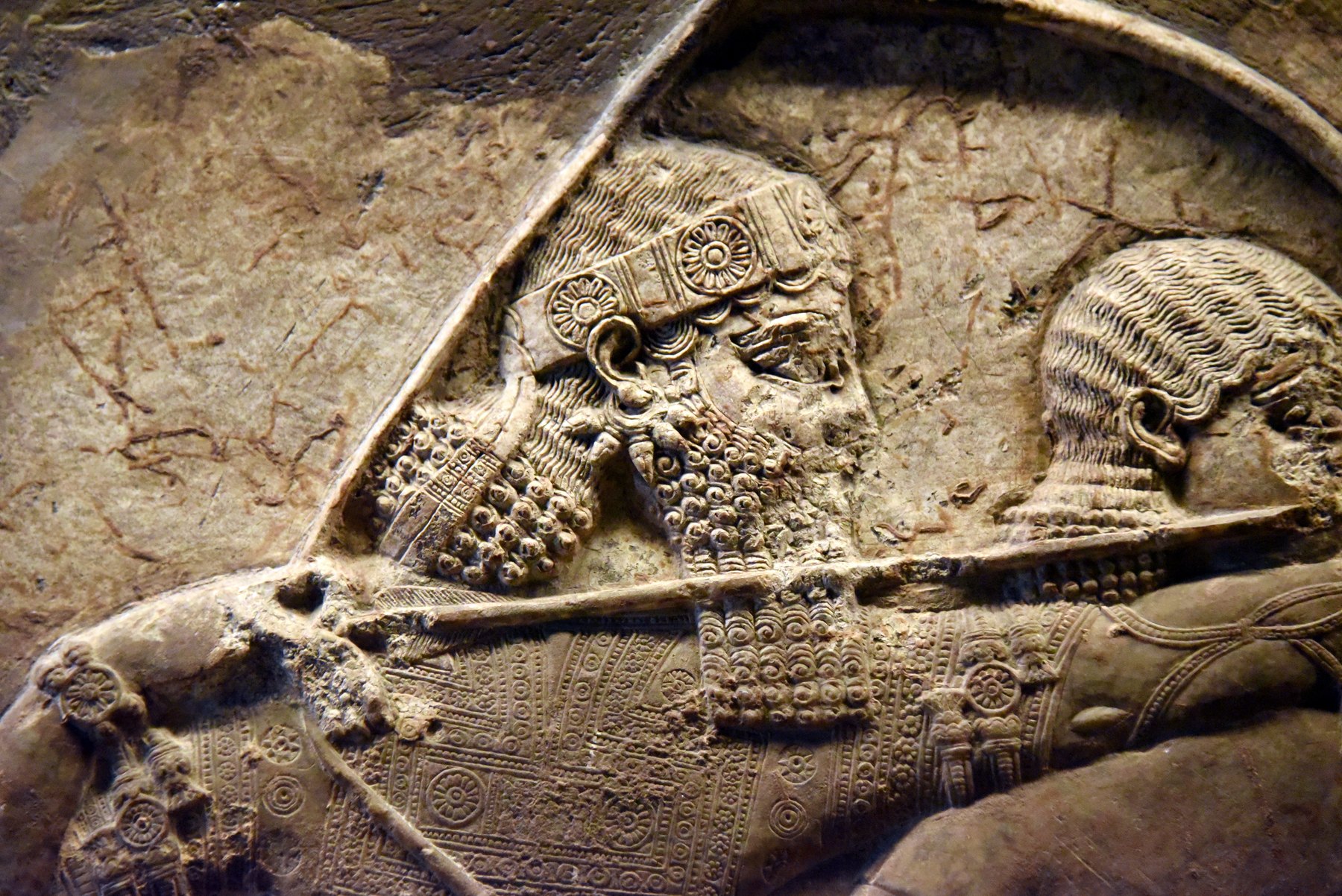
Right next door, don’t miss the detailed reliefs of the Assyrian lion hunts from Nineveh. They depict King Ashurbanipal on the hunt and represent the absolute pinnacle of the art of the time. They have wonderful dynamism, and unlike the Rosetta Stone, far fewer people crowd around them.
The Sutton Hoo treasure and the statue from Easter Island
The find at Sutton Hoo in England was even the subject of the excellent film The Dig, and in the museum you’ll see the original from this famous ship burial. In Room 41 the iconic Anglo-Saxon helmet and other weapons of incalculable value await you. It’s one of the most significant archaeological discoveries in all of Britain.
A little further on stands Hoa Hakananai’a, an imposing basalt moai statue from Easter Island. Its story is very similar to that of the Greek marbles, because in this case too Chile is asking for its immediate return. Up close, this giant face feels incredibly magical and is definitely worth seeking out.
Where to go next from the British Museum
Once you’ve had enough of soaking up museum information, London offers an endless number of other experiences. You’ll find plenty of inspiration in our big guide packed with tips on what to see and do in London.
And if you have a taste for good coffee, take a look at our guide to the best cafés in London — we’ve picked only spots rated above 4.6 on Google.
A short walk from parliament stands Westminster Abbey — a place of coronations and royal tombs, which you can even get into for free at Evensong.
If you’re more interested in royal history and the British Crown Jewels, be sure to read our article about the fortress of the Tower of London. You can then enjoy photographing the sights at the nearby Tower Bridge. And if you want to see the city nicely from above from the comfort of a glass capsule, check out our practical advice for visiting the London Eye. Also worth considering is a stroll through the park to the king’s iconic residence, Buckingham Palace.
Frequently asked questions
Is entry to the British Museum really free?
Yes, entry to the entire permanent collection is completely free. You only pay for major temporary exhibitions, and the museum asks for a voluntary donation at the entrance to support operations, which is around £5.
Do I need to book tickets in advance?
I definitely recommend it. A free timed ticket guarantees that you’ll get inside at a specific time. People without a reservation have to wait in the queue, and during peak times there’s a risk they won’t get into the building at all.
Which tube station is closest to the museum?
You’ll reach the main entrance fastest from Tottenham Court Road or Holborn stations. If you’re heading to the back entrance on Montague Place, it’s best to get off at Russell Square station, from which it’s about a seven-minute walk.
Can I bring a backpack or suitcase into the museum?
You won’t be allowed inside with a wheeled suitcase at all, regardless of its size. Regular backpacks and handbags are permitted, but they must not exceed dimensions of 40 × 40 × 50 centimetres. Also bear in mind that all luggage goes through security screening.
How much time should I set aside for the visit?
For a quick run through the biggest highlights, like the Rosetta Stone and the mummies, two to three hours will be enough. If you want to read the information panels in more detail, set aside three to four hours of actual time.
Is photography allowed inside the museum?
Yes, photography and video recording for personal and non-commercial purposes is permitted in the permanent exhibitions. However, for security reasons and to protect sensitive artefacts, the use of flash and tripods is strictly prohibited.
Does the museum offer an audio guide in Czech?
Unfortunately, the official British Museum Audio app, which you can download for free to your phone, does not support Czech. It offers commentary in nine world languages, including English, German and Spanish.
Is the museum suitable for families with children and pushchairs?
The building is fully accessible, so getting around with a pushchair is no problem. For children, special activity backpacks with tasks are also available on weekends, and the section with Egyptian mummies is traditionally the biggest hit with them.
Tips and Tricks for Your Vacation
Don’t Overpay for Flights
Search for flights on Kayak. It’s our favorite search engine because it scans the websites of all airlines and always finds the cheapest connection.
Book Your Accommodation Smartly
The best experiences we’ve had when looking for accommodation (from Alaska to Morocco) are with Booking.com, where hotels, apartments, and entire houses are usually the cheapest and most widely available.
 🚗 Car rental on the roadVerified rental cars in Great Britain
Search with the DiscoverCars comparison engine — it compares prices from dozens of local and international rental companies, and most bookings come with free cancellation.
Compare car prices in Great Britain →Don’t Forget Travel Insurance
Good travel insurance will protect you against illness, accidents, theft, or flight cancellations. We’ve had a few hospital visits abroad, so we know how important it is to have proper insurance arranged.
Where we insure ourselves: SafetyWing (simple monthly subscription) and TrueTraveller (for extra-long trips).
Find the Best Experiences
Get Your Guide is a huge online marketplace where you can book guided walks, trips, skip-the-line tickets, tours, and much more. We always find some extra fun there!