When Lukáš and I came back to Europe after a year in Canada, our budget was pretty tight and we explored London mostly on rented bikes. That’s when Tower Bridge in London first appeared before us in all its glory, and even though we knew it from hundreds of photos, seeing this enormous structure in person completely took our breath away.
Back then we’d rather spend the pounds we saved on hot food and coffee, so we settled for admiring the bridge from the outside and photographing it from the riverside. We didn’t go into the paid exhibition, but I researched absolutely everything about it, because I was fascinated by how this giant Victorian puzzle actually works.
If you’re planning a trip to London, you’re probably wondering whether it’s worth paying for admission, or whether a completely free walk across the bridge will be enough. In this guide I’ll break down both options in detail and add a pile of practical tips for your visit.
Summary
- Walking across is free: Strolling over the bridge and photographing it from the riverside won’t cost you a single pound.
- Paid exhibition: A ticket to the Tower Bridge Exhibition (towers, walkways and engine rooms) normally costs £18 (about €21).
- Glass floor: Suspended 42 metres above the river, it’s the main attraction of the paid section — but you can’t photograph the bridge from it.
- Bridge lifts: It happens roughly 800 times a year and watching from the street is a fantastic, completely free experience.
- Victorian engine rooms: Included in the ticket, but the historic steam engines are only on static display these days.
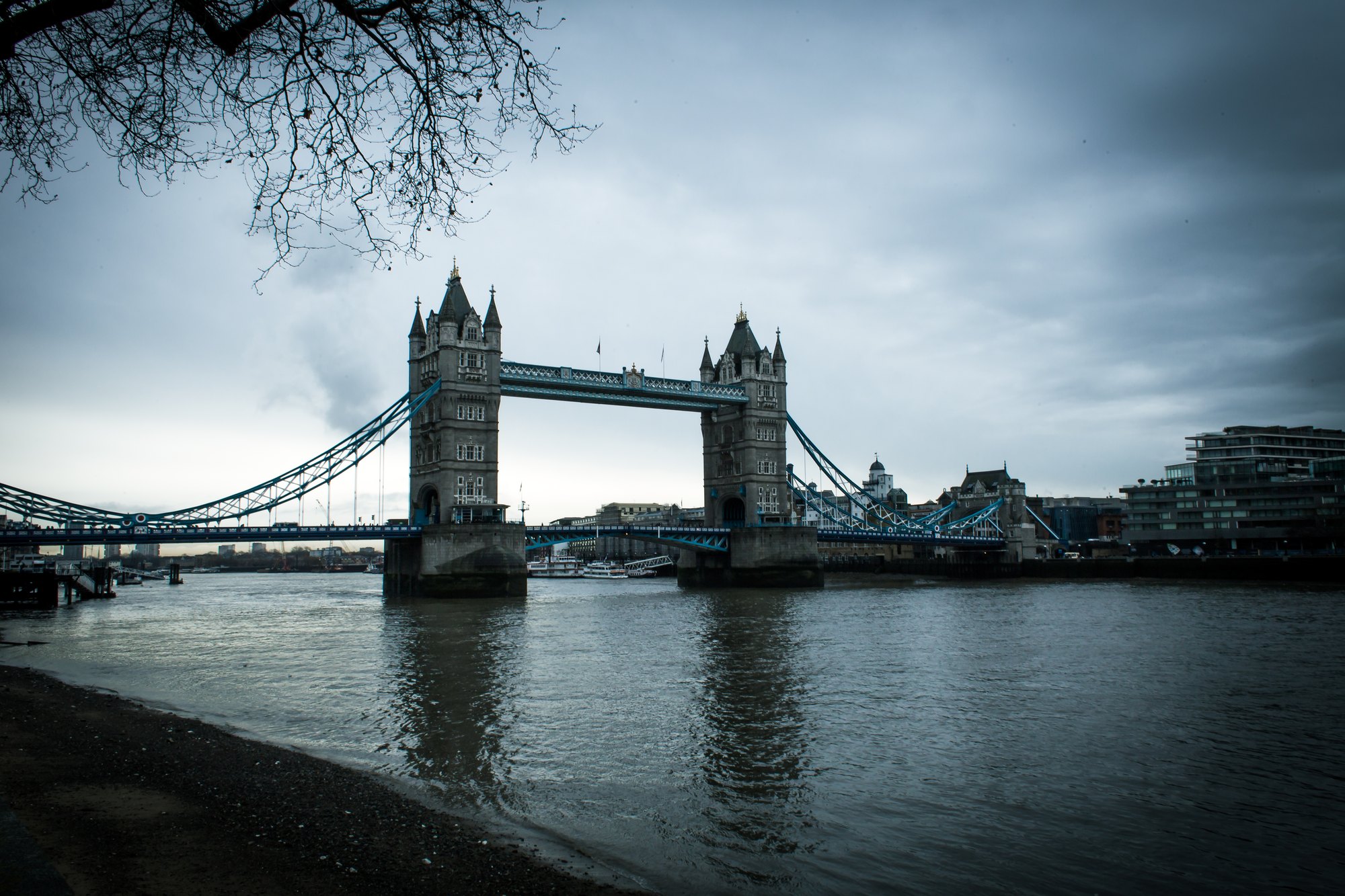
- Best photos: For the perfect shot, head to Potters Fields Park or Butler’s Wharf.
- Book ahead: If you want to go inside, buy tickets online — queues on the spot are often long.
The full destination guide: United Kingdom — guide and what to see
Tower Bridge tickets and opening hours in 2026
Right off the bat I want to stress the most important thing: crossing the bridge on foot or watching it lift up close is completely FREE! You can walk back and forth a hundred times over and nobody will ask you for a single pound. You only pay to enter the paid section, which is called the Tower Bridge Exhibition. It houses both historic towers, the famous glass floor on the connecting walkways, and the old Victorian engine rooms.
| Ticket type | Standard price | Summer offer (until 1 Sep 2026) |
|---|---|---|
| Adult | £18.00 (~€21) | £15.80 |
| Concession (senior, student) | £13.50 (~€16) | – |
| Child 5–15 | £9.00 (~€10) | £7.90 |
| Under 5 | free | free |
Once you open your wallet, the price includes a full tour of the entire interior. You’ll climb into both monumental towers, and the brave can walk across the glass floor suspended a full 42 metres above the Thames. The experience also includes entry to the Victorian engine rooms, where you can take a look at the original giant machinery. If you’re travelling with kids, you might be looking for a cheaper family ticket — but do check its conditions in advance on the website, as they change often.
| When you can visit | Opening hours |
|---|---|
| Daily (Monday to Sunday) | 09:30 – 18:00 (last entry 17:00) |
| 24, 25 & 26 December | Closed |
| 1 January (New Year’s Day) | Opens at 10:00 |
💡 Our tip: Book your exhibition tickets ahead via towerbridge.org.uk to lock in your slot, or grab them through GetYourGuide if you want to combine them with other attractions. But I’ll be completely honest with you: the best photos of the bridge are from outside and free anyway. Inside, you’ll basically photograph your own trainers on the glass, while from the riverside this symbol of London stands out best of all.
When to visit Tower Bridge
The British capital has its charm in every season, but for exploring the area around the Thames I’d recommend the spring or autumn months. In summer the bridge is packed with huge crowds of tourists, and in winter the biting wind off the water can wear you down.
If you’re after beautiful photos without hundreds of strangers in the frame, you’ll have to get up a bit early and arrive first thing in the morning. Around eight in the morning you’ll only run into a few joggers and people hurrying to the office, which gives you room for the best shots.
As for the time of day, it’s absolutely crucial to check the official bridge lift schedule in advance. If you manage to time your walk exactly to the moment the giant arms start to open, you’ll get the absolute best experience from the trip.
In the evening and at night the whole structure is beautifully lit and offers a completely different atmosphere. You can just wander along the south bank, sip a hot tea, and watch the blue-and-white outlines reflected on the dark surface of the Thames.
When Tower Bridge lifts
Tower Bridge is a so-called bascule, or lifting bridge. Two enormous arms open like a giant see-saw and let tall ships through at an impressive angle of 86 degrees. The whole show, all in all, only takes a few minutes, but I guarantee you won’t take your eyes off it.
There’s a myth going around that the bridge only opens on rare occasions. In reality it opens up roughly 800 times a year, which works out to at least twice a day on average. And the best part? Watching this engineering marvel straight from the riverside is completely free.
Ships have to book their passage at least a day in advance, so the exact times constantly change. Before you head into town, definitely check the official website (Bridge Lift Times), where you’ll find the current lift schedule. We always prefer to check it over breakfast so we don’t miss the show.
💡 Tip for the best photo: If you want to capture the perfect shot of the open bridge, avoid the crowds right on the pavement. You’ll get a lovely view of the lift from the south bank near the modern More London buildings or from grassy Potters Fields Park.
How to get to Tower Bridge
The bridge connects both banks of the Thames right next to the iconic fortress of the Tower of London. If you take the Tube, the closest stop is Tower Hill on the north bank. From there it’s a comfortable seven-minute walk straight to the bridge. Another handy option for the south bank is London Bridge station, about a kilometre away.
Want to spice up your route to this London landmark? Hop on the Uber Boat by Thames Clippers and get off at Tower Pier. Arriving at the bridge by water adds a whole new dimension to the experience. By the way, you can easily look up all routes and timetables on the official TfL website.
The area around the bridge is gorgeous and invites long walks in both directions. On the north side, besides the castle, check out a hidden gem in the form of St Katharine Docks, where luxury yachts are moored. To the south, don’t miss the More London promenade and the warship HMS Belfast, which you’ll spot right from the riverside.
Where to stay near Tower Bridge
Staying in this part of London is a huge advantage, because you’re a short walk not only from the bridge but also from other famous sights and Tube stations. Hotels in this location tend to be a bit pricier, but that morning view is often worth every pound spent.
For those of you after the best view straight from your room, an absolute classic is The Tower Hotel, which sits literally within reach of the north tower. If you like modern design, smart tech and more reasonable prices, take a look at citizenM Tower of London, which also has a great rooftop bar.
For families with kids I can wholeheartedly recommend Novotel London Tower Bridge, which offers roomier rooms and excellent breakfasts. If you want a touch of luxury and maximum comfort, you can’t go wrong with the Hilton London Tower Bridge or the elegant Leonardo Royal Hotel London Tower Bridge. A short walk away you’ll also find DoubleTree by Hilton Tower of London, where you’ll be greeted with a traditional warm cookie on arrival.
Tower Bridge or London Bridge?
This is probably the most common mix-up you’ll come across in the British capital. People very often think that the beautiful, ornate bridge with two towers is called London Bridge, but that’s a huge mistake.
The real London Bridge lies a little further upstream and is a completely plain, bare concrete bridge without any little towers or decorations. Tower Bridge, on the other hand, is the iconic late-nineteenth-century beauty with blue suspension cables and a lifting roadway.
This confusion is tied to one of the most famous urban legends, which claims that American businessman Robert McCulloch bought the old London Bridge in 1968 thinking he was buying the gorgeous Tower Bridge. He had it dismantled, shipped to Arizona and rebuilt in Lake Havasu City, where it still stands today.
For years the story went that the American was bitterly disappointed after unpacking the stones in the desert. But his grandson and the British sellers themselves later debunked this fun myth, because McCulloch supposedly knew from the start he was buying the ordinary bridge. He merely quietly encouraged the rumour, since it brought his new desert town a huge amount of free publicity.
8 things to see and do at Tower Bridge
1. Crossing the bridge on foot is a huge free experience
If you’re travelling on a limited budget, like we were after returning from Canada, I have the best possible news for you. Walking across the bridge itself won’t cost you anything, because it’s an ordinary public road that thousands of people cross every day.
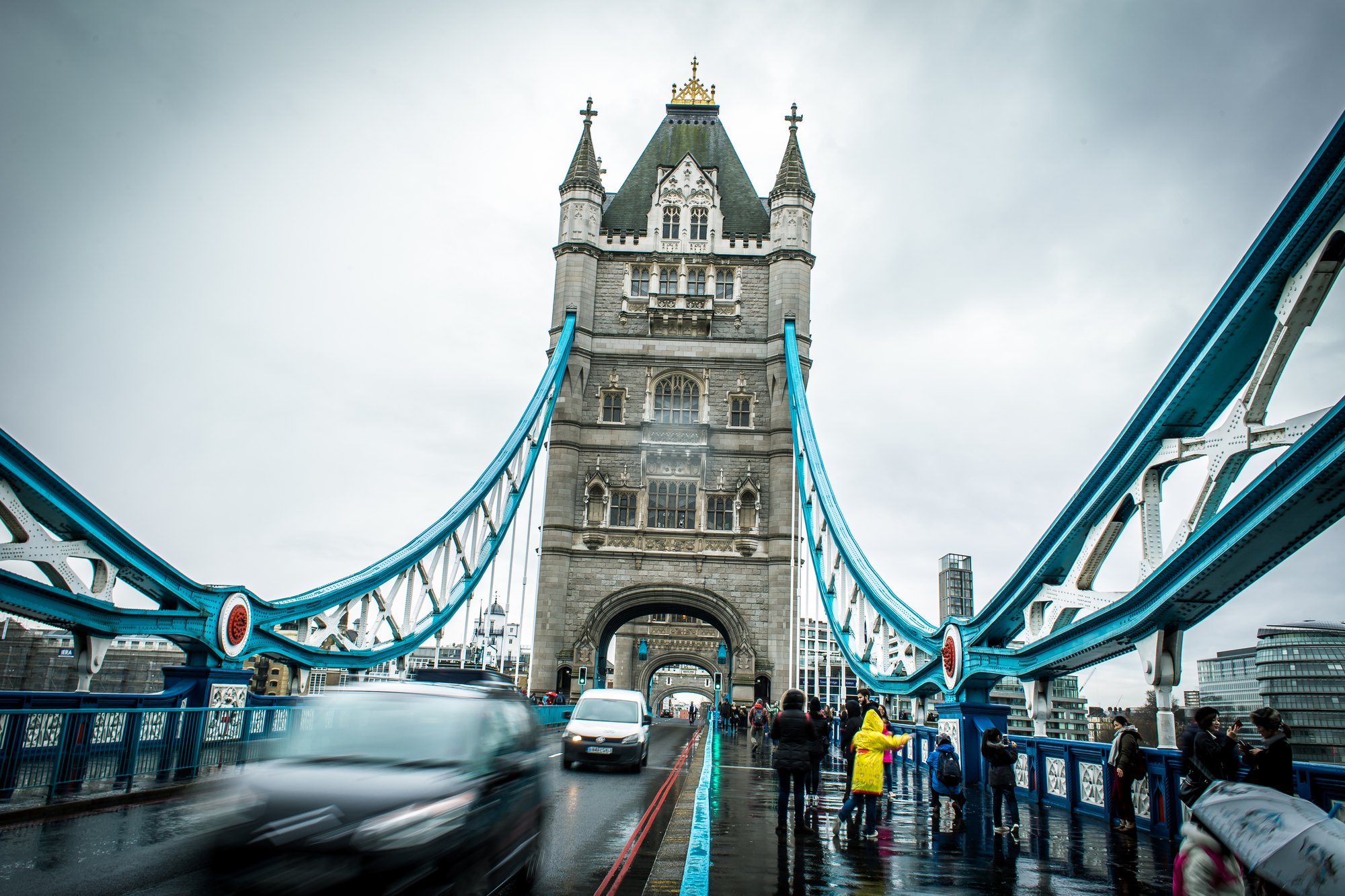
You can freely stroll along the pavements on both sides of the road, admire the huge blue cables, and take in the views of the modern glass skyscrapers in the distance. You don’t pay a thing for stopping to study the intricate rivets and stone cladding at the base of the towers up close.
From my research and reading many travel forums, it seems that this free experience is more than enough for most tourists. Unless you’re a die-hard history lover or absolutely need to stand on the glass floor, you can happily spend the money you save on tickets on something good to eat.
2. Tower Bridge Exhibition and how much tickets cost
If you decide to explore the interior of this famous structure, you’ll need to buy a ticket to the so-called Tower Bridge Exhibition. The standard adult price is £18 (about €21), children aged five to fifteen pay £9, and the very youngest get in completely free.
What’s more, in summer 2026 there’s a special Great British Summer Savings offer, which means you can grab tickets a bit cheaper, specifically at £15.80 for adults. Discounted admission is also available to students and seniors on presentation of a valid ID.
A single ticket gives you access to both the north and south towers, you can walk across the high upper walkways, and finally visit the old Victorian engine rooms. You can easily book tickets through the GetYourGuide platform, but of course you can also get them on the official website towerbridge.org.uk.
3. The glass floor and a rush high above the Thames
The biggest draw of the paid exhibition is undoubtedly the glass floor, added to the upper walkways in late 2014. It sits a full 42 metres above the river and offers a pretty unusual view of what’s happening beneath your feet.
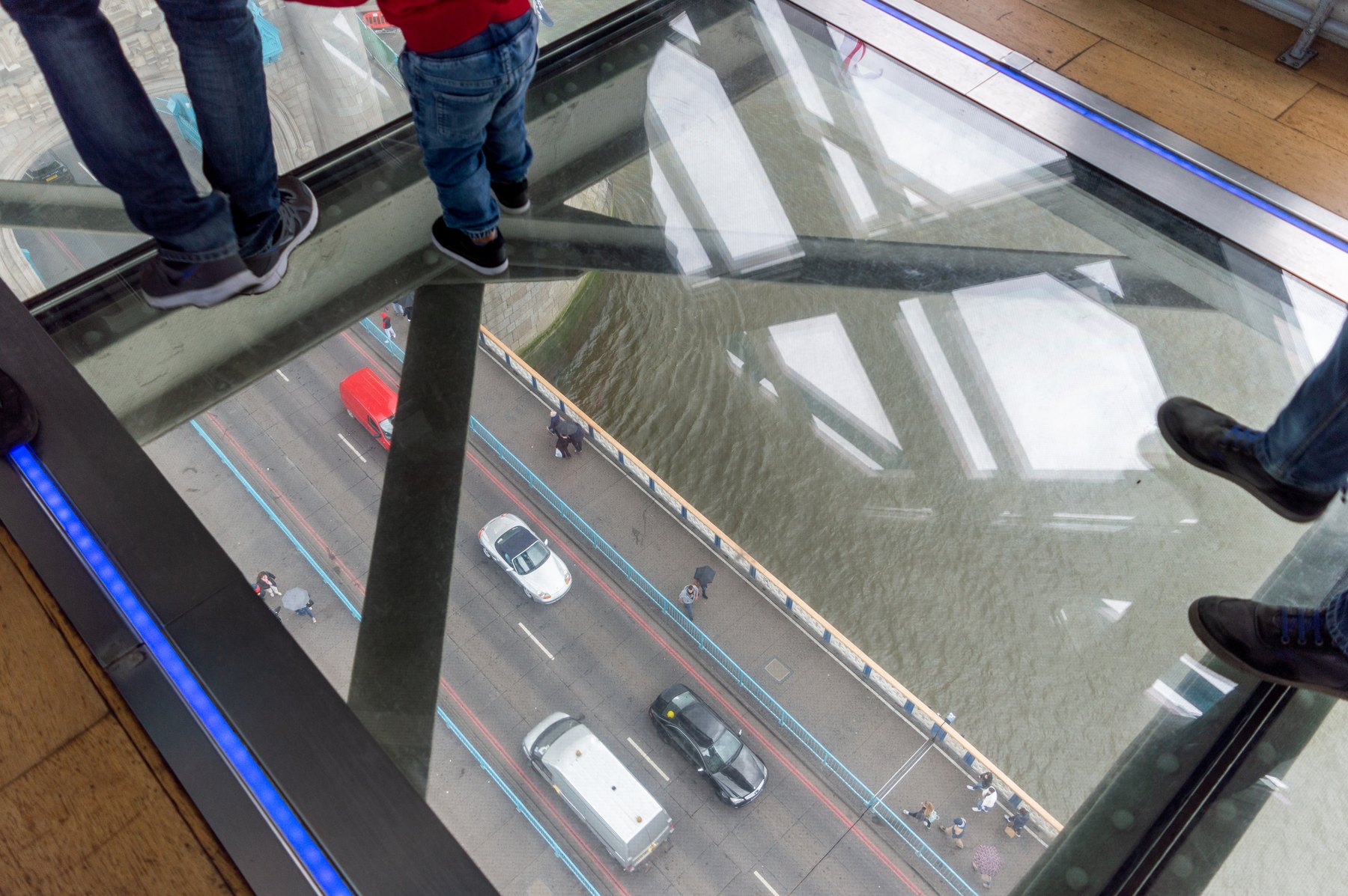
It’s made up of six enormous panels and its load capacity is so extreme that two large elephants could safely stand on it, or several classic London taxis. When you work up the nerve and step onto it, you’ll see red buses driving by and pedestrians milling about far below.
But I have to warn you about one very common disappointment that people mention in reviews. When you’re standing inside on this floor, you can’t photograph the iconic profile of the bridge itself, because you’re simply enclosed right inside it. If you’re afraid of heights, don’t worry — a narrow non-glass strip remains along the sides of the walkway that you can safely walk on.

4. The Victorian engine rooms
After descending from the high towers, your ticket entitles you to visit the so-called Engine Rooms, located a short walk from the southern end of the bridge. This is where the original technical heart of the structure is hidden, which operated for more than eighty years.
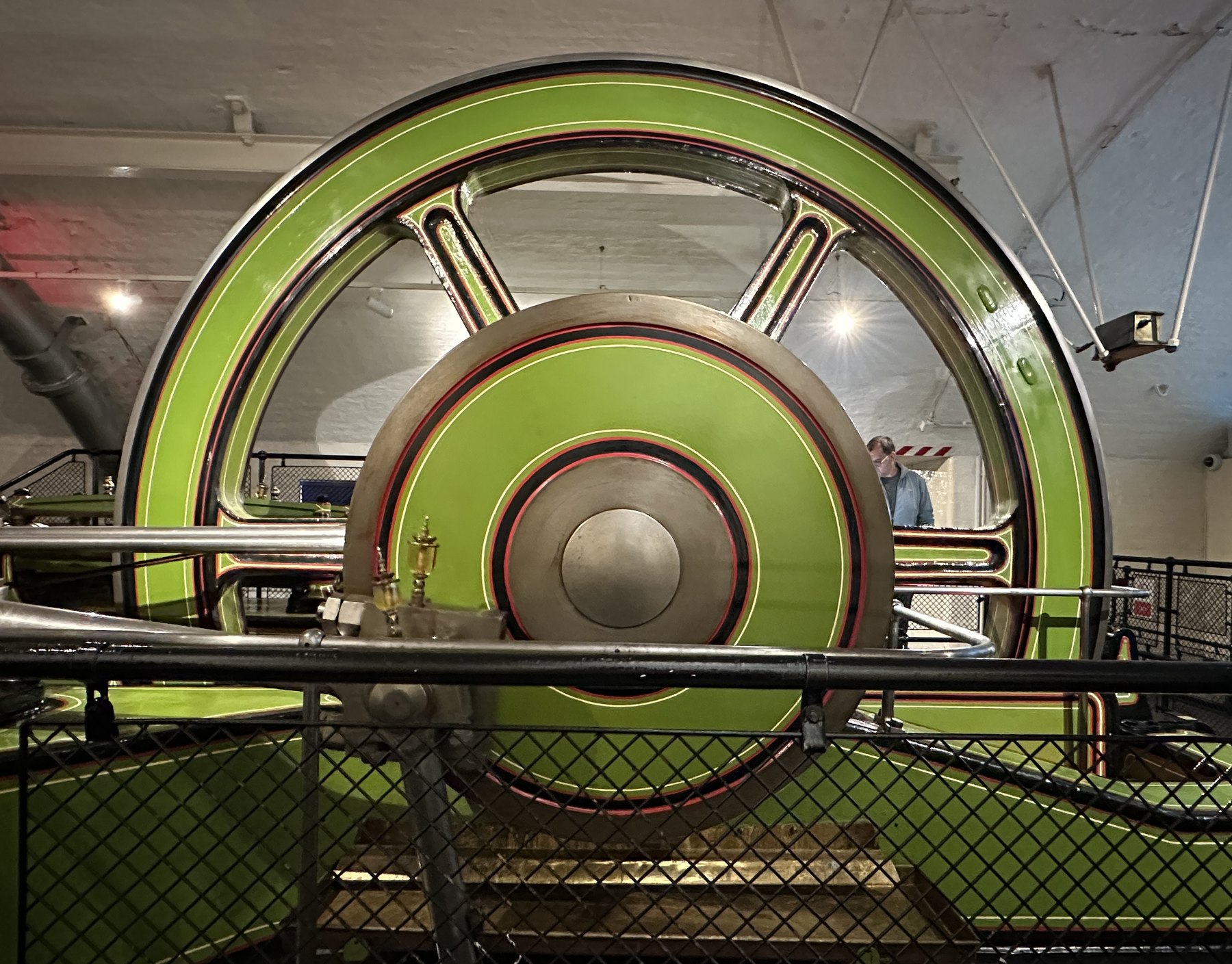
Here you’ll see giant steam engines, coal boilers and huge accumulators that originally produced the pressurised energy for raising the roadway. These machines were in operation until 1976, when a modern electro-hydraulic system replaced the whole mechanism.
It’s a fantastic spot for lovers of engineering and history, but other travellers’ experiences come with one important warning. These historic machines don’t actually run anymore — it’s more of a static museum display. So anyone expecting loud, hissing steam pistons in full swing might leave a little disappointed.
5. When the bridge lifts and how to time the experience
Seeing the huge roadway split apart and start rising toward the sky with your own eyes is simply magical. This spectacle takes place roughly 800 times a year, which averages out to two lifts a day, but the times change very irregularly.
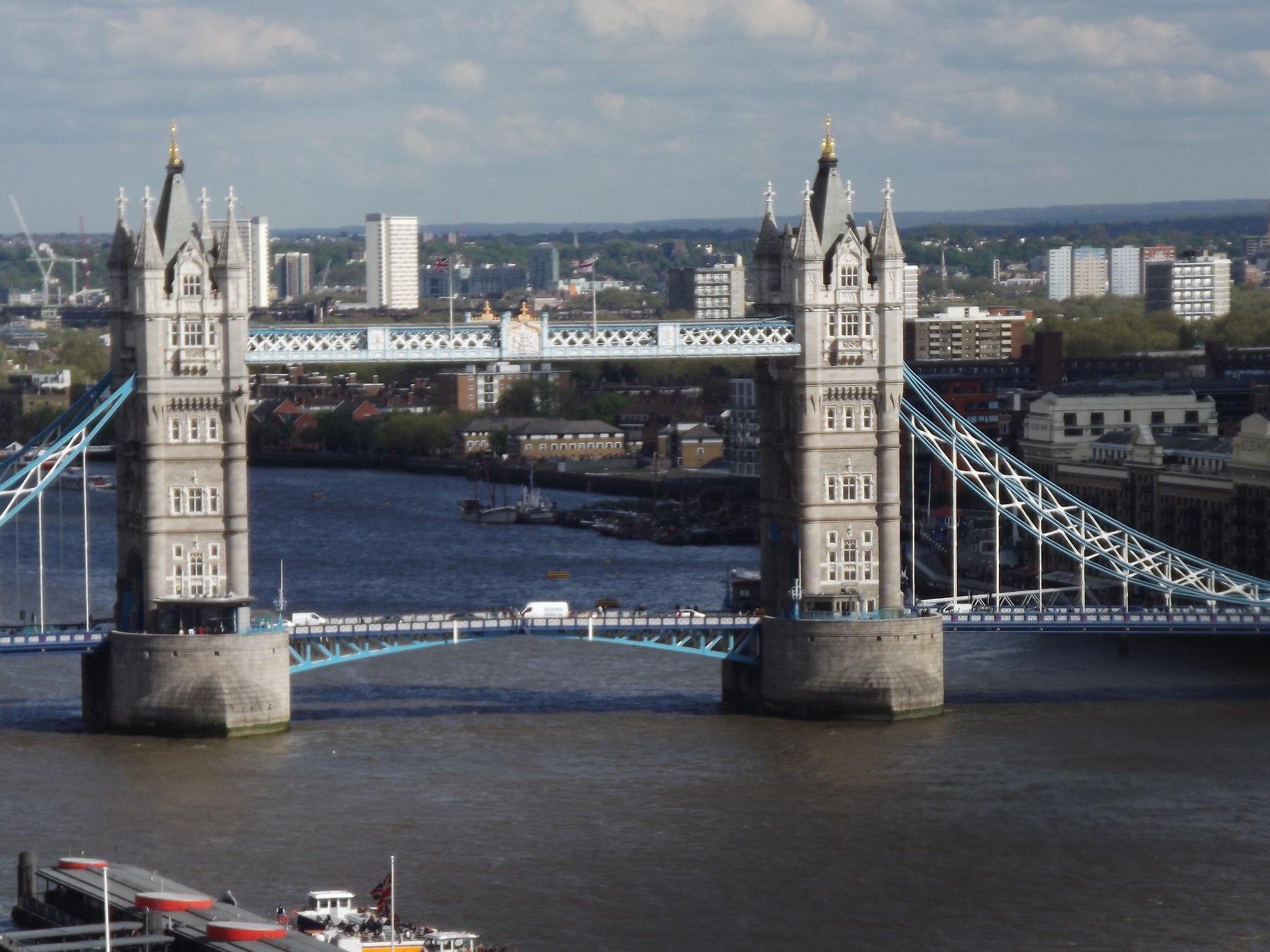
The two enormous arms, technically called bascules, can rise up to an angle of 86 degrees, and the whole process, including the ship passing through, takes about five to eight minutes. Watching it from the riverside below, or right at the edge of the split roadway, is an experience that costs absolutely nothing.
The key to success is checking the official website’s lift times section in advance, where you’ll find the exact schedule of planned lifts days and weeks ahead. Ships must request passage at least 24 hours in advance and, by law, have absolute priority over road traffic, so the bridge may stop traffic even during the busiest rush hour.
6. The best spots for the perfect bridge photo
Shooting straight from the pavement on the bridge is fine, but you’ll only capture details of the steel structure at most. If you want that classic postcard shot of the whole thing, you’ll need to head to the nearby banks.
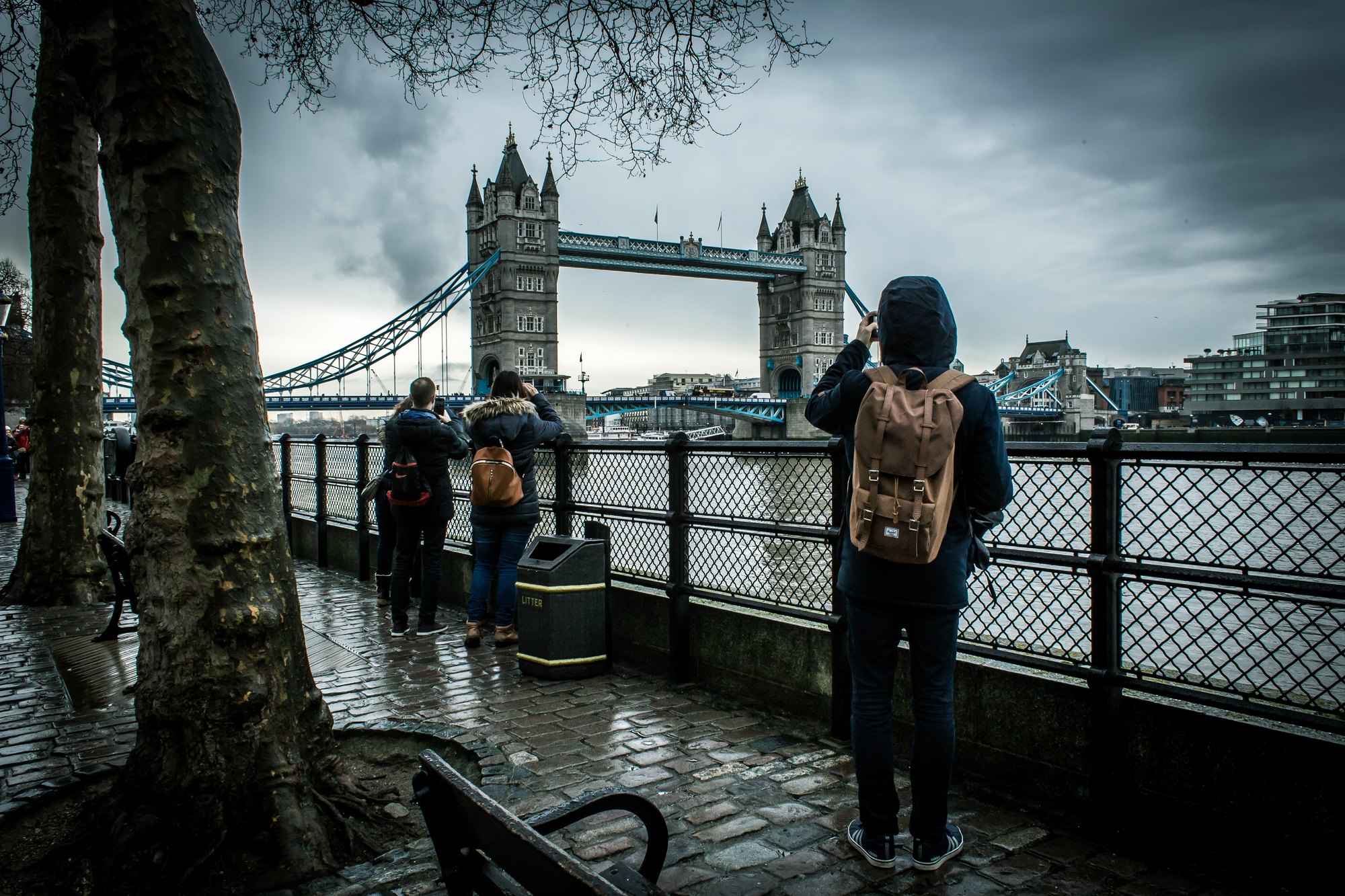
My absolute favourite tip is Potters Fields Park on the south bank, where you have a lovely green lawn and an unobstructed view of both towers. It’s beautifully quiet in the morning, and the composition with the Thames in the foreground looks flawless in photos.
Another great spot is Butler’s Wharf a little further along, from where you’ll get a slightly more dramatic angle with the modern skyscrapers of the financial district in the background. On the north bank, I recommend the area around St Katharine Docks, specifically the spot by the Girl with a Dolphin statue, where the bridge makes an epic backdrop.
7. The fascinating construction story and the steel skeleton
When the population of East London grew sharply at the end of the nineteenth century, people badly needed a new river crossing. The problem, though, was shipping, which needed clear access to the busy Pool of London port, so a classic low bridge was out of the question.
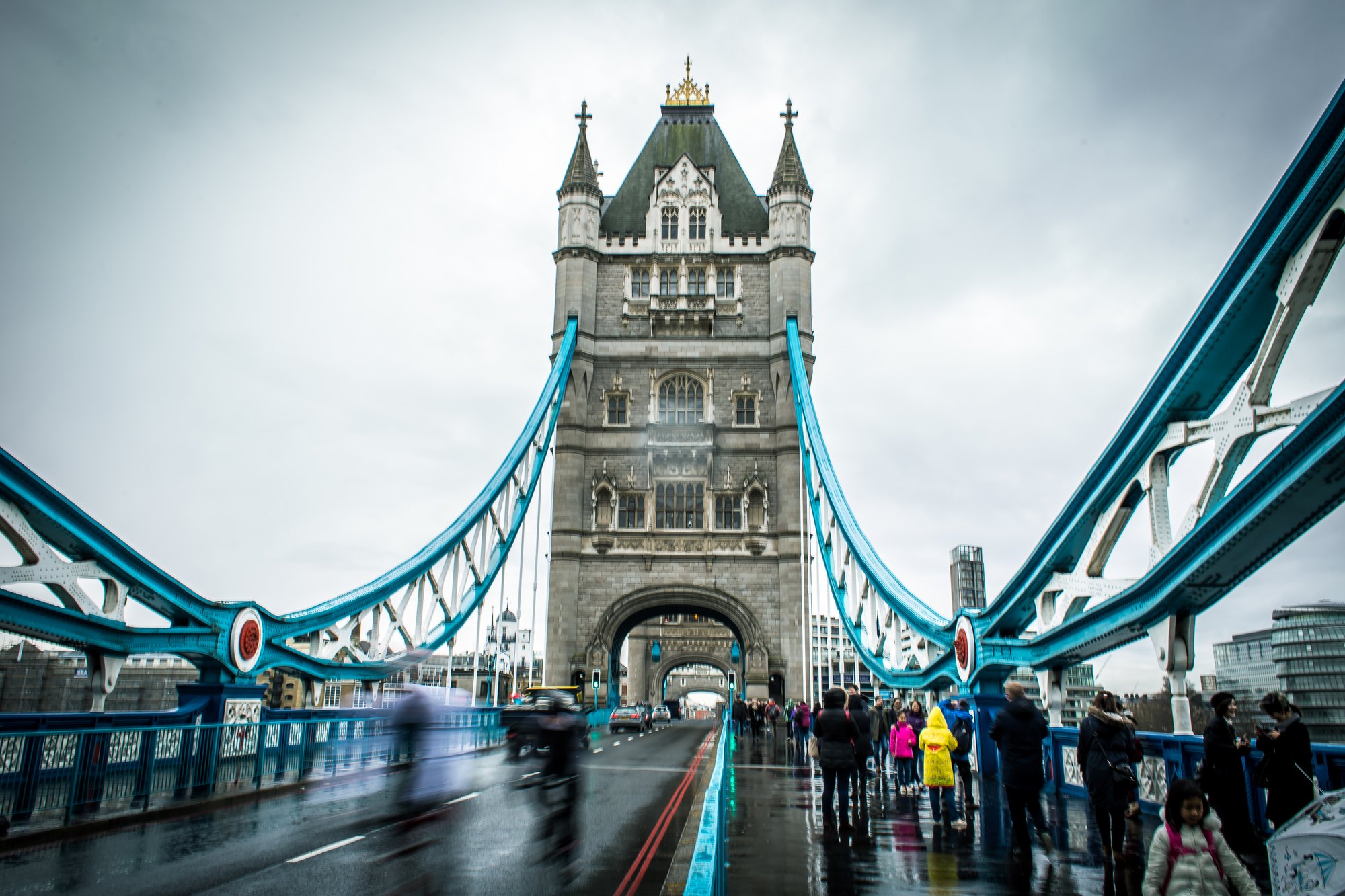
The architectural competition was eventually won by the design of city architect Sir Horace Jones and engineer John Wolfe Barry. Construction took a full eight years, from 1886 to 1894, with over four hundred workers labouring hard on it every day.
Looking at it from the outside, you’d think it was a massive stone fortress, but the opposite is true. The base of both towers is a huge steel skeleton that swallowed over eleven thousand tonnes of steel. Architect Jones had it clad in Cornish granite and Portland stone mainly so the new bridge would visually blend in with the neighbouring historic Tower of London castle.
8. Famous moments: the flying bus and the changing colours
This place is tied to plenty of incredible historical tales, and the best of them took place in December 1952. The driver of double-decker bus number 78, Albert Gunter, drove onto the bridge just as the roadway started to lift due to a signalling failure.
Instead of hitting the brakes and risking a fall into the widening gap, Gunter did the opposite and hit the gas, jumping the huge bus over an almost two-metre gap onto the other, not-yet-raised half of the bridge. For this heroic act, which saved the passengers, he received a reward of ten pounds at the time.
The history of the structure’s paintwork is interesting too. The bridge’s original colour was chocolate brown, which was reportedly Queen Victoria’s favourite colour. It wasn’t until 1977, on the occasion of Queen Elizabeth II’s Silver Jubilee, that the bridge got its famous red-white-and-blue paint job, which gradually evolved into today’s elegant blue-and-white combination.
Stories about Tower Bridge you didn’t know
The bus that jumped a rising bridge
You know those action films where the hero jumps an opening bridge in his car at the last second? In London, this madness actually happened for real. It was 30 December 1952 and driver Albert Gunter was calmly driving his number 78 double-decker.
Suddenly the south side of the roadway started rising in front of him, even though the warning lights weren’t on at all and the bell was silent. Albert had a split second to choose, and instead of braking he floored the gas. The six-and-a-half-tonne double-decker successfully leapt the almost two-metre gap to the opposite north side, which hadn’t yet lifted off the ground.
All the passengers survived this stunt, though the conductor broke his leg. For his presence of mind, Gunter received a financial reward of ten pounds from his employer and another thirty-five from the city. This is an absolutely unbelievable story to me, and I always picture the stunned faces of those twenty passengers.
Stone that’s just a disguise
When you look at the bridge from the riverside, I bet it strikes you as a massive, impregnable medieval fortress. But appearances are deceiving — in reality you’re looking at a modern steel skeleton. During construction it swallowed over 11,000 tonnes of steel, held together by an incredible 13 million rivets.
The builders simply cleverly clad the whole structure in Cornish granite and Portland limestone. This massive stone disguise wasn’t accidental but purely for aesthetic reasons. The architects had to ensure that the new structure wouldn’t disturb the historic character of the Tower of London castle standing right next to it.
The bridge that kept changing colour
Today we can’t imagine this landmark without its iconic bright colours that draw photographers from all over the world. But its original late-nineteenth-century shade was completely different — chocolate brown. The story goes that it was the favourite colour of Queen Victoria at the time.
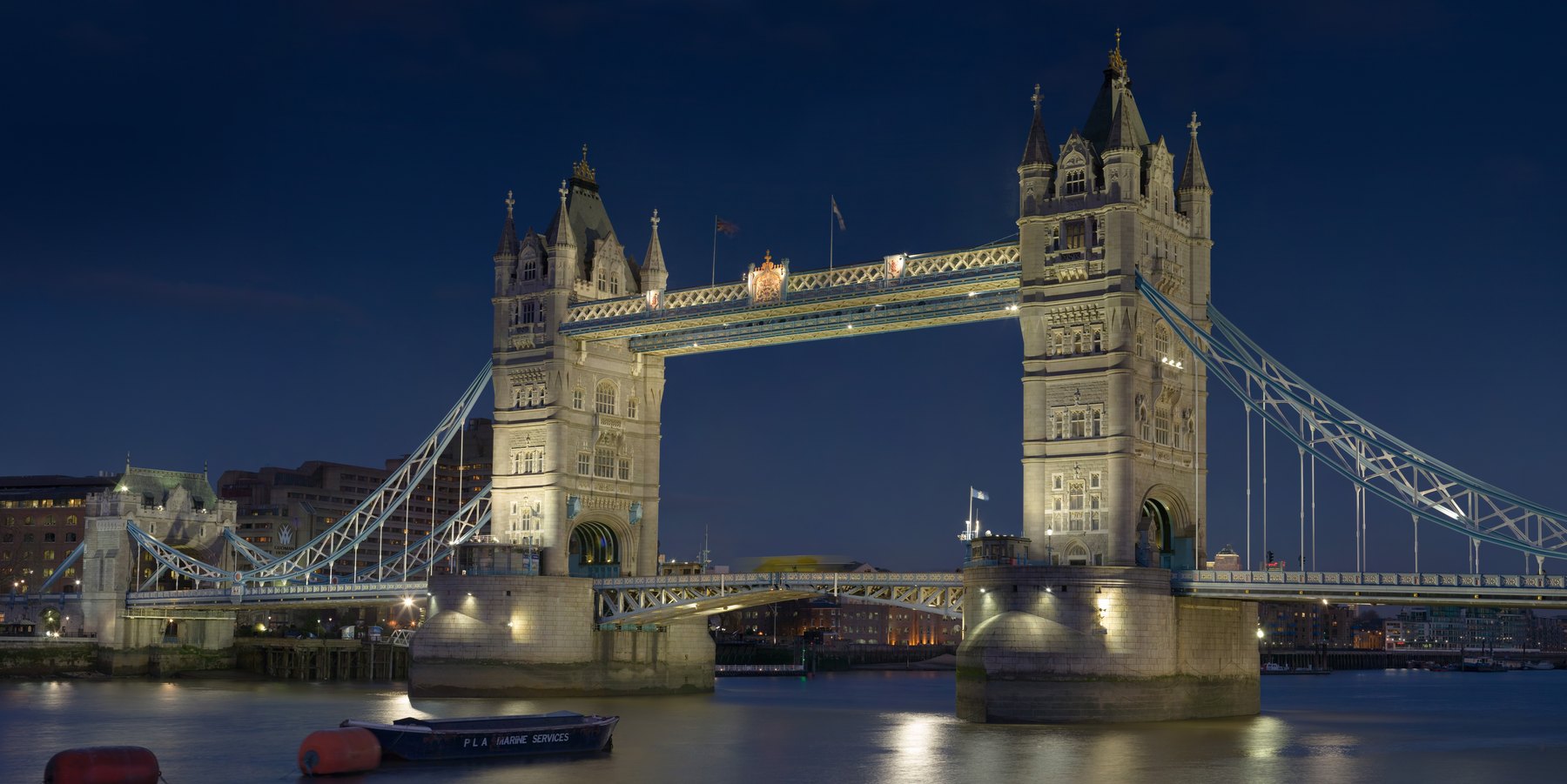
Before the Second World War the landmark even turned grey, to serve as camouflage against air raids. It only got its current look much later, in 1977. That’s when it was repainted red, white and blue in honour of Queen Elizabeth II’s Silver Jubilee. So the blue-and-white lifting elements aren’t historically original at all.
Eight years and 432 workers
Building this giant lifting see-saw was no joke at all, and construction took a full eight years. From 1886 to 1894, 432 workers toiled on it every day, and the foundations had to be sunk about eight metres into the riverbed. The whole project was overseen by architect Horace Jones and chief engineer John Wolfe Barry.
Today electricity lifts the heavy arms, but originally the bridge was powered by enormous steam engines. Workers had to constantly shovel coal under the boilers to generate steam for the ingenious hydraulic system. For its time it was simply a technological marvel, and London only switched to modern electro-hydraulics in 1976.
Where to go next from Tower Bridge
If you’ve already explored the area around the bridge and are wondering where to head next, I’ve put together plenty of other inspiring material for you. From the south bank you can comfortably walk along the river or hop on the Tube to discover other corners of the city.
And if you have a soft spot for good coffee, check out our guide to the best cafés in London — we only picked places rated over 4.6 on Google.
A short walk from Parliament stands Westminster Abbey — the site of coronations and royal tombs, which you can even enter free of charge for Evensong.
Love history and art? Then don’t miss the British Museum — entry is free, and our guide shows you what not to skip in a couple of hours.
- Be sure to read our big guide on what to see and do in London, complete with a detailed map.
- Right next to the bridge stands the famous fortress we write about in our article on the Tower of London.
- If you love views from up high, check out our tips for the famous London Eye wheel.
- For a royal atmosphere and the Changing of the Guard, head to the King’s residence, covered in our article on Buckingham Palace.
- And if you’re travelling with kids or are a magic fan yourself, you can’t miss the Harry Potter Studio London.
Frequently asked questions
How much does admission to Tower Bridge cost?
A ticket to the exhibition normally costs £18 for an adult and £9 for children aged five to fifteen. During the summer months, slightly discounted promotional tickets are sometimes available, but children under five always get in completely free.
Is crossing Tower Bridge free?
Yes, simply walking across the bridge on the pedestrian walkways alongside the roadway is completely free, as it’s a regular public thoroughfare. You only pay if you want to go inside the towers, onto the glass floor, and into the Victorian engine rooms.
When is the bridge open to visitors?
The paid exhibition is open daily from 9:30 AM to 6:00 PM, with last entry to the main towers at 5:00 PM. During the Christmas holidays from December 24th to 26th it is closed, and on New Year’s Day it doesn’t open until 10:00 AM.
How often does the bridge lift?
The bridge deck is raised for river traffic approximately 800 times a year, which averages out to about two lifts per day. However, the exact times constantly change according to the needs of vessels, so you’ll need to check the official schedule on the website.
What’s the best way to get to the bridge?
The most convenient route is via Tower Hill underground station on the District and Circle lines, from where it’s just about a seven-minute pleasant walk to the north tower. You can also use London Bridge station on the south bank, which is served by the Northern and Jubilee lines.
Can dogs go inside the exhibition?
Yes, this is one of the very pleasant exceptions among London landmarks, because you can take your well-behaved dog into the exhibition. Your dog can accompany you into the towers, onto the glass walkways, and into the old engine rooms.
Is the exhibition wheelchair accessible?
All floors of both main towers are accessible via spacious lifts, so visiting with a pushchair or wheelchair is no problem at all. Access to the nearby engine rooms is also barrier-free.
How long does the tour inside take?
If you want to explore both towers at a leisurely pace, enjoy the views from the glass floor, and study the machinery in the Engine Rooms, allow about 90 minutes. Quick visitors who don’t stop at every information panel can manage it in under an hour.
Tips and Tricks for Your Vacation
Don’t Overpay for Flights
Search for flights on Kayak. It’s our favorite search engine because it scans the websites of all airlines and always finds the cheapest connection.
Book Your Accommodation Smartly
The best experiences we’ve had when looking for accommodation (from Alaska to Morocco) are with Booking.com, where hotels, apartments, and entire houses are usually the cheapest and most widely available.
 🚗 Car rental on the roadVerified rental cars in Great Britain
Search with the DiscoverCars comparison engine — it compares prices from dozens of local and international rental companies, and most bookings come with free cancellation.
Compare car prices in Great Britain →Don’t Forget Travel Insurance
Good travel insurance will protect you against illness, accidents, theft, or flight cancellations. We’ve had a few hospital visits abroad, so we know how important it is to have proper insurance arranged.
Where we insure ourselves: SafetyWing (simple monthly subscription) and TrueTraveller (for extra-long trips).
Find the Best Experiences
Get Your Guide is a huge online marketplace where you can book guided walks, trips, skip-the-line tickets, tours, and much more. We always find some extra fun there!