Say the word “London” and almost everyone instantly pictures that iconic giant wheel towering over the Thames. The London Eye is simply an institution, and for a lot of people it’s the single most important stop on any trip to the British capital. But I have to be honest with you right from the start.
When Lukáš and I arrived in London after our year living in Canada, we cycled around the whole city on rented bikes and had a pretty tight budget. So I completely understand anyone hovering on the riverbank, wondering whether they really want to fork out the better part of €35 for thirty minutes in a glass capsule. Back then we counted every pound twice, which is exactly why I know how important it is to have the right information before you buy your tickets.
So in this guide I’ll give you everything you need to know before you visit, so you can make the right call. You’ll find out when it’s worth paying extra for priority entry, the best spot for photos from the outside, and above all I’ll show you alternatives that let you enjoy a view over London completely free of charge.
A quick summary for those who don’t have time to read the whole article
- Base price: Always buy tickets online in advance — they start at £29, while on the door you’ll pay ten pounds more.
- When to go: The most magical experience is right after sunset, when the city starts to light up — but be warned, those slots disappear from the booking system first.
- Ride time: One full rotation takes about 30 minutes and the wheel never actually stops, since it moves at a slow walking pace.
- Honest verdict: If it’s your first time in London or you’ve got kids in tow, it’s a gorgeous classic that’s worth experiencing.
- Great alternative: If you’re watching the budget, book Sky Garden well ahead — it’s even higher than the wheel and entry is completely free.
The full destination guide: United Kingdom — guide and what to see
London Eye tickets and opening times in 2026
There’s one golden rule for London Eye tickets, because prices are completely dynamic and constantly shifting. They change according to the exact date, the hour, and how full the capsules happen to be. That’s why on the official site you’ll always see that sneaky little word “from”, which marks the lowest possible amount. Either way, remember that tickets bought online will cost you roughly £10 less than the tempting purchase straight at the desk.
| Ticket type | Online from | On the door from |
|---|---|---|
| Adult (16+) | £29 | £39 |
| Child (2–15 years) | £26 | £35 |
| Child under 2 | FREE (booking required) | FREE |
| Fast Track (skip the queue) | £42 | – |
| Merlin combo (2 attractions) | £51 | – |
| Champagne Experience | £49 | £59 |
Maybe you’re wondering whether you should just go straight for priority entry. I can tell you honestly that Fast Track only makes sense at peak times — during the summer holidays or at weekends between 11 a.m. and 3 p.m. Otherwise that hefty surcharge for skipping the queue is completely pointless, because with a standard time slot you’ll be inside in no time. The Merlin combo tickets for London attractions like Madame Tussauds or SEA LIFE, on the other hand, really do save you a stack of pounds — but only if you can realistically fit them all in within seven days.
| Season | Open |
|---|---|
| Summer and weekends | approx. 10:00–20:30 |
| Winter and weekdays | approx. 11:00–18:00 |
| Last entry | approx. 30 minutes before closing |
Before you start packing and planning your itinerary, check your specific date on the official site. Opening times change from day to day, and it would be a huge shame to turn up to locked turnstiles. Few tourists realise, for example, that the wheel is regularly closed in January for a two-week annual maintenance. You’ll also find the riverbank completely deserted on 25 December — Christmas Day, when nobody works and everything comes to a standstill.
💡 My buying tip: Naturally you’ll get the most certainty and the best choice of time slot by buying directly through londoneye.com. But if you’re planning a broader sightseeing programme, definitely check out GetYourGuide, where you can snag brilliant packages that even include Thames river cruises. And if you’re travelling into the city by National Rail train, it’s worth using the excellent 2FOR1 offer (two for the price of one) via the partner site Days Out Guide.
When to visit London and the London Eye
British weather is famously unpredictable, so the ideal time to visit the city itself is from late spring to early autumn. In the summer months you’ll enjoy the longest days and the most pleasant temperatures, but you’ll also have to reckon with enormous crowds of tourists that congregate right along the South Bank. If you want to dodge the biggest queues, come in May or September instead.
For the attraction itself, the best time to go is first thing in the morning right after opening, or alternatively about ninety minutes before closing. Most travellers agree that the absolute peak falls between 11 a.m. and 3 p.m., when the wait for standard tickets can stretch to an hour and a half. As a bonus, the morning sun beautifully lights up the Houses of Parliament — something you’ll appreciate for your photos.
But do watch out when planning a trip just after New Year. The wheel usually has its annual maintenance during January, when it’s typically closed completely for about two weeks (often around 5–18 January). The exact dates shift slightly each year, so if you’re flying to Britain in winter, always check the current opening times in advance on the official londoneye.com site.
How to get to the London Eye
The observation wheel sits right on the south bank of the Thames in the popular South Bank district. The shortest route here is from Waterloo Underground station, from where it’s about a five-minute walk to the ticket desks. If you happen to get lost in the underpasses, just follow the crowd or look up — you really can’t miss this giant structure.
A far more epic approach, though, awaits you from Westminster station. Not only do you emerge from the Underground right beside the iconic Big Ben, but you then cross the famous Westminster Bridge. This is exactly where you’ll get the absolute best photo of the wheel and get a lovely look at it within the whole London skyline.
If you fancy spicing up your travels around the city, hop on the Uber Boat by Thames Clippers instead of the Underground. It stops at London Eye Pier, so you step off the deck literally a few paces from the attraction. Incidentally, the official journey planner at TfL makes plotting any public transport route ridiculously easy.
And what to do afterwards? The area around the wheel on the South Bank is absolutely perfect for a relaxed afternoon stroll along the river. Right next door in County Hall you’ll find the SEA LIFE aquarium and the fun Shrek’s Adventure, which you’ll appreciate especially with younger children. Keep walking along the promenade and you’ll pass the cultural Southbank Centre all the way to Tate Modern and the renowned Borough Market.
Where to stay near the London Eye
Staying right in the South Bank area or near Waterloo station is a strategically brilliant decision. From here you can walk to the biggest landmarks, the riverside strolls are second to none, and you’re superbly connected to several Underground lines. Prices tend to be higher here, but you’ll save plenty of time and money on commuting from the city’s edge.
If you’re after outright luxury and want to wake up with a view straight onto Big Ben, definitely take a look at the Park Plaza Westminster Bridge London, which sits right by the bridge and offers fantastic service. For a lovely historic atmosphere with a touch of luxury, head to the iconic Marriott County Hall, located literally a few metres from the observation wheel itself. Another stylish, if slightly pricier, option for design lovers is the celebrated Sea Containers London right on the Thames waterfront.
For those of you after a sensible price-to-value ratio, I can recommend the Premier Inn London County Hall. This chain is a British safe bet, offering clean, spacious family rooms and an unbeatable location. A great modern alternative with smart in-room features is citizenM Tower of London, which will win you over with its fresh concept. And if you long for something more traditional, check out The Mad Hatter Hotel, a charming boutique hotel set in a former hat factory.
8 things to see and do around the London Eye
1. Tickets and ticket types
Ticket prices work on a dynamic basis, which in practice means they change with the date, time and current demand. But the basic rule is crystal clear: always buy online and in advance. While a standard adult ticket online starts at £29, at the desk the same bit of fun will cost you £39. Children aged two to fifteen pay from £26 online, and the very youngest under two get in completely free — although you still have to add a zero-cost ticket for them in the system.
Besides the official site, you can also grab tickets through various resellers. People often praise booking through GetYourGuide because of its handy app and excellent cancellation terms. To be fair, though, buying directly on the official site well in advance is often the cheapest option of all, especially if you catch off-peak summer discounts.
If you plan to visit other London draws too, definitely look at the Merlin combo tickets. From around £51 you can pair the wheel with, say, the Madame Tussauds waxwork museum or the giant SEA LIFE aquarium, and you have a full seven days to use the linked attractions. Buy the bundle of all five attractions for roughly £60 and each single entry works out at a ridiculously low price.
2. Fast Track – is it worth saving time?
The standard boarding queue takes around twenty minutes on an average day, but during the holidays and sunny weekends it can easily stretch to nearly an hour. That’s exactly why Fast Track tickets exist, priced from roughly £42 to £46. They guarantee you entry via a special, dedicated corridor, where you’ll usually only wait some five to ten minutes.
You do need to be honest with yourself about whether it’s worth paying that extra £10 or so. Based on travellers’ experiences, the fast-track entry only really pays off at absolute peak times — in summer, at weekends or during school holidays. If you head to the river on a weekday morning in November, you’ll get through the standard queue so quickly that a premium ticket would just be money down the drain.
3. The London Eye view and what the ride is like
Once it’s your turn, you step into one of the thirty-two glass capsules. The curious thing is that the wheel doesn’t stop to let you board, but moves so slowly (about a quarter of normal walking speed) that you can step into the capsule smoothly, even with a pram. One complete rotation takes exactly thirty minutes and gives you a view of up to forty kilometres, so on a clear day you can theoretically see all the way to Windsor Castle.
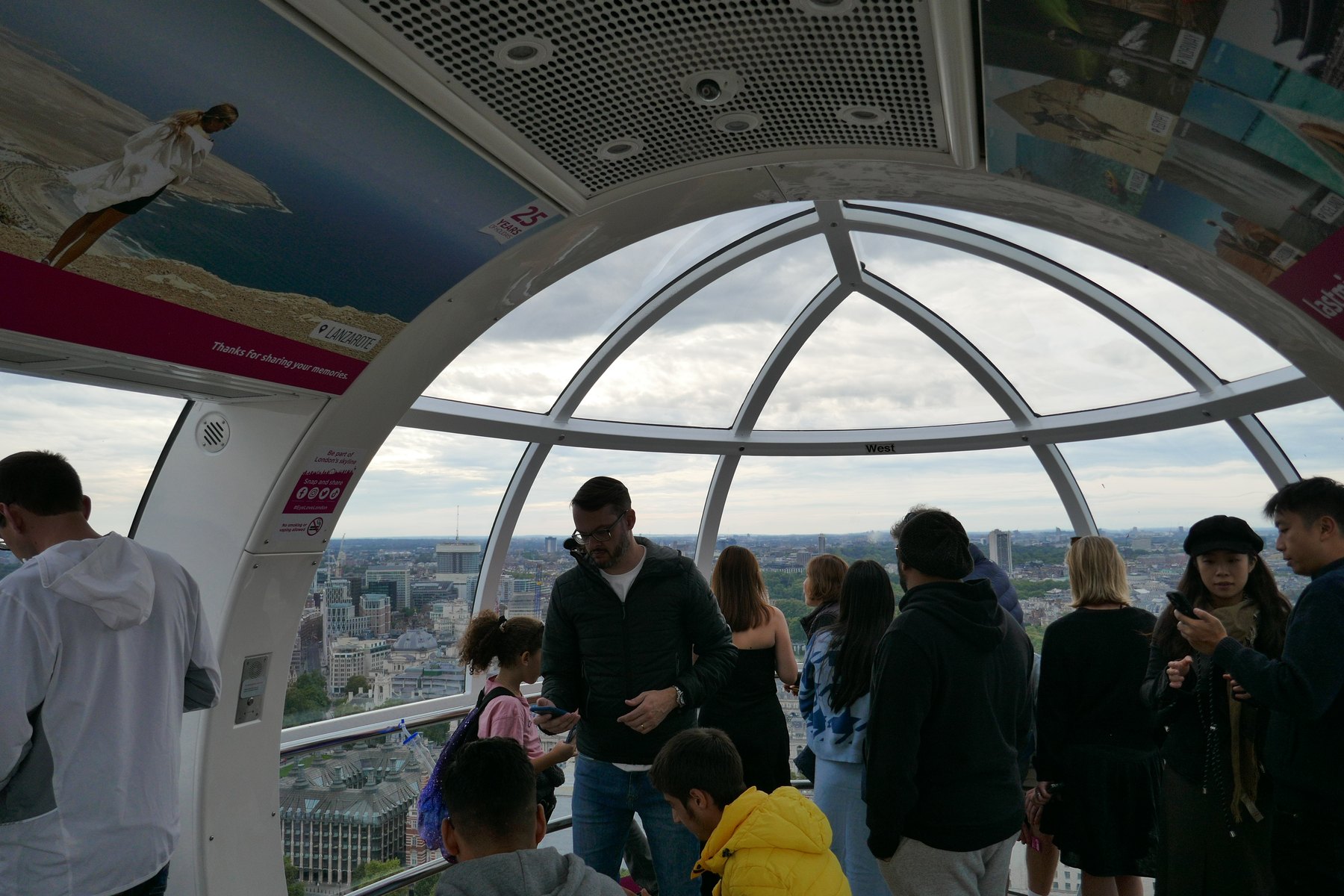
But the biggest draw is right below you. Slowly a breathtaking view of the Houses of Parliament, the Big Ben tower and Westminster Abbey reveals itself. From the capsule you can also spot St Paul’s Cathedral and Buckingham Palace. Sadly there are no information panels inside the capsule telling you what you’re looking at, so you’ll have to make do with a map on your phone.
But I have to flag one thing that people often complain about in reviews. Each capsule holds up to twenty-five people, and the wooden bench in the middle doesn’t seat even half of them. During the summer season the capsules tend to be pretty full, so expect to stand for most of the half hour. What’s more, the all-glass design creates plenty of reflections, which sometimes makes getting that perfect Instagram shot a bit tricky.

4. Comparison: the London Eye, or a different viewpoint?
This is probably the most important section of the whole article. Lots of people don’t realise that in London there are spots with an even more spectacular view that won’t cost you a penny. Below I’ve put together a comparison table of the most interesting viewpoints, so you can choose exactly to suit your taste and budget.
| Viewpoint | Height | Price 2026 (adult) | Booking |
|---|---|---|---|
| Sky Garden | ~155 m | FREE | Required (Mon morning, 3 weeks ahead) + ID |
| Horizon 22 | 254 m | FREE | Required online in advance |
| Parks (Primrose / Greenwich / Parliament Hill) | 63–98 m above sea level | FREE | None |
| Tate Modern Viewing Level | ~40 m | FREE | None |
| Lift 109 (Battersea) | 109 m | from £17 | Recommended |
| London Eye | 135 m | from £29 | Recommended |
| The Shard | 244–306 m | from ~£32 | Recommended |
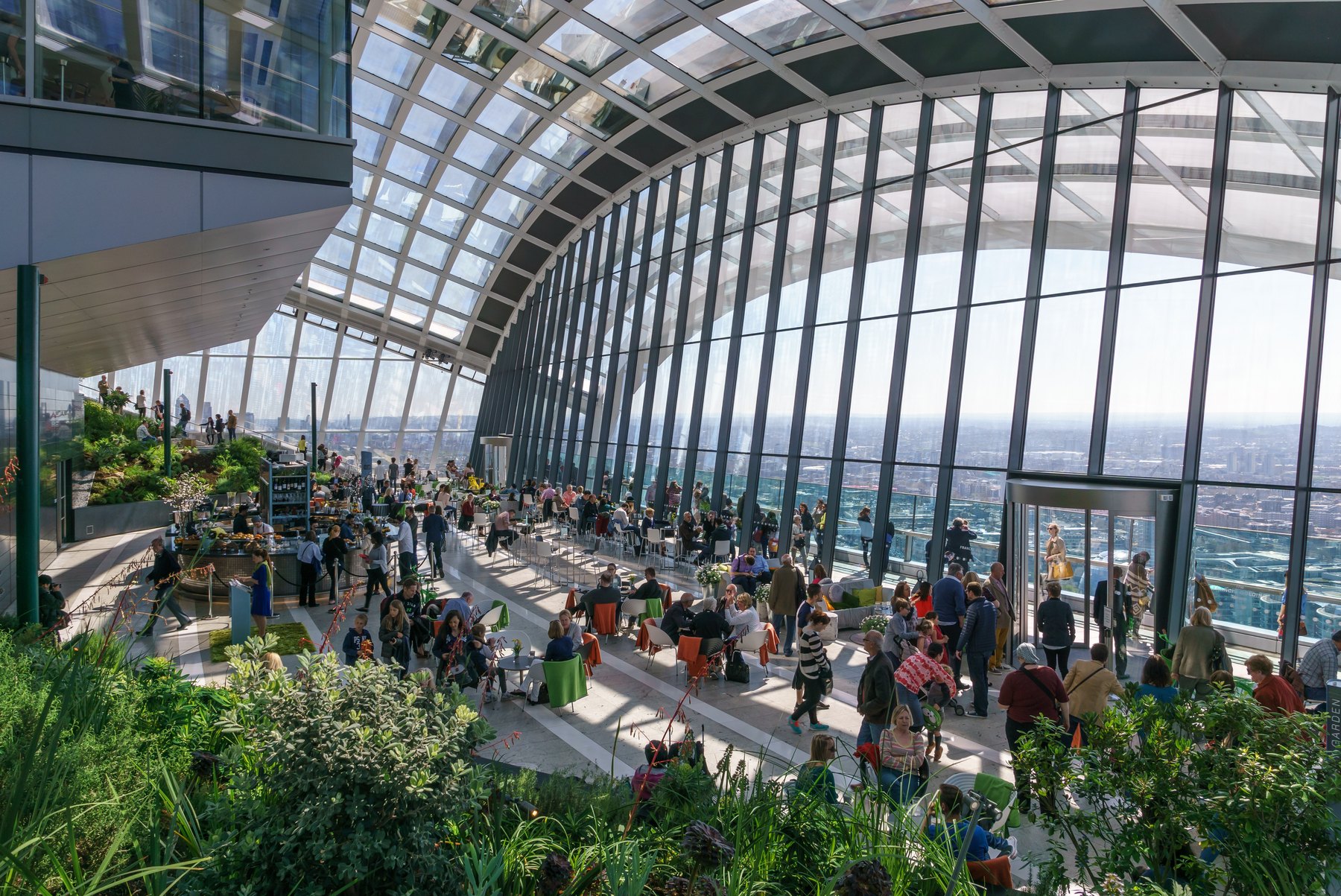
My main honest tip: If you’re on a tight budget, skip the pricey attractions and head to Sky Garden. It’s the highest public garden in the city, sits higher than the wheel itself, and entry is completely free. You wander among tropical plants under an enormous glass dome, and the view is unreal. There is one big catch, though (tickets are released every Monday morning for about three weeks ahead, and the best times vanish within minutes). On arrival you then have to show ID matching the name on the booking.
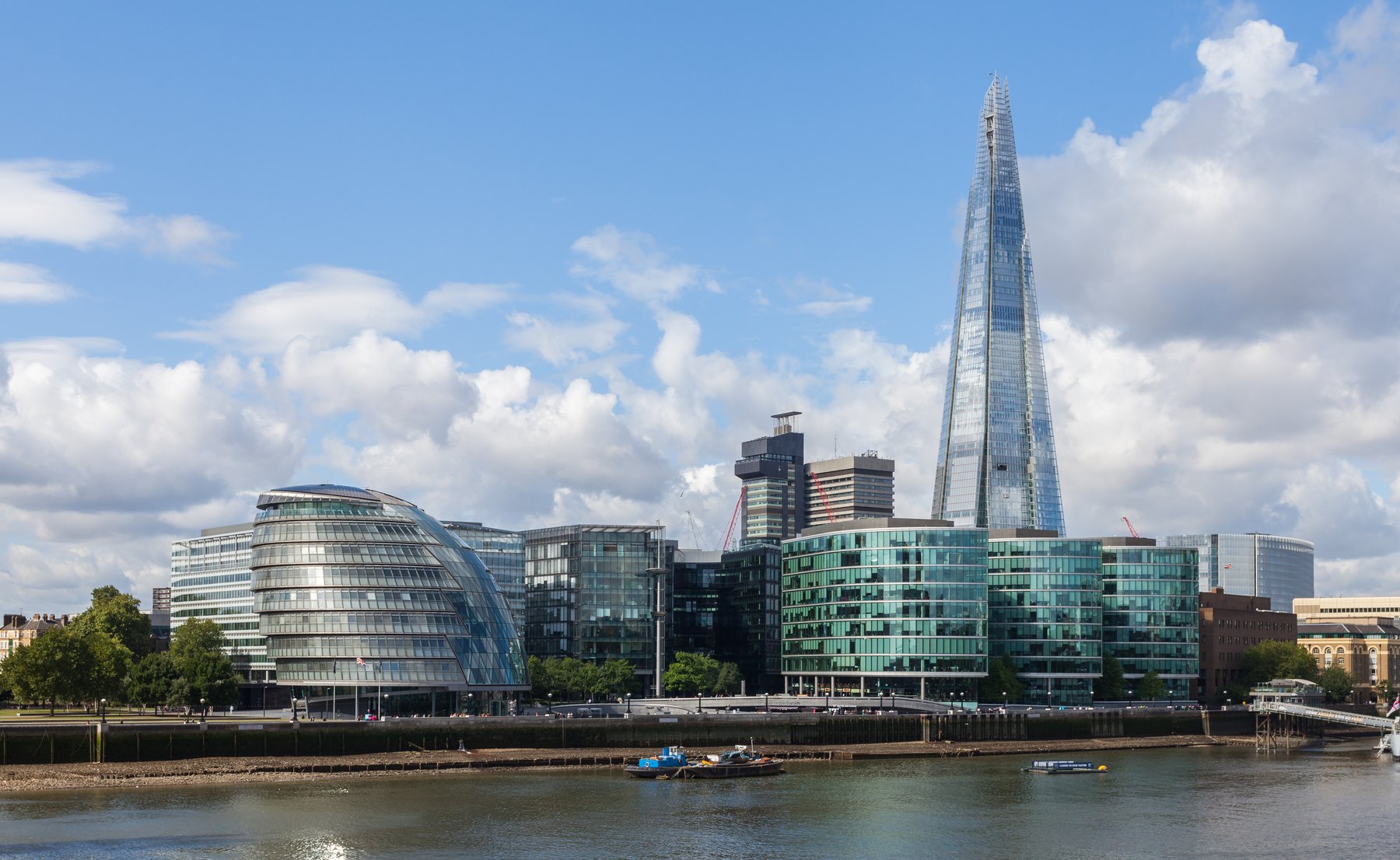
So who is the legendary wheel actually worth it for? Definitely for those of you visiting London for the very first time and longing for that classic icon. It’s great with small children, because the capsule is enclosed and safe, and it’s wonderful for the romantics too. But if you’d rather have peace and quiet without the crowds, or you’re chasing the absolute highest view, you’ll be far better served by The Shard skyscraper or the free Horizon 22. Just watch out at The Shard in 2026 (renovation runs there from February to May, and the highest open platform, Level 72, will be temporarily closed).
5. When to go for the best experience
If photos aren’t your top priority and you mostly want to avoid people, the best strategy is to book the very first morning slot right after opening. In the morning the riverbank tends to be relatively quiet, the light falls beautifully on the surrounding buildings, and you won’t have to fight for a spot at the glass. Another quieter window is the late evenings, roughly ninety minutes before the whole attraction closes to the public.
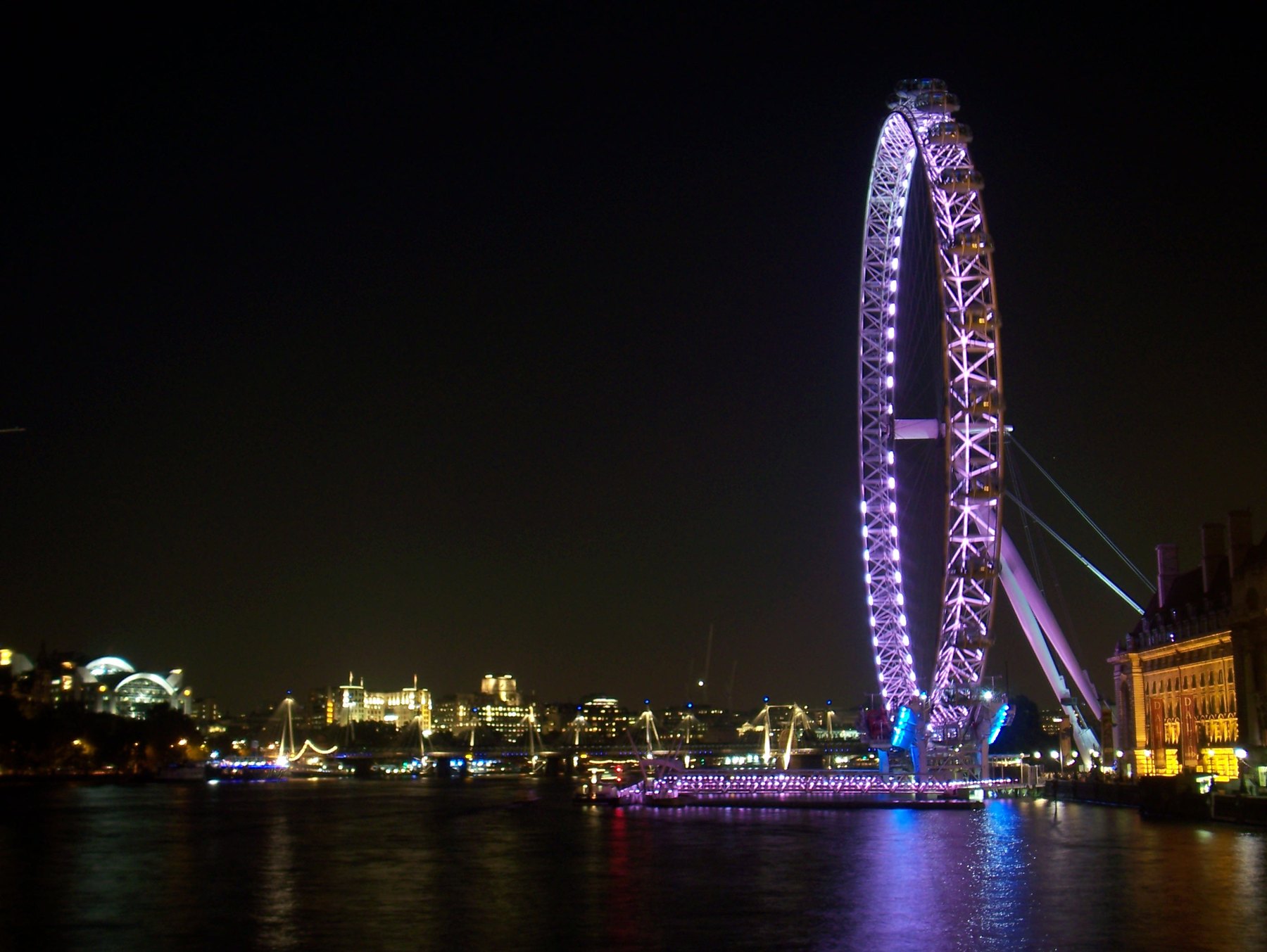
But the absolutely most magical experience comes during the so-called blue hour. Seasoned travellers recommend booking a time slot so that you step into the capsule just after sunset. The sky isn’t fully dark yet, it has a gorgeous rich colour, but the streets and landmarks below are already glittering with a thousand lights. These evening slots are hugely popular, though, so you need to book them really far in advance.
The weather naturally plays a crucial role, because in typical London fog you won’t see much from 135 metres up. Lots of people advise holding off on buying a ticket until you’ve seen the forecast, but then you risk there being no space left for you. The advantage of the official seller is that on selected tickets it offers the option to rebook the date, which can save you when heavy rain clouds gather over the Thames.
6. How to best photograph the London Eye from outside
Just about everyone wants to take home that iconic photo of the massive steel structure rising over the river. Inside the capsule photos are often ruined by unlucky reflections in the glass, so the best trick is to hold your phone or camera lens as close to the glass as possible to block out the glare from inside. The real photographic gems, though, are taken from outside.
The most popular spot for capturing the whole shot is nearby Westminster Bridge. Stand on its south side so that you have the wheel in front of you and the Houses of Parliament behind you. Especially early in the morning or at night, when the structure is beautifully lit, you’ll take incredible photos from here. Fun fact: since 2020 the wheel has officially glowed pink because of its main sponsor.
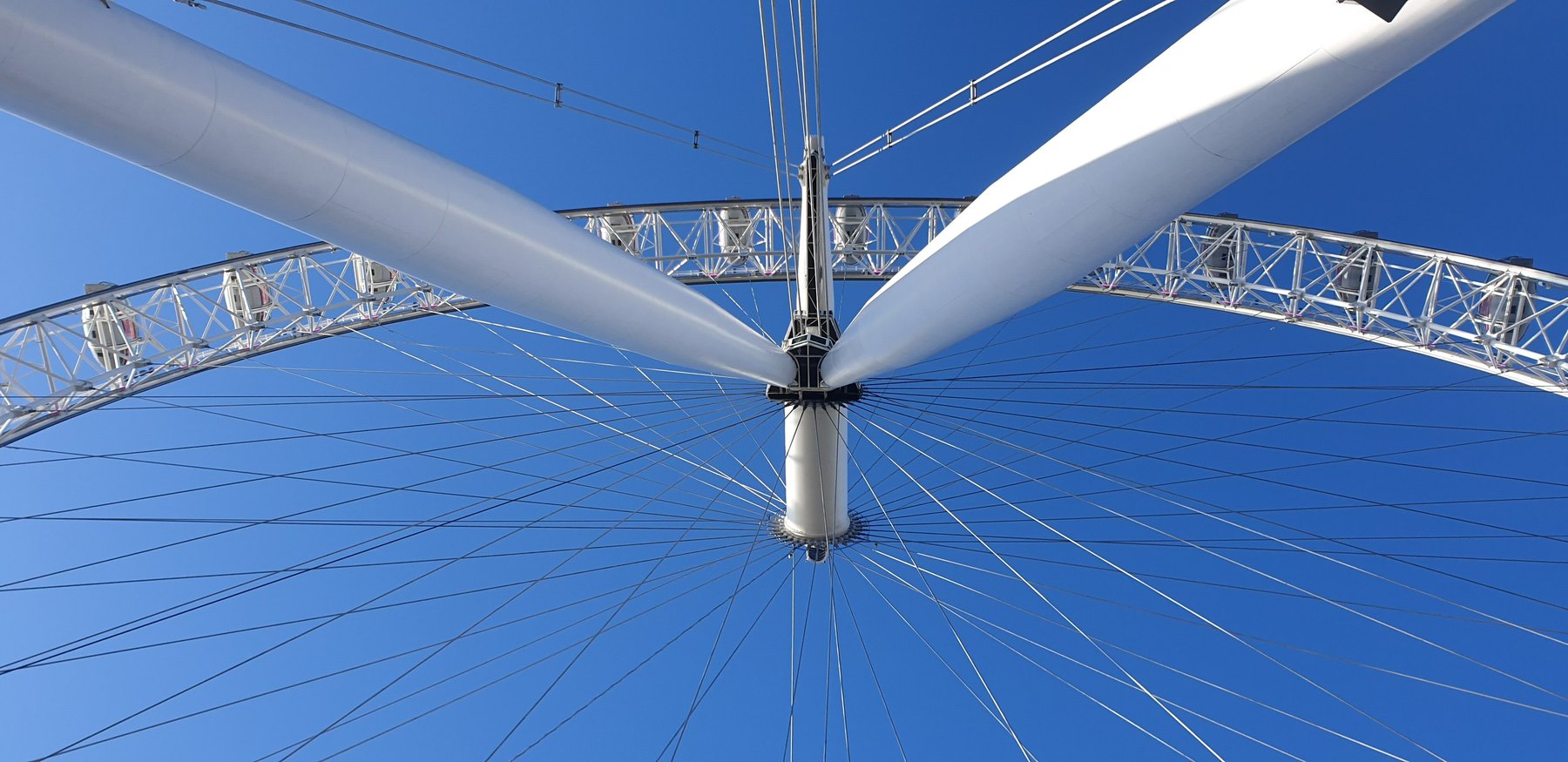
If you want a photo from a slightly different angle, head right underneath the structure into Jubilee Gardens. Point the lens upwards from below and the sheer scale really stands out, along with the massive steel cables holding the whole colossus together. There’s also a nice lawn here where you can sit with a coffee after your photo session and simply watch the world go by.
7. Visiting with kids and with a fear of heights
Lots of people tell me they’d love to go up but are terrified of heights. The truth is that this attraction is surprisingly friendly for anyone with acrophobia. The movement of the whole mechanism is so incredibly slow and smooth that there’s no jolting or swaying at all. The capsules are also huge, stable and fully enclosed, so you never feel like you’re standing on the open edge of a drop.
For families with children, on the other hand, it’s an utterly magical experience. Kids usually love the very fact that they’re boarding a giant bubble floating in the clouds. You can bring a smaller pram in without any trouble (they might just ask you to fold the really huge ones), and because there’s plenty of space, the children can move around fairly freely. Just prepare them for the fact that there’s no food or drink sold inside, so you’ll need to bring your own snacks and water.
8. Fascinating facts about the wheel
This whole structure is one great feat of engineering. Did you know, for instance, that the wheel was built lying flat right above the surface of the Thames? The individual parts arrived here on barges, workers assembled them on platforms into one giant circle, and only then was the whole enormous weight slowly raised upright using hydraulic jacks. It took several days and was an absolute engineering marvel.
The numbering of the capsules is interesting too. There are exactly thirty-two of them, but if you go looking for the capsule numbered thirteen, you won’t find it. The numbering runs from one to thirty-three, and thirteen was simply skipped because of British superstition. Originally this giant structure was built as just a temporary project to celebrate the new millennium and was meant to be dismantled after five years.
Thanks to its enormous popularity (over three and a half million visitors come here every year), the wheel stayed permanently and became the most-visited paid attraction in all of Britain. And if you’re after a slightly unconventional romantic tip, know that over five thousand marriage proposals and even more than five hundred official weddings have taken place here. They even offer a special private capsule for two, though that will set you back a pretty penny.
Things you didn’t know about the London Eye
The wheel that was never meant to stay
When married architects David Marks and Julia Barfield won the competition for a new symbol of the millennium, they probably didn’t expect what they’d set in motion. The grand opening took place at the very end of 1999, and the public could take their first ride in March 2000. Originally this giant wheel was meant to stand on the riverbank for just five years as a temporary attraction. But its popularity with tourists rocketed, and it soon became clear it wasn’t going anywhere.
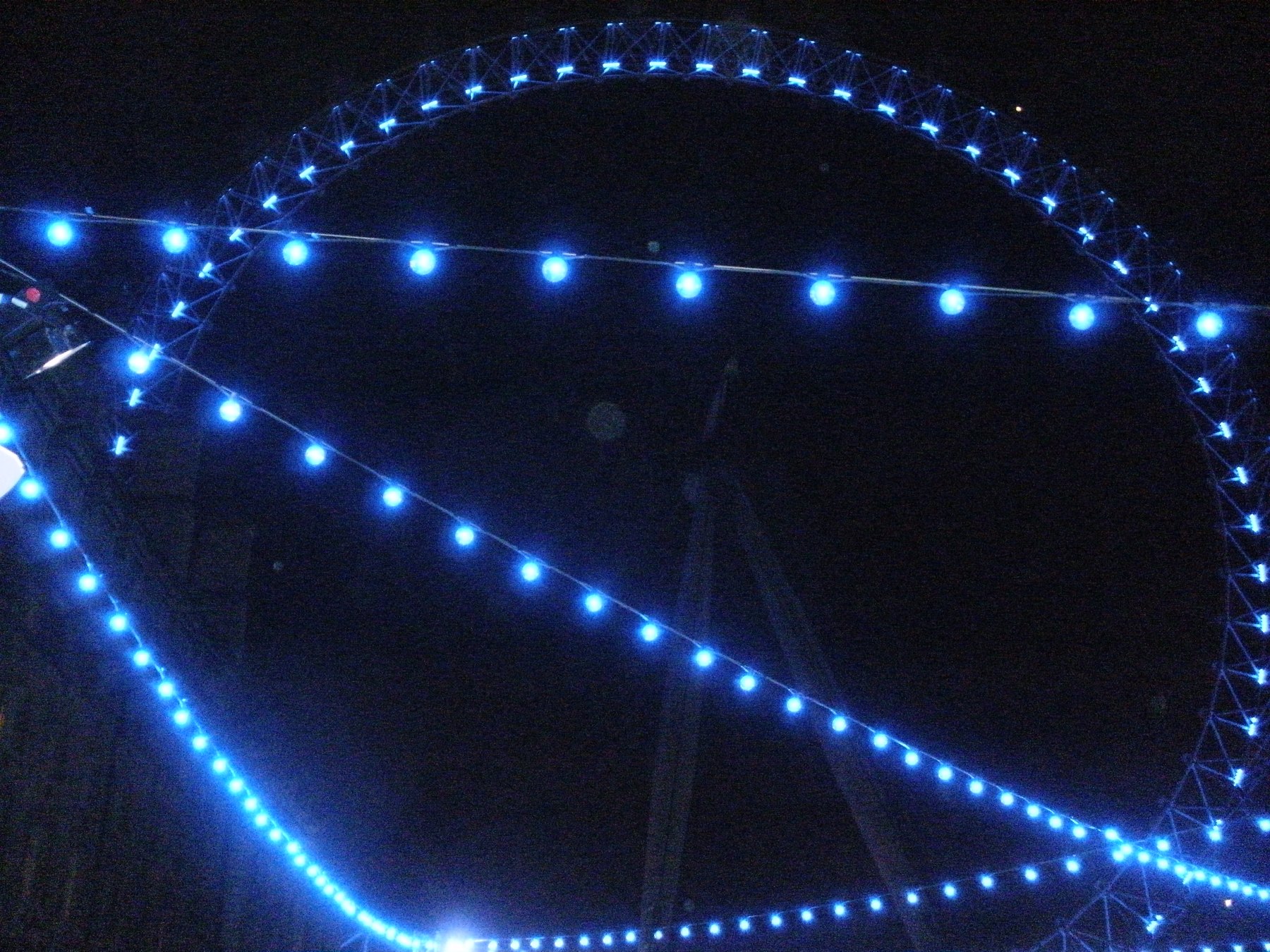
Today it’s among the absolute most-visited paid attractions in Britain, drawing over three and a half million people a year. The structure itself, costing £70 million, resembled a gripping piece of engineering sci-fi. The individual parts arrived on barges and the wheel was assembled lying flat right above the surface of the Thames. Only then did giant hydraulic jacks raise it extremely slowly into its present form.
Why you won’t find capsule number 13
Stand in front of the wheel and start counting the glass ten-tonne capsules and you’ll get to exactly thirty-two. Yet if you look at their numbering, you’ll discover it ends at thirty-three. The British are superstitious, you see, and they simply skipped number thirteen so as not to invite bad luck. After all, nobody wants to get stuck 135 metres up in a cursed capsule for twenty-five people.
Locals like to say that those thirty-two capsules exactly match the thirty-two London boroughs. Sounds like lovely, well-thought-out symbolism, doesn’t it? In reality, though, it’s more of a nice urban legend that people have understandably taken to heart.
The wheel that keeps changing its name
Locals may just call it “the Eye” for short, but the official name changes depending on who’s currently pumping money into the marketing. Right after it opened it was funded by a well-known airline, so for many years it bore the name British Airways London Eye. Some older encyclopedias and printed guidebooks still list this name by mistake to this day.
Over the years several giants have taken turns, including Coca-Cola. Since February 2020, though, it has officially been called the lastminute.com London Eye. It’s precisely because of this current sponsor that the wheel glows a striking pink after dark, perfectly matching the company’s branding.
Over five thousand marriage proposals
A sunset, a view of an illuminated Big Ben and a slowly turning glass bubble work wonders on human romance. During rides here, over five thousand marriage proposals have been made. So if you see someone nervously clutching their jacket pocket, it’s pretty obvious what’s going to happen once the capsule reaches the very top.
And it doesn’t stop at the ring. The attraction even holds an official licence to hold weddings. More than five hundred couples have said “I do” here, and the first newlyweds were married up here as early as 2001. You do have to be quick, though, because one panoramic rotation lasts a mere thirty minutes.
Where to go next from the London Eye
Once your feet are back on solid ground, it would be a huge shame not to explore more of this city’s beauty. Take a look at our detailed article with 50 tips on what to see and do in London, where you’ll find a map and plenty of inspiration for the coming days. Just a short Underground ride away lies the famous Tower of London, where you can see the British Crown Jewels and hear bloody tales from history.
And if you’re a sucker for good coffee, check out our guide to the best cafés in London — we picked only spots rated above 4.6 on Google.
A short walk from Parliament stands Westminster Abbey — the site of coronations and royal tombs, which you can even get into for free at Evensong.
Do you love history and art? Then don’t miss the British Museum — entry is free, and in our guide you’ll find what not to skip in a couple of hours.
And right next to the fortress stands the famous Tower Bridge — in our guide you’ll find out when the bridge lifts and whether the paid exhibition with the glass floor is worth it.
Don’t miss the majestic Buckingham Palace either, in front of which the Changing of the Guard regularly takes place — an experience that’s just part of Britain. If you’re travelling with kids, or you’re a fan of the magical world yourself, you absolutely must head to the Harry Potter Studio in London. And if you’ve got a rental car or you book a coach trip beyond the city limits, go and admire the mystical Stonehenge, shrouded in dozens of mysteries.
Frequently asked questions
What is the nearest tube station to the London Eye?
The closest station is Waterloo, from which it’s about a five-minute walk to the riverside. Westminster station on the opposite bank is also a great option, from where you can reach the attraction with a lovely walk right across Westminster Bridge.
Is the attraction accessible for wheelchair users?
Yes, the entire structure is fully accessible and wheelchairs can enter the capsule without any problems. For safety reasons, however, there is a limit of a maximum of two wheelchair users per cabin, so it is absolutely essential to book a special wheelchair ticket online well in advance.
Can I bring a backpack or suitcase into the capsule?
With a small backpack or regular handbag, the staff will let you in without any problems, but expect a quick security check before boarding. Large luggage, suitcases or huge backpacks are strictly prohibited, and unfortunately there is no official luggage storage facility on site.
Can dogs go on the London Eye?
Regular household pets are strictly prohibited from entering the capsules for understandable reasons. The only exception is for official assistance and guide dogs, which can accompany their owners upon presentation of the appropriate identification.
Do young children have to pay?
Children under two years old have completely free entry to the attraction and no fee is charged for them. However, you must not forget them when booking online, because for capacity reasons they must have a so-called zero ticket issued in the system.
Can I rebook my ticket if it’s going to rain?
If you buy tickets directly through the official website, with most standard tickets you have the option to change the date and time of your visit for free. This lifesaving option for bad weather can usually be used up to five times, so you won’t lose your money.
Is it warm or cold inside the capsule?
Each of the thirty-two cabins is equipped with a modern air conditioning and heating system, so the temperature inside is pleasant in every season. You don’t have to worry about baking in the glass bubble in summer or freezing in winter.
Can I find discounts on admission anywhere?
If you’re travelling to London by train (National Rail), you can take advantage of the popular 2FOR1 offer through the Days Out Guide portal, where two people go for the price of one. Another way to save is to purchase combined tickets for multiple attractions at once, which significantly brings down the price per entry.
Tips and Tricks for Your Vacation
Don’t Overpay for Flights
Search for flights on Kayak. It’s our favorite search engine because it scans the websites of all airlines and always finds the cheapest connection.
Book Your Accommodation Smartly
The best experiences we’ve had when looking for accommodation (from Alaska to Morocco) are with Booking.com, where hotels, apartments, and entire houses are usually the cheapest and most widely available.
 🚗 Car rental on the roadVerified rental cars in Great Britain
Search with the DiscoverCars comparison engine — it compares prices from dozens of local and international rental companies, and most bookings come with free cancellation.
Compare car prices in Great Britain →Don’t Forget Travel Insurance
Good travel insurance will protect you against illness, accidents, theft, or flight cancellations. We’ve had a few hospital visits abroad, so we know how important it is to have proper insurance arranged.
Where we insure ourselves: SafetyWing (simple monthly subscription) and TrueTraveller (for extra-long trips).
Find the Best Experiences
Get Your Guide is a huge online marketplace where you can book guided walks, trips, skip-the-line tickets, tours, and much more. We always find some extra fun there!