

Have just a few days in Dublin, Ireland and want to see as much as possible without spending on unnecessary things? Then you’re in the right place. We’ll share our tips on where to go in Dublin and how to save. And if you read to the end, you’ll find out where’s best to stay and how much the whole trip cost us.
So let’s take a look together at what to see in Dublin.The full destination guide: Ireland — guide and what to see
When to Visit Dublin: The Weather in Dublin
Dublin has a mild oceanic climate, which means the weather is fairly damp and changeable all year round. The warmest months are June to August, with average temperatures around 15–20 °C. Winters are mild, around 5–10 °C, but it often rains and the wind picks up. The best time to visit is spring (April–June) or autumn (September–October), when the weather is relatively stable and the city isn’t overrun with tourists.How Many Days to Spend in Dublin
Dublin is an ideal destination for a weekend getaway, but if you want to enjoy the city at a relaxed pace, we recommend at least 3–4 days. In two days you can cover the main sights like Trinity College, the Guinness Storehouse and Temple Bar. If you have more time, you can take a trip out to Howth, visit Phoenix Park or head off to explore the beauty of the Irish countryside.How to Get from the Airport to Dublin City Centre
Dublin Airport sits about 10 km from the centre and offers several transport options:
- Bus – The cheapest and most convenient option is Aircoach or Dublin Express, which run around the clock and take about 30 minutes.
- City bus (Dublin Bus) – A cheaper alternative, but less comfortable, as the buses make more stops.
- Taxi – A ride to the centre costs around €30–40 and takes roughly 20–30 minutes.
- Car rental – If you plan to travel beyond Dublin too, you can pick up a car at the airport (we recommend DiscoverCars).
Dublin Accommodation: Where to Stay in Dublin
The Academy Plaza Hotel was our base for the whole trip. The hotel is a ten-minute walk from the centre, the airport bus stop is right out front, and the Hop on Hop off buses stop just around the corner. We picked up dinner at the Lidl round the corner and were more than happy. If you’re a fan of a great breakfast and a gym in the hotel, it’s a good choice.
Accommodation in Dublin is expensive overall, and you might manage to find a better option. We ourselves came across other hotels at lower prices, but they were booked out far in advance. So we recommend sorting out your accommodation well ahead of time.
7 Tips on What to See in Dublin
If you’re heading to the capital of Ireland, this article might come in handy. We’ve put together 7 tips on what to see and do in Dublin.1) Save with the DoDublin card and try the Hop On – Hop Off bus
If you’re in Dublin for three days, the DoDublin card is worth it (it’s available on GetYourGuide). It costs €49 and includes:- Airlink – transport to and from the airport
- Hop on – Hop off buses
- Public transport
- A free ticket to the excellent Little Museum
- A free walking tour
- Buy one, get one free meal at one of the restaurants in the centre
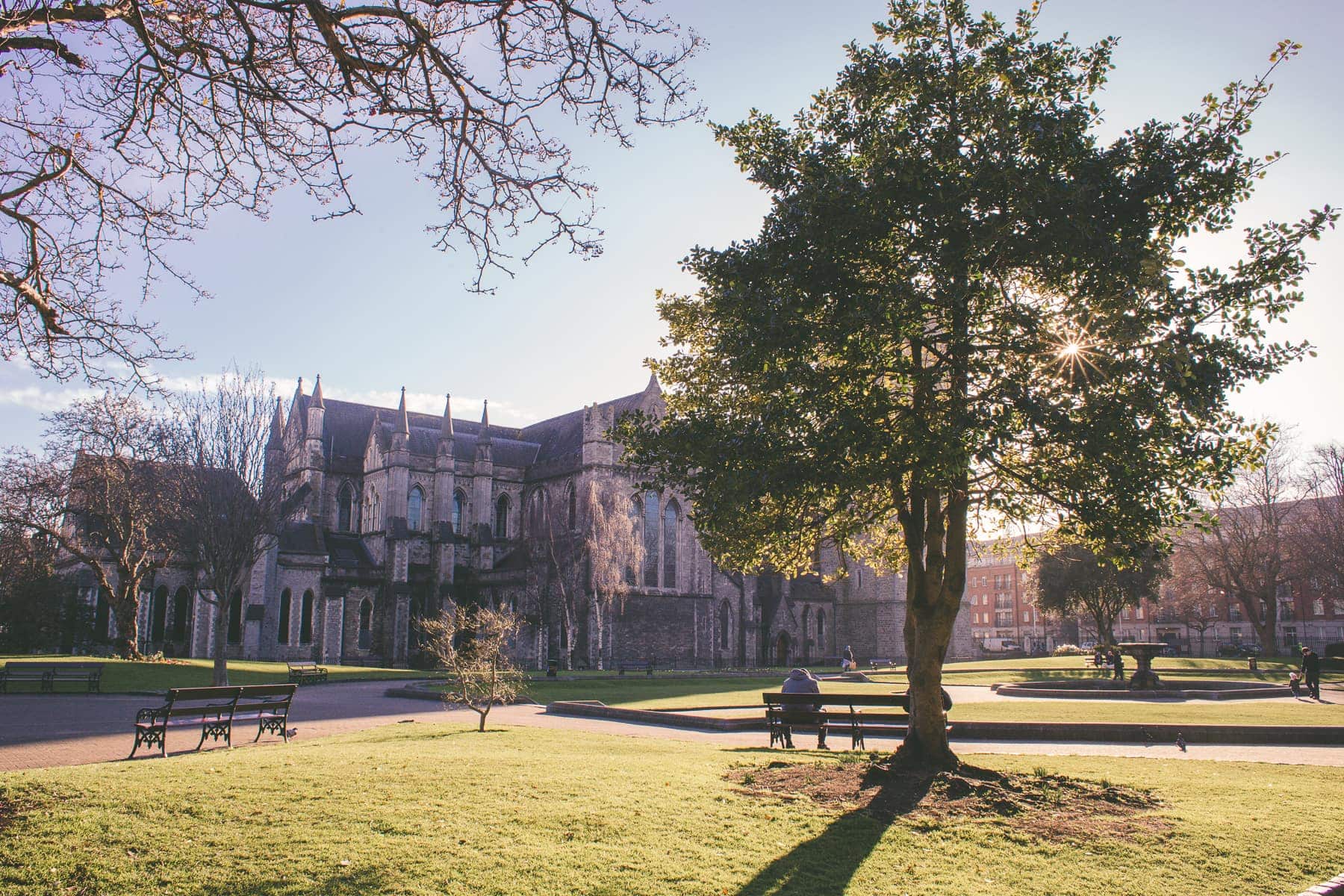
The Hop on – Hop off buses were absolutely brilliant. You honestly don’t need to use any other line, because these green sightseeing buses take you to every tourist spot. On top of that, if the weather turns nasty, you can comfortably ride around the centre, and if your English is good you’ll have plenty of laughs along the way. Sometimes the drivers even sang for us. 🙂
2) The Guinness tour (it’s pricey, but definitely worth it)
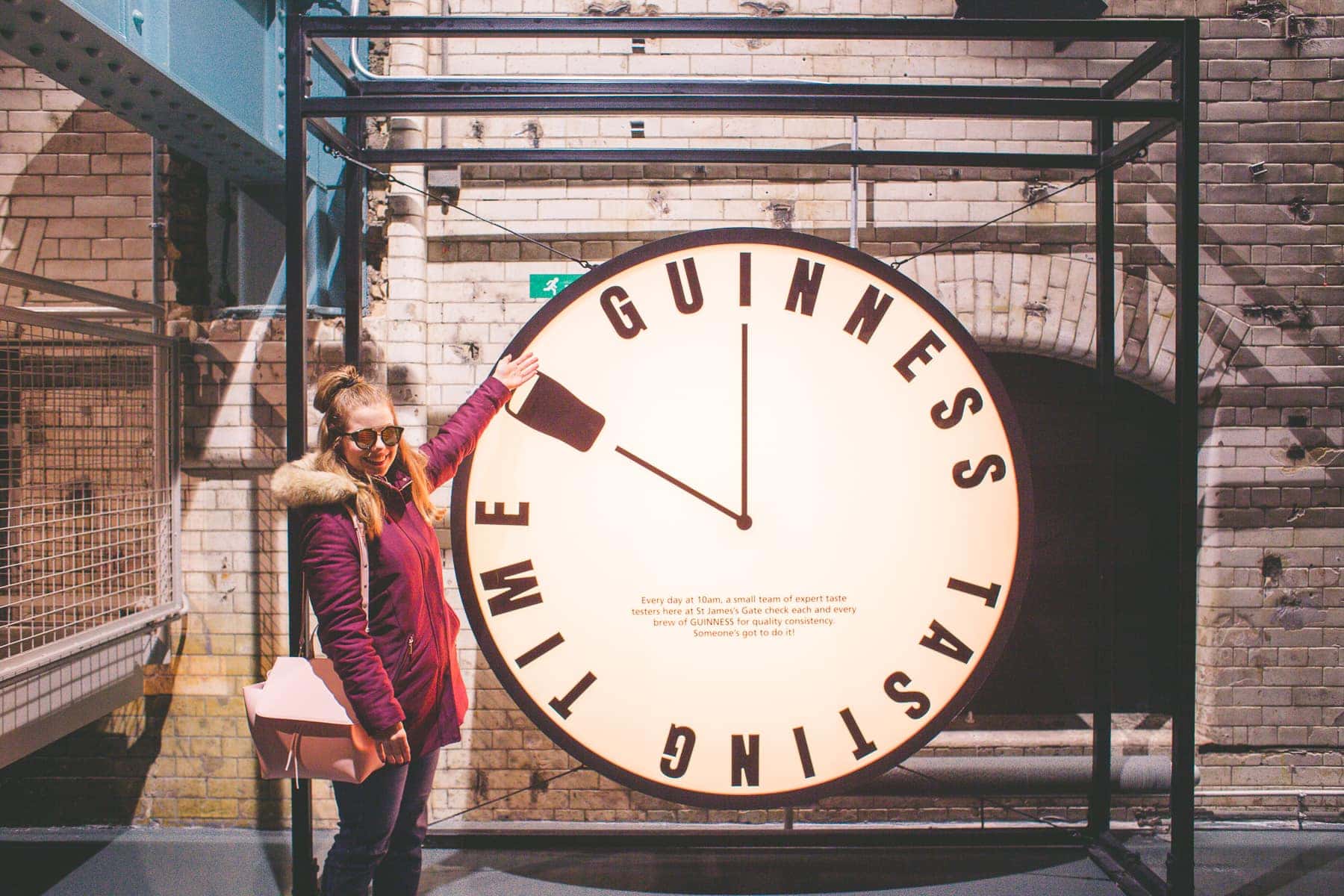
We’re not big beer drinkers. But they say the best way to get to know Irish culture is over a glass of dark stout. So we decided to sample Irish traditions and customs at the Dublin brewery, where the legendary dark beer with its slightly bitter taste and thick head was first brewed back in 1759.
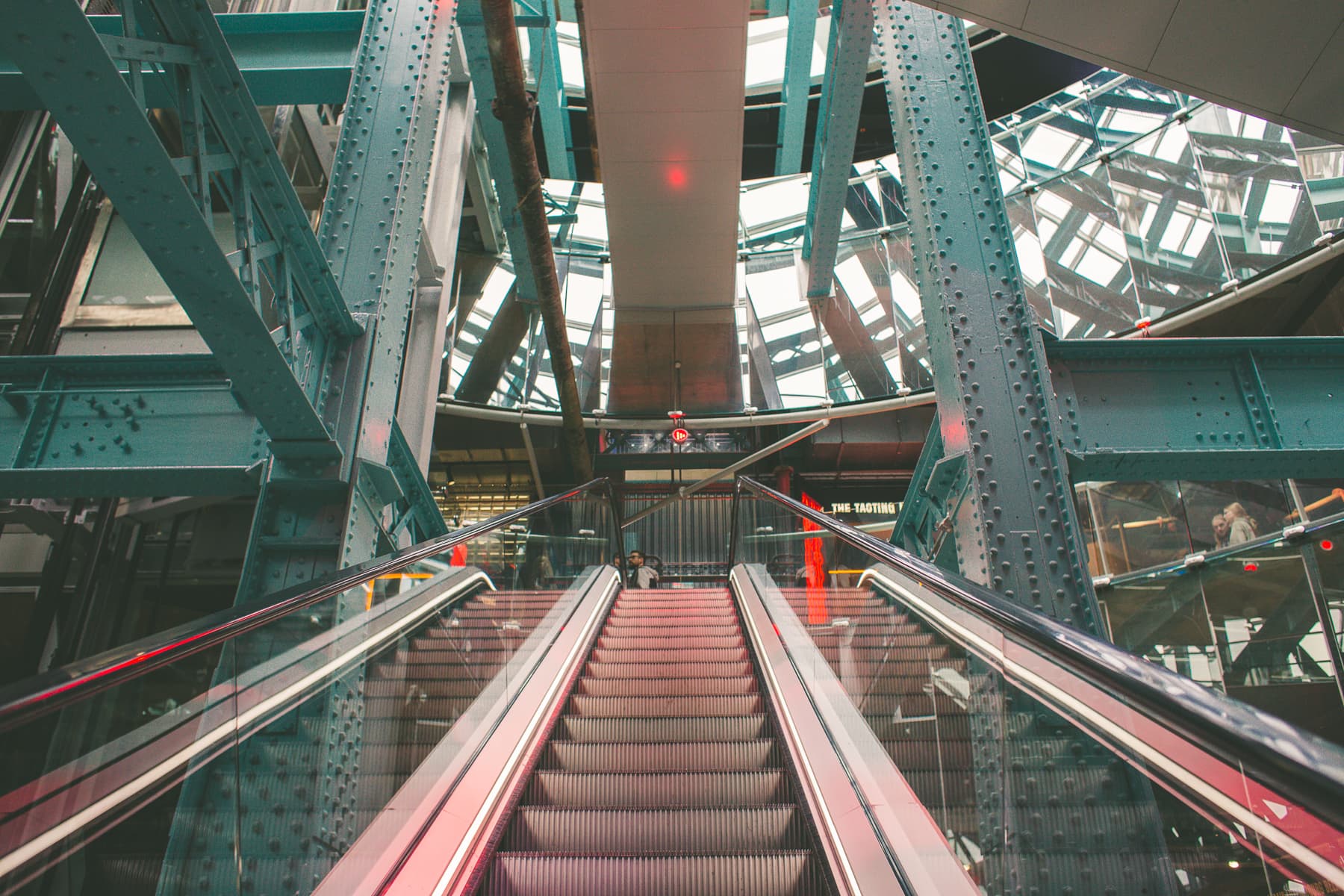
We also went by the reviews on TripAdvisor, where the Guinness visit gets glowing praise. And for good reason. In the end it was the best experience of our whole time in Dublin. We spent three hours there and weren’t bored for a single moment.
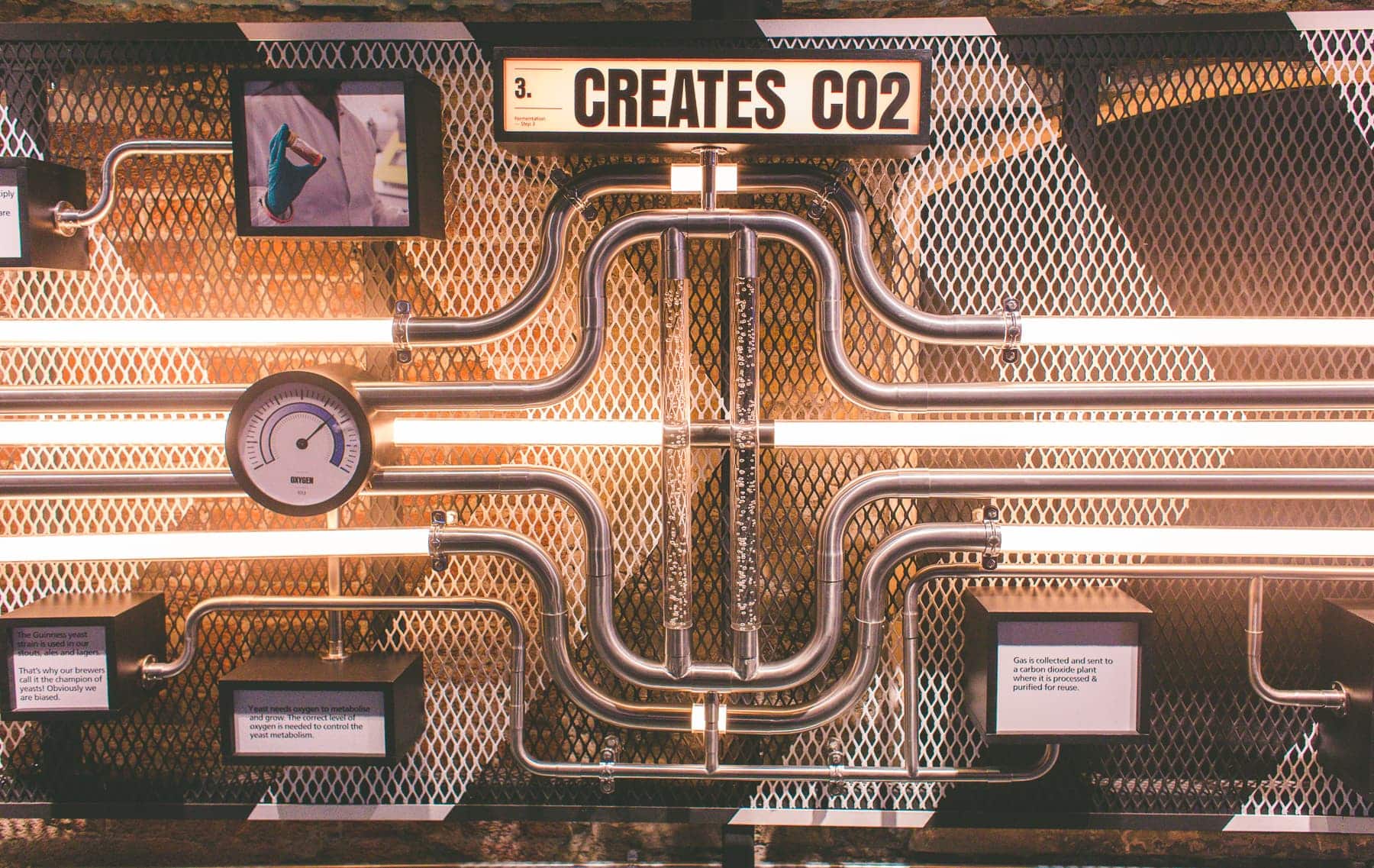
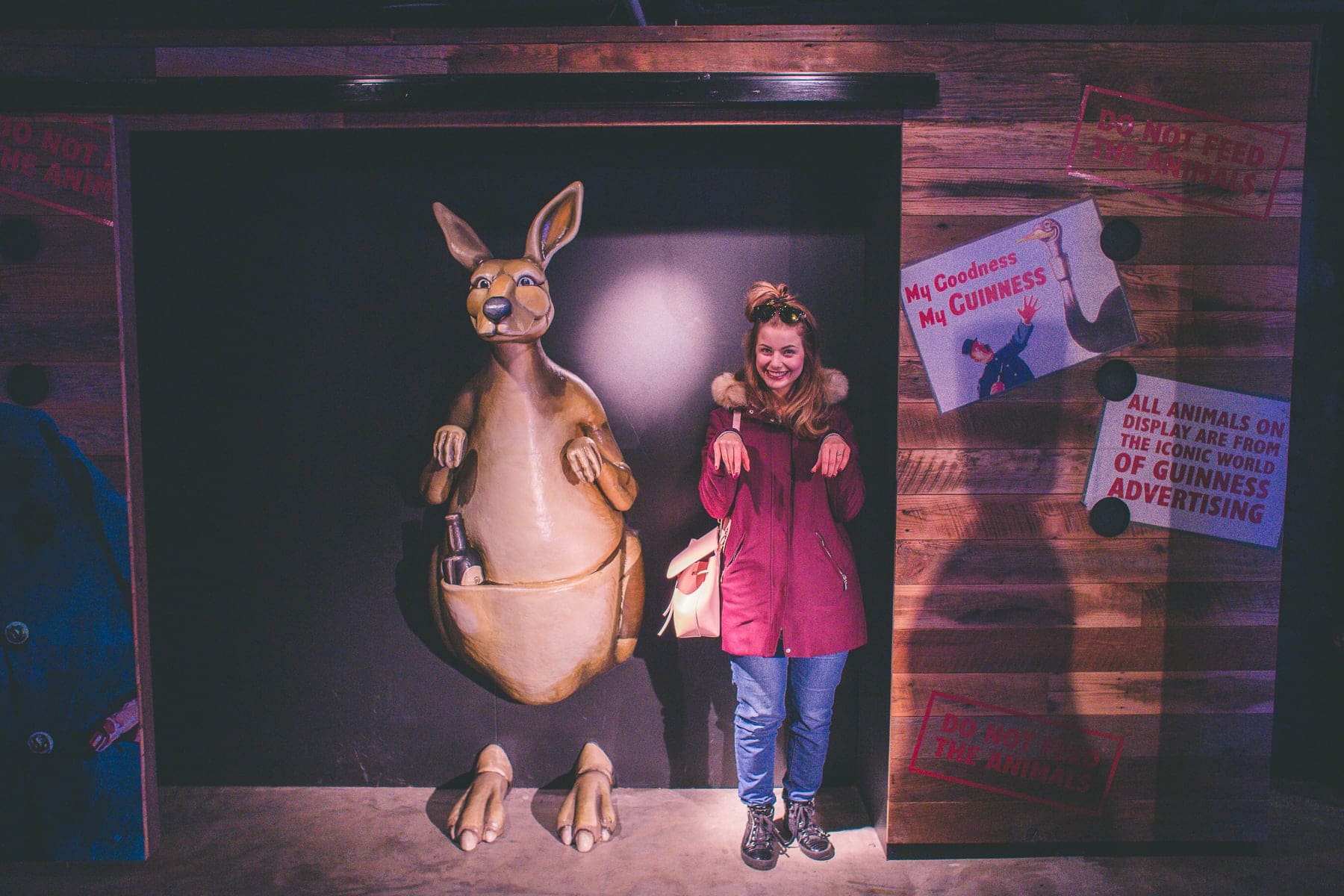
The tour walks you through the entire process of how the beer is made, one floor is dedicated to Guinness adverts and another to tasting. If you want, they’ll even teach you how to pour a pint. And on the top floor there’s a lovely bar with views over the whole city.
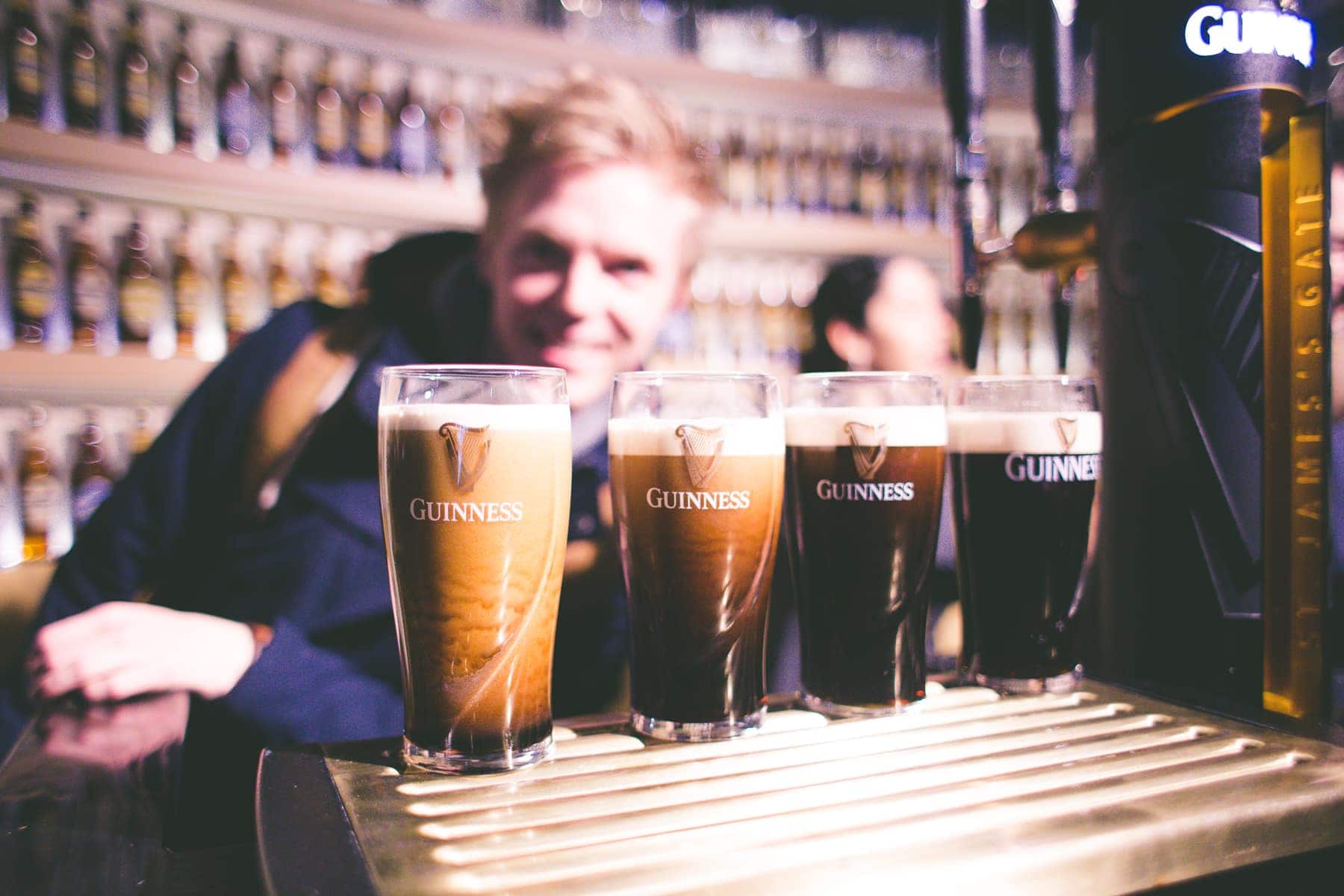
3) The much-recommended Trinity College Library
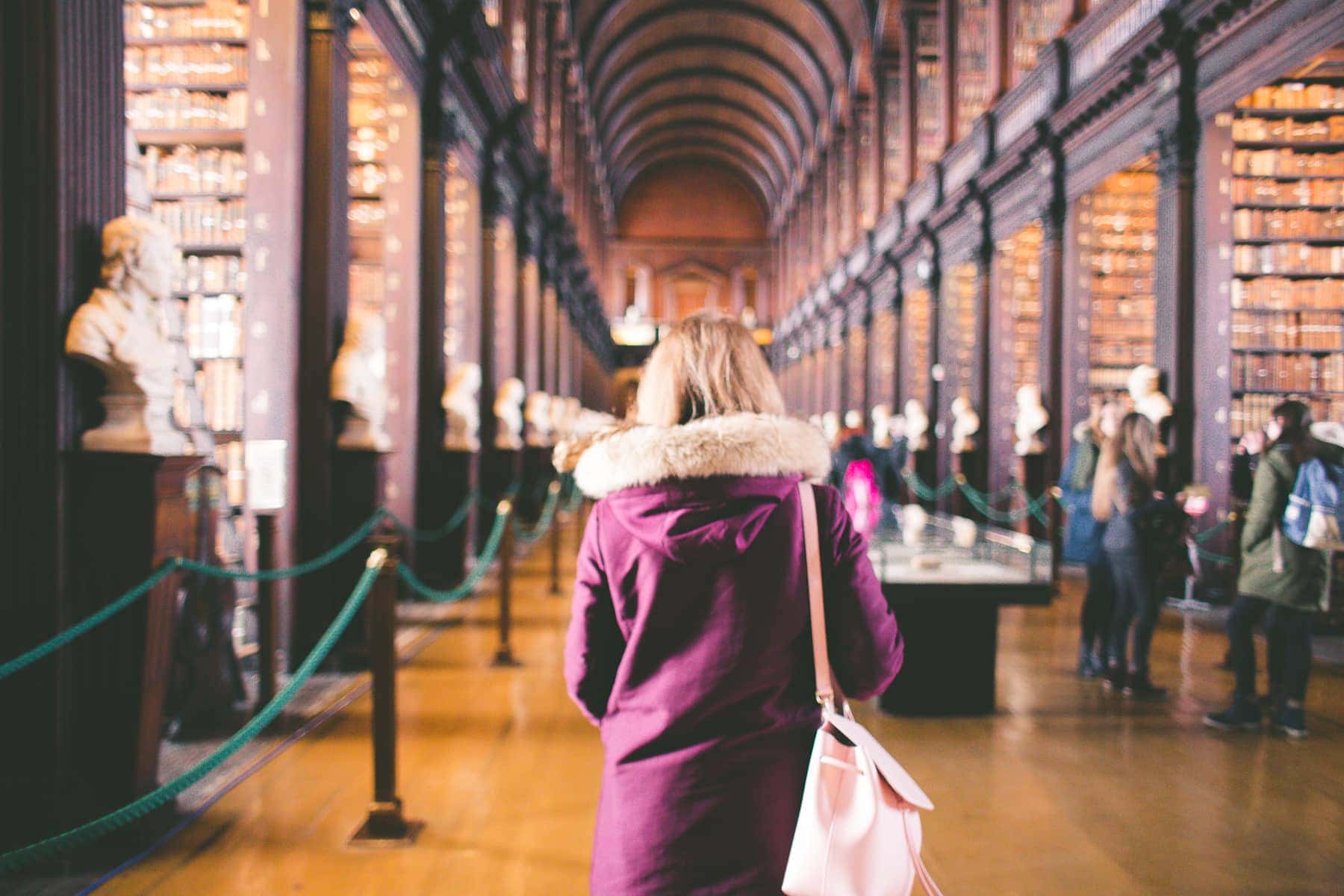
You definitely shouldn’t skip the Trinity College campus itself. The library at Trinity College is number one on TripAdvisor. And it really is stunning. But a heads-up: don’t expect to spend ages there for that €11–14.
They won’t let you walk among the books, and everyone takes the same photo – just like we did. The view is beautiful, but I did somewhat hope we’d get to wander the aisles like Hermione and Harry Potter. The ticket also includes the Book of Kells exhibition. That one didn’t grab us much, though. If you’re travelling on a budget, skipping the library won’t cost you anything.
4) Have a pint at Temple Bar
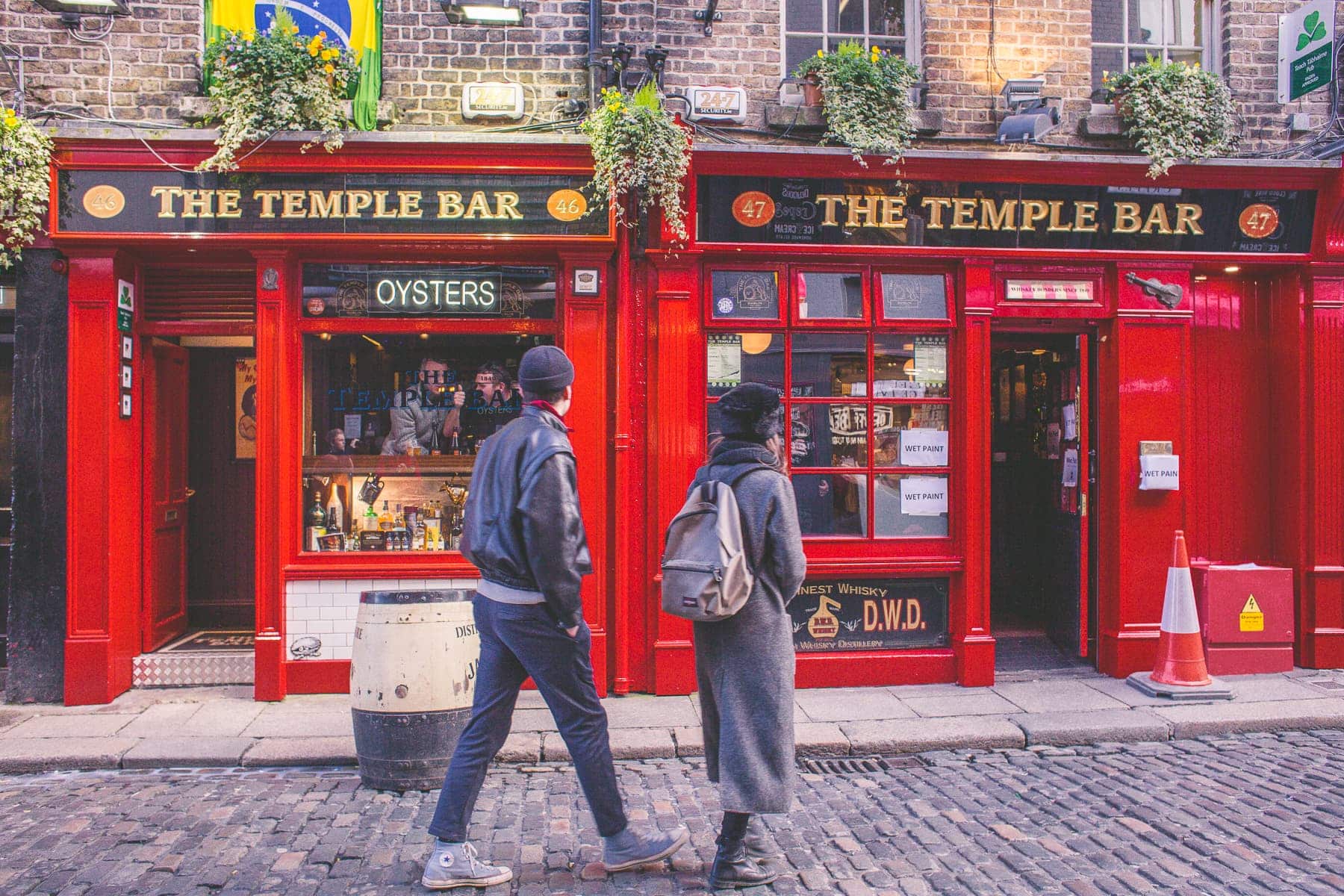
But if you’re not just going for one and fancy a few more, try a couple of streets further along. Here a smaller beer will run you €3.50.
5) The Little Museum of Dublin
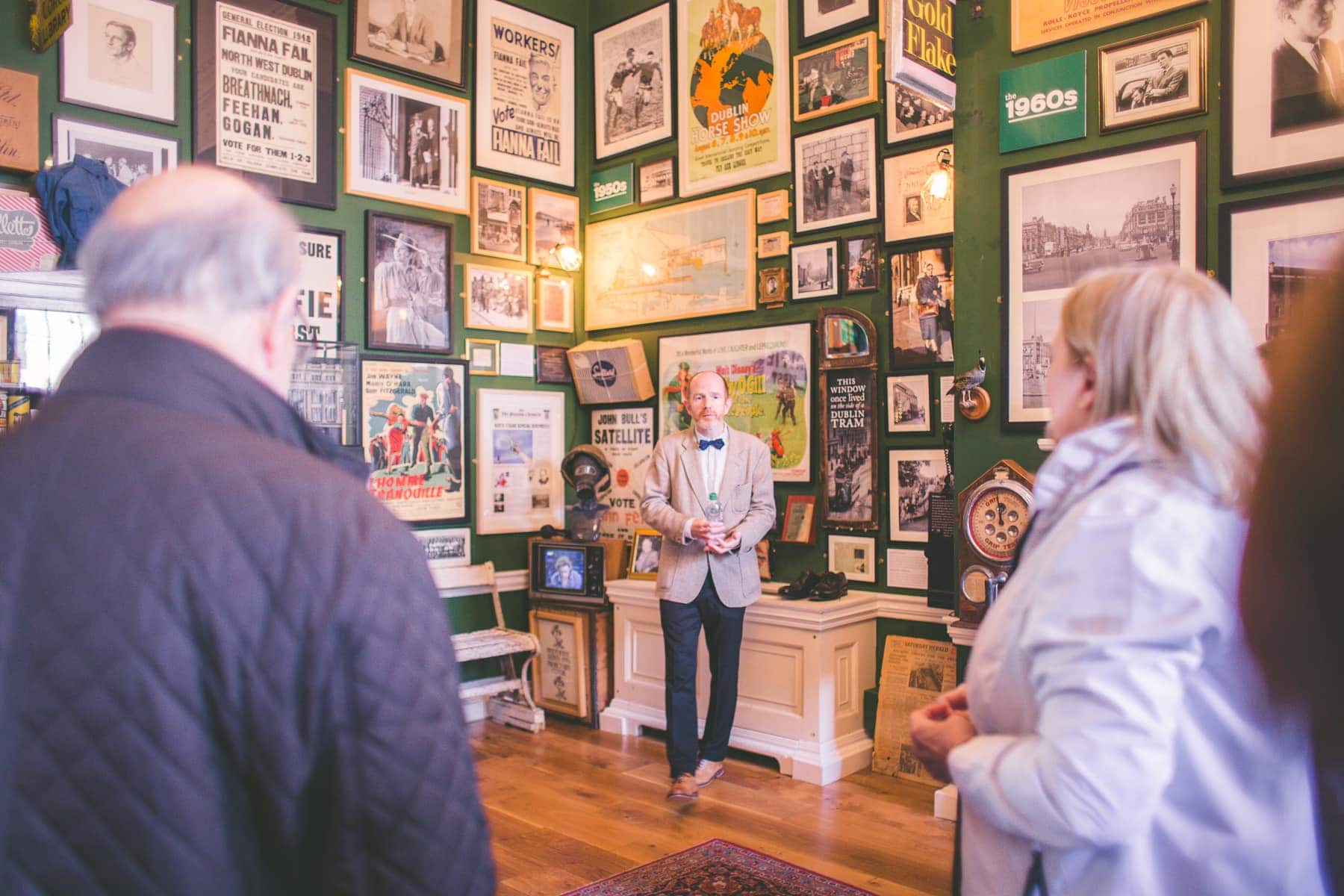
This unusual museum, set in an 18th-century Georgian house, walks you through the history of Dubliners. It has just four rooms, packed with objects donated by locals. Even so, you won’t be bored. Wait for the guided tour – it lasts only 45 minutes.

6) The colourful doors for drunks
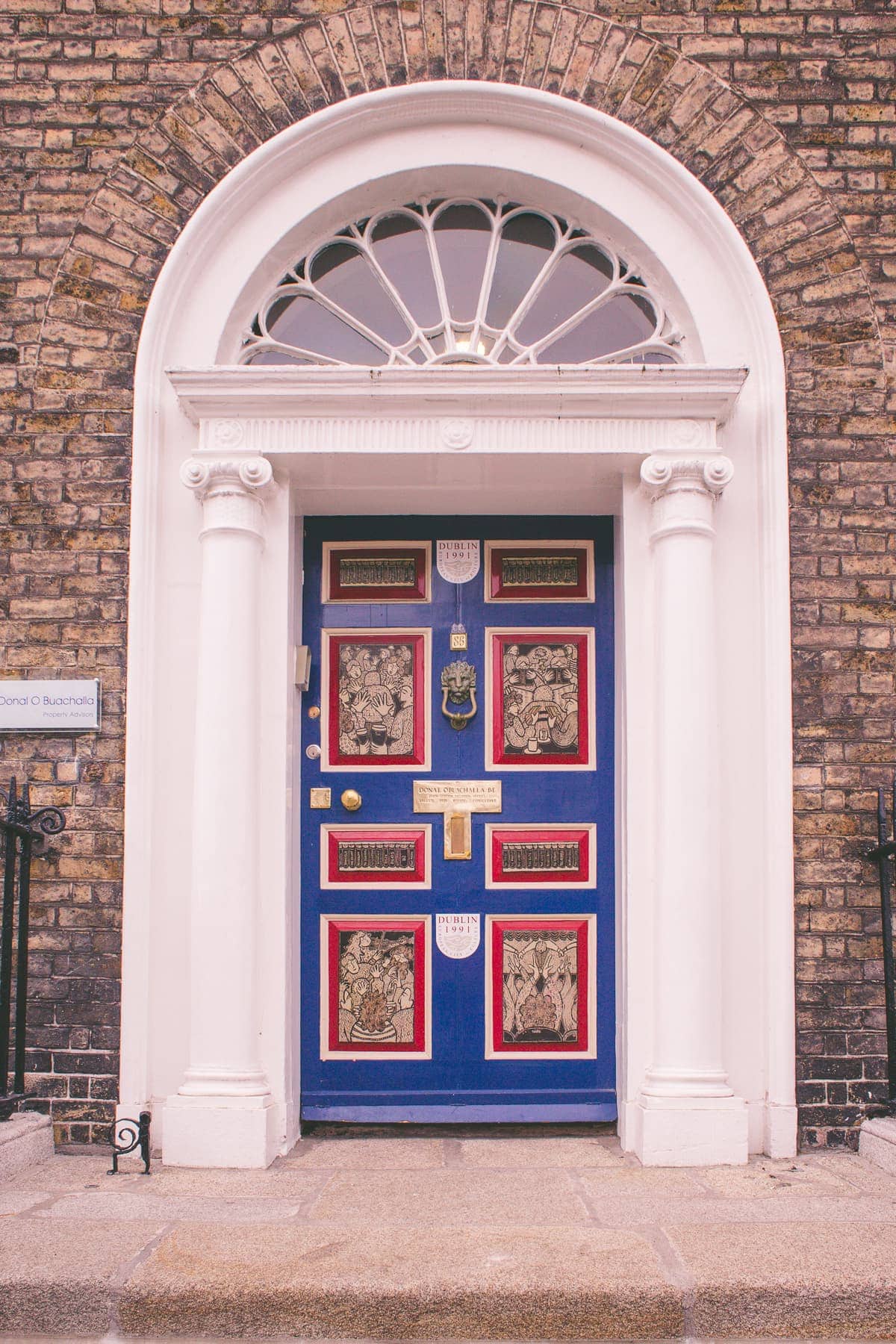
Be sure to head to Merrion Square to see the colourful Georgian doors. And why are they colourful? There’s a hugely popular Dublin story about the writers George Moore and Oliver St. John Gogarty, who were neighbours on Ely Place.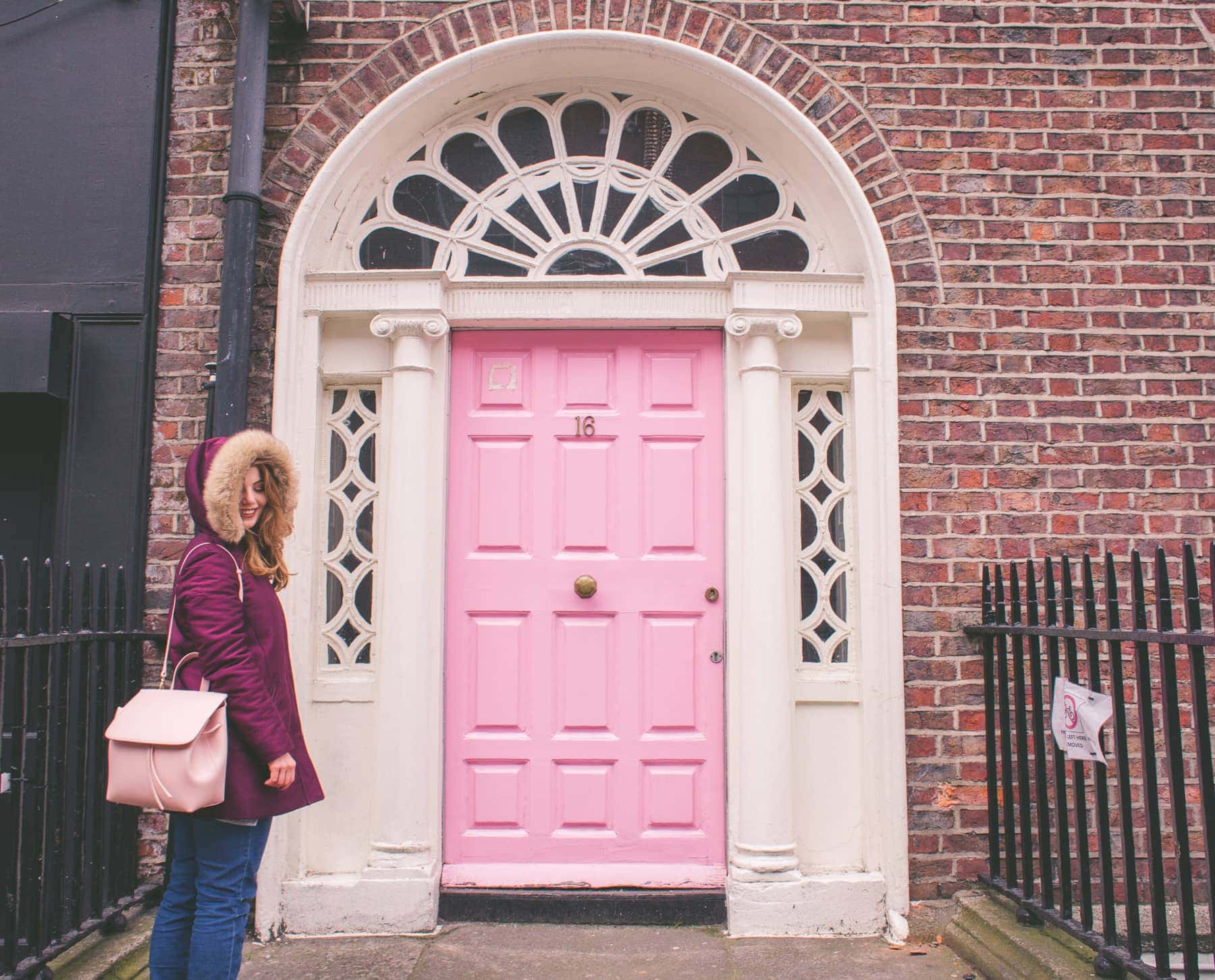
Gogarty supposedly often came home drunk and banged on Moore’s door. So Moore painted his door green so his neighbour wouldn’t mix them up. Then Gogarty painted his red. Now Dublin is a city of colourful doors. You’ll find pink, purple, green, blue and even orange ones.
7) Phoenix Park
If you visit Dublin in good weather, you have to head to Phoenix Park. Rent a bike there and cycle through the endless greenery. But if the weather’s grim, hop on the Hop On – Hop Off bus and at least let it take you through.

Day Trips from Dublin
Dublin is a great base for interesting trips around Ireland, so let’s take a look at what to see in and around Dublin.- Cliffs of Moher – These famous cliffs are among the most beautiful places in Ireland. They sit about a 3-hour drive from Dublin and offer breathtaking views over the Atlantic.
- Kilkenny – A medieval town with a beautiful castle, narrow lanes and traditional pubs. A perfect trip for history lovers.
- Howth – A charming fishing village just a short hop from Dublin. A great choice for anyone who wants fresh air and to walk the coastal paths with sea views.
- Wicklow Mountains & Glendalough – A national park with gorgeous mountains, lakes and monastery ruins. Ideal for hiking enthusiasts.
- Guinness Storehouse & Jameson Distillery Midleton – If you’re curious about the history of Irish drinks, these tours take you through the world of beer and whiskey.
Dublin with Kids
Dublin is a family-friendly city too. You’ll find fun centres, parks and interactive museums that kids will love.
- Dublin Zoo – One of the oldest zoos in Europe, where you’ll see elephants, lions and hippos. It’s located in the beautiful Phoenix Park.
- Explorium – An interactive science museum where kids can try out various experiments and have fun while learning.
- Jeanie Johnston Tall Ship & Famine Museum – A replica of the historic ship that once carried emigrants to America. A great way to bring a piece of Irish history to life for children.
- Phoenix Park – One of the largest city parks in Europe, where you can spot wild deer or have a picnic.
- Tayto Park – A theme park a short drive from Dublin with roller coasters, children’s rides and a zoo.
What to Eat in Dublin
Dublin offers a great mix of traditional Irish cuisine and modern gastronomy. If you want to taste the best the city has to offer, don’t miss these specialities:
1. Irish stew
A traditional stew made from lamb or beef, potatoes, onion and carrot. Simple but hearty food that warms you up, especially on colder days.
2. Fish and chips
A beloved classic – fried fish in a crispy batter with chips. You’ll find the best fish and chips at traditional pubs or takeaway stands, for example at Leo Burdock.
3. Boxty
Irish potato pancakes served with bacon, salmon or a creamy sauce. A perfect choice for breakfast or a light lunch.
4. Full Irish Breakfast
A hearty breakfast that includes eggs, bacon, sausages, beans, toast, black pudding and sometimes hash browns. Ideal for anyone who wants to start the day with a proper energy boost.
5. Dublin Coddle
A rich dish of stewed sausages, bacon, potatoes and onion. Often served in traditional pubs, such as The Brazen Head, one of the oldest in Ireland.
6. Shepherd’s Pie
A baked mix of minced meat with vegetables, topped with a layer of mashed potato. A popular home-style dish you can also enjoy at local restaurants.
7. Soda Bread
A typical Irish bread made without yeast but with baking soda. It has a crunchy crust and a dense inside. It tastes great with butter or as a side to soups.
8. Guinness and Irish whiskey
Dublin is home to the famous Guinness Storehouse, where you can taste original Irish Guinness stout. If you prefer something stronger, try a glass of Jameson whiskey, which you can enjoy at the Jameson Distillery Bow St.
Interesting Facts About Dublin
Dublin isn’t just about historic landmarks and Irish pubs. This lively city hides plenty of fascinating facts and offbeat spots worth your attention.
Dublin has the largest city park in Europe
Phoenix Park is one of the largest city parks in Europe, and even bigger than New York’s famous Central Park. Here you’ll find not only beautiful nature and herds of wild deer, but also the residence of the Irish president.
Dublin: a city of books and literature
Dublin is one of the UNESCO Cities of Literature, and it produced many famous writers, including James Joyce, Oscar Wilde and Samuel Beckett. A literary atmosphere still reigns in the city’s cafés and bookshops.
An incredible amount of Guinness is drunk in Dublin
Guinness comes straight from Dublin, and in the local pubs it tastes completely different from anywhere else. Around 10 million pints are drunk here every day!
The Ha’penny Bridge and its history
This iconic bridge over the River Liffey got its name from the original toll to cross – half a penny. Today thousands of people walk across it daily, and yet few know its original purpose.
Howth – a slice of nature just minutes from the centre
Even though Dublin is a bustling city, just 30 minutes by train gets you to the picturesque fishing village of Howth, where you can enjoy fresh seafood and walks along the dramatic cliffs.
Dublin has its own slang
The Irish are known for their friendly nature, and in Dublin they have their own distinctive slang. For example, “grand” means something is fine, “craic” (pronounced “crack”) means fun, and “gas” means something is really funny.
The shortest street in Dublin
Dublin has one of the shortest streets in the world – Ebenezer Place, measuring just 2 metres! Even though it’s easy to miss, it’s an interesting record.
What to Watch Out for in Dublin
What should you keep an eye out for when visiting the Irish capital? We’ve put together a few pieces of advice on what to watch for in Dublin.
The weather is unpredictable
In Ireland they say you can experience all four seasons in a single day. Dublin’s weather changes without warning – a sunny day can turn into a downpour within minutes. Always carry a waterproof jacket and comfortable shoes. Umbrellas often don’t survive the strong wind.
Prices are definitely not low
Dublin is one of the more expensive European cities. Accommodation, restaurants and transport can all be surprisingly costly. If you’re travelling on a limited budget, it pays to look for cheaper accommodation outside the centre and to eat at local cafés or supermarkets rather than restaurants.
Public transport isn’t ideal
Dublin has no metro, so you’ll have to rely on buses, trams (Luas) and suburban trains (DART). The buses don’t run to a fixed timetable and are often delayed. Be prepared for longer waits, especially at rush hour. If you plan to use public transport, it’s worth getting a Leap Card, which reduces fares.
The nightlife is very loud and busy
Temple Bar is the best-known area of pubs and bars, but also the most expensive and busiest. If you want to experience an authentic Irish evening, try less touristy spots, such as the pubs in the Stoneybatter or Rathmines districts. And beware – alcohol in Ireland isn’t exactly cheap either; a pint of beer can set you back as much as €8.
Be careful in certain parts of the city
Dublin is generally a safe city, but some areas are best avoided after dark. Be cautious around O’Connell Street and Talbot Street, where you may come across pickpockets and homeless people under the influence of alcohol or drugs. Keep your valuables on you and watch your belongings in crowded areas.
Driving on the left and confusing junctions
If you’re renting a car, remember that Ireland drives on the left. This matters for pedestrians too – before crossing, look right first, not left! Dublin has plenty of complicated junctions and roundabouts, so be extra careful when driving.
Tipping isn’t required, but appreciated
In Ireland, tipping usually isn’t expected, but in restaurants and pubs it’s common to leave around 10% of the bill if you were happy. In some places, though, a service charge is already included in the bill.
What to See in Ireland
Ireland is a country of stunning nature, mystical castles and friendly people. If you’re planning a trip to Ireland, here are places that are definitely worth a visit.- Cliffs of Moher: Some of the most beautiful cliffs in Europe rise up to 214 metres above the Atlantic. They offer breathtaking views and rank among Ireland’s best-known natural wonders.
- Ring of Kerry: This famous loop runs around the Iveragh Peninsula and shows Ireland in all its glory – green hills, wild coastline, romantic villages and historic landmarks.
- Blarney Castle and the Stone of Eloquence: Blarney Castle near Cork is famous for the stone that, if you kiss it hanging upside down, supposedly grants you the gift of the gab. It also offers beautiful gardens and a mysterious atmosphere.
- Giant’s Causeway: Thousands of perfectly shaped basalt columns on the northern coast form one of the world’s most fascinating geological formations. Legend has it that it’s the work of the giant Fionn mac Cumhaill.
- Wicklow Mountains & Glendalough: A short drive from Dublin you’ll find the Wicklow Mountains National Park, with gorgeous mountains, lakes and the historic ruins of the Glendalough monastery. A perfect spot for trips into nature.
- Aran Islands: These three islands off the west coast are known for their unspoilt landscape and traditional Irish way of life. The largest of them, Inis Mór, draws visitors to the Dún Aonghasa fort with its dramatic ocean view.
- Galway – a city of music and fun: Galway is a lively city full of buskers, festivals and great pubs. Stroll through its colourful lanes and soak up the atmosphere of real Irish life.
- Kilbeggan Distillery – a taste of real Irish whiskey: Ireland is the home of whiskey, and Kilbeggan is one of the oldest distilleries in the country.
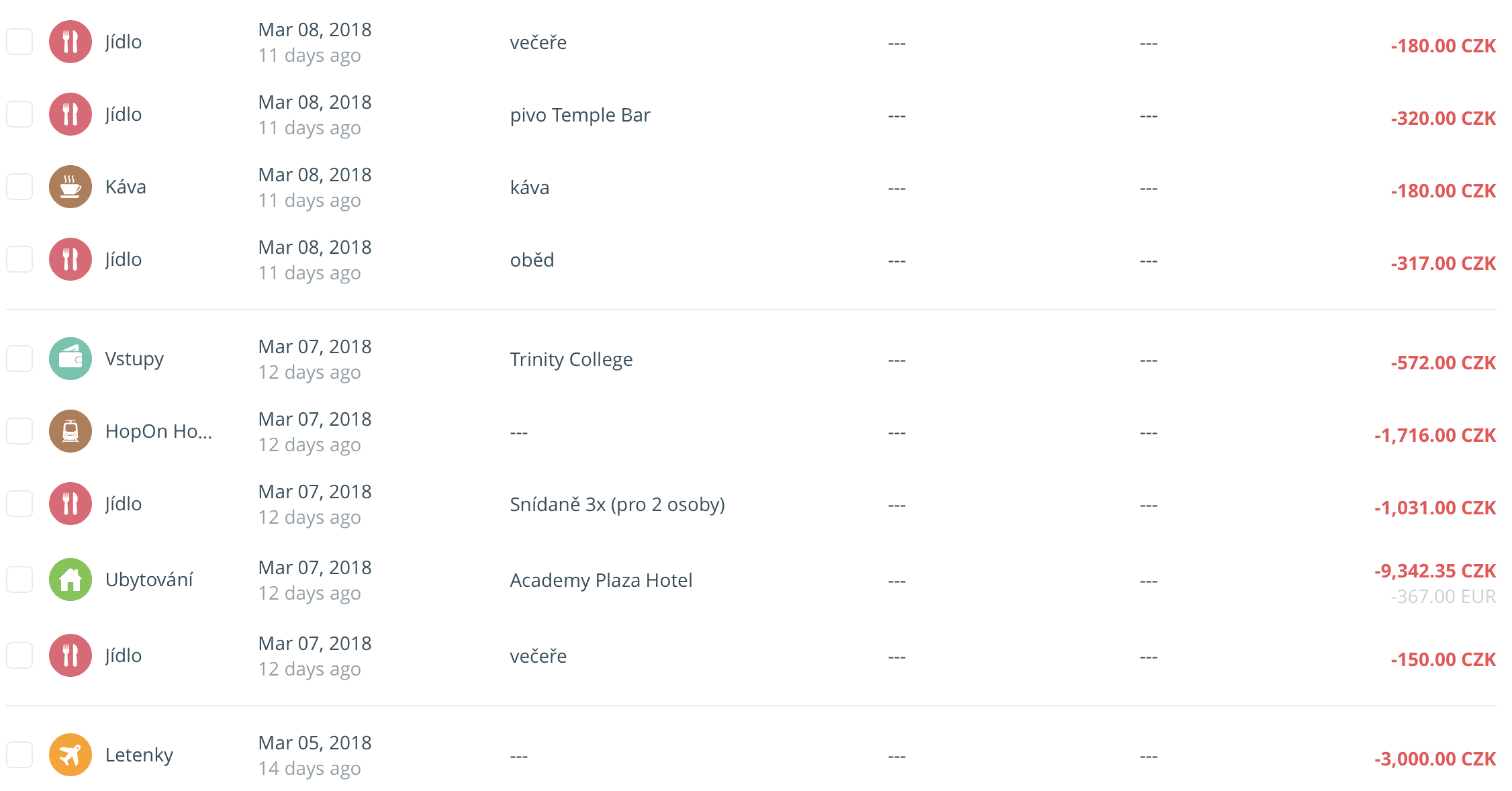
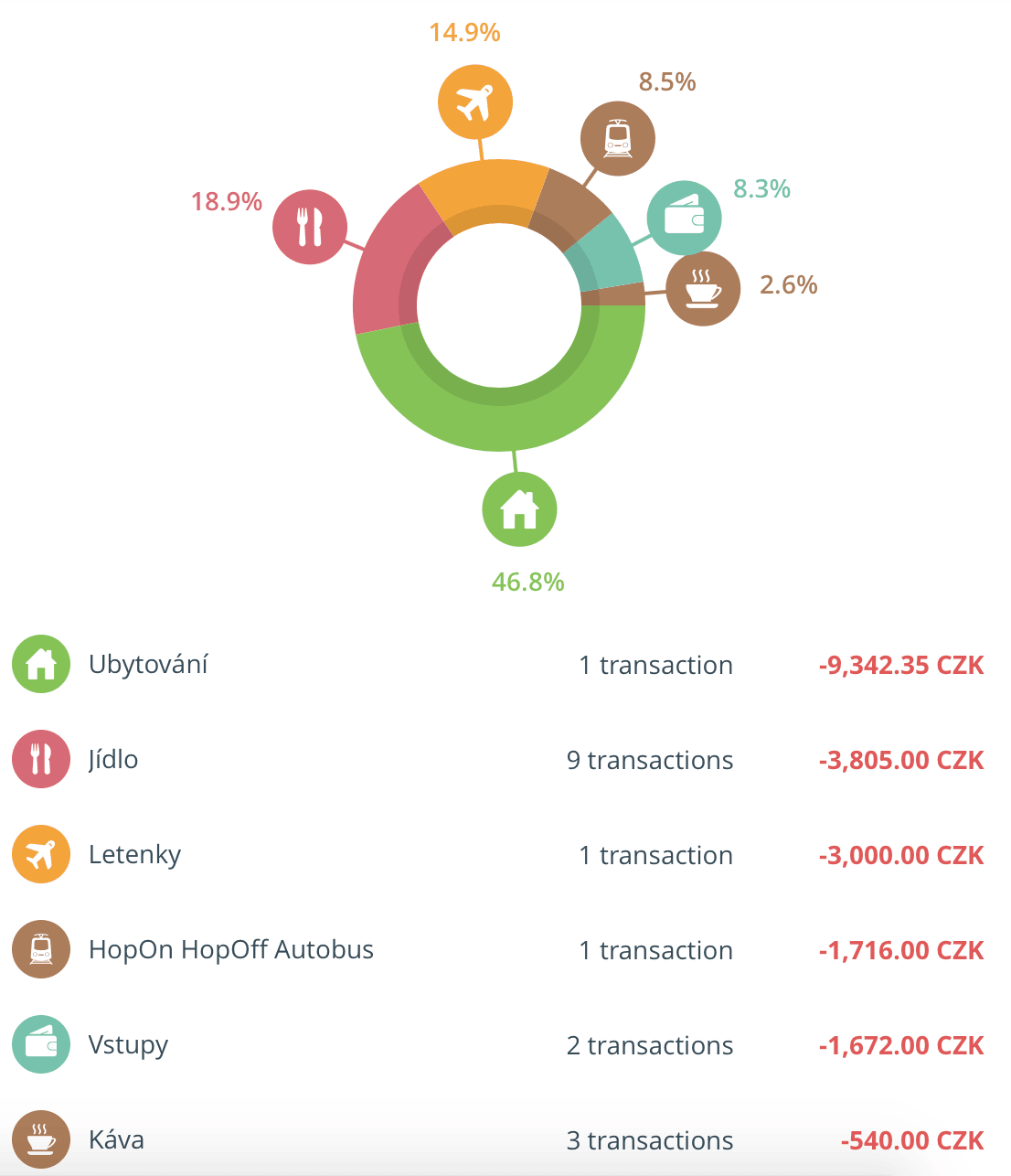
How Much Our Three-Day Dublin Trip Cost
Here’s our Dublin spending laid out clearly for you: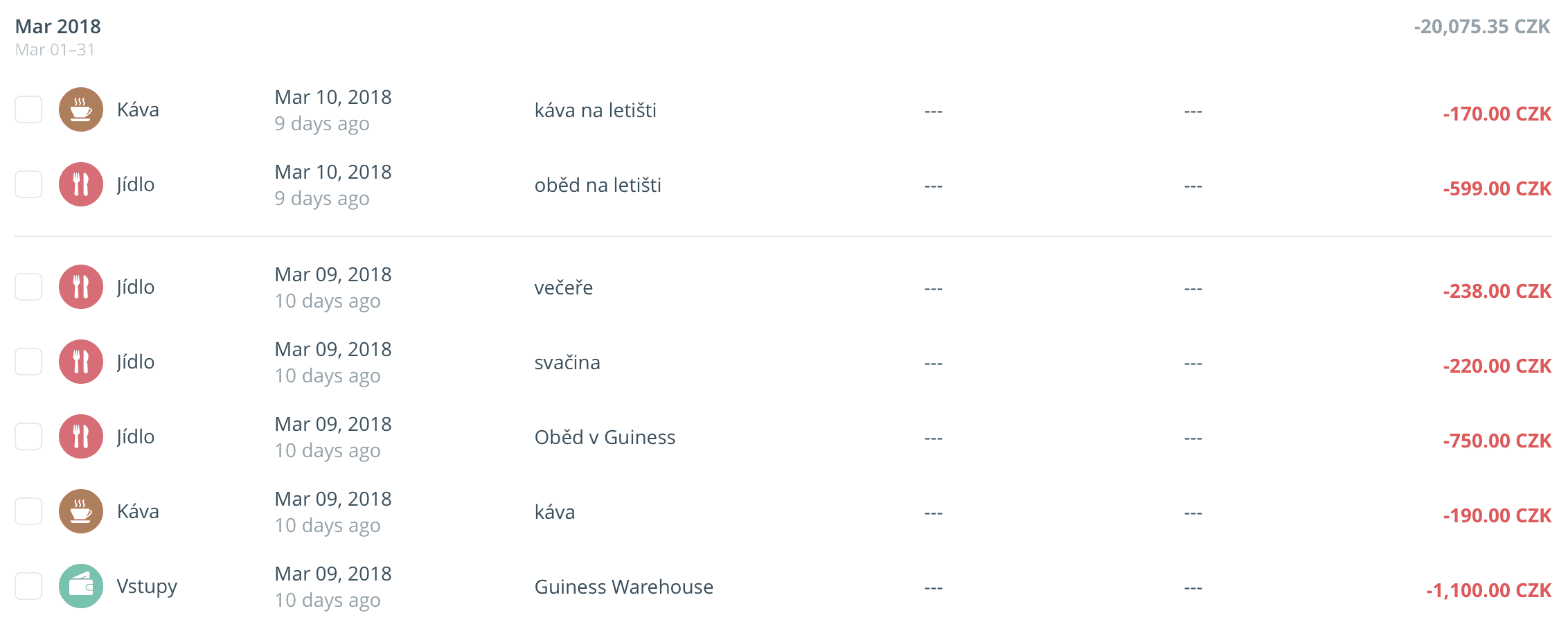
Frequently Asked Questions
1. What’s the best time to visit Dublin?
The best time is from May to September, when the weather is most pleasant. Just bear in mind that it rains often in Ireland all year round.
2. How do you get from the airport to Dublin city centre?
The fastest option is Aircoach or Dublin Express, which take you into the centre in 20–30 minutes. Alternatively, you can use a taxi or the city buses.
3. What’s the currency in Ireland?
In Ireland you pay in euros (€), unlike Northern Ireland, where British pounds (£) are used.
4. Is Dublin an expensive city?
Yes, Dublin is one of the more expensive European cities, especially when it comes to accommodation and restaurants. But you can also find affordable options, for example in hostels or by eating at cheaper bistros.
5. How do you get around Dublin?
The city has Luas (trams), buses and DART trains. If you plan to use public transport often, a Leap Card is worth it for cheaper fares.
6. What are the best neighbourhoods to stay in?
The city centre (Temple Bar, St. Stephen’s Green) is ideal for tourists, but if you’re after a quieter area we recommend Ballsbridge or Ranelagh.
7. What should you eat in Dublin?
Try traditional Irish stew (meat stewed with potatoes), boxty (potato pancakes) and of course Guinness. For breakfast, go for a classic Full Irish Breakfast.
8. What adapter do I need for Ireland? Ireland uses Type G sockets (the same as in the UK), so you’ll need an adapter with three rectangular pins.
Map of points of interest for your phone
Tips and Tricks for Travelling Around Europe
What to packTake a look at our packing guide for trips, which will help you get ready. Choose the right travel backpack, browse our travel gadgets and don’t leave anything important at home.Where to find flightsLook for cheap flights on Kiwi – it’s our favourite portal. Be sure to read our guide on how to find cheap flights.Car rentalWe regularly use the comparison site DiscoverCars.com, which helps us choose a car provider.Booking accommodationBooking.com is our favourite hotel search engine. We always compare hotels with local flats and rooms on Airbnb (€30 discount). Read about how we look for cheap accommodation.Don’t forget insuranceTravel insurance is an absolute must. For shorter trips we go with AXA (50% discount) and for longer trips the British insurer True Traveller. Take a look at our comparison of all insurers and pick the one that suits you best. |
Tips and Tricks for Your Vacation
Don’t Overpay for Flights
Search for flights on Kayak. It’s our favorite search engine because it scans the websites of all airlines and always finds the cheapest connection.
Book Your Accommodation Smartly
The best experiences we’ve had when looking for accommodation (from Alaska to Morocco) are with Booking.com, where hotels, apartments, and entire houses are usually the cheapest and most widely available.
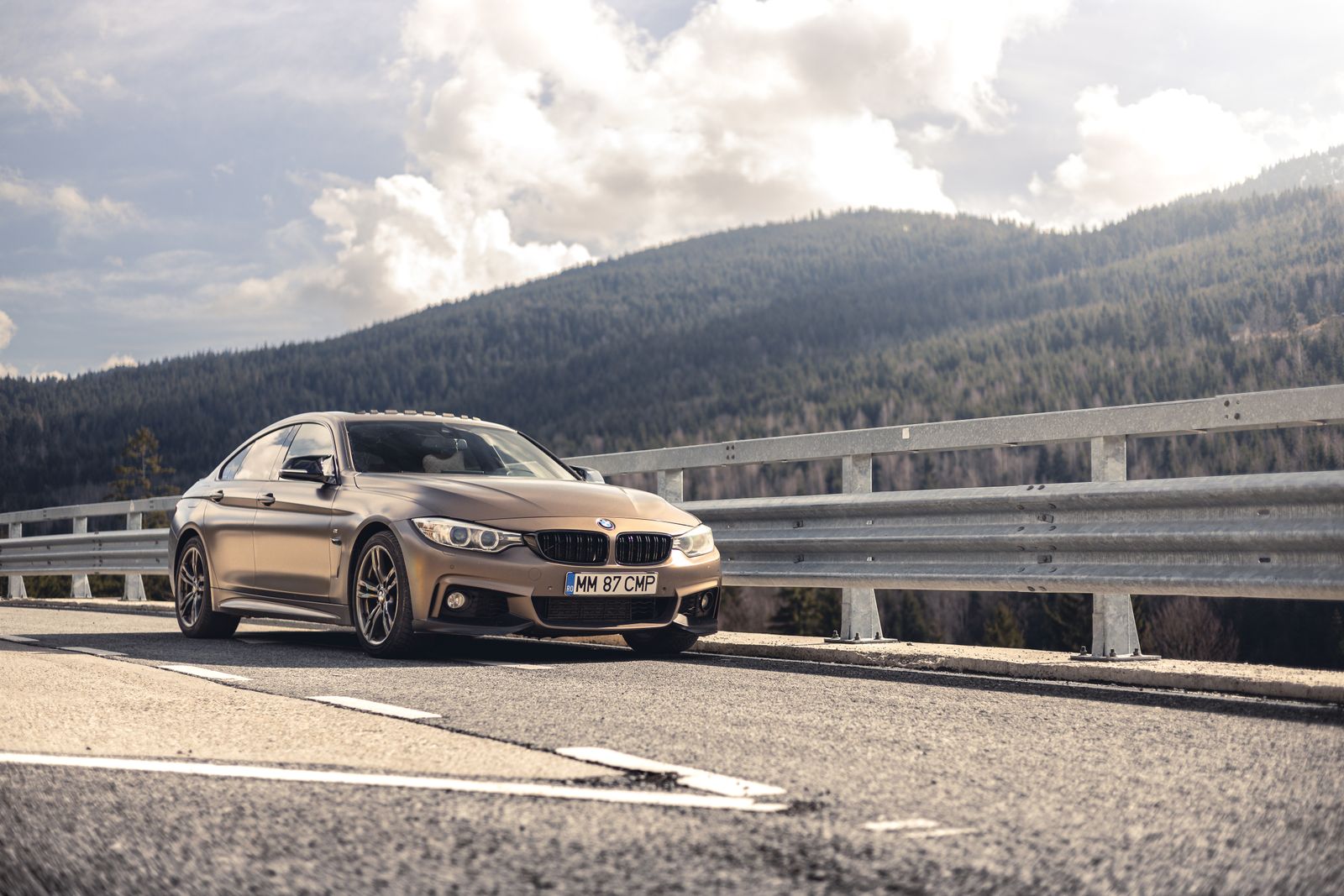 🚗 Car rental on the roadVerified rental cars in Ireland
Search with the DiscoverCars comparison engine — it compares prices from dozens of local and international rental companies, and most bookings come with free cancellation.
Compare car prices in Ireland →Don’t Forget Travel Insurance
Good travel insurance will protect you against illness, accidents, theft, or flight cancellations. We’ve had a few hospital visits abroad, so we know how important it is to have proper insurance arranged.
Where we insure ourselves: SafetyWing (simple monthly subscription) and TrueTraveller (for extra-long trips).
Find the Best Experiences
Get Your Guide is a huge online marketplace where you can book guided walks, trips, skip-the-line tickets, tours, and much more. We always find some extra fun there!


