There are more than two thousand Estonian islands, but only a small handful are inhabited and accessible to curious travellers. When locals say they are heading to the islands for the weekend, they mean the perfect escape from civilisation and a complete slowing down of time. The air smells of the sea and juniper, and your mobile signal occasionally disappears—mercifully.
But this northern romance has one major catch that ordinary guidebooks often fail to mention. For roughly half the year, the main Estonian islands are practically closed, and all tourist activity comes to a complete standstill. If you plan your trip for the warm summer season, however, you are in for an absolutely breathtaking experience.
So what can you expect on these islands? I’ll tell you how to get there, why you really should not travel around without a car, and what you need to watch out for.
Summary
- How many islands to visit: Estonia has thousands of islands, but for travelling, focus mainly on the big four: Saaremaa, Hiiumaa, Muhu and Kihnu.
- Which island is right for whom: Saaremaa is ideal for spa and castle lovers, Hiiumaa draws visitors with its wild nature and lighthouses, Muhu offers luxurious relaxation, while Kihnu has a completely unique matriarchal culture.
- How to get there: Ferries operated by Praamid are the main transport links, and you can reach the largest island, Saaremaa, comfortably via a causeway across the smaller island of Muhu.
- How many days you need: Two or three days are enough for a quick taste, but allow five to seven days for a truly relaxed tour.
- When to go: The best time is from late May to September, when everything is running smoothly and the northern nature is at its most beautiful.
- Why you need a car: Buses are very infrequent, and without your own or a rental car, you simply will not reach the remote cliffs and lighthouses.
- ⚠️ Watch out for seasonality: From November to April, much of the accommodation, renowned restaurants and sights on the islands are completely closed.
The full destination guide: Estonia — guide and what to see
How to get to the Estonian islands
Travel forums agree on one thing: the biggest mistake you can make on the Estonian islands is relying on public transport. You can hardly manage without a car here. Buses run rather infrequently, and trying to piece together a sensible itinerary around them is more punishment than travel. Comfortable routes do run from Tallinn directly to the island capital of Kuressaare, but once you get off at the bus station, reaching the cliffs and remote villages becomes very difficult. You therefore have two options: drive over from the mainland in your own car, or rent one as soon as you arrive.
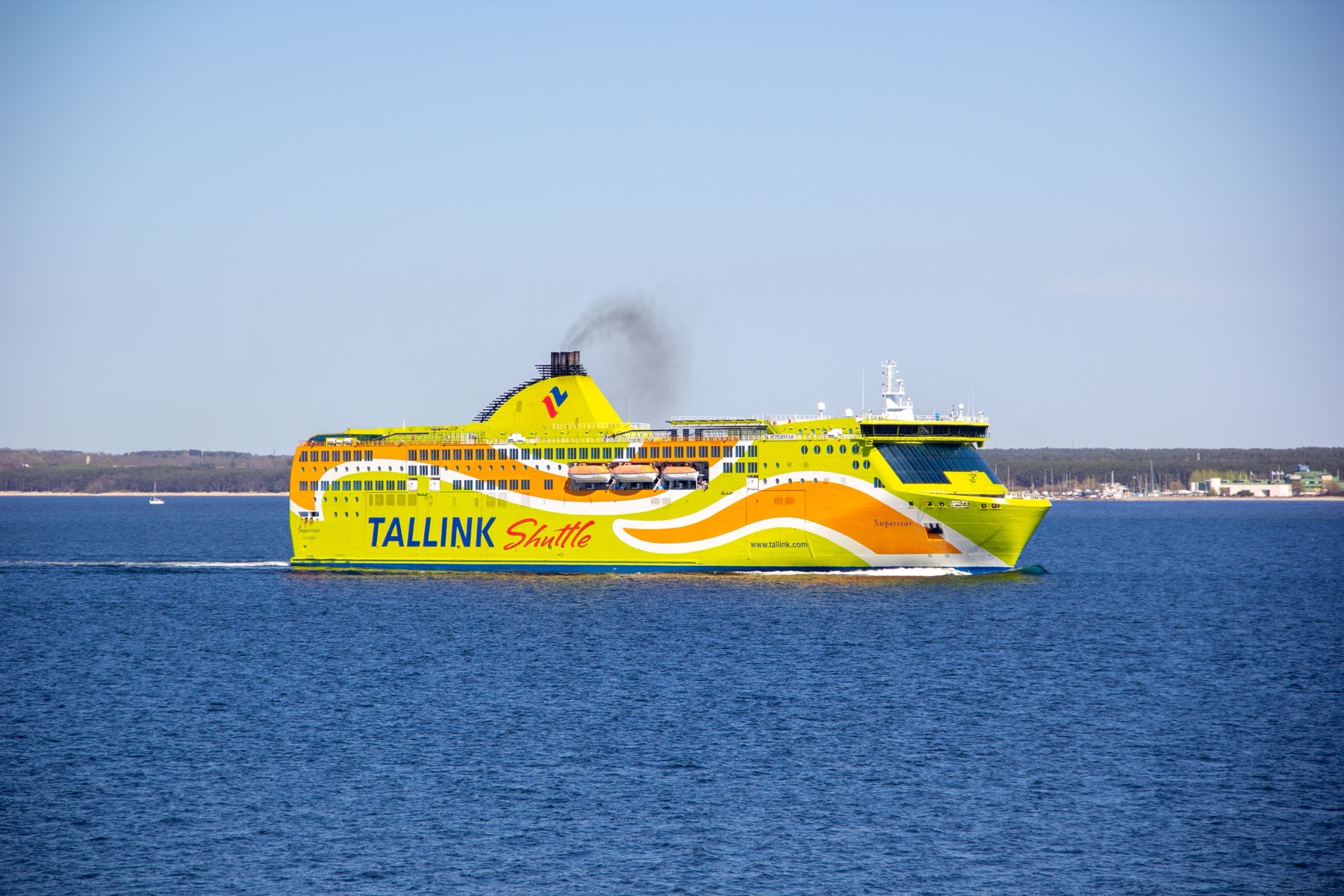
The main gateways to the islands are the modern ferries operated by the state-owned company Praamid. From the mainland port of Virtsu, you sail to Kuivastu on the island of Muhu. From there, you cross to the main island of Saaremaa along a long causeway, which is an experience in itself. The crossing takes just 27 minutes and passes in no time. The other main route connects the mainland port of Rohuküla with Heltermaa on Hiiumaa, and the journey takes around 75 minutes.
Fares are fairly reasonable, but in the summer season, it is best to reserve your tickets through the praamid.ee website even a week in advance. A car on the Virtsu–Kuivastu route costs roughly €12, while each passenger pays another €4. The system is surprisingly clever. A camera at the port reads your number plate, and the barrier to the priority lane opens automatically. There is no waiting at a counter and no paper ticket. A local ferry route also operates between Saaremaa and Hiiumaa, linking Triigi and Sõru, which is ideal for longer road trips.
There is also a flight connection, although it is used mainly by local business travellers. Small planes fly from Tallinn to Kuressaare; the flight takes just under an hour and saves a lot of time. Even so, you will still need to rent a car at the small island airport if you want to explore the area freely.
⚠️ Seasonality: when the islands are alive and when they sleep
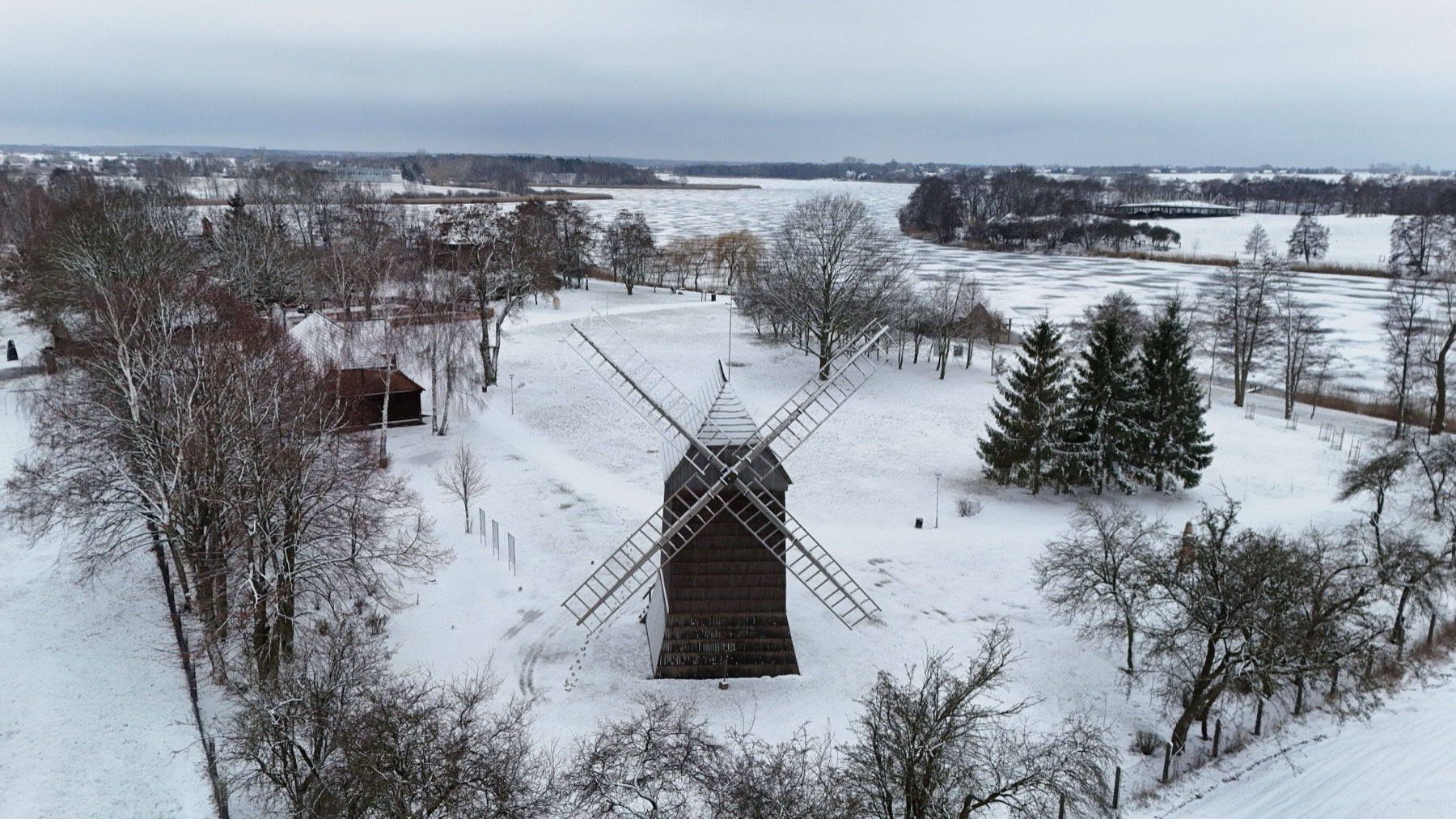
This is the single most important piece of information in the entire guide, so do not underestimate it. From November to April, much of the accommodation, restaurants and attractions are closed. In short, the Estonian islands settle into a deep winter sleep for half the year. Small guesthouses and cafés outside Kuressaare do not operate at all, and the island rhythm slows to an absolute minimum.
The peak season is June to August, and you can certainly feel it. Everything is open, festivals are in full swing, and the days are so long that at 10 p.m. you wonder why it is still light. Even in high season, though, be prepared for the slow island rhythm: shops and cafés commonly do not open until 9 a.m. If you are looking for a compromise between good weather and lower prices, try visiting in September.
A winter visit makes sense only for true adventurers and lovers of extreme experiences. During severe frosts, famous ice roads open across the sea, including the longest one, which stretches 26.5 km and connects the mainland with Hiiumaa. It is the longest ice road in Europe, but it comes with very strict rules. You must not wear a seat belt, and your speed must not be between 25 and 40 km/h, as resonance could break the ice. Travellers warn, however, that in mild winters these roads may not open at all.
12 places you must not miss on the Estonian islands
Each island has its own unique character. On Saaremaa, you are more likely to meet spa guests and admire medieval architecture, while Hiiumaa will draw you in with its endless forests and silence.
I have selected twelve destinations that perfectly illustrate all this northern variety. You can explore them on one long road trip, or choose just a few that appeal to you most.
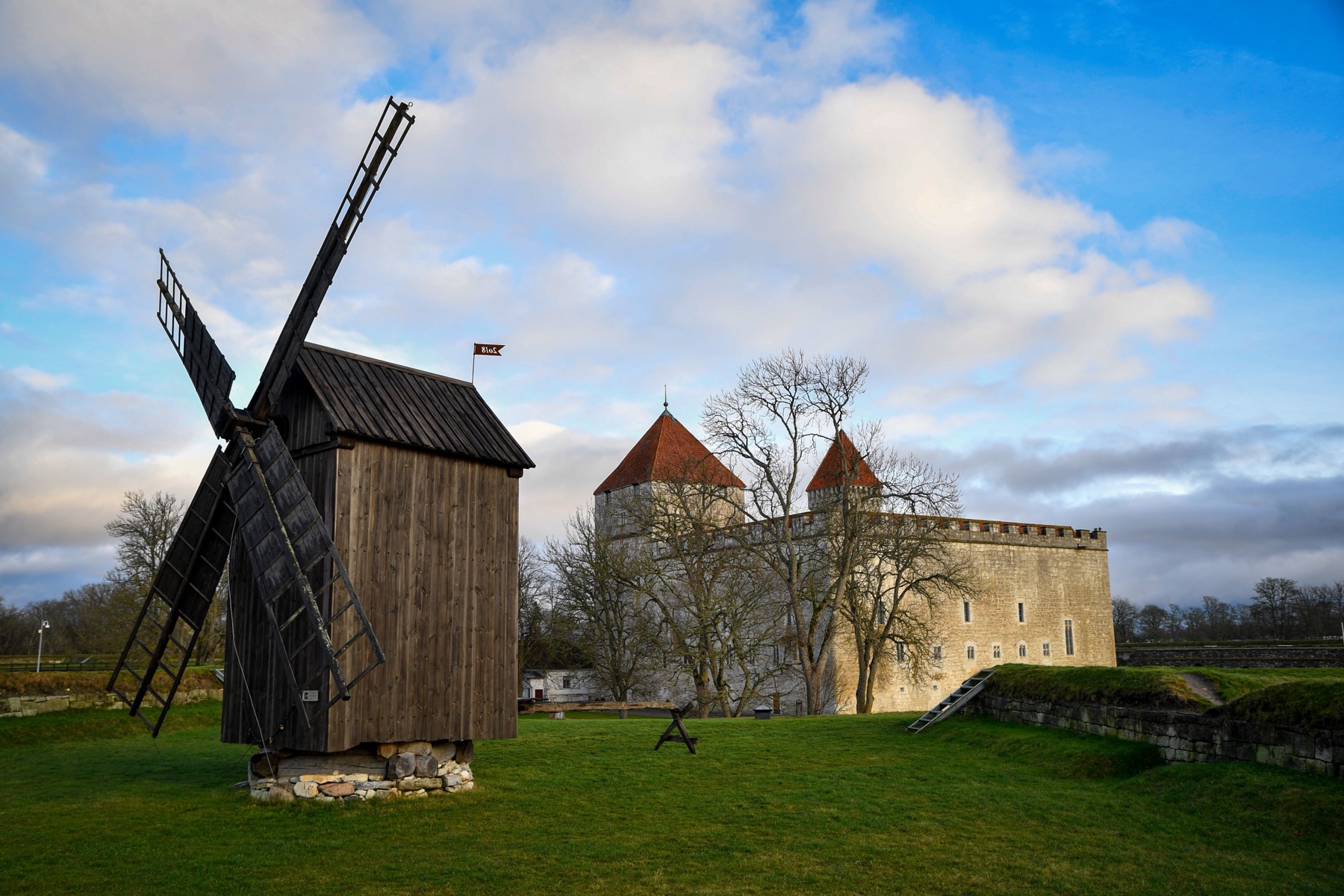
1. Kuressaare Bishop’s Castle (Saaremaa)
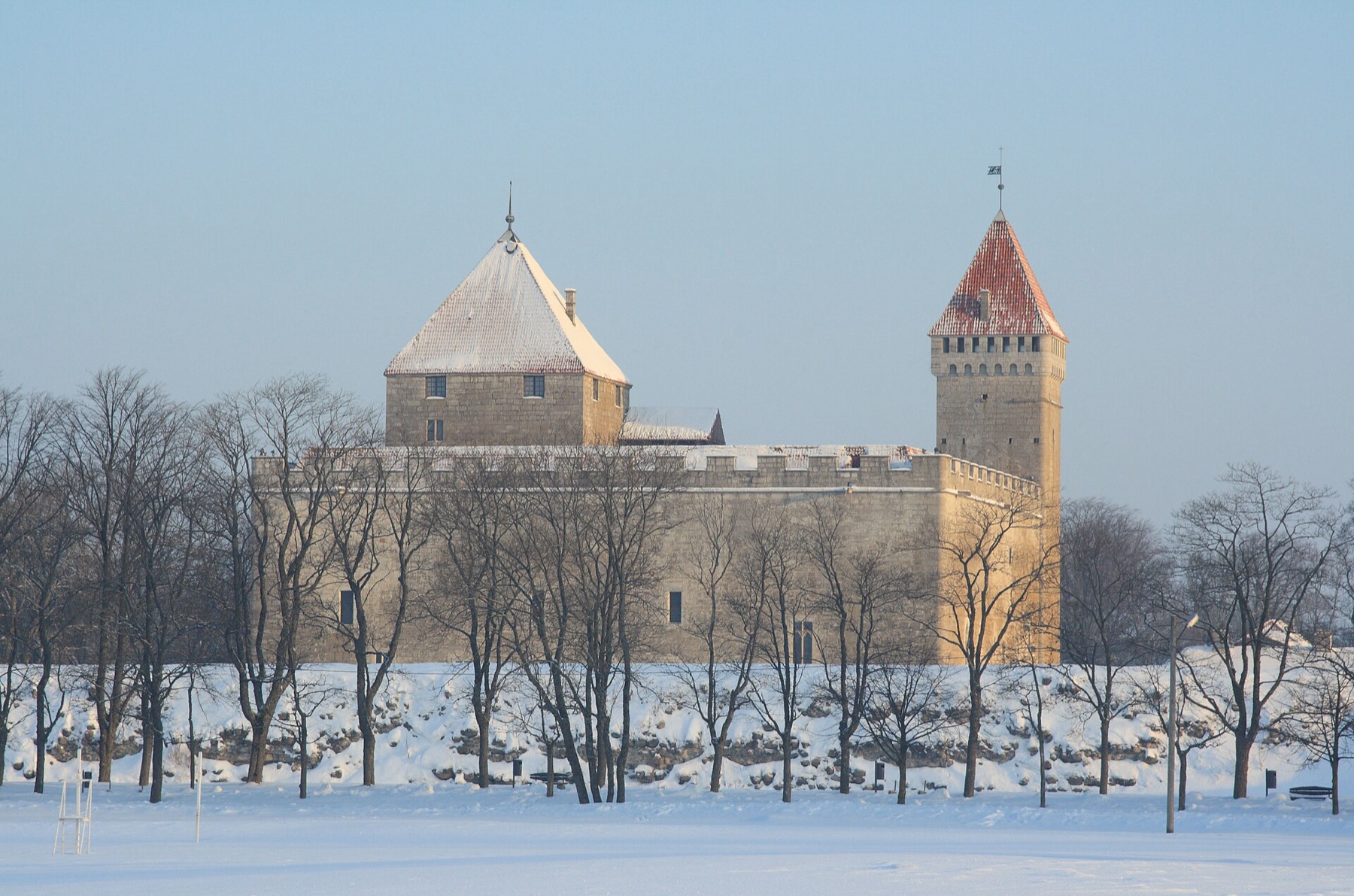
The undisputed landmark of Saaremaa is the breathtaking fourteenth-century bishop’s castle. In Kuressaare, the island’s capital, you will find the only completely preserved medieval fortress in the entire Baltic region, surrounded by a substantial moat and a spacious park that is perfect for a leisurely wander.
Inside the fortress is an extensive history museum that takes you through the island’s story from prehistoric times to the twentieth century. The exhibitions are highly modern and interactive, so this is definitely not a boring tour of dusty display cases. Admission costs around €12, and the museum is open all year, although opening hours are reduced in winter.
Allow two or three hours to explore the entire castle complex. Locals recommend climbing right to the top of the main tower, where you get a fantastic view across the city and the nearby bay.
💡 Tip: If you are visiting at the end of July, expect huge crowds. A famous opera festival takes place in the castle courtyard, reliably selling out hotels throughout the surrounding area.
2. Kuressaare spa centre (Saaremaa)
Since you are already in Kuressaare, it would be a huge mistake not to try the town’s famous spas. The spa tradition here dates back to 1824, when the healing properties of local sea mud first began to be used. Today, the town can boast one world record of sorts: according to available information, it has the highest concentration of spa beds per inhabitant anywhere in the world.
Finns and Estonians regularly flock to Kuressaare for high-quality wellness breaks. Most modern spa hotels offer treatments using local dolomite mud, which is said to soothe aching joints and soften the skin. You do not have to buy an expensive package: many hotels allow anyone to purchase a one-off visit to the pool and saunas for a very reasonable price.
The whole town feels incredibly picturesque and well maintained. Its streets are full of cafés and excellent vegetarian bistros where you can relax after a hot sauna. For a proper spa experience, allow at least one full afternoon.
💡 Tip: Try a traditional mud wrap. You may look as if you have fallen into a swamp, but apparently your skin feels incredibly soft and refreshed afterwards.
3. Kaali meteorite crater (Saaremaa)
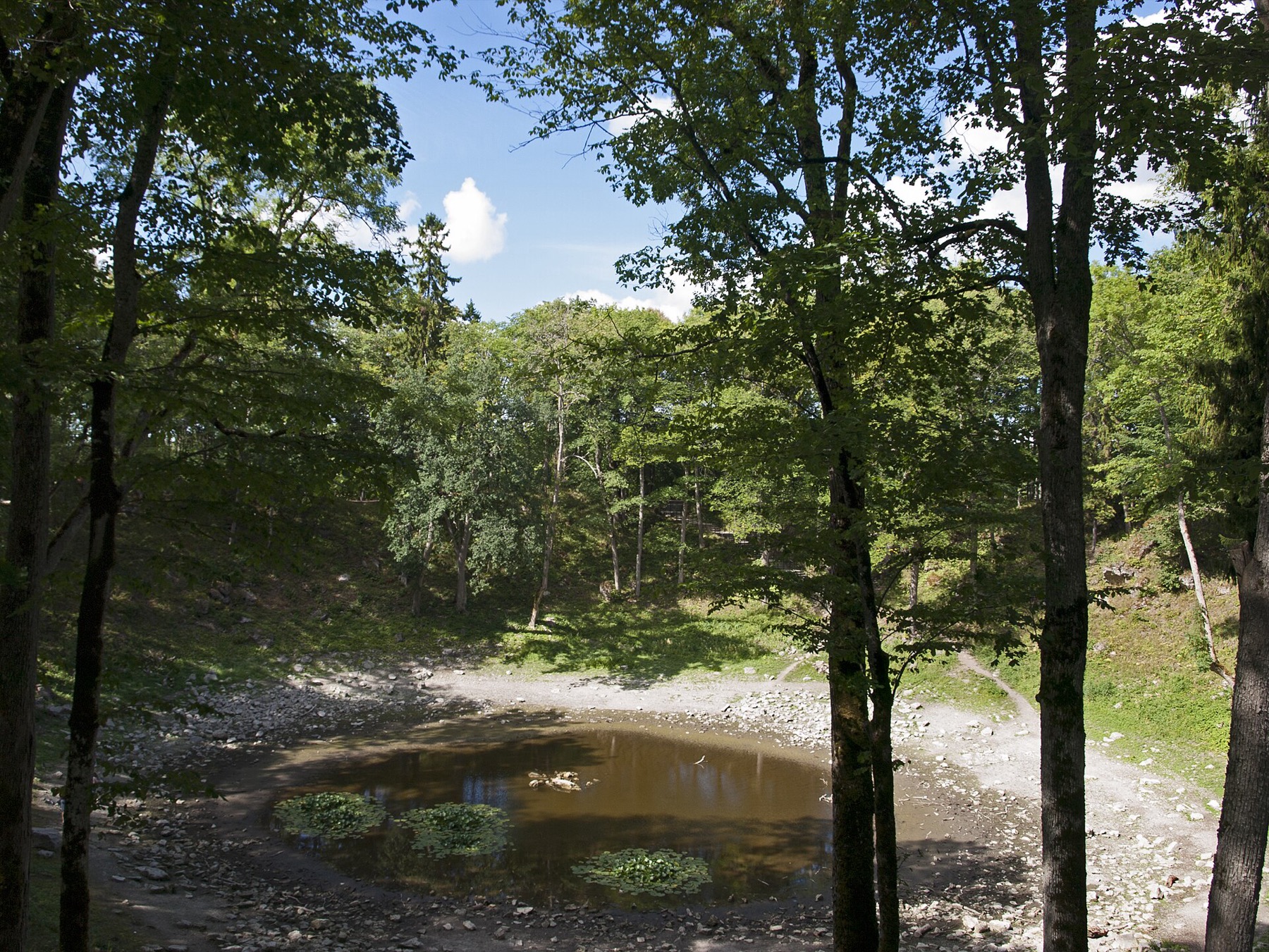
About 20 km from Kuressaare lies one of Europe’s greatest natural mysteries. Kaali Crater was created by a meteorite impact around 3,500 years ago and is often nicknamed Estonia’s Tunguska. The main crater has an impressive diameter of 110 metres, and at its very bottom sits a dark green lake with an almost mystical atmosphere.
The whole site radiates an incredibly powerful pagan atmosphere. In ancient times, the lake probably served as an important sacrificial site, and locals still treat it with great respect. Around the main crater are eight smaller satellite craters, which you can explore on a short walk through the forest.
Entry to the crater itself is completely free, and you reach it along an easy path. Right beside the car park is a small but fascinating meteorite museum, where a small fee gets you the full story of this cosmic accident. The visit takes no more than an hour, so it is easy to combine with a drive across the island.
💡 Tip: Stop at the local souvenir shop, where they sell beautiful juniper wood products with a wonderful scent.
4. Panga cliffs (Saaremaa)
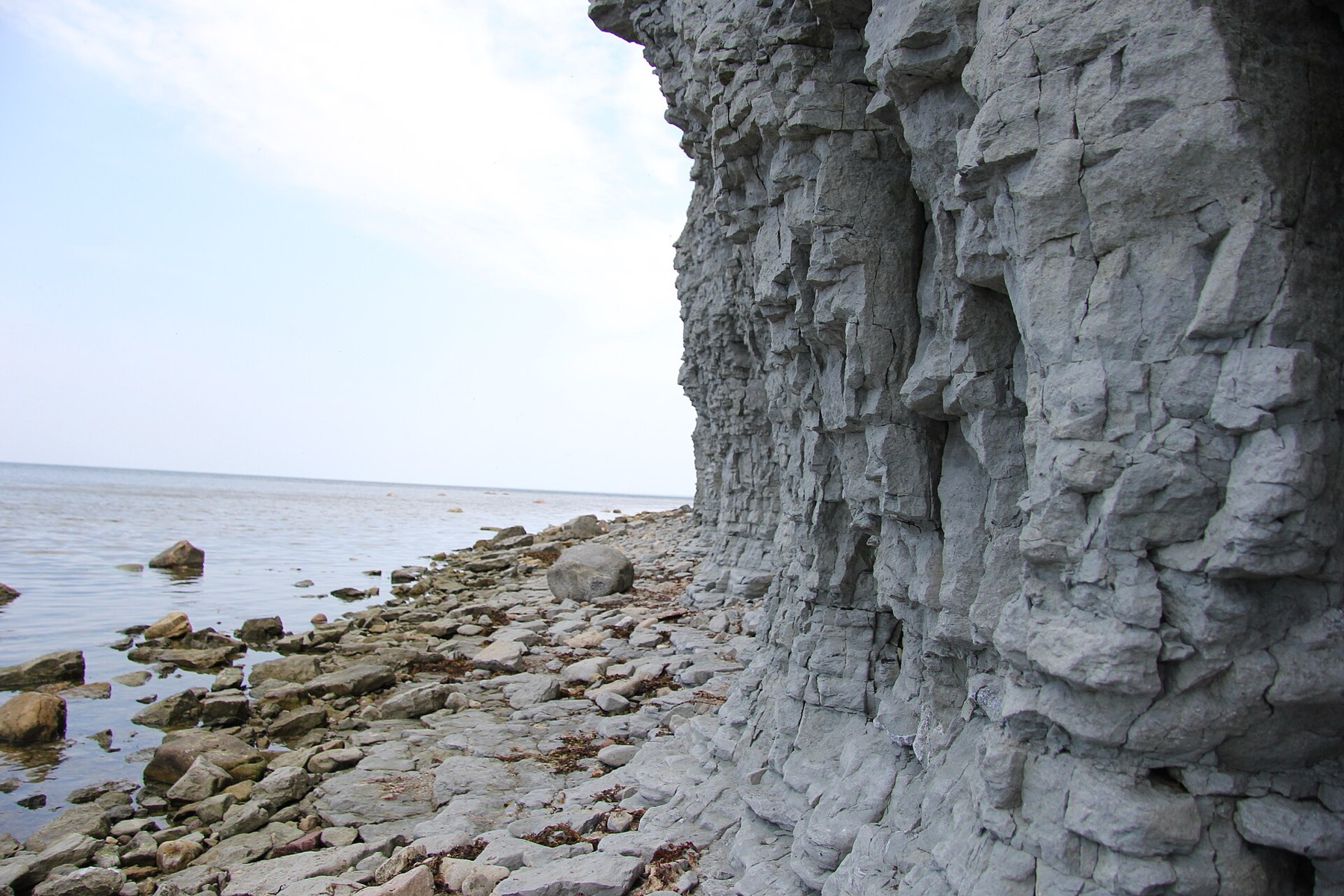
If you are looking for the best place to watch the sunset, head for Saaremaa’s northern coast. Panga cliffs are the highest coastal cliffs in western Estonia, reaching an impressive height of more than 20 metres. The rocks plunge steeply into the rough waters of the Baltic Sea and offer fantastic views.
A pleasant walking trail winds through the pine forest around the cliffs. An old dolomite sundial stands right on the cliff edge and is a popular photo spot. According to local tradition, people once threw offerings into the sea from these cliffs to secure a good catch and the favour of the gods.
You can reach the cliffs easily by car, and parking is free, which is a pleasant surprise at such a beautiful spot. In season, a kiosk sells coffee and snacks; outside the season, bring your own supplies. An hour and a half is more than enough for a walk along the cliffs and plenty of photos.
💡 Tip: Pack a warm jacket or sweater, even in the height of summer. A sharp, cold wind often blows in from the sea.
5. Angla windmills (Saaremaa)
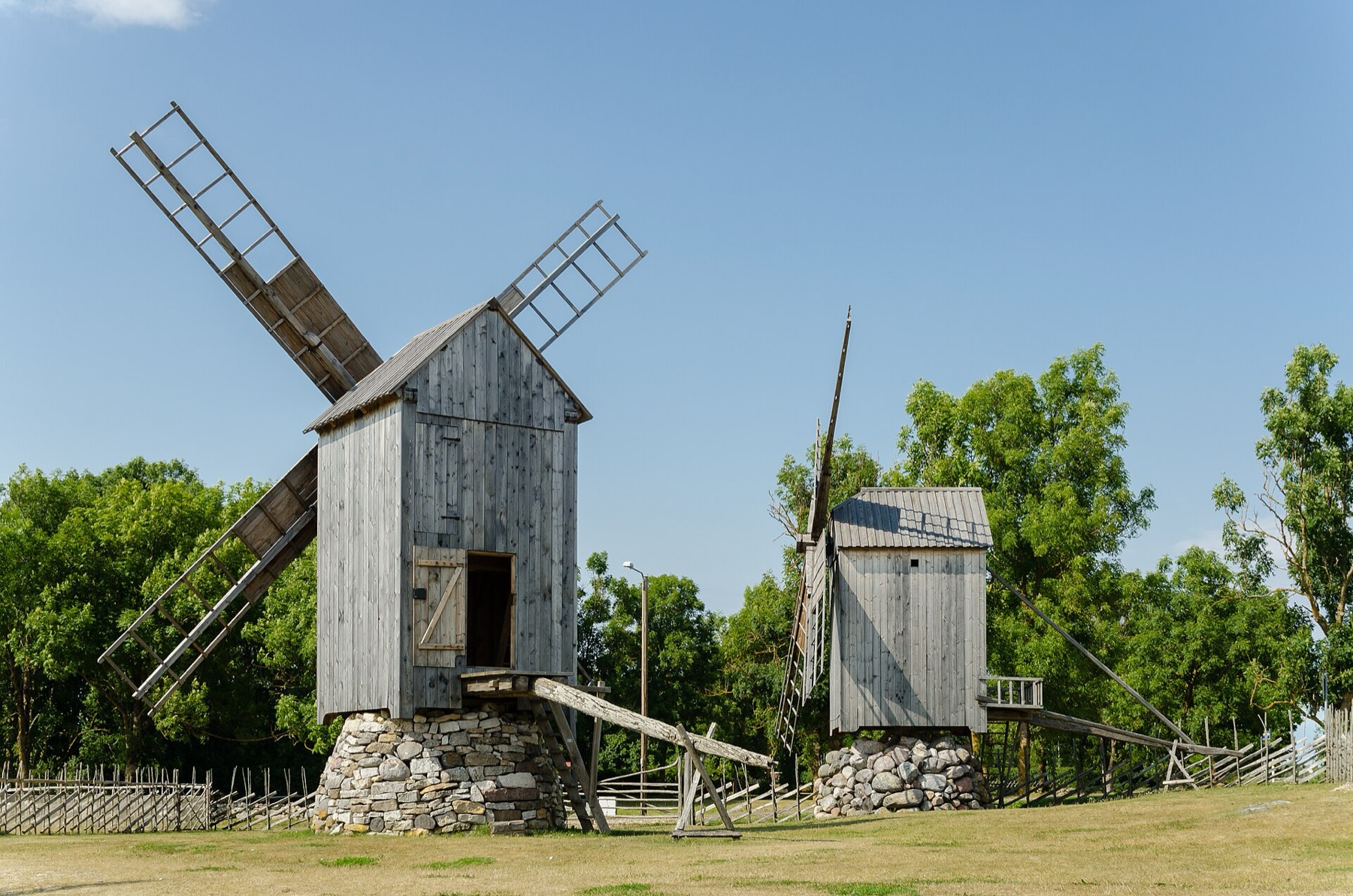
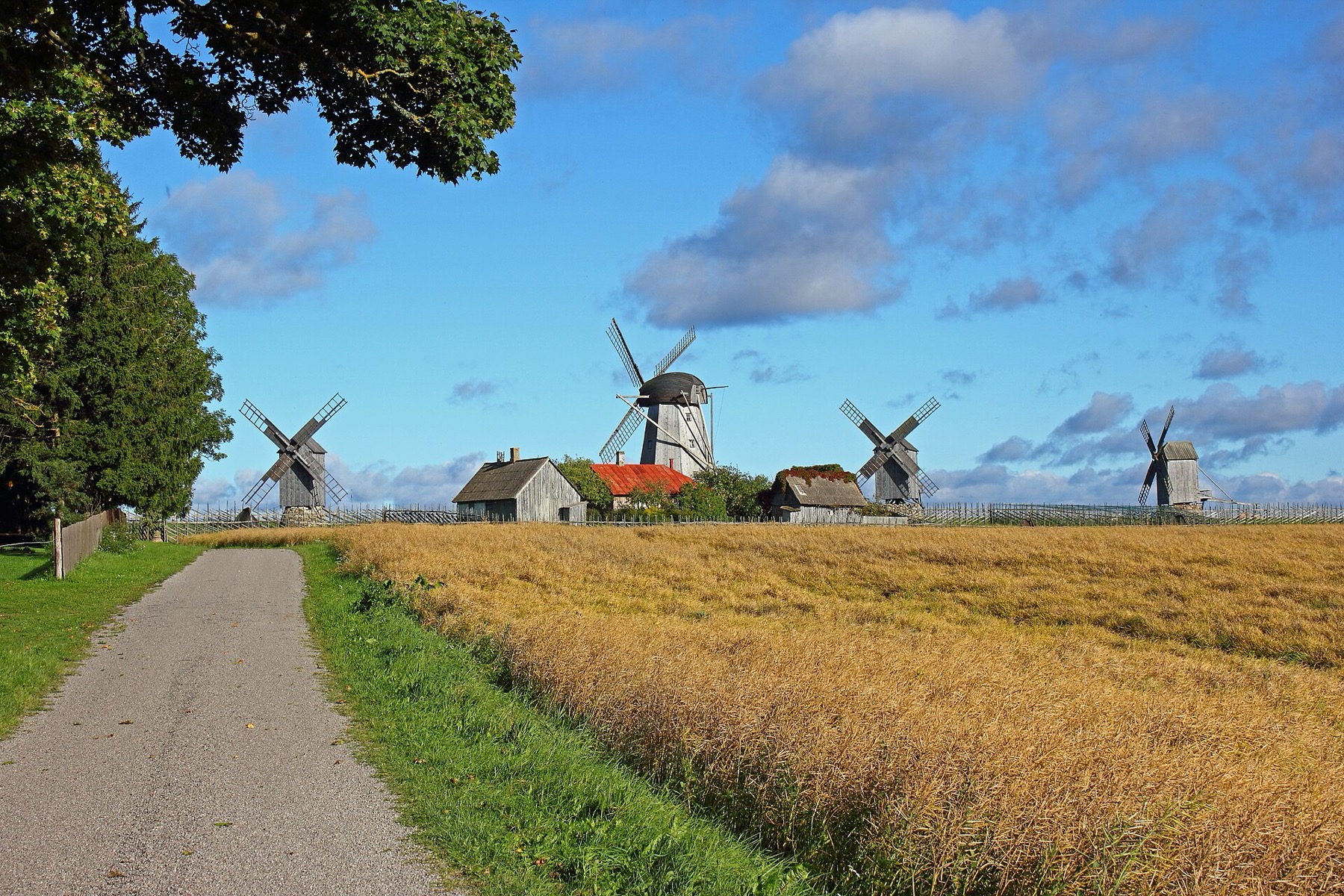
When people picture the Estonian countryside, most imagine wooden windmills. The group of five historic mills in the village of Angla is the best-preserved collection of these structures on the entire island. In the past, almost every larger village had a similar mill, but only a fraction have survived to this day.
Four of the mills were built in the typical island style and can be turned to face the wind. One mill, however, is a Dutch-style mill and is noticeably larger. The best part is that you can look inside most of them and see the preserved wooden gears that once ground flour for the surrounding area.
The site also has a large cultural centre where you can try traditional crafts. Admission to the entire complex costs around €8, and families with children will enjoy the visit most.
💡 Tip: The cultural centre makes fantastic homemade sourdough bread. Buy a loaf for the road—it tastes absolutely divine.
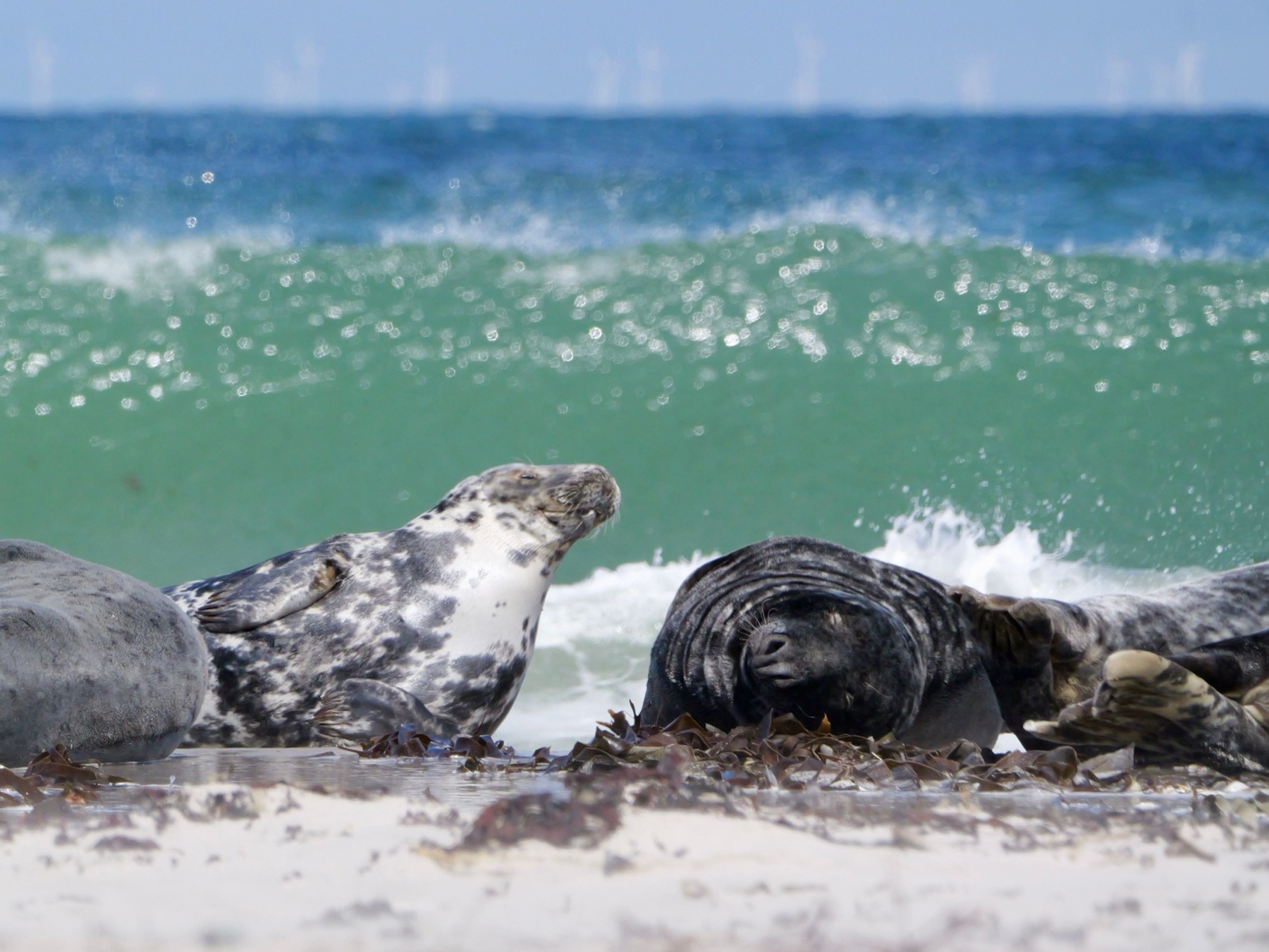
6. Vilsandi National Park and seals (Saaremaa)
At the westernmost tip of Saaremaa lies Vilsandi National Park, a true paradise for lovers of wild nature. The park consists of more than 150 small islands and shallow bays that provide shelter for thousands of seabirds. Nature is left almost entirely to itself here, with very little human interference.
But Vilsandi’s main attraction is something else entirely. The park is home to Estonia’s largest colony of grey seals. These beautiful marine mammals lounge on exposed rocks, enjoying the rare rays of sunshine. Watching them lazily sprawl over the stones and squint into the sun is exactly the kind of sight people travel to the ends of the earth for.
The best way to get close to the seals is to join an organised seal safari. Local agencies run trips in small boats that take you to a safe distance from the animals. A trip costs approximately €135 per adult, and places sell out very quickly in summer. The excursion usually takes the whole morning.
💡 Tip: Do not forget a good pair of binoculars and a telephoto lens for your camera. Boats are not allowed to approach the seals too closely, so they do not scare them.
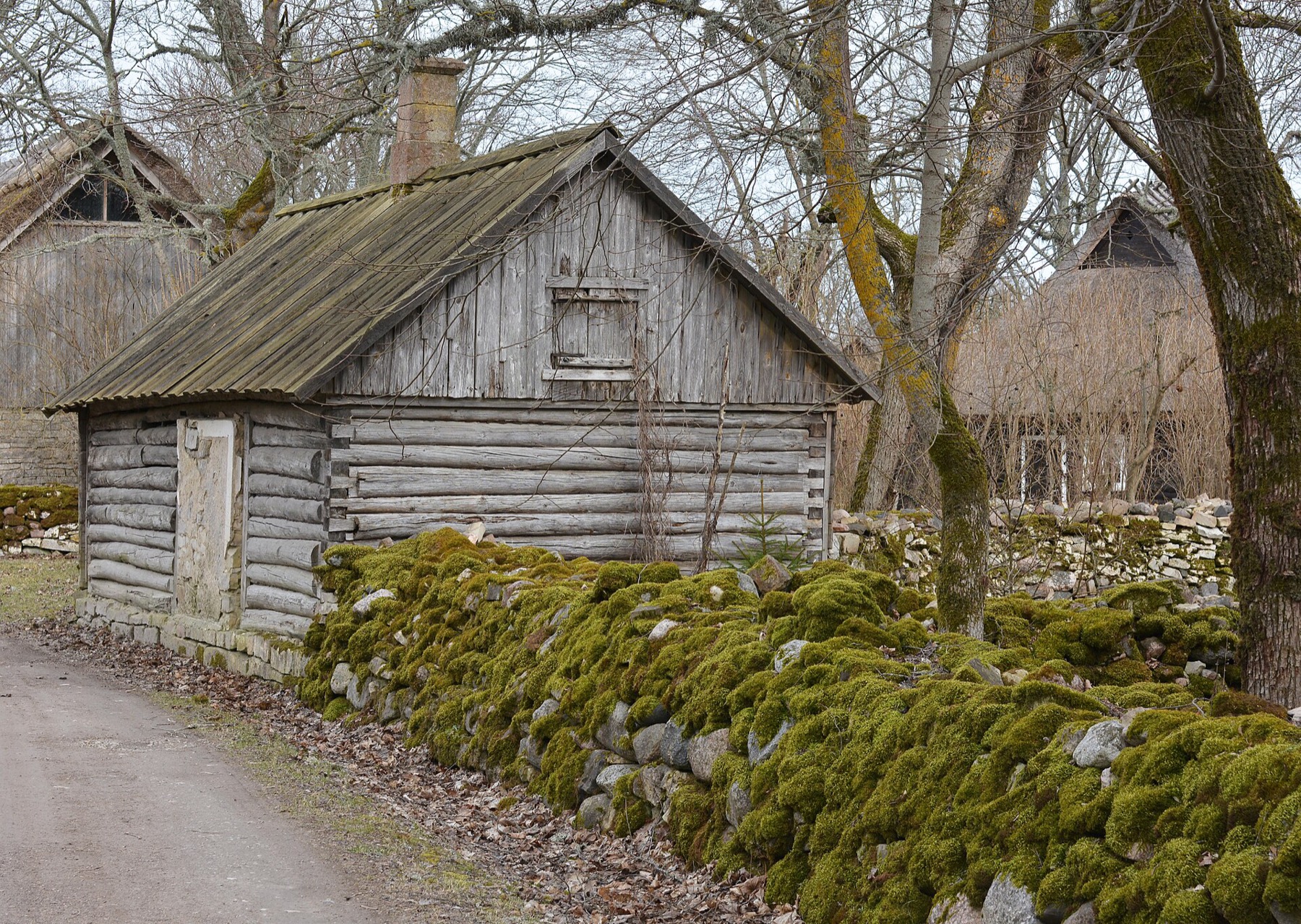
7. Koguva fishing village (Muhu)
When you arrive on Muhu by ferry, do not simply drive straight through it. The traditional fishing village of Koguva is essentially a living open-air museum and one of the most beautiful places in Estonia. As soon as you enter, the tarmac, tourist signs and Wi-Fi seem to disappear. All that remains are moss-covered stone walls and silence broken by the wind.
The village is famous for its stone walls, thickly covered in moss and lining winding dirt lanes. Most of the old farmsteads have proper thatched roofs, and some are still home to local residents. Part of the village functions as a museum, where you can see traditional island clothing and old fishing equipment.
The atmosphere is incredibly quiet and peaceful. Travellers speak highly of the village’s small cafés, which serve excellent coffee and traditional island pastries. A walk through the village and a visit to the museum take around two hours; admission to the museum section costs just a few euros.
💡 Tip: Respect the privacy of local residents. Some courtyards look like part of the museum, but they are actually private gardens.
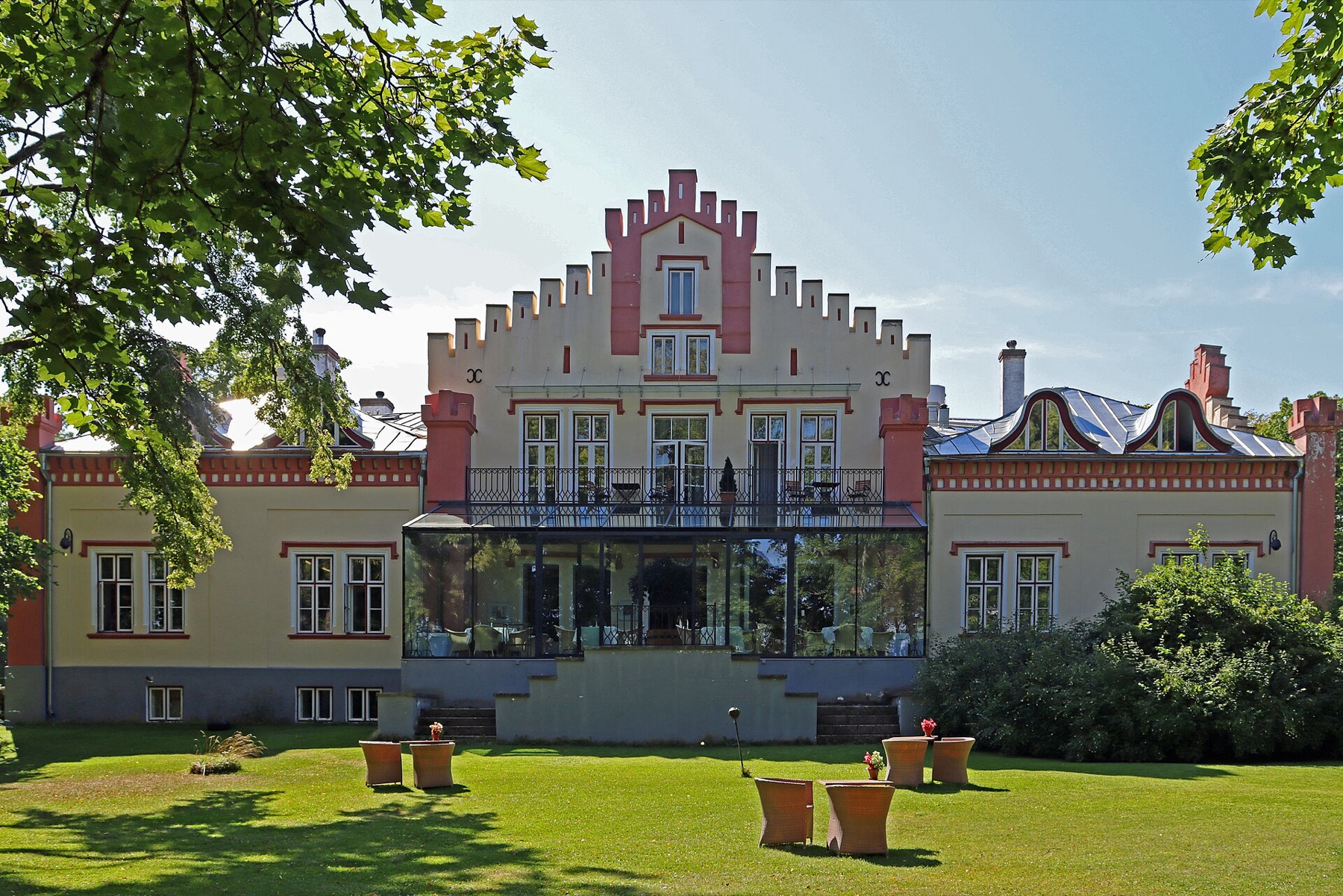
8. Luxurious Pädaste Manor (Muhu)
If you are looking for absolute luxury and are not travelling on a tight budget, Muhu has one major attraction for you. The restored sixteenth-century Pädaste Manor is considered Estonia’s most luxurious country hotel. It is also a proud member of the prestigious Small Luxury Hotels of the World network, attracting discerning guests from across Europe.
The manor stands right on the seashore and is surrounded by a beautifully maintained park. It is home to the renowned Alexander restaurant, which regularly ranks among the best in Estonian gastronomy. The restaurant specialises in so-called Nordic island cuisine, serving game, fish and local herbs from its own gardens. Vegetarians will not go hungry either: the meat-free tasting menus are excellent.
It is a very expensive experience, though. Prices for a night at the manor start at €161 outside the season and rise sharply during the summer months. If you do not want to stay overnight, you can at least reserve lunch and stroll through the beautiful gardens.
💡 Tip: The manor has its own luxury spa, offering an unusual hay bath based on old local traditions.
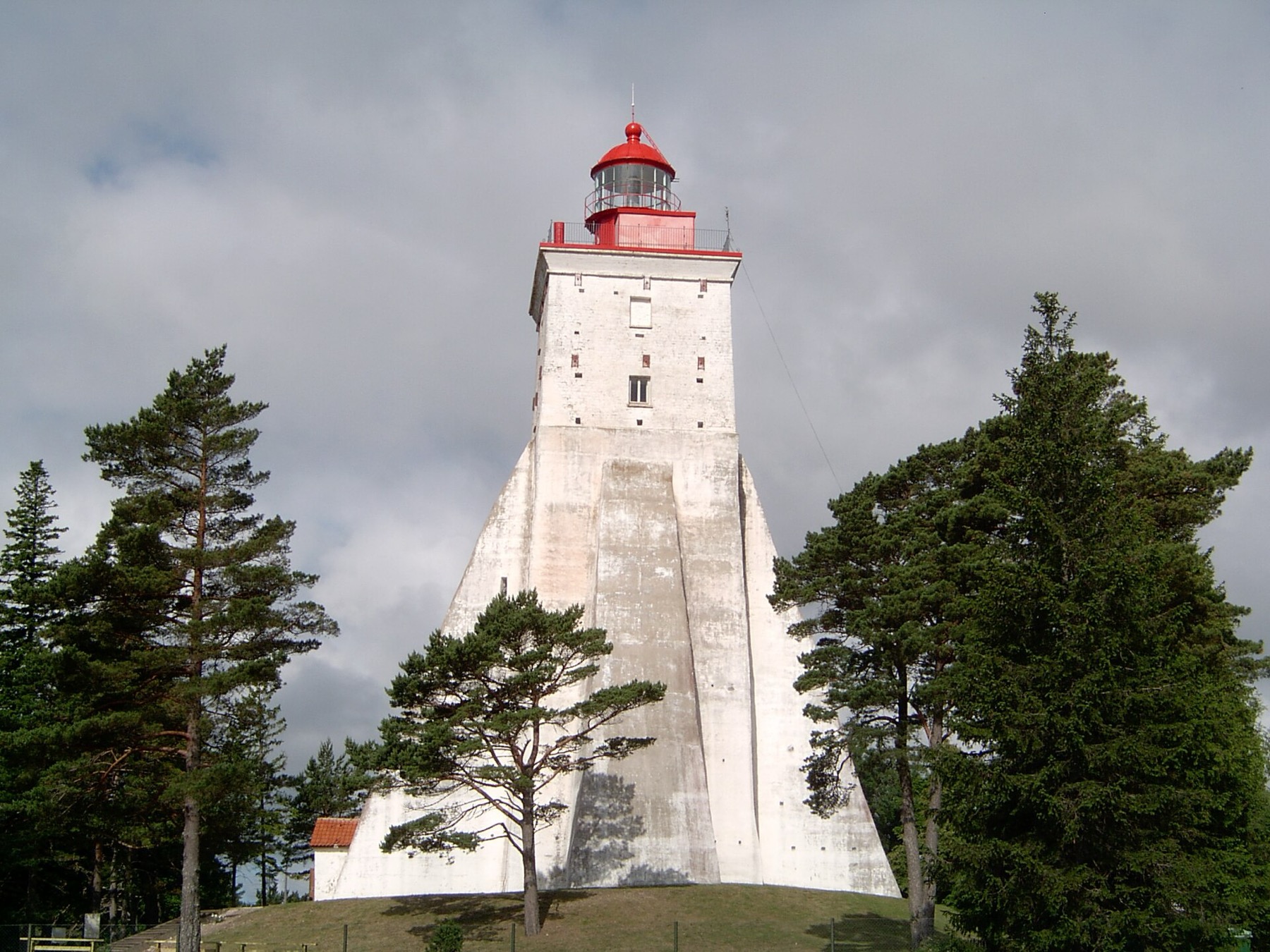

9. Kõpu Lighthouse (Hiiumaa)
Hiiumaa is noticeably wilder and quieter than neighbouring Saaremaa. Its absolute symbol is the majestic Kõpu Lighthouse, which stands on the island’s highest hill. This architectural gem has guided sailors continuously since 1531 and is one of the oldest continuously operating lighthouses in the world.
The building looks nothing like the slim white lighthouses in films. It has the shape of an enormous square tower with massive buttresses and resembles an impregnable fortress more than a lighthouse. Reaching the viewing platform means tackling a steep, narrow staircase, which will definitely test your fitness.
The view from the top is worth every drop of sweat. You can see endless dense forests covering most of Hiiumaa. Admission to the lighthouse costs around €5, and there is a pleasant little café beneath the tower. Allow at least an hour for your visit.
💡 Tip: The stairs inside are genuinely steep and high. Do not wear flip-flops; sturdy shoes are essential for the climb.
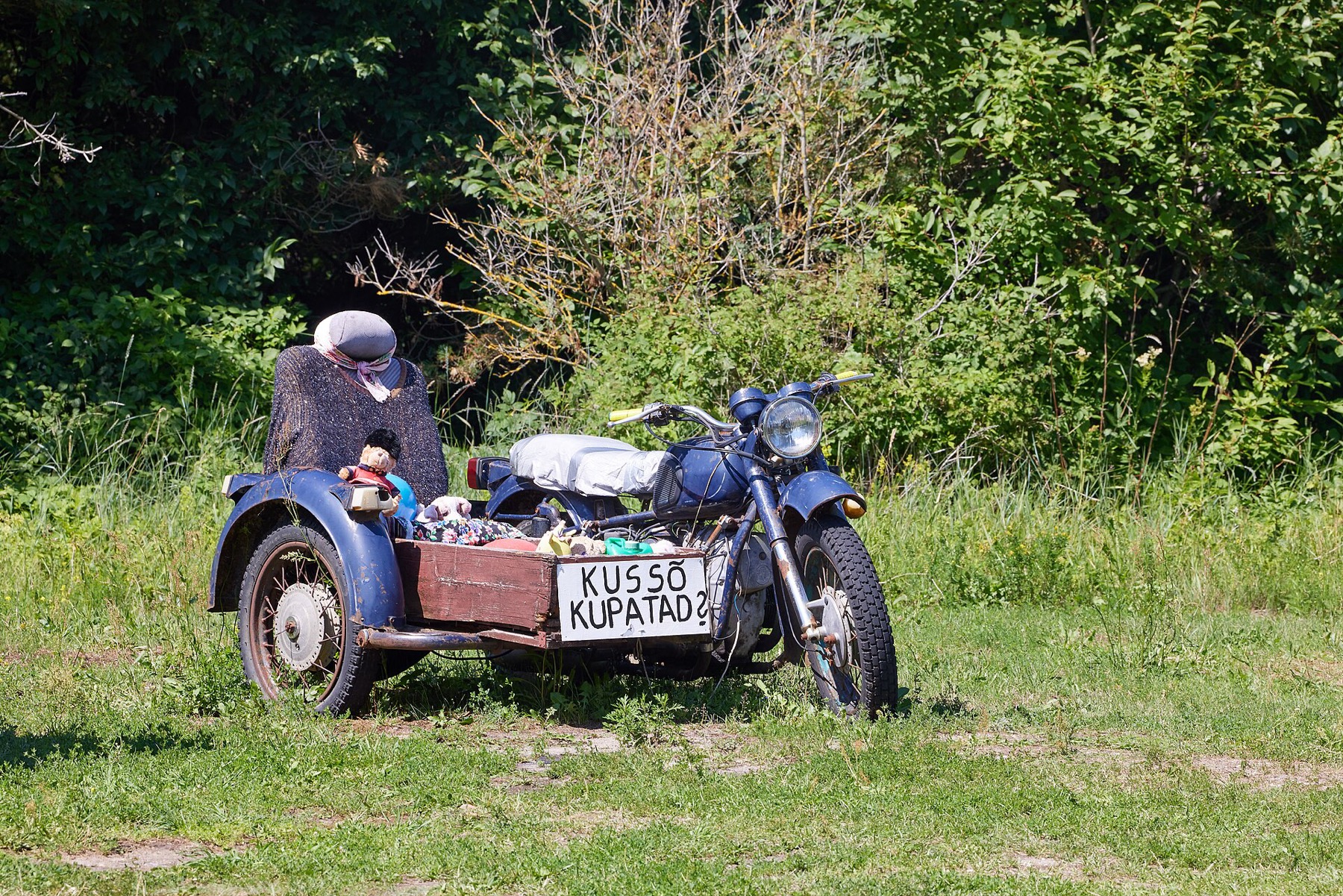
10. The cultural space of Kihnu
Kihnu is a unique European destination and is often described as Europe’s last matriarchy. Its cultural space is listed as UNESCO Intangible Cultural Heritage. The historical reason is simple: the island’s men would spend many months at sea, so women had to take complete control of the community’s affairs.
A very distinctive atmosphere still prevails here. You will regularly see local women in traditional striped skirts, riding old motorbikes with sidecars along the dirt roads. The colour of the stripes on their skirts has a deep meaning, signalling whether a woman is mourning or celebrating.
You can reach the island by ferry from Munalaid port near Pärnu. The best way to explore Kihnu is by bicycle, which you can rent right at the port. It is an ideal day-trip destination, giving you enough time to visit the local museum, lighthouse and old church.
💡 Tip: Ferries to Kihnu are often fully booked in summer. Make sure you buy tickets online well in advance for both yourself and your bicycle.
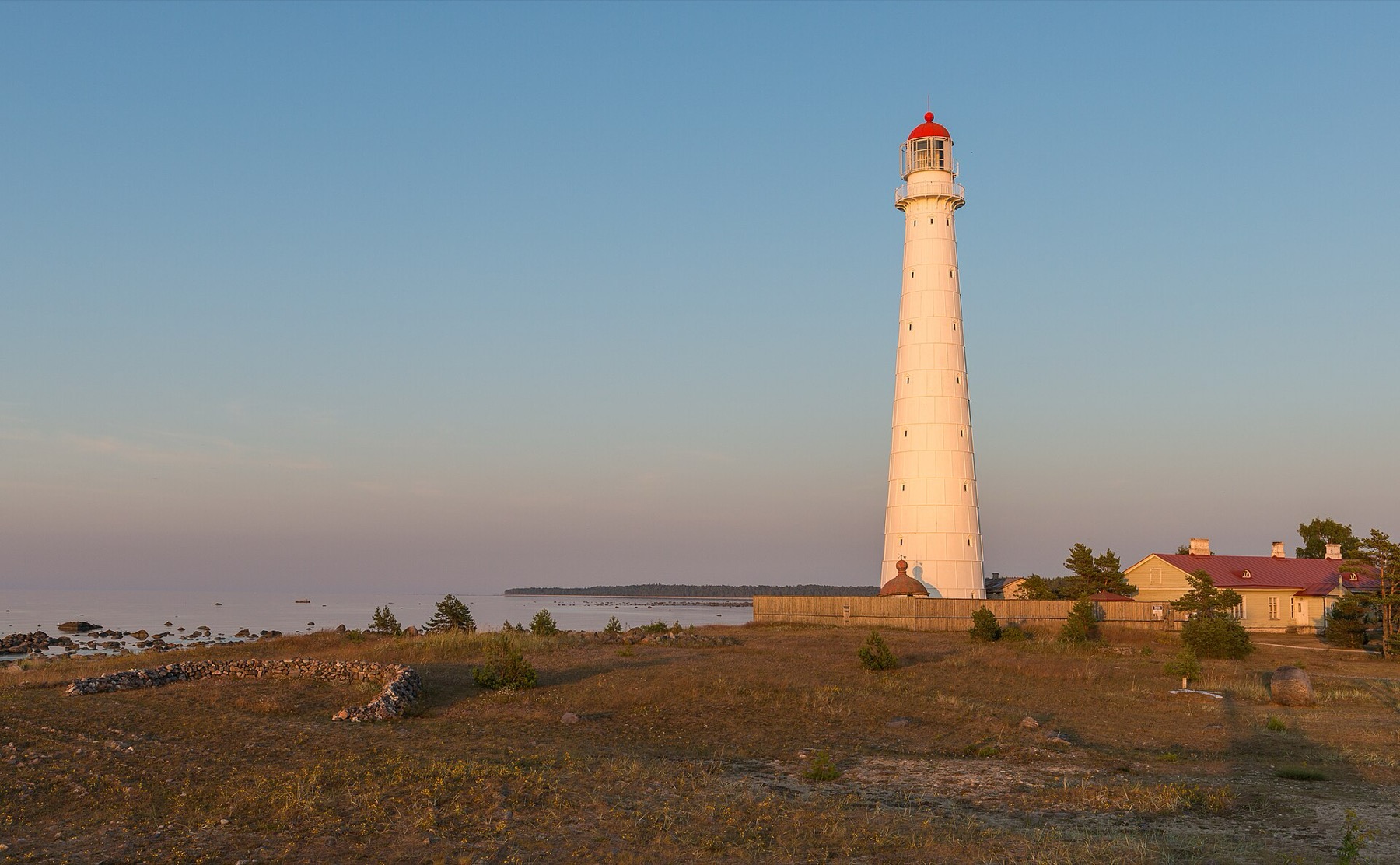
11. White Tahkuna Lighthouse (Hiiumaa)
Alongside the famous Kõpu, Hiiumaa has another beautiful lighthouse that you should not miss. The elegant white Tahkuna Lighthouse stands at the very northern tip of the island, and at more than 40 metres, it is the tallest cast-iron lighthouse in Estonia. It was made in France and brought to the island in pieces in 1875.
The area around the lighthouse is very wild, lashed by strong winds from the open sea. Just nearby, extensive remains of old Soviet bunkers are hidden in the forest, and you can explore them freely. These military remnants give the area a slightly gloomy but intensely fascinating atmosphere.
In season, you can also climb the lighthouse itself, which offers a superb view of the stormy Baltic. At the foot of the lighthouse stands a deeply moving memorial to the victims of the ferry Estonia, whose sinking in 1994 ranks among the greatest maritime tragedies of modern history. Visiting this corner of the island takes around two hours.
💡 Tip: If you plan to explore the nearby bunkers, be sure to bring a powerful torch. Inside there is absolute darkness, and the floor is often covered with rubble.
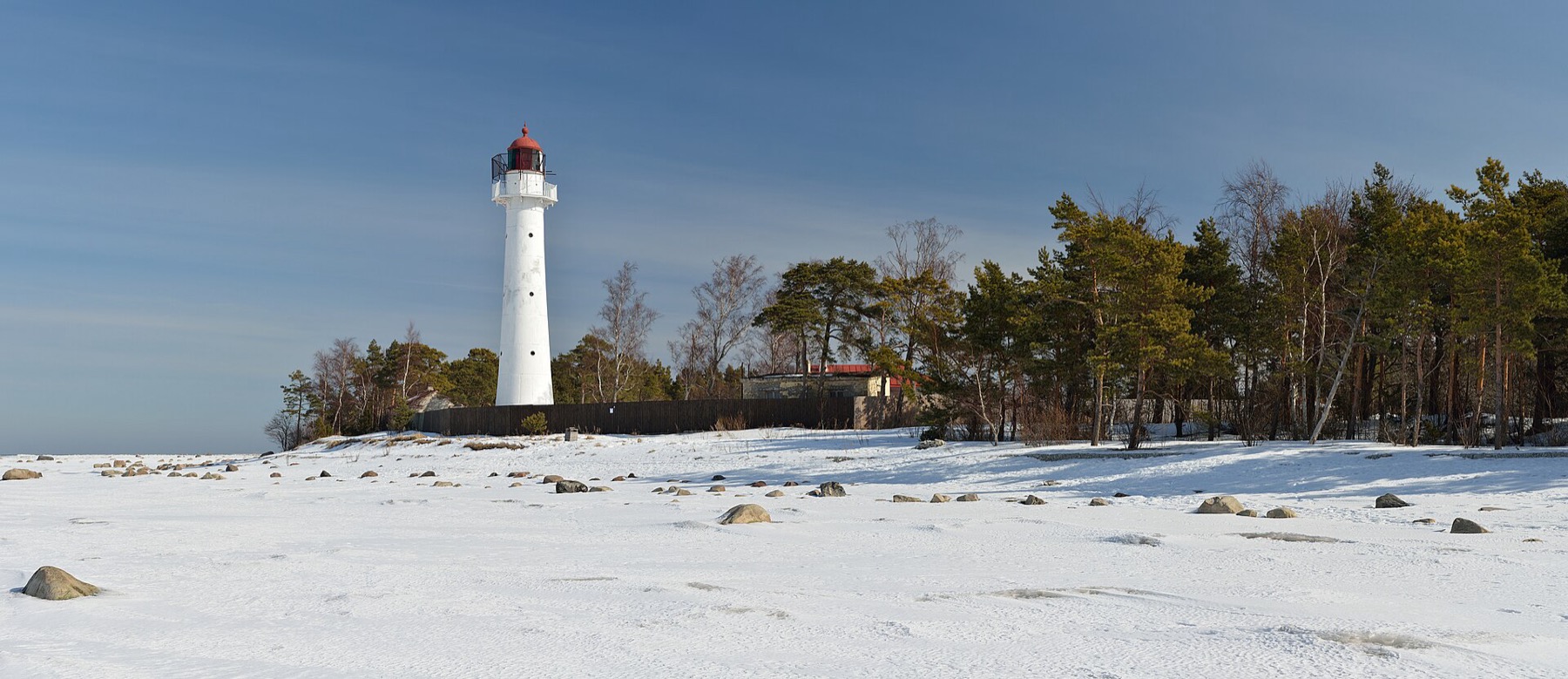
12. Vormsi and its Swedish heritage
If you have time left and are looking for a complete escape from civilisation, consider visiting Vormsi, the fourth-largest island. The island is fascinating because of its strong Swedish heritage: until the Second World War, it was home to a substantial community of coastal Swedes. This is still reflected in the names of local villages, which sound completely different from those elsewhere in Estonia.
The island’s main and truly unique attraction is the cemetery beside the old St Olaf’s Church. Here you will find the world’s largest collection of distinctive circular gravestone crosses, known as sun crosses. These stone crosses date from the thirteenth century and have an incredibly mystical appearance.
You can reach Vormsi by ferry from Rohuküla, and the crossing takes just under an hour. The island is exceptionally peaceful, with very little traffic, making it another excellent destination for cycling. One day is more than enough to see the main sights.
💡 Tip: Outside the summer season, only the bare minimum of services operates here. Be sure to pack enough food and drinks of your own.
Saaremaa, Hiiumaa, Muhu or Kihnu: which island should you choose?
If you do not have time to explore every island, you will have to choose. Each one has a completely different personality and suits a different type of traveller. Here is a clear comparison to make that difficult decision easier:
| Island | What it is known for | Ideal for | How many days | How to get there |
|---|---|---|---|---|
| :— | :— | :— | :— | :— |
| Saaremaa | Medieval castle, spas, meteorite crater, Panga cliffs. | Families, spa and history lovers who want good services. | 3–4 days | By car and the Virtsu–Kuivastu ferry, via Muhu and the causeway. |
| Hiiumaa | Old lighthouses, wild nature, empty beaches, island humour. | Nature and peace lovers who enjoy discovering deserted places. | 2–3 days | By car and the Rohuküla–Heltermaa ferry from the mainland. |
| Muhu | Traditional thatched roofs in Koguva, luxurious Pädaste Manor. | Romantics, foodies and travellers simply passing through the island. | 1 day | By car and the Virtsu–Kuivastu ferry; it lies right beside the port. |
| Kihnu | UNESCO heritage, women on motorbikes in striped skirts, cycling. | Folklore enthusiasts and day-trippers on bicycles. | 1 day, without an overnight stay | By passenger ferry from Munalaid port; leave the car behind. |
How many days should you allow for the islands?
Forget the idea that you can see the entire Estonian coast in one long weekend. Geographical distances and time spent on ferries require more careful planning.
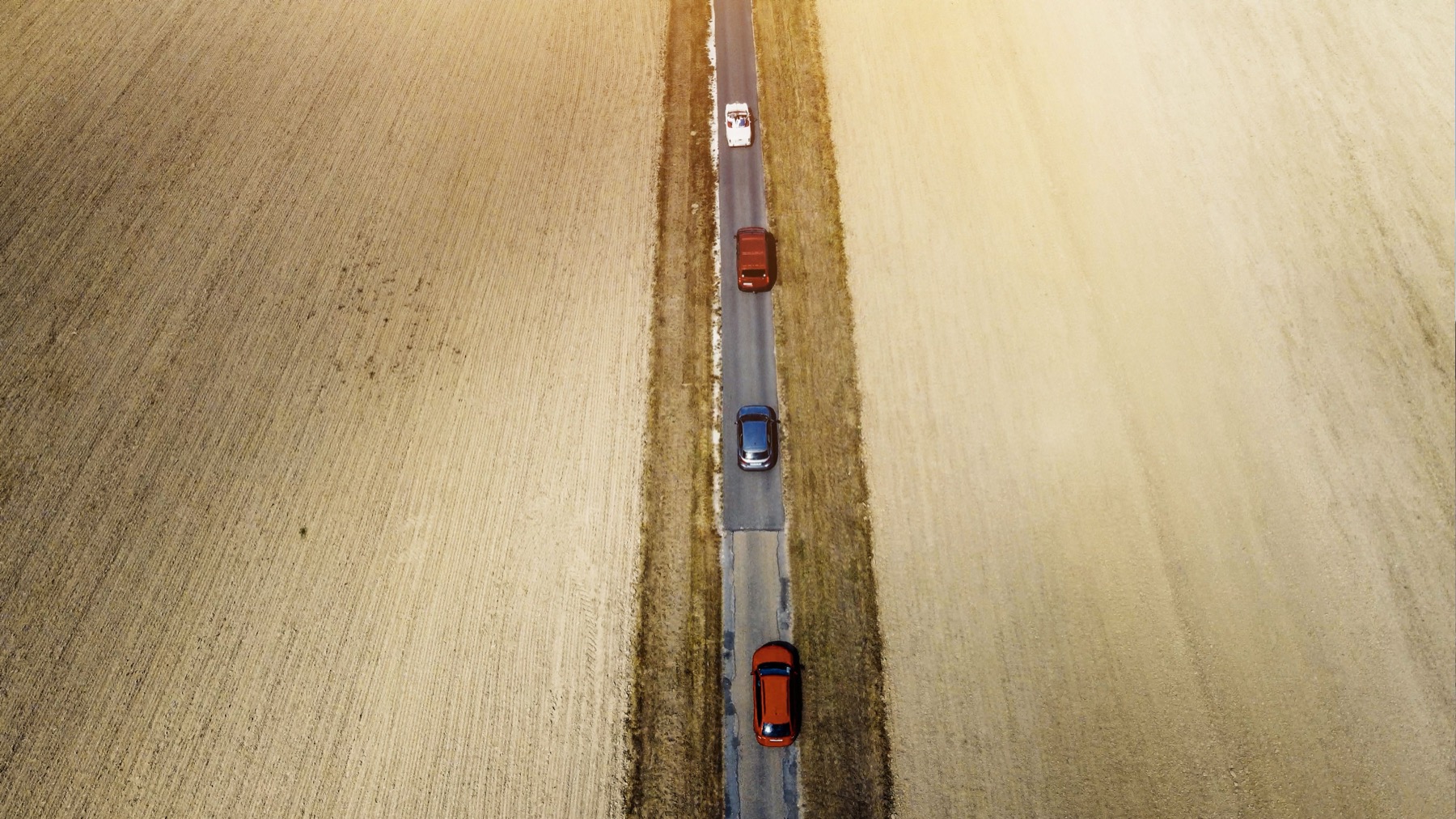
For a quick two- or three-day taste, take the classic southern loop. Drive from Tallinn to the port of Virtsu, then take the ferry to Muhu. Have lunch there and visit Koguva village. Continue along the causeway to Kuressaare on Saaremaa, where you spend the night. On day two, explore the castle, Kaali Crater and Panga cliffs. Day three is a relaxed return to the mainland.
A five- to seven-day island circuit gives you time to slow down properly. Allow three days for Muhu and Saaremaa, visiting the windmills and the seals at Vilsandi. Then take the local ferry from Triigi to Sõru on Hiiumaa. Spend two days exploring the old lighthouses and enjoying the empty beaches. Return to the mainland by ferry to Rohuküla.
Kihnu works best as an interesting day trip if you are spending time on the famous beaches of Pärnu.
Where to stay on the islands
💡 Accommodation and experiences tip: We prefer to look for accommodation on Booking.com, where you often find the best cancellation policies. It is also worth comparing and booking tickets, tours and activities through GetYourGuide.
The choice of accommodation on the islands is fairly broad, but I will repeat once again that outside the summer season, the selection is extremely limited. Most smaller rural guesthouses close their doors, and the larger towns are your only safe bet. Booking and Airbnb work reliably, but in summer, do not wait too long: the good places on Saaremaa can disappear a month in advance.
Here are some specific tips for trusted and well-known places to stay:
- Pädaste Manor (Muhu): The absolute pinnacle of Estonian luxury. This historic estate offers outstanding service, a renowned restaurant and beautiful gardens. The price is very high, but the experience matches its world-class standards.
- GOSPA (Georg Ots Spa Hotel) (Kuressaare): One of the best family-friendly spa hotels on Saaremaa. It has excellent pools, modern rooms overlooking the castle and very good breakfasts.
- Grand Rose Spa Hotel (Kuressaare): This hotel is known for its romantic style, filled with rose motifs. It has a fantastic sauna centre, and couples particularly enjoy it for weekend escapes.
- Spa Hotel Meri (Kuressaare): A pleasant and slightly more affordable spa hotel right on the seafront promenade. It offers a large pool and plenty of classic treatments using local mud.
Where to eat well
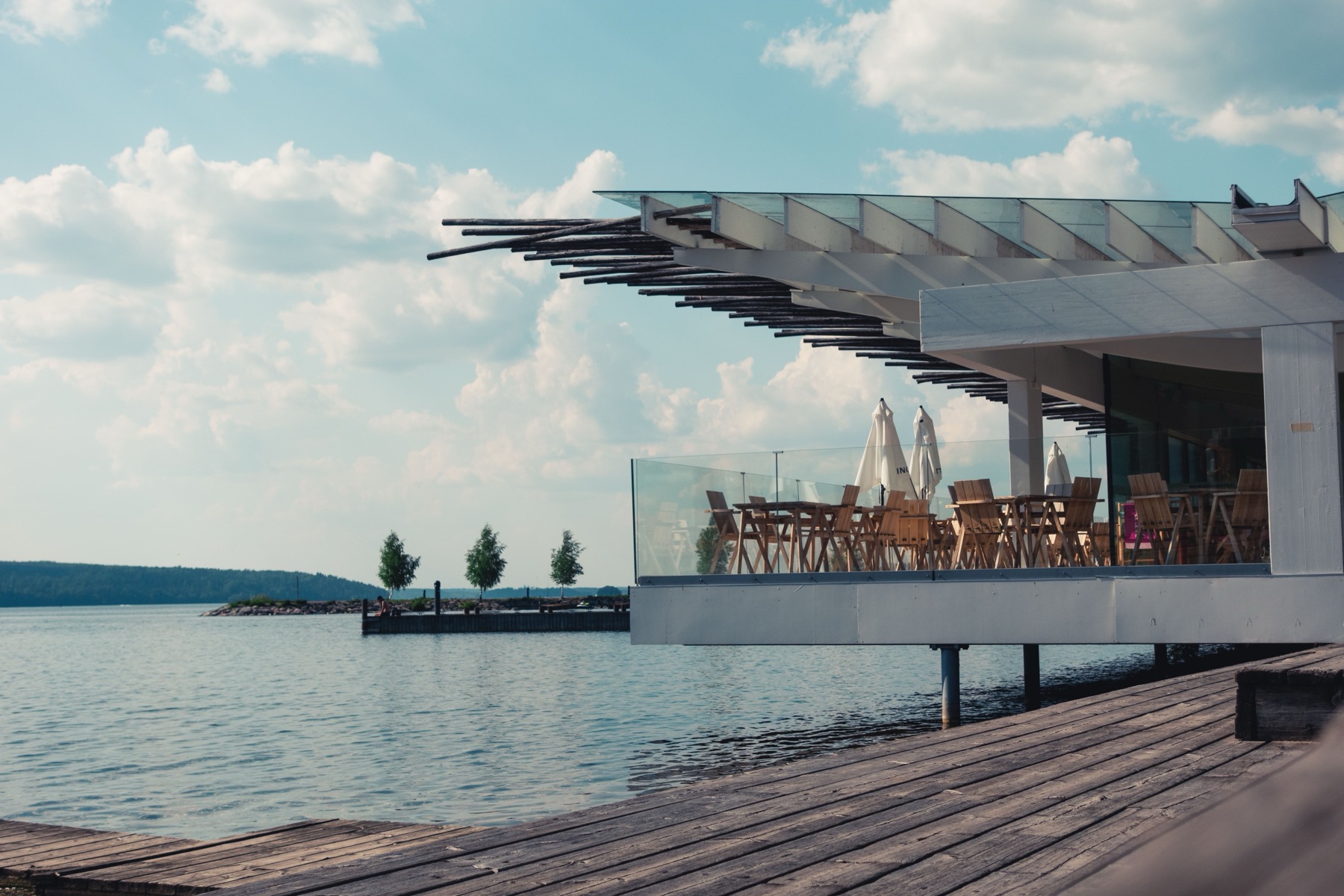
Island cuisine in Estonia deserves a chapter of its own. Local chefs rely on fresh ingredients from the sea, wild berries and herbs, so the food tastes absolutely fantastic. I have put together a few tips you should not miss.
Saaremaa Veski (Kuressaare)
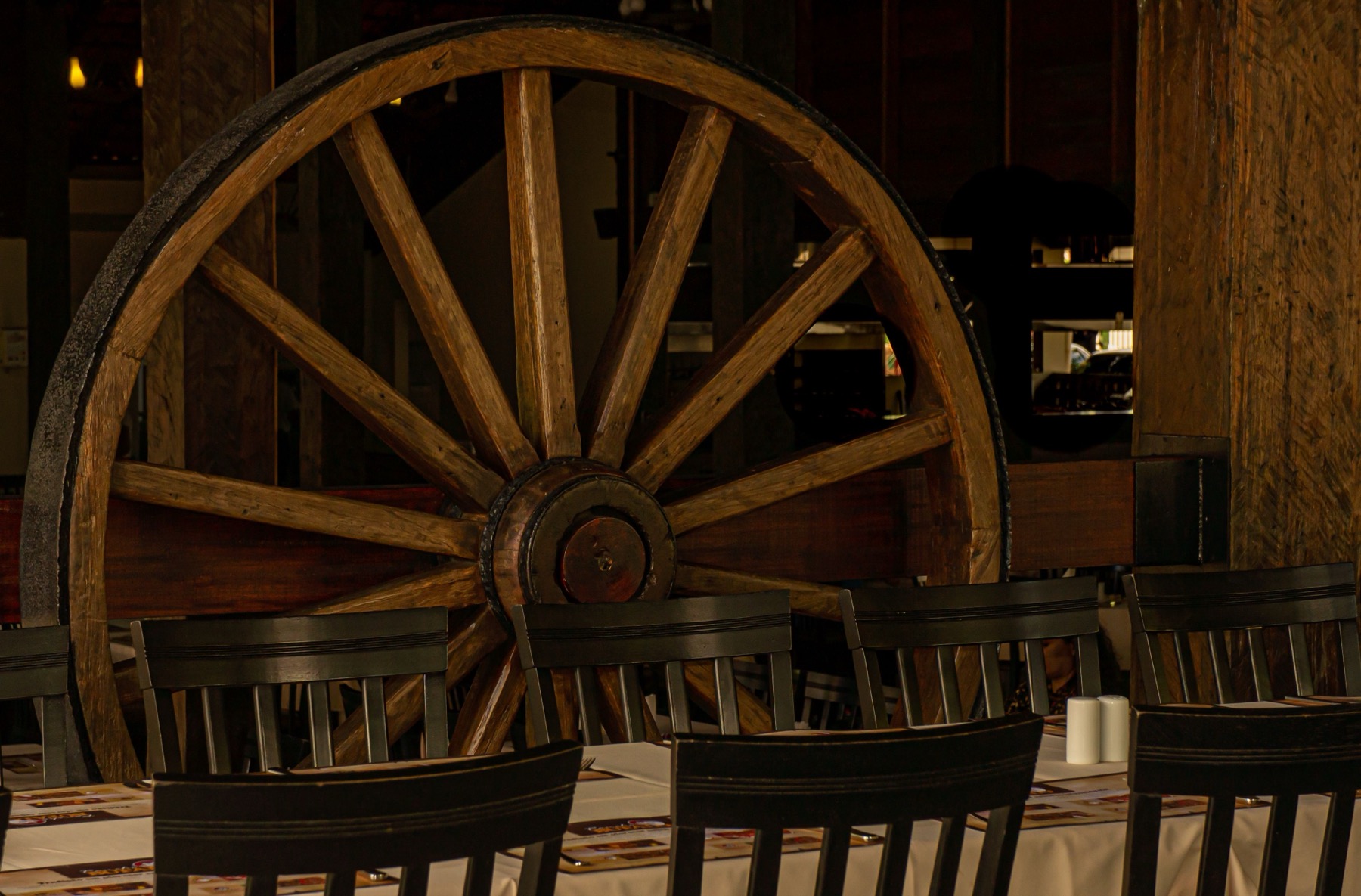
This restaurant is housed in a historic windmill and offers a genuine island experience. Be sure to try the famous homemade juniper cheese or roasted root vegetables from local farms. The traditional island classic is fish soup, which is what attracts many guests here.
Roograhu (Hiiumaa)
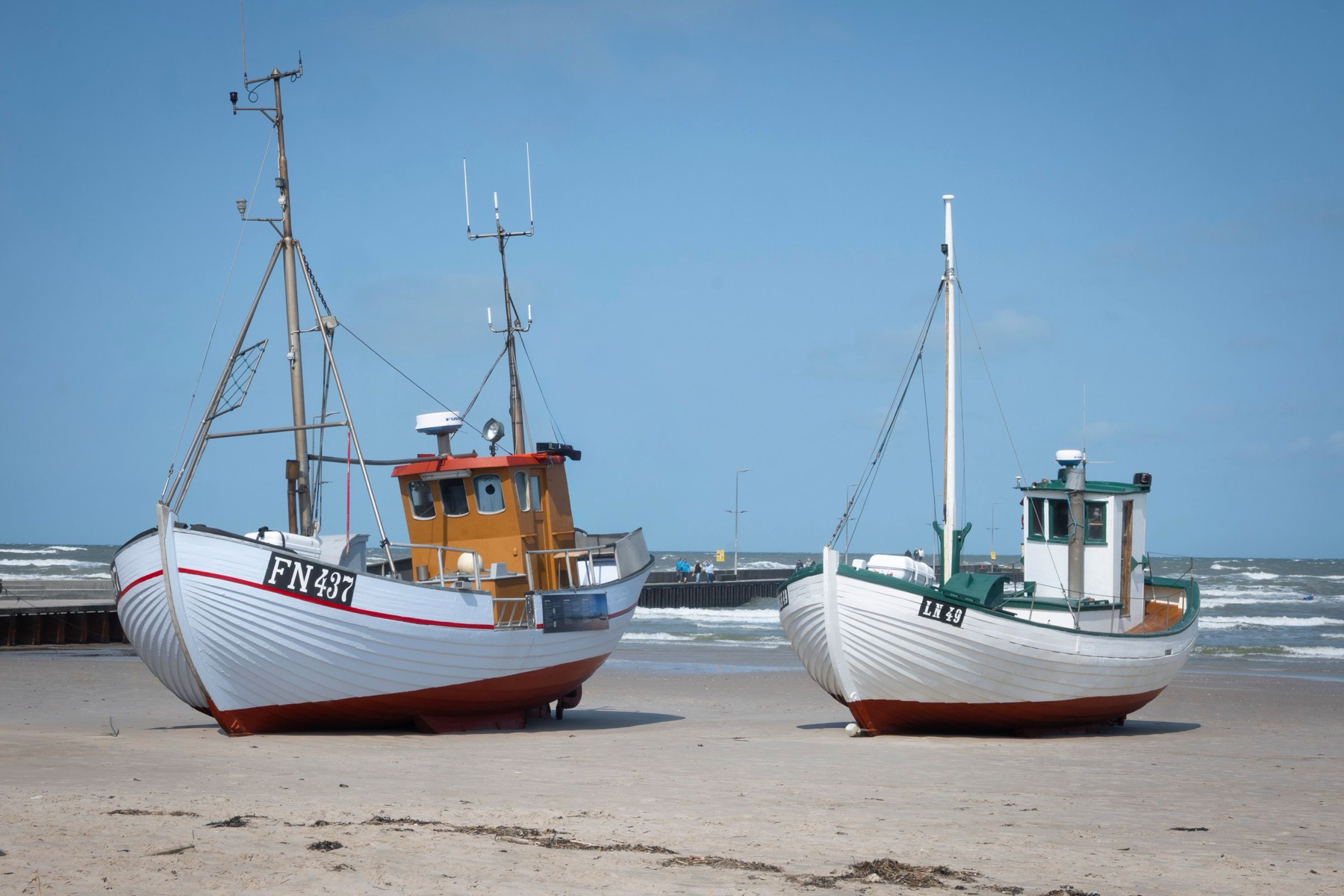
This tucked-away gem beside a small harbour serves the best pizza for miles around. Yes, it sounds odd, but trust me: locals drive here for it from the other side of the island. They also have excellent local beer and a truly magical view of the boats at anchor.
Read next
- Estonia: 25 tips for things to see and do
- When to visit Estonia: weather month by month
- Tallinn: 20 tips for things to see and do in Estonia’s capital
Frequently asked questions
Before you start packing your bags, let’s sum up the most important practical information. These are the questions that will sooner or later come to mind when planning your trip.
I have prepared a quick overview of the essentials so you can avoid unpleasant surprises and enjoy your trip to the fullest.
How do I get to Saaremaa?
You can reach Saaremaa island by ferry operated by Praamid from the mainland port of Virtsu. The ferry takes you to Kuivastu port on Muhu island, from where you simply drive across to Saaremaa via a raised causeway.
How much does the ferry to the islands cost?
The approximate price for a one-way trip for a car is €12 to €14 depending on the route. You also need to add around €4 per passenger in the vehicle. A surcharge applies on summer weekends.
Do I need a car on the islands?
Yes, you practically can’t do without a car. Bus connections between the island villages are very limited, and you simply won’t reach most natural attractions, cliffs and lighthouses by public transport.
When should I visit the Estonian islands?
The best time to visit is from late May to mid-September. During this period the weather is more stable, the days are long, and most importantly all monuments, restaurants and hotels are open.
Are the islands open in winter?
Most tourist services are closed from November to April. Only the larger spa hotels in Kuressaare and a few year-round shops remain open. In winter, the islands are more suited for lovers of absolute peace and rugged nature.
How many days do I need for a visit?
For a quick taste of the best of Saaremaa, 2 to 3 days will be enough. But if you want to add the wilder island of Hiiumaa and avoid stress, set aside 5 to 7 days for the circuit.
Which island is the best?
You can’t say which is best, because each offers something different. Saaremaa is perfect for lovers of castles and spas, Hiiumaa attracts with wild coastline and lighthouses, and Kihnu is great for discovering unique local traditions.
What should I see on Saaremaa?
You definitely shouldn’t miss the impressive bishop’s castle in Kuressaare, the mystical Kaali meteorite crater, and the windmills in Angla village. The high Panga cliffs on the northern coast of the island are also worth seeing.
Can I visit Kihnu as a day trip?
Yes, Kihnu island is ideal for a day cycling trip. You’ll get there in no time by ferry from Munalaid port, you can leave your car on the mainland, and you can comfortably cycle around the small island on a rented bike in a few hours.
Do people drive on ice in Estonia?
Yes, in very harsh winters official ice roads open across the frozen sea. The most famous one leads to Hiiumaa island and measures over 26 kilometers. In mild winters, however, they don’t open at all, and very strict safety rules apply.
Tips and Tricks for Your Vacation
Don’t Overpay for Flights
Search for flights on Kayak. It’s our favorite search engine because it scans the websites of all airlines and always finds the cheapest connection.
Book Your Accommodation Smartly
The best experiences we’ve had when looking for accommodation (from Alaska to Morocco) are with Booking.com, where hotels, apartments, and entire houses are usually the cheapest and most widely available.
Don’t Forget Travel Insurance
Good travel insurance will protect you against illness, accidents, theft, or flight cancellations. We’ve had a few hospital visits abroad, so we know how important it is to have proper insurance arranged.
Where we insure ourselves: SafetyWing (simple monthly subscription) and TrueTraveller (for extra-long trips).
Find the Best Experiences
Get Your Guide is a huge online marketplace where you can book guided walks, trips, skip-the-line tickets, tours, and much more. We always find some extra fun there!