Planning how your travel to Estonia should look? If you glanced at a map, the Baltics might seem to sit on the very edge of Europe, but don’t let that fool you. In the summer months you can easily reach it on a direct flight in a little over two hours, while in winter you’re in for a slightly longer journey with a connection, or a romantic ferry crossing over the frozen sea. And it’s exactly this huge variety of transport options that catches a lot of travellers off guard once they start planning their dream northern trip.
Whether you’re chasing the white nights of summer or the snowy bogs of the national parks tempt you, there are several ways to make it up north. You can go for fast planes, comfy long-distance coaches with coffee machines, or the legendary road trip in your own car along roads that are completely free for passenger vehicles. Let’s take a look together at how to squeeze the most out of the logistics and avoid making an unnecessary mistake when buying your tickets.
We’ve broken down every option for you (from the seasonal direct flight to a romantic ferry crossing) and added tips on where not to get caught out by pointless surcharges.
TL;DR
- Fastest option: A direct flight to Tallinn that takes a little over two hours, but only runs during the summer season.
- Cheapest option: Travelling by long-distance coach, where one-way tickets range from roughly €60 to €95.
- How long it takes by car: Pure driving time to Estonia from Central Europe is around 18.5 hours, and it’s best to split the route over two days.
- How much flights cost: Return flights can be found on offer from around €120, but with a bigger suitcase the price can climb to €200.
- When the direct route flies: The direct connection roughly operates from April to October; for the rest of the year you’ll need a year-round route with one connection.
- Do you need a car: You don’t need a car for Tallinn itself or for hopping between big cities, but it’s practically essential for reaching the national parks and islands.
The full destination guide: Estonia — guide and what to see
Quick comparison: which option is right for you
| Option | Travel time | Approx. price (return) | Who it suits | Main catch |
|---|---|---|---|---|
| Direct summer flight | 2 h 05 min | from ~ €120 | Ideal for summer city breaks and those flying light. | Only flies from spring to autumn. |
| Flight with a connection | 4–6 h | €100–200 | Anyone flying outside summer, with luggage, or who loves Christmas markets. | Time lost waiting for the connecting flight. |
| Fly to Riga + car | 2 h flight + 4 h drive | from ~ €100 + transport | Travellers who want to see more countries in one trip. | You still have to sort onward transport from the airport. |
| Driving from Central Europe | 18.5 h (pure driving) | ~ €370 (fuel) | Families, groups of friends, road trippers and campers. | A very long and tiring stretch behind the wheel. |
| By coach | 26–28 h | from ~ €120 | Die-hard low-cost travellers with plenty of time. | Endless sitting and minimal comfort. |
| Ferry from Helsinki | 2 h (crossing only) | €10–35 | People combining a visit to Finland and Estonia. | Boats get extremely crowded in the summer peak. |
6 ways to travel to Estonia
Travel to the Baltics is no longer about a single flight with an expensive carrier, as it used to be. These days you can piece the journey together to fit your exact itinerary, budget and mood 😉. Whether you’re betting on the speed of a direct connection or want to tick off two Nordic capitals on a single trip, there are plenty of options.
I’ve picked out the six most tried-and-tested routes and modes of transport that are commonly used for the journey north. Let’s go through them one by one, so you can figure out which option strikes a chord with you and what you can realistically expect from it.
1. Direct summer flight
Flying to the Baltics has seen plenty of changes in recent years, and a number of low-cost carriers have dropped the route. A direct connection to Tallinn is offered by Eurowings, and the flight itself takes a little over two hours. Frequency changes with the season and the year, so always check the current timetable directly with the carrier.
This option does come with one very significant catch you have to factor into your planning. The route operates purely seasonally, which means you’ll roughly only find it in the booking systems from April to October. If you want to admire frozen waterfalls or visit the famous Advent markets, a direct flight simply won’t work for you.
As for the budget, a return ticket starts at roughly €120, lower during sales and higher in high season. Bear in mind, though, that this basic fare only includes a small piece of cabin baggage that has to fit under the seat in front of you. If you need to bring a bigger cabin bag or even checked luggage, the ticket price can easily jump by another €40 to €80.
💡 Tip: The timetable can shift slightly every season, so always check well in advance whether the airline has moved the start or end of the route’s operating window that year.
2. Flight with a connection
When you need to head north in November for the culture or in February for the frozen islands, flights with one connection will reliably save the day. Search engines most often offer three main year-round options, each with something going for it. Very popular is the Latvian national airline airBaltic with a connection in Riga, which covers the Baltic region perfectly and offers modern planes.
Another reliable classic is Polish carrier LOT via Warsaw, which usually has well-timed connecting flights, so you won’t spend needless hours waiting at the airport. There’s also one interesting Nordic detour worth considering: flights with Finnair via Helsinki. This is a very comfortable route, and major carriers such as Finnair, Lufthansa or easyJet serve these hubs from across Europe.
The Helsinki connection is exactly the one you can cleverly turn into a huge advantage if you’re not in a rush. Instead of waiting at Vantaa airport for the next plane, you can hop on the suburban train into central Helsinki and cover the rest of the way to Tallinn by a giant ferry. That way you actually get two completely different Nordic experiences on a single trip.
💡 Tip: When buying connecting flights, always keep an eye on the total travel time, because some cheaper options can mean a six-hour overnight wait at an empty airport, which usually isn’t worth the few euros you save.

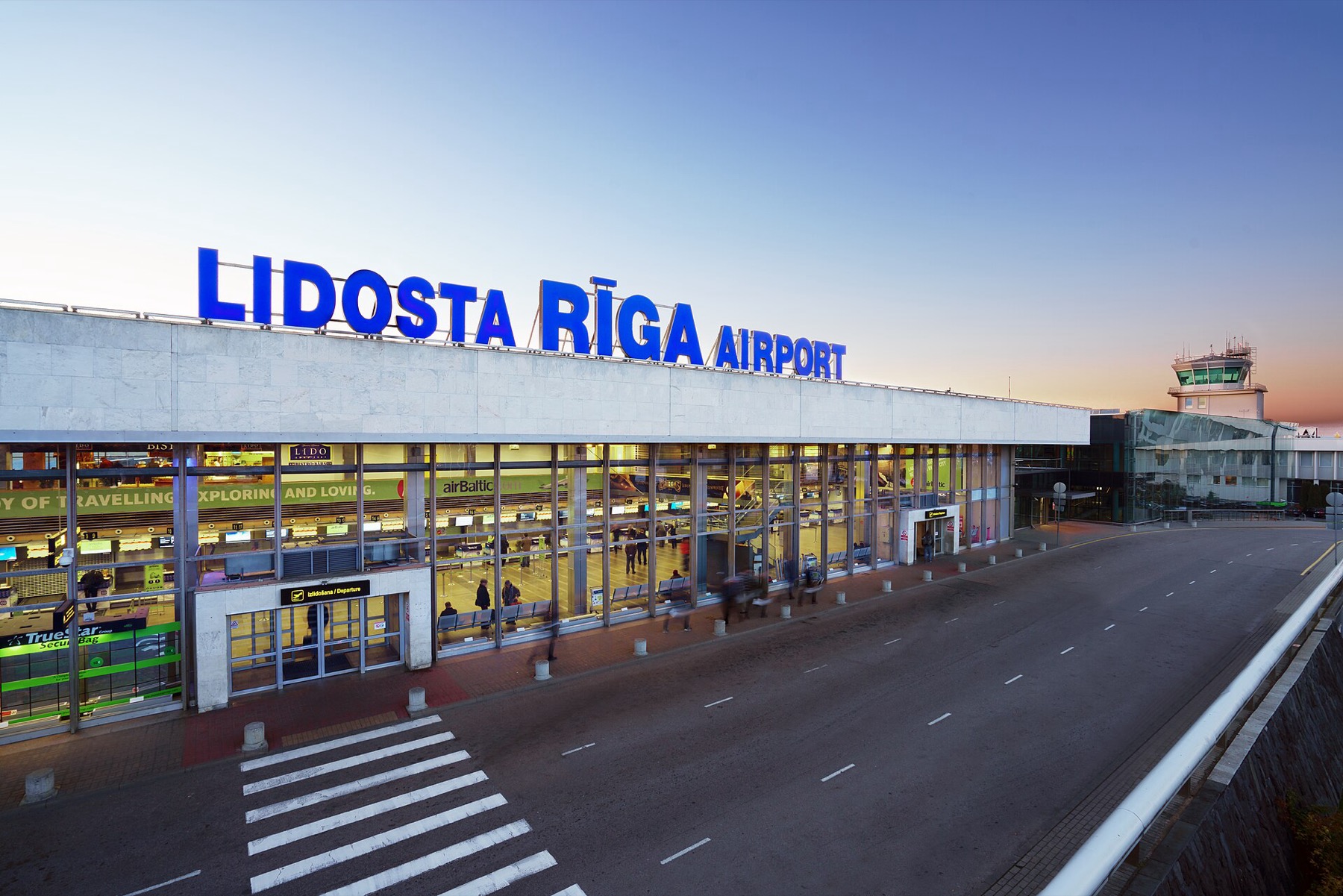
3. Fly to Riga and continue by car or coach
This is the secret weapon of many seasoned travellers for saving money and seeing more at the same time. Flights to Riga in Latvia, which is served by far more direct connections from across Europe, are often significantly cheaper than flights to Tallinn. Once you land at the Latvian airport, you can either grab a rental car straight away or head to the bus station and continue overland.
If you go for the coach, the yellow long-distance vehicles of Lux Express take the stage — they’re a huge phenomenon in this region. The journey from Riga to Tallinn takes around 4 hours and 20 minutes, and the coaches are incredibly comfortable. Inside you’ll find far more legroom than on a regular flight, working Wi-Fi, seat-back screens with films and, on top of that, a coffee machine you can help yourself to for free. A ticket costs roughly €10.
Since the end of 2024 there’s also been a great new option on this route for railway lovers. Estonian railways Elron introduced a direct train linking Tallinn, Tartu and Riga, which opens up entirely new planning possibilities. The train journey takes a bit longer than the coach, but for a fare from €29 you get maximum space and beautiful views of the passing Baltic landscape.
💡 Tip: Want to see the whole of the Baltics in one go? Buy a so-called open-jaw ticket arriving into Vilnius and departing from Tallinn, so you won’t have to cover the same route twice.
4. Your own car via the Via Baltica
Heading north in your own car is an absolutely brilliant choice for families, groups of friends or anyone planning to camp along the way. From Central Europe you’ve got roughly 1,500 kilometres to the resort town of Pärnu, with pure driving time coming in at around eighteen and a half hours. Doing that in one go borders on madness, so the route is usually split with one overnight stop either in Poland or in Kaunas in Lithuania.
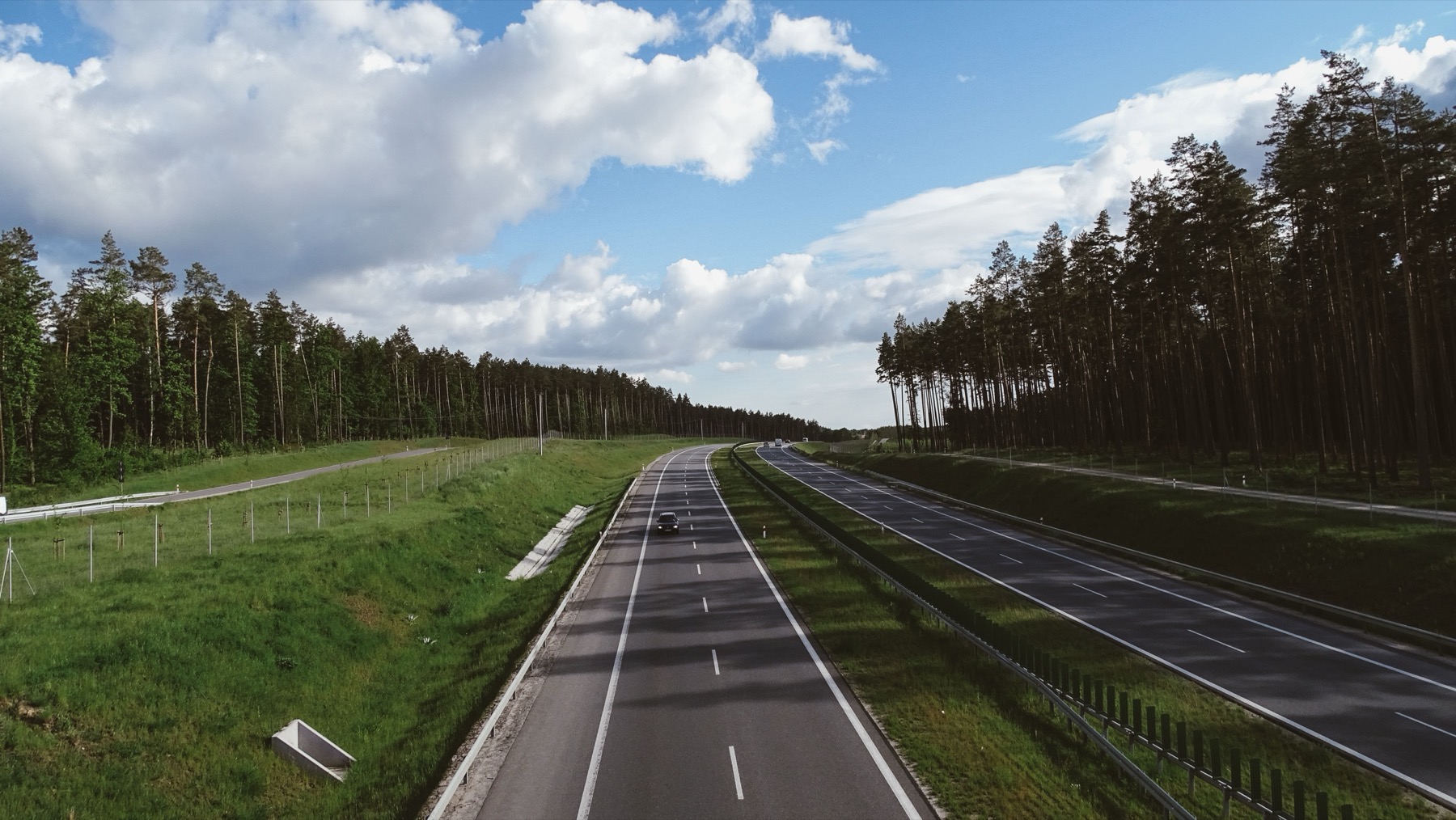
The route is logistically very simple and completely straightforward. You head towards Wrocław and Warsaw in Poland, and from there you stick to the famous international route E67, known as the Via Baltica. This road takes you through Lithuania and Latvia all the way to the Estonian border, and the surface is in very good condition for most of the way.
And here comes the very best news for your travel budget. While driving south to the Adriatic drains your wallet with all sorts of tolls, the motorways in Lithuania, Latvia and Estonia are completely free for passenger cars. There are no motorway vignettes (toll stickers, as in Austria or Switzerland) and no toll gates, so the only charges you’ll pay along the way are for selected motorway sections in Poland.
💡 Tip: If you’re travelling in the winter months, don’t forget that winter tyres are mandatory in these parts, typically from the beginning of December to the beginning of March, and the Nordic winter can be truly uncompromising on the roads.
5. Travelling by coach
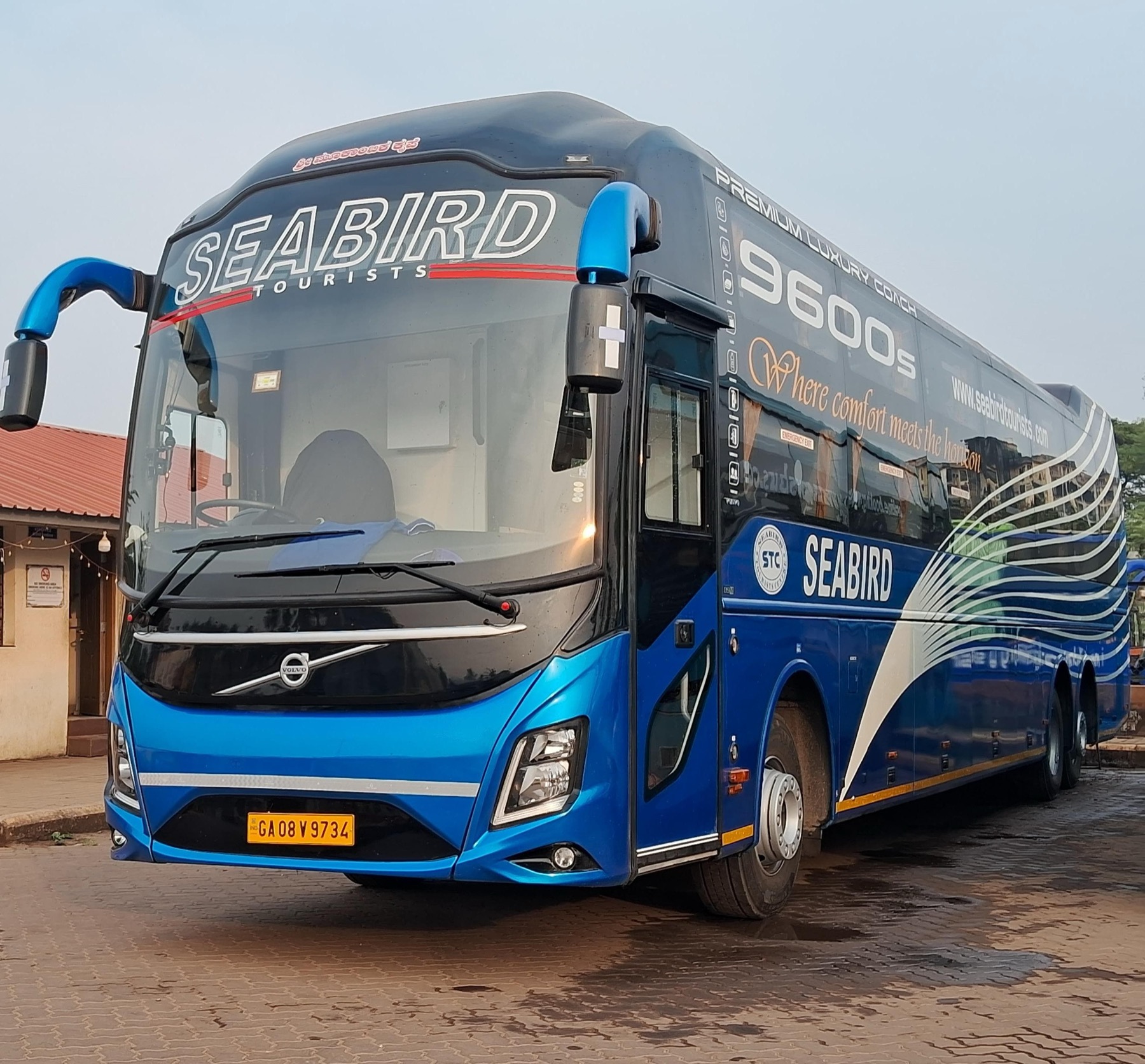
Travelling by long-distance coach from Central Europe all the way to northern Europe is an option meant more for students, committed non-flyers or travellers on a really tight budget. It’s very long and demanding, because the fastest FlixBus services cover the route in 26 to 28 hours. One-way ticket prices start at roughly €95, which can sometimes be pricier than a flight on offer.
Rival Ecolines offers similar times and prices from around €60, but honestly, sitting for more than a whole day in one position is a test of patience that not everyone can pass, whether the coach has power sockets or not.
If you do end up going for this adventurous option, travellers on forums warmly recommend splitting the journey into stages. It’s better to make a day-long break with an overnight stay in Warsaw or Riga, so you don’t go crazy from the endless jolting and get a chance to properly stretch your legs.
💡 Tip: The Rail Baltica high-speed rail mega-project is still under construction, so a rail connection from Central Europe to Tallinn doesn’t exist yet, and we’ll be waiting for it until at least 2030.
6. Ferry from Helsinki or Stockholm
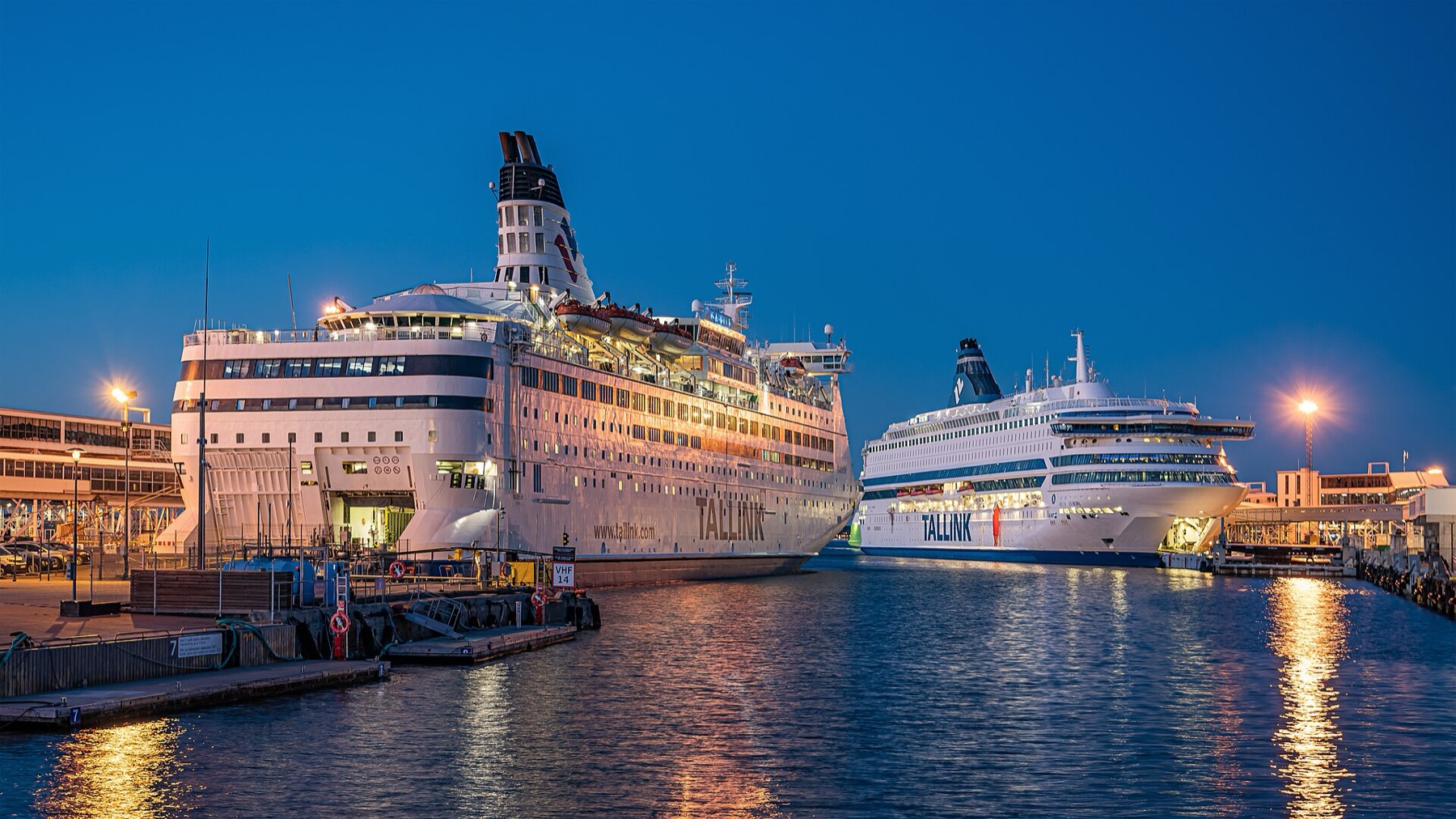
The Gulf of Finland essentially works like an incredibly busy maritime motorway, so arriving in Tallinn by water is a fantastic experience. Several huge ships from three different operators shuttle between Helsinki and Tallinn, and the two-hour crossing itself is very comfortable, according to travellers. A foot-passenger ticket costs, depending on the season and operator, roughly €10 to €35.
If you decide on this water route, you can use the already-mentioned combination of a Finnair flight to Helsinki followed by a ferry, which is an incredibly reliable year-round option. The ships are built to handle even harsh winter conditions and break through ice without trouble, so you needn’t worry about your crossing being cancelled just because of snowfall.
Besides the quick hop from Finland, there’s also a more classic but considerably slower option in the form of an overnight crossing from Stockholm in Sweden. You’ll spend around seventeen hours on board, sleep in a comfortable cabin and wake up in the morning rested, with a beautiful view of the approaching Estonian shores.
💡 Tip: In the summer months and at weekends the ferries are packed with Finns heading over for cheaper shopping, so always buy your ticket several weeks in advance, especially if you’re travelling with a car.


Car rental in Estonia
You can comfortably get by without your own wheels in the big cities, but the moment you want to head out into the countryside, things change. Renting a car pays off when you’re aiming for the remote islands or the national parks, where public transport runs only very sporadically. Many travellers also rent a car right after landing in Riga and use it for a beautiful sightseeing loop through all the Baltic countries.
When choosing a vehicle in the booking systems, though, there are a few practical details to watch out for. If you plan to cross between Lithuania, Latvia and Estonia, always check the cross-border fees with the rental company, because some firms charge a special surcharge for driving into a neighbouring country. Rental prices start at very pleasant amounts off-season, but in July they can easily double.
While motorways are completely free for passenger cars across the Baltics, in the big cities you’ll face other expenses. Parking in the centre of Tallinn and Tartu is paid and fairly pricey, so it’s better to leave the car in P+R park-and-ride lots. And if you’re going in winter, remember that winter tyres are strictly mandatory from December to March, and police occasionally run random spot checks on their condition.
Getting around Estonia without a car
Estonia is a highly digitalised, modern country, so travelling by public transport here is a real joy. The backbone of the network is made up of Lux Express coaches, which link all the larger cities in the country. Travellers on forums can’t praise their leather seats, personal screens with films and coffee machines enough — they make the trip from Tallinn to the resort of Pärnu or the university city of Tartu fly by.
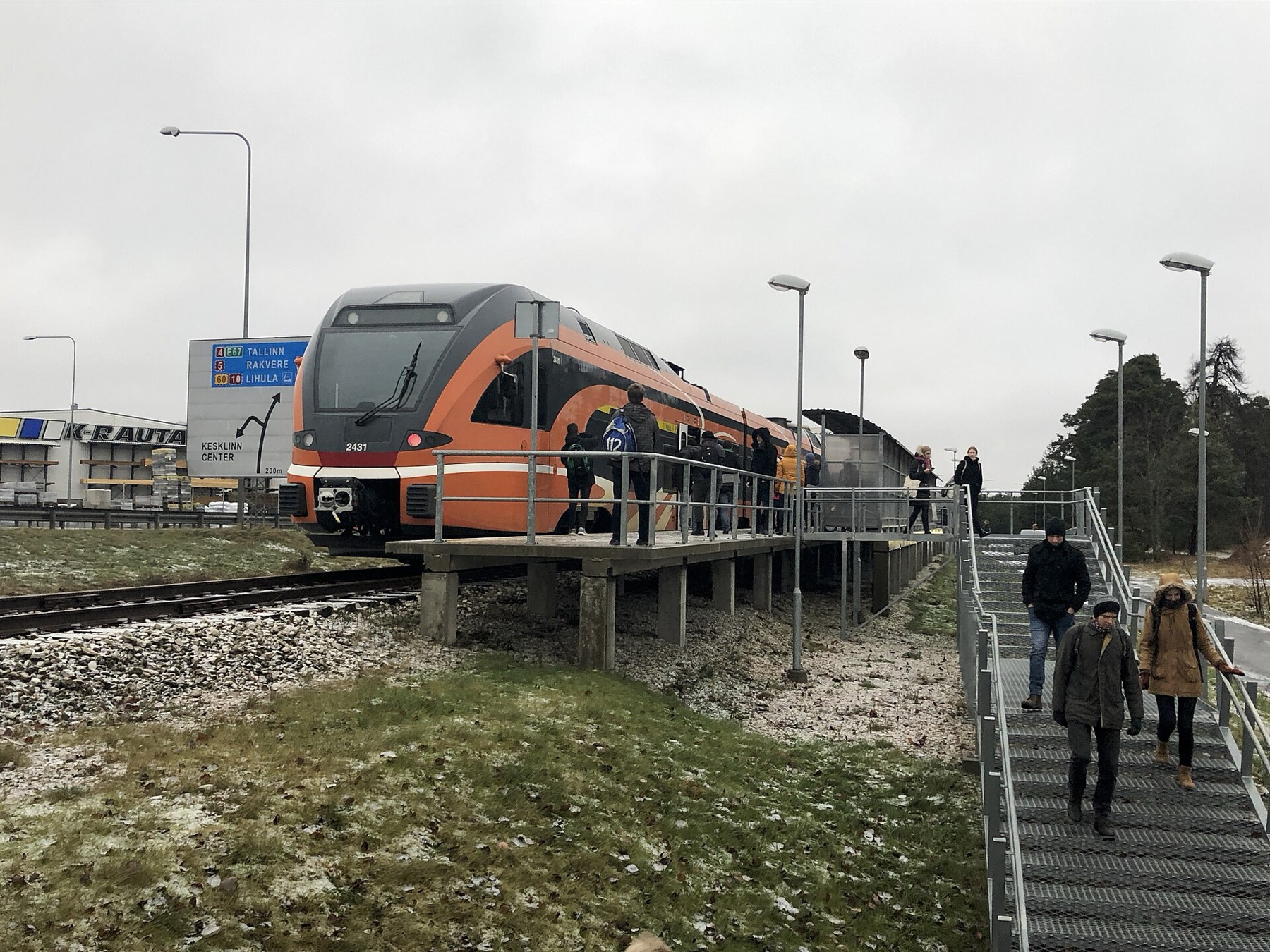
Another great alternative for domestic journeys is the orange Elron trains. They’re clean, modern and run on time, and you can easily buy a ticket in advance through the app at a discount. In Tallinn itself there’s an excellent public transport system where you simply tap your payment card on the validator as you board.
It’s worth being honest, though, about where the limits of car-free travel lie. While you can move between cities easily, you practically can’t reach the more remote islands or the depths of the national parks without a car. Local buses do run there, but often only twice a day around the school schedule, which completely wrecks any flexible day-trip planning.
From the airport and port to central Tallinn
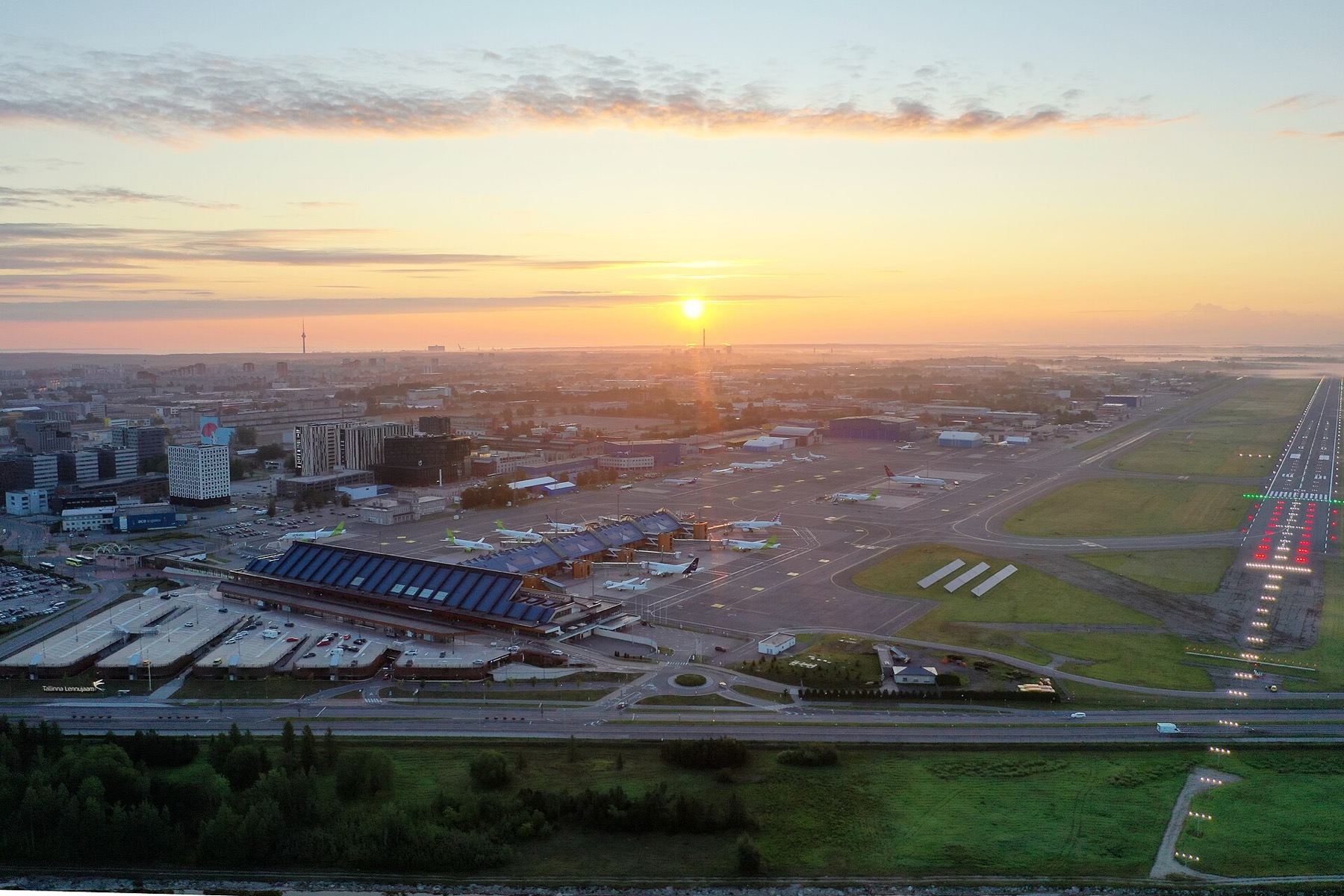
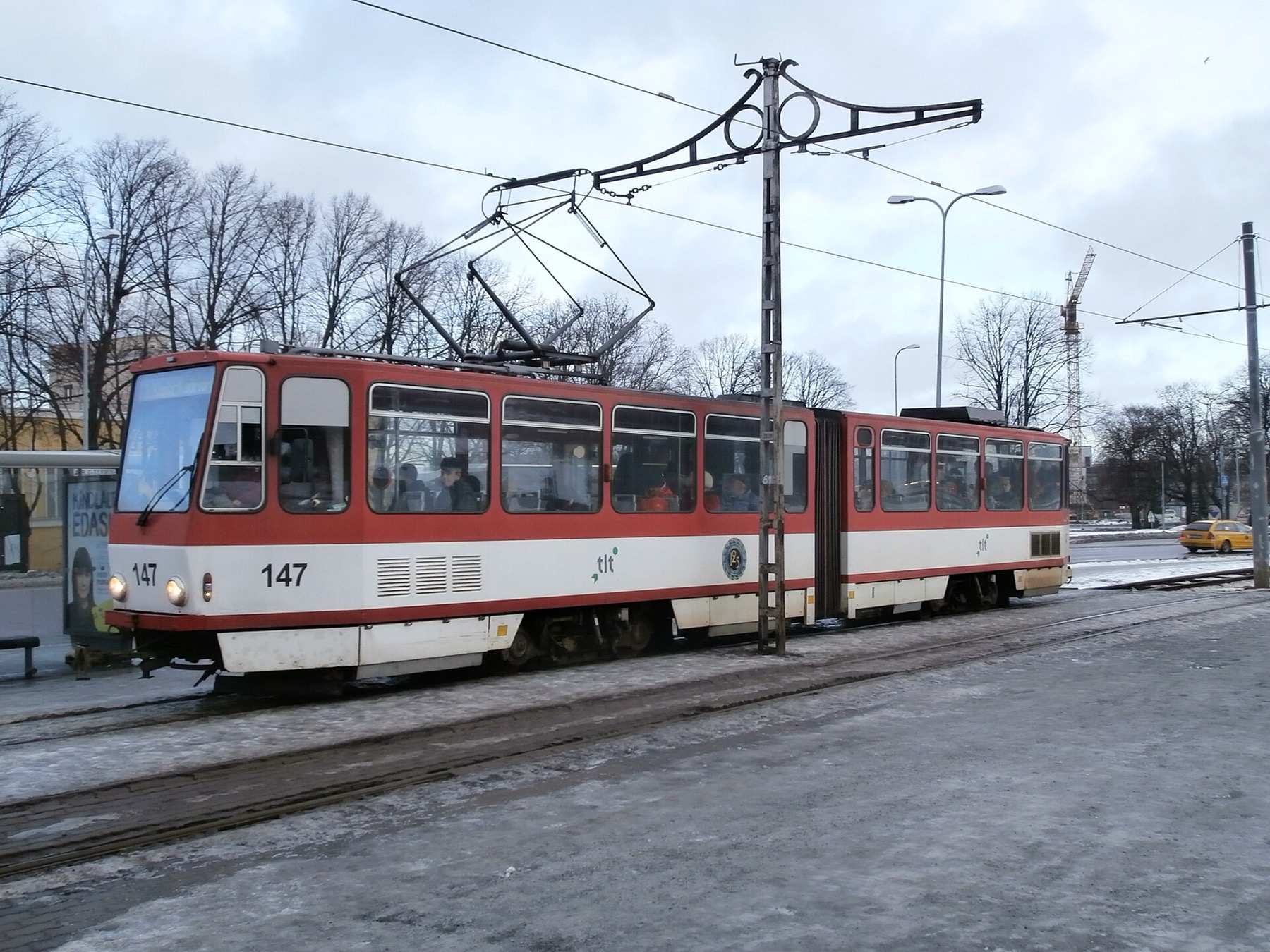
Tallinn has a huge advantage in that its international airport (Lennart Meri Tallinn Airport) sits incredibly close to the city. Only four kilometres separate it from the historic centre, which makes the transfer an absolute breeze. The easiest way is to hop on the tram, which brings you to the centre in around twenty minutes, and you buy your ticket with a simple tap of your payment card right on board.
If you prefer privacy or have heavy suitcases, you can use Bolt, which, incidentally, was founded here. Handy, especially when your hands are full of luggage and you don’t feel like figuring out the tram timetable. The car will be waiting right outside the terminal and the ride will cost you just a few euros.
Travellers arriving by ferry from Finland have it a touch closer to the Old Town. From the Vanasadam port you can walk to the first medieval walls in around fifteen minutes. And since December 2024 there’s a brand-new tram line number 2, which runs right up to the terminals and connects the port with the rest of the city, so you finally don’t have to bother with a taxi or a long walk dragging your suitcase.

When flights are cheapest
The cheapest flights are reliably in the deep off-season, typically from November to the end of March. During this period the airlines compete with discounts, but you have to accept that the weather will be raw and the days very short.
If you want to snag a good price for the summer months, the key to success is booking well in advance. Flight prices start climbing sharply as early as spring, as the season of white nights and summer festivals approaches. Flying in July or August at the last minute means you’ll pay double the usual price for a return trip.
There are also specific dates when prices go completely over the top. During the Advent markets and around New Year’s Eve, Tallinn is extremely popular, so flights on these dates break all records. Travellers on forums therefore advise avoiding the turn of the year and heading over in January instead, when the city empties out after the holidays and prices drop to a minimum.
Where to stay when you arrive
💡 Accommodation and experiences tip: We prefer to look for accommodation on Booking.com, which tends to have the best cancellation terms. It’s then worth it to compare and book tickets, tours and activities through GetYourGuide.
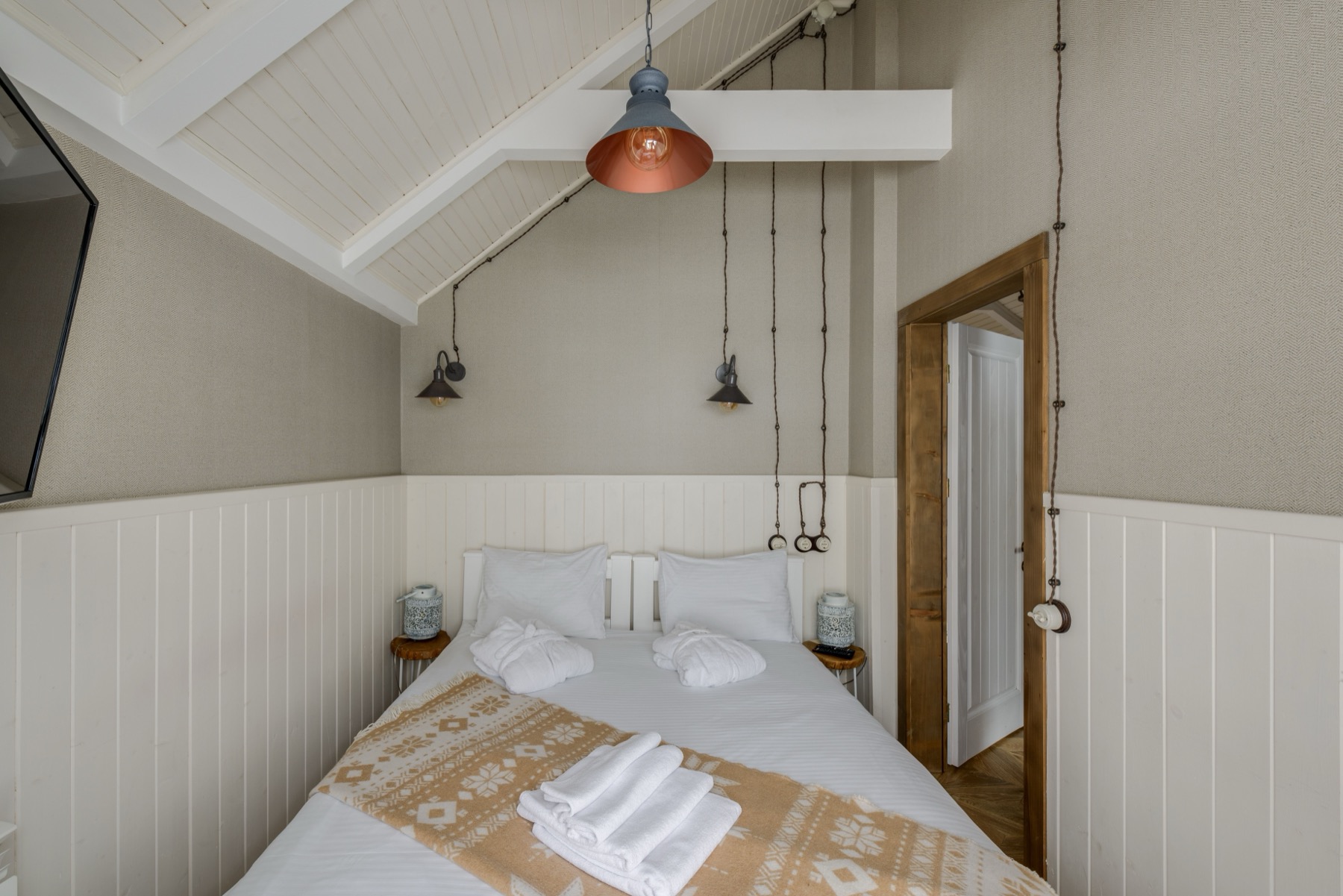
Tallinn offers everything from fairytale-romantic guesthouses inside the city walls to smart, minimalist hotels in the harbour district. It mainly comes down to whether you want to fall asleep with a medieval feel or gaze out at the cranes in the port. If you’re after pure romance, take a look at Nunne Boutique Hotel, which sits right in the shadow of the old city walls, with guests praising its blend of historic atmosphere and modern comfort.
For lovers of top-tier service there’s the legendary Hotel Telegraaf, housed in the historic building of a former post office. It’s an address with a historic touch, a decent restaurant and a spa, perfect for the evening when your legs stop cooperating. And if you prefer elegant classics a short walk from the main action, another great choice is Palace Hotel Tallinn, one of the most prestigious addresses in the city.
Travellers looking for a smart compromise between price and modern style, on the other hand, rave about the self-service Citybox Tallinn City Center. It sits right in the harbour district near the fashionable Rotermann area, has cleverly designed minimalist rooms and saves you plenty of money that you can then spend on coffee in the local cafés. And if you want to enjoy the famous Estonian sauna culture right in your hotel, book a room at Metropol Spa Hotel, which has an excellent pool complex.

Where to eat
Estonian gastronomy has been booming in recent years, and Tallinn has become a sought-after spot for all fans of Nordic flavours. Today’s chefs cleverly combine traditional ingredients like salmon, wild mushrooms, dill and black bread with modern trends. What’s more, local venues mostly keep a very relaxed café atmosphere you’ll feel right at home in.
If you want to taste something from modern Estonian cuisine, travellers warmly recommend the restaurant Rataskaevu 16. It’s usually full, though, so without an early booking you’ll run into closed doors. For perfect coffee and artisan pastries, head instead to Røst Bakery in the modern Rotermann quarter, famous for its cardamom buns. And if a sudden hunger strikes while you’re wandering the city, the pancake houses of the Kompressor chain always come to the rescue — their gigantic portions will fill up absolutely anyone.
Where to next
Read more guides and get inspired to discover the beauty of the north:
- Estonia: 25 things to see and do
- The Baltics in 10 days: an itinerary through Estonia, Latvia and Lithuania
- When to go to Estonia: weather month by month
- Ferry from Helsinki to Tallinn: prices, connections and how to save
- Tallinn: 20 things to see and do in the Estonian capital
- Where to stay in Tallinn: the best neighbourhoods and hotels
- 10 interesting and practical facts about Riga
Frequently asked questions
Before you finally start packing your bags for the north, let’s quickly answer the most common logistical questions that often trouble travellers ahead of their first visit to the Baltics.
From a practical standpoint, a lot of worries fall away once you realise that Estonia is, in many respects, actually a step ahead — especially when it comes to digitalisation and transport. Here are the most important answers for a stress-free trip.
Are there direct flights to Tallinn?
Yes, but direct flights operated by Eurowings run seasonally only, typically from April to October. The flight takes just over two hours. For the rest of the year, you’ll need to use year-round connections with one layover, typically in Riga, Warsaw, or Helsinki.
How long does it take to drive to Estonia?
The pure driving time to the resort town of Pärnu is roughly 18.5 hours, covering around 1,500 kilometres along the Via Baltica route. Travellers strongly recommend splitting this long journey into two days with an overnight stop in Poland or Lithuania.
How much does a flight ticket cost?
Return tickets on direct flights can be found in summer sales from around €120. However, if you fly with a connection or add a larger cabin bag or checked luggage to the base fare, expect the final price to climb to €160–200.
Can you travel to Estonia by long-distance bus?
Yes, routes from major European cities are operated by companies like FlixBus and Ecolines. However, the journey is extremely tiring and takes a long 26 to 28 hours. One-way tickets start at around €60–95, so it’s worth breaking up the trip with an overnight stay, for example in Warsaw.
Do I need a car in Estonia?
For getting around Tallinn itself or travelling between the largest cities, you don’t need a car at all, as there’s an excellent network of trains and buses. However, if you’re planning to explore remote bogs in national parks or head out to the islands, you’ll find it practically impossible to manage without your own or a rental car.
What’s the fastest way to get from the airport to Tallinn city centre?
The airport is just four kilometres from the city centre. The easiest option is to hop on the tram, which will get you to the Old Town in about twenty minutes, or call a car through the Bolt mobile app, which will only cost you a few euros.
Is it better to fly to Tallinn or to Riga?
Flights to Riga in Latvia are often significantly cheaper and have more connections. From Riga, you can then reach Tallinn very comfortably by Lux Express bus in just under four and a half hours, making this a very smart and popular alternative.
Do ferries run from Helsinki year-round?
Yes, the giant ferries between Helsinki and Tallinn run every day throughout the year and handle even harsh winter conditions and frozen seas without problems. The crossing itself takes just two hours and tickets for foot passengers cost from €10 to €35.
Do they use euros in Estonia?
Yes, euros are accepted absolutely everywhere and it’s an extremely cashless society. You can pay for practically anything by card or phone, from coffee at the market to tram tickets, so you definitely don’t need to carry large amounts of cash.
Tips and Tricks for Your Vacation
Don’t Overpay for Flights
Search for flights on Kayak. It’s our favorite search engine because it scans the websites of all airlines and always finds the cheapest connection.
Book Your Accommodation Smartly
The best experiences we’ve had when looking for accommodation (from Alaska to Morocco) are with Booking.com, where hotels, apartments, and entire houses are usually the cheapest and most widely available.
Don’t Forget Travel Insurance
Good travel insurance will protect you against illness, accidents, theft, or flight cancellations. We’ve had a few hospital visits abroad, so we know how important it is to have proper insurance arranged.
Where we insure ourselves: SafetyWing (simple monthly subscription) and TrueTraveller (for extra-long trips).
Find the Best Experiences
Get Your Guide is a huge online marketplace where you can book guided walks, trips, skip-the-line tickets, tours, and much more. We always find some extra fun there!