If you’re wondering where to stay in Tallinn Estonia, I have good news for you. The Estonian capital is such a compact city that from most neighbourhoods you can walk comfortably to the historic centre. Choosing accommodation here is therefore less about distance and more about the overall atmosphere and nightly price. While some travellers dream of romance beneath the medieval walls, others appreciate being close to the port after getting off the ferry.
Whether you’re heading here for a weekend city break or simply looking for a bed for one night after sailing from Helsinki, the Estonian capital offers an enormous range of options. Reviews from other travellers show that accommodation prices in Tallinn rise quite sharply, especially during summer and Advent weekends. A standard room now commonly costs between €89 and €101 (around CZK 2,200–2,500).
In this guide, I’ll show you the 6 best neighbourhoods for staying in Tallinn and explain exactly who each one suits. We’ll look at specific, tried-and-tested hotels, from luxury properties to budget options, so you can choose according to your travel style and budget.
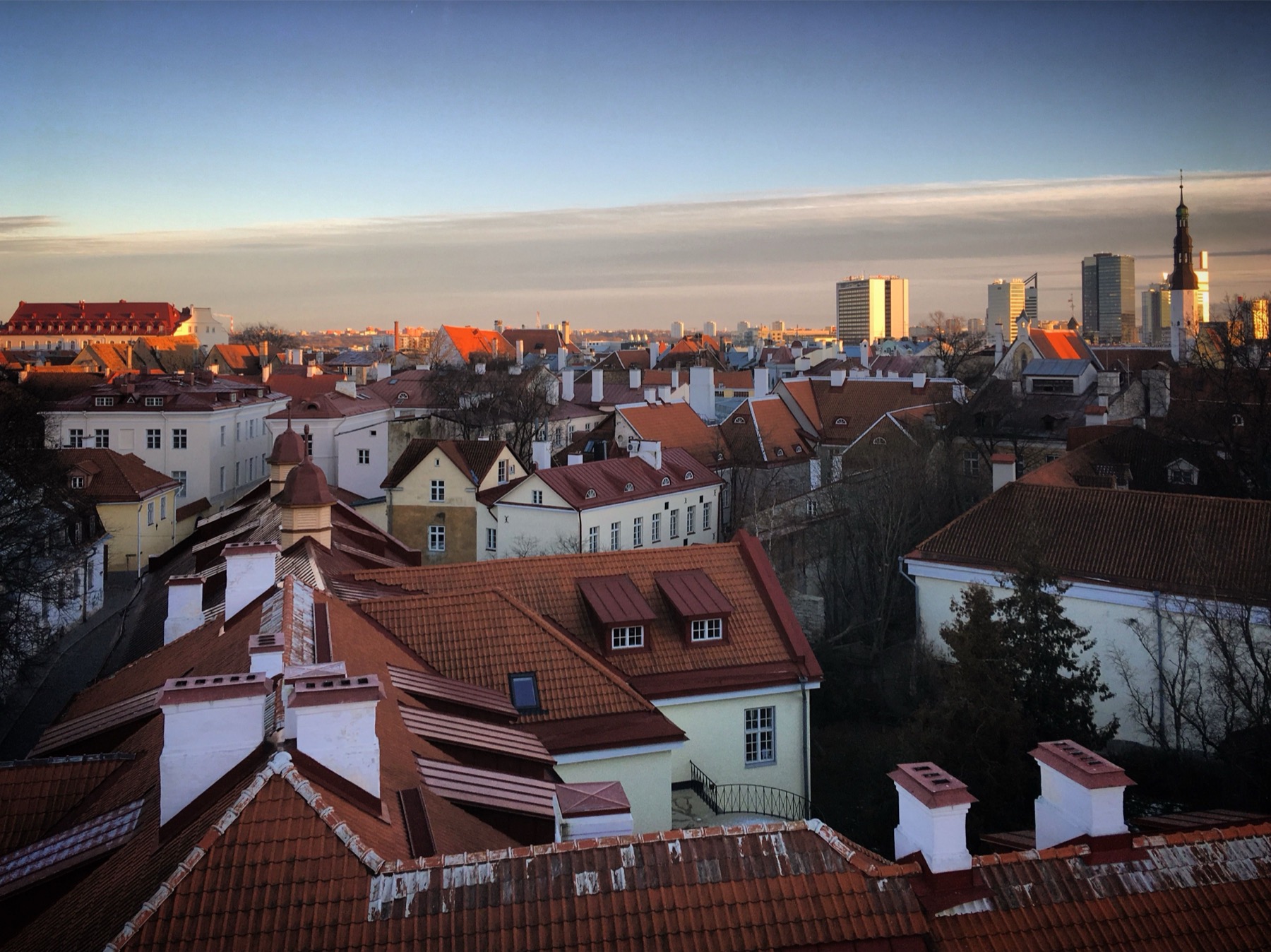
Summary
- Best neighbourhood for a first visit: Historic Vanalinn (Old Town) is the absolute classic, listed as a UNESCO World Heritage Site, with all the main sights right on your doorstep.
- Where to stay for one night after the ferry: If you’re arriving by ship from Helsinki, choose the area around the port (Sadama). You can walk to the terminal in roughly fifteen minutes and save time.
- Where it’s cheapest: Travellers on a tighter budget will love the hip Kalamaja district or hostels on the edge of the centre, where a bed costs approximately €16 (around CZK 400).
- Where to find modern design: Rotermann and the City Centre offer a great mix of old and new architecture and are strategically located between the port and the Old Town.
- When to start booking: Demand is highest in July, August and December because of the famous Christmas markets, so feel free to book your hotel several months in advance.
- What to avoid: Weekend nights right in the centre of the Old Town can be very noisy because of the night bars. Parking in the historic lanes is also complicated and extremely expensive.
The full destination guide: Estonia — guide and what to see
How to choose a neighbourhood for your type of trip
Tallinn is small, but its neighbourhoods differ surprisingly significantly, and where you sleep really affects how you experience the entire trip. If you’re visiting Estonia for the first time, you’ll probably be most enchanted by the historic centre. Staying inside a Hanseatic house is wonderfully romantic and immediately draws you into the story.
Travellers looking for romance or celebrating an anniversary often swear by Vanalinn’s winding lanes. This is where you’ll find the most beautiful boutique hotels with historic character. Just bear in mind that you’ll pay a little extra in high season for this fairy-tale experience.
Families with children, on the other hand, often look for quieter areas with plenty of greenery and space. In the experience of many visitors, the residential Kadriorg district is invaluable, with its huge park close by. A pushchair would soon be seriously rattled by the cobblestones in the centre.
Travellers on a tight budget who want good value will find excellent options just beyond the walls. Wooden, hip Kalamaja is a great choice, with significantly cheaper accommodation available. You’ll also find plenty of affordable bistros and cafés popular with locals.
Business travellers and people visiting Tallinn for work usually focus on the modern City Centre and Rotermann area. These districts offer excellent service, modern glass hotels and great transport links. From the airport, you can also get here quickly and easily by tram or Estonia’s Bolt.
Another distinct group is made up of travellers arriving by ferry from Helsinki for just one night. For them, the most practical option is to stay around the port (Sadama). You won’t have to drag your suitcases far, and in the morning you’ll be able to reach the ship in just a few minutes on foot.
The winter Advent season is a chapter of its own. Tallinn’s Christmas markets are reportedly among the most beautiful in Europe, so hotels within walking distance of Town Hall Square disappear at lightning speed. If you’re planning to soak up the festive atmosphere, book your room as early as the end of summer.
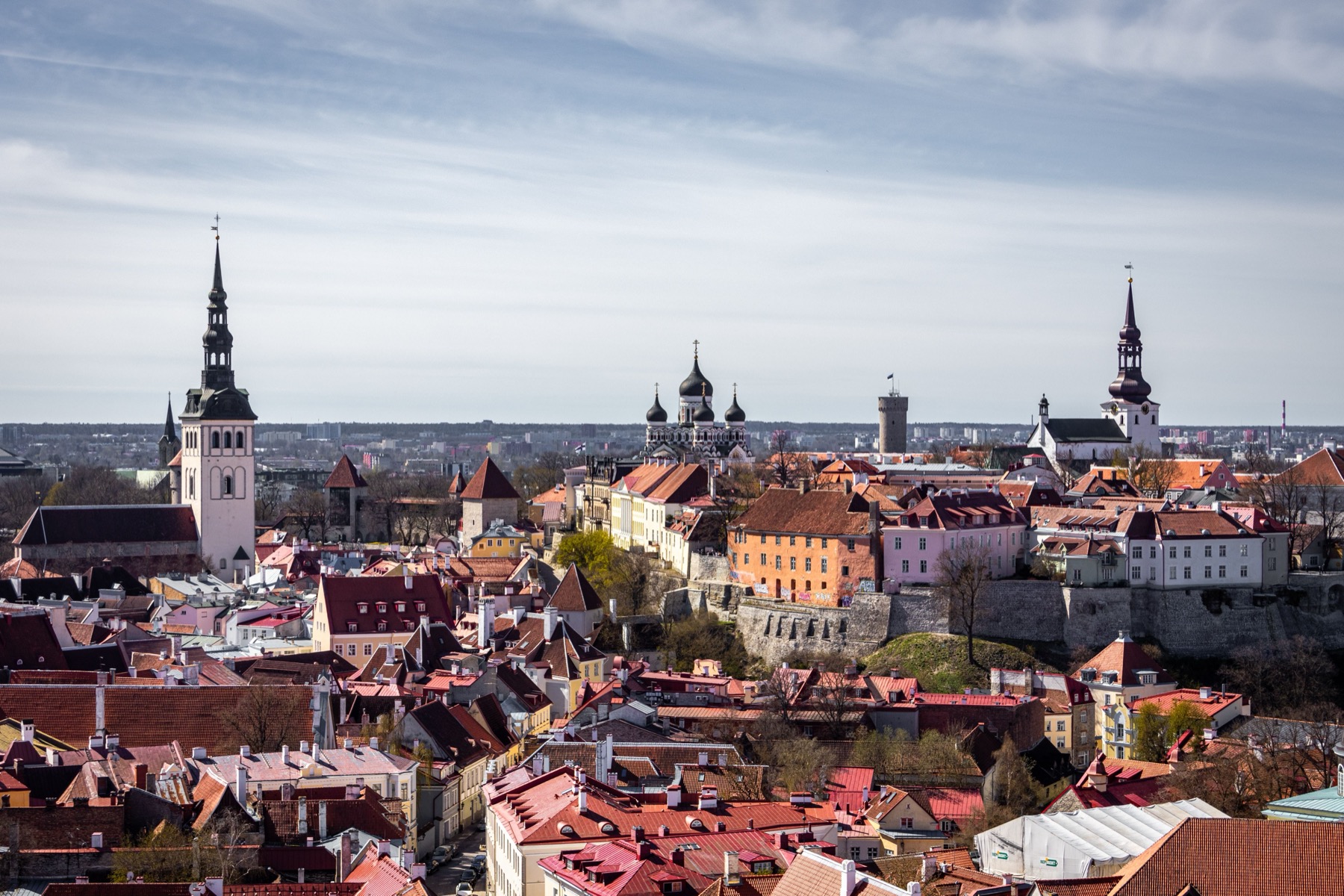
6 Best Neighbourhoods to Stay in Tallinn Estonia
Choosing the right location may sound complicated, but don’t worry: the Estonian capital is very easy to navigate. Below, I’ll introduce you to the 6 best neighbourhoods for staying in Tallinn, so you can choose a base that suits your preferences and itinerary perfectly.
Every part of the city has a completely different atmosphere. In some places, you’ll feel the city’s rugged maritime history; elsewhere, there’s a relaxed hipster style or modern Nordic design. Whether you’re looking for absolute peace or lively nightlife, you’re sure to find a good fit here.
1. Vanalinn (Old Town)
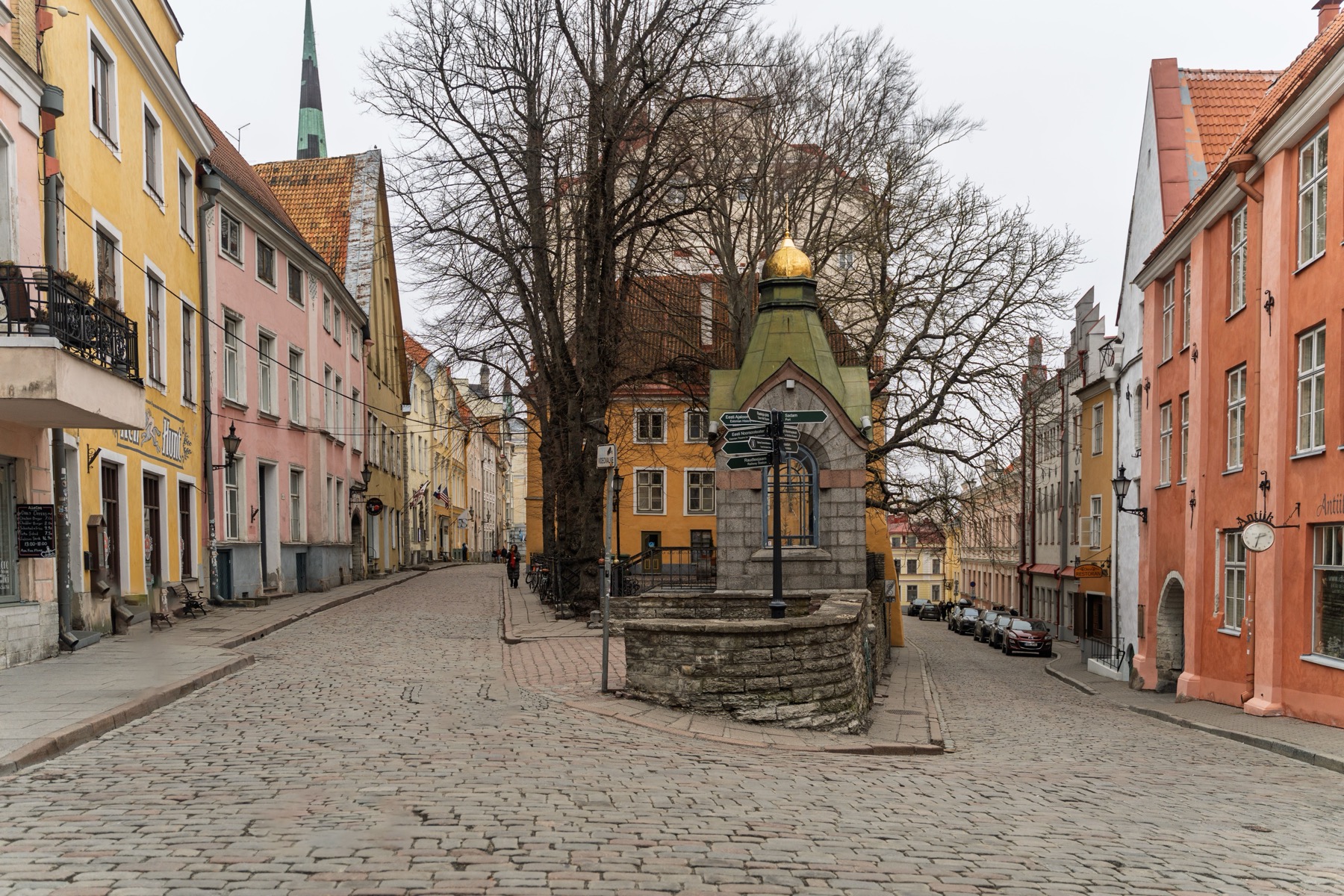
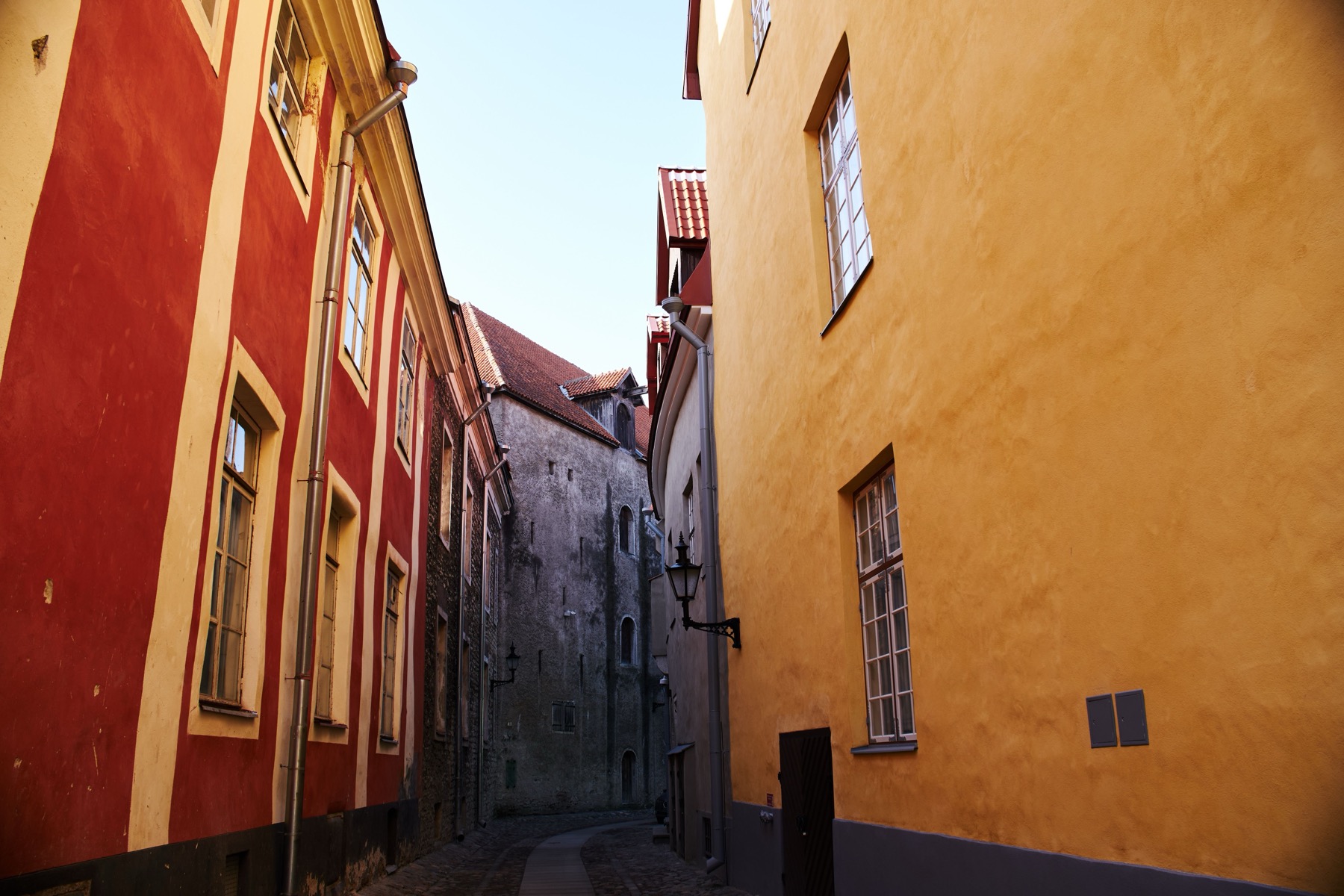
The best-preserved medieval city in Northern Europe, listed as a UNESCO World Heritage Site, is an irresistible magnet for most visitors. Cobblestone lanes, red roofs on defensive towers and Hanseatic merchant houses create an unforgettable atmosphere. If this is your first visit, Vanalinn is the obvious choice. Step out of your hotel and you’re right in the middle of everything.
On the other hand, Vanalinn isn’t ideal for people arriving by car. Parking in the narrow historic lanes is highly complicated and extremely expensive. Travellers also often complain in reviews about weekend-night noise, when visitors spill out of the night bars and clubs into the lanes.
In terms of access, you can walk from the Old Town to the port in roughly fifteen to twenty minutes. Balti Jaam railway station is just a short distance away through the passage beneath the walls. Standard rooms here generally start at around €85 (approximately CZK 2,100), although luxury hotels charge considerably more.
Notable hotels here include the famous Schlössle Hotel, a classic for lovers of historic luxury. Another fantastic address is Hotel Telegraaf, which also offers guests a beautiful indoor spa. Those looking for boutique style within the walls can consider the newer Nunne Boutique Hotel. A complete newcomer is The Burman Hotel, a five-star gem opened in spring 2023 right in the heart of the lanes.
💡 Tip: Get up early and explore the lanes before 10 a.m. Once the cruise-ship crowds disembark, the centre turns into quite a busy theme park, and you’ll be better off escaping to quieter neighbourhoods.
2. Rotermann and the City Centre
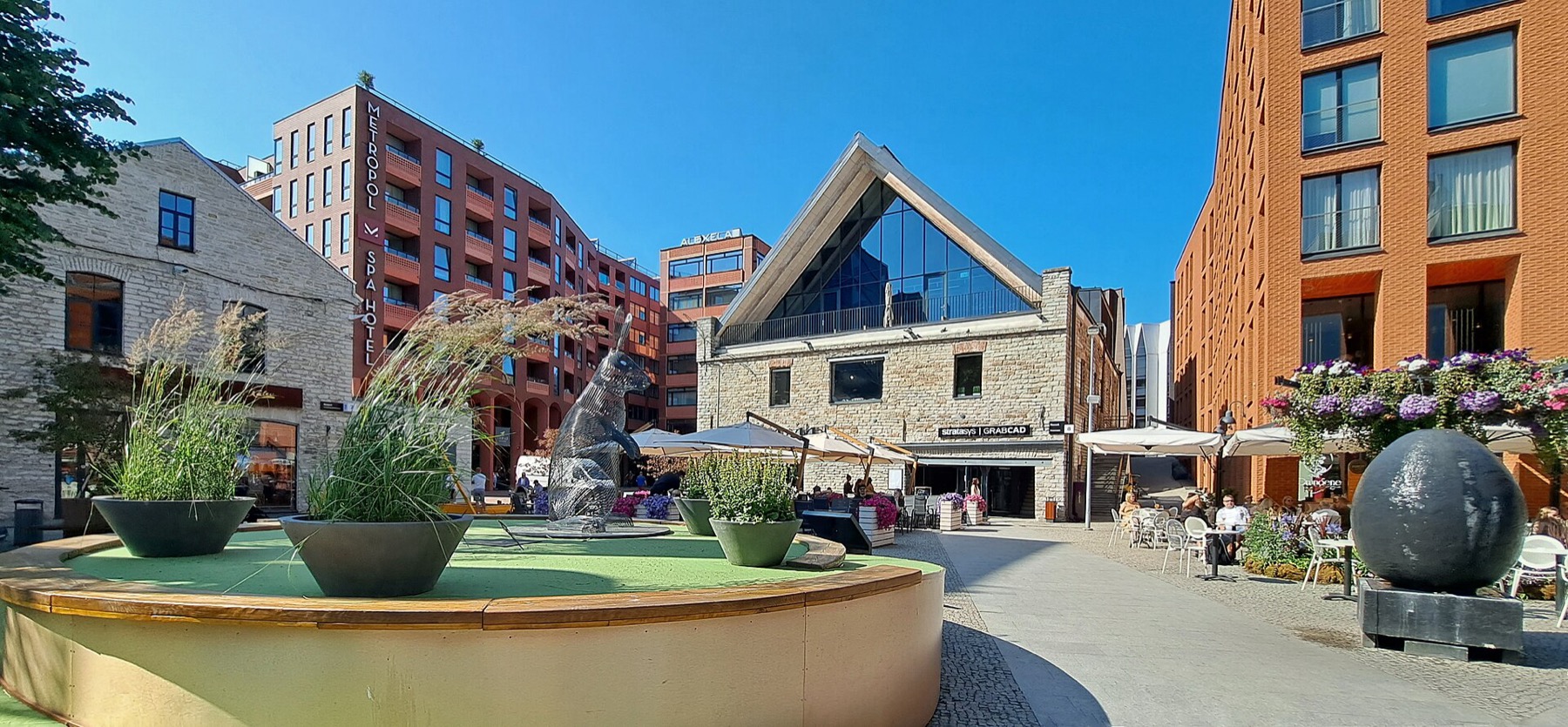
Rotermann and the City Centre represent the modern face of the Estonian capital. The area flows naturally from the historic centre and is strategically located between the Old Town and the port. The architecture is quite surprising: nineteenth-century industrial brick buildings stand almost shoulder to shoulder with ultra-modern glass façades.
The district is ideal both for a first visit and for returning to Tallinn. It’s perfect for anyone who wants to be close to shops, modern restaurants and excellent coffee. Lovers of pure medieval character or backpackers looking for the cheapest possible bed, however, should look elsewhere.
Transport is excellent. You can get here from the airport by tram in just a few minutes, and you can comfortably walk to the ferries to Finland. It’s easy to find your way around, and the atmosphere is noticeably calmer than in crowded Town Hall Square.
Accommodation here is in the mid-range bracket, approximately €90–€110 per night (around CZK 2,250–2,750). The city is also experiencing a major hotel boom, bringing new and modern capacity to the market. One example is the luxurious Hyatt Place Tallinn, which opened in August 2023 as the first hotel of this chain in the entire Baltic region.
You’ll also find the excellent Metropol Spa Hotel, which guests frequently recommend for its relaxing wellness centre. Another popular mainstay nearby is Palace Hotel Tallinn, offering an excellent mid-range standard and perfect access in every direction.
💡 Tip: When you’ve had enough of sightseeing, duck into one of the many local bakeries. Estonian pastries such as the sweet cinnamon-and-cardamom-filled kringel are said to be completely addictive and make a perfect afternoon coffee companion.
3. Kalamaja
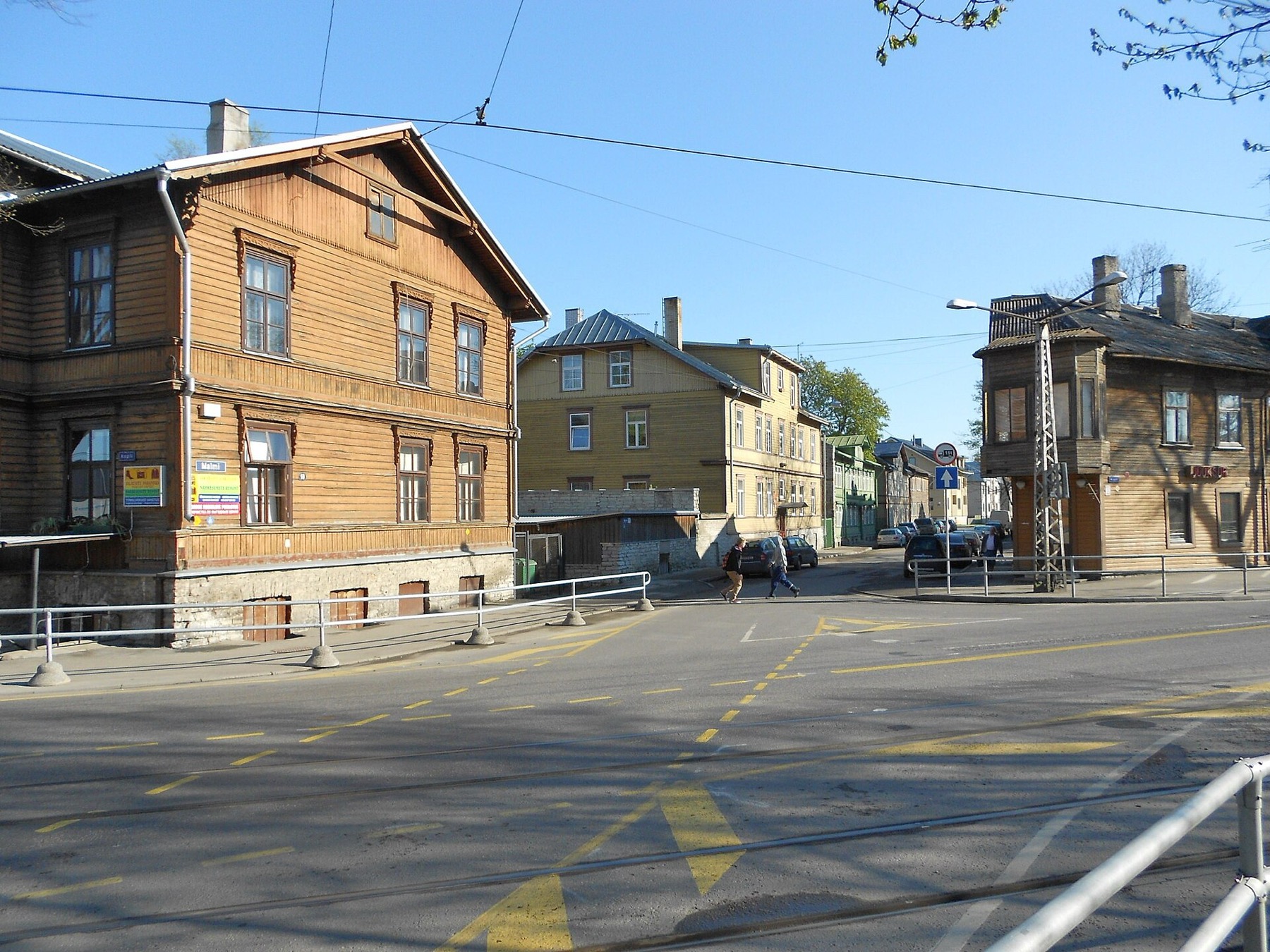
Once you leave the walls behind through the passage beneath the railway station, you’ll find yourself in a completely different world. Kalamaja (meaning Fish House) is a former fishing district filled with colourful wooden houses. Today it’s considered the city’s main hipster hub, where specialty coffee and a relaxed, creative atmosphere reign.
This neighbourhood is perfect for travellers who enjoy local authenticity and want to escape the tourist crowds. It’s a great choice for young couples and people with a slightly smaller budget. If you’re looking for traditional hotel luxury and a doorman at the entrance, however, you’re unlikely to find it here.
The centre is still very close. From Kalamaja, you can walk to Town Hall Square in about twenty minutes, or hop on a tram and cut the journey down to a few minutes. It’s wonderfully peaceful, and on the pastel-coloured streets you’ll meet mostly locals on bicycles or families with pushchairs.
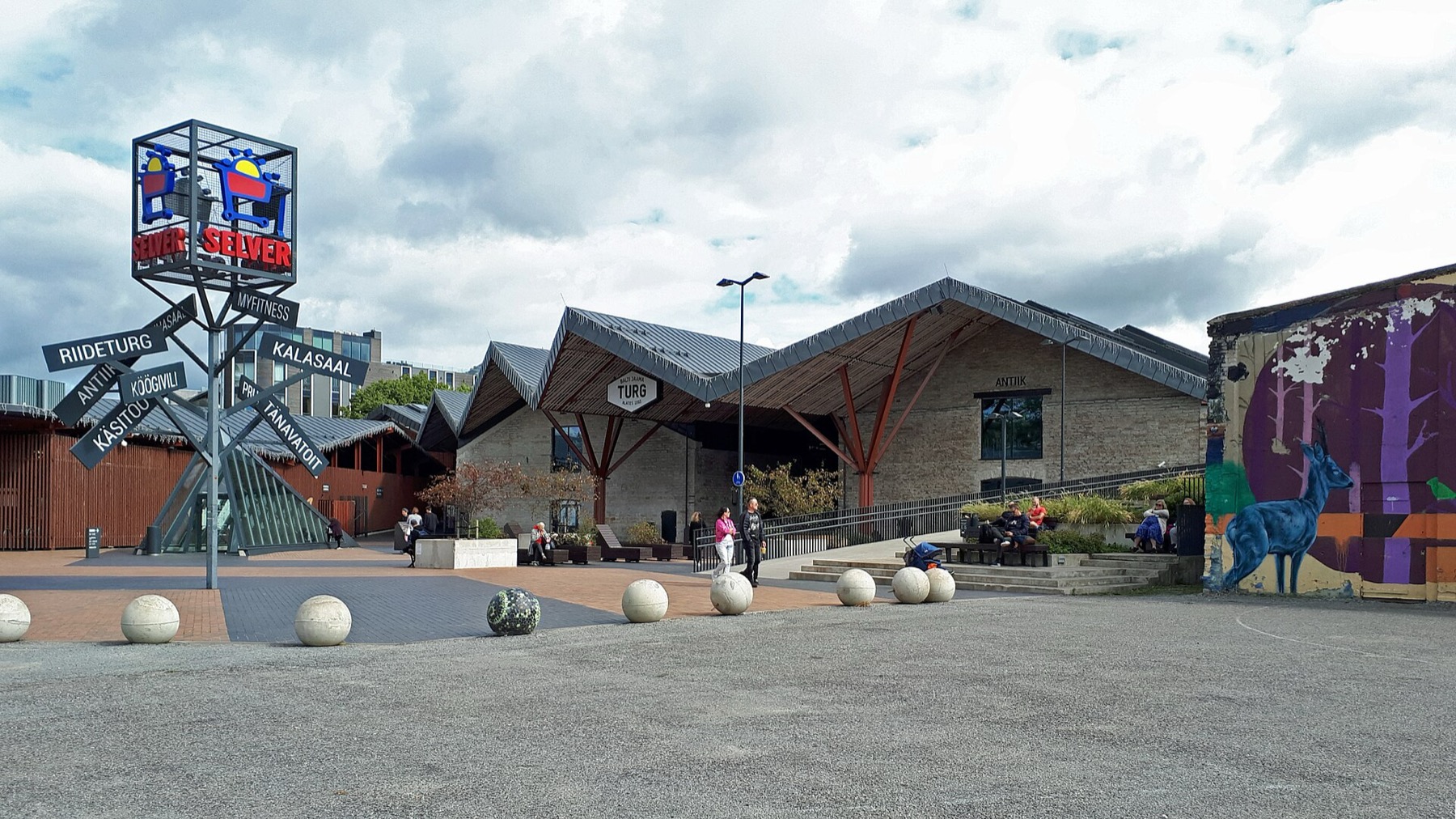
Kalamaja is noticeably more affordable than the historic centre. Standard accommodation here costs approximately from €70 per night (around CZK 1,750), and there’s also a wide selection of apartments on Airbnb. The famous Balti Jaama Turg market is right next door, where you can eat cheaply and wonderfully at street-food stalls.
💡 Tip: Travellers recommend visiting nearby Telliskivi Creative City. Design boutiques, studios and a popular branch of Stockholm’s Fotografiska gallery occupy the former factory halls.
4. Noblessner and Kalasadam
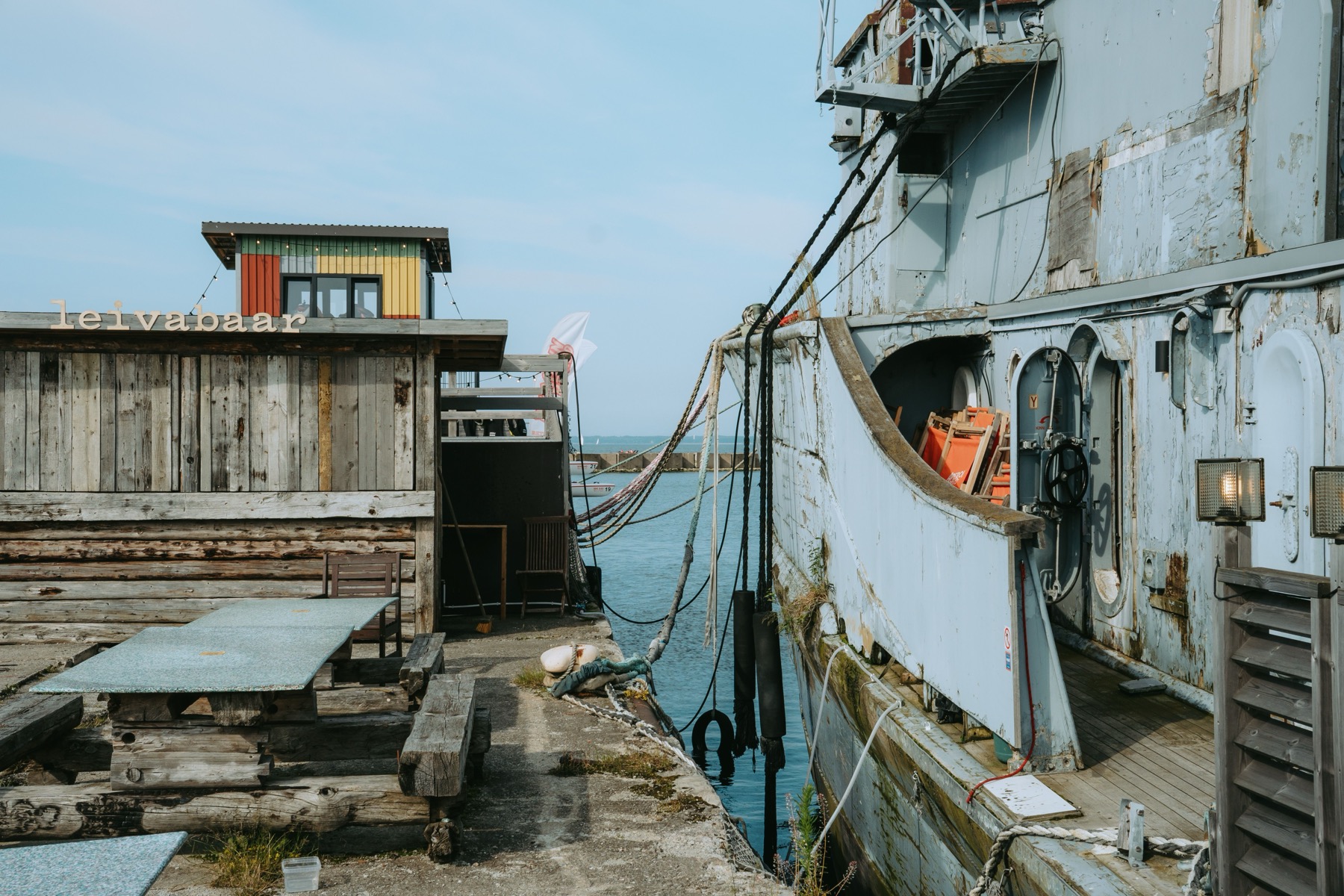
If you continue from Kalamaja towards the sea, you’ll come across the modern Noblessner district. This former imperial Russian submarine shipyard has been transformed into an excellent example of modern urban planning. Today it’s the city’s most expensive and stylish neighbourhood, offering luxury apartments, broad promenades and beautiful views across the bay.
Noblessner and neighbouring Kalasadam are for people who enjoy modern architecture, good restaurants and waterfront views. You simply won’t find tourist crowds here. For backpackers and anyone who wants to stay right by the sights, though, it’s a little out of the way.
It’s somewhat farther out in transport terms, but thanks to Estonia’s Bolt, you can reach the centre in a few minutes and for a few euros. Walking to the Old Town takes about half an hour along a pleasant coastal route. Accommodation in modern waterfront apartments is among the most expensive in the city.
The district is home to some of Estonia’s best restaurants, including luxurious Michelin-starred establishments. Families with children will love the interactive PROTO Invention Factory and nearby Lennusadam Seaplane Harbour museum.
💡 Tip: Don’t miss the experience of the Iglupark floating saunas. A public sauna costs approximately €24, and after warming up properly you can jump straight into the chilly waters of the Baltic Sea.
5. Kadriorg
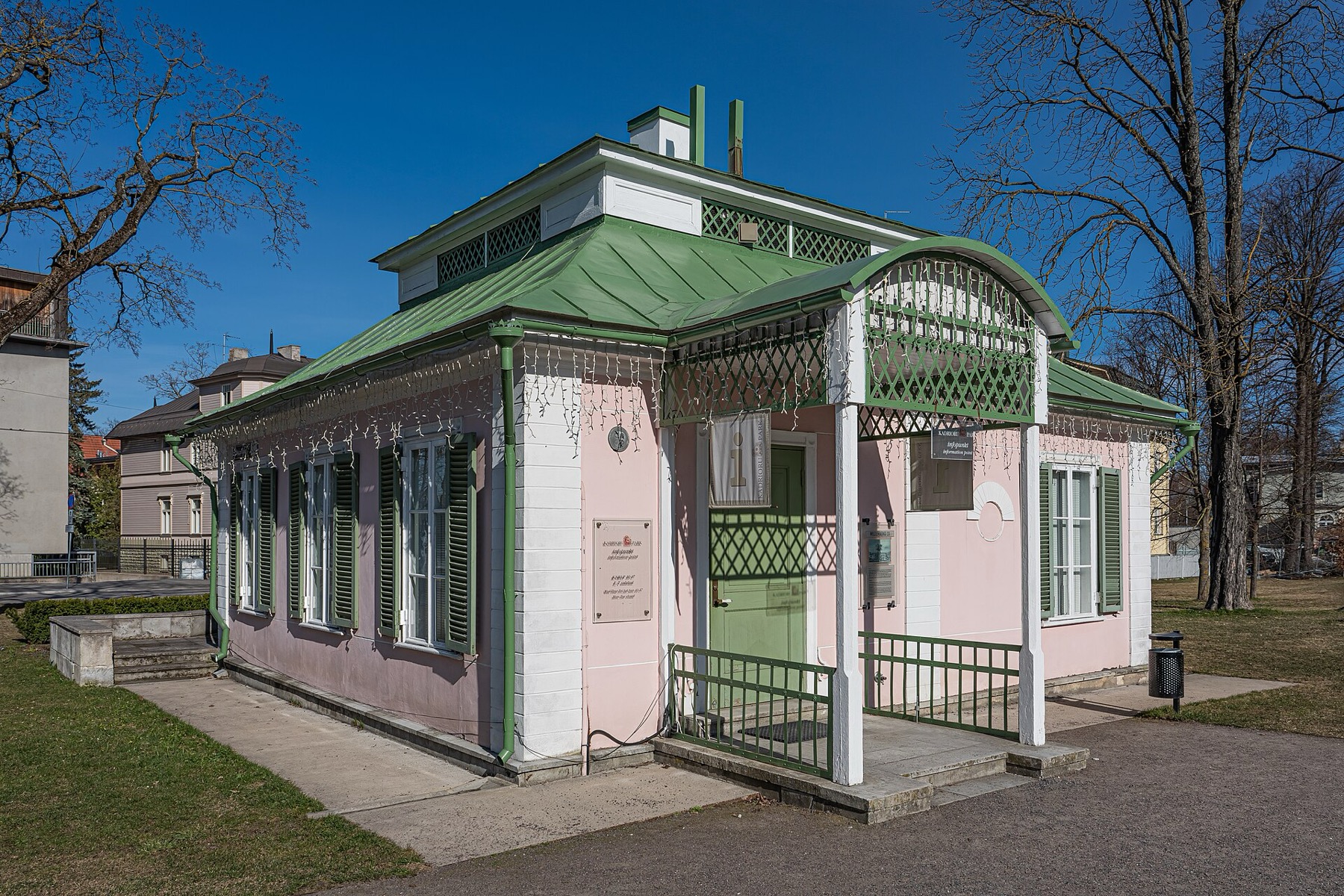
Kadriorg is synonymous with elegance, remarkable peace and greenery everywhere you look. Its heart is a spacious baroque park with a magnificent palace commissioned by Russian tsar Peter the Great. It’s a quiet residential area where historic wooden villas sit naturally alongside modern homes.
This location is tailor-made for families with children and travellers planning a longer stay. It offers plenty of room to relax and a perfect escape from the city’s noise. If you’re arriving for one quick night and want to visit every night bar, however, Kadriorg will be too quiet and too far away.
From the centre, the fastest route is by tram, taking barely ten minutes, although walking here is also pleasant and easy. Accommodation prices reflect the area to some extent, generally ranging from around €90 to €120 per night (approximately CZK 2,250–3,000).
Besides its beautiful park, the district boasts the huge KUMU Art Museum, an architectural masterpiece built directly into a limestone cliff. You’ll also find several cosy cafés nearby where locals come to read, work and relax.
💡 Tip: If you stay in this neighbourhood, walk as far as nearby Pirita Beach. In summer it’s a popular spot for weekend swimming, while in winter it offers breathtaking views of the frozen sea.

6. The Port Area and Sadama
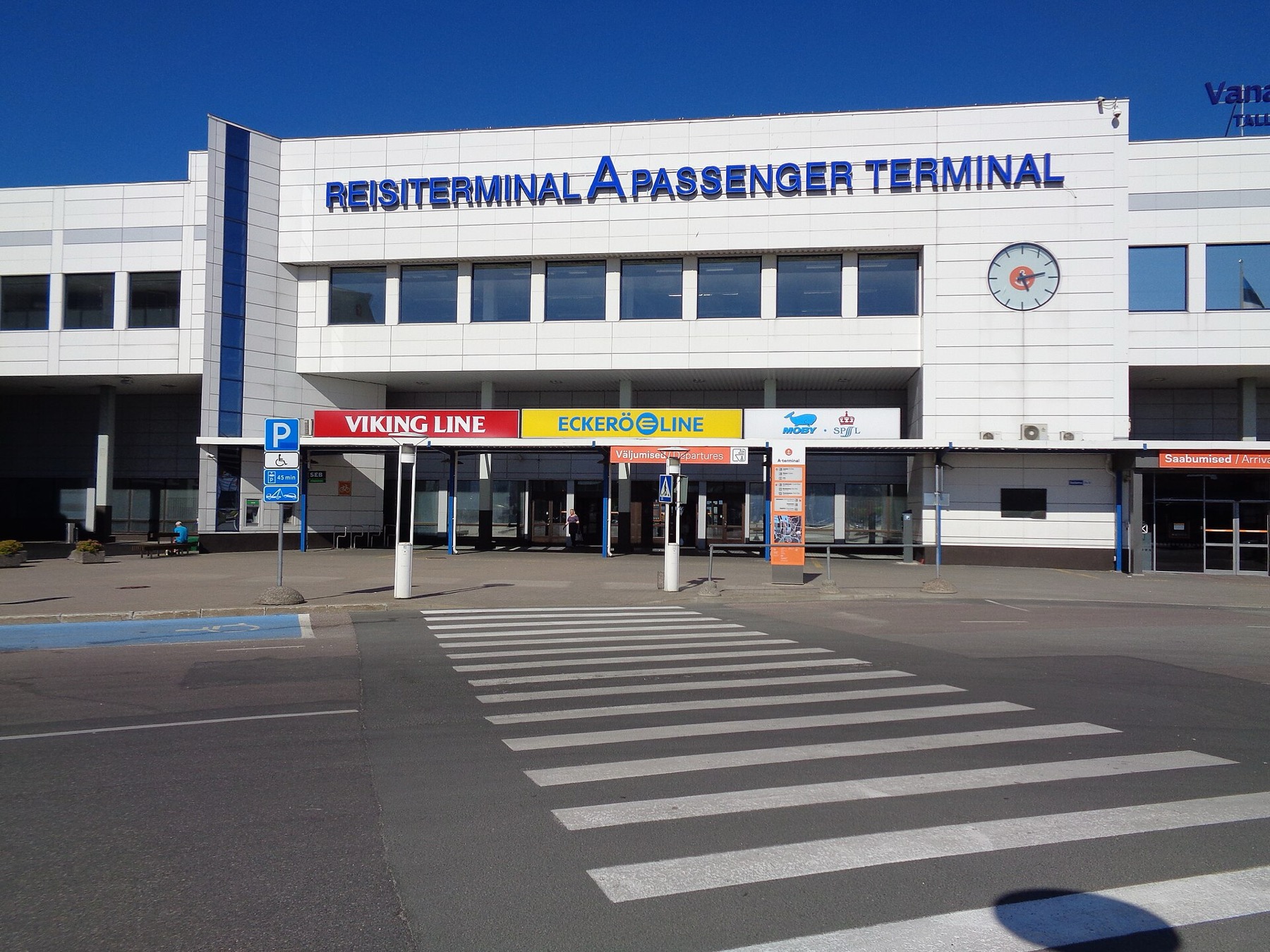
The area known as Sadama lies immediately beside Tallinn’s ferry terminals. It was once purely an industrial and transit zone, but today it’s quickly developing into a modern, functional district. Its greatest advantage is undoubtedly its unbeatable practicality for travellers arriving by sea.
This neighbourhood is perfect for travellers arriving by ferry from Helsinki for just one or two nights. You won’t need to make any complicated transfers with heavy suitcases. For those seeking historic romance or a hipster atmosphere, however, the port area may feel somewhat impersonal.
From the port terminals, you can walk to the lanes of the Old Town in about fifteen minutes. A useful tram line now also runs through the area, quickly taking you closer to the centre if you’re tired. Prices vary considerably, with both expensive business hotels and very cheap hostels available.
Right between the port and the Old Town is the popular Fat Margaret’s hostel, an ideal choice for budget travellers. If you’re looking for a modern, affordable concept without a traditional reception desk, Citybox Tallinn City Center is a natural choice.
💡 Tip: Around the port you’ll find huge supermarkets called Superalko, where crowds of Finnish tourists head for legendary shopping trips for cheaper goods. As a bizarre cultural excursion, it’s certainly worth seeing.
Specific Hotels by Budget
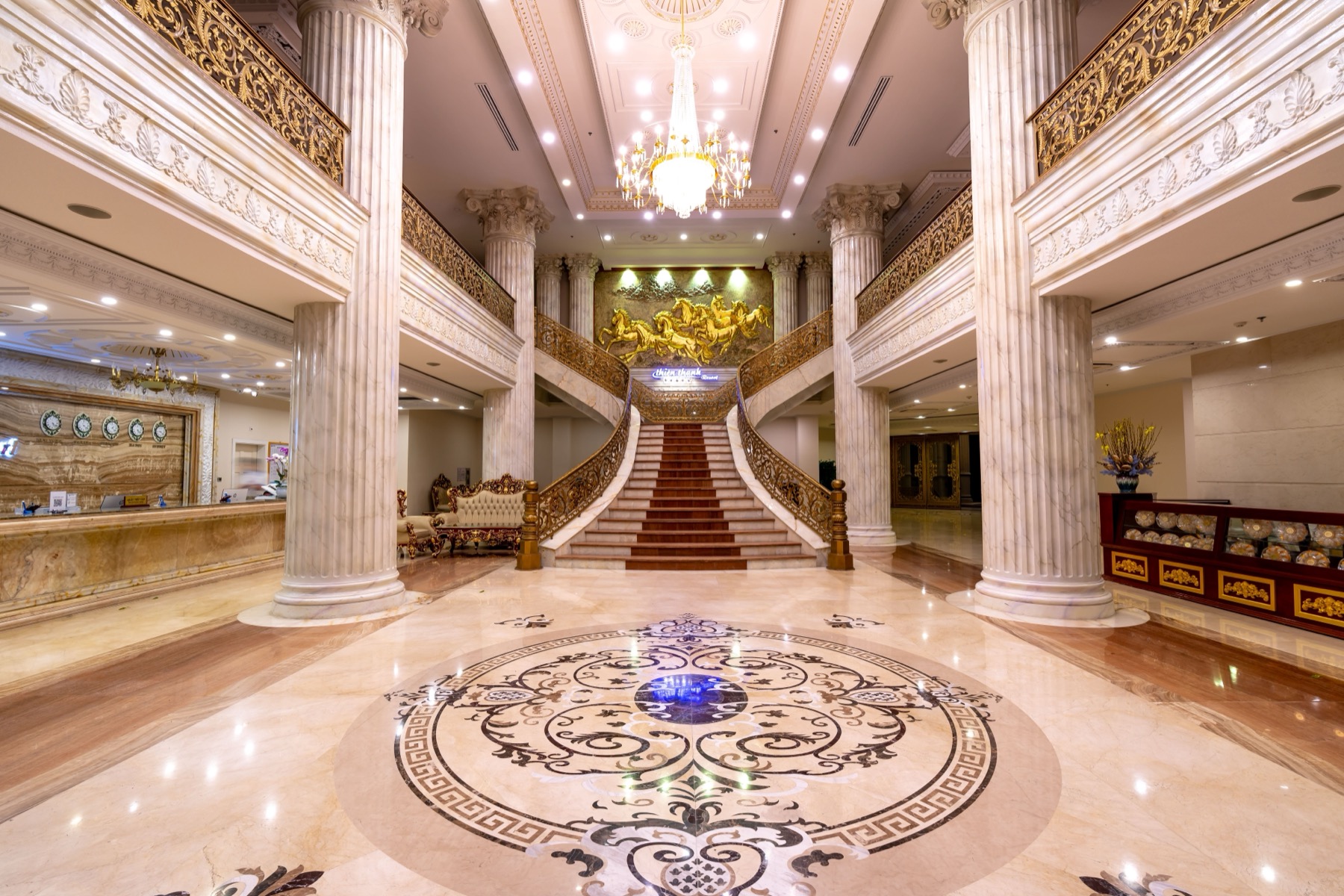
This selection is based on excellent traveller reviews. Here are proven hotels in three price categories, so everyone can choose according to their budget. For all of them, it makes sense to look for available dates well in advance through the Booking.com search engine.
Luxury accommodation for discerning travellers
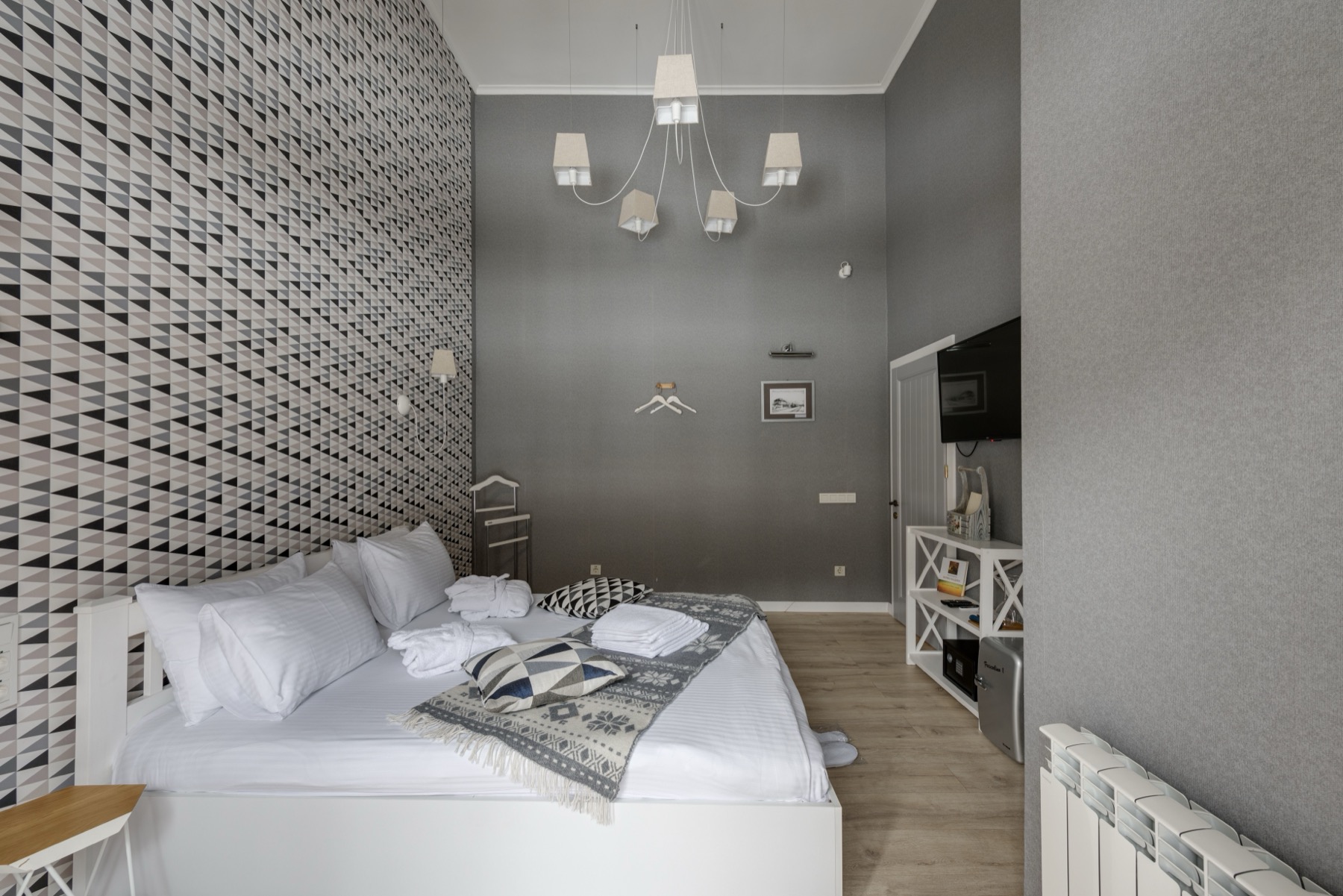
If you want the very best and budget isn’t your main concern, the Old Town offers first-class historic hotels. You get what you pay for: historic interiors that look as if they belong on a film set, and staff who remember your name. Classics in this category include Schlössle Hotel and the renowned Hotel Telegraaf, with its own relaxing spa. These addresses suit travellers looking for traditional historic charm, with prices generally starting at around €180 per night (approximately CZK 4,500).
If you’re after something truly unique, take a look at The Burman Hotel. This boutique gem opened in spring 2023 right in the Old Town and offers just 17 exclusive apartments. In autumn of the same year, it even received the prestigious Michelin New Hotel of the Year award, so prepare for an exceptional experience aimed at the most demanding guests. When searching through the popular Booking platform, expect prices of approximately from €250 per night.
Mid-range and boutique hotels
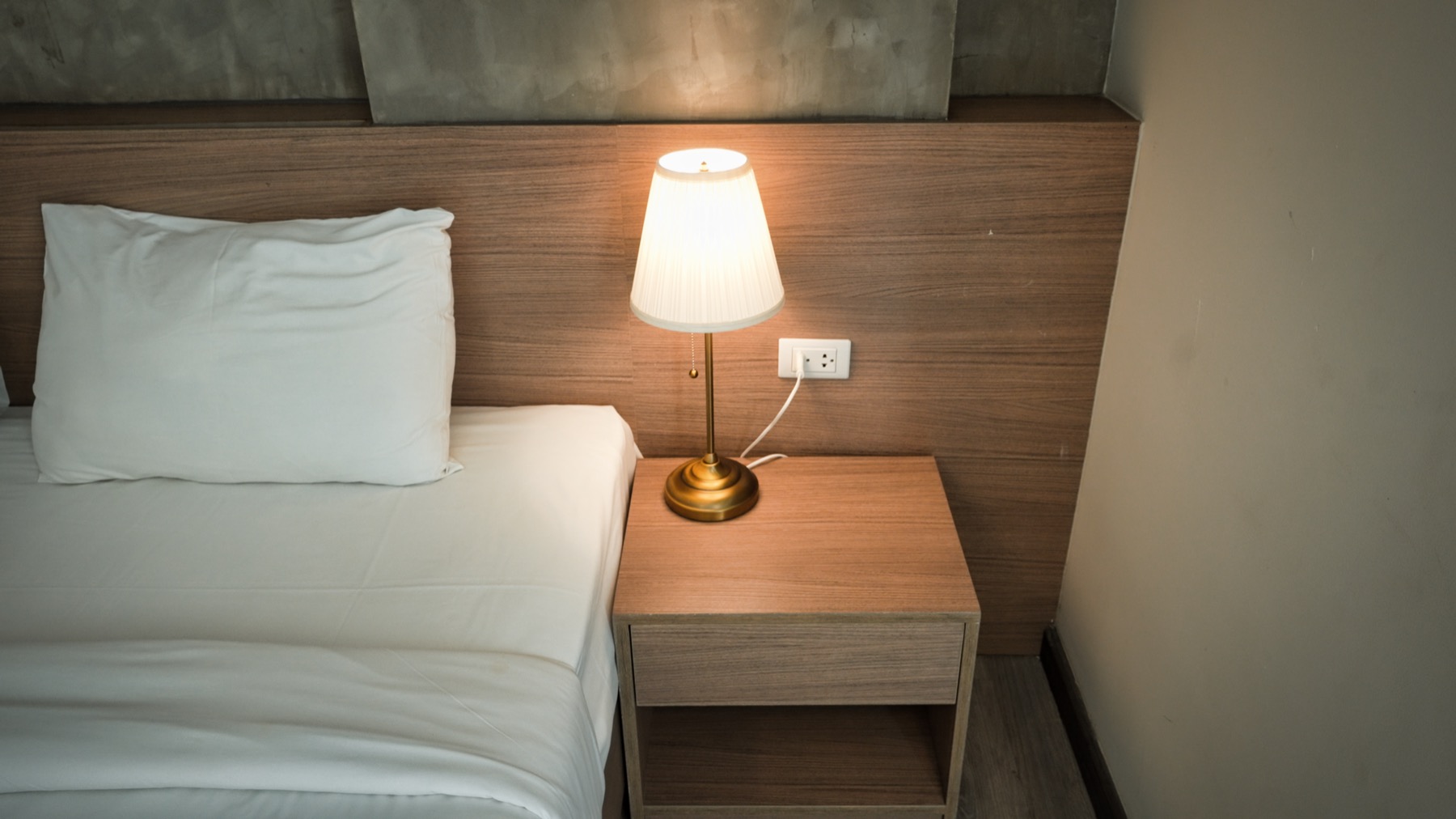
In the mid-range category, the Estonian capital offers genuinely excellent value for money. If you want to stay right by the city walls, consider Nunne Boutique Hotel, where a night costs an attractive €85 (around CZK 2,100). It combines historic details with modern design beautifully, and guests often praise the generous breakfasts in their reviews.
For fans of modern style and wellness facilities, Metropol Spa Hotel is a safe bet. It stands in the Rotermann district, has an indoor pool with saunas and is an ideal retreat after a frosty winter walk. The traditional Palace Hotel Tallinn is the golden middle ground, maintaining a high standard just a few steps from the main square.
The newly opened Hyatt Place Tallinn is a major attraction for fans of international hotel chains. It opened its doors in August 2023 and is the brand’s first hotel in the entire Baltic region. A standard room in these mid-range hotels will cost approximately between €89 and €101 per night (around CZK 2,200–2,500).

Low budget and hostels
Estonia may no longer be one of Europe’s cheap eastern destinations, but you can still spend the night for a reasonable price. The modern Citybox Tallinn City Center is a great option within walking distance of the port. It operates as a self-service hotel without a traditional reception, and rooms cost approximately from €50 (around CZK 1,250).
If you don’t mind shared rooms and want the absolute cheapest option, head to Fat Margaret’s hostel. It’s a short distance from the northern walls and the famous maritime tower, so the centre is only a few minutes’ walk away. A bed in a shared room costs approximately from €16 per night (around CZK 400), making it a backpacker’s paradise.

When to Book and How to Save
Planning a trip to Tallinn requires a little strategy because room prices fluctuate wildly throughout the year. The city is busiest in July and August, when crowds arrive for the pleasant summer weather. During this period, expect prices to commonly double, and you should arrange your booking at least a month in advance.
The second absolute peak season is the winter Advent period and New Year’s Eve. The markets on Town Hall Square are famous throughout Europe, so central hotels are reporting full occupancy as early as autumn. If you want to enjoy this Christmas fairy tale without unnecessary stress, secure your accommodation by the end of summer.
If you want to save significantly, visit during the off-season, in October, November or early spring. The weather may be damp, but you’ll pay a fraction of the summer price for a beautiful boutique room. Simply pack more layers and enjoy the empty medieval lanes, which have a completely different, slightly melancholic charm in November.
Renting an apartment through Airbnb is an interesting alternative to hotels. The average price for an entire apartment is around €89–€101, and you’ll have your own kitchenette. On the other hand, you’ll miss out on hotel service and convenient luggage storage, which is particularly useful when you have a late departure.
Where to Eat
Once your accommodation is sorted, you’ll surely want to know where to find good food. Estonian cuisine has made enormous progress in recent years, and Tallinn is now packed with excellent places to eat. If you’re looking for traditional Estonian cuisine with a modern twist and don’t mind spending a little more, make a reservation at the renowned Rataskaevu 16 restaurant right in the Old Town. The food is fantastic and the staff incredibly friendly.
For fans of a more relaxed atmosphere and street food, Balti Jaama Turg market is an absolute must. On the ground floor, you’ll find dozens of food stalls serving dishes from around the world, from excellent bao buns to fresh waffles. If you stay in Kalamaja, don’t miss the legendary F-hoone bistro. It occupies an old factory hall, portions are generous and locals come here for the best weekend brunches.
Getting from the Airport and Port
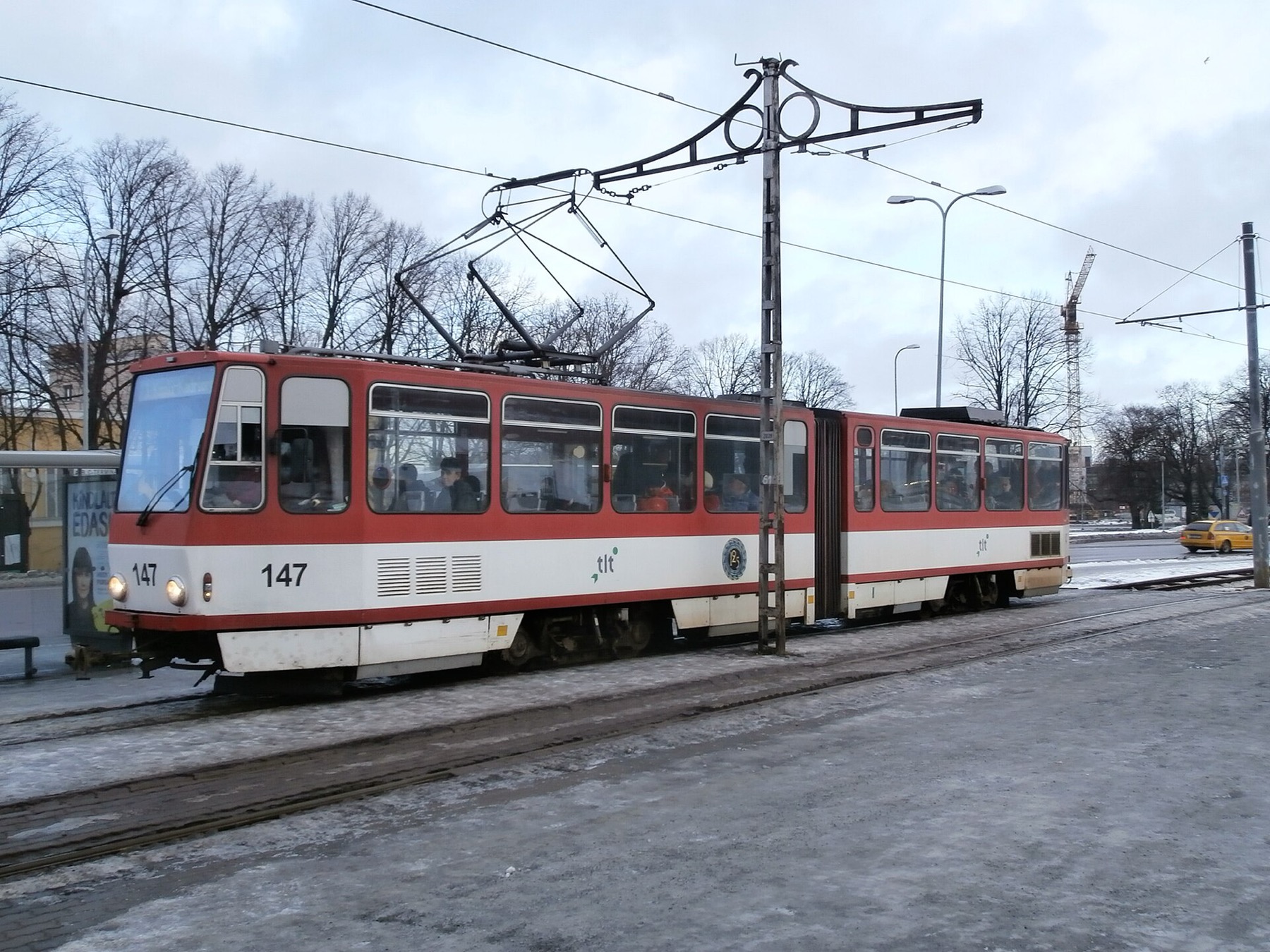
Lennart Meri Tallinn Airport has a major advantage: it lies just four kilometres from the historic centre. A direct tram will take you into town comfortably. You can buy a ticket by tapping your card directly on board; it costs around €2, and you’ll arrive in twenty minutes.
If you’re travelling with heavy suitcases or arriving at night, it’s worth downloading the Bolt app. This global service was founded in Estonia, so it works flawlessly here. A ride from the airport to the Old Town costs approximately €5–€12 and saves you a lot of hassle when finding your address.
Arriving by ferry from Finland is even easier. From the port terminals, you can walk to the Old Town in roughly fifteen minutes along flat pavements. A tram line now also runs directly to the terminals, taking you straight to the centre in bad weather.
What to Avoid When Choosing Accommodation in Tallinn
When choosing your dream room, pay close attention to weekend noise in the Old Town. The lanes around Town Hall Square are full of bars and clubs, so things can stay lively until the early hours. If you’re a light sleeper, read reviews carefully or choose a quieter neighbourhood such as Kadriorg or Kalamaja.
Another common trap is cheap apartments without a traditional reception. If your flight is delayed or you arrive by night ferry, communicating with the owner by message can be stressful. In these situations, it’s always safer to rely on a traditional hotel with a 24-hour reception.
Also avoid trying to park your own car inside the historic walls. Parking here is complicated and, above all, extremely expensive, which can make your trip unpleasantly costly. Experienced drivers recommend looking for accommodation outside the centre, where hotels offer private parking at a fraction of the price.
Although Tallinn is compact, the farthest-out neighbourhoods aren’t worth the small saving. You’ll lose time commuting and miss evening walks through the illuminated centre, which have an unmistakable charm.
Where to Go Next
If you’re planning a trip around the Baltics, take a look at these other articles full of tried-and-tested advice. I’ve prepared plenty of inspiration for the whole region.
- Tallinn: 20 tips for things to see and do in the Estonian capital
- Estonia: 25 tips for things to see and experience
- When to visit Estonia: Weather month by month
- Tallinn Christmas markets: When, where and what to taste
- Helsinki: 15 tips for things to see and do in the Finnish capital
- European holidays: 17 most beautiful places
Frequently Asked Questions
Which neighborhood is best for staying in Tallinn?
For your very first visit to the city, the historic Vanalinn (Old Town) is the best choice, where you’ll have all the sights within reach. If you’re looking for a quieter and more modern base, Rotermann or the hipster neighborhood of Kalamaja are great options.
Is Airbnb worth it in Tallinn?
Apartments through Airbnb are a nice alternative, with average prices around €89 to €101 per night. The advantage is having your own kitchen, but you’ll miss out on the option to store your luggage at reception after checkout.
Can you walk from the airport?
The airport is only four kilometers from the center, but walking with suitcases along the roads is not pleasant at all. Much better is to hop on a direct tram or call Estonian Bolt, which will take you to your hotel for just a few euros.
Is it safe to stay outside the center?
Yes, Estonia is among the very safe countries and even outlying residential neighborhoods are completely peaceful. The problem with more distant areas isn’t safety, but rather losing precious time commuting to the sights.
Is staying in the Old Town very noisy?
During the day it’s quite busy due to cruise ship visitors, and on weekend nights the bars can be noisy. It depends on the specific street, so it always pays to read fresh guest reviews before confirming your reservation.
How much does a hotel in Tallinn cost?
Prices vary significantly by season. You can find a quality boutique hotel from around €85 per night. During peak summer or advent season, however, a standard room can easily sell for more than €100.
How far is the port from the center?
The ferry terminals are very close—you can walk to the Old Town walls in about fifteen minutes. Plus, a comfortable tram now runs directly from the port to the center.
When is the best time to book accommodation?
During July, August, and especially advent weekends, book your accommodation at least a few months in advance. In the off-season in spring and fall, you can easily find a nice room even at the last minute.
Where should you stay in Tallinn with children?
Families with children highly recommend the quiet residential neighborhood of Kadriorg. It offers plenty of greenery, a huge park for walks, and you’ll avoid constantly rattling the stroller over historic cobblestones.
Where can you stay really cheap?
For travelers on a tight budget, there are hostels on the edge of the historic center, such as Fat Margaret’s, where a bed costs around €16. The wooden neighborhood of Kalamaja also offers excellent value for money.
Tips and Tricks for Your Vacation
Don’t Overpay for Flights
Search for flights on Kayak. It’s our favorite search engine because it scans the websites of all airlines and always finds the cheapest connection.
Book Your Accommodation Smartly
The best experiences we’ve had when looking for accommodation (from Alaska to Morocco) are with Booking.com, where hotels, apartments, and entire houses are usually the cheapest and most widely available.
Don’t Forget Travel Insurance
Good travel insurance will protect you against illness, accidents, theft, or flight cancellations. We’ve had a few hospital visits abroad, so we know how important it is to have proper insurance arranged.
Where we insure ourselves: SafetyWing (simple monthly subscription) and TrueTraveller (for extra-long trips).
Find the Best Experiences
Get Your Guide is a huge online marketplace where you can book guided walks, trips, skip-the-line tickets, tours, and much more. We always find some extra fun there!