

Lukáš and I have travelled across Europe in every direction over the years and tried almost every way of getting around. We’ve slept in a tent on the roof of a car, driven mountain passes in a motorhome, pedalled long-distance cycling routes and occasionally treated ourselves to more luxurious hotels. Now that our little Jonášek travels with us, we’re discovering familiar places from a completely new perspective.
Europe destinations are always a safe bet for me because Europe is the most diverse continent in the world. Nowhere else can you reach such incredible contrasts within just a few hours by plane or car. You can wake up to views of deep Norwegian fjords and fall asleep that same evening beside the turquoise Mediterranean.
If you’re planning where to go, this list is exactly what you need. It includes European holidays for beach lovers, high-mountain enthusiasts and anyone looking for the perfect European city break. I’ve chosen 17 of the most beautiful places that deserve a spot on your travel list.
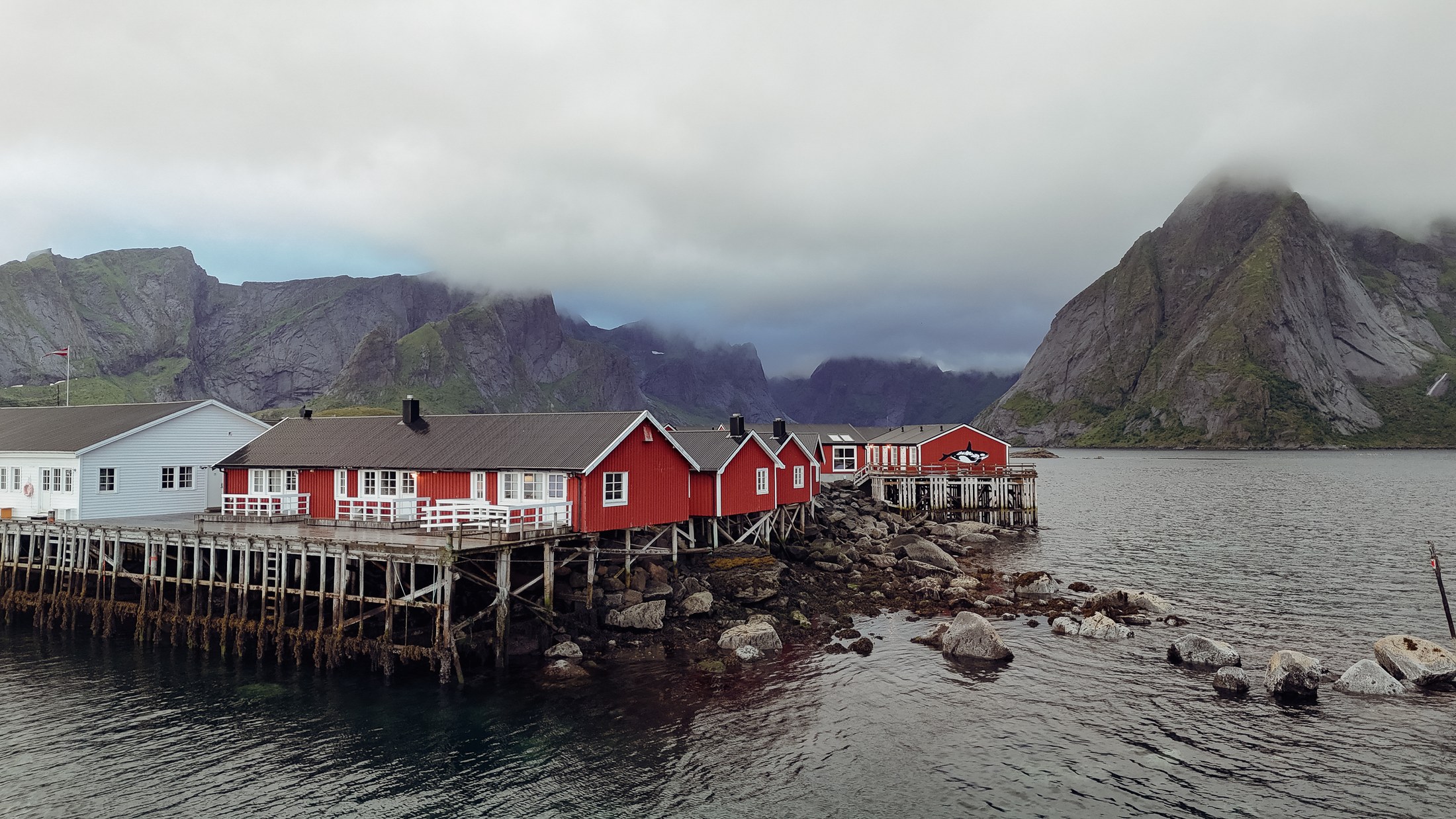
A quick summary if you don’t have time to read the whole article
- Best for families travelling by car: Croatia and the Slovenian Alps offer excellent infrastructure and short driving distances.
- Best for off-season warmth: Portugal’s Algarve is our secret tip for spring-like temperatures in the middle of February.
- Best high-mountain panoramas: In our opinion, the Dolomites can easily outshine even the American national parks—and we’re speaking from experience.
- Best value for money: Budapest and Slovakia’s Tatras are destinations where your wallet won’t hurt quite so much.
- Most beautiful beaches and sea: Sardinia absolutely deserves its nickname, the Caribbean of Europe.
- Most exotic without leaving the continent: Iceland and Norway’s Lofoten Islands will show you landscapes that look as though they belong on another planet.
| Destination | Best for | When to go | How many days |
|---|---|---|---|
| :— | :— | :— | :— |
| 1. Croatia | Easy access by car and clear sea | June or September | 7 to 10 days |
| 2. Greek islands | Romance and varied beaches | May, June, September | 7 to 10 days |
| 3. Sardinia | Caribbean-like turquoise sea | June or September | 7 to 14 days |
| 4. Sicily | A mix of history, volcanoes and food | May, June, October | 7 to 10 days |
| 5. Algarve | Cliffs, surfing and winter escapes | All year | 7 to 14 days |
| 6. French Riviera | French charm and picturesque towns | May, June, September | 4 to 7 days |
| 7. Dolomites | breathtaking mountain scenery | June to September (or winter) | 4 to 7 days |
| 8. Lofoten Islands | Arctic nature and the northern lights | Summer or February, March | 5 to 8 days |
| 9. Iceland | Geysers, waterfalls and raw landscapes | June to August (or winter) | 7 to 14 days |
| 10. Slovenia | Active holidays in a compact area | May to September | 3 to 5 days |
| 11. High Tatras | High-mountain hiking close to home | July to September | 3 to 5 days |
| 12. Tuscany | Wine, cypress-lined roads and Renaissance heritage | April, May, September | 5 to 7 days |
| 13. Provence | Lavender fields and deep gorges | Late June, July | 4 to 7 days |
| 14. London | World-class museums and a cosmopolitan atmosphere | All year | 3 to 4 days |
| 15. Paris | Romantic walks and art | Spring or autumn | 3 to 4 days |
| 16. Prague | History, viewpoints and charming lanes | All year (especially May) | 2 to 4 days |
| 17. Budapest | Thermal baths and an affordable city break | All year | 2 to 3 days |
The full destination guide: Europe — guide and what to see
Summer beach holidays: 6 places where Europe shows off
If you’re looking for the perfect place to go on holiday in Europe for sunshine and salty air, the continent’s south won’t disappoint. From pebble coves in the Balkans to wild cliffs at the western edge of the Iberian Peninsula, you’ll find beaches that can easily rival exotic islands.
1. Croatia: An Adriatic coast that keeps surprising us
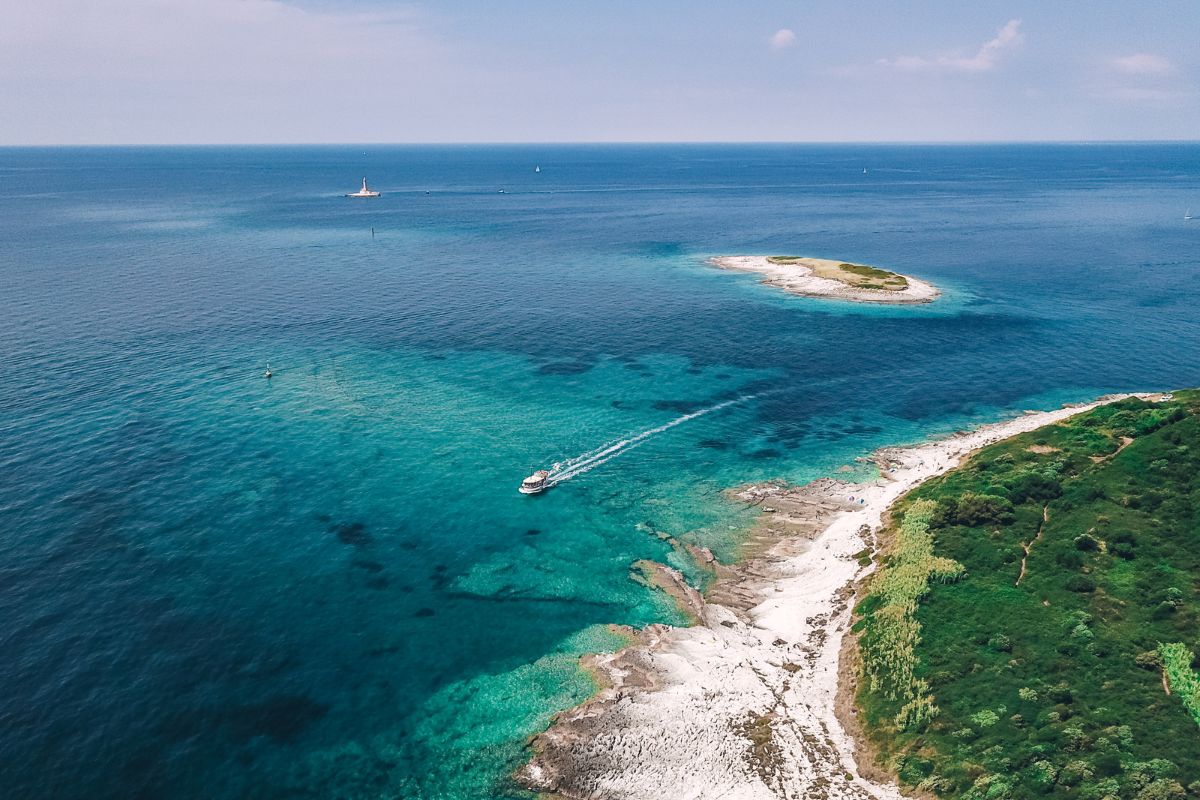
Lukáš and I have visited Croatia several times, and every time we’ve been fascinated by how much the country keeps improving. On our last road trip, we mostly slept in nature, but it was impossible not to notice how quickly the quality of accommodation and services is rising. Driving to Dalmatia from nearby Central European countries takes roughly eight to ten hours, making Croatia an ideal choice for flexible travellers.
As well as the iconic Plitvice Lakes, which you should see at least once in your life, I recommend heading to historic towns such as Trogir or Šibenik. Travellers on Reddit often point out that while Dubrovnik is bursting at the seams under the pressure of cruise-ship visitors, Trogir offers a much more authentic experience within its walls. For the most beautiful sea, look to the islands of Hvar, Brač and Vis.
If you’re considering an Adriatic trip, you’ll find our complete detailed itinerary in our guide to holidays in Croatia. I always recommend avoiding crowded August and travelling at the beginning or end of the season instead.
🗓️ When to go: June and September (you’ll avoid the crowds and peak prices) · ⏱️ How long: 7 to 10 days · 💰 Budget: Mid-range (apartments have become more expensive, but prices are still fair outside the season) · 🛏️ Where to stay: Adriatic Hotel by Maistra Collection in Rovinj or Ikador Luxury Boutique Hotel and Spa in Opatija.
2. Greek islands: Blue-and-white romance and perfect relaxation
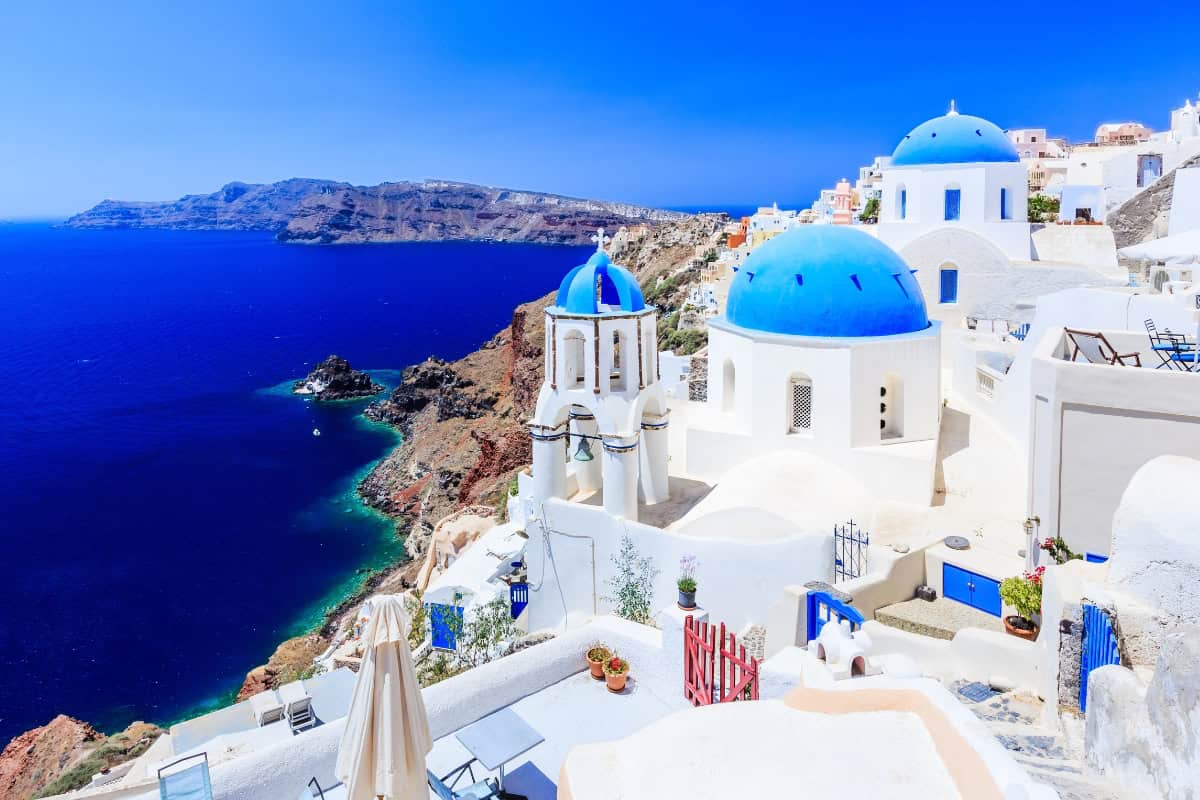
Greece is home to more than two hundred inhabited islands, so choosing the right one can be a real challenge. Every patch of land in the Aegean and Ionian seas has a completely different atmosphere. Travellers praise the lunar landscape and snow-white rocks at Sarakiniko Beach on Milos, while food lovers and fans of long sandy beaches regularly choose Naxos.
Santorini and its breathtaking caldera are a chapter of their own. On discussion forums, people often debate whether the island is too expensive and overcrowded. But one of the most popular opinions on Reddit sums up the reality perfectly (quoting): I expected to be disappointed, but it turned out to be the most beautiful place I’ve ever been. The key is to travel in April or May, when you can almost have Oia’s spectacular sunset views to yourself.
For a detailed comparison of the destinations, read our article on where to go on holiday in Greece, which also includes tips for the most beautiful Greek islands. The water remains pleasantly warm well into autumn.
🗓️ When to go: May, June, September or October · ⏱️ How long: 7 to 10 days (combining two islands is ideal) · 💰 Budget: Mid-range (remember to factor in ferry costs) · 🛏️ Where to stay: Stella Village Seaside Hotel in Crete or Angsana Corfu Resort and Spa in Corfu.
3. Sardinia: The European Caribbean you have to see
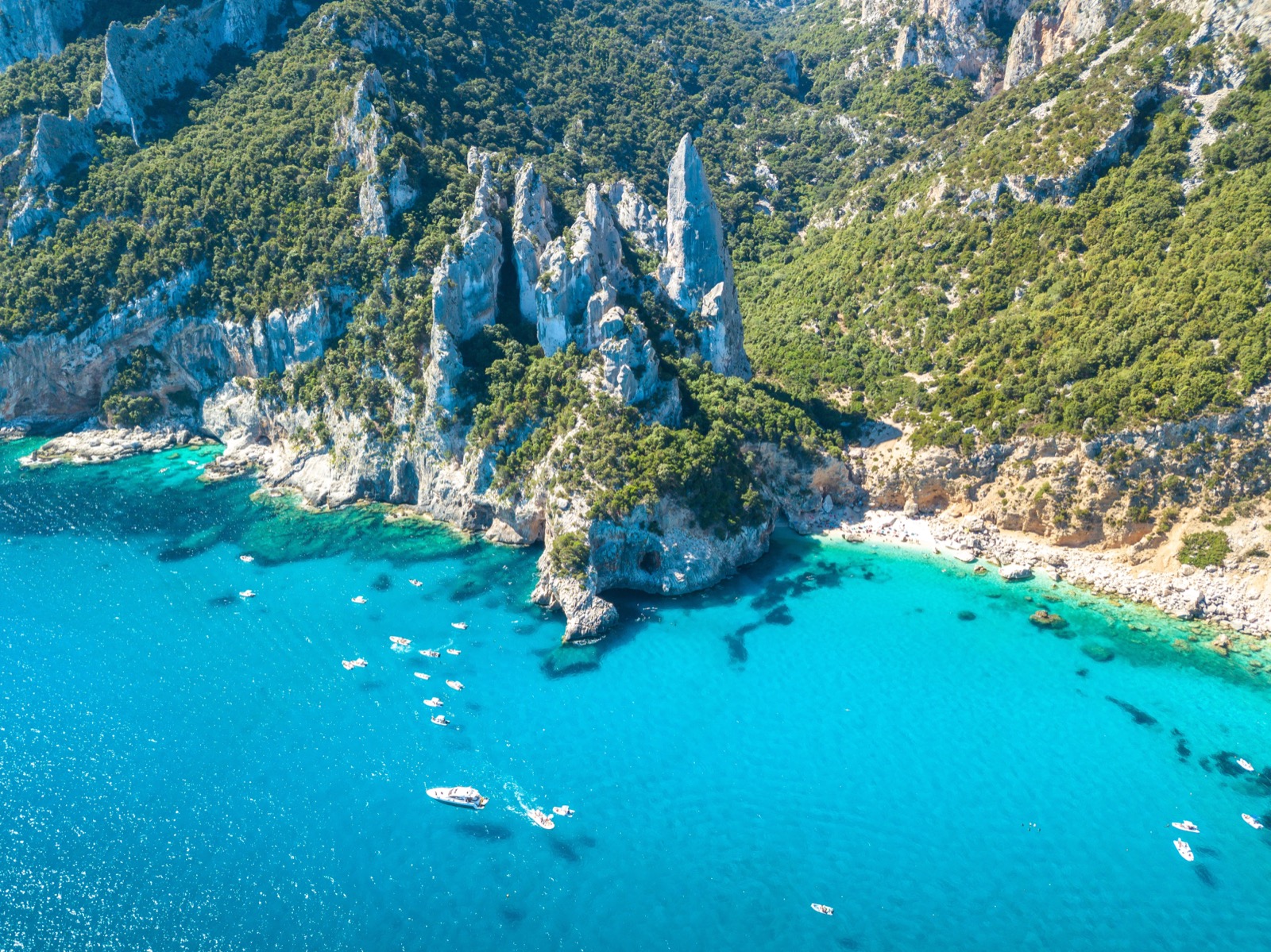
Sardinia is rightly nicknamed the Caribbean of Europe, and its photographs make it easy to see why. The turquoise sea along the northern coast is so vivid that you’ll hardly believe your eyes. La Pelosa, the island’s most famous beach near Stintino, beckons with white sand and shallow water that is ideal even for less confident swimmers.
But the island isn’t only about lounging on the beach. Inland you’ll find mysterious prehistoric structures known as nuraghi, with the Su Nuraxi complex even listed as a UNESCO World Heritage Site. If you like wilder nature, you’ll love Cala Goloritzé, which can only be reached on foot via a beautiful mountain trail or by hiring a boat and approaching from the sea.
We share more practical advice and a complete map of interesting places in our guide to what to see in Sardinia. You’ll definitely need your own or a rental car to get around the island.
🗓️ When to go: June and September (all of Italy takes its holidays in August, so everywhere is busy) · ⏱️ How long: 7 to 14 days · 💰 Budget: Mid-range to high (ferries and flights can jump in price during the season) · 🛏️ Where to stay: Hotel Villa Las Tronas in Alghero or Su Gologone Experience Hotel inland.
4. Sicily: Antiquity and volcanoes on one plate
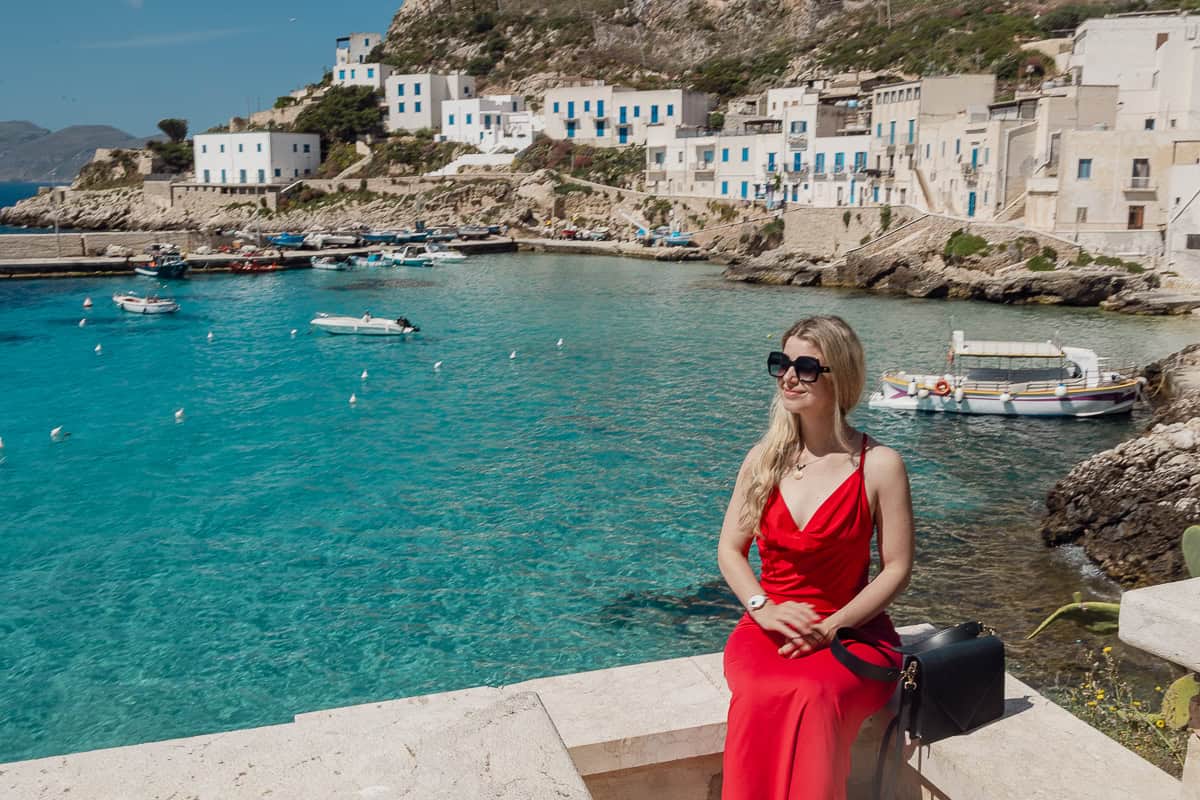
Sicily probably offers the best possible combination of history, beautiful sea and fantastic food anywhere in Italy. The island’s undisputed landmark is Europe’s highest active volcano, majestic Mount Etna, rising more than 3,000 metres above sea level. You can get close to it by cable car and then continue by off-road bus.
As you explore the island, don’t miss romantic Taormina and its ancient theatre, which offers an incredible view of smoking Etna. Other gems include historic Palermo, the magnificent mosaics in Monreale and the Valley of the Temples in Agrigento. And if, like us, you’re vegetarian, you’ll be in heaven here. Be sure to try fried arancini rice balls filled with cheese and peas, or sweet cannoli.
If this lively island appeals to you, take a look at our tips for a holiday in Sicily. Food here is also noticeably cheaper than in northern Italy’s more industrial regions.
🗓️ When to go: May, June and late September or early October (summer brings extreme heat) · ⏱️ How long: 7 to 10 days · 💰 Budget: Mid-range (local food is very reasonably priced) · 🛏️ Where to stay: You’ll find specific, tried-and-tested hotels and guesthouses in our detailed guide.
5. Algarve: Portugal’s earthly paradise
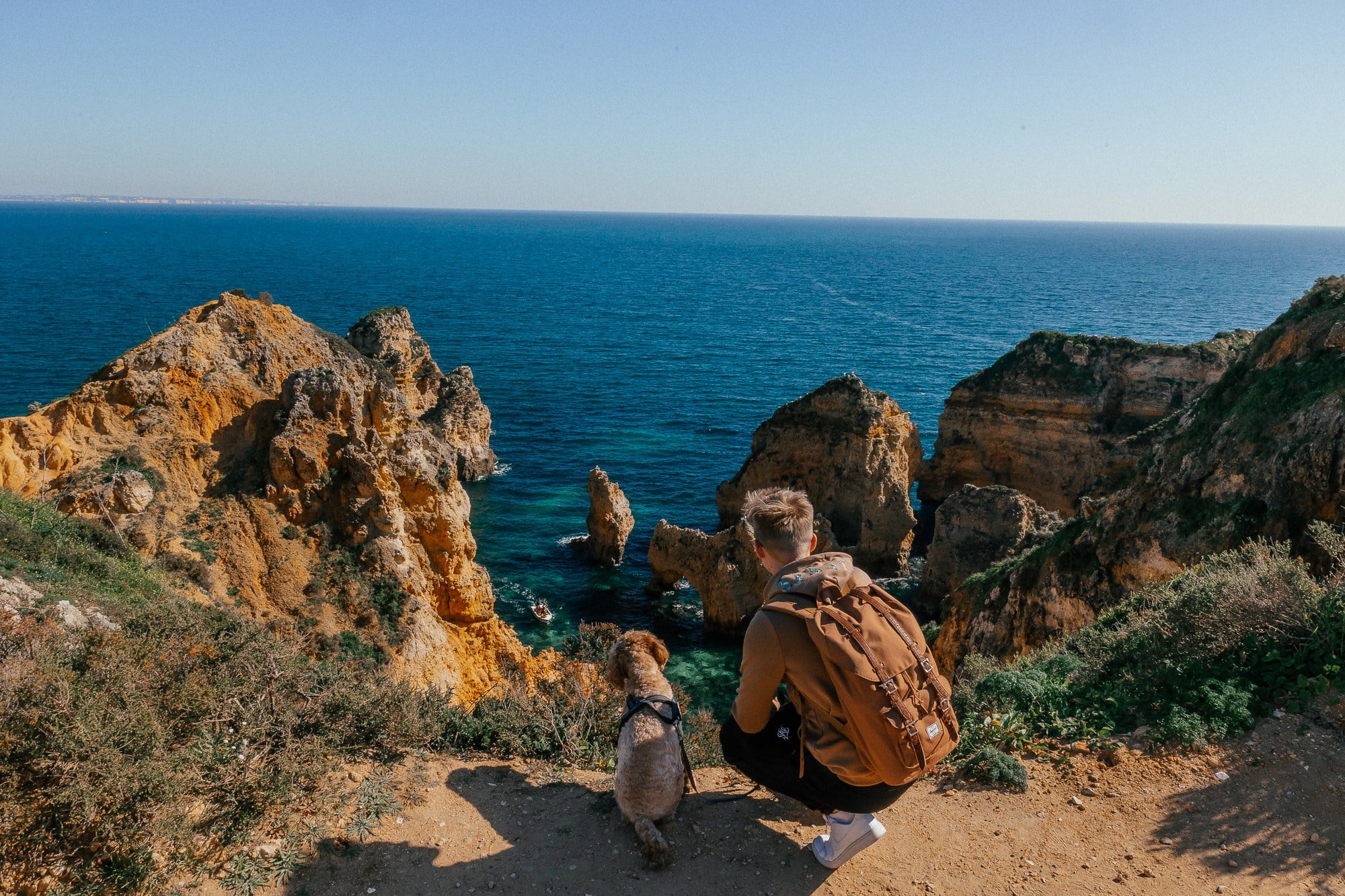
If you’re thinking about heading to southern Portugal, I have to give you an honest warning first. You’ll fall so deeply in love with it that you won’t want to go home. Lukáš and I have been visiting the Algarve every year since 2020, and the region has charmed us so much that we’d like to buy a little house here one day. We usually spend the entire month of February here, when temperatures sit at a pleasant 17–20°C, the beaches are deserted and the sun is shining.
The Algarve is famous for its ochre cliffs and caves. Among its most beautiful places are the rock formations of Ponta da Piedade near Lagos, Praia da Marinha and the famous Benagil Cave. The ocean is fairly cold even in midsummer and often brings big waves, but that makes the region an absolute paradise for surfers. Sunset from the cliffs by the Cabo de São Vicente lighthouse, at Europe’s south-westernmost point, is simply magical.
Experienced travellers on community forums often advise avoiding large resorts such as Albufeira, which can feel more like a British colony. They—and we completely agree—consider historic Tavira in the east much more picturesque, with its peaceful atmosphere and beautiful beaches reached by ferry. We’ve turned our entire Algarve road trip into a detailed itinerary for you.
🗓️ When to go: All year (summer is ideal for swimming, winter for hiking and escaping the cold) · ⏱️ How long: 7 to 14 days · 💰 Budget: Mid-range (outside the season you can find accommodation for a fraction of summer prices) · 🛏️ Where to stay: Quinta Nova Vale Del Rey in Carvoeiro or the unusual houseboat The Homeboat Company in Albufeira.
6. French Riviera: Cinematic charm and endless light
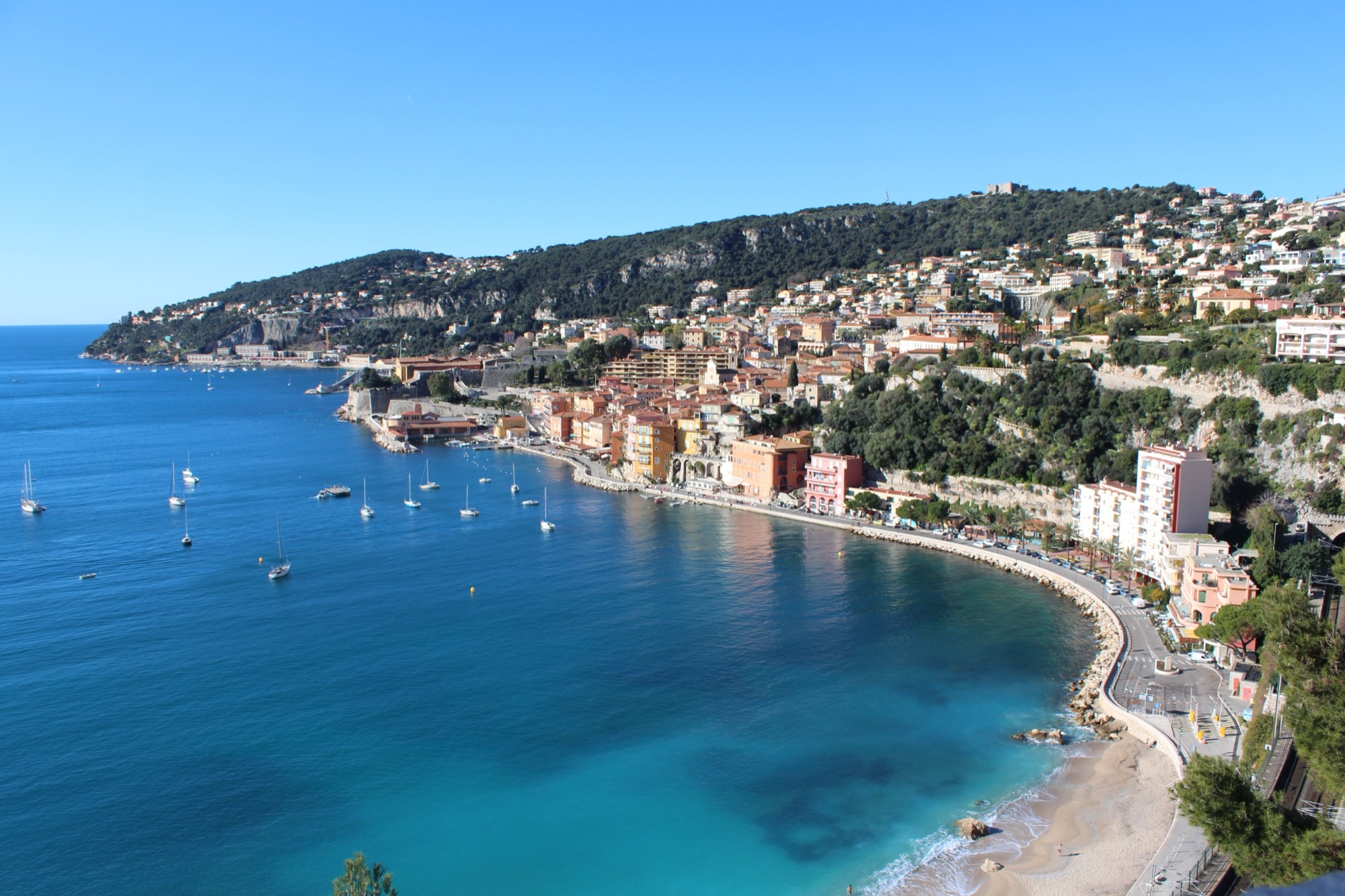
Southern France combines incredible elegance, picturesque historic towns and famous pebble beaches. The local light is so distinctive and soft that it has historically drawn some of the world’s greatest painters, including Matisse and Picasso. Look at the coast at sunset and you’ll quickly understand why. Nice, with its famous Promenade des Anglais, is the centre of it all.
As well as relaxing by the sea, it would be a crime not to explore the surrounding hills. The medieval village of Èze is truly exceptional, perched high above the sea like an eagle’s nest. Other stops should include Menton, the city of lemons, and famous Cannes. The great news is that the entire coast is perfectly connected by local TER trains, so you can avoid the stress of finding expensive parking.
Read more about what lies around Nice in our article on Nice and its surroundings, and be sure to look at our guide to colourful Menton too.
🗓️ When to go: May, June and September (July and August are extremely expensive and crowded) · ⏱️ How long: 4 to 7 days · 💰 Budget: High (although travelling by train and shopping at markets can keep costs under control) · 🛏️ Where to stay: Mid-range Hotel Florence Nice or the legendary luxury hotel Le Negresco directly on the promenade.
Mountains, fjords and lakes: 5 natural gems of Europe
Sometimes you simply need to swap your swimsuit for hiking boots and let the power of raw nature overwhelm you. If you’re looking for the most beautiful places in Europe filled with sky-high peaks, deep forests and crystal-clear glacial lakes, the following destinations will give you photographs that no one back home will believe were taken in Europe.
7. Dolomites: Italian mountains that will take your breath away
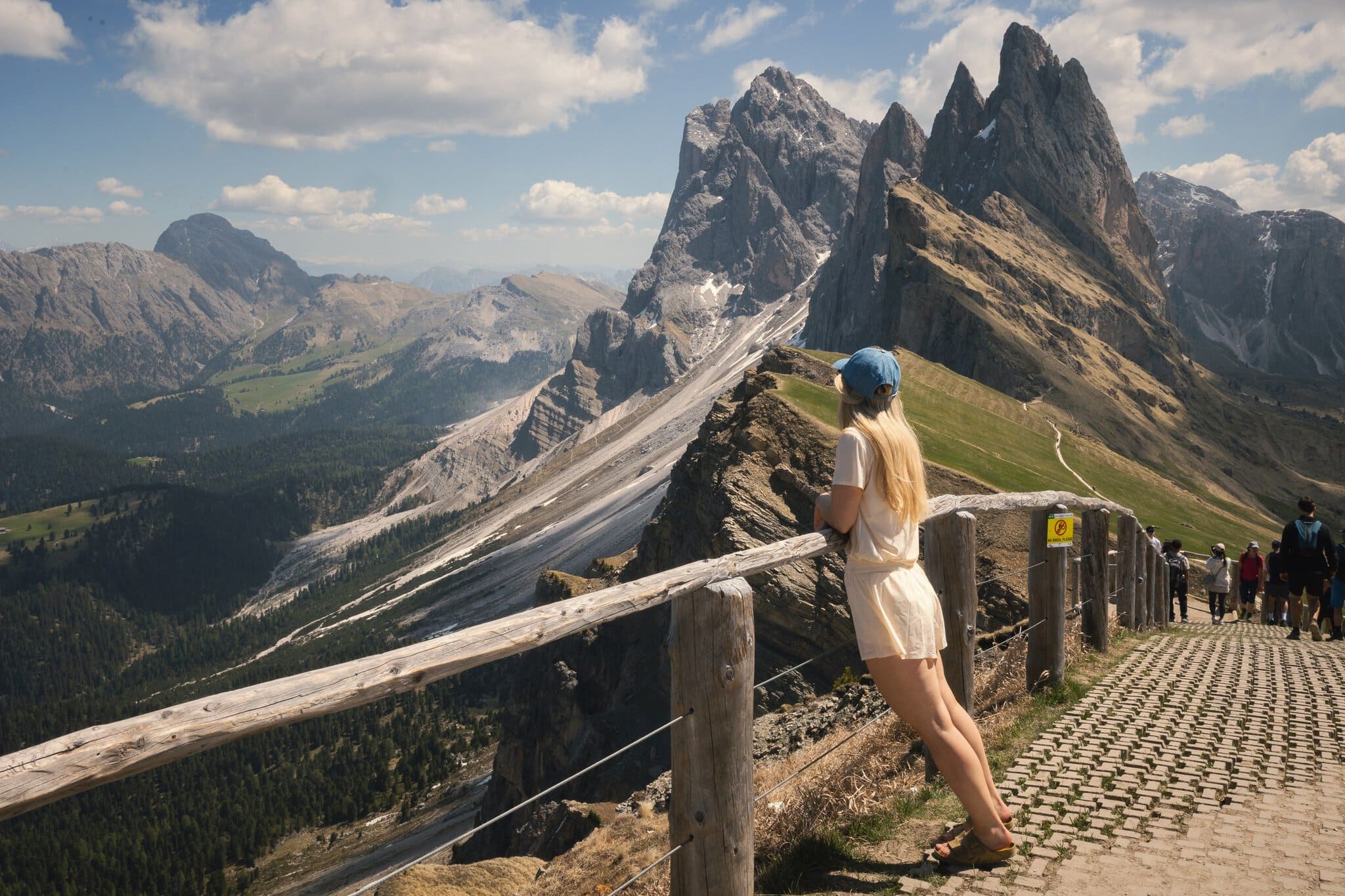
The Dolomites are our absolute favourite, and we return every year. We’ve explored these mountains from the saddle of a bicycle, camped in a tent, driven their passes in a motorhome and occasionally enjoyed the comfort of a hotel. This year we visited with little Jonášek for the first time, and although we swapped long, demanding treks for comfortable cable cars, we discovered that the scenery was somehow even more spectacular.
The region’s most famous symbol is undoubtedly the iconic Tre Cime di Lavaredo, which you have to walk around at least once. On discussion websites you’ll find comments with thousands of upvotes claiming that the Dolomites are so stunning they’ll ruin hiking in the USA for you, because even American national parks can’t match them. We have to admit that the photogenic Alpe di Siusi meadow and jagged Seceda really do look painted.
Thanks to its UNESCO status, the area carefully protects its character. We’ve put together detailed tips for hikes and viewpoints in our article on things to do in the Dolomites. Whether you choose Cortina d’Ampezzo or Val Pusteria as your base, you won’t go wrong.
🗓️ When to go: Mid-June to September for hiking, December to March for excellent skiing · ⏱️ How long: 4 to 7 days · 💰 Budget: High (accommodation in the Italian mountains is expensive and cable cars commonly cost €20–40) · 🛏️ Where to stay: Dolomiti Sweet Lodge or design hotel HOTEL de LEN in Cortina.
8. Lofoten Islands: A magical end of the world above the Arctic Circle
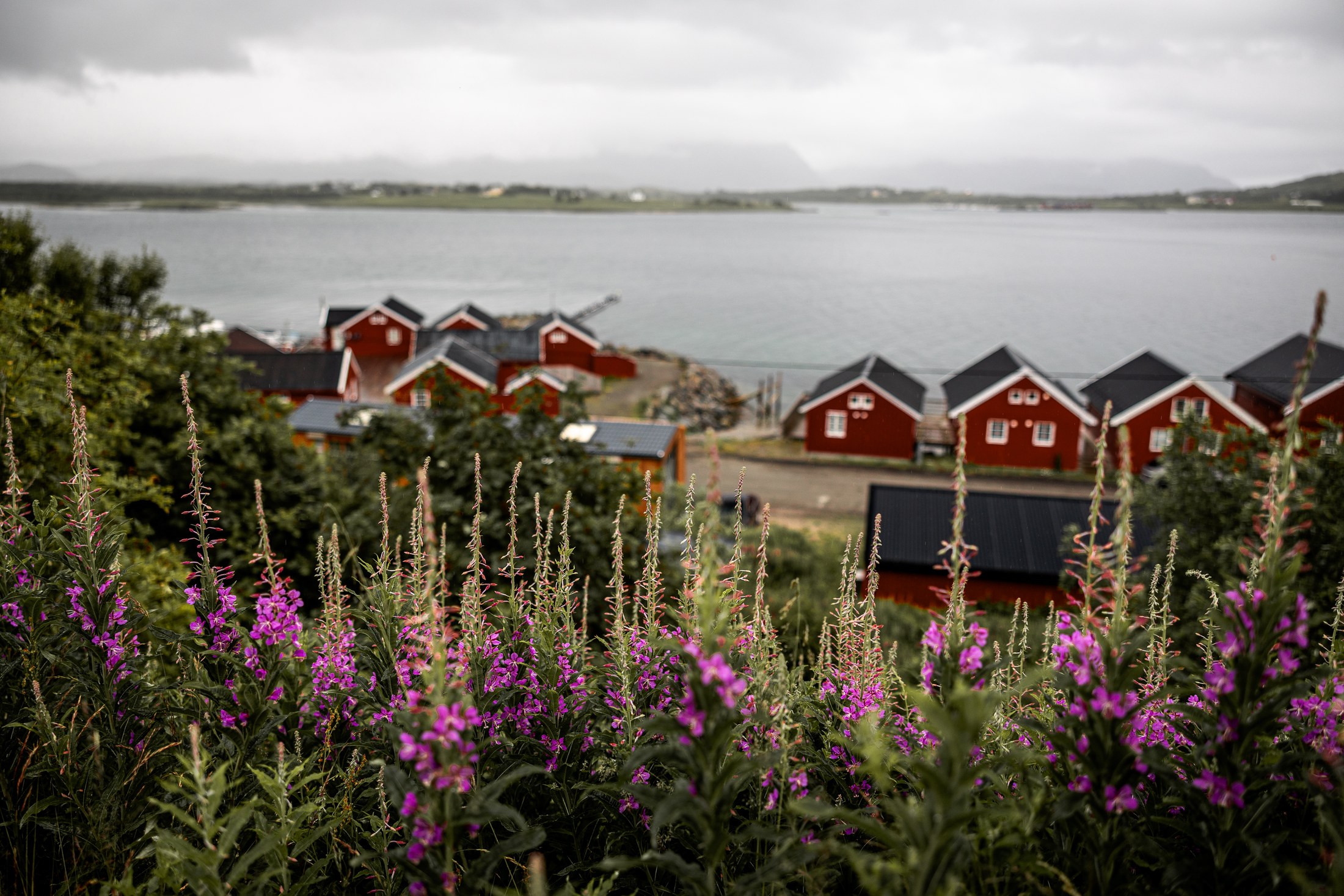
In July this year, we spent eight days in Norway’s Lofoten Islands with our two-year-old Jonášek, and it was an experience we’ll never forget. The weather in the north changed literally every five minutes. Within a single hour we experienced heavy rain, bright sunshine, strong wind and another shower, but that dramatic atmosphere is simply part of Lofoten’s character. The islands reminded us so much of rugged Alaska.
Lofoten’s classic image is the rorbu: old red fishing cabins built on stilts directly above the water. Alongside the Arctic beaches of Haukland and Vik, with their incredible turquoise water and peaks rising straight from the ocean, you’ll also find fantastic cafés. From our base in Henningsvær, we fell in love with a local bakery and still dream about its sweet coconut skoleboller pastries.
When planning your trip, remember that Norway is huge and distances can be deceptive. As locals joke on Reddit, tourists often ask which direction to walk from Trondheim to Lofoten, even though it’s 1,000 kilometres away. You’ll find more tips in our article on what to see in Lofoten. Car rental companies here offer almost exclusively electric vehicles, but the charging network is excellent.
🗓️ When to go: June to August for the midnight sun, February and March for the northern lights · ⏱️ How long: 5 to 8 days · 💰 Budget: Expensive (food costs about twice as much as in Central Europe, and charging a car costs around €15–35) · 🛏️ Where to stay: Iconic red cabins at Eliassen Rorbuer in Hamnøy or Svinøya Rorbuer in Svolvær.
9. Iceland: An adventure on another planet
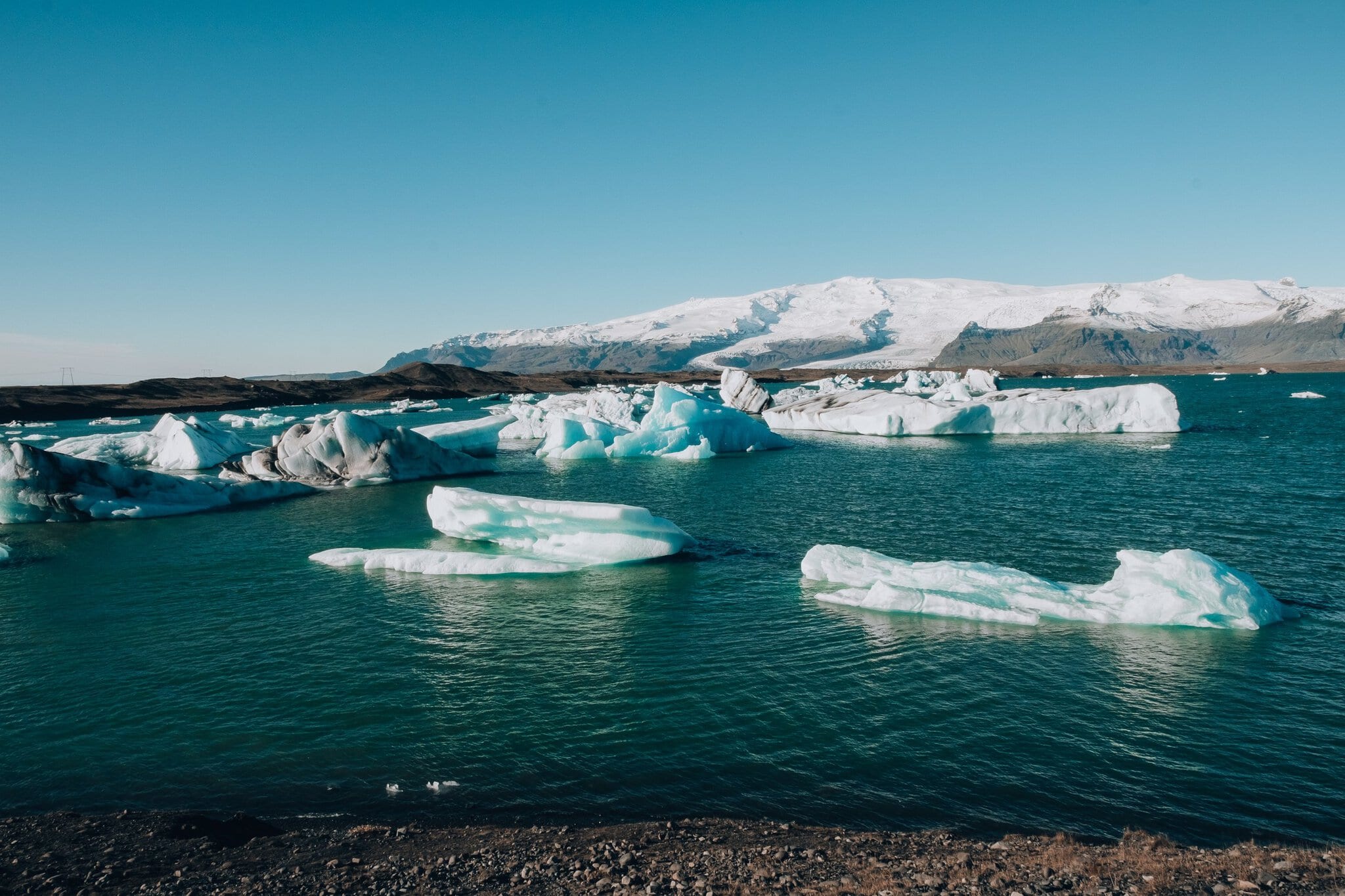
When Lukáš and I first drove around Iceland, we constantly felt as though we had left planet Earth. It is the most accessible taste of absolute exoticism you can experience in Europe. The landscape is rugged, covered in moss, black volcanic sand and huge masses of solidified ice.
Most visitors start with the famous Golden Circle, where the regularly erupting Geysir and mighty Gullfoss waterfall will amaze you. But if you continue south along Route One, you’ll discover more treasures. At Seljalandsfoss, you can walk directly behind the falling curtain of water, while at Jökulsárlón glacial lagoon you’ll gaze at huge blue icebergs floating freely towards the ocean.
In summer, the midnight sun gives you endless days, while winter brings dancing northern lights. We’ve summarised everything you need to plan a road trip in our Iceland guide. Although flights from major European hubs can often be surprisingly cheap, the trip itself will put your wallet to the test.
🗓️ When to go: June to August to drive around the whole island, September to March to hunt for the northern lights · ⏱️ How long: 7 to 14 days (for the complete circuit) · 💰 Budget: Very expensive (accommodation and restaurants are among the priciest in Europe) · 🛏️ Where to stay: Fosshótel Glacier Lagoon near the glacial lagoon or the popular Hótel Kea in the northern town of Akureyri.

10. Slovenia: A green gem with a huge heart
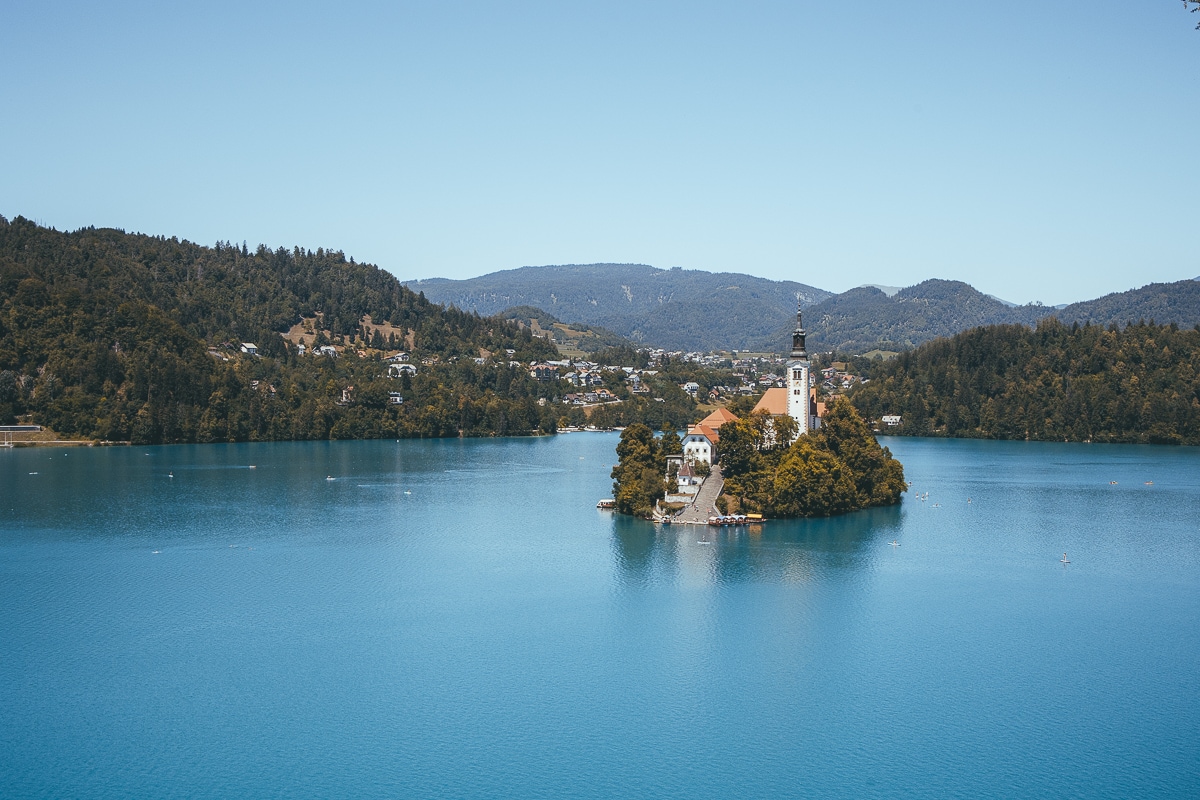
Slovenia may be a small country, but it offers such a concentrated dose of natural beauty that it’s hard to take in. From nearby Central Europe, you can reach it by car in just five or six hours, making it an ideal destination even for a long weekend. The biggest draw is, of course, famous Lake Bled, with its charming island church and castle perched on a steep cliff above the water.
Experienced travellers on discussion forums make an interesting observation: although Bled is beautiful, it is often crowded even outside the high season. A much quieter and, according to many, even more picturesque alternative is nearby Lake Bohinj, right in the heart of a wild national park and with better swimming conditions. On the way, be sure to walk along the wooden paths through the narrow Vintgar Gorge.
Explore the emerald Soča River, a paradise for rafting, or the magnificent Predjama Castle carved into a cliff. You’ll find a complete list of tips in our article on what to see in Slovenia, and after your excursions don’t forget to warm up at the best thermal spas in Slovenia.
🗓️ When to go: May to September (nature is at its greenest) · ⏱️ How long: 3 to 5 days · 💰 Budget: Mid-range (accommodation and services are still noticeably cheaper than in neighbouring Austria) · 🛏️ Where to stay: Adora Luxury Hotel overlooking Bled or the eco-friendly Bohinj Eco Hotel.
11. High Tatras: Our closest high mountains
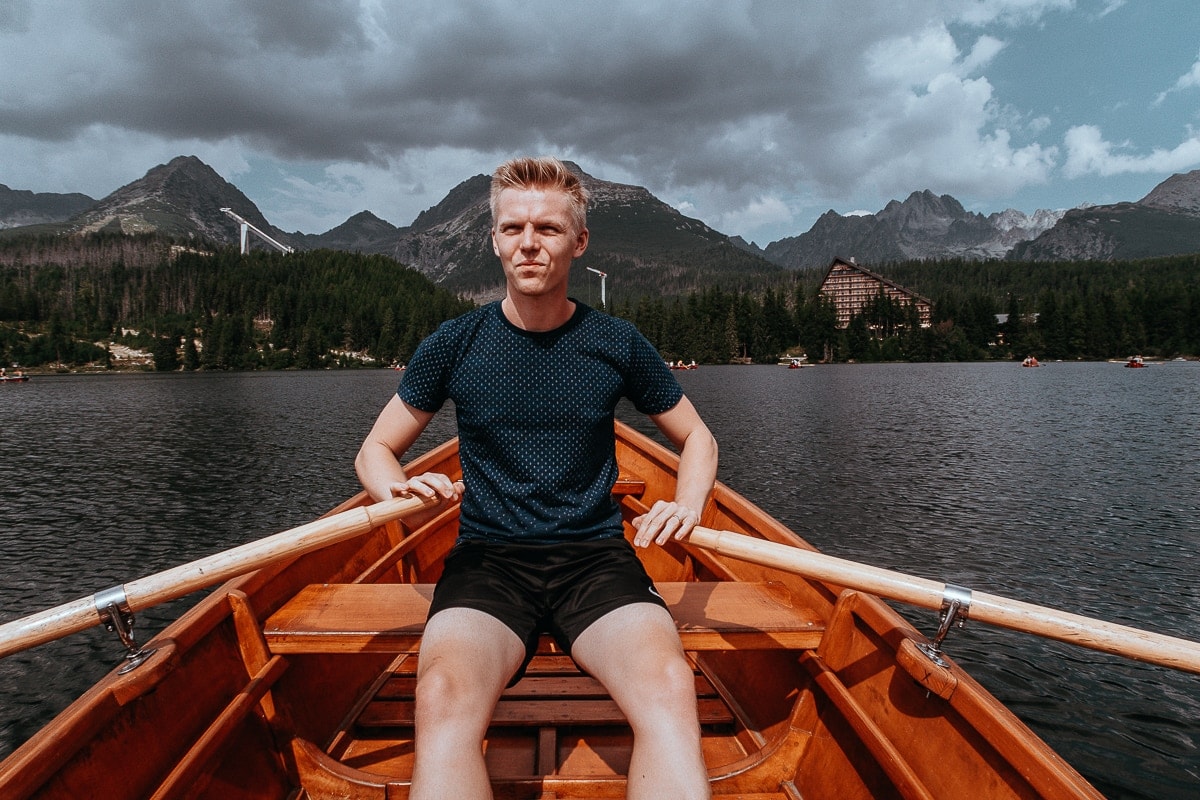
Slovakia’s High Tatras are the most accessible taste of real high mountains for travellers from nearby Central Europe. I once completed a multi-day ridge crossing here with a backpack, and I can confirm that the views from the mountain passes into the deep valleys are spectacular. One advantage is that you can comfortably reach the foot of the Tatras by overnight sleeper train from major regional cities and start hiking in the morning.
Classics include walks around Štrbské and Popradské Pleso. Experienced hikers can reach Rysy without a mountain guide; the peak rises to almost 2,500 metres. International forums often feature discussions comparing the Slovak and Polish sides of the mountains. While Polish Zakopane is described as a tourist nightmare with queues on the trails, the Slovak side is still considered an underrated treasure where you can escape the crowds.
After a demanding hike, there’s nothing better than soothing tired muscles in warm water. That’s why we’ve prepared an overview of thermal spas in Slovakia, which you can visit after reading our itinerary for crossing the High Tatras.
🗓️ When to go: July to September for safe hiking (there is often still snow on the ridges in June) · ⏱️ How long: 3 to 5 days · 💰 Budget: Affordable (compared with Alpine countries, food and mountain-hut accommodation are excellent value) · 🛏️ Where to stay: You’ll find tips for accommodation with wellness facilities in our article about Slovak thermal spas.
Postcard landscapes: wine, lavender and Tuscan hills
For those of you who don’t need to collect altitude metres or swim in the sea every day, Europe has some of the most romantic rural scenery in the world. The following regions are made for slow travel from one village to the next, tasting local cheeses and sipping wine at sunset.
12. Tuscany: Italy’s Renaissance heart
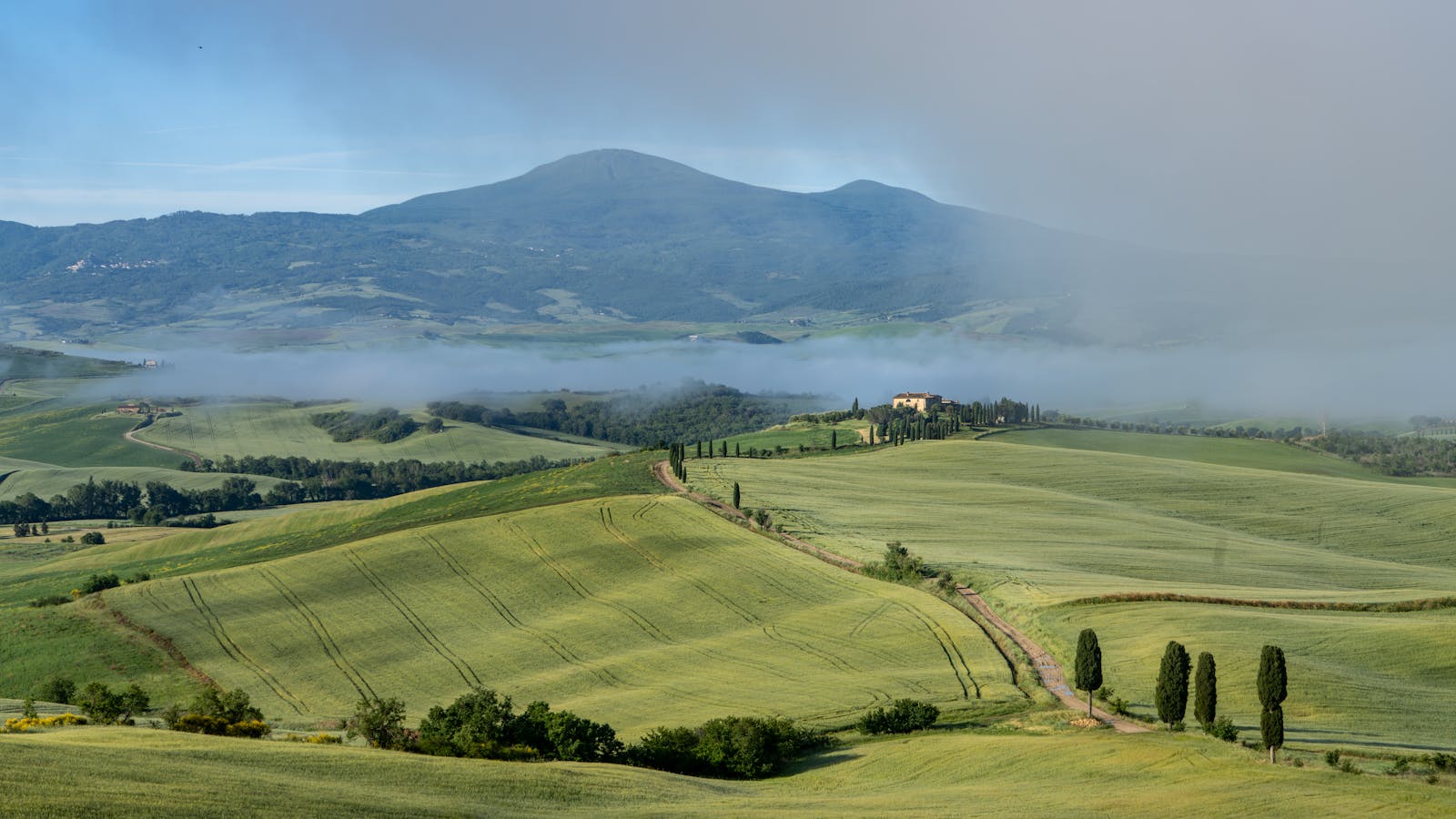
I associate Tuscany with an enormous number of wonderful memories. I’ve visited several times with my family and driven the classic circuit with them, while Lukáš and I also explored it by bicycle on a long-distance cycling trip from Central Europe to Greece. Pedalling up endless gentle hills between the vineyards was hard work, but the views made up for everything.
Val d’Orcia, protected by UNESCO, is an absolute highlight for photography lovers. This is where all those iconic images come from: solitary farmhouses framed by perfectly clipped cypress avenues. As well as Florence and its magnificent galleries, led by the Uffizi Gallery, don’t miss medieval Siena or San Gimignano, nicknamed the Manhattan of the Middle Ages for its tall family towers.
As a reward, you can soak in the hot springs at Saturnia, whose cascading pools are completely free to access. For the perfect itinerary, take a look at our article on a holiday in Tuscany or our detailed guides to Siena and San Gimignano.
🗓️ When to go: April, May, September or October (summer is unbearably hot and crowded) · ⏱️ How long: 5 to 7 days · 💰 Budget: Mid-range to high (depending on whether you choose a luxury villa or a simpler guesthouse) · 🛏️ Where to stay: Romantic Hotel Certosa di Maggiano in Siena or rural agriturismo Ca’ Bianca Tuscany Relais.
13. Provence: A purple sea of scent and colour
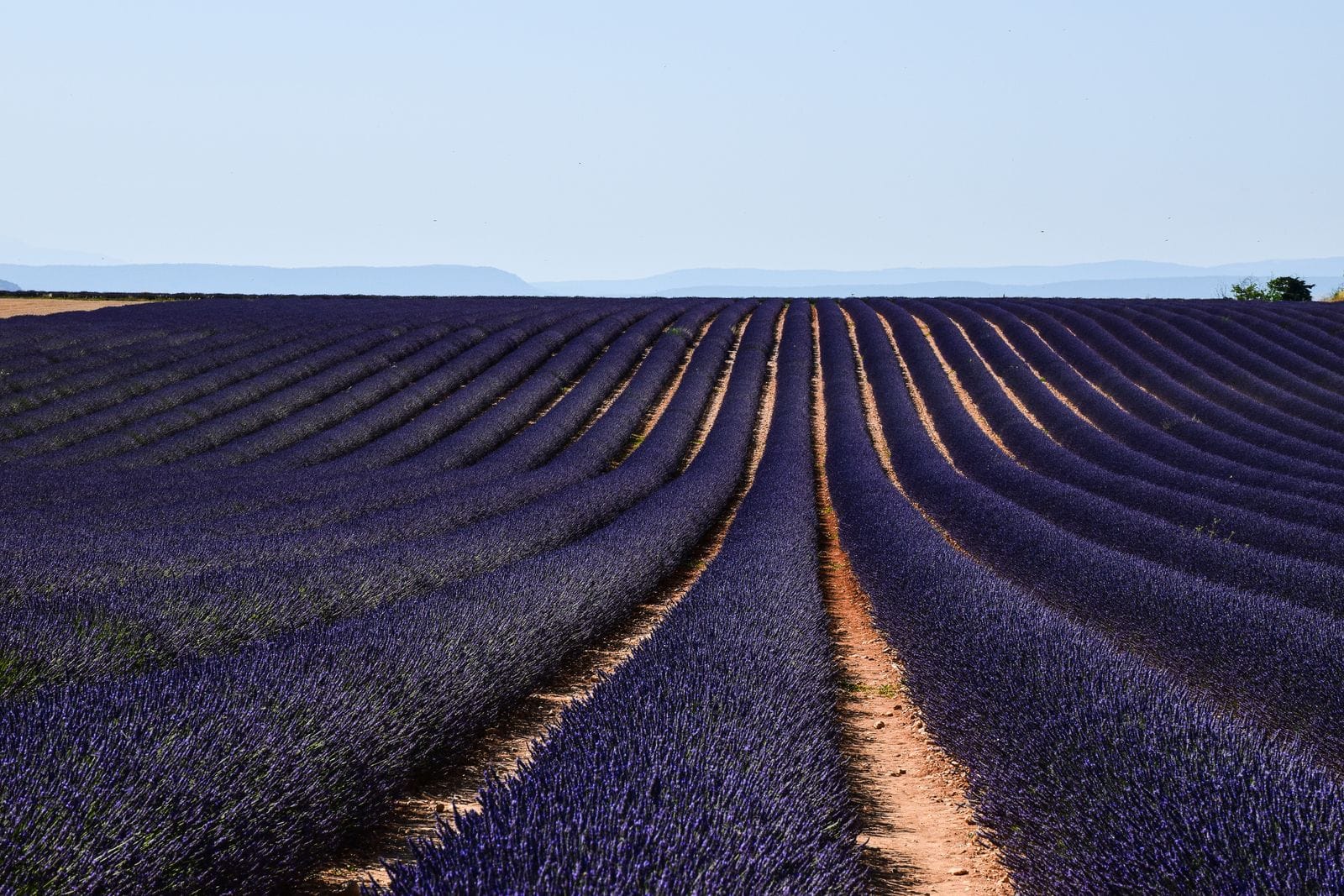
The interior of southern France is a world of its own, dominated by the distinctive scent of herbs and good rosé wine. If you want to see the most beautiful endless lavender fields, you need to plan your trip precisely. The best-known fields are on the Valensole Plateau or near the picturesque Sénanque Abbey, but they bloom for only a few weeks each year.
As well as fragrant fields, Provence is home to one of Europe’s greatest natural wonders: the spectacular Gorges du Verdon. This deep canyon with bright turquoise water invites you to hire a pedal boat or kayak and explore the steep limestone walls from the water. History lovers, meanwhile, will adore villages perched on cliffs, such as stone-built Gordes and Roussillon, which is constructed almost entirely from red ochre rock.
We’ve mapped out the whole region in our article about the magnificent Gorges du Verdon, and it fits beautifully into the longer route described in our France road-trip itinerary. And let me warn you now: without your own car, you’ll struggle here, as public transport between the villages is practically nonexistent.
🗓️ When to go: Late June to mid-July for flowering lavender, although September is also beautiful · ⏱️ How long: 4 to 7 days · 💰 Budget: Mid-range to high (France charges accordingly for its best regions) · 🛏️ Where to stay: You’ll find accommodation options in our comprehensive France guide.
Long-weekend city breaks: 4 capitals that won’t disappoint
If you only have a few days off and are looking for the best European city break, the continent’s major cities are an obvious choice. They offer beautiful landmarks, excellent food and flights for just a few euros from many European airports.
14. London: A cosmopolitan giant that never sleeps
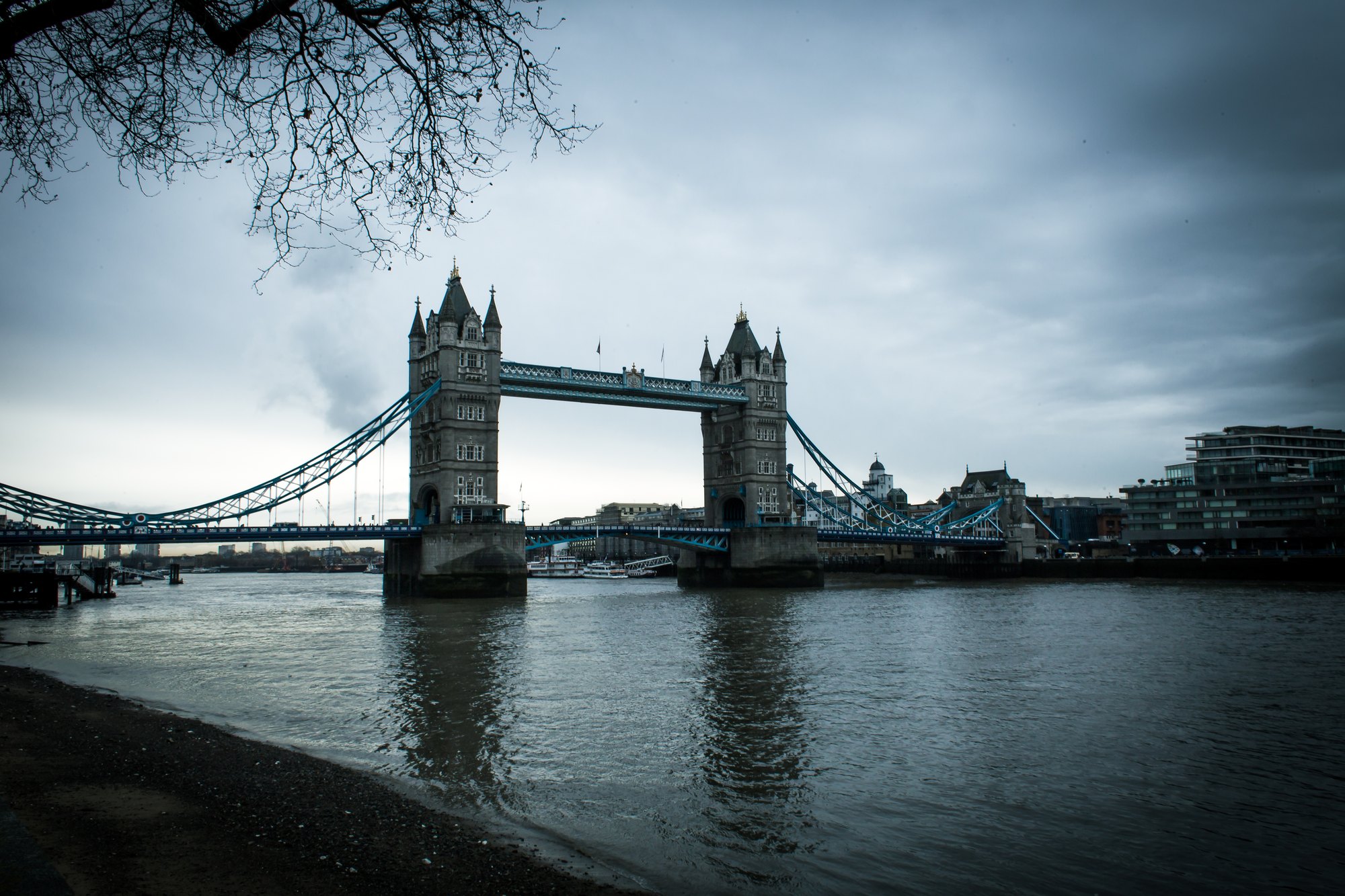
London fascinated me from childhood, when I first stood in the huge queues outside Madame Tussauds. Lukáš and I returned to the British capital straight after coming back from our year-long stay in Canada. I remember that we were carefully watching every pound then, so we hired city bikes and cycled all over central London, joined a free walking tour of Harry Potter film locations and discovered that you can enjoy London even on a very tight budget.
One of London’s biggest advantages is that most of its key museums, including the magnificent British Museum, are completely free to enter. Travellers often compare its energy with New York because no European city can match it for the number of sights and attractions. From the treasures in the Tower of London and iconic Tower Bridge to the colourful markets of Notting Hill and Camden.
To stop this enormous city from making your head spin, we’ve put together an extensive list of 50 things to see in London. And if you enjoy discovering quality coffee beans as much as we do, take a look at the best cafés in London.
🗓️ When to go: All year (parks bloom in spring and December before Christmas has a unique charm) · ⏱️ How long: 3 to 4 days · 💰 Budget: High (London hotels are expensive, but you can save on museum admissions and street-market food) · 🛏️ Where to stay: The Z Hotel Trafalgar for a great location-to-price ratio or classic The Cavendish London.
15. Paris: The City of Light and irresistible romance
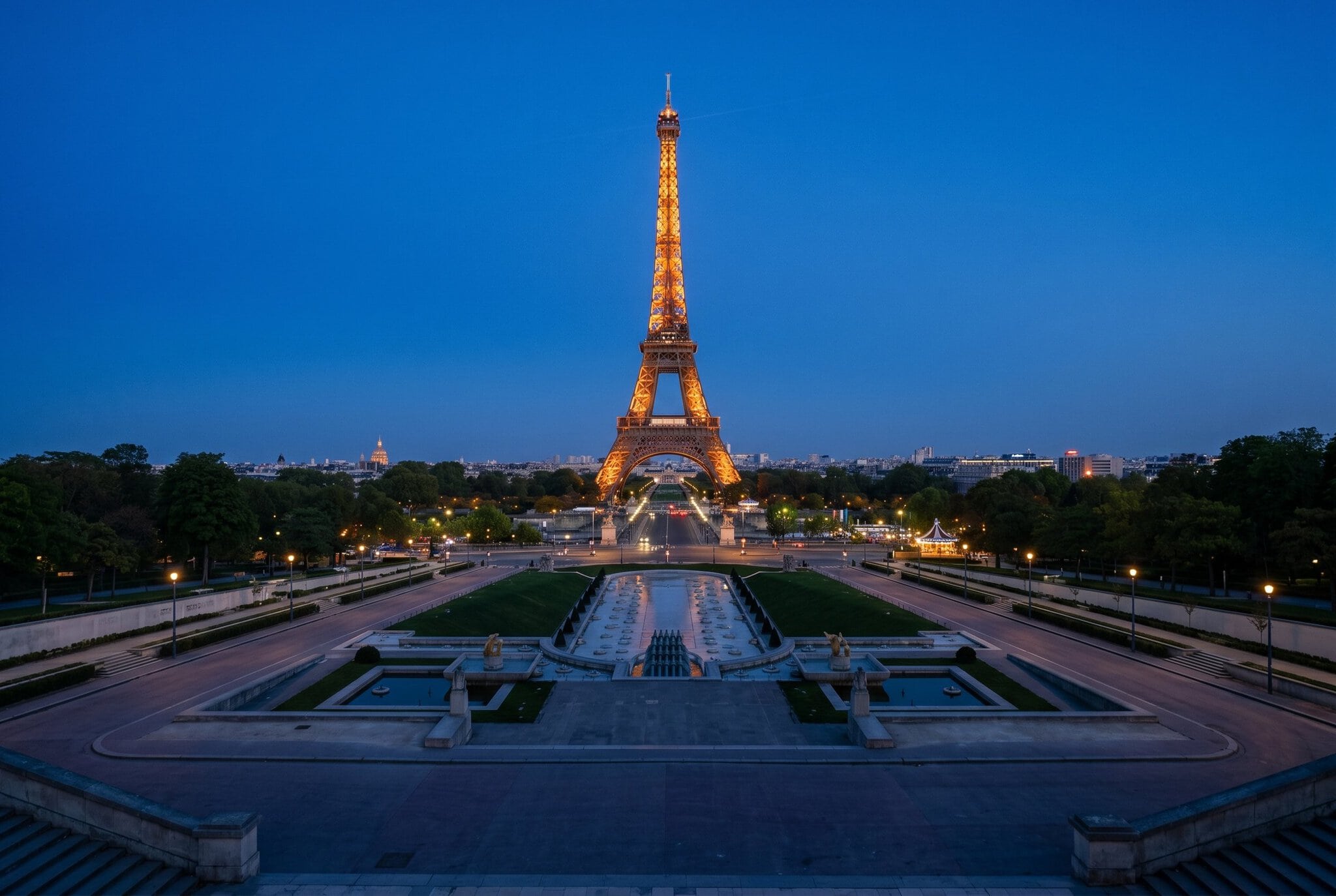
Paris is a classic that everyone should experience at least once. When we wandered around the city, our favourite thing was simply sitting by the Seine. We bought fresh, crusty baguettes and excellent French cheeses at a local market and watched the boats and the city go by. It has far more charm than rushing from one sight to the next.
The Eiffel Tower is, of course, the city’s symbol, and it comes with one golden rule: book your tickets well in advance. The same applies to the famous Louvre, the world’s most visited museum. The most common tourist mistake is trying to race through all its collections in one day. It’s much wiser to choose just two or three sections and spend the rest of your time wandering the artistic lanes of Montmartre.
You’ll find practical advice in our guide to what to see in Paris. Choosing the right neighbourhood is absolutely crucial to your overall experience, so be sure to study our guide to where to stay in Paris.
🗓️ When to go: April to June or the pleasantly colourful month of October · ⏱️ How long: 3 to 4 days · 💰 Budget: High (you pay a premium for views and central Paris hotels) · 🛏️ Where to stay: You’ll find specific hotels sorted by arrondissement in our specialist article.
16. Prague: A gem right on our doorstep
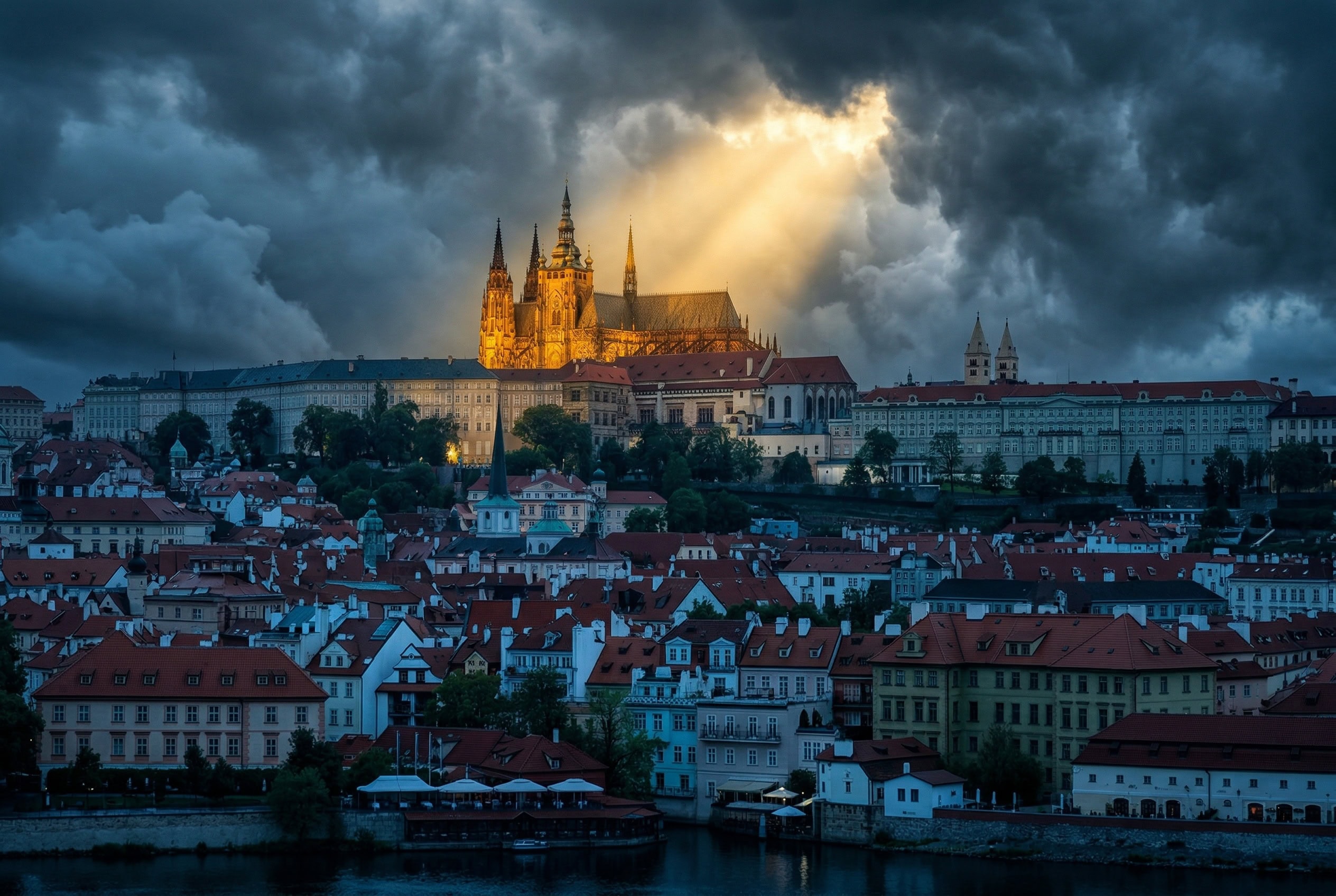
For many local residents, Prague is simply somewhere to go shopping or deal with paperwork, but when was the last time you explored the capital through the eyes of a curious tourist? I had the enormous privilege of attending secondary school in Malá Strana and regularly walking through the grounds of Prague Castle during lunch breaks. I had no idea then how special that was, or that the castle would be the destination of Lukáš’s and my first date.
Prague regularly—and deservedly—appears in rankings of the world’s most beautiful cities. St Vitus Cathedral takes your breath away with its grandeur, while a walk around mysterious Vyšehrad offers peace and some of the best views of the Vltava. If you want to experience real magic, go to Charles Bridge at dawn, while the city is still asleep. It’s the only way to enjoy the statues without hundreds of selfie sticks in the way.
We’ve summarised plenty of weekend inspiration in our article on what to see in Prague. Even if you live nearby, it’s sometimes worth booking a lovely hotel and becoming a tourist in your own country for a few days.
🗓️ When to go: All year (in my opinion, fragrant May and December during the Christmas markets are the most beautiful) · ⏱️ How long: 2 to 4 days · 💰 Budget: Affordable (Prague is still a good-value destination compared with Western European capitals) · 🛏️ Where to stay: Luxury Augustine in Malá Strana or the renowned Four Seasons Prague beside the river.
17. Budapest: Queen of the Danube and hot springs
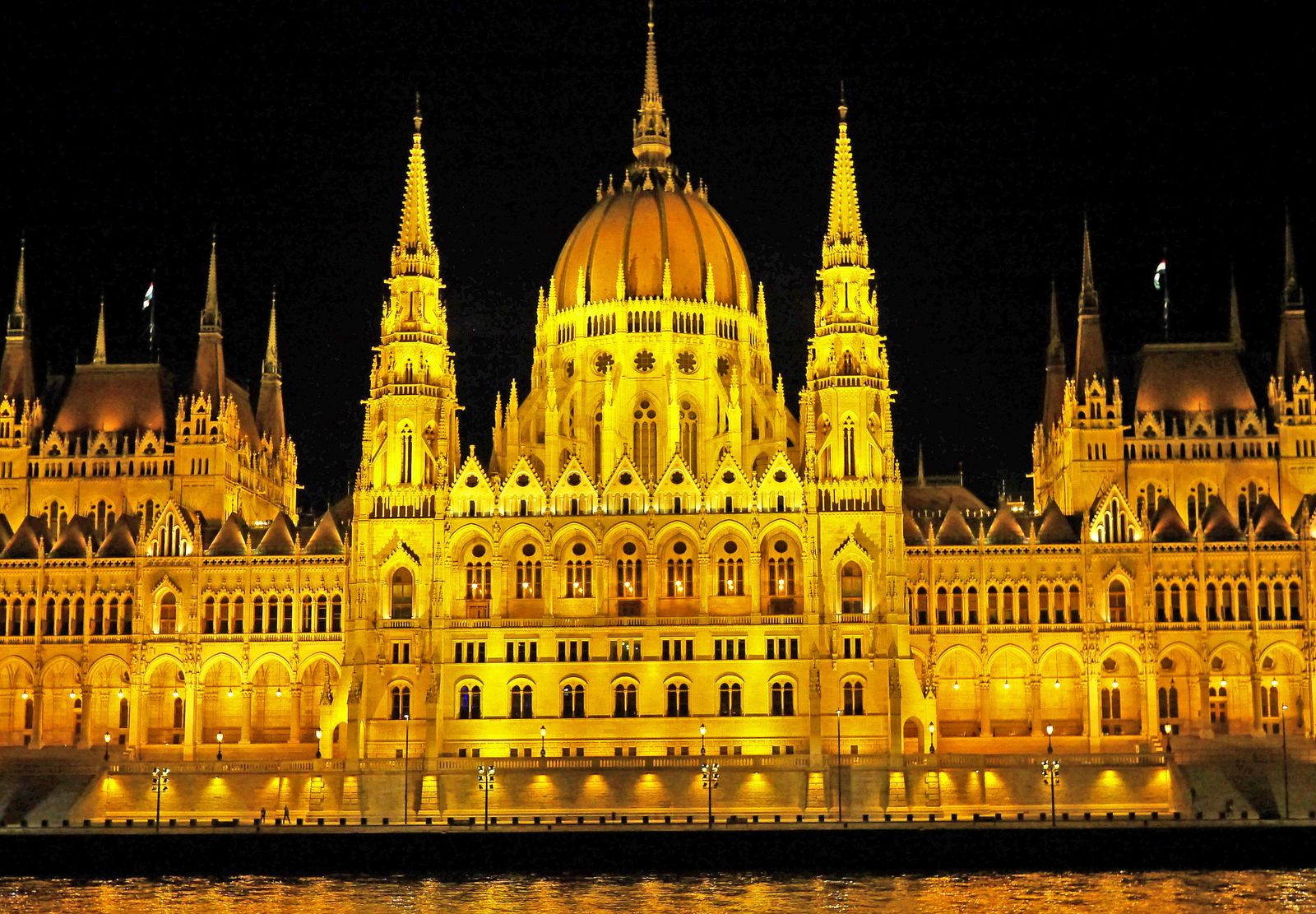
The Hungarian capital is probably the best tip for travellers who want an enormous amount for very little money. Budapest is simply beautiful. Its most photogenic landmark is the huge Parliament building directly on the Danube, which looks especially dramatic after dark when it lights up. The white turrets of Fisherman’s Bastion on the Buda side offer fairytale views of the city.
What sets Budapest apart from other cities, however, is its bathing culture, with roots stretching back to the Romans and Turks. The famous Széchenyi Thermal Baths, recognisable by their huge yellow façades, and the Art Nouveau Gellért Baths are perfect balm for tired feet. After a full day of walking, treat yourself to greasy langos from a street stall and kürtőskalács, the irresistible sweet chimney cake.
You’ll find all the important places, including the famous ruin bars, in our article on the best places in Budapest. Of all 17 destinations, this is the friendliest choice for a tight budget.
🗓️ When to go: All year (in winter, the steam rising above the outdoor pools is incredibly atmospheric) · ⏱️ How long: 2 to 3 days · 💰 Budget: Affordable (food, accommodation and services are all very reasonably priced) · 🛏️ Where to stay: Modern Hotel Vision or comfortable apartments at Milford Suites Budapest.
When to go where and how to save money
If you want your European holiday to run smoothly without costing all your savings, careful timing is essential. For summer beach holidays, we strongly recommend avoiding August and focusing on June or September. The weather is beautiful, the sea is still warm, and hotel prices and crowds are often half what they are at the height of summer. European cities, meanwhile, are at their best in spring or autumn, when you won’t bake on hot pavements.
Destinations such as the Lofoten Islands, Iceland and the French Riviera are among the most expensive places on the continent. The best way to save is to travel just outside the peak season and buy food in local supermarkets instead of eating in restaurants every day. On the other hand, you can enjoy a remarkably affordable city break in Budapest or a high-mountain trek in Slovakia’s Tatras, where careful planning can keep the total cost, including transport, around €200 per person.
For finding cheap connections, we’ve had good results tracking departures on Kiwi, mainly in the middle of the week, when prices tend to be lowest. If we’re planning a road trip, we always use the RentalCars comparison site, which has served us well on several continents. We also never travel without proper travel insurance. For shorter European trips, AXA works reliably for us; for longer, more demanding journeys, we choose True Traveller.
Where to go next
- The world’s most beautiful lakes: 25 breathtaking places
- The best water parks and thermal spas in Europe
- The world’s most beautiful waterfalls you have to see
Frequently asked questions
To finish, I’ve answered the questions that come up most often when people are planning a holiday in Europe.
What is the most beautiful place in Europe?
It’s very subjective and depends on what you’re looking for. For lovers of high mountains and nature, the Italian Dolomites or Norwegian Lofoten are absolute highlights. If you love swimming, Sardinia most closely resembles the Caribbean. In our opinion, some of the most beautiful architectural gems are Prague and romantic Paris.
Where to go in Europe for a summer beach holiday?
If you prefer an easy road trip, Croatia is still a safe bet with excellent infrastructure. If you don’t mind flying, the Greek islands and Italian Sardinia offer the most beautiful sandy coves. But try to head out in June or September instead to avoid the biggest crowds.
Where to go in Europe for nature and mountains?
For breathtaking alpine panoramas, head to the Italian Dolomites or neighboring Slovenia. The High Tatras guarantee a great and affordable high-mountain experience close by. But if you’re looking for truly raw and rugged Nordic nature, Icelandic glaciers and the Norwegian Lofoten are unmatched.
Where to go for a long weekend in Europe?
For a long weekend of two to four days, compact metropolises are ideal. Budapest will delight your wallet and your tired body thanks to its thermal baths. London offers an incredible number of free museums. Among nature destinations, you can beautifully explore the area around Slovenia’s Lake Bled in a weekend.
Where is a holiday in Europe the cheapest?
Among the cheapest yet incredibly attractive destinations are Budapest in Hungary and the Slovak Tatras. You can also save significantly in Portugal’s Algarve if you go outside the summer season. On the other hand, you’ll need to prepare for the highest costs in Iceland, Norway, and the French Riviera.
When is the best time for a holiday in Europe?
For swimming in the sea, late June and September are ideal. For high-mountain hiking in the Alps, go from mid-July to September when there’s no longer snow on the trails. Cities are most beautiful in spring and autumn, while winter is perfect for skiing or visiting Christmas markets and thermal baths.
How many places in Europe can I fit into one holiday?
Honestly? Less is more. Exploring one region properly, even with a relaxed coffee break, is a much richer experience than rushing superficially through three destinations. Neighboring destinations combine beautifully, for example mountains in Slovenia with the Italian Dolomites, or a train trip connecting the monuments of Prague and nearby Budapest.
Tips and Tricks for Your Vacation
Don’t Overpay for Flights
Search for flights on Kayak. It’s our favorite search engine because it scans the websites of all airlines and always finds the cheapest connection.
Book Your Accommodation Smartly
The best experiences we’ve had when looking for accommodation (from Alaska to Morocco) are with Booking.com, where hotels, apartments, and entire houses are usually the cheapest and most widely available.
Don’t Forget Travel Insurance
Good travel insurance will protect you against illness, accidents, theft, or flight cancellations. We’ve had a few hospital visits abroad, so we know how important it is to have proper insurance arranged.
Where we insure ourselves: SafetyWing (simple monthly subscription) and TrueTraveller (for extra-long trips).
Find the Best Experiences
Get Your Guide is a huge online marketplace where you can book guided walks, trips, skip-the-line tickets, tours, and much more. We always find some extra fun there!
More from Europe
Full guide → Activities · most readThe Biggest Aquaparks in Europe: 10 Giant Water Worlds
 What to seeWorld’s Largest Ski Resorts: 12 Tips & Which Are (Not) Worth It
 Getting thereDriving to the Mountains in Winter: Snow Chains, Winter Tyres and Required Equipment in 2026
 Where to staySpa Hotels in England and Scotland: 26 Best Spa Breaks 2026
 Where to stayWhere to Stay in Vilnius: 17 Best Hotels and Areas for 2026


