

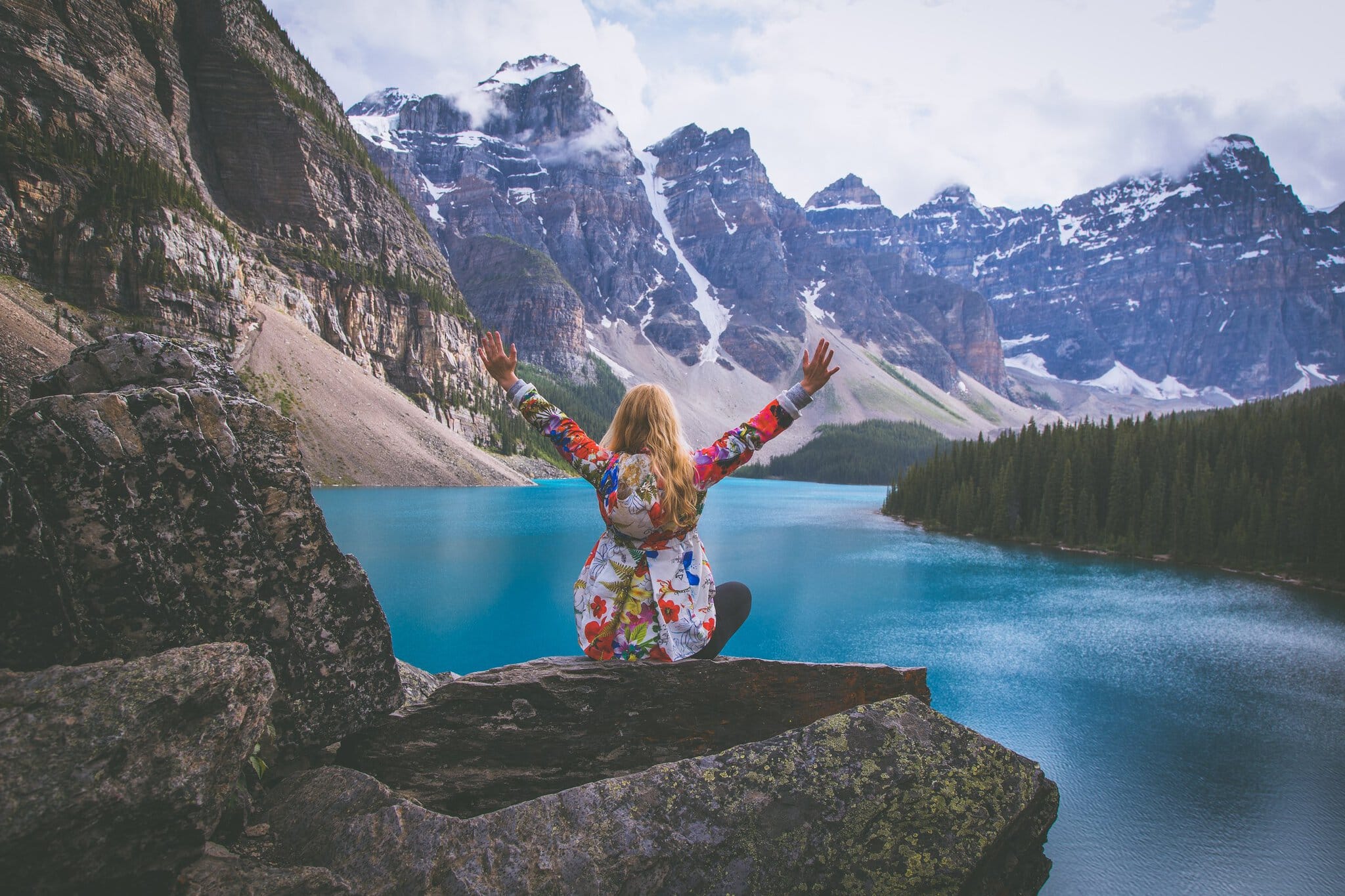
The first time I stood on the shore of a glacial lake in Canada’s Banff National Park and tried to dip my hand in, it nearly froze and fell off. 😅 That impossibly vivid turquoise colour tempted me to jump in for a swim, but the temperature hovering just above freezing dragged me back to reality very quickly. I actually lived and worked in Canada in 2016 and 2017, so I have a huge soft spot for all these mountain bodies of water, and Lukáš and I still remember them as some of the most beautiful lakes in the world.
But Canada is just the beginning. Scattered across the globe are bodies of water that take your breath away for completely different reasons. Some lakes boast extreme depth and clarity, others surround smouldering volcanoes or ancient Mayan villages. We haven’t seen many of them with our own eyes yet, but travellers all agree that visiting them is one of the highlights of any trip.
So I’ve put together 15 of the most beautiful lakes in the world for you, from places I’ve walked through on my own two feet to ones I’ve only read about and that keep me up at night. You’ll find famous turquoise gems in North America and Iceland (where we always love to return), European treasures, the highest lakes in the Andes, and the mysterious Siberian Baikal.
Quick Answer
The most beautiful lakes in the world undoubtedly include Canada’s glacial lakes Moraine and Louise, famous for their brilliant turquoise water. Other absolute icons include the planet’s deepest lake, Baikal, European emerald gems like Bled and Plitvice, and the legendary American Crater Lake with the cleanest blue water on Earth.
Summary
- The planet’s deepest lake: Russia’s Baikal reaches a depth of 1,642 metres and holds roughly a fifth of all the surface fresh water on Earth.
- The secret behind the turquoise colour: Mountain lakes owe their glowing hue to glacial flour, rock ground down into powder that refracts sunlight in the water.
- The highest navigable lake: The Andean Titicaca sits at an incredible 3,812 metres above sea level, mirroring a perfectly clear sky.
- No swimming allowed: At many stunning spots like Croatia’s Plitvice, getting in the water is completely forbidden to protect the fragile natural ecosystem.
- Volcanic origin: America’s Crater Lake was formed by the collapse of a huge volcano and still has no inflow, which keeps it extraordinarily clean.
- European romance: Slovenia’s Bled and Italy’s Lago di Como are among the most popular European destinations, where natural beauty meets historic architecture.
15 Most Beautiful Lakes in the World
I’ve ordered them in my own way: starting with the Canadian glacial favourites that are closest to my heart, moving through European classics and on to distant wonders in the Andes and Siberia. For each lake you’ll learn what makes it special, why it has that particular colour, and when it’s worth visiting.
1. Moraine Lake (Canada)
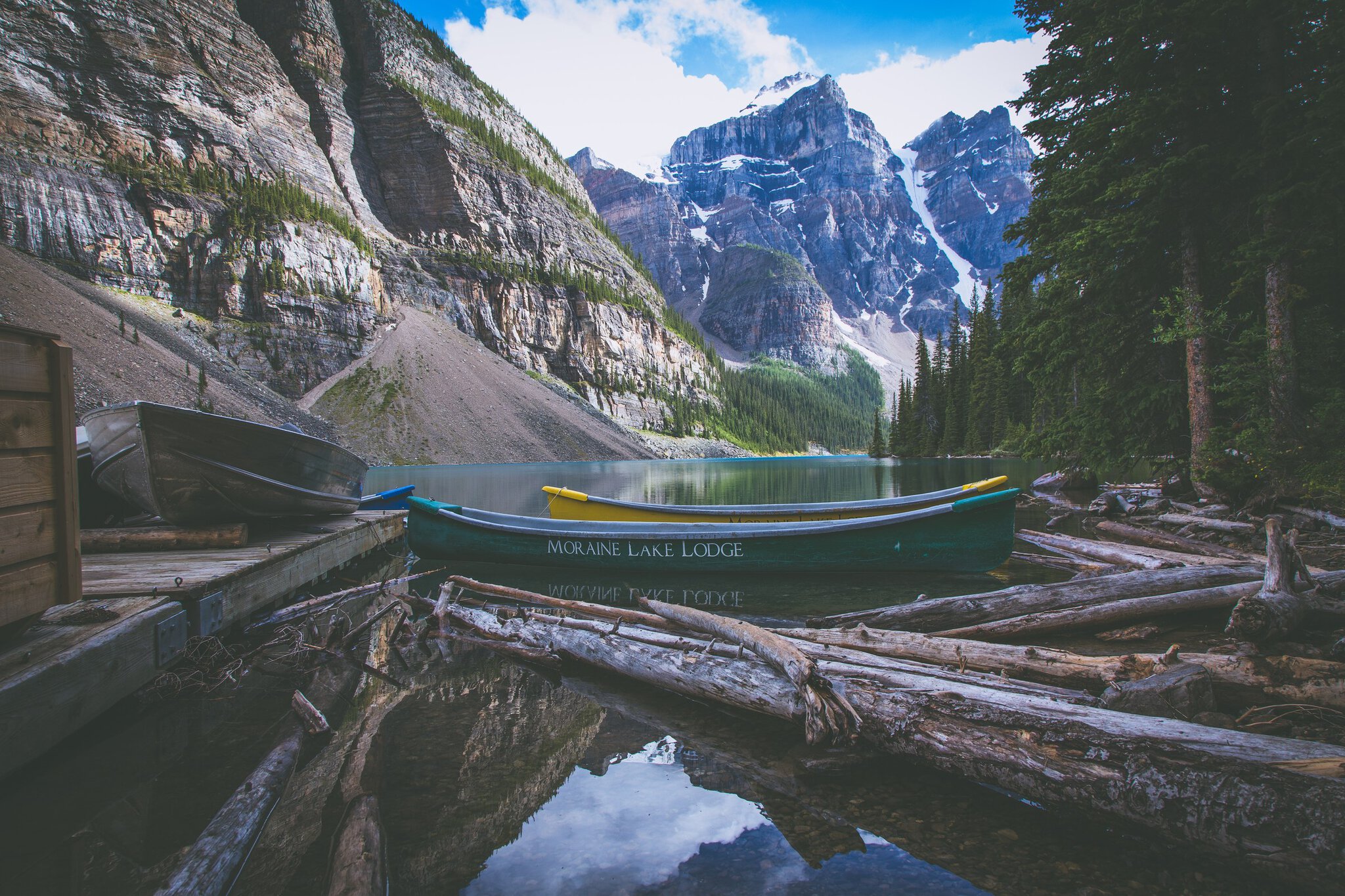
This place is my absolute favourite, and for many people it’s the most beautiful lake in all of Canada. It lies in the breathtaking Valley of the Ten Peaks, and the view from the rocky Rockpile lookout is so famous that it once appeared on the back of the Canadian twenty-dollar bill. We came here fairly often during our stay in Banff, and that deep azure colour amazed me every single time.
That incredible shade comes from sunlight refracting off the tiny rock sediment carried here in summer by melting glaciers. The maximum depth reaches just 14 metres, but the water is so icy you can forget about swimming altogether. The lake reaches its full beauty and highest water level only in mid-June, once the glaciers have finally melted properly.
💡 Tip: Private cars are strictly banned from the road to the lake, because the car park used to be bursting at the seams. The only way to get there is via the official Parks Canada shuttle bus, which you have to book well in advance. Read our detailed article about Moraine Lake, Canada.
2. Lake Louise (Canada)

Right next door you’ll find another Canadian legend, one of the most photographed spots in the entire Rocky Mountains. That iconic view of the turquoise surface with Victoria Glacier in the background and the huge luxury hotel on the shore is something almost everyone knows. The colour here is caused by so-called glacial flour, microscopic particles of rock suspended in the water.
The lake covers around 0.8 square kilometres and plunges to an impressive 70 metres at its deepest point. Even in the height of summer the water temperature rarely climbs above five degrees Celsius, so swimming is strongly discouraged due to the risk of rapid hypothermia. You’ll see the most beautiful colouring from July to September.
💡 Tip: The car park right by the shore is hopelessly full by dawn and stays jammed all day. A far calmer option is to use the park-and-ride lots and the shuttle bus, which will take you straight there stress-free. Find out more in our guide to Lake Louise, Canada.
3. Peyto Lake (Canada)
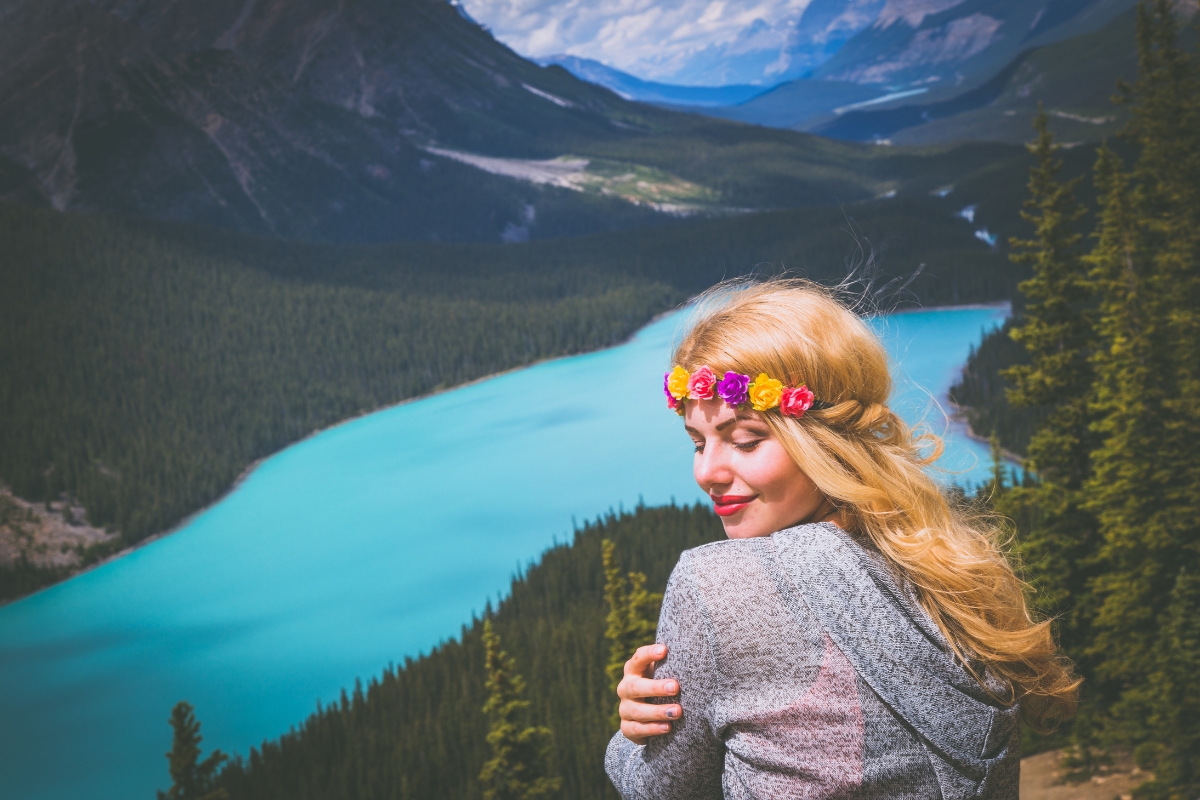
Driving along the famous high-mountain Icefields Parkway, you mustn’t miss this turquoise beauty, which from above resembles a giant wolf’s head. The lake is named after legendary mountain guide Bill Peyto and sits at an altitude of 1,860 metres near the Bow Summit lookout. Lukáš and I enjoyed absolute peace here when we got up early and headed to the viewpoint before the other tourists.
Water flows straight in from the Peyto Glacier, carrying with it a huge amount of glacial flour that gives the surface that perfect milky-blue tint. Most visitors don’t descend to the water at all, because the best view is from the purpose-built viewing platform, reached by a short paved path from the car park.
💡 Tip: Try to arrive early in the morning between seven and nine, because by the afternoon the surrounding peaks cast shadows over the surface and the colours don’t pop as much. If the main viewpoint is crowded, carry on along the inconspicuous trail a little further, where you’ll have the view almost to yourself. Check out our article on the Icefields Parkway (Peyto Lake).
4. Jökulsárlón (Iceland)
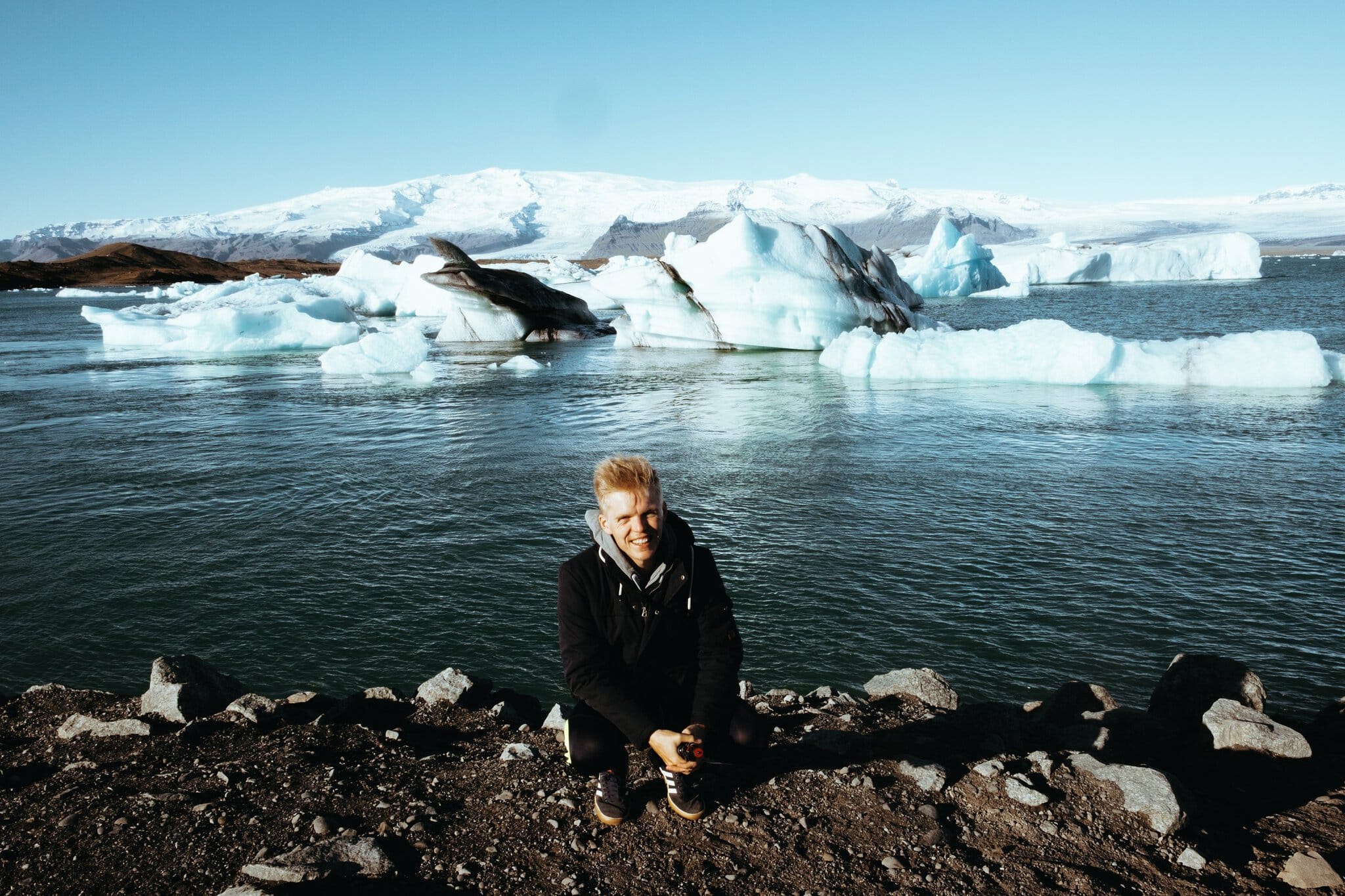
When we drove around Iceland in 2018, this glacial lagoon was one of the absolute highlights of the whole trip for me. Enormous chunks of ice drift majestically across the surface, breaking off from the nearby glacier and slowly making their way out to the open sea. The floes shimmer in every shade from milky white to brilliant blue, the result of extreme compression of ancient ice.
The lagoon only formed in the 1930s and is constantly growing due to glacial melt, today covering roughly 25 square kilometres. With a maximum depth of 284 metres, it’s the deepest lake in all of Iceland, even though its surface sits exactly at sea level. The water here is partly salty, because the ocean flows in at high tide.
💡 Tip: Once you’ve taken in the lagoon, be sure to cross the road to the opposite Diamond Beach, where the waves wash crystal-clear chunks of ice onto the black volcanic sand. If you want to see the floes up close, I recommend booking an early boat tour on the small craft. Find more tips in our article on Jökulsárlón and Iceland’s glaciers.
5. Plitvice Lakes (Croatia)
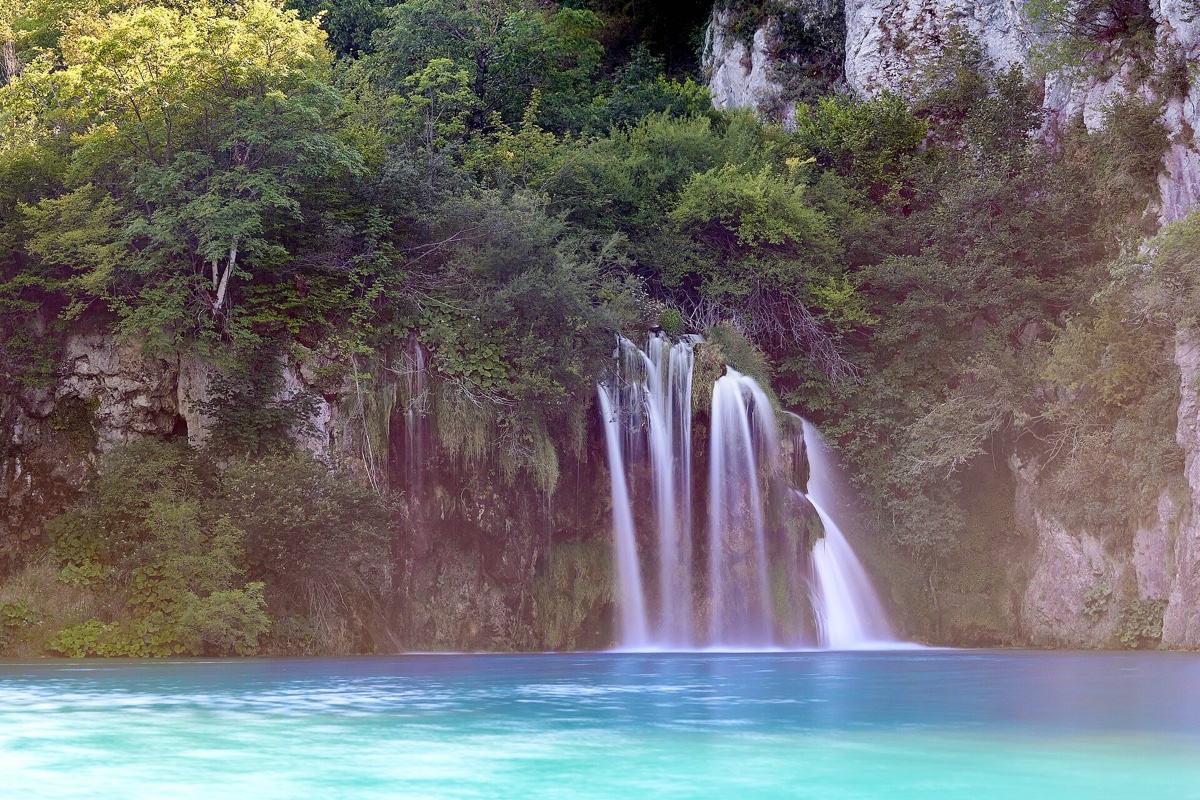
This Croatian national park is one of the oldest in the country and has rightly held UNESCO status since 1979. Travellers from all over the world come here to admire the cascade of sixteen lakes connected by stunning waterfalls, surrounded by lush greenery. The water has an incredibly rich emerald blue-green colour that shifts constantly throughout the day depending on the angle of the sun and the time of year.
Behind all that beauty lies a complex natural process in which porous travertine precipitates onto moss and algae from the limestone-saturated water. These travertine barriers keep growing at a rate of roughly one centimetre per year, forming ever-new cascades. The deepest lake, Kozjak, reaches 47 metres and you can take a sightseeing boat across it.
💡 Tip: Since 2006 there’s been a strict swimming ban across the entire park, to protect this extremely fragile ecosystem from destruction. In summer it gets seriously packed, so it’s worth visiting in spring or autumn instead and buying your tickets online in advance. We’ve put all the details into our guide to the Plitvice Lakes, Croatia.
6. Lake Bled (Slovenia)
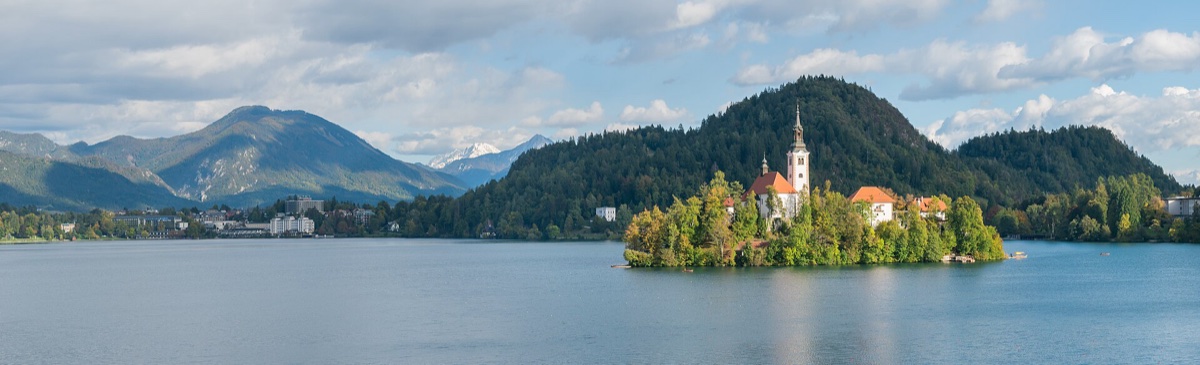
If you’re after perfect European romance, this Slovenian alpine lake is probably exactly what you need. Rising from the middle of the calm surface is Slovenia’s only natural island, home to the picturesque Church of the Assumption of Mary. High above the water, perched on a steep cliff, the ancient Bled Castle watches over the whole valley and offers the best panoramic views.
The turquoise-green colour comes from a combination of glacial origins, the incredible clarity of the alpine water, and warming from below by natural thermal springs. Thanks to these springs, the water in summer commonly warms to between 22 and 26 degrees Celsius, making it one of the few alpine lakes where you can swim comfortably and without any issues.
💡 Tip: Local tradition dictates hiring a traditional wooden boat called a pletna and being rowed out to the island. Once you’re back on shore, don’t miss a taste of the famous kremšnita, a traditional local cream cake that is simply an inseparable part of any visit to Bled.
7. Hallstättersee (Austria)
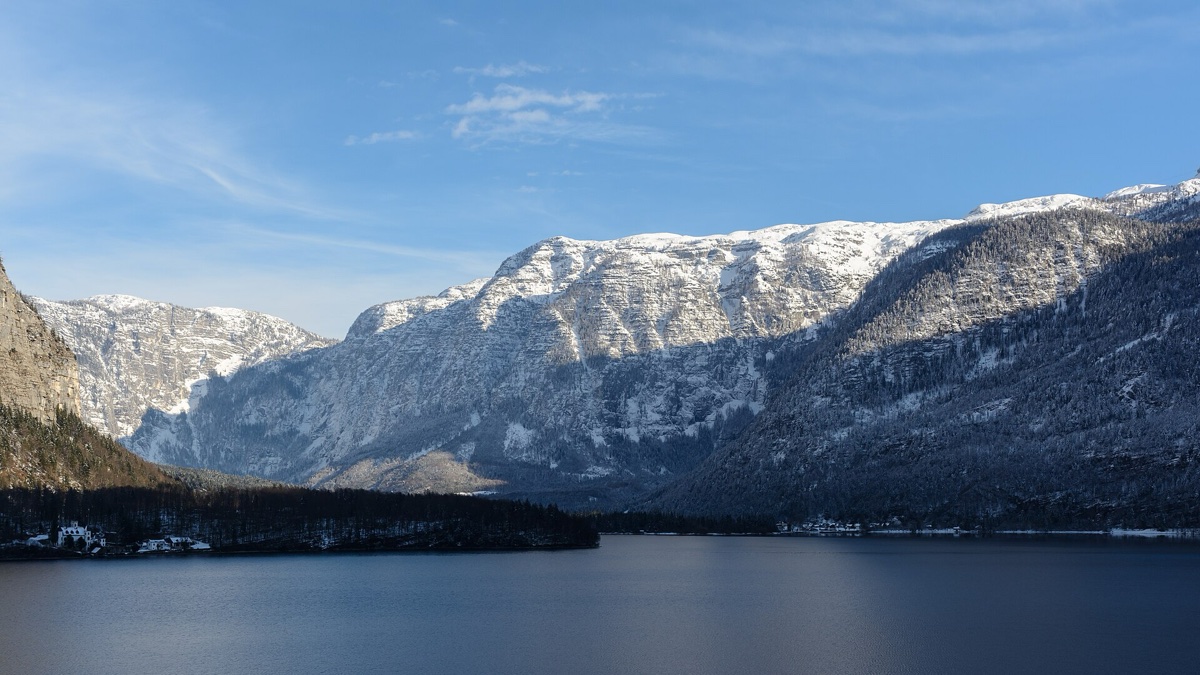
You’ve definitely seen a photo of this picturesque Austrian village squeezed between steep mountain slopes and the dark lake surface somewhere before. The whole Salzkammergut region earned UNESCO status thanks to a thousand-year tradition of salt mining, and the lake itself reaches an impressive depth of 125 metres. The water keeps its emerald-green tone thanks to cold meltwater and mineral particles from the limestone bedrock.
The problem with this beautiful spot, sadly, is the enormous tourist pressure: a village of fewer than a thousand residents sees over ten thousand visitors a day in peak season. Swimming at the public beaches is free and entirely legal, but bear in mind the water in summer rarely tops a refreshing 22 degrees Celsius.
💡 Tip: The average day-tripper spends only a couple of hours here and walks the main street alongside the crowds. If you want to experience the real atmosphere of this magical place, come early in the morning or stay overnight, when most of the tour buses have finally driven away.
8. Lago di Como (Italy)
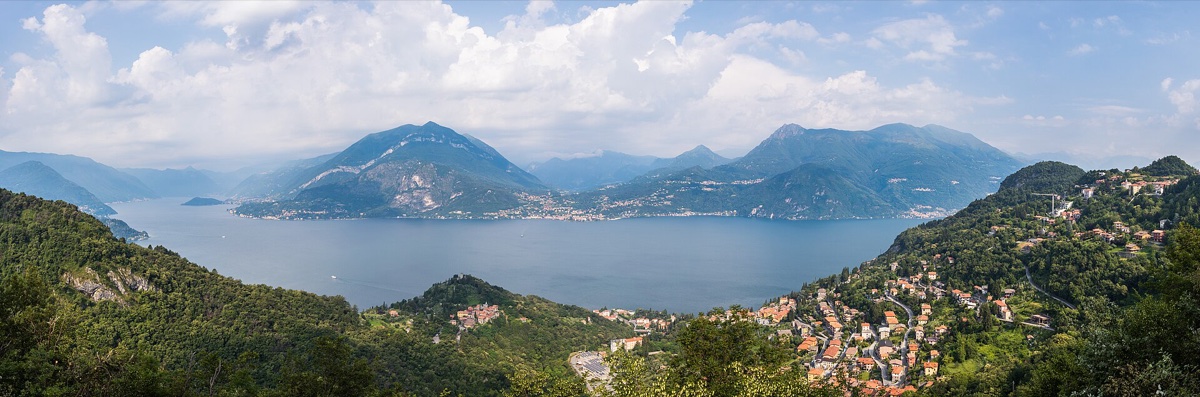
This iconic, inverted-Y-shaped Italian lake has drawn the elite and artists since the days of ancient Rome. Its shores are lined with luxurious historic villas surrounded by precisely manicured gardens, and at the junction of the southern arms lies perhaps the most famous resort in the whole region, Bellagio. The water shifts from blue-green to turquoise thanks to its glacial origins dating back to the last ice age.
With a maximum depth of over 410 metres, it’s one of the deepest lakes in all of Europe, even though it lies less than forty kilometres north of Milan. Swimming is very popular here in summer, since the surface can warm to a pleasant 26 degrees, so you can beautifully combine a dip with strolls past the historic villas.
💡 Tip: Bellagio and neighbouring Varenna are literally swamped with day-trippers from Milan during summer. Seasoned travellers recommend avoiding peak season and coming in autumn instead, or staying right by the water and exploring the narrow streets in the early evening hours.
9. Königssee (Germany)
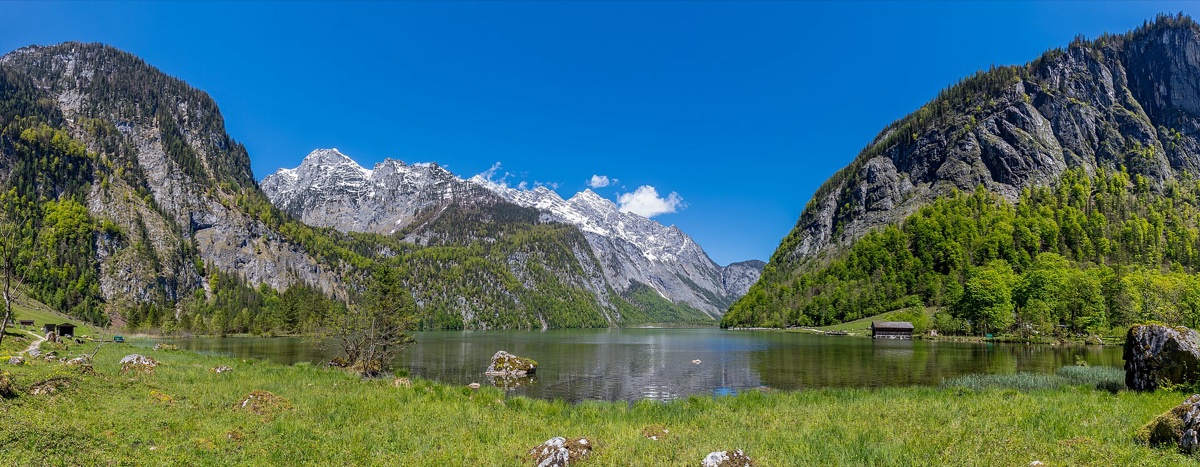
In Bavaria’s Berchtesgaden National Park you’ll discover a body of water that, with its shape, resembles a rugged Norwegian fjord more than a classic alpine lake. Königssee proudly holds the status of one of the cleanest lakes in Germany, partly because no polluted river flows into it. Its sharp emerald colour stands out thanks to the deep water sitting over a pale limestone bed.
An interesting fact is that since 1909 only electric-powered boats, rowing boats and pedalos have been permitted here, in order to protect the water quality. During the cruise to the famous St Bartholomew’s Church with its red domes, the boat’s captain will play a flugelhorn, the sound echoing off the steep rock walls in an incredibly powerful echo.
💡 Tip: Although swimming is technically possible and allowed, bear in mind that the water comes from mountain melt and is truly icy. At weekends huge queues form for tickets at the boat dock, so get up early and plan your cruise for the very first morning departure.
10. Lake Skadar (Montenegro / Albania)
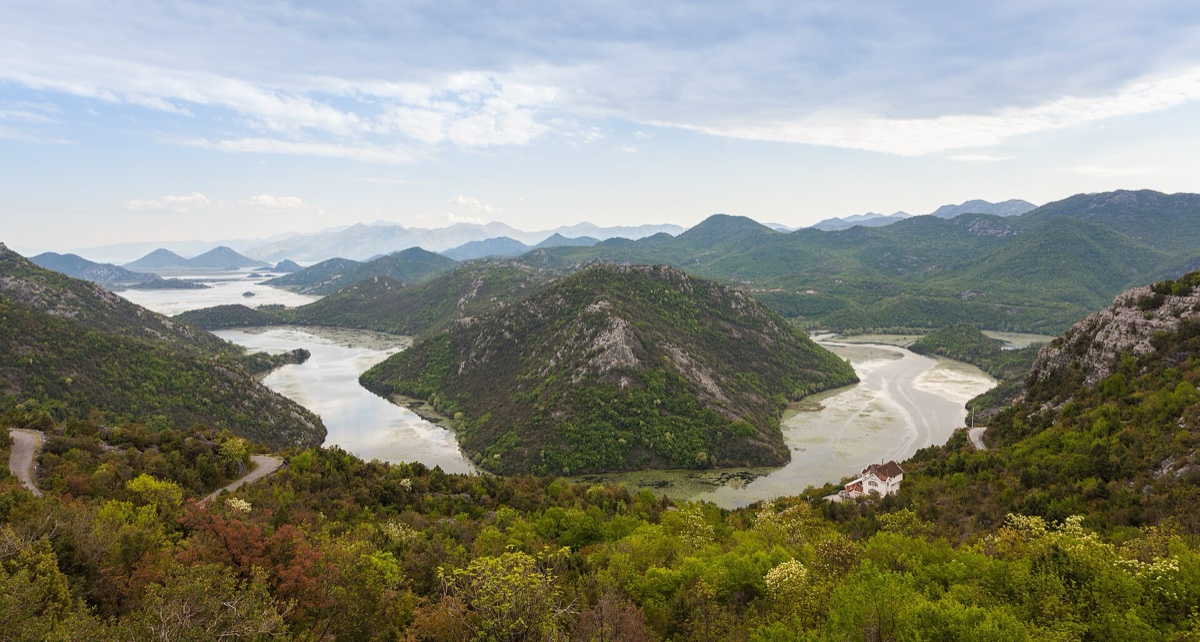
On the border between Montenegro and Albania lies the largest freshwater body in the entire Balkan Peninsula, hiding incredible natural riches. It’s a typical karst lake whose surface, in the summer months, is covered with endless carpets of blooming water lilies and water chestnuts. The surrounding greenery and tranquil atmosphere feel like balm for the soul, far from the busy seaside resorts.
Birdwatchers reportedly travel here from all over the world to spot the rare Dalmatian pelican, making it probably one of the most important bird reserves in Europe. The water is mostly very shallow, but it also hides so-called “eyes”, or underwater springs, where the bottom drops sharply to tens of metres.
💡 Tip: The best way to explore the hidden nooks and reed labyrinths is to hire a traditional wooden boat with a local guide. If this Balkan gem tempts you, read our article on Lake Skadar, Montenegro.
11. Baikal (Russia)
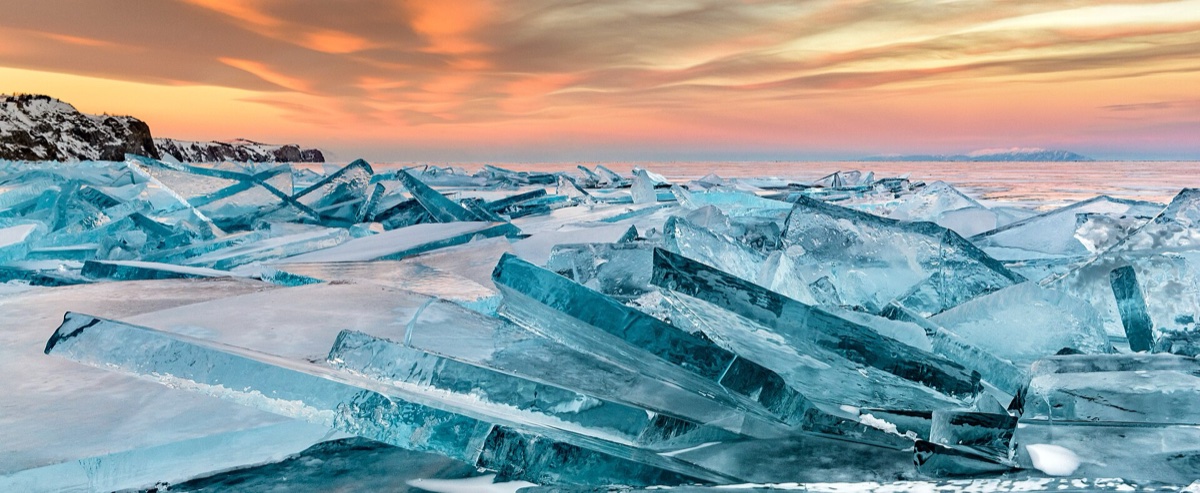
This natural wonder in south-eastern Siberia holds several almost unbelievable world records. With a maximum measured depth of 1,642 metres, it’s by far the deepest lake in the world, and with an estimated age of around 25 million years it’s also the very oldest. It represents a huge tectonic rift in the Earth’s crust that is still slowly widening.
The water here is almost distilled in its purity, thanks to the surrounding crystalline rocks and microscopic crustaceans that filter it continuously. Thanks to this perfect ecosystem, Baikal holds roughly twenty per cent of all the unfrozen surface fresh water on our planet. The sapphire-blue surface is so clear that in winter you can see tens of metres down through the ice.
12. Titicaca (Peru / Bolivia)
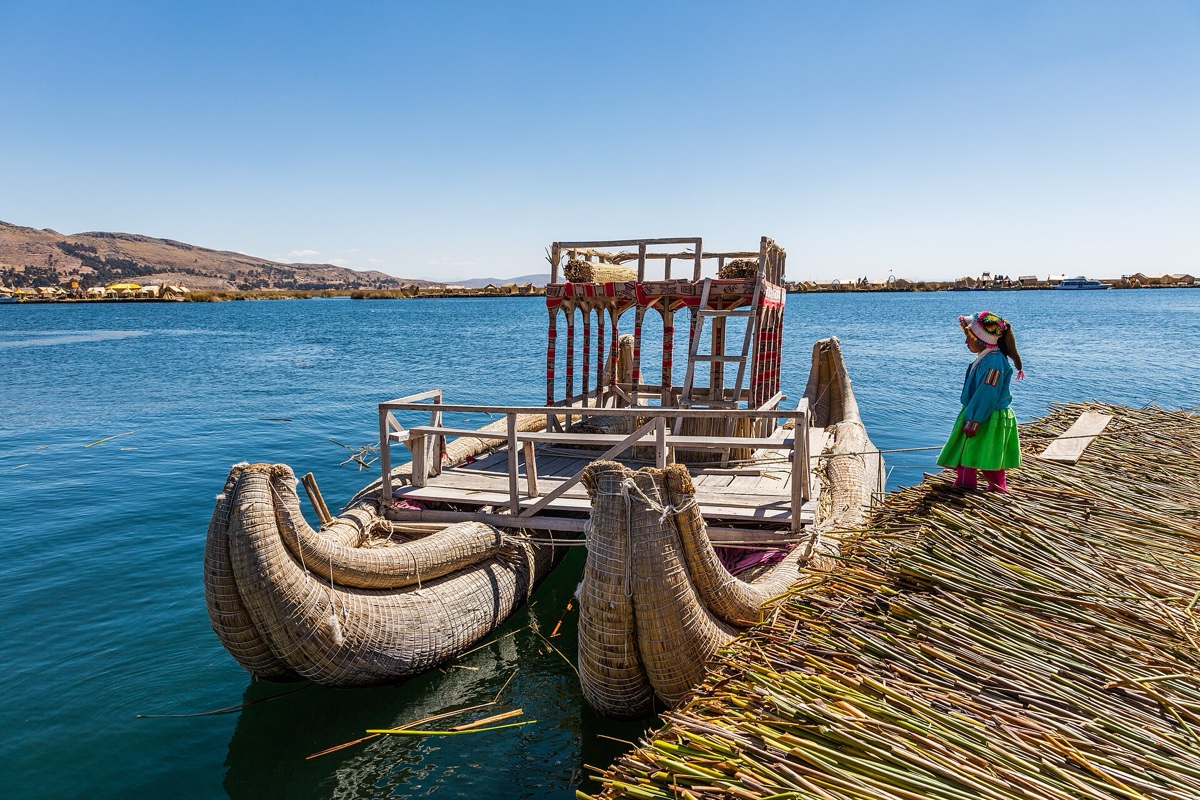
High in the South American Andes lies the cradle of Inca mythology, which astonishes at first glance with its deep blue, crystal-clear colour. At 3,812 metres above sea level sits the highest commercially navigable lake in the world, its calm surface acting as a giant mirror for the clear high-altitude sky. It spans over eight thousand square kilometres and forms a natural border between Peru and Bolivia.
The main draw here are the floating Uros islands made of totora reeds, where indigenous people still live to this day. Although the water looks inviting, its temperature stays between ten and fourteen degrees Celsius all year round, so swimming is definitely not recommended.
💡 Tip: Travellers often warn that the Uros islands can feel a little artificial and overly touristy. You’ll get a far more authentic experience if you arrange to stay with a local family on the more distant Amantani island, and don’t forget to acclimatise thoroughly because of the high altitude.
13. Crater Lake (USA)
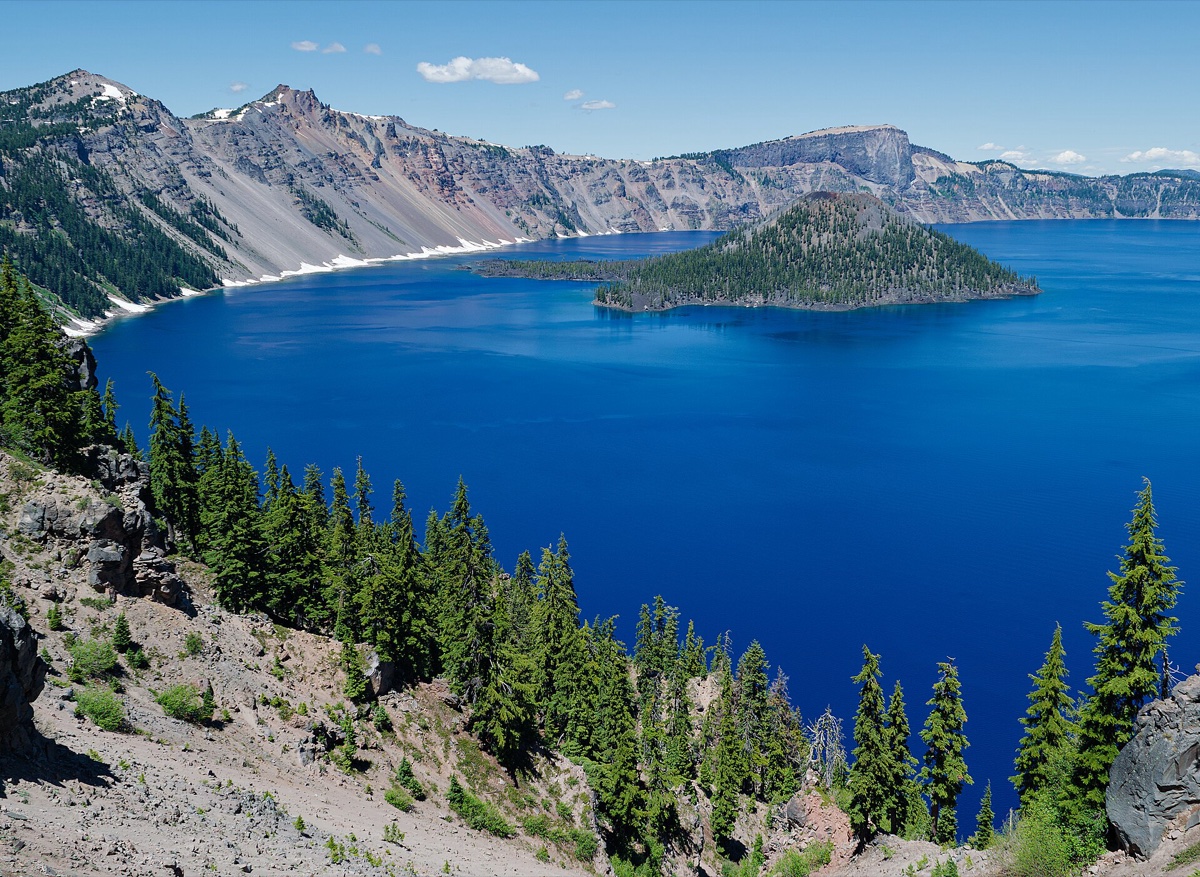
Deep within Oregon’s national park hides a natural phenomenon formed nearly eight thousand years ago by the gigantic collapse of Mount Mazama volcano. No river or stream flows into the resulting caldera, so the water holds no sediment and reaches extraordinary purity. It’s precisely this complete absence of impurities that gives the surface the most intense deep blue colour you can imagine.
With a maximum depth of 594 metres, it’s the deepest lake in the entire United States and one of the deepest in the world. The photogenic appeal of the whole place is underscored by the small volcanic cone of Wizard Island, rising from the mysteriously blue water near the shore. Huge amounts of snow lie here most of the year, which is why the loop road is only open during the short summer.
💡 Tip: An important note for future trips — the only legal trail down to the water, the Cleetwood Cove Trail, will be completely closed for 2026 to 2028 due to reconstruction. You won’t be able to reach the water at all and the sightseeing boats won’t run either, but the viewpoints from the upper rim of the caldera will remain accessible.
14. Lovatnet (Norway)
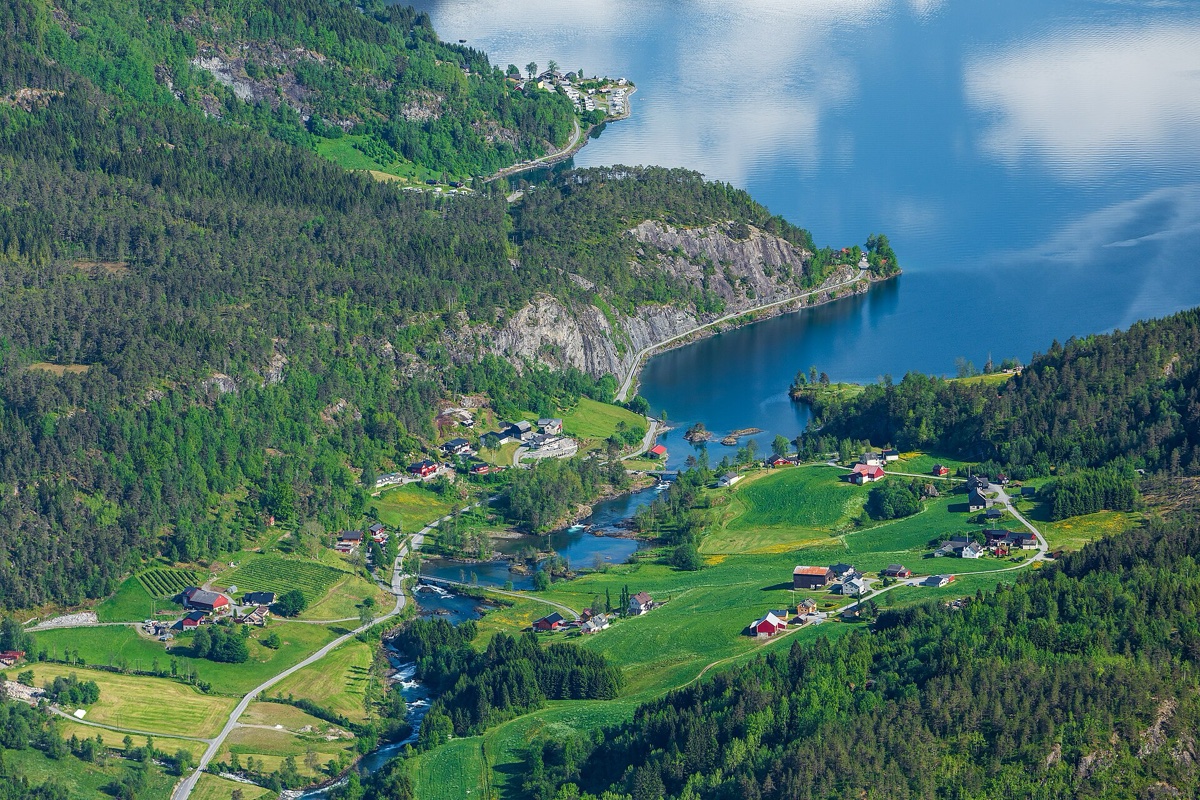
This rugged Norwegian lake, tucked away at the end of a valley near the village of Loen, offers an utterly emerald glacial spectacle. The brilliant turquoise colour once again comes from ground-up glacial flour, brought here by the melting Kjenndalsbreen glacier at the head of the valley. The water lies at an altitude of just 52 metres, but it’s hemmed in by huge, steep cliffs that give the place a dramatic look.
Sadly, the beauty of this place comes with an incredibly dark and tragic history. In 1905 and 1936, enormous rock avalanches broke loose from the surrounding slopes and, on hitting the water, created megatsunamis up to an astonishing 74 metres high, claiming over a hundred lives. The whole area was abandoned for a long time after the second tragedy.
💡 Tip: If you don’t mind genuinely icy water coming straight from a melting glacier, you can take a swim here or head out by kayak. The Norwegian lanes around the shores are very narrow, though, and in summer it’s wise to book any campsites well in advance.
15. Lake Atitlán (Guatemala)
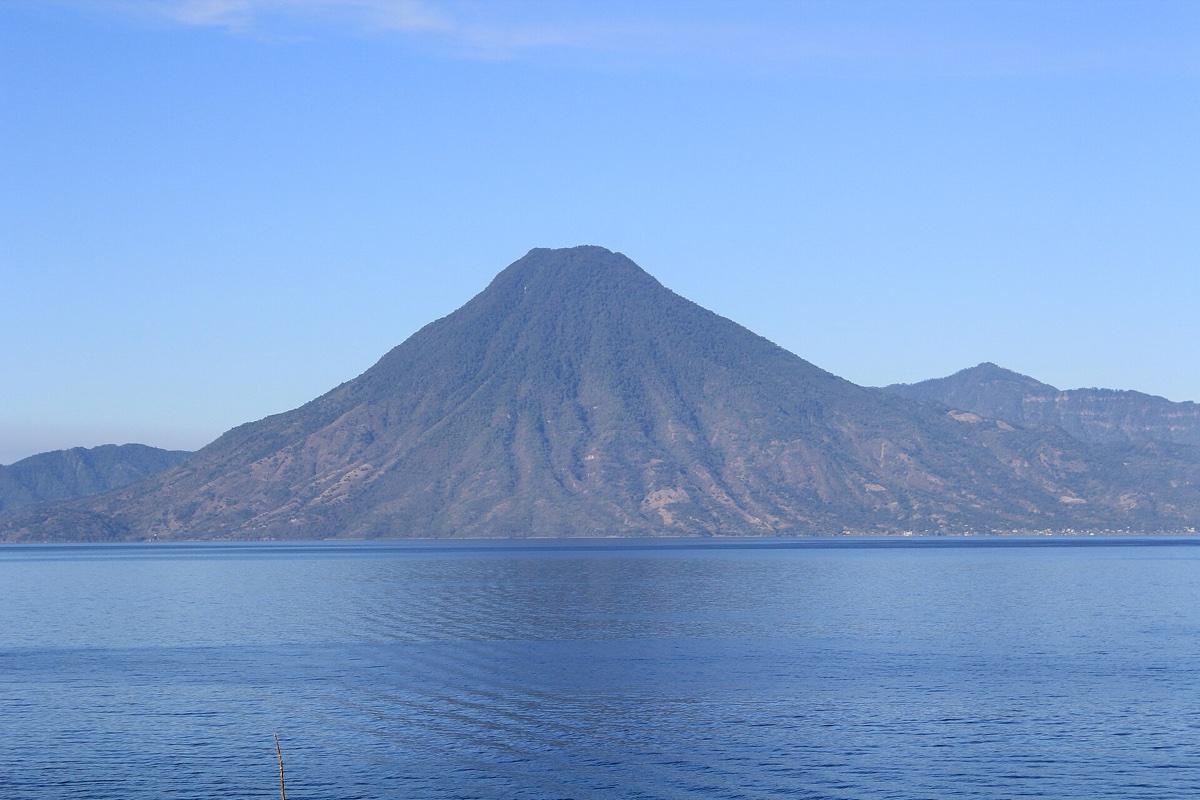
The final stop on our list takes us to Central America, right into the heart of the Guatemalan highlands. The writer Aldous Huxley once described this place as Lake Como with a few giant volcanoes thrown in for good measure. The lake sits in a vast caldera closely surrounded by three majestic volcanoes: San Pedro, Tolimán and Atitlán.
With a maximum depth of 340 metres it holds the title of the deepest lake in Central America, and its deep blue to turquoise colour draws travellers from all over the world. Its shores are lined with traditional Mayan villages, each with — according to travellers — a completely different atmosphere, from a buzzing party scene to quiet retreats full of vegan cafés and yoga studios.
💡 Tip: Transport between the villages is almost exclusively by small motor boats. Watch out for the afternoon wind called Xocomil, which according to local legend rises regularly and can turn the calm surface into fairly dangerous, choppy waves.
A Handy Comparison Table
| Lake name | Country | What makes it special | Best time to visit |
|---|---|---|---|
| Moraine Lake | Canada | The “Twenty Dollar View” and Valley of the Ten Peaks | June–September |
| Lake Louise | Canada | Turquoise water and the Fairmont hotel on the shore | June–September |
| Peyto Lake | Canada | Wolf-head shape and rich milky turquoise | June–September |
| Jökulsárlón | Iceland | Floating ice floes and Diamond Beach | May–October |
| Plitvice Lakes | Croatia | Cascade of 16 lakes with travertine barriers | Spring and autumn |
| Lake Bled | Slovenia | Natural island with a church and thermal warming | May–September |
| Hallstättersee | Austria | Iconic historic UNESCO village on the shore | Off-season |
| Lago di Como | Italy | Luxury villas and huge depth over 410 m | April–October |
| Königssee | Germany | Electric boats and the famous trumpet echo | May–September |
| Lake Skadar | Montenegro | Largest in the Balkans, full of lilies and birds | Spring and summer |
| Baikal | Russia | Deepest (1,642 m) and oldest in the world | Feb–March (ice) / summer |
| Titicaca | Peru / Bolivia | Highest commercially navigable lake | May–October |
| Crater Lake | USA | Deepest in the USA, no inflow, extreme clarity | July–September |
| Lovatnet | Norway | Emerald glacial origin and tsunami history | June–September |
| Lake Atitlán | Guatemala | Three volcanoes on the shore and 340 m depth | November–April |
Fascinating Facts and Records
While researching this article we came across plenty of fascinating numbers and records that we just can’t keep to ourselves. The bodies of water on our planet hold secrets tens of millions of years old, and their physical properties often defy common sense.
Where does the turquoise colour come from?
Many people assume that the brilliant blue water in the mountains is simply pure, but the truth lies elsewhere. As a glacier slowly moves, it literally grinds the bedrock into a microscopic powder called glacial flour. These tiny particles stay suspended in the icy water, where they absorb red light and scatter blue and green wavelengths in all directions. The result is that famous opaque turquoise we know from Canada and New Zealand.
How lakes actually form
Nature has several ways of creating a huge reservoir of water. Glacial lakes form when an enormous mass of ice carves a basin into the ground or piles up a ridge of rock (a moraine) in front of it, which then simply traps the water once the ice melts. Crater and volcanic lakes (like America’s Crater Lake) fill up with water in huge depressions left by ancient volcanic eruptions. The very deepest bodies of water, such as Baikal, are known as tectonic, because they form in deep rifts in the Earth’s crust.
Geographical extremes
If you were looking for the absolute largest freshwater body by surface area, you’d have to head to America’s Lake Superior, which covers over 80,000 square kilometres. Russia’s Baikal doesn’t have such a vast surface, but thanks to its incredible depth it holds the largest volume of fresh water of all. The record for clarity is held by New Zealand’s Blue Lake (Rotomairewhenua), where scientists measured visibility of an incredible 70 to 80 metres.
Where to Next
Have these bodies of water captivated you so much that you’re already planning your next trip? If you’re drawn to rugged Nordic nature with majestic fjords and mountains, be sure to check out our tips on what to see in the Lofoten Islands in Norway, or explore our Alaska road trip, where you’ll come across similar milky-blue bays at almost every turn.
Lovers of volcanic landscapes full of thermal springs and glacial lagoons will appreciate our extensive Iceland: complete guide. And if that turquoise water from the Canadian mountains has stolen your heart too, we’ve also put together 10 most beautiful places in Canada, packed with plenty more inspiration.
Frequently Asked Questions
Before you pack your camera, here are the answers to what people most often want to know about the most beautiful lakes in the world.
Which lake is the deepest in the world?
The absolute record holder is Russia’s Baikal located in Siberia. Its maximum measured depth is 1,642 meters, which makes it by far the deepest body of water on the planet. It holds an enormous amount of fresh water and its bottom is formed by a deep tectonic rift.
Which lake is the largest?
It depends on how we measure size. By total surface area, the brackish Caspian Sea wins. If we’re talking about freshwater bodies, Lake Superior has the largest area on the border of the USA and Canada. However, by volume of water retained, Siberia’s Lake Baikal takes the crown.
Which lake is the highest?
The highest commercially navigable lake in the world is considered to be South America’s Titicaca at an elevation of 3,812 meters. However, the absolutely highest body of water is a small crater lake on the Ojos del Salado volcano in the Andes, which sits at approximately 6,390 meters above sea level.
Why are some lakes turquoise or blue?
This phenomenon is caused by so-called glacial flour. It’s an extremely fine rock dust brought into the water by the melting glacier. These particles remain suspended in the water and refract sunlight in such a way that they reflect vivid blue and green hues to our eyes.
Can you swim in glacial lakes?
Theoretically it’s possible, but it’s very dangerous. The water temperature there ranges between only 4 to 10 degrees Celsius, which even in experienced swimmers quickly causes so-called cold shock. In cold water, your strength drops extremely rapidly and there’s a serious risk of hypothermia.
Which lake is the absolute cleanest?
The title of cleanest water goes to Blue Lake (Rotomairewhenua) in New Zealand. Scientists have measured extreme visibility reaching 70 to 80 meters there. Swimming is strictly forbidden here, however, as it’s a sacred site for the local Maori population.
How is a glacial lake actually formed?
During its descent from the mountains, the glacier carves a deep basin into the bedrock with its enormous mass of ice. Sometimes it also pushes up a ridge of rocks and soil in front of it, called a moraine. When the ice melts, this depression fills with water and the moraine acts as a natural impermeable dam.
Which is the largest volcanic lake in the world?
This title belongs to Indonesian Lake Toba. It’s a gigantic caldera of a supervolcano, which was formed after a massive eruption approximately 74 thousand years ago. The lake reaches a length of 100 kilometers and its maximum depth is around 505 meters.
Tips and Tricks for Your Vacation
Don’t Overpay for Flights
Search for flights on Kayak. It’s our favorite search engine because it scans the websites of all airlines and always finds the cheapest connection.
Book Your Accommodation Smartly
The best experiences we’ve had when looking for accommodation (from Alaska to Morocco) are with Booking.com, where hotels, apartments, and entire houses are usually the cheapest and most widely available.
Don’t Forget Travel Insurance
Good travel insurance will protect you against illness, accidents, theft, or flight cancellations. We’ve had a few hospital visits abroad, so we know how important it is to have proper insurance arranged.
Where we insure ourselves: SafetyWing (simple monthly subscription) and TrueTraveller (for extra-long trips).
Find the Best Experiences
Get Your Guide is a huge online marketplace where you can book guided walks, trips, skip-the-line tickets, tours, and much more. We always find some extra fun there!


