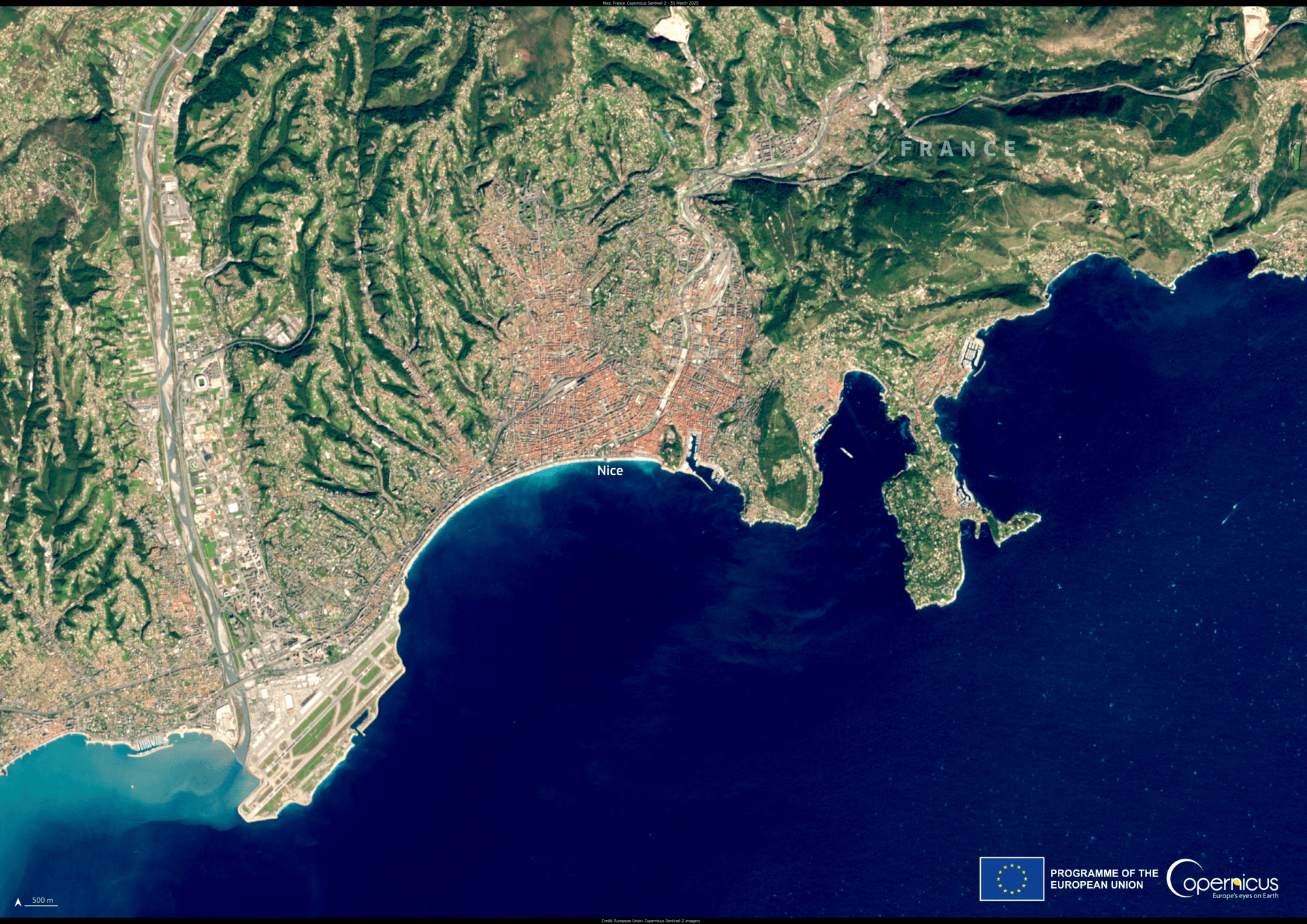
Close your eyes and picture the sun-soaked south of France, where the steep peaks of the Alps plunge straight into the Mediterranean Sea. Chances are you’ll think of the famous French Riviera, or Côte d’Azur, which has been a byword for elegance and the perfect relaxing getaway ever since the nineteenth century. Originally it was British and Russian aristocrats who came here to spend their mild winters, while today Nice, France is by far the most sought-after region in the entire country. International demand for Nice easily eclipses even iconic names like the Loire Valley.
In this article you’ll find exactly 14 tips on what to see and do in Nice and its immediate surroundings, so your holiday really delivers. I’ll tell you the best time to go, where to base yourself strategically, and how to get around the coast completely stress-free. You’ll also learn why you should forget about renting a car straight away, and which day trips you absolutely shouldn’t skip.
TL;DR
- Main base: Nice works as the best strategic spot for exploring the whole Riviera thanks to its excellent train connections.
- Transport: Forget the car — the coastal roads gridlock in season and the TER trains run reliably three to four times an hour.
- Best view: You’ll find it on Colline du Château hill, which you can reach via a free lift cut into the rock.
- What to taste: At the Cours Saleya market, definitely try the traditional socca, a thin flatbread made from chickpea flour.
- Swimming: The beaches right in town are pebbly, so be sure to pack water shoes for an easier entry into the sea.
- Culture: Don’t miss the Marc Chagall National Museum and the gorgeous Musée Matisse set in an olive grove.
- Where to take a trip: A few minutes by train will get you to Monaco, medieval Èze or the picturesque bay of Villefranche-sur-Mer.
The full destination guide: France — guide and what to see
When to Visit Nice and the Riviera
The French Riviera has one huge pitfall: the crushing wave of tourists and extreme heat during the main summer holidays. In July and August, temperatures regularly climb to 35–43 °C, the sun is absolutely relentless and the narrow coastal roads turn into one endless car park. If you show up blindly imagining the deserted beaches of old movies, you’re likely in for a harsh collision with the reality of overcrowded resorts and paralysed traffic. The key to a successful holiday on the Côte d’Azur is simply the right timing and respect for the local rhythm.
The ideal time to visit is therefore the spring months from April to June, or alternatively September and October in autumn. Temperatures sit at a pleasant 25 °C or so, the sea is still beautifully warm in autumn, and you’ll reliably avoid the biggest crowds. A big plus is how easy it is to reach from the UK — direct flights from London and other major airports are operated by airlines such as British Airways and easyJet, and outside the peak season you can grab return tickets at very reasonable prices. In May the whole area also comes alive thanks to the film festival in nearby Cannes, which lends the coast an utterly unmistakable atmosphere.
A February visit is also well worth considering, offering an entirely different experience and showing the Riviera in unexpected colours. The city hosts the famous Nice Carnival, one of the largest in Europe, and nearby Menton holds its fantastic Lemon Festival. The winter months aren’t ideal for swimming, but they’re absolutely perfect for strolls along the promenade and discovering the art museums in temperatures around 15 °C. To properly explore the city and surroundings, set aside ideally four to seven days so you’ll have enough time to relax over a coffee too.
Where to Stay in Nice and How Much It Costs
💡 Accommodation and experiences tip: We like to look for places to stay on Booking.com, which usually has the best cancellation terms. For tickets, tours and activities, it’s worth comparing and buying through GetYourGuide.
The biggest strategic mistake people make is trying to drive around the south of France, because hunting for parking in the narrow streets will reliably cost you both your nerves and your precious time. Choose Nice as your main base camp and take trips along the entire coast on the comfortable trains. Look for accommodation ideally within walking distance of the main station, Gare de Nice-Ville, or near one of the modern tram stops. In 2026, a decent double room in the centre runs roughly from 120 to 180 euros per night depending on the season and how early you book.
If you’re after romance and don’t mind the occasional noise from the street, pick a place right in the old town of Vieux Nice. You’ll be just a few steps from the morning market and the best restaurants, and the atmosphere of the narrow lanes with their ochre façades is simply priceless. From the train station you can easily reach the iconic spots nearby. Monaco, for example, is just twenty minutes away with a ticket costing around 4 to 6 euros, while the trip to Cannes takes just under an hour and sets you back 7 to 10 euros. Trains run very reliably about three to four times an hour.
As for specific hotels, one option is the stylish Hotel Florence Nice, which prides itself on a great eco-friendly approach and sits in the perfect spot between the train station and the beach. If you’re looking for something more budget-friendly for a no-frills stay, check out Ibis Styles Nice Centre Gare, which is literally just a few dozen metres from the trains. And for those who want to treat themselves to absolute luxury, there’s of course the legendary Hotel Negresco right on the seafront promenade with views over the sea.
Nice, France: 14 Things to Do on the Riviera
Let’s take a look together at the very best this uncrowned queen of the Riviera has to offer. You’ll discover where to head for art and where to find the most beautiful view over the azure sea that gave the whole coast its name.
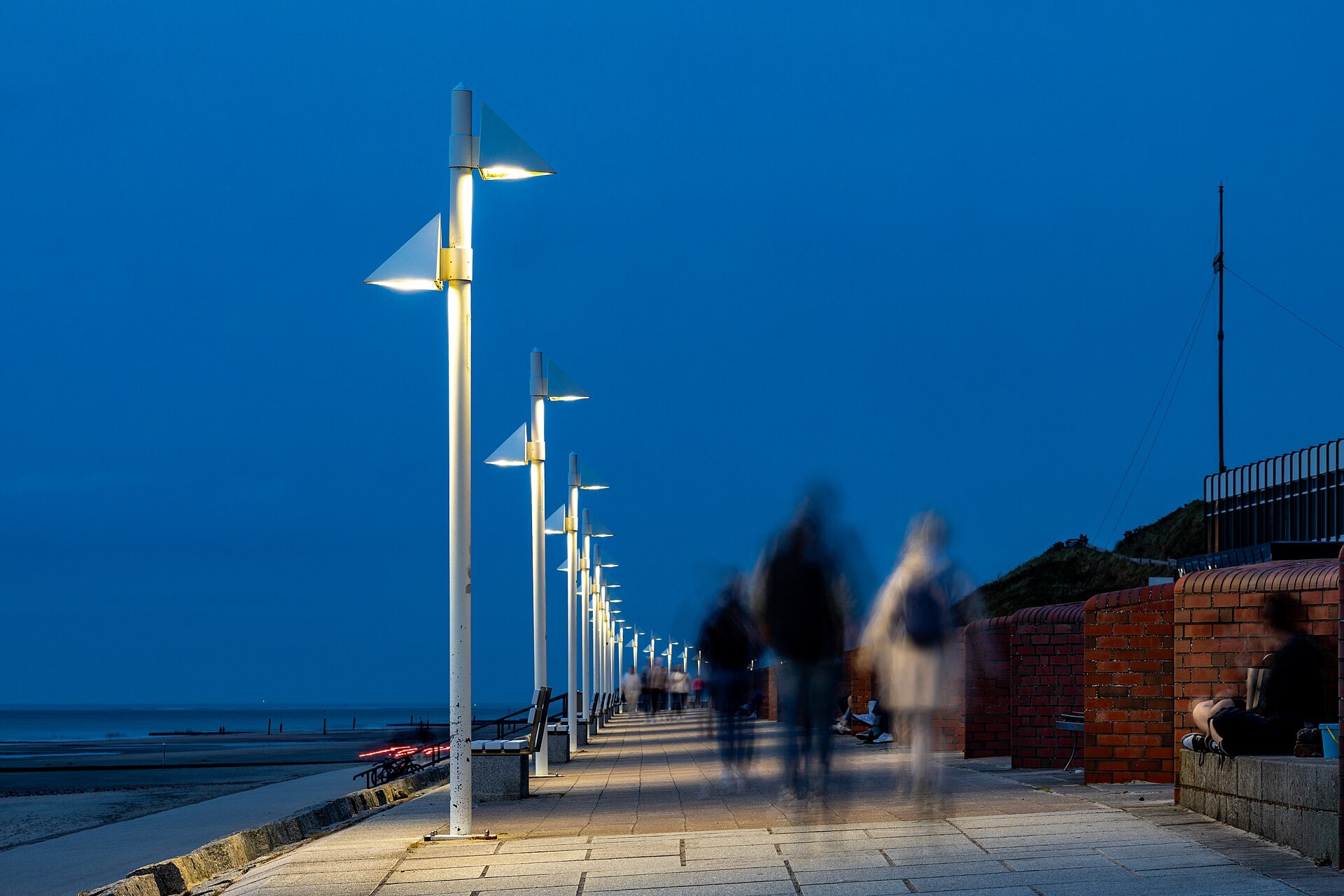
1. Promenade des Anglais and Baie des Anges
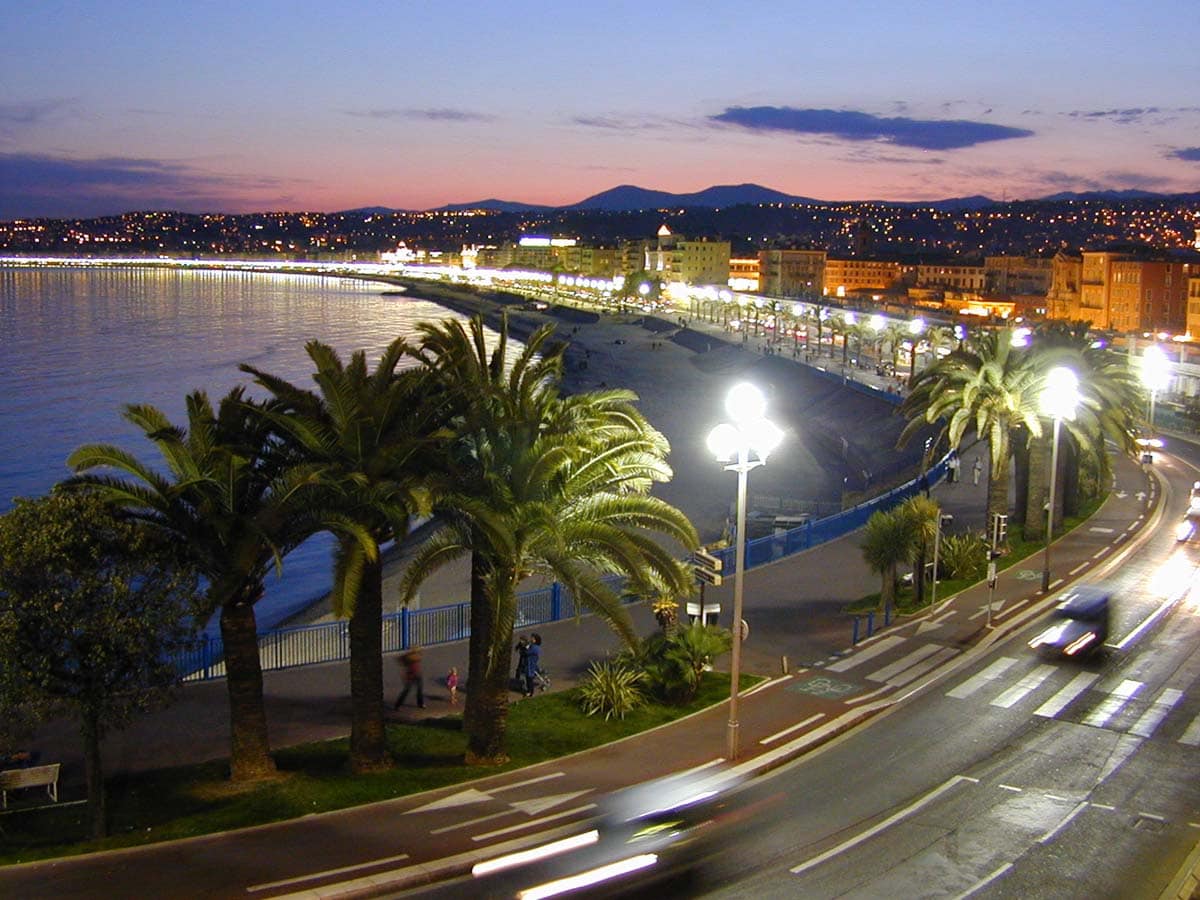
The Promenade des Anglais is the very heart of the city, and your first steps should lead right here. This seven-kilometre boulevard lines the breathtaking Bay of Angels, known in French as the Baie des Anges, and offers a perfect view over the endless blue sea. It was originally built in the nineteenth century by the British elite, who needed an elegant space for their afternoon strolls in the mild winter climate.
Today you’ll meet a colourful mix of locals and tourists here, from morning joggers to families on rollerblades and couples in love. On your walk, be sure to admire the fairy-tale façade of the Hotel Negresco, whose pink dome makes it one of the most famous architectural symbols of the entire French Riviera. Grab a coffee to go, sit down on one of the iconic blue benches facing the water and just watch the wonderful buzz around you. It’s the best free show in town.
💡 Tip: Head out onto the promenade as early in the morning as possible, when the light for photos is at its softest and you’ll reliably dodge the worst of the midday heat and the crowds.
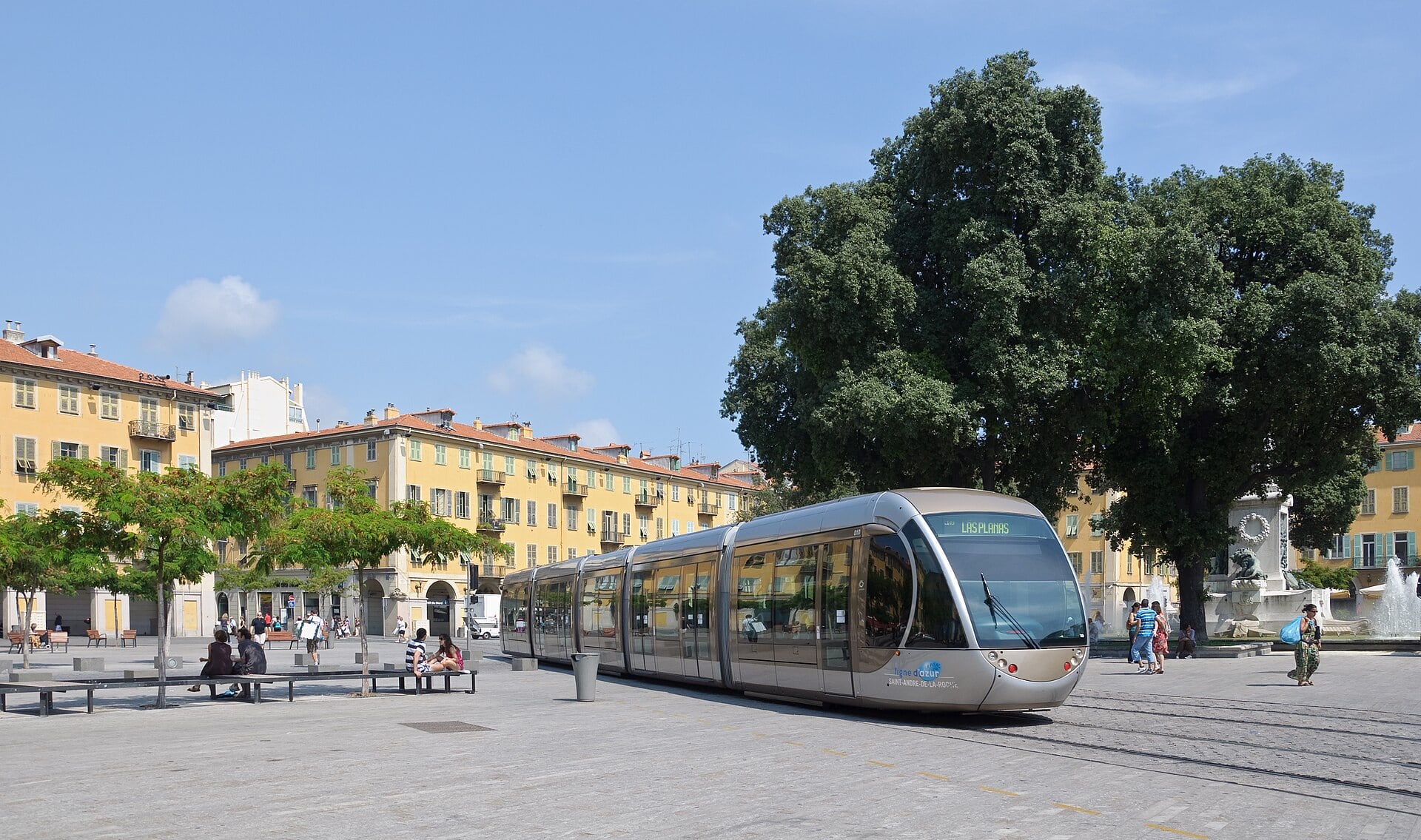
2. The Old Town (Vieux Nice)
Right next to the bustling promenade lies Vieux Nice, a gorgeous old quarter full of narrow, shady lanes. The façades of the houses here glow in every conceivable shade of ochre, yellow and terracotta, a legacy of the strong influence of nearby Italy and the historic Savoy architecture. You’ll feel more like you’re in Genoa than in France. It’s exactly the kind of place where you most enjoy getting lost, discovering some hidden gem around every corner.
The old town’s atmosphere is completed by lines of hanging laundry, little artisan shops and surprisingly ornate baroque churches that look quite unassuming from the outside. I’d recommend wandering the lanes completely aimlessly and letting the smell of fresh pastries and Provençal herbs carry you along. When hunger strikes, drop into one of the small bistros for fresh pasta or a traditional Margherita pizza, which tastes absolutely fantastic here thanks to the Italian roots. In the evening the whole quarter lights up and becomes the main hub of the nightlife.
💡 Tip: If you want to experience the real atmosphere, avoid the main thoroughfares and head into the narrowest lanes, where you’ll only rarely bump into other tourists.
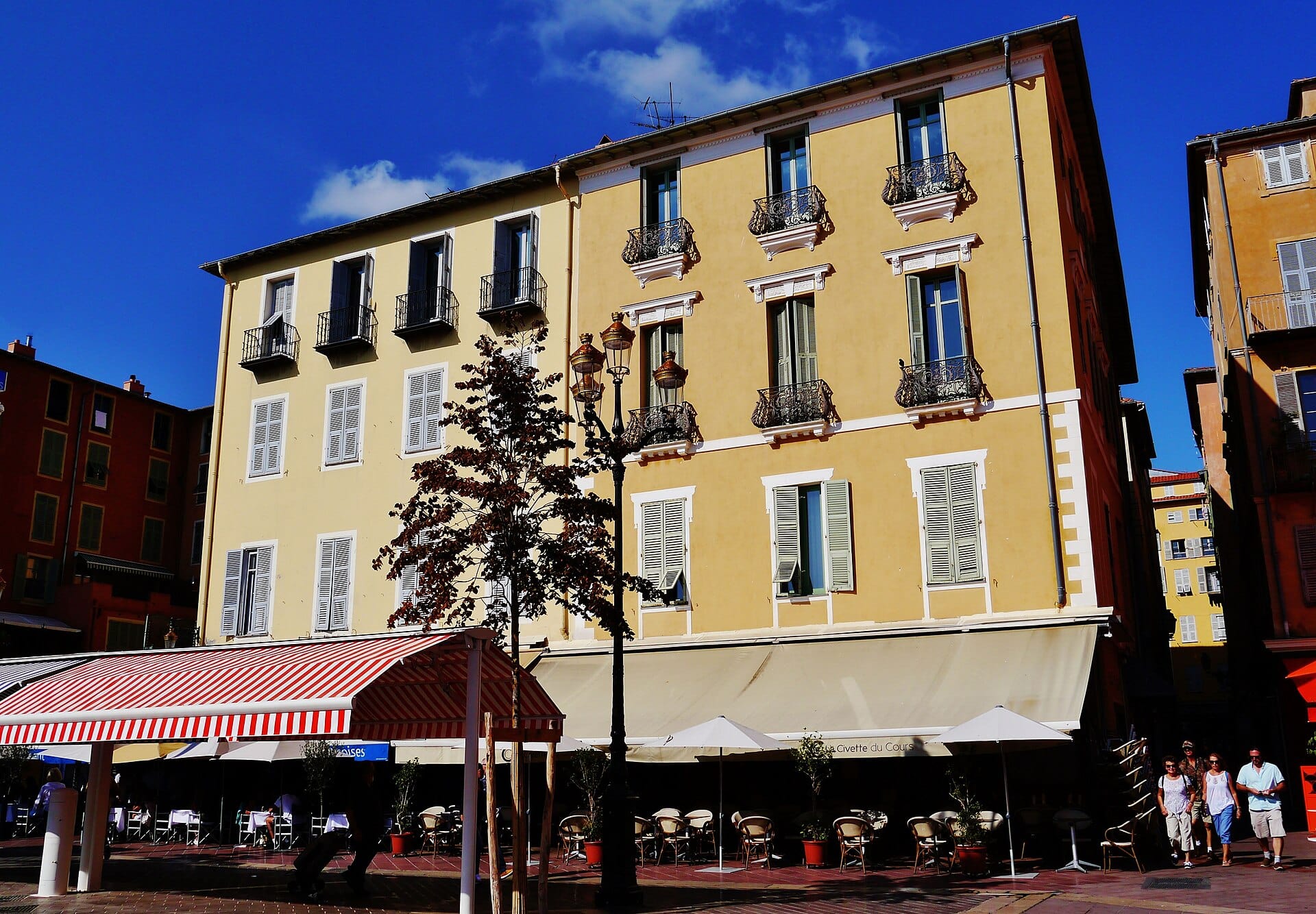
3. Cours Saleya Market and the Local Socca
Sooner or later your feet will unfailingly lead you to the long Cours Saleya square in the old town. This space serves as the city’s main marketplace and is a feast for all the senses. Every morning except Monday, vendors set out their stalls of fresh flowers, vividly coloured fruit, fragrant vegetables and a wonderful selection of local cheeses. It’s the ideal spot to pick up ingredients for an afternoon picnic by the sea.
This is exactly where you absolutely must try the cornerstone of local street food. Stop by one of the stalls and order a traditional socca, a thin, wood-fired flatbread made from chickpea flour. It’s served still hot and generously sprinkled with coarse black pepper. This naturally vegetarian treat costs just a few euros and pairs perfectly with a strong morning espresso, which will set you back about two euros at a nearby bar.
💡 Tip: On Mondays, instead of the usual food market, Cours Saleya hosts a huge flea and antiques market where you can hunt down real treasures and unusual souvenirs.
4. Colline du Château and an Unforgettable View
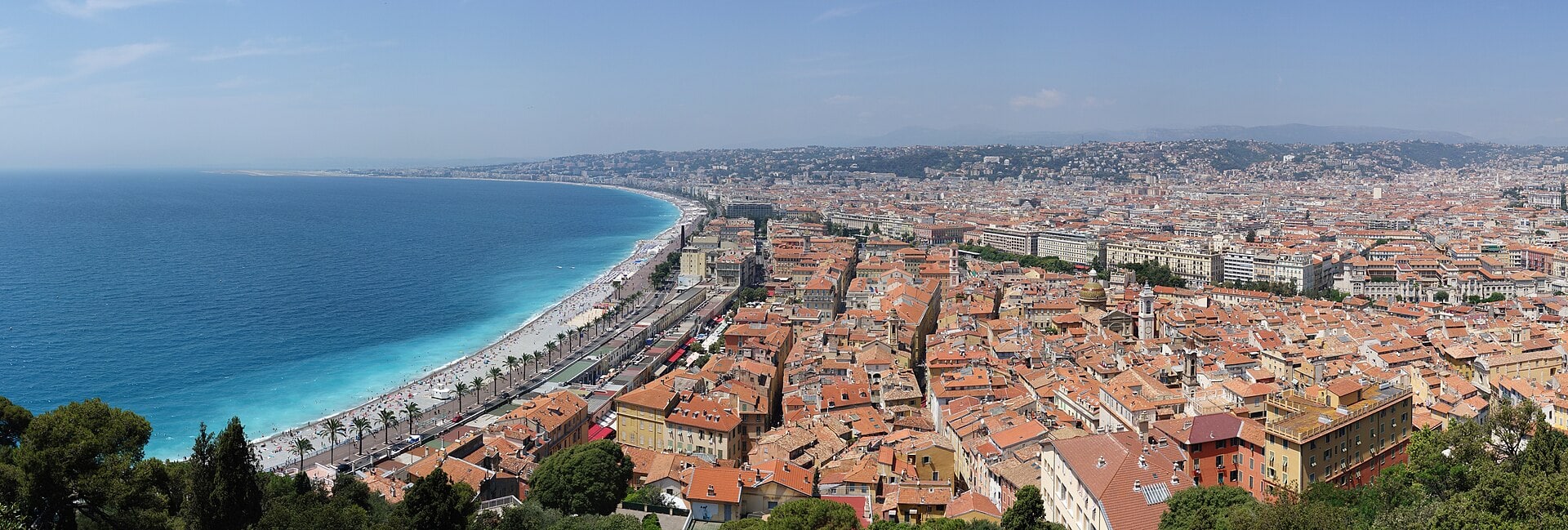
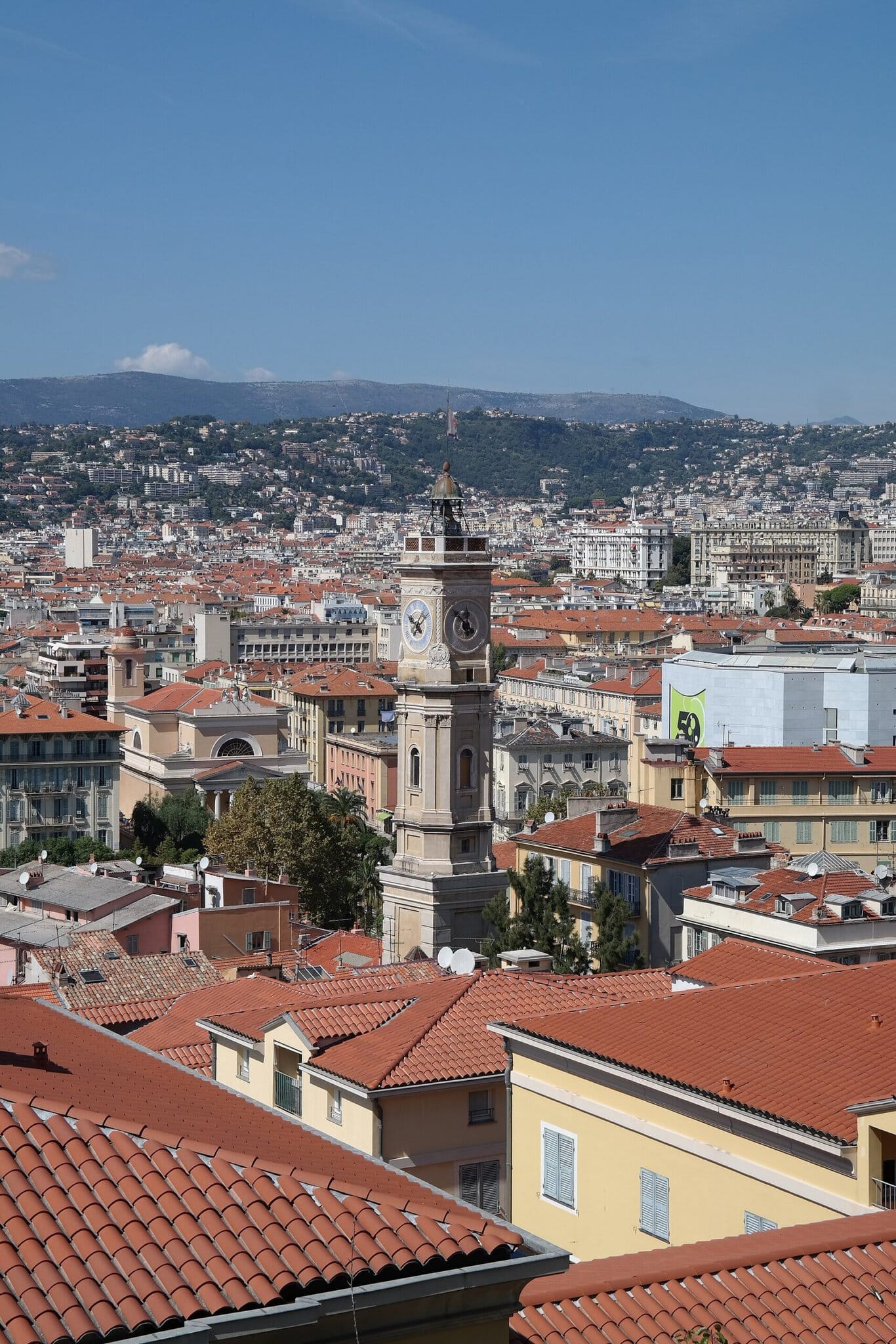
Once you’ve had just about enough of the old town’s bustle, head up Colline du Château hill to recharge. Don’t be fooled by the name, though — there’s been no majestic castle here for a long time, since the army of King Louis XIV razed it to the ground in the early eighteenth century. What remains is a beautifully spacious park full of mature pines, which provides much-welcome shade during the unbearably hot summer days.
From the top you’ll be treated to the single most iconic and most photographed view of the whole Promenade des Anglais and the azure sea below. The climb up hundreds of steps can be quite a workout in the summer heat, but luckily there’s also a free lift cleverly carved straight into the rock. You’ll find it at the foot of the hill near the coast, which saves you plenty of precious energy for the rest of your sightseeing.
💡 Tip: Up in the park there’s also a lovely artificial waterfall where the air cools pleasantly and you can capture gorgeous photos with a bright rainbow in the background.
5. Pebble Beaches and Swimming Right in the City
Unlike many other resorts along the coast, the city beaches in Nice are made up of large round pebbles. If you’re used to fine sand, don’t forget to pack water shoes, because walking barefoot over the scorching stones tends to be a rather painful experience. The reward for a bit of discomfort, however, is incredibly clean, crystal-clear water that sparkles on the sun in every imaginable shade of blue and begs for an instant dip.
The shore is divided into free public stretches and private beach clubs, where you can rent comfortable loungers and large parasols. The price for a lounger in a private club runs around 25 to 35 euros a day, which gets you comfort including service and access to clean showers. On the public beaches, keep an eye on your belongings and bring a really thick mat or a padded pad so the stones don’t dig into your back.
💡 Tip: If you’re truly craving fine sand, hop on a train and head to nearby Antibes or Menton, where you’ll find a much softer surface for a full day of lounging.
6. Marc Chagall National Museum
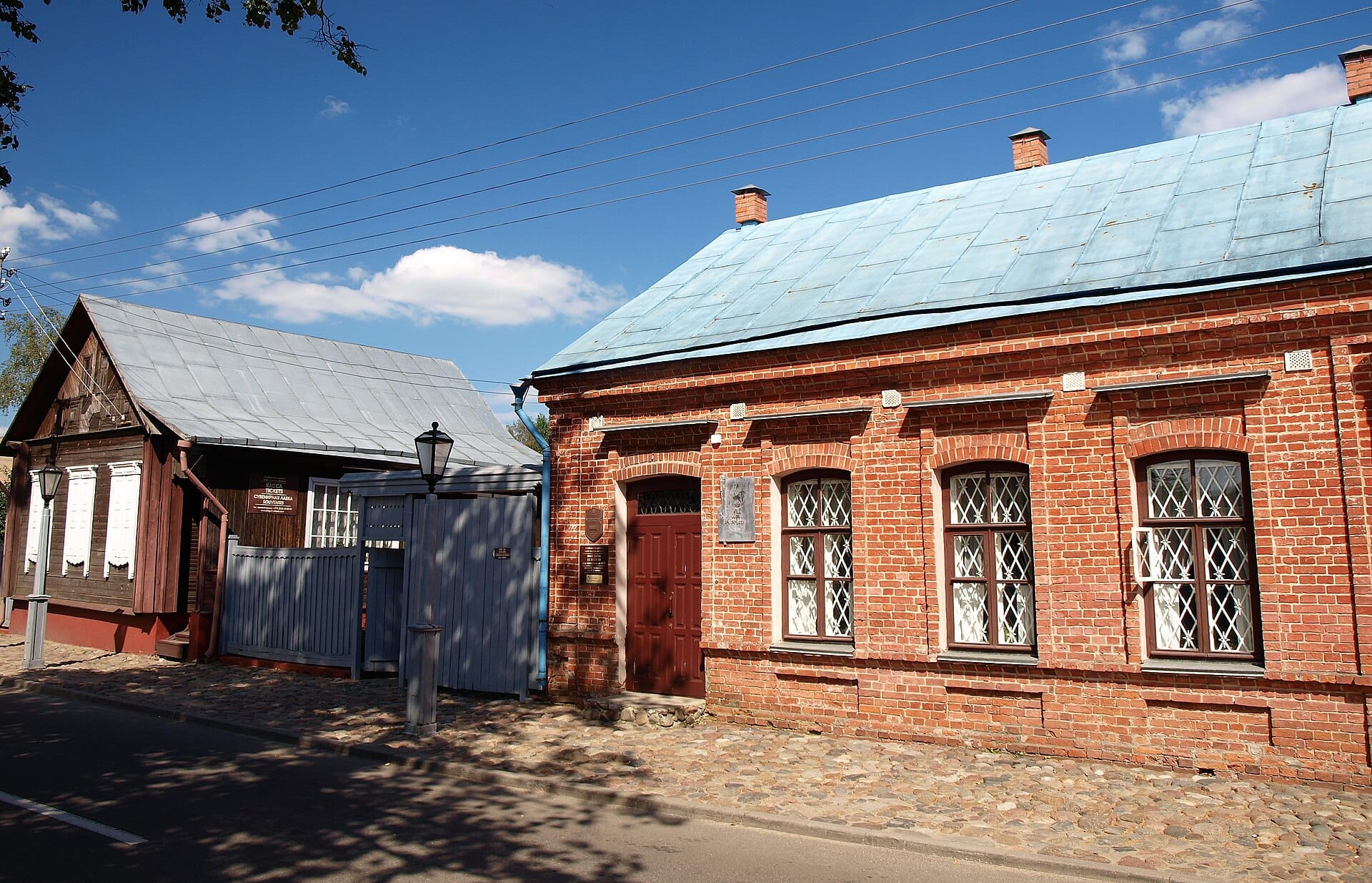
The city is a first-class art destination, because the unique light of the Riviera drew the greatest painters and visionaries here for centuries. One of the absolute highlights is the Marc Chagall National Museum, which houses his stunning cycle of seventeen large-format canvases carrying a deep biblical message. The artist himself actively took part in designing the building so that his masterpieces would have exactly the right natural lighting.
The museum’s spaces are incredibly calm and harmonious, while the enormous canvases glow in unbelievably rich tones of blue and red. The experience is heightened by a gorgeous garden full of olive trees and typical Mediterranean plants, where you can rest at a small café after your visit. Ideally book your tickets online in advance so you can skip the needless queues at the box office in the summer months.
💡 Tip: An audio guide is usually included in the ticket price and provides fantastic context on Chagall’s complex life and the rich symbolism hidden in his timeless paintings.

7. Musée Matisse in the Hilly Quarter
If you love modern art and the play of colour, your next steps should lead to the fascinating Musée Matisse. This exceptional museum is set in a beautiful seventeenth-century Genoese villa, whose deep red façade contrasts sharply with the surrounding greenery of tall trees. Henri Matisse spent much of his life in the city, and the collection includes everything from his early paintings to his famous colourful paper cut-outs.
The museum’s spaces aren’t gigantic, so the tour won’t wear you out for the rest of the day — but the exhibition is all the more intimate and powerful for it. Another big plus is the location itself in the hilly Cimiez quarter, which offers a perfect escape from the bustle of the overcrowded centre into the peaceful setting of olive groves. You can get here very easily by city bus straight from the centre, with the journey taking about twenty minutes.
💡 Tip: The museum is usually closed on Tuesdays, so plan your visit carefully for another day of the week so you don’t end up standing disappointed in front of locked doors.
8. The Cimiez Quarter and the Ancient Roman Baths
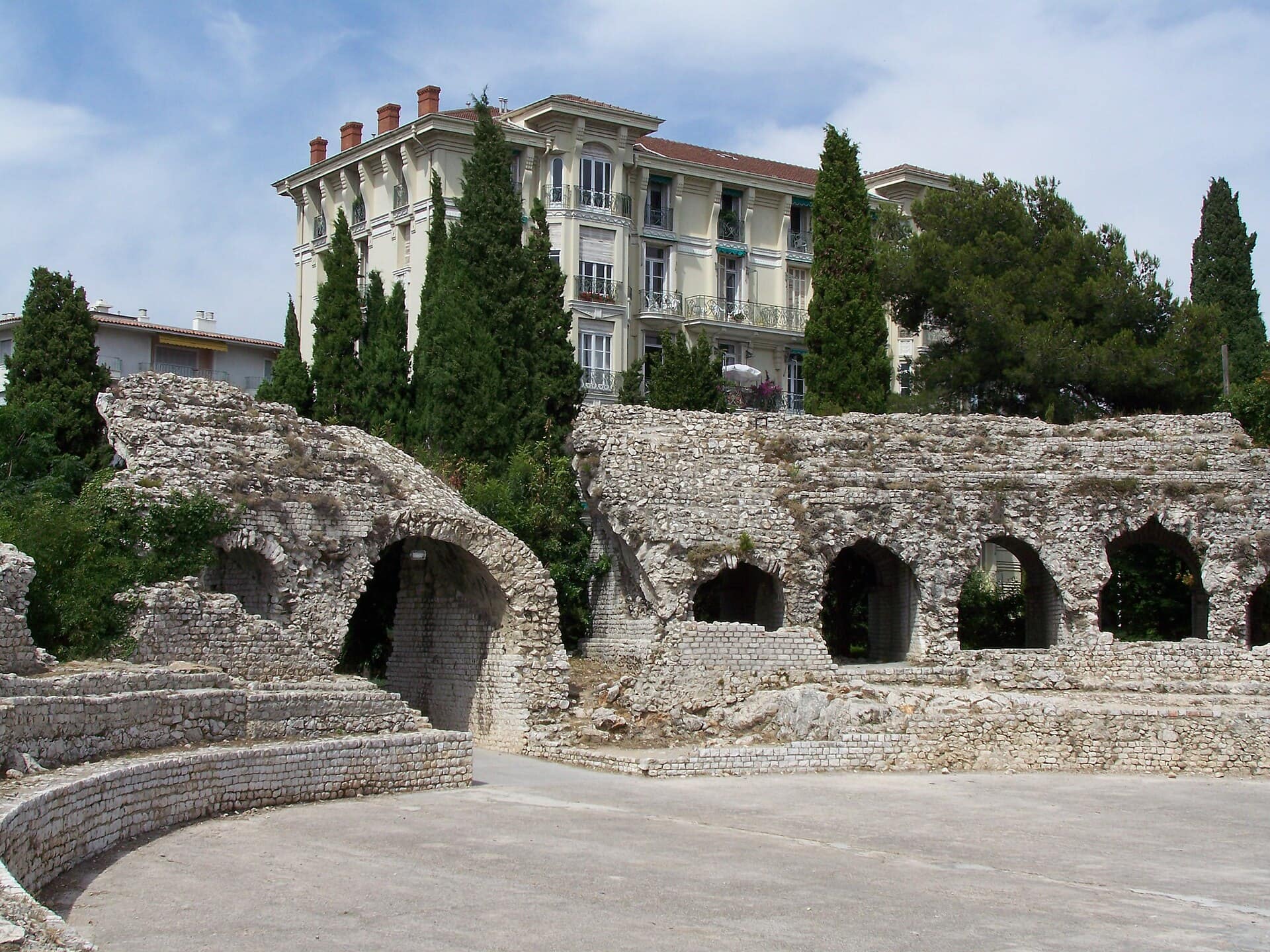
Since you’ll already be heading to Cimiez for Matisse, definitely set aside time to explore the wider area too. This quiet and supremely elegant residential zone hides a huge slice of history, because this is where the ancient Roman settlement of Cemenelum once stood. To this day you can walk among the fascinating ruins of the old Roman baths and explore the remains of a small amphitheatre that breathes a genuine ancient atmosphere.
Right next to the archaeological ruins stands a beautiful Franciscan monastery surrounded by carefully tended gardens. The monastery gardens offer a gorgeous and very quiet view over the valley of the Paillon river, and unlike the seafront promenade, you’ll encounter only the bare minimum of tourists here. It’s the perfect spot for a moment’s rest with a good book or a small romantic picnic in the shade of century-old trees.
💡 Tip: Entry to the monastery gardens and the Roman ruins is often free, which makes this historic area a great tip for travellers on a tight budget.

9. St Nicholas Cathedral (Russian Cathedral)
As you stroll through the wider city centre, you might be completely taken aback by the sight of a building that visually doesn’t seem to belong here at all. St Nicholas Cathedral is in fact the largest Orthodox church outside Russia, and its richly decorated onion domes appear like an absolute apparition amid the Mediterranean townscape. It was built by the sizeable community of Russian aristocracy who came here for the warmth around the turn of the nineteenth and twentieth centuries.
The cathedral’s façade gleams with rich colours, striking gold details and precise ceramic tiles that make it an incredibly photogenic spot. Although the church is primarily a huge tourist attraction, it still fully serves its religious purpose, so you need to observe strict dress rules. Women should keep their shoulders and knees covered and ideally wear a scarf over their hair, while men must wear long trousers.
💡 Tip: The cathedral lies a little way from the main tourist centre, close to the train station, so you can easily walk here in about fifteen minutes.

10. February Wildness: The Nice Carnival
If you decide to take a chance and head to the south of France in February, a visual experience to last a lifetime awaits you. The city hosts the magnificent Nice Carnival, which in its size, tradition and electrifying atmosphere proudly stands alongside the famous celebrations in Venice or Rio de Janeiro. For two whole weeks the streets come alive with giant parades of allegorical floats, incredible light shows and thousands of dancers in extravagant costumes.
The absolute speciality of the local celebrations are the so-called flower battles (Bataille de Fleurs), held right on the Promenade des Anglais. Beautifully dressed models toss hundreds of thousands of fresh flowers from enormous floats straight into the enthusiastic crowd, creating an incredible spectacle of colour and scent. Tickets for the main stands tend to be quite pricey and, above all, sell out fast, so you need to buy them online several months in advance.
💡 Tip: During the carnival, definitely don’t miss the nearby Fête du Citron in Menton, where you’ll see giant and utterly bizarre sculptures built entirely from lemons and oranges.
11. How to Get Around the City Without a Car
As I stressed in the introduction, renting a car on the Riviera is more of a huge burden than a real advantage. The city has a fantastic and very easy-to-navigate network of modern trams that will safely take you to all the main sights and to the international airport. The lines are perfectly clean, fully air-conditioned and run at really short intervals, so you’ll never be stuck waiting needlessly at a stop under the scorching sun.
For trips along the whole coast there’s the brilliant network of regional TER trains, which cross the line between Cannes and Menton. If you’re planning intensive journeys, get the great-value regional Pass SudAzur ticket, which unlocks unlimited travel across the whole département. Single train tickets can be bought from the blue machines at the station or via the SNCF app, and remember you must always validate a paper ticket in the yellow turnstile before stepping onto the platform.
💡 Tip: The L2 airport tram will take you from both terminals straight into the heart of the city in just under half an hour, and the ticket costs only a fraction of an ordinary taxi.
12. A Train Trip to the Luxury of Monaco
Once you’re based on the Riviera, it would be a crime not to visit the famous second-smallest state in the world. The train journey from Nice to Monaco takes just twenty minutes and a one-way ticket will set you back about four to six euros. The train station in Monaco itself is an enormous architectural gem carved deep into the rock, and after getting off you’ll find yourself right in the centre of all the action.
In a single day you can comfortably walk through the legendary harbour packed with the world’s most expensive yachts, see the famous casino in Monte Carlo and get up close to the Formula 1 race circuit. Definitely don’t skip the old town of Monaco-Ville towering high on the cliff, home to the Prince’s Palace and the gorgeous oceanographic museum with its giant aquariums. Just bear in mind that the prices for an ordinary coffee and lunch in a restaurant are even noticeably higher here than in France.
💡 Tip: You can easily and safely book various sightseeing cruises and organised boat trips along the coast in advance online through the popular GetYourGuide portal.
13. The Medieval Eagle’s Nest of Èze
If you long for heights and truly dramatic scenery, hop on a train and head east to the village of Èze. This fascinating medieval eagle’s nest balances on a steep cliff more than four hundred metres above sea level and is an absolute one-off in the whole region. The train takes you to the Èze-sur-Mer station down by the water, from where you can continue up by local bus or via the fairly demanding hike along the famous Nietzsche Path, where the great philosopher sought inspiration.
Èze itself is a tangled labyrinth of narrow stone lanes that unfailingly lead you higher and higher towards the sky. At the very top, in the ruins of an old fortress, lies the beautiful Jardin Exotique, a botanical garden full of huge cacti and varied succulents. The combination of spiny plants in the foreground and the endless blue water far below you is simply a breathtaking experience you mustn’t miss 😅.
💡 Tip: Set off on the hike as early in the morning as possible, or alternatively later in the afternoon, because the stone lanes fill with tourists around lunchtime and the climb in the summer heat is truly exhausting.
14. The Colourful Bay of Villefranche-sur-Mer
Just seven minutes by train from the main station in Nice, an entirely different and far calmer world awaits you. Villefranche-sur-Mer boasts one of the deepest and most beautiful natural bays on the entire coast, which reliably shelters the little town from strong winds and waves. The local colourful houses cascade down the steep slopes all the way to the crystal-clear water, creating a perfectly photogenic backdrop for your holiday snaps.
Compared with the busy metropolis, Villefranche offers a much more intimate and laid-back seaside atmosphere. Stroll along the charming waterfront full of great cafés and discover the fascinating dark alley of Rue Obscure, which is partly roofed over and served as a safe hideout from pirate raids in the Middle Ages. The local beach also has much finer pebbles and coarser sand, so getting into the water is far more pleasant and less painful than on the beaches in Nice.
💡 Tip: The town is fairly small, so you can easily combine your visit with a trip to the nearby Saint-Jean-Cap-Ferrat peninsula, dotted with luxury villas, which lies right opposite.
Map of points of interest for your phone
Where to Go Next from Nice and Beyond
The coast acts like a huge magnet, and the options for exploring are truly countless. If you head west by train, in just under an hour you’ll reach the famous Cannes, a byword for cinematic glamour, luxury boutiques and a broad palm-lined promenade. On the way, be sure to stop in historic Antibes, where you can walk the old ramparts and visit the great Pablo Picasso museum set right inside a former castle building.
If you’re tempted to explore the wider context of the whole region, take a look at our comprehensive article and guide covering the entire French Riviera. Many people dream of visiting iconic Saint-Tropez, but here I have to be honest and warn you. No railway runs into the town and the access road turns into a paralysed traffic jam in summer, so only go here outside the main season, in May or September. And if you prefer the quieter inland countryside with its scent of lavender, study our tips for the magical Provence.
Frequently Asked Questions
How to get from the airport to the center of Nice?
The fastest and cheapest option is to use the modern tram line L2, which connects both airport terminals directly with the city center. The journey takes about thirty minutes and you can conveniently buy a one-way ticket for just under two euros at the red ticket machine right at the stop in front of the terminal.
Is the tap water drinkable?
Yes, tap water is completely safe and drinkable throughout the French Riviera. You can confidently refill your own bottle at your hotel or from the many public fountains you’ll find dotted around parks and historic squares in town.
How much does food cost in a restaurant?
Prices here are understandably higher than back home. During lunch, it’s worth looking for the so-called Menu du jour (daily menu), which will cost you 15 to 25 euros for two courses. Dinner at a regular bistro without wine then costs roughly between 20 and 35 euros per person, while you’ll pay around two euros for a coffee at the bar.
How is it with tipping in France?
The restaurant bill always includes a mandatory fifteen percent service charge (service compris), so the tip is already factored into the price. However, it’s considered good practice to round up the amount or leave a few coins on the table. Be careful—adding a tip through the payment terminal is quite complicated.
Do I need water shoes for the beach?
In Nice, definitely yes. The entire Bay of Angels and the adjacent public beaches are covered with relatively large and sun-heated pebbles, which are really very difficult to walk on barefoot. Water shoes will save you a lot of unnecessary pain when entering and exiting the sea.
How do TER regional trains work?
TER trains cross the coast between Cannes and Menton very reliably about three to four times per hour. You can buy tickets at the blue vending machines at the station or through the SNCF mobile app, and you must always validate your paper ticket in the yellow validator on the platform before boarding.
Is Nice safe?
The city is generally very safe, even for evening walks along the waterfront. However, during the peak tourist season, be very careful of skilled pickpockets, especially on crowded trams from the airport or in the crush of morning markets in the old town.
Tips and Tricks for Your Vacation
Don’t Overpay for Flights
Search for flights on Kayak. It’s our favorite search engine because it scans the websites of all airlines and always finds the cheapest connection.
Book Your Accommodation Smartly
The best experiences we’ve had when looking for accommodation (from Alaska to Morocco) are with Booking.com, where hotels, apartments, and entire houses are usually the cheapest and most widely available.
 🚗 Car rental on the roadVerified rental cars in France
Search with the DiscoverCars comparison engine — it compares prices from dozens of local and international rental companies, and most bookings come with free cancellation.
Compare car prices in France →Don’t Forget Travel Insurance
Good travel insurance will protect you against illness, accidents, theft, or flight cancellations. We’ve had a few hospital visits abroad, so we know how important it is to have proper insurance arranged.
Where we insure ourselves: SafetyWing (simple monthly subscription) and TrueTraveller (for extra-long trips).
Find the Best Experiences
Get Your Guide is a huge online marketplace where you can book guided walks, trips, skip-the-line tickets, tours, and much more. We always find some extra fun there!