The sun in this part of Provence, France burns with such intensity that at high noon the colours lose their sharp outlines and fade into a blinding white. The air here smells of pine resin, salt water and the ever-present lavender, while the soundtrack is provided by the deafening rattle of thousands of cicadas. Provence simply isn’t your average holiday destination — it’s a completely immersive, physical experience that gets under your skin instantly. And it’s not just the polished, romantic postcard from the movies, where people endlessly sip rosé on the terrace of an old stone house.
It’s also the harsh, relentless mistral wind that can blow for days on end and scour the sky into an unbelievably crystalline blue. You’ll discover the parched earth, the brutal summer temperatures climbing past forty degrees, and the raw, pulsing energy of the big port cities. If you really want to understand this gorgeous corner of France, I’d recommend experiencing it in all its contrasts and not settling for just the best-known tourist draws.
Lose yourself in the narrow lanes of bustling towns, scramble sweatily up the limestone cliffs above turquoise fjords, and let the cool of vast Gothic halls wash over you. Then, just before sunset, pull over by an endless purple field humming gently with millions of busy bees. In this article we’ll focus on the true heart of the region, where history was written, where the famous painter Cézanne created his masterpieces, and where the finest scents in the world are born.
TL;DR
- Nature reservations: The Sugiton calanque in Calanques National Park requires a mandatory free online booking via QR code for 2026; the system opens on 11 June.
- Driving into Marseille: From 2026, Marseille enforces a strict low-emission zone (ZFE) that bans cars with Crit’Air 4 and 5 stickers under threat of a hefty fine.
- When to see lavender: The best time to visit the purple fields on the Valensole plateau is from late June to mid-July; by August most fields have sadly been harvested.
- Avoid August: July and August bring extreme heat above 40 °C and enormous crowds. You’ll find far more pleasant temperatures and atmosphere in May, June or September.
- The Papal Palace, upgraded: From May 2026, Avignon offers an interactive HistoPad on the tour, using augmented reality to bring the empty Gothic halls back to their original glory.
- Transport and tolls: Exploring the smaller villages in the Luberon mountains is practically impossible without a rental car. Motorway tolls run roughly €9.50 per 100 kilometres.
- Dining rules: In French restaurants, lunch is served strictly between noon and 2pm. Later in the afternoon you’ll get a coffee or some nibbles at most.
The full destination guide: Provence — guide and what to see
When to Visit Provence
The ideal months for visiting this fragrant region are May, June and the whole of September, when the weather is at its most pleasant and the entire landscape feels wonderfully fresh. The days are already gloriously long, the sun is just warm enough for wandering between landmarks, and the tourist crowds are still very manageable. You can enjoy your morning coffee on a small square in peace, without battling dozens of other travellers for a free chair — and you’ll dodge the highest seasonal prices for accommodation too.
July and August, on the other hand, are an absolute extreme in both climate and traffic, because temperatures in the south routinely hit 35 to 43 °C and shade becomes a precious commodity. Stone-built historic towns soak up heat during the day and radiate it long past midnight, so sleeping in the un-airconditioned rooms of old houses becomes nearly impossible. France’s summer holidays also begin around the start of July, last a full eight weeks, and the whole country relocates en masse and without compromise to the sun-drenched south.
Huge traffic jams build up on the motorways in summer, which the locals fondly call “the black days”, because traffic on the main arteries grinds to a complete halt. This happens especially at the turn of July and August on the main A6 and A7 motorways, when enormous waves of holidaymakers swap over. If you decide to travel during this window, arm yourself with patience, always keep a big supply of drinking water in the car, and forget about a smooth journey.
A phenomenon unique to the whole region is the cold north-westerly wind called the mistral, which can dramatically derail your carefully laid plans. It blows most often in winter and spring, but it can easily catch you out in the middle of a hot summer too, knocking the perceived temperature down by a good few degrees. The mistral is fairly unpleasant when you’re on the coast, but on the upside it reliably blows away every last cloud and delivers the most dazzling blue sky you’ve ever seen.
Where to Stay in Provence
💡 Tip for accommodation and experiences: We like to find our stays on Booking.com, which usually has the best cancellation policies. For tickets, tours and activities, it pays to compare and book through GetYourGuide.
Choosing the right base is absolutely key to exploring the region, because the distances between individual sights can be surprisingly large and you definitely don’t want to spend hours in the car shuttling around. If you prefer the buzz of the city and excellent access to restaurants, I’d recommend looking for accommodation right in Aix-en-Provence or Avignon. These vibrant towns offer great infrastructure, gorgeous historic centres, and in the evening you’ll find dozens of open spots where you can enjoy excellent cheeses, olives and a traditional Provençal ratatouille with a fresh, crusty baguette.
For those of you chasing total tranquillity and that famous bookish romance straight out of Peter Mayle’s novels, the Luberon mountains and their little stone villages will be the ideal choice. Accommodation here often takes the form of old, renovated farmhouses with a pool, surrounded by silent vineyards and silvery olive groves. Prices for 2026 remain fairly high: expect to pay at least €120 to €180 per night for a decent double room in high season, with the more luxurious hotels charging easily three times that. So be sure to book your hideaway through Booking well in advance, because rooms vanish at lightning speed.
As for specific favourite hotels, I can recommend the Hotel de l’Horloge right in the historic heart of Avignon, which offers beautiful views from the windows and sits just a few steps from the main sights, including the Papal Palace itself. In elegant Aix-en-Provence, a great and well-proven choice is the Aquabella Hôtel & Spa, where after a full day on your feet you can recover beautifully in the spacious thermal baths surrounded by ancient walls. And if you crave absolute luxury amid unspoilt nature, take a look at the Hotel Les Bories & Spa near the stunning village of Gordes, offering first-rate wellness and incredible peace far from the main roads.
14 Things to Do in Provence
Let’s take a look together at the very best this varied region has to offer. I’ve put together fourteen specific tips to guide you from the raw harbour lanes through deep limestone fjords to quiet abbeys lost in endless fields of fragrant lavender. I’ll show you how to dodge the biggest crowds and where to find the most beautiful views.
1. Marseille and Its Buzzing Old Port
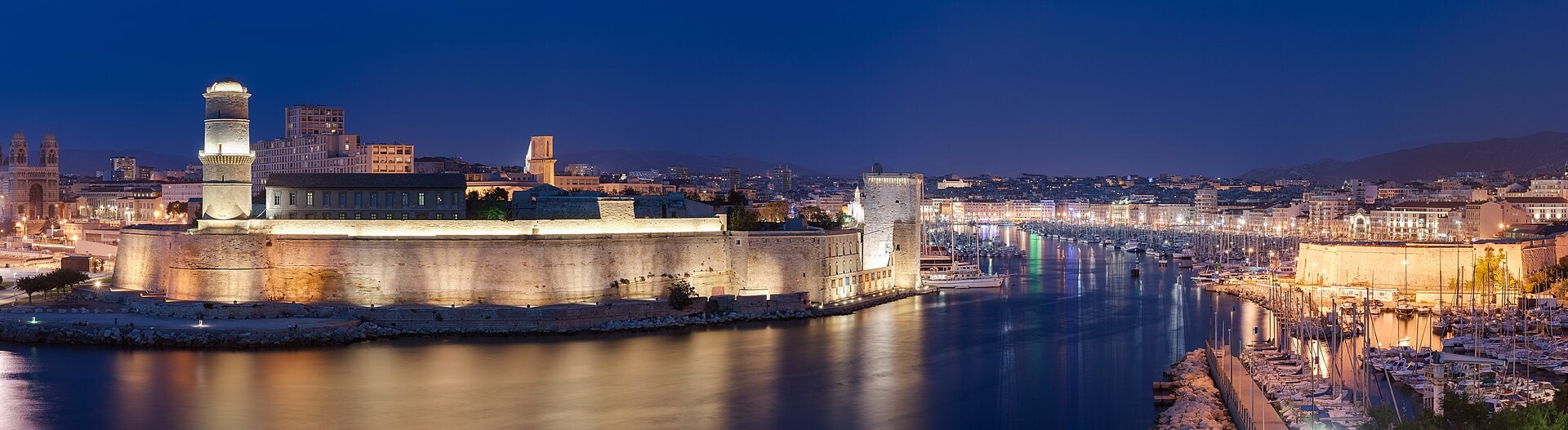
Forget classic Parisian elegance for a moment, because Marseille is a giant Mediterranean melting pot, mixing influences from across North Africa, Corsica and Italy. It’s France’s oldest city — loud, chaotic and immensely authentic — so it will either swallow you up instantly or you’ll leave with relief after a few hours. But it’s well worth giving it a chance, because you simply won’t find this kind of raw life force anywhere else in France.
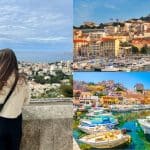
At the heart of it all is the Vieux-Port, the Old Port, where the whole city lives from the crack of dawn until late at night. Just after sunrise, local fishermen sell their overnight catch straight from their wooden boats; in the afternoon the crowds promenade, and in the evening the quayside bars fill to bursting. Right next to the port rises Le Panier, the oldest and once-feared quarter, now transformed into a labyrinth of steep lanes full of colourful street art, bistros and small galleries.
Despite the city’s rough reputation, the tourist zones are perfectly safe; after dark, just steer clear of the Noailles and Belsunce districts and the area around the Saint-Charles main station. If you’re driving here, don’t forget the strict ZFE low-emission zone in force from 2026, which absolutely bans cars with Crit’Air 4 and 5 stickers under threat of a fine of €68 to €375. You’ll find more detail about the city in our separate article on Marseille.
💡 Tip: Head into Le Panier ideally right after breakfast, when the narrow lanes are still completely empty and you can photograph the ever-present street art in peace, without crowds of tourists in the shot.
2. The View from Notre-Dame de la Garde Basilica
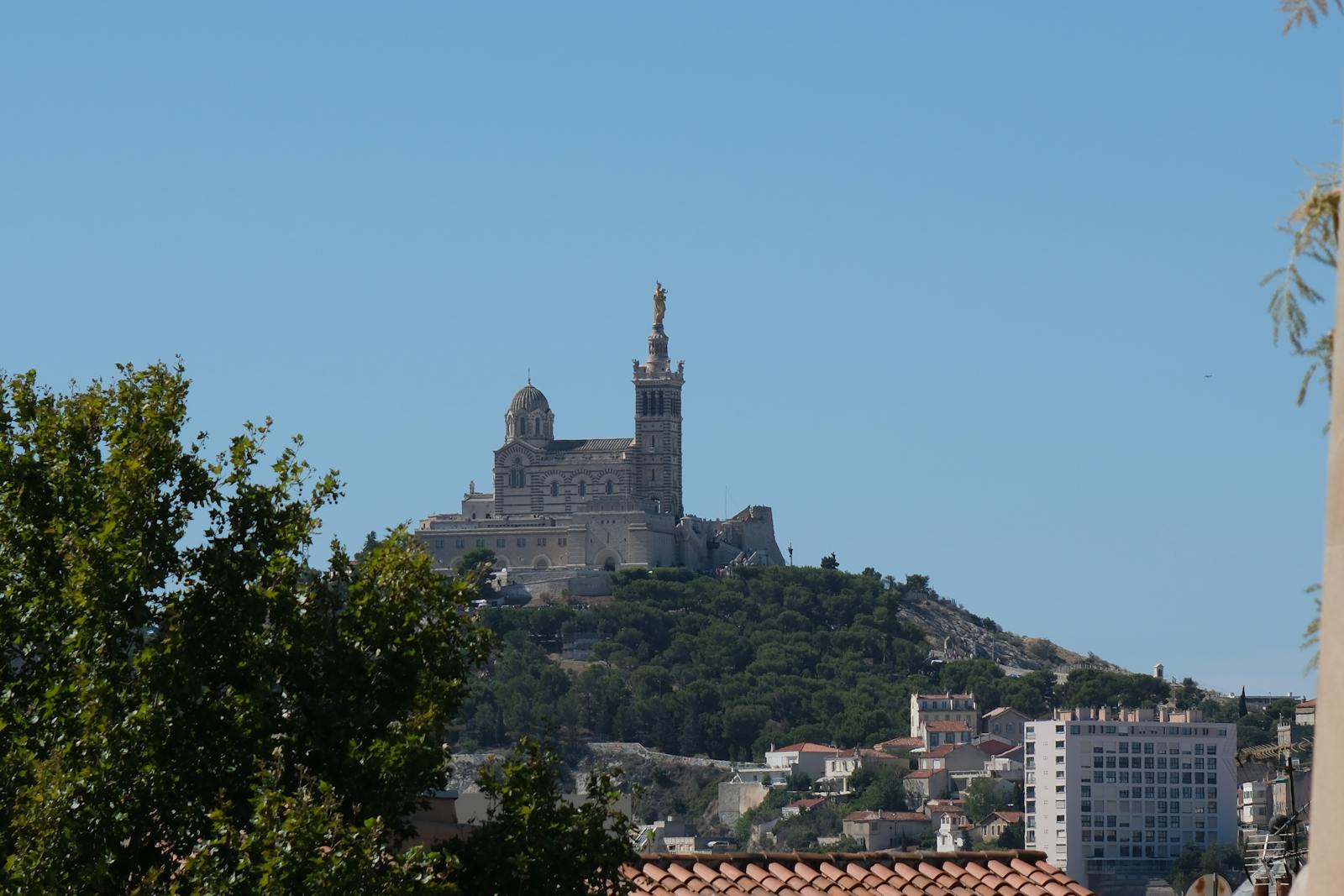
You’ll get the best possible view over this fascinating urban chaos by heading up to the gorgeous Notre-Dame de la Garde basilica. This iconic building sits atop a steep limestone hill a full 150 metres above the sea, and the golden statue of the Virgin Mary on its bell tower acts as an unmissable beacon for the whole surrounding area.
The climb up in summer heat is a small purgatory, but that 360-degree view over the sea, the islands and the endless city below you is absolutely worth a bit of sweat. If you don’t fancy walking, you can take the little tourist train that runs regularly straight from the Old Port. Inside, the basilica will surprise you with hundreds of votive plaques and model boats, brought here by sailors praying for a safe return home.
You’ll discover the city’s thoroughly modern face down by the water, where the architectural gem MuCEM stands — the Museum of European and Mediterranean Civilisations. The building itself looks like a dark cube wrapped in incredibly delicate concrete lacework, connected to the historic Fort Saint-Jean by a photogenic suspended footbridge. After that, you can stroll along La Corniche, a five-kilometre coastal promenade, where you’ll see local kids leaping off the cliffs straight into the waves.
💡 Tip: Plan your visit to the basilica for late afternoon, when the sun is slowly sinking over the sea and the whole city turns an incredibly photogenic golden hue.
3. Calanques National Park and the En-Vau Cove
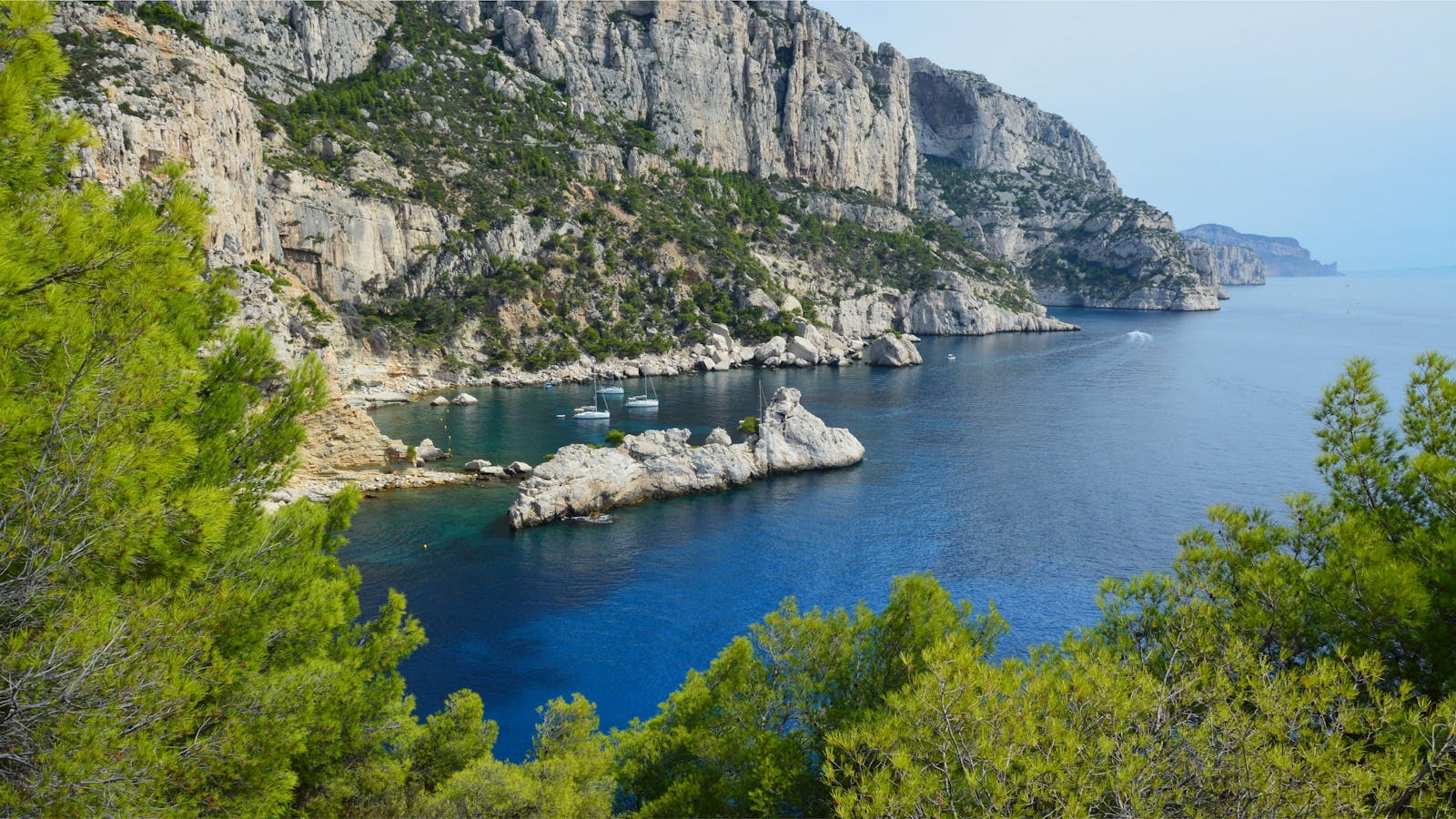
Just beyond the gates of the bustling metropolis, an entirely different world begins, full of untouched nature. Calanques National Park is a belt of bright white limestone cliffs plunging steeply into the sea, creating deep, narrow coves that strongly resemble Norwegian fjords. Here, though, the water is the colour of bright blue curaçao, and the air smells of sun-baked pine needles and salt.
The best base for exploring this beauty is the little fishing town of Cassis, from where you can set off on foot to the most famous coves. The trail starts at Port-Miou harbour, packed with white yachts, continues past the far more intimate Port-Pin cove, and after about an hour and a quarter of demanding hiking over rocks and roots, leads you to the iconic En-Vau. The cliffs tower high above a narrow strip of pebble beach, and the water is icily refreshing even on the hottest August days, because the sun reaches in for only a small part of the day.
The terrain here is genuinely rough, so leave the flip-flops at the hotel and kit yourself out with sturdy shoes and a huge supply of drinking water, because you won’t find a single spring or refreshment stand along the way. In summer, the car parks at the trailheads are hopelessly full well before nine in the morning.
💡 Tip: If you’re not exactly a fan of demanding hiking, buy a ticket at Cassis harbour for a sightseeing boat that will cruise you comfortably through the majestic coves — tickets are easy to grab in advance online too.
4. The Sugiton Cove and the New Rules for 2026
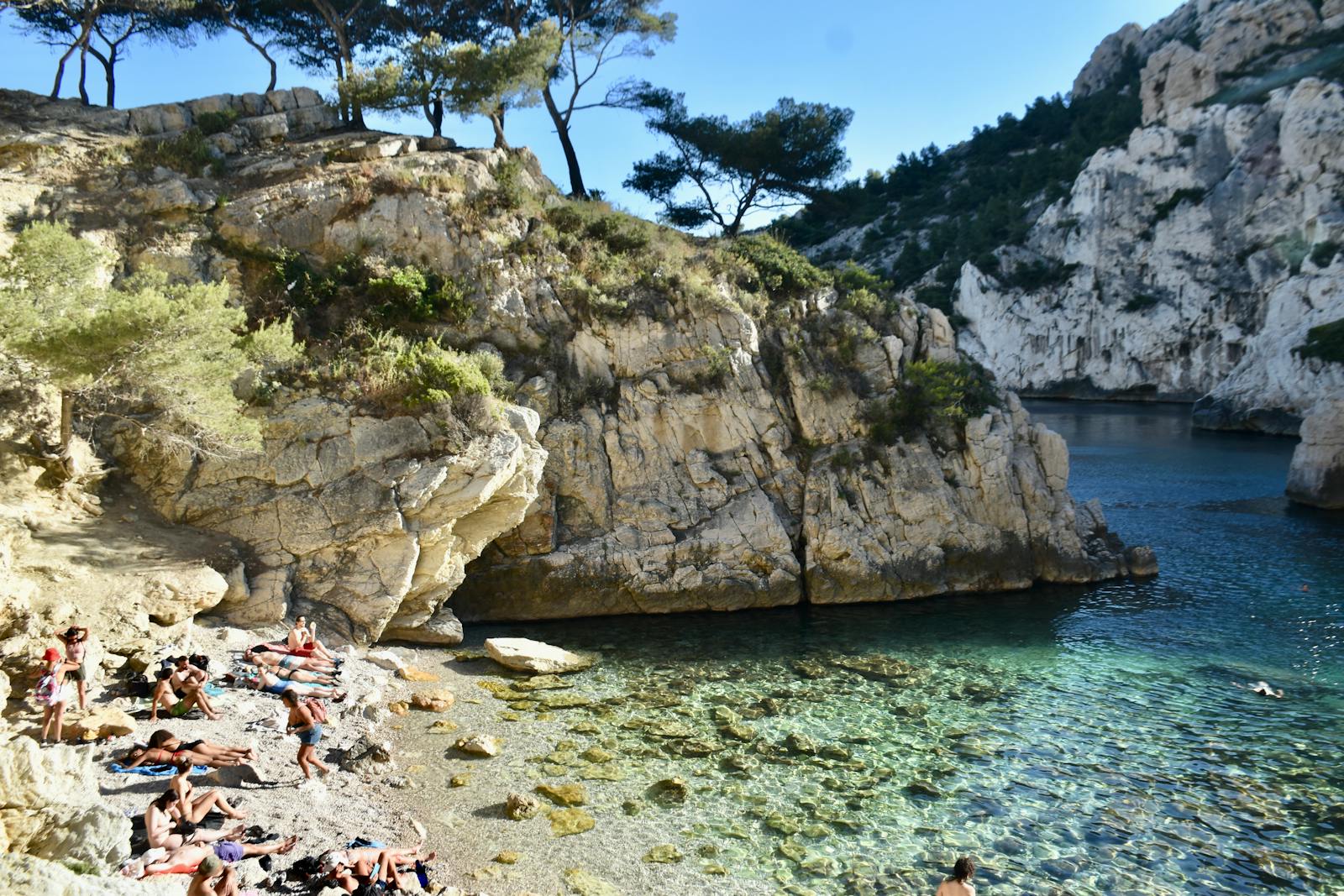
Overtourism has hit some parts of the national park so brutally that the management has had to take unprecedented steps to protect the fragile local nature. If you long to visit the stunning Sugiton cove, which is a little more accessible from the Marseille side, you’ll need a mandatory online booking during the summer season.
For 2026, this free booking is compulsory from mid-June until mid-September. The reservation system officially opens on 11 June 2026 at 9am, so be sure to mark that date in your calendar if you’re planning a summer trip. After a successful registration you’ll receive a unique QR code, which park rangers strictly check right at the access path — without it, they simply won’t let you go any further.
A single booking is strictly limited to a maximum of five people per code, and daily capacities disappear from the official website at lightning speed. It also often happens that, due to the high risk of summer wildfires, the authorities shut the entire limestone massif overnight. So always check the latest information on the website before your trip, or download the park’s mobile app.
💡 Tip: Even with a valid Sugiton reservation on your phone, set off at dawn — that way you’ll dodge not only the lines of other lucky QR-code holders but, above all, the murderous midday sun.
5. The Harbour Town of Cassis and Its Charm
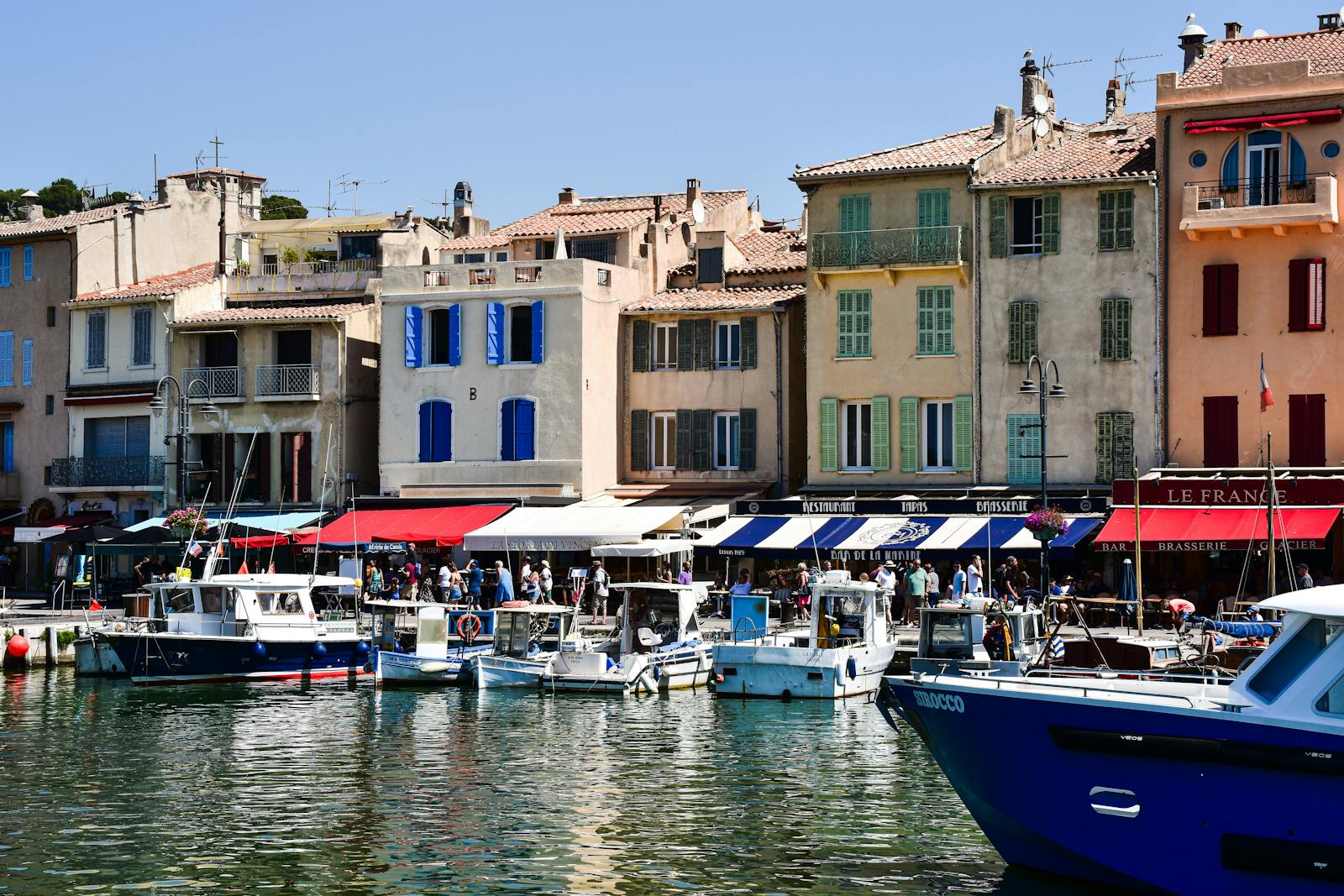
While Marseille is wild and untamed, the little fishing town of Cassis is its complete opposite. It’s a very neat, picturesque and fairly pricey resort that, in summer, is literally bursting at the seams under the enormous influx of French and foreign day-trippers. The town is dominated by an ancient stone castle perched on a cliff high above the turquoise bay.
Stroll around the colourful harbour, where luxury white yachts bob next to traditional fishing boats, and take a seat in one of the many terraces with a sea view. The local restaurants serve excellent meat-free specialities — I’d definitely recommend you try the traditional Provençal vegetable soup or the fresh local cheeses with a crusty baguette and olive oil.
Cassis is also world-famous for its fantastic white wines, grown on sunny terraced vineyards rising just behind the town. Wines bearing the AOC Cassis label have a subtly salty, mineral taste that pairs absolutely perfectly with light summer lunches and a leisurely glass at sunset.
💡 Tip: Parking in the very centre of Cassis is practically impossible in summer, so use the large Les Gorguettes park-and-ride above town, from where a cheap and reliable shuttle bus runs into the centre.
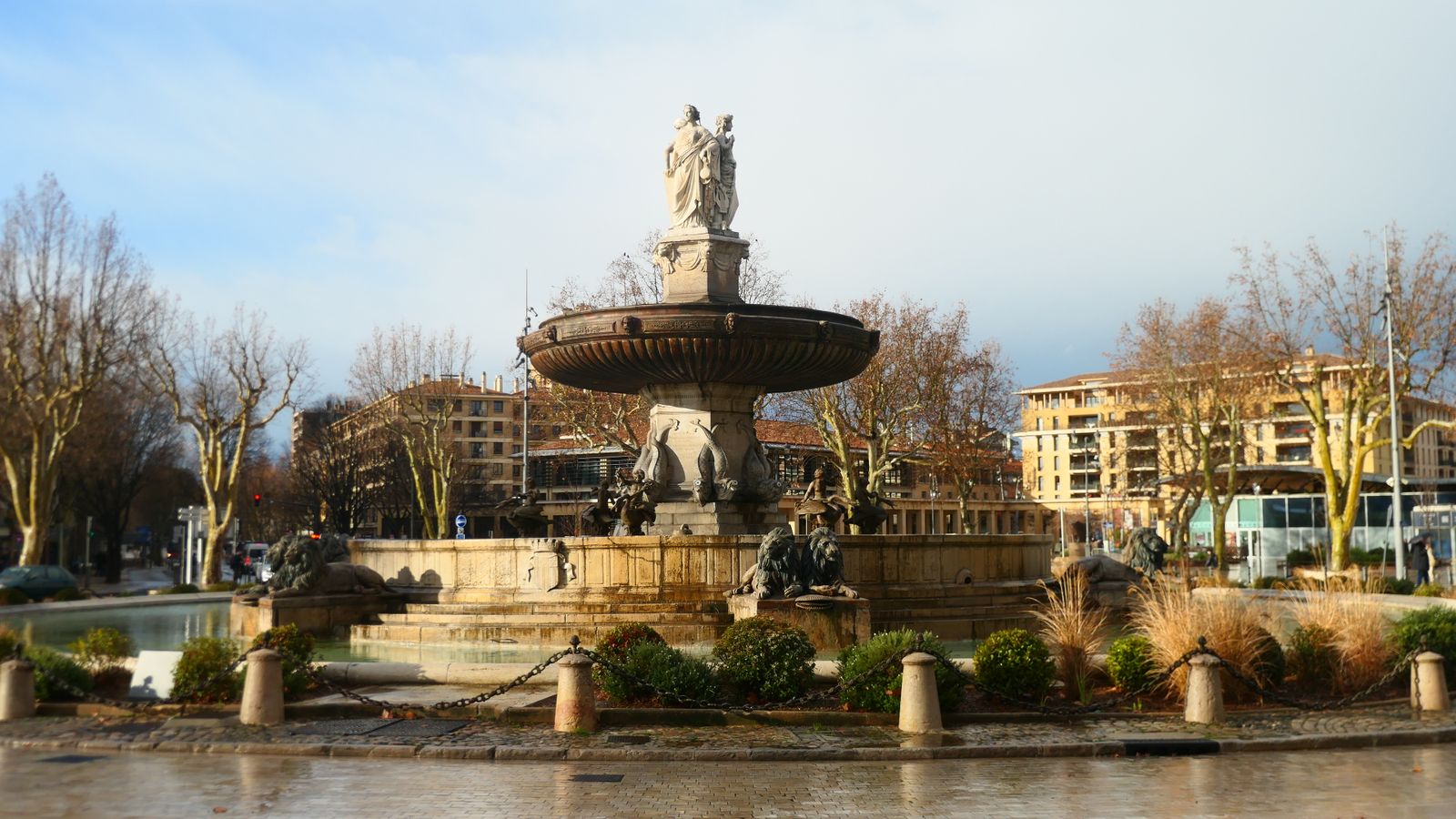
6. Aix-en-Provence and the Famous Cours Mirabeau
The town of Aix-en-Provence, known simply as Aix, is the perfect embodiment of polished, bourgeois elegance. It’s a very proud town of a thousand fountains, shady plane-tree avenues and gorgeous ochre façades, where time drifts along at a pleasantly slow pace. The ever-present fountains provide much-needed refreshment on hot summer days and lend the town its unmistakable soundtrack.
The whole social scene revolves around Cours Mirabeau, a wide and majestic boulevard lined with trees and luxury cafés. The main local discipline is to sit on a terrace, order an espresso for about €2.50, and discreetly watch the stylishly dressed passers-by. At the very start of the boulevard you’ll be wowed by the enormous La Rotonde fountain with its three statues symbolising justice, art and agriculture, while a little further on you’ll come across the stunning Saint-Sauveur Cathedral, a textbook of architecture from the 5th to the 17th century.
If you find yourself in town on a Saturday morning, you absolutely can’t miss the huge local markets. They’re exactly what you imagine when you think of a Provençal market full of colours and scents. You’ll find mounds of marinated olives, dozens of kinds of local cheese, fresh fruit, linen shirts and handmade lavender soaps.
💡 Tip: As you wander the town, don’t forget to try calissons, a traditional local sweet made of almond paste and candied melon, shaped like a small diamond and sold in gorgeous tin boxes.
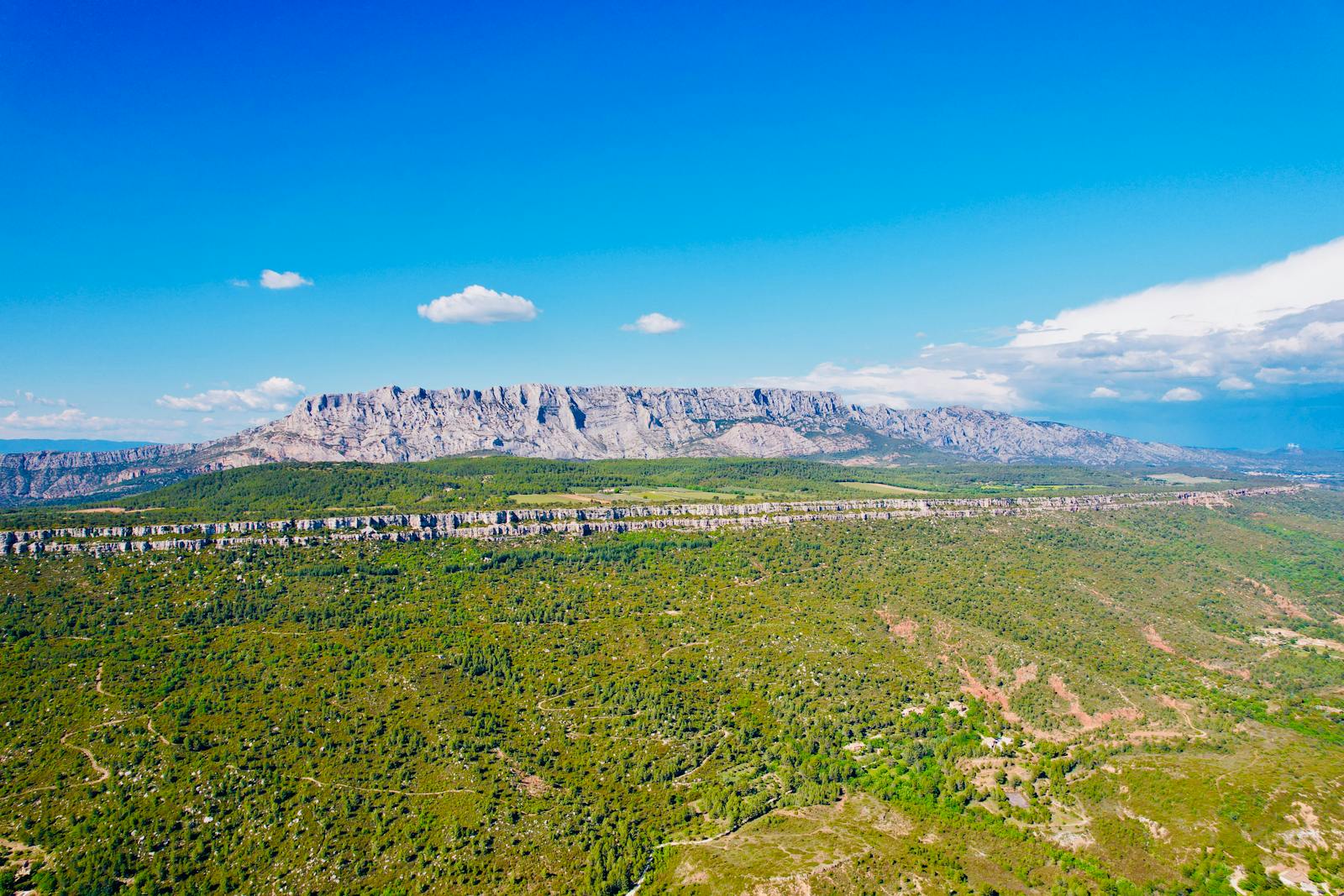
7. In the Footsteps of Painter Paul Cézanne
Above all, Aix is inseparably tied to the figure of the famous Impressionist and father of modern art, Paul Cézanne. This brilliant painter was born here, created his greatest works here, and left an indelible mark on the streets and the surrounding landscape. The whole town is literally threaded with brass paving studs bearing the letter C, which guide you step by step through the places connected with his extraordinary life.
The greatest experience is visiting the Atelier des Lauves, his last working studio, which has been preserved exactly as he left it before his death. In the bright room with its enormous window, his old dusty brushes, work smocks and the small objects and models he so loved to paint in his famous still lifes still lie around.
The second absolutely key stop is then the family estate Bastide Jas de Bouffan, which has undergone an extensive and costly restoration. It was finally reopened to the public in 2025 and is fully operational for the 2026 season, but always check the current opening hours online in advance, as they change fairly often with the time of year at these sites.
💡 Tip: Head a little way out of town to the Terrain des Peintres hill, from where Cézanne most often painted his beloved Montagne Sainte-Victoire massif. Here you’ll find beautiful reproductions of his paintings set right into the landscape.
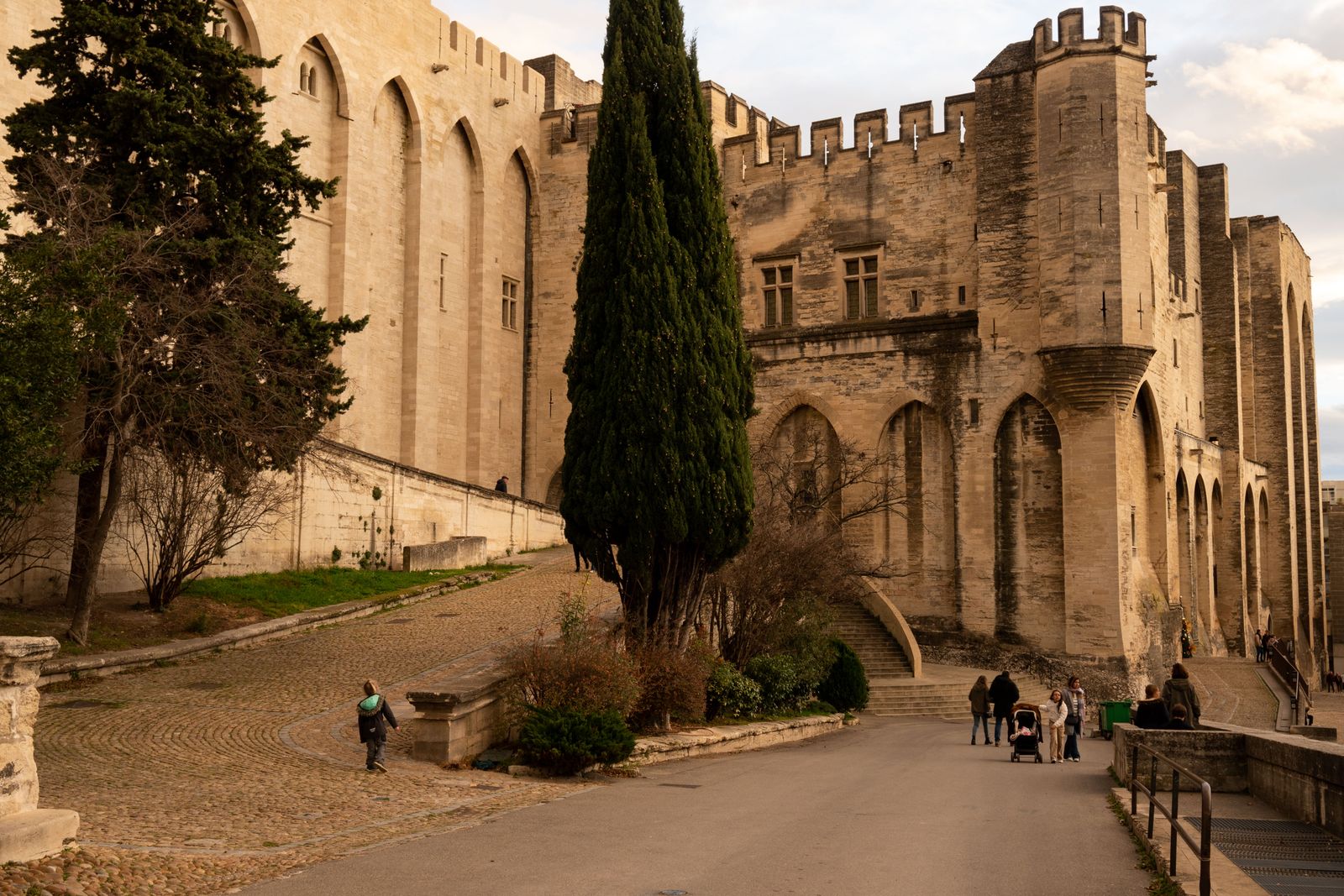
8. Avignon and the Majestic Papal Palace
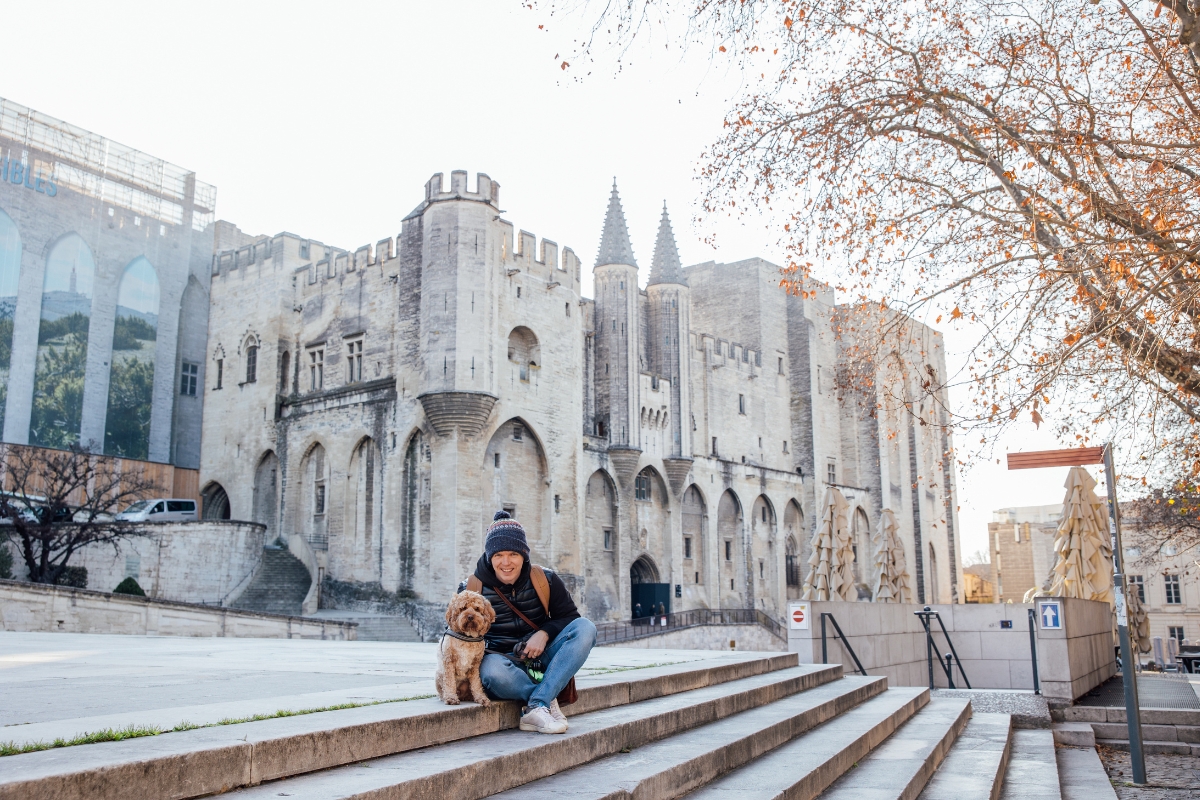
When, in the fourteenth century, the papal court surprisingly moved from Rome to Avignon, it turned this once-sleepy town on the banks of the Rhône into the very centre of the Christian world. What they left behind is the Palais des Papes, the Papal Palace, by far the largest Gothic building in the world. It looks more like an impregnable military fortress than a spiritual residence, and its bare stone walls and massive towers still command enormous respect today.
Basic admission to the palace interior costs around €12, and touring the labyrinth of corridors takes at least two hours. For 2026, the palace has also prepared a big technological novelty: from 1 May, visitors receive an innovative HistoPad included in the ticket price. It’s a special tablet with augmented-reality features that transforms the empty, cold stone halls back into their magnificent 14th-century form.
Thanks to this amazing technology, you’ll see rich historical frescoes, period painted furniture and virtually flickering fires in the enormous hearths. Without this clever guide, the visit would be just a fairly ordinary walk through empty corridors. For more detail about the city, be sure to read our in-depth article on Avignon.
💡 Tip: The palace’s vast courtyard gets incredibly hot in summer, so I’d recommend going on the tour early in the morning at opening time, when the stone halls are still pleasantly cool from the night.
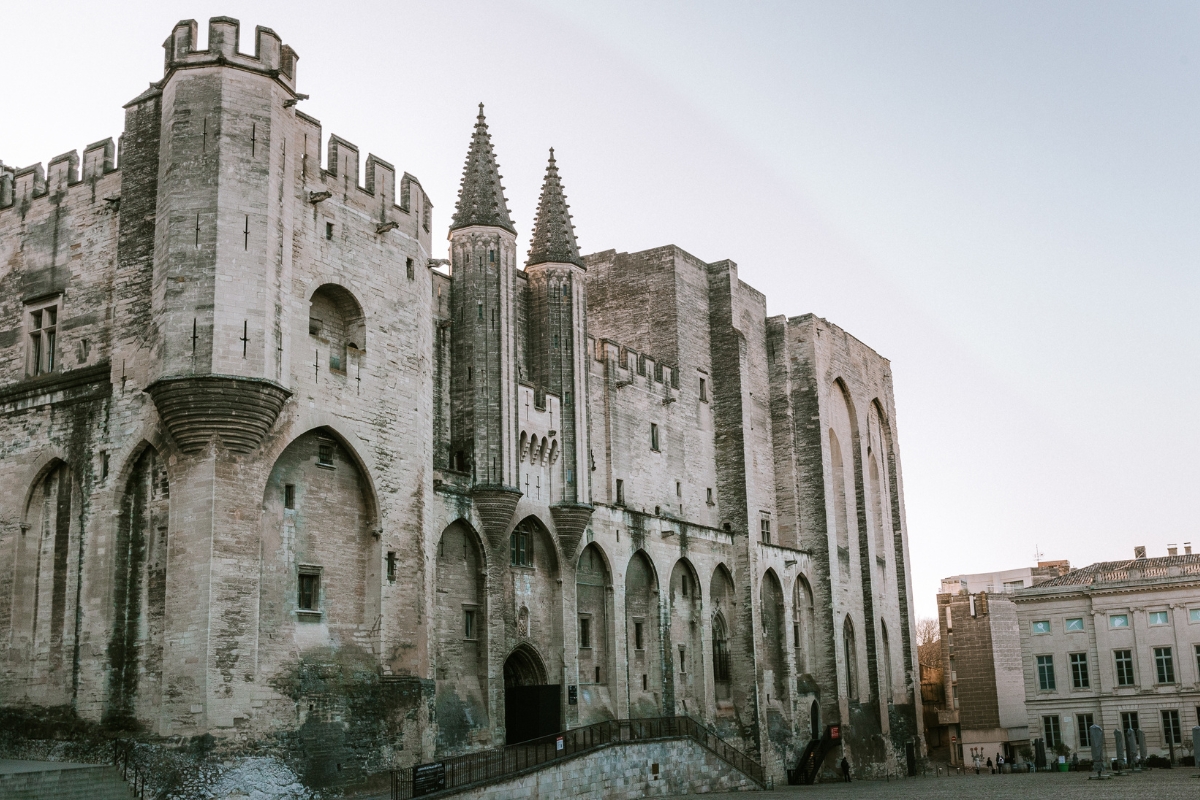

9. The Legendary Avignon Bridge
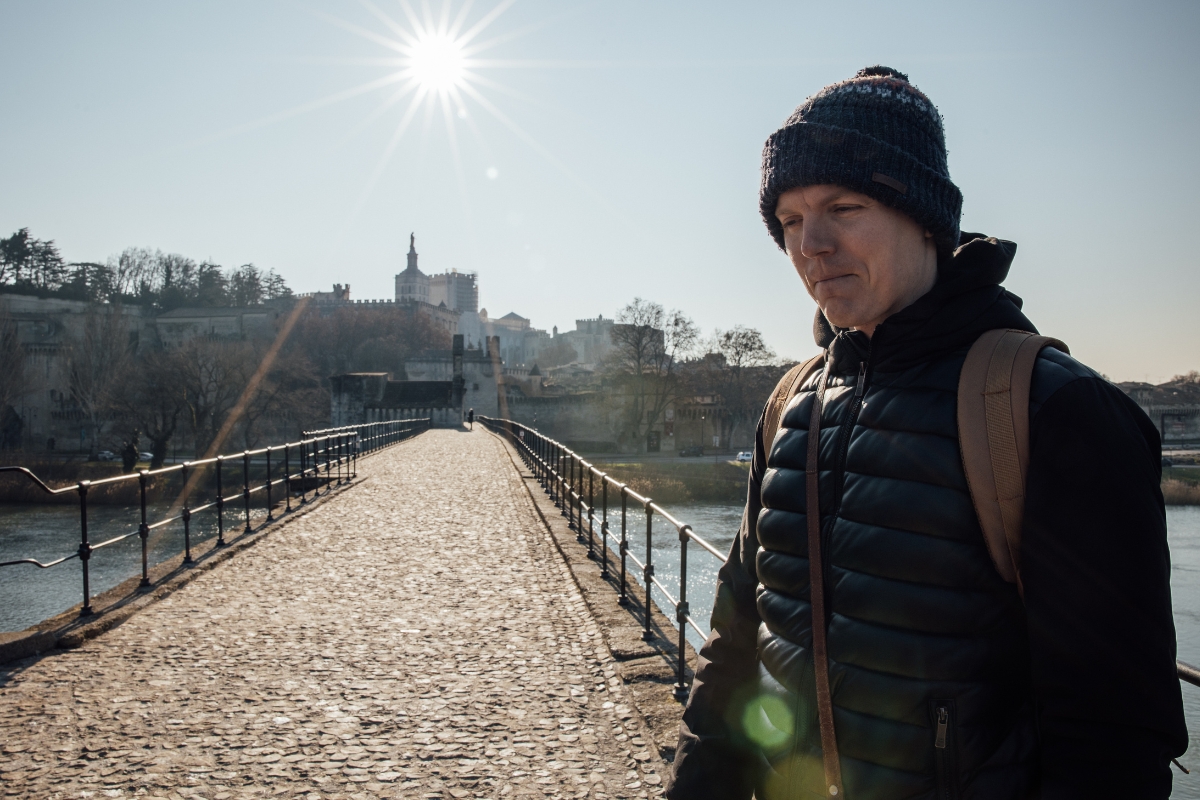
When visiting Avignon you absolutely can’t miss the famous Pont Saint-Bénézet, which most people know by its popular name, the Avignon Bridge. It’s precisely the bridge sung about in the famous French children’s song “Sur le pont d’Avignon”, and which today rather comically ends halfway across the rushing Rhône, because devastating spring floods swept the rest of it away for good long ago.
Instead of buying separate tickets, I warmly recommend you pay a little extra for the great-value combined ticket at €15.50, which will let you into both the Papal Palace and onto the surviving arches of this medieval bridge. The walk across the bridge doesn’t take long, but it offers an absolutely superb view back over the heavily fortified town and the monumental palace.
On the bridge itself there’s also a small two-storey chapel of Saint Nicholas, where boatmen and bargees once prayed for a safe journey across the unpredictable river. A walk along the Rhône is then a very pleasant way to break up a hot afternoon, once you’ve had enough of the sun-baked city streets.
💡 Tip: You’ll get the most beautiful photo of the whole bridge with the palace in the background from the opposite bank of the river, or from the Île de la Barthelasse island, reached by a free ferry straight from the historic centre.
10. Pont du Gard and the Evening Light Show
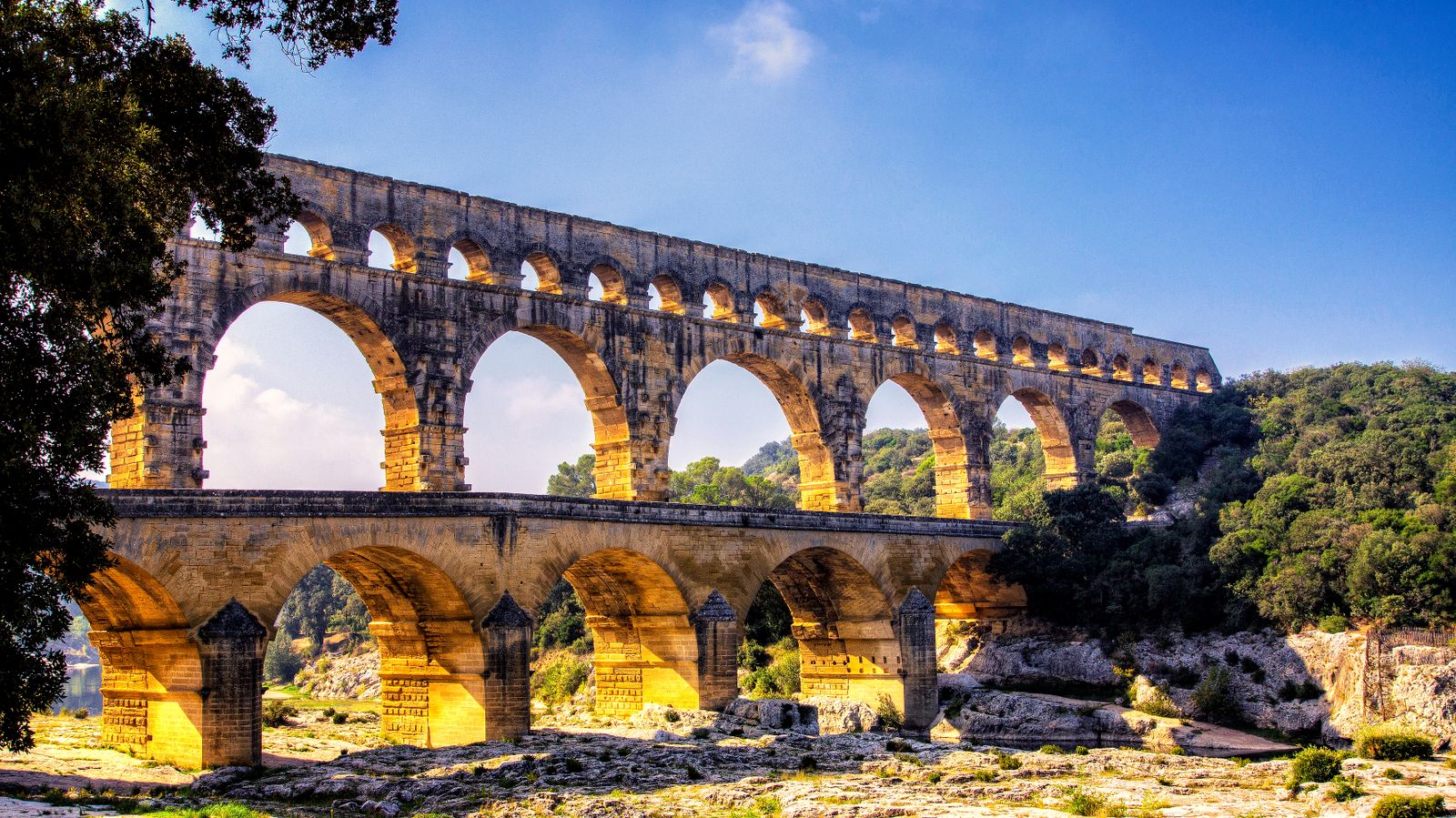
About thirty kilometres from Avignon stands one of the most breathtaking historic monuments in all of France, the enormous Roman aqueduct Pont du Gard. This three-tiered stone giant, listed by UNESCO, has survived an incredible two thousand years of floods and wars, and to this day it takes your breath away with its sheer engineering perfection and remarkable architectural elegance.
Walking access to the aqueduct and into the surrounding countryside is completely free, but be prepared for fairly high parking fees, which effectively function as a fixed entry charge for the whole carload. Without a car you can get here on a local bus from Avignon or from the town of Nîmes, but the services don’t run very often, so you’ll need to keep a close eye on the timetables. On hot days you can also swim right in the River Gardon beneath the arches of the bridge.
In the 2026 summer season, prepare yourself for some incredible evening magic too. From 15 May to 20 September the bridge will be beautifully and artistically lit after dark, and during the peak season from 4 July to 30 August a spectacular audiovisual show takes place. Seeing these ancient arches play in every colour under the starry summer sky is an experience you really shouldn’t miss.
💡 Tip: Bring a blanket and a picnic basket full of Provençal cheeses and vegetables, settle on the riverbank before sunset, and wait calmly until full darkness for the light show to begin.
11. The Village of Gordes in the Luberon
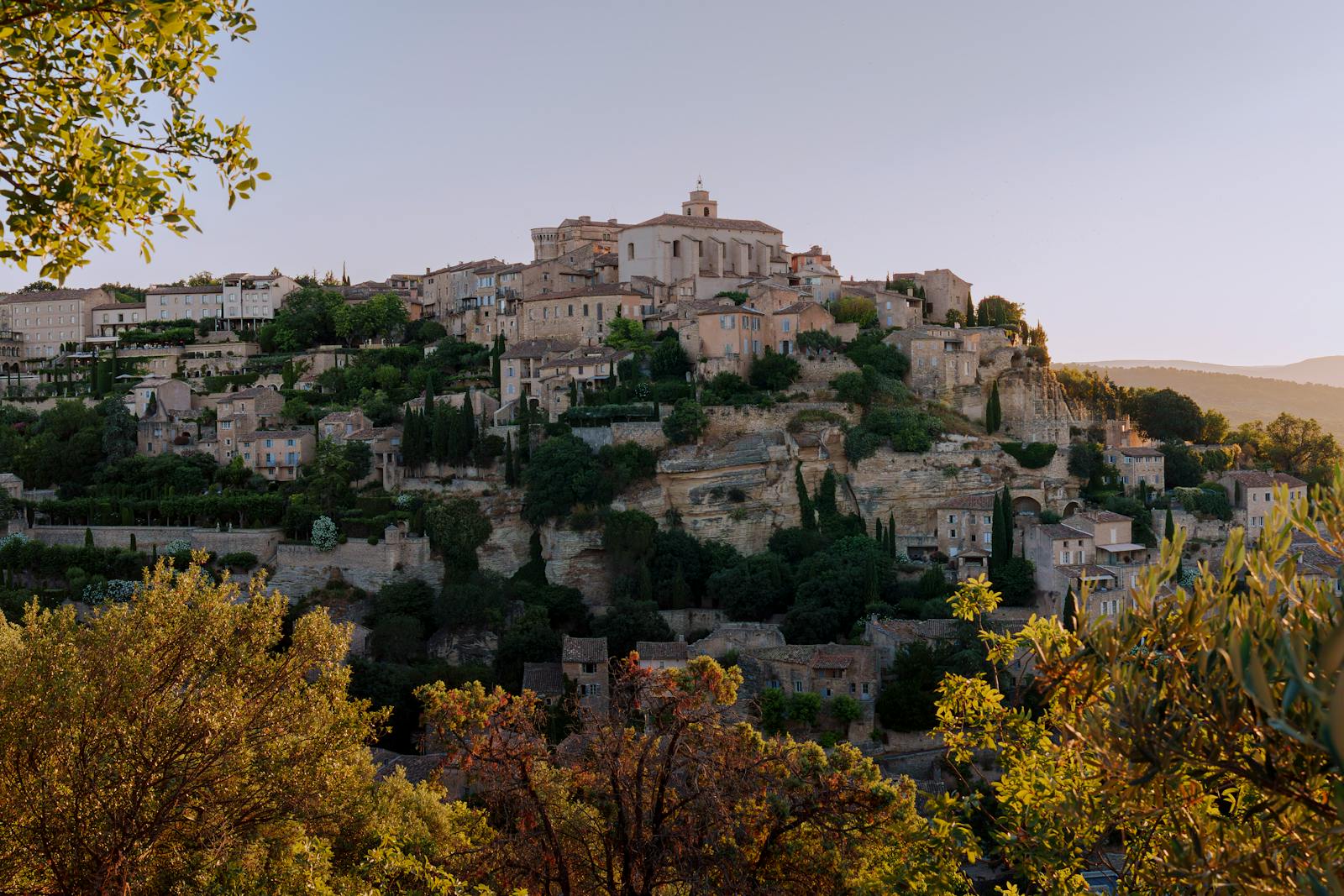
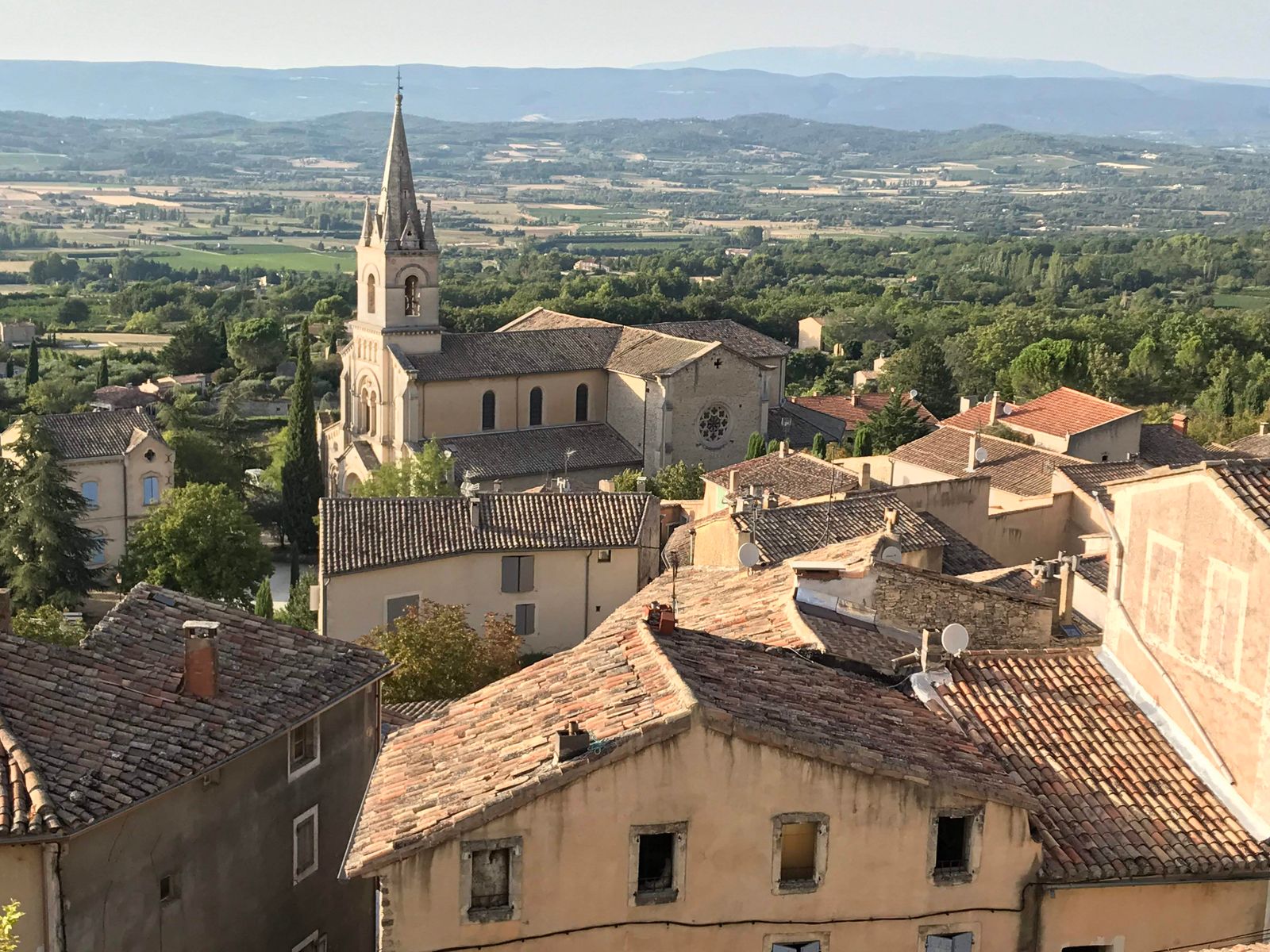
If you’re after precisely that romantic Provence from the pages of Peter Mayle’s books, you have to head into the stunning Luberon mountains. This is where you’ll find the famous villages clinging to hilltops, known as “perched villages”, which regularly win national polls for the most beautiful historic villages in all of France.
Begin your exploring in Gordes, because the very approach to this village is a visual event in itself. The road suddenly takes a sharp bend and before you appears a cascade of pale stone houses glued to a steep cliff, majestically crowned by a Renaissance castle. Stop at the viewpoint just before the village and soak in that perfect view — even though in summer you’ll have to fight for a good spot with dozens of other photographers.
Inside the village, you’ll find winding cobbled lanes, pricey boutiques, cosy cafés and superb views deep into the green valley. Gordes is extremely popular and gets genuinely packed in summer, so I’d recommend coming early in the morning, while the narrow lanes are still relatively passable and you can find some quiet corners. You can easily combine the trip with a visit to the nearby Sénanque abbey.
💡 Tip: Don’t miss the fascinating visit to the underground labyrinth Caves du Palais Saint Firmin right beneath the centre of Gordes, where you’ll see old carved olive-oil presses and escape the summer heat for a while.
12. Roussillon and Its Red Ochre Cliffs
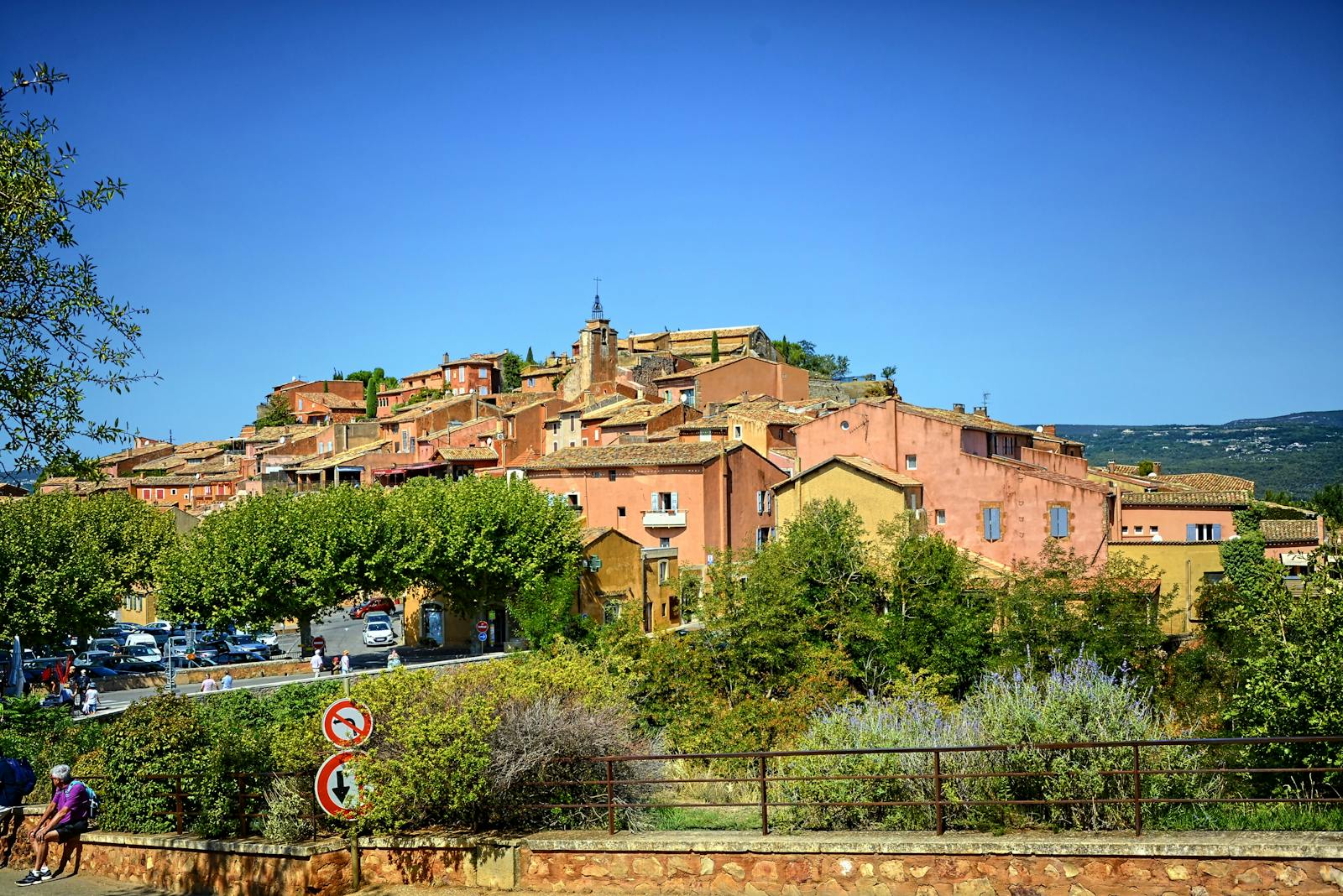
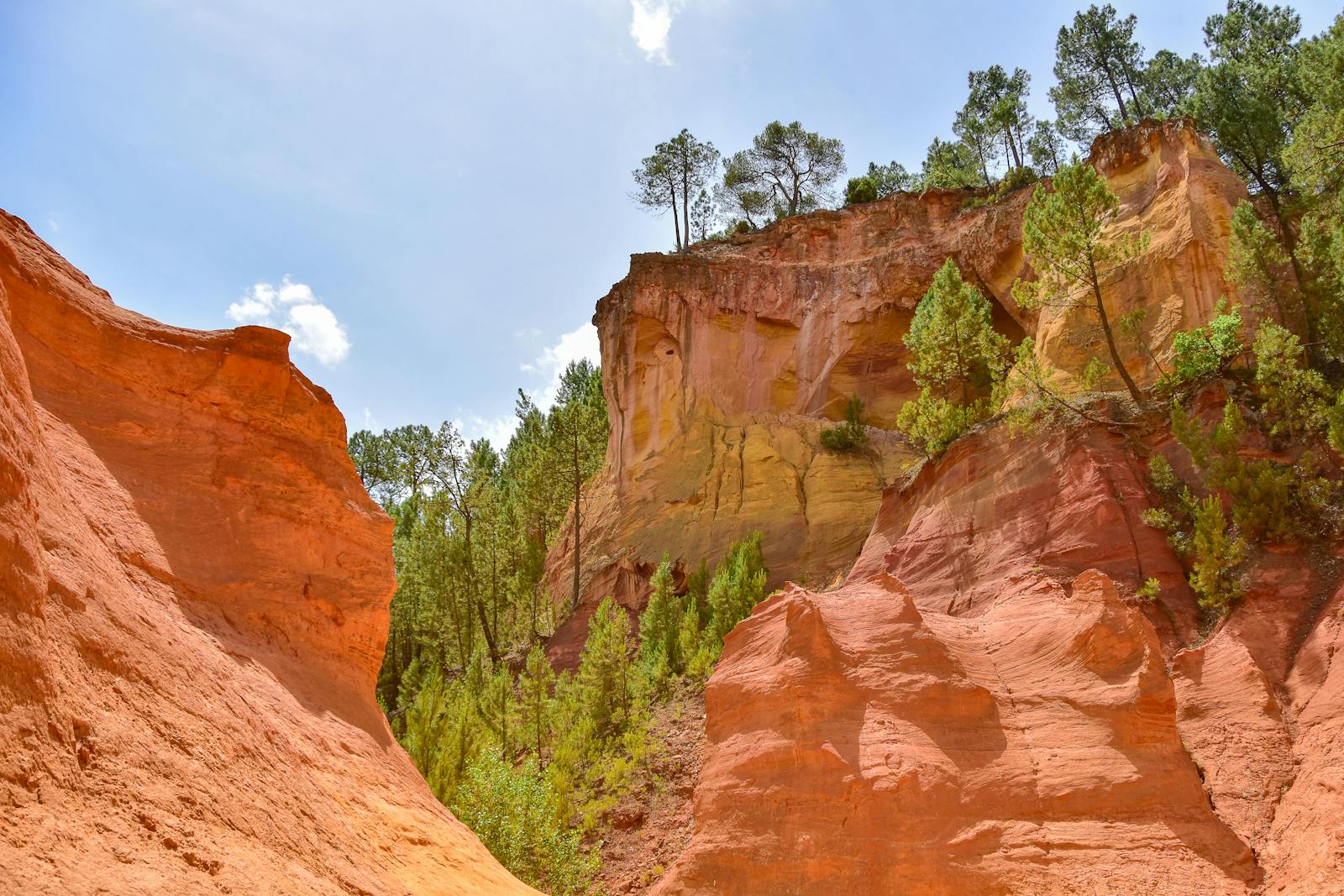
Just a few kilometres on from Gordes lies the village of Roussillon, which at first glance looks as if someone had mistakenly transported it here from the Wild West in Colorado. While the rest of the Luberon is traditionally built from pale limestone, Roussillon sits on a vast deposit of natural ochre, and all the houses here glow in shades from bright yellow to deep blood red.
Definitely pay for entry to the famous ochre trail, Le Sentier des Ocres, which starts right at the edge of the village. You’ll walk through former quarries where the coloured cliffs form an utterly surreal landscape, contrasting with the deep-green pines and the blue sky. The trail has two well-marked loops: the shorter takes about thirty minutes, the longer just under an hour. If you have time, be sure to stop at the quieter nearby Ménerbes or at the river source in Fontaine-de-Vaucluse.
When visiting the ochre quarries, keep one very important rule in mind: the fine red dust instantly gets everywhere, so definitely don’t wear white canvas shoes or light-coloured clothing on this trip, because natural ochre washes out incredibly badly and leaves permanent stains.
💡 Tip: Stop by the small local shops and buy natural ochre pigments in powder form, sold here in little jars — a completely unique souvenir for any painting lover.
13. Blooming Lavender on the Valensole Plateau
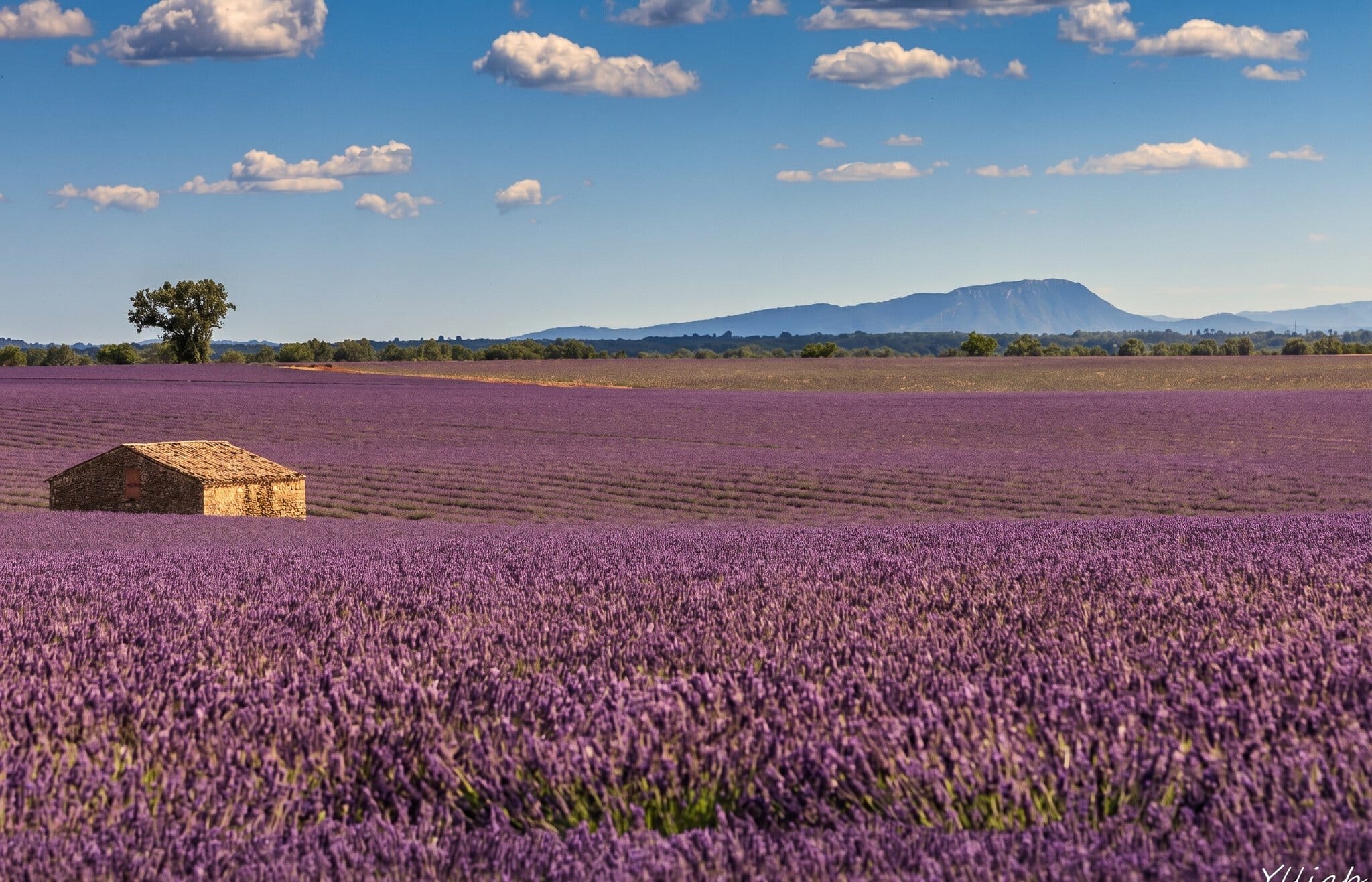
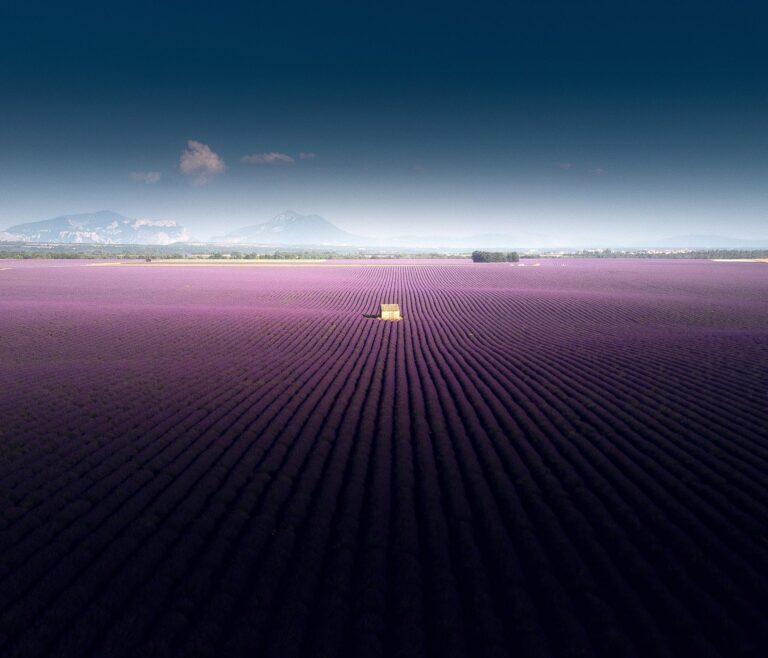
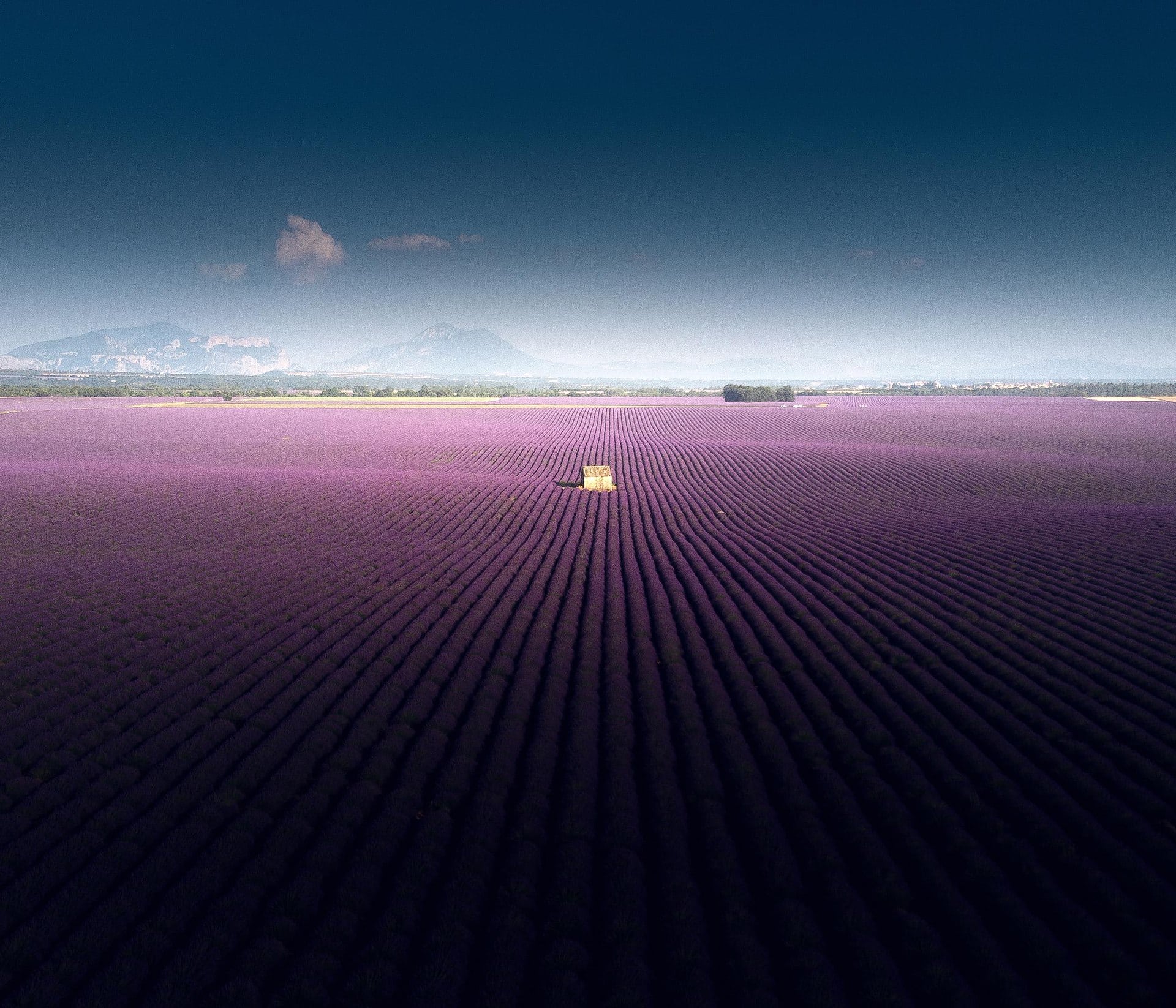
Many people arrive in this region only in August, pay a fortune for accommodation, and then just stare tearfully at harvested, parched brown fields. Lavender, you see, doesn’t wait for your holiday — it has its own clearly defined natural cycle. The main flowering season runs roughly from mid-June to the end of July, with the absolute purple peak falling at the turn of these two months.
The most famous spot for the most iconic photographs is the sprawling Valensole plateau, where endless fields of purple beauty stretch literally to the horizon and beyond. The variety grown here is mostly lavandin, a robust hybrid forming huge, photogenic bushes with a very strong scent. In peak season, prepare for massive crowds of tourists posing with hats in every spare row.
Be extremely careful about timing your trip around the local festivals, a common tourist trap. The famous Valensole festival is always held on the third Sunday in July, which sounds like the ideal date, but in reality it’s a celebration of the approaching harvest. So it can easily happen that you arrive at the festival, buy some fragrant soaps, but the prettiest surrounding fields have sadly already been cut down to the ground.
💡 Tip: If you want to experience Valensole in bloom without hundreds of coaches and the stress, come in the last week of June and be in the fields around half past six in the morning, when the sun is just rising and the colours are at their most vivid.
14. Sénanque Abbey and the Quieter Fields at Sault
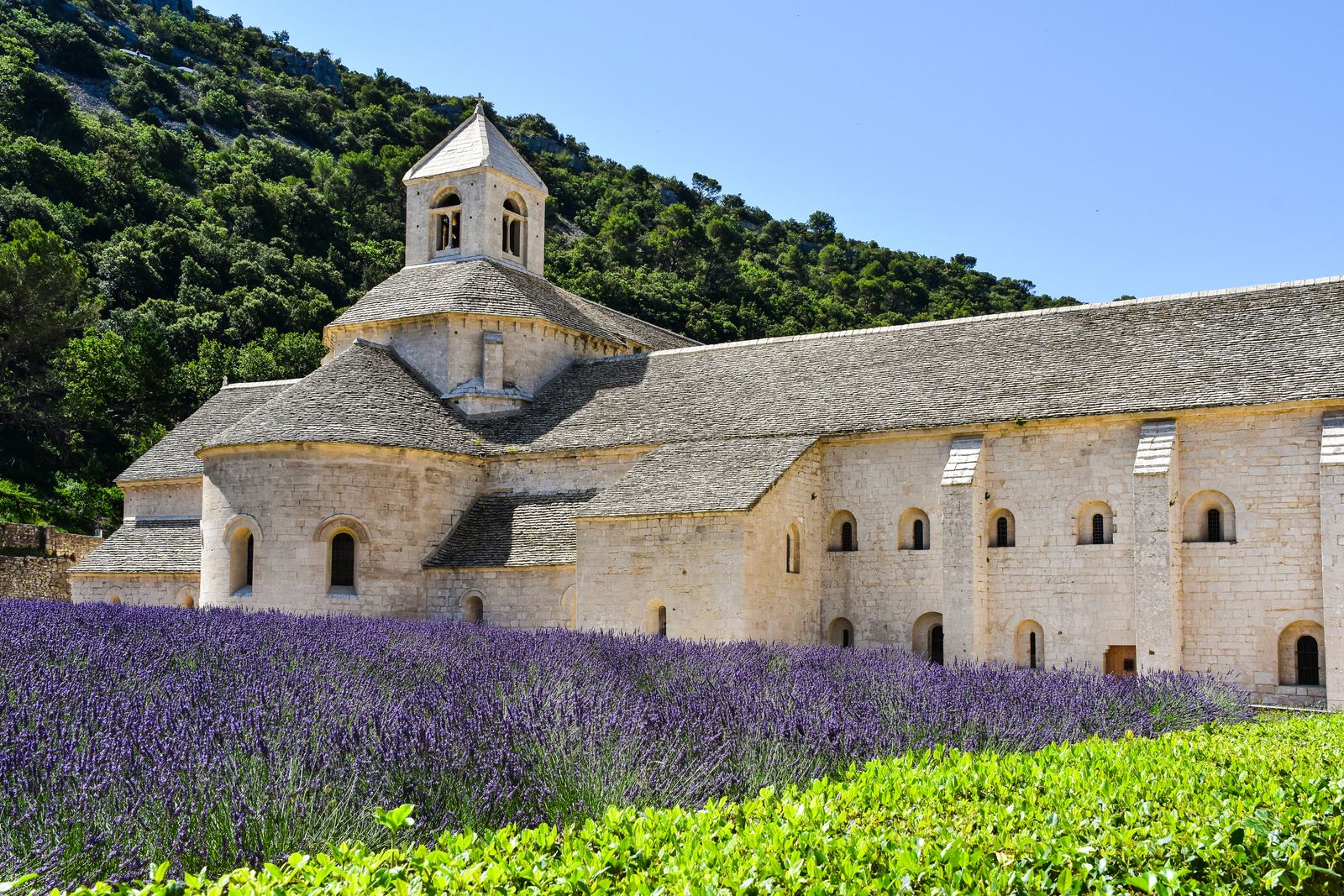
You’ll capture the truly iconic and probably the most famous photograph in all of France at the Notre-Dame de Sénanque abbey near Gordes. It’s a plain Romanesque Cistercian abbey from the 12th century, in front of which a perfect strip of purple lavender stretches in absolute symmetry. The monks still live here in silence, growing plants and bottling excellent home-made honey.
It’s a place of absolute calm and spiritual contemplation — unless, that is, you come here in mid-July at high noon, when the small car park bursts at the seams under the enormous onslaught of tour coaches. If, however, you’re tied to a late-summer holiday date, your salvation will be the Albion plateau and the area around the little town of Sault.
This area lies at a notably higher altitude, so the lavender here blooms markedly later, peaks in mid-July and often keeps flowering into early August. Only true lavender is grown here, which has somewhat smaller bushes than the lavandin on Valensole, but boasts a far finer and more refined scent. The atmosphere is also incomparably calmer, and the local festival is held only on 15 August.
💡 Tip: A very narrow and winding access road leads to Sénanque abbey, where two cars can only pass each other with enormous difficulty, so drive very carefully and strictly observe the one-way system if it’s signposted at the time.
Map of points of interest for your phone
Where to Go Next from Provence
If you have a car and plenty of free time, this region offers loads of further options for seamlessly continuing your exploration. If you love dramatic scenery and don’t mind driving above deep chasms, be sure to head out to explore the nearby Verdon Gorge, often called the Grand Canyon of Europe, which offers absolutely fantastic views and pedalo rental right on the turquoise river.
And if you’ve had enough of the sun-baked interior and crave a bit of luxury, a sea breeze and pebble beaches, just move a little further east. There the famous French Riviera awaits, with towns like Nice, Cannes and Monaco, where you can soak up the atmosphere of luxury yachts and elegant seaside promenades.
Frequently Asked Questions
When is the best time for lavender in Provence?
You have the greatest certainty of blooming purple fields always from the end of June roughly until mid-July. In the lower elevations at Valensole, the harvest begins around mid-July, while the higher-altitude Sault keeps blooming until early August, before agricultural machinery rolls in there too.
Is the city of Marseille safe for tourists?
Standard tourist zones like Vieux-Port, the museum district and the historic center are completely safe. Drug-related crime takes place in isolated northern suburbs that you’ll never visit as a tourist. In the center, just watch out for pickpockets in crowds or on the metro, same as in other big cities, and after dark avoid the area around Saint-Charles station and the Noailles and Belsunce neighborhoods.
What is the ZFE zone in Marseille and how is it changing in 2026?
This is a strict low-emission zone in the wider city center that operates 24 hours a day. From 2026, there’s an absolute ban on entry for cars with Crit’Air 4 and 5 stickers, including vehicles with Czech license plates. You must purchase the environmental sticker in advance online for approximately €5; without it, you risk a fine ranging from €68 to €375.
How to best get around the region?
Major cities like Marseille, Aix or Avignon are excellently connected by TGV high-speed trains and local services, but you practically won’t get to smaller villages in the Luberon mountains and lavender fields without your own or rental car. I recommend booking a car well in advance directly at the airport.
How much does the toll cost on French motorways?
In France, there are no classic motorway vignettes; tolls are paid in cash or by card directly at toll booths. The indicative price for 2026 is around €9.50 per 100 kilometers driven, so longer journeys can put quite a strain on your budget.
When are the restaurants open and what’s the situation with English?
The French strictly observe meal times. You can only get the lunch menu between 12:00 and 14:00. If you arrive later, the kitchen will already be closed and won’t open again until dinner around 19:00. When communicating with staff, always start with a greeting “Bonjour” before switching to English – this small gesture of respect for the language can work wonders.
How much does food in a restaurant cost?
Prices in 2026 aren’t exactly the lowest. A classic three-course lunch menu at a bistro will cost you 15 to 25 euros, while a standard dinner without wine will set you back at least 20 to 35 euros per person. A 15% service charge is already included by law in the price of the meal, so an additional tip isn’t strictly necessary.
Tips and Tricks for Your Vacation
Don’t Overpay for Flights
Search for flights on Kayak. It’s our favorite search engine because it scans the websites of all airlines and always finds the cheapest connection.
Book Your Accommodation Smartly
The best experiences we’ve had when looking for accommodation (from Alaska to Morocco) are with Booking.com, where hotels, apartments, and entire houses are usually the cheapest and most widely available.
 🚗 Car rental on the roadVerified rental cars in Provence
Search with the DiscoverCars comparison engine — it compares prices from dozens of local and international rental companies, and most bookings come with free cancellation.
Compare car prices in Provence →Don’t Forget Travel Insurance
Good travel insurance will protect you against illness, accidents, theft, or flight cancellations. We’ve had a few hospital visits abroad, so we know how important it is to have proper insurance arranged.
Where we insure ourselves: SafetyWing (simple monthly subscription) and TrueTraveller (for extra-long trips).
Find the Best Experiences
Get Your Guide is a huge online marketplace where you can book guided walks, trips, skip-the-line tickets, tours, and much more. We always find some extra fun there!