Medieval stone walls look down over glass startup offices filled with digital nomads. Tallinn Estonia is a textbook example of fascinating contrasts, where a rich Hanseatic history blends seamlessly with a reputation as the most digital state in all of Europe. While the winding cobbled streets breathe with an atmosphere centuries old, you can easily pay for your coffee with your phone and find a fast Wi-Fi connection perhaps even deep in a pine forest.
Unfortunately, many travellers make one major mistake by treating Estonia’s capital as merely a quick day trip from nearby Helsinki. At precisely 9:30 in the morning, crowds pour out of huge cruise ships, and the historic centre suddenly turns into a noisy, overcrowded amusement park. But if you stay overnight, you will experience a completely different, much more authentic world. In the evening, the streets suddenly empty, old wrought-iron lanterns light up, and you have this true Nordic fairy tale almost entirely to yourself.
Here are 20 tips for getting the absolute most out of Tallinn, from getting lost among the city walls in the morning to escaping the midday crowds in the creative districts. I’ll tell you where to hide away, where to stay and how the local transport system works. It would be a huge shame not to uncover the hidden layers of this city, which stretch far beyond the popular Old Town.
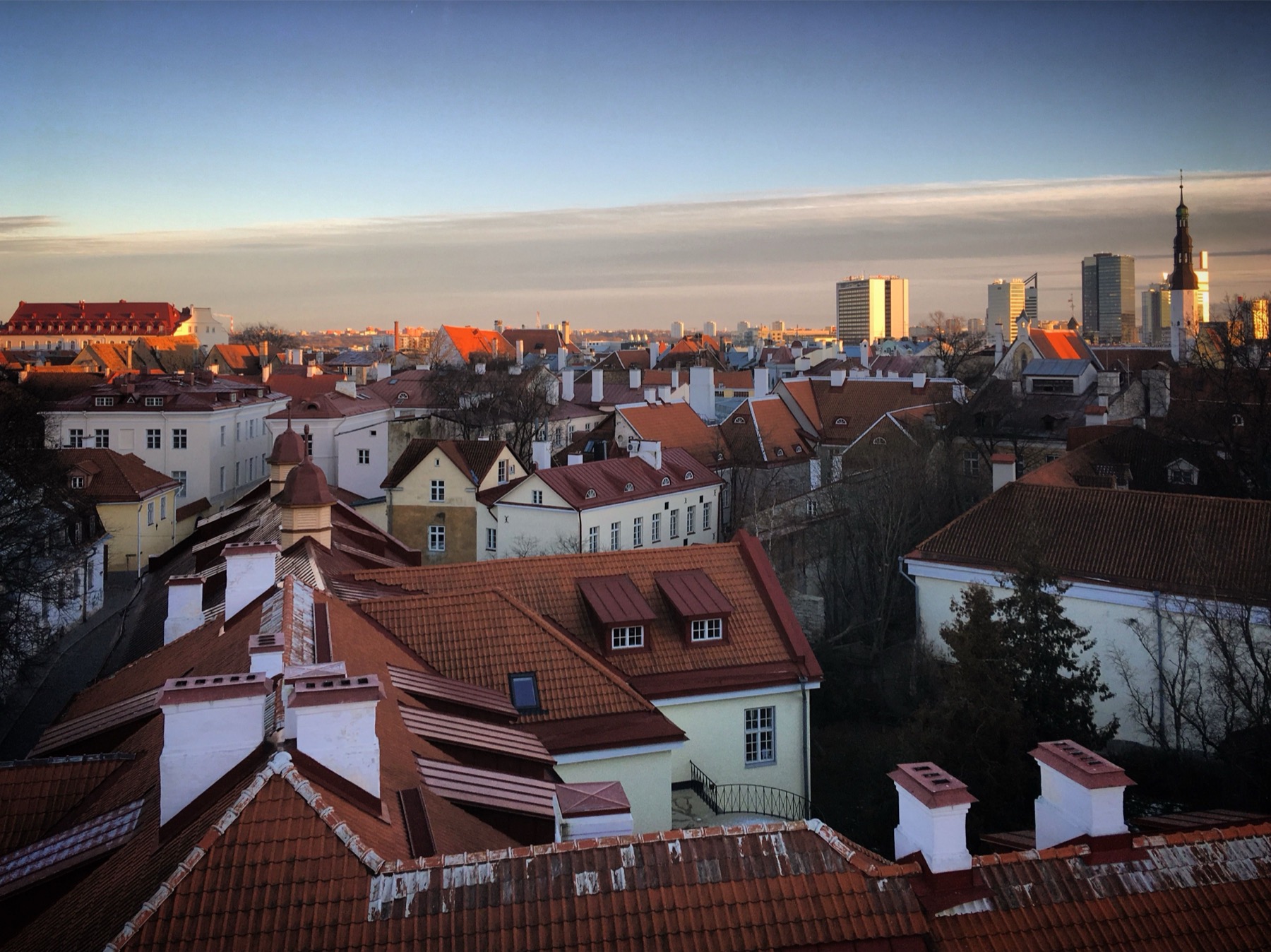
A summary for those who don’t have time to read the whole article
- Stay overnight: This will help you avoid the extreme crowds from cruise ships, which clog the centre roughly from 9:30 a.m. to 6 p.m.
- Explore the Old Town in the morning: The historic streets and the viewpoints on Toompea Hill are best enjoyed early in the morning or after sunset.
- Escape beyond the walls: During the day, head out to explore the creative districts of Telliskivi and Kalamaja, or relax in the modern Noblessner harbour.
- Päevapraad will save you: At lunchtime, always look for boards advertising the daily menu, which lets you eat very well for a fraction of the usual evening price.
- Getting around the city: Public transport is paid for by tourists (a 24-hour ticket costs €5.50), but it is completely reliable, and all you need to do is tap your card.
- Ferry to Finland: In just two hours of comfortable sailing, you can reach Helsinki, making this an ideal way to enrich your itinerary.
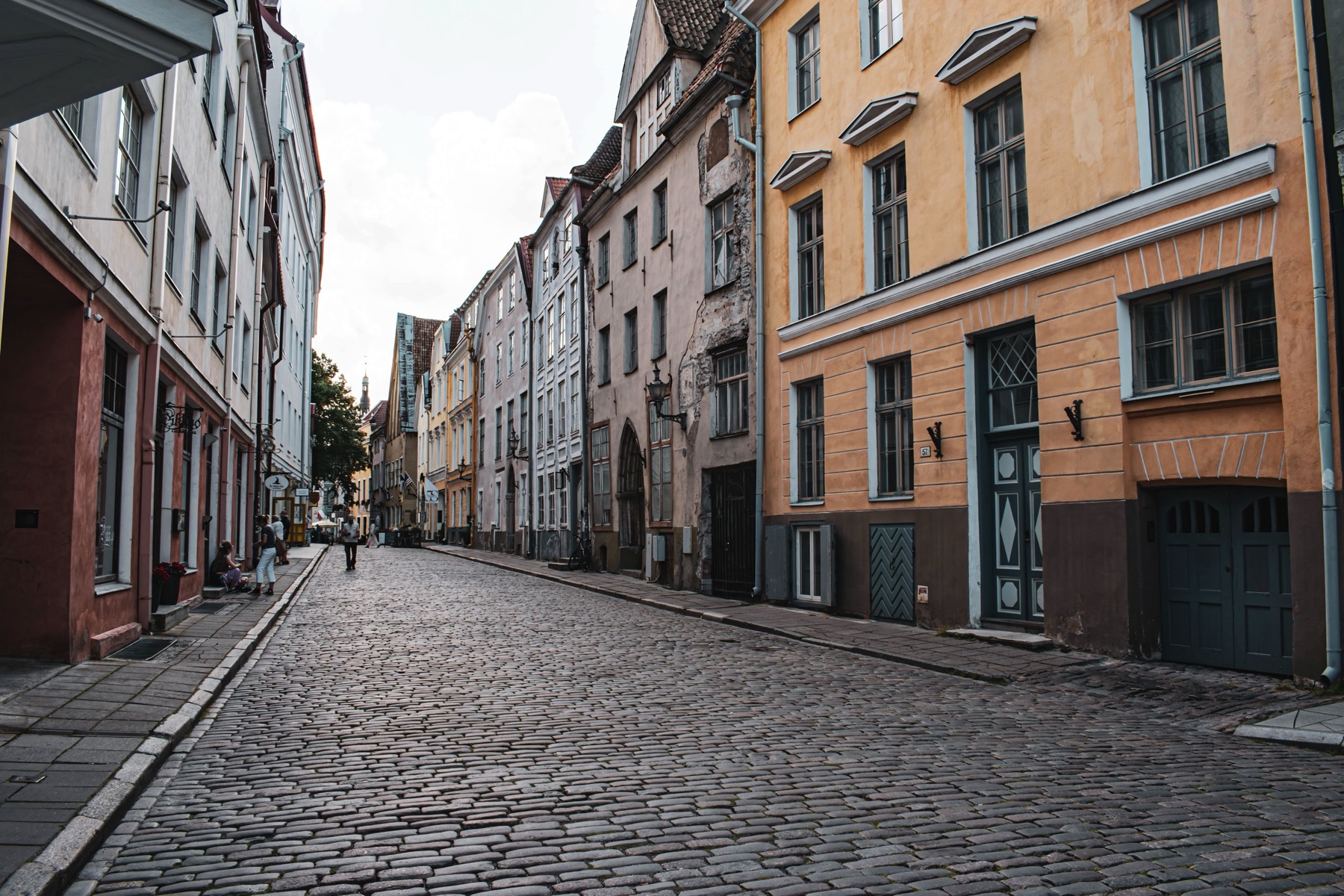
The full destination guide: Estonia — guide and what to see
When to visit Tallinn
Planning a trip to Estonia is a little like choosing between two completely different countries, because the weather and daylight dictate absolutely everything here. In December, the sun climbs above the horizon for less than six hours, and the whole country sinks into darkness, while June brings an incredible nineteen hours of daylight. These famous white nights mean that real darkness never actually arrives in summer, which is wonderfully magical for travelling, although you may want to pack an eye mask. The biggest holiday of the year is Jaanipäev, or Midsummer’s Eve, on June 23–24, when the city empties as locals head to the countryside to build huge bonfires.
The summer months of July and August represent the absolute peak of the tourist season, with temperatures commonly ranging from 20 to 25°C. Although many people come here to escape Central European heatwaves, the sun can be surprisingly strong, and the parks fill with locals enjoying picnics. The downside of this lovely weather is the huge cruise-ship crowds that flood the narrow streets of the Old Town day after day. If you are planning to explore the surrounding countryside in summer, pack a powerful insect repellent, as mosquito activity in Estonia’s wetlands reaches its peak in July, and the entire country is considered a high-risk area for tick-borne encephalitis.
If you are not tied to school holidays, September is unquestionably the holy grail for visiting. Tourist crowds thin out considerably, hotel prices drop and the nature in the surrounding national parks begins to glow with beautiful autumn colours. The annoying mosquitoes also disappear from the forests, making walks along the wooden boardwalks an absolute pleasure. You can even pick mushrooms or lingonberries right by the roadside. September really offers the best of both worlds: enough sunshine for walks and enough peace and quiet to absorb the true atmosphere.
October and November, on the other hand, can test your resilience, as damp days, frequent rain and early darkness arrive. Everything changes again with the start of Advent, when Tallinn turns into a winter fairy tale. Christmas markets open on Town Hall Square, which won the title of Europe’s best in 2019. People drink hot, spiced glögi, and although the sun shines for only a few hours, it stays low above the horizon, bathing the city in beautiful golden light all day long. If you arrive in January or February, you will experience a true Nordic winter, when unique official roads sometimes open directly across the frozen sea.
Where to stay in Tallinn
💡 Accommodation and experiences tip: We prefer to look for accommodation on Booking.com, where cancellation conditions are often the best. It is also worth comparing and booking tickets, tours and activities through GetYourGuide.
Where you sleep in Tallinn really depends on what you expect from the city. It is compact and you can get everywhere relatively quickly, but each district has a completely different atmosphere. In recent years, Tallinn has also experienced a major hotel boom. Unfortunately, Estonia’s capital has long since reached the price level of Western cities, partly because the accommodation tax was recently raised to 13 per cent. So don’t count on finding an extremely cheap room in the centre; the average price per night is around €90 to €100.
If you are looking for romance and want all the main sights right on your doorstep, stay directly in the Old Town (Vanalinn). You will be first at the viewpoints in the morning and can enjoy the illuminated walls in complete peace in the evening. The iconic Hotel Telegraaf is an excellent choice here. It occupies a historic former post-office building and offers a wonderful spa. Among the luxury options, the five-star The Burman Hotel is certainly worth a look; it recently received a Michelin Guide award for New Hotel of the Year. The Nunne Boutique Hotel, located right by the old walls, offers a lovely compromise between price and location.
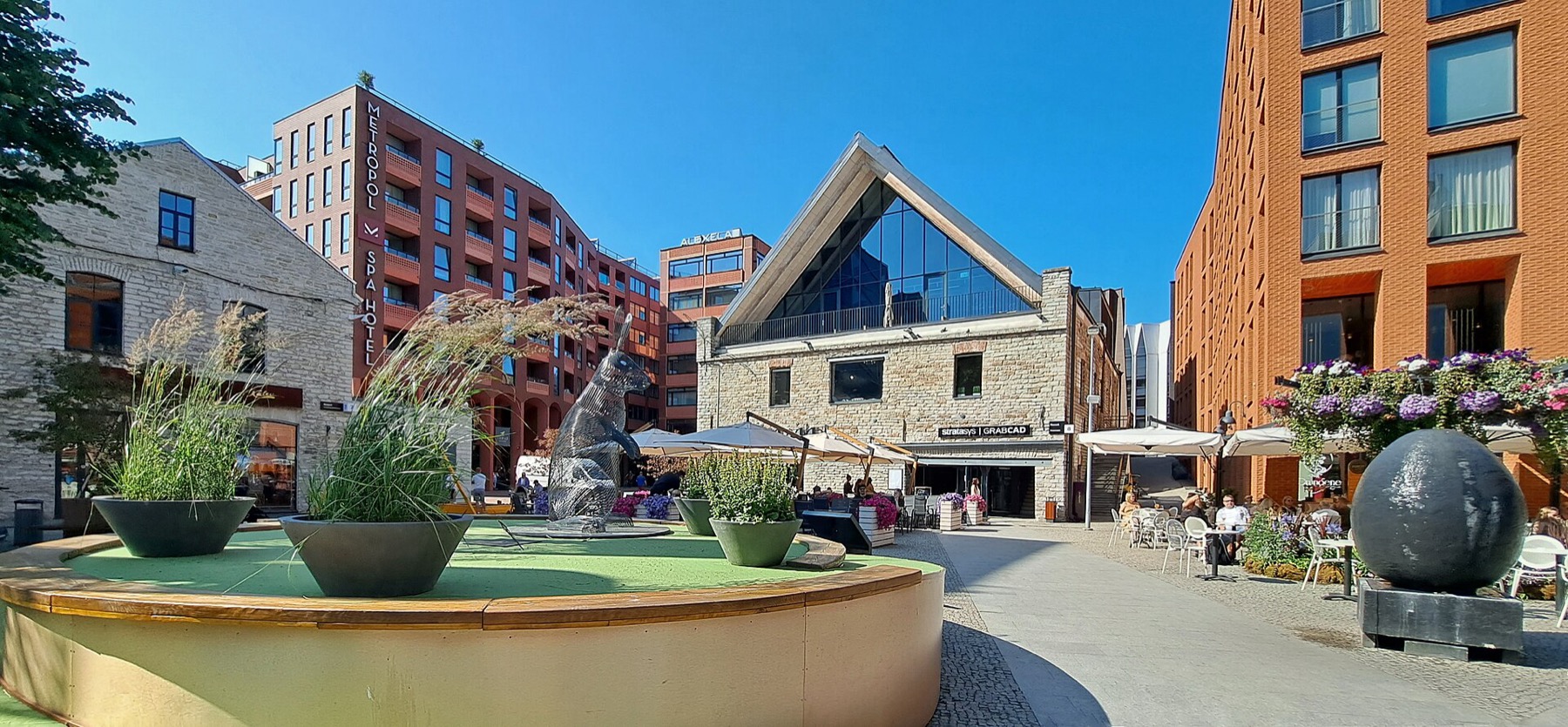
For a quieter stay and modern architecture, head to the Rotermann district or the harbour. These areas lie just beyond the historic walls, so the centre is only a few minutes away on foot, but you can avoid the early-morning noise of delivery vans bouncing over the cobbles. The modern Hyatt Place Tallinn makes an excellent base, offering impeccable Nordic standards and easy access to the ferries to Finland. The popular Fat Margaret’s hostel is also nearby, where a bed in a shared dorm starts at €16, which is especially appealing to solo travellers on a tighter budget.
If you prefer a local atmosphere and want to live among residents, look for accommodation in the wooden district of Kalamaja. You will find plenty of stylish Airbnb apartments set in traditional colourful houses with a central stone staircase. You will be close to the best cafés, the Telliskivi creative centre and Balti Jaama Turg market.
20 Things to See and Do in Tallinn
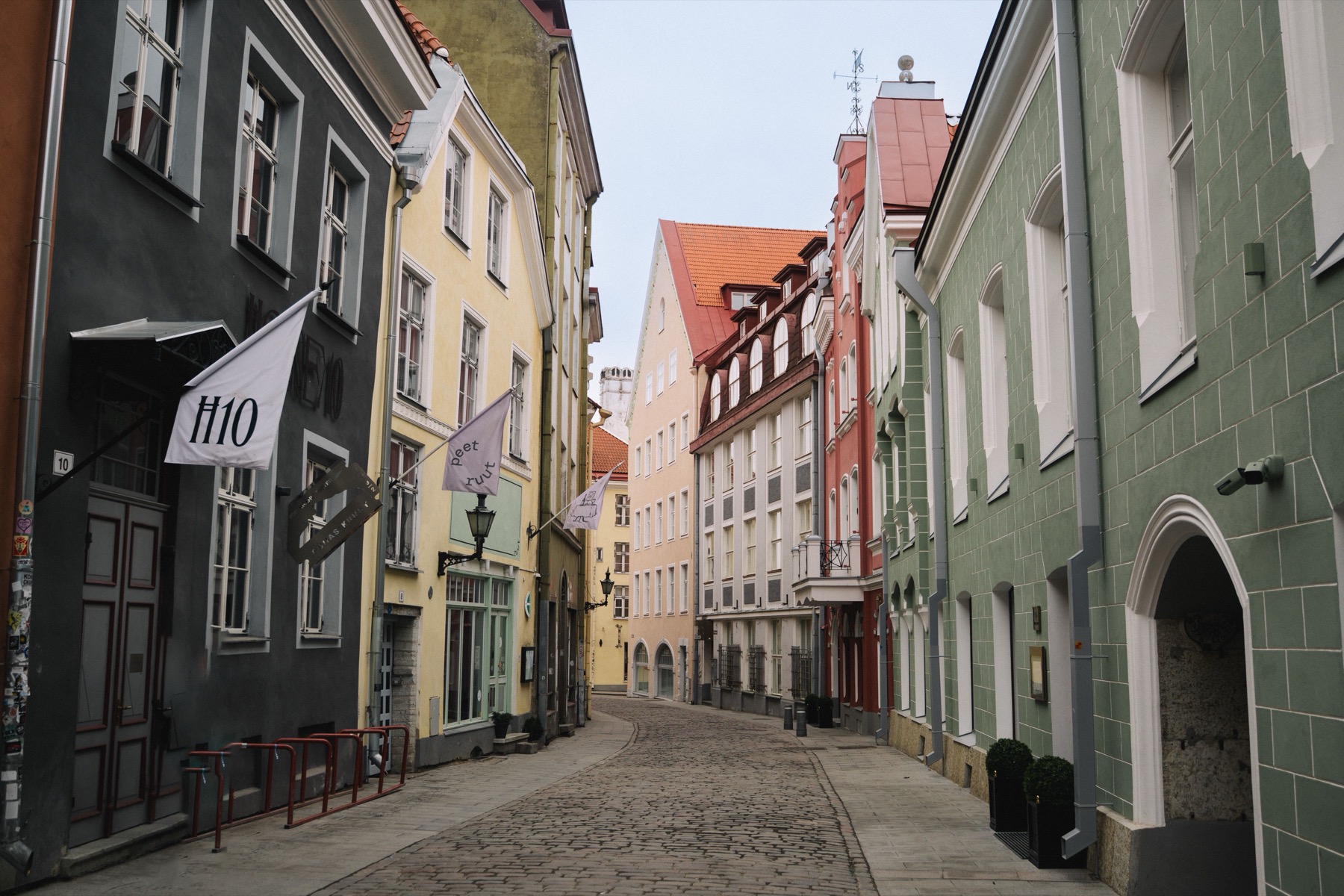
Tallinn has more to offer than you might think at first glance. Beyond the walls, you will find floating saunas, Michelin-starred restaurants and the best flea market in the region. Here are twenty tips that would be a shame to miss. I recommend dividing the city into its historic and modern sides so you can experience both of its faces.
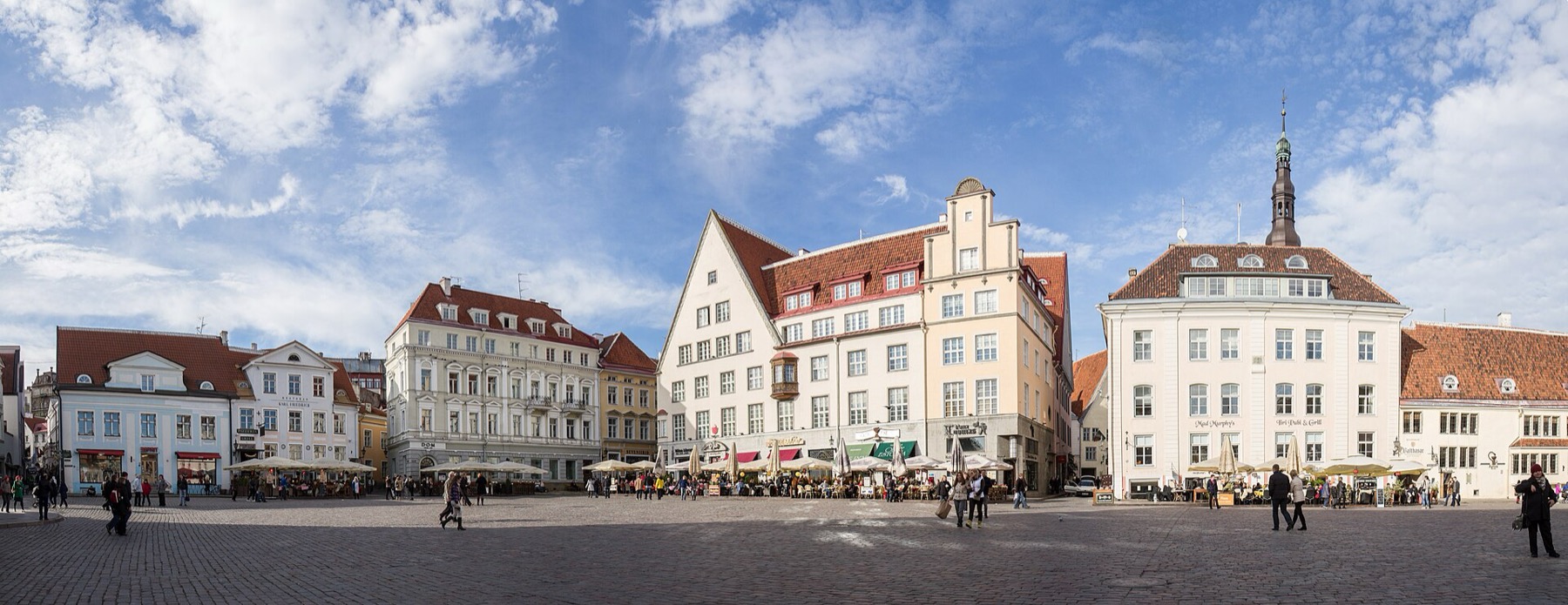
1. Town Hall Square (Raekoja plats) and the Gothic Town Hall
The heart of the entire Lower Town is undoubtedly the broad Town Hall Square, which served as the main marketplace and gathering place for centuries. The majestic Gothic Town Hall dominates the square and is, incidentally, the only surviving building of its kind in the whole of Northern Europe. Construction was completed as early as 1404, and it still impresses visitors with its austere yet incredibly striking architecture.
When you look up to the very tip of the Town Hall tower, you will notice its famous weather vane. This figure is called Old Thomas (Vana Toomas) and is one of the city’s best-known symbols. According to legend, he was an ordinary boy who excelled at crossbow shooting. Because he guarded the city faithfully as an adult, he earned an honoured place at the top of the Town Hall. According to the tales, he has watched over Tallinn’s streets ever since. In winter, the famous Christmas markets take place in this square, and the city proudly claims that Europe’s first public Christmas tree stood here as early as 1441.
💡 Tip: The square is beautiful at any time of day, but if you want photos without crowds of people, come straight after breakfast, before 9 a.m. Inside the Town Hall itself, you will find the popular medieval tavern III Draakon, where there are no cutlery, candles provide the lighting, and you can get hot soup or filled dumplings for just a few euros.
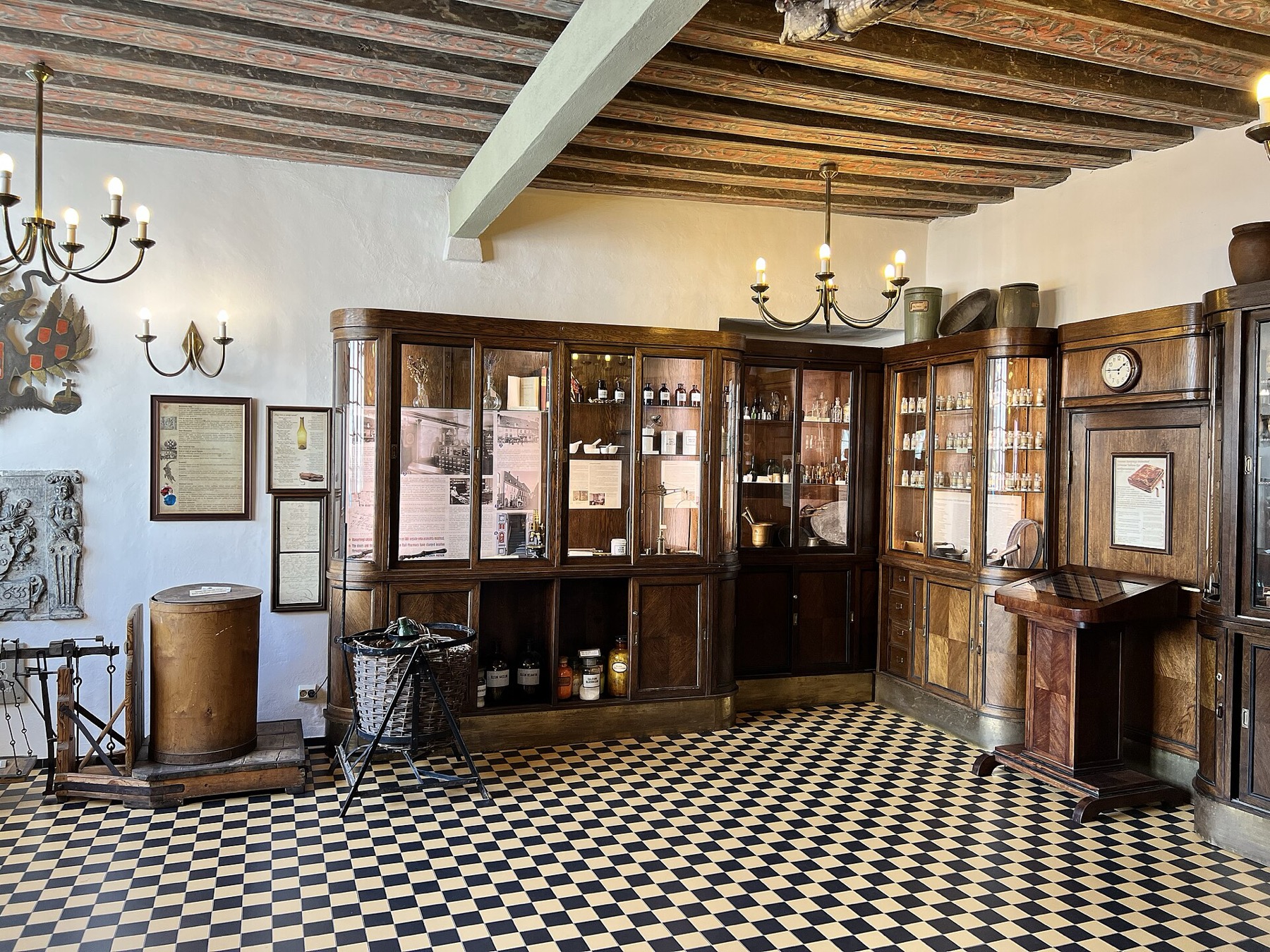
2. Raeapteek: Europe’s oldest pharmacy
In the very corner of Town Hall Square, an unassuming entrance leads to a place you definitely should not miss. Raeapteek is Europe’s oldest continuously operating pharmacy, opening its doors to customers in the same location since 1422. When you step inside, you are greeted by an incredible atmosphere of wood panelling and painted ceilings, making you feel as though you have wandered into a Harry Potter potions classroom.
In the front section, locals come in for paracetamol or cough drops, but the historic back room serves as a free museum. You can see old painted jars that once held bizarre medieval medicines, including dried frogs, bat powder, wolf entrails and mummified hands. The pharmacy is also famous for its traditional spiced wine called claret, mixed here according to a centuries-old recipe.
💡 Tip: According to an old Tallinn legend, sweet marzipan was first made in this pharmacy. It was originally not a confectionery treat but a luxurious medicine for a broken heart and melancholy. You can buy a piece of this traditional marzipan here as a beautiful—and very tasty—souvenir to take home.
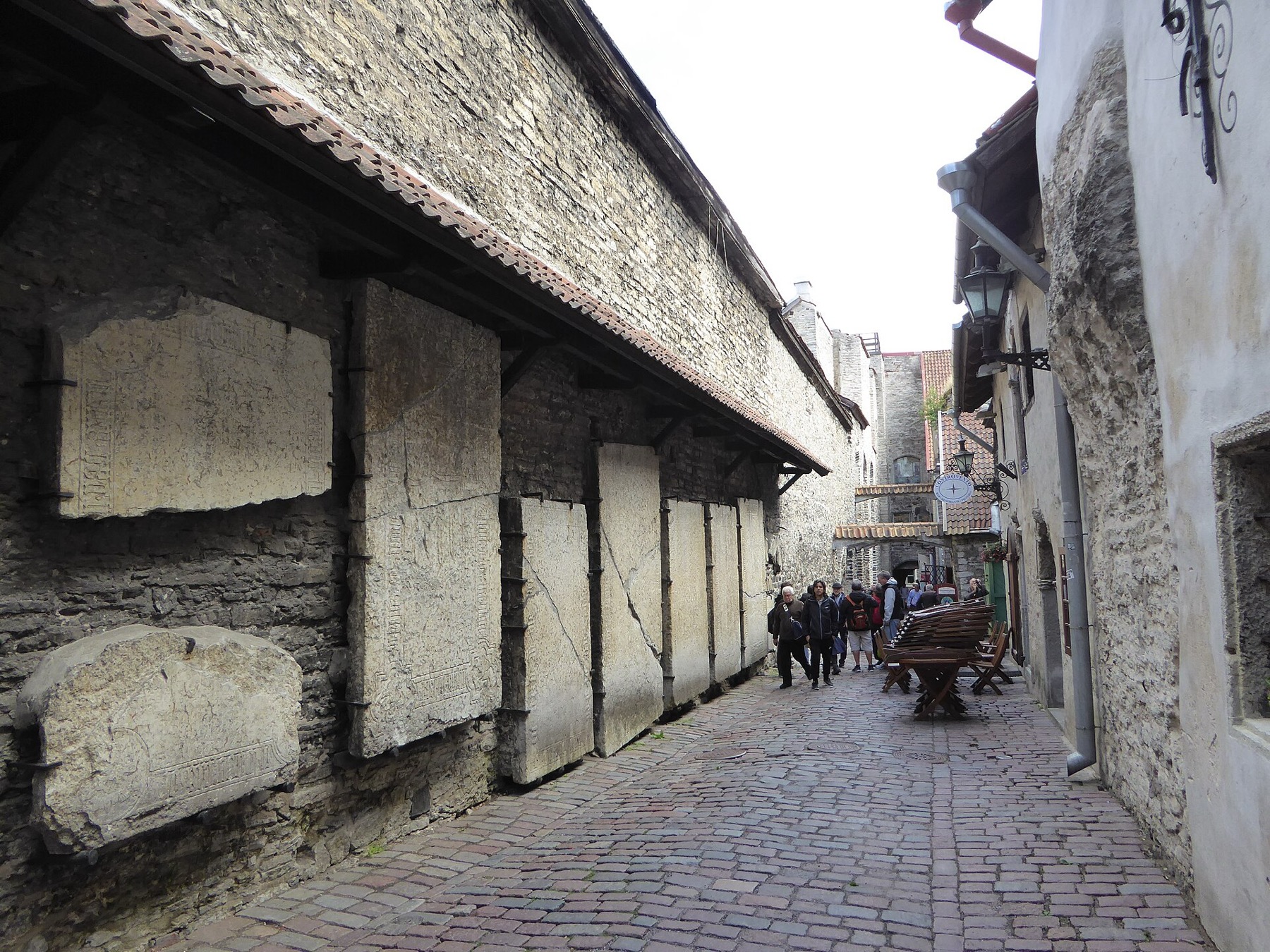
3. St Catherine’s Passage (Katariina käik)
A short walk from the main square, you will find a place photographers absolutely love and that often appears on postcards. St Catherine’s Passage is a narrow, partly hidden lane that quietly connects Vene and Müürivahe streets. Its atmosphere is so perfectly medieval that walking through it makes you feel as if you have fallen several hundred years back in time.
One side of the lane is lined with the ancient stone walls of the former Dominican Monastery of St Catherine, displaying massive medieval tombstones belonging to prominent townspeople of the time. The other side consists of a continuous row of small craft workshops and art studios. Through the windows, you can watch skilled glassblowers, weavers, milliners and ceramicists at work.
💡 Tip: During the day, the lane is extremely jammed with guided tour groups, and it is often impossible even to walk through. The most beautiful light is really early in the morning, when the sun is just beginning to peek through the old arches and the paving is still empty. You will also find several excellent cafés just around the corner for a morning espresso.
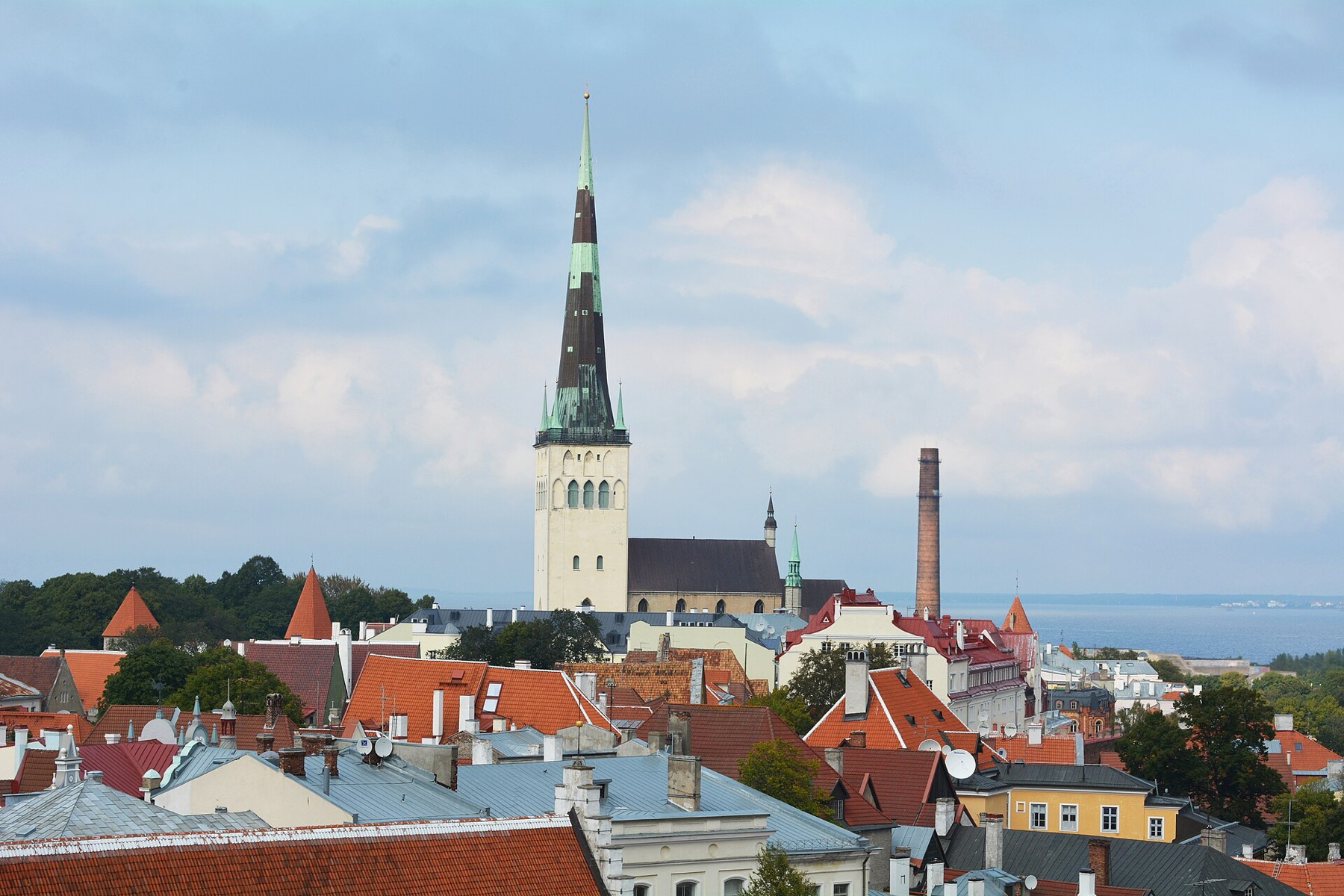
4. St Olaf’s Church (Oleviste) and its 232 steps
This impressive church, named after Norwegian King Olaf II, hides one enormous and fascinating historical claim to fame. Around 1500, its tower rose to an incredible height of 159 metres, which according to many historians made it the tallest structure in the world at the time. It served as a perfect landmark for merchant ships arriving at the Hanseatic port.
The tall tower also acted as a very reliable lightning rod, so over the centuries the church burned down to its foundations several times after being struck by lightning. Today it measures a more modest 124 metres, but it still dominates the entire skyline and offers one of the very best views across the city. Be prepared, though: getting to the top is a serious physical challenge.
💡 Tip: There is no lift to the viewing platform, and the route is quite an adventure. You have to climb 232 very steep, narrow stone steps, which in summer heat amounts to a proper cardio workout. The view of the sea of red roofs and the dark Gulf of Finland is absolutely worth the sweaty shirt.
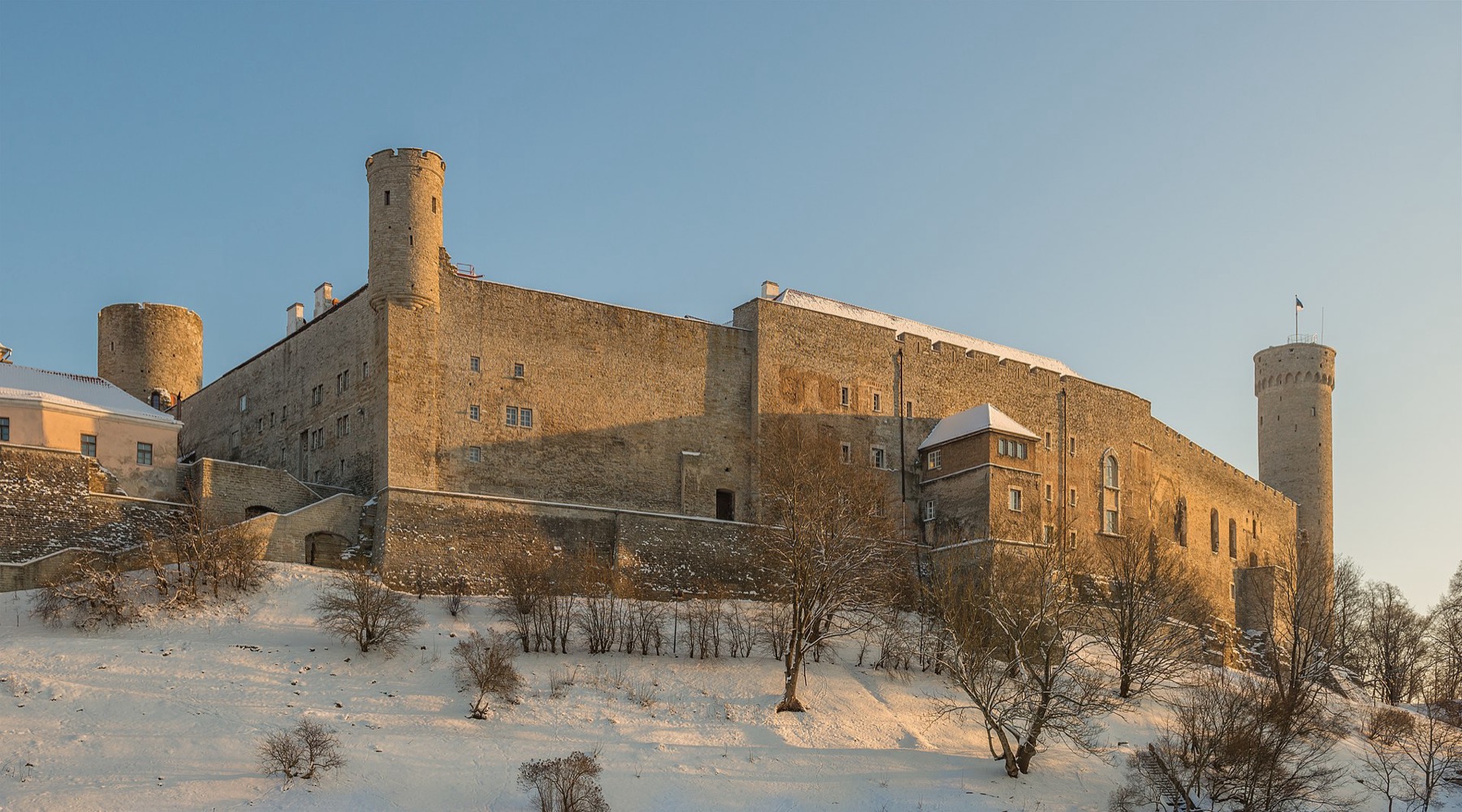
5. Toompea Castle and the Parliament building
The Old Town has historically been divided into two separate parts, which often quarrelled in the past and even locked each other out with a gate. While wealthy merchants and craftspeople lived below, the Upper Town on limestone Toompea Hill belonged to the nobility, knights and rulers. This is where you should head for the most famous panoramic views and a deep dive into Estonian history.
Toompea Castle stands at the very top of the hill, still retaining part of its original, rugged medieval walls on one side. Its front façade on the main square may surprise you, however, because today it looks like a beautiful pink Baroque palace. This elegant building is home to the current Estonian parliament, the Riigikogu, above which the national blue, black and white flag proudly flies from a tall defensive tower called Tall Hermann.
💡 Tip: On your way up, use the two historic lanes with wonderful names. Pikk jalg (Long Leg) is wider and gentler for carts, while Lühike jalg (Short Leg) is very steep, full of steps and mysterious corners. Parents with pushchairs should definitely take the longer route, because a pushchair simply cannot make it up Short Leg.
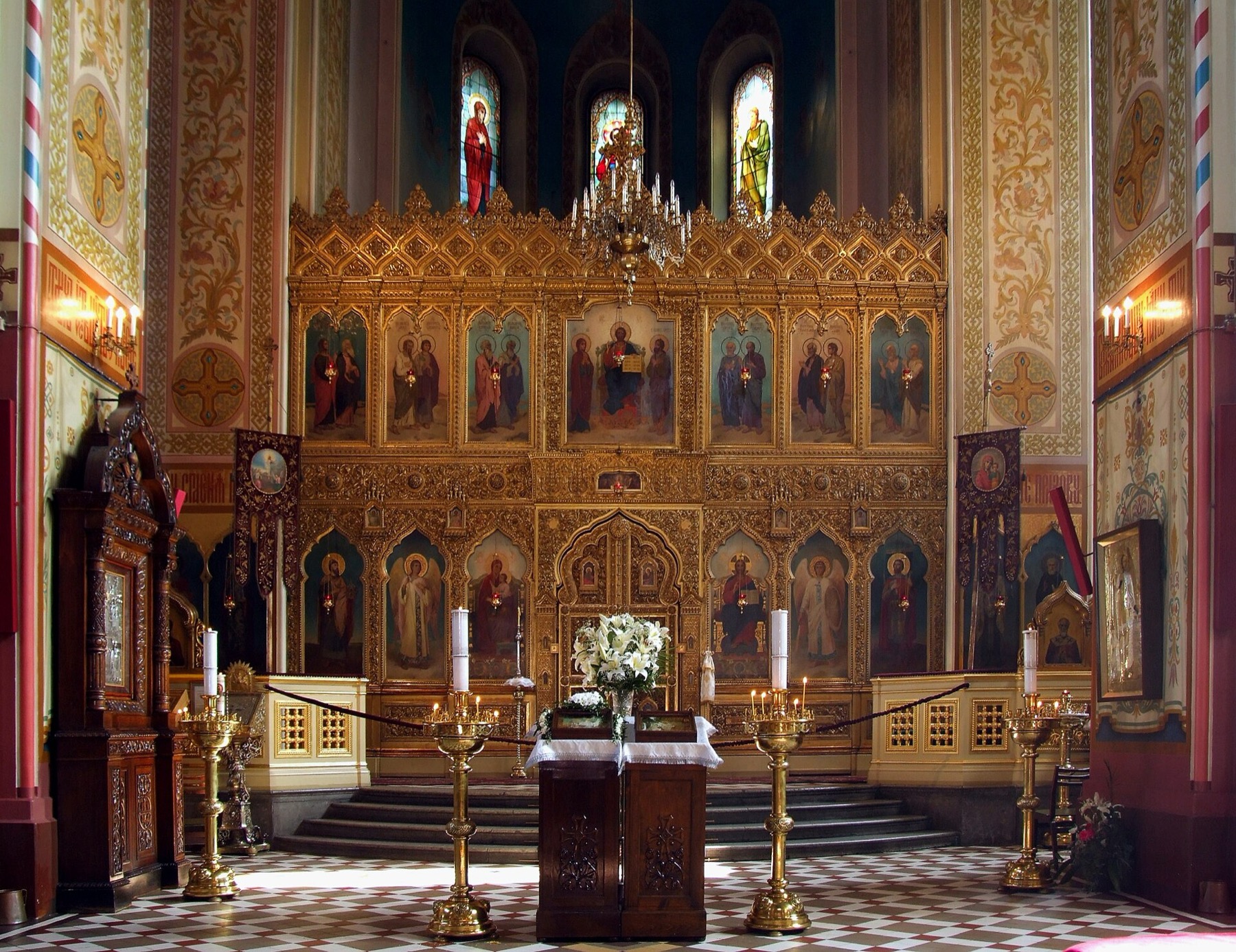
6. Alexander Nevsky Cathedral
When you emerge from the lanes onto the main square in front of the pink parliament building, one enormous structure immediately catches your eye—and at first glance it seems slightly out of place. Alexander Nevsky Cathedral is a massive Orthodox church with characteristic onion domes and richly decorated exterior mosaics, creating a striking contrast with the austere Nordic architecture around it.
This grand building was constructed at the very end of the 19th century as part of an aggressive policy of Russification, when Estonia was part of the Russian Empire. Its position directly opposite the Estonian government buildings was no accident, as it was intended to clearly demonstrate Tsarist dominance. Many Estonians therefore disliked it at first, and in the 1920s, after independence was won, there was even serious discussion about demolishing it—fortunately, that never happened.
💡 Tip: Entry to the cathedral is free for all visitors, but remember to wear appropriate and respectful clothing, with shoulders and knees covered. Inside, the beautiful icons will take your breath away, and if you are lucky, you will hear its massive bells ring—the largest weighs an impressive 15 tonnes.
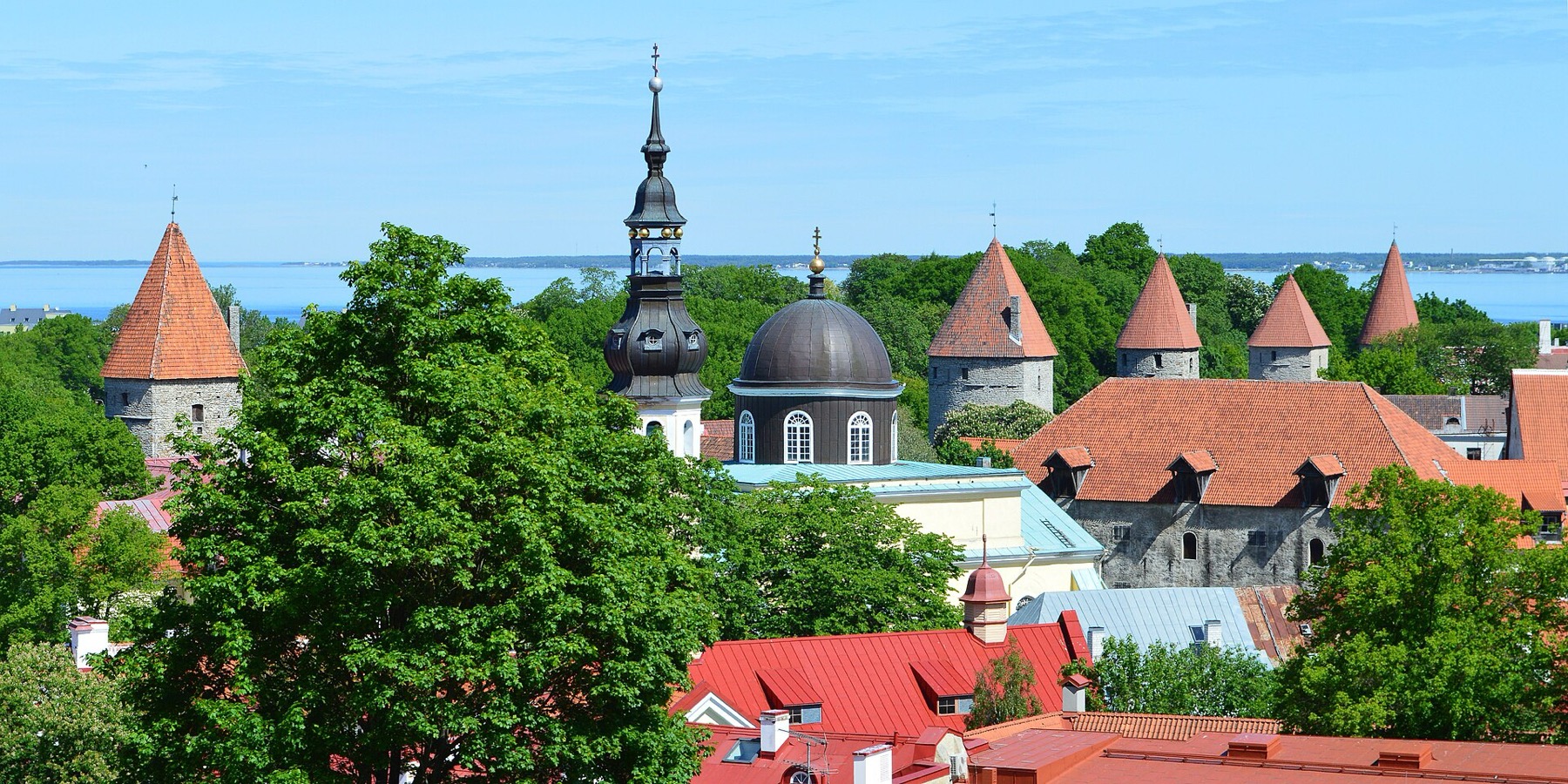
7. Kohtuotsa viewpoint (The Times We Had sign)
If you have ever seen a photo of Tallinn on Instagram, there is a very good chance it was taken here. The Kohtuotsa viewing platform is the undisputed king of Estonia’s photo spots. It sits on the eastern edge of Toompea Hill and opens onto a breathtaking, sweeping panorama that you will absolutely love.
From here, you can see the iconic red roofs of the Lower Town, the majestic tower of St Olaf’s Church and the modern glass skyscrapers rising in the distance. The walls of the viewpoint are also decorated with the famous “The Times We Had” sign, which has become the unofficial motto of travellers exploring the Baltic capital and gives the place a touch of nostalgic charm.
💡 Tip: During the day, it is absolutely packed, and there is often a long queue for a photo with the popular sign, organised by cruise-ship guides. Get up early and ideally arrive before 8 a.m. so you can enjoy the waking city in peace and take the best shots without someone else’s elbows in the frame.
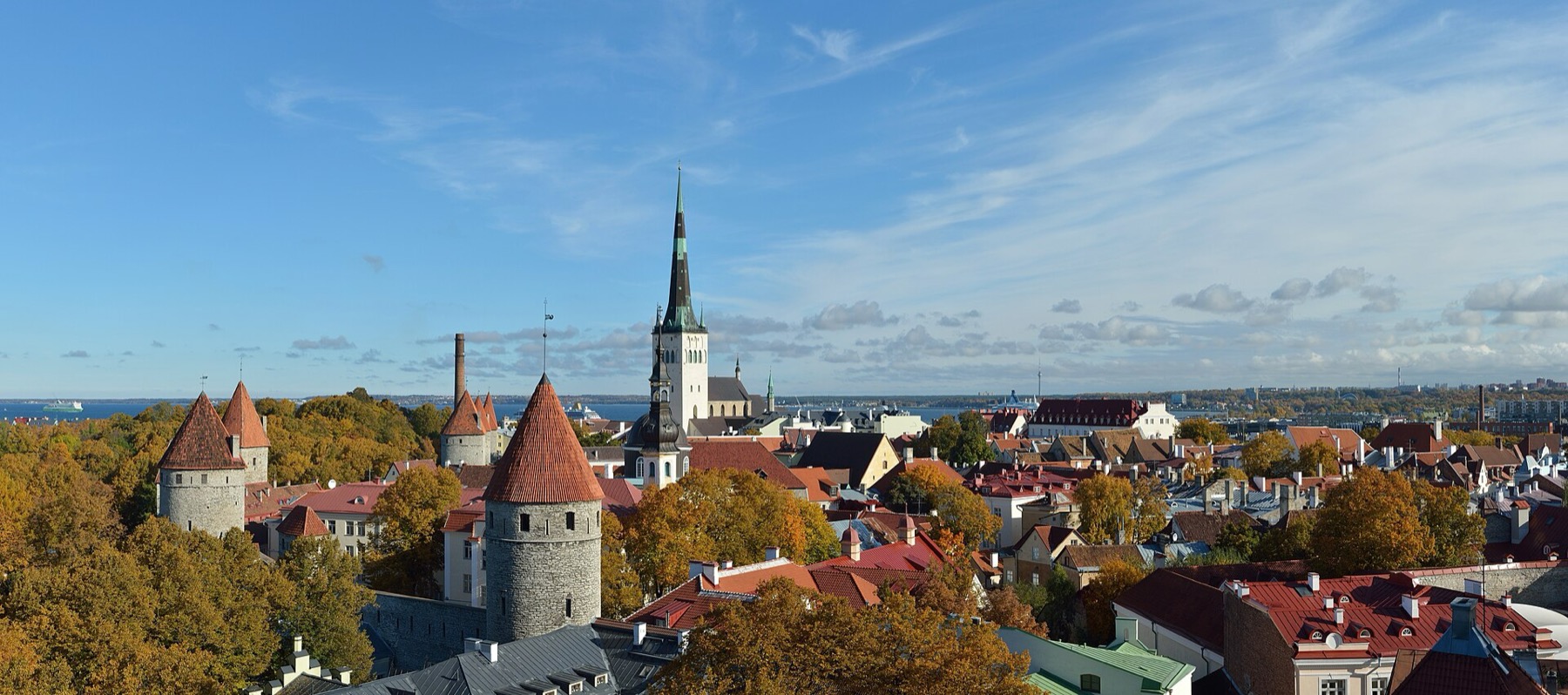
8. Patkuli viewpoint and the view of the city walls
Just a few minutes’ walk from Kohtuotsa is another equally spectacular viewpoint that would be a mistake to skip. Patkuli offers a slightly different perspective: rather than focusing mainly on the modern centre, it looks north towards the sea and the large harbour. This is the best place to understand why Tallinn is often nicknamed the city of towers.
From this spacious terrace, you have a perfectly preserved stretch of medieval city walls spread out below you, with defensive towers topped by their distinctive red roofs rising majestically from them. In the distance, the dark blue waters of the Gulf of Finland shimmer, and in good visibility you can even spot the ferries travelling between Estonia and the shores of Helsinki.
💡 Tip: A long but very photogenic stone staircase (Patkuli trepp) leads from the viewpoint directly down to the park below the walls. It is a great, quick shortcut for getting from the Upper Town back down towards the train station, but watch out for slippery steps after rain.
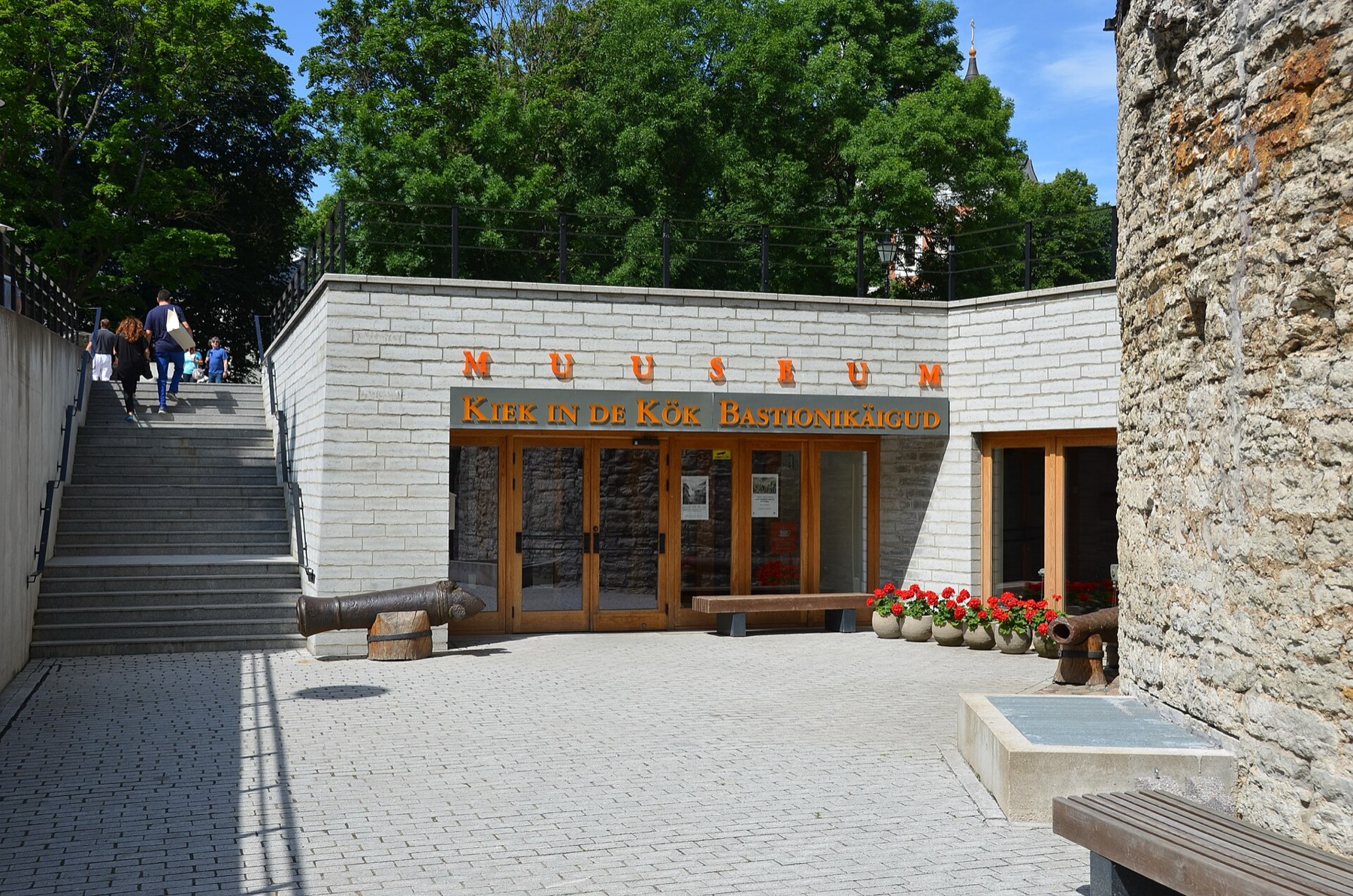
9. City walls and Kiek in de Kök Tower
Tallinn boasts one of the best-preserved medieval fortifications in Europe, and unlike in most cities, this is not merely a lifeless backdrop for photos. More than twenty of the original 46 towers still stand, and you can explore almost all of them from the inside in some way. Nearly two kilometres of massive stone walls give the city its unmistakable fairy-tale character.
The most famous tower of all is the massive Kiek in de Kök, which amusingly means “Peek into the Kitchen” in Low German. The tower was once so enormous and tall that guards could supposedly see through the wide chimneys directly into the kitchens of townspeople in the Lower Town. Today, this robust artillery tower houses an excellent museum of the city’s fortifications, where you can learn plenty of fascinating details. Standard admission costs around €12.
💡 Tip: If you enjoy mysterious places, book a tour of the so-called Bastion Tunnels, hidden deep beneath the tower. These secret underground passages were used from the 17th century through the Cold War to move soldiers and as nuclear shelters, making them a fascinating glimpse into modern history.
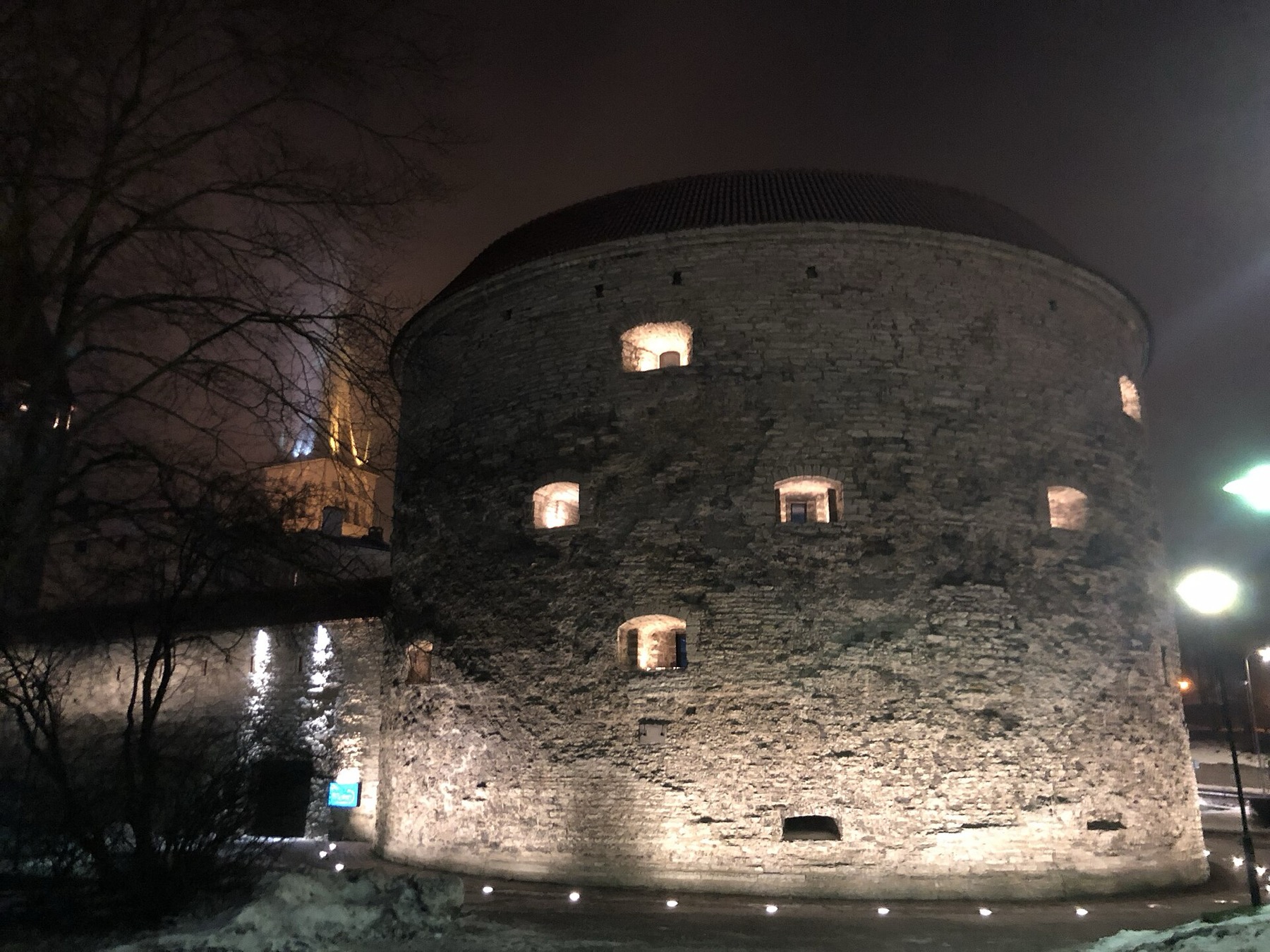

10. Fat Margaret and the Three Sisters Merchants’ Houses
At the opposite, northern end of the Old Town, another iconic building guards the former main entrance from the sea—and you simply can’t miss it. The Paks Margareeta artillery tower (Fat Margaret) earned its unflattering name because of its incredible, slightly comical dimensions. Its walls are up to five metres thick in places, allowing it to withstand direct fire from enemy ships. Today, the tower is part of a brilliantly designed maritime museum, complete with a 16th-century ship model.
As you walk from Fat Margaret towards the centre along Pikk Street, make sure you look out for the beautiful façades. Tallinn was an important member of the Hanseatic League (a medieval trading alliance), and the immense wealth of the local merchants is still visible at every turn. Stop by the so-called Three Sisters, a trio of beautifully preserved merchants’ houses dating back to the 15th century, built tightly against one another.
💡 Tip: On the façades of many old merchants’ houses along this street, you’ll see preserved wooden beams with a massive pulley beneath the roof. They were used to haul heavy sacks of salt and grain directly from the street up into attic storerooms, because the goods could have been ruined by water downstairs.
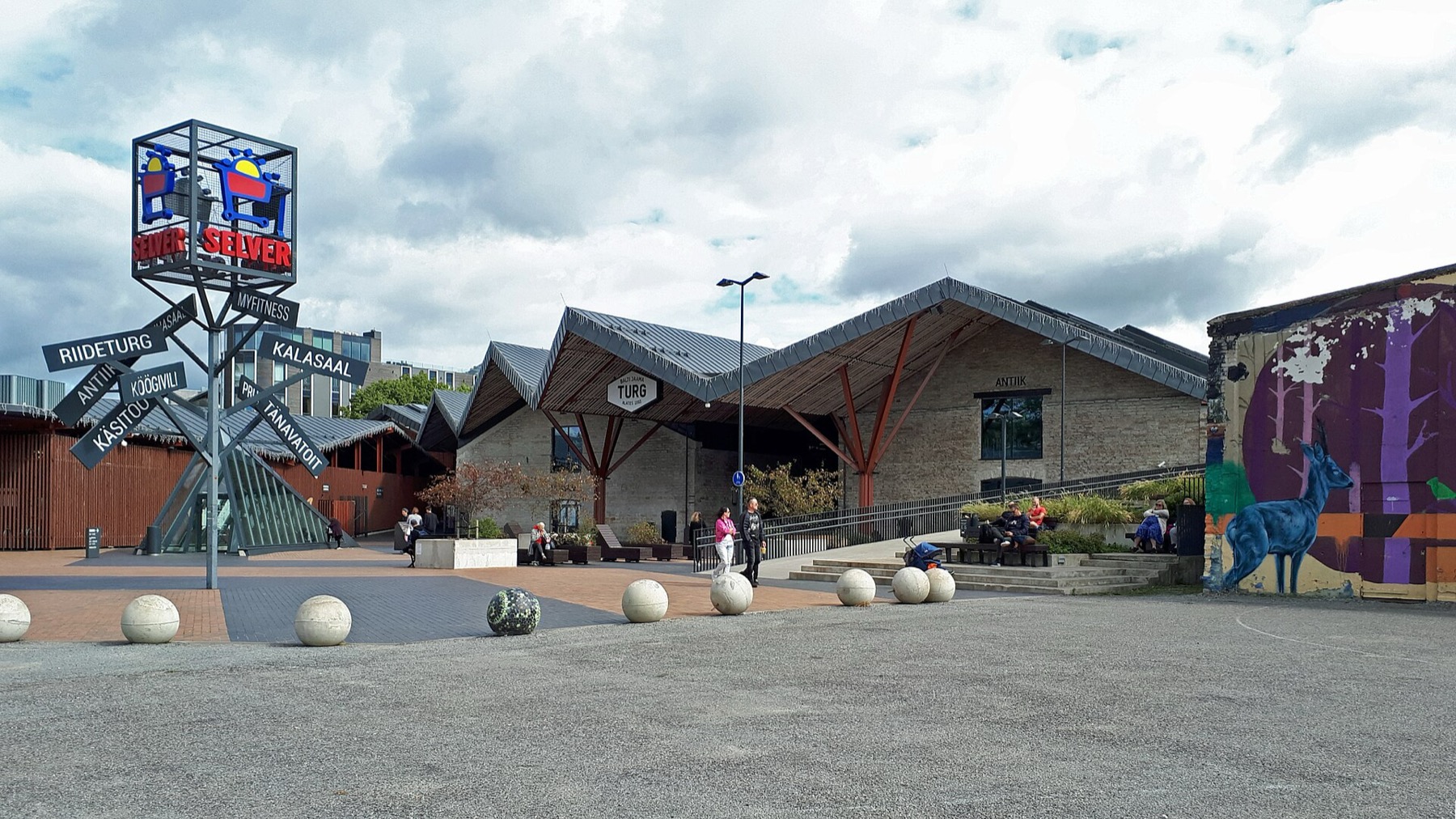
11. Balti Jaama Turg Market
Leave the Old Town walls behind and walk through the underpass beneath the main railway station, and you’ll find yourself in a completely different world filled with local life. Balti Jaama Turg is a brilliantly renovated three-storey market that functions as the beating heart of modern Tallinn, where stylish hipsters rub shoulders with Soviet-era grandmothers.
On the ground floor, a huge food hall welcomes you with more than three hundred stalls and aromas from around the world. Locals come here for a quick lunch, while you can sample excellent vegan burgers, homemade cheeses, and traditional Estonian dark bread (must leib). The first floor is home to local farmers, where you’ll find the freshest berries, honey, and root vegetables. The market is an ideal place for an inexpensive, varied lunch, with prices of around €7 to €10.
💡 Tip: The most interesting and bizarre part, however, is hidden in the market’s basement. The entire underground level functions as a huge flea market and junk shop, with shelves overflowing with old Soviet badges, vinyl records, porcelain deer, and well-worn clothes. It’s an incredible glimpse into the past that modern Estonia would rather forget.
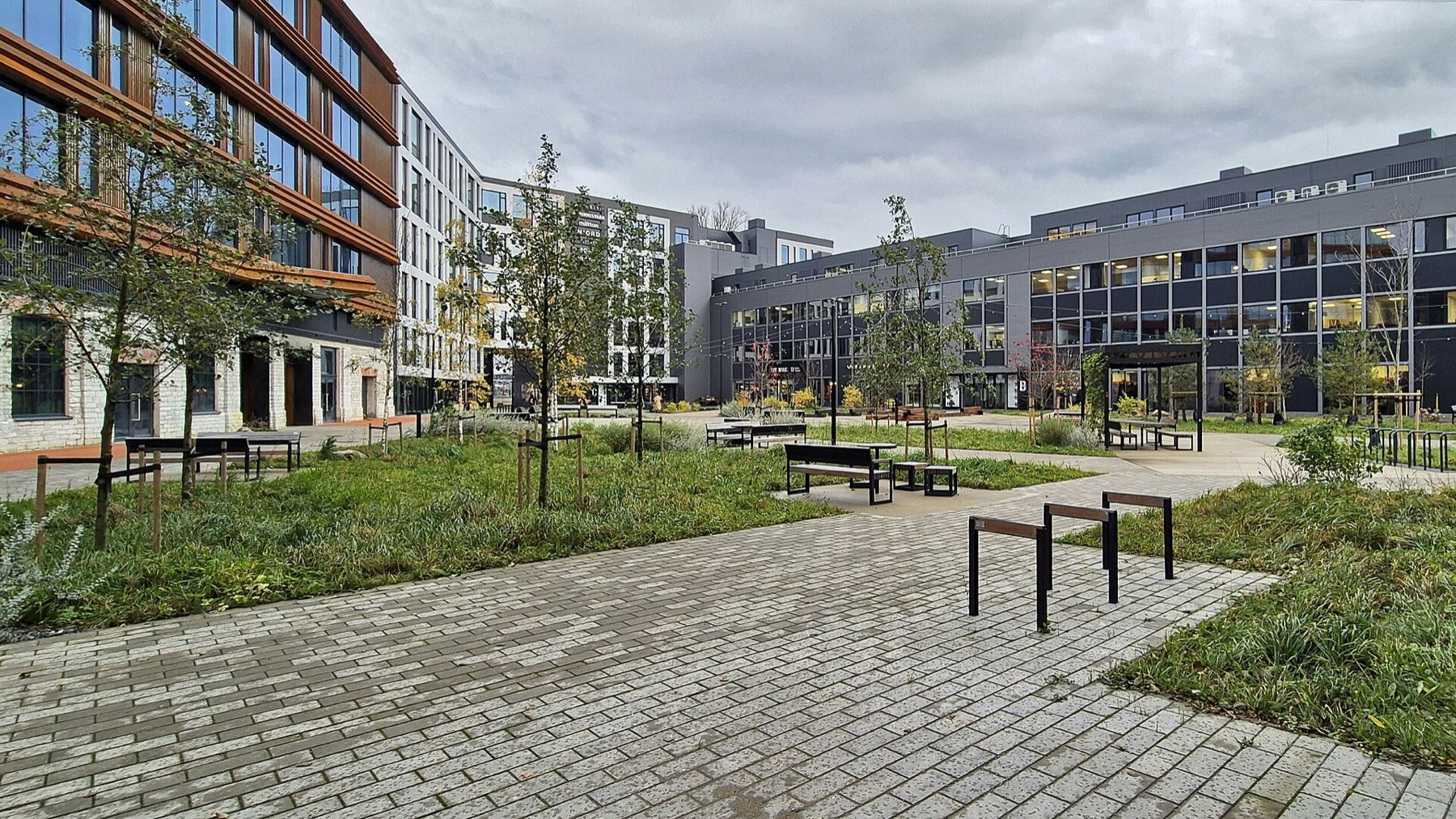
12. Telliskivi Creative City and Fotografiska
Just beyond the market, you’ll smoothly transition into an area that has undergone a huge transformation in recent years and is now the liveliest part of the city. Telliskivi is a former industrial and railway complex that has become the largest creative district in the entire Baltics. Huge legal murals decorate the old brick walls, while former factory halls now house design boutiques, studios, and stylish cafés filled with digital nomads.
The district’s undisputed cultural magnet is Fotografiska, a branch of the famous Stockholm gallery. It doesn’t have permanent exhibitions; instead, outstanding photography exhibitions from around the world rotate constantly and dynamically. It’s a place where young Estonians come both for dates and for art, and which attracts thousands of Finns visiting for the weekend every month.
💡 Tip: Fotografiska has one huge practical advantage for travellers: it stays open until 23:00. While classic museums lock their doors at five in the afternoon, you can comfortably visit this one after a good dinner. The building’s top floor is also home to an excellent zero-waste restaurant with panoramic views of the city.
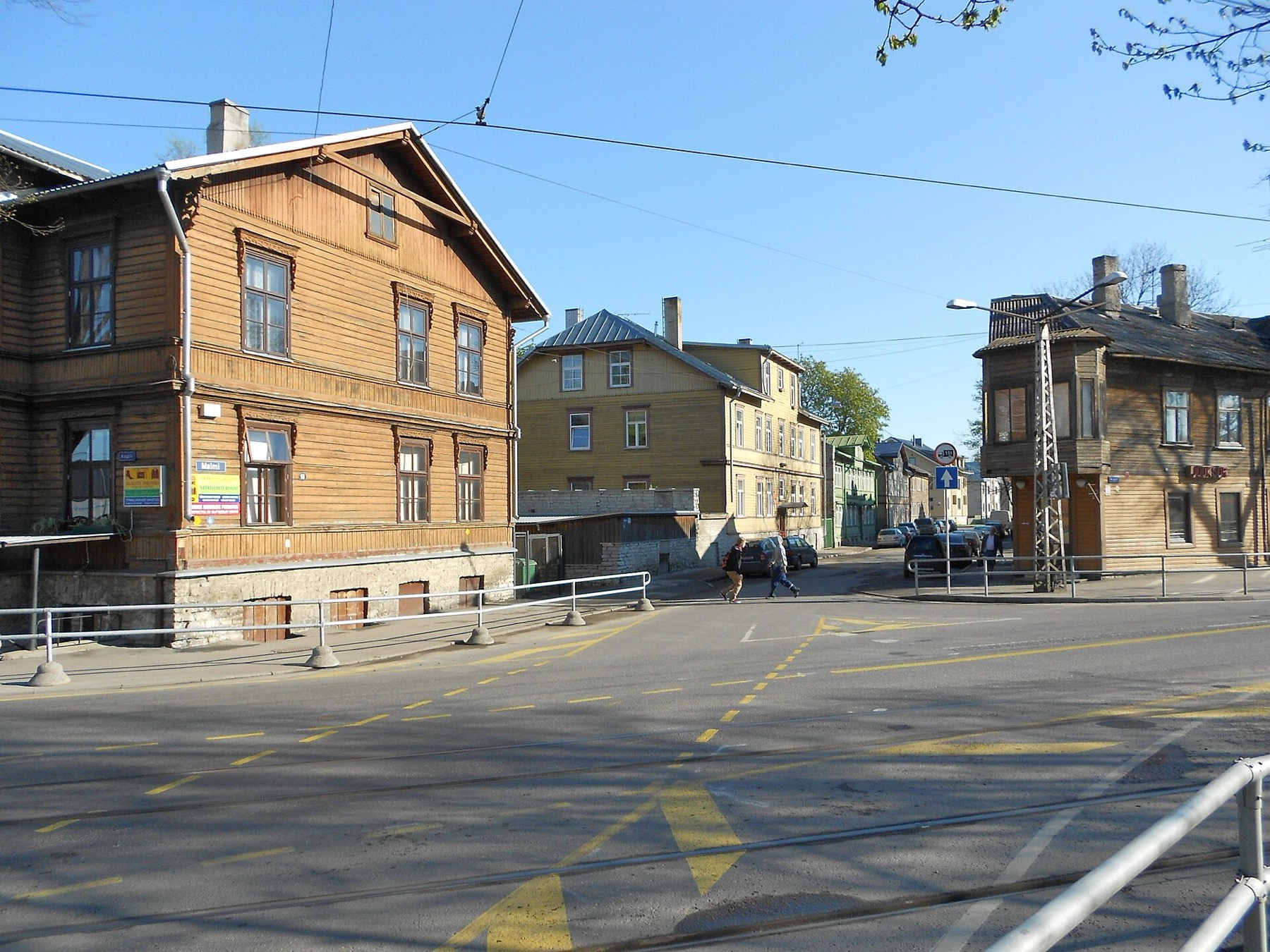
13. The Wooden Fairytale of Kalamaja
From industrial Telliskivi, it’s just a few more streets towards the sea, and suddenly you’ll find yourself in completely different, much quieter surroundings. Kalamaja, which translates as “Fish House”, was historically a district of poor fishermen and workers from the nearby harbours. Today, it is by far the city’s most sought-after residential area, but fortunately it has carefully preserved its unique architectural character.
The main attraction here is the so-called Tallinn houses from the early 20th century. These are distinctive two-storey wooden buildings with a central stone staircase, which was built because of strict fire-safety regulations at the time. The houses come in every pastel shade imaginable, from mint green and ochre to muted pink, creating a wonderful contrast with the grey northern sky.
💡 Tip: You don’t come to Kalamaja to tick off sights from a guidebook; this is a place for strolling with a good coffee in your hand. Get lost in quiet streets such as Valgevase and Salme, stop at a local bakery for an excellent cinnamon bun, and enjoy the incredible calm just a short walk from the busy centre, where you’ll mostly encounter locals on bicycles.
(Historical note: On the Kalamaja waterfront stands the imposing Patarei fortress. Foreign guidebooks often mention it as a dark KGB museum and terrifying prison, but ⚠️ keep in mind that the entire complex is currently closed because of a major renovation. The full opening of the impressive International Museum for the Victims of Communism is planned for 2027. Even from the outside, though, the sight of the red bricks and barbed wire beside the sea sends a chill down your spine.)
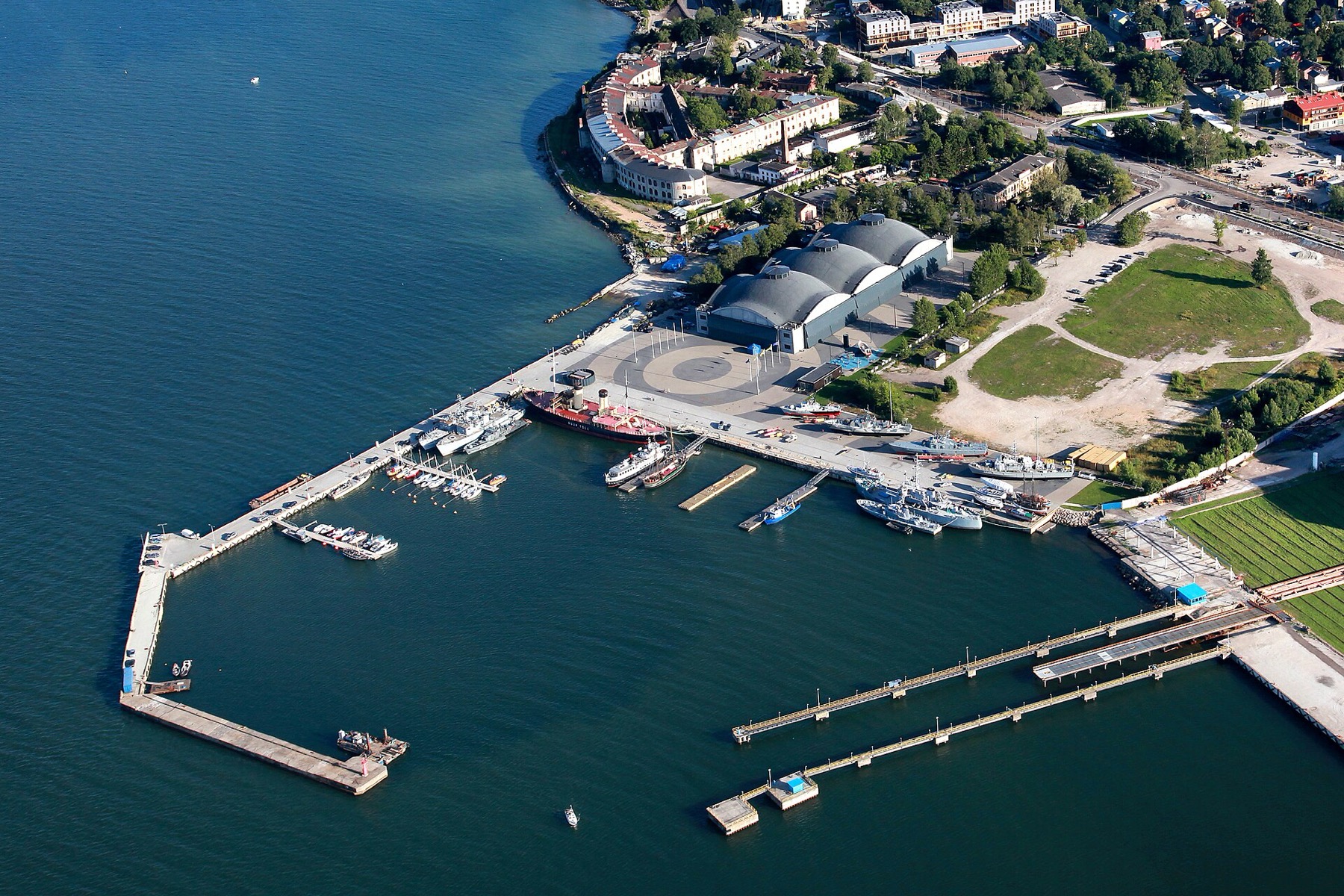
14. Lennusadam Maritime Museum (Seaplane Harbour)
When you walk through Kalamaja to the sea, you’ll come across what is probably the best museum experience in all of Estonia, entertaining adults and children alike. Lennusadam is housed in unique concrete seaplane hangars dating from 1917, which are themselves a fascinating feat of engineering. Inside the enormous hall, darkness is pierced only by blue spotlights, making you feel as though you’ve suddenly descended deep beneath the surface of the Baltic Sea.
Replicas of historic aircraft appear to “fly” overhead, but the exhibition’s main attraction is the real Estonian submarine Lembit from 1936. You can climb inside without hesitation and explore its cramped interior and cabins for yourself. The museum is extremely interactive: you can try firing an anti-aircraft gun in a simulator or attempt to land an aeroplane. Admission for an adult costs €22, a family ticket costs €40, and children under eight enter completely free.
💡 Tip: Set aside at least three full hours for your visit. The extensive tour also includes an outdoor exhibition by the pier, where the enormous historic icebreaker Suur Tõll is moored. You can explore it at your own pace, from the captain’s bridge all the way down to the huge engine room.
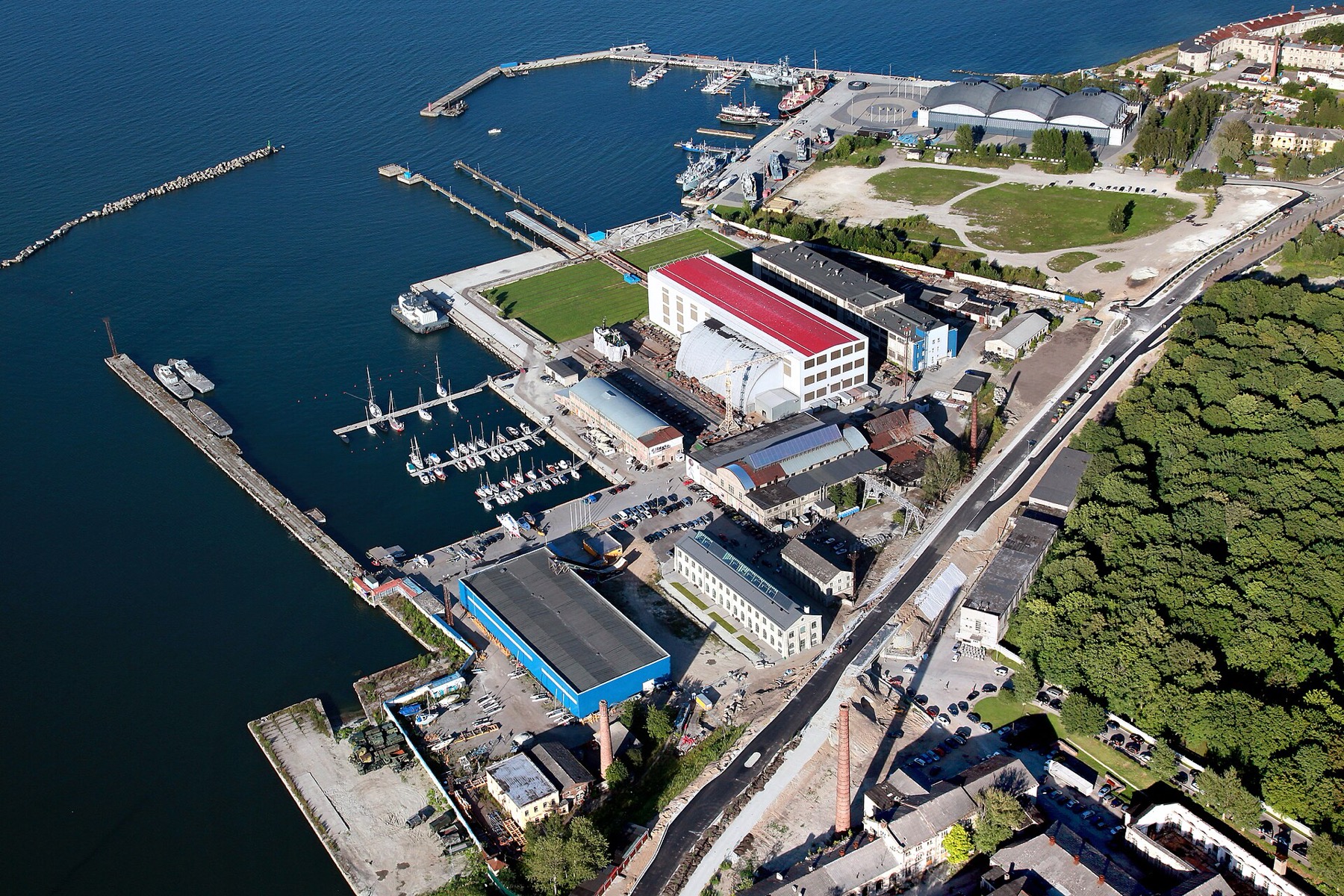
15. Noblessner and Iglupark
The route through northern Tallinn reaches its peak a little farther along the coast, in the luxurious Noblessner district, an absolute gem of modern urban development. At the beginning of the 20th century, this was home to a top-secret imperial Russian submarine shipyard; today, it is a textbook example of how an old industrial zone can be transformed into premium housing. Derelict industrial halls have become the city’s most expensive district, filled with broad promenades, bistros, and great entertainment for families and couples.
Right here on the waterfront, you’ll find the iconic Iglupark, a row of designer wooden igloo-shaped saunas. For around €24, you can book a spot in the public sauna, work up a sweat while enjoying spectacular views of the waves, and then climb down a ladder straight into the chilly Baltic Sea. It’s a guaranteed way to wake yourself up and experience genuine Nordic culture. Families will also love the excellent interactive invention centre PROTO, which costs around €35 to €40 for the whole family.
💡 Tip: Noblessner is a culinary paradise that attracts food lovers from far and wide. The renowned restaurant 180° by Matthias Diether is based here and boasts two Michelin stars. If you’re looking for something much more relaxed and affordable, head to nearby Põhjala Tap Room, where they brew excellent craft beer (€4 to €7 a pint) and serve delicious grilled treats to go with it.
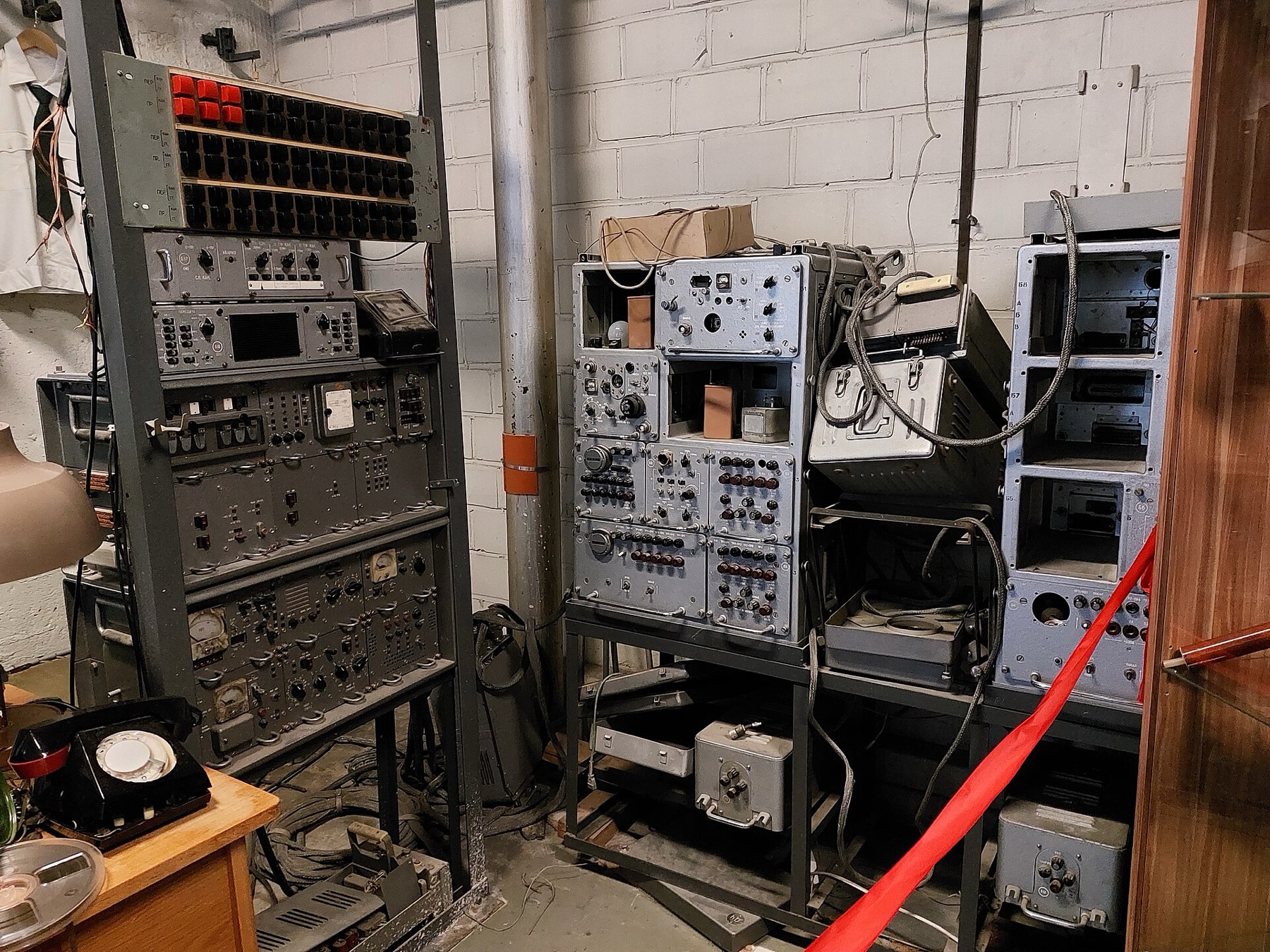
16. KGB Museum at Hotel Viru
If you want to understand more deeply how the paranoia of the Soviet regime worked in practice, simply walk to Viru Square, right on the edge of the Old Town. When the iconic Hotel Viru was built here in 1972, it became the city’s first skyscraper and primarily accommodated foreign guests. Officially, the hotel was said to have 22 floors, and the lift genuinely didn’t travel any higher.
In reality, however, the 23rd floor housed a top-secret KGB listening centre. Agents systematically monitored rooms, tapped telephones, and watched the foreigners’ every move—especially that of neighbouring Finns, who came here most often. Today, this floor houses a fascinating and chilling museum that was left exactly as the agents hurriedly abandoned it in the early 1990s, complete with ashtrays containing cigarette butts and hidden microphones in plates.
💡 Tip: More than thirty thousand people visit the museum each year, and visits are possible exclusively with an official guide. Because group capacity is very limited, book your tickets—which cost around €11 to €12—several days in advance through the hotel’s official website. Otherwise, you simply won’t make it up to the secret floor.
17. Kadriorg Palace and KUMU Museum
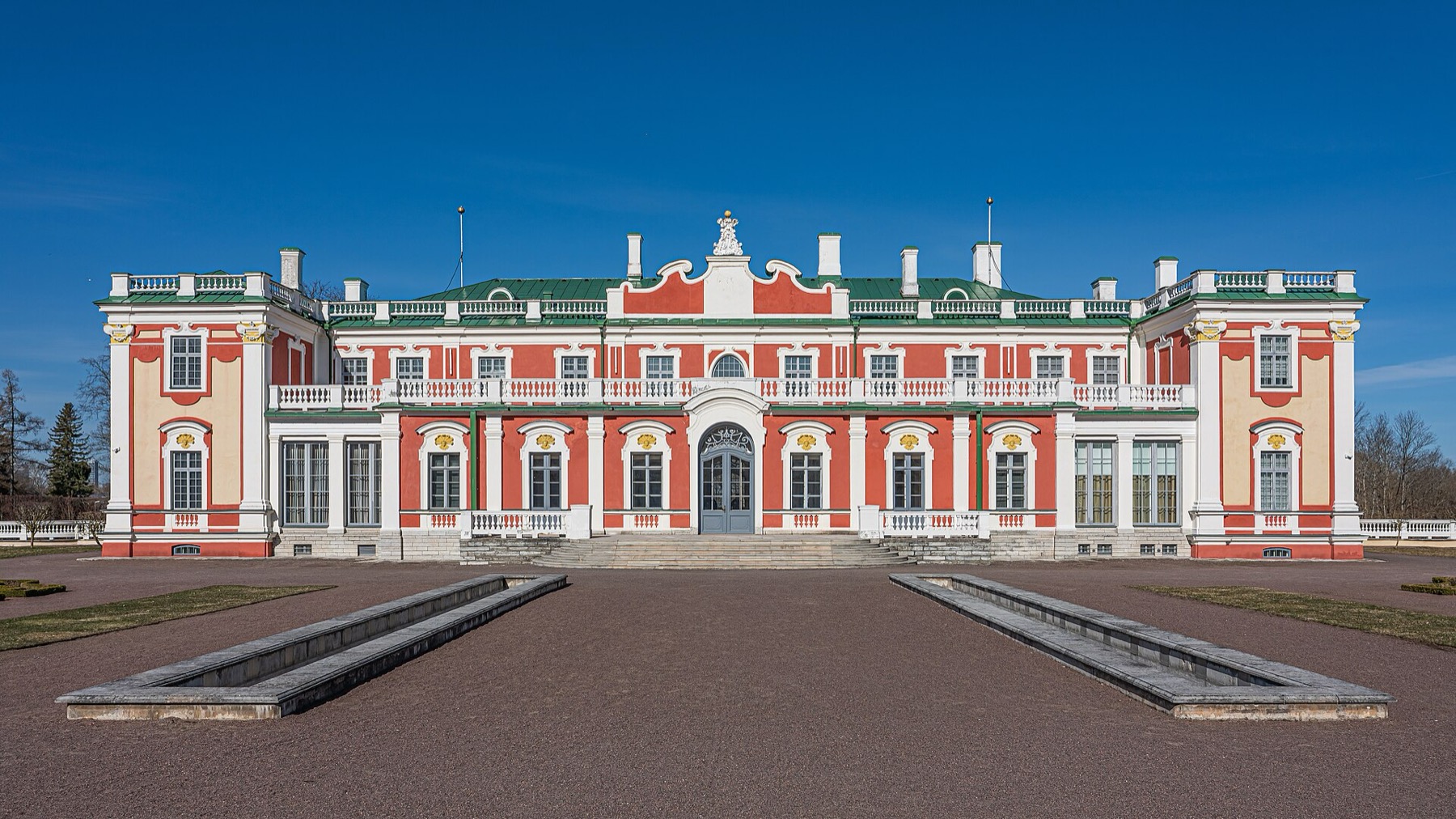
Take a tram from the centre a little way east and you’ll arrive in the expansive green Kadriorg Park, a welcome escape from the bustle of the capital. The heart of this enormous park is a beautiful Baroque palace commissioned by Russian tsar Peter the Great for his wife Catherine, which is where the park gets its name. The palace grounds are decorated with meticulously landscaped French gardens, fountains, and broad promenades.
The real cultural gem for modern-architecture lovers is hidden a little above the palace, cut directly into a limestone cliff. The KUMU building (Kunstihoone) is the largest and most modern art museum in the entire Baltics. This architecturally stunning structure of copper, glass, and limestone houses everything from classic Estonian art to gritty Soviet pop culture and highly contemporary installations. Admission ranges from €15 to €22.
💡 Tip: Even if you’re not particularly fond of galleries and classical art, it’s worth seeing the KUMU building from the outside and walking through its futuristic glass courtyard. It creates a fascinating visual contrast with the pink Baroque palace, located just a few hundred metres lower in the park.
18. Pirita Beach and the Ruins of St Bridget’s Convent
Beyond Kadriorg, the coast continues northeast to the popular residential district of Pirita, where locals like to escape for the weekend. If you want a break from the city and a little time in nature, you’ll find a two-kilometre sandy beach here, lined with deep pine forests. In summer, Estonians happily sunbathe here, while the more hardy even swim in the refreshing Baltic waves, although the water remains cold even in July.
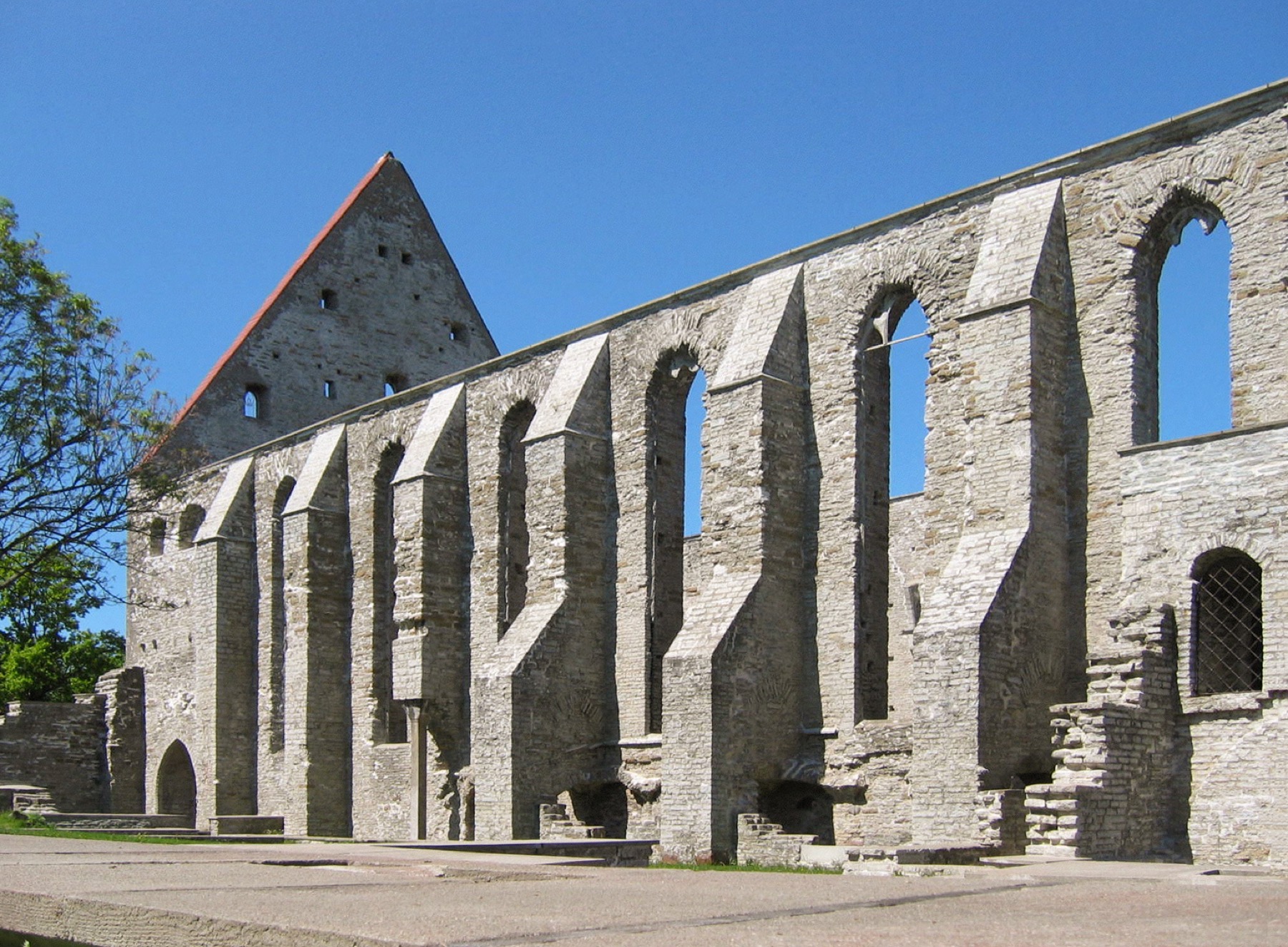
Not far from the popular beach stand the highly photogenic ruins of the 15th-century St Bridget’s Convent. The convent was destroyed during the devastating Livonian War, but its massive stone gable and perimeter walls have remained majestically standing to this day. The site has an incredibly powerful yet peaceful atmosphere, and open-air concerts and cultural events are often held here in summer.
💡 Tip: From the centre, you can reach Pirita very conveniently on a Bolt shared e-scooter. Unlocking one costs €0.50, and each minute of riding costs around €0.15. A broad, safe cycle path—the Pirita Promenade—runs along the coast, offering the very best views back towards the entire Tallinn skyline.
19. The TV Tower and Song Festival Grounds (Lauluväljak)
On your way towards Pirita, you certainly won’t miss the enormous concrete amphitheatre spread across a gentle slope. Tallinn’s Song Festival Grounds (Lauluväljak) are a truly sacred place for Estonians. This is where the so-called Singing Revolution was born in the late 1980s, when hundreds of thousands of people joined hands and peacefully fought for independence from the Soviet Union by singing banned national songs. Today, the country’s biggest music festivals take place here.
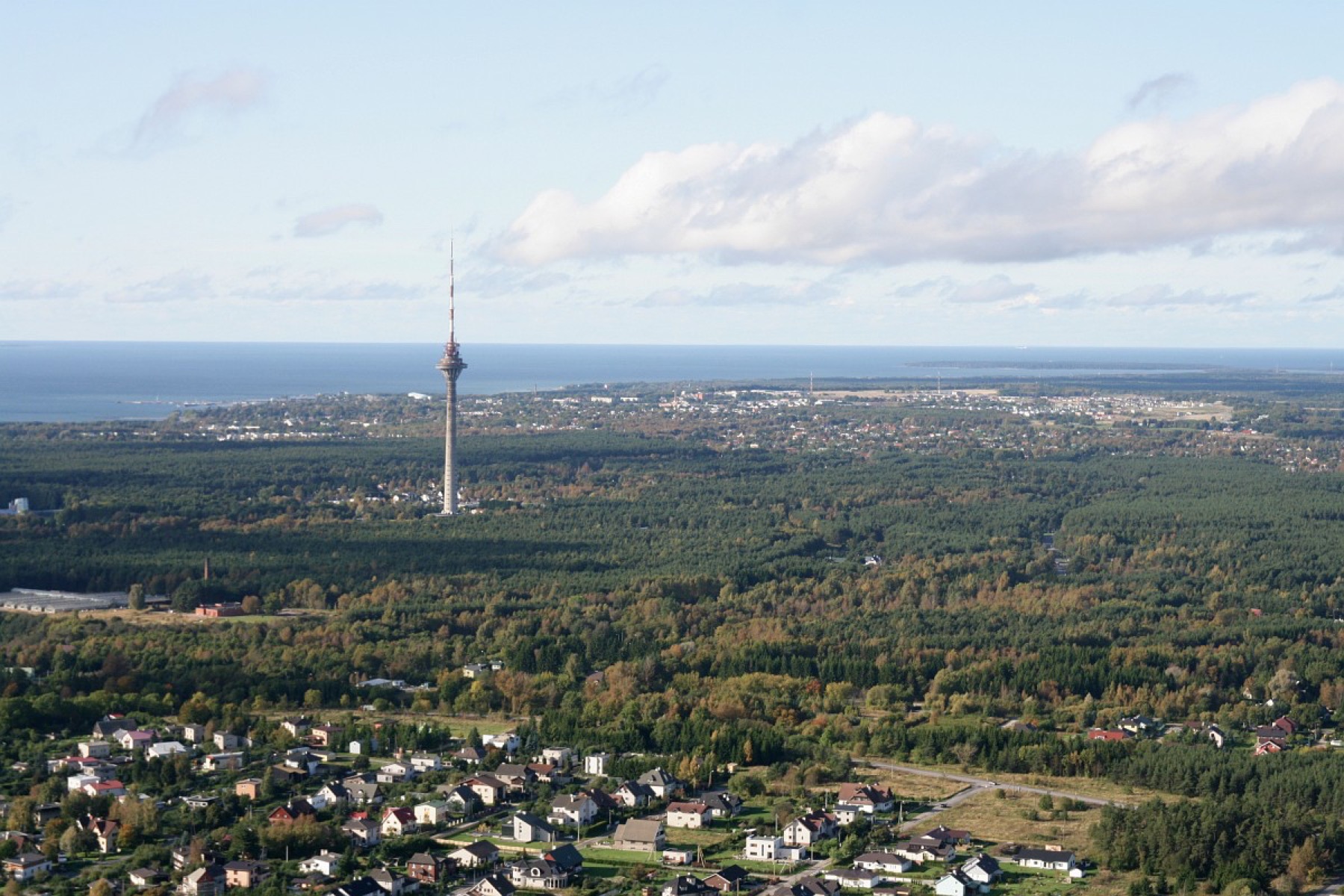
If you’re after a breathtaking bird’s-eye view, continue a little farther to the TV Tower (Teletorn). Standing 314 metres tall, it is the highest structure in the entire country. Its observation deck, located 170 metres above the ground, offers panoramic views stretching dozens of kilometres, while glass windows built into the floor are reserved for those who don’t suffer from vertigo.
💡 Tip: For serious adrenaline lovers, the TV Tower offers a special outdoor attraction called Edge Walk. Wearing a secure safety harness, you can walk along the very outer edge of the observation deck in the open air, with absolutely no railing.
20. Where to Eat: From Päevapraad to Michelin
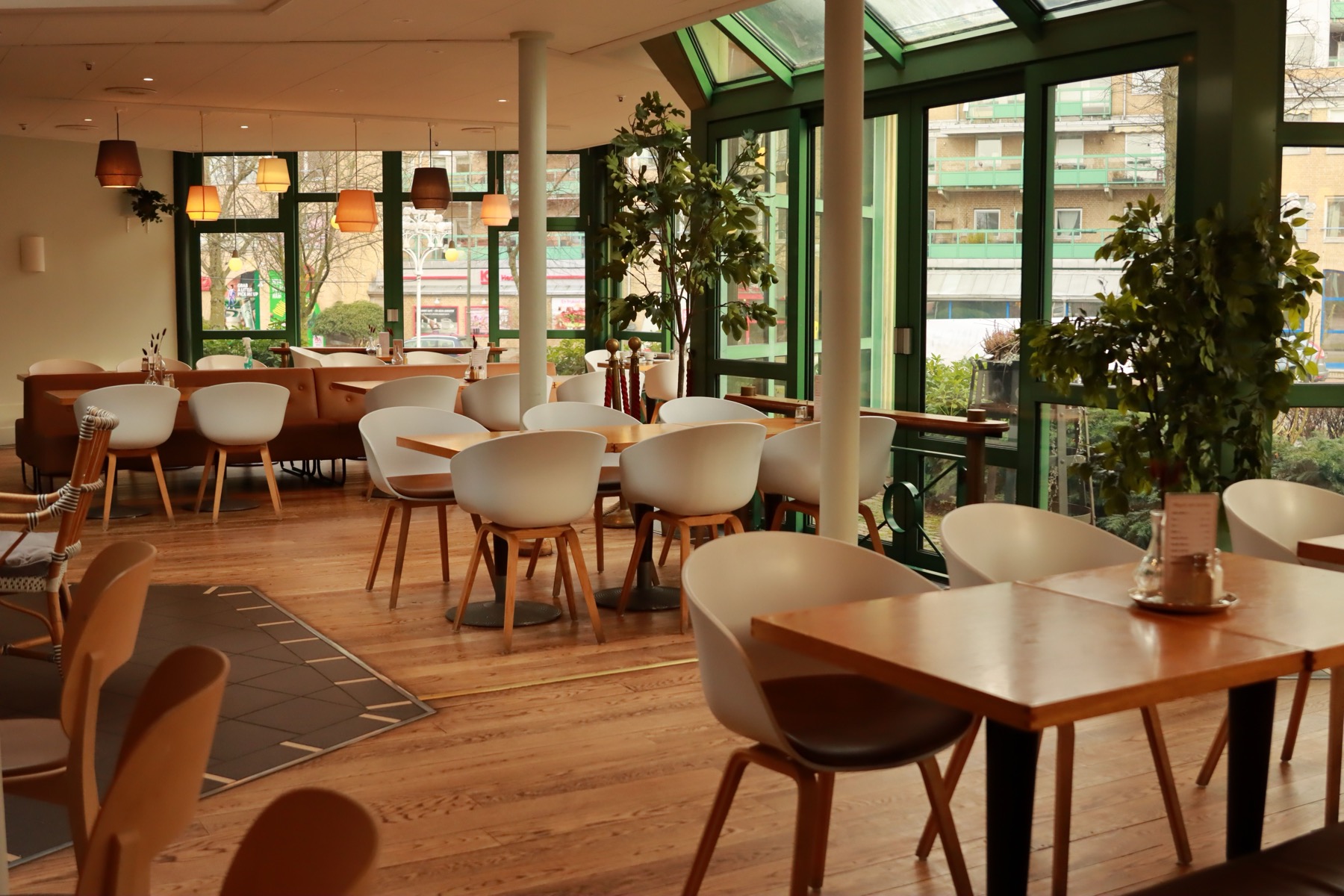
Tallinn has experienced an incredible gastronomic boom in recent years, although restaurant prices have risen considerably following the recent increase in VAT to 24%. Estonia now boasts 43 establishments in the Michelin Guide. The absolute pinnacle is 180° by Matthias Diether, which has two stars and serves a tasting menu for €325, as well as the popular NOA Chef’s Hall with its wonderful views over the bay. For an excellent balance of price and Nordic quality, look to Bib Gourmand venues such as Lore Bistroo and Mantel ja Korsten.
If you want to eat like a local without blowing your travel budget, learn the magical Estonian word päevapraad on your very first day. It means a daily lunch menu, or set meal. On weekdays, most bistros and small cafés away from the main tourist routes offer soup and a main course for a very pleasant €5 to €8 between 11:00 and 14:00. For cheap street food, head to Balti Jaama Turg, where you can find excellent vegan burgers or Asian dumplings for under €10.
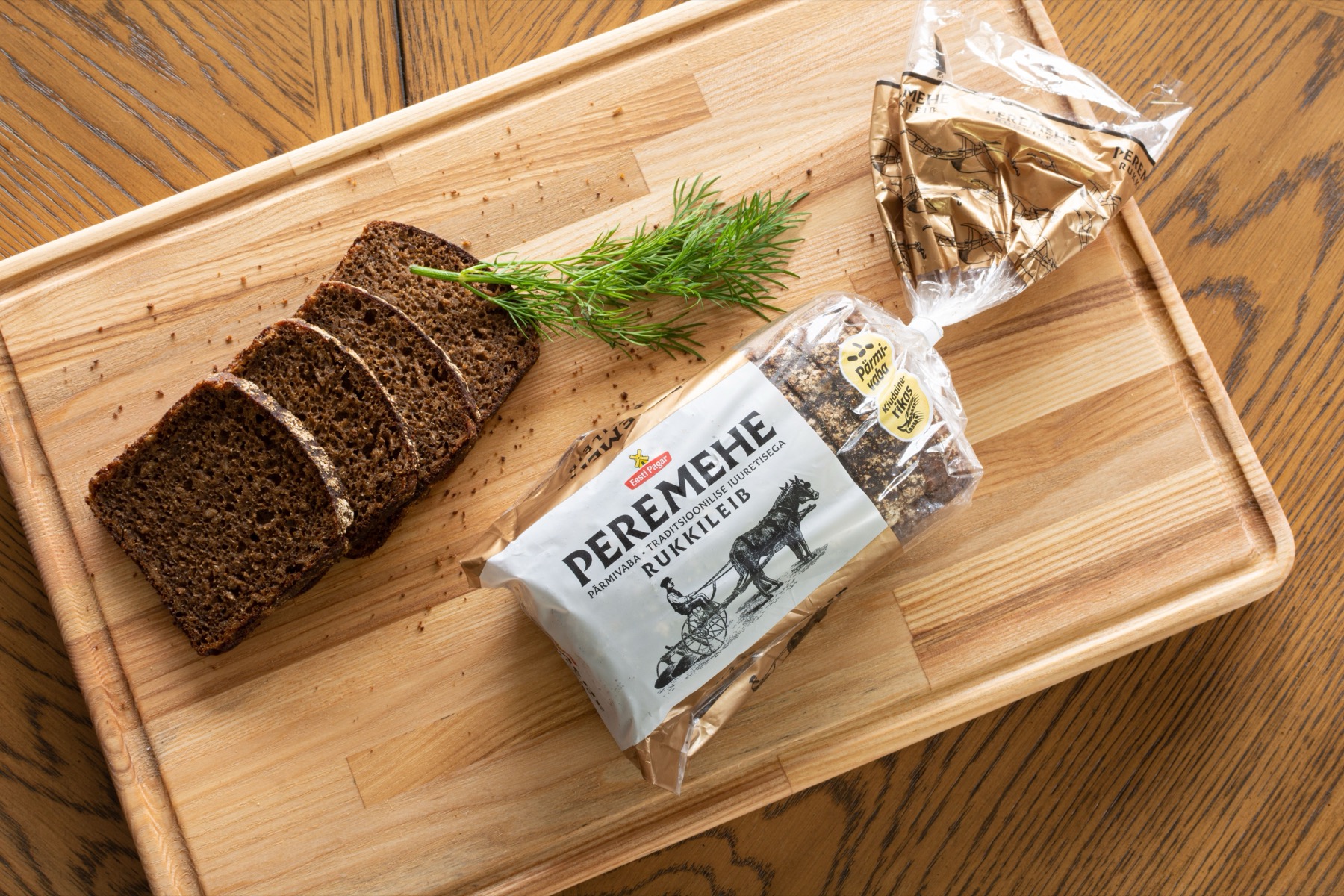
💡 Tip: Make sure you try traditional Estonian dark bread (must leib), which is served with a generous layer of butter in restaurants almost everywhere and tastes absolutely fantastic. Of the local ingredients, I also recommend trying kama, a roasted grain mixture added to yoghurts or desserts. When it comes to drinks, don’t miss the legendary herbal liqueur Vana Tallinn or refreshing non-alcoholic kvass called kali. A pint of craft beer costs an average of €4 to €7, and Põhjala Brewery makes some of the best. Locals also enjoy elk soup and marinated sprats, which are staples of traditional festive meals.
Where to Go Next from Tallinn
If you’re planning to travel around the whole country, take a look at our comprehensive guide, Estonia: 25 Tips for Things to See and Experience, where you’ll find islands, bogs, and spas. We cover practical details about Tallinn itself in our articles Where to Stay in Tallinn and Where to Eat in Tallinn.
If you have several days in Estonia, it would be a mistake to stay only in the shadow of the city walls. Tallinn is a perfect springboard for trips into nature and to neighbouring countries.
Just an hour’s drive east lies Lahemaa National Park. It is a magnificent showcase of northern nature, where you can spend hours wandering along wooden boardwalks across endless peat bogs. The most famous and accessible route is the Viru Bog Trail, where you’ll also find a wooden lookout tower and, if you’re feeling brave, you can even swim in the dark local pools.
The next logical step is to combine two capitals. Ferries to Helsinki run several times a day, and the crossing takes only around two hours. It’s an ideal and affordable way to tick another Nordic country off your list during a single holiday. Read Helsinki: 15 Tips for Things to See and Do in the Finnish Capital so you’ll know where to head as soon as you disembark.
If you’re planning a wider Baltic road trip and want to take in more of the region’s history and modern culture, be sure to find inspiration in our article 10 Interesting Facts and Practical Things to Know About Riga. And if you’re travelling in winter and hoping to see a green spectacle in Estonia’s dark skies, read our guide Northern Lights: Where and When to See Them.
Frequently Asked Questions
How many days should I plan for Tallinn?
For a quick exploration of the historic core and the most important sights, one full day is enough. But if you want to soak up the atmosphere without stress, explore creative districts like Telliskivi, head to the sea and sit in local cafés, I’d recommend ideally 2 to 3 nights. That way you’ll have time to enjoy the city early in the morning and late in the evening too.
Is Tallinn expensive?
Honestly? Yes. Estonia stopped being a cheap alternative long ago, and after the recent VAT jump to 24%, restaurant prices are closer to Prague or Berlin. You’ll pay around €15 to €20 for a regular lunch and craft beer averages €4 to €7. You can save money by using lunch menus (päevapraad for €5 to €8) and shopping at the excellent local markets.
Is Tallinn safe and what about the proximity to Russia?
Estonia is one of the safest countries in Europe and crime is minimal (just watch out for pickpockets in summer crowds). Concerns about proximity to Russia are unnecessary from a regular traveler’s perspective; the country falls into the safest Level 1 category. Estonia is a solid part of NATO, allied fighter jets patrol the skies, and life in the city pulses completely normally.
Is the Tallinn Card worth it?
It depends on your pace. The 24-hour card costs €29 (48h for €41, 72h for €51) and includes unlimited public transport and admission to over 40 museums. Given that regular admission to major museums (KUMU, Lennusadam) costs around €15 to €22, the card pays for itself easily if you visit just two attractions per day and you’ll break even very quickly.
How do I get from the airport to the center?
Tallinn airport (Lennart Meri) is incredibly close, just 4 kilometers from the center. The easiest option is to use the Bolt app, which is a local invention, by the way. The ride to the Old Town takes 15 minutes and costs roughly €5 to €12 depending on demand. Alternatively, bus number 2 or the tram work, though check whether the tram line is undergoing reconstruction.
Can I fit in a day trip to Helsinki?
Absolutely no problem. Fast ferries (Tallink, Viking Line, Eckerö Line) cover the route across the Gulf of Finland in about two hours, and you can buy a foot passenger ticket on sale from as low as €10. If you take a morning departure around eight and return in the evening, you’ll have a solid 6 to 8 hours of pure time to explore Helsinki’s center.
When is the best time to visit?
If you want long days and warmth, go in summer, but expect crowds from cruise ships. The ideal compromise is September, when tourists thin out, forest mosquitoes disappear, and prices drop slightly. For lovers of winter and Christmas markets, December is great, while November tends to be very dark, rainy, and many services outside the capital are closed.
What traditional foods should I try in Estonia?
The foundation of everything is excellent dark sourdough bread (must leib). Also try kama (a mixture of roasted grains in yogurt or dessert), or chocolate-covered curd bars called kohuke. Local specialties include marinated Baltic sprats (kilu) on bread with egg, hearty elk soup, and smoked meats. For warming up, don’t forget the herbal liqueur Vana Tallinn.
Tips and Tricks for Your Vacation
Don’t Overpay for Flights
Search for flights on Kayak. It’s our favorite search engine because it scans the websites of all airlines and always finds the cheapest connection.
Book Your Accommodation Smartly
The best experiences we’ve had when looking for accommodation (from Alaska to Morocco) are with Booking.com, where hotels, apartments, and entire houses are usually the cheapest and most widely available.
Don’t Forget Travel Insurance
Good travel insurance will protect you against illness, accidents, theft, or flight cancellations. We’ve had a few hospital visits abroad, so we know how important it is to have proper insurance arranged.
Where we insure ourselves: SafetyWing (simple monthly subscription) and TrueTraveller (for extra-long trips).
Find the Best Experiences
Get Your Guide is a huge online marketplace where you can book guided walks, trips, skip-the-line tickets, tours, and much more. We always find some extra fun there!