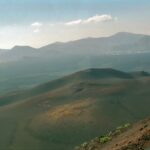
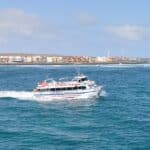
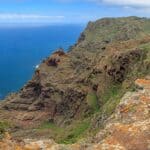
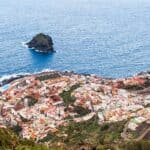
The Canary Islands are a geographical paradox that never fails to fascinate from the moment you land. Although they are politically and culturally part of Spain, they rise geologically from the African continental shelf and enjoy a climate that feels almost too good to be true. If you’re looking for absolute variety in the smallest possible space, Gran Canaria is the clear choice for your holiday. This stunning island has rightly earned the nickname “miniature continent” — within a single hour’s drive you can swap golden sand dunes for cool pine forests and plunging ravines.
While much of Europe is buried under grey skies in winter, this archipelago ticks along at its own unhurried pace of eternal spring. Air temperatures here stay comfortably between 20 and 28 °C all year round, making the island a perfect escape for sun-seekers whatever the season. I’ve put together a detailed guide to the island’s greatest treasures — from the most beautiful beaches and jaw-dropping viewpoints to the best ways to soak up its unique atmosphere.
TL;DR
- Miniature continent: Gran Canaria offers incredible landscape diversity — from sandy dunes in the south to lush forests and deep valleys in the north.
- Perfect year-round destination: Temperatures hover around a pleasant 25 °C and the ocean stays warm enough for swimming even in January.
- Digital nomad paradise: The capital Las Palmas has become one of Europe’s favourite remote-work hubs, with excellent infrastructure and fast Wi-Fi everywhere.
- Maspalomas Dunes: In the far south you’ll find a protected nature reserve whose rolling sand hills will instantly remind you of the Sahara.
- Mountain village of Tejeda: Tucked into the central highlands, one of Spain’s most beautiful villages offers views of sacred rock formations that will take your breath away.
- Local gastronomy: Don’t leave without trying traditional wrinkly potatoes (papas arrugadas) with spicy mojo sauce and excellent cheeses from mountain farms.
- Easy to reach from the UK: Direct flights from London, Manchester and other UK airports take around four hours, and the best way to explore the island is by hire car.
The full destination guide: Canary Islands — guide and what to see
When to Visit Gran Canaria
Fortunately, the Canary Islands have no real off-season, so you can fly out any month of the year without worrying about the weather. The winter months of January and February are the absolute peak for visitors from northern Europe, who descend en masse to escape the cold at home. During these months Gran Canaria is arguably the only reliably warm swimming destination within easy reach of the UK. The ocean stays at a very swimmable 18–24 °C even in the coldest weeks, which is ideal for those who don’t mind a brisk dip. Just be prepared for higher accommodation and flight prices during the winter rush.
The summer months are, perhaps surprisingly, very pleasant here too. Thanks to cool Atlantic currents and the constant trade winds, you’ll rarely experience the scorching 40 °C heat that regularly brings mainland Spain to a standstill in August. Spring and autumn offer the best of both worlds — lovely temperatures and noticeably smaller crowds. If you plan to explore the island thoroughly and include mountain hikes, I’d recommend setting aside at least seven to ten days. The golden rule for the Canary Islands is simple: give each island the time it deserves, and don’t try to squeeze multiple islands into one week.
Where to Stay in Gran Canaria
💡 Accommodation & experiences tip: We always search for accommodation on Booking.com, which offers the most flexible cancellation policies. For tickets, tours and activities, it’s worth comparing options on GetYourGuide.
Choosing the right base depends largely on what kind of holiday you’re after. The south of the island — represented by resorts like Maspalomas and Playa del Inglés — is dry, sunny, and built around mass tourism. You’ll find sprawling all-inclusive resorts with enormous pools and a cast-iron guarantee of sunshine even in mid-January. The north, anchored by the capital Las Palmas, paints a very different picture — it’s greener, more authentic, and buzzing with real city life. In recent years Las Palmas has established itself as Europe’s go-to winter base for remote workers, which shows in its excellent café scene and abundance of co-working spaces.
For lovers of luxury and history in the capital, I’d recommend the iconic Santa Catalina, a Royal Hideaway Hotel, which boasts stunning architecture and tropical gardens right in the heart of the city. If you prefer the southern beaches and want a top-class resort with an enormous pool complex, the Lopesan Costa Meloneras Resort is a superb choice, located just a short stroll from the famous dunes. If you dream of total mountain tranquillity and waking up to views of majestic rock formations, take a look at the Parador de Cruz de Tejeda in the central highlands. You can easily book your ideal accommodation through Booking.com, which has the widest range from luxury hotels to cosy apartments.
If you’d rather sort flights and accommodation in one go, a package holiday to Gran Canaria often works out cheaper overall. We search for the best deals on Invia, which compares packages from over 150 travel agencies so you can find the best flight-and-hotel combination in one place. It’s well worth keeping an eye on early-booking offers, as popular dates on the islands sell out fast.
20 Best Things to See and Do in Gran Canaria
Let’s dive into the top highlights and hidden gems this island has to offer. You’ll find the perfect mix of natural wonders, historical landmarks, and tips for truly unforgettable experiences.
1. Maspalomas Dunes — a Slice of the Sahara in the South
The undisputed icon of Gran Canaria is the breathtaking Maspalomas Dunes at the island’s southern tip, which will transport you to Africa at first glance. This protected nature reserve stretches for kilometres of rippling fine sand that tumbles directly into the wild Atlantic. Walking barefoot over the warm sandy hills at sunset is one of the most photogenic experiences you can take home from the island.
Bear in mind, though, that this is a fragile ecosystem — straying from the marked paths is strictly forbidden. The authorities work hard to protect this unique natural phenomenon from gradual erosion and the pressure of mass tourism. The best access to the dunes is from the Faro de Maspalomas lighthouse or from the viewpoint at the end of Avenida de Tirajana, which offers the finest panoramic view of the whole area.
💡 Tip: Head to the dunes early in the morning just after sunrise, when the sand is still cool and the sky glows with beautiful colours. You’ll dodge both the midday heat and the crowds that pour in throughout the day.
2. The Buzz of Playa del Inglés
Right next to the peaceful dunes lies the buzzing resort of Playa del Inglés, which never sleeps and draws lovers of lively holidays in their droves. The area is packed with busy promenades, shopping centres, and an endless choice of restaurants with ocean views. The beach itself is remarkably long and wide, making it ideal for an early morning run or a long stroll through the soft sand.
Despite being the most touristy part of the island, it has its own undeniable charm. You’ll find a slick infrastructure, well-equipped sun-lounger hire, and plenty of options for beach sports. Come evening, the whole area transforms into one big entertainment district, drawing people from all around for music and dancing.
💡 Tip: If you’re after a quieter swim, walk along the beach from Playa del Inglés towards San Agustín. The beaches there are far less crowded and the sea is usually calmer and much more pleasant for a relaxed swim.
3. Las Palmas de Gran Canaria
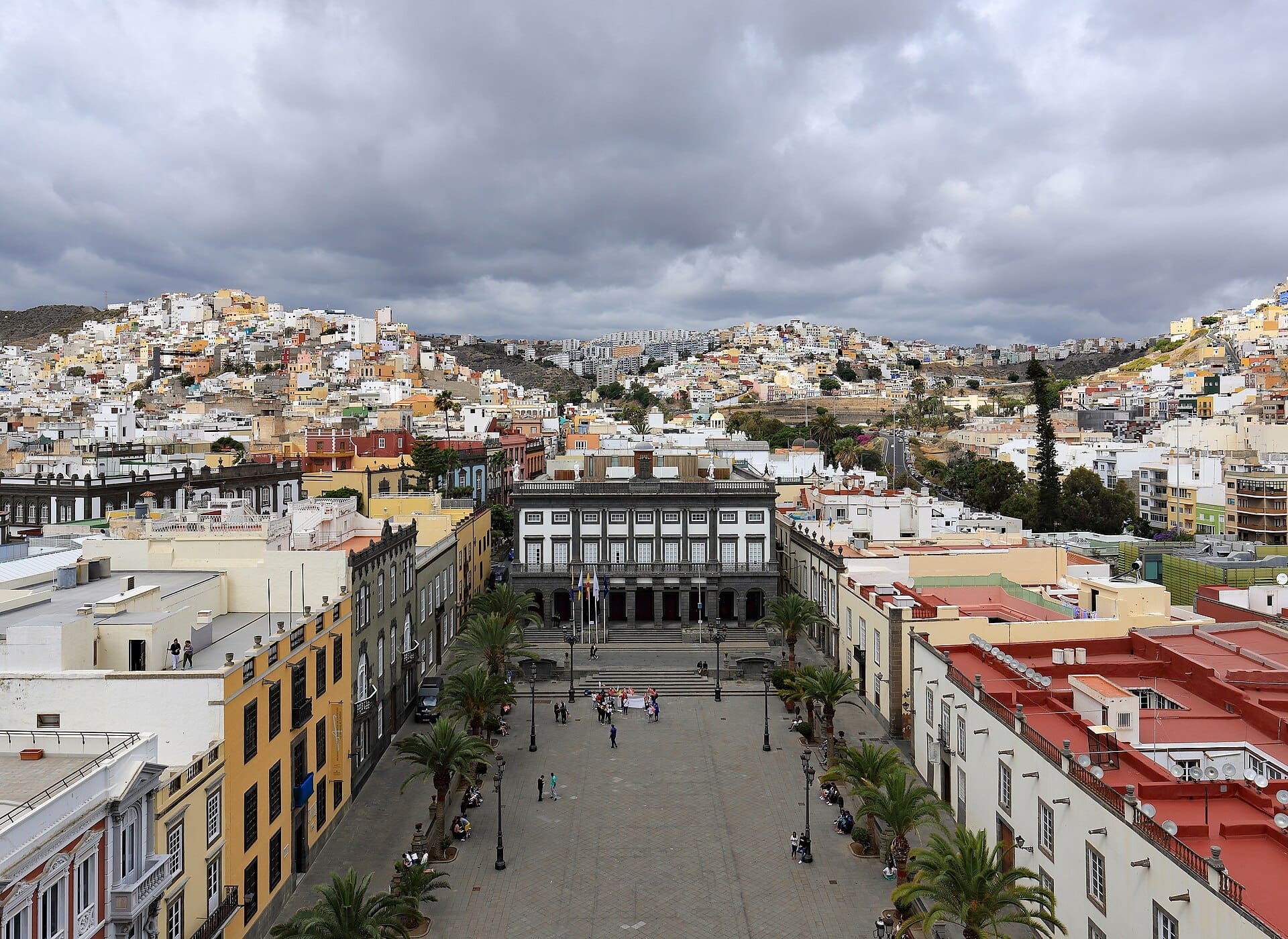
The vibrant Spanish city of Las Palmas dominates the northern end of the island and offers a completely different atmosphere from the southern resorts. The city has a strongly cosmopolitan character, beautiful colonial architecture, and a rich cultural life that carries on year-round. People from all over the world are drawn here to enjoy the benefits of a modern European city set against an ocean backdrop.
In recent years Las Palmas has firmly established itself as Europe’s favourite winter base for remote workers. This is reflected in its excellent infrastructure with fast internet, a wealth of cosy cafés, and well-equipped co-working spaces. Many visitors arrive on Spain’s digital nomad visa and end up staying for several months.
💡 Tip: Explore the Triana neighbourhood, which is full of independent boutiques, handsome historic buildings, and street performers. It’s the perfect place for a late-afternoon wander and a superb coffee in one of the local spots.
4. Las Canteras City Beach
Right in the heart of Las Palmas lies Las Canteras beach, frequently rated one of the best city beaches in the world. The three-kilometre stretch of golden sand is sheltered by a natural reef called La Barra, which breaks the ocean swell and creates a calm lagoon ideal for safe swimming. It’s a truly unique place where the energy of a big city meets laid-back beach life.
The southern end of the beach, known as La Cícer, is unprotected by the reef, making it a paradise for surfers. Running the full length of the beach is a wonderful long promenade lined with hundreds of excellent restaurants serving fresh local produce. In the evenings, locals and tourists alike gather here to watch the sun sink into the ocean.
💡 Tip: At low tide, grab a snorkel and mask and head out to the natural reef at La Barra. The water is crystal-clear and you can spot an amazing variety of colourful fish and underwater life just metres from the shore.
5. The Historic Quarter of Vegueta
The oldest part of the capital is the Vegueta neighbourhood, where more than five hundred years of history hang in the air. The winding cobbled streets are lined with beautiful colonial houses with carved wooden balconies that date back to the age of the great ocean voyages. The whole quarter feels magnificently grand and provides a welcome escape from the midday sun on the beach.
The centrepiece of Vegueta is the magnificent Cathedral of Santa Ana (Catedral de Santa Ana), whose construction spanned several centuries and blends multiple architectural styles. Don’t miss the famous Columbus House (Casa de Colón) either, where the great explorer is said to have stayed before his voyage to the Americas. Today it houses a fascinating museum dedicated to the history of the New World discoveries.
💡 Tip: Head to Vegueta on a Thursday evening, when the popular Ruta de los Pinchos event takes place. Local tapas bars offer a glass of wine and delicious small bites for just a few euros — a brilliant way to experience a proper Spanish evening out.
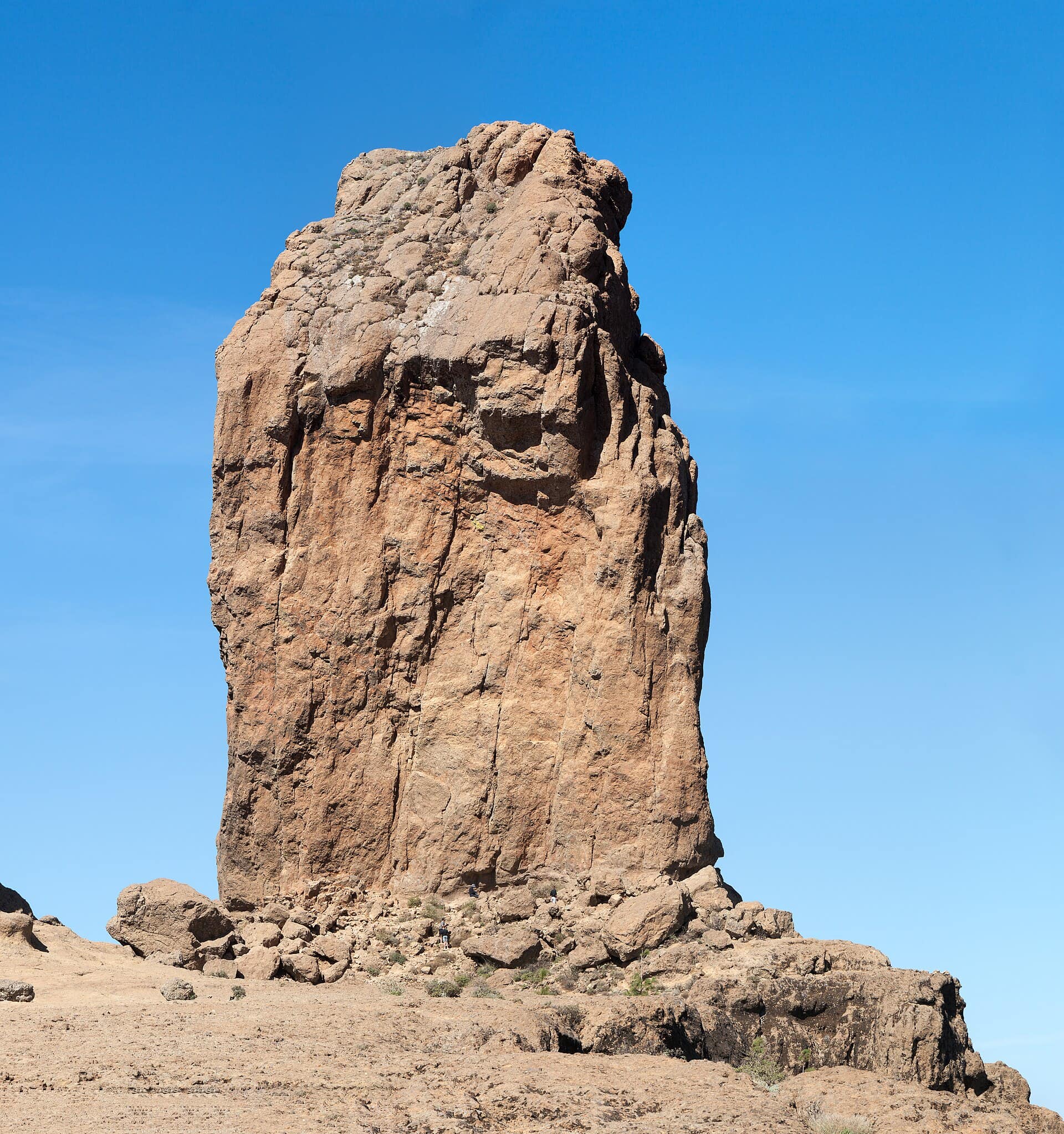
6. Hiking to the Majestic Roque Nublo
When exploring the island’s mountainous interior, you absolutely cannot miss the iconic Roque Nublo monolith, which soars nearly eighty metres into the sky. This imposing volcanic rock formation is the island’s spiritual symbol and held deep sacred significance for the indigenous Guanche people. Standing at over 1,800 metres above sea level, the path leading to it offers breathtaking views into deep ravines.
A well-marked and relatively easy trail leads to the rock, starting from the nearby La Goleta car park. The hike takes around forty-five minutes at a leisurely pace and is well within reach of any moderately fit visitor. Your reward is a panoramic view over the great caldera, and on a clear day you can spot the snow-capped peak of Mount Teide on neighbouring Tenerife in the distance.
💡 Tip: The La Goleta car park is small and fills up quickly during the day. Arrive either early in the morning or in the late afternoon when you’ll also get the best light for photography — and far fewer fellow hikers.
7. The Sacred Rock of Roque Bentayga
Not far from Roque Nublo rises another fascinating geological formation: the dramatic Roque Bentayga. This site served the indigenous Guanche people as an important sanctuary and fortress where they performed their religious rituals. The atmosphere here is deeply mystical even today, and the surrounding landscape of sheer drops and deep valleys is genuinely awe-inspiring.
Directly below the rock sits a modern visitor centre where you can learn a great deal about the island’s prehistoric culture. From the centre, a short but fairly steep trail leads up to the base of the rock, where you can explore ancient caves and ceremonial sites. The views from here across the Tejeda mountain basin are utterly unforgettable and rank among the finest on the entire island.
💡 Tip: Combine both sacred rocks into one full-day trip. Start with the morning hike to Roque Nublo and save the afternoon for exploring the history around Roque Bentayga, where you’ll find considerably fewer tourists.
8. The Mountain Village of Tejeda
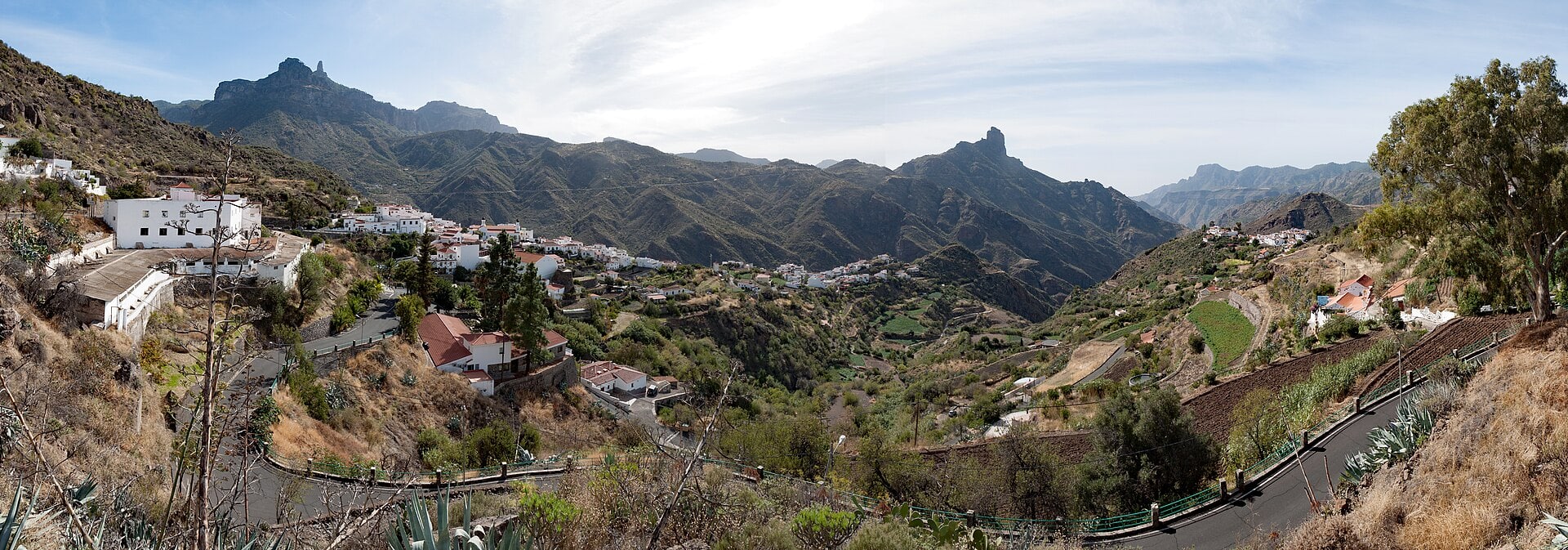
Tejeda regularly appears on lists of Spain’s most beautiful villages, and the moment you arrive you’ll understand why. Its white houses with green and brown details cascade down a steep hillside and sit in perfect harmony with the dramatic surrounding landscape. The pervasive calm and crisp mountain air make it the ideal antidote to the noise of the coastal resorts.
The whole area around the village is famous for its almond groves, which burst into gorgeous pink and white blossom usually around late January and February. Local pastry shops offer an extraordinary range of almond specialities, with traditional marzipan and the divine local sweet called bienmesabe among the highlights. Stop for a coffee and savour the view from one of the terraces suspended above the valley below.
💡 Tip: If you’re visiting in winter, look out for the dates of the almond blossom festival (Fiesta del Almendro en Flor). The whole village comes alive with traditional music, dancing, and markets selling wonderful local produce.
9. Puerto de Mogán — the Little Venice of Gran Canaria
On the south-western coast you’ll find the picturesque harbour town of Puerto de Mogán, affectionately nicknamed the Little Venice of the Canaries. The architecture here is simply enchanting — all dazzling white houses with colourful trim and façades bursting with cascades of purple and red bougainvillea. The whole centre is threaded with small sea channels and pretty bridges that lend the place an utterly romantic feel.
Unlike other southern resorts, Puerto de Mogán has maintained strict building regulations, so you won’t find any ugly high-rise hotels here. The small sandy beach is perfectly sheltered from the waves, making it ideal for a calm swim and a lazy afternoon with a good book. The harbour is home to luxury yachts and traditional fishing boats alike, with the morning catch heading straight to the town’s outstanding restaurants.
💡 Tip: Every Friday morning a large market takes over the streets and draws visitors from miles around. If you want to enjoy the town’s peaceful atmosphere and take photos of its empty lanes, avoid Fridays and head there early on another day instead.
10. The Valley and Village of Fataga
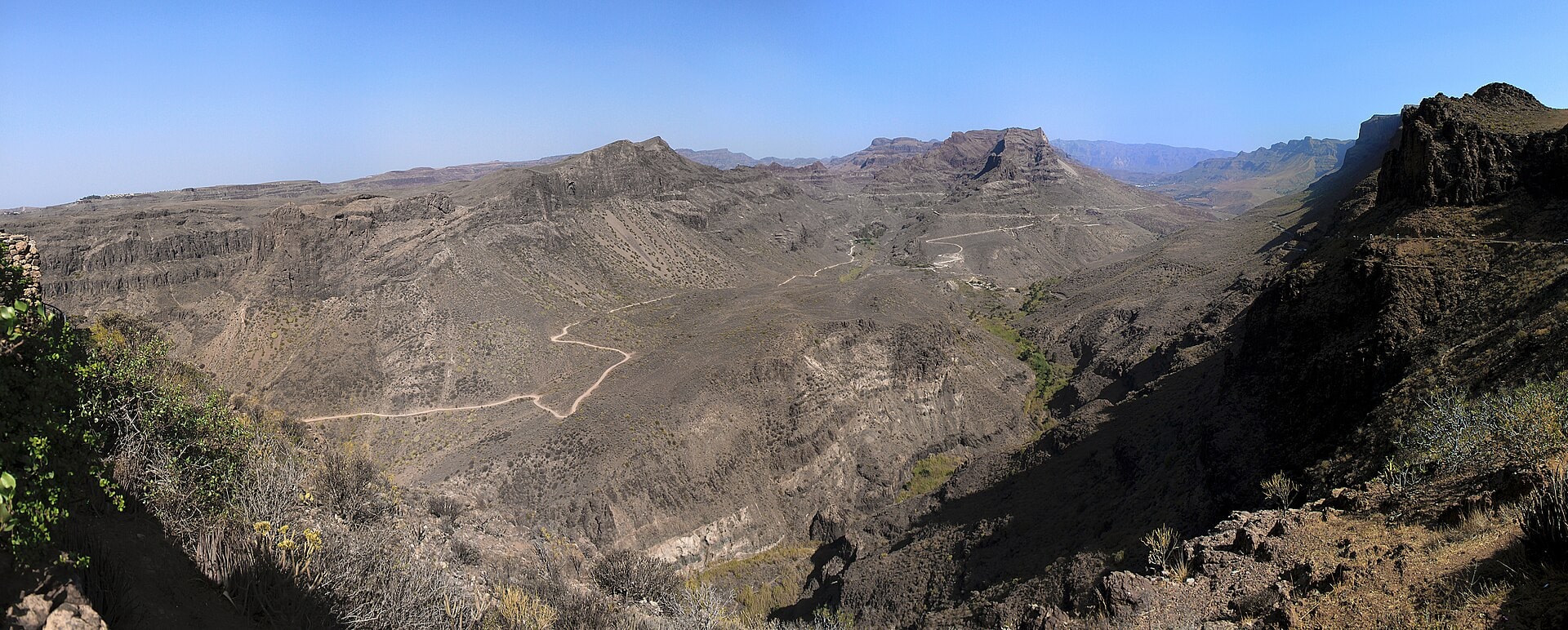
Driving north from the southern coast towards the central mountains, you’ll pass through a stunning canyon often called the Valley of a Thousand Palms. Out of the arid landscape, a lush green oasis of date palms, fruit orchards, and small terraced fields suddenly appears, framed by sheer rock walls on either side. The serpentine road offers fantastic scenery and several viewpoints where you simply have to stop and drink it all in.
At the heart of this valley lies the village of Fataga, which has retained its traditional Canarian character with narrow cobbled streets and historic houses built from stone and wood. It’s an ideal place for a relaxed lunch, where you can try the classic wrinkly potatoes (papas arrugadas) served with two types of spicy mojo sauce. Local restaurants often offer excellent vegetarian takes on traditional dishes using fresh, seasonal ingredients.
💡 Tip: Just above the village of Fataga is the wonderful Mirador de Fataga viewpoint. Stop here in the late afternoon, when the setting sun turns the surrounding cliffs a deep shade of orange and red.
11. Pico de las Nieves — the Island’s Highest Point
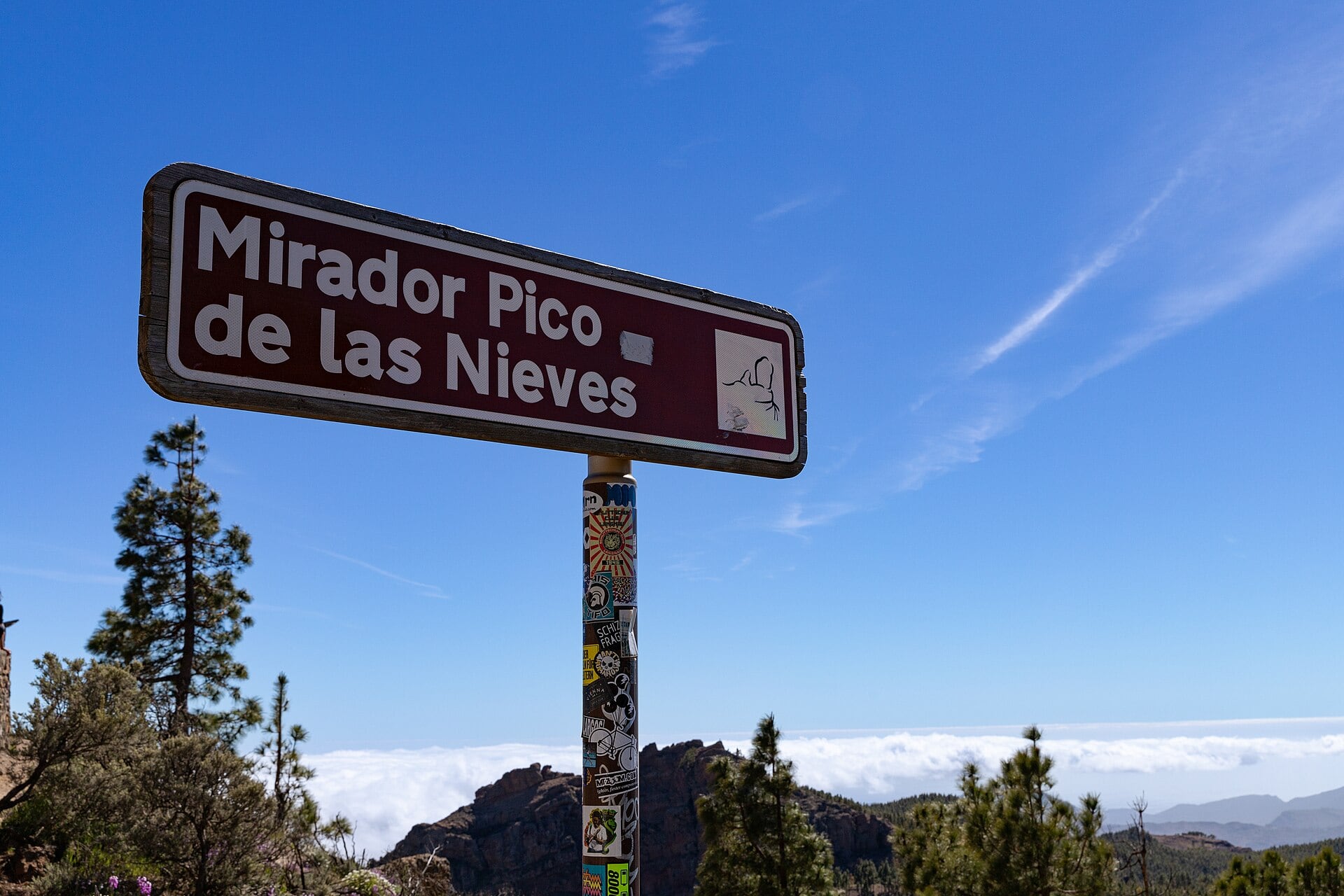
For the very best views the island has to offer, head to Pico de las Nieves, Gran Canaria’s highest point at 1,956 metres above sea level. From this impressive height you have the whole island spread out below you, and on a clear day you can see the central mountain range in its entirety, including both sacred rocks, Roque Nublo and Roque Bentayga. It’s a spot where you truly appreciate the colossal geological forces that shaped the Canary Islands millions of years ago.
You can drive all the way to the viewpoint, with the car park just a few metres from the summit platform. Do be prepared for temperatures that can be a good fifteen degrees cooler than on the sunny southern coast, so pack a warm layer even in summer. It’s also quite common to find yourself literally above the clouds up here, which creates a magical, otherworldly atmosphere.
💡 Tip: This is hands-down the best spot on the island to watch the sunset. Arrive about an hour before sundown, find a comfortable perch on the rocks, and enjoy the spectacle as the sun disappears behind the horizon right beside the majestic silhouette of Mount Teide.

12. Viera y Clavijo Botanical Garden
If you love nature and plants, a visit to Spain’s largest botanical garden — the Jardín Botánico Viera y Clavijo — will be an absolute highlight. This sprawling green oasis sits in a deep valley just outside the capital and is home to an extraordinary wealth of endemic plants from across the Canary Islands and the wider Macaronesian region. It’s a remarkable showcase of the incredible biodiversity that the island’s microclimate supports.
The garden is cleverly divided into themed zones, where you can admire everything from rare cacti and succulents to endangered trees from the island’s native laurel forests. Entry is completely free, and you should set aside at least two to three hours to explore all the paths, waterfalls, and terraces. The whole place feels wonderfully wild and natural, a world away from the manicured formality of a typical city park.
💡 Tip: The garden has two entrances, one at the top and one down in the valley. I’d recommend parking at the upper entrance, which gives you a lovely overview of the whole site, and then working your way down through the flowering terraces.
13. Caldera de Bandama Volcanic Crater
Not far from Las Palmas lies one of the most striking geological features in the north of the island: the enormous volcanic crater of Caldera de Bandama. This natural wonder is over a kilometre across and its walls plunge roughly two hundred metres to the floor. At the very bottom you can make out an abandoned farmhouse and the remains of terraced fields, a testament to just how fertile volcanic soil can be.
You can choose between a gentle walk along the crater rim viewpoints or an adventurous descent to the bottom. The trail down is quite steep and covered in loose volcanic scree, but the reward is an extraordinary silence and the feeling of having stepped into another world entirely. The surrounding area is also a well-known wine-growing region, where vines are cultivated in the rich black volcanic soil.
💡 Tip: After exploring the crater, stop at one of the nearby wine estates (bodegas) for a tasting of local wines. The volcanic bedrock gives them an unmistakable mineral character that you simply won’t find anywhere else.
14. Arucas and the Magnificent Church of San Juan Bautista
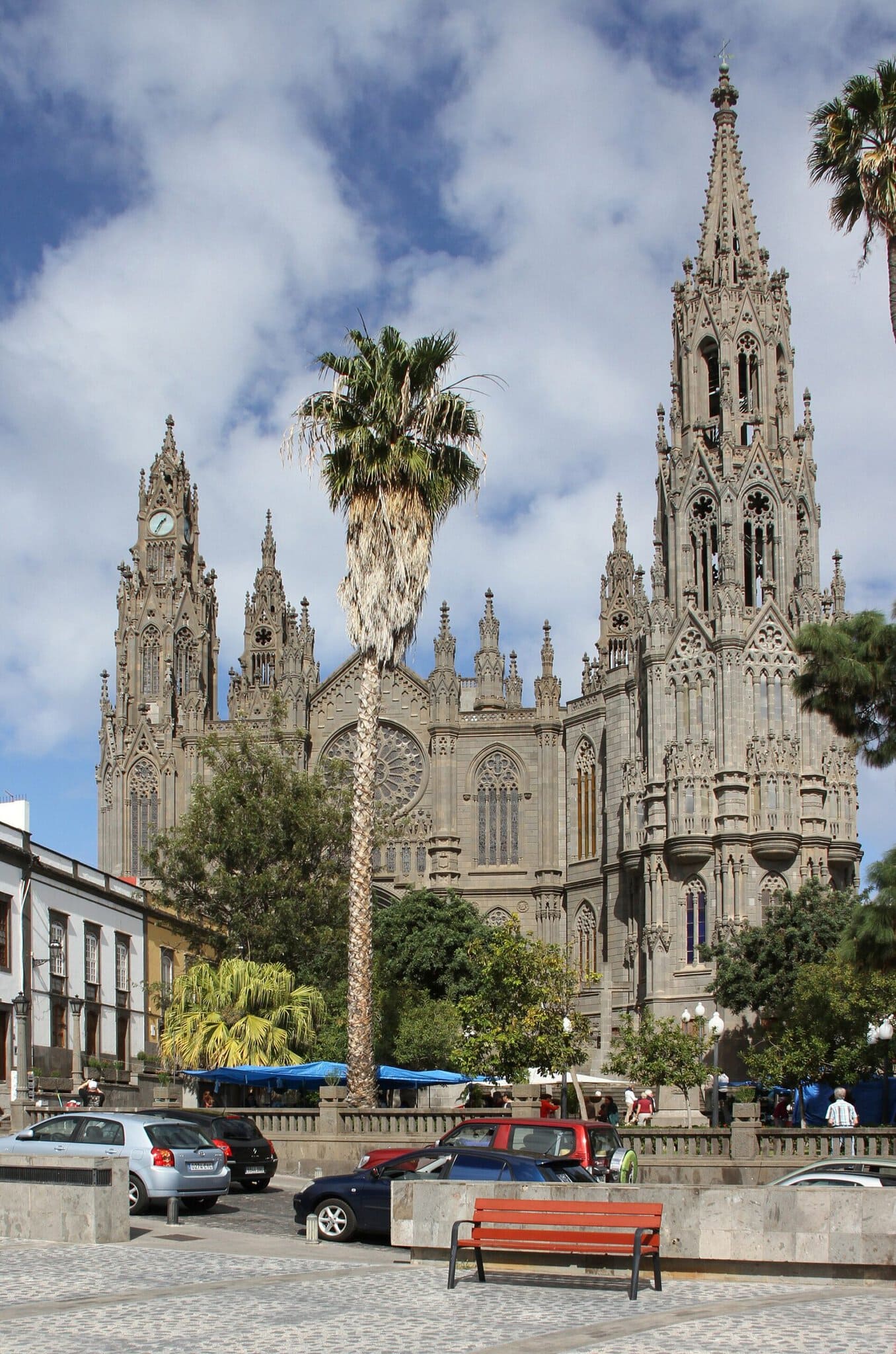
You can spot the town of Arucas from miles away thanks to its unmissable landmark: the enormous Church of San Juan Bautista. Often incorrectly called a cathedral, it is in fact a parish church built from dark volcanic stone, and its elaborate neo-Gothic architecture is genuinely breathtaking. The intricate details on the façade and the vast stained-glass window make it one of the most photographed buildings on the island.
Beyond its stunning architecture, Arucas is also celebrated for producing some of the finest Canarian rum. Here you’ll find the historic Arehucas distillery, which offers fascinating tours of its vast cellars lined with oak barrels. The town has a very pleasant historic centre with colourful houses and shady parks — a lovely spot to sit with a coffee and soak up the relaxed local atmosphere.
💡 Tip: The distillery tour ends with a generous tasting of various rums and liqueurs. Make sure you try the legendary honey rum (ron miel), a local sweet speciality that’s particularly delicious served cold.
15. Teror and the Basilica of the Island’s Patron Saint
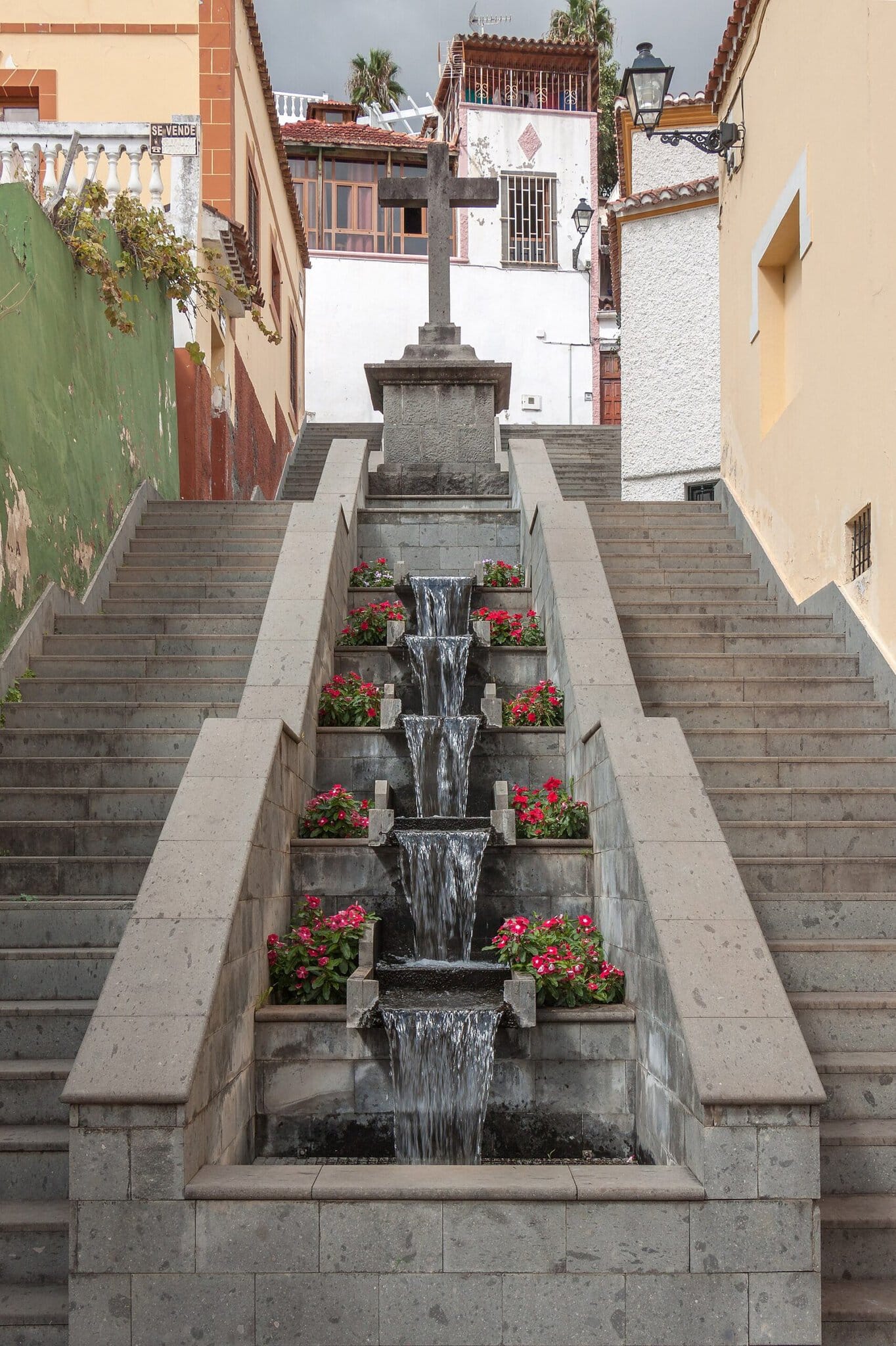
Nestled in the green hills of the northern interior lies the pilgrimage town of Teror, widely regarded as the spiritual heart of Gran Canaria. Its architecture represents the finest example of traditional Canarian style — the streets are lined with magnificent old houses whose façades are adorned with massively carved, intricately detailed wooden balconies. A walk through the town centre will reliably transport you several centuries back in time.
The town’s star attraction is the Basilica of Our Lady of the Pine (Basílica de Nuestra Señora del Pino), which houses a small statue of the island’s patron saint. The interior of the basilica is stunning, and the site holds enormous religious significance for local people. The square in front of the basilica is framed by the finest historic buildings in town and overshadowed by huge old trees that cast welcome shade on warm days.
💡 Tip: Plan your visit to Teror for a Sunday morning. A traditional market takes over the town, where you can buy excellent local cheeses and handmade crafts — and enjoy the wonderfully lively atmosphere as residents from all the surrounding villages pour in.
16. Cave Dwellings in Barranco de Guayadeque
One of the island’s deepest and most beautiful ravines, the Barranco de Guayadeque, hides a remarkable secret: prehistoric cave dwellings carved directly into the rock. This gorge was once the most densely populated area of the indigenous Guanche people, and you can still find homes hewn into the sheer cliff faces. Fascinatingly, many of these caves are still inhabited and modernly fitted out — the rock provides excellent natural insulation against both heat and cold.
As you drive through the valley you’ll come across several utterly unique cave restaurants where you can sample traditional island cuisine in unforgettable surroundings. There’s also a small cave church and an interesting interpretation centre that brings to life the tough existence of the Canary Islands’ first inhabitants. The whole valley is surrounded by lush vegetation and in spring it bursts with wildflowers.
💡 Tip: At the very end of the road through the valley is the Tagoror restaurant, carved entirely into a massive rock face. It’s the perfect spot for lunch — try the papas arrugadas and grilled vegetables in the cool, cave-like setting.
17. Cliffs and Natural Pools at Agaete
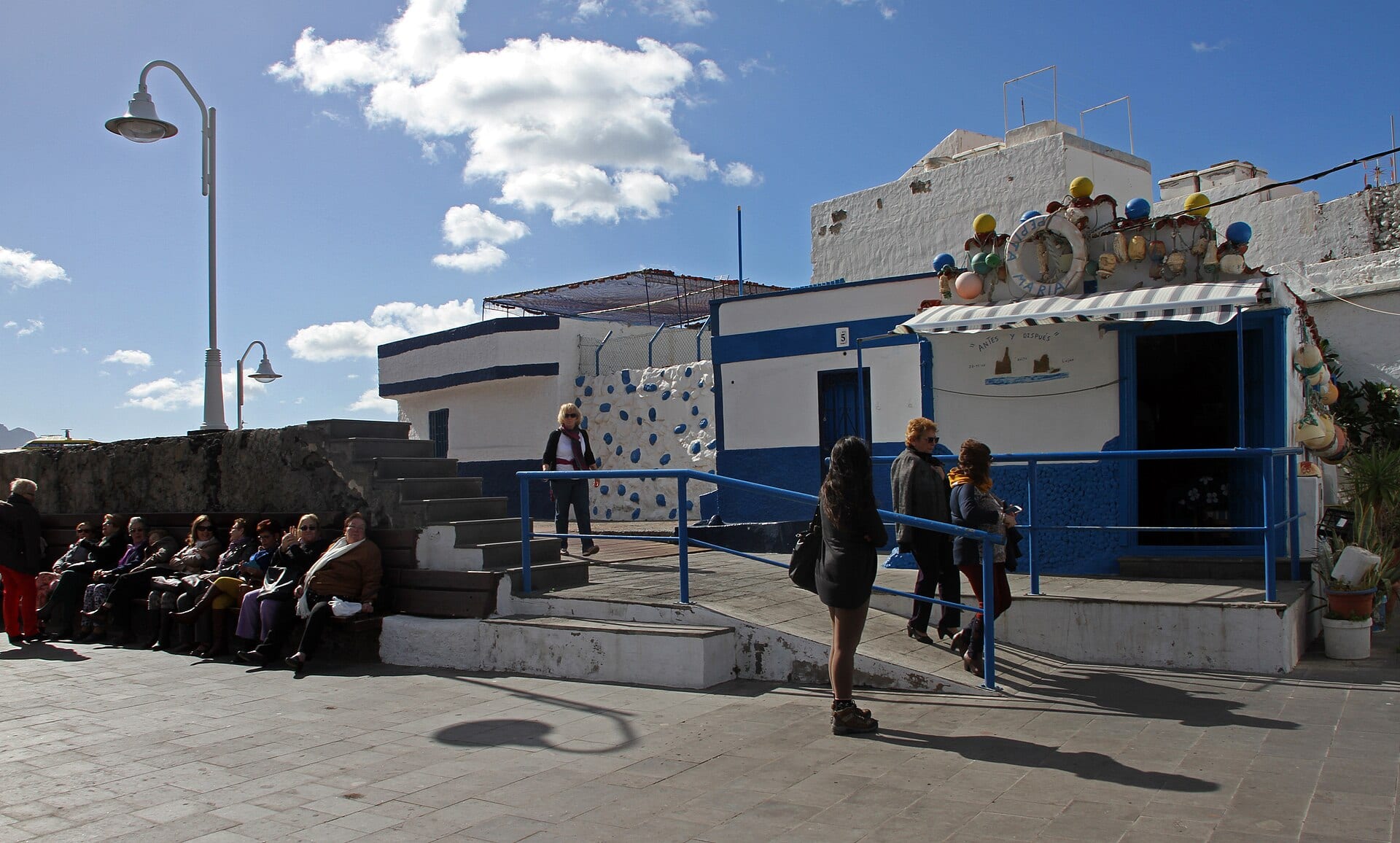
At the north-western tip of the island you’ll find the fishing village of Puerto de las Nieves, part of the municipality of Agaete. The place has a wonderfully relaxed, bohemian atmosphere and pretty white-and-blue houses that contrast beautifully with the black pebble beaches. The surrounding cliffs plunge dramatically into the ocean and create a striking landscape that feels completely different from the flat, sunny south.
The star attraction of this area is the natural seawater pools of Las Salinas de Agaete. These volcanic rock pools are connected by concrete walkways and offer safe bathing in crystal-clear ocean water even on days when the open sea is rough with big swells. The restaurants along the promenade are renowned for their locally sourced specialities and superb vegetable dishes with fresh herbs.
💡 Tip: The valley behind the town of Agaete is the only place in continental Europe where coffee is grown commercially. Visit one of the small family farms (fincas) in the valley and taste their exclusive arabica grown right here on the island.
18. Cueva Pintada Archaeological Site in Gáldar
If you’re fascinated by prehistory and the mysterious original inhabitants of the Canary Islands, the Cueva Pintada museum and archaeological park in the northern town of Gáldar is not to be missed. The main draw is an extensive cave whose walls are covered in original geometric paintings dating from before the arrival of the Spanish conquistadors. It’s a one-of-a-kind site and one of the most significant archaeological finds in the entire archipelago.
Around the painted cave a modern museum has been built to protect the precious remains of an entire pre-Hispanic village. You walk along raised walkways directly above the ruins of ancient stone houses, and thanks to excellent 3D projections you can easily imagine how the Guanche people lived here centuries ago. The whole complex is brilliantly presented and offers a compelling window into a lost island civilisation.
💡 Tip: The town of Gáldar was once the seat of the island’s indigenous rulers. After visiting the museum, stroll to the nearby church and main square, where you’ll find an authentically local, unhurried atmosphere completely free of tourist crowds.
19. Water Sports on the Wild Northern Ocean
The northern and eastern coastline of Gran Canaria is absolute paradise for adrenaline-fuelled water sports. Strong winds and excellent waves create some of the finest windsurfing and kitesurfing conditions in the world. The village of Pozo Izquierdo on the eastern coast is a legend among boardsports enthusiasts and regularly hosts World Cup competition events — a brilliant opportunity to watch the pros perform incredible manoeuvres.
If you prefer traditional surfing, head to the northern cliffs near Las Palmas or the beaches around the town of Moya. The waves here can be powerful and unruly, providing a genuine challenge even for experienced surfers. For beginners, the already-mentioned southern end of Las Canteras beach (La Cícer) is ideal, with dozens of surf schools offering board and wetsuit hire.
💡 Tip: The northern coast is also dotted with little-known natural rock pools (charcos) that fill with seawater at high tide. Ask local surfers for directions to the most secluded and beautiful ones — they’re usually happy to point you in the right direction.
20. Dolphin and Whale Watching on the Open Atlantic
The waters around the Canary Islands are world-renowned for their cetacean population, and a whale-watching boat trip is one of the very best experiences the island offers. Catamarans and smaller vessels depart daily from the southern ports — primarily Puerto Rico and Puerto de Mogán — heading out into the open Atlantic. You stand an excellent chance of spotting wild dolphins leaping alongside the bow, and with a bit of luck you might also encounter majestic whales.
When choosing a tour operator, look for one that follows responsible wildlife-watching guidelines and approaches animals with proper respect. The experience of seeing these magnificent creatures in their natural environment is genuinely unforgettable. Many tours also include a stop for swimming in remote coves with crystal-clear water, making for a perfect half-day out.
💡 Tip: If you’re prone to seasickness, opt for the largest catamaran available — it’s far more stable on the swell than a small motor boat. And bring a light windproof jacket, as it can be surprisingly cool out on the open ocean even in summer.
Map of points of interest for your phone
Where Next After Gran Canaria
If you’re planning to continue exploring Spain after your island visit, you have a fantastic range of options. Flights to the mainland are quick and affordable, making it easy to move on to your next adventure. Architecture and art lovers should definitely not skip the vibrant Barcelona or the regal Madrid.
If the spirit of the south and Moorish heritage appeals to you, I’d recommend our Andalusia itinerary. Explore magnificent history-filled cities with our guides to Seville, the beautiful Córdoba, and the captivating Granada. For lovers of dramatic natural scenery and gorge walks, the famous Caminito del Rey pathway is an absolute must.
Frequently Asked Questions
Do I absolutely need a rental car on the island?
If you really want to explore the island and see this miniature continent in all its glory, I highly recommend renting a car. While public buses reliably connect the capital with the southern resorts, they rarely venture into mountain villages and natural reserves. A car gives you complete freedom to stop at any viewpoint you fancy.
Is the ocean warm enough for swimming in winter?
Yes, the Canary Islands are the only reliable winter beach destination in Europe. Thanks to ocean currents, the water maintains temperatures between 18 and 24°C year-round. For hardier swimmers, this is perfectly fine, and you can easily warm up on the heated southern beaches. Many hotels also offer heated pools during winter.
What about permits for climbing Teide volcano on the neighboring island?
If you’re planning a ferry trip to neighboring Tenerife, be aware that strict regulations for climbing to Teide’s summit have been in place since January. You now need a special permit and must pay an ecosystem protection fee. Slots disappear incredibly fast well in advance, so you’ll need to book your permit months ahead, or they simply won’t let you up to the crater.
Can I drink tap water on the island?
Tap water on the island is technically drinkable and safe, as it mostly comes from desalination plants. However, the taste is quite distinctive and often contains more chlorine and minerals, so most tourists and locals prefer buying bottled water in large containers for drinking and making coffee.
How do ferries between islands work?
There’s a very reliable and fast ferry network connecting the islands. The market is dominated by Fred Olsen with their fleet of fast catamarans and Naviera Armas. For example, the longer route between Gran Canaria and Tenerife takes about an hour and a half, with tickets starting from €49. It’s a brilliant way to add variety to your stay.
Which side of the island has better weather?
The south around the resorts of Maspalomas and Playa del Inglés offers virtually guaranteed sunny weather without rain. The northern part with the capital Las Palmas tends to be cloudier and much greener, influenced by trade winds. In the mountains, expect cooler air and rapid weather changes.
What are the conditions like for digital nomads?
Las Palmas is an absolute paradise for remote work and hosts a huge community of digital nomads from across Europe. You’ll find excellent high-speed internet coverage and plenty of modern cafés. For longer stays, you can take advantage of Spain’s new digital nomad visa (Spain DNV 2026), which requires proof of minimum income from abroad.
Is the island suitable for vegetarians?
Absolutely. All resorts and larger towns offer excellent modern restaurants with plenty of meat-free options. From traditional island cuisine, definitely try the wrinkled potatoes papas arrugadas with spicy mojo sauce, outstanding local sheep and goat cheeses from mountain farms, or fried green peppers pimientos de Padrón.
Tips and Tricks for Your Vacation
Don’t Overpay for Flights
Search for flights on Kayak. It’s our favorite search engine because it scans the websites of all airlines and always finds the cheapest connection.
Book Your Accommodation Smartly
The best experiences we’ve had when looking for accommodation (from Alaska to Morocco) are with Booking.com, where hotels, apartments, and entire houses are usually the cheapest and most widely available.
 🚗 Car rental on the roadVerified rental cars in the Canary Islands
Search with the DiscoverCars comparison engine — it compares prices from dozens of local and international rental companies, and most bookings come with free cancellation.
Compare car prices in the Canary Islands →Don’t Forget Travel Insurance
Good travel insurance will protect you against illness, accidents, theft, or flight cancellations. We’ve had a few hospital visits abroad, so we know how important it is to have proper insurance arranged.
Where we insure ourselves: SafetyWing (simple monthly subscription) and TrueTraveller (for extra-long trips).
Find the Best Experiences
Get Your Guide is a huge online marketplace where you can book guided walks, trips, skip-the-line tickets, tours, and much more. We always find some extra fun there!