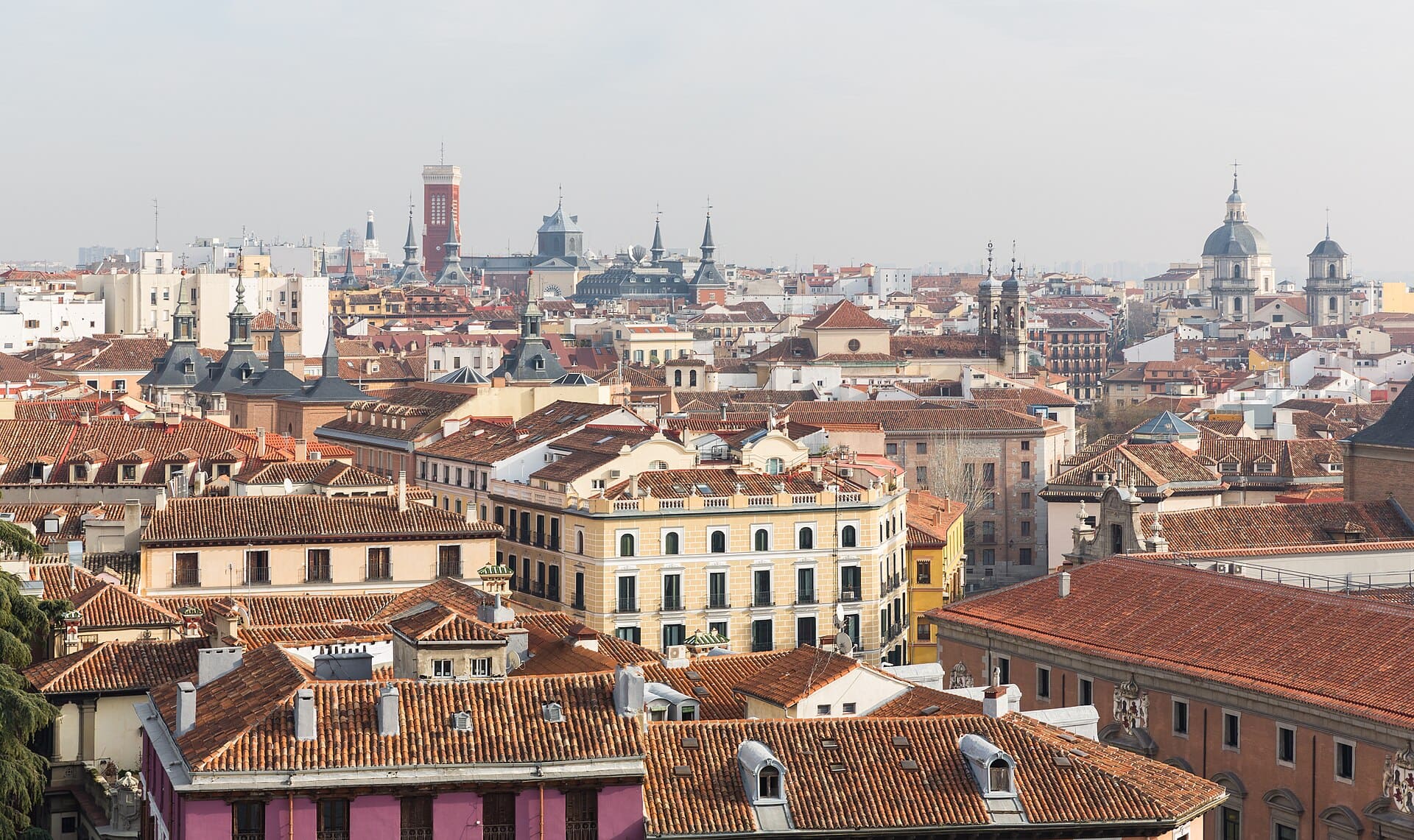
Madrid might not sweep you off your feet at first sight quite like other Spanish cities. While other destinations dazzle you with dreamy façades and alleyways perfumed by orange blossoms, Spain’s capital wins you over with its pulsating energy. This metropolis truly lives on the street — in cosy tapas bars, along sweeping boulevards, and through the winding lanes of its historic centre. If you’re looking for the best things to do in Madrid, you’re in for a treat.
The geographical and political heart of Spain sits on a high plateau surrounded by mountains, which gives it a rather harsh climate. I’ve put together a detailed guide with exactly 22 tips on what to see and do in Madrid so you can take home the absolute best experiences. You’ll find out where to stay strategically, which sights you absolutely can’t miss, and what to watch out for when planning day trips to nearby medieval towns.
TL;DR
- The Golden Triangle of Art: Set aside time for Museo del Prado, Reina Sofía, and Thyssen-Bornemisza — home to some of the greatest masterpieces of European painting, all within walking distance of each other.
- Royal grandeur: Palacio Real and the adjacent Almudena Cathedral form the magnificent heart of the city and will leave you speechless with their sheer monumentality.
- Life on the squares: Puerta del Sol and Plaza Mayor are buzzing hubs where centuries of history meet the energy of a modern metropolis at every turn.
- Green lungs of the city: Retiro Park with its magical Crystal Palace offers the perfect escape from the urban noise and summer heat.
- Foodie heaven: The La Latina neighbourhood is the undisputed epicentre of tapas, while Mercado de San Miguel serves as a gourmet paradise for discerning foodies.
- High-speed day trips: Madrid’s AVE trains whisk you to historic Toledo, fairy-tale Segovia, or the monumental El Escorial complex in under an hour.
The full destination guide: Castile and central Spain — guide and what to see
When to Visit Madrid
Locals sum up Madrid’s climate rather bluntly: nine months of winter and three months of hell. Because the city sits inland on a high plateau, it completely lacks the moderating influence of the sea, which means more extreme temperature swings. Winters can be surprisingly chilly and are often accompanied by a biting wind from the nearby mountain ranges, so a warm jacket is definitely worth packing.
The summer months, on the other hand, are a genuine challenge for visitors and locals alike. Temperatures in July and August regularly exceed a punishing 40 °C, the sun-baked streets become nearly unbearable, and most residents flee to the coast. The ideal time to visit is undoubtedly spring or autumn, when pleasant temperatures and sunny skies make it perfect for a full day of sightseeing.
Where to Stay in Madrid
💡 Accommodation & experiences tip: We love searching for hotels on Booking.com for the best cancellation policies. For tickets, tours, and activities, it’s worth comparing options on GetYourGuide.
If it’s your first time in the city, the best strategic choice is the Sol neighbourhood or the buzzing area around Gran Vía. From here, most major attractions are easily within walking distance, and you’ll have the best restaurants and metro connections right on your doorstep. Accommodation in the very centre is pricier, but you’ll save a huge amount of time you’d otherwise spend commuting from the outskirts.
For lovers of nightlife, speciality coffee, and independent boutiques, the bohemian and hipster quarter of Malasaña is a brilliant choice. You’ll find plenty of stylish apartments and smaller boutique hotels with an atmosphere that draws you in immediately. Whatever area you choose, I’d recommend booking as early as possible — rooms in good hotels vanish fast and prices climb steeply as your dates approach.
When hunting for the perfect place, it’s worth browsing Booking.com and filtering for hotels rated above eight. A popular pick is the iconic Hotel Riu Plaza España, which boasts breathtaking city views from its rooftop terrace and excellent luxury standards. If you prefer something smaller and design-forward right on the main drag, Room Mate Macarena is a great option, blending modern comfort with a truly unbeatable location.
22 Best Things to See and Do in Madrid
Let’s dive into the specific places and experiences that make this metropolis such a captivating destination. Here you’ll find the perfect blend of world-class art, royal splendour, and a laid-back southern European lifestyle.
1. Museo del Prado and the Golden Triangle of Art
The axis of the so-called Golden Triangle of Art is formed by Paseo del Prado, a wide tree-lined boulevard. Within less than a square kilometre, three extraordinary institutions house one of the greatest concentrations of masterpieces anywhere on Earth. The Museo del Prado is a true national treasure, and visiting it should be right at the top of your list.
This museum wasn’t assembled as a standard encyclopaedic collection — it’s a direct reflection of the refined taste of Spanish monarchs from the Habsburg and Bourbon dynasties. Instead of a dry survey of art history, you’ll find the world’s finest collection of works by Diego Velázquez, Francisco Goya, and the mesmerising Hieronymus Bosch. Crowds inevitably gather before Velázquez’s famous Las Meninas, but make sure you also head down to the ground floor to see the dark and unsettling late-period paintings by Goya.
How long you spend depends on your passion for the old masters — you could easily devote an entire day or just do a highlights tour. For most visitors, three to four hours is the absolute maximum before museum fatigue inevitably sets in. Admission costs around €15, and it’s well worth buying your ticket online in advance to avoid wasting precious time in queues.
💡 Insider tip: If you want to save a bit of money, the museum offers free entry every day during the last two hours before closing. Just be prepared to queue for a while at the entrance.
2. Centro de Arte Reina Sofía
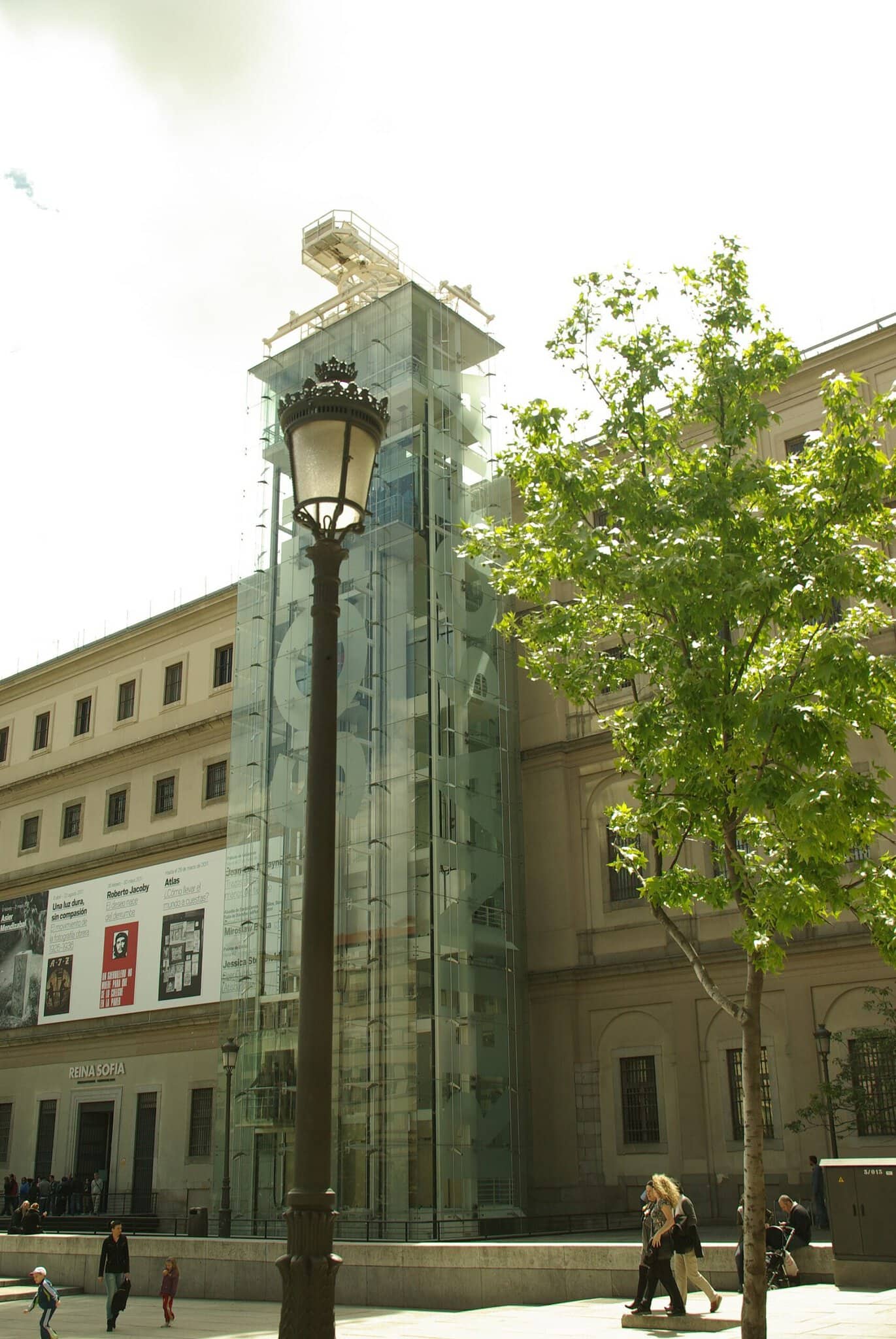
While the Prado takes you through the old masters, Centro de Arte Reina Sofía plunges you headfirst into the twentieth century. This imposing building, which once served as a sprawling state hospital, now functions as the home of modern art. Its industrial corridors and glass-walled lifts create a striking contrast to the classical collections you’ve just seen at the other end of the boulevard.
The undisputed centrepiece of the entire gallery is Picasso’s monumental painting Guernica, before which visitors often stand in complete silence. This black-and-white canvas depicting the horrors of the bombing of a Basque town during the Spanish Civil War still carries devastating emotional impact and ranks among the most important artworks in human history. Beyond Picasso, you’ll also find extensive collections of Salvador Dalí and Joan Miró, who shaped global surrealism.
Navigating the museum can be a bit tricky due to its size and layout, so I’d recommend picking up a printed floor plan at the entrance or downloading the mobile app. Allow at least three hours for a thorough visit, giving yourself time to absorb the complex ideas and avant-garde forms that modern art has to offer.
💡 Insider tip: A lovely hidden gem within this institution is the inner courtyard with a beautifully maintained garden, where you can sit down with a coffee and enjoy a moment of calm in the middle of the bustling city.
3. Museo Thyssen-Bornemisza

Rounding out Madrid’s famous trio of galleries is the Museo Thyssen-Bornemisza, which serves as the perfect bridge between the classical Prado and the modern Reina Sofía. Originally a private collection belonging to a powerful steel-magnate family, it was purchased by the Spanish state in the 1990s for public enjoyment.
The exhibition is arranged in strict chronological order, which makes it incredibly easy for visitors to follow the evolution of artistic styles. You’ll find everything from early Italian Renaissance through French Impressionists to American Pop Art, so there’s genuinely something for everyone in your group. Particular highlights include works by Van Gogh, Monet, Degas, and Roy Lichtenstein — names that are absent from other Spanish collections.
Compared to its two siblings, this museum tends to be noticeably quieter and less crowded with tourists, which makes for a much more intimate art experience. Admission is around €13, and you can comfortably walk through the entire collection in about two hours.
💡 Insider tip: Stop by the museum café, which has a lovely outdoor terrace overlooking the tree-lined boulevard — the perfect spot for an afternoon cappuccino.
4. Palacio Real (Royal Palace)
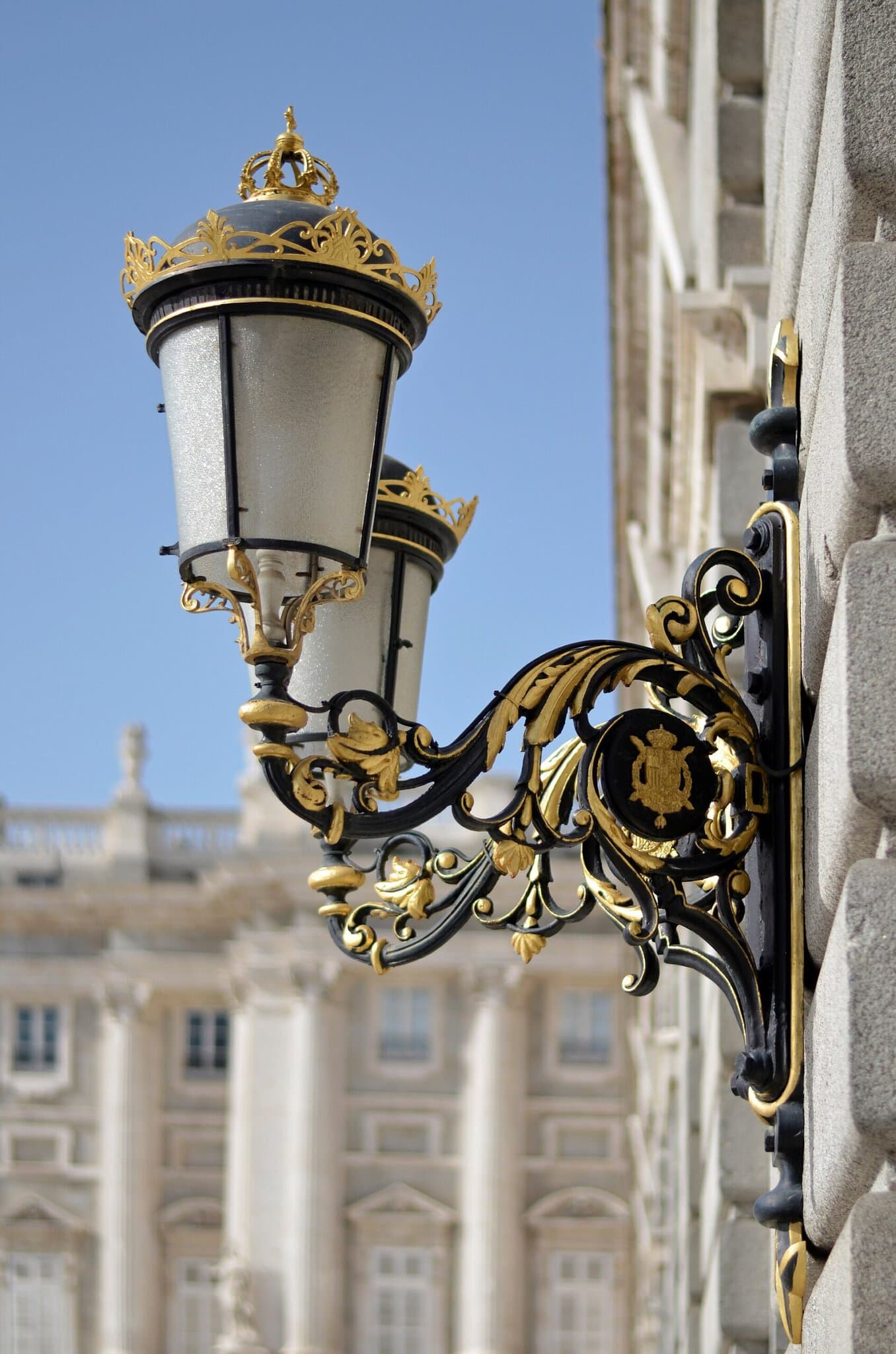
Although the Spanish royal family currently resides in a smaller palace on the outskirts of the city, Palacio Real remains the official seat of the monarchy and is used for state ceremonies. With an incredible 3,418 rooms, it’s the largest functioning royal palace in all of Western Europe, surpassing even France’s Versailles in sheer floor area.
During the guided route, you’ll visit only a fraction of the total rooms, but even so, their opulent grandeur will leave you awestruck. You’ll see the monumental Throne Room draped in crimson velvet, an ornately decorated Royal Armoury, and a beautiful pharmacy filled with antique ceramic jars. Every room is adorned with frescoes, crystal chandeliers, and furniture inlaid with precious metals — a vivid testament to the wealth of the Spanish Empire.
As one of the most visited landmarks in the city, buying tickets online in advance is an absolute must if you don’t want to spend an hour queuing in the sun. Standard admission is €12, and the tour takes roughly an hour and a half.
💡 Insider tip: If you visit on a Wednesday or Saturday morning, you can watch the Changing of the Royal Guard ceremony for free, which takes place in the courtyard in front of the main entrance.
5. Almudena Cathedral
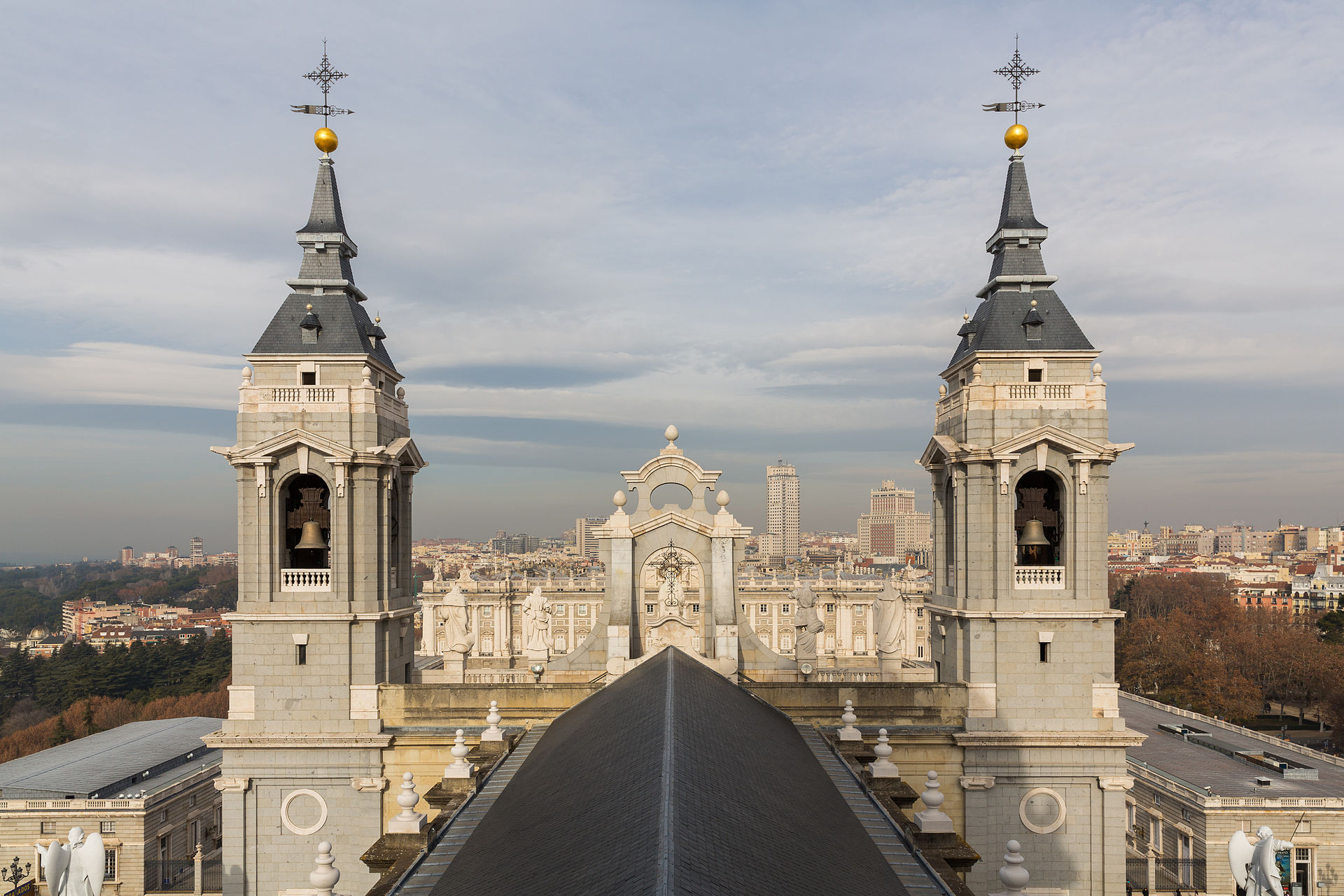
Right opposite the Royal Palace stands Almudena Cathedral, a building with an unusually turbulent and drawn-out history. Although plans for a main church had been discussed since the sixteenth century, the foundation stone wasn’t laid until the late nineteenth century, and the entire structure was only completed in 1993.
Thanks to this lengthy construction pause, the cathedral boasts a strikingly unique and surprisingly modern appearance. While the exterior tries to blend seamlessly with the neighbouring palace through its neoclassical lines, the interior surprises you with vivid colours and almost pop-art stained-glass windows that defy all traditional expectations of a Catholic church. The nave ceiling is painted with bold geometric patterns that fill the space with a remarkably bright and uplifting atmosphere.
Entry to the main nave is free, though a voluntary donation of about one euro is expected at the door. If you want a bird’s-eye view of the city, it’s worth paying for access to the rooftop dome, which offers fantastic panoramas across the entire historic centre and the surrounding green hills.
💡 Insider tip: Don’t forget to head down to the neo-Romanesque crypt, which is supported by hundreds of columns with beautifully carved capitals and offers a quieter atmosphere than the main nave above.
6. Puerta del Sol and Kilometre Zero

The geographical centre of not just Madrid but the entire country is Puerta del Sol. This busy, crescent-shaped square is where the main shopping streets converge, and it’s home to the famous Kilometre Zero plaque, the point from which all Spanish national roads are measured. The small stone slab set into the pavement in front of the old post office building is a popular spot for a quick photo of your shoes.
On the opposite side of the square stands a bronze statue of a bear leaning against a strawberry tree — Madrid’s timeless symbol and the centrepiece of its official coat of arms. This monument is the city’s favourite meeting point, so you’ll always see clusters of people waiting for friends before heading out on the evening bar crawl.
New Year’s Eve celebrations in Spain revolve around this very square and its grand clock tower. Tradition dictates that you must eat one grape with each of the twelve chimes at midnight, guaranteeing yourself twelve months of good luck. Tens of thousands of people cram in on the night and the atmosphere is absolutely electric.
💡 Insider tip: The square is notorious for pickpockets who expertly exploit the constant chaos and dense crowds, so keep a very close eye on your valuables and bags at all times.
7. Plaza Mayor
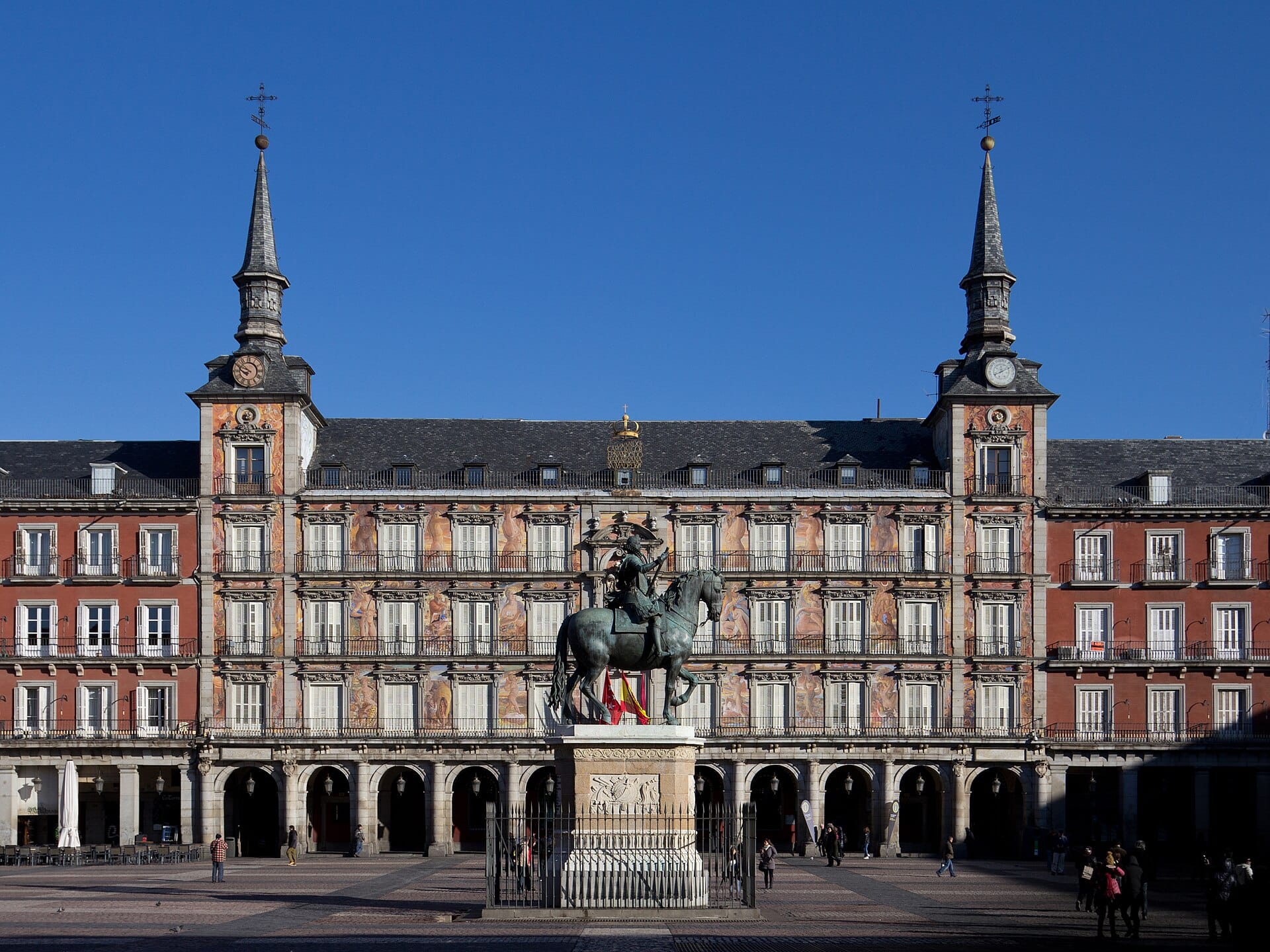
It’s just a few minutes’ walk from Puerta del Sol to Plaza Mayor, a grand rectangular square enclosed by stunning red façades with meticulously wrought-iron balconies. In the past, this was the main stage for public life — it hosted bullfights, Inquisition executions, and lavish royal weddings. Today, the atmosphere is far more peaceful, inviting you to linger over a drink and soak it all in.
You can sit down for a coffee and spend hours watching the vibrant buzz and colourful mix of street performers. Just be aware that café prices on the square firmly reflect the premium location — a simple espresso will cost you several times more than in the back streets a few blocks away.
In the streets around the square, you’ll stumble upon plenty of traditional bars serving a very specific local classic: the bocadillo de calamares. This is a crusty baguette stuffed with golden-fried squid rings, an essential part of Madrid’s fast-food culture and best enjoyed with an ice-cold beer.
💡 Insider tip: On the square you’ll find the main tourist information centre, where you can pick up detailed maps and get up-to-date tips on current cultural events and festivals, many of which are completely free.
8. Mercado de San Miguel
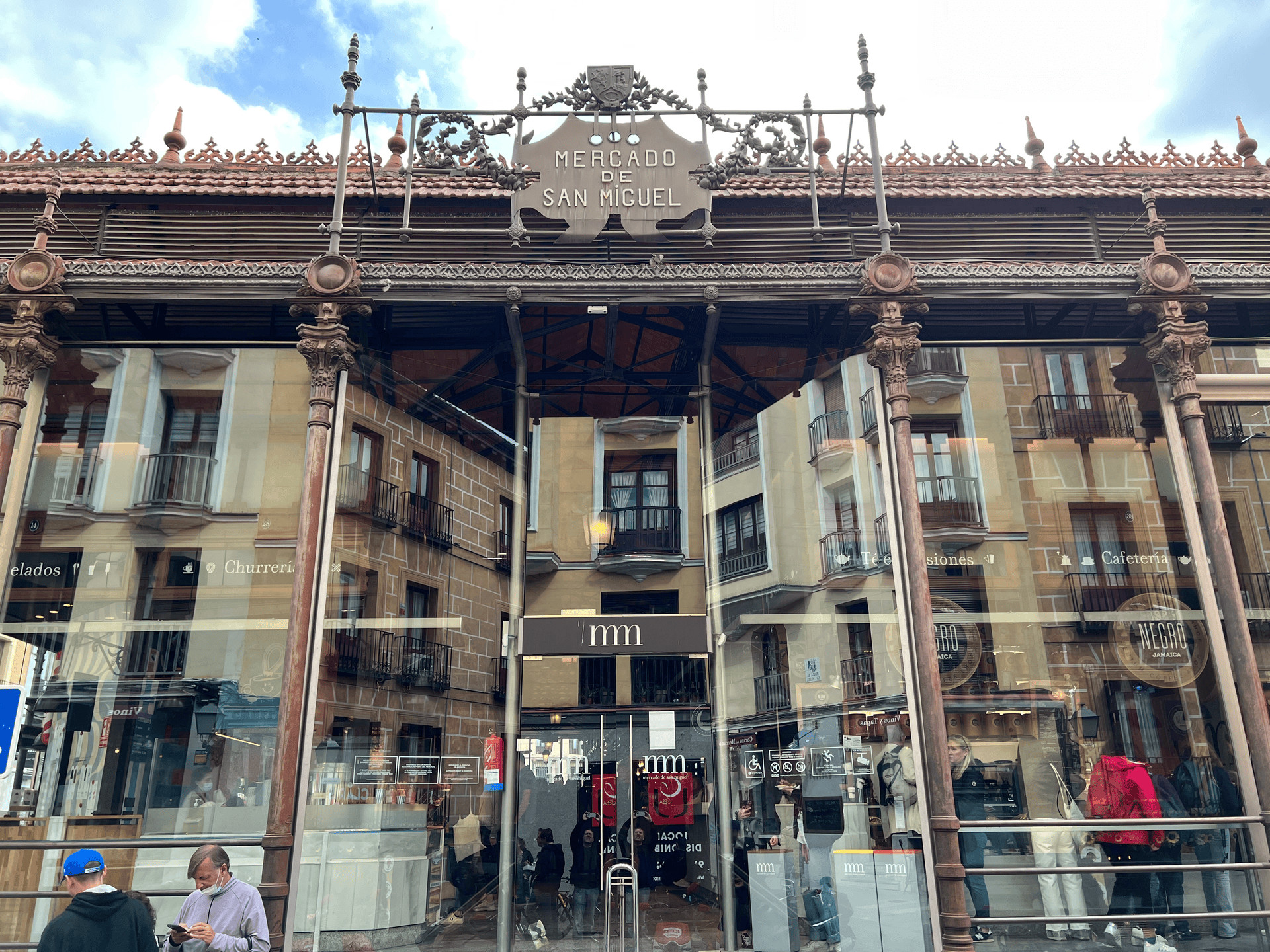
A more elegant — and admittedly more touristy — alternative to traditional tapas bars is Mercado de San Miguel. It’s a stunning cast-iron market hall from the early twentieth century, just a stone’s throw from Plaza Mayor. The building itself is a beautiful example of historic industrial architecture, its glass walls flooding the interior with natural light.
Today this space doesn’t function as a regular vegetable market, but rather as a high-end food court for discerning gourmets. Under one grand roof, you can sample the finest cheeses from across Spain, fresh olives from Andalusia, celebrated wines, and an endless variety of innovative bite-sized skewered snacks called pintxos.
While the place is visually and gastronomically stunning, be prepared for prices that are set firmly with foreign tourists in mind. It’s an ideal stop for a glass of vermouth and a small tasting, but for a proper filling lunch, you’re much better off heading a few streets away to the regular neighbourhoods.
💡 Insider tip: The best time to visit the market is early afternoon on weekdays, because on weekend evenings it gets so packed you can barely reach the counters through the crowds.
9. Retiro Park
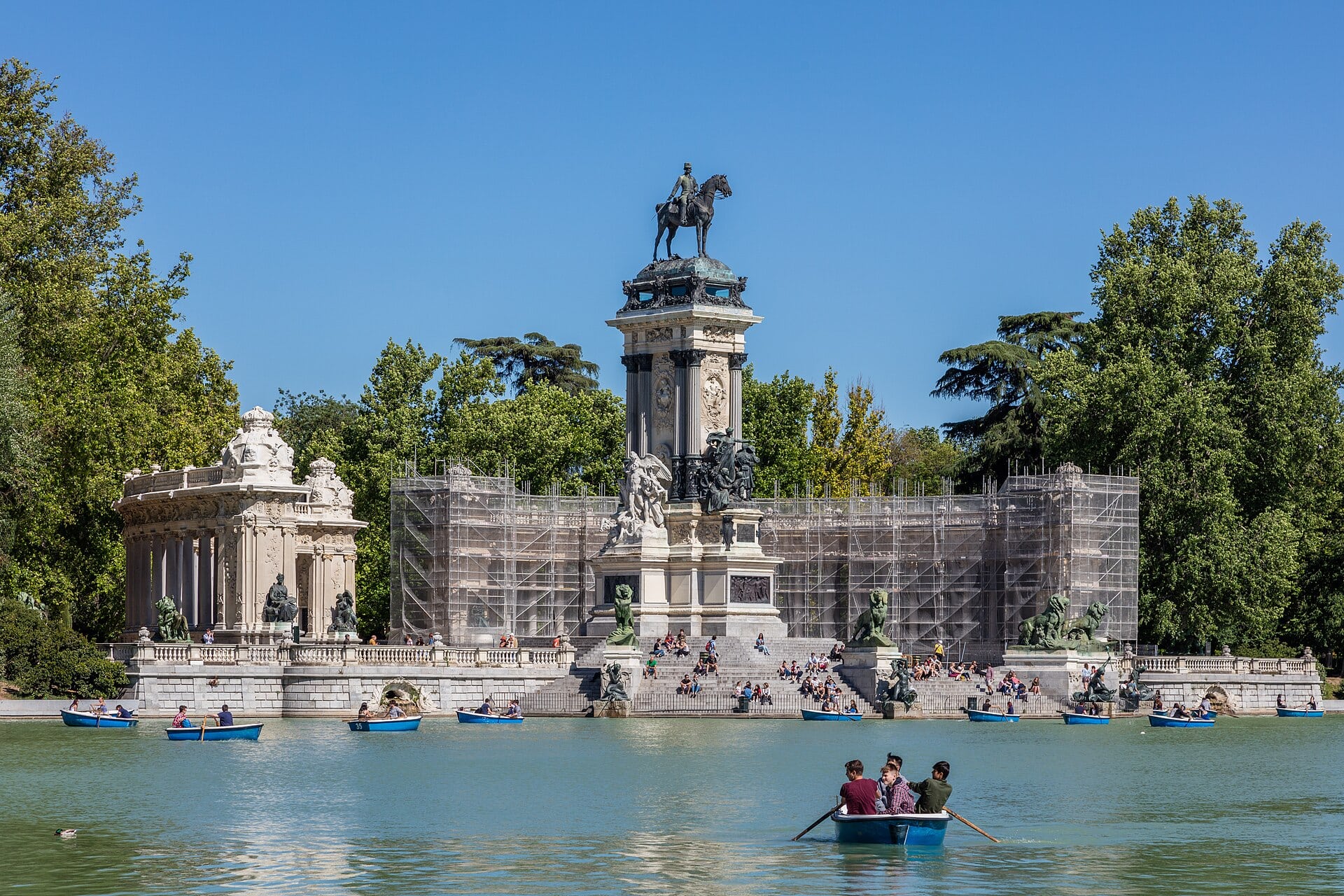
When the city starts to feel too loud and the concrete streets lose their charm, seek immediate refuge in El Retiro Park. These former royal gardens serve as Madrid’s vast green lungs and the favourite relaxation spot for locals and tourists alike. On weekends, the wide avenues fill up with families on walks, street musicians, jugglers, and readers seeking peace.
At the heart of the park lies a large artificial lake, overlooked by the majestic columned monument to King Alfonso XII. The most popular activity is hiring a little blue rowing boat and paddling across the water yourself, soaking up the romantic views of the surrounding greenery. A boat rental costs just a few euros and makes for wonderful fun for couples and families alike.
The park also boasts several beautifully tended smaller gardens, such as the Rosaleda rose garden, which is at its most magnificent bloom in late May and early June. Throughout the grounds you’ll find plenty of benches tucked away in the shade of centuries-old stone pines — perfect for a picnic with goodies from the nearest bakery.
💡 Insider tip: Several gates lead into the park, but the most stunning is the Puerta de Alcalá, a monumental triumphal arch standing on the roundabout right next to the main entrance.
10. Palacio de Cristal (Crystal Palace)
While exploring Retiro Park, you absolutely cannot miss the Palacio de Cristal — one of the most photogenic buildings in the entire city. This gorgeous glass-and-iron pavilion was built in 1887, inspired by London’s Crystal Palace, and originally served as a vast greenhouse for exotic plants brought over from the Philippines.
The structure rises on the banks of a small lake lined with cypresses, and when the autumn sun hits the glass panes, the whole thing glows and looks like something out of a fairy tale. Inside, you won’t find tropical plants anymore — the space is managed by the nearby Reina Sofía museum, which uses it for contemporary art installations.
The biggest bonus is that entry to the Crystal Palace is free all year round, so you can pop back at different times of day. Exhibitions change roughly every three months, and artists often work directly with the natural light and reflections on the glass walls.
💡 Insider tip: In summer the palace gets incredibly hot inside, as the greenhouse effect turns it into a perfect heat trap — plan your visit for early morning when the air is still fresh.

11. Gran Vía Boulevard
The main and busiest artery of the city is Gran Vía, Madrid’s answer to New York’s Broadway or Paris’s Champs-Élysées. This wide boulevard, lined with grand early-twentieth-century buildings, giant neon signs, and huge cinemas, buzzes with incredible energy day and night.
As you walk, make sure to lift your gaze above the shop windows, because the building façades are adorned with beautiful statues and ornate domes that recall the golden age of Spanish architecture. The standout structure is the Metropolis building at the very start of the boulevard, its dark slate roof crowned by a winged victory statue.
Gran Vía is also an absolute paradise for shopaholics, home to flagship stores of virtually every global fashion chain. After dark, the street transforms into an entertainment hub — musical theatre marquees light up and crowds spill into bars and clubs that don’t close until dawn.
💡 Insider tip: For the best view of the bustling boulevard, head to the top floor of the El Corte Inglés department store on Plaza del Callao, where there’s a café with panoramic windows — and entry is free.
12. Templo de Debod and Sunset
It sounds like an impossible paradox, but right in the heart of the Spanish capital you’ll find a genuine ancient Egyptian temple. Templo de Debod is an authentic stone structure dating to the second century BC, gifted to Spain by the Egyptian government as a thank-you for helping save historic monuments from flooding during the construction of the Aswan Dam.
The temple was carefully dismantled block by block, shipped across the Mediterranean, and reassembled in Madrid’s Parque del Oeste. A shallow moat surrounds the monument, beautifully reflecting its stone gateways and creating an utterly magical and highly photogenic atmosphere.
This spot is hands-down the most popular place in the entire city to watch the sunset. As the sky above the horizon blazes with orange and purple hues, dozens of locals and visitors gather on the grass to enjoy the peaceful close of the day with stunning views of the Royal Palace and the Guadarrama mountains.
💡 Insider tip: Entry to the temple’s inner chambers is completely free, but due to capacity limits, only a very small number of people are admitted at a time, so arrive early if you want to avoid a queue.
13. Santiago Bernabéu Stadium
For millions of passionate fans around the world, Spain’s capital means one thing: the legendary Real Madrid football club. Santiago Bernabéu Stadium recently underwent a massive and extremely costly renovation, transforming it into one of the most advanced sports venues on the planet. A new retractable roof, a striking steel façade, and a unique underground system for storing the pitch allow the arena to host concerts and other events year-round.
A tour of this colossal stadium is a thrilling experience for absolutely everyone, even those who don’t follow football or only vaguely know the rules. The interactive tour takes you right into the players’ dressing rooms, through the long tunnel leading onto the pitch, and past the jaw-dropping trophy collection the club has amassed over its storied history.
If you want to experience genuine football fever, try to snag tickets for the legendary El Clásico. The clash between Real Madrid and FC Barcelona is a global phenomenon, which naturally drives prices into the stratosphere. Basic tickets start at well over €300 and sell out within minutes, while luxury VIP packages easily exceed the €1,000 mark.
💡 Insider tip: It’s best to schedule your stadium tour on a non-match day, because on match days some of the most interesting parts of the route are closed to the public for security reasons.
14. La Latina and the World of Tapas
The La Latina neighbourhood is the undisputed epicentre of Madrid’s tapas scene and carefree weekend revelry. If you want to soak up the true local atmosphere, head here on a Sunday afternoon. The social ritual here is crystal clear: never stay at one table in a single bar all evening. Locals constantly hop between establishments, ordering just one small dish at each.
Order a glass of draught vermouth — called vermut de grifo in Spanish — alongside a small portion of traditional cheeses or spicy patatas bravas, and then simply move on to the next place. You’ll find that this dynamic and noisy way of eating draws you in completely, and you’ll end up sampling a huge range of local specialities.
Tap water, by the way, is excellent in Madrid, and since 2022, Spanish restaurants are legally required to offer it to guests free of charge. So don’t hesitate to ask for a simple jug of water with ice when ordering — your travel budget will thank you.
💡 Insider tip: The main foodie arteries of this neighbourhood are the famous streets Cava Baja and Cava Alta, where you’ll find the highest concentration of acclaimed bars practically door to door.
15. El Rastro Flea Market
Every Sunday morning, the streets on the edge of La Latina erupt into one enormous whirlwind of activity as the famous El Rastro flea market takes over. This is the largest and oldest outdoor market in all of Spain, with roots stretching back to the Middle Ages. Hundreds of vendors set up their stalls, selling absolutely everything from antique furniture and vinyl records to cheap clothing and leather goods.
The atmosphere is incredibly lively — sellers shout to promote their wares and buskers with guitars weave through the crowd. If you love hunting for hidden treasures, focus on the side streets off the main drag of Ribera de Curtidores, where the most interesting antique dealers and curiosity collectors hide out.
The crowds here can be truly massive, so the same warning applies as with the main squares: you need to be very vigilant about your belongings and pickpockets. The market officially wraps up around 3 pm, after which the entire throng seamlessly migrates to the surrounding bars for a well-deserved Sunday tapas session.
💡 Insider tip: You’ll get the best picks and the most breathing room if you arrive right after 9 am, before the streets fill up with sleepy locals and waves of tourists.
16. Hipster Malasaña Neighbourhood
North of Gran Vía lies Malasaña, widely regarded as the most bohemian, hipster, and creative neighbourhood in the entire city. It was right here in the 1980s, after the fall of the dictatorship, that the famous cultural movement La Movida Madrileña was born — an explosion of freedom, punk, independent art, and wild nightlife that transformed Spain.
Today the neighbourhood is packed with brilliant speciality coffee shops, second-hand vintage clothing stores, and small independent bookshops. Building façades often serve as canvases for high-quality, legal street art, making even a simple stroll through the streets feel like visiting an open-air gallery of contemporary art.
By evening, Malasaña transforms into the epicentre of alternative entertainment. You’ll find plenty of live music clubs where the free-spirited and slightly rebellious vibe of the eighties lives on. It’s the perfect spot for those looking for a relaxed night out away from the glitzy and overpriced clubs in the centre.
💡 Insider tip: Stop for a coffee or a drink at Plaza del Dos de Mayo, a historic square that serves as the symbolic heart of the neighbourhood — a place where students, artists, and long-time residents mingle under the open sky in a wonderfully laid-back atmosphere.
17. Chueca and Mercado de San Antón
Right next to bohemian Malasaña lies Chueca, renowned as Madrid’s main LGBTQ+ hub and one of the liveliest areas in the entire metropolis. The streets are filled with designer boutiques, modern cafés, and fantastic restaurants that invite long, leisurely sit-downs and people-watching.
While Mercado de San Miguel in the centre bursts at the seams with tourists, locals much prefer to head to the modern Mercado de San Antón, located right in the heart of this neighbourhood. On the ground floors you can buy fresh delicacies, and on the first floor they’ll grill your chosen ingredients right before your eyes, exactly to your liking.
The building also hides one more major draw: an open rooftop terrace with a fantastic bar where you can enjoy an evening drink with lovely views over the red rooftops of the surrounding houses. The vibe is always friendly and welcoming, and the parties here often stretch well into the early hours.
💡 Insider tip: Visit this neighbourhood during the late June to early July period, when the spectacular Madrid Pride celebrations turn the entire city into one enormous, colourful, and incredibly positive street party.
18. Barrio de las Letras (Literary Quarter)
If you love literature and romantic strolls through historic lanes, make sure to visit Barrio de las Letras — the Literary Quarter. It was in these very streets that Spain’s most celebrated Golden Age writers lived and worked, including the great Miguel de Cervantes and the prolific playwright Lope de Vega.
As you wander through this peaceful neighbourhood, keep your eyes on the ground, because famous quotes from classic Spanish literary works are inscribed in golden lettering into the pavement of the pedestrian zones. The whole area has retained an wonderfully intimate character, with narrow lanes, historic lanterns, and tiny squares where time seems to stand still.
In the evening, Barrio de las Letras becomes a popular spot for quieter dinners and good wine, as you won’t find any massive thumping nightclubs here — just traditional taverns with live guitar music. It’s the perfect counterpoint to wild Malasaña, ideal for those who prefer a more refined and romantic evening out.
💡 Insider tip: Make a stop at Plaza de Santa Ana, dominated by the beautiful Spanish Theatre building and surrounded by excellent cafés with outdoor seating beneath mature trees.
19. Churros con Chocolate at Chocolatería San Ginés
When exhaustion hits after a long day of sightseeing — or a big night out — make a beeline for Chocolatería San Ginés. This legendary spot, tucked away in an unassuming lane near Puerta del Sol, has been serving the absolute best churros con chocolate in the city non-stop since 1894.
Their recipe has been honed to absolute perfection: you’ll get a thick, incredibly rich cup of hot chocolate into which you dip freshly fried, crispy sticks of dough. It’s a calorie bomb, sure, but it makes such a perfect ending to a Madrid day that it would be a genuine sin not to treat yourself at least once.
The place stays open late into the night, and you’ll often see people coming back from parties rubbing shoulders with early-morning commuters. The interior has preserved its historic charm with marble-topped tables and mirror-lined walls, adding a wonderful touch of old-world elegance to the whole experience.
💡 Insider tip: Queues can get quite long on weekends, but the staff work incredibly fast and efficiently, so don’t be put off — those ten minutes of waiting are absolutely worth it.
20. Toledo: City of Three Cultures
Madrid boasts one enormous logistical advantage: a dense network of AVE high-speed trains connecting the capital to surrounding historic gems. From the modern metropolis, you can travel back to deep Spanish medieval times in under half an hour, making Toledo the perfect destination for a day trip.
Toledo, perched on a dramatic rocky bluff above the River Tagus, served as Spain’s capital long before Madrid took over the role. It’s often called the City of Three Cultures because Christians, Muslims, and Jews coexisted here in relative peace for centuries, a legacy that remains fascinatingly inscribed into the architecture of the entire historic centre.
During a single walk you’ll pass a tenth-century mosque, a synagogue with stunning Moorish arches, and an awe-inspiring Gothic cathedral that ranks among the richest in the country. Make sure to set aside time for a visit to the Church of Santo Tomé, home to a masterpiece by the painter El Greco, who is inseparably linked to this city.
💡 Insider tip: For the trip to Toledo, never hire a car from Madrid — the city has introduced strict low-emission zones (ZBE) and you risk a fine of around €200 for unauthorised entry, whereas the train is fast and completely hassle-free.
21. Segovia: Roman Aqueduct and Fairy-Tale Alcázar
If Toledo blows you away with its layered history, Segovia banks on an absolutely stunning first impression that’ll stop you in your tracks. The train ride takes just over half an hour, and right at the entrance to the old town you’re greeted by a majestic and incredibly well-preserved Roman aqueduct.
This breathtaking feat of engineering from the first century AD spans the main square for nearly 800 metres and is built from over twenty thousand granite blocks without a single drop of mortar. At the opposite end of town, perched on a cliff above the confluence of two rivers, rises the Alcázar with its slate turrets — reportedly one of the main inspirations behind Walt Disney’s iconic castle.
Segovia is also a traditional pilgrimage site for meat lovers, because the city’s legendary speciality is cochinillo asado — roast suckling pig. The meat is so tender that traditional restaurateurs ceremonially carve it in front of diners using the edge of an ordinary ceramic plate, which they then smash on the floor with great fanfare.
💡 Insider tip: Travel forums often debate whether to combine Toledo and Segovia in a single day, but I strongly recommend picking just one to avoid an exhausting sprint between landmarks.
22. El Escorial Monumental Complex
About an hour’s commuter-train ride northwest of Madrid lies San Lorenzo de El Escorial, the ultimate showcase of royal power. This vast complex encompassing a monastery, royal palace, and basilica was built in the sixteenth century by King Philip II to demonstrate the might of the Spanish Empire at its zenith.
The architecture is strikingly austere, monumental, and almost eerily symmetrical, which perfectly reflects the character of the monarch who ruled an empire on which, as the saying went, the sun never set. You’ll wander through endless corridors adorned with priceless tapestries and vast libraries lined with ancient volumes that breathe heavy history.
The absolute highlight of the tour is the descent into the underground pantheon, where the remains of nearly every Spanish king and queen since Charles V rest in exquisite marble tombs. The space feels deeply majestic and sombre, leaving a profound impression that brilliantly rounds out your understanding of Spanish history.
💡 Insider tip: The complex sits at a higher elevation than Madrid itself, so it’s often a few degrees cooler with strong winds — pack a light jumper even in spring.
Map of points of interest for your phone
Where to Go from Madrid
If you have more time and want to explore further corners of this beautiful country, Madrid serves as an absolutely perfect transport hub for onward journeys. High-speed trains can whisk you comfortably to every corner of Spain.
Hop on a fast train towards the coast and discover Gaudí’s dreamlike architecture, which we cover in detail in our article about Barcelona. If you prefer modern architecture paired with superb gastronomy and the famous paella, sunny Valencia is sure to charm you.
If it’s Moorish history and passionate flamenco that call to you, head south and explore the most beautiful places in Andalusia. You could visit the fiery, orange-blossom-scented Seville, discover the breathtaking Alhambra palace complex hidden within Granada, or lose yourself in the lanes around the famous mosque that graces historic Córdoba.
Frequently Asked Questions
How many days should I set aside to visit Madrid?
To explore the capital itself, set aside ideally two to three full days so you can get through the key museums and soak up the atmosphere. But if you plan to use the city as a strategic base for day trips to Toledo, Segovia or El Escorial, definitely extend your stay to at least five days.
What’s the best way to get from Barajas Airport to the center?
Transport from the airport is incredibly easy and cheap, because you can use the convenient metro or the Cercanías commuter train. The journey to the center takes about half an hour and a ticket costs a few euros, so it’s really not worth spending big money on overpriced taxis.
Is it safe to drink tap water in Madrid?
Yes, the local water is very high quality, tastes excellent and drinking it is absolutely safe throughout the city. Moreover, since 2022 Spanish restaurants have had a legal obligation to offer tap water to guests for free, so don’t hesitate to confidently ask for it.
Is it worth renting a car to get around the city?
Definitely not, because the city has introduced strict low-emission zones (ZBE) and cameras automatically scan license plates. Foreign vehicles have to register in advance through a complicated process, and unauthorized entry risks a fine of around 200 euros, so it’s much more convenient to rely on the excellently functioning metro and high-speed train network.
When is the best time to visit the Spanish capital?
The local climate is very harsh, so the best time to visit is clearly spring or autumn, when the temperatures are pleasant. In summer the streets turn into a scorching hell with temperatures commonly exceeding 40 °C, while the winters here tend to be unexpectedly frosty and windy.
What exactly does the Golden Triangle of Art mean?
It’s the area around the Paseo del Prado boulevard, where three stunning institutions with the greatest concentration of masterpieces in the world reside. These include the classic Museo del Prado, the modern Centro de Arte Reina Sofía with Picasso’s Guernica, and the bridging Museo Thyssen-Bornemisza.
What typical dish should we try?
A typical Madrid classic is the hearty cocido madrileño, a rich winter broth with chickpeas and vegetables, and also bocadillo de calamares, a crispy baguette with fried squid. As vegetarians, definitely don’t miss the legendary sweet churros con chocolate or the spicy patatas bravas potatoes, accompanied by a glass of vermouth on tap.
Tips and Tricks for Your Vacation
Don’t Overpay for Flights
Search for flights on Kayak. It’s our favorite search engine because it scans the websites of all airlines and always finds the cheapest connection.
Book Your Accommodation Smartly
The best experiences we’ve had when looking for accommodation (from Alaska to Morocco) are with Booking.com, where hotels, apartments, and entire houses are usually the cheapest and most widely available.
 🚗 Car rental on the roadVerified car rentals in Castile
Search with the DiscoverCars comparison engine — it compares prices from dozens of local and international rental companies, and most bookings come with free cancellation.
Compare car prices in Castile →Don’t Forget Travel Insurance
Good travel insurance will protect you against illness, accidents, theft, or flight cancellations. We’ve had a few hospital visits abroad, so we know how important it is to have proper insurance arranged.
Where we insure ourselves: SafetyWing (simple monthly subscription) and TrueTraveller (for extra-long trips).
Find the Best Experiences
Get Your Guide is a huge online marketplace where you can book guided walks, trips, skip-the-line tickets, tours, and much more. We always find some extra fun there!