While Tallinn often gets clogged with cruise-ship crowds during the day, Tartu in Estonia moves to a completely different beat. This second-largest city in Estonia lies roughly two hours south and belongs above all to students. You’ll find a far more laid-back atmosphere here, one that pulls you straight into its calm rhythm.
It’s known as the city of good thoughts, and the local university, founded all the way back in 1632, makes it the true intellectual heart of the country. Tourists don’t flock here in the same numbers, but according to many travellers that only makes the experience more authentic. There’s certainly no shortage of great cafés, gorgeous parks and architecture you won’t have seen a hundred times before.
I’ll give you 12 tips on what absolutely not to skip in the city — from cafés tucked into creative courtyards to a museum that’ll knock you off your feet. I’ll also share the best way to get here, how much time to set aside and where to stay strategically so everything is nicely within reach.
TL;DR
- Why visit Tartu: It’s a university city with an incredibly relaxed atmosphere that isn’t overrun with tourists.
- How many days to set aside: One or two days is plenty for the sights within the city, but with day trips to the surroundings you could easily spend three days.
- How to get here: Very comfortable Elron trains and Lux Express buses run from Tallinn, with the journey taking around two hours.
- What not to miss: The AHHAA Science Centre, the Estonian National Museum (ERM) and the romantic Toomemägi hill.
- How much it costs: Prices are a touch friendlier than in the capital — a lunch menu usually runs around €5 to €8.
- When to go: You’ll catch the best atmosphere during the academic year in spring or autumn, when the city pulses with student life.
The full destination guide: Estonia — guide and what to see
When to visit Tartu and what the weather is like
When planning your trip, it helps to remember that Tartu is primarily a student city. Its mood changes radically depending on the academic calendar.
If you arrive during the holiday month of August, the city will be beautifully empty and quiet, but it’ll be missing its real energy. The best time to visit is therefore late spring or early autumn, when the streets fill with young people and everything comes alive.
In spring you can also experience the famous student festivals that turn the whole centre into one big celebration. The weather in Estonia can be pretty unpredictable, so definitely pack layers even for the summer months. Winters, on the other hand, tend to be frosty and full of snow, which has its own unmistakable charm — especially when you stroll through snow-covered parks and then warm up in one of the cosy local cafés.
How many days should you set aside? For the centre and the main museums alone, a day or two is enough. But if you also want to explore the surrounding countryside and lakes, I’d recommend planning three days straight away.
How to get to Tartu
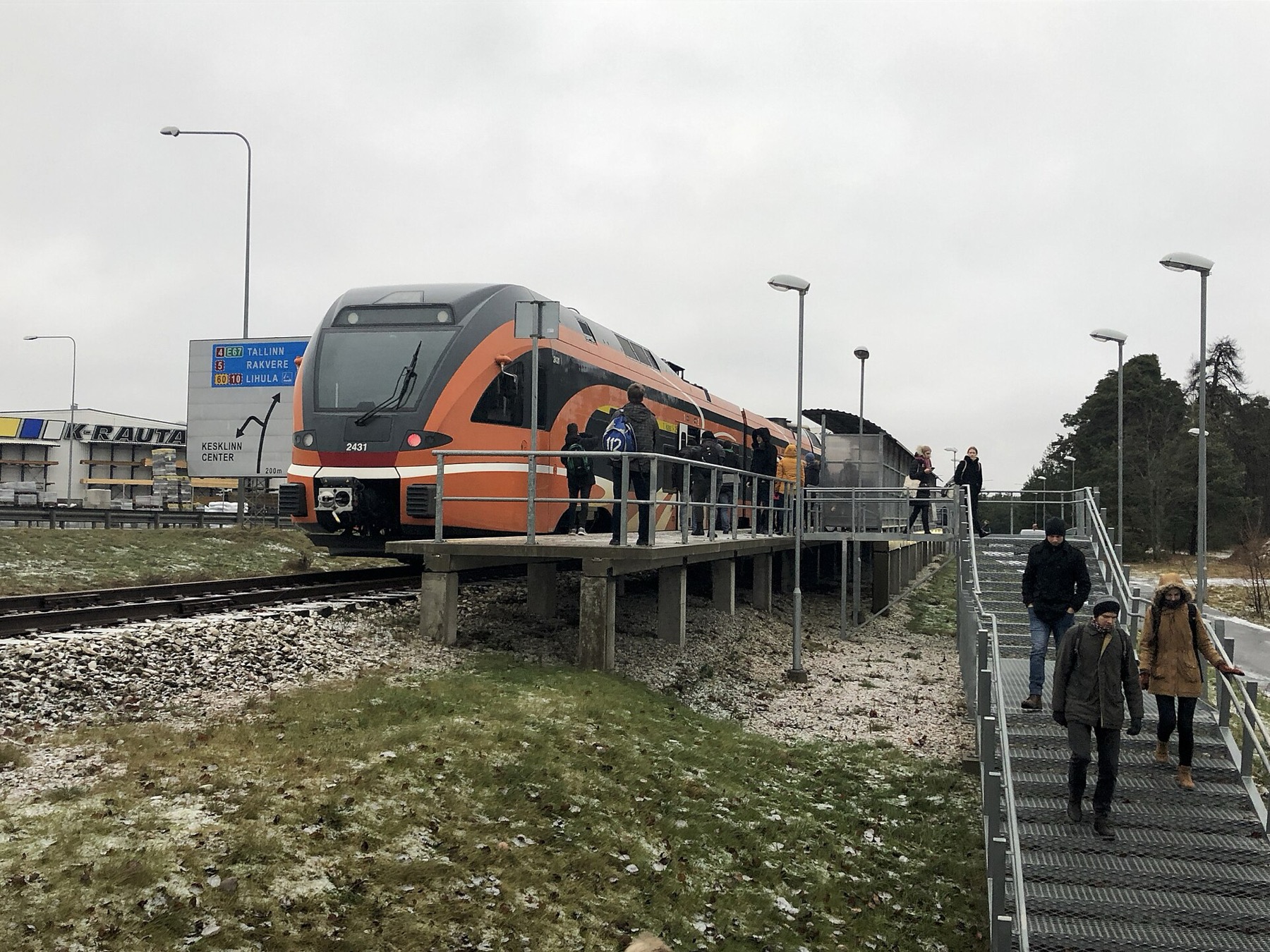
Getting from the north to the south of Estonia is incredibly easy and comfortable. The best way from Tallinn to Tartu is on the orange Elron trains, which run very frequently and reliably.
The train journey takes roughly two to two and a half hours, and tickets cost around €10. The trains are clean, spacious and offer free Wi-Fi, so you can calmly plan your itinerary along the way. If you buy your ticket online in advance on their website, you’ll get a nice discount, though paying by card directly with the conductor is no problem either.
Another great option is the Lux Express buses, which offer huge comfort including seat-back screens and a free coffee machine. They drop you off right in the centre of Tartu and cost about the same as the trains.
If you’re planning a wider Baltic road trip, it makes sense to rent a car. The roads in Estonia are in excellent condition, and Tartu itself even has a small airport, although most international flights head to Tallinn.
Where to stay in Tartu: hotels in Estonia
💡 Tip for accommodation and experiences: We prefer to look for accommodation on Booking.com, which tends to have the best cancellation terms. For tickets, tours and activities, it pays to compare and book through GetYourGuide.
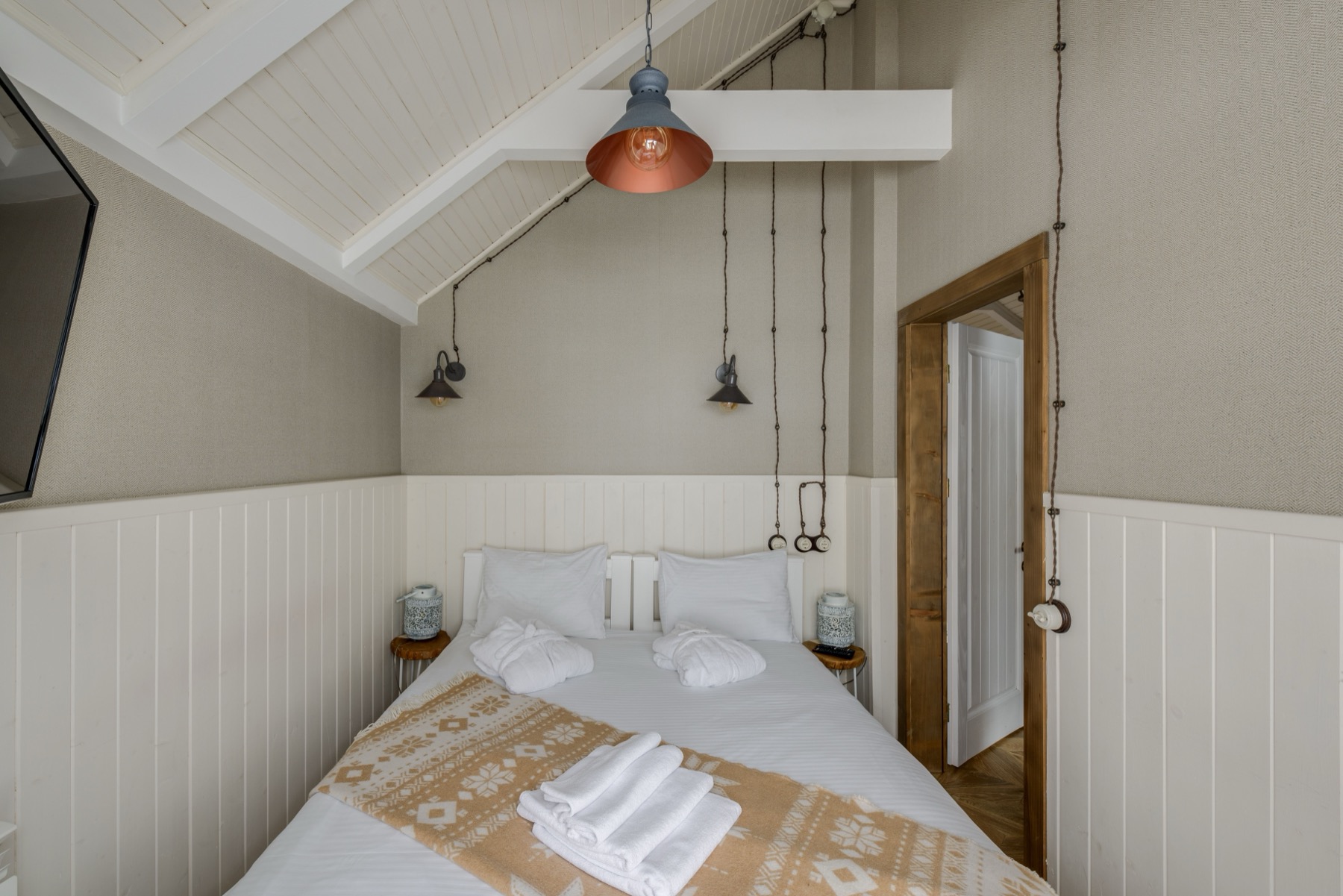
The choice of accommodation in this university city is wonderfully varied and will please backpackers and lovers of luxury alike. Most of the interesting spots are within walking distance of the centre, so the area around the Old Town is absolutely ideal.
Lydia Hotel on Ülikooli 14 is one of the best-rated addresses right in the heart of the city, with a pool and sauna to boot — an absolute lifesaver after a full day of pounding the cobblestones.
If you’re after a wellness experience rather than just a base camp, travellers rave about V Spa & Conference Hotel, where the room comes with a proper spa complex. For lovers of historic atmosphere, a great choice is the boutique Hotel Antonius with its stunning antique interiors.
For travellers on a tight budget, the stylish Hektor Design Hostel combines affordability with excellent Nordic design. Another reliable mid-range choice is Dorpat Hotel, which sits right on the bank of the Emajõgi River.
💡 Tip: Whatever type of stay you go for, you can easily sort your booking through Booking, where you’ll find plenty of other apartments suited to a student budget.
12 things to see and do in Tartu, Estonia
Let’s take a look together at the most interesting things this likeable city has to offer. From historic lanes and modern museums to creative hubs full of good coffee — in short, there’s something for everyone.
1. Town Hall Square and the kissing students fountain
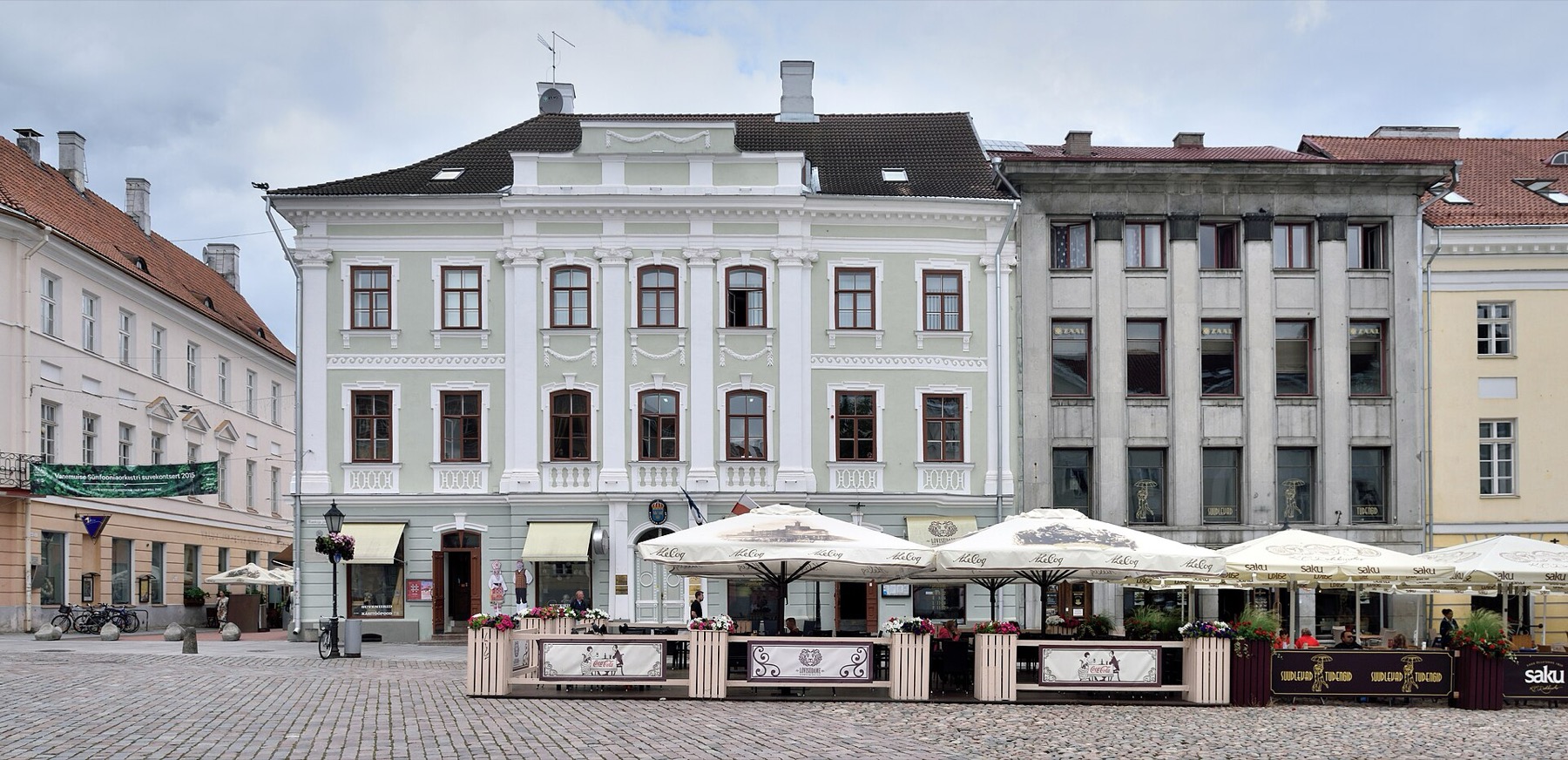
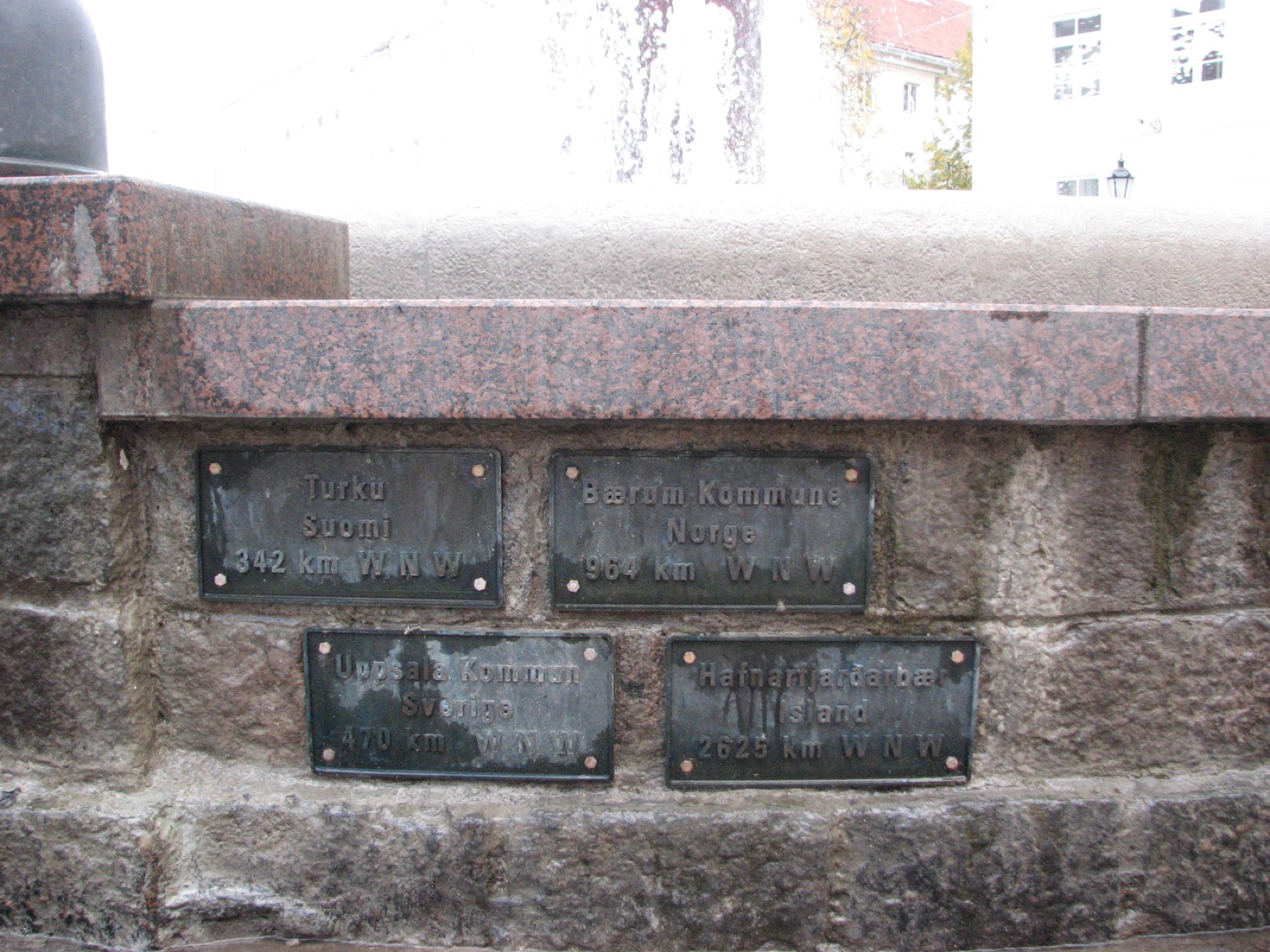
I’d recommend starting your tour right in the heart of the city at Town Hall Square (Raekoja plats). This elongated space slopes gently down towards the river and is surrounded by gorgeous pastel-coloured Neoclassical buildings.
The square is dominated by the majestic Town Hall building, and right in front of it stands the statue of the kissing students. It’s the most photographed symbol of the city, and honestly, that little sculpture will melt your heart — two students, one umbrella, the whole world wet around them.
Around the square you’ll find plenty of terraces where you can grab a coffee and soak up the local ease. Exploring this spot will take you about 30 minutes, and access is, of course, completely free.
💡 Tip: In the winter months this very square hosts magical Christmas markets that travellers rate among the prettiest in the Baltics.
2. University of Tartu main building and the historic student lock-up
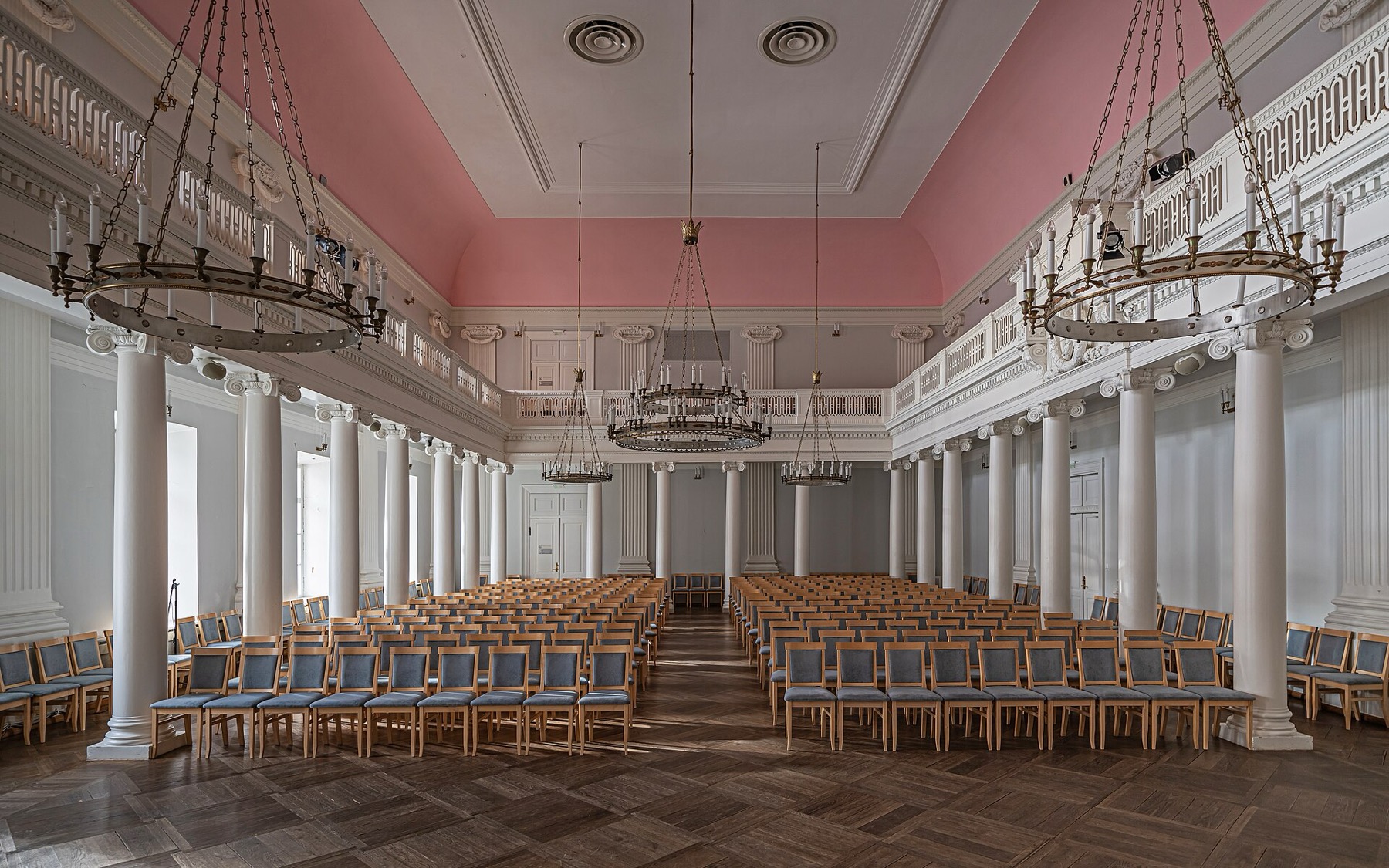
Just a few steps from the Town Hall you’ll come across the main building of the University of Tartu in Estonia, which boasts an imposing Neoclassical façade with six mighty columns. This institution is absolutely central to the city, founded by the Swedish king Gustav II Adolf back in 1632.
Fascinatingly, the attic of the building hides the so-called student lock-up (karzer), a historic cell for unruly students. They were shut in here for offences such as brawling, insulting ladies or failing to return library books.
The lock-up walls are still covered in period inscriptions and drawings that the punished students left behind out of boredom. You’ll find little poems, caricatures of professors and desperate sighs. It’s a fascinating glimpse into the history of student life.
💡 Tip: A visit to the main building and the lock-up will take you about an hour. The entrance fee is around €2.
3. Toomemägi hill and the Gothic cathedral ruins
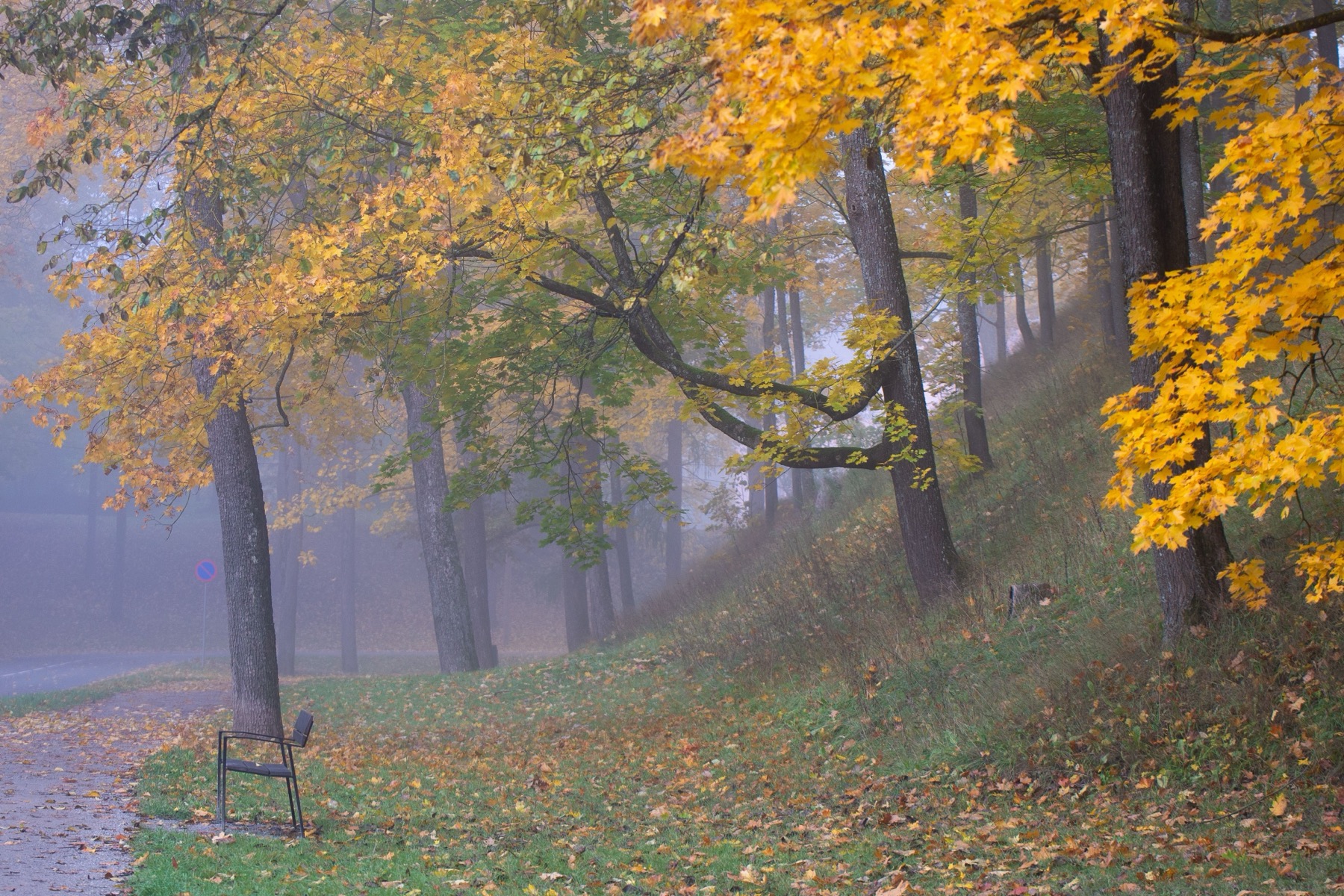
Right behind the Town Hall rises the sprawling wooded hill of Toomemägi, which acts as the green lungs of the whole city. This huge park is full of old trees and benches, so students love using it as an outdoor reading room before exams.
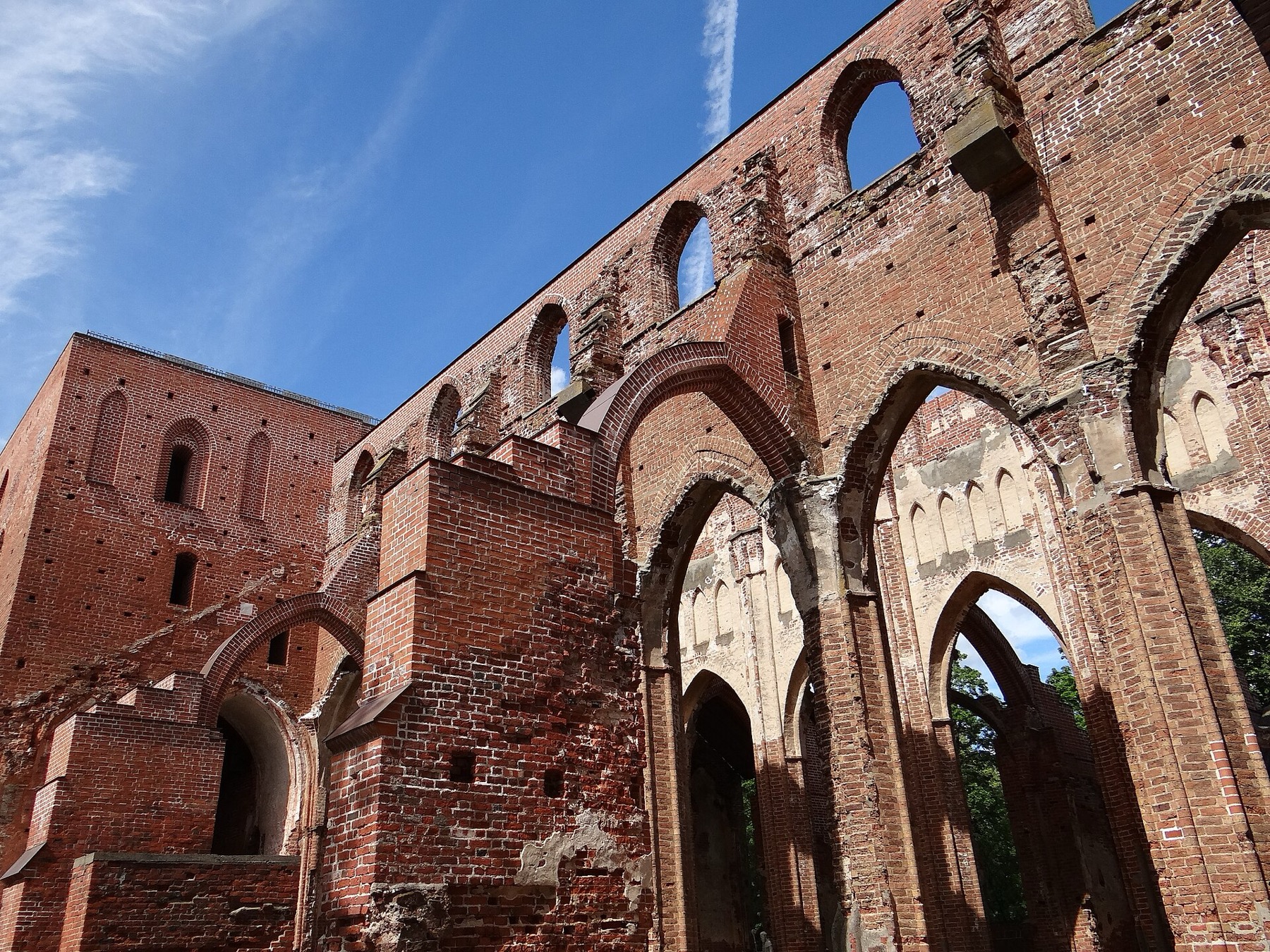
At the very top of the hill loom the monumental brick ruins of a 13th-century Gothic cathedral. The bare vaults jutting into the sky have an incredibly mysterious atmosphere and rank among the most beautiful spots in Tartu.
Part of the cathedral was rebuilt in the 19th century and now houses the university museum, from which — after climbing the surviving towers — you get a gorgeous view over the whole city.
💡 Tip: A walk through the park is free, and you should set aside a good two hours for it. Access to the towers and the museum costs around €7.
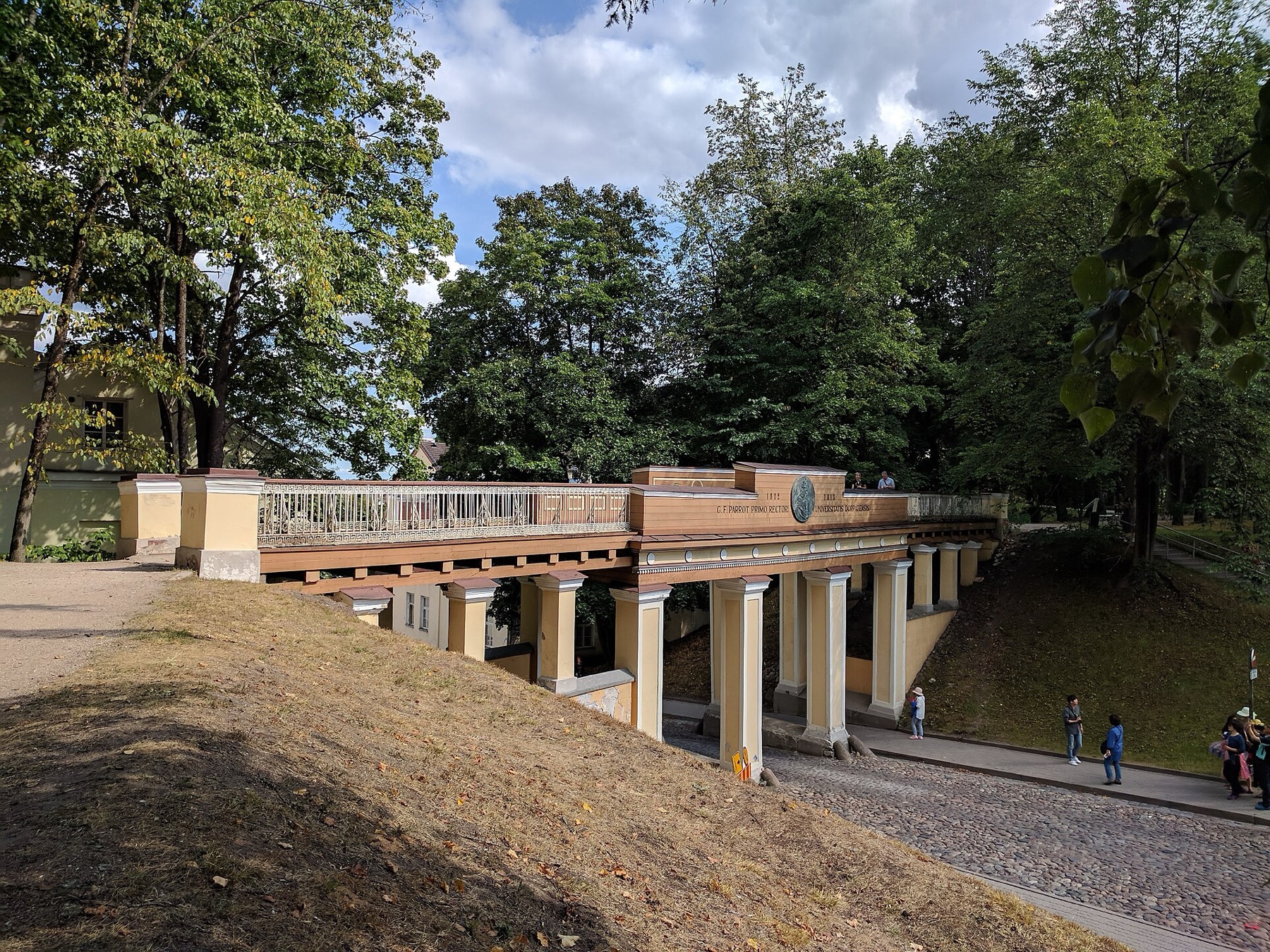
4. The Angel’s and Devil’s Bridges, full of superstitions
As you wander around Toomemägi hill, you’re bound to come across two famous bridges. The lighter one is called the Angel’s Bridge (Inglisild) and was built in honour of the first rector of the reopened university.
A lovely student superstition is tied to this bridge. It’s said that when you cross it for the first time, you have to hold your breath and make a wish. If you make it all the way to the other side, your wish is guaranteed to come true. Just try to wish for something your breath will last through, because the bridge isn’t exactly the shortest.
A little further on stands the darker Devil’s Bridge (Kuradisild), built to mark the anniversary of the Romanov dynasty. The contrast between the two structures nicely underscores the historical variety of the whole hill.
💡 Tip: Exploring both bridges and trying your luck with held breath will take you about 30 minutes and is, naturally, free.
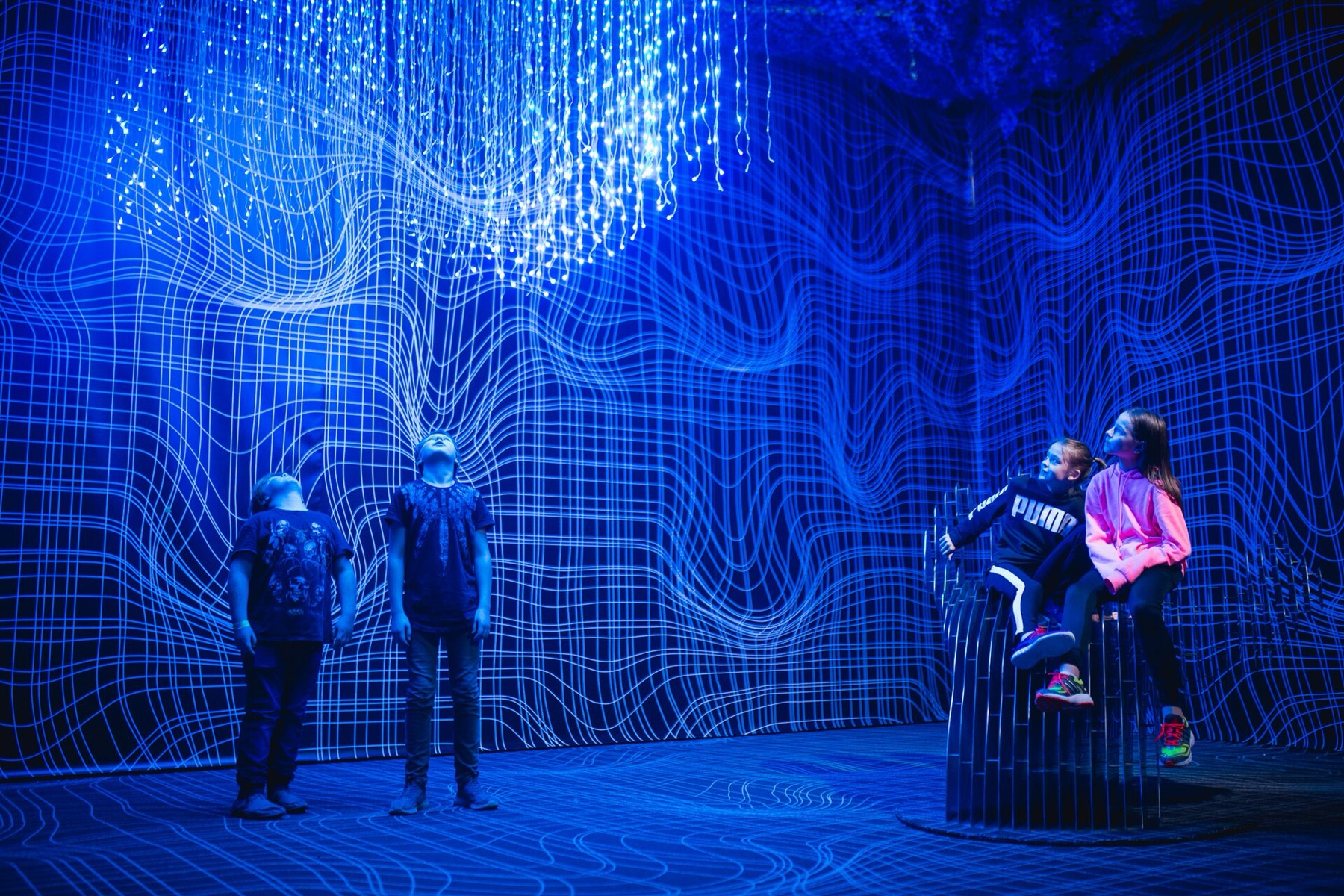
5. AHHAA Science Centre
If you’re into science or travelling with kids, this is a place you simply can’t skip. AHHAA is the largest science centre in the Baltics and a total paradise for curious minds.
Don’t expect boring display cases — here you have to touch and try everything. You can ride a bike along a rope stretched high beneath the ceiling, get lost in a mirror maze or explore an underwater world.
It’s also an absolutely ideal refuge in case the weather turns against you in Estonia and it starts to rain. You can sometimes secure tickets to attractions like this online through portals such as GetYourGuide.
💡 Tip: A visit will easily keep you busy for three to four hours. Entry for a family works out at around €45, while an adult pays €20.
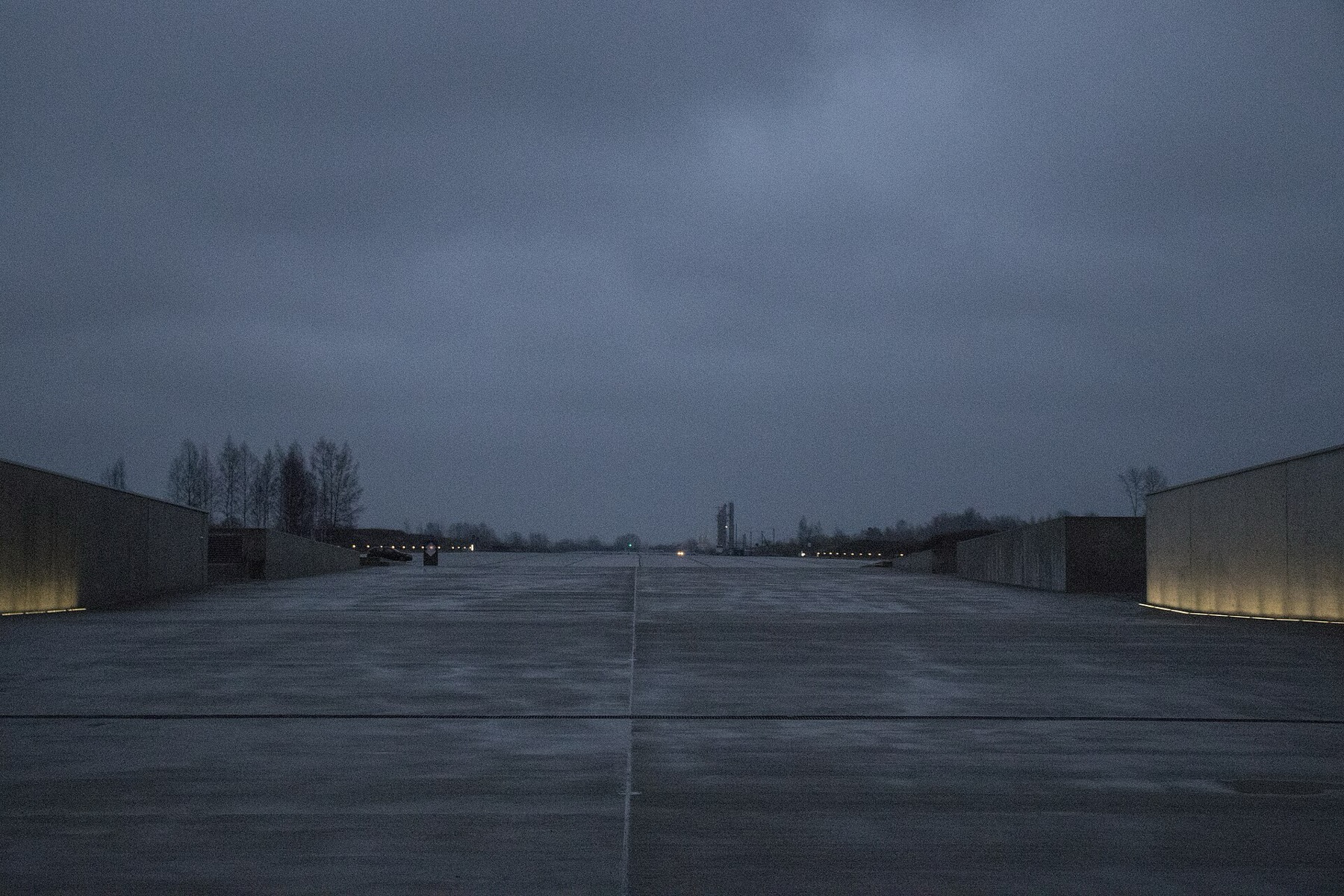
6. Estonian National Museum (ERM)
Even if you don’t normally seek out museums, this one will probably knock you off your feet. The Estonian National Museum (ERM) sits on the edge of the city in the Raadi district, on the site of a former Soviet military airfield.
The building itself is a huge architectural triumph, an enormous 350-metre-long glass wedge that flows seamlessly out of the old runway.
Inside you’ll find top-notch, interactive exhibitions mapping the history of Estonia and the Finno-Ugric peoples. All the texts are also on special smart cards that you set to your own language upon entry, which is incredibly practical. The section devoted to everyday life under the Soviet occupation is especially powerful and will tell you a lot about the local mentality.
💡 Tip: Set aside at least three hours for this stunning place. The entrance fee is roughly €15.
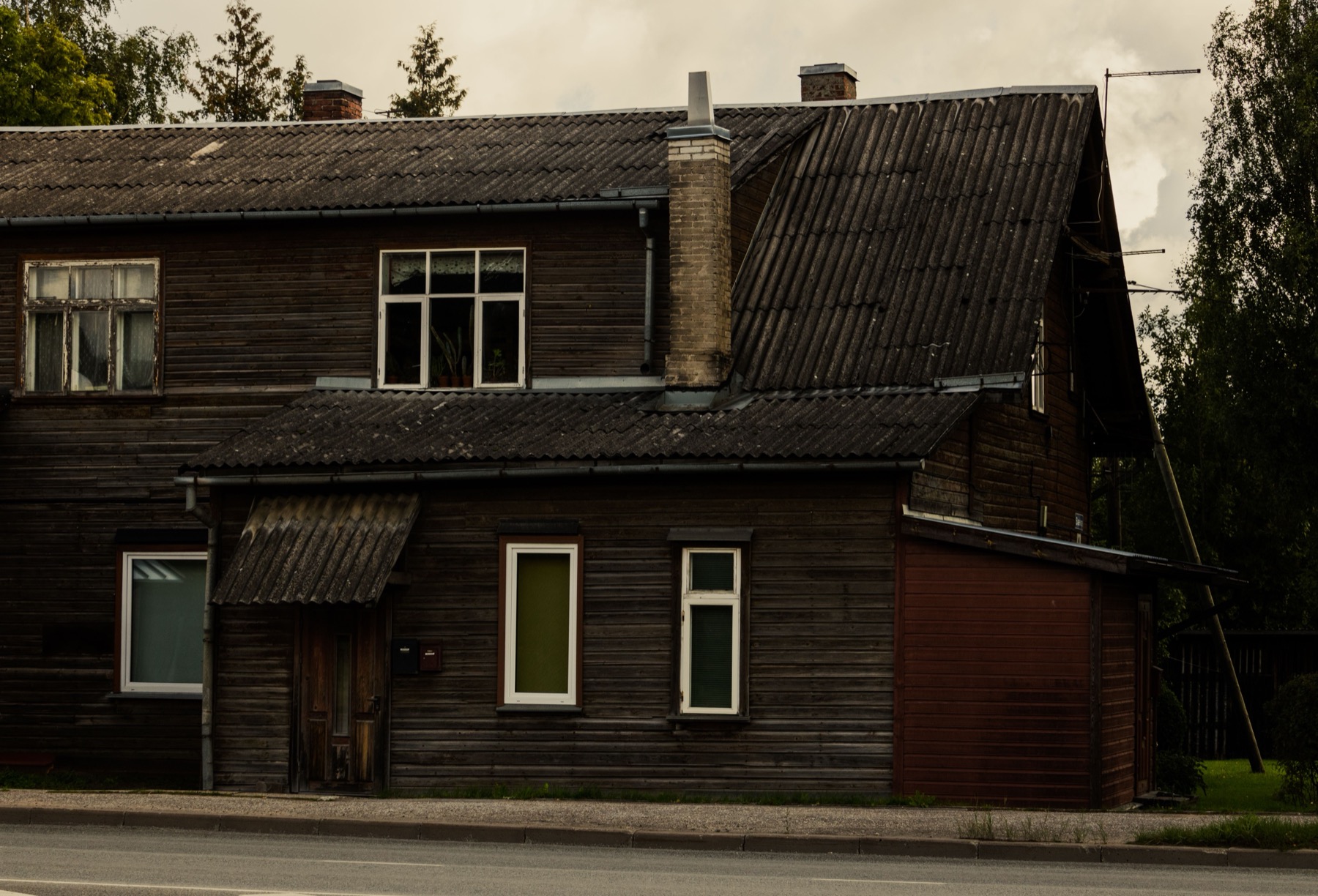

7. The wooden Supilinn district (Soup Town)
A short walk from the centre towards the river lies a district that looks straight out of the last century. Supilinn is a labyrinth of old, colourful wooden houses with unbelievable charm.
Its name translates as Soup Town, stemming from the fact that the local streets are named after various vegetables. You’ll come across Pea Street, Potato Street, Bean Street and Melon Street.
It used to be a neglected working-class colony, but today it’s a sought-after bohemian address full of community gardens and street art, where you can happily lose yourself for an hour with a camera.
💡 Tip: Get lost in the lanes with a camera in hand — the walk will take you about an hour and won’t cost you a cent.
8. Aparaaditehas creative hub
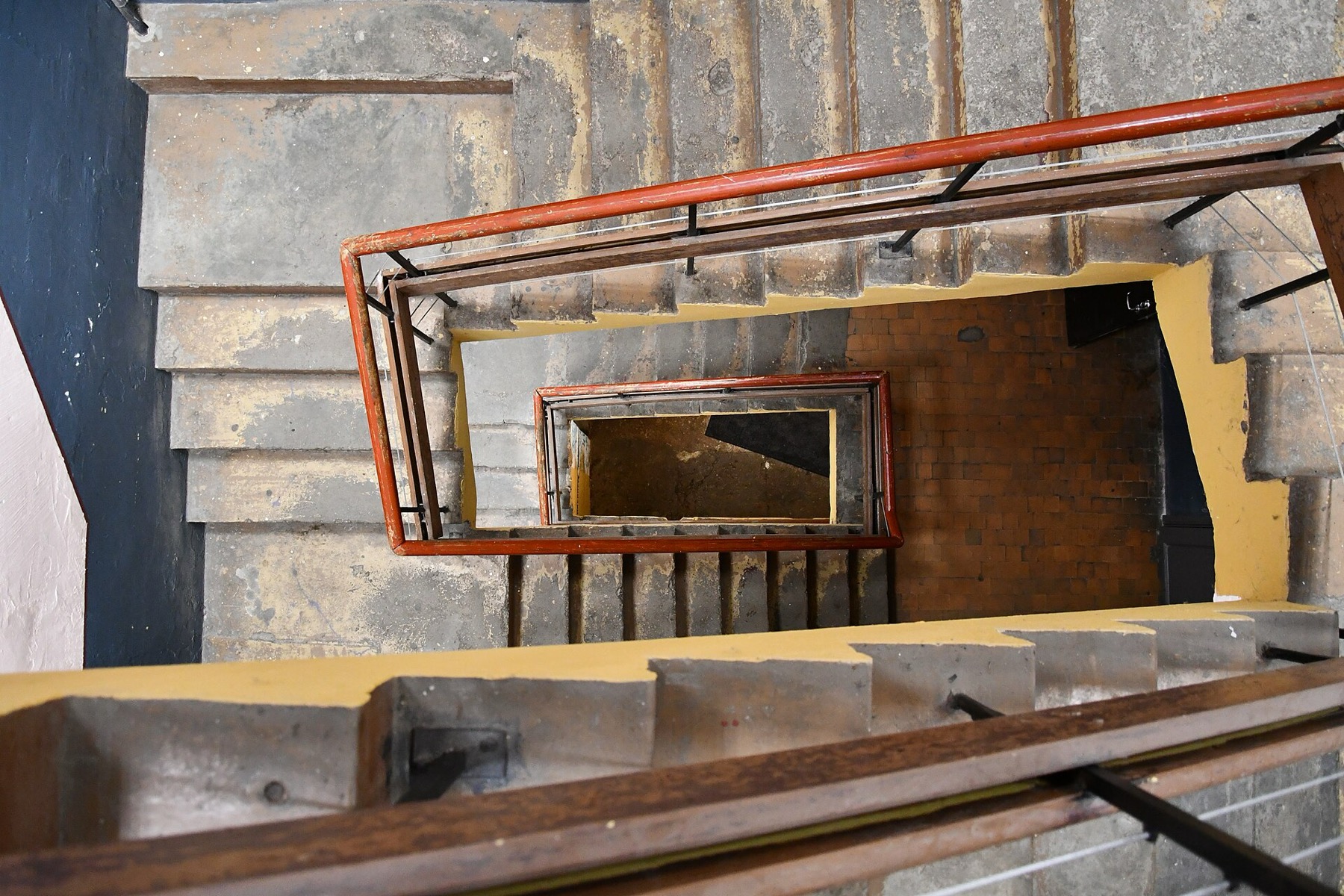
The former Soviet factory Aparaaditehas went through a similar hipster transformation. It once produced refrigeration equipment and secret submarine parts; today it’s Tartu’s answer to Tallinn’s Telliskivi.
This vast industrial complex has turned into a creative hub. The courtyard is full of loungers, and you’ll find independent boutiques, art studios and absolutely brilliant speciality coffee cafés. You’ll even discover second-hand bookshops and stores selling local sustainable design.
It’s exactly the kind of place students come to on a Saturday morning to settle in for brunch or work with a laptop in hand.
💡 Tip: Entry to the complex is free, but definitely set aside one to two hours to browse the shops and linger over good food.
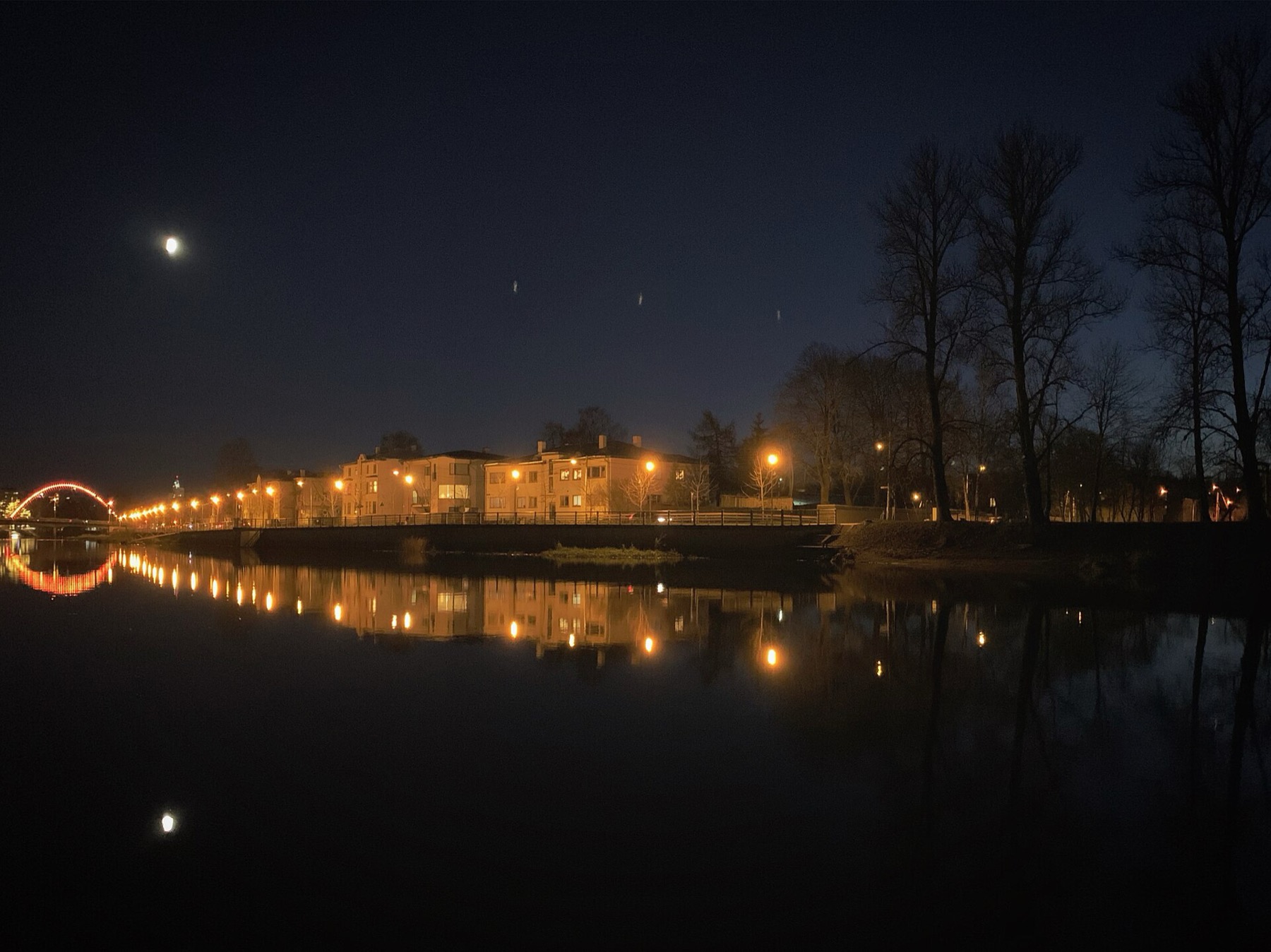
9. The Emajõgi River and the arched Kaarsild bridge
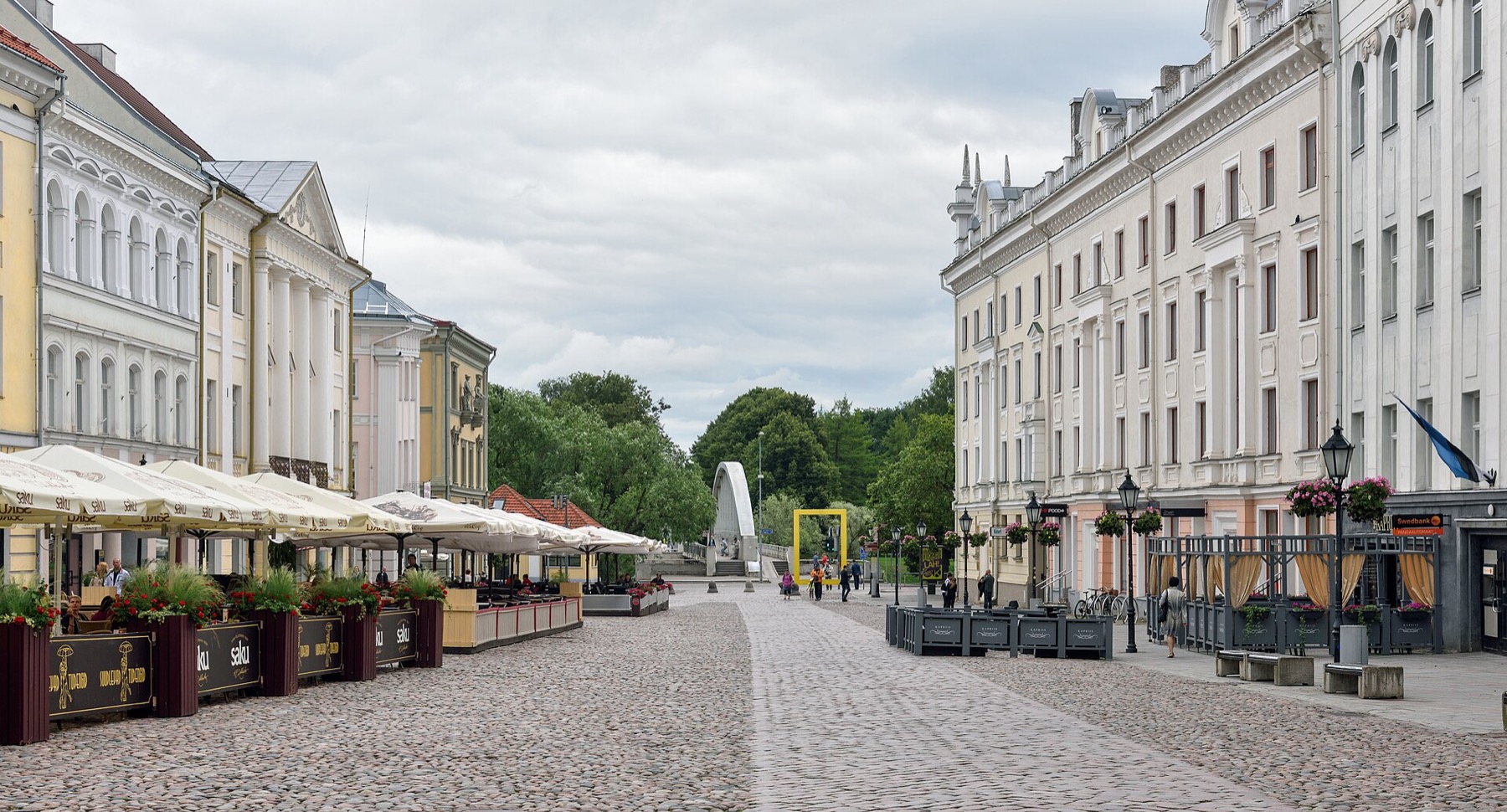
Tartu is bisected by the wide Emajõgi River, whose embankment is another popular chill-out zone. In summer, outdoor cafés and bars operate here, buzzing long into the night.
The two banks are linked by the unmissable arched Kaarsild bridge, which was built on the site of the original stone bridge destroyed during the war. It’s a pedestrian-only crossing, so you can take a leisurely stroll across it.
According to local tradition, some daring students occasionally try to cross the bridge along its high arch, which is strictly forbidden but adds to the place’s legendary status.
💡 Tip: A slow walk along the embankment with a view of the bridge will take you about 45 minutes. At night the bridge is also beautifully lit up.
10. University Botanical Garden
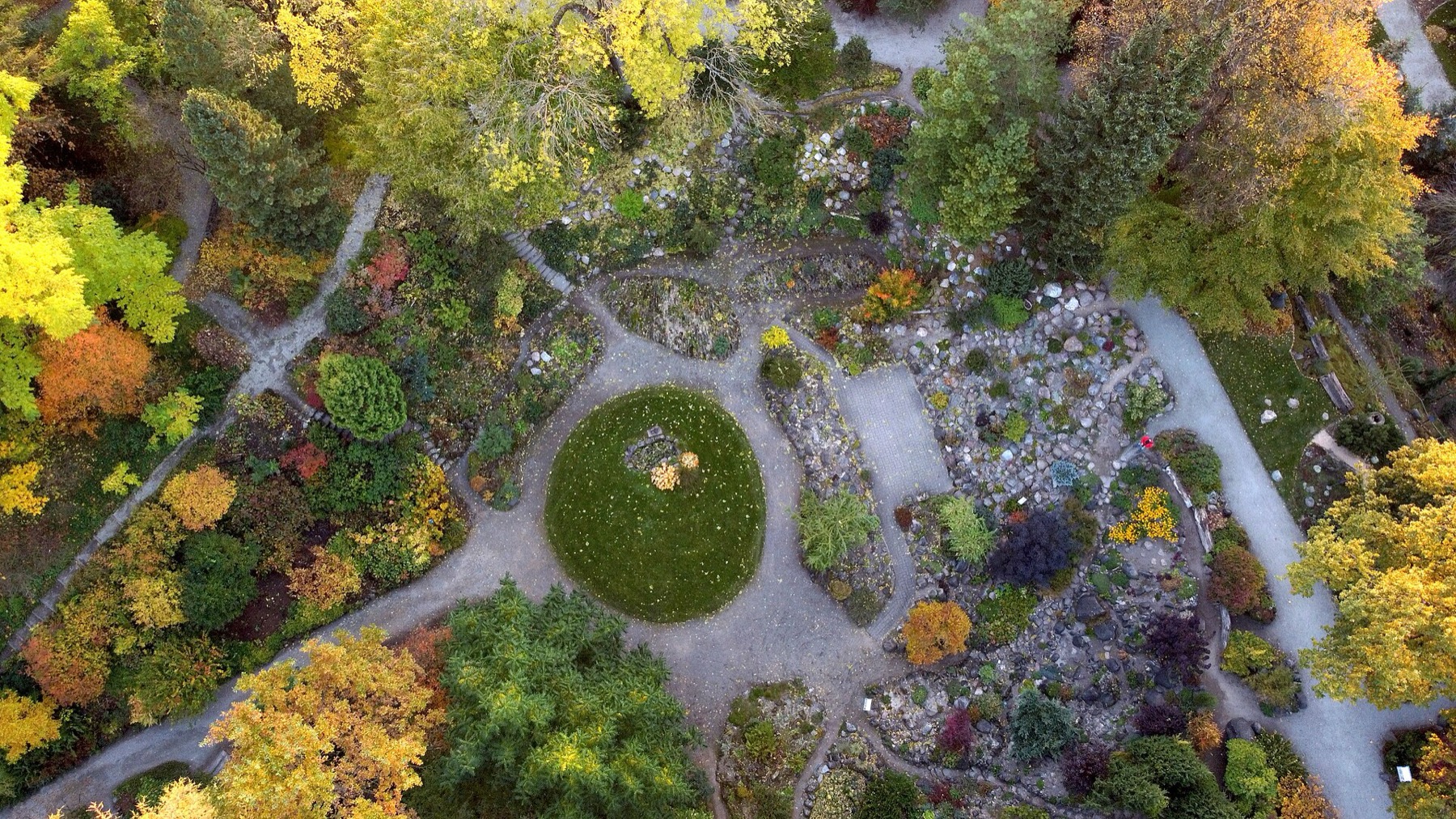
Nature lovers definitely shouldn’t miss the university botanical garden, which lies just a short walk from the old ramparts. It’s one of the oldest botanical gardens in the Baltics and offers a gorgeous oasis of calm.
You’ll find meticulously maintained outdoor displays, ponds and hundreds of plant species. It’s the perfect place for an afternoon picnic or simply reading a book quietly on a bench.
For a small fee you can also peek into the large palm greenhouses, which instantly transport you to a tropical climate.
💡 Tip: The outdoor grounds are free to enter, while access to the greenhouses costs around €3. A visit will take you roughly an hour to an hour and a half.
11. Tartu Observatory on the UNESCO list
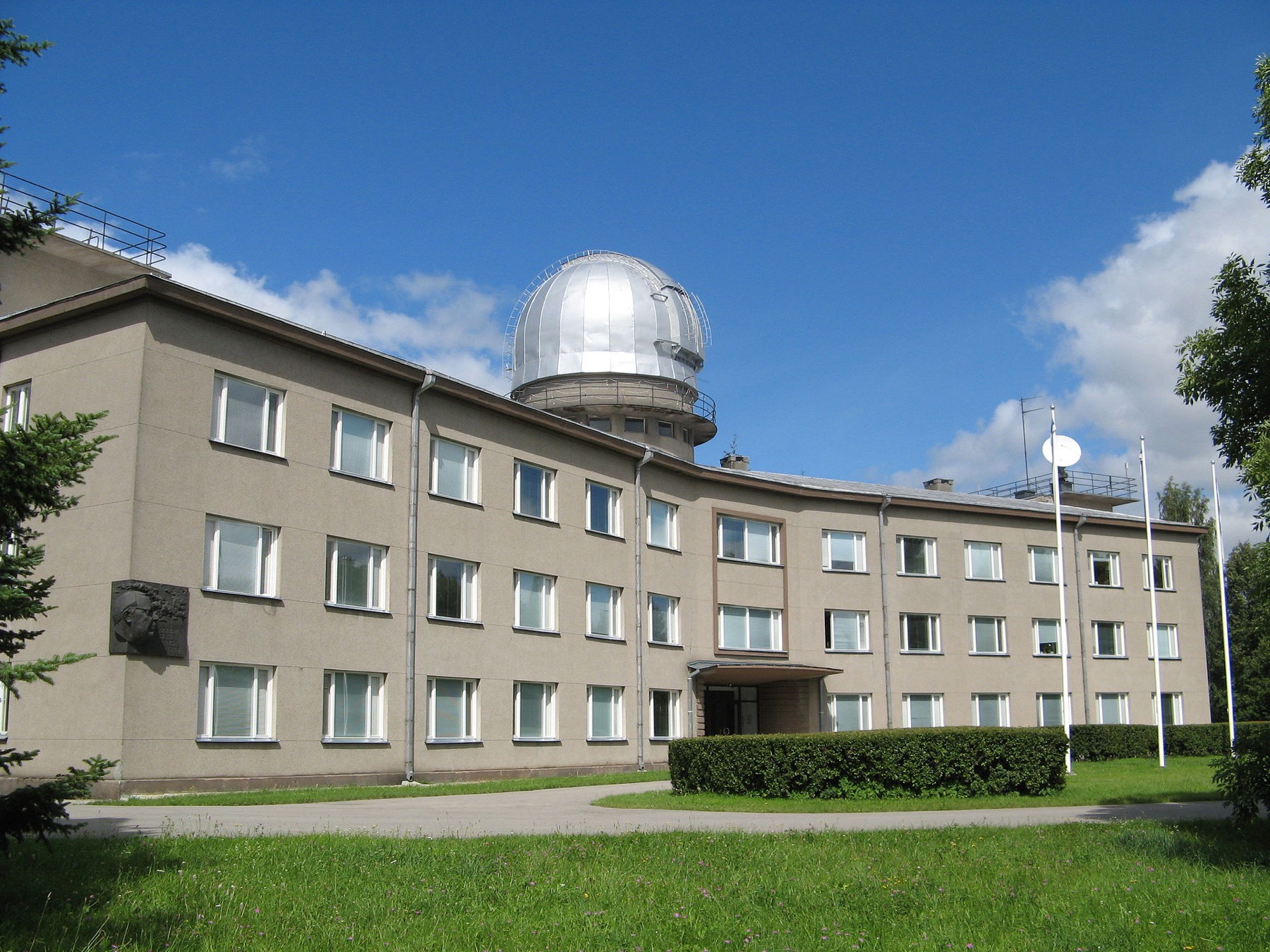
Right on Toomemägi hill you’ll find one more unique gem: the historic university observatory. This unassuming building played a huge role in the history of world astronomy.
It was from here in the 19th century that astronomer Friedrich Georg Wilhelm von Struve conducted his famous measurements of the shape and size of the Earth. Thanks to the so-called Struve Geodetic Arc, the observatory made it onto the UNESCO World Heritage List.
Inside you can admire historic telescopes and old star charts, which will thrill not only science fans but anyone who loves old instruments.
💡 Tip: Touring the museum inside the observatory will take you about an hour. The entrance fee is around €5.
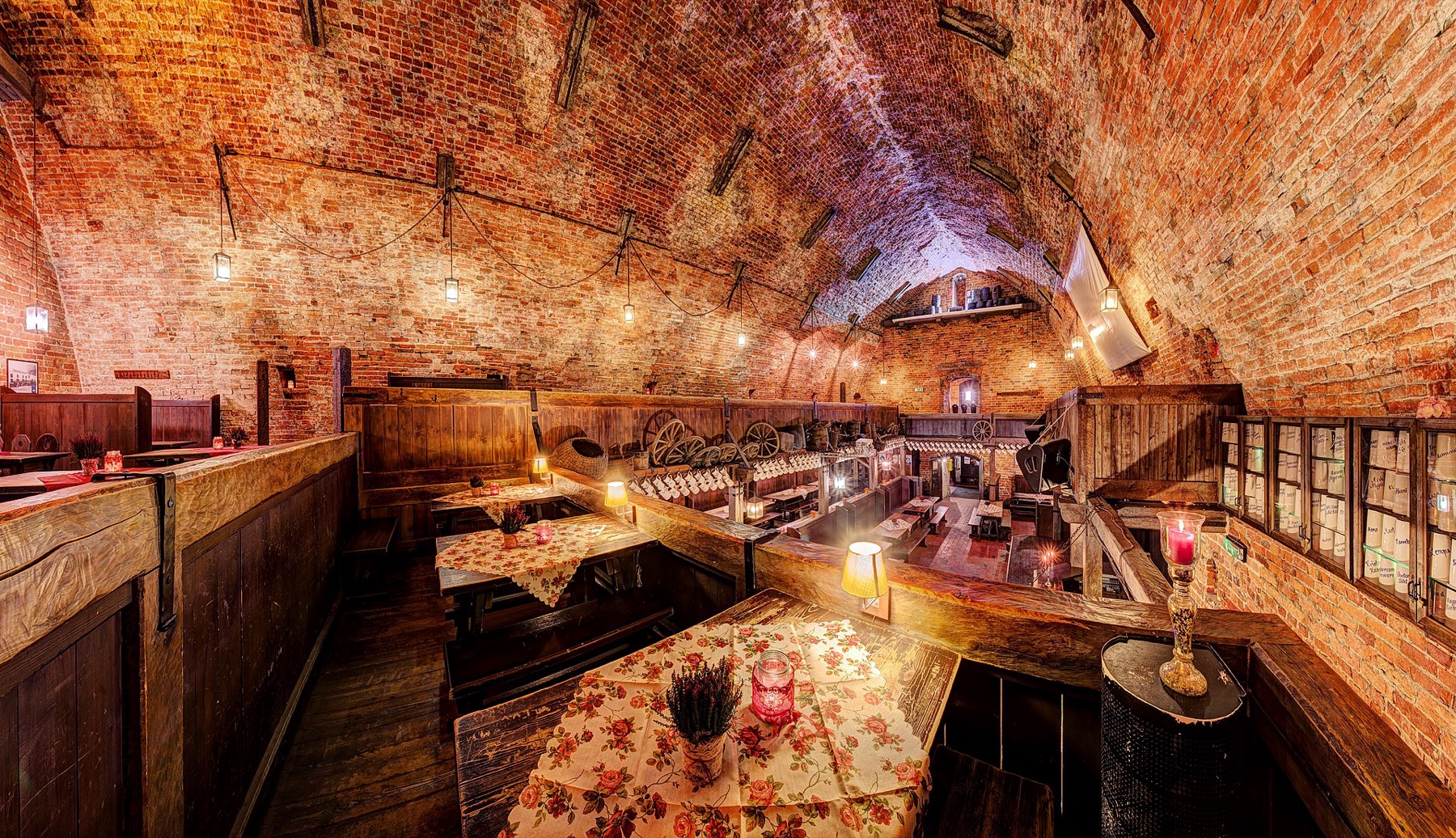
12. Püssirohukelder (Gunpowder Cellar) with a record-breaking ceiling
As you come down from Toomemägi hill, don’t miss the legendary Püssirohukelder pub. This establishment is housed in a former gunpowder store dug straight into the steep slope of the hill.
The pub also boasts an absolutely unique record — it reportedly has the highest pub ceiling in Europe. According to locals it measures over 10 metres, giving the whole space the atmosphere of a giant cave.
Although most people come here to sit down in the evening, I’d recommend popping in during the day too, because the red-brick interior itself is genuinely worth seeing.
💡 Tip: You can combine your visit with lunch — sitting down here will take you about an hour. Entry is, of course, free; you only pay for what you order.
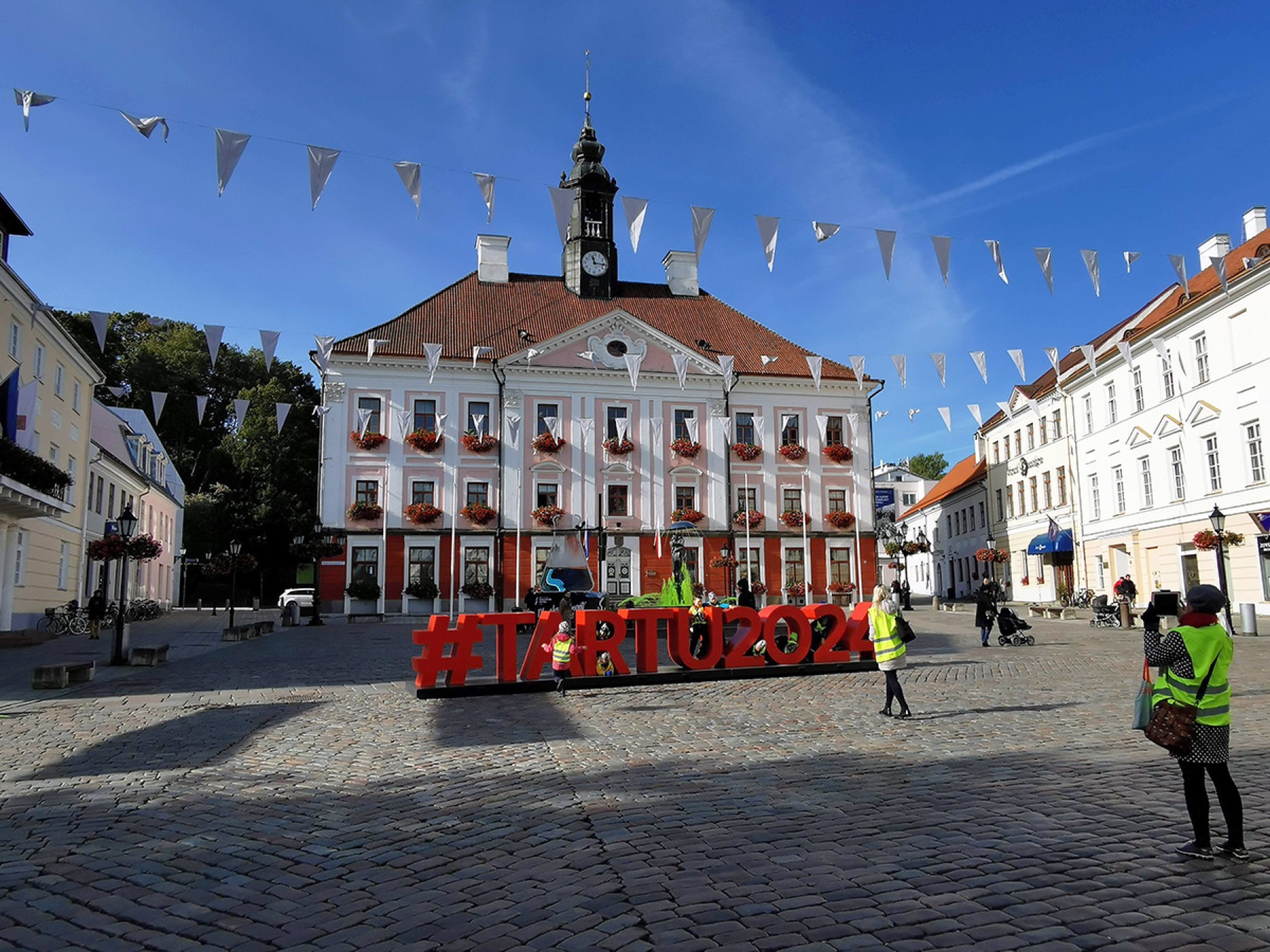
What Tartu kept from being European Capital of Culture
The year 2024 was an absolute turning point for the city, as it proudly wore the title of European Capital of Culture. Unlike other cities where nothing but debt remains after the fireworks, here it went off brilliantly and the positive effects last to this day.
According to official figures, the programme drew more than 1.34 million visitors, which completely exceeded all expectations. The city got used to hosting great events and tourists got used to coming, so even in 2025 the number of overnight stays grew by 15% — no small thing.
Tartu keeps benefiting from this cultural boost. What’s left behind are beautifully restored parks, new community gardens and lots of small art installations in public spaces. The creative hubs in the old factories are running at full tilt and the city keeps hold of a fantastic cultural vibe.
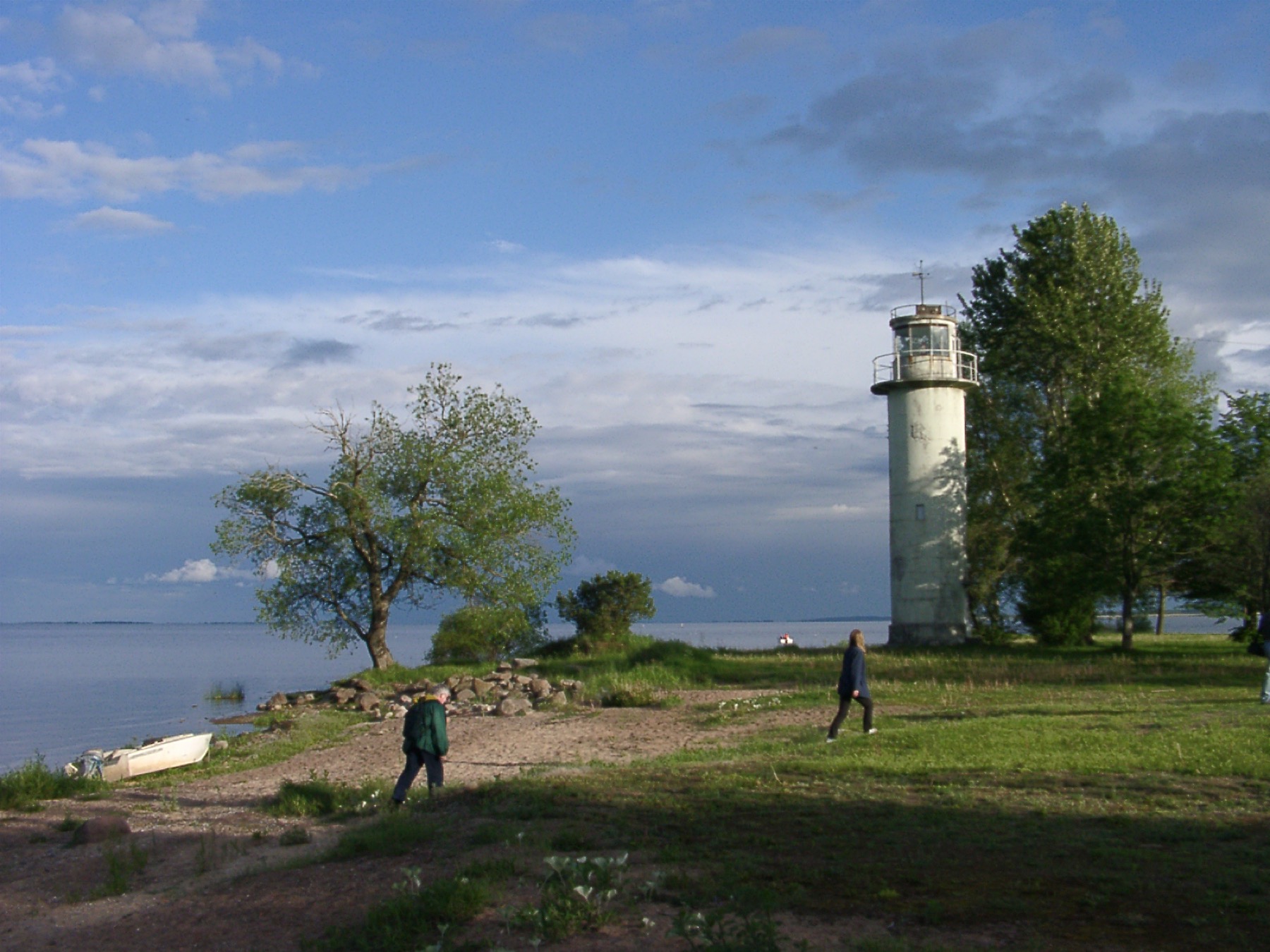
Day trips from Tartu
Once you’re in the south of Estonia, it would be a shame not to venture beyond the city limits. About an hour’s drive to the northeast lies the vast Lake Peipus (Peipsi järv), which forms a natural border with Russia.
Along its shores stretches the so-called Onion Route, home to a community of Russian Old Believers. Locals sell huge braids of home-grown onions in front of their wooden houses, and it’s definitely worth stopping at one of the tea houses, where they’ll brew you tea in a historic samovar to sit down with (the atmosphere feels like another world).
South of Tartu, the landscape unexpectedly ripples. In the Otepää region, which serves as a famous winter resort, you’ll find deep valleys and hundreds of lakes. Even further southeast lies the Võromaa region, home to the famous smoke saunas listed by UNESCO. For these trips it’s ideal to have a rental car at your disposal, though, because rural buses run rather sporadically.

Where to eat
Estonian cuisine will pleasantly surprise you, but be prepared for the fact that prices are no longer as low as they once were. The secret key to cheap food is the magic word päevapraad (the daily lunch menu).
Every weekday around lunchtime, local bistros and cafés offer a full menu that works out at roughly €5 to €8. That way you can eat alongside the local students for a very fair price. You’ll find plenty of such spots right around the university or in the creative Aparaaditehas district. A great choice for a daily menu is Kolm Tilli right in Aparaaditehas, or the acclaimed Werner Café just a short walk from the university — where, incidentally, they have the best cakes in town.
Local restaurants along the coast may tempt you with fish specialities and smoked meat from the smoke sauna (and yes, sauna cuisine really is a big deal here), but don’t hesitate to go for vegetarian pelmeni or a creamy vegetable soup either — they’re not worth overlooking.
Where to go next
If the Baltics appeal to you and you’re planning a longer trip, we’ve put together plenty of other useful articles for you.
- Curious what the rest of the country has to offer? Read the article Estonia: 25 tips on what to see and do.
- Or head straight to the capital with our guide Tallinn: 20 tips on what to see and do in Estonia’s capital.
- So the weather doesn’t catch you off guard, check out When to go to Estonia: weather month by month.
- Tempted by a proper road trip? Browse our Baltics in 10 days: an itinerary through Estonia, Latvia and Lithuania.
- And if you love wellness, don’t miss Estonian spas and saunas: 200 years of tradition.
- Practical travel advice can be found in the article How to get to Estonia: flights, ferry and by car.
Frequently asked questions
Is a trip to Tartu even worth it?
Absolutely. While the capital is often packed with tourists during the day, Tartu offers a much more authentic and peaceful glimpse into Estonian life with an incredibly relaxed student atmosphere.
What’s the best way to get from Tallinn to Tartu?
The most comfortable and fastest option is the orange Elron trains, which run very frequently. The journey takes just over two hours and a ticket costs approximately €10. Another great option is the luxury Lux Express buses.
How many days do I need for sightseeing?
If you only want to see the main highlights in the centre and visit one museum, you can manage it in one packed day. However, two days is ideal, and if you want to visit Lake Peipus as well, plan for three days.
What should I definitely see in Tartu?
Don’t miss the romantic Toomemägi hill with the ruins of the Gothic cathedral, Town Hall Square with the statue of kissing students, and the creative Aparaaditehas quarter. The Estonian National Museum (ERM) is also well worth a visit.
Is the AHHAA science centre suitable for children?
It’s an absolute paradise for them. This is the largest interactive museum in the Baltics, where children (and adults) can touch, try out, and explore everything. You can easily spend half a day here.
How much do tickets to the main museums typically cost?
Prices vary considerably. Most parks and outdoor monuments are free. Entry to the Estonian National Museum (ERM) costs around €15, while a family ticket to the AHHAA centre runs at approximately €45.
When is the best time to visit?
You’ll enjoy the city most in spring or early autumn, when the real academic atmosphere prevails and the streets are full of students. In August the city is beautiful, but noticeably emptier.
What remains in the city from its European Capital of Culture title?
The city continues to benefit from this 2024 title to this day. Renovated community parks, newly opened cafés, and plenty of small art installations remain, giving the streets a modern character.
Where can you eat well and cheaply?
Look for signs saying päevapraad, which means daily lunch menu. In these bistros and cafés you can have a very good lunch on weekdays for approximately €5 to €8.
Tips and Tricks for Your Vacation
Don’t Overpay for Flights
Search for flights on Kayak. It’s our favorite search engine because it scans the websites of all airlines and always finds the cheapest connection.
Book Your Accommodation Smartly
The best experiences we’ve had when looking for accommodation (from Alaska to Morocco) are with Booking.com, where hotels, apartments, and entire houses are usually the cheapest and most widely available.
Don’t Forget Travel Insurance
Good travel insurance will protect you against illness, accidents, theft, or flight cancellations. We’ve had a few hospital visits abroad, so we know how important it is to have proper insurance arranged.
Where we insure ourselves: SafetyWing (simple monthly subscription) and TrueTraveller (for extra-long trips).
Find the Best Experiences
Get Your Guide is a huge online marketplace where you can book guided walks, trips, skip-the-line tickets, tours, and much more. We always find some extra fun there!