Say Estonia and most people picture the medieval walls of Tallinn, but the real treasure lies in the country’s traditional spas and famous saunas in Estonia. Few visitors realise that the local sauna culture is on the UNESCO list and that the spa tradition here reaches all the way back to the nineteenth century. While many of us think of the sauna as a pleasant add-on to a swimming pool, here it is a sacred ritual that cleanses both body and mind.
Don’t expect the classic Central European spa town with a colonnade and mineral water tastings, though. Estonian spa culture is built on healing mud, modern design and luxurious wellness that won’t ruin your wallet. No wonder the Finns pour in for long weekends, praising the high quality at a fraction of Nordic prices.
Trust me, after your first plunge into an Estonian smoke sauna you’ll be hunting for flights back. I’ll tell you where to find the best spa hotels, what the rules are (spoiler: leave your swimsuit at home) and why this Nordic tradition made it onto the UNESCO list.
Summary
- No doctor’s referral needed: Estonian spas work as commercial wellness, so you don’t need any medical prescriptions.
- Three main pillars: The best spas are found in the towns of Pärnu, Haapsalu and Kuressaare on the island of Saaremaa.
- No swimsuits: A strict nudity rule applies in the saunas — swimsuits aren’t worn for hygiene reasons.
- The smoke ritual: The biggest highlight is the smoke sauna (suitsusaun) in Võromaa, which holds UNESCO protected heritage status.
- Great off-season prices: If you go in autumn or winter, the cost of luxury stays drops to very friendly figures.
- Finnish clientele: Most visitors come from Finland, and since the Finns are serious sauna perfectionists, the quality of service and cleanliness here has to be top-notch.
- Cooling off in the sea: A typical Estonian relaxation session pairs a scorching sauna with a plunge into the icy Baltic Sea.
The full destination guide: Estonia — guide and what to see
How Estonian spas differ from the classic spa town
Many people hear the word “spa” and immediately picture a three-week stay covered by insurance, treatments scheduled to the minute and drinking cures from little ceramic cups. In Estonia, spa culture works completely differently, because there’s no system of doctor-prescribed treatment here. Everything runs on a purely commercial basis and feels more like a luxury Nordic wellness break, the kind of place people go to escape stress.
The foundation of the Estonian tradition isn’t hot springs but healing sea and dolomite mud, harvested from the shallow bays. Local hotels offer so-called spa packages that include accommodation, breakfast, unlimited access to the sauna world and often a choice of specific treatments. All you have to do is pick a hotel, book your dates and go — everything is sorted online in a few minutes.
The crowd itself is interesting too, because Estonian spa hotels live largely off Finnish guests. The Finns are extremely demanding when it comes to saunas, so service quality and cleanliness have to be absolutely first-class. And the pricing is very appealing for the Finns — and for international visitors too. While you’d pay a fortune for similar luxury in Scandinavia, in Estonia you can grab gorgeous weekend packages for very reasonable money, especially if you avoid the peak summer season.
Sauna culture: how Estonians sauna
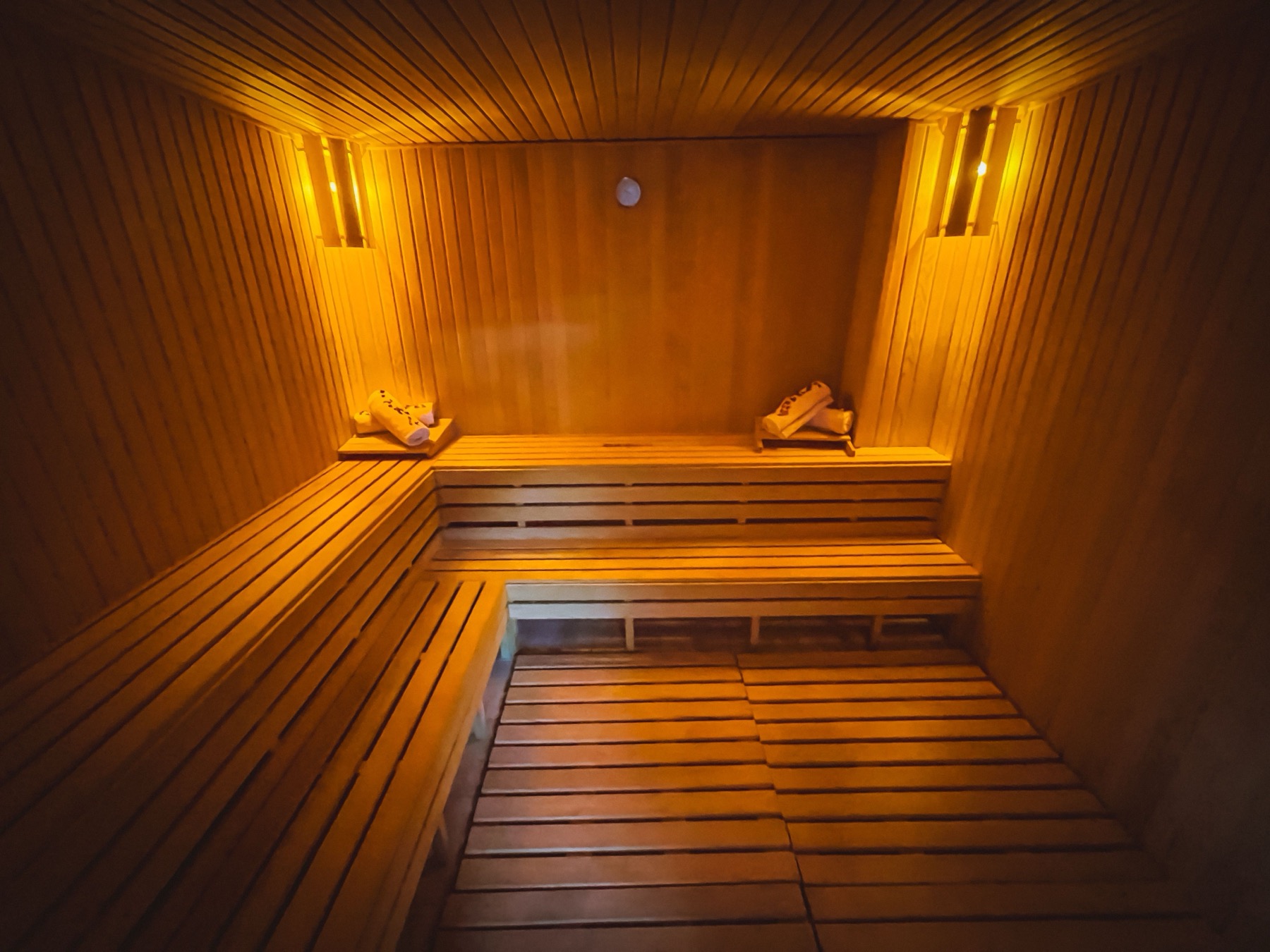
In Estonia the sauna isn’t just a place to warm your bones for ten minutes after a swim. It’s the very foundation of the local lifestyle, a social event and a spot where family matters and business are discussed alike. Locals say babies used to be born in saunas here, because it was the cleanest and warmest room in the whole house. Today almost every rural family has its own sauna, and plenty of city dwellers do too.
The basic rule that sometimes catches visitors off guard is the total naturalness of nudity. Swimsuits aren’t worn in the sauna, because the heat releases chlorine and other chemicals from them. In public city saunas men and women are strictly separated, or they take turns at different times. But if you rent a smaller sauna with family or friends, people commonly sit together regardless of gender. Wrapping yourself in a towel is of course perfectly fine if you feel shy.
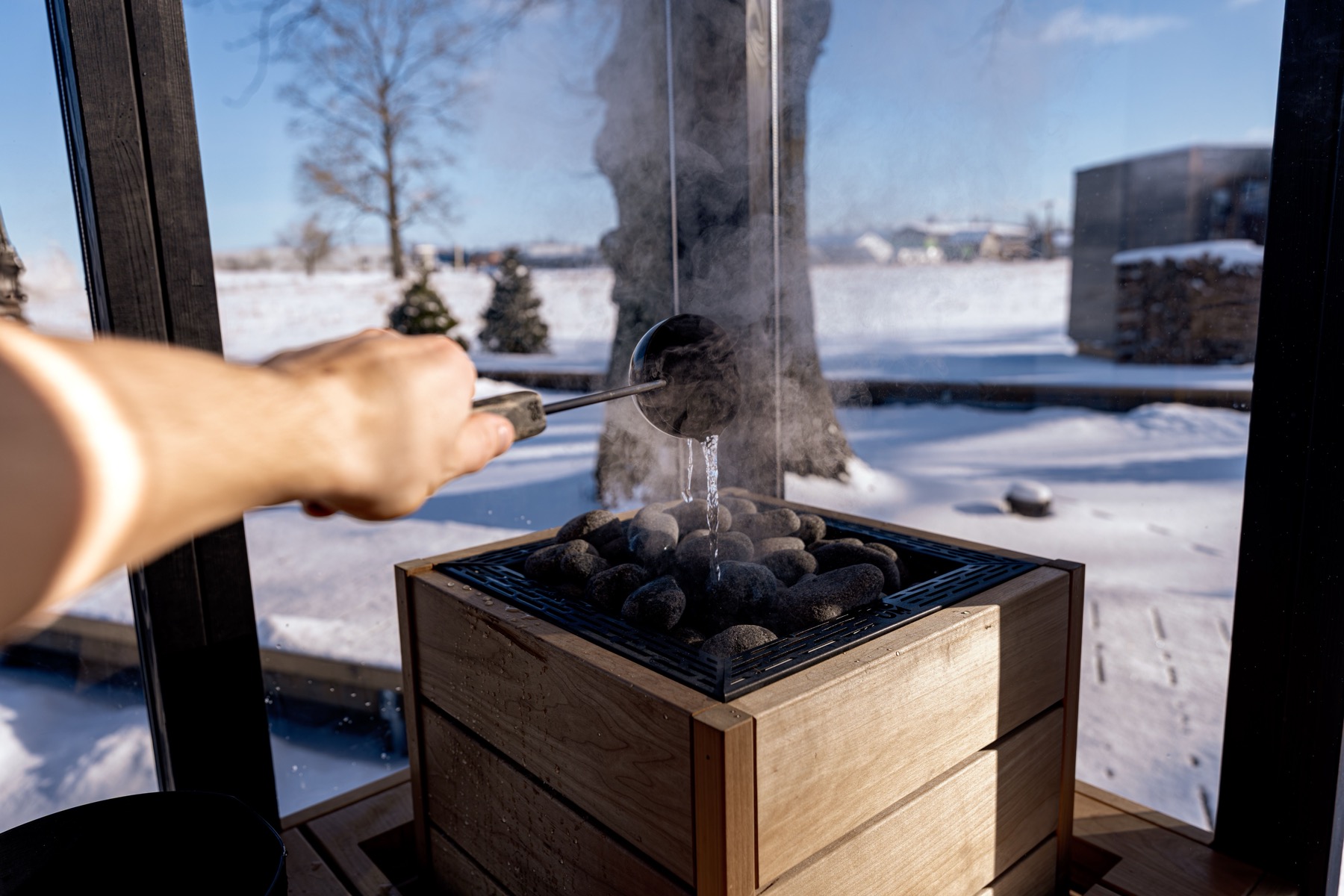
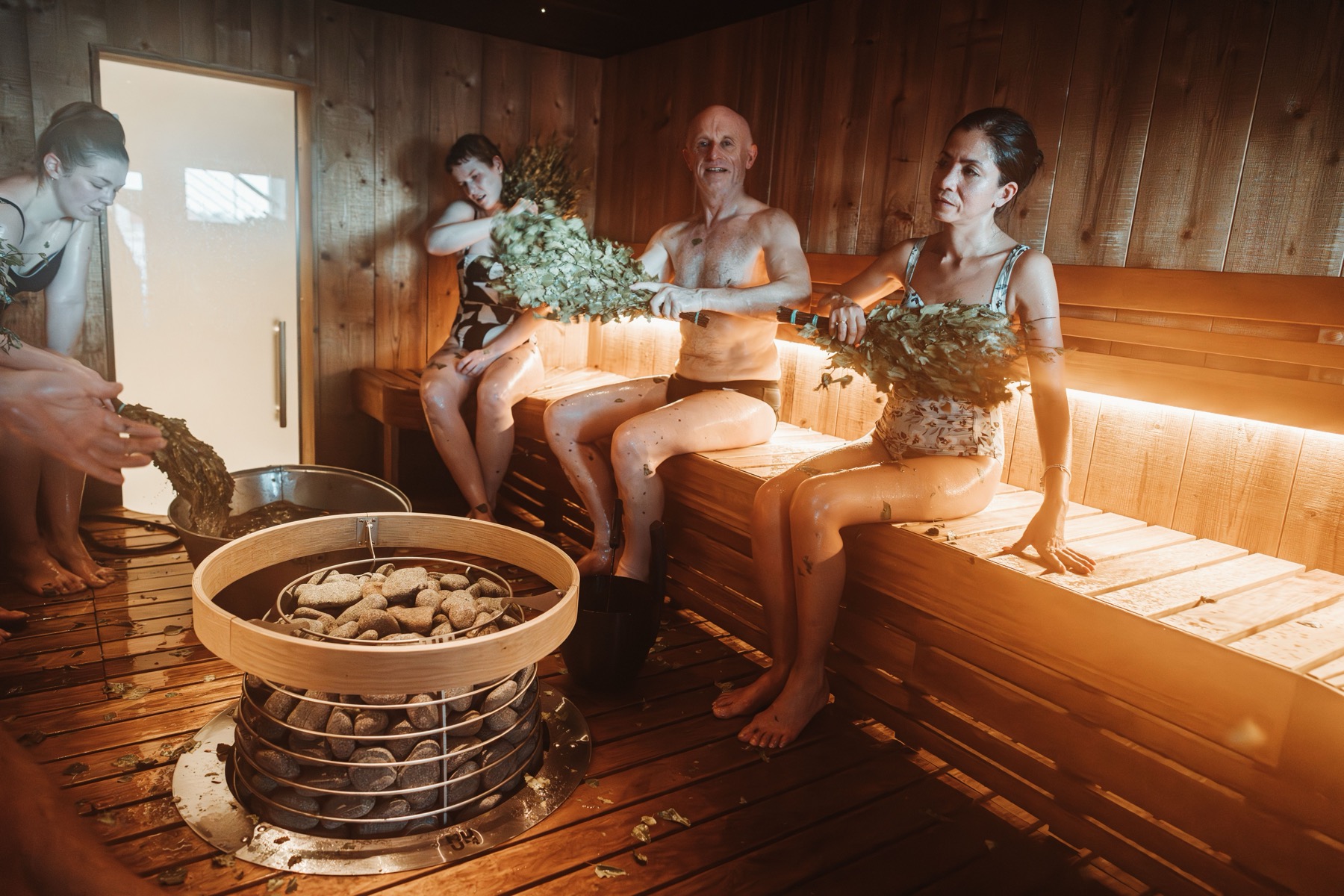
An inseparable part of the ritual are the whisks called viht, bundled from birch or oak twigs. Estonians whip themselves all over in the heat, which improves circulation and fills the air with a wonderful scent. After a proper warm-up — lasting as long as it feels good — comes the shock. In winter you simply run outside and jump into a hole cut in the frozen lake; in summer people cool off in the sea or in tubs of ice water.
10 Best Sauna and Spa Spots in Estonia
Choosing the right hotel or public sauna can be quite a puzzle, because the choice really is huge. I’ve put together ten spots that belong to the absolute Estonian elite, whether you’re after romance for two, family fun or wild adrenaline.
1. Hedon Spa & Hotel in Pärnu
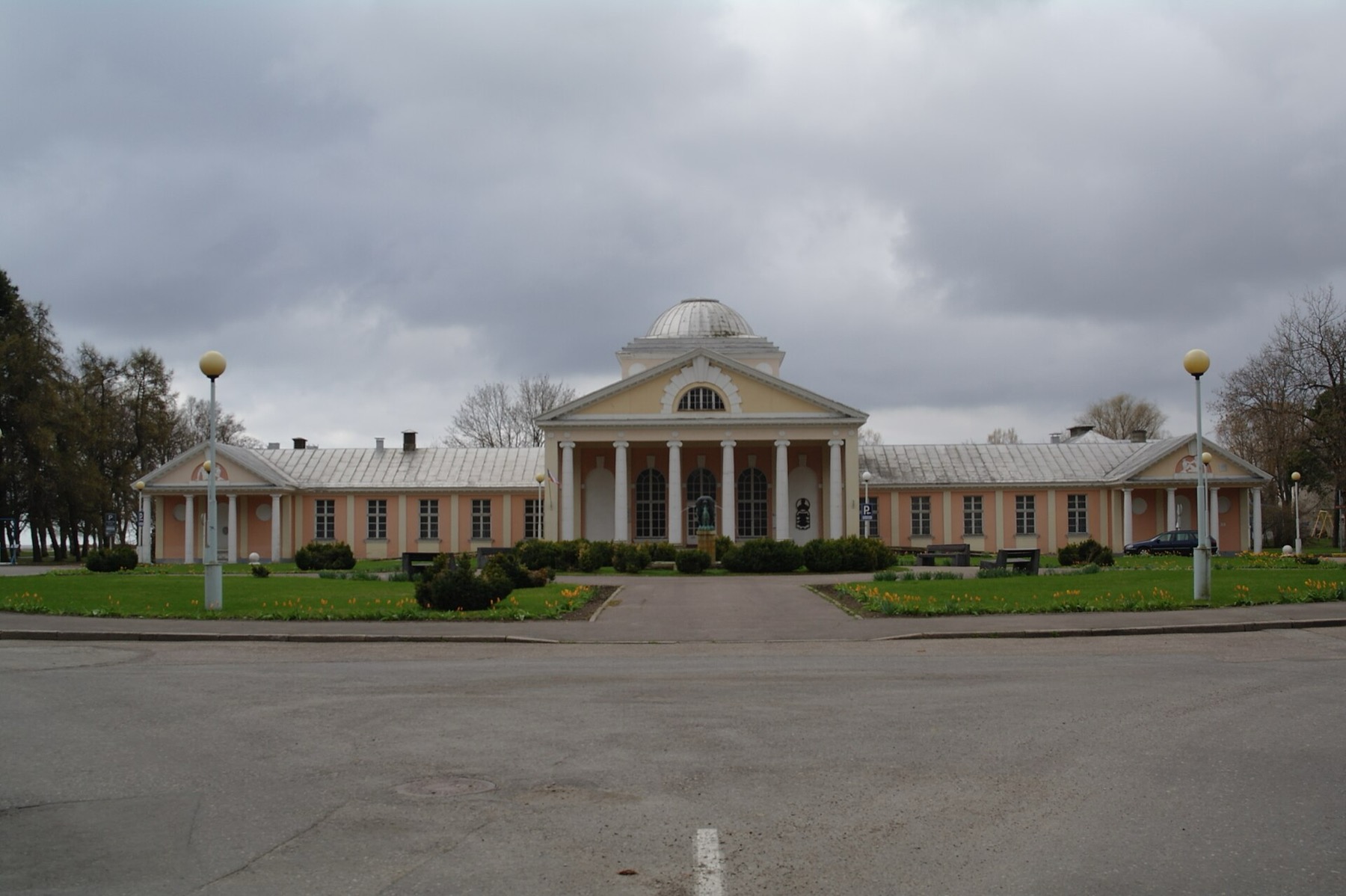
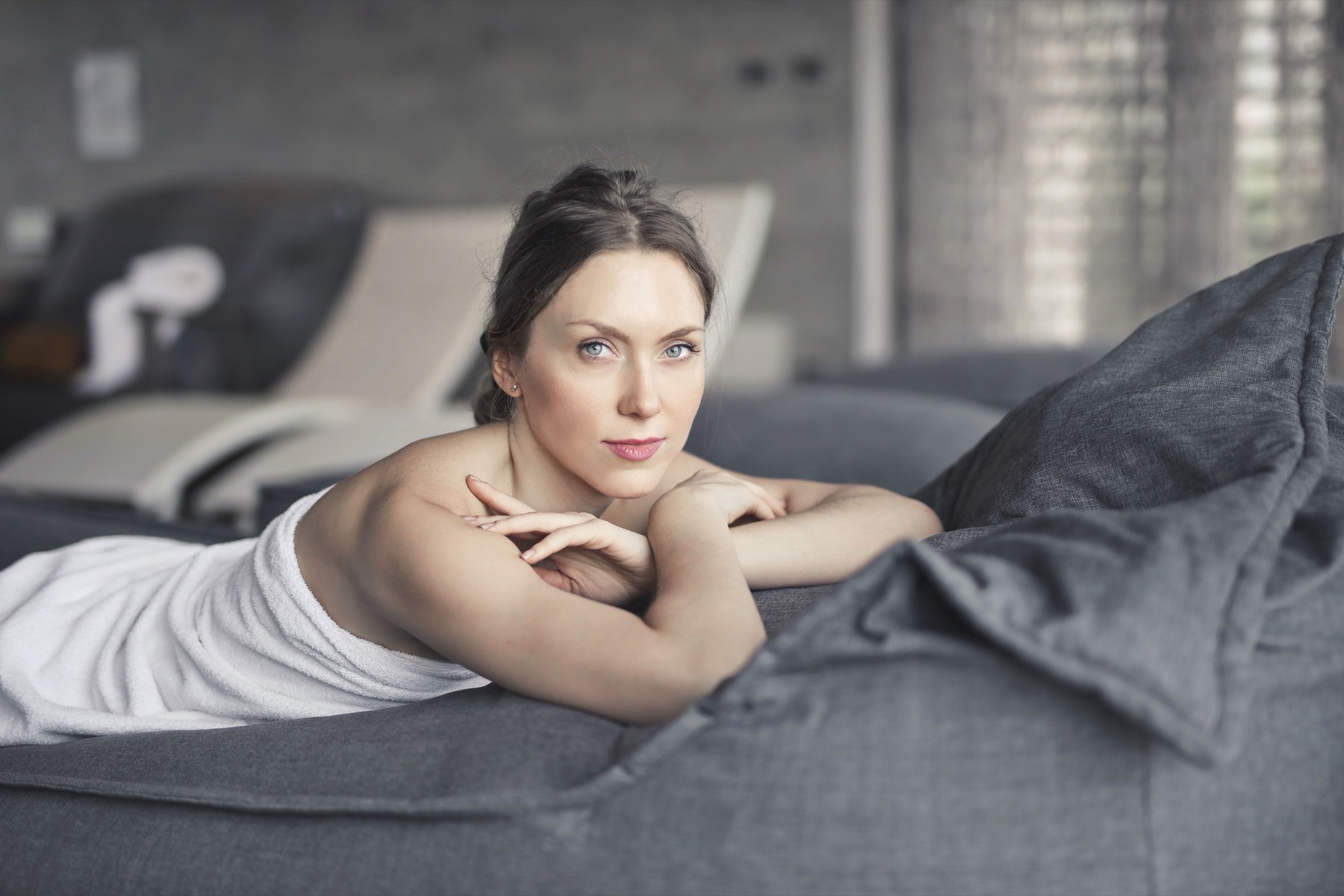
If you’re after pure luxury blended with history, this place will win you over. Hedon Spa sits inside the iconic neoclassical building of the historic mud baths from 1927, one of the most photographed landmarks in the resort of Pärnu. The interior, however, is thoroughly modern and styled in dark, calming tones that instantly switch you into relaxation mode.
The biggest draw here is the special adults-only zone called Silent Spa, where children aren’t allowed and everyone speaks in whispers. The treatments with mineral peat and mud harvested on the local islands are clearly the hotel’s pride and definitely worth trying. It’s an ideal choice for couples wanting to escape the daily rush.
💡 Tip: In high season the hotel is hopelessly sold out months ahead, so book your stay well in advance.
2. Tervise Paradiis in Pärnu
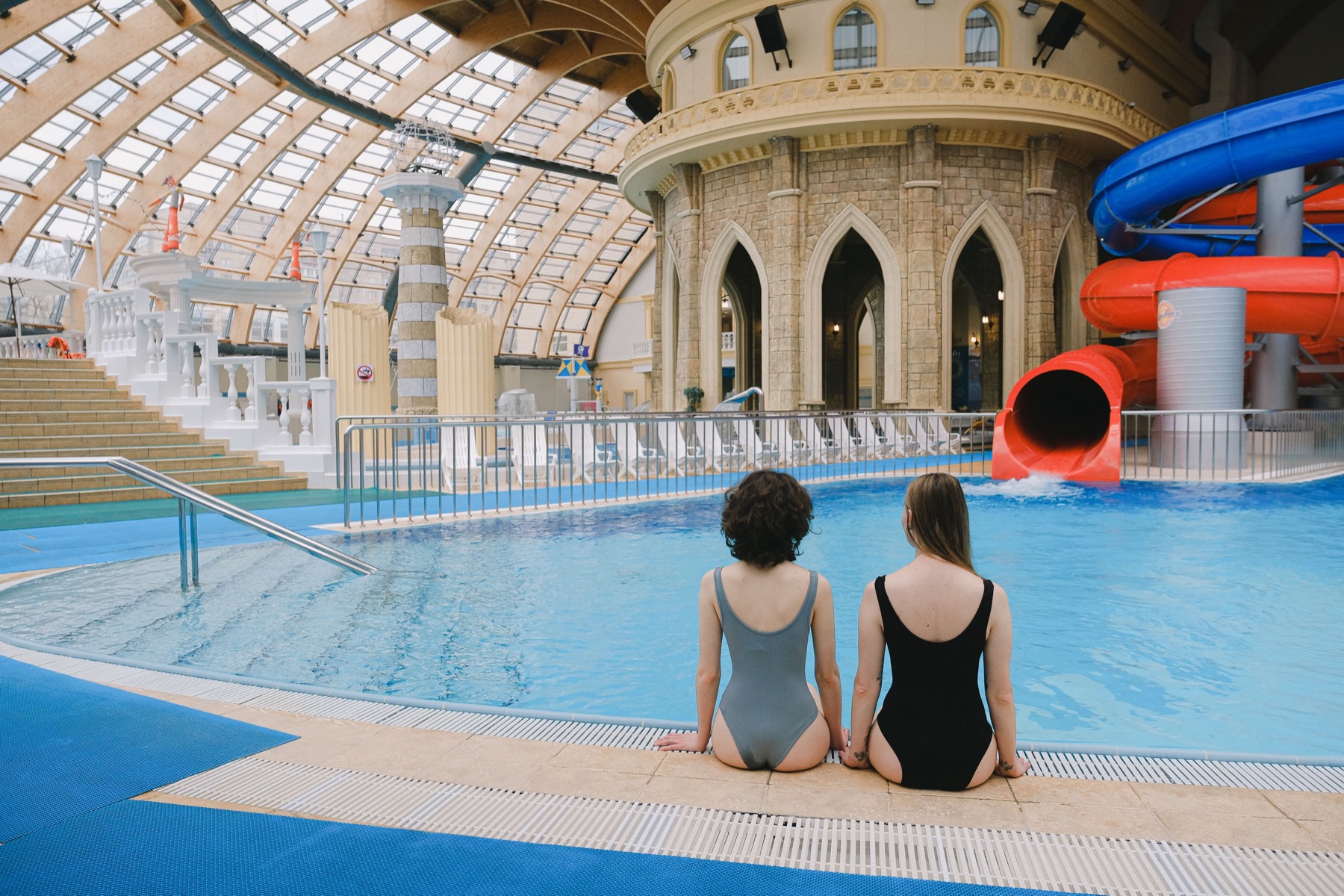
While Hedon is a window into a world of silence, Tervise Paradiis is the exact opposite. It’s the largest water park in all of Estonia, lying just steps from Pärnu’s long sandy beach. This resort is an absolute paradise for families, offering slides, a lazy river and plenty of water attractions to keep little travellers entertained all day long.
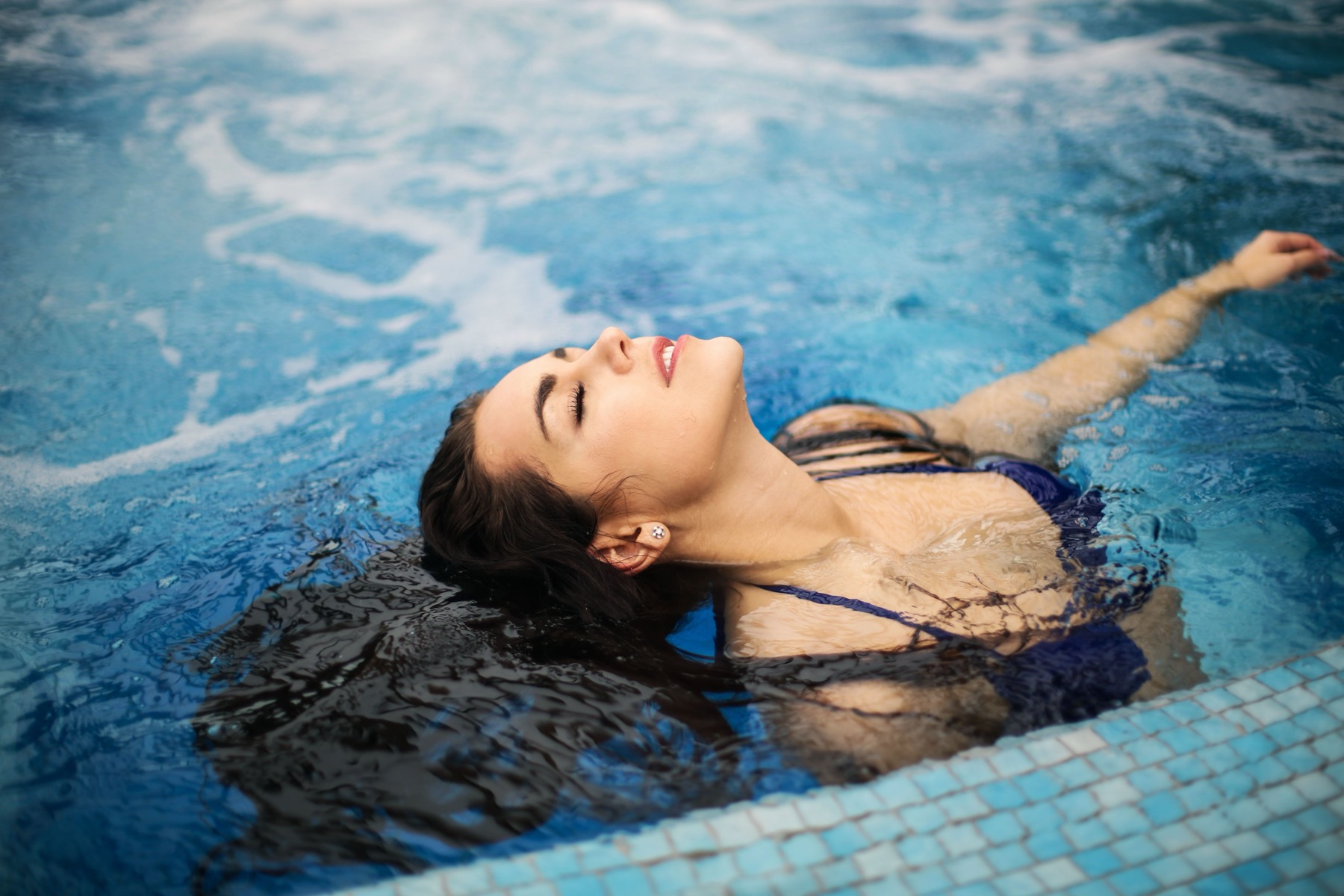
Beyond the water world, you’ll also find a full wellness centre with several types of saunas and a wide range of massages. An added bonus is the outdoor heated pool that works even in bitter frost. Swimming in hot water while gazing at the frozen Baltic? That’s unforgettable.
💡 Tip: If you’re travelling with family and want to combine fun for the kids with relaxation for yourself, this is probably the best possible choice in Pärnu.
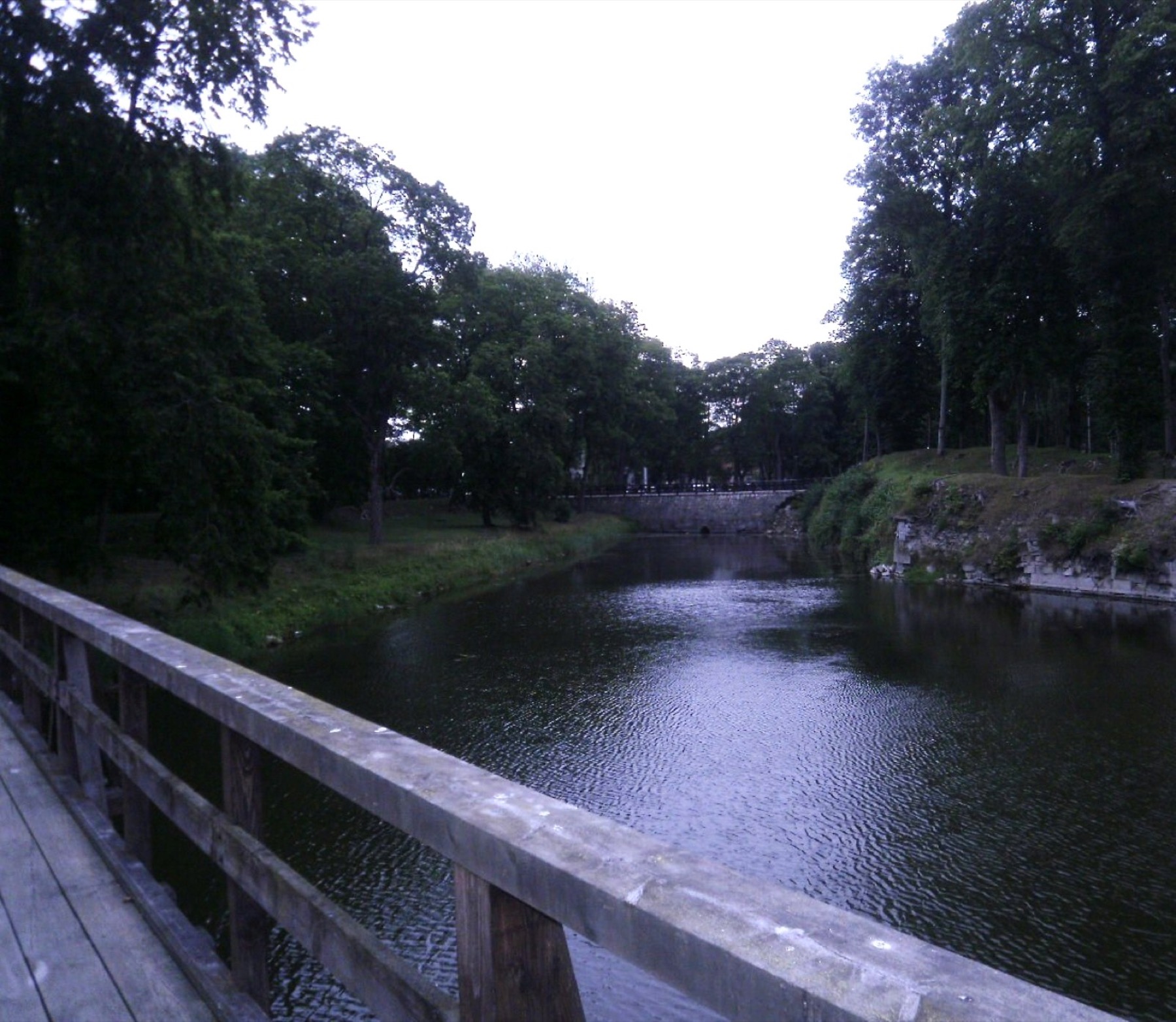
3. The spa tradition in Kuressaare
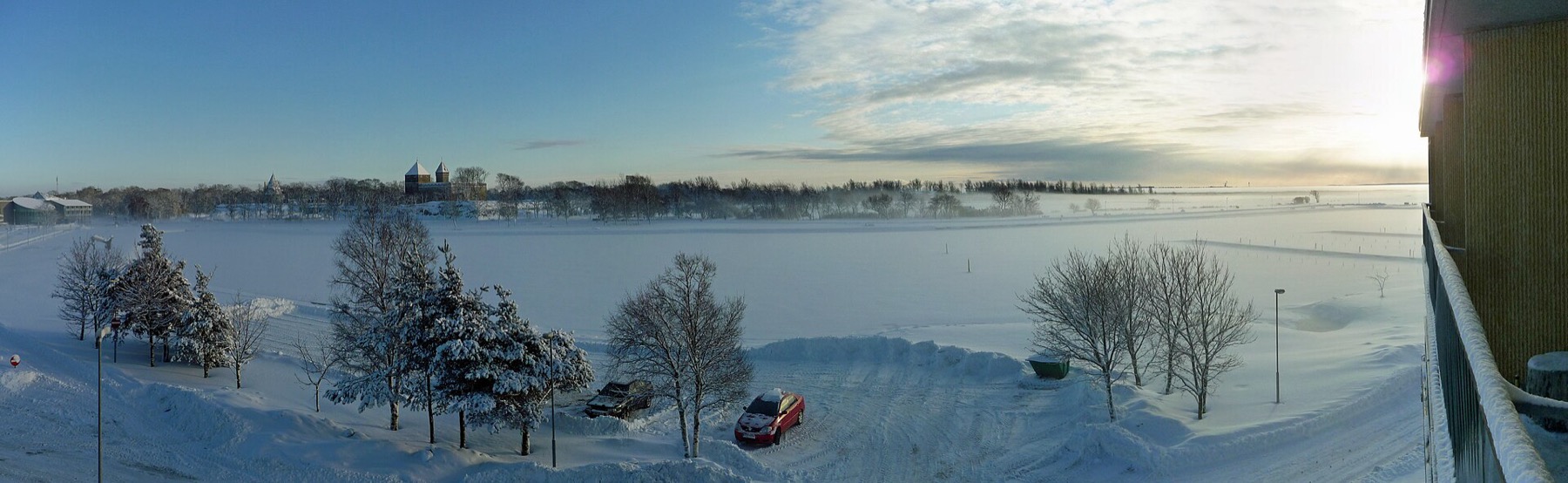
The town of Kuressaare on the island of Saaremaa is a genuine phenomenon, said to have the most spa beds per capita in the world. The local spa tradition began back in 1824, when the first mud baths were built here. Today this charming little town with its majestic bishop’s castle seems to have a modern spa hotel on every corner.
The whole island’s speciality is the use of local dolomite mud, said to have miraculous effects on joints and skin. Visiting Kuressaare is perfect because you can spend the day cycling among windmills and along the island’s wild coastline, then soak in warm water at one of the many local resorts in the evening.
💡 Tip: The island of Saaremaa is popular year-round, but autumn brings a beautiful, melancholic atmosphere without the summer crowds.
4. GOSPA (Georg Ots Spa Hotel) in Kuressaare
Since we’re in Kuressaare, we can’t skip a specific recommendation, because GOSPA is one of the most acclaimed hotels in the country. Named after the famous Estonian opera singer, it sits right next to the yacht harbour, so from the pools you get a lovely view of the sea and the old castle.
The hotel is family-friendly, yet you won’t find unruly children running around the foyer with inflatable crocodiles (elegance is felt at every step here). The on-site restaurant regularly wins gastronomic awards and serves excellent dishes made from local island ingredients. The sauna world is on the more intimate side, but the treatments with Saaremaa mud are an absolute classic.
💡 Tip: Try their specialised island treatments, which use herbs gathered straight from the meadows of Saaremaa.
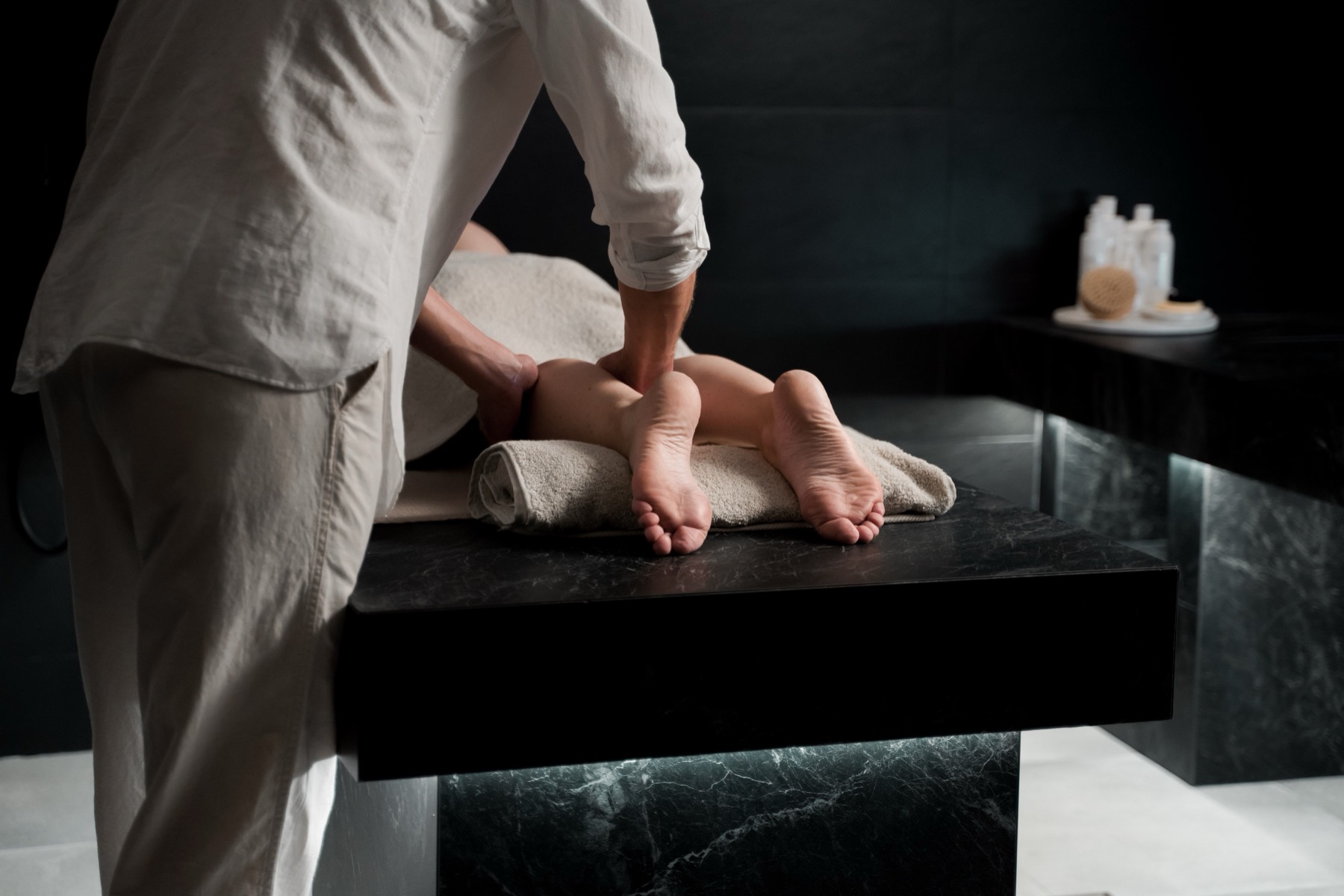
5. Grand Rose Spa Hotel in Kuressaare
Another gem on Saaremaa is the Grand Rose Spa Hotel, which catches your eye at first glance. As the name suggests, the whole hotel is styled in a romantic look full of roses, from the carpets and wallpaper to the little details in the bathrooms. For some it may be a touch kitschy, but guests absolutely love this distinctive design, and the hotel is very popular for honeymoons.
The hotel’s greatest pride, though, is the vast underground sauna centre with vaulted ceilings, which feels incredibly cosy. There are seven different saunas, including steam, salt and juniper, plus several pools at different temperatures. Weekends get busy here, as the place is much sought after by Estonians themselves.
💡 Tip: If you’re looking for a spot for a romantic weekend for two, Grand Rose has exactly the right intimate atmosphere.
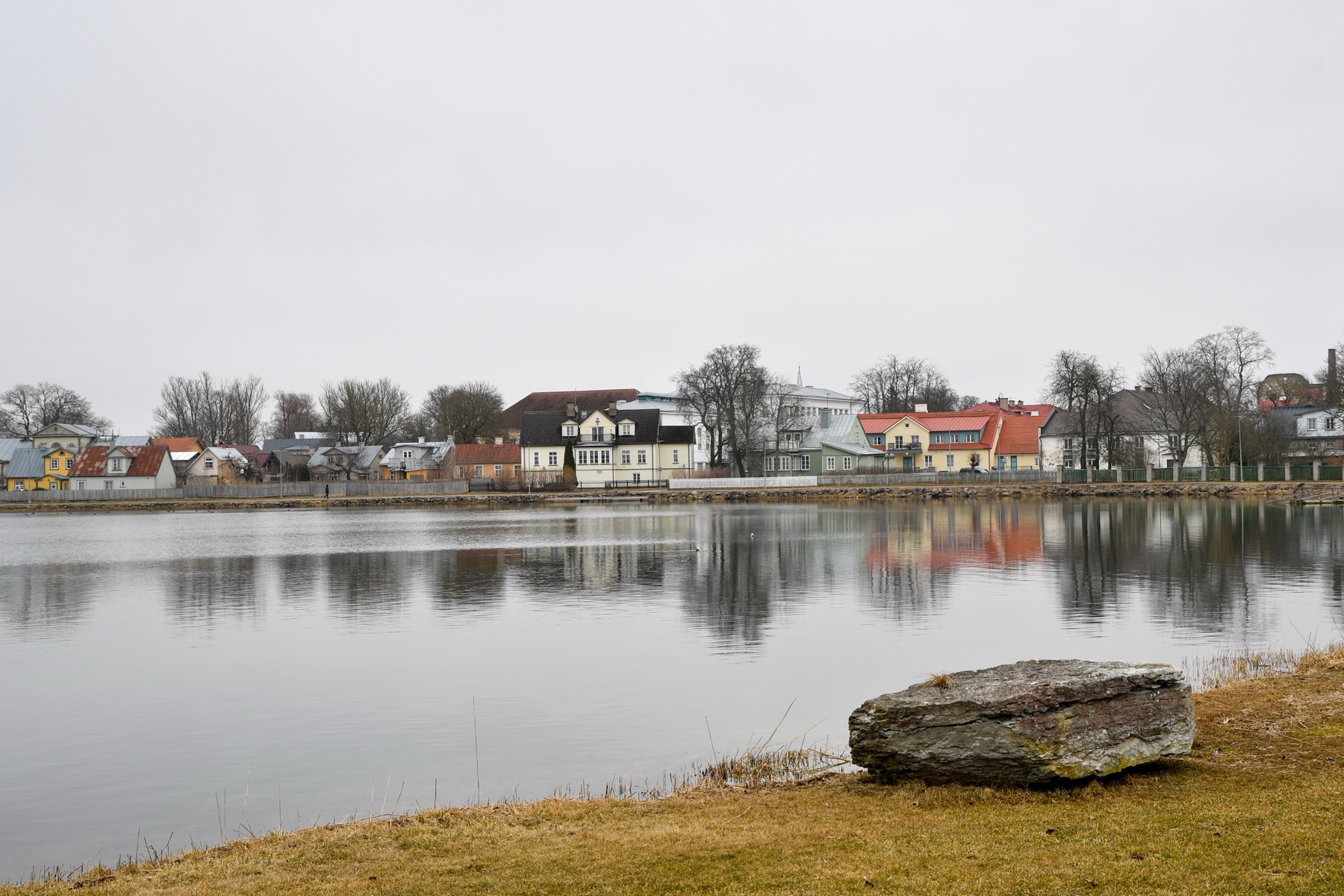
6. Haapsalu and its healing mud
The little town of Haapsalu on Estonia’s west coast has a spa tradition only a year younger than Kuressaare. The local mud spa was founded by Dr Carl Abraham Hunnius back in 1825, and soon the entire Russian imperial elite began summering here. The town has preserved its gorgeous wooden architecture and a romantic promenade along the bay to this day.
In 1867 Pyotr Ilyich Tchaikovsky even spent a summer here, so enchanted by the local calm that he composed his works in the town. Today you can sit on his musical bench along the promenade. Modern hotels in Haapsalu, such as the popular Fra Mare, specialise in so-called thalassotherapy — the therapeutic use of seawater, algae and, of course, the ever-present black mud.
💡 Tip: Combine your spa visit with a tour of the old bishop’s castle in Haapsalu, famous for the legend of the White Lady.
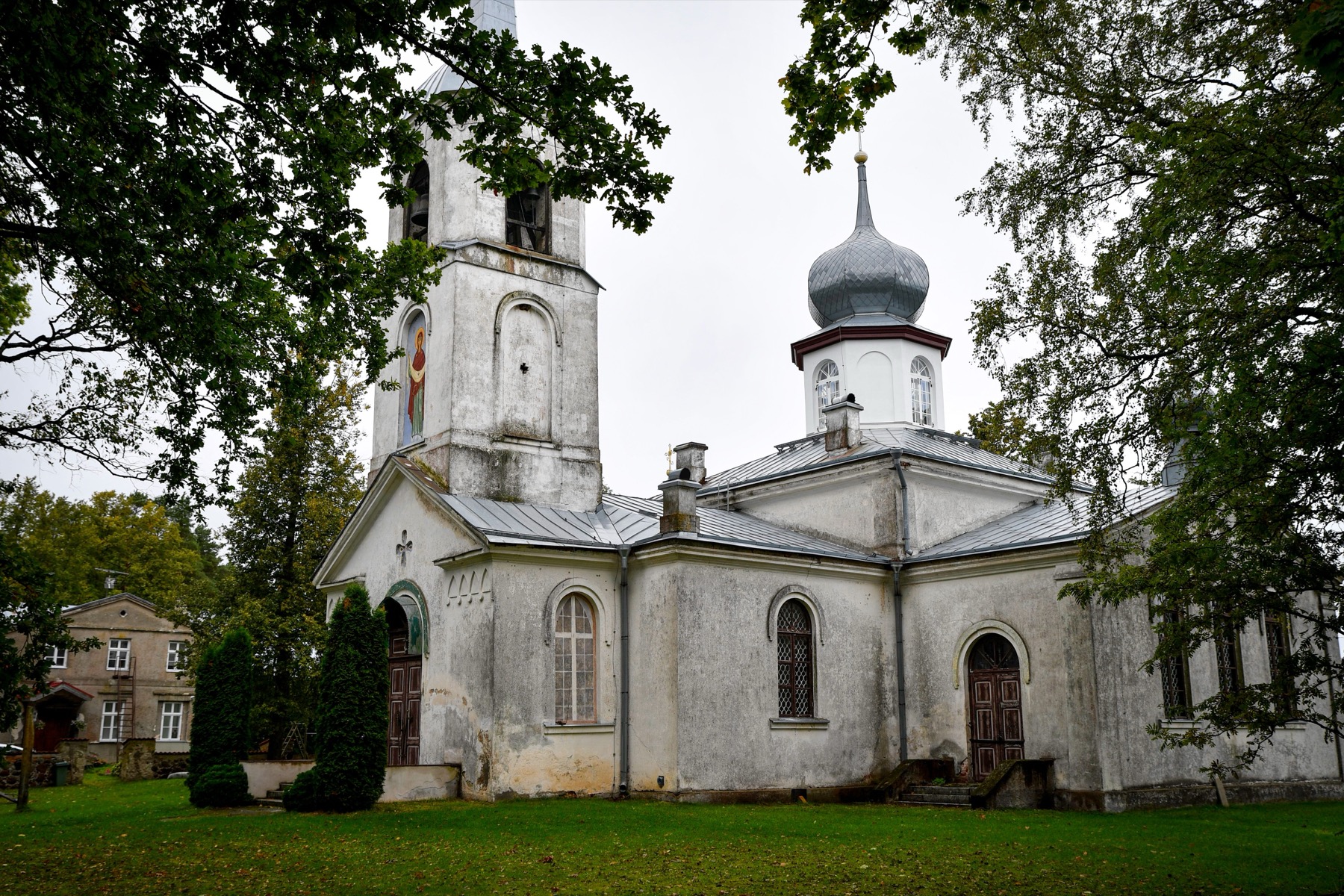
7. Värska and the Orthodox south
If you want to experience something completely different from the coastal resorts, head southeast towards the Russian border to the Setomaa region. Here lies the Värska spa, which draws on its rich reserves of unique mineral water and deep mud from local lakes. Värska water is actually the best-known bottled mineral water in all of Estonia.
The atmosphere here is entirely different from the luxury hotels of Pärnu, with more of a quiet, sanatorium mood surrounded by deep pine forests. Värska also sits in the culturally fascinating region of the Seto people, who have kept their own language and, unlike the Lutheran rest of Estonia, follow Orthodox Christianity.
💡 Tip: Definitely taste the healing water straight from the local springs — it has a very distinctive salty flavour that doesn’t suit everyone but is said to be extremely healthy.

8. Iglupark in Tallinn
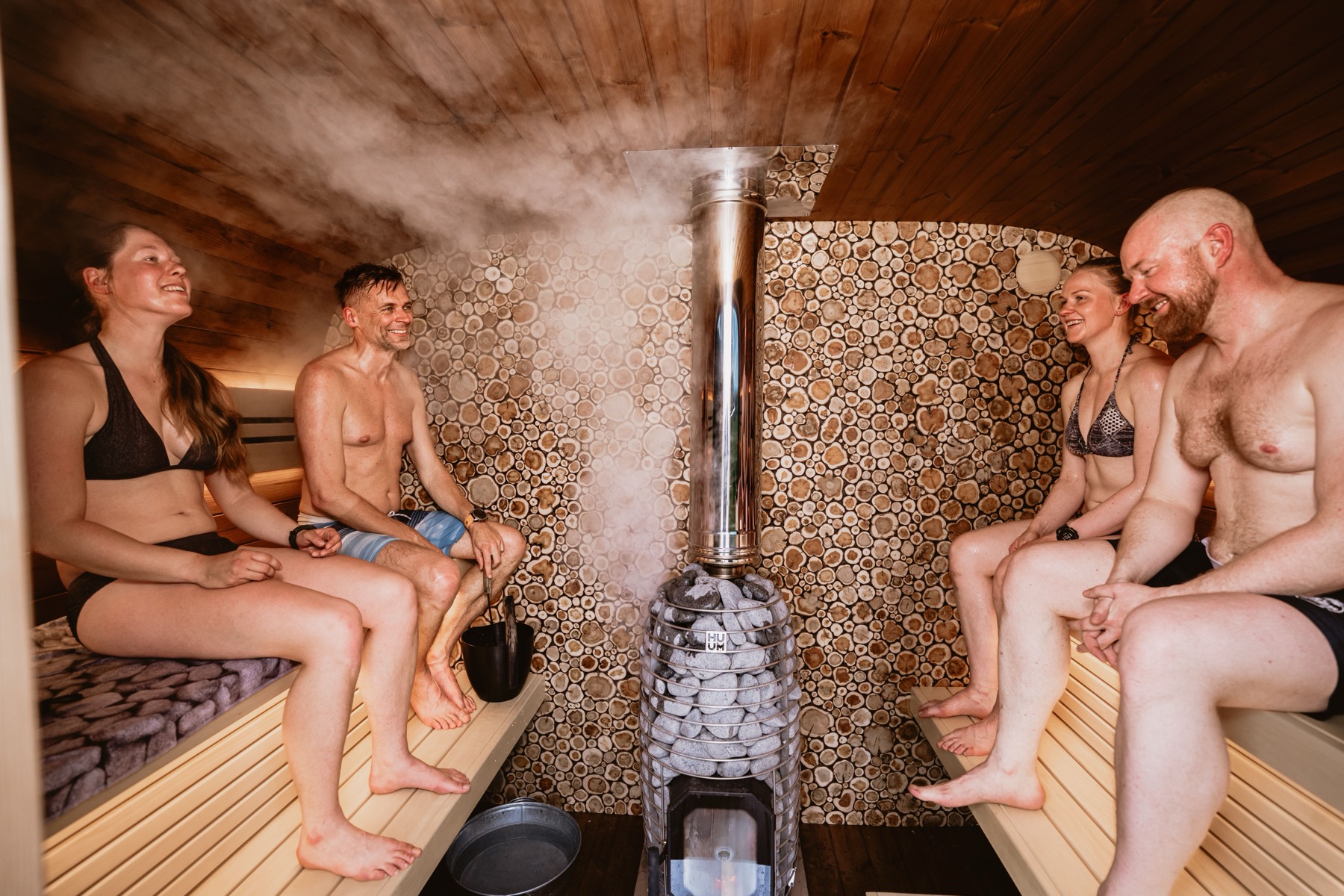
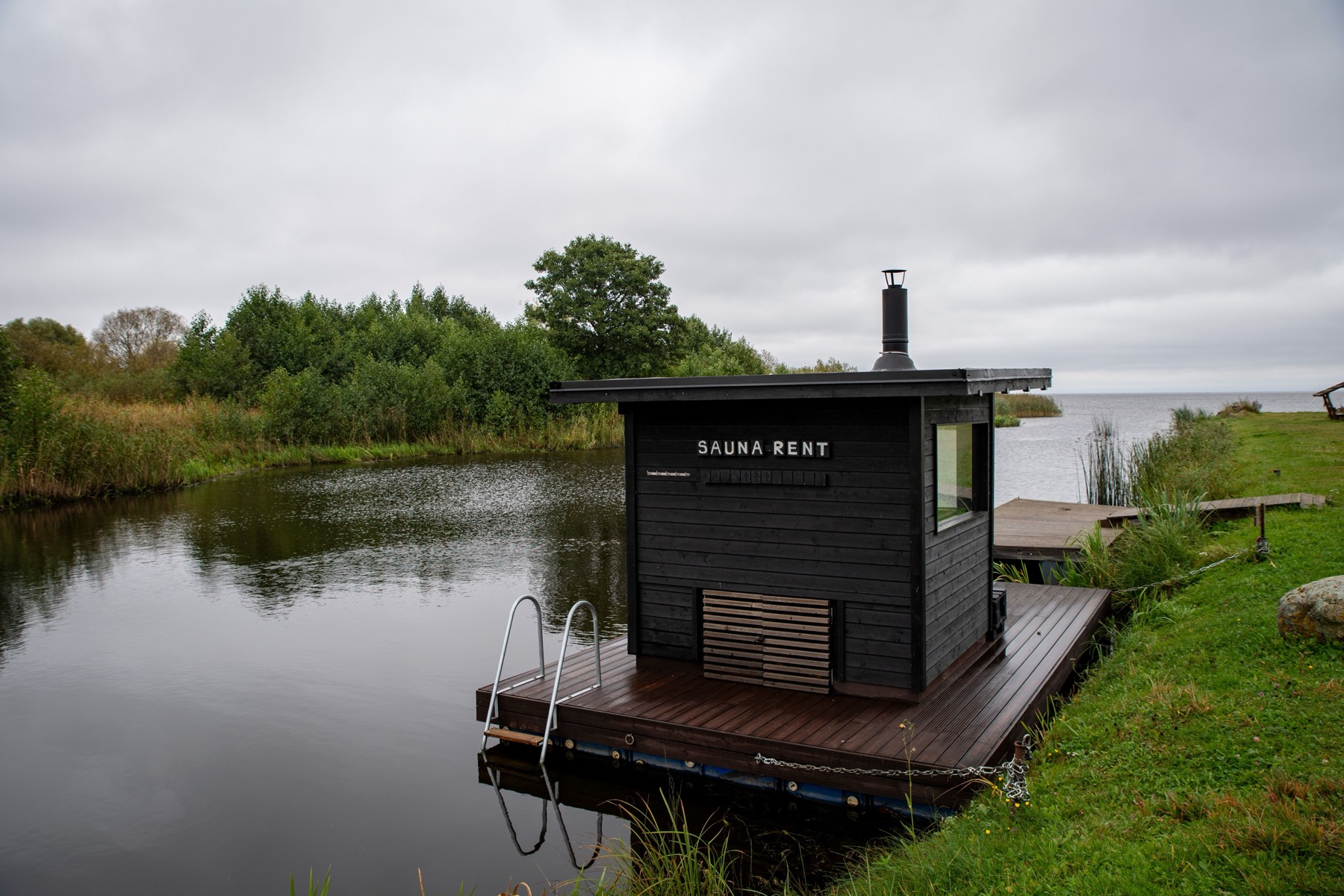
Want to experience a true Estonian sauna but don’t have time to leave the capital? Iglupark in the Noblessner district is currently one of the most popular spots in Tallinn. It’s a complex of designer wooden saunas shaped like igloos, built right on the waterfront with a fantastic view of the moored ships and the Gulf of Finland.
You can rent a private sauna for a group of friends or use the public one, where a single entry costs roughly €24. The best part of it all is the contrast: you dash out of the scorching wooden interior and climb down a ladder straight into the icy seawater.
💡 Tip: You can easily pair the experience with dinner, because the Noblessner district is full of great modern restaurants and bistros. Just look up the project and book directly through their website — it takes only a few minutes.
9. Kalma saun: a slice of history
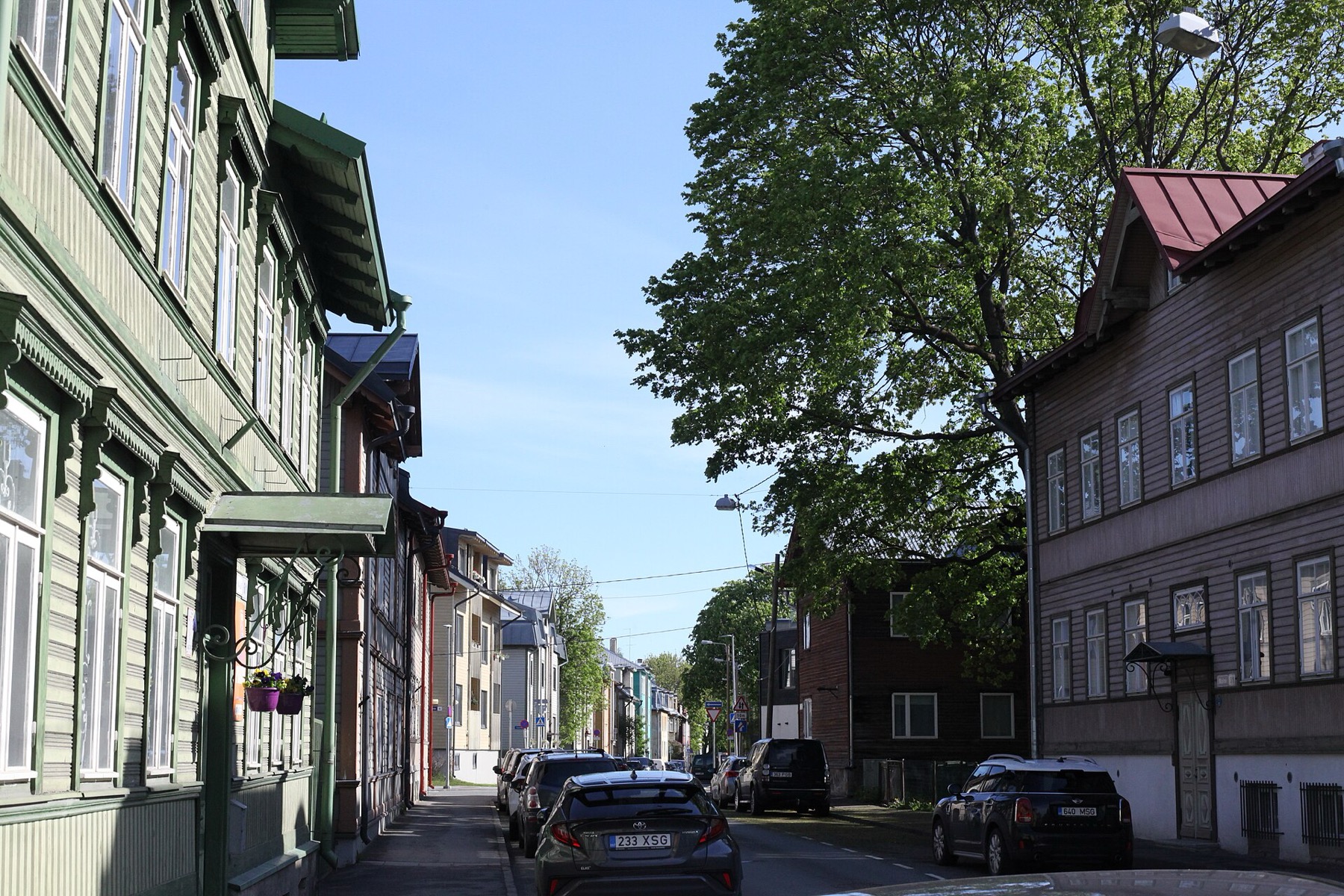
For lovers of pure authenticity and history, there’s Kalma saun in the Kalamaja district. It’s the oldest working public sauna in Tallinn, keeping its original raw atmosphere. Don’t expect any polished design or relaxing music — this is where local guys come to debate politics and sip a beer.
The sauna has separate sections for men and women, and a visit is a genuine cultural immersion into the Estonian character. You’ll get a classic birch whisk and can watch the regulars handle incredible temperatures that send the average tourist running outside after a few minutes.
💡 Tip: Bring your own flip-flops and towel — the setting here is really very plain and traditional.
10. The Sauna Marathon in Otepää
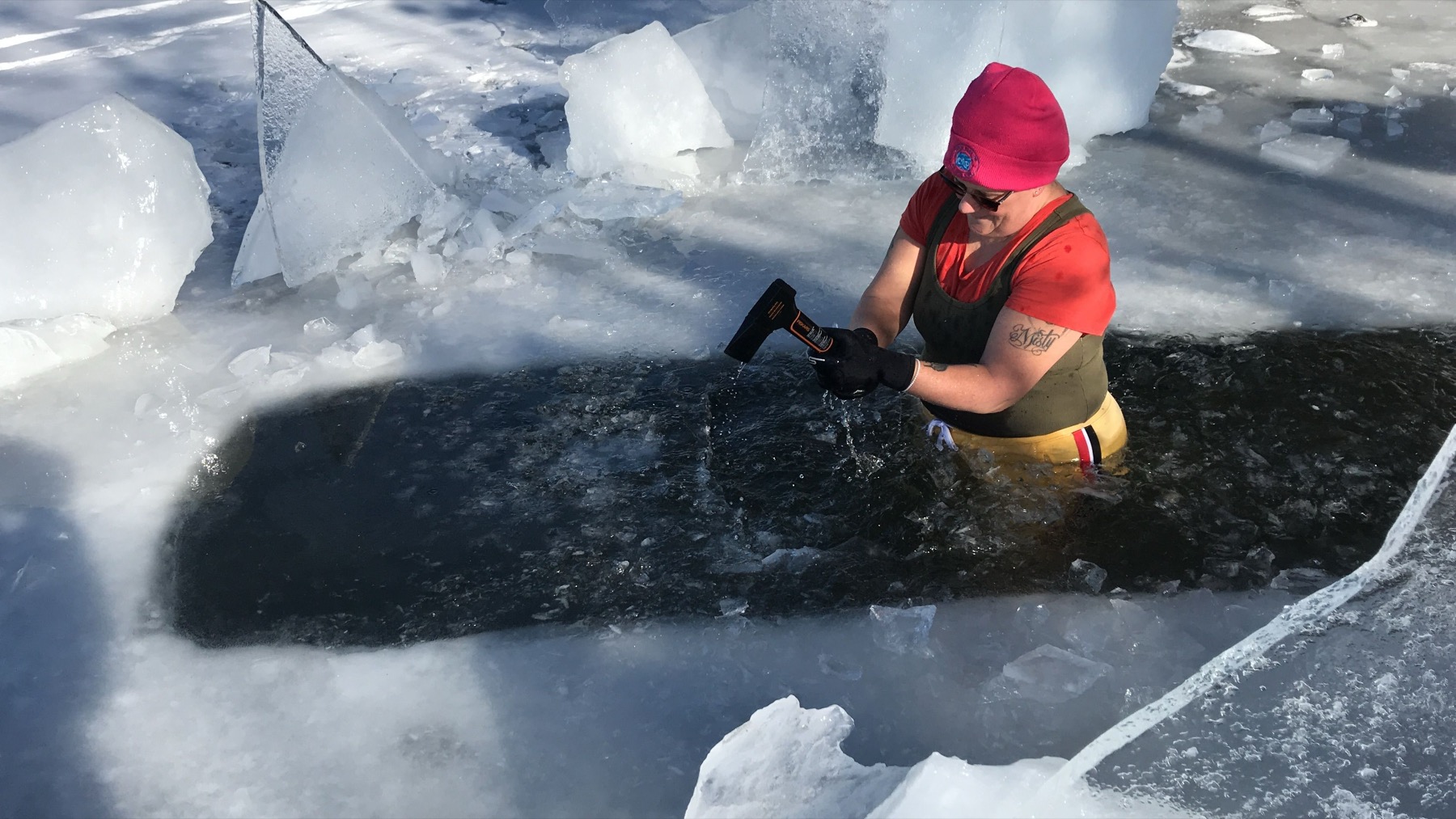
To finish, here’s one utterly bizarre pick for adrenaline fans. The little town of Otepää in southern Estonia hosts the European Sauna Marathon every February. It’s a crazy all-day event in which around a thousand participants, split into teams of four, race through the frost between dozens of different saunas in the area.
Teams get a map, dress in wacky costumes and have to spend at least the prescribed three minutes in each sauna. Bonus points are earned for a dip in the ice holes cut into frozen lakes. It’s simply proof that Estonians take their sauna culture seriously — but with a hefty dose of self-deprecating humour. 😄
💡 Tip: If you’d like to join the marathon, you have to sort out your registration months ahead, because the capacity sells out in a flash.
The smoke sauna and its UNESCO status
While the modern spas of Pärnu are great for a weekend of relaxation, the true soul of Estonian saunas lies in the south, in the Võromaa region. This is where the tradition of the smoke sauna — the suitsusaun — has survived, so unique that UNESCO added it to the list of intangible cultural heritage in 2014.
So what is it, exactly? A smoke sauna has no chimney. Inside a small wooden cabin a fire is lit beneath a huge pile of stones, and the smoke has nowhere to escape, so it fills the whole room. Heating takes about half a day, and once the stones are hot enough, the fire is left to die out, the soot is swept away and the smoke is aired out through a small window. Only then do you go inside. The air here doesn’t smell of essential oils but of pure wood and soot, and the heat is incredibly radiant and soft. Traditionally, meat is also smoked here, hanging from the ceiling — a local speciality you’ll see almost everywhere.
This ritual lasts several hours, and you’ll experience it best at the renowned Mooska farm in the Haanja area. The owners guide you through the whole process like seasoned masters. Just be prepared: because of the small capacity, bookings are made several months in advance and the rental price for a group runs roughly €250. It’s pricier, but the experience is worth every cent — you simply won’t find a smoke sauna anywhere else, and UNESCO didn’t hand out that listing for nothing.
How much a spa stay in Estonia costs
Although Estonia is long past being the cheap Eastern destination it was twenty years ago, spa hotels still offer very good value for money. If you head to a luxury hotel in Pärnu or Kuressaare outside the summer season, the usual price for a double room with unlimited wellness access hovers around €70 to €100 per night.
Prices change dramatically depending on the time of year, though. In July and August, when both Estonians and Finns are on their summer holidays, the cost of seaside accommodation can easily triple. The treatments themselves, such as various massages or mud wraps, are bought separately and run roughly €40 to €80 per hour. It always pays to hunt for special packages on the hotels’ websites, where they’ll throw in a free massage with your stay.
When to visit Estonia’s spas
Hotels and public saunas run year-round, but the best timing depends on what you want from the trip. Winter is absolutely magical for the sauna. Picture snow falling outside while you lie in hot water, then run off to cool down in the frozen sea. What’s more, in winter (except for New Year’s Eve) accommodation prices are at their lowest and you won’t be crammed into the pools with crowds of tourists.
On the other hand, the summer season on the coast, especially in Pärnu, has enormous charm. The sea in the shallow Pärnu bay commonly warms to 24 degrees, so you can seamlessly combine sauna time with a classic beach holiday. The towns come alive with festivals and outdoor cafés. Just bear in mind that in summer you’ll pay significantly more for a stay, and without an early booking you won’t even find a room.
Where to eat
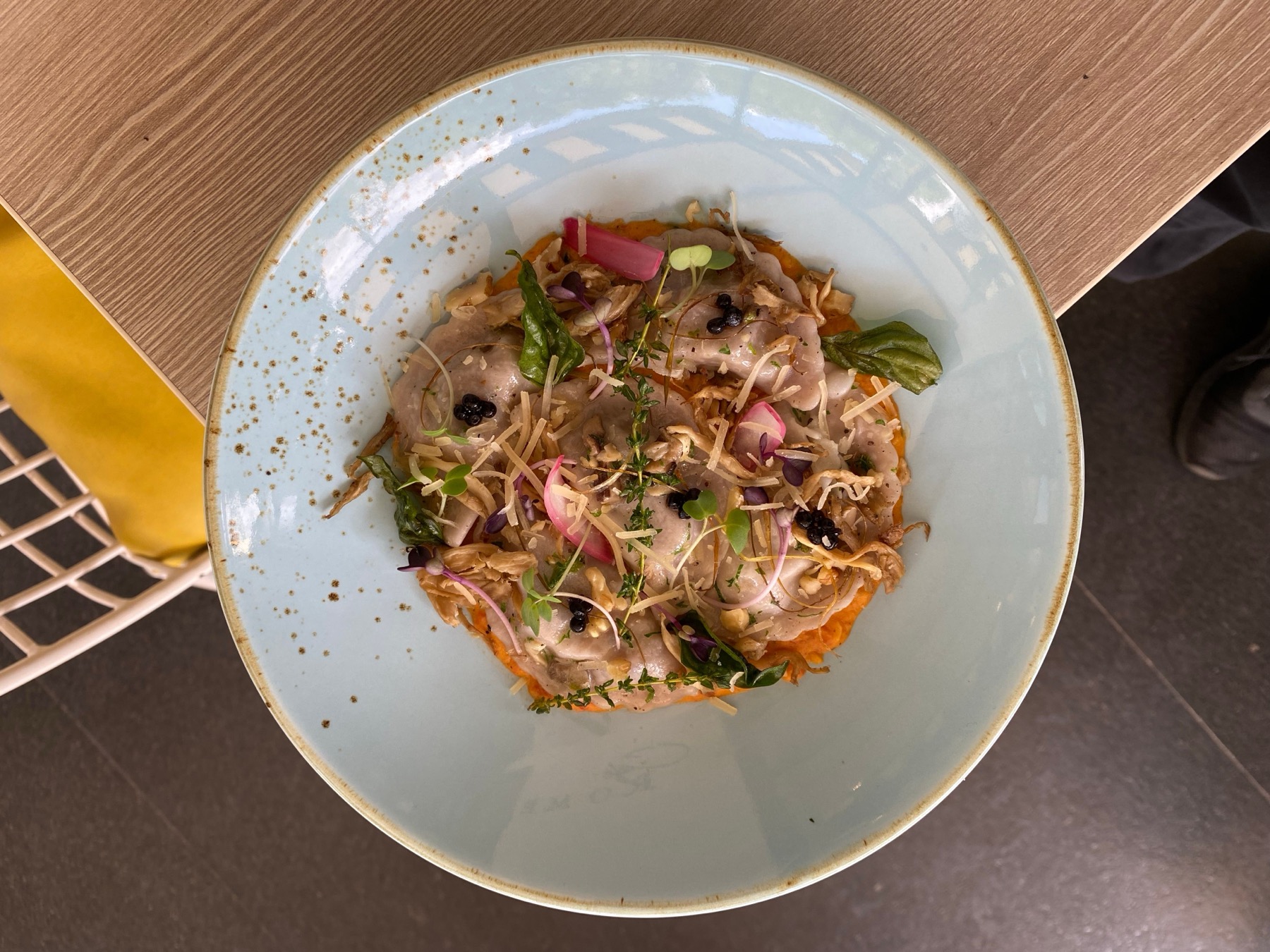
Estonian cuisine is a little Nordic miracle where Scandinavian influences mix with Russian traditions. After a full day in the sauna you’ll definitely work up an appetite, and that’s the perfect moment to head into town. Most of the spa hotels mentioned have their own excellent restaurants, but exploring local spots is worth it. The focus is on fresh fish, local root vegetables and dark rye bread, which lands on your table with almost every meal.
If you head to Pärnu, don’t miss Steffani Pizzarestoran — an Italian classic, sure, but with such an atmosphere and portions that even Estonians queue up for it. In Tallinn I recommend the modern Noblessner district, where alongside Iglupark you’ll find plenty of stylish bistros and cafés. Try the restaurant Kampai for a great fusion of Asian flavours. Wherever you drop in, be ready — the food here is simply an experience.
Where to stay
💡 Accommodation tip and experiences: We prefer to look for accommodation on Booking.com, which tends to have the best cancellation terms. For tickets, tours and activities, it’s worth comparing and booking through GetYourGuide.
You really can’t complain about accommodation in Estonia — the hotels are clean, refined in design and the staff usually speak English without the slightest problem. To make things easier, I’ve picked out a few specific tips that come up most often across forums and reviews.
In and around Pärnu:
- Hedon Spa & Hotel: An absolute icon in a historic building right by the beach. If you want luxury and quiet without children in the Silent Spa, you can’t go wrong here.
- Tervise Paradiis: A great choice for families — a huge water park and heaps of fun the kids won’t want to leave.
On the island of Saaremaa (Kuressaare):
- GOSPA (Georg Ots Spa Hotel): A great compromise between a family atmosphere and top-notch gastronomy, offering treatments with local dolomite mud.
- Grand Rose Spa Hotel: A romantic boutique hotel with a vaulted underground sauna world, ideal for couples’ getaways.
In Haapsalu and around Tallinn:
- Fra Mare Thalasso Spa (Haapsalu): A quiet hotel tucked into a pine forest, with a focus on treatment with seawater and mud.
- Tallinn Viimsi Spa: If you don’t want to travel far from the capital, this resort just outside Tallinn offers a great spa for adults and a large water park.
- Kalev Spa (Tallinn): Right in the centre near the Old Town, with a huge swimming pool, very popular for a quick recharge after a day of sightseeing.
The easiest way to find these hotels and check current prices is the classic route through Booking, where you can easily filter the dates that suit you best.
Where to next
If you’ve already booked your flights or you’re planning a wider road trip around the Baltics, these extra tips will come in handy. Take a look at our related articles:
- Estonia: 25 things to see and do
- Pärnu: beaches, spas and what to see in the summer capital
- When to visit Estonia: the weather month by month
- Tallinn: 20 things to see and do in the Estonian capital
- Where to stay in Tallinn: the best districts and hotels
- And if you combine your trip with Finland, check out Helsinki: 15 things to see and do in the Finnish capital.
Frequently asked questions
What is an Estonian smoke sauna?
It’s a traditional wooden cabin without a chimney, where a fire is lit and smoke fills the entire room. Before entering, the fire is extinguished and the smoke is vented out. What remains is beautifully radiant heat and the scent of soot and wood. This ritual in Võromaa is protected by UNESCO.
How much do spas in Estonia cost?
Compared to Scandinavia, prices are very affordable. A night in a quality double spa hotel with unlimited wellness access can be found in the off-season for around €70 to €100 (approximately 1,750 to 2,500 CZK). However, prices rise significantly in the summer peak season.
Do people sauna without swimsuits in Estonia?
Yes, nudity is the absolute standard in Estonian saunas for hygiene reasons (due to chlorine being released from swimsuits). In public saunas, men and women are separated, while in private ones it’s common to sauna together.
Are Estonian spas the same as Czech ones?
Not at all. In Estonia, there are no medical spa stays on doctor’s prescription connected with drinking mineral springs. It works as commercial wellness focused on relaxation, massages, and mud wraps in modern hotels.
Where can I find the best spa in Estonia?
The three main pillars of spa culture are the resort town of Pärnu (e.g. Hedon Spa), the island of Saaremaa with the town of Kuressaare (GOSPA, Grand Rose Spa), and the historic town of Haapsalu.
Can you experience a sauna in Estonia cheaply?
Absolutely. You can head to the oldest public sauna Kalma saun in Tallinn, or try the modern floating saunas Iglupark in the Noblessner district, where a basic single entry costs around €24.
When is the best time to visit Estonian spas?
For sauna lovers, winter is absolutely ideal, when you can combine the heat with jumping into the frozen sea and enjoy lower hotel prices. Summer is great if you want to combine relaxation with swimming in the surprisingly warm Pärnu Bay.
Do I need to book treatments and saunas in advance?
At large hotels in the main summer season, definitely yes—capacity disappears quickly. However, if you want to experience the UNESCO smoke sauna at Mooska farm, a reservation is necessary even several months in advance due to very limited capacity.
What should I bring to the sauna?
To a public sauna, bring your own towel and flip-flops above all. You can also pack a special sauna hat, which protects your hair and head from overheating. Definitely leave swimsuits in your room.
Are Estonian spas suitable for children?
Most resorts are excellently prepared for families. For example, Tervise Paradiis in Pärnu or Viimsi Spa near Tallinn have huge water parks. However, some luxury hotels (like Hedon Spa) have zones reserved for adults only, which is good to check in advance.
Tips and Tricks for Your Vacation
Don’t Overpay for Flights
Search for flights on Kayak. It’s our favorite search engine because it scans the websites of all airlines and always finds the cheapest connection.
Book Your Accommodation Smartly
The best experiences we’ve had when looking for accommodation (from Alaska to Morocco) are with Booking.com, where hotels, apartments, and entire houses are usually the cheapest and most widely available.
Don’t Forget Travel Insurance
Good travel insurance will protect you against illness, accidents, theft, or flight cancellations. We’ve had a few hospital visits abroad, so we know how important it is to have proper insurance arranged.
Where we insure ourselves: SafetyWing (simple monthly subscription) and TrueTraveller (for extra-long trips).
Find the Best Experiences
Get Your Guide is a huge online marketplace where you can book guided walks, trips, skip-the-line tickets, tours, and much more. We always find some extra fun there!