Norway is packed with jaw-dropping natural wonders, but one of them towers above all the rest. Sognefjord in Norway is the uncrowned king of the country’s fjords, its mighty arms cutting deep into the Norwegian mainland. This is exactly where you’ll find the most iconic Nordic scenery — the kind you know so well from photographs and travel magazines.
While the main channel of the fjord is impressive on its own, the real magic hides in its narrower branches, such as Nærøyfjord and Aurlandsfjord. In this article I’ll walk you through eight specific places and experiences you definitely shouldn’t miss when planning your Norwegian getaway.
I’ll also help you with the practical stuff that trips up plenty of travellers. You’ll find out where to park near the UNESCO sites, when’s the best time to visit and how to plan an efficient route. Let’s take a look together at the very best of wild Norway.
TL;DR
- Sognefjord is the longest and deepest fjord in Norway, stretching 204 kilometres.
- The narrowest branch, Nærøyfjord, is on the UNESCO list and offers the most beautiful boat cruises.
- The historic village of Flåm is the starting point for the famous Flåm Railway and peaceful fjord cruises.
- The Stegastein viewpoint delivers breathtaking views over Aurlandsfjord from a height of 650 metres.
- Norway in a Nutshell is the most popular combined ticket, linking trains and ferries across the region.
- The main season runs from June to August, when all the mountain roads and ferry timetables are fully operational.
- Book your accommodation months ahead, as picturesque hotels like Kviknes or Fretheim tend to sell out fast.
The full destination guide: Norway — guide and what to see
What is Sognefjord
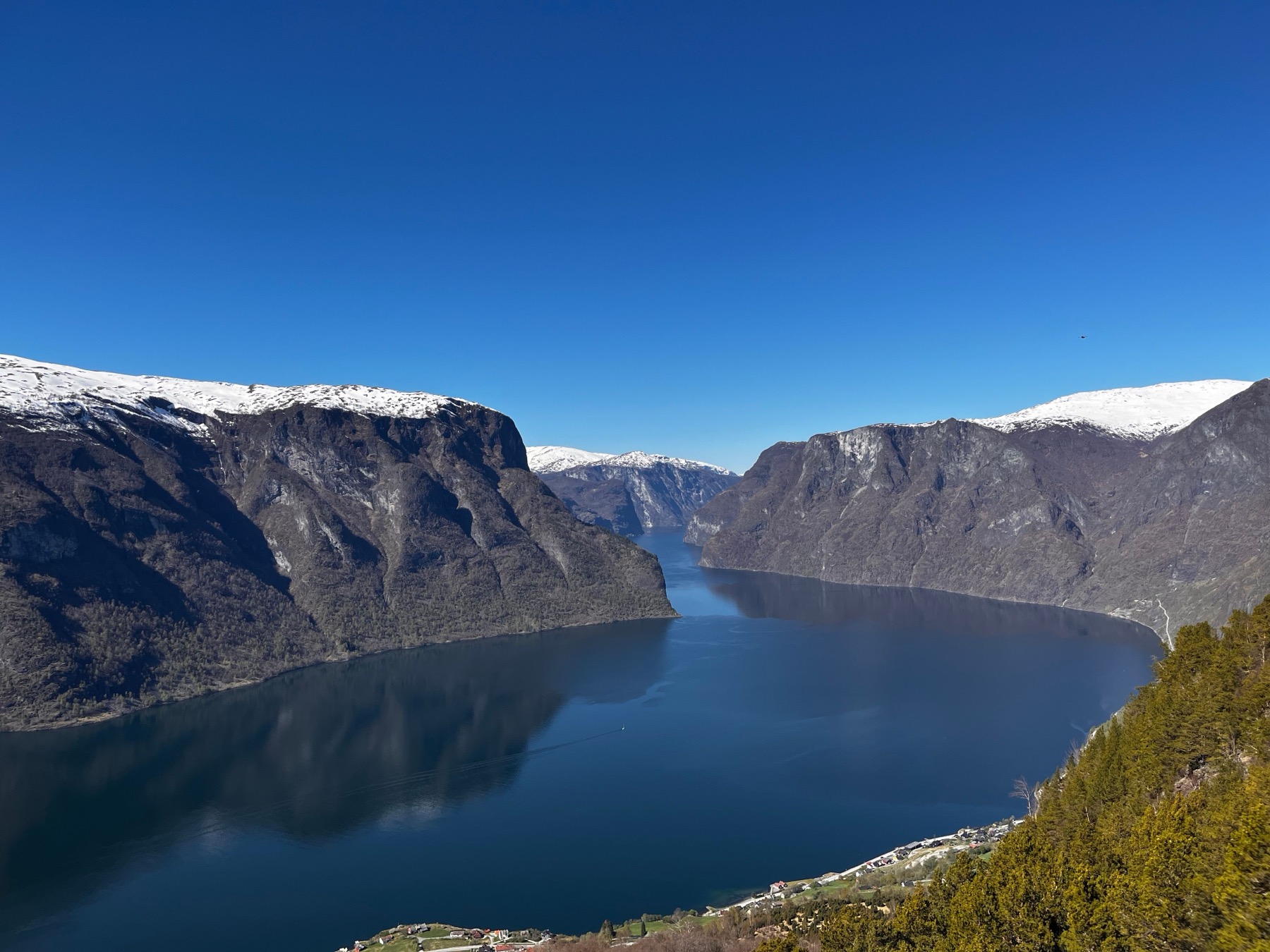
If you take a look at a map of western Norway, you’ll immediately spot a vast body of water reaching deep inland. Sognefjord measures an incredible 204 kilometres and proudly holds the title of the longest fjord in the country. It also breaks the depth record, as its floor plunges to 1,308 metres below sea level, making it the deepest fjord in Norway.
What’s more, this giant waterway gradually branches off into smaller and far more dramatic arms that wind their way between steep mountains. Offshoots like Nærøyfjord, Aurlandsfjord and Lustrafjord draw the most travellers. The main gateway to the whole region is the lovely city of Bergen, from where you can easily reach the fjord by car or public transport.
When to visit Sognefjord and Nærøyfjord
Norwegian nature is gorgeous all year round, but there are pretty clear rules when it comes to visiting the fjords. The best time is undoubtedly summer — the period from June to August. During these months you get the longest days, pleasant temperatures and every tourist service running at full capacity.
Spring has its own enormous charm too, especially throughout May and early June. The mountain snow starts to melt, which means all the local waterfalls are huge and bursting with water. On top of that, you’ll dodge the biggest holiday crowds, so you can enjoy the scenery in greater peace.
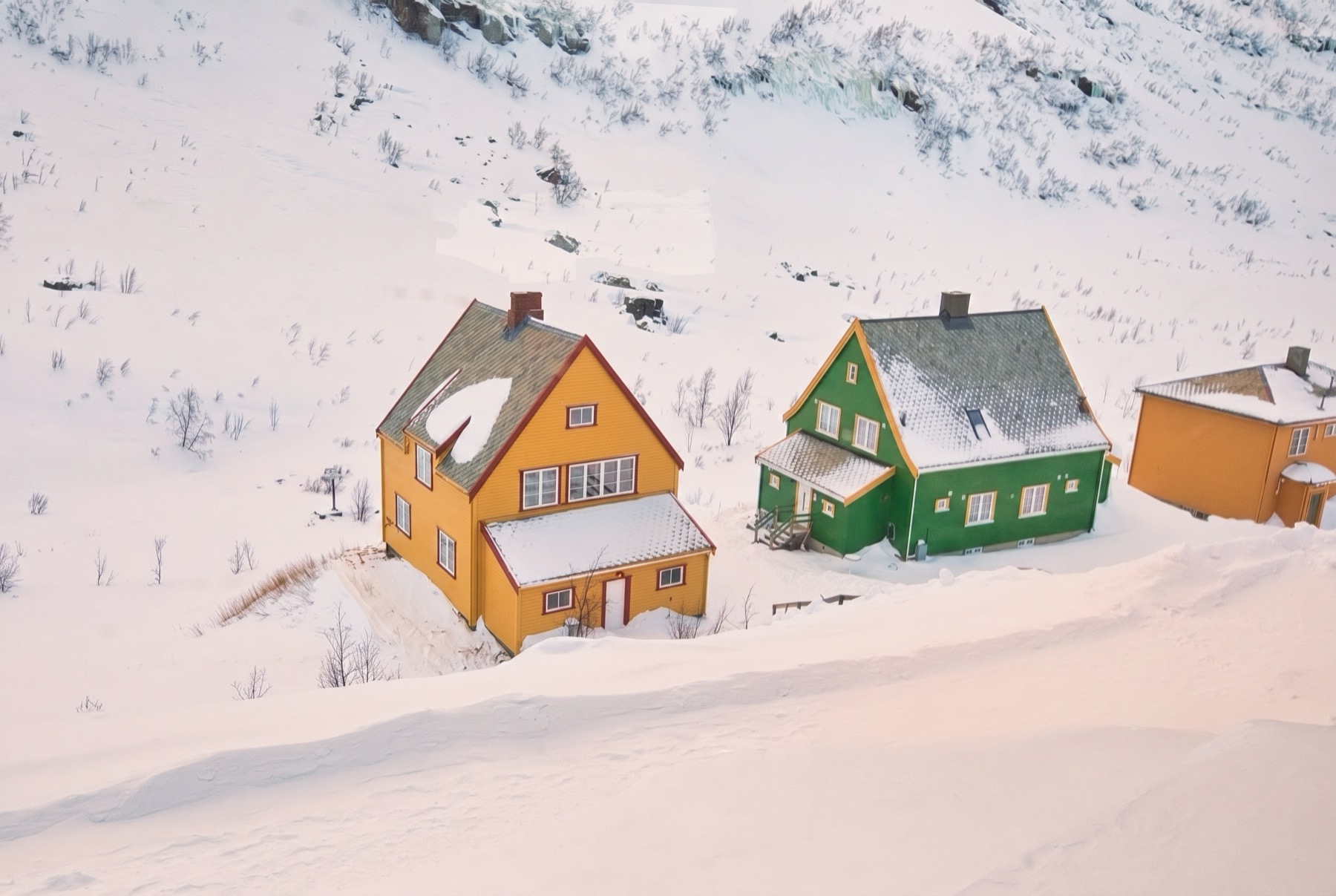
If you’re considering a winter trip, be prepared for major restrictions. Mountain roads are often completely closed under snow, so you won’t be able to drive the famous Aurlandsvegen Snow Road, for instance. Outside the season the ferry connections are also very limited, which can seriously complicate any day-trip planning.
Where to stay around Sognefjord
💡 Tip for accommodation and experiences: We love searching for places to stay on Booking.com, which usually has the best cancellation terms. For tickets, tours and activities, it pays to compare and book through GetYourGuide.
Finding a bed near Norway’s most famous fjords takes some early planning. Capacity in the small villages is limited and the best hotels disappear from booking sites as early as spring. A night for two typically costs between 1,500 and 2,800 NOK (roughly 130 to 240 €), and in peak season prices can climb even higher.
In the village of Flåm you’ll find the gorgeous Fretheim Hotel, which has a rich history and sits right by the water, just a short walk from the famous railway station. It’s an absolutely ideal strategic base for day trips around the area. If you prefer more peace and the authentic atmosphere of a smaller settlement, look out for smaller family-run guesthouses in Aurland.
Another fantastic choice is the picturesque little town of Balestrand, set right on the shore of the main Sognefjord. Here you’ll find the stunning wooden Kviknes Hotel, which oozes old-world romance and historic elegance. Always be sure to check and book your accommodation through Booking well in advance, so you can be certain of a free room.
The most beautiful arms and picturesque villages
Western Norway offers an incredible amount of natural beauty, but the very best scenery hides in the side branches of the big fjords. The landscape is far wilder here and the mountains rise more steeply towards the sky. In this section we’ll focus on the areas that form the very core of every traveller’s itinerary.
Get your cameras ready and free up plenty of space on your phone, because every bend here reveals a stunning new view. From narrow gorges protected by UNESCO to modern architectural viewpoints. Let’s introduce the first four spots you definitely can’t skip.
1. Nærøyfjord and the boat cruise
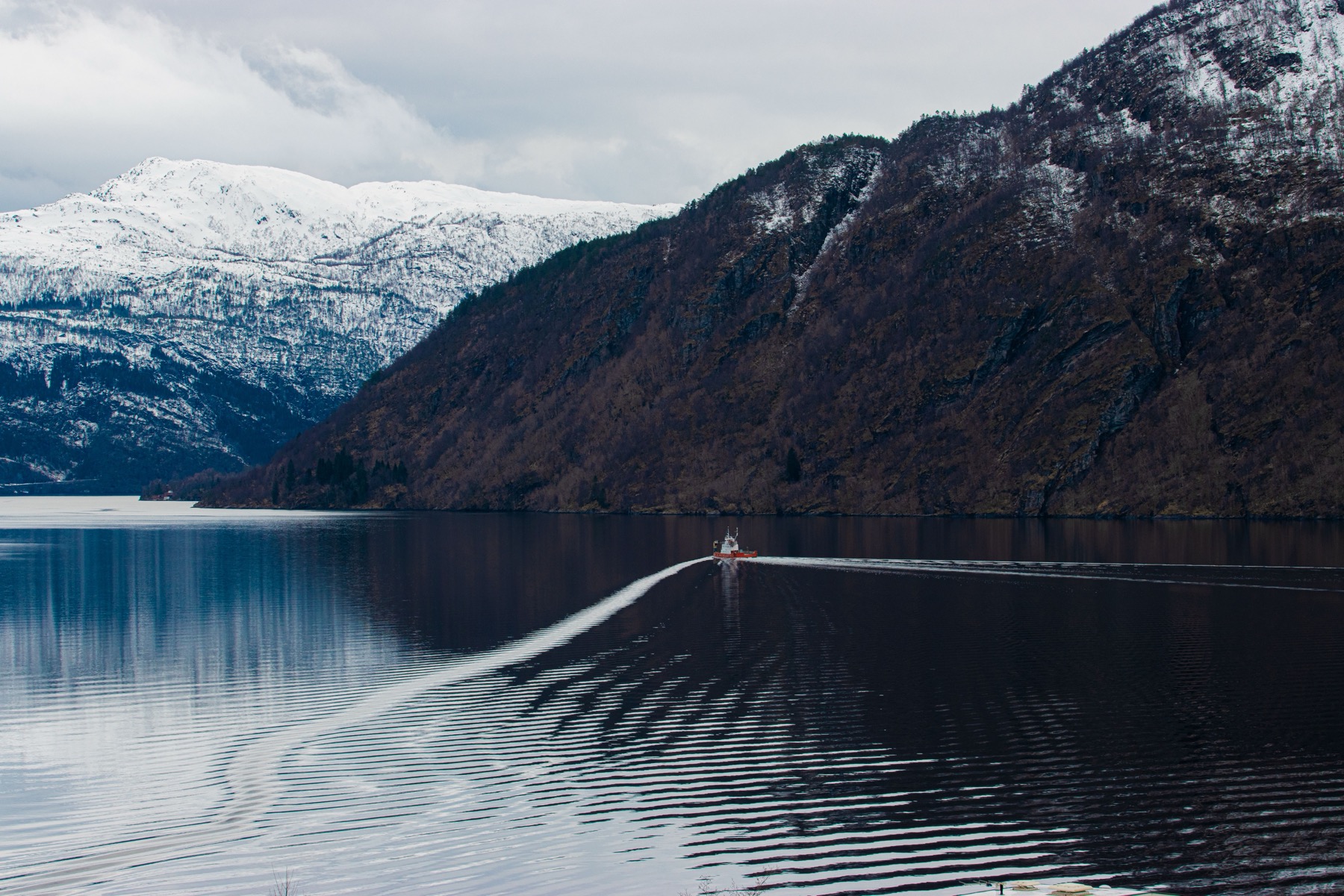
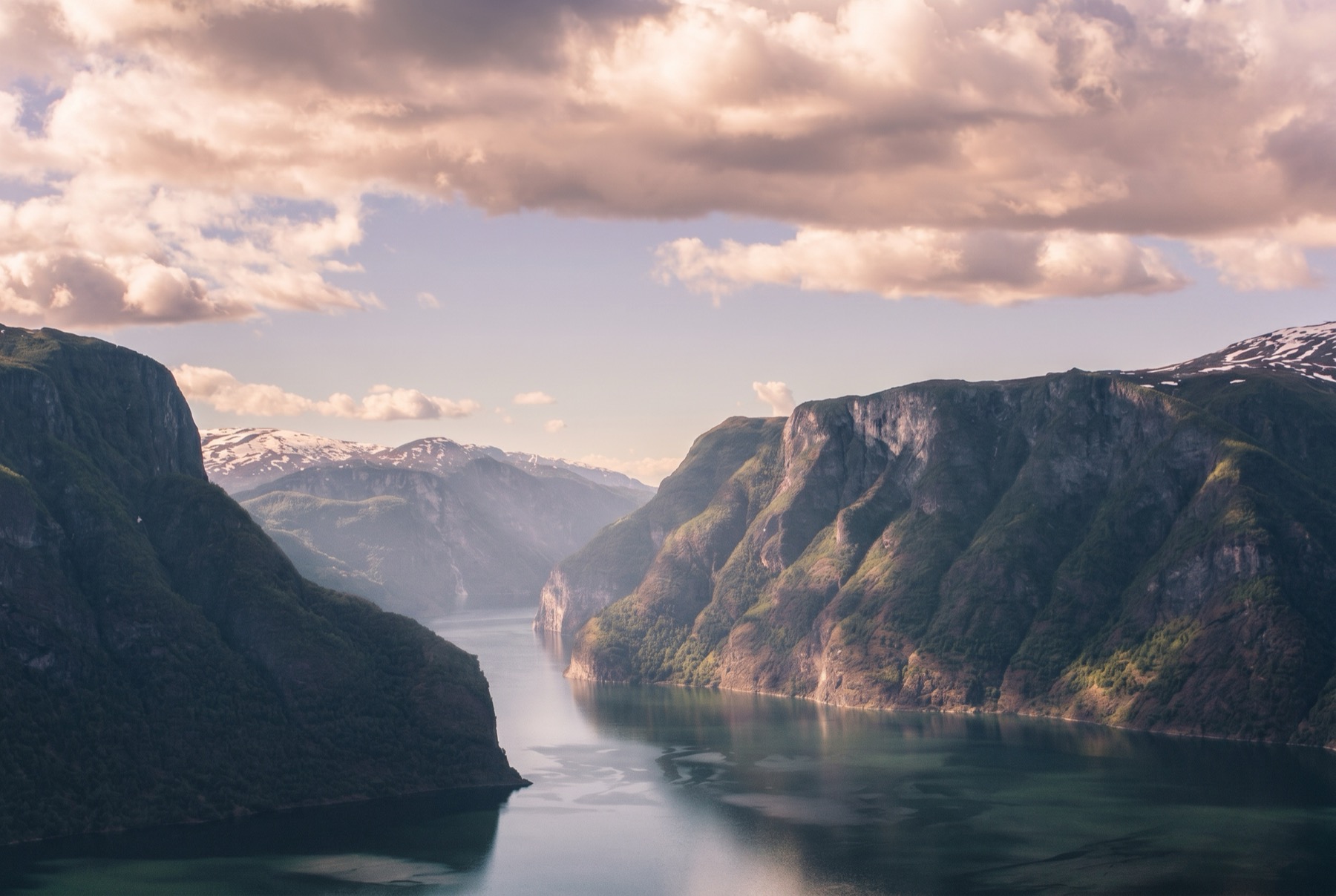
Of all the arms of the enormous Sognefjord, Nærøyfjord is the most dramatic and visually stunning. It has rightly earned a spot on the prestigious UNESCO World Heritage list and proudly holds the title of the narrowest fjord in all of Europe. In some places its banks close in to a mere 250 metres apart, which is hugely impressive from the deck of a boat.
Steep rock walls rise as high as 1,400 metres above the water’s surface. Wild waterfalls tumble down these sheer cliffs into the valley, and you’ll often spot patches of snow on the peaks even in the middle of a hot summer. The fjord’s water is frequently completely still and acts as a perfect mirror for the majestic mountains all around.
The absolute classic is the Sognefjord cruise between Gudvangen and Flåm, which takes around two hours and shows you the best of the entire strait. Tickets for this route usually cost about 400 to 500 NOK (roughly 35 to 43 €) depending on the type of boat and the season. I’d definitely recommend staying outside on deck the whole time, so you don’t miss a single view.
💡 Tip: Cruise boats fill up quickly in the summer months, so it’s best to buy your tickets in advance through GetYourGuide or the official Norwegian portals. That way you’ll avoid the disappointment of a sold-out harbour.
2. Aurlandsfjord and the Stegastein viewpoint
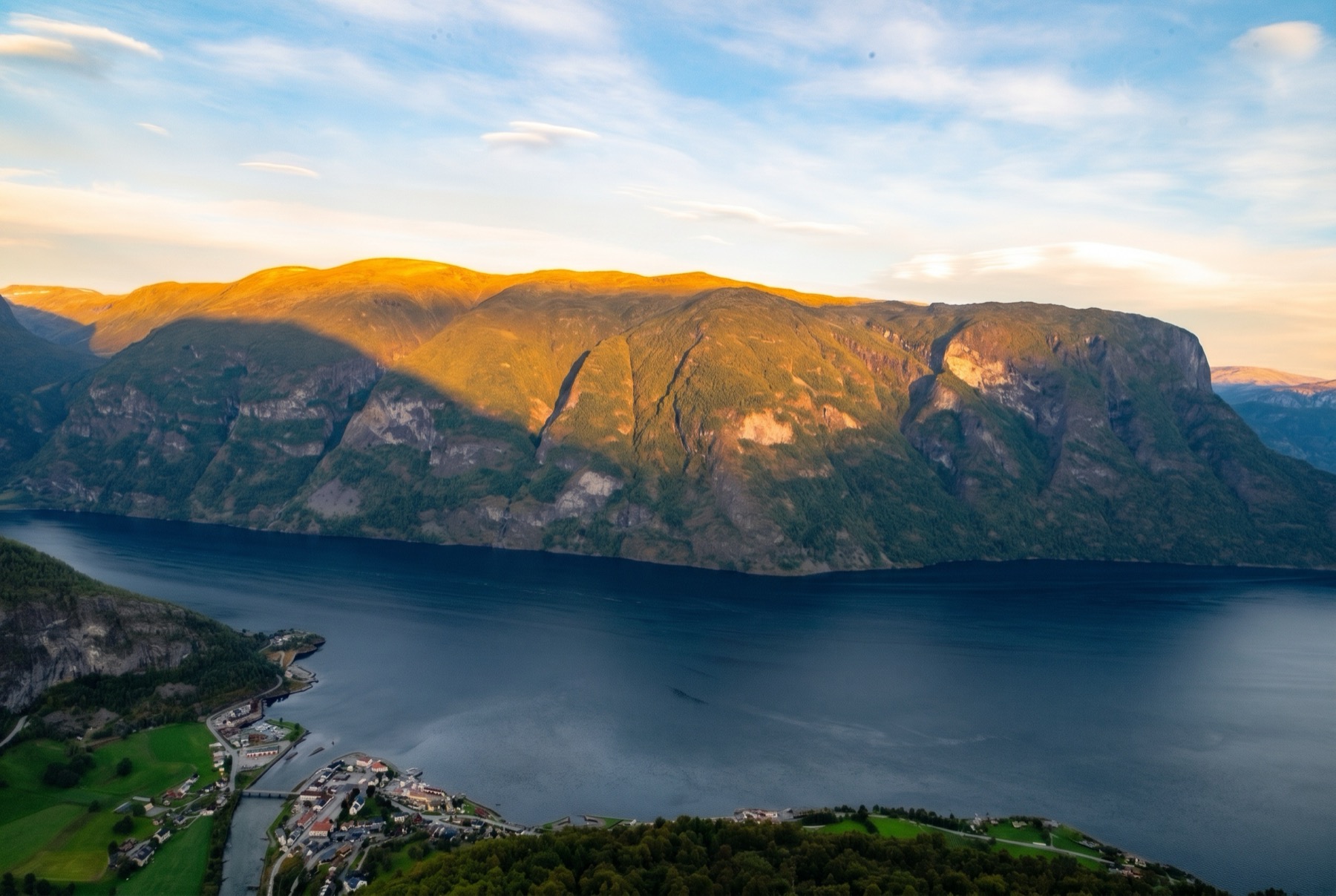
Another incredibly picturesque arm is Aurlandsfjord, which curves southward and ends at the famous village of Flåm. Its banks are lined with small farms and green pastures high on the slopes. But the best possible view of all this splendour comes not from a boat — it comes from a bird’s-eye perspective.
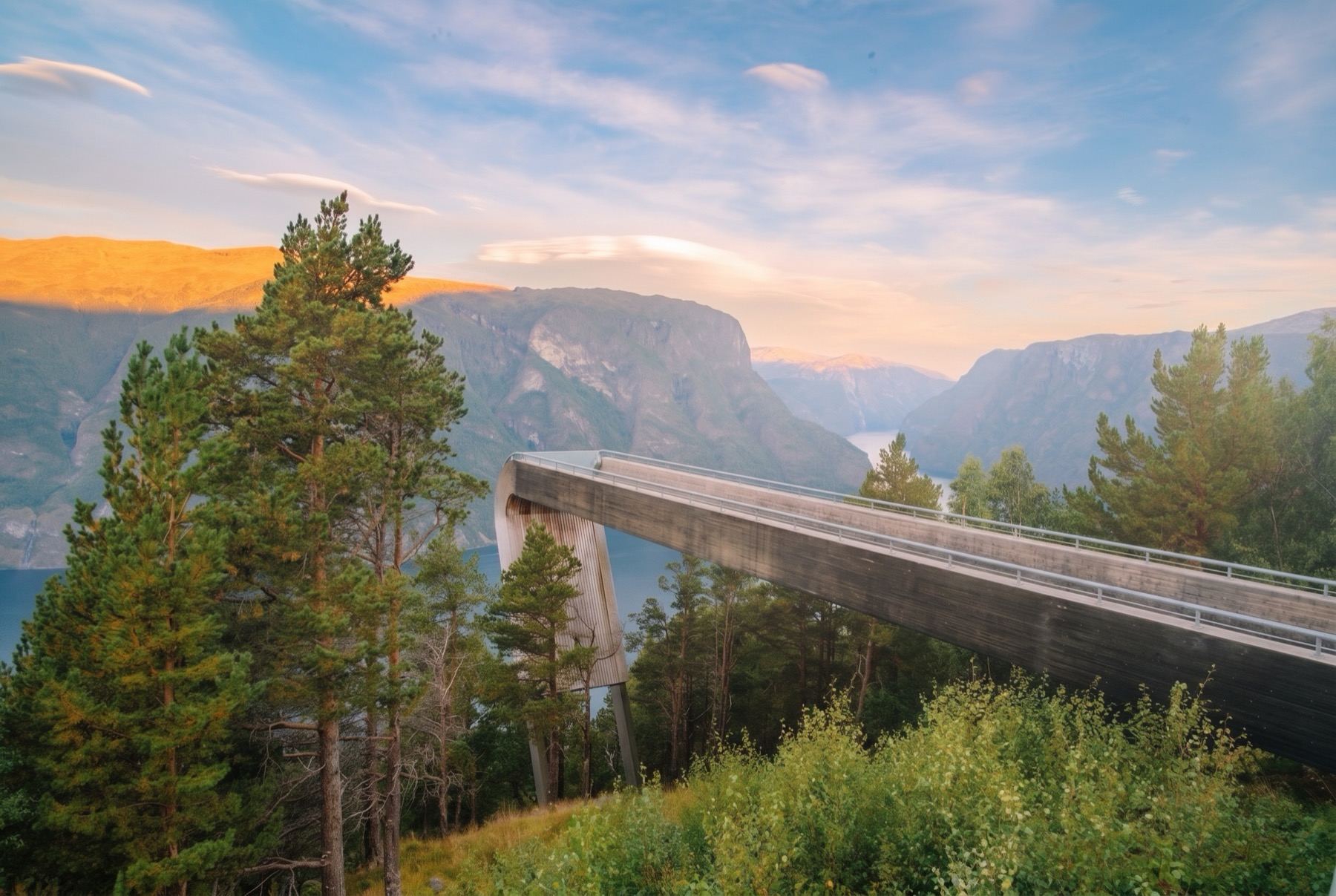
Just drive up the winding road above the little town of Aurland and you’ll come across an architectural gem. The Stegastein viewpoint forms an elegant wooden platform that juts 30 metres out into the void, right above the abyss. You’re standing a full 650 metres above the fjord, and thanks to the glass railing at the end of the platform, you feel like you’re floating in mid-air.
This viewpoint is part of the renowned Aurlandsvegen Snow Road, which links Aurland and Lærdal over a high mountain pass. Driving this road is an experience in itself, as you’ll see huge walls of snow lining the tarmac even at the start of the summer holidays. Just bear in mind that this mountain route is completely closed during winter.
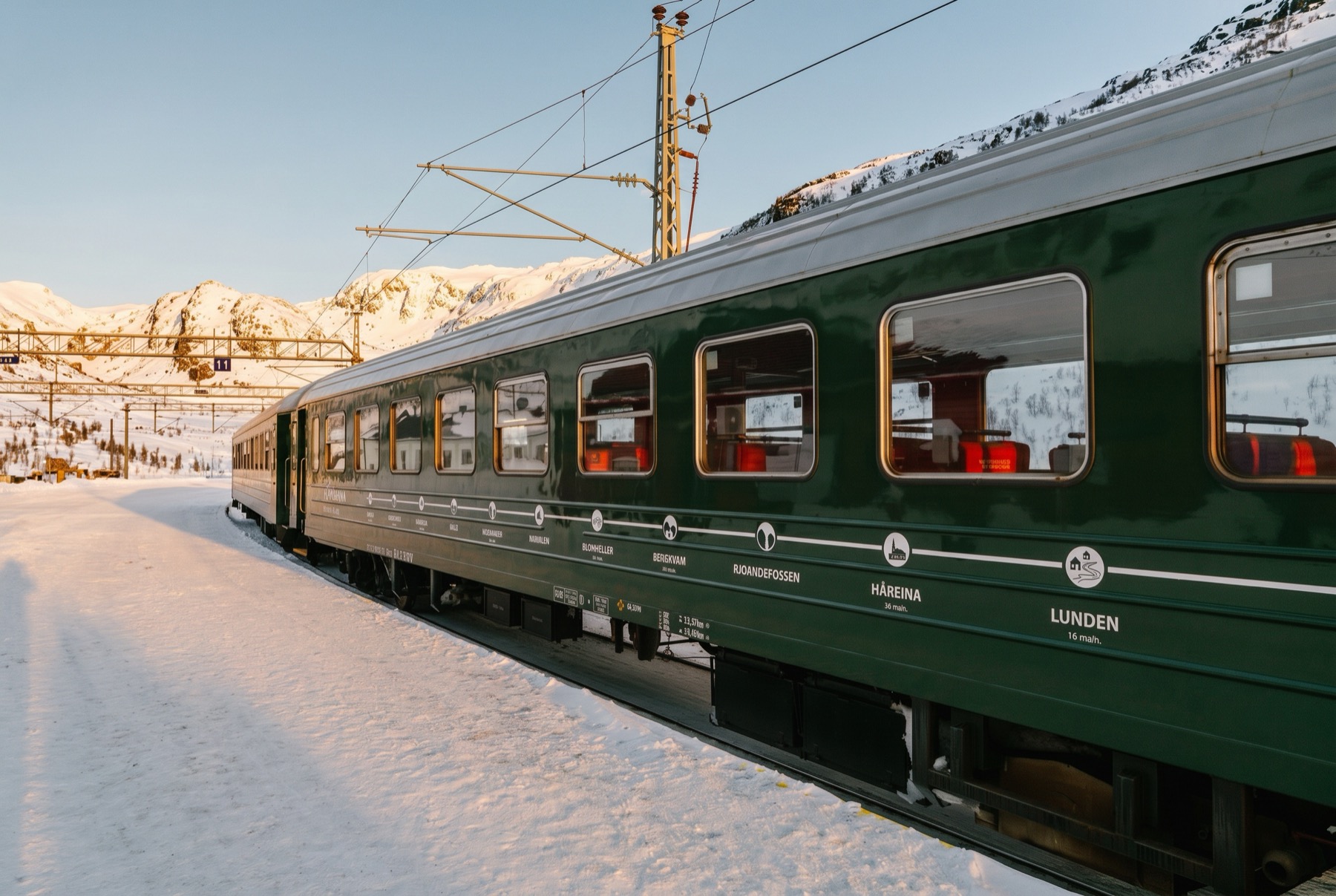
3. Flåm and the Flåm Railway (Flåmsbana)
At the very end of Aurlandsfjord lies the small settlement of Flåm, which has become one of the most important tourist hubs in all of Norway. Although the village itself has only a few hundred permanent residents, in summer it buzzes with incredible life. Giant cruise ships moor in the harbour and a constant stream of buses arrives full of eager travellers.
The main draw here is without a doubt the famous Flåm Railway, or Flåmsbana. This historic line connects the mountain station of Myrdal with the village of Flåm at sea level and ranks among the steepest standard-gauge railways in the world. Over a short twenty-kilometre route, the train climbs an altitude difference of nearly nine hundred metres.
During the slow journey through the valley you’ll admire deep ravines, old farms and above all the mighty Kjosfossen waterfall, where the train makes a special photo stop. It’s such a rich and beautiful experience that it deserves far more space to explain. You’ll find detailed information and tips in our separate article on the Flåm Railway.
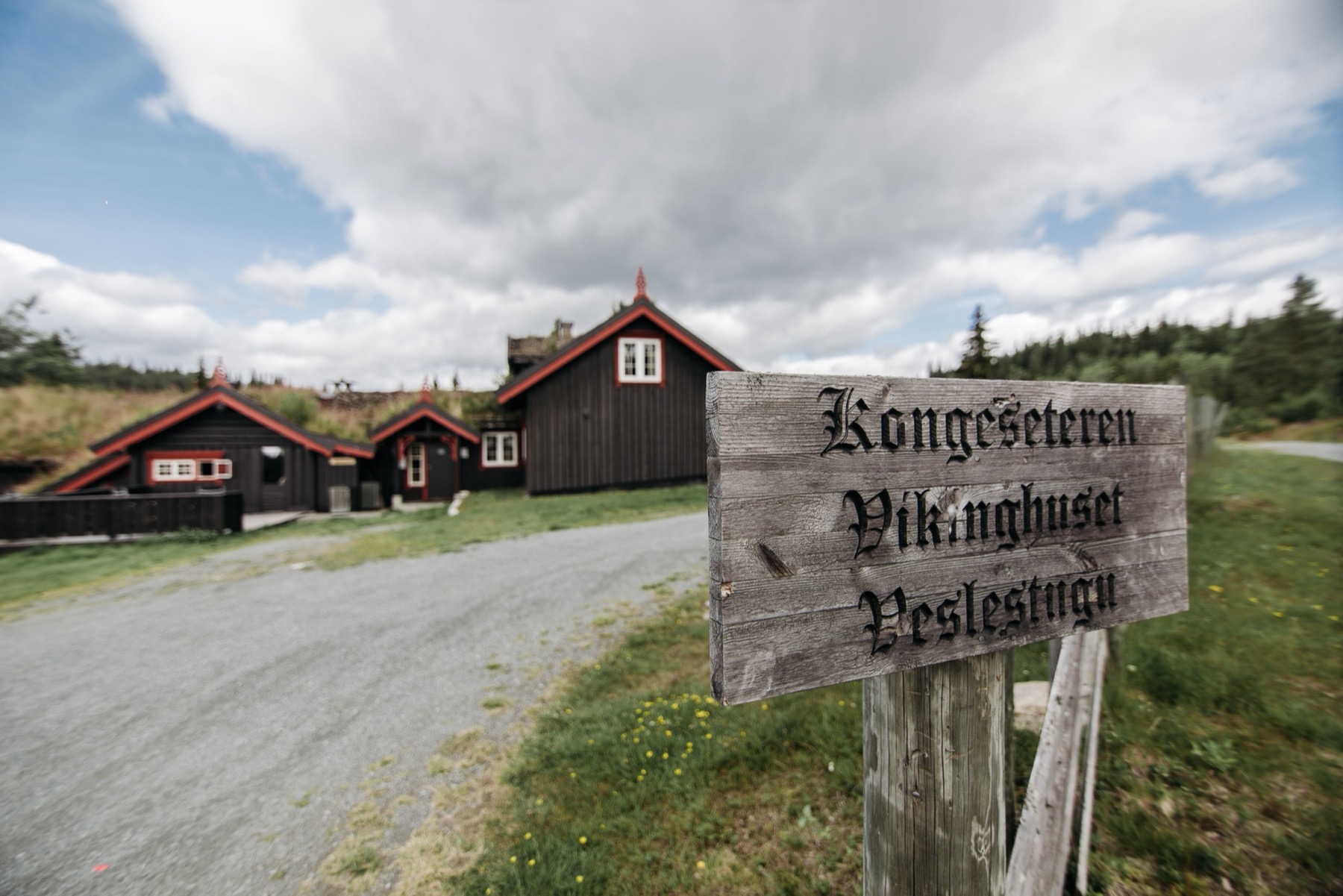
4. The Njardarheimr Viking Village in Gudvangen
If you love Nordic history and fancy something a little different, be sure to make a stop at the very end of Nærøyfjord. The village of Gudvangen is home to a fascinating Viking settlement called Njardarheimr, which takes you on a journey a thousand years back in time. And this is no cheap theme park — it’s a very careful, historically faithful reconstruction.
Inside the village you won’t meet actors in costume, but genuine enthusiasts of the Viking way of life who actually live and work here during the season. You can watch skilled craftsmen working with wood, a blacksmith hammering away at red-hot iron, or try your hand at shooting a traditional bow. The locals are also happy to describe the details of their everyday life in the era.
The place is ideal for families with children, but its authenticity will delight adult visitors too. During the summer months there are also various themed events and markets where you can buy beautiful handmade souvenirs. Tickets can be bought right on site, and the visit takes you roughly two hours of relaxed wandering.

Culture, glaciers and experiences on the water
The Sognefjord region isn’t just about steep cliffs and deep water. This area is woven through with rich history and unique cultural landmarks you won’t easily find anywhere else in Europe. And if you’re craving a bit of adventure, you’ll find monumental glaciers and fantastic opportunities for sport here too.
The following four tips will take you into the quiet lanes of historic towns, to wooden churches with dragon heads, and right to the edge of eternal ice. When planning your itinerary, leave yourself plenty of time for the transfers, because distances in the Norwegian mountains can look shorter on a map than they actually are.
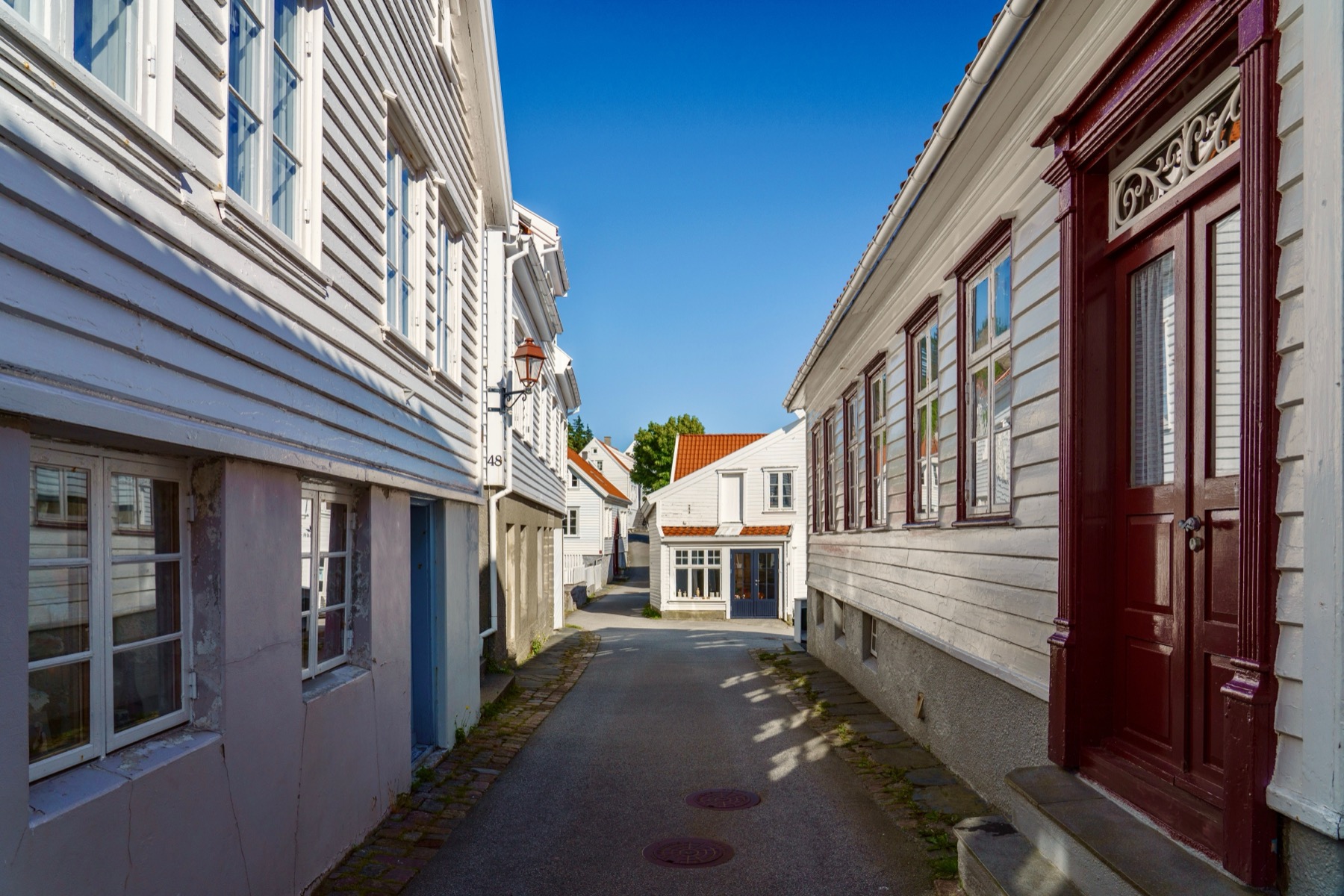
5. Lærdal and the Lærdal Tunnel
The picturesque little town of Lærdal sits on another arm of Sognefjord and offers a completely different atmosphere to bustling Flåm. Its historic centre, known as Gamle Lærdalsøyri, is a protected heritage zone, and you’ll find over 160 well-preserved wooden houses here from the eighteenth and nineteenth centuries. A stroll through these quiet lanes is balm for the soul and a wonderful rest from the natural extremes.
Just outside town, however, you’ll come across a genuine technical marvel of our age. The Lærdal Tunnel links Lærdal with Aurland, and at 24.5 kilometres long it holds the title of the longest road tunnel in the world. Driving through the dark tube takes about twenty minutes, and it really is a strange feeling to know you have hundreds of metres of solid rock above you.
To keep drivers from nodding off during the long, monotonous journey, the engineers came up with an ingenious solution. The tunnel is divided by huge cavern halls, lit with a mystical blue and yellow glow that resembles a sunrise. In these widened spaces you can safely pull over, take a break and snap some truly unique photos from deep within the earth.
6. The Urnes and Borgund stave churches
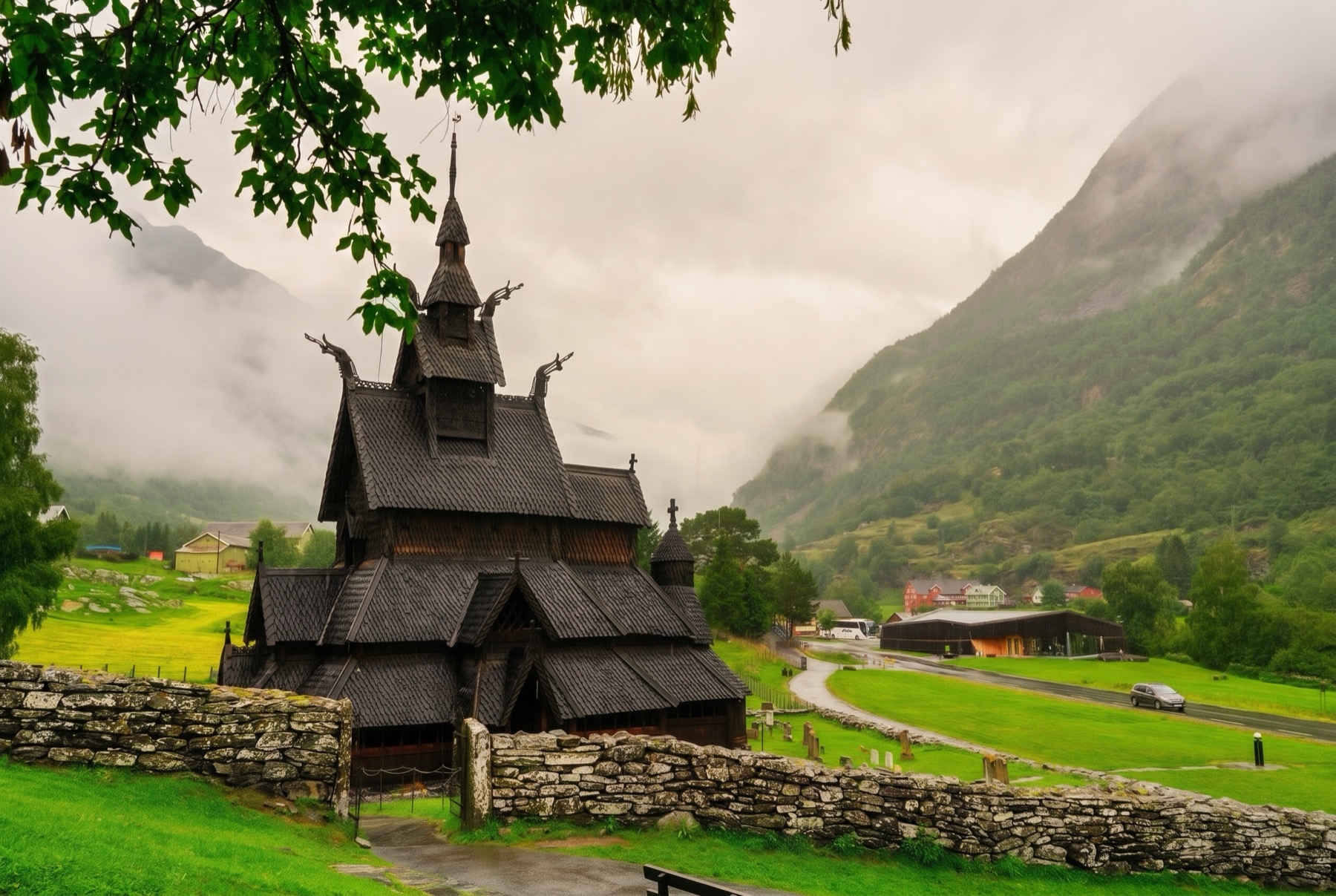
When people think of Norwegian architecture, most picture the famous wooden stave churches, known as stavkirke. In the Sognefjord region you have a unique chance to admire two of the absolute most significant ones. Urnes Church sits on the shores of Lustrafjord and is the oldest surviving church of its kind, which has earned it a well-deserved place on the UNESCO list.
Its construction dates all the way back to the twelfth century, and it’s adorned with beautiful wood carvings blending Christian motifs with Viking animal patterns. Reaching it requires a short ferry ride from the little village of Solvorn, but that small effort is absolutely worth it. The atmosphere of a place surrounded by orchards is one of a kind.
If you’d rather not travel too far from the main road, stop by Borgund Church, located just beyond the Lærdal Tunnel. Of all the Norwegian stavkirke, this is the best-preserved and most photogenic. Its roofs are topped with fierce dragon heads, meant to ward off evil spirits, and the whole structure has an incredibly mystical feel to it.
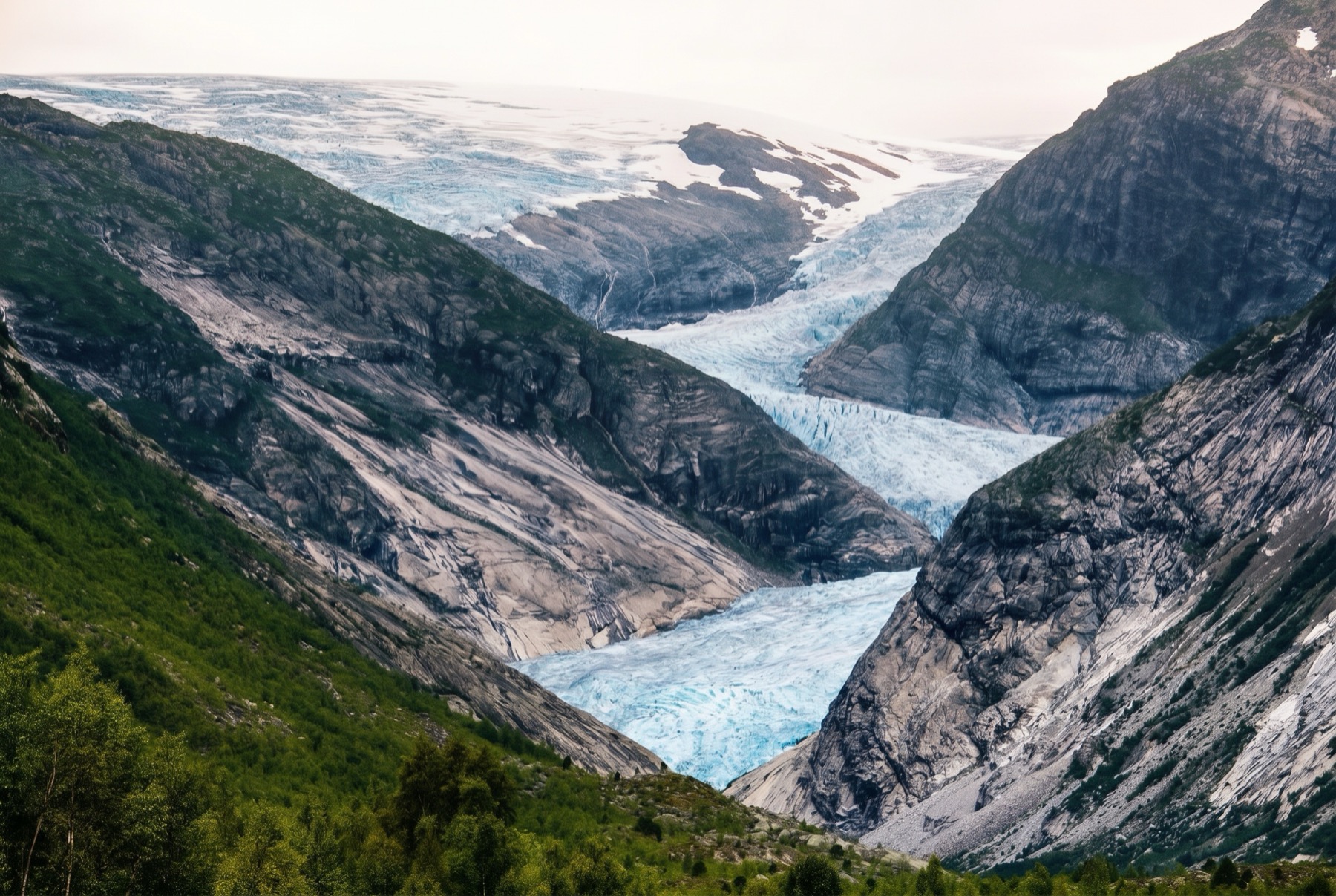
7. The Jostedalsbreen glacier and the Nigardsbreen arm
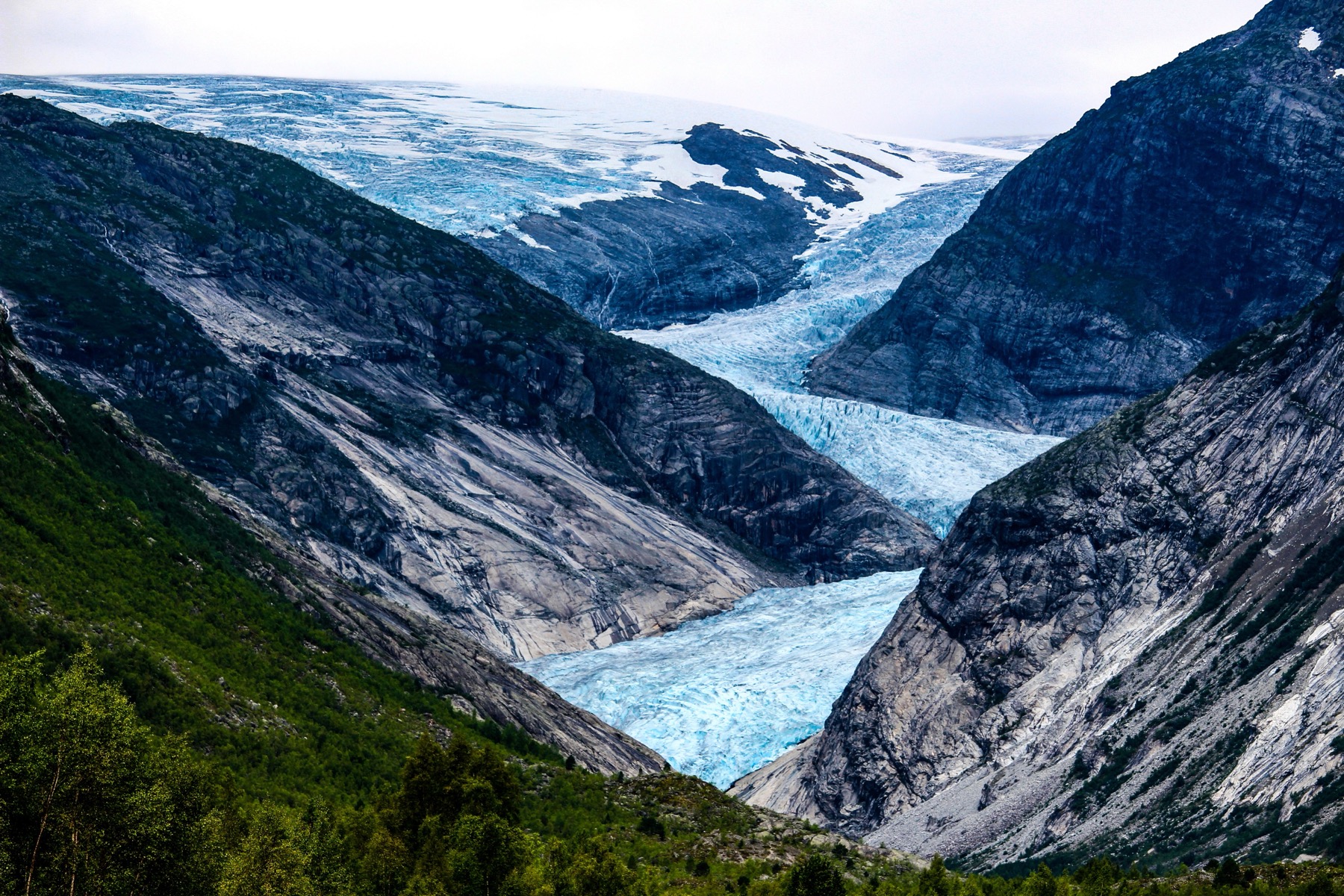
Sognefjord reaches its branches so deep into the mainland that it brushes up against another natural giant. Jostedalsbreen is the largest mainland glacier on the European continent, and its size is hard to comprehend. Although the main mass of ice hides high in the mountains, numerous glacial arms flow down from the plateau into the valleys.
One of the most accessible and most beautiful tongues is Nigardsbreen, which you can easily reach by turning off from the Lustrafjord area. Just the sight of a huge river of blue ice cutting into a green valley is a staggering experience. If you enjoy being active, you can pay for an organised glacier hike here with a professional guide.
💡 Tip: Never venture onto a glacier on your own without equipment and experience. The ice is constantly moving, crevasses are often hidden under snow, and walking along marked and secured routes under the watch of local experts is the only safe choice.
8. A fjord cruise and sea kayaking
Watching the fjord from the shore is wonderful, but you only truly grasp the scale of the whole landscape once you find yourself right out on the water. Alongside the large cruise ferries, you now have far more modern and intimate ways to explore the waters. Aurland and Flåm are home to modern electric boats that make no noise at all, so they don’t disturb the valley’s calm atmosphere.
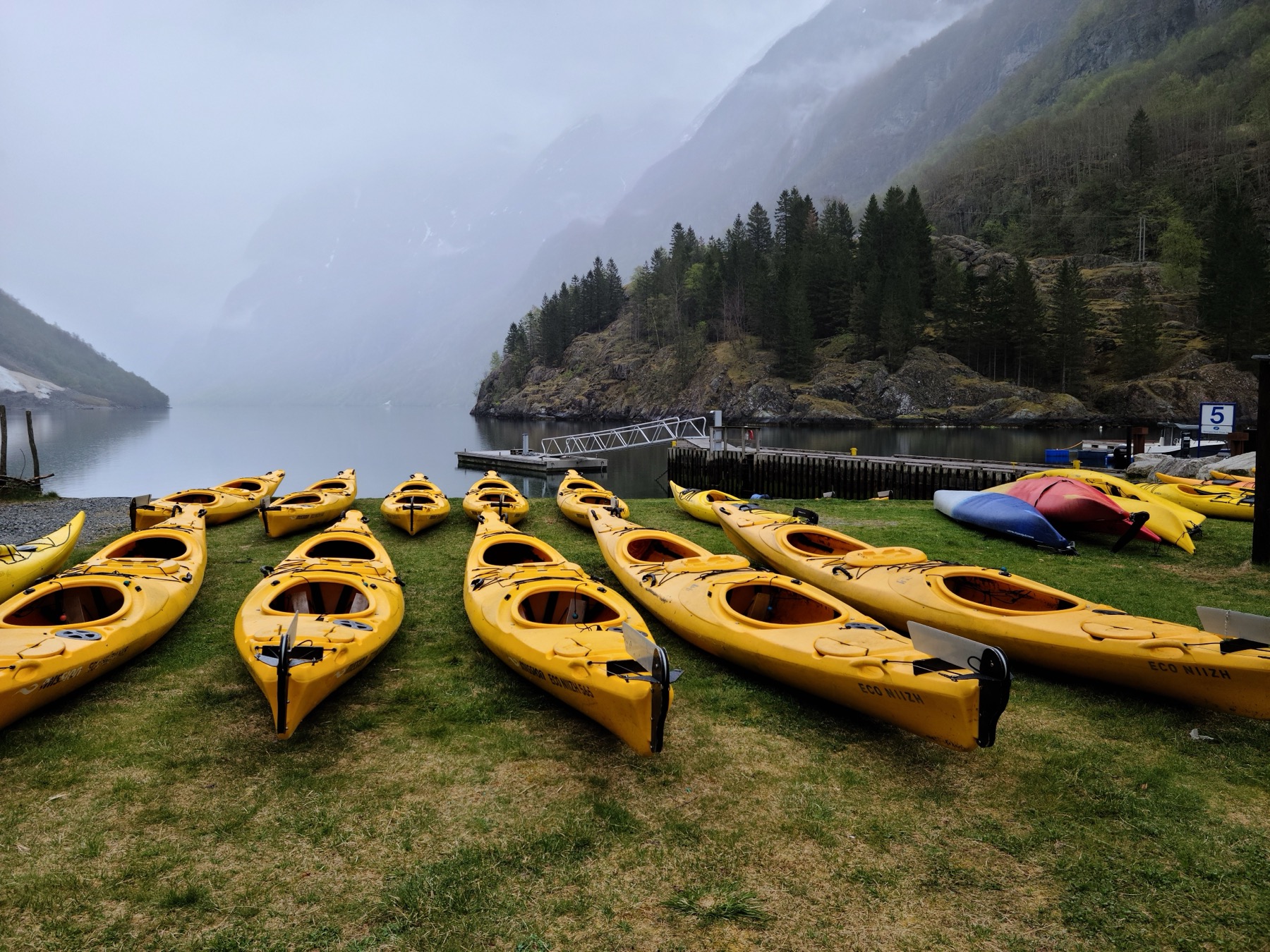
These vessels glide across the water in complete silence, so you stand a great chance of spotting seals or porpoises, which often come right up to the boat. For lovers of a more active break, there’s one more perfect option. Hire a sea kayak and paddle along the steep walls of Nærøyfjord entirely on your own.
The view from a tiny kayak of a 1,400-metre rock wall rising straight out of the water is unreal. Most local rental shops offer both solo hire for more experienced paddlers and safe, guided trips with an instructor for complete beginners. It’s one of the best ways to truly connect with Norwegian nature.
How to get to Sognefjord and Nærøyfjord
Getting to Norway’s longest fjord is surprisingly easy, as the whole area is perfectly connected to the main transport routes. The most common starting point is the city of Bergen, from where you can reach the water by car in under three hours. Just follow the signs to Gudvangen and Flåm, and the road will reliably guide you through picturesque mountain passes. From Britain, the easiest approach is to fly directly into Bergen — there are regular connections from London and other UK airports — and then continue by car or train.
If you’re not planning to rent a car, the best option is the famous Norway in a Nutshell package. It’s a cleverly assembled tour combining an express train ride from Oslo or Bergen, a transfer to the Flåm Railway and a subsequent boat cruise along Nærøyfjord. You don’t have to fiddle about buying tickets from various operators — everything is sorted in a single booking and the connections link up perfectly. This is also a great answer if you’re searching for the classic Norway train journey from Bergen to Sognefjord.
For longer car journeys, be prepared to frequently use the local car ferries. The fjords are enormous and building bridges across them is often impossible, so short crossings over the water become a routine part of your travels. Be sure to download the local transport apps to your phone so you can keep on top of the timetables.
Where to go next from Sognefjord
Norway’s west coast is vast, and Sognefjord is just one of many amazing pieces of the puzzle. Once you’ve explored all the viewpoints and glaciers, I’d definitely recommend heading south to the historic city of Bergen, which is full of colourful wooden houses and great markets. Take a look at our tips in Bergen: what to see.
If you want to take a broader view of your Norwegian trip and you’re after inspiration for the days ahead, have a read of our extensive article Norway: 50 things to see. It’s packed with ideas, from the southern beaches all the way to the rugged north beyond the Arctic Circle.
And for those of you who’ve fallen for the deep valleys and salty water cutting into the mountains, we’ve put together a complete guide to the Norwegian fjords. There you’ll learn about other famous areas too, such as the nearby Hardangerfjord or the breathtaking Geirangerfjord.
Frequently asked questions
What’s the difference between Sognefjord and Nærøyfjord?
While Sognefjord is the main, longest and mightiest fjord in Norway, Nærøyfjord is just one of its smaller arms. However, it is much narrower, enclosed by steeper mountains and thanks to its exceptional beauty has made it onto the UNESCO World Heritage list.
How to get to Sognefjord and Nærøyfjord?
You can get here most easily by car or train from the city of Bergen. If you don’t want to drive, the ideal solution is to purchase the combined Norway in a Nutshell circuit, which cleverly connects train travel with a fjord cruise into one smooth experience.
Is the cruise from Gudvangen to Flåm worth it?
Definitely yes. This is the most beautiful and photogenic part of the entire waterway system and you’ll see the narrowest sections of the fjord directly from the deck. A ticket for this approximately two-hour cruise will cost you around 400 to 500 NOK.
What is Norway in a Nutshell?
This is the most popular travel package in Norway. It combines a ride on the main Bergensbanen railway, a transfer to the steep Flåm Railway, and a subsequent scenic cruise across the Nærøyfjord. It can be done as a day trip from both Bergen and Oslo.
When is the best time to visit the Norwegian fjords?
The greatest certainty of favorable weather and fully open services is during the summer months from June to August. It’s beautiful here in spring too, when thanks to melting snow from the mountains, the mightiest and wildest waterfalls cascade down.
Is the Flåm Railway Worth It?
Definitely yes, it’s a technical marvel and one of the steepest railway lines in the world. The views into the deep valley and the close passage around the Kjosfossen waterfall are so unique that we’ve dedicated a completely separate article to this railway line.
Where to stay around Sognefjord?
The best starting points for your trips are the village of Flåm, the quieter Aurland, or the picturesque Balestrand. Be prepared, however, that popular accommodations such as the historic Fretheim Hotel or Kviknes Hotel tend to sell out very quickly in summer.
Tips and Tricks for Your Vacation
Don’t Overpay for Flights
Search for flights on Kayak. It’s our favorite search engine because it scans the websites of all airlines and always finds the cheapest connection.
Book Your Accommodation Smartly
The best experiences we’ve had when looking for accommodation (from Alaska to Morocco) are with Booking.com, where hotels, apartments, and entire houses are usually the cheapest and most widely available.
 🚗 Car rental on the roadVerified rental cars in Norway
Search with the DiscoverCars comparison engine — it compares prices from dozens of local and international rental companies, and most bookings come with free cancellation.
Compare car prices in Norway →Don’t Forget Travel Insurance
Good travel insurance will protect you against illness, accidents, theft, or flight cancellations. We’ve had a few hospital visits abroad, so we know how important it is to have proper insurance arranged.
Where we insure ourselves: SafetyWing (simple monthly subscription) and TrueTraveller (for extra-long trips).
Find the Best Experiences
Get Your Guide is a huge online marketplace where you can book guided walks, trips, skip-the-line tickets, tours, and much more. We always find some extra fun there!