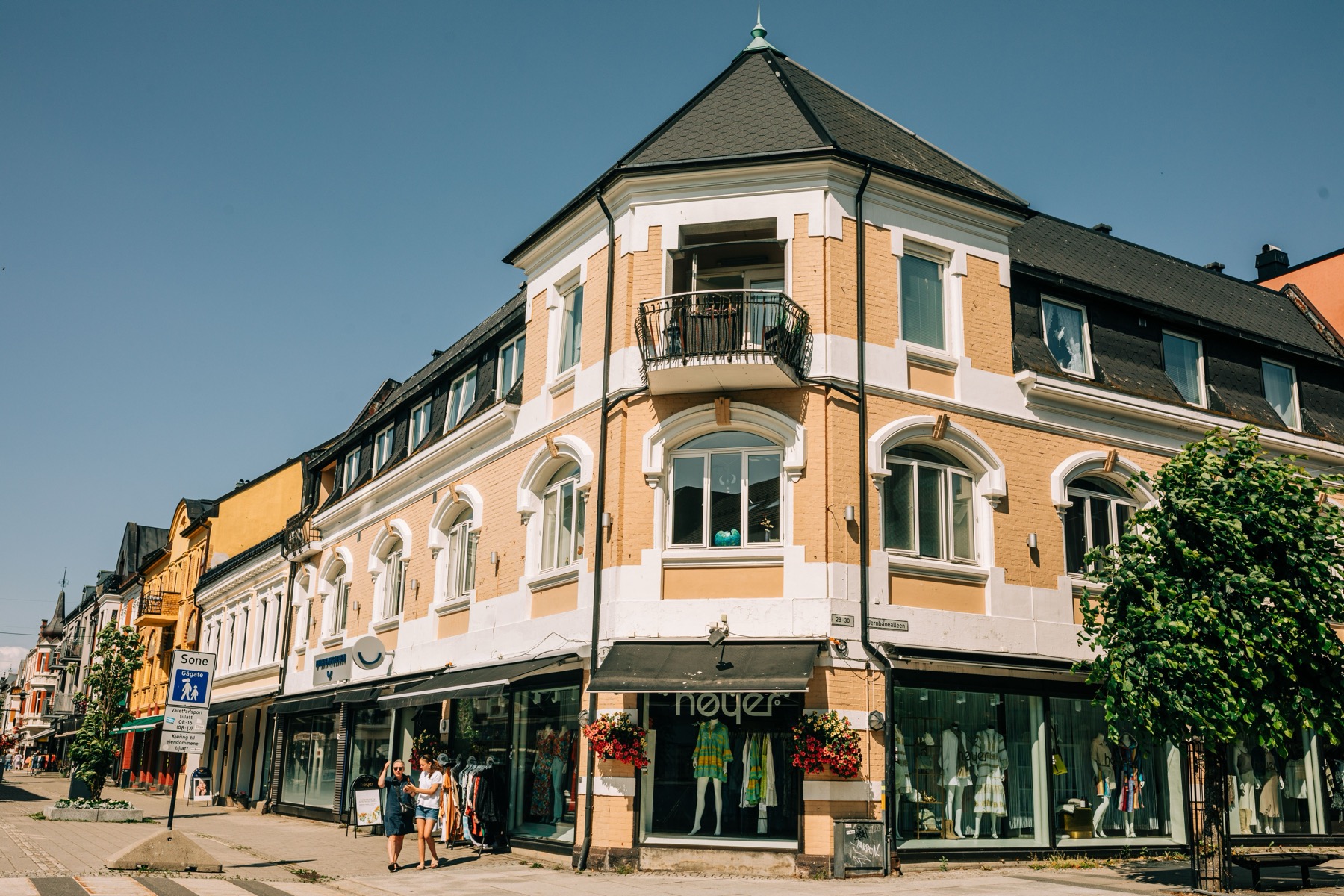
A pint in a Norwegian bar costs as much as a hearty lunch, so if you want to enjoy alcohol in Norway, brace yourself: a bottle of average wine can only be bought in a state-run shop that, on top of everything, closes uncompromisingly at three in the afternoon on Saturdays. Welcome to the beautiful land of fjords, where alcohol has been a hot political topic for more than a hundred years and where the rules for selling it can feel like they come from another universe. If you’re heading north on holiday and would love a glass after a full day of hiking, I’ve put together a complete guide to prices, rules and limits for 2026.
TL;DR
- State monopoly: Any alcohol above 4.75% (wine, spirits, strong beers) can only be bought in special Vinmonopolet stores.
- Time limits: Ordinary supermarkets sell beer only until 8 p.m. on weekdays and until 6 p.m. on Saturdays, with an absolute ban on sales on Sundays.
- Age limits: Beer and wine are sold from age 18, but for hard liquor above 22% you must be at least 20.
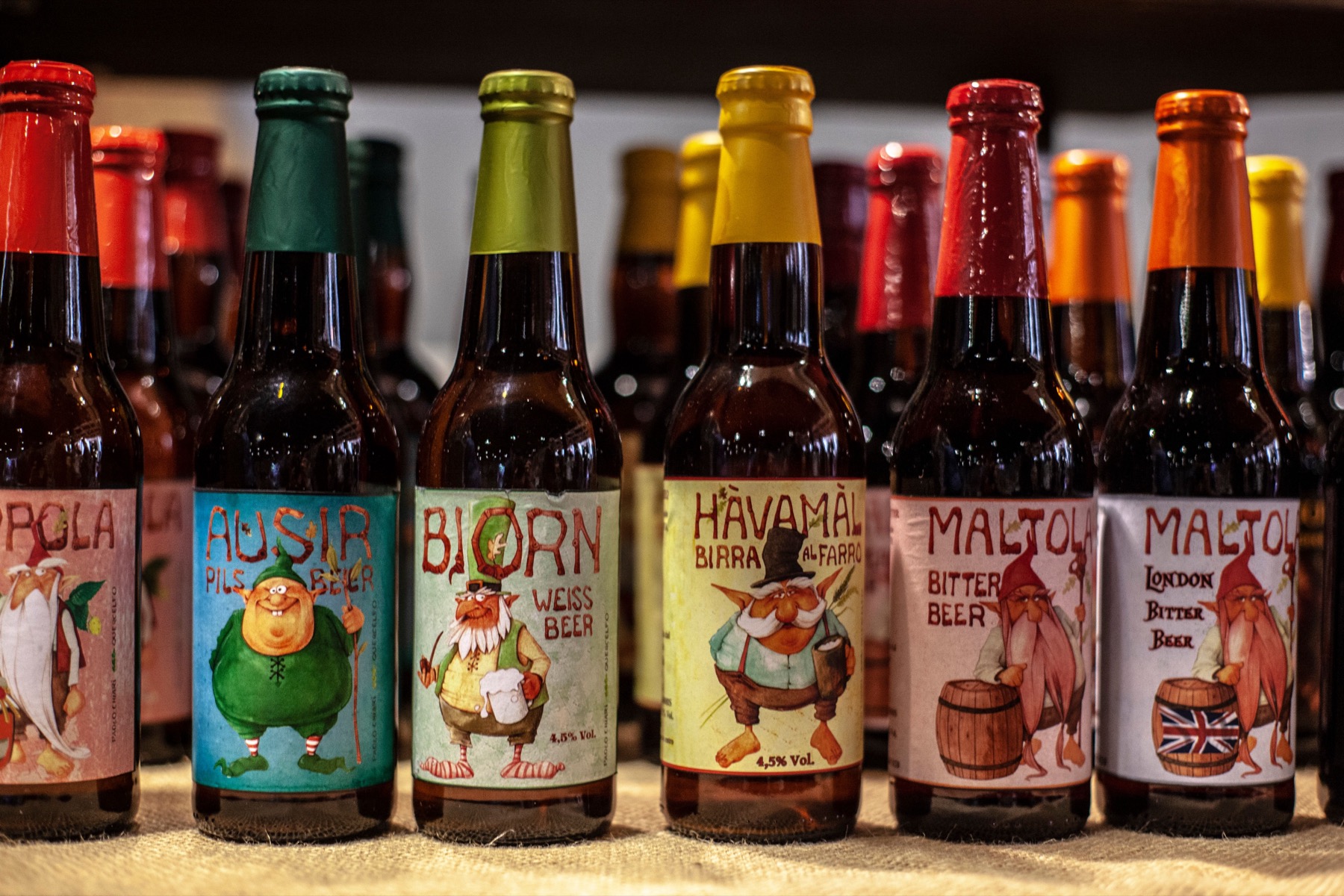
- High prices in 2026: A 0.5 l beer in a shop runs about 34 NOK (€3), in a bar you’ll pay around 110 NOK (€10), and a bottle of wine starts at 170 NOK (€15).
- Basic import quota: You may legally bring 1 litre of spirits, 1.5 litres of wine and 2 litres of beer per person into Norway.
- Zero tolerance: Behind the wheel there’s a strict limit of 0.2‰, and drinking in public is formally banned by law.
The full destination guide: Norway — guide and what to see
10 Things You Must Know About Alcohol in Norway
You might think you’ll just pop into a corner shop for a few beers after a hike in the evening. Sadly, it’s not that simple here. The Norwegian alcohol sales system is a bit like an obstacle course, which is why I’ve put together this list of ten essential rules to save you needless frustration and money.
From specific opening hours to border limits, everything has its own strict rules. Most locals already know exactly how to navigate this system, so let’s dive in so nothing throws you off during your dream Nordic holiday.
1. Vinmonopolet: The State Monopoly on Everything Above 4.75%
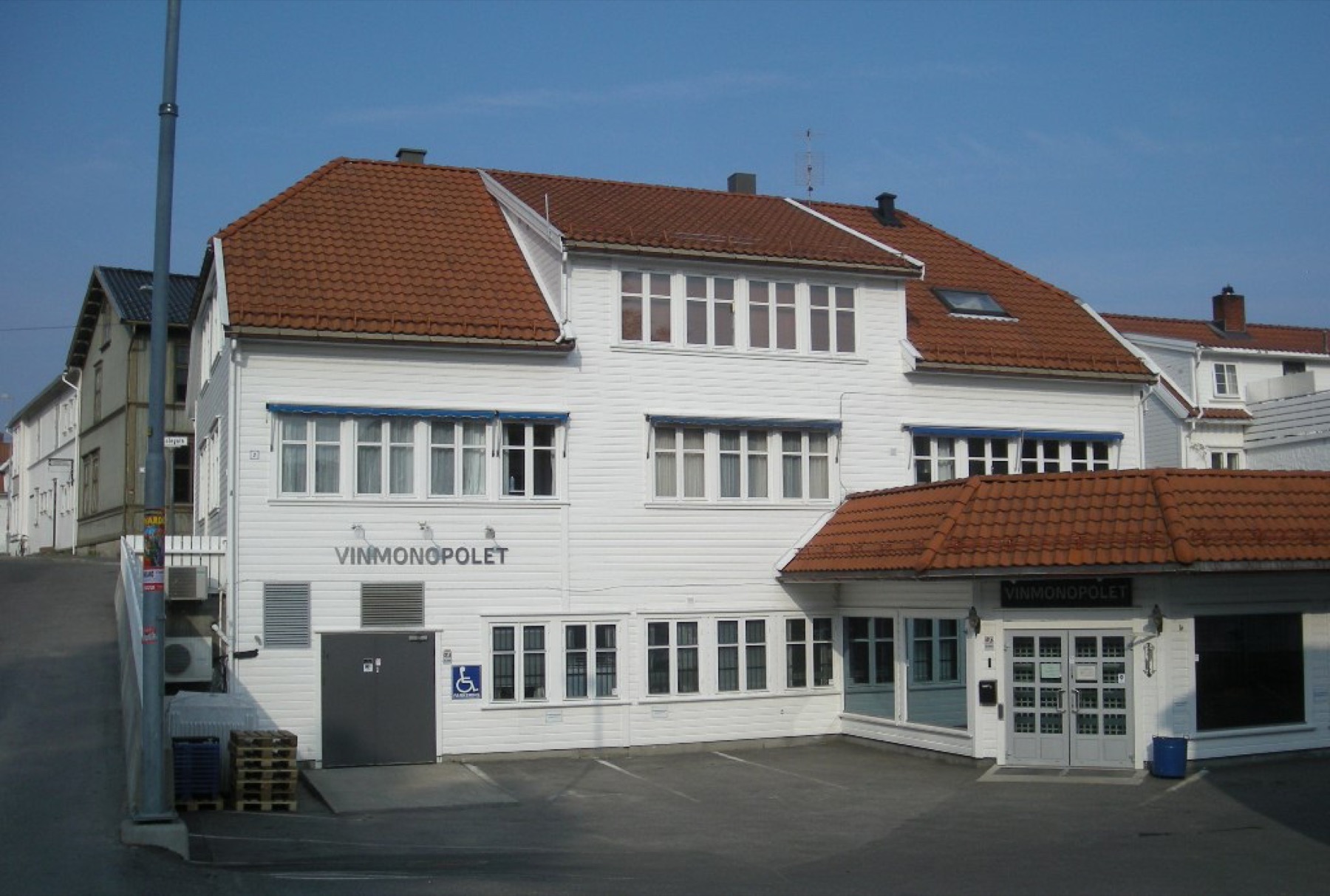
If you get a craving for a glass of wine or a good gin in Norway, your feet must carry you to a shop with the logo of a big letter V. Vinmonopolet is a state-owned monopoly chain that is the only place in the entire country allowed to sell drinks with an alcohol content higher than 4.75 percent. The system was created in 1922 as a compromise after full prohibition was scrapped, and essentially nothing has changed since then — which, surprisingly, doesn’t bother Norwegians.
Today you’ll find over 330 branches of this chain across Norway, mostly in larger towns and shopping centres. Smaller towns typically have just one store, while in remote countryside or tiny villages you’d search in vain. Local residents there have to order stronger alcohol in advance to special pickup points, which takes no small amount of planning.
The opening hours of these state stores are a chapter of their own and often catch tourists off guard. On weekdays they usually close as early as 6 p.m., while on Saturdays the doors shut relentlessly between 3 and 4 p.m. On Sundays and public holidays Vinmonopolet stays completely closed, so if you suddenly fancy a bottle of wine with dinner in the mountains at the weekend, you’re simply out of luck.
💡 Tip: Vinmonopolet stores boast a huge selection and very knowledgeable staff who can give you excellent advice. Paradoxically, you’ll find some luxury and vintage wines here at better prices than in the rest of Europe, because Norwegian tax is calculated primarily from the alcohol content and not from the prestige of the brand.
2. Time Limits in Supermarkets and Tricky Fridays
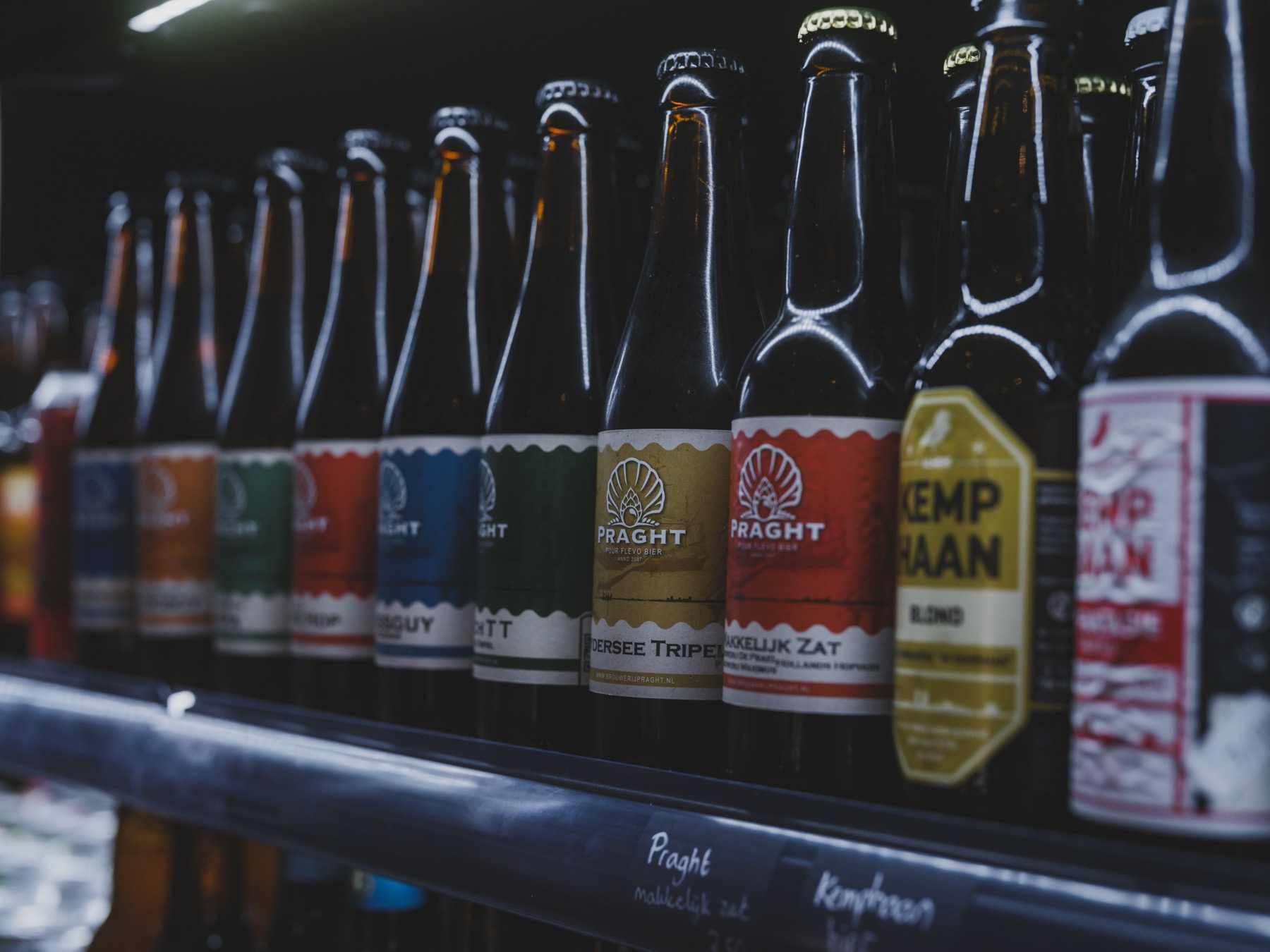
In ordinary shops like Rema 1000, Kiwi or Coop you will find an alcohol aisle, but the shelves hold only beer and cider with a content of up to 4.75 percent. What’s far more shocking for foreigners, though, are the strict sales time limits governed by an uncompromising alcohol law. The basic national rule caps sales at 6 p.m., but municipalities have the right to extend this slightly.
So in the vast majority of Norwegian municipalities the rule is that you can buy beer only until 8 p.m. on weekdays and until 6 p.m. on Saturdays. The moment the clock ticks one minute past the limit, the checkout system automatically blocks the sale of alcohol and the cashier simply won’t ring up your can, even if you beg on your knees. In many shops the beer shelves are even physically covered with a shutter or locked at that hour.
Even stricter rules apply on weekends and holidays, when alcohol in supermarkets is not sold at all on Sundays. The same absolute ban applies on public holidays, on the 1st and 17th of May (Norway’s national day) and, surprisingly, on Christmas Eve too. So if you’re planning a weekend barbecue, you need to stock up by Saturday afternoon at the latest.
💡 Tip: Around half past seven on a Friday evening you can regularly spot nervous clusters of shoppers sprinting to the tills with cases of beer to make it before eight. So don’t leave buying drinks to the last minute — put it right at the start of your daily itinerary.
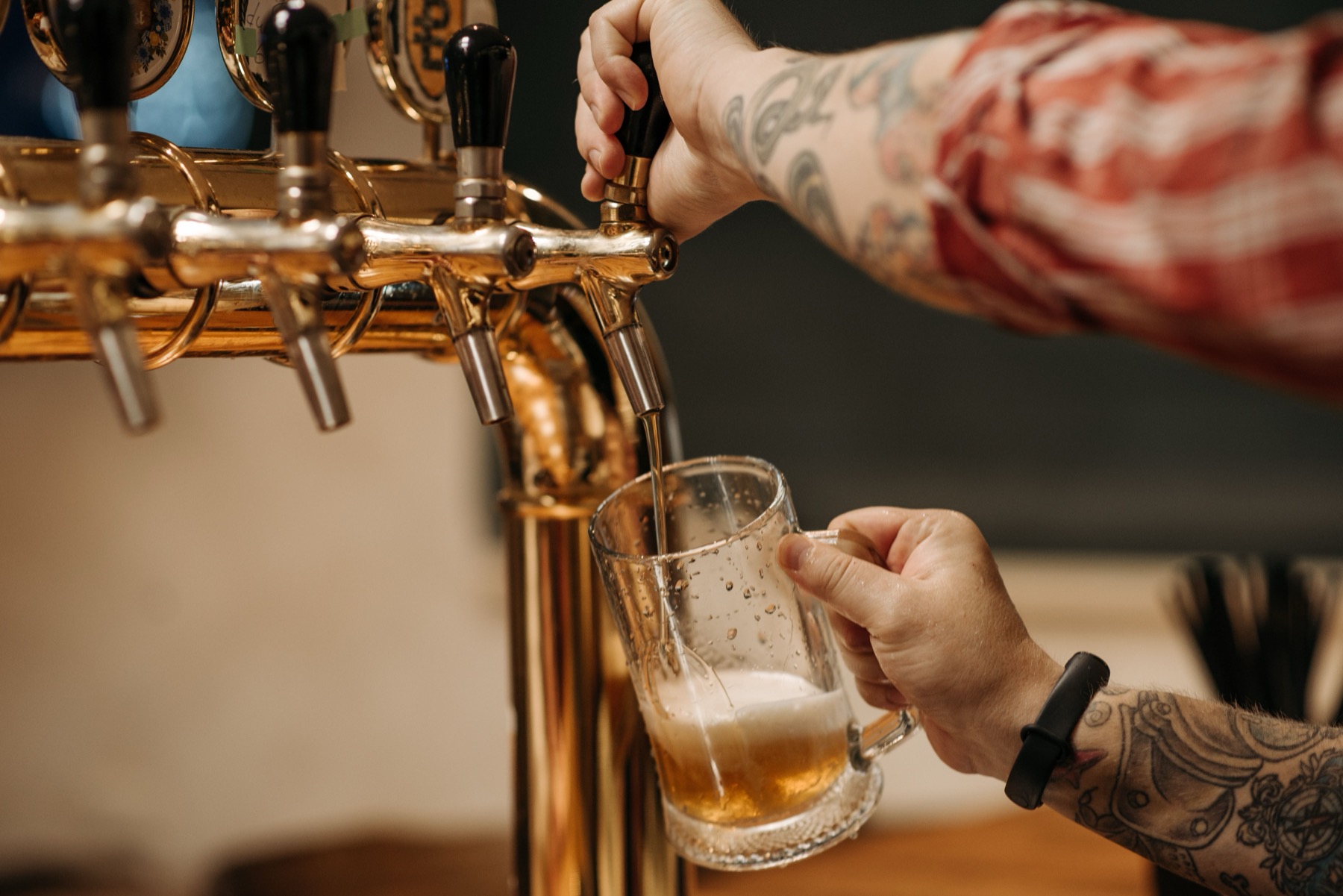
3. Age Limits of 18 and 20 and Strict Checks
Norway sets age limits according to the strength of the drink, and these limits are among the most strictly enforced in Europe. To buy beer and wine you must be at least 18, which applies to supermarkets as well as bars and restaurants. This limit covers all drinks containing less than 22 percent alcohol.
But if you want to buy vodka, gin or any other spirit, you must prove you are at least 20. This rule applies absolutely without exception in Vinmonopolet state stores, in nightclubs and when importing alcohol across the state border. Most nightlife venues in larger cities even voluntarily set entry from age twenty to avoid problems with mixing guests of different ages at the bar.
ID checks are the order of the day in Norway and staff are unyielding about it. They’ll want to see your ID or passport even if you’re well past twenty, because fines for selling to minors are ruinous for businesses. Foreign ID cards are usually accepted without issue, but a physical passport is always a 100% safe bet.
💡 Tip: By the way, buying alcohol for someone younger is definitely not worth trying. Staff or security will catch you faster than you expect, and you’ll end up with no purchase and no friendly welcome. You risk being thrown out of the venue on the spot and, in the worst case, a visit from the local police.
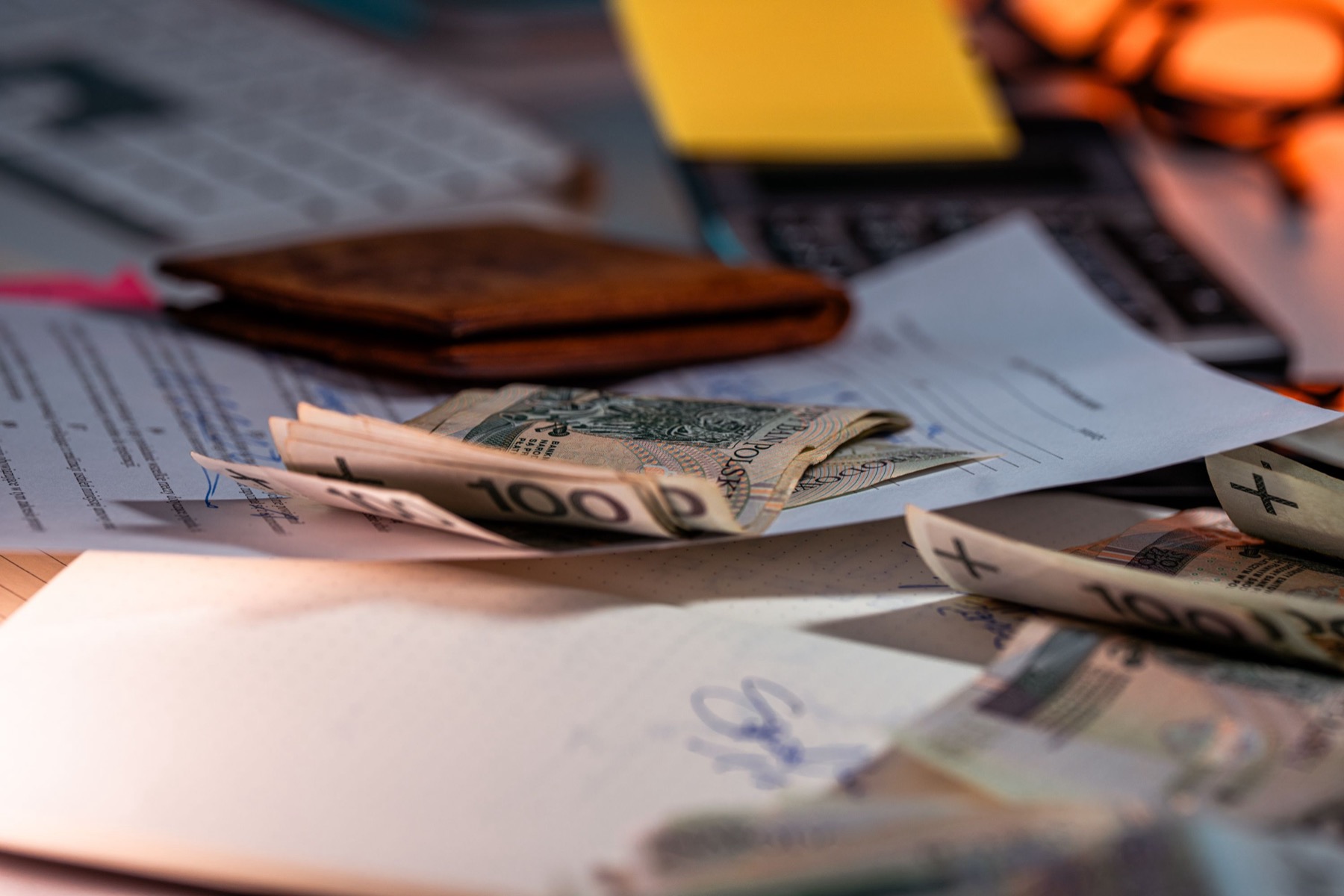
4. Why Alcohol in Norway Is So Absurdly Expensive
The high alcohol prices are probably the first thing that will stun you in Norway. The main reason is an extremely high excise tax, which isn’t calculated from the price of the drink but directly from its pure alcohol content. The stronger the drink you choose, the more brutal the tax burden the state slaps on it, and this feeds straight into the final total on your receipt.
For spirits you pay a special rate for every volume percent and litre, so the tax alone on ordinary 40% vodka comes to over 200 NOK per 0.7 l bottle. On top of that comes 25% value added tax and, of course, the retailer’s margin. That’s why the difference between the price of beer in a shop and in a bar is proportionally smaller than for hard liquor, which becomes a true luxury in venues.
Bars and restaurants have their own rules and prices vary widely by location. A 0.5 l draught beer in central Oslo can easily set you back 120 to 150 NOK, while in the countryside you can get slightly above the one-hundred-krone mark. Spirits may also only be poured in bars from 1 p.m., and an outright stop to sales kicks in universally at 3 a.m., when you have exactly thirty minutes to finish up.
💡 Tip: Locals know full well that buying strong spirits in bars makes no economic sense. If you want to sit out in the centre with a cocktail in the evening, be prepared to pay 150 to 200 NOK for a single mixed drink. Nightlife is simply a fairly expensive affair.
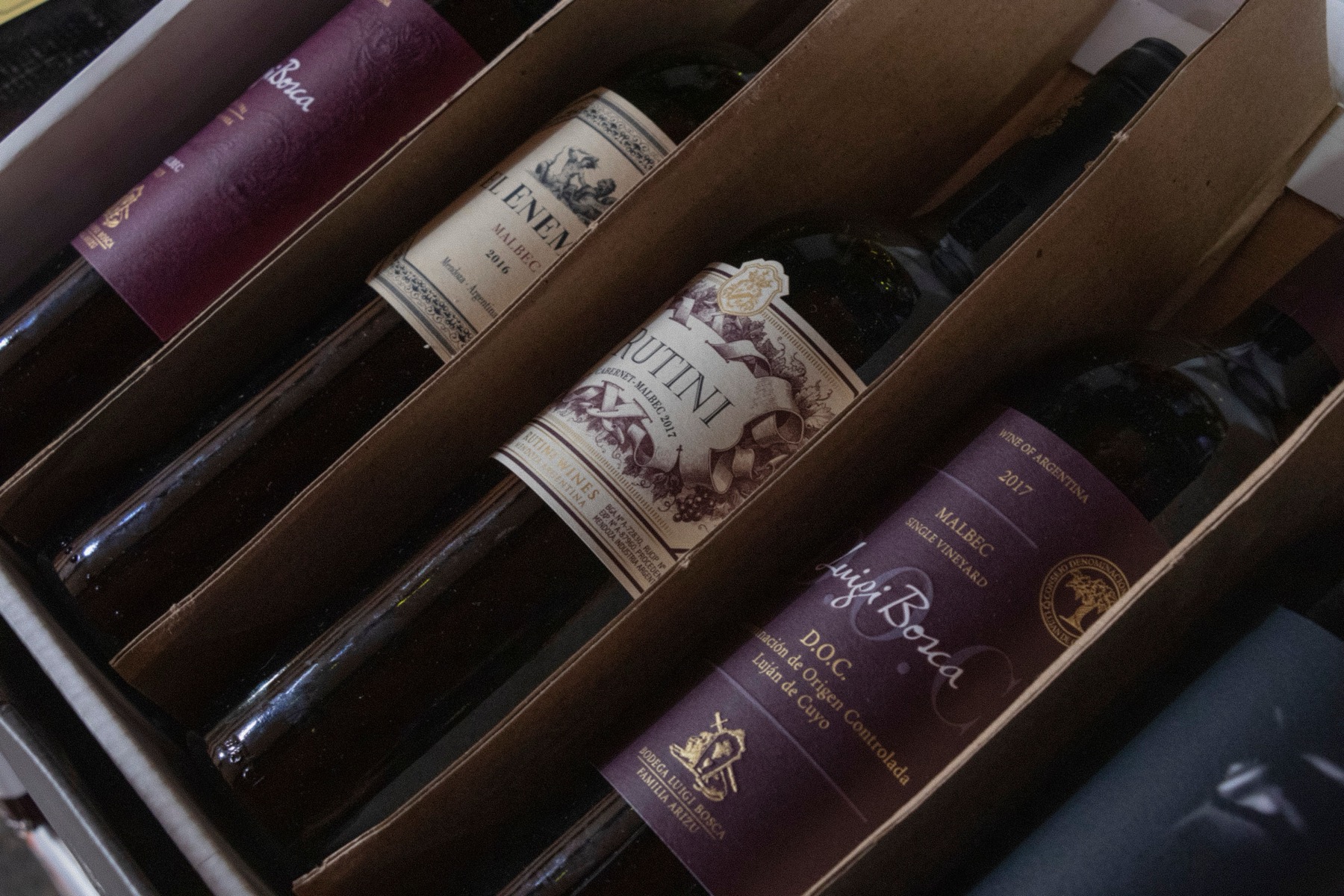
5. Exact Quotas and How Much You Can Legally Import
Since Norway is not part of the EU customs union, strict import quotas apply here that customs officers check very carefully at the border. The basic duty-free quota per person lets you bring in 1 litre of spirits above 22%, 1.5 litres of wine (equivalent to two ordinary bottles) and 2 litres of beer (six 0.33 l cans). These limits apply to every traveller over eighteen (twenty for hard liquor).
The Norwegian customs system is surprisingly flexible, though, and lets you swap the individual categories between each other. You can easily swap a litre of spirits for another 1.5 litres of wine or beer if you don’t drink hard liquor. Similarly, the wine quota can be fully converted into beer at a litre-for-litre ratio, so you can arrange your limit exactly to your preferences.
For lovers of the golden brew there’s a so-called maximalist beer option, which lets you import exactly 5 litres of beer per person if you give up spirits and wine entirely. Conversely, a purely wine option allows you to bring 3 litres of wine plus the basic 2 litres of beer, which is a very pleasant compromise for a two-week campervan trip.
💡 Tip: Tourists with permanent residence outside Norway may also bring in 200 cigarettes or 250 grams of tobacco. The once-popular rule where you could swap the tobacco quota for more alcohol sadly hasn’t applied for several years, and customs officers watch this change very closely on ferries and land crossings.
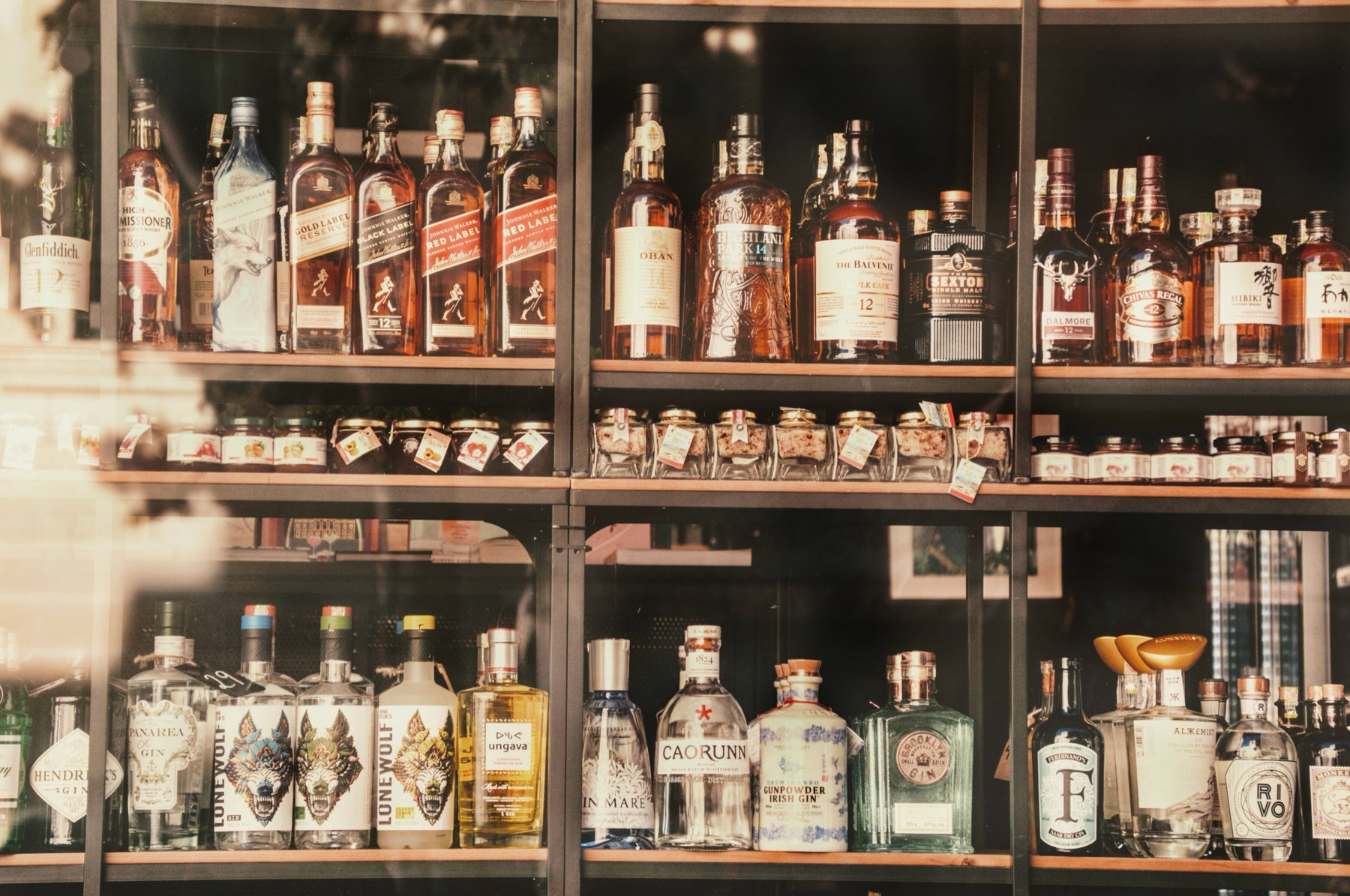
6. Is It Worth Buying at Duty-Free at the Airport and on the Ferry?
For many travellers, duty-free shops are the ideal chance to stock up before entering this expensive country. Norwegian airports have one handy extra: you’ll find tax-free shops right in the arrivals halls, before you even step outside. If you fly into Oslo or Bergen, you can buy your permitted quota right there for prices significantly lower than at Vinmonopolet.
Travelling by ferry from Denmark or Germany offers similar options, but you have to watch out for one crucial rule. If your stay outside Norway is shorter than 24 hours, you may not import the duty-free quota unless you can prove you bought the goods with tax paid in another country. A tax-free purchase on the boat doesn’t count towards this exception, which often surprises people on short round trips.
For the average tourist heading off on a two-week holiday, though, purchases on the boat are hassle-free. Prices on the ferries are considerably friendlier than on the Norwegian mainland, but the strict personal quotas described in the previous point still apply. Customs officers carry out random checks on suitcases and campervans at the port exits, and exceeding the limit is punished harshly.
💡 Tip: Research shows that an untaxed purchase at the arrivals airport is the cheapest legal way to get hold of hard liquor in Norway. The difference on a bottle of gin or vodka can even be several hundred Norwegian kroner compared with buying at the state monopoly.
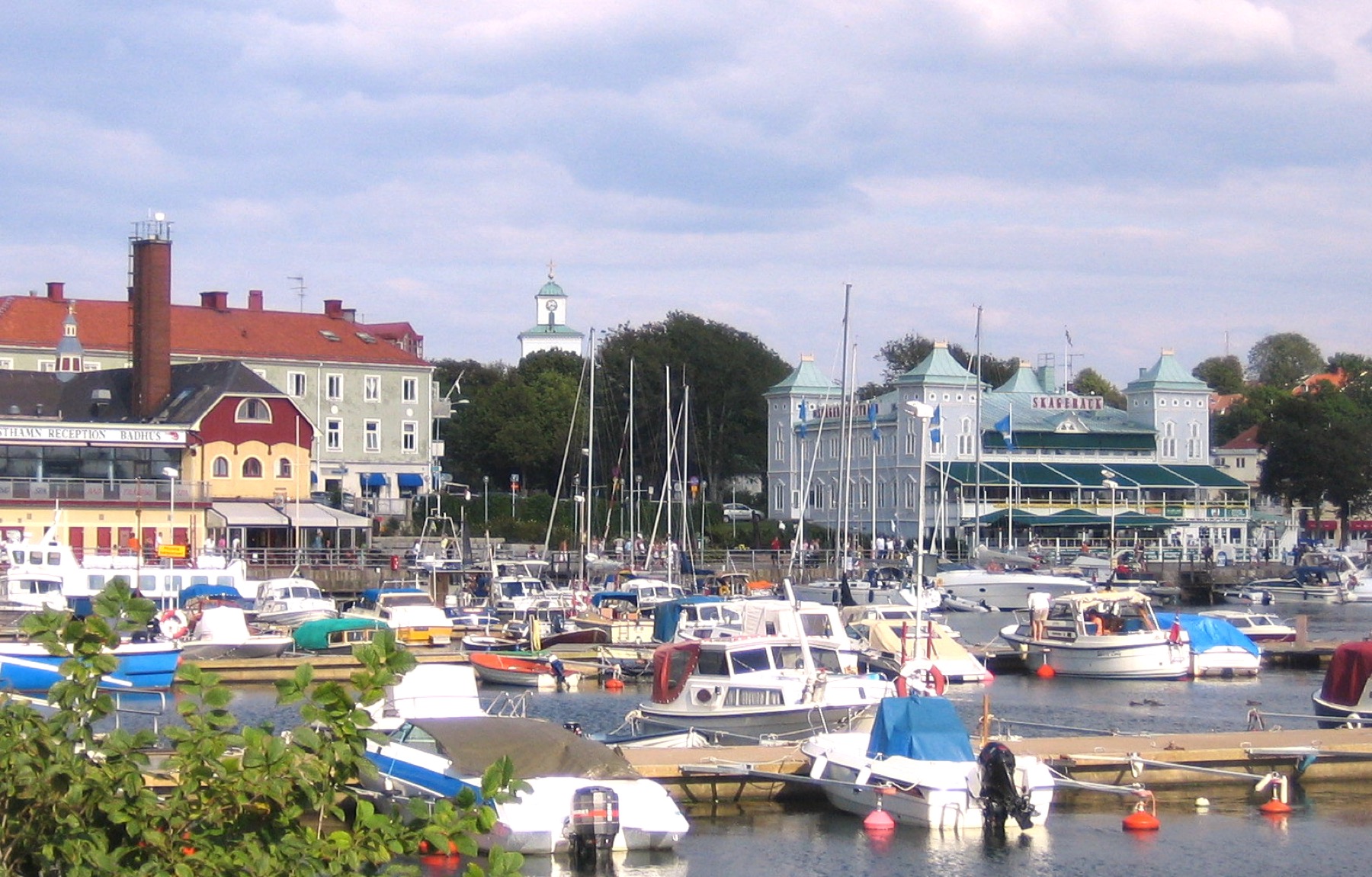
7. The Strömstad Phenomenon and Why Norwegians Drive to Sweden
The extreme pricing policy has given rise to a fascinating cultural phenomenon known in Norwegian as “harryhandel” or “harrytur”. It means just one thing: Norwegians head en masse to buy cheaper alcohol and food in neighbouring Sweden. The most famous destination is the Swedish border town of Strömstad and the huge shopping zone of Nordby right beyond the Svinesund bridge.
Sweden also has its own state monopoly called Systembolaget, but the taxes there are tens of percent lower than in Norway. So for the average Norwegian it’s worth spending a Saturday morning driving across the border even after factoring in the cost of petrol. Norwegians spend roughly two billion kroner on this every quarter, which tells you plenty 😅
If you’re driving to Norway precisely via Sweden, this system makes sense for you too. A stop at a Swedish ICA supermarket or at Systembolaget a short drive before the border is the best opportunity to fill your import quota at relatively normal European prices before you drive into Norway’s pricey world.
💡 Tip: The Swedish monopoly Systembolaget has its own strict opening-hours rules — on Saturdays it tends to be open only until early afternoon and on Sundays it’s completely closed. So plan your border crossing so you don’t arrive in Strömstad on a Saturday evening, when you won’t be able to get anything at all.
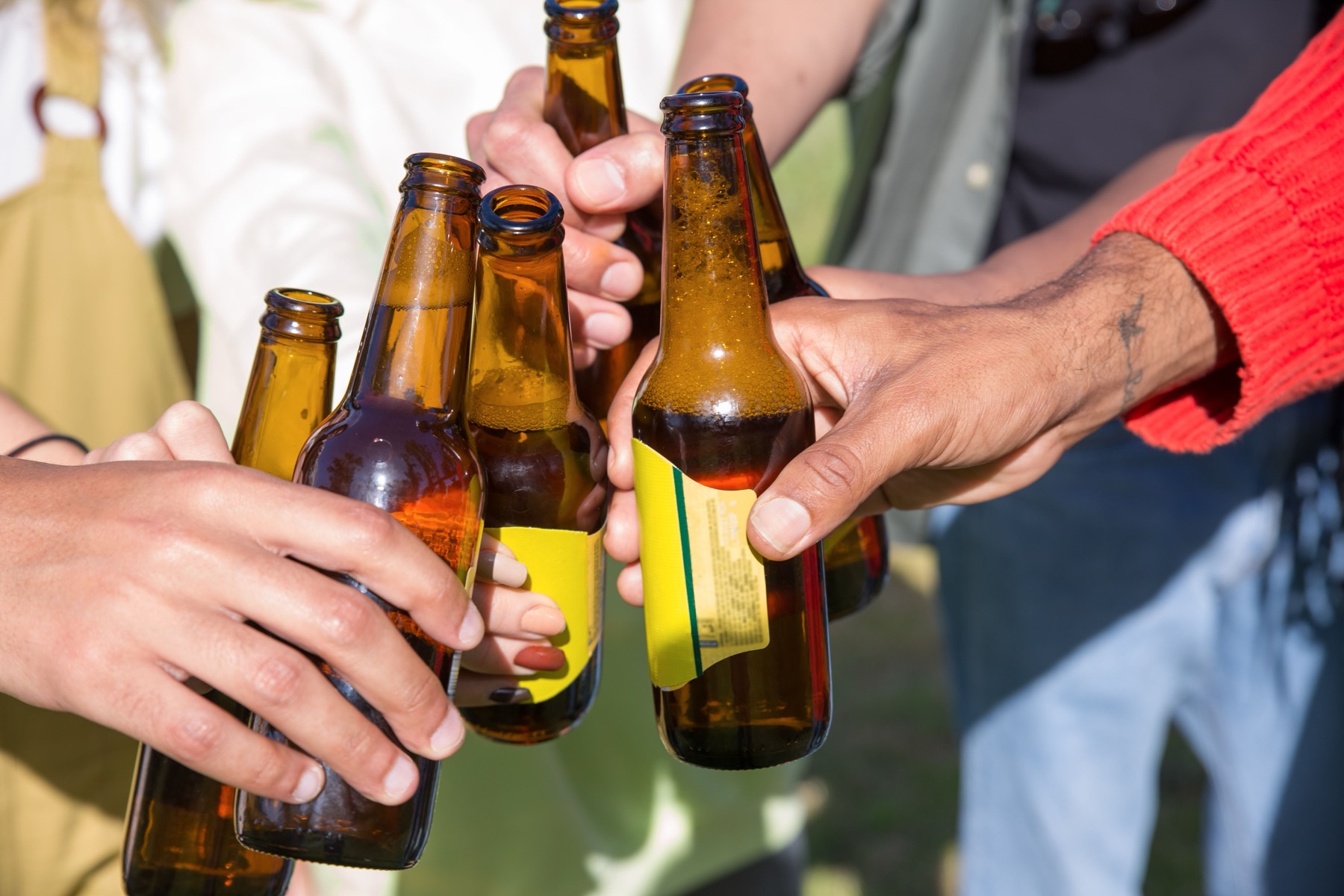

8. Vorspiel and Nachspiel, or the Secret of Norwegian Party Culture
If you’re planning to hit the nightlife in Norway, you’ll quickly discover that the bars gape surprisingly empty until late in the evening. The reason is a deeply rooted culture of pre-parties called vorspiel, which take place in the privacy of people’s homes. Because of the astronomical prices in venues, locals simply gather in someone’s living room, where they drink their own imported or shop-bought supplies.
People only head out to clubs and bars around eleven at night, when the mood is already at its peak. In venues they drink more symbolically and for show, because drinks cost a fortune and few can afford it. Then, once the bars close mandatorily on the stroke of 3 a.m., the so-called nachspiel begins, when the whole group smoothly moves back to someone’s flat and carries on until morning.
Another wonderful cultural quirk is the so-called utepils, which literally means outdoor beer. It refers to the first spring day when the sun comes out enough for Norwegians to sit out on a restaurant terrace after the long, dark winter. This moment is celebrated with almost religious reverence and heralds the start of the longed-for summer season.
💡 Tip: If Norwegian friends or acquaintances from the campsite invite you to an evening vorspiel, the unwritten rule is to bring your own alcohol. Expecting the host to keep you supplied for free all evening from their precious stash is considered a serious social faux pas.
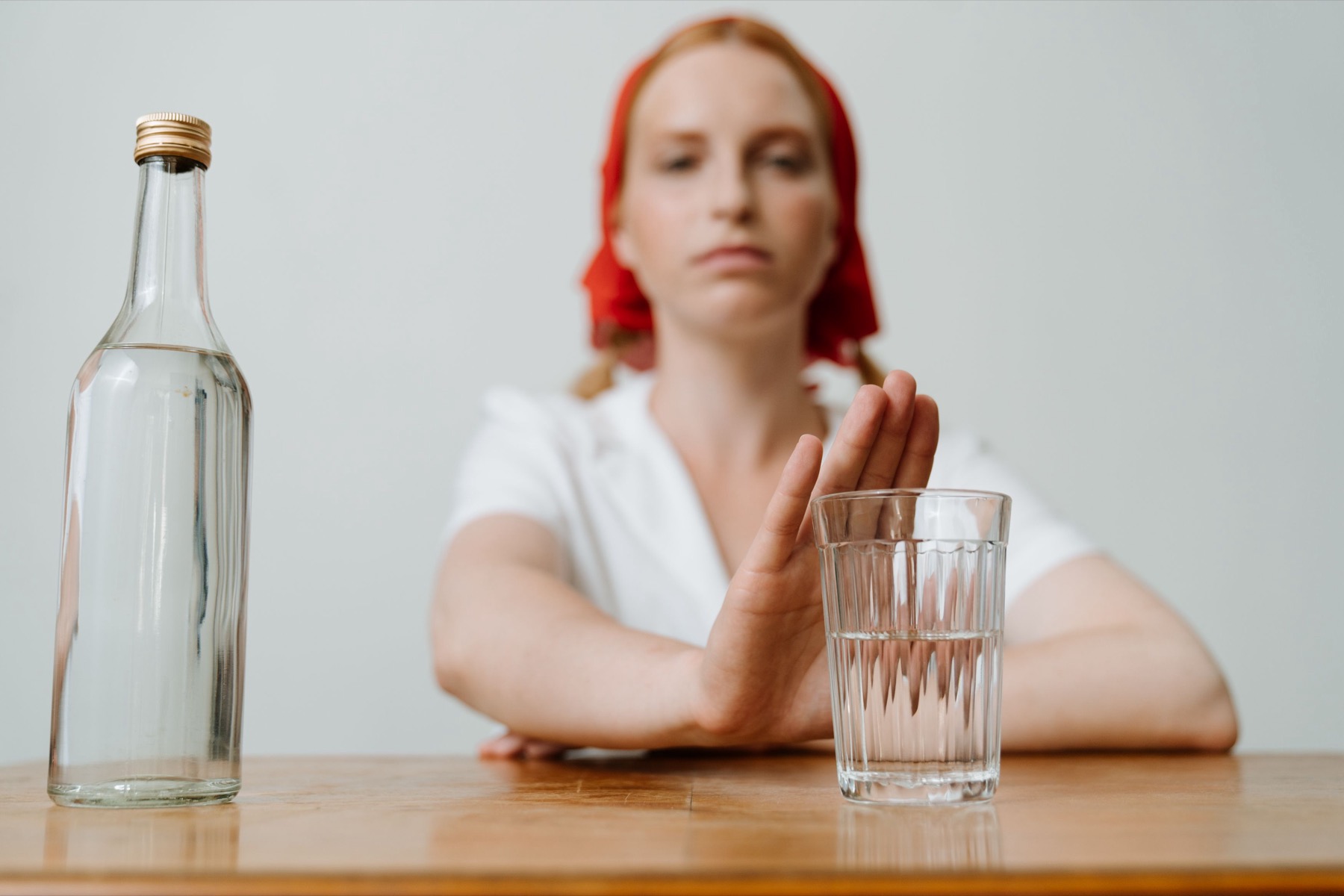
9. Zero Tolerance Behind the Wheel and Public Rules
On a road trip along Norwegian roads and fjords, keep in mind that the Nordic approach to drink-driving knows no compromise. The official blood alcohol limit is set at 0.2‰, which in practice means absolute zero tolerance. Even one small beer at lunch can push you over this line and ruin the rest of your holiday.
The fines are draconian, based on the level of your income, and easily exceed tens of thousands of kroner. Police can also confiscate your licence on the spot or, in worse cases, deal with the matter through imprisonment. And don’t expect checks only at night — they happen on weekend mornings too.
It’s equally important to know that drinking alcohol in public is formally banned by law throughout Norway. Although in the summer months mild sipping of a canned beer in Oslo’s parks is often tolerated, the police have every right to check you at any time, make you pour out your drink and, in the worst case, hand you a hefty fine for breaching public order.
💡 Tip: If you want a beer by the fjord or on the beach, behave as discreetly as possible and don’t disturb those around you. Locals often handle it by not hiding their cans but sipping calmly and quietly, so as not to draw needless attention from patrolling officers.
10. Practical Tips, Apps and Tricky Holidays
Modern technology can make navigating the Norwegian alcohol maze significantly easier. If you plan to import a little more alcohol than the basic duty-free quota allows, download the official Kvoteappen customs app to your phone. Through it you can very easily and legally declare a few extra bottles in advance, without having to hunt awkwardly for customs officers at the border.
The simplified customs procedure via the app offers flat and fairly reasonable rates, so bringing in an extra case of beer won’t bankrupt you. If you decided to risk it and customs officers stumbled on undeclared alcohol, you’d lose all the goods and pay a fine right there on the spot — an unpleasantly hefty one.
Watch out carefully for shop opening hours during spring breaks and holidays. May is a month with many days off in Norway, and around 17 May, when the national day is celebrated, the shops descend into real chaos. If you find yourself in the country right during these festivities, you’ll need to secure your supplies several days in advance, or you’ll be left high and dry.
💡 Tip: Vinmonopolet’s own official app is a great helper for finding the nearest open branch. It shows you the exact opening hours in your area, and you can even check the current stock of a specific wine right in that store.
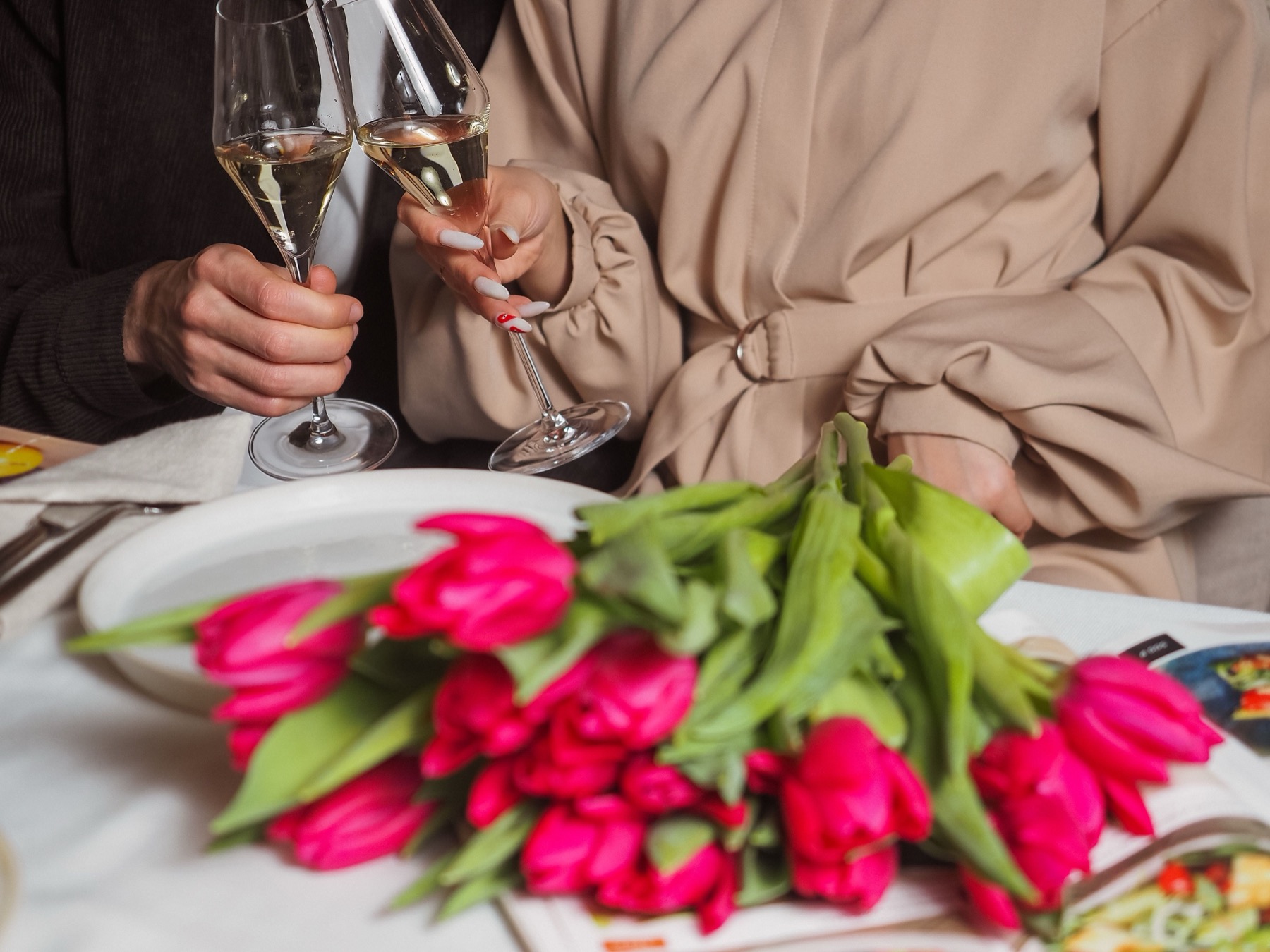
Practical Summary and Approximate Alcohol Prices
So you can form your own picture, here are the average prices from summer 2026. Brace yourself — it might sting a little 😉 Exchange rates can shift slightly, but for orientation reckon on a conversion rate of roughly €0.09 to one Norwegian krone (NOK).
| Item and place of purchase | Approx. price in NOK | Conversion to EUR |
|---|---|---|
| :— | :— | :— |
| Beer (0.5 l) in an ordinary supermarket | ~34 NOK | ~€3 |
| Beer (0.5 l) in a restaurant or bar | ~110 NOK | ~€10 |
| Bottle of average wine (Vinmonopolet) | ~170 NOK | ~€15 |
| Cheapest drinkable wine (Vinmonopolet) | 110–130 NOK | €10–12 |
| Glass of wine in an ordinary restaurant | 110–140 NOK | €10–13 |
| Vodka or gin (0.7 l, Vinmonopolet) | 350–450 NOK | €31–40 |
| Mixed cocktail in a nicer bar | 150–200 NOK | €13–18 |
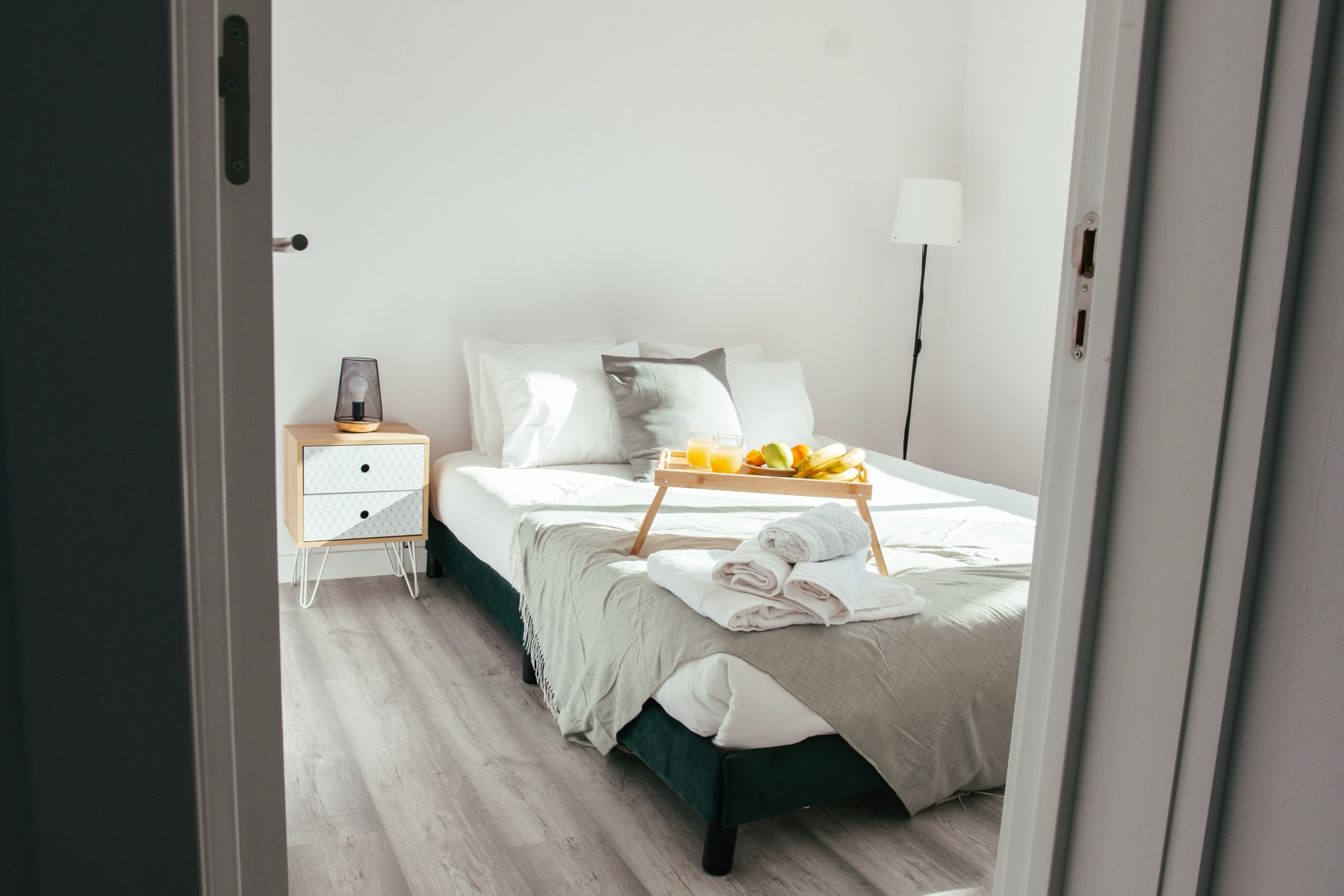
Where to Stay
💡 Tip for accommodation and experiences: We prefer to look for accommodation on Booking.com, which usually has the best cancellation terms. It’s then worth comparing and buying tickets, tours and activities through GetYourGuide.
Planning a trip around Norway simply can’t be done without booking accommodation in good time. Places to stay, especially in popular areas around the fjords or on Lofoten, disappear at lightning speed in the summer season, and leaving it to the last minute means needlessly airing out your wallet.
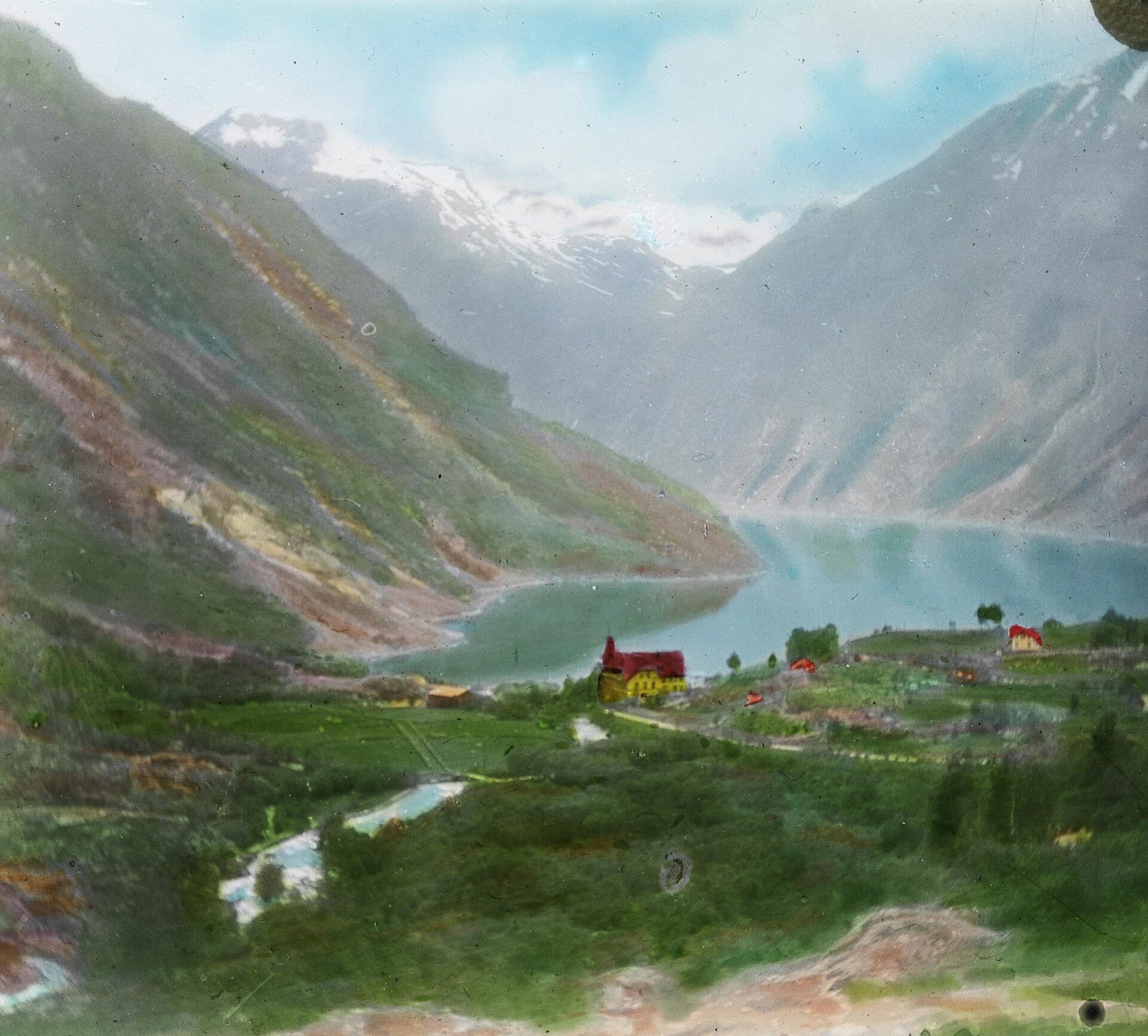
Favourite Picks in Oslo and by the Fjords
If you’re starting your journey in the capital, I recommend checking out Citybox Oslo. It’s a very modern, self-service concept right in the centre that offers great value for money by Nordic standards. For nature lovers heading to the Geiranger fjord, a great choice is Hotel Union Geiranger, because the views of the water from it are simply perfect.
In general it’s worth booking with flexible cancellation, which comes in incredibly handy on a road trip. And above all, don’t delay.
Where to Eat
Restaurants in Norway are among the pricier ones in Europe, so eating lunch and dinner out every day can add up nicely. Plenty of people solve this with supermarket shopping at places like Rema 1000 or Kiwi, where you’ll find excellent ready meals and fresh bakery goods. But at least now and then you’ll want to taste something local.
Traditional Flavours and Fast Food
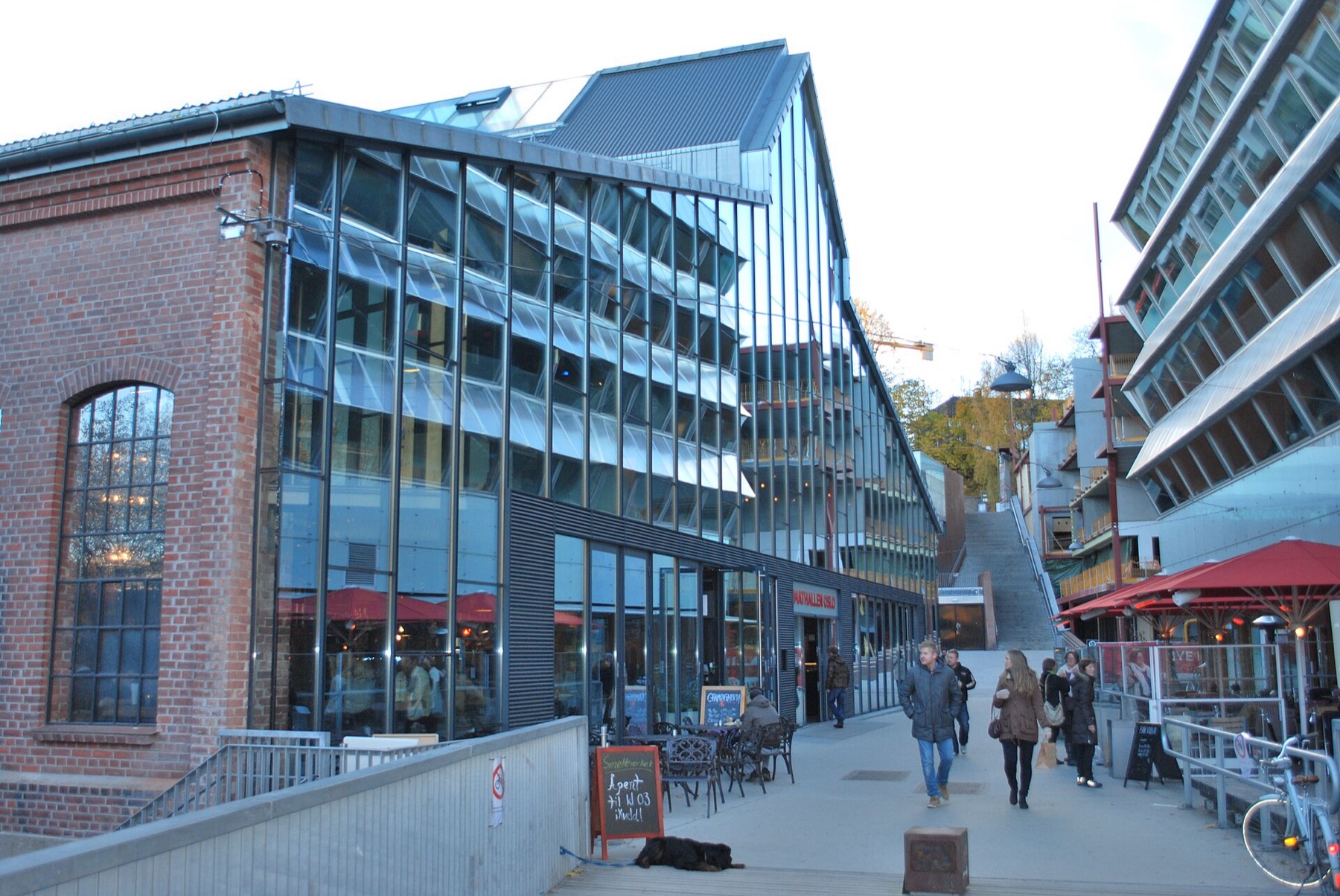
In Oslo, definitely don’t skip a stop at Mathallen, a huge covered market packed with stalls selling fish, cheese and small tapas. You’ll eat brilliantly there and the atmosphere is utterly unique. The Fiskeriet chain with its fish burgers is also well known; vegetarians will do well at the cheese and bakery stalls in Mathallen.
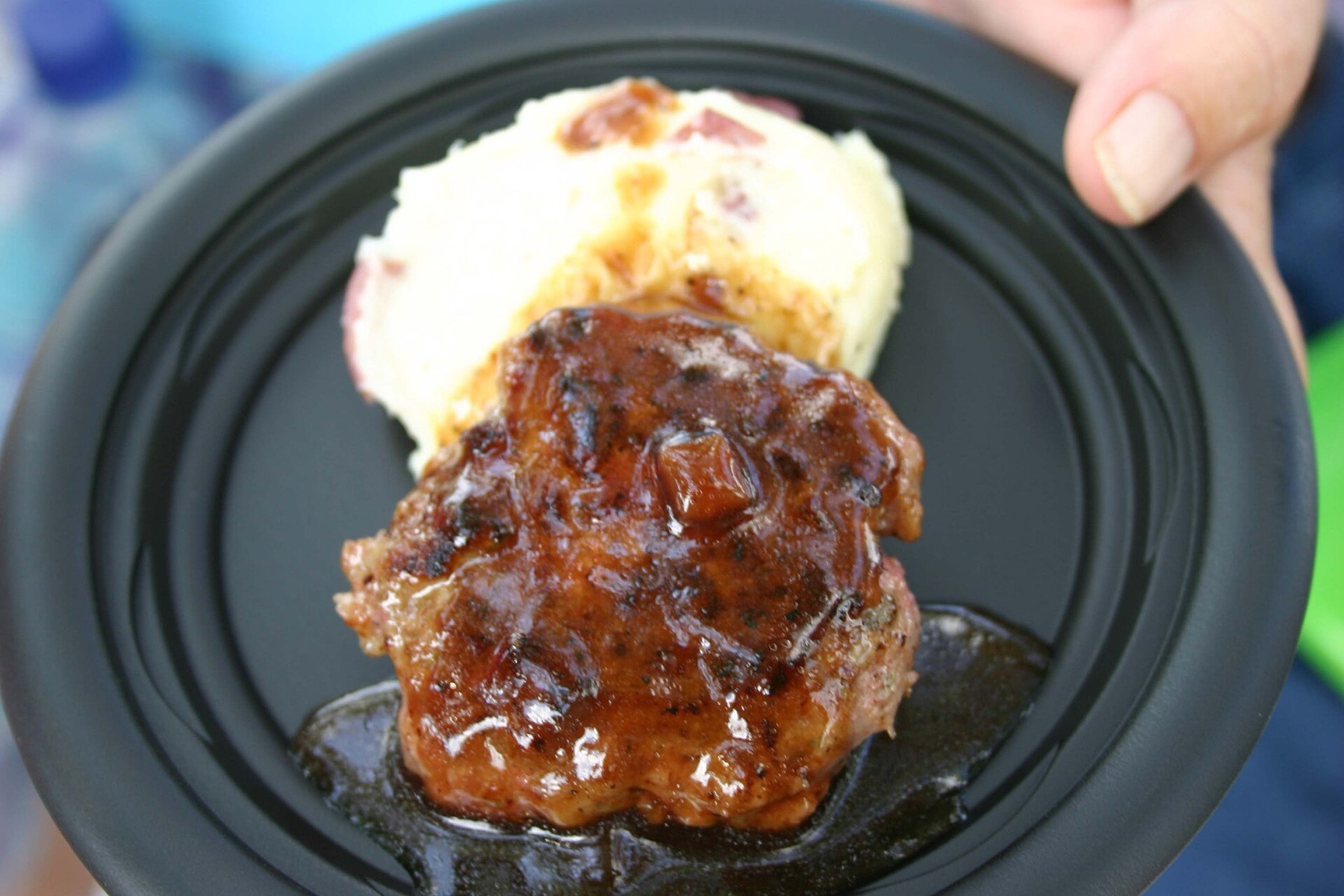
Out in the countryside along the roads you’ll come across classic Norwegian kro (roadside inns), where they serve hearty meatballs with lingonberries or a creamy fish soup. A stop at a place like this is simply part of travelling around Norway.
Where to Go Next
Planning a trip north and sorting out the practical details? I recommend taking a look at our other guides, which will save you a lot of nerves and money.
If you don’t have flights yet, definitely check out Kiwi.com, where you can find great connections. And for travelling around the fjords, a reliable car is almost essential. Try comparing rental offers via RentalCars.com, which usually pays off nicely for trips around Scandinavia.
- How much a holiday in Norway costs
- Norway: 50 tips on what to see
- When to go to Norway
- Norway by car: road trip
Frequently Asked Questions
We’ve put together answers to the most common questions travellers typically have about Norwegian alcohol. So you’re completely clear on it all before you set off.
How much beer can I legally bring into Norway?
If you are not bringing any wine or spirits, you can bring exactly 5 litres of beer per person aged 18 or over under the so-called maximum beer quota. If you are also bringing the basic one litre of spirits and two bottles of wine, your permitted beer allowance is reduced to 2 litres.
How much does beer actually cost in Norway?
In a regular supermarket, you’ll pay around 34 NOK (about €3) for a half-litre can of ordinary beer. If you order the same half-litre in a bar in the evening, the price typically jumps to 110 NOK (around €10), and in central Oslo it can be even higher.
Where can I buy regular wine?
All beverages with an alcohol content above 4.75 percent, which includes all standard wines, can only be purchased at the state-run Vinmonopolet stores. In regular supermarkets, you’ll only find beer and low-alcohol ciders on the shelves.
Do they sell alcohol on Sundays in Norway?
No, there is an absolute ban on alcohol sales on Sundays in all shops and state-run Vinmonopolet stores. The only exception where you can have a drink on Sunday is in licensed restaurants and bars.
What is the legal drinking age for purchasing alcohol in Norway?
For beer, cider and wine (beverages under 22% alcohol), you must be at least 18 years old. However, if you want to buy vodka, gin or other spirits (over 22% alcohol), the legal age limit is raised and you must prove you are at least 20 years old.
Is it worth buying tax-free on the ferry?
Yes, buying on the ferry from Denmark or Germany is definitely worth it price-wise. However, be aware that you may only bring in the duty-free quota if you have been outside Norway for more than 24 hours, otherwise you are breaking the regulations at the border.
What is Systembolaget in Sweden?
Systembolaget is the Swedish equivalent of the state alcohol monopoly. Because Sweden has significantly lower excise taxes, Norwegians massively cross the border to buy cheaper supplies there, a phenomenon known as “harryhandel”.
Tips and Tricks for Your Vacation
Don’t Overpay for Flights
Search for flights on Kayak. It’s our favorite search engine because it scans the websites of all airlines and always finds the cheapest connection.
Book Your Accommodation Smartly
The best experiences we’ve had when looking for accommodation (from Alaska to Morocco) are with Booking.com, where hotels, apartments, and entire houses are usually the cheapest and most widely available.
 🚗 Car rental on the roadVerified rental cars in Norway
Search with the DiscoverCars comparison engine — it compares prices from dozens of local and international rental companies, and most bookings come with free cancellation.
Compare car prices in Norway →Don’t Forget Travel Insurance
Good travel insurance will protect you against illness, accidents, theft, or flight cancellations. We’ve had a few hospital visits abroad, so we know how important it is to have proper insurance arranged.
Where we insure ourselves: SafetyWing (simple monthly subscription) and TrueTraveller (for extra-long trips).
Find the Best Experiences
Get Your Guide is a huge online marketplace where you can book guided walks, trips, skip-the-line tickets, tours, and much more. We always find some extra fun there!