

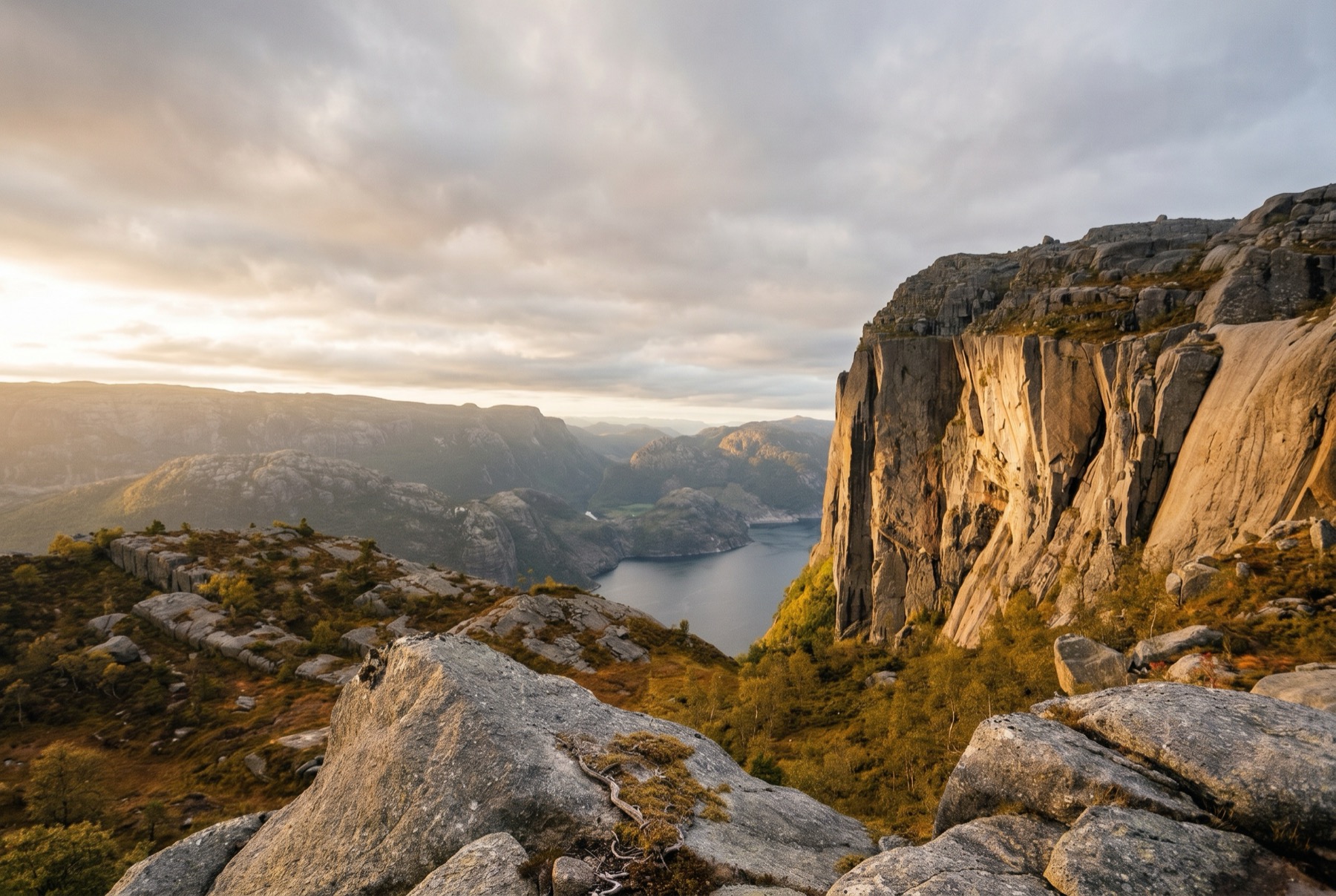
You’ll hold your breath above sheer cliffs plunging into deep fjords, wander lanes lined with white wooden houses, and maybe even dip your toes into a surprisingly white sandy beach. Southern Norway and its southwestern coast make the perfect introduction to Scandinavian scenery for anyone heading to this breathtaking country for the very first time. Compared with the rugged, remote north, this region offers a far milder climate, much shorter drives, and incredible natural variety.
In this guide we’ll explore together 11 things to see and do in southern Norway, so you can plan a truly perfect itinerary. You’ll find out why it pays to base yourself in picturesque Stavanger, how to prepare for the hike up the famous Preikestolen, and why you definitely shouldn’t skip the idyllic inland Telemark region. Norway is admittedly one of the pricier destinations out there, but with good planning and early booking you can manage everything with complete ease.
I’ll also help you with the practical stuff, like the best time to visit the region, reliable transport options, and a rough accommodation budget. Whether you’re planning to drive your own car over from Denmark, or you’d rather fly in and rent a car on the spot, you’ll find all the information you need here for a smooth holiday. ☺️
TL;DR
- Main draws: Cosmopolitan Oslo, the iconic clifftop viewpoints of Preikestolen and Kjeragbolten, and deep blue fjords.
- Lesser-known gems: The long sandy beaches of Jæren, historic stave churches, and the charming southern coast of Sørlandet.
- Getting around: A road trip in your own or a rented car is ideal, or take the scenic Bergensbanen and Sørlandsbanen railway lines.
- When to go: Conditions are best from late May to early September, when the mountain roads are safely passable.
- Budget: Be ready for higher prices — a night in an average hotel costs roughly 1,500 to 2,500 NOK.
- Tickets: Fjord cruises and popular organised tours are easy to book in advance, with GetYourGuide being a favourite platform.
The full destination guide: Norway — guide and what to see
How to travel southern Norway and when to go
If you want total freedom to stop at every gorgeous waterfall, travelling by car is your best bet. You can reach southern Norway very easily by ferry from the Danish port of Hirtshals, with boats sailing directly to Kristiansand or Stavanger. From the UK, the simplest route is to fly into Oslo or Stavanger (Norwegian and SAS run regular flights from London, Manchester and Edinburgh) and pick up a hire car on arrival. Distances in the south are much shorter than in the Arctic regions, so you won’t spend your whole holiday behind the wheel and you’ll have plenty of time for actual exploring.
For lovers of slow travel, Norway offers an absolutely fantastic railway network that ranks among the most beautiful in Europe. The Bergensbanen line linking Oslo and Bergen delivers breathtaking views across the mountain plateaus, while the Sørlandsbanen line carries you comfortably from the capital all the way to Stavanger. The trains are clean and reliable, and booking your tickets early can save you quite a bit of money too.
The ideal time to visit the south and southwest is from late May to early September, when conditions for sightseeing are at their best. During the summer months all the mountain roads and treks like Preikestolen and Trolltunga are fully accessible, and the weather tends to be very pleasant by Norwegian standards. If you love blossoming trees, head to the Hardangerfjord in May, when the local apple orchards in full bloom create an incredible contrast with the snow-capped mountain peaks.
Where to stay in southern Norway
💡 Tip for stays and experiences: We love searching for accommodation on Booking.com, which usually has the best cancellation policies. For tickets, tours and activities, it pays to compare and book through GetYourGuide.
Accommodation options in this region range from luxury city hotels to cosy wooden cabins in campsites right on the fjord’s edge. Prices for a double room in peak summer average between 1,200 and 2,500 NOK (roughly £90 to £190), so you’ll need to sort your bookings well in advance. If you want to save a little, campsites often offer fully equipped cabins with their own kitchenette, which significantly cuts down your food costs.
In the bigger cities it pays to look for accommodation within walking distance of the centre and the main transport hubs. If you’re after reliable hotels with an excellent breakfast, take a look at Booking, where you’ll find a wide range of options with free cancellation. Below are a few specific tips for popular hotels in southern Norway’s key cities.
- In the capital, the Thon Hotel Opera offers a fantastic base, sitting right next to the famous Opera House and a short walk from the main station. Its location is strategic for exploring the city on foot and for quick airport transfers.
- When staying in Stavanger, where you’ll most likely set off for the fjords, consider the design-led Clarion Hotel Energy. It offers very modern rooms, great accessibility, and generous breakfast buffets that’ll set you up perfectly for a full day of trekking.
- Right down south in Kristiansand, a great choice is the Radisson Blu Caledonien Hotel, which gives you a lovely view straight over the harbour. It’s an ideal starting point if you’ve just arrived on the morning ferry from Denmark and need a rest.
Cities and iconic cliffs of the southwest
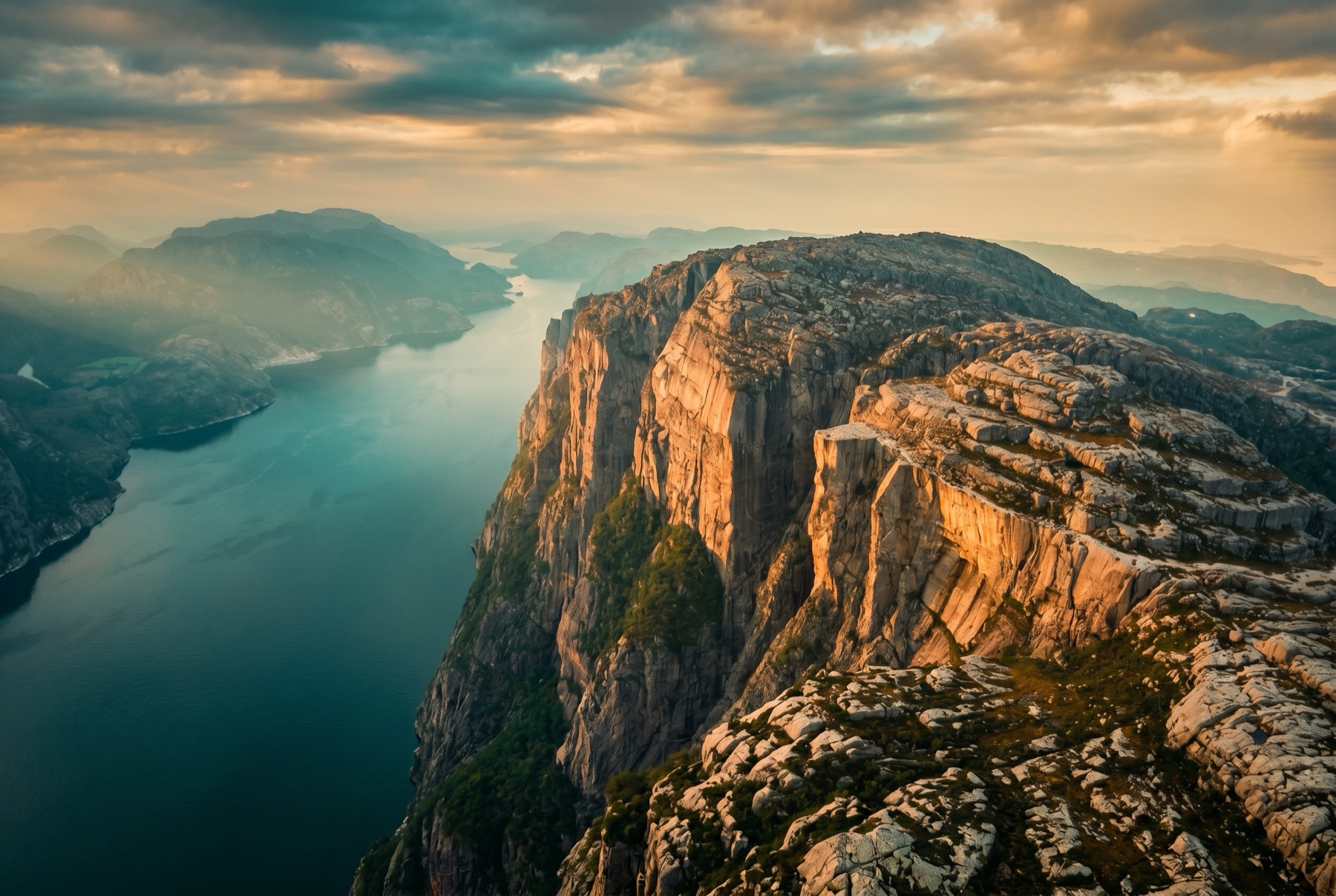
The southwestern part of the country is exactly the area you know from postcards and travel magazine covers. Deep fjords carving into the mainland contrast sharply here with modern architecture and a rich history tied to the oil industry. This is where most travellers head, eager to see Norway’s most famous natural monuments with their own eyes.
When planning your route through this area, bear in mind you’ll often have to deal with toll roads or ferries across the fjords. Road charges are collected automatically via toll gates, so before you set off don’t forget to register your vehicle’s number plate in the relevant system. The reward, though, will be views you’ll never forget for the rest of your life.
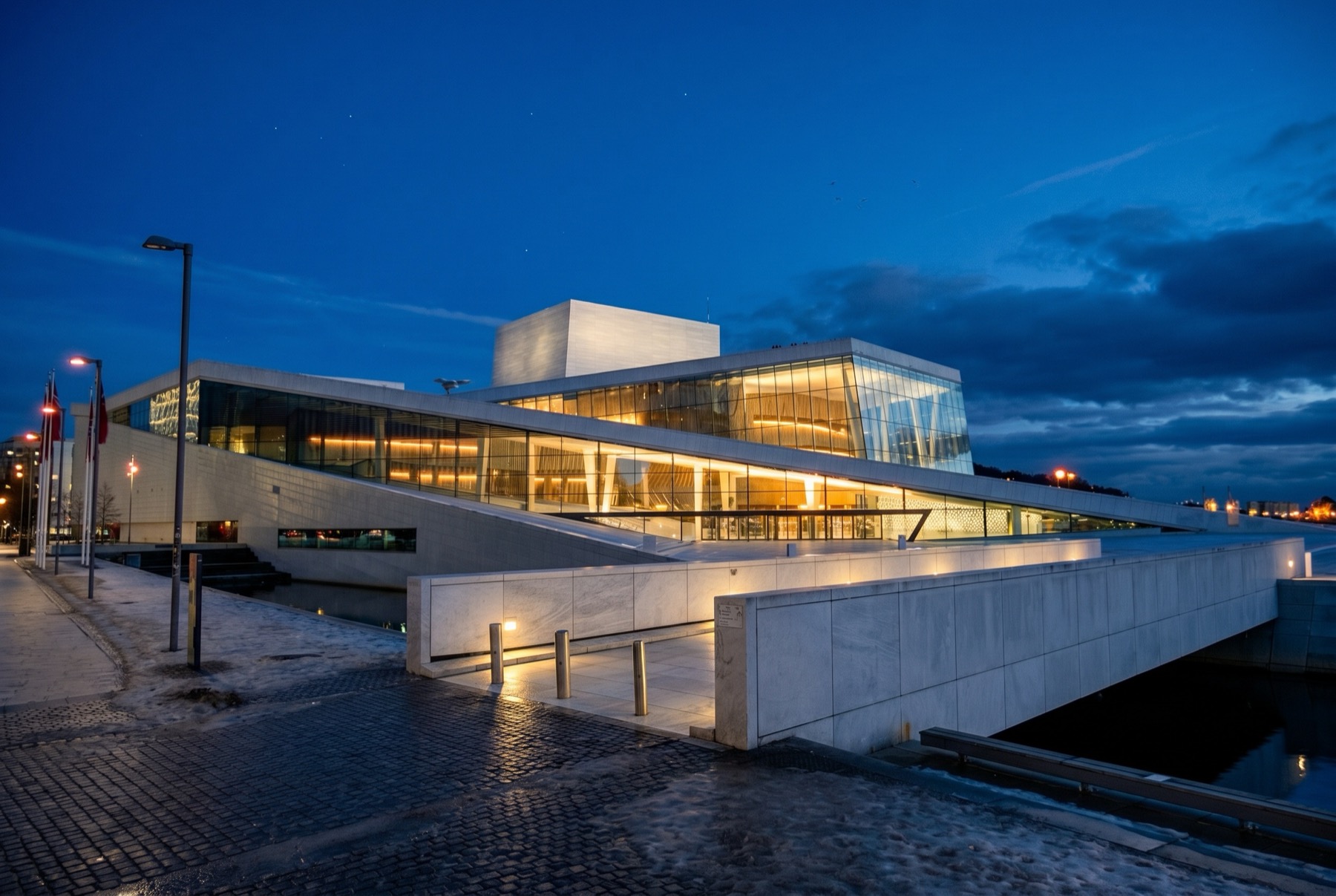
1. Oslo — the green capital
Norway’s capital is a perfect mix of innovative modern architecture, greenery everywhere you look, and rich Viking history. You can start with a stroll across the roof of the famous Opera House, which offers a beautiful view over the adjacent Oslofjord and the surrounding islets. Definitely don’t miss the unique Vigeland Park, full of hundreds of fascinating sculptures, or the Bygdøy peninsula, home to the country’s finest museums. You’ll find more details and specific tips in our extensive article Oslo: what to see.
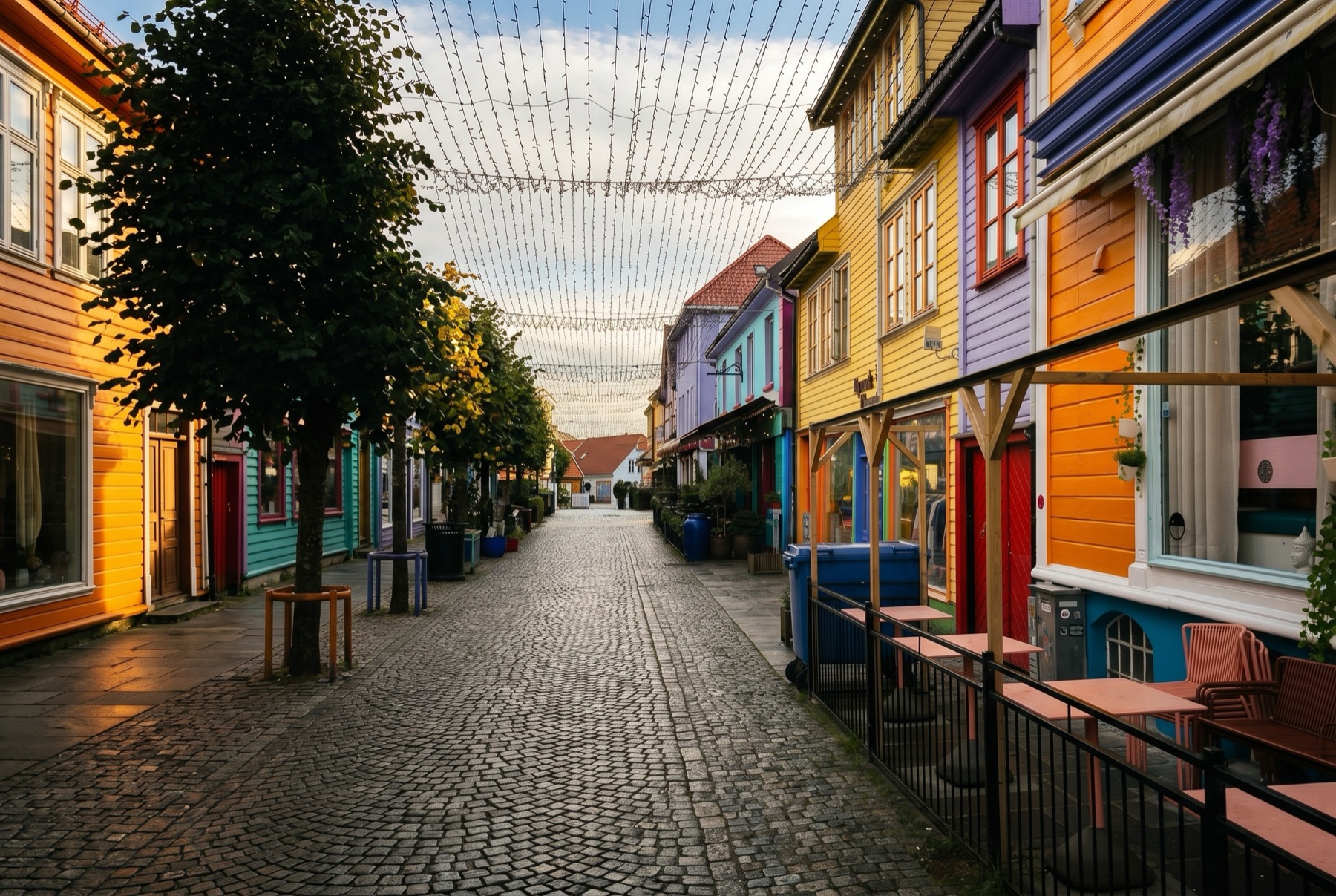
2. Stavanger — old white town and gateway to the fjords
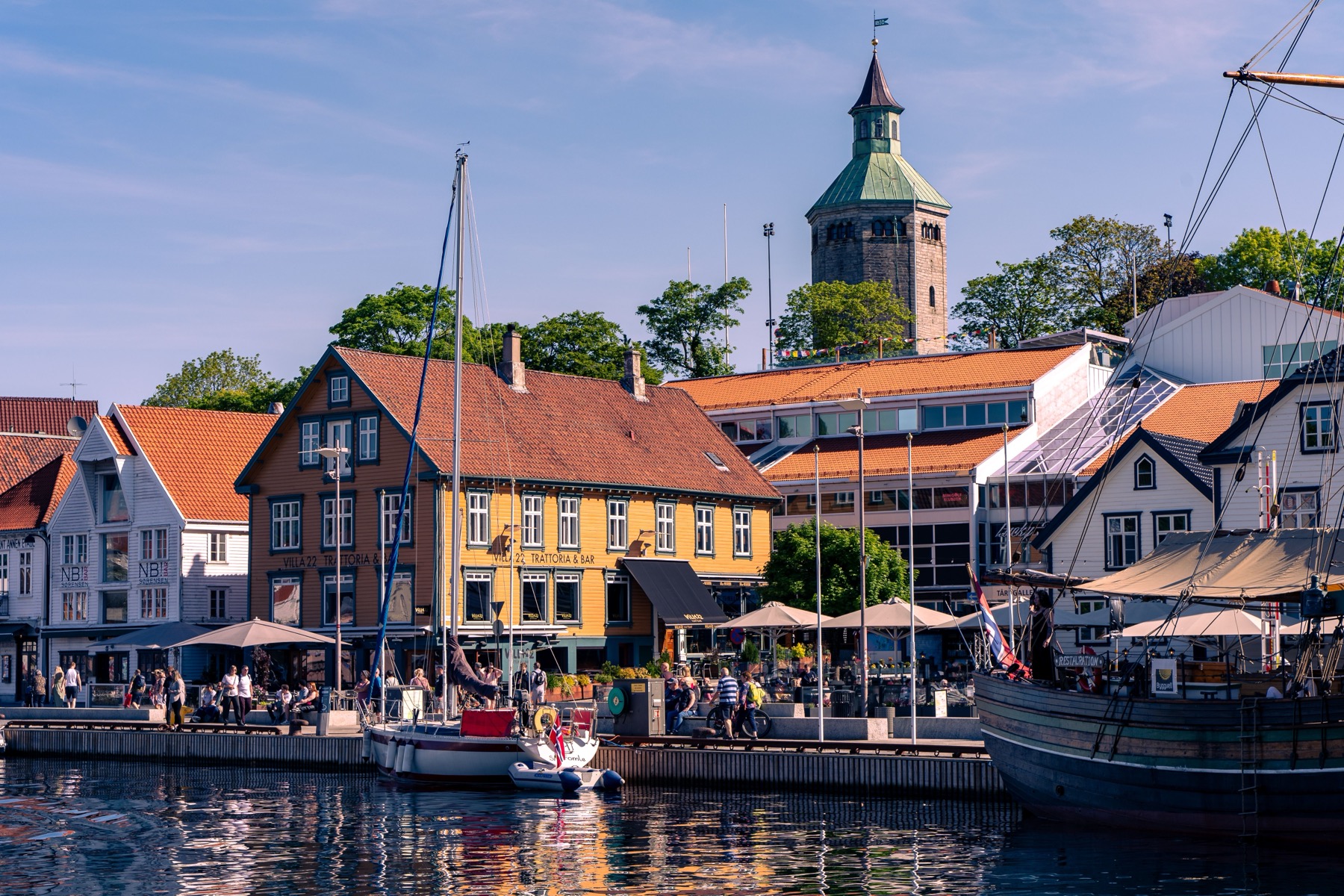
Stavanger is an immensely charming port city, made famous by its old quarters full of perfectly preserved white wooden houses. The liveliest spot is the colourful Fargegata lane, where you’ll come across cosy cafés, vintage shops and plenty of street art. The city also serves as the main starting point for cruises into the Lysefjord and trips into the surrounding nature. You can read a complete guide to the city in our piece Stavanger — gateway to Preikestolen.
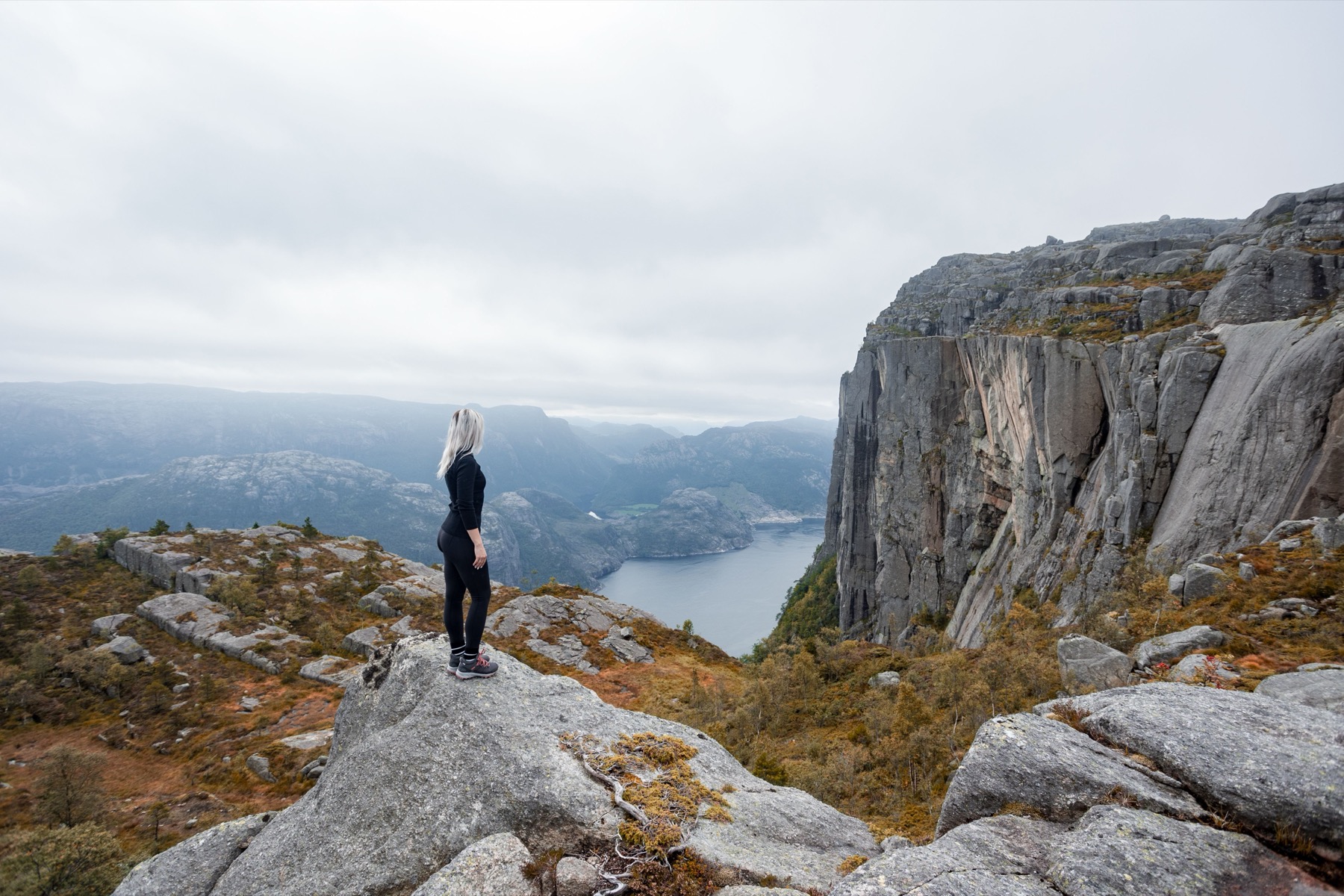
3. Preikestolen — Norway’s most famous viewpoint
This stunning flat rock, rising a full 604 metres straight up above the surface of the Lysefjord, is probably the best-known tourist destination in all of Norway. The hike itself is moderately demanding — the climb up takes around two hours and is manageable even for families with older children or active seniors. The reward for your effort is an absolutely breathtaking panorama that feels just a little out of this world. Detailed route information is tucked away in our guide Preikestolen — the climb step by step.
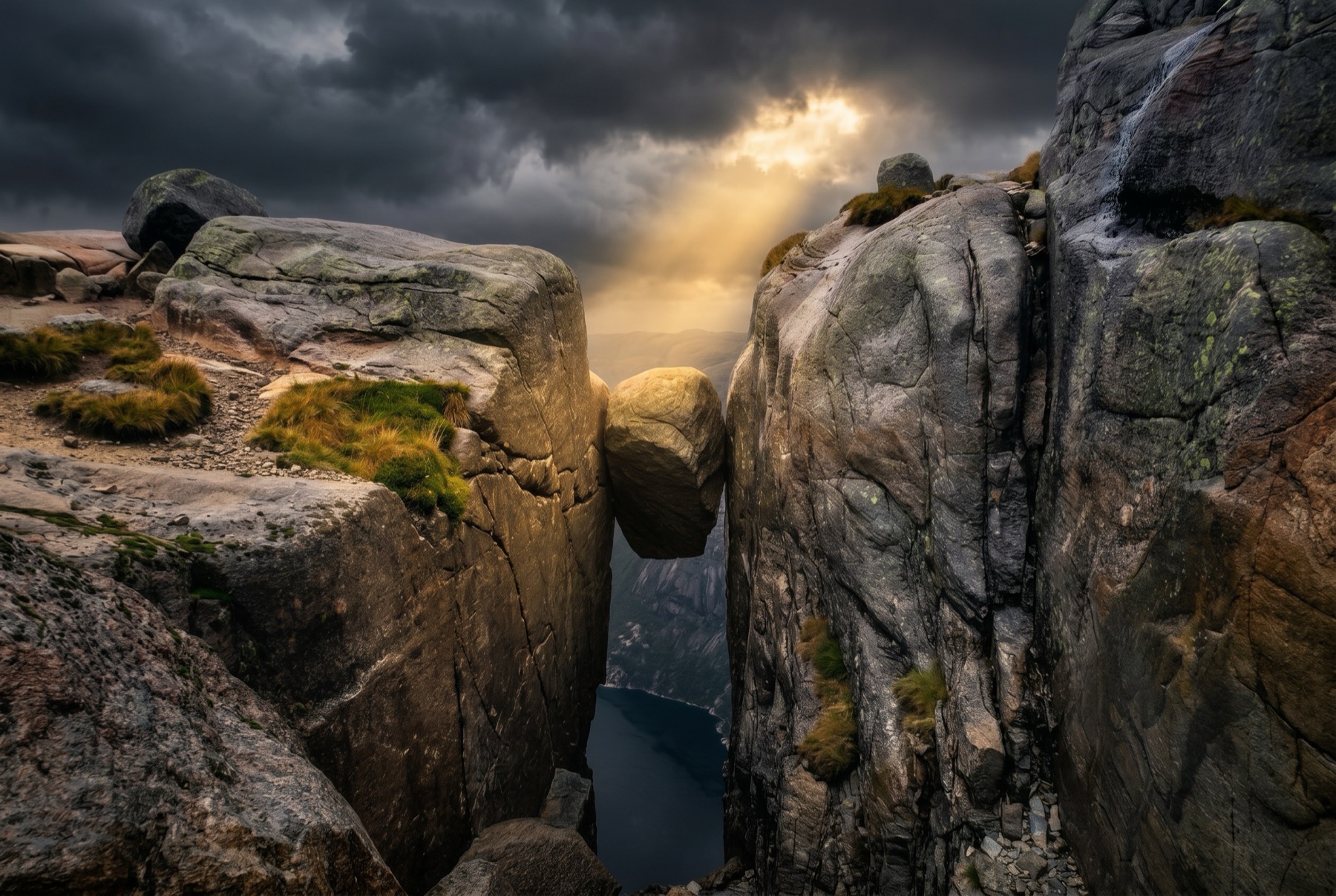
4. Kjeragbolten and Lysefjord — a boulder over the abyss
If you’re after a bigger adrenaline rush, head to the fascinating Kjeragbolten boulder, wedged in a rock crevice high above the abyss. The hike to Kjerag is tougher than Preikestolen, demanding good physical fitness and sturdy footwear, as the route often runs over smooth rock slabs. You can also admire the area from below during a scenic cruise along the majestic Lysefjord. Everything you need to plan the trip is summed up in our article Kjeragbolten and Lysefjord.
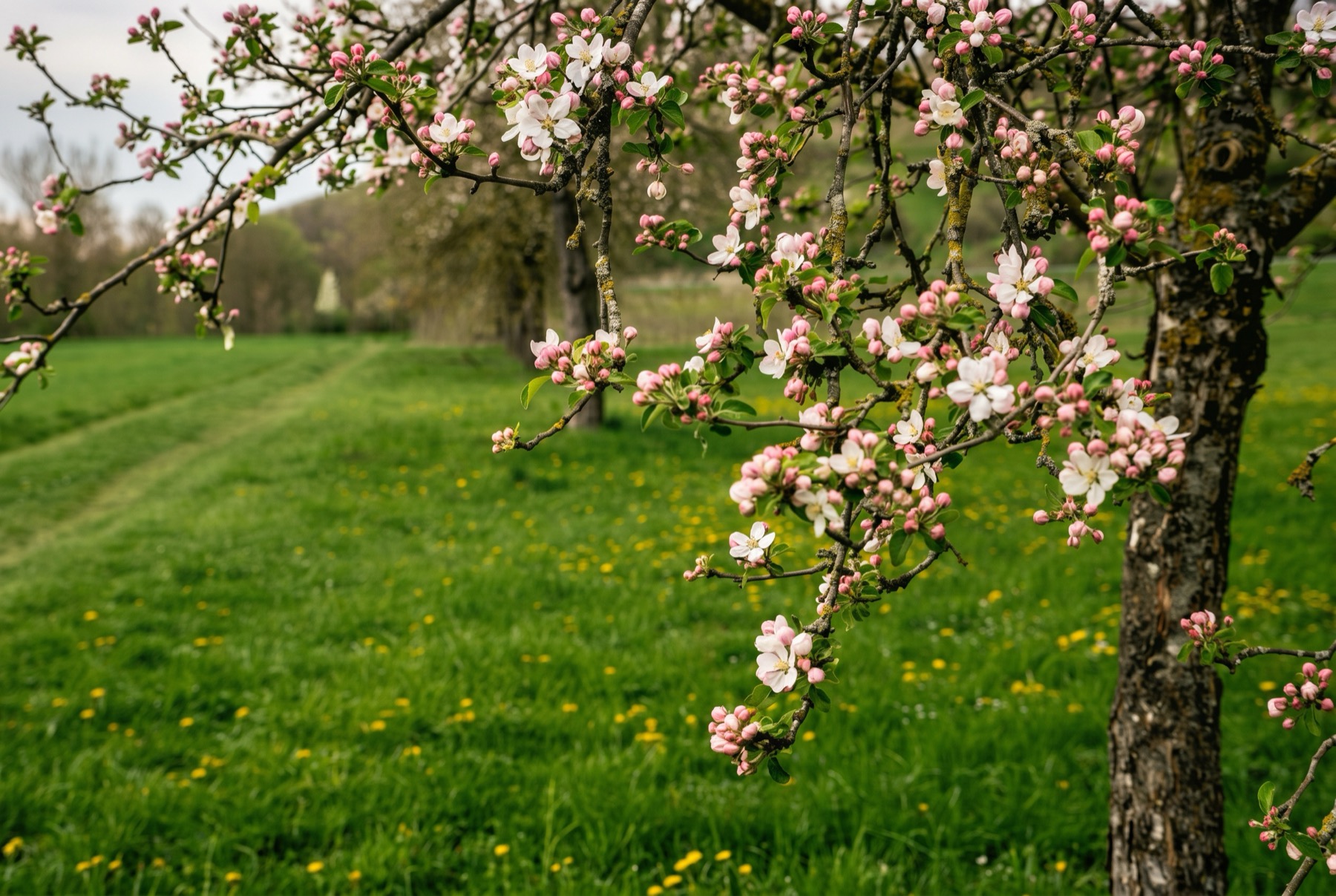
5. Hardangerfjord — orchards, waterfalls and glaciers
The Hardangerfjord is often lovingly called Norway’s giant orchard, famous for growing excellent apples and producing local cider. Nearby you’ll find the stunning Vøringsfossen waterfall, the majestic Folgefonna glacier, and the trailhead for the extreme trek to the Trolltunga viewpoint. Spring is especially magical here thanks to the thousands of blossoming trees lining the fjord’s shores. Our article Hardangerfjord — orchards and waterfalls covers the most beautiful stops in detail.
Inland, culture and the southern coast
While the west coast lures you in with dramatic cliffs and deep inlets, the inland and the far south reveal a much calmer, more poetic side of Norway. The Telemark region and the Gudbrandsdalen valley are the cradle of traditional Norwegian culture, where you’ll still see people in richly decorated folk costumes and can sample honest local cooking. It’s the ideal area for those who want to discover the true soul of this Nordic country without the ever-present crowds.
The southern coast, known as Sørlandet, is the summer retreat of the Norwegians themselves. The sun shines here more often than anywhere else in the country, and in shallow coves the sea can reach surprisingly pleasant temperatures. If you want to unwind after demanding mountain hikes, the idyllic white harbours and long sandy beaches are absolutely made for it.

6. Telemark, Gaustatoppen and the Telemark Canal
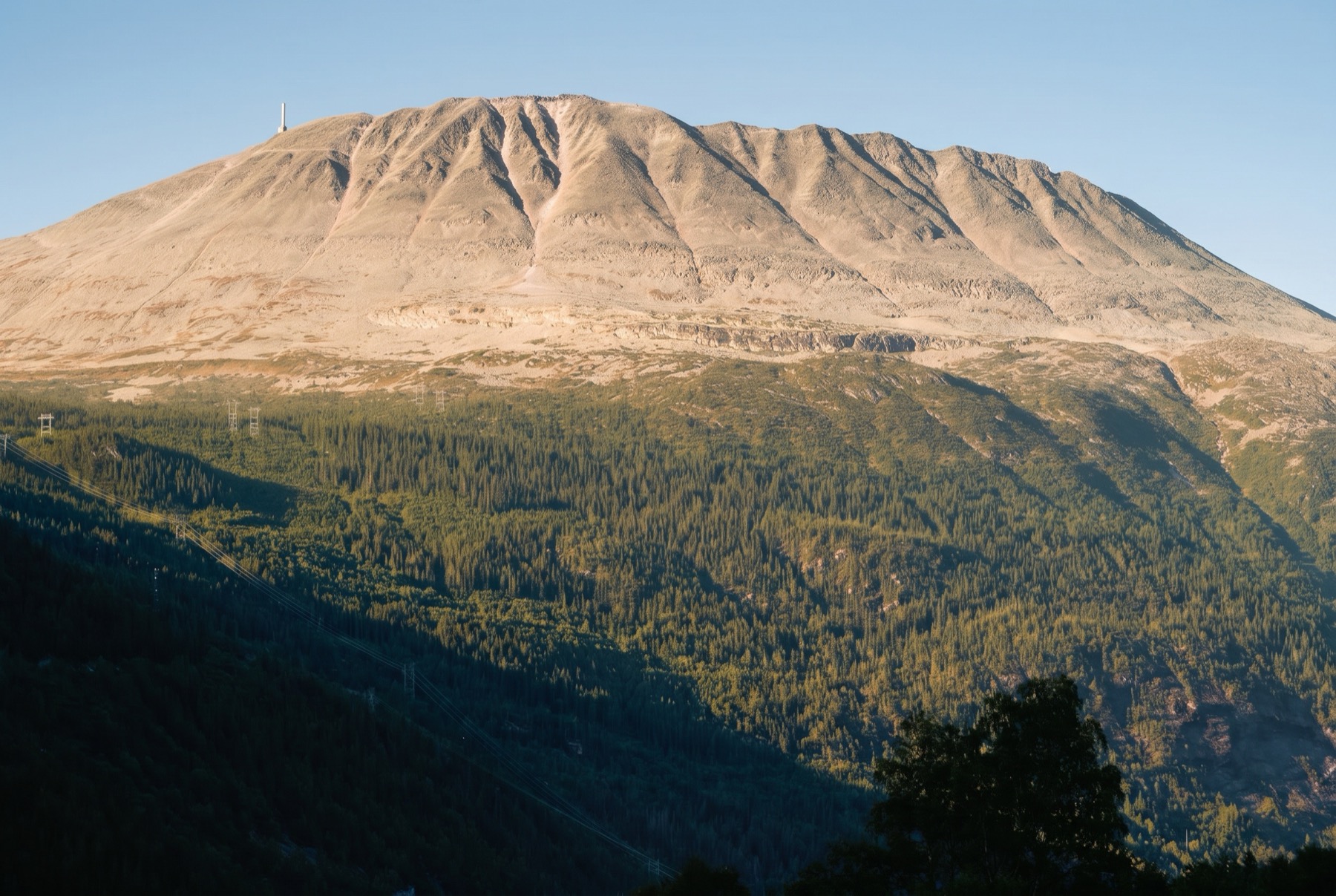
The vast inland region of Telemark is an absolute paradise for lovers of nature and traditional architecture. Its main landmark is the iconic Mount Gaustatoppen, from which, on a clear day, you can supposedly see as far as one sixth of Norway’s entire territory. The path to the summit is rocky but relatively easy to walk, and the view from nearly two thousand metres up is absolutely fantastic.
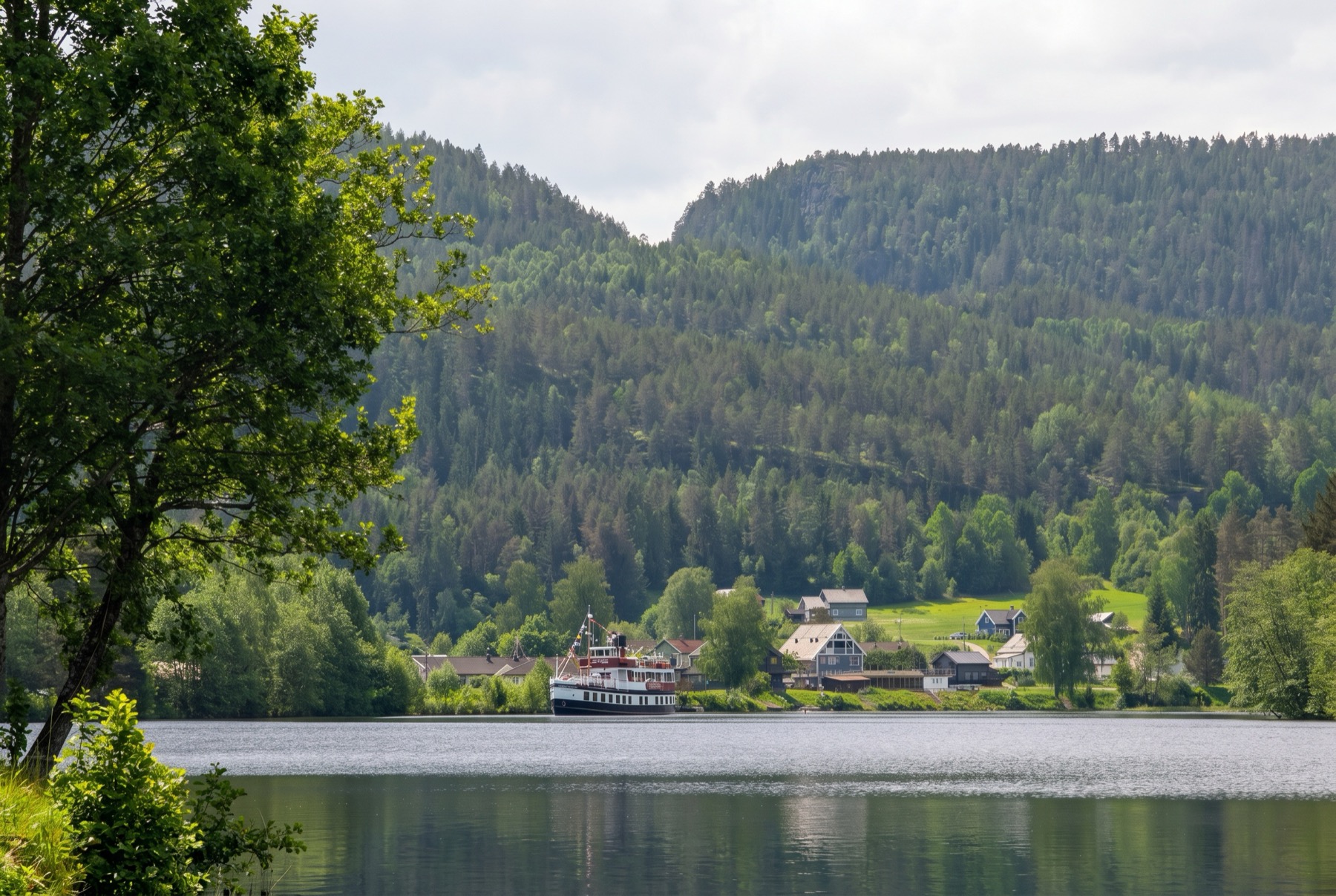
Another huge draw in the area is the historic Telemark Canal, a fascinating feat of engineering from the late nineteenth century. The canal overcomes the difference in elevation using 18 historic locks, which are still operated entirely by hand to this day. You can take a full-day cruise on a historic boat or rent a kayak and explore the quiet coves at your own pace.
In winter the region transforms into a sought-after ski destination, especially around the town of Rjukan. This place also has a fascinating wartime history, as it was the site of the famous sabotage of the heavy water plant that derailed Nazi nuclear plans. Today you’ll find a great museum here, and down in the valley there are giant mirrors that reflect sunlight onto the shadowy town square in winter.
💡 Tip: If you don’t fancy hiking up Gaustatoppen on foot, you can take the unique underground Gaustabanen funicular, which carries you up through a tunnel blasted right inside the mountain itself.
7. Stave churches and the stunning Heddal
If you’re interested in history, you probably know Norway is famous for its unique stave churches, known locally as stavkirke. These masterpieces of medieval wooden architecture carry a fascinating blend of early Christian symbols and old pagan Viking motifs. Of the original hundreds of structures, fewer than thirty have survived across the country to this day.
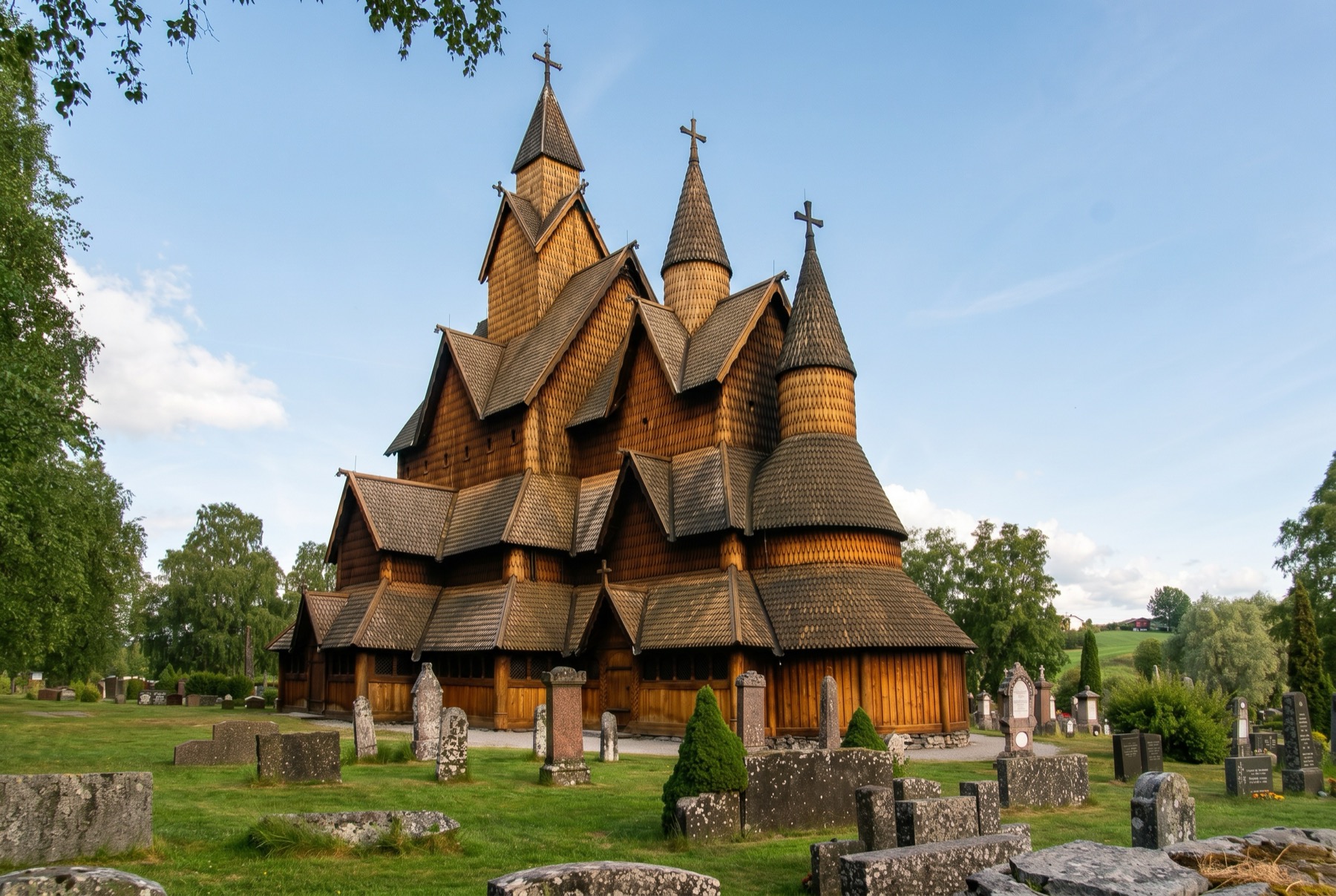
The largest and probably most beautiful of them is Heddal Church, which you’ll find right in the southern interior in the Telemark region. From a distance it resembles a huge fairy-tale castle, its dark wooden walls and intricate tiered roofs contrasting sharply with the surrounding green forests. According to an old local legend, it was once built by five mischievous trolls in just three days.
While touring the interior, notice the incredibly detailed wood carvings around the doors, where entwined dragons wrestle with grapevines. Admission to the church is around 100 NOK (about £8), and it’s well worth investing in a tour with a local guide too. That way you’ll gain a much deeper insight into the way of life back then and into the fascinating medieval building techniques.
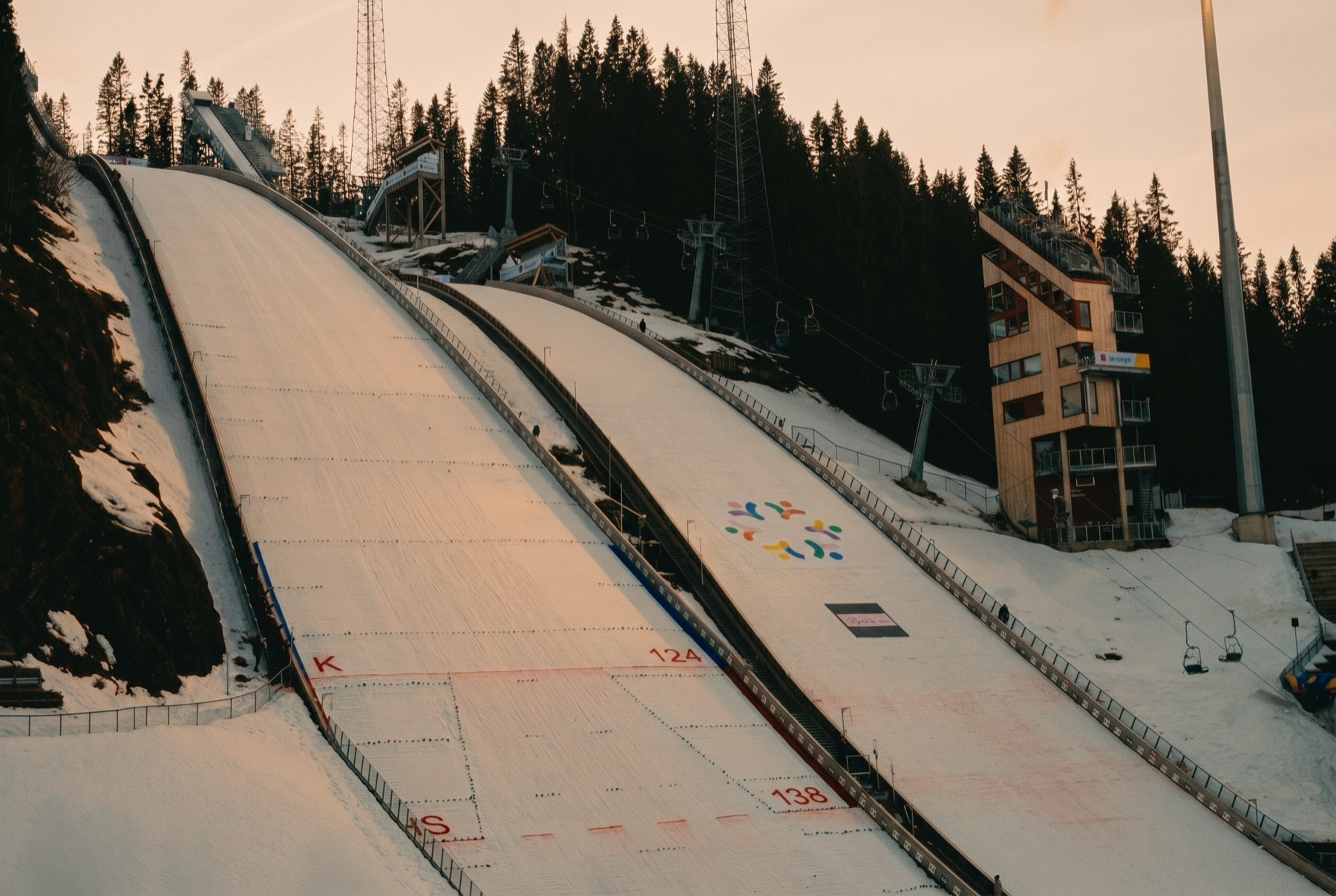
8. Lillehammer — Olympic legacy and open-air museum
The town of Lillehammer, lying north of Oslo by the enormous Lake Mjøsa, has a reputation forever cemented by the 1994 Winter Olympics. You can still visit the Lysgårdsbakkene ski jumps today, which offer a superb view over the whole town and the adjacent valley. The town itself has a very laid-back atmosphere, a cosy centre with wooden façades, and forms a natural gateway into the beautiful Gudbrandsdalen valley.
The town’s main cultural treasure, though, is undoubtedly Maihaugen, one of the largest and finest open-air museums in all of northern Europe. A walk through this sprawling outdoor museum takes you on a journey through time, from medieval farms and little wooden churches to residential quarters from the last century. It’s a wonderful place full of history, where you’ll fully appreciate just how harsh and demanding life used to be for Norwegian peasants.
Families with children very often head to the nearby Hunderfossen amusement park, which is built entirely around the themes of Norwegian fairy tales and legends. You’ll meet giant troll statues here, try out fun rides, and in the summer months cool off in a large water park. It’s a pleasant change of pace in your itinerary if you’ve had enough of mountain hikes and want to keep the kids entertained.
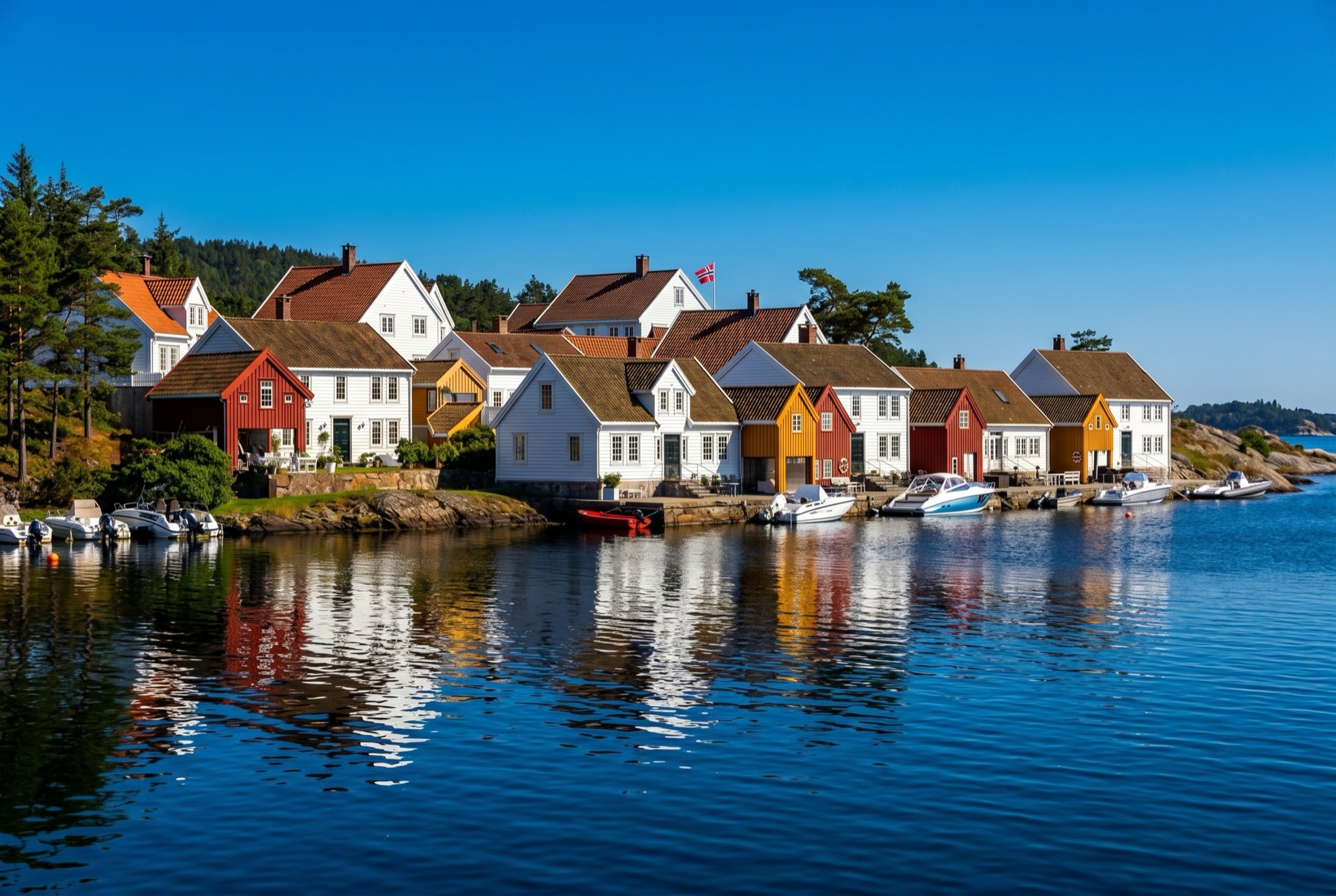
9. Kristiansand — the south’s biggest city and family fun
Kristiansand is the unofficial capital of the entire southern coast, and for many travellers it’s their first contact with Norway after stepping off the Danish ferry. The most interesting part of the centre is the Posebyen quarter, which survived devastating fires and still boasts the largest continuous collection of old white wooden houses in northern Europe. It’s a very peaceful spot full of flowers, little cafés and small craft workshops.
The city’s biggest tourist magnet is without doubt Dyreparken, a huge complex combining a zoo, an amusement park and a water park. It’s an absolute hit with families, and you should happily set aside a whole day for it. The animals here live in vast, very natural enclosures, with the most attention going to the Nordic species led by majestic moose and shy lynx.
The local restaurants and bistros along the harbour promenade offer great ways to sample regional specialities. Although Norway is renowned for its fishing, vegetarians certainly won’t go hungry here, as every decent bistro now offers excellent meat-free burgers, hearty salads or creamy vegetable soups. In the evening you can sit by the water and watch the ocean liners come in.
💡 Tip: If you’re arriving in Kristiansand by ferry from Hirtshals, try to buy your tickets as far in advance as possible, as the most popular crossings sell out very quickly in peak season.
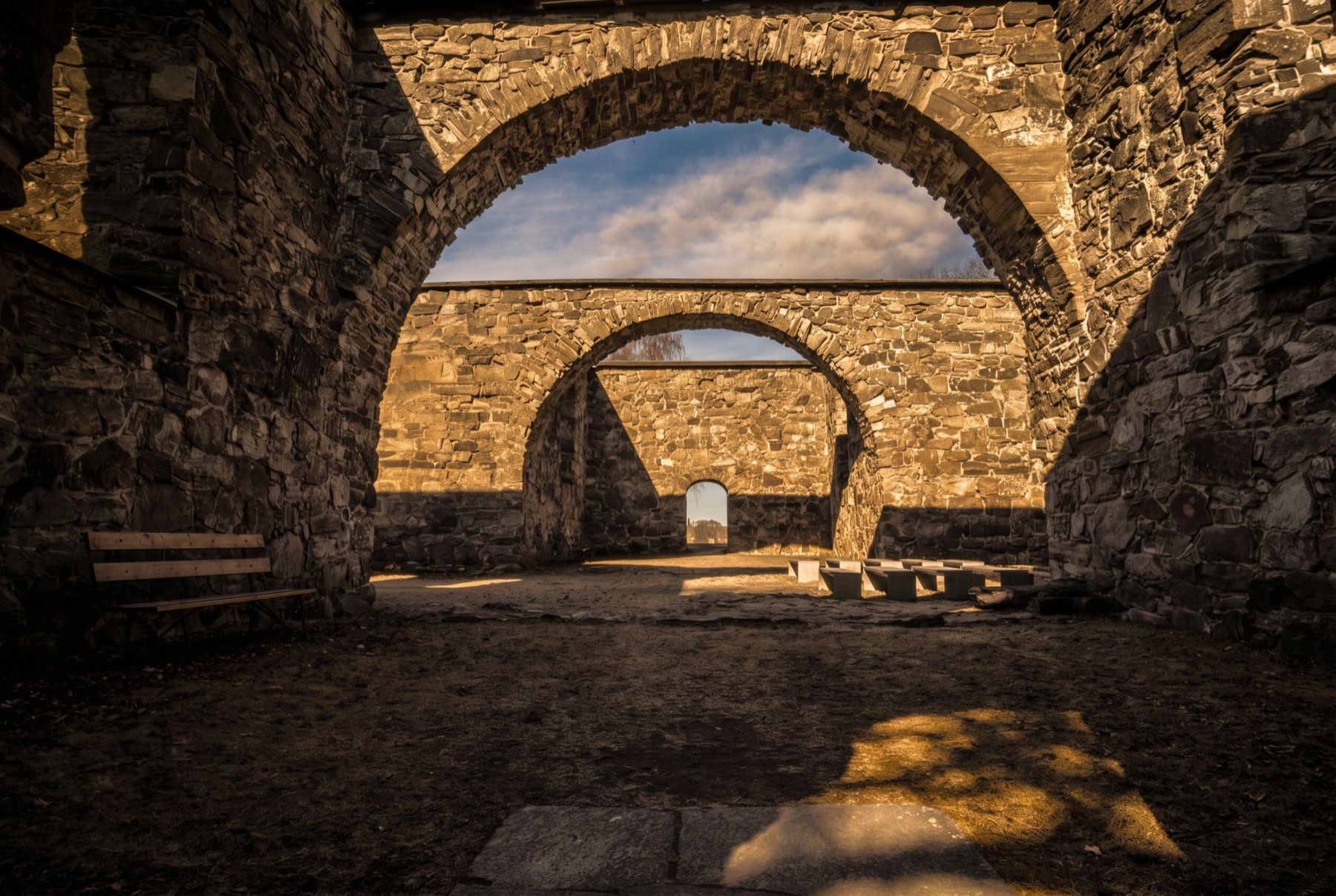
10. Fredrikstad — a perfectly preserved fortress town
A short distance south of the capital, Oslo, near the Swedish border lies Fredrikstad, whose old town known as Gamlebyen is an absolute historical gem. It’s the best-preserved fortress town in Scandinavia, encircled by mighty star-shaped ramparts and water-filled moats. A walk along these grassy walls is very soothing and offers lovely views of the historic buildings and cobbled lanes below you.
Inside the walls there’s a very pleasant, authentic atmosphere, because the houses aren’t just museum exhibits — local residents still live and work in them to this day. You’ll find plenty of small art galleries here, tucked-away second-hand bookshops and charming cafés hidden in little courtyards. At weekends there are often markets full of local produce and honest handmade goods.
Besides its history, Fredrikstad also has an interesting modern face along the river Glomma, where the main commercial and social life has shifted. Getting between the old and new towns is made easy by little city ferries, which function as ordinary public transport and, what’s more, are completely free for all passengers. It’s a very clever and eco-friendly way to explore both sides of this fascinating city.
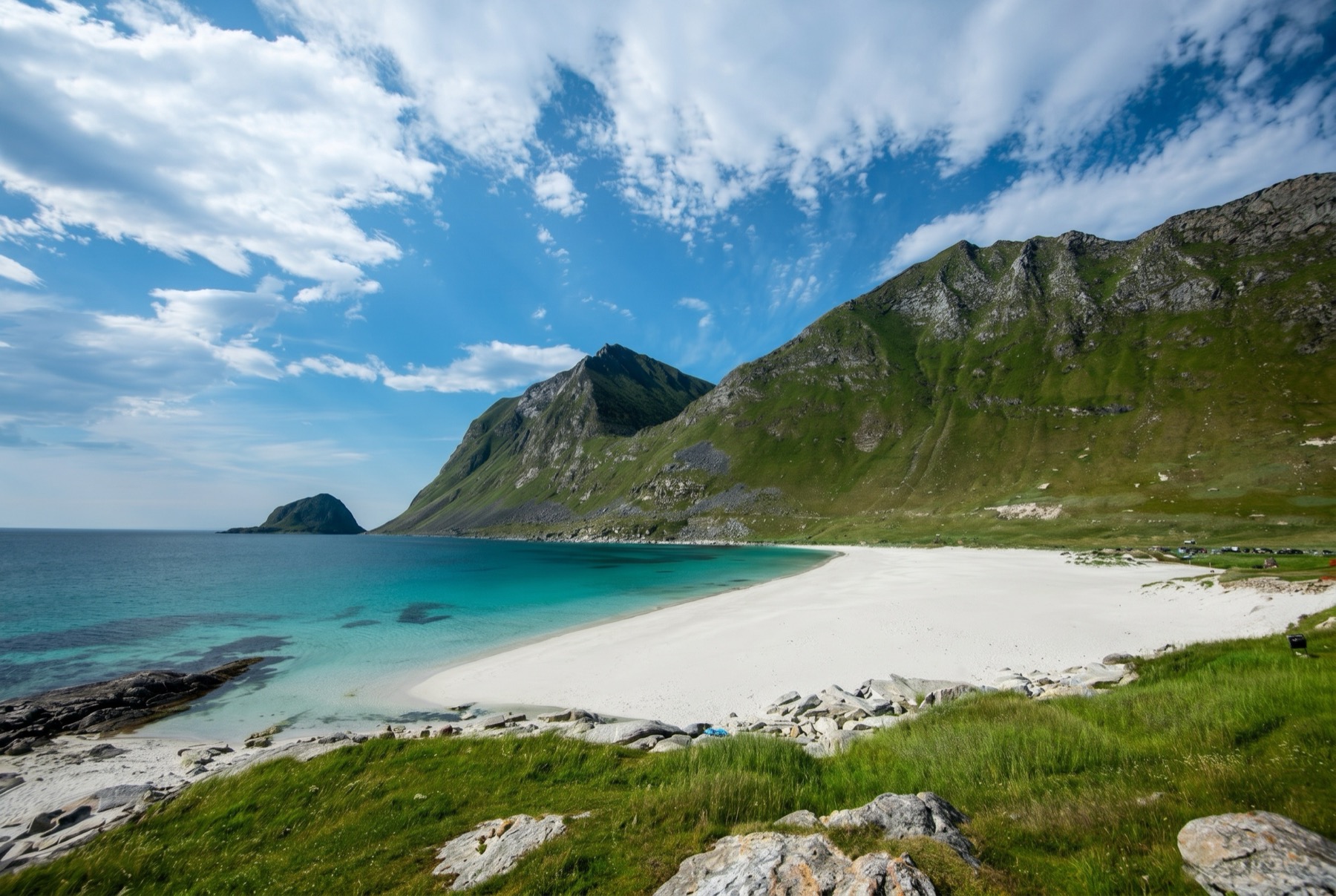
11. The Jæren beaches and sunny Sørlandet coast
When you think of Norway, few people picture long beaches of fine sand and a turquoise sea, but the Jæren area south of Stavanger offers exactly that. Beaches like Sola and Bore are popular with surfers and water-sports lovers, as the right kind of wind tends to blow here. Even though the water is fairly bracing, walks along the dunes with views of the open sea have an enormous, unmistakable charm.
The Sørlandet coast, stretching from Stavanger all the way to the Oslofjord, is typified by its endless inlets, tiny islets and idyllic little harbour towns. Places like Risør, Grimstad and Arendal fill up in summer with people from the big cities, who come here to spend their holidays on their boats or in their summer cabins. Life moves at a very slow pace, the air smells of salt, and evenings are spent grilling on wooden terraces.
This area is also ideal for those who love discovering the landscape from the saddle of a bike, as the terrain here is nowhere near as hilly as in the west. You can hire cycling gear and set off along well-marked bike trails that link the individual fishing villages. Along the way you’ll come across old lighthouses, deserted coves and hidden viewpoints you definitely won’t find in any ordinary printed guidebook.
Map of points of interest for your phone
Where to go next from southern Norway
If you have more time on your hands and want to keep going after exploring the south, Norway offers an endless array of other breathtaking destinations. You can head along the famous coastal road northwards to the majestic fjords around Ålesund, or venture even further beyond the Arctic Circle to discover the raw beauty of the Lofoten Islands.
To gather more inspiration for your big Scandinavian road trip, we’ve put together an extensive overview of the most interesting places from across the whole country. Just open our main article Norway: 50 things to see and you can start planning the next leg of your unforgettable Nordic holiday. ☺️
Frequently asked questions
What to see in southern Norway?
The biggest attractions include the capital Oslo, the picturesque harbor of Stavanger, and the famous rock viewpoints Preikestolen and Kjeragbolten above deep fjords. The inland region of Telemark with Mount Gaustatoppen and the idyllic southern sandy beaches with white wooden towns are also worth a visit.
How many days is enough for southern Norway?
For a basic circuit including Oslo, the western fjords, and Stavanger, ideally allow at least 7 days. If you want to explore the interior with its historical churches and enjoy the relaxed atmosphere on the Sørlandet coast, I recommend planning a trip of 10 to 14 days.
How to get to southern Norway?
The fastest route is by air connection from Prague or Vienna directly to Oslo or Stavanger and then renting a car. If you’re driving your own vehicle from Czechia, the best option is to cross into Denmark and use the ferry from Hirtshals port directly to Kristiansand or Stavanger.
When is the best time to visit?
The main season runs from the end of May to the beginning of September, when temperatures are more stable and all mountain roads and trails are fully accessible. May is absolutely fantastic for visiting the Hardangerfjord area, as the surrounding orchards are in full bloom.
Southern or northern Norway?
The South is ideal for a first visit – it offers a milder climate, shorter distances and iconic cliffs above fjords combined with charming towns. The North and areas beyond the Arctic Circle tempt with much wilder and rawer nature, the midnight sun in summer and the Northern Lights in winter.
Is the south good for a first visit to Norway?
Yes, the southern and southwestern part of the country is absolutely ideal for first-timers. The classic combination of the capital Oslo, the western fjords, and the hike up Preikestolen will give you a perfect cross-section of the best that Norwegian nature and culture have to offer.
Is the south coast of Sørlandet worth visiting?
Absolutely yes, it’s a completely different side of Norway than what you know from photos of dark mountains. The coastline is dotted with idyllic white harbors, hides long sandy beaches and in summer becomes the most popular sunny holiday destination for Norwegians themselves.
Tips and Tricks for Your Vacation
Don’t Overpay for Flights
Search for flights on Kayak. It’s our favorite search engine because it scans the websites of all airlines and always finds the cheapest connection.
Book Your Accommodation Smartly
The best experiences we’ve had when looking for accommodation (from Alaska to Morocco) are with Booking.com, where hotels, apartments, and entire houses are usually the cheapest and most widely available.
 🚗 Car rental on the roadVerified rental cars in Norway
Search with the DiscoverCars comparison engine — it compares prices from dozens of local and international rental companies, and most bookings come with free cancellation.
Compare car prices in Norway →Don’t Forget Travel Insurance
Good travel insurance will protect you against illness, accidents, theft, or flight cancellations. We’ve had a few hospital visits abroad, so we know how important it is to have proper insurance arranged.
Where we insure ourselves: SafetyWing (simple monthly subscription) and TrueTraveller (for extra-long trips).
Find the Best Experiences
Get Your Guide is a huge online marketplace where you can book guided walks, trips, skip-the-line tickets, tours, and much more. We always find some extra fun there!
More from Norway
Full guide → PricesHow Much Does a Trip to Norway Cost: Prices and 8 Tips to Save in 2026
 What to seeStavanger, Norway: 12 Things to See in the Gateway to Preikestolen 2026
 PricesAlcohol in Norway: 10 Things to Know – Prices, Vinmonopolet and How Much You Can Import in 2026
 What to seeBergen, Norway: 14 Things to See in the Gateway to the Fjords
 What to seeSenja Island Norway: 7 Best Things to See and Do in 2026


