

Most of us associate Norway mainly with rugged nature, deep fjords and lonely mountains, but Stavanger, Norway will convince you that Norwegian towns have huge charm too. It’s the fourth largest city in the country, which grew rich on oil, yet has managed to hold onto the wonderfully calm atmosphere of a fishing harbour, complete with narrow cobbled lanes.
Most travellers come here for one simple reason, as it’s the best base for the hike up the famous Preikestolen cliff, but it would be a real shame to leave town straight after the trek. This is where you’ll find the best-preserved white wooden houses in all of Europe, a street ablaze with neon colours, and unexpectedly long sandy beaches where the locals love to surf.
In this guide we’ll take a look together at 12 things to see and do in Stavanger, so you don’t miss a single highlight. We’ll cover the best time to visit, point out exactly where to base yourself, and I’ll also throw in some tips for buying boat tickets to the nearby Lysefjord.
TL;DR
- Best base: Stavanger is the ideal city if you’re planning to hike up the iconic Preikestolen cliff or out to the Kjeragbolten boulder.
- Historic centre: Don’t miss the Gamle Stavanger district, which boasts 174 perfectly preserved white wooden houses from the 18th and 19th centuries.
- Colourful street: For great coffee and photos, head to Øvre Holmegate (known as Fargegata), where every house is painted in bold, vivid colours.
- When to go: You’ll enjoy the best weather and longest days from May to September, which is also the main season for mountain hiking.
- Boat trips: If you don’t fancy the climb, you can admire the Lysefjord and its waterfalls from the deck of a sightseeing boat straight from the city harbour.
- Getting there: The city is easy to reach by air at Sola Airport, by ferry from Hirtshals in Denmark, or via the scenic train route from Oslo.
The full destination guide: Norway — guide and what to see
When to Visit Stavanger
If you’re planning to combine sightseeing in the city with hiking in the surrounding mountains, the best time to visit is from May to September. During these months the days are pleasantly long and the mountain trails to Preikestolen or Kjerag tend to be safely passable and free of snow. Summer temperatures usually hover around 15 to 20 degrees Celsius, which is absolutely ideal for hiking.
Thanks to the influence of the Gulf Stream, the weather in Stavanger, Norway is surprisingly mild all year round, so winters here aren’t as harsh as in the interior or up north. You do need to bear in mind, though, that autumn and winter bring far more rain showers and strong winds. From October to April there are also fewer tourist boats running, and some of the more remote mountain routes may be completely closed.
Where to Stay in Stavanger
💡 Accommodation and experiences tip: We like to look for places to stay on Booking.com, which usually has the best cancellation terms. For tickets, tours and activities, it pays to compare and book through GetYourGuide.
When choosing where to stay, it makes the most sense to look for hotels right in the city centre or close to the Vågen harbour and Lake Breiavatnet. Thanks to such a central location you won’t need a car to explore the city, and you can easily walk to the ferries and buses that whisk you off on day trips around the region. Norway isn’t a cheap destination in general, and a night in a double room will typically cost you from 1,400 to 2,400 NOK, which is roughly 120 to 210 euros.
I’d always recommend booking your accommodation well in advance through Booking, especially if you’re coming during the busy summer months. Here are three specific tips for great hotels with excellent reviews and a perfect location.
- Clarion Hotel Stavanger: A gorgeous modern hotel in the very heart of the city, from where you’re just a short walk from everything. The rooms are very cosy and guests rave in their reviews about the generous breakfasts that set you up nicely before a full day’s trek to the cliffs.
- Thon Hotel Maritim: This hotel sits right beside the picturesque Lake Breiavatnet and offers great value for money. It’s a brilliant choice if you’re after quieter surroundings but still want to be just a few minutes’ walk from the historic centre and the main transport hub.
- Hotel Victoria: If you love history and elegance, this hotel housed in a beautiful early 20th-century building will utterly charm you. It’s right by the Vågen harbour, so from some rooms you’ll have a perfect view of the moored boats and the sea.
The Historic and Colourful City Centre
Stavanger’s centre isn’t huge, and you can stroll through it at a leisurely pace in a single afternoon. It’s fascinating to see how the city has split into two completely different faces, just a few minutes’ walk apart. On one side of the harbour you’ll find a strictly protected historic district full of white houses, while on the other an explosion of colour, modern art and bustling cafés awaits.
I’d suggest starting your walk by the lake in the middle of town and gradually heading towards the bay, where everything from little fishing boats to enormous ocean liners drops anchor. Let’s take a look at the most interesting spots you shouldn’t miss while wandering the city.
1. Gamle Stavanger (The Old Town)
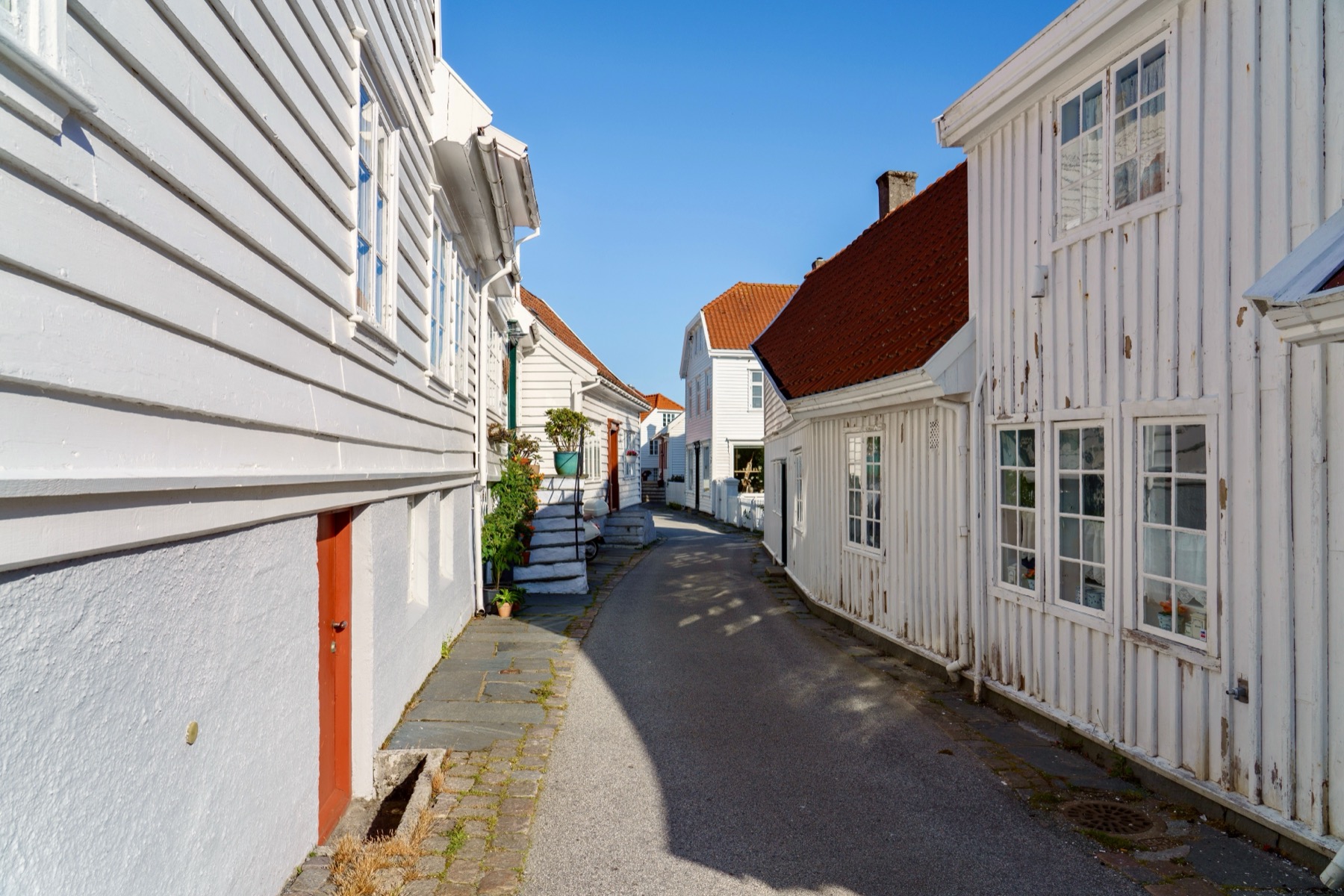
The Gamle Stavanger district is probably the most photographed place in the entire city and definitely ranks among the most beautiful historic neighbourhoods in northern Europe. It sits on the western side of the harbour and is made up of a cluster of 174 beautifully maintained wooden houses, dating mostly from the turn of the 18th and 19th centuries. Originally these houses belonged to poor sailors and workers from the local canning factories.
As you walk along the cobbled lanes, you’ll certainly notice that absolutely every house is painted in dazzling white. In the past, white paint was the most expensive of all, so only wealthy merchants could afford it, while poorer folk painted their homes in cheaper red or ochre. As the residents of Stavanger gradually grew richer, however, they repainted their homes white to show off their rise in social standing, and today strict heritage rules require it.
💡 Tip: Ideally visit the district either early in the morning or in the early evening, when the crowds from the cruise ships aren’t around. The locals lovingly care for their homes, decorating the windows with flowers and lining the lanes with old-fashioned lanterns, so you’ll feel like you’ve stepped into a fairy tale.
2. The Colourful Øvre Holmegate Street (Fargegata)
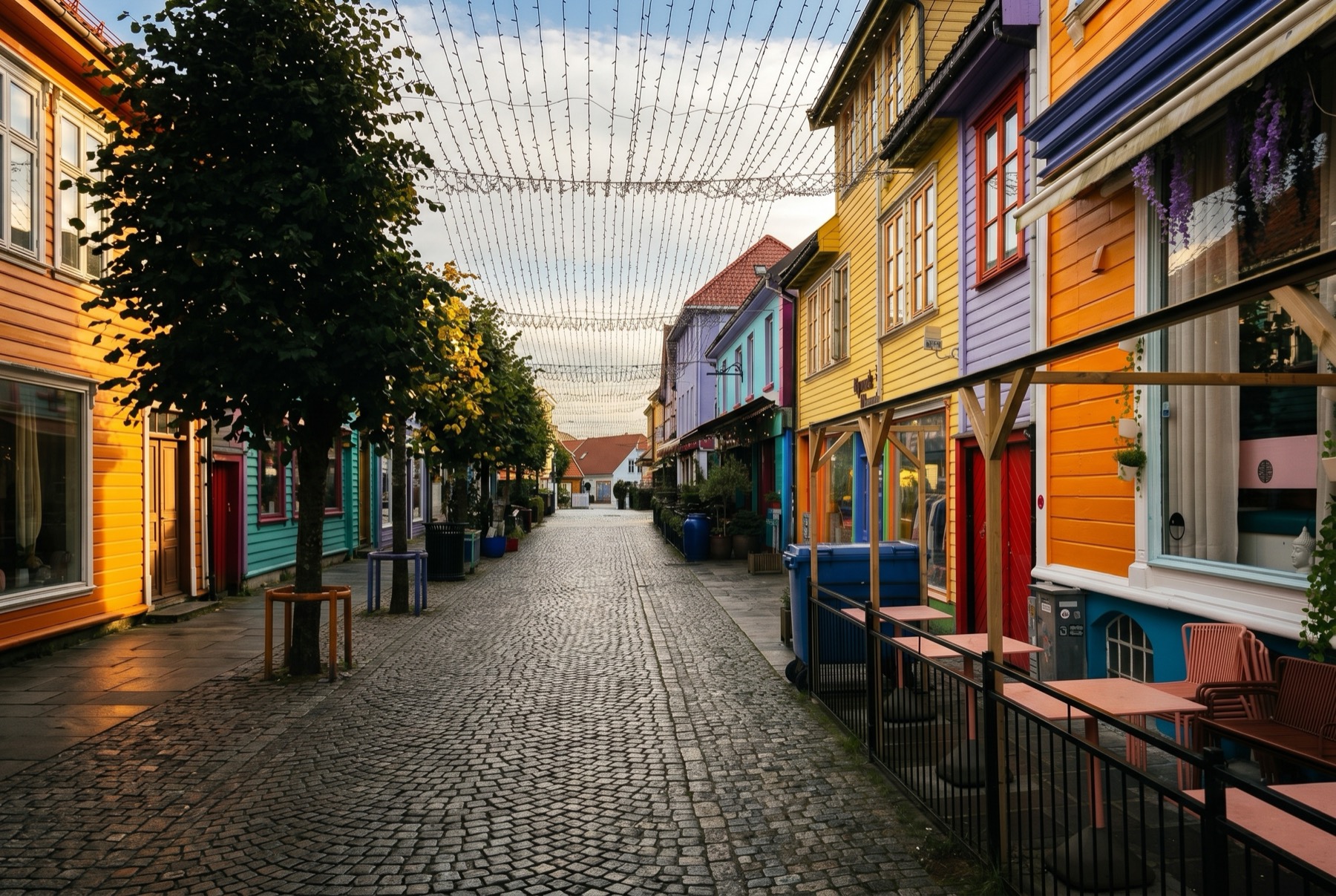
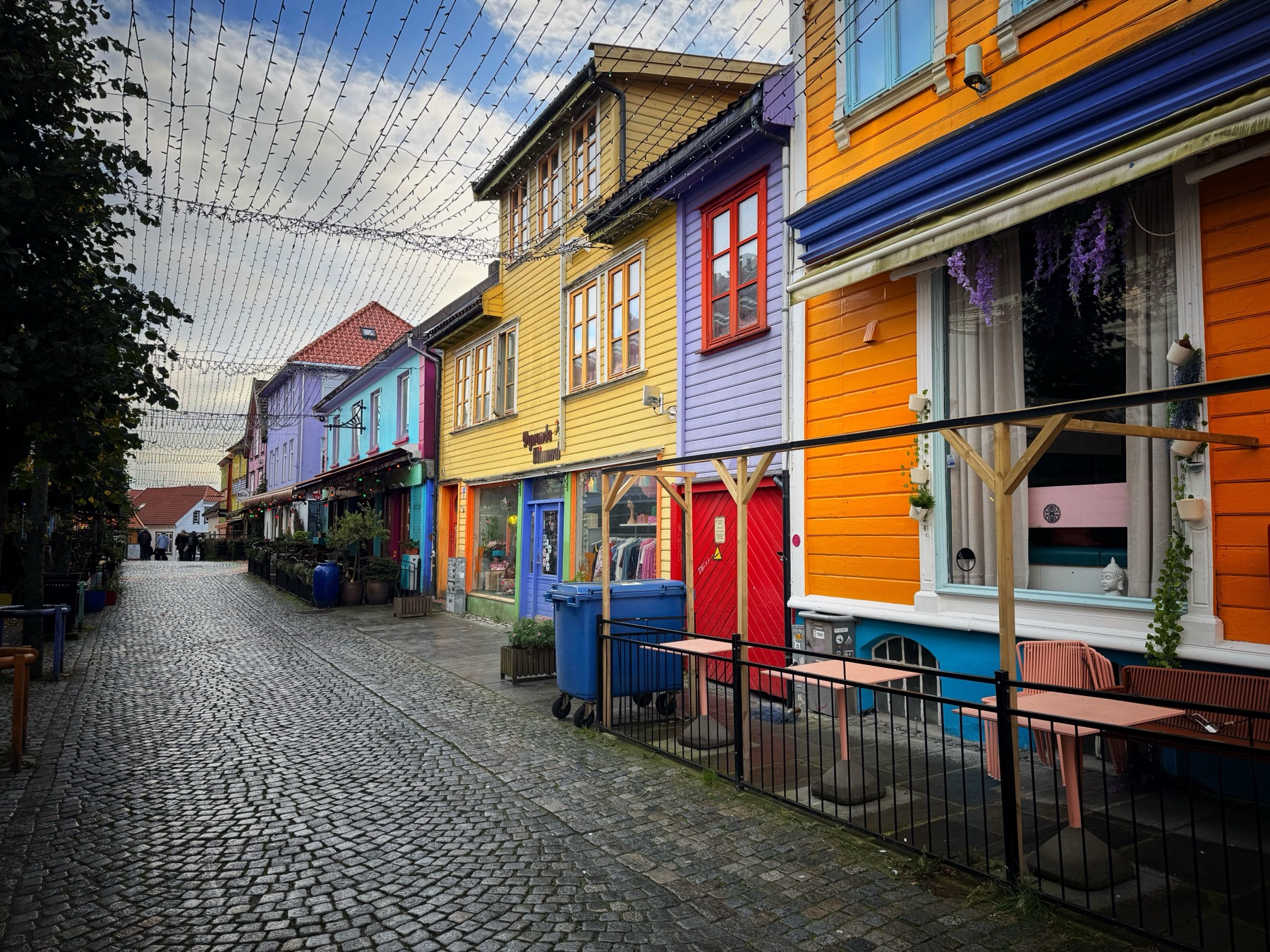
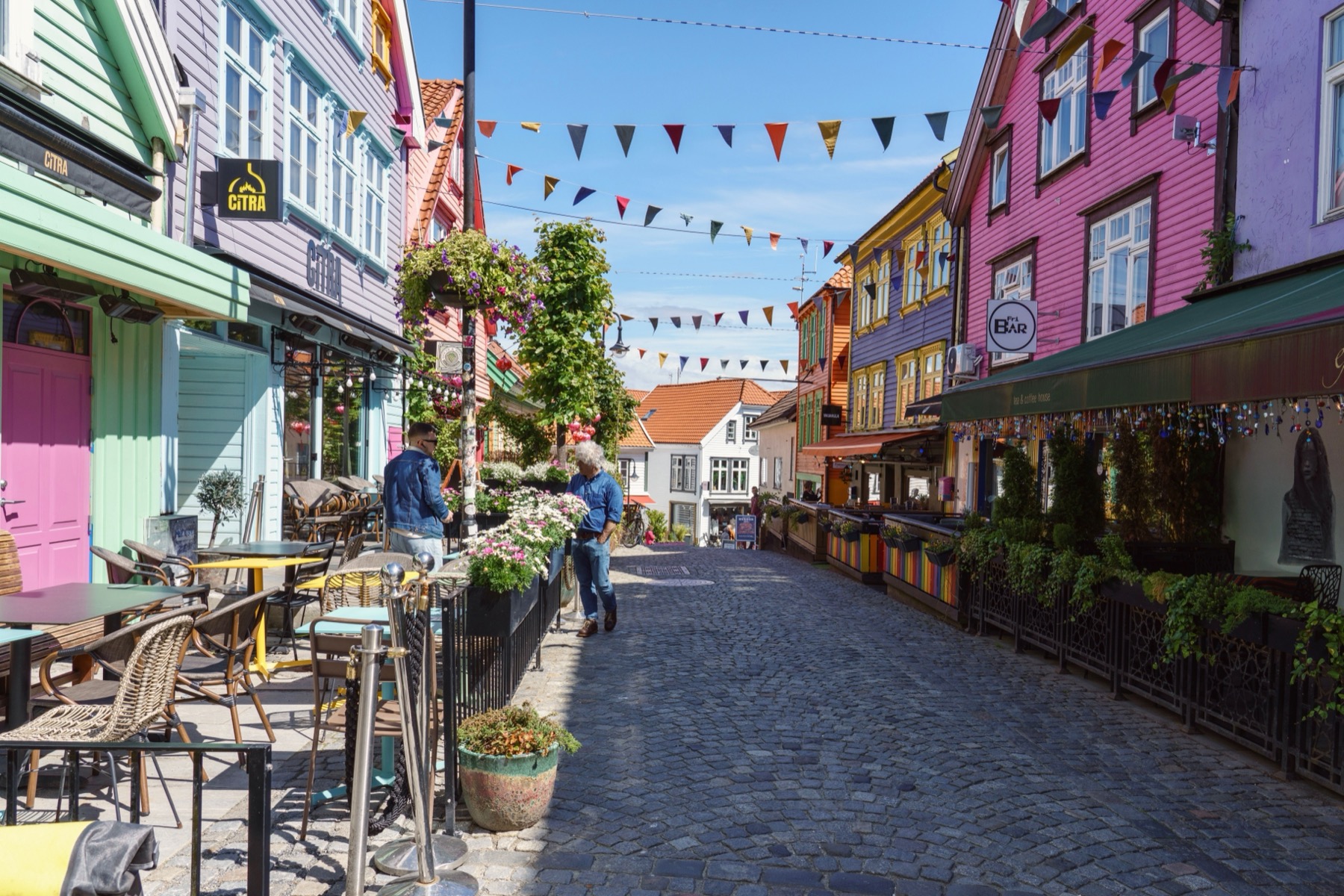
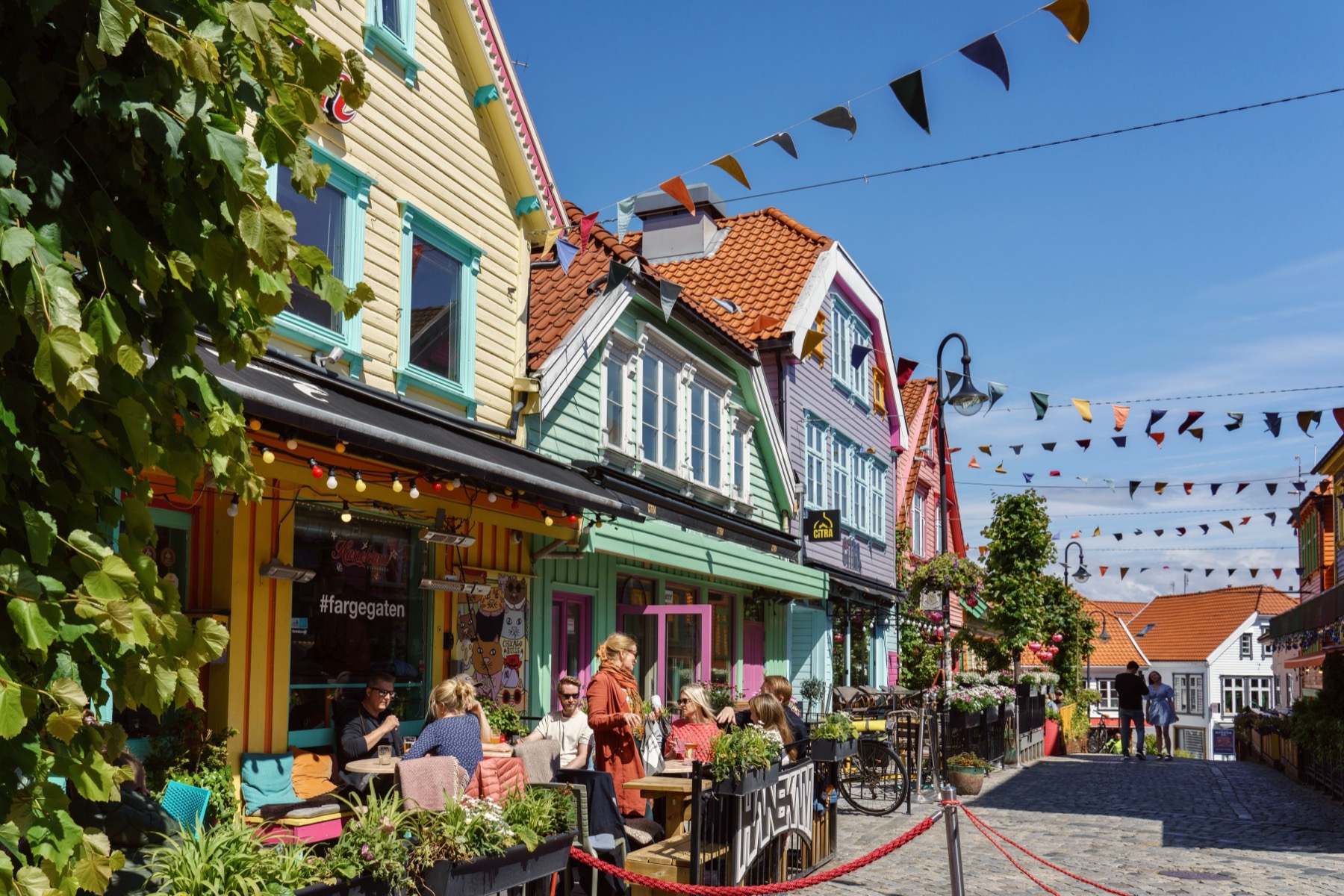
While the western side of the harbour belongs to demure white history, the eastern part hides Øvre Holmegate, which nobody calls anything other than Fargegata, or the colourful street. Here you’ll find a row of older houses, but they’re painted in crazy shades of pink, turquoise, green and yellow. The idea was born in 2005, when local hairdresser Tom S. Kosæg decided to breathe life into what was until then a fairly dull and declining part of town.
He called in artist Craig Flannagan, who designed the precise colour scheme for each individual house so that neighbouring buildings would harmonise yet also create striking contrast. The plan worked a treat, and Fargegata became a buzzing hub of social life, where locals and travellers alike come for a good time.
It’s the best spot in Stavanger if you fancy a speciality coffee, a pint from a local microbrewery, or want to explore the small independent boutiques and vintage clothing shops. You’ll find plenty of great cafés serving vegetarian treats here, with tables out on the street in summer, so you can just sit back and soak up the wonderfully relaxed atmosphere.
3. Lake Breiavatnet and Vågen Harbour
Right in the geographic heart of the city, just a stone’s throw from the main station, lies the picturesque Lake Breiavatnet. It serves as a kind of green oasis of calm amid the urban bustle, where you can feed the swans and ducks or simply rest on a bench beneath the trees. A pleasant promenade runs around the lake that you can stroll in about twenty minutes.
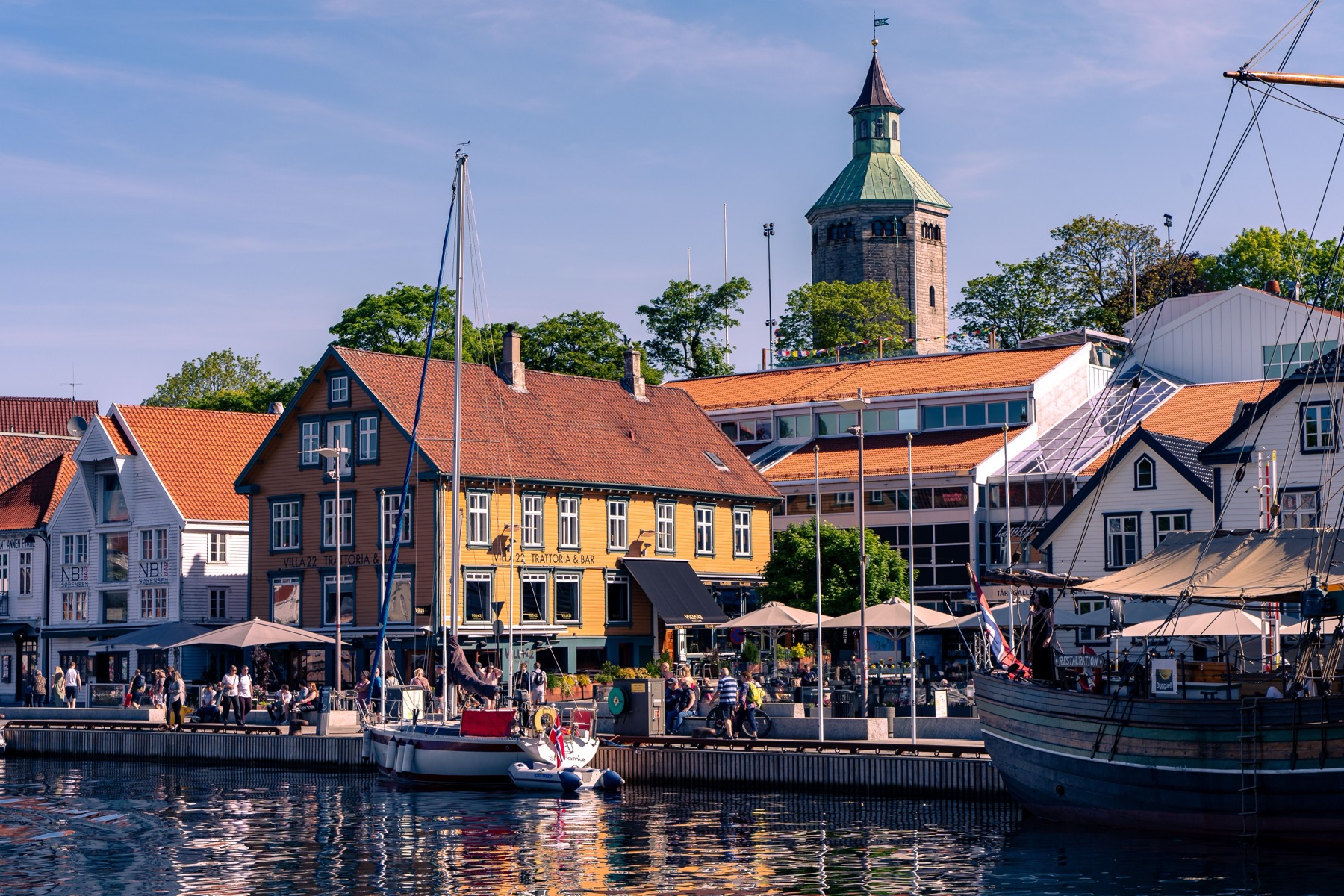
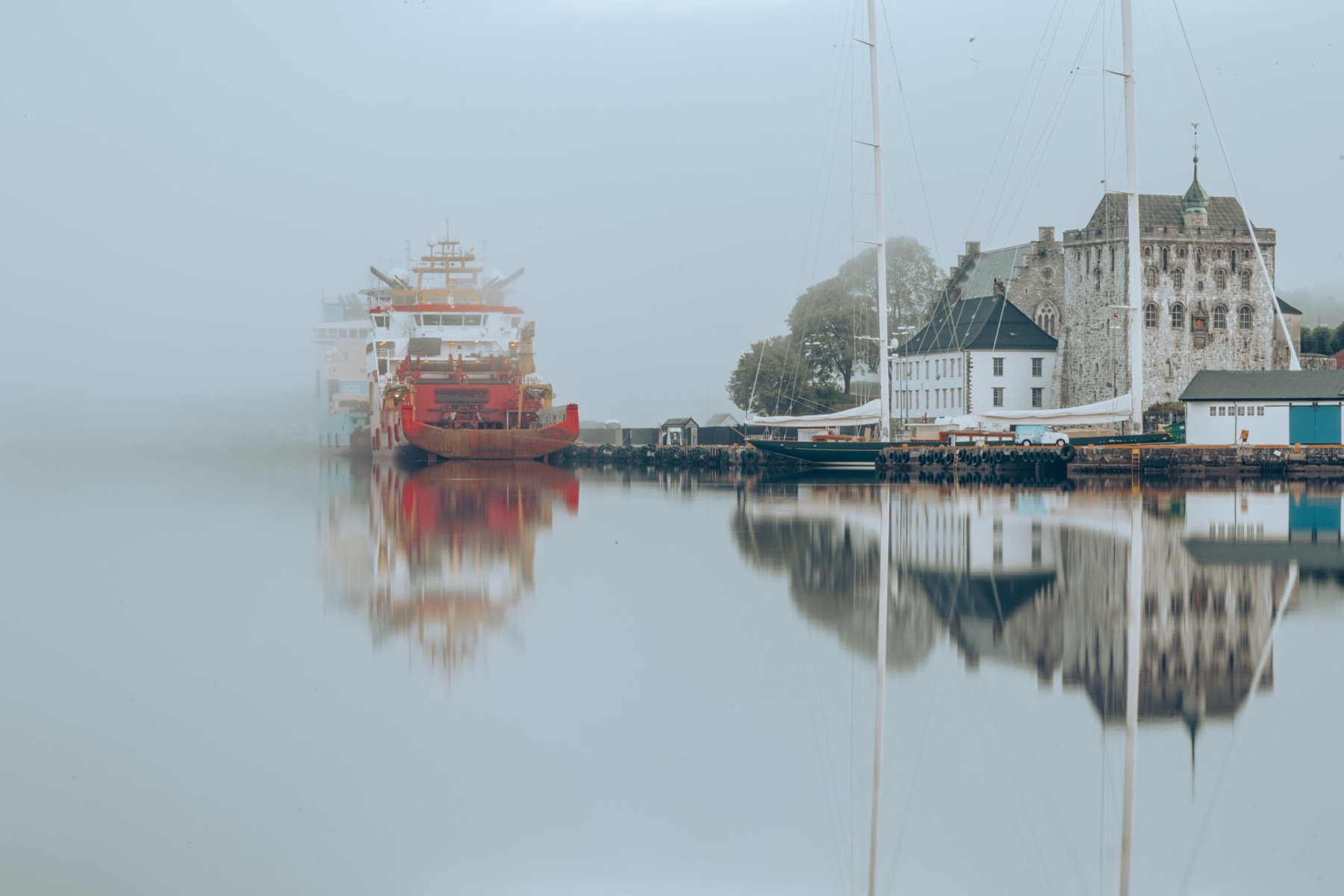
Just a few steps north of the lake and you’ll find yourself at Vågen harbour, which cuts deep into the city centre. The harbour is lined with historic merchant houses known as Sjøhusene, which once served as salt and fish warehouses, but today they hide the best restaurants and bars in town. In the summer months it’s a really lively place, and now and then you’ll see enormous cruise ships anchored here, towering over the surrounding buildings.
4. Stavanger Cathedral (Domkirke)
Right on the shore of Lake Breiavatnet stands Stavanger Cathedral (Domkirke), which is the oldest continuously functioning cathedral in all of Norway. It was built back in the 12th century, around the same time the city itself was founded. Its construction was initiated by the English bishop Reinald, which explains why the Romanesque parts of the building so strongly recall the English architecture of that era.
The cathedral went through a major fire in 1272, after which it was rebuilt and extended with Gothic elements, giving it a very unique and intriguing look. It isn’t a huge, pompous structure like the ones we’re used to in central Europe, but its massive stone walls and wooden interior radiate immense calm and humility. There’s usually a small admission fee to go inside, but it’s well worth it to see the beautifully decorated Baroque pulpit from 1658.

Museums and Art for Rainy Days
The weather in Norway can be fairly unpredictable, so it always helps to have a backup plan in case of rain. Luckily Stavanger has several top-class museums up its sleeve that will keep you entertained for hours and teach you plenty of fascinating facts about what shaped Norwegian society.
The city also prides itself on a very progressive approach to street art. If you love discovering hidden corners with a camera in hand, you’ll be in your element here. Here are three cultural tips you shouldn’t miss.
5. The Norwegian Petroleum Museum (Norsk Oljemuseum)
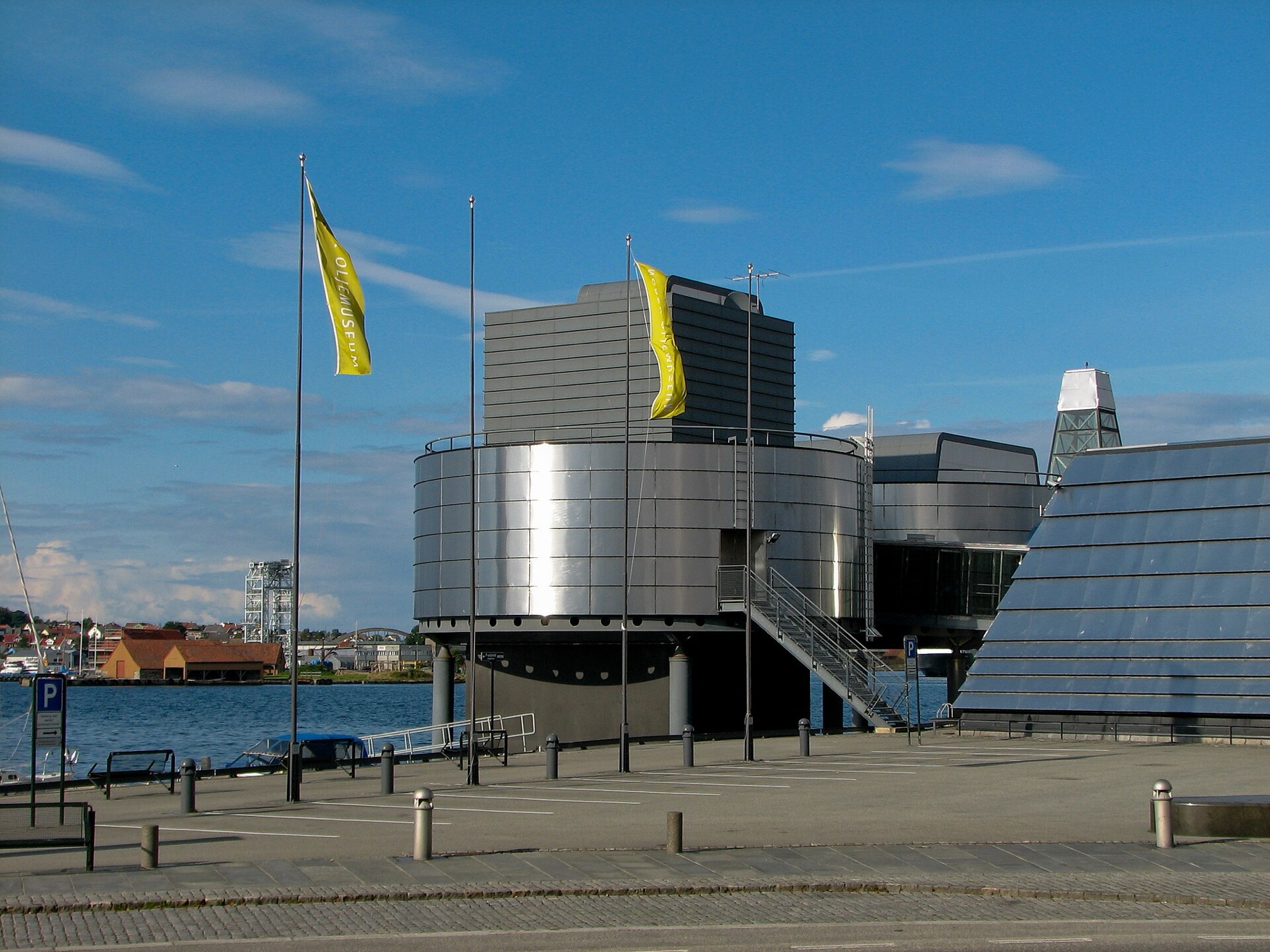
The discovery of oil in the North Sea completely changed the course of Norwegian history and turned a poor fishing nation into one of the wealthiest countries in the world. The Norwegian Petroleum Museum tells this fascinating story in a very modern and interactive way. The museum building itself is an architectural gem, as it looks like a miniature oil rig rising straight out of the water at the edge of the city harbour.
Inside, models of real drilling platforms, underwater robots and survival pods await, which you can climb into yourself to feel what it’s like for the workers out on the open sea. The museum isn’t afraid to tackle difficult topics either, covering major industrial disasters and going into great detail about the environmental impact of drilling and Norway’s future after the shift to green energy.
💡 Tip: The exhibits are designed so well that they’ll entertain even people who otherwise have no interest in technology or industry at all. Set aside at least two to three hours for your visit, because there’s genuinely a lot to see.


6. The Canning Museum (Norsk Hermetikkmuseum)
Before Norway discovered black gold on the seabed, Stavanger made its living from something far more humble. The city was in fact a world capital of fish canning, above all the famous smoked sardines. At the turn of the 19th and 20th centuries there were over 50 canneries here, employing more than half of the city’s entire population.
The Canning Museum is housed in the authentic premises of an old factory right in the heart of the Gamle Stavanger district. It shows you the complete process, from salting the fish, threading them onto wires and smoking them in huge ovens, to hand-packing them into little tins. The most interesting part is the collection of thousands of different paper labels, which were stuck on the cans and exported from here all over the world.
7. Street Art and the Nuart Festival
Stavanger is long past being just a city of old traditions; it has carved out a name as one of Europe’s most important centres of street art. This is mainly down to the acclaimed Nuart festival, held here from 2001, which every year drew the best street artists from around the world to legally paint selected walls and buildings around the city.
Even though the festival is currently on hiatus, its legacy is visible at every turn. As you wander the centre you’ll constantly come across enormous murals, witty stencils and small installations. Try roaming the lanes around Fargegata or towards the Storhaug district, where you’ll find the most beautiful murals. At the local tourist centres you can even pick up a special map that guides you to the most famous works.
Map of points of interest for your phone
Gateway to the Fjords and Natural Wonders Nearby
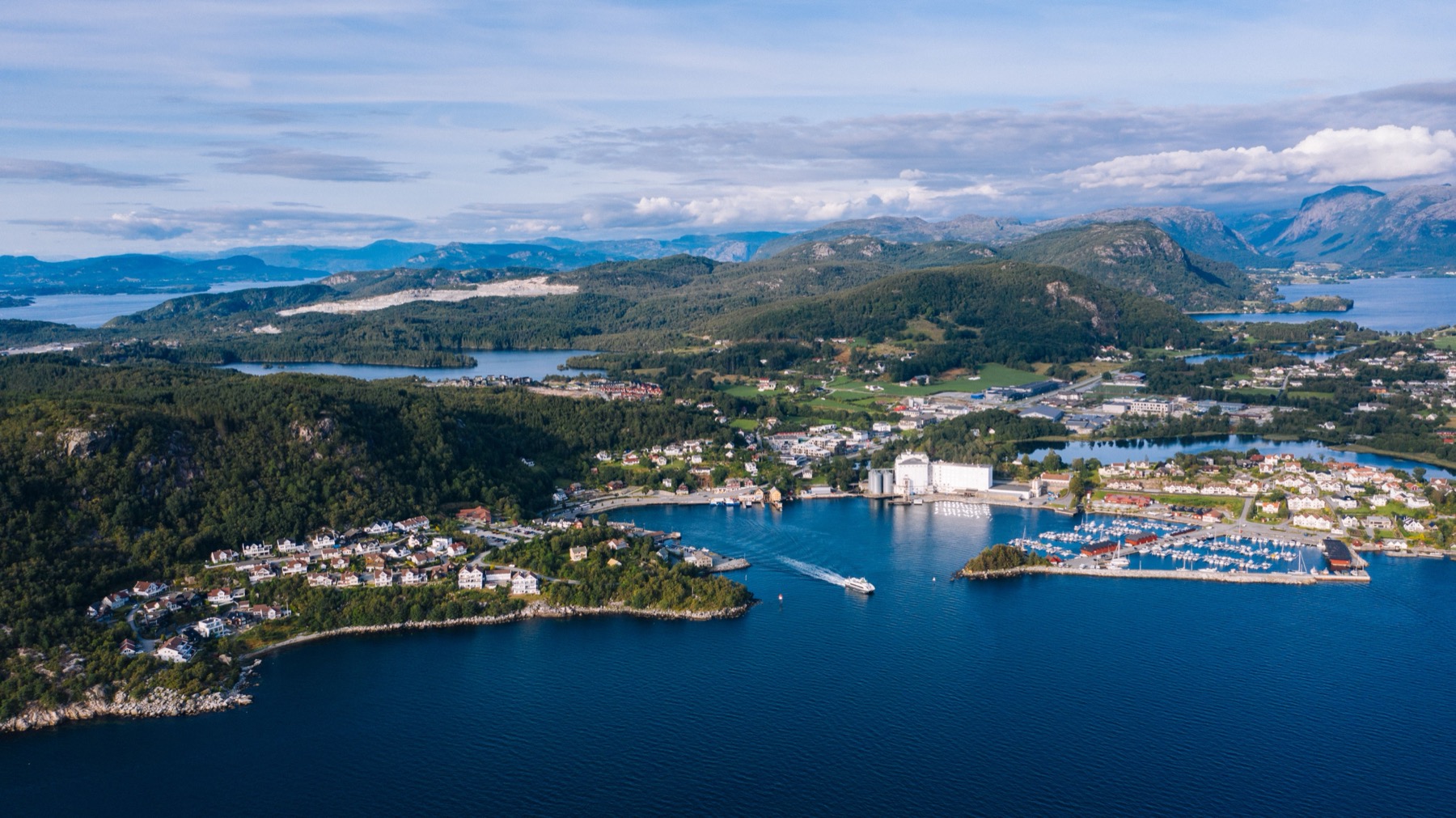
The city itself is beautiful, but the real reason travellers from all over the world make their way here lies beyond its borders. The area around Stavanger offers some of the most dramatic natural scenery in Europe, and whether you prefer demanding mountain treks or comfortable boat trips, you’ll find something for you.
Besides the famous cliffs, you’ll also find places here you’d probably never expect in Norway, from historic monuments to exotic gardens. Let’s take a look at 5 tips for places to head beyond the city limits.
8. Stavanger as a Base for Preikestolen (Pulpit Rock)
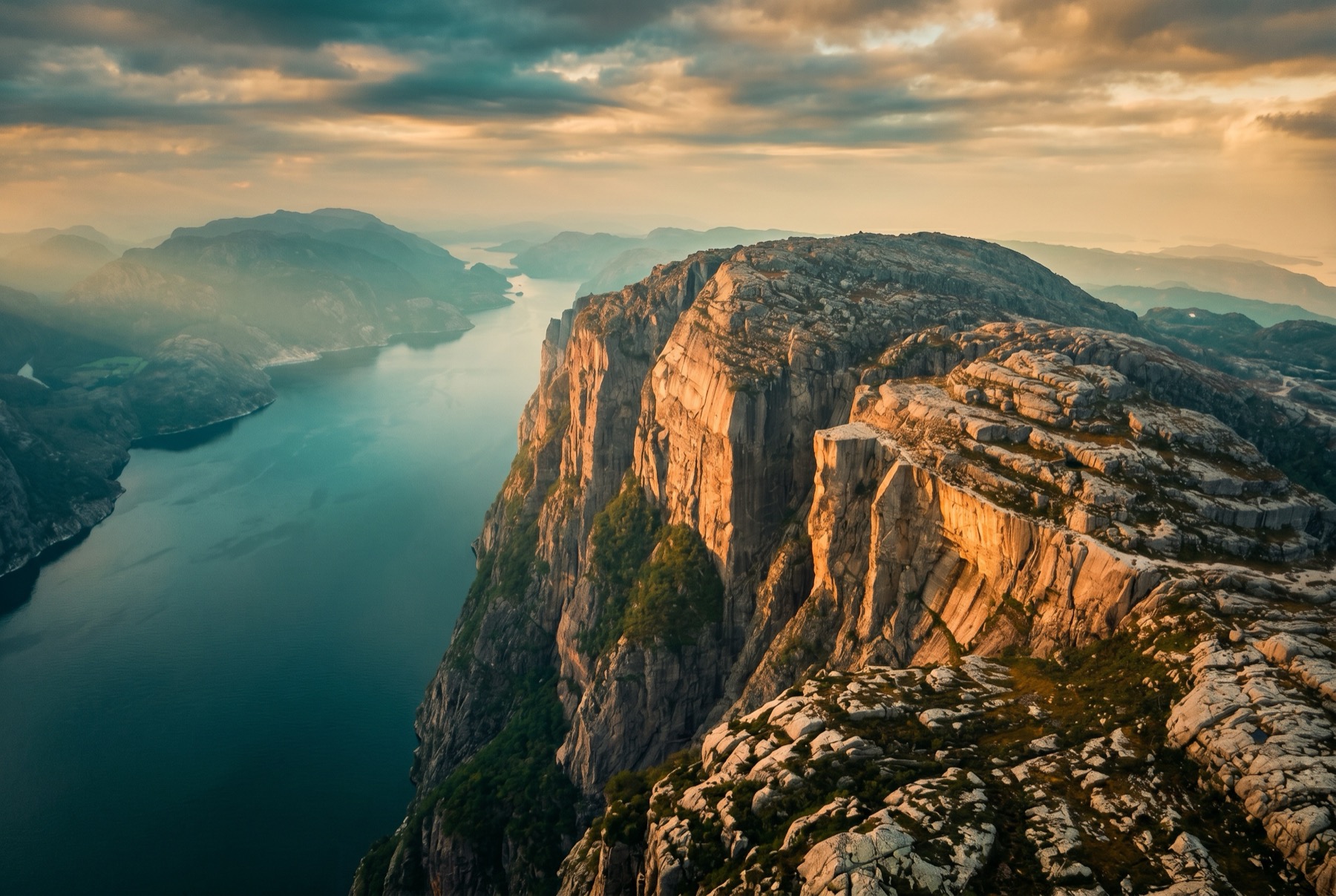
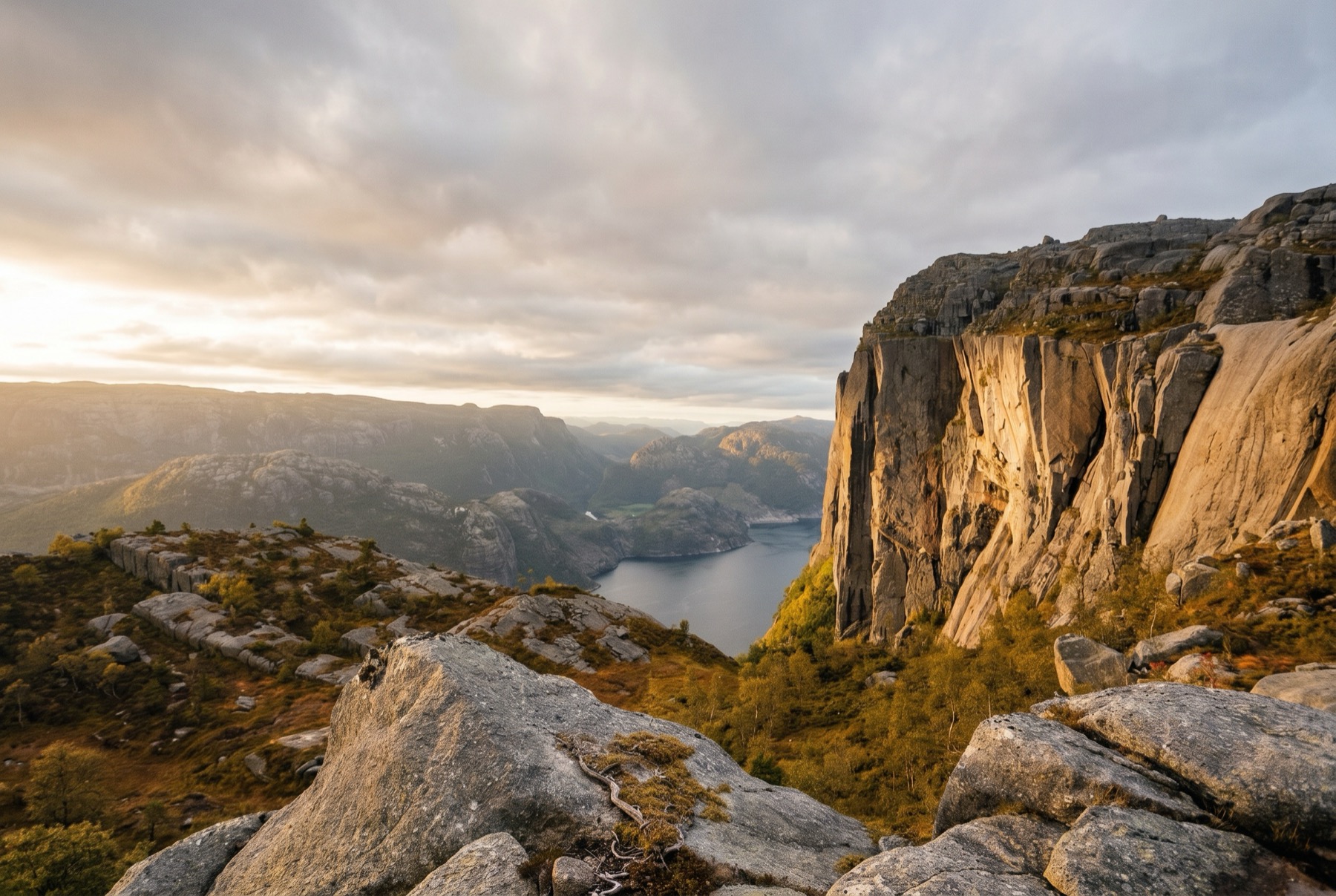
Preikestolen, or Pulpit Rock, is a huge slab of rock that towers an incredible 604 metres straight up above the surface of the Lysefjord. It’s without a doubt the most iconic natural phenomenon in all of Norway, and Stavanger serves as the main transfer hub and base for everyone planning to conquer it. The start of the trek itself lies about 40 kilometres from the city.
In the summer season, regular direct buses run here from central Stavanger, comfortably dropping you off at the car park by the Preikestolen Fjellstue mountain lodge, where the hike begins. The whole trip, including transport and the climb, will take you roughly 6 to 8 hours, so be sure to set aside a full day for it. The trail is about 8 kilometres there and back and moderately challenging, but the views from the top down into the deep fjord are utterly breathtaking.
💡 Tip: We’ve put together a detailed standalone article on hiking Preikestolen, where you’ll find an exact route description, parking tips and advice on how to avoid the biggest crowds.
9. Boat Trips on the Lysefjord
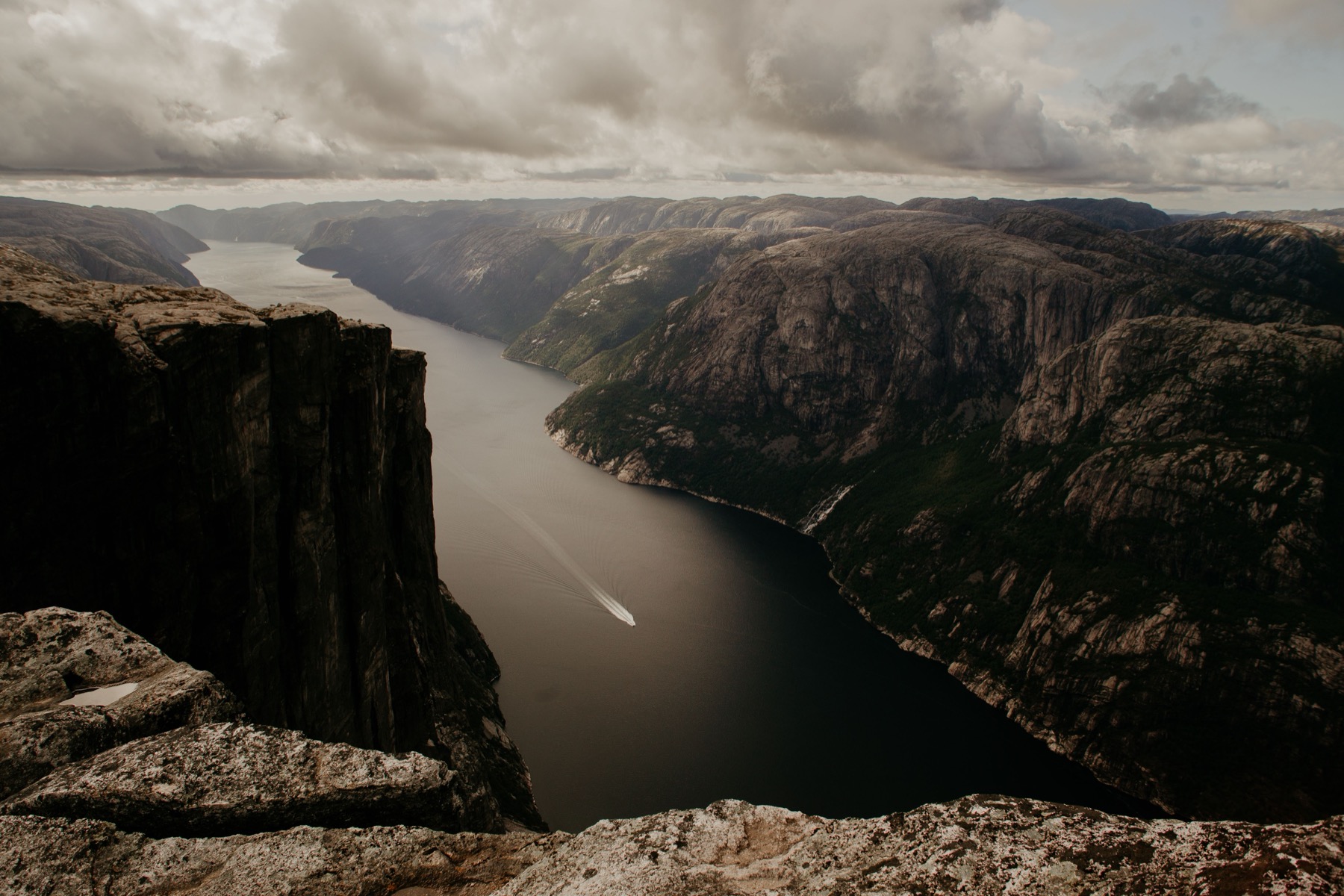
If you don’t fancy a demanding mountain trek, or you’d like to see the majesty of the fjords from a completely different perspective, you can head out on a sightseeing cruise. The boats set off straight from Vågen harbour in central Stavanger and take you on a three-hour journey deep into the heart of the Lysefjord. Tickets usually cost around 500 to 600 NOK per adult and tend to sell out fast in season.
I’d recommend reserving your spot on the boat a few days ahead; the best way to do that is via GetYourGuide, where you can clearly see the available times and reviews of the individual operators. During the cruise you’ll sail right beneath the gigantic Preikestolen cliff, see wild waterfalls tumbling off the steep rock faces, and the boat often nips up close to caves once used by smugglers. It’s a magnificent experience that finally makes you grasp the sheer scale of the Norwegian mountains.
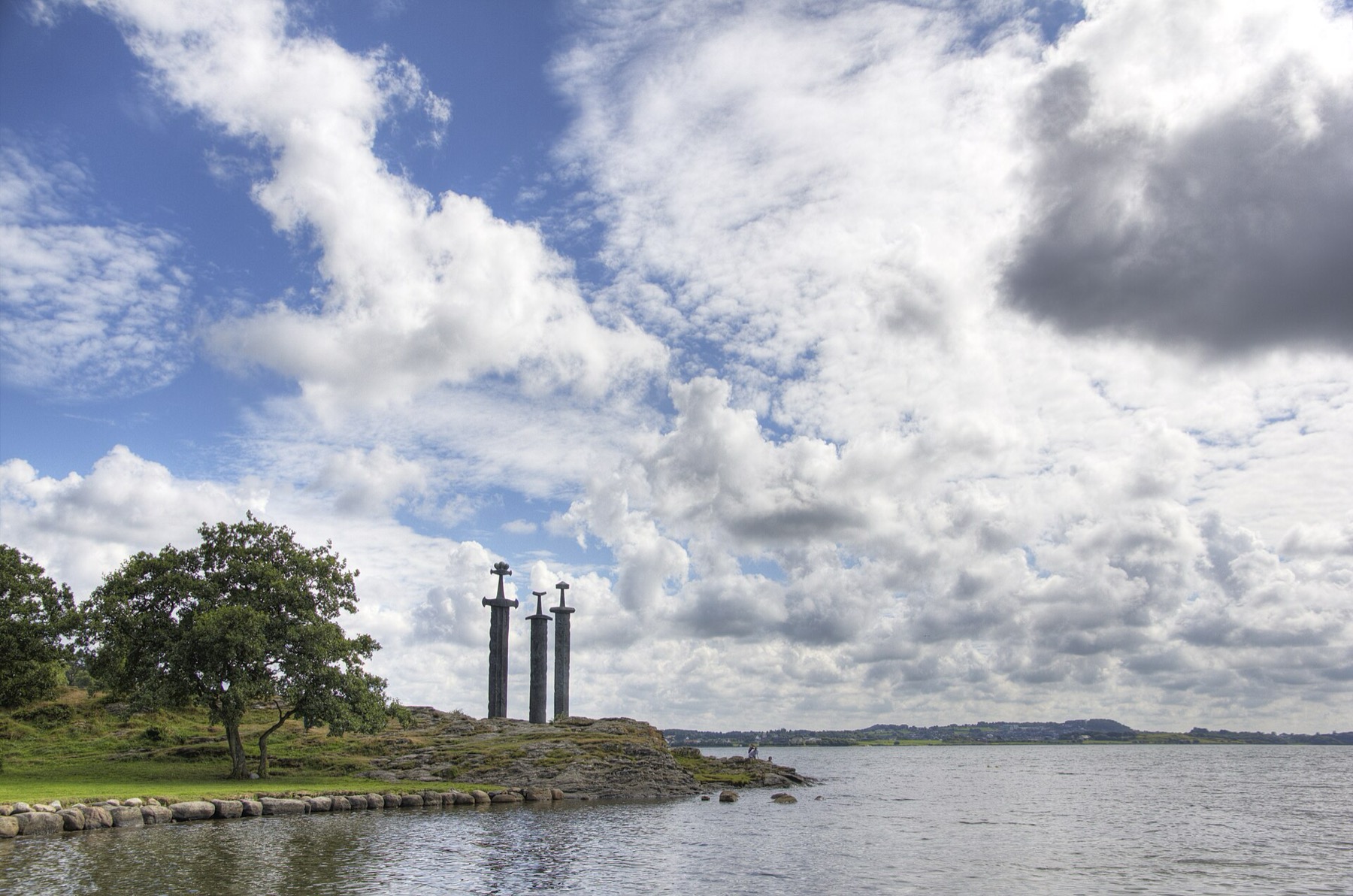
10. The Sverd i Fjell Monument
Just about six kilometres from the city centre, by the Hafrsfjord bay, stands the historic monument Sverd i fjell, which translates as Three Swords in the Rock. From a distance it looks as though someone has driven three enormous bronze swords into the solid granite, the largest of which measures almost 10 metres. This striking monument was created by sculptor Fritz Røed and unveiled by Norway’s King Olav V in 1983.
The location was no accident. It was in the Hafrsfjord bay in the year 872 that the famous naval battle took place, after which King Harald Fairhair united Norway into a single state for the first time in history. The largest sword symbolises the victorious king, while the two smaller swords belong to the defeated leaders. The crowns on the hilts represent the different regions, and the fact that the swords are firmly driven into the rock symbolises a peace that should never again be broken by war. You can get here easily by city bus from Stavanger.
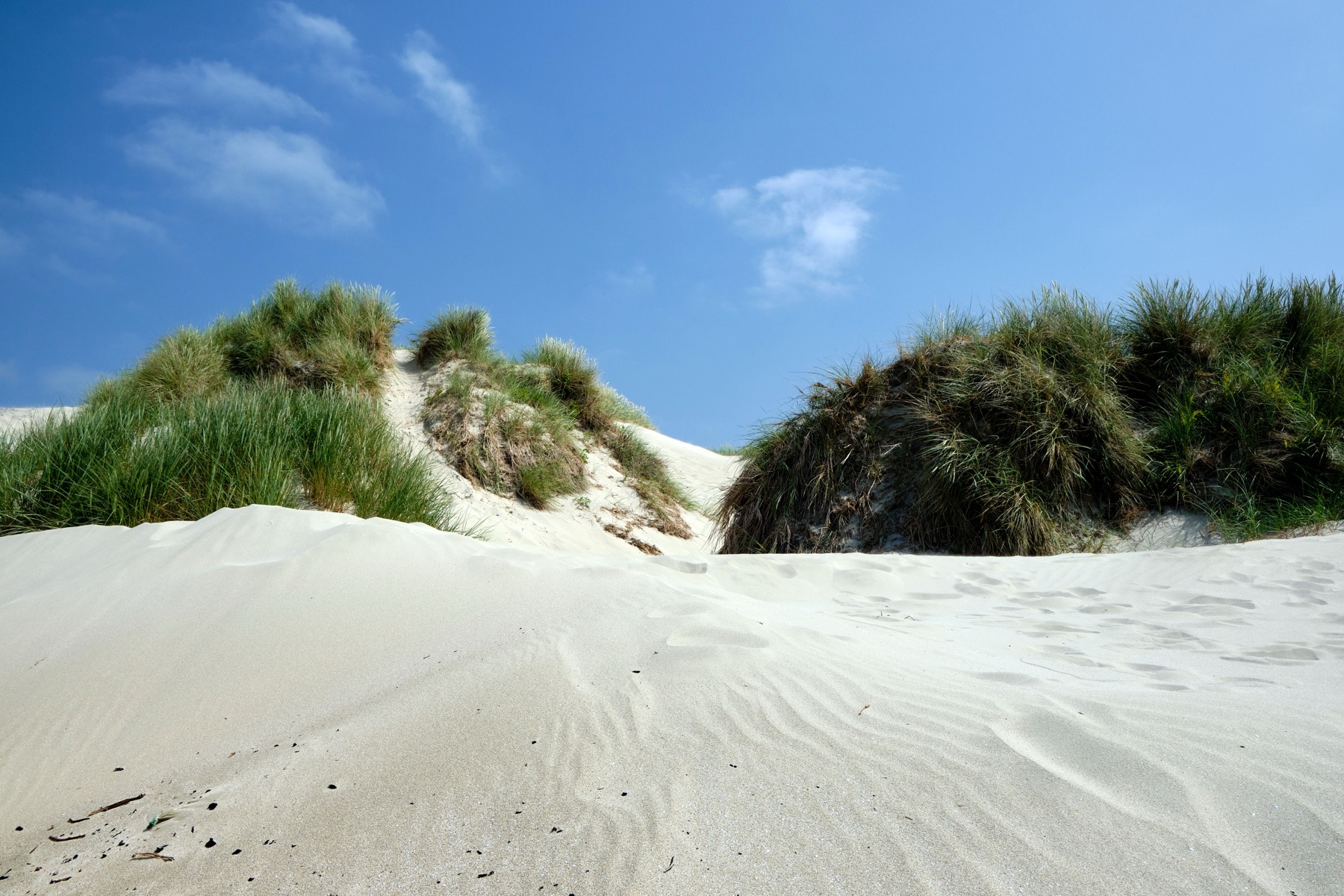
11. The Sandy Beaches of Jæren and Sola
When someone says Norway, swimming and sunbathing on a beach probably aren’t the first things that spring to mind. But the Jæren region stretching south of Stavanger will prove you wrong, offering several dozen kilometres of long sandy beaches with dunes that you’d sooner expect somewhere in Denmark or northern Germany. The best-known and most accessible is Solastranden beach, which lies just a short distance from the international airport.
The water in the North Sea here tends to be pretty icy even in the middle of a hot summer, but that doesn’t stop the locals from making the most of the beaches. It’s a renowned spot for surfing and kitesurfing, and when the wind really picks up it’s fascinating to watch dozens of kites in the sky. For longer walks along the sea and collecting shells, the quieter and wilder Borestranden beach is the better bet.
12. The Tropical Gardens of Flor & Fjære
This tip sounds like pure science fiction, but just off the coast of rugged Norway you can visit a genuine tropical oasis. On the private island of Sør-Hidle, the Bryn family has been building and tending the fantastic Flor & Fjære gardens for several generations, where thanks to a specific microclimate, huge palm trees, banana plants and thousands of exotic flowers grow.
It’s an immensely popular half-day excursion, but there’s one catch: you have to book it well in advance. The gardens are only open from May to September, and the package always includes the boat trip from Stavanger, a guided tour and a superb meal at the on-site restaurant. The local chefs are masters of their craft, and although you’ll naturally come across fish and seafood among the local specialities, they always know how to put together an excellent vegetarian menu from local vegetables too.
How to Get to Stavanger
By Norwegian standards Stavanger is very easy to reach, and you can choose from several ways to travel, depending on exactly where you’re setting off from and whether you’re bringing your own car.
The fastest option is of course flying. Stavanger Airport (Sola) lies just 15 kilometres from the city centre and receives flights from many European cities, as well as very frequent domestic connections from Oslo. From the UK there are direct flights with airlines such as British Airways, KLM (via Amsterdam) or SAS, so it’s worth comparing routes and prices before you book. From the airport you can then easily and fairly cheaply reach the centre on the special airport bus (Flybussen) in about twenty minutes.
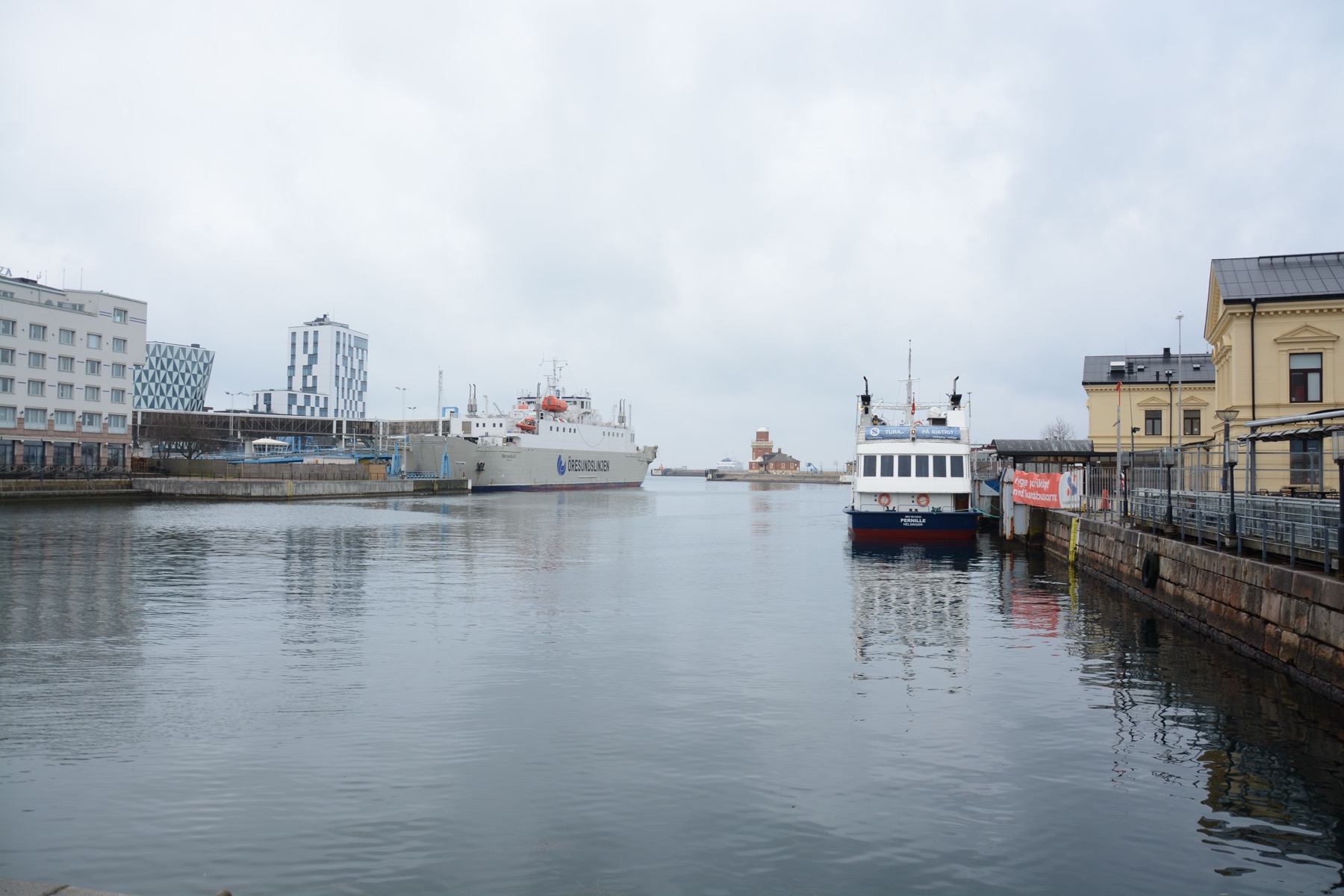
If you’re travelling to Norway in your own or a hired car, it’s very handy to take the direct ferry from the Danish port of Hirtshals. The crossing takes roughly 10 to 12 hours and often runs overnight, so you can sleep comfortably in a cabin and roll off with your car in Stavanger the next morning. For travellers without a car, there’s also the Sørlandsbanen train route from Oslo, which takes around 8 hours and serves up absolutely fantastic views of Norwegian nature along the southern coast.
Where to Go Next from Stavanger
Once you’ve explored the city and hiked Preikestolen, Norway has plenty more gorgeous places lined up for you. Get inspired in our other guides:
- Norway: 50 Things to See and Visit
- Hiking Kjeragbolten and the Lysefjord
- The Norwegian Fjords — A Complete Guide for Travellers
Frequently Asked Questions
How many days is enough to visit Stavanger?
For the historical center itself and museums, one full day will be comfortably enough. But definitely add another day for the hike up to Preikestolen, and possibly a third day if you’re planning a boat trip on Lysefjord or want to relax on the sandy beaches south of the city.
Is Stavanger a good base for Preikestolen?
Yes, Stavanger is absolutely the best and most convenient base for this trek. The trailhead is only about 40 kilometers away and during summer season there are direct buses from the city that will comfortably take you right to the parking lot at the mountain lodge.
How to best get to Stavanger?
You can fly here to Sola Airport, which has excellent connections with the rest of Europe as well as domestic flights from Oslo. For travellers with a car, the ideal option is the night ferry from Hirtshals in Denmark, and the approximately eight-hour scenic train journey from Oslo itself is also very popular.
When is the best time to travel?
The ideal months to visit are from May to September. During this period, you’ll enjoy long days, pleasant temperatures, and safely accessible mountain trails. In winter, there tends to be quite a lot of precipitation, and many boat and bus connections to the mountains don’t operate.
What to see in Stavanger with kids?
Children will be thrilled by the interactive Norwegian Petroleum Museum, where they can climb through rescue modules, or by the enormous bronze swords of the Sverd i fjell monument. A trip to the sandy beaches of Jæren is also great, where there’s plenty of space for running around and building sandcastles.
Is the city worth visiting even if I don’t want to go on a mountain trek?
Definitely yes. The old quarter of Gamle Stavanger is beautiful and the colorful street Fargegata full of cafés will energize you. You can admire first-class street art or take a comfortable sightseeing trip on a tour boat without having to walk a single kilometer uphill.
Where to eat well in the city?
The biggest concentration of great restaurants and bistros can be found in Vågen harbor and on the colorful street Fargegata. You’ll find plenty of cozy cafés, interesting street food, and you can also get very good vegetarian food quite easily here.
Tips and Tricks for Your Vacation
Don’t Overpay for Flights
Search for flights on Kayak. It’s our favorite search engine because it scans the websites of all airlines and always finds the cheapest connection.
Book Your Accommodation Smartly
The best experiences we’ve had when looking for accommodation (from Alaska to Morocco) are with Booking.com, where hotels, apartments, and entire houses are usually the cheapest and most widely available.
 🚗 Car rental on the roadVerified rental cars in Norway
Search with the DiscoverCars comparison engine — it compares prices from dozens of local and international rental companies, and most bookings come with free cancellation.
Compare car prices in Norway →Don’t Forget Travel Insurance
Good travel insurance will protect you against illness, accidents, theft, or flight cancellations. We’ve had a few hospital visits abroad, so we know how important it is to have proper insurance arranged.
Where we insure ourselves: SafetyWing (simple monthly subscription) and TrueTraveller (for extra-long trips).
Find the Best Experiences
Get Your Guide is a huge online marketplace where you can book guided walks, trips, skip-the-line tickets, tours, and much more. We always find some extra fun there!
More from Norway
Full guide →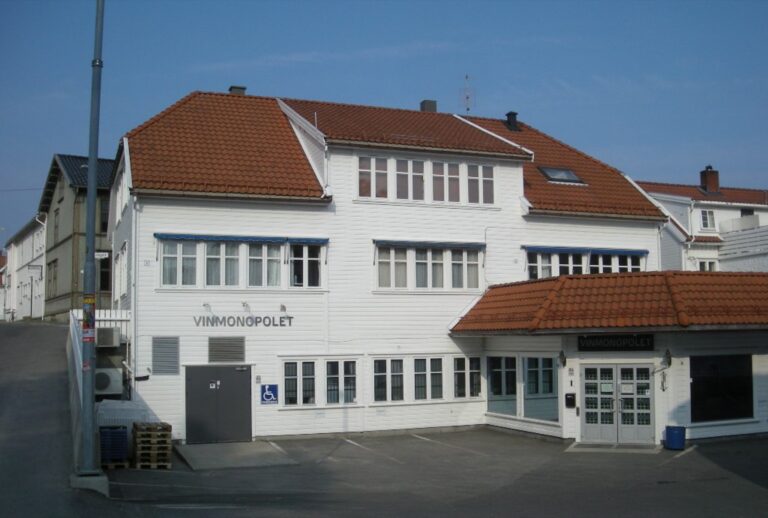 PricesAlcohol in Norway: 10 Things to Know – Prices, Vinmonopolet and How Much You Can Import in 2026
 What to seeGeirangerfjord, Norway: 8 Tips on What to See and Do at the Most Famous Fjord
 Getting thereRoad Tolls in Norway: How AutoPASS Works and What You’ll Pay in 2026
 What to seeJotunheimen, Norway: 8 Tips on What to See in the Home of Giants and the Highest Mountains of Scandinavia
 PricesOslo to Bergen by Train: 10 Things to Know About Bergensbanen, Prices and View Tips


