Seoul is a city where glass skyscrapers huddle just moments from centuries-old wooden palaces. Towers of glass and steel seamlessly transition into narrow alleys filled with traditional teahouses and the aroma of street food. Seoul is a city of incredible contrasts that captures your heart the moment you step off the plane and never lets go.
If you’re still in the planning stages, I have one absolutely crucial piece of news that will save you a lot of hassle. International visitors are exempt from K-ETA authorization in 2026, as the Korean government has extended this visa-waiver program for tourists through the end of December. But be very careful if you’re flying around the New Year, because from January 1, 2027, K-ETA will be fully mandatory again. Even this year, though, you must fill out what’s called an e-Arrival Card before immigration control, so definitely don’t forget that ☺️.
I’ve compiled 22 tips for things to do in Seoul so you can take home the very best experiences, not just checked-off photos. I’ll also advise you on where to stay strategically, how the incredibly cheap local transport works, and which places to watch out for because of crowds. Get ready for an Asian adventure that’s absolutely worth it!
TL;DR
- Visa requirements: In 2026 you can fly to Korea without K-ETA authorization, but from January 2027 you’ll need it again. Filling out the e-Arrival Card is always mandatory.
- Public transport: A single metro ride with a T-money card costs 1,550 won (around €1). New for 2026 are tourist passes for 1, 3, or 5 days (from 5,000 to 15,000 won, roughly €3–10), which are extremely good value.
- Card payments: From March 17, 2026, metro ticket machines finally accept foreign payment cards, so you no longer have to hunt for cash.
- Palace entry fees: A basic ticket costs around 3,000 won (about €2). However, if you rent traditional hanbok clothing, you get free entry to all palaces.
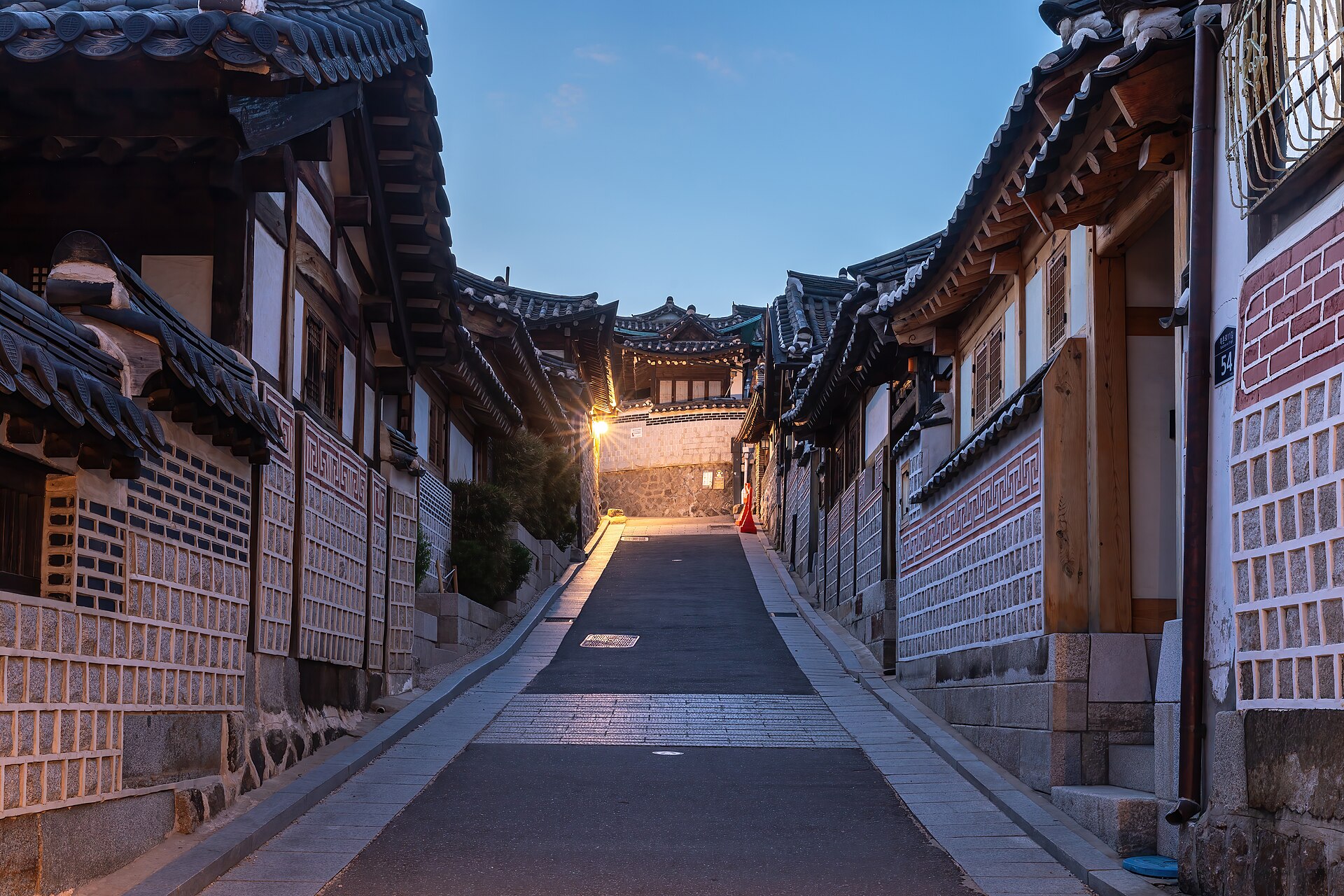
- Being respectful: In the historic Bukchon Hanok Village, local residents still live there, with strict rules about noise and visiting hours.
- Food for everyone: Even though Korea is famous for its meat BBQ, you’ll find excellent vegetarian options, especially in the form of traditional temple cuisine.
The full destination guide: Asia — guide and what to see
When to Visit Seoul
Choosing the right season is absolutely crucial for a trip to South Korea, because the local climate can be quite extreme. The most beautiful month is undoubtedly April, when the entire city is draped in a flood of pink blossoms. Cherry blossom season attracts travelers from around the world, especially to popular spots like the enormous Seoul Forest park or the area around Seokchon Lake. You’ll need to account for slightly higher accommodation prices and bigger crowds at the main historical sites, though.
Another fantastic choice is late October through November, when Korean nature turns incredible shades of red and gold. Autumn maples create a magical atmosphere, especially in the gardens of old palaces and on the slopes of Namsan Mountain. The air during this time is pleasantly dry and fresh, the sky is bright blue, and temperatures hover around an ideal 15 to 20 degrees Celsius, which is absolutely perfect for full-day exploration of this enormous city.
On the other hand, I recommend giving July and August a wide berth, when the entire region is gripped by summer monsoon. Temperatures climb above 30 °C and the extreme humidity combined with heavy downpours can turn sightseeing into quite an unpleasant experience. Trust me, you really don’t want to explore monuments in Asian summer mugginess — you’ll just end up constantly hiding in air-conditioned shopping malls 😅.
Winter months have their specific charm, but you really need to dress very warmly. In January and February, temperatures regularly drop to −10 °C with sharp, dry winds. The advantage, however, is blue skies and an absolute minimum of tourists, so if you don’t mind dry cold and have a quality winter jacket, you can have many popular spots and famous museums almost to yourself.
Where to Stay in Seoul
Seoul is an enormously sprawling city with twenty metro lines, so the most precious commodity here isn’t food or entry fees, but your time. Choosing the right district is therefore absolutely essential for a successful trip, because commuting from outlying areas can cost you up to two hours a day. The ideal option is staying in the central Jung-gu or Myeongdong area, from where you have most historical monuments, royal palaces, and famous night markets within walking distance or just a few short metro stops away.
If you’re looking for a more modern and vibrant atmosphere, the student district of Hongdae is an excellent choice. You’ll find endless trendy cafés, independent boutiques, and nightlife that doesn’t quiet down until dawn. It’s the perfect base for younger travelers or those who want to fully enjoy evening street concerts and the creative energy of the city. For a more detailed breakdown of all popular districts, definitely check out our article Where to Stay in Seoul, where we analyze everything in depth.
For specific hotels, a safe bet is Moxy Seoul Myeongdong, which offers excellent value for money right in the heart of the famous shopping district. The rooms are somewhat smaller, which is completely standard in Seoul, but they’re incredibly stylish and you have a metro station right outside the hotel. You can easily book everything in advance, because the best central hotels tend to sell out quickly for spring and autumn season.
For lovers of boutique design in the Hongdae area, RYSE, Autograph Collection is fantastic. This hotel boasts gorgeous interiors and a rooftop bar with a beautiful view of the evening city and its glowing neons. If, on the other hand, you’re looking for absolute luxury and classic elegance just moments from the main historical monuments, the five-star Lotte Hotel Seoul in the center will impress you with its impeccable service and renowned breakfasts that rank among the best in the city.
💡 On this map you can compare what’s currently available — you’ll immediately see how much the price changes just a few blocks away.
22 Things to See and Do in Seoul
Planning your Seoul itinerary works best by individual districts, so you don’t spend hours traveling underground. Let’s look at the best places that definitely shouldn’t be missing from your list.
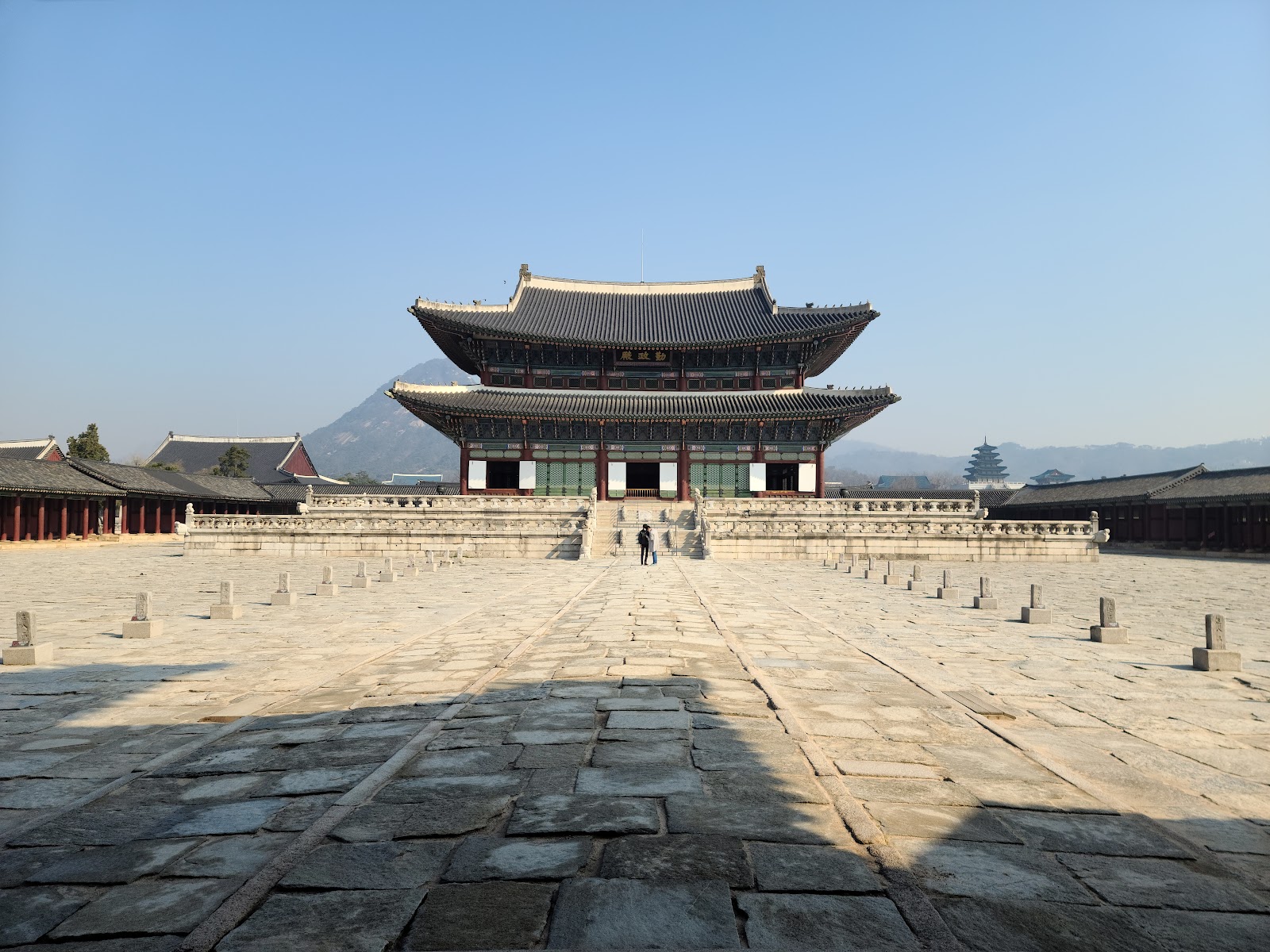
1. Gyeongbokgung Palace and Changing of the Guard
This majestic complex is the main and largest palace of the Joseon Dynasty, built with great ceremony back in 1395. Walking through the enormous courtyards with dramatic mountain peaks in the background is a breathtaking experience that instantly transports you to the magnificent atmosphere of old Korea. Inside the vast grounds you’ll also find two excellent museums, specifically the National Palace Museum and National Folk Museum, whose admission is included in the ticket price and definitely worth your time.
A basic ticket costs just 3,000 won (roughly €2), for children aged 7 to 18 only half that, and the youngest ones get in completely free. However, if you wear traditional hanbok clothing from one of the dozens of nearby rental shops, you get into the grounds completely free. It’s an absolutely wonderful way to save a few coins while taking home the best and most authentic vacation photos.
💡 Tip: Definitely plan your visit so you catch the ceremonial changing of the guard in traditional colorful costumes. It takes place every day except Tuesday (when the palace is completely closed) at exactly 10:00 and 14:00 at the main Gwanghwamun Gate. It gets crowded, so arrive at least fifteen minutes early.
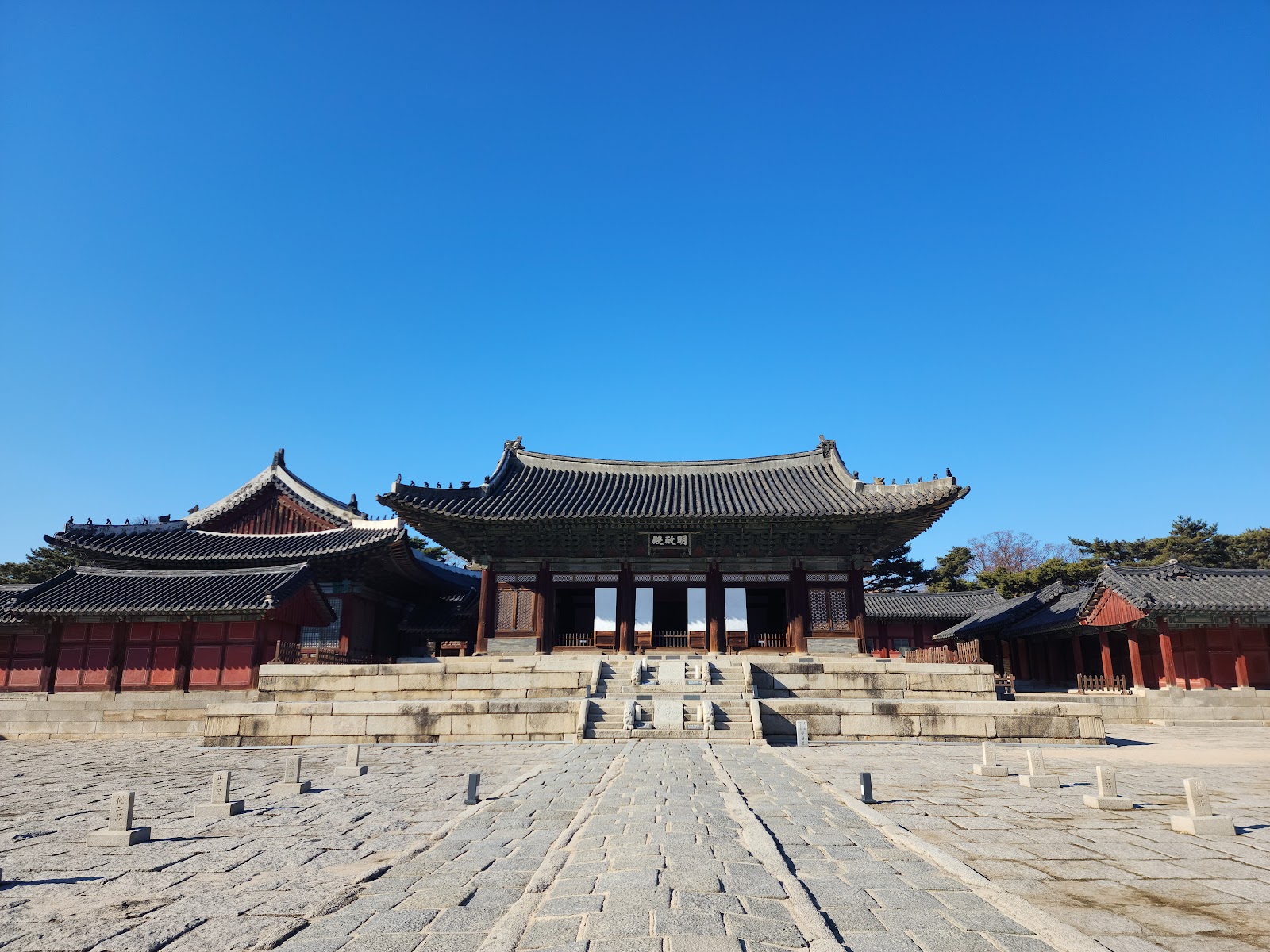
2. Changdeokgung Palace and the Secret Garden
This stunning palace is so exceptional that it’s the only site in all of Seoul inscribed on the UNESCO World Heritage list. Its enchanting architecture blends perfectly with the surrounding wild nature and doesn’t follow the strictly symmetrical lines of other royal structures. This palace is rightfully considered the most beautiful in Seoul, and once you see how naturally it merges with the surrounding hills, you’ll understand why—it has preserved the most original elements from the time of its construction.
The greatest historical treasure of the complex is the so-called Secret Garden (Huwon), which for centuries served as the exclusive retreat of the royal family, and ordinary mortals were strictly forbidden to enter. In autumn, when the centuries-old trees turn deep red and golden yellow, the garden with its small pavilions and ponds looks like something straight out of a historical fairy tale.
💡 Tip: The Secret Garden doesn’t use regular entrance tickets—you need to buy a special ticket and can only enter with an official guide. Tickets are very often sold out well in advance due to limited capacity, so I strongly recommend reserving them online as soon as the system allows.
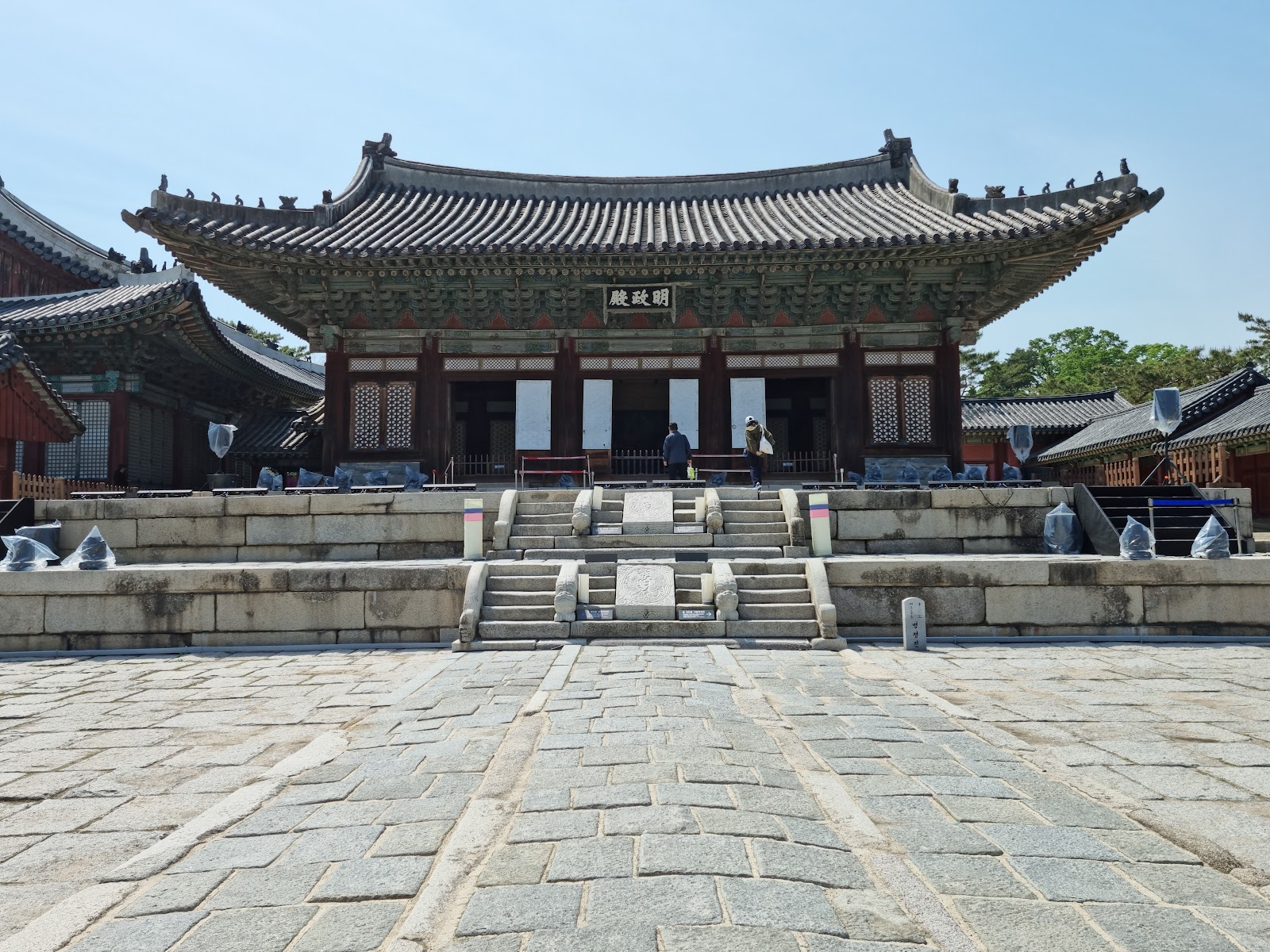
3. Changgyeonggung Palace for Peace Lovers
If you’re not particularly fond of crowds of tourists with phones on selfie sticks, you’ll instantly fall in love with this historical complex. This is probably the quietest and most peaceful royal residence in all of Seoul, where you can sit in complete tranquility on a bench in the shade of trees and simply soak up the ancient atmosphere without constantly being jostled by other visitors.
Inside the sprawling grounds, you’ll discover a beautiful enormous pond surrounded by mature trees that practically invites you to take a leisurely stroll. Another huge surprise is Korea’s first glass botanical garden, built in the complex at the beginning of the 20th century in elegant Victorian style. This entire space feels incredibly harmonious and is a paradise for photography enthusiasts.
💡 Tip: If you’re planning to explore multiple historical sites during your trip, definitely get the combined ticket for five palaces and Jongmyo Shrine for 10,000 won at the ticket office. It’s valid for several months, will save you quite a bit of change, and you’ll avoid constantly standing in ticket lines.
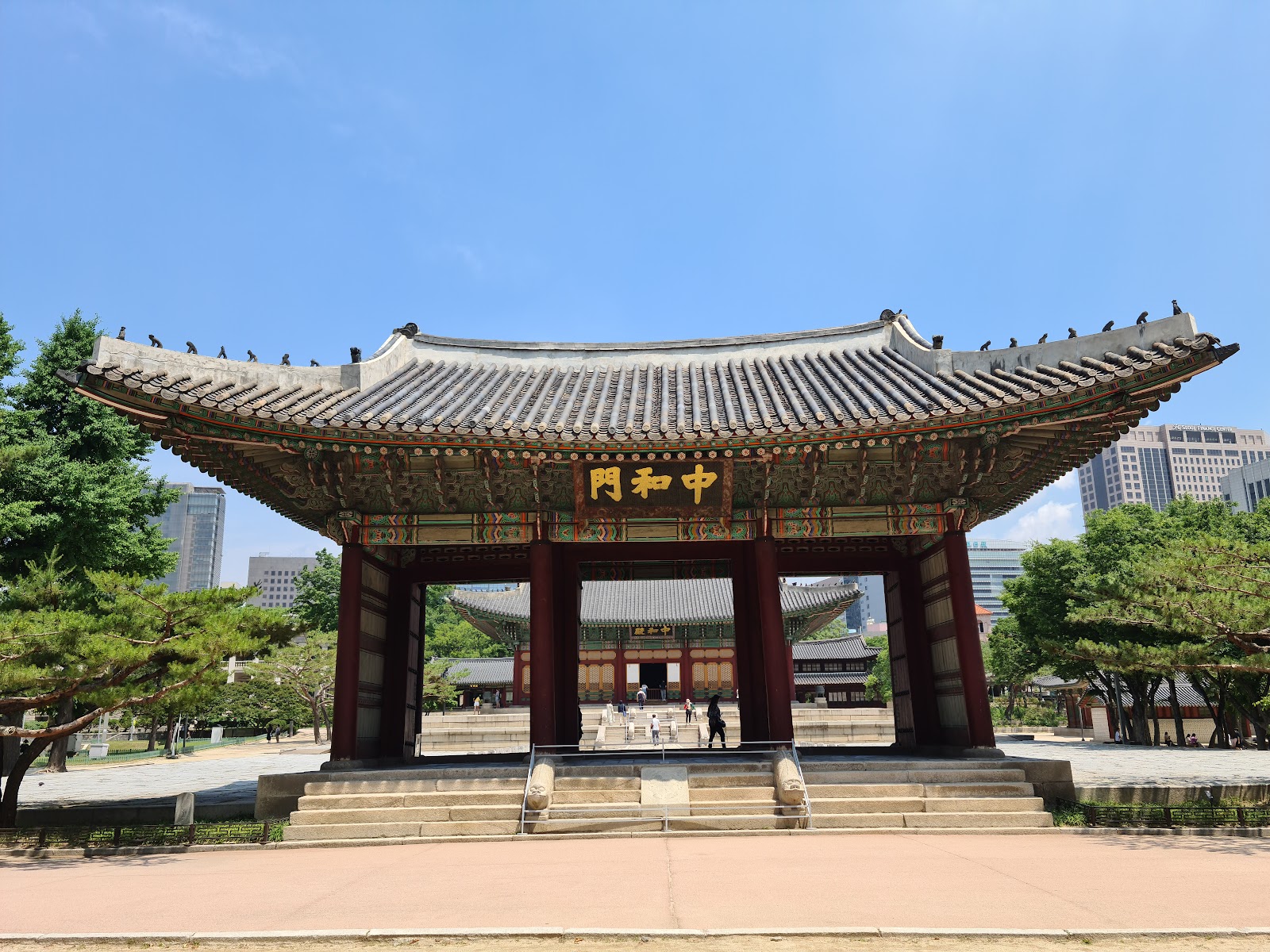
4. Deoksugung Palace Amid Skyscrapers
This palace offers the absolute best visual contrast between the old and modern face of South Korea. Traditional wooden pavilions with stunningly colorful and intricately decorated roofs stand in direct proximity to massive glass skyscrapers and the futuristic Seoul City Hall building. It’s a place where history touches the twenty-first century.
A major specialty of this complex is the neoclassical stone building in Western style that Emperor Gojong had built at the turn of the century. The palace is also surrounded by a famous and highly photogenic stone wall, along which you can take a beautiful autumn walk under the canopy of brilliantly yellow ginkgo trees. Travelers praise this spot as one of the most romantic walks in the entire city.
💡 Tip: Deoksugung Palace is one of the few open in the evening hours, until 9:00 PM. A walk through the beautifully and sensitively lit complex with views of the glowing night city all around has an absolutely unforgettable charm that you shouldn’t miss.
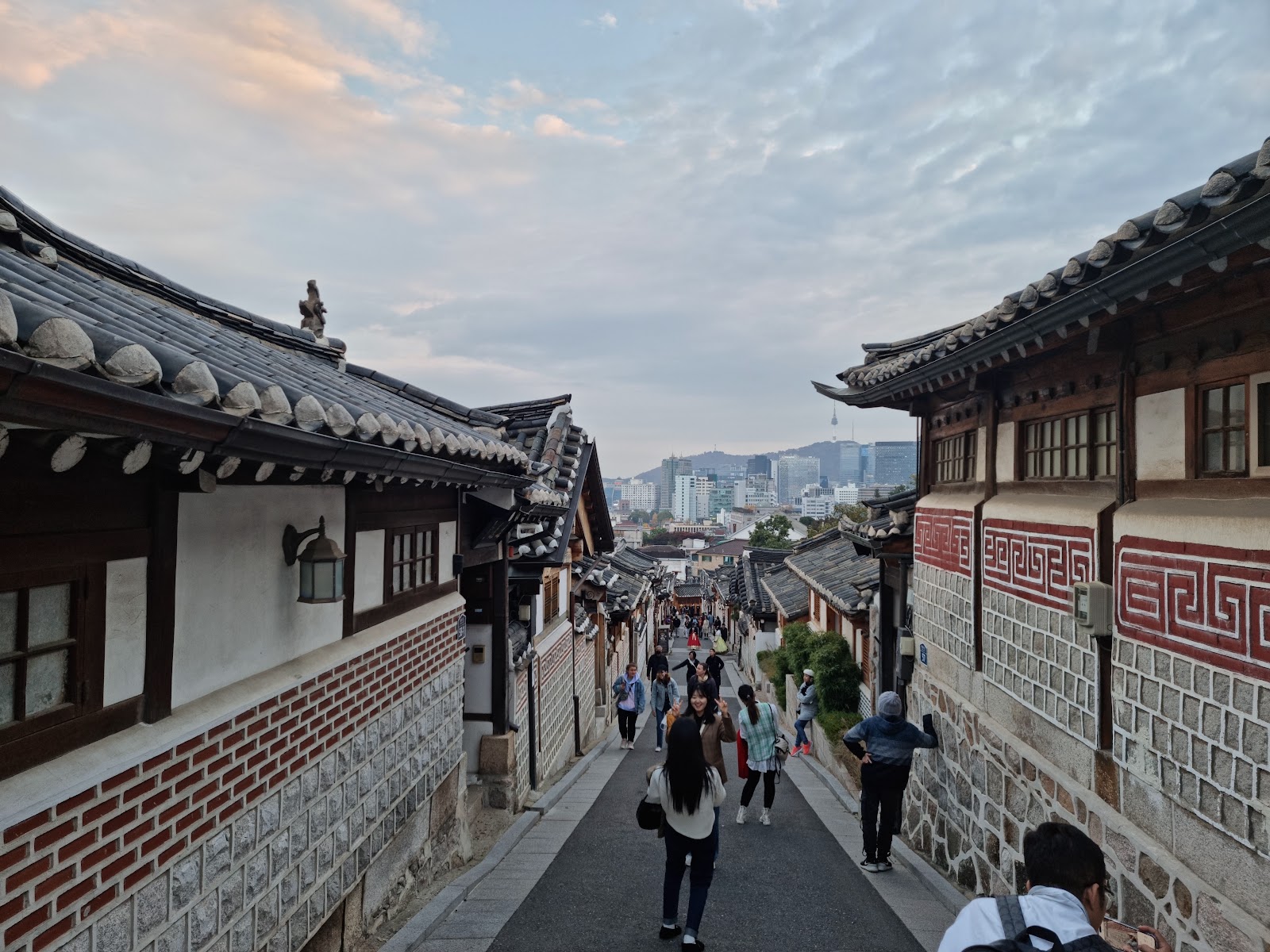
5. Historic Bukchon Hanok Village Quarter
This iconic and world-famous area lying right on a hill between the two main palaces is filled with hundreds of traditional Korean houses called hanok. Wandering the winding and often very steep alleyways with fascinating views of the modern city center in the distance is among the absolute best things you can experience in Seoul. The wooden facades and characteristic curved roofs create a perfect backdrop for your photographs.
I must warn you about one very important thing that many tourists unfortunately ignore. These beautiful and carefully maintained houses are still home to ordinary local residents whose daily lives are made significantly more difficult by waves of tourists. The city has therefore introduced strict rules, and in some parts of the alleyways there are restricted visiting hours so locals can have peace at least in the evening.
💡 Tip: When walking through this picturesque quarter, be as quiet as possible and always respect signs calling for silence. Local community patrols in yellow vests maintain order here, so be considerate, lower your voice, and above all, don’t peek over walls directly into people’s windows ☺️.
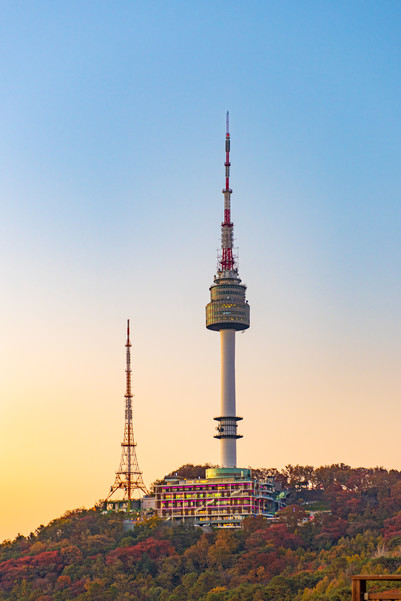
6. Views from N Seoul Tower and Namsan Mountain
The TV tower rising from Namsan Mountain is, according to hundreds of thousands of reviews, the most visited place in the entire city. You’ll see its distinctive silhouette from virtually every corner of Seoul, and it serves as an excellent landmark. The view from the upper observation deck of the endless sea of buildings stretching to the horizon is simply breathtaking and showcases the true enormity of this metropolis.
You can reach the tower very comfortably and effortlessly by cable car, but I personally recommend the hike up through the beautiful and meticulously maintained Namsan Mountain Park. The walk up takes about 40 minutes and follows perfectly maintained wooden stairs through dense forest that provides much-needed shade in summer.
💡 Tip: Right at the entrance to the observation platform below the tower, you’ll find the famous fences covered with tens of thousands of colorful love locks. It’s a bit of a touristy cliché and the locks are sold here at fairly high prices, but the atmosphere at sunset is undeniably romantic.
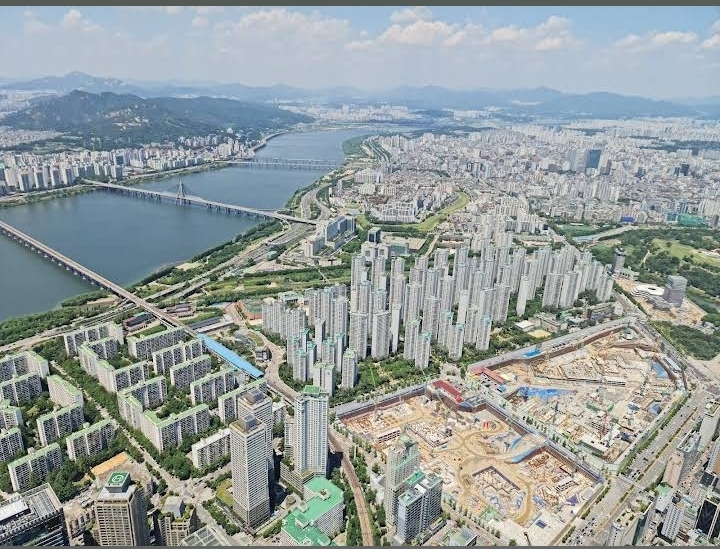
7. Adrenaline at Lotte World Tower
If the view from Namsan Mountain isn’t enough for you and you crave something truly extreme, head to the world’s fifth-tallest building. This architectural marvel stands at an impressive 555 meters tall, and its incredibly elegant shape, inspired by traditional Korean ceramics and calligraphy, dominates the entire southern part of the city across the Han River.
On the 118th floor sits the famous and very popular Seoul Sky observation deck with a glass floor. Stepping onto the transparent glass and looking hundreds of meters straight down at the miniature cars and people requires quite a large dose of personal courage, and people with vertigo tend to have their breath taken away here!
💡 Tip: The journey up into the clouds itself is an enormous experience. The elevator called Sky Shuttle is among the fastest on the planet and whisks you to your destination floor in just one single minute, during which an amazing dynamic projection of the city’s evolution plays across the elevator’s walls and ceiling.
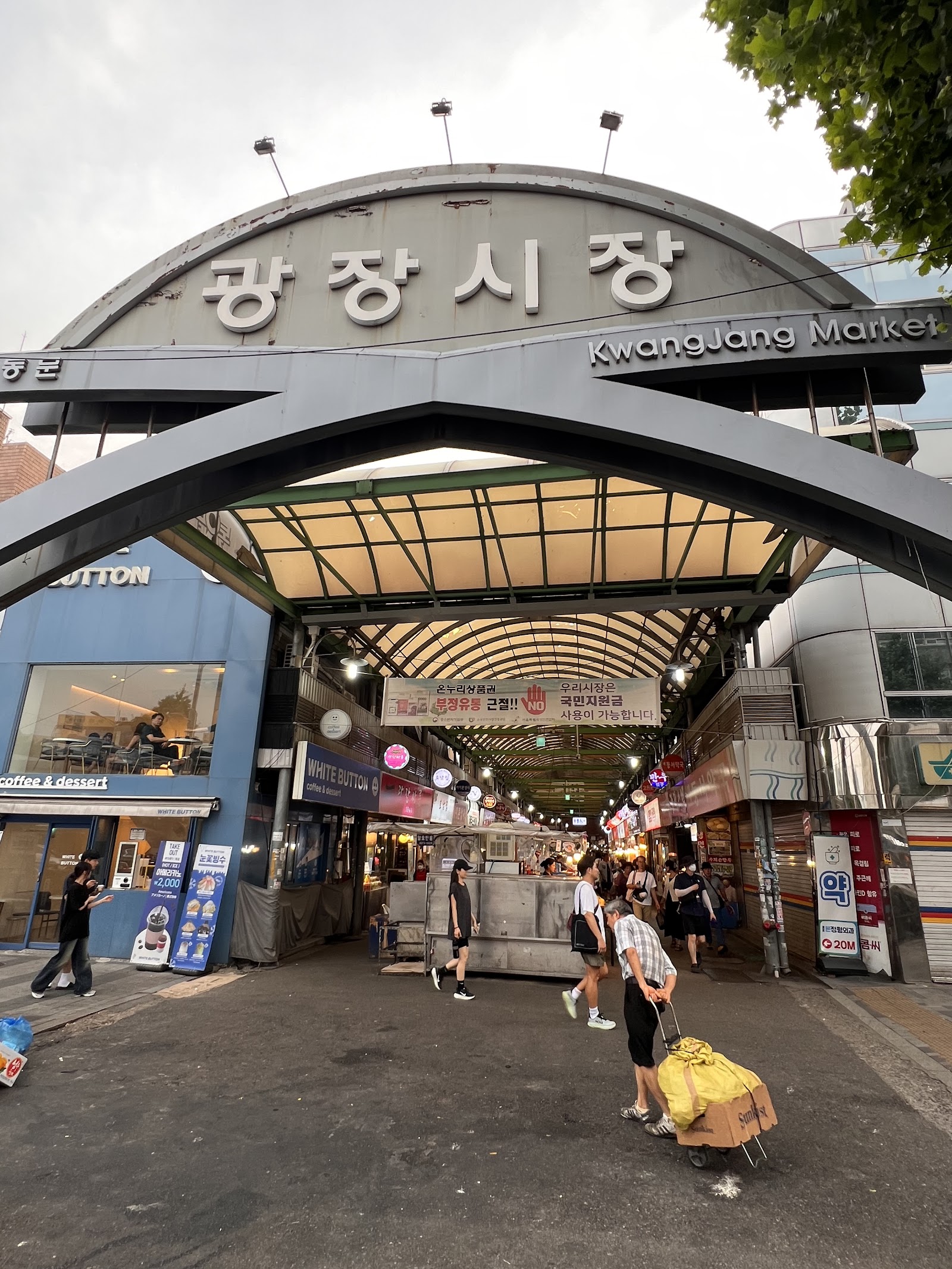
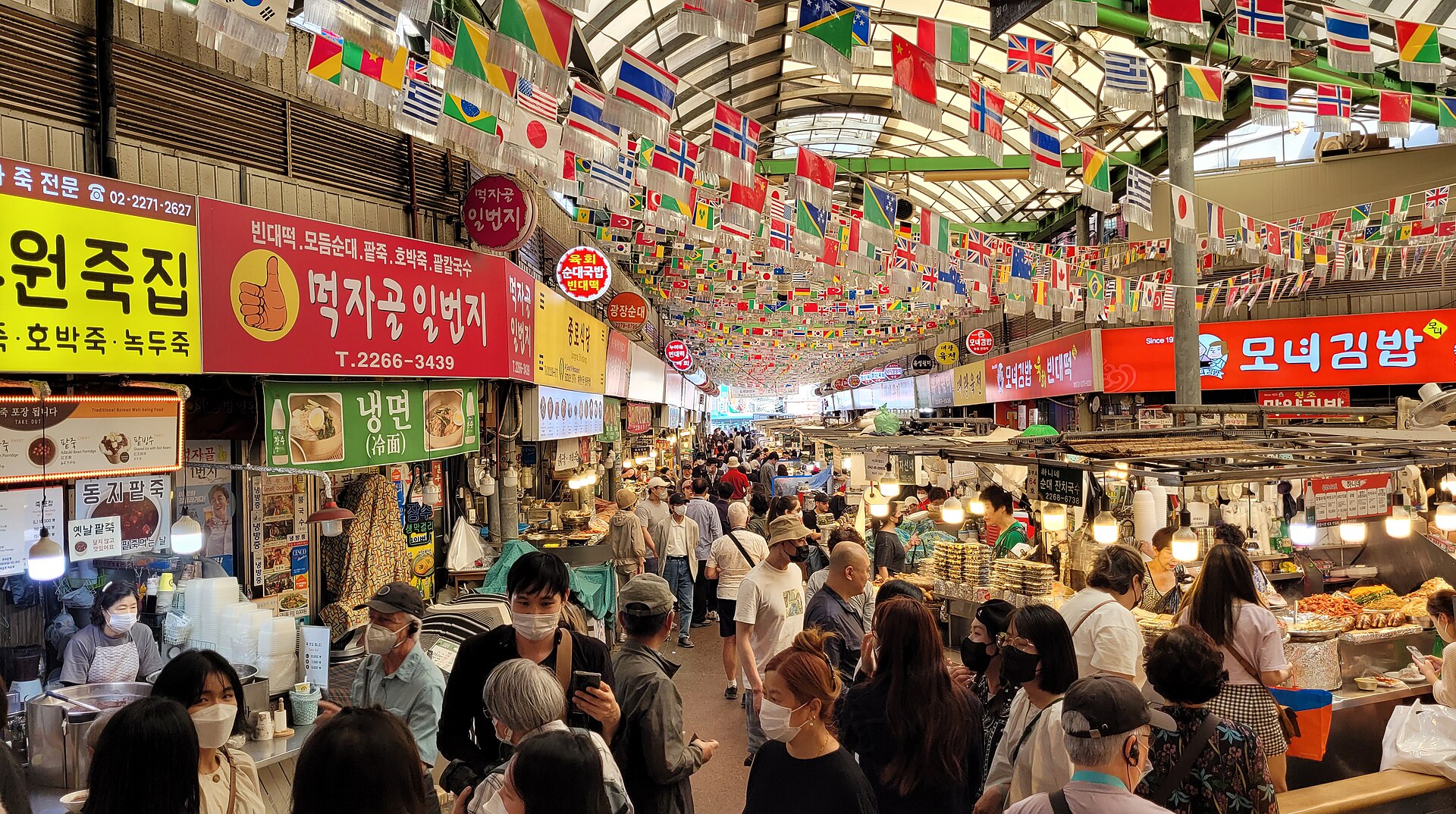
8. Gastronomic Paradise at Gwangjang Market
This immensely popular market founded in 1905 is the oldest continuously operating traditional market in Korea. Between the narrow and dimly lit alleys, you’ll encounter hundreds of small stalls from which fragrant steam rises and the cheerful cries of vendors attracting customers constantly ring out. The atmosphere here is absolutely electrifying and will engulf you right at the entrance.
Korean gastronomy is largely based on quality beef and seafood, but vegetarians will also easily find something here. I highly recommend trying the famous bindaetteok, which are giant crispy pancakes made from mung bean batter that are fried in deep oil right before your eyes without a single bit of meat. The sweet fried hotteok pancakes filled with nuts and syrup are also worth sampling.
💡 Tip: The market was made world-famous by the popular Netflix documentary series called Street Food: Asia. Expect that around lunchtime and especially in the evening it gets really packed, so the ideal and quietest time to visit is mid-morning.
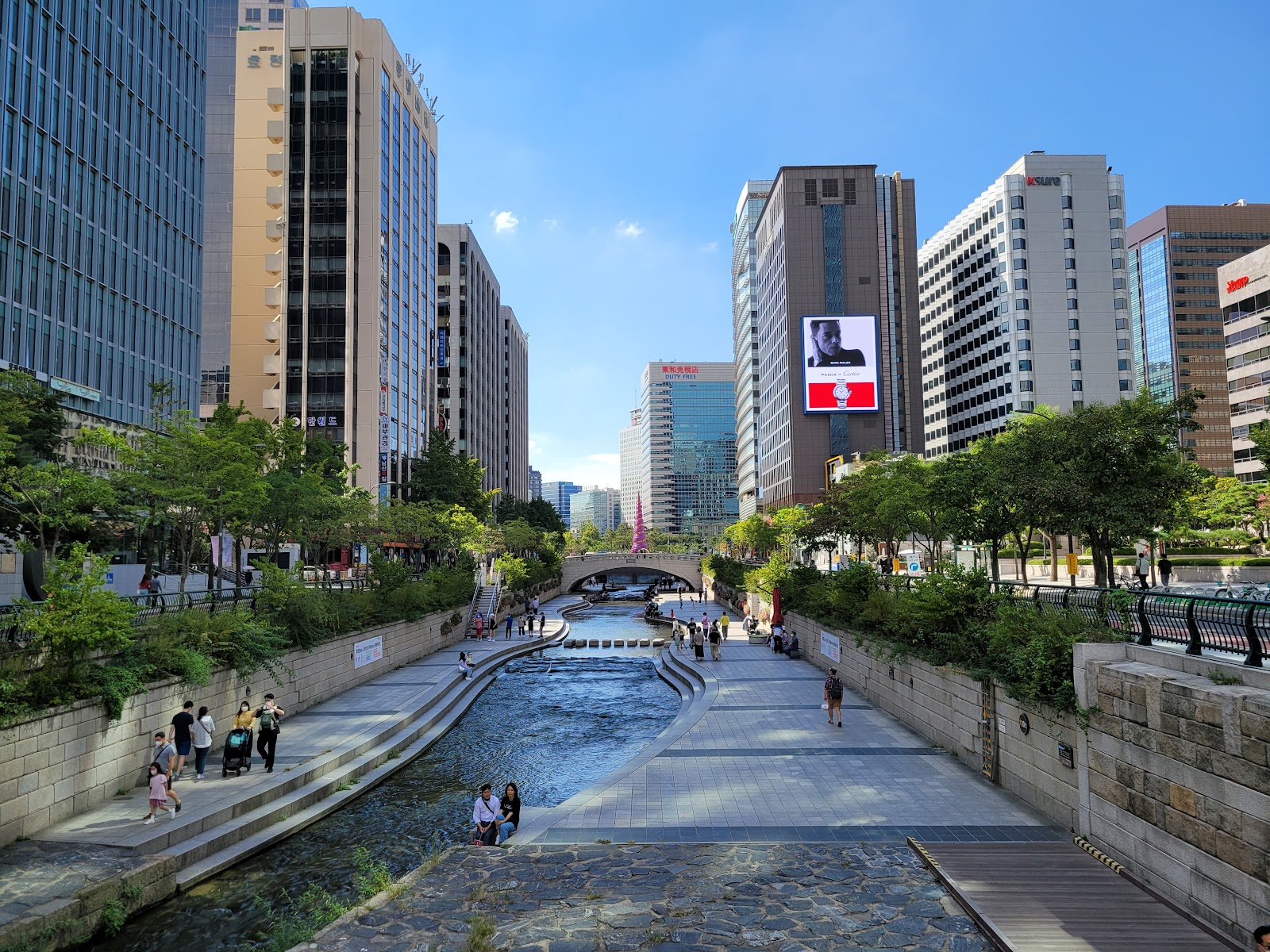
9. Cheonggyecheon Oasis of Calm
The story of this unusual stream is a shining example of absolutely brilliant and bold urban planning. In the past, there stood an incredibly noisy and ugly concrete highway, but in 2005 the city decided to completely demolish it and restore the original watercourse that had been hidden in the dark underground for decades.
Today it’s a stunning eleven-kilometre-long green promenade running right through the heart of the busy business district. People come here to relax during their lunch break, dip their tired feet in the water on hot summer days, and enjoy the pleasant shade under dozens of small bridges. It’s a revelation in the middle of a concrete jungle.
💡 Tip: The stream is accessible to all visitors completely free of charge 24 hours a day. In the evening, the entire route is beautifully and romantically lit, and very often there are gorgeous exhibitions of giant paper lanterns connected to various festivals.
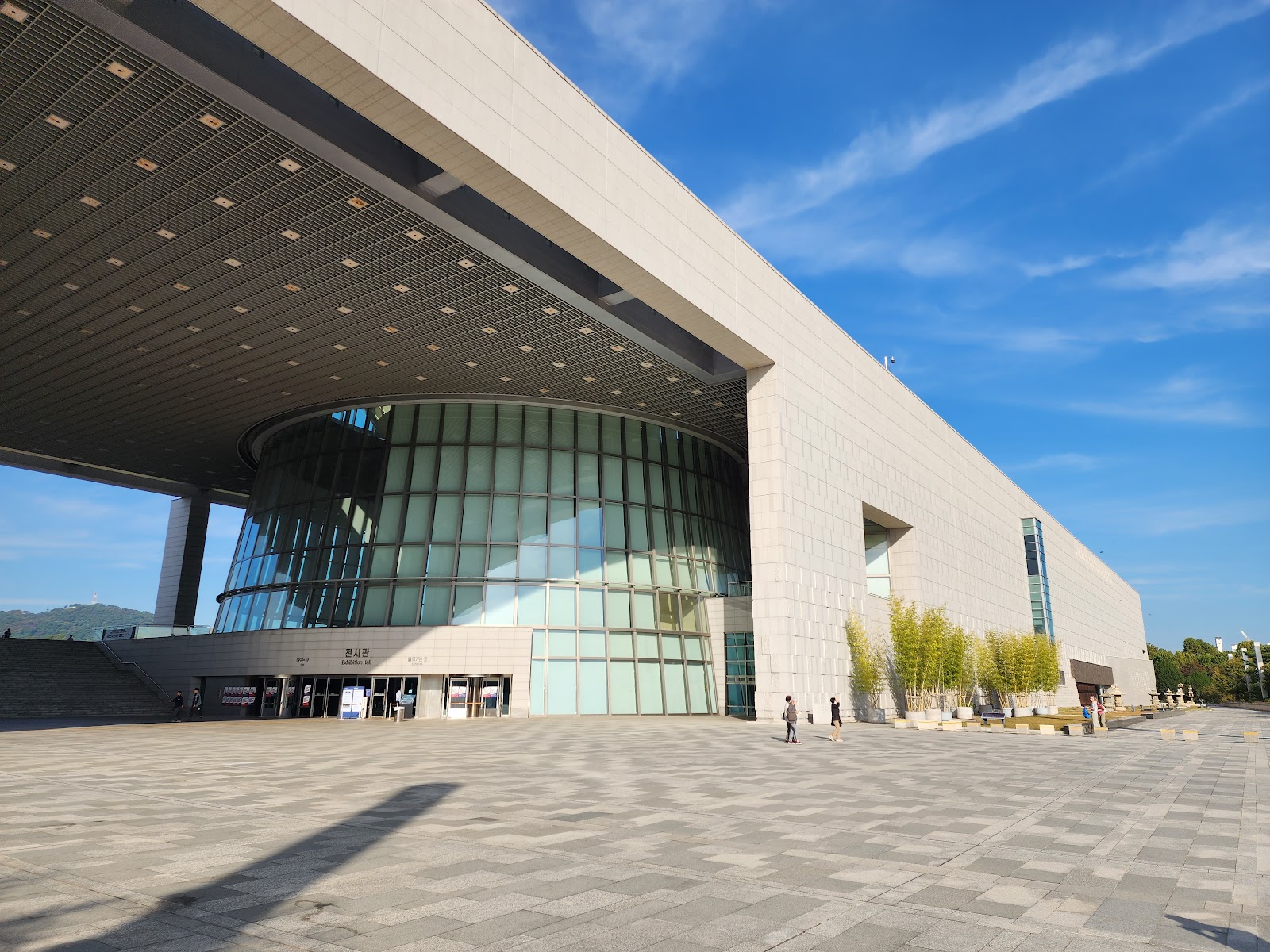
10. History at the National Museum of Korea
This enormous museum is Seoul’s cultural jewel and one of the city’s most beloved institutions — and it’s clear why as soon as you walk through the first exhibition. In a huge and architecturally very modern building lies over five thousand years of fascinating Korean history, from simple prehistoric tools to beautiful and intricately decorated golden crowns of the Silla dynasty.
The individual exhibitions are incredibly spacious, excellently lit, and above all perfectly described in English, so you can easily find your way around. The absolutely amazing thing is that admission to the main collections is completely free for all visitors; you only pay for temporary and narrowly focused special exhibitions.
💡 Tip: Allow yourself at least three hours of pure time for this visit, because the complex is truly gigantic. Definitely don’t miss the exhibition of traditional greenish ceramics called celadon, which is considered by experts to be a technological and aesthetic miracle of medieval Asia.
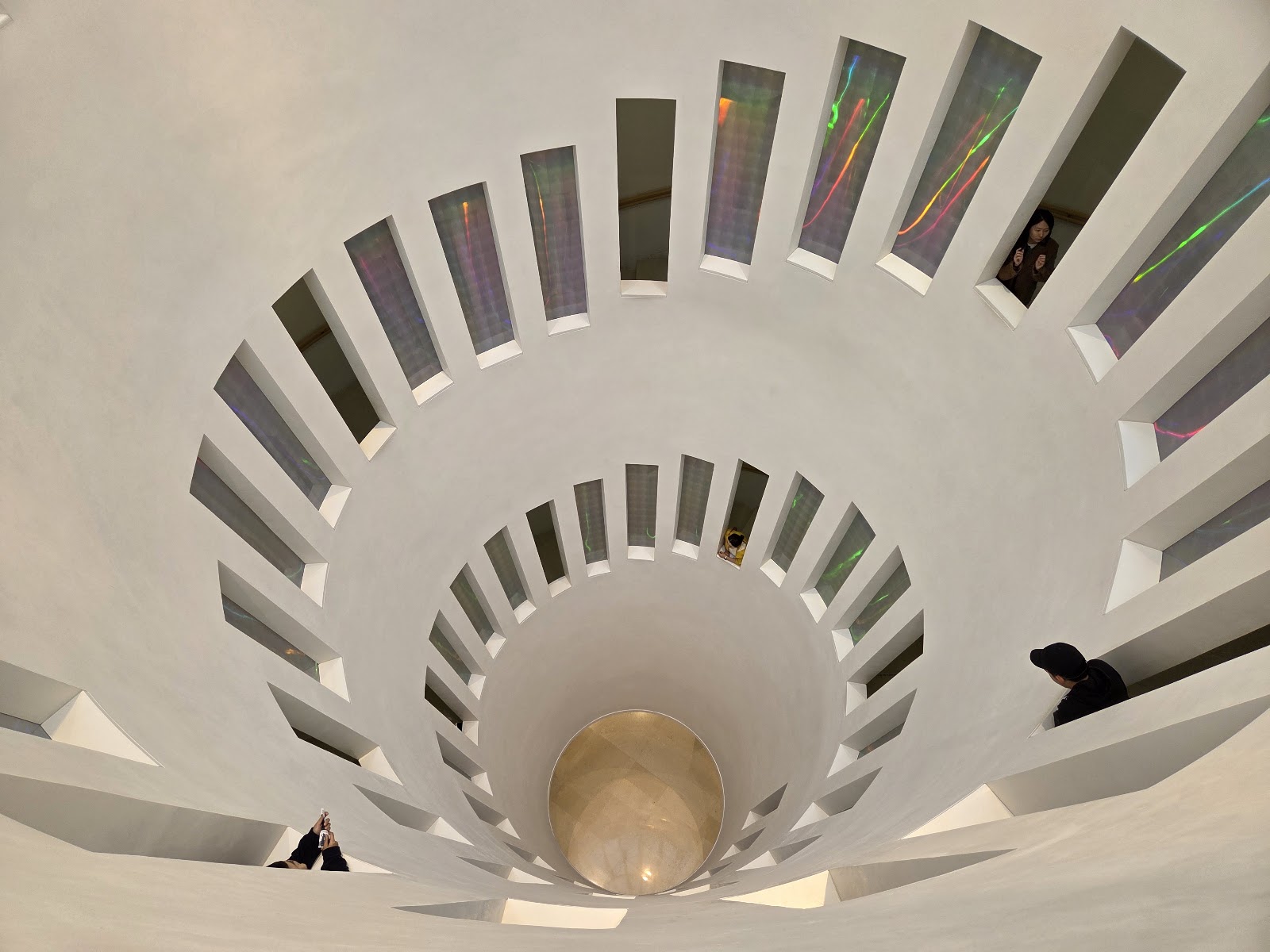
11. Artistic Treasures at Leeum Museum of Art
If you enjoy visual art and design, this prestigious private gallery founded by the influential family that owns the Samsung corporation will absolutely captivate you. The outdoor complex itself is an architectural masterpiece, because the individual buildings were designed by world-famous architects Mario Botta, Jean Nouvel, and Rem Koolhaas, and each of them has its own completely unique character.
Inside the spacious halls you’ll find a fascinating and very thoughtful contrast. While one part of the collection carefully preserves traditional Korean art of incalculable historical value, the other building is fully devoted to the best and most provocative pieces of world modern and contemporary art from the most renowned artists.
💡 Tip: Although the museum is a bit expensive by local standards, every last Wednesday of the month, as part of the so-called cultural day, it offers significantly discounted admission. The gallery is also located in the modern Itaewon district, where after your artistic experience you can grab an excellent coffee at one of the local roasters.
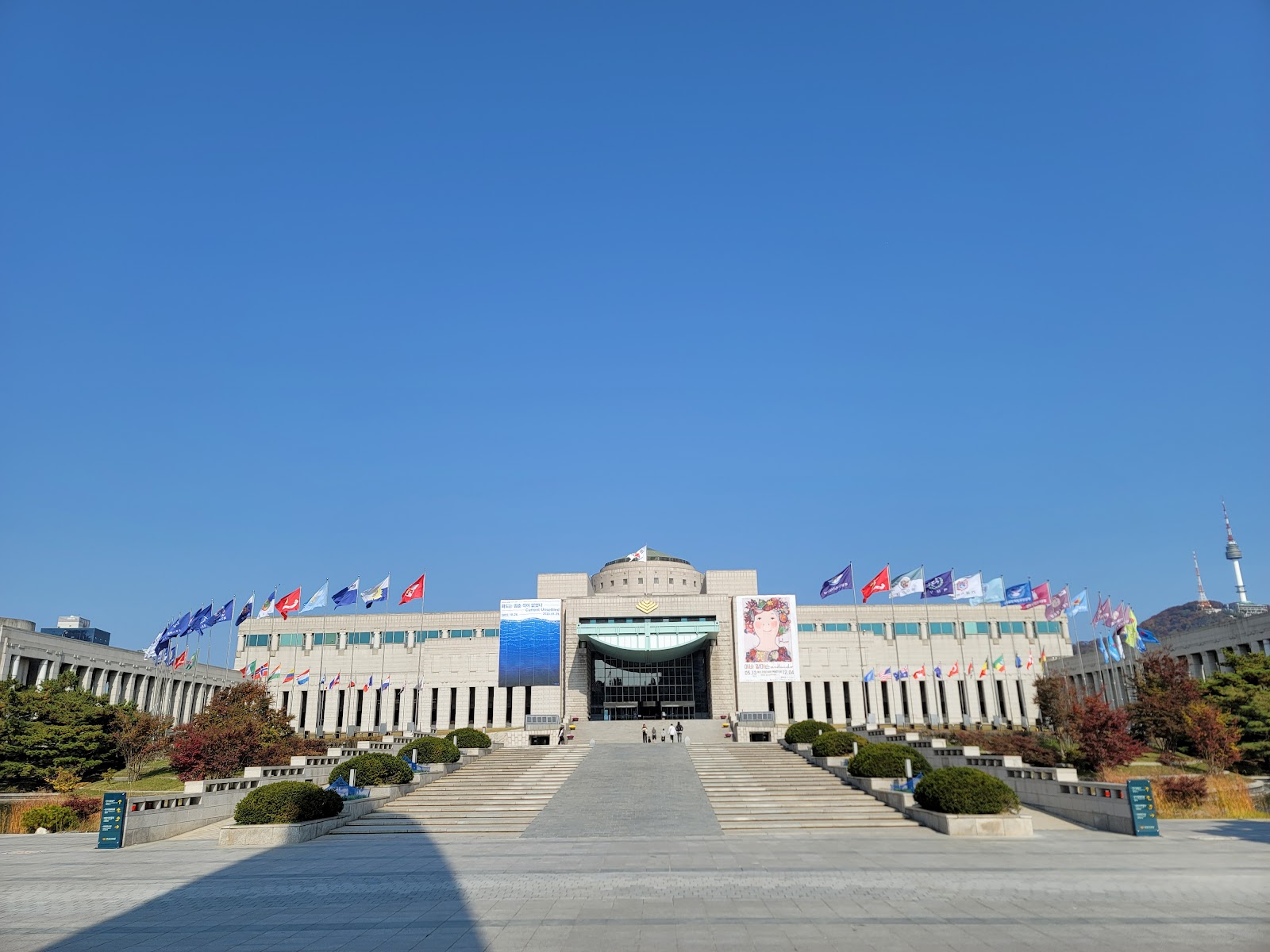

12. Understanding the Past at the War Memorial of Korea
South Korea is technically still at war with its northern neighbour, and a visit to this enormous and very dignified memorial will help you understand why the dangerous border with North Korea is just 50 kilometres from the heart of bustling Seoul. Emotionally, it’s a very powerful and instructive experience.
The modern indoor exhibitions explain the complex history of the Korean War from the fifties in detail and without unnecessary pathos, while in the huge outdoor area you can take a close look at dozens of decommissioned tanks, fighter jets, helicopters, and even an entire giant warship that you can board.
💡 Tip: Similar to the national museum, here too admission to all the impressive permanent exhibitions is completely free. Incidentally, it’s also an excellent and very popular place for families with children, because the huge outdoor equipment is freely accessible and safe to run around.
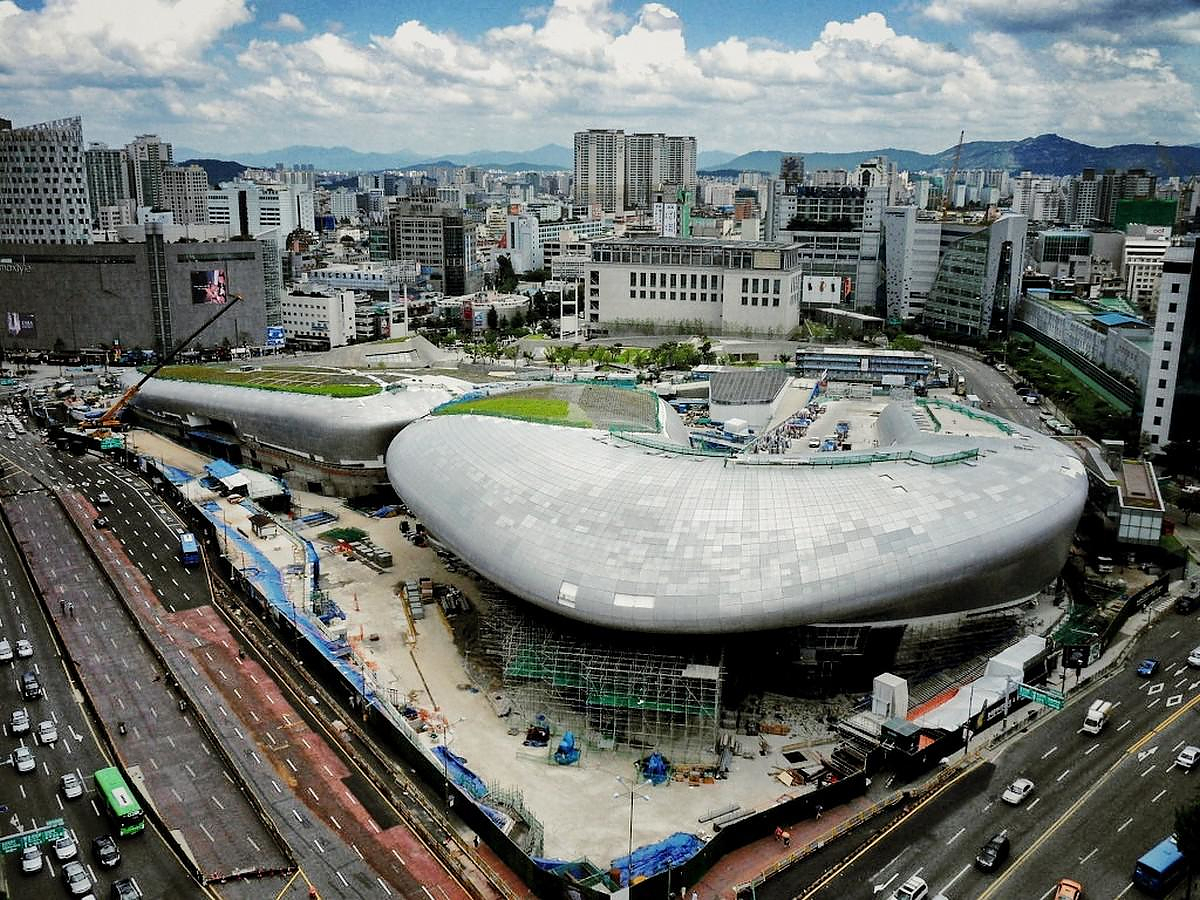
13. Futuristic Dongdaemun Design Plaza (DDP)
This iconic building by world-renowned architect Zaha Hadid looks as if a huge silver spaceship suddenly landed in the middle of historic Seoul. The building has almost no straight lines on the outside, and its organic forms flow seamlessly into the surrounding green park and wide concrete promenades.
Inside this architectural marvel you’ll find expensive shops with independent design, spacious exhibition halls, and occasionally the immensely popular and star-studded Seoul Fashion Week takes place here. The whole place is also surrounded by giant shopping centres that stay open overnight, so this entire district truly never sleeps.
💡 Tip: The best and by far the most photogenic time to visit DDP is in the evening just after sunset. The entire silver building lights up amazingly and very modernly, and the surrounding spacious area immediately comes alive with street food vendors and a popular night flea market.
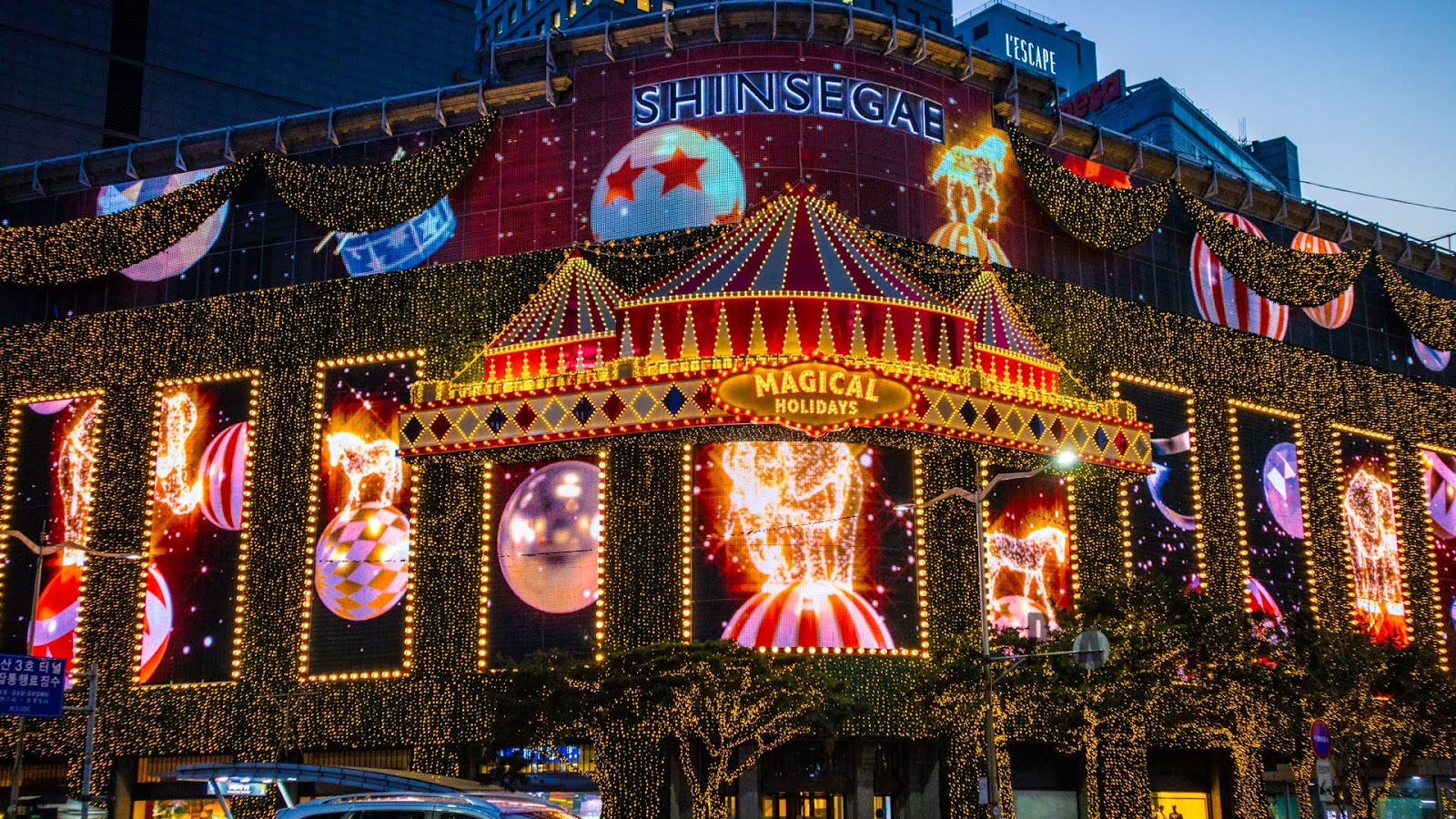
14. Shopping and Cosmetics in Myeongdong
This is the absolute and uncrowned centre of Korean consumerism and gleaming pop culture. The wide streets flooded with light from thousands of neon signs are full of huge and loud shops of popular cosmetics brands, where salespeople lure you inside with free sheet masks and discount promotions.
As soon as darkness falls, Myeongdong Night Market springs up in the middle of the main streets with hundreds of mobile food stalls. Although food prices are somewhat higher than at traditional and older markets, the atmosphere of this modern Asian madness full of scents and colours is definitely worth the evening stroll.
💡 Tip: If you’re looking for purely vegetarian treats among the flood of meat skewers, look for stalls selling sweet pastries called bungeoppang shaped like cute little fish (inside is just sweet red bean paste without a bit of meat) or excellent fried pancakes called hotteok with a nut filling.
15. Traditional Crafts in Insa-dong
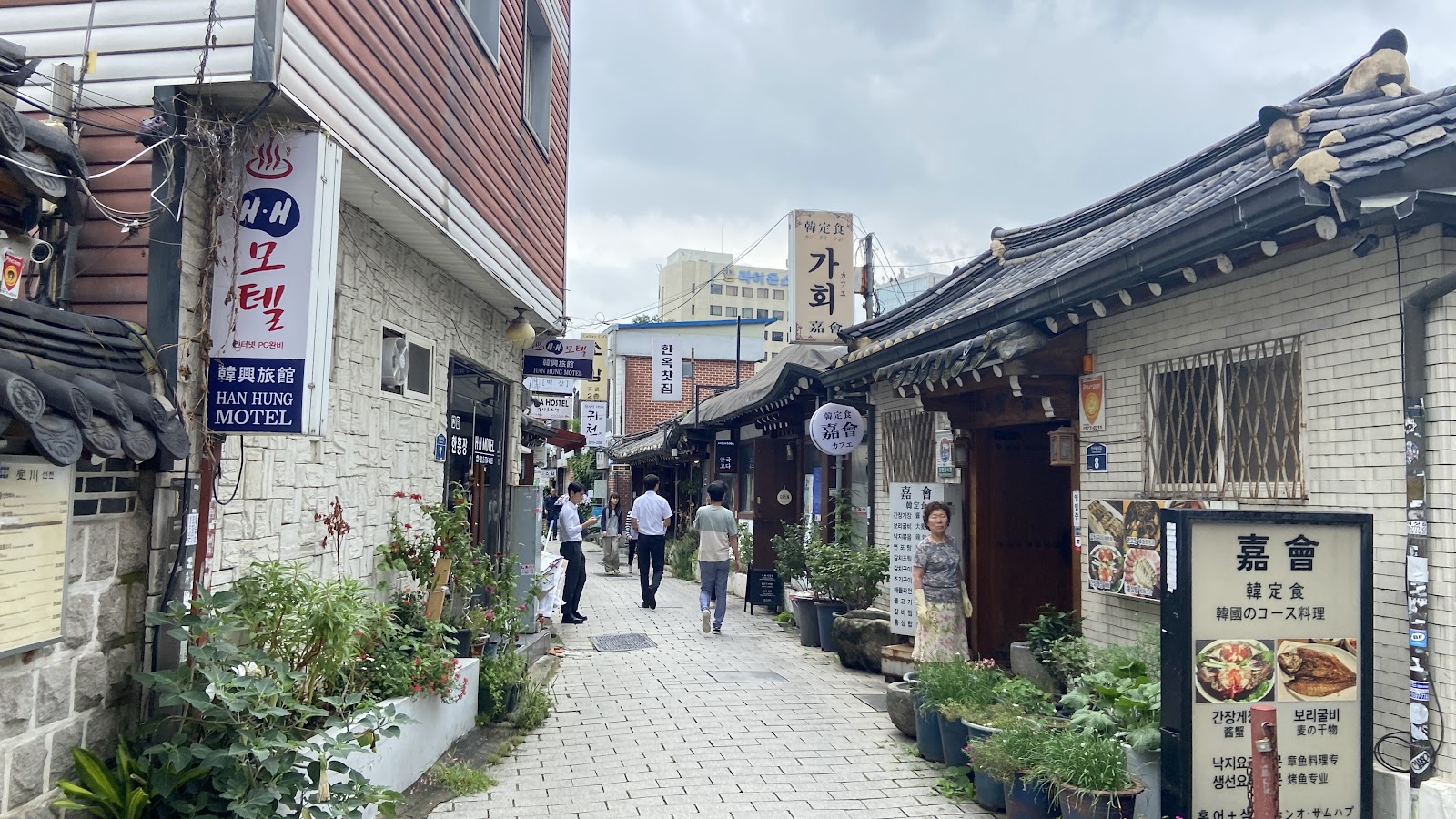
If you want to buy truly quality, tasteful, and authentic souvenirs, head to the long main street in the Insa-dong district. Unlike crazy and modern Myeongdong, this elegant neighbourhood focuses primarily on traditional Korean culture, artistic calligraphy, antiques, and local crafts.
In the narrow side streets lie the most beautiful traditional teahouses in old wooden houses. I warmly recommend taking a moment to slow down, take off your shoes, sit on the warm floor at a low wooden table, and savour a refreshing tea made from frozen omija fruit, which has a distinctive sweet-and-sour flavour.
💡 Tip: Definitely don’t miss the Ssamzigil shopping complex, which is cleverly built as one large ascending outdoor spiral without stairs. Here you’ll find dozens of small shops with original designer pieces and jewellery directly from local young creators.
16. Nightlife and Music in Hongdae
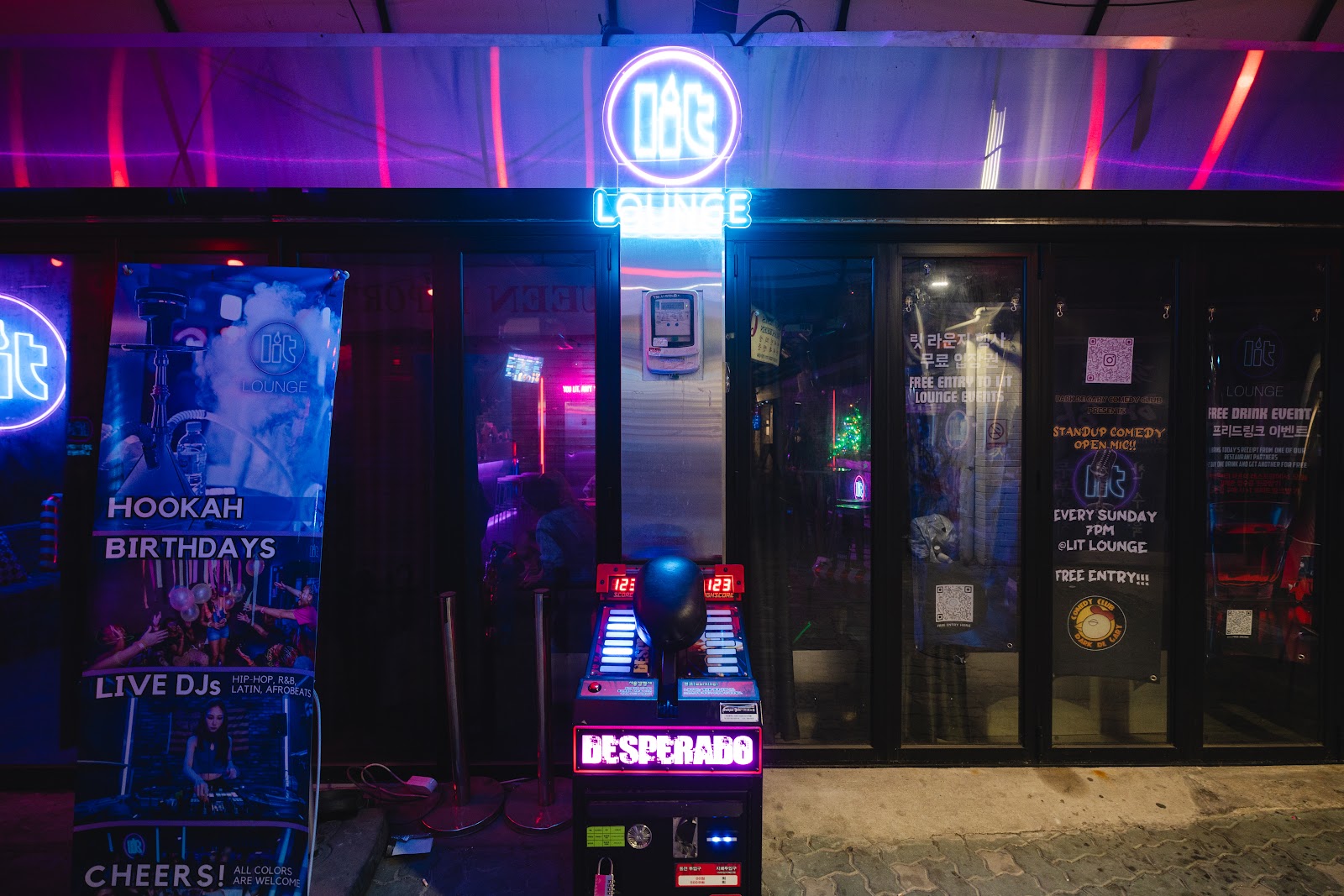
The district surrounding Hongik University of the Arts is the incredibly pulsing heart of young Seoul culture. During the day, people come here to shop in stylish cafés and small independent boutiques tucked away in remote alleys, but the real unbridled magic of the place emerges only at dusk.
The main wide pedestrian zone transforms every evening into a huge and loud stage for street performers, called busking. You’ll see unknown student indie bands, huge dance groups rehearsing complex K-pop choreography, and very talented singers vying for the attention of passing crowds.
💡 Tip: If you want to experience Hongdae in its absolute full force and energy, head here on a Friday or Saturday night. The atmosphere is incredibly infectious, and the streets are full of people having fun, hanging out in bars and restaurants until the early morning hours.
17. Trendy Cafés in Ikseon-dong
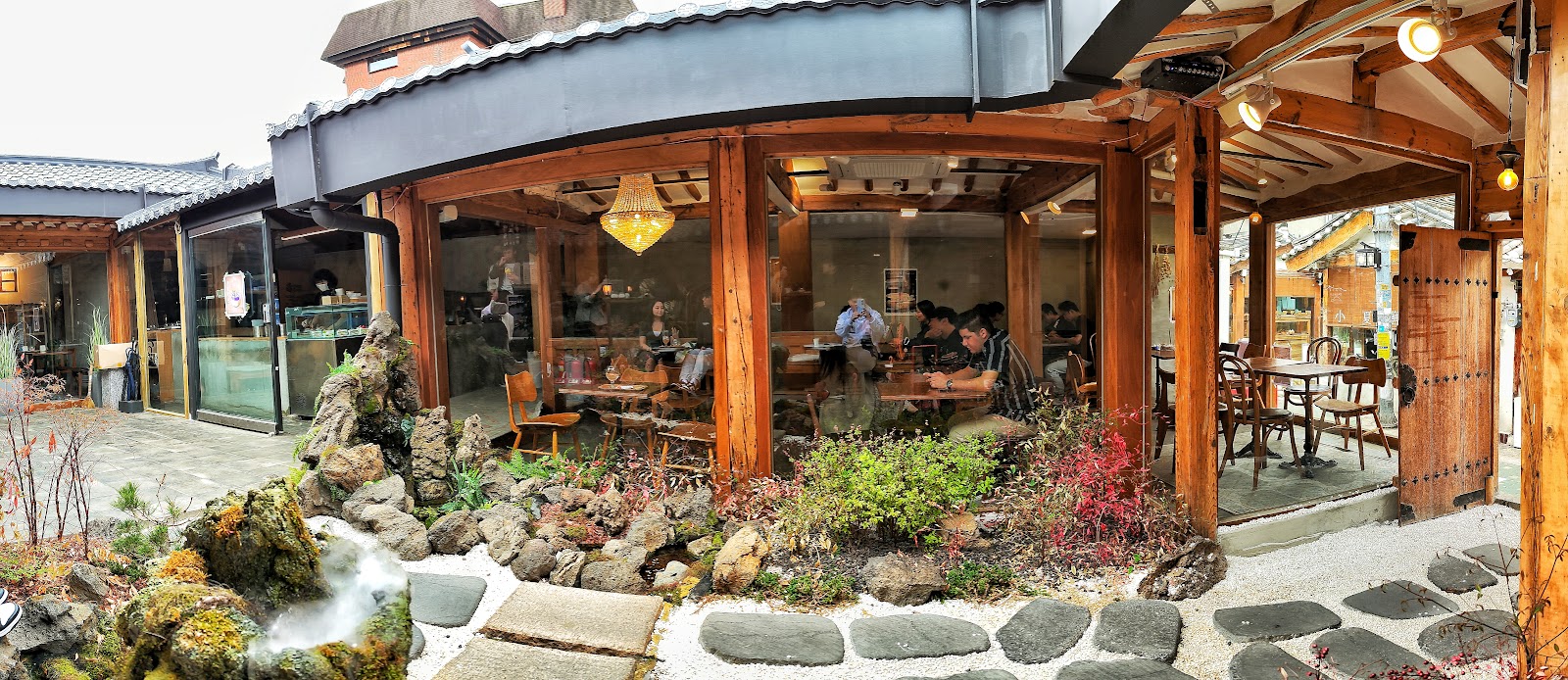
This formerly overlooked and picturesque neighborhood has undergone an incredible and very sensitive transformation in recent years. The original dilapidated hanok houses from the 1920s have been reconstructed and converted into some of the trendiest cafés, artisan bakeries, and cozy little restaurants in the entire city.
The alleyways here are so incredibly narrow that no cars can fit through at all, which creates an amazingly intimate, safe, and above all photogenic environment. The café and dessert scene here is absolutely world-class, and the local pastry chefs compete in creativity, so you’ll definitely ruin your diet with pleasure 😅.
💡 Tip: Ikseon-dong is extremely popular among young local Koreans, so I strongly recommend visiting on a weekday morning. On weekends, long lines form outside all the popular cafés, and you’ll commonly wait an hour just for a small table with coffee.
18. Greenery in Seoul Forest and Seoullo 7017
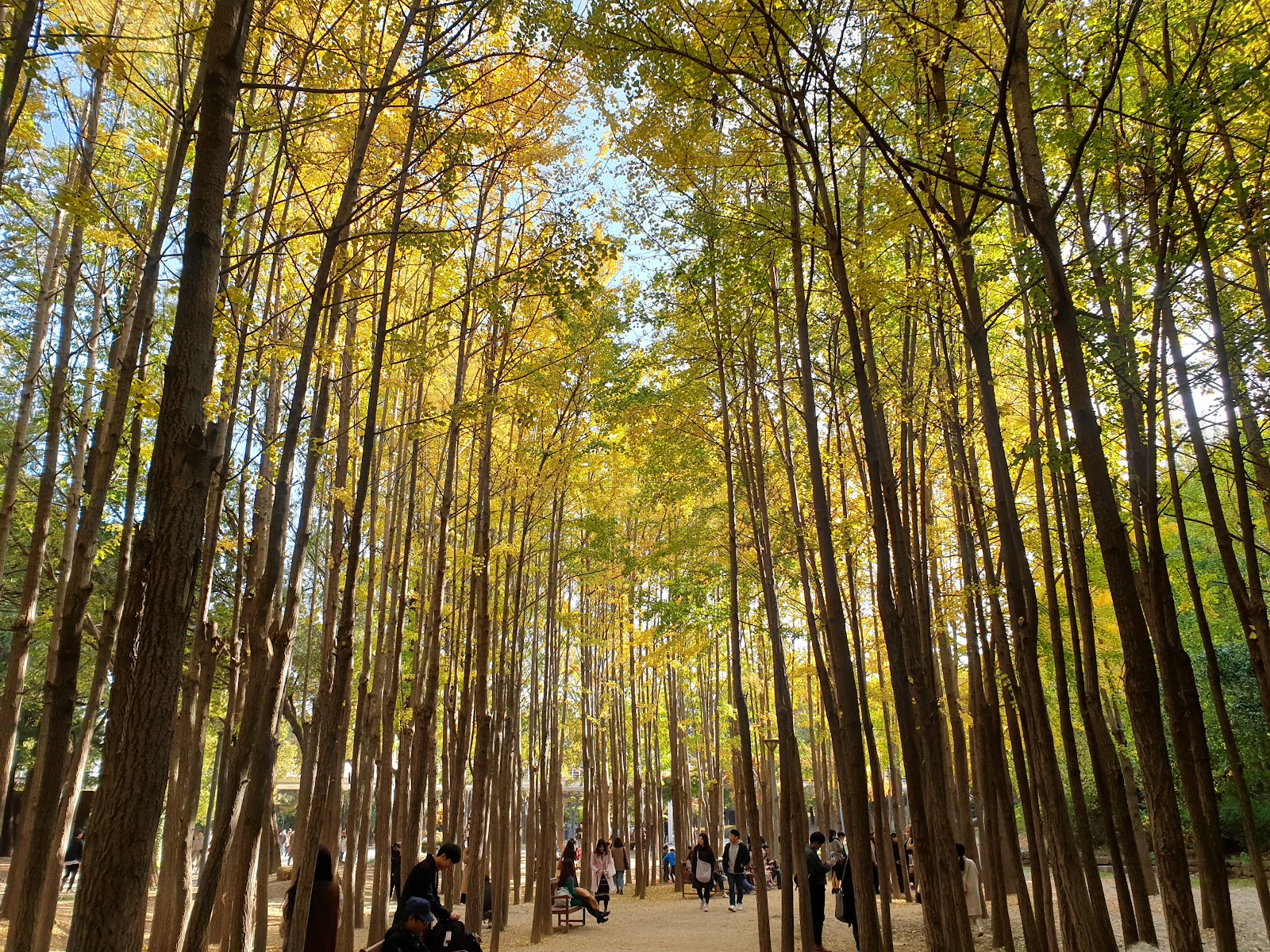
Seoul may be a huge, gray concrete jungle, but fortunately you’ll find amazing green escapes where you can rest from the hustle and bustle of the metropolis. Seoul Forest is a massive and beautifully maintained park complex where you can rent bikes, feed tame deer, and admire endless avenues of beautifully blooming cherry blossoms in spring.
The second urban gem is the bold project Seoullo 7017, a former massive highway overpass transformed into a stunning pedestrian promenade full of trees, shrubs, and flowers. Walking above busy traffic intersections right by Seoul’s main station offers excellent and very unusual views of the surrounding glass skyscrapers.
💡 Tip: If you visit the Seoullo 7017 promenade in the evening after sunset, the entire concrete structure glows with magical blue light, and it opens up great angles for photographing the beautifully lit old brick building of the historic station, which contrasts sharply with the surrounding modernity.
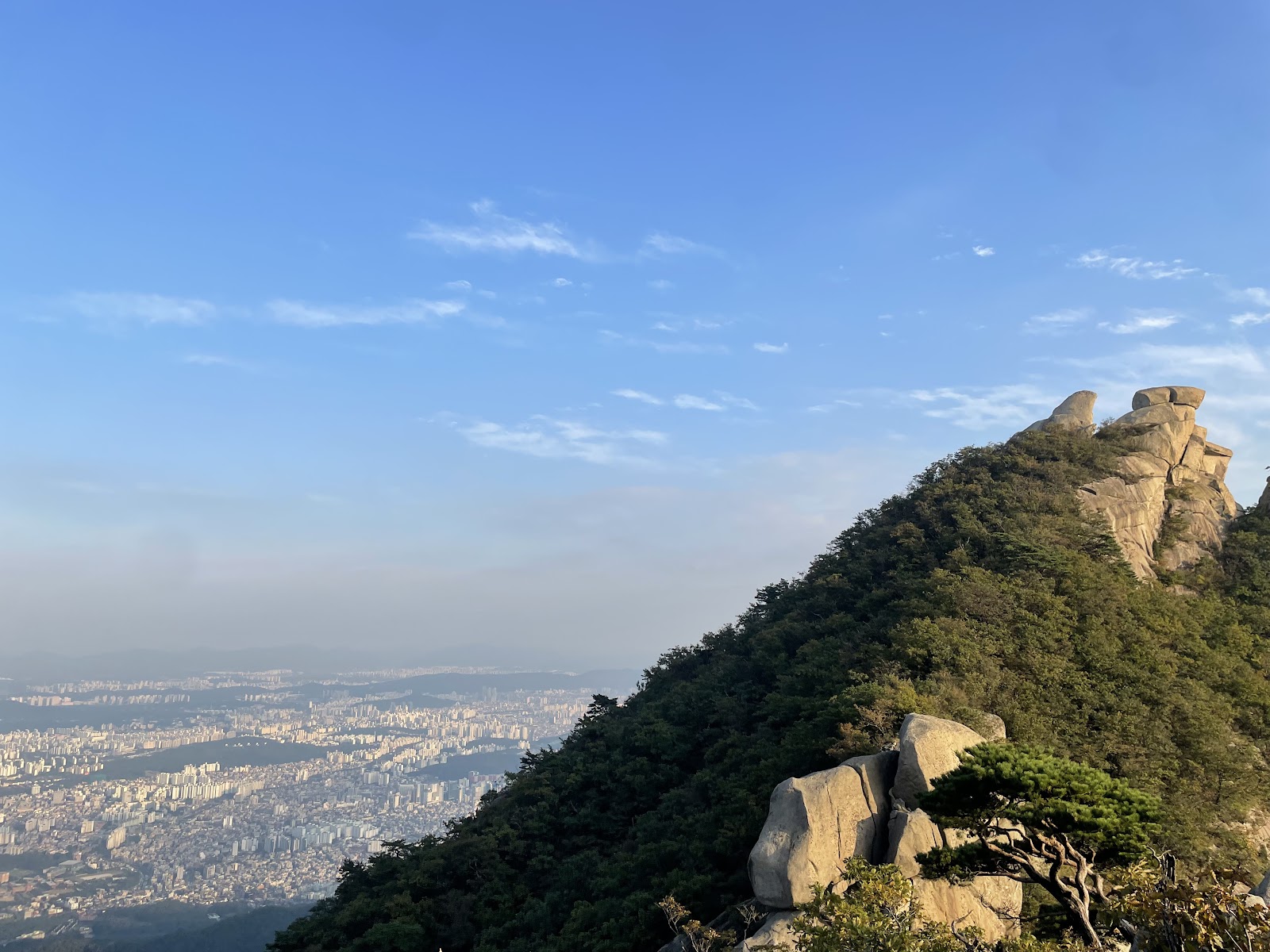
19. Hiking in Bukhansan National Park
Very few world metropolises can boast the amazing fact that they have a rugged mountain national park directly within their administrative boundaries. The sharp granite peaks of the Bukhansan range tower majestically over the entire northern part of Seoul and offer a fantastic and very easily accessible escape into wild nature.
Koreans are incredibly passionate hikers, and on weekends crowds of people dressed in top-quality and expensive outdoor gear head here. You can reach the edge of the park very easily by regular metro, and from there you can hike along well-marked, though quite steep, trails to breathtaking panoramic views of the entire city.
💡 Tip: Even though the trails are well-marked and in many places improved with stairs, the terrain can be very steep, rocky, and slippery. Definitely bring sturdy footwear and plenty of water, because in the humid summer months the ascent is quite a demanding physical workout.
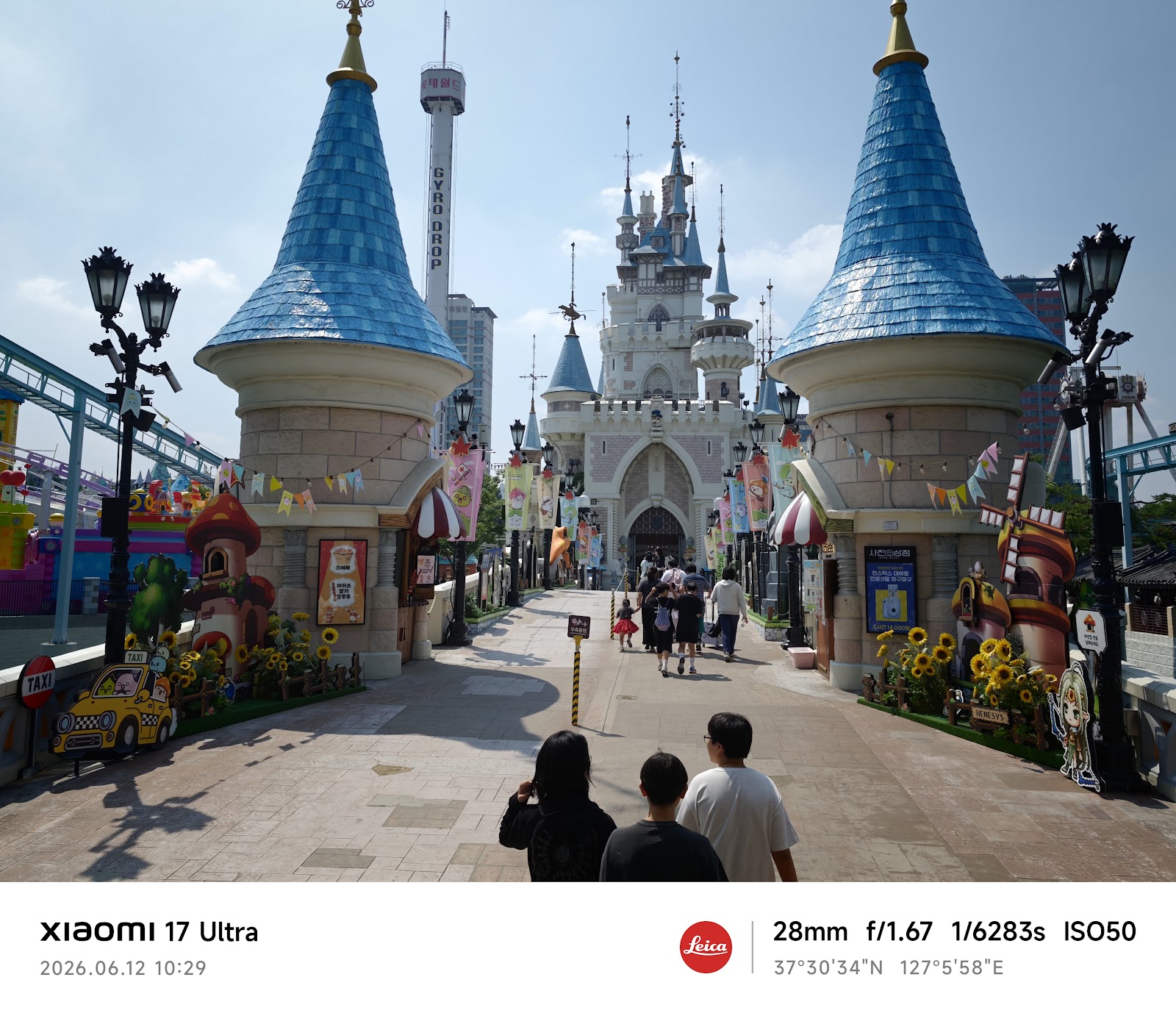
20. Family Fun at Lotte World
If you’re traveling with small children or simply love adrenaline-pumping roller coasters and cotton candy above all else, you mustn’t miss this famous park. Lotte World is the world’s largest indoor amusement park according to the Guinness Book of Records, so you can safely visit it in any weather, whether it’s monsoon raging outside or freezing cold.
The entire huge complex is cleverly divided into the outdoor adrenaline-fueled Magic Island surrounded by a lake and a massive indoor fairy-tale hall full of themed attractions, ice rinks, and shops. The fun and attractions here will reliably last you an entire long day from morning until late evening.
💡 Tip: During Korean school holidays and on weekends, it can be unbearably crowded here, and you’ll wait hours for the best attractions. Therefore, buy tickets well in advance online, and if your budget allows, definitely consider paying extra for the so-called Magic Pass, which elegantly lets you skip the longest lines.
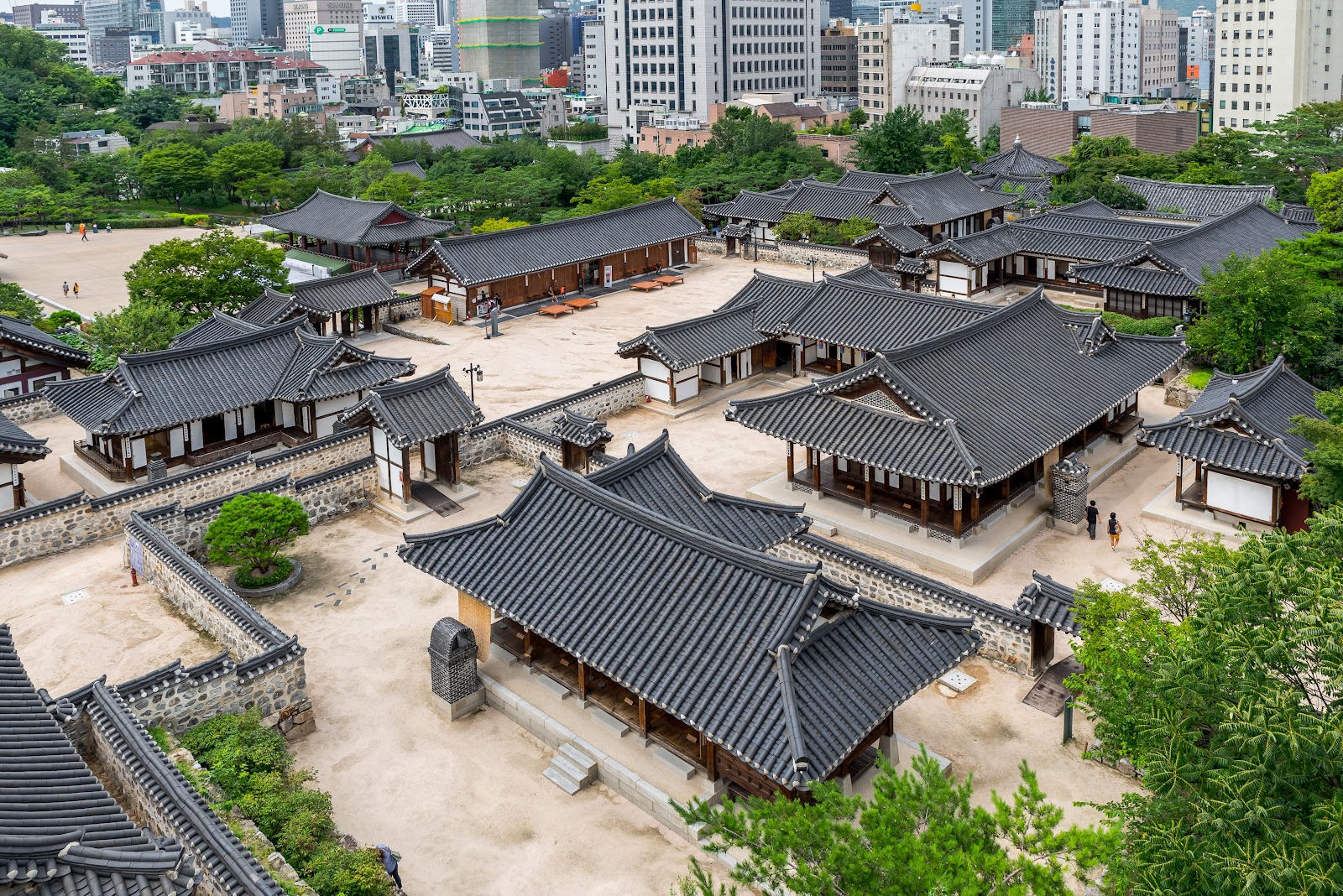
21. Peaceful Namsangol Hanok Village
This idyllic and beautifully maintained village located right at the foot of the popular Namsan mountain is an excellent and above all completely free alternative to the often unbearably crowded Bukchon. In the 1990s, the city very sensitively moved five historic houses of wealthy officials from various parts of Seoul here to save them permanently from uncompromising demolition.
Unlike the living Bukchon, no real people live here, so you can examine all the saved houses up close and from the inside and peek directly into traditional kitchens, living rooms, and studies. The entire historic complex is also surrounded by a beautiful garden with streams and pavilions, where there’s incredible peace far from the noise of the metropolis.
💡 Tip: On weekends, interesting demonstrations of traditional Korean crafts, dances, and historic games are often held in the main courtyard, in which visitors can actively participate themselves. It’s a great and safe place to get acquainted with old culture without the stress of huge crowds and jostling.
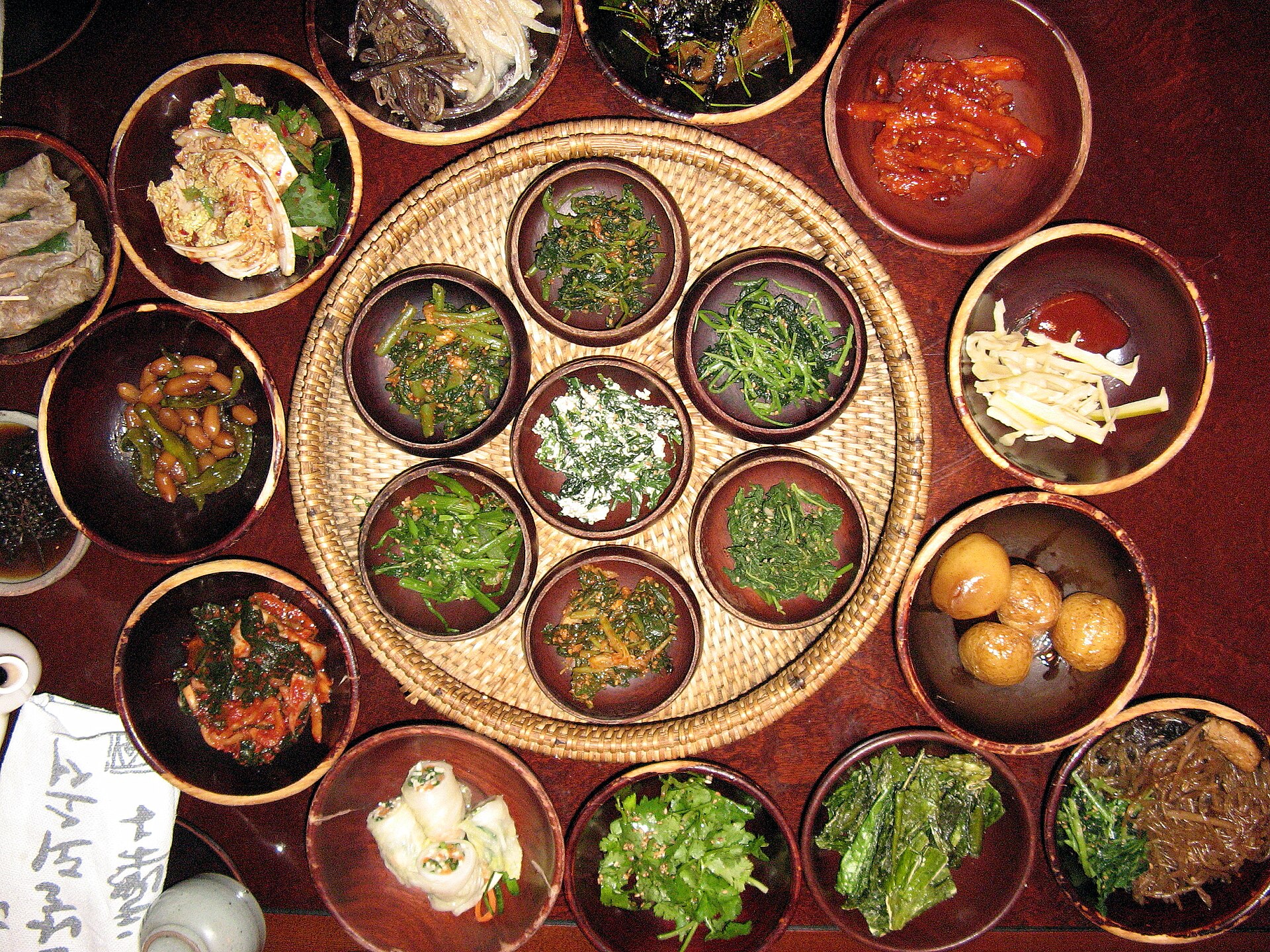
22. Temple Food and the Vegetarian Scene
Although Korea is talked about worldwide mainly in connection with popular meat BBQ, vegetarians definitely won’t starve here, they just need to know where to go. The greatest certainty and at the same time a huge cultural experience is traditional Buddhist temple food. These are purely vegan dishes prepared by monks themselves from seasonal vegetables, roots, and fermented pastes, completely without the use of aromatic onions and garlic, which according to Buddhism disrupt meditation.
You’ll also find great and very modern plant-based establishments with amazing atmosphere in the city. Highly rated, for example, is Vegan Kitchen in the Jung-gu area or the absolute classic Osegye Hyang in the Insa-dong district, where you can enjoy perfect meat-free versions of traditional Korean dishes. In international Itaewon, travelers warmly recommend visiting the popular byTOFU or the beloved Plant Cafe Seoul.
💡 Tip: If you’re ordering seemingly meat-free food at regular busy markets or in normal restaurants (like vegetable bibimbap), be very careful about one tricky thing. Traditional fermented kimchi very often contains fish sauce, and many vegetable soups and tofu stews commonly use seafood broth. Always ask the staff about this in advance so you’re not unpleasantly surprised.
Where to Eat in Seoul
Seoul is one of the best food cities I know — and that applies to vegetarians too, though it takes some planning. At Gwangjang Market try the meat-free bindaetteok pancakes made from mung beans and sweet hotteok pancakes, at night markets look for stalls with bungeoppang (sweet red bean paste, no meat). The biggest taste and cultural experience is Buddhist temple food — purely vegan menus from one of the oldest gastronomic traditions in Asia.
Among restaurants, the best reputation goes to Vegan Kitchen in Jung-gu, the classic Osegye Hyang in Insa-dong, and in international Itaewon byTOFU and Plant Cafe Seoul. Korean BBQ, broth soups, and kimchi with fish sauce are local pride, but if you don’t eat meat, expect to avoid them — and in Seoul that’s easy thanks to plant-based establishments.
Current opening hours, prices, and festival programs should be verified before your trip on the city’s official tourism website Visit Seoul — in Korea, details change more frequently than we’re used to back home.
Day Trips from Seoul
When the hustle and bustle of the constantly buzzing metropolis tires you out, the area around Seoul offers several excellent and easily accessible options for day trips. By far the most popular destination is the Demilitarized Zone (DMZ) on the heavily guarded border with North Korea. Remember, though, that you can go there only and exclusively with an organized tour and you must always have your valid passport with you. The situation at the border is logically very delicate, so tour programs often change operationally from day to day and some areas may be temporarily closed.
An excellent choice for history lovers is the city of Suwon, which you can reach by ordinary Seoul metro in about 40 minutes. Its main landmark is the massive and well-preserved Hwaseong Fortress from the 18th century, which is deservedly inscribed on the UNESCO list, and along whose mighty ramparts you can take a beautiful several-kilometer walk with amazing views of the city.
For relaxation in nature, travelers often choose Nami Island, a small and very picturesque river island that became world-famous through Korean romantic series and so-called K-dramas. The journey there takes about an hour and a half, and the autumn tree-lined avenues with falling leaves are absolutely breathtaking and incredibly photogenic. On the way back, you can also stop in the nearby and somewhat bizarre village of Petite France, which is built in the style of the French countryside.
If you’re continuing through South Korea to other Asian metropolises and looking for more inspiration, check out our detailed article Hong Kong: 24 Things to See and Do, where we advise how to best handle this fascinating vertical city full of skyscrapers and islands. Also definitely worth reading is our comprehensive guide Shanghai: 22 Things to See and Do, if you’re attracted on your journey by stunning modern China and its incredible pace of growth.
Frequently Asked Questions
These are the questions people ask me most often about Seoul — from visas and transportation to whether a vegetarian can even eat there.
Do I need K-ETA authorization for South Korea?
In 2026, an exemption applies and K-ETA authorization is not required (the exemption was extended through the end of the year). But be very careful, because from January 1, 2027, K-ETA will again be fully mandatory for all tourists. Even without K-ETA, you must still complete the so-called e-Arrival Card upon landing.
How many days should I allocate for visiting Seoul?
For the huge city itself, I recommend allocating ideally 4 to 5 days, so you can cover everything essential at a relaxed pace and explore the various distinct neighborhoods. If you’re also planning day trips to the DMZ on the border or to Suwon for history, allocate 6 to 7 days of pure time for the trip.
How do you pay for public transport in Seoul?
The cornerstone is the rechargeable T-money card, with one metro ride costing 1,550 won (about €1) (transfers between lines 1 to 9 within a station are completely free). A brand new addition for 2026 are the extremely advantageous tourist passes with unlimited rides, costing 5,000 won for 1 day, 10,000 for 3 days, and 15,000 won for 5 days (about €3, €7, and €10). And good news for tourists: from March 17, 2026, ticket machines at major stations also accept regular foreign cards (Visa and Mastercard), so you no longer need to top up T-money in cash at 7-Eleven.
When is the best time to visit?
The most beautiful time to visit is April, when pink cherry blossoms bloom everywhere, and then late October through November, when maples turn beautifully colorful and the air is pleasantly dry. But definitely try to avoid July and August if possible due to strong summer monsoons, extremely high humidity, and oppressive heat routinely climbing above 30°C.
How much do palace entries cost?
Admission to historical sites in Seoul is incredibly cheap. A basic ticket to the largest palace, Gyeongbokgung, costs just 3,000 won (about €2), and a combined ticket for all five palaces only 10,000 won. Plus, if you rent traditional hanbok clothing at the entrance, they’ll let you in completely free.
Is Seoul an expensive city?
It very much depends on what exactly you do. Public transport, entry to major museums, and street food at markets are significantly cheaper than in many Western cities. By far the most expensive item in your budget tends to be accommodation, whose price varies significantly by chosen neighborhood, and also coffee at stylish design cafés, which often costs around 5,000 won.
Can I eat in Korea as a vegetarian?
Definitely yes, but you need to be careful when selecting food. You can try purely vegan Buddhist temple food or fantastic meat-free bindaetteok pancakes. But with traditional dishes, be very careful about fermented kimchi cabbage, which very often contains fish sauce, and hidden meat or fish broths in soups.
Tips and Tricks for Your Vacation
Don’t Overpay for Flights
Search for flights on Kayak. It’s our favorite search engine because it scans the websites of all airlines and always finds the cheapest connection.
Book Your Accommodation Smartly
The best experiences we’ve had when looking for accommodation (from Alaska to Morocco) are with Booking.com, where hotels, apartments, and entire houses are usually the cheapest and most widely available.
Don’t Forget Travel Insurance
Good travel insurance will protect you against illness, accidents, theft, or flight cancellations. We’ve had a few hospital visits abroad, so we know how important it is to have proper insurance arranged.
Where we insure ourselves: SafetyWing (simple monthly subscription) and TrueTraveller (for extra-long trips).
Find the Best Experiences
Get Your Guide is a huge online marketplace where you can book guided walks, trips, skip-the-line tickets, tours, and much more. We always find some extra fun there!