An Asian metropolis that swallows you whole, dazzles you, and completely absorbs you with its contrasts — that’s exactly what Hong Kong, China is all about. When you hear the name of this pulsing city, most people picture nothing but an endless forest of glass skyscrapers, crowds of rushing businesspeople, and streets bathed in the glow of neon signs. The truth, though, is that Hong Kong is far more than just a city, because it also includes an incredible 263 islands, and roughly three quarters of the whole territory is untouched nature, where steep green hills rise straight up from the sea beaches.
From a practical point of view, get ready for one fundamental paradox: Hong Kong is one of the most expensive cities in Asia for accommodation, yet at the same time one of the absolute cheapest for food and transport. While you’ll pay a small fortune for a tiny hotel box, you can cross the entire island on the iconic double-decker tram for the equivalent of a few cents, and the most beautiful views, ancient temples, or jungle treks are completely free of charge. If you spent all your time in the air-conditioned shopping malls around famous Nathan Road, you’d miss the real soul of this fascinating place.
So how do you make the most of this metropolis without ruining your budget? I’ve put together a mix of iconic sights, secret free viewpoints, and honest warnings about where not to waste your money. You’ll learn where to head for the best views, how the local transport works, why you should try Buddhist vegetarian cuisine, and which places to really watch out for. Dive in and discover 24 tips with us on what to see and do in one of the safest and most fascinating cities in the world.
TL;DR
- Transport is extremely cheap: Grab an Octopus card right after you land (it costs 150 HKD including the deposit) and use it to pay for the metro, buses, ferries, and even street food.
- The best views are free: You don’t have to pay pricey skyscraper entry fees, because the circular Lugard Road Lookout walk offers a breathtaking panorama for free.
- Watch out for the tram price hike: The famous Peak Tram went up by as much as 49 percent in January 2026, and a return ticket now costs 116 HKD.
- Nature right around the corner: Don’t skip the easy Dragon’s Back trek, which takes you from the city centre through the jungle all the way to a gorgeous sandy beach.
- You need a visa for China: While most international visitors don’t need a tourist visa for Hong Kong itself, a trip to neighbouring Shenzhen requires you to arrange one in advance.
- A vegetarian paradise: Although the local Cantonese cuisine is full of meat, the city offers fantastic vegan restaurants and Buddhist canteens right beside the monasteries.
When to Visit Hong Kong
Choosing the right time of year is absolutely crucial for a visit to this destination, because the local subtropical climate can be very unforgiving. The best time to travel is from late October to late December, when you’ll be greeted by very pleasant dry weather and temperatures in the ideal range of 20 to 26 degrees Celsius. During these months you can fully enjoy strolls through the city and treks in the surrounding hills without swimming in your own sweat. A lovely spring alternative is March and the first half of April, when nature shows its fresher side and you can look forward to blooming parks before the exhausting summer humidity kicks in — so you’ll only need a light jacket for the evening.
By contrast, the period from May to September is marked by extreme humidity and temperatures climbing well over thirty degrees, which combined with the concrete jungle creates the impression of a giant greenhouse. On top of that, from July to September the area is regularly hit by typhoons and strong tropical storms that can completely wreck your travel plans. If the authorities issue a T8 warning signal, the entire city grinds to a halt: shops, restaurants, and elevated sections of the metro close, and for safety reasons people are not allowed to go outside at all. That’s why I recommend always keeping an eye on local weather apps.
An interesting, if very specific, time to visit is the Chinese New Year celebration, which usually falls around the turn of January and February. The city comes alive with beautiful red decorations, traditional markets, and a spectacular fireworks display over Victoria Harbour. On the other hand, you’ll have to reckon with very expensive flights and lots of closed smaller businesses, because most locals head off to spend the holidays with their families and everyday life comes to a near standstill for several days.
Where to Stay in Hong Kong
Accommodation is by far the most expensive part of the whole trip, and I’ll warn you straight away: hotel rooms here are extremely small. Because of the astronomical property prices, every square centimetre counts, so even in a decent hotel you can often barely walk around the bed. On top of that, from 1 January 2025 the city reintroduced a three percent accommodation tax after seventeen long years, which has pushed overall prices up a little more. The most practical thing is to look for accommodation within walking distance of the metro (MTR) stations. The transport network here is absolutely key, and the less time you spend dragging a suitcase from your hotel to the stop on foot, the better you’ll feel. Ideally, then, search in the neighbourhoods of Central, Wan Chai, or on the Kowloon side in the bustling Tsim Sha Tsui area.
If you’re after a great value-for-location ratio, travellers very often recommend The Salisbury – YMCA of Hong Kong, right in the heart of Kowloon a short walk from the harbour. By local standards this hotel offers surprisingly spacious rooms and absolutely fantastic access to both the ferries and the metro. Another very popular choice with gorgeous skyscraper views is the more upmarket Kowloon Shangri-La, where you can enjoy top-notch service and a perfect location right by the waterfront promenade.
For those of you who prefer the island side of the city with its historic lanes and independent bars, Ibis Hong Kong Central & Sheung Wan is a great fit. Its upper floors open up amazing sea views, and a huge advantage is the historic tram stop right outside the hotel entrance. I’d recommend booking any of these places several months in advance, because the best rooms disappear incredibly fast.
💡 On this map you can compare what’s available right now — you’ll instantly see how much cheaper a room in Jordan is than a Victoria Harbour view.
24 Things to See and Do in Hong Kong
Let’s get to it. I’ve put together a mix of iconic spots, surprising corners, and a few honest warnings so you don’t miss out. You’ll discover that the biggest experiences often cost nothing at all, or just a few small coins.
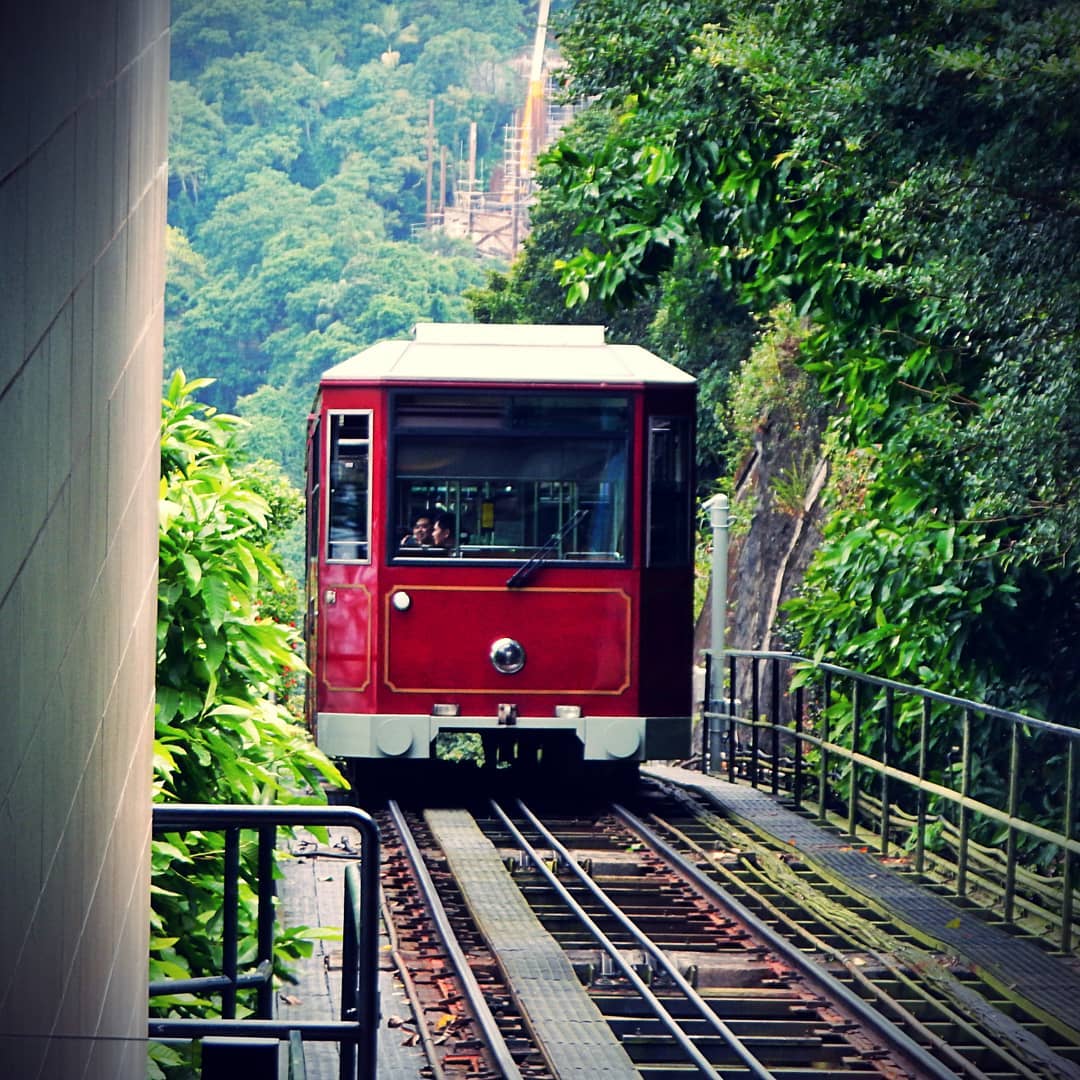
1. Ride the Historic Peak Tram
This iconic red funicular, the Peak Tram, climbing to Victoria Peak at an incredible angle, has been running since the end of the nineteenth century and is an absolute must on any visit. Just be prepared for the fact that January 2026 brought a massive price hike of up to 49 percent. An adult one-way ticket now costs 82 HKD and a return ticket will set you back 116 HKD, with the tram running daily from 8:30 in the morning until 10 at night.
If you want the complete experience, including entry to the highest viewing platform, Sky Terrace 428, it’s worth buying a combined ticket. The return option with the viewing deck costs 144 HKD (children and seniors pay 74 HKD), while the one-way version with the deck is 122 HKD. The trip up takes just a few minutes, but the sensation of the surrounding skyscrapers optically toppling towards you is absolutely unforgettable and it’s definitely worth it.
Do watch out for scheduled shutdowns, though — for example, the tram is out of service for regular maintenance on 8 September 2026. The Peak Tower shopping centre and the viewing deck itself stay open as usual, so in that case you’ll have to head up on bus number 15 or green minibus number 1 straight from Central station. 💡 Tip: On clear days there are enormous queues for the tram, so I recommend heading out first thing in the morning, right when it opens. That way you’ll save yourself a lot of pointless waiting and have the summit views all to yourself before the coach crowds arrive.
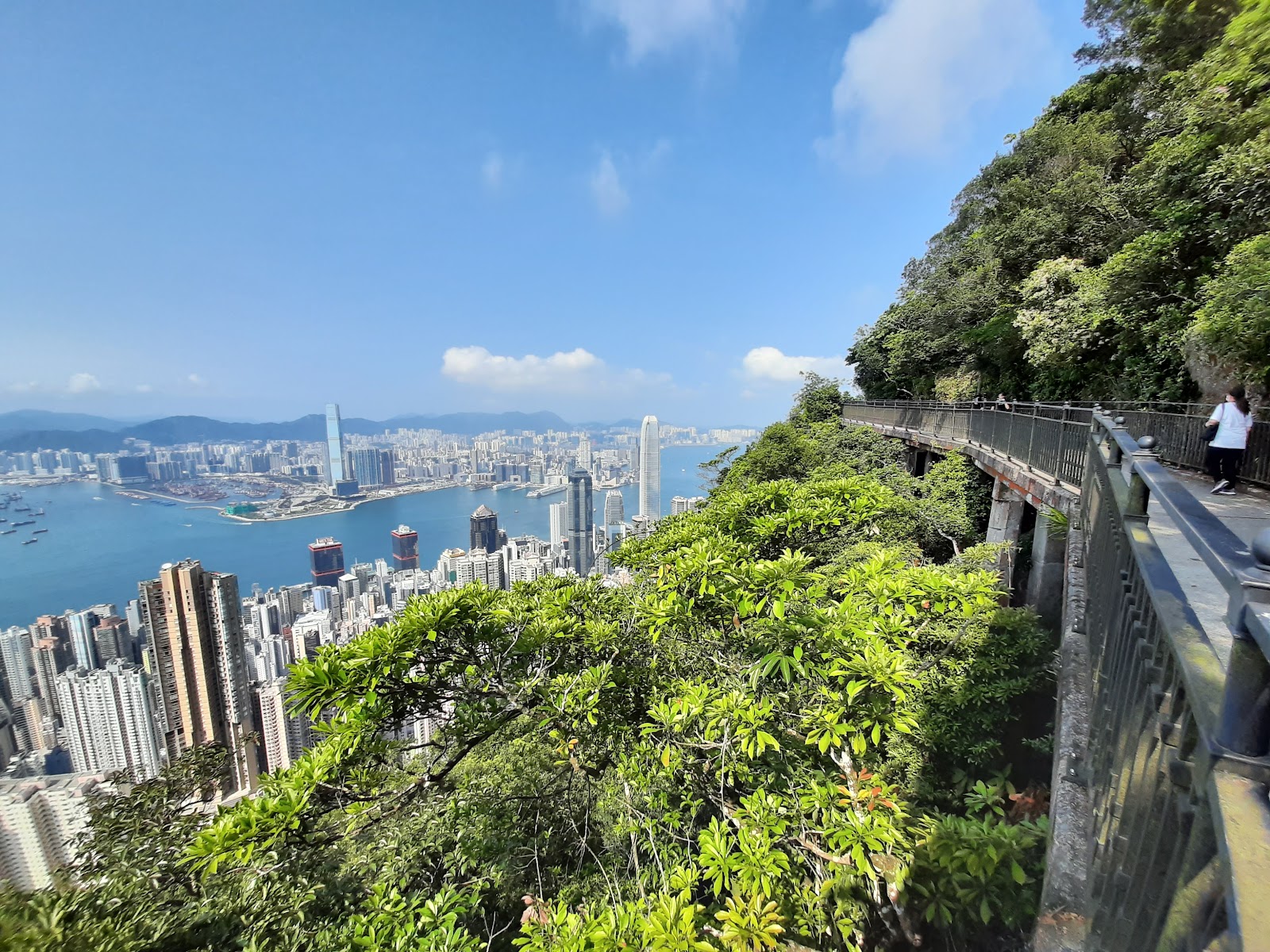
2. Lugard Road Lookout With a Free View
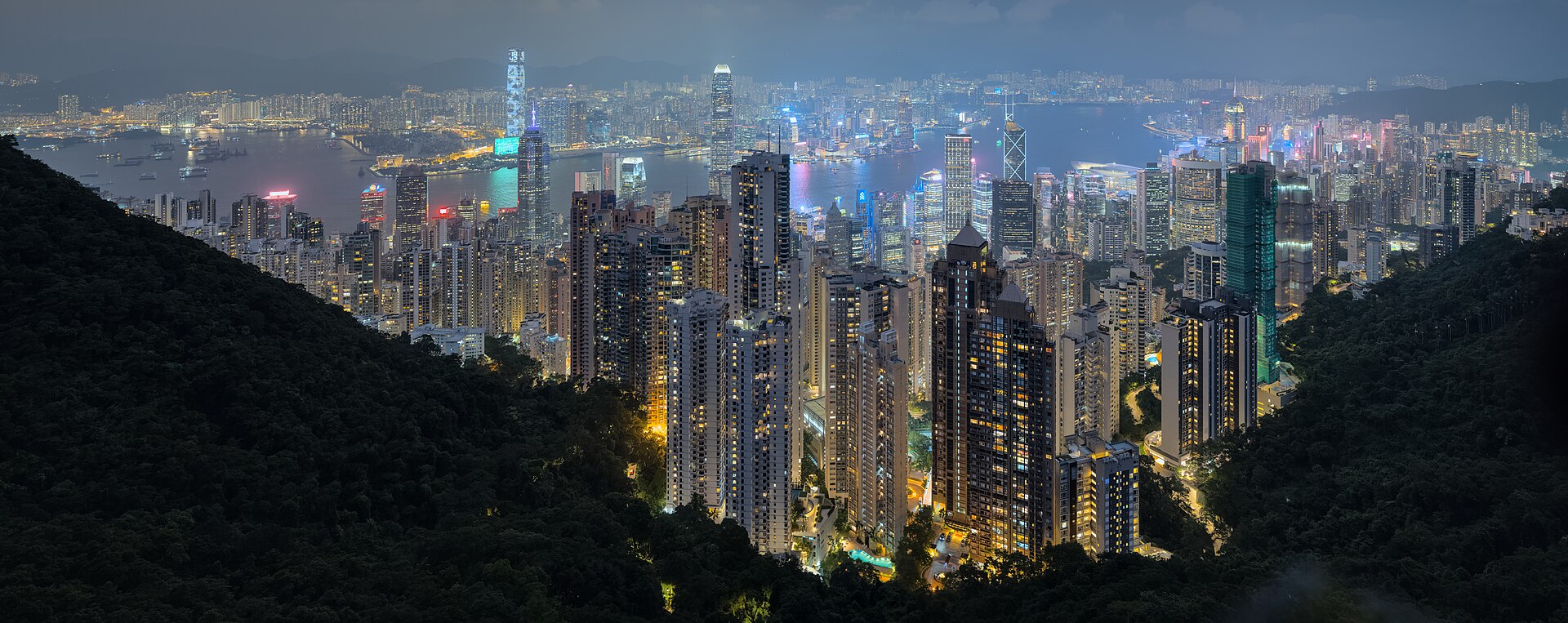
Many tourists make the mistake of paying the pricey entry to the concrete platform at the top of Victoria Peak and then heading straight back down. Yet just a short walk from the upper station, the paved Lugard Road trail begins, winding through dense green jungle along the mountainside. After about twenty minutes of easy, flat walking, you reach a spot that offers the absolute most beautiful panorama of the entire city.
This public viewpoint has an incredible rating of 4.7 stars on Google Maps from more than two thousand reviews, which is an even better score than the paid attractions. From here you’ll see the whole iconic forest of skyscrapers, the busy Victoria Harbour, and the mainland Kowloon opposite. Everything is right in front of you, and you’re surrounded by beautiful tropical trees, vines, and fluttering butterflies that give the place a calm atmosphere.
The best strategy is to head up by tram in the afternoon, wait for the sunset on the trail, and watch the city below you gradually light up with millions of lights. 💡 Tip: You don’t have to pay for the tram on the way back down — just continue along the loop and then walk down the steep but very scenic Old Peak Road, which takes you all the way to the residential Mid-Levels district.
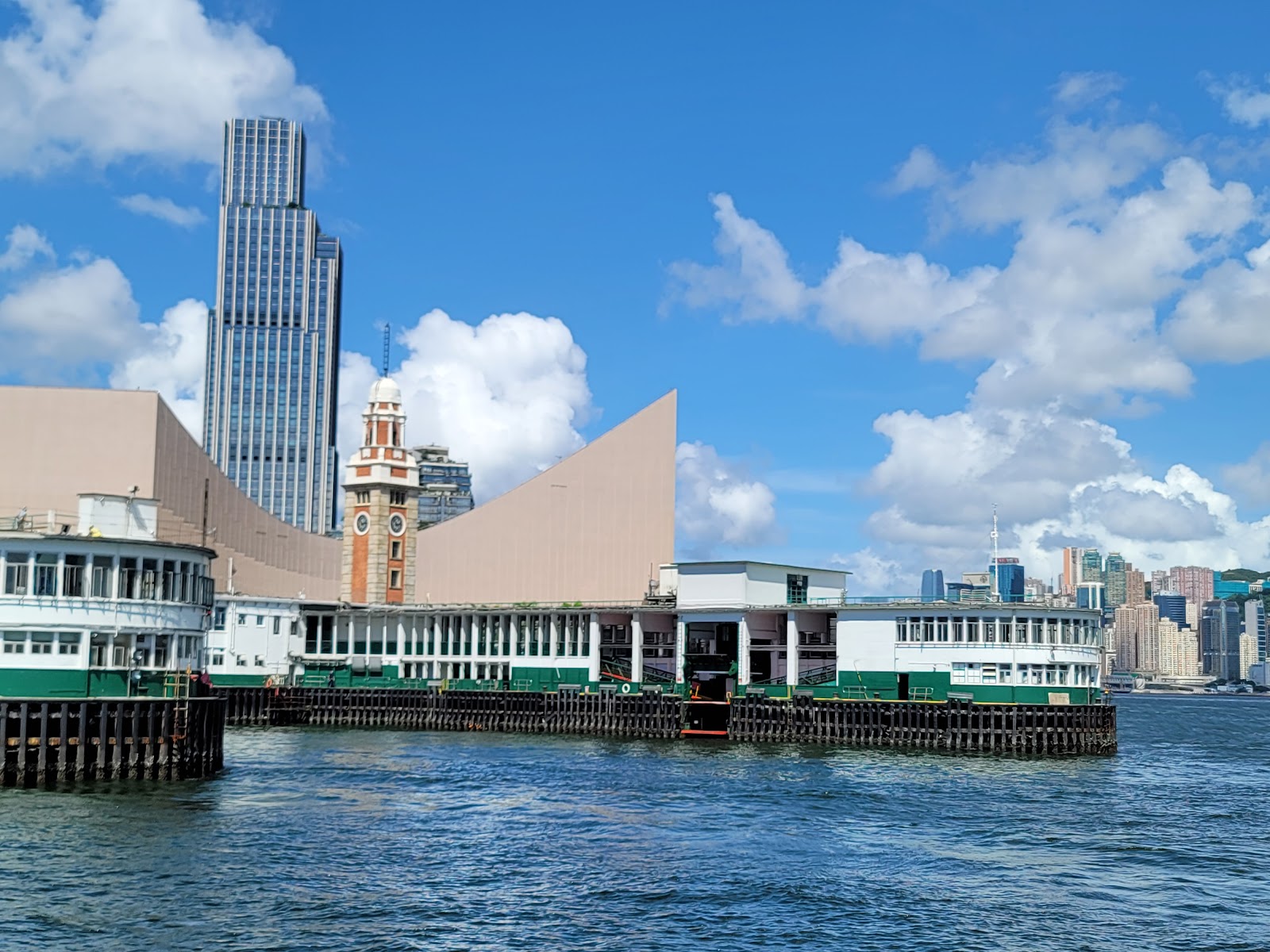
3. Cruise on the Legendary Star Ferry
If I had to pick one single experience that perfectly captures the soul of Hong Kong, it would be a ride on this green-and-white ferry. The Star Ferry boats have been crossing the waters of Victoria Harbour since 1888 and rank among the cheapest sightseeing cruises in the whole world. During the roughly ten-minute journey between the island and Kowloon, a fantastic, breathtaking scene unfolds in front of you.
The price for this iconic experience is downright ridiculous, because a ticket will only cost you 4 to 6.50 HKD, depending on whether you’re travelling on a weekend and which deck you choose. The operator is currently asking the authorities for around a thirty percent price increase, but even after that it will remain incredibly cheap. You simply and quickly tap your prepaid Octopus card at the turnstile, so you don’t have to deal with any loose change.
I definitely recommend riding the ferry twice. Once on a clear day, when the blue of the sea and the green hills in the background really stand out, and again after dark, when you find yourself right in the middle of a glowing neon forest. 💡 Tip: Always choose the Upper Deck, where you get a considerably better view and can fully enjoy the fresh sea breeze on the traditional wooden benches.
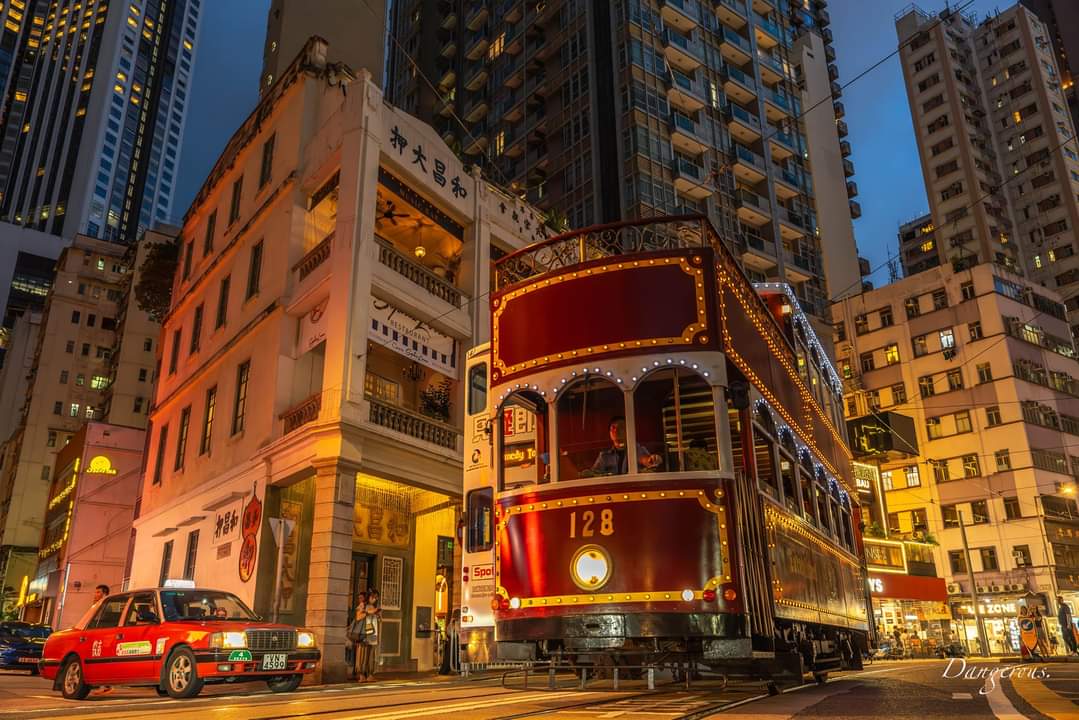
4. Ride the Historic “Ding Ding” Tram for Pennies
While a super-modern metro whooshes underground, up on the surface of the northern coast of Hong Kong Island a fleet of narrow double-decker trams has been running since 1904. Because of the characteristic sound of their bell, locals affectionately call them “ding ding”, and they are the best possible way to take in the busy streets. The trams have no air conditioning, just open windows through which the smells of local eateries and the noise of the big city drift in to you.
The best part of all is undoubtedly the price, because for a ride of any length, passengers over the age of twelve pay a flat rate of 3.30 HKD, which is barely a few cents. You board at the rear doors through a turnstile and pay only when you get off at the front doors by the driver, ideally again by tapping your universal Octopus card. The ride is very slow, but that’s exactly the main reason you should try it and not rush anywhere.
For the absolute best experience, once you’re on board you have to immediately dash up the narrow spiral stairs to the upper deck and grab a seat right at the very front by the big window. You’ll feel like you’re riding in your own private cinema. And don’t forget to have your camera ready — from this perspective you’ll capture some of the best photos ever, as colourful glowing signs, historic buildings, and crowds of hurrying pedestrians flash by just a few centimetres away from you.
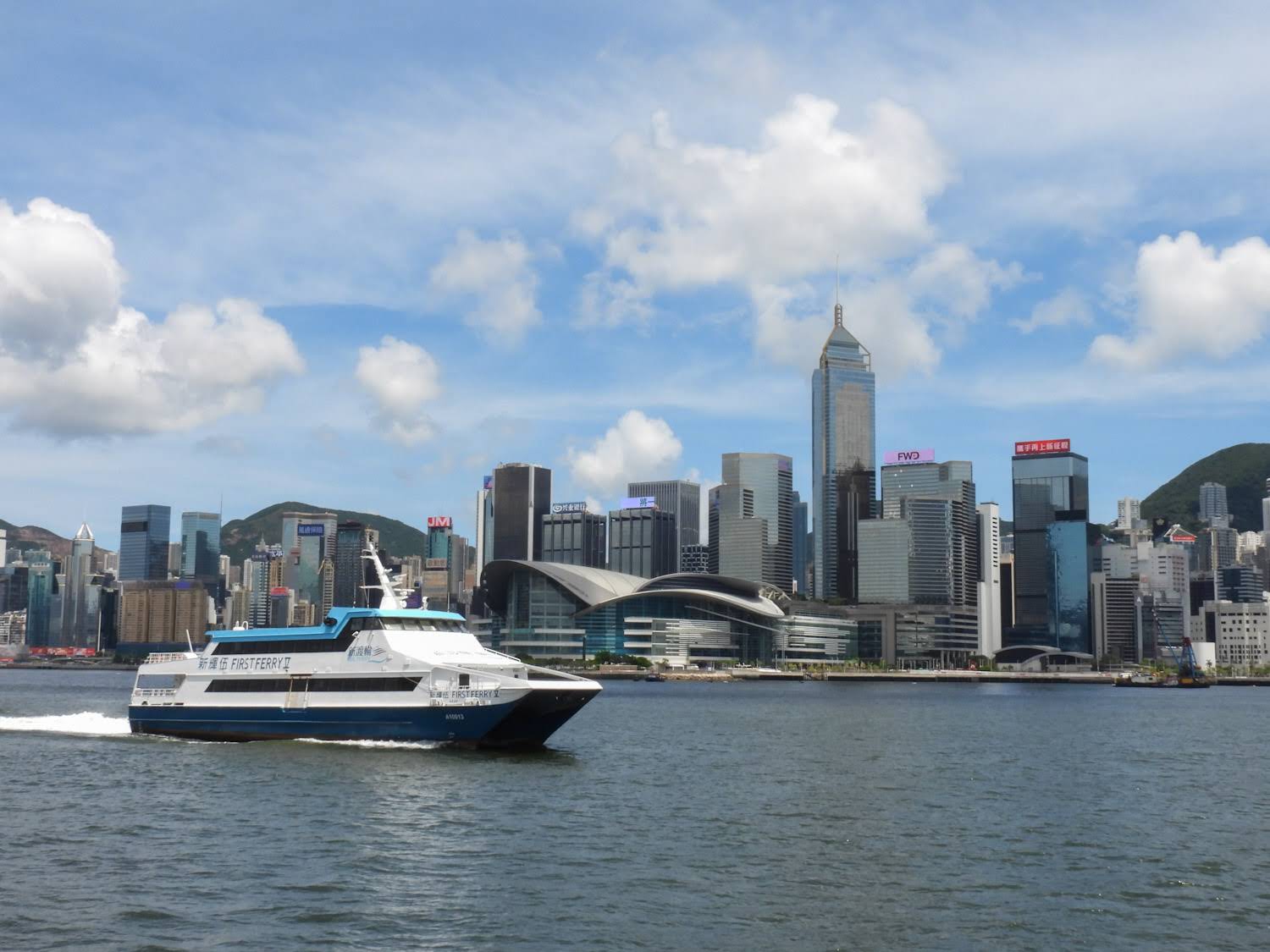
5. The Avenue of Stars Promenade and Light Show
On the Kowloon side of the harbour you’ll find a beautifully landscaped waterfront promenade that serves as the local version of the Hollywood Walk of Fame. The Avenue of Stars boasts a great rating of 4.3 stars from more than seventeen thousand visitors and offers the most perfect view of the Hong Kong Island skyline. Here you’ll find the handprints of famous Asian actors and, above all, the iconic bronze statue of the legendary Bruce Lee in a fighting stance, which pretty much everyone poses next to.
Every evening this spot transforms into a huge open-air auditorium. The famous Symphony of Lights begins at exactly 20:00, a huge multimedia light show involving several dozen skyscrapers on both sides of the bay. The buildings flash and change colour in time with the accompanying music playing from speakers along the whole promenade, creating an amazing atmosphere.
Although some experienced travellers claim the light show itself feels a little retro these days and lacks modern dynamism, the whole experience is completely free, and the atmosphere of hundreds of people watching the glowing skyline is simply magical. 💡 Tip: Come to the promenade at least half an hour before the show starts so you can grab a good spot right by the railing, because later on the space gets very overcrowded.
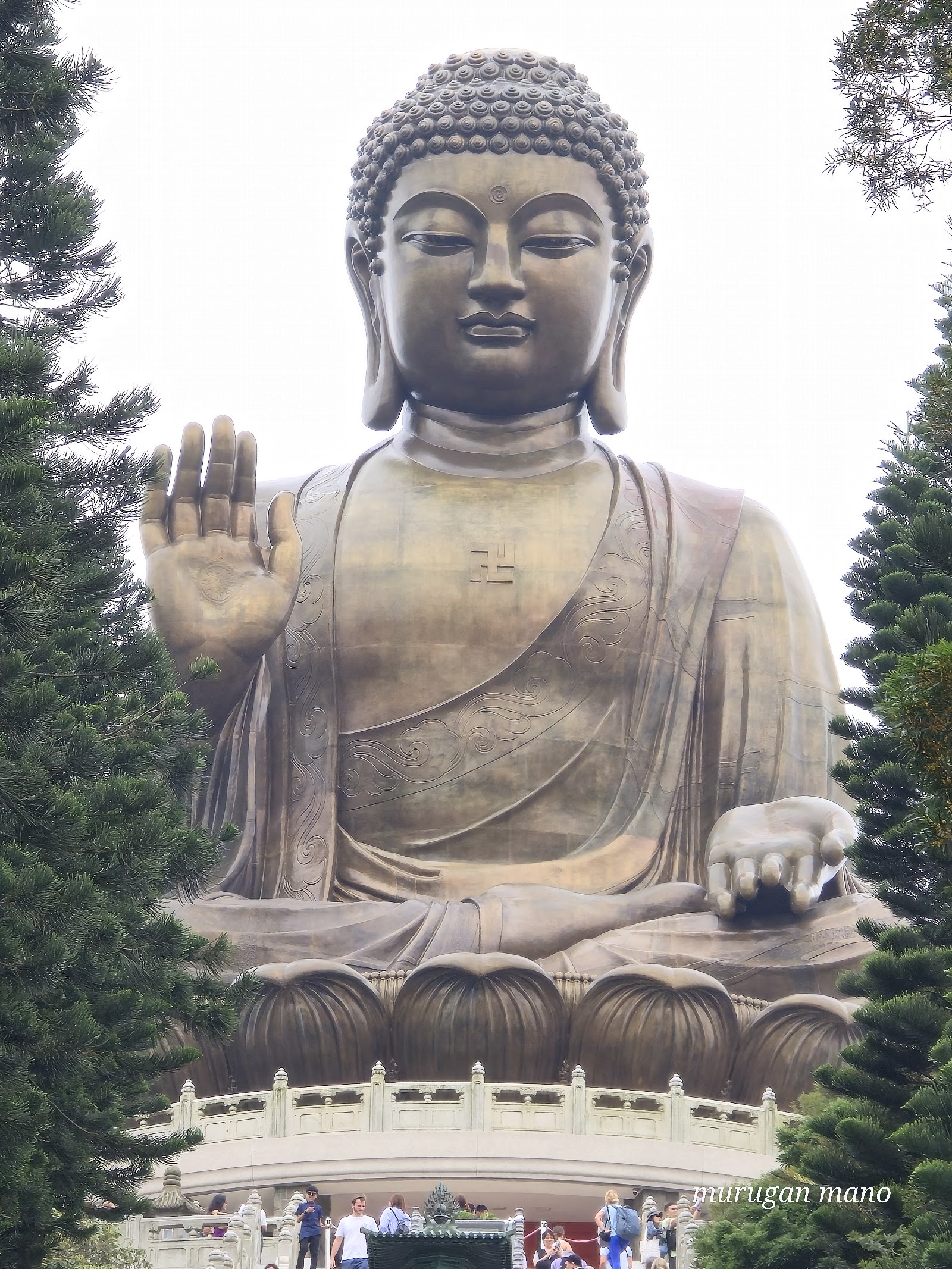
6. The Big Buddha on Lantau Island
When you want a break from the noise of the big city, head to the green island of Lantau, where a giant bronze statue of the Tian Tan Buddha sits amid the mountain peaks. This monumental creation stands an impressive 34 metres tall and weighs over 250 tonnes, and to reach its pedestal you have to climb exactly 268 stone steps. The place has an absolutely magical atmosphere, especially if you arrive early in the morning and the surrounding mountains are shrouded in thick mist.
Right below the statue lies the sprawling Po Lin Monastery with its incredibly ornate interiors, where the scent of thick sandalwood incense sticks constantly lingers. The complex boasts a rating of 4.5 stars and is one of the most important centres of Buddhism in all of Asia. Entry to the statue itself and to the beautiful monastery gardens is free; you only pay for access to the indoor exhibition spaces directly beneath the statue’s lotus throne.
And if you love meatless food, this is one place you really can’t miss. Po Lin Monastery runs its own renowned Buddhist canteen, where they’ll happily serve you a fantastic vegetarian menu prepared from fresh ingredients following old recipes. 💡 Tip: Set aside at least half a day for visiting the whole complex — the grounds are huge and offer plenty of quiet corners for contemplation.
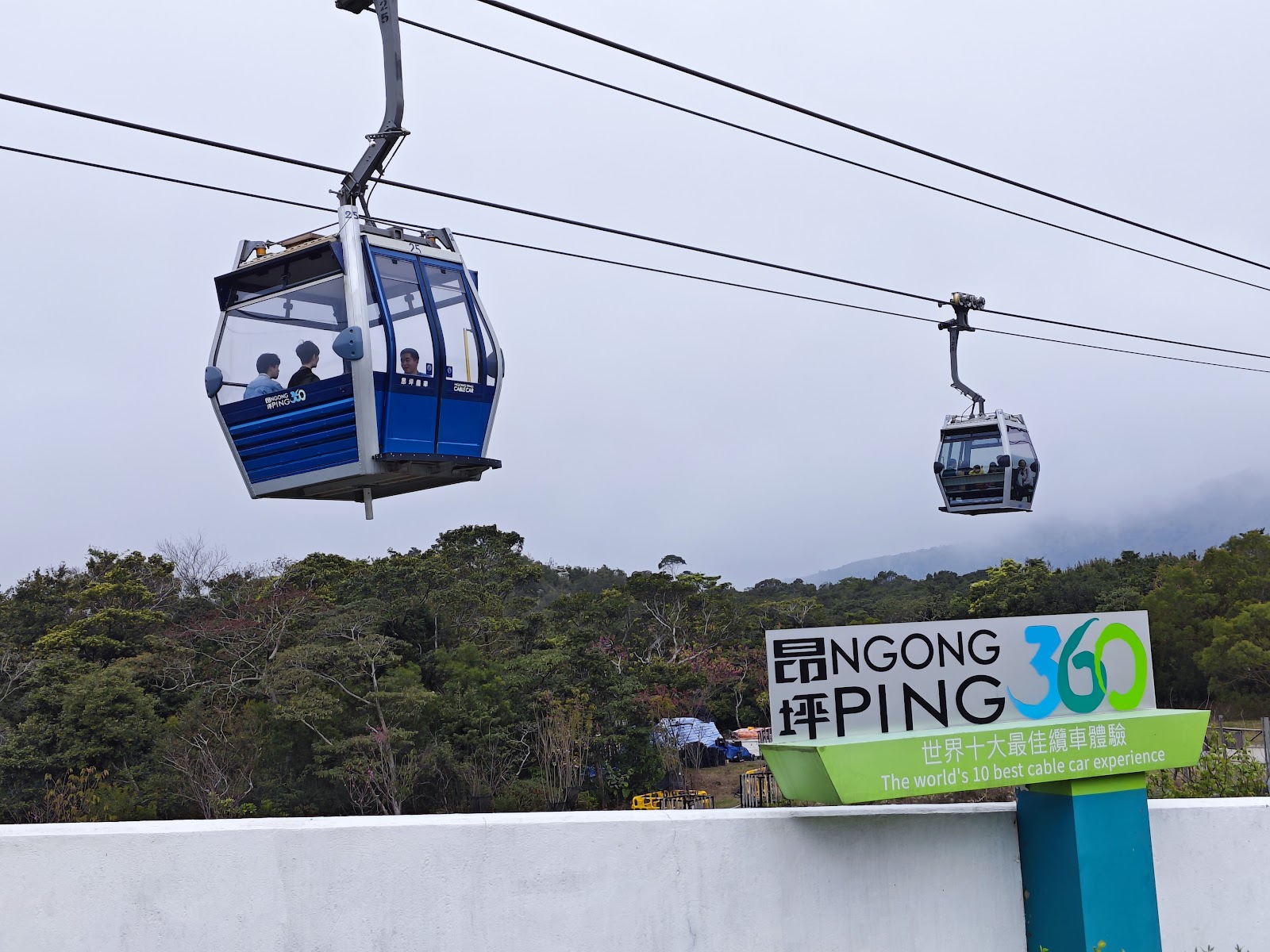
7. The Stunning Ngong Ping 360 Cable Car
You can reach the Big Buddha in several ways, but by far the most beautiful is a ride on the Ngong Ping 360 cable car, which has a steady 4.5-star rating from travellers. The route is almost six kilometres long and carries you over the green mountain peaks in twenty-five minutes with incredible views of the South China Sea, the international airport, and the Buddha statue itself peeking out in the distance.
The experience isn’t exactly cheap, because a return ticket in a standard cabin costs 295 HKD. But if you don’t suffer from vertigo and want to make the most of the ride, definitely pay extra for the so-called Crystal Cabin, which has a completely transparent glass floor. This premium ticket costs 365 HKD (220 HKD for children), and the sensation of a deep green valley opening up beneath your feet is truly priceless.
If you’re travelling on a tight budget and want to save your money for good food, there’s a much cheaper bus alternative. From Tung Chung metro station, regular bus number 23 runs along winding mountain roads and takes you to the Buddha for a fraction of the cable car price — just without those breathtaking aerial views.
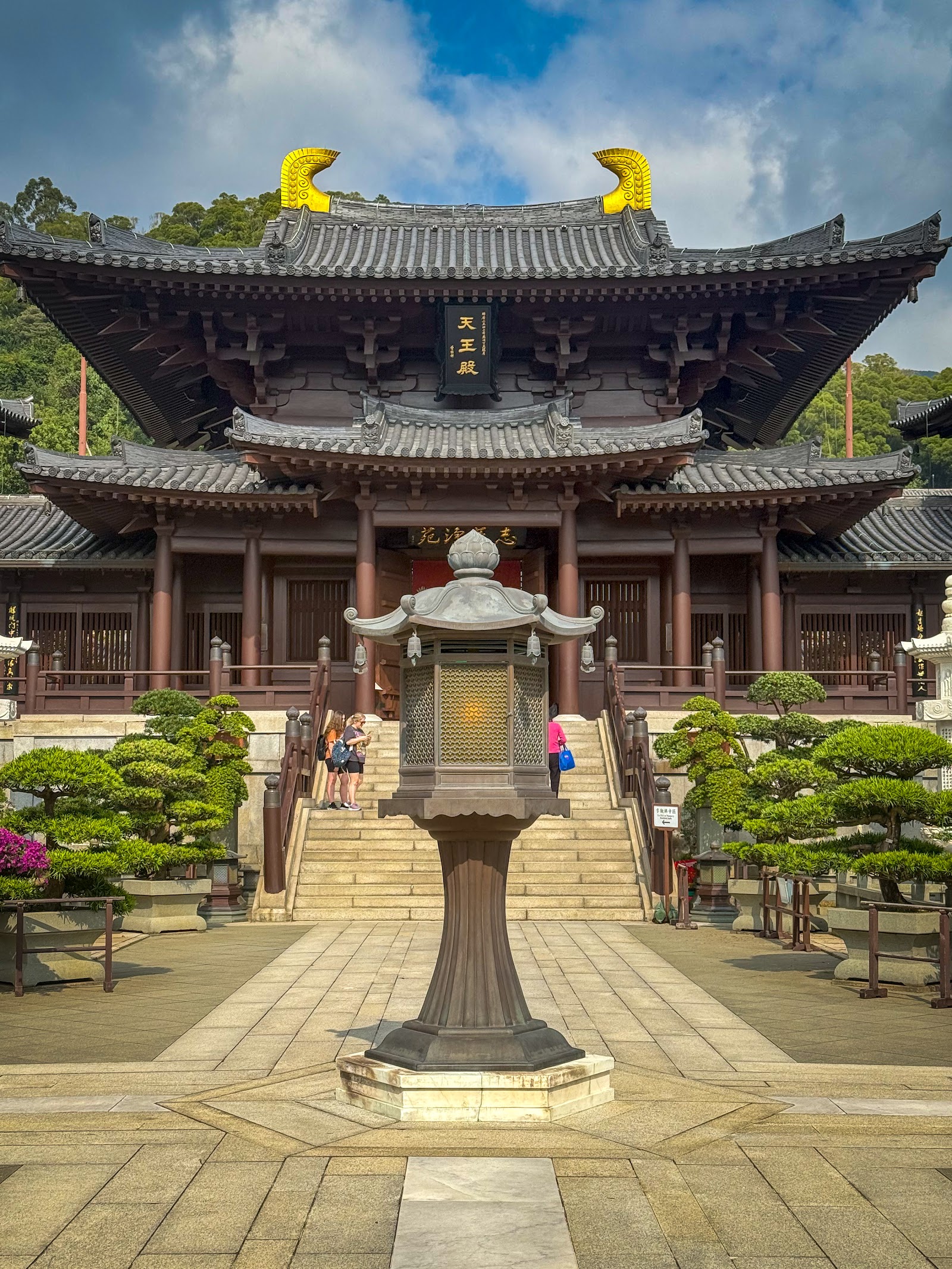
8. The Wooden Marvel of Chi Lin Nunnery
In the middle of high-rise residential buildings in the grittier Kowloon district hides an absolute treasure that many ordinary tourists don’t even know about. Chi Lin Nunnery is a sprawling women’s Buddhist monastery built in the style of the famous Tang dynasty, and its uniqueness lies in the fact that it’s entirely made of wood without a single nail. Master carpenters used only complex traditional joints that hold the enormous cedar beams firmly together even during strong typhoons.
The place holds a phenomenal 4.7-star rating on the maps and is the quietest and most peaceful spot in the whole metropolis. The monastery courtyards are adorned with carefully trimmed bonsai, ponds with lotus flowers, and the quiet chant of prayers hangs in the air. Visitors here speak only in whispers, and the whole space feels incredibly soothing, instantly relieving you of the stress of the busy city.
Directly adjacent to the monastery is the Japanese-style Nan Lian Garden, which also has completely free entry. The garden is designed so that every step you take offers a new view of the golden pavilion, gurgling waterfalls, and huge rocks brought in from various corners of China. 💡 Tip: Within the garden grounds there’s an excellent traditional teahouse as well as a great vegetarian restaurant hidden right behind the waterfall, which you definitely shouldn’t miss.
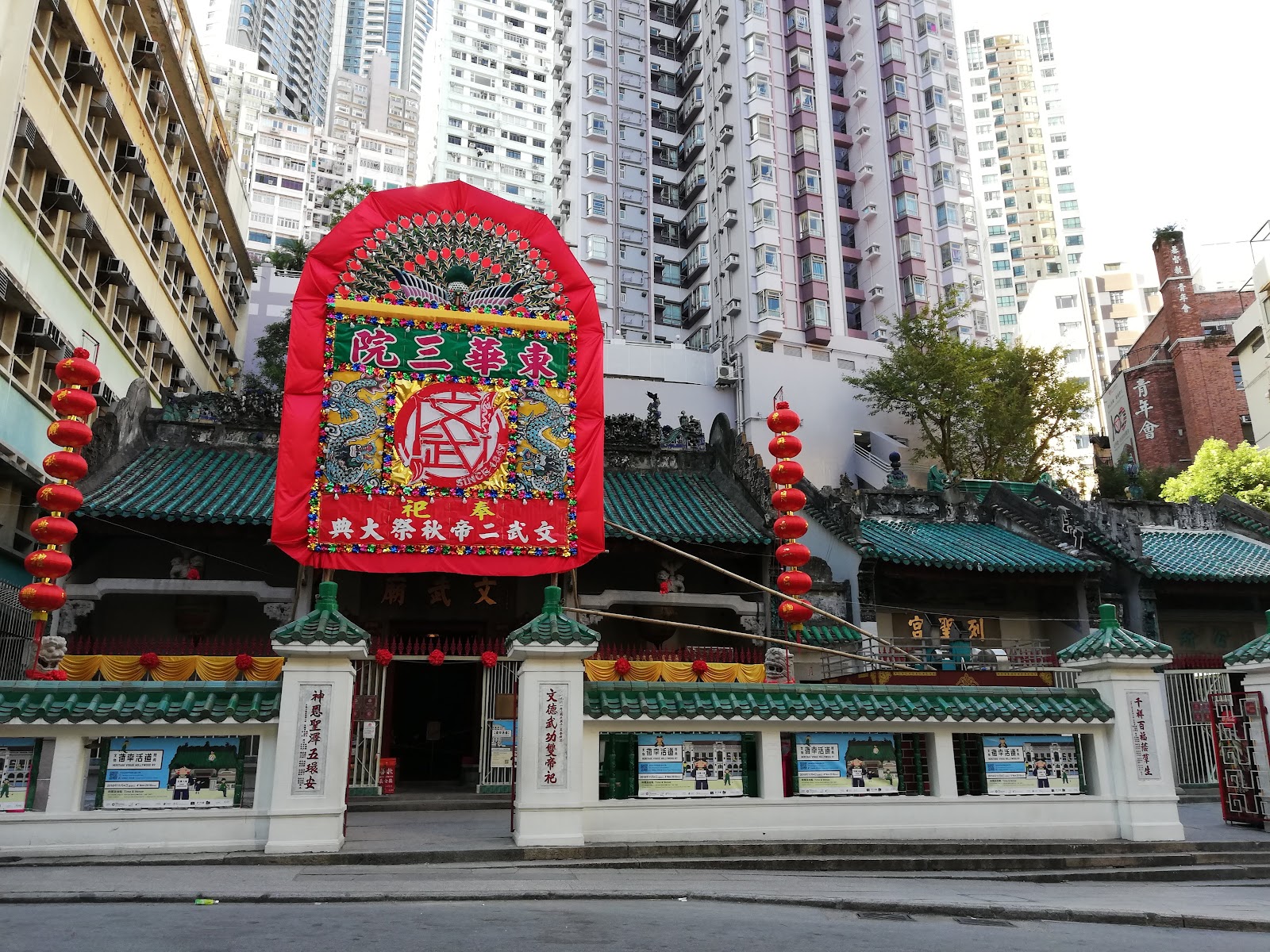
9. The Fragrant Man Mo Temple
Strolling through the modern Central district, you’ll occasionally stumble upon islands of old history, but none is as striking as the Man Mo Temple on busy Hollywood Road. This small but incredibly atmospheric shrine from the mid-nineteenth century is undoubtedly the most photographed temple in the whole city. It’s dedicated to the gods of literature (Man) and war (Mo), to whom students once prayed before tough exams, and today crowds of worshippers and tourists flock here.
As soon as you cross the threshold, you’re immediately surrounded by huge spirals of smouldering incense hanging right from the ceiling. Sunbeams penetrating through the roof create mystical columns of light in the thick smoke, magically contrasting with the deep red decorations and the golden altars full of offerings. Entering the shrine doesn’t require any official admission fee, but it’s certainly polite to drop a small coin into the box by the entrance.
Despite the temple being surrounded by glass skyscrapers and luxury boutiques, inside, time has stopped and there’s a deep respect for tradition. 💡 Tip: After visiting the temple, set off to explore the surrounding lanes of the PoHo neighbourhood, which are full of independent cafés, street art, and stylish antique shops.
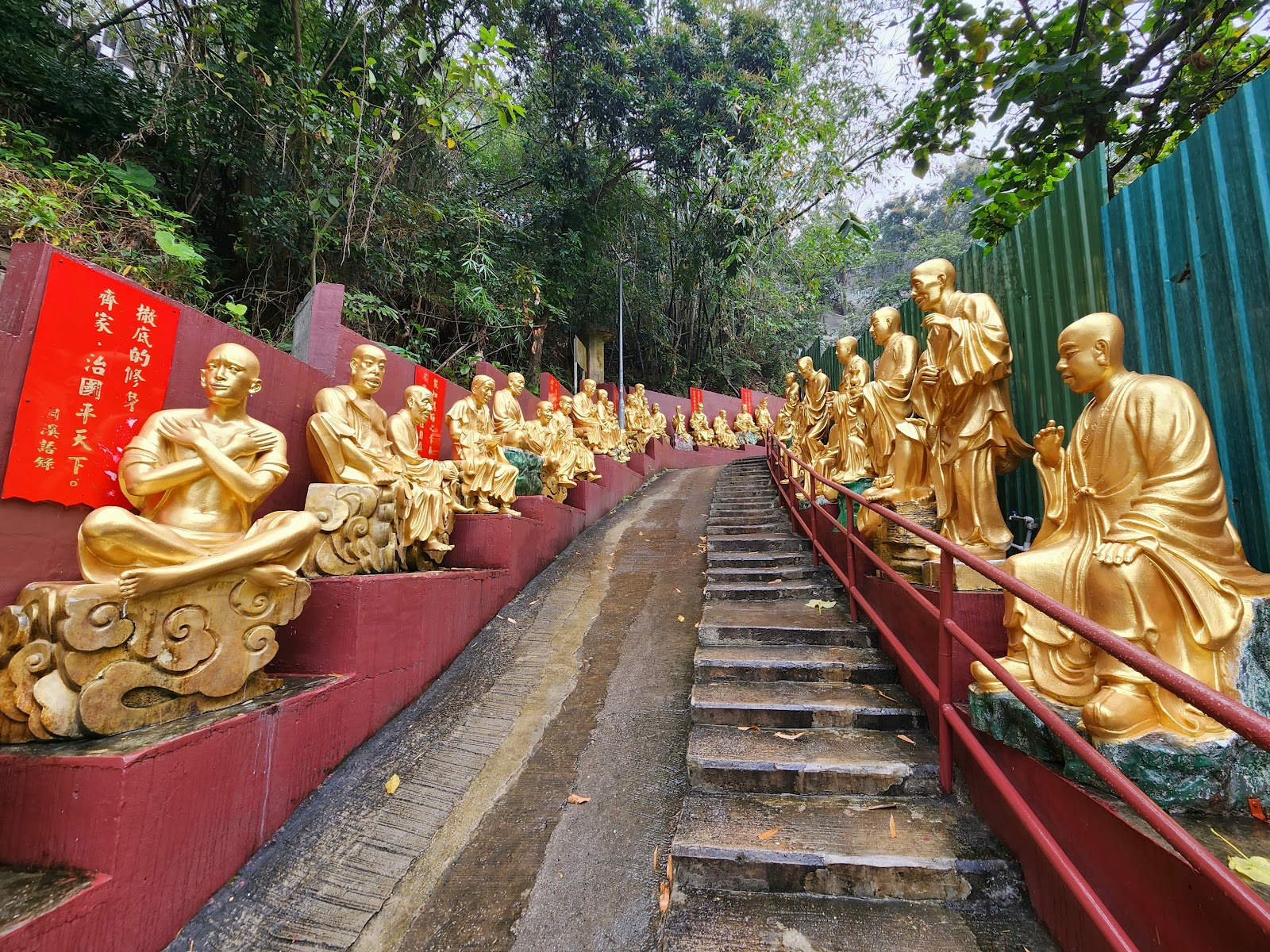
10. The Ten Thousand Buddhas Monastery
If you like places that are a little bizarre and require a bit of physical effort, you can’t skip the Ten Thousand Buddhas Monastery in the Sha Tin district. Get ready for a steep climb of 431 steps, but from the very first step, life-sized golden Buddha statues line both sides of your route — so it definitely won’t feel like a chore.
Each of the hundreds of statues along the way has an absolutely unique facial expression, a different pose, and a different attribute in its hand, so you won’t be bored at all as you climb. In total there are over 13,000 statues throughout the complex, so the monastery’s name actually undersells the real situation. The main temple hall at the very top has walls covered from floor to ceiling with thousands of miniature golden figurines that shine in every direction.
Curiously, this fascinating complex, rated 4.5 stars, is not an officially consecrated monastery, because no monks live here, and it’s run only by willing volunteers. 💡 Tip: Be extremely careful of the cheeky wild monkeys (macaques) that very often roam around the staircase. Definitely don’t take out any food or rustling plastic bags in front of them, or they’ll snatch them from you in a flash.
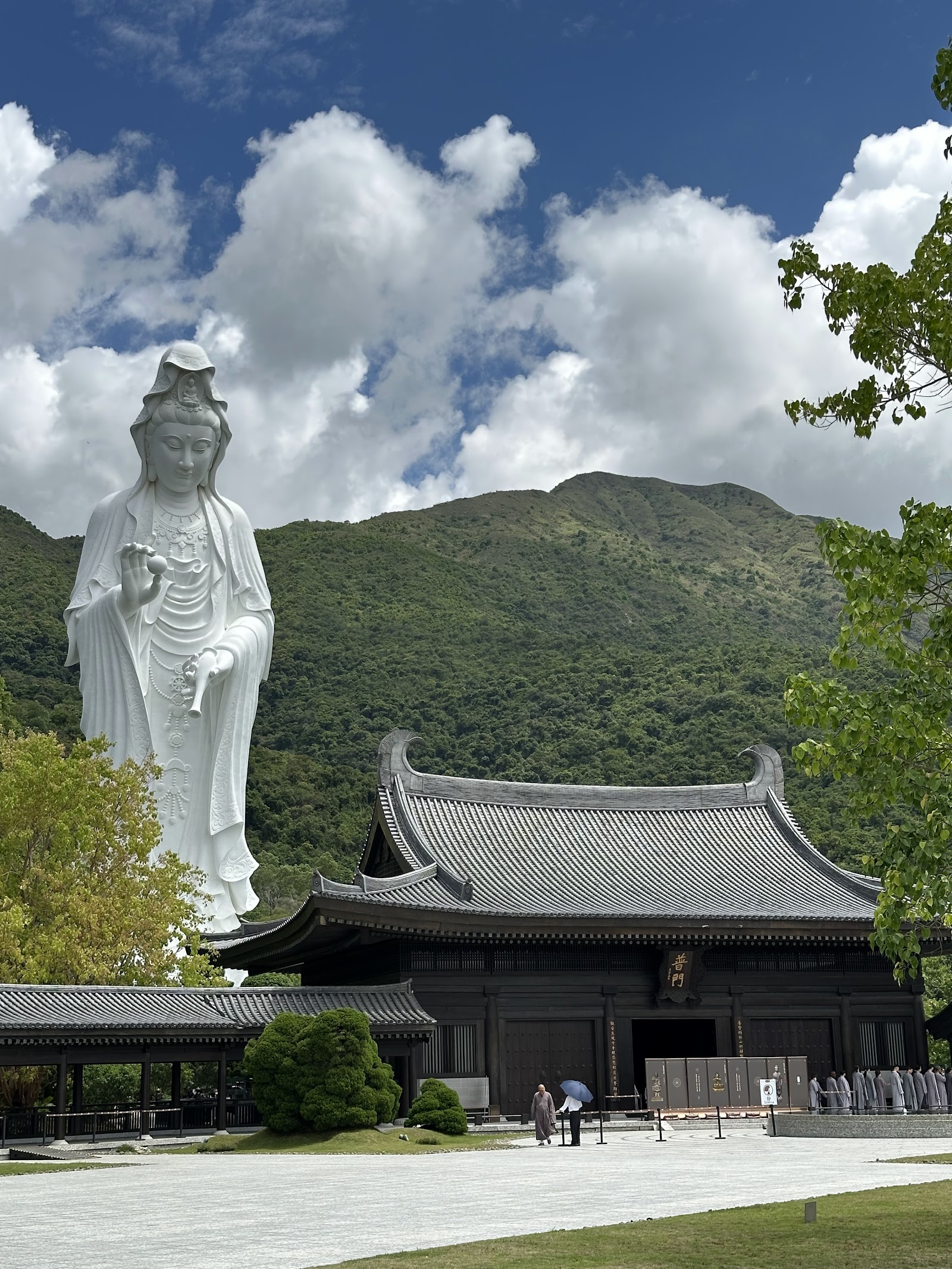
11. Book a Visit to the Peaceful Tsz Shan Monastery
While most tourists head for the Big Buddha on Lantau, true connoisseurs and seekers of absolute peace opt for a visit to Tsz Shan Monastery in the Tai Po area. This stunning complex, with an excellent 4.6-star rating, is dominated by an incredible 76-metre snow-white statue of Guan Yin, the goddess of mercy, which gazes serenely over the wooded hills and a calm sea bay.
Entry to this modern, architecturally perfect monastery is completely free, but there’s one big catch you need to prepare for. You can only get inside with a confirmed online reservation made in advance, because the complex management strictly limits the number of daily visitors to preserve the sacred peace and quiet. Thanks to this, you won’t experience any crowds at all and will feel like you have the entire huge complex all to yourself.
The monastery offers an amazing experience in the form of the so-called water offering, where you scoop water into a wooden bowl and, in complete silence, walk with it all the way to the foot of the giant statue. It’s the perfect counterpoint to the noisy and more commercial landmarks, filling you with incredible inner peace. Reservations on the official website always open exactly one month in advance and get snapped up in a flash, so you have to be quick.

12. The M+ Museum of Contemporary Art
In recent years Hong Kong has decided to invest heavily in culture, and the result is the brand-new West Kowloon museum district that will thrill any design lover. Its main star is the giant M+ museum (rated 4.3 stars from almost six thousand reviews), which functions as Asia’s answer to London’s famous Tate Modern gallery. The inverted-T-shaped building is an architectural gem in itself, and its façade works at night as a giant glowing LED screen.
A standard museum ticket costs 190 HKD, with a reduced rate for students and seniors at 100 HKD. Inside you’ll find the best collections of contemporary visual art, design, and architecture from all over Asia. The exhibitions are incredibly modern, interactive, and visually provocative — you’ll enjoy them even if you don’t usually seek out modern art and are just looking for visual inspiration.
On top of that, the museum terraces offer a fantastic panoramic view of the harbour and the island skyline that you shouldn’t miss. 💡 Tip: If you decide to visit the museum, set aside at least three to four hours for it, because the exhibition spaces are truly gigantic and it’s easy to get lost in them for a whole afternoon.
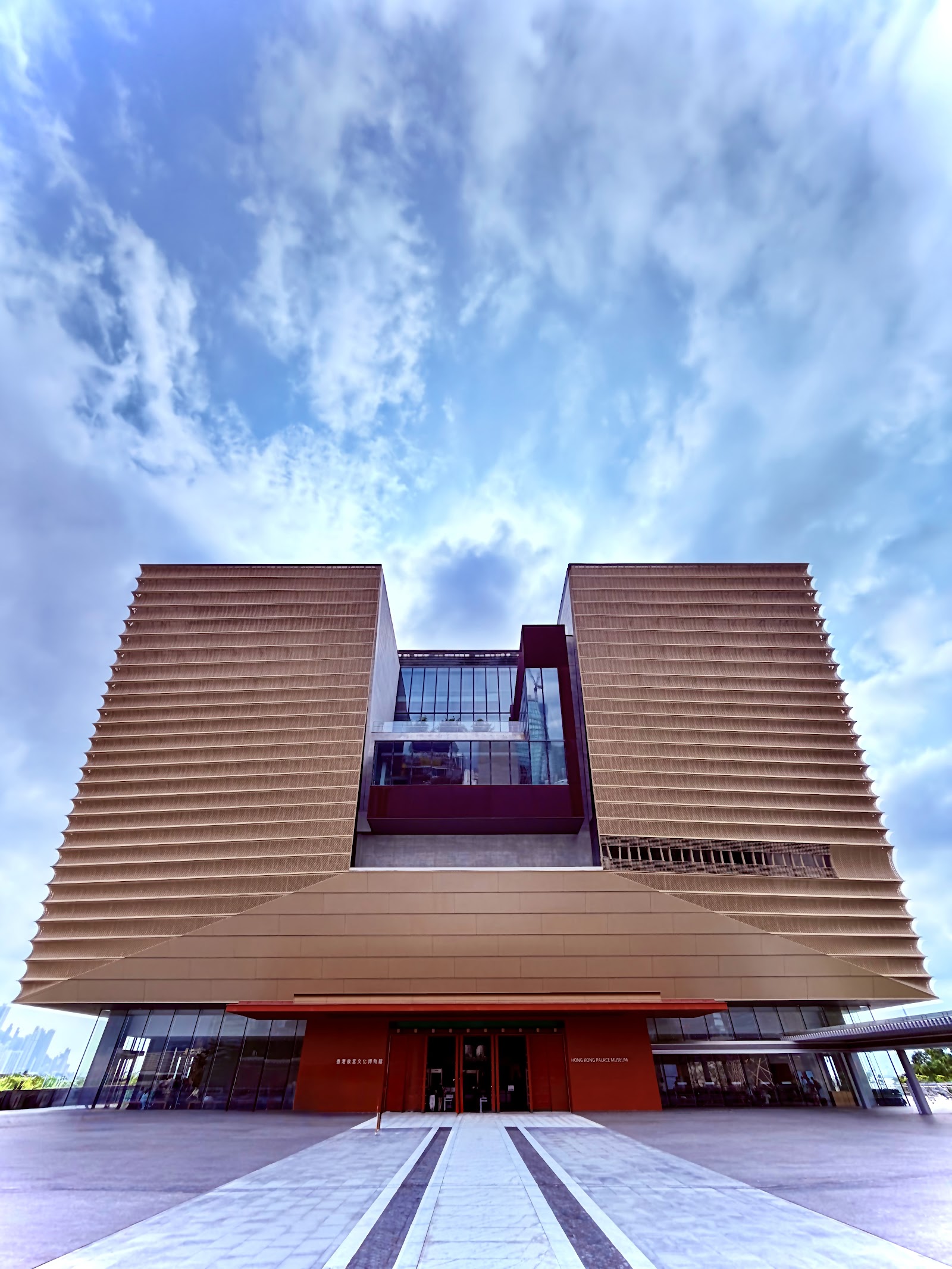

13. Imperial Treasures at the Hong Kong Palace Museum
Right next to the modern M+ another cultural institution has sprung up, one that will take you deep into China’s rich history instead. The Hong Kong Palace Museum, with an excellent 4.4-star rating, is a unique project that lets you view rare exhibits loaned directly from Beijing’s Forbidden City. The items on display include gorgeous imperial robes, ancient ceramics, calligraphy, and precisely crafted gold objects.
From March 2026 a new pricing policy applies at the museum, where a good-value package covering both the permanent and special exhibitions costs 190 HKD. The museum building is wonderfully designed to evoke traditional Chinese architecture, but in a super-modern, clean rendition full of light. Each floor also has its own outdoor viewing terrace facing a different side of the city, where you can rest.
This museum is an ideal choice for moments when you need to hide from the crushing summer heat or an unexpected tropical downpour. The exhibitions come with great English captions and multimedia panels, so you’ll get a fantastic overview of life at the imperial court without having to travel all the way to mainland China.
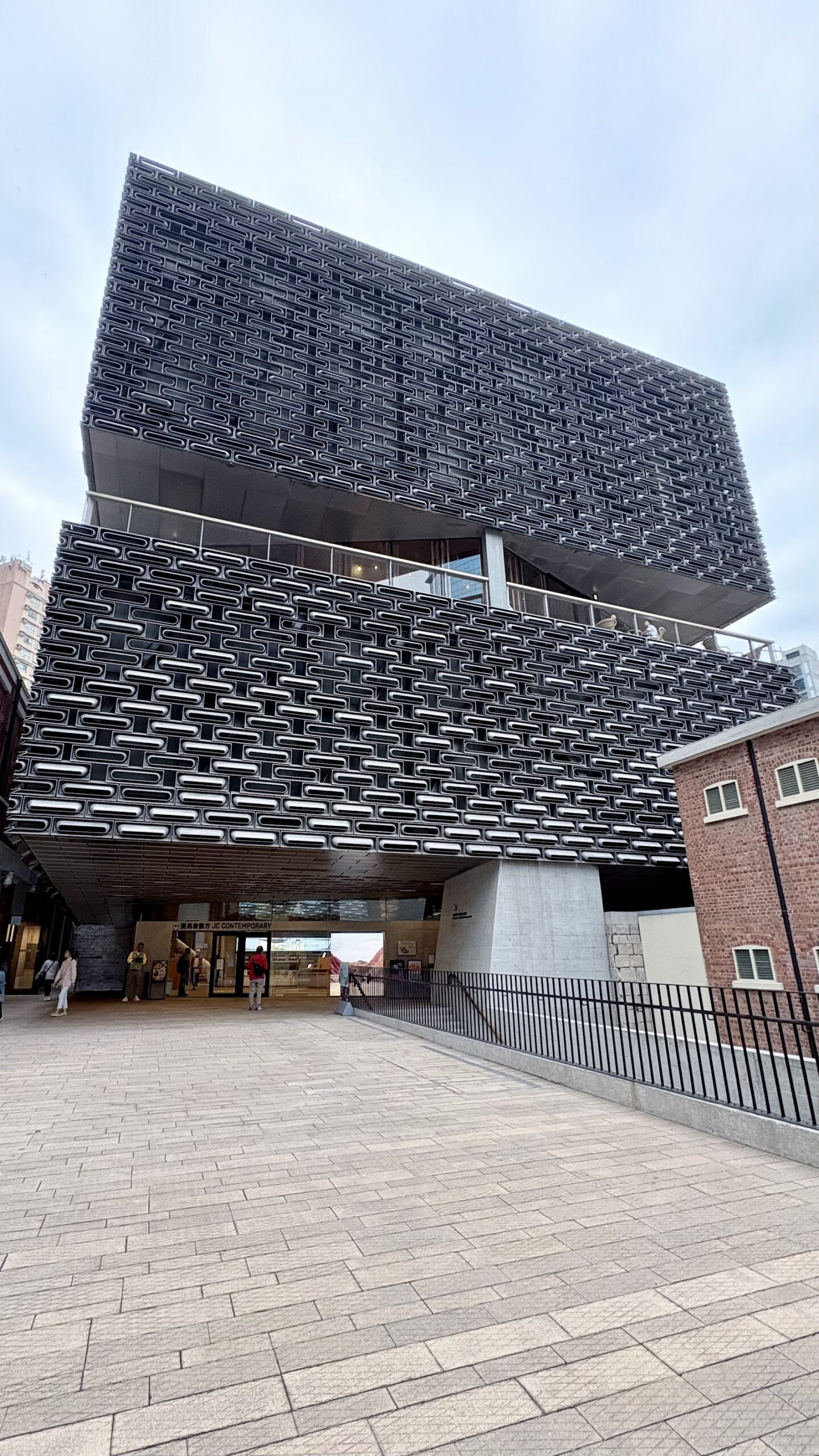
14. The Historic Tai Kwun Complex
Right in the middle of the busiest business district, Central, surrounded by glass skyscrapers and bustling bars, sits the fascinating historic Tai Kwun site. This is the former British Central Police Station, magistracy, and Victoria Prison from the 19th century, which underwent an incredibly sensitive restoration and was saved from demolition. Today, this 4.4-star-rated site works as a huge cultural and community centre.
The best thing about Tai Kwun is the fact that entry to all the courtyards and most of the historic buildings is completely free. You can wander freely through the old prison blocks, peek into cramped cells, and explore the dark history of the local justice system on interactive panels. Between the old brick buildings, two super-modern architectural cubes made of recycled aluminium have also risen up, housing independent art galleries.
In the evening the spacious courtyards transform into a pulsing centre of nightlife. You’ll find plenty of stylish cafés, restaurants, and hidden bars here, where locals and expats head after work for a drink. It’s a wonderful oasis of historic calm that sharply contrasts with the hectic pace of the surrounding streets and offers a great refuge for a rest.
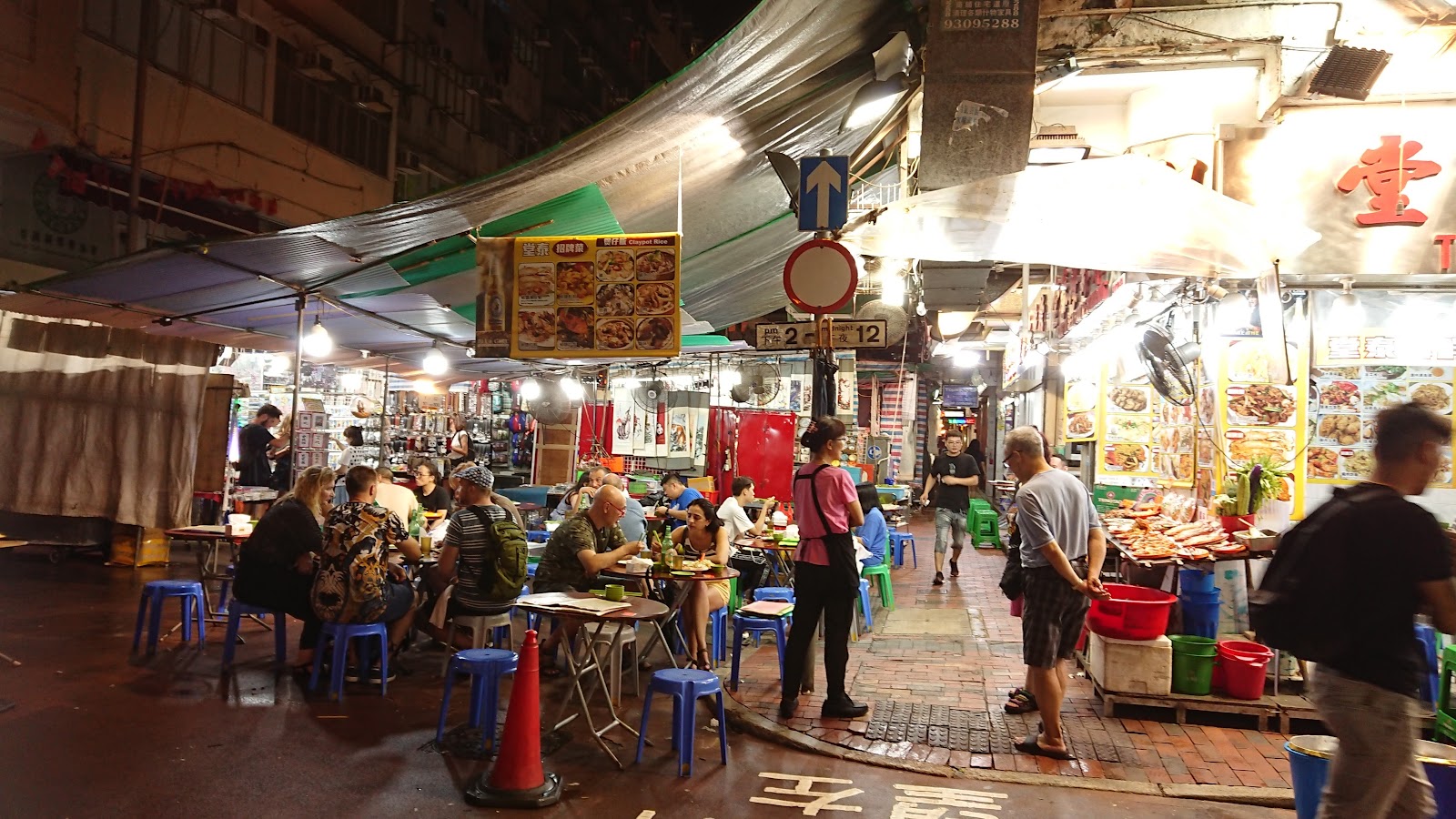
15. The Reality of the Temple Street Night Market
If you look up information about Hong Kong, the Temple Street Night Market in Jordan will pop up everywhere as an absolute must. It’s better to approach it with a big dose of honesty, because the market only has a rating of 3.8 stars on the maps, and that’s the complete truth. The days when interesting antiques and unique goods were sold here are long gone, and today the stalls overflow mostly with plastic kitsch, cheap electronics, and fake designer clothing.
So why bother going there at all and wasting your time? These days you go to this market purely for the evening atmosphere and the smells, not for quality shopping. You’ll see glowing neon signs, hear loud haggling in Cantonese, come across fortune-tellers’ tents and traditional opera singers entertaining passers-by. It’s exactly that noisy, colourful, and slightly chaotic Asian vibe you know from action movies.
The main draw of the whole area, though, is clearly the food. In the side lanes around the market there are dozens of so-called dai pai dong, which are traditional street eateries with plastic chairs and tables right on the pavement. This is exactly where you can enjoy the most authentic evening with a bottle of chilled beer, watching the hustle and bustle of the endless crowd of people gathering here for a late dinner.
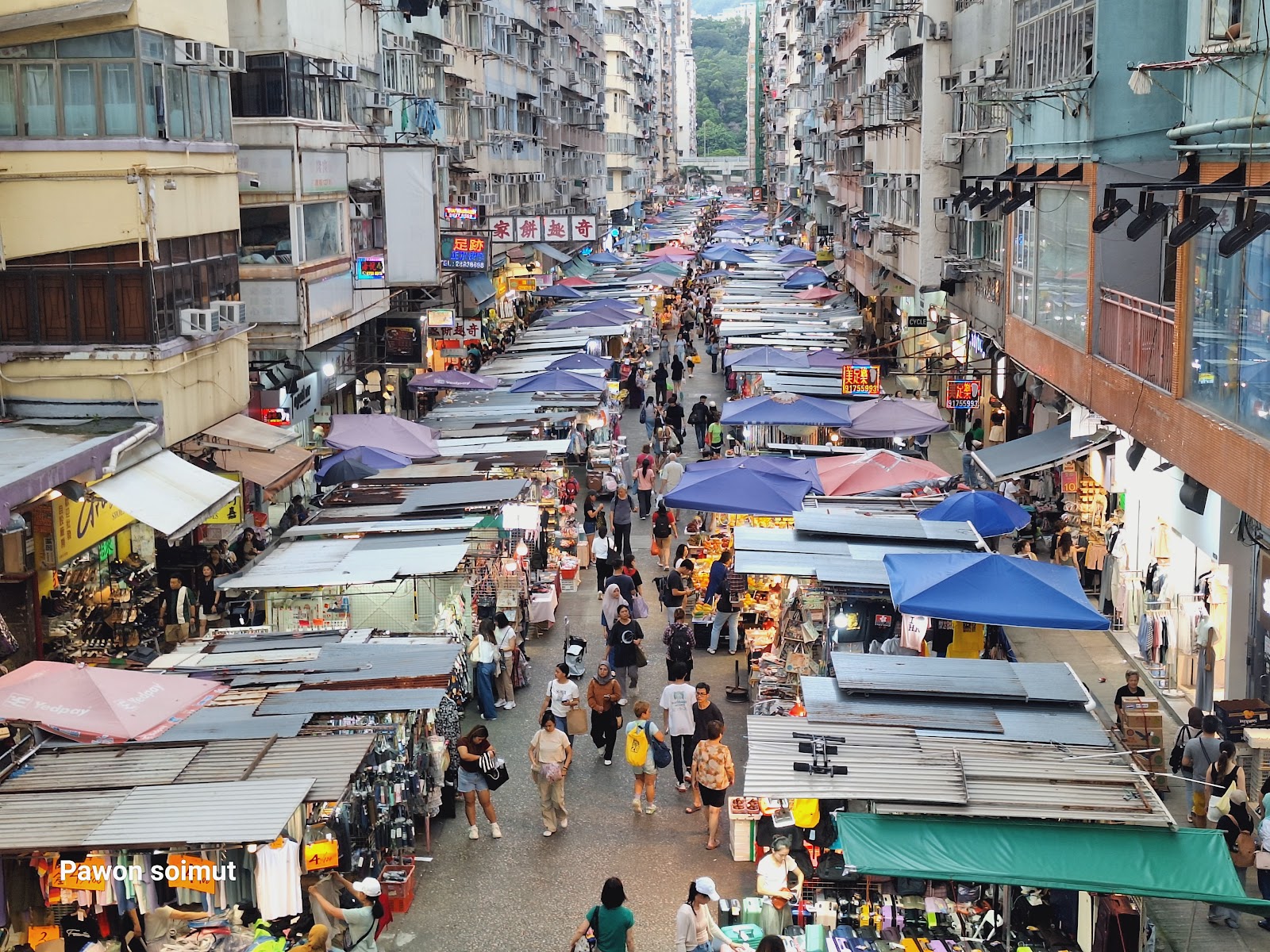
16. Haggling at the Ladies’ Market
Just like Temple Street, the famous Ladies’ Market in the Mong Kok district (which has a rating of 3.9 stars) should be taken with a pinch of salt, and you should not expect any luxury. It’s a kilometre-long stretch of Tung Choi Street simply crammed to bursting with stalls selling clothing, handbags, accessories, and souvenirs. The name arose historically because mostly goods for women were sold here, but today you can get absolutely everything from toys to electronics.
When shopping at this market, one absolutely fundamental rule applies, because the first price the seller quotes you is always ridiculously inflated. Haggling here isn’t just an option, it’s a necessity and a kind of social game. If you don’t like the price, just smile, thank them, and start to walk away. In most cases the seller will immediately run after you with a much more reasonable offer that you can then accept.
Just one street over is the lesser-known Fa Yuen Street Market (rated 3.8), which feels a bit more local, and you’ll find plenty of stalls with fresh exotic fruit and cheap everyday clothing. On top of that, the whole Mong Kok district is listed in the Guinness Book of Records as the most densely populated place on the planet, so just squeezing through these endless crowds is a huge experience in itself.
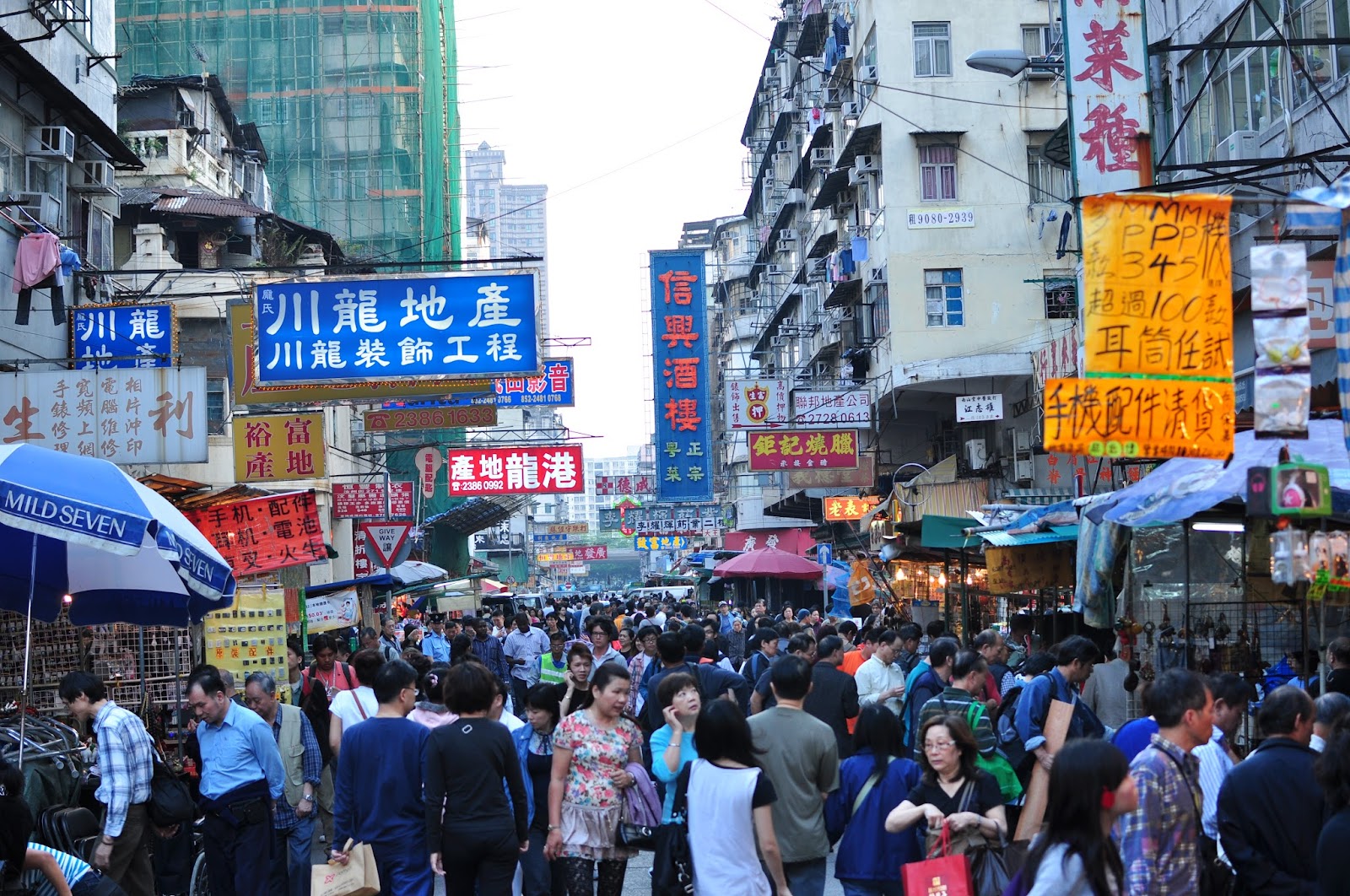
17. The Authentic Flea Market on Apliu Street
If the commercial tourist markets in Mong Kok disappointed you, you have to head a few metro stops further to the Sham Shui Po district. The local Apliu Street Flea Market boasts a solid 4.0-star rating and is a place where real locals go to shop. Sham Shui Po is by far the most interesting unfiltered neighbourhood in the whole city, where you won’t meet tourists with cameras but rather repairmen, DIY enthusiasts, and grandmothers with wheeled shopping trolleys.
Apliu Street is known mainly as a paradise for lovers of electronics and all sorts of technical gadgets. You can find cables, old phones, LED strips, tools, and retro cameras here, all laid out on tarps right on the ground or in obscure little shops. The prices here are much fairer than in the centre, and the overall atmosphere is reminiscent of Hong Kong thirty years ago.
Besides electronics, this district is famous for its specialised lanes that are worth exploring. You’ll find a street dedicated purely to buttons, another where only fabrics are sold, or a huge toy market. 💡 Tip: After exploring the market, grab some traditional fresh sweet pastries, because the local eateries called cha chaan teng (serving milk tea, egg tarts, and pastries) in Sham Shui Po are among the very best and cheapest in the city.
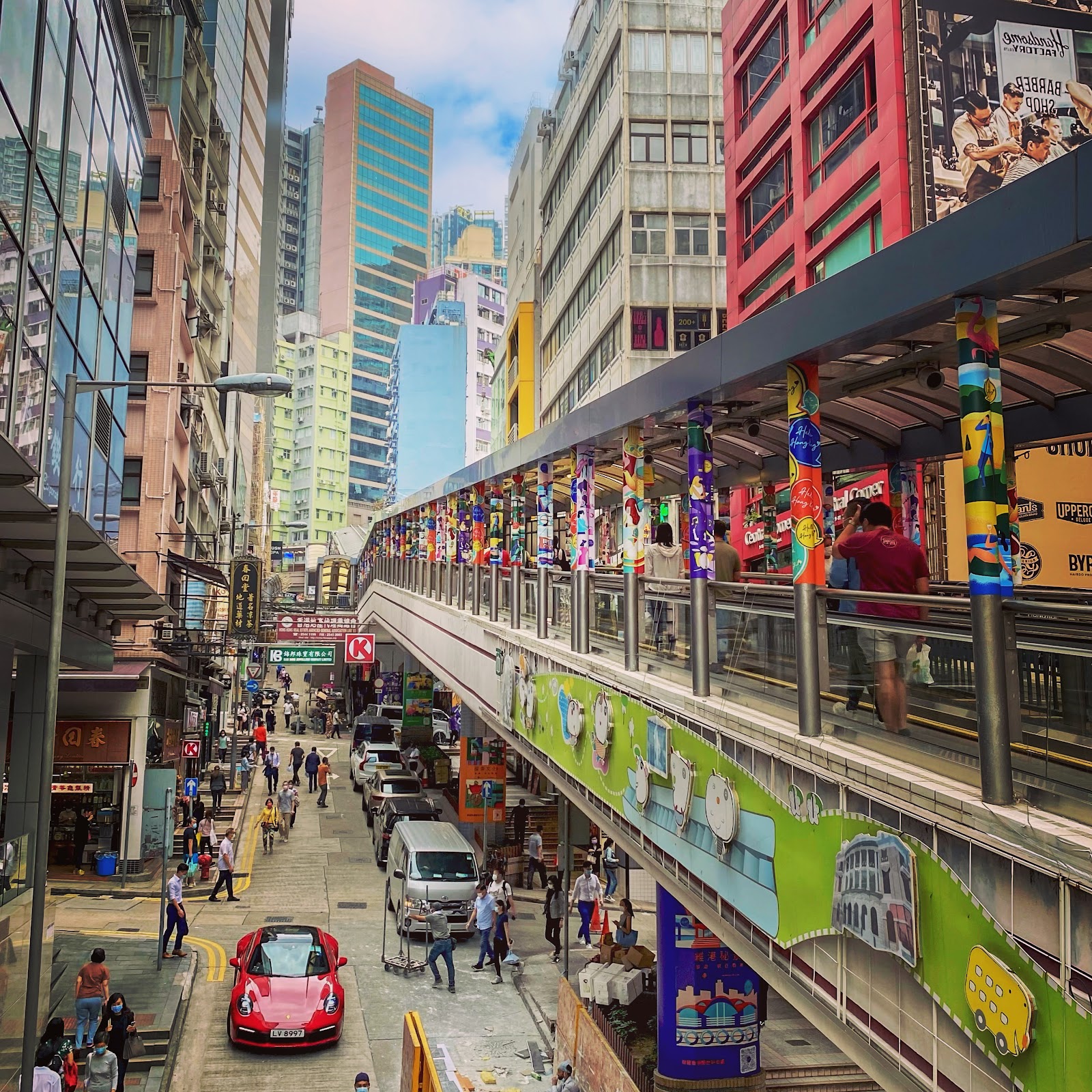
18. The Longest Outdoor Escalator in the World
Moving around the steep hills of Hong Kong Island, you’ll soon run out of breath, but luckily there’s one absolutely genius invention here that saves you a lot of energy. At 800 metres long with an elevation gain of 135 metres, the Central–Mid-Levels Escalator is recognised as the longest covered outdoor escalator system in the world. It’s not a tourist attraction, though, but a vital transport artery used daily by tens of thousands of locals on their way to work.
This clever system of moving stairs and walkways is of course completely free. But you have to know its specific timetable: from six in the morning until ten a.m. all the escalators run downhill only, to carry people to the offices in Central, and after ten the direction reverses and they run only uphill. If you need to go against the flow, you have to walk on the classic stairs along the route.
Riding the escalators is also the fastest and most comfortable way to get to the popular restaurant districts of SoHo and PoHo. During the ride you pass at first-floor height right past pub windows, balconies, and little cafés, so you get an amazing view of the pulsing street life right below you and can easily pick out a spot for an evening drink.
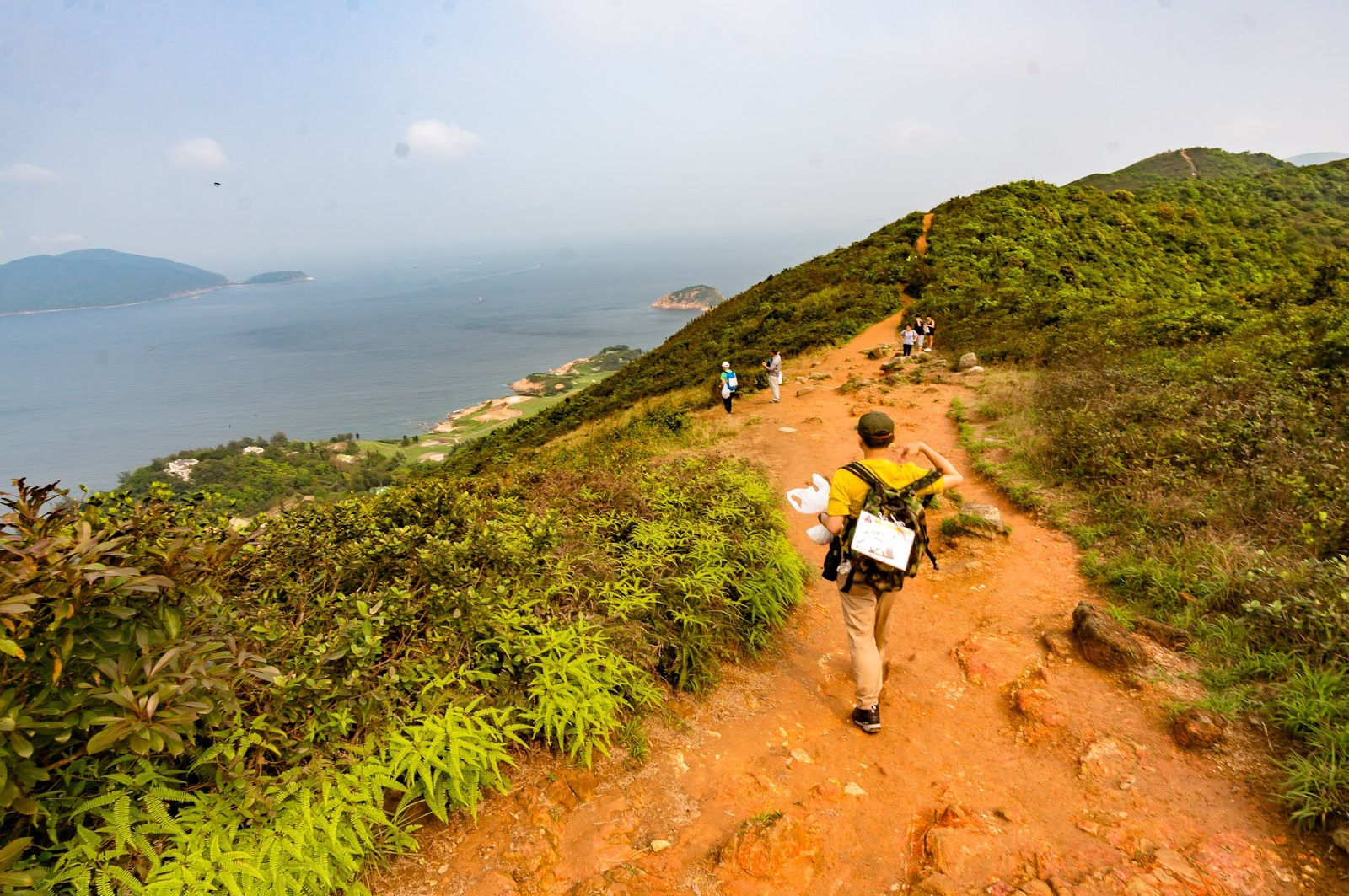
19. Escape Into Nature on the Dragon’s Back Trek
As I mentioned in the introduction, Hong Kong isn’t just skyscrapers, and the best proof is on the trek called Dragon’s Back. With an excellent 4.6-star rating, it’s without a doubt the most famous and most popular city trek, and thanks to its gentle incline even a complete beginner can manage it. The route is roughly 8.5 kilometres long, and at a comfortable pace with photo breaks you’ll walk it in two to three hours.
Getting to the start of the trek is very easy — just take the metro to Shau Kei Wan station and continue from there on bus number 9 to the To Tei Wan stop. The trail leads you out onto an open ridge that resembles the back of a sleeping dragon and offers you absolutely epic views of the blue sea, green bays, and small islands scattered in the distance.
The biggest reward awaits you at the very end of the journey, as you start descending towards the coast. The trek ends right at the beautiful sandy Big Wave Bay beach, where after the hike you can immediately cool off in the waves, grab a cold drink at a stall, and watch the local surfers. It’s an incredible contrast — you drink coffee under the skyscrapers in the morning and by midday your feet are buried in hot sand in the jungle.
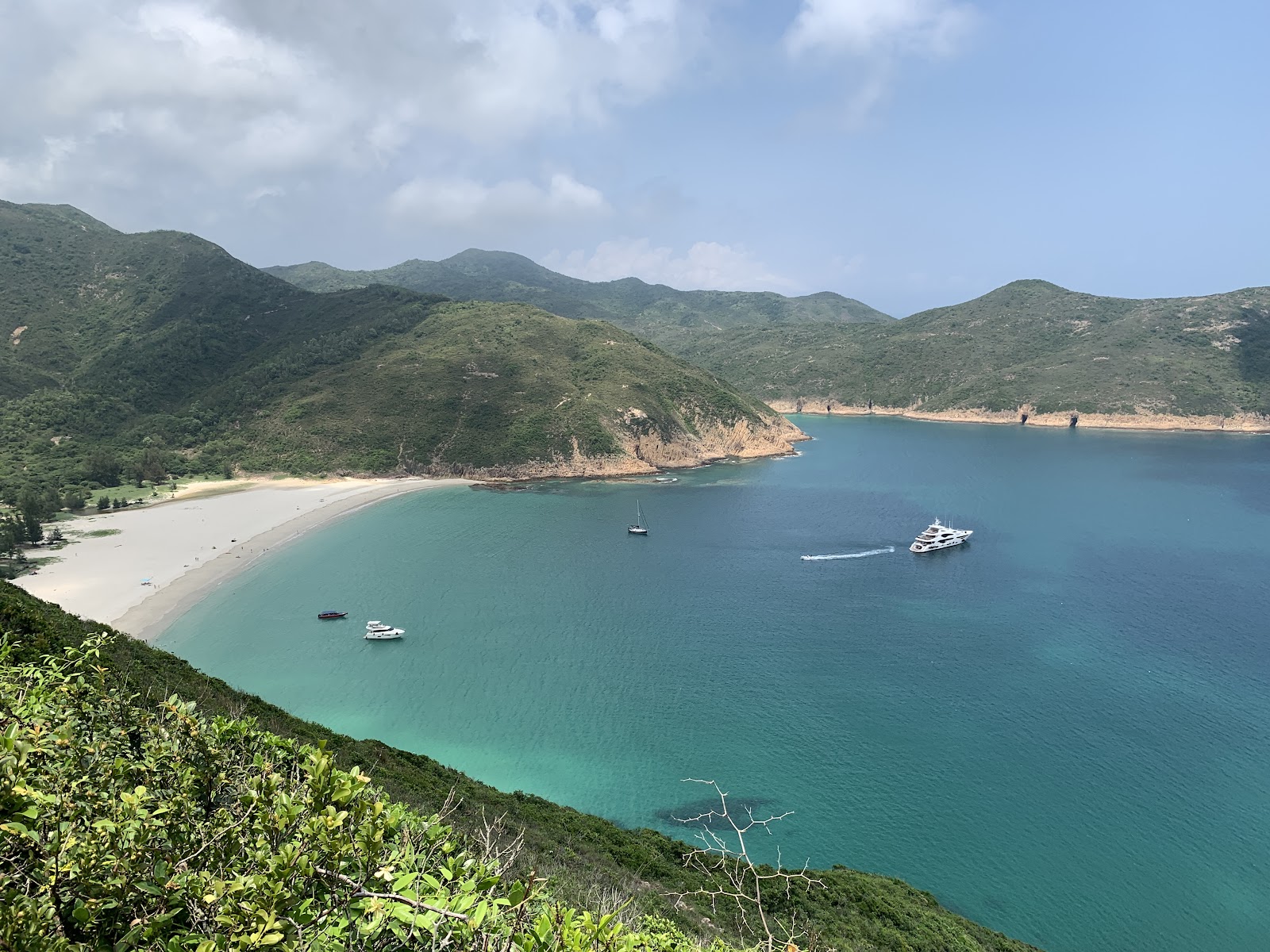
20. Hong Kong’s Maldives in Sai Kung Park
If you want to experience nature that ordinary tourists back home can’t even dream of, you have to head east to the Sai Kung East Country Park area, which has a great 4.5-star rating. Getting here from the centre takes about an hour and a half by a combination of metro and minibus, but the reward is a territory rightly nicknamed Hong Kong’s Maldives that will completely amaze you.
The greatest gem of the whole area is Long Ke Wan bay, which boasts an incredible score of 4.7 stars. You’ll find perfectly white fine sand and crystal-clear turquoise water here, which you have to reach on foot over a hill, because there is deliberately no road for cars. There are no hotels, no shops, just wild nature and the occasional stray cow resting right on the beach next to your towel.
The whole Sai Kung peninsula is a huge protected geopark full of volcanic hexagonal columns and abandoned old fishing villages. 💡 Tip: Ideally plan your trip here on a weekday, because on weekends crowds of locals escaping the city flock here, and endless queues form for the minibuses and overpriced taxis, in which you’ll lose a lot of time.
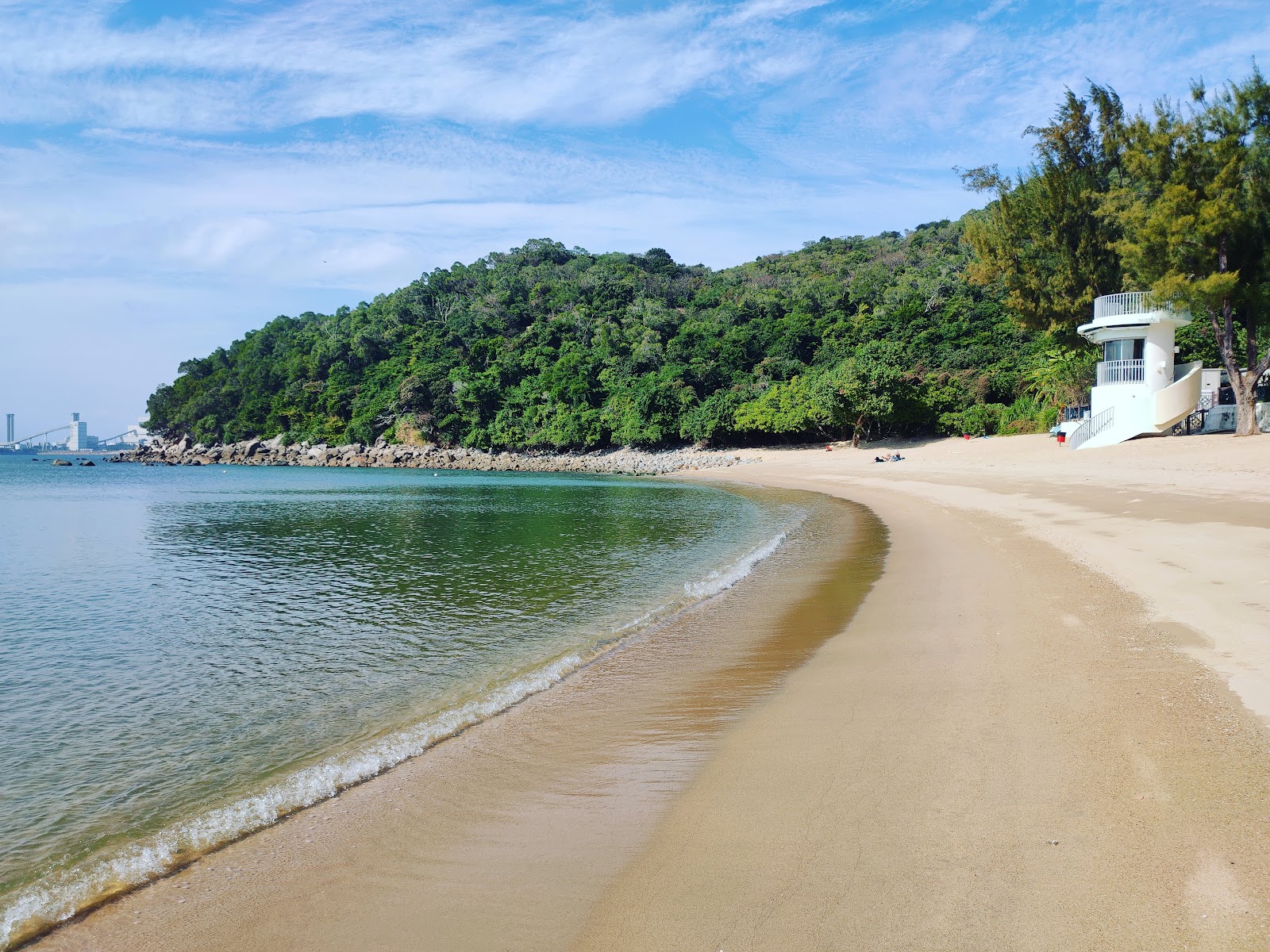
21. Car-Free Islands: Lamma and Cheung Chau
Once you’ve had enough of honking taxis and the noise of jackhammers from the centre, board a ferry at Central harbour and in 30 to 40 minutes you’ll find yourself in a completely different world. The islands of Lamma and Cheung Chau share one fundamental feature: they have no cars at all, and all movement happens only on foot or on old bicycles.
Lamma Island has a strongly relaxed, almost hippie atmosphere full of independent little shops and great vegetarian bistros. The best activity here is the easy walk across the hill from the village of Yung Shue Wan to Sok Kwu Wan, which takes about an hour and a half, and along the way you can swim at several pleasant sandy beaches. The ferry then conveniently takes you back to the city from the other side of the island.
Cheung Chau Island, by contrast, is a bit more traditional, more densely populated, and full of narrow winding lanes with small temples. Locals mostly come here on weekends for swimming and quiet walks along the coastal cliffs. 💡 Tip: Your universal Octopus card works without any problem on the ferries to both islands, so you don’t have to queue for paper tickets at the counters and can go straight through the turnstile.
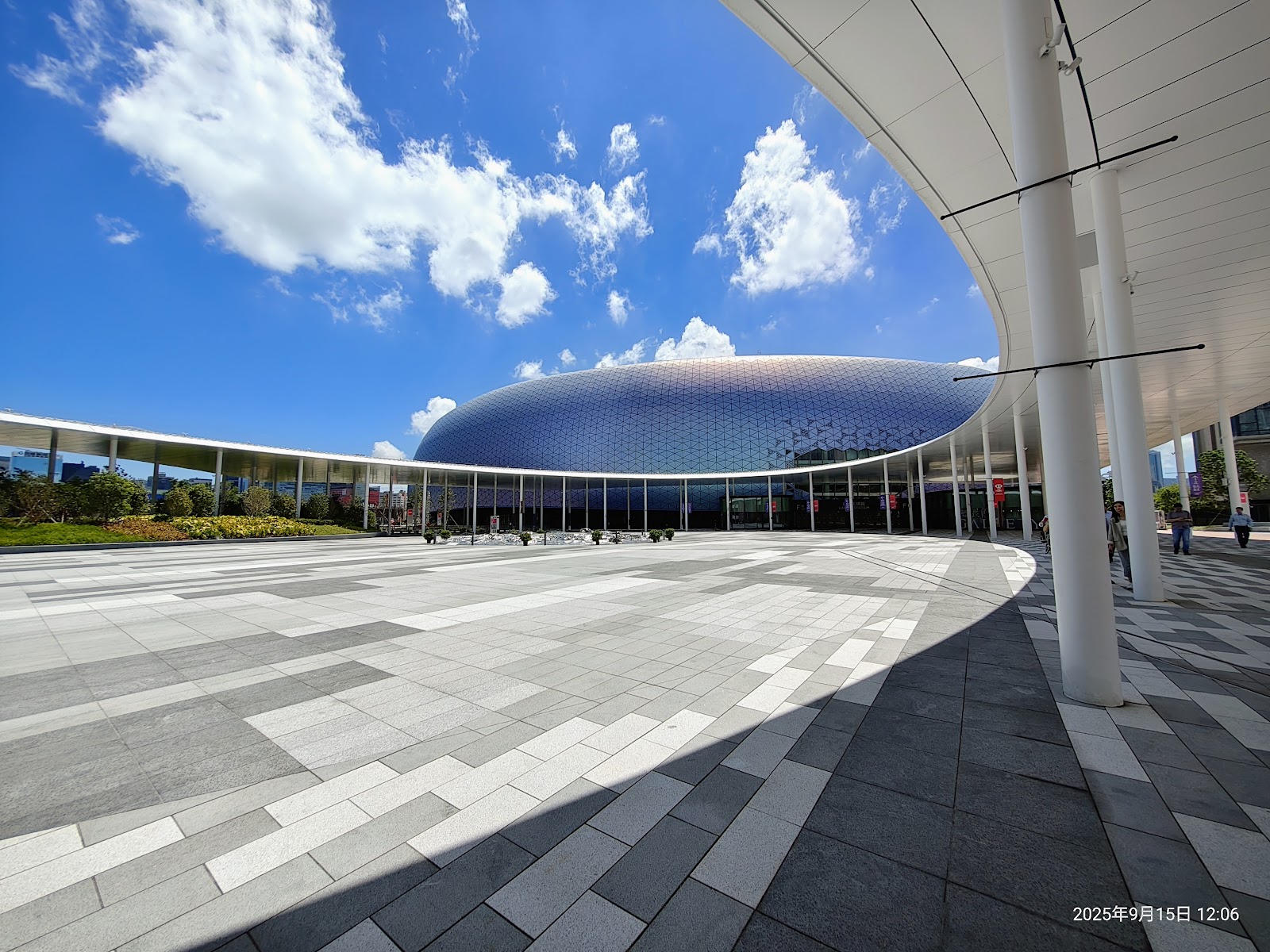
22. The Modern Marvel of Kai Tak Sports Park
On the site of the legendary old Kai Tak airport, where pilots once guided giant Boeings dangerously low right between residential buildings, a brand-new architectural marvel has risen up. Kai Tak Sports Park opened in 2025, and its significance for the city is so huge that in 2026 it became the only place from Hong Kong to make the prestigious TIME World’s Greatest Places list.
The main stadium for fifty thousand spectators has a retractable roof, unique cooling built right into the seats, and an incredible view of Victoria Harbour. But it’s not just about ordinary sport — the whole complex works as a giant entertainment park, where you’ll find an indoor arena for ten thousand people, a modern forty-lane bowling alley, and a huge climbing wall for the public.
The stadium has already hosted the famous Hong Kong Sevens rugby tournament, football exhibitions by star teams such as Liverpool, Arsenal, and AC Milan, and completely sold-out concerts by Coldplay and BLACKPINK. Even if you don’t happen to have a ticket for any big event, the complex is worth a visit just for its futuristic architecture and the huge public parks that surround it on all sides.
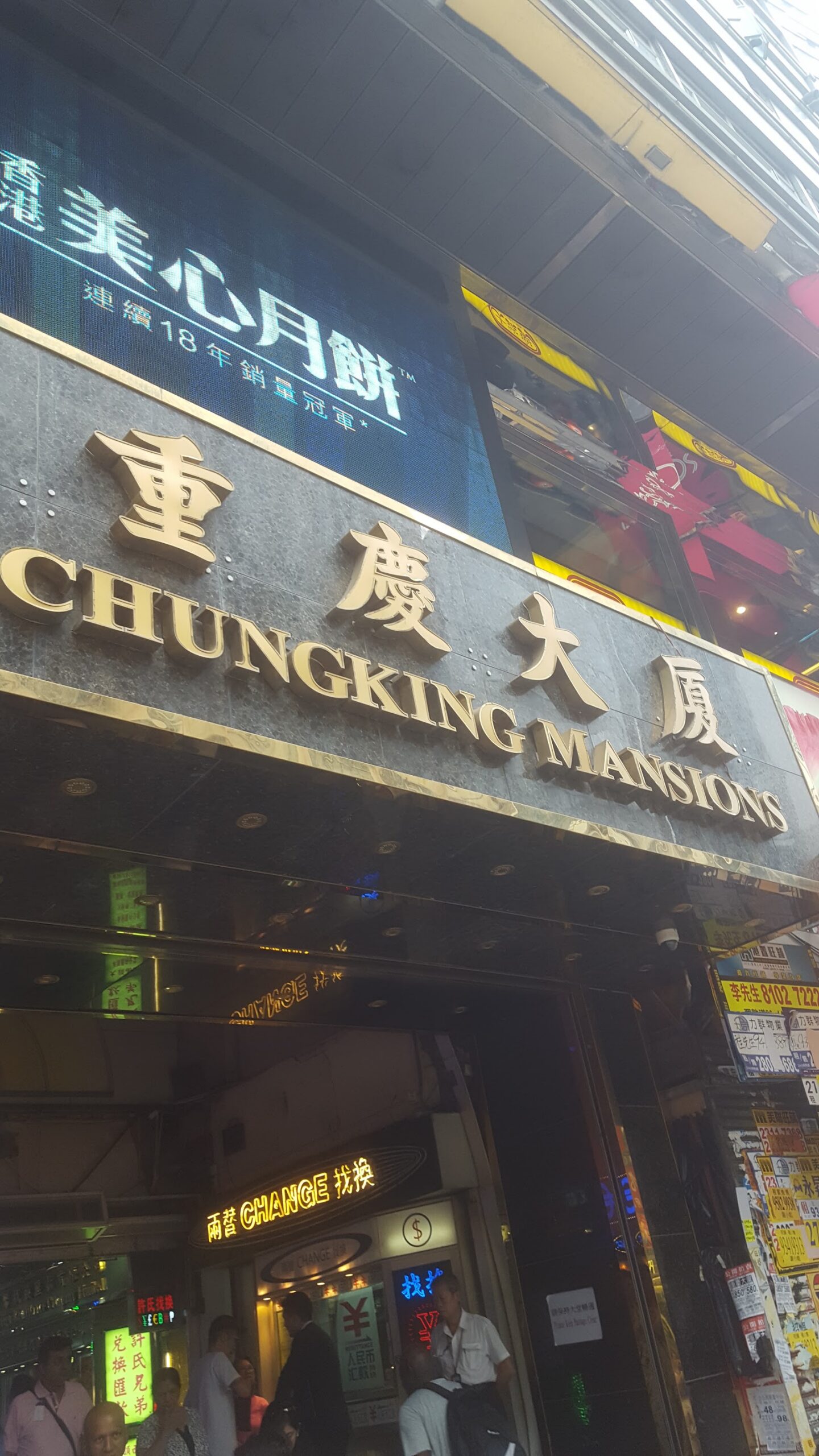
23. The Sociological Phenomenon of Chungking Mansions
Walking along the luxury shopping avenue of Nathan Road in Kowloon, sooner or later you’ll come across a huge, slightly shabby seventeen-storey building, in front of which groups of touts offering watches and suits constantly hang around. Chungking Mansions is a fascinating sociological phenomenon, often nicknamed “the world in one building”. It’s estimated that at any given moment there are people from more than a hundred different nationalities from all over the world here.
On the lower floors you’ll come across an incredible labyrinth of cheap currency exchanges, second-hand phone sellers, African fabric shops, and above all dozens of small Indian and Pakistani eateries, from which the heavy scent of spices and curry wafts. The upper floors then hide the very cheapest and smallest hostels in the whole city, with rooms often without windows that are smaller than an ordinary bathroom.
Although the building is perfectly safe thanks to the omnipresent cameras, I definitely don’t recommend it as a place to stay, because the level of hygiene and the noise in the hostels tend to be very problematic. Do go and take a look at least at the labyrinth on the ground floor, though — it’s an incredible culture shock and a fantastic illustration of how global migration works in practice.
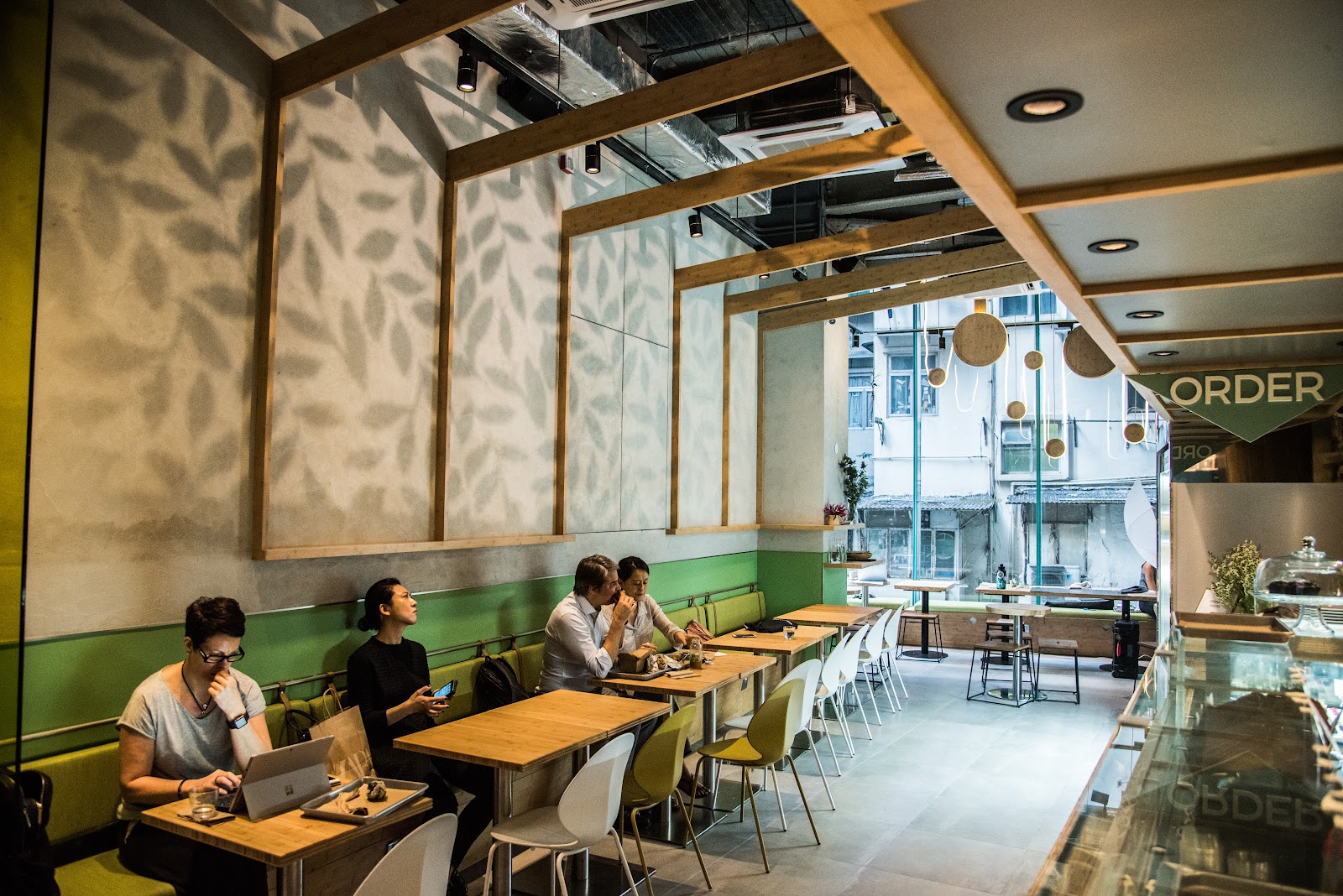
24. Great Spots for Plant-Based Food Lovers
Cantonese cuisine unfortunately relies mostly on pork, roast duck, and seafood, so as a vegetarian you won’t get to enjoy the famous meaty dim sum with prawns or the traditional char siu. But that doesn’t mean you’ll go hungry here at all — quite the opposite. The city is experiencing a huge boom in modern vegan bistros, led by TREEHOUSE, with an excellent 4.7 and 4.8-star rating, which has branches in Central, Causeway Bay, and TST and makes the best healthy wraps far and wide.
You’ll also find a great culinary experience at Root Vegan (4.6 stars) in the Sheung Wan district, or at the stylish retro restaurant Veggie 4 Love in Central. If you fancy an Asian classic in a meatless version, I recommend trying the Indian institution Woodlands Indian Vegetarian Restaurant in Tsim Sha Tsui, which has a fantastic 4.6 stars from more than two and a half thousand reviews, or the Japanese vegetarian restaurant Isoya in Wan Chai, or perhaps the highly rated Sangeetha in TST or Veggie Kingdom in Causeway Bay. And for a quick snack from the street? Here you don’t have to worry at all about ruining your budget. You’ll fall in love with traditional egg tarts, which are delicate pastry cases filled with sweet egg custard, the fluffy pastry called pineapple bun (which actually contains no pineapple, but its texture resembles one), and the smooth tofu dessert douhua. And of course you mustn’t leave without having a strong milk tea in a traditional local teahouse, filtered through a special stocking-like strainer, or trying the classic steamed dim sum dumplings filled only with vegetables and fresh mushrooms.
Where to Go From Hong Kong (Day Trips)
If you’ve set aside more than five days for your trip, there’s a fantastic option to visit the former Portuguese colony of Macau. You can get to this Asian Las Vegas, which is full of giant casinos and historic UNESCO-listed lanes, very comfortably either by fast ferry (the journey takes about an hour) or by bus across the incredible 55-kilometre-long bridge connecting Hong Kong, Zhuhai, and Macau. Just don’t forget your passport, because Macau has its own immigration control and you’ll have to pass through the border.
The second popular option is a visit to mainland China, specifically the huge tech city of Shenzhen, which you can reach very easily on an ordinary metro line. But here comes a huge warning about visa requirements. While you can enter Hong Kong as a tourist without any problems, crossing the border into Shenzhen requires a valid Chinese visa (or a special border permit for selected areas), which you have to arrange in advance.
To be able to fully enjoy all these trips and the city itself without wasting time on complicated commuting, it’s crucial to choose the right hotel in the right place. So read our detailed guide, where I break down the individual neighbourhoods in detail and add specific tips, in the article Where to Stay in Hong Kong. For more inspiration, you can also check out our section on travel in Asia, where you’ll find plenty of similar guides.
Frequently Asked Questions
Before you set off to explore this crazy city full of contrasts, you’ve surely got a few more practical questions spinning around in your head. I know exactly what it’s like to plan a trip to Asia — you want to have everything under control and not forget a thing.
That’s why I’ve put together answers to the very most common questions that come in from you. Here you’ll find a quick summary on visas, safety, and transport, so you can set off with a calm heart.
How many days do I need to visit Hong Kong?
For the city itself, its main districts, markets, and most famous viewpoints, 4 days of intensive exploration will be comfortably enough. However, if you also want to head out to Lantau Island to see the Big Buddha, hike the popular Dragon’s Back trail, or add a full-day ferry trip to neighbouring Macau, I recommend setting aside 5 to 6 full days. That way you’ll have enough time to soak up the local atmosphere without any unnecessary rush.
Do I need a visa to travel to Hong Kong?
To enter Hong Kong itself, visitors from many countries do not need a visa for tourism purposes and can stay up to 90 days (however, always check the current requirements with your government’s travel advisory before departure). Be careful, though, about any trips to mainland China (for example to the neighbouring tech city of Shenzhen). There, a Chinese visa is absolutely essential, because Hong Kong has its own immigration control completely independent from mainland China.
How safe is the city?
Hong Kong has long been one of the safest major cities in Asia and consistently ranks at the top globally. Violent crime is extremely minimal and you can walk around even quieter streets at night without worry. The main risk for tourists is only skilled pickpockets in extremely crowded areas, such as the market in Mong Kok, and during the summer months the natural threat of powerful typhoons.
Is it worth taking the Peak Tram when it got so expensive in 2026?
Despite the huge price increase to 116 HKD for a return ticket, the ride on the steep historic funicular remains an iconic experience that’s worth it at least once in a lifetime. However, if you’re on a tight budget, you can take the regular double-decker bus number 15 up from Central Station. It’s many times cheaper and the views from the front seats on the upper deck during the winding ride are equally fantastic.
When is the best time to travel to avoid the humidity?
Definitely plan your trip for the period from late October to the end of December, or alternatively in March. During these autumn and spring months, there’s ideal dry weather with temperatures around a pleasant 20 to 26 degrees, which is absolutely perfect for hiking and endless walks around the city. From May to September, on the other hand, the city has oppressive humidity and temperatures climbing well above 30 degrees.
Is it worth buying the Airport Express Travel Pass?
This special tourist card for 250 HKD (one trip from the airport) or 350 HKD (two trips) includes, in addition to the transfer, 3 days of unlimited travel on the regular MTR metro. If you’re heading to the city for around 3 to 4 days and have accommodation close to a metro station, it’s the most convenient and often the best overall value option for elegantly solving all your transport needs right after arrival.
Why does everyone recommend the Octopus card?
The Octopus card is an absolute essential for comfortable survival in this metropolis. For a purchase price of 150 HKD, you get a refundable deposit of 50 HKD and a credit of 100 HKD for immediate use. With the card, all transport including the metro, buses and trams is cheaper, you don’t have to deal with exact change that bus drivers don’t give back, and you can also easily pay with it at 7-Eleven stores or in small street eateries.
Tips and Tricks for Your Vacation
Don’t Overpay for Flights
Search for flights on Kayak. It’s our favorite search engine because it scans the websites of all airlines and always finds the cheapest connection.
Book Your Accommodation Smartly
The best experiences we’ve had when looking for accommodation (from Alaska to Morocco) are with Booking.com, where hotels, apartments, and entire houses are usually the cheapest and most widely available.
Don’t Forget Travel Insurance
Good travel insurance will protect you against illness, accidents, theft, or flight cancellations. We’ve had a few hospital visits abroad, so we know how important it is to have proper insurance arranged.
Where we insure ourselves: SafetyWing (simple monthly subscription) and TrueTraveller (for extra-long trips).
Find the Best Experiences
Get Your Guide is a huge online marketplace where you can book guided walks, trips, skip-the-line tickets, tours, and much more. We always find some extra fun there!