Where there are lots of tourists, there’s always the danger of being robbed. After several of our friends were pickpocketed in Bali and Thailand, we decided to put together these safe travel tips to help you stay protected on your next adventure. And since theft isn’t the only risk you face in Asia, we’ve expanded this article with a few more universal tips too!
The full destination guide: Asia — guide and what to see
Dangers of Travelling in Asia
Asia is a fascinating continent full of contrasts — from buzzing metropolises to breathtaking natural scenery. But it comes at a price: alongside countless unforgettable experiences, there are also potential risks. Below, we outline the dangers you should be prepared for when travelling in Asia, so you can enjoy your holiday to the fullest and stay safe.
- Infectious diseases: Parts of Asia have high rates of malaria, dengue, and other tropical diseases. Make sure to get vaccinated before you go.
- Poor hygiene standards: Food and water may not meet Western standards. Improperly stored food and contaminated water can cause digestive issues or more serious health problems.
- Traffic accidents: Road accidents are extremely common. Tourists aren’t used to local driving rules and often come home with more than just holiday memories — sometimes a broken leg too.
- Animals and insects: Asia is home to plenty of venomous snakes, but an even bigger problem is disease-carrying insects — mosquitoes in particular.
- Extreme weather and tsunamis: Tropical storms, monsoons, and typhoons are common across Asia. The continent is also home to many seismically active zones, which means a risk of earthquakes and subsequent tsunamis.
- Scams and theft: Travellers are frequently targeted by con artists and pickpockets.
- Dangerous activities: Adrenaline-fuelled activities like diving, trekking, or climbing are brilliant experiences, but if you’re not properly equipped or don’t approach them responsibly, they can end in tragedy.
12 Safe Travel Tips You Need to Know
Lukáš and I have travelled through many countries, and we practically live by these 12 rules. Every traveller should know them.
1) Tap Water
In the UK and Europe, we’re used to drinking tap water — the “only” danger being the trace amounts of antibiotics and microplastics. That’s a concern, sure, but you won’t end up with parasites or vomiting. In Asia, it’s a completely different story. Practically only Singapore, Hong Kong, Japan, and South Korea have safe drinking water straight from the tap. Don’t drink it in Thailand or China. Or Vietnam. In fact, don’t drink it anywhere except those four countries.
Tap Water in Asia — Where Not to Drink It
In many Asian countries, drinking water straight from the tap isn’t recommended due to possible contamination. Here’s a list of countries where we wouldn’t touch the tap water:
- China
- India
- Indonesia
- Cambodia
- Laos
- Nepal
- Philippines
- Thailand
- Vietnam
In these countries, stick to bottled water or water that has been properly treated (e.g. by boiling, using iodine tablets, or filtration). Keep in mind that the risk of waterborne illness can vary not only between countries but also between different regions within the same country.
2) How to Protect Yourself from Smog
You might not think much about this — you’re young, fit, and healthy as a horse, telling yourself “now or never!” That’s fine, but protect your lungs. Air pollution is responsible for 9% of lung cancer deaths. More than 2 million people die each year from the effects of polluted air.
And if that still doesn’t convince you — breathing in toxins all day wrecks your skin (yes ladies, that’s why your complexion always clears up in the mountains — it’s the cleaner air!) and reportedly worsens your sleep by up to 60%. The World Health Organisation has listed air pollution as one of the 10 biggest killers of humanity. And 65% of people who die from its effects are in Asia.
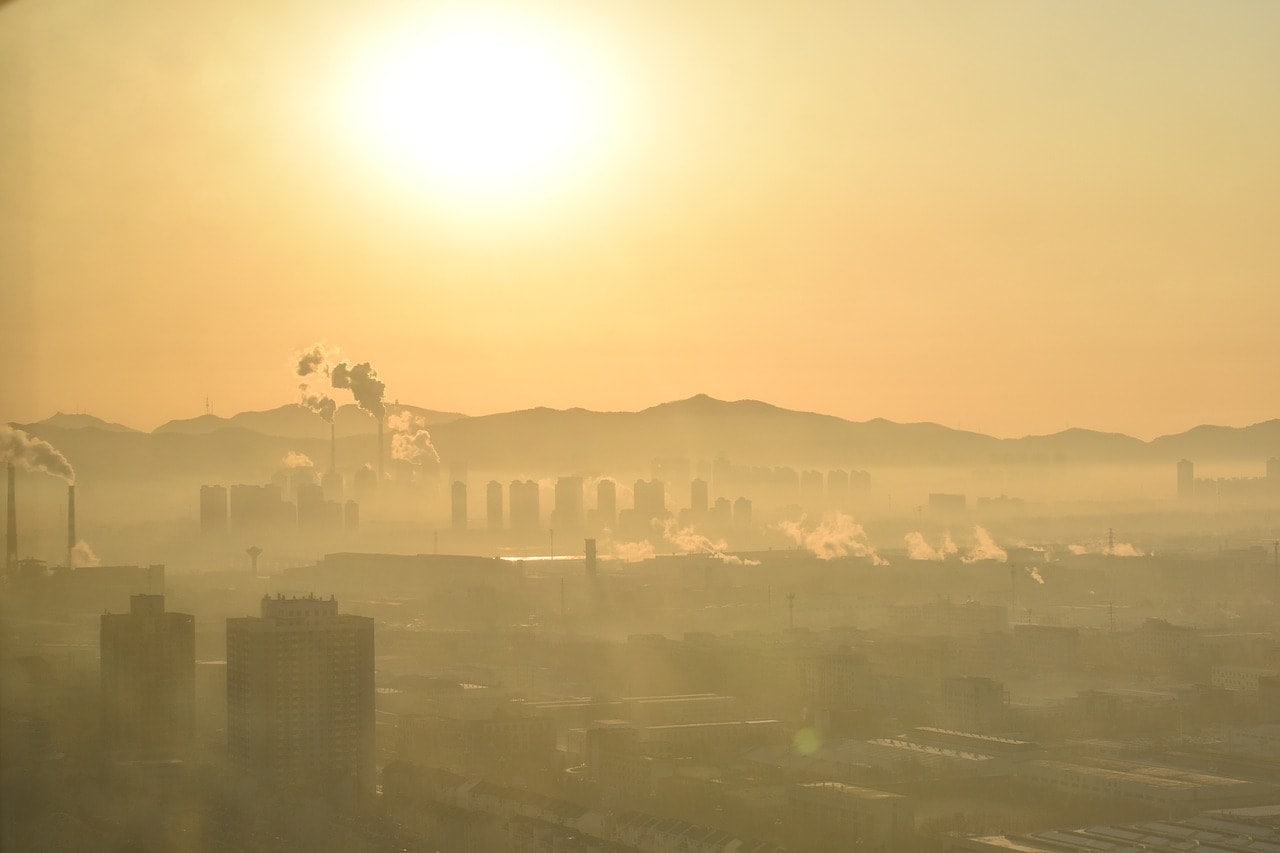
How to protect yourself? Get yourself some quality nanofibre face masks and an anti-smog and antiviral scarf. Don’t buy cheap masks in Asia — the vast majority of them don’t protect the wearer, they protect others from the wearer! That’s why it’s crucial they have a nanofibre barrier filter.
3) Never Put All Your Valuables in One Bag
Never carry your documents, money, and expensive electronics in a single bag — even when you’re heading out for a day trip. If you’re not staying somewhere with a safe, you can hide some of your cash in socks (some people even tuck it into dirty socks!) or under the lining at the bottom of your suitcase, if you have one. Basically, somewhere that isn’t immediately visible.
Always carry documents and larger amounts of cash on your body — whether in an inside pocket, a bum bag, or a money belt (more on that in point 4). Never put them in your backpack.
4) Get a Money Belt or Bum Bag
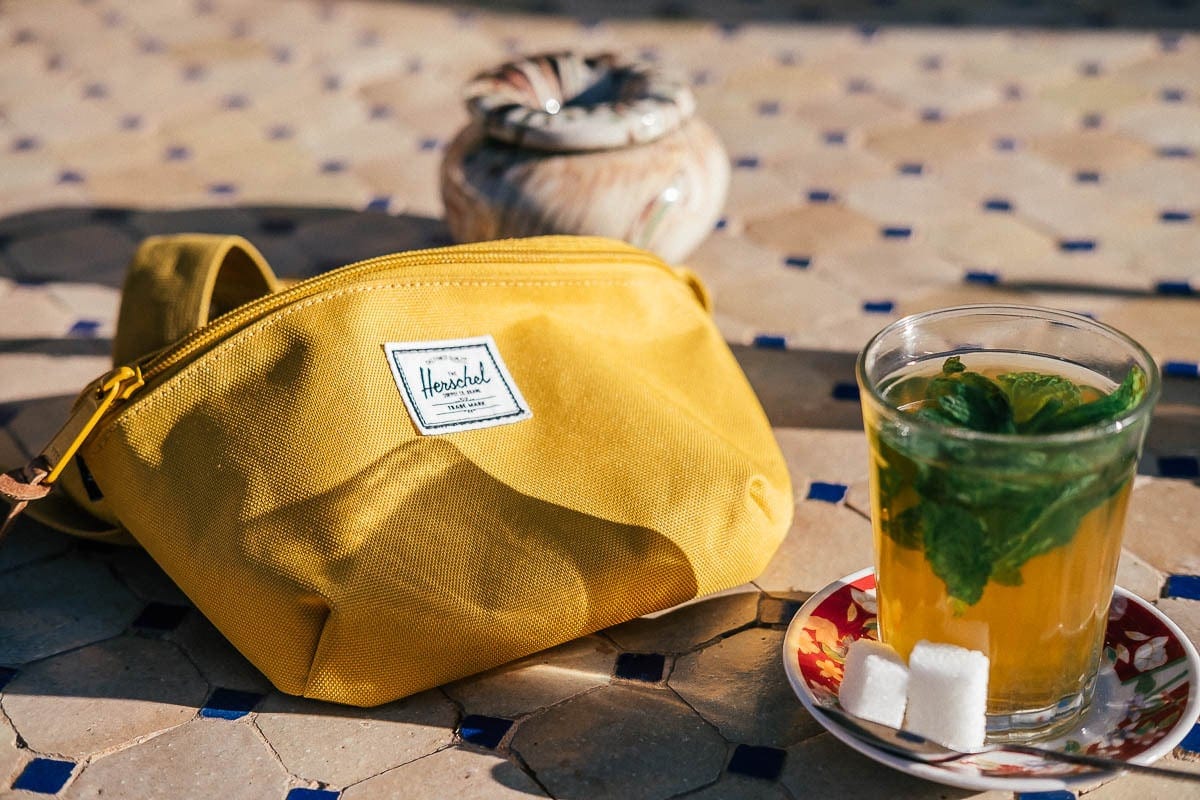
Lukáš and I wouldn’t dream of travelling without a money belt and a bum bag. A money belt is worn under your shirt — ours fits two passports, cash, credit cards, and even a phone (though that does make it a bit obvious 😄). On top of that, we both carry bum bags for smaller amounts of cash and our phones.
We picked up our money belt online. I use a bum bag from Herschel and Lukáš has one from Bagind Backpack.
5) Hidden Pocket in Your Underwear
If you’re travelling on a shoestring and roughing it, it’s worth investing in underwear with a hidden pocket, or even a sleeping bag liner with an internal pocket.
Tip: Some travellers even sew their own hidden pockets into their underwear.
6) Get a Second Passport
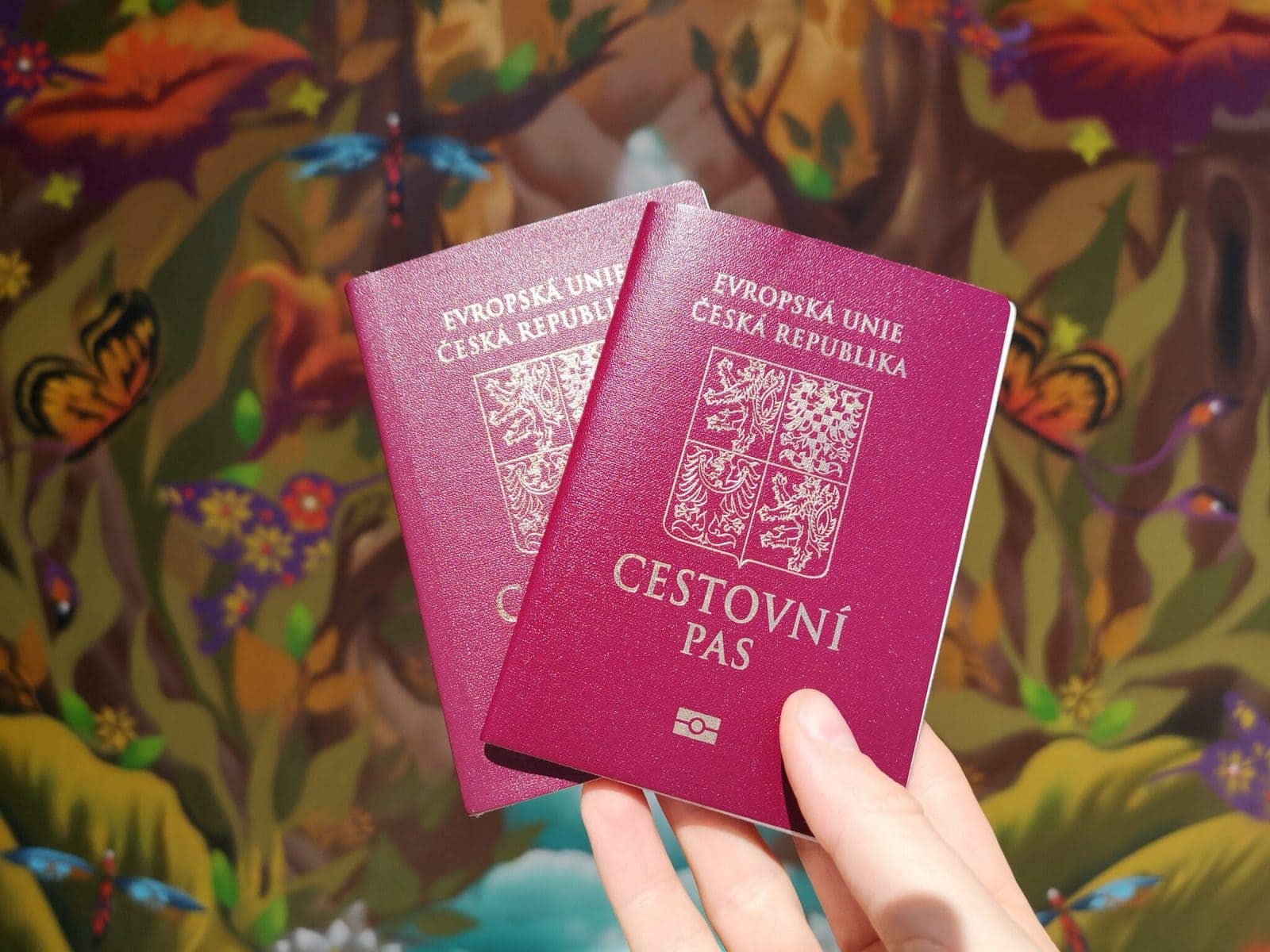
Yes, it’s perfectly legal to hold two passports in the UK. It’ll cost you around £85, but if you ever lose one, you’ll be grateful for the foresight. Bear in mind, though, that you’ll still lose any visas stamped in the passport that’s lost or stolen.
7) Scan All Your Documents to the Cloud or a USB
If you do end up losing all your documents, at least you’ll have something to prove your identity. This should speed things up at the British Embassy or consulate. Obviously, you can’t travel on scanned copies, but they make the replacement process much smoother.
8) Quality Travel Insurance Is Essential
We’ve written about travel insurance many times before. For shorter trips, we tend to use basic European policies, but for longer and more adventurous journeys, True Traveller is our go-to. They’re a British company with excellent conditions, generous coverage limits, and we don’t know anyone who’s had issues with them. We used True Traveller when we travelled through Mexico. For UK travellers, they’re one of the best options on the market — definitely worth checking out.
9) Lock or Buckle Up Your Backpack
If your backpack has zips and you’re carrying expensive electronics, it’s a genuinely good idea to secure it with a small padlock. We use one whenever we’re wandering through markets or navigating crowds. A tiny suitcase lock does the job. If you can’t be bothered with a lock, consider getting a roll-top urban backpack that fastens with buckles instead. In packed areas, swing your bag round to the front and wear it on your chest.
10) Never Flash a Wallet Full of Cash
The golden rule is to never reveal that you’re carrying a lot of cash — especially in large markets, areas known for theft, or in crowds. Keep larger sums in the hidden pocket of your underwear or your money belt, and only carry small amounts in your wallet.
We hide our money in various spots. One trick that’s served us well: an empty phone case buried at the bottom of our backpack.
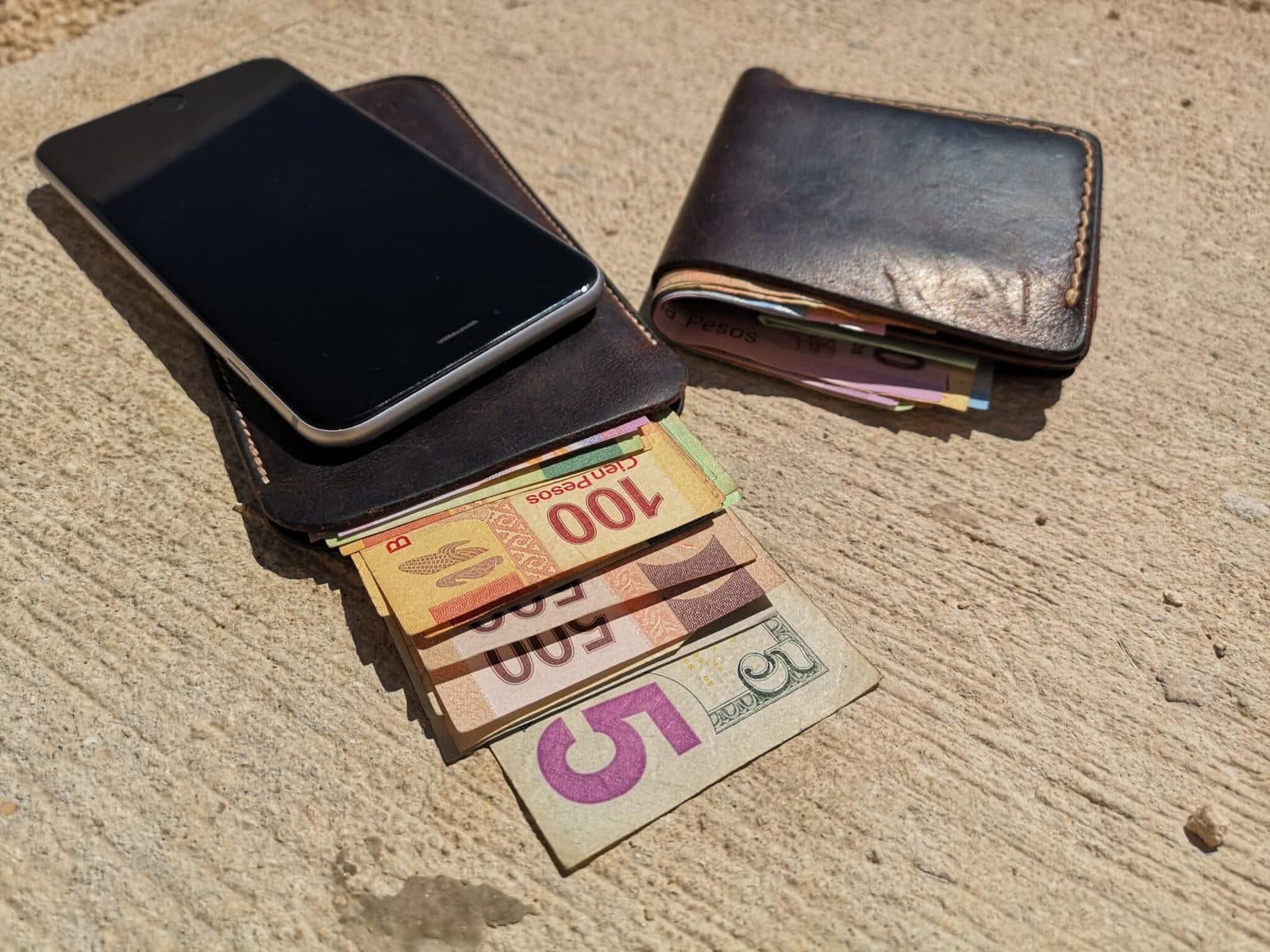
11) You Don’t Have to Plan Everything, But Research Common Scams
A lot of people these days travel without planning or reading guidebooks. That’s absolutely fine — we love living day to day, booking excursions spontaneously, and reserving accommodation just hours before arrival. But the one thing we always research before a trip is the common scams in our destination.
Examples of scams:
In Sri Lanka, someone on the street might claim to be your hotel’s chef to lure you into an overpriced shop and pressure you into buying something. In Thailand, jet ski and motorbike rental companies are notorious for painting over scratches with water-soluble paint — and then blaming you for the damage when you return it.
Lukáš and I aren’t big planners, but we always read up on scams and local tactics. It helped us enormously in Morocco, for example.
12) Card Insurance and Low Spending Limits
Before you set off, check what insurance comes with your bank cards. Set low spending limits — you can always increase them via your phone if needed. A smart move is to travel with a card that has online payments disabled. The best option is probably Revolut, where you can toggle online payments on and off through the app, plus it often offers the best exchange rates.
Have a read of our articles about Revolut, Curve, and other travel-friendly payment cards to make sure you’re clued up.
Frequently Asked Questions About Safe Travel in Asia
Is it safe to drink tap water in China?
No, drinking tap water directly in China is not recommended. Use bottled water or water that has been properly treated.
How can I avoid food poisoning in India?
Avoid food that hasn’t been properly cooked or baked, and don’t drink water from unknown sources. Only eat fruit that you can peel yourself. Vegetarian dishes are also generally safer.
Is it safe to travel solo in Thailand?
Yes, Thailand is considered a relatively safe destination for solo travelers. However, as always, it’s important to stay alert and use common sense.
Is transportation safe in Vietnam?
Transportation in Vietnam can be chaotic, especially in major cities. Stay alert when traveling around town and adapt to the local driving style.
Is Japan a safe country to travel to?
Yes, Japan is considered one of the safest countries in the world for travelers. However, it’s still important to follow basic safety precautions.
Is tap water safe to drink in Singapore?
Yes, tap water in Singapore is safe to drink. The city maintains high standards for water quality.
What’s the biggest danger when traveling to Bali?
Bali is generally a safe place to travel, but some areas are known for petty crime like pickpocketing. The main risks come from sports activities or riding scooters.
Is it safe to travel to South Korea given its proximity to North Korea?
Yes, South Korea is among the safest countries, and despite political tensions with North Korea, the likelihood of any direct impact on travelers is extremely low.
What’s transportation like in Malaysia? Is it safe?
Transportation in Malaysia can be challenging, especially in Kuala Lumpur. Be careful when driving in the city and follow local traffic regulations.
Is it safe to travel solo in the Philippines?
Yes, the Philippines is relatively safe for solo travelers. However, it’s important to be cautious, especially in remote areas and at night.
Is tap water in Taiwan safe to drink?
Although tap water in Taiwan goes through a purification process, both locals and travelers often prefer bottled water for drinking due to taste and other quality considerations.
Is Mongolia safe for travelers?
Mongolia is generally considered safe for travelers, but you should stay alert in areas with high tourist concentrations, where pickpocketing is common.
How can I avoid food poisoning in Cambodia?
Avoid eating uncooked food and don’t drink water from unknown sources. It’s better to drink bottled water and eat food that has been properly cooked or baked.
Tips and Tricks for Your Vacation
Don’t Overpay for Flights
Search for flights on Kayak. It’s our favorite search engine because it scans the websites of all airlines and always finds the cheapest connection.
Book Your Accommodation Smartly
The best experiences we’ve had when looking for accommodation (from Alaska to Morocco) are with Booking.com, where hotels, apartments, and entire houses are usually the cheapest and most widely available.
Don’t Forget Travel Insurance
Good travel insurance will protect you against illness, accidents, theft, or flight cancellations. We’ve had a few hospital visits abroad, so we know how important it is to have proper insurance arranged.
Where we insure ourselves: SafetyWing (simple monthly subscription) and TrueTraveller (for extra-long trips).
Find the Best Experiences
Get Your Guide is a huge online marketplace where you can book guided walks, trips, skip-the-line tickets, tours, and much more. We always find some extra fun there!