When you think of the Middle East and modern metropolises, most people automatically picture the neighbouring Emirates, but Doha is actually a completely different world. Qatar is going its own way, which isn’t about building the biggest and tallest on the planet, but rather about massive investments in culture, art and history. It’s a noticeably smaller and quieter city where you won’t be pushing through such massive tourist crowds and where you’ll breathe in a more authentic Persian Gulf atmosphere.
What will surprise you most when planning your trip, though, are the absolutely ridiculous prices for local transport and entrance fees. While elsewhere in the region you’ll leave thousands at attractions, here a ride on the state-of-the-art modern metro costs just two Qatari riyals and you can visit the world’s best museums for the equivalent of a few euros. Doha is thus an ideal destination for a smart holiday or a longer stopover that won’t ruin your budget.
When visiting, however, you need to remember that Qatar is a conservative Islamic country with clear rules. Cultural etiquette is taken very seriously here, whether it’s strict laws regarding alcohol or dress codes in public places. But if you respect these local customs, you’ll discover an incredibly safe, clean and fascinating city that’s literally changing before your eyes every day.
Summary for Those Who Don’t Have Time to Read the Whole Article
- Doha isn’t Dubai: The city is quieter, significantly cheaper to get around, and massively focused on world-class museums and gallery spaces.
- Transport for next to nothing: A network of three metro lines gets you to the main sights, with a single journey costing just 2 QAR and a convenient daily cap in place.
- Strict alcohol rules: Drinking in public is strictly forbidden under threat of a fine up to 3,000 QAR, alcohol is served exclusively in licensed hotels from age 21.
- Cultural etiquette: In shopping centres, museums and markets, both men and women are expected to cover shoulders and knees.
- When to plan your trip: The ideal window for visiting is November to March; in summer temperatures climb to an unbearable 45 °C.
- Autumn 2026 full of art: Qatar Museums is launching over 15 new exhibitions this year, Design Doha is returning, and the first contemporary art quadrennial Rubaiya Qatar is starting.
- Great stopover: If you have an 8 to 10-hour layover when flying with Qatar Airways, you can comfortably explore the centre and the traditional market.
The full destination guide: Asia — guide and what to see
When to Visit Doha
When planning a trip to Qatar, weather plays the absolutely most crucial role and can either turn your holiday into a fairytale or a literal fight for survival. The best time to visit is from November to March, when temperatures range in a pleasant 20 to 28 °C bracket. During this period you’ll fully enjoy walks along the promenades, sitting on outdoor terraces and desert trips without bathing in your own sweat after five minutes outside. Winter months also bring plenty of outdoor festivals and markets that bring the city incredibly to life.
On the other hand, avoid the summer months from June to September completely, unless you absolutely must travel then. Temperatures regularly hit the 40 to 45 °C mark and combined with the enormous humidity from the sea, being outside during the day is practically impossible. The city operates during this time in a mode of dashing from one air-conditioned building to another and streets only come alive late at night. If you do come here in summer, pack a light cardigan or shawl in your suitcase. It sounds crazy, but the local shopping centres and museums are air-conditioned to such low temperatures that you’ll soon be quite cold inside.
A very specific period to visit is the holy month of Ramadan, whose date shifts each year according to the lunar calendar. During Ramadan there’s a strict ban on eating and drinking in public from dawn to dusk, which applies without exception to all tourists as well. Opening hours of museums and monuments are significantly shortened or shifted, so planning requires greater care. On the other hand, you’ll experience the unique atmosphere of evening iftar celebrations, when after sunset the whole city comes alive, huge feasting tents spring up in hotels and everyone celebrates until the early morning hours. It’s simply a completely different rhythm of life that’s worth seeing with your own eyes at least once in your lifetime.
Where to Stay in Doha
Choosing the right neighbourhood in Doha depends a lot on what you expect from your trip and how you plan to get around the city. The city is divided into several very distinct zones that offer completely different experiences. The historic centre around Souq Waqif and the modern Msheireb district are ideal for walking enthusiasts, because you’ll have the best of both traditional and modern city literally outside your window and won’t be dependent only on taxis.
If you prefer luxury beach resorts and don’t mind the occasional trip, focus on the modern West Bay district full of glass skyscrapers. Another great choice for lovers of European style is the man-made island The Pearl, where you’ll find the most exclusive addresses, yachts and Venetian canals. When booking through Booking, it always pays to watch current promotions, because hotels in Doha often offer significant discounts outside peak season and you can get five-star luxury here for the price of an average hotel in Europe.
Here are specific accommodation tips that travellers consistently praise for their quality, impeccable service and strategic location close to metro stations.
- Souq Waqif Boutique Hotels by Tivoli: A unique complex of several smaller boutique hotels scattered right in the alleys of the famous market. You’ll be staying in the centre of all the action, surrounded by the aroma of spices and traditional architecture, with the metro station just a few minutes’ walk away. Each house has a slightly different design and guests can use the pools and restaurants across the entire complex.
- The Ned Doha: This fantastic hotel is housed in the former Ministry of Interior building on the Corniche promenade and offers perfect retro luxury from the seventies. Besides the beautiful view of the bay you’ll find the iconic outdoor pool and several top restaurants under one roof. Corniche metro station is just a short walk from the main entrance.
- Mondrian Doha: If you’re looking for something truly extravagant, this design gem in the Lusail district will definitely impress you. The interiors were designed by the famous Marcel Wanders and the hotel resembles a modern Alice in Wonderland. It offers perfect facilities including a huge spa, an indoor pool with a glass dome and direct connection to a luxury shopping gallery.
💡 On this map you can compare what’s currently available — you’ll immediately see how much cheaper a hotel by the souk is than a beach resort.
20 Tips for What to See and Do in Doha
Let’s take a look together at the best that the Qatari capital has to offer. From world-famous museums through traditional markets to modern architectural marvels that will take your breath away. Get your comfortable shoes ready, because Doha will completely absorb you with its diversity and definitely won’t let you just sit at the hotel.
1. National Museum of Qatar
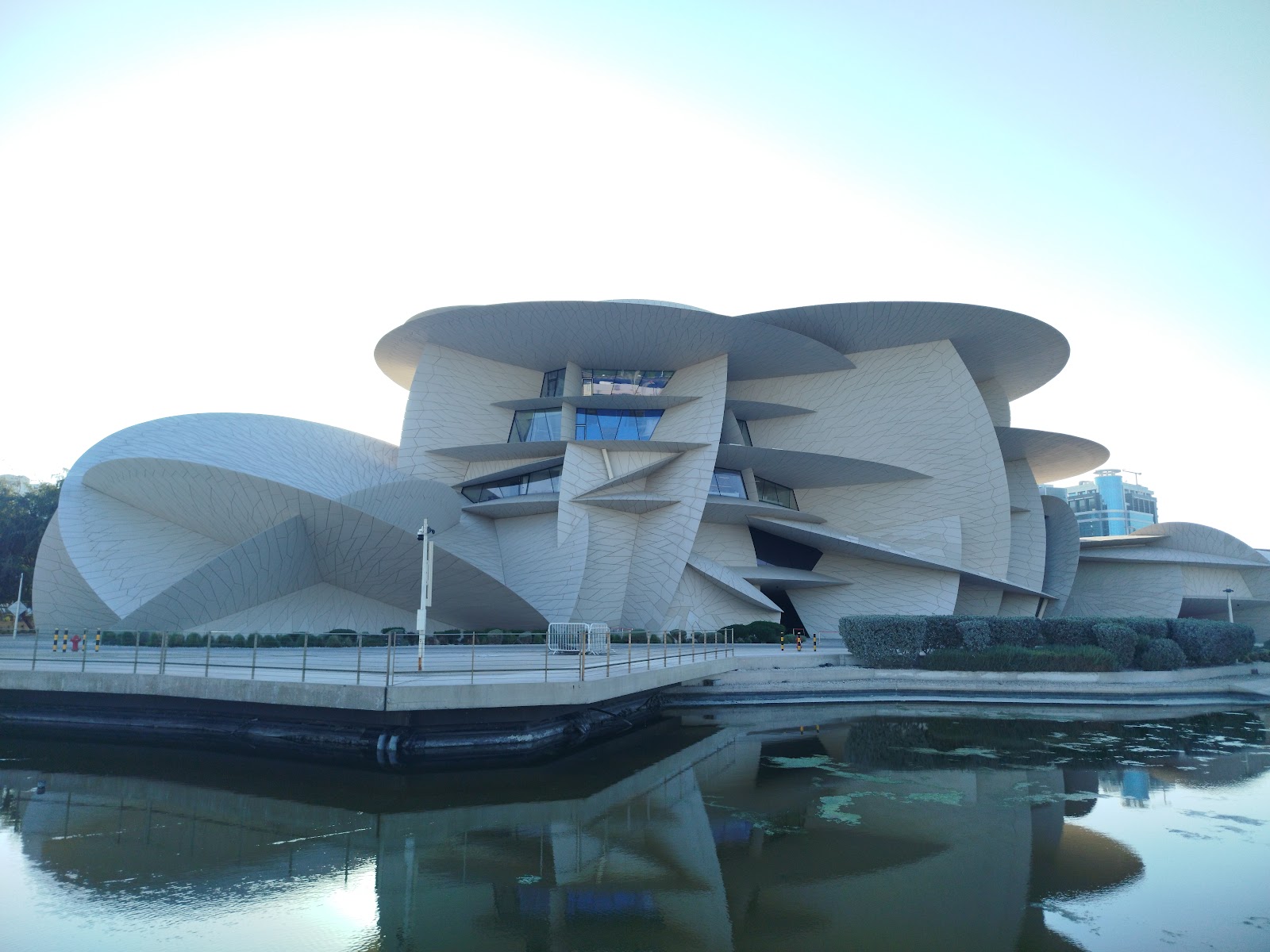
This building is without exaggeration one of the greatest architectural wonders of the contemporary world and you definitely shouldn’t miss visiting it. French architect Jean Nouvel was inspired by the shape of a desert rose and created an incredible complex of interlocking giant disks that looks from outside like a huge crystal growing right out of the sand. Just walking around the building alone is a huge experience that demands dozens of photos from different angles, because the museum looks completely different from every side.
Inside awaits a fascinating 539-metre-long exhibition that takes you through Qatar’s history from geological beginnings to the modern era of oil and gas extraction. Instead of boring display cases you’ll find huge curved walls on which breathtaking artistic films are projected, so you feel as if you’re literally walking through history. It’s a museum designed for the 21st century that manages to hold attention from the first to the last room, even for people who aren’t normally big on history.
The practical information will also please you, because the entrance fee for foreign visitors is a very reasonable 50 QAR, students pay half and children under 16 have completely free entry. I recommend allowing at least two to three hours for the visit, because the space is enormous and will constantly force you to stop. If you get hungry, head to the local restaurant Thalatheen, where they offer excellent plant-based dishes inspired by Bedouin tradition.
💡 Tip: When you’re inside, notice that the floor in the museum isn’t flat, but gently slopes up and down, faithfully simulating walking on actual sand dunes.
2. Museum of Islamic Art
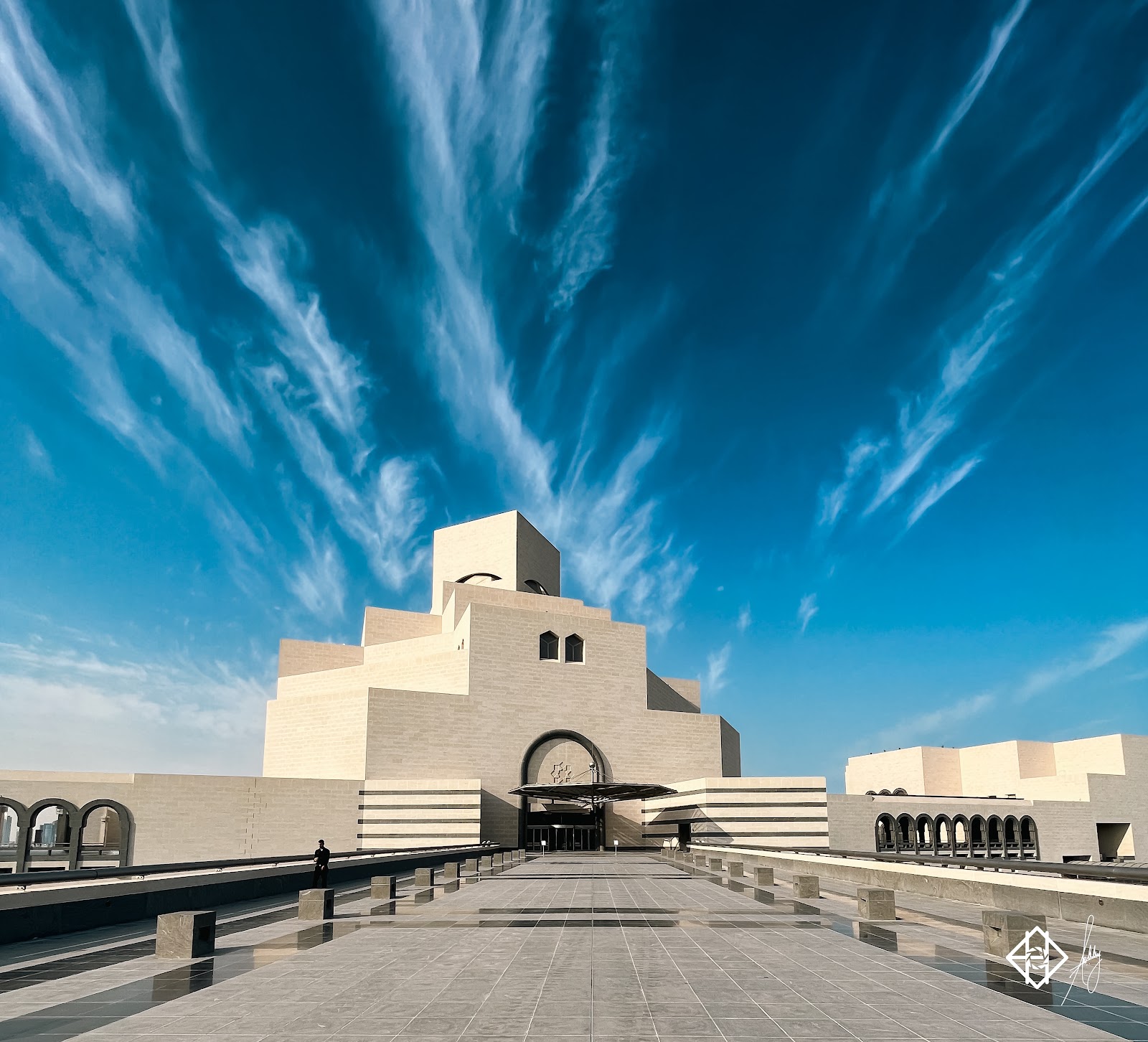
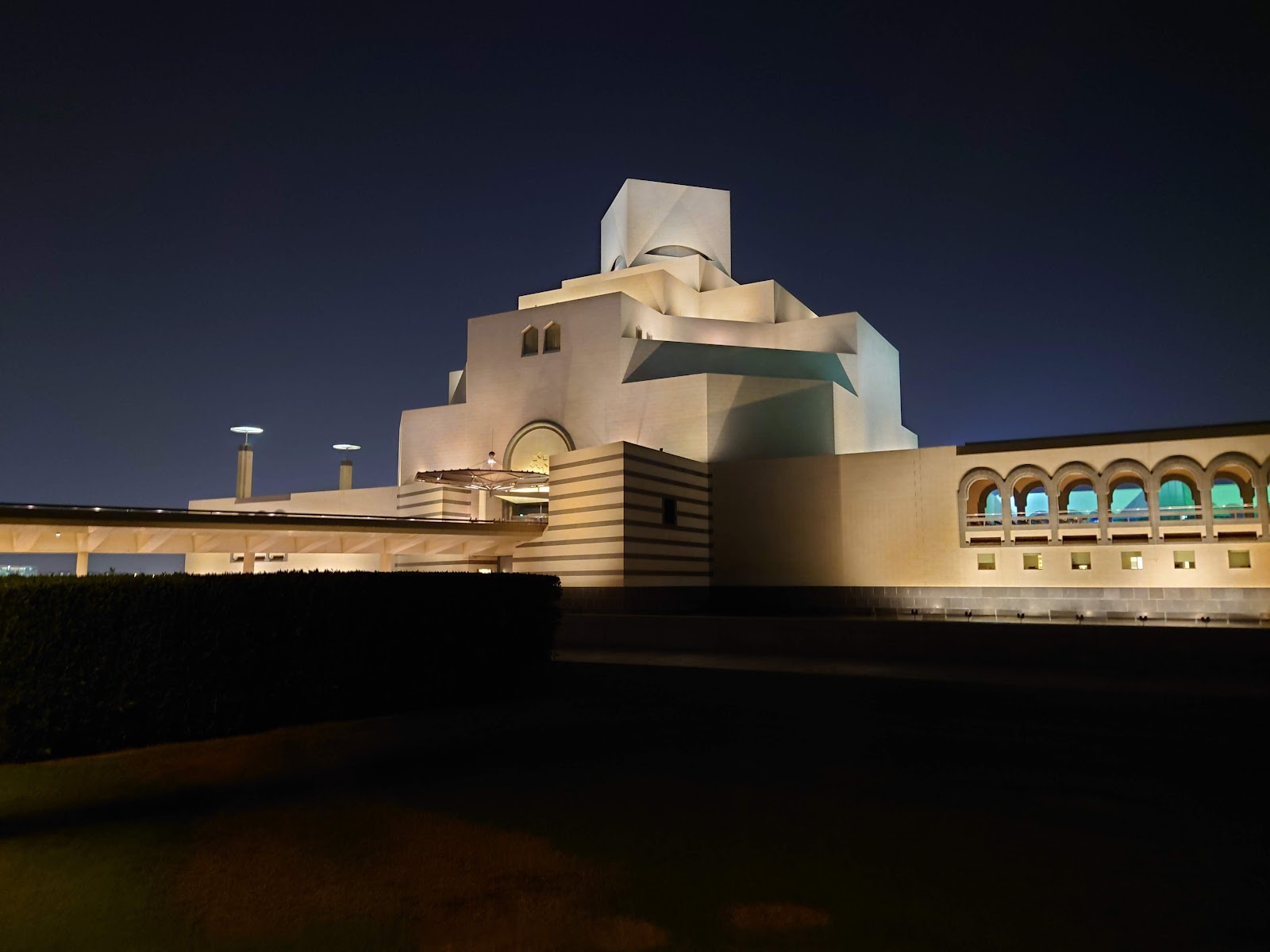
If you were to visit just one cultural institution in Doha, it should be this masterpiece designed by the legendary architect I. M. Pei. The building stands on its own artificial island to ensure that no other structure can ever overshadow it, and its design draws from traditional Islamic architecture translated into clean geometric lines. The play of light and shadow on the facade changes every hour, so the museum looks slightly different each time and never stops fascinating photographers from around the world.
The collection inside is considered the finest and most comprehensive collection of Islamic art on the planet, covering an astounding 1,400 years of history from three different continents. You’ll find incredibly detailed carpets, ceramics, jewelry, and ancient manuscripts, all lit with such care that every object looks like a jewel in a luxury boutique. The museum’s interior, with its enormous five-story window framing the panorama of skyscrapers, is itself a magnificent work of art. Admission costs 50 QAR for adults, which is truly a symbolic price given the immense value of the collections.
After touring the collections, don’t miss the adjacent MIA Park, which stretches deep into the bay and offers plenty of green space to relax with free admission. At the very end of the park stands the majestic “7” sculpture by American artist Richard Serra, from which you get the absolutely best view of the modern skyline of the West Bay district. You’ll also find a pleasant outdoor café where you can enjoy excellent coffee while taking in the view of the sunset over the skyscrapers. Just remember that the museum is typically closed on Friday mornings for main prayers.
3. Evening Life at Souq Waqif
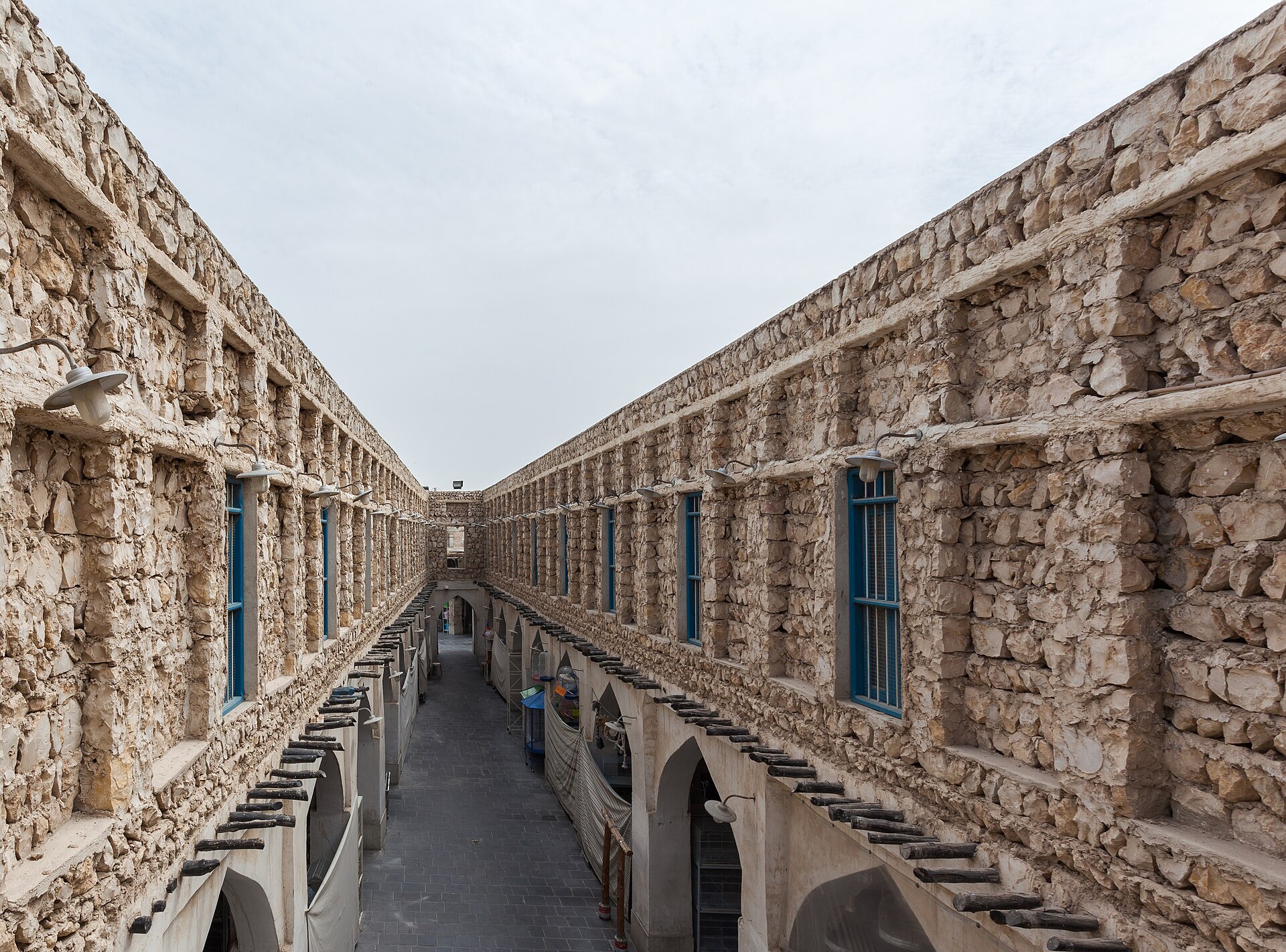
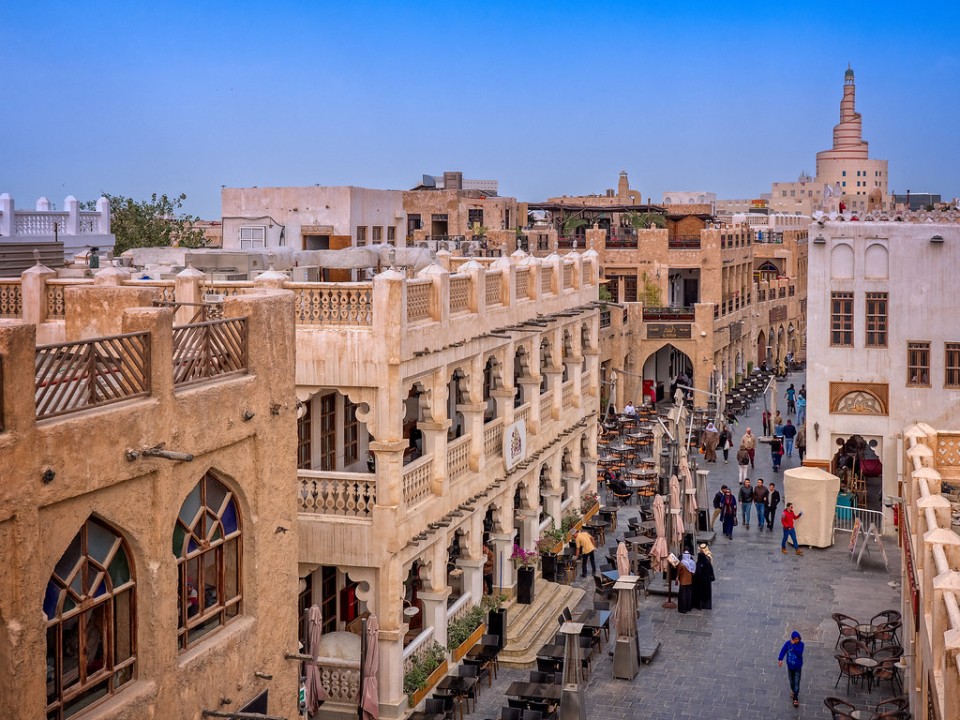
Souq Waqif is by far the most visited place in the entire city and the absolute beating heart of Qatari culture. Although this traditional market was completely reconstructed years ago, it has retained its original appearance with mud-brick facades, narrow alleyways, and wooden beams, giving you the feeling that you’ve traveled back in time a hundred years. It’s a fascinating maze full of colors, sounds, and scents where you can very easily get lost, but that’s exactly what the whole experience is about.
During the day it’s fairly quiet and many shops are even closed, but the real magic comes after sunset when the alleyways fill with locals and travelers alike. The air becomes perfumed with cardamom, saffron, frankincense, and the sweet smoke from water pipes, while lively conversation echoes from the cafés. You’ll find absolutely everything here, from luxurious fabrics and gold jewelry to fresh dates, hand-woven carpets, and traditional hammered lanterns. Haggling for souvenirs is definitely expected, so don’t be afraid to suggest a lower price with a smile on your face.
A fascinating part of the market is the special section dedicated to falconry, which is a deeply rooted tradition in Qatar and a symbol of social status. You can even visit a specialized falcon hospital and glass-fronted shops where proud owners select birds of prey whose prices often equal those of luxury cars. Just around the corner you’ll find the newer section called Souq Waqif Western Courtyard, where smaller cultural events are often held and you’ll find quieter outdoor seating.
💡 Tip: While you must haggle at the spice market, in restaurants and cafés you pay fixed prices from the menu, so you don’t need to worry about unexpected surcharges.
4. Powerful Stories at Msheireb Museums
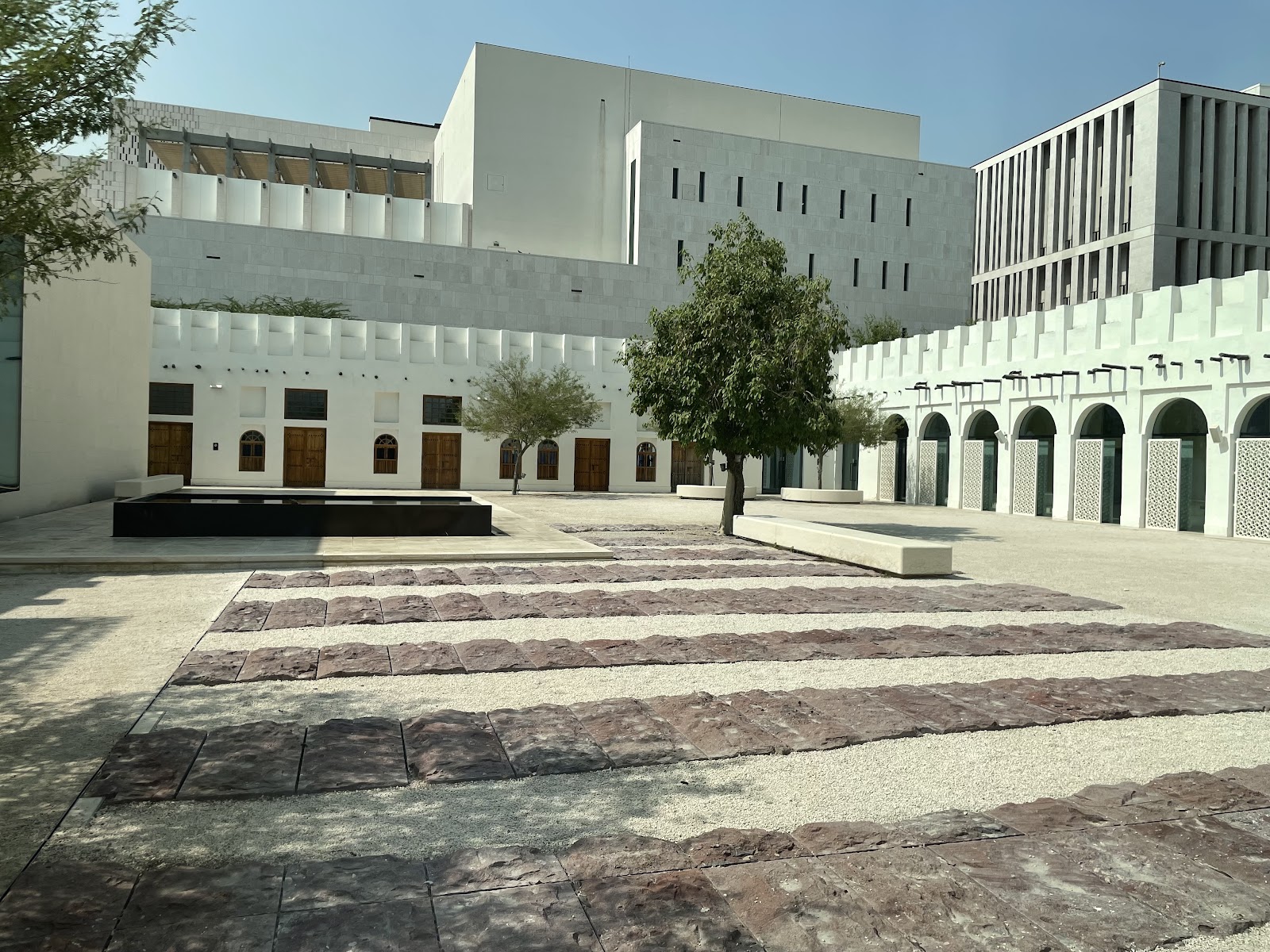
Right next to the old market is a quartet of historic houses that have been transformed with great sensitivity into the Msheireb Museums complex. This unassuming project offers the most authentic and least touristy view of Qatar’s history, because it’s not afraid to open up very sensitive topics from the region’s past. Each house focuses in detail on a different aspect of Qatari heritage, and together they create an amazing and cohesive mosaic of stories.
The absolutely most powerful experience is visiting Bin Jelmood House, which as the first institution in the entire Arab world openly and very thoroughly addresses the history of the slave trade in the Indian Ocean region. The exhibition is presented with enormous respect, uses modern multimedia, and provides deep context about how Gulf society gradually transformed until the definitive abolition of slavery. It’s a place that completely absorbs you and forces you into deeper reflection on human history.
The other houses focus on everyday family life before the discovery of oil, the history of pearl diving, and the development of Doha itself. Particularly worth mentioning is Radwani House, where you can see the traditional layout of a Qatari household in the 1950s. Admission to all four houses is completely free for all visitors, which is an incredible bonus for any traveler who wants to go beneath the polished modern facade of the city, given the top-quality exhibitions.
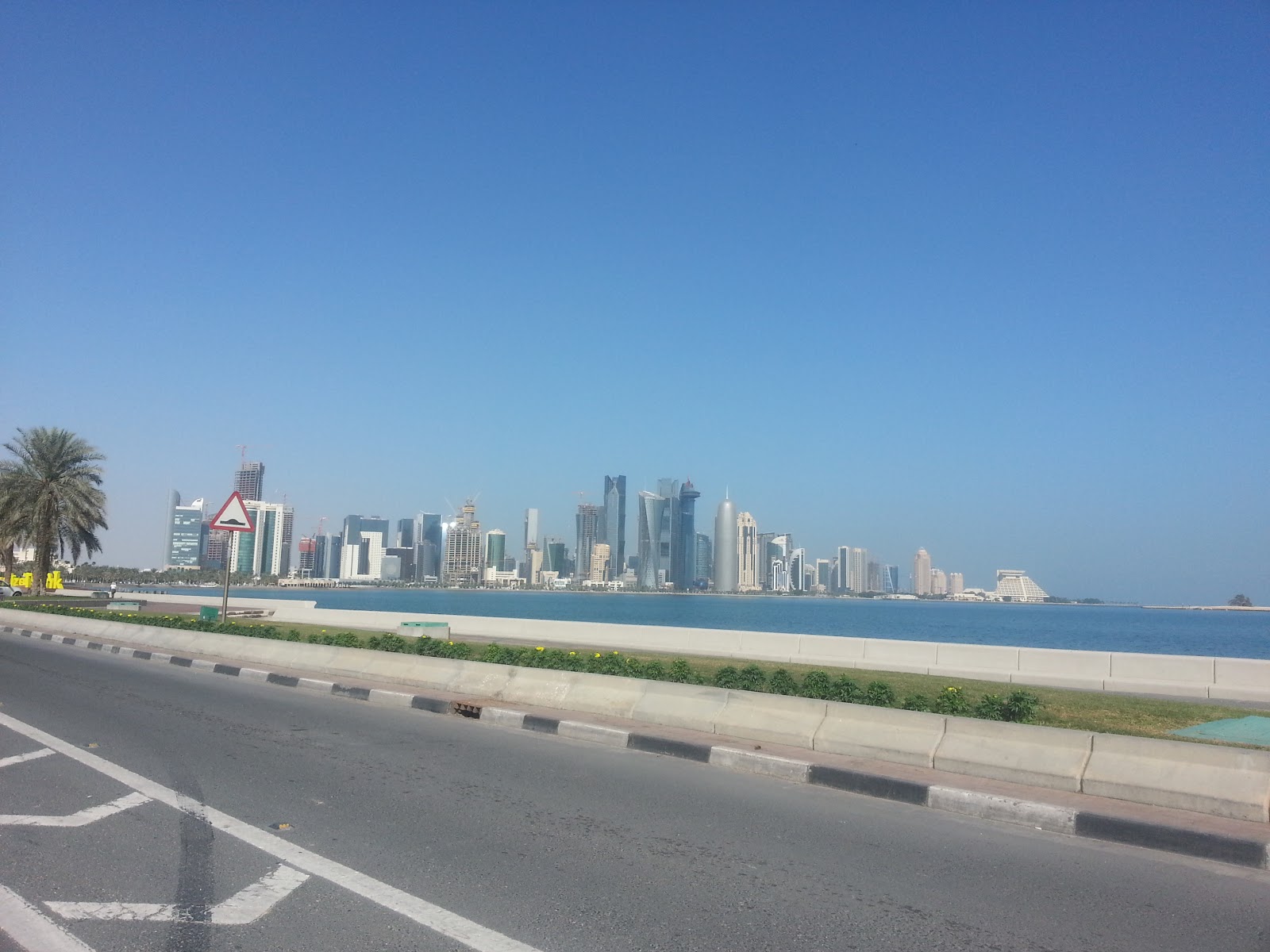
5. Walk Along Doha Corniche and Dhow Cruise
Doha Corniche is an iconic seven-kilometer crescent-shaped waterfront promenade that seamlessly connects the old town with the modern skyscraper district. It’s the absolute favorite spot for local families for evening strolls, picnics on the beautifully maintained grass, and roller skating, from where you have an unobstructed view of the calm waters of the Persian Gulf. The wide paved paths are lined with palm trees and represent a perfect escape from the busy streets full of cars.
The most beautiful view of the city unfolds from the Doha Corniche View Point, which according to reviews ranks among the very highest-rated spots in the city. From here you’ll see in all its glory the dramatic silhouette of the West Bay skyscrapers, perfectly reflected on the water’s surface. This scenery looks absolutely best just before sunset, when the glass buildings turn golden and the entire bay takes on a romantic glow.
Along the promenade, dozens of traditional wooden boats called dhows are moored, which once served for pearl diving and fishing but today take visitors on short sightseeing cruises. For around 20 to 30 QAR you can buy a spot on a shared boat for an evening cruise around the bay, which is easily the cheapest and most beautiful sightseeing cruise you’ll get in Doha. The boats are often brightly lit with neon lights in the evening and Arabic music plays loudly from the deck, which creates the perfect Middle Eastern atmosphere.
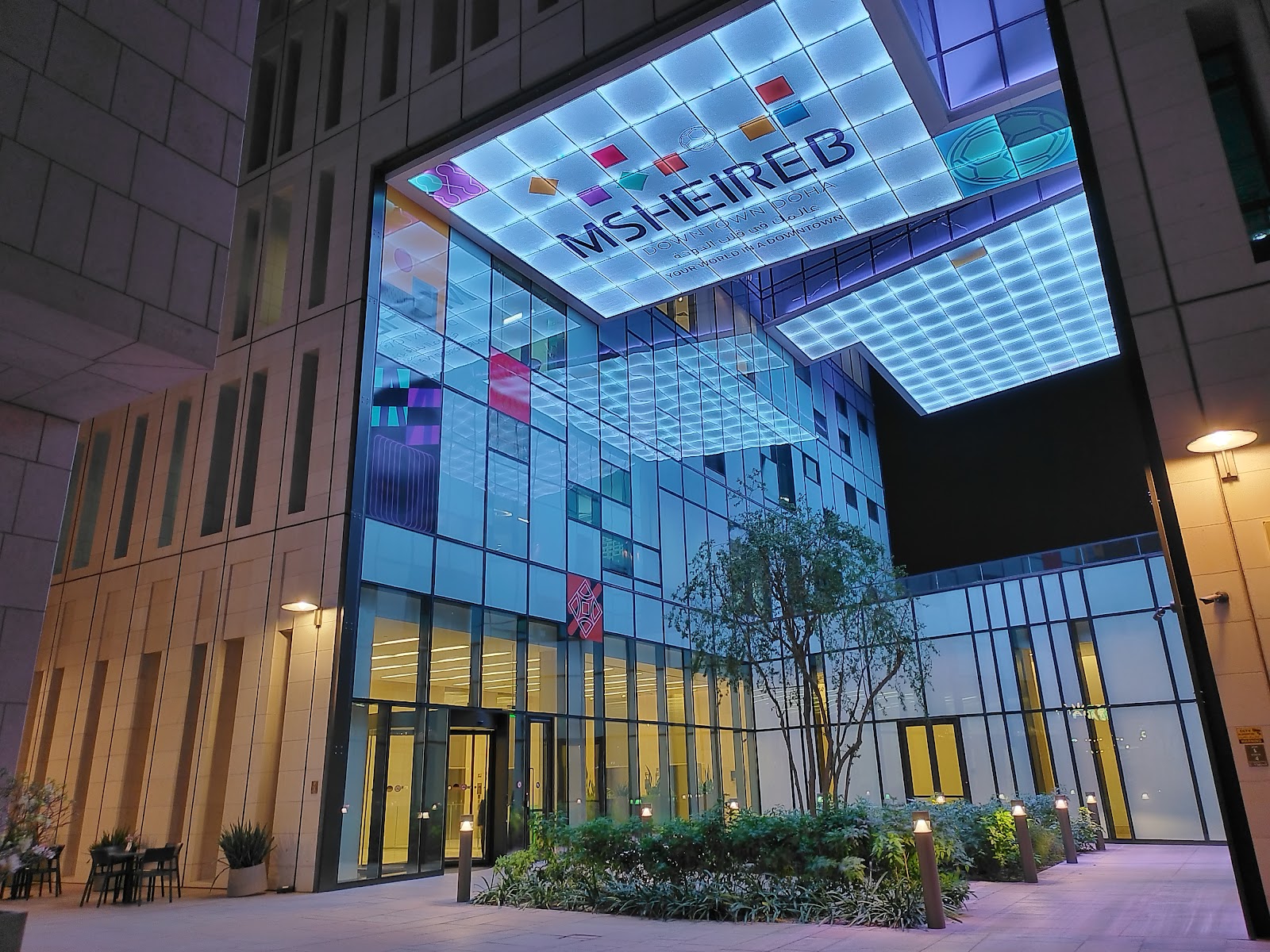
6. Architecture of the Future in Msheireb Downtown
The Msheireb Downtown Doha project is a showcase of how you can completely rebuild a historic center with maximum respect for ecology and a sustainable future. This is the world’s very first sustainable downtown regeneration project, where absolutely all buildings use solar energy, rainwater, and intelligent shading systems to cool the streets. The result is a district that looks like it’s from an elaborate sci-fi movie, yet with great respect preserves traditional Islamic proportions and forms.
You can move through the entire area on foot along wide boulevards that, thanks to clever building placement, are constantly in shade and catch a pleasant breeze even on the hottest midday days. The best way to explore the district is to hop on the free electric tram, which continuously circles the entire complex in twenty-minute loops and connects the main square with luxury boutiques, cozy cafés, and art galleries. The stops are perfectly marked and the tram is fully air-conditioned.
The architecture here is truly perfectly clean, minimalist, and forms a fantastic contrast to the maze of the neighboring mud-brick Souq Waqif market. You’ll find the enormous central Barahat Msheireb square, which is covered by a giant retractable roof and the floor is specially cooled, so outdoor events and dinners can be held here regardless of weather whims. For a quick and healthy lunch, definitely stop at the Green and Go bistro, which offers excellent plant-based wraps and salads made from local ingredients.
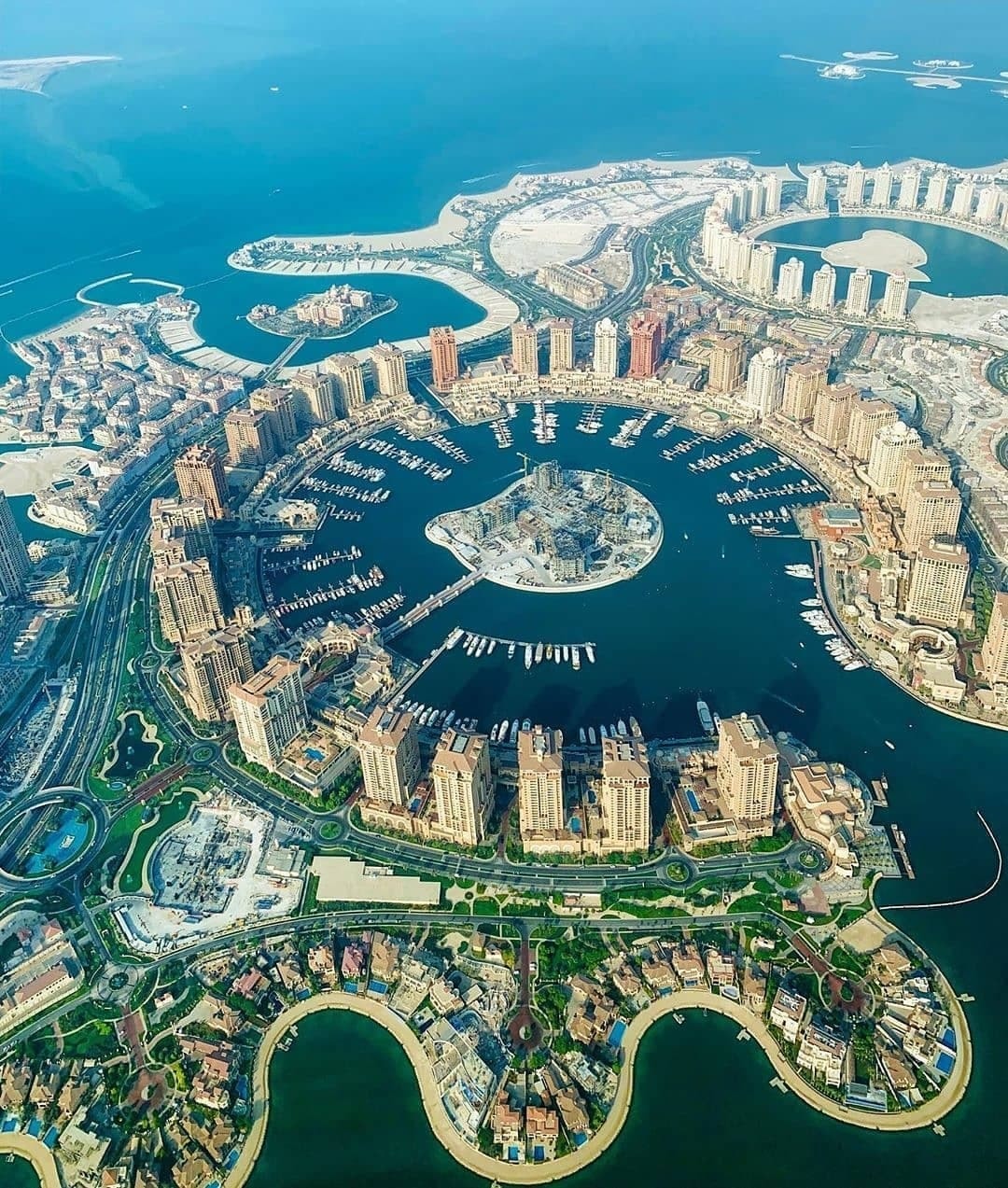
7. A Venetian Dream on The Pearl Island
The artificial island The Pearl-Qatar is the absolute showcase of luxury and the place where wealthy expats from all over the world buy their residential properties. The island was symbolically built on the site of former pearl diving grounds, referencing the country’s rich history, and is divided into several visually distinct neighborhoods. The most popular for afternoon strolls is Porto Arabia, a massive circular marina lined with a beautiful promenade featuring luxury yachts, boutiques of world-famous brands, and dozens of quality restaurants.
The real photographer’s paradise, however, is the Qanat Quartier district, which was designed down to the smallest architectural detail as a faithful copy of Venice, Italy. Turquoise water channels wind through the area, crossed by arched bridges, including a precise replica of the famous Rialto Bridge, and all the buildings shine in cheerful pastel colors. It’s somewhat bizarre, but visually incredibly attractive—a place that looks absolutely fantastic in photos and where you’ll forget you’re in the Middle East.
While you visit other parts of the city for culture and history, you come here specifically for good food, specialty coffee, and shopping. Prices in local cafés are somewhat higher than in the center, but the peace and cleanliness around the canals are definitely worth it. Don’t miss the local branch of the vegan restaurant Evergreen Organics. You can easily get here by taking the red metro line to Legtaifiya station and then a free connecting bus directly to the island.
💡 Tip: Even though you’re in a modern and very cosmopolitan neighborhood full of foreigners, don’t forget the basic dress code rules. Beach attire is strictly acceptable only on the private beaches of local hotels.
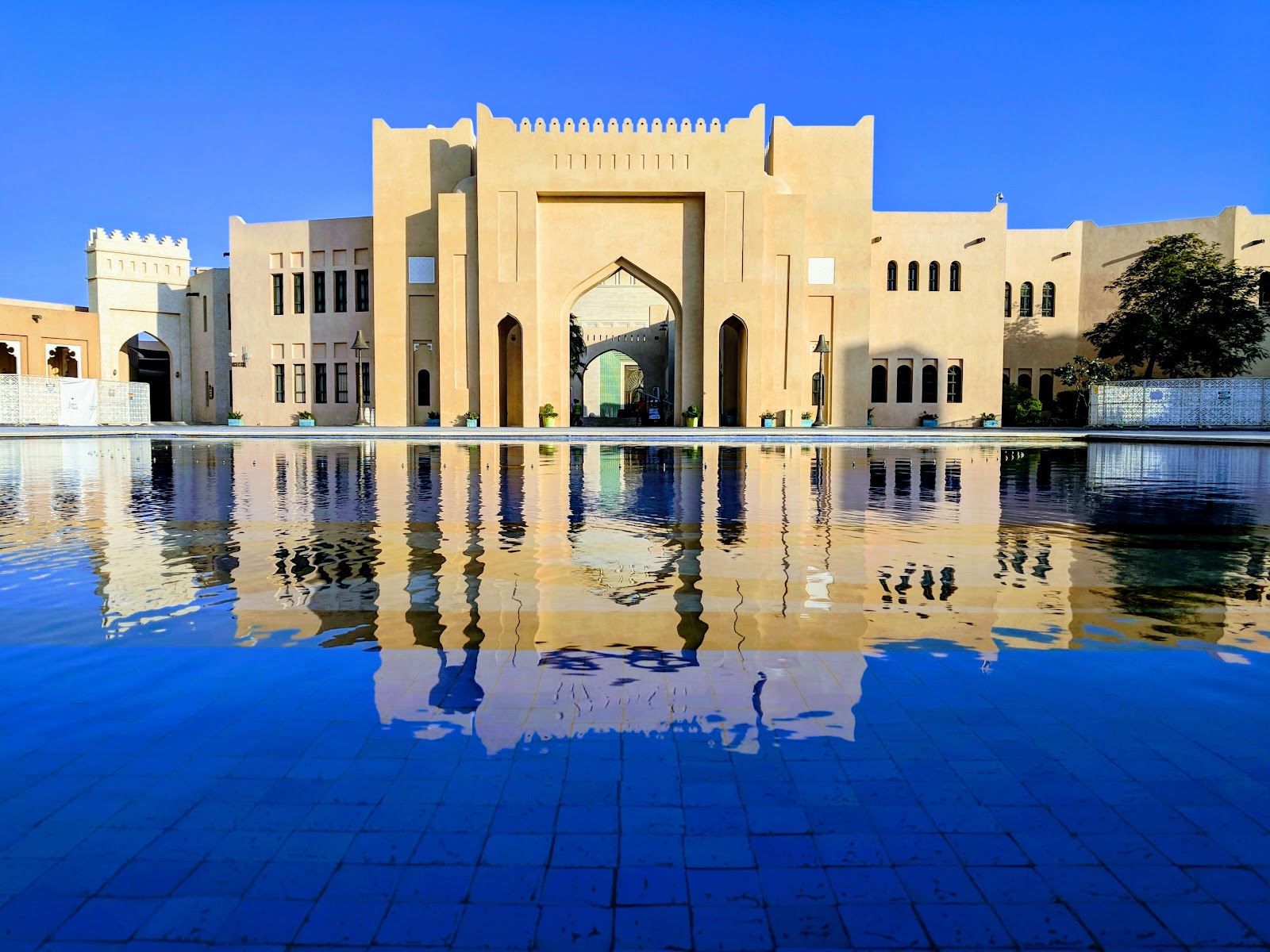
8. Katara Cultural Village
Katara was built with the ambitious goal of becoming the main center of arts and massive cultural exchange for the entire Middle East. This incredibly expansive complex of traditional-style buildings offers a labyrinth of cobbled alleyways hiding independent art galleries, modern theaters, giant concert halls, and the headquarters of many international cultural organizations. It’s a place where something is constantly happening, from major film festivals to smaller curated contemporary art exhibitions.
The centerpiece of the entire space is the stunning outdoor amphitheater, which cleverly combines classical Greek architecture with intricate Islamic elements and offers beautiful panoramic views directly over the open sea. The famous Pigeon Towers also attract great attention from photographers—these are tall towers with openings for birds that have a beautiful organic shape and are among the most photographed structures in all of Qatar.
A completely unique experience is visiting the two stunning local mosques, which are distinctly different from everything else in the city. The Gold Mosque is entirely clad in tiny golden tiles that sparkle incredibly in the sunlight, while the second mosque shines with breathtaking blue mosaics imported directly from Turkey. You’ll also find a beautiful public beach where you can try various water sports for a fee, or just relax in one of the dozens of excellent restaurants scattered along the coast.
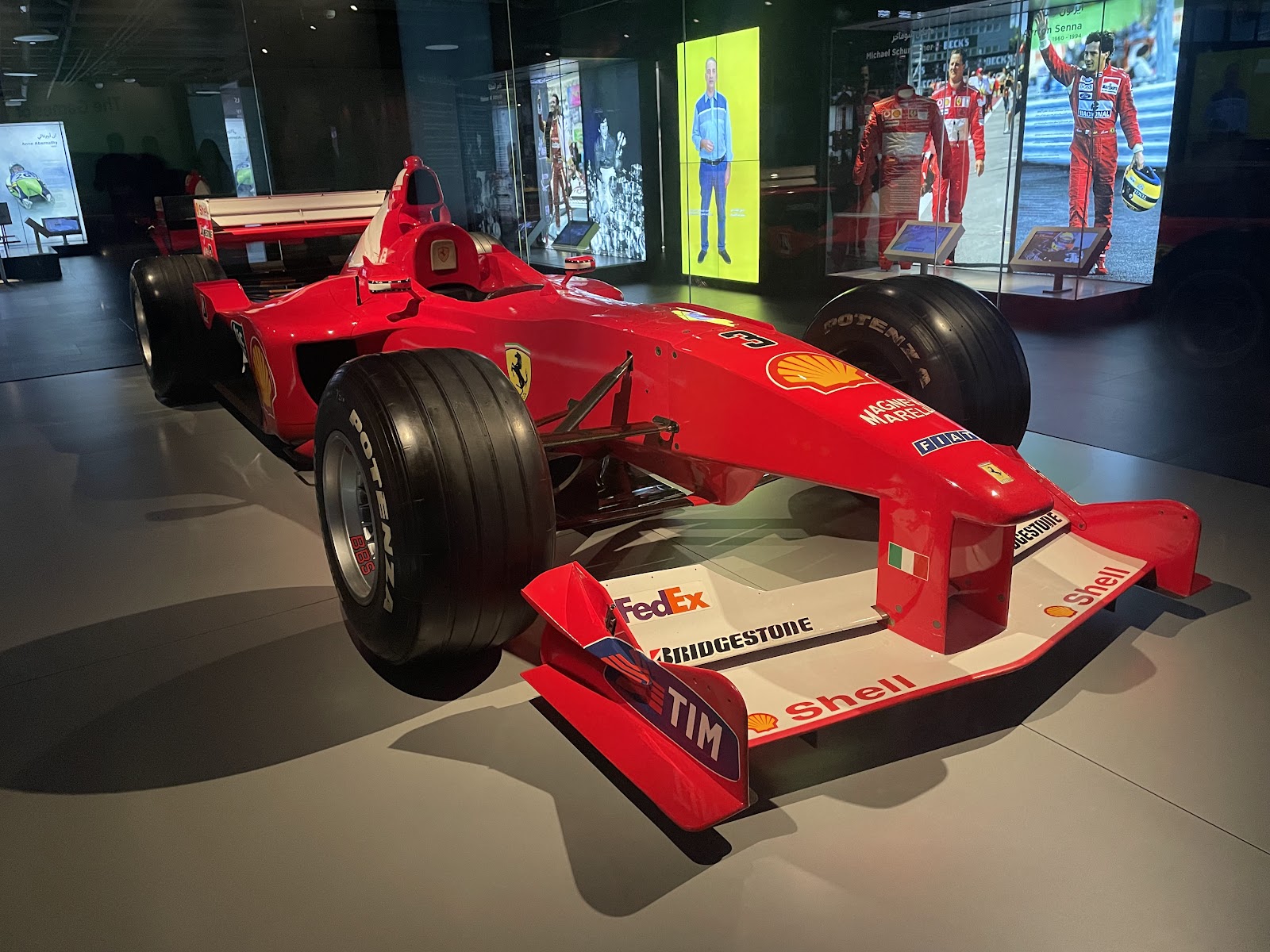
9. Sports Enthusiasm at 3-2-1 Qatar Olympic & Sports Museum
If you happen to think a classic sports museum couldn’t possibly interest you, this incredible institution will very quickly prove you wrong. Located in close proximity to the iconic Khalifa Stadium, which has hosted numerous world championships, it’s rightfully considered one of the best-rated and most entertaining major museums in all of Doha. The exhibition is designed to actively pull you into the amazing world of sports rather than just dryly showing you old medals behind glass.
You’ll walk through a massive spiral hall that maps the complete history of the Olympic Games and the fascinating evolution of sport from antiquity to the absolute present, and you’ll see original artifacts from legendary athletes from around the world, from Muhammad Ali’s boxing gloves to a Formula 1 car. The biggest draw, however, is the interactive zone on the top floor, where you can try sophisticated physical tests for yourself, measure your running speed, punch strength, and reflexes on modern digital simulators. At the end, you can even compare your personal results with professional athletes.
The museum only recently opened to the public and uses the absolutely latest audiovisual technologies, so you’re in for a visually very impressive show. I recommend setting aside plenty of time for your visit, because you’ll reliably spend much longer at the interactive games and virtual reality stations than you’d originally plan. Adult admission costs 50 QAR (approximately €12).
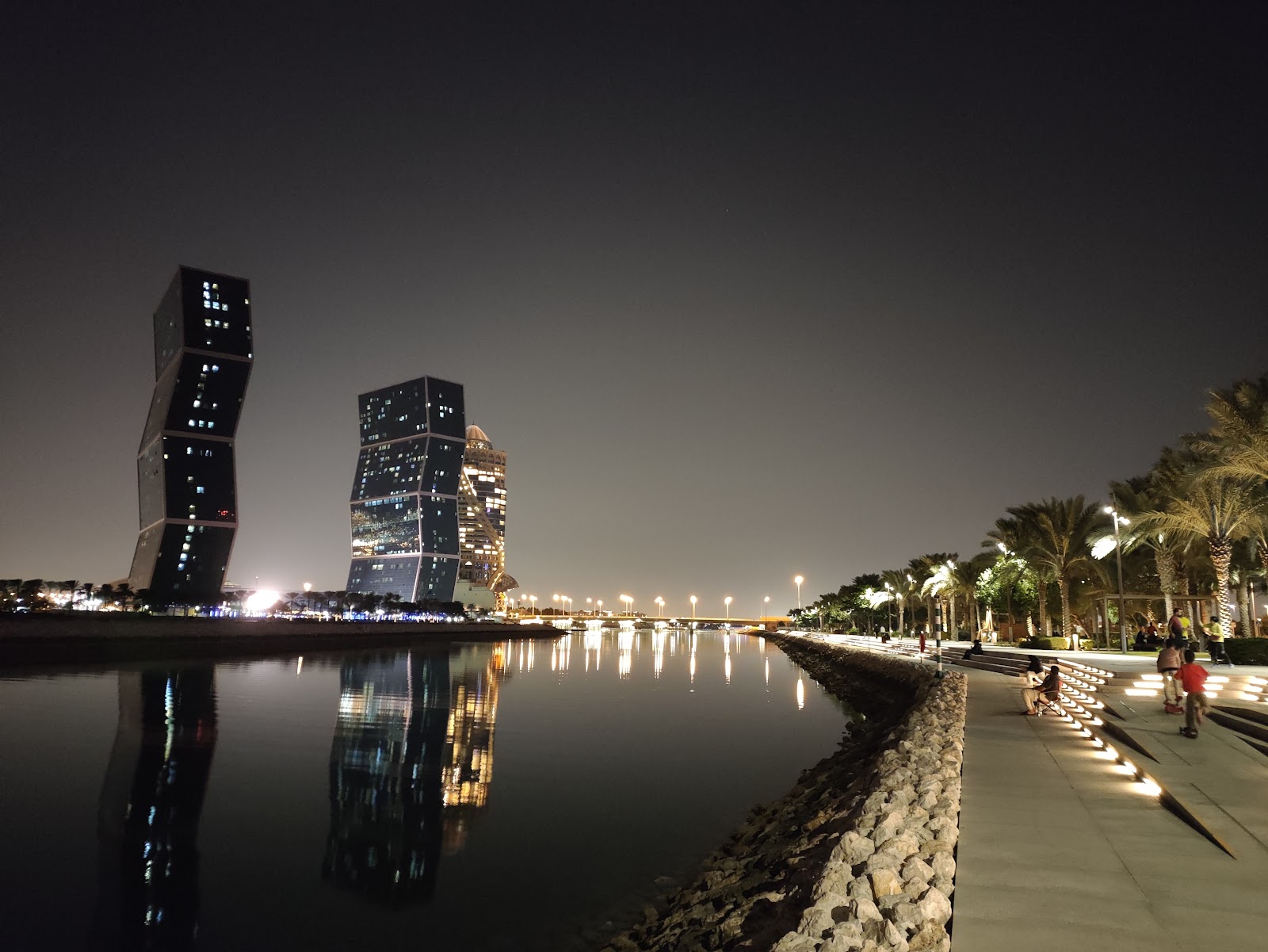
10. The New City of Lusail
Directly north of Doha, an entirely new city called Lusail is growing literally before your eyes, built practically from nothing in the middle of the desert. This giant futuristic project is a showcase of Qatari visions for the near future, and here you’ll find the absolutely boldest skyscrapers, incredibly wide boulevards, and luxury residential districts designed with sustainability in mind. The architecture here is truly daring, dominated by the iconic Katara Towers in the shape of crossed scimitars, which now dominate the entire coastline and house the most expensive hotels.
For sports fans, the gigantic Lusail Stadium with its golden façade is a huge draw, having hosted the unforgettable and dramatic World Cup final in 2022. Around the huge modern marina runs a beautiful long promenade full of cafés and restaurants, where the early evening brings a wonderful calm compared to the much busier center of Doha. The city even has its own separate network of modern orange trams that seamlessly connect to the red metro line.
In the winter season, Lusail regularly becomes the main entertainment hub thanks to the massive outdoor Winter Wonderland park, which relocates here every year all the way from London. You’ll find dozens of adrenaline rides, giant Ferris wheels, roller coasters, and ice rinks operating late into the night, attracting enthusiastic families from across the region. It’s the absolutely ideal place for a relaxed evening program full of lights and music.

11. Fall 2026 Full of World-Class Art
This fall, Doha is guaranteed to transform into an absolute center of world art and modern design, making it the ideal time to visit. The state organization Qatar Museums is launching a massive program with more than fifteen separate exhibitions that will gradually occupy all major galleries and museum spaces throughout the city. You’ll see fascinating works by leading international artists as well as the emerging generation of creators from across the Middle East and North Africa, offering enormous cultural scope.
The biggest and most anticipated event of the season is undoubtedly the launch of the Rubaiya Qatar project, the very first international quadrennial of contemporary art in the country. This monumental and ambitious showcase will bring larger-than-life installations to the city, panel discussions, and live performances that will enliven not only classic gallery spaces but also public areas right in the streets. At the same time, the highly successful Design Doha festival returns to the scene, cleverly connecting local architects and emerging designers with the world’s best.
If you’re even slightly interested in contemporary culture, modern architecture, and art, 2026 is probably the absolutely best time to visit Qatar, because such a concentration of cultural events will be completely unprecedented. It’s worth following the official websites and getting combined tickets, which will save you a lot of money on individual gallery admissions.
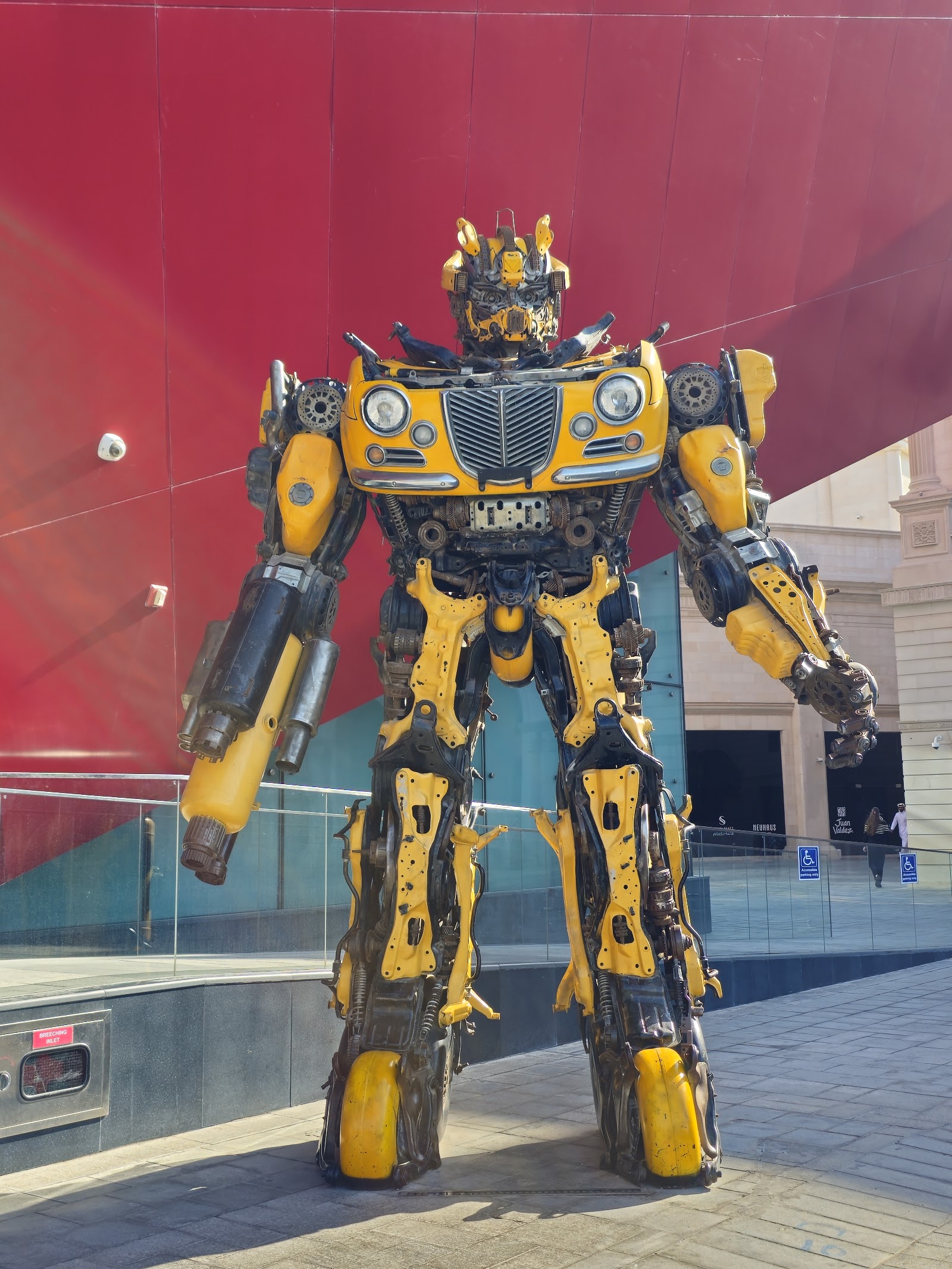
12. Children’s Paradise at OliOli and Museum of Illusions
Doha is an incredibly family-friendly city for traveling with children and is constantly opening new and even better attractions for them with enormous dedication. A hot new addition is the amazing OliOli children’s museum in the Katara Cultural Village complex, which immediately ranked among the best-rated places for families in the entire country. It offers eight huge themed play galleries where children from toddlers to schoolkids can safely play, build giant constructions, experiment in an elaborate water world, and discover the laws of physics through play.
Another great stop right in the center is the popular Museum of Illusions, which reliably entertains visitors of absolutely all age groups, including adults. You’ll find dozens of elaborate optical illusions, mirror mazes, and rooms seemingly defying gravity, where you can effortlessly take the most hilarious family photos. Everything is very cleverly designed for you to personally touch the exhibits and try for yourself how incredibly easy it is to fool the human brain.
Both institutions are of course fully air-conditioned to a comfortable temperature, which makes them absolutely ideal refuges for families during hot midday hours, when being outside in direct sunlight is downright inappropriate and exhausting for young children.
💡 Tip: For the vast majority of family attractions in Qatar, it’s advisable to buy tickets at least a few days in advance online, so you’ll avoid unnecessary waiting in queues and often get a better price.
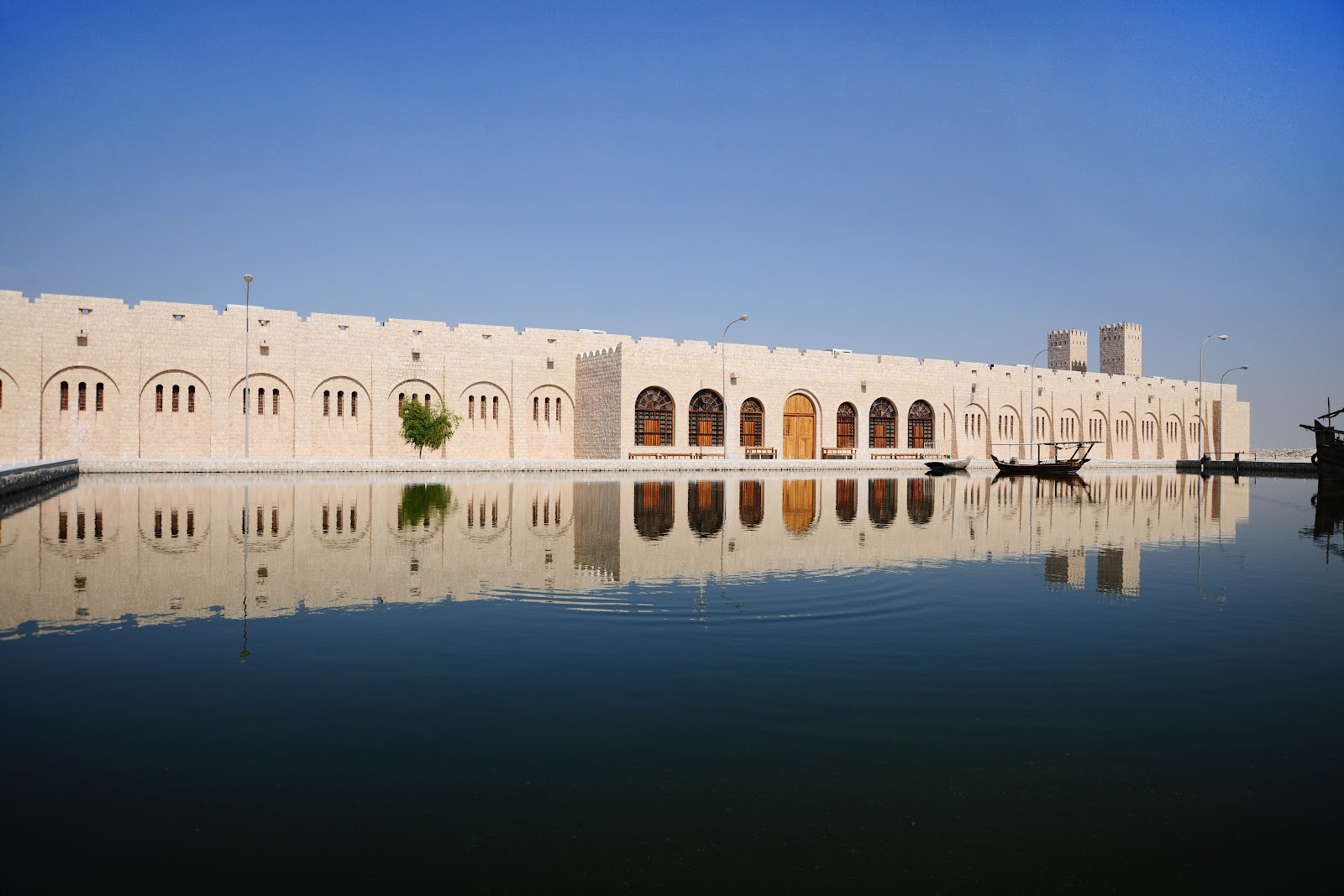
13. The Bizarre Collection at Sheikh Faisal Bin Qassim Al Thani Museum
About twenty kilometers outside the city stands a huge and imposing fortress that houses one of the most curious and interesting museums in the entire Middle East. It’s the enormous private collection of Qatari Sheikh Faisal, who during his lifetime amassed over 15,000 fascinating objects from around the world. Don’t expect any polished and strict curatorial concept here—it’s more like a giant cabinet of curiosities, where disparate but all the more captivating items lie side by side, never ceasing to surprise you.
The biggest and most famous attraction is the incredible collection of hundreds of meticulously maintained historic automobiles. You’ll walk through halls full of antique Persian carpets, beautiful Islamic art, old weapons, and ancient coins, with each new room surprising you with something completely different. Part of the huge museum even includes a completely disassembled, transported, and rebuilt traditional Syrian house with a beautiful courtyard.
Although the museum is a bit out of the way and you need to use the Uber app to get there and back (the journey takes about 40 minutes from the center), travelers highly praise it precisely for its hugely authentic and slightly chaotic atmosphere. This starkly contrasts with the perfectly clean and polished state museums in downtown Doha.
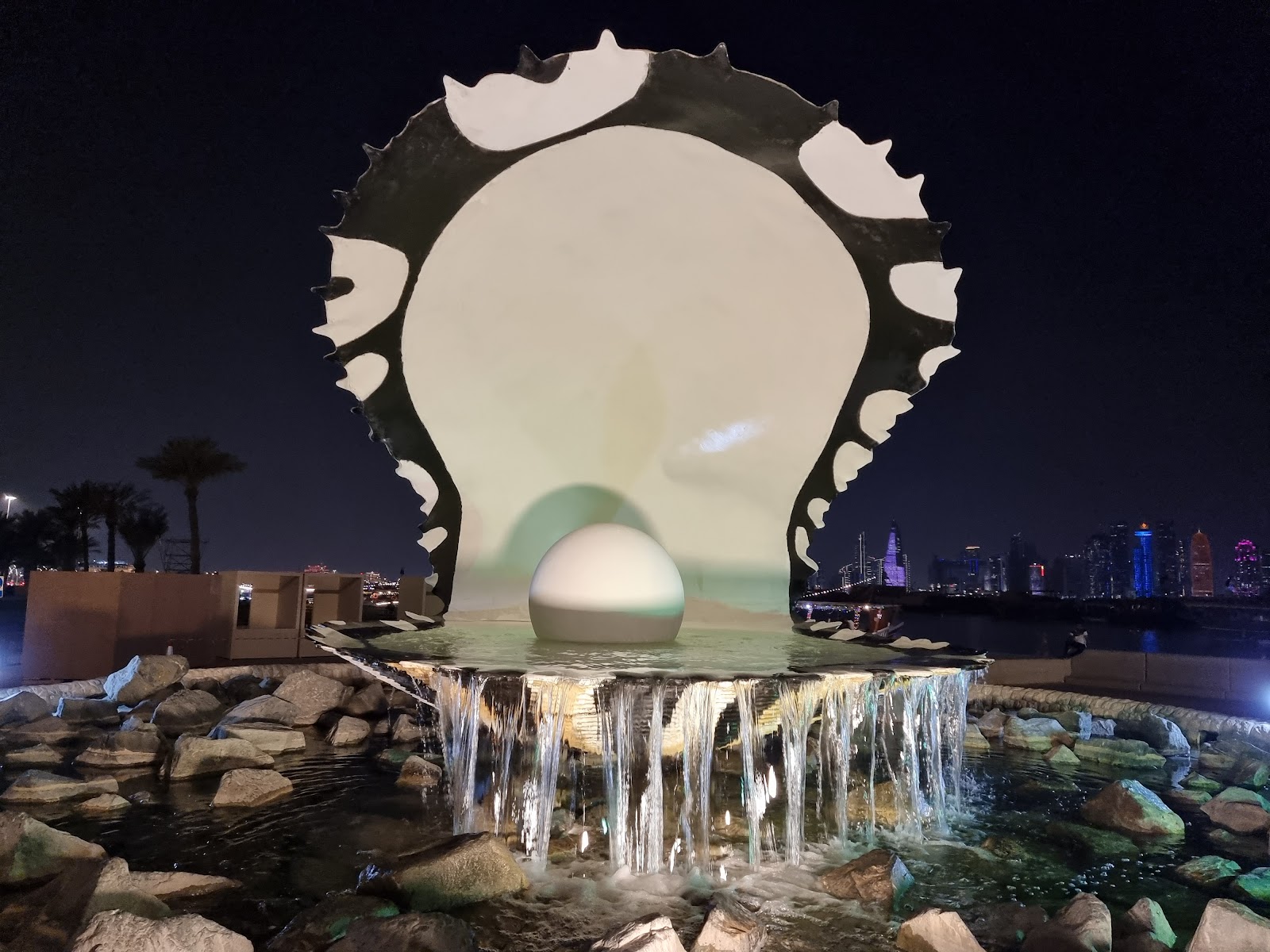
14. Photogenic Stops: The Pearl Monument and Golden Thumb
During a long walk along the Corniche promenade, you’ll come across several iconic sculptures and monuments that serve as perfect landmarks and very popular photo stops. The most famous of these is the celebrated Pearl Monument, a huge open oyster shell with a giant pearl inside, proudly commemorating the time before oil was discovered in the country. The demanding and dangerous pearl diving then represented the main source of livelihood for most local inhabitants. The monument stands strategically right at the entrance to the historic dhow boat harbor with modern skyscrapers towering magnificently in the background, making it a perfect motif for a photo connecting the past with the future.
A bit further away in the bustling center of Souq Waqif marketplace, you’ll find another very striking artistic piece, the Golden Thumb Statue by renowned French artist César Baldaccini. This enormous and intricately detailed golden thumb rising directly from the pavement appears among the traditional mud-brick buildings of the market like an absolute apparition from a dream. It quickly became a popular meeting point because it’s simply impossible to miss in the narrow alleys.
These massive public art installations are clear proof of how massively the state is investing in beautifying public spaces, making Doha essentially one enormous and very accessible open-air gallery. It’s definitely worth keeping your camera at the ready at all times.
15. BoxPark Container Village and Flag Plaza
If you happen to be looking for a place with a relaxed and very youthful atmosphere, definitely head to the BoxPark area located by the old harbor. This entire innovative complex is cleverly assembled from colorful recycled shipping containers that have been expensively transformed into very trendy cafes, bistros, and small designer boutiques. With a direct view of the moored pleasure boats and the nearby gleaming skyscrapers, it’s an absolutely ideal place for an afternoon coffee and soaking up modern Qatari culture away from the main tourist crowds.
Right next door is the newly built giant Flag Plaza, which grandly arose as a permanent symbol of international friendship and cooperation. On the enormous and perfectly paved expanse, 119 flags of countries from around the world fly on tall poles—those that have official diplomatic representation in Qatar. It’s a visually very impressive place especially for a quiet evening walk, when all the poles are effectively lit up, a pleasant fresh breeze blows from the sea, and you can take great photos.
This peripheral part of the city clearly shows that Doha can be not only extremely luxurious and deeply traditional, but also very playful, creative, and community-oriented, which is a face of the city that the average tourist often doesn’t even see at first glance.
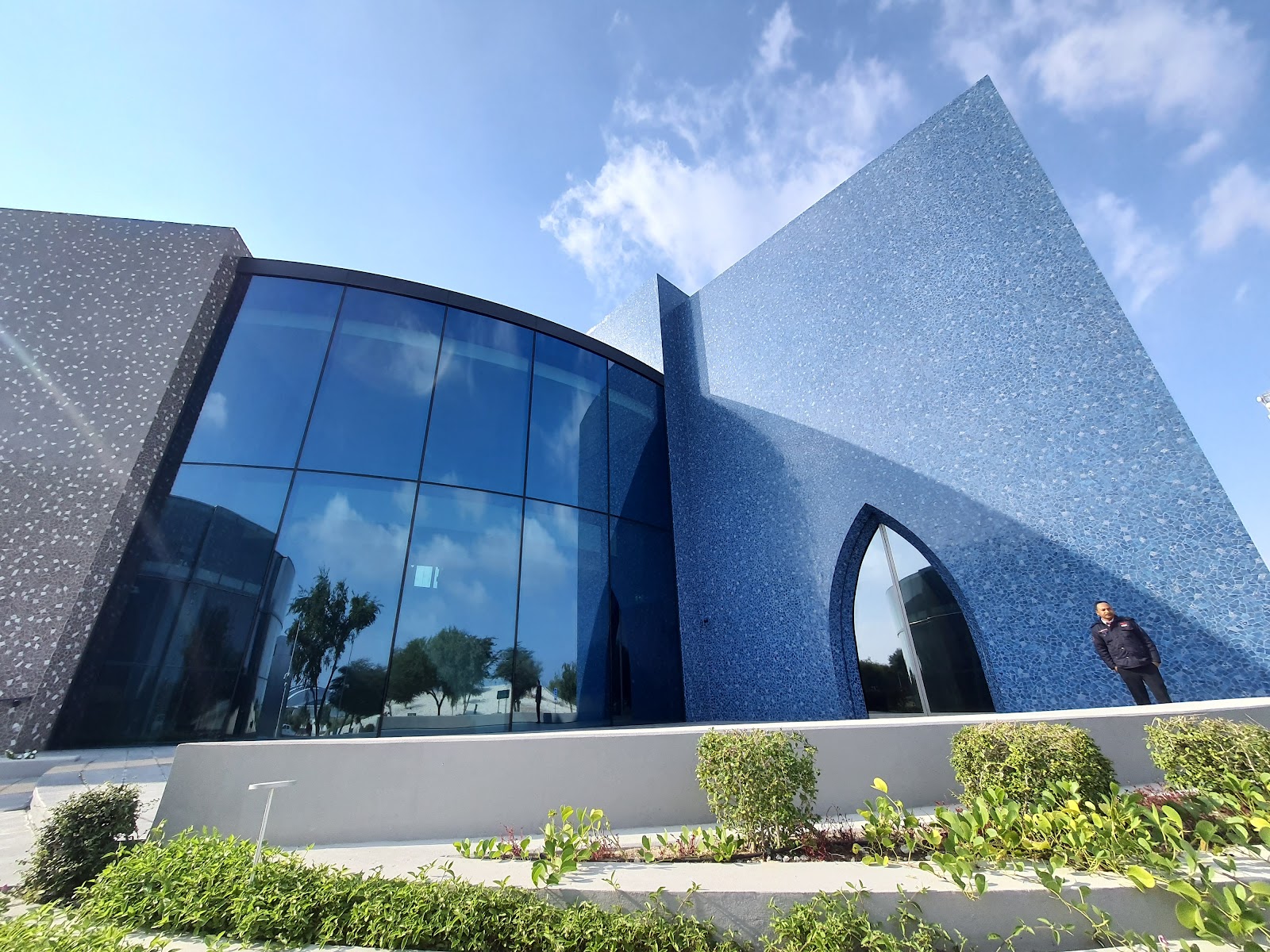
16. Hidden Art: Lawh Wa Qalam (M. F. Husain Museum)
Among the very newest cultural additions in Doha is a fascinating museum dedicated to Indian painter M. F. Husain, who is very often called the “Picasso of India” by world critics. Husain spent his final artistic years in Qatari exile and left an absolutely indelible mark here, which this amazing museum in the Ar Rayyan district perfectly and very sensitively maps. The architecture of the building itself is a major work of art, seamlessly blending traditional Islamic geometric elements with modern minimalism.
Inside the spacious halls, you’ll find his final, unfortunately unfinished series of monumental paintings that deeply explore the history of human civilization, the Indian diaspora, and the Arab world. The exhibition is incredibly intimate, quiet, and offers a deep dive into the complex mind of one of the greatest Asian artists of the 20th century. The exhibition places great emphasis on multimedia and also shows original sketches, notes, and the painter’s personal items, giving the museum a very personal dimension.
Although this museum doesn’t yet rank among the most famous and promoted tourist draws, according to reviews from enthusiastic visitors, it’s one of the greatest hidden gems in the entire country that lovers of fine art and quiet gallery spaces should definitely not miss on their travels.
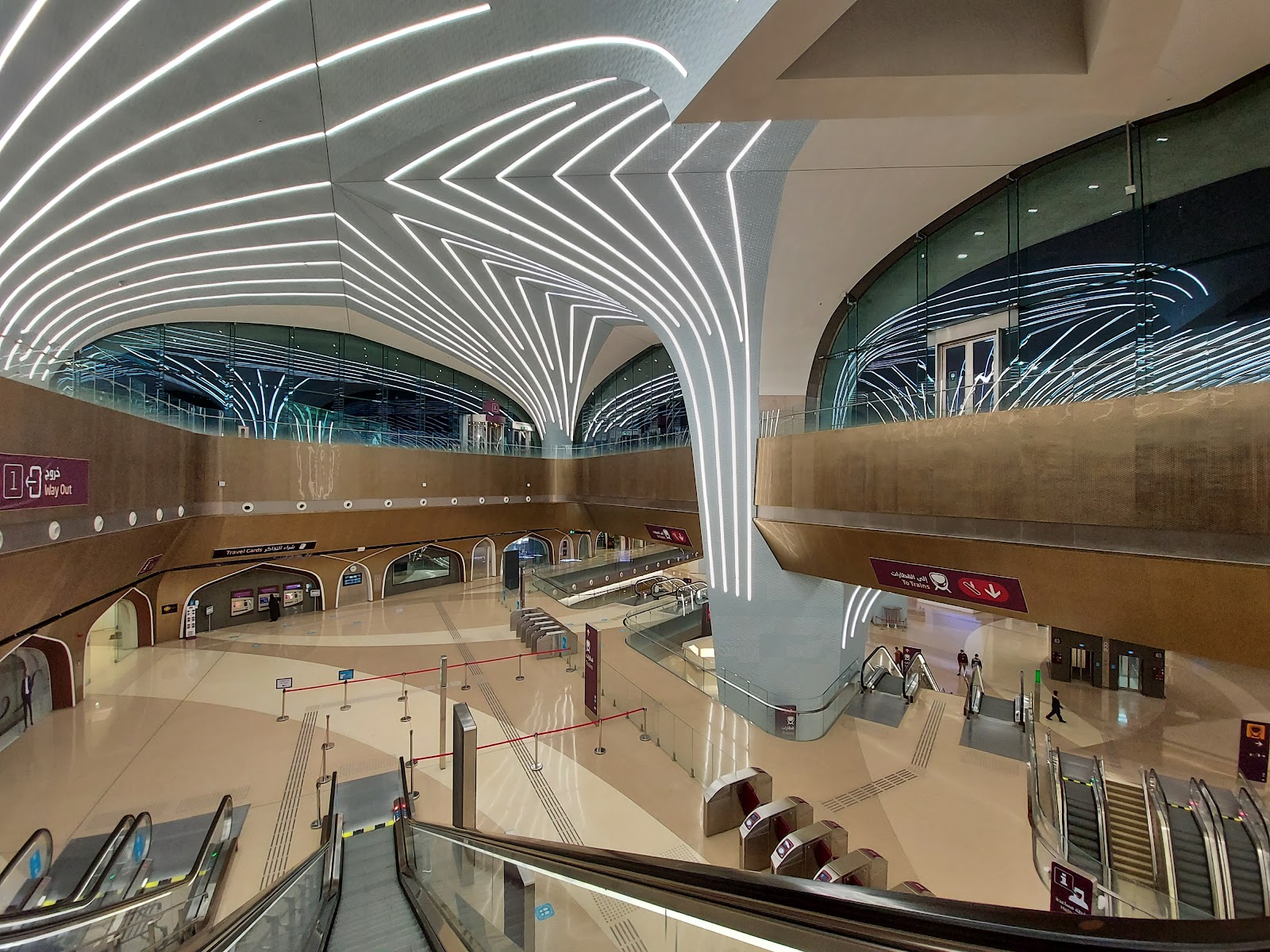
17. Metro Ride as an Experience (and Blue Line 2026)
Qatar’s metro isn’t just an ordinary, functional means of transport—it’s a hypermodern architectural experience that currently has no equal anywhere in the world. Stations on all three lines resemble luxurious hotel lobbies or spaceships with enormous vaulted ceilings, gleaming details, and impeccable cleanliness where you won’t find a single speck of dust. Trains run fully automatically without a driver, and the front glass window offers a stunning panoramic view of modern tunnels and the passing city.
What shocks Western travelers the most, however, are the ticket prices themselves. A single ride in Standard or Family class costs just 2 QAR, and the system has a daily cap set at 6 QAR. This means that even if you ride from morning to night crisscrossing the city, you’ll never pay more than a handful of riyals. If you want to treat yourself to a bit of Middle Eastern luxury, you can use the special Gold Class carriage for 10 QAR, which features huge leather armchairs and maximum privacy.
The entire transport network continues to expand, and 2026 is expected to see the long-promised completion of the first phase of the new Blue Line. This massive new route with sixty planned stations will further connect the city’s outlying areas and definitively confirm Doha’s status as the city with the most efficient and affordable public transport in the entire Middle East. Renting a car is completely unnecessary for the average tourist and just an unnecessary parking hassle.
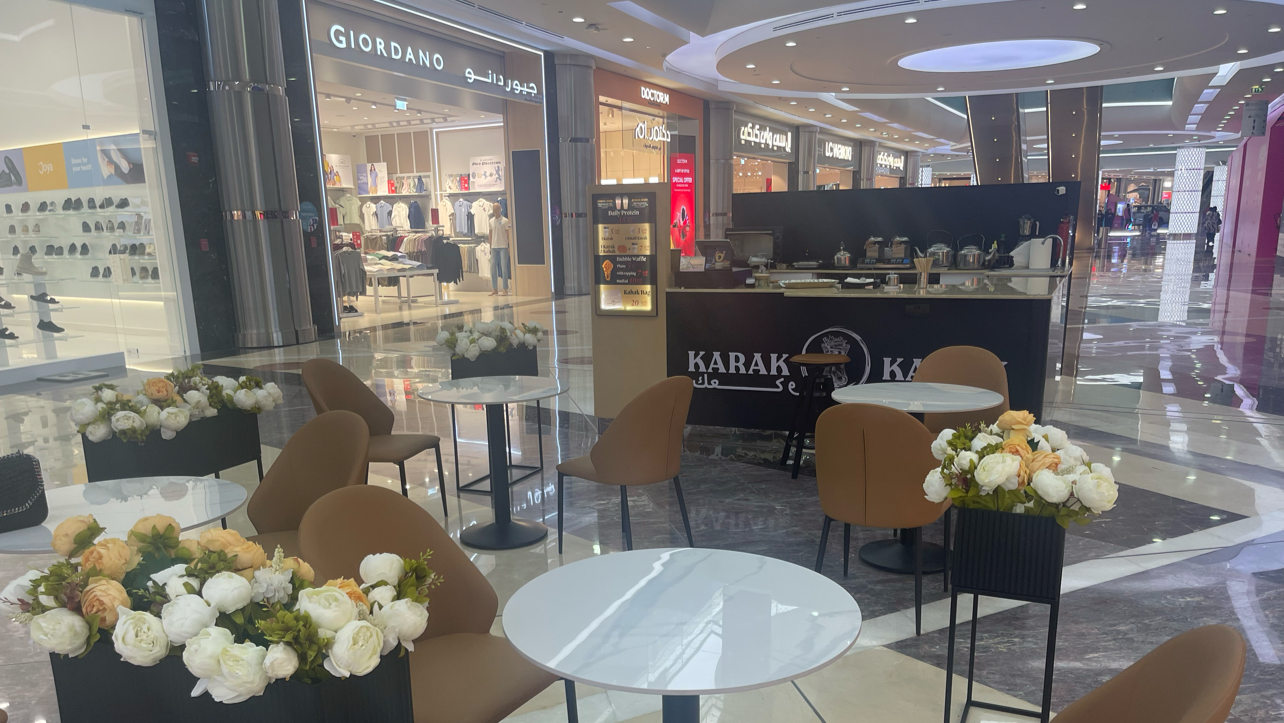
18. Tasting Karak Tea and Fresh Dates
While wandering the city, you absolutely must try Qatar’s national drink: strong and incredibly sweet karak tea. This fragrant blend of black tea, strong cardamom, cloves, and copious amounts of condensed milk is simmered for hours over low heat and consumed literally at any time of day or night, from early morning to the depths of night. The best part is that a small cup of this delicious hot beverage can be bought from an unassuming street window for literally just a couple of riyals.
The fragrant tea is inseparably accompanied by soft Qatari dates, which are considered the main symbol of enormous local hospitality. Right at Souq Waqif marketplace you’ll find amazing specialized shops where fresh and dried dates are piled into huge pyramids and sold in dozens of different varieties. From soft, honey-sweet varieties like Medjool to luxurious ones filled with almonds, nuts, or coated in quality chocolate. Definitely ask the sellers for advice and taste several types before choosing the right box to take home.
Among other excellent yet meatless local specialties, you absolutely must try freshly fried balls called luqaimat, which are wonderfully crispy on the outside, beautifully fluffy inside, and generously drizzled with thick date syrup. They’re the perfect and very satisfying finish to any long evening walk through the city.
19. Vegetarian Feast at Evergreen Organics
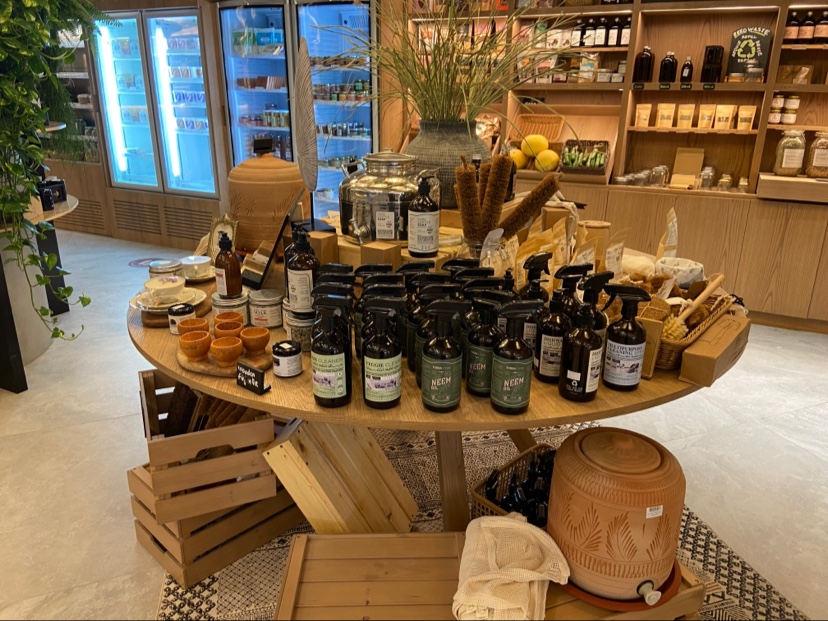
While Qatar traditionally favors meat dishes and grilling in a big way, thanks to the huge community of Western expats and modern gastronomic trends, you can now find fantastic plant-based restaurants here. The absolute and unrivaled pioneer is the beautiful Evergreen Organics café, the very first fully plant-based establishment in the entire country, which you’ll find in the luxurious Gate Mall shopping center and also on The Pearl island. They even have a small branch right at Hamad International Airport, which is an absolute lifesaver during long overnight layovers.
The restaurant environment is beautifully green, full of living tropical plants and massive wood, functioning as a perfect oasis of calm amid the bustling, glittering shopping arcades. I recommend trying their fantastic, colorfully vibrant smoothie bowls, freshly pressed juices, and vegan versions of popular desserts that look like true works of art and taste absolutely divine. The quality of ingredients is at the highest world level and the service is excellent.
This very successful establishment clearly shows that even in a desert state strongly focused on traditional animal-based gastronomy, you can easily find excellent, healthy, and modern food that will satisfy even the most demanding diners seeking purely meatless cuisine and fresh local ingredients.
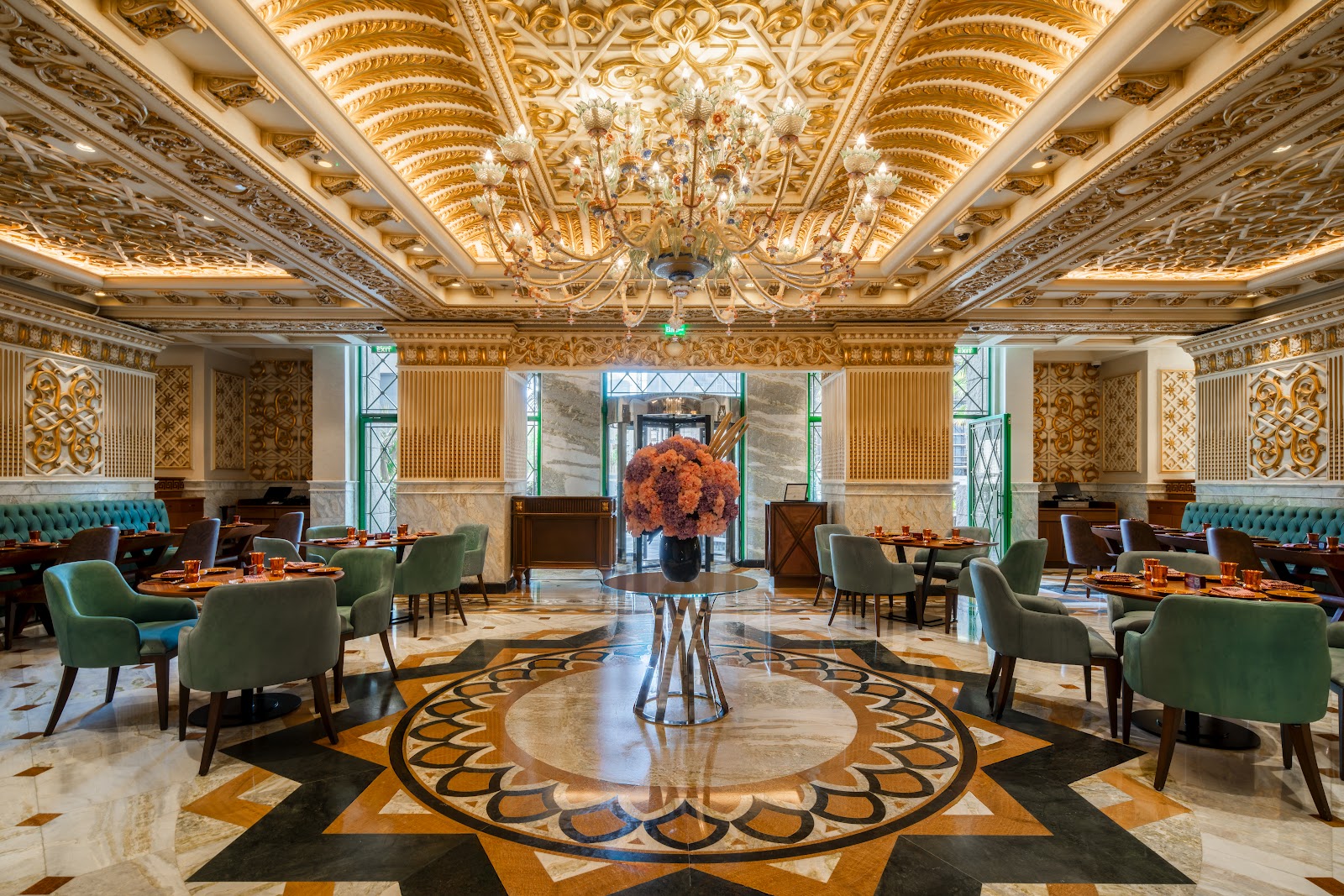
20. Indian Classics and Parisian Chic
Thanks to the huge community of working immigrants from South Asia, Doha offers some of the very best and most authentic Indian restaurants outside India itself, and at very reasonable prices. An unbeatable certainty among locals is the institution called Kailash Parbat, which has two bustling branches in the city and serves the best and richest vegetarian dishes you can imagine. Definitely don’t miss their perfectly spiced creamy curries, lentil dhal, and fluffy naan bread baked in a tandoor oven right in front of you.
If you’re looking for something purely European, stylish, and light, head to the massive Printemps Doha department store, where the famous Parisian plant-based restaurant Wild & The Moon recently opened. You’ll find excellent specialty coffee, huge fresh salads, and light healthy lunches in a beautiful minimalist interior full of natural light. For lovers of Mediterranean cuisine with a large selection of meatless dishes, the immensely popular Twisted Olive is the obvious choice.
And if you find yourself in any ordinary Levantine restaurant, you’ll always be reliably saved by classic staples like creamy hummus, smoky eggplant mutabbal (baba ghanoush), crispy falafel, or grilled halloumi cheese—dishes you simply can’t go wrong with in Qatar and that will fill you up wonderfully. While locals traditionally eat machboos rice with lamb or grilled hammour fish, there’s truly an endless abundance of excellent and substantial meatless alternatives on every corner.
Where to Go from Doha (Day Trips and Transfers)
Although the city itself can keep you entertained for several days, it would be a huge mistake not to venture beyond its borders. Qatar may be small in size, but it offers breathtaking desert scenery and historical sites that contrast sharply with the modern metropolis.
An absolute must is a trip to the Inland Sea (Khor Al Adaid) in the south of the country near the Saudi border. This is a UNESCO site where enormous sand dunes fall directly into the salty waters of the gulf. This area can only be reached in a 4×4 off-road vehicle, so you must hire a professional guide (highly rated agencies include 365 Adventures or Desert Safari Doha), who will take you on a wild dune-bashing ride ending with a swim at Inland Sea Beach.
In the northwest of the country lies the archaeological site of the ancient pearl-fishing town of Al Zubarah, which is a UNESCO World Heritage site and offers a glimpse into the harsh past of pearl divers. On the way back you can stop in the Zekreet desert area, where a completely unique land-art installation stands. Four giant steel plates by sculptor Richard Serra tower in the middle of the barren desert and create one of the most powerful artistic scenes in the world.
In the winter season you can also experience something properly bizarre: camel racing in the village of Al Shahaniya. To make the races safe and lighter, live jockeys have been replaced by small remote-controlled robots in colorful jerseys that camel owners control from off-road vehicles driving alongside the track. It’s a noisy, dusty, and absolutely fascinating spectacle, and completely free of charge.
If you only have a long layover (stopover) in Doha: Qatar Airways offers excellent transit programs and Hamad Airport is perfectly connected to the metro network. If you have at least 8 to 10 hours between flights, the Red Line will take you from the airport terminal straight to the center in under half an hour. You’ll have time to leisurely explore Souq Waqif marketplace, walk along the Corniche promenade, and still comfortably return for your connecting flight.
For further inspiration for travel around the Arabian Peninsula, you can read our other guides:
- Where to Stay in Doha
- Abu Dhabi Vacation: 21 Tips for What to See and When to Go
- Dubai Vacation: 43 Great Tips
- Oman Vacation: 21 Tips for What to See and When to Go
Frequently Asked Questions
Can I drink alcohol in Qatar?
Alcohol is strictly regulated in Qatar. You cannot buy it in regular stores or bring it from abroad (it will be reliably confiscated at the airport). It is served and poured only in licensed five-star hotels, select luxury restaurants and bars, and exclusively to people over 21 years old. Drinking alcohol in public or being drunk on the street is very harshly punished, with a high fine of up to 3,000 QAR and potentially imprisonment.
What are the dress code rules?
Qatar does not require foreign women to cover their hair, but respect for local culture is expected. In shopping centers, museums, markets, and public spaces, both men and women must have their shoulders and knees covered. Short shorts, tank tops, or deep necklines are not tolerated, and security can uncompromisingly expel you from the building. Swimwear and beach clothing are absolutely fine at hotel pools and on private beaches.
Is Doha similar to Dubai?
Even though both cities with skyscrapers may look similar in photos, the atmosphere is completely different. Doha is significantly smaller, quieter, and focuses much more on culture, history, and world-class museums, rather than on amusement parks and building the “biggest” things in the world. At the same time, public transport is substantially cheaper here, and you’ll encounter much less mass tourism than in the neighboring Emirates.
How many days do I need to visit Doha?
For the city itself and main sights, such as the National Museum, Souq Waqif, and Katara, 2 to 3 days will be more than enough. However, if you want to add a full-day trip to the desert to the Inland Sea or thoroughly explore the northern fortresses and art installations, I recommend planning at least 4 full days so you don’t have to rush anywhere.
Do I need a car in Doha?
No, if you plan to stay mainly in the city. Doha has a fantastic, cheap, and reliable network of three metro lines that will quickly get you to the vast majority of sights. A single ride costs only 2 QAR and the system has a cleverly set daily cap. For places where the metro doesn’t go, you can safely use cheap and ubiquitous Karwa taxis or the popular Uber app. Renting a car only makes sense if you want to really intensively travel outside the city on your own, but remember that you still have to go to the desert to the Inland Sea with a professional local guide.
Is Qatar a safe country?
Qatar consistently ranks at the top of the lists of the safest countries in the entire world. Crime here is almost zero, street theft is absolutely rare, and you can walk around here without any worries even very late at night. It is also an exceptionally safe and welcoming destination for solo female travelers, as long as they follow the basic and predefined rules of social etiquette and appropriate dress.
Do I need a visa and insurance to enter?
Many nationalities can enter Qatar for tourism without a visa – you’ll typically only need a valid passport. However, special health insurance from a state-approved provider is required, which you often need to arrange before departure or directly upon arrival at the airport. Rules can change, so always check official government sources shortly before your trip. The Hayya card from the World Cup era is no longer needed for regular tourists.
Tips and Tricks for Your Vacation
Don’t Overpay for Flights
Search for flights on Kayak. It’s our favorite search engine because it scans the websites of all airlines and always finds the cheapest connection.
Book Your Accommodation Smartly
The best experiences we’ve had when looking for accommodation (from Alaska to Morocco) are with Booking.com, where hotels, apartments, and entire houses are usually the cheapest and most widely available.
Don’t Forget Travel Insurance
Good travel insurance will protect you against illness, accidents, theft, or flight cancellations. We’ve had a few hospital visits abroad, so we know how important it is to have proper insurance arranged.
Where we insure ourselves: SafetyWing (simple monthly subscription) and TrueTraveller (for extra-long trips).
Find the Best Experiences
Get Your Guide is a huge online marketplace where you can book guided walks, trips, skip-the-line tickets, tours, and much more. We always find some extra fun there!