

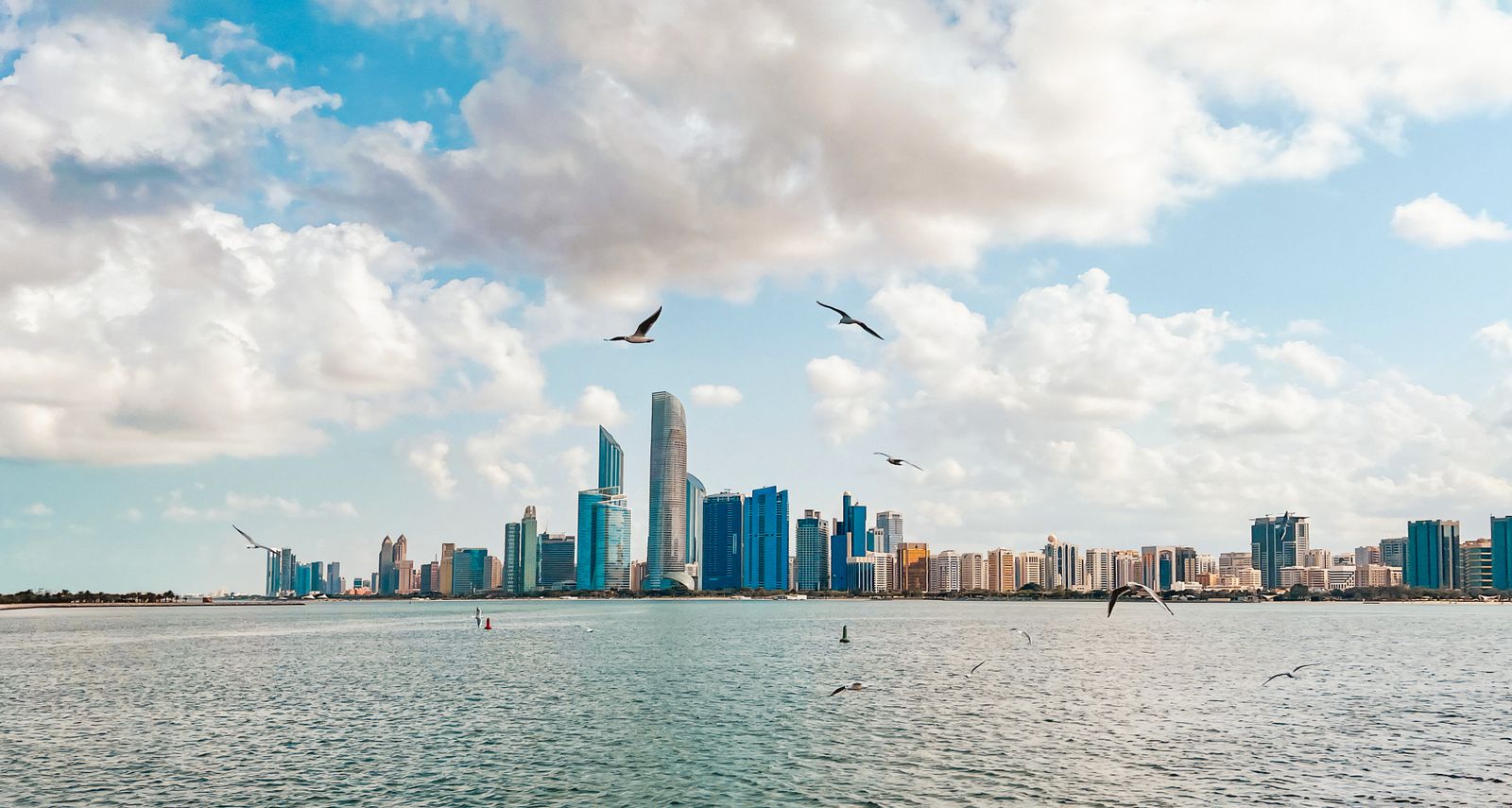
The question I hear most often about the United Arab Emirates is crystal clear: should you fly to Dubai, or give Abu Dhabi a try instead? The answer depends entirely on what you want from your trip, because Abu Dhabi is noticeably calmer, greener and more cultural than its more famous neighbour. You’ll find the country’s most beautiful beaches here, promenades lined with mangroves, and luxury hotels that are surprisingly much cheaper than those in Dubai.
If you’re after endless parties and towering skyscrapers, you might be drawn elsewhere, but for a laid-back holiday full of art, clear water and amazing food, this city is absolutely ideal. There’s also a huge bonus: from April 2026, Etihad Airways flies a daily direct route from Prague. The journey takes just over five hours, dropping you into a completely different world without any tedious layovers.
And if you’re flying with Etihad somewhere further into Asia or Australia, you can take advantage of their fantastic Etihad Stopover programme, which gives you up to two nights in a luxury hotel completely free during your layover. On top of that, according to the Numbeo index, Abu Dhabi has been the safest city in the world for nine years running, so you’ll feel completely relaxed and carefree here.
TL;DR
- Direct flights from Prague: From April 2026 Etihad Airways flies daily, with a journey time of just an amazing 5 hours and 20 minutes.
- No visa needed: On arrival you get a free stamp in your passport valid for 90 days.
- When to go: The best weather, with warm seas and pleasant air, awaits in November and then again from March to April.
- Abu Dhabi vs. Dubai: Abu Dhabi is overall a little cheaper (food roughly 11% less, transport up to 33% less) and offers far more peace and greenery.
- Where to stay: Families will love Yas Island for its free theme-park entries, while for luxury and gorgeous beaches head to Saadiyat Island.
- Mind the medicines and rules: Medications containing codeine are illegal here, as are public displays of affection (kissing).
- Museum boom: Several world-class museums are opening over the turn of 2025–2026, making the city the number one cultural destination.
The full destination guide: United Arab Emirates — guide and what to see
When to visit Abu Dhabi
When to go is a genuinely crucial question in Abu Dhabi, because the difference between winter and summer isn’t a few degrees — it’s the difference between paradise and a sauna. The main tourist season runs from October to April, when daytime temperatures sit between a very pleasant 24 and 32 degrees. If you travel in December or January, definitely pack a light jumper for the evenings, because after sunset the temperature can drop to around 15 degrees.
If you love swimming in a warm sea, the most ideal months are clearly November, March and April. In November the water in the Persian Gulf is a luxurious 27 degrees, while in January and February it cools to roughly 20–21 degrees, which is a touch refreshing for some. By contrast, in the summer months from June to September the sea feels like hot soup at around 34 degrees, and the air routinely climbs past 45 degrees.
Summer in the Emirates is simply for the bravest among us, but on the flip side, this is when prices at five-star hotels drop to absolute rock bottom. If you don’t mind spending your days in air-conditioned museums or the giant indoor Warner Bros. park, you can treat yourself in July to luxury that would cost three times as much in winter. Also keep an eye on the calendar for the Abu Dhabi Grand Prix in early December, when hotels are hopelessly sold out and wildly overpriced.
Another thing to factor in is the sacred month of Ramadan, which in 2027 falls roughly between 8 February and 9 March. During Ramadan, eating and drinking in public is prohibited during daylight hours, although the rules for tourists in hotel resorts are very lenient. The evening feasts known as iftar are absolutely worth experiencing, though, because the city comes incredibly alive after sunset.
Where to stay in Abu Dhabi
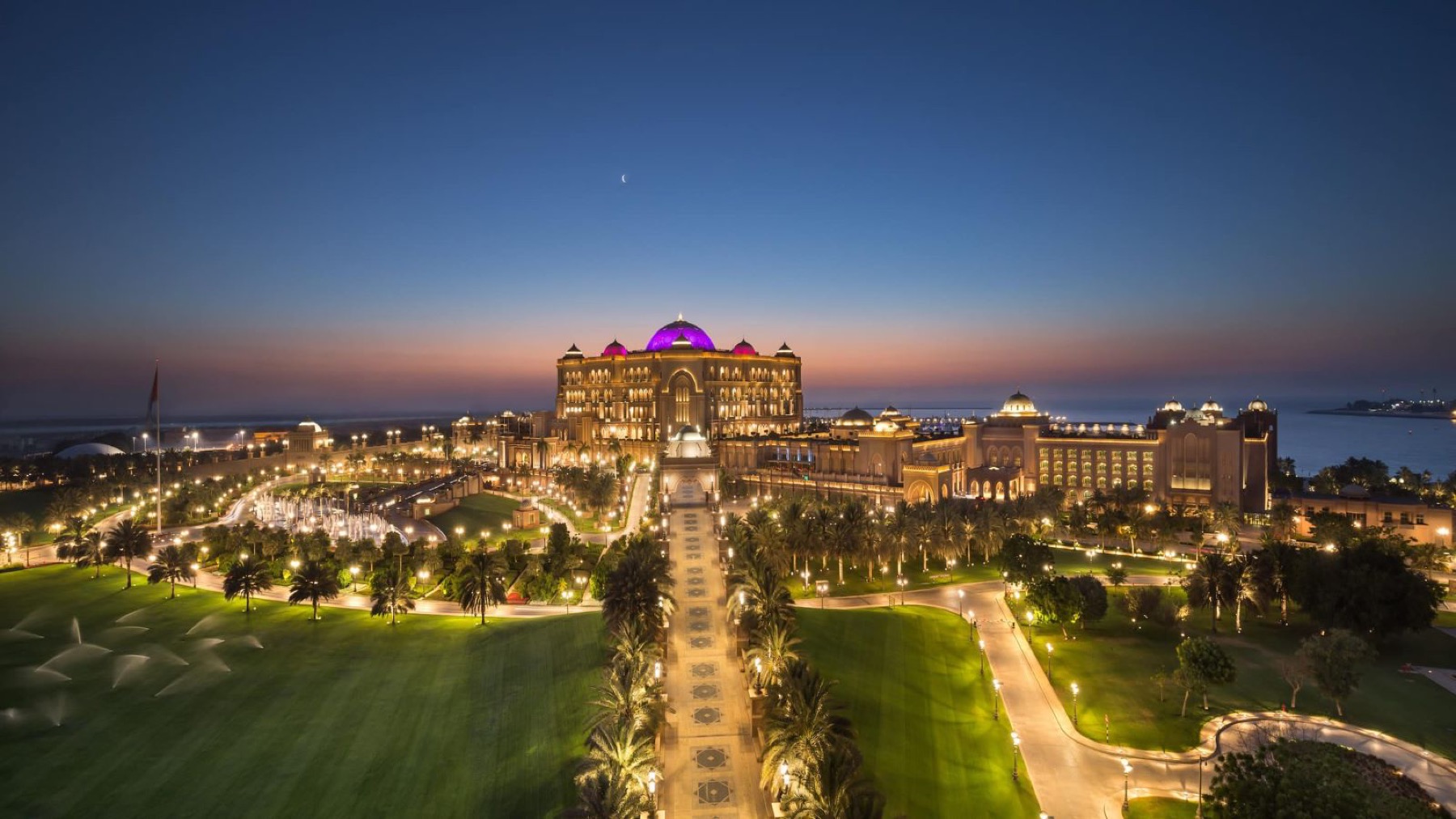
Abu Dhabi is enormous, and choosing the wrong neighbourhood can mean spending half your holiday in a taxi. That’s why it pays to know in advance which area suits whom. If you’re craving pure luxury and iconic views, I’d recommend the area around the Corniche promenade. Here you’ll find the legendary Emirates Palace Mandarin Oriental, a genuine palace with its own kilometre-long beach, where in-season prices run very high — but the experience is truly fit for a king.
A great alternative with superb value for money is the neighbouring Conrad Abu Dhabi Etihad Towers, which offers stunning views over the whole city and the sea. If you prefer peace, white sand and turquoise water, head to Saadiyat Island, home to the finest beaches in the entire Emirates. A wonderful option here is the Park Hyatt Abu Dhabi Hotel and Villas with its very low-rise buildings, or the gorgeous Jumeirah Saadiyat Island Abu Dhabi, where in spring you can watch sea turtles hatch.
For families with kids, Yas Island is an absolute must, as it’s home to the biggest theme parks. The local Miral-group hotels offer a fantastic Stay & Play programme, thanks to which you get one entry to a selected theme park per person, per night, completely free (valid until the end of 2026). An excellent choice here is the Hilton Abu Dhabi Yas Island with its great kids’ club, or The WB Abu Dhabi, the world’s first hotel inspired by Warner Bros. characters.
If you’re looking for something more affordable right in the city, take a look at Khalidiya Palace Rayhaan by Rotana, which has a huge pool and its own beach for the price of an ordinary city hotel. Just bear in mind that it’s a so-called dry hotel (no alcohol is served at all). The ultimate budget hit, then, is Pearl Rotana Capital Centre, where you can often grab a lovely room for under 80 € a night, even if you’ll need a taxi to reach the sea.
If you want to experience a real Arabian Nights fairy tale, head out to the desert for a day or two. Around two hours’ drive from the city, hidden among endless dunes, is the breathtaking Anantara Qasr Al Sarab Desert Resort, which looks like an ancient fortress. And for those of you simply transiting through Abu Dhabi with Etihad, I’d suggest the Staybridge Suites Yas Island, which sits a stone’s throw from the airport and offers comfortable apartments with a kitchenette.
21 things to see and do in Abu Dhabi
Abu Dhabi has transformed beyond recognition over the past decade — and honestly, the pace at which museums and parks are springing up here amazes even me. Here are 21 places and experiences worth your time.
1. Sheikh Zayed Grand Mosque
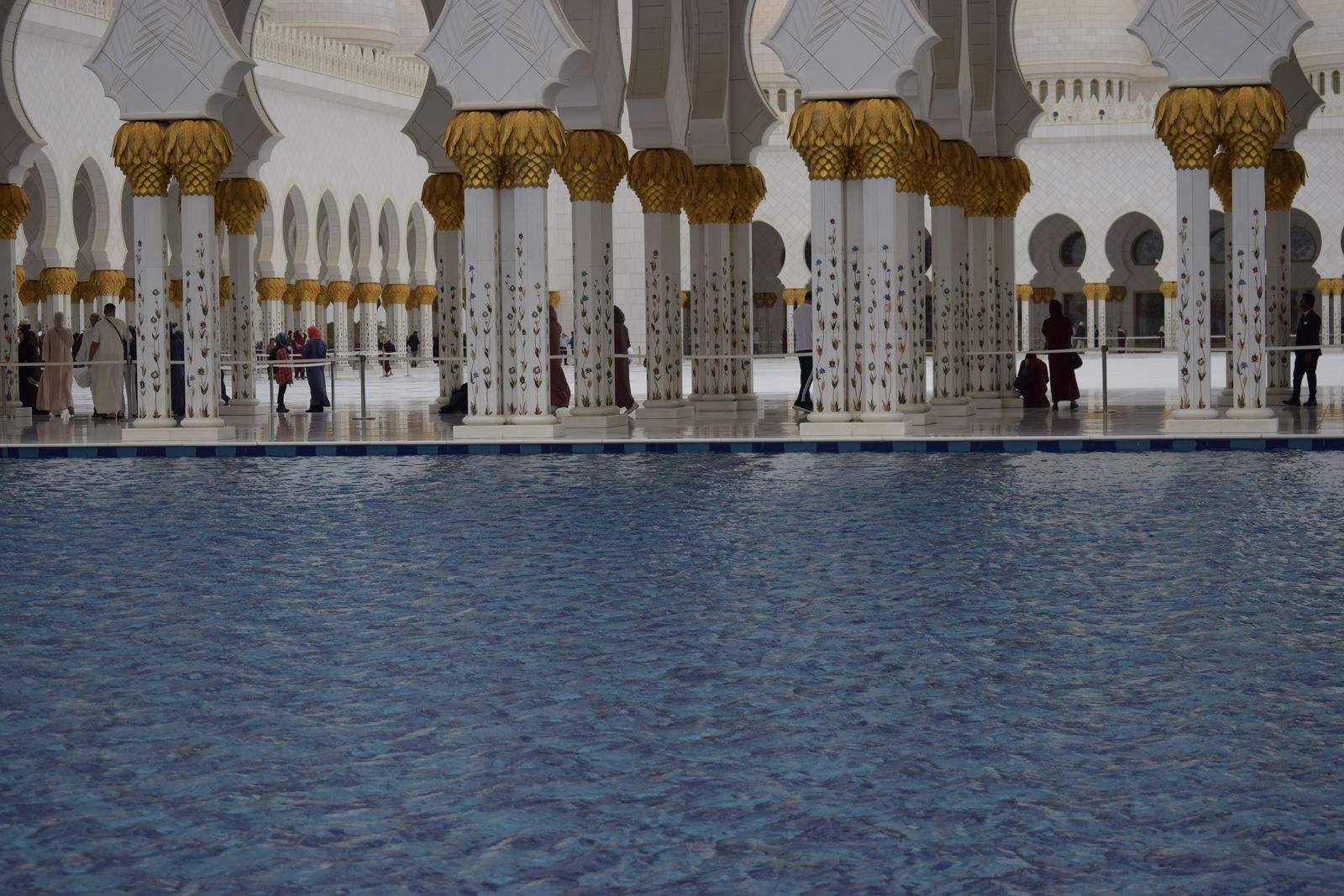
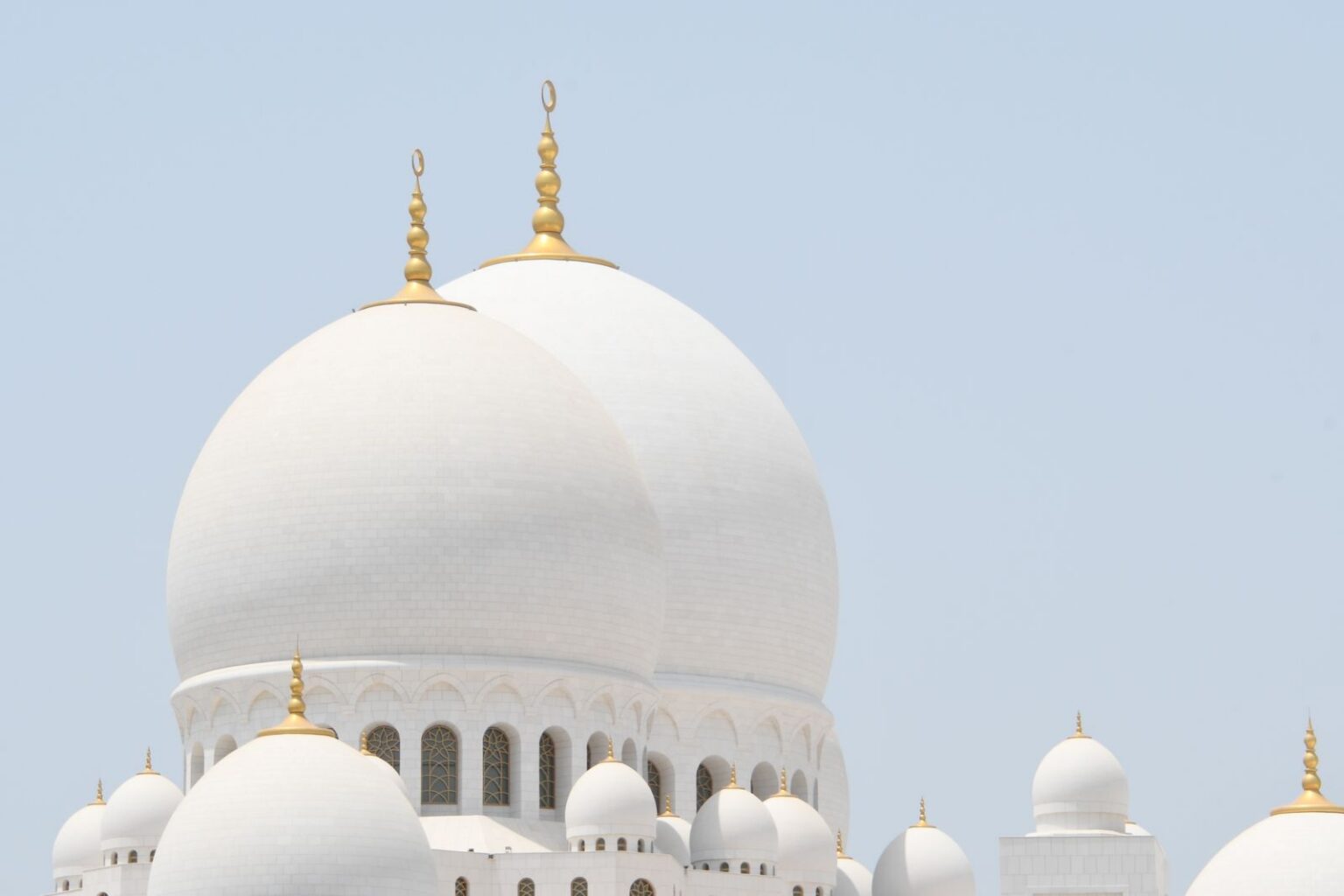
This building is probably the main reason most tourists come here in the first place, and believe me, it’s even more spectacular in person than in photos. It’s one of the largest mosques in the world, adorned with 82 white marble domes, chandeliers inlaid with Swarovski crystals, and home to the largest hand-knotted carpet on the planet.
Entry to the mosque is completely free, but you must book a time slot online in advance on the official site szgmc.gov.ae, otherwise you won’t be let in at all during high season. The best time to visit is roughly an hour before sunset, when you can see the building by daylight, witness the magical sunset, and then catch the beautiful evening illumination too.
💡 Tip: The dress code here is absolutely uncompromising, and the check at the entrance tends to be the strictest in all the Emirates. Women must have their shoulders, arms and legs covered to the ankle, with hair tucked under a headscarf; men must wear long trousers. Abayas are sometimes loaned on site, but the queues for them are huge, so it’s far more comfortable to arrive already dressed appropriately from your hotel.
2. Louvre Abu Dhabi
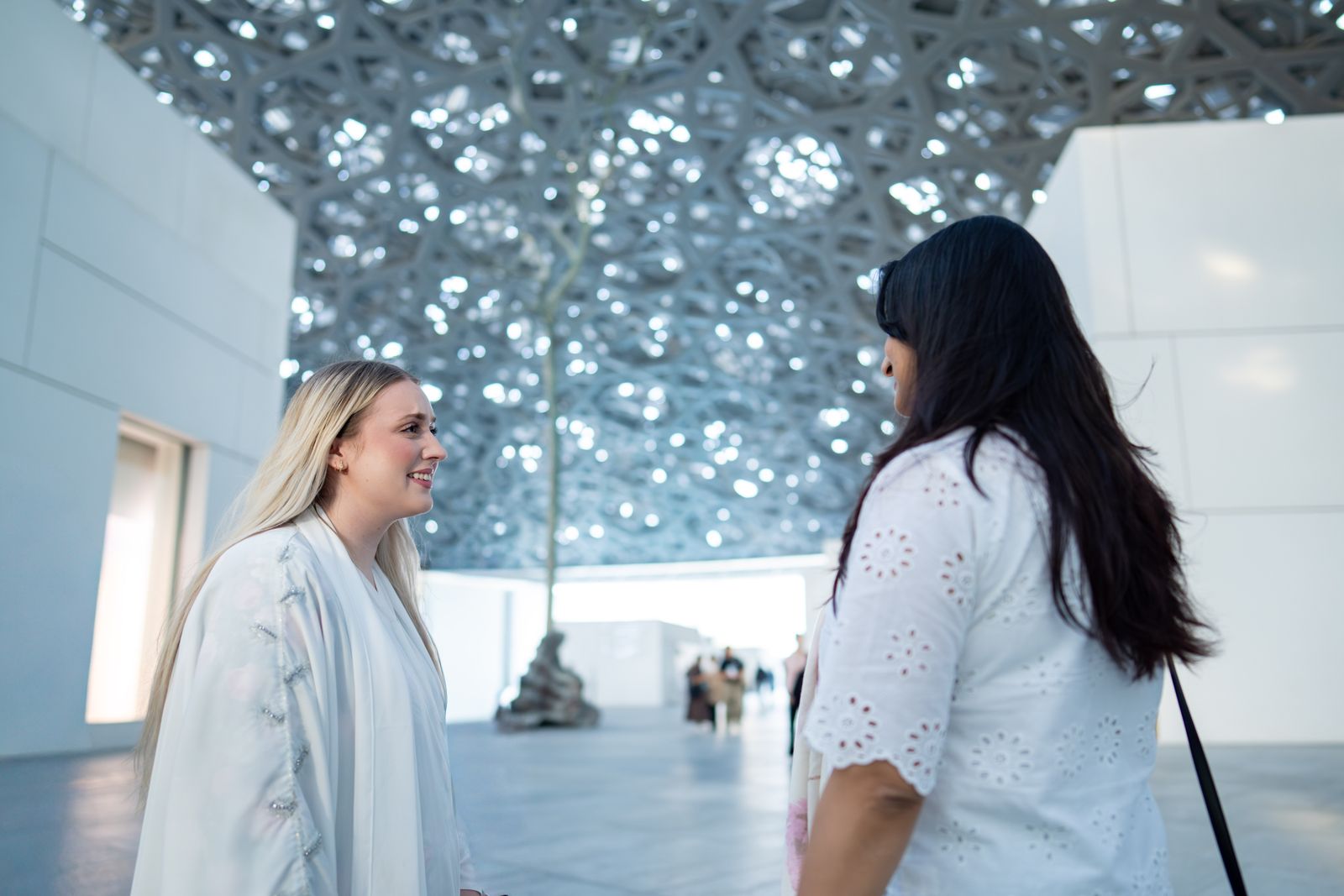
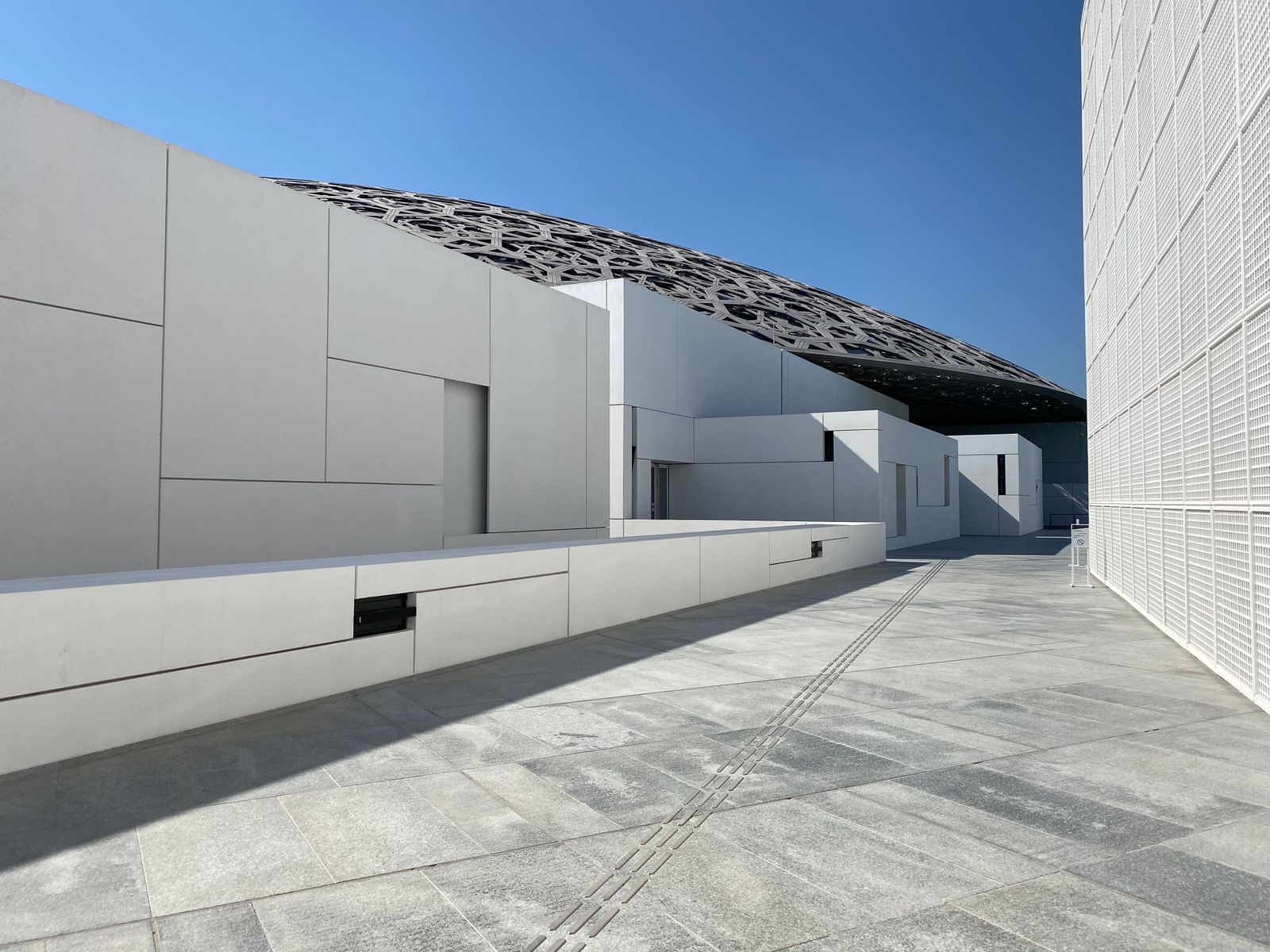
You don’t have to fly to Paris to experience artistic ecstasy, because the famous Louvre’s branch on Saadiyat Island is an architectural masterpiece. Architect Jean Nouvel designed the building so that an enormous silver dome seems to levitate above it, woven from nearly eight thousand metal stars through which the sun’s rays filter.
This effect is called the “rain of light”, and it’s at its most beautiful in the late afternoon, as the sun slowly sinks toward the horizon. Inside the museum, don’t expect only European art — the collection is arranged chronologically and shows the connections between different world cultures across the centuries.
A standard ticket costs a pleasant 63 dirhams, while children and young people under 18 get in completely free. Just remember that the museum is closed on Mondays, so plan your itinerary accordingly. If you don’t fancy going in to the exhibitions, you can at least stroll for free across the plaza beneath the dome.
3. Qasr Al Watan Presidential Palace
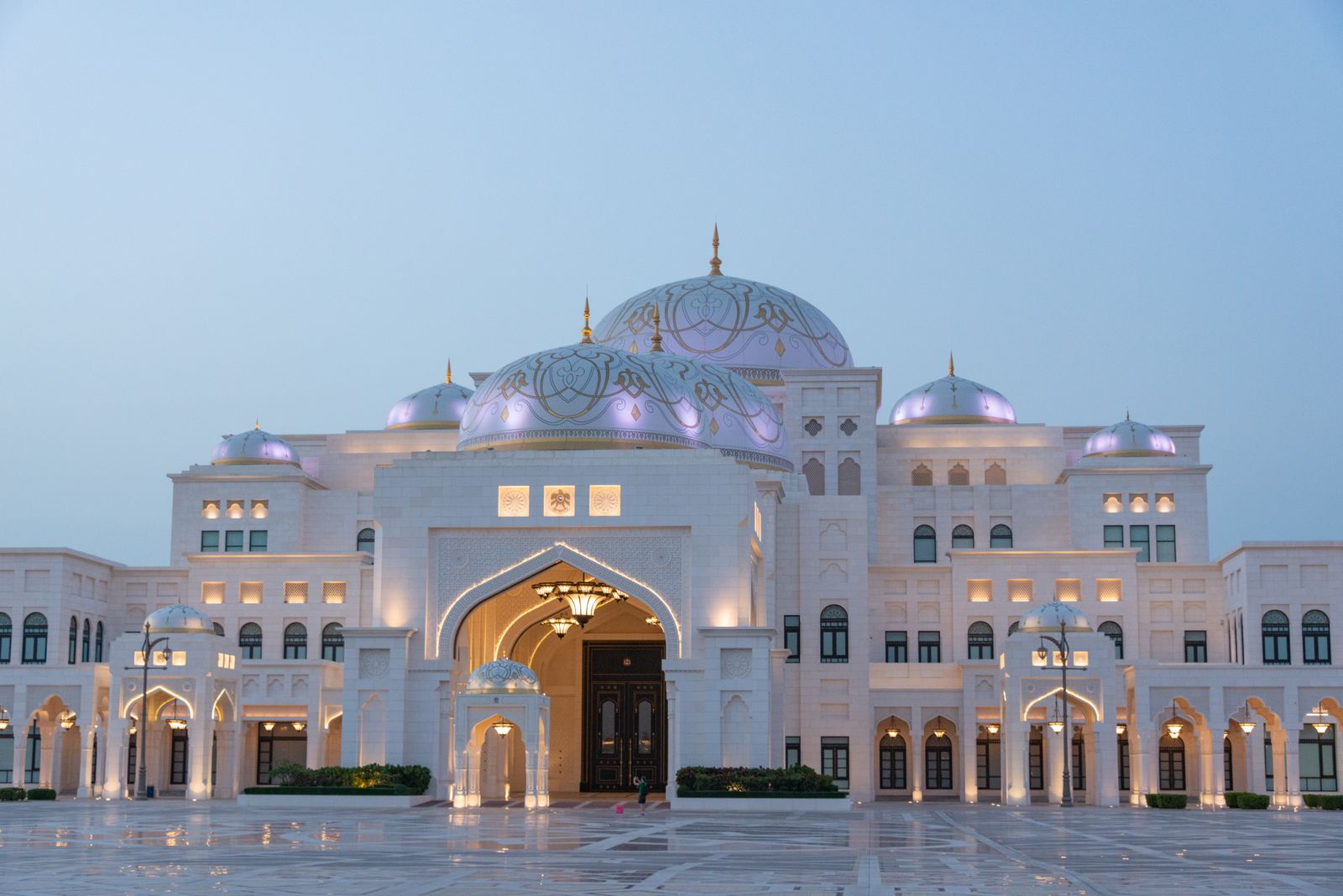
If you want to see what the true wealth of the Arab world looks like, this working presidential palace is guaranteed to take your breath away. It only opened to the public recently, and its interiors are full of white marble, intricate golden mosaics and vast crystal chandeliers.
A ticket comes to 65 dirhams for an adult and 30 dirhams for children, which is a very fair price for a spectacle like this. The tour also includes a stunning library with thousands of volumes on Arab history and science, which looks wonderfully photogenic.
💡 Tip: Plan your palace visit for the late afternoon so you can catch the evening light-and-sound show Palace in Motion. It’s projected straight onto the palace façade after dark and tells the story of how the United Arab Emirates came to be.
4. Emirates Palace and the golden cappuccino
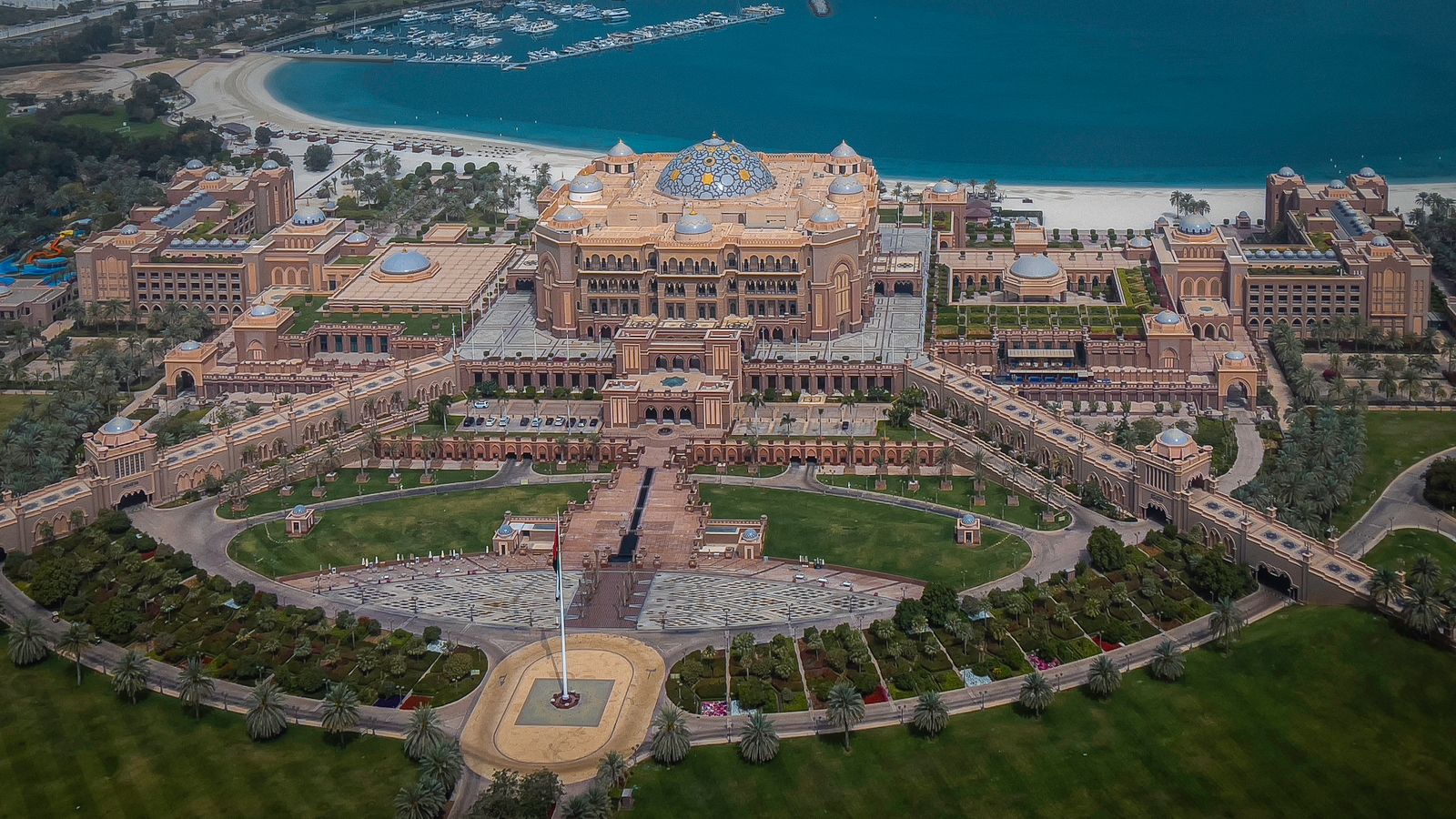
This hotel is a legend that was long regarded as the most expensive accommodation ever built. Even if you’re not staying here, you can pop into the main lobby and explore the public areas — just dress respectably and keep your voice down.
Plenty of guides will tell you to order the famous cappuccino sprinkled with 24-carat gold flakes at the on-site Le Café. Bear in mind, though, that this experience will set you back around 90 dirhams, making it more of a pricey tourist gimmick than a gastronomic miracle.
Gold has no flavour at all, so you’re essentially just buying a ticket to a nice photo for your socials. The real value lies more in the fact that a café reservation guarantees you access to the palace interior, even when state visits are taking place and ordinary tourists have to stay outside.
5. Qasr Al Hosn Fort
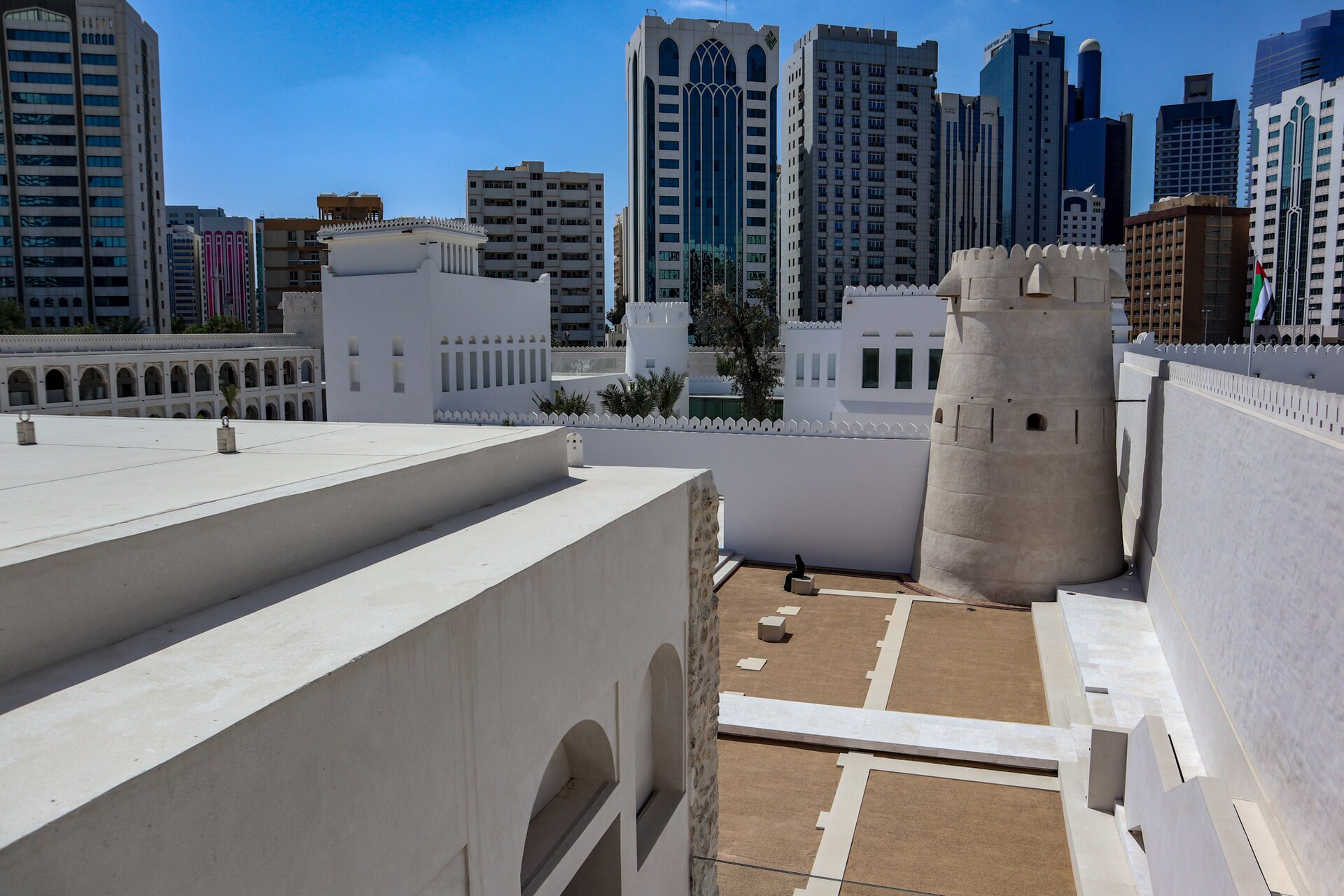
Abu Dhabi isn’t just modern skyscrapers, and this snow-white coral-stone fort is the best proof of that. It’s the oldest stone building in the city, with a history reaching back to around 1760, when it served as a watchtower guarding a freshwater spring.
Today the fort houses a beautifully designed museum that tells the fascinating story of a city that went from a poor fishing village to a modern metropolis in just sixty years. The contrast between the ancient little fort and the surrounding glass skyscrapers is a favourite subject for every photographer.
Admission is just 30 dirhams, and visitors under 18 pay nothing at all. The exhibition inside is highly interactive, and you’ll often meet local artisans demonstrating traditional palm-leaf weaving or brewing strong Arabic coffee — definitely give the latter a try, even if you’re not usually a coffee person.
6. Zayed National Museum (open from late 2025)
A huge museum boom is reaching its peak on Saadiyat Island, turning the city into a world-class cultural destination — and this is its crown jewel. Designed by the famous Foster + Partners studio, the building resembles five enormous steel falcon wings soaring skyward, which double as natural air conditioning.
The museum, scheduled to open in December 2025, is dedicated to the life and legacy of Sheikh Zayed, founder of the United Arab Emirates. The exhibition walks you through the region’s history long before oil was discovered, showing how the local tribes managed to cope with the harsh conditions of the desert.
Admission should be around 70 dirhams, with the customary free entry for visitors under eighteen. For most travellers this place is still a big unknown, so if you head here shortly after it opens, you’ll be among the very first to discover it.
7. Natural History Museum and Stan the T-rex
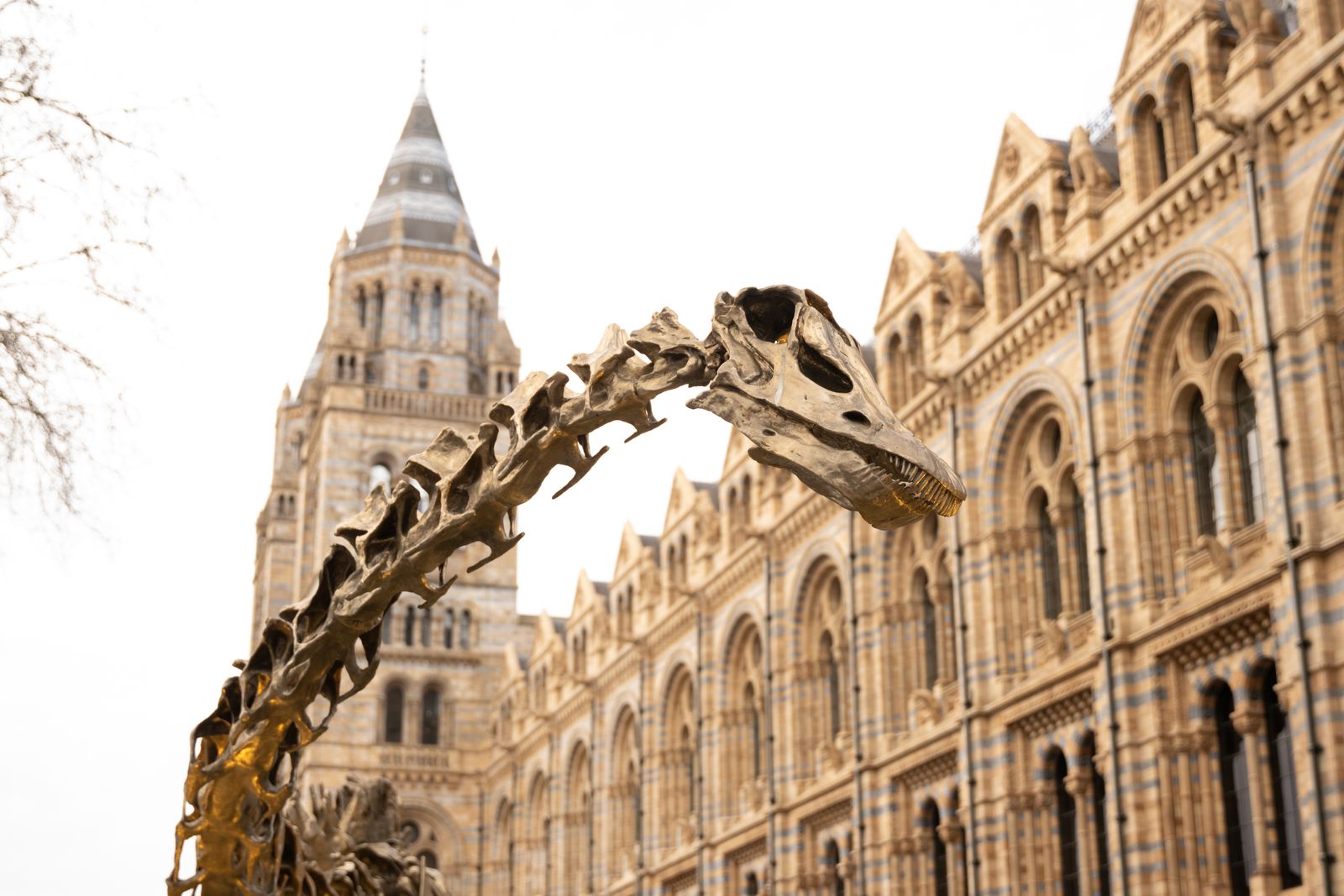
Right next to the national museum, another architectural wonder is taking shape, with its grand opening set for November 2025. This natural history museum takes you on a journey through nearly 14 billion years of time, from the Big Bang itself all the way to the present day.
The star of the whole exhibition will be the complete skeleton of a Tyrannosaurus Rex named Stan, a dinosaur that fetched a record auction price, measures nearly twelve metres and will leave kids (and adults) staring open-mouthed.
Besides dinosaurs, you’ll also find an exceptional collection of meteorites and rare minerals documenting the formation of our planet. The building itself is designed to echo natural geological formations and fits perfectly into the whole museum district on Saadiyat Island.
8. Immersive art at teamLab Phenomena
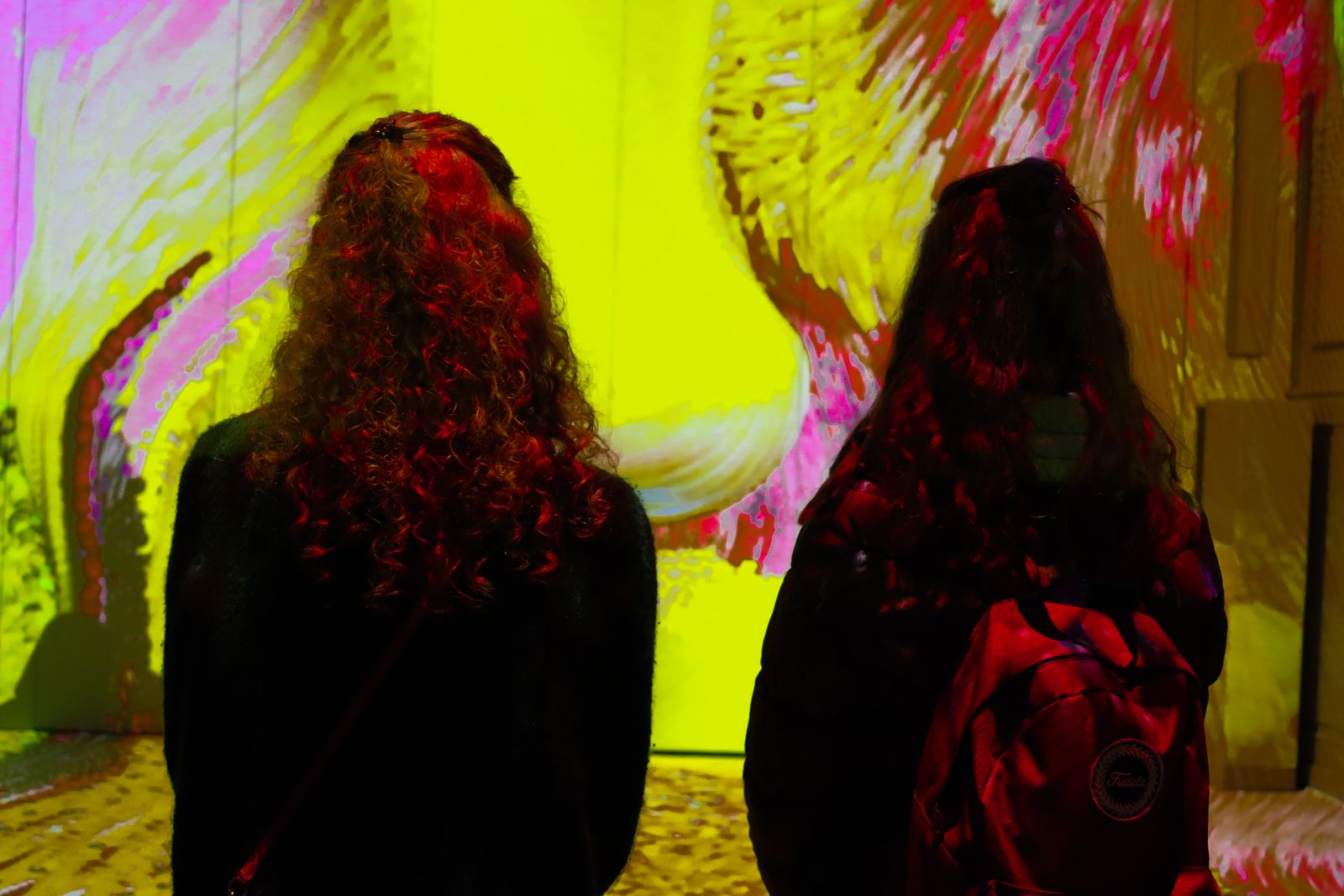
The Japanese art collective teamLab has already caused a sensation in Tokyo and other world capitals, and in spring 2025 it’s opening its futuristic pavilion in Abu Dhabi too. Don’t expect classic paintings on walls here — this is a space of a staggering 17,000 square metres where art and technology intertwine.
The whole concept is based on light projections that respond to visitors’ movements and touch, so every visit you make will look a little different. Rooms filled with digital flowers, falling waterfalls and floating lights are an utterly dreamlike experience that both adults and children will enjoy.
Basic tickets should start at around 65 dirhams, but it’s best to book well in advance, as installations like these tend to draw huge crowds the world over. It’s also one of the most photogenic spots you’ll visit on your entire holiday.
9. Ferrari World for speed lovers
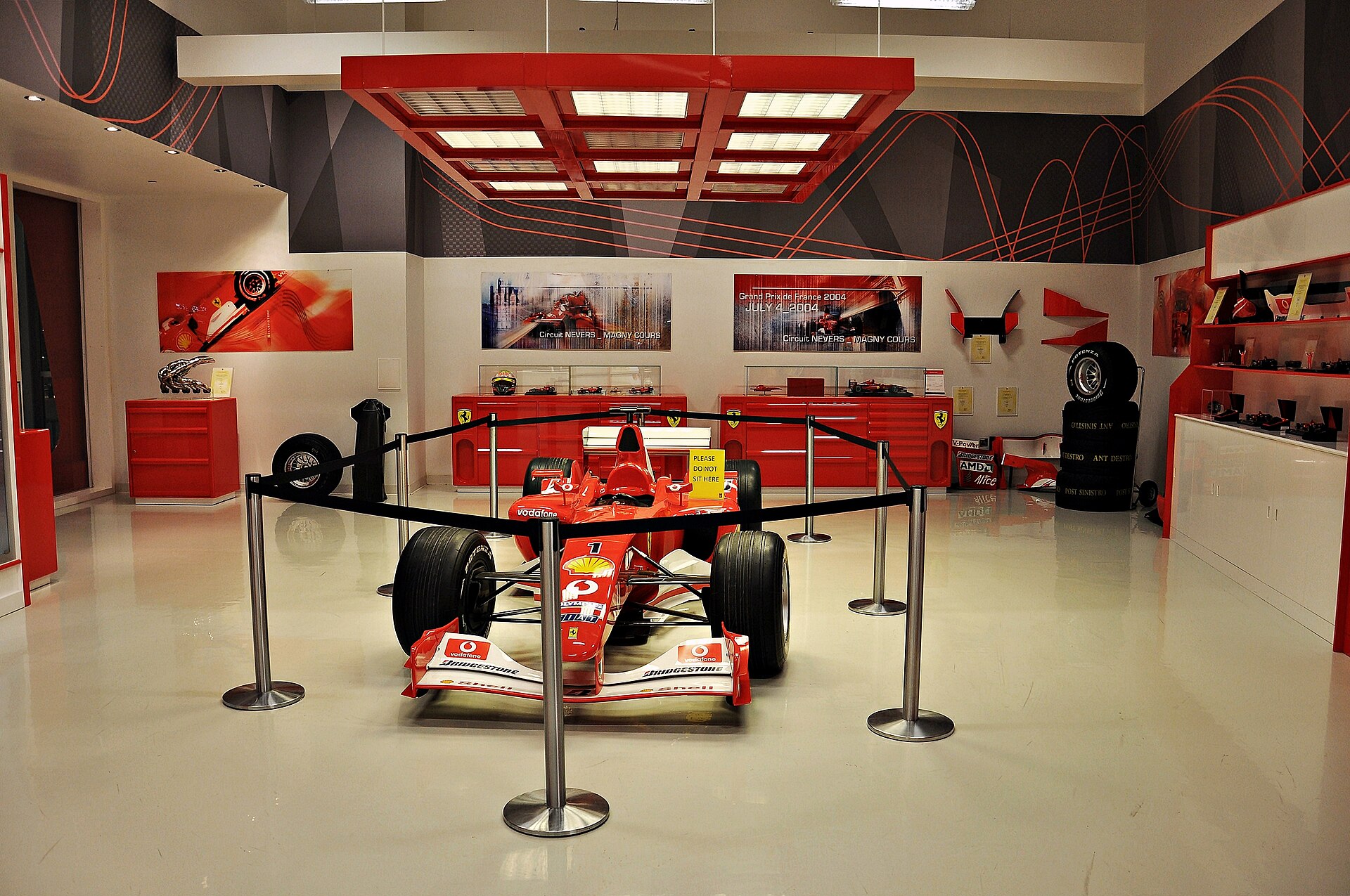
If you love adrenaline, you can’t miss this red park on Yas Island. Most people come here for the Formula Rossa roller coaster, which fires the carts from zero to 240 kilometres per hour in under five seconds.
💡 Tip: It’s worth setting the record straight, because many guides are stuck in the past. As of 31 December 2025, Formula Rossa is NO longer the fastest roller coaster in the world, having been narrowly beaten by the new Falcon’s Flight in neighbouring Saudi Arabia. It’s still an incredible experience, though, and a long-standing world record holder.
Tickets start at around 295 dirhams, but watch out for the height restrictions. If you’re travelling with small children, be aware that they’ll only enjoy the main attractions once they top 130 to 140 centimetres; until then, the park is more of a giant car exhibition for them.
10. The indoor paradise of Warner Bros. World
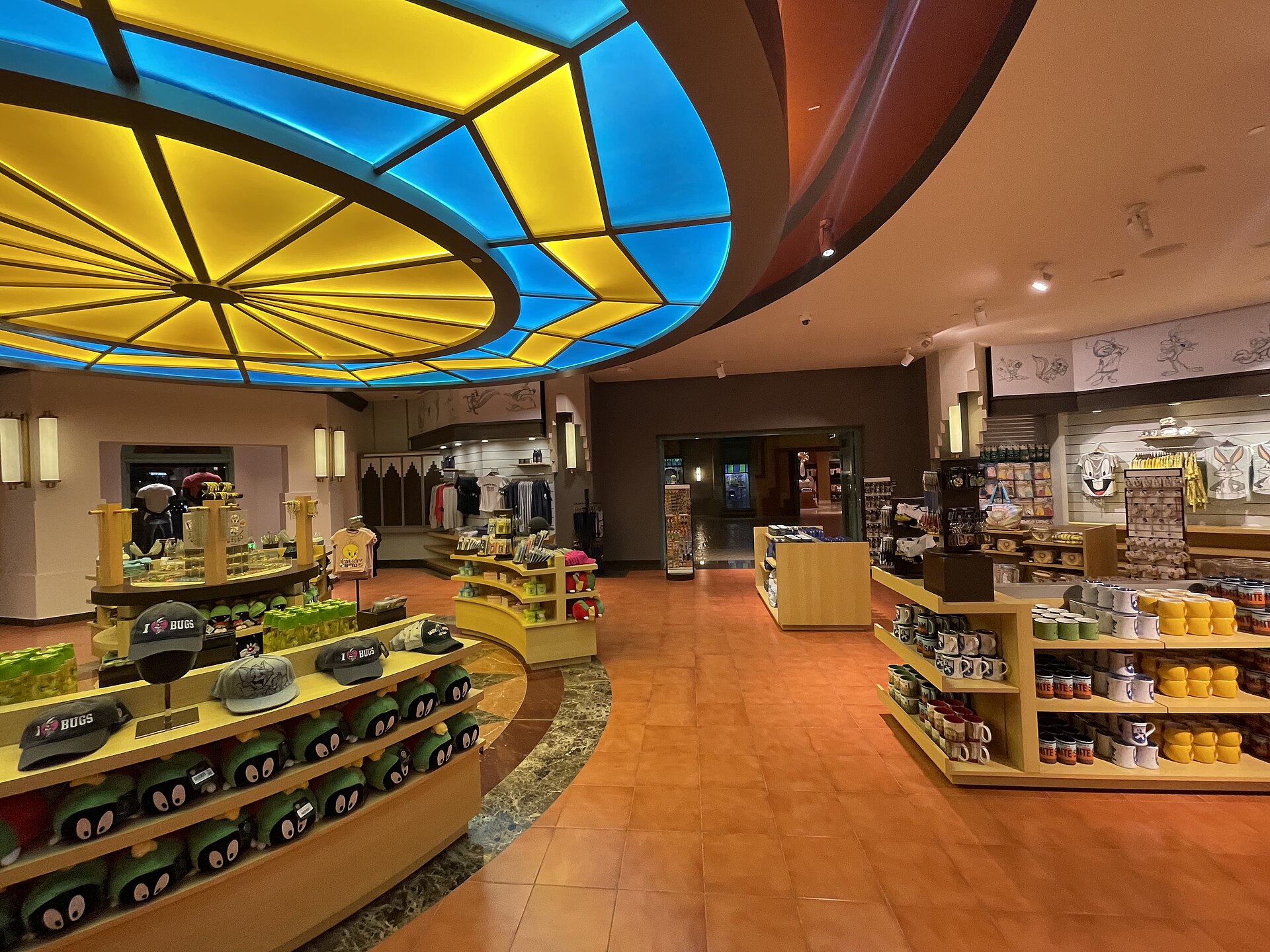
While Ferrari World mainly delights older kids and adults, this theme park is absolutely ideal for younger children and families. The biggest advantage of the whole complex is that it’s the largest fully indoor theme park in the region, so it stays a pleasant 24 degrees all day long, even when August heat is raging outside.
You’ll meet all the familiar characters here, from Batman and Superman to Tom and Jerry and the Flintstones. Most attractions are designed so that even children under 110 centimetres can ride them, making it a very welcoming place for preschoolers too.
A full-day ticket costs around 295 to 330 dirhams. But here comes the key trick. If you plan to visit more than one park on Yas Island, definitely buy a multi-park pass — a ticket to two parks will run you roughly 360 to 399 dirhams, so the second park essentially costs you next to nothing.
11. Cooling off at Yas Waterworld
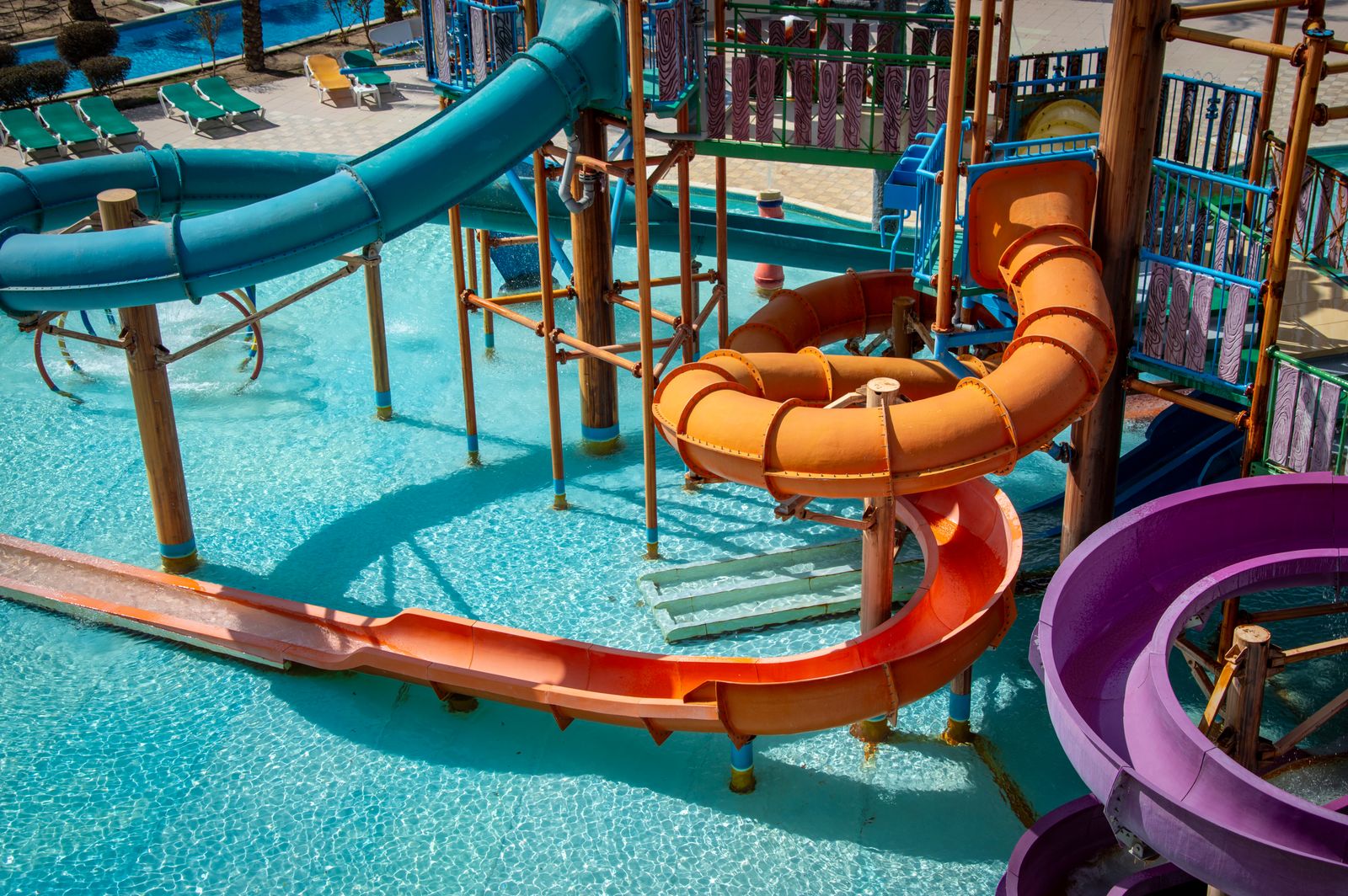
When you tire of trudging round the sights, there’s nothing better than heading to this giant water park. In spring 2026 the park underwent a massive expansion and now offers over 70 different slides, flumes and water attractions inspired by a local legend about a lost pearl.
Among the biggest draws are the giant six-person Dawwama funnel and the adrenaline-pumping Liwa Loop flume, where the floor simply drops out from under you at the start. For younger children there’s an enormous interactive zone with shallow water and slides.
Tickets cost around 295 dirhams for adults and 250 dirhams for children, but again it pays most to combine them with the other parks. What’s more, the free Yas Express bus runs between all the parks and hotels on Yas Island, so you needn’t worry about pricey taxi fares.

12. SeaWorld and its pitfalls
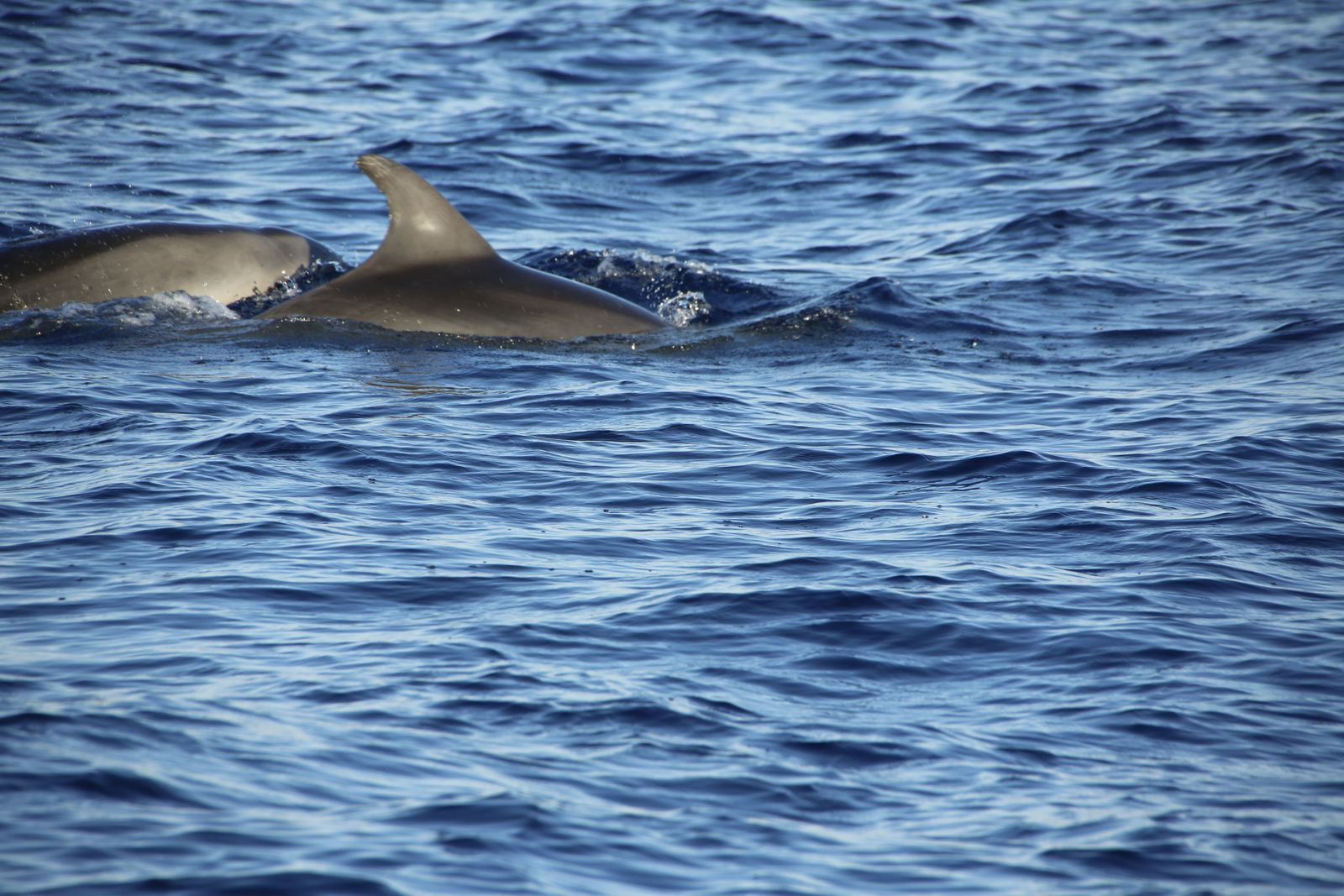
On Yas Island you’ll also find the vast and visually stunning SeaWorld marine park, home to an incredible 68,000 to 100,000 animals. It’s a huge complex divided into several climate zones: from the Arctic with its penguins to tropical oceans full of colourful fish.
I have to mention, though, that visiting this park is highly questionable from an ethical standpoint, because among the animals kept in captivity here are more than two dozen dolphins imported all the way from Florida. The whole project has long faced criticism from organisations like PETA and World Animal Protection over keeping large cetaceans in artificial tanks.
If you long to see the beauty of marine life, a far more responsible and authentic alternative is to head to the beaches of Saadiyat Island or kayak through the mangroves, where you can watch turtles and fish in their natural habitat without supporting the business of keeping animals in captivity.
13. Wild turtles on Saadiyat’s beaches
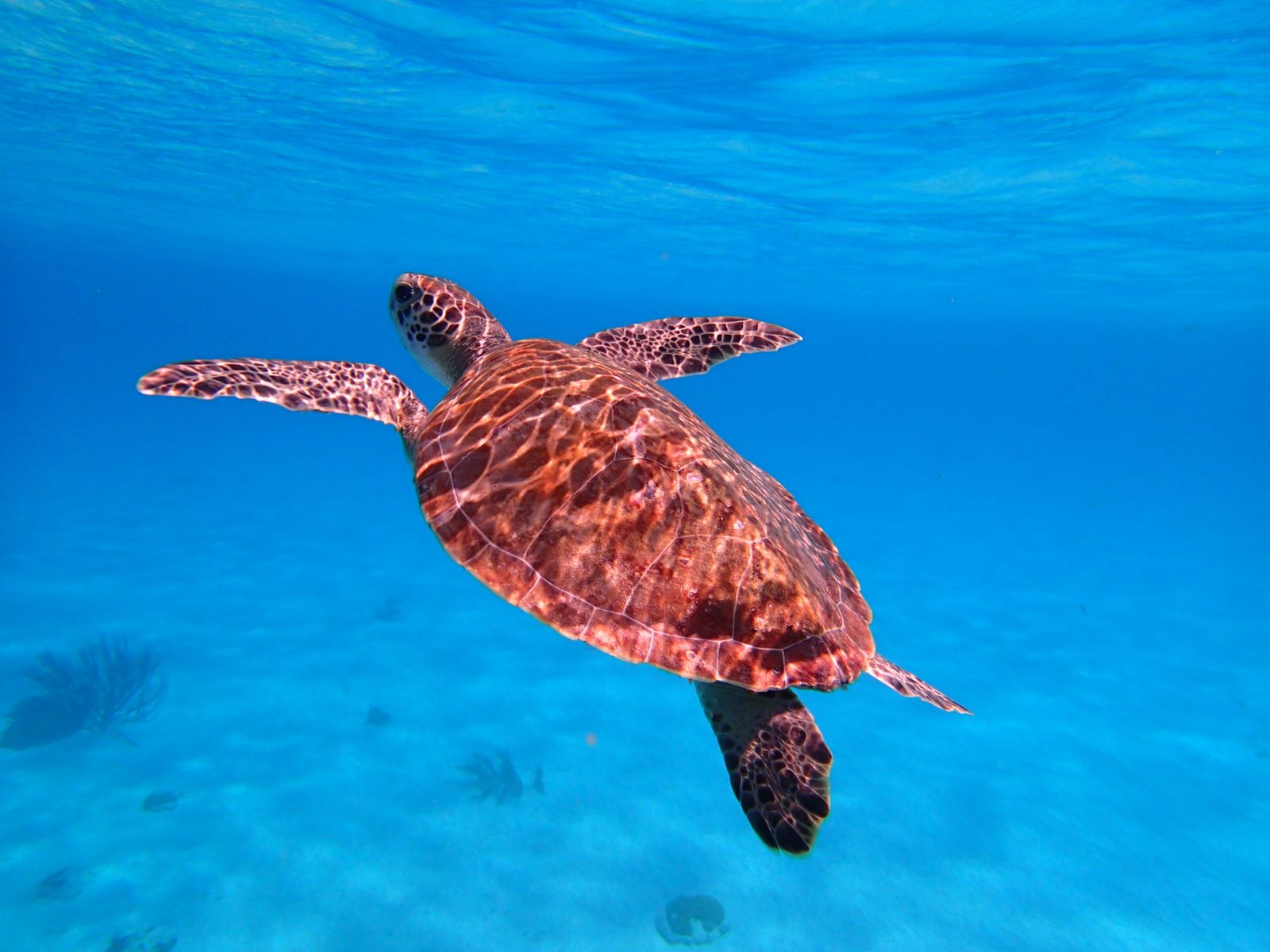
Speaking of natural beauty, the beaches of Saadiyat Island rank, according to many lists, among the fifty most beautiful in the world. The sand is brilliant white, the sea is the colour of somewhere in the Maldives, and unlike in Dubai, you won’t find any artificial islands here to spoil the view of the open ocean.
This area is part of a marine national park, and every year from March to July the rare hawksbill sea turtles nest here. During this period some stretches of beach are closed, for understandable reasons, to give the turtles peace, but with a little luck you can watch them swimming just off the shore.
You can use the Saadiyat Public Beach, where there’s only a small entry fee, or pay for a luxury day pass at the local Beach Club, which runs roughly 250 to 350 dirhams and includes serviced sun loungers.
14. Relaxing on the Corniche promenade
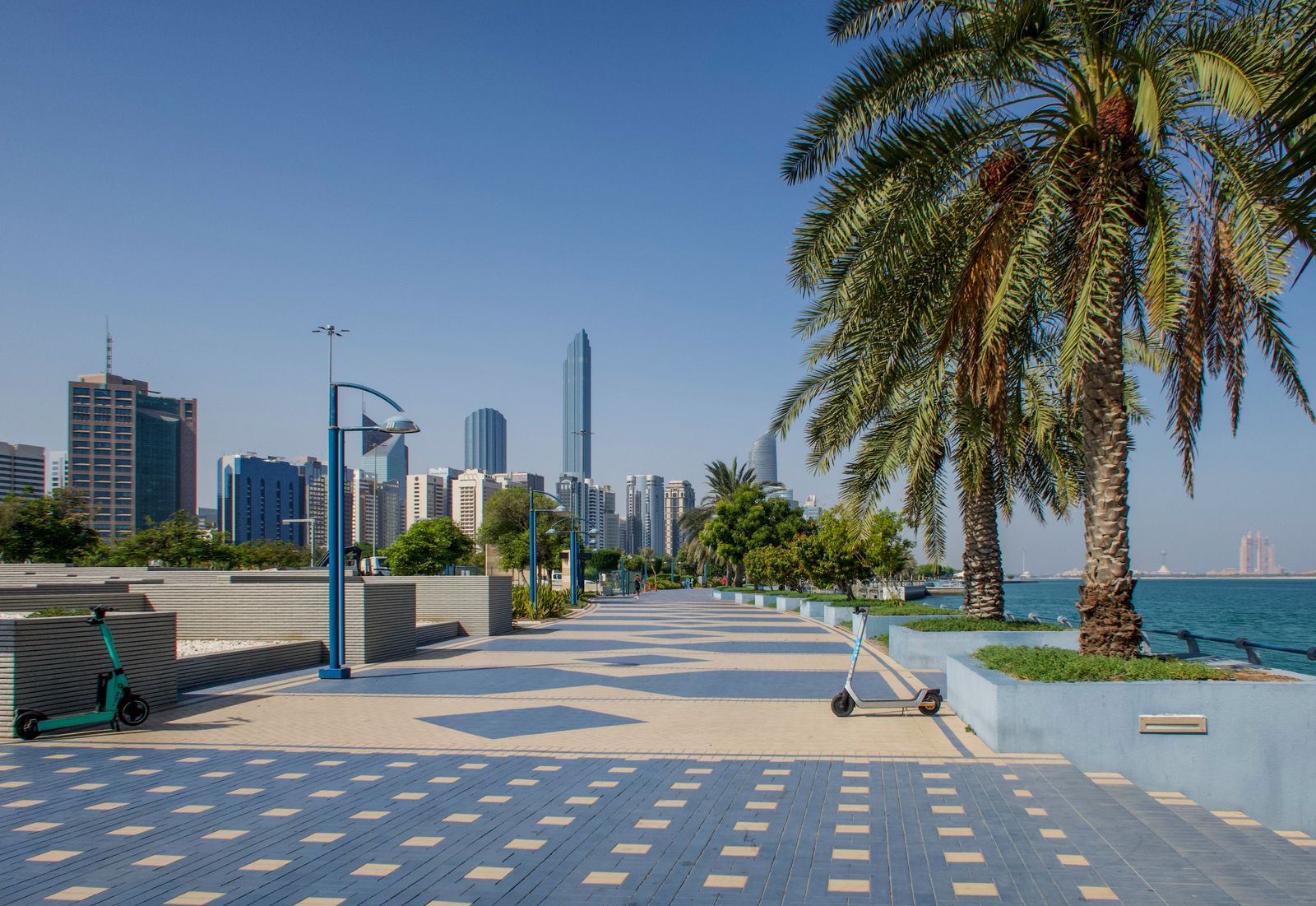
This is the beating heart of the whole city and the place where locals come to spend their evenings. The eight-kilometre-long promenade stretches along the coast, offering perfect views of the blue sea on one side and the towering skyscrapers on the other.
Along the promenade you’ll find a public beach awarded the Blue Flag for cleanliness, divided into several sectors. For travellers with children, the so-called Family Beach is absolutely fantastic — it’s safe, there are lifeguards, and admission is a symbolic 10 dirhams for adults and 5 dirhams for children.
It’s an ideal spot where you can hire a bike, ride along the well-kept cycle paths, or simply sit on a bench and watch the sunset. What’s more, prices at the local snack kiosks here are far friendlier than in the resorts.
15. Kayaking through the mangroves
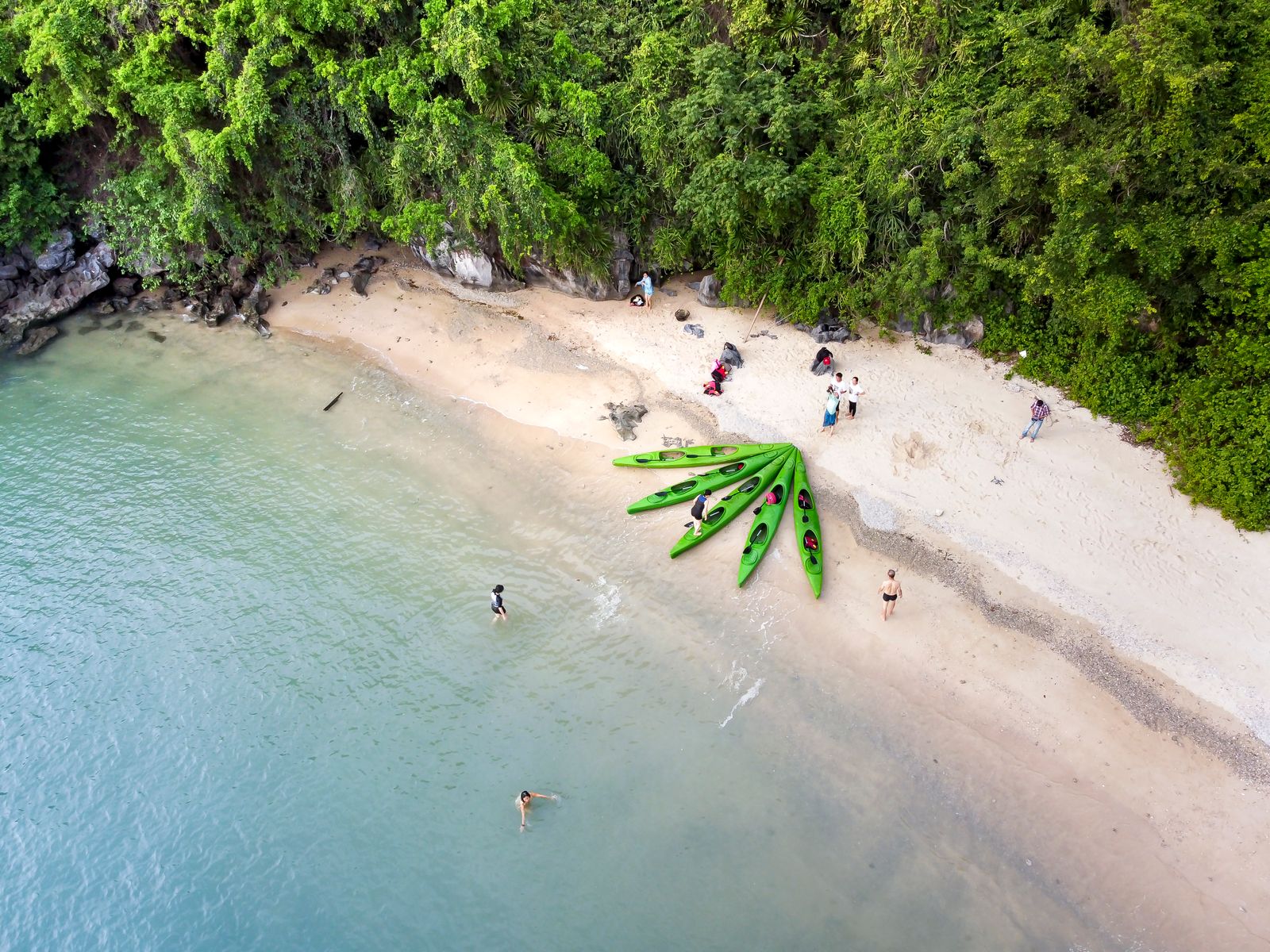
Did you know there’s an enormous green forest growing right in the centre of this desert metropolis? Jubail Mangrove Park is the city’s green lung, something Dubai simply can’t offer, and it’s an incredibly soothing escape from the concrete jungle full of traffic.
You can stroll here along wooden boardwalks that run right over the water’s surface. Admission to the boardwalk is just 15 dirhams, but a far better experience is to hire a kayak in the Eastern Mangroves area and set off on a two-hour paddle, which will run you roughly 130 to 160 dirhams.
💡 Tip: Always plan your kayak trip or walk for high tide, because at low tide the water drains from the mangroves and you’ll be left staring at exposed muddy roots. The most magical atmosphere here is traditionally early in the morning or, conversely, just before sunset.
16. Above the clouds at Observation Deck at 300
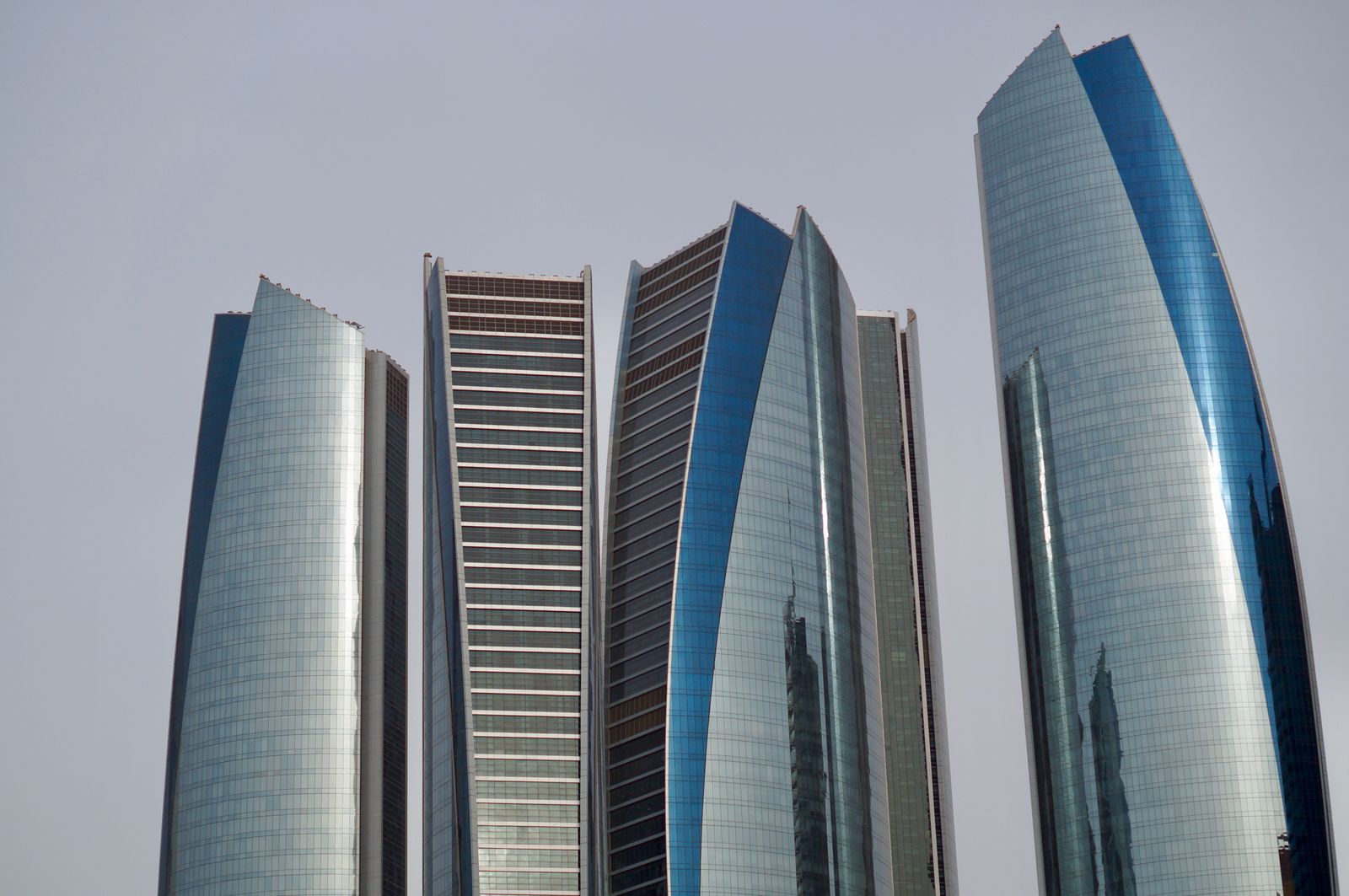
If you long to see the city from up high, head to the Conrad hotel, where on the seventy-fourth floor (300 metres above sea level) you’ll find the highest observation deck in the city, with an unbeatable panorama of Emirates Palace, the blue sea and the surrounding islets. It’s exactly the view you know from all the travel magazines, and on top of that there usually aren’t the insane queues you’d face at Dubai’s Burj Khalifa.
Admission costs around 95 dirhams, but you usually get a large chunk of that back as credit, which you can spend right there on coffee or a delicious cake at the café with a view.
17. The Al Ain oasis (the only UNESCO site in the Emirates)
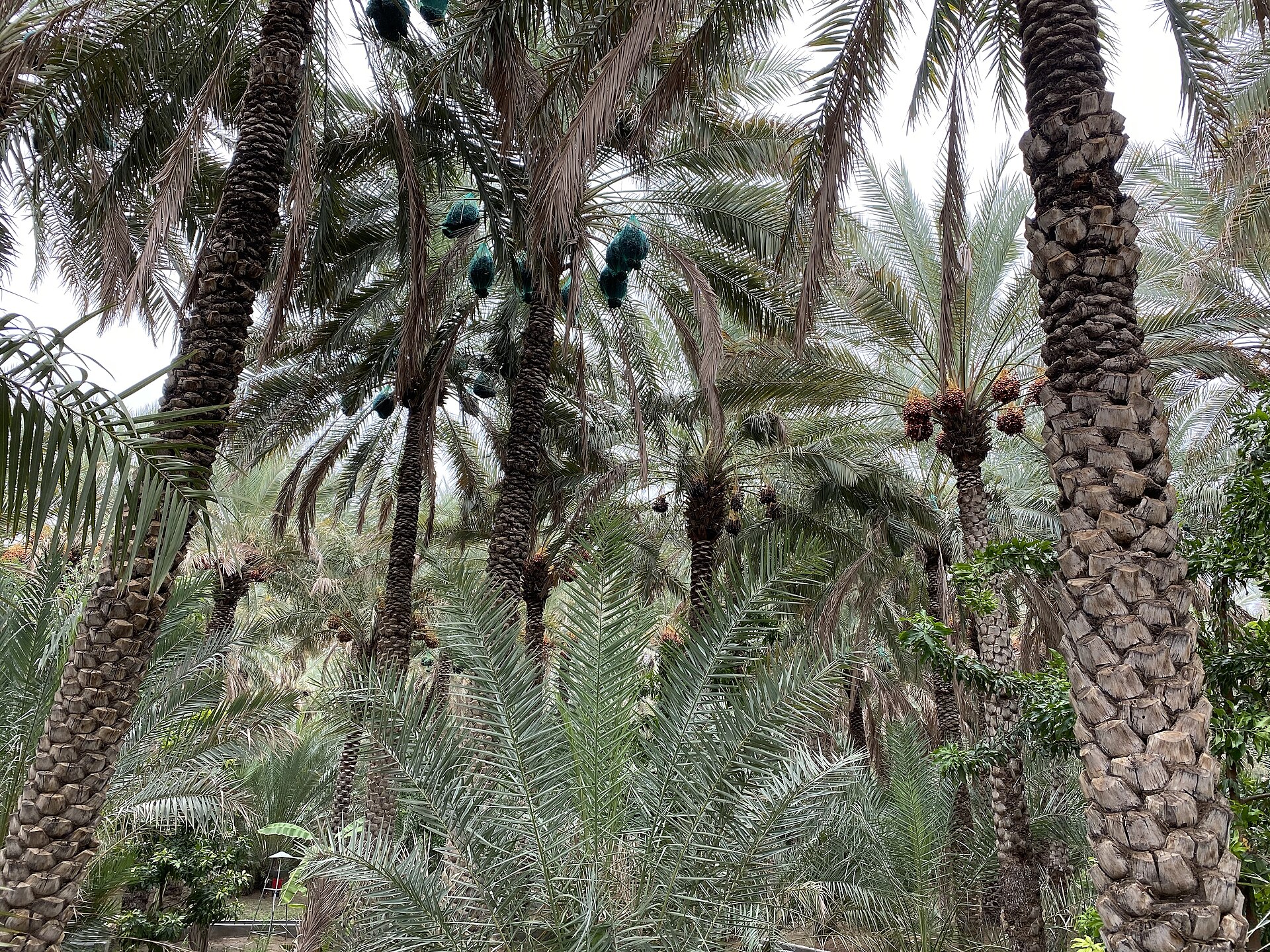
If you have a bit more time on your trip, definitely set aside a day for an excursion to the city of Al Ain, about 90 minutes’ drive inland. Many tourists skip this place entirely, which is a huge mistake, because in my opinion it’s the most underrated city in all the Emirates.
Here you’ll find the only landmark in the country inscribed on the UNESCO World Heritage list. The local oasis is an utterly fascinating place with 147,000 date palms irrigated by a unique, four-thousand-year-old canal system called falaj, and entry to it is completely free.
Also worth seeing here are the beautifully restored Al Jahili Fort made of mud bricks, and the traditional camel market, where you can watch local breeders in traditional dress haggling away — a wonderfully authentic experience you won’t get in the gleaming city centre.
18. Desert safari in the Rub’ al Khali
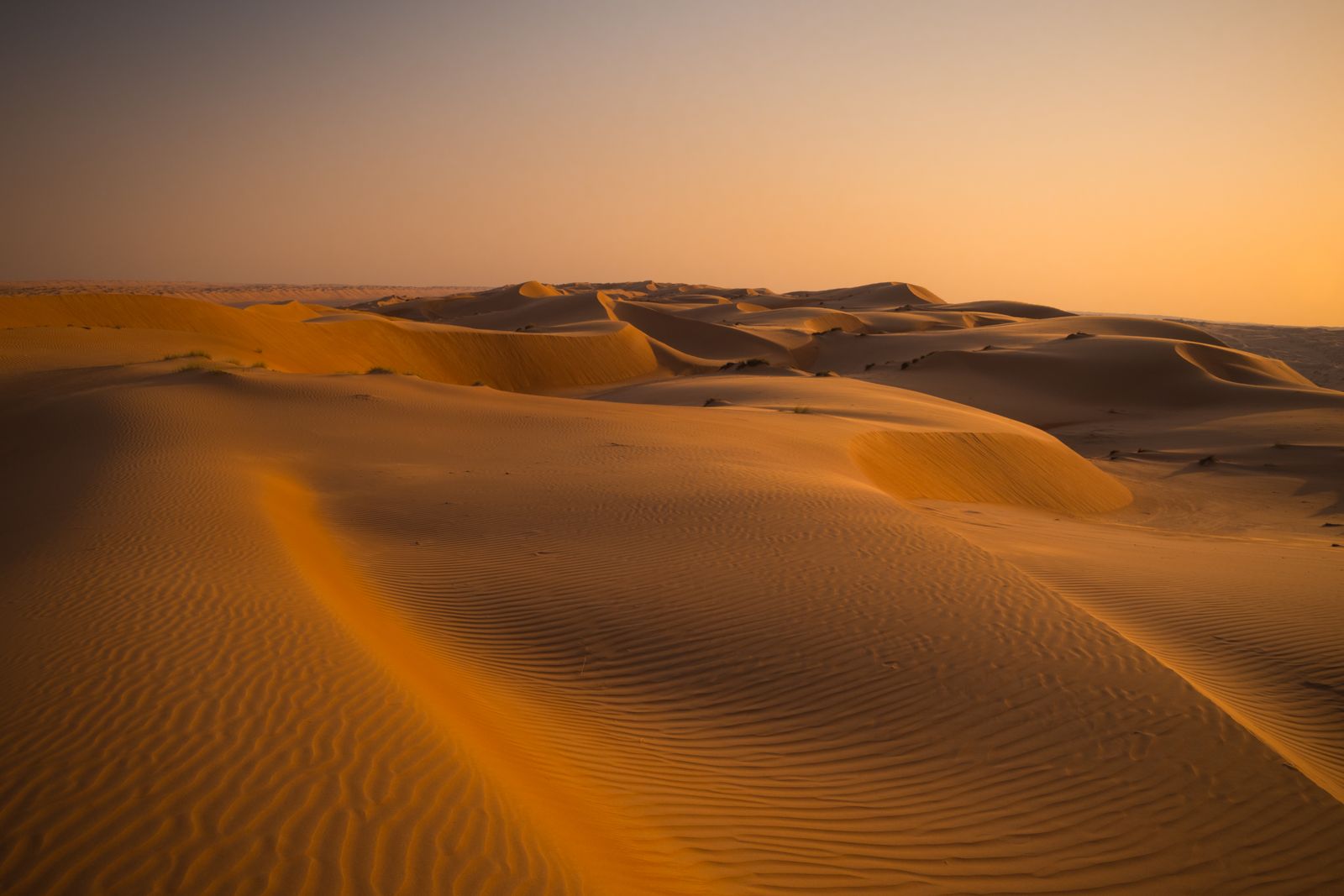
Most people picture the desert as a few sand dunes outside the city, but what you’ll find a few hours’ drive to the south is another league entirely. The Rub’ al Khali, or Empty Quarter, is the largest continuous sand desert in the world, and its dunes reach an incredible three hundred metres in height.
You can head here either on a pricey overnight trip at the aforementioned Qasr Al Sarab resort, which hosts stunning falconry shows for around 310 dirhams, or opt for the cheaper option with a local agency.
A standard afternoon desert safari in the closer Al Khatim area will run you roughly 150 to 250 dirhams and includes a 4×4 ride over the dunes, sandboarding and an evening barbecue at a Bedouin camp under the stars. It’s a classic tourist package, but if it’s your first time in the desert, it’s absolutely worth it.
19. Camel races at Al Wathba
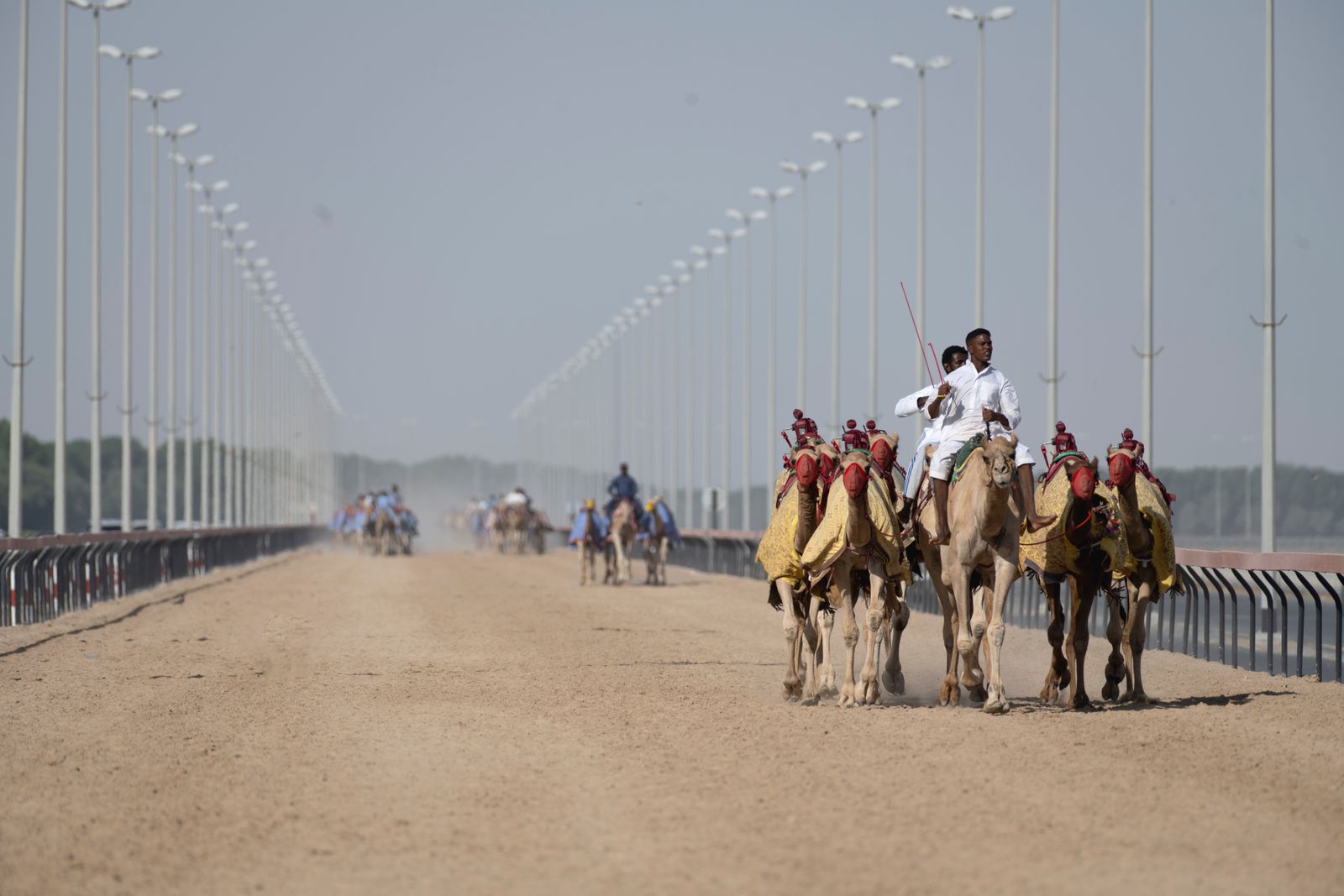
This is an experience the usual guidebooks rarely cover, yet it’s a fantastic and authentic spectacle. During the winter season, traditional camel races take place early in the morning on weekends at the Al Wathba track, drawing owners from far and wide across the surrounding region.
The races are completely free for all spectators, and the atmosphere in the stands is incredibly tense and noisy. One bizarre detail is sure to catch your eye: there are no living riders on the camels’ backs anymore, because child jockeys were thankfully banned in 2005 on ethical grounds.
Today they’ve been replaced by small remote-controlled robot jockeys (the camel owners steer them from their big white SUVs as they race along the parallel road right beside the track). It’s an incredible clash of ancient Bedouin traditions and modern technology.
20. A day trip to Dubai by cheap bus
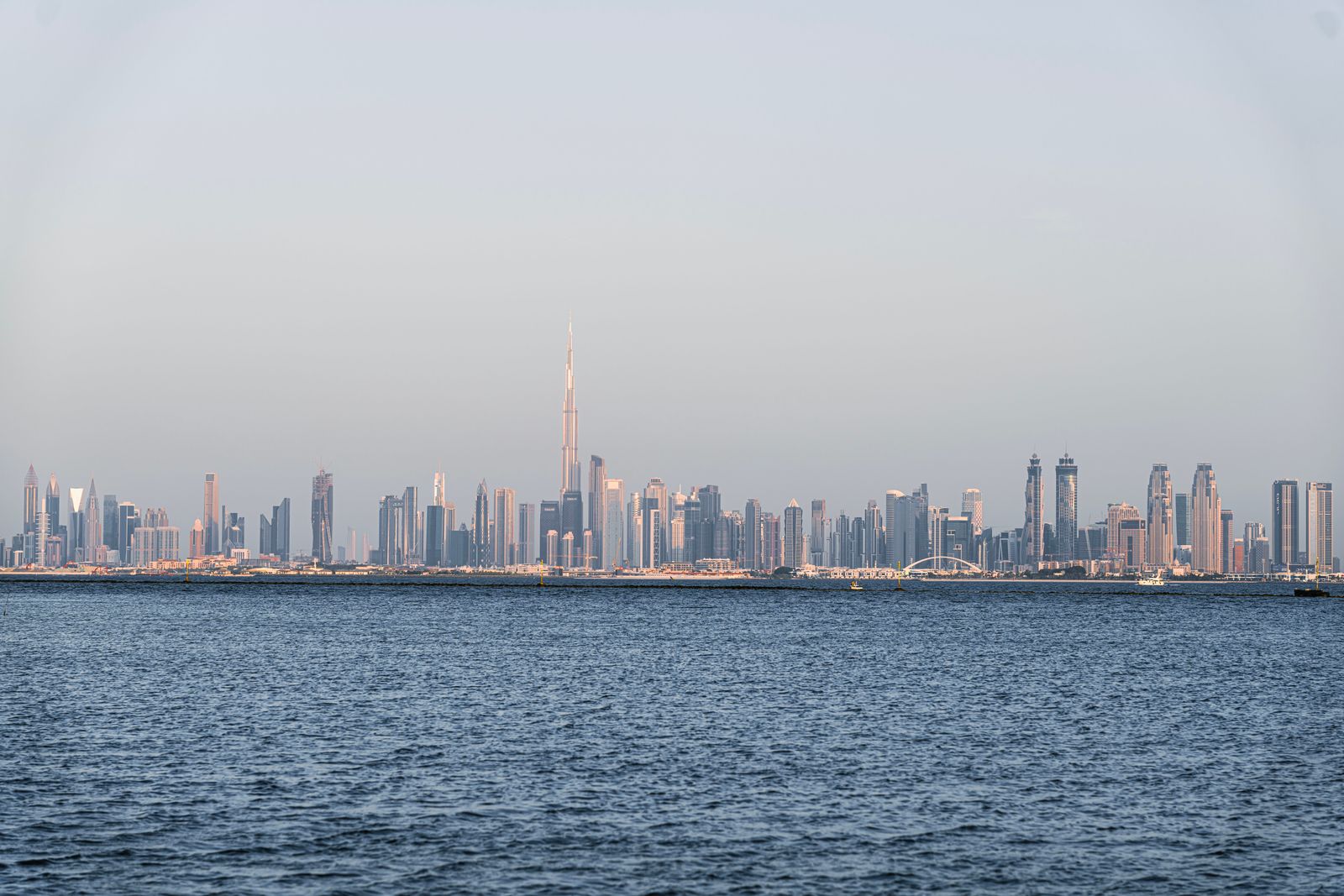
Even if you’ve opted for a calmer holiday in Abu Dhabi, neighbouring Dubai is only about 140 kilometres away, so a full-day excursion there practically begs to be done. People who don’t make the trip often regret it on the flight home.
Forget the expensive taxis that would cost you over 300 dirhams one way. The E100 and E101 lines run from the main bus station to Dubai roughly every 20 minutes, and a ticket costs an incredible 25 dirhams, around 6 euros for a comfortable ride in an air-conditioned coach.
💡 Tip: You can’t pay cash on this bus — you need to top up a Dubai Nol transport card in advance, which you can easily get right at the bus station counter. The journey takes about an hour and a half to two hours, depending on Dubai’s traffic jams.
21. Where to eat: vegetarian feasts for a few pennies
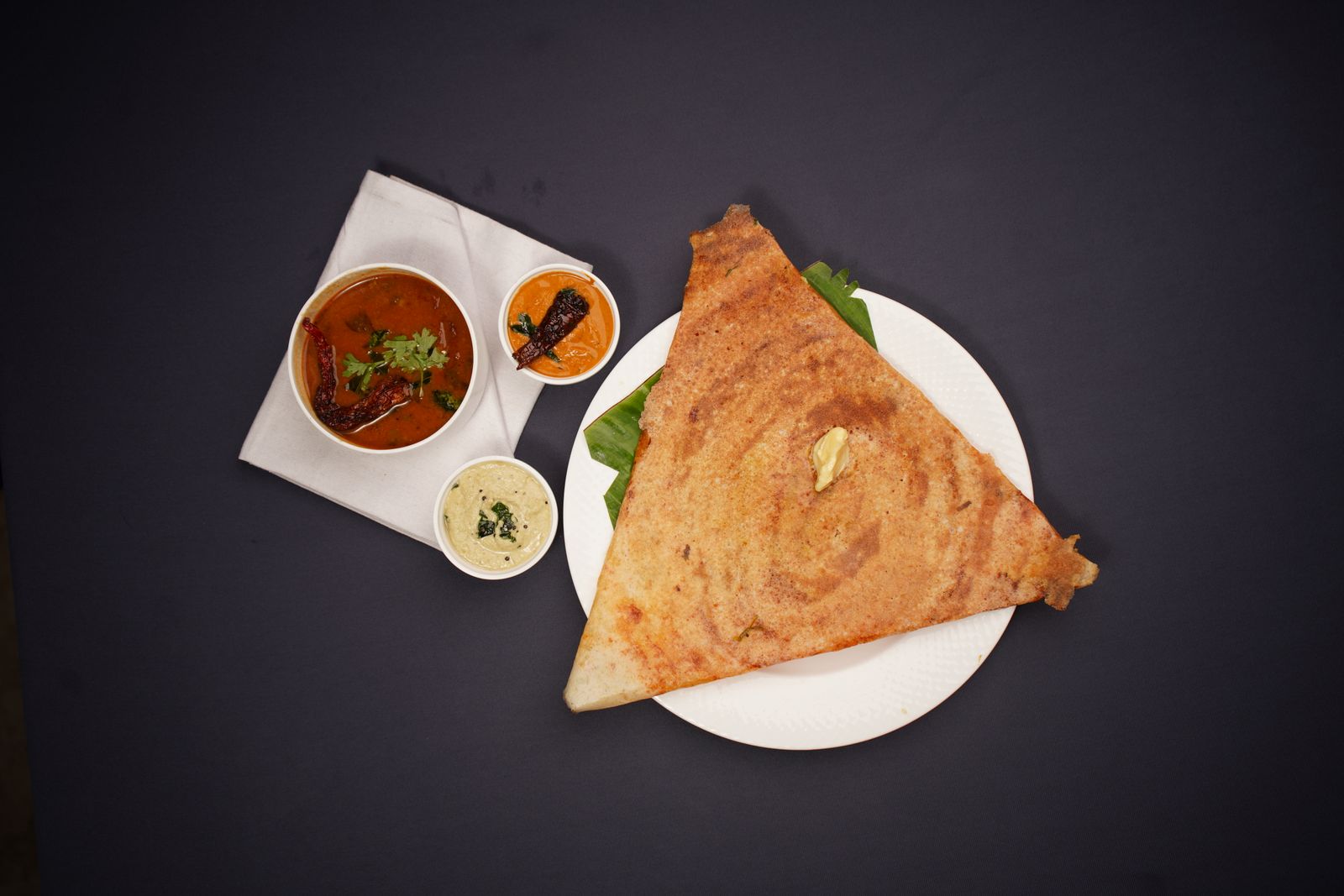
Arab cuisine is fantastic in its own right, but thanks to the enormous Indian and Pakistani community living in the Emirates, this city is a truly hidden paradise for all lovers of vegetarian food. The food here isn’t just packed with amazing flavours — it’s also very cheap, if you know where to go.
If you love Indian cuisine, I’d recommend trying the Sangeetha Vegetarian Restaurant chain, where they make the very best South Indian specialities. A huge rice-flour dosa or steamed idli cakes will cost you a few dirhams, and you’ll eat until you burst for a fraction of the price of hotel buffets.
Another safe bet are the classic Lebanese bistros serving traditional mezze — little bowls full of hummus, smoky baba ganoush and fresh fattoush salad. Also worth trying is the popular Egyptian street food koshary, a wonderfully filling mix of rice, pasta, lentils and spicy tomato sauce that you can pick up for around 25 dirhams.
Map of points of interest for your phone
Watch out for the strict rules and laws
Although the city is incredibly safe, very strict laws apply here, and breaking them can really complicate your holiday. The biggest trap for travellers is medications containing codeine or tramadol, which are sometimes available on prescription back home for pain relief but are considered illegal drugs in the Emirates, with detention a real risk. If you genuinely need such medicines, you must carry a doctor’s certificate translated into English and approved by the Ministry of Health.
Another important rule is the ban on public displays of affection (PDA). Holding hands between married couples is tolerated, but any passionate kissing or embracing in public can result in a hefty fine. Also take great care when taking photos — never photograph local people (especially women) without their explicit consent, and definitely don’t point your lens at government or military buildings.
As for e-cigarettes and vaping, vapes have been legal here since 2019 (even though many old blogs still claim otherwise) — you can bring in roughly two devices and 120 ml of liquid. The same rules apply to them as to smoking, though, so they’re strictly prohibited in shopping centres, on public transport and on most public beaches. Alcohol can only be bought and consumed by people over 21, and exclusively in licensed venues (bars and restaurants attached to hotels); public drunkenness is not tolerated.
Where to go next from Abu Dhabi
If you’re wondering where to head next or how to piece together your trip around the Emirates or the Indian Ocean, we’ve put together more detailed guides for you. If you end up choosing the more famous neighbour after all, or save it for an extended trip, be sure to read our article Dubai holiday: 43 great things to see. And don’t forget the practical advice on what to pack for a holiday in Dubai, which will come in handy for the rest of the Emirates too.
And if you’re flying with Etihad and making use of their stopover programme on the way to more exotic destinations, our tips for other tropical paradises might be useful. Find out what’s involved in the Maldives: holiday, 21 things to see and when to go, get inspired by adventure in our article Sri Lanka: holiday, 21 things to see and when to go, or discover the African spice island in our guide to Zanzibar: holiday, 21 things to see and when to go.
More exotic destinations from our series: Cape Verde: holiday, 19 things to see and when (not) to go · Mauritius: holiday, 21 things to see and when to go · Dominican Republic: holiday, 21 tips and when to go
 🚗 Car rental on the road
Verified rental cars in the United Arab Emirates
🚗 Car rental on the road
Verified rental cars in the United Arab Emirates
Search with the DiscoverCars comparison engine — it compares prices from dozens of local and international rental companies, and most bookings come with free cancellation.
Compare car prices in the United Arab Emirates →Frequently asked questions
Planning a trip to the Emirates always comes with a heap of questions, especially when you’re deciding between more than one city. To make it easier, I’ve put together answers to the most common questions I regularly get from you. You’ll find everything here, from visas to the ideal length of stay to dress code rules, so nothing catches you off guard once you’re there.
Should we fly to Abu Dhabi or to Dubai?
It depends on your priorities. Abu Dhabi is calmer, more cultural and overall somewhat cheaper than Dubai. It offers more beautiful natural beaches and giant museums, while Dubai is more about skyscrapers, endless shopping and vibrant nightlife. The ideal is to stay in Abu Dhabi and take a day trip to Dubai by cheap bus.
Do we need a visa to enter?
If you have a Czech or Slovak passport valid for at least six months after your return, you don’t need to arrange any visa in advance. Upon arrival, you’ll receive a completely free stamp in your passport that allows you to stay for up to 90 days. An Israeli stamp in your passport is no longer a problem these days.
When is the best time to visit and when is the sea warm?
The high season runs from October to April, when temperatures hover around 24 to 32 degrees. The sea is warmest in November (around 27 degrees) and in spring, while in January and February it cools down to about 20 to 21 degrees. It’s best to avoid summer, as outdoor temperatures exceed an extreme 45 degrees and the sea feels like hot soup.
How many days will we need for vacation?
If you only want to see the main sights like the mosque and the Louvre, two full days in the city itself are enough. However, if you’re traveling with children and want to visit the theme parks on Yas Island, add some beach time on Saadiyat, or take a desert trip, the ideal stay is around four to five days.
What should we wear to the Grand Mosque?
The rules here are absolutely strict. Women must have their hair covered with a headscarf, long sleeves down to the wrists, and trousers or skirts down to the ankles, plus clothing must not be tight or see-through. Men must wear long trousers covering the knees. Even though they sometimes lend out traditional clothing on site, unnecessary queues form for them, so it’s better to come prepared right from the start.
Can you drink alcohol in Abu Dhabi?
Yes, but with clear rules. Alcohol is served to persons over 21 years old only in licensed establishments, which are typically bars and restaurants affiliated with large international hotels. Drinking alcohol or visible intoxication in public (on the street, on the beach) is strictly prohibited and may result in a hefty fine.
Is it safe for tourists here?
According to the Numbeo database, the city has been rated as the world’s safest city for nine consecutive years. Petty thefts that might trouble you in southern Europe simply don’t happen here, not even late at night.
What exactly does the Stay & Play program on Yas Island mean?
This is a fantastic benefit for guests staying at selected Miral hotels on Yas Island (such as Hilton or The WB Abu Dhabi). It means that for each night at the hotel, every guest receives one free entry to any theme park on the island. For a family, this represents savings of hundreds of euros per day.
Tips and Tricks for Your Vacation
Don’t Overpay for Flights
Search for flights on Kayak. It’s our favorite search engine because it scans the websites of all airlines and always finds the cheapest connection.
Book Your Accommodation Smartly
The best experiences we’ve had when looking for accommodation (from Alaska to Morocco) are with Booking.com, where hotels, apartments, and entire houses are usually the cheapest and most widely available.
Don’t Forget Travel Insurance
Good travel insurance will protect you against illness, accidents, theft, or flight cancellations. We’ve had a few hospital visits abroad, so we know how important it is to have proper insurance arranged.
Where we insure ourselves: SafetyWing (simple monthly subscription) and TrueTraveller (for extra-long trips).
Find the Best Experiences
Get Your Guide is a huge online marketplace where you can book guided walks, trips, skip-the-line tickets, tours, and much more. We always find some extra fun there!


