

When the days back home in the UK get shorter and temperatures drop towards zero, the Dominican Republic holiday season is in full swing with a glorious 28 degrees and endless sun-soaked beaches. It’s no wonder this Caribbean beauty ranks among the most popular destinations for the perfect escape from a British winter, because the main season here lines up almost exactly with our coldest months. Trust me, the moment you step off the plane and feel that humid tropical air, you’ll forget all about the drizzle at home.
This island has filled more hotel brochures and catalogue photos than perhaps anything else in the Caribbean, and yet there are still things lurking here that your holiday rep won’t tell you about. So I’ve put together 21 tips that are genuinely worth knowing: from the mystery of the sargassum to a half-price trip to Saona Island and warnings you’ll be glad you came across. We’ll take a detailed look at the real story behind the dreaded sargassum seaweed, so you know exactly which areas to choose for swimming in crystal-clear sea. We’ll also cover the best areas to stay, so you can enjoy your holiday worry-free and avoid any nasty surprises.
There’s also plenty of practical info on transport, brand-new direct flights, tips on half-price excursions and warnings about tourist traps. You’ll learn why it’s not worth booking the popular Saona Island trip through an overpriced agency and what to watch out for when it comes to animal encounters. Let’s dive in. 🌴
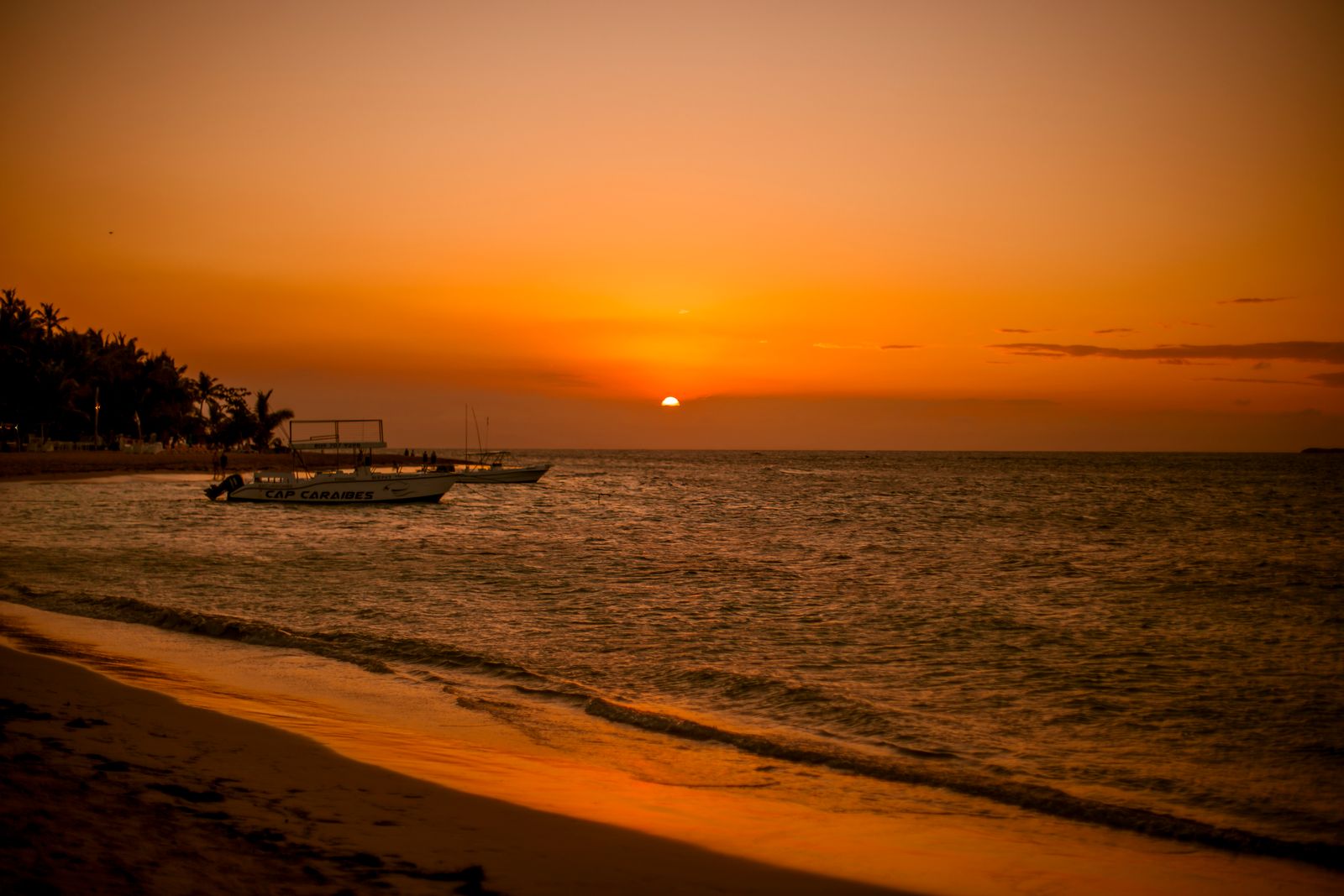
TL;DR
- Best time to visit: December to April is high season, offering ideal dry weather and minimal seaweed, while summer brings the risk of sargassum and rain.
- The sargassum problem: The east coast is often badly affected in summer, so for a summer holiday always go for the southern Bayahibe area or northern Puerto Plata.
- Saona Island: Book the most popular excursion right at the port in Bayahibe for half the price of the hotel offers — just mind the ethics and never lift the starfish out of the water.
- Whales at Samaná: From mid-January to the end of March, huge pods of humpback whales arrive here — a truly breathtaking and ethical natural spectacle.
- Money and tipping: US dollars are commonly accepted, and since staff wages are very low, a tip of one or two dollars is absolutely standard.
- Practical formalities: You don’t need a visa, but before both departure and arrival you must fill in the free electronic e-ticket form — watch out, as there are scam sites that charge a fee.
The full destination guide: Dominican Republic — guide and what to see
When to Go to the Dominican Republic
The Caribbean climate is warm all year round, but the European winter is probably the best time you can pick for this country. From December to April it’s the dry season, with very pleasant temperatures of around 28 to 30 degrees and a lovely 26-degree sea even in February. If you’re after the ideal combination of perfect weather, minimal seaweed and whale watching, aim for late January and early February. The sun shines just enough at this time, so there’s no risk of unbearable heat trapping you in an air-conditioned hotel room. The evenings are mild and pleasant, so light summer clothing is all you need. That said, do pack one jumper, because the air conditioning in restaurants and coaches is often set to Arctic levels.
The north coast around Puerto Plata, however, has its weather slightly reversed, so if you’re planning a trip there, you’ll do best between February and April, or even during our summer. During the British summer holidays, the north paradoxically gets less rain than the popular south. In summer you should bear in mind that across the whole island temperatures and humidity rise, and more frequent afternoon showers appear. These rains are typically Caribbean. A cloud rolls in out of nowhere, drops a heavy downpour lasting about twenty minutes, and then the sky clears again.
Fears about hurricanes are often blown way out of proportion, although the official hurricane season runs from June to November. The real peak comes between August and October, but direct hits on the island are statistically very rare. The last truly major hurricane, Georges, struck the country head-on back in 1998, so instead of panicking all you need is good travel cancellation insurance and you can relax completely. And should a storm actually arrive, the resorts are very well prepared and the staff know exactly how to keep you as safe as possible.
Where to Stay in the Dominican Republic
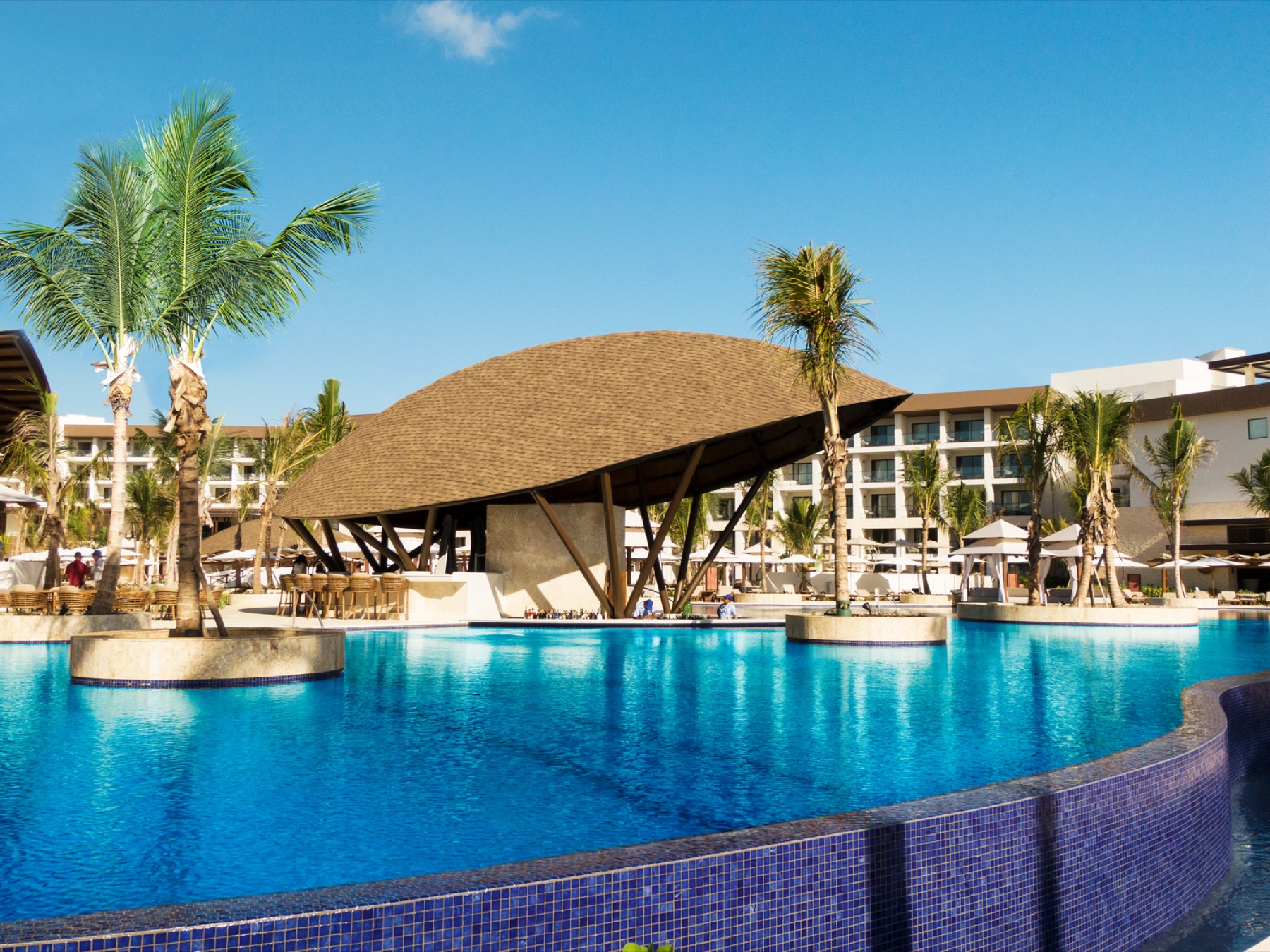
Where you stay really matters here more than almost anywhere else, mainly because of the sargassum. If you’re after luxury on the east coast, Hyatt Ziva Cap Cana is a fantastic choice, with the gorgeous Juanillo beach that’s among the most swimmable in the Punta Cana area. For adults travelling without children, the same area offers the stunning Secrets Cap Cana Resort & Spa, which boasts an AAA Five Diamond award and absolute tranquillity. The resorts here take great pride in flawless service and often even offer you a private butler to handle dinner reservations or set up your sunloungers.
For lovers of waves and more natural beaches, a great option is Dreams Macao Beach Punta Cana, which sits on the public Macao beach, where there’s statistically far less seaweed than in central Bávaro. If you’re travelling with family and want a huge complex packed with entertainment, take a look at Lopesan Costa Bávaro Resort, one of the most modern in the area, complete with its own water park. On the other hand, it’s best to steer clear of the media-famous Nickelodeon and Royalton Splash hotels, which have fairly weak Booking ratings of around 7.5. The kids’ clubs at good hotels are usually top-notch, with entertainers dreaming up creative programmes from morning till night so parents can relax undisturbed by the pool.
If you’re travelling in summer or want absolute certainty of seaweed-free sea, head straight for the south, to the Bayahibe area. The local Dreams Dominicus La Romana is a fantastic modern resort with easy access to boat trips. Another great choice for adults is Secrets La Romana (formerly known as Hilton La Romana), offering high comfort and a beautiful beach sheltered from the ocean surf. The sea in the south feels more like a calm swimming pool and shows off incredible shades of blue you simply won’t find on the east coast.
On the north coast near Puerto Plata, where sargassum is practically unheard of, the large complex Iberostar Waves Costa Dorada is very popular and offers excellent value for money. If you’d rather skip the all-inclusive wristbands and you’re heading to see the whales on the Samaná peninsula, stay at the boutique Sublime Samana or the luxurious The Bannister Hotel & Yacht Club by Mint, where you only pay for bed and breakfast. In the historic centre of Santo Domingo, for your first or last night I recommend the charming Hodelpa Nicolás de Ovando, set in a palace dating from the early 16th century. Sleeping under the vaults of ancient buildings has an unmistakable magic that instantly transports you back to the era of the first explorers.
21 Things to See and Do in the Dominican Republic
Here are the specific places and tips you’ll really take away from this holiday. I’ve included not just the popular beaches and islands, but also practical advice on ethics, scams and transport, so you can avoid unnecessary problems. You’ll get to know the local culture far better and save yourself both money and frustration.
1. Punta Cana and Beaches Without End
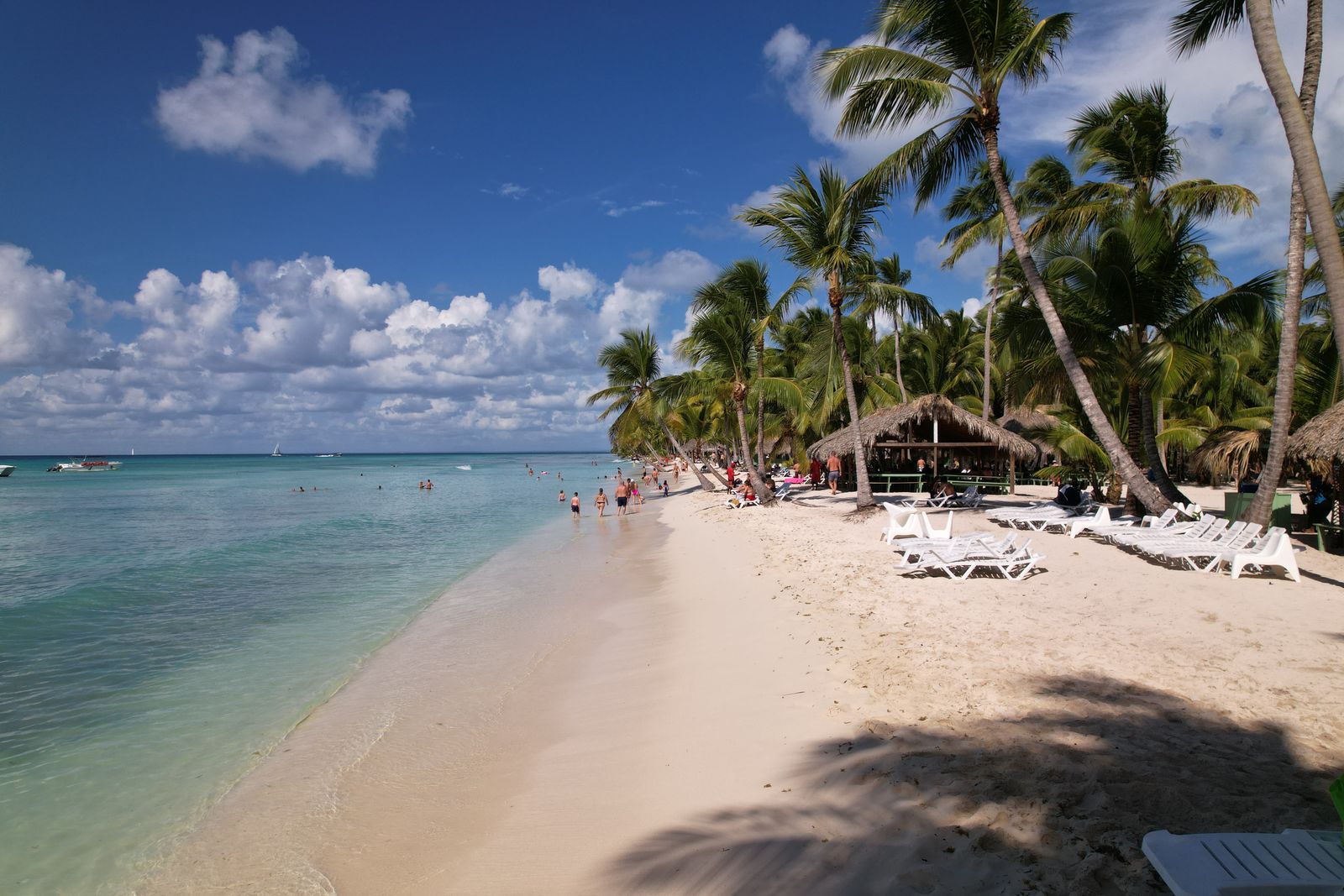
The Punta Cana and Bávaro area is the very definition of a Caribbean holiday, offering more than 50 kilometres of dazzling white, palm-lined beaches. It’s a vast resort bubble where you’ll find every imaginable comfort, from water parks to top-class casinos. If you don’t want to spend all your time behind the hotel walls, grab a safe Uber, which works reliably in this zone and costs just a few dollars. That way you’ll catch a glimpse of everyday life beyond the immaculately trimmed resort lawns.
The local beaches are gorgeous, but bear in mind that Punta Cana is a tourist machine and the beaches reflect that. If you want a bit more privacy, set off on foot along the coast away from the centre in the morning, because even between the big hotels you can find stretches where you’ll have that palm tree and a slice of sea almost to yourself. I’d recommend getting up early, as the sunrises over the ocean here are genuinely spectacular. By getting up early you’ll also avoid the morning scramble for sunloungers, which sadly still happens even at the better hotels.
💡 Tip: If you order an Uber, bear in mind that drivers aren’t allowed to pull right up to the reception of gated resorts. You’ll have to wait for them at your hotel’s main security gate. From reception you’ll often be driven there for free in a hotel golf cart, known as a buggy.
2. Sargassum: The Reality and Where to Avoid It
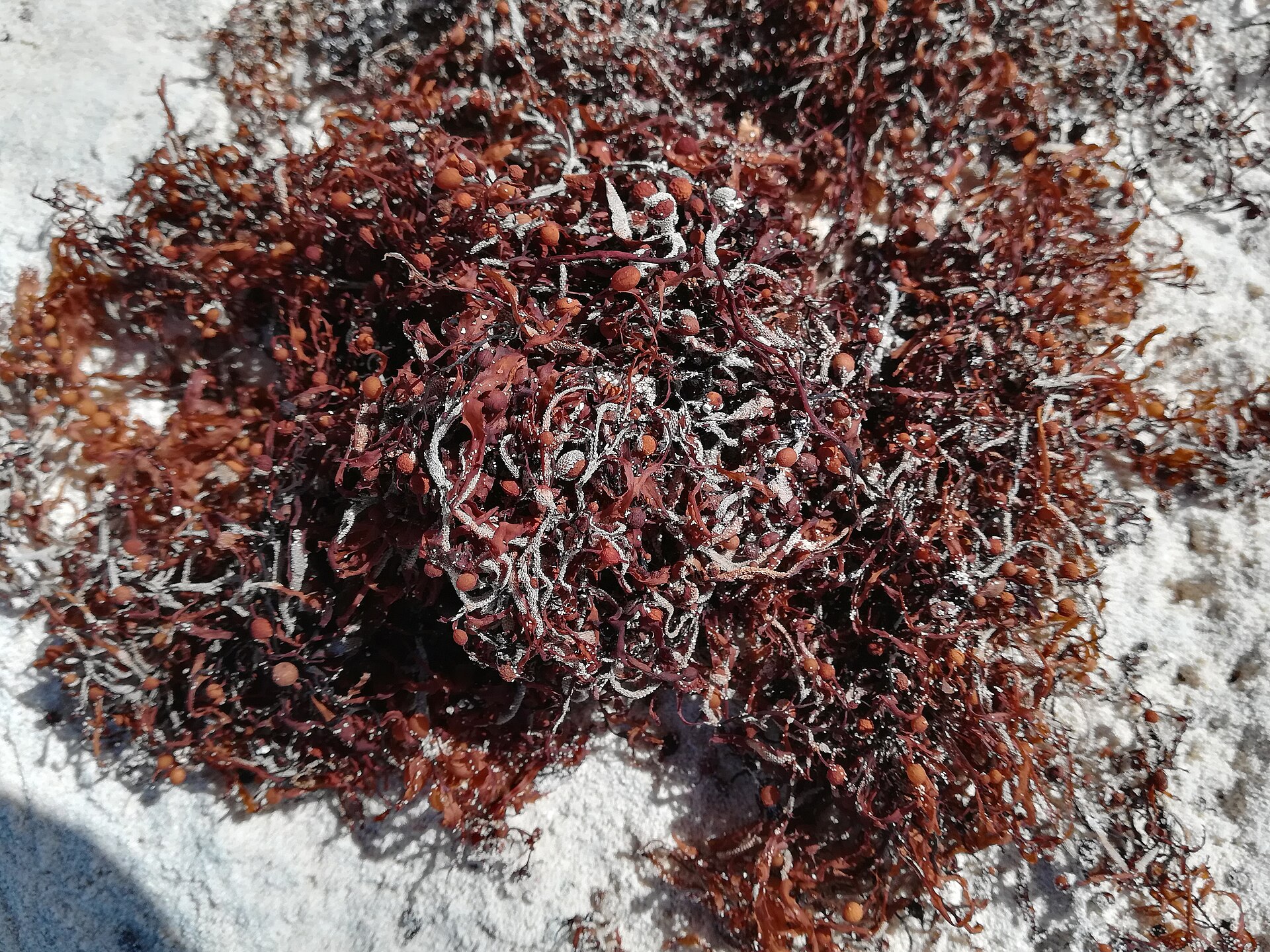
Sargassum seaweed is currently the number-one topic for the entire Caribbean region, and unfortunately forecasts from the University of Florida warn that 2026 could be another record year. This brown seaweed isn’t toxic, but when it rots on the beach it gives off an unpleasant smell and can ruin the impression of that dream turquoise sea. The biggest influx comes from May to August, peaking in June and July. Besides the smell, it can also slightly irritate very sensitive skin, and on top of that, tiny marine creatures often live in it.
The worst affected is regularly the east coast, including the popular areas of Cabeza de Toro, Arena Gorda and Cap Cana. The resorts do deploy tractors from the early dawn and the state invests millions in floating barriers, but nature can’t always be beaten. During the European winter the situation is much calmer and the beaches are mostly beautifully clean. The beach workers do their absolute best, clearing heaps of seaweed even by hand with pitchforks, but if the wind from the ocean blows in at full force, the beach is covered again within the hour.
💡 Tip: If you’re going in summer, opt for the southern Bayahibe area, which is sheltered by a peninsula and tends to be 97 percent seaweed-free. You can check the current situation daily at sargassummonitoring.com.
3. The Reality of All-Inclusive Resorts
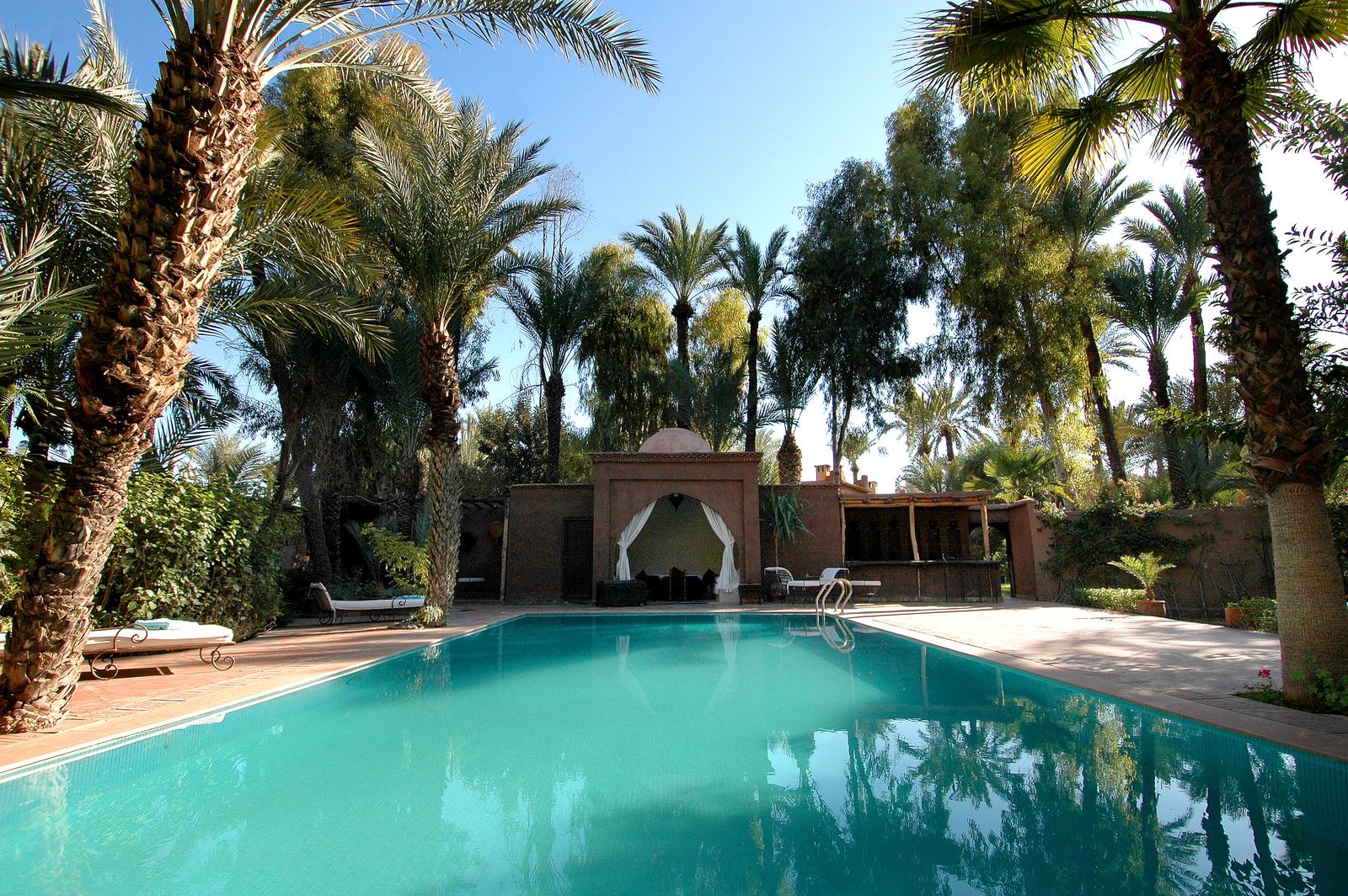
If you’ve experienced hotels in Turkey or Egypt, be prepared that you’ll pay more for the same level of service in the Caribbean. For the price of a luxury five-star hotel on the Turkish Riviera, you’ll get more of an upper four-star here, and the hotel buffets can get a little repetitive after a few days. People don’t come to the Caribbean primarily for the food, though, but for the utterly stunning ocean and white sand. Even so, the buffets always feature an enormous amount of fresh exotic fruit, from papaya to sweet pineapples.
At many resorts you’ll also encounter a split between regular guests and members of so-called VIP, Premium or Royal zones. These guests often have reserved better sections of the beach, premium alcohol and their own restaurants, so the experience at the very same hotel can differ enormously. At cheaper hotels, only local alcohol brands are usually served, and they tend to be heavily watered down. Services in these better zones often include private pools with loungerside service and faster Wi-Fi in the rooms.
💡 Tip: If you like your drinks a bit stronger, don’t be shy about asking the bar for a double with the words “doble, por favor”. The bartenders will happily oblige, especially if you slip them a small tip now and then.
4. Playa Macao for Wave Lovers
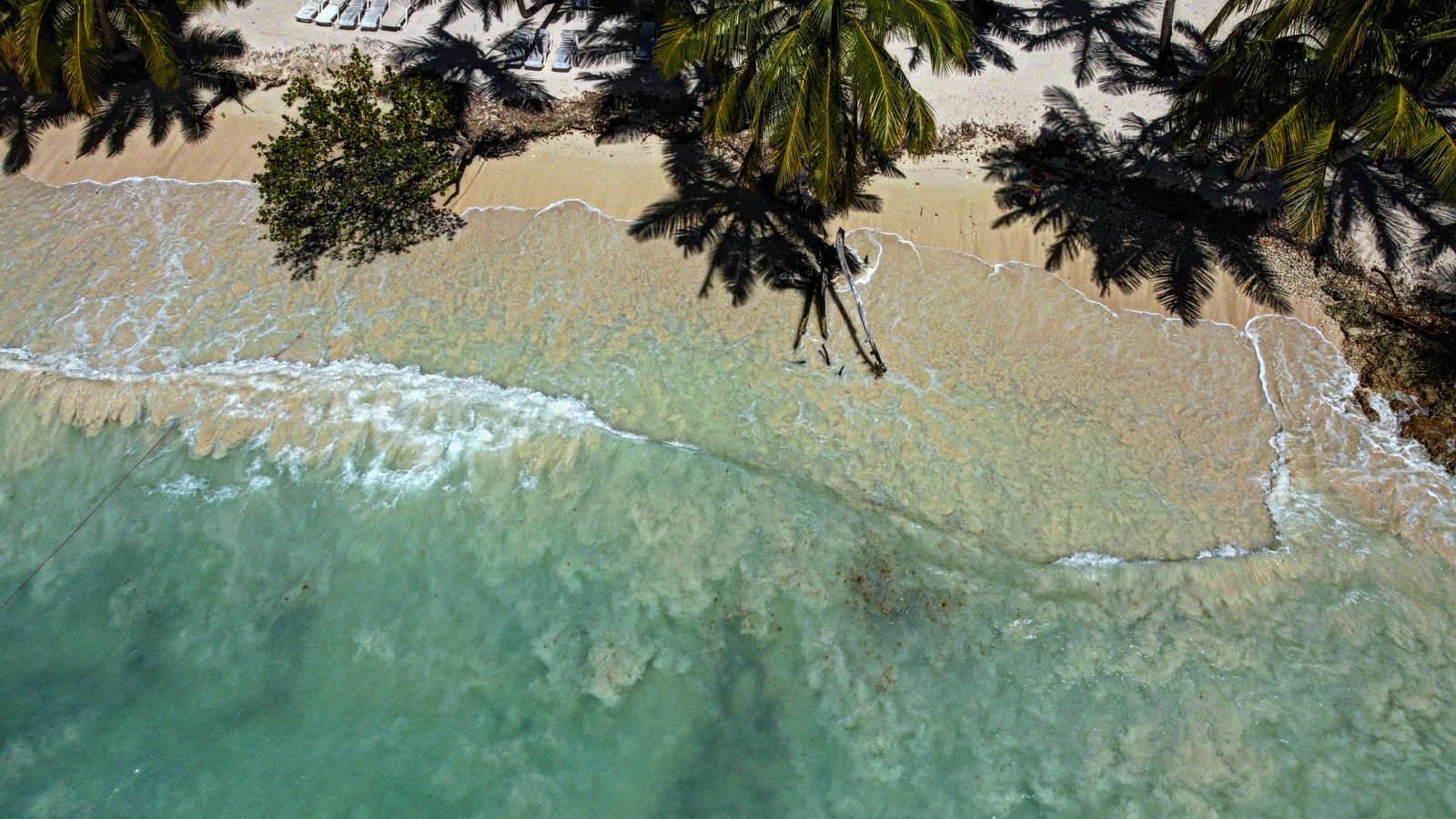
While most beaches in the Punta Cana area are calm and sheltered by a reef, Playa Macao offers a completely different, wilder vibe. It’s a public beach where locals love to come at weekends, and thanks to the open ocean you’ll find brilliant waves here that are ideal for surfing. Red flags banning swimming often fly here, but a visit is still worth it for the gorgeous scenery. You can also try renting a surfboard at the local school and take a few lessons — the instructors are very patient and the waves tend to be forgiving for beginners.
A huge advantage of this beach is that, thanks to the strong currents and waves, far less sargassum settles here than just a few kilometres further south. You’ll also find several local stalls selling fresh fish and coconuts, which feels far more authentic than the polished hotel bars. It’s a great spot for a half-day trip out of the resort bubble. Just order an Uber or arrange a verified taxi driver to wait for you until you’ve had your fill of the beach.
5. Saona Island, Done Smartly and at Half Price
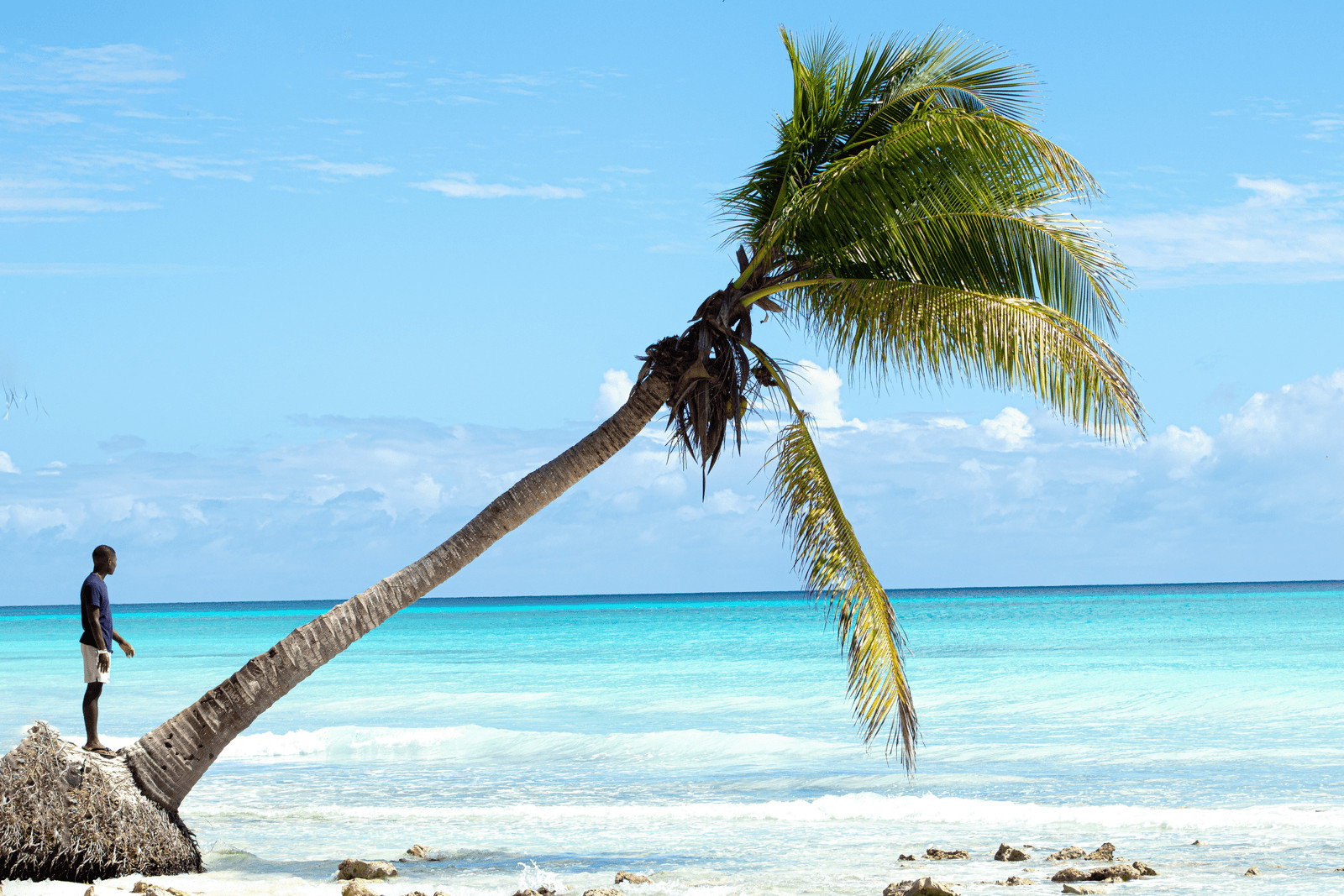
The trip to Saona Island is an absolute bestseller, and just about every tourist wants to see this gem of the Cotubanamá National Park. Most people buy it right at the hotel reception or from a rep, where prices commonly climb above 100 dollars per person. These organised tours often also mean two hours sitting on a coach that picks up people at other hotels, plus pointless stops at overpriced souvenir shops. Many times you’ll then barely spend a couple of hours of actual time on the beach itself before they start rounding you back up onto the boat.
Experienced travellers know it pays to take a taxi or Uber and head straight to the port in Bayahibe in the morning. There you can buy the very same trip by speedboat and catamaran from local sellers at half the price, around 55 dollars. You’ll save plenty of time, support the locals directly, and the experience on the gorgeous beaches with turquoise water will be exactly the same. The catamaran usually has music, the rum flows freely and the atmosphere is incredibly infectious, so you’ll thoroughly enjoy the journey back from the island too.
💡 Tip: An integral part of the trip is a stop at the natural pool Piscina Natural with its starfish. Never, under any circumstances, lift the starfish above the water — even a few seconds in the air will reliably kill them, even though some guides still let tourists do it for photos!
6. The Best Diving in Bayahibe
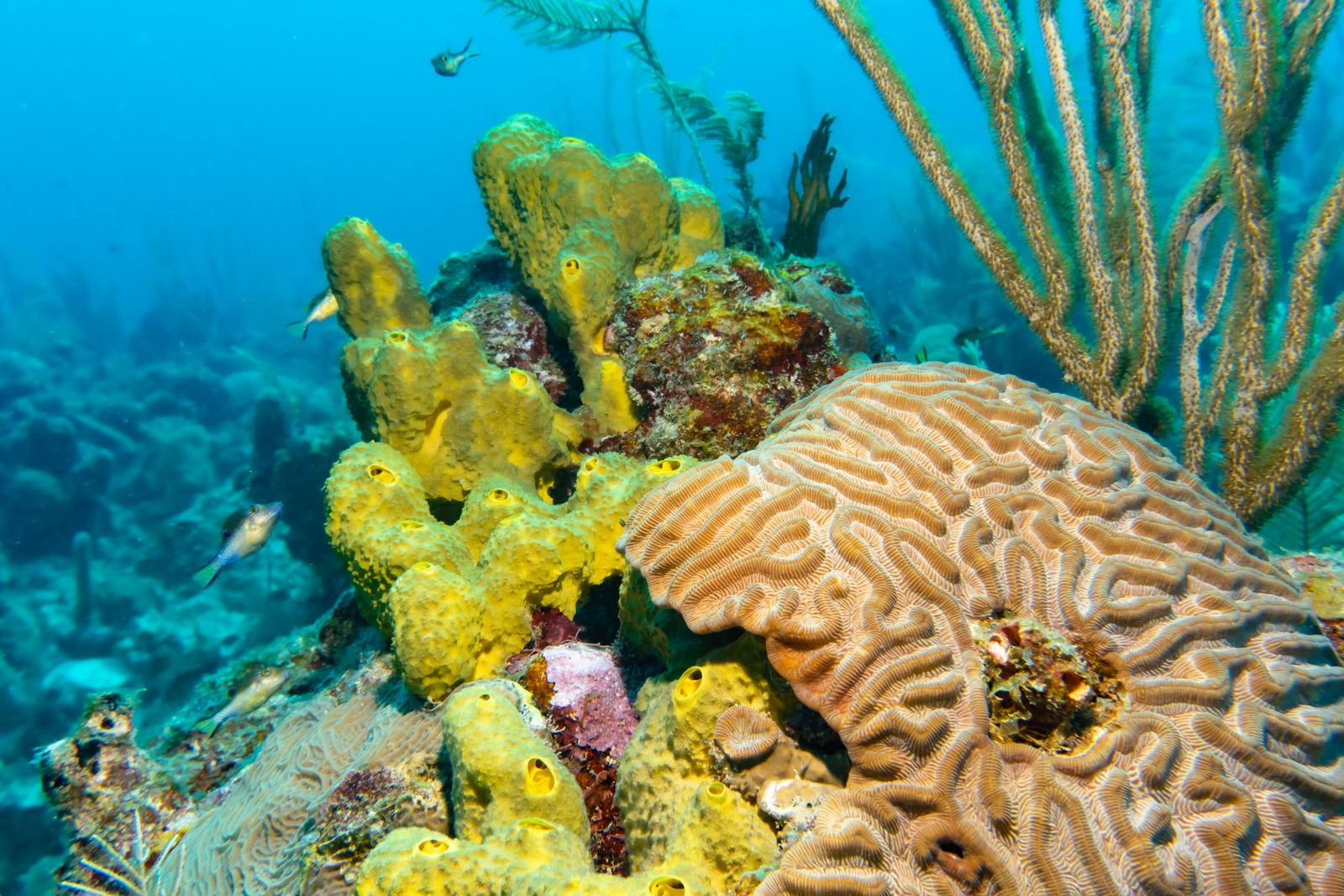
Although Punta Cana offers decent snorkelling, the real paradise for divers is the fishing village of Bayahibe on the south coast. The calm waters of the Caribbean Sea here hide beautiful coral reefs and even three accessible shipwrecks, the most famous being the wreck of the St. George. The water is incredibly clear and visibility below the surface often exceeds thirty metres. The dive schools have excellent facilities, offer full PADI certifications and rent top-quality equipment, so even complete beginners can safely take a course.
Another huge bonus of this area is that the peninsula naturally blocks the sea currents that carry the seaweed. While the east can be drowning in a brown carpet, in Bayahibe you have almost a hundred percent guarantee of crystal-clear, catalogue-perfect sea. Even if you don’t scuba dive, you’ll find plenty of shallow reefs where you only need a snorkel and mask. What’s more, you’ll often come across curious sea turtles or adorable rays gliding just above the sandy bottom.
7. Isla Catalina for Calmer Snorkelling
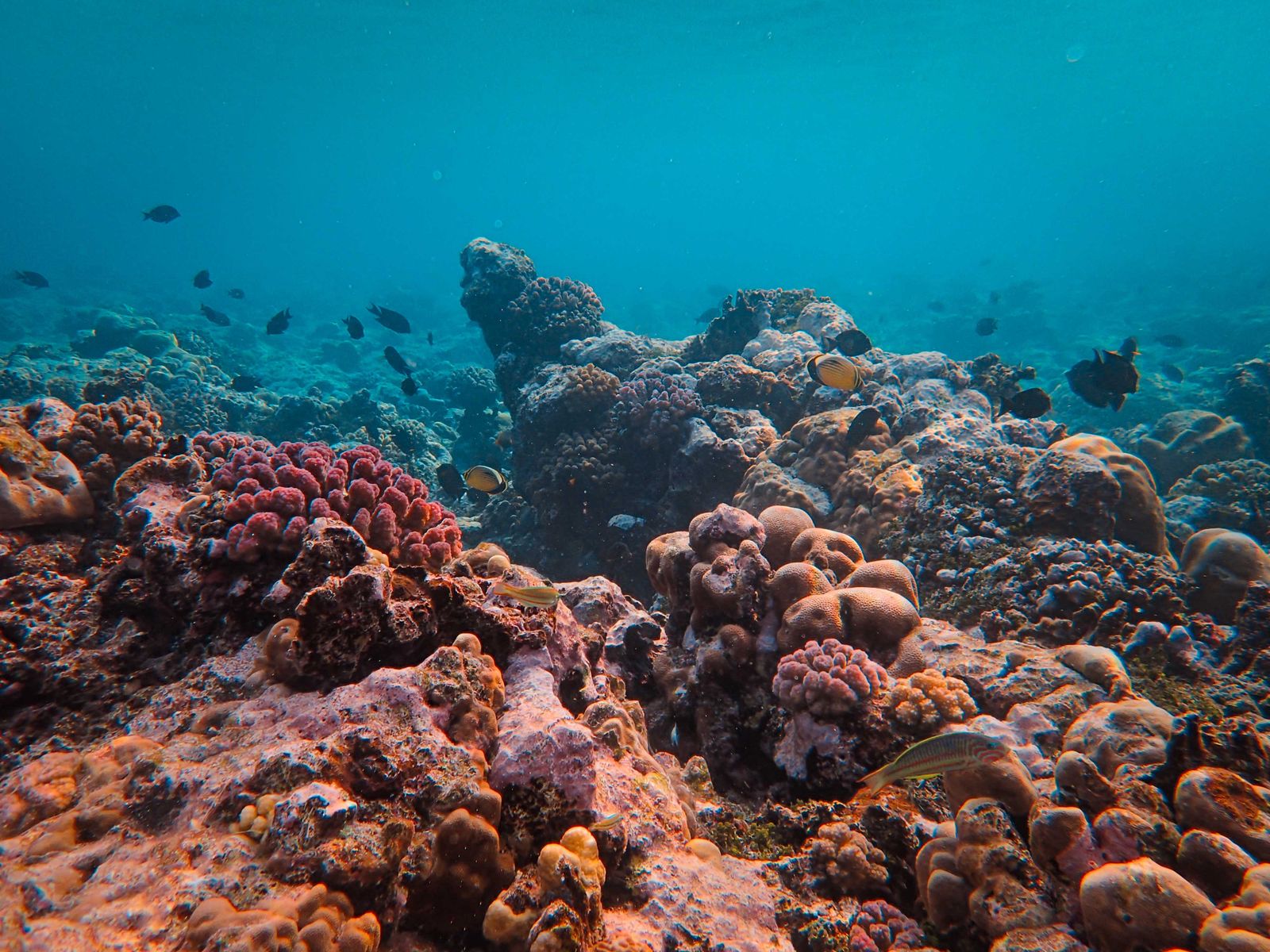
If the thought of huge crowds and party catamarans heading to Saona terrifies you, Isla Catalina is a much calmer and more intimate alternative. This smaller island lies a little further west and specialises mainly in marine life. Trips here usually cost between 89 and 99 dollars and offer a far more personal approach than the mass tours. The crossing is much smoother and the crew often gives small groups very individual attention.
The main draw here is the famous wall known as The Wall, which plunges sharply from five metres down to a depth of forty metres. The reef is beautifully covered in colourful corals, sponges and schools of tropical fish, making it one of the best snorkelling spots in the entire country. After snorkelling, lunch awaits right on the beach, usually grilled fish with rice and plantains. It’s simple, but after all that effort it’s utterly perfect. The local sand is also so fine it resembles smooth flour, and swimming is perfectly safe even for younger children.
8. Santo Domingo and the Zona Colonial
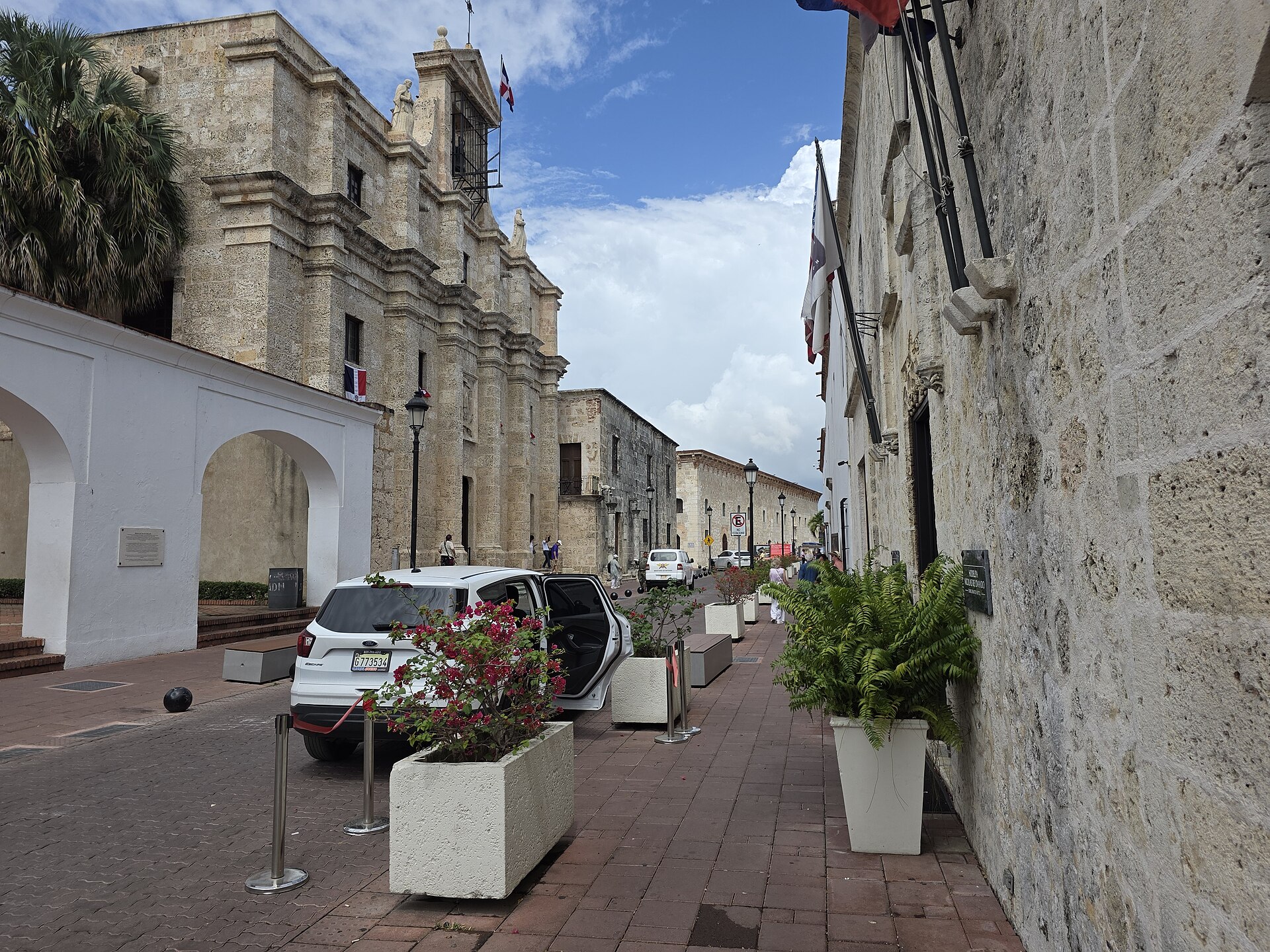
The capital, Santo Domingo, boasts a UNESCO listing, because its historic Zona Colonial district is the oldest European city in all of the Americas. Here you’ll find the very first paved street, Calle Las Damas, the historic Fortaleza Ozama fortress and a magnificent cathedral whose entrance costs just a few dollars. For a small fee you can also visit the Alcázar de Colón palace with an excellent audio guide. Wandering these alleys is like travelling through time — every building breathes a huge slice of history.
Many agencies offer day trips from Punta Cana, but honestly, I’d recommend thinking this format through carefully. Although the adverts promise an eight-hour trip, in reality you’ll spend up to eleven hours on the coach and in traffic jams, and you’ll race through the actual sights at a jog. This trip only makes sense for genuine history enthusiasts. A far better option is to rent a car and stay in the historic centre for at least one night, so you can enjoy the romantic evening atmosphere full of street musicians and illuminated colonial houses.
9. Whale Watching on the Samaná Peninsula
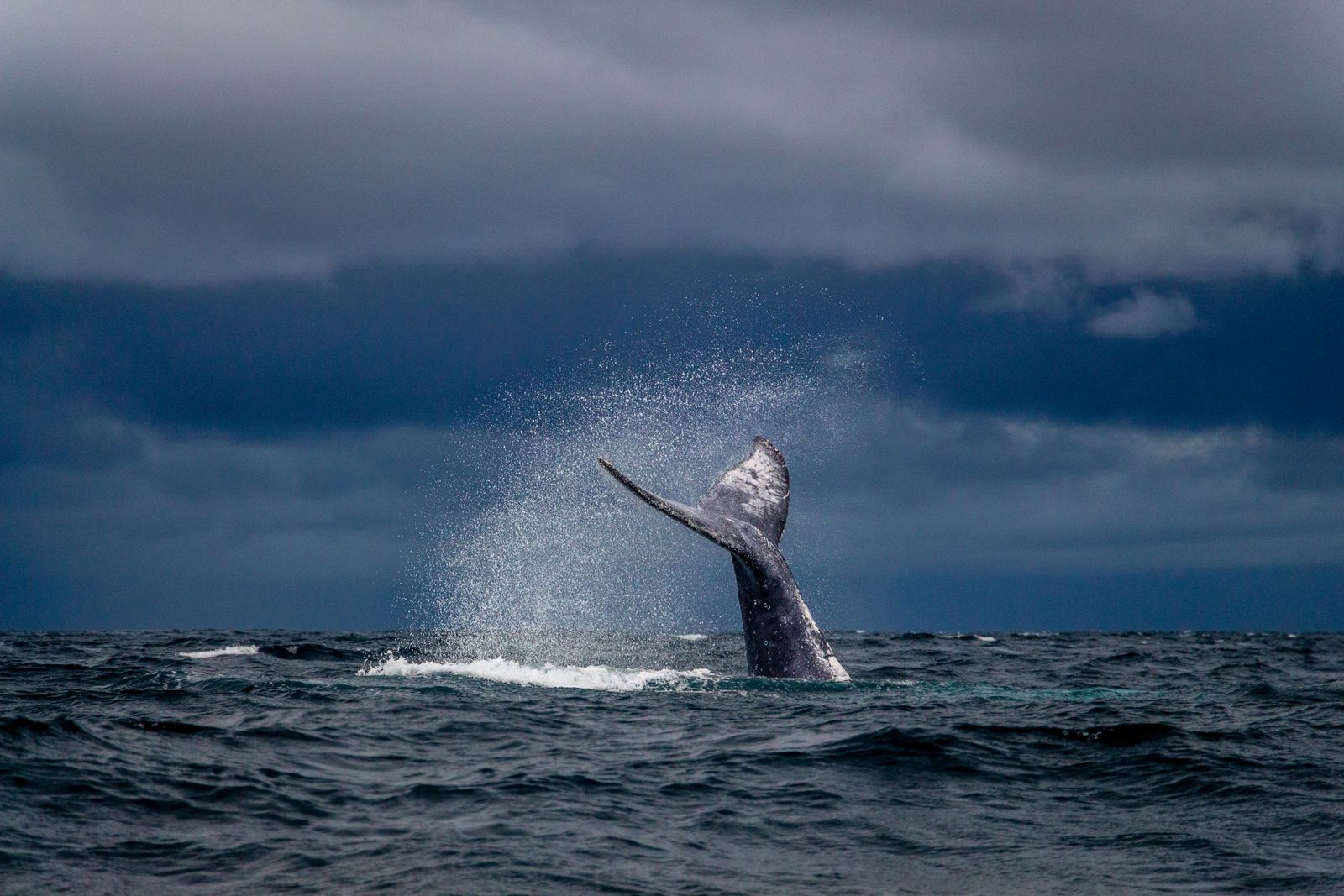
This is without a doubt one of the most powerful natural experiences you can have in the Caribbean. Every year from mid-January to the end of March, enormous pods of humpback whales — sometimes over two thousand of them — arrive in the warm waters of Samaná Bay. The males put on incredible acrobatic leaps to impress the females, and the mothers teach their newborn calves to swim here. Hearing their mighty exhale up close as they surface is something you’ll never forget for the rest of your life.
If you’re heading here from Punta Cana, the trip will cost you roughly 150 to 250 dollars. It’s far better value to travel to the peninsula independently and buy the tour right at the port for 50 to 80 dollars. The gold standard for ethical watching is Whale Samaná, founded by expert Kim Beddall back in 1983, which works closely with international whaling commissions. Just be aware that it can get quite choppy on the open sea, so if you suffer from seasickness, a motion-sickness tablet an hour before the trip will be your best friend.
10. El Limón Waterfall and Los Haitises National Park
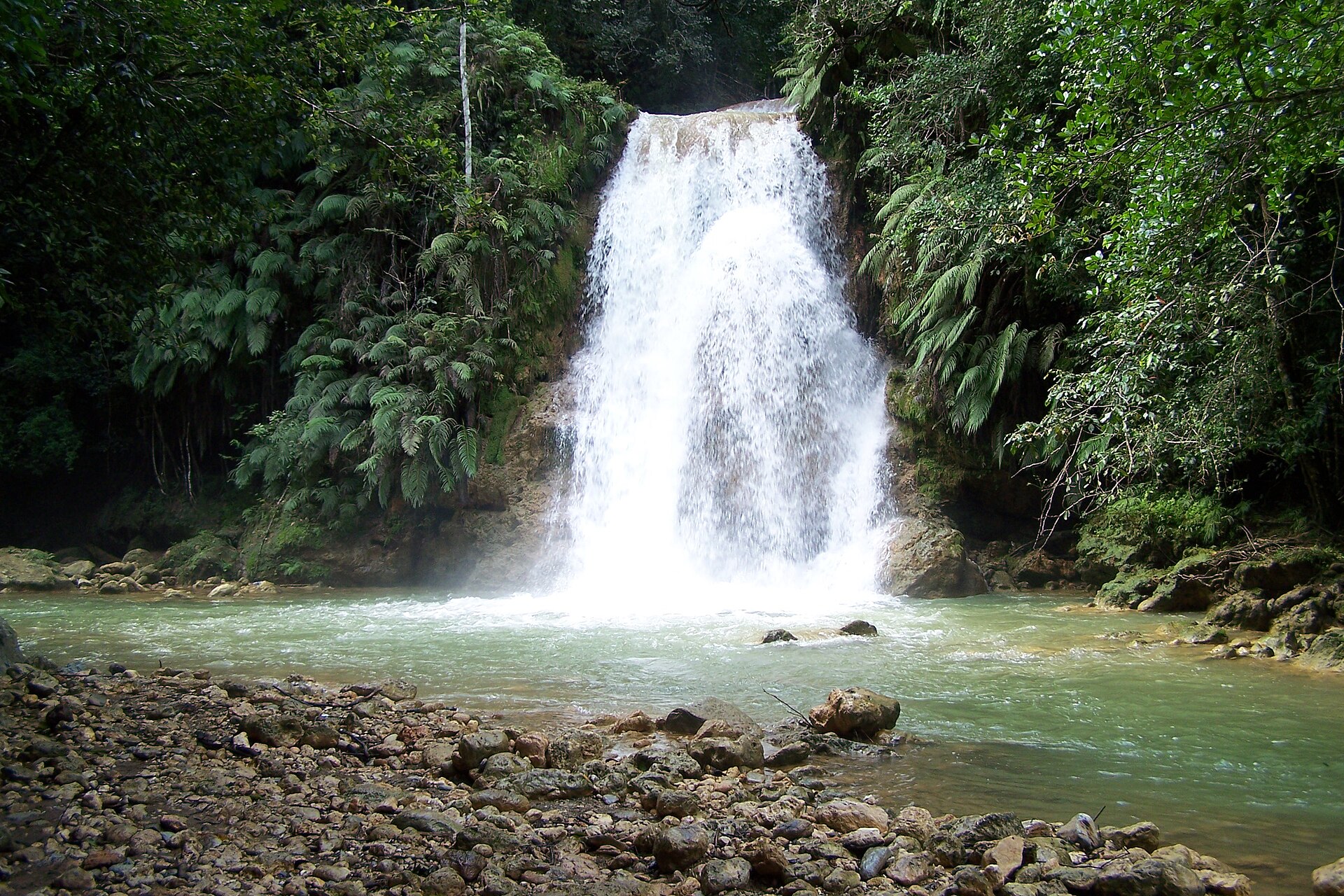
While you’re on the Samaná peninsula, it would be a huge shame to skip the other local beauties. The El Limón waterfall plunges from a height of fifty metres into an emerald pool in the middle of dense jungle, offering wonderful refreshment. The walk to it takes about an hour on foot through the rainforest, or you can rent a horse with a local guide for around 70 dollars. The water beneath the waterfall is fairly cold, but after a sweaty trek through the jungle you’ll welcome that temperature shock with open arms.
Right across the bay lies the fascinating Los Haitises National Park, full of limestone hummocks rising from the water, dense mangroves and mysterious caves. These caves still preserve the original pictograms of the indigenous Taíno people who inhabited the island before the Europeans arrived. These trips make a great alternative for days when the sea is too rough for swimming. Cruising through the maze of mangroves also hides you perfectly from the direct sun.
11. Adrenaline at 27 Charcos de Damajagua
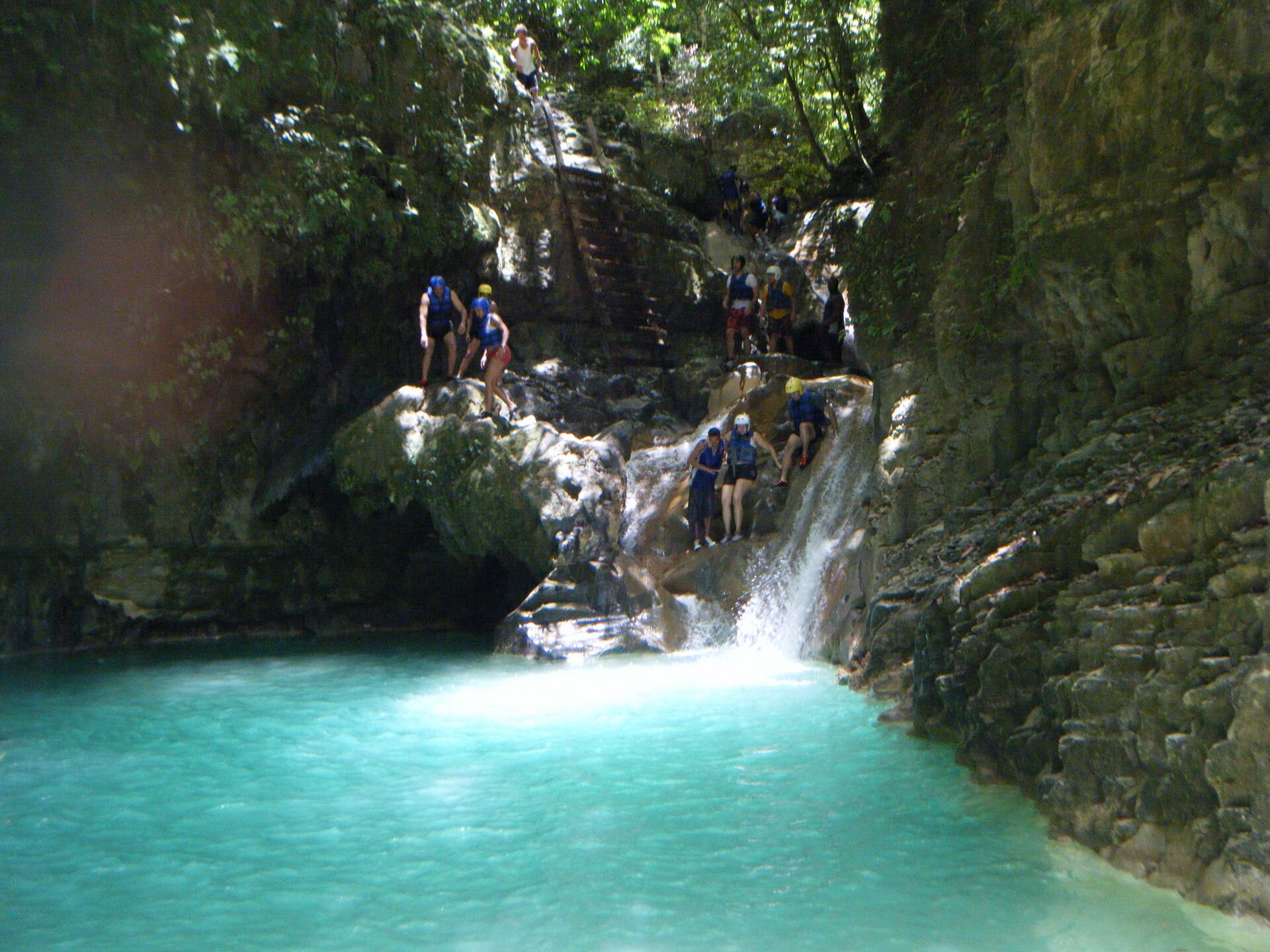
If your base is on the north coast near Puerto Plata and you love adrenaline, you simply have to experience this natural water park. Over millennia, the Damajagua River has carved a stunning system of twenty-seven natural water slides, waterfalls and deep pools into the rock here. Set off ideally first thing in the morning to avoid the biggest crowds from the cruise ships. The water in the canyon is beautifully clean, refreshing and offers an absolutely brilliant view of the surrounding rock formations.
Admission costs between 11 and 21 dollars depending on how many waterfalls you want to tackle, and you’re required to wear a helmet, a life jacket and have a local guide. Be prepared to jump into the water from a height of several metres and slide down smooth rocks. From the Punta Cana area, unfortunately, this trip is completely unrealistic for a single day because of the enormous distance — the journey would take almost five hours one way and would wreck your whole day.
12. Puerto Plata and the Cable Car Under Renovation
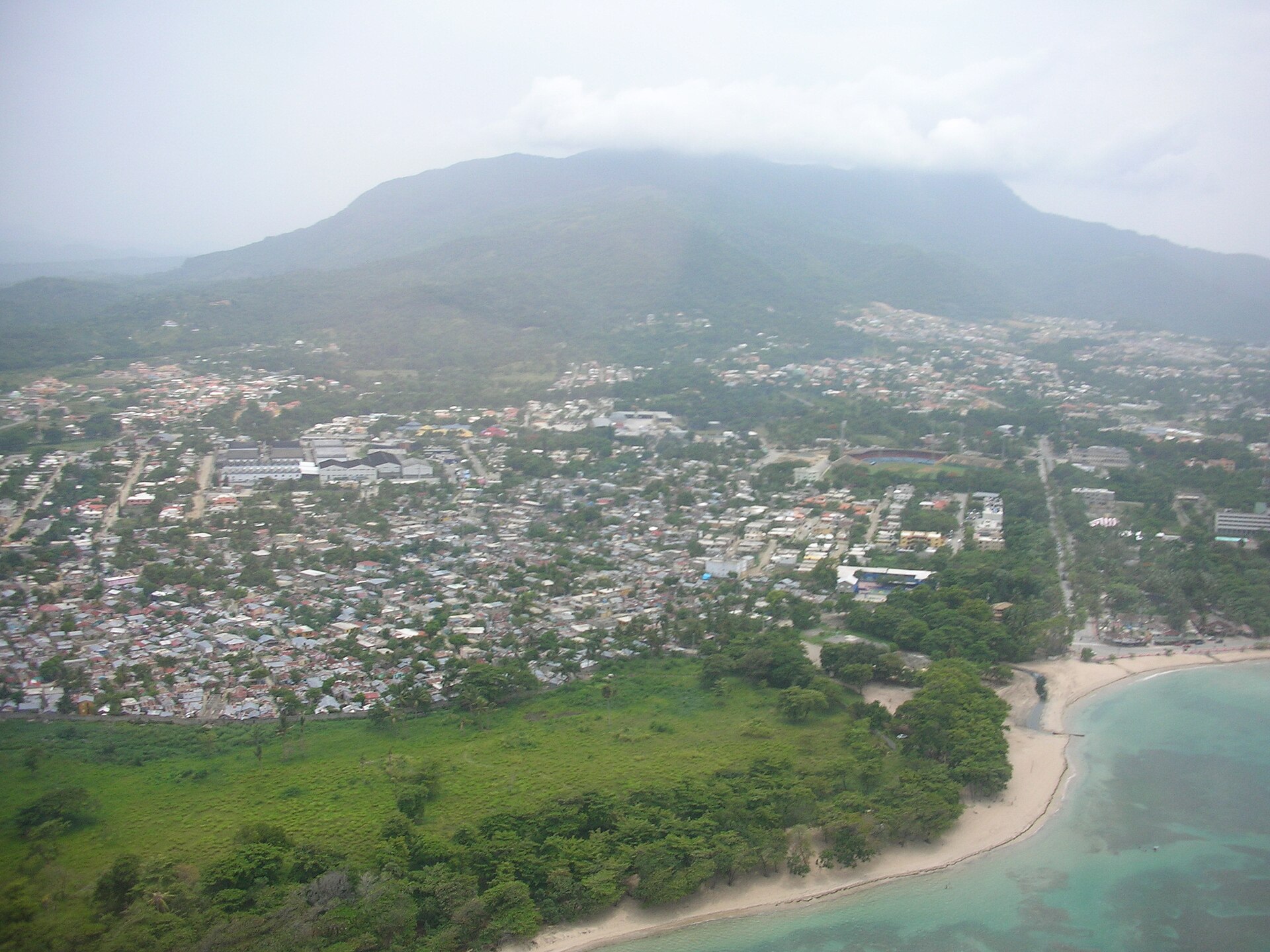
The town of Puerto Plata in the north of the island is known for its beautiful Victorian centre, picturesque streets and the historic San Felipe fortress, but before you plan to ride the Teleférico cable car, I have to stop you with one important piece of information. The main attraction used to be this very cable car, the only one in the Caribbean, which carried tourists to the summit of Mount Pico Isabel de Torres for gorgeous views. The spot is magical and the rainforest-covered mountain even has a scaled-down statue of Christ the Redeemer at its top.
In April 2026, a massive 20-million-dollar renovation of the cable car began, expected to last about 18 months, so it isn’t running at the moment. As an alternative, you can reach the summit via the popular safari trucks — a slightly bumpier ride, but the views from the statue of Christ the Redeemer at the top are still well worth it. Before your trip, always check the current state of the renovation on the official websites, where you’ll find the freshest information.
13. Pristine Nature at Bahía de las Águilas
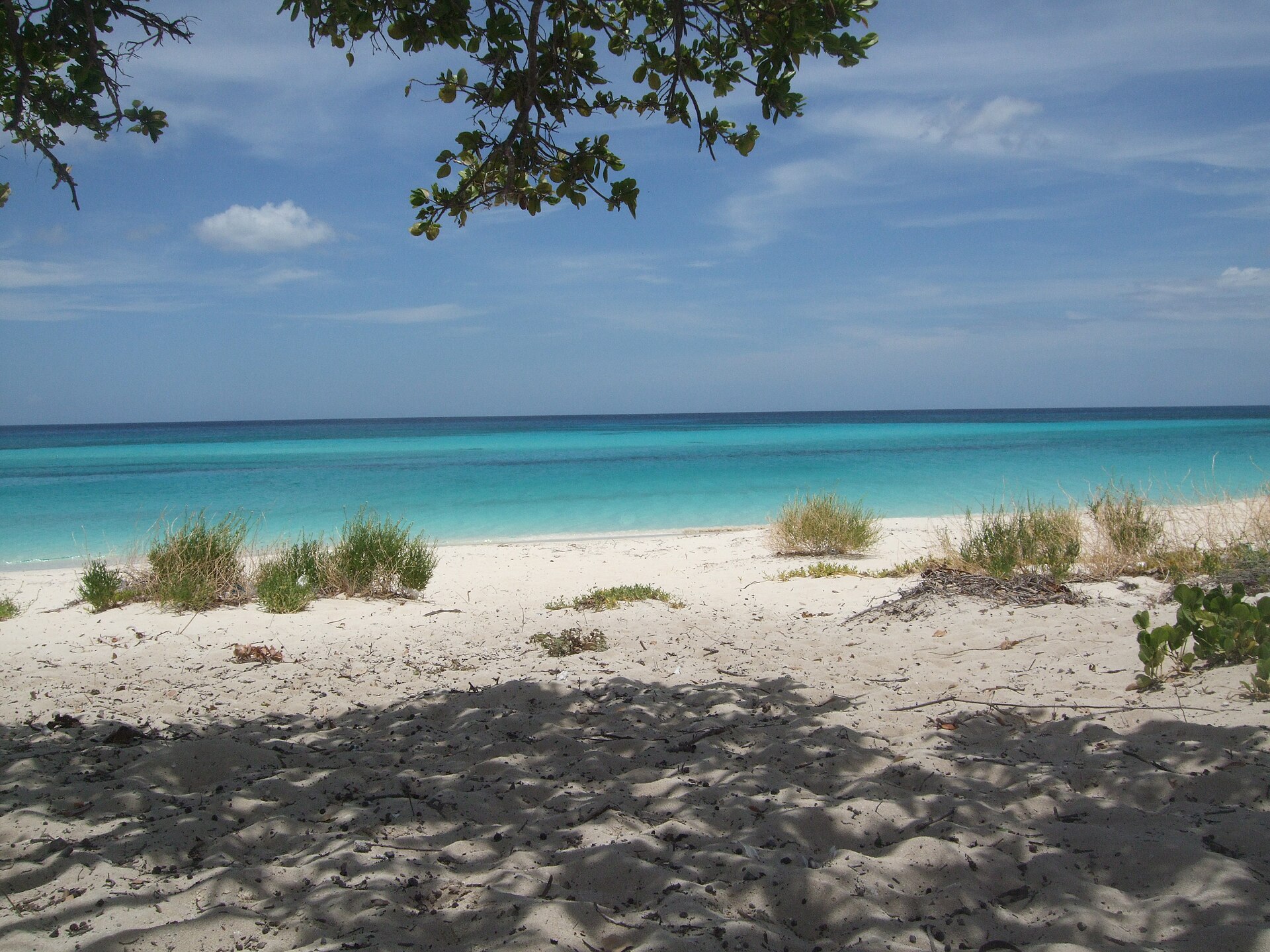
The Bay of Eagles, or Bahía de las Águilas, is often described as the most beautiful beach in the world, and honestly, after seeing the photos it’s hard to argue. It lies in the Jaragua National Park on the wild southwest and offers eight kilometres of dazzling white sand, where you won’t find a single building, hotel or restaurant. You can only get here by boat from the little village of La Cueva, which will cost you around 25 to 55 dollars. The water here resembles a giant sheet of glass, and the sheer isolation gives you the feeling you’ve discovered your own private island.
The journey from Punta Cana takes a long six hours or more, so this place is more ideal for travellers returning to the country for a second time with a rental car. There’s no mobile signal here and you have to bring your own water and food. Your reward will be a completely untouched Caribbean paradise, where you’ll have huge stretches of beach all to yourself and, instead of speakers blasting reggaeton, you’ll hear only the wind and birdsong.
14. Mountain Caribbean in Jarabacoa
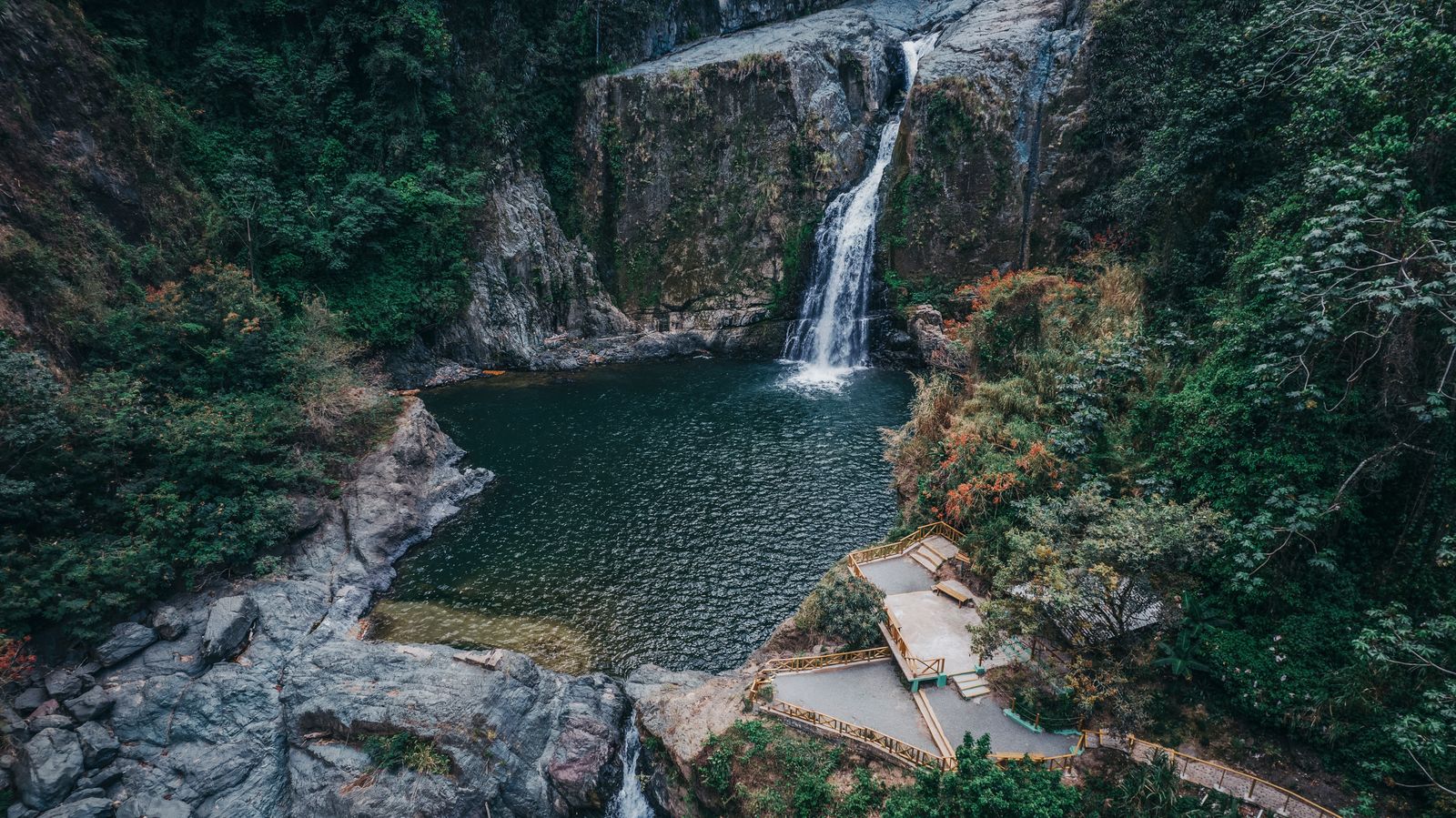
Most people associate the Caribbean only with palm trees and beaches, but the interior around the town of Jarabacoa hides beautiful mountain peaks and a surprisingly cool climate. Locals affectionately nickname this area “the Caribbean with a fleece”, because temperatures drop pleasantly in the evenings, and if you love mountain hiking, wild rivers or rafting, this is your Caribbean paradise. Rafting on the Yaque del Norte river is an amazing adrenaline experience, and the landscape resembles the Swiss Alps more than a tropical island.
This is also the starting point for two-day treks up the highest mountain in the entire Caribbean, Pico Duarte, which stands at an impressive 3,098 metres. For this challenging climb you’re required to have a local guide, and complete packages including food and mules to carry your luggage start at around 425 dollars. It’s a huge contrast to lounging on the beach and a showcase of the island’s incredible diversity, which offers so much more than just all-inclusive drinks.
15. Hoyo Azul and Scape Park
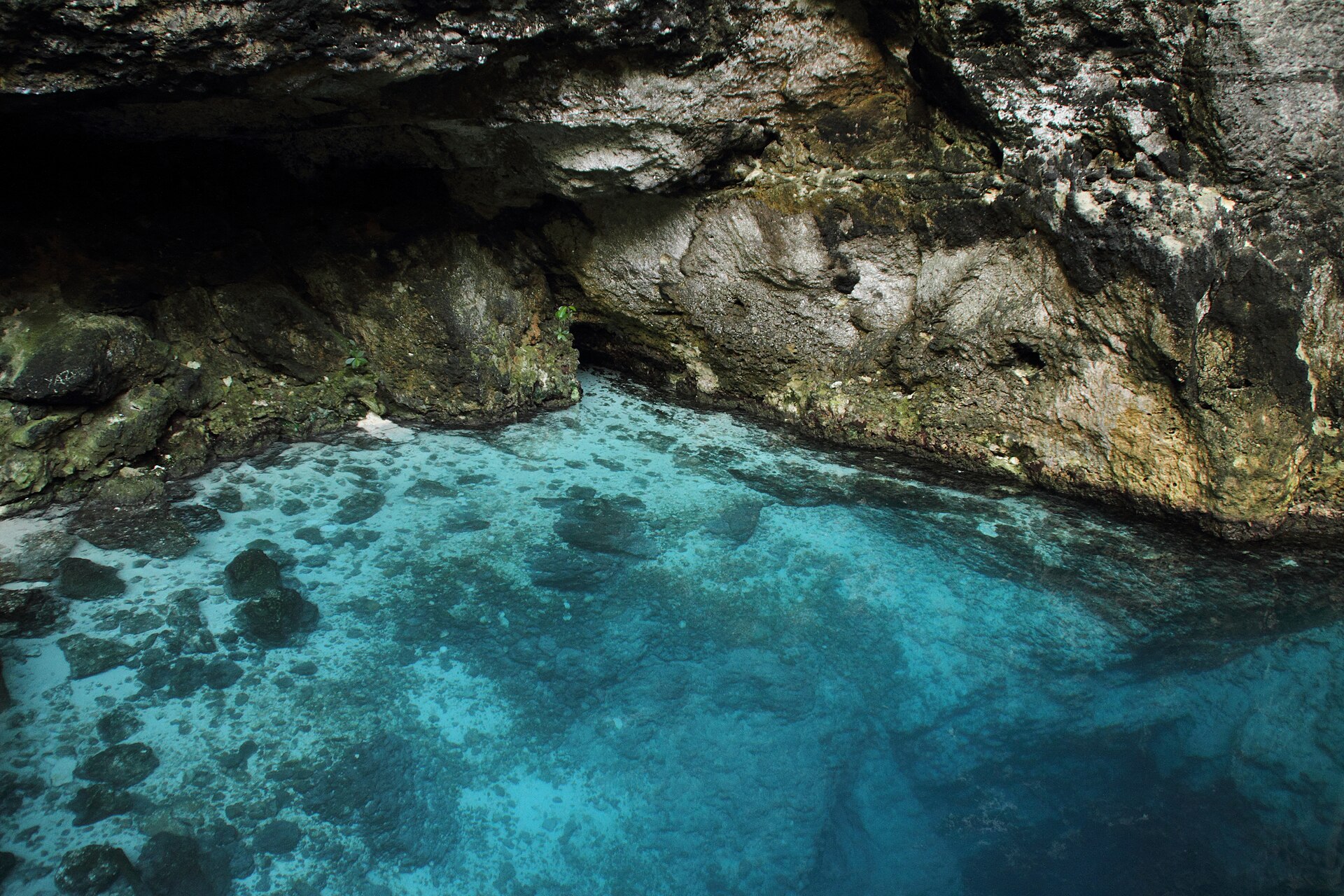
The Hoyo Azul cenote is a breathtaking natural pool with incredibly blue water, hidden at the foot of a seventy-five-metre limestone cliff in the Cap Cana area. The water is so clear that, despite the great depth, you can see every pebble on the bottom perfectly. It’s one of the most photographed spots in the entire country, and the sight of it really does take your breath away. On top of that, you’re surrounded by beautiful tropical jungle full of giant ferns and vines.
Be aware, though, that standalone access to the pool is unfortunately no longer possible. You can only reach it as part of full-day admission to the adventurous Scape Park, which costs 129 dollars per adult. The park does offer plenty of ziplines and cave exploration, but if you only want to see the pool itself, this price may seem very steep. On the other hand, with children you’ll spend a fantastic and perfectly safe day full of climbing frames and jumps into the water.
16. Culture and Nightlife: Merengue and the Colmado
Dominicans are an incredibly cheerful people and their lives are inseparably bound up with music. The national dances merengue and bachata, which are even on the UNESCO list of intangible heritage, you’ll hear playing absolutely everywhere — from passing cars, in shops and on the beach. If you want to enjoy an authentic evening, head out beyond the hotel complex and lose yourself in the local rhythms, which will get you moving even if you don’t normally dance.
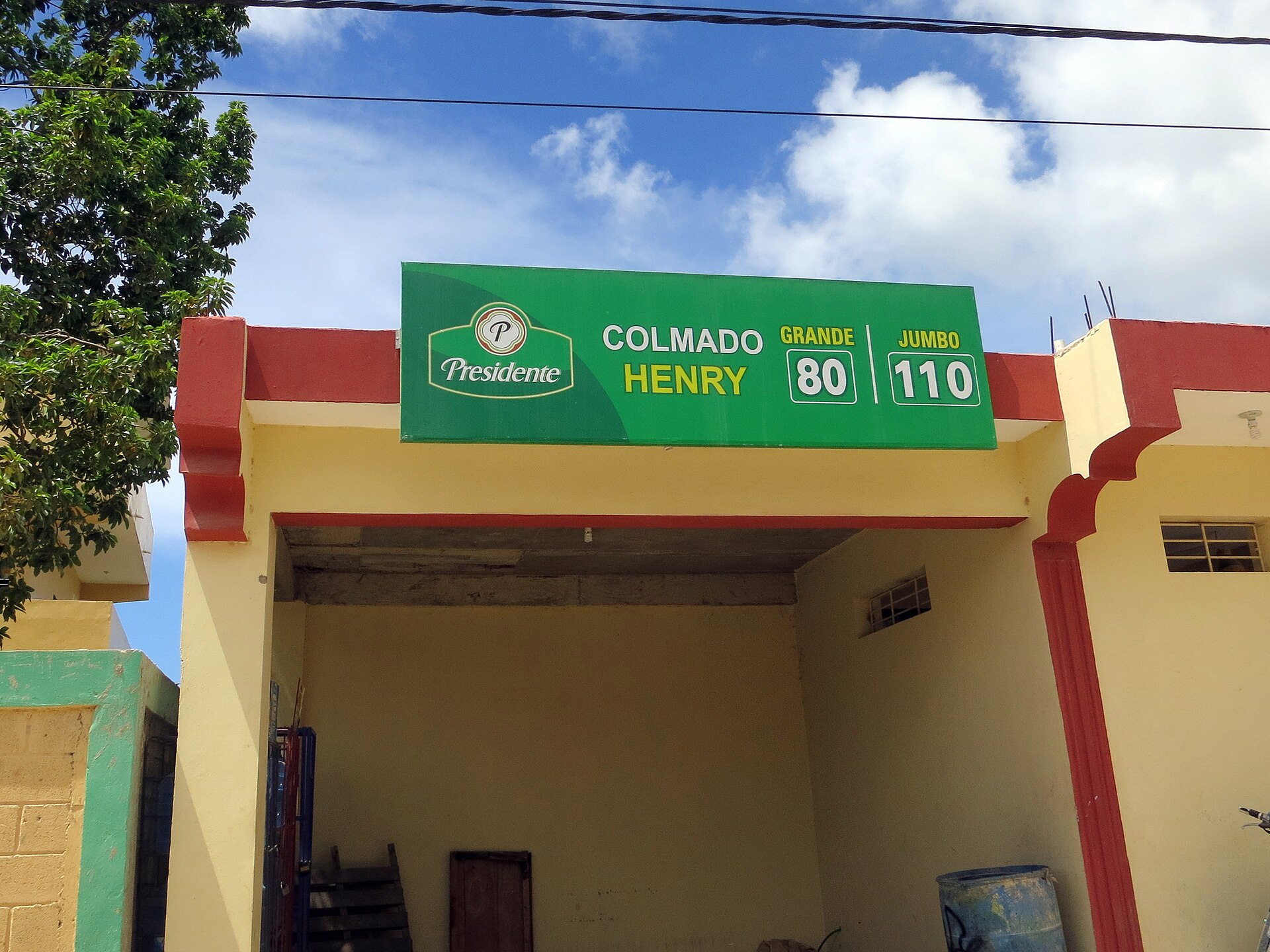
The absolute centre of social life is the so-called colmado, which at first glance is an ordinary corner shop. In the evening, though, plastic chairs are pulled out front, the music is cranked up full blast and the locals gather over a chilled Presidente beer for around 150 pesos. If you’re travelling in winter, another great experience is catching a game in the professional LIDOM baseball league, because baseball here is an absolute religion. Fans in the stadiums drum, sing, and the atmosphere is utterly electrifying.
17. Animal Ethics: What to Steer Well Clear Of
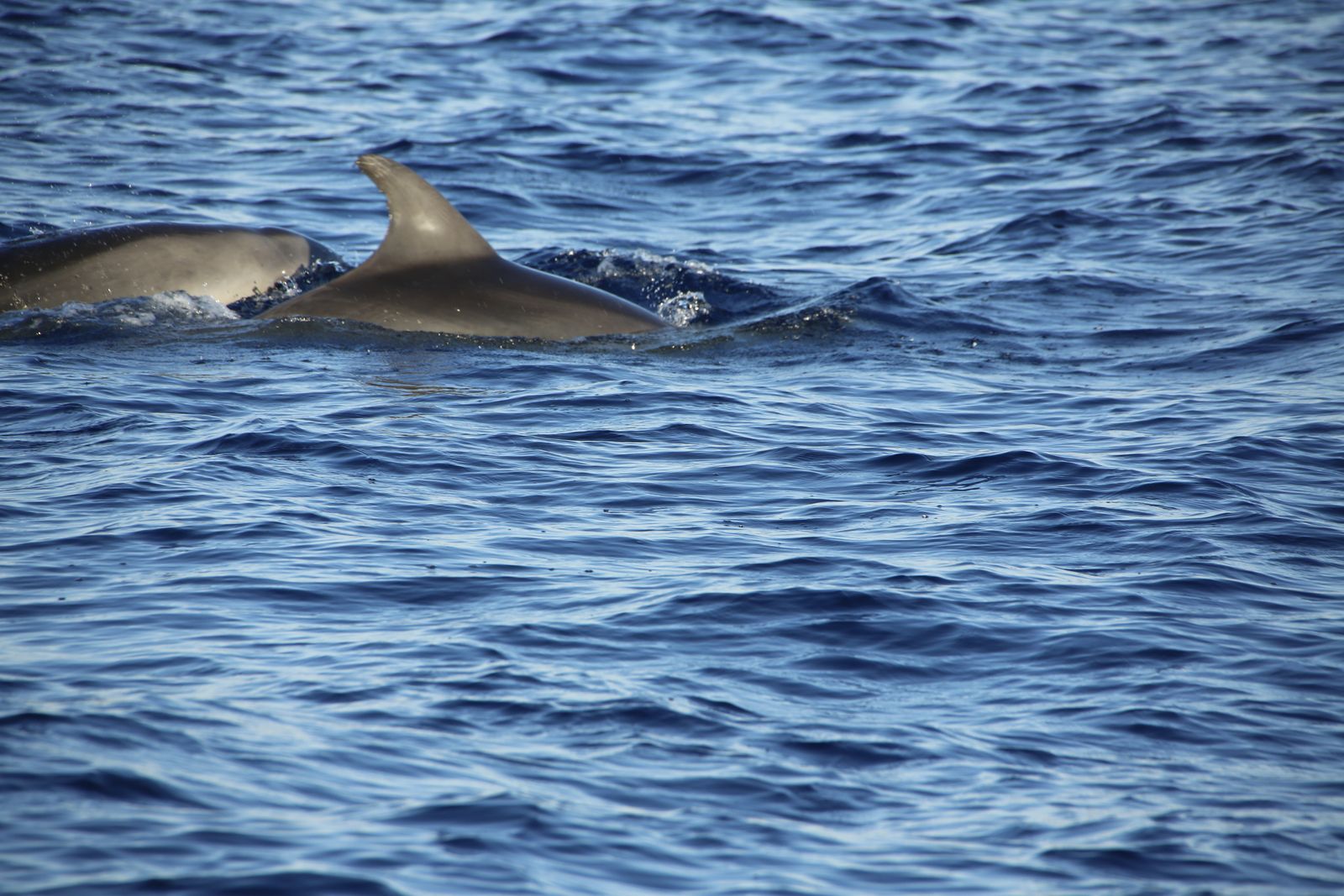
The tourist industry sadly often exploits animals, and I really do beg you to avoid such attractions. In the Punta Cana area there are still various dolphinariums where tourists swim with dolphins in small concrete pools, which causes the animals enormous stress. Many of these operators also face huge financial problems and bankruptcies, so the animals’ conditions keep deteriorating. Avoid horseback rides too if the animals look malnourished and stand in the blazing sun all day.
Watch out for one common misconception: the ban on dolphin shows from 2025 applies in Mexico, unfortunately not in the Dominican Republic. Another big nuisance is the beach photographers who plonk a parrot or a monkey on your shoulder and then demand 80 dollars for a photo taken on your own phone. These animals are often drugged and suffer in the direct sun, so never support these practices — just keep walking with a calm refusal.
18. The Lowdown on Flights and the Time Difference
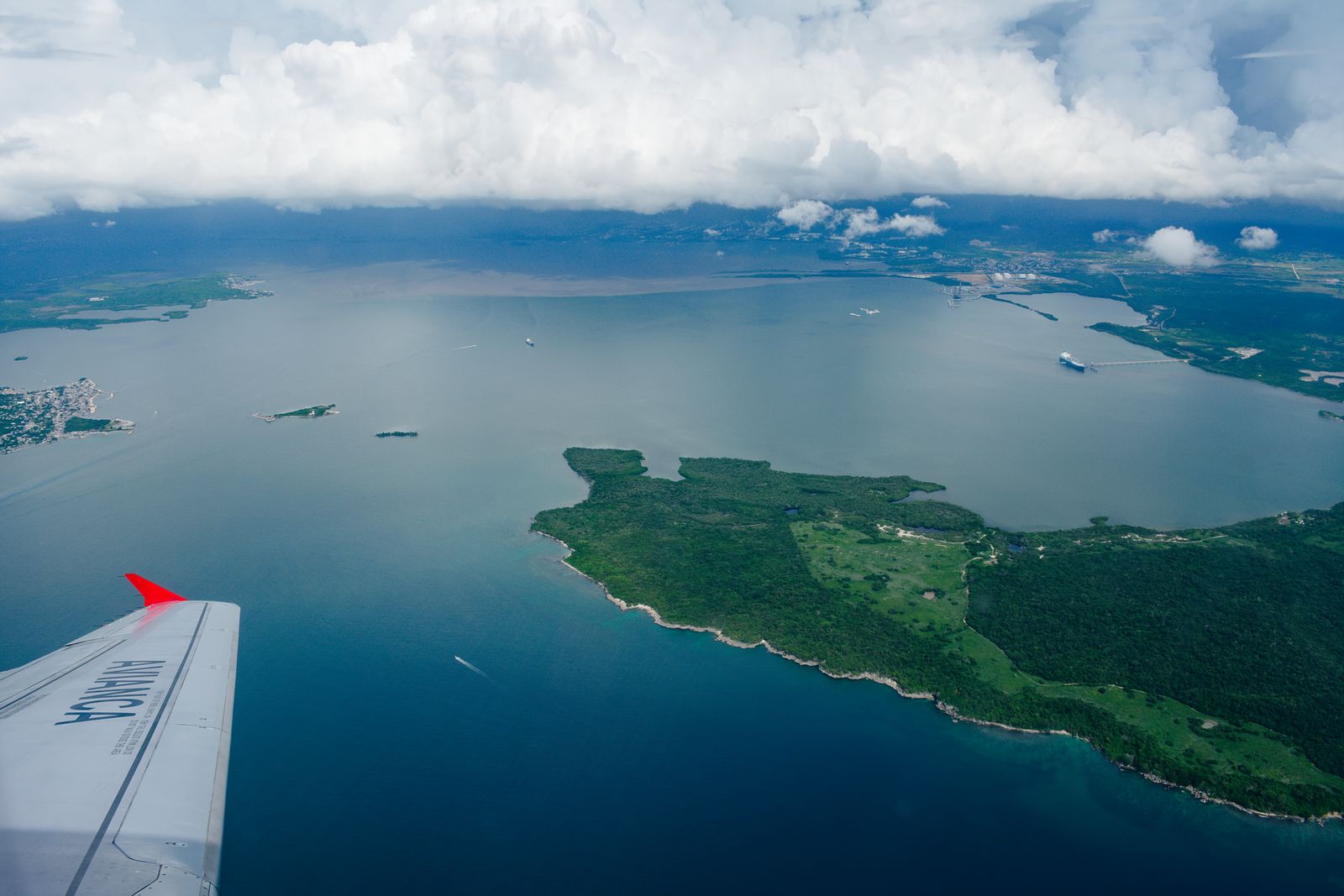
From the UK you can reach Punta Cana fairly comfortably. There are direct flights from London with TUI and British Airways, taking roughly nine hours out and around eight and a half hours back thanks to favourable winds. The good news is that from the 2026/27 winter season, comfortable TUI Airways Dreamliner aircraft will be flying these routes, offering far better comfort. If you have a connecting flight, expect a total travel time of around fourteen hours.
If you fly independently with a stopover in Madrid, Paris or Frankfurt, fares under about £650 are considered a very good buy. Be prepared for a significant time difference too, which is minus five hours in winter and minus six hours in summer. While the journey out and adjusting to the western time is usually fairly easy, after returning home expect to wake up very early in the morning for a few days. Try to stay awake until at least nine in the evening straight after arriving in the Caribbean, so your body clock resets as quickly as possible.
19. Practical Essentials: The E-Ticket and Plug Sockets

To enter the country you don’t need any visa with a British passport, but filling in the electronic e-ticket form is an absolute must. You have to fill in this form for free on the official migration authority website, both before departure to your destination and before returning home. You can list up to seven family members on a single form, it takes about ten minutes, and at the end you’ll get a generated QR code. Be extremely careful of scam sites that pose as official and charge fees for filling it in. Feel free to save the form straight to your phone so it’s to hand at the checkpoint.
Another very important thing travellers often forget is the plug sockets. The country uses American type A and B sockets with 110 V voltage, so don’t forget to pack the appropriate adapter. While phone and laptop chargers handle the lower voltage without a problem, European hairdryers or hair straighteners will only work at half power here. If you have more expensive electronics, it’s always better to bring an adapter with surge protection too, because power cuts and grid fluctuations are not at all unusual here.
20. Money, Safety and the Tipping Culture

The official currency is the Dominican peso, but you can pay perfectly normally in US dollars, which I’d recommend bringing along in sufficient quantities. Staff at hotels, on excursions and in restaurants often have very low base wages and rely on tips, so the tipping culture here is extremely strong. Always keep one-dollar bills handy and leave one or two dollars for the housekeeper, the bartender or the driver. You’ll find ATMs in most tourist zones, but they charge fairly high fees, so it’s better to have your cash exchanged before you leave home.
As for health, never, under any circumstances, drink the tap water and don’t even use it for brushing your teeth. In the resorts the water for washing is safe, and the ice for drinks is made exclusively from purified water, so you needn’t fear it. Outside the hotel complexes, watch out for petty theft from passing moped riders, so don’t flash expensive phones or jewellery on the street. Simply behave as cautiously as you would in any other large European city and you’ll be fine.
21. What to Try: Vegetarian Treats and Larimar
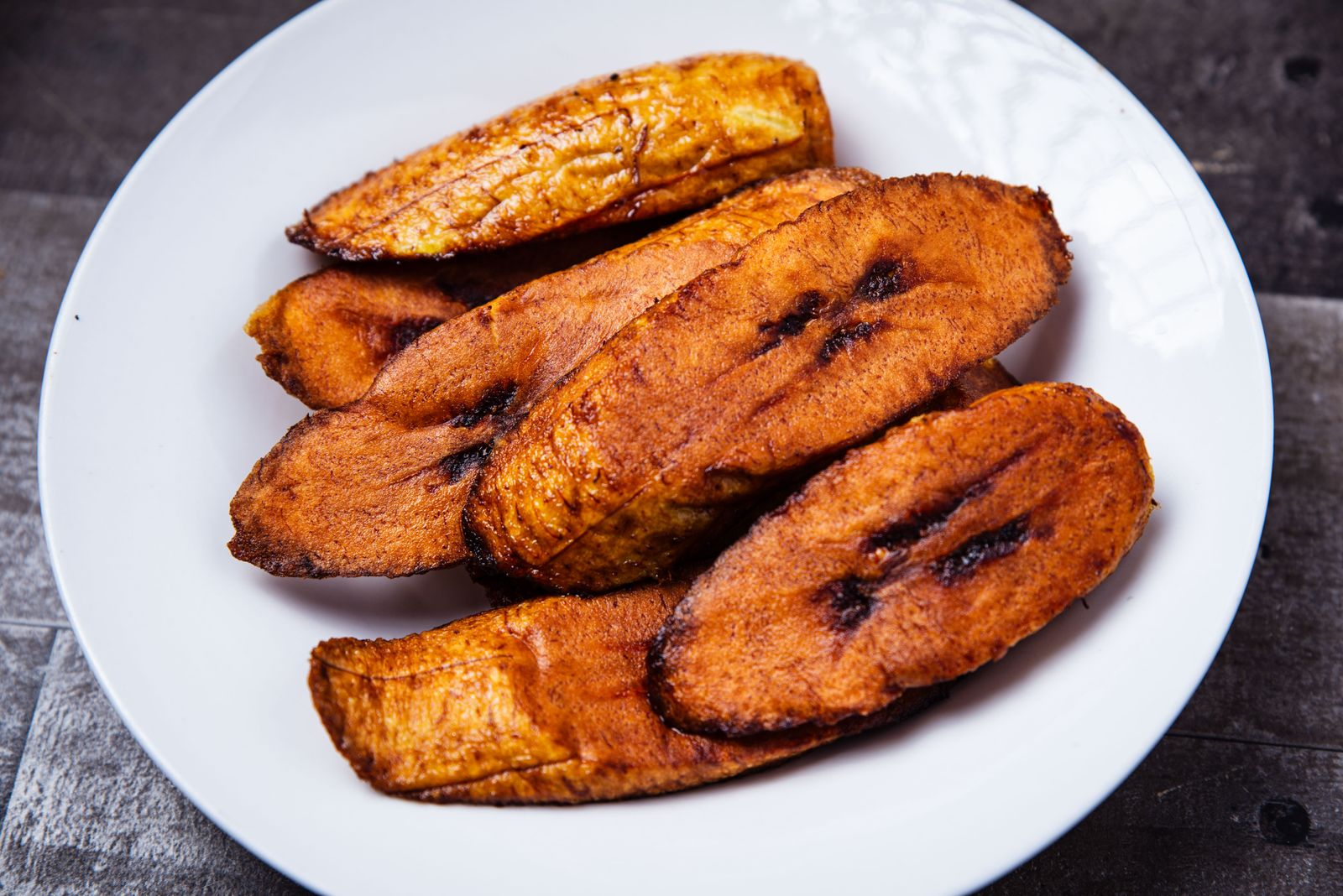
Local cuisine is no haute cuisine, but that doesn’t matter one bit. It’s hearty, honest and full of dishes you’ll welcome as a vegetarian or simply as someone tired of the hotel buffet. I definitely recommend trying mangú, a purée of boiled green plantains served at breakfast with fried cheese (queso frito) and eggs. Tostones are also a great choice — crispy fried plantain slices — or the traditional casabe flatbread made from cassava flour, which is even on the UNESCO list.
If you’re after a typical souvenir, skip the plastic fridge magnets and look for larimar jewellery. This beautiful semi-precious stone, with the colour of the Caribbean sea and delicate white veins, is mined in only one place in the entire world — right here in the southwest of the Dominican Republic. You can tell genuine larimar by the fact that its pattern is never entirely uniform and every piece is a true original. Watch out for cheap fakes made of glass or resin, and buy from certified silversmiths rather than wandering beach vendors.
Map of points of interest for your phone
Where to Go Next from the Dominican Republic
If you love the Caribbean vibe and you’re looking for inspiration for more winter escapes, I can warmly recommend taking a look at Mexico. I’ve put together a detailed Mexico itinerary: ready-made routes for 10, 14 and 21 days, where you’ll find the best routes around the Yucatán peninsula. If you fancy a resort holiday combined with Mayan landmarks, be sure to read the article Cancún holiday: 14 tips on what to see.
Drawn more to Africa and the Indian Ocean? A great alternative for a winter holiday is the fragrant Spice Island, which you can read about in the article Zanzibar: holiday, 21 tips on what to see and when to go. For those seeking absolute romance and an escape from civilisation, I’ve written a guide to the Maldives: holiday, 21 tips on what to see and when to go. And if you don’t want to fly quite so far but still long for sunshine, discover the charm of the African islands in Cape Verde: holiday, 19 tips on what to see and when (not) to go.
More exotic destinations from our series: Sri Lanka: holiday, 21 tips on what to see and when to go · Mauritius: holiday, 21 tips on what to see and when to go · Abu Dhabi: holiday, 21 tips on what to see and when to go
Frequently Asked Questions
When is the best time to visit the Dominican Republic?
Absolutely the best time is the period from December to April, when the island experiences the dry season, the most pleasant temperatures and much less seaweed. If you want to see whales, go between mid-January and the end of March.
How is it with the dreaded sargassum seaweed?
Sargassum is the biggest problem during the summer months from May to August, especially on the east coast (Punta Cana, Bávaro). If you’re traveling in summer, the best choice is the southern area of Bayahibe, which is almost always clean.
Are hurricanes dangerous in the Dominican Republic?
The official hurricane season runs from June to November, peaking in late summer. However, direct hits on the island are very rare (the last major one was in 1998). Just make sure you have good trip cancellation insurance and you can travel worry-free.
Do I need a visa and what is an e-ticket?
For tourist stays up to 30 days, you don’t need a visa with a Czech passport. However, it’s absolutely essential to fill out the free electronic e-ticket form before both departure and arrival, which will generate a QR code for immigration officers.
How long is the flight and what time difference can I expect?
A direct flight from Prague takes roughly ten hours there and slightly less on the return. The time difference compared to the Czech Republic is minus five hours in winter time and minus six hours during our summer time.
Is it safe to leave the hotel resort?
In tourist areas it’s relatively safe, but it’s recommended to follow basic precautions. Don’t wear expensive jewelry on display, after dark use verified Uber cars rather than other options, and avoid dark alleys in big cities.
Is a trip to Saona Island worth it?
Yes, the beaches on Saona are beautiful, but I recommend avoiding overpriced tours from hotel receptions. Head to the port in Bayahibe in the morning, where you can get the same trip for half the price directly from local operators.
Can you drink tap water in the country?
Never drink tap water or use it for brushing your teeth. You’ll get bottled water in hotels and ice for drinks is always made exclusively from safe purified water.
Tips and Tricks for Your Vacation
Don’t Overpay for Flights
Search for flights on Kayak. It’s our favorite search engine because it scans the websites of all airlines and always finds the cheapest connection.
Book Your Accommodation Smartly
The best experiences we’ve had when looking for accommodation (from Alaska to Morocco) are with Booking.com, where hotels, apartments, and entire houses are usually the cheapest and most widely available.
 🚗 Car rental on the roadVerified car rentals in the Dominican Republic
Search with the DiscoverCars comparison engine — it compares prices from dozens of local and international rental companies, and most bookings come with free cancellation.
Compare car prices in the Dominican Republic →Don’t Forget Travel Insurance
Good travel insurance will protect you against illness, accidents, theft, or flight cancellations. We’ve had a few hospital visits abroad, so we know how important it is to have proper insurance arranged.
Where we insure ourselves: SafetyWing (simple monthly subscription) and TrueTraveller (for extra-long trips).
Find the Best Experiences
Get Your Guide is a huge online marketplace where you can book guided walks, trips, skip-the-line tickets, tours, and much more. We always find some extra fun there!


